
Kuala Lumpur, the Confident
Mitte Dezember 2025 flog ich von Mauritius über den Indischen Ozean nach Kuala Lumpur. Die Hauptstadt Malaysias hat viel zu bieten.
Published: 14.06.2026

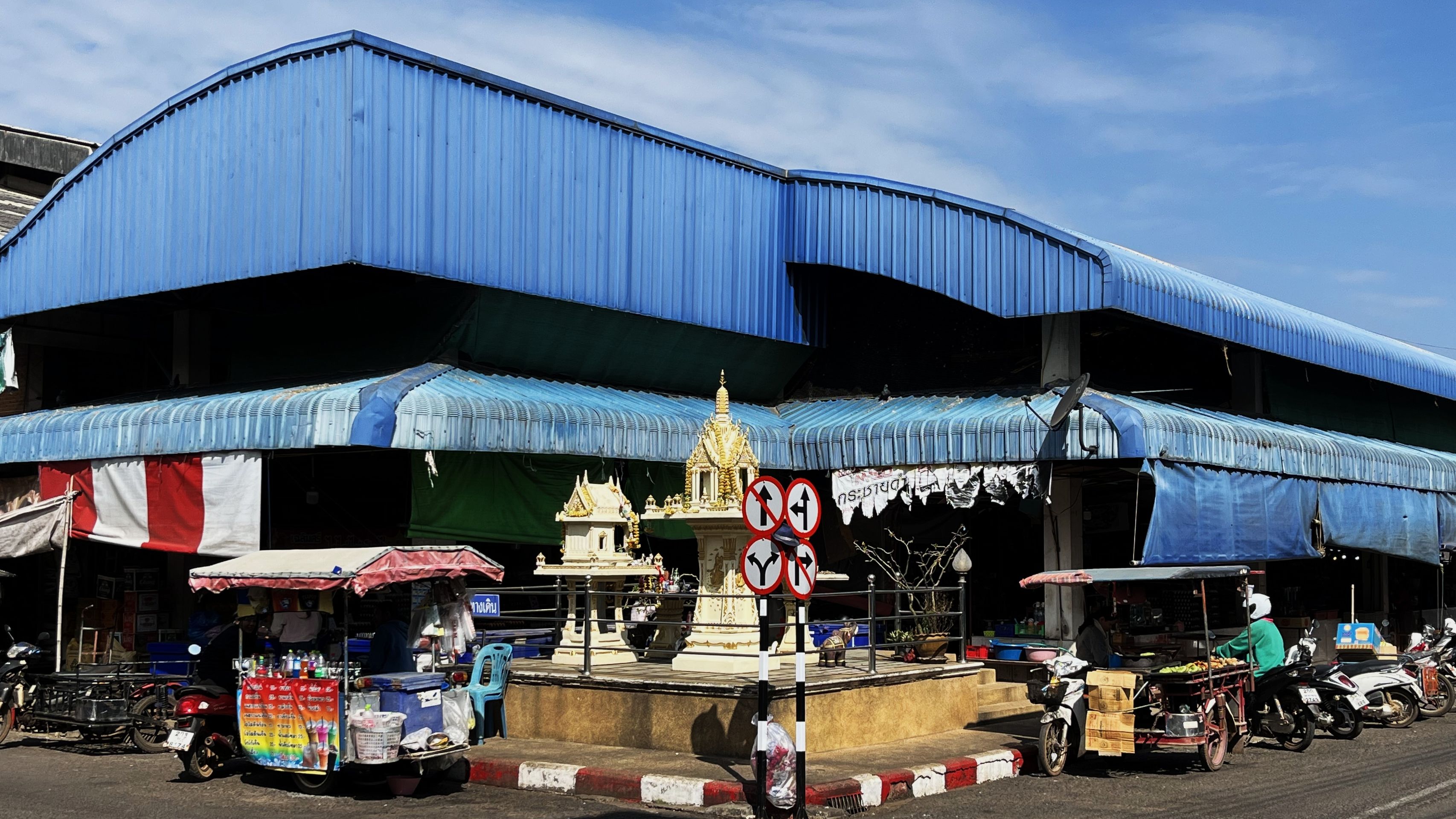
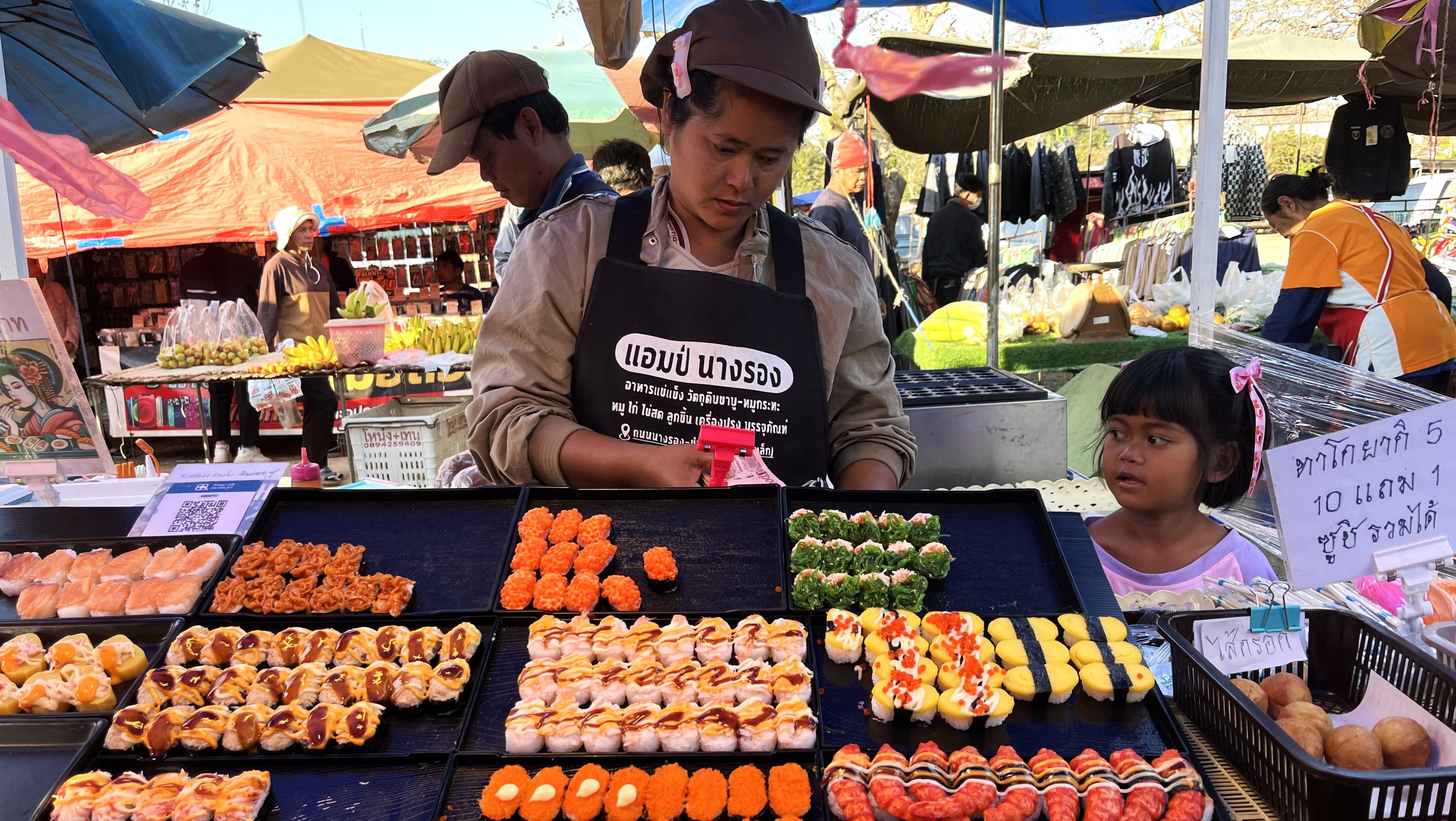
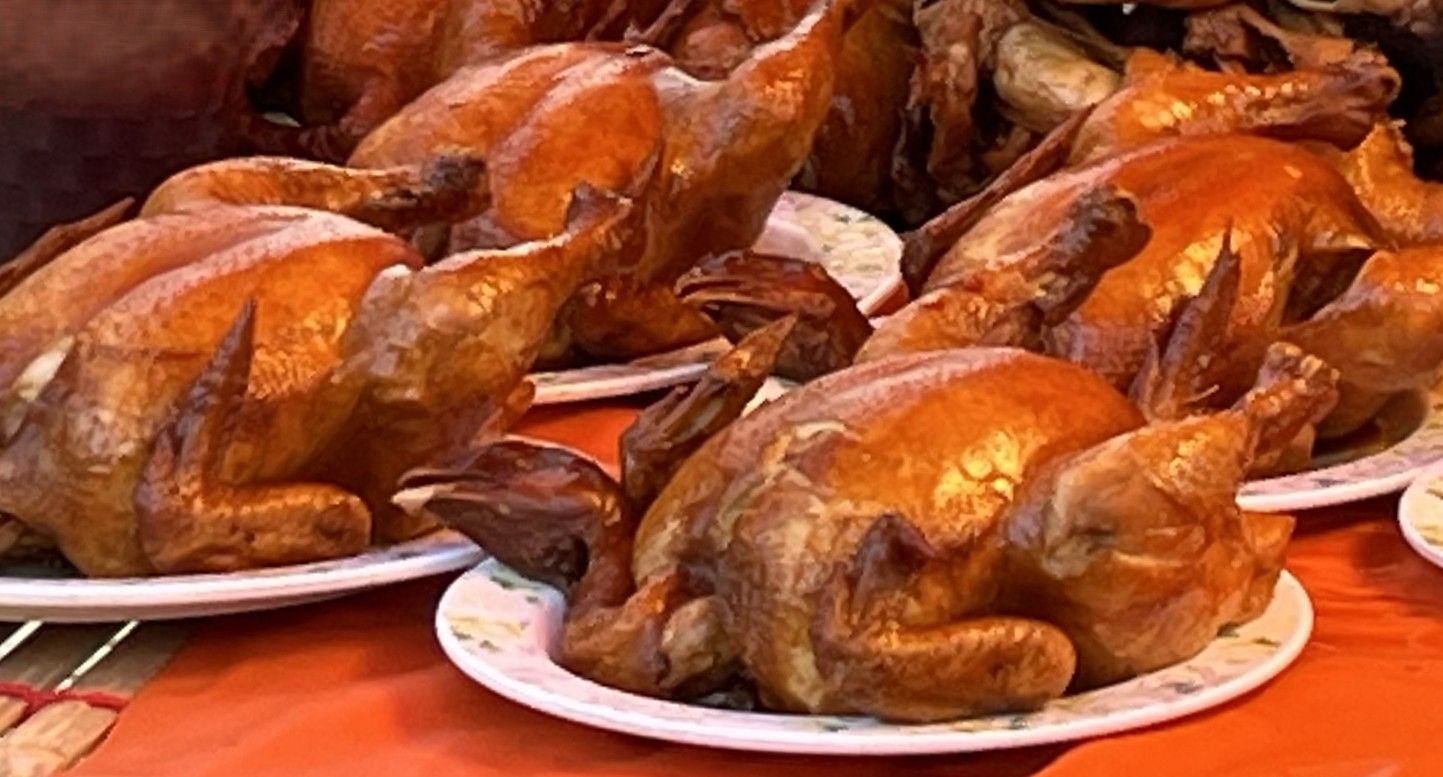
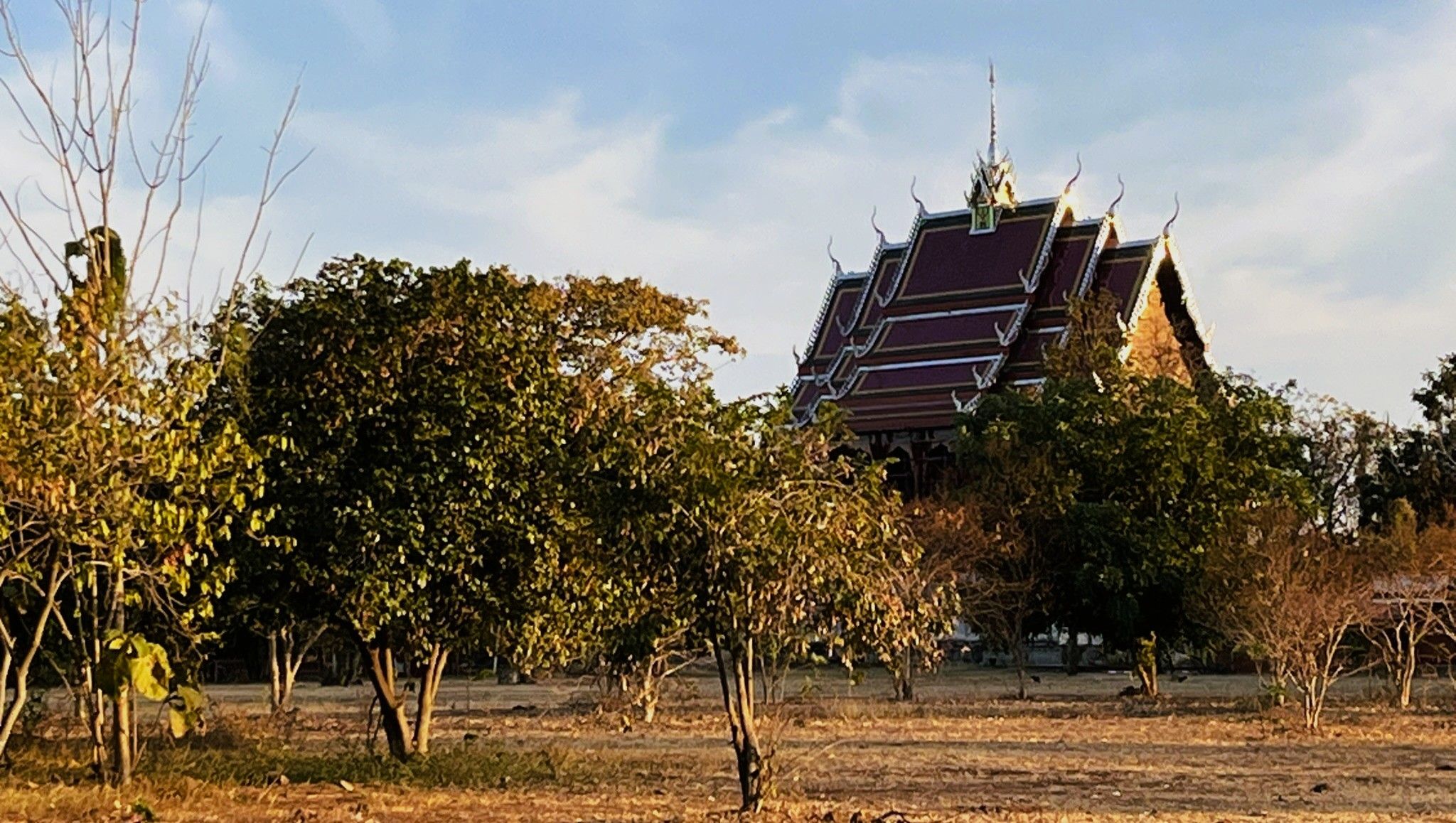

Sun, beaches, party islands, nightlife, exotic food: Millions love Thailand. However, during a trip to the Isaan region in early 2026, I experienced an entirely different way of life.
After spending Christmas and New Year in Hua Hin, I took an overland bus on January 6, 2026, for about ten hours from the holiday resort south of Bangkok to Nong Ki in Buriram Province, Isaan region, and stepped into another world.
With around 33 million international arrivals, Thailand ranked among the ten most important destinations in the world in 2025, despite a seven percent decrease compared to 2024. In certain neighborhoods of major cities like Bangkok or Chiang Mai, in popular beach resorts and on islands like Phuket, Koh Samui or Koh Phi Phi, the crowds during peak season can be almost overwhelming.
When asking waitresses, hotel staff, taxi drivers, or bar girls in these holiday destinations about their origins, the answer is very often: “from Isaan.” Isaan, in the northeast of the country, with around 22 million inhabitants and 20 provinces, is more than twice the size of Bavaria and more than four times the size of Switzerland. At the same time, Isaan is Thailand's poorest region.
Boredom in Isaan?
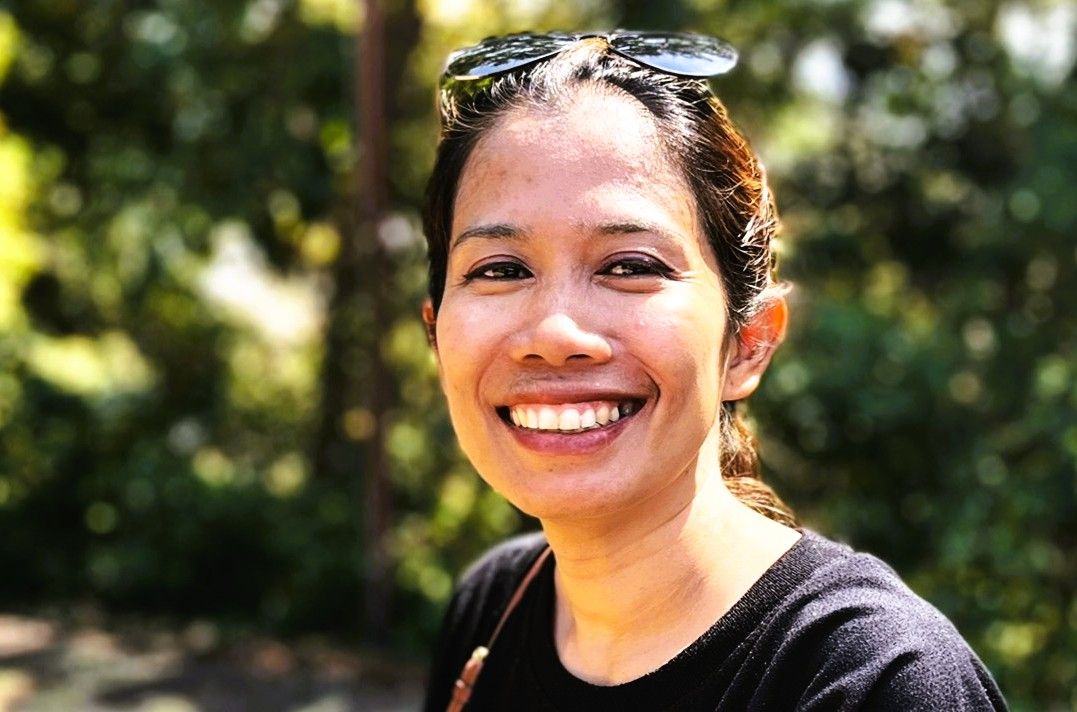
I had heard about Isaan for decades but couldn’t form a vivid image of it. So, I asked Thanchanok, an acquaintance from Nong Ki in Buriram Province who works in the tourism sector in Hua Hin, to show me her home. Friends mocked: “You’ll be bored to death. Apart from rice fields, there’s nothing in Isaan.”
Hardly any tourist wanders here, and nobody speaks English. Isaan is shaped by agriculture. The land is flat. Roadside villages and the occasional town alternate with fields stretching to the horizon. Every few kilometers, a gas station with an “Amazon” coffee shop, a “7eleven” supermarket, food stalls, and restrooms invites a break.
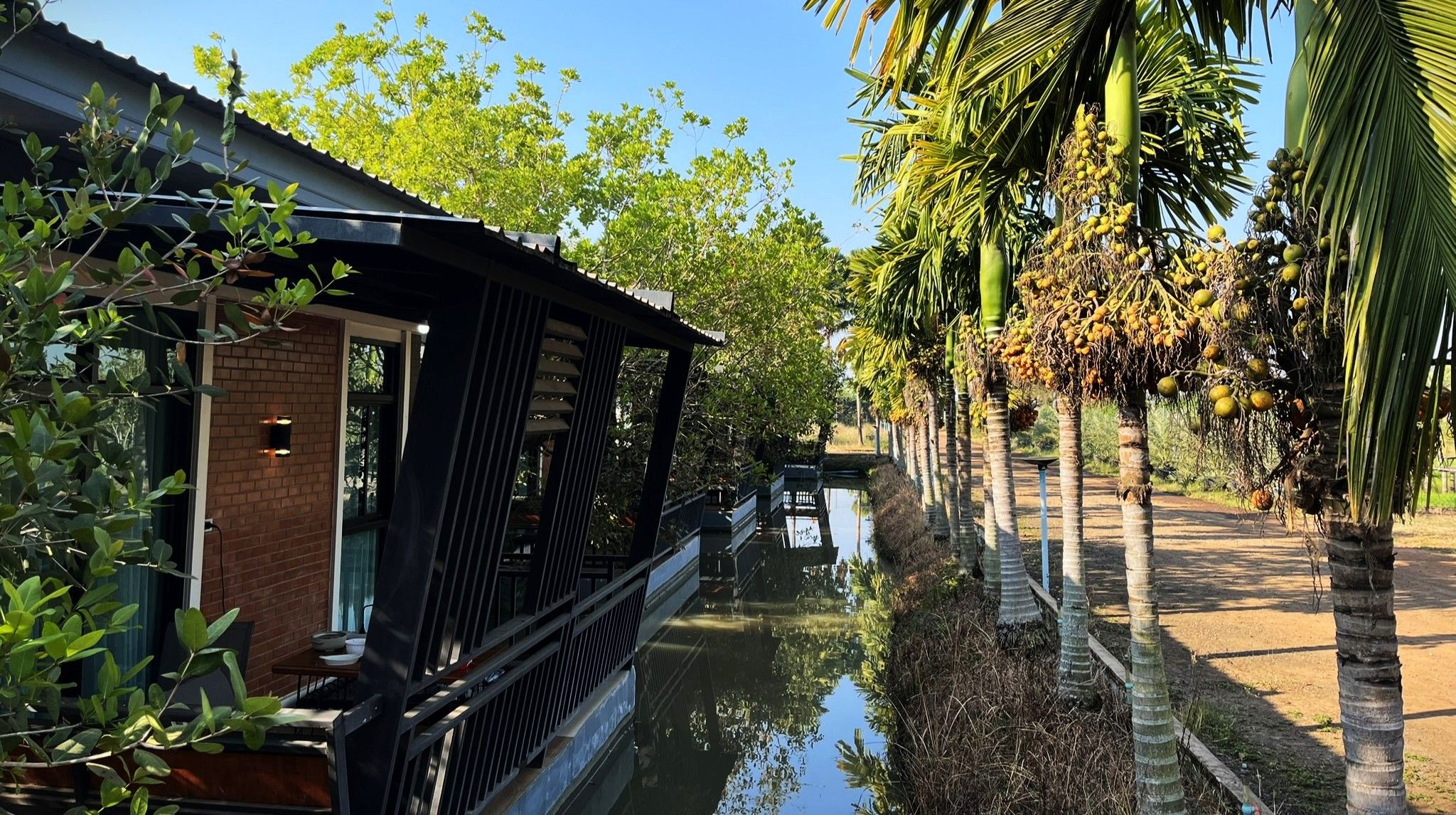
The first surprise is my accommodation for about 40 euros per night, including à la carte breakfast: The Phutara Resort in Nong Ki is situated between a small amusement park and a model farm. It consists of two restaurants and ten modern, spacious bungalows with immaculate bathrooms, terraces over the water, and private, covered parking spaces, lined up along a canal and shaded by palm trees. There’s just a small problem, as I soon find out: the restaurant closes at eight in the evening, which applies to all establishments in the area (except for one that, incredibly, stays open until 9 PM).
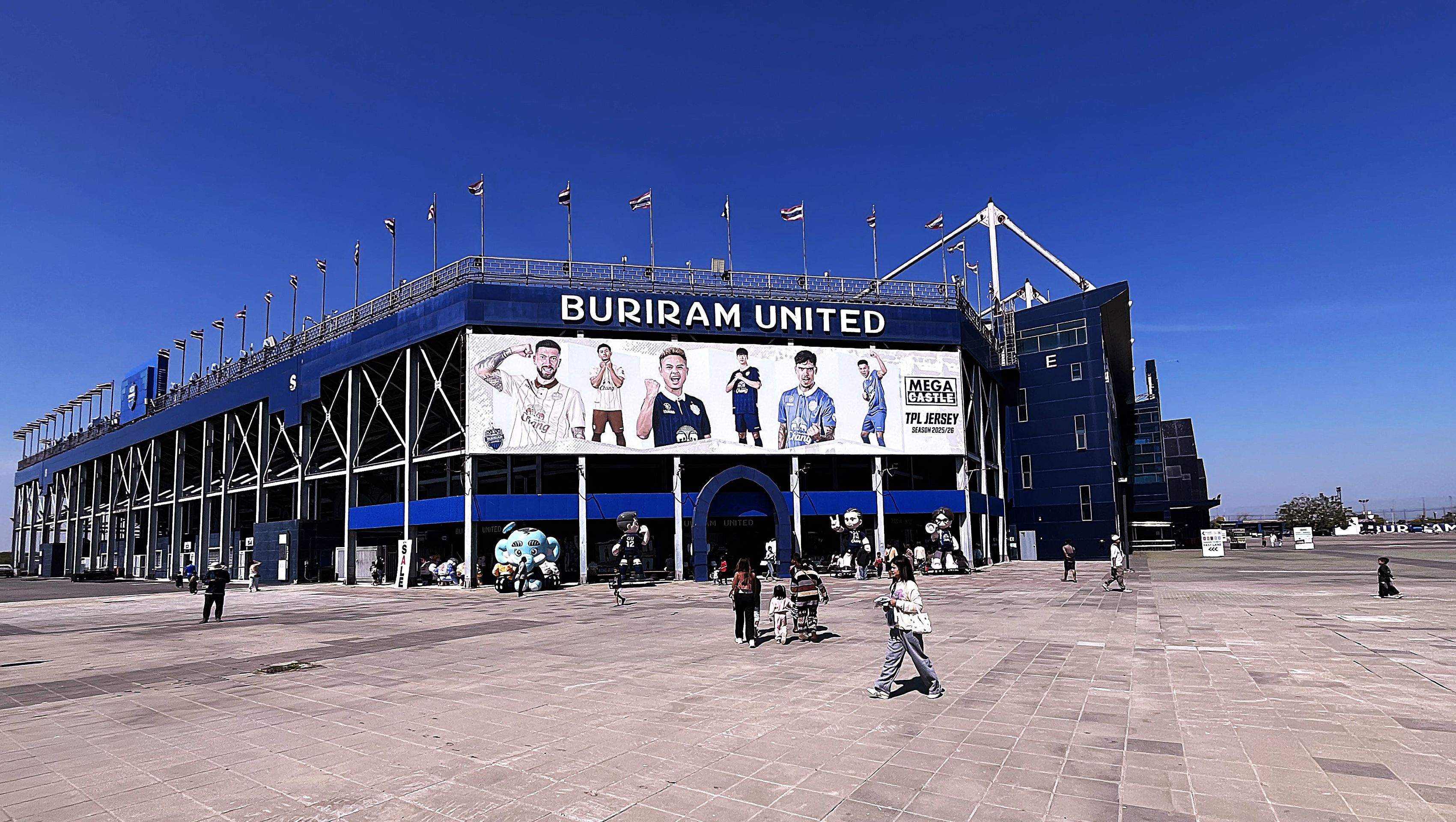
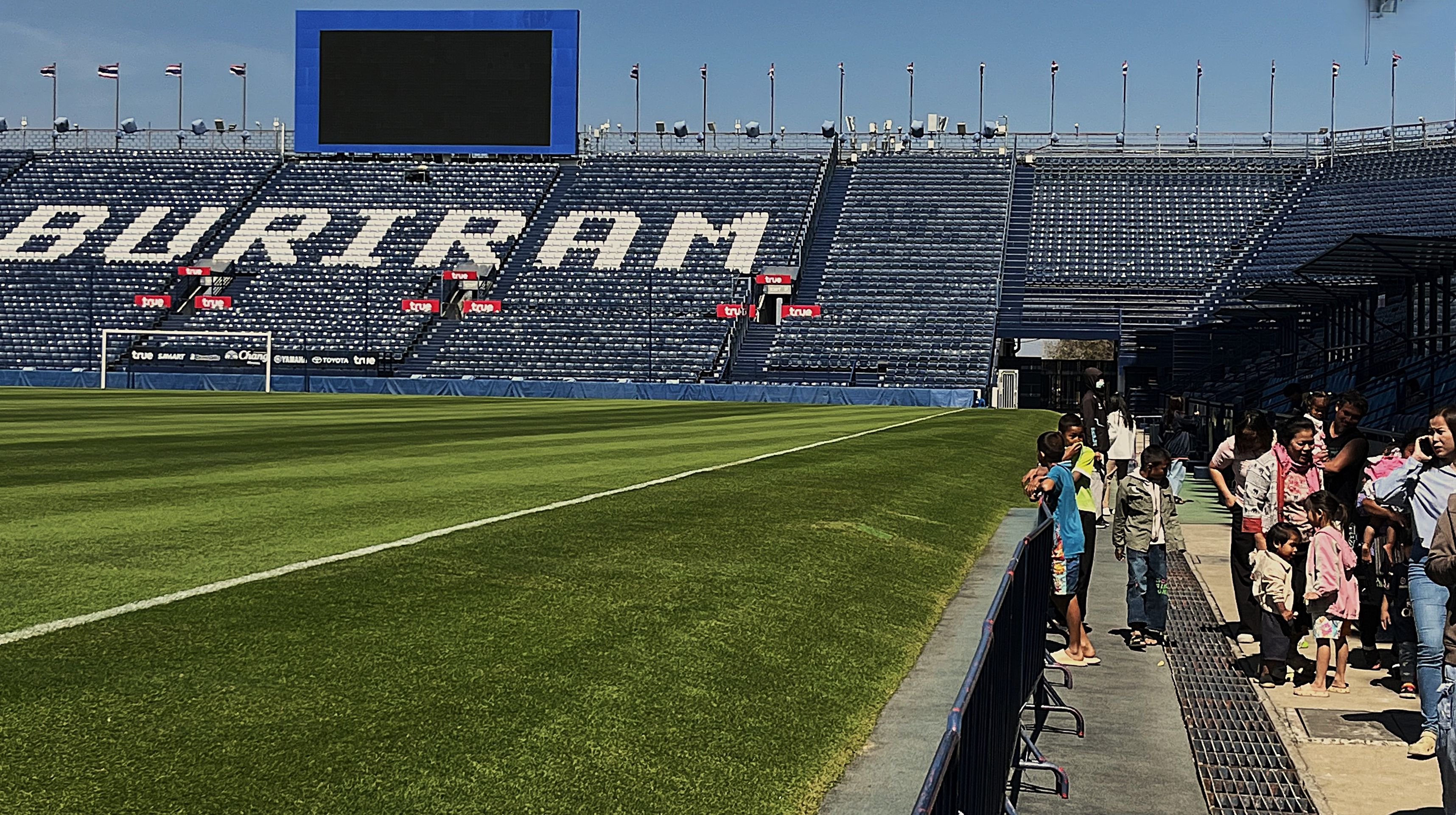
But there are also big cities in Isaan, such as Khorat, Udon Thani, Ubon Ratchathani, and Buriram. There, in the capital of the same province, we visited the football stadium. The modern sports facility, with 32,600 seats, is comparable to German stadiums like the Europa-Park Stadium in Freiburg or the MEWA Arena in Mainz and Swiss stadiums like St. Jakob in Basel or Wankdorf in Bern, is a popular outing for families on days when there’s no football. Even though it’s the middle of the province here, the Buriram United club is ranked at the top of the Thai league at the time of our visit.
Remittances from tourist areas
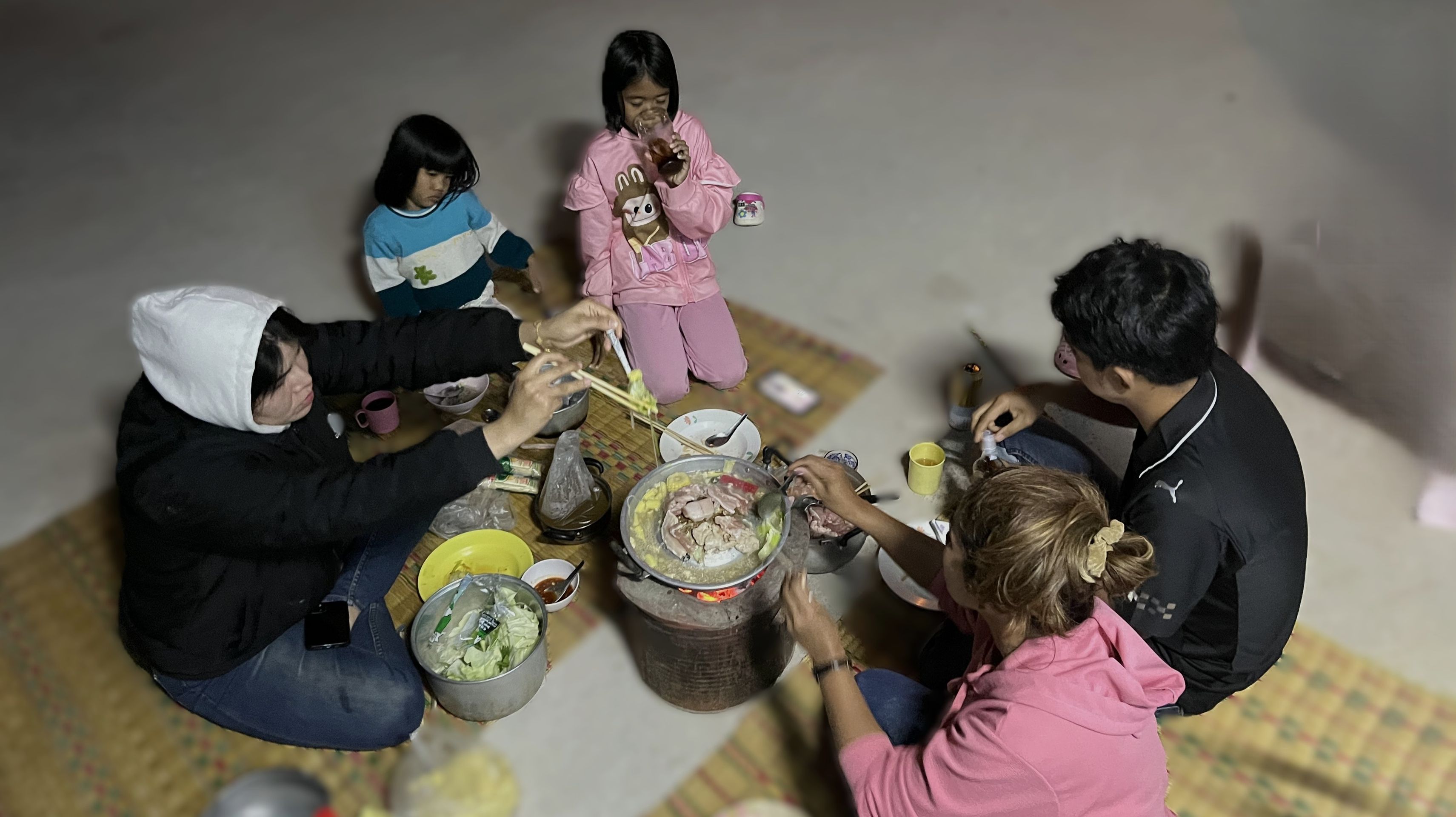
I’ve heard Thanchanok’s story similar to countless Thais: With her income in Hua Hin, the divorced 43-year-old supports her entire family in Nong Ki: her nearly 70-year-old parents; her children, a football-enthusiast 13-year-old son and an 8-year-old daughter who prefers to play badminton. (Thanchanok’s oldest son, nearly 20, moved to Bangkok for work.)
Thanchanok’s younger sister also lives in Nong Ki with her Czech husband and a severely disabled 12-year-old daughter from a previous relationship, for whose care the state transfers 1000 Baht (about 25 Euros) monthly. Thanchanok’s sister also has a 21-year-old son who has moved away and left his five-year-old daughter in Nong Ki. The brother of both women runs a business in Lopburi, where his wife is from.
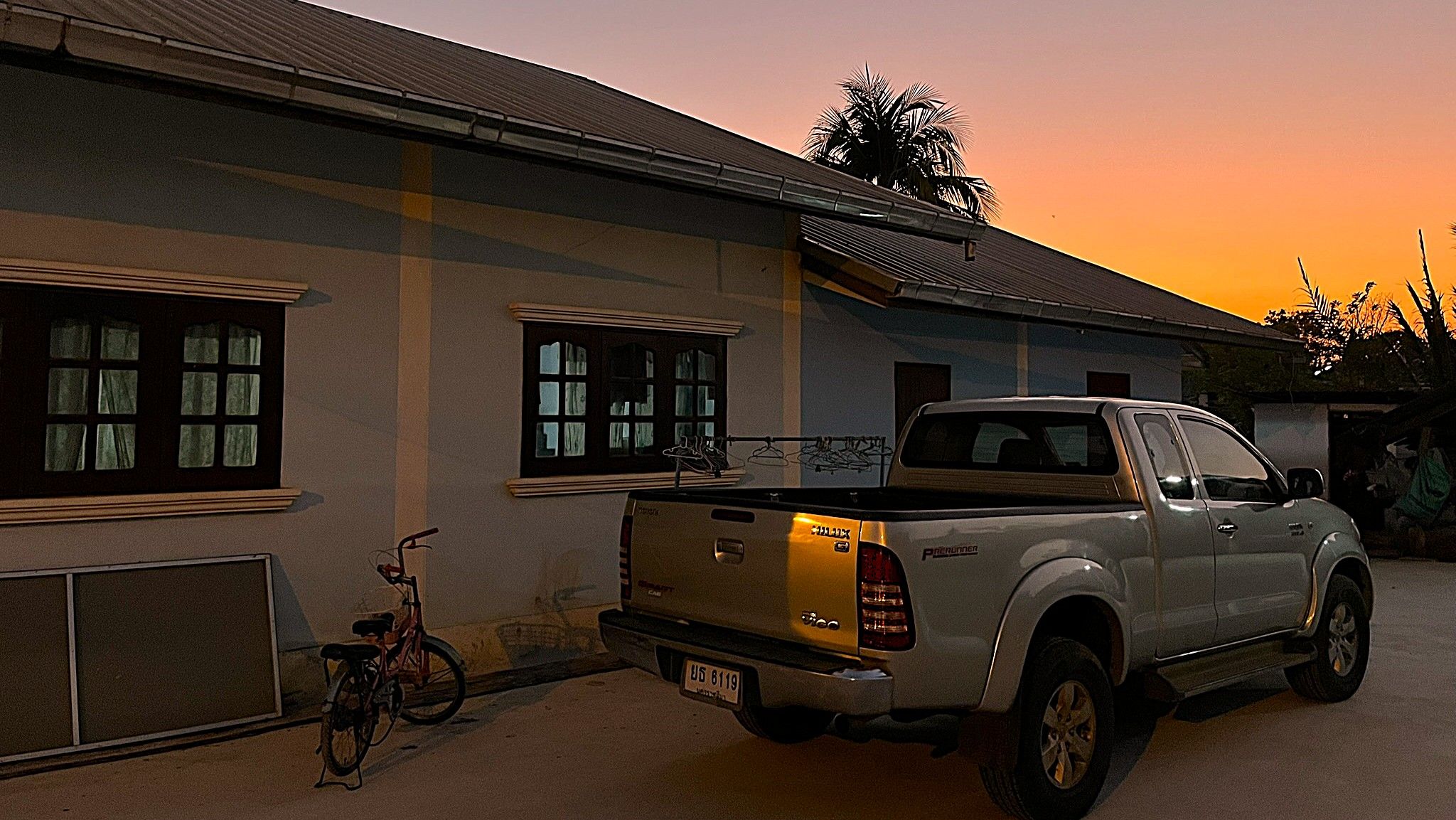
A few kilometers outside the center of the small town of Nong Ki, the family owns a farm, but we shouldn’t imagine a homestead like in Germany or Switzerland: The four generations live in three houses along the main road, of which two form a shared courtyard. Thanchanok’s mother and sister run a small supermarket that earns little because the competition is too great.
Rice, mangoes – and fish
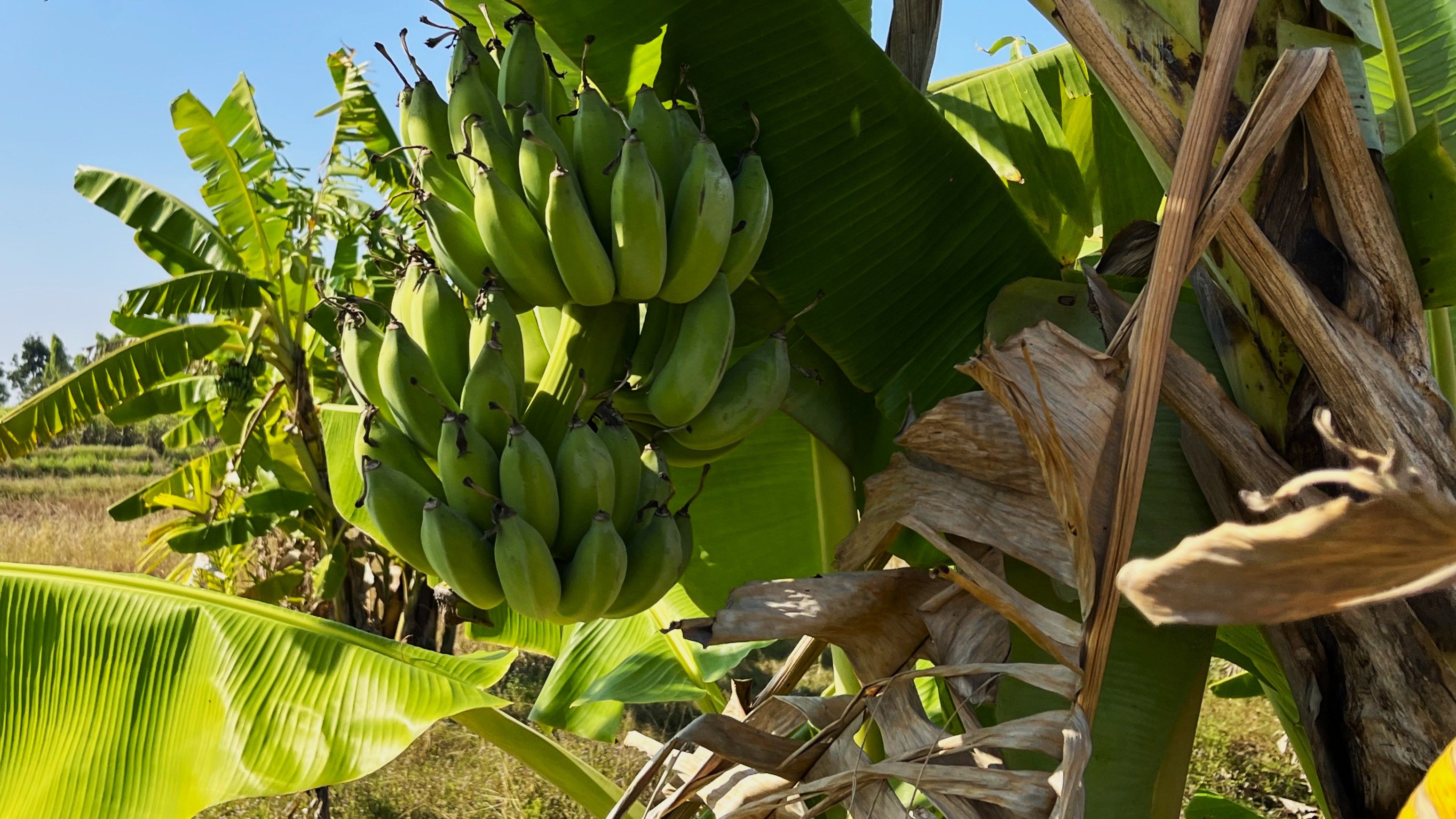
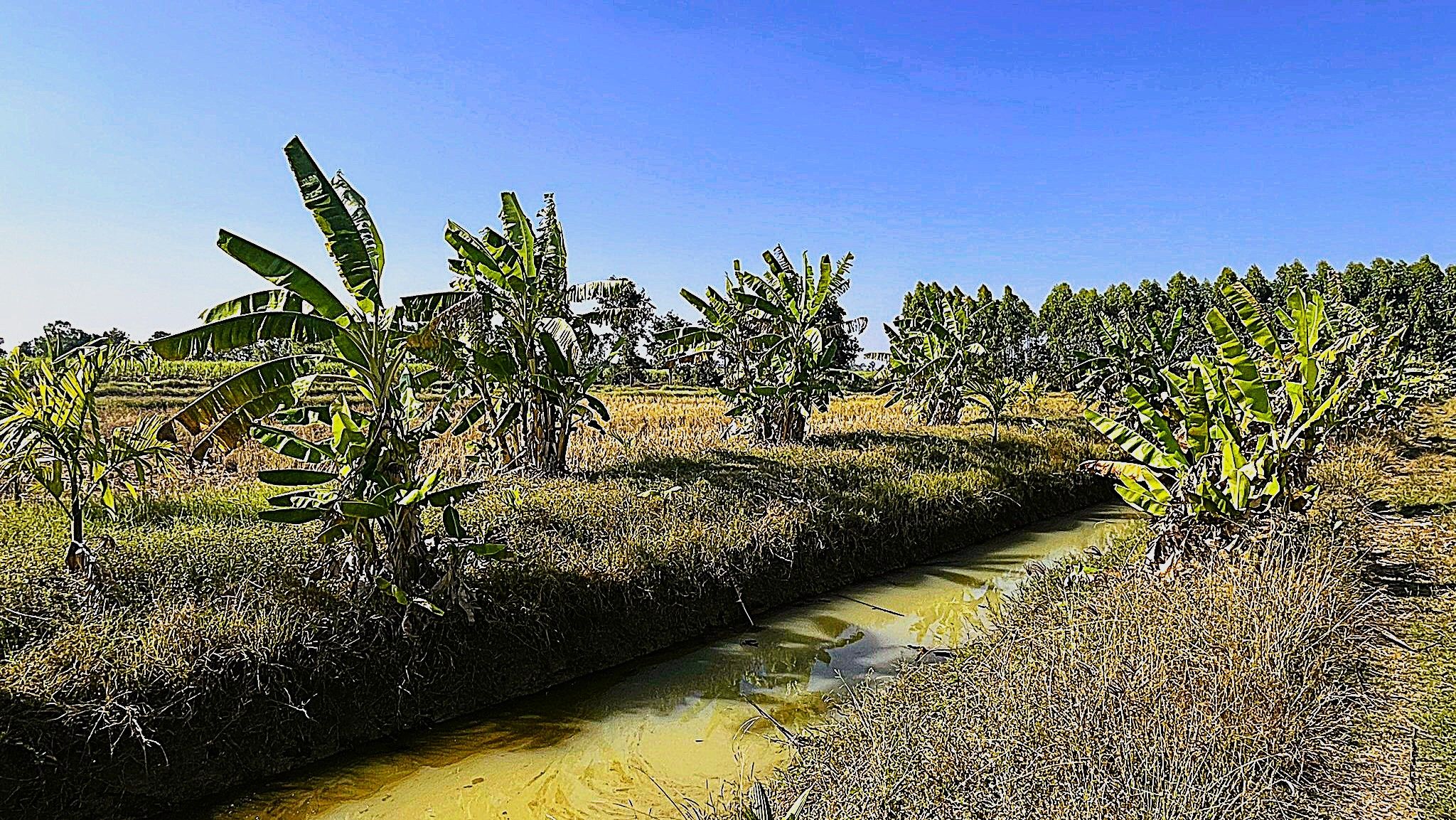
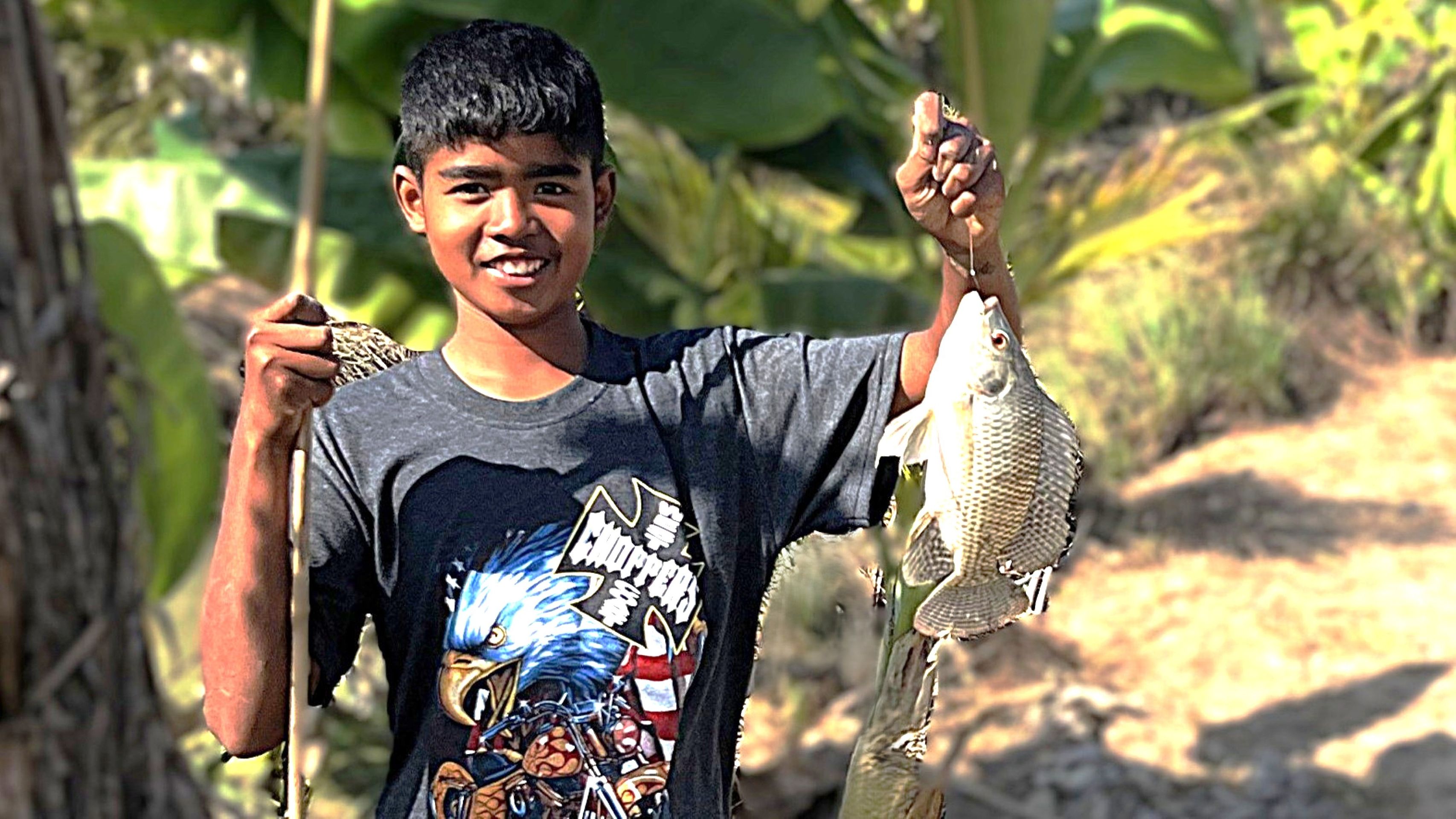
The fields, crossed by an irrigation canal, are about ten minutes away by scooter. They grow rice, coconuts, guavas, mangoes, bananas, and chili. On a school-free day, we go fishing with the children. The fishing rods are simple bamboo sticks with a plastic string at the front, at the end of which hangs a hook with bait.
The eight-year-old pulls up two carp in succession, and her brother shortly after catches several tilapia, also known as