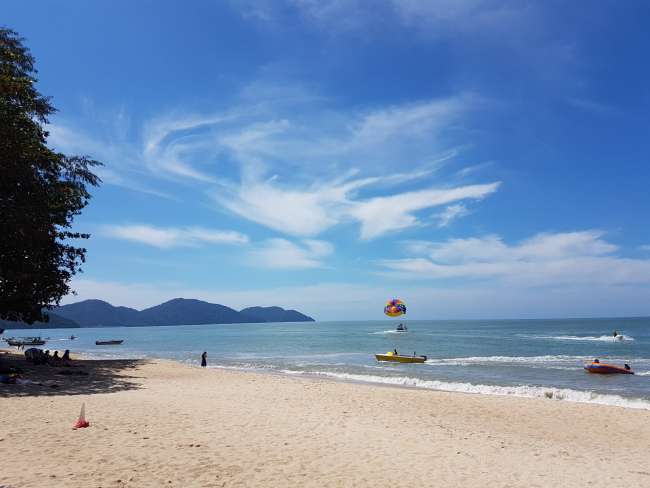


Mauritius once simple, once luxurious
Before I traveled back to Southeast Asia, I switched from La Réunion to Mauritius. This classic destination for luxury beach holidays can also be enjoyed on a small budget.

Published: 13.06.2026
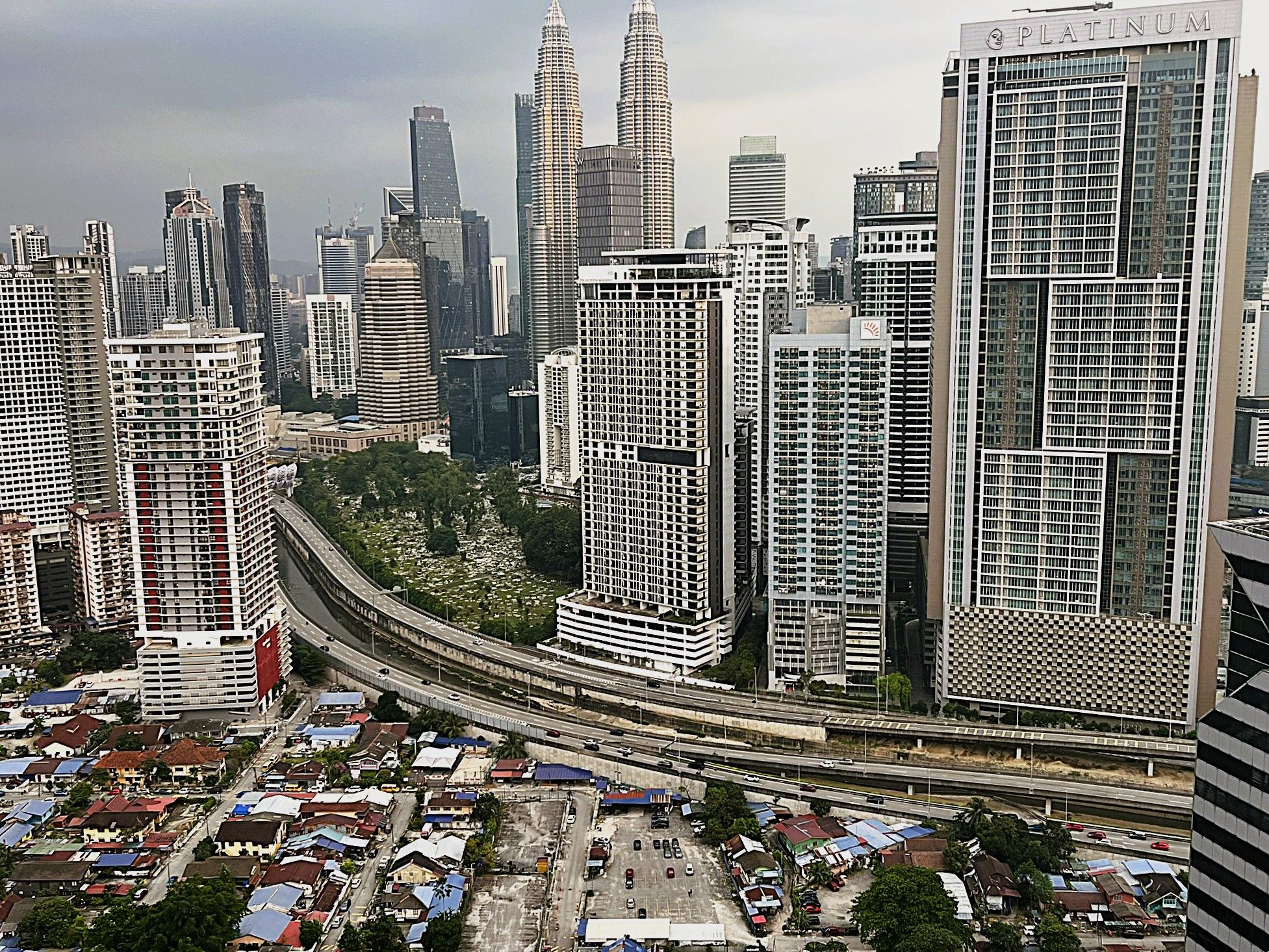
On December 15, 2025, I flew from Mauritius to Kuala Lumpur, the capital of Malaysia. With around ten million inhabitants, Kuala Lumpur is significantly smaller than the Southeast Asian megacities Jakarta, Manila, Bangkok, or Ho Chi Minh City, formerly known as Saigon, but it has just as much to offer as they do.
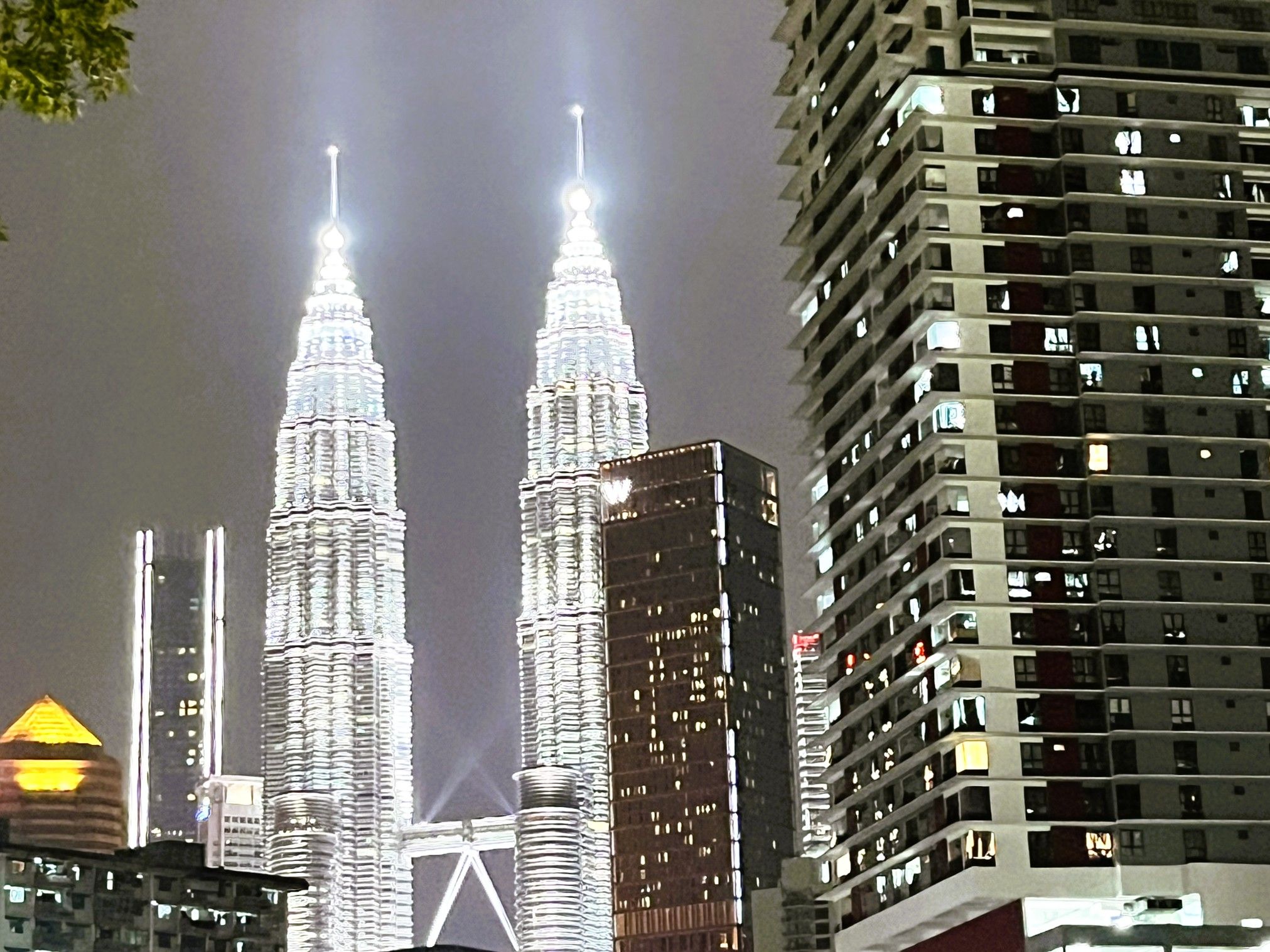
In the Kuala Lumpur City Centre, or KLCC for short, skyscrapers dominate the cityscape. Almost as famous as the Eiffel Tower in Paris are the Petronas Towers, which are nearly thirty years old now. They are a monument to Mahathir Mohamad, the long-serving Prime Minister of the country, who was prime minister from 1981 to 2003 and again from 2018 to 2020, and who, born in 1925, is now over a hundred years old and still alive.
Mahathir Mohamad implemented a state-controlled modernization and industrialization program in the 1980s and 1990s, aiming for Kuala Lumpur to catch up as a banking and service center with other Asian metropolises like Singapore, Hong Kong, Shanghai, or Bangkok.
The towers on the site of the former racetrack near the old city center were financed by the state oil and gas company Petronas, which also set up its headquarters there. They were intended to be a confident symbol of Malaysia's modernity and capability, but with their shape resembling two oversized minarets, they also symbolize the Muslim identity of the country. Furthermore, the Petronas Towers had to be taller than the Sears Tower in Chicago, which was then the tallest building in the world. The Petronas Towers held the world record at 452 meters until 2004, when they were surpassed by the 508-meter-high Taipei 101 in the Taiwanese capital.
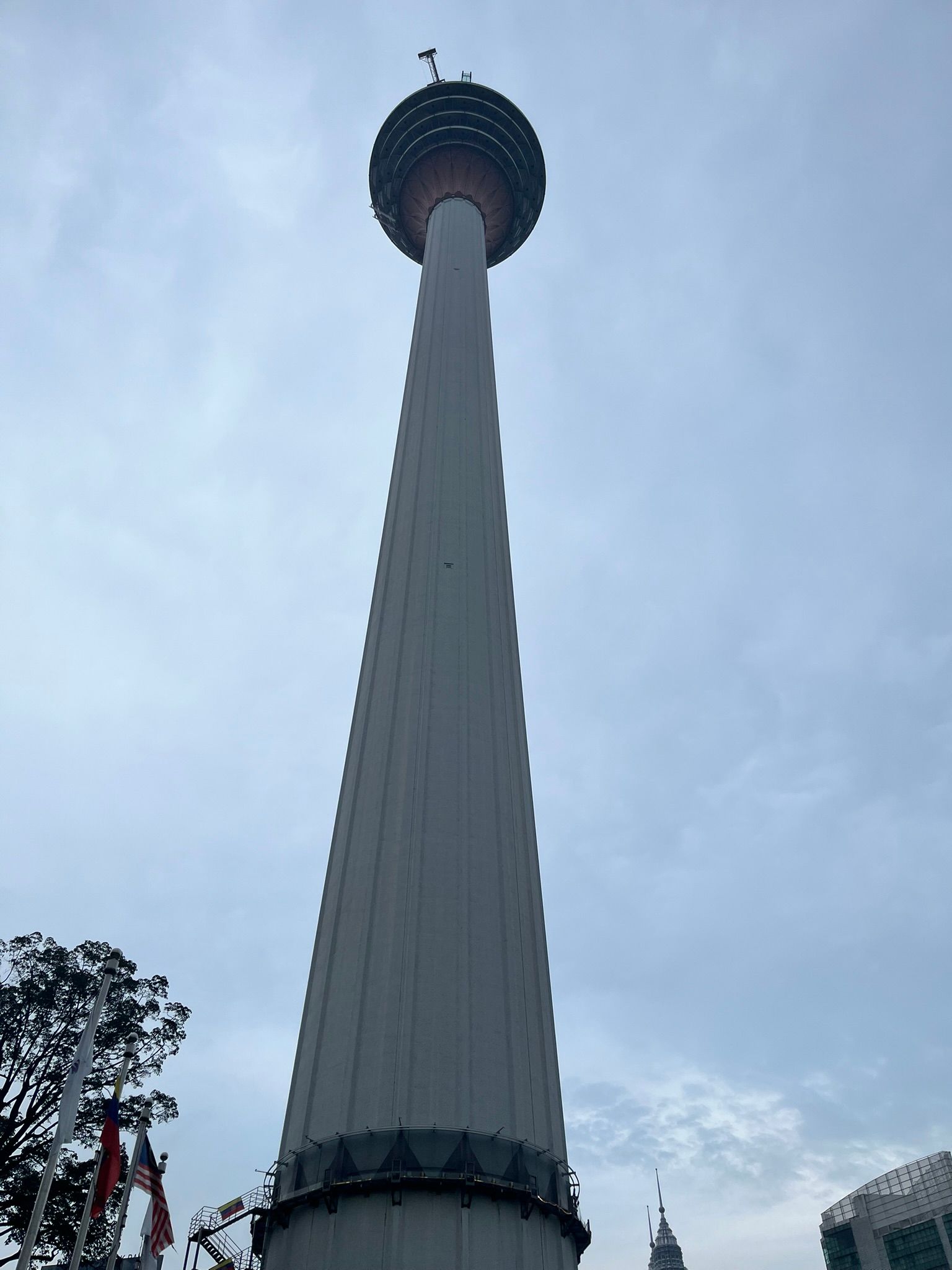
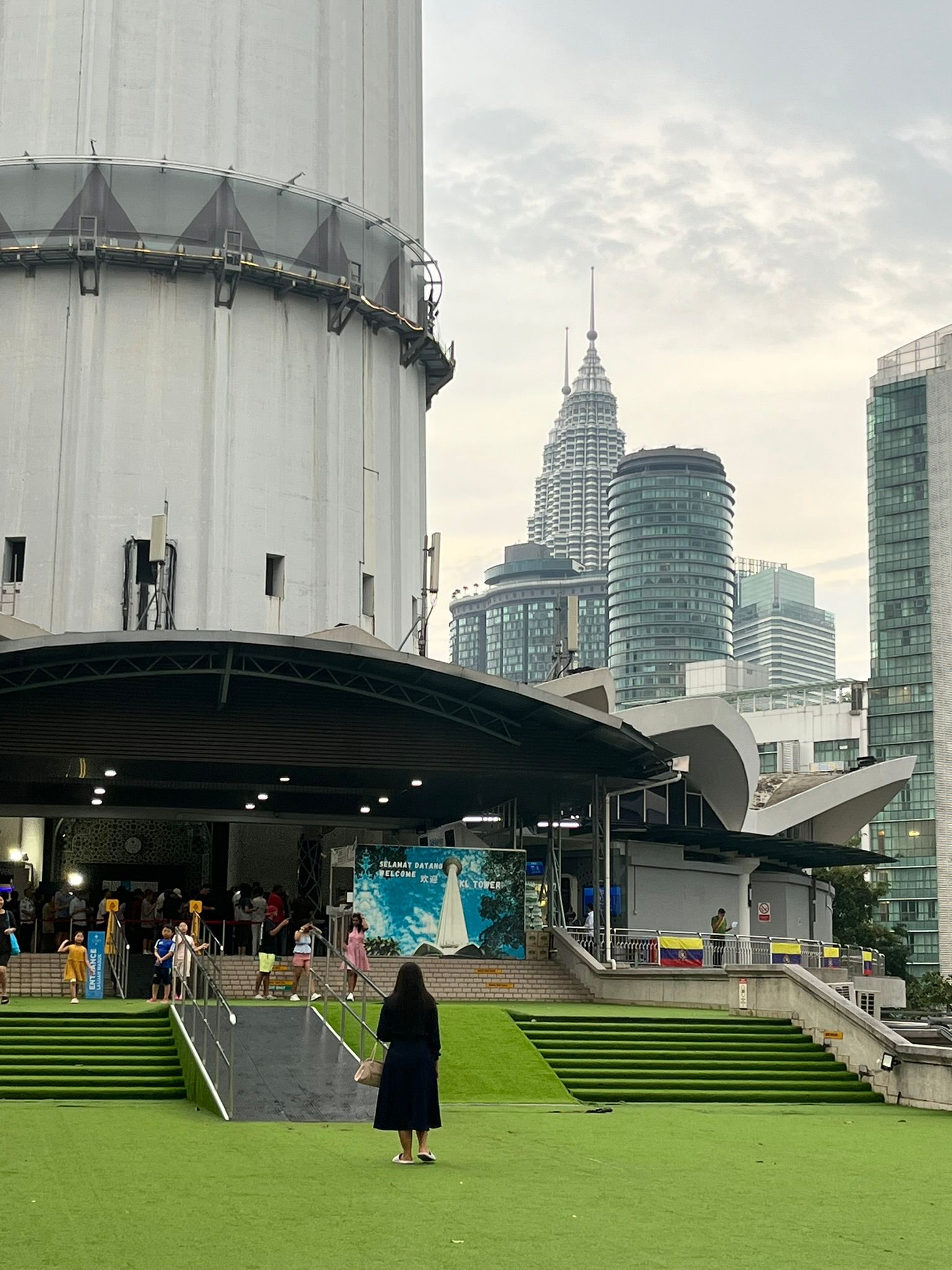
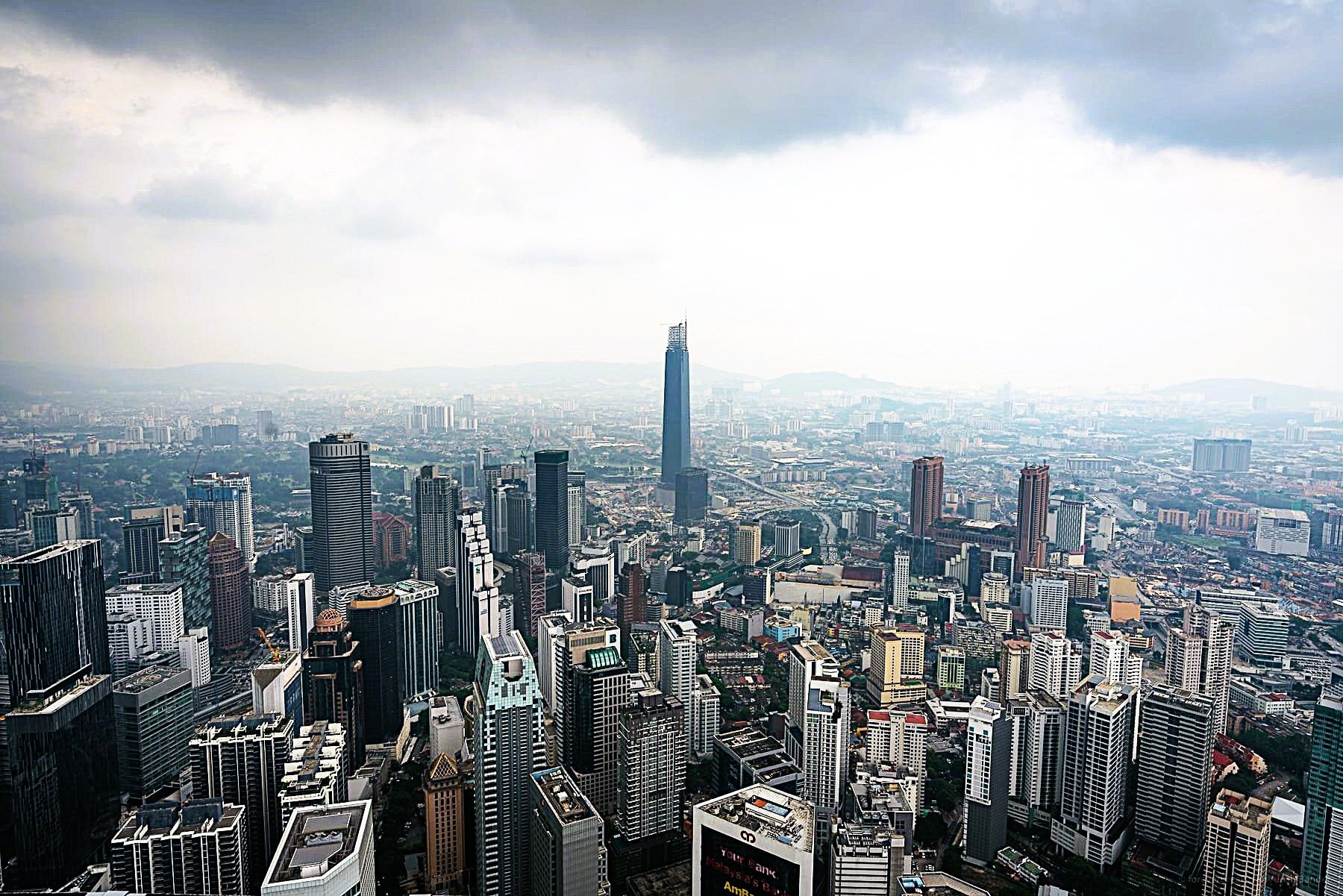
About two kilometers southwest of the Petronas Towers stands the Menara Kuala Lumpur television tower, also simply known as KL Tower. Bukit Nanas, on which the tower was built around the same time as the Petronas Towers, also under the aegis of Prime Minister Mahathir Mohamad, is a hill with old trees. Although the tower is “only” 421 meters high, from the observation deck with restaurant, one enjoys a gigantic view, and the queue of people eager to enjoy this is significantly shorter than in front of the Petronas Towers.
Surprisingly, the entrance hall features Persian Muqarnas vaults, traditional, artistic ceiling decorations that are usually found in mosques, palaces, or mausoleums. Muqarnas look like ceilings full of artificial stalactites, similar to those found in limestone caves.
Old small-scale neighborhoods
However, Kuala Lumpur is by no means only made up of skyscrapers, even though the skyline is continuously changing. Instead, there are whole districts with traditional structures and one to four-story houses, as well as several streets featuring colonial architecture.
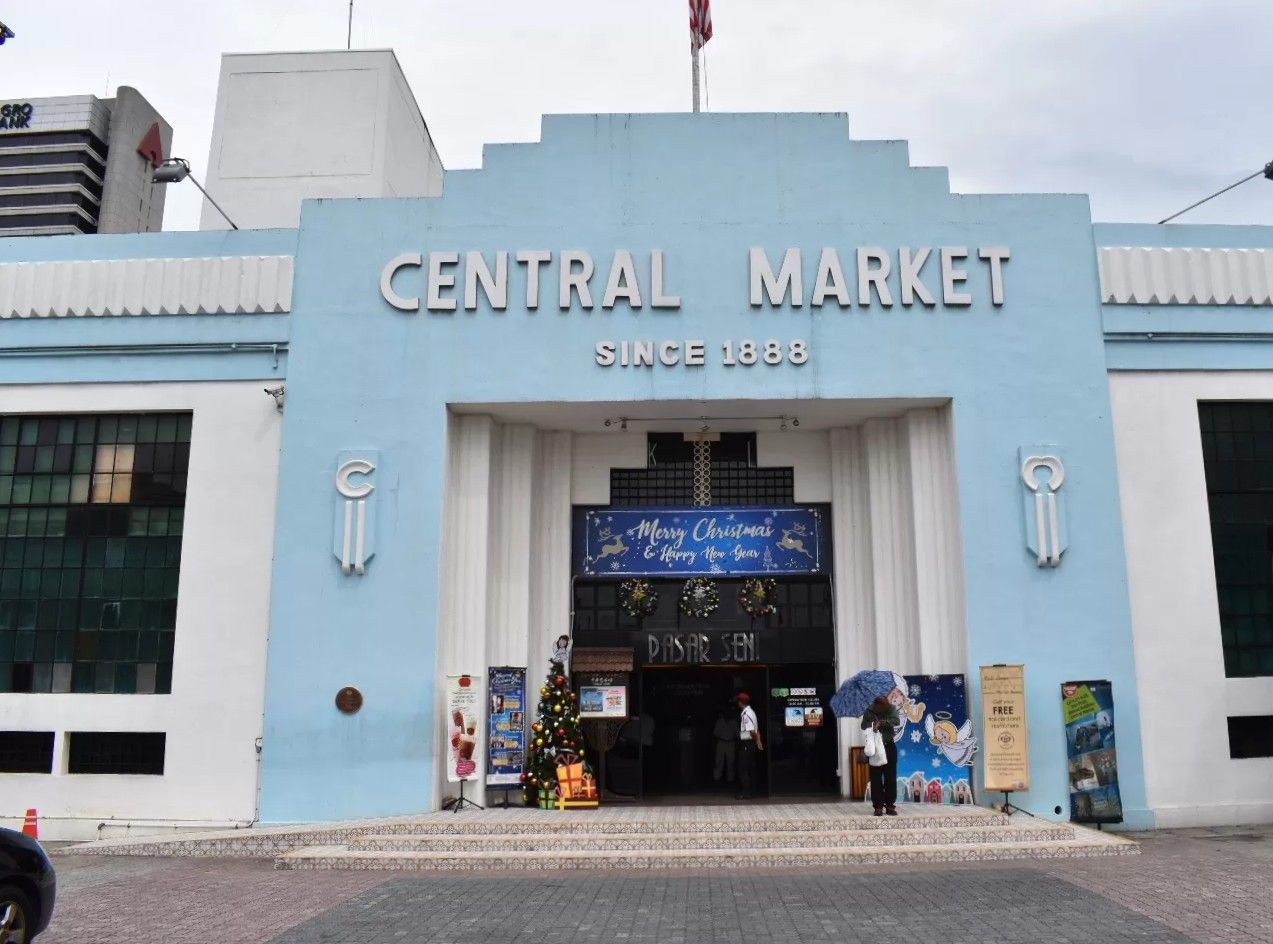
The Central Market, in Malay: Pasar Seni, is definitely worth a visit. It is just a few minutes' walk from the bustling Petaling Street, the core of Chinatown. The Pasar Seni was established in 1888 as a Wet Market, specifically for meat, fish, and vegetables. The current light blue building in Art Deco style was built in the 1930s. The Wet Market was later relocated as Kuala Lumpur rapidly expanded.
In the 1980s, the notable building, which had long stood empty, was to give way to a skyscraper, but a heritage protection initiative saved the market. Since 1986, the renovated halls have presented Malaysia's cultural heritage instead of food, all in a pleasantly air-conditioned environment.
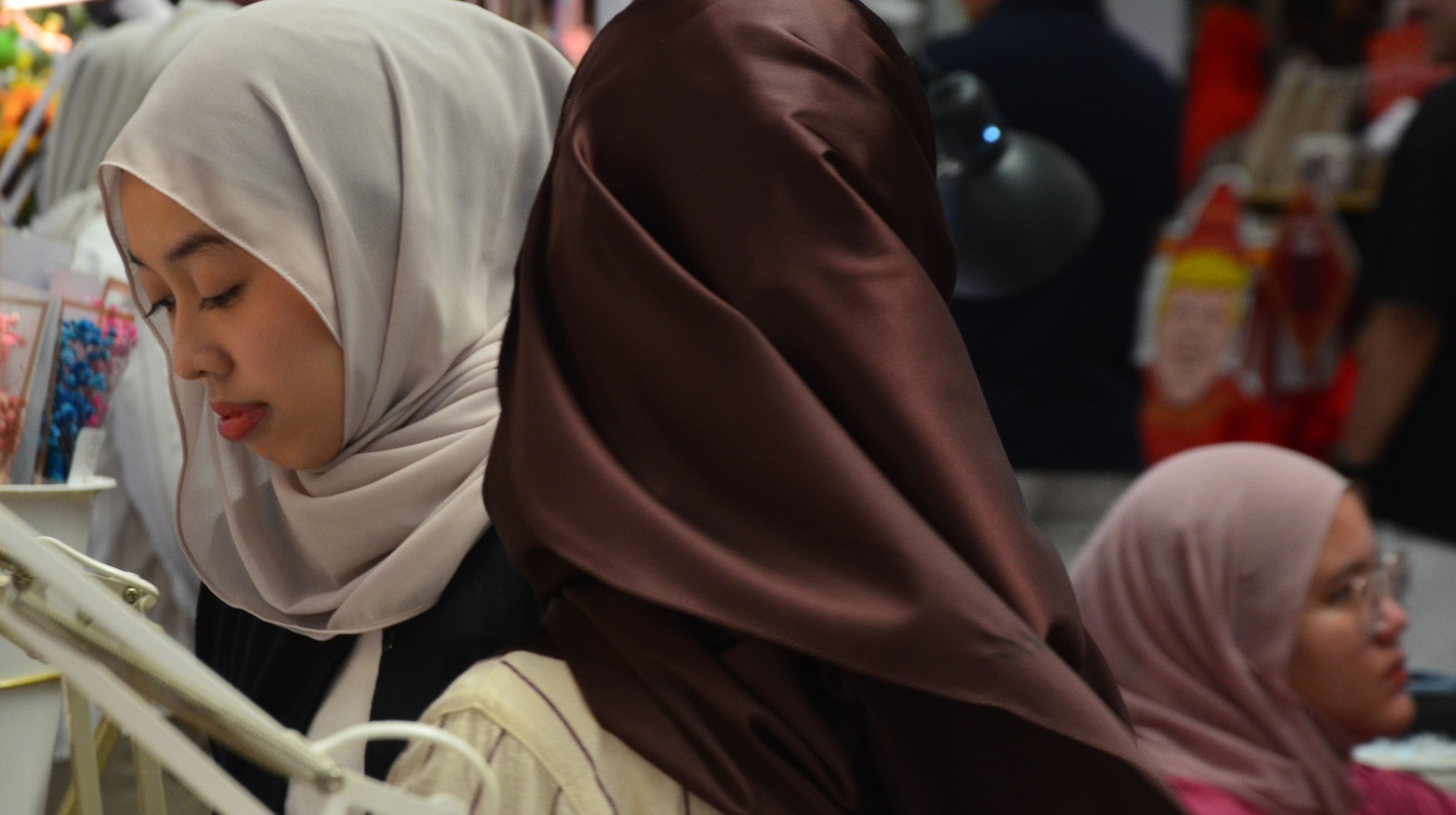
Various Malaysian cultures are showcased in different sections: In the Malay zone, one can find hand-dyed Batik fabrics and traditional clothing; in the Chinese zone, carvings, jade, and tea; and in the Indian section, saris in every imaginable color, spices, and jewelry. On the upper floor, a large food court invites one to sample Malay, Chinese, and Indian cuisine.
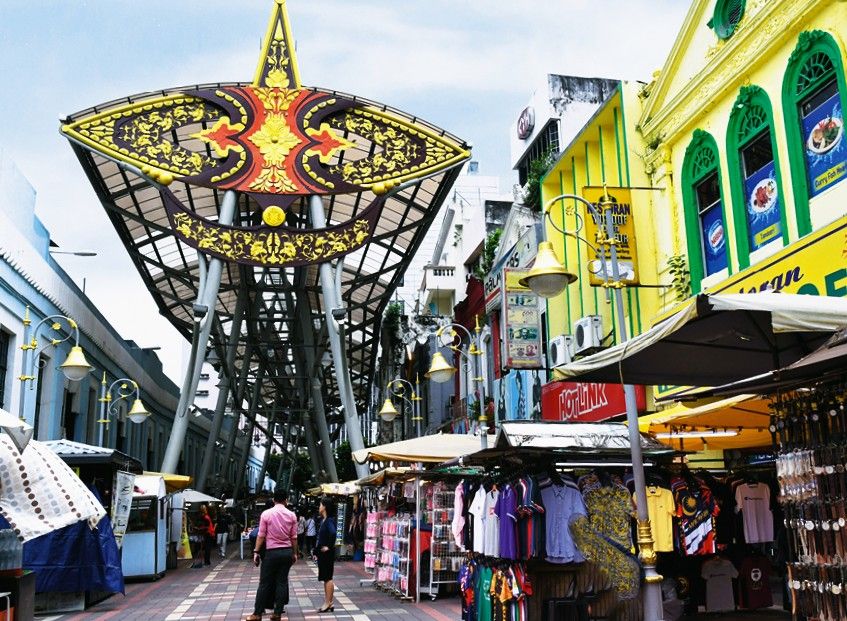
Further food stalls offering local snacks are located next to the main building in a covered pedestrian zone called Kasturi Walk. Here, there are also handmade souvenirs, handbags, and watches (no, the Gucci bag and Rolex are definitely not real!), T-shirts and other attire, flip-flops, and sneakers.
A street full of food
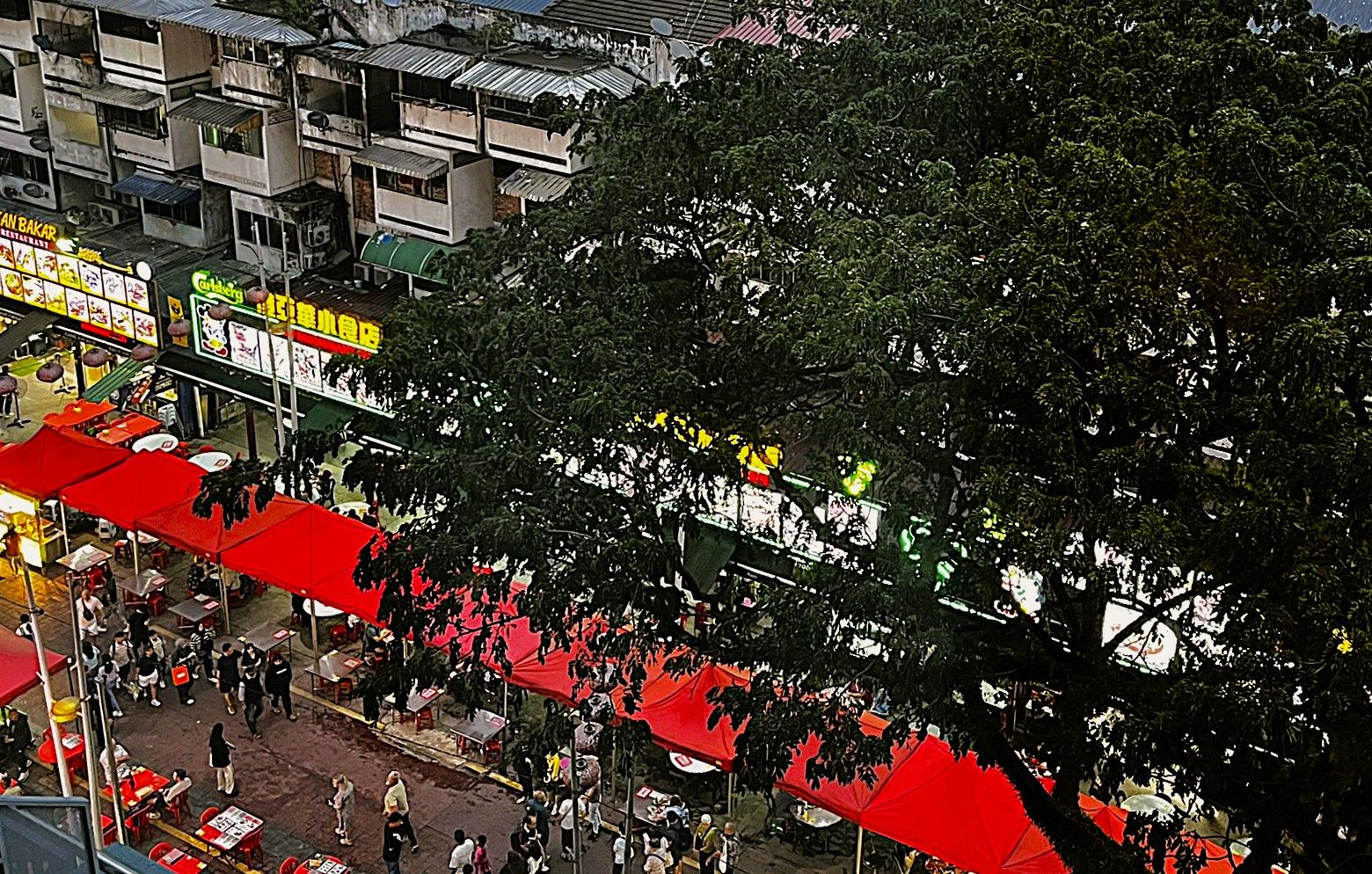
But for dinner, I prefer Jalan Alor in the Bukit Bintang neighborhood, south of the KLCC. Bukit Bintang is the primary shopping and entertainment hub of the city. Shopping malls, hotels, office buildings, and supermarkets dominate the main streets. In the side streets, one can find everything for an evening out.
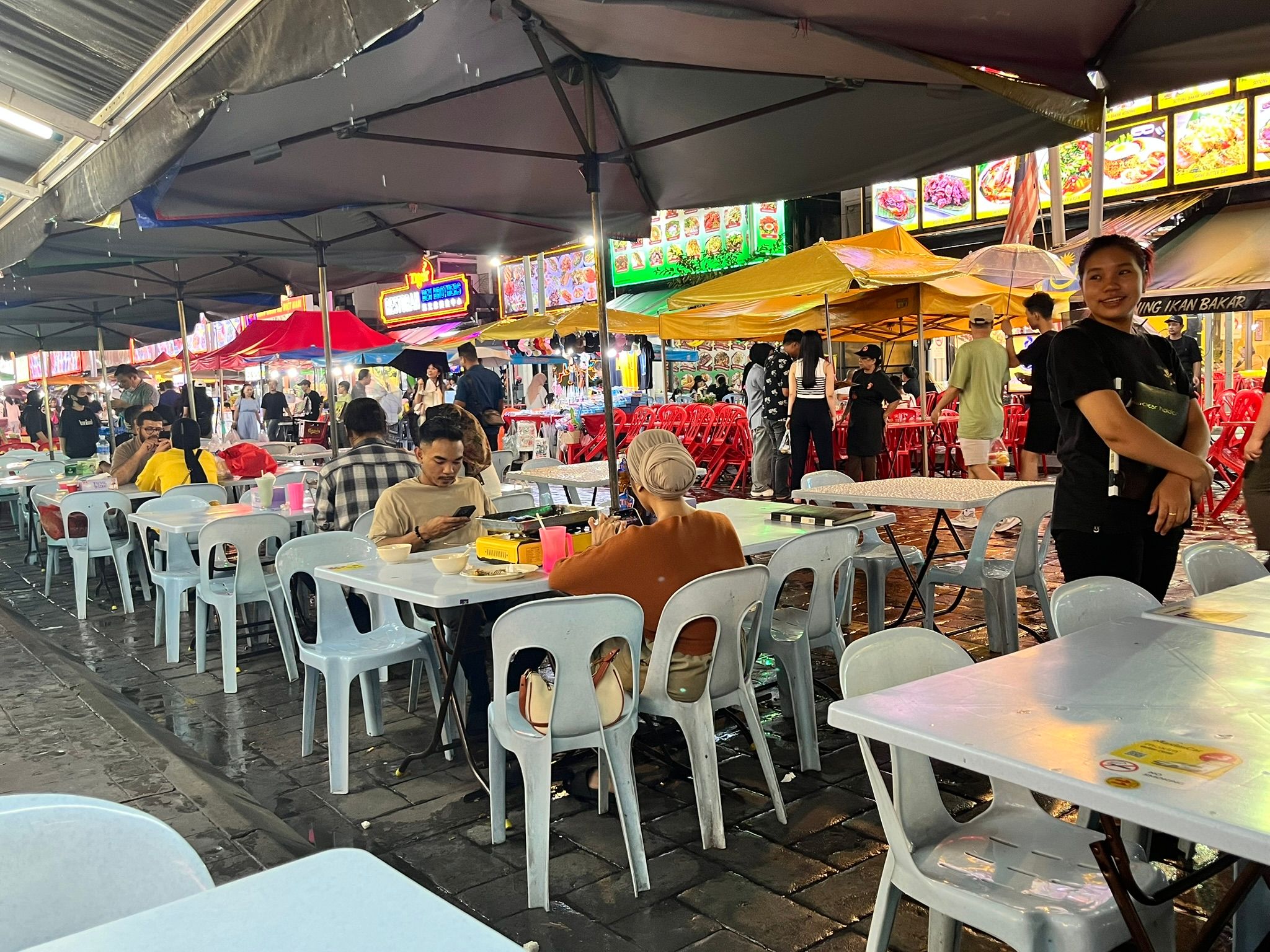
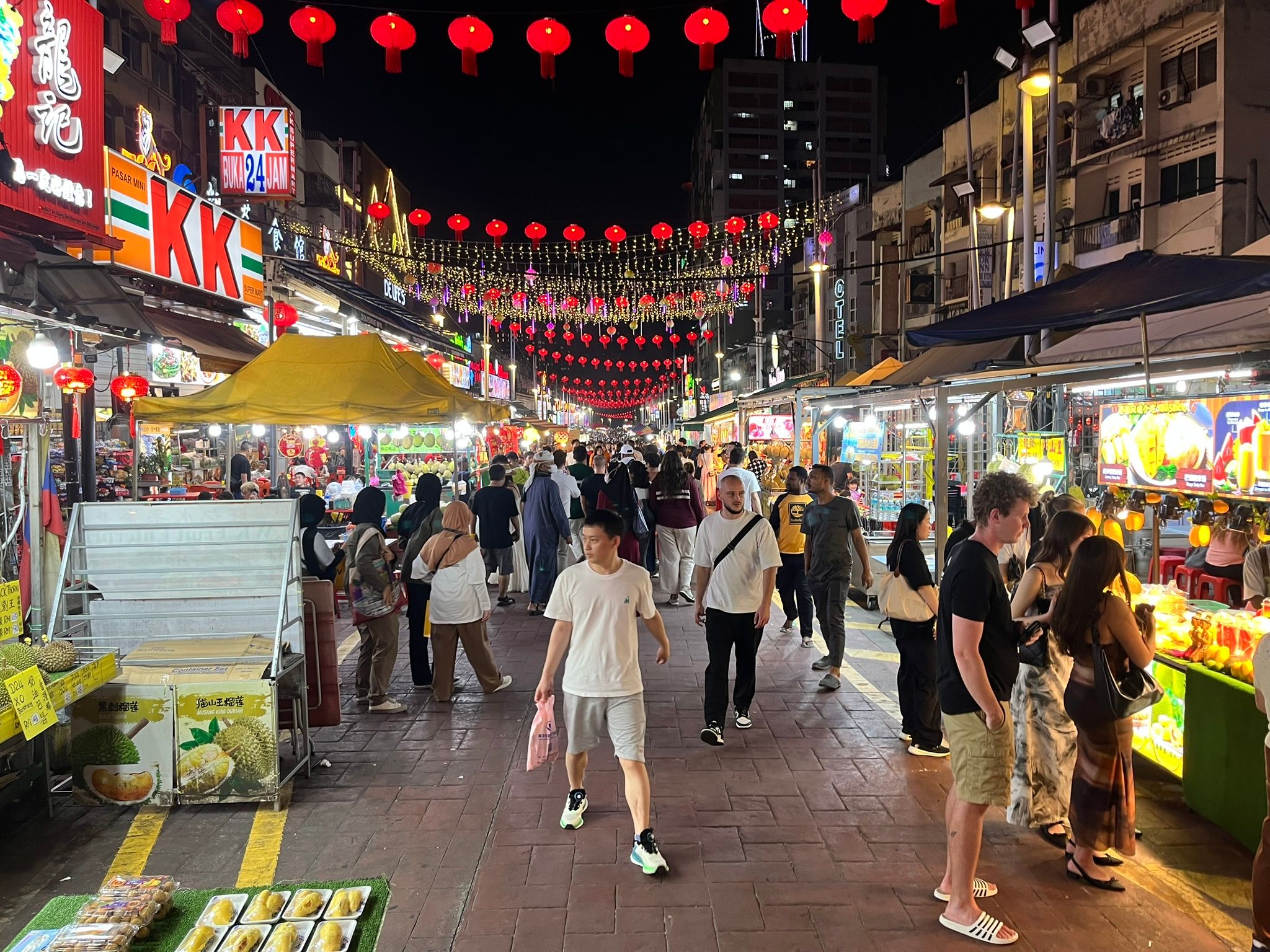
During the day, Jalan Alor is a regular thoroughfare, but in the late afternoon it is closed to vehicles and transforms into an open-air gastronomic promenade. Dozens of food stalls and restaurants set up tables and chairs on the asphalt. Young people try to attract customers from the passing crowd into their venues.
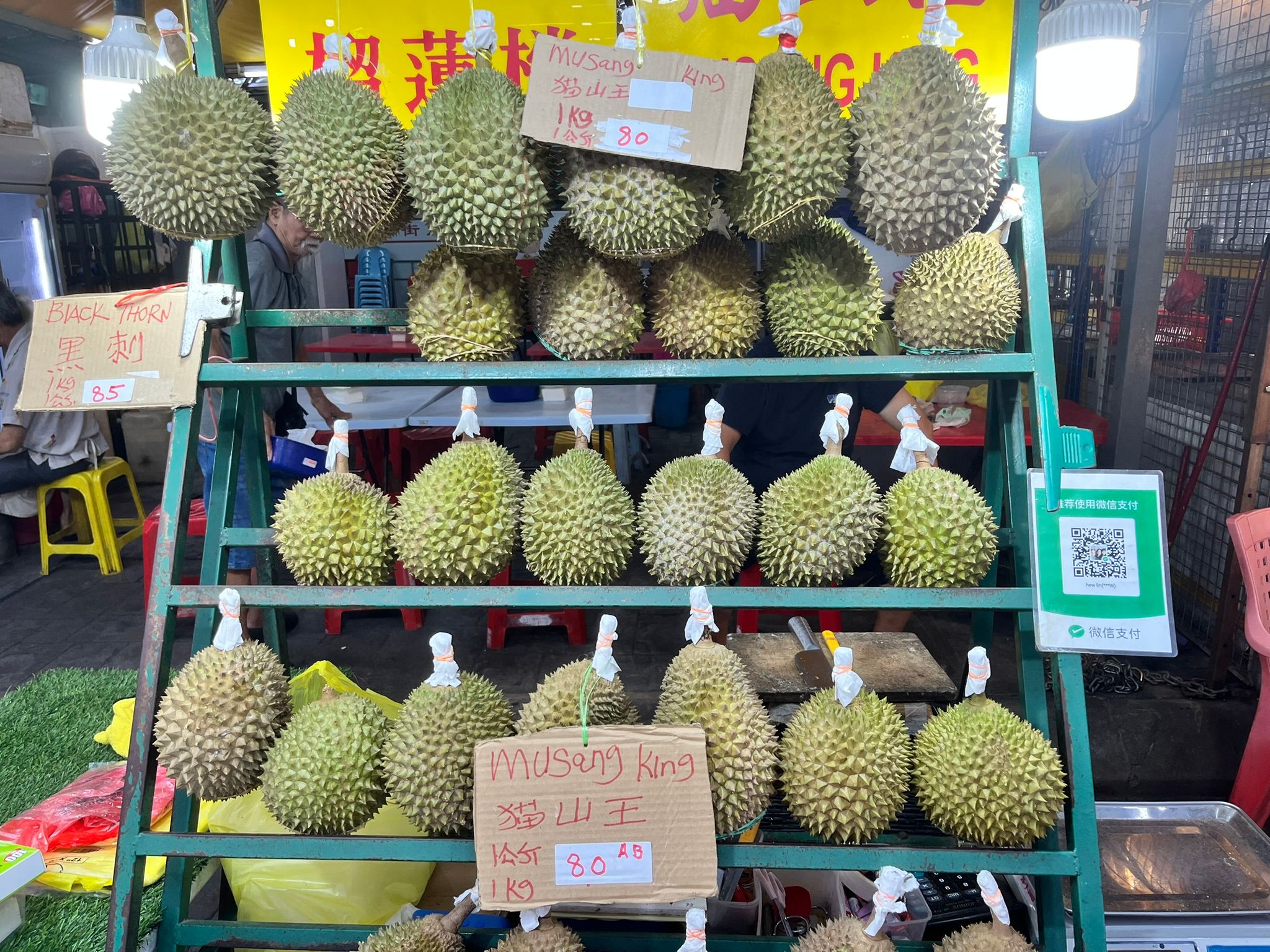
Every evening, I face the dilemma of choosing between Malaysian, Chinese, and Thai dishes. Cooking, frying, and deep frying often occur on open cooking stations directly on the street or in similarly open kitchens at the back of the restaurants. The street is filled with aromas of fried meat, melted chocolate, seafood, and durian, which is also known as the