
Koh Samui off the beaten path
Published: 22.06.2026
Attraction
Wat Phra Yai (Big Buddha)
Koh Samui, Thailand
Attraction
Wat Plai Laem
Koh Samui, Thailand
Attraction
Guan Yu Shrine
Koh Samui, Thailand
Attraction
Secret Buddha Garden
Koh Samui, Thailand
Attraction
Khao Pom
Koh Samui, Thailand
Attraction
Na Muang-Fall
Koh Samui, Thailand
Worth seeing
Koh Faan
Koh Samui, Thailand
Worth seeing
Chaweng Beach
Koh Samui, Thailand
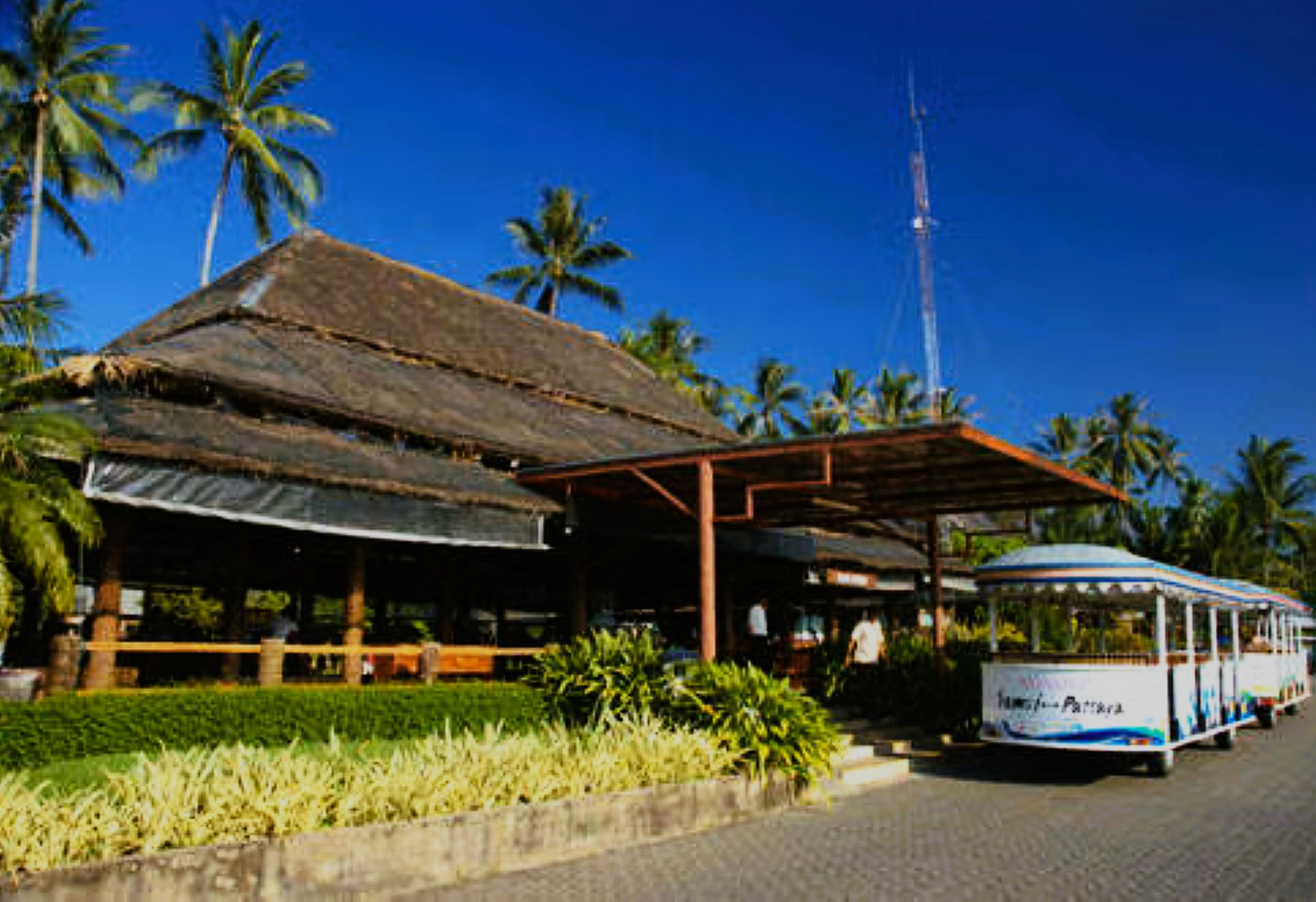
Koh Samui is the opposite of a hidden gem, but after my stay in Isaan, I was drawn back to this island that offers much more than just beach life at Chaweng or Lamai Beach, which can sometimes be completely overcrowded during peak season. I flew from Bangkok to the island on January 14, 2026, arriving at an airport that many consider the most beautiful, if not the prettiest in Thailand.
Much of what typically happens in more or less massive airport buildings takes place here outdoors in a lushly landscaped area with a pond. Passengers are picked up from the airplane or transported there in electric buses with open sides. (This can also become uncomfortable if a tropical downpour hits the island at that moment.)
Of course, Koh Samui was not always the sought-after vacation destination it is today, boasting a staggering three million visitors a year: Even in the 1960s, the island was far off and difficult to access in the Gulf of Thailand; its then approximately 10,000 residents lived off coconut farming and fishing. Many of them were of Chinese descent, whose families had settled on Samui from the early 19th century. Around 1970, 1980, backpackers began to conquer the island, and with the airport opening in 1989, all barriers were lifted.
At the mercy of tourism
Today, about 70,000 people officially live on the island. The Mediterranean island of Elba, roughly the same size as Samui at 224 square kilometers, has less than half that number. Above all, however, the number of people in Samui swells during peak season to between 150,000 and 200,000.
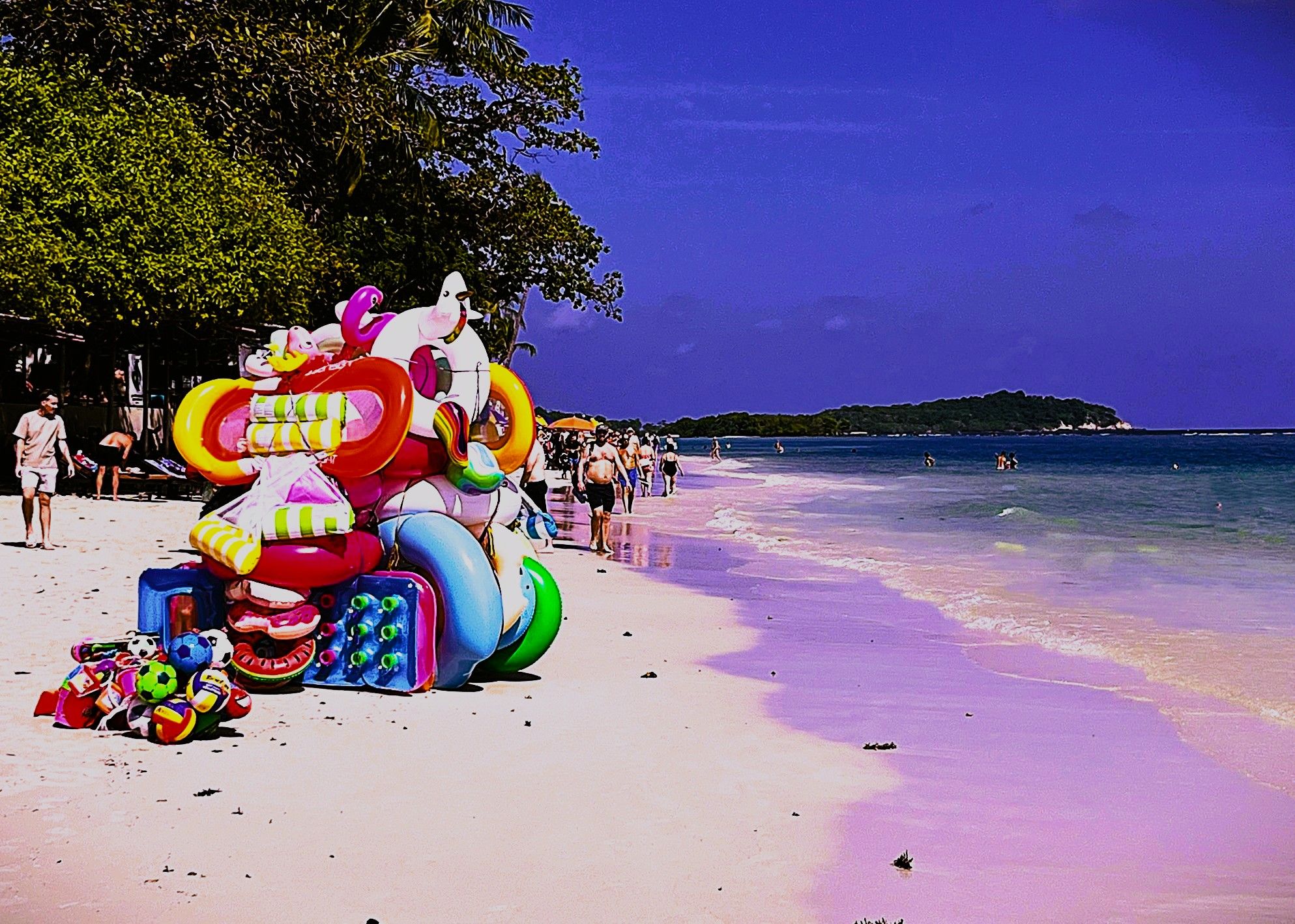
Koh Samui is famous for its beaches. Yet, the tourism infrastructure that has apparently been erected hastily and without planning over the past four decades also has its ugly sides, its architectural monstrosities, and its poor, run-down back alleys; it generates mountains of waste, water scarcity, traffic noise, and congestion.
The concrete walls of certain resorts at Chaweng Beach are built so close to the shore that there is no beach left at high tide, with the last strip of sand submerged. During the day, some areas reveal a shabbiness that is masked at night by the glaring light of neon signs and advertisements.
Cultural foundation
Koh Samui has surrendered itself to tourism. And yet, beyond the beaches and outside the wild overgrowth of residential, commercial, and hotel areas, there are still religious sites and natural spaces where the cultural foundation and former habitats of the local population have been preserved.
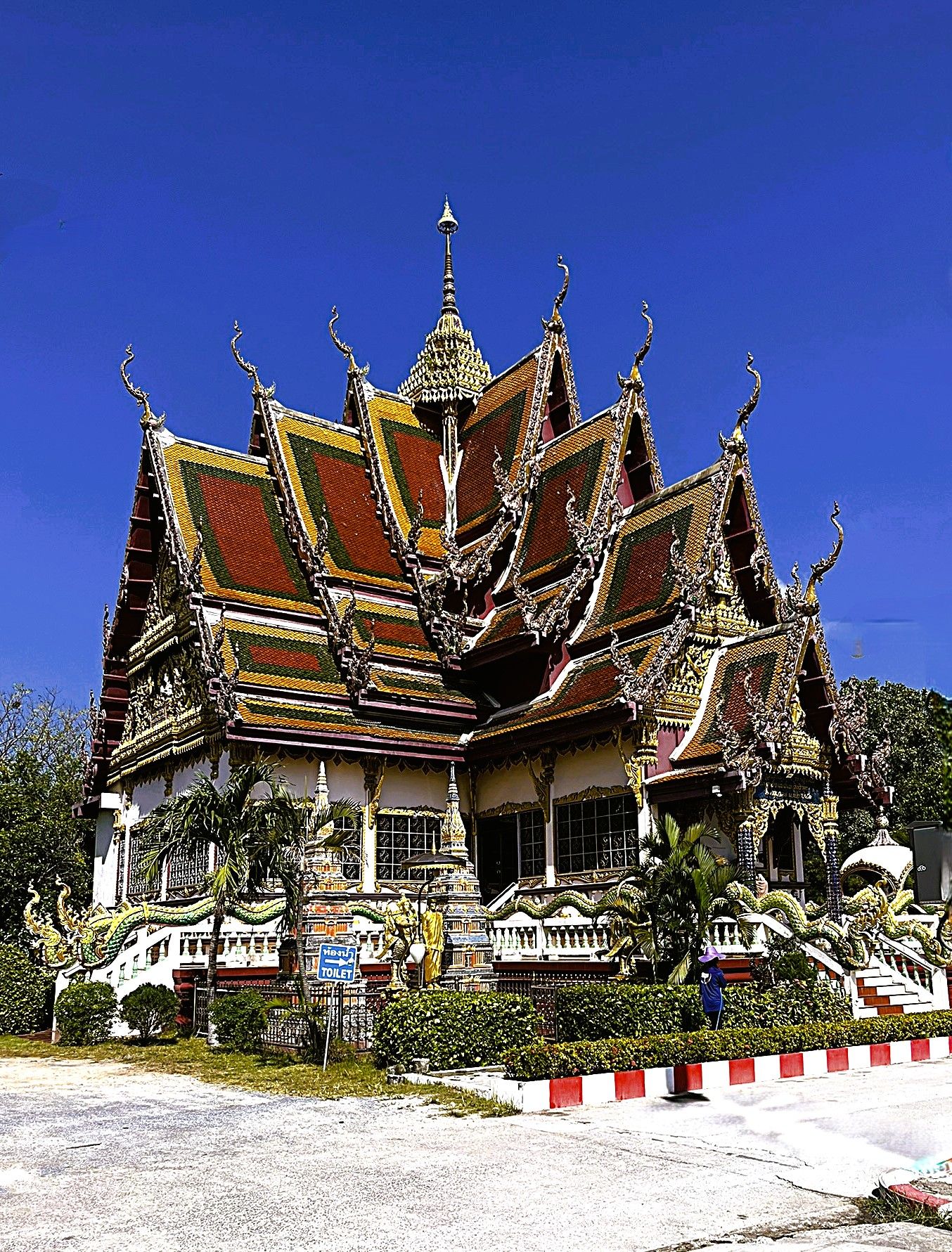
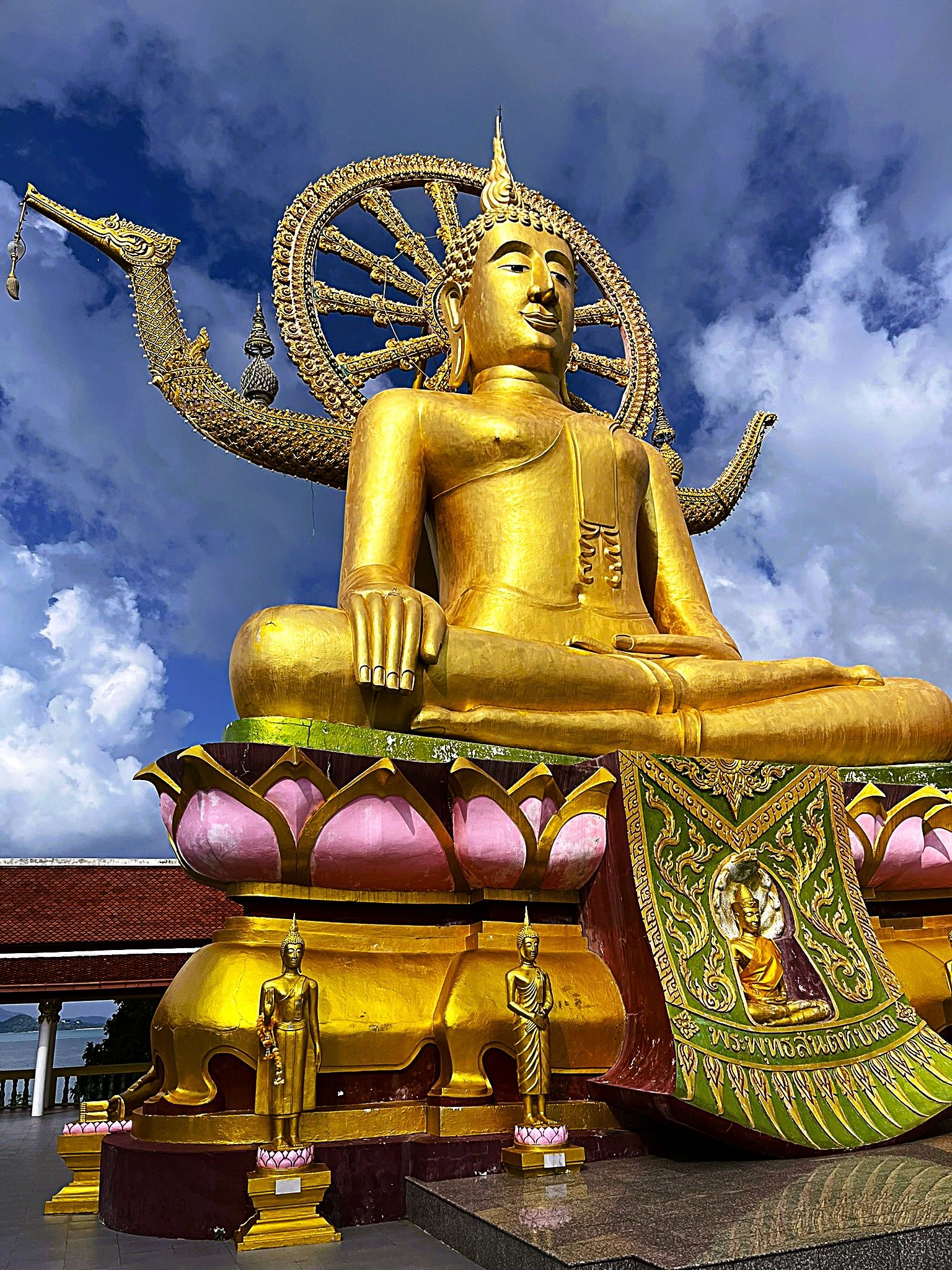
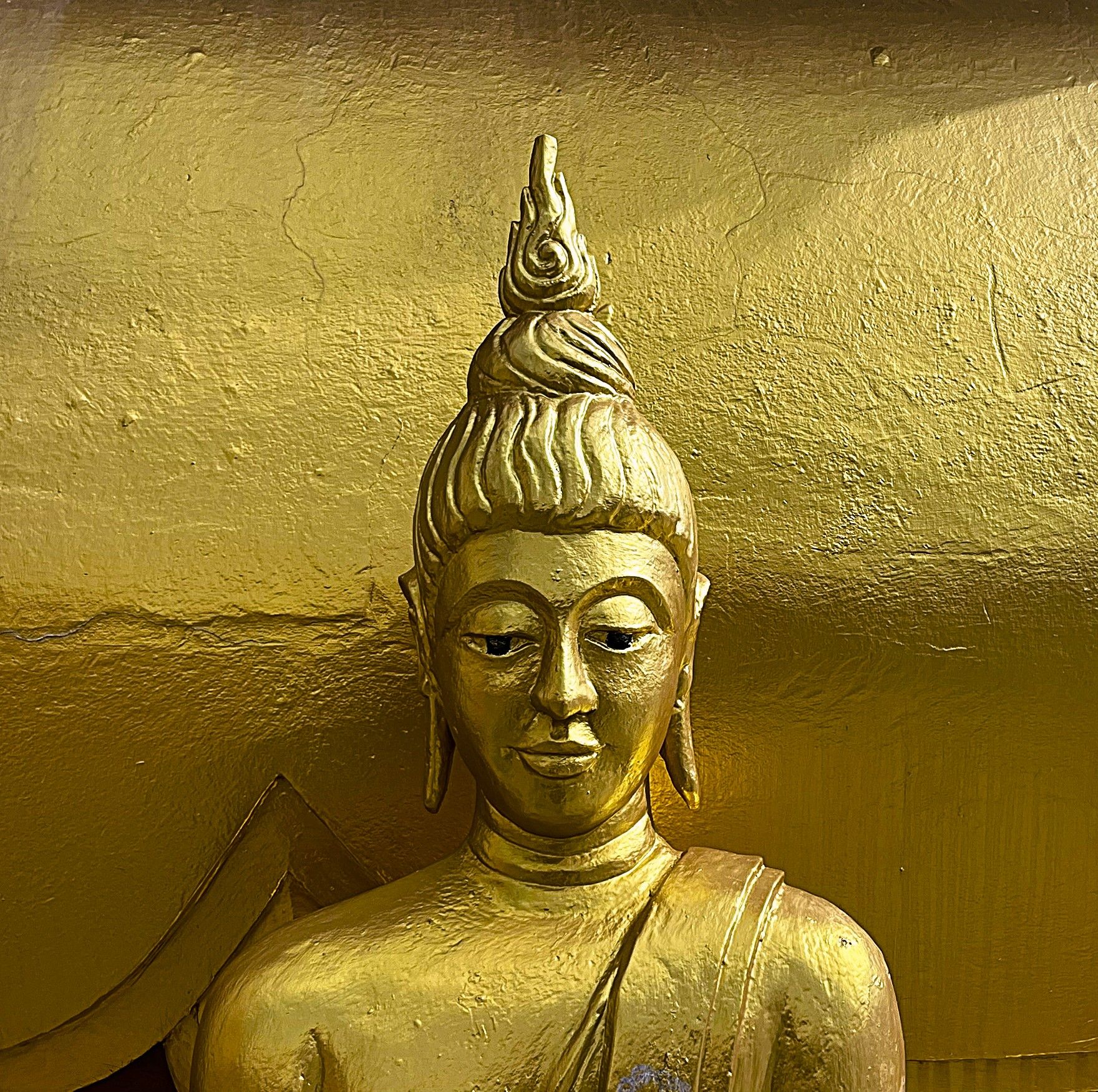
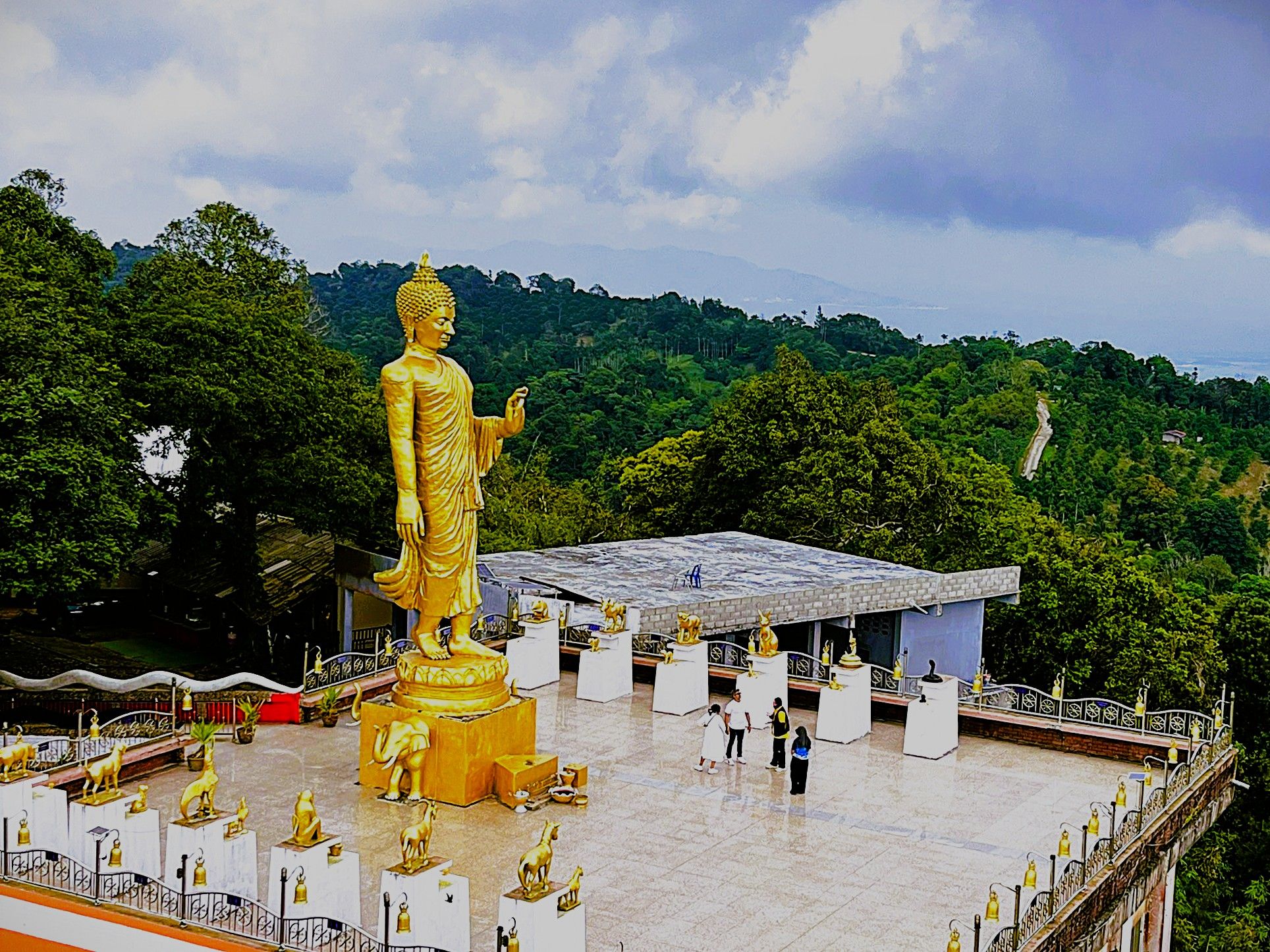
On the small offshore island of Koh Faan, connected to Samui by a causeway, tourists and believers come face to face: Here is Wat Phra Yai, better known as the Big Buddha Temple, one of Samui's landmarks. The golden Buddha statue erected about fifty years ago on a platform high above the sea measures twelve meters. The site serves simultaneously as a photo opportunity for travelers and as an active community center.
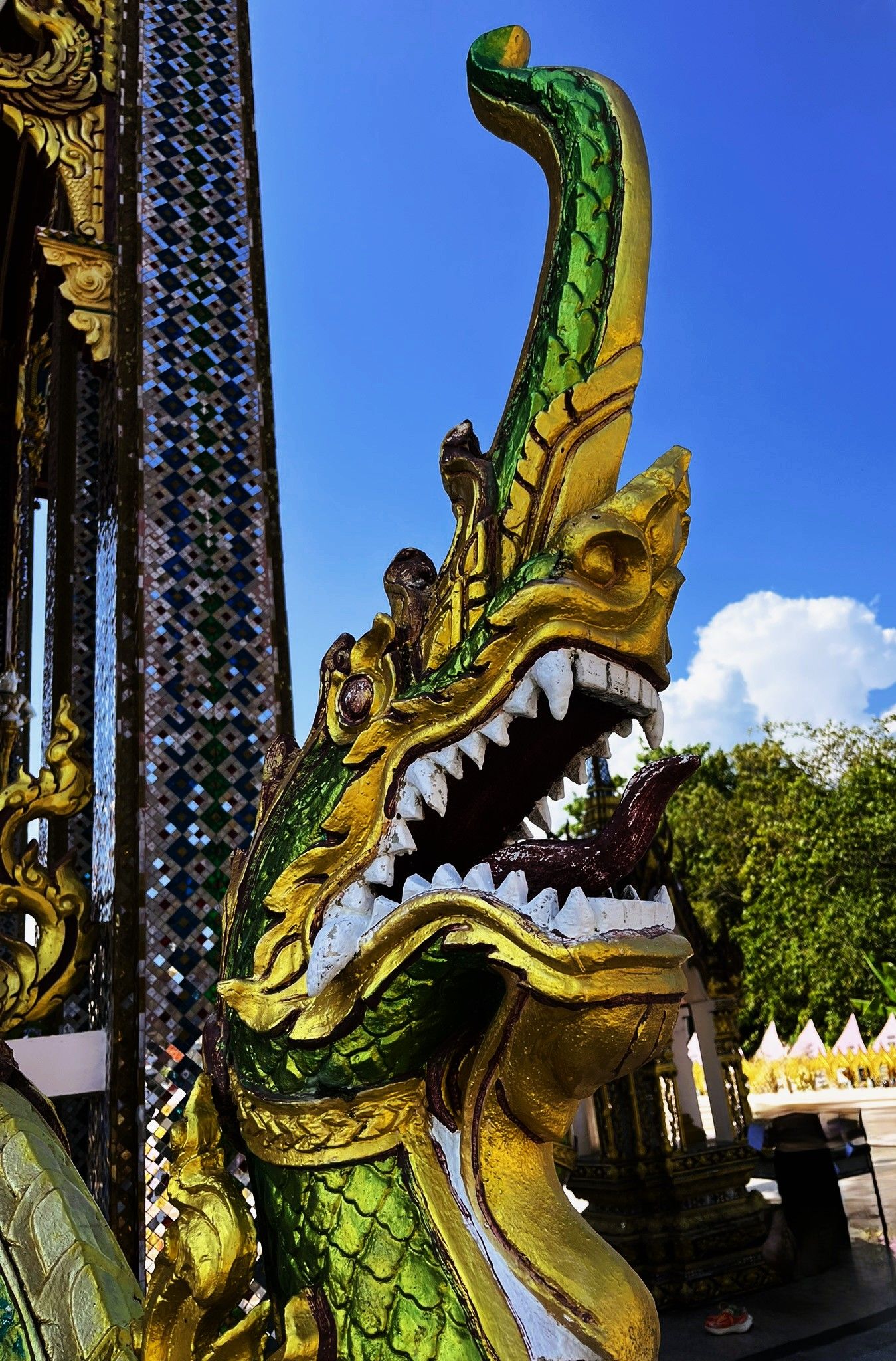
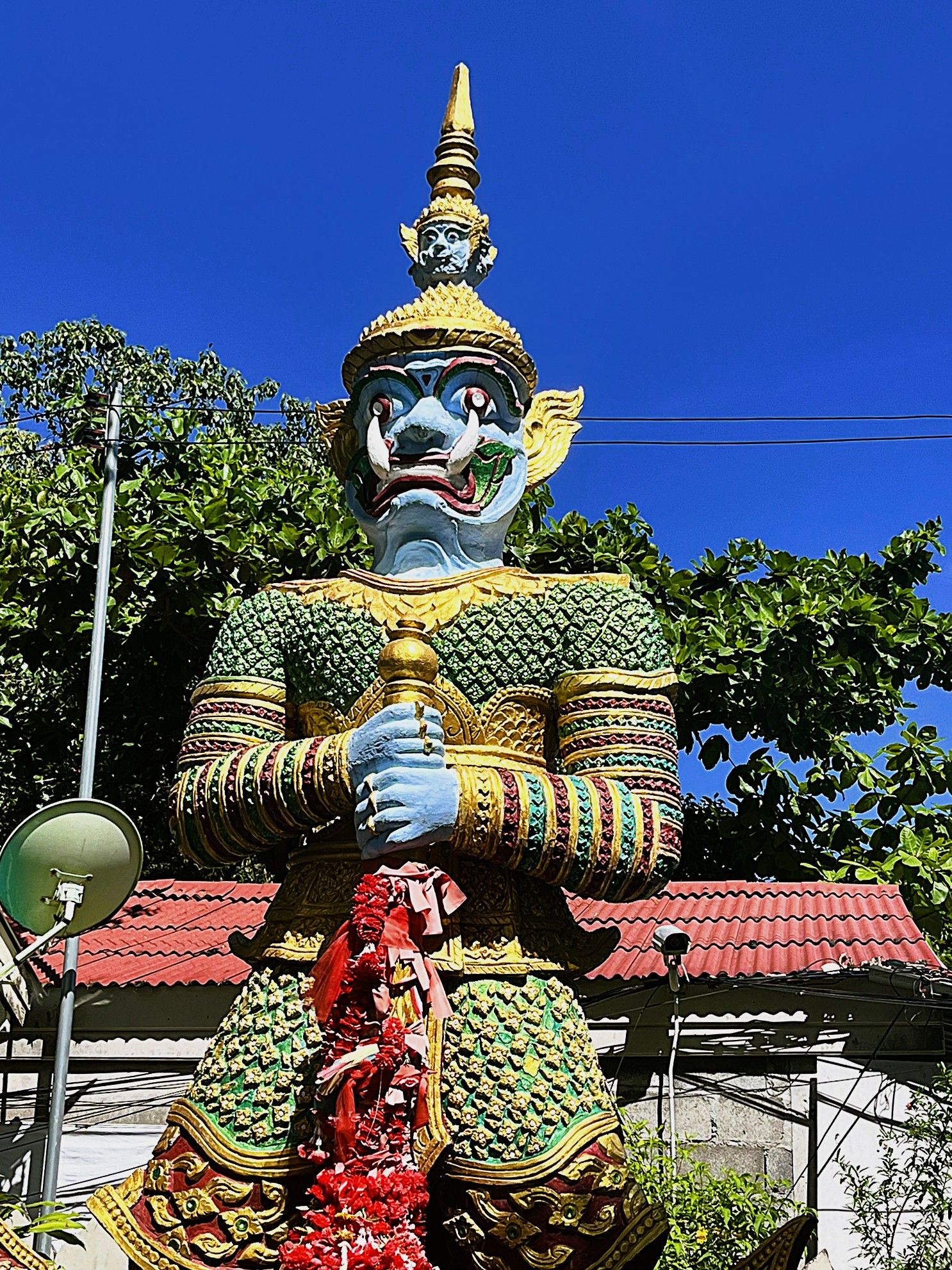
Besides tourists taking selfies with the Buddha, locals light incense, offer lotus blossoms and gold leaves, and kneel or sit with their feet on the ground in reverence before the statue. The stairway leading to the platform and the Big Buddha is flanked by two fearsome snakes, which in Buddhist mythology are not considered a threat but rather protectors. The entire site is guarded by statues of grim-looking warriors.
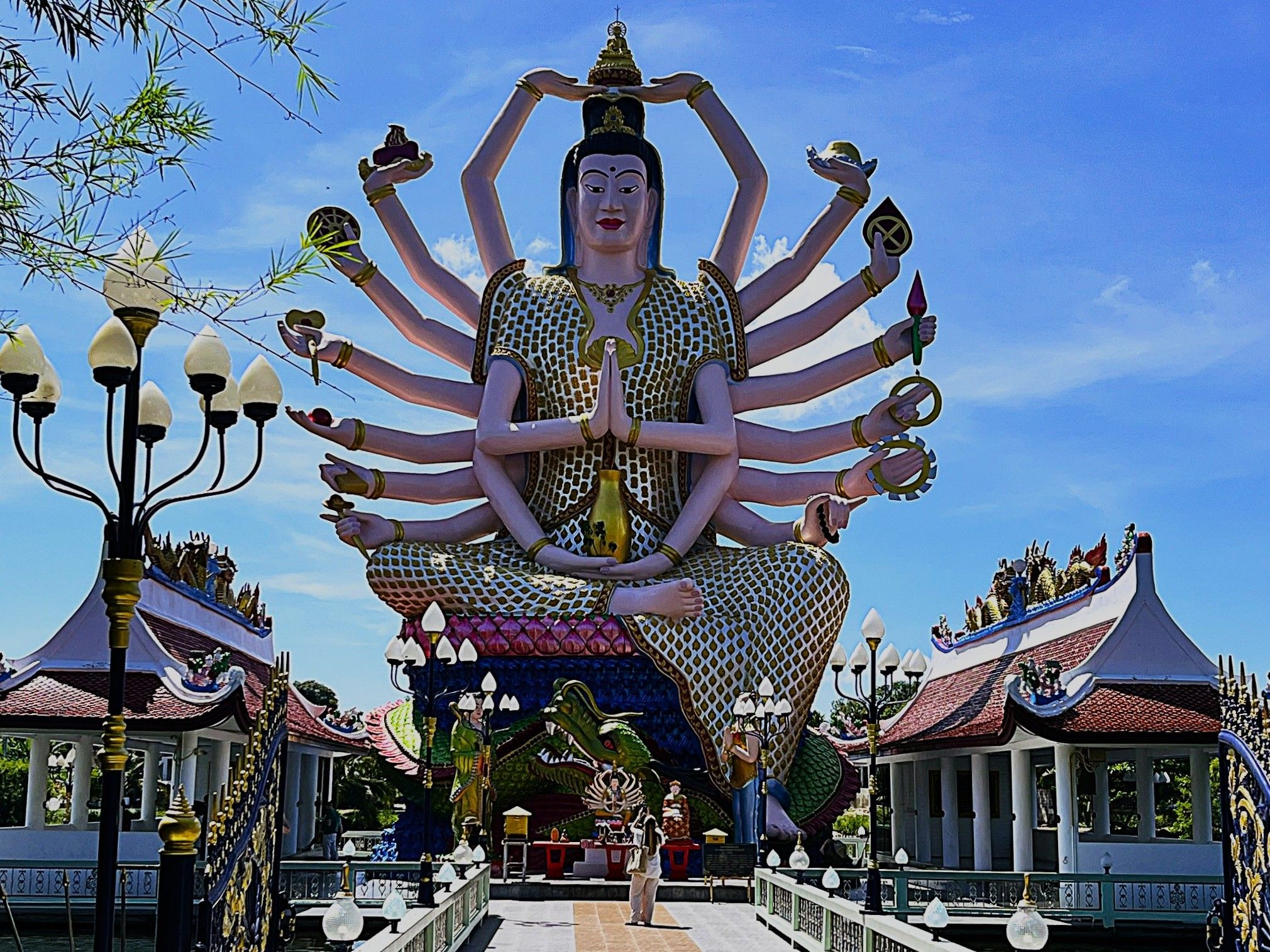
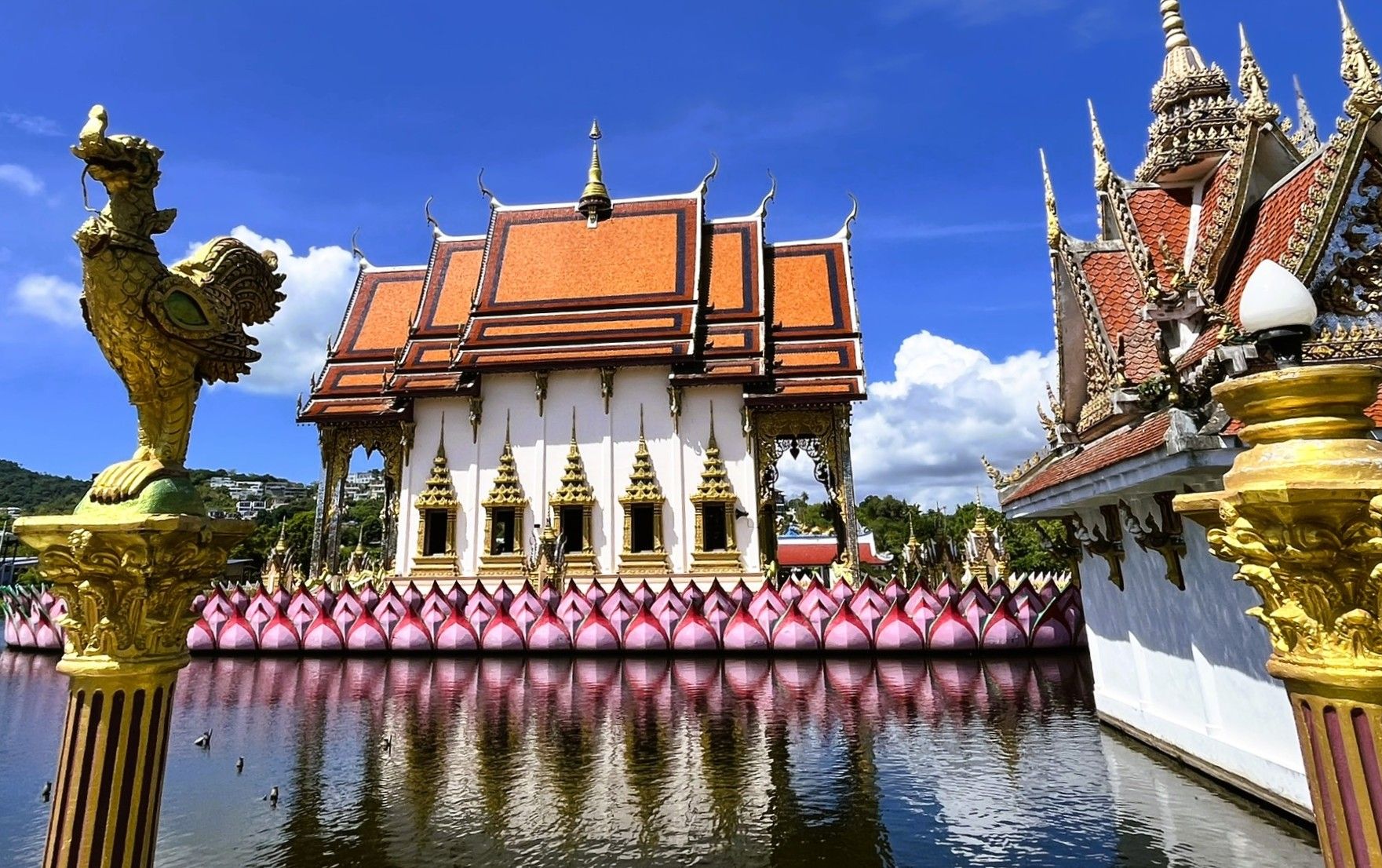
A few kilometers away lies the temple complex Wat Plai Laem. This site is an excellent example of the intertwining of Thai and Chinese traditions in local culture. In the center of an artificially created lake stands a prominently visible statue of Guanyin, the goddess of compassion and the patroness of women. The Goddess's eighteen arms are arranged in a magnificent fan shape.
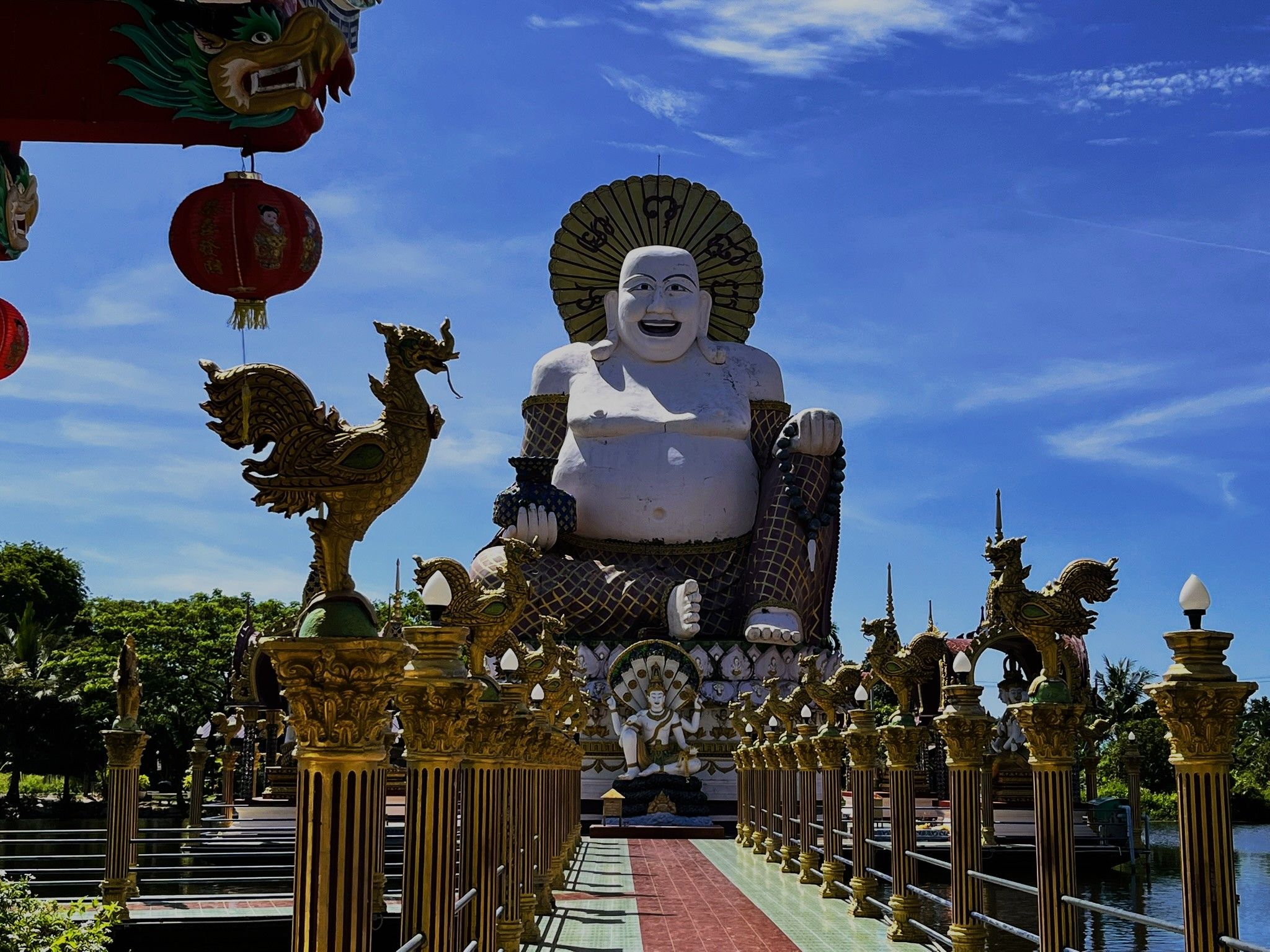
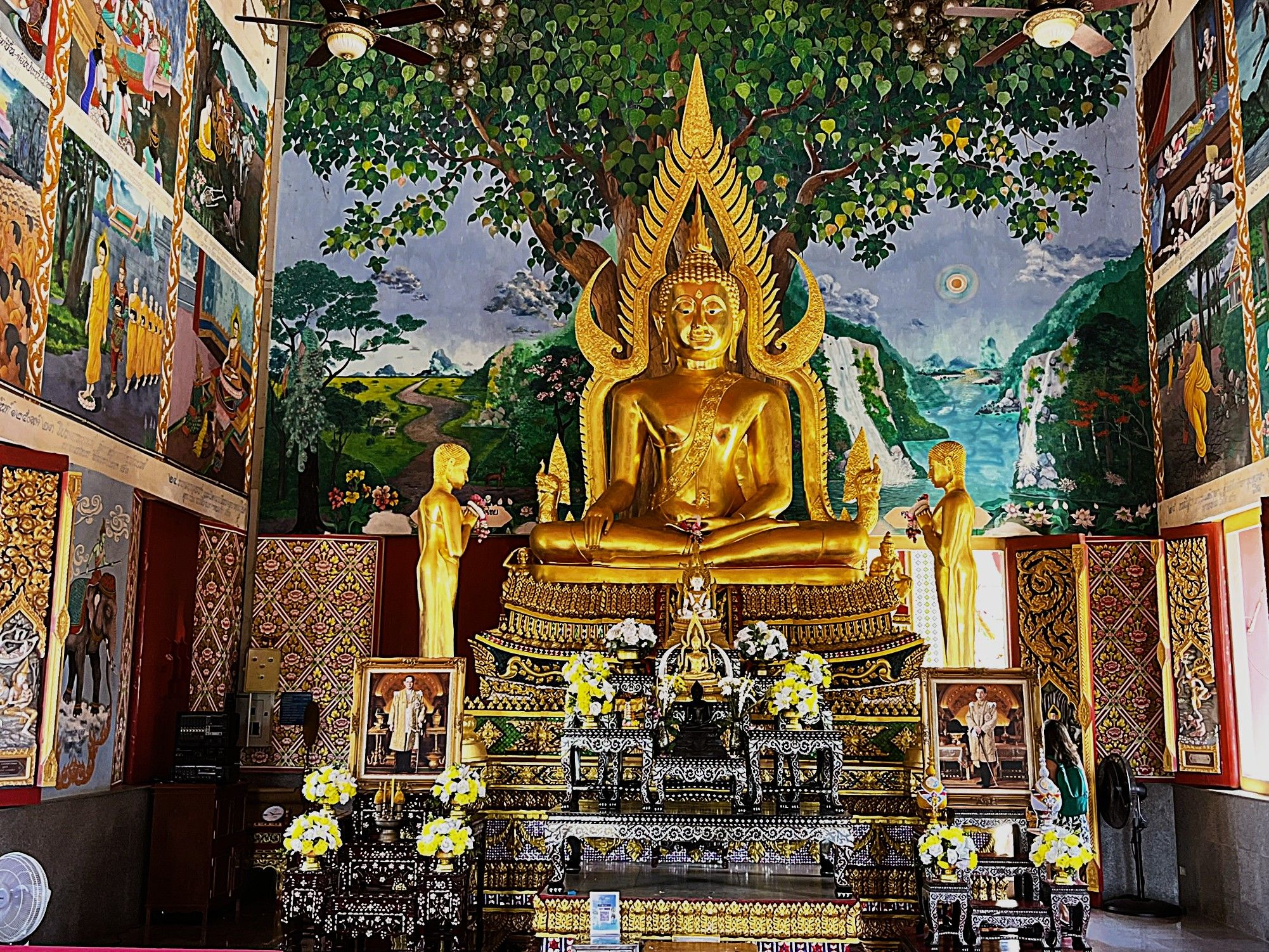
The second outstanding statue is that of the Laughing Buddha, about 30 meters tall, white, and imposing. Thirdly, in the artificial lake, stands the ceremony house in traditional Thai style. It is decorated with golden elements and has a saffron yellow roof. Inside, there is a sitting Buddha and colorful murals depicting scenes from his life. The golden Buddha statue is flanked by photographs of the former King Bhumibol Adulyadej (Rama IX., who reigned from 1946 to 2016) and his son King Maha Vajiralongkorn (Rama X.) – evidence of how closely monarchy and religion are intertwined in Thailand.
The architecture of the surrounding prayer houses, with their multi-tiered roofs and intricate carvings, is also remarkable.
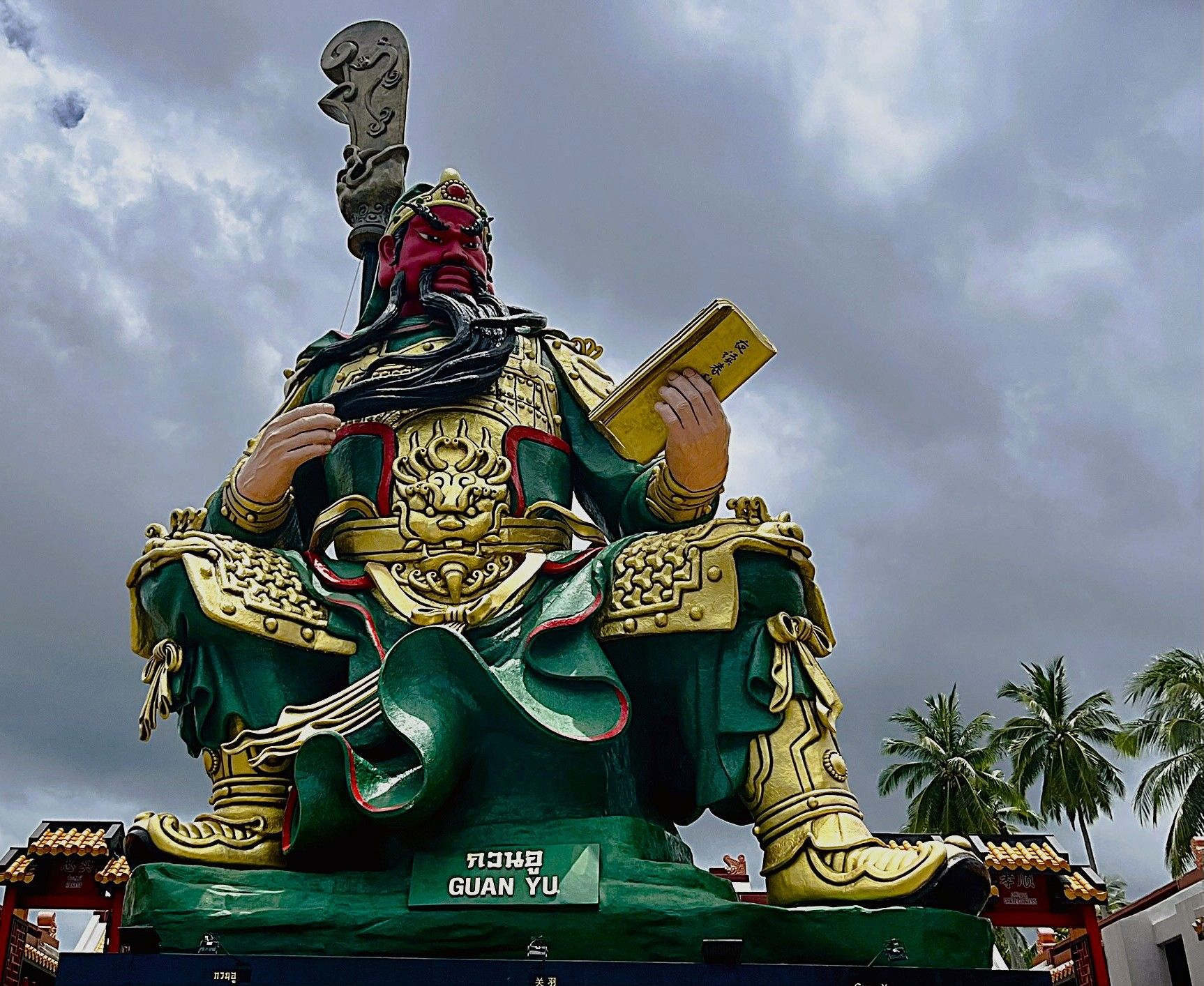
It definitely becomes Chinese about five kilometers south of Lamai Beach. Here stands a colorful yet dominant 16-meter-tall bronze statue of Guan Yu. The general lived during the Three Kingdoms period, i.e., in the 3rd century AD in ancient China, and is a highly revered figure in Chinese culture. Guan Yu embodies the five virtues of honesty, loyalty, steadfastness, justice, and courage and is venerated as the God of War and as a patron for business and wealth in both Taoism and Confucianism. Due to this symbolism, many couples choose the shrine for their wedding ceremonies.
The shrine was founded by Chinese immigrants over 150 years ago to preserve their culture. However, the current monumental statue was erected only about ten years ago. Behind it, a staircase leads into the opulent, red-and-gold adorned interior of the shrine, decorated with dragon murals, where Chinese tour groups excitedly gather for selfies and group photos.
A secret Buddha garden
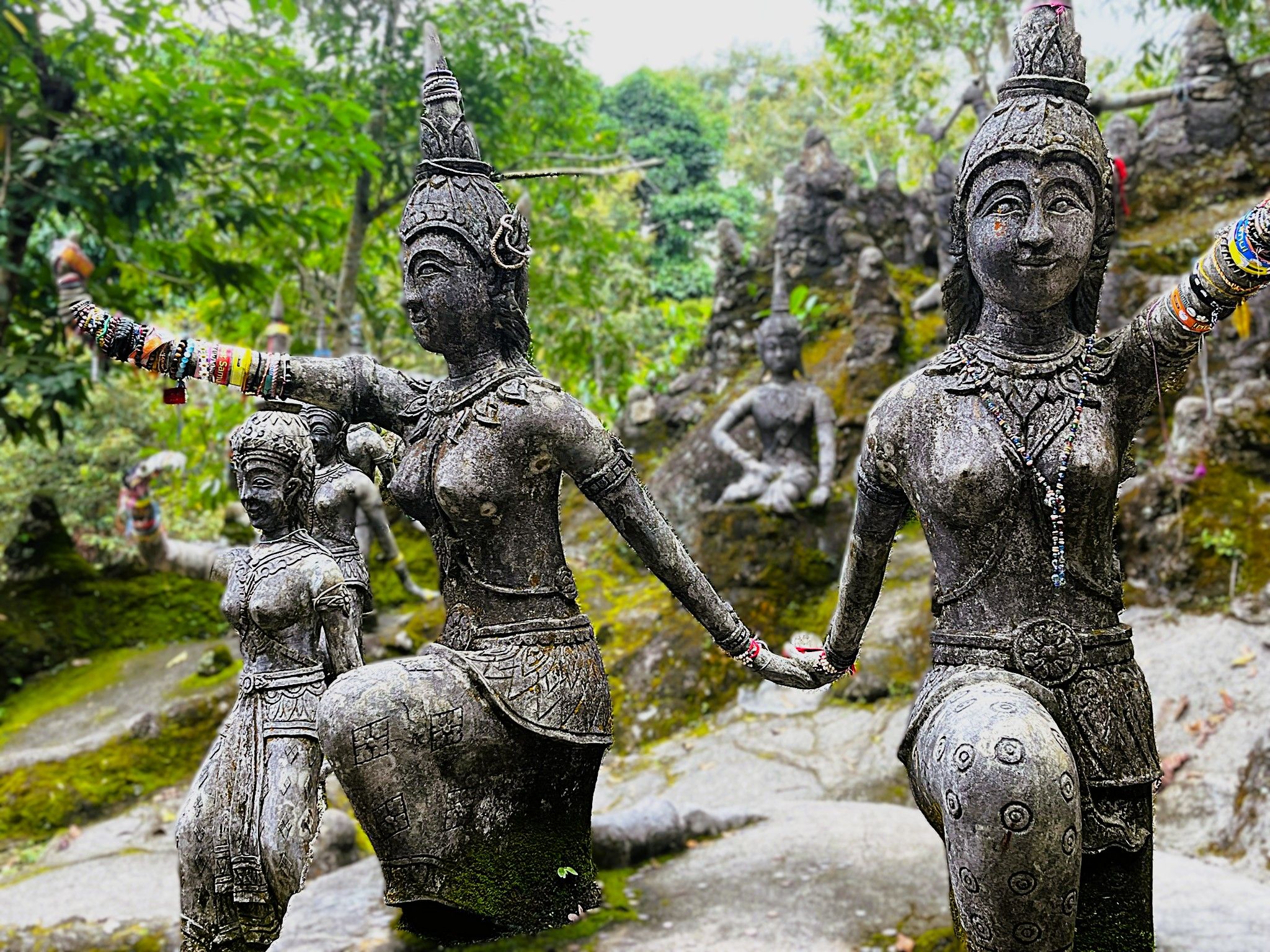
The route now leads from the coastal plains into the mountainous, densely forested interior of the island. The road rises steeply and curvily. At an altitude of about 400 meters above sea level, we visit the Secret Buddha Garden. Steep stairs lead down from the parking lot into the park. It is not a temple in the strict sense but the life’s work of a local rubber planter named Nim Thongsuk.
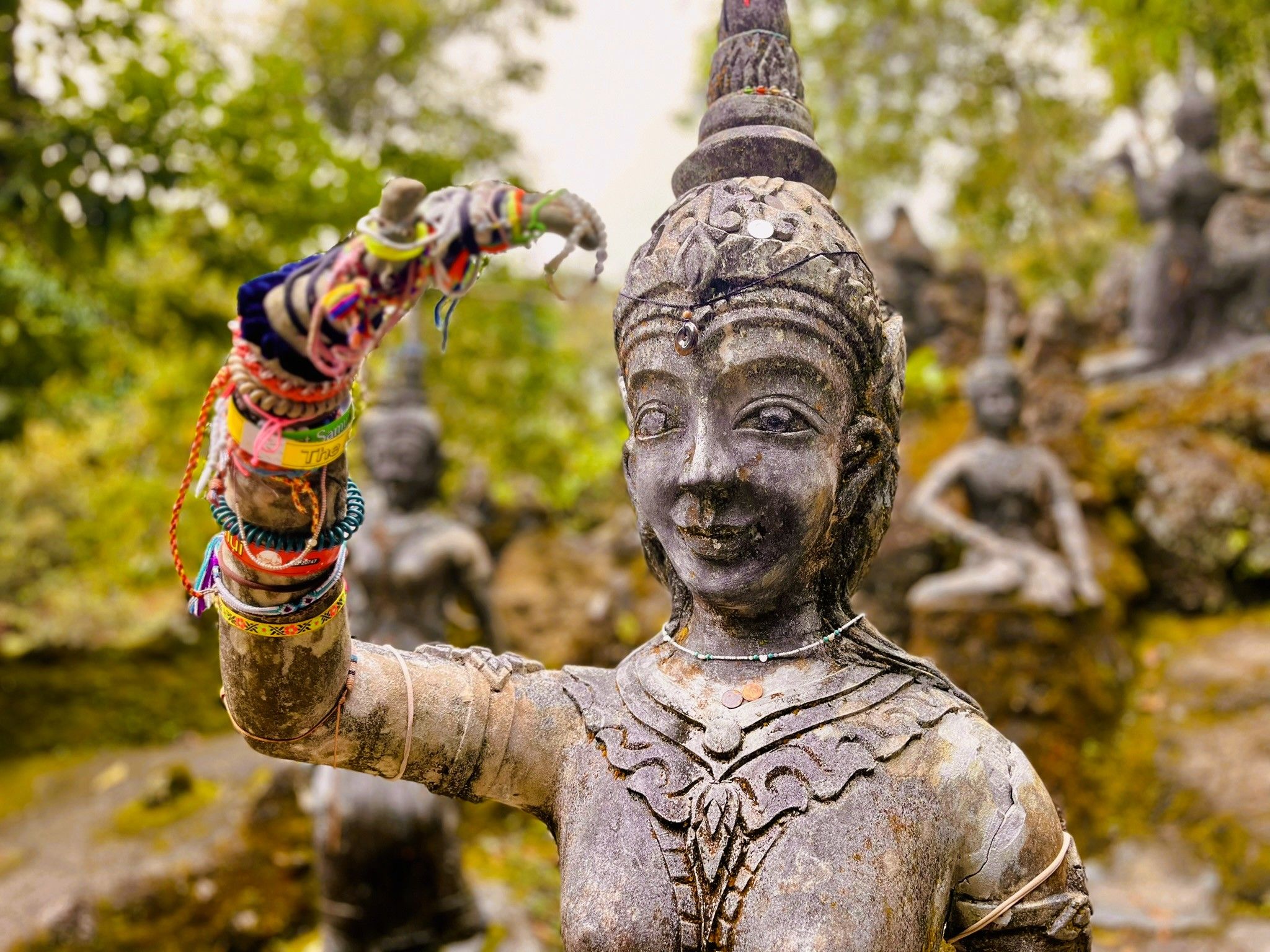
He began in 1976 at the age of 77 to create statues on his private family property. The stone-carved figures depict deities from Buddhist mythology, musicians, animals, and mythical creatures. A small stream flows through the steep garden; moss and lichen have accumulated on the artworks over the years, making them blend almost naturally into the landscape – resulting in a truly mythical experience.
Statue on the summit
At the highest point of the island, finally, on the summit of Khao Pom at around 640 meters above sea level, stands a majestic Buddha statue, shining golden in the sun on a large platform. The white five-story temple next to it, Wat Teepangkorn, can be climbed; from the top, one enjoys a fantastic panoramic view not only over Samui itself but also of surrounding islands; on clear days, the coastline of the mainland is even visible on the horizon.
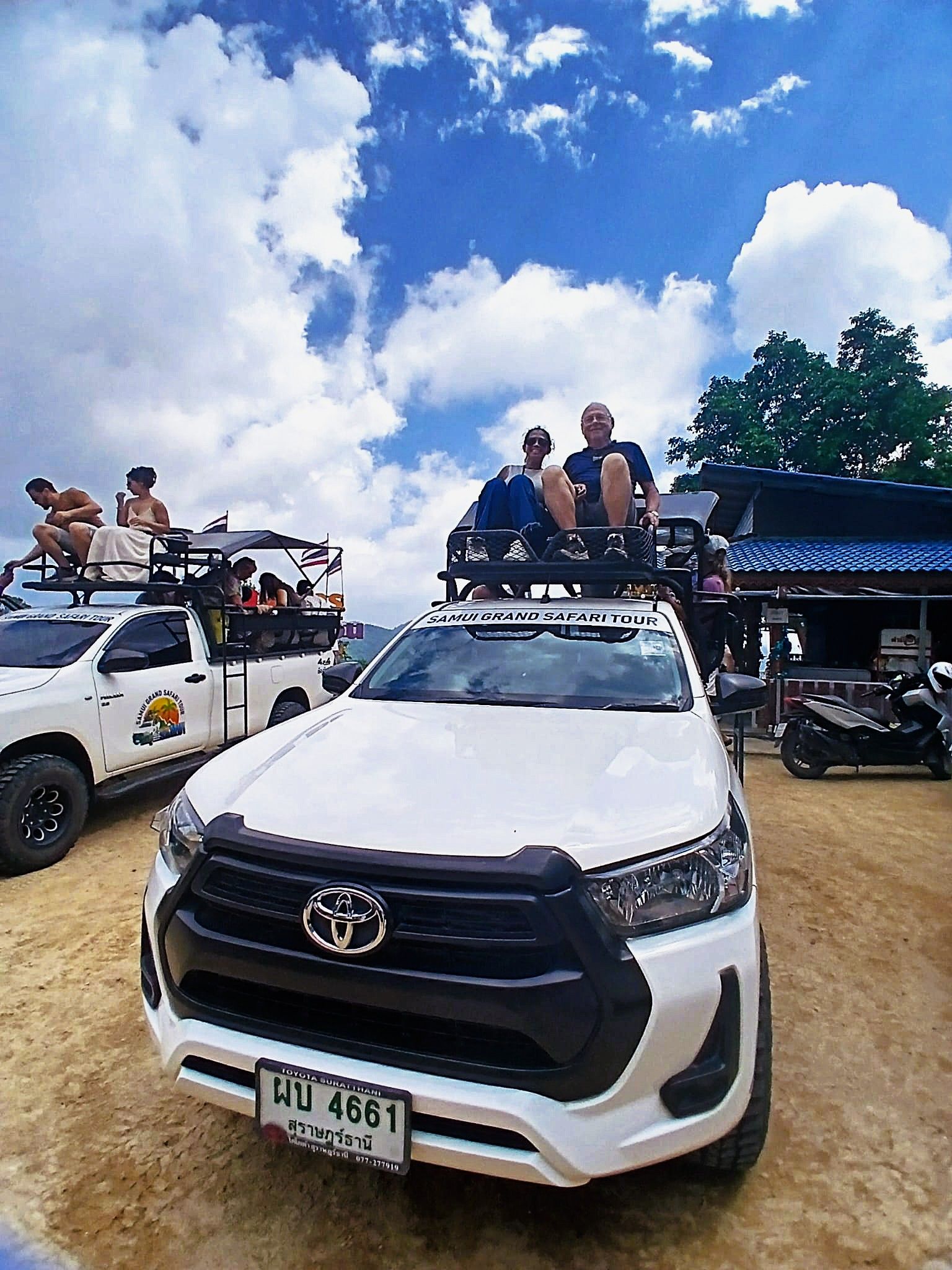
To reach Khao Pom, an all-terrain vehicle is recommended – in our case, a Toyota Hilux from Samui Grand Safari Tour with cushioned benches in the cargo area. (Those feeling brave can also climb up to seats mounted on the roof of the driver's cabin and experience the bumpy ride unpadded and jostled.) Rental scooters or a regular car are strongly discouraged. The drive along the steep, narrow, and winding mountain roads is too risky.
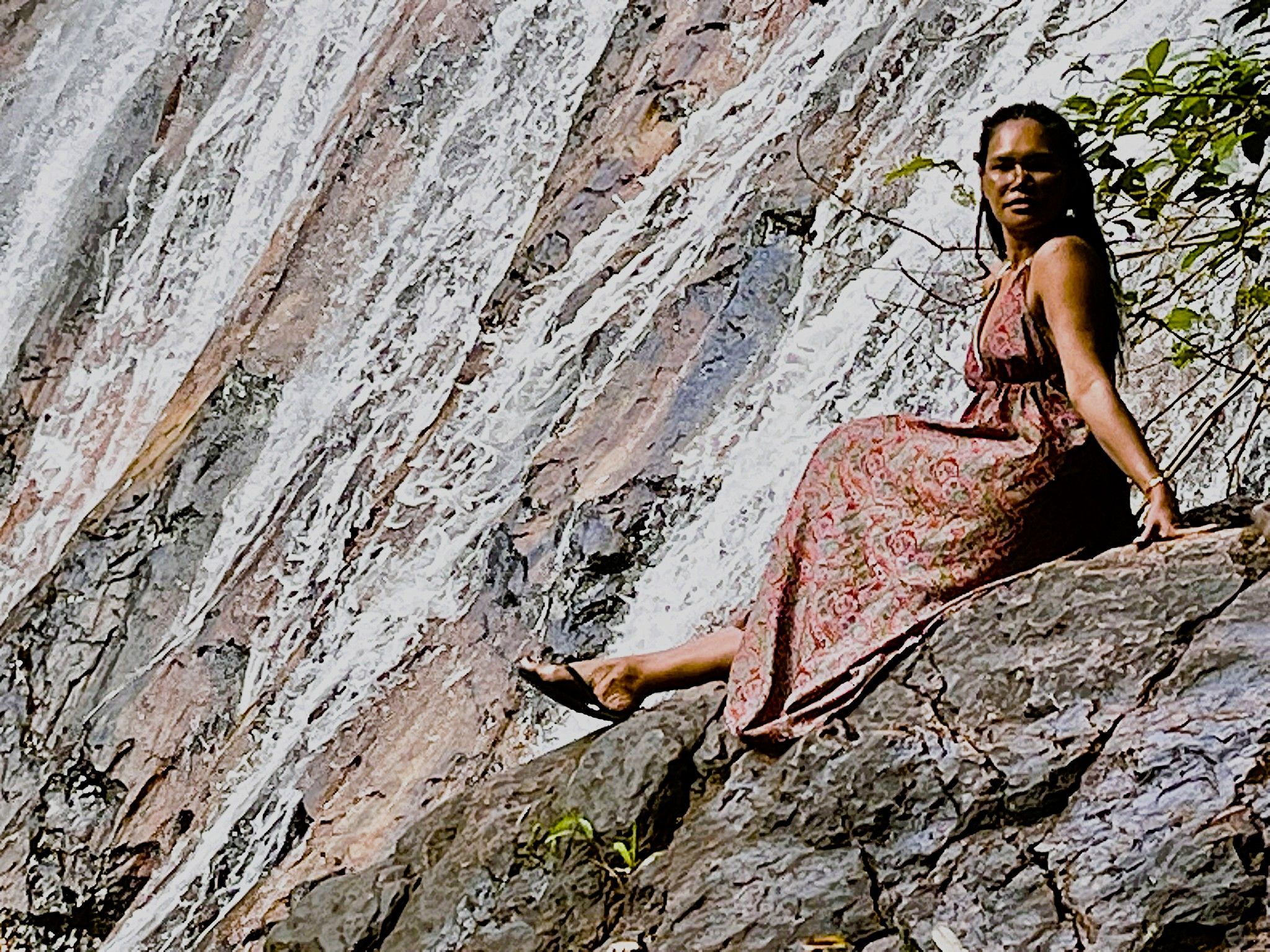
After descending from the heights of Samui, it’s best to visit one of the waterfalls, for example, Na Muang Falls, which is particularly easy to access. Naturally, one shouldn't expect Iguazu or Victoria Falls here. The water cascades over a rock face of violet-hued granite about 18 meters into a natural pool. However, if you have swim shorts with you, you can cool off in the pleasantly cool water in the pool below the waterfall, washing off dust and sweat before diving back into the hustle and bustle of the tourist areas.
vogel-fliegt-ausLike a newsletter: every new post arrives via email.
Answer
Travel reports Thailand