

From Labuan Bajo to the Komodo Dragons
At the end of July 2026, I arrived in the city of Labuan Bajo at the western tip of Flores Island and explored the islands of Komodo National Park,
Published: 23.08.2026
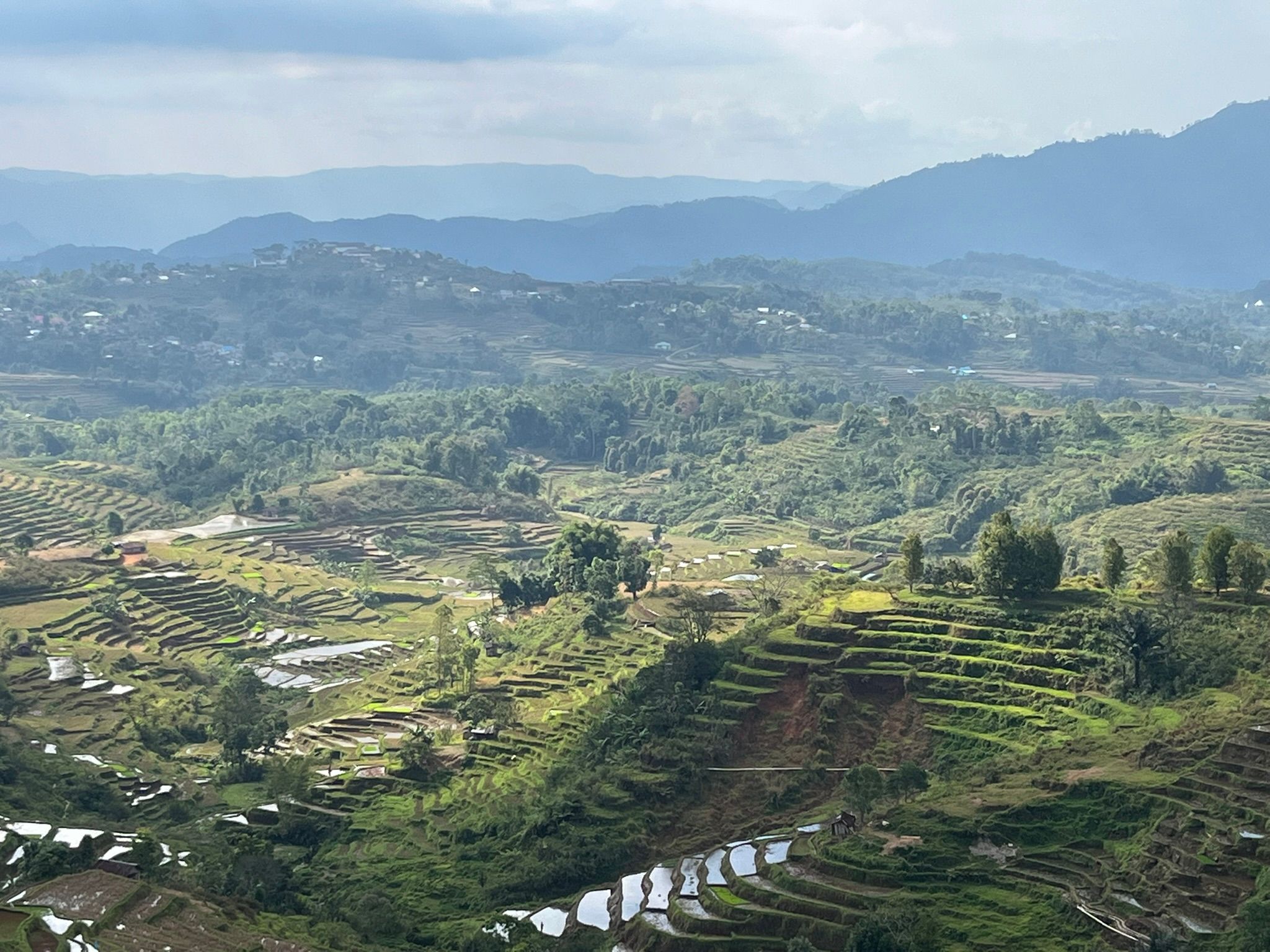
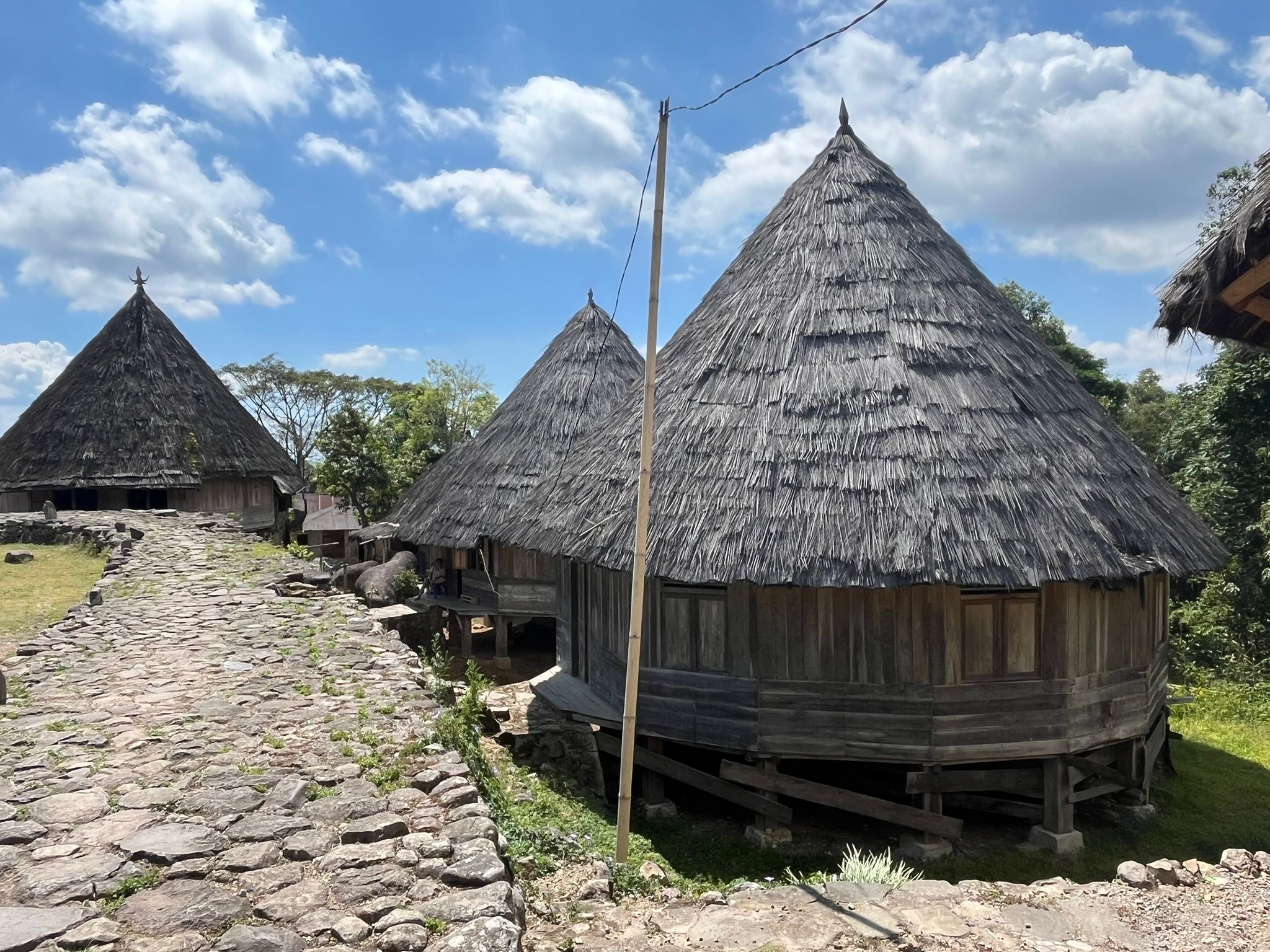
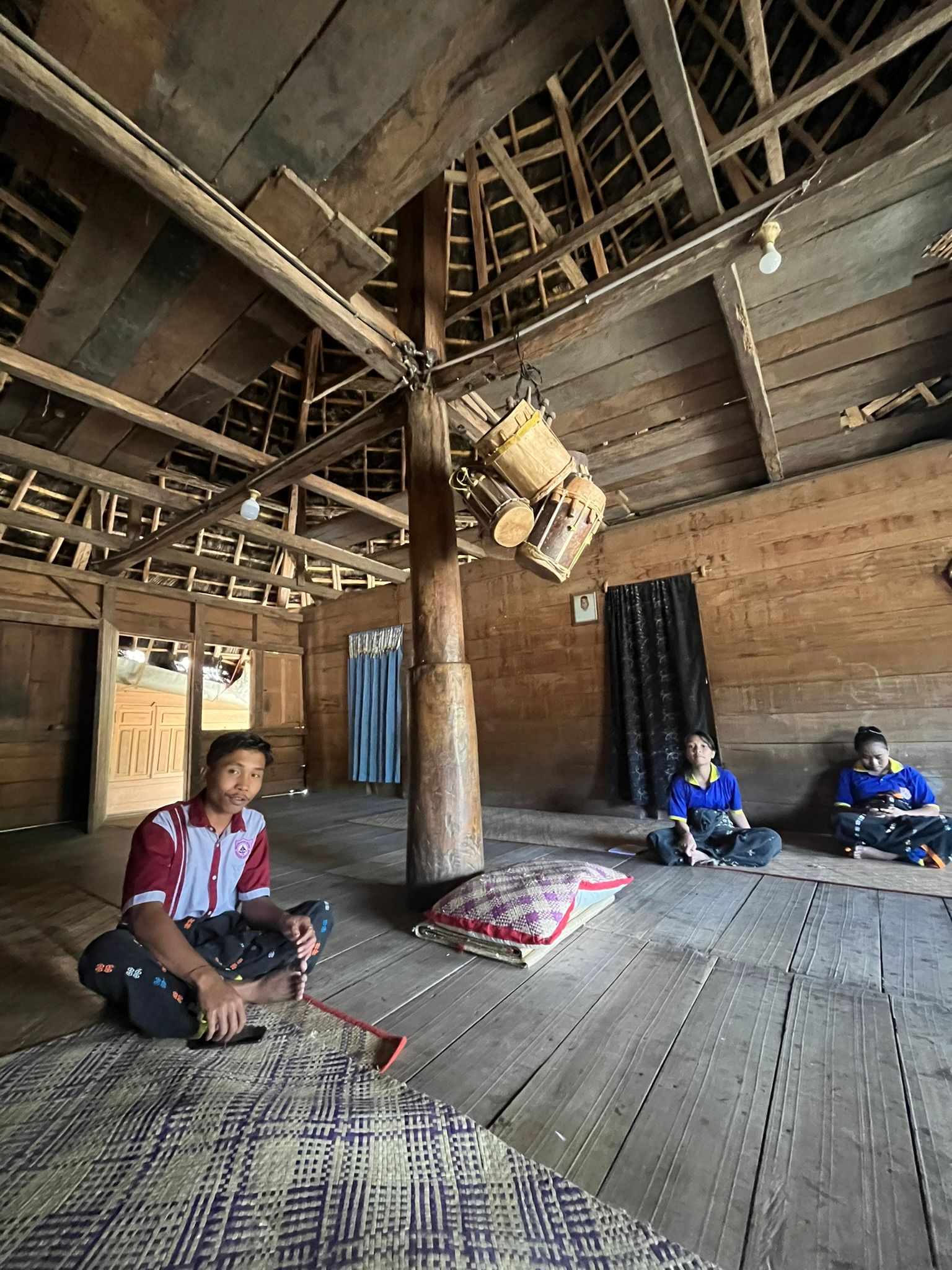
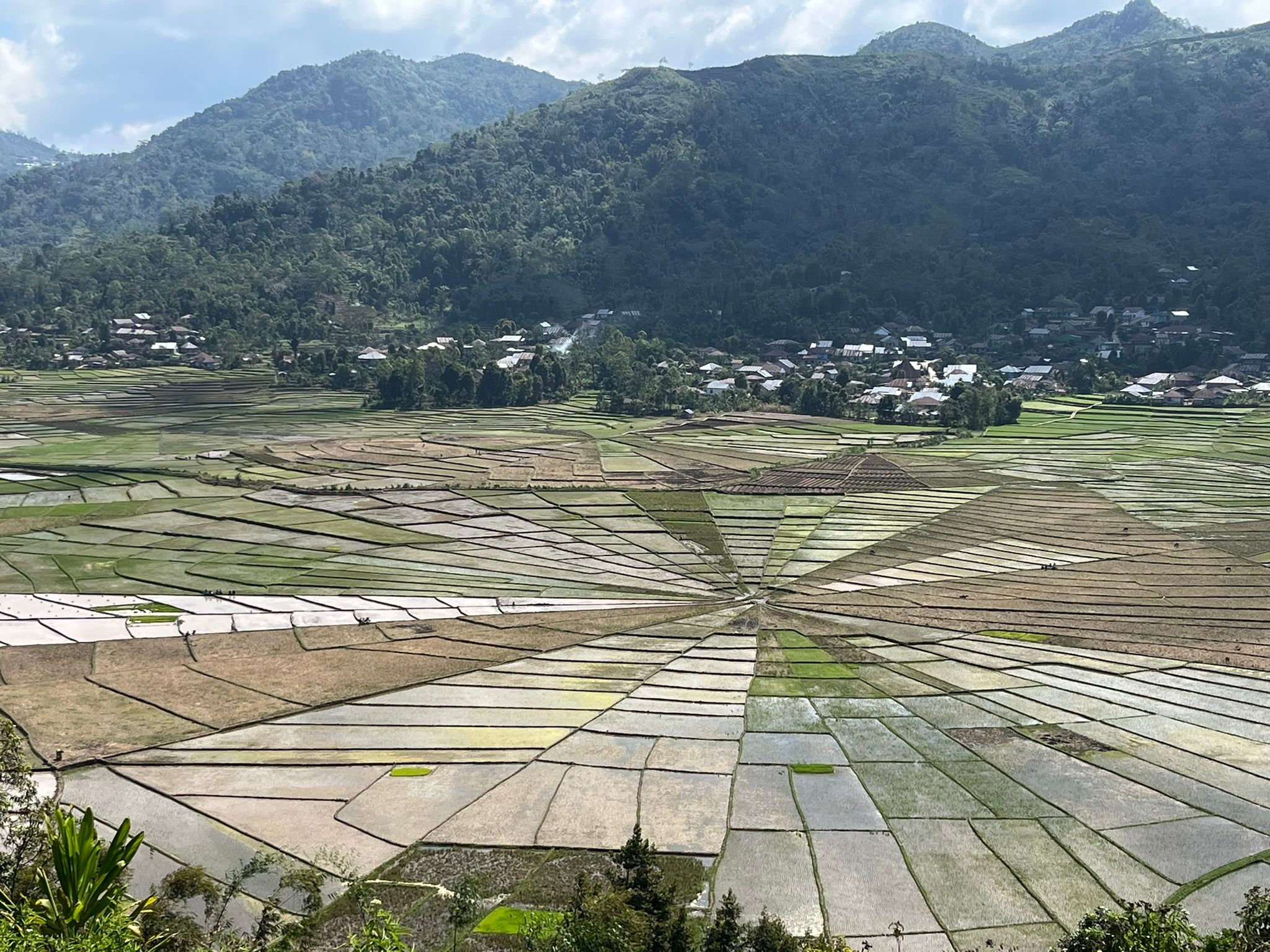
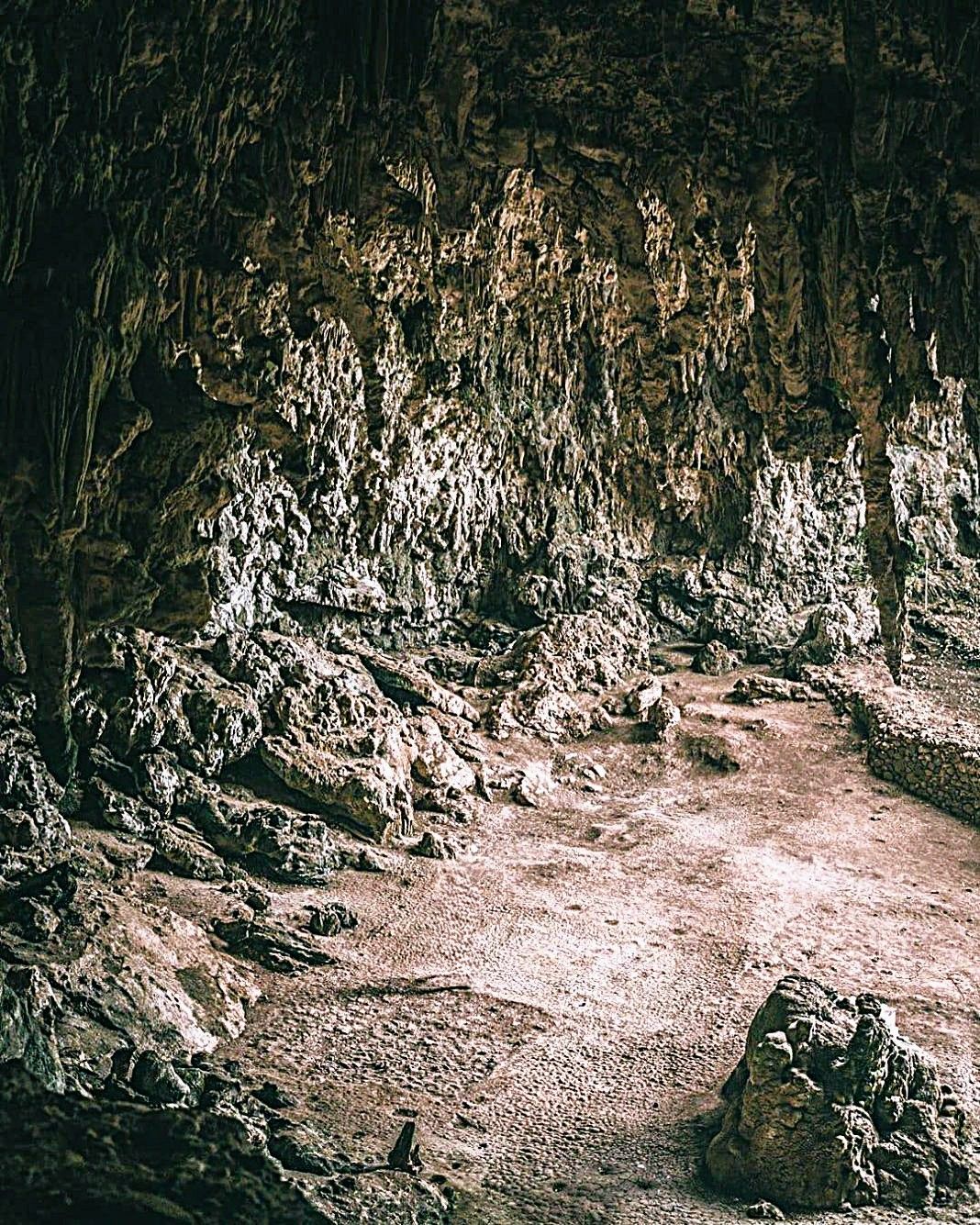
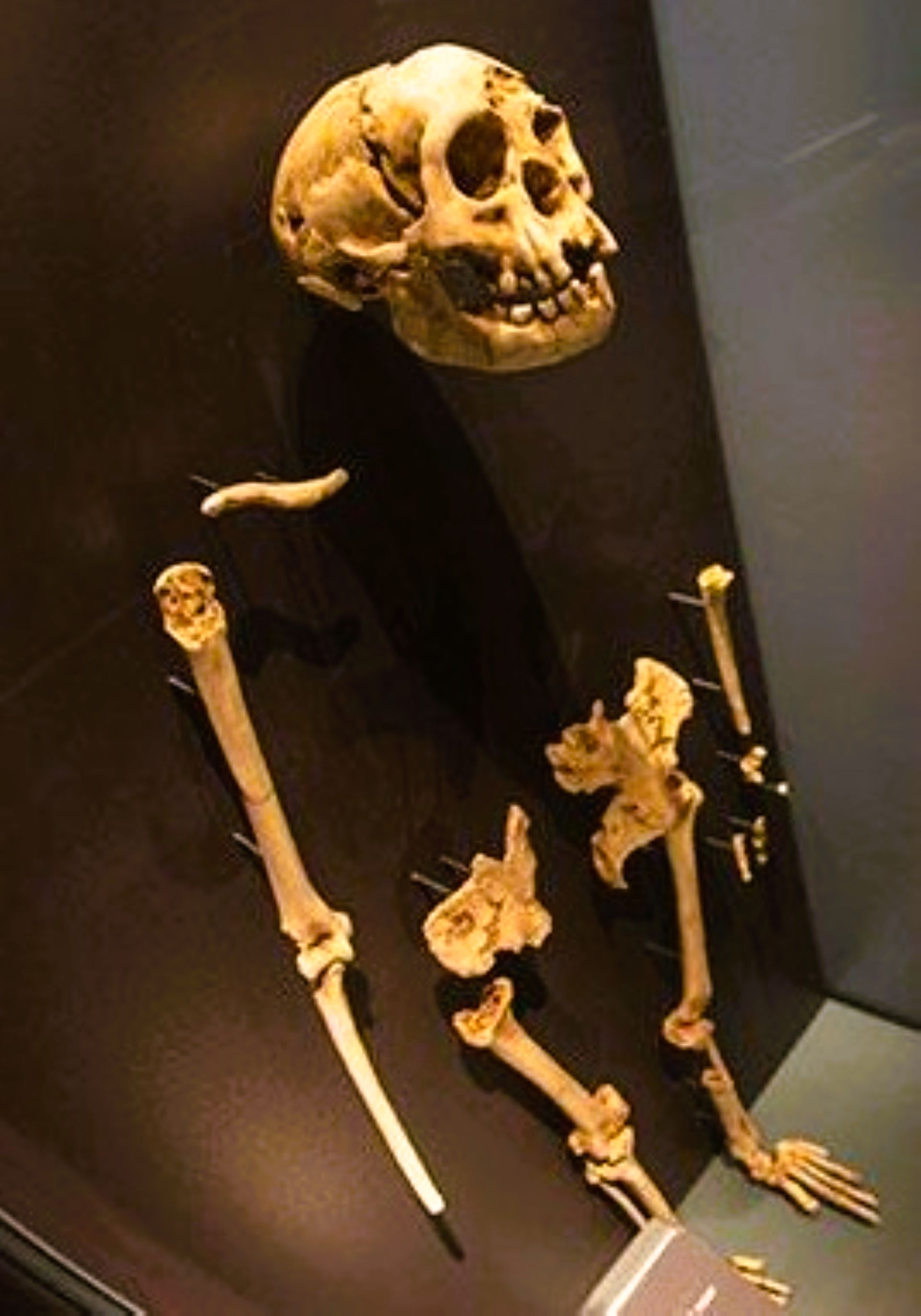
The Trans-Flores Road rivals any Swiss mountain road, not in terms of elevation difference, but in the number and sharpness of the curves. From Labuan Bajo in the west to Maumere in the east, a distance of 550 kilometers, the road winds in serpentine fashion almost constantly. This, of course, affects travel time: by bus, one must plan for 15 to 16 hours. Not only for this reason have I divided the trip into three stages.
On July 28, 2026, a minibus picks me up almost on time in front of the «D’Alvin Homestay» in Labuan Bajo. It is one of the most comfortable I have ever traveled in: wide, soft leather seats with ample leg space reminiscent of business class on an airplane. My first destination is the town of Ruteng, about 150 km east of Labuan Bajo.
Shortly after leaving Labuan Bajo, the road begins to ascend. The curves follow the terrain's contours. The road is paved and generally in good condition, but in some places so narrow that cars can only pass slowly and cautiously.
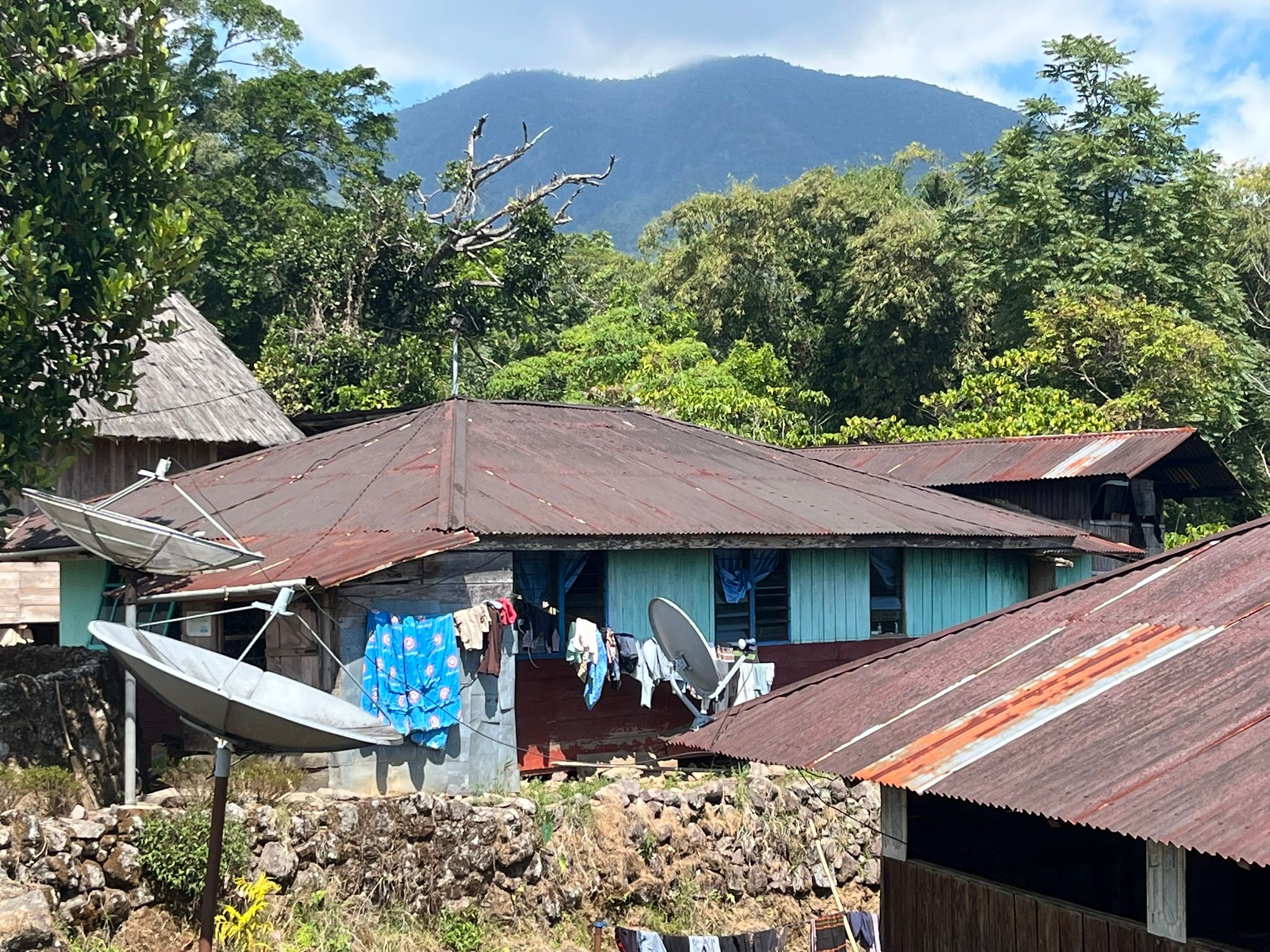
We drive through moist, cool forests – a pleasant change from the tropical heat in Komodo National Park. Then, fields of subdivided rice terraces open up; on the slopes grow bananas, vegetables, and coffee. Flores takes pride in its coffee. In the scattered villages, we pass wooden, concrete, and brick houses with rusty corrugated iron roofs, satellite dishes, and occasionally a few family graves in the garden.
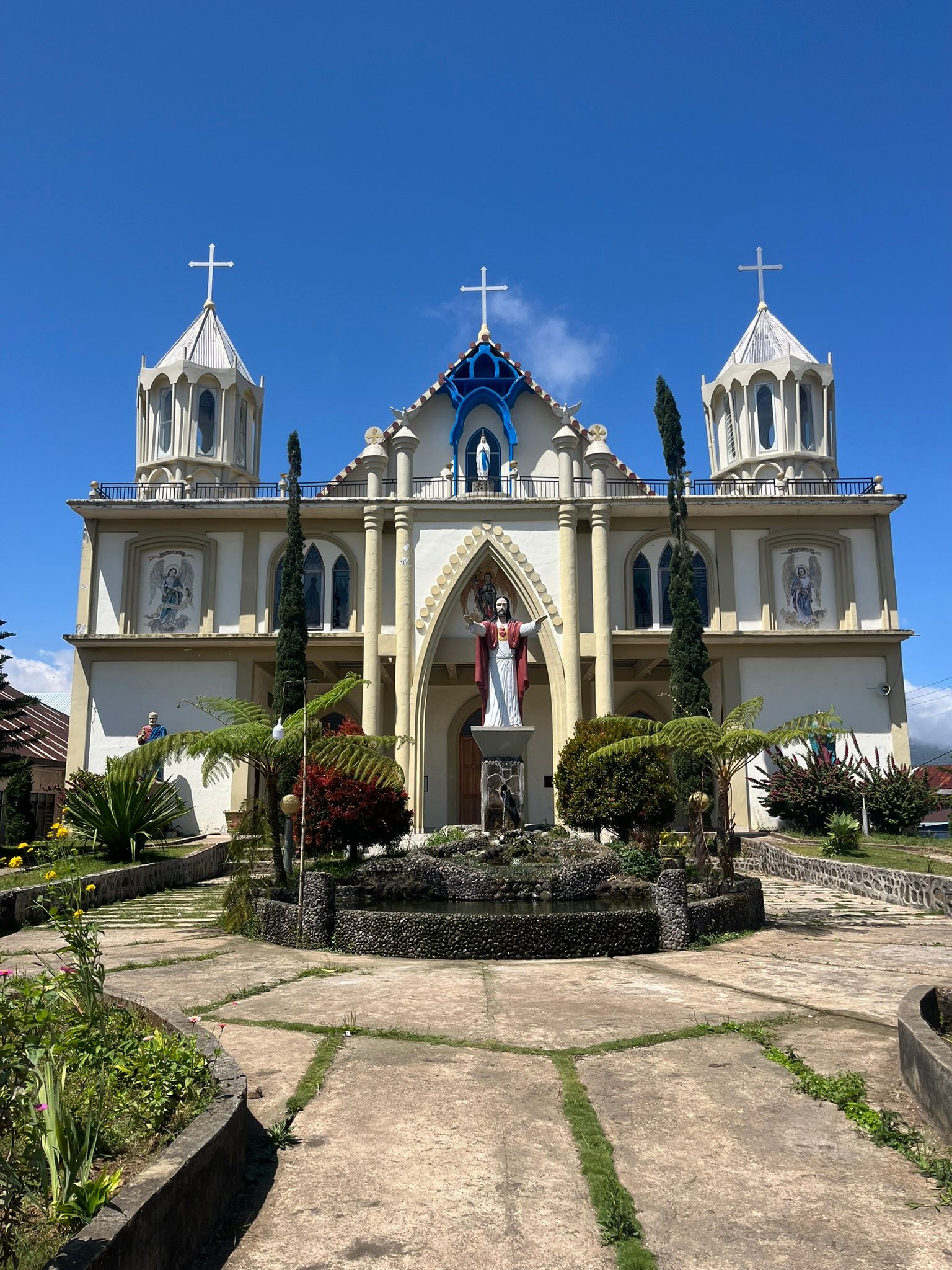
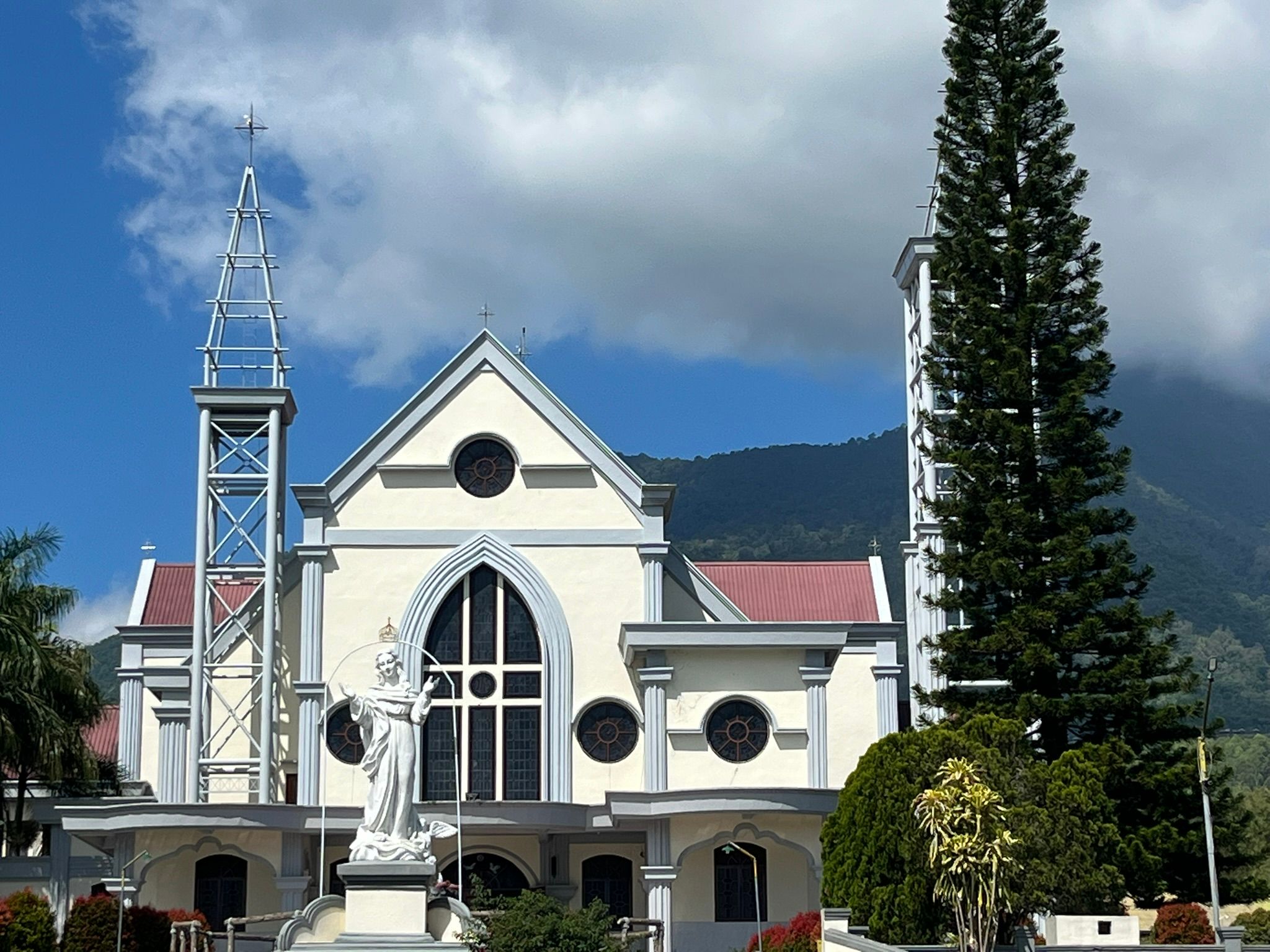
And again and again churches; Flores is one of the few Indonesian regions with a predominantly Catholic population. In Cancar, near Ruteng, for example, is the parish church of St. Maria Fatima, built in a wild mix of architectural styles with columns, pointed arch windows, hexagonal tower tops, featuring a huge statue of Jesus above the portal, with a much smaller figure of his mother Mary above it.
Latin Male Names
In Ruteng, I check in at the Kopa HillTop Family Guest Home, a nearly new private house; as the name suggests, it is situated somewhat elevated above the town. Adi, the owner, whose full name is Hadrianus Djedoma, is 60 years old, was a banker in Jakarta, and retired early. (Many male names in Flores have this Latin suffix -us: Petrus, Paulus, Marianus, Gustavus; on an Indonesian island, it sounds at least as pompous as it would here.) Adi now works as a volunteer for his parish and explains to me how Catholicism came to the island.
As early as the 16th century, Portuguese Dominicans began missionary work in the east of Flores and on offshore islands. Previously, animism and ancestor worship had been practiced here, where not a main god was worshipped, but the spirits of ancestors and those that ruled in nature. Animal and food sacrifices played a central role in their worship – and in averting misfortune – and there are also reports of human sacrifices in some regions of the island.
By the way, this island is ethnically and linguistically diverse: On over 14,000 square kilometers (one-third of the area of Switzerland or comparable to the German state of Schleswig-Holstein), about two million people live, which can be divided into five to six language regions, in which numerous different dialects are spoken.
Catholic Focus Country
In the mid-19th century, the Jesuits took over a large part of the missionary work; they worked in Flores until the early 20th century. From 1913, the Society of the Divine Word, officially the