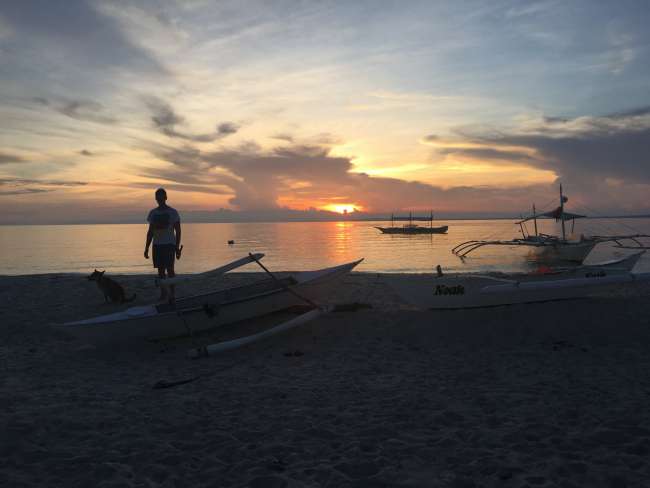


Swimming in Bohol
At the end of May 2025, I am traveling with many mixed impressions from Davao to Cebu, from the third largest to the second largest city in the Philippines. As mentioned, I have...
Published: 23.05.2026
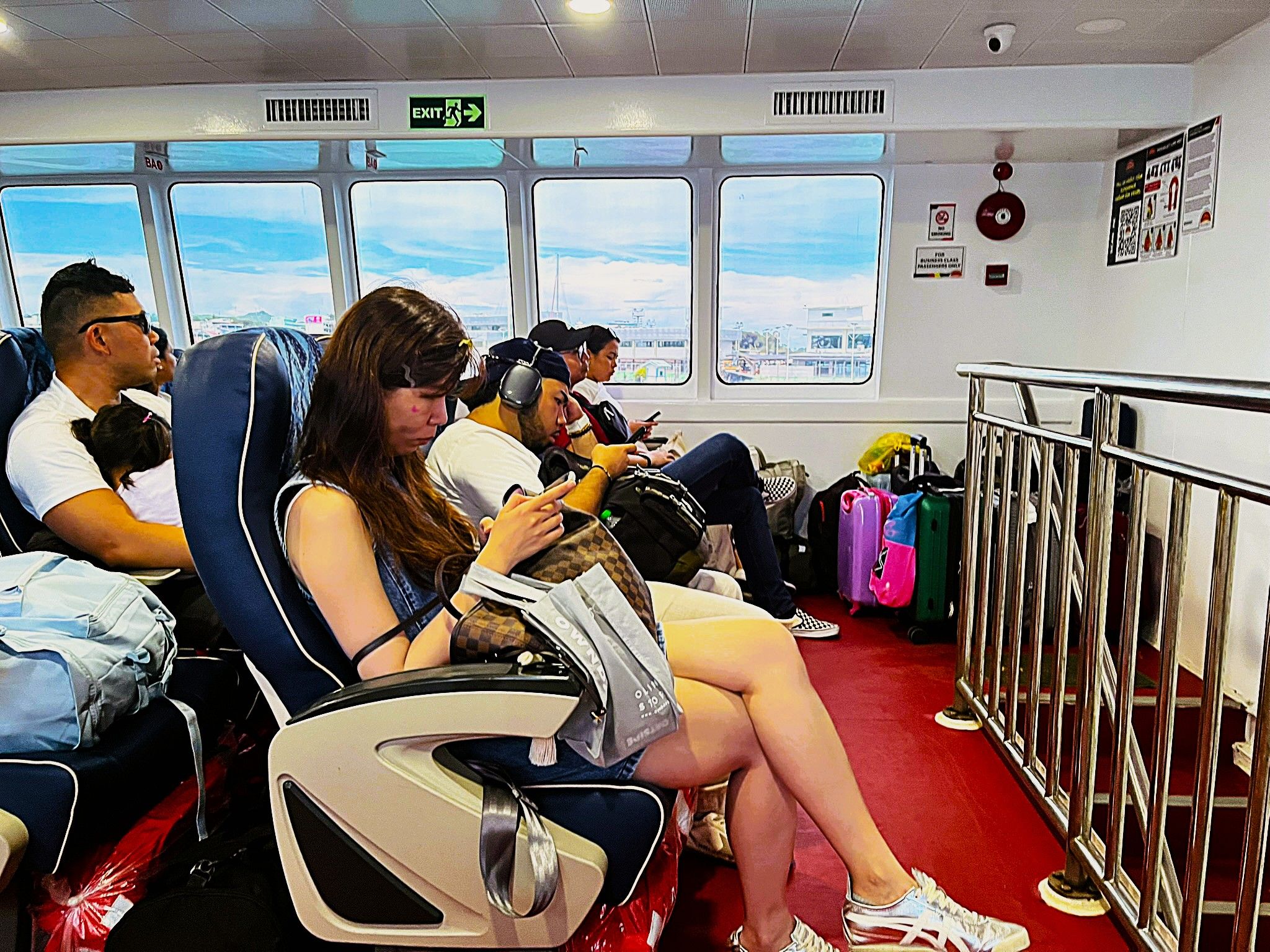
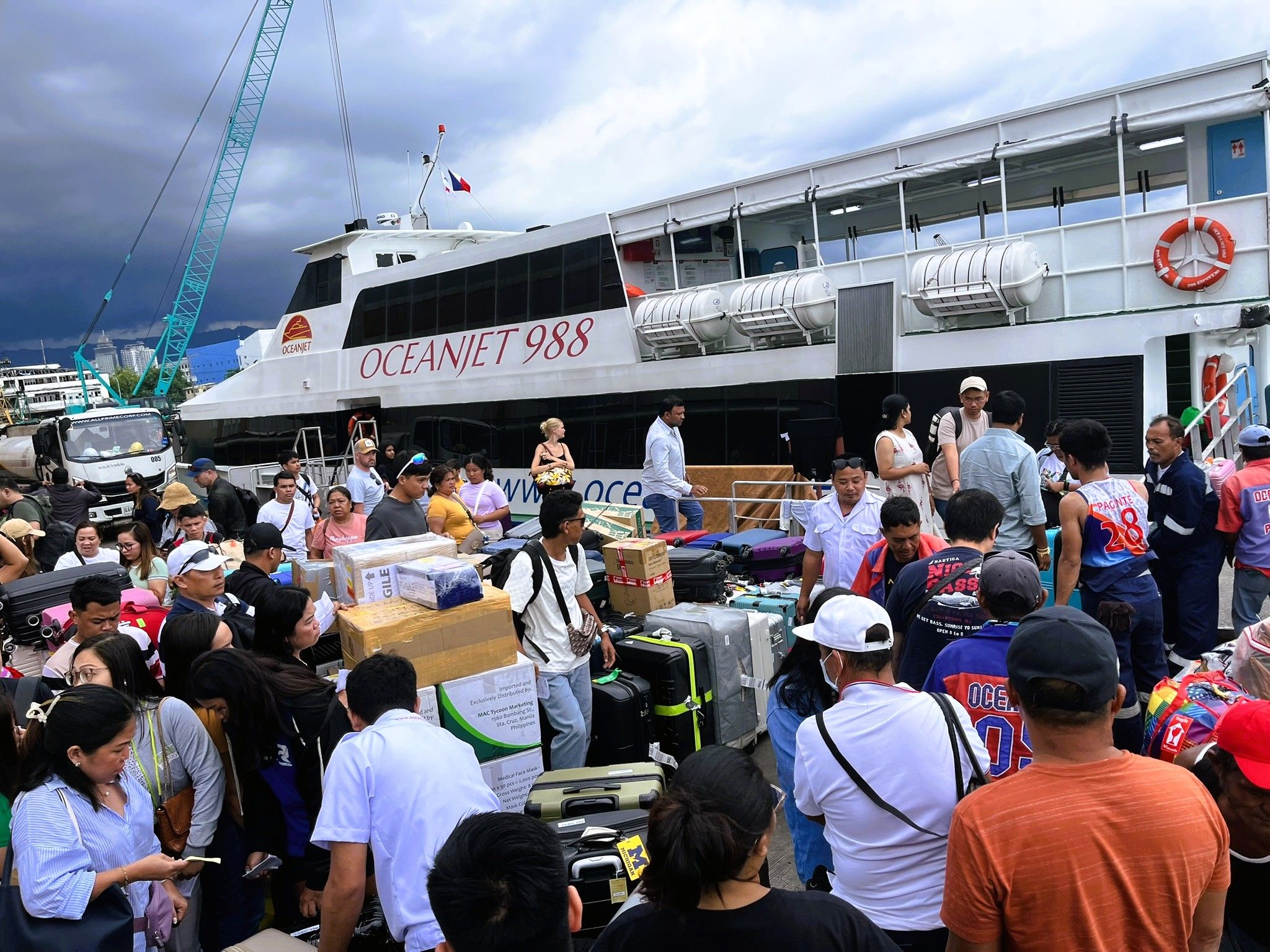
Arriving in Cebu City on May 29, 2025, was chaotic. I took the fast ferry named Oceanjet 988 from Tagbilaran on the island of Bohol across the strait to Cebu, a thrilling two-hour ride through the waves. As bags were unloaded at the Cebu port, there was an incredible commotion; at times, I feared being crushed in the throng of people trying to fish their luggage out of an amorphous pile of bags.
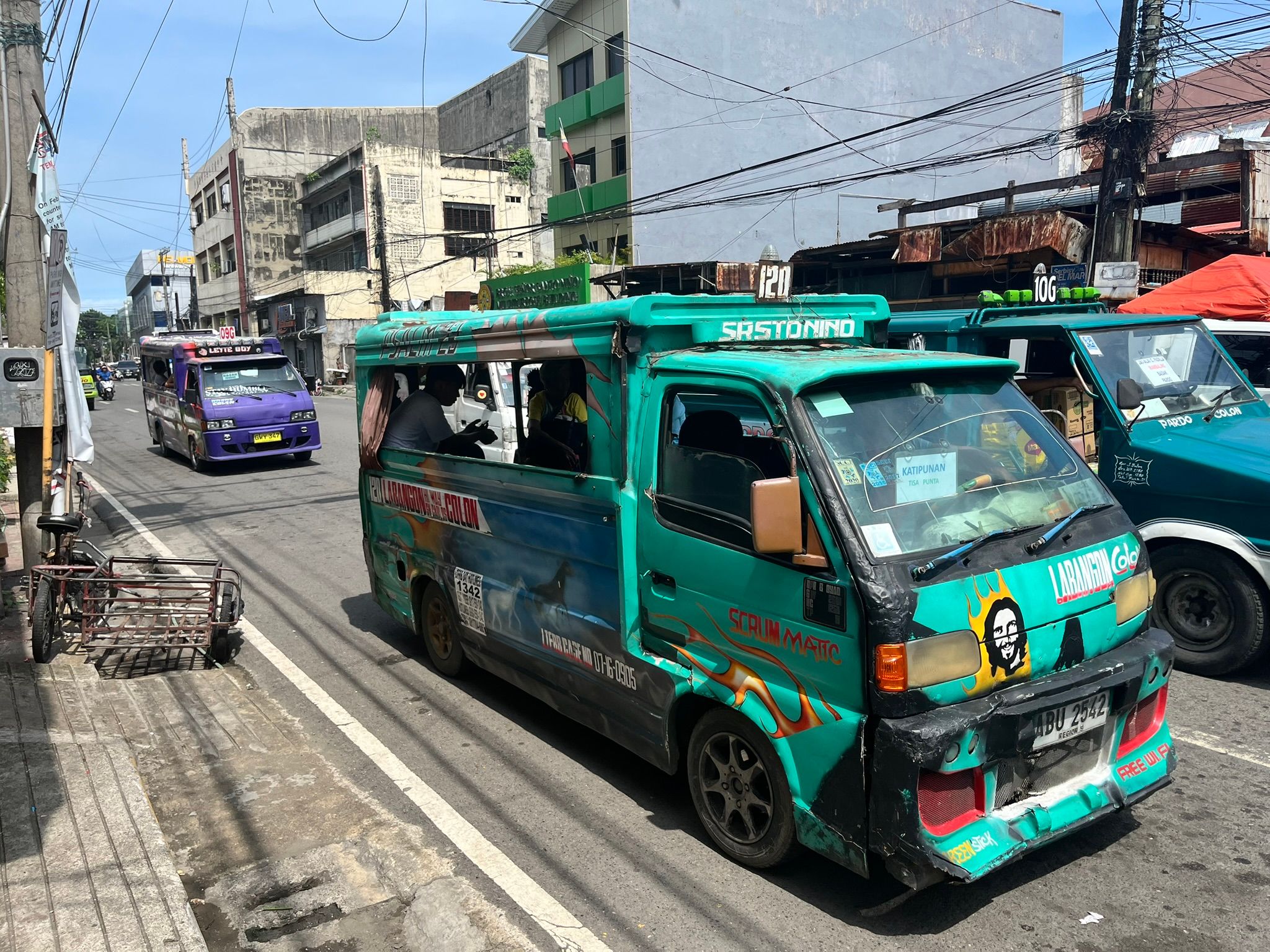
The arrival was somewhat symbolic: Cebu, the capital of the island of the same name and the province that comprises 167 other islands, is the second-largest city in the Philippines. Cebu is bustling and noisy, dirty in certain neighborhoods, congested and polluted with motor vehicles, especially scooters, jeepneys, motorcycle taxis, and tuk-tuks. The metropolitan area has grown rapidly, from around 1.5 million in 1990 to nearly three million today.
Catholic for 500 years
Cebu's history is, as it often is, extremely exciting. (Readers may have already noticed that I enjoy diving into history.) Long before 1521, when the explorer Ferdinand Magellan (who was Portuguese by birth) first attempted to conquer the area on behalf of the Spanish, Cebu was a significant trading center called Kangdaya. The indigenous Cebuano people lived here, ruled by the Rajahs (princes) of Kangdaya.
Magellan failed; he was killed in the Battle of Mactan. Yet he left behind a legacy that still shapes the Philippines today: Rajah Humabon and his wife Hara Humamay, who took the names Carlos and Juana, and around 500 locals were baptized Catholic by Magellan's chaplain on April 14, 1521.
That they had accepted the Christian faith did neither them nor the Spaniards any good: after his victory over Magellan, Humabon alias Carlos ordered the massacre of the surviving Spaniards. 44 years later, in 1565, conquerors led by Miguel López de Legazpi returned. They killed about 500 locals and burned down 1500 houses.
The Spaniards established a settlement in turn. The locals had named their port «Sigu», meaning «place of trade», and the location «Sugbo». The Spaniards took these names and distorted them as «Cebú», which became the term for the island and the province thereafter. They named their settlement «Villa del San Miguel de Cebu», the «Village of Saint Michael of Cebu». St. Michael was Legazpi's patron saint.
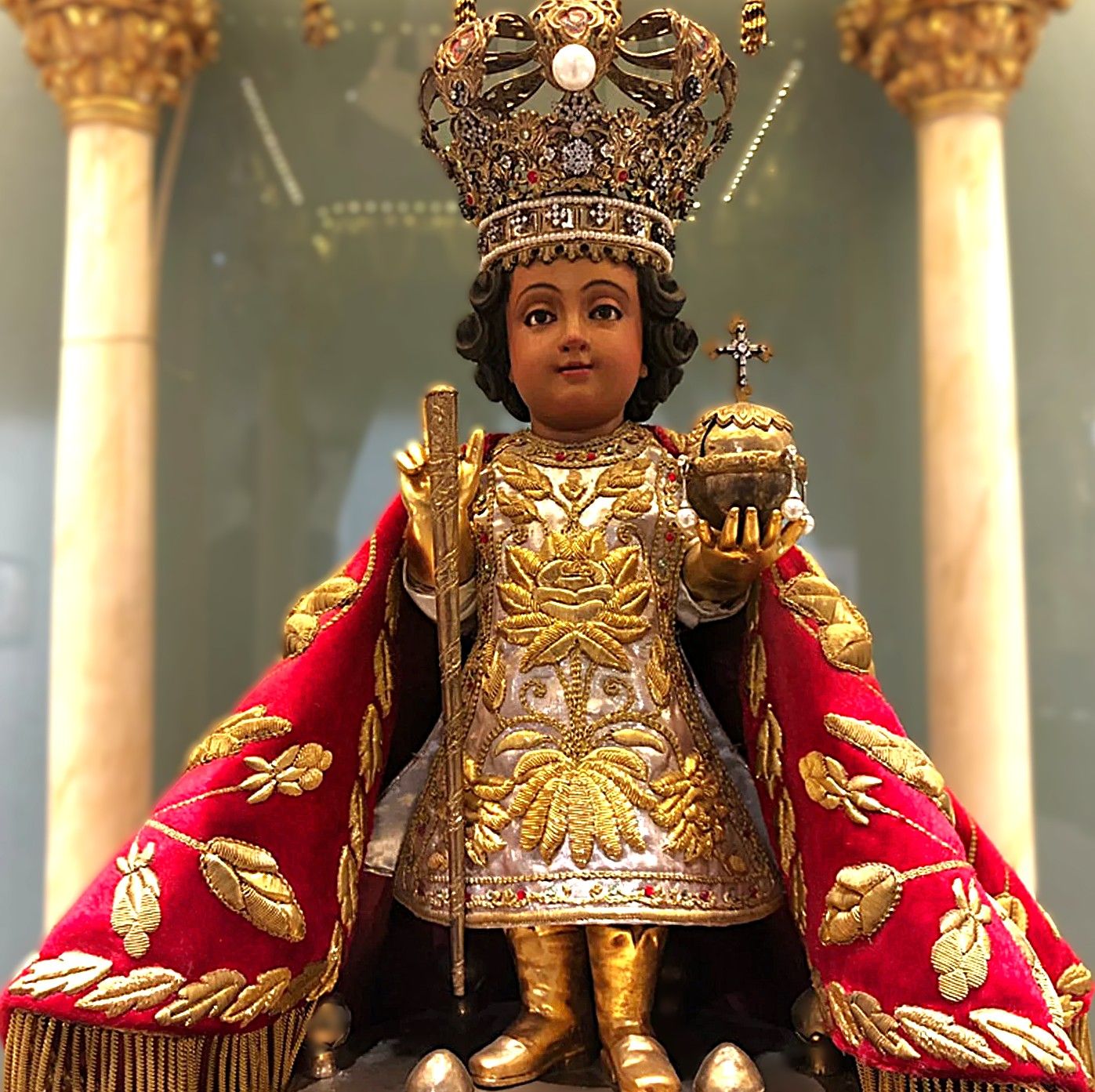
On January 1, 1571, the governor changed the name of the city to «La Villa del Santísimo Nombre de Jesús» («Village of the Most Holy Name of Jesus»). During the Spanish conquest in 1565, a statue of the child Jesus, «Santo Niño», was discovered in an intact wooden box in the middle of the burned settlement. This statue had been gifted by Magellan to the queen of Cebu when she was baptized in 1521.
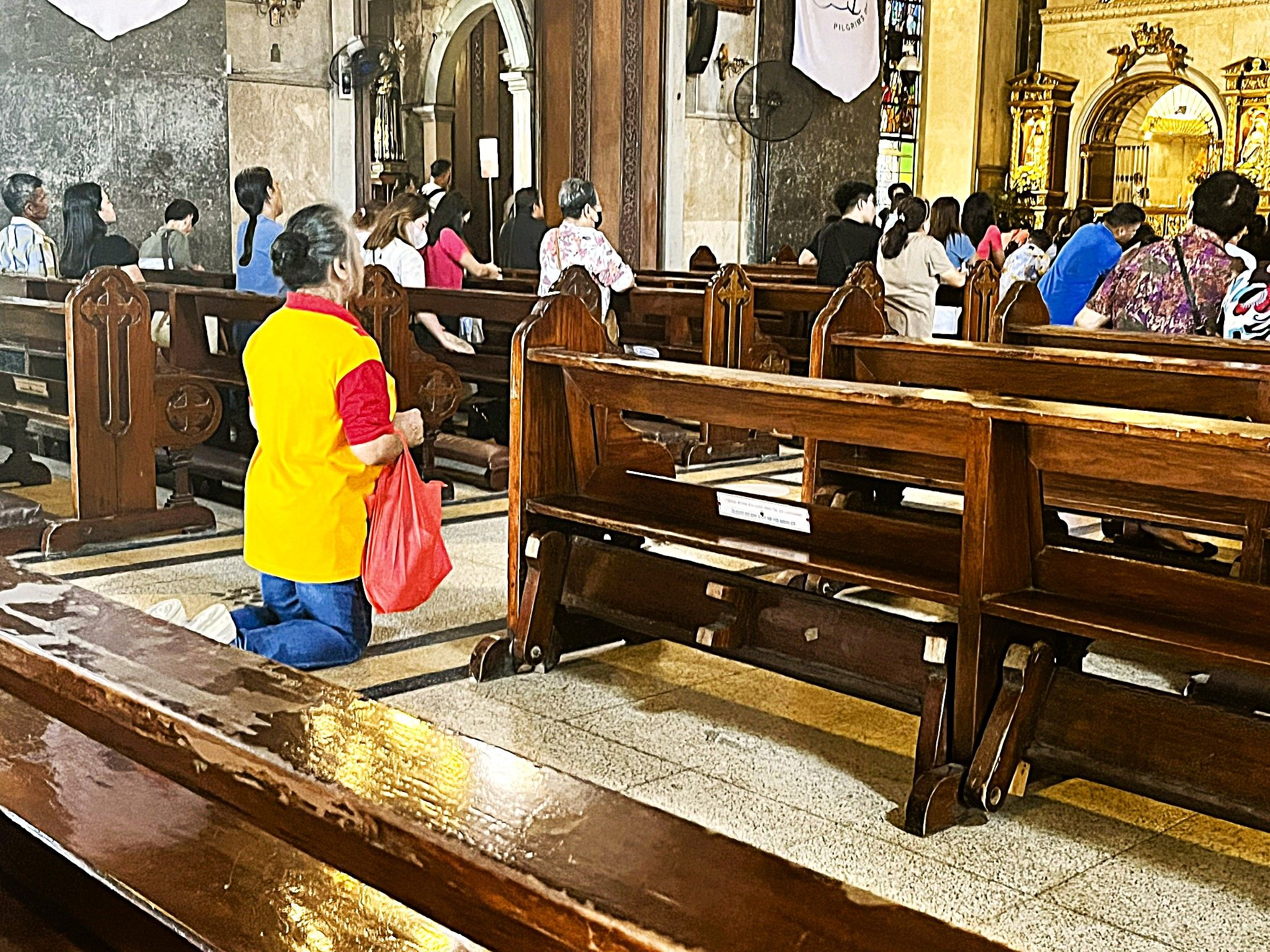
The church at the site where this figure was found and is now kept, the Basílica Minore del Santo Niño, is the oldest Roman Catholic church in the Philippines and the cradle of Catholicism in the country. Accordingly, it plays a prominent role for devout Filipino Catholics. Crowds of believers pilgrimage to Santo Niño, as I could see myself. The church is full; the faith is celebrated intensely. In addition, Santo Niño is the focus of the annual Sinulog Festival, which attracts millions of pilgrims. Unfortunately, I missed this colorful, loud, intense celebration; it takes place in January.
Destroyed in World War II
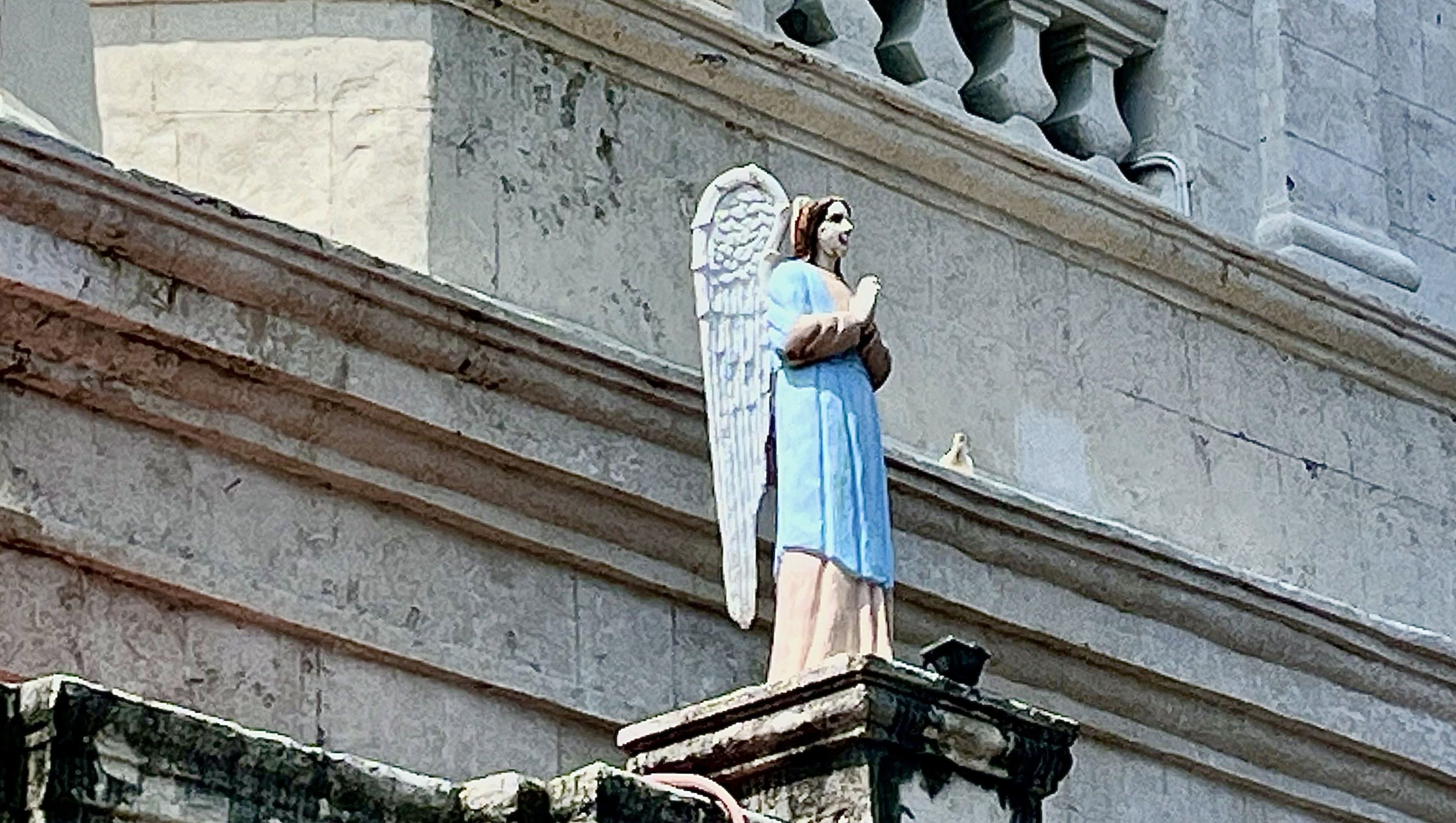
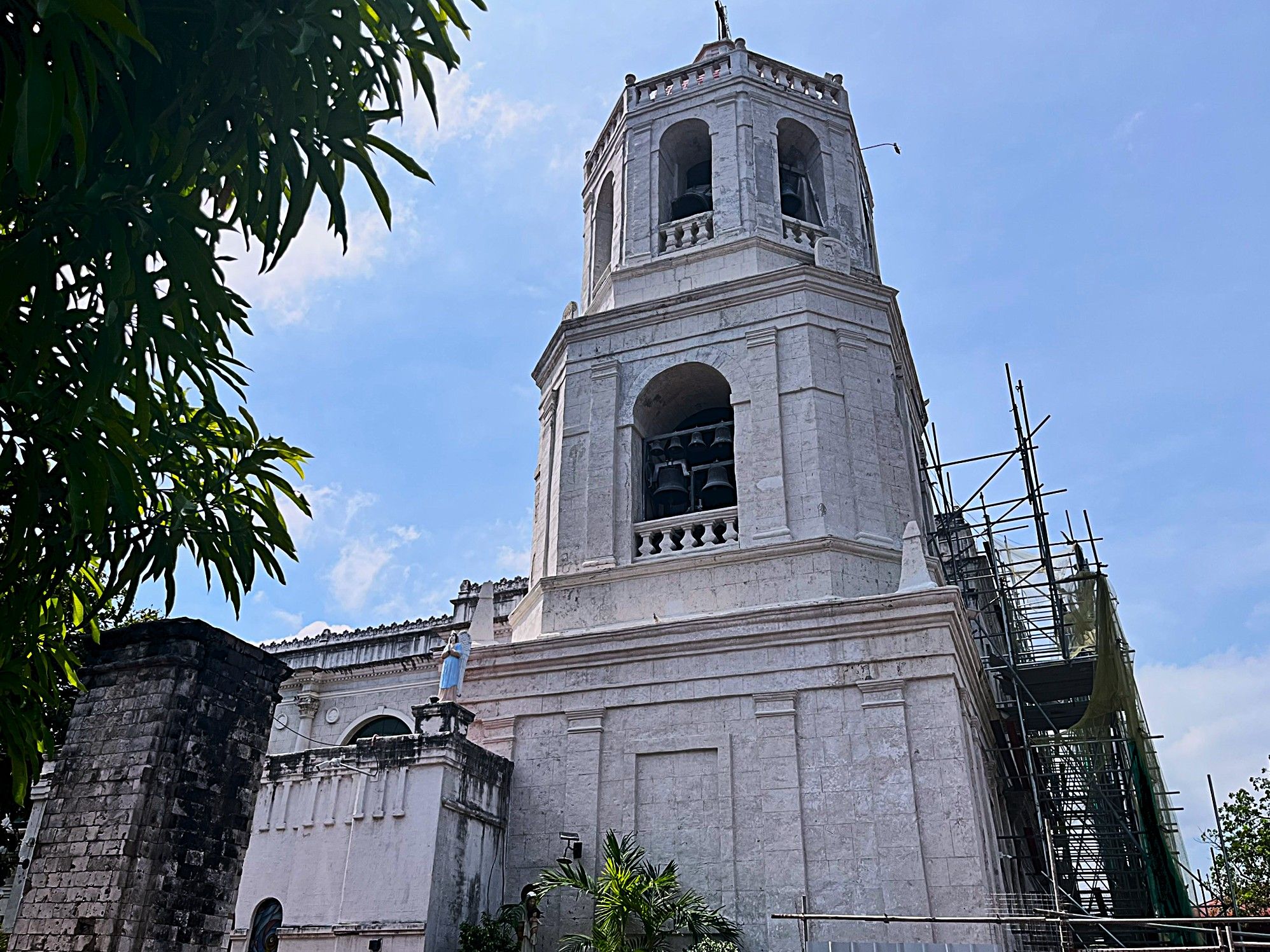
Just a few streets away stands the Cebu Metropolitan Cathedral, the seat of the archbishop. After wars, fires, and earthquakes, the cathedral has been rebuilt time and again. The first cathedral, dating back to the 16th century, was a simple wooden structure covered with palm leaves. The construction of a first stone church began in 1689 but was only completed in the 1780s because the Spanish crown repeatedly ran out of money. The bell tower was added in 1864. The cathedral was heavily damaged in 1944 by bombings from Allied forces; only the facade, bell tower, and some exterior walls remain standing. The current condition of the cathedral is largely due to the rebuilding efforts after World War II.
Cebu City suffered heavily during World War II. In May 1942, the city was almost completely destroyed by Japanese troops; only the port remained intact. During the liberation of the Philippines by American forces, further heavy fighting occurred between March and May 1945, particularly the Battle of Cebu. During these liberation struggles, hundreds of civilians died, including from American bombings. On March 15, 1945, a bomb also hit the courtyard of the cathedral.
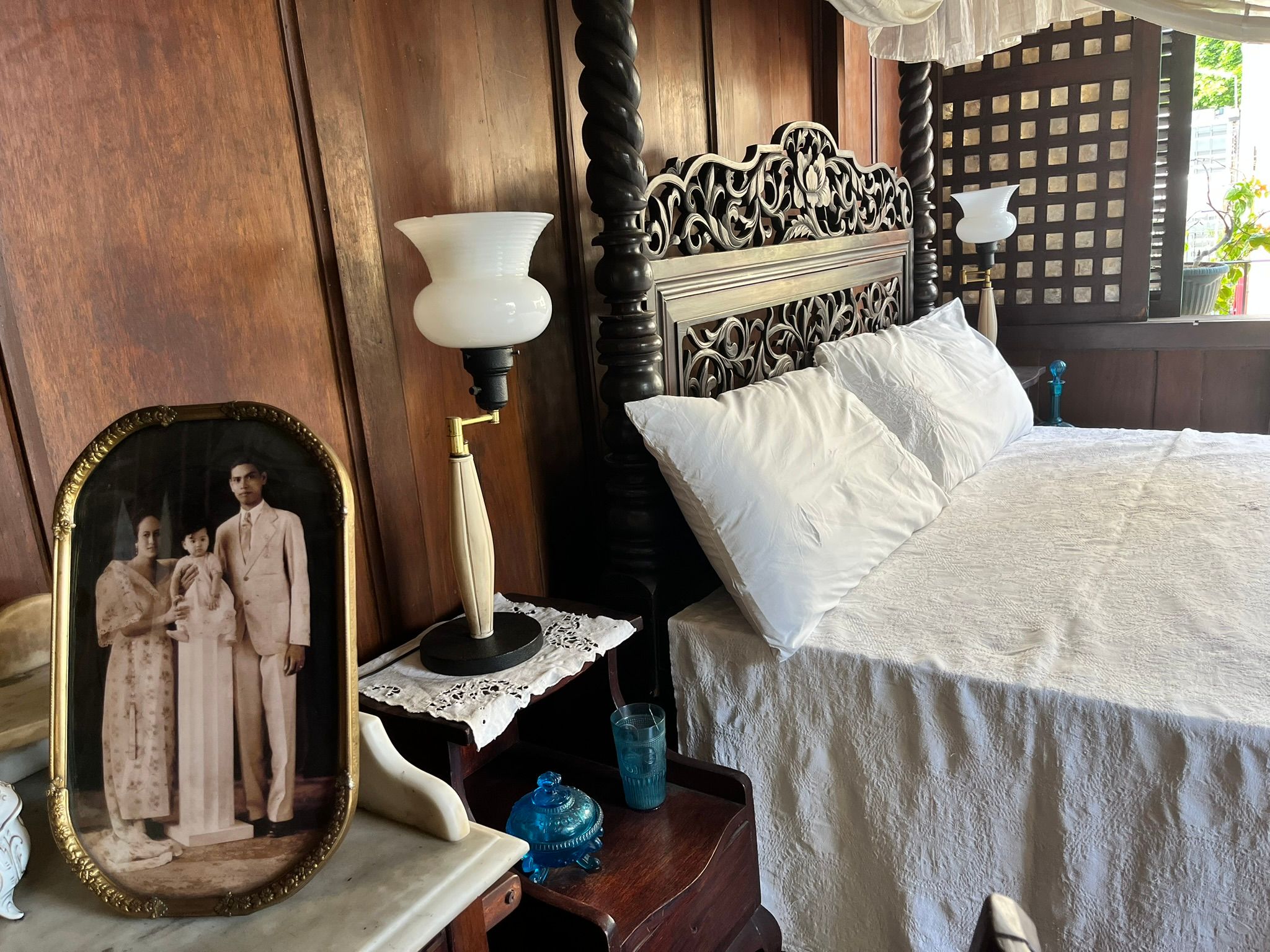
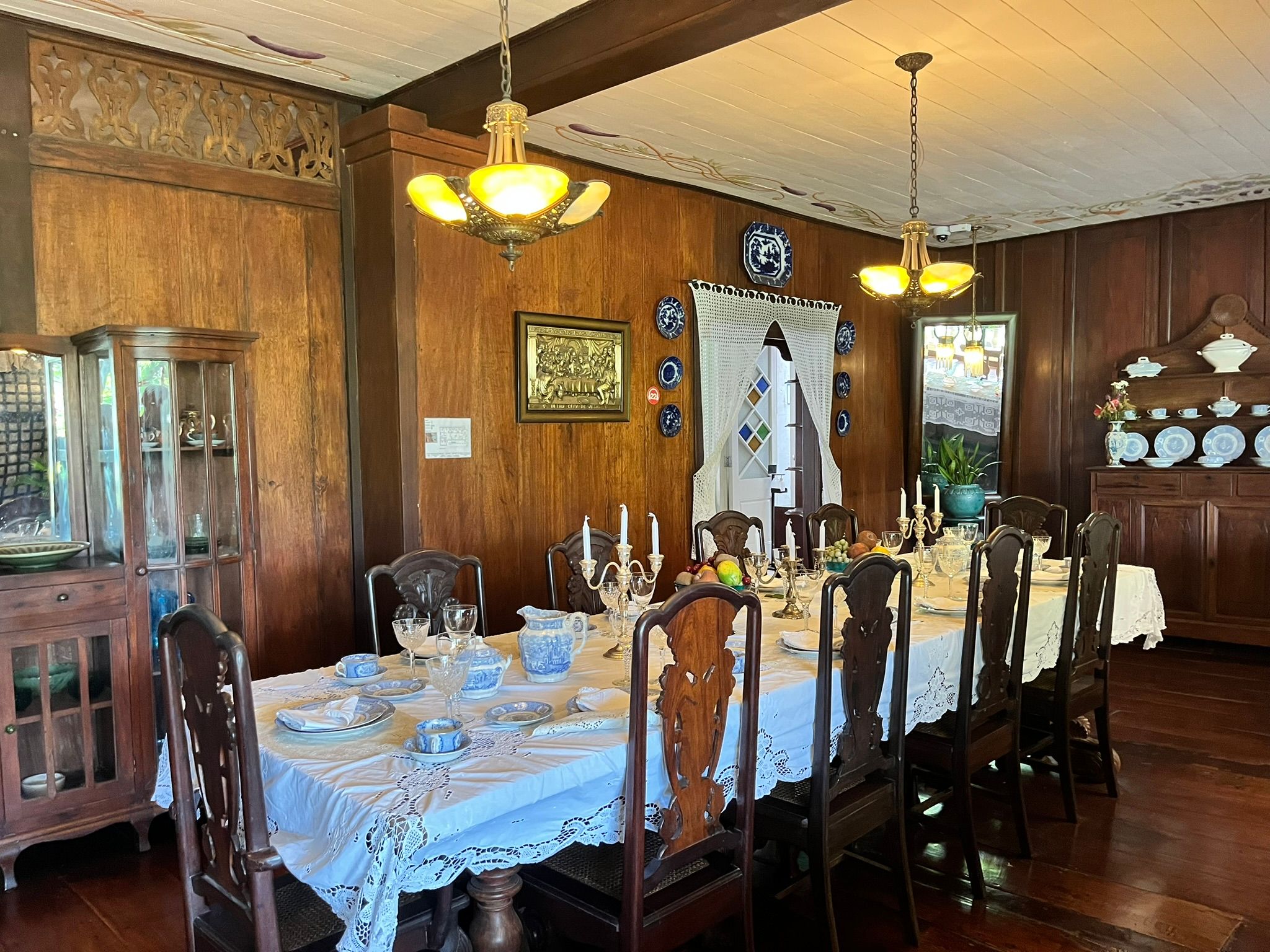
The first native bishop of Cebu was Juan Bautista Gorordo (1862–1934). He led the diocese of Cebu from 1910 until his resignation due to health reasons in 1931. Visitors can experience firsthand how Bishop Juan Bautista and his wealthy family lived during the Spanish colonial era at the Casa Gorordo Museum. On the ground floor, originally a storage and garage for horse-drawn carriages, we find, among other things, an exhibition of historical means of transport and agricultural tools, as well as a three-dimensional, interactive city map documenting the development of Cebu City from the 16th century to 1945.
On the upper floor were the receptions and living areas of the family, furnished with antique furniture made of fine woods. In the Caida, the sitting room, guests were welcomed. A dining table in the Comedor (dining room) is set elegantly with antique silver cutlery, porcelain, crystal glasses, and old earthenware jugs. Bedrooms were furnished with canopied beds; intricately carved wardrobes were also present in the bedrooms, along with traditional washbasins with mirrors.
The Casa Gorordo is also the only preserved mansion in the region with its own integrated chapel. Here, Bishop Juan Gorordo once held private masses. Visitors can see centuries-old religious relics, crucifixes, and saint figures. A traditional kitchen with an open fire, earthenware vessels, and historical baking and cooking utensils, along with an open terrace at the back of the house overlooking a large garden, complete the ensemble.
Monument to the Conquerors
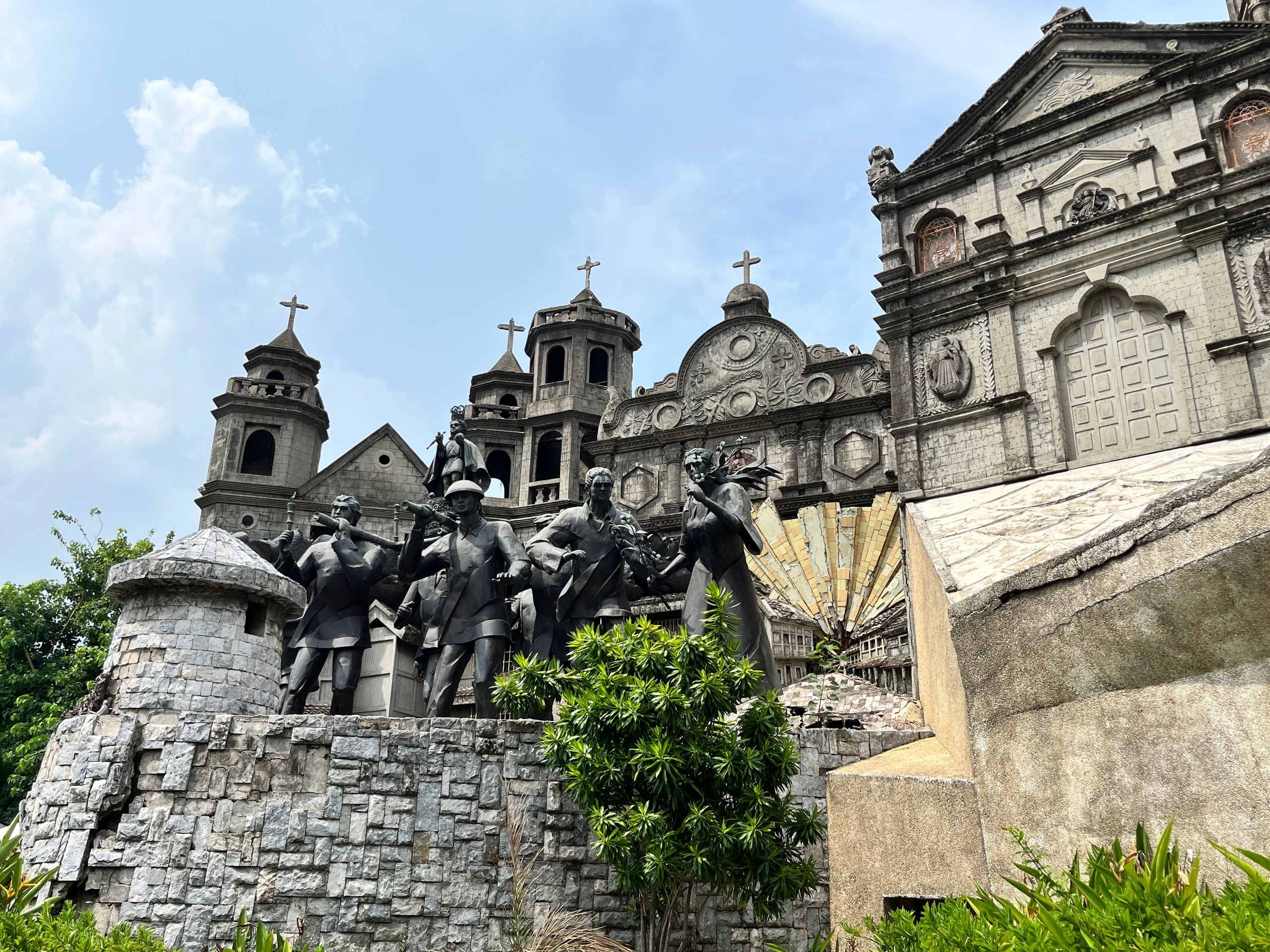
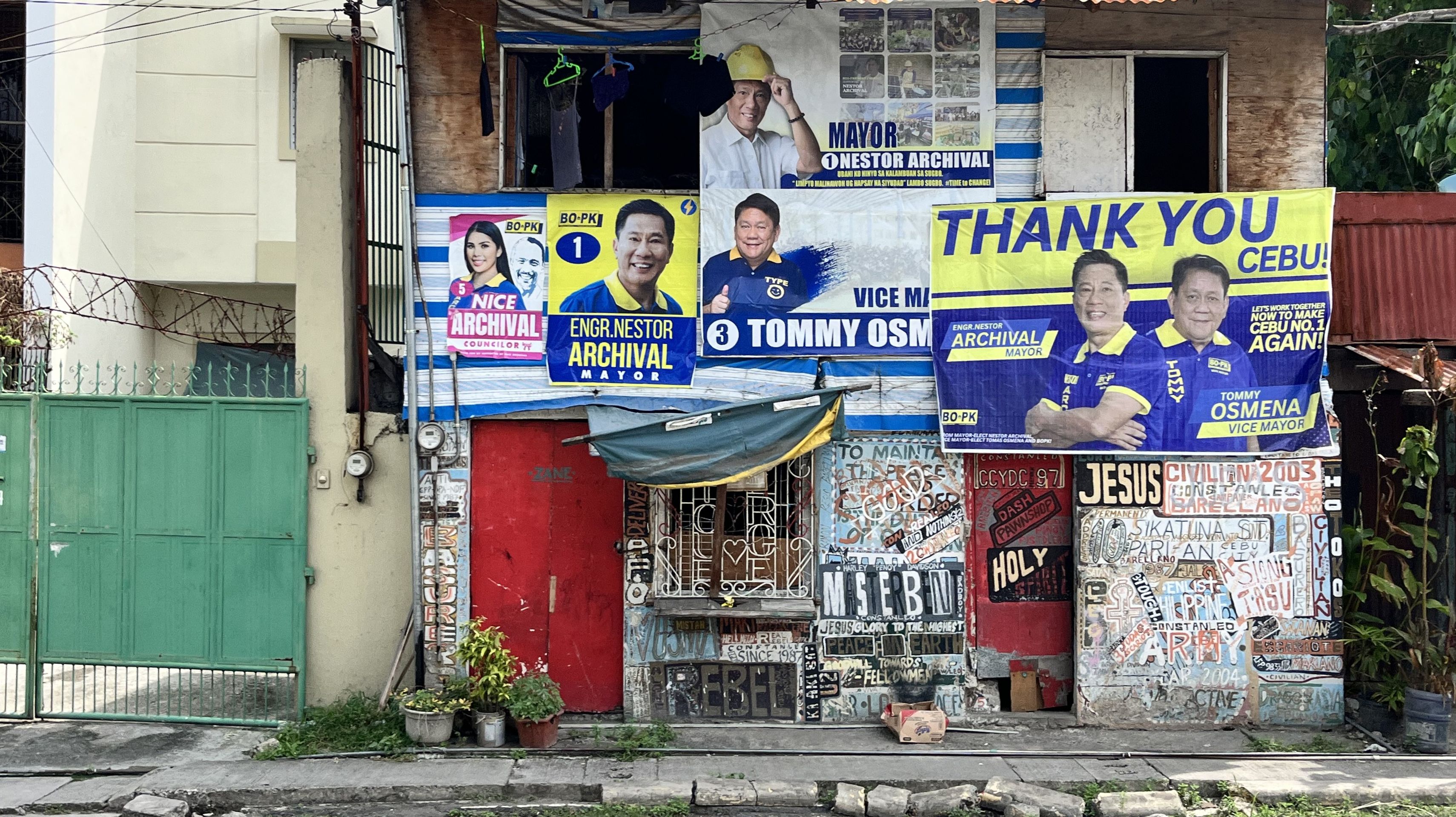
The fact that Magellan and the Spanish conquistadors, despite their infamous role, do not have a negative image even today is evidenced by the Heritage of Cebu Monument. Created by renowned Filipino sculptor Eduardo «Ed» Castrillo, the tableau made of concrete, bronze, brass, and steel depicts scenes from Cebu's past: indigenous origins, Magellan's arrival, the baptism of the first Christians, colonial churches, and historical figures—an intriguing three-dimensional history book. Right next to it is the present being brought to life: posters celebrate the victory of engineer Nesztor Archival in the mayoral elections, which had just recently taken place during my visit.
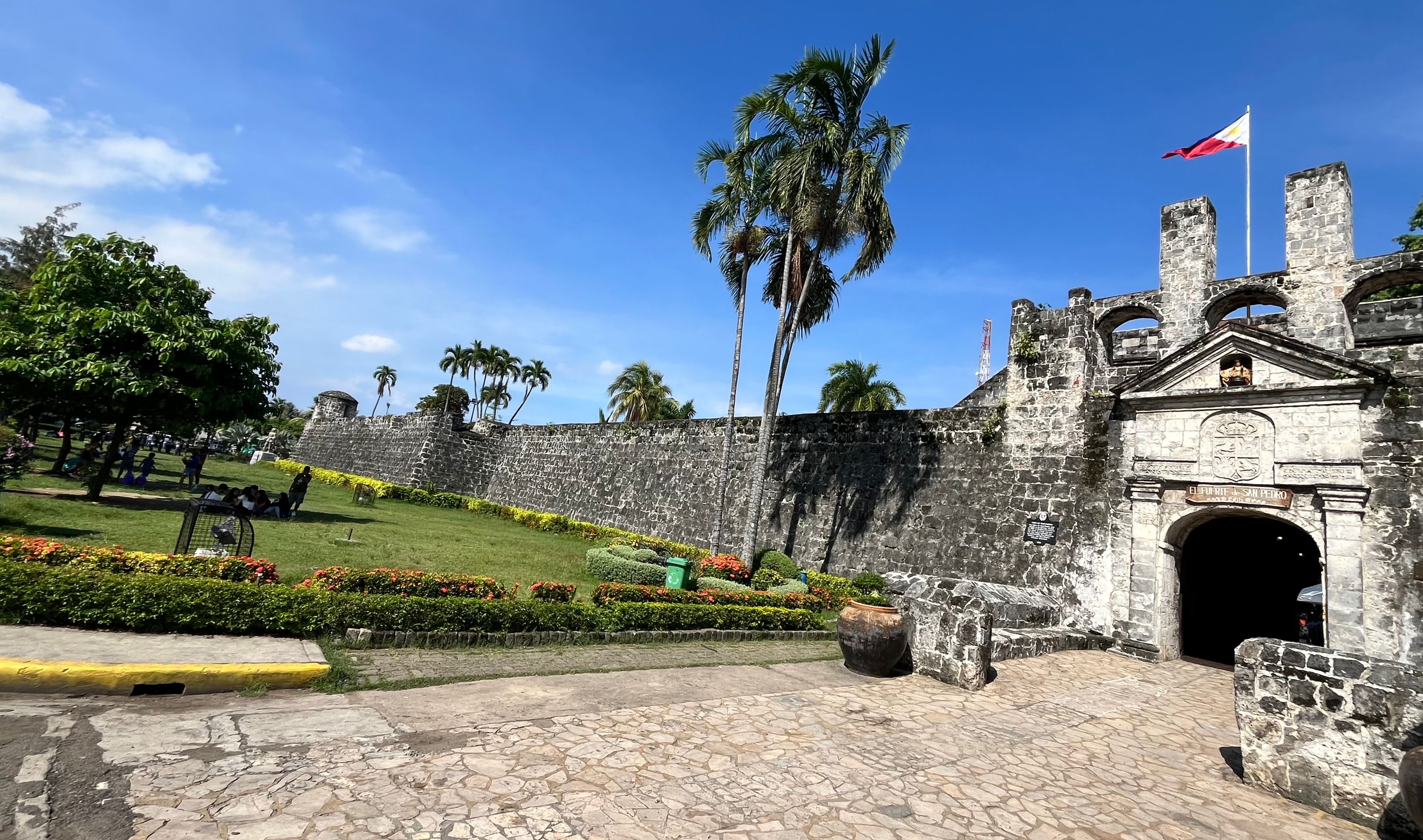
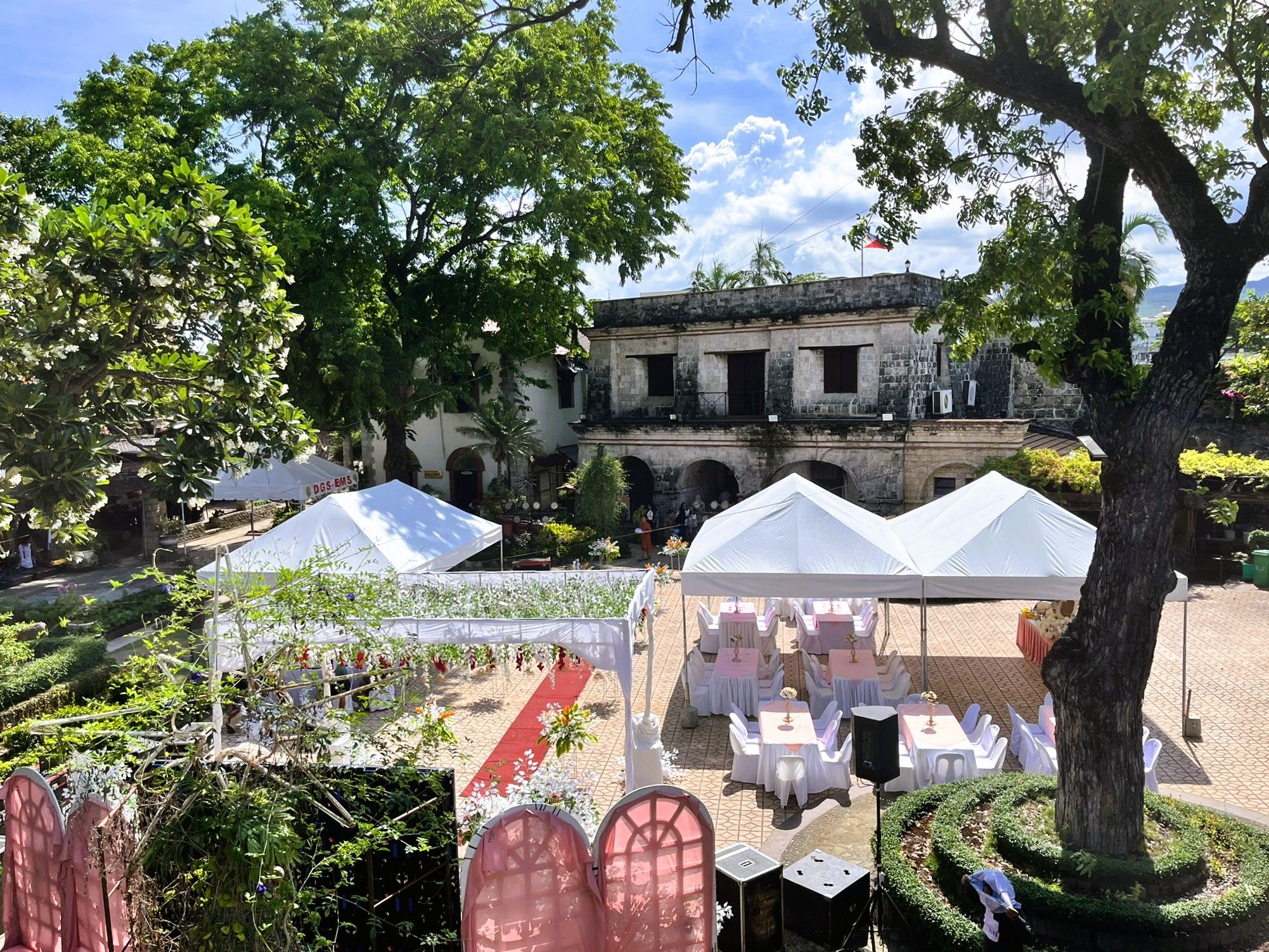
To defend the city and especially the port, the Spaniards built Fort San Pedro, a fortress made of coral stone, in the 16th century. Behind its thick walls lie quiet courtyards and exhibitions about the colonial past. Cannons still gaze out at the port. During my visit, white canopies, tables, and chairs covered with white cloth were being set up.
Cebu's «Taj Mahal»
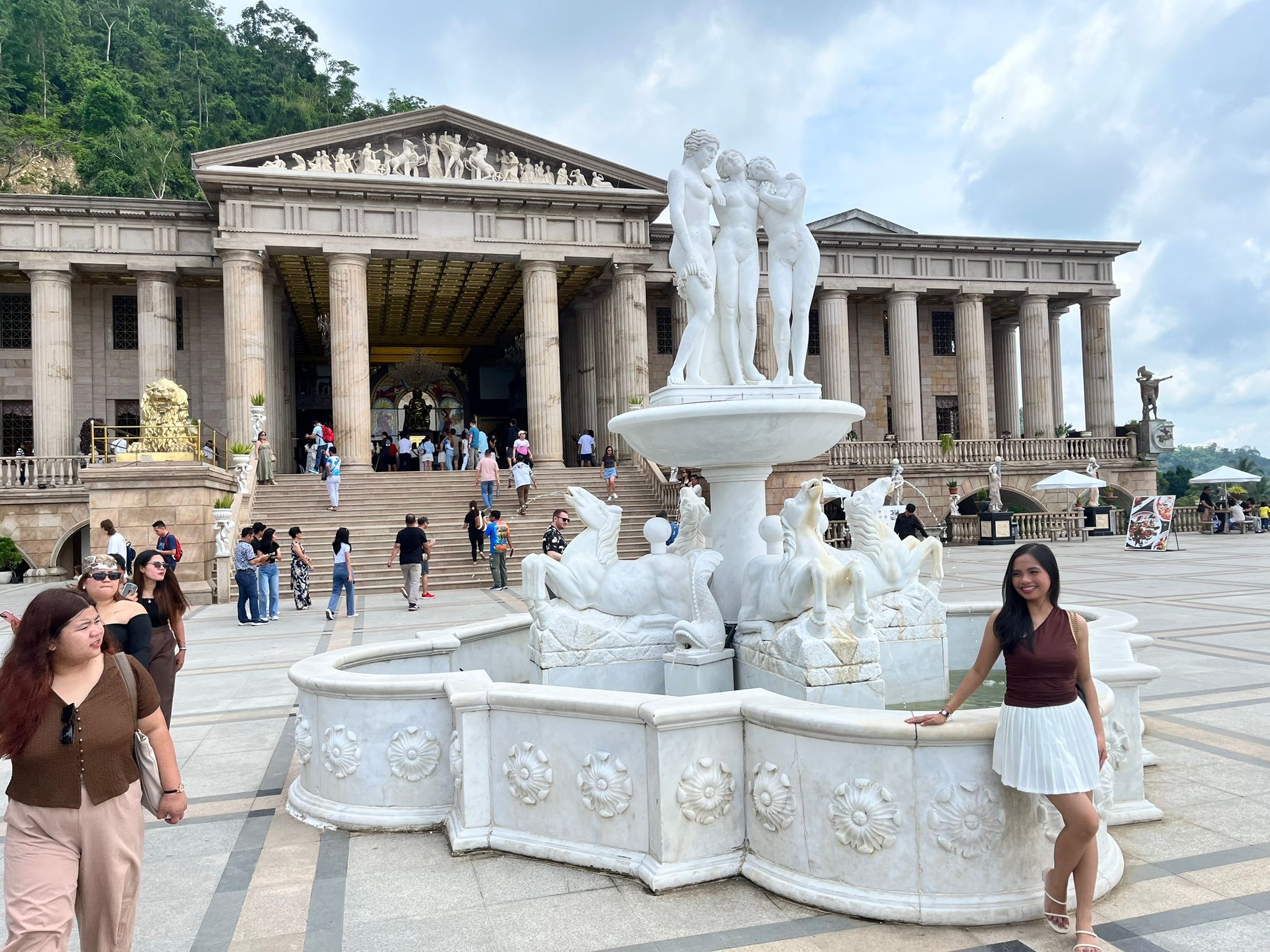
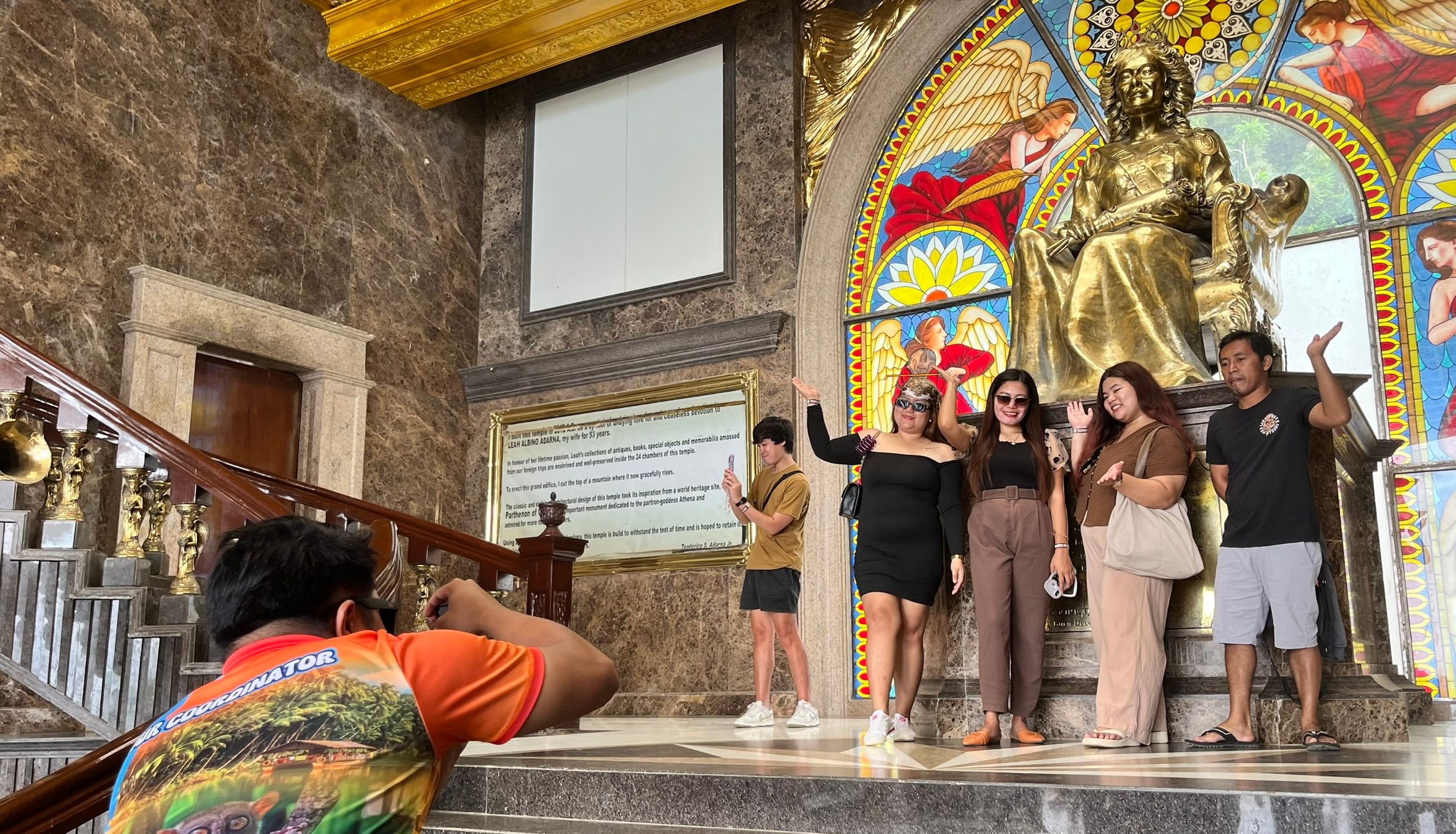
High above the city stands the Temple of Leah. The monumental structure with its columns, lion statues, and wide steps is inspired by the Parthenon in Athens and serves as a kind of modern Taj Mahal. The wealthy businessman Teodoro S. Adarna Jr. (1938-2018) had the temple built as a monument «out of love and admiration for Leah Albino Adarna», his deceased wife, with whom he was married for 53 years. The question of whether the Temple of Leah represents «grandeur and beauty», which Teodoro hopes «will be preserved for the next 3000 years», or rather monumental kitsch, has yet to be answered by me. My opinion on the matter is, however, unimportant: thousands of visitors every day speak for themselves.
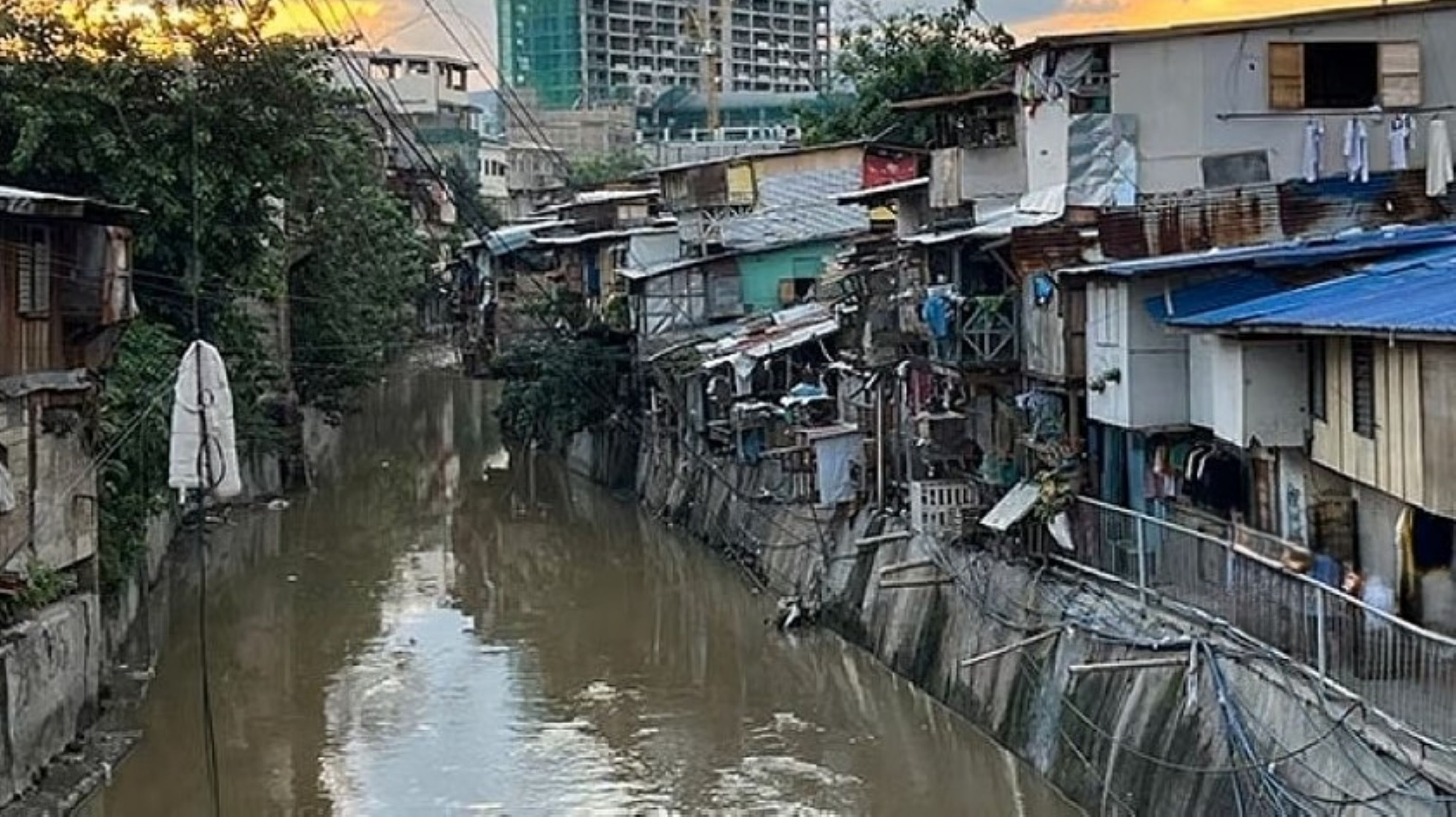
Down by the river, between skyscrapers, shopping malls, and the coast, several slums squeeze in, some even on and beside garbage dumps. About 300,000 people are said to live in these «informal neighborhoods», our guide says. But rather than confronting ourselves with misery, we prefer to face affluence: in the hills above the city, an exclusive, Chinese-influenced villa community has emerged. Large estates with curved roofs, red gates, and lush gardens represent the influence of the Chinese community, which has dominated Cebu's trade for centuries.
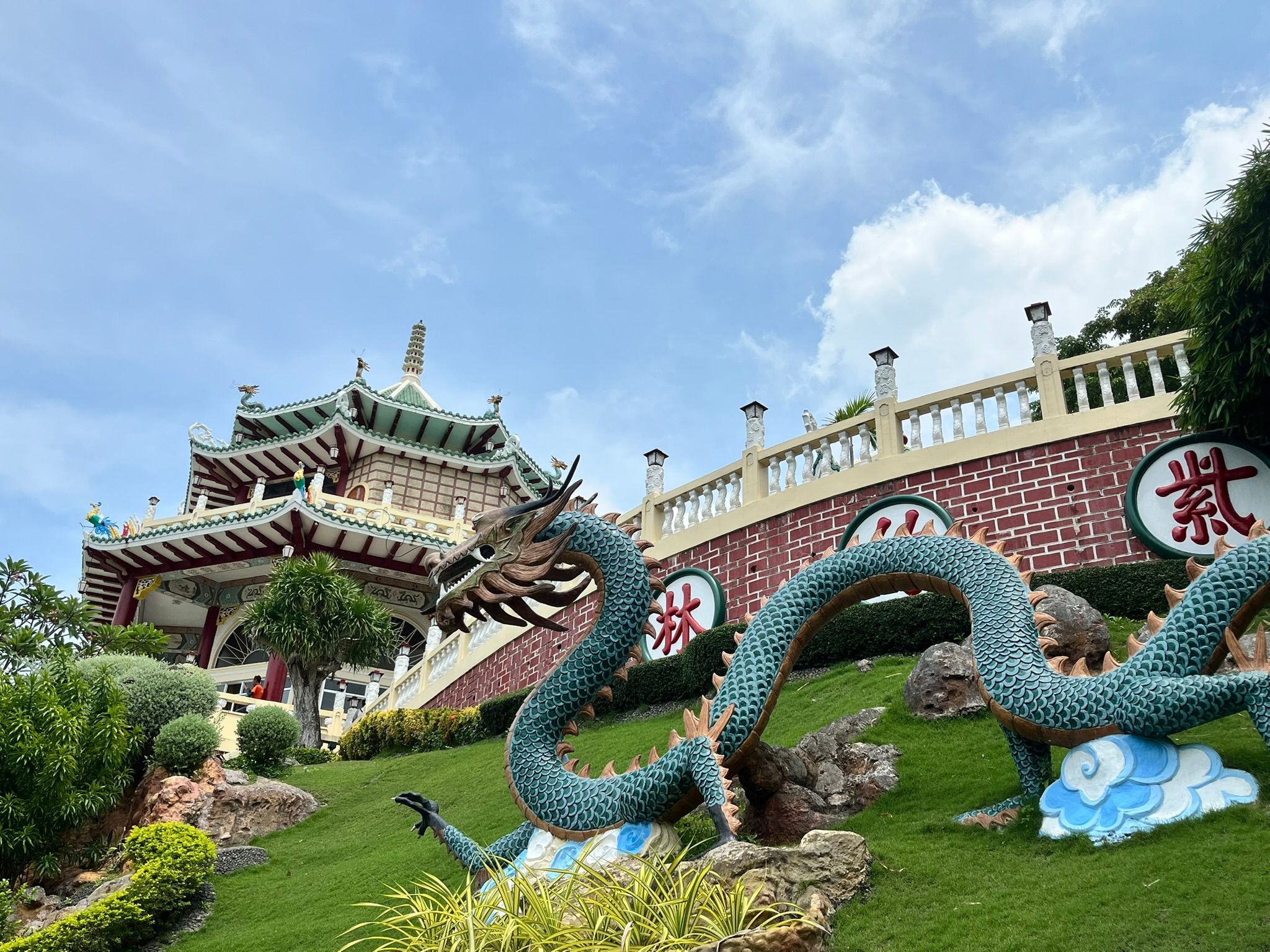
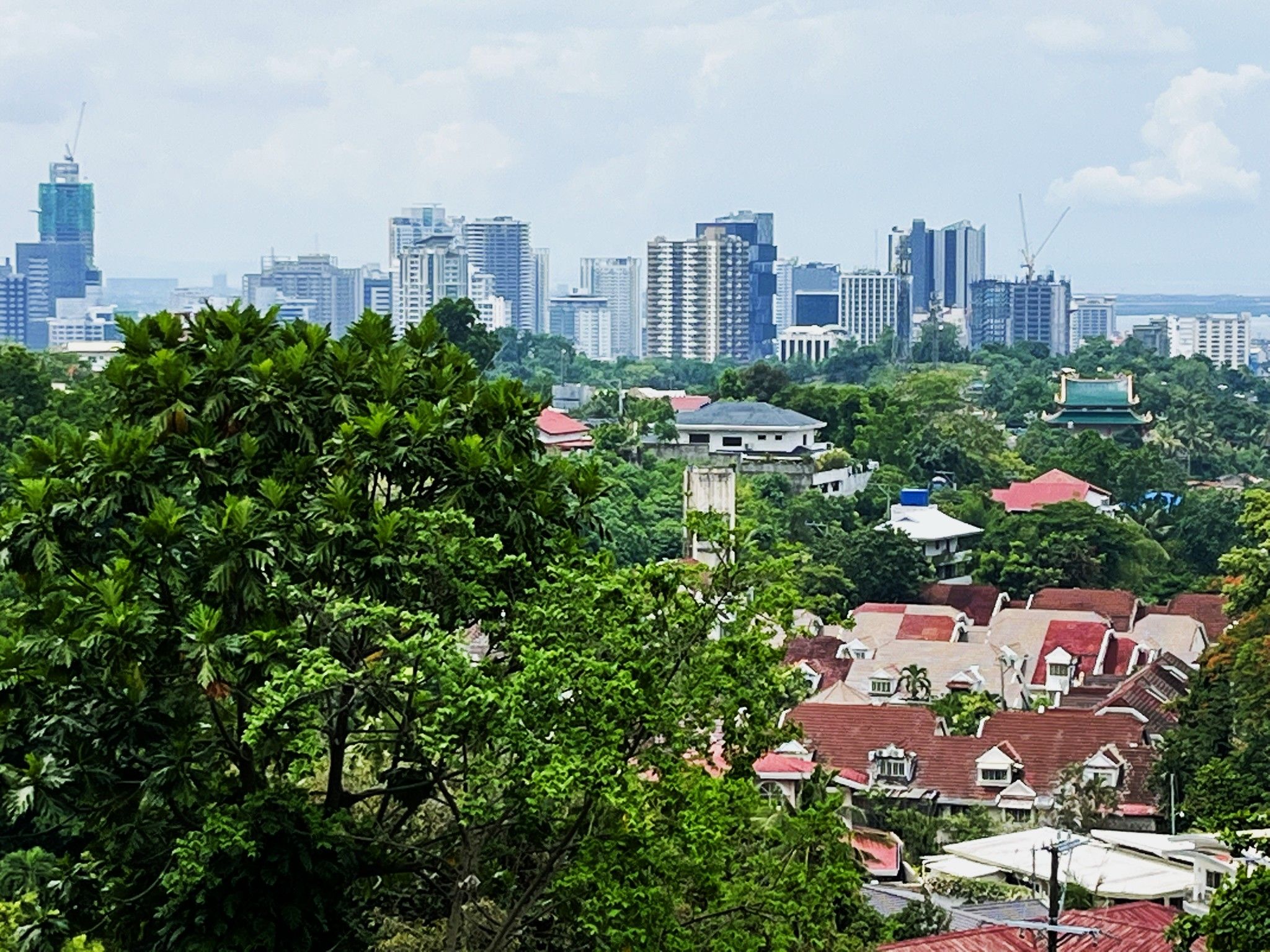
In the midst of these magnificent residences stands the Cebu Taoist Temple, built in 1972 by the Chinese community, with its dragon figures and pagodas. We ascend long stairs, enjoying the tranquility and the panoramic views over the sprawling metropolis, from which the slums are not discernible.