
Thanks to Bertold Brecht in Surabaya
By coincidence, I decided at the beginning of July 2026 to visit the million city of Surabaya. Its colonial history and role in the Indonesian liberation war fascinate.
Published: 07.08.2026
I often think of the German writer Hans Magnus Enzensberger (1929-2022) during my travels. In his essay «The Futile Surf of Distance. A Theory of Tourism,» he stated in 1958 – almost 70 years ago, when there were still no crowds flying around the globe in budget airlines – a nearly prophetic sentence: «The tourist destroys what he seeks by finding it.» This sentence applies with particular precision to the «Island of the Gods,» Bali. I wanted to avoid Bali on my journey through Indonesia as much as the urban monstrosity of Jakarta.
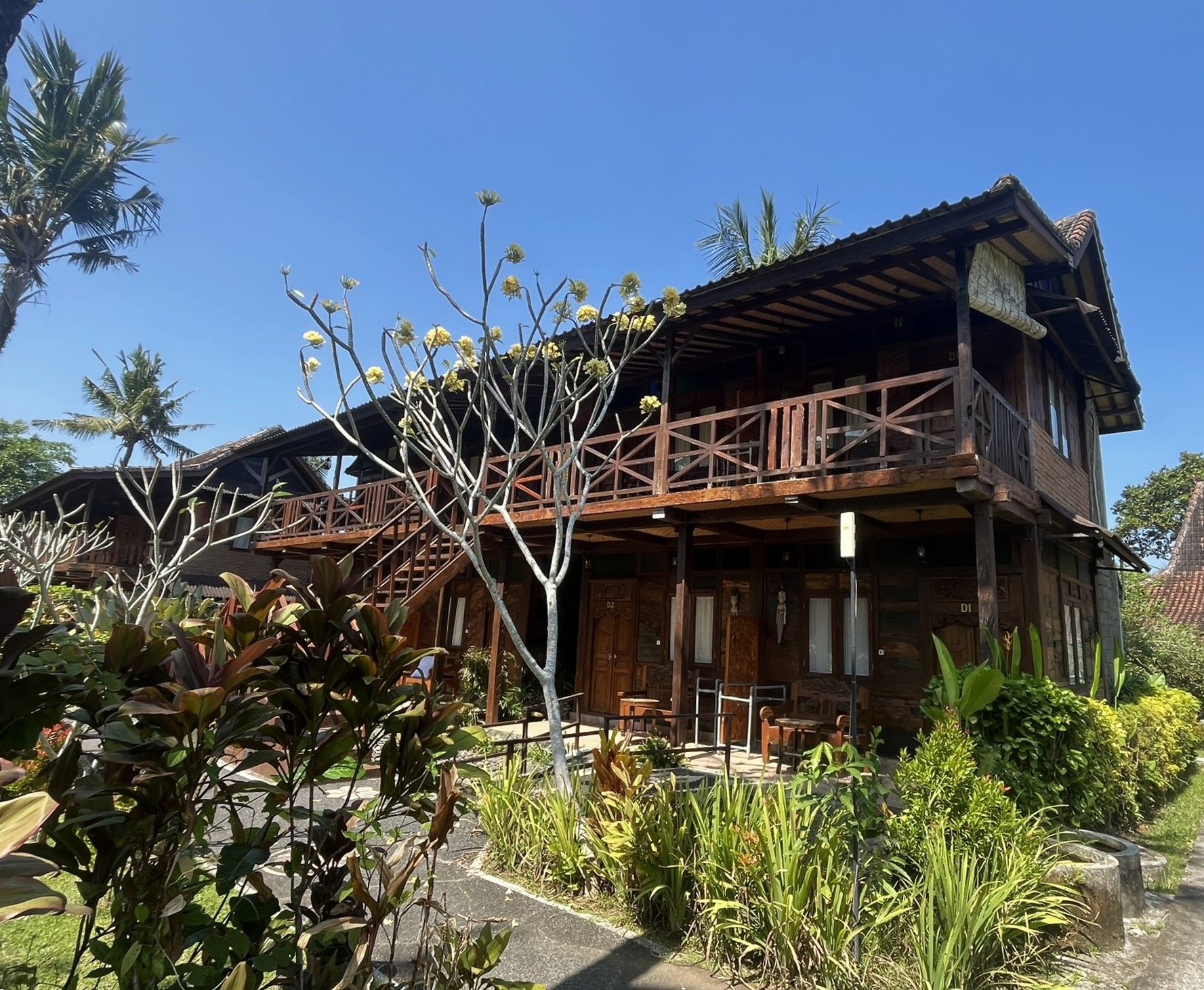
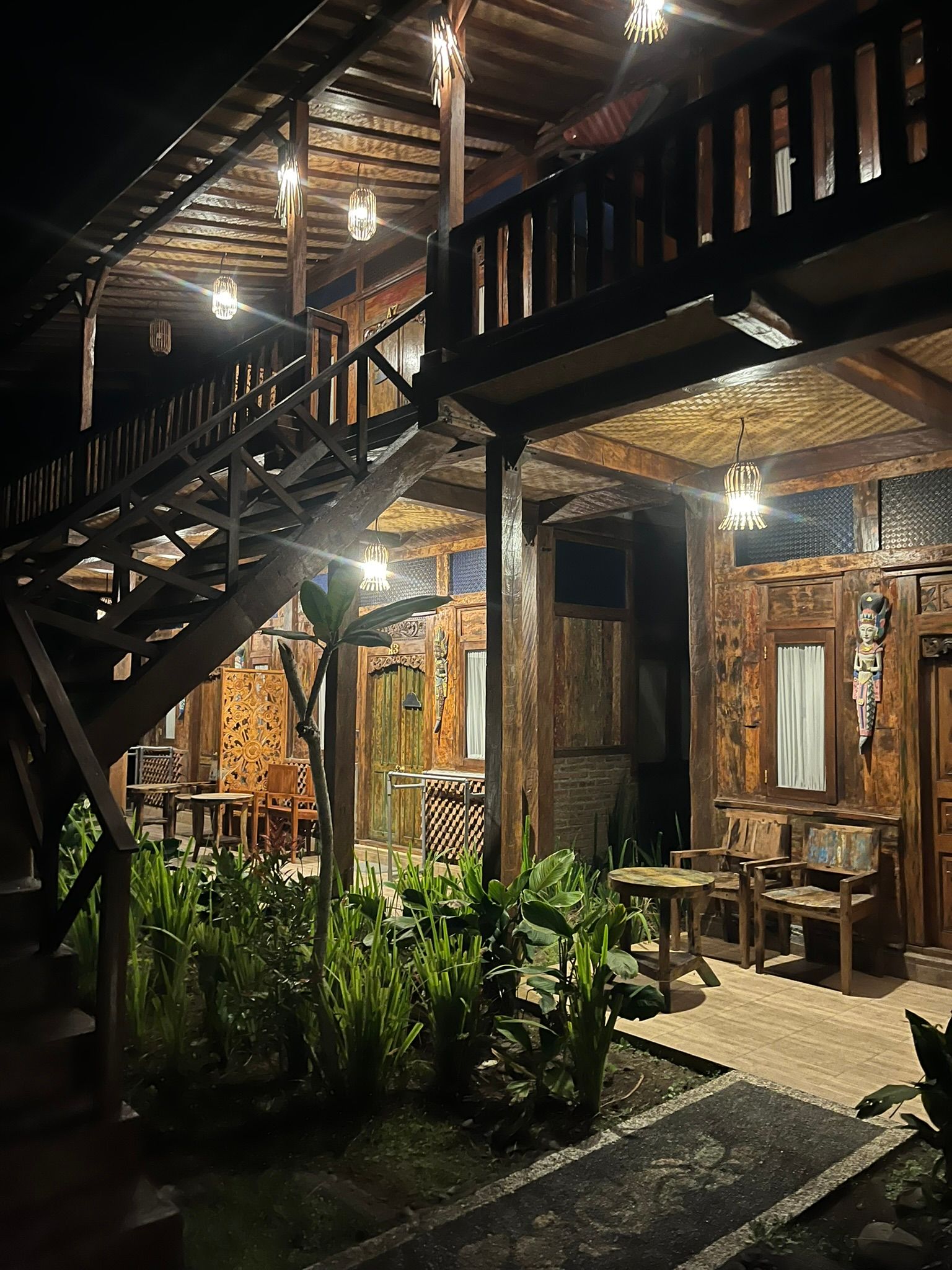
Dewi and Felix, an Indonesian-Swiss couple on the island of Samosir in Lake Toba in Sumatra, changed my mind. They gave me a secret tip for a stay in Bali away from the tourist streams: the Pondok Pitaya resort on the west coast. I booked a week and traveled from Surabaya on the main island of Java to Denpasar.
The First Shock
Unfortunately, the first shock came almost immediately: Pondok Pitaya is located 60 kilometers northwest of Denpasar, the capital of the province of Bali, and I expected a travel time of at most one and a half hours. What I didn't realize (because I was inadequately prepared – my own fault!): The main road from Denpasar to Gilimanuk, from where ferries to Java operate every twenty minutes around the clock, runs directly along this west coast – 125 kilometers of pure misery.
In both directions, there is an almost unbroken line of cars, buses, and especially trucks, struggling and smoking their way up the hills and then squeaking back down. The incessant, stubborn traffic flows are surrounded by myriads of motorcycles and scooters. In short: for the 60 kilometers, we didn't need one, but four hours.
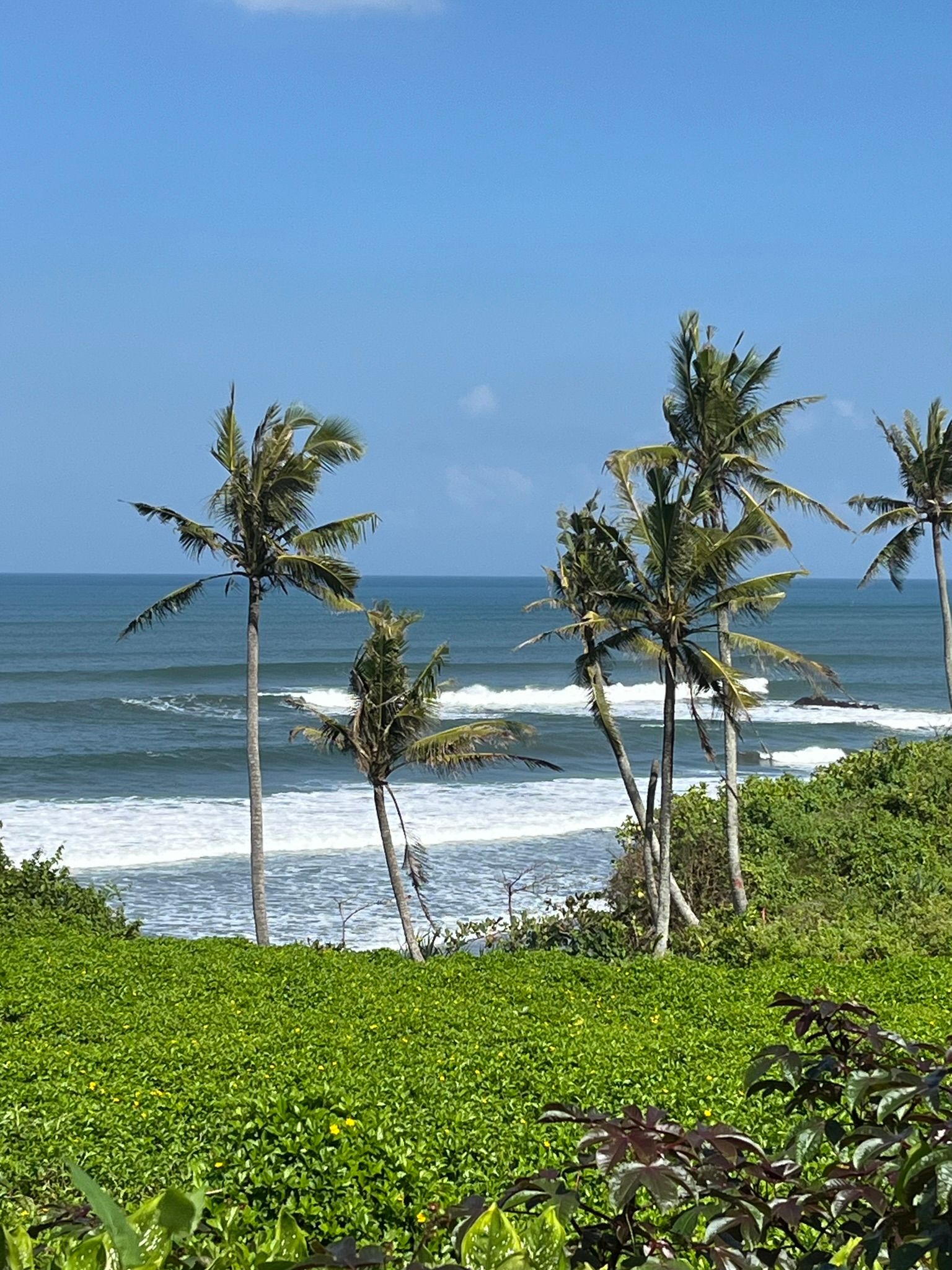
The cozy Pondok Pitaya resort right by the sea is a few kilometers away from the main road. However, if you want to go anywhere, you cannot avoid it. This applies to me as well. I don't want to stick to the resort for a week. At Balian Beach, where Pondok Pitaya is located, swimming in the sea is difficult anyway due to the constantly rolling high waves, while conditions are paradisiacal for surfers.
So I rented a scooter and boldly mixed into the traffic chaos, where everyone tries to be a little faster than the other; where overtaking occurs left and right, even with oncoming traffic, and at the same time, you have to dodge potholes, minibuses that suddenly stop at the roadside without signaling, trucks, and other two-wheelers that overtake you and cut you off.
A Temple in the Sea
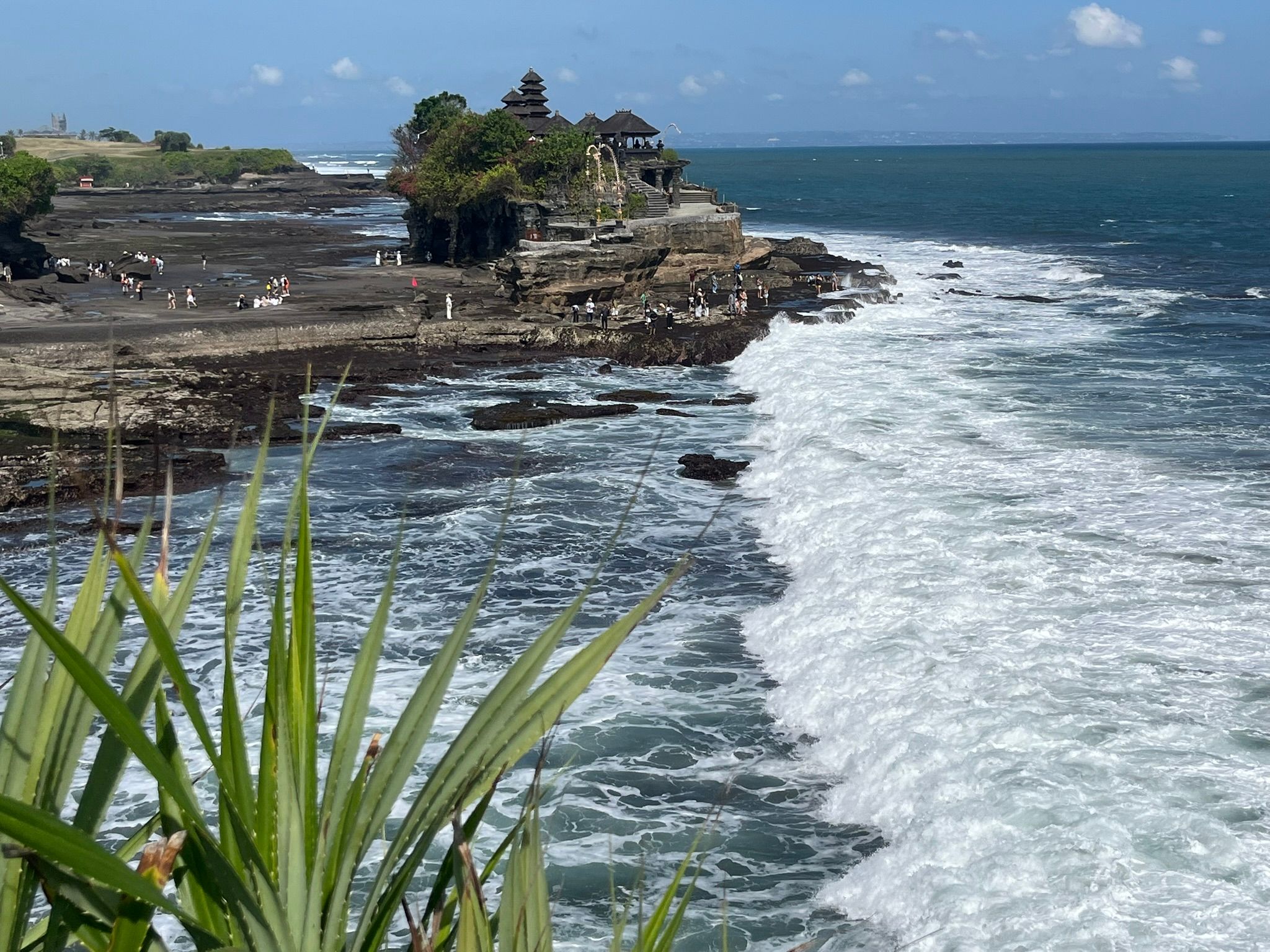
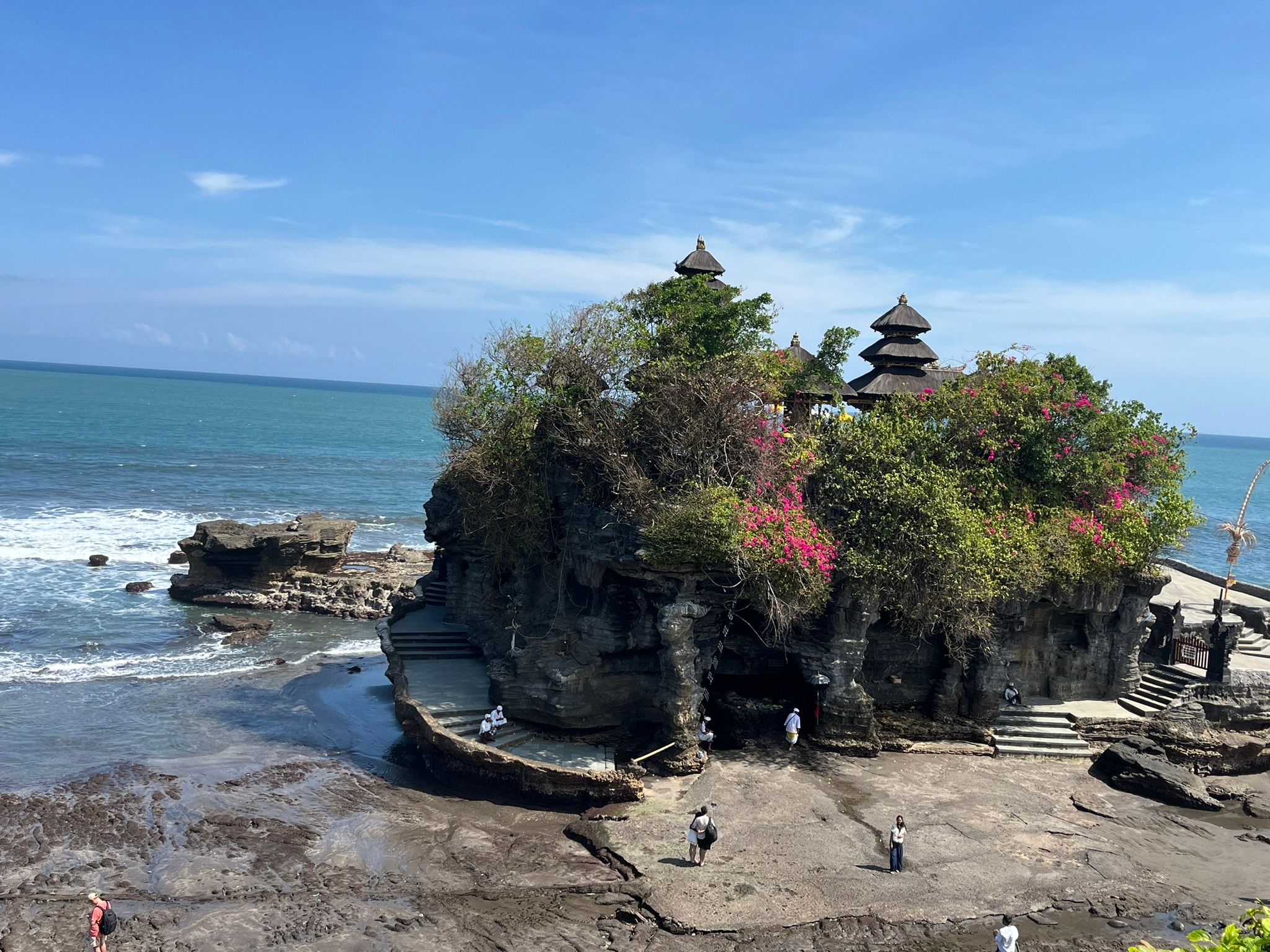
My first destination, for which I had to drive about an hour on the horror main road before I could turn off, was Pura Tanah Lot, a Hindu temple on a rock in the sea. At high tide, it stands like an island in the water; at sunset, it glows in golden colors.
During my visit, it was low tide. On the sea side, waves crashed against the rock; on the land side, one could walk over the muddy sand to the temple. However, one is not allowed to enter it via the two stairs on the left and right; it is reserved for praying Hindus. And because the temple mountain is covered with trees, the buildings are almost hidden. I also didn’t want to wait until sunset, because I declined the additional handicap of having to drive on the Jalan Raya Denpasar–Gilimanuk in the dark. Somewhere, the adventurous spirit has its limits.
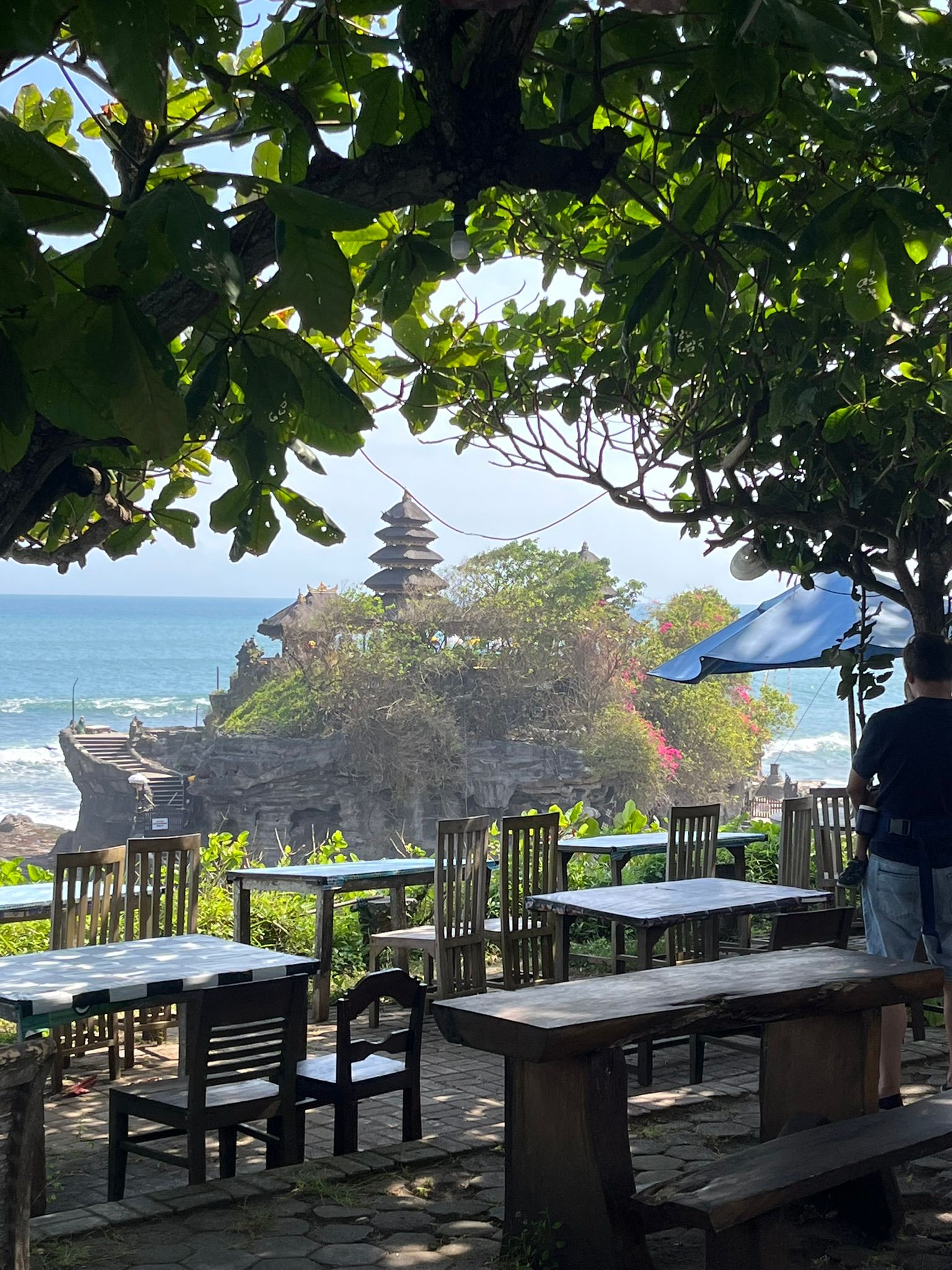
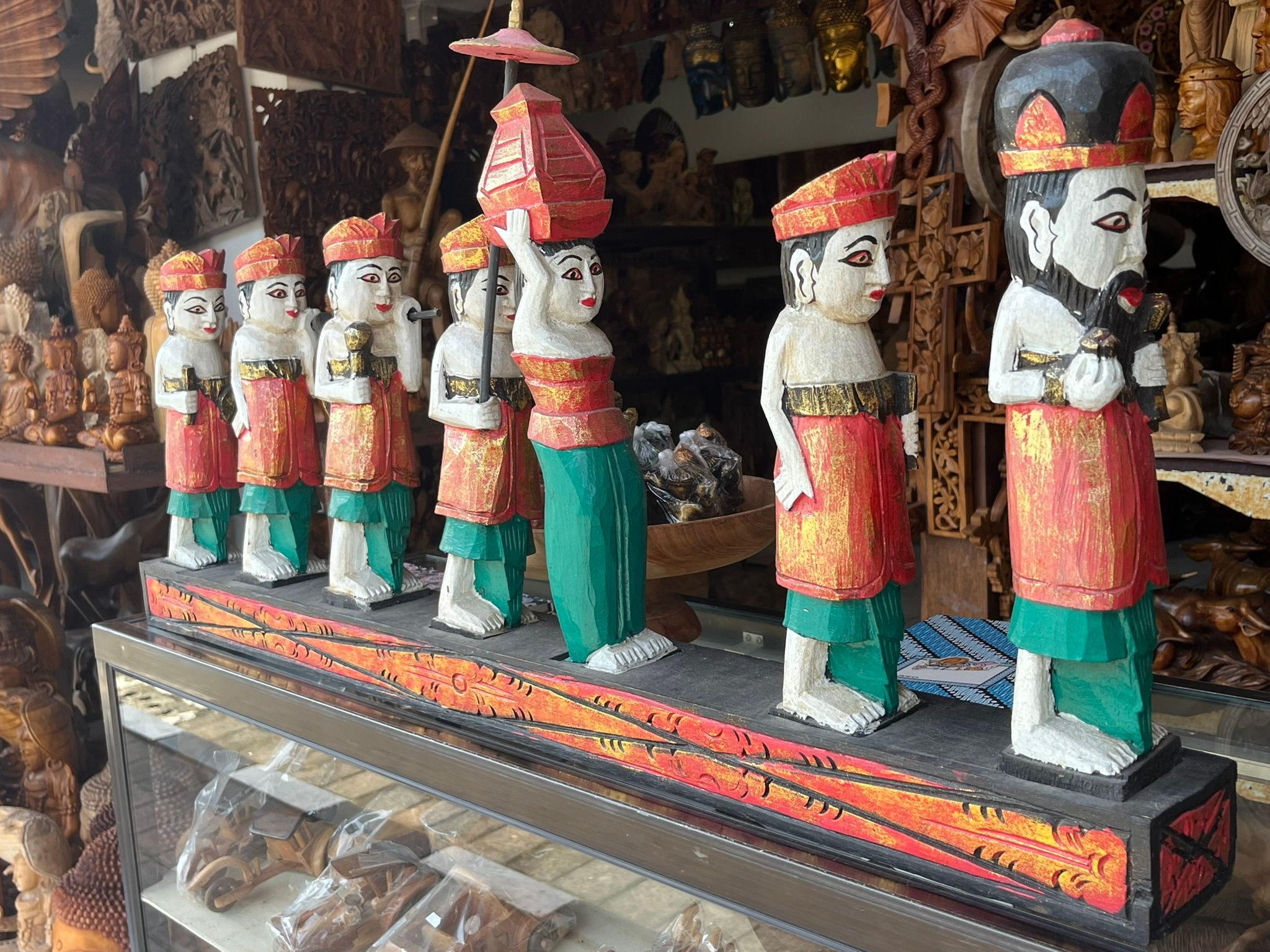
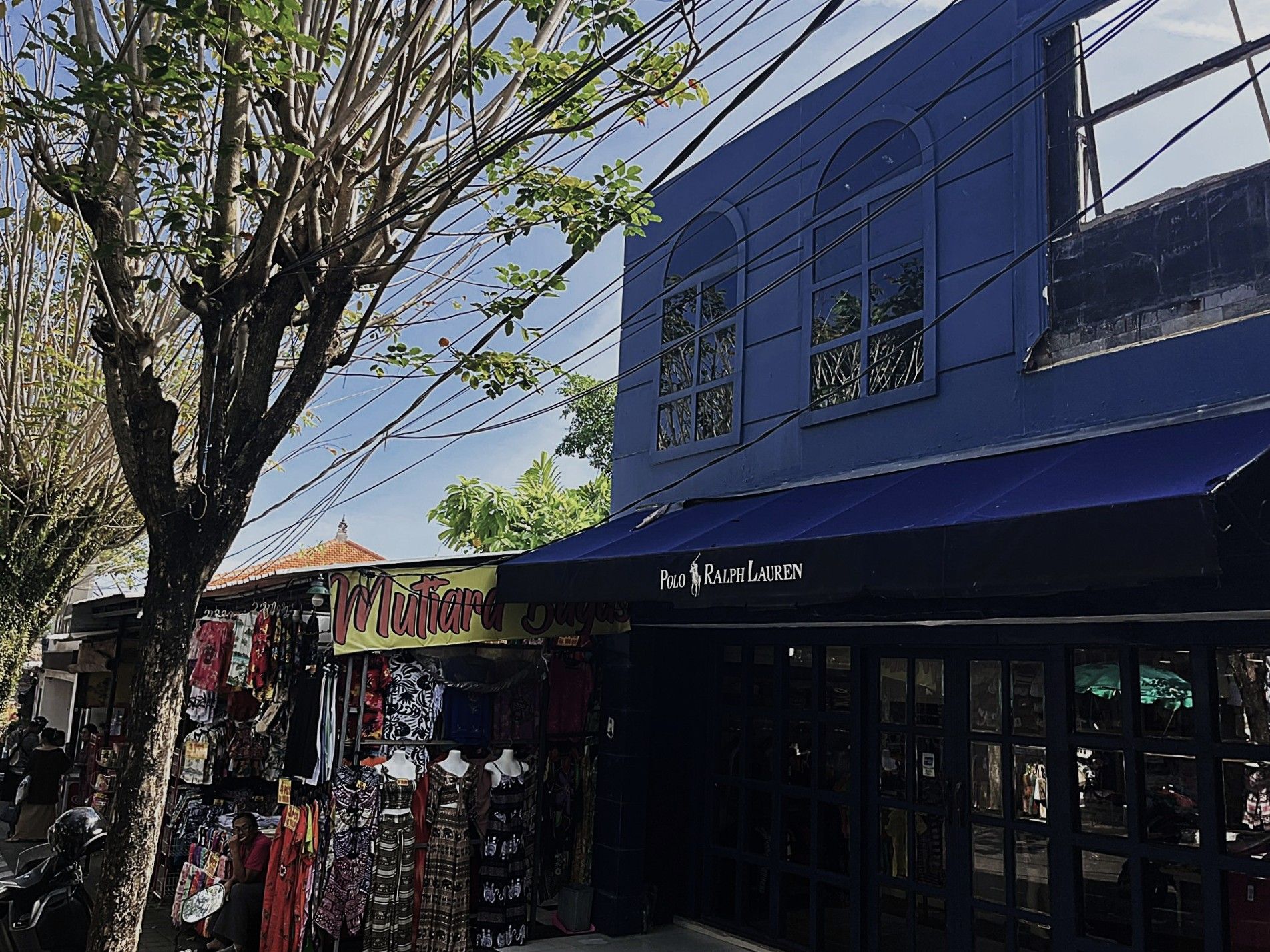
Between the large parking lot and the temple, a vast tourist area has spread out: souvenir stalls, clothing stores, supermarkets, restaurants. There is even a shop of Polo Ralph Lauren here; whether genuine or fake is never certain in these latitudes. On a rise with a direct view of the temple, a series of garden eateries have settled, as if on a battlement. They are half-empty because only individual travelers remain for lunch; the groups move on as soon as the photos are taken and souvenirs are bought.
Symbiosis of Nature and Agriculture
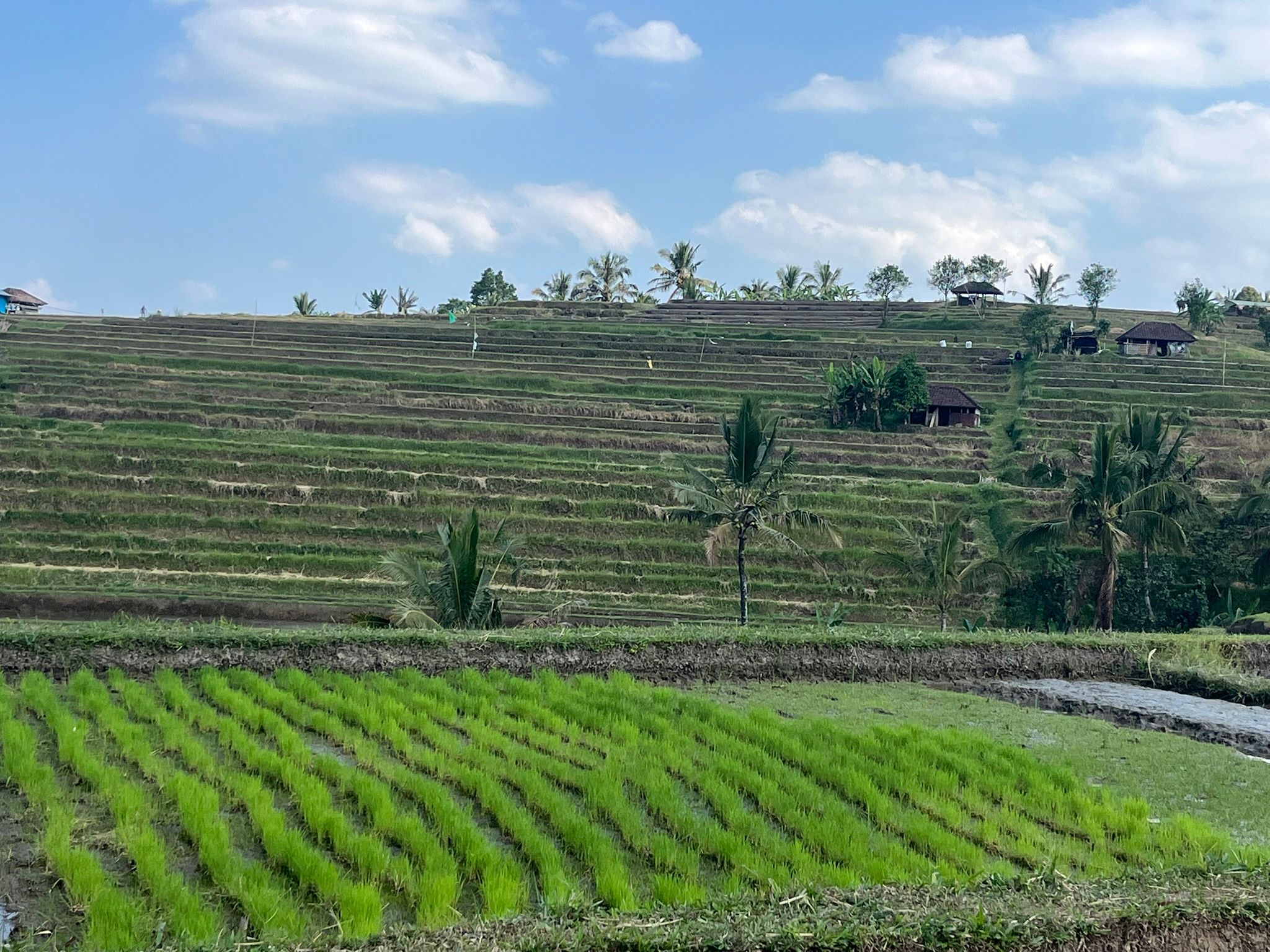
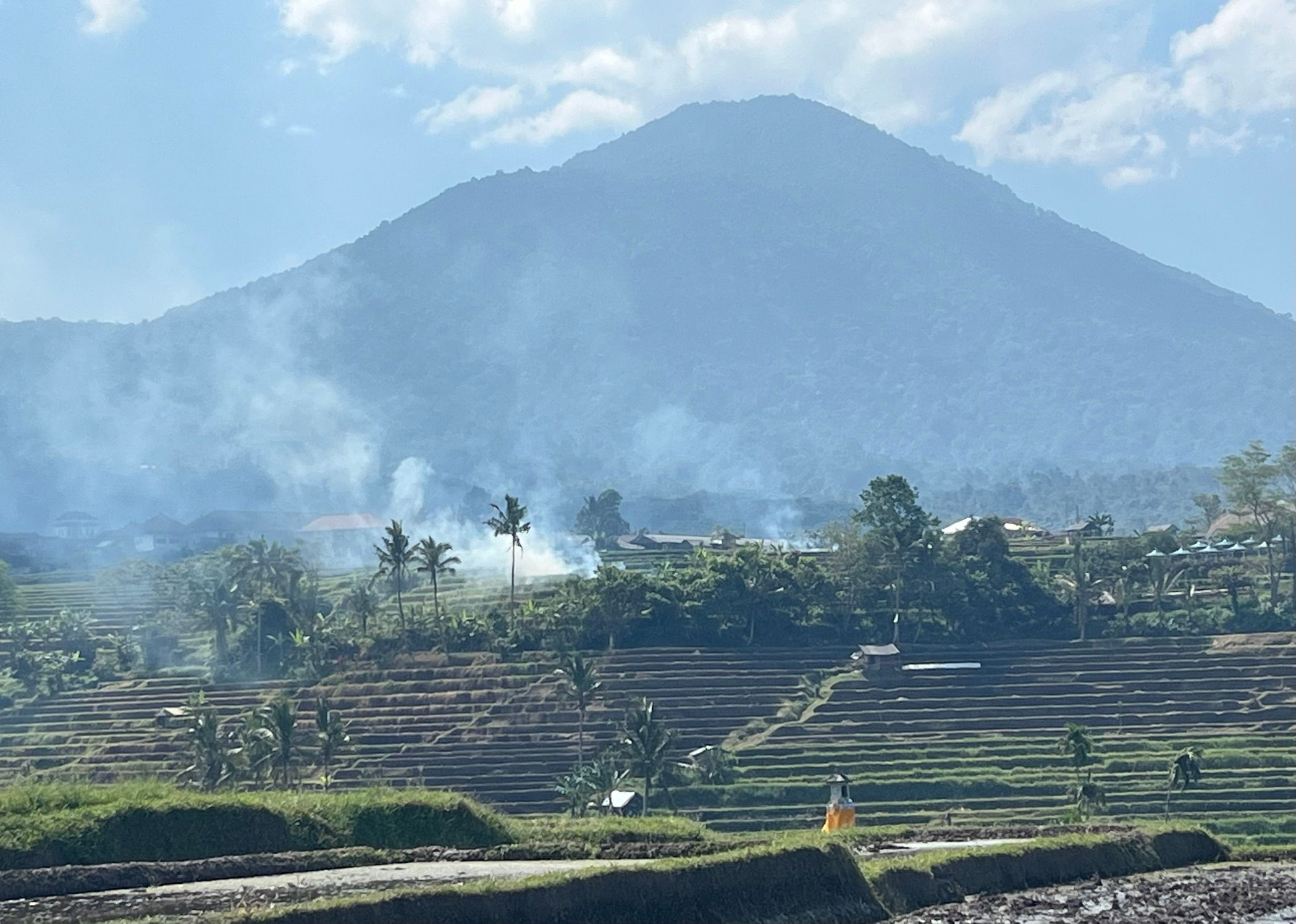
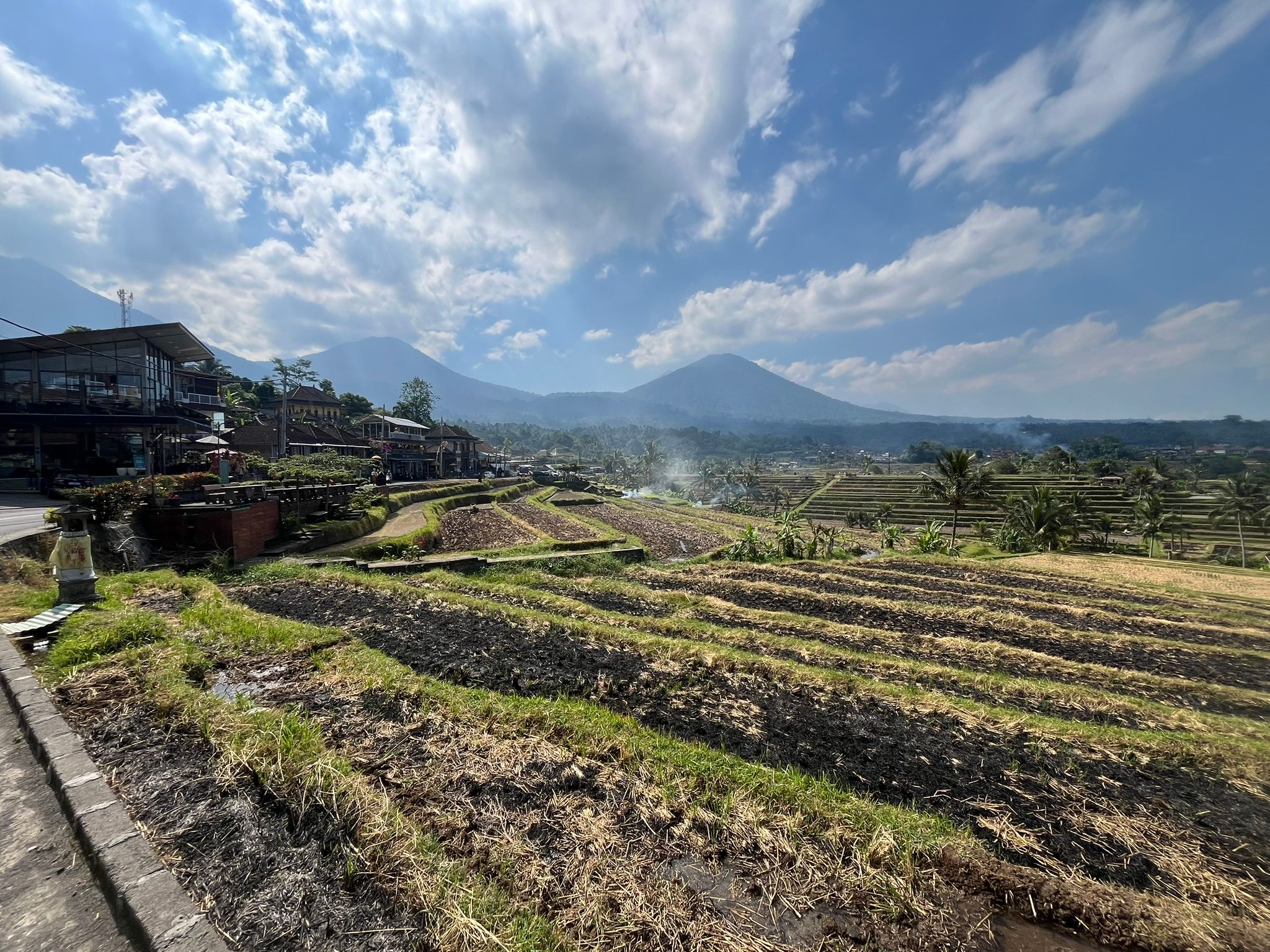
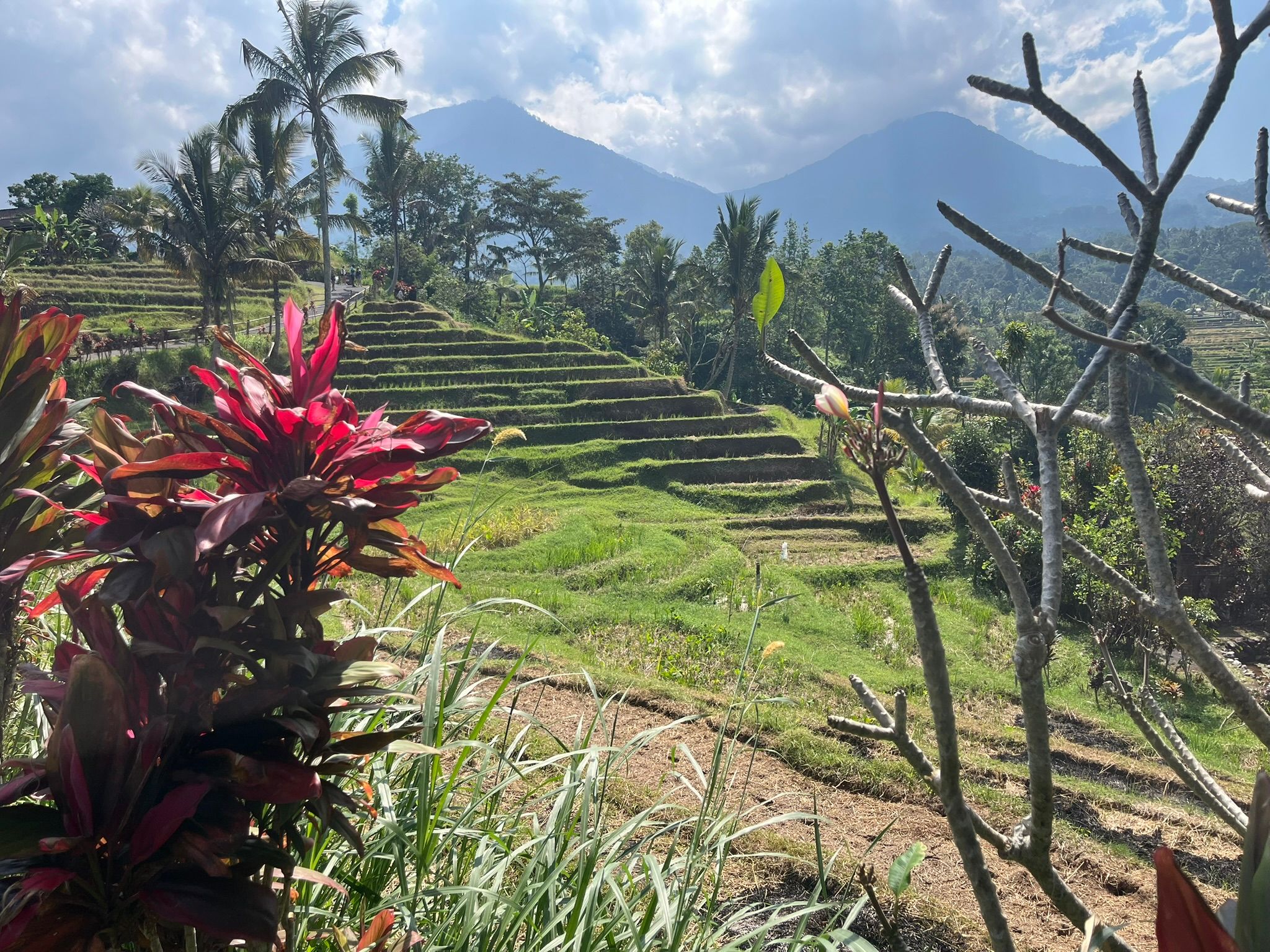
The next day, I drove into the interior of the island. The Tabanan region with the inactive Mount Batukaru (2276 m above sea level) is known as Bali's «Rice Chamber.» At an altitude of 850 meters, with a view of the volcano, the Jatiluwih rice terraces spread out like a green amphitheater. This spectacular symbiosis of nature and agriculture has been inscribed in the UNESCO World Heritage list and is not a staged display for tourists. The oldest terraces of Jatiluwih are probably around 1200 years old, having been continuously expanded and cultivated by generations of farming families.
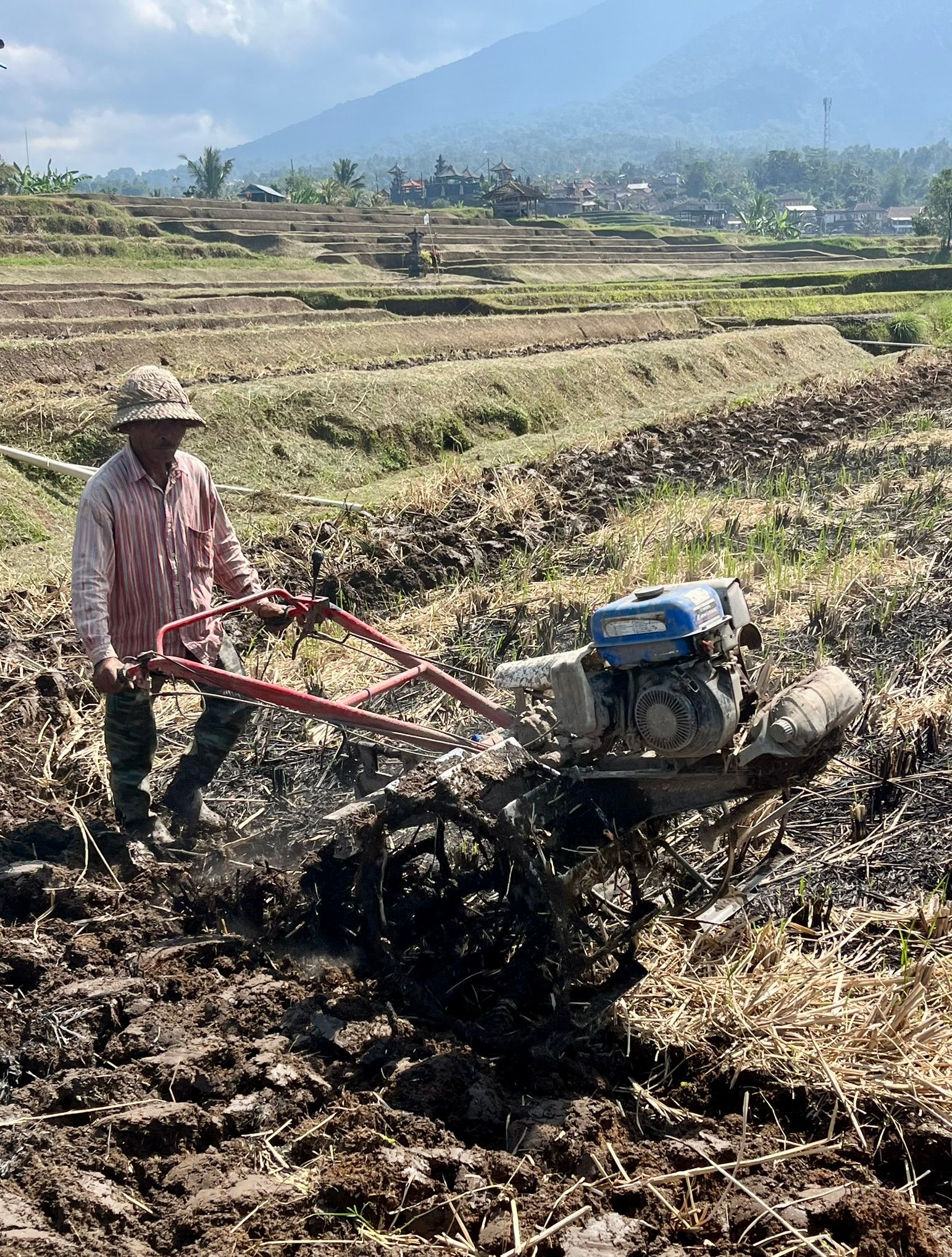
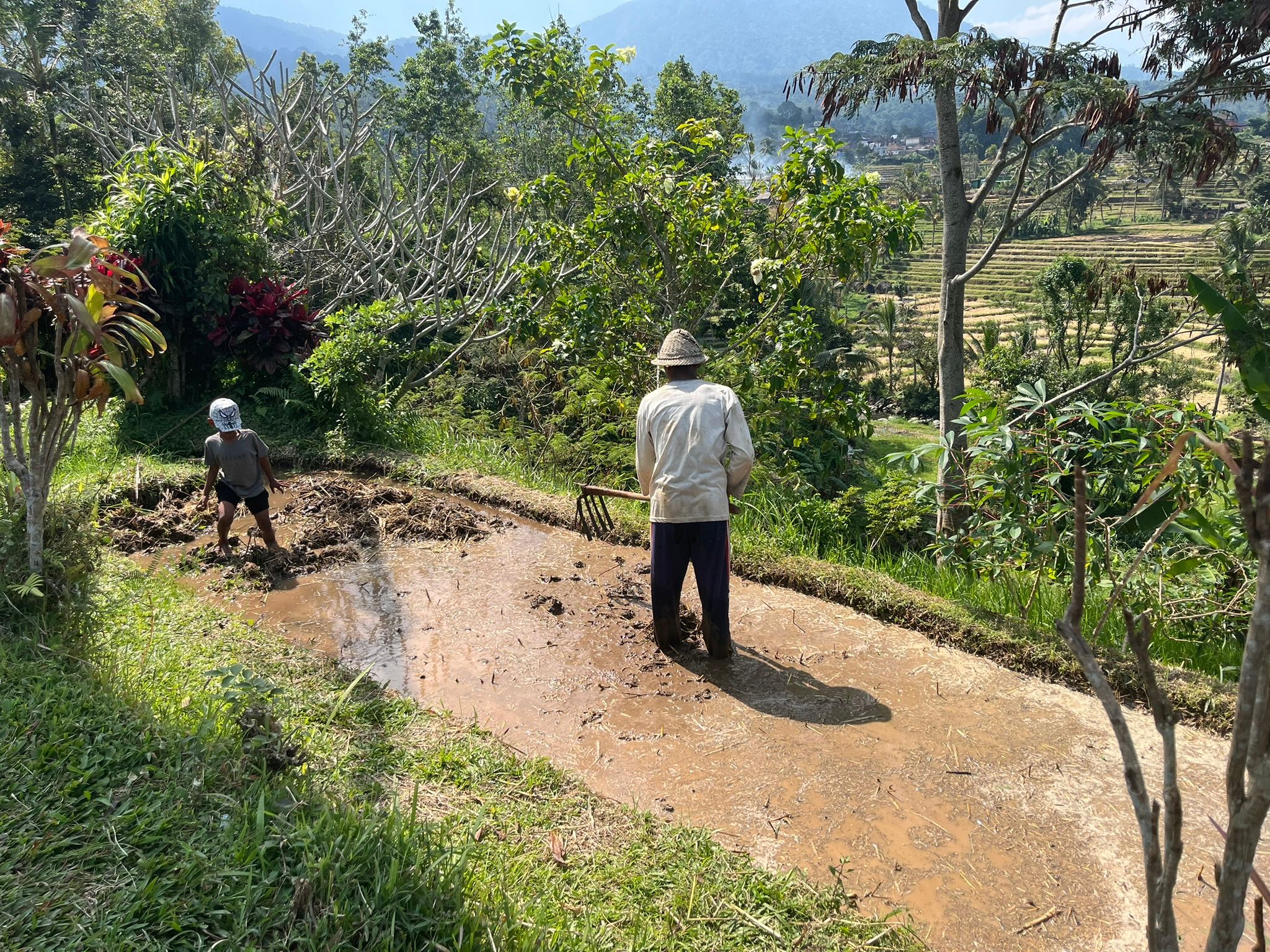
I observe farmers working in the divided rice fields with rakes or old-fashioned hand-guided motor plows. Harvested sections are burned, lying blackened before one. Many little fires send smoke rising to the sky.
Yet, here too, as almost everywhere on Bali, the primacy of tourist development applies: One pays an entrance fee to be able to wander through the terraces. Walking paths lead through the landscape, marked at each intersection. Along the sides of the paths are not only small shrines and temples but also so-called Warung, which means snack bars, offering snacks, coconut water, nasi goreng, and Bintang beer. And at the top of this arena, across the street, tourist establishments reign – hotels, guesthouses, restaurants, and shops.
Holy Place in the Forest
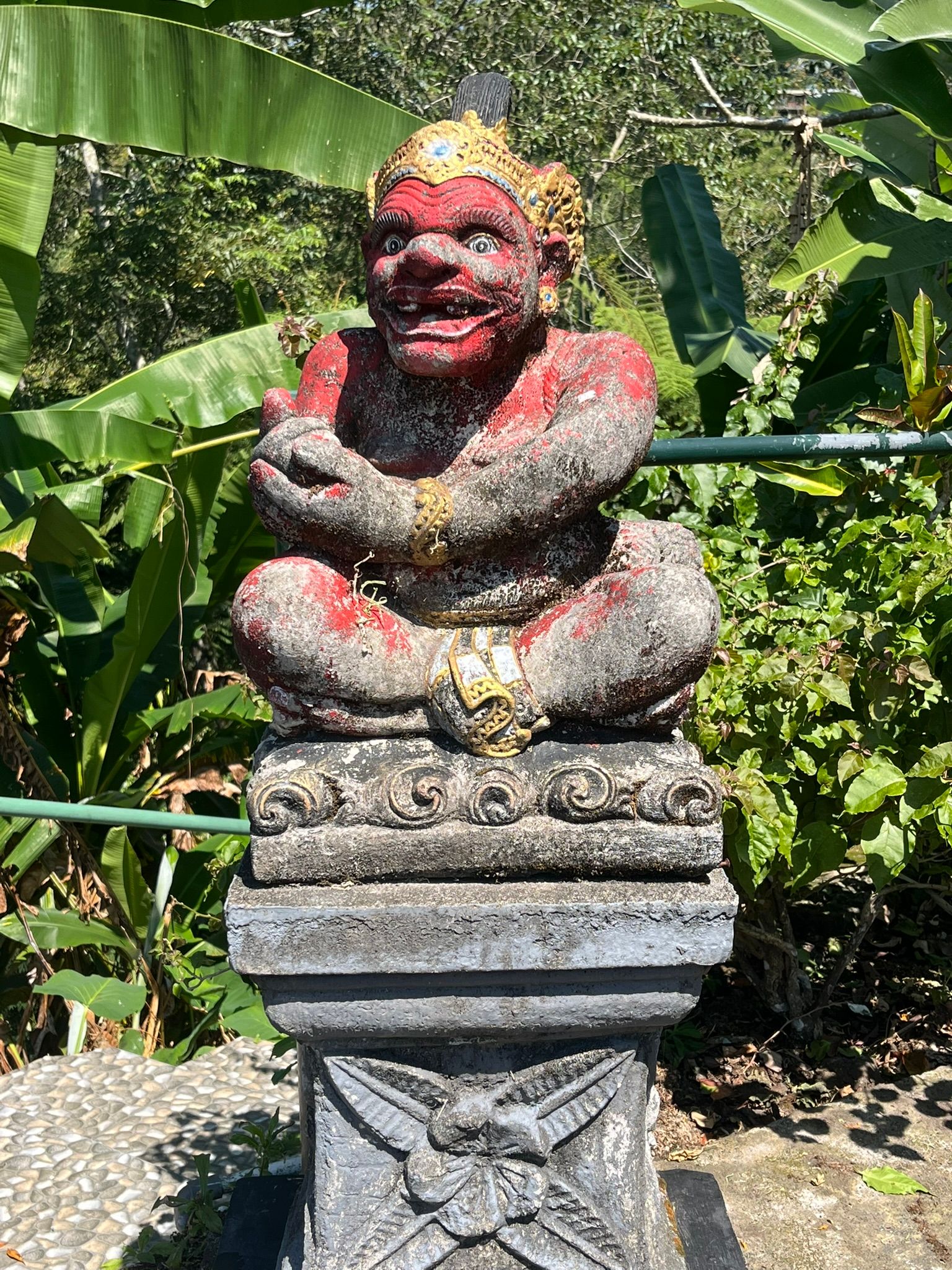
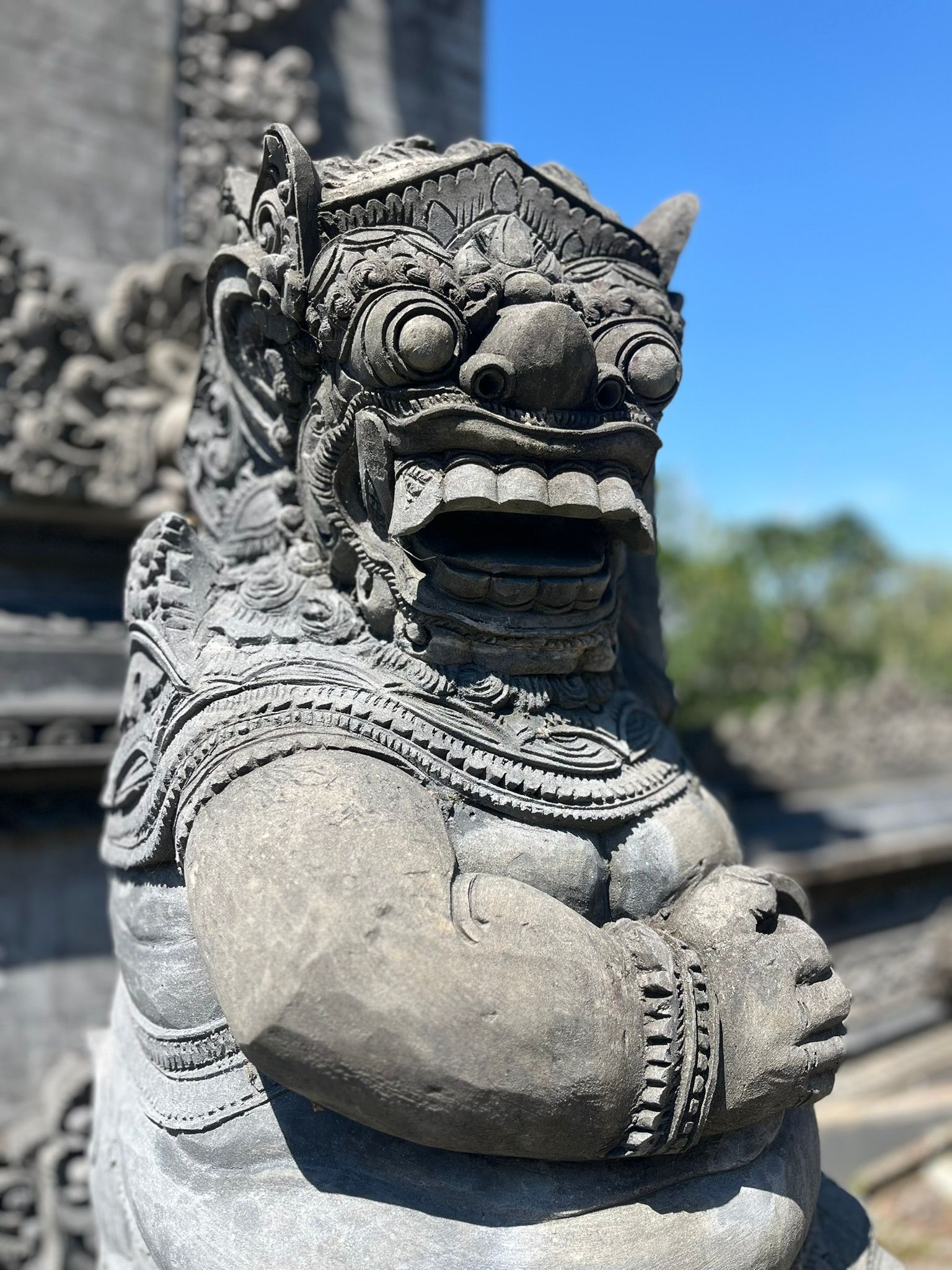
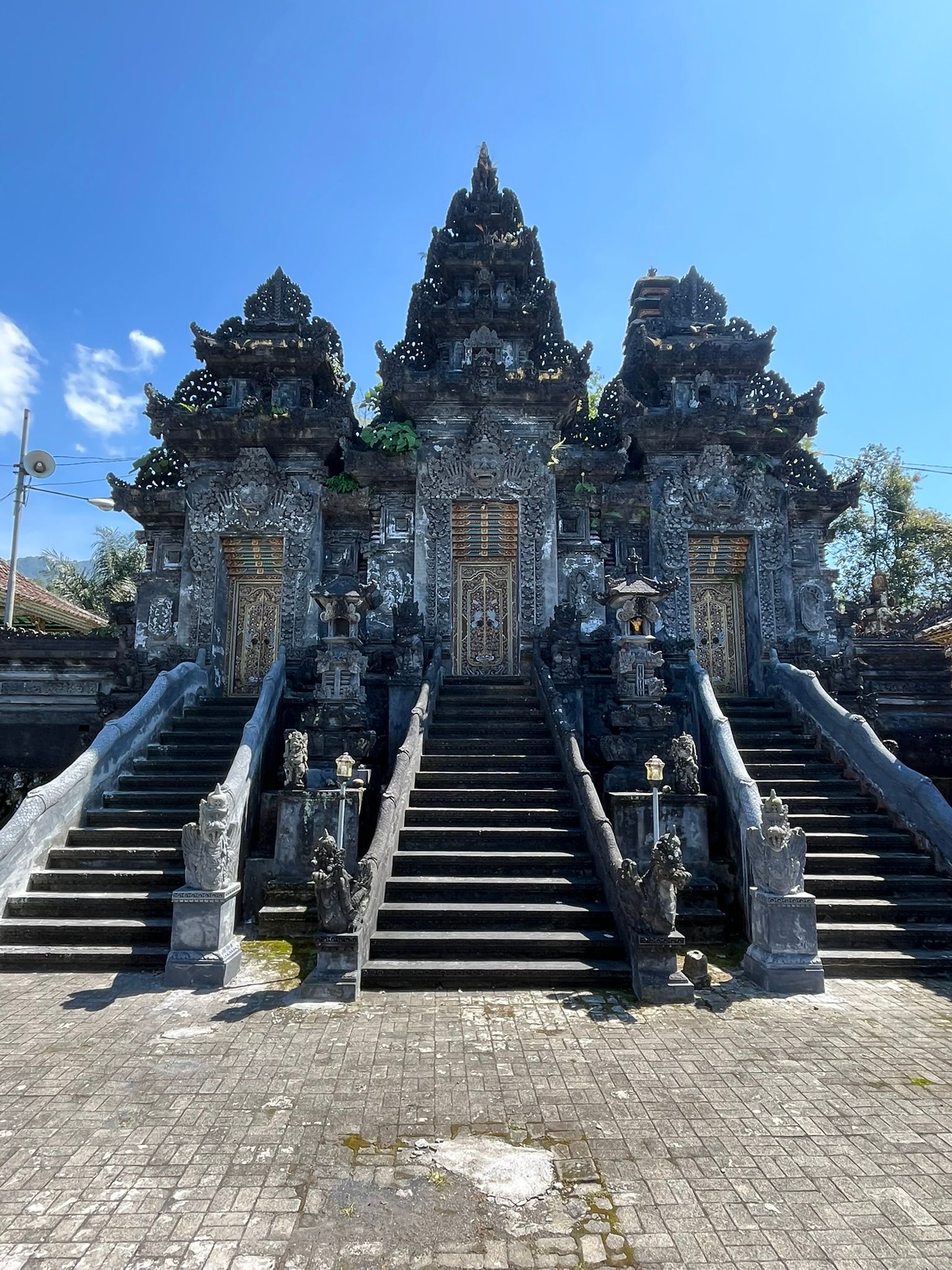
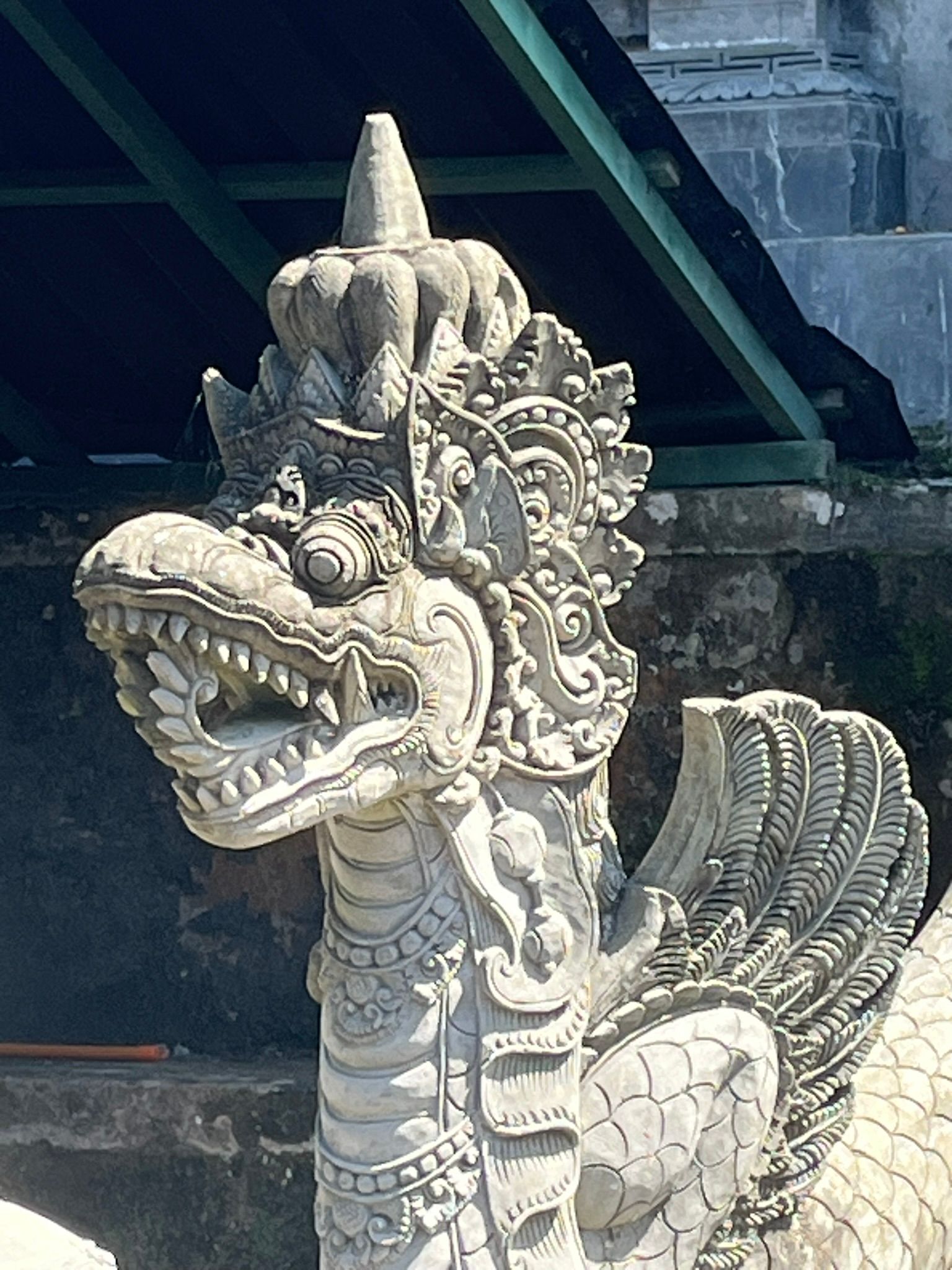
Not far from the rice terraces stands in the forests on the eastern slope of Gunung Batukaru the Pura Luhur Petali. The temple dates back to the 13th/14th century; to the Balinese, it is a holy place; believers pilgrimage here to pray for justice, balance, and inner stability. The terraced staircase structure, behind which three courtyards, separated by gates and walls, transition into one another, is striking. Of course, this temple is also inhabited by Hindu monsters and mythical creatures.
In contrast to the Pura Tanah Lot down by the sea, I did find a quiet place in Pura Luhur Petali, almost without tourists, without souvenir stalls and intrusive sellers, and above all without traffic. However, I must plunge back into this to return to my resort.