

Kings of Thailand and Their Wars
best Thai food.

Published: 22.06.2026
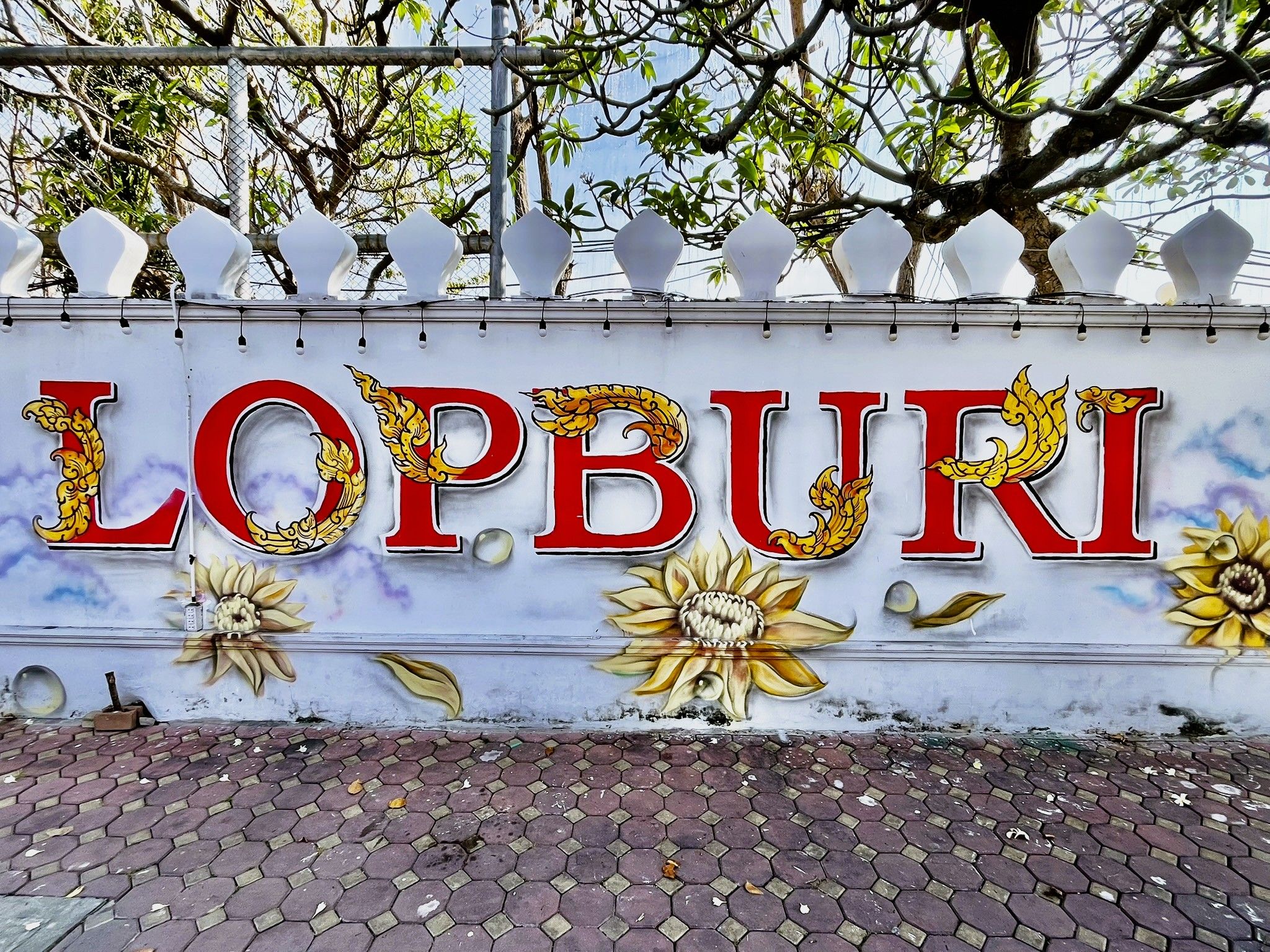
From Ayutthaya, I took a bus to Lopburi, another 70 km north. Under Khmer rule from the 9th to the 13th century AD, the city played an important role and even became the second capital next to Ayutthaya in the 17th century.
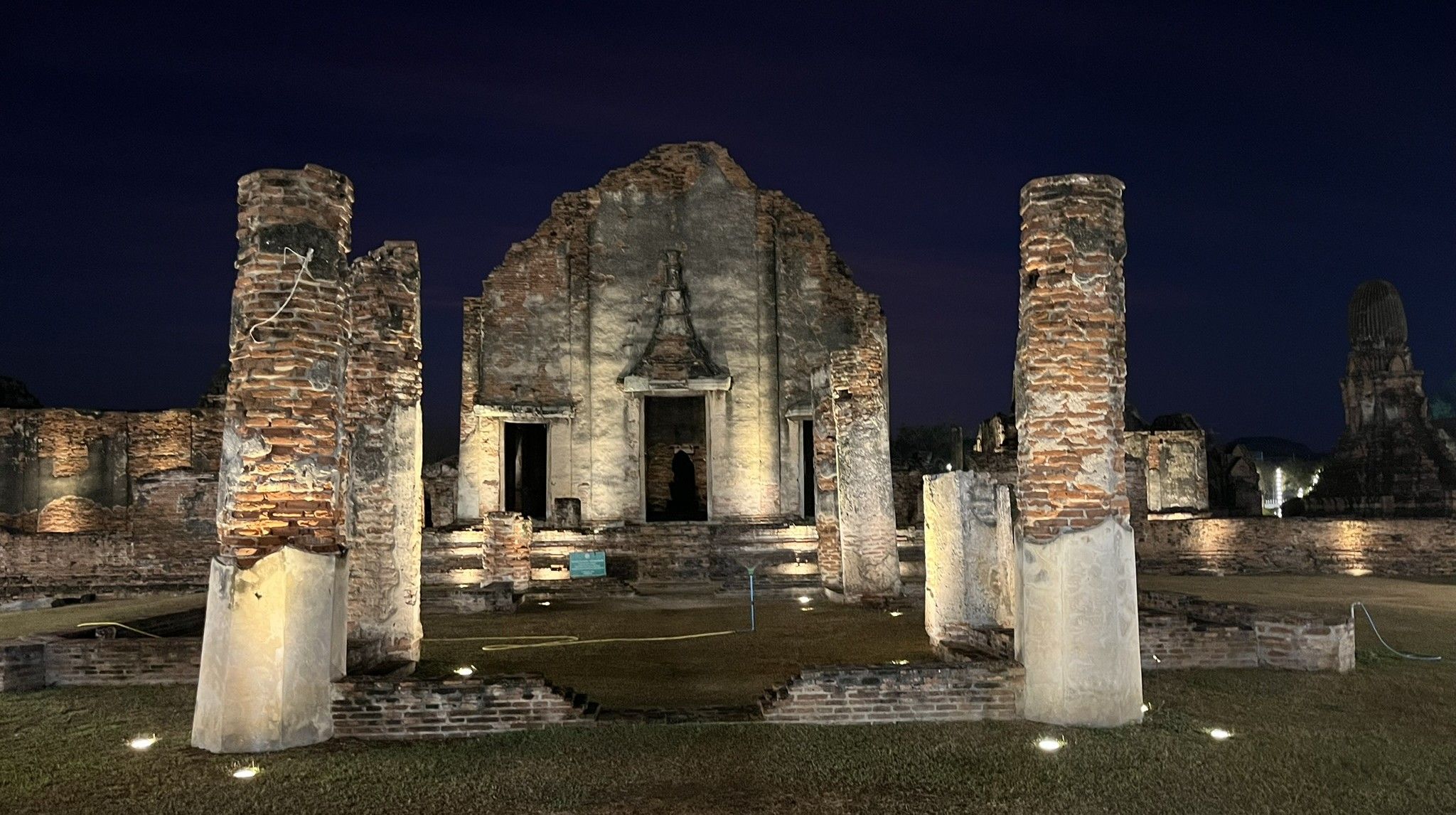
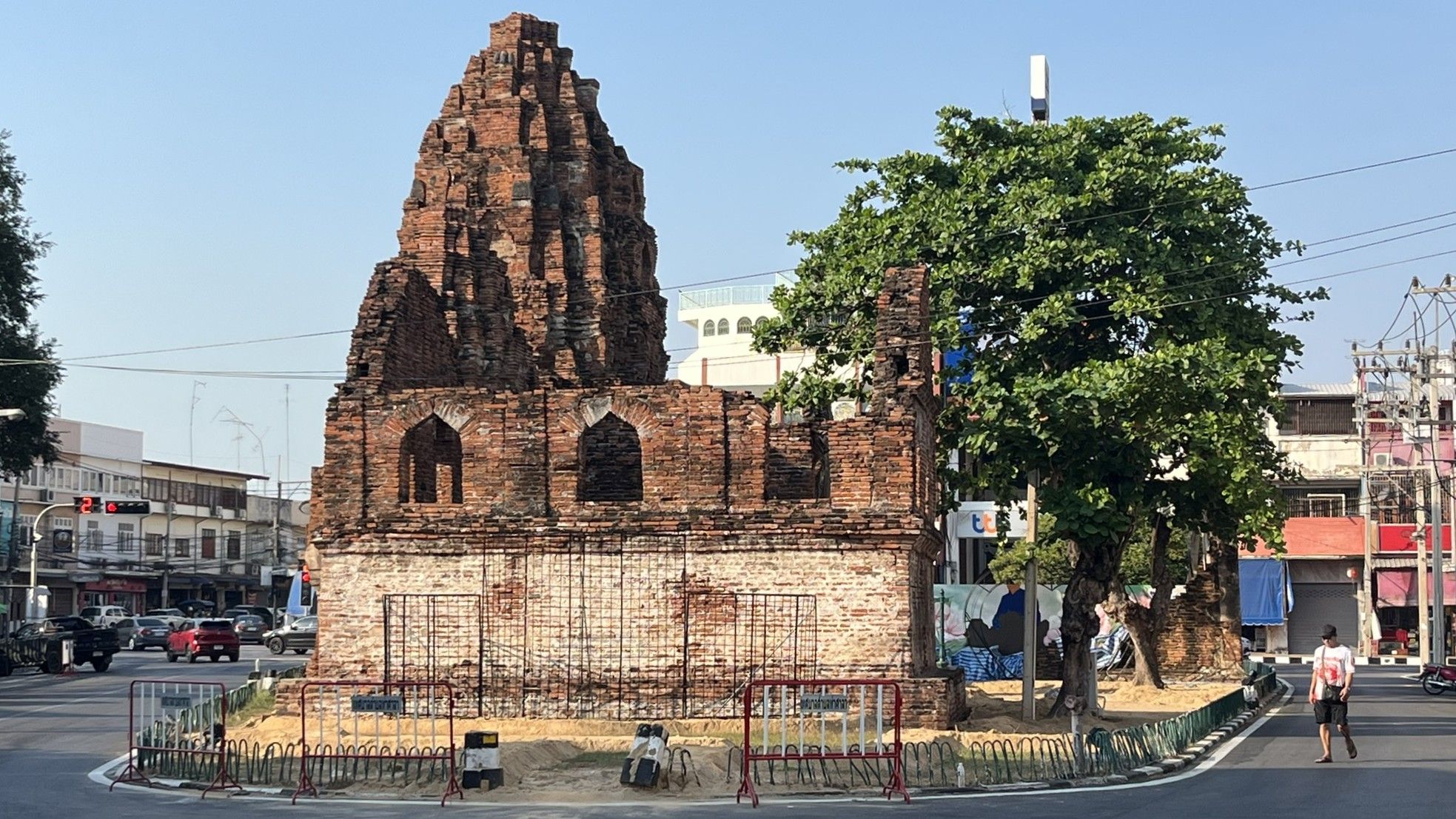
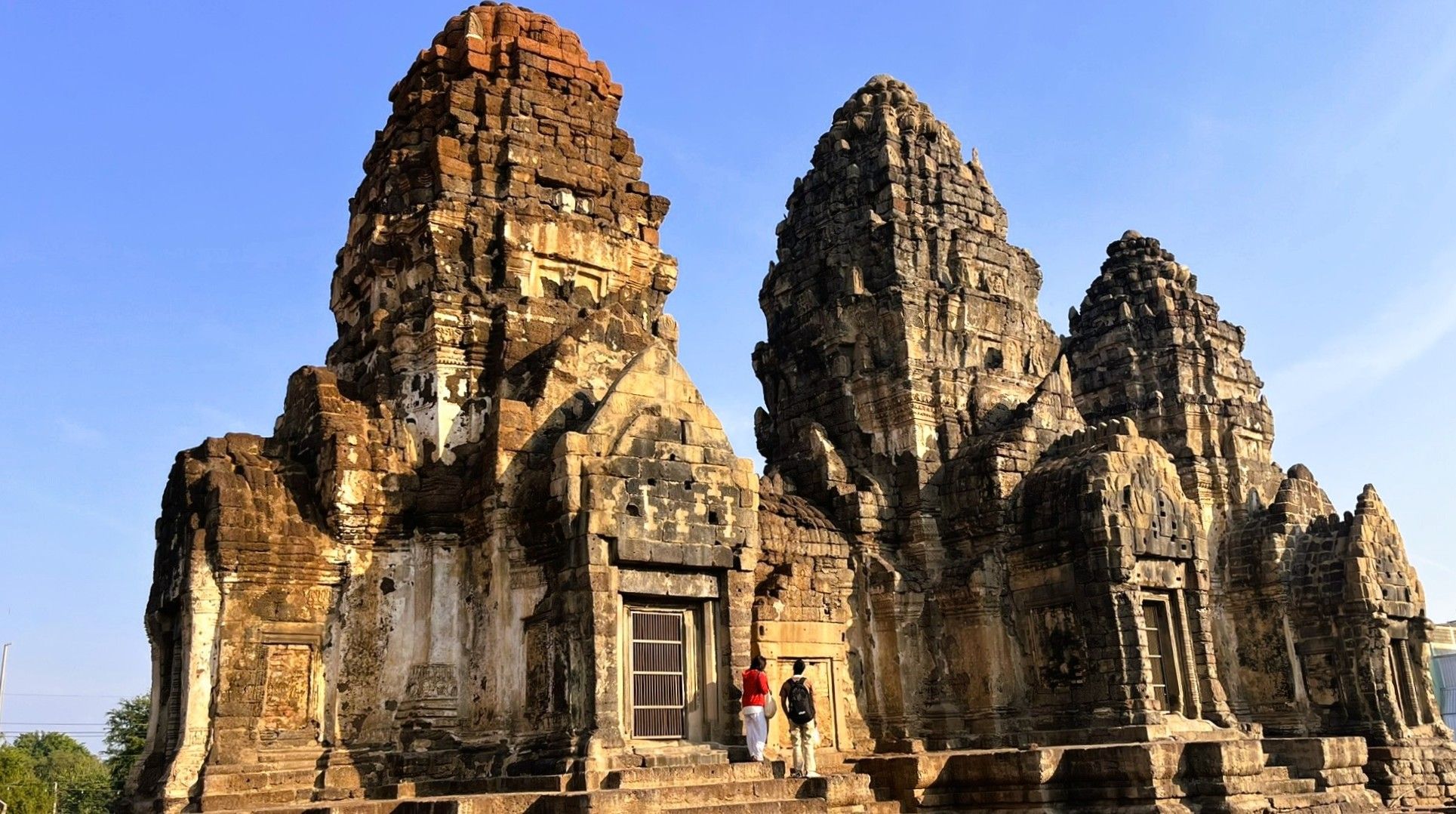
Directly across from the train station, I am impressed by the ruins of the Phra Si Rattana Mahathat temple with its imposing chedis or pagodas, which have a magical aura at night thanks to enchanting lighting. However, the most famous is the Prang Sam Yot temple from the 11th century in the old town. It is also known as the "Monkey Temple" because allegedly hundreds of wild macaques inhabit its grounds and harass visitors.
What a disappointment! I did not see a single monkey on the temple grounds and only spotted two in the whole city, feasting on an torn garbage bag on a sidewalk.
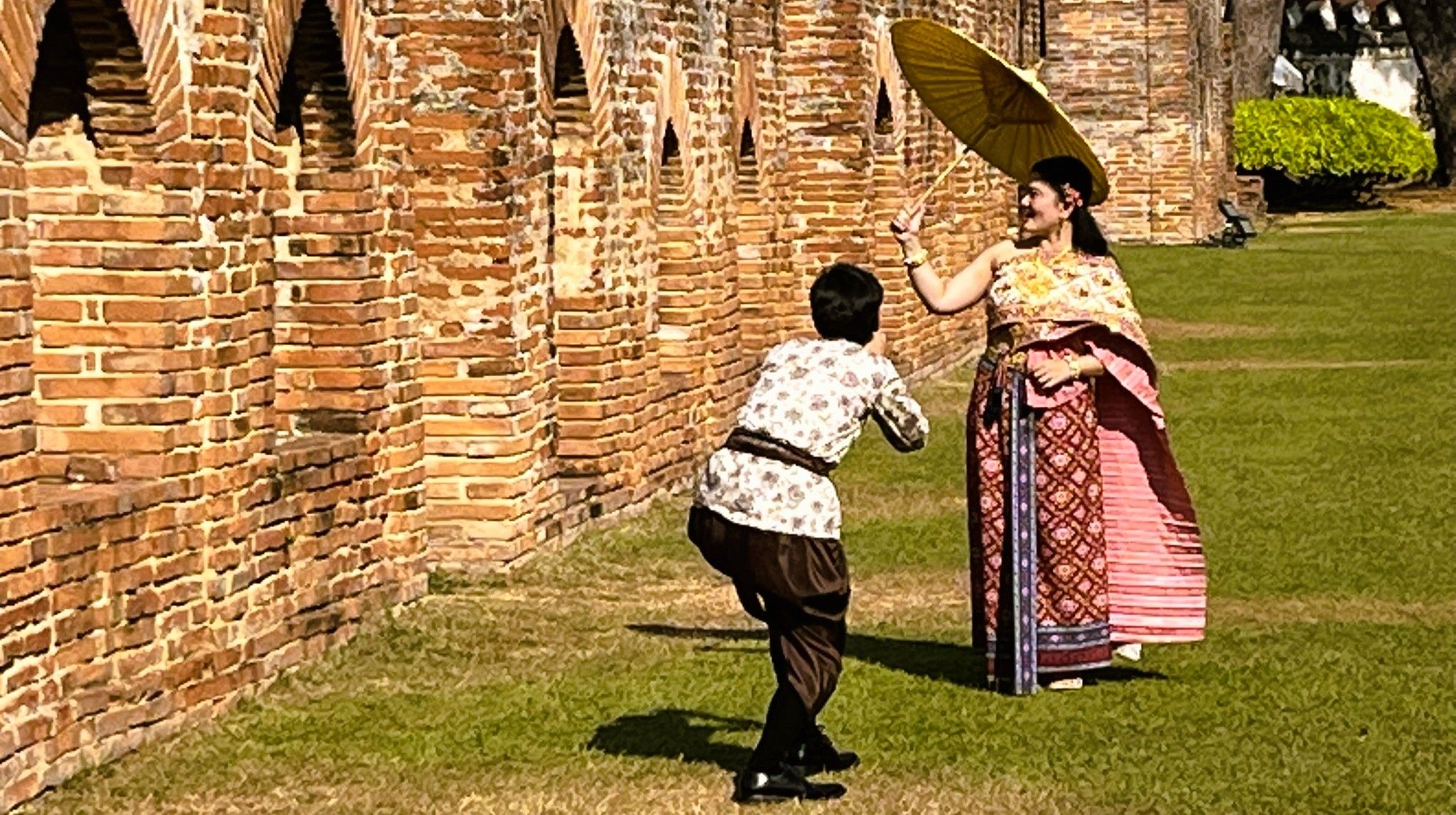
The real center of the city is the palace of King Narai. He ruled from 1656 to 1688 and is considered the most significant ruler of Ayutthaya. In Lopburi, Narai had a magnificent palace built from 1665 to 1677 with French architects, the Phra Narai Ratchaniwet, whose ruins impress with their mix of Thai, Khmer, and European architectural styles. Shops around the palace rent out traditional costumes. Young Thais stroll through the palace ruins in the splendid garments and film each other with their phones.
The current dynasty since 1782
After King Narai's army conquered parts of Burma, it, as described in the previous blog about Ayutthaya, struck back and brought the kingdom of Siam down in 1767. However, the success was short-lived: the Thai general Taksin freed Siam from Burmese occupation within two years and had a new capital built in Thonburi at the mouth of the Chao Phraya across from Bangkok. By the end of 1767, Taksin had crowned himself king. However, in 1782 he was deposed and executed due to his mental decline.
Another general, Chao Phraya Chakri, occupied the throne after Taksin’s fall. Chakri moved the capital to the other side of the river to Bangkok. He established the dynasty that is still in power today. The Chakri kings call themselves "Rama." This title comes from Hindu mythology and is meant to underline the god-like status of the monarch: Rama is regarded there as an incarnation of the god Vishnu.
King Vajiravudh (I will spare the full name from the discerning readership) introduced numbering in 1916. He called himself Rama VI; the predecessors were retroactively assigned the numbers one to five. The current king, Maha Vajiralongkorn, is Rama X.
The relationship of the Thais to their royal house, which is exempted from almost any public criticism due to draconian laws against lèse-majesté, remains a mystery to me. The fact is that Thais refer to their kings as a "number." The current ruler is therefore "number ten." However, there are two undisputed favorites. In countless offices, banks, bars, and Buddhist temples, there are especially pictures of "number five" and "number nine."
Rama V, King Chulalongkorn, ruled from 1868 to 1910 and pushed forward the modernization of the kingdom by introducing post, railways, ministries, and Western education, and abolishing slavery in 1905. Through skillful diplomacy, he preserved Thailand's independence while all surrounding countries fell under the yoke of Great Britain or France.
Rama IX, King Bhumibol Adulyadej, even sat on the throne for an unimaginable 70 years, from June 1946 until his death on October 13, 2016. His popularity is partly based on his relatively simple lifestyle, his approachability, demonstrated during numerous visits to the provinces, and his talents as a jazz musician, photographer, and engineer. During political unrest, he contributed to de-escalation. He is now referred to by Thais as "Bhumibol the Great."
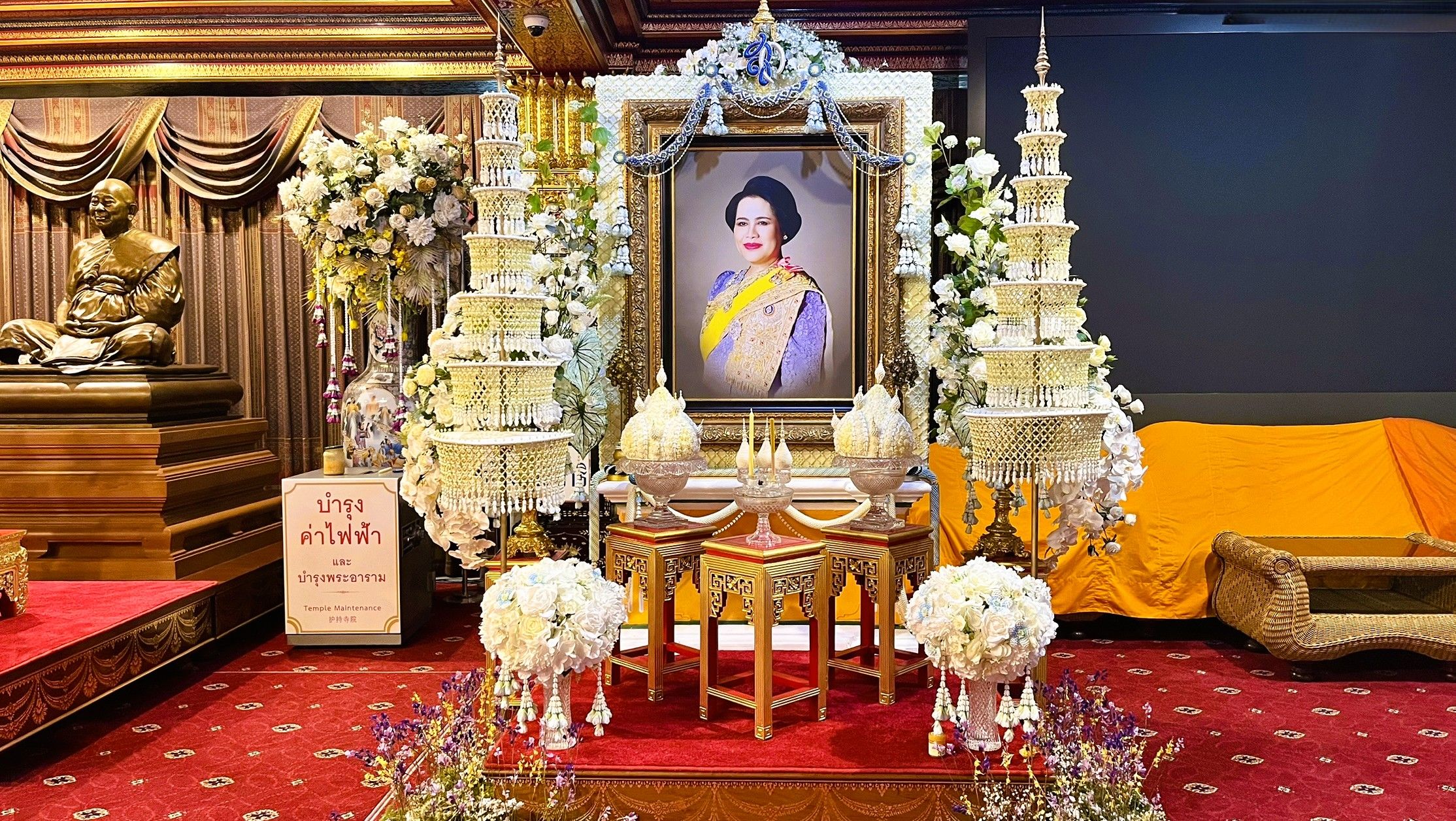
The popularity of "number nine" was also due to his wife, Queen Sirikit. She is revered just as much as King Bhumibol himself. She passed away in October 2025 at the age of 93. Yet to this day, oversized pictures of her adorned with flowers or flags and black-and-white mourning ribbons hang throughout the country.