'Go to Da Lat, man!', I still have the words of the New Zealander in my head as if it were yesterday. The Maori had recommended his personal
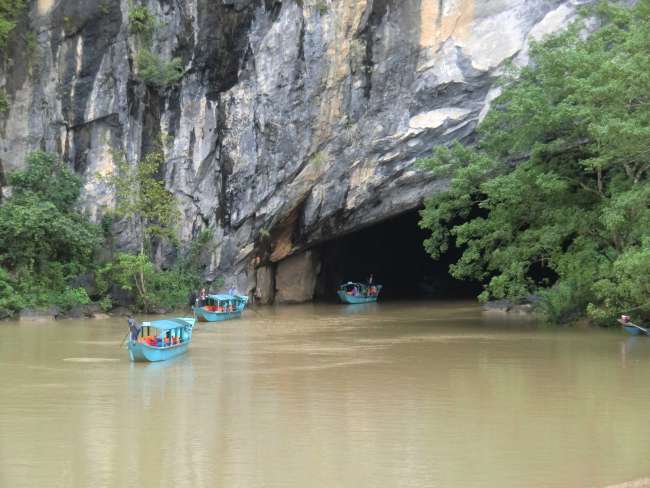
Vietnam highlight to me while I was waiting for the bus in Phong Nha. I probably complained about the heat again. In Da Lat, it would be nice and cool, as it lies on a plateau over 1000 meters above sea level.
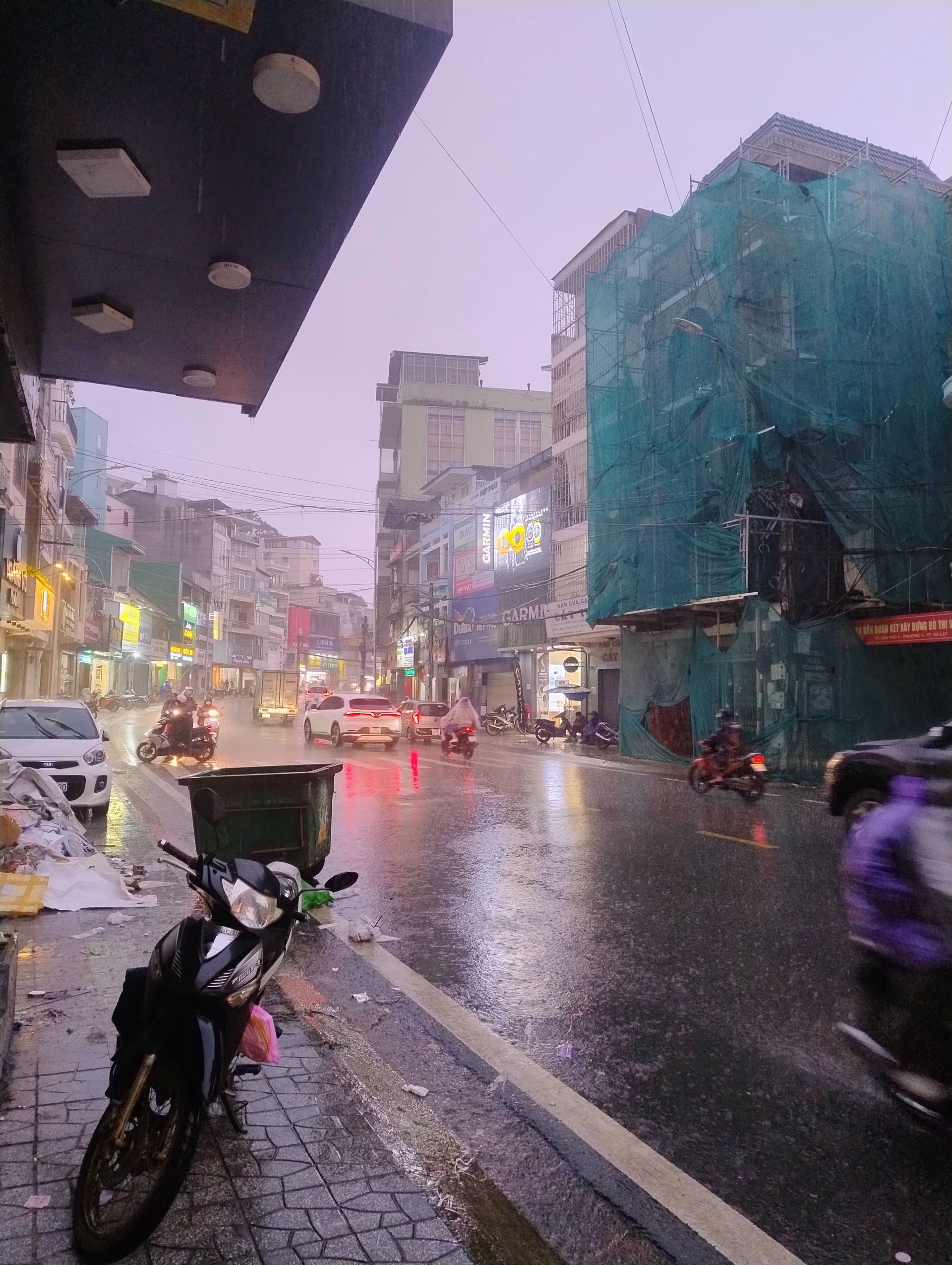
Now, seven years later, when I arrive in Da Lat, I must pull out my sweater for the first time since Georgia. It is storming and thundering heavily, and the temperatures drop below 20 degrees. During the occupation, the French created a little Paris here, with villas and representative houses where the colonial rulers could reside and relax in the rather European climate.
In Da Lat, you can visit coffee plantations, go go-kart racing or Mario Karting, take a 'Cloud Chasing' tour early in the morning, or admire the Elephant Waterfalls.
I'm doing none of that but still need to recover. I still sleep poorly because my cough returns at night. It lasts three days, stays three days, and then goes. Nevertheless, I go to the doctor, also because I notice that a kind of flu wave is spreading in Southeast Asia. However, he certifies that in my case, it is merely allergic symptoms. Just another Westerner who can't stand the unfamiliar environment. For this simple diagnosis, he generously doesn't even charge the German hypochondriac a fee.
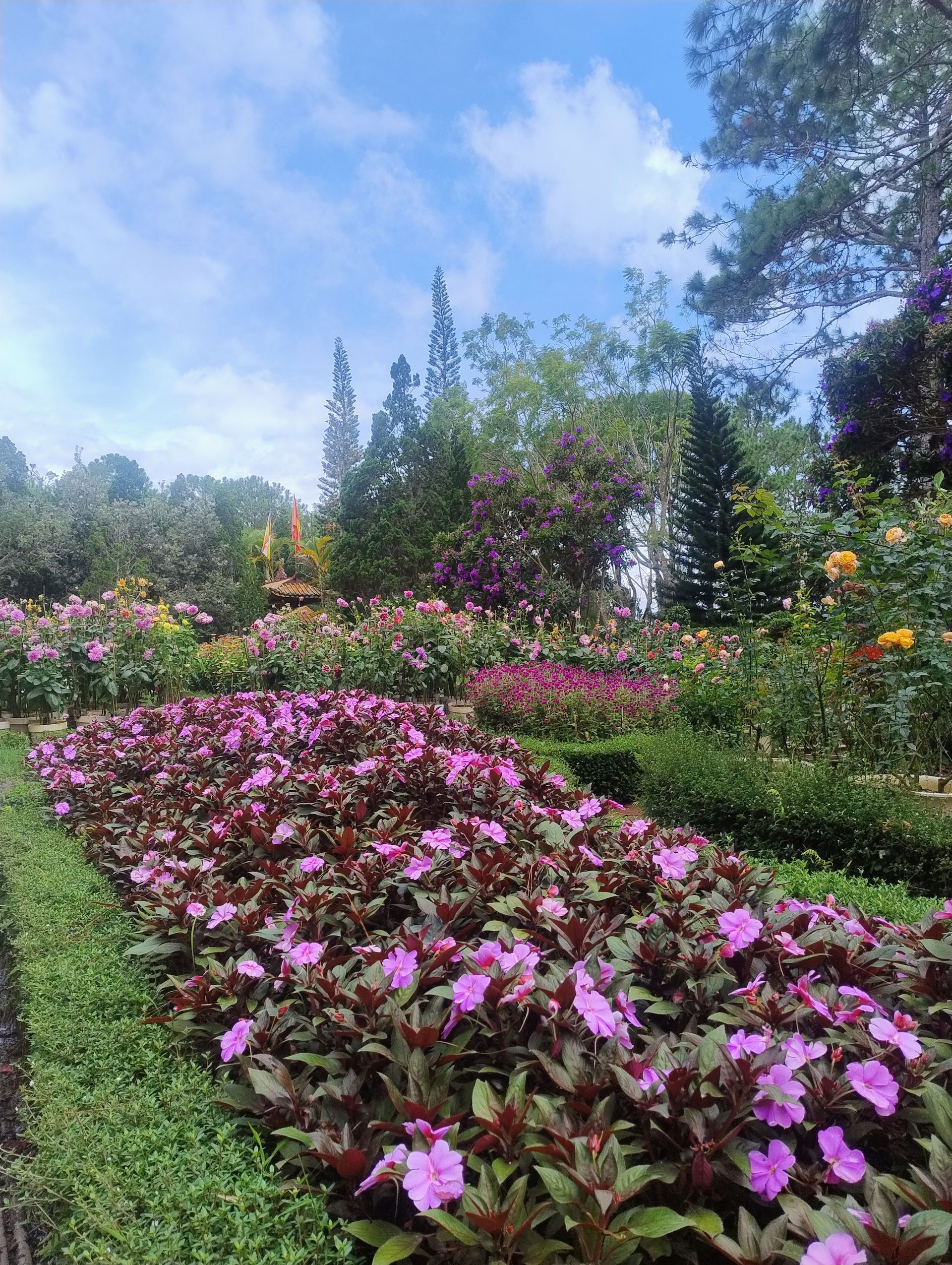
Love is in the air. Da Lat is not only a weekend getaway for metropolis-weary Saigon residents but also for love-struck couples. There are heart-shaped frames everywhere that couples can sit in for souvenir photos. Da Lat is appropriately famous for its flowers. The city is full of colorful flower meadows and potted plants. Street vendors transport and sell roses on their scooters.
I read about a supposed curse that hangs over Da Lat. If a couple visits the place, they separate afterwards. Anecdotal evidence that has become a TikTok trend. Well, when a couple spends their first free days together, they may realize that they are not meant for each other. The poor city chosen for the honeymoon is not to blame. Despite the bad reputation and the rainy season, newly in love people bustle through the streets of Da Lat. Whether strolling hand in hand around the lake, posing in front of the numerous picture points with romantic backgrounds, or riding scooters with her sitting behind him - love here still seems to work like in the good old Disney film.
In a city built by the French and associated with romance like Da Lat, a femme fatale cannot be missing: Trần Lệ Xuân, who also went down in history as Madame Nhu or the Dragon Lady. In her former villa, I learn more about her biography. After Vietnam gained independence from
France and split into two parts, she was the sister-in-law and thus the unofficial First Lady of the unmarried President of South Vietnam, Ngô Đình Diệm. The museum is remarkably neutral. Unlike exhibits on the history of the Vietnam War, it does not label the South Vietnamese government as a puppet regime of the USA. Even the Dragon Lady comes through quite well, although from the perspective of a North Vietnamese victor, there would be enough reasons to demonize her. Lệ Xuân was a converted Catholic and pursued a hardline policy against Buddhism in her country. The occupation of temples and suppression of demonstrations led, among other things, to the self-immolation of the monk whose photo gained sad fame in 1963. 'If the Buddhists wish to have another barbecue, I’ll gladly supply the gasoline and a match,' Lê Xuân cynically commented on the action. She died alone and impoverished in Italian exile.
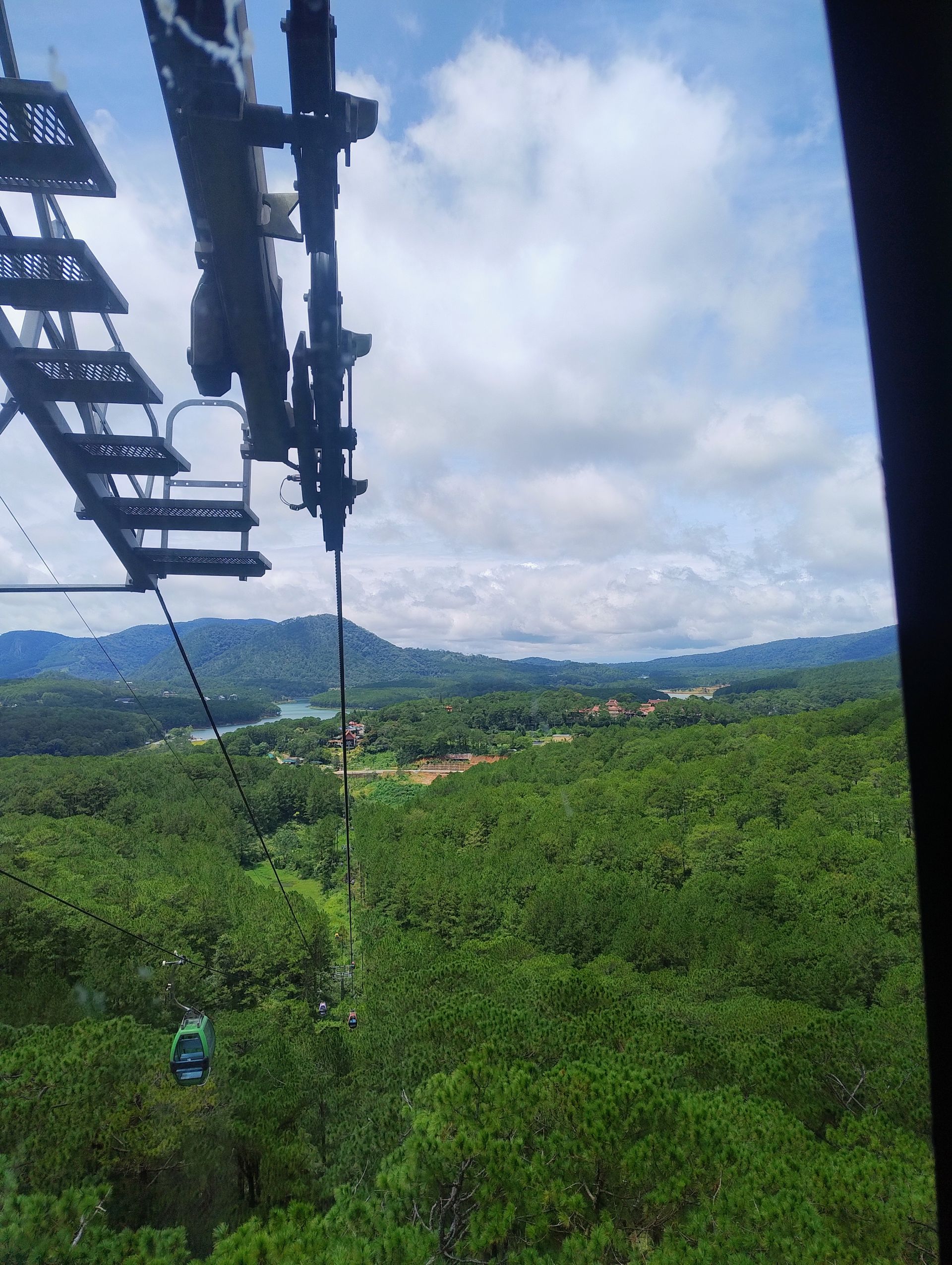
The weather and my condition improve, and I venture outside. A cable car takes me to a remote lake surrounded by small wooded hills. At the gondola entrance, two ladies in uniform are present. One is directing traffic, the other is waving. Occupational therapy in socialism or underestimated microeconomics?
The access points to the small mountain I want to hike up are blocked by gates and security personnel. Later, I learn that it belongs to an investor who organizes expensive private tours. So much for socialism.
Instead, I visit a Buddhist temple near the cable car station and involuntarily close my eyes as I sit cross-legged in front of the Buddha statue. If I were still wearing my elephant pants, I would be the epitome of the Western backpacker who has 'rediscovered his spirituality.' But I'm not. Just like in all other religious buildings, I enjoy the silence and take in the rustling of the leaves and the chirping of the birds outside. A monk solemnly rings a bell every time real believers enter the hall to pray and donate a few Dong. In the breaks in between, he hangs out quite worldly on his stool, scrolling through his phone.
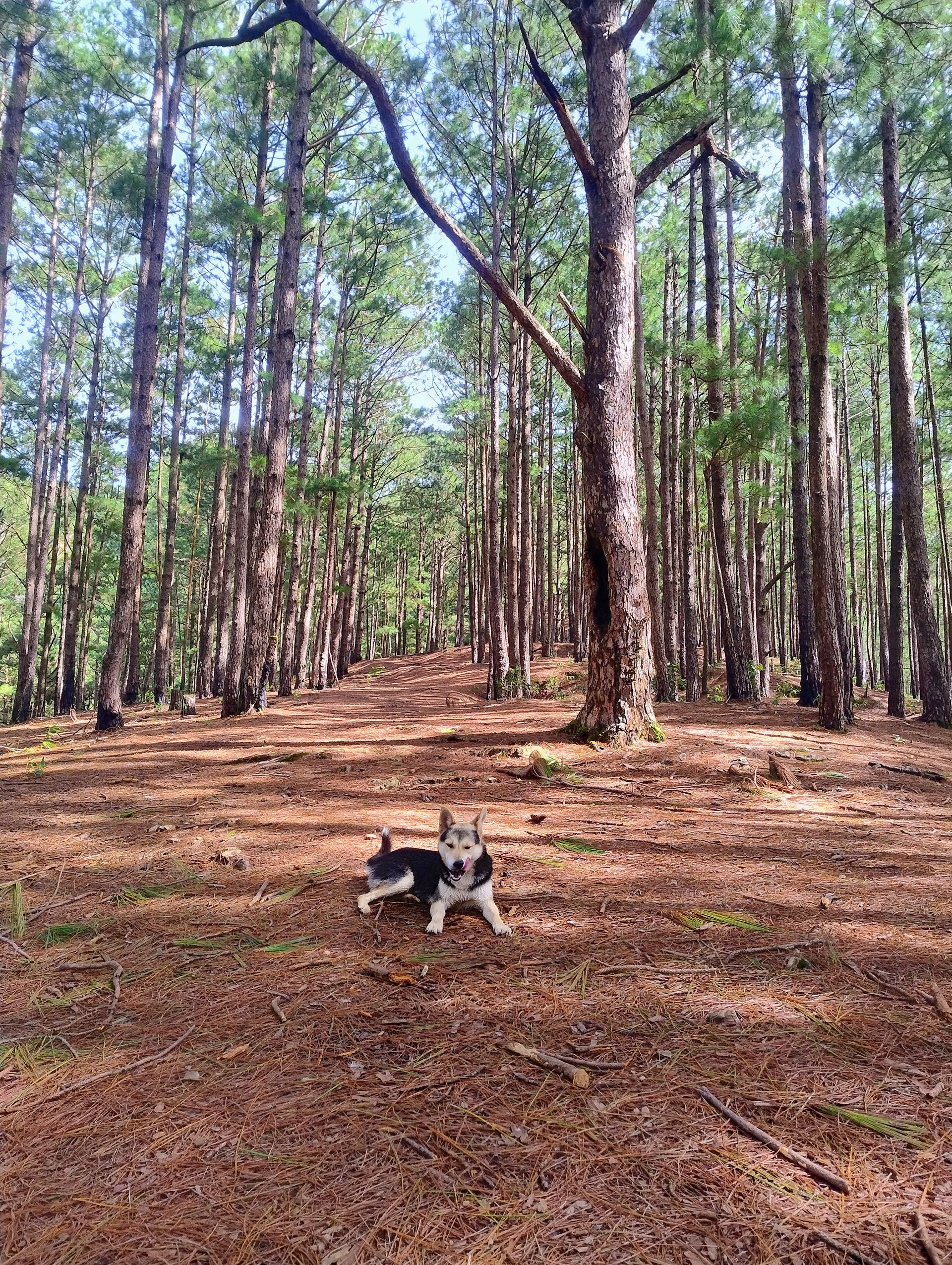
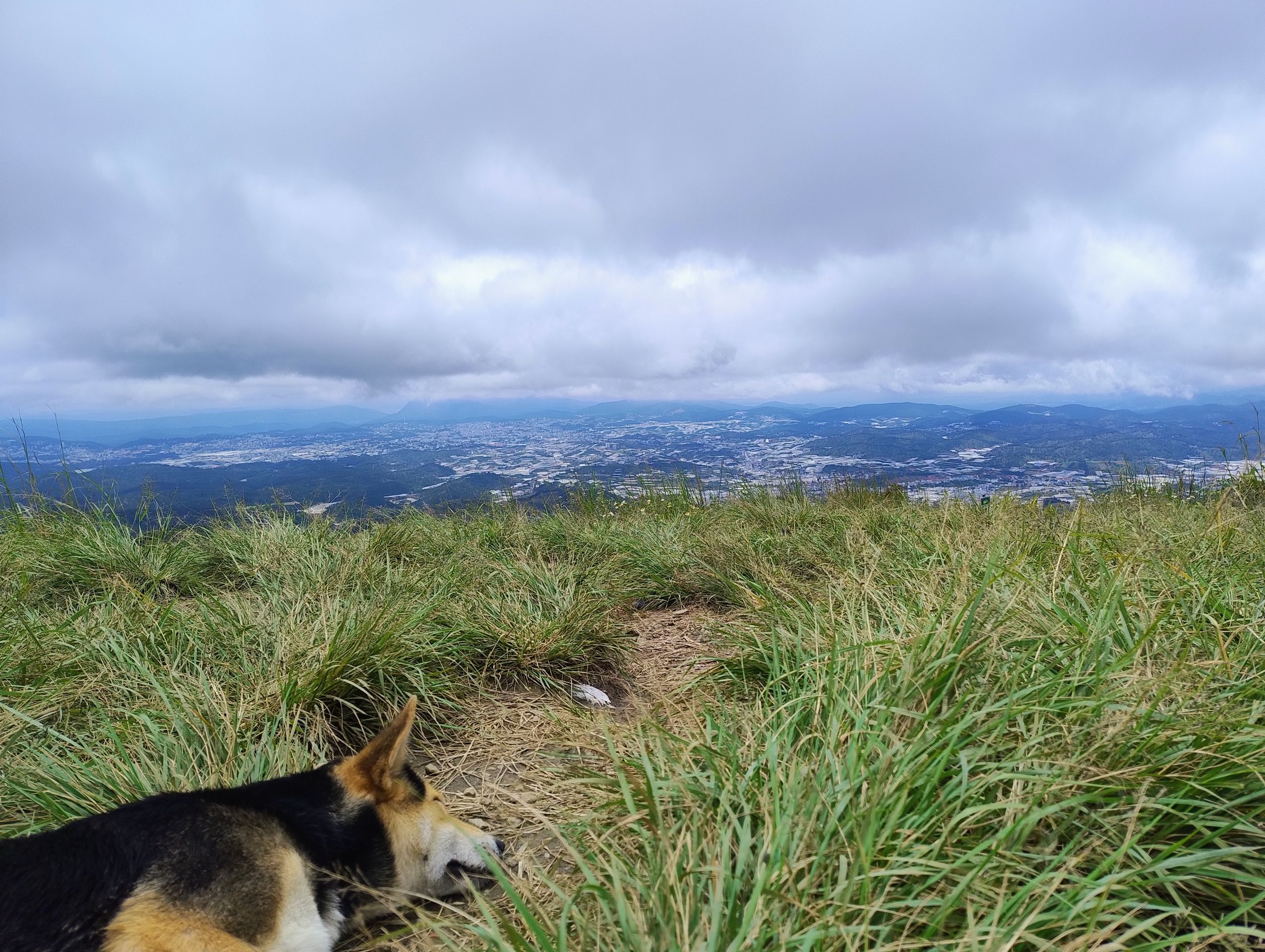
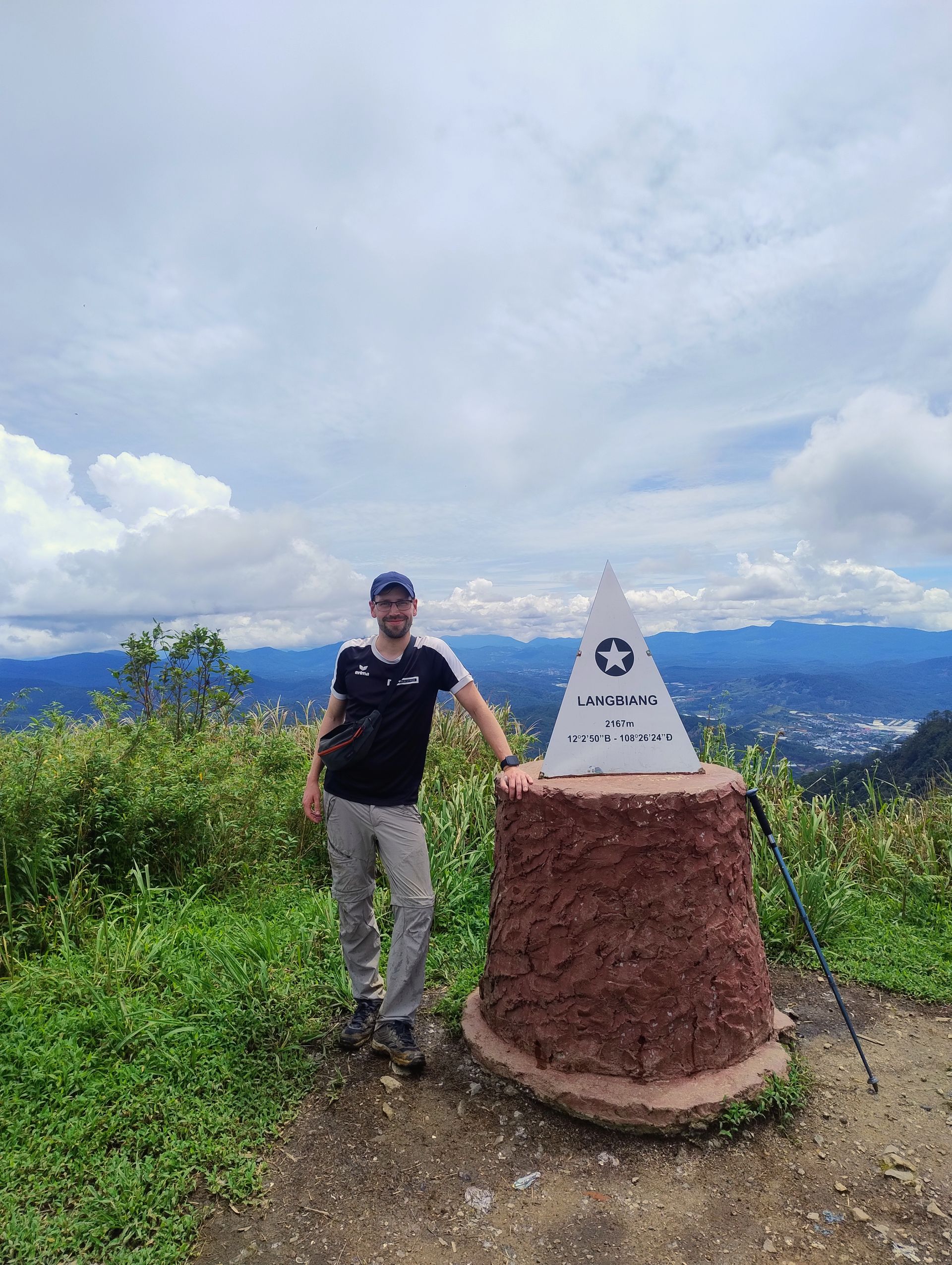
On the hiking tour up to Langbian, I am the only participant. Therefore, my guide, who has given himself the nickname Harry and is actually named Dong, picks me up directly on a motorcycle instead of the usual minibus. Right at the beginning of the trail, a stray dog joins us, named Bucky by a Vietnamese woman who also joins our group. The four of us quickly ascend the steep stair path, which is quite muddy due to the rainfalls of the past few days. The highest mountain in Central Vietnam is 2169 meters according to the summit sign, but according to Harry, it's something over 2500 meters. I'd rather not argue with him, after all, he carried all our provisions up. We make ourselves Báhn Mis, like at Subway - small baguettes filled with either seitan, tofu, etc., and various vegetables. French pastry with an upgrade. Only Bucky, as the only one, is a bit disappointed with the summit brunch and turns out to be a picky dog. He has an injured paw and has walked up the entire way on three legs. We go down with a detour over a lower mountain. Langbian is displayed there in large letters. This is just the smaller Rada peak, which tour groups can drive up to in jeeps. However, Bucky enjoys it up here so much that he stays exhausted in front of one of the food stalls. They at least promise meat scraps and no boring tofu rolls.
Our descent as a trio is no less entertaining. The two Vietnamese tell me a lot about the differences between the North and the South. I, on the other hand, try to dispel the stereotype that Germans are absolutely hard-working workaholics. Not at all. Why else would there be so many Germans abroad? With a maximum of ten vacation days a year, like in America, that wouldn't be feasible.
After five days of recovery in Da Lat, I set off and am back in my modus operandi. I'm not here for fun. Long-distance bus to Nha Trang, night train to Trà Kiêu, taxi to Hoi An, ferry to Cham Island, scooter to accommodation in the village Bai Huong.
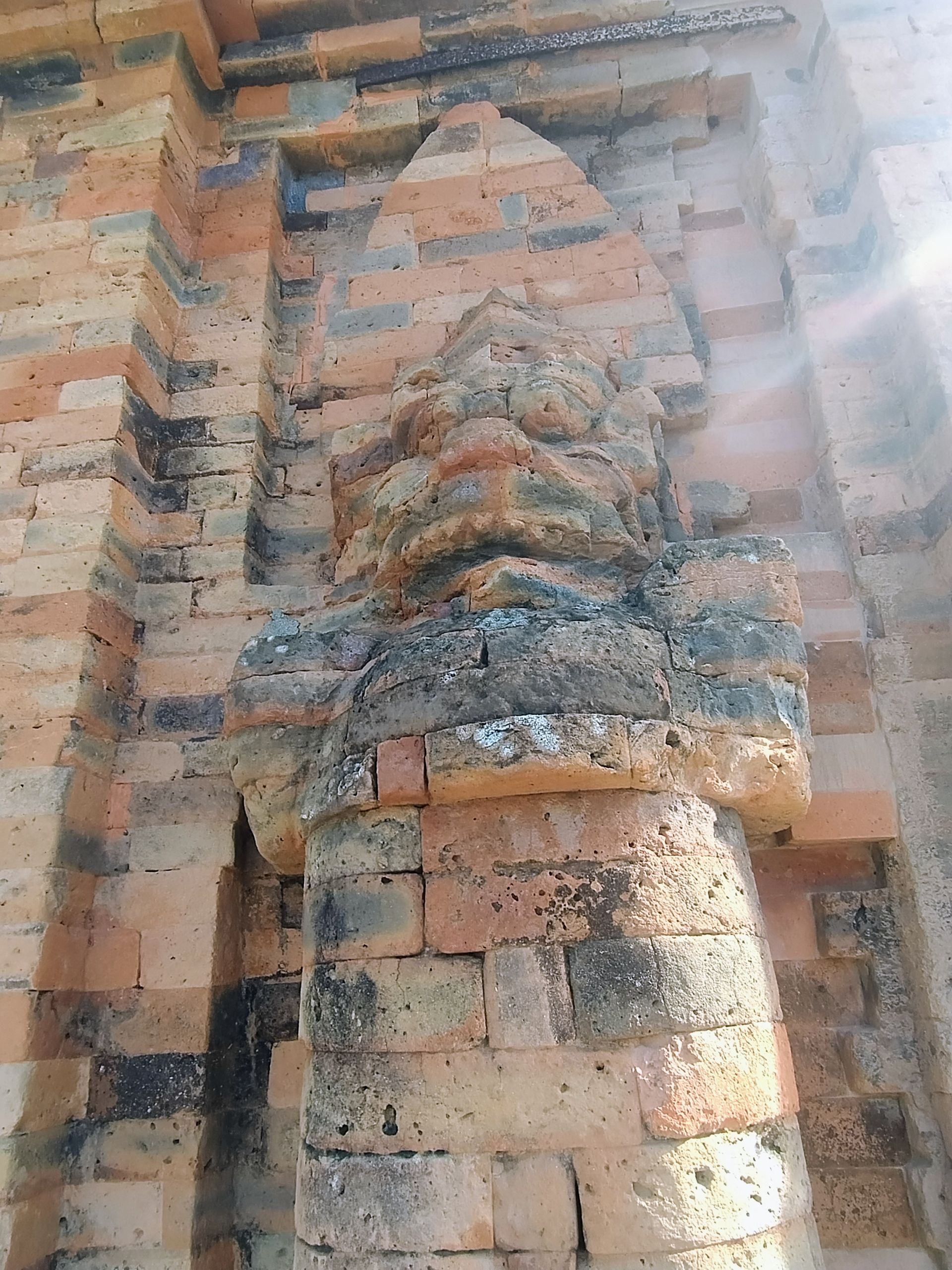
During my short stay in Nha Trang, I notice that the city is overcrowded with Russians. Even restaurant menus are in Russian. A Grab driver holds his display with my name up to confirm: 'Da?'. In Po Nagar, a ruin of the ancient Cham (the rivals of the Khmer Empire), a annoyed guard warns a blonde woman who, despite clear pictograms inside the temple, pulls out her phone camera: 'net fotografiy'.
I'm glad to leave the coastal town full of malls, resorts, and high-rise hotels on a sleeper train. The conductor only briefly looks at his passenger list and then into my compartment. I am the only one here with a difficult-to-pronounce name, and he gives a thumbs up: 'Max Im Lian?'. - 'Yes, that's me.'