Malang
After we were all healthy again and had adjusted to the new flow on the island of Java, we continued by train eastward to Malang. The infrastructure in Java is significantly...

Published: 16.04.2026
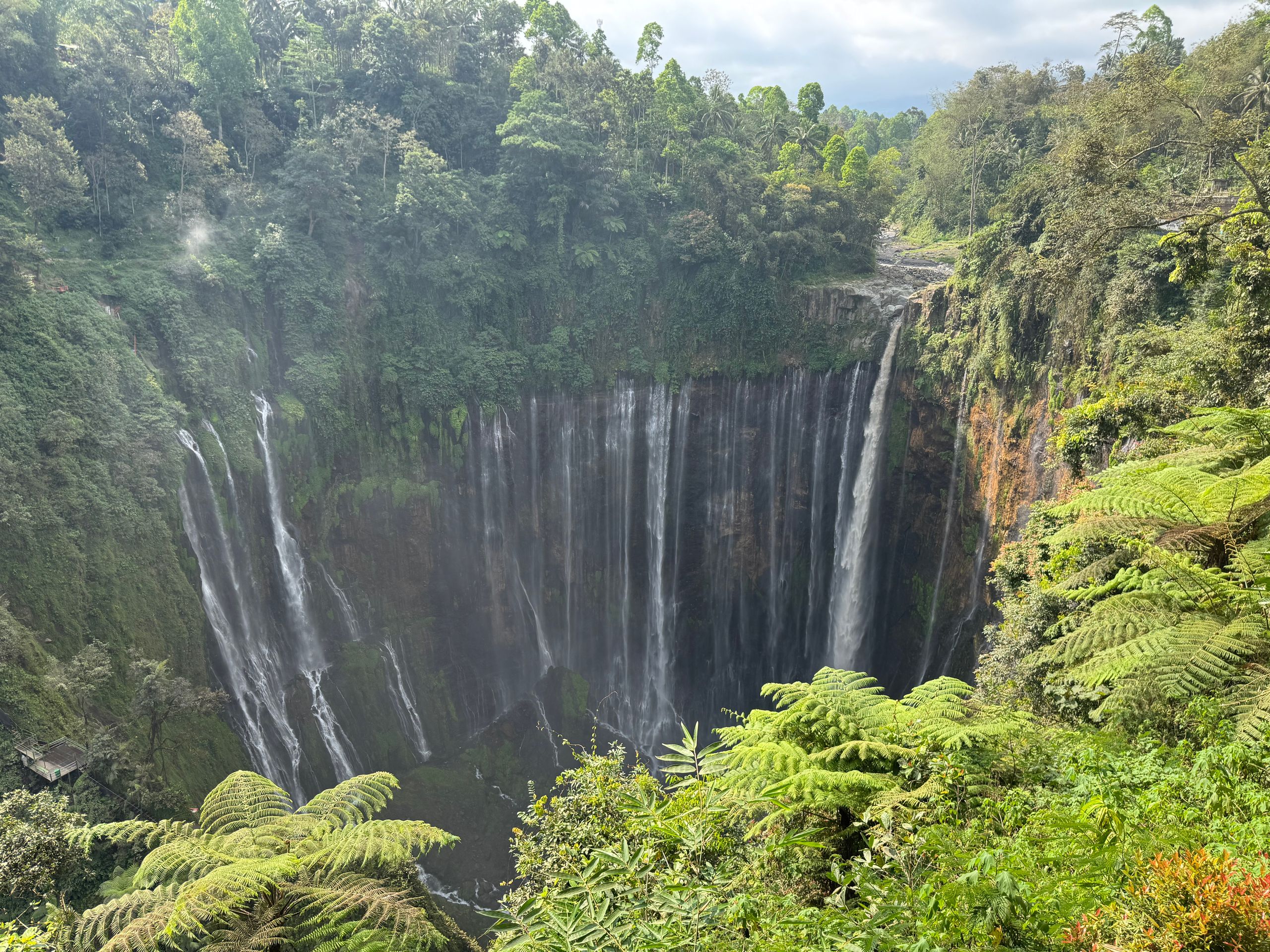
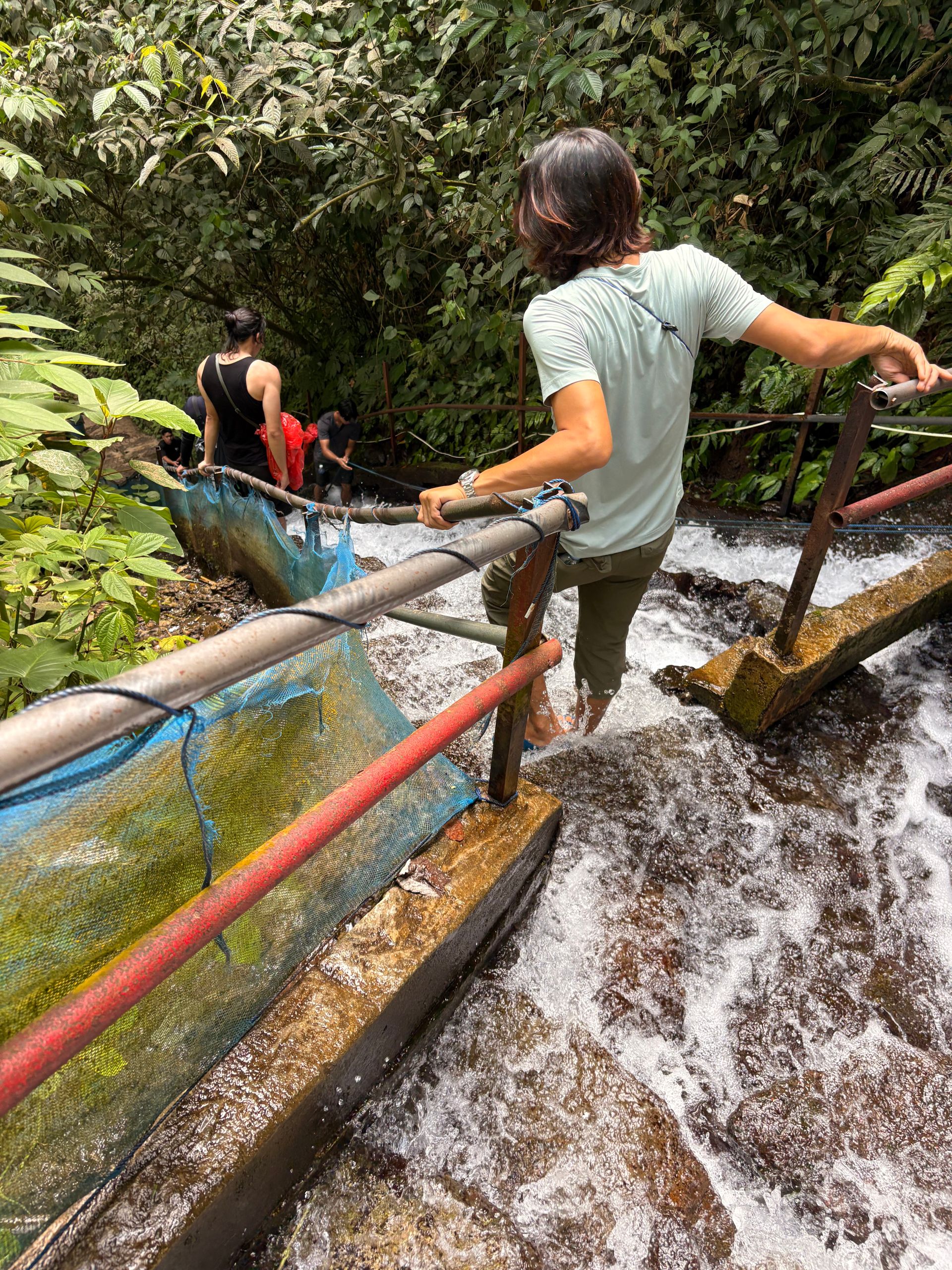
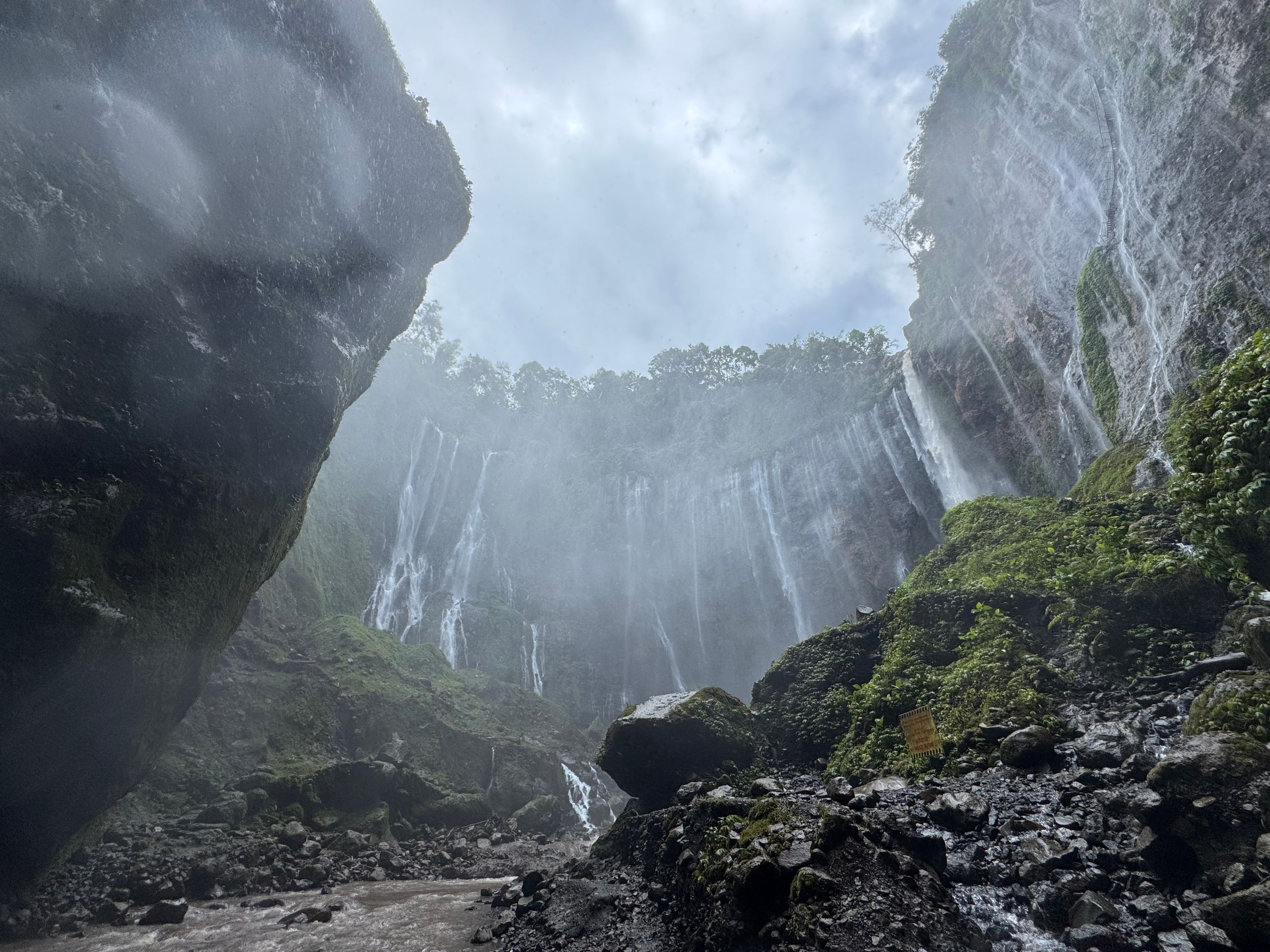
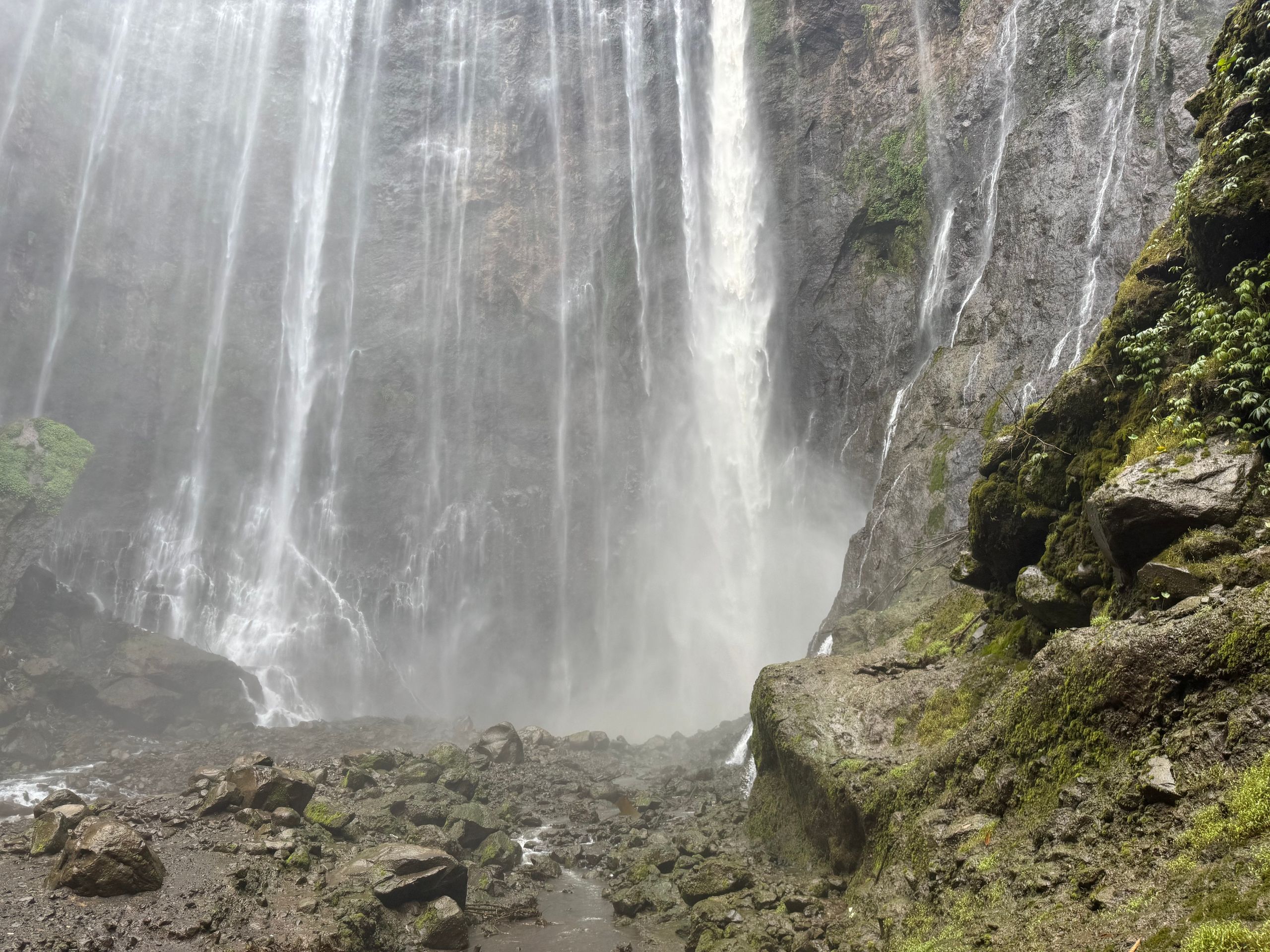
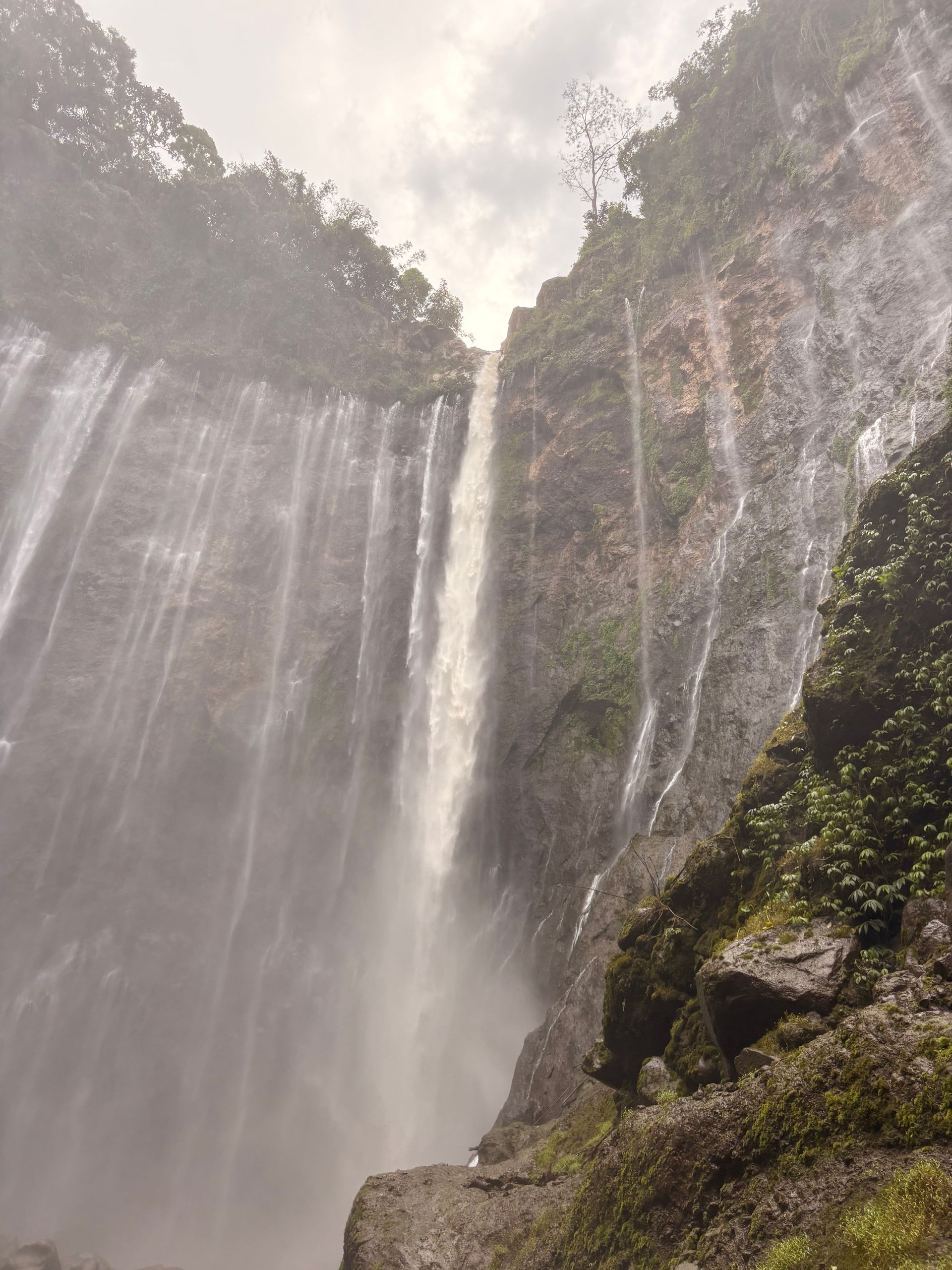
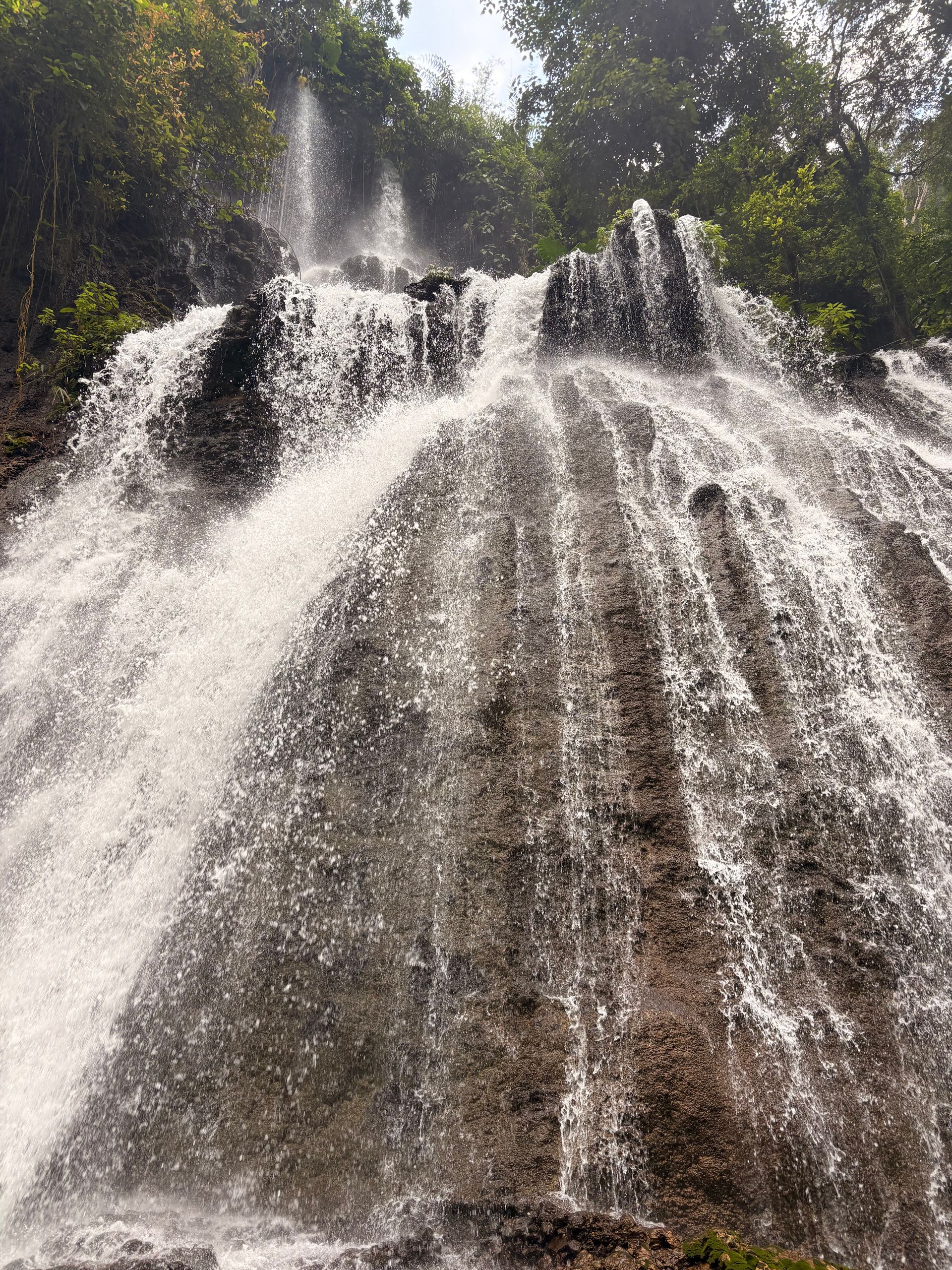
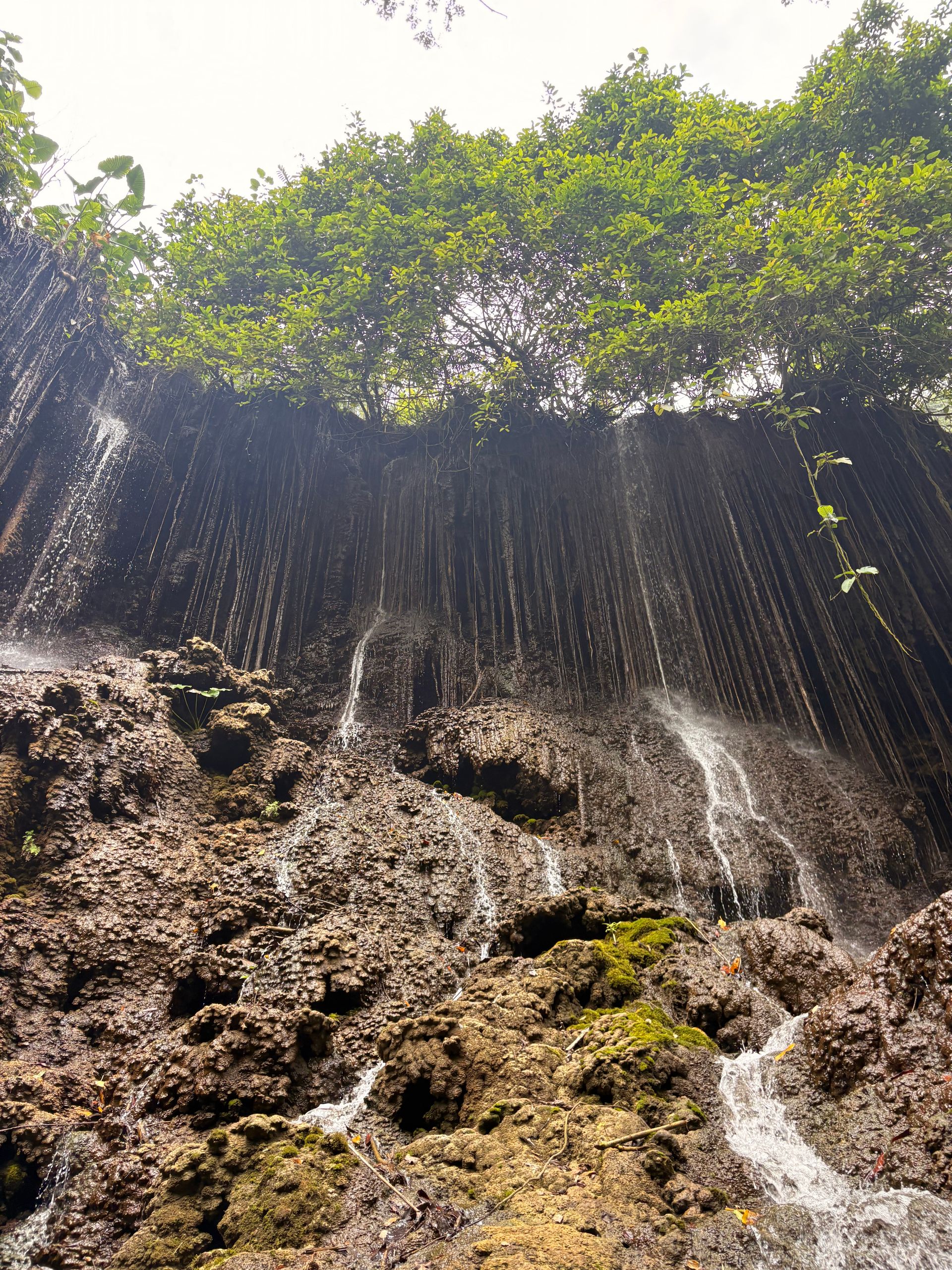
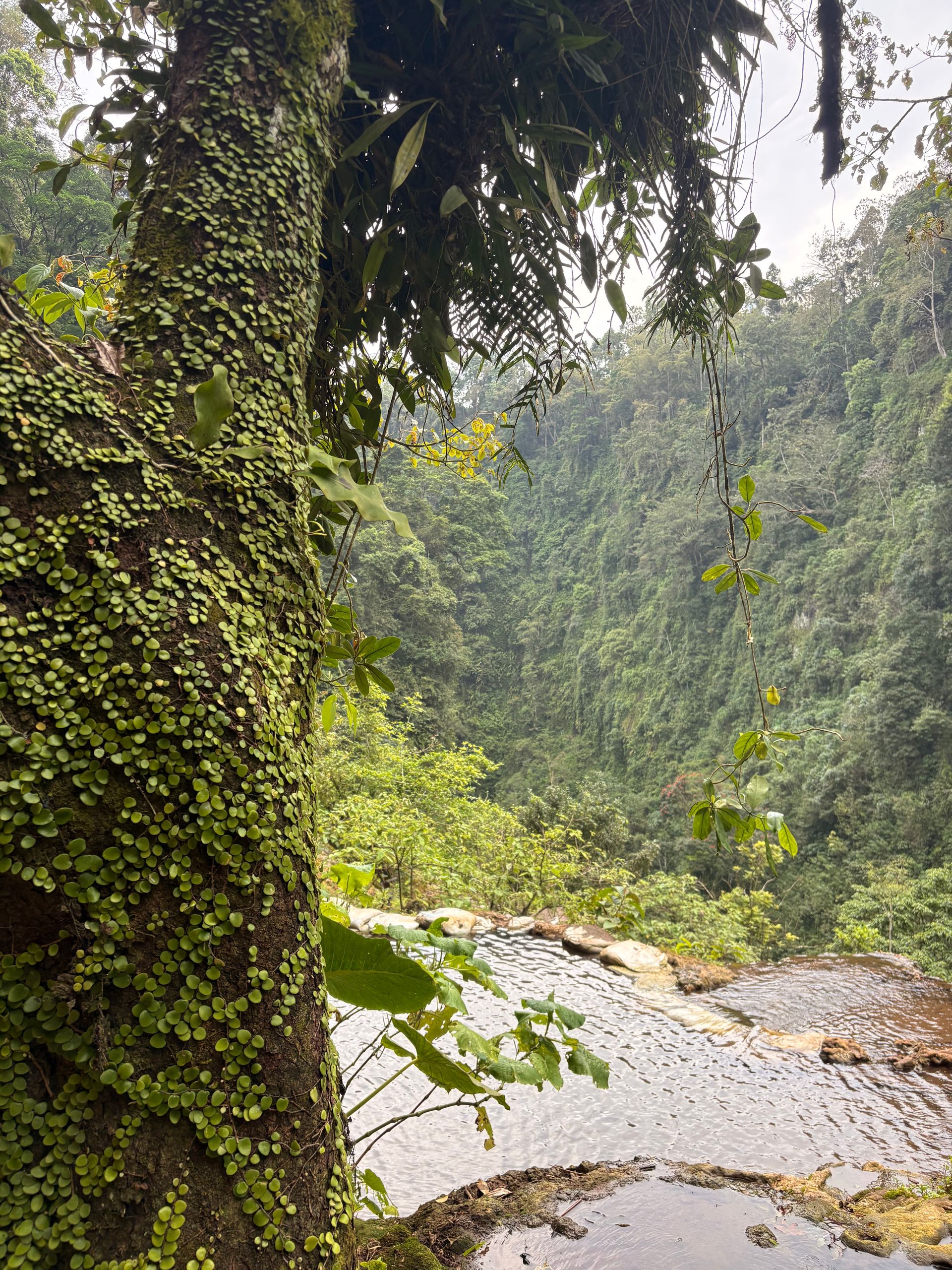
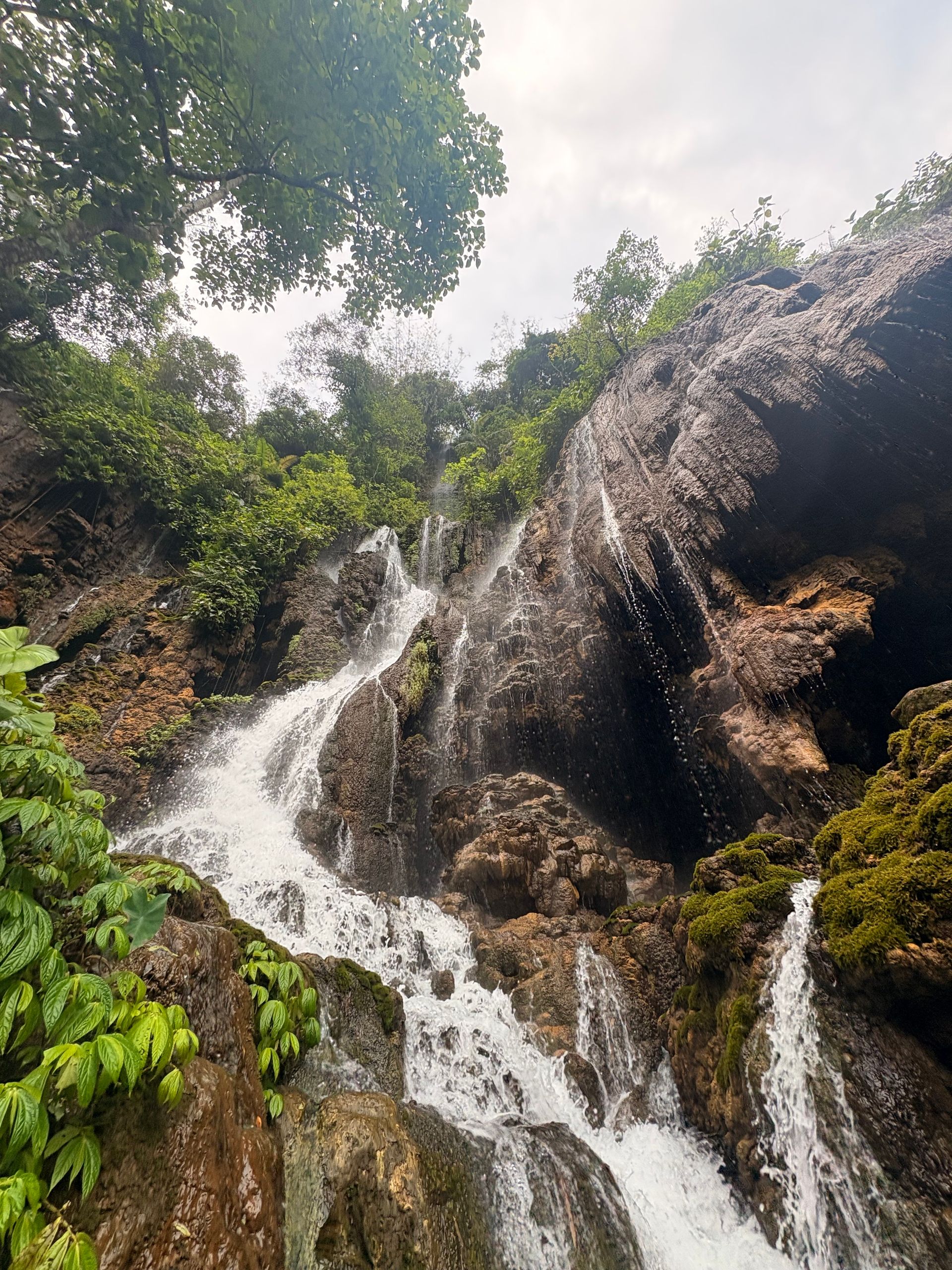
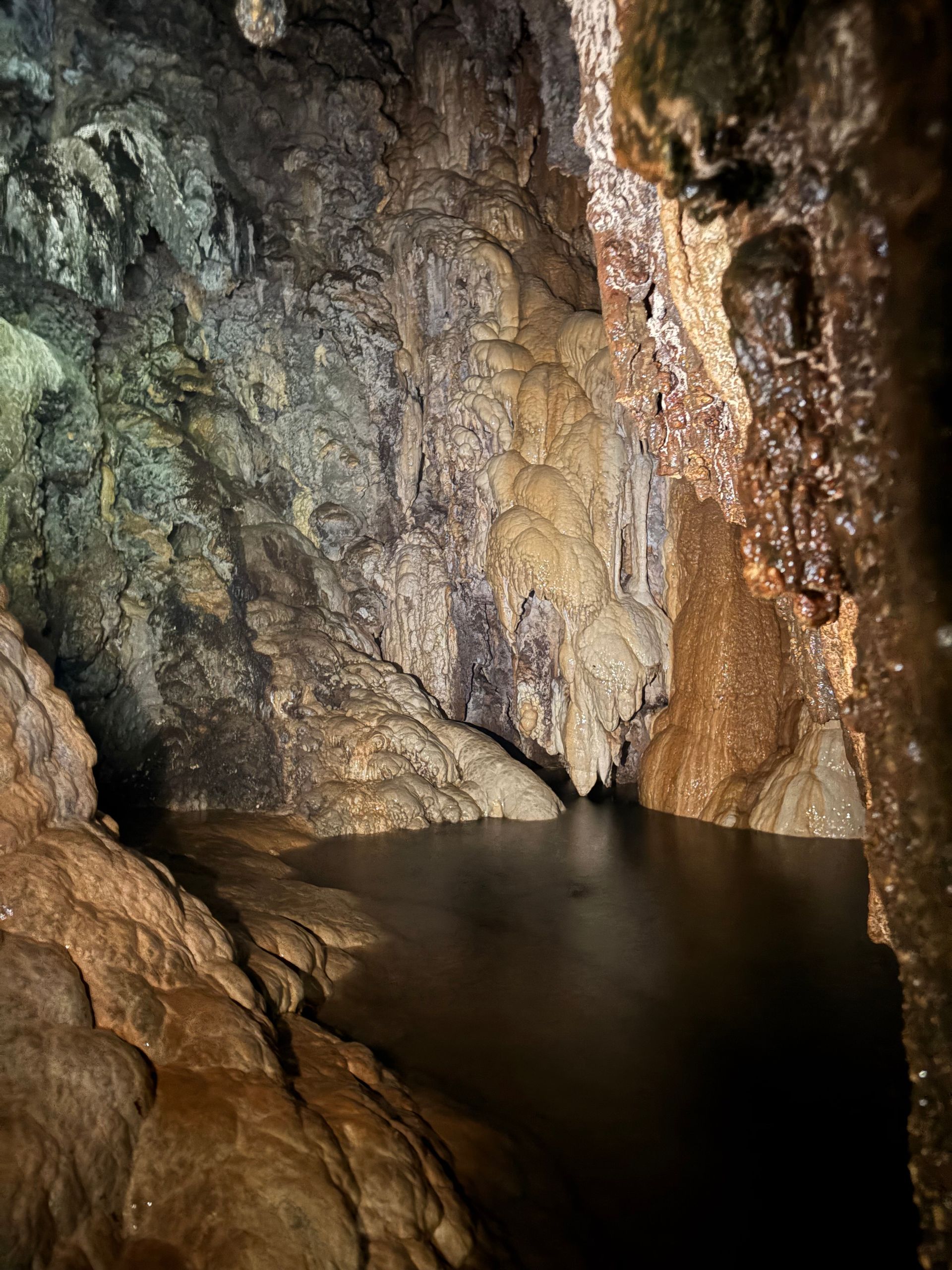
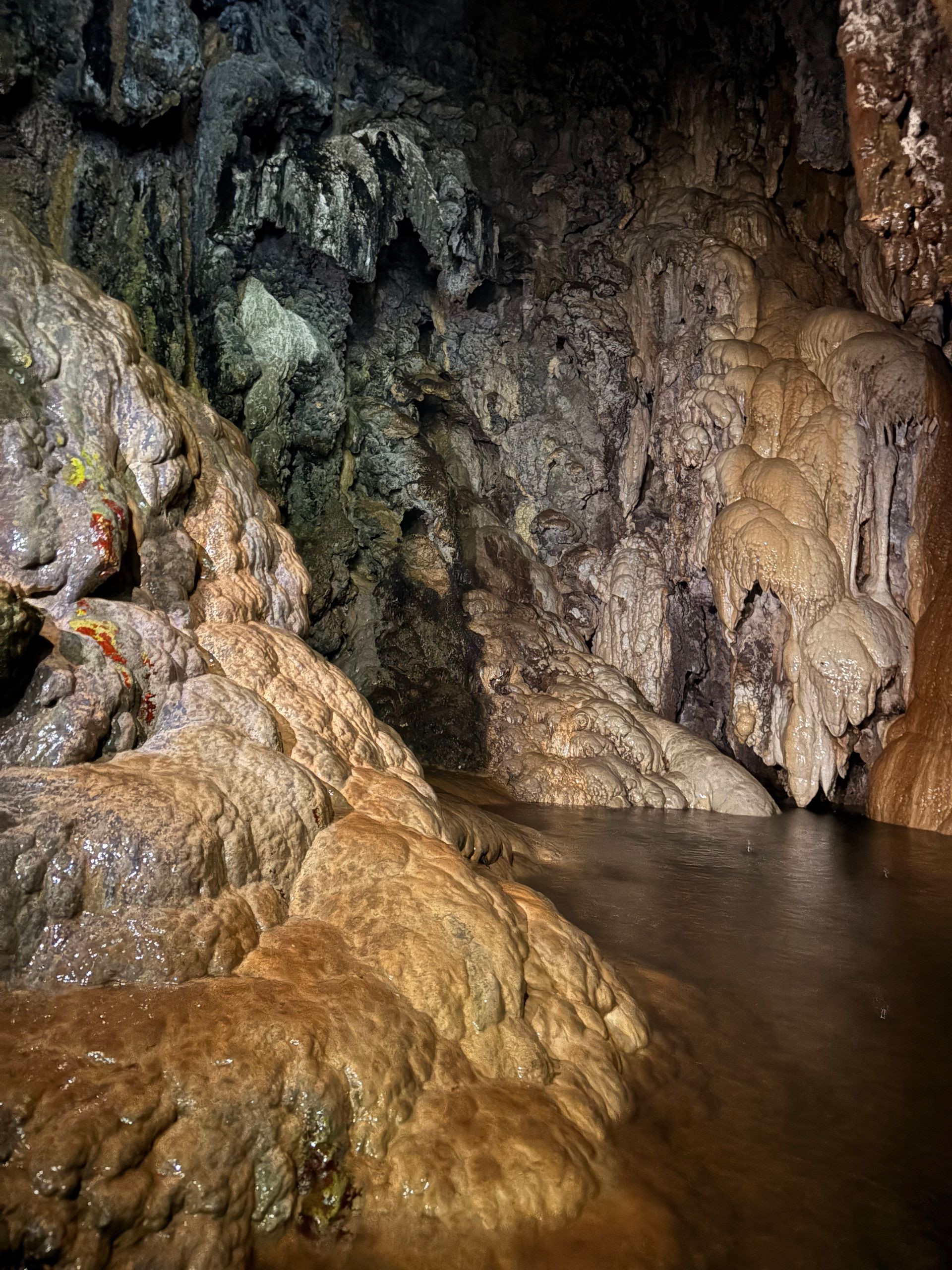
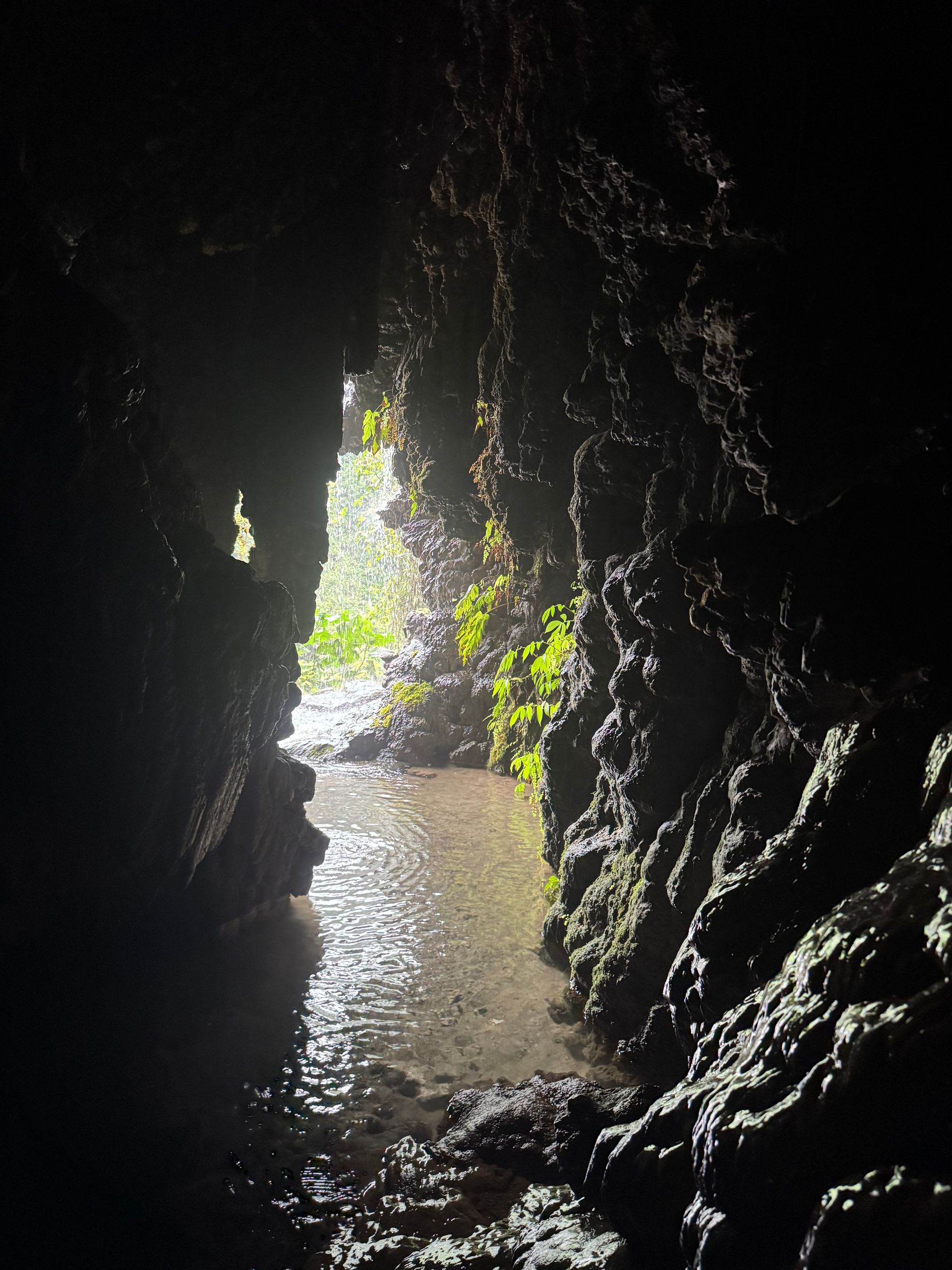
From Malang, we continued eastward to Lumajang, where we stayed at a small hostel in the middle of nowhere. In the area, many signs pointed towards various waterfalls, but we focused on the most famous ones - Tumpak Sewu, translated as 'thousand waterfalls'. And that was not an exaggeration; water flowed everywhere and from all sides. A small path - very Indonesian and somewhat dilapidated, not always recognizable as such - led into the valley. We had to cross small rivers and waterfalls repeatedly, making the hike quite challenging for us with our shoe choice (flip-flops), whereas Indonesians seemed to navigate effortlessly regardless of their footwear and the terrain. Half-finished (and once again dilapidated) stair constructions appeared out of place, ending abruptly on the steep slopes of the opposite side of the valley. We were informed that this marked the beginning of another administrative zone or community that would also like a share of the tourism profits. Let’s hope everyone can agree without further ruining the beautiful valley. Once we reached the bottom, we were truly impressed; the cascading water from all sides created strong winds and roaring noise. We then continued inward in the valley to Goa Tetes, a few caves, still surrounded by various waterfalls and river flows that needed to be crossed, and finally found another way back out of the valley. Amazing! And we were incredibly lucky to be there in the afternoon, away from the crowds of other tourists, so we had most of the time completely to ourselves.
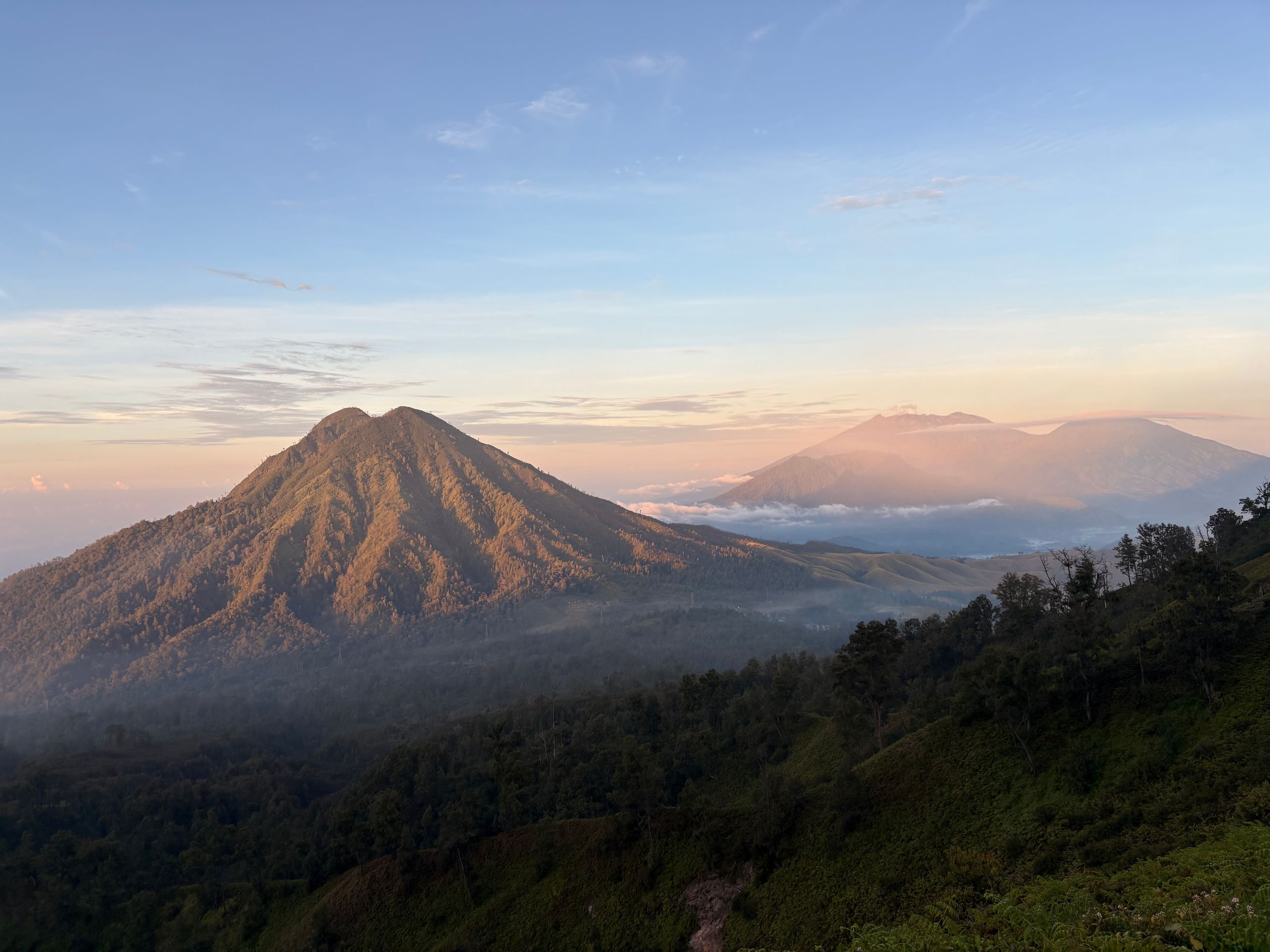
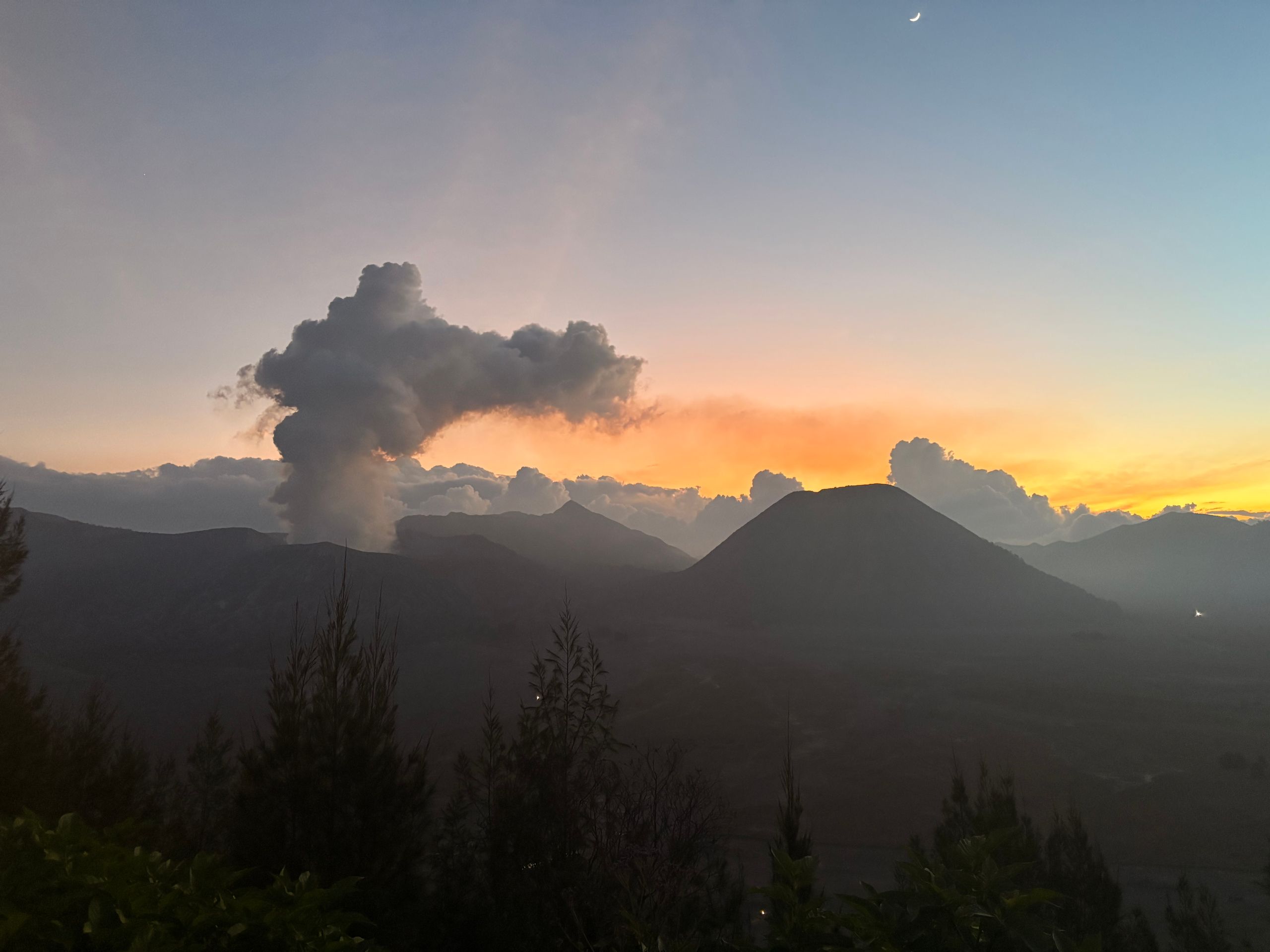
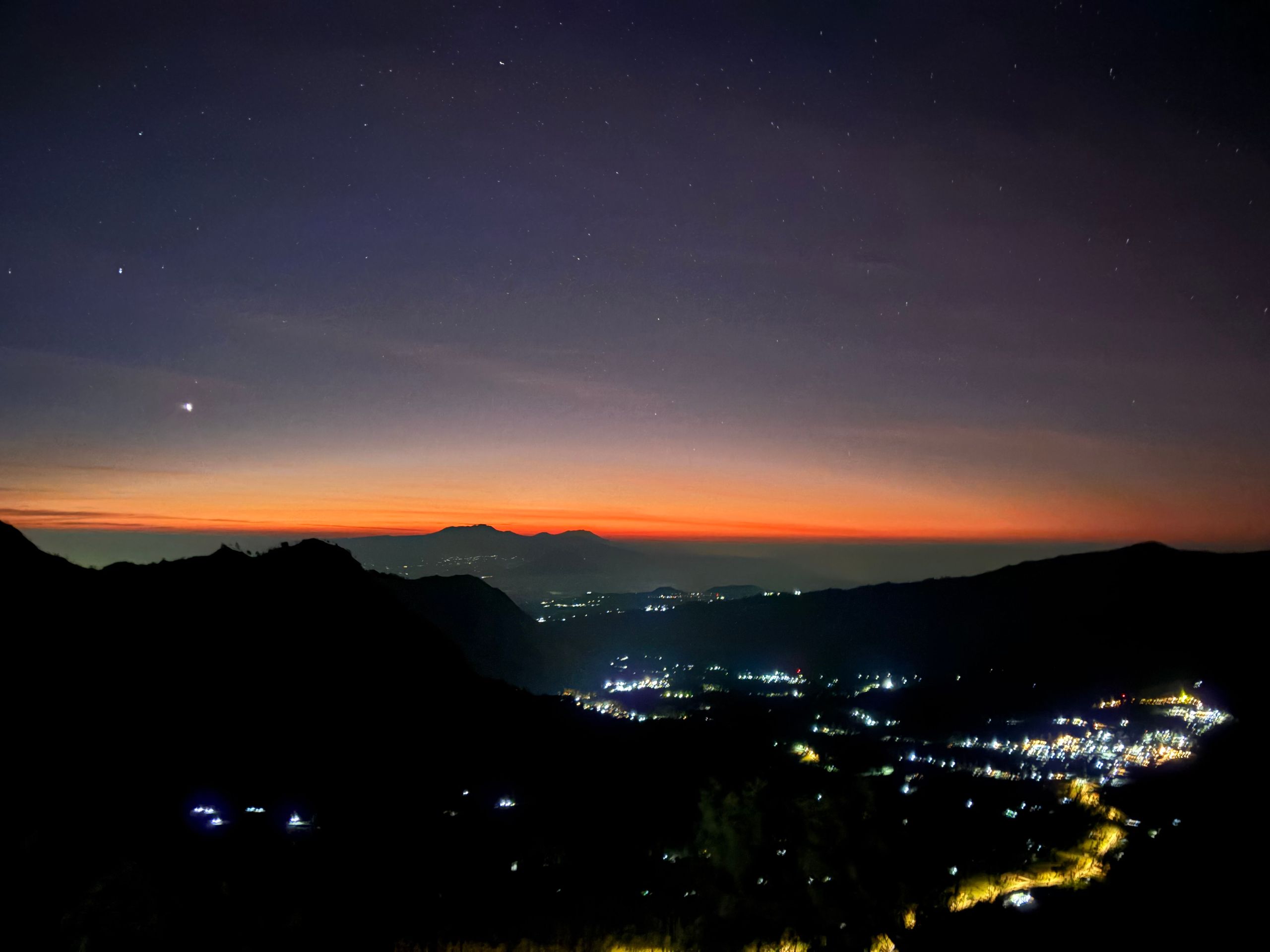
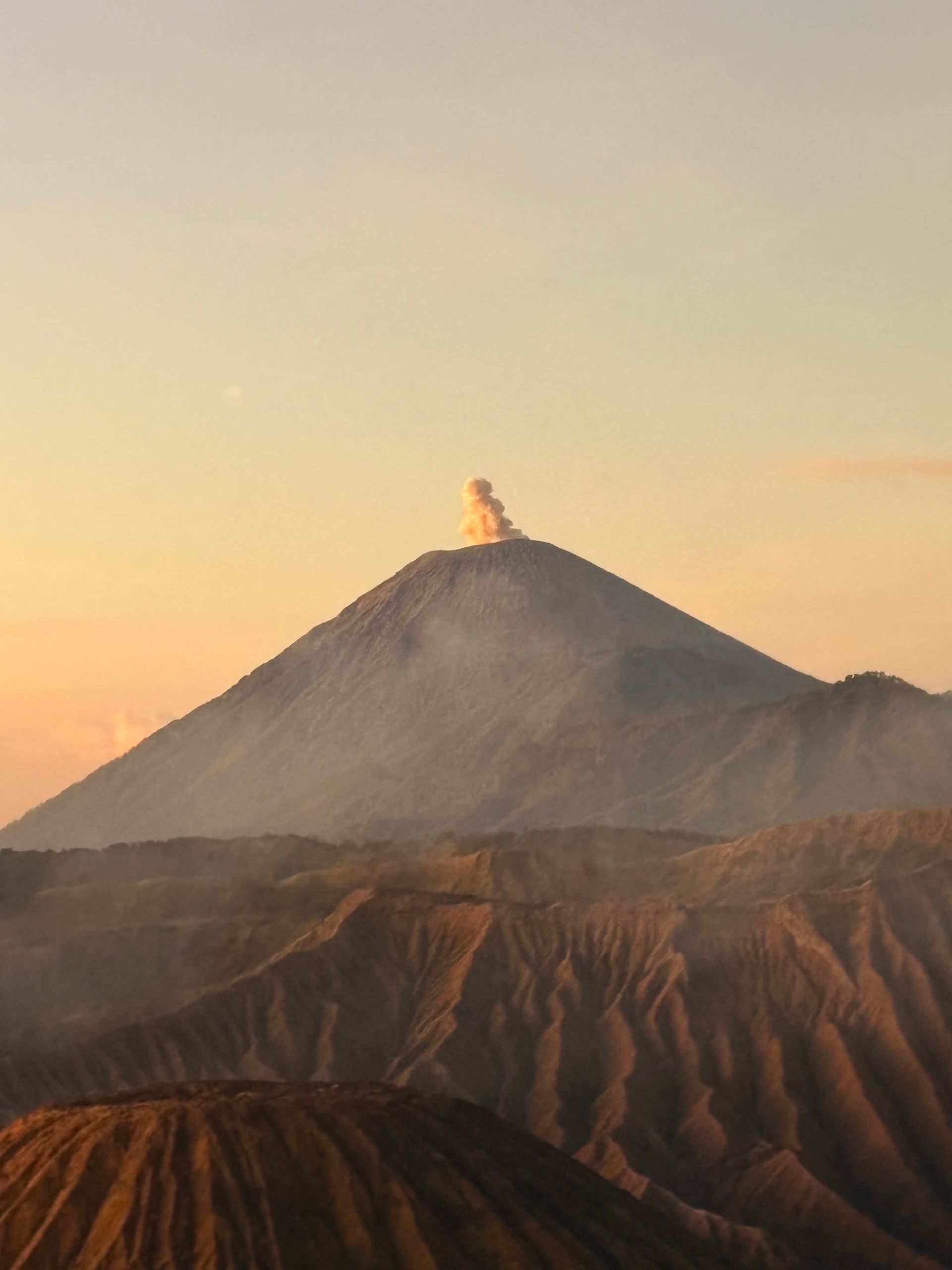
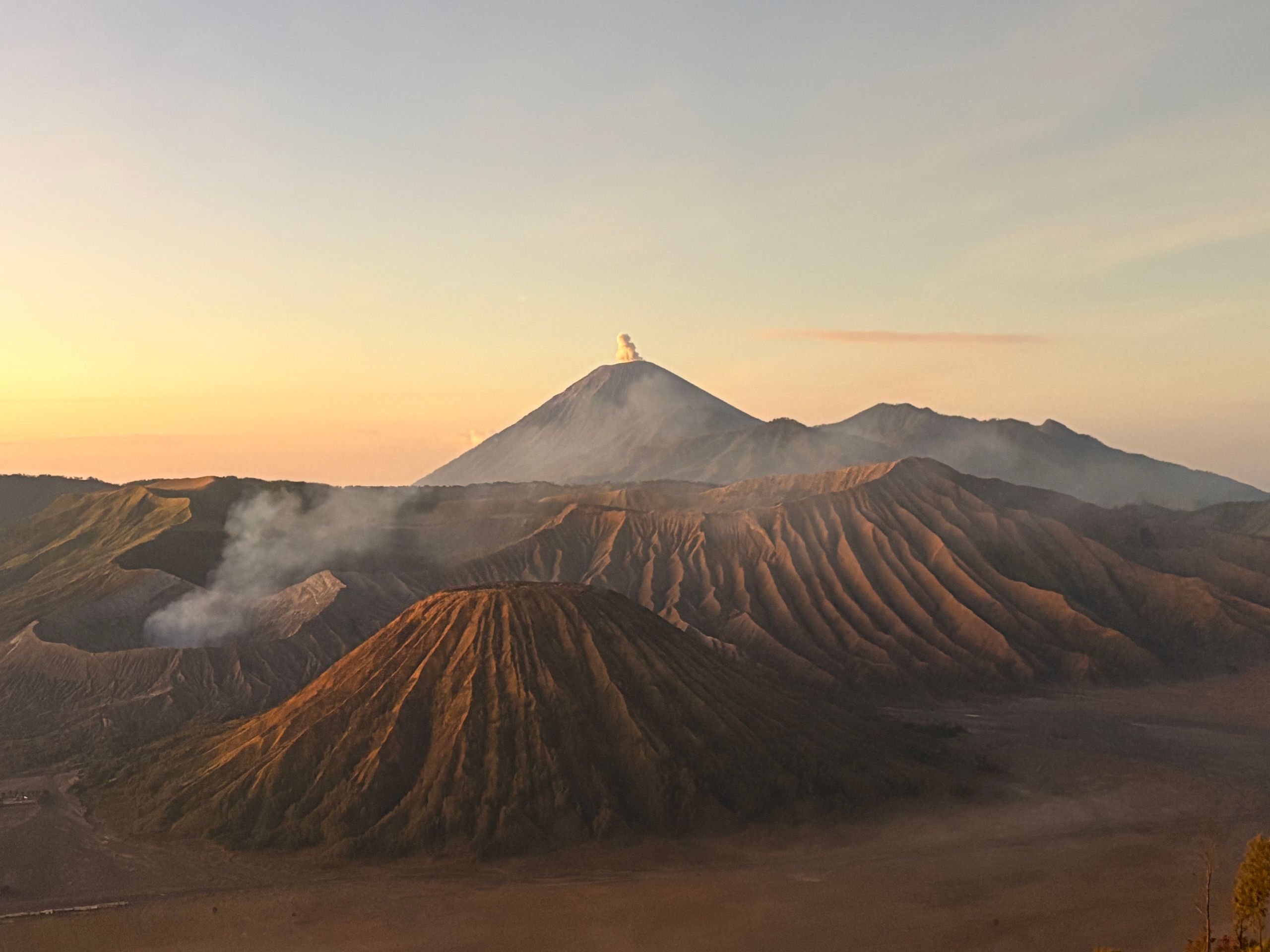
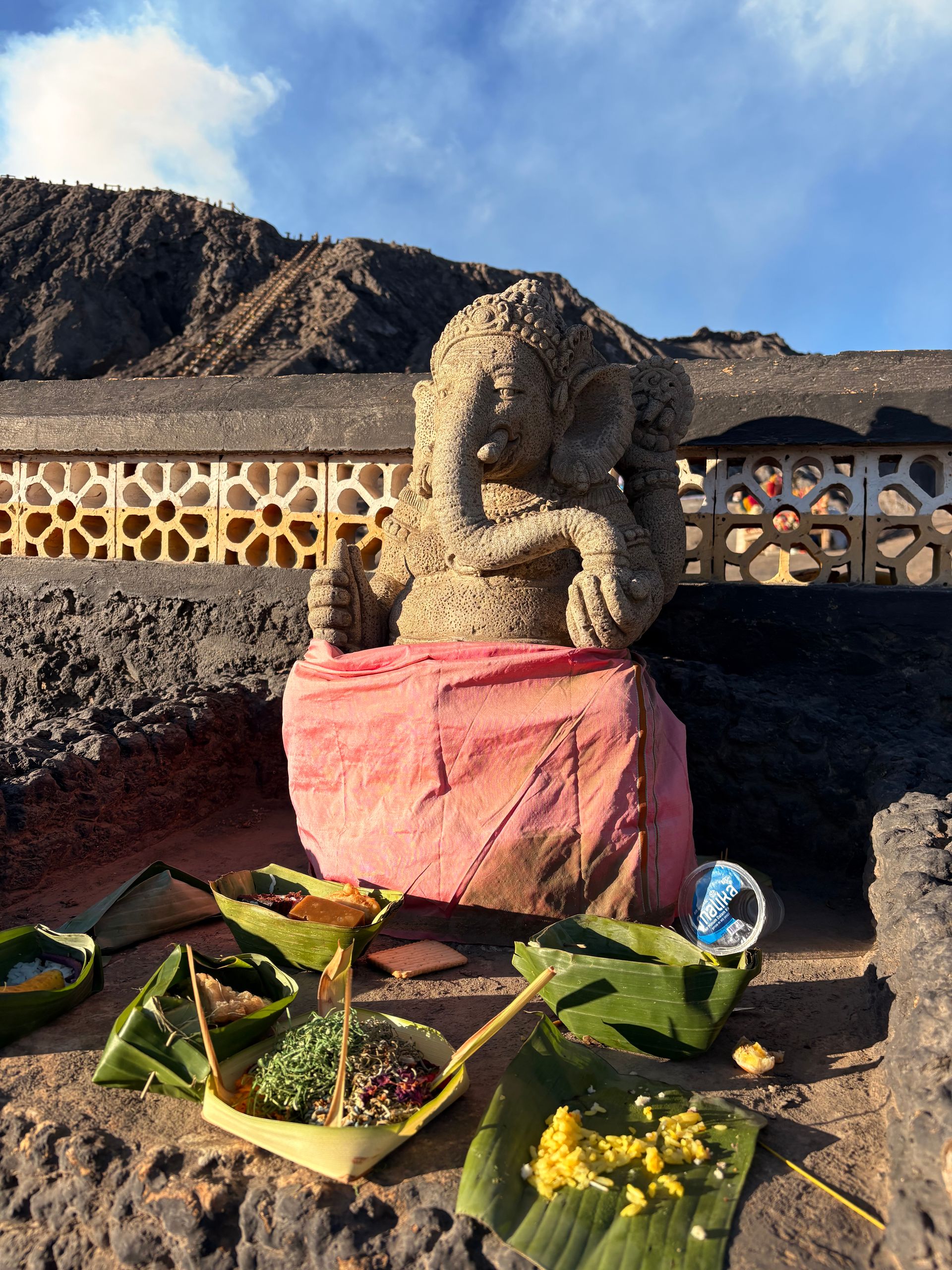
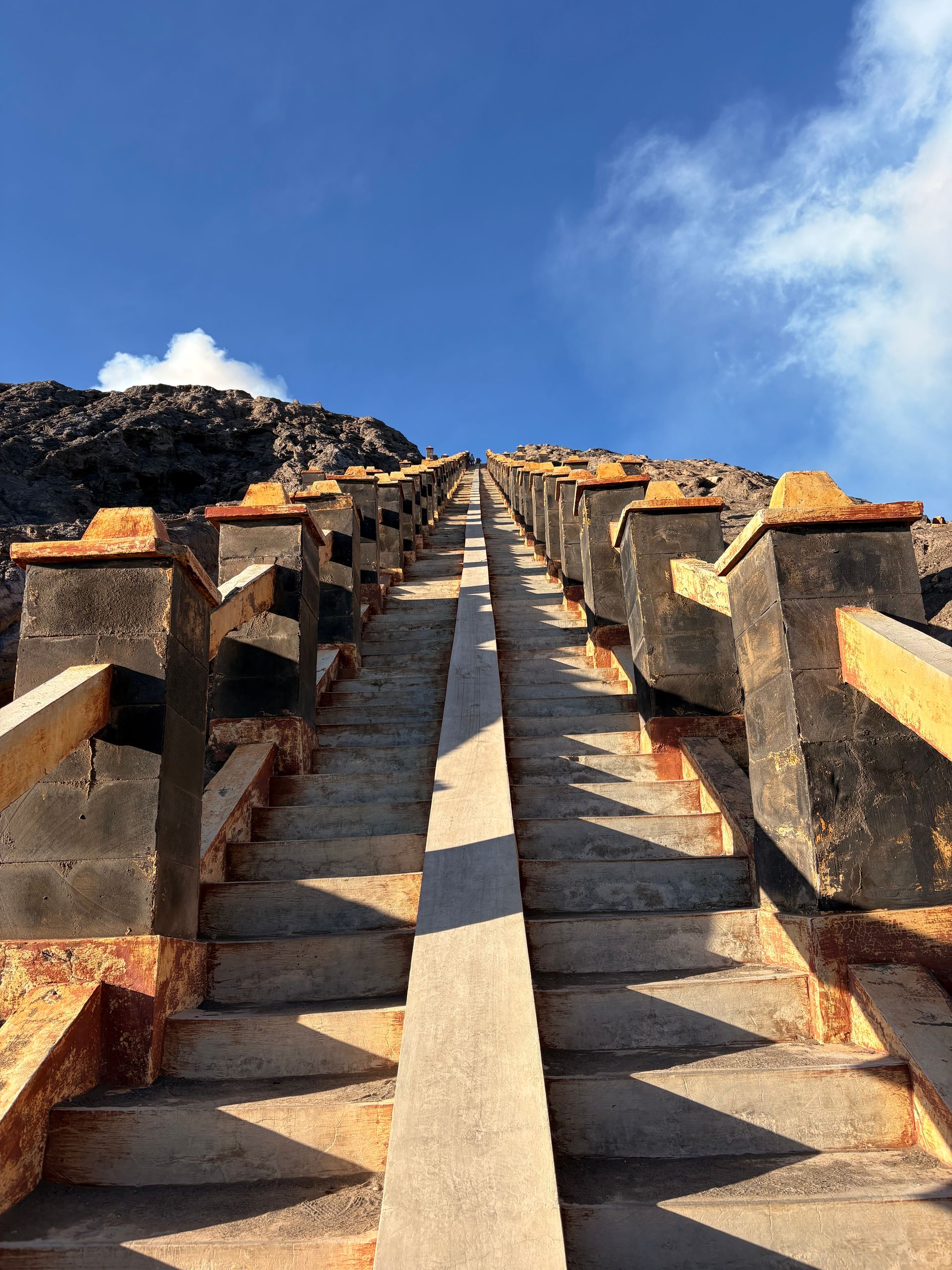
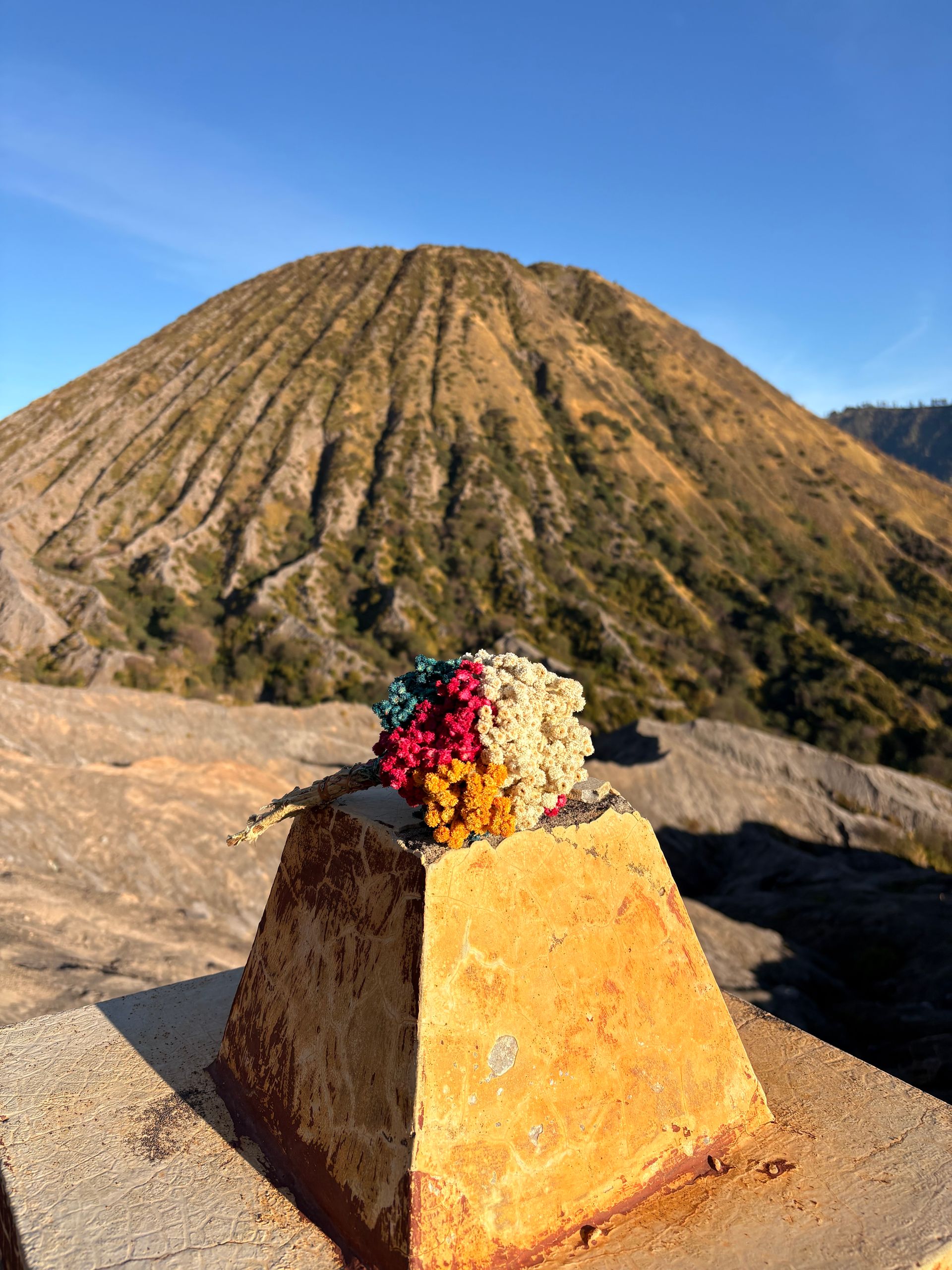
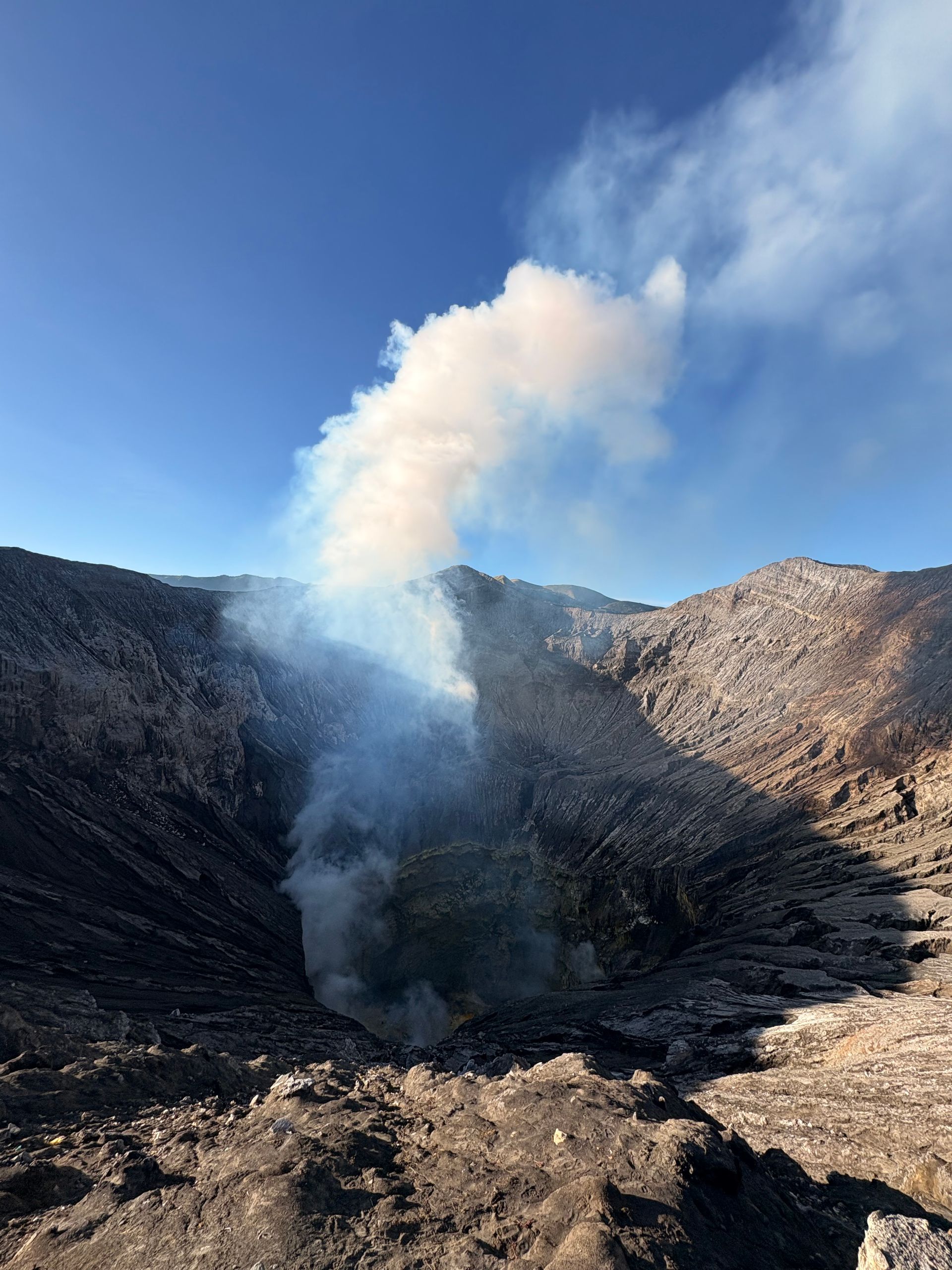
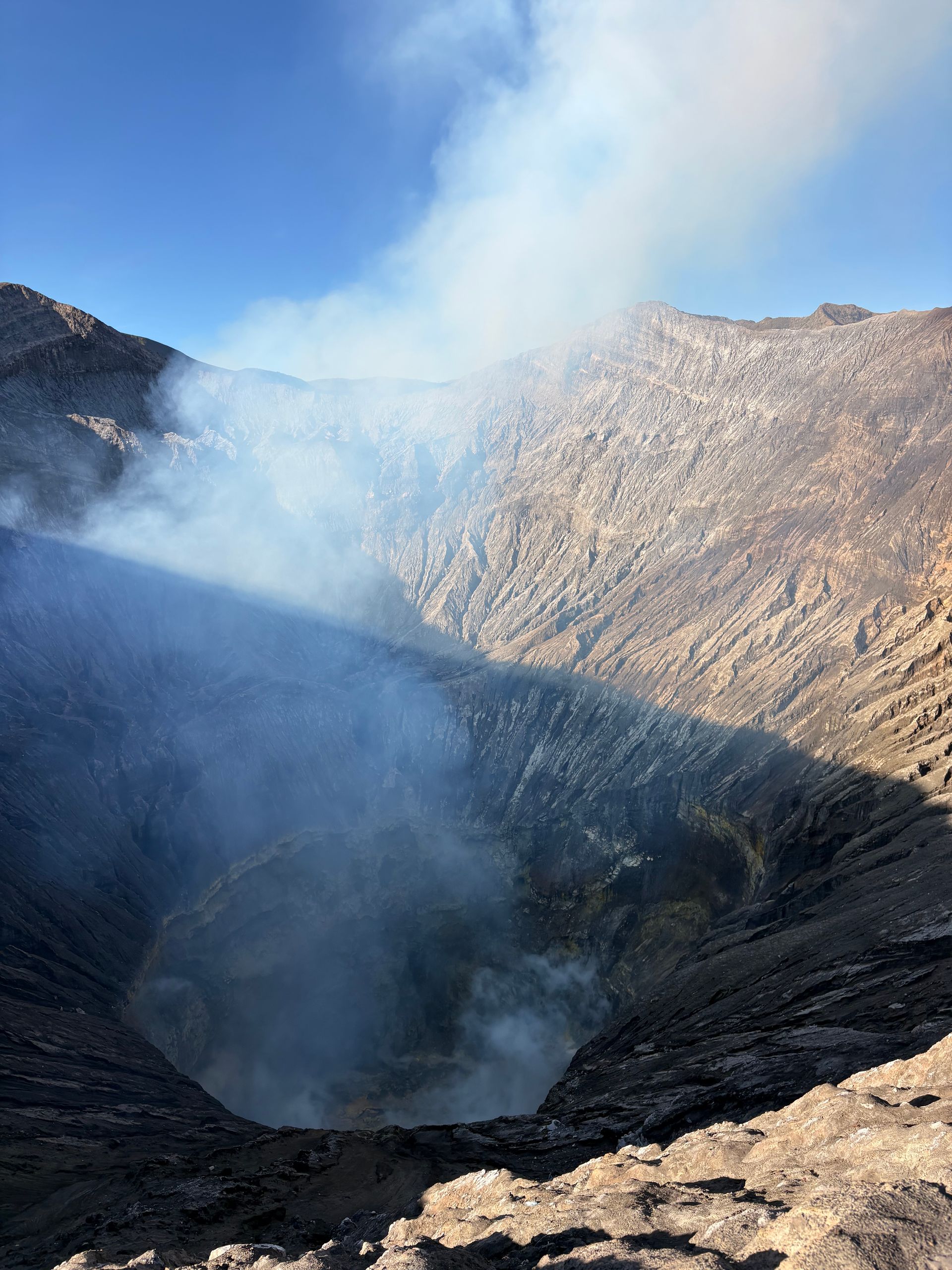
The next morning, we relaxed through villages and across the land towards the Bromo-Tengger-Semeru National Park. In the afternoon, during a walk, we could already see great views of the vast Tengger Caldera and the Sea of Sand, as well as the volcanoes contained within. By the way, the people living here are also called Tengger. Then we went to bed early because at three in the morning, we were picked up by a museum-worthy jeep for a wild ride with lots of curves to get slightly ahead of the crowds to the viewpoint Bukit Cinta, where we wanted to admire the volcanoes Bromo, Semeru, and Batok at sunrise. It was quite chilly, and it got really crowded, but that didn’t bother us as we had found a nice spot in the front row and quietly sipped our hot tea. We're pretty sure that at this small mountain during sunrise, there’s the highest density of Toyota Land Cruisers in the world, as many had to park half down the hill due to the lack of parking spaces on the roadside and hindered one another with wild maneuvering. Beyond the fact that, in our opinion, the roads didn't necessarily require a jeep and could be managed more efficiently, so many jobs are being created for locals. Behind us were many other tourists, and in front of us a wonderful view. Gradually, the smoking behemoths emerged from the darkness like something from another planet. Just before the crowds began to move, we made our escape and woke up our driver so we could smoothly leave the viewpoint without getting stuck in traffic. We headed back into the caldera to climb the rumbling Bromo, which had a steep and straight staircase leading to the crater rim. Here we were practically alone, as most others were stuck in the jeep traffic. The higher we went, the louder the rumbling became; ash, vapors, and smoke filled the air. The interior of the earth became visible and audible. By the way, the name Bromo comes from the deity Brama; the mountain is considered sacred and is an important pilgrimage site. Looking from the narrow rim into the crater and hearing the mountain roar, a bit of divine assistance doesn’t seem so bad to keep the natural forces in check. After that, we went for breakfast and continued to Banyuwangi, far in eastern Java.
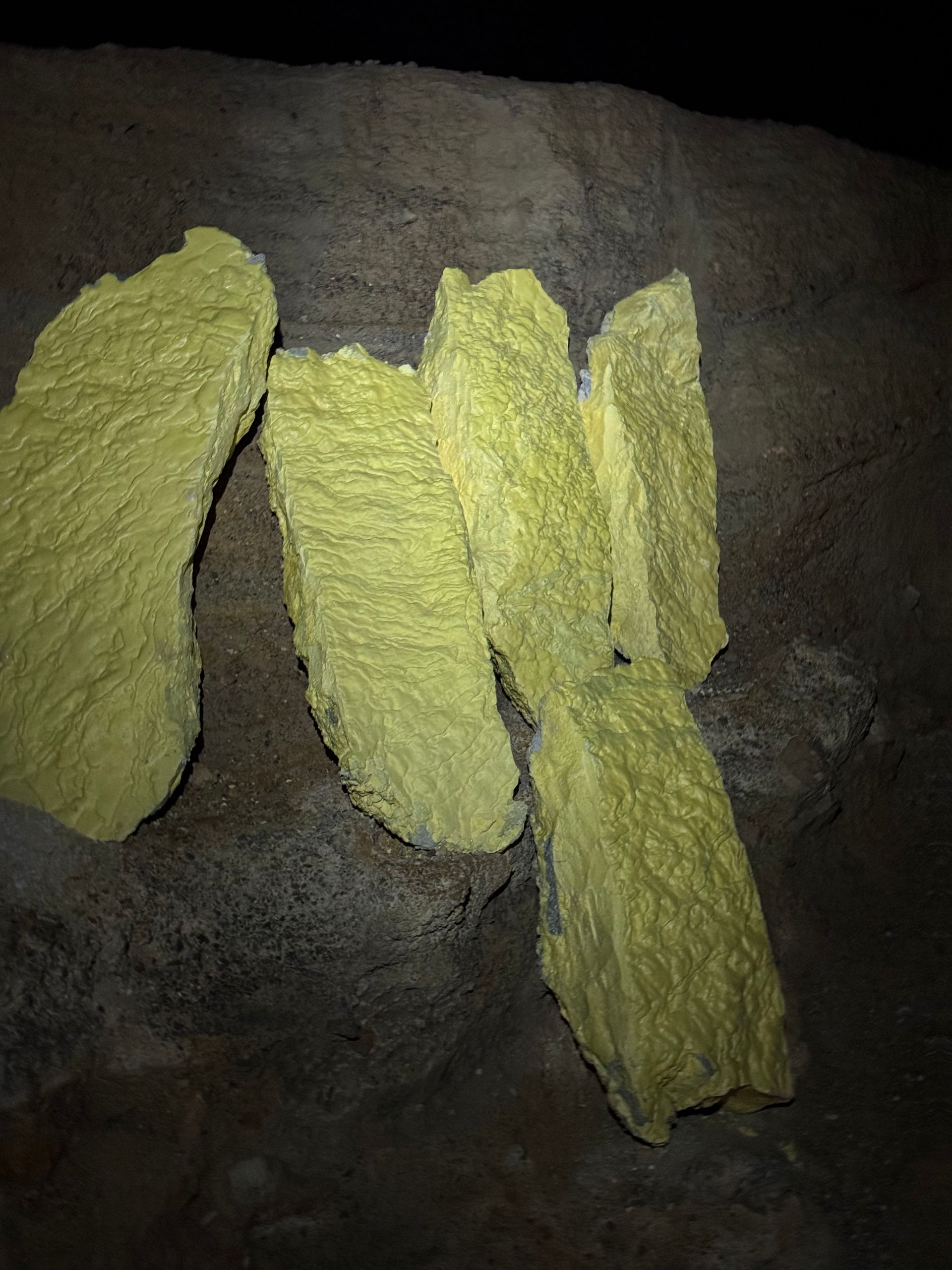
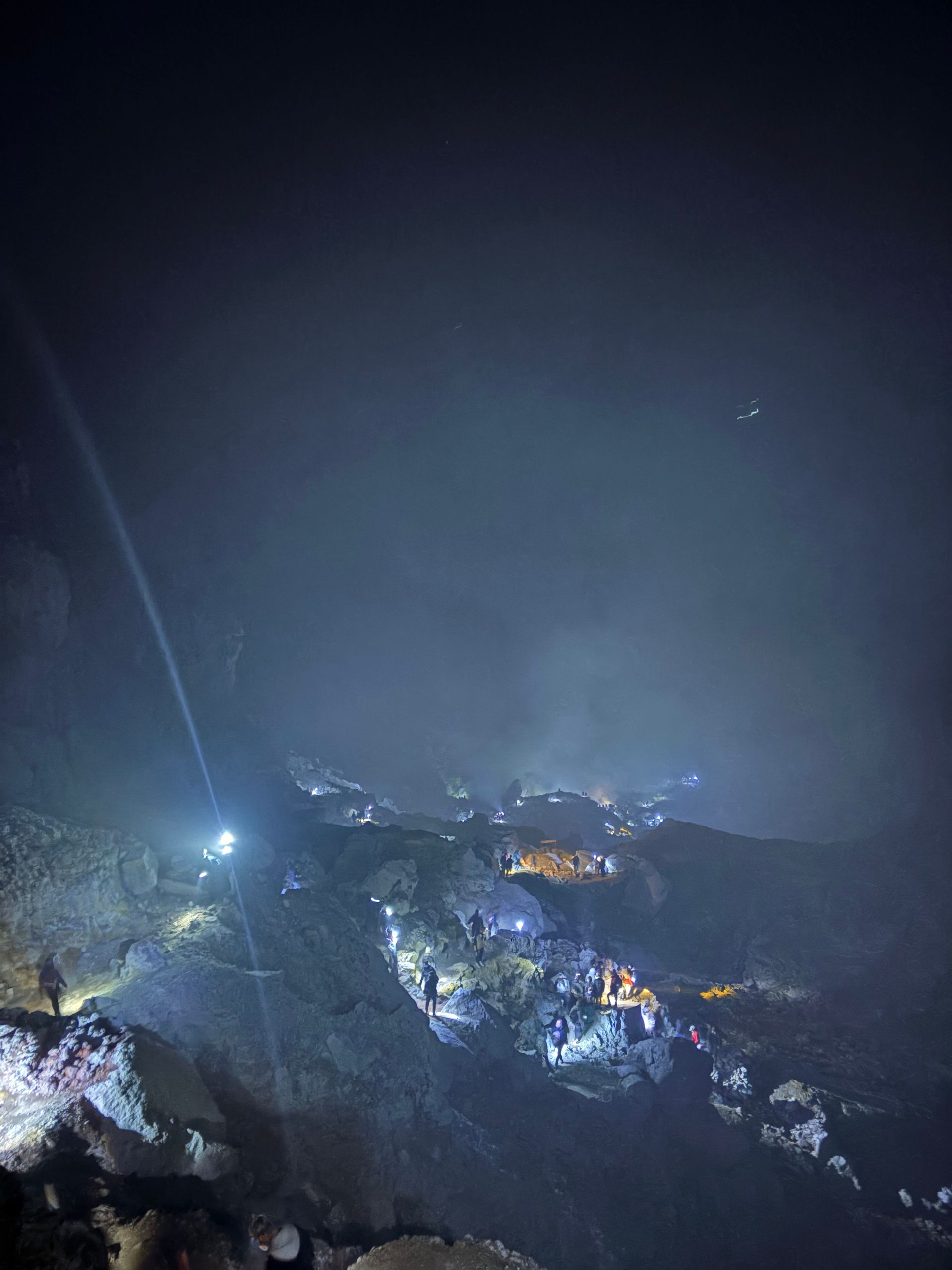
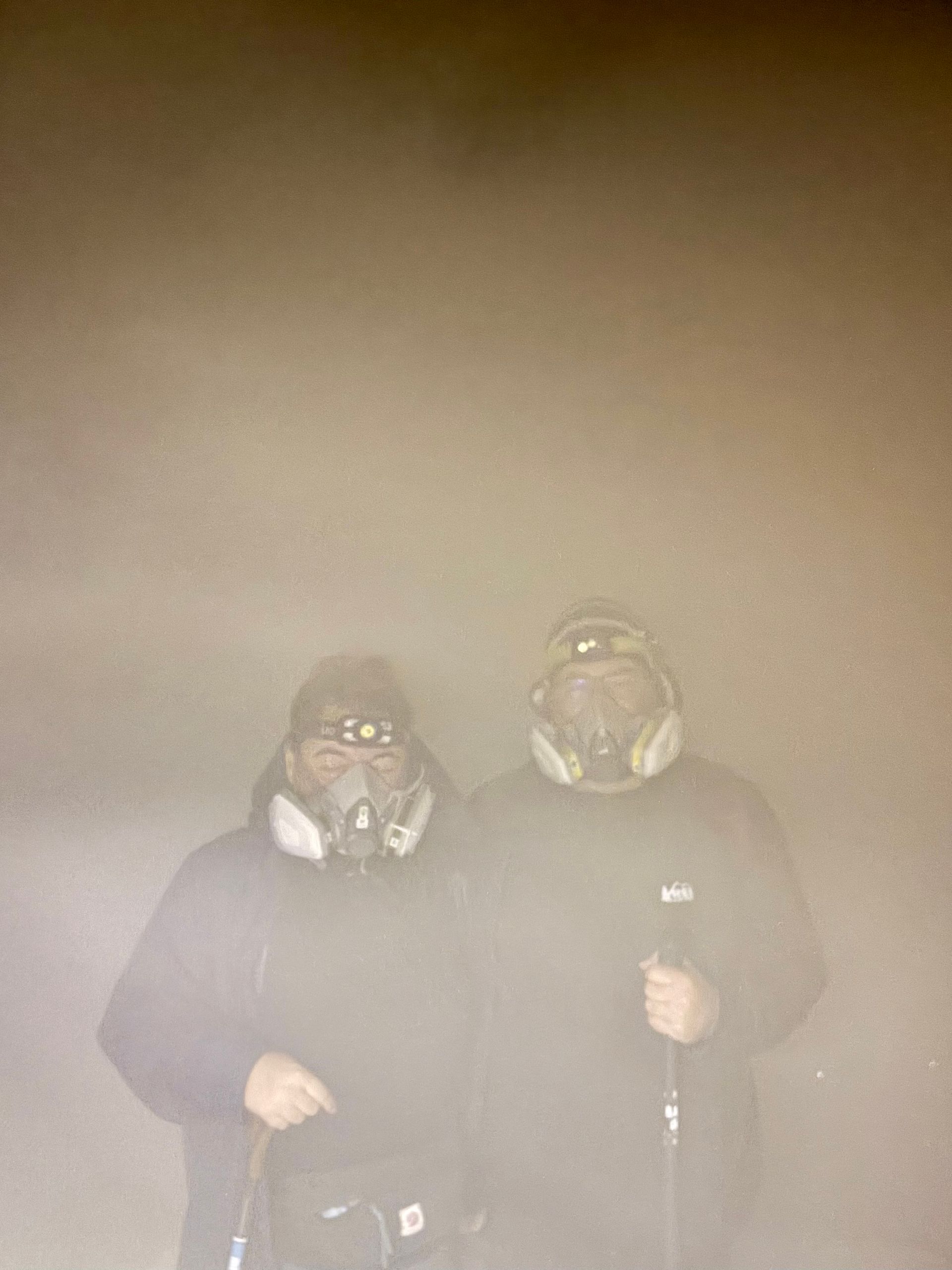
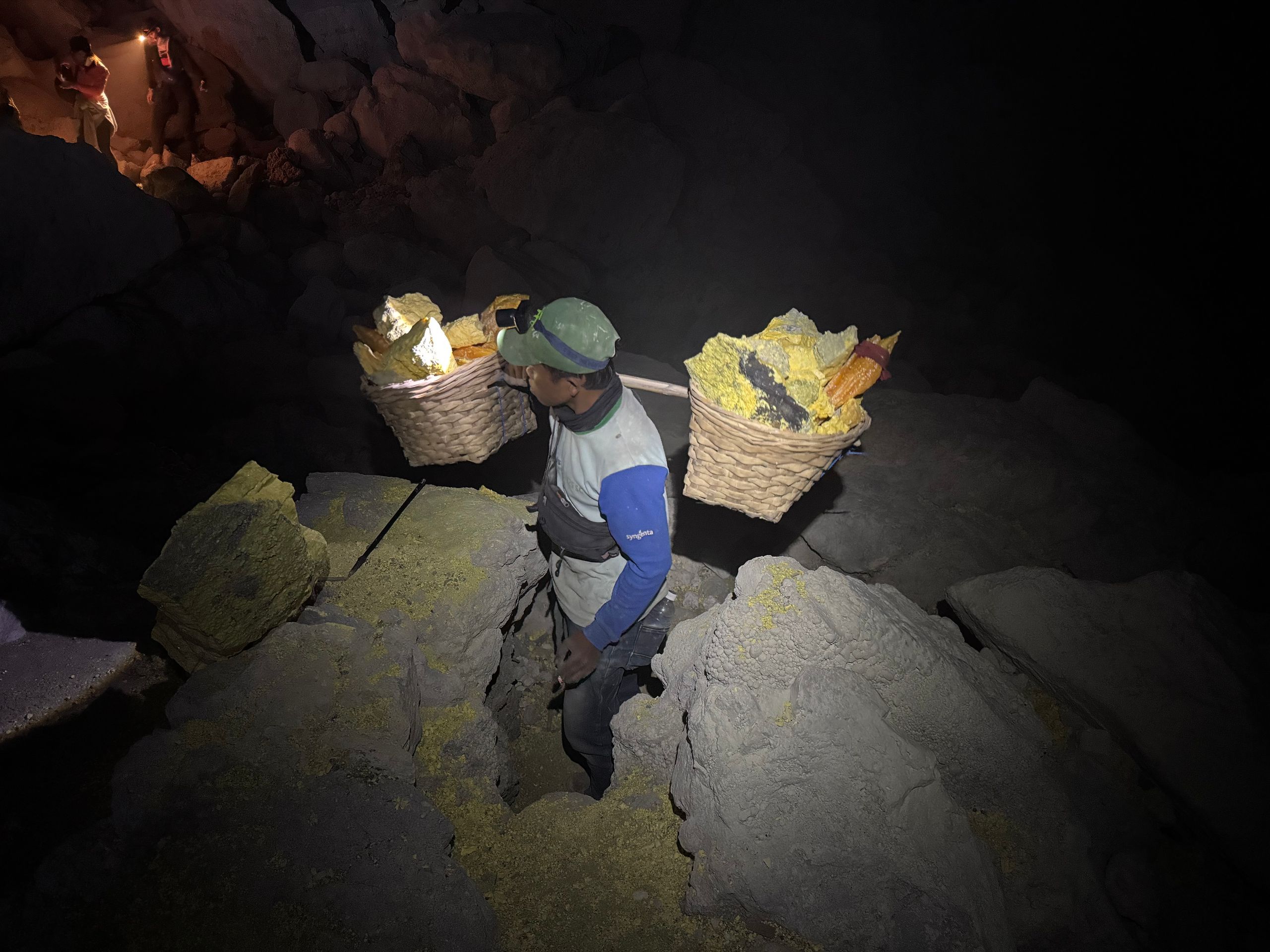
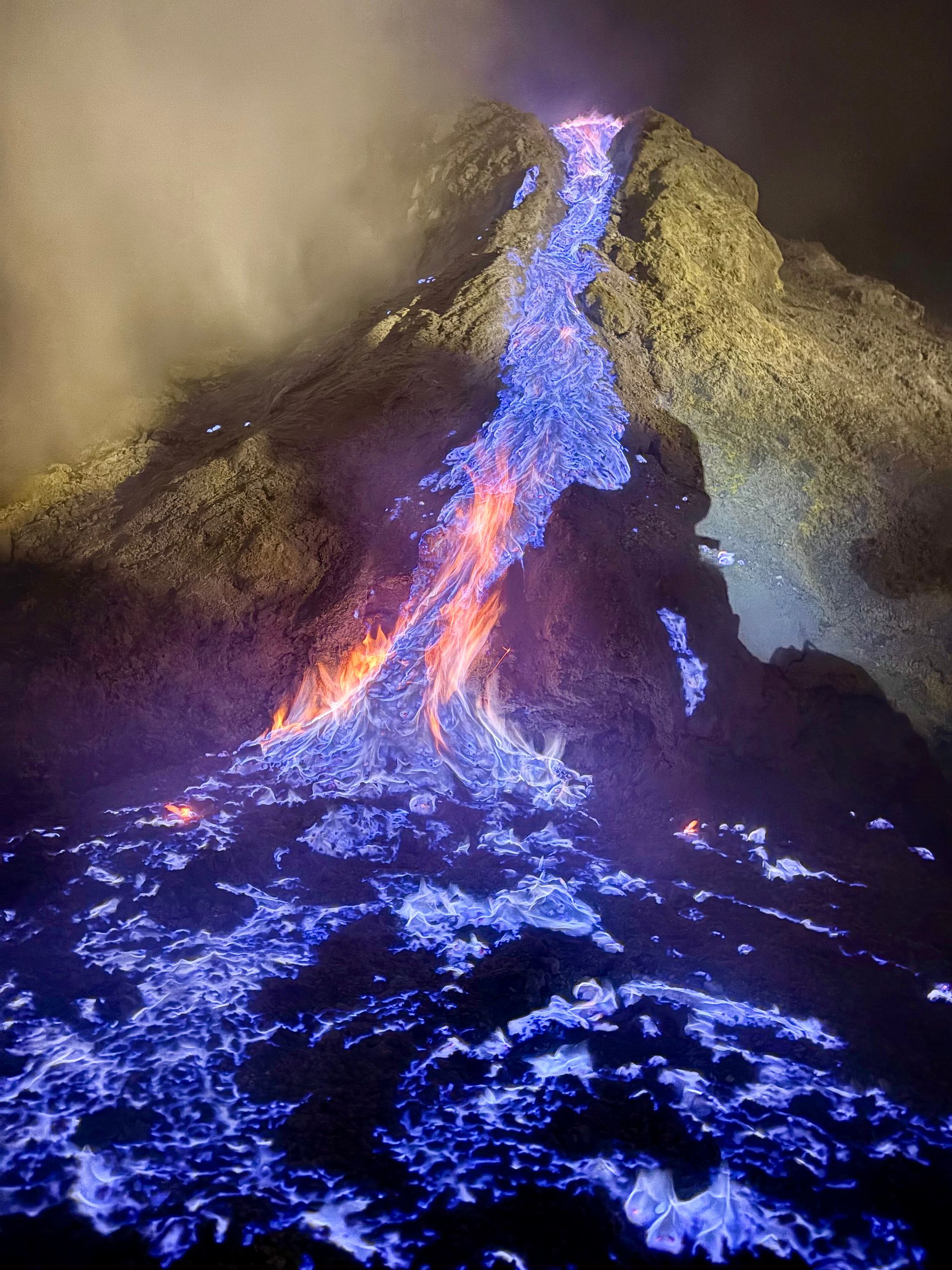
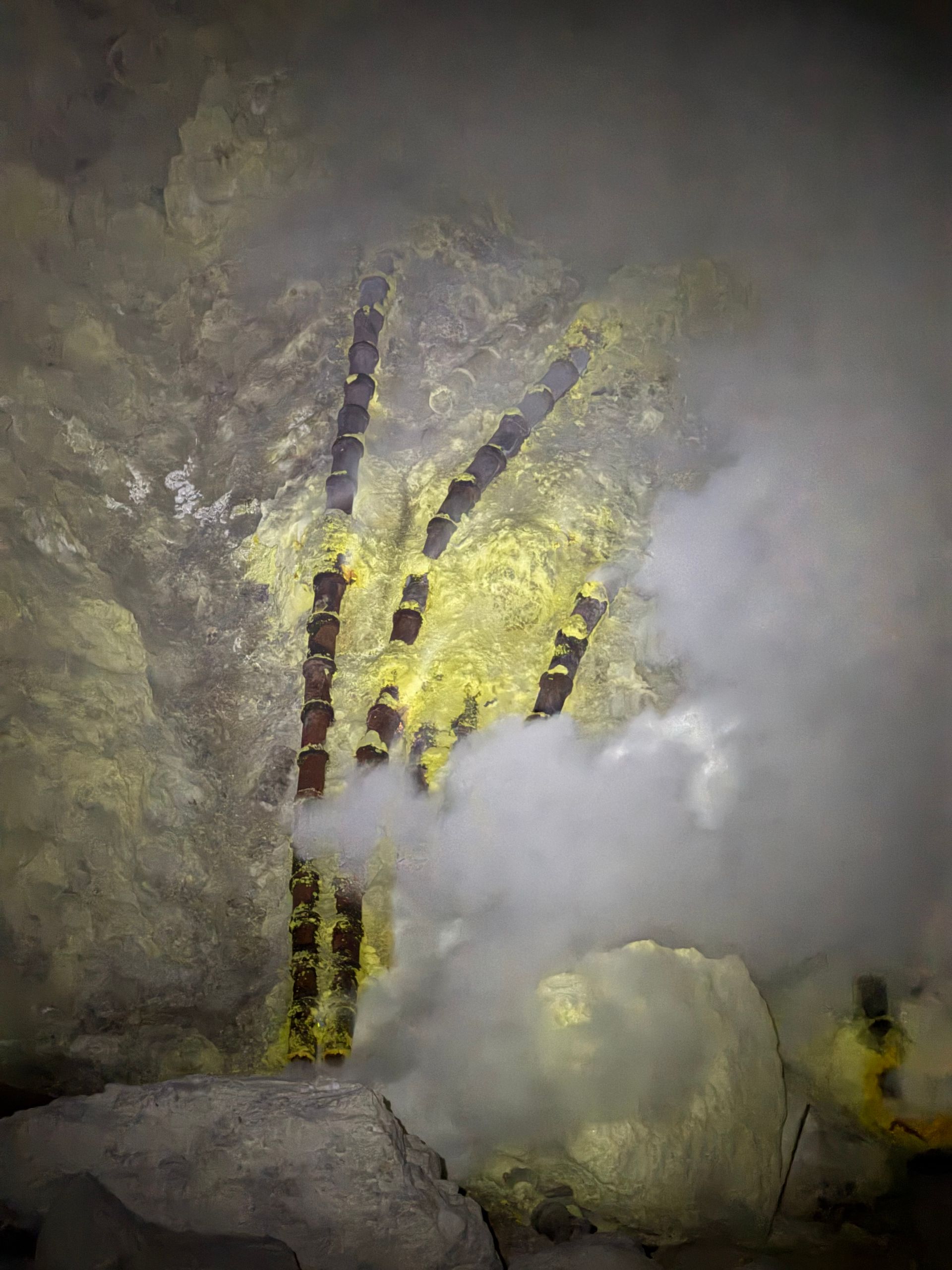
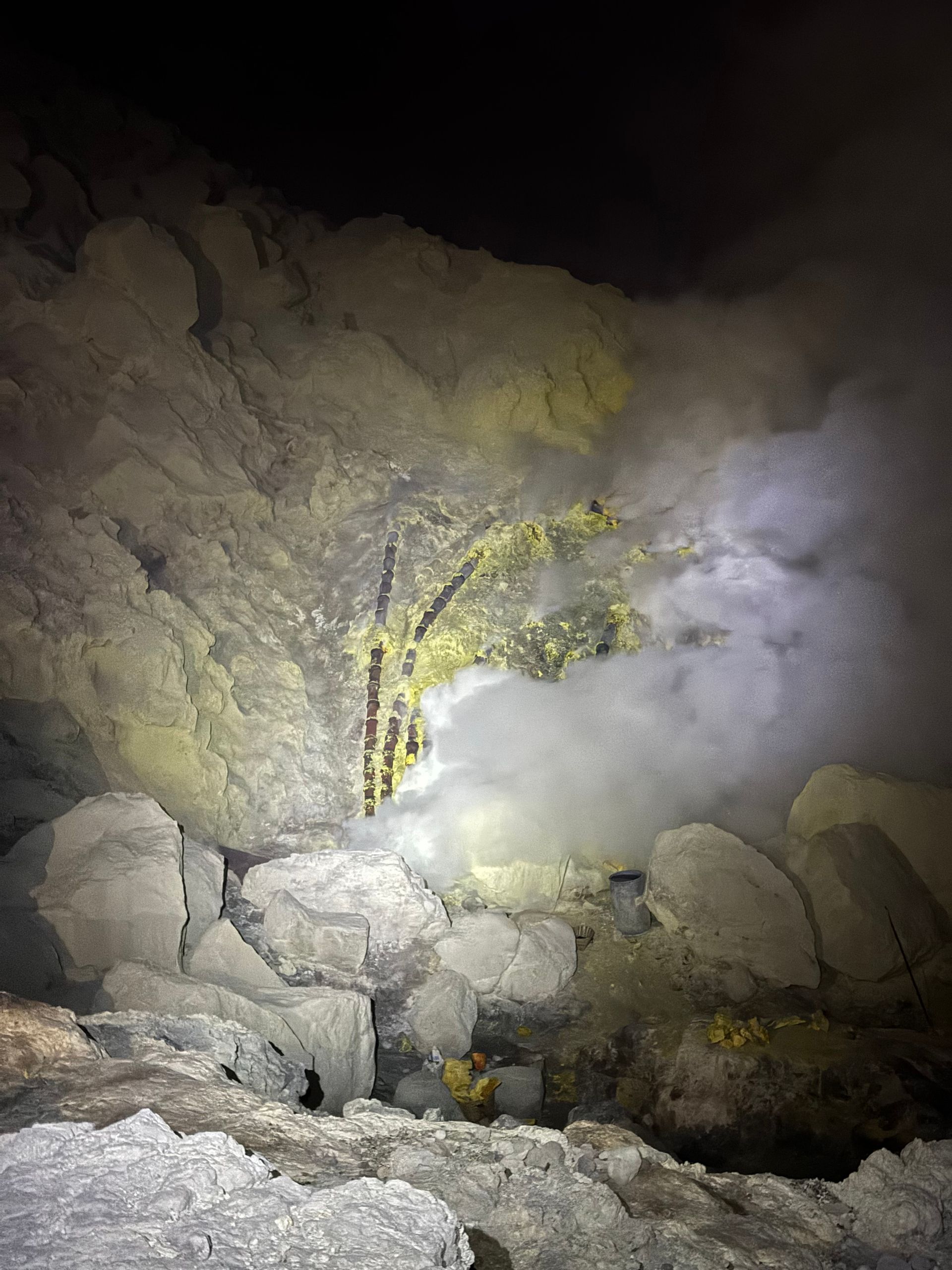
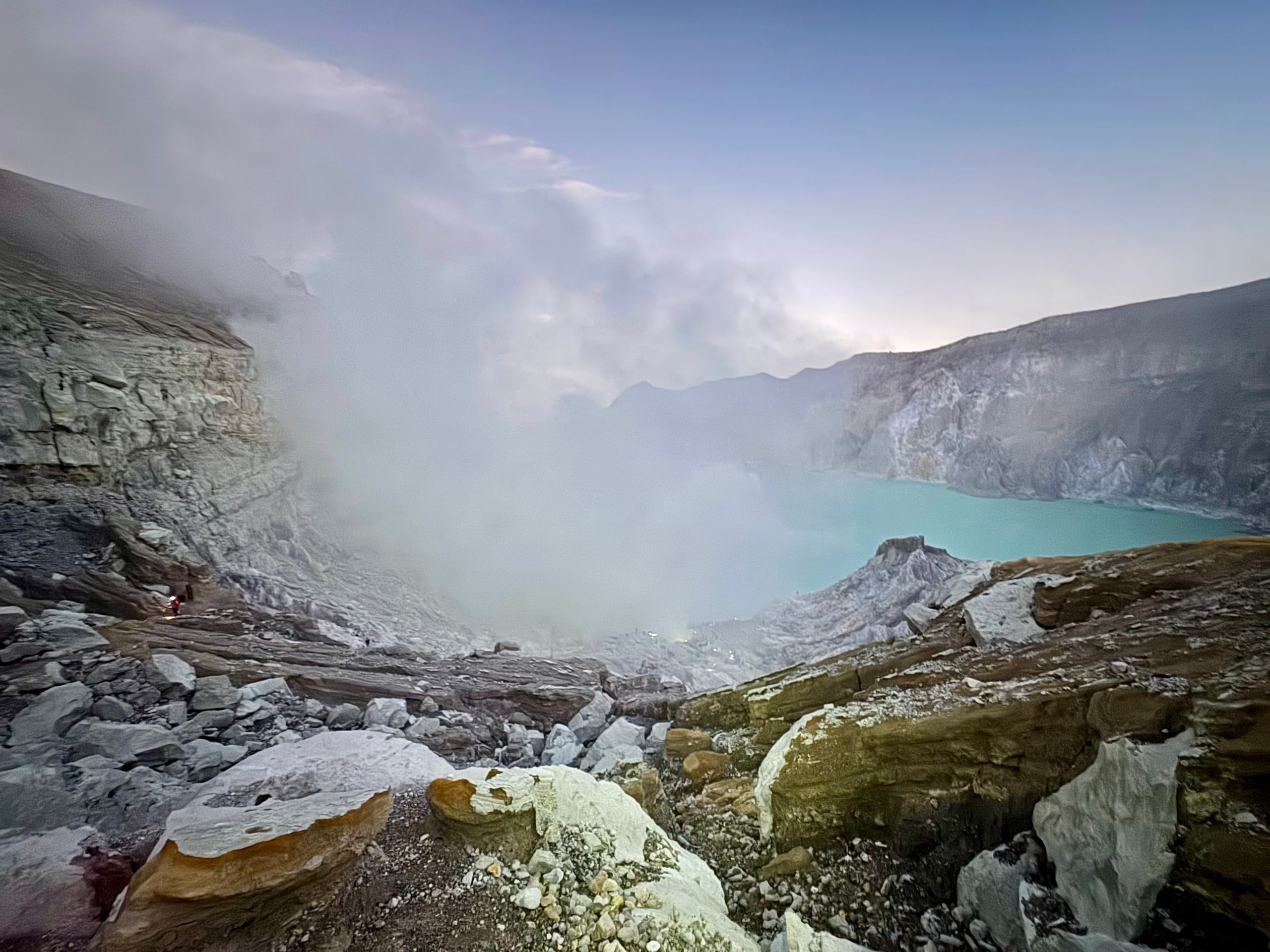
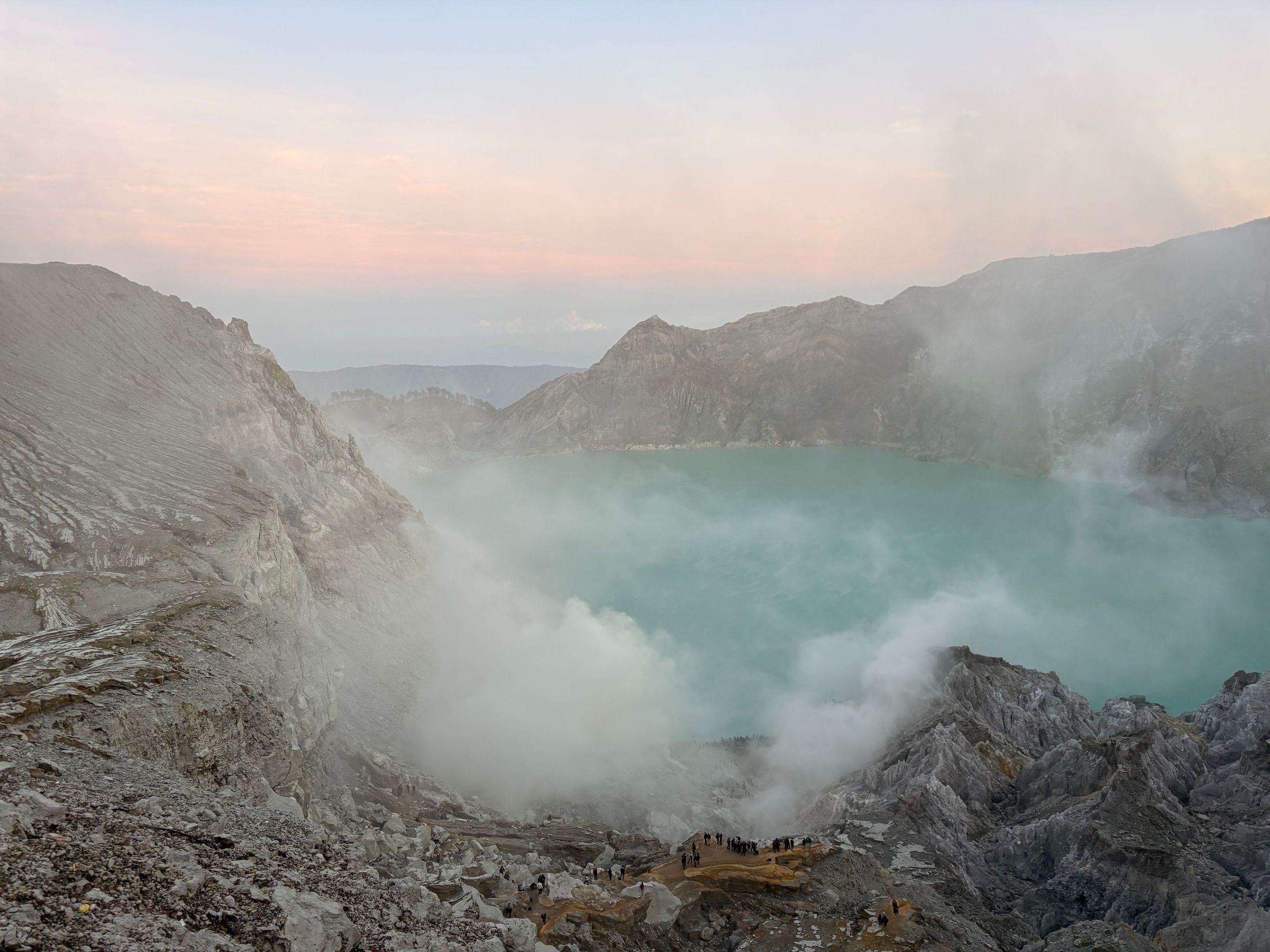
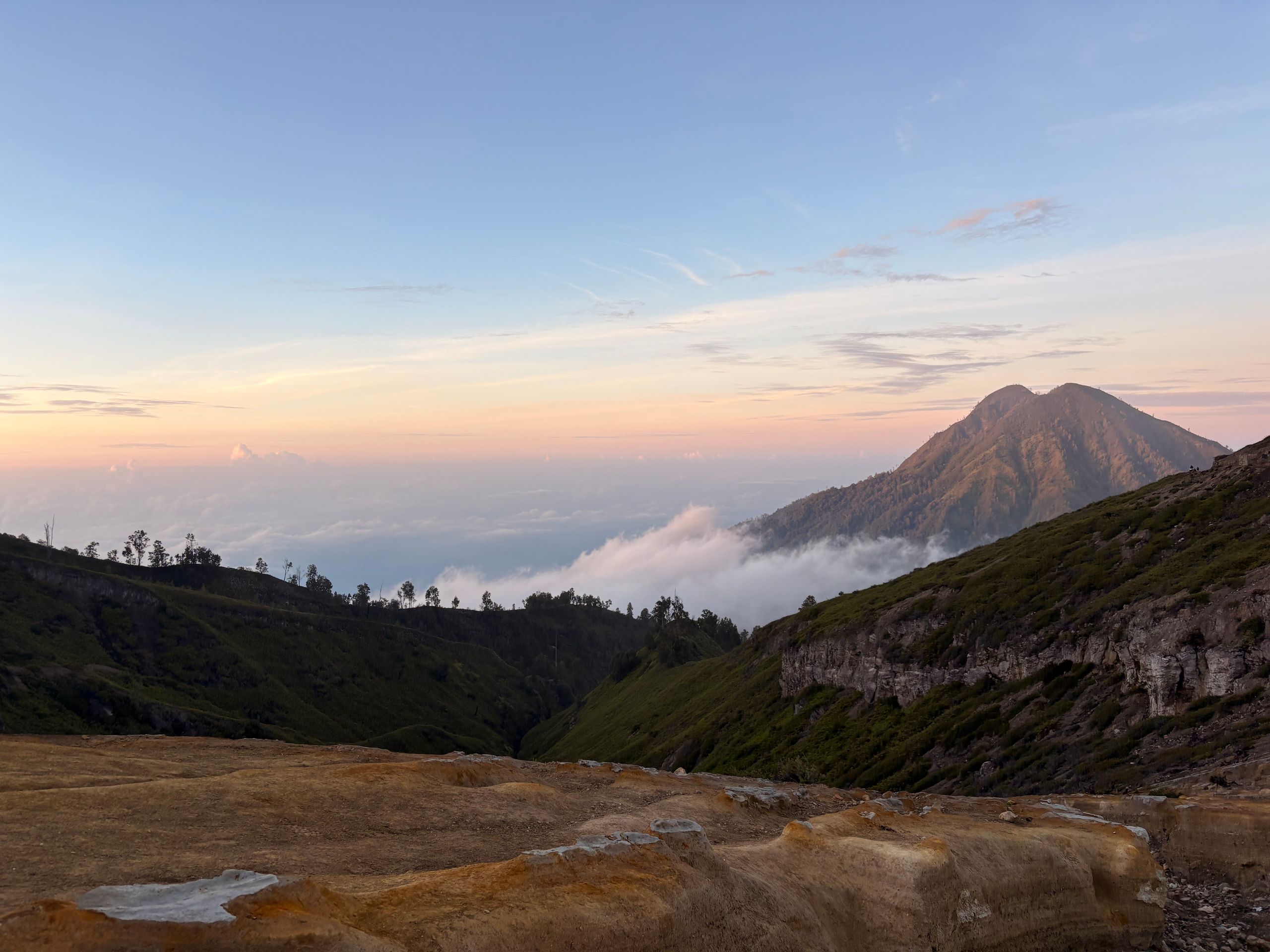
From here, we set out again at midnight to climb Ijen. Initially, we had to undergo a superficial physical examination, checking vital signs, height, weight, and blood pressure, while being listened to once, and then received a 'Fit for Hike' certificate. At the starting point of the hike, we were informed that we needed to be back at the car by 8:00 am at the latest, or we would be stuck due to extensive road closures for a major bike race. No pressure, right? At 2:00 am, we set off with a very young obligatory guide who was quite focused on our safety, equipped with headlamps, safety glasses, and good dust masks. It was incredibly crowded; hundreds stormed up the mountain. It was a virtual waiting line in the pitch dark just to be able to walk. The diligent sulfur workers offered 'transport services' with their pushcarts up the hill, surprisingly used mainly by very young people. The path was hardly suitable for that and additionally disrupted the operations. After about 1.5 hours, we arrived at the crater rim but, of course, wanted to go down into the crater as well. Here too, we had to queue up to descend the narrow path. Heavy-laden workers came towards us, creating quite a bizarre situation. After the steepest section, more space became available, and the crowds of people spread down the slope towards the crater lake. This lake is one of the most acidic lakes in the world, with a pH of 0.1 to 0.3. Our guide told us that a worker who fell into the lake dissolved and disappeared after 3 days. Accidents are not so rare in this place due to the high sulfur exposure, gases from the lake, and even selfie accidents have occurred. A truly adventurous and otherworldly scene. With every gust of wind, we were enveloped in toxic sulfur clouds; it was unbearable without the mask, our eyes burned, and we coughed. In between were the workers, performing hard labor without any significant protective gear, liquefying sulfur gases at condensation pipes and allowing them to cool before breaking them into large pieces and hauling them up the steep path to the crater rim. From there, they were transported down into the valley in the pushcarts that had just transported tourists. And then we saw the so-called blue fire - hot sulfur fumes that seep from the earth and ignite in the air. Another strong gust of wind knocked us down, leaving us bewildered at how people could endure this constantly, hindering us from venturing all the way to the edge of the lake. Still, we had more than enough of Mother Nature's sheer power! The ascent to the crater rim was relaxed; somehow, the tourist crowds had spread out well, and the sunrise was beautiful. On the way back, we only realized how breathtaking the landscape was that we had climbed through in the dark! Aside from the fact that you can’t see the blue flames, it’s a climb that surely is worthwhile even in the daylight, and then it's much more relaxed and emptier. Back at the hotel, we showered and had breakfast, then it was off to the ferry to Bali.