
Sacred Valley of the Incas and Machu Picchu
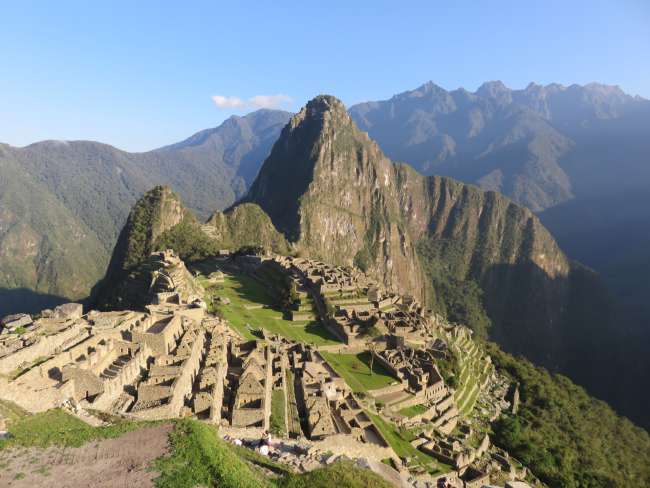
In Peru, a visit to Machu Picchu is a must, and we wanted to fulfill this long-held dream. Unfortunately, there have been such heavy rainfalls recently that the treks like the...

Published: 14.05.2025
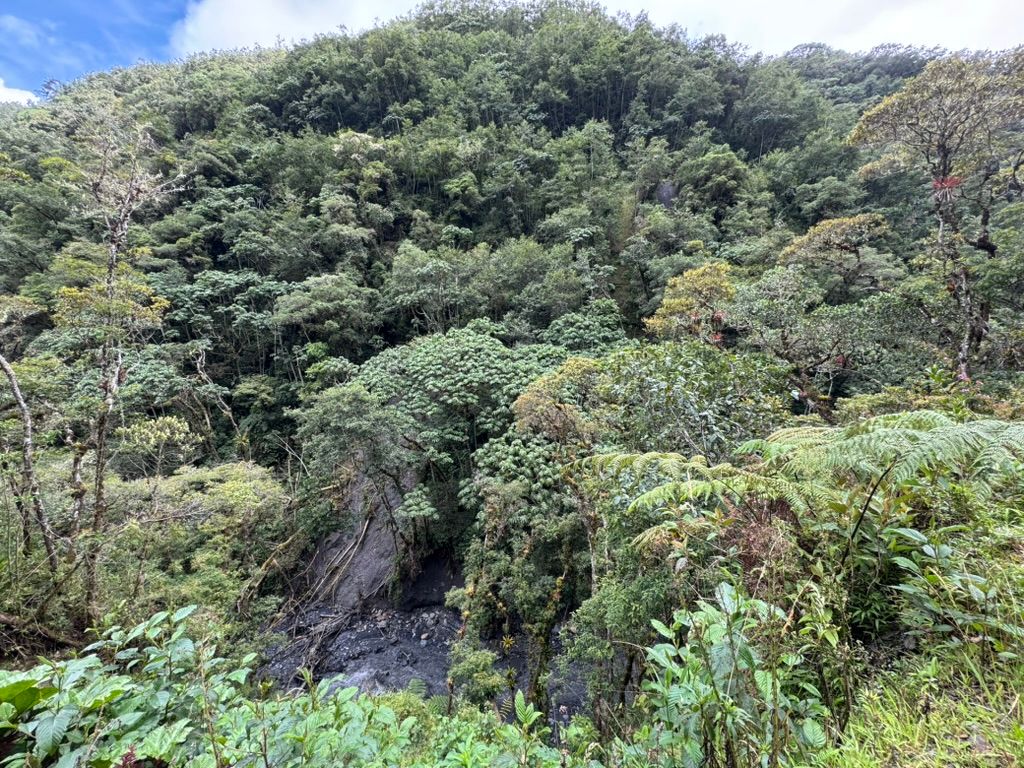
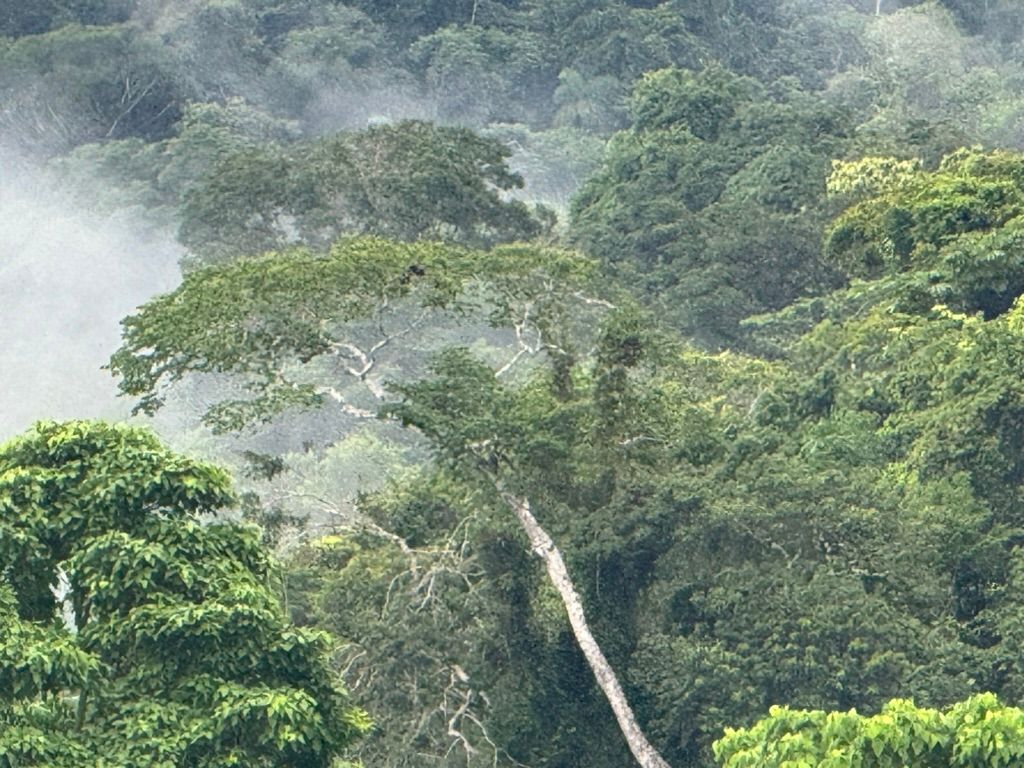
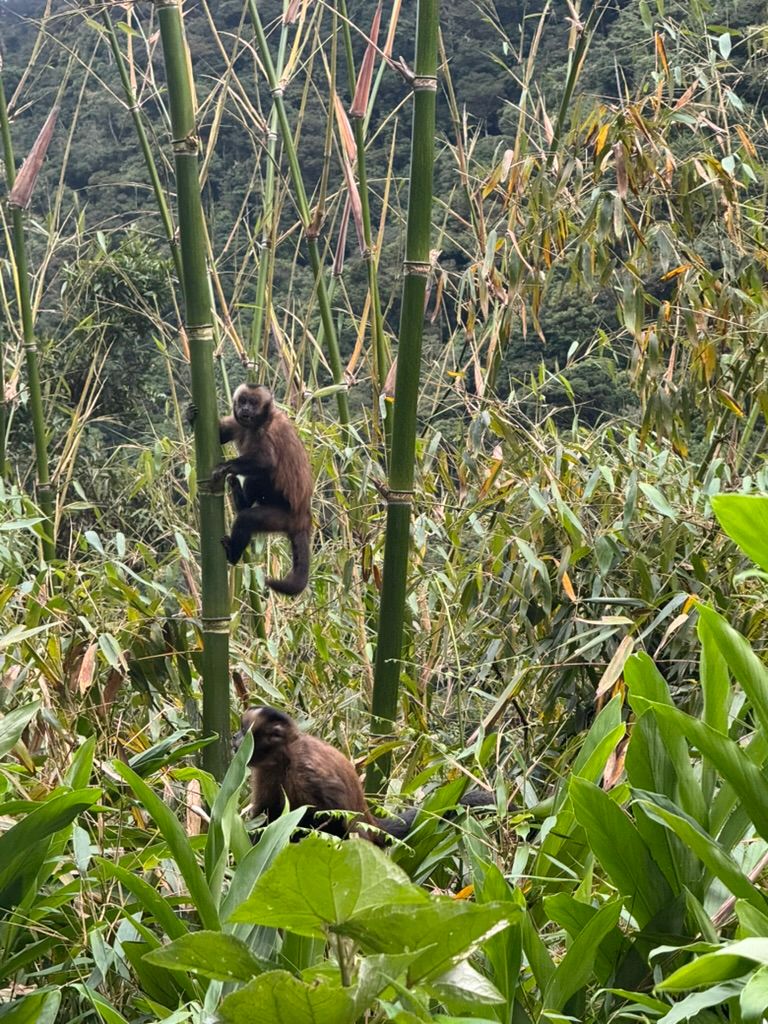
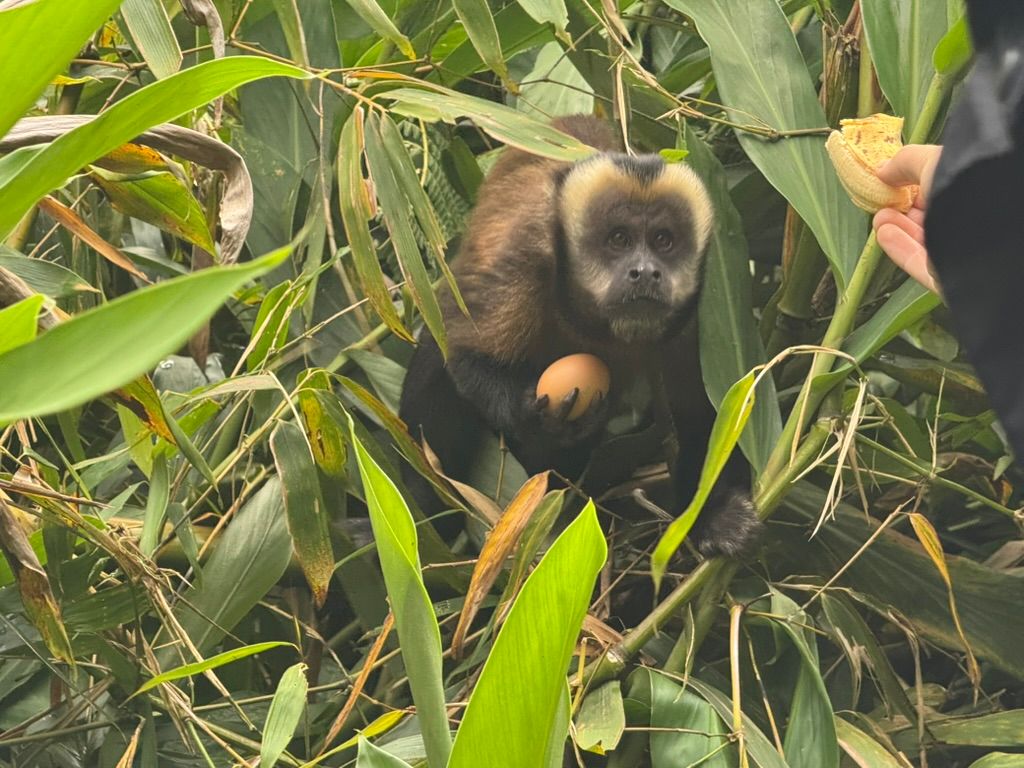
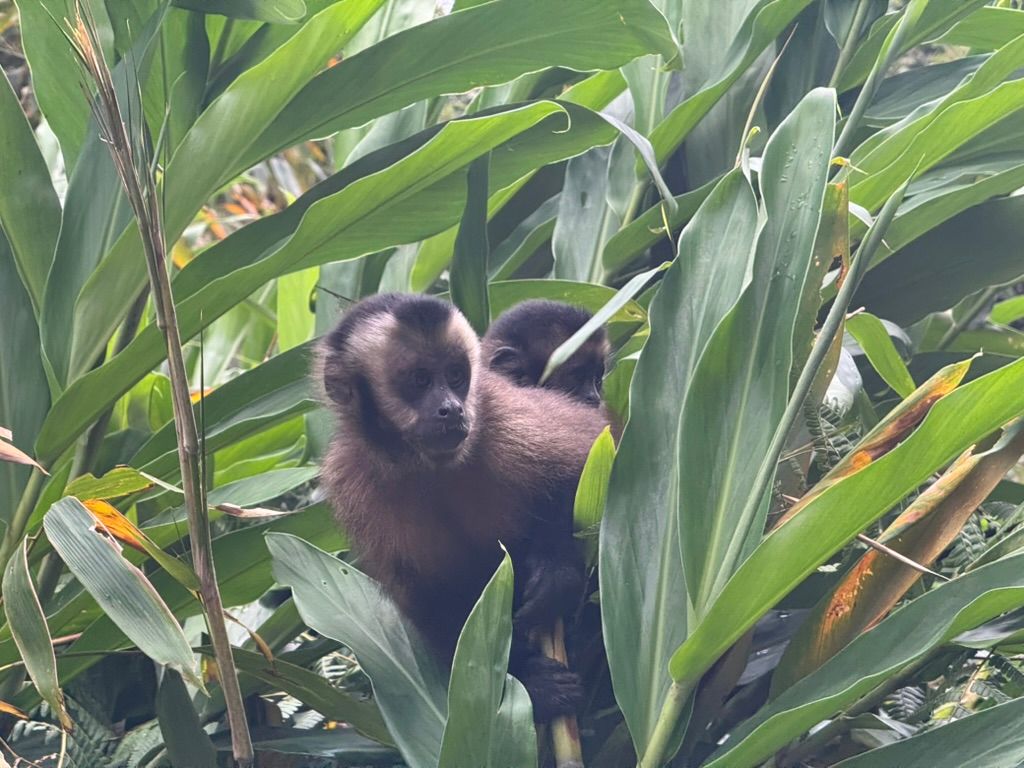
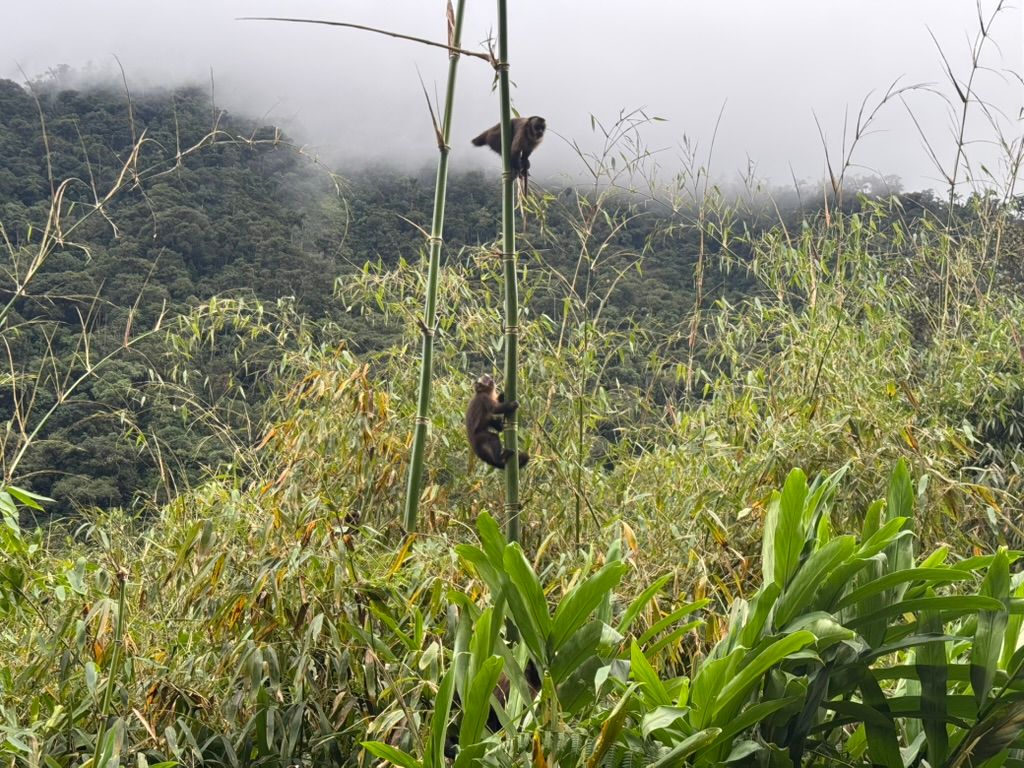
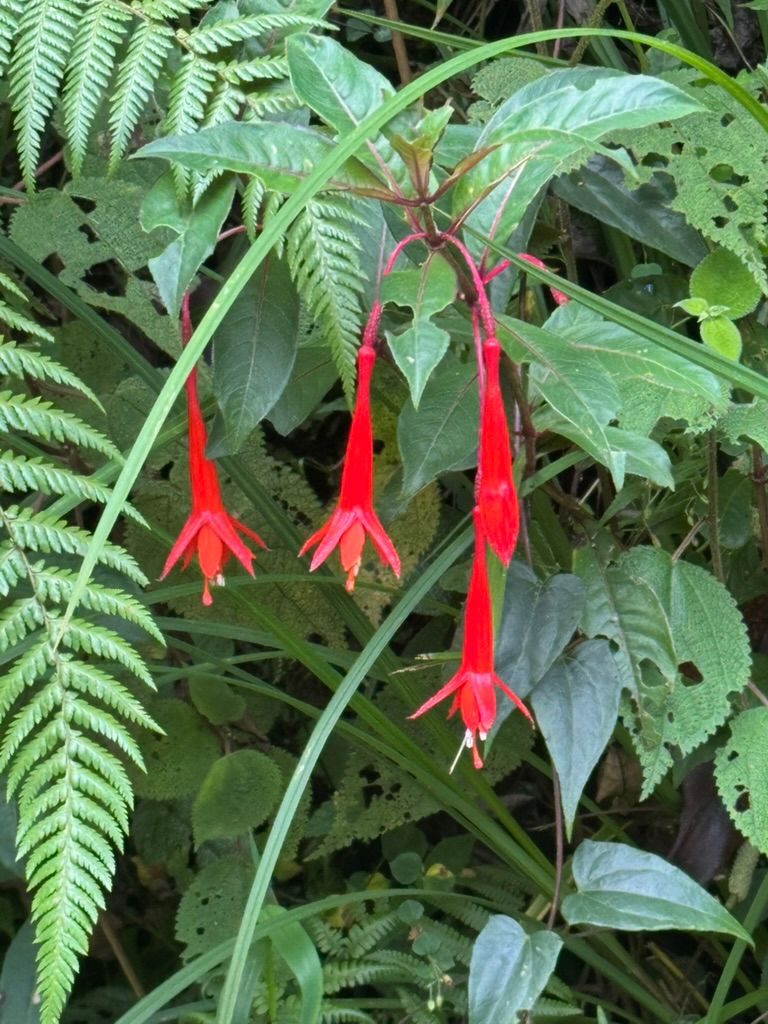
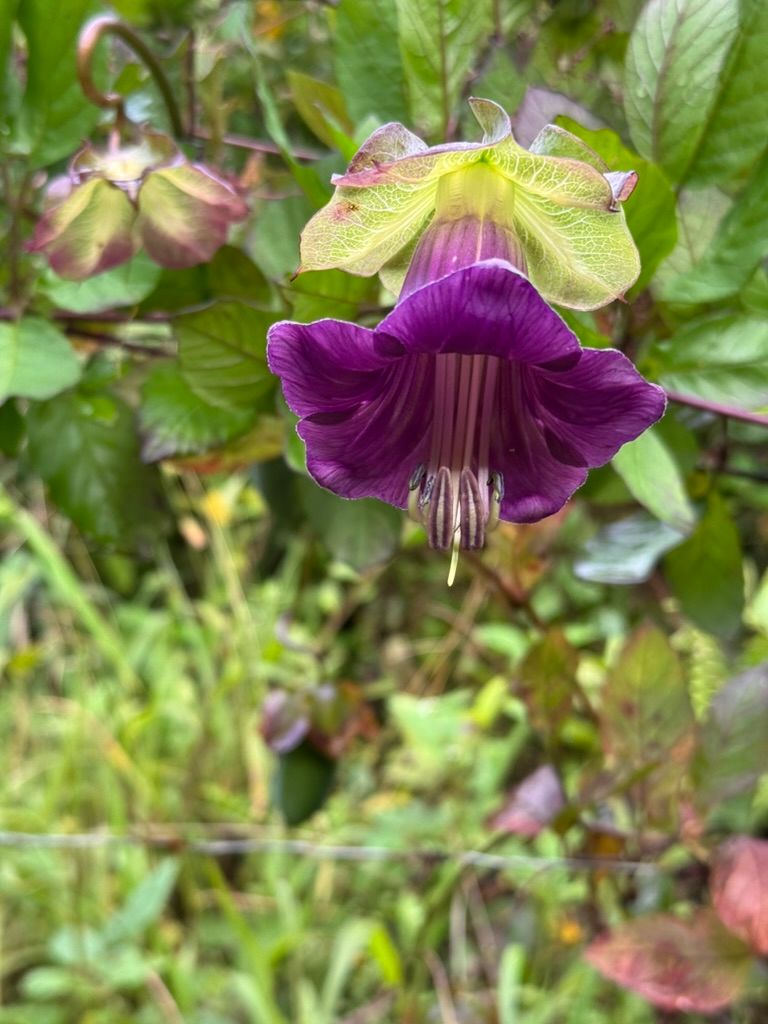
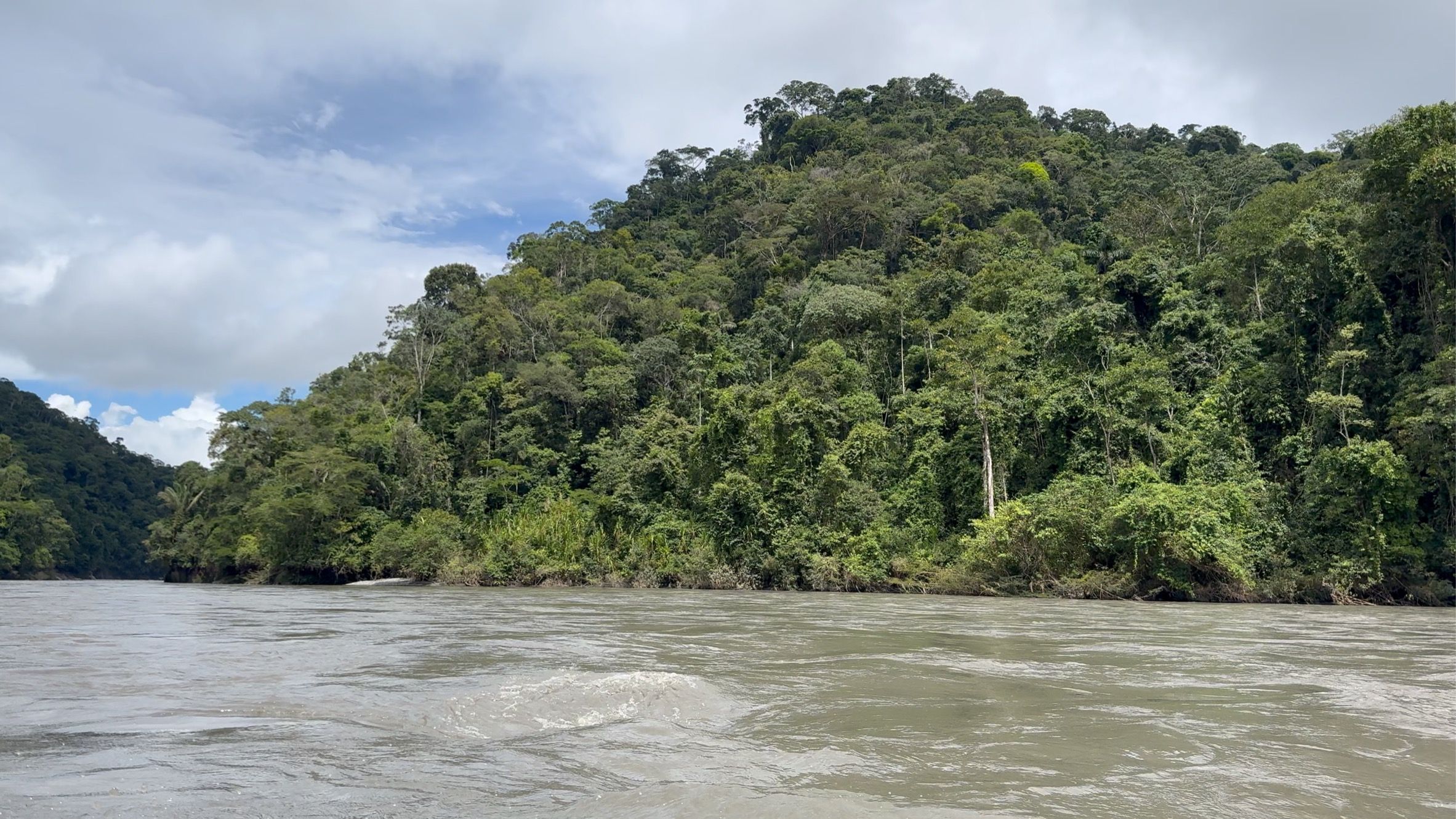
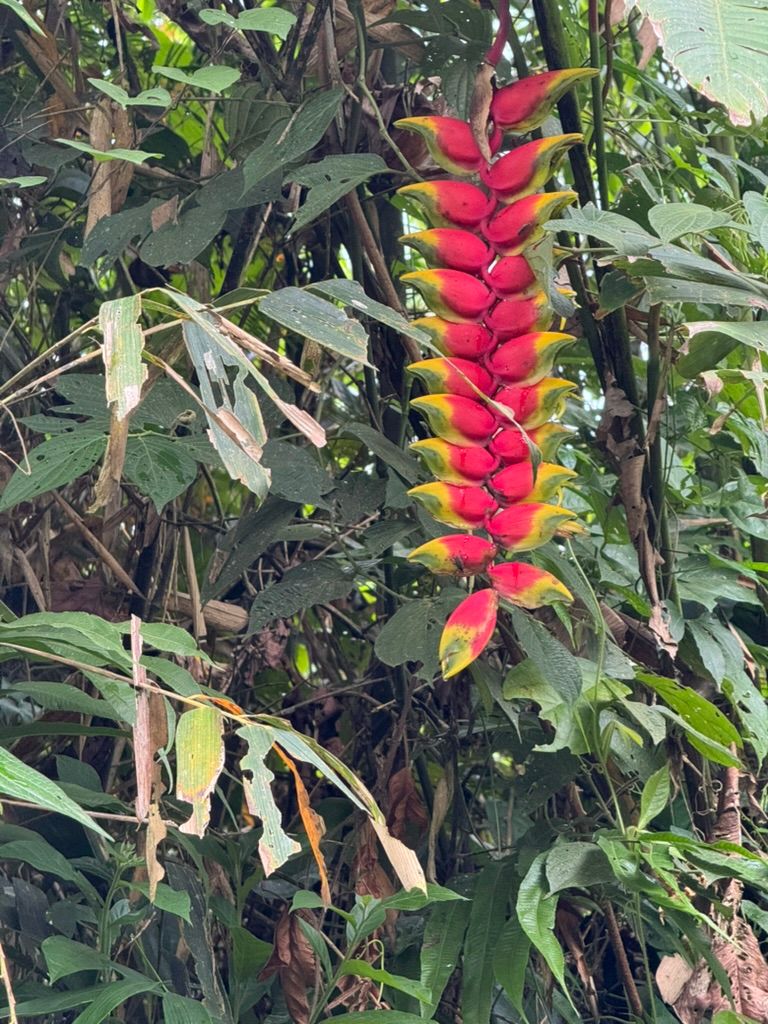
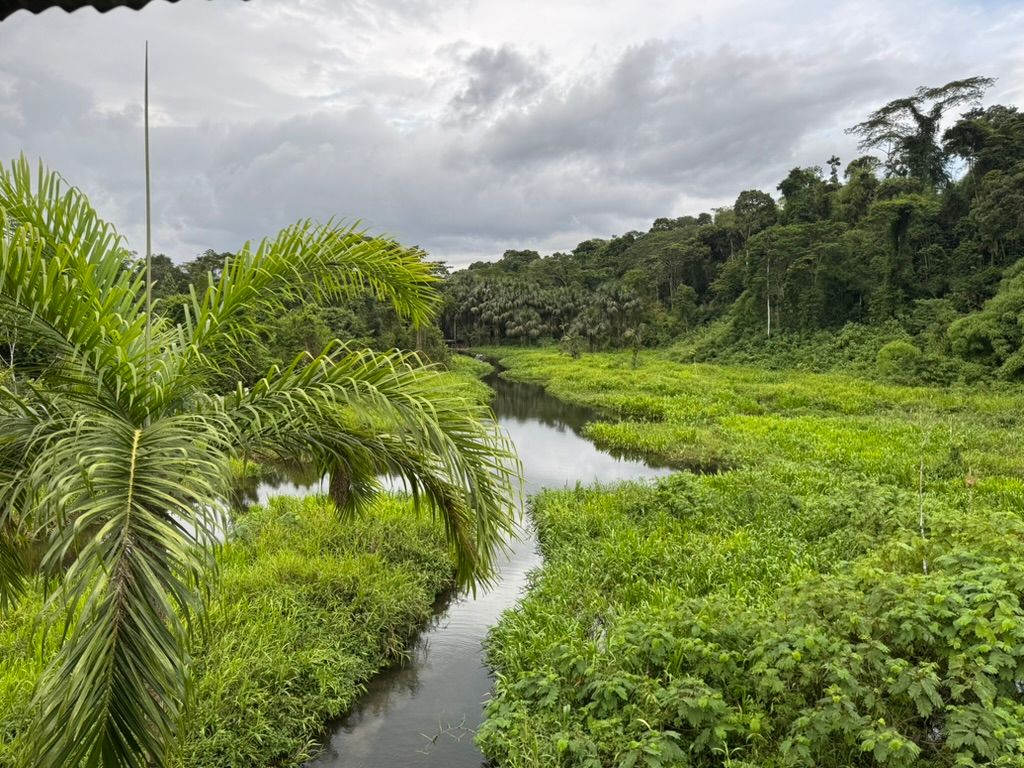
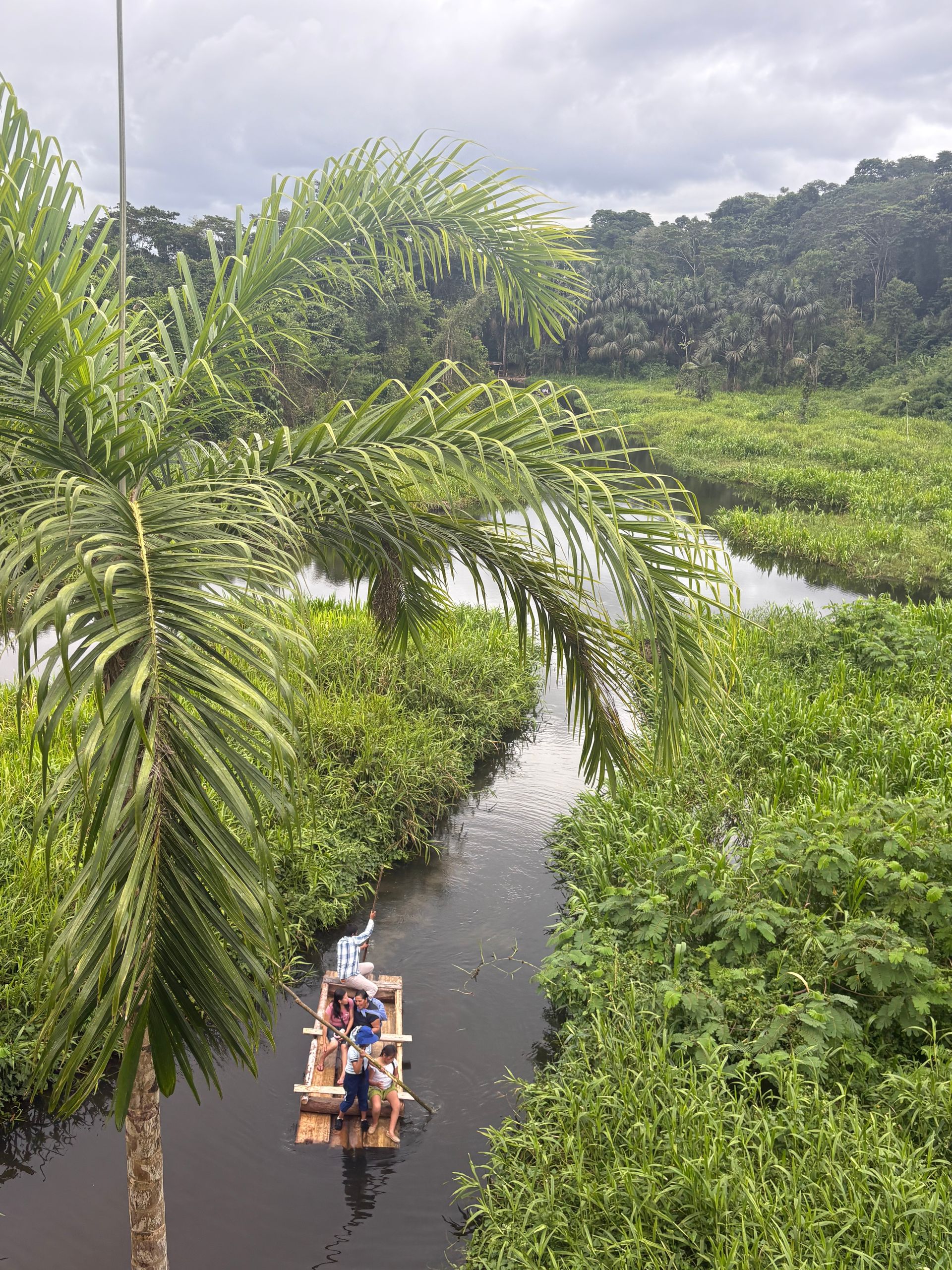
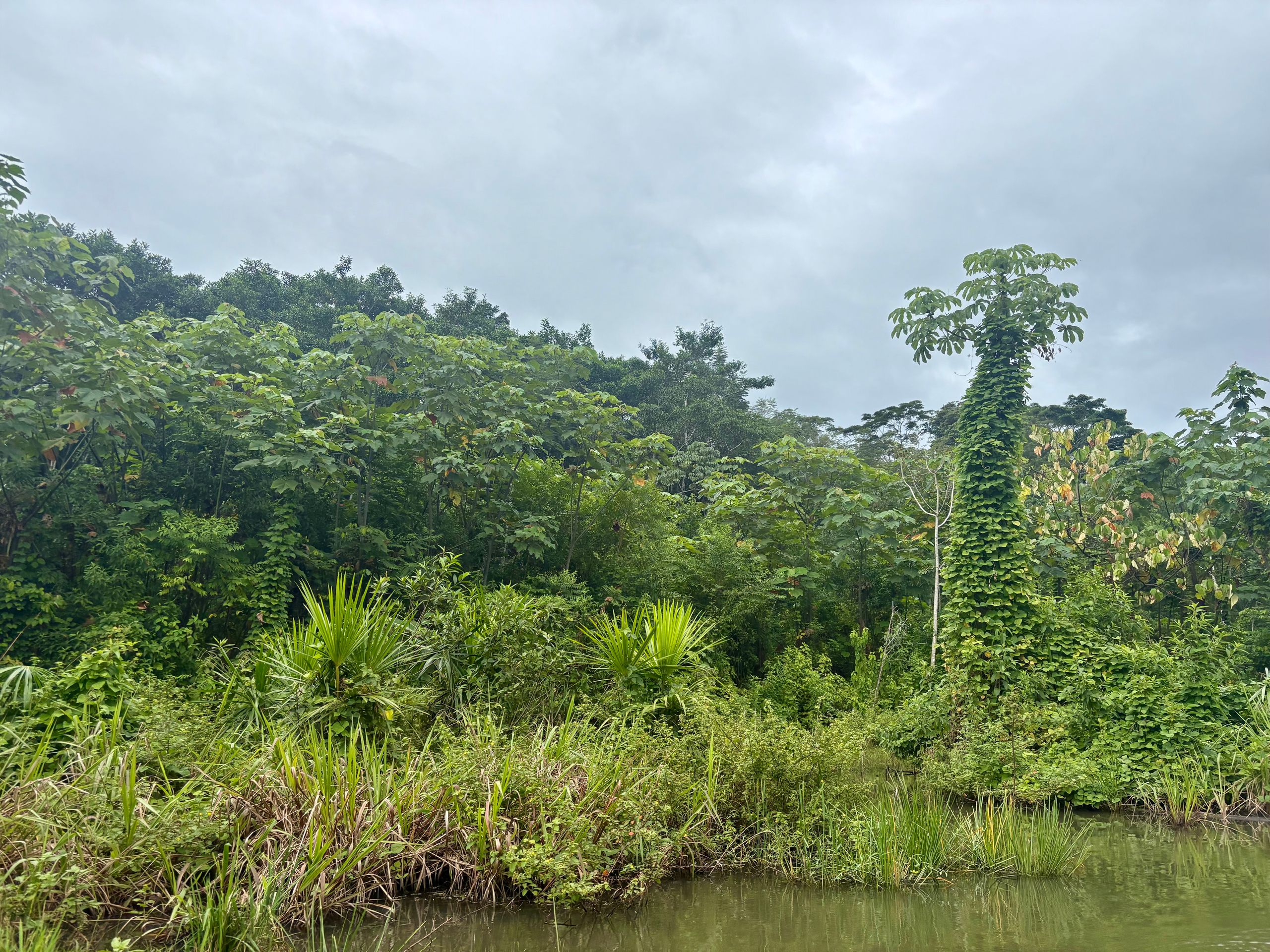
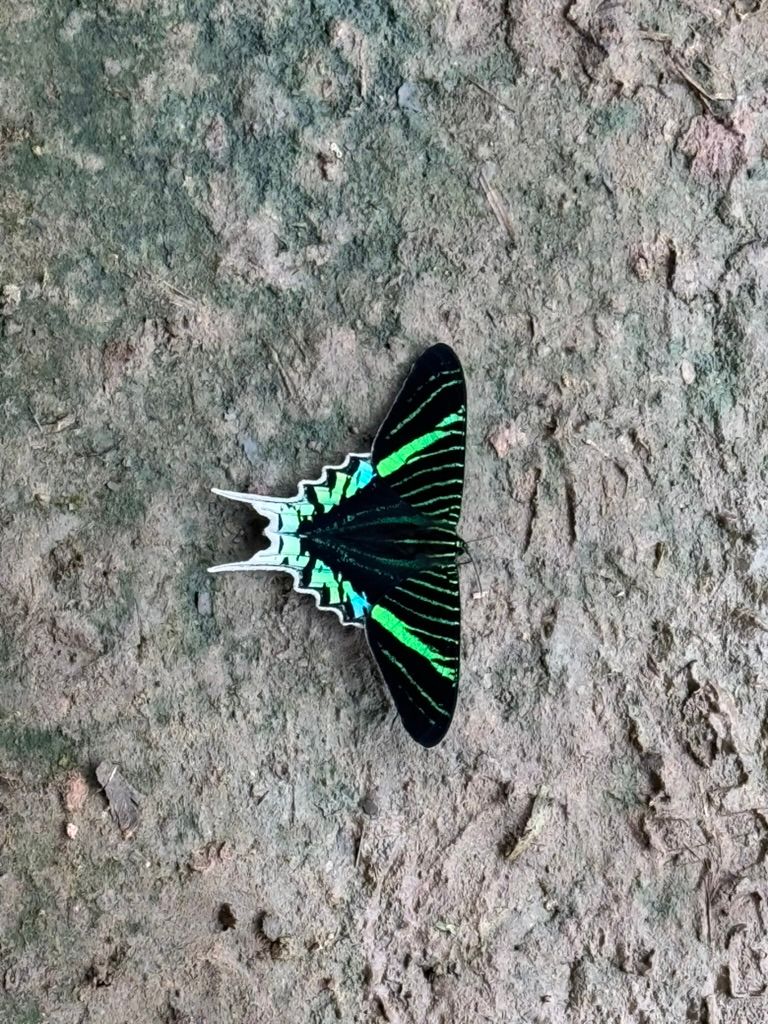
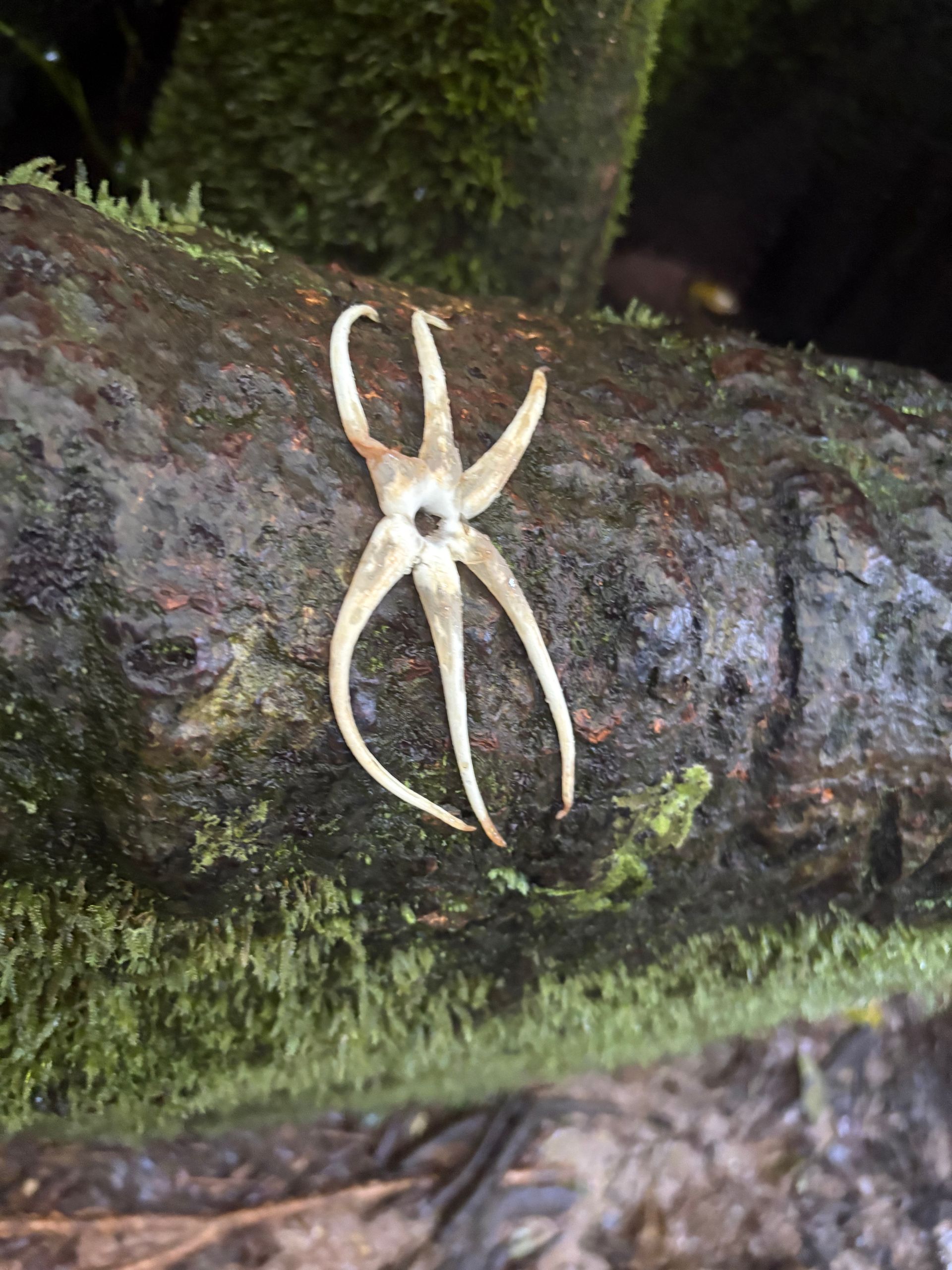
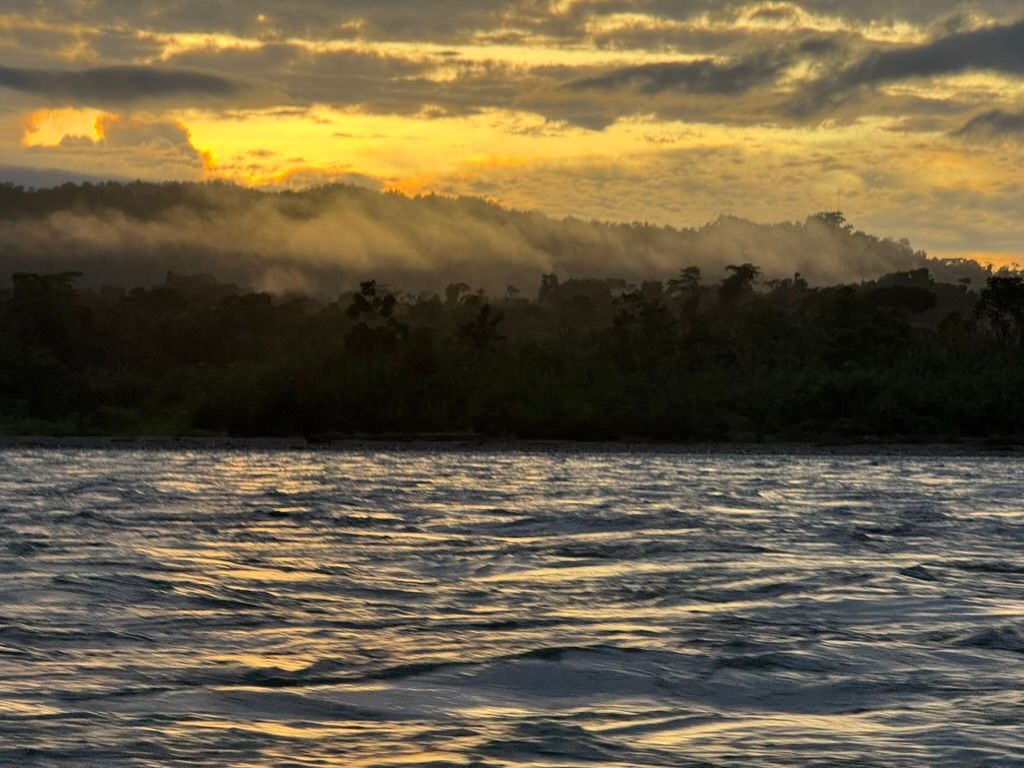
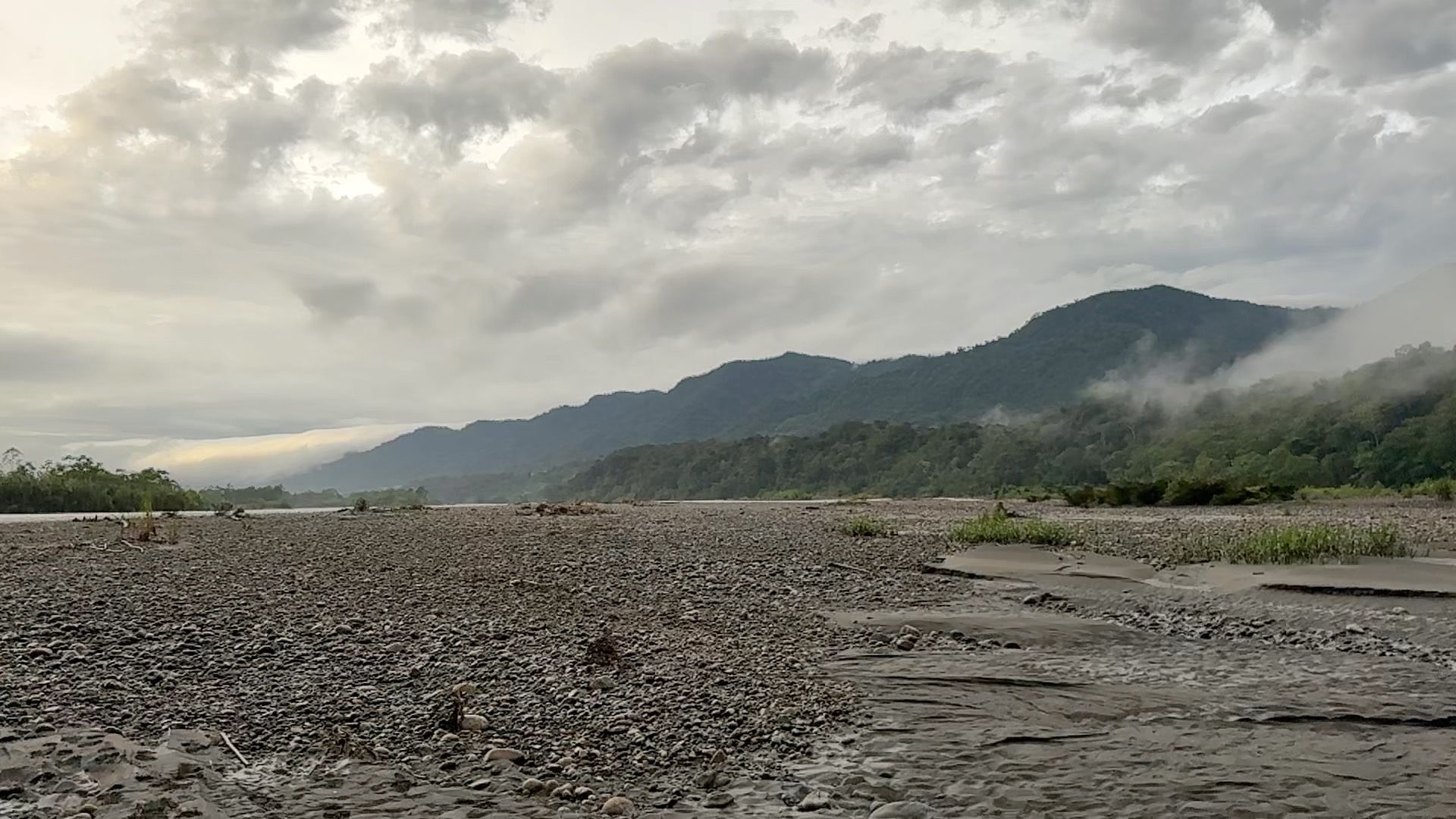
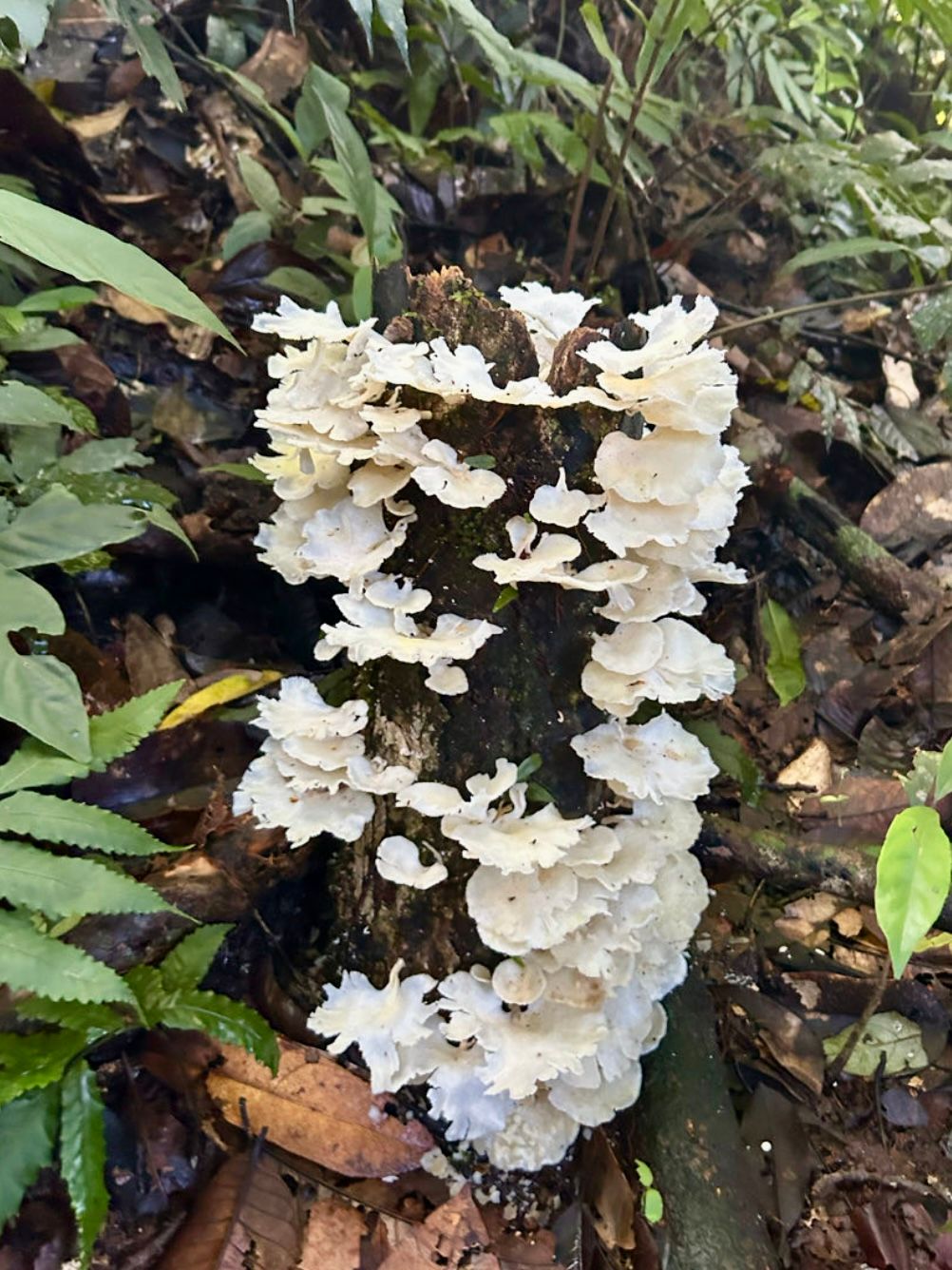
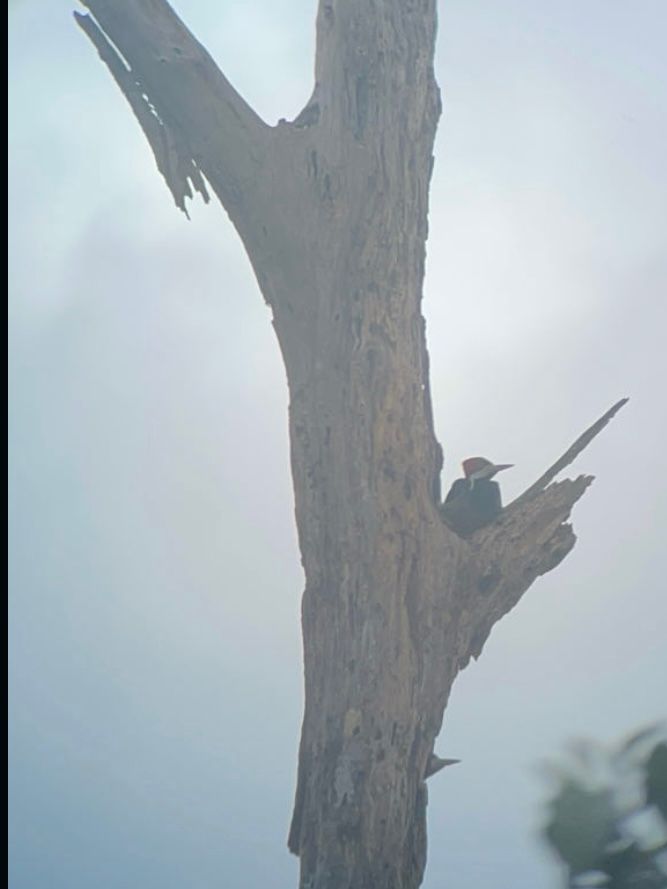
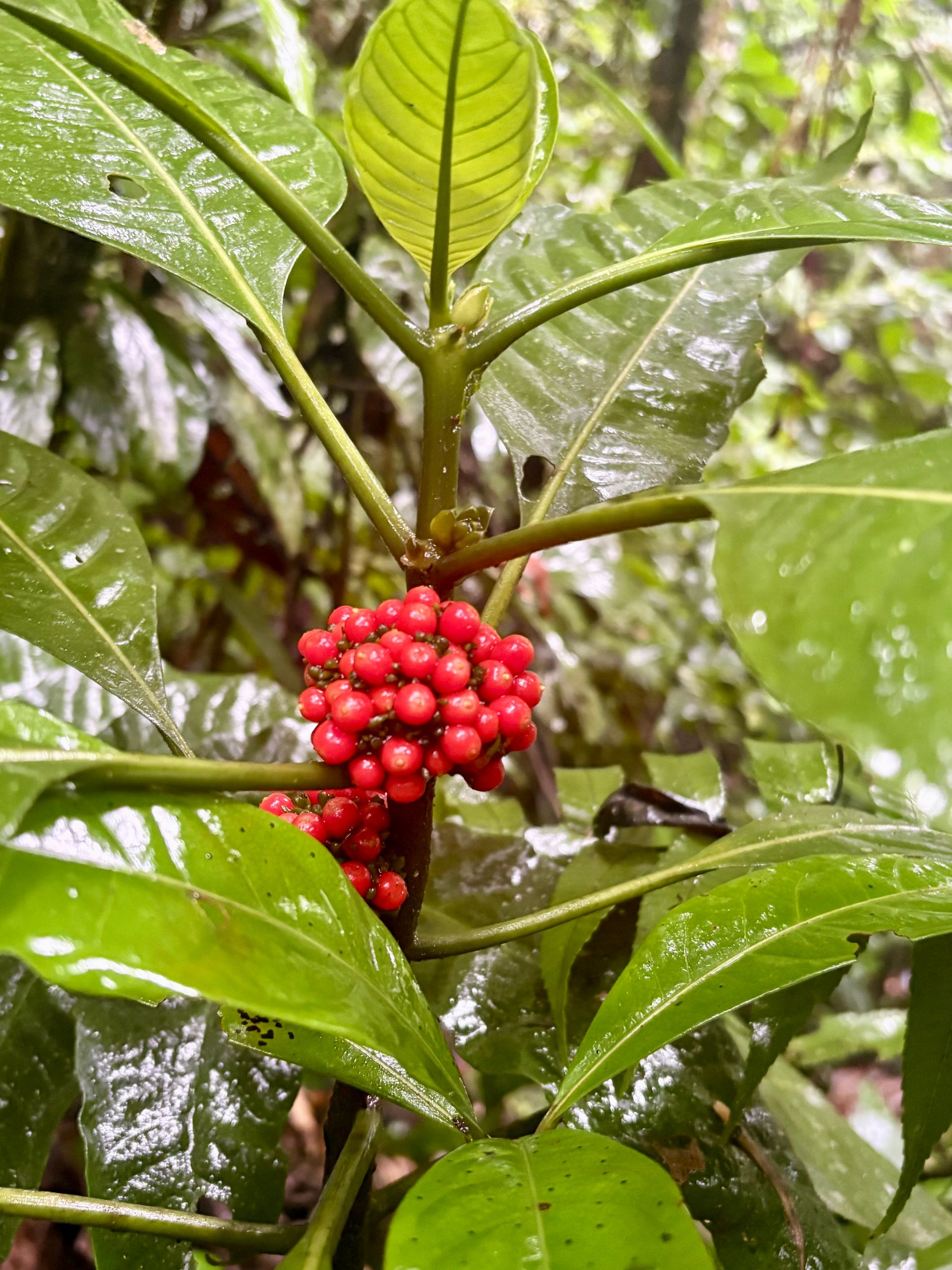
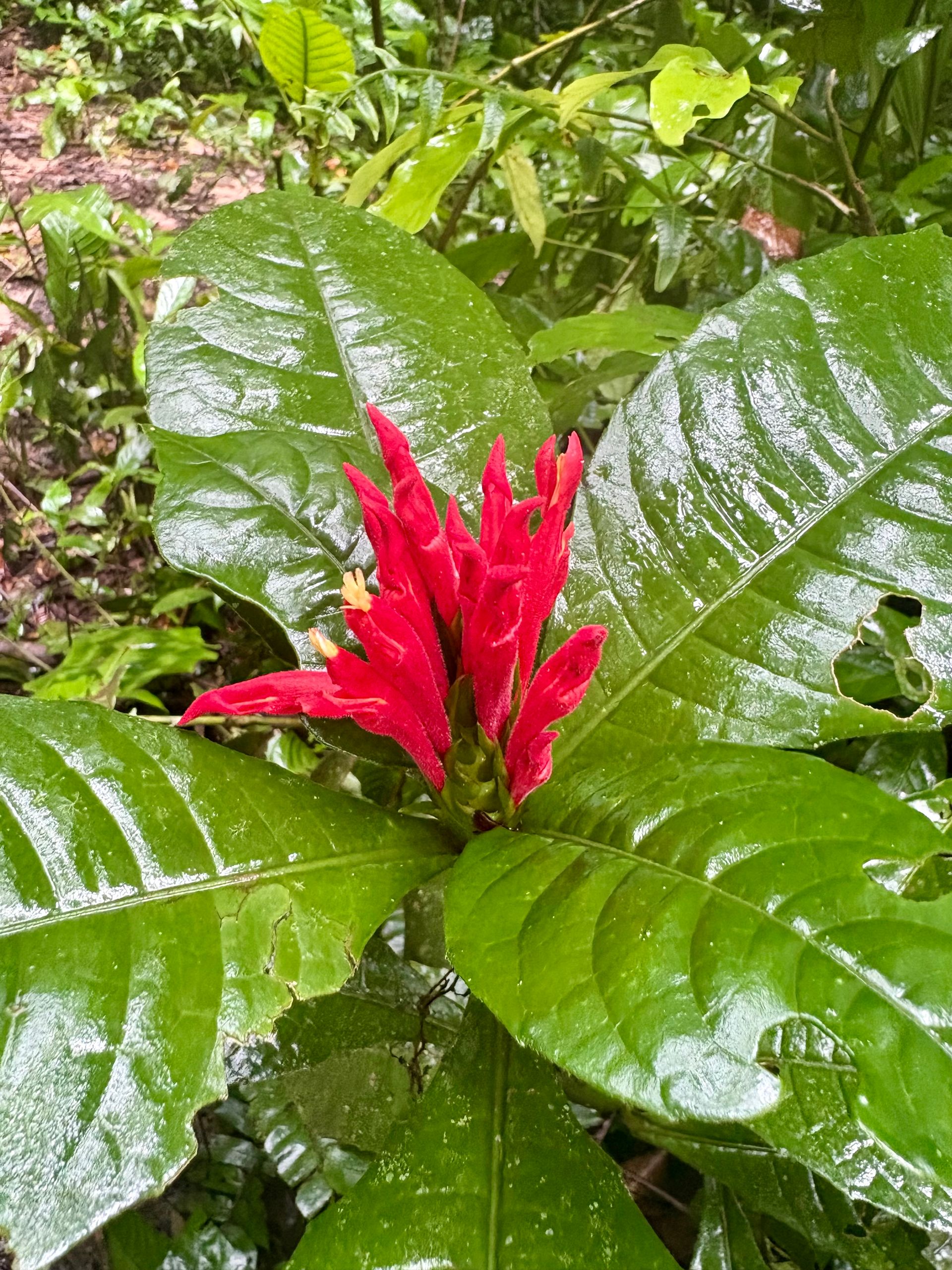
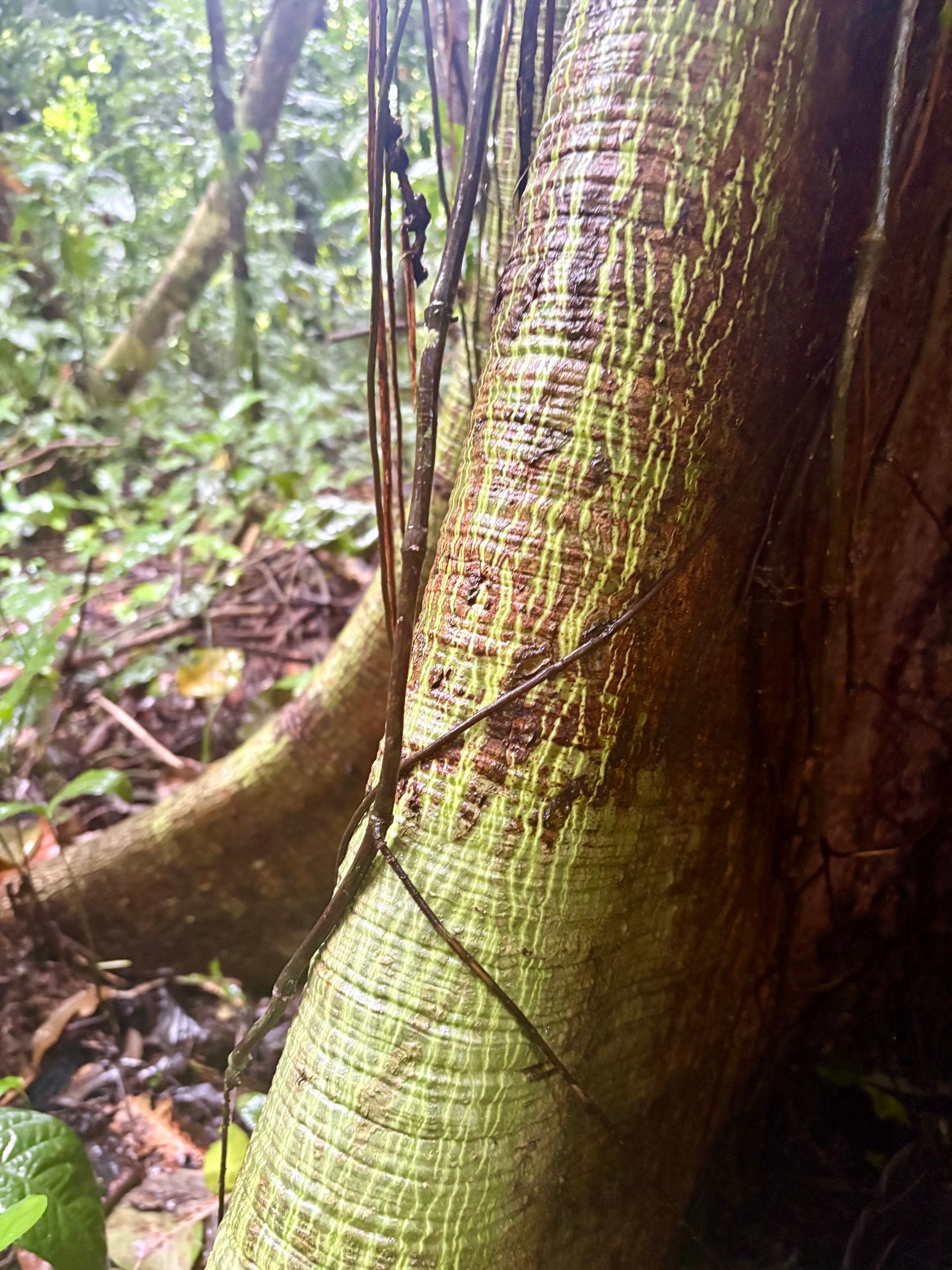
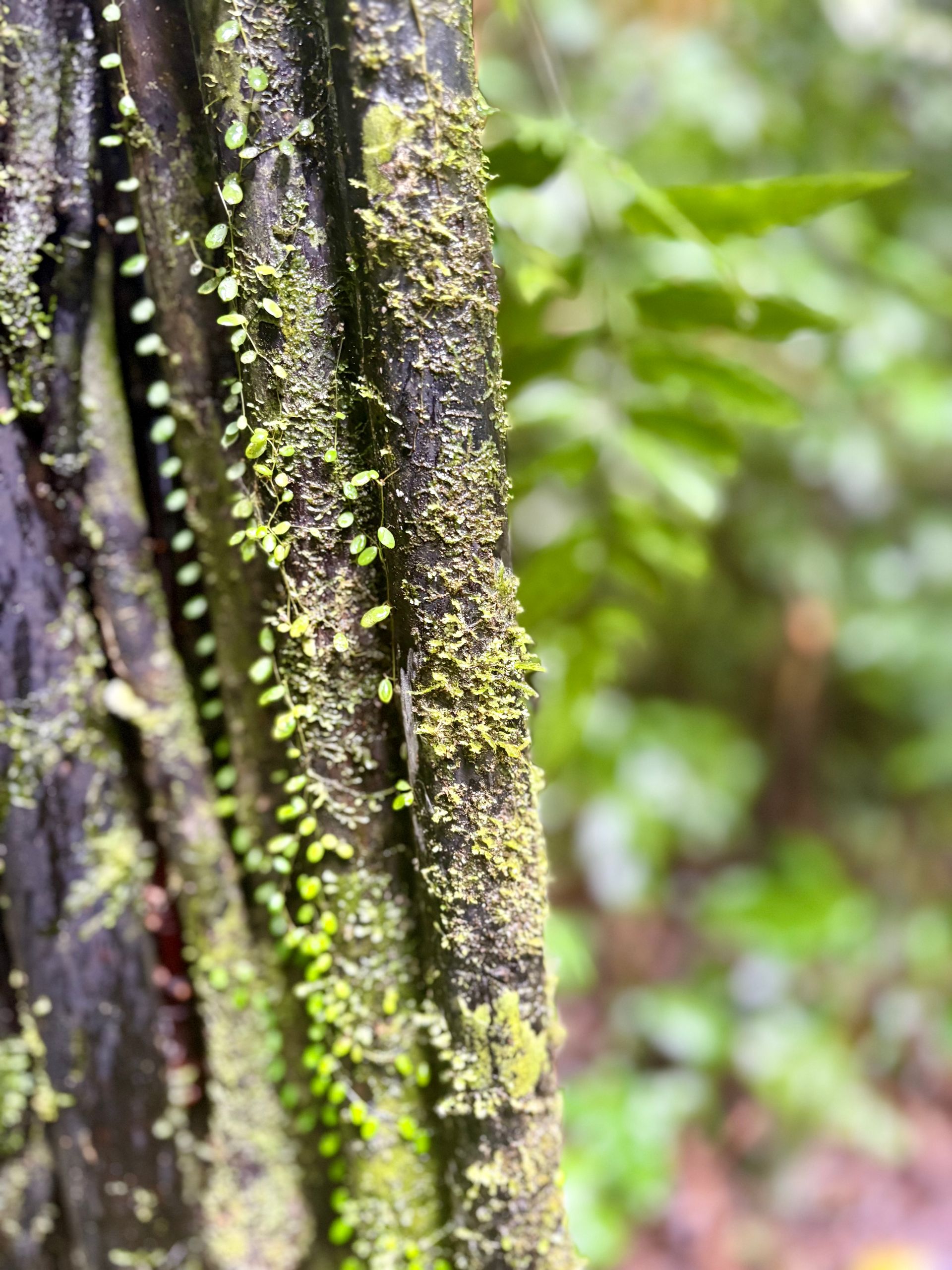
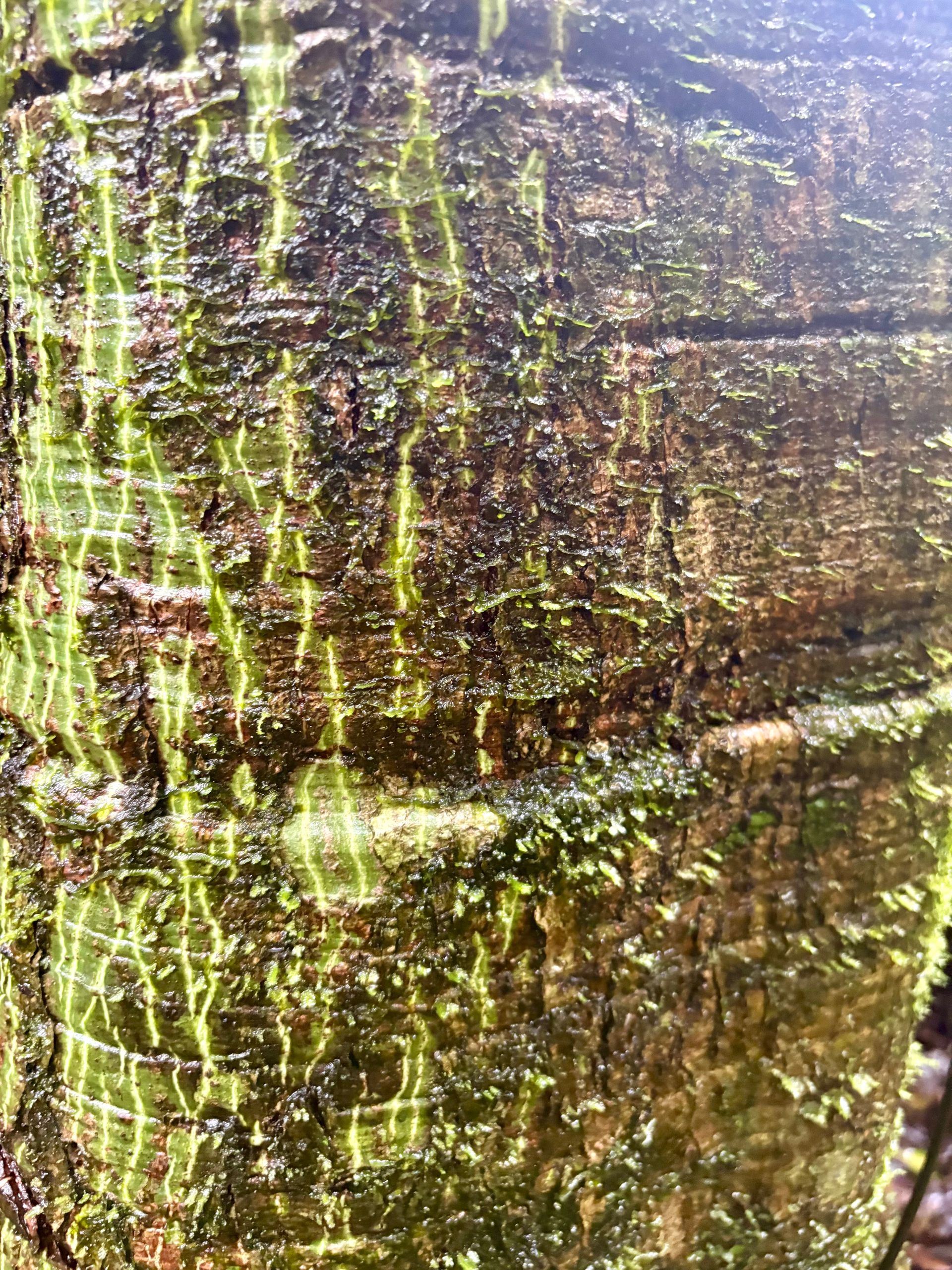
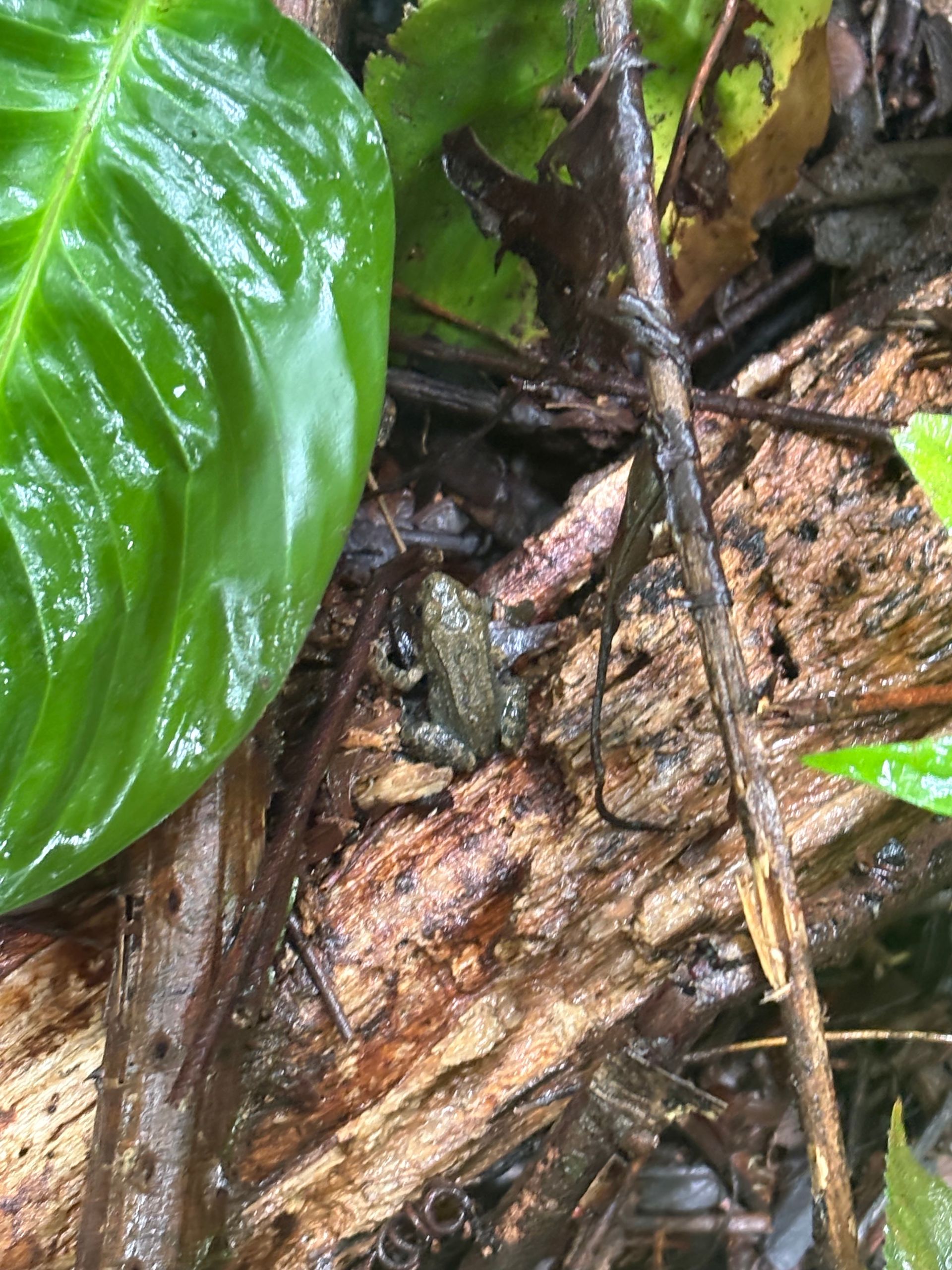
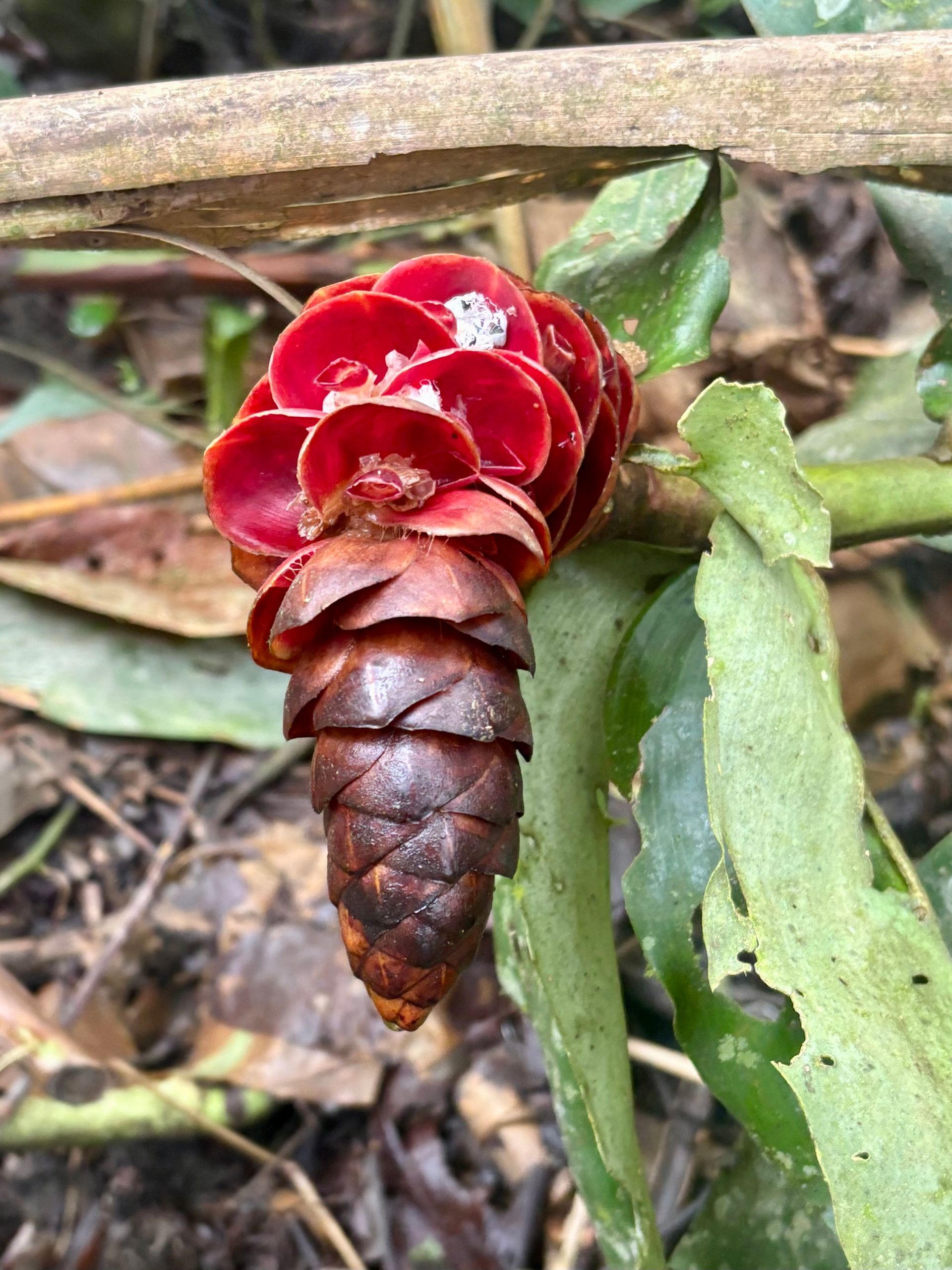
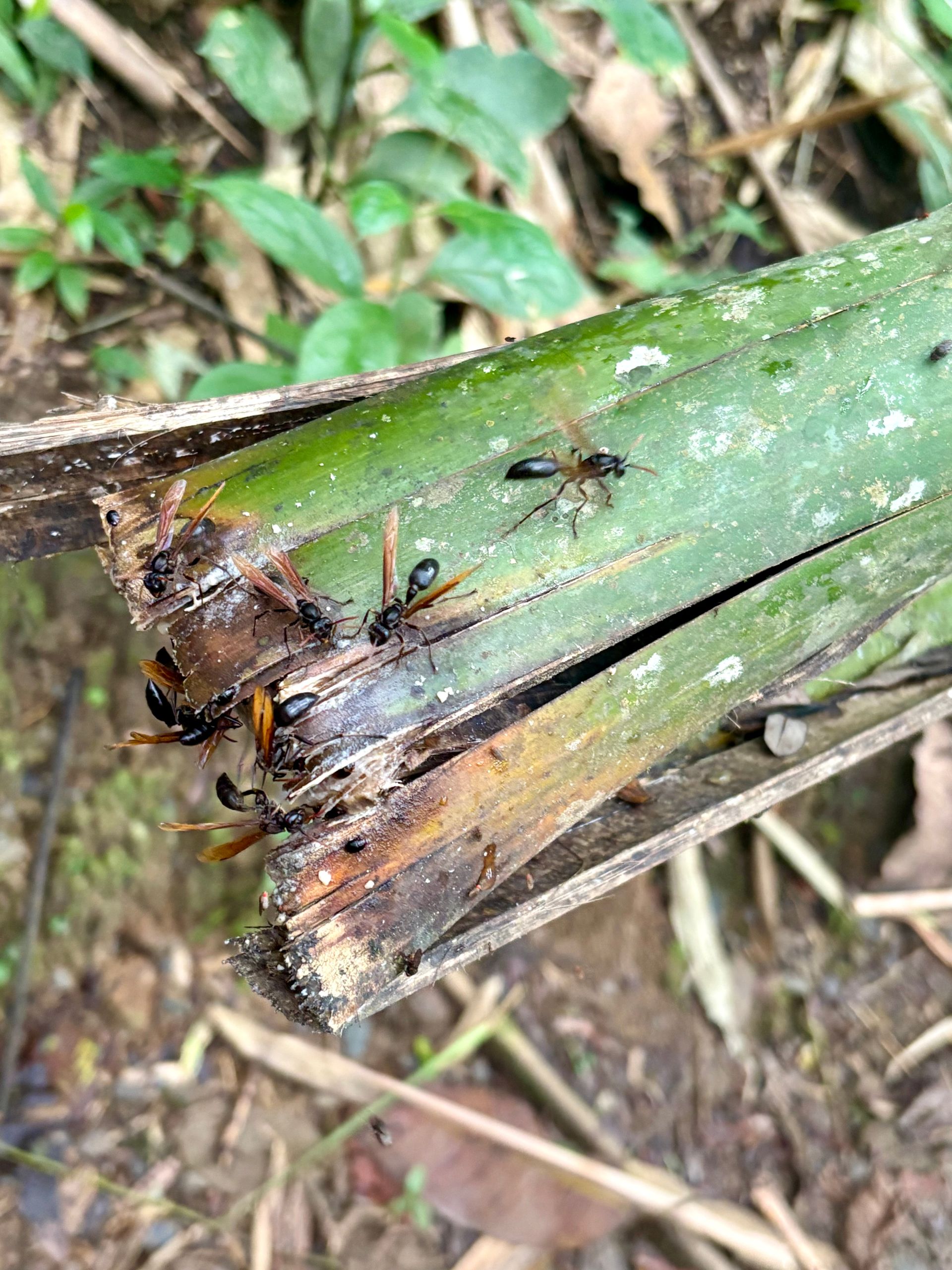
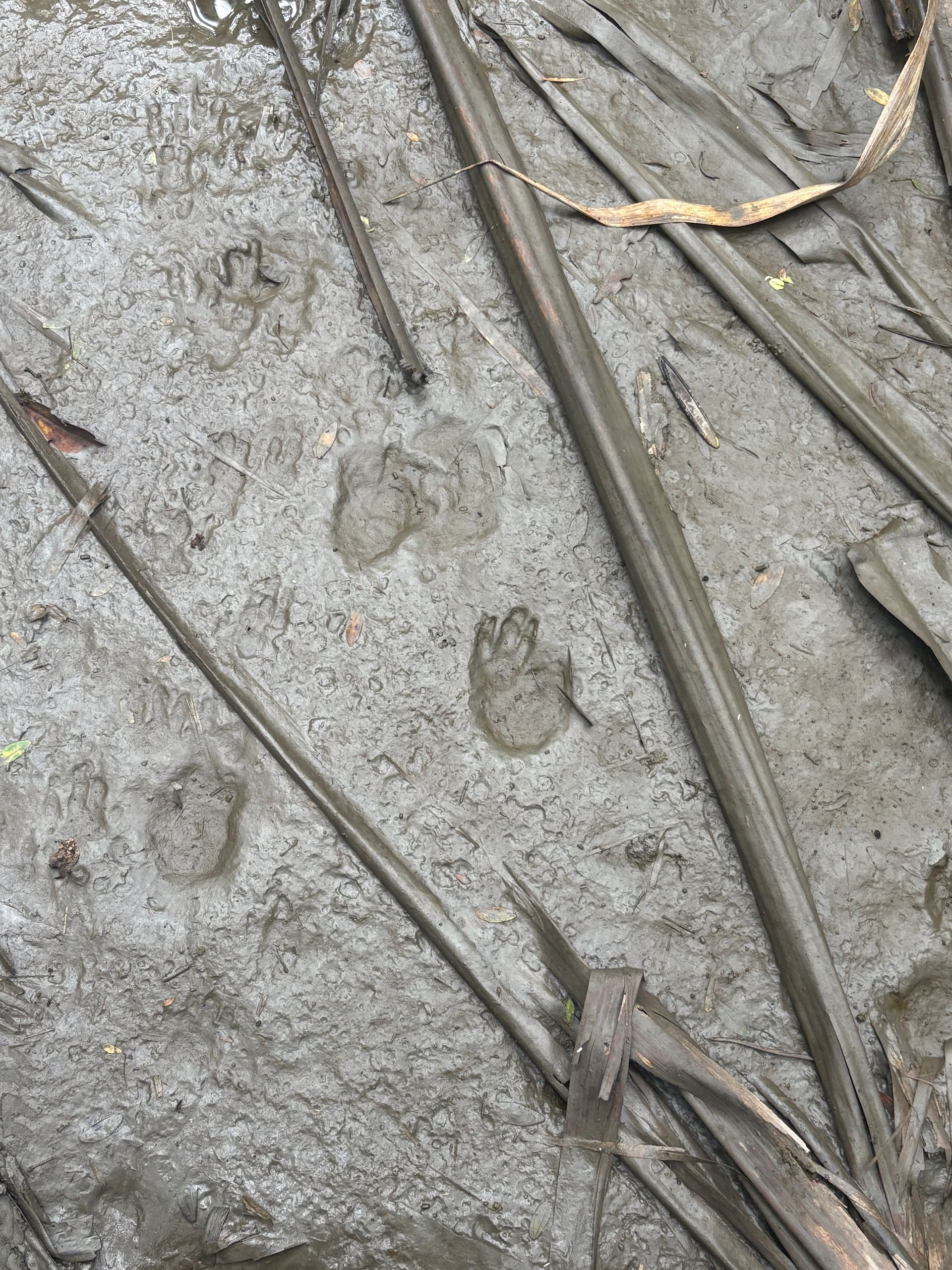
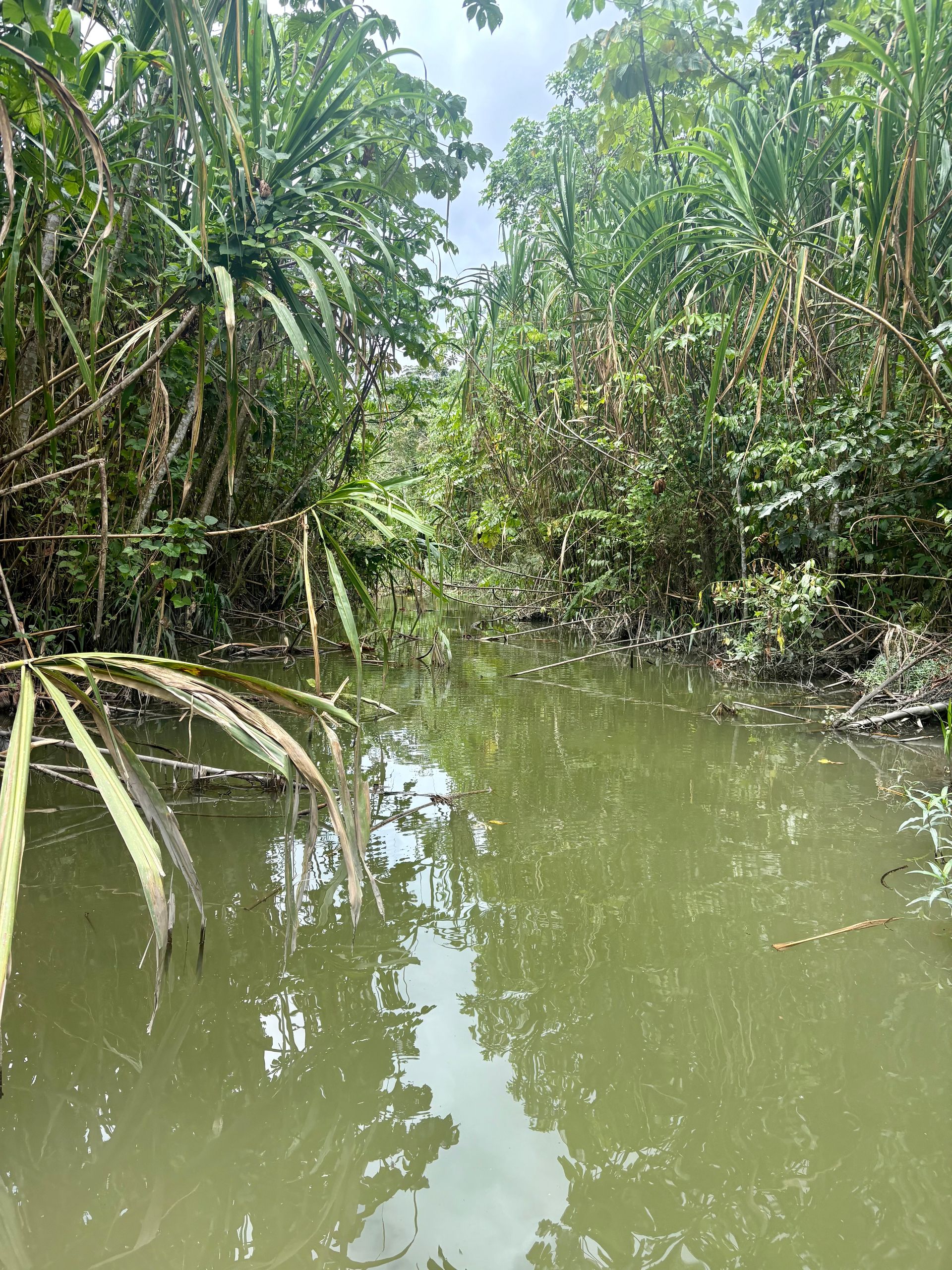
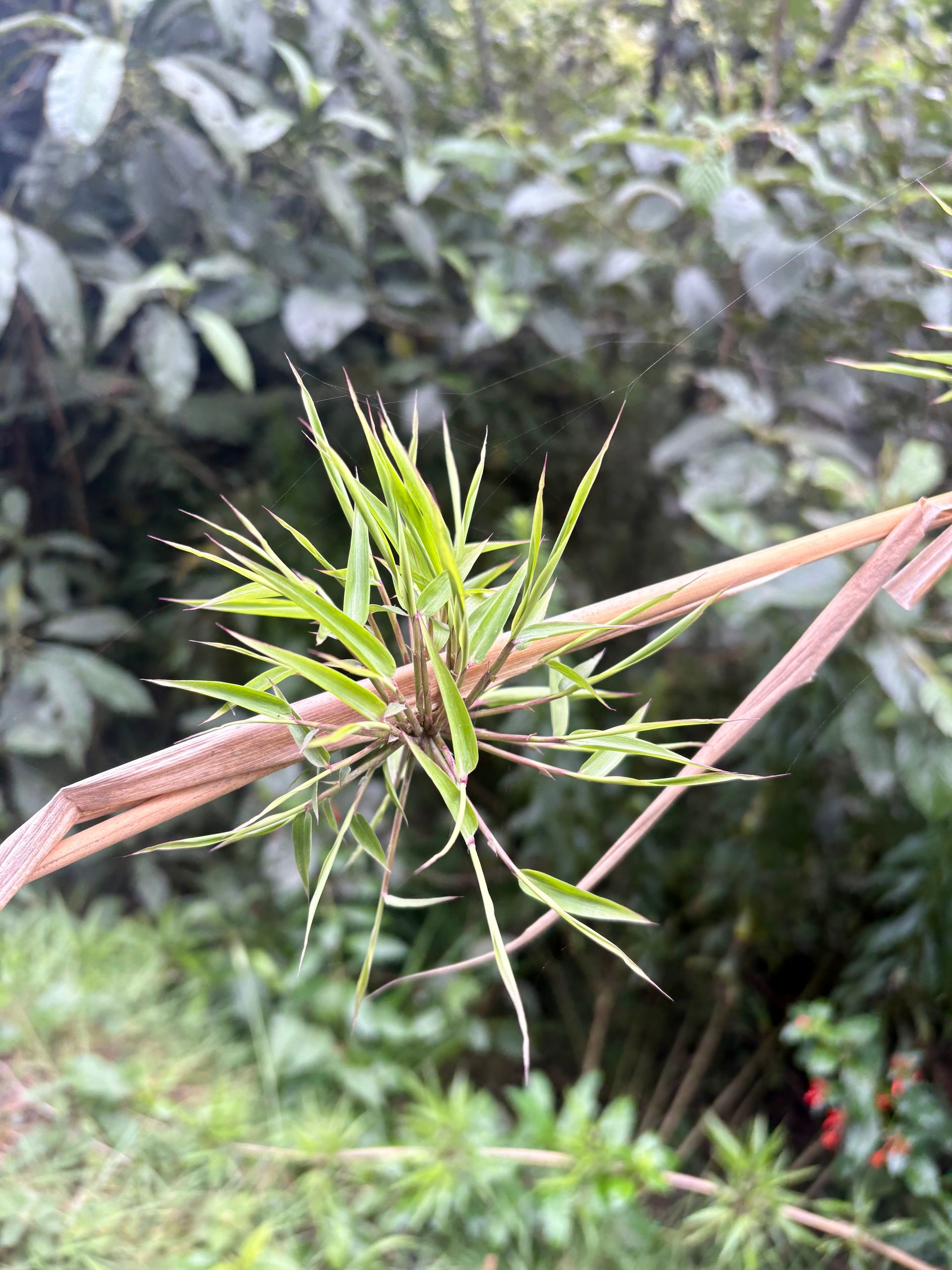
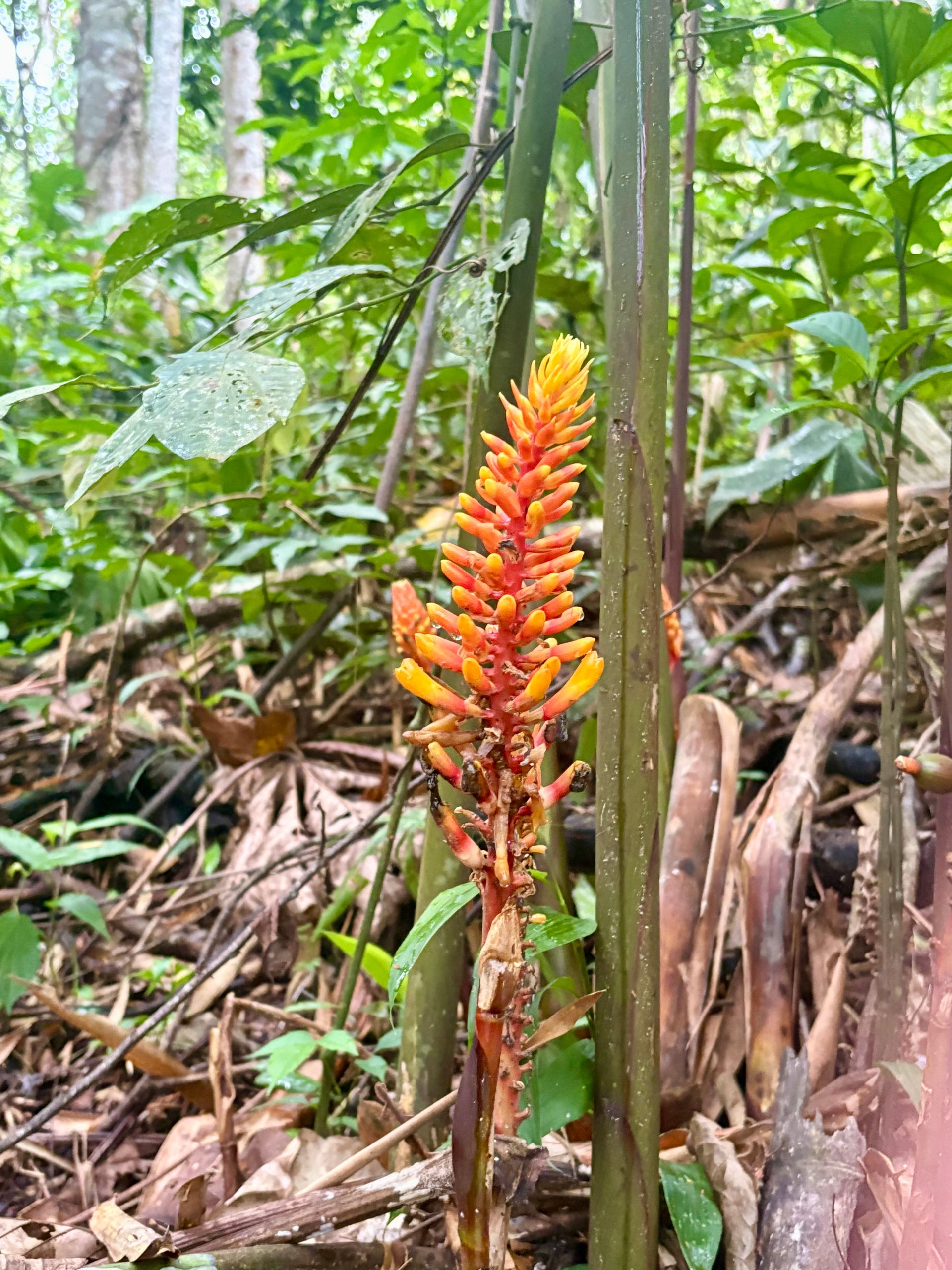
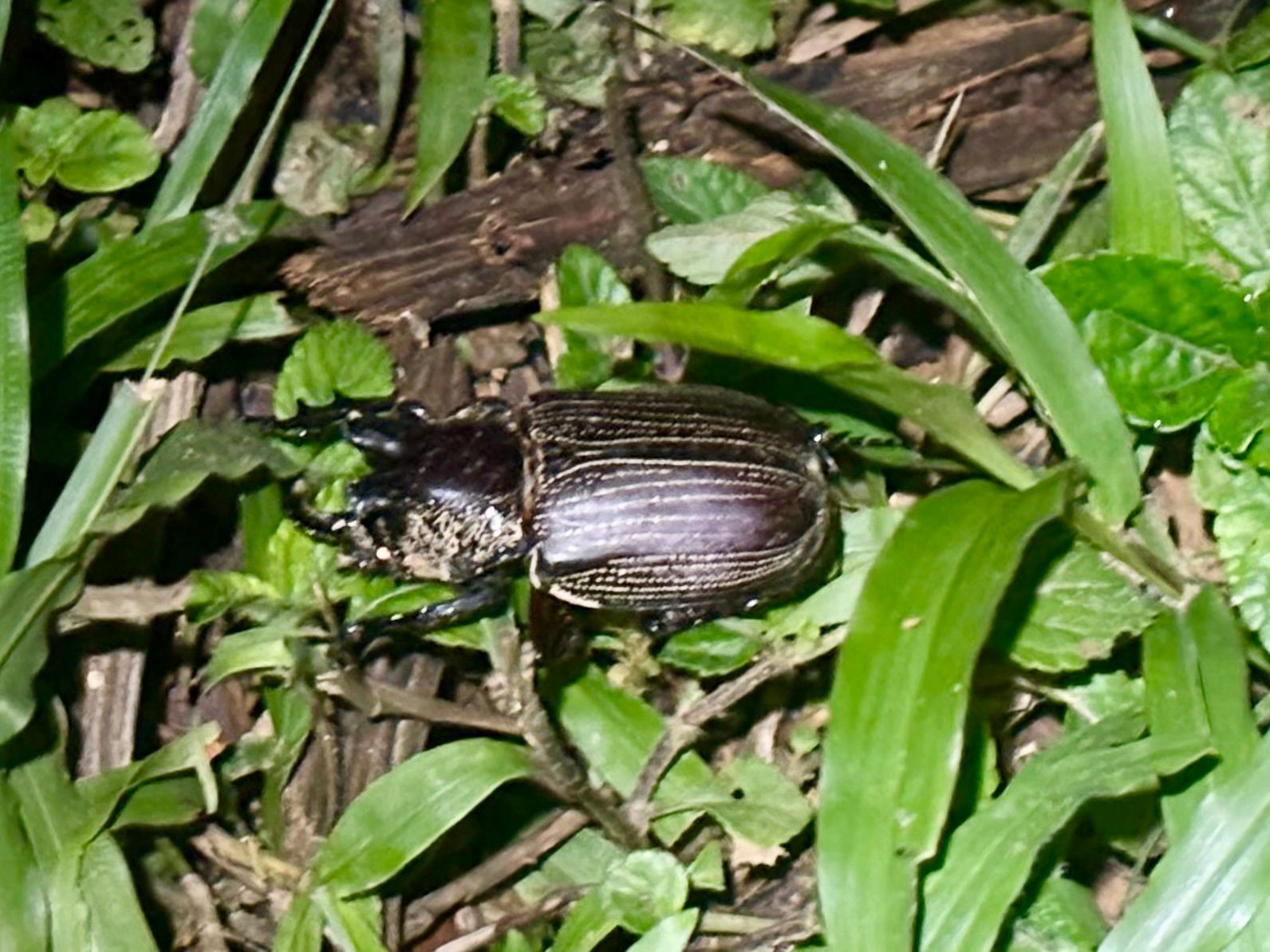
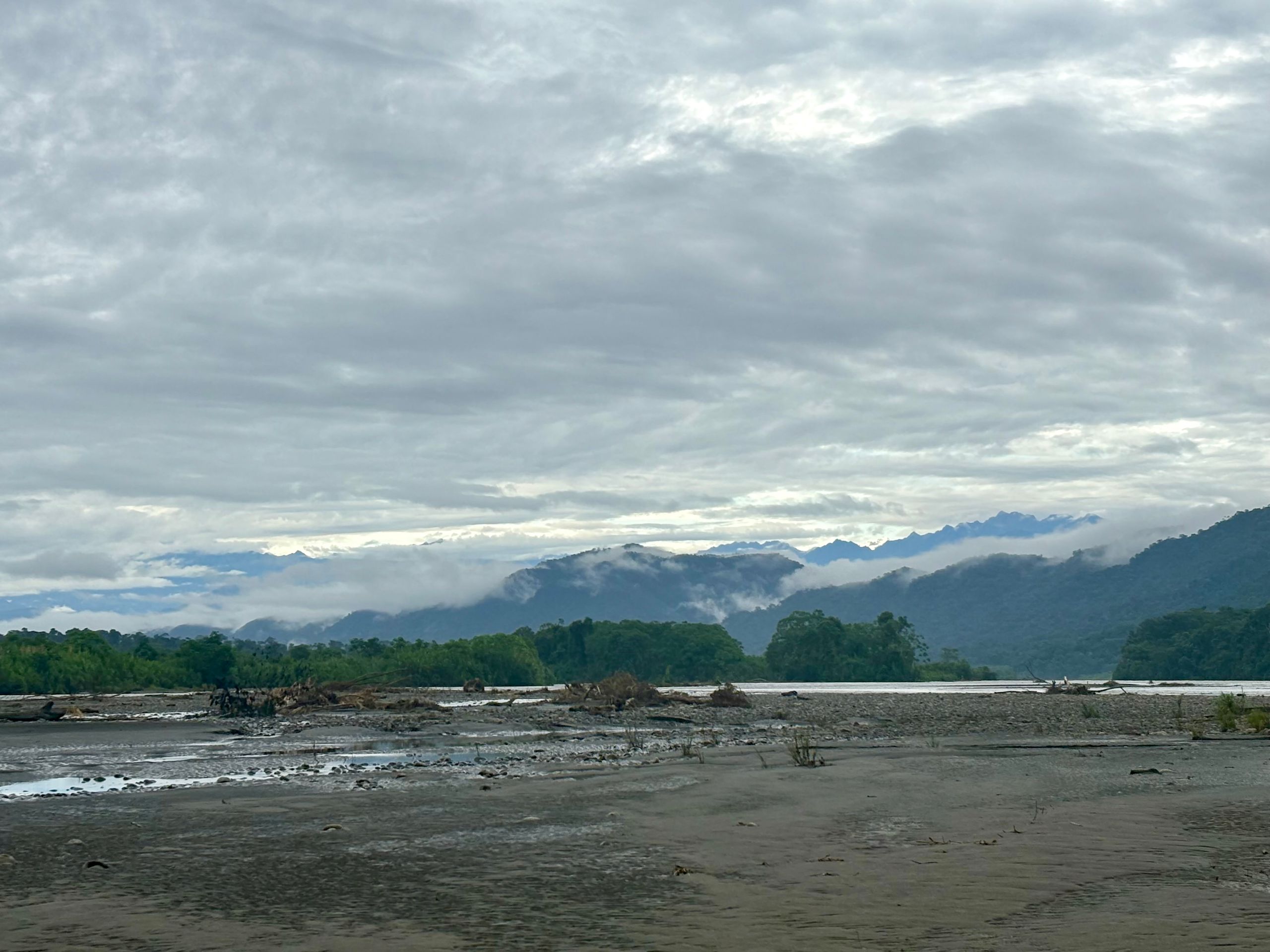
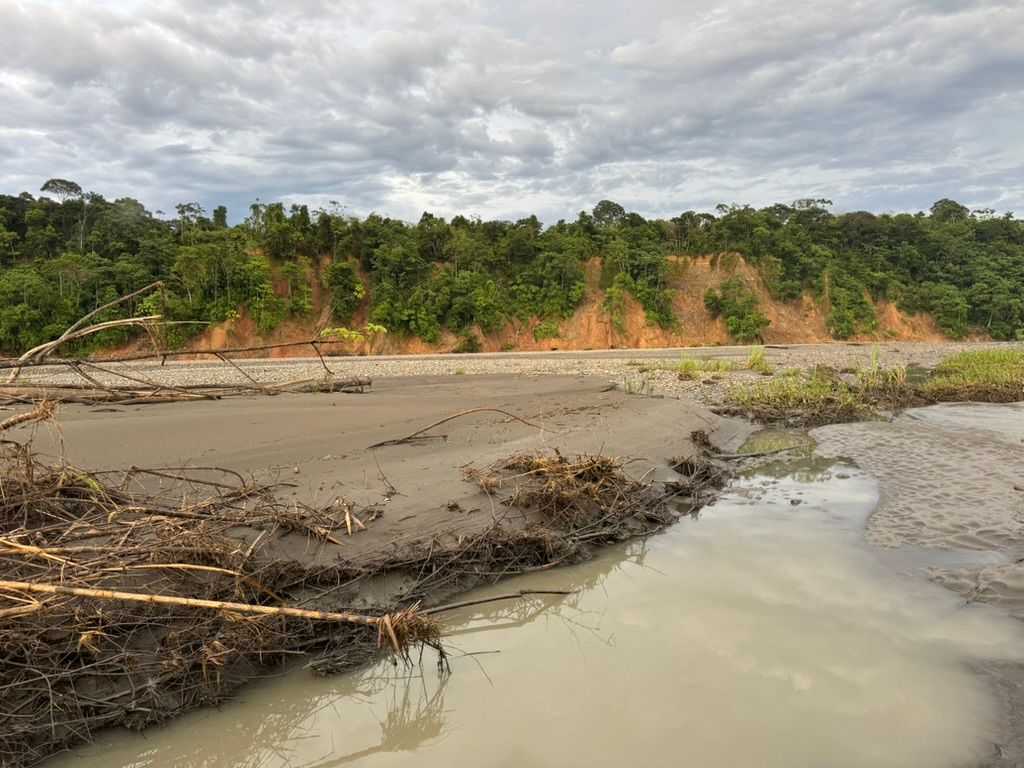
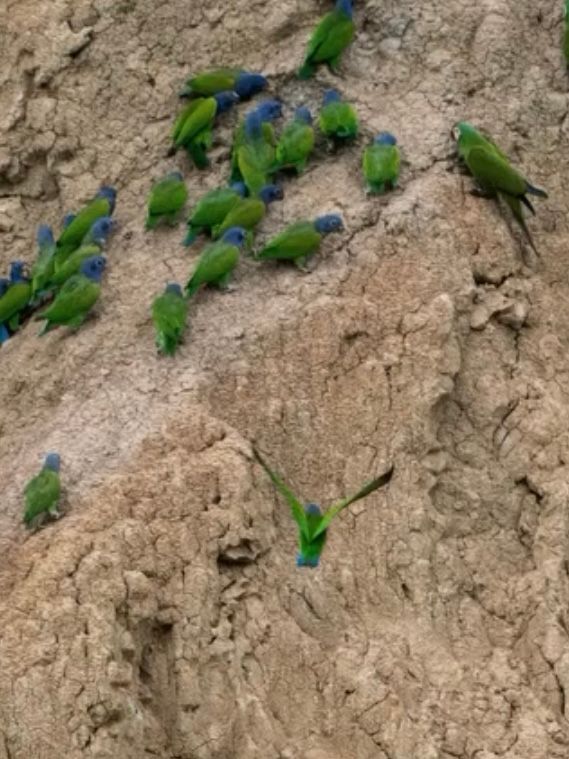
From now on, we were back to being two, and to distract ourselves from the sad farewell, we set off from Cusco to the Manu National Park. This rainforest reserve, covering nearly 20,000 km^2, is only accessible in the periphery of the so-called cultural zone, while the majority is closed off to protect the animals and plants (and small indigenous peoples who wish to avoid contact with the modern outside world). A total of 200 mammal species, 1000 bird species, and 1200 butterfly species are said to inhabit Manu, as well as about 10% of all plant species found in the world. The trend is upward, as new species are continually being discovered. And we hoped to be able to observe a small part of that!
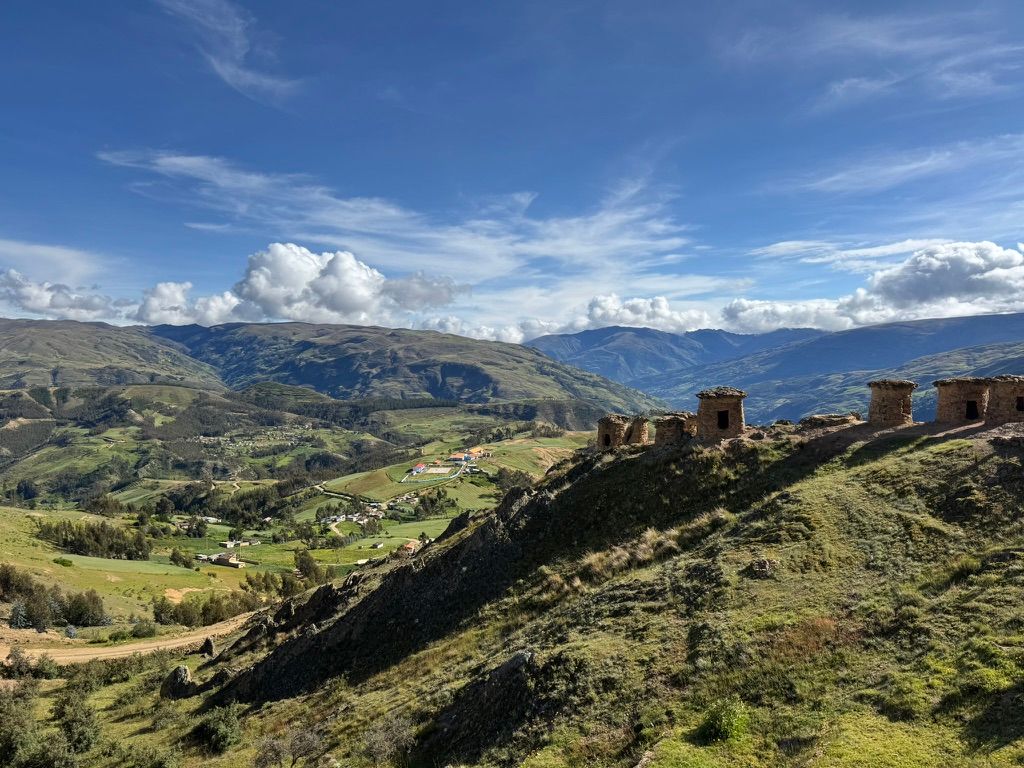
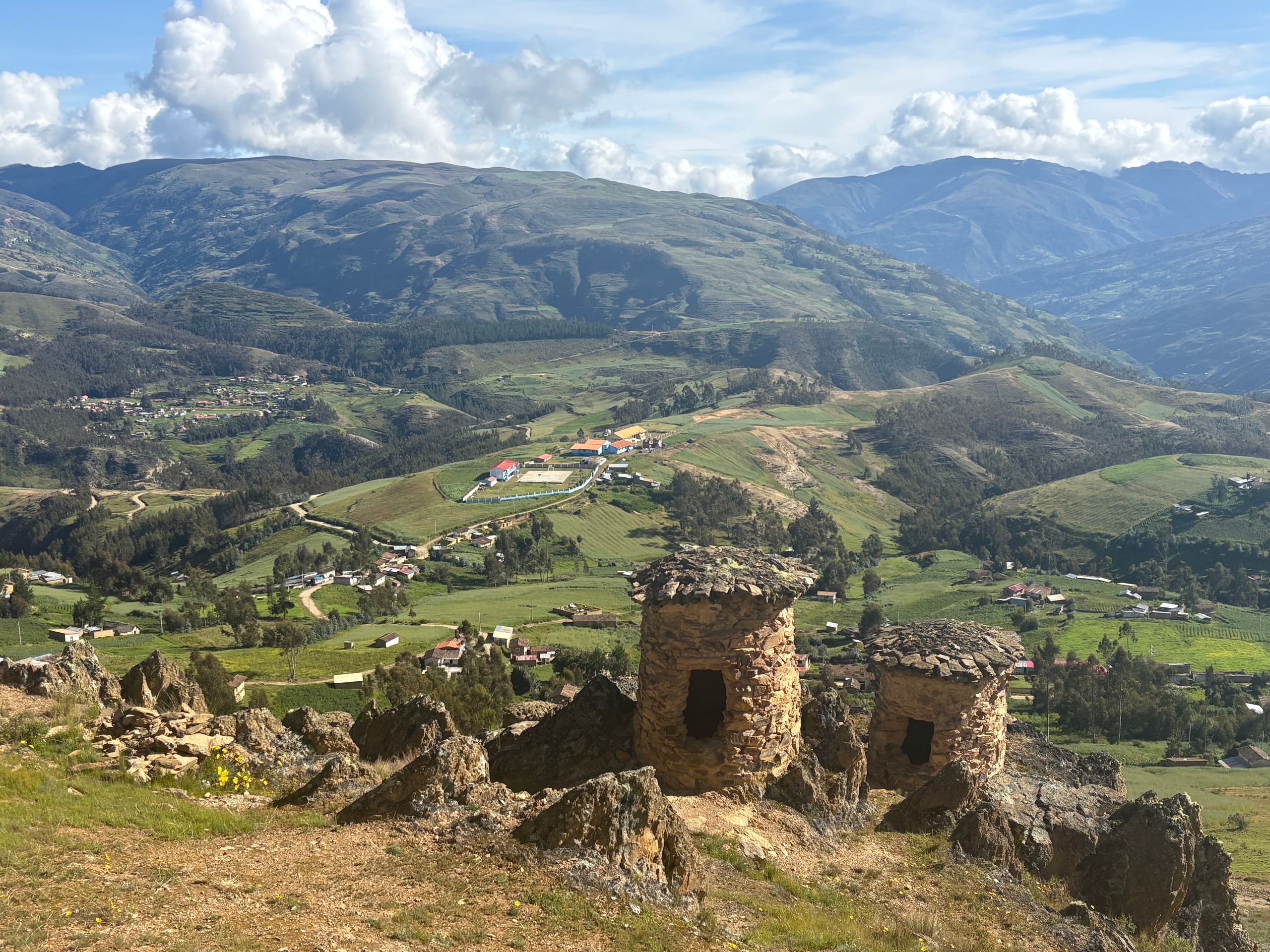
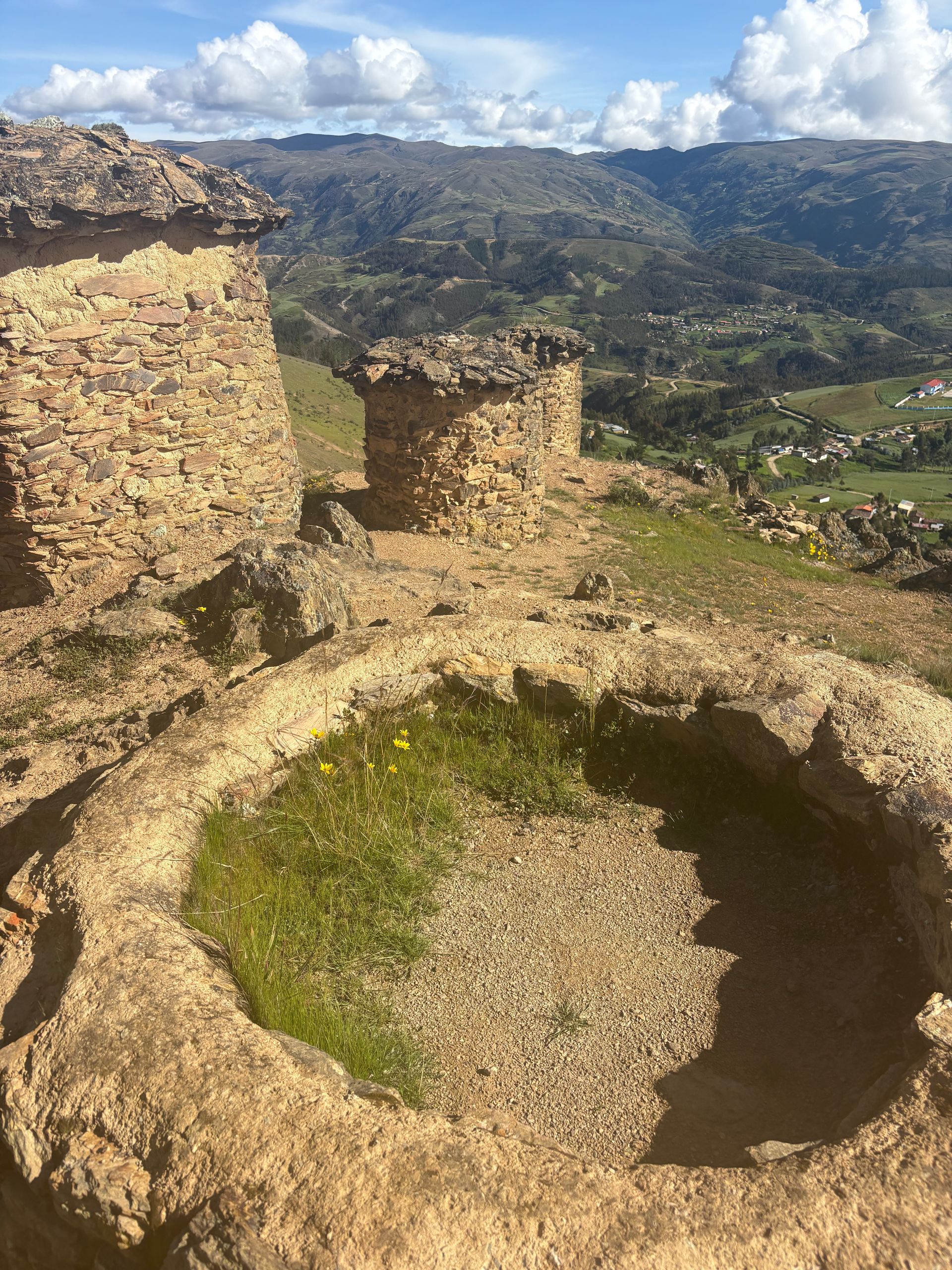
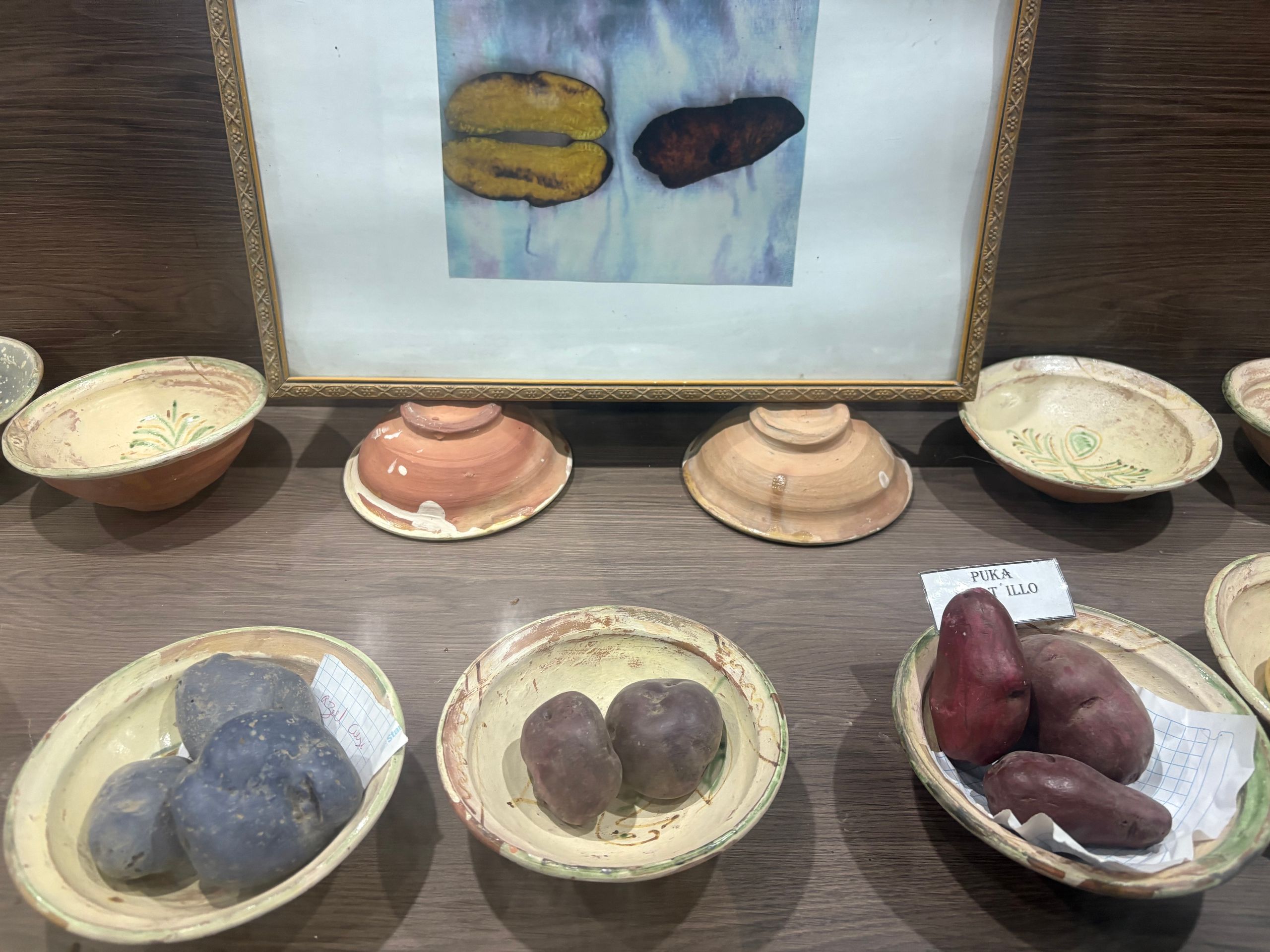
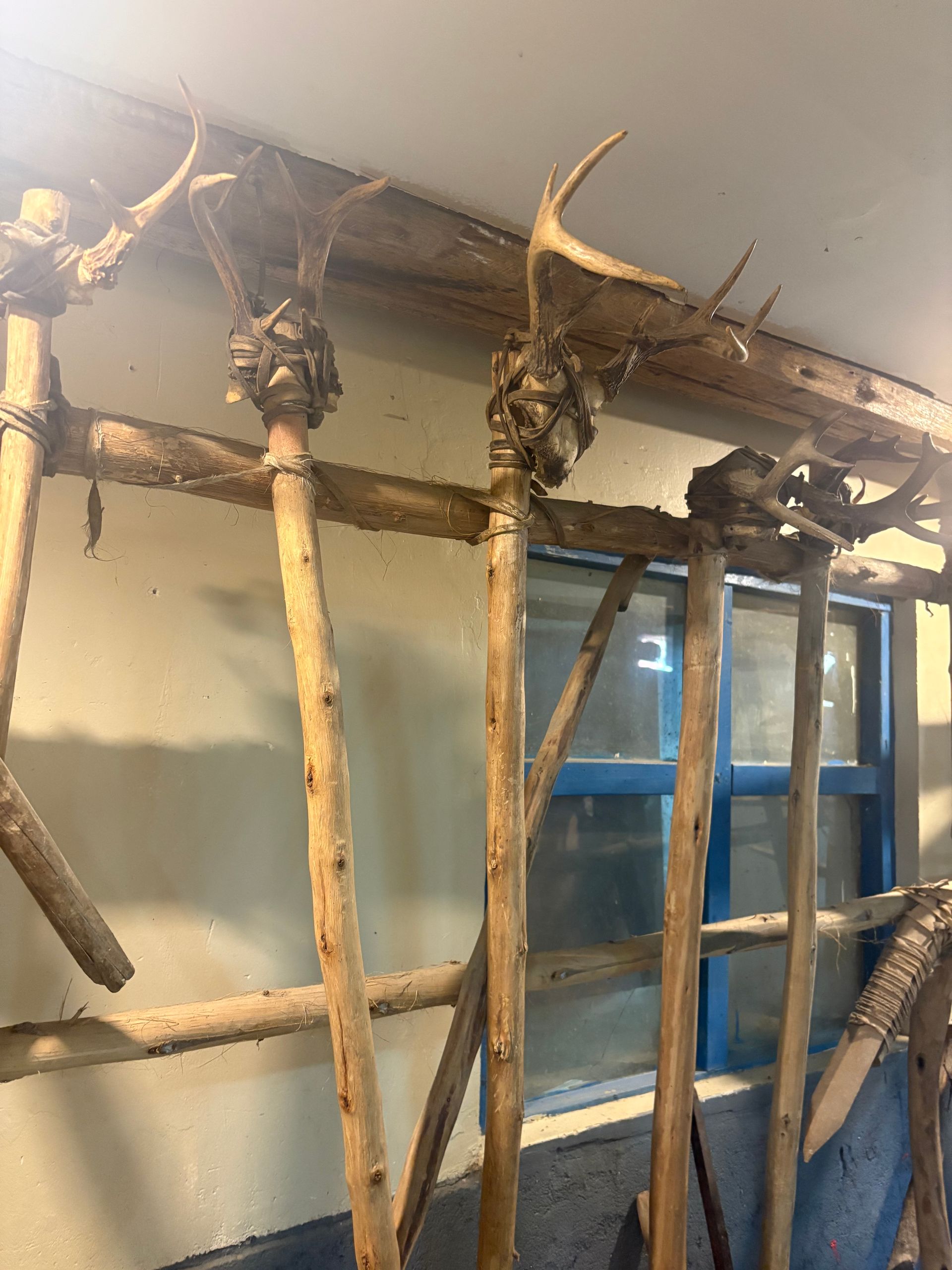
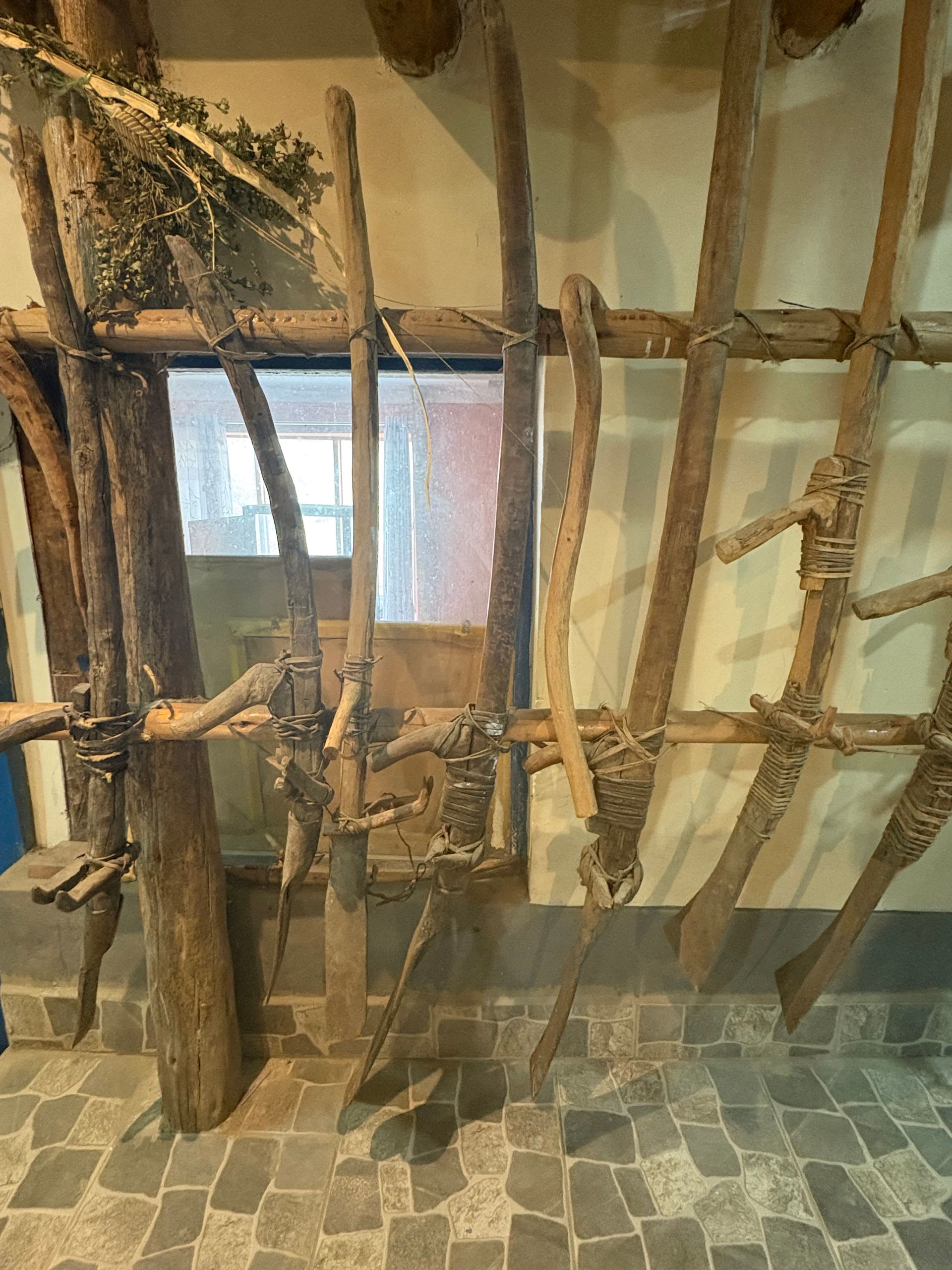
With a small group of European tourists, a pleasant well-fed old lady as the cook, and a great knowledgeable biologist as our guide, we set off. Once again, it was a long and arduous journey – descending from over 3000 meters in Cusco through mountain roads and fog forests to the national park at around 300 meters. Along the way, we stopped at the Chullpas de Ninamarca (pre-Columbian burial sites where people were buried sitting in fetal position) and at a potato museum, where an enthusiastic scientist from Lima lectured about the over 3500 potato varieties said to exist in Peru. In the area, potatoes are supposedly grown with very archaic-looking tools and a lot of manual labor; it's hard to believe such things are still in use.
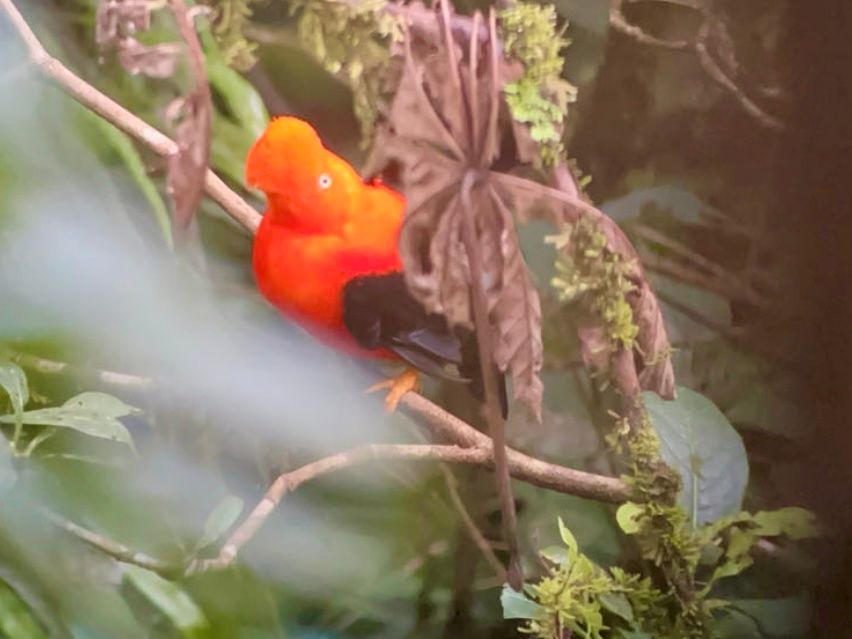
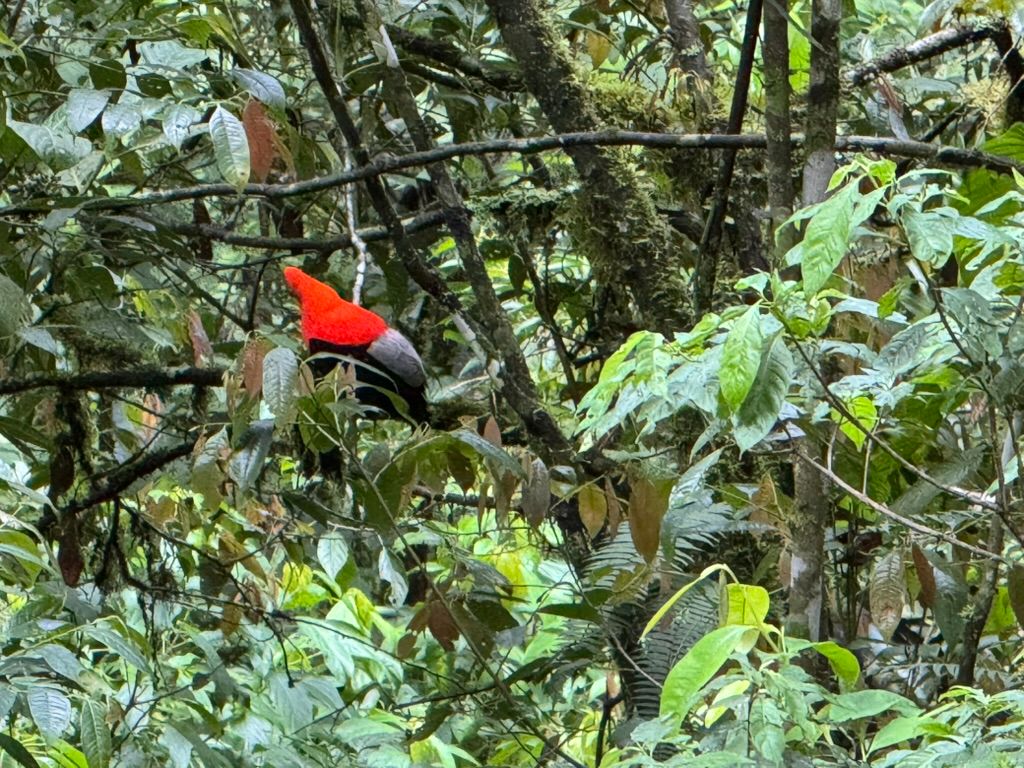
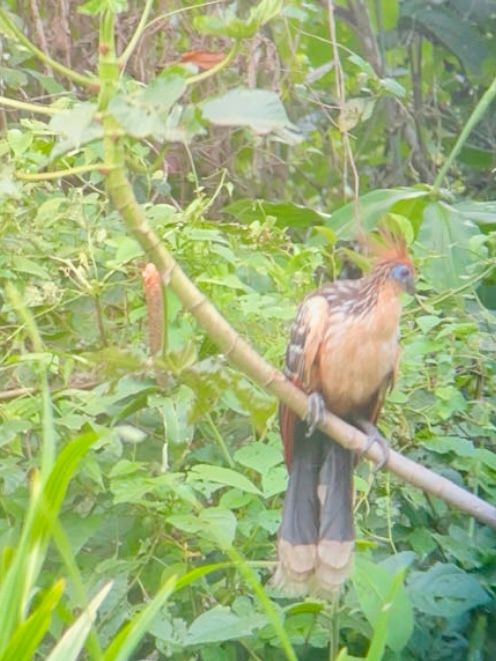
The road wound on, becoming hotter and more humid. At the roadside, we spotted the first exotic birds, and we walked along the path with our guide armed with binoculars while our car waited for us further down. Unfortunately, we could only remember a fraction of the animal names, but our first proud observation was a chestnut-crowned cotinga with bright red eyes, followed by a red macaw (Ara). And we arrived at a spot where, during certain times of day, the strange-looking Andean cock-of-the-rock could be observed with its 'nubbin nose', by the way, Peru's national bird.
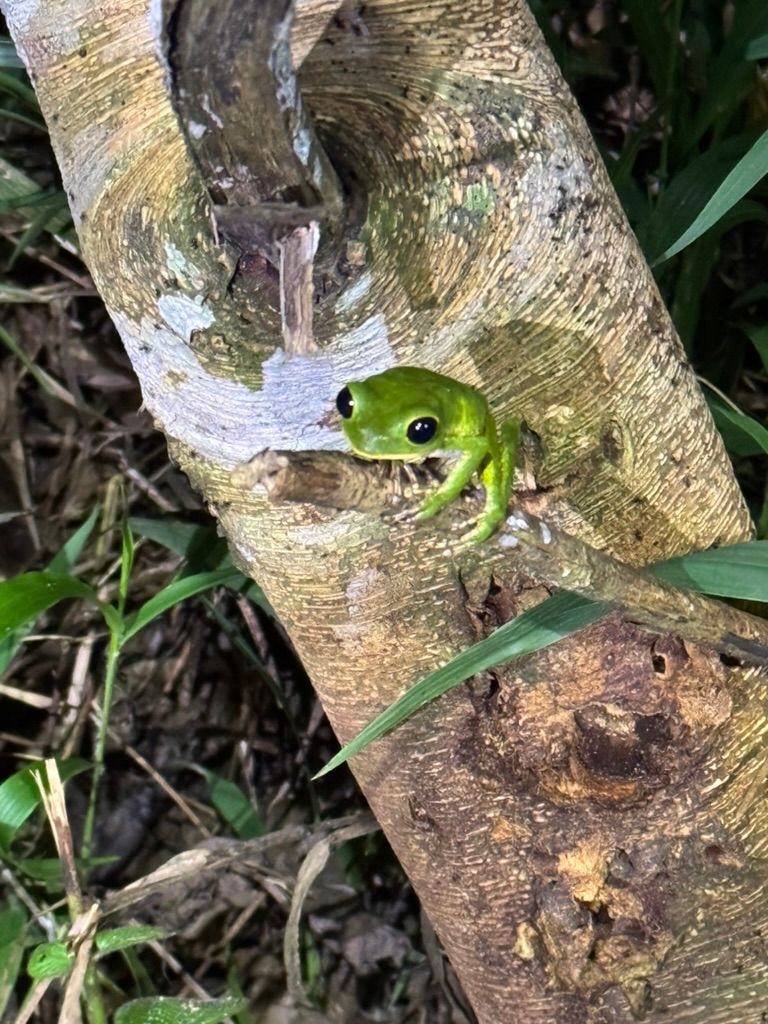
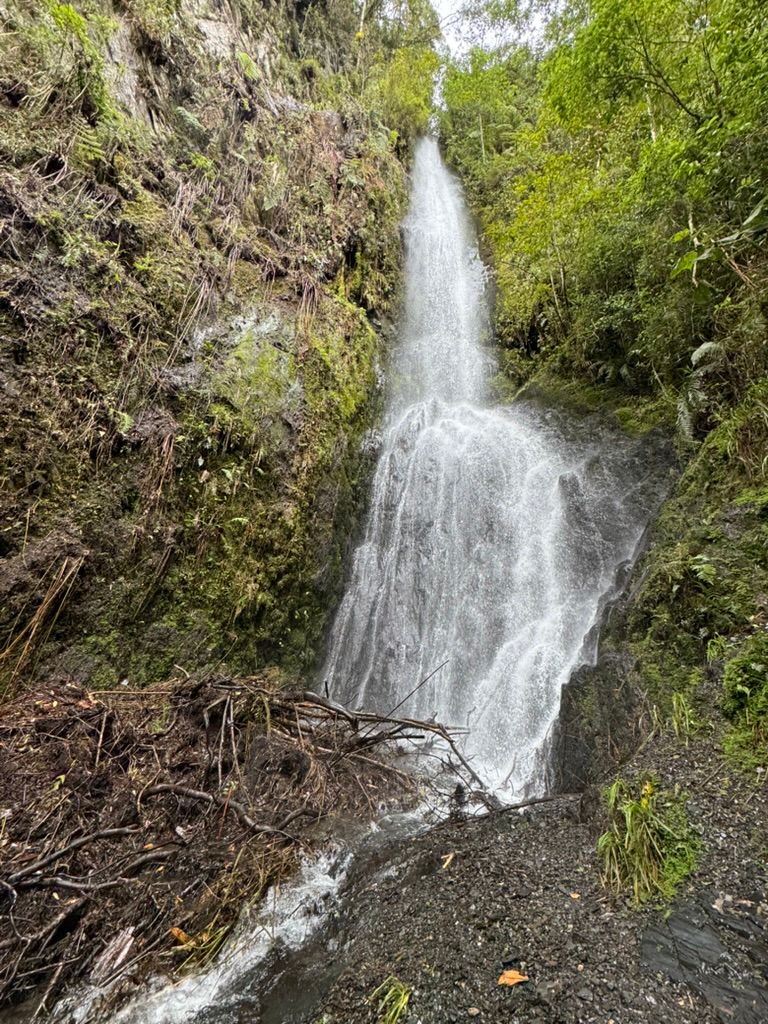
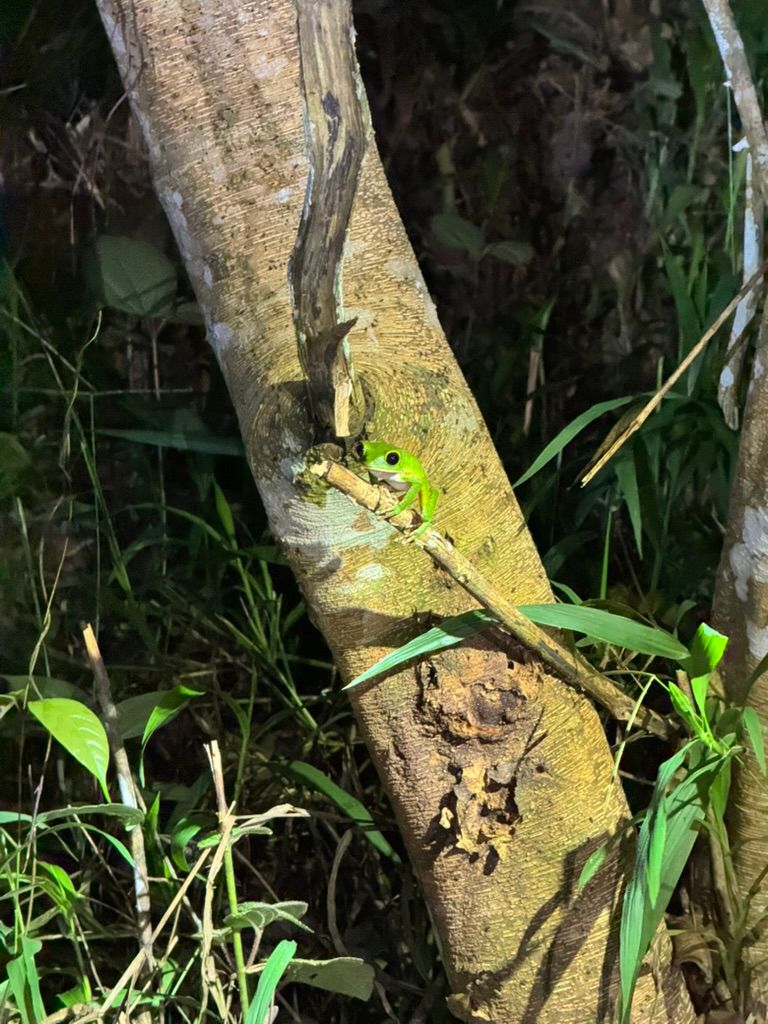
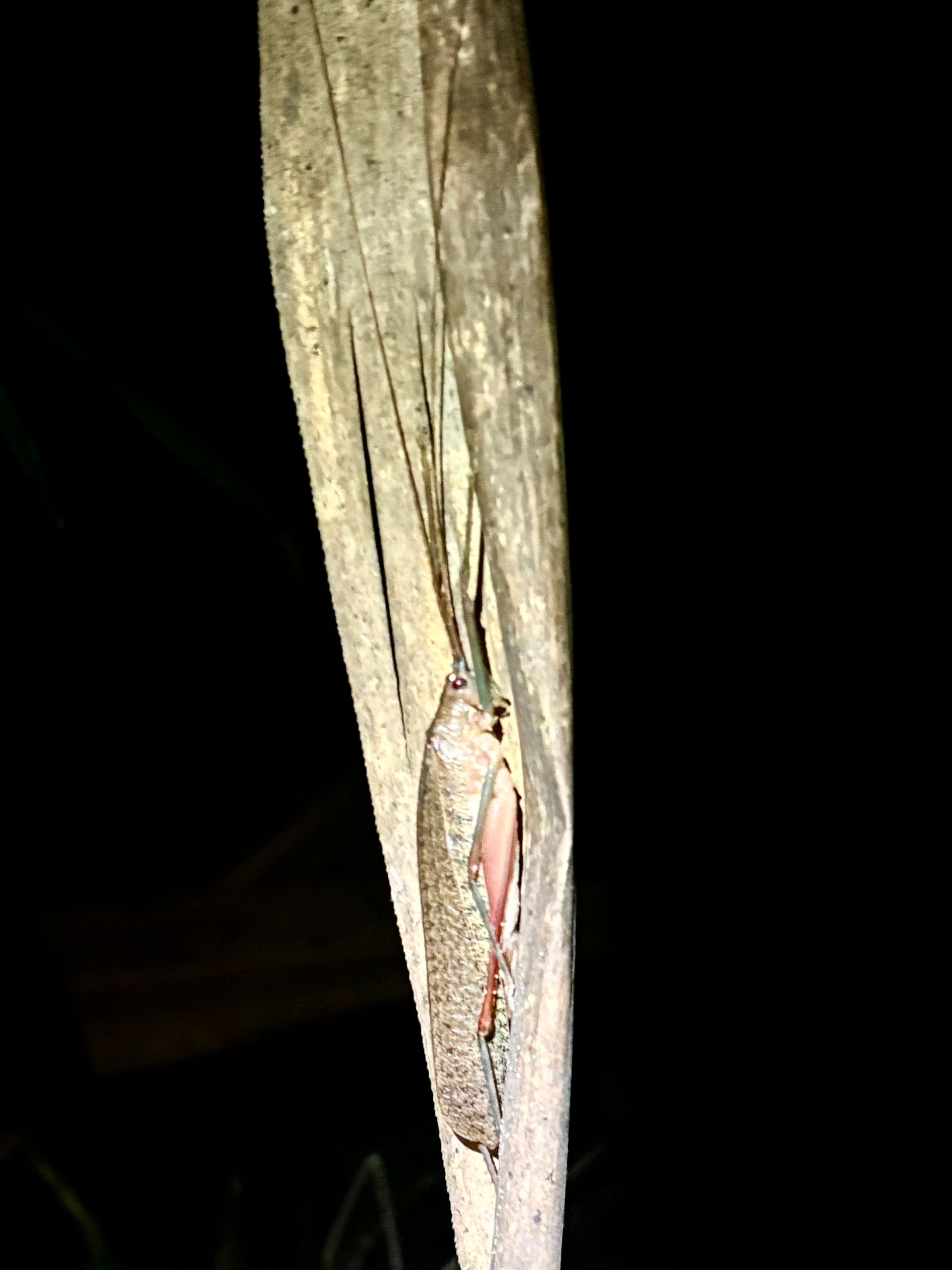
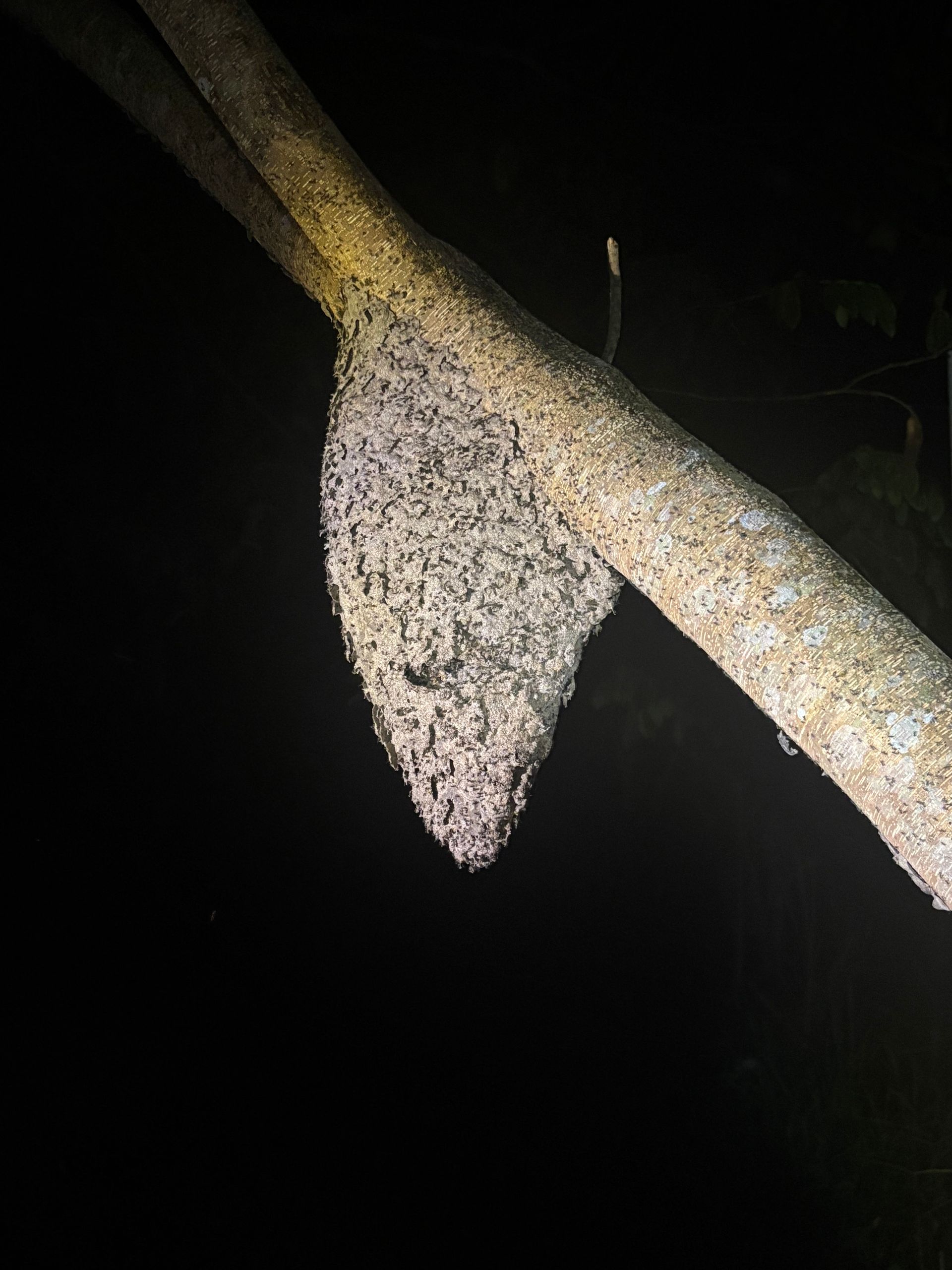
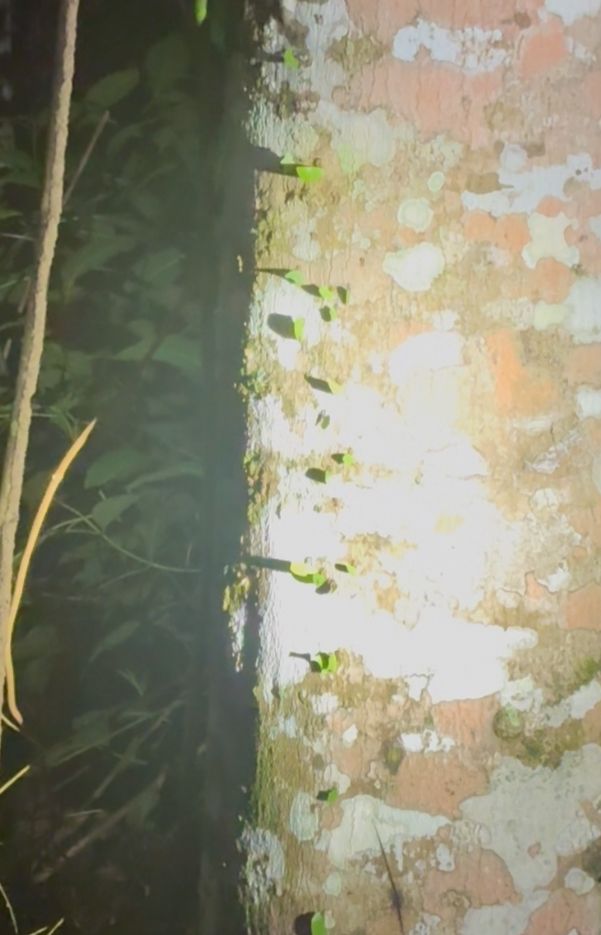
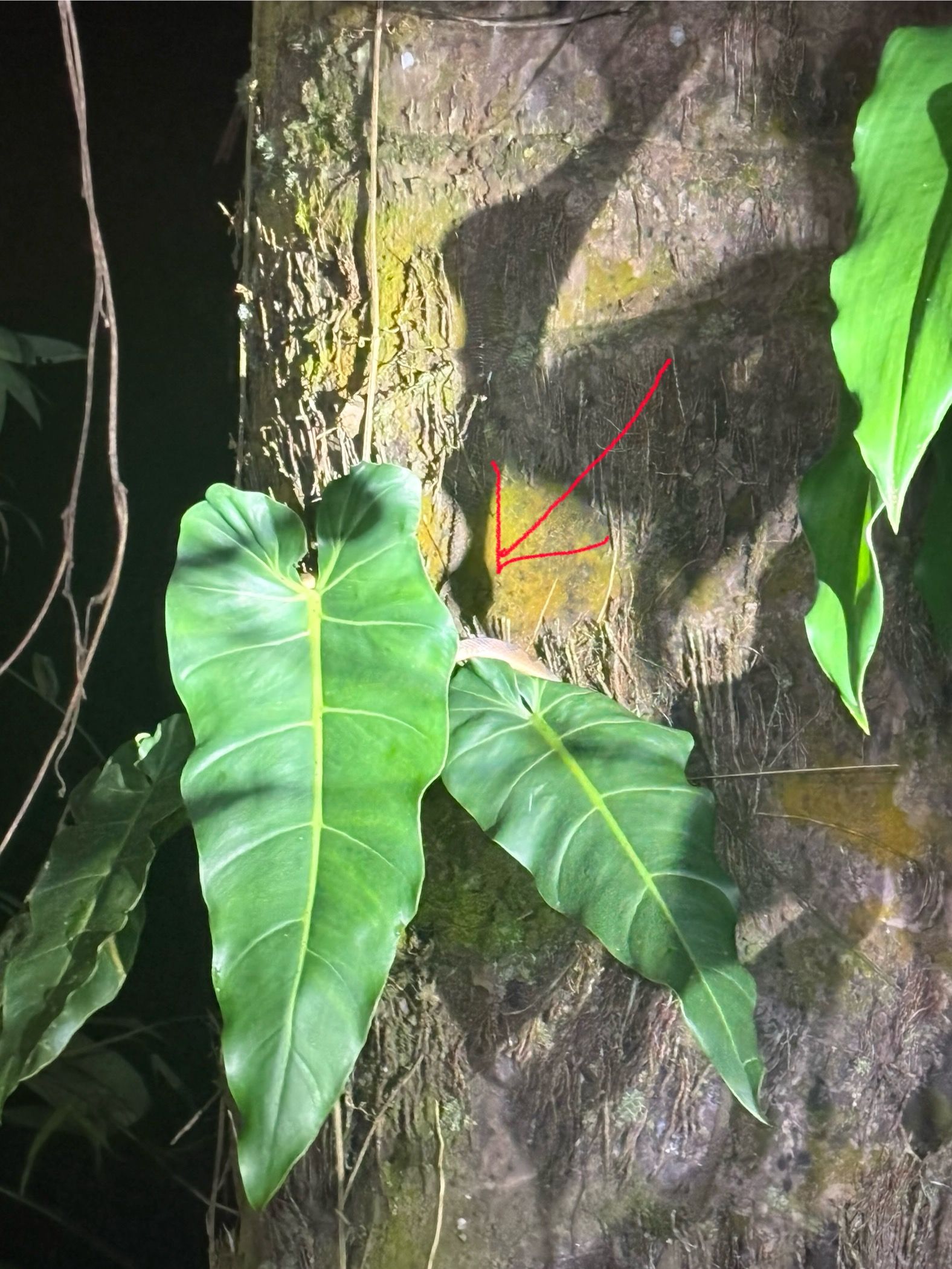
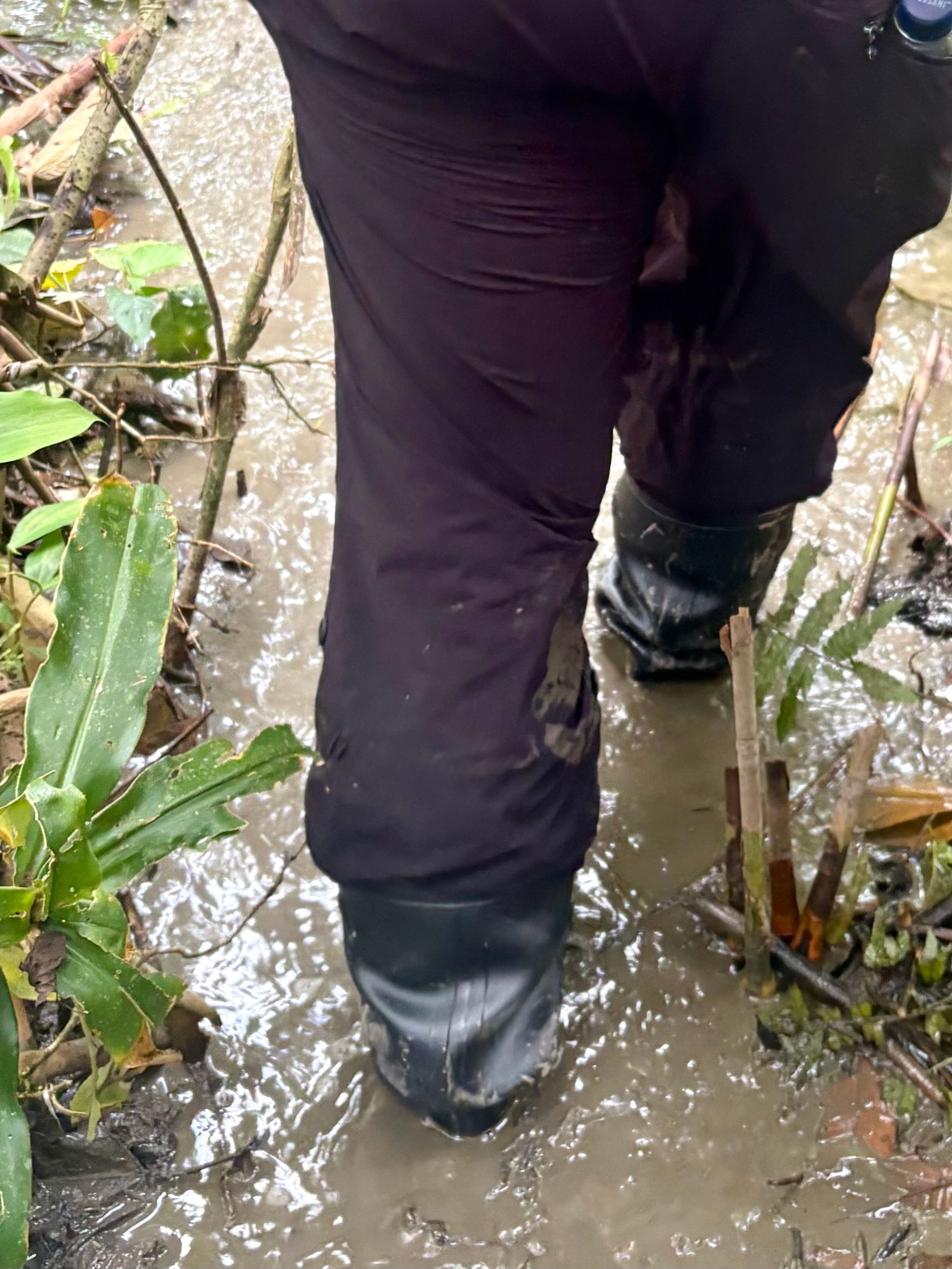
After a delicious meal at a waterfall and more kidding around, we reached our first accommodation (simple bamboo huts with cold showers, but at least private rooms). Here, we were all issued rubber boots, which we needed for the next few days. Unfortunately, Freddy's pair was too tight around the calves, so he ended up with some really nasty chafing wounds over time. The boots came into play immediately after nightfall when we set off for a little night walk. It was quite spooky; there were creeks, crawlers, buzzing, and croaking all around, and something was constantly flying into our mouths. We discovered a few funny frogs and toads, leafcutter ants, a snake waiting in the water for a tree frog as prey, and all kinds of insects.
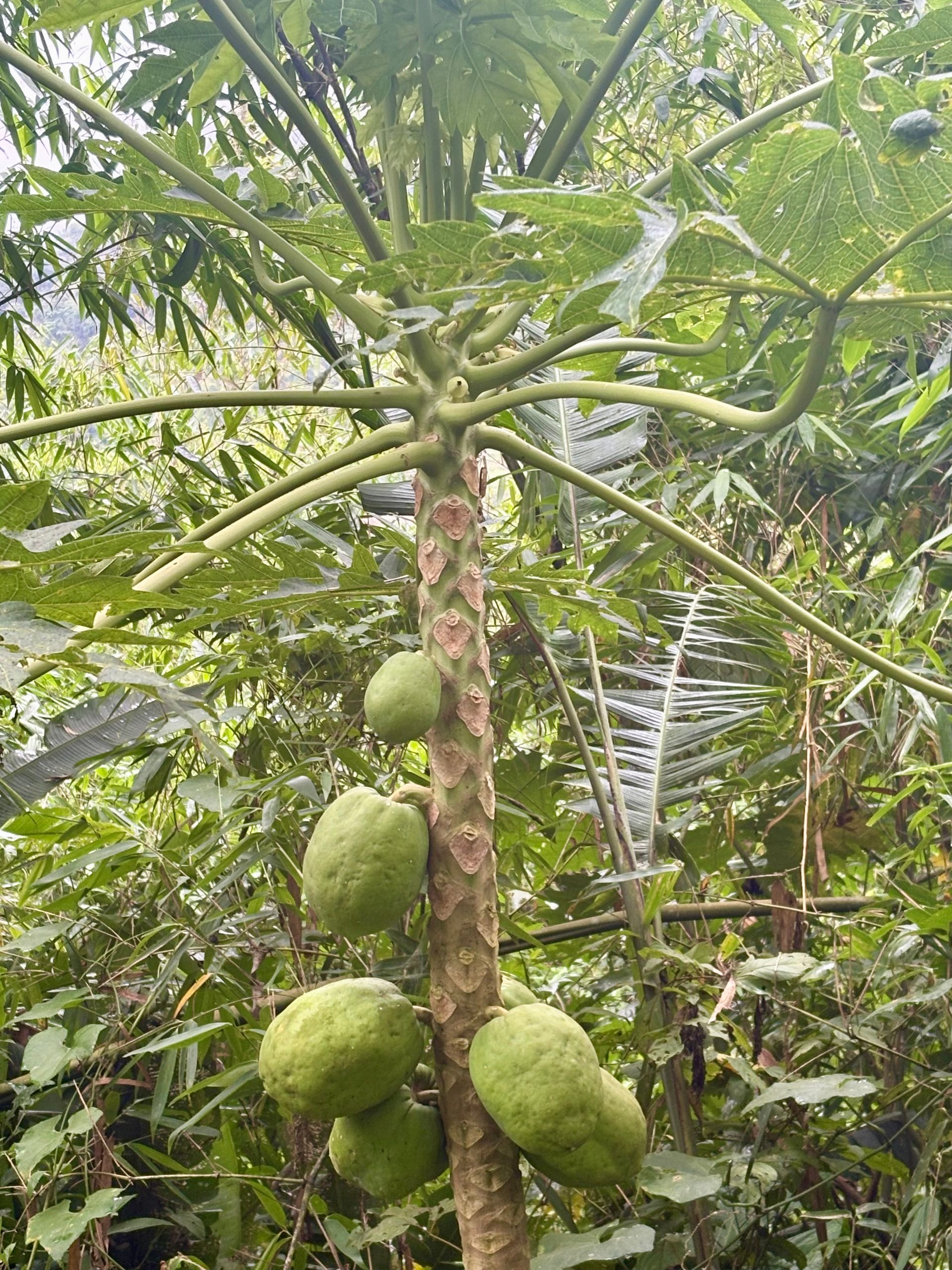
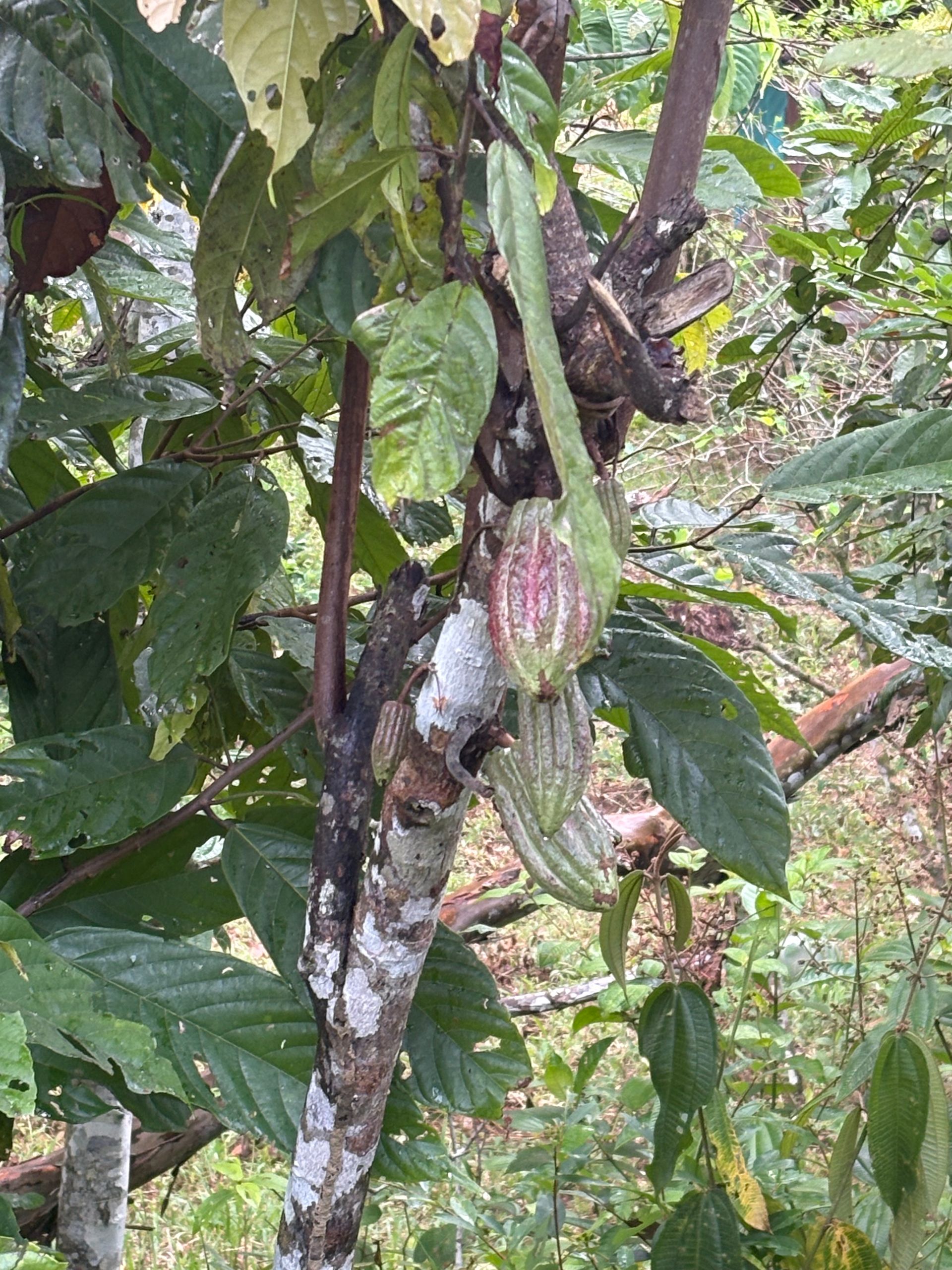
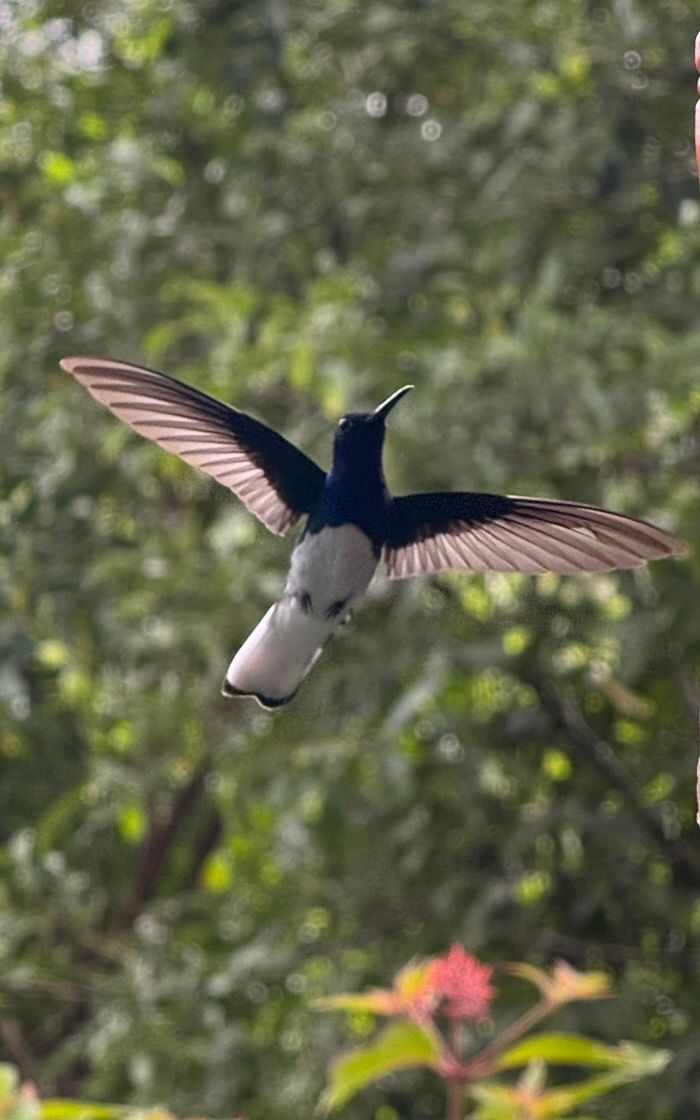
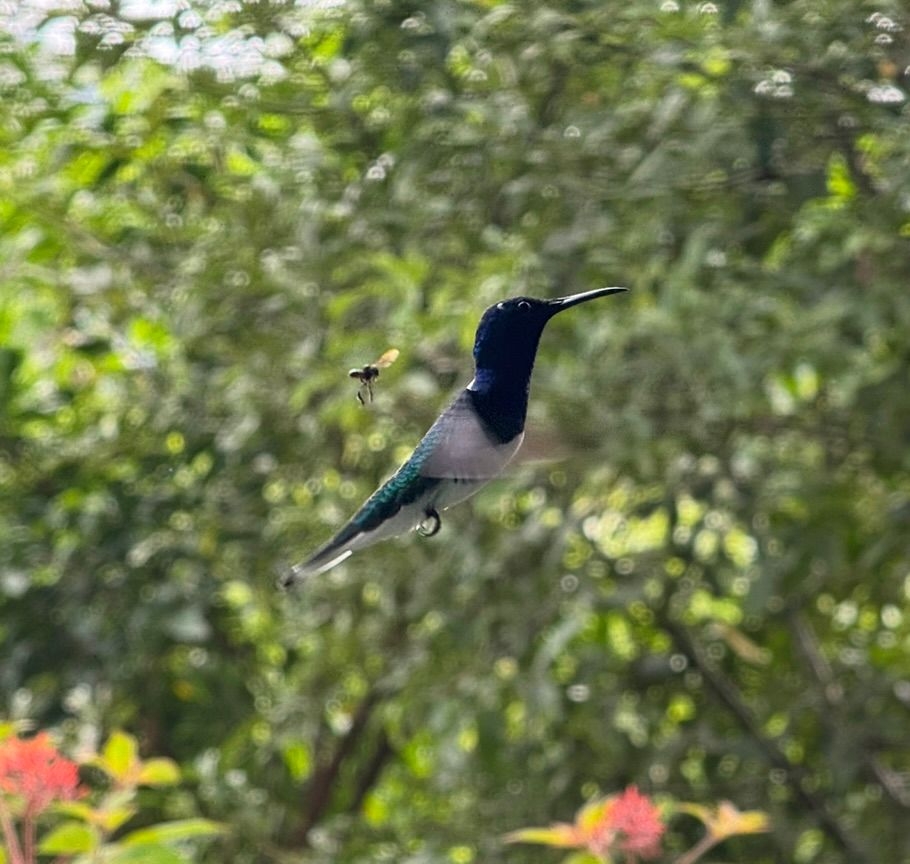
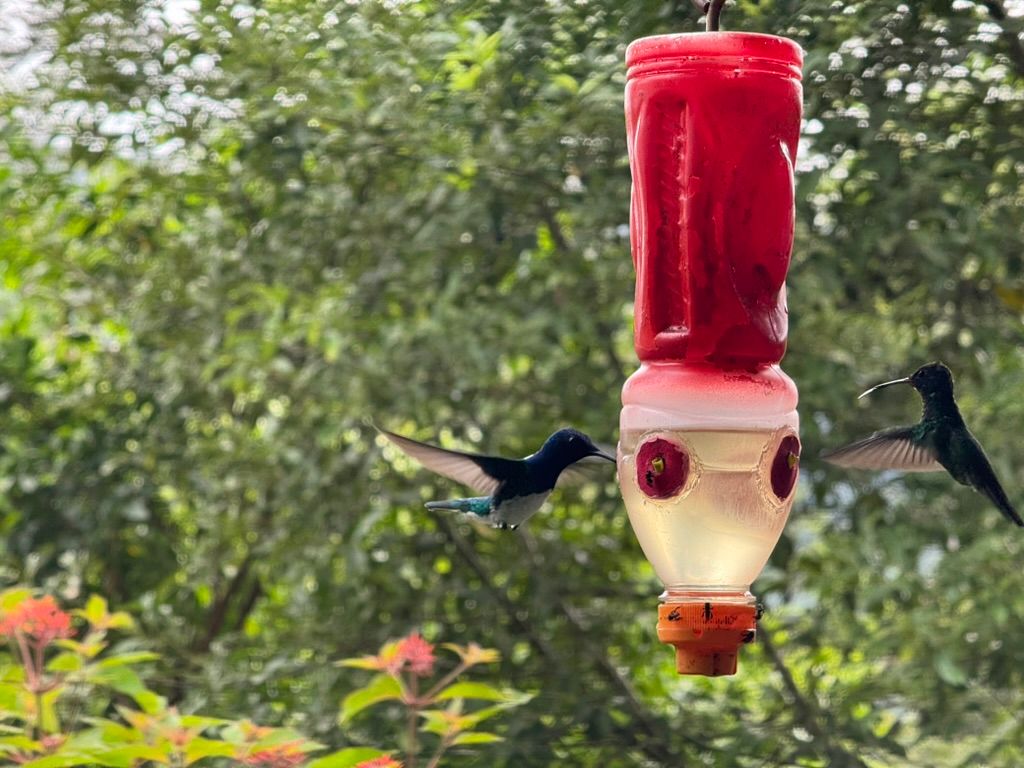
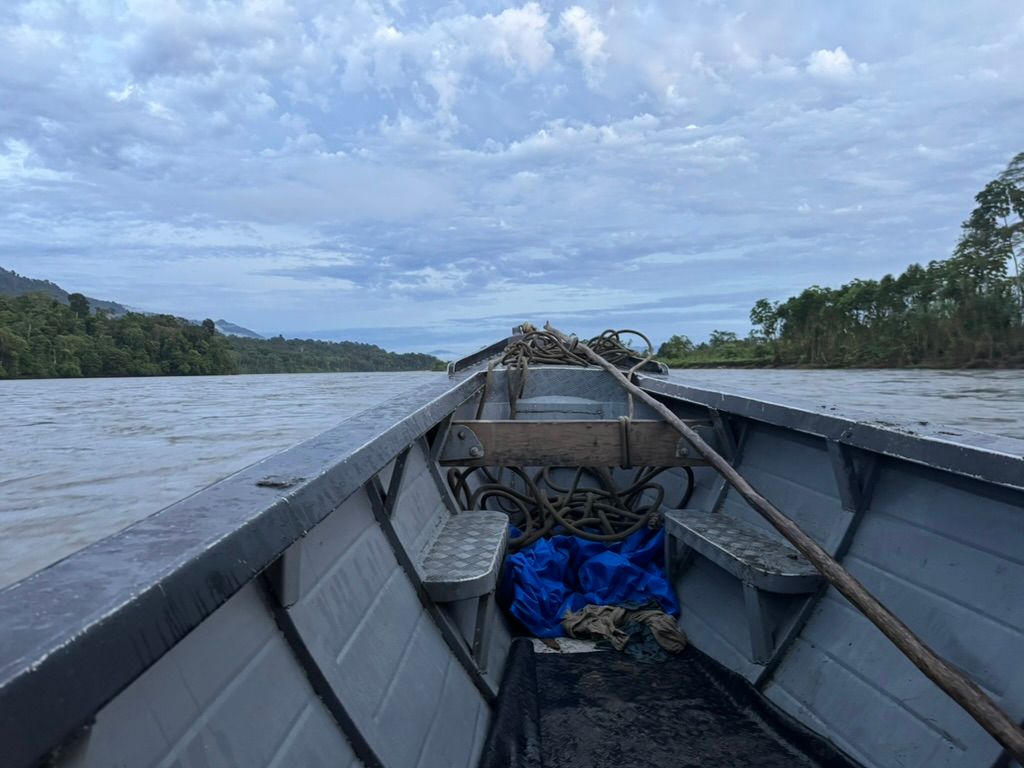
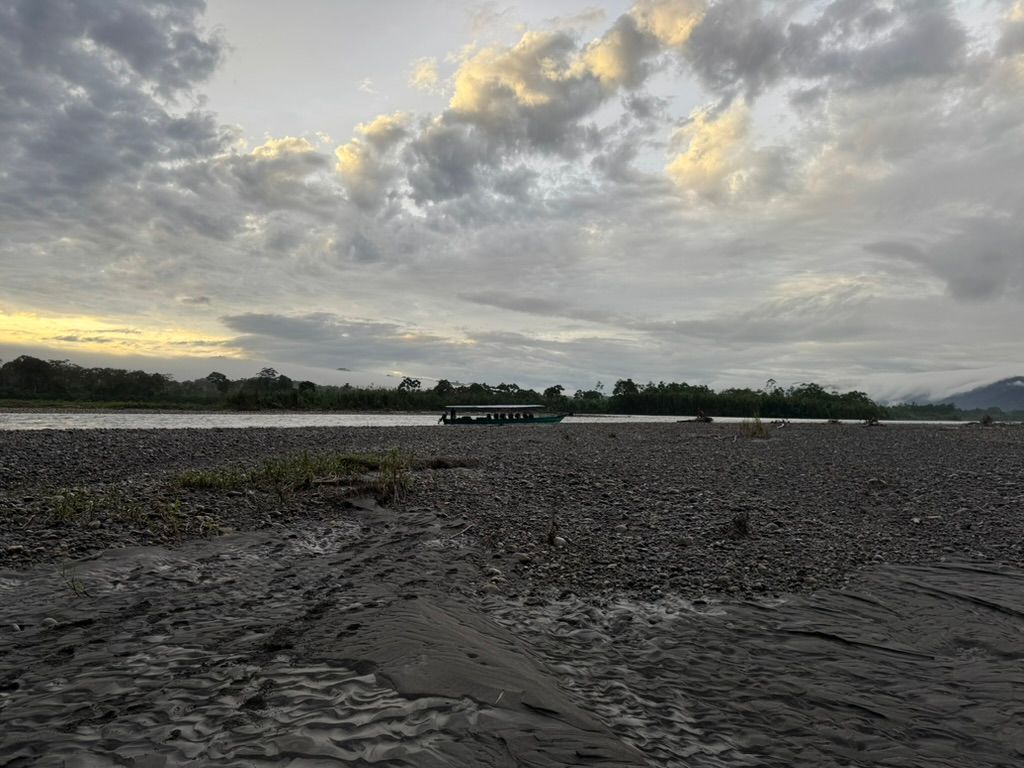
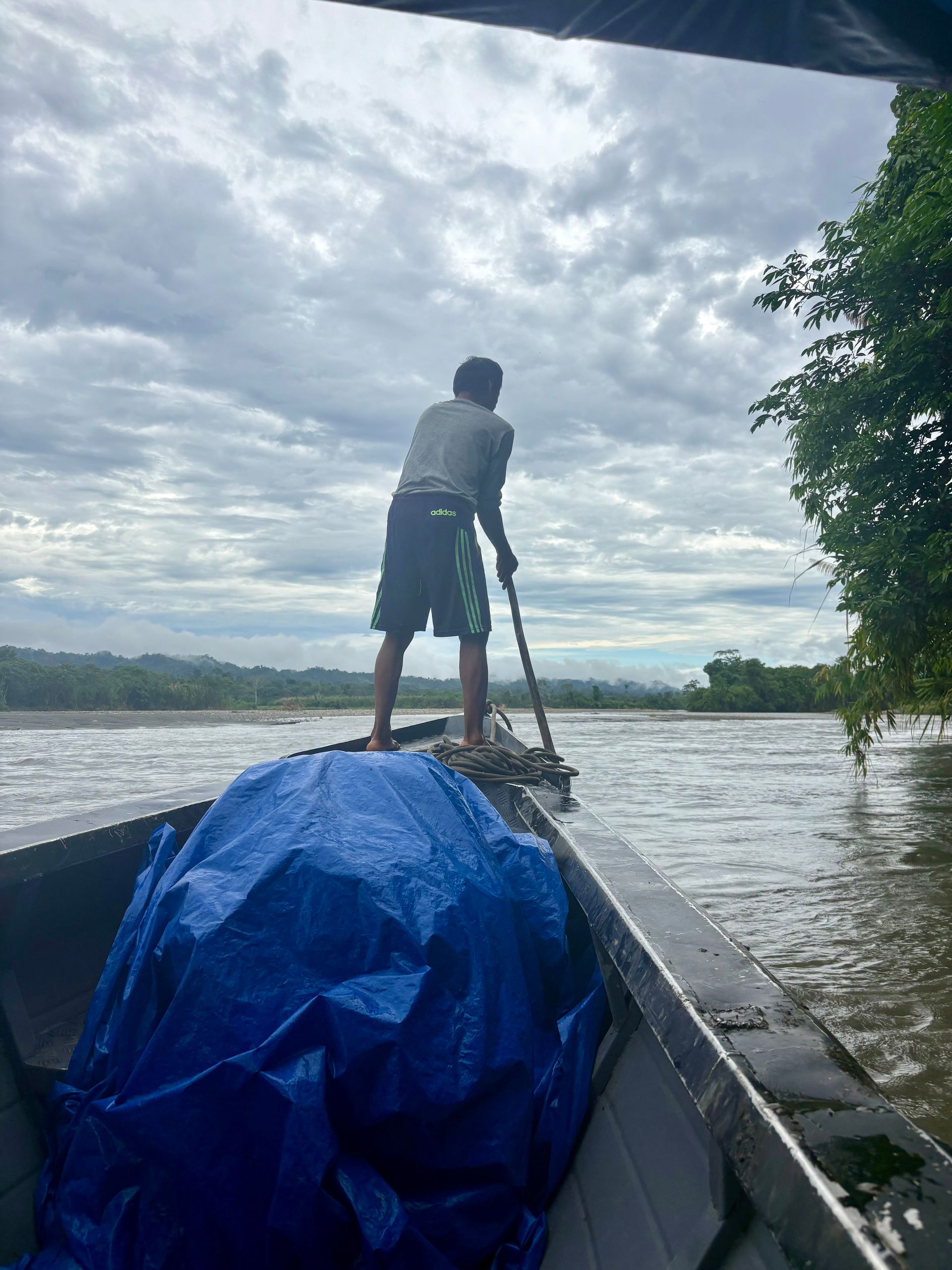
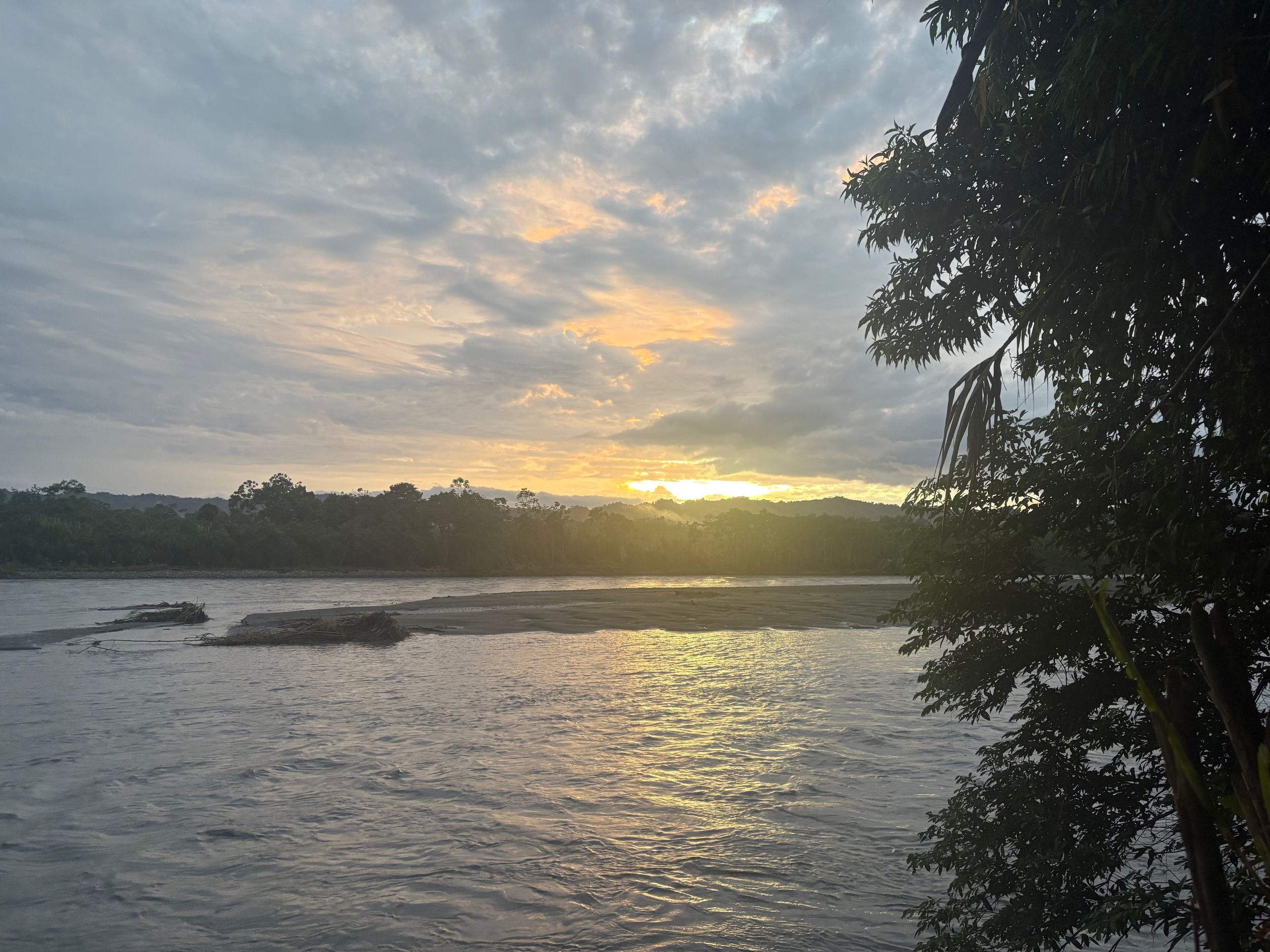
The next day, we saw the pond and the surroundings in the light; everything looked harmless and lovely. In the expansive area, various fruits, coconuts, cinnamon, and a lot of coca were cultivated (in the region, coca can be grown on a small scale as a medicinal plant, but all vehicles are checked upon exiting the park to ensure no larger quantities that could be worth smuggling for cocaine production are taken out). Initially, we hiked to a small park (Jardin de colibries), where particularly good observations of hummingbirds could be made, as they fluttered right before our eyes, attracted by the many sugar water feeders. While we saw some hummingbirds at flowers over the next few days, we didn't get as close to them again. After that, we boarded a boat, which would also be our means of transport besides hiking in the following days. The boatmen understood their job excellently and could read the river, which had quite varying levels and currents over its course, incredibly well.
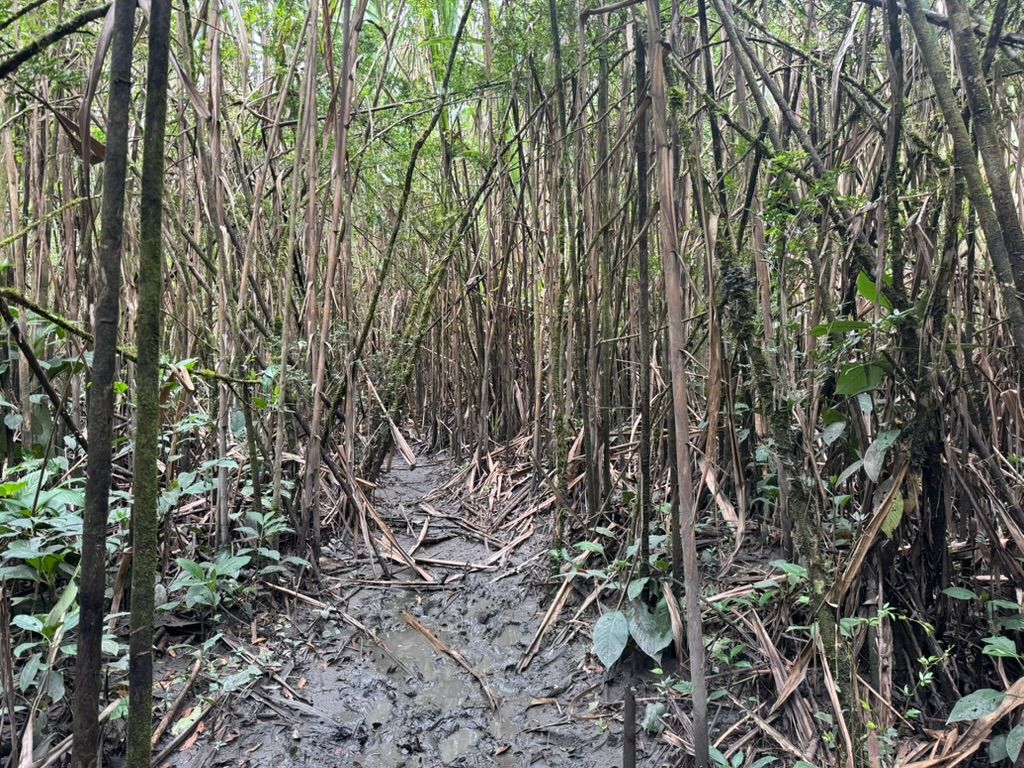
At a steep riverbank, we hopped out of the boat and climbed up the embankment to then make our way through deep mud through the forest to our next lodge, where we spent the next 2 days and nights.
The people living in this area mainly belong to the Machiguengas and have a strong connection to nature. There are also a few competent medicine men, especially concerning Ayahuasca ceremonies and the like.
From here, we started various boat trips and hikes through rivers and mud deserts, sometimes freezing from sudden rain showers, then again sweating as the air became more humid, always fully concentrated on whether we would discover a family of monkeys, birds, or other animals:
To Machuhuassy Lagoon, where we paddled on rafts (Freddy did very well and could start as a gondolier in Venice anytime), passing many birds, to climb a very wobbly lookout tower in the middle of nowhere, from which we could observe a few capybaras (water pigs).
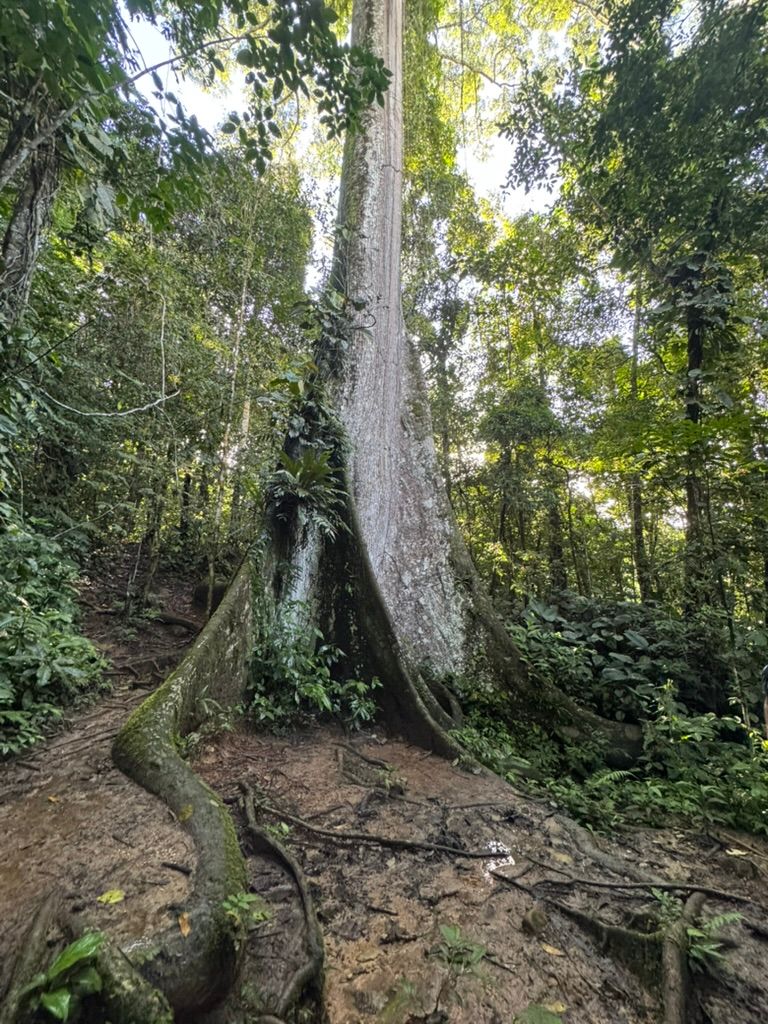
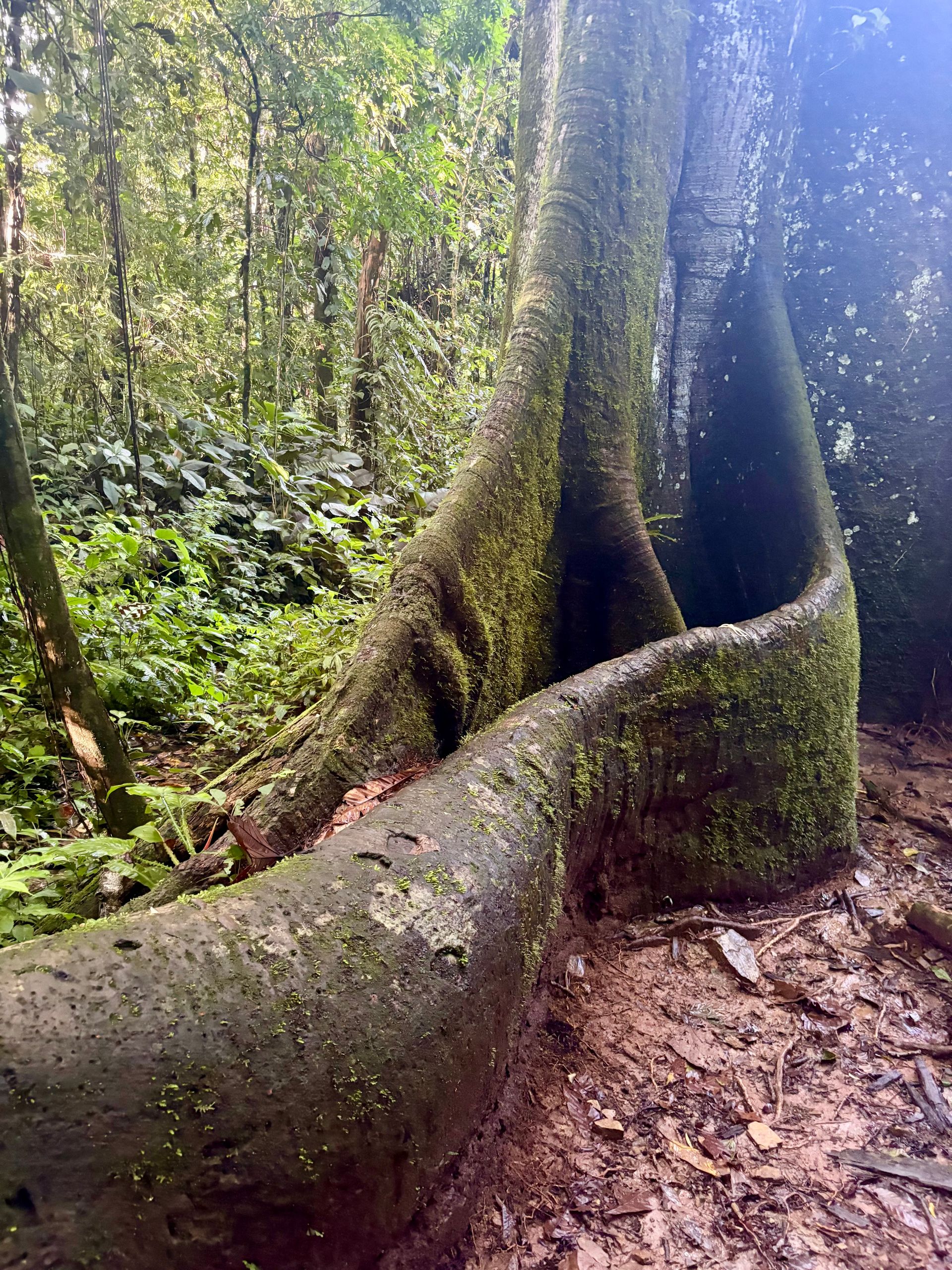
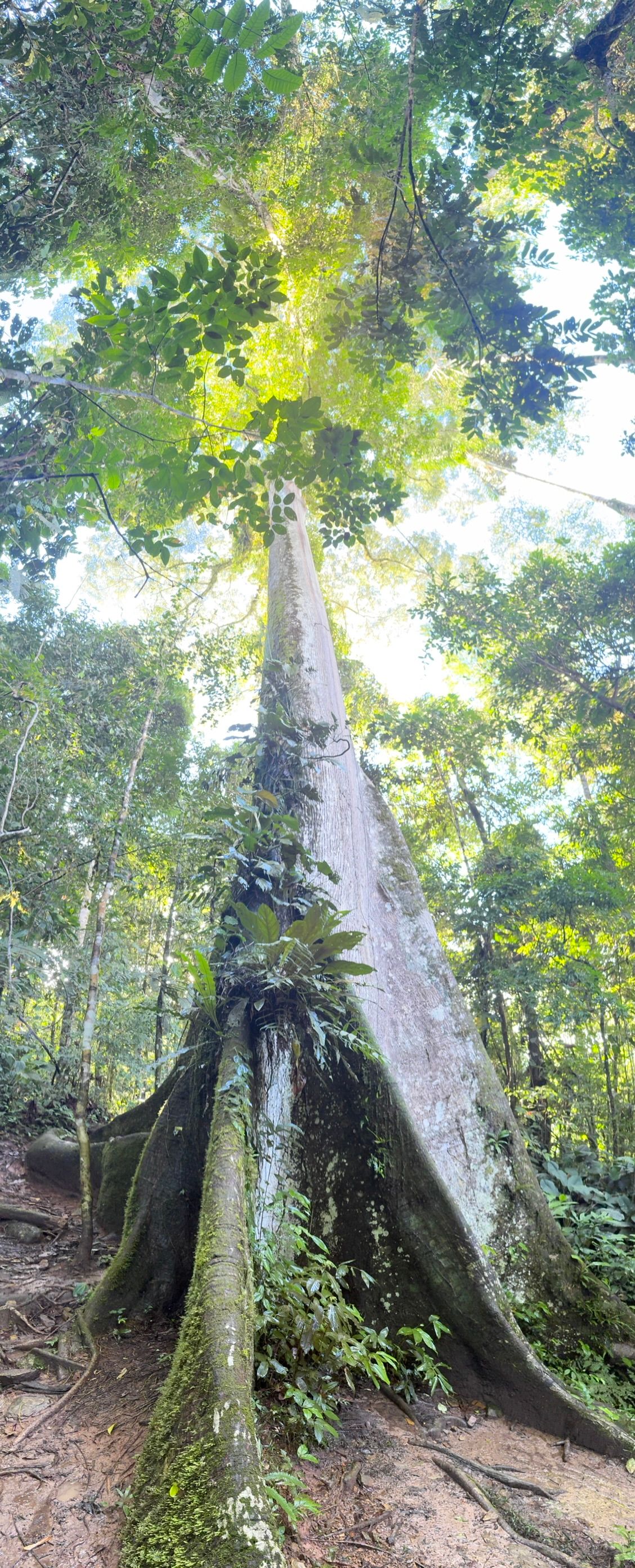
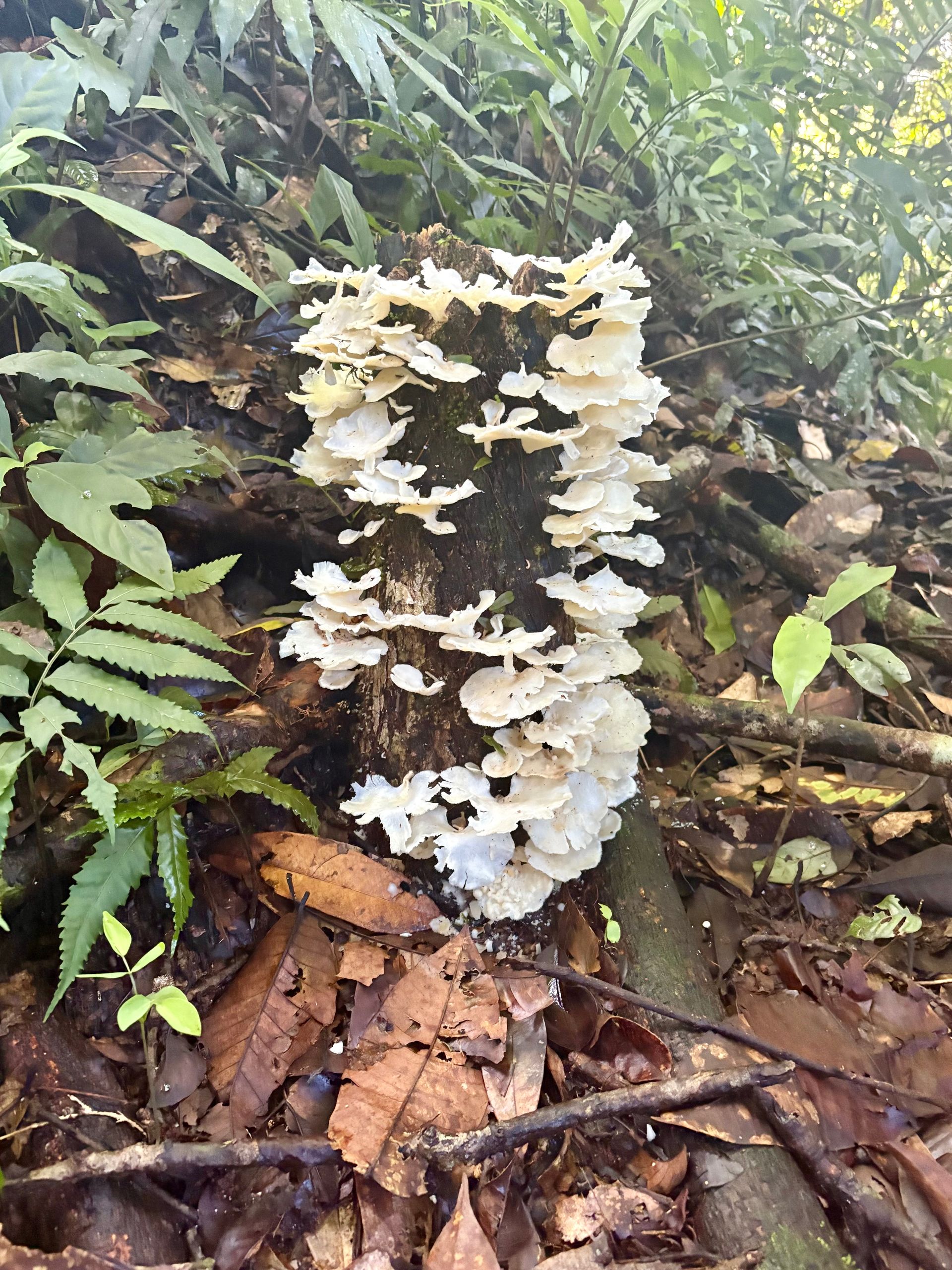
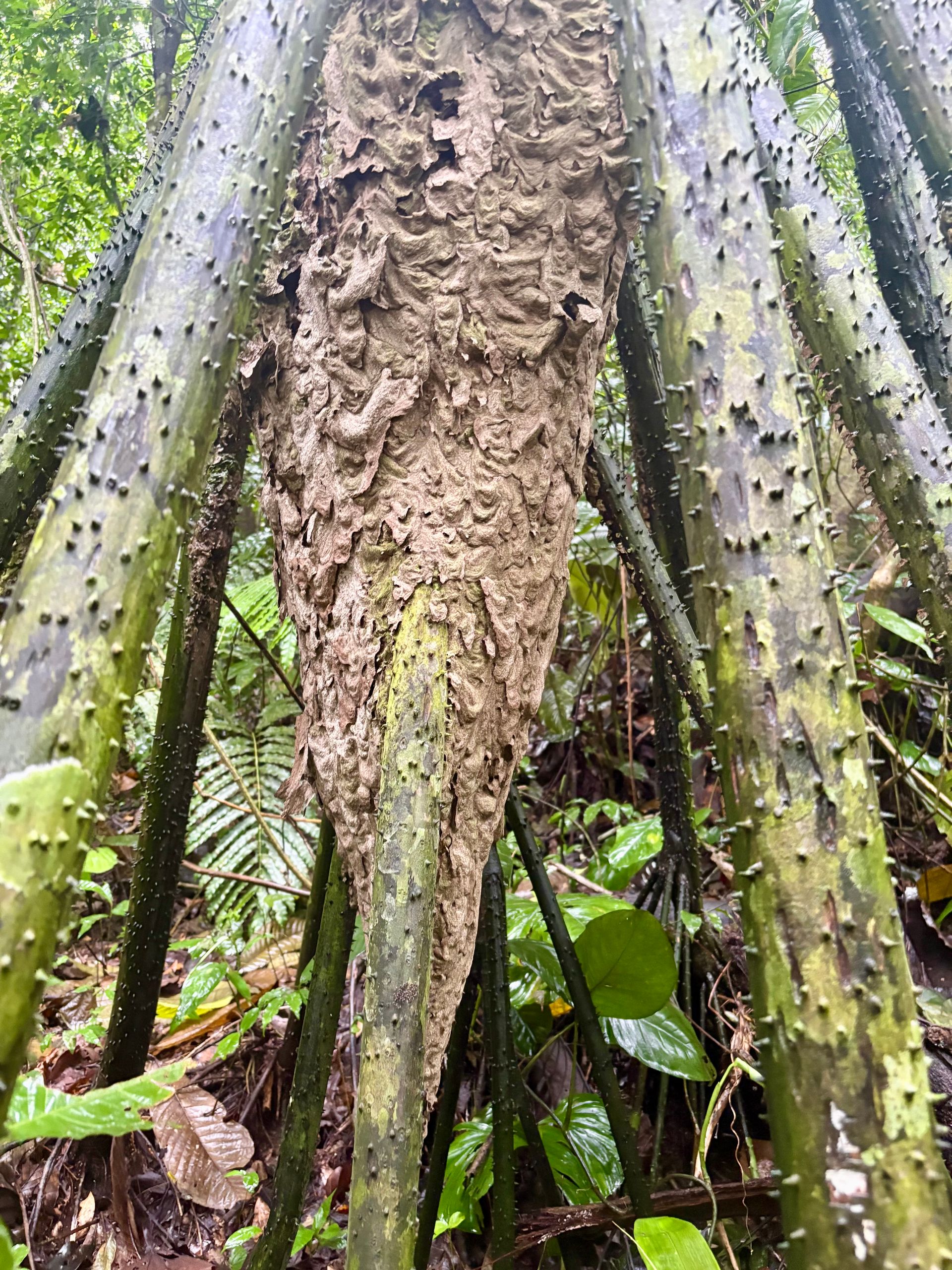
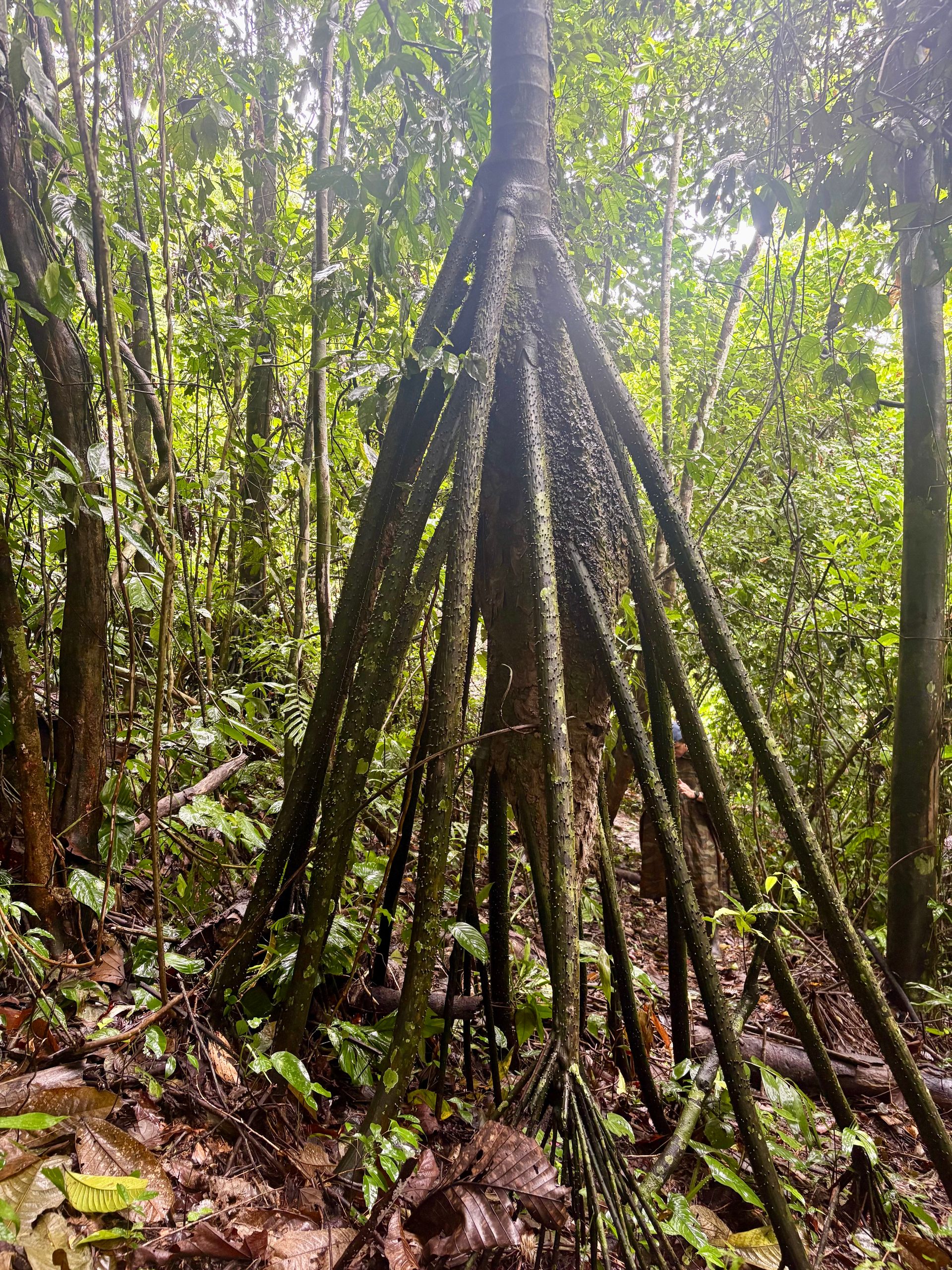
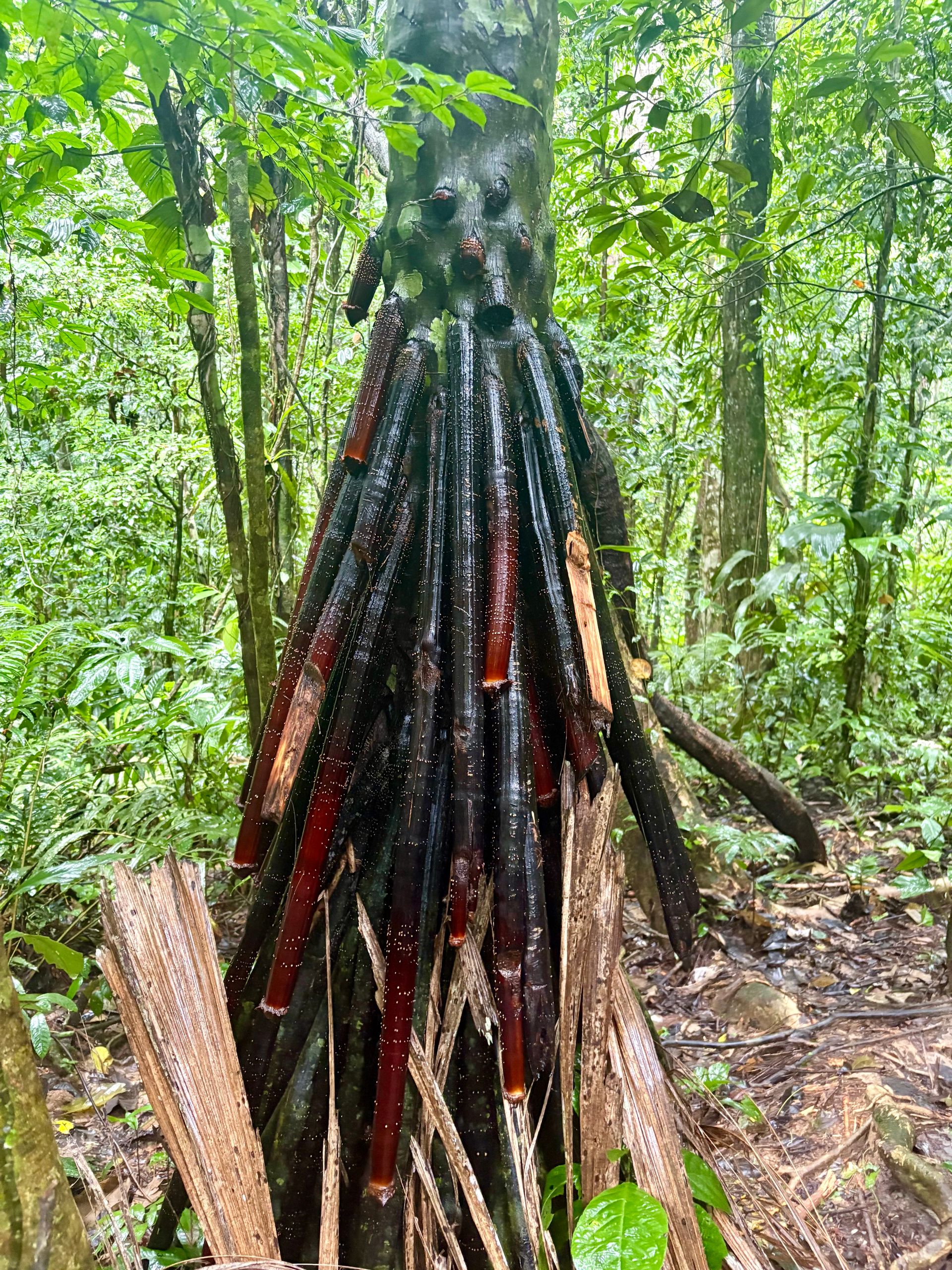
To a giant mammoth tree, through an incredibly diverse forest where the fierce competition for light and nutrients becomes apparent: only those that grow tall and form a wide root system survive, or those with even more elaborate strategies to simply get rid of their neighbors (there were, for example, trees that would wrap around others and slowly strangle them).
It was very strenuous, but incredibly exciting and thrilling! We would have loved to stay much longer, but after four incredibly long and eventful days, we were looking forward late in the evening, completely exhausted, to a warm shower and a soft clean bed back in Cusco.