
Manu National Park
Chullpas de Ninamarca

Published: 30.05.2025
Off to Bolivia! After yet another short stop in Cusco, we first took the bus back to Puno to continue on to the Kasani border at Lake Titicaca.
The immigration process was super easy and quick, at least if you had informed yourself about the entry requirements beforehand and listened to the bus driver. A significant part of our fellow travelers had neglected this, which is why we waited about 1.5 hours until everyone had their entry stamp, found the bus again, and had sufficiently dealt with their stress with cigarettes.
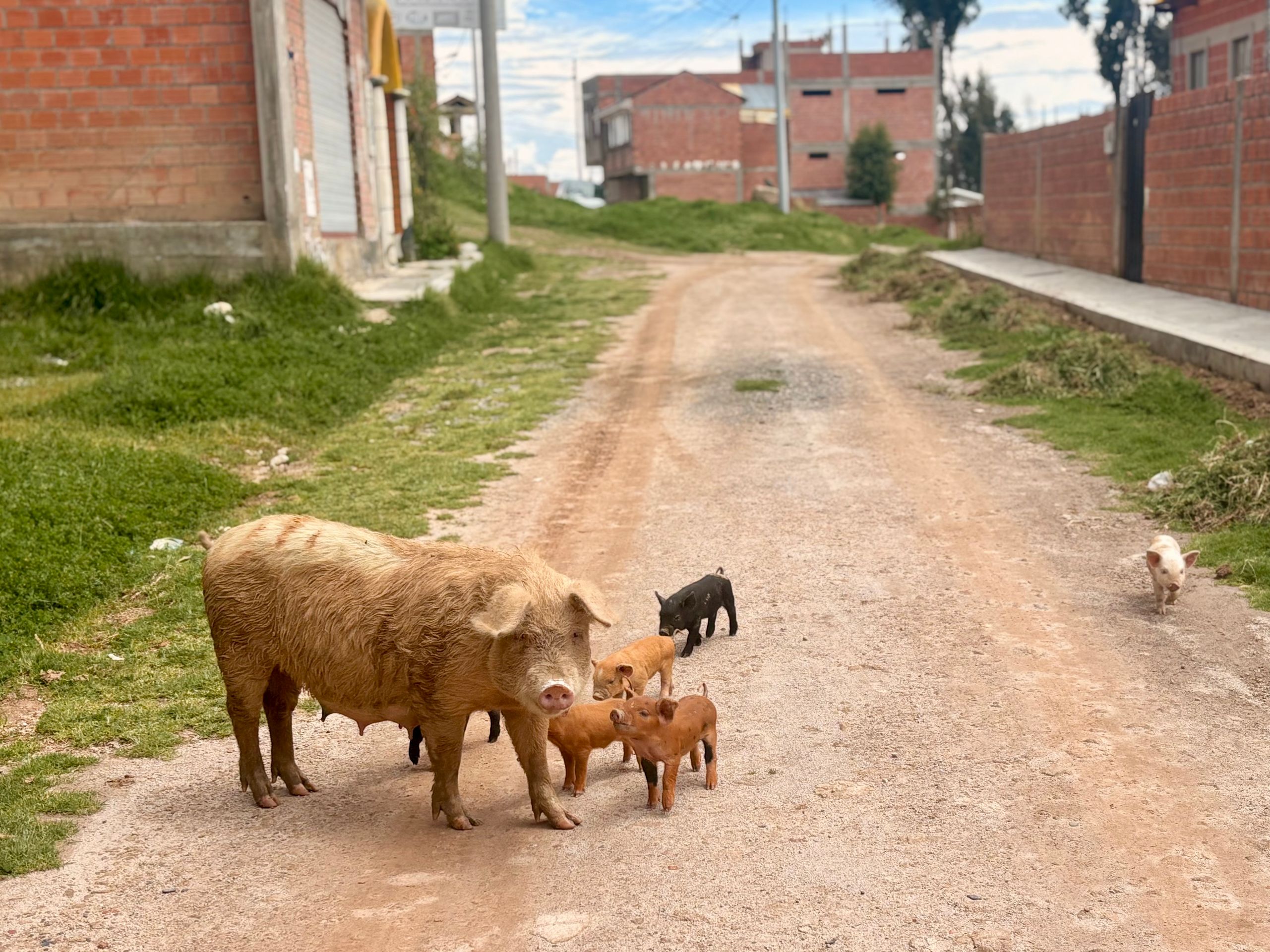
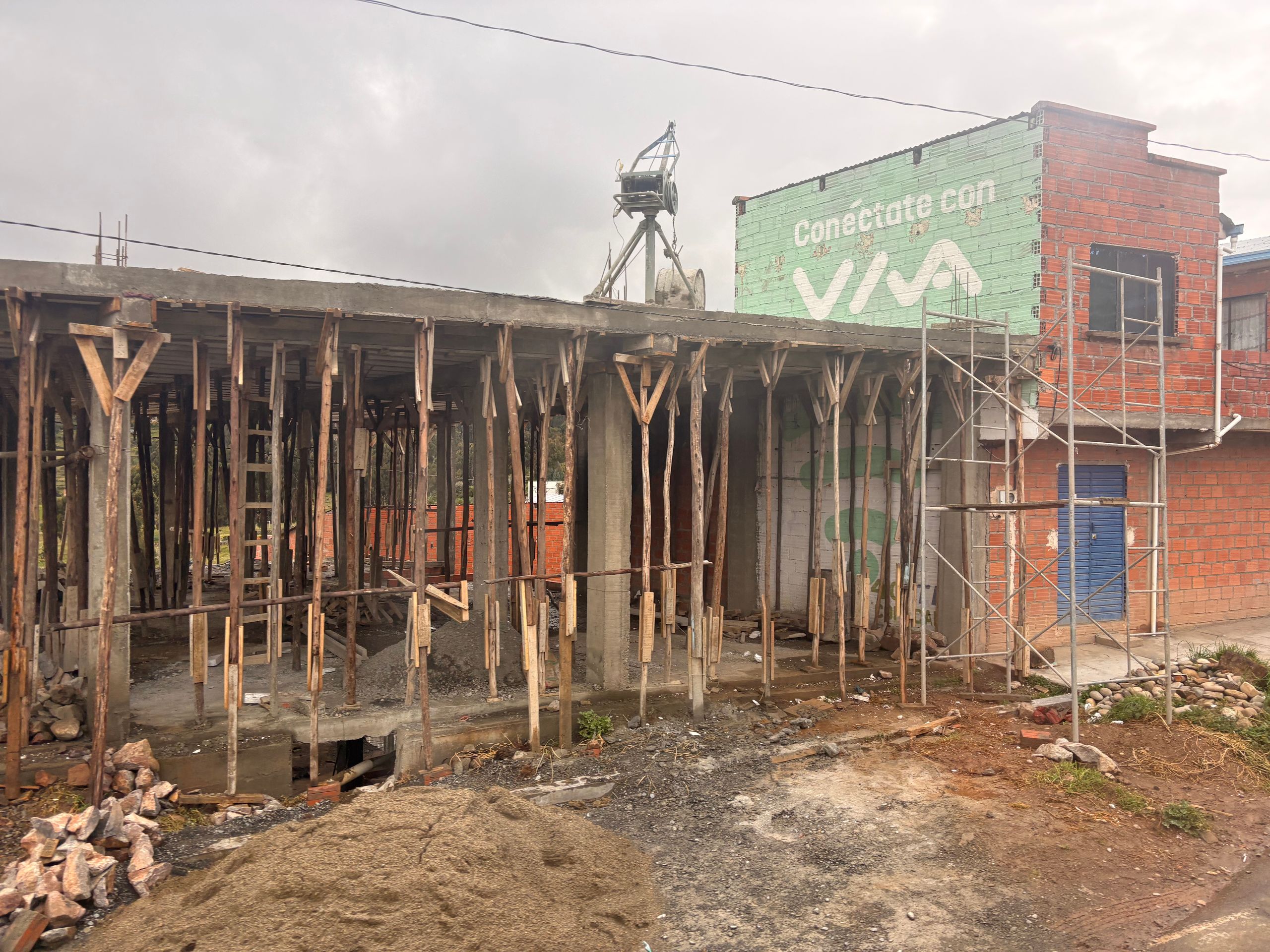
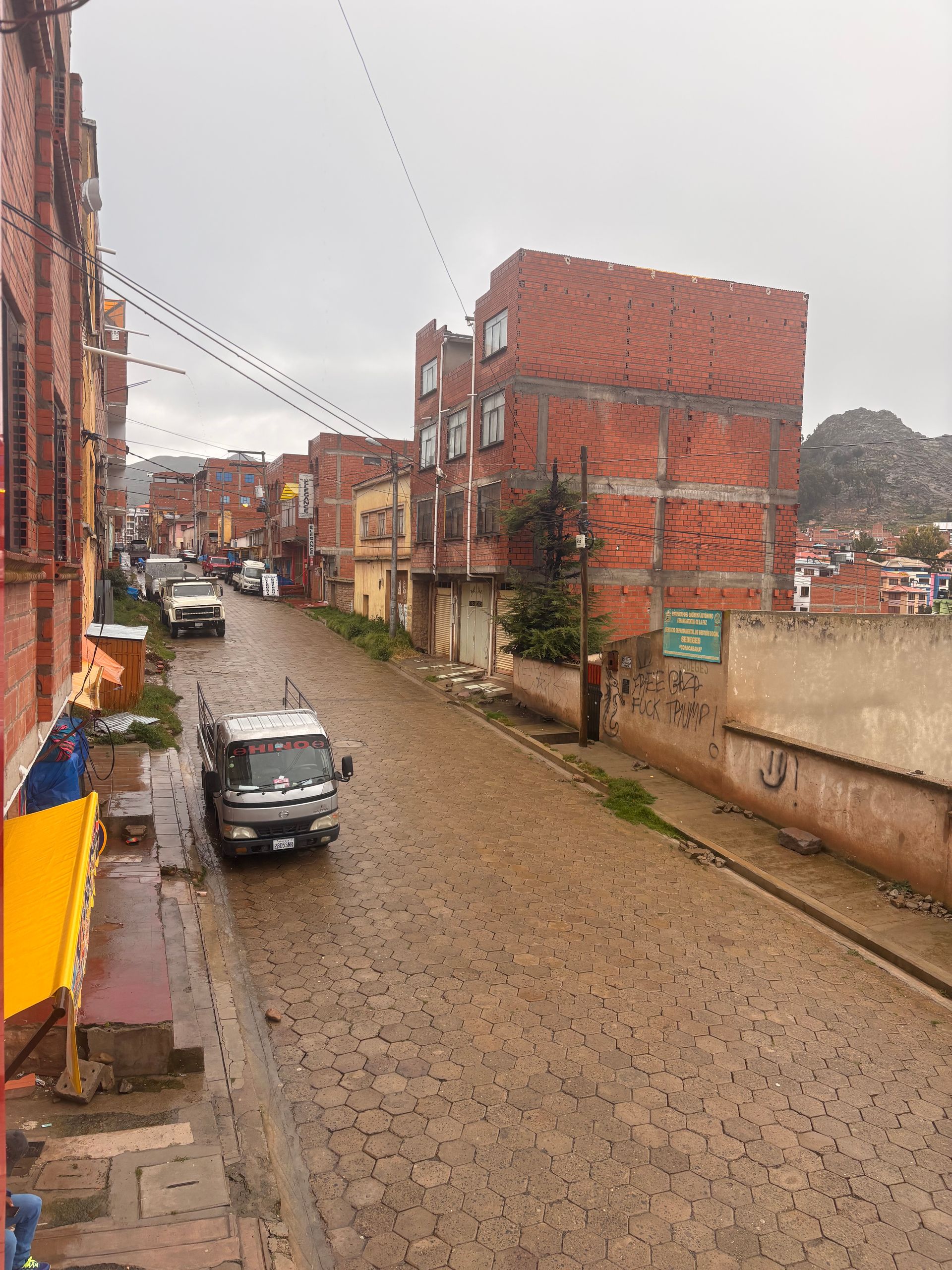
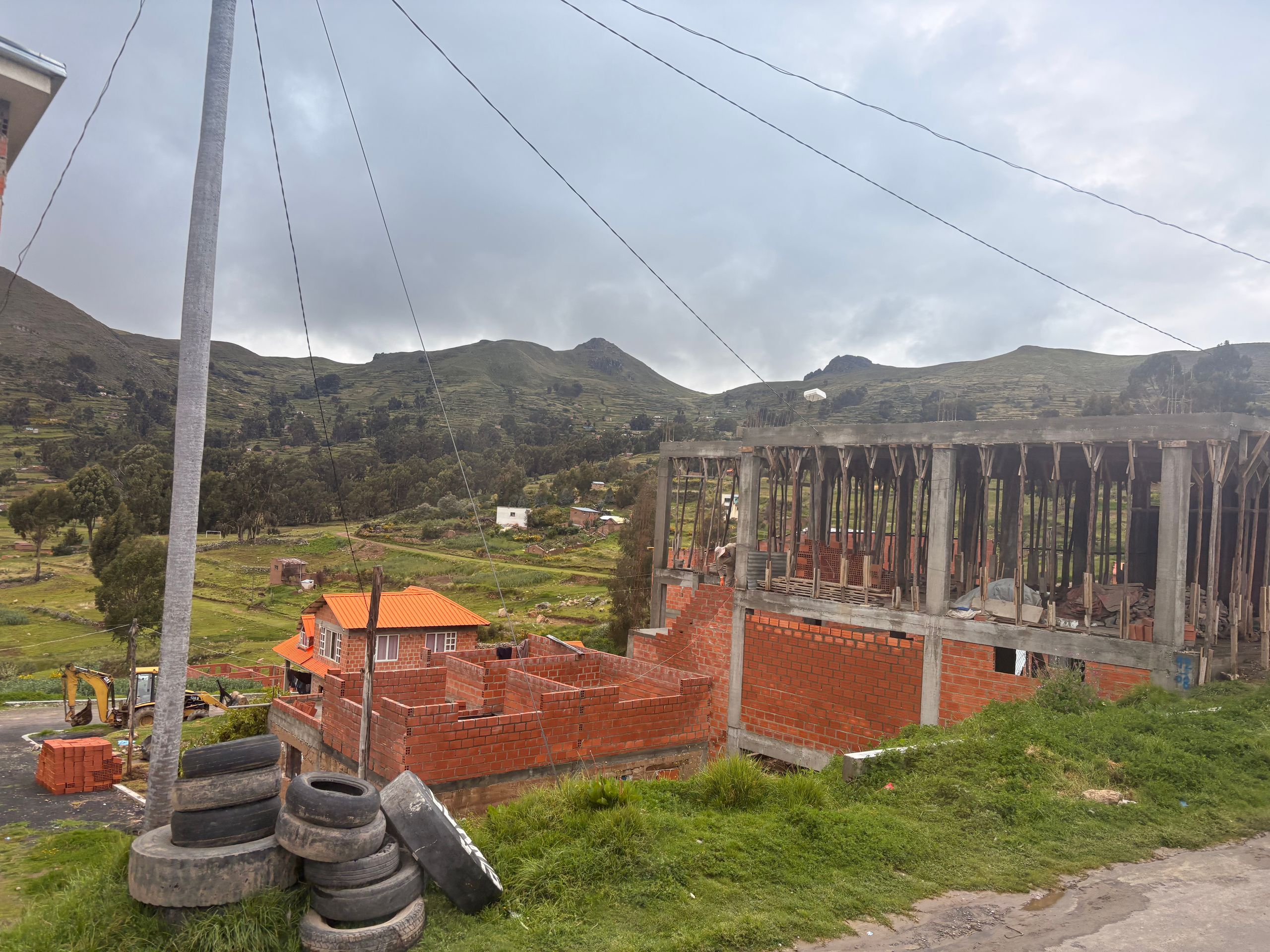
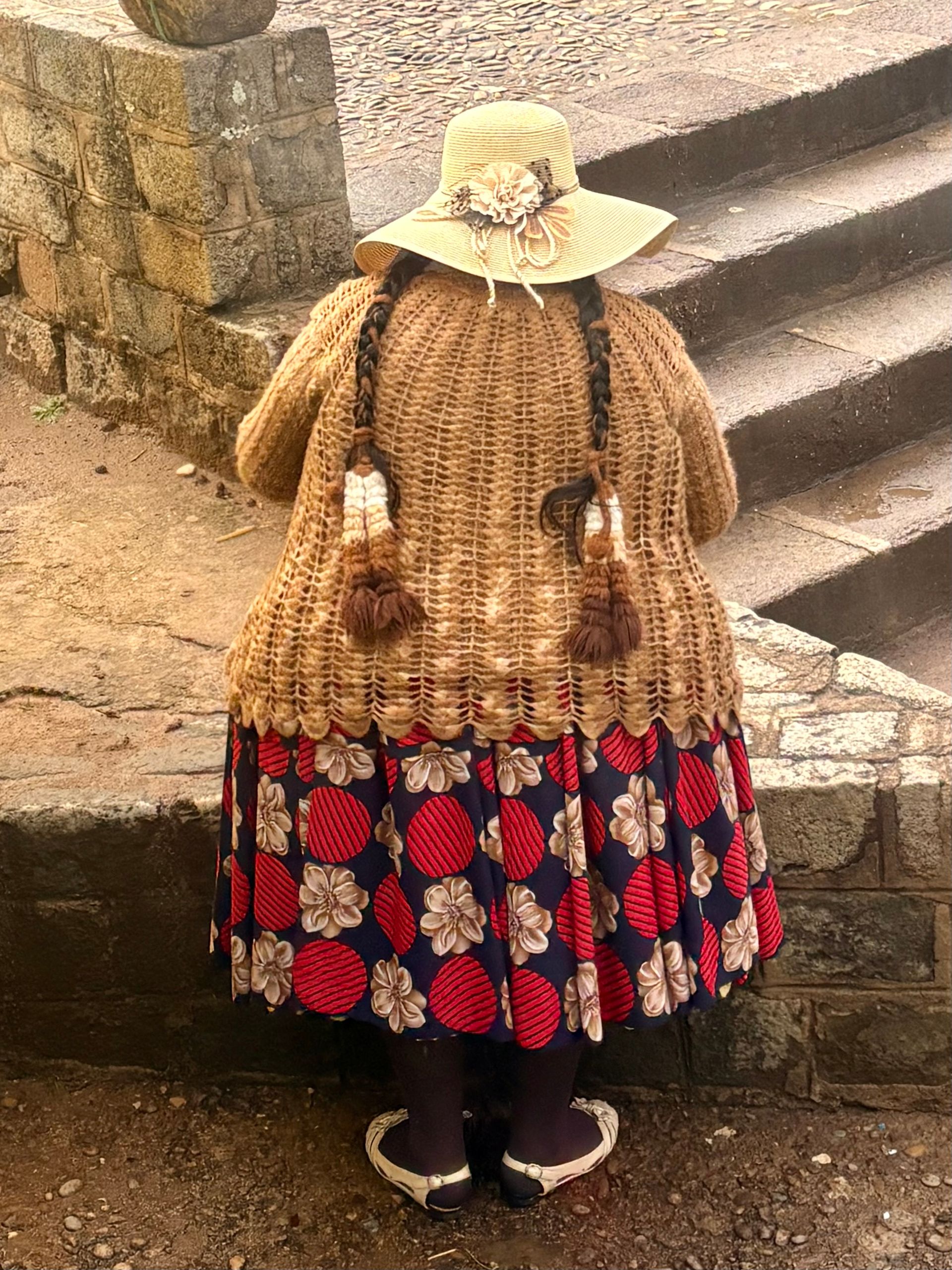
After another short ride, we reached Cococabana. On the way up the hill to our hostel (back in steam engine mode, as we were at 3800 m again), we saw old women painstakingly cutting the grass at the roadside to fill the worst holes in the street, houses in a generally more unfinished state than in Peru, somewhere between a half-finished construction site and ruins, and many little pigs grazing in the meadows or wandering through the alleys.
Our hostel was nice in itself, located on the mountain with a view of the lake, but our nicely decorated room was so damp that our clothes and the bed were completely wet, the sockets had burnt out due to water contact, and the ceiling light flickered alarmingly. And it was not going to get any better over the next few days as it kept raining heavily. We have never been so cold during our travels!
The Bolivians were - and it remained that way throughout our entire stay in the country - very hard for us to read. Without wanting to over-interpret anything, the people generally appeared more serious and as if they had experienced quite a lot - not just the good stuff. And it seemed to us that the financial pressure was generally higher. Payment processes required more discussion: one had to check the change carefully, when paying for hostels (prices stated in dollars as everywhere else during the trip) fantastical exchange rates were applied, and price structures in stores were opaque.
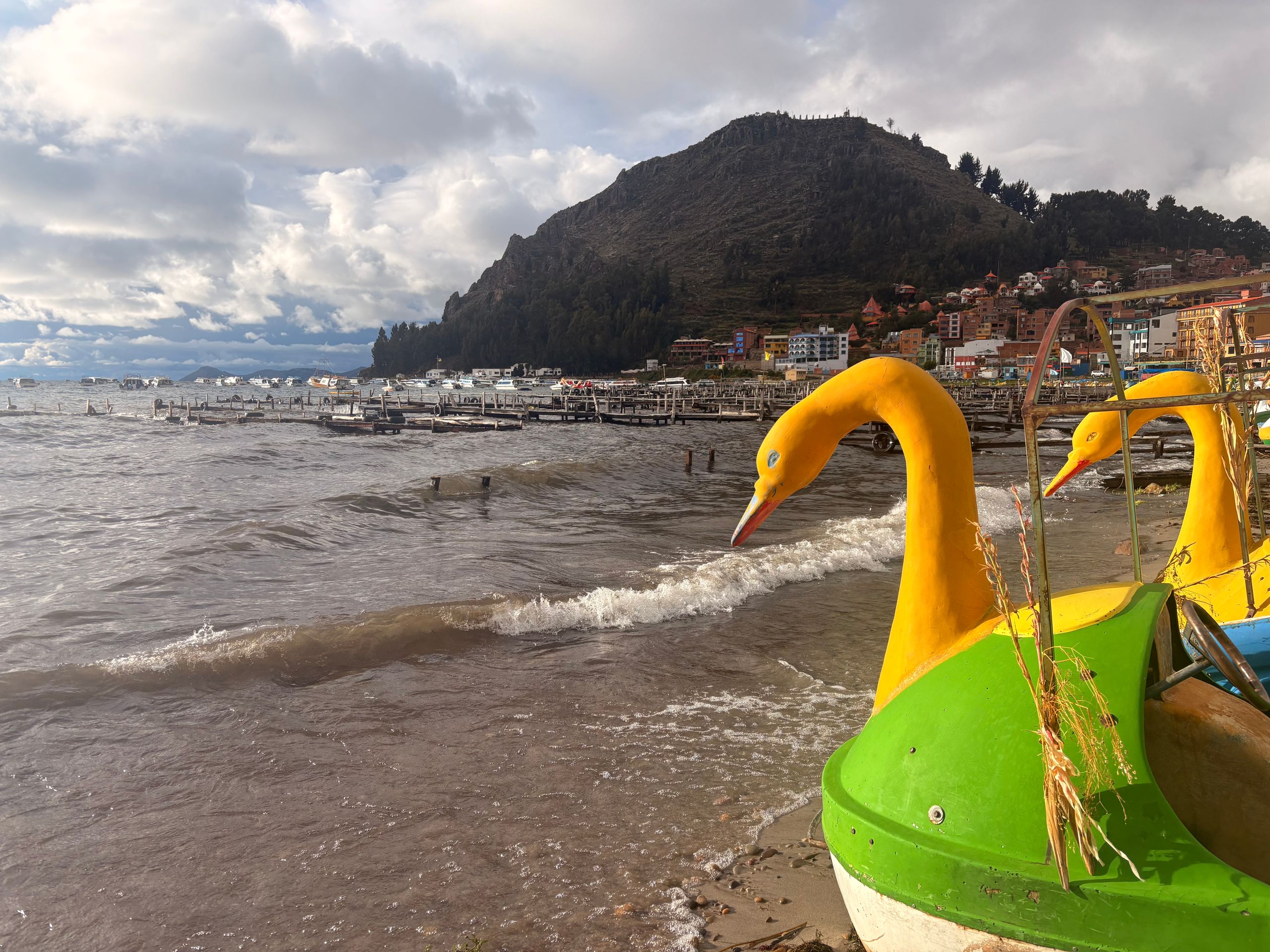
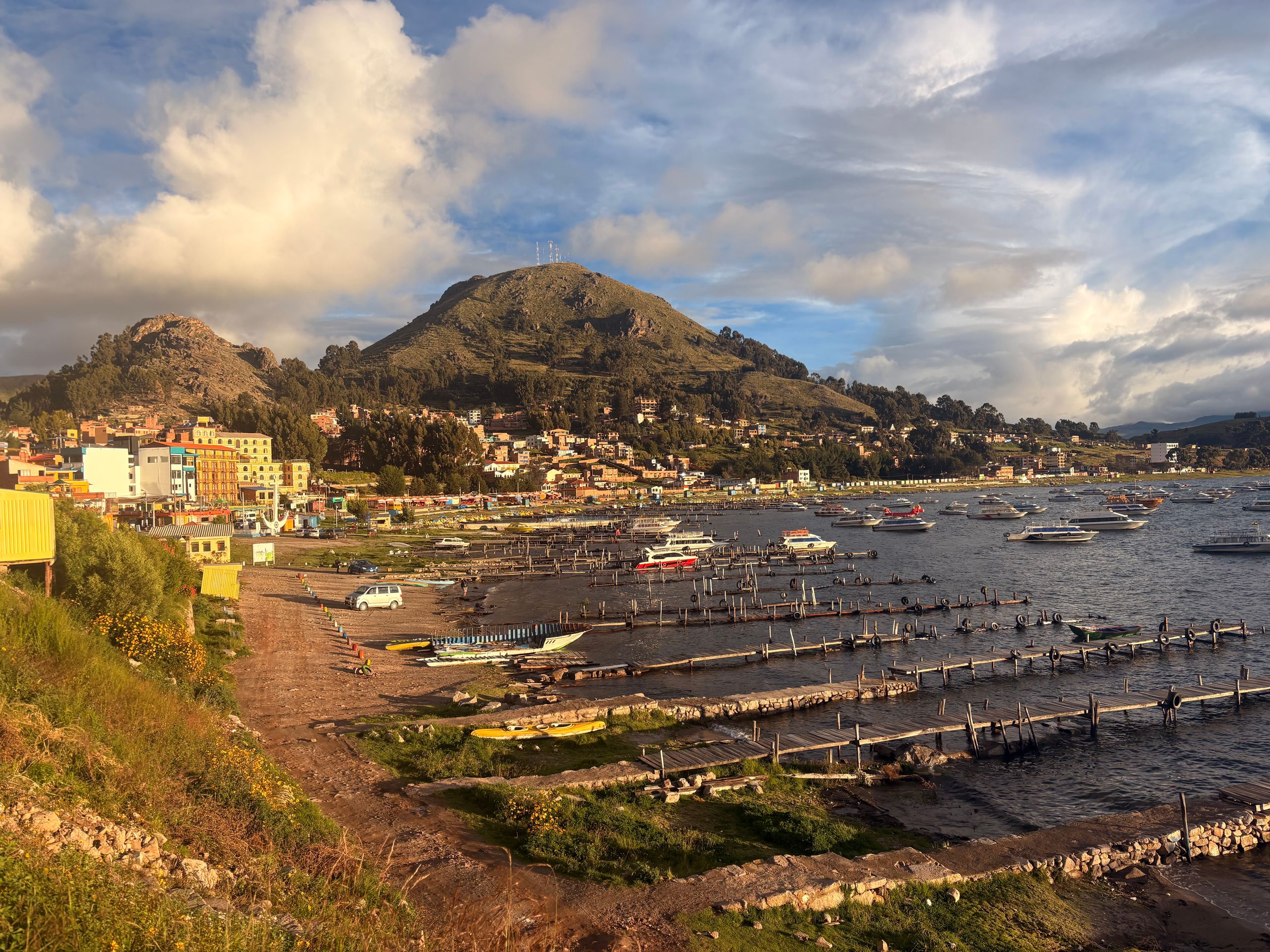
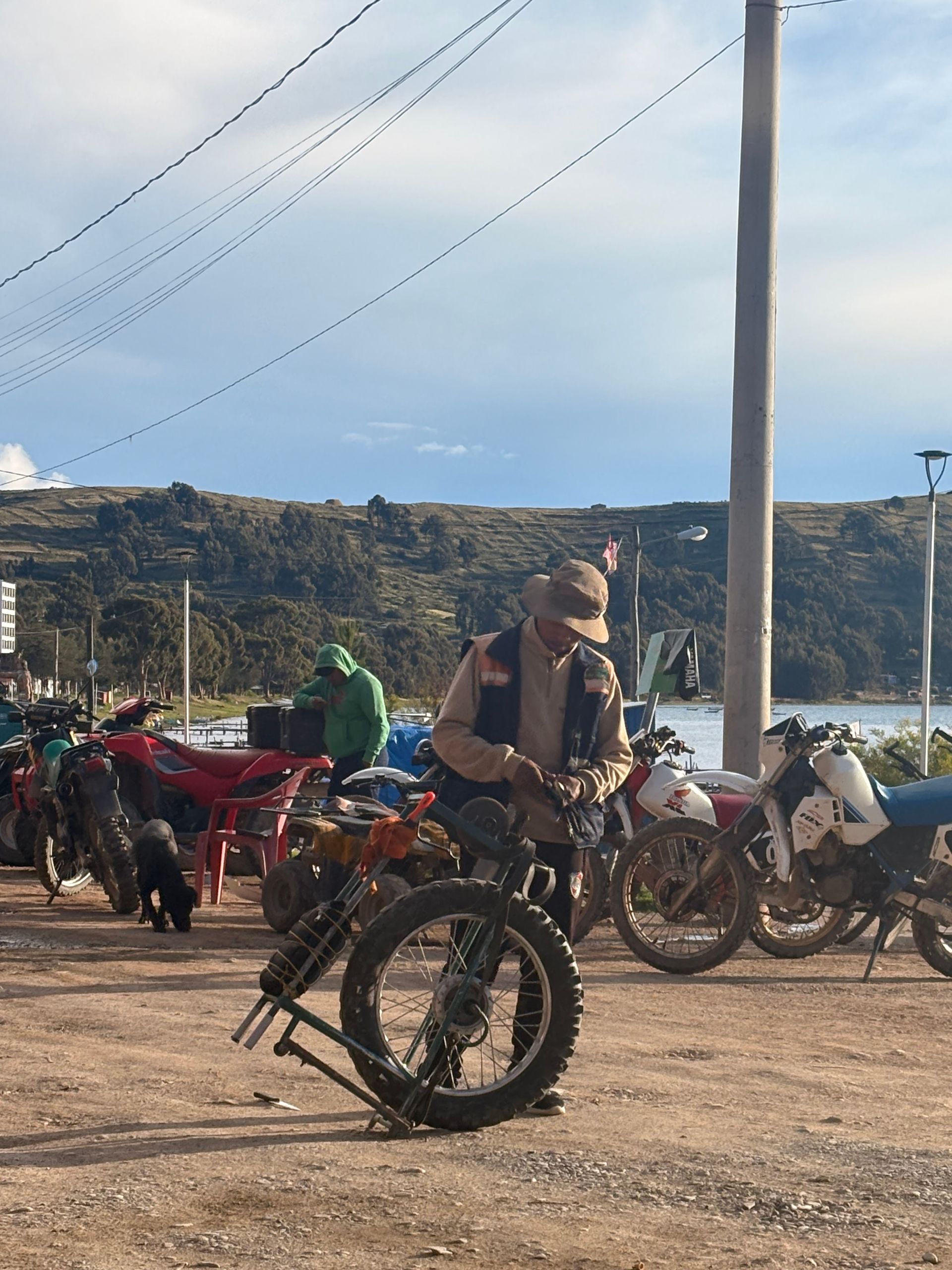
Cococabana itself was stunning due to its location by this enchanting lake, at which one could never get enough of the view, otherwise there was not much to offer: a cathedral, a few shops, boats for trips to the islands and across the lake, a bit of entertainment for children, and along the ramshackle promenade stood small fish restaurant stalls, whose menus were all more or less identical. Although the place was small, there was quite a lot of traffic with honking concerts and clouds of exhaust fumes that were even more burdensome at this high altitude (a shout-out to European emissions standards, you have no idea what a gain in quality of life that is).
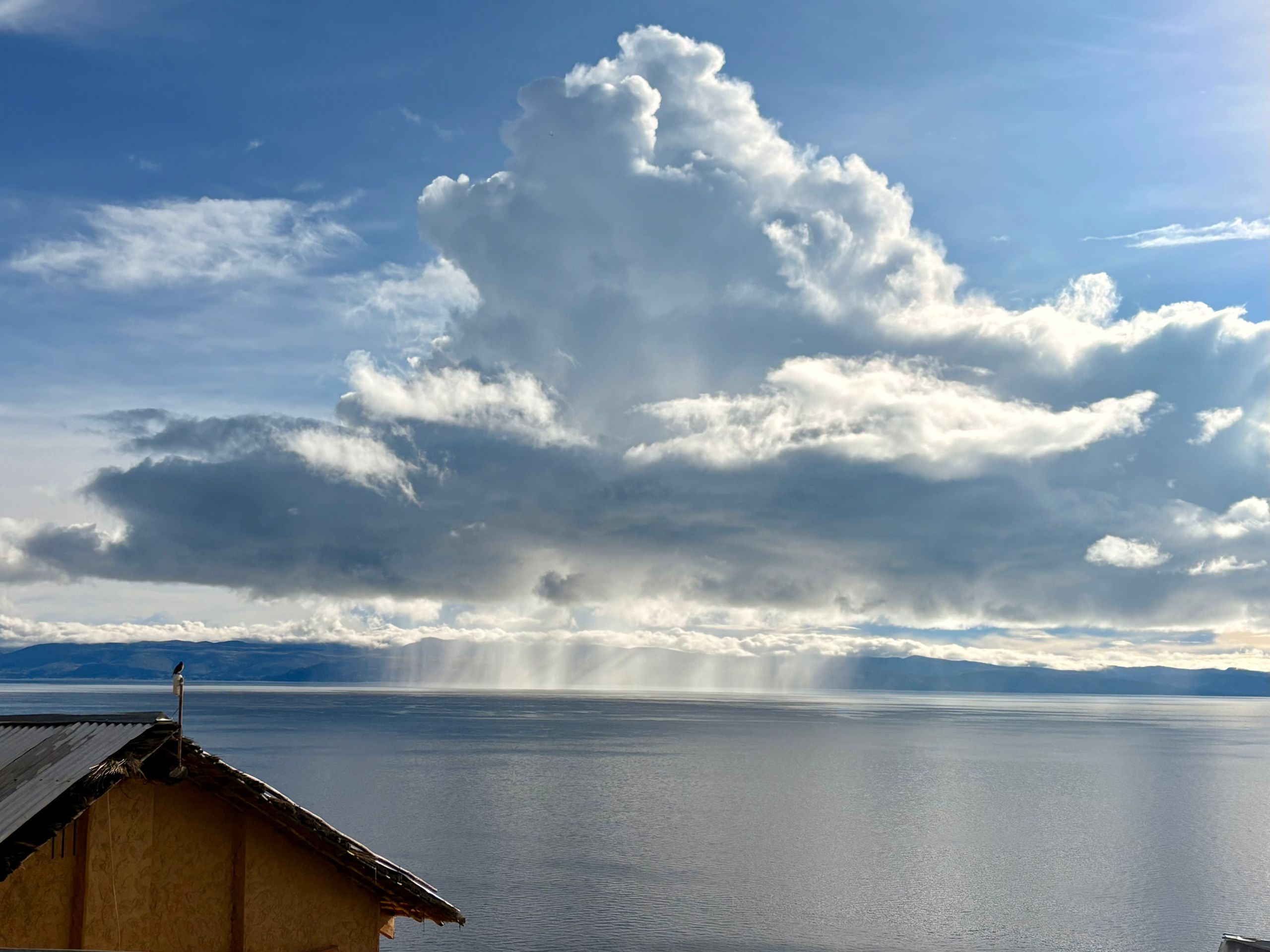
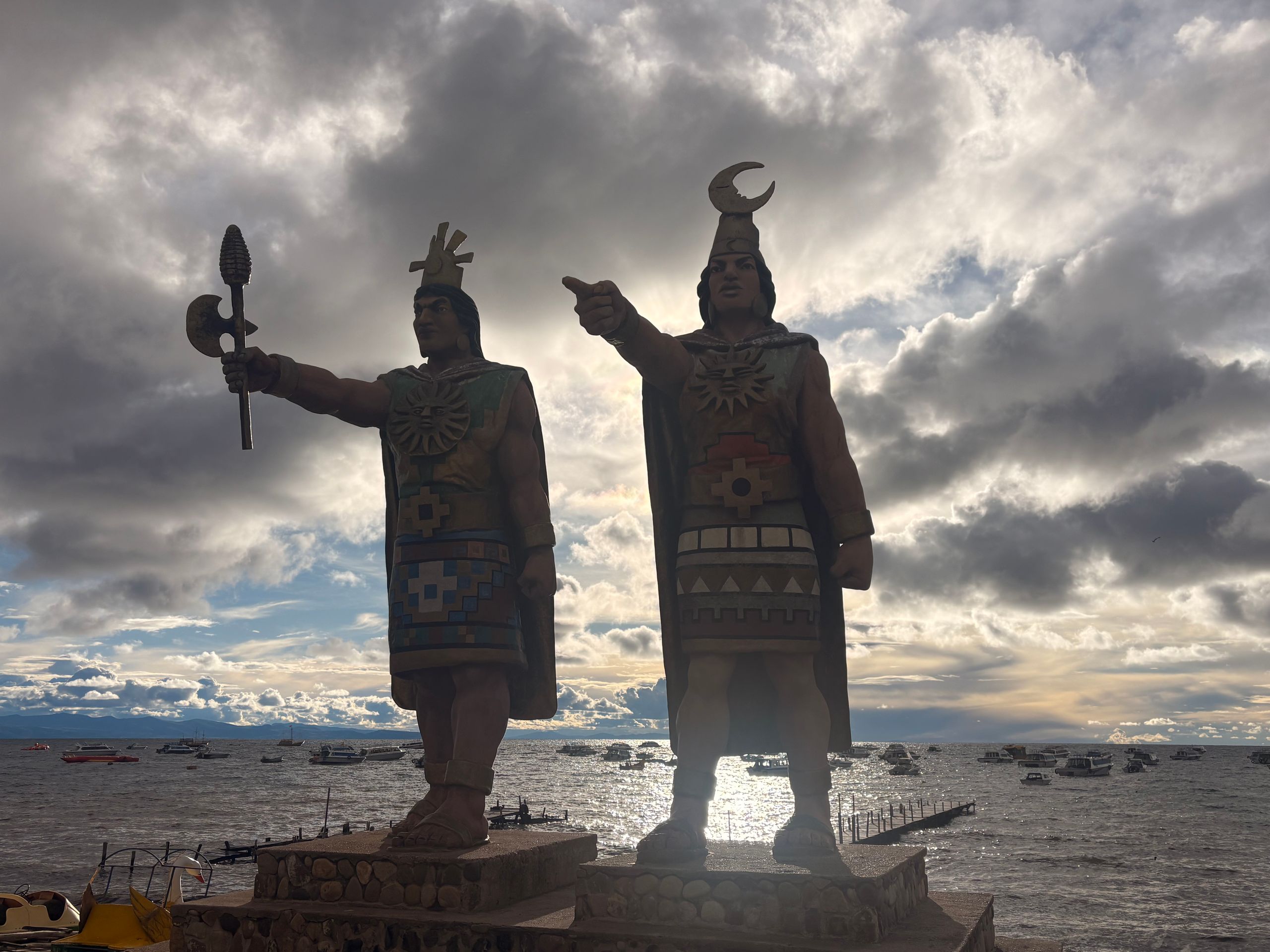
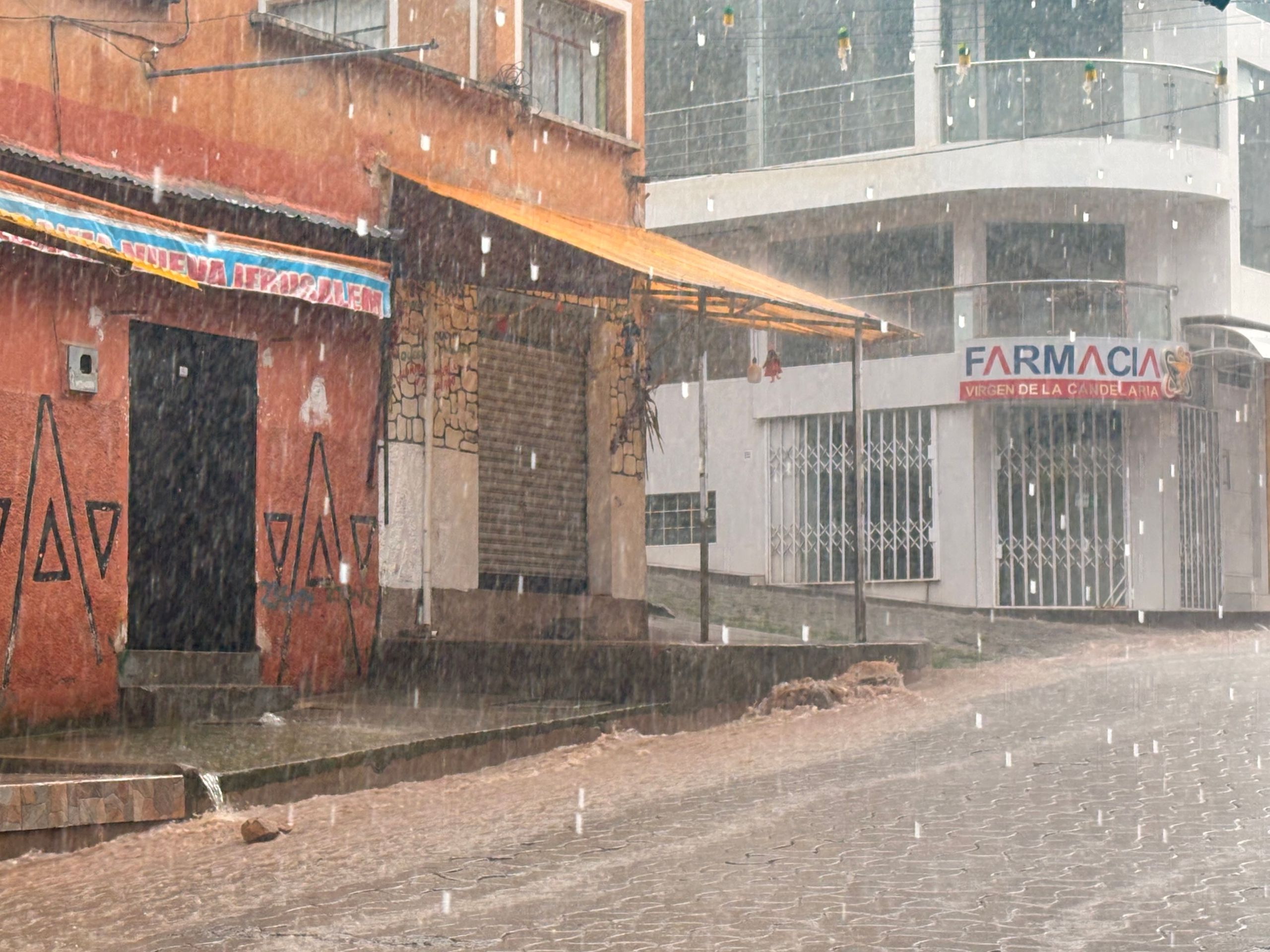
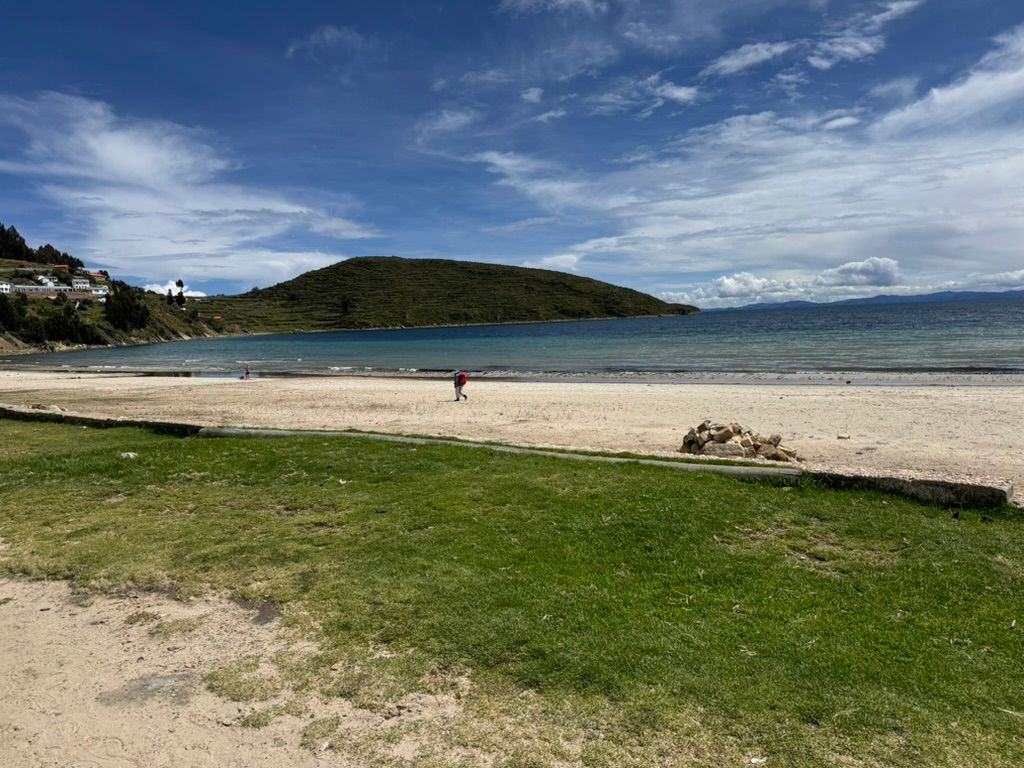
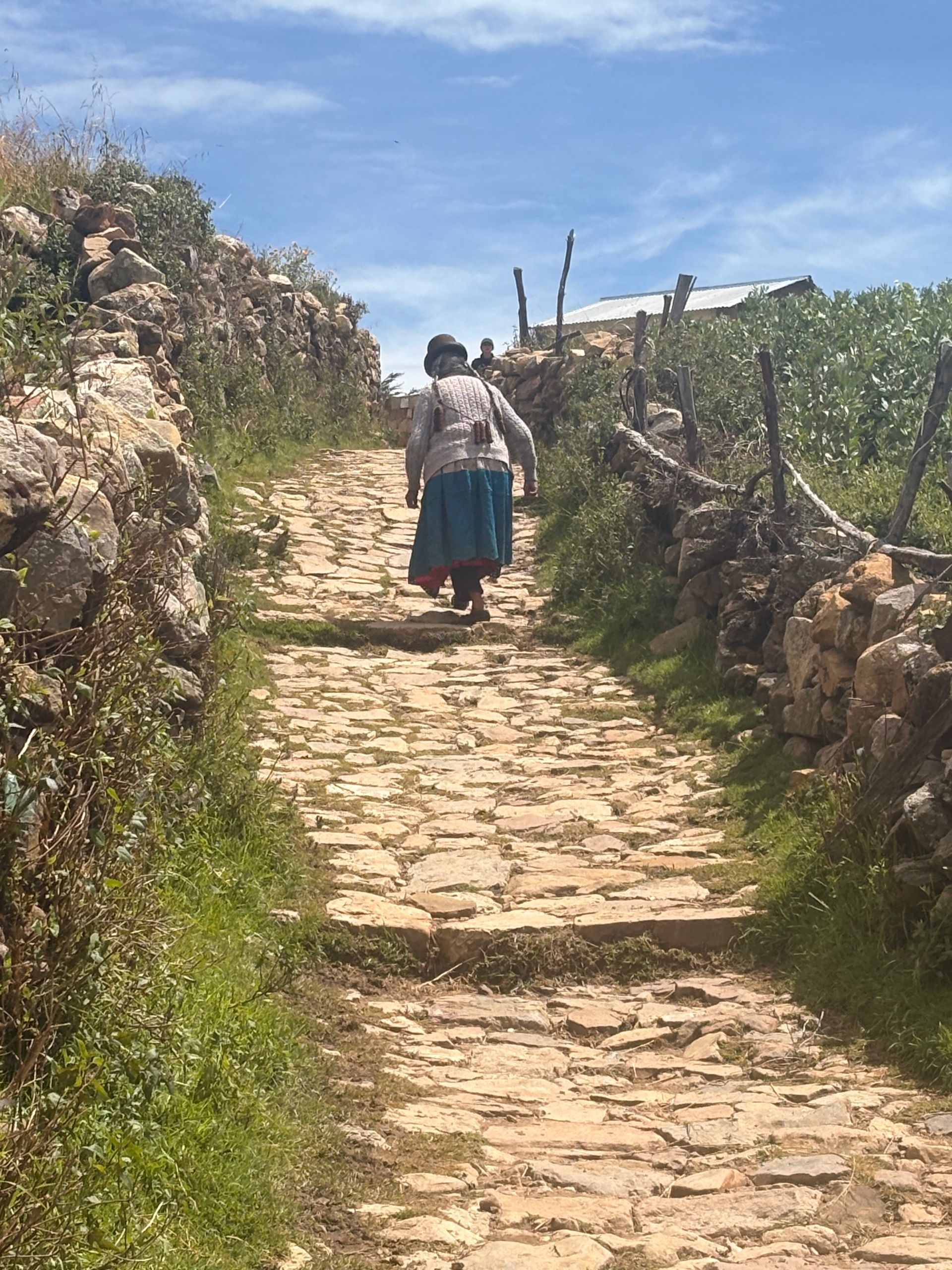
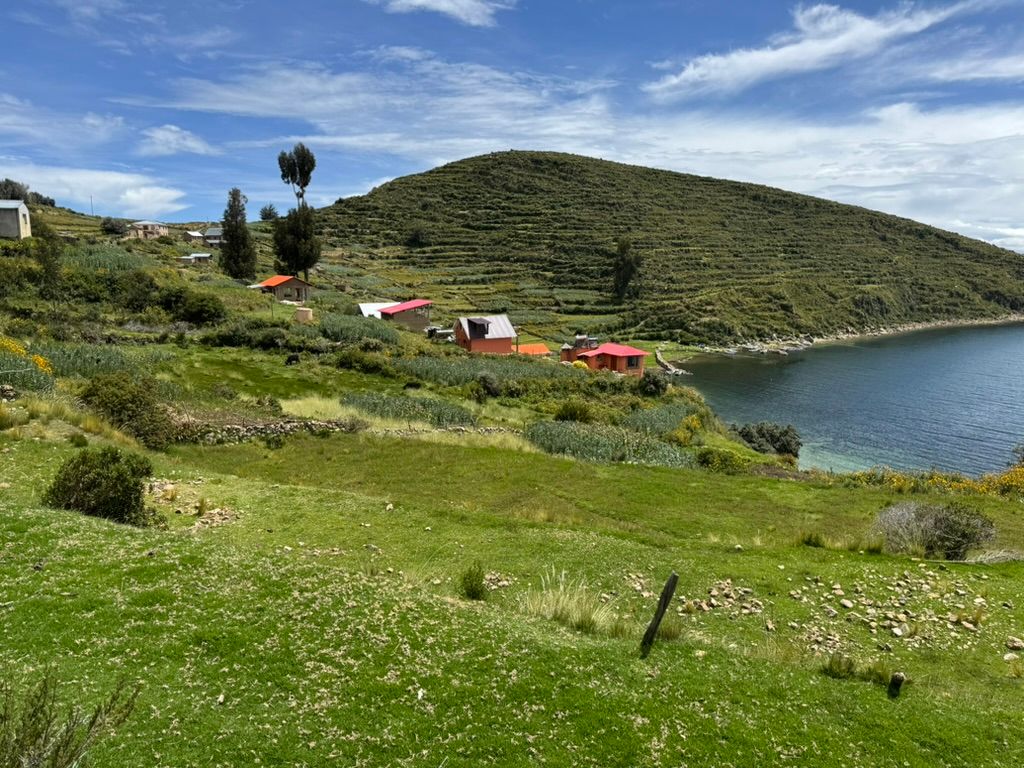
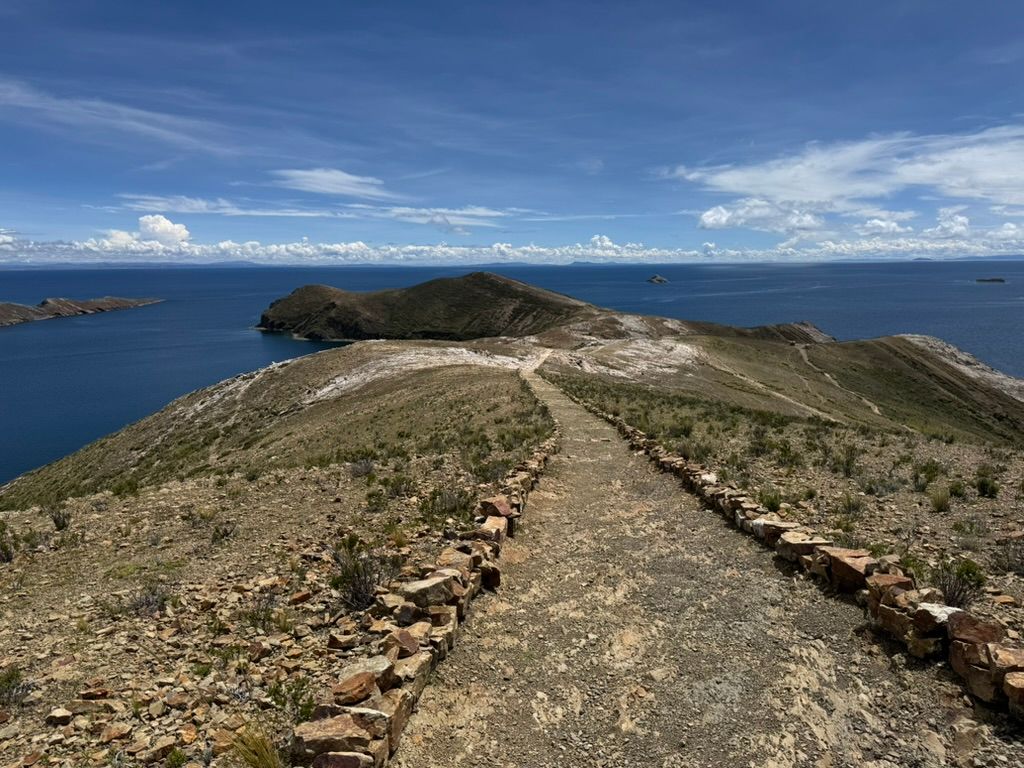
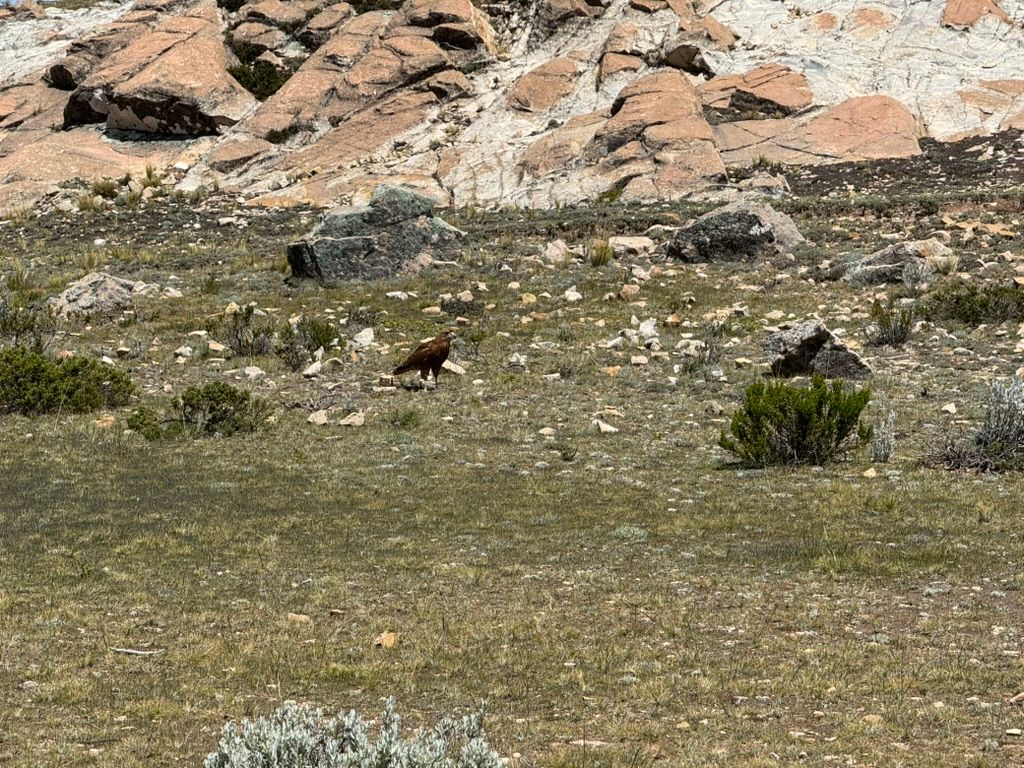
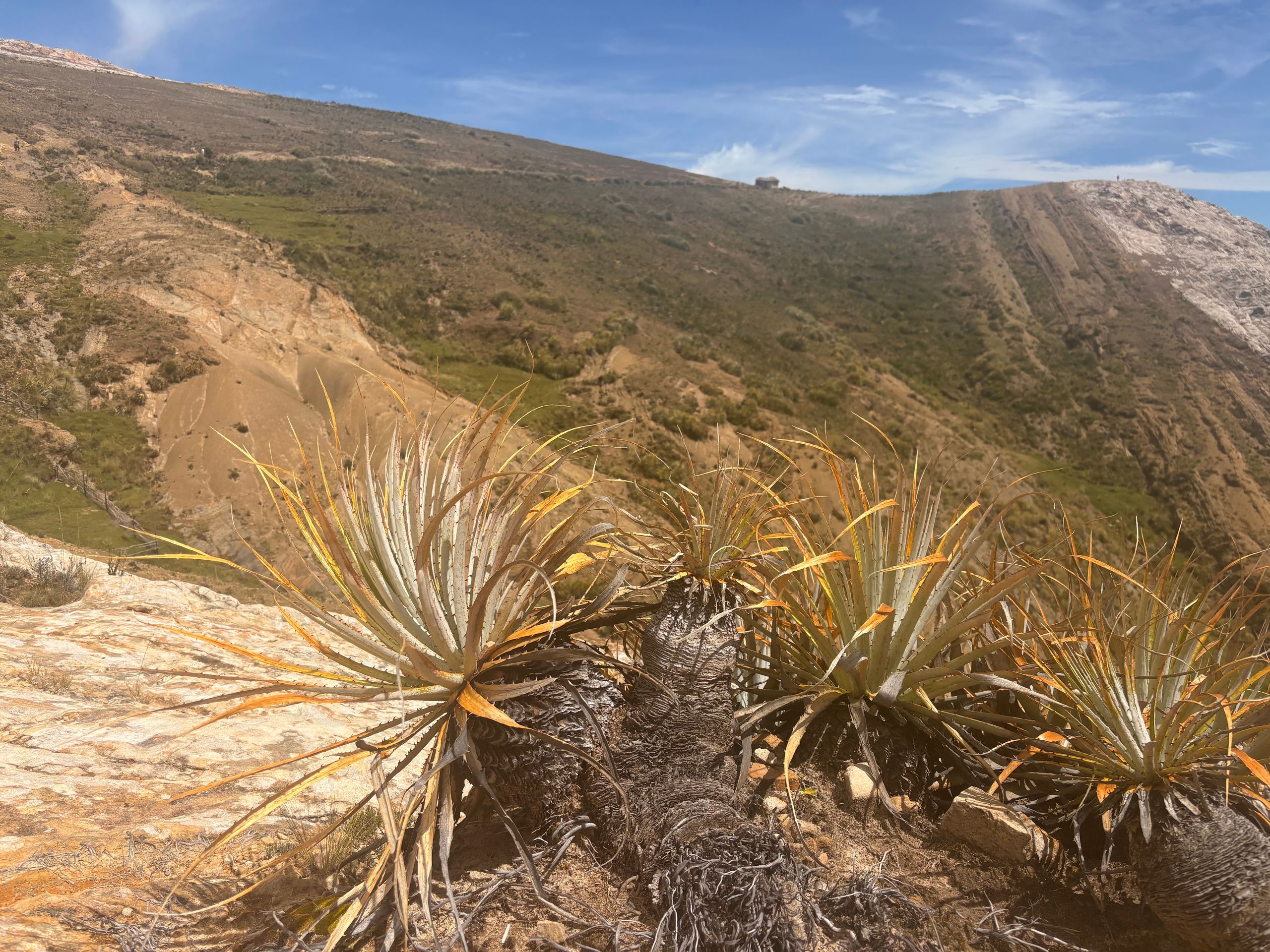
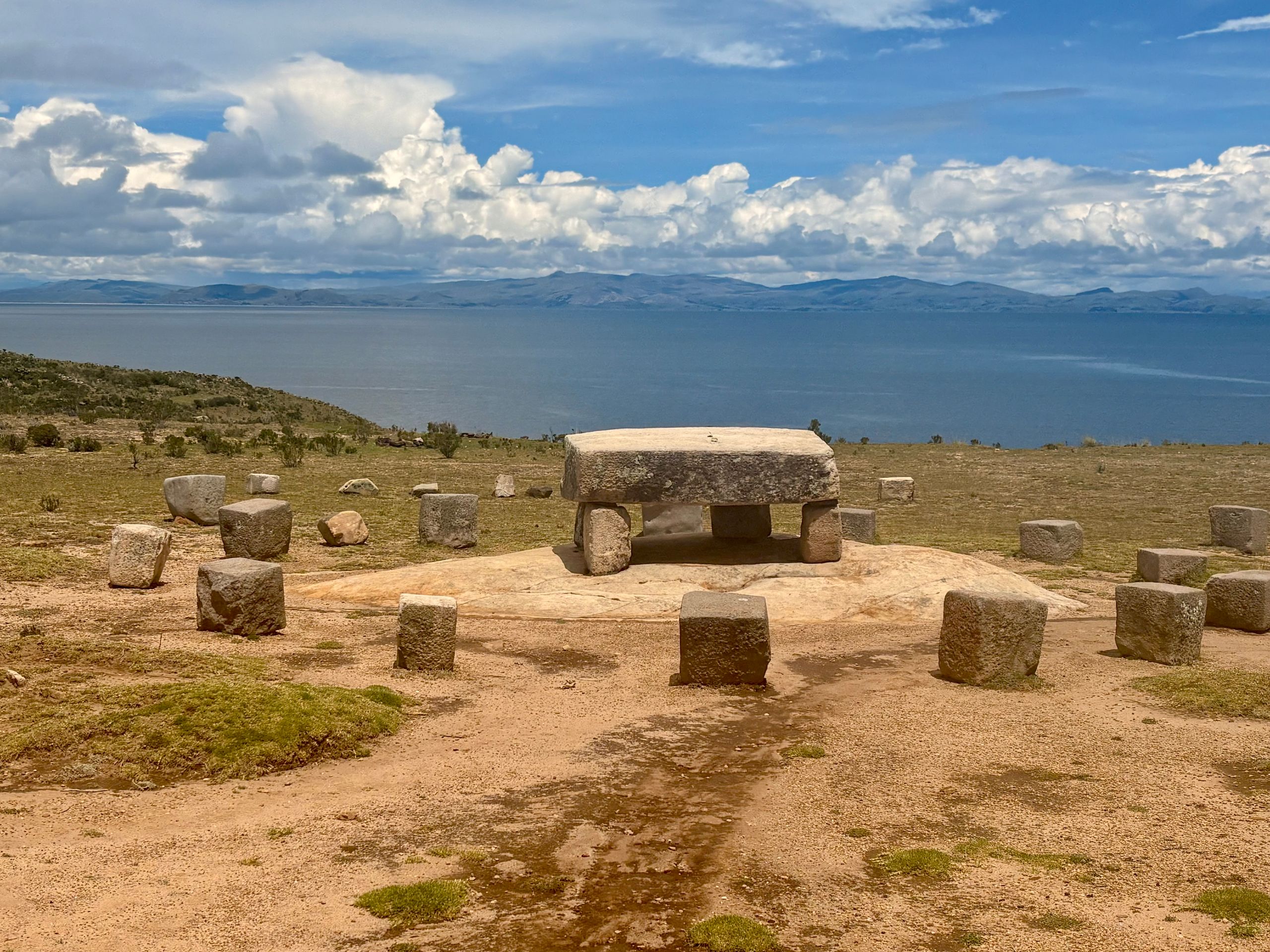
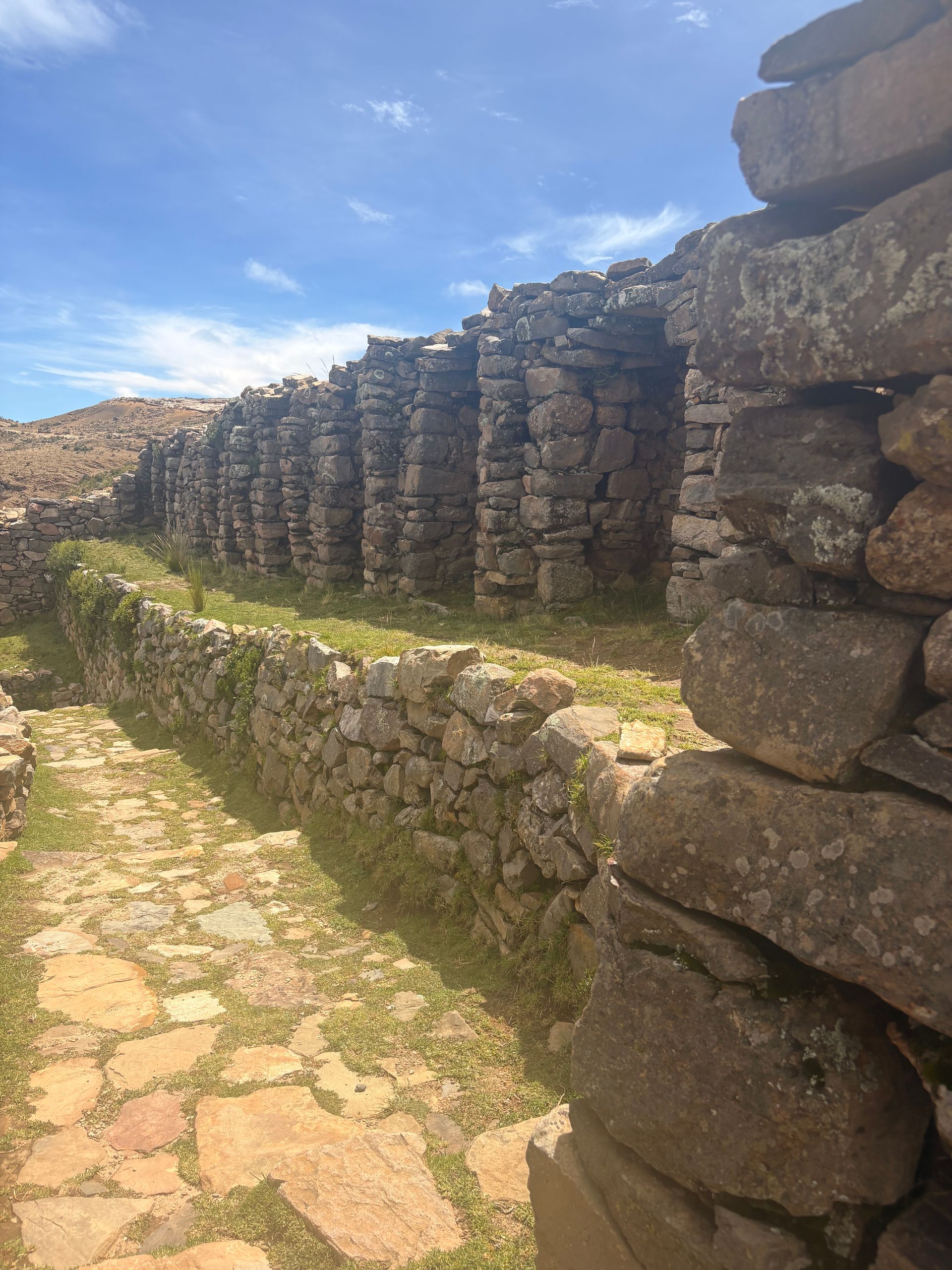
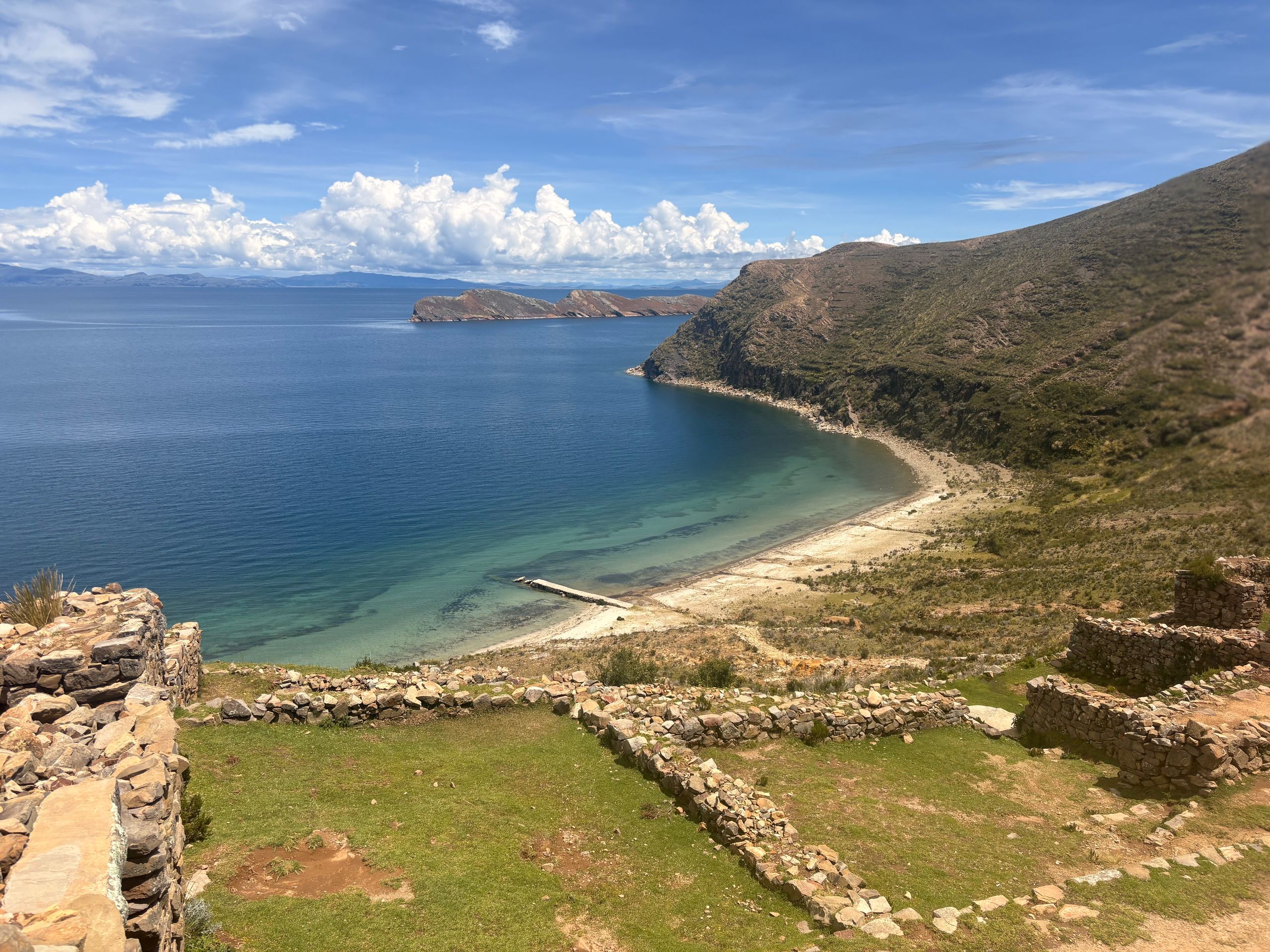
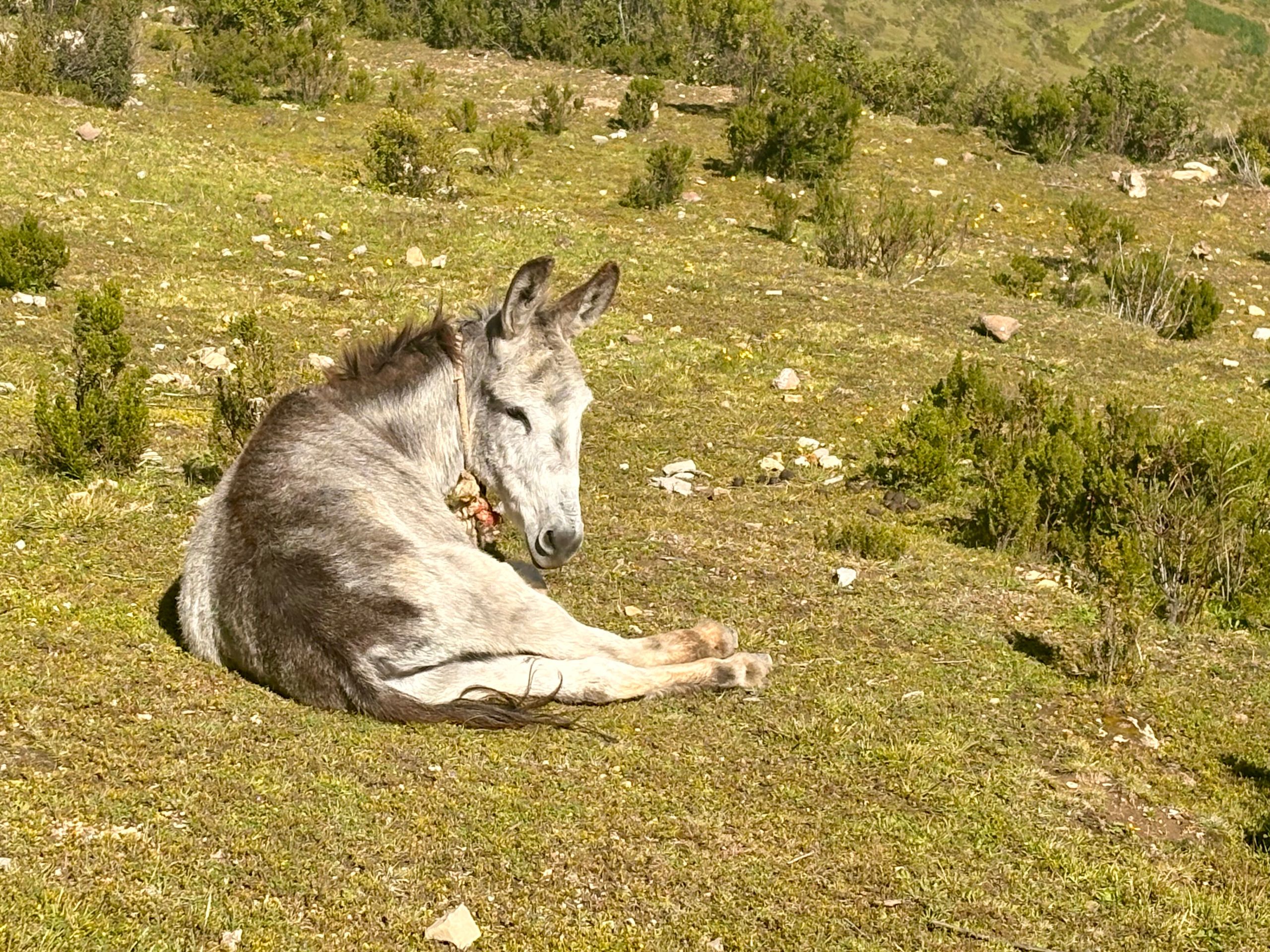
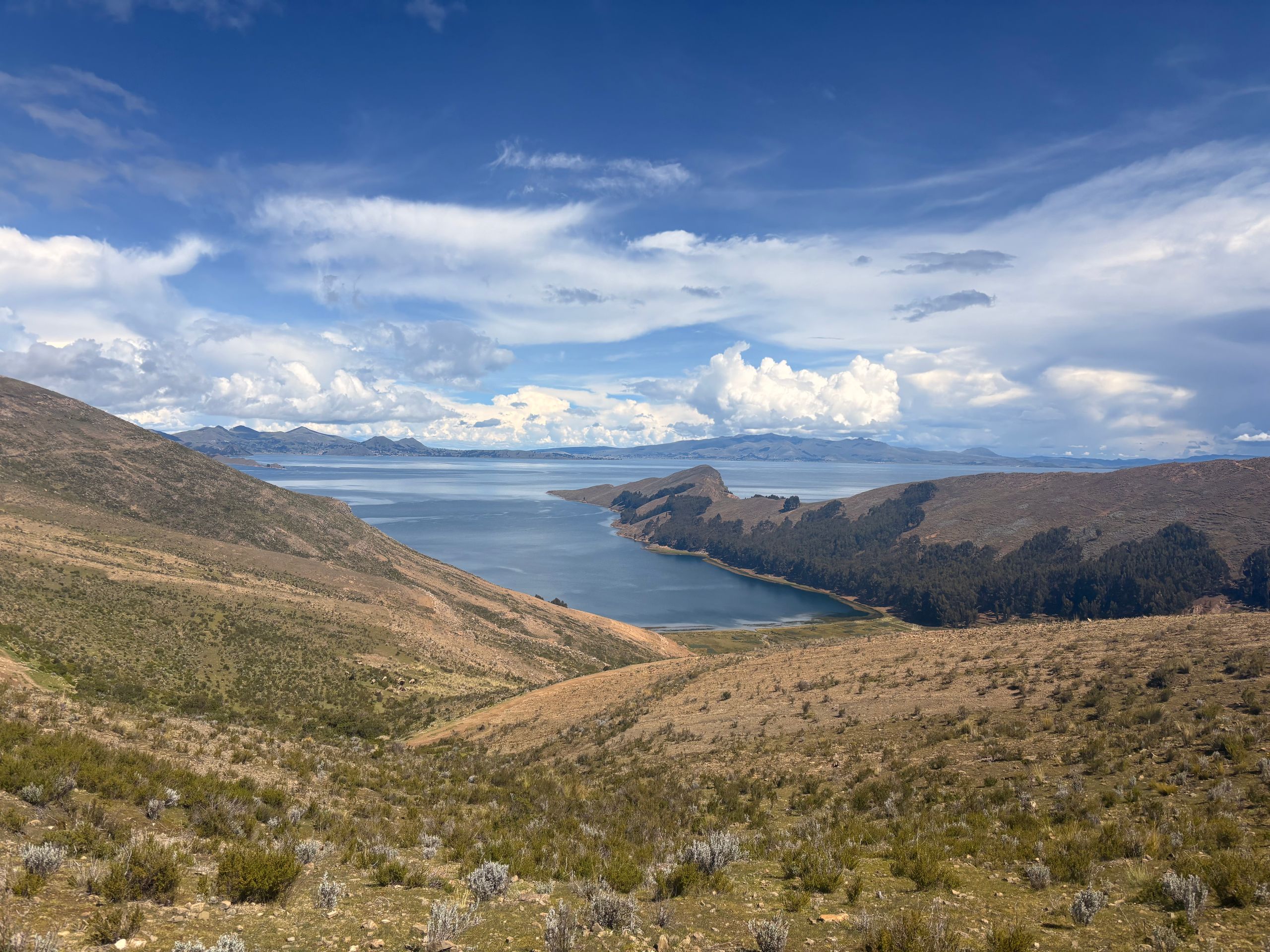
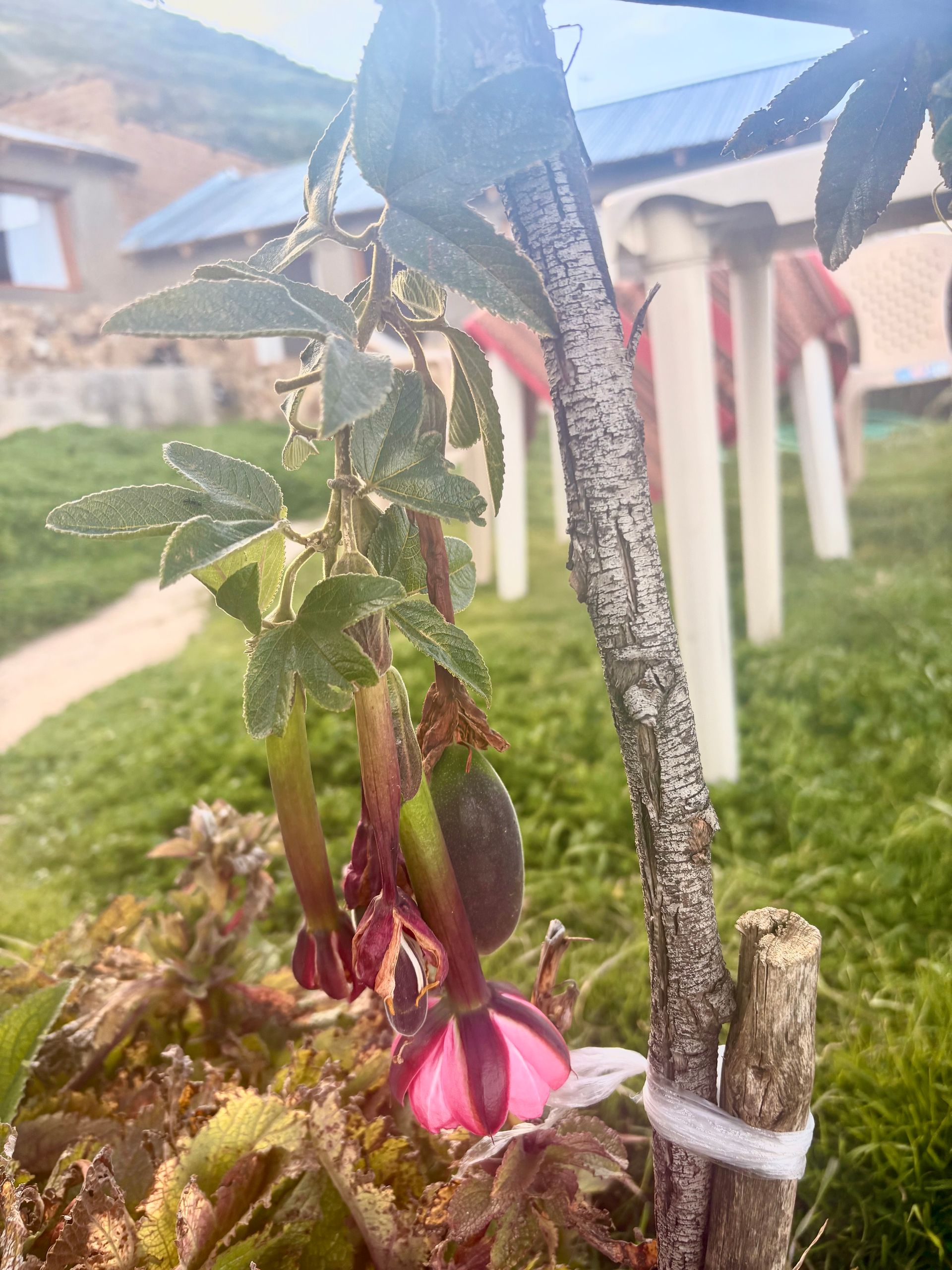
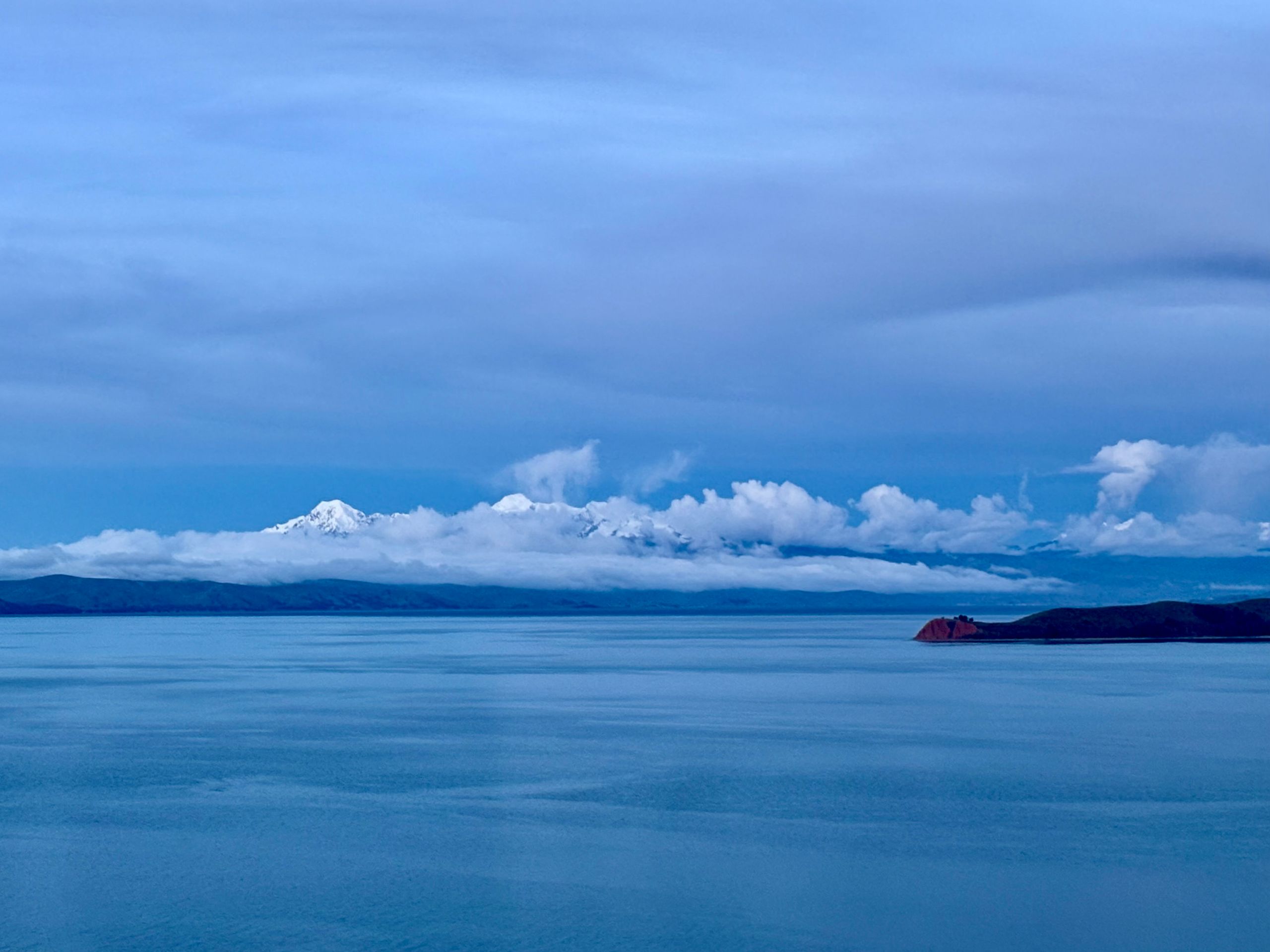
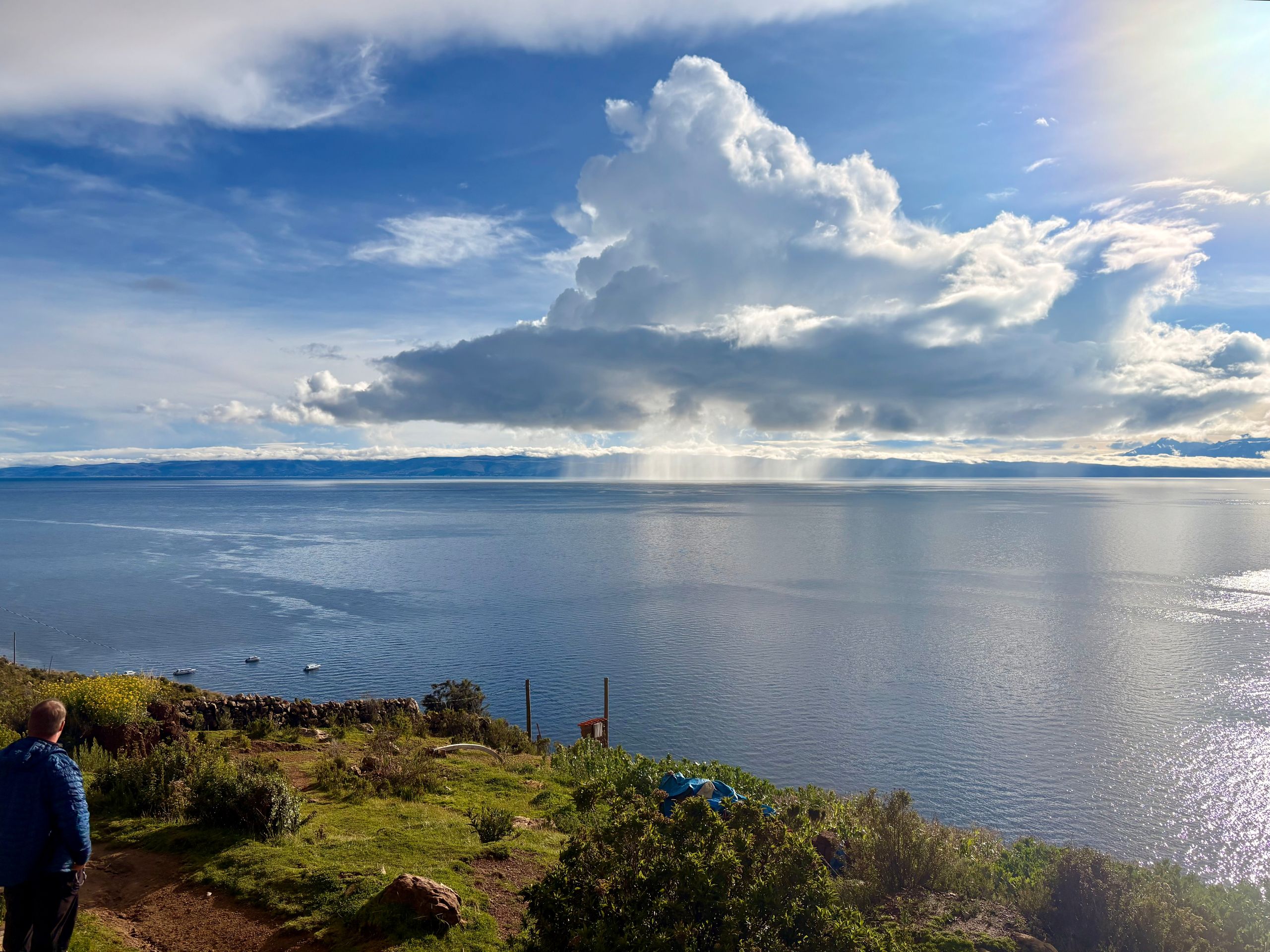
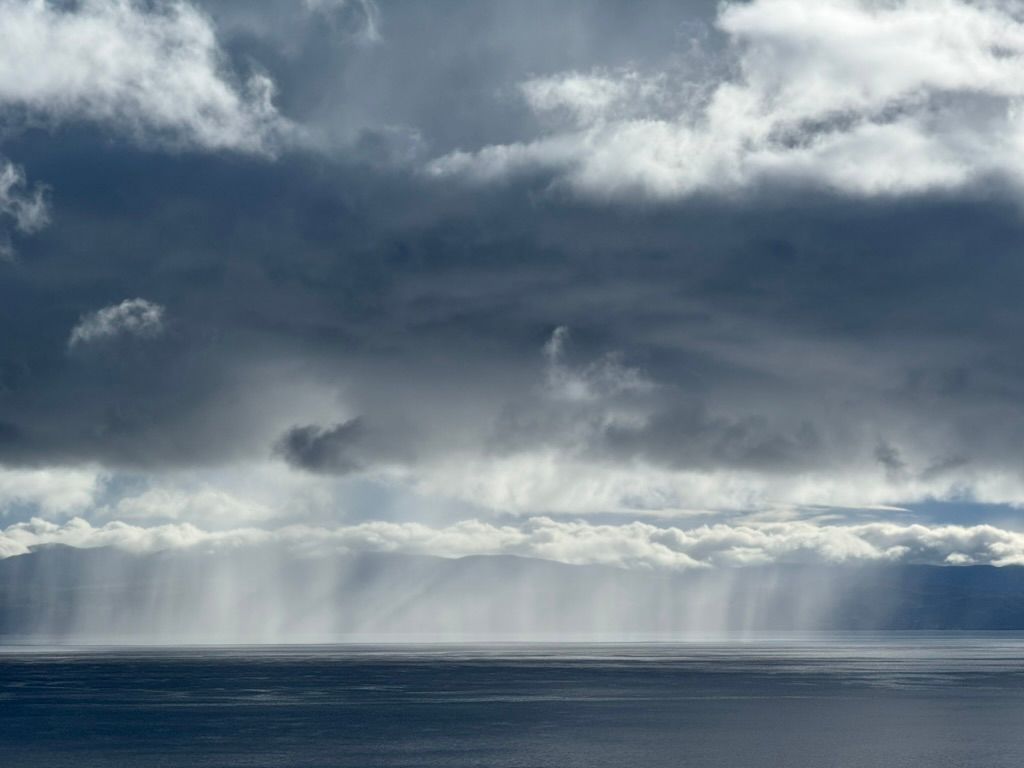
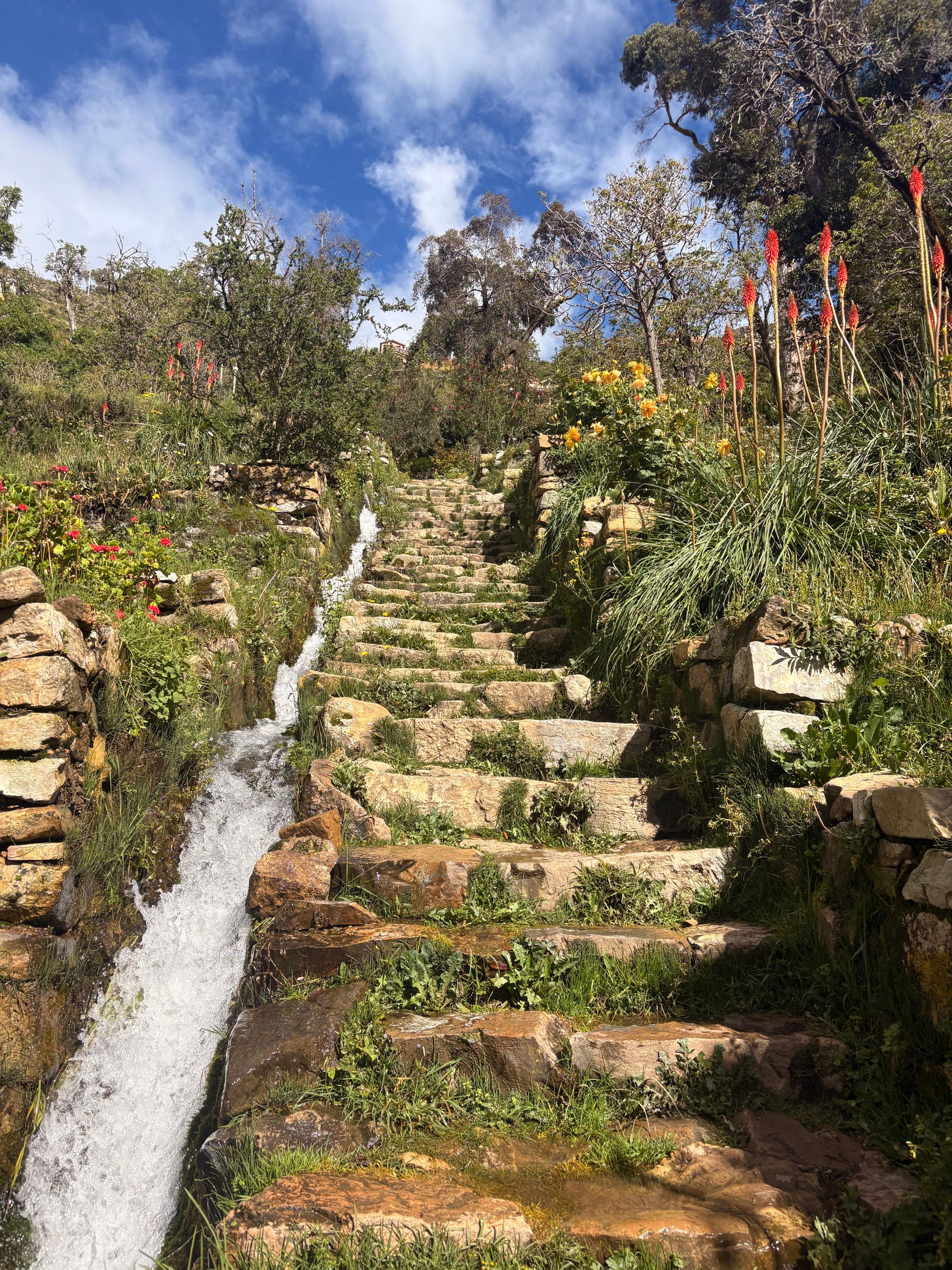
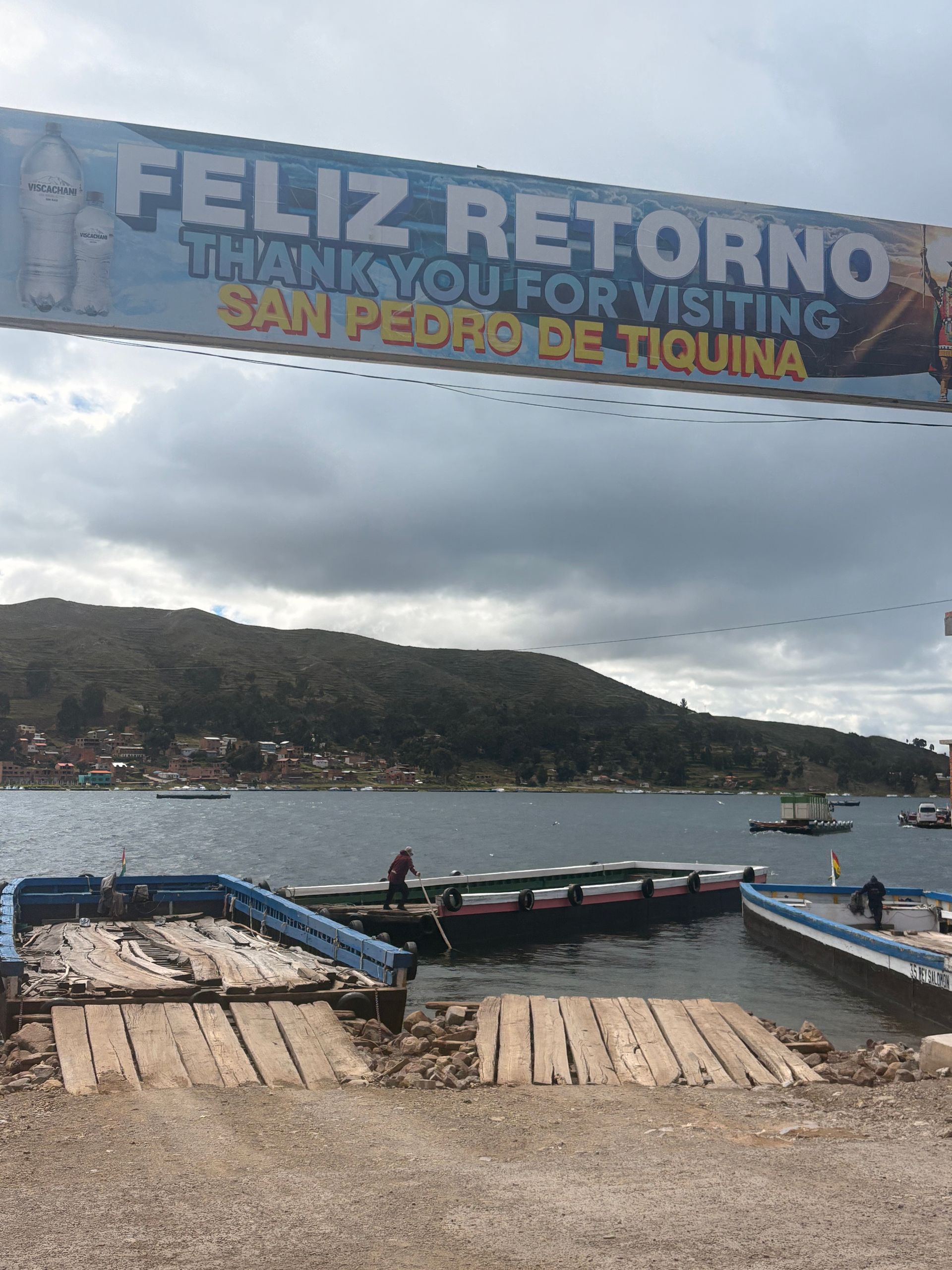
From here, one morning we set off in torrential rain (the sloping streets turned into rushing rivers, and despite rain jackets, we were completely soaked within seconds) on a shabby passenger ferry towards the north of Isla del Sol. Just as we approached the island, the sky cleared up, and the island lived up to its name. We immediately understood why, according to Inca legend, the sun god Inti lived here and supposedly fathered the first Incas out of joy for all the beauty. So we docked at the sleepy settlement of Challapampa. It was probably a blessing that one could even travel north since the northern and southern islanders were unfortunately very divided over the distribution of entrance fees for the island, making this impossible for quite some time. From here we began our leisurely hike across the island and enjoyed the sunshine, fresh air, and tranquility! No cars, no honking, what a relief! At the various Inca ruins (labyrinths, places of worship, etc.), there were a few tourists, otherwise, we mostly walked alone in perfect weather over the hills of the island, passing cypress and eucalyptus groves and grazing donkeys (of course always a bit out of breath, we were still over 4000m high). And always with the beautifully shimmering lake in view and amazing cloud formations above it, and on the horizon, the white peaks of the Cordillera Blanca occasionally glinted through! In the far south of the island, we spent the night in a charming quiet hospedaje, where several generations of the family grew a bit of fruit and vegetables in the gardens around and went about their business. We had a great (dry, ha!) room, and the mother even cooked us a decent dinner.
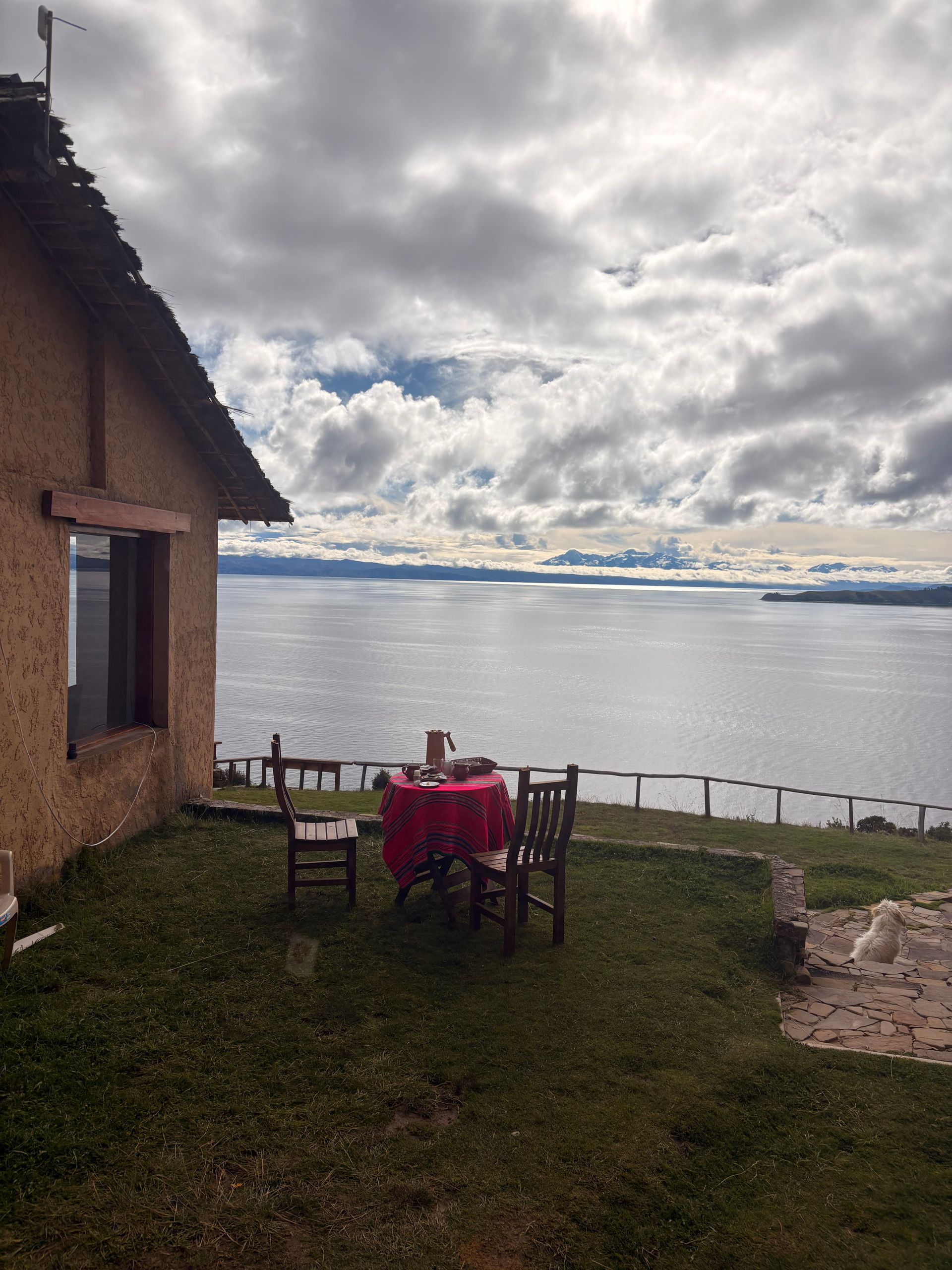
Completely relaxed, we trotted back north towards the southern settlement of Yumani the next morning after a delicious breakfast in the garden with a fantastic view, where we climbed an old (and long) Inca staircase down to the boat landing and headed back to Copacabana on one of the shabby ferries.