
Copacabana and Isla del Sol
Off to Bolivia! After yet another short stop in Cusco, we first took the bus back to Puno to continue on to the Kasani border at Lake Titicaca. The immigration process was super...

Published: 03.06.2025
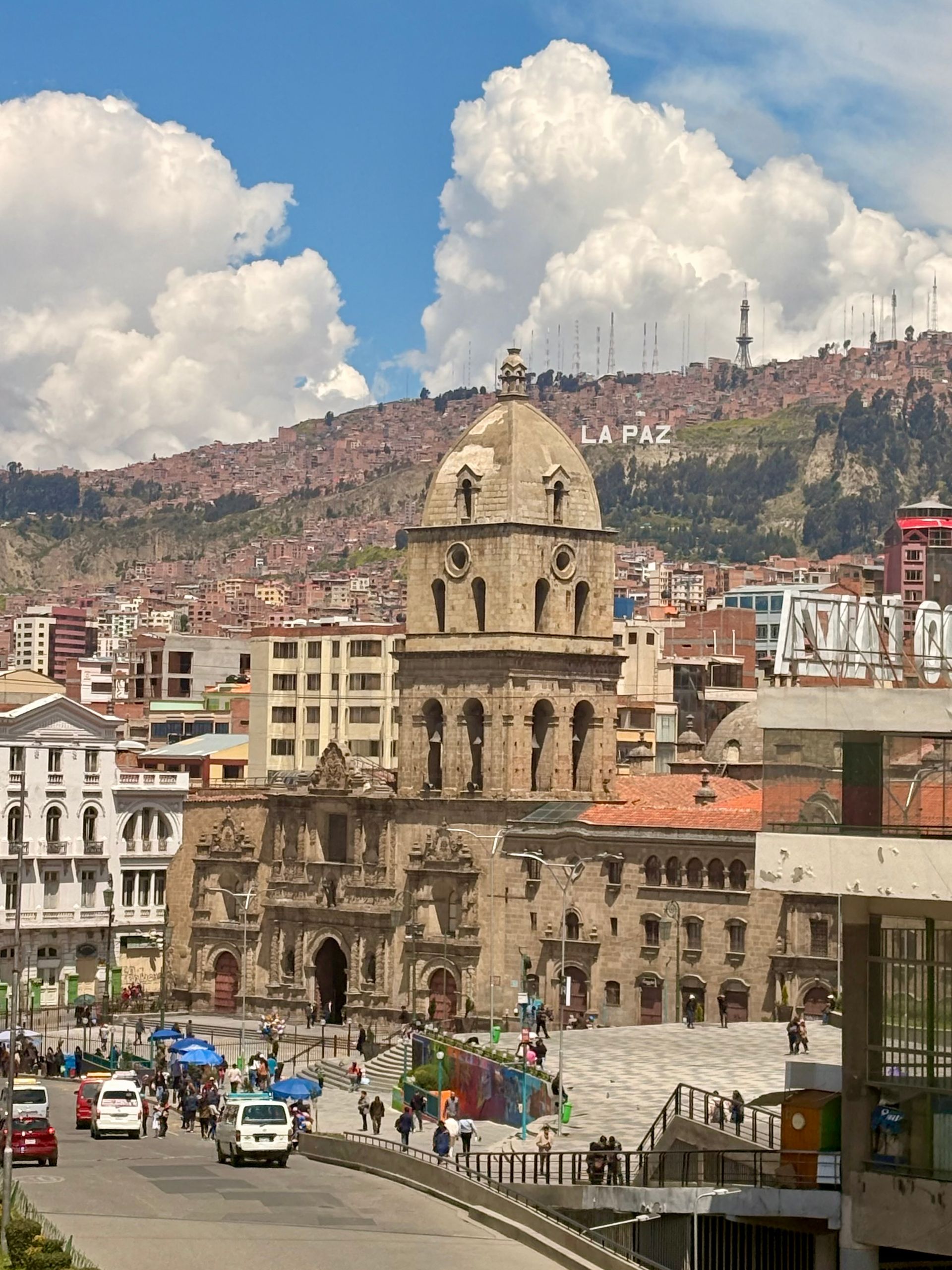
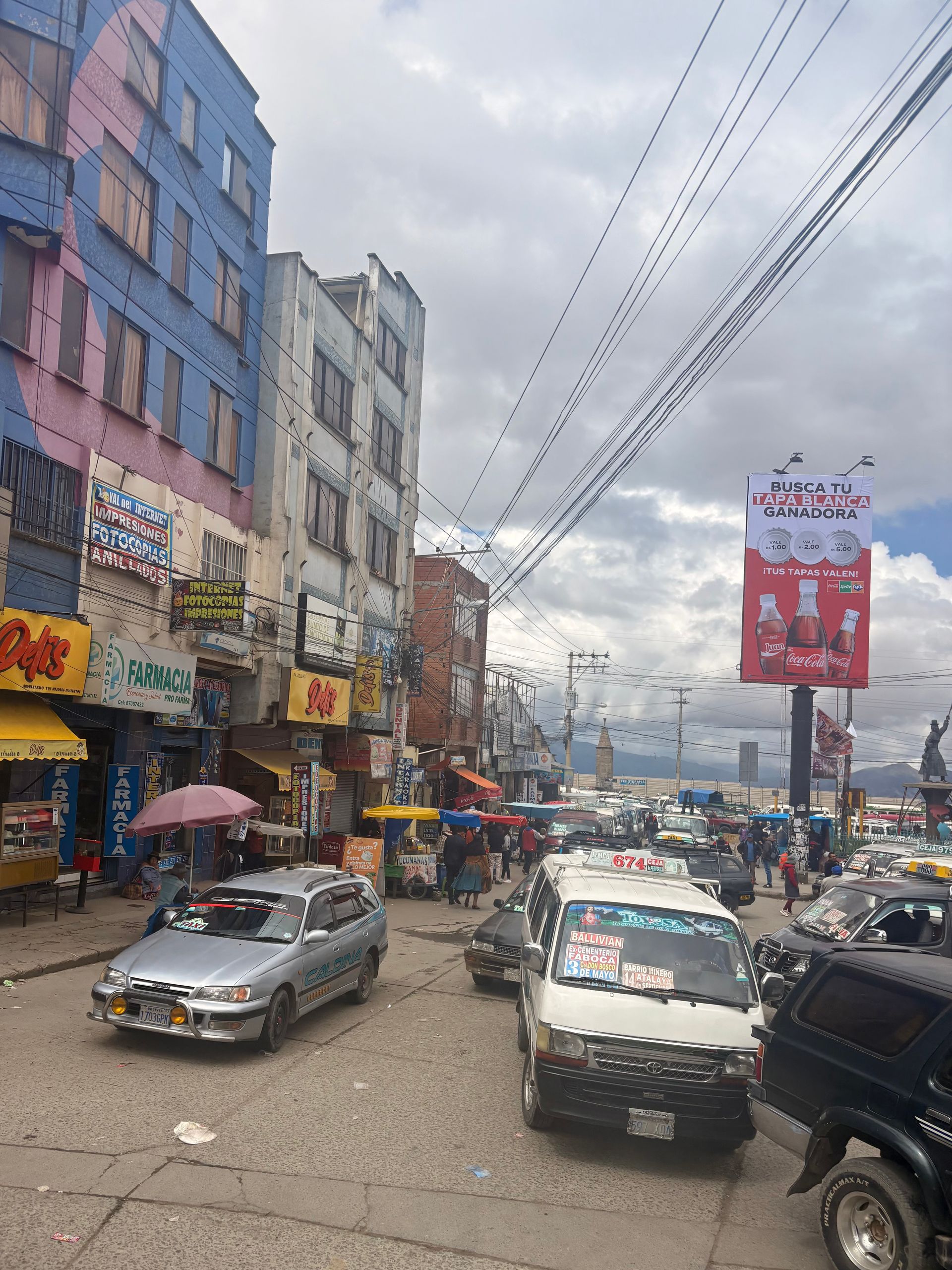
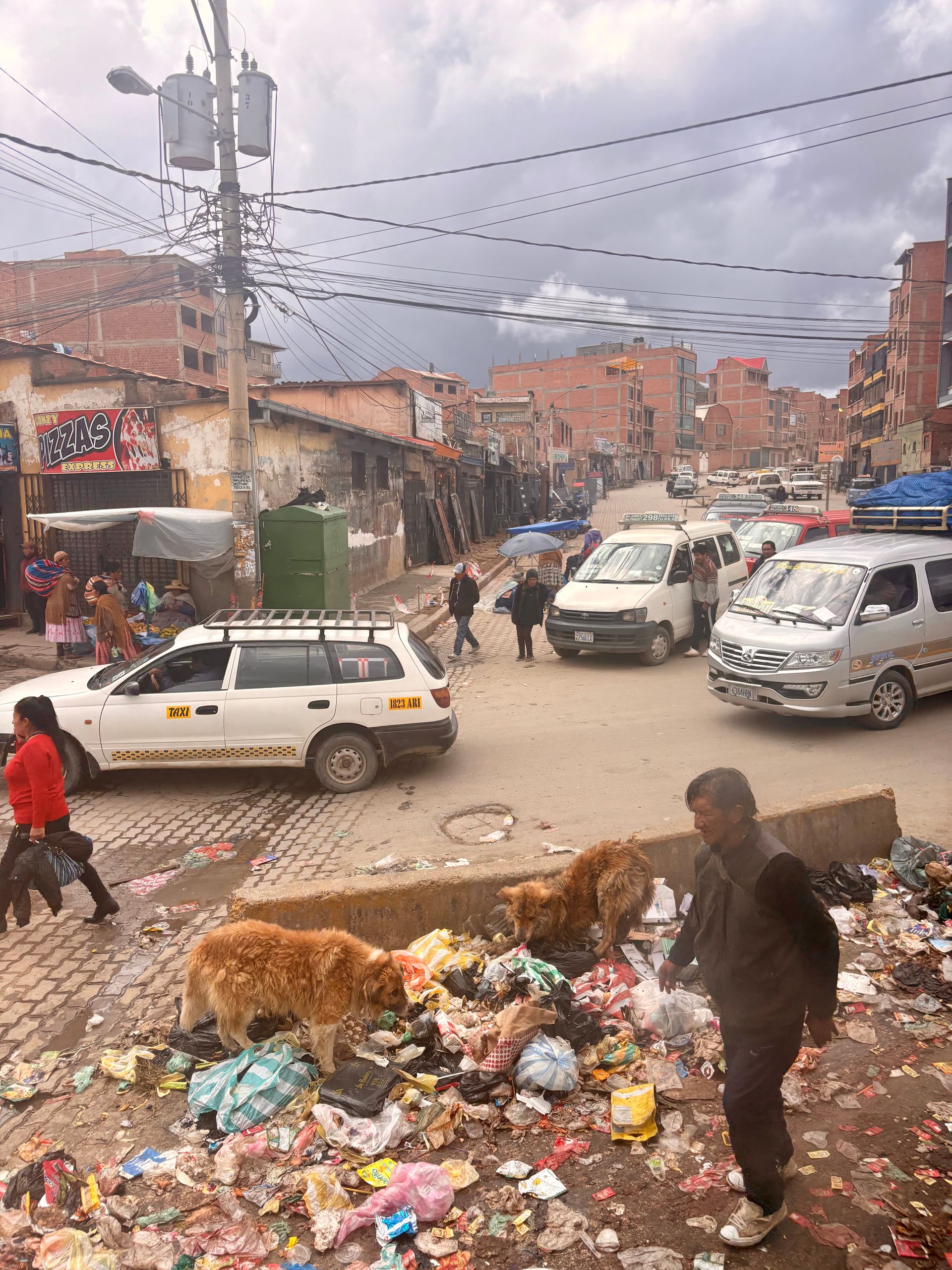
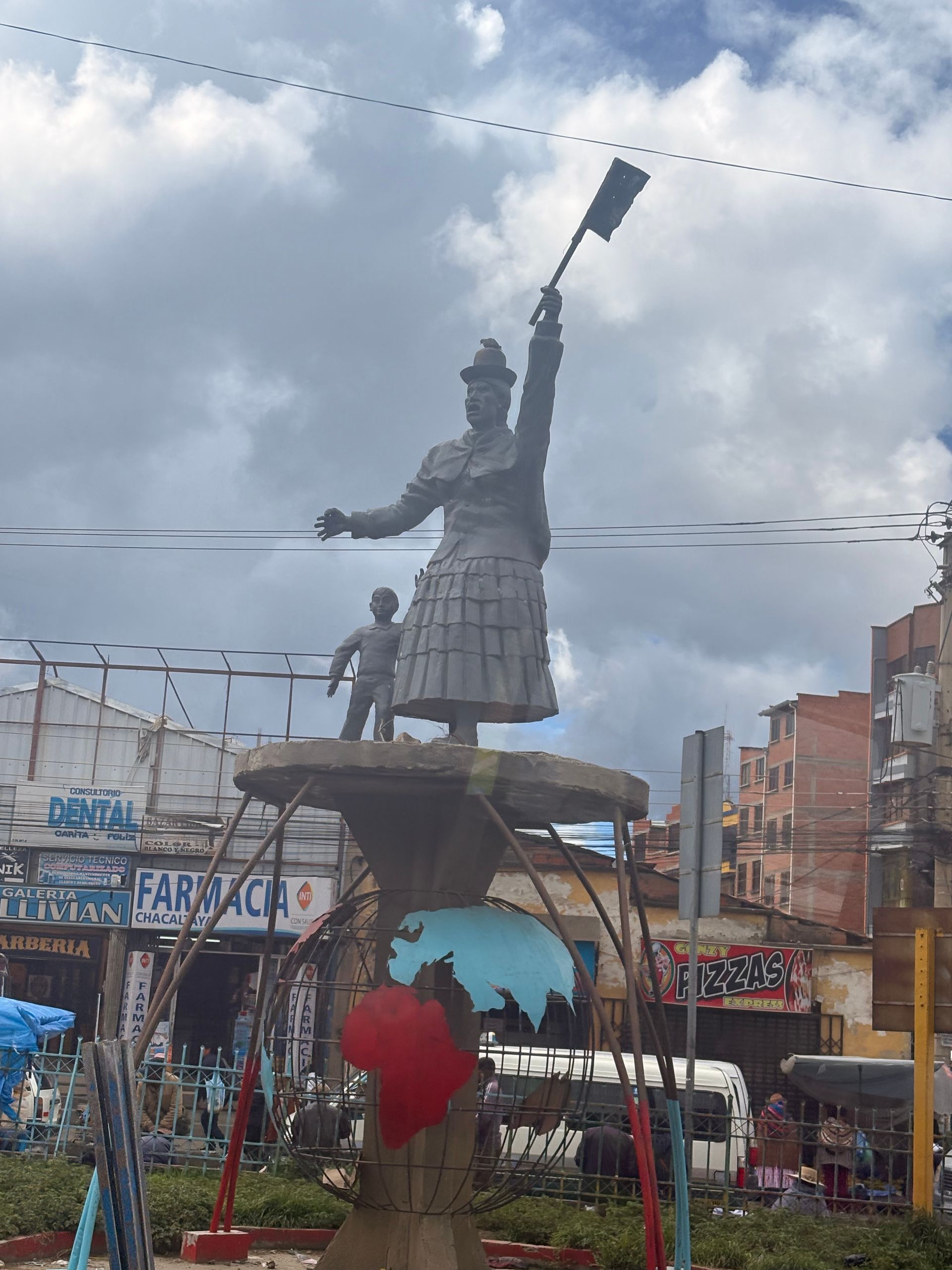
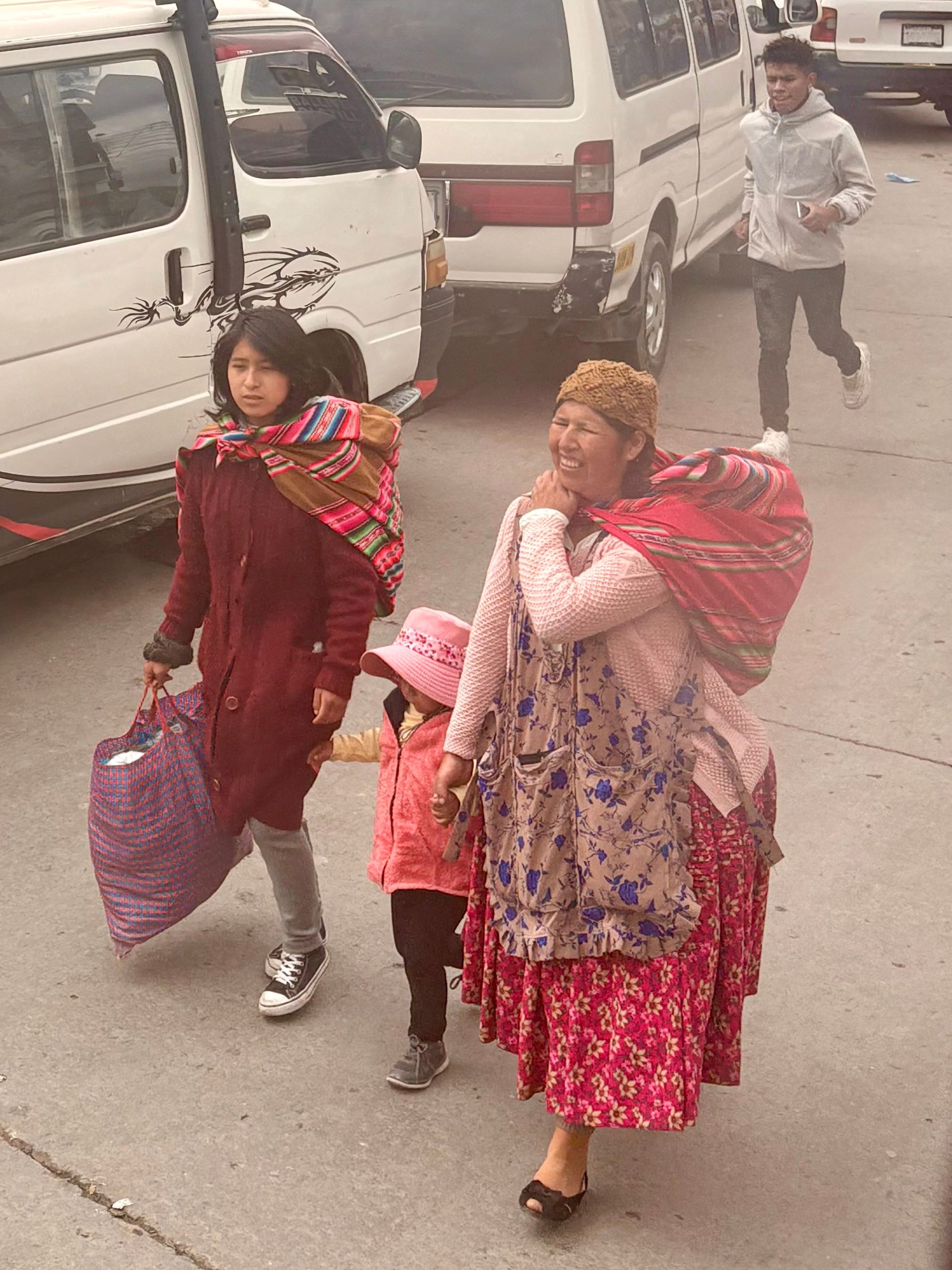
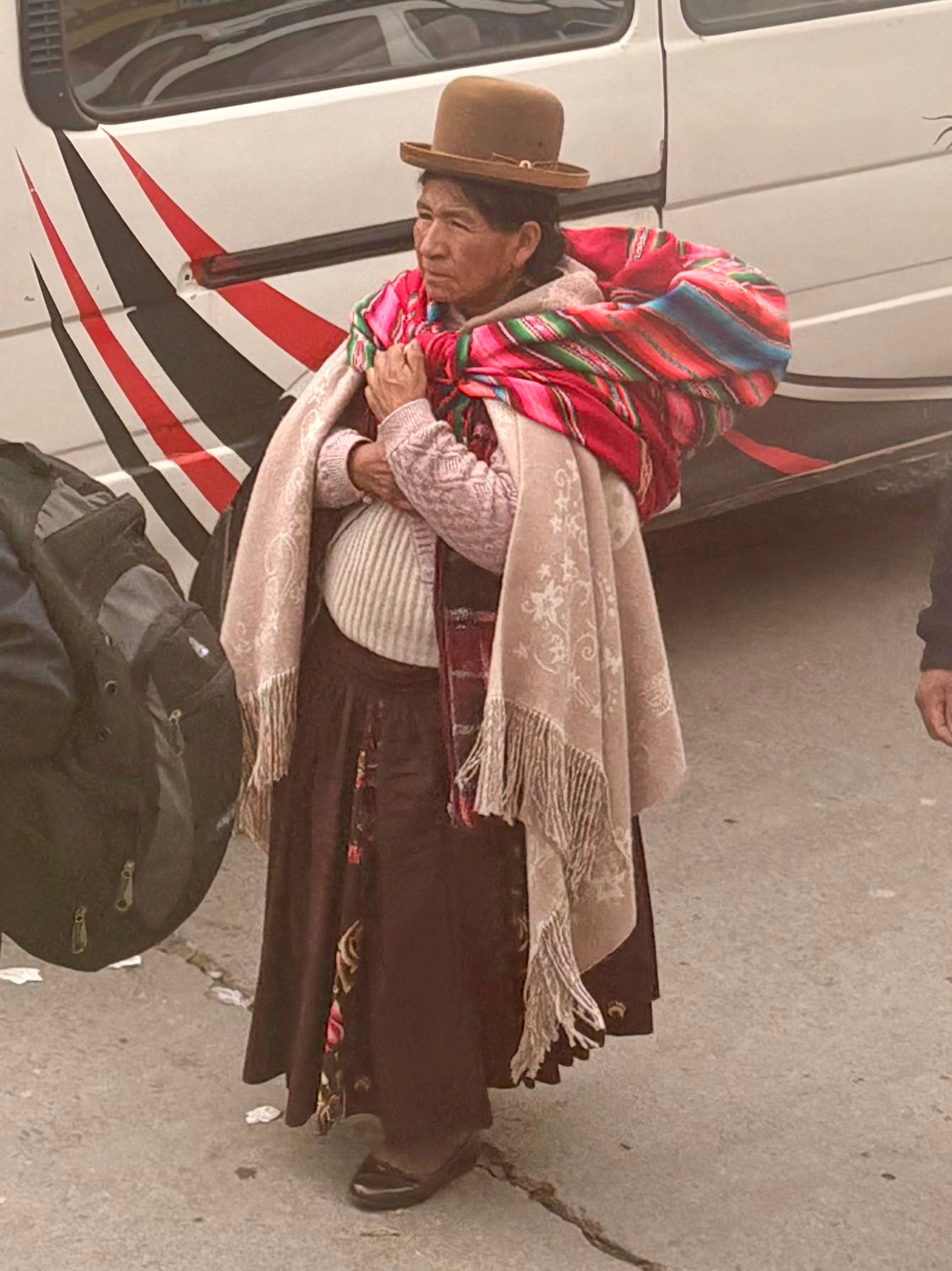
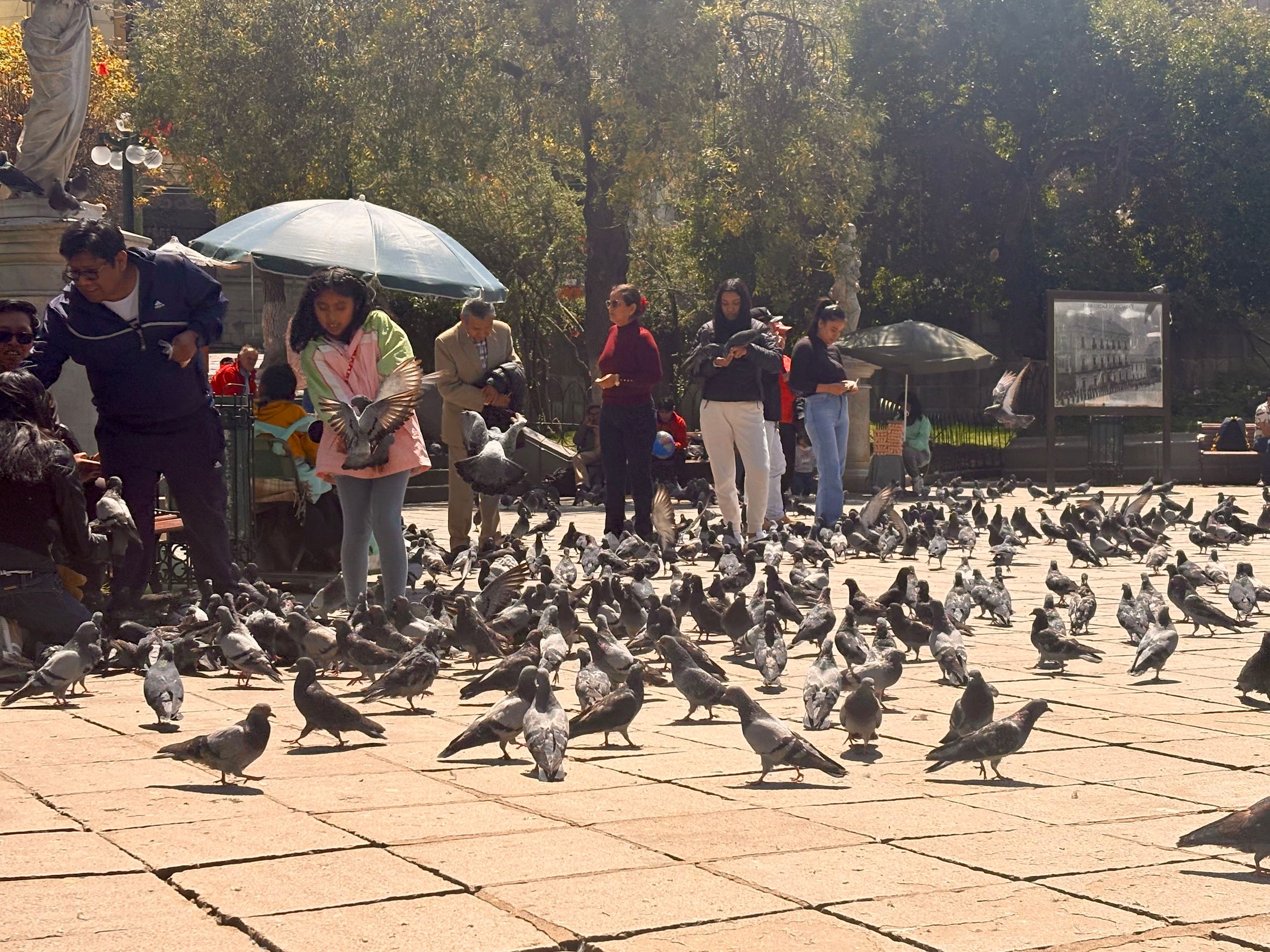
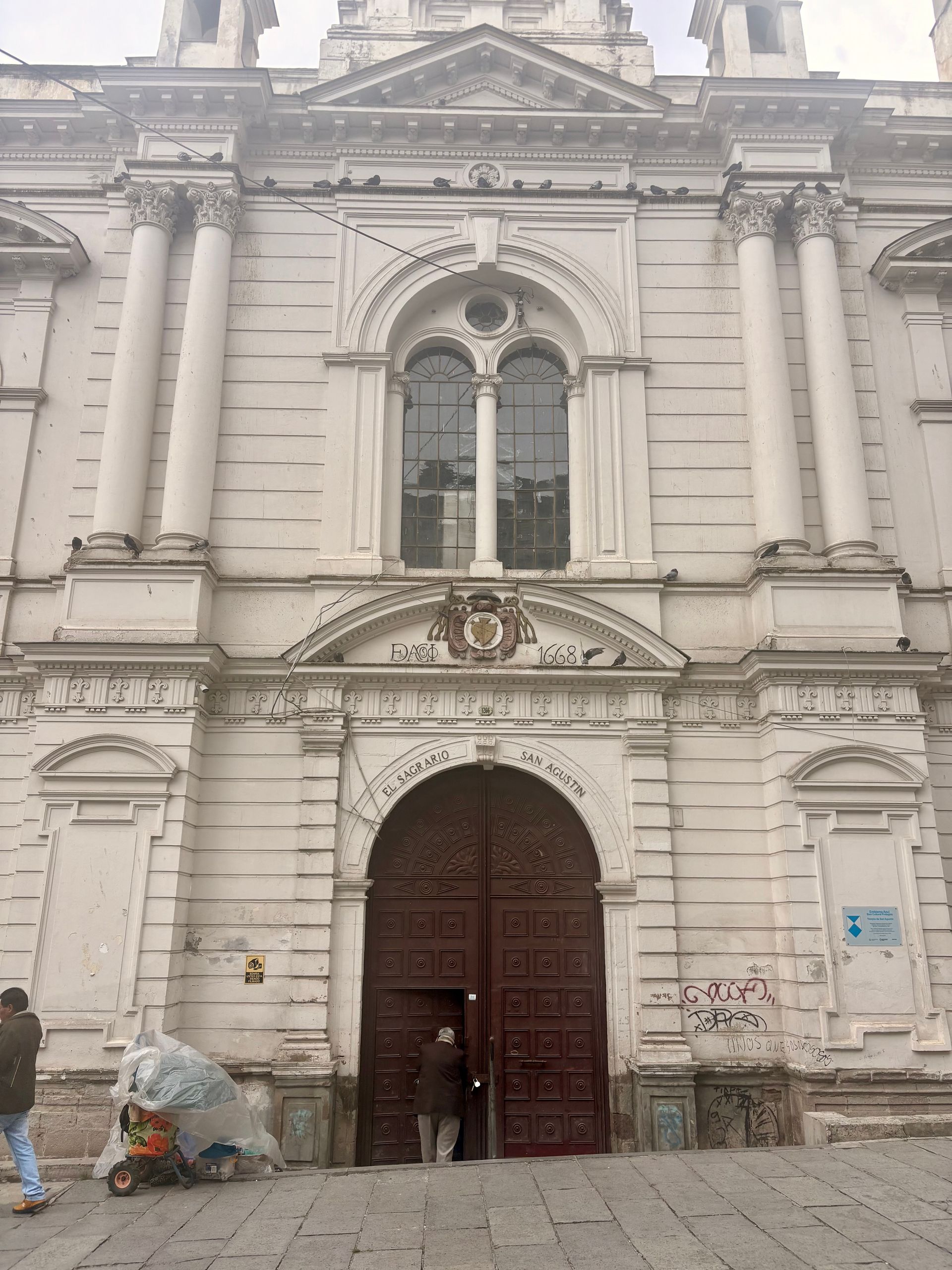
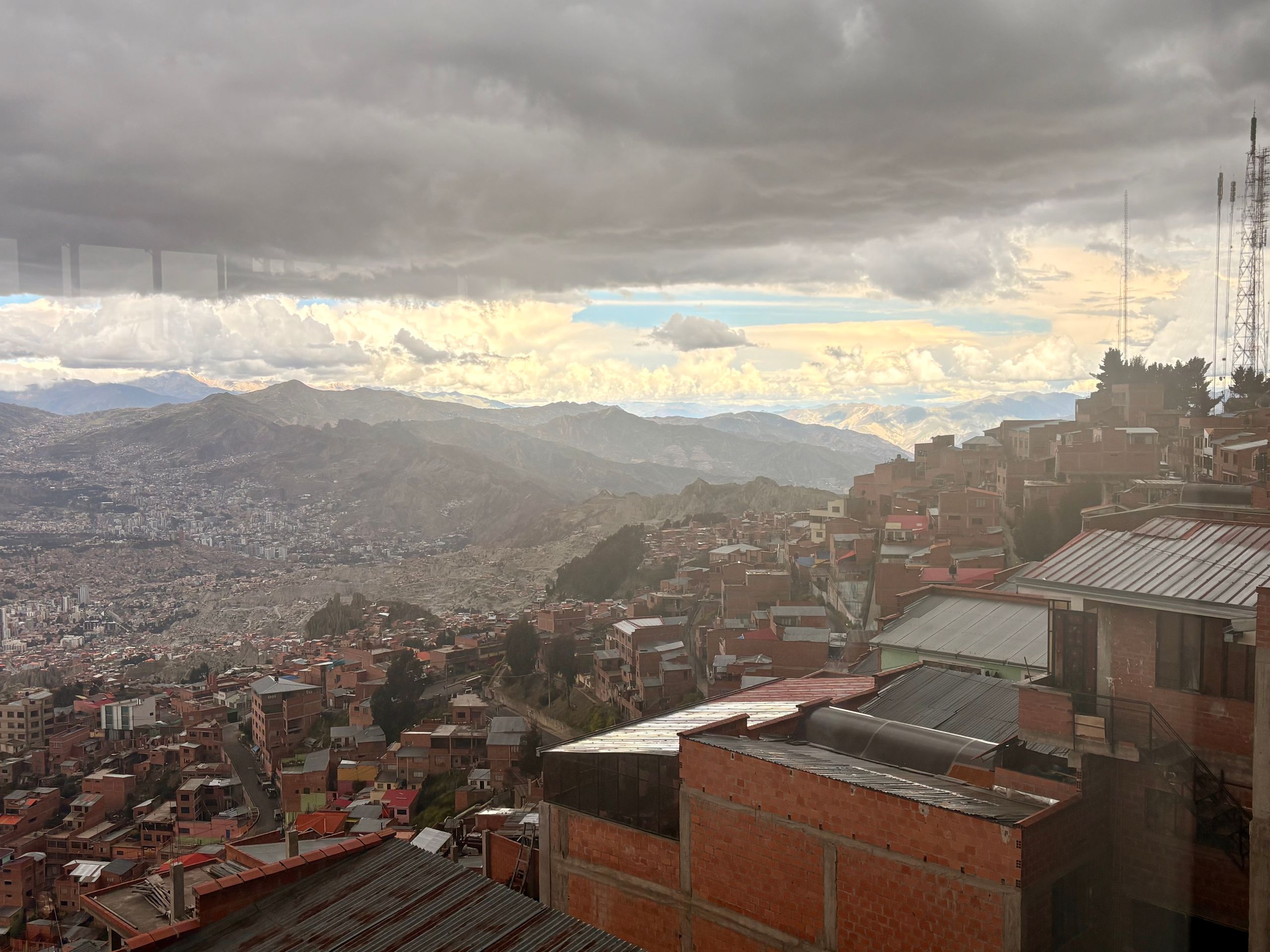
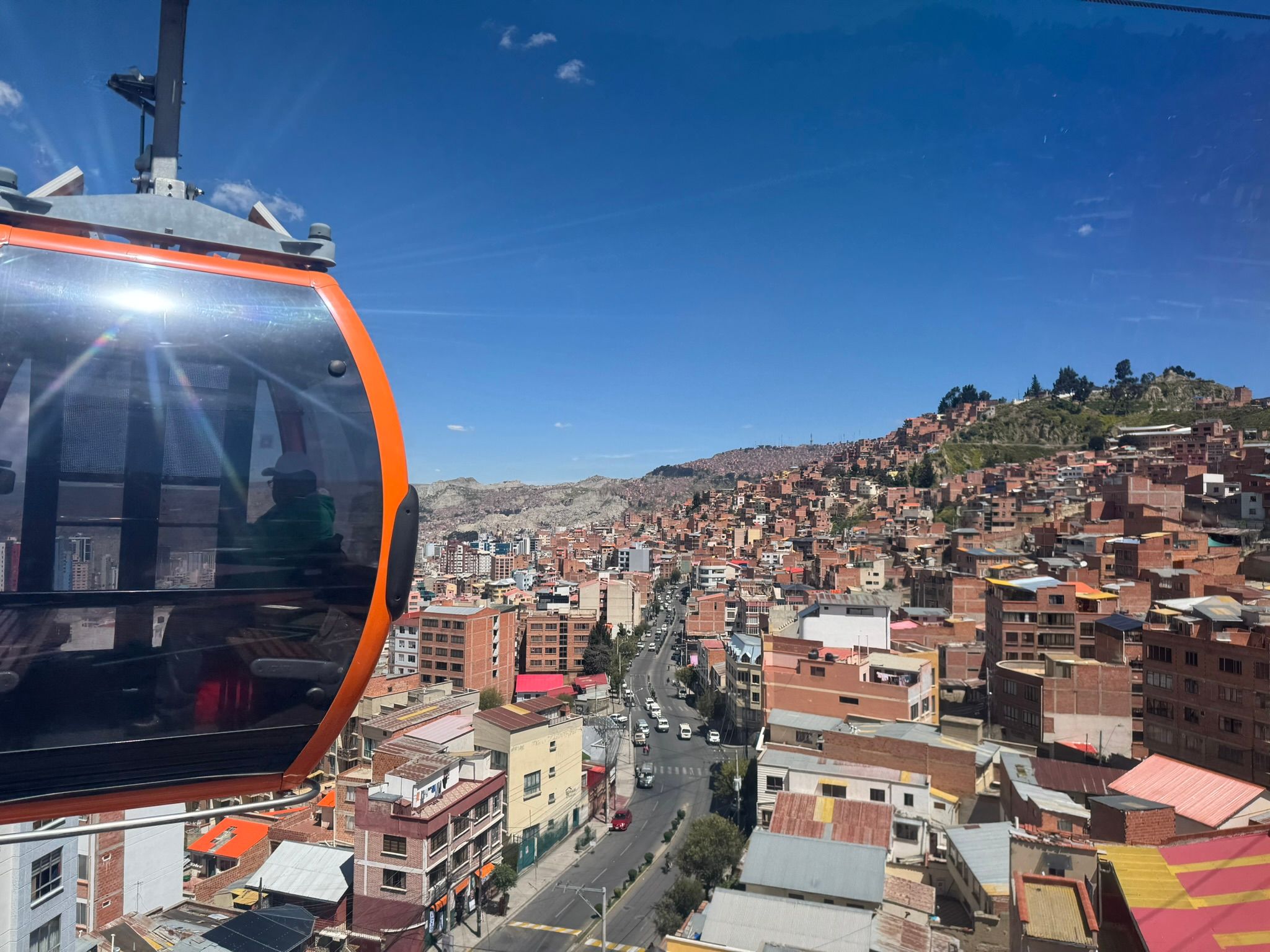
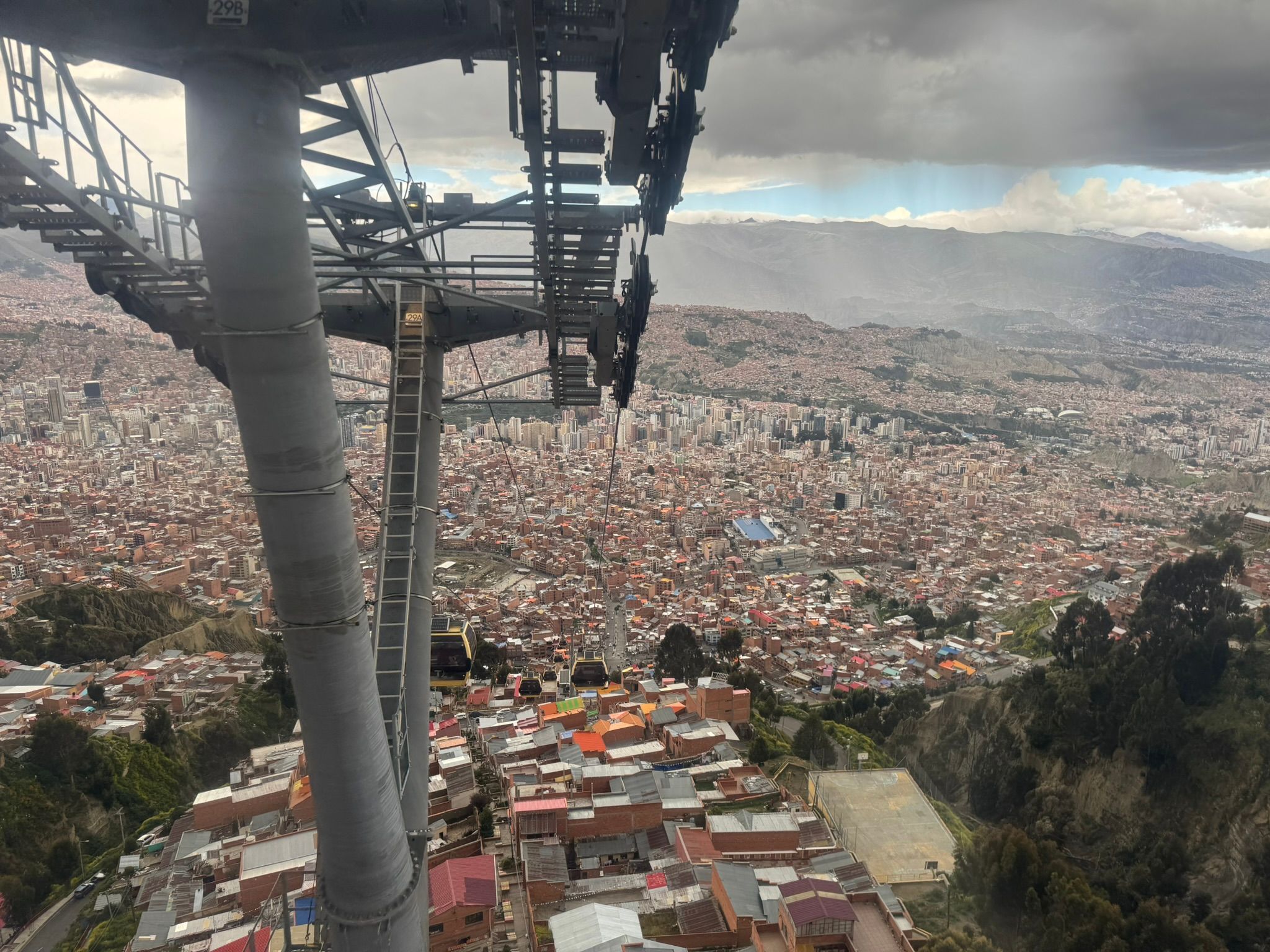
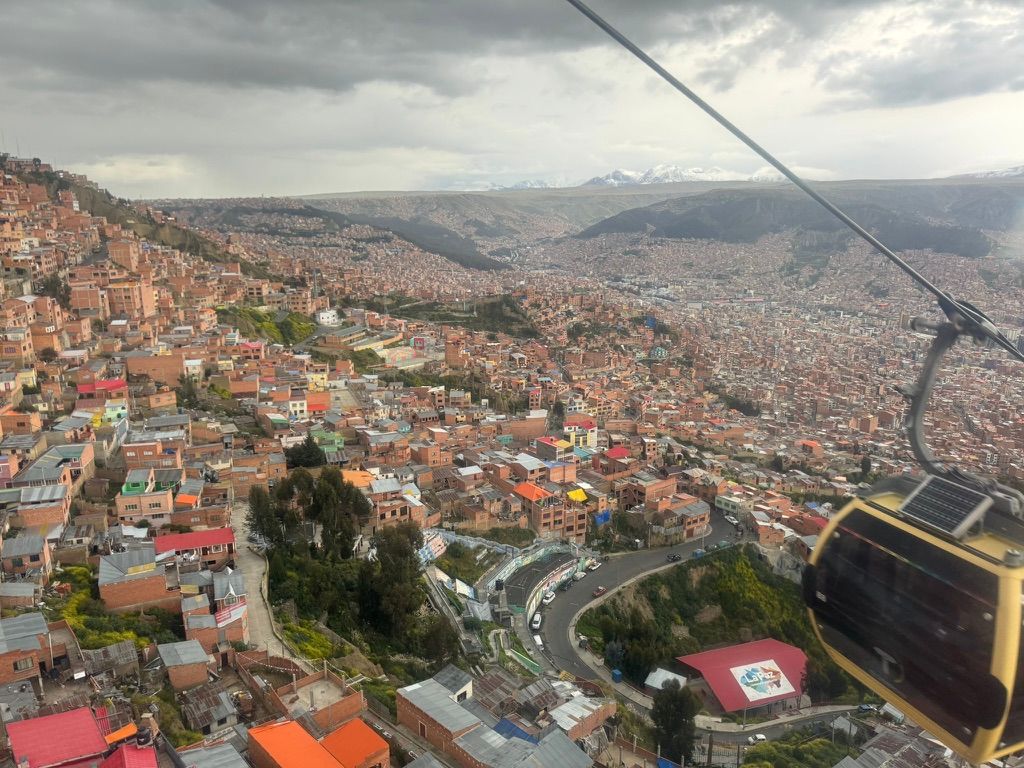
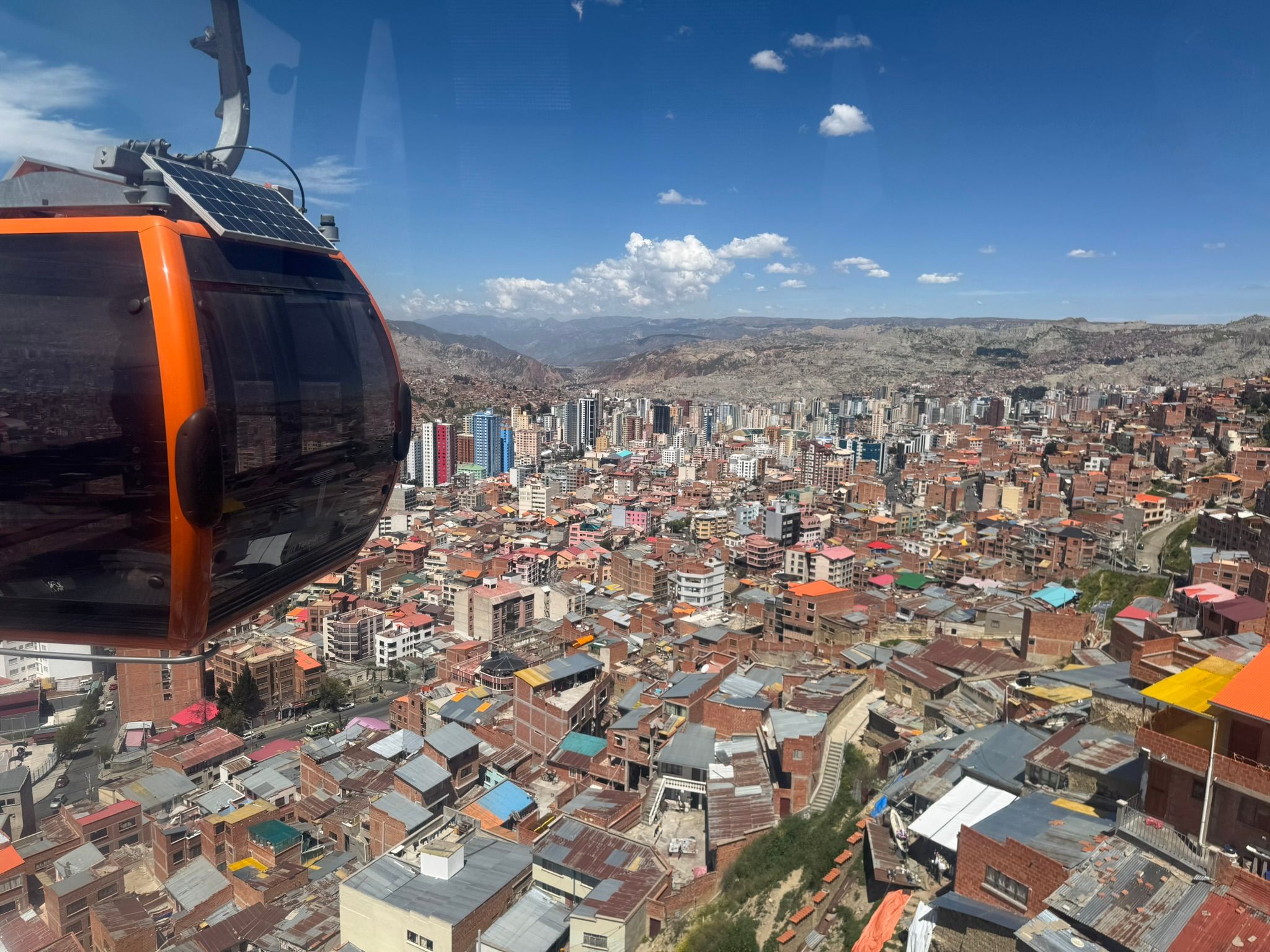
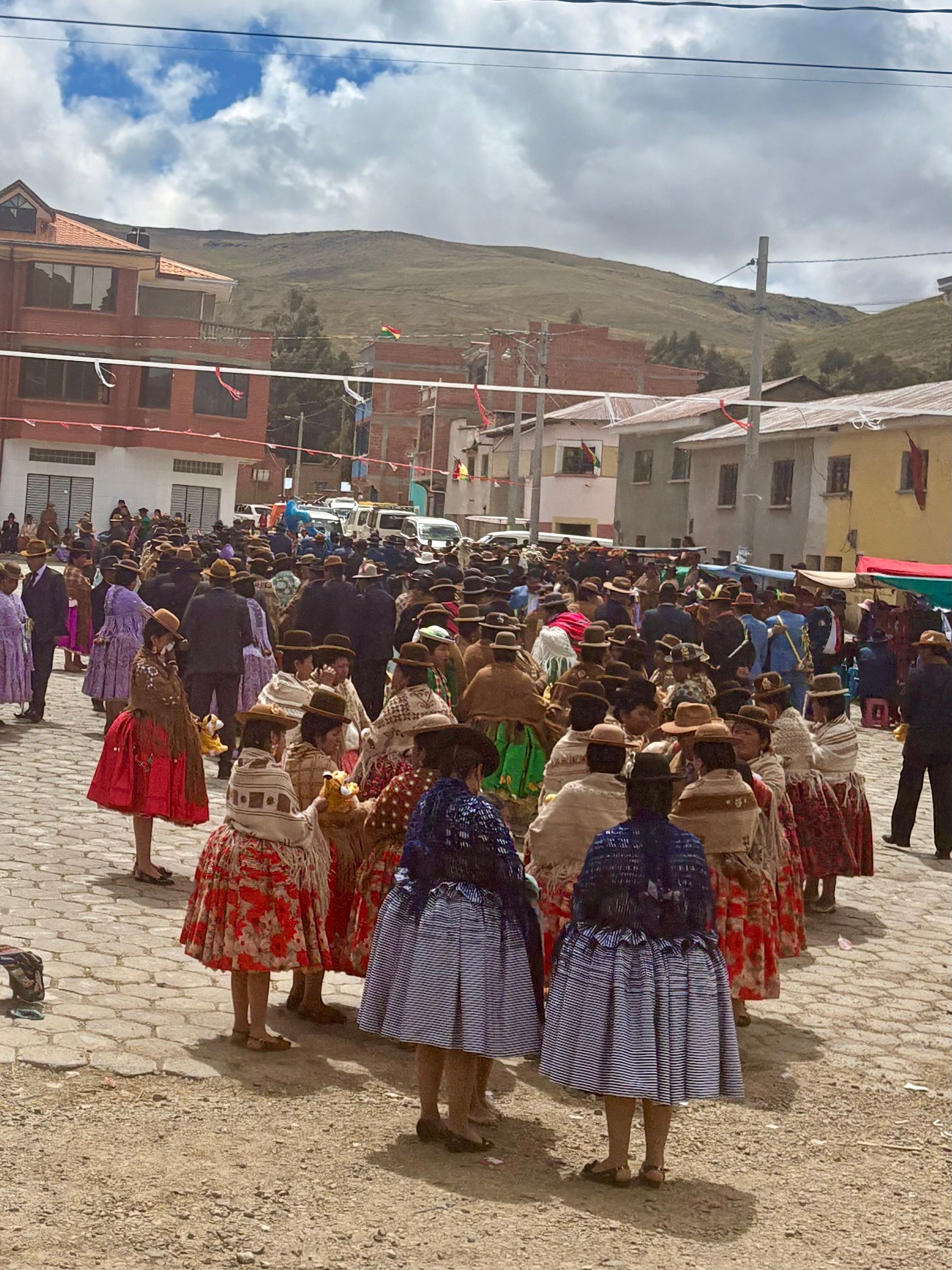
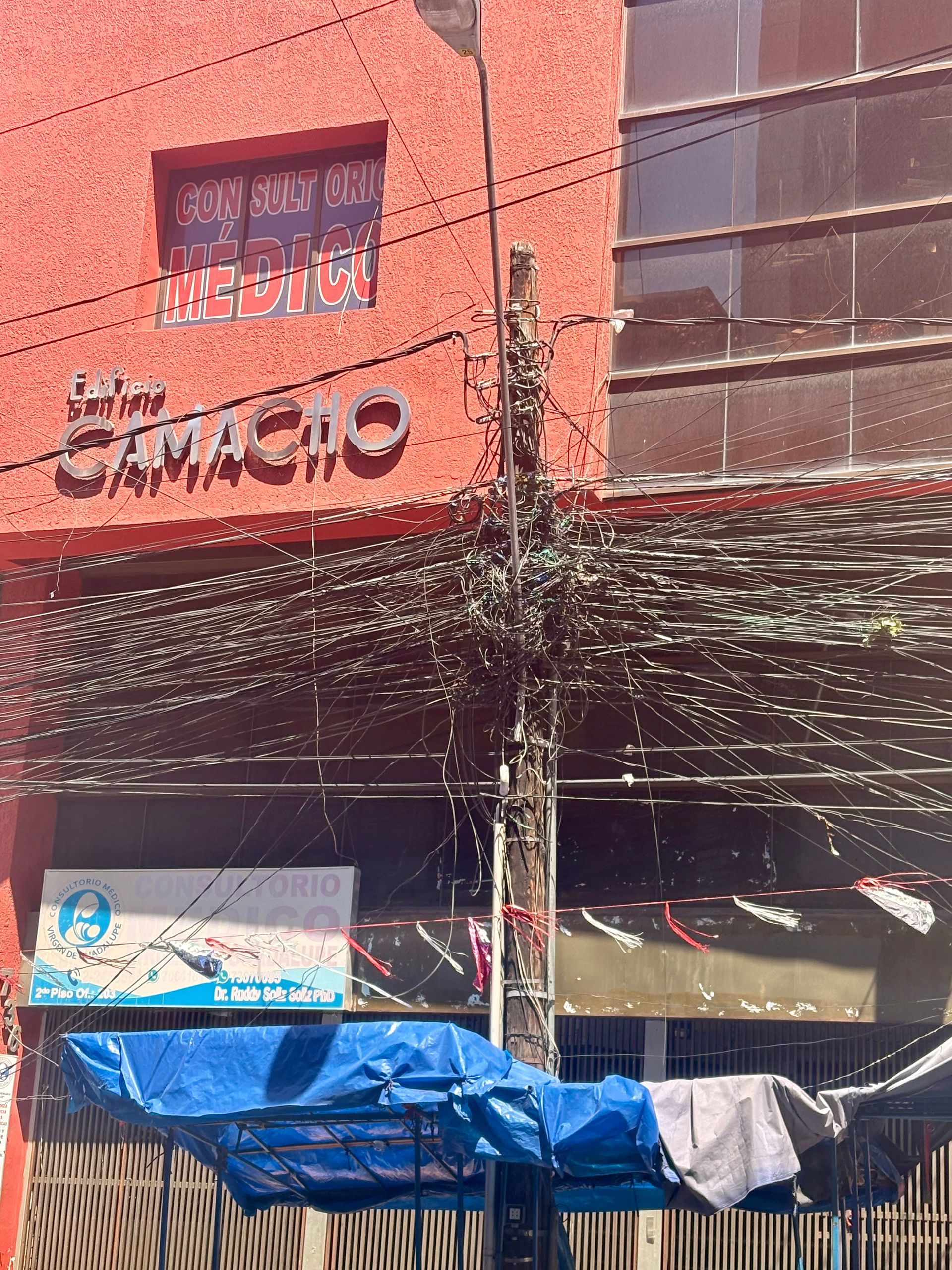
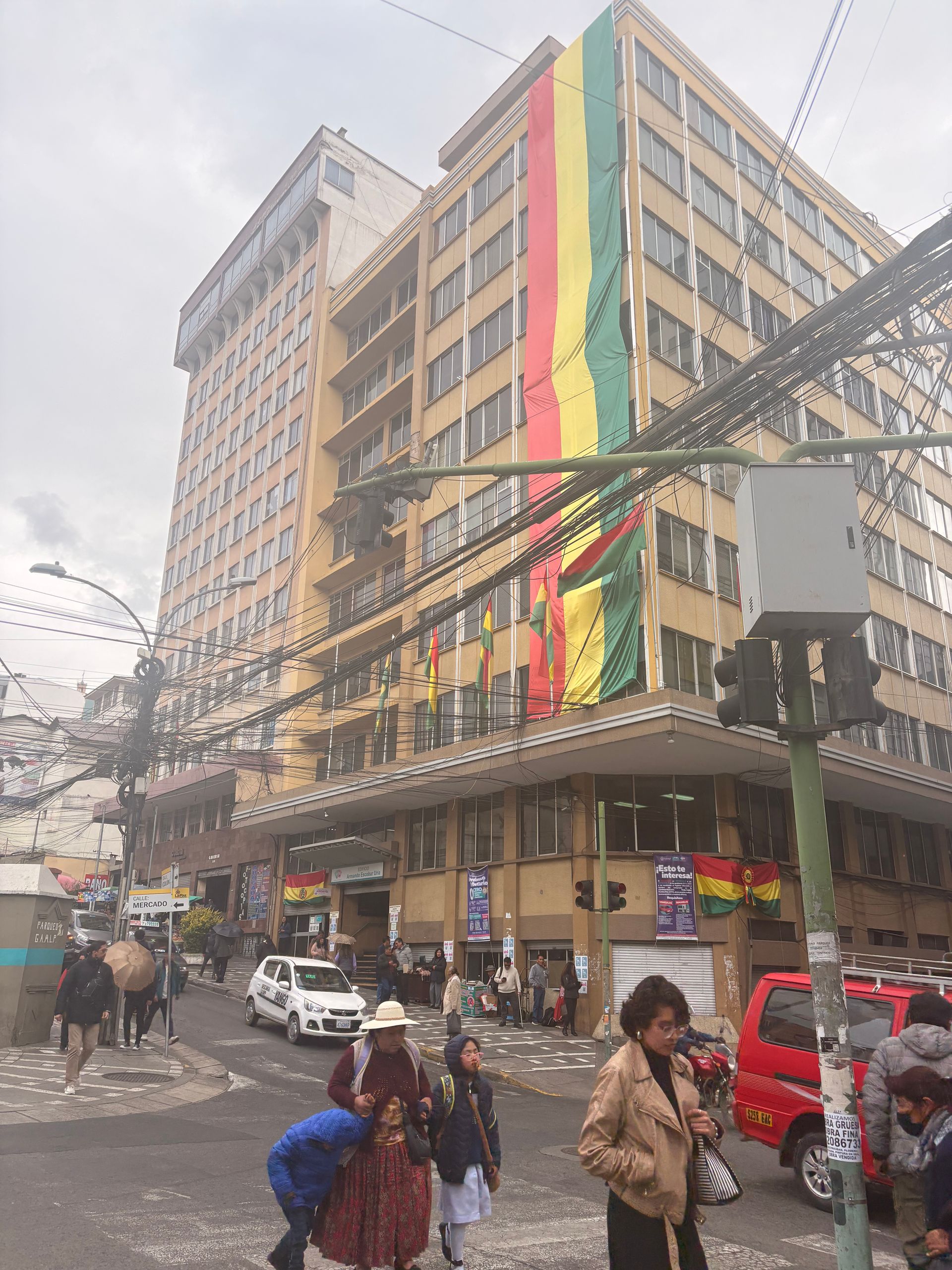
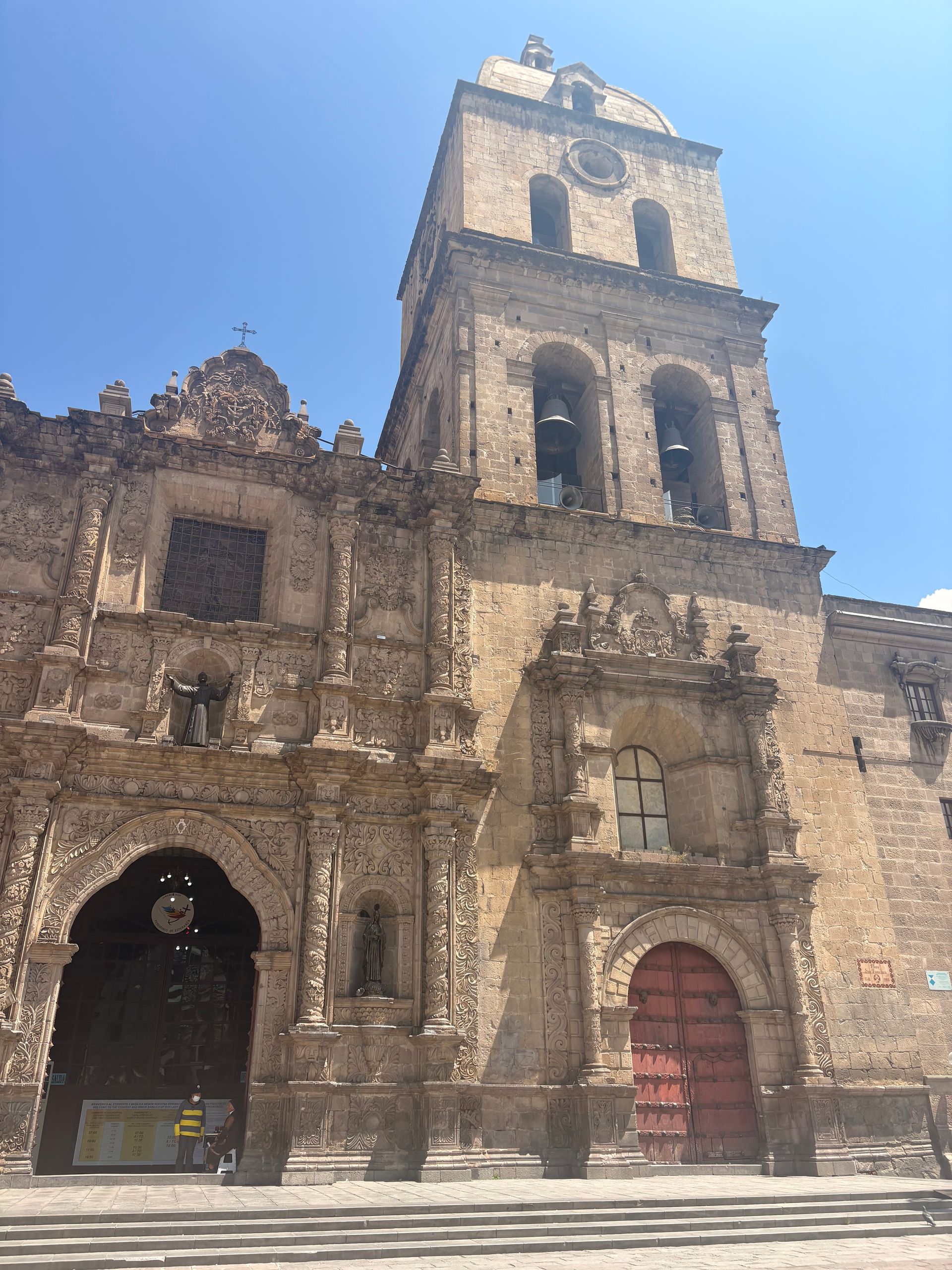
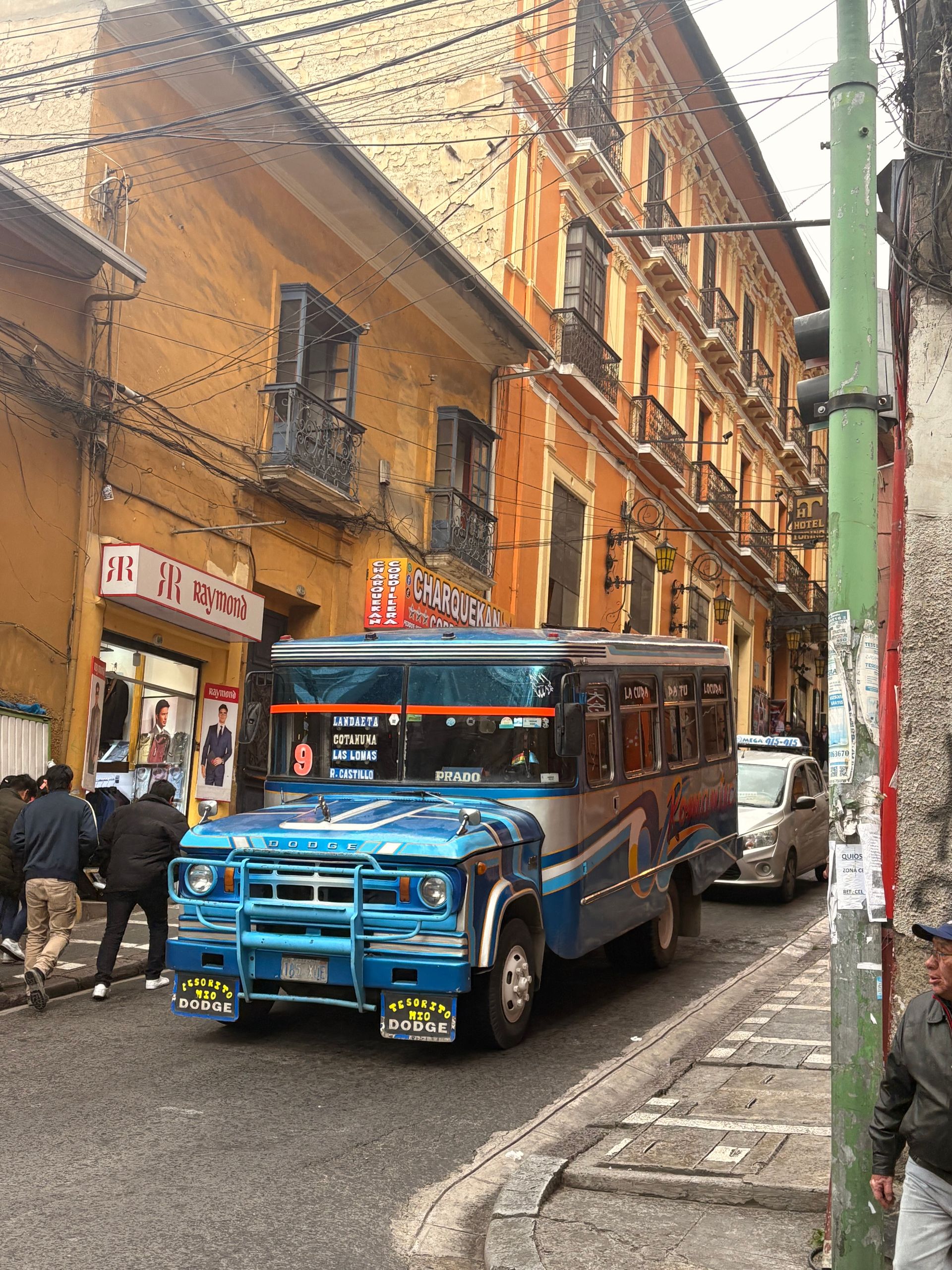
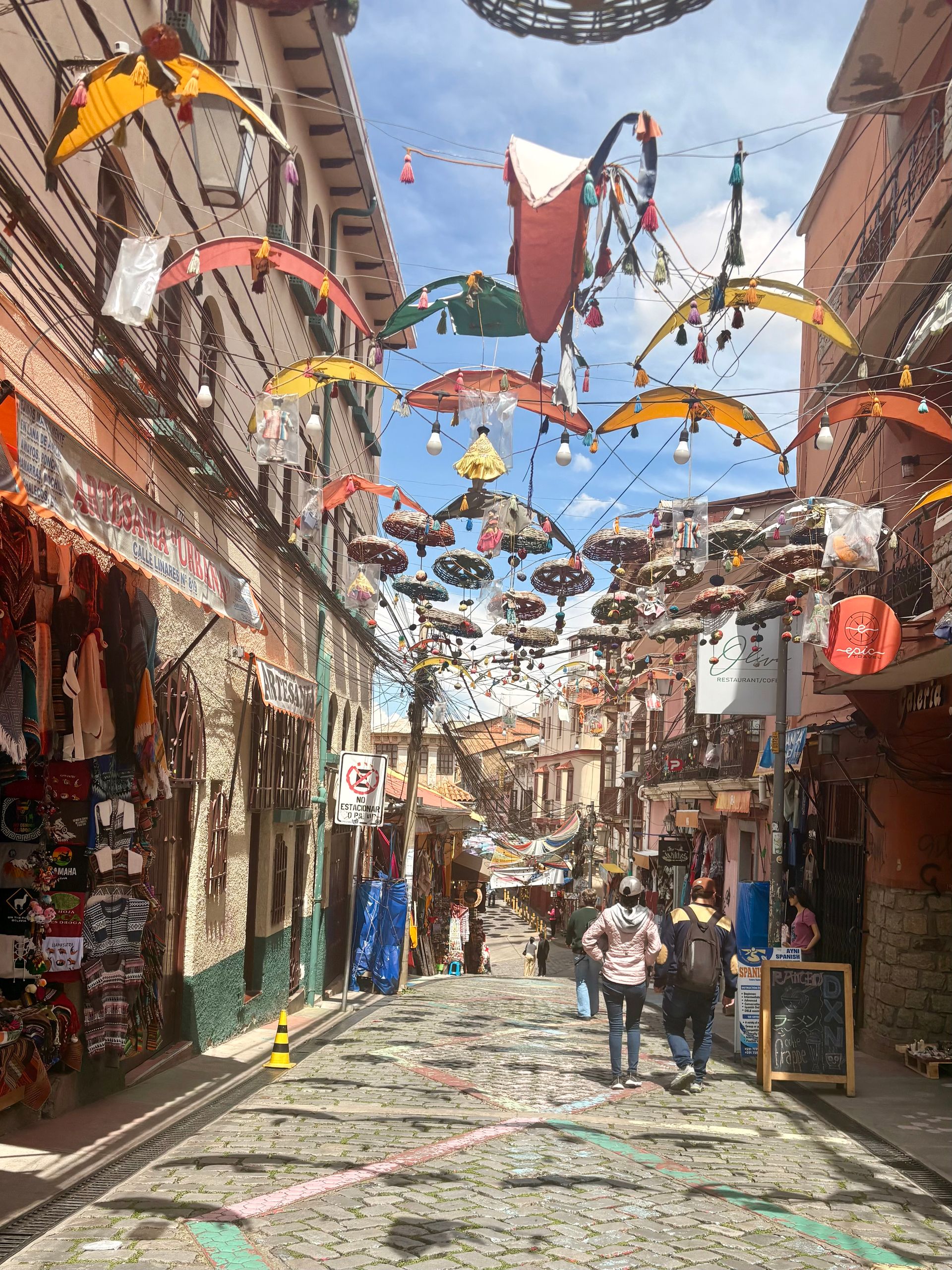
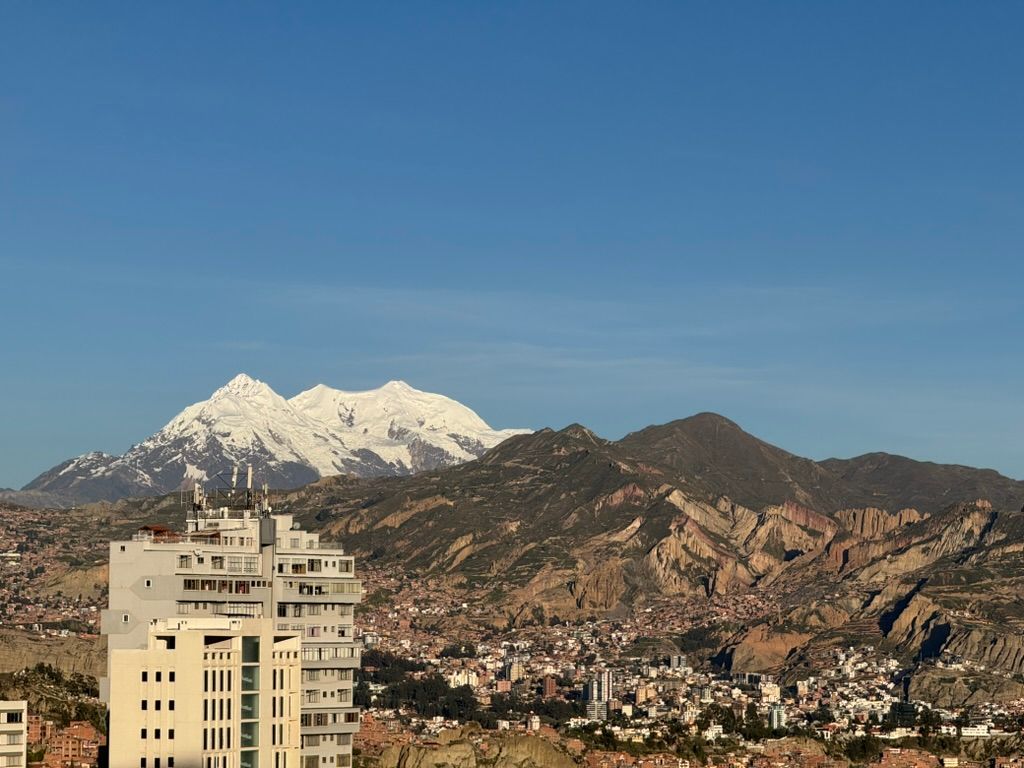
Welcome to La Paz, or rather first to the adjacent higher El Alto, originally a district of Bolivia and now a separate and even larger city than La Paz, where about 2 million people live together in the metropolitan area. Here, we initially wound our way through a seemingly endless array of narrow roads winding up and down the hills, which were jam-packed and difficult to navigate, despite all drivers honking as much as they wanted. And then we were unceremoniously dumped from the bus into this frenzy of people, dirt, and cars, and had to find our bearings. However, a very skilled taxi driver managed to take us surprisingly quickly through back roads further down into the city to the relatively wealthy and safe district of Sopocachi (the general rule is: the lower you live, the wealthier it is), where our hostel was located, a stark contrast to other parts of the city.
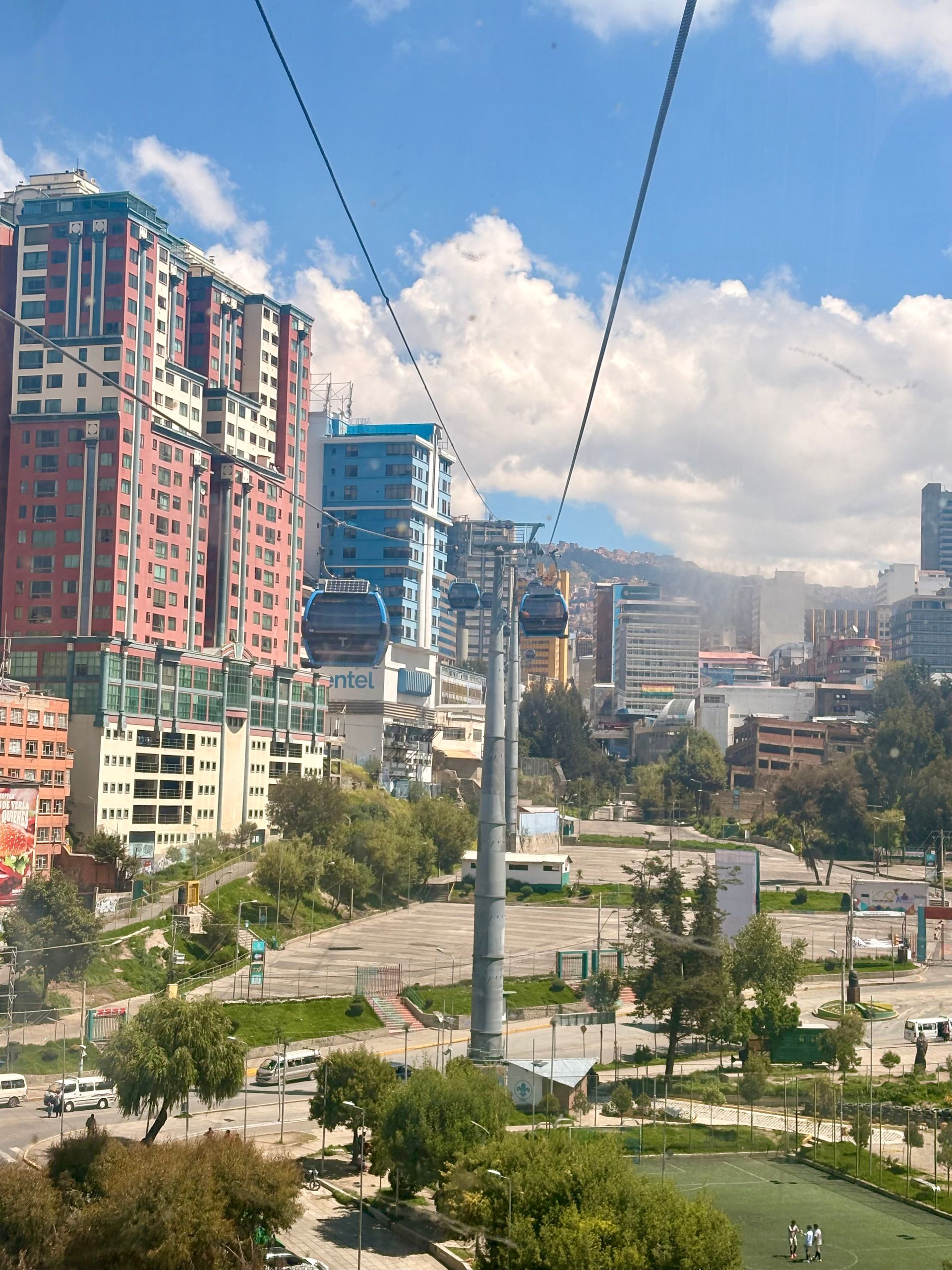
La Paz is the highest capital city in the world (although the capital of Bolivia is Sucre). Within the city, there is an incredible elevation difference of almost one kilometer from 3200 to 4100 m, but fortunately, there is a brilliant urban network of modern cable cars by Doppelmayr, which allows you to elegantly navigate the chaos and elevation changes. It became one of our favorite pastimes to ride the cable car and enjoy the incredible views of the different neighborhoods and the spectacular mountain backdrop that frames the city.
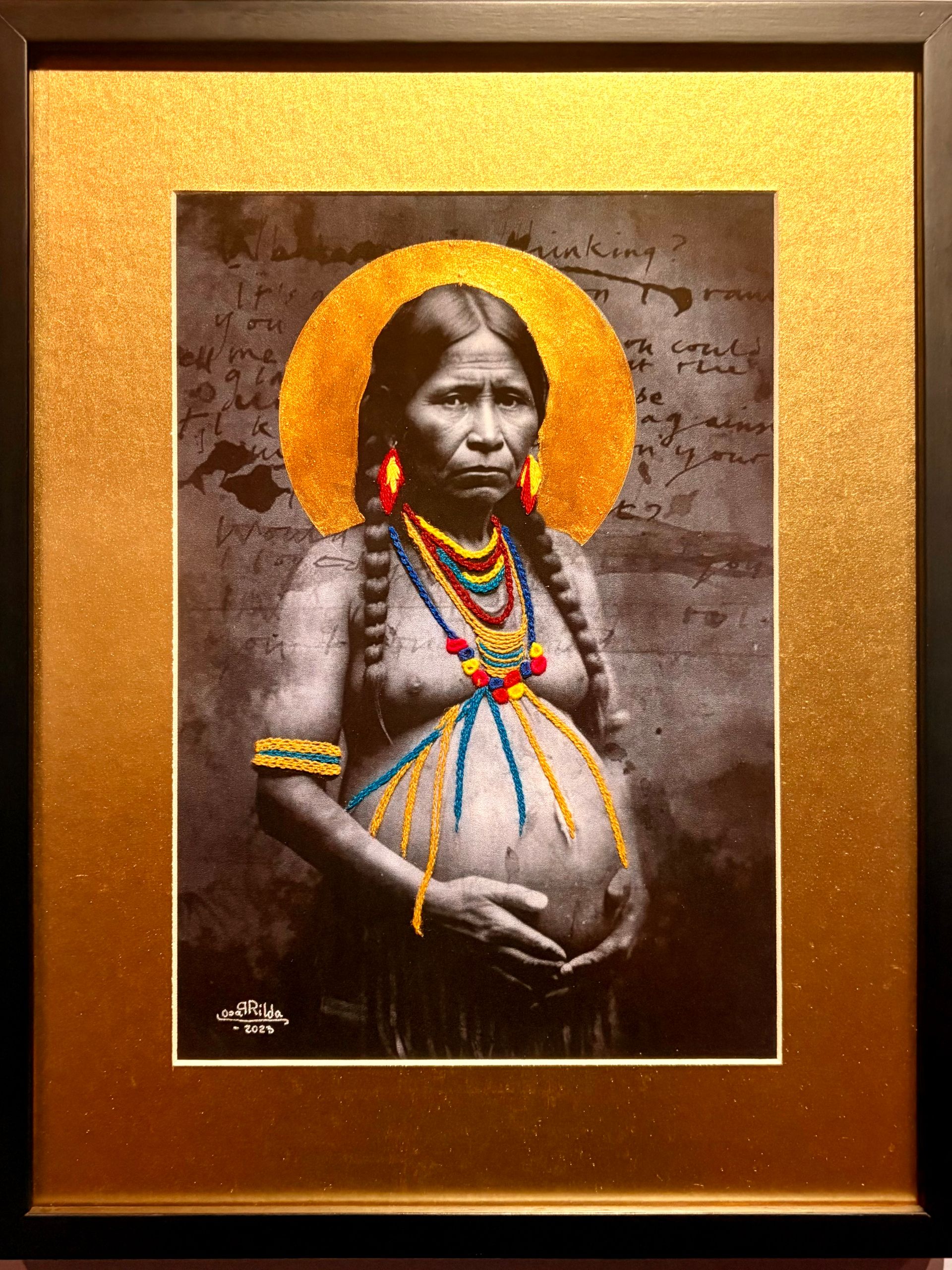
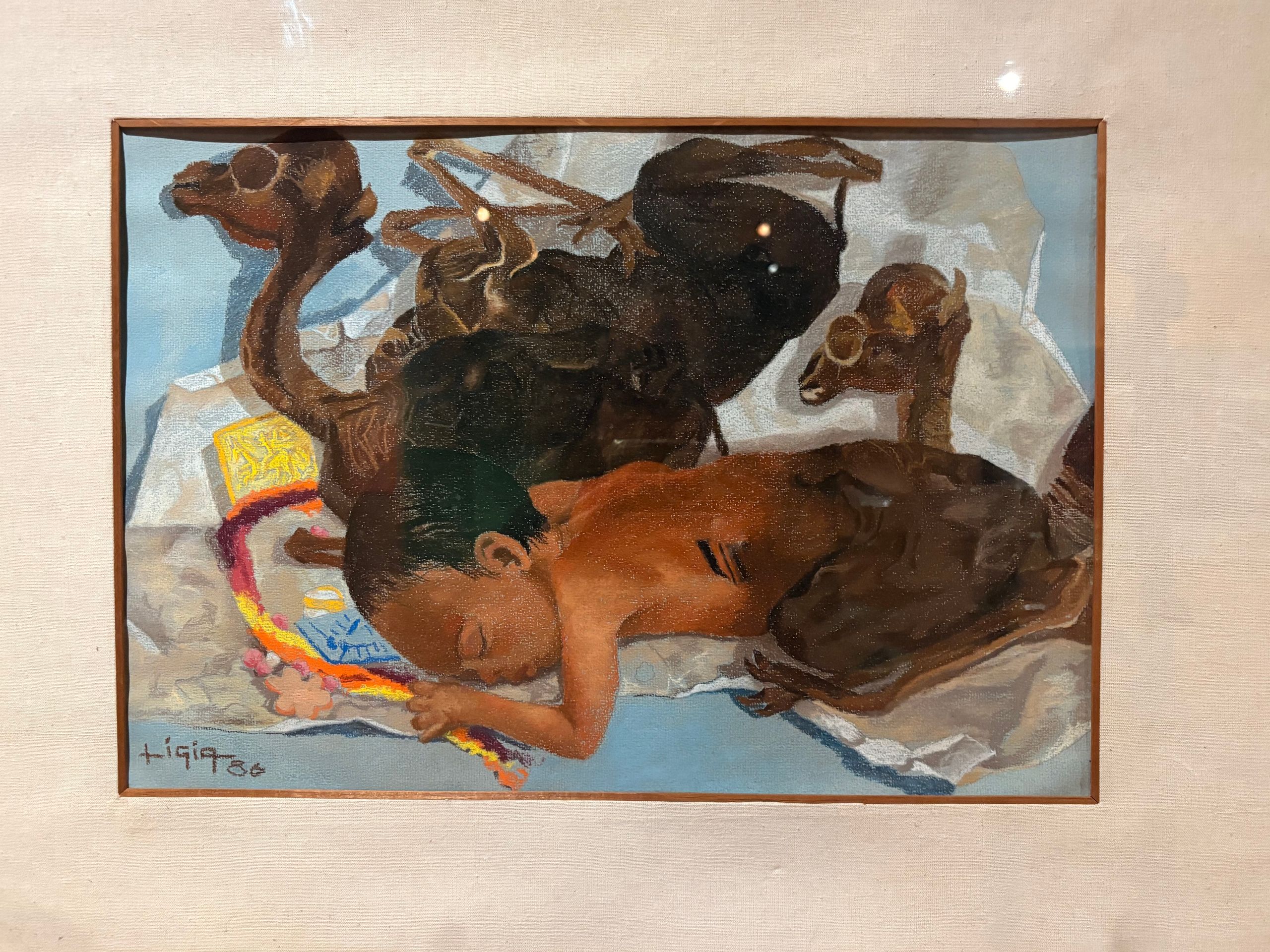
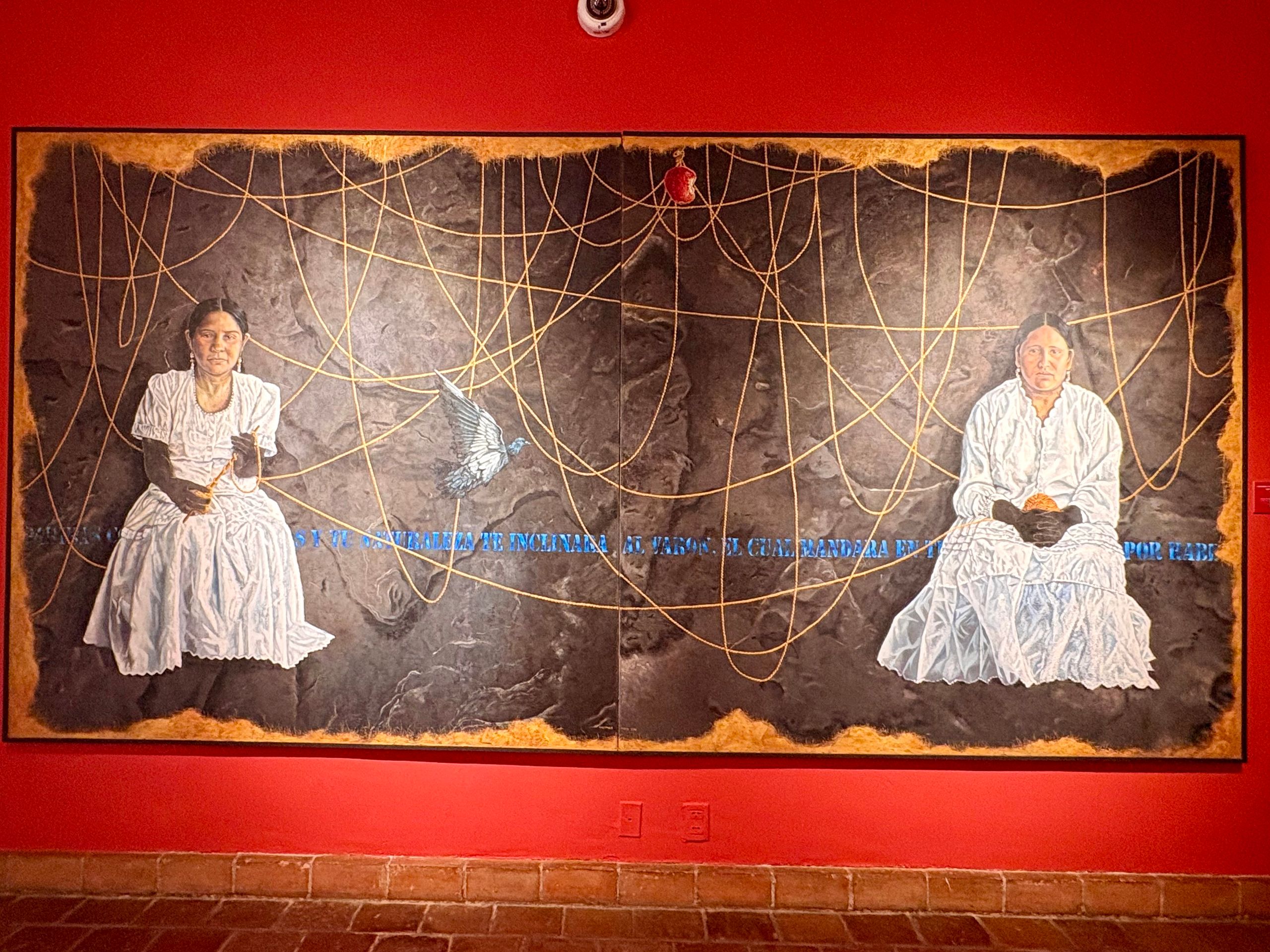
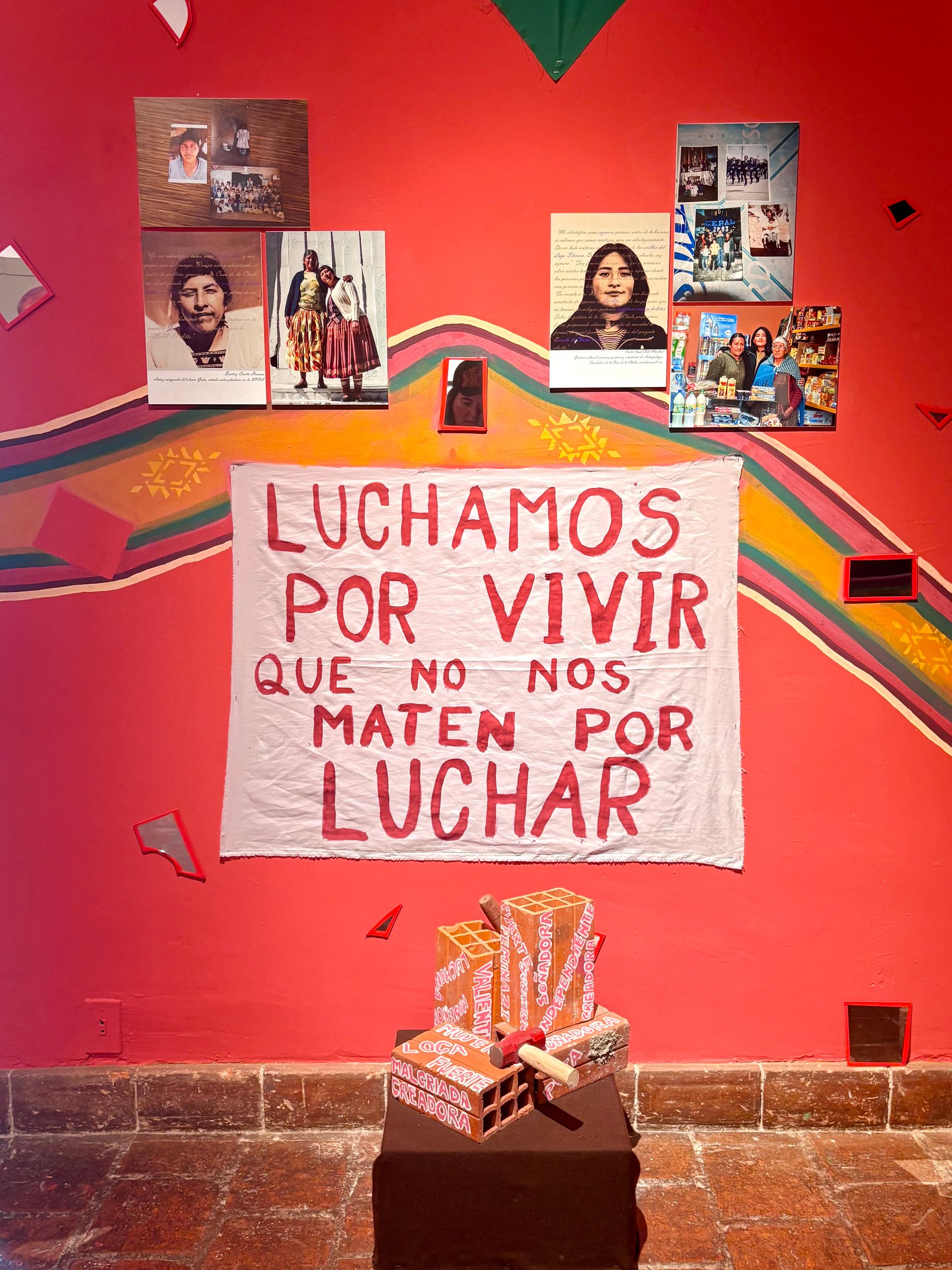
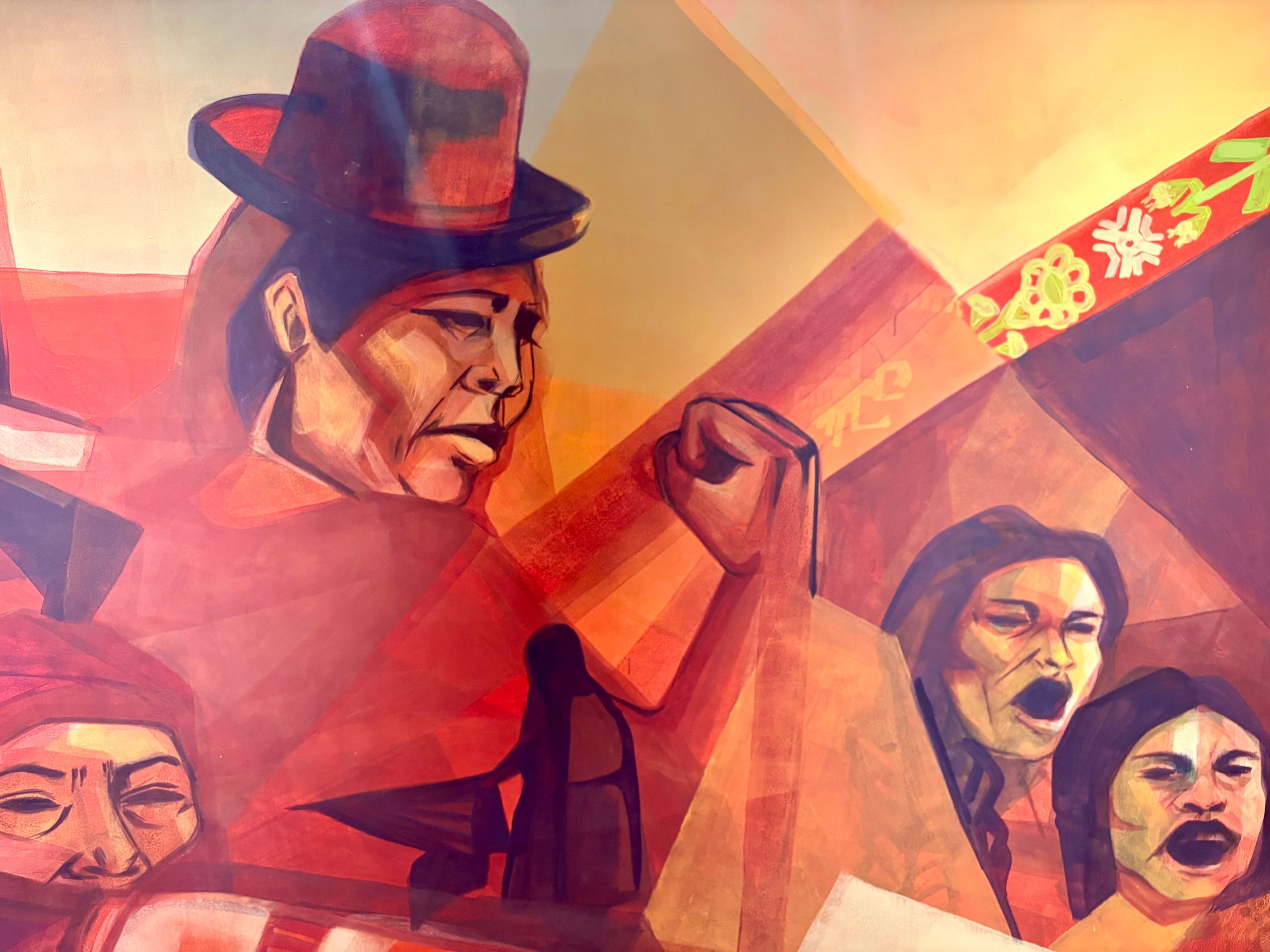
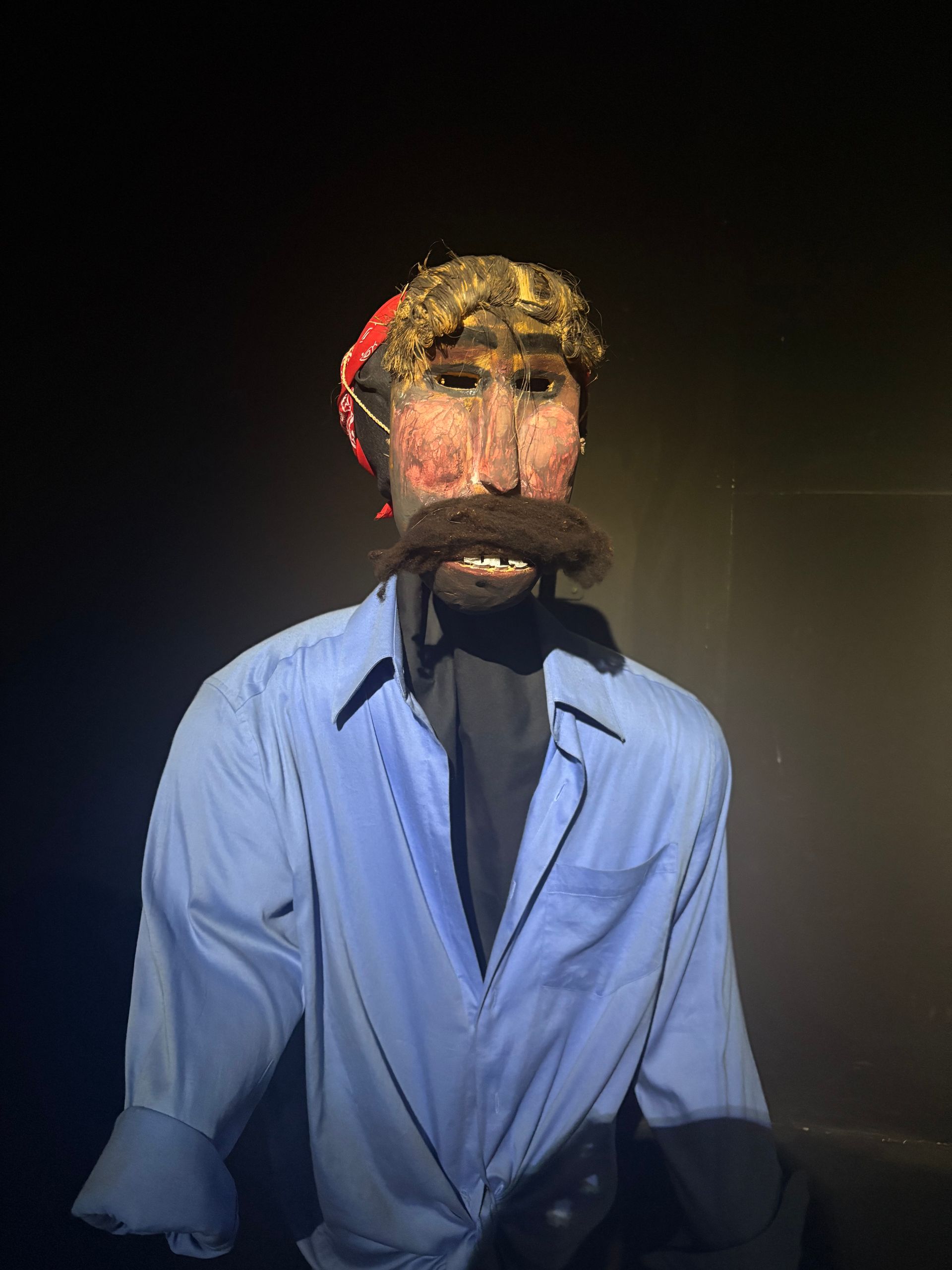
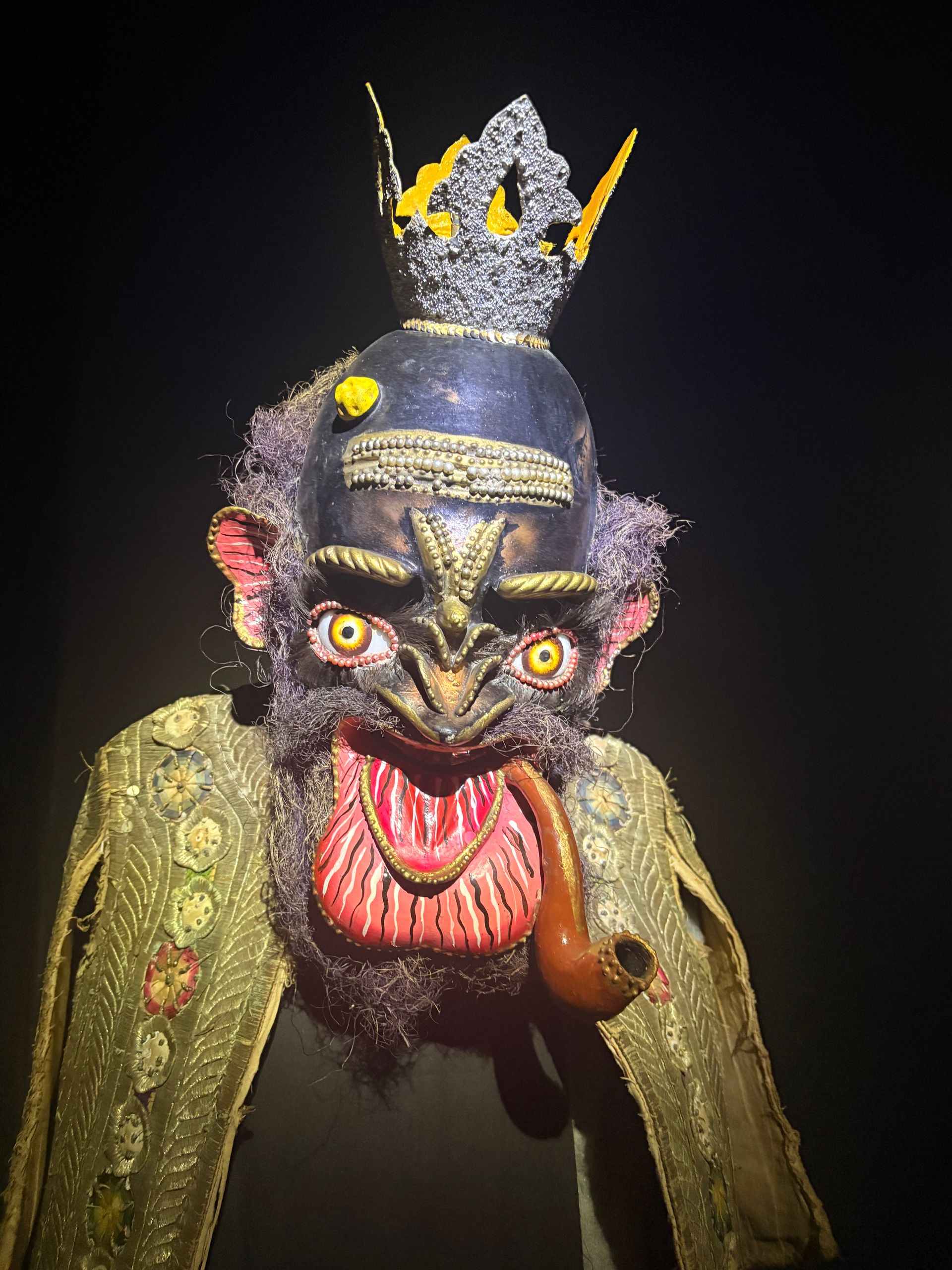
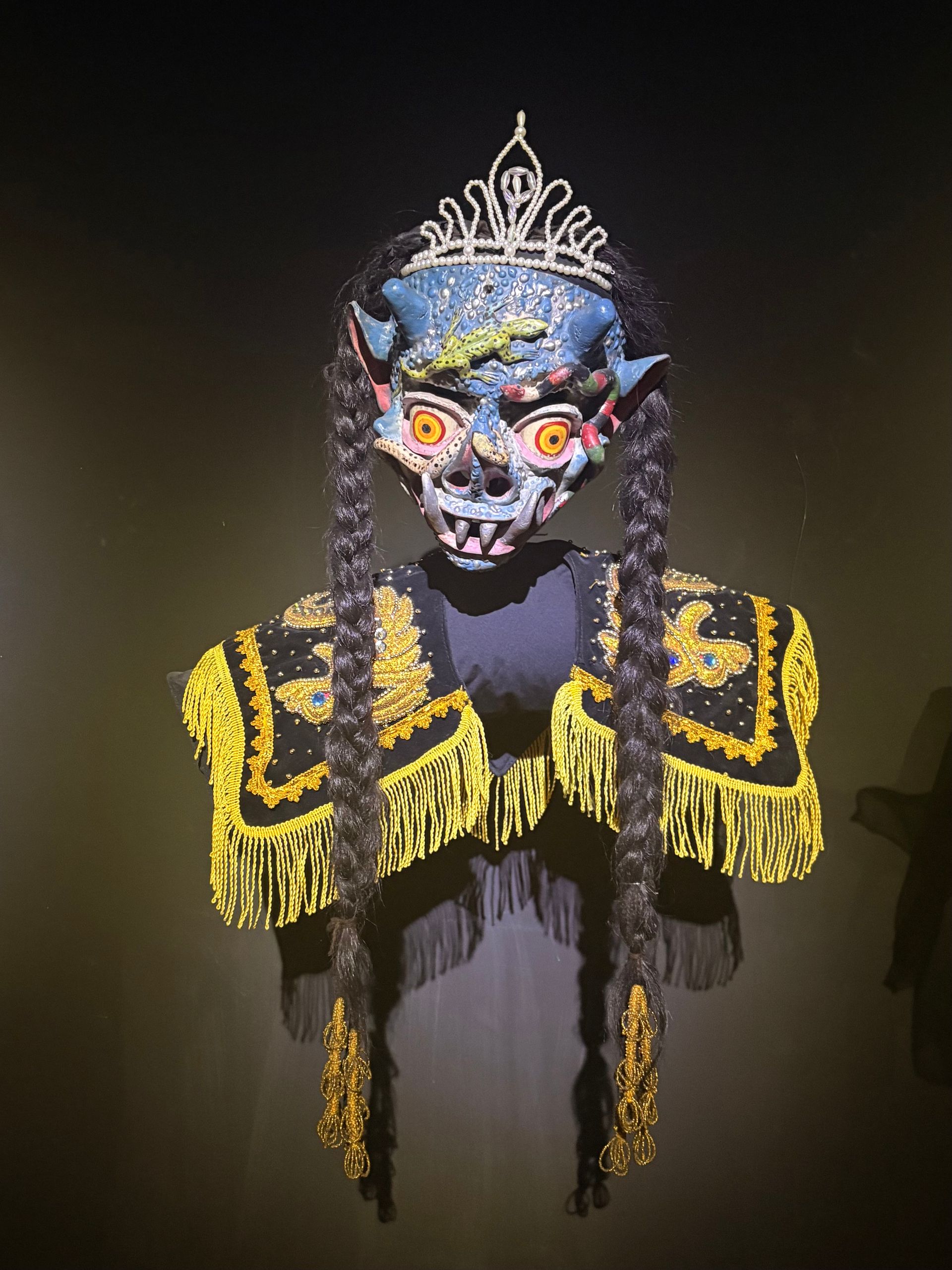
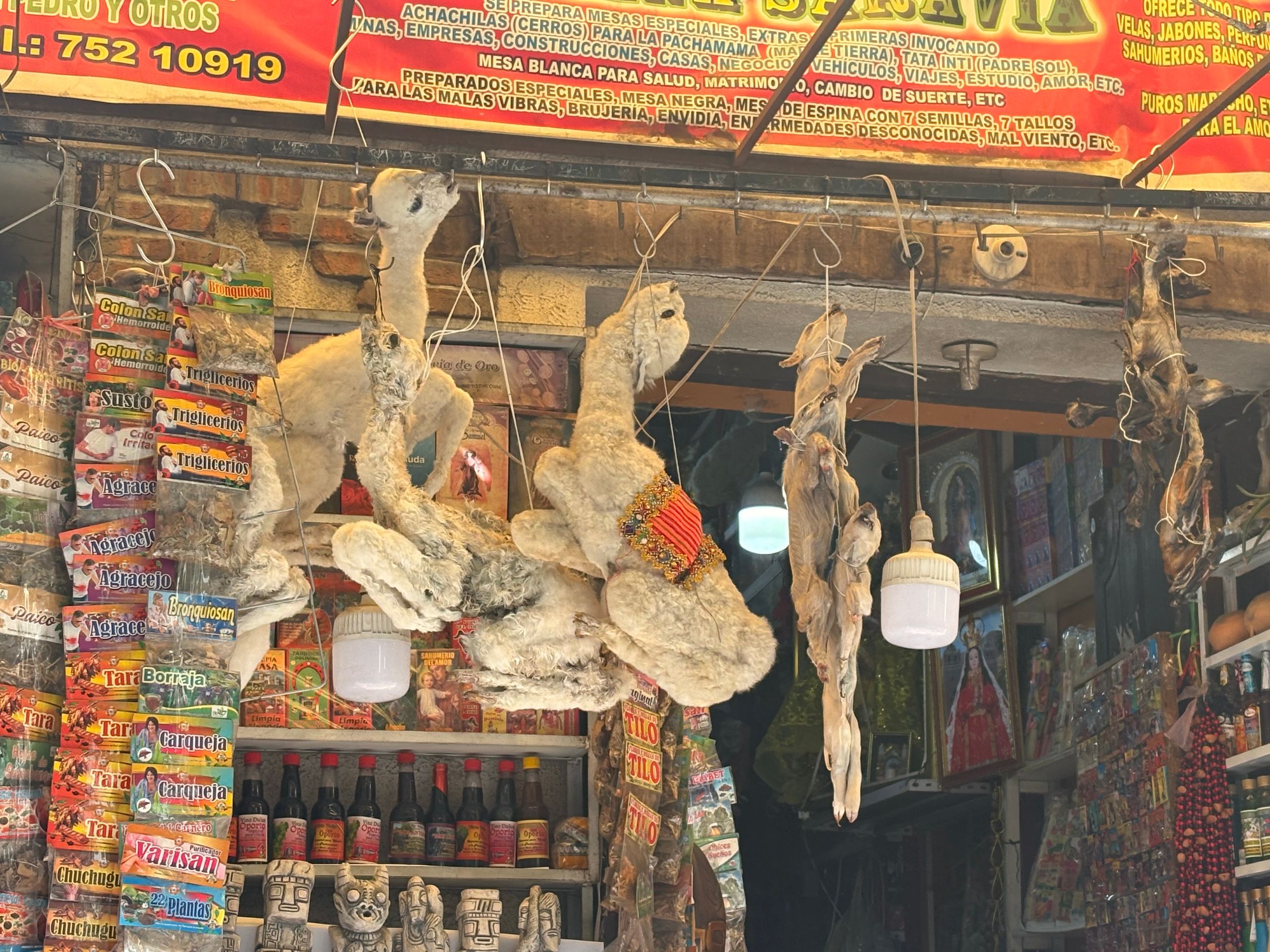
In the following days, we rode gondolas and hiked to various sights in the city (churches and squares were rather unremarkable and unimpressive), particularly amazing were the Feria in El Alto (a huge open-air market, similar to a flea market with stalls full of clothes, tools, household goods, and food, winding for kilometers through the streets and hardly passable because it was so crowded), the Mercado de las Brujas (Witch Market), where you can buy all sorts of herbal tinctures, llama fetuses, and other curiosities to influence all areas of life, and two particularly great museums: the National Art Museum, which had an exceptionally large number of modern artworks by women and focused on women's rights, was really good. And the ethnographic and folklore museum, where we marveled at the diversity of Bolivian culture and traditional clothing. Particularly cool were the carnival masks, some reminiscent of the Bavarian