
La Paz I
which were at times super exotic and often appeared Asian in style. It's worth mentioning - even though we didn't see it ourselves - the Bolivians' fondness for wrestling. Here,...

Published: 16.06.2025
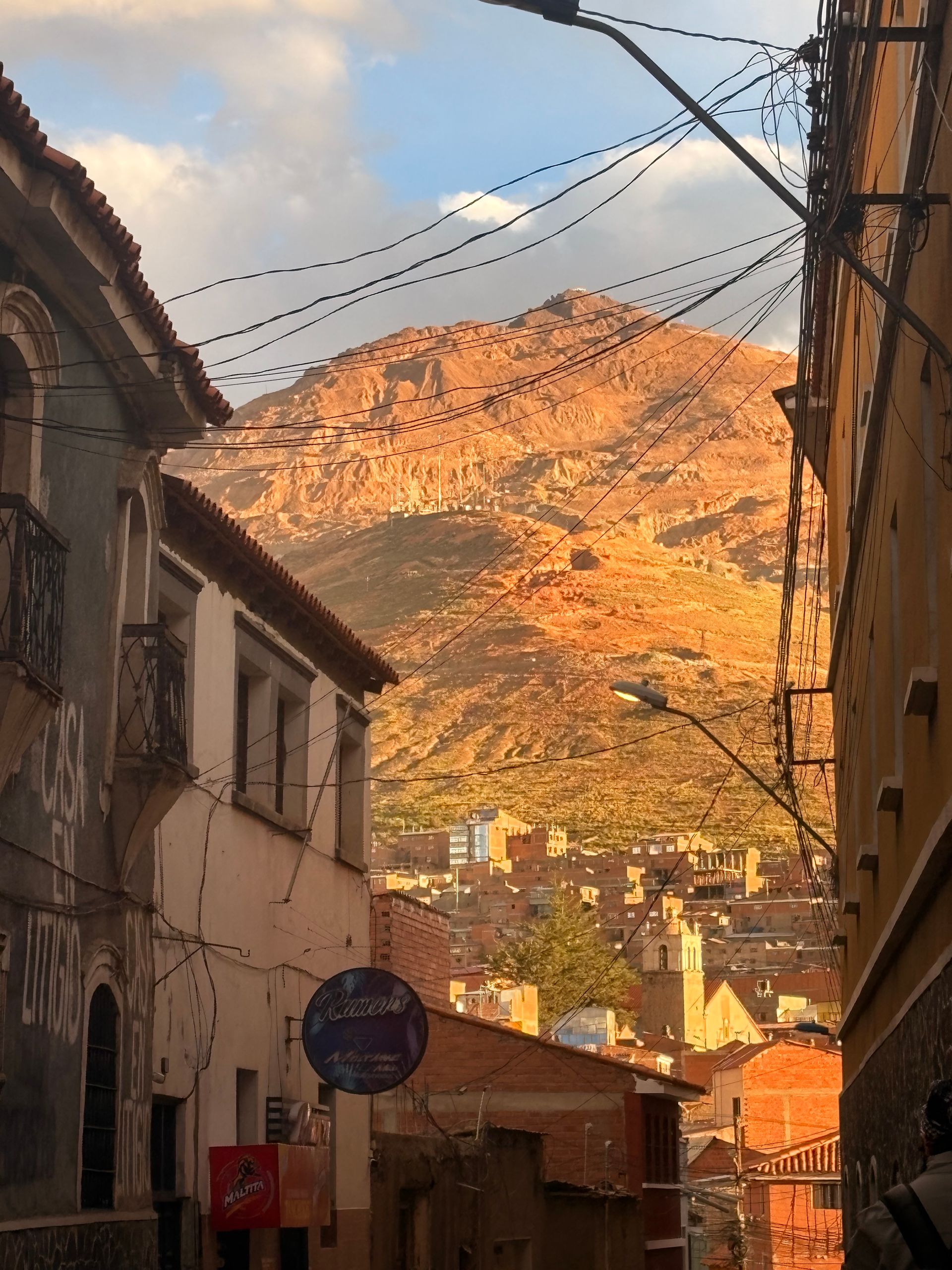
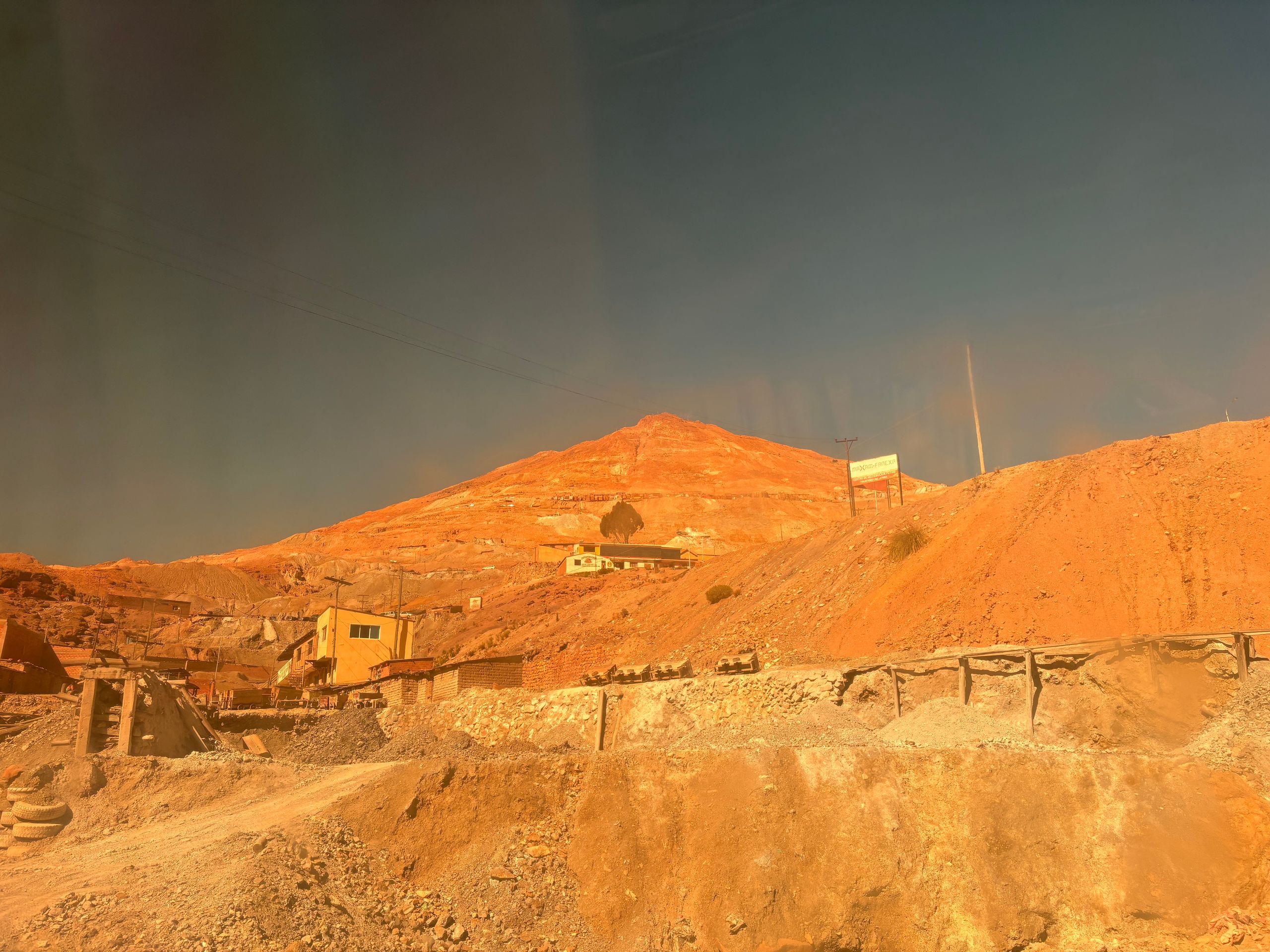
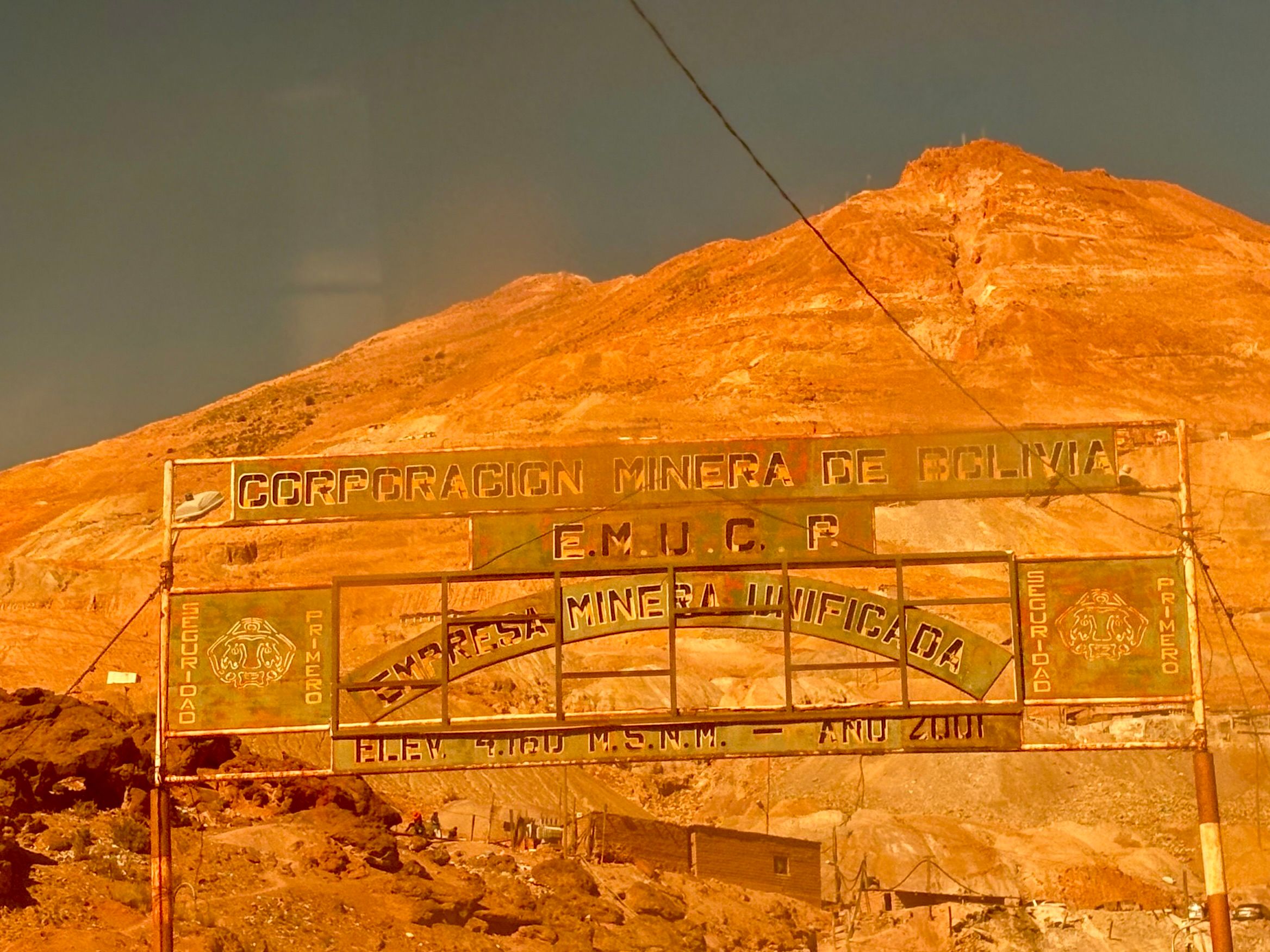
Now we headed to Potosí, a city that holds great historical significance for Bolivia. The journey was unremarkable by intercity bus, but the mountain views were quite nice.
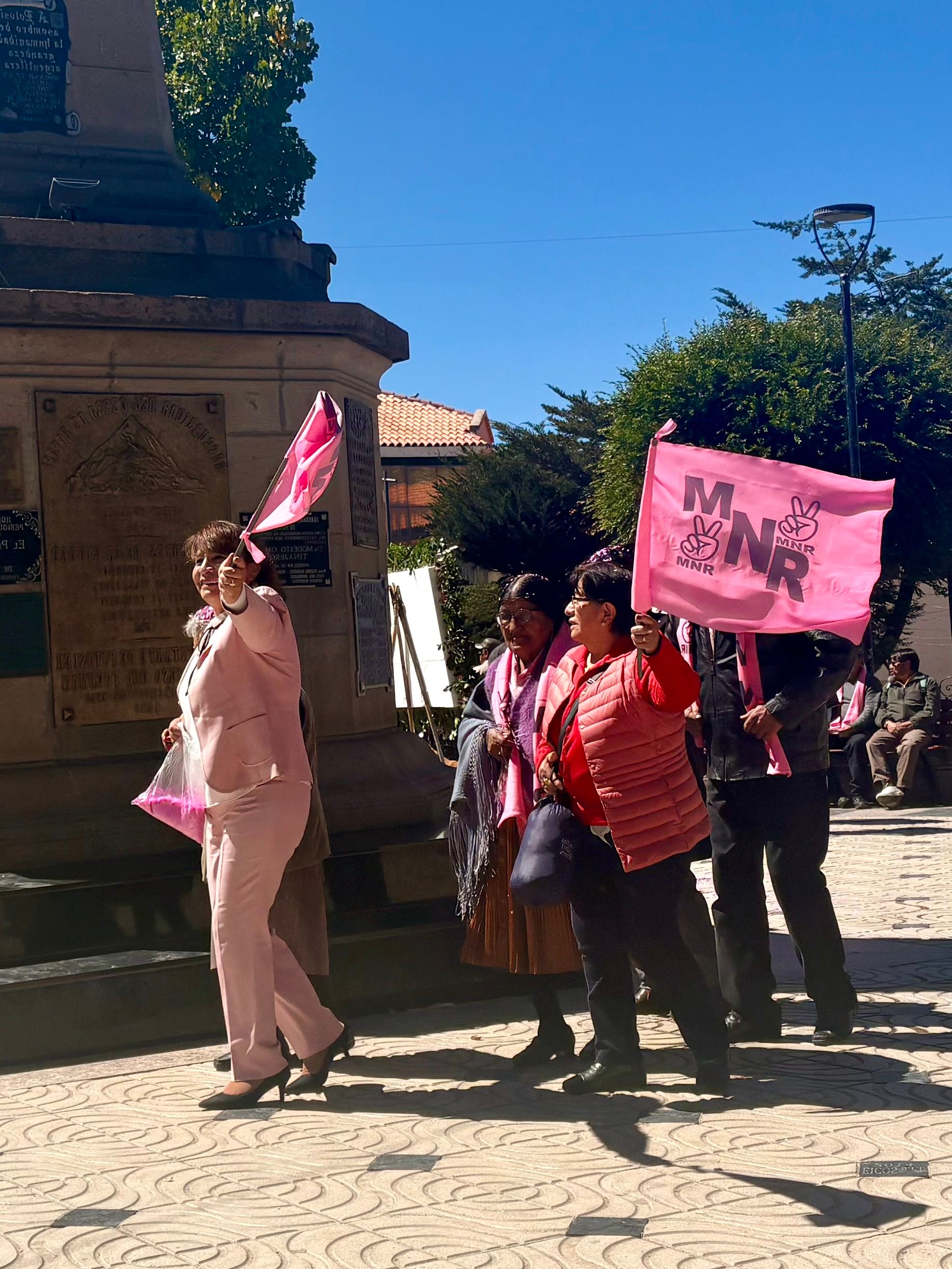
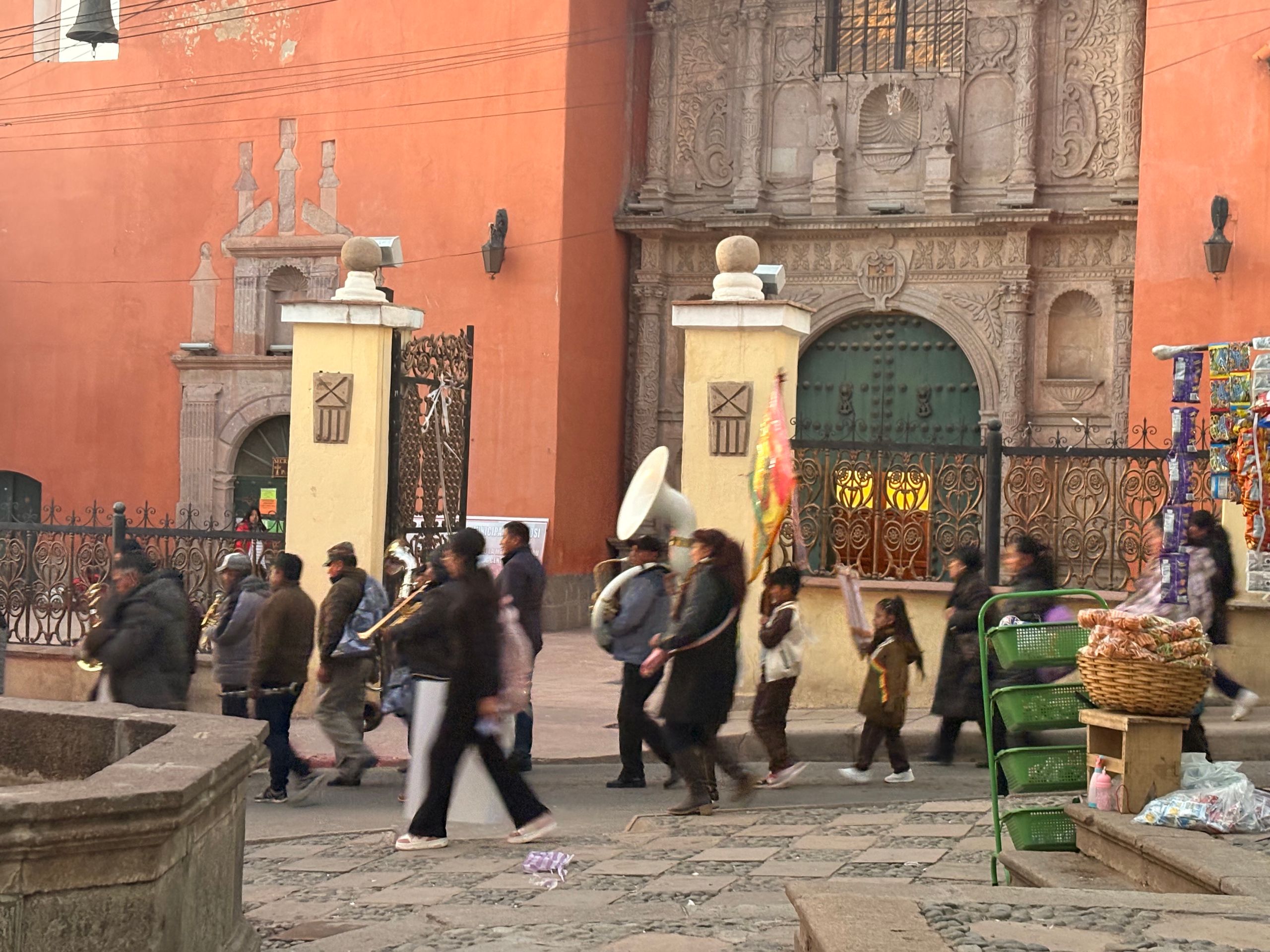
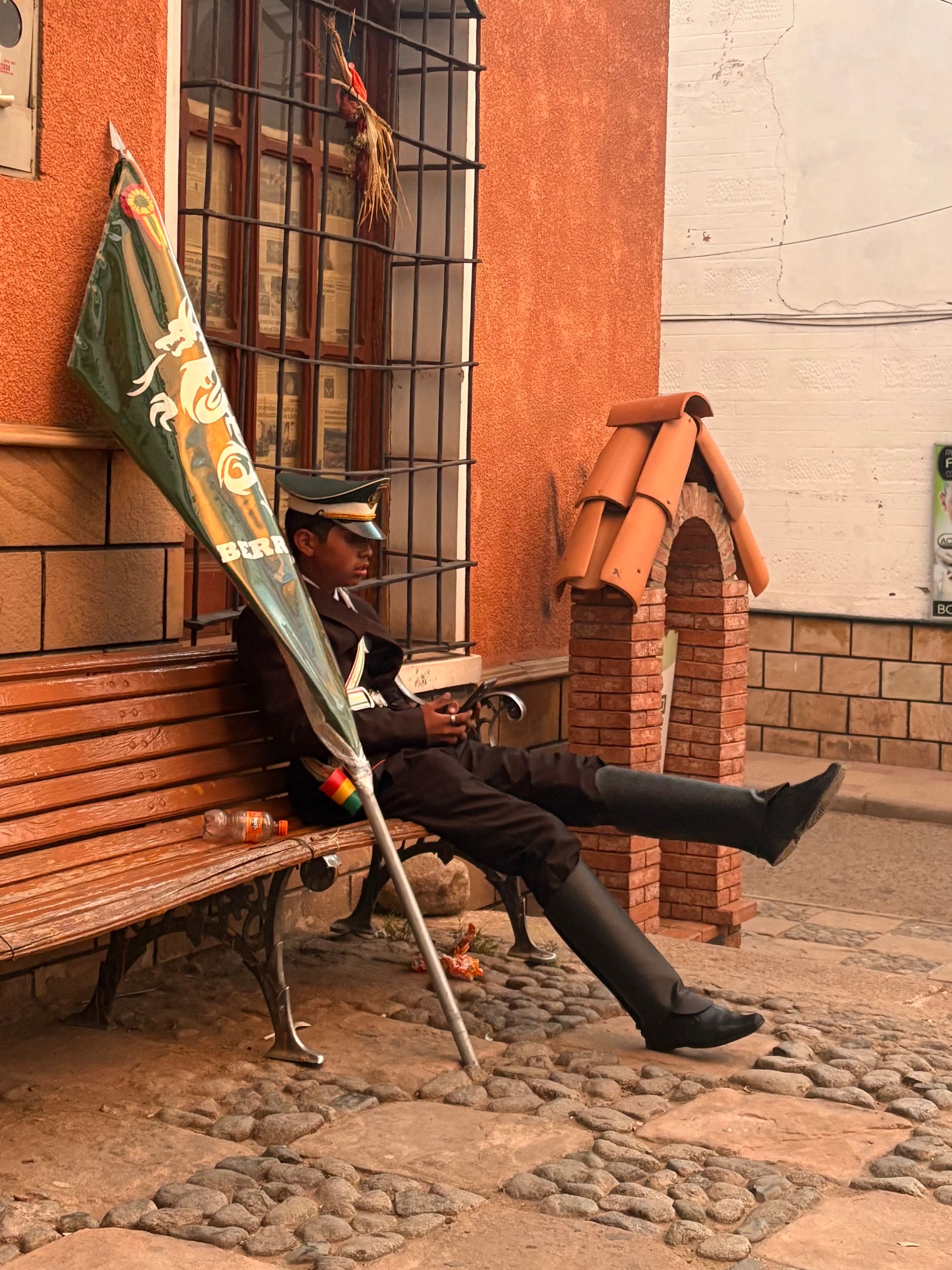
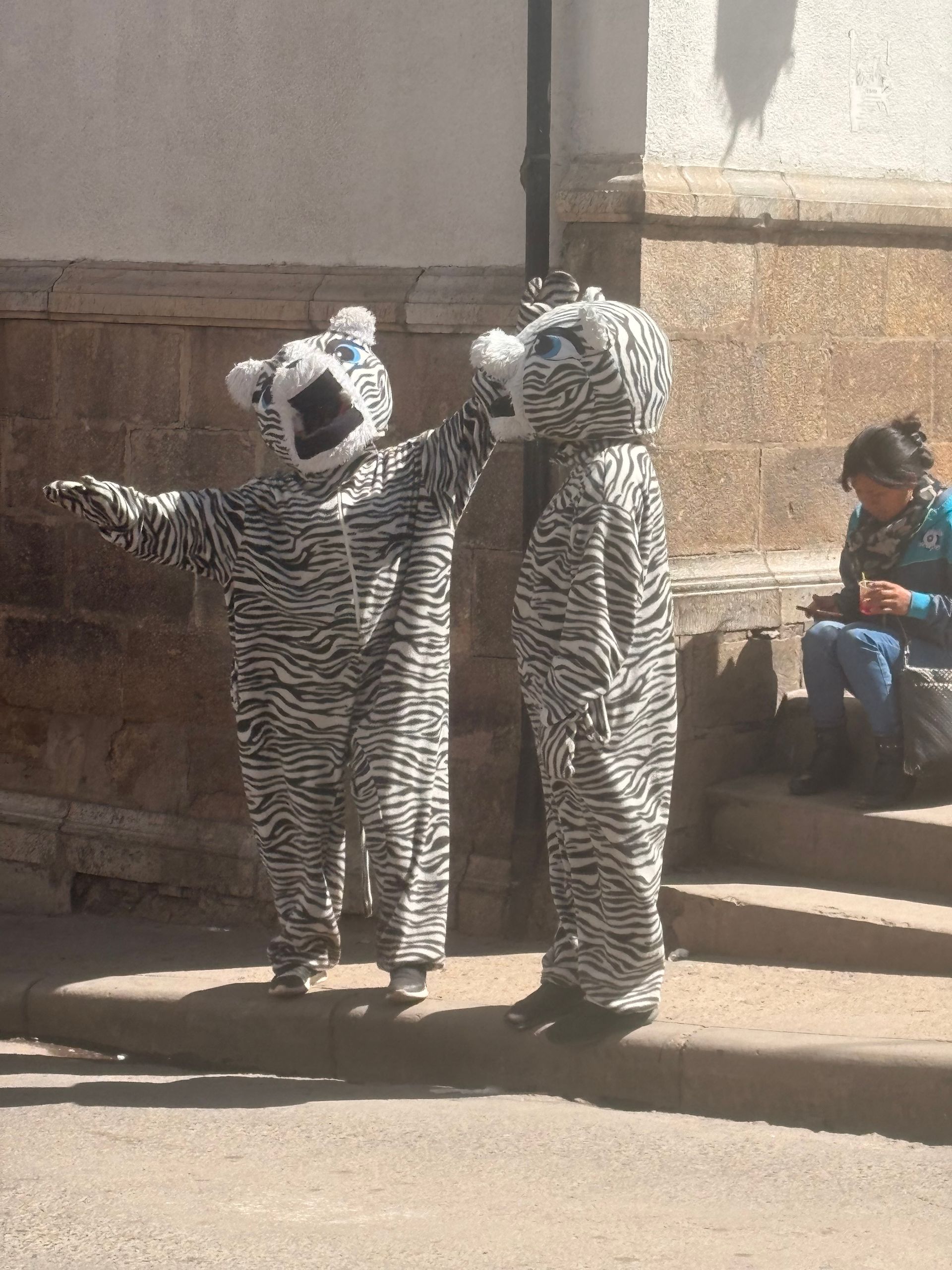
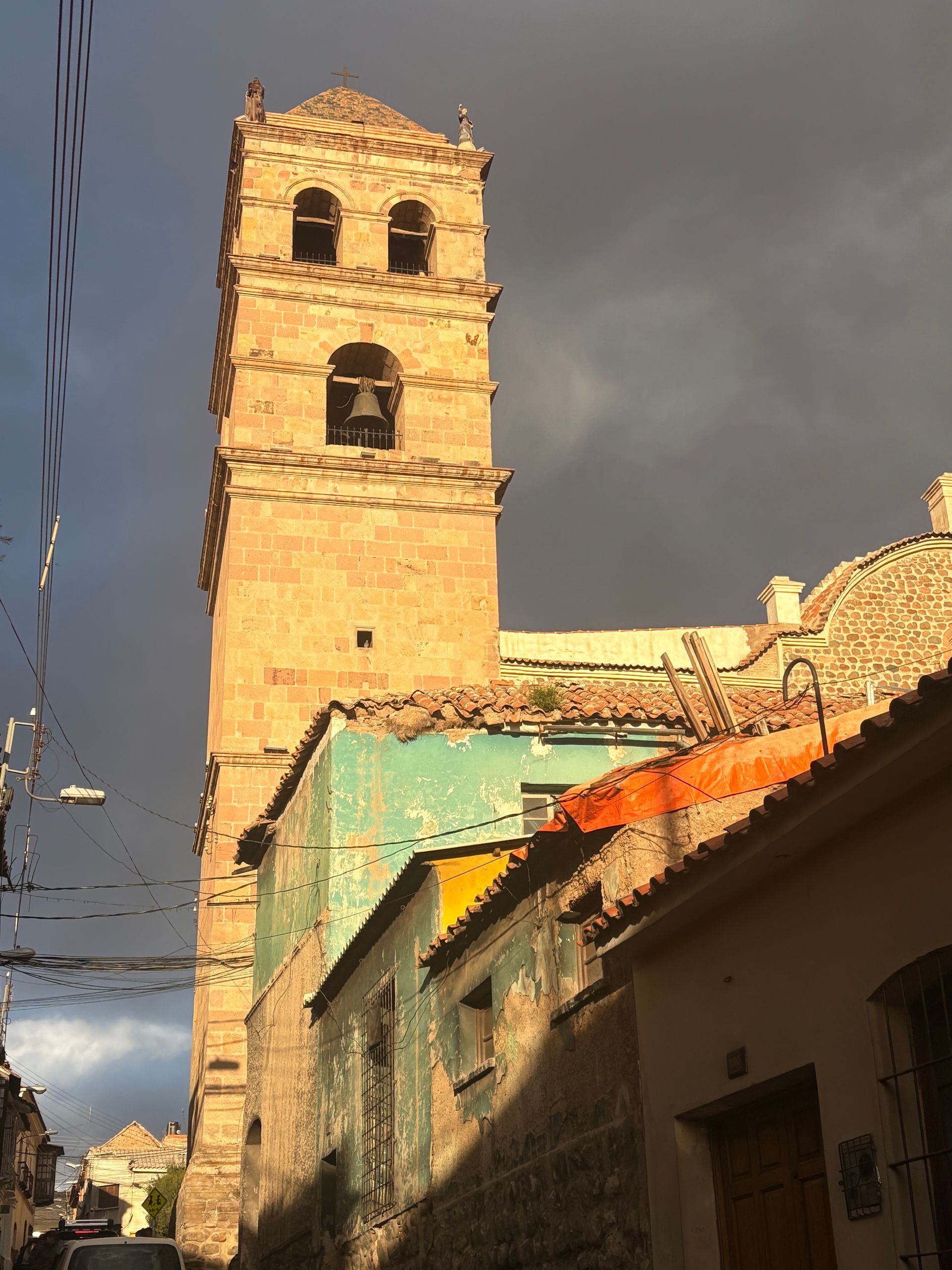
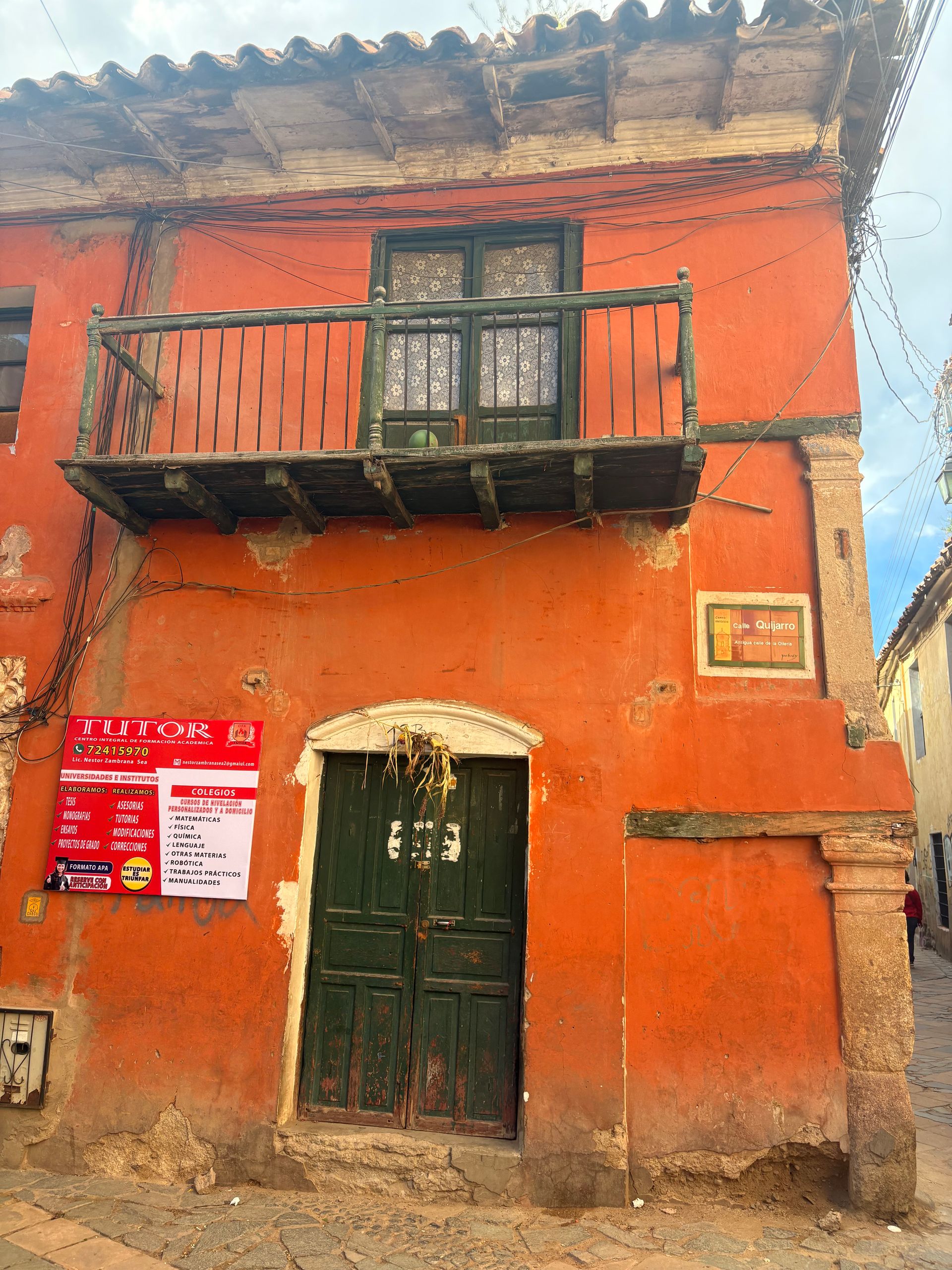
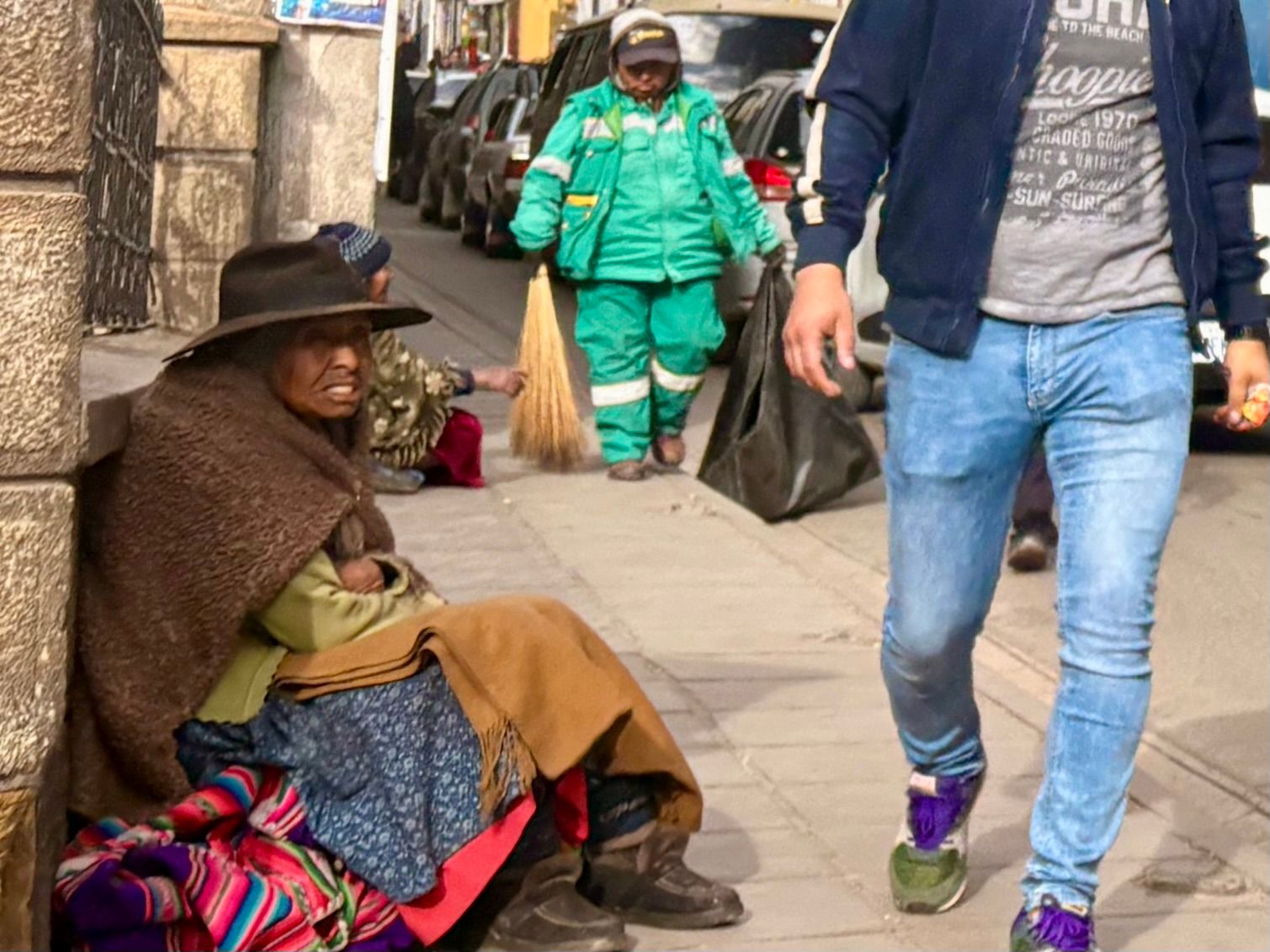
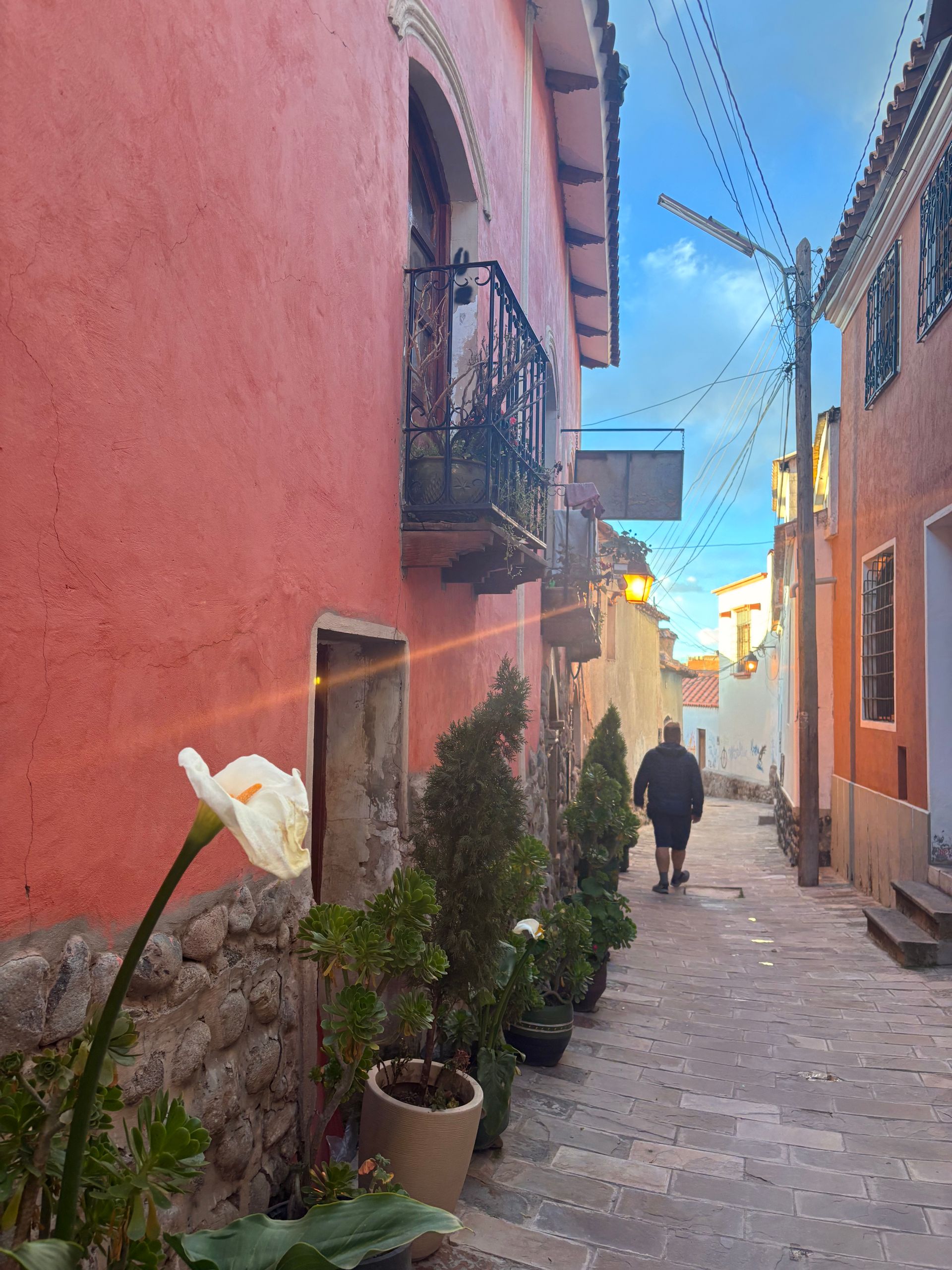
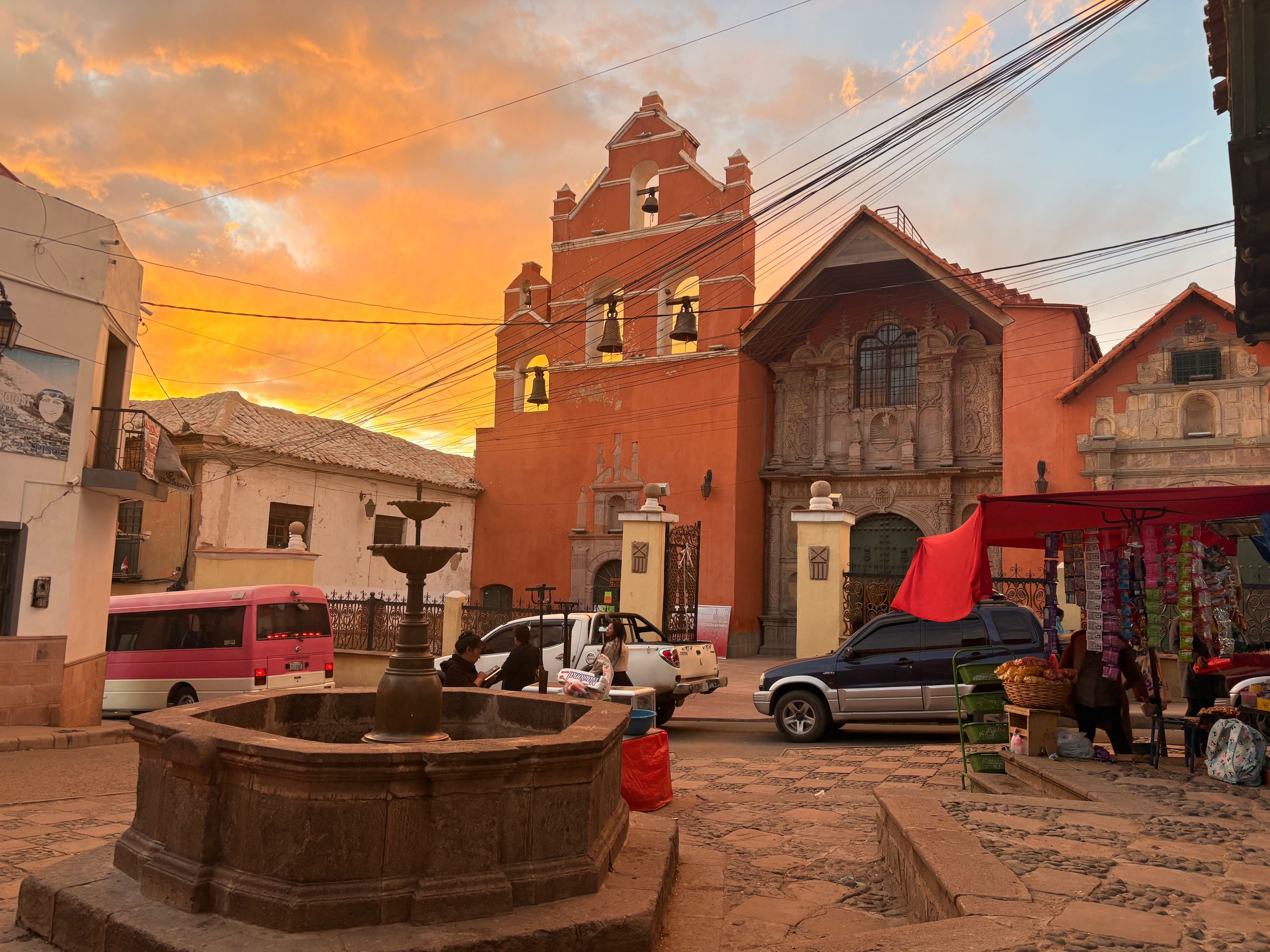
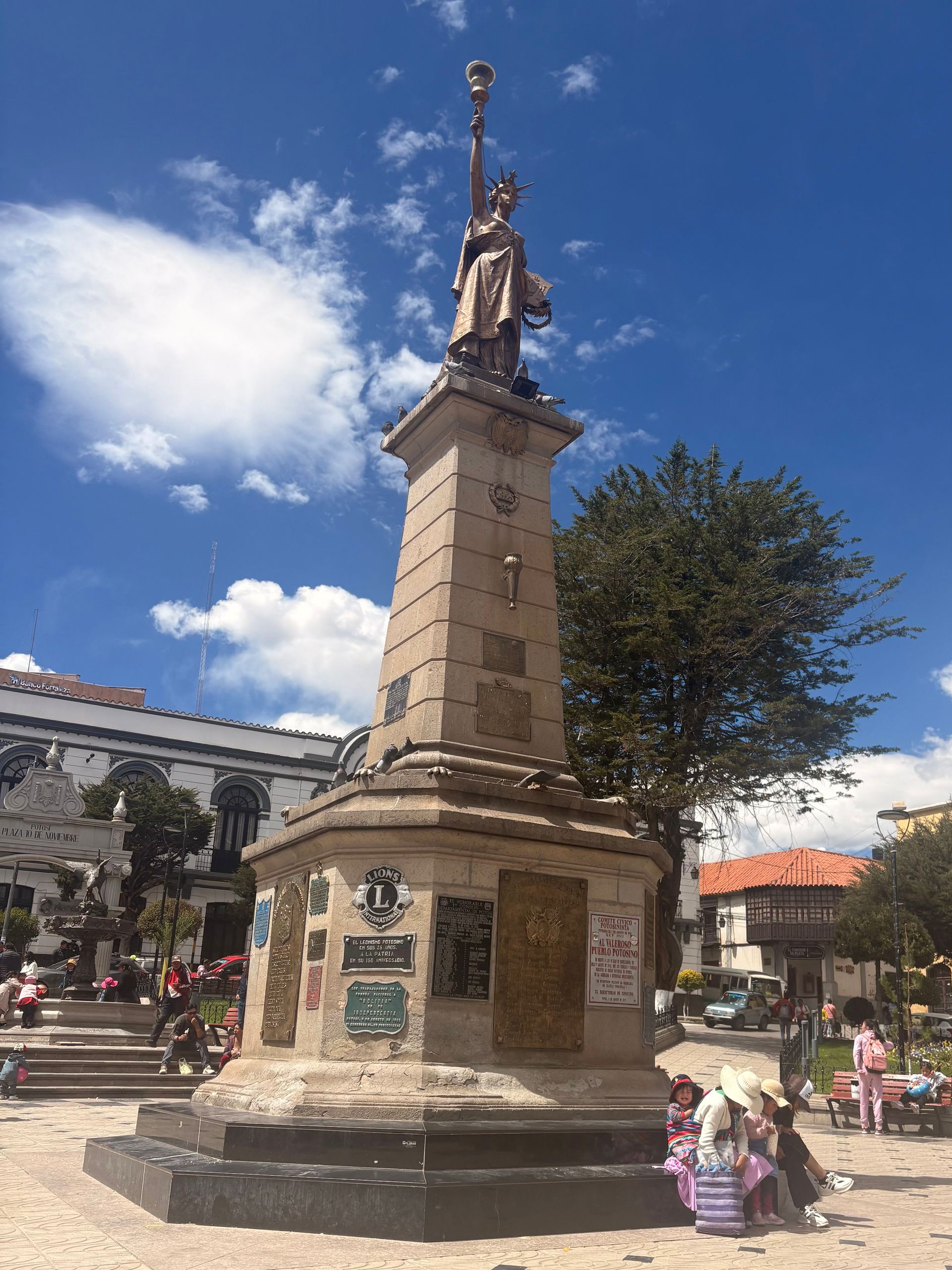
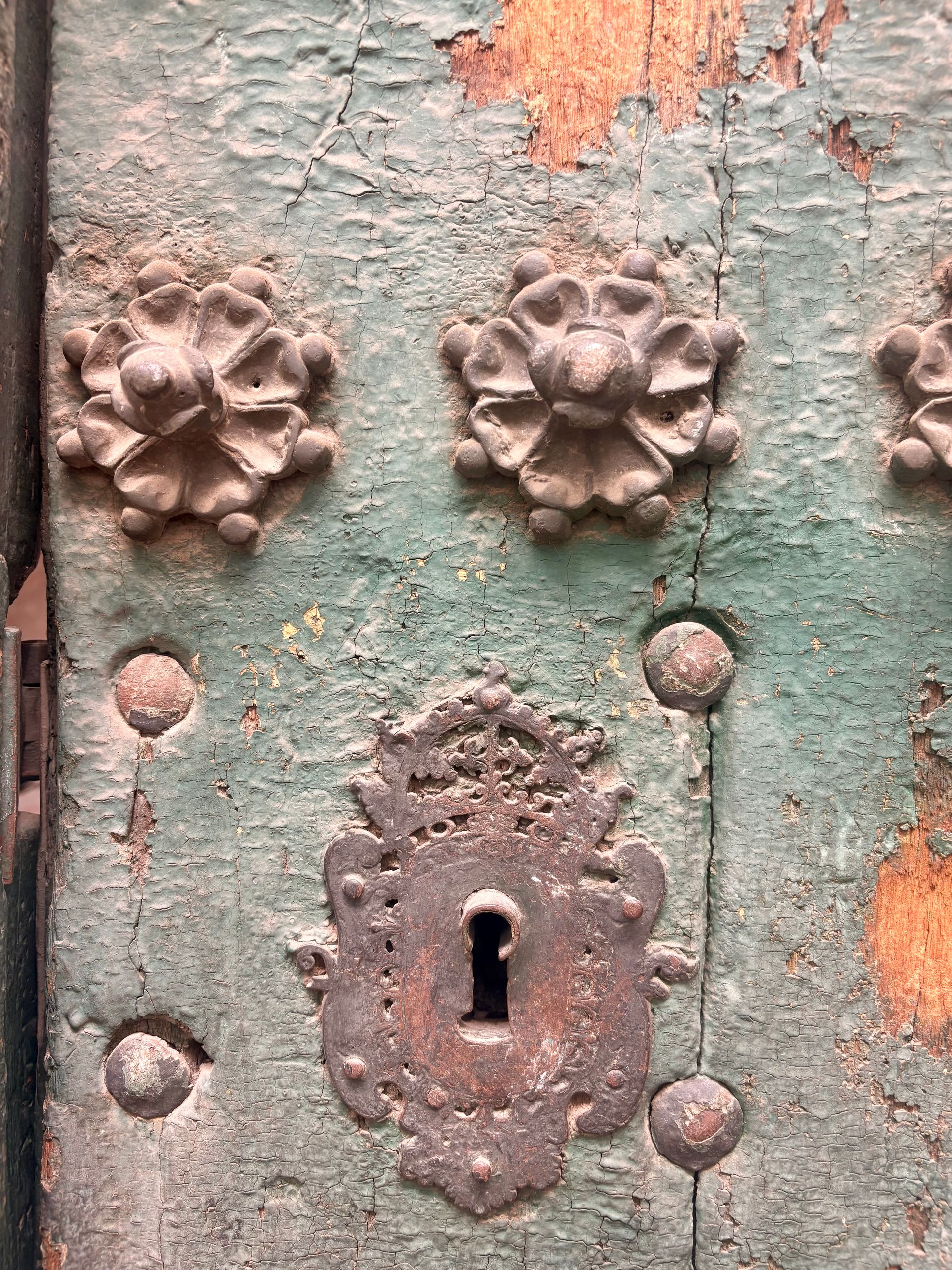
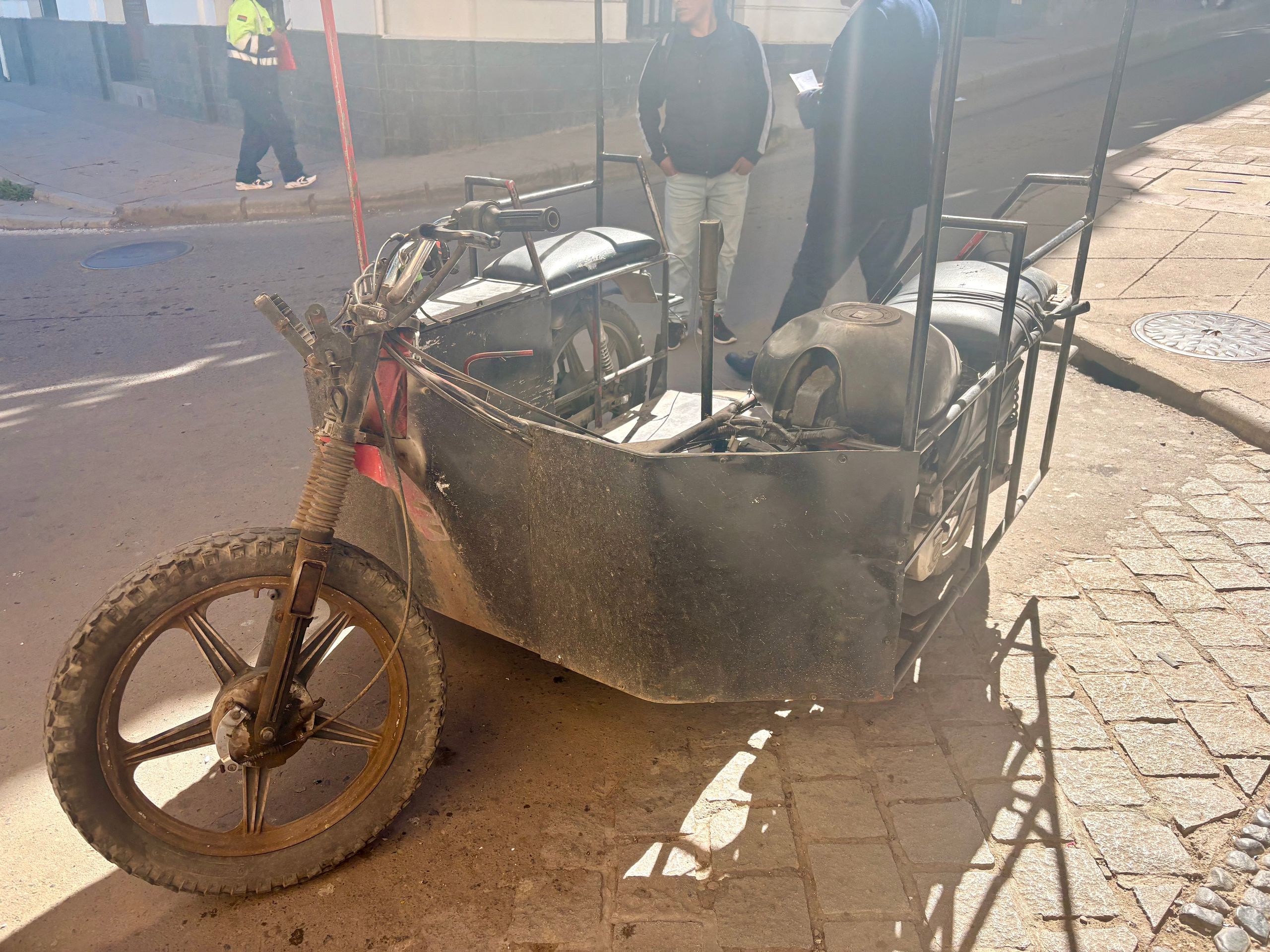
Potosí is located in the south and has nearly 175,000 inhabitants. The city's landscape is heavily influenced by the Spanish, featuring a beautiful, albeit somewhat dilapidated, colonial-style old town. The atmosphere is pleasant, but there is too much traffic and pollution, along with good beer and a vibrant community filled with many festivals, demonstrations, and parades. Marching music was constantly in the air!
The most important aspect for the city is mining in the 4,800-meter-high Cerro Rico ('rich mountain'), which also played a crucial role in Europe's wealth. Its rich treasures, massive silver veins, zinc, and other minerals were mined by the Spaniards mainly in the 16th to 18th centuries, flooding Europe with vast amounts of wealth that played a crucial role in financing the early capitalist economy and thus paving the way for the industrial revolution. From the Spanish crown to the Fugger family in Augsburg, the silver was utilized and initiated a profound and lasting transformation of economic and social conditions in Europe and the USA. Allegedly, the dollar sign was even invented here. To this day, the Spanish saying 'vale un Potosí' translates to 'it's worth a fortune.'
Cerro Rico is also referred to as 'the mountain that eats men.' Indeed, the story of the mountain seems like a singular dystopian nightmare, as the Spaniards acted here – as they often did on this continent – not as humanitarians. It is estimated that alone 8 million indigenous forced laborers perished in the mine under inhumane working conditions. As these workers became scarce, African slaves were brought to Potosí, many of whom died due to the low-oxygen high-altitude air before they could be deployed underground.
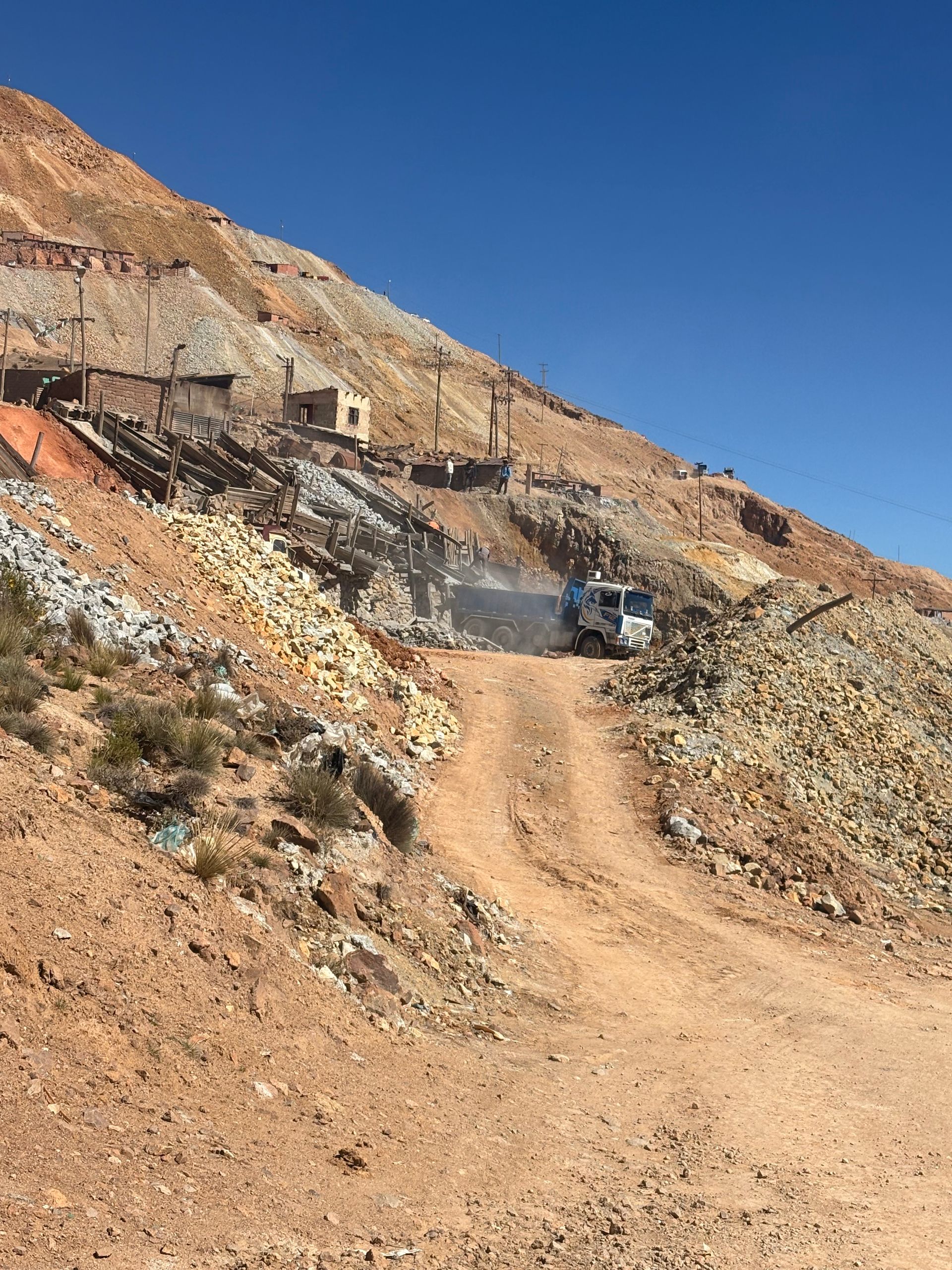
Even though silver is no longer as valuable as it once was and the major silver veins have run dry, mining is still taking place in Cerro Rico today, under unimaginable conditions that closely resemble those of the 16th century. Death is a constant companion of the workers here as well, and one can only hope that mining will be halted quickly due to declining economic viability (though we are not optimistic that this will happen).
The mountain, which has been hollowed out for over 600 years, is in acute danger of collapse and sinks deeper every year, often by several centimeters. It is only a matter of time before a major collapse occurs. When that might happen is unknown, as there is no monitoring or any form of mining planning in place, let alone trained professionals working in the mountain. The Bolivian government does not cover itself in glory and keeps its distance. The mining operations are controlled by cooperatives that, according to what we have heard, tend to exploit the workers and are also in competition with each other.
Despite the adverse conditions, jobs in the mine are desirable since the salaries are higher than elsewhere in the region, and the hope of potential wealth is too alluring. There are no significant safety measures (one even has to buy their own helmet) or detailed mining plans with geotechnical calculations. The life expectancy of the workers is only 40-50 years, and hardly anyone manages to work in the mine for more than 10 years before respiratory diseases become too severe. And every day, people die in the mine due to accidents. Child labor is also unfortunately not uncommon, especially when the breadwinner of the family dies in the mine.
However, we did not know all these details and did not want to miss out on a visit to the mine. In Chile, we had already seen open-pit mining, and we found it exciting to now go underground.
So, we booked a tour in the city, visiting two mining areas connected by a 65-meter-long tunnel, and we would also witness detonations. So far, so good!
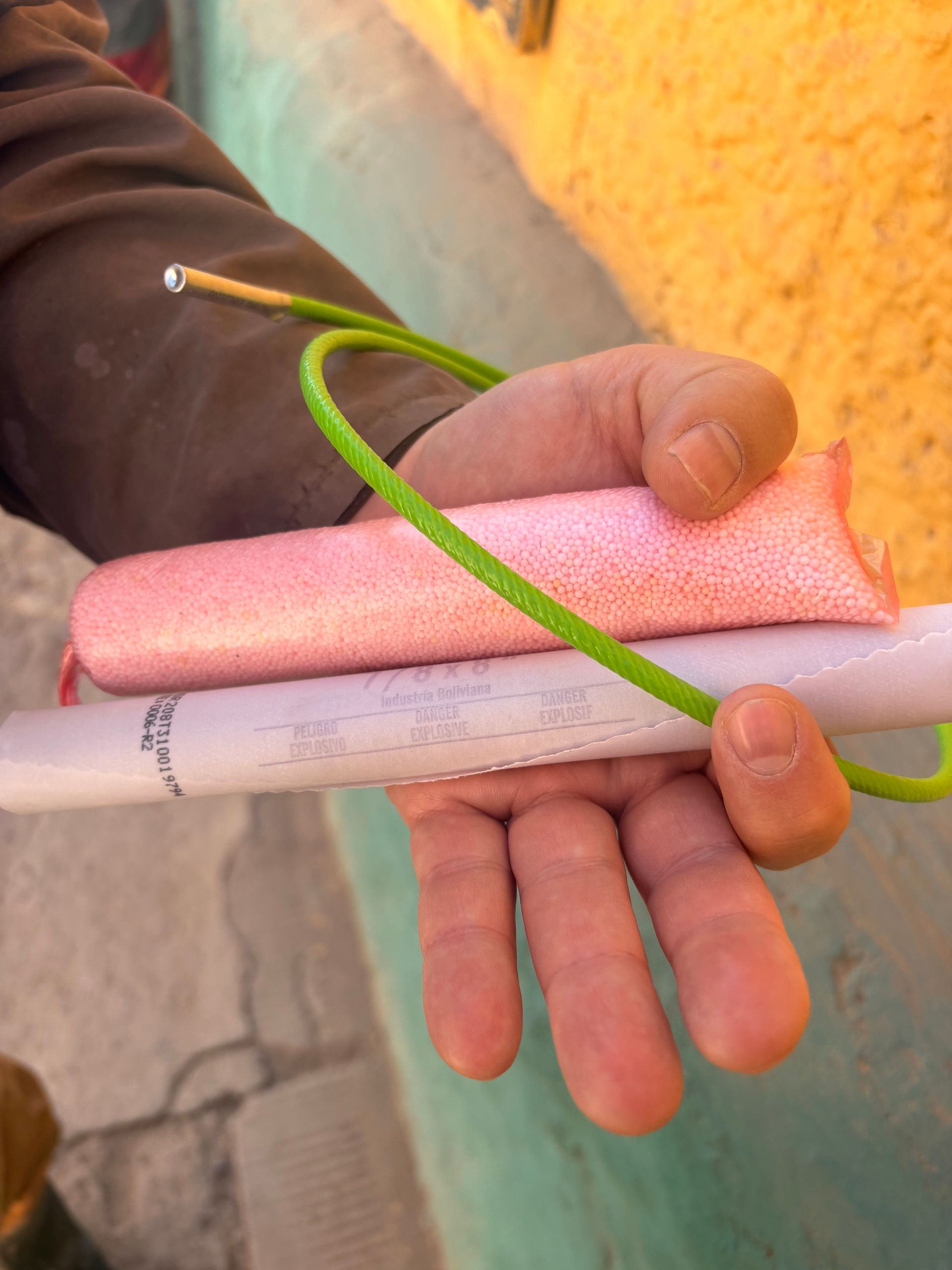
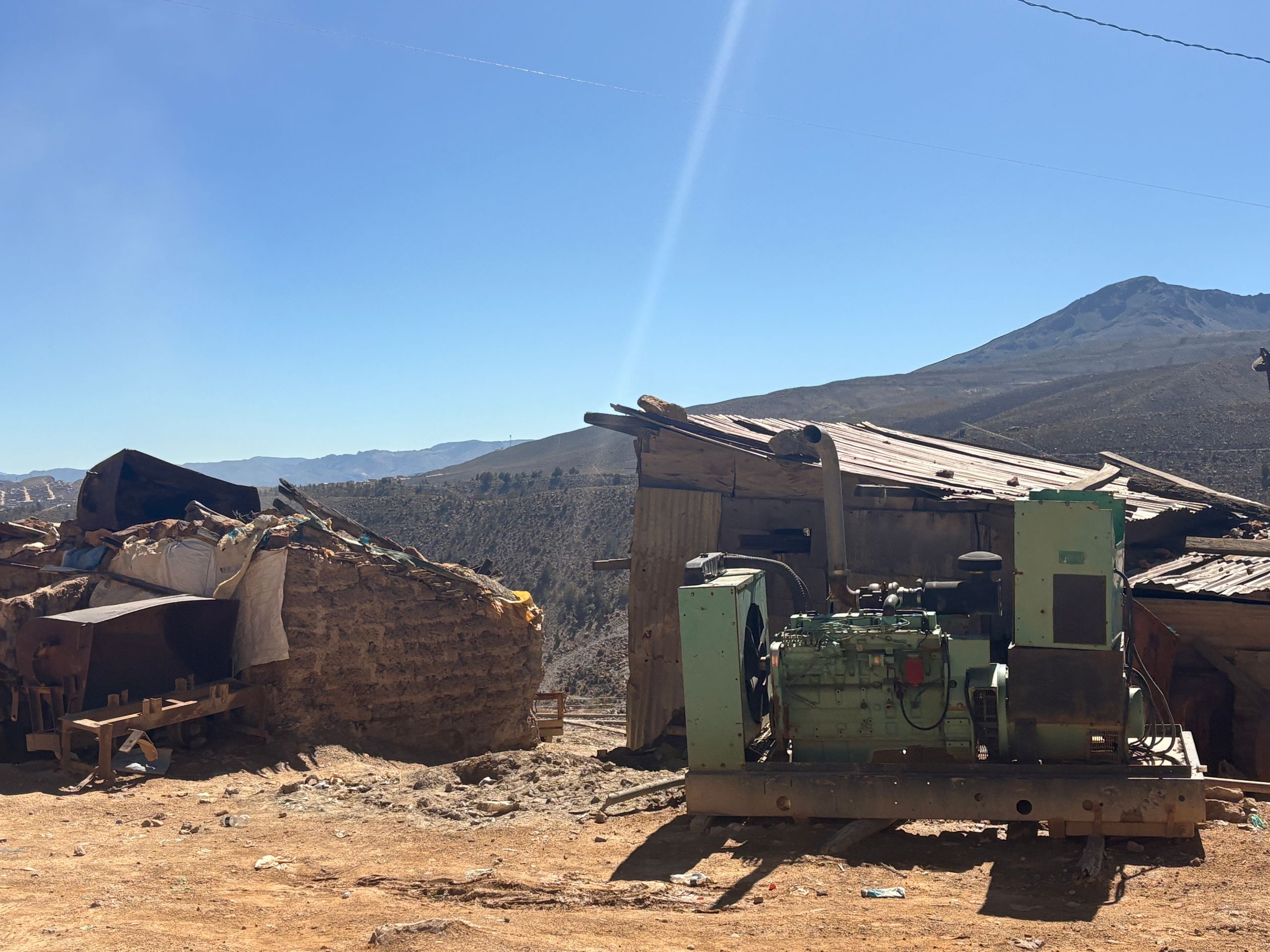
Early in the morning, we set off, initially visiting a small rundown 'mining shop.' Here, we could actually buy dynamite and TNT as well as fuses (to be ignited with a lighter, then you have 180 seconds) for the equivalent of 5 euros, without further checks (freely sold from 14 years old; we would have been sold some even if we had been alone). We also bought 95% alcohol (unadulterated for drinking, practically blind on request), some bottles of water, juices, and cigarettes for the workers, and to sacrifice to El Tio, the god of the underworld, so that he would let us out of the mountain safe and sound (we had no idea that we would soon find ourselves mentally on the same level as El Tio in some situations).Then we were outfitted: work pants, a work jacket, rubber boots, and a helmet with a miner's light. We had brought our own dust masks.
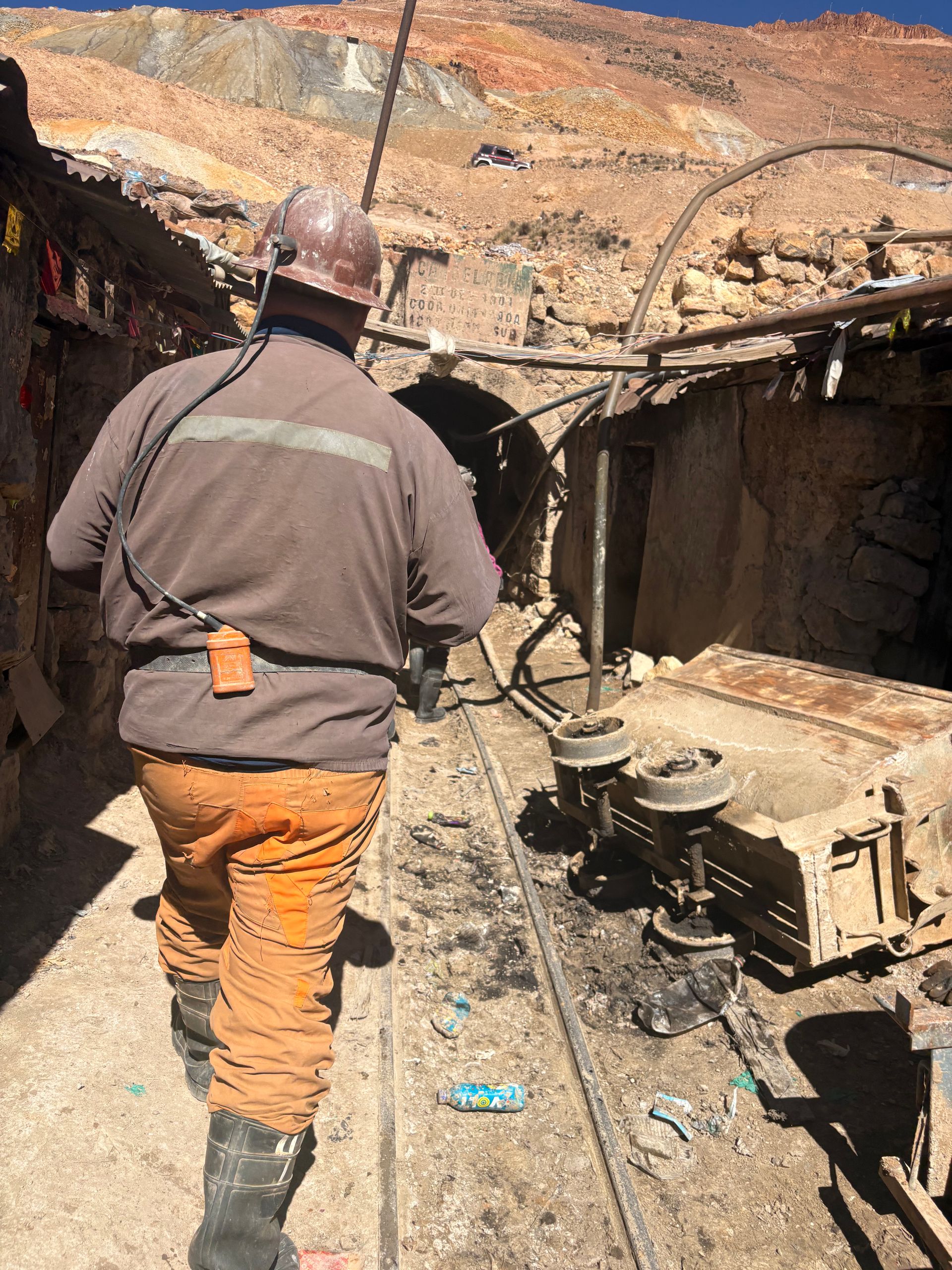
We continued on the bus, facing heavy traffic up the mountain. Many trucks lined the roadside or queued at gas stations, sometimes waiting days due to a severe diesel shortage before they could proceed. In the dust clouds, animals grazed by the roadside, and young mothers with babies often sat on rocks. Our mountain guides (former miners and a few very young women) tried to create a vibe like on a school trip with free coca leaves and casual remarks, a bit overly energetic and too cheerful.
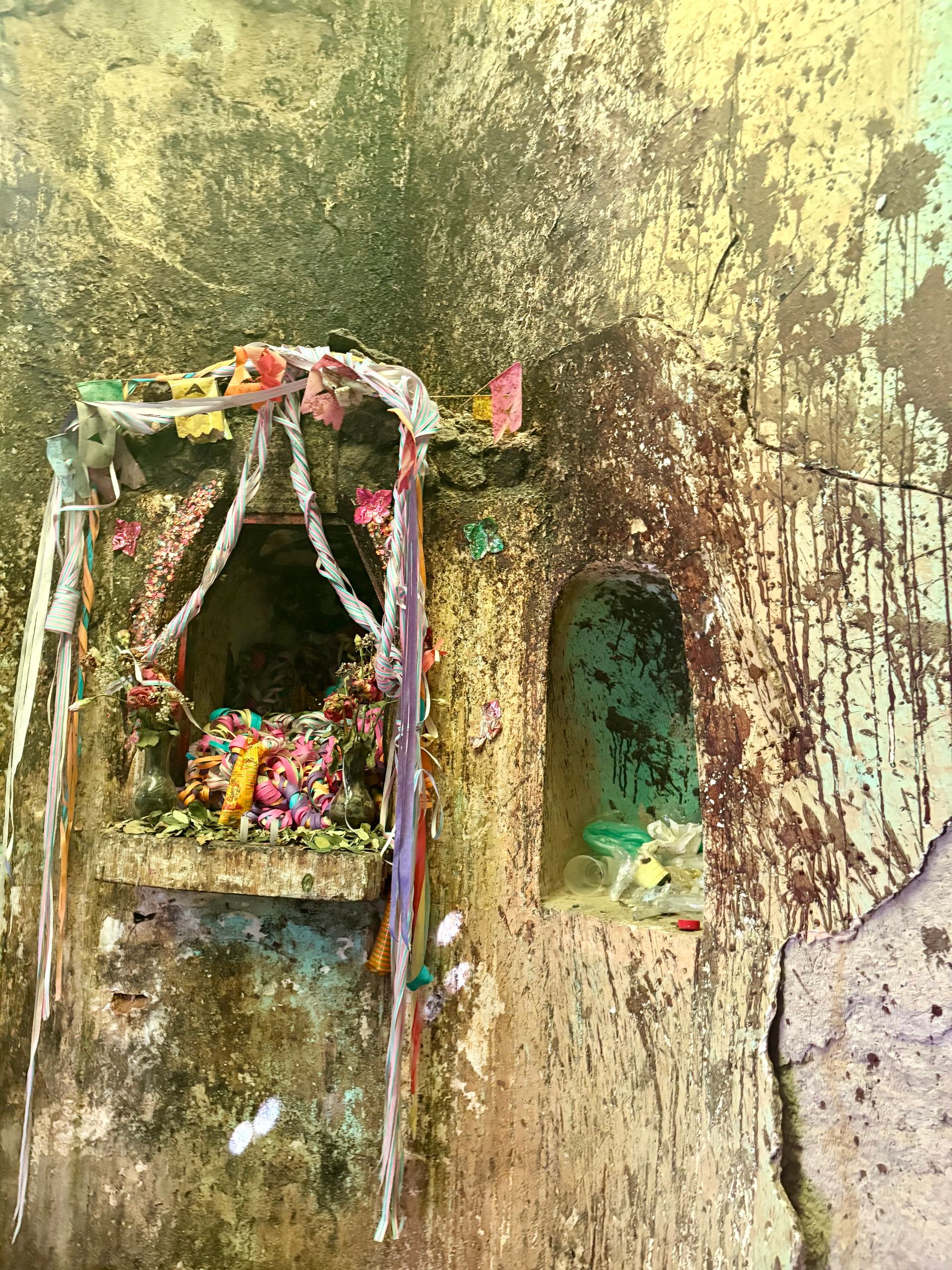
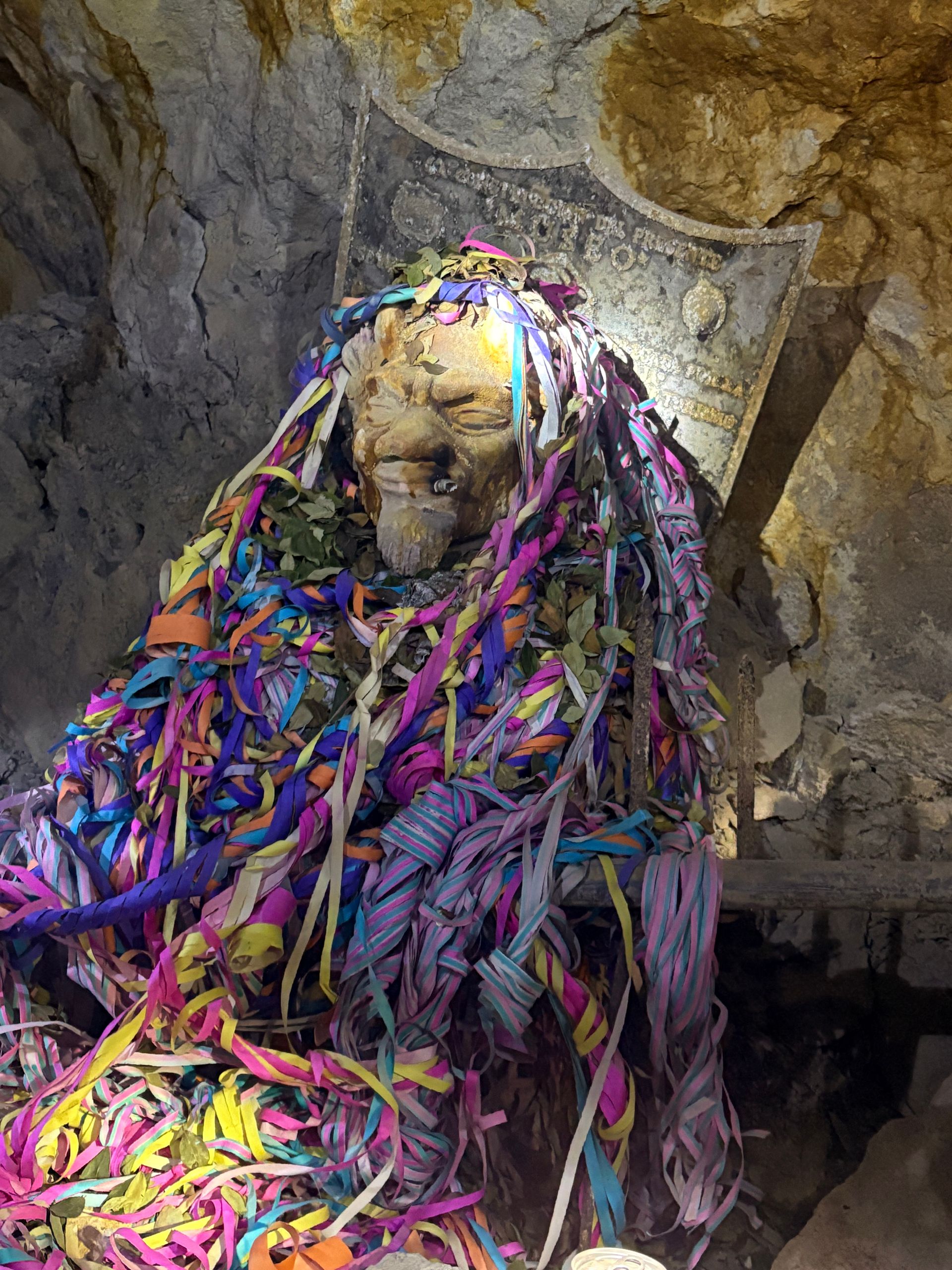
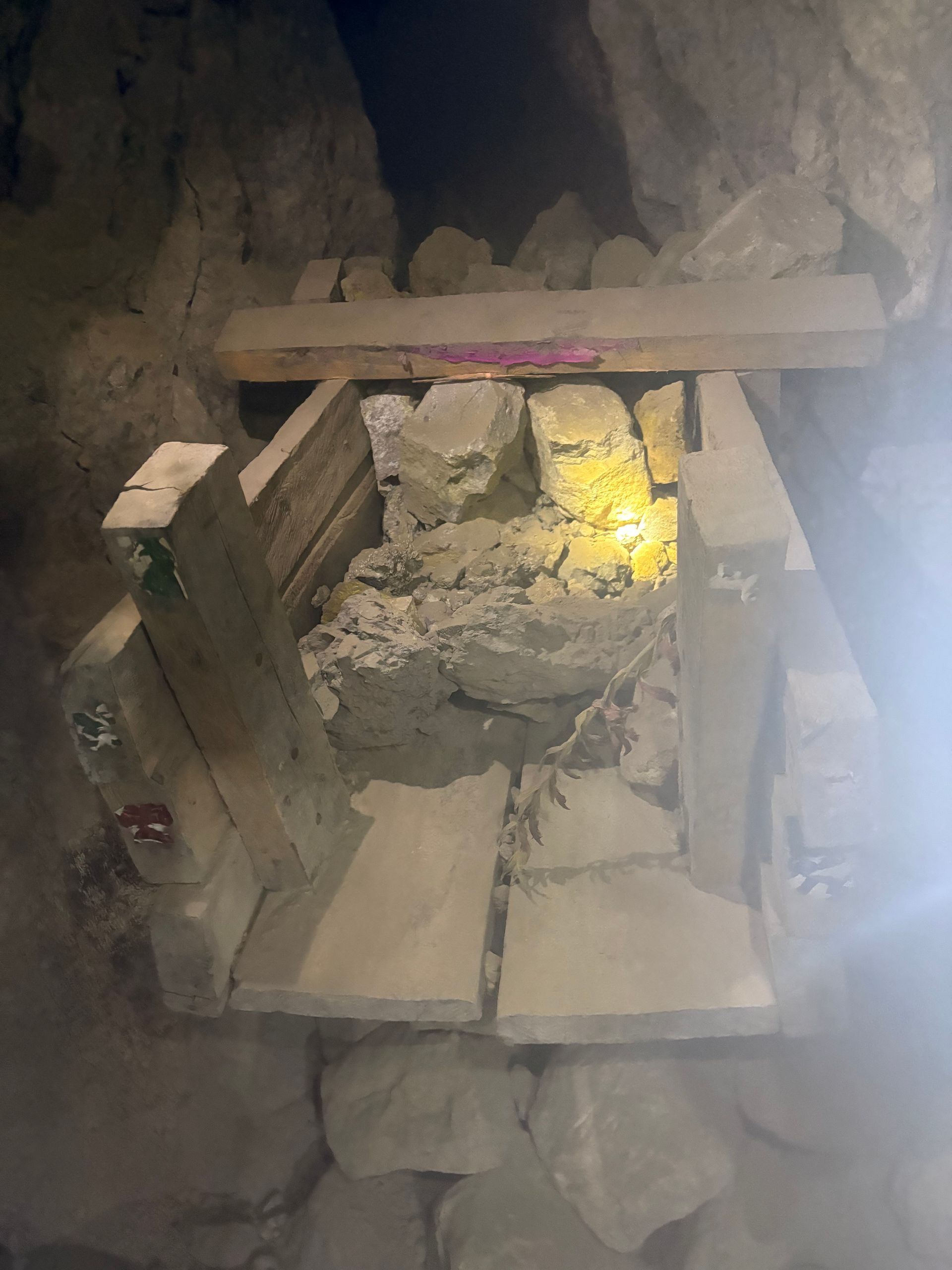
At the tunnel entrance, it looked more like a mining museum than an active mining site. Quickly, we paid our respects to 'Uncle' El Tío, who sat in a wall niche smeared with llama blood and surrounded by streamers, offering us a mini shot of alcohol, with a generous portion sprayed on the odd statue, hoping he would be favorable to us.
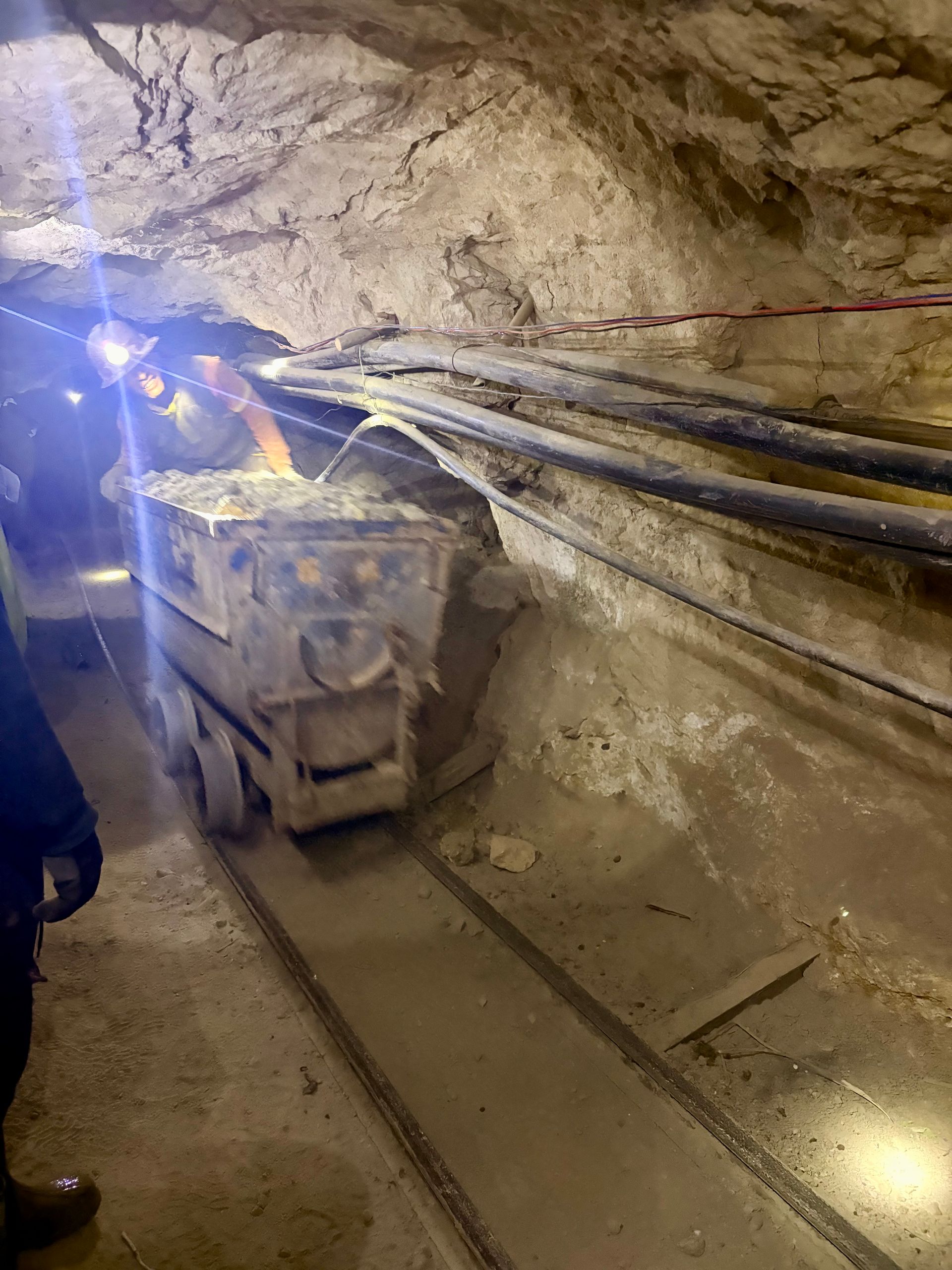
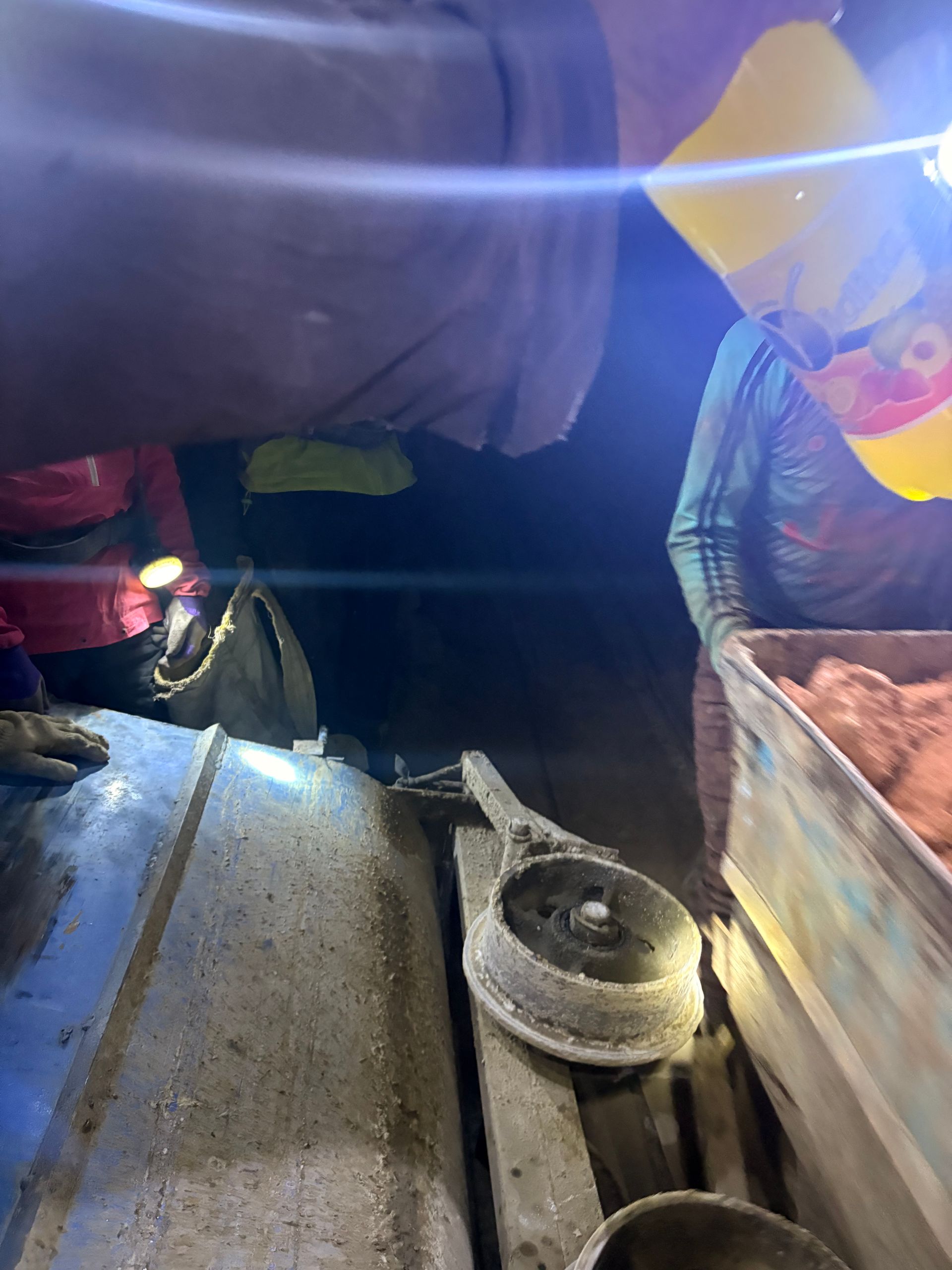
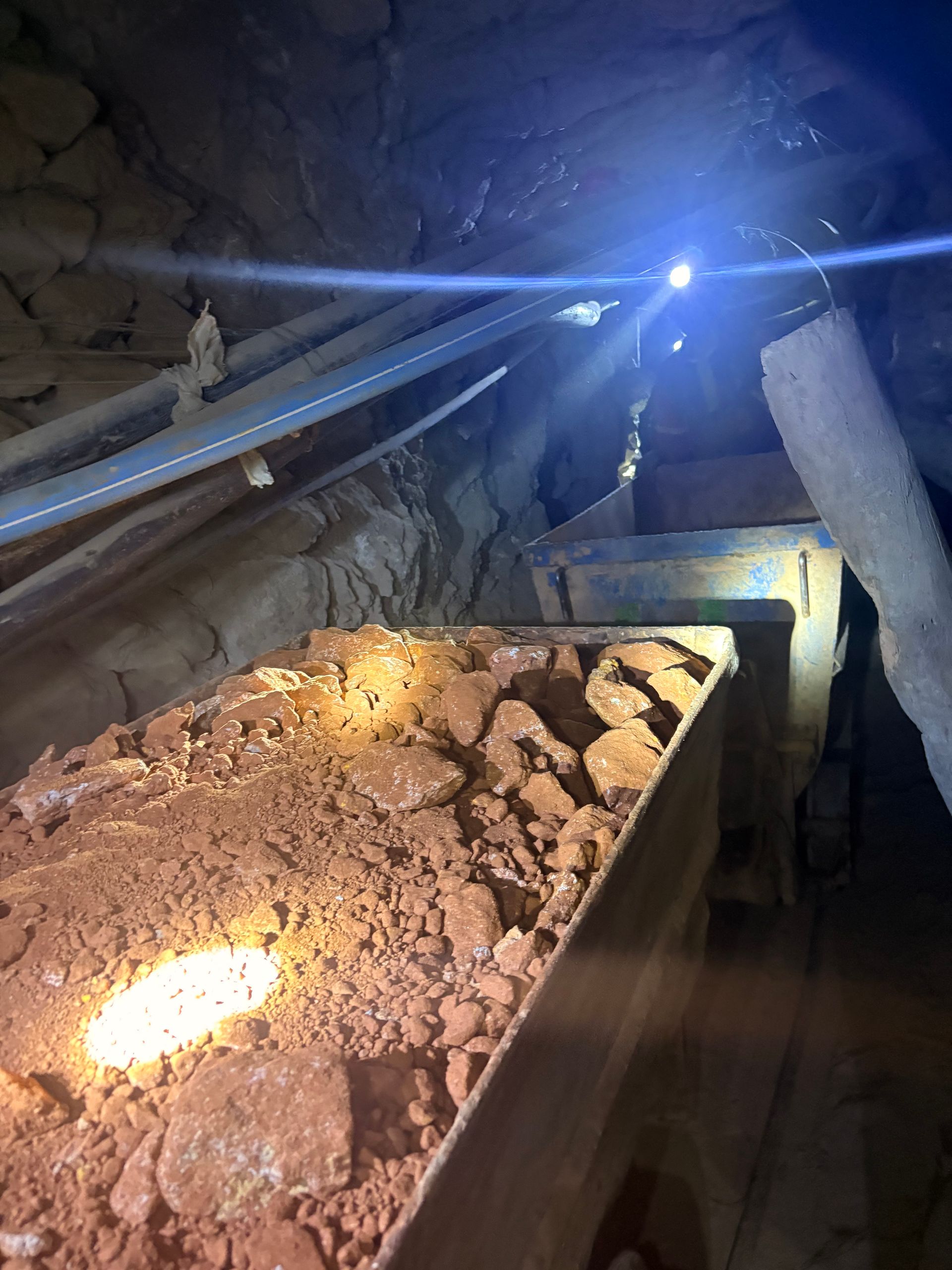
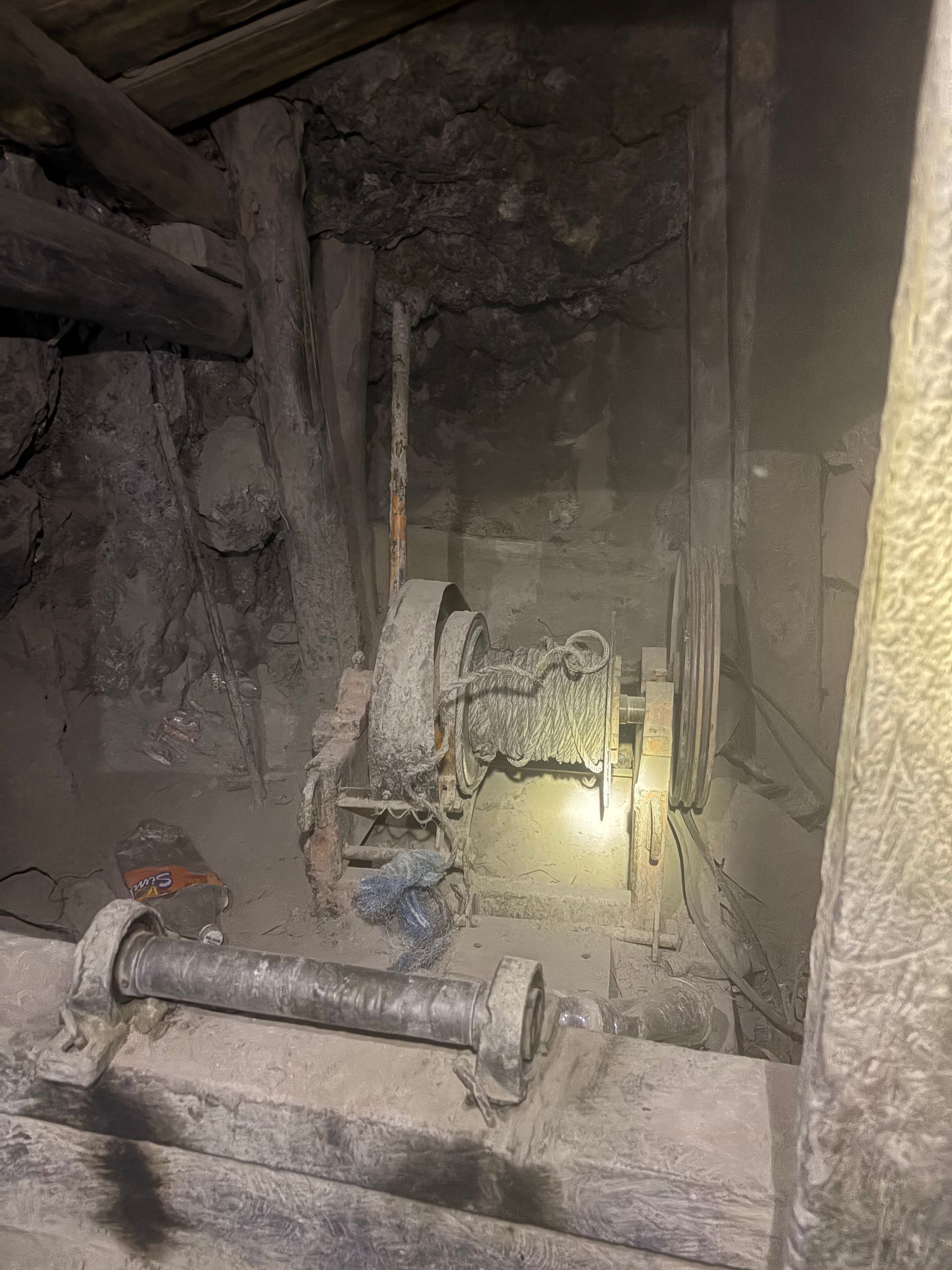
Then we headed inside. Immediately it became tight, with poor air quality, dust (asbestos-laden; sometimes you only realize how clever that decision was afterward), muddy and dark, very dark. We were led through a maze of tunnels, where we constantly had to dodge carts being pushed by workers in jogging pants, only powered by muscle and at breakneck speed through tunnels not even tall enough for a man. The passages were so narrow that one had to press against the wall and often had to place one foot over the other to let the carts pass. At times, it was low enough that one had to move crouching or crawling, but not too slowly so one could quickly return to spots with room to avoid the carts. These niches often had to be shared with additional El Tio statues. It was noticeable that many support beams were broken and that the overlying rock was clearly pressing down/broken in. Our guide told us that tunnels were always collapsing that then had to be re-dug.
In fact, the situation was such that panic could have set in, but everyone in the group was busy following instructions and functioning, so no one raised an objection.
After what felt like an eternity, we reached the already mentioned connecting tunnel, and at this point, the tour should have been aborted. But we didn’t. So we proceeded through the approximately 65-meter-long tunnel with a 30-degree slope and a diameter of about 60-80 cm, where one could only move while sliding or climbing in a lying position. Sitting upright was impossible. The tunnel was simply dug that way through the mountain; it had loose material, nothing was secured, and it was very winding. The air was so poor that we had to rip off our breathing masks to breathe, always careful not to have a major coughing fit. Objectively speaking, this was life-threatening, but our bodies were in full functional mode, and there was no choice; we had to get through. A dry throat, sweaty bodies, and somehow the sticks of dynamite in my pocket were bothering me. Finally, the relief came as we arrived at the lower tunnel after what felt like an eternity. Covered in dirt, exhausted. First, we needed to drink something and catch our breath. What a mess.
No sooner had we reached the bottom than our cheerful guide informed us it was time to detonate and collected the dynamite sticks. Horror spread across the faces of the group; no one wanted that nor were they feeling ready for it.
But it didn’t matter; purchased is purchased, so let’s go, the stuff was kneaded together, the fuse was prepared, and it was placed in a hole. Four times in a row. The guides took over the lighting, carrying away, and throwing themselves, they clearly weren’t that suicidal to leave it all to trembling tourists. And we awaited our fate until the commotion was over. Bang, ...Bang... Bang.... .... the fourth one didn’t want to go off. Well, let’s get moving, the gases were already creeping around our noses....
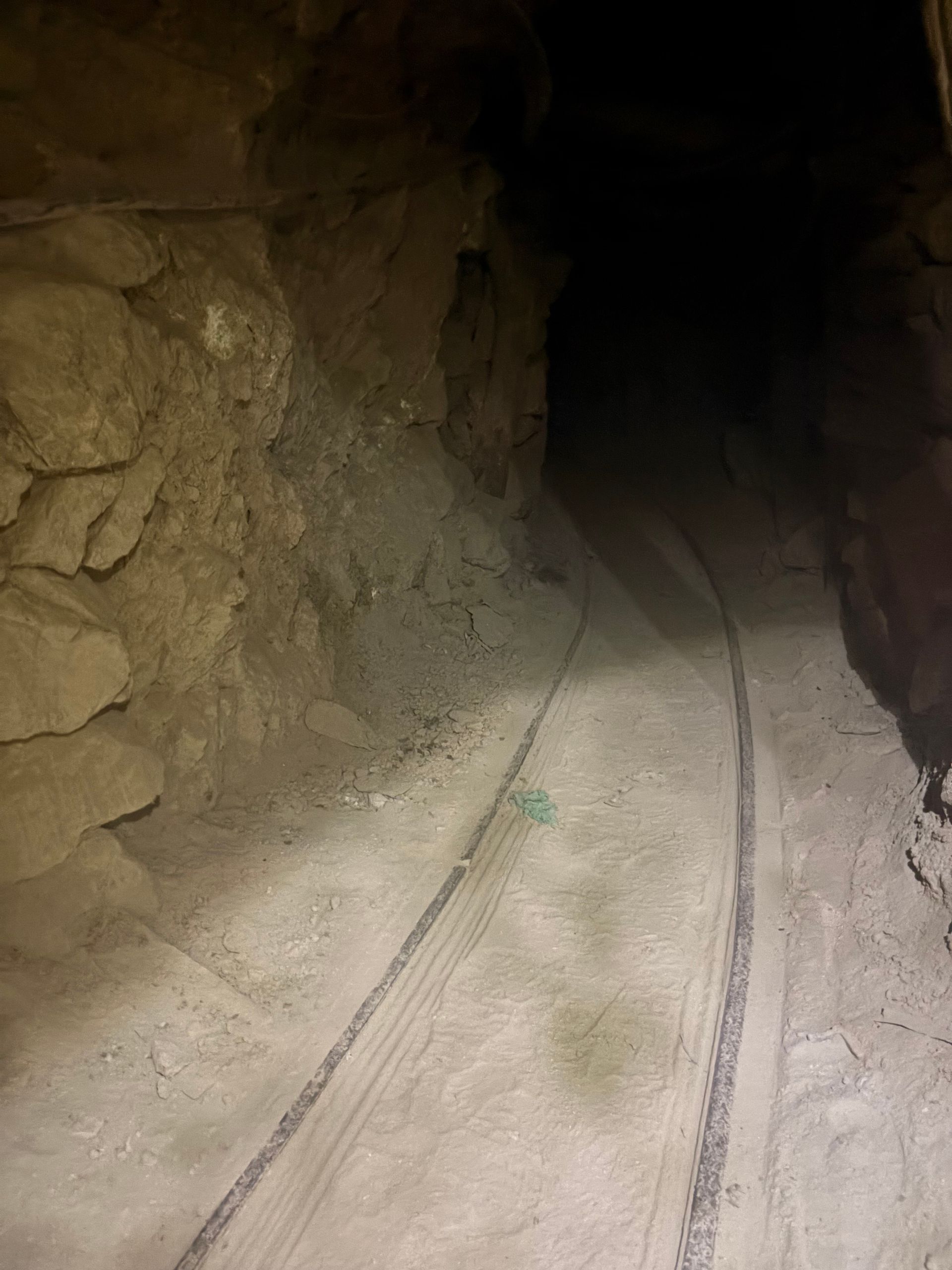
Onwards through deep mud with rubber boots, over poorly laid rail tracks, constantly dodging quickly, bent over, repeatedly hitting our helmets against something. Donk, Donk Donk, how can it be so narrow and tight, what kind of working is this? Yet it could be. It became exhausting, and we were slowly running out of energy. Bang, stuck again in a mudhole, without strapping supporters to pull you out, one would be stuck in the mud between the tracks. After several climbs, curves, and 180-degree turns, finally: light! The end of the tunnel, the exit. Hallelujah!
Well served, thirsty, and completely filthy, we had to catch our breath. Dusting off. Why did everything taste metallic? That taste would linger for days with a slight cough. Off to the 'Kaue,' a quick wash and change of clothes. Then it was back to the city for a shower and a well-deserved beer!
We feel that this mine tour was one of the craziest and most dangerous things we have ever done. All participants unanimously confirmed that they never wanted to do anything like this again in their lives.
And it is unimaginable to have to work under these conditions, and there seems to be so little awareness that it is not even concealed.
60,000 tons of silver have probably been extracted from the mountain to date, but none of this wealth has arrived here until today. We saw working conditions as they were centuries ago, with incredible competition. Workers, for example, are not allowed to use certain tunnels and passages if they belong to other cooperatives. Instead, something as dangerous as the connecting tunnel, through which we crawled, is created. They also work on their own account, so sometimes they prefer to push the heavy carts alone so they don’t have to share the wages for it. We were told of thefts in the mine that were then avenged with lynchings. Young unskilled workers pretend to have experience and blow themselves up.
But the treasures of the mountain have not yet run dry. The polymetallic vein deposit Cerro Rico de Potosí still holds estimated resources of about 540 million tons with 102 g/t Ag and 0.10–0.17% Sn (Bernstein, 1989). So, there are still about 50,000 tons of silver in the mountain. Mechanical mining does not seem economically viable, cheap labor, and a lack of alternatives will continue to draw generations into the mountain.
Until the mountain collapses and thousands will die, as self-rescue is quite out of the question in this mountain. And probably, digging will continue even after that.
The experience has profoundly shaken us, and it was something we had never heard of, and we really needed several days to process it.