
Cusco
We took the night bus from Puno to Cusco - quite a twisting hellride over hills and stones, where the bus driver seemed to be racing against someone. So we arrived all crumpled...

Published: 12.05.2025
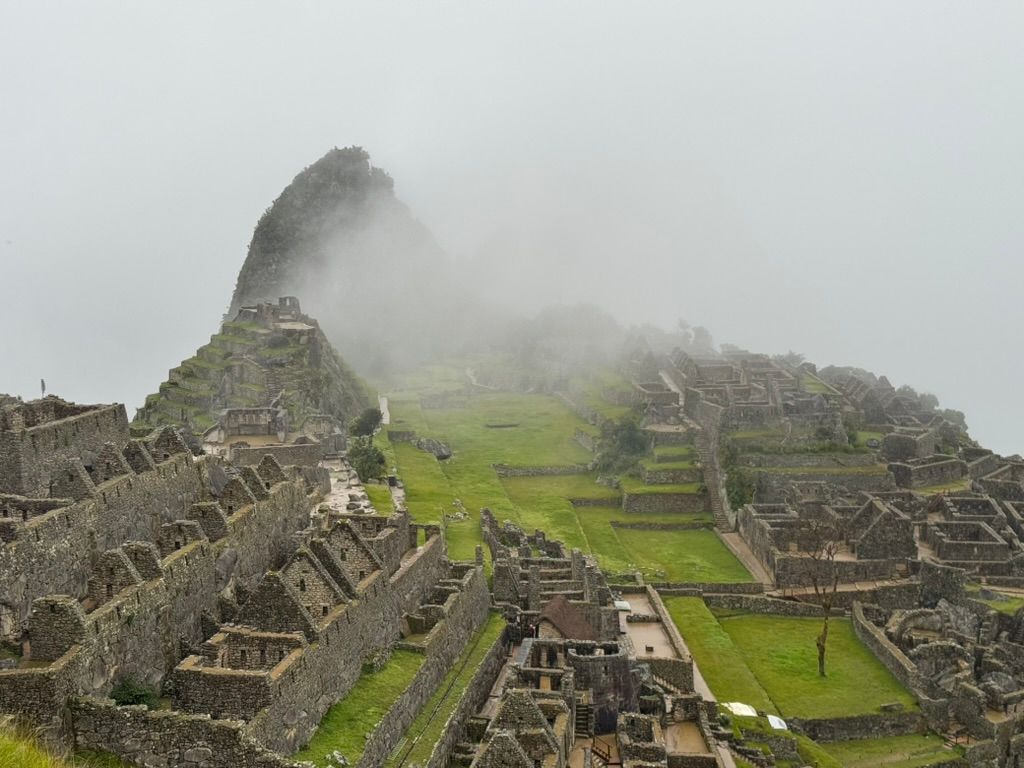
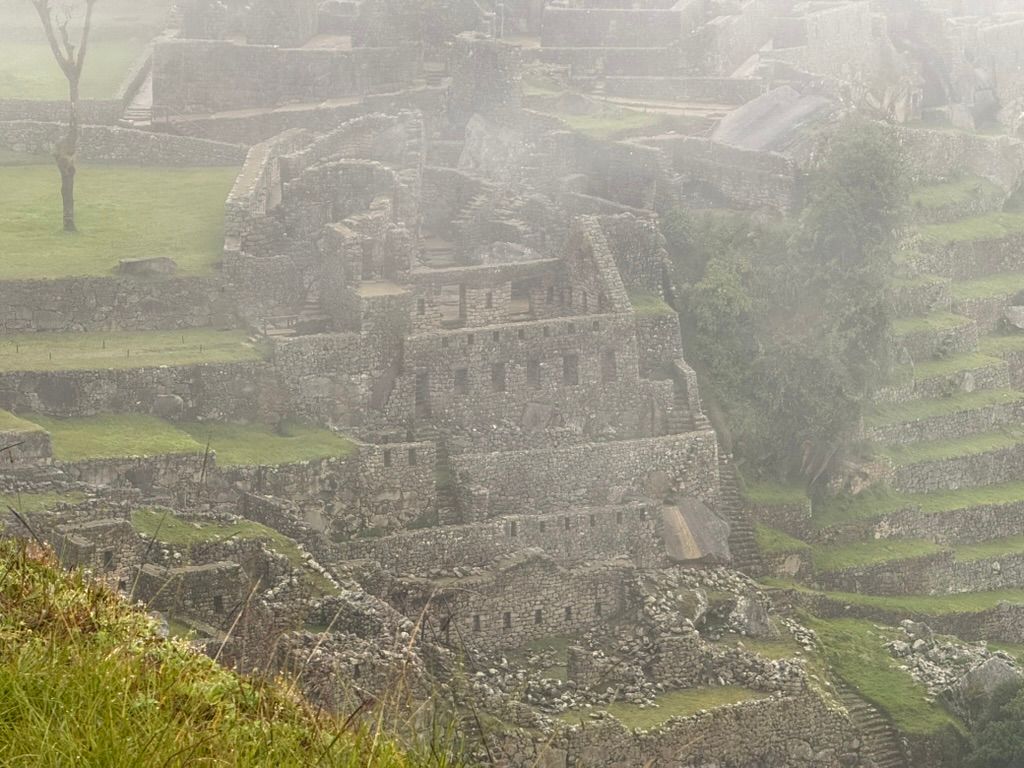
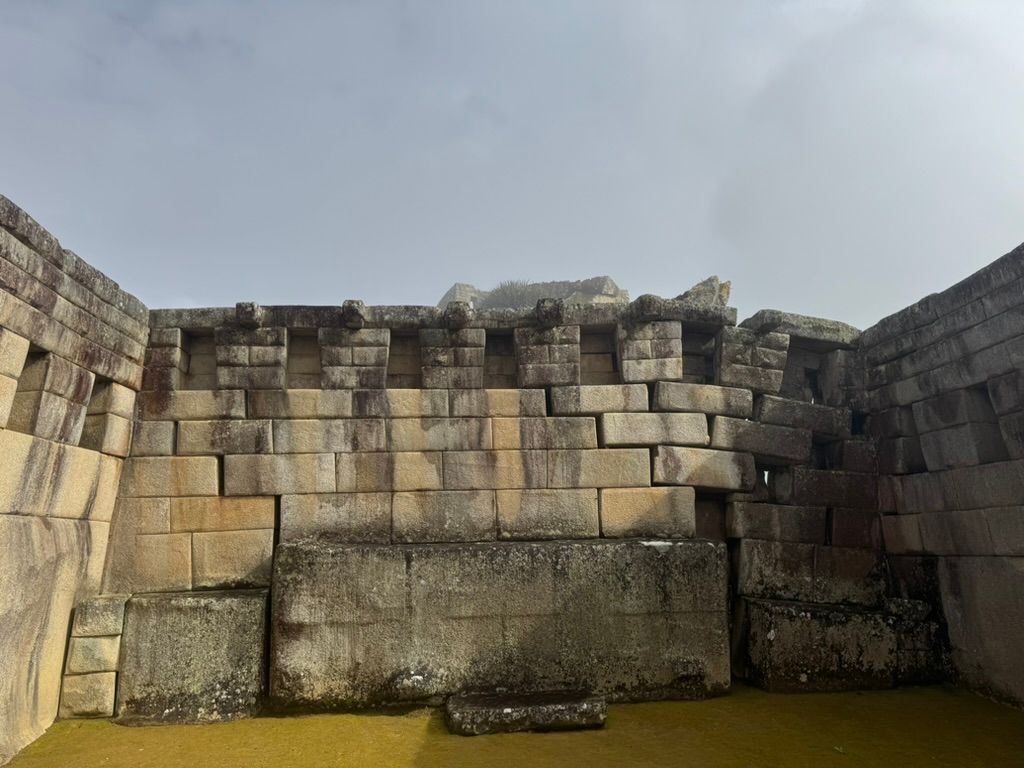
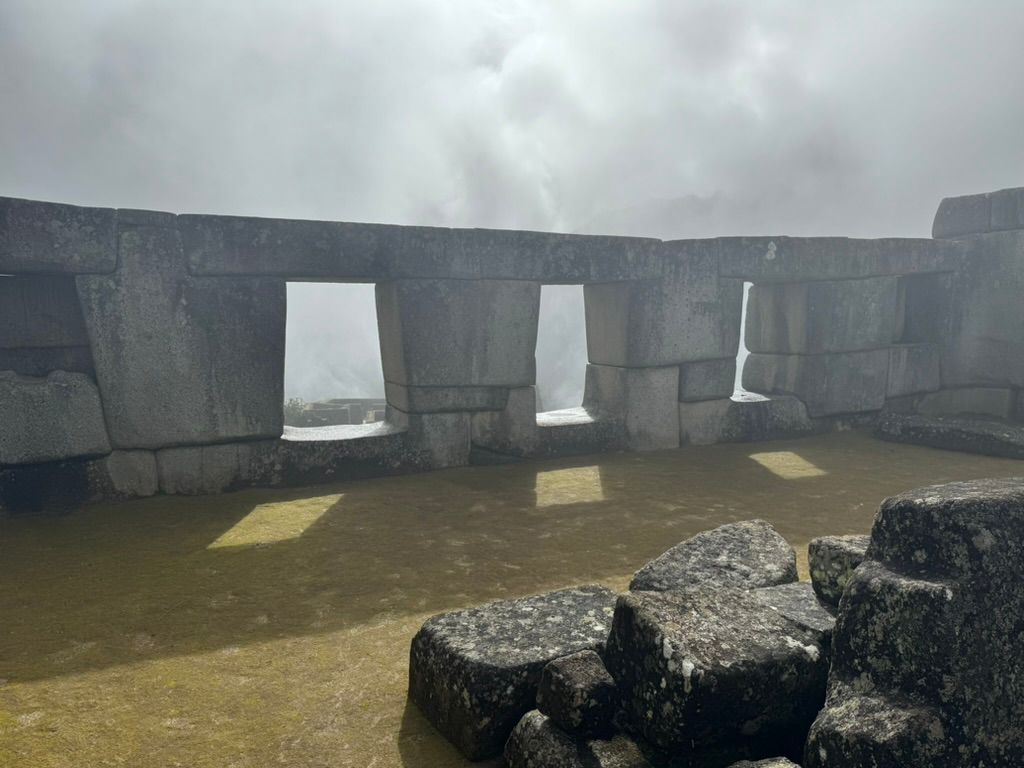
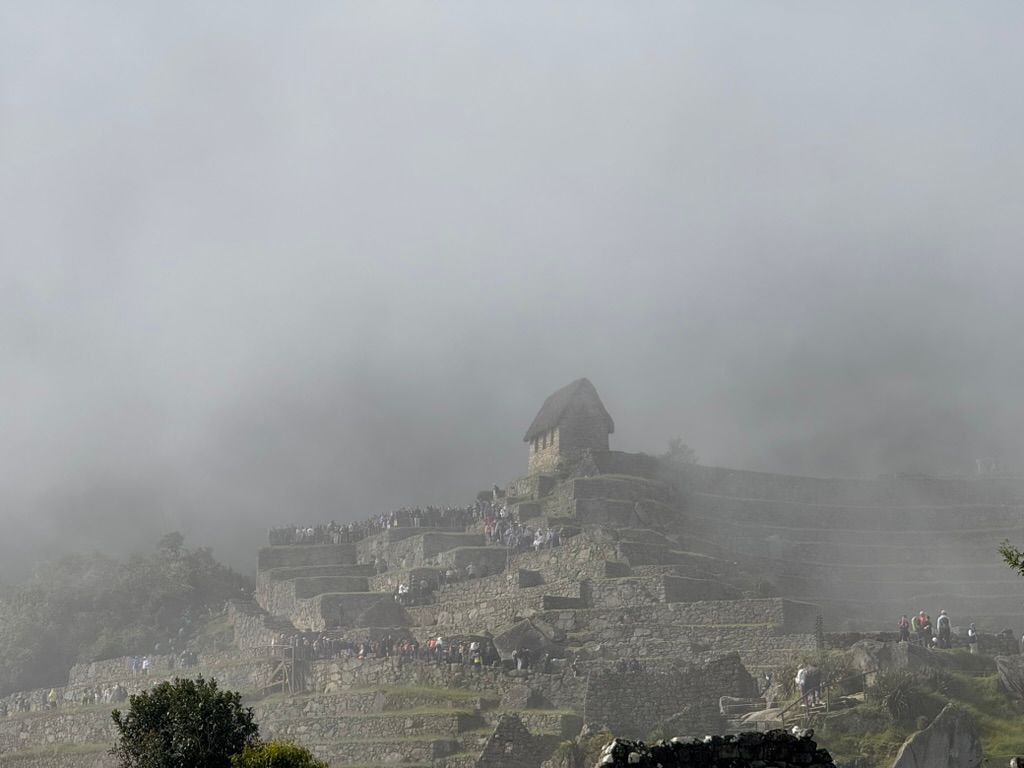
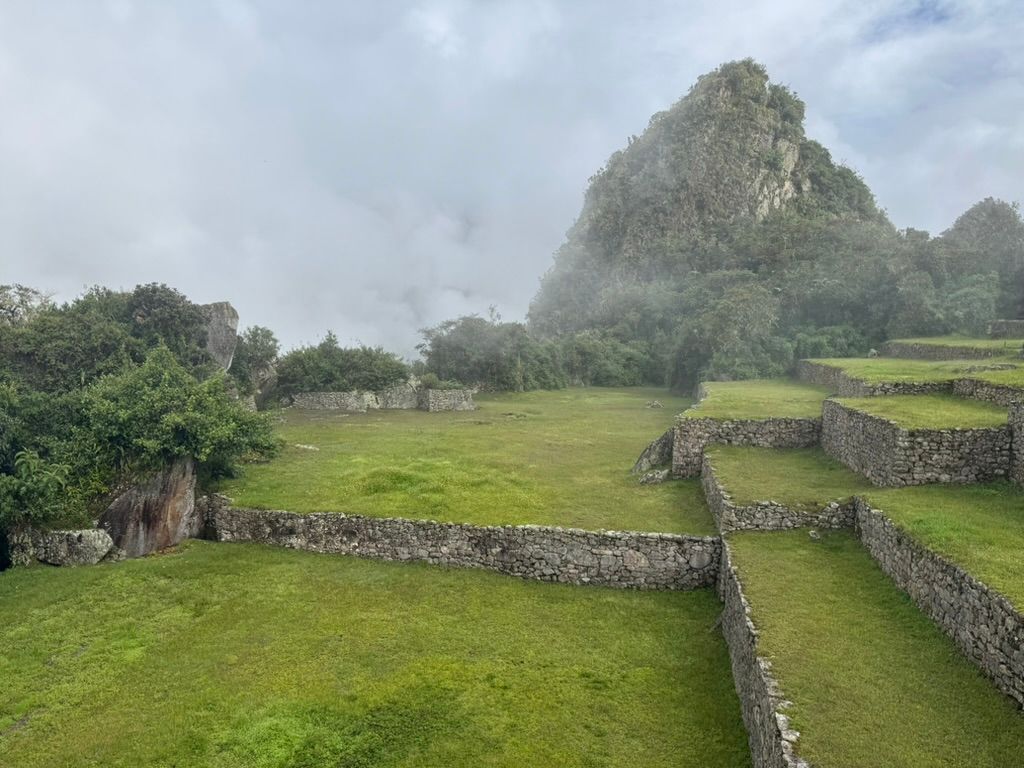
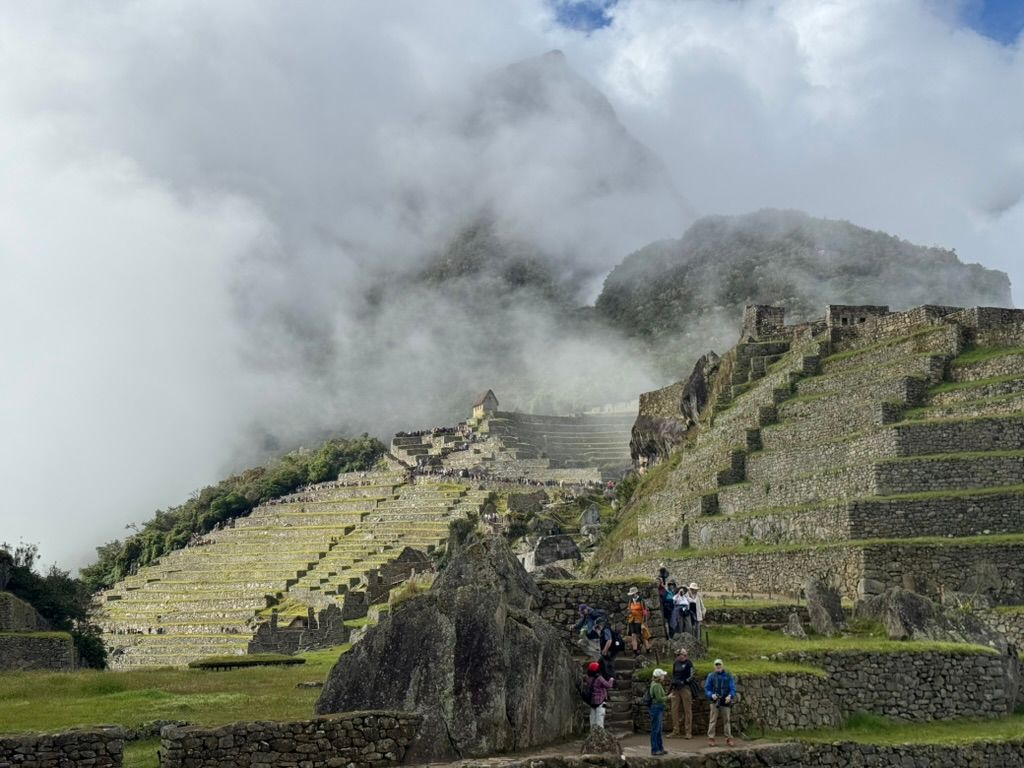
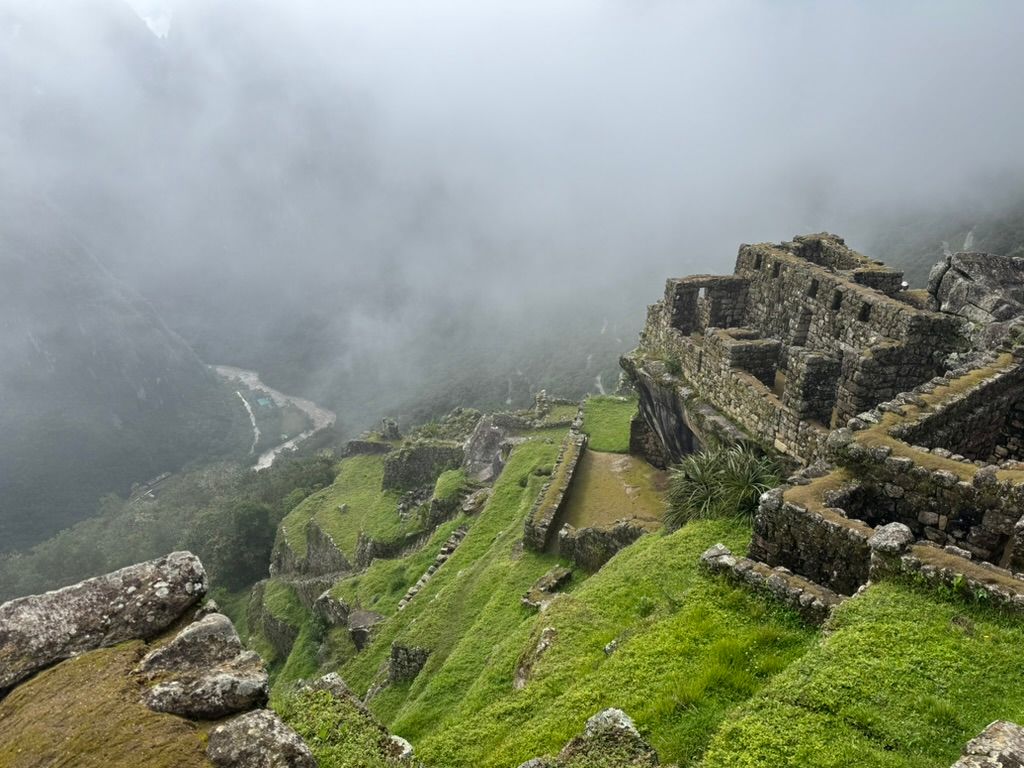
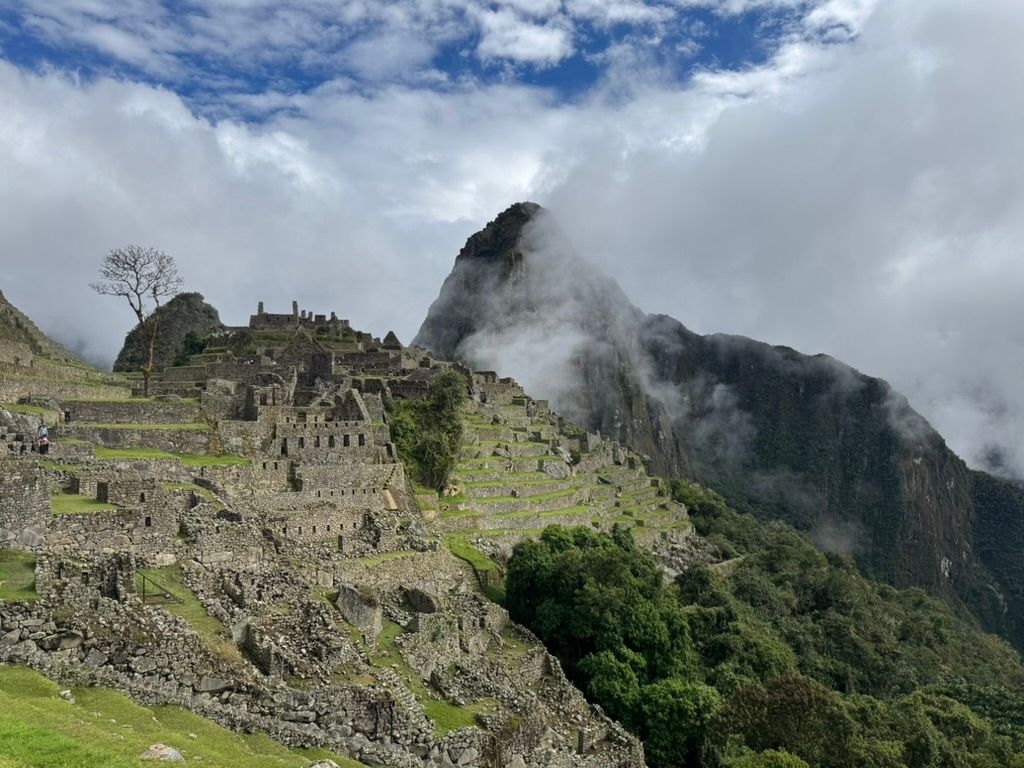
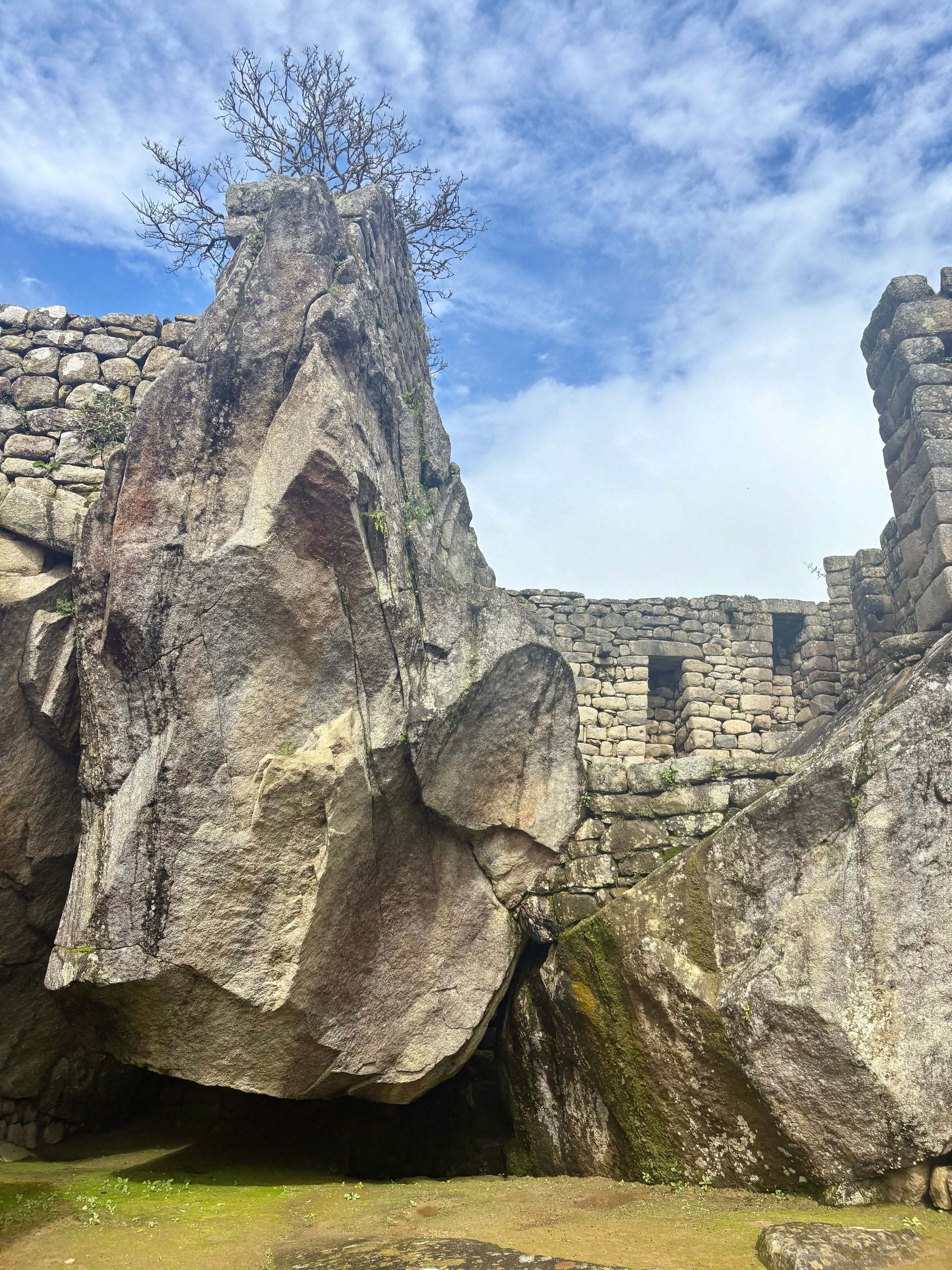
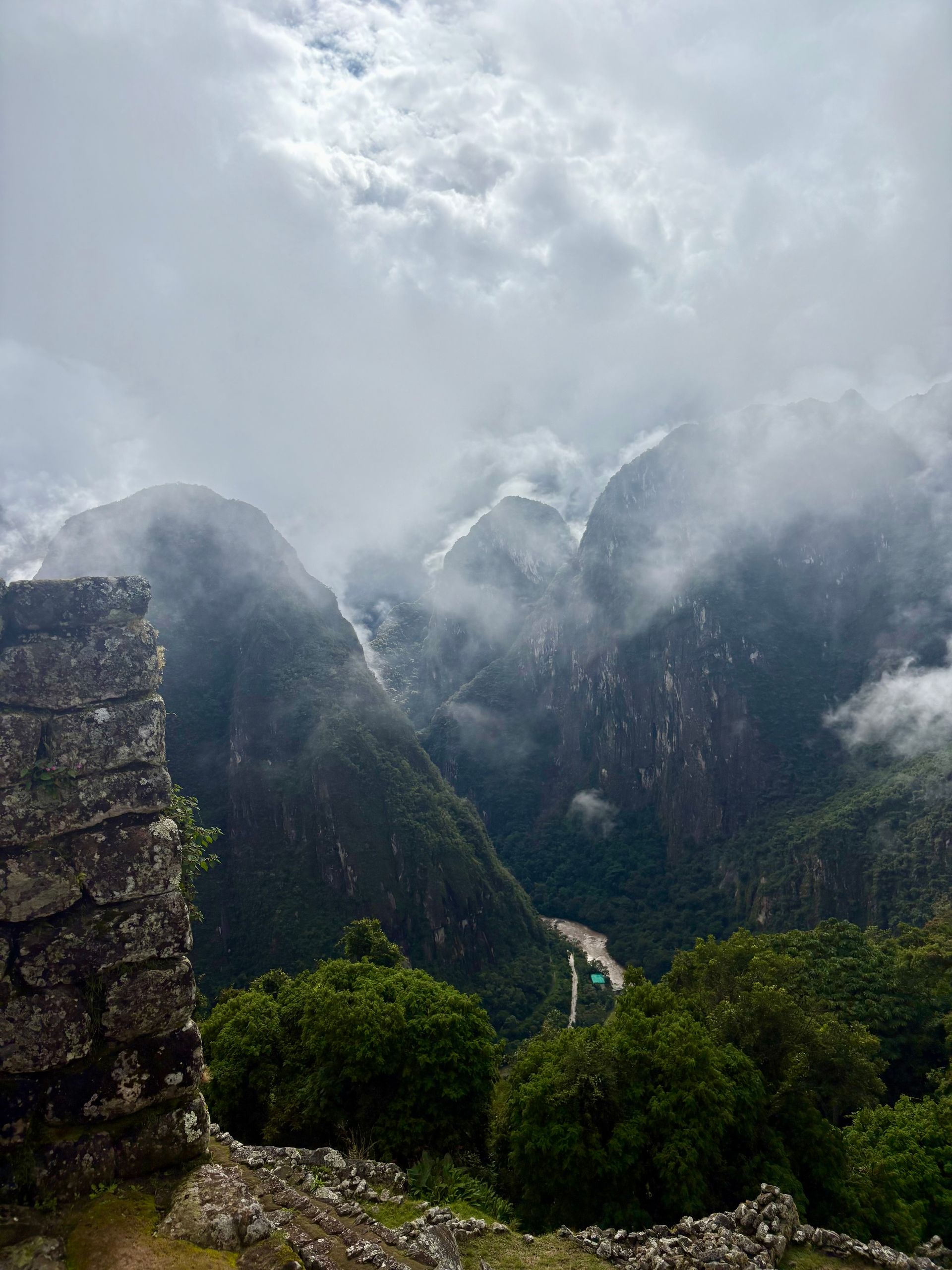
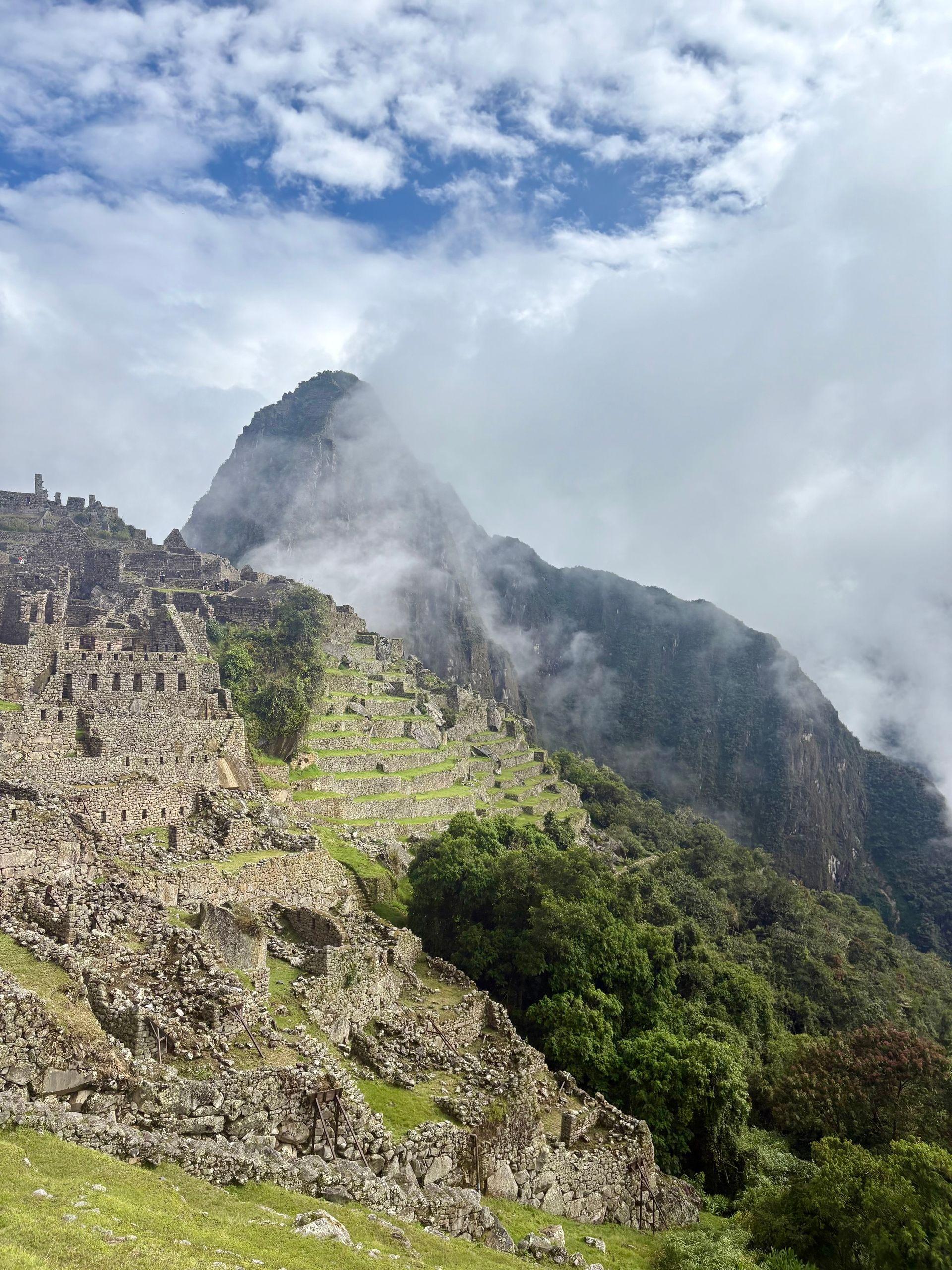
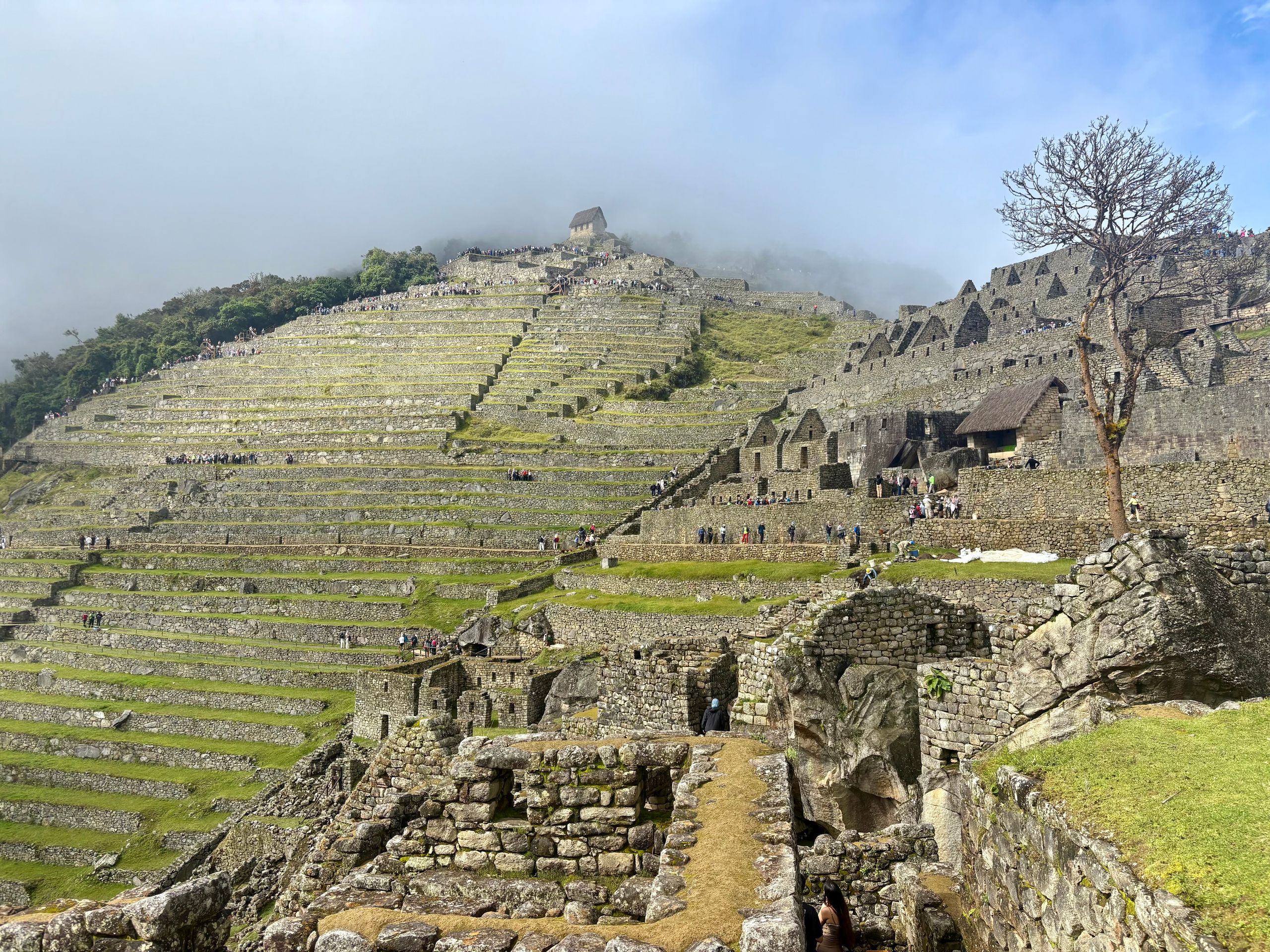
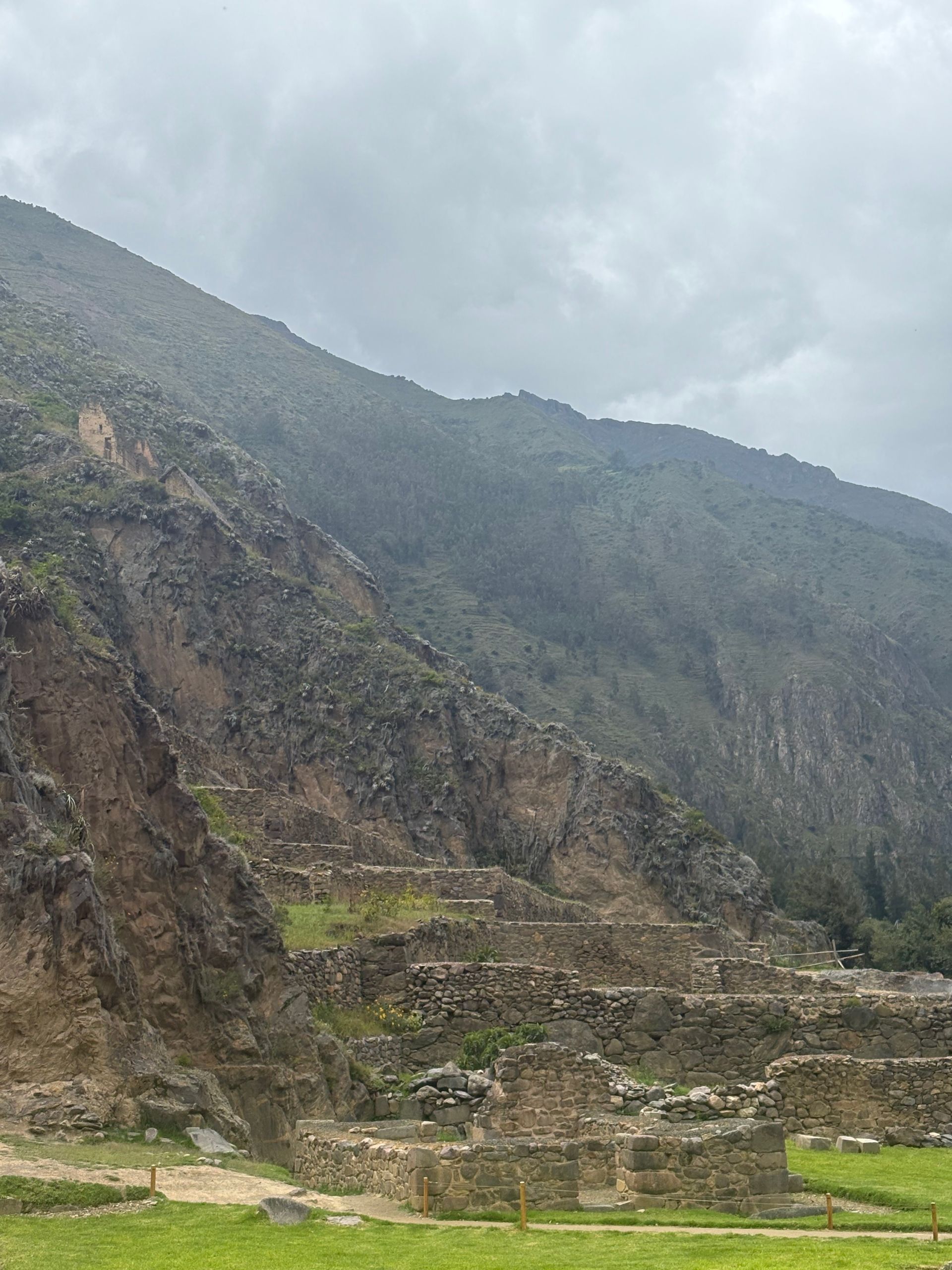
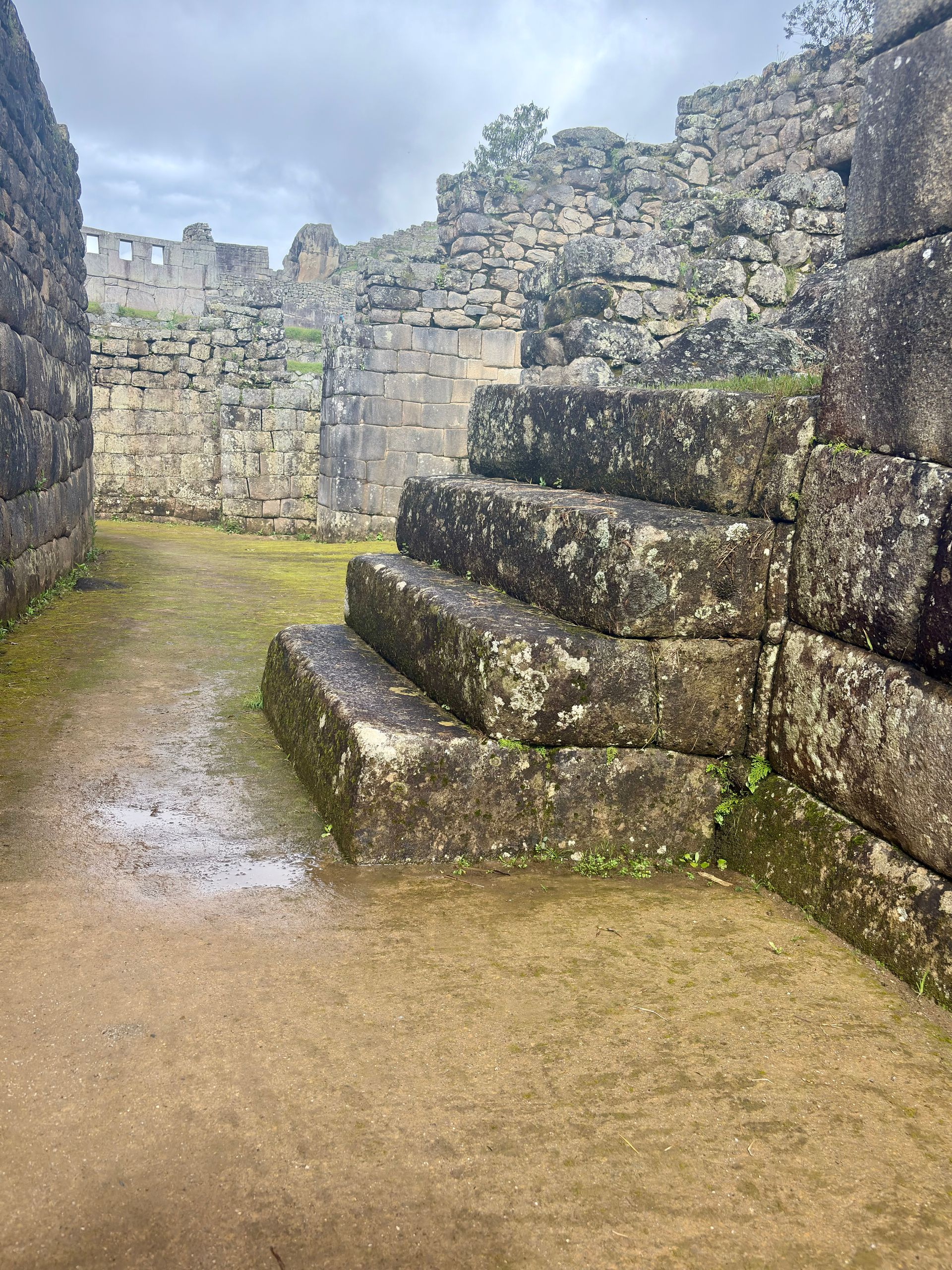
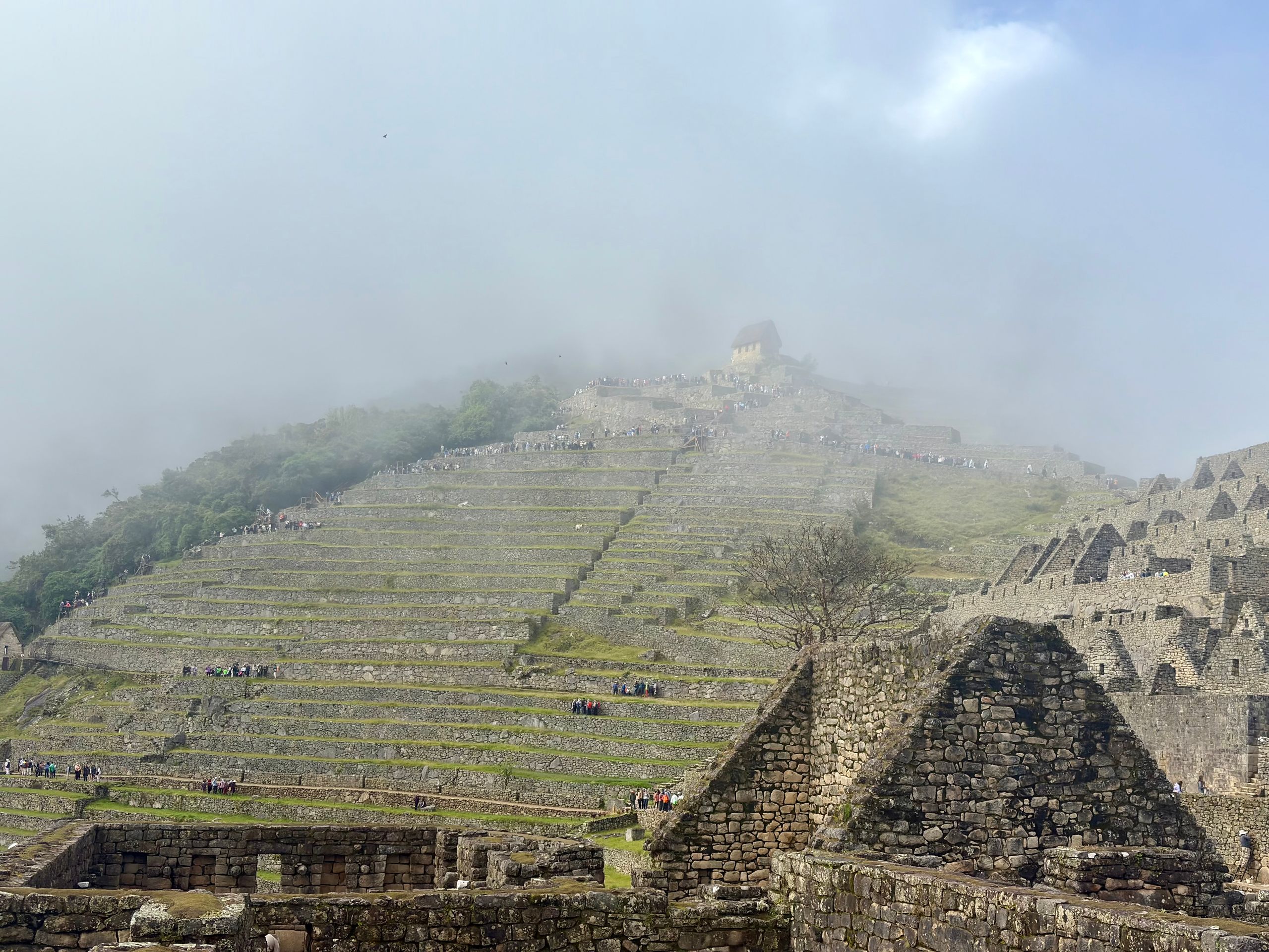
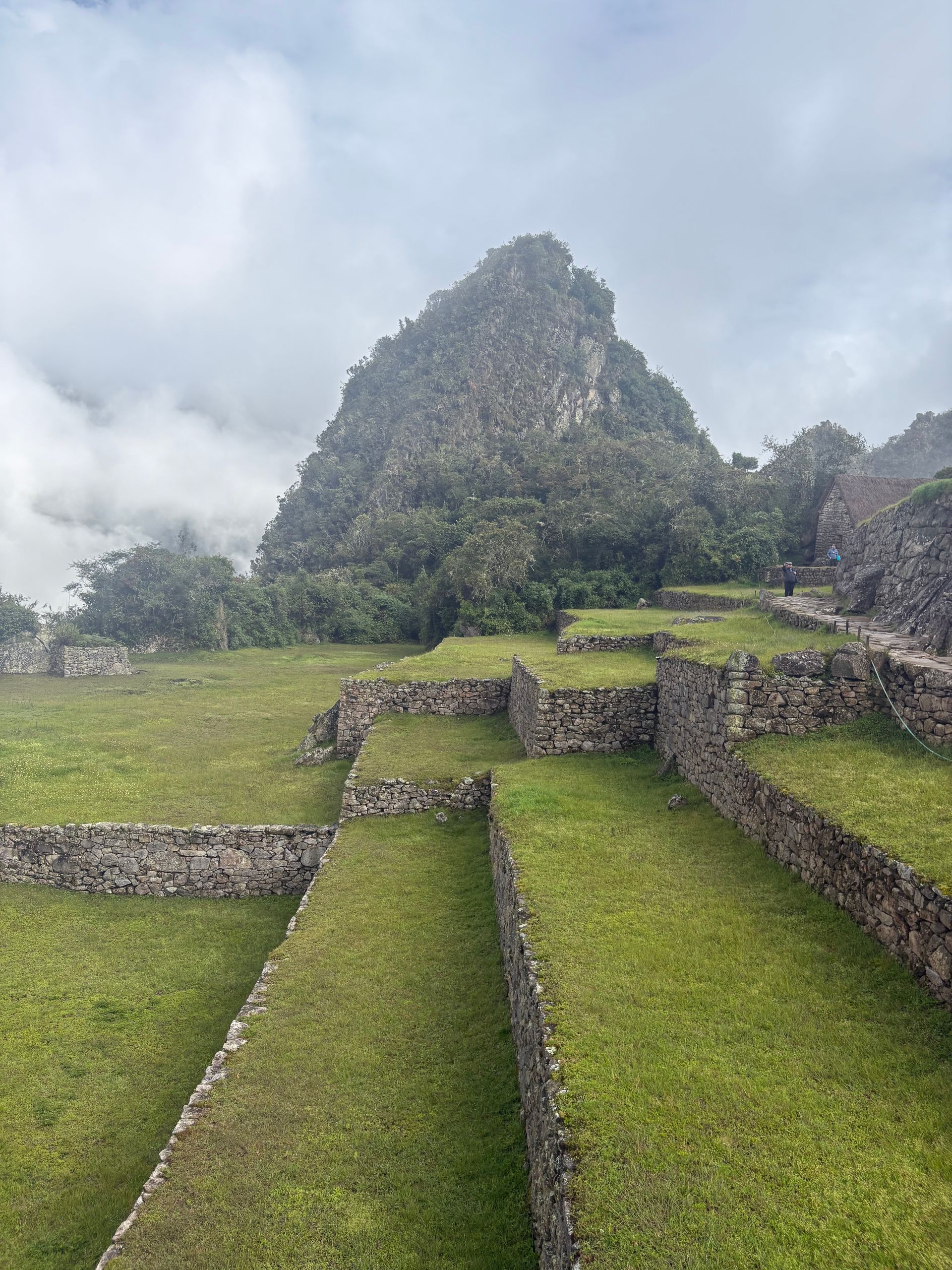
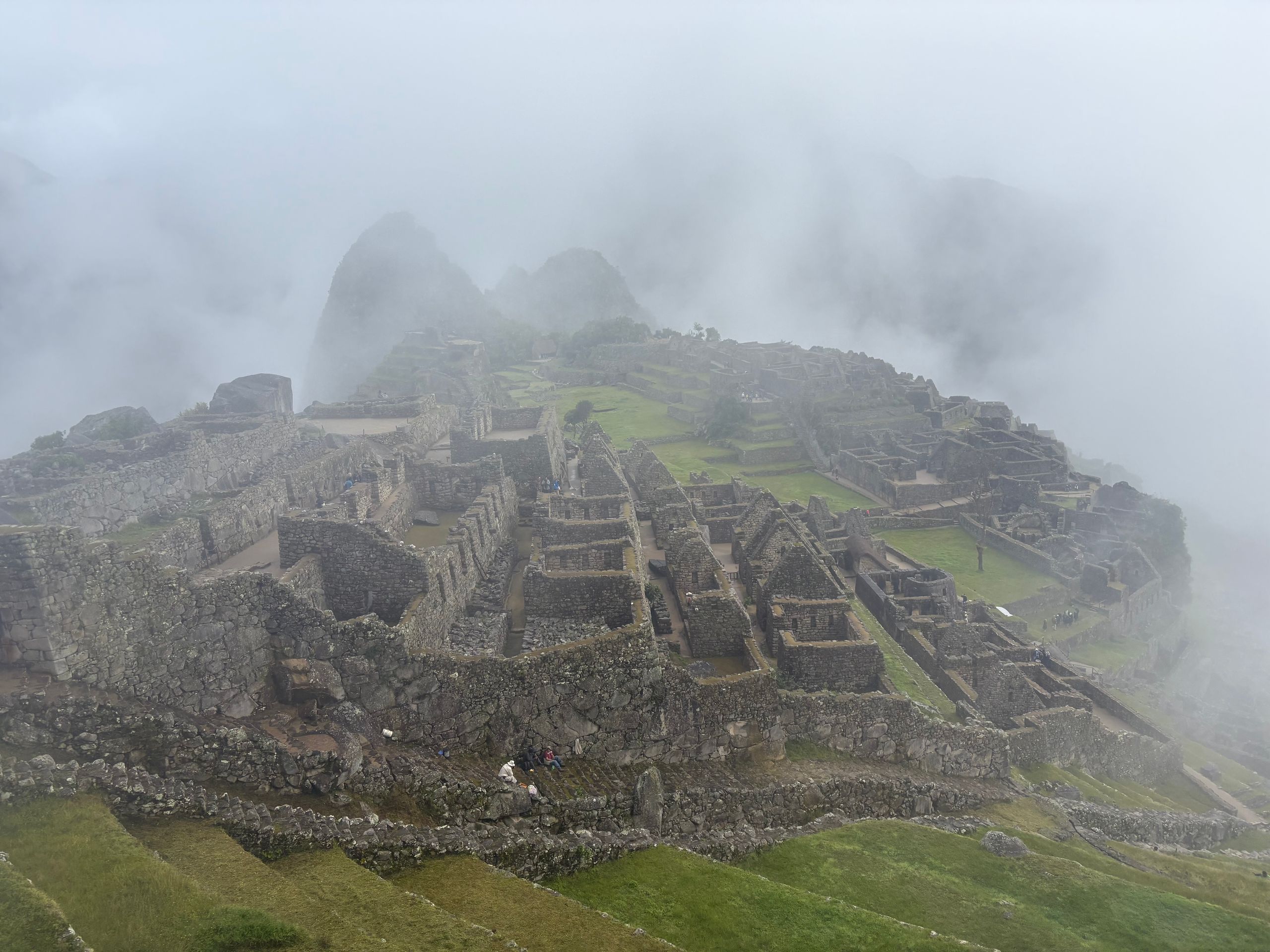
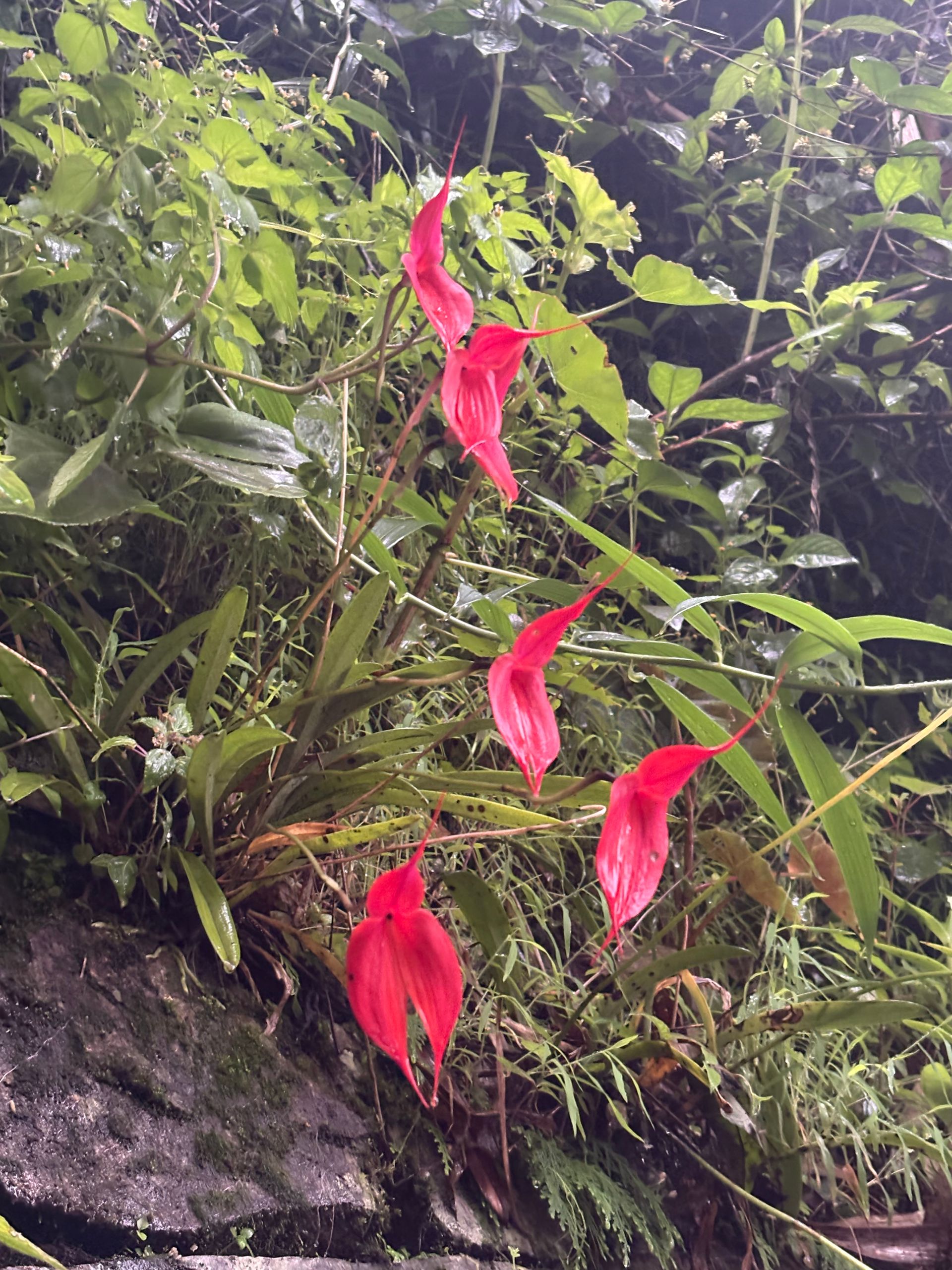
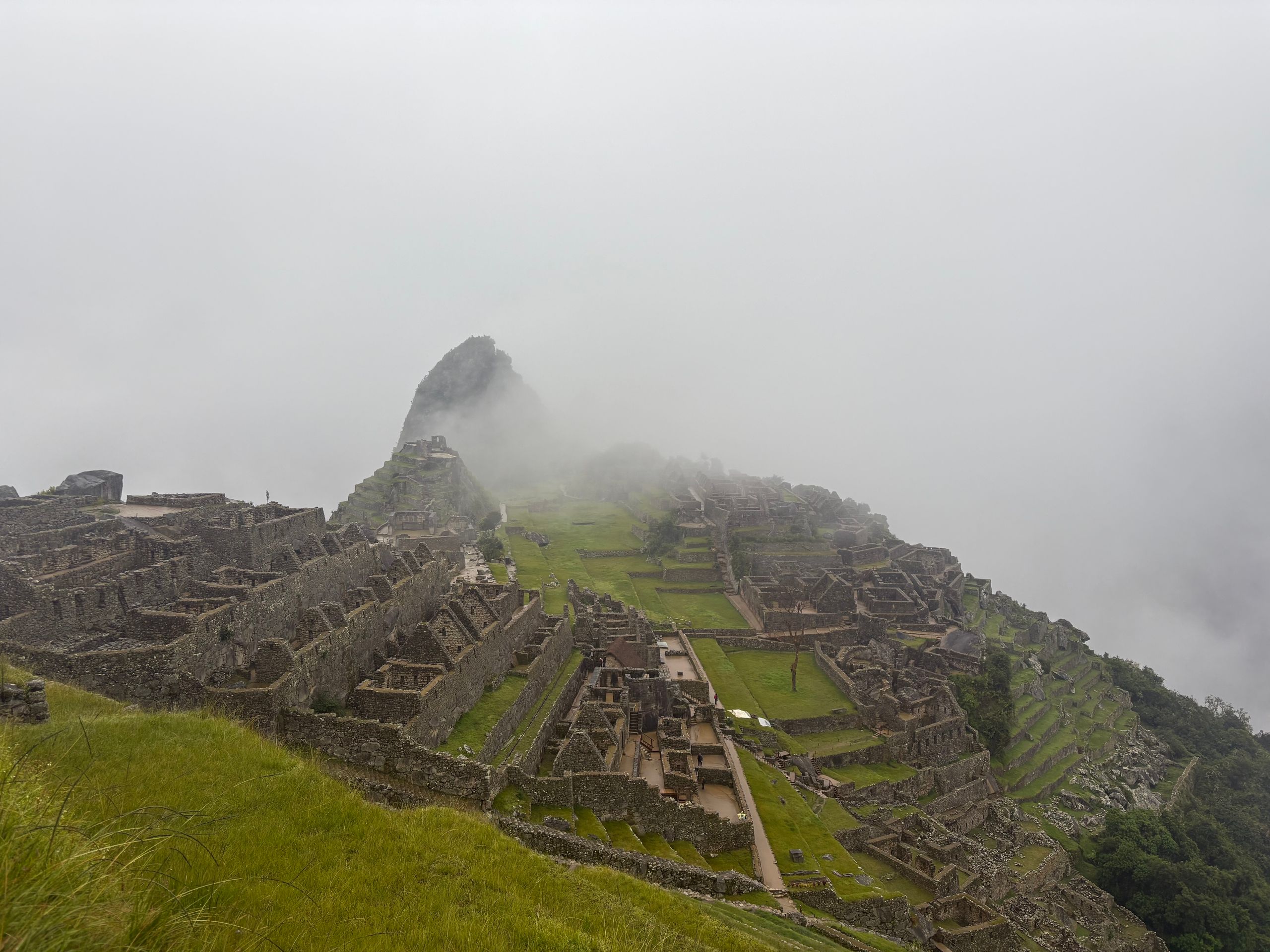
In Peru, a visit to Machu Picchu is a must, and we wanted to fulfill this long-held dream.
Unfortunately, there have been such heavy rainfalls recently that the treks like the classic Inca Trail or Salkantay Trek, where one hikes for several days to the Machu Picchu ruins, were closed due to multiple landslides. It was also unclear when they would reopen.
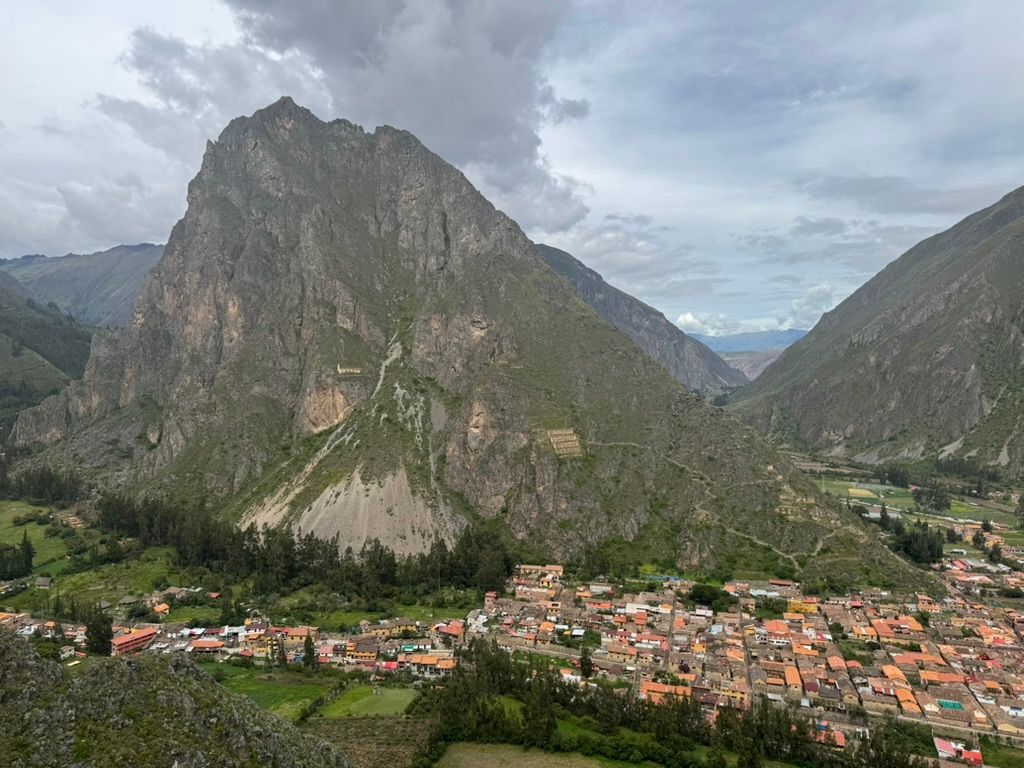
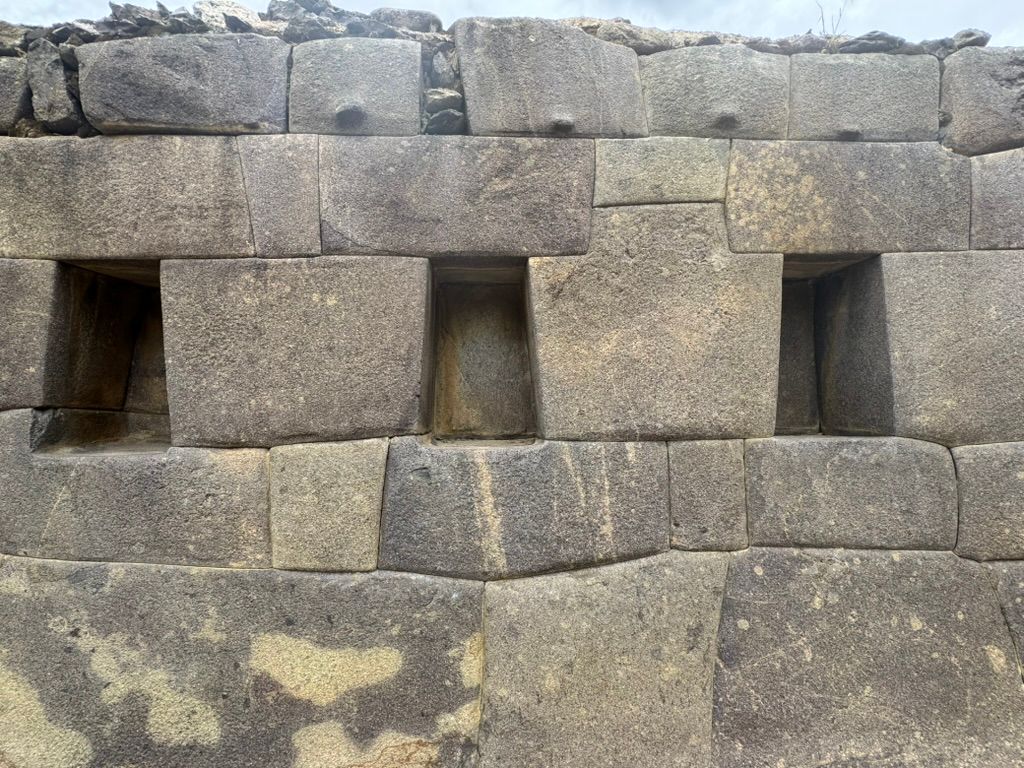
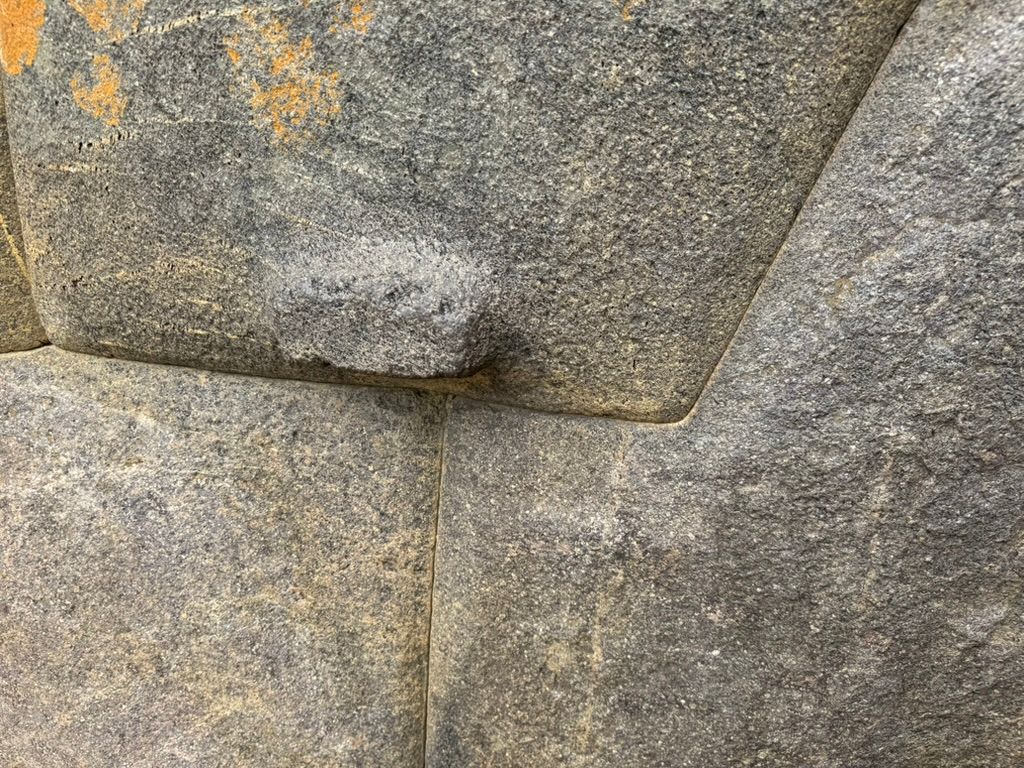
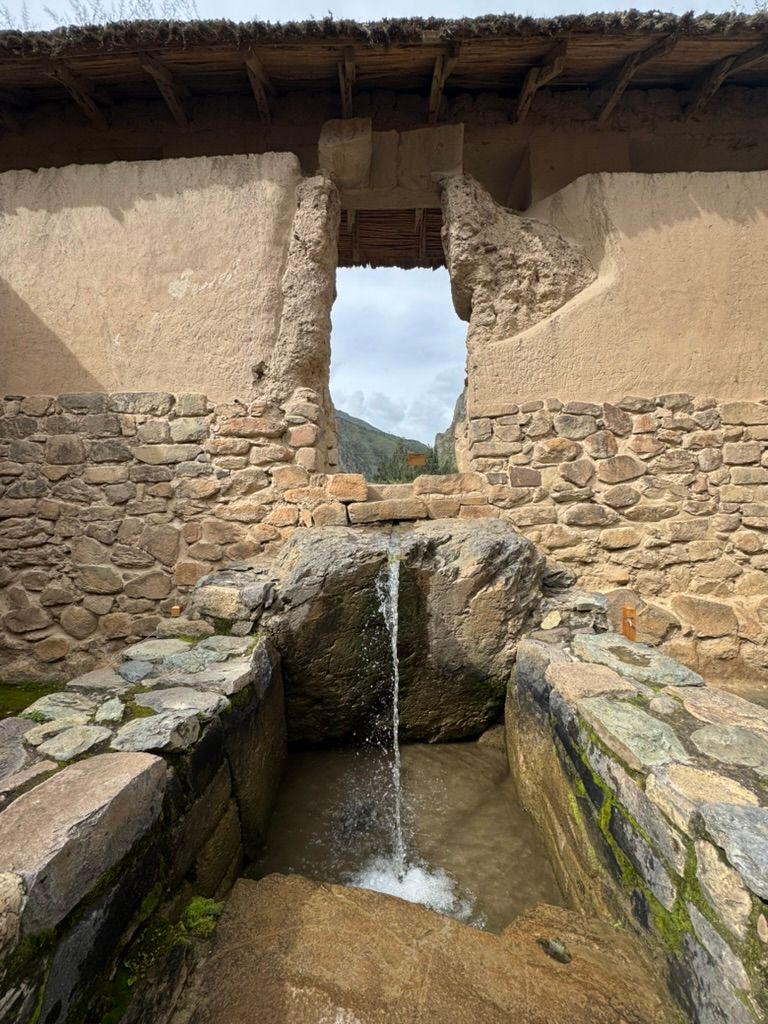
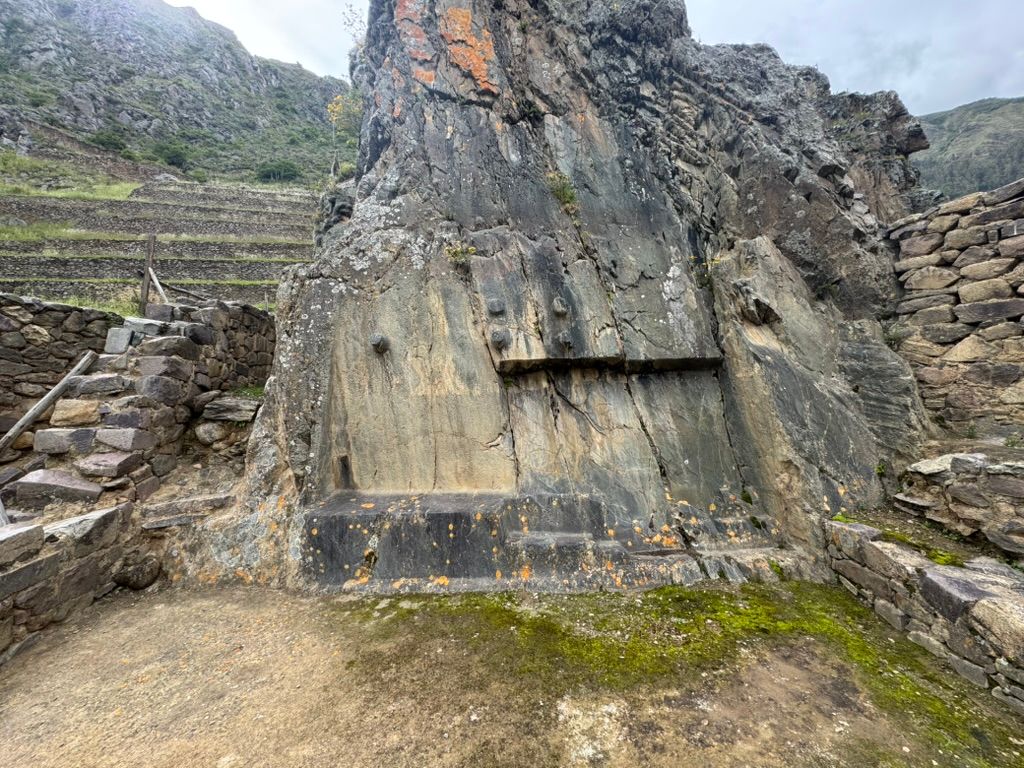
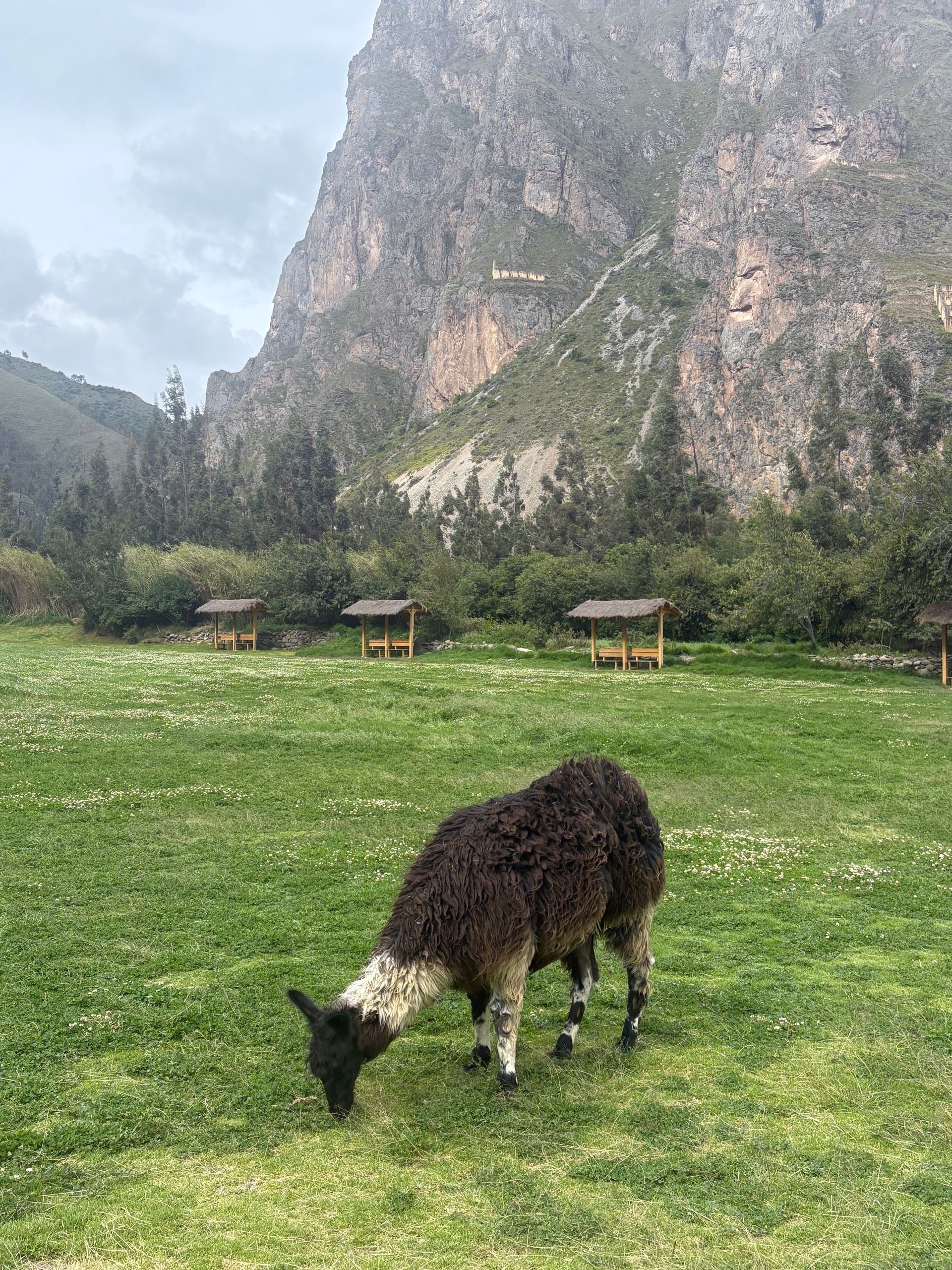
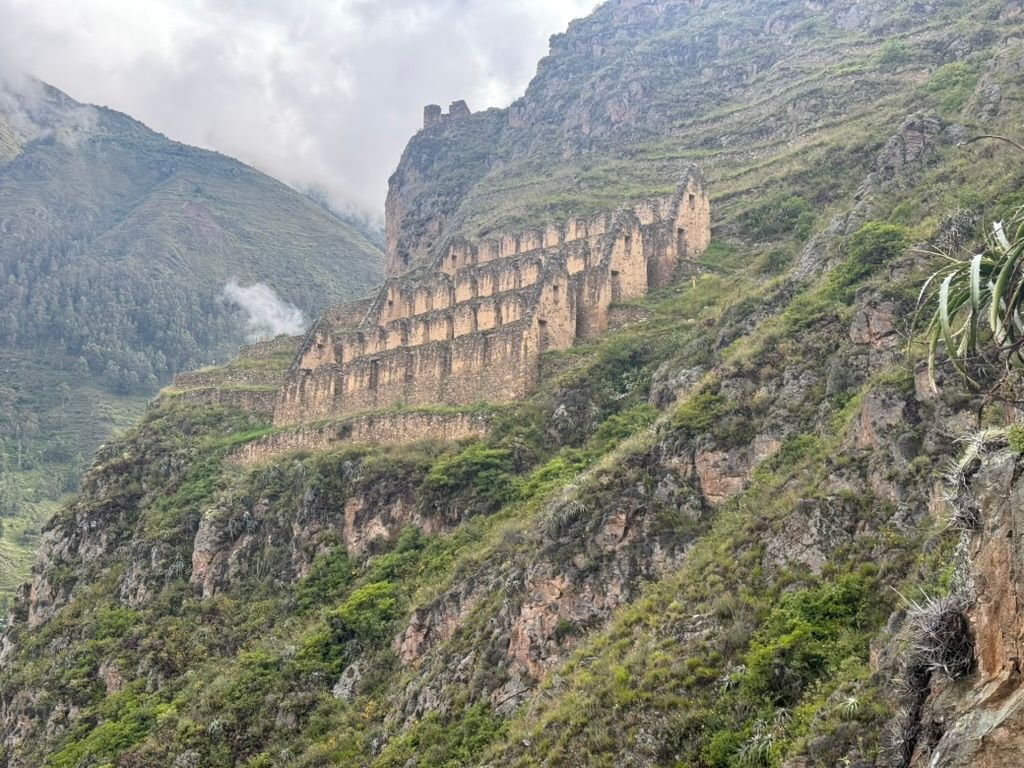
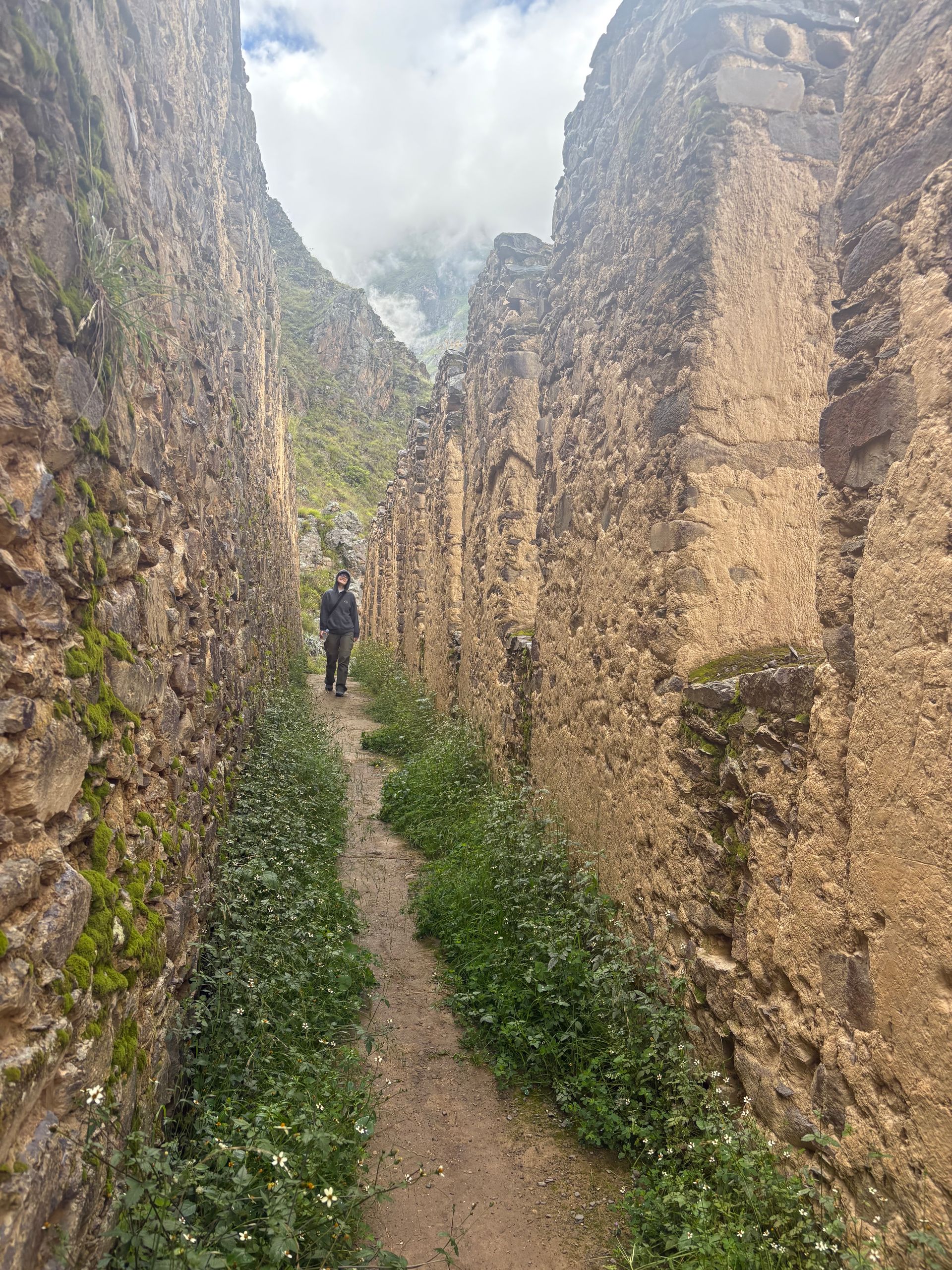
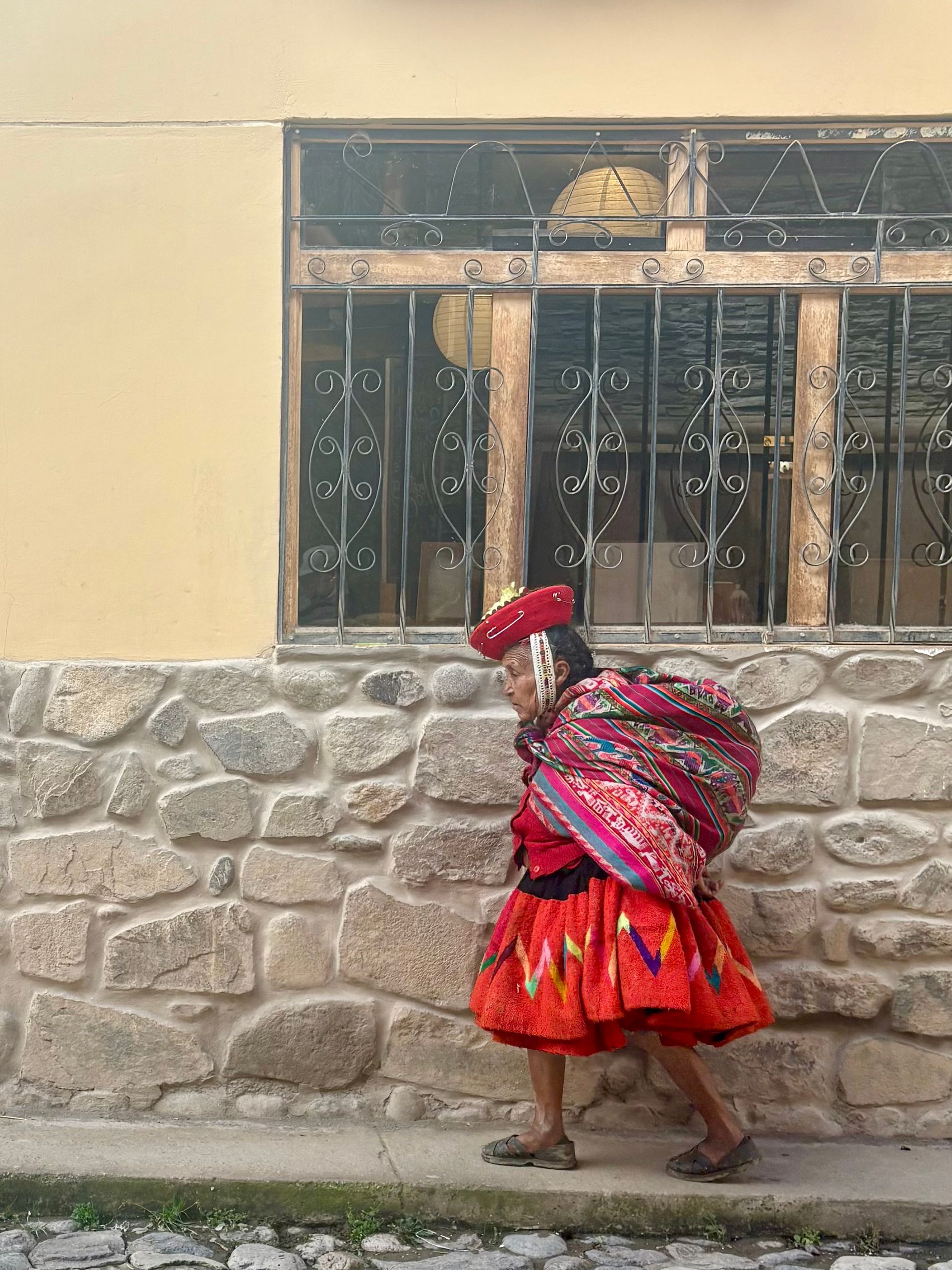
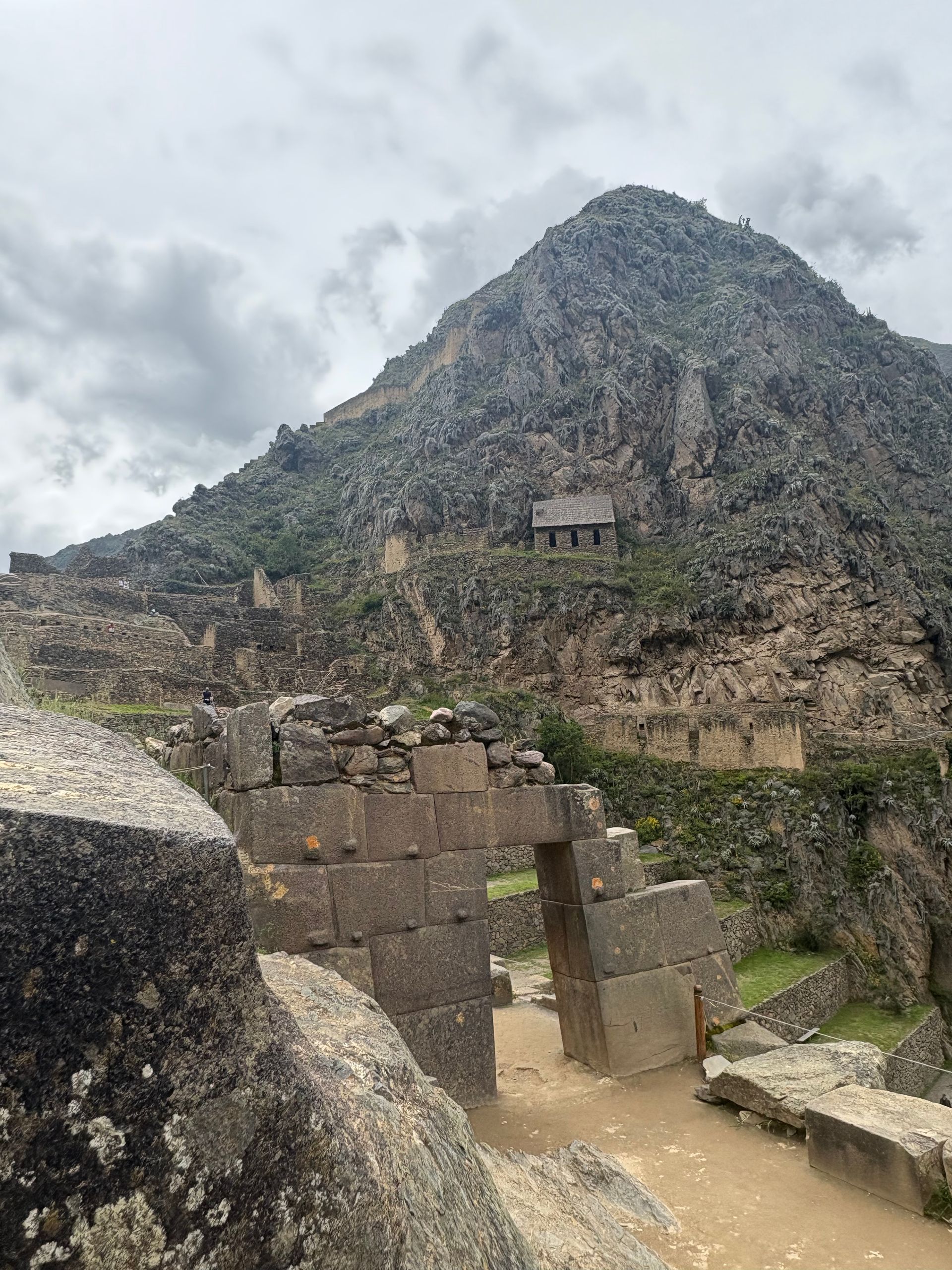
So we took the regular route to the most famous ruin in the world, which was not entirely easy, but incredibly beautiful. First, we traveled about 60 km by mini-taxi to Ollantaytambo, which is worth a trip in itself. We spent a night here to explore everything at leisure. The small town in the Urubamba Valley, alongside the river of the same name, is still very close to its original condition as planned and built by the Incas, with terraces for agricultural cultivation, straight narrow streets with channels to drain the water, and square blocks that surround central courtyards of houses. On one side, there is an old fortress on the mountain with its thick walls strategically placed to dominate and defend the Sacred Valley. On the other side, there are former military facilities and storage areas on the mountain (due to the winds at altitude, items could be stored very well here). It is suspected that parts of the structures, such as the monolith wall in the Sun Temple, were built by the earlier Tiwanaku culture originating from Lake Titicaca and were simply reused by the Incas.
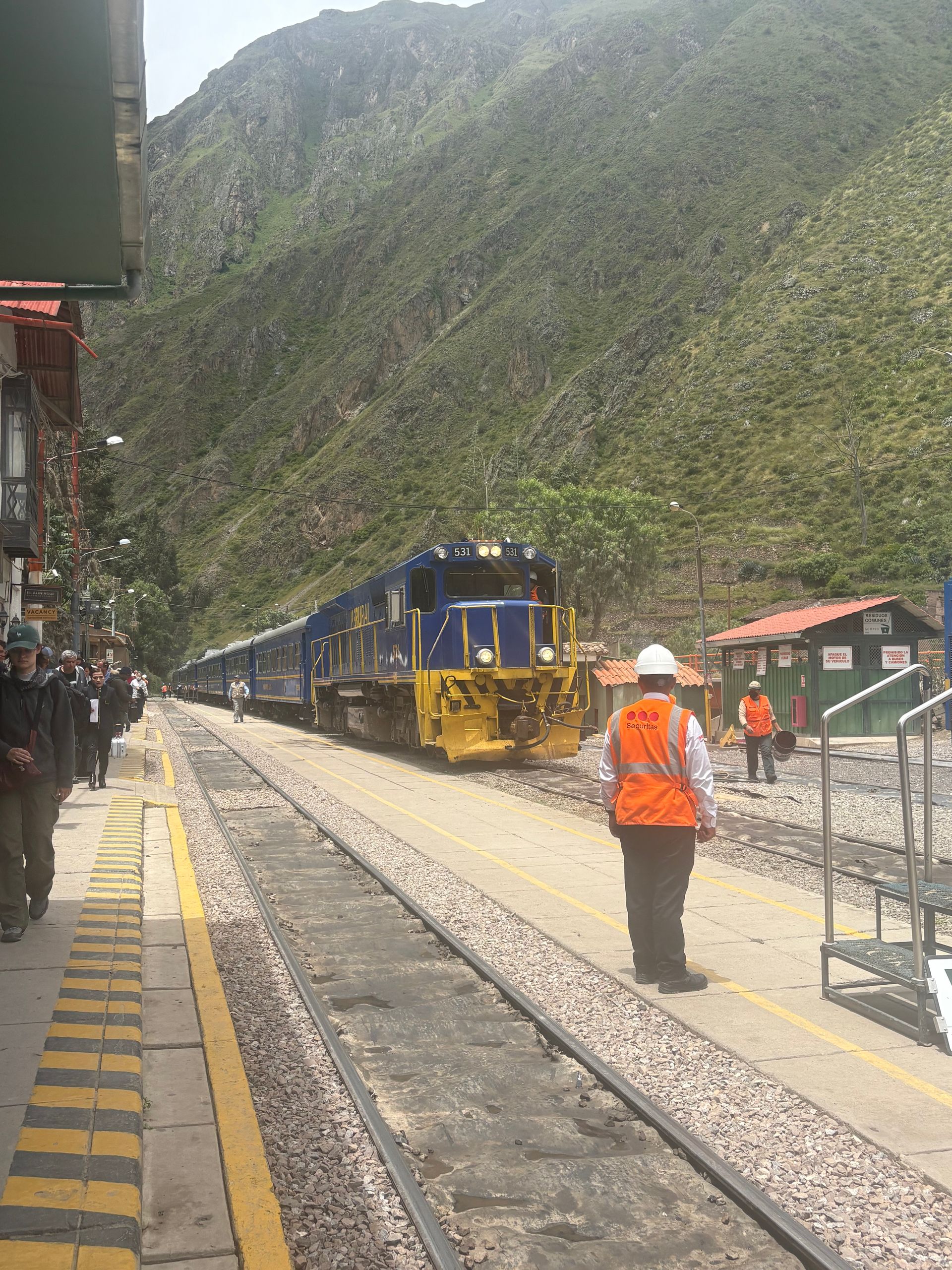
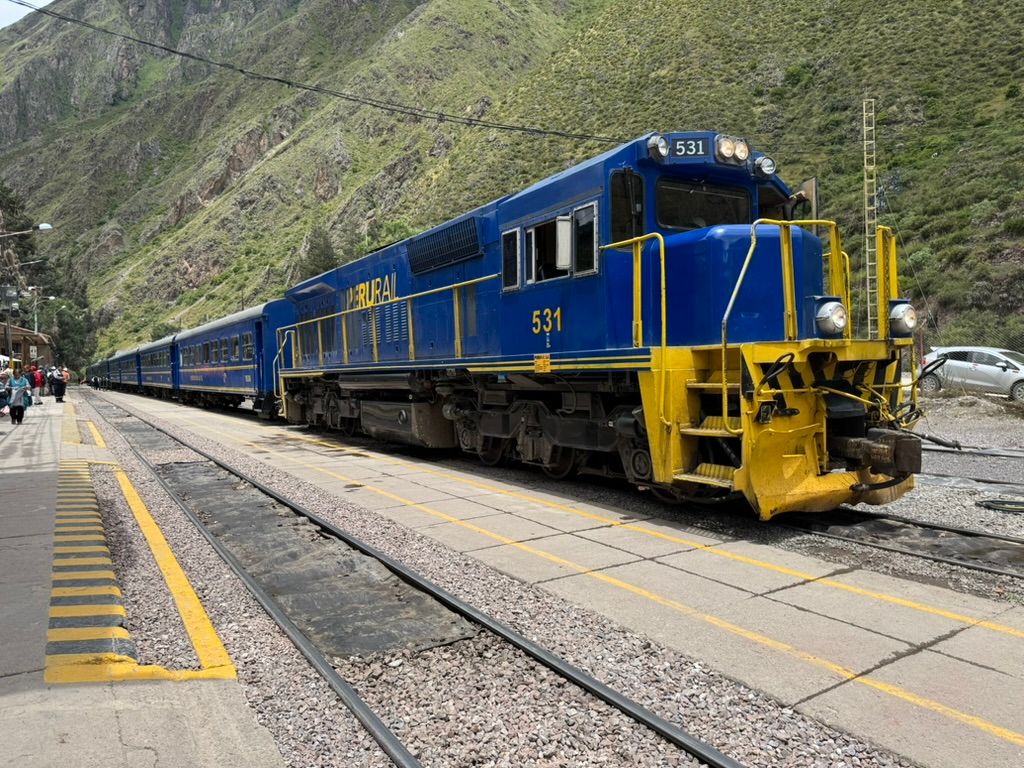
From Ollantaytambo, you either have the option to take a mini-taxi a bit further and then hike three hours to Agua Calientes (the town at the foot of the mountain where Machu Picchu is located). There used to be a road, but it has fallen victim to larger landslides. Alternatively, one can - albeit comparably expensive - take the train! Since Mercedes didn't have much time in total, and we were really eager for a train ride in South America, where there are hardly any train routes, we opted for the latter, also choosing the luxury version with glass skylights for a good view while passing by mountains and cliffs.
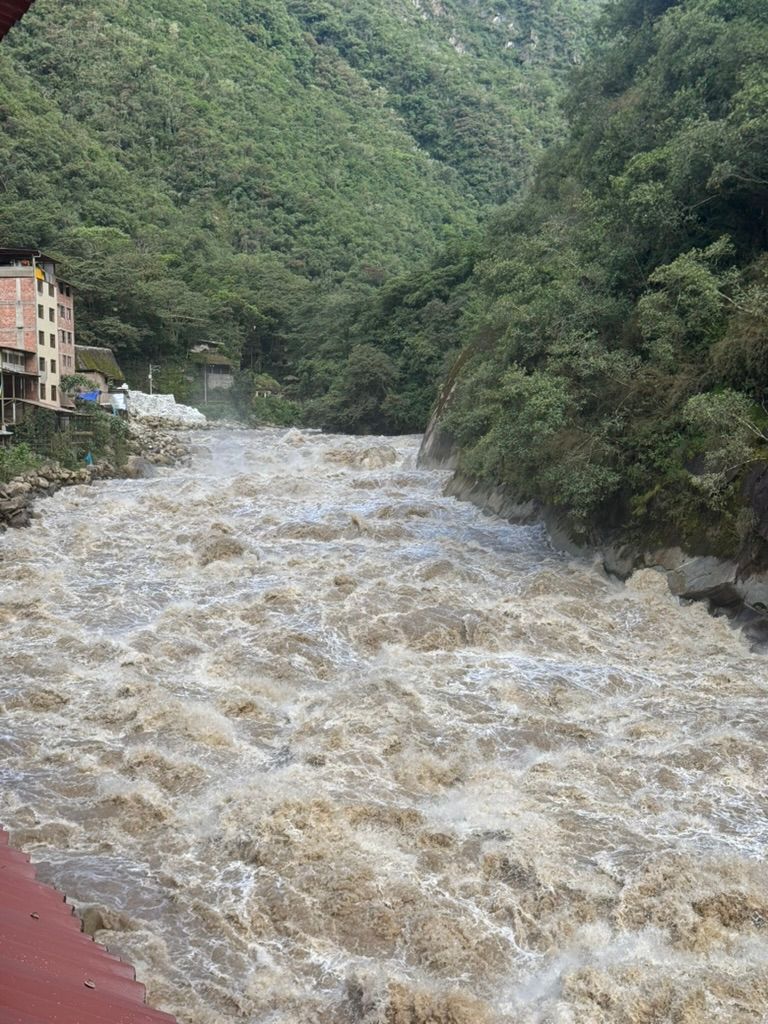
The train was more old-fashioned than expected, but the journey was beautiful, along steep cliff walls, small settlements, and the rushing Urubamba River, which was carrying a lot of water due to heavy rains. There had also been floods and landslides along the train route, but with much handwork, it had been cleared and restored. The view of the mountains was breathtaking, and it must be fantastic to hike the various trails up there. The train also serves many locals as a means of transport, for whom the tickets cost only a fraction of the price, otherwise, they couldn't afford the ride. Considering the effort to maintain this route and the fact that as a tourist you partially subsidize the ride for locals, one becomes reconciled with the ticket price. After nearly two hours of travel, we reached Agua Calientes, and the relaxation was over. Everything here is truly geared towards tourism, and there is a hectic atmosphere everywhere. We lined up very early the next morning for the still quite expensive bus tickets and were treated unfriendly like never before on this continent. Fortunately, we had already purchased the actual entrance tickets online (which is a gamble with a regularly crashing website), otherwise, we would have had to line up again here. Afterwards, we visited one of the overpriced restaurants directly by the river. Although we couldn't have a conversation due to the roaring of the river, it was exciting to watch this natural force. After that, we went to bed early to catch the first bus at 5:30 up the mountain to Machu Picchu.
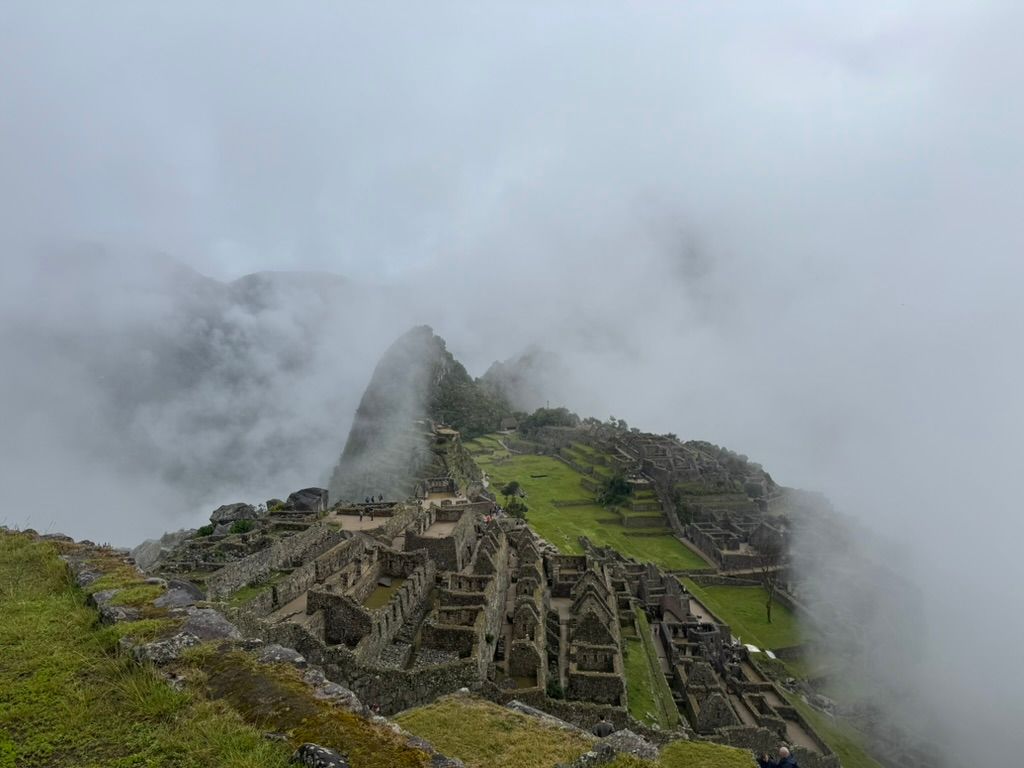
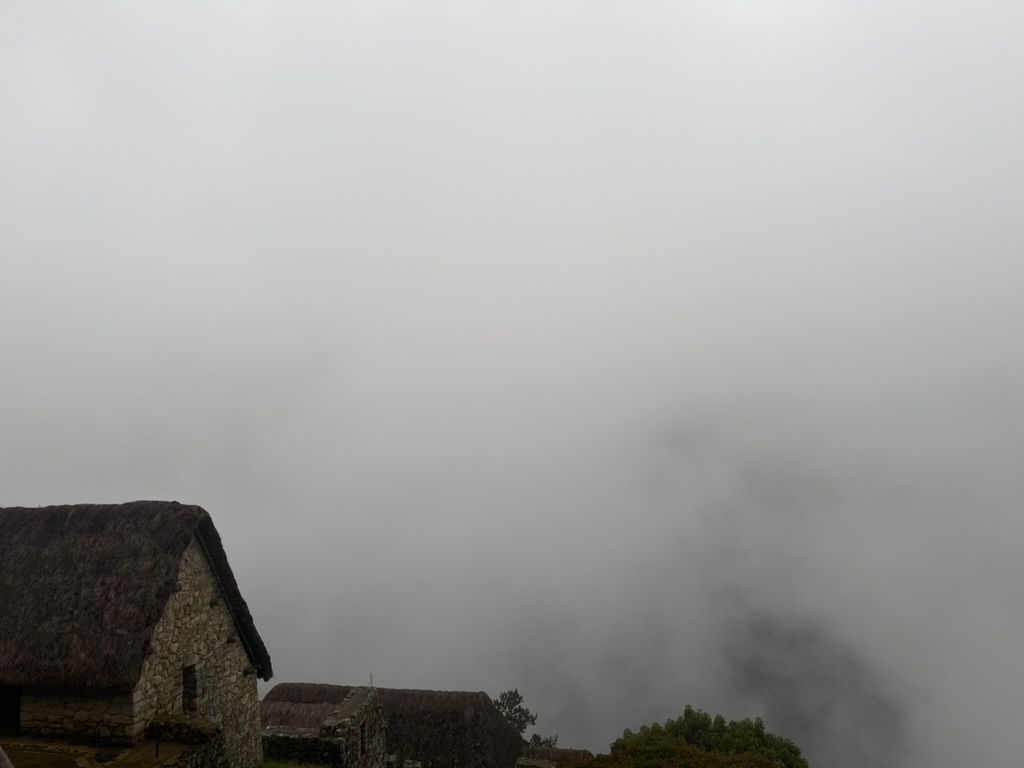
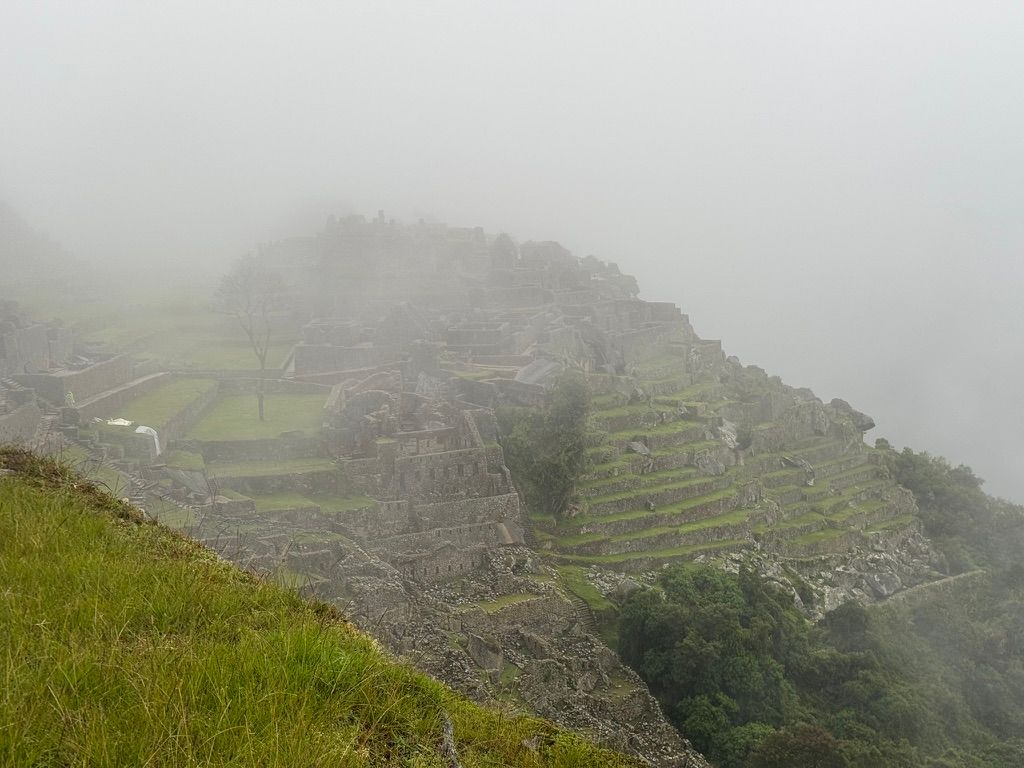
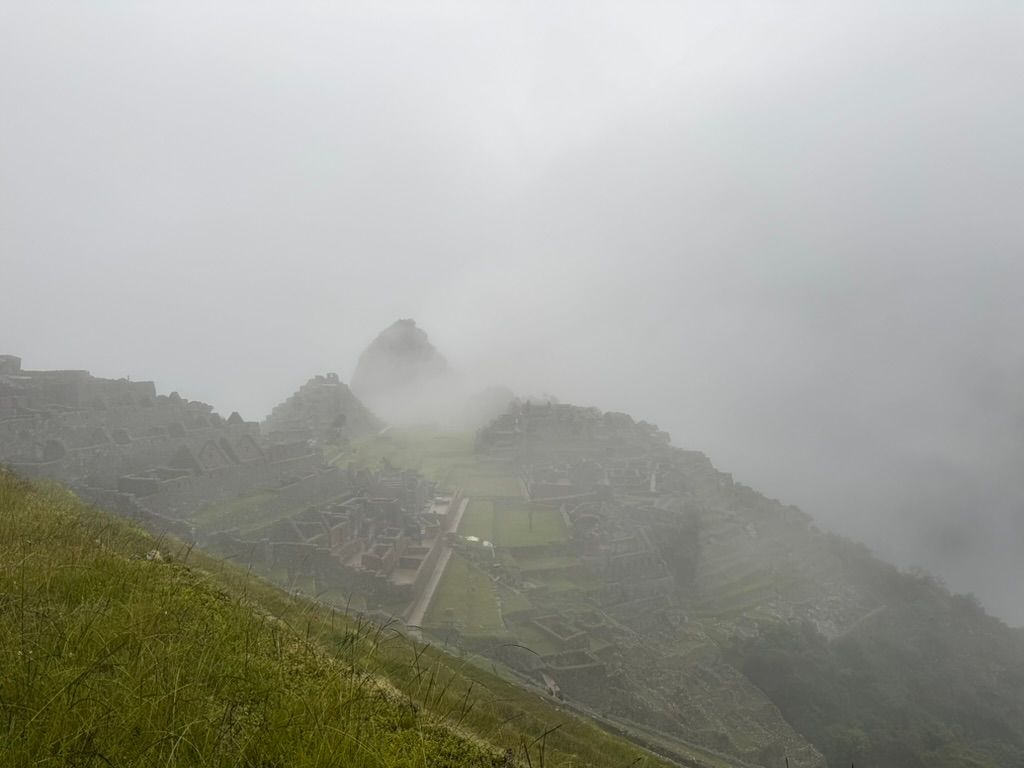
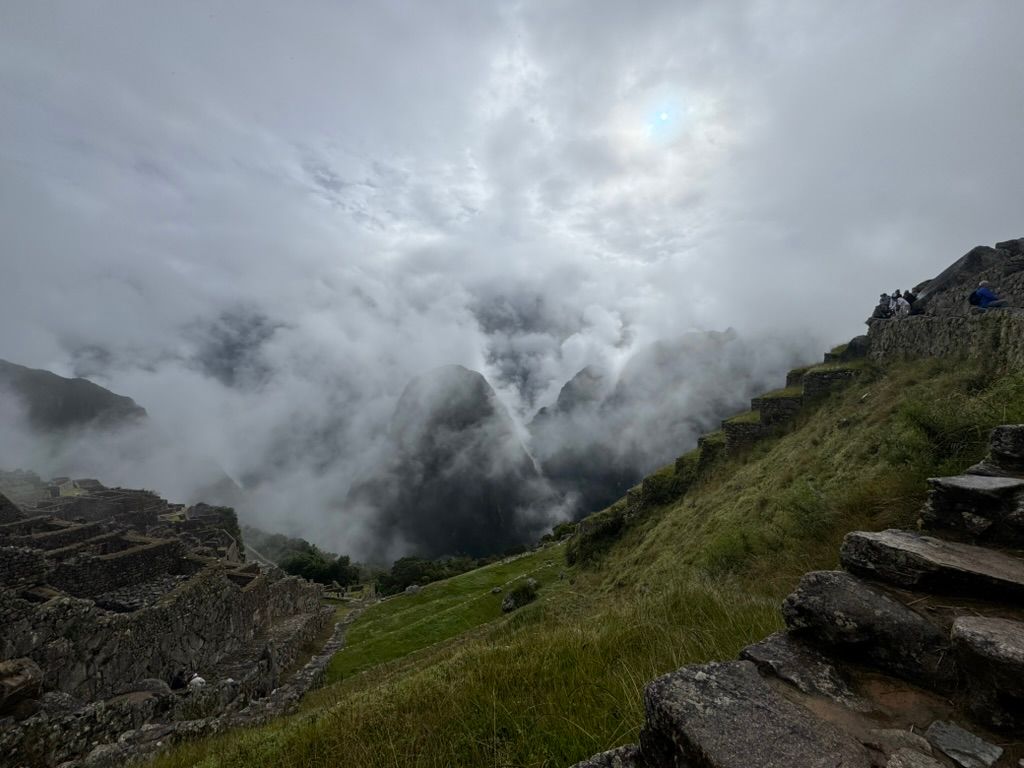
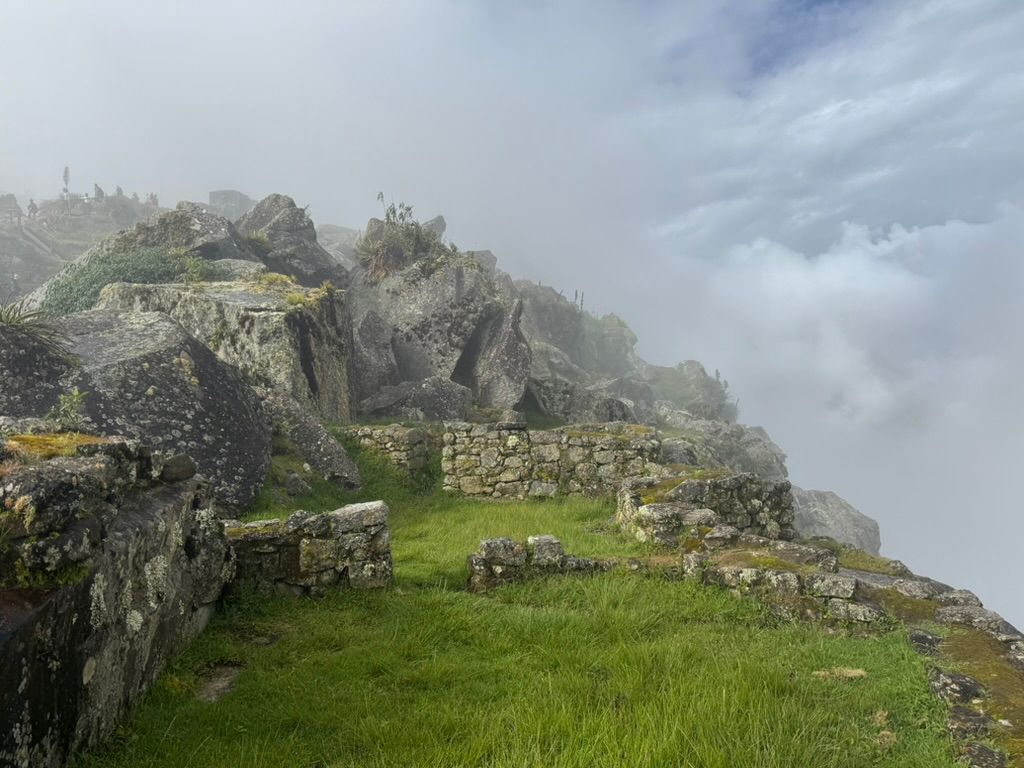
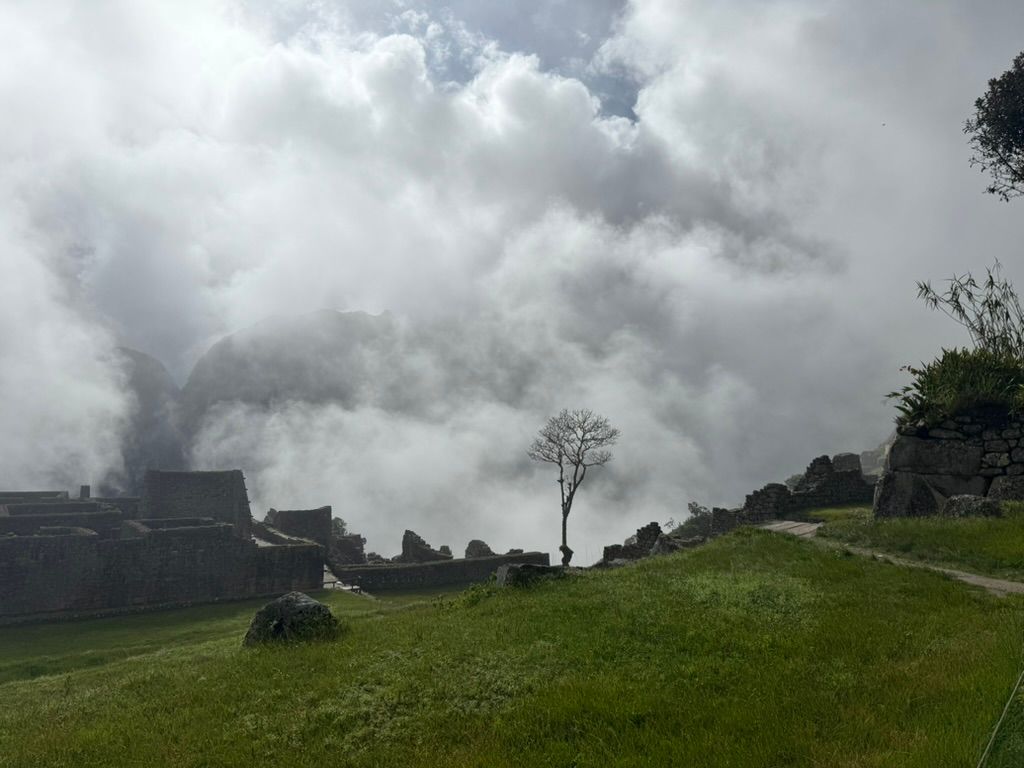
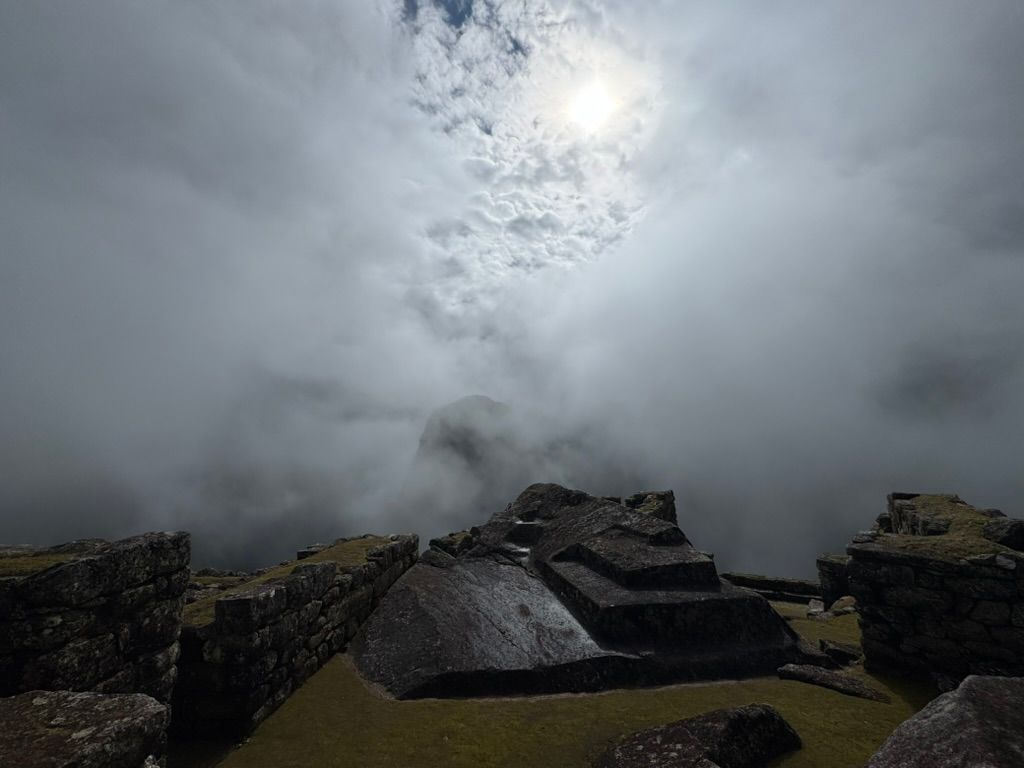
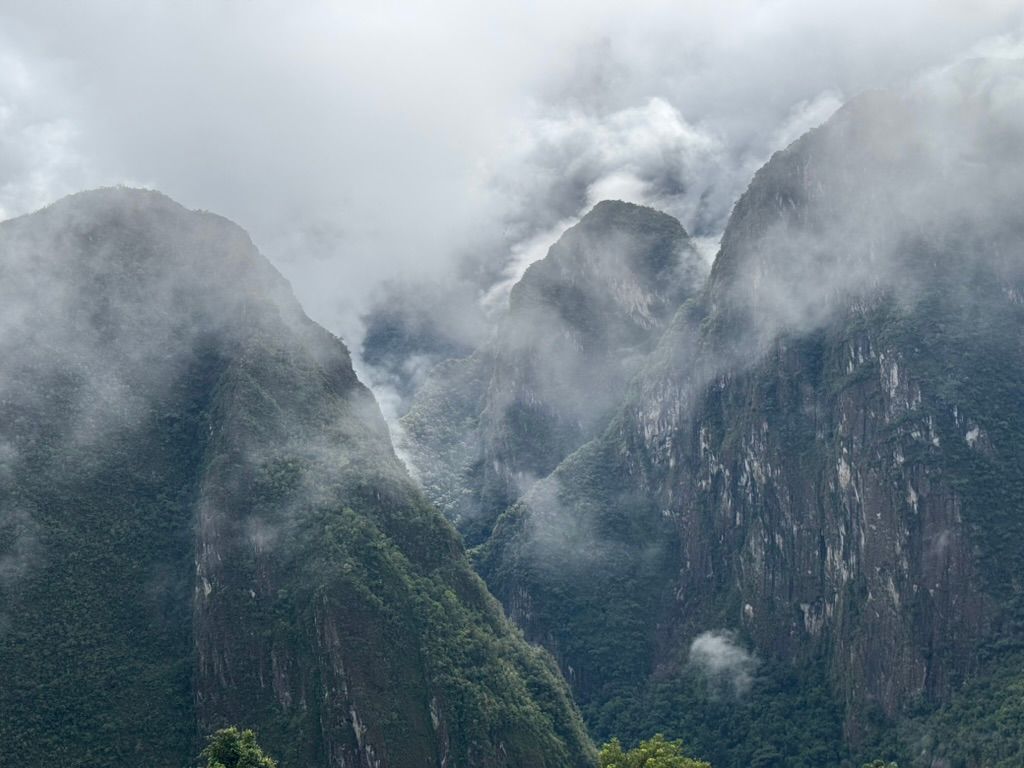
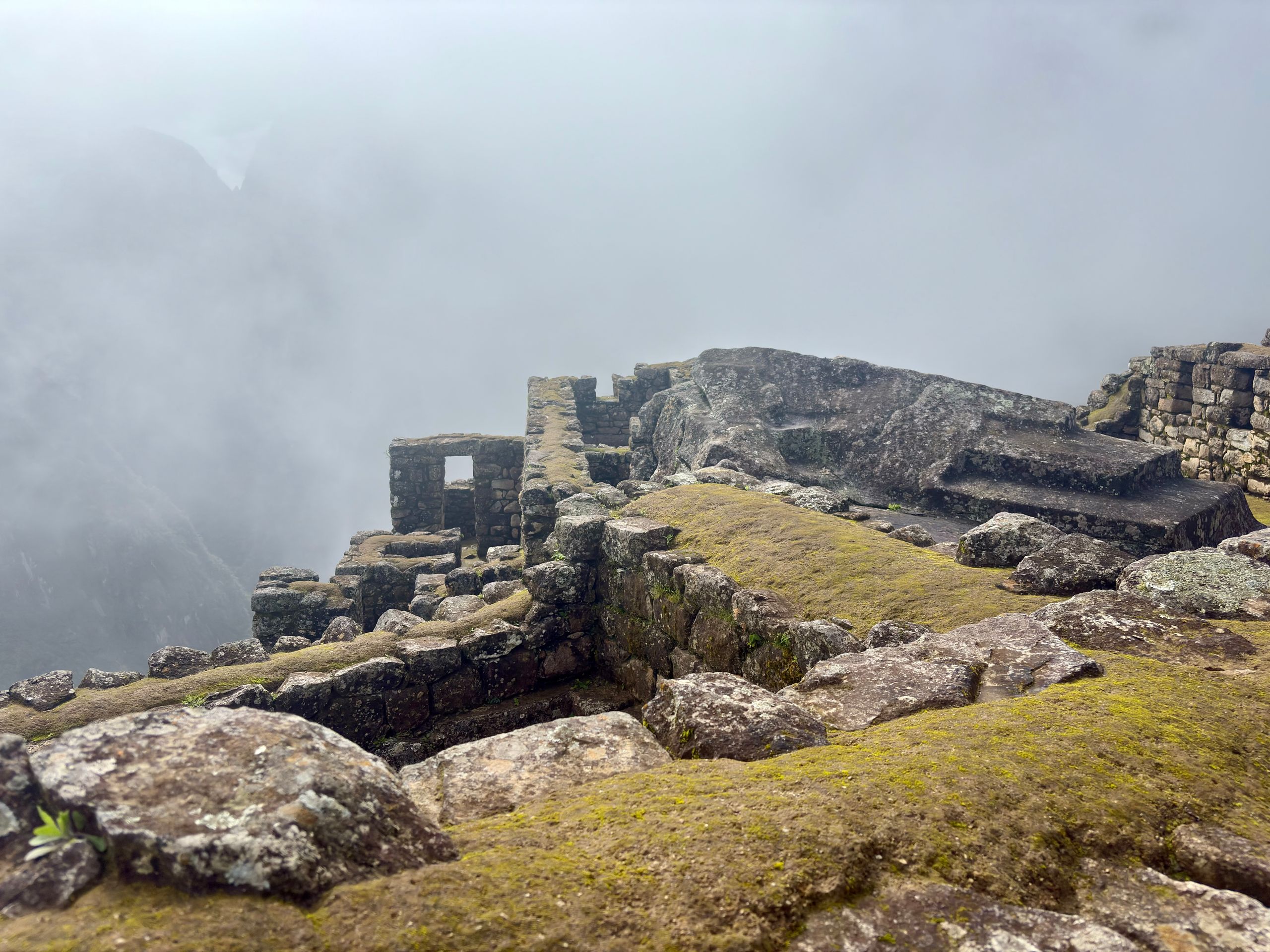
The next morning - pouring rain. Cold, tired, and somewhat depressed, we trudged to the bus, obediently lined up again, and actually managed to take the first wave of tourists up the winding road to the entrance of Machu Picchu. On the way, we learned that our chosen route (when purchasing the entrance tickets, you have to decide on a specific path through the ruins), which was supposed to lead quite far up the mountain for a great view, was also closed due to landslides. Luckily, our guide, who must be booked obligatively to enter the ruins, organized that we could take a different path, and so we shuffled along with him and a group of very excited Polish ladies into the wall of fog. At first, visibility was really poor, and we waited on a plateau, where the iconic photo of Machu Picchu is usually taken, in vain for the clouds to clear. Gradually, more and more groups arrived, and our mood sank lower and lower until we convinced the guide that we could continue on our own since the Polish ladies wanted to wait until they could take their selfie.
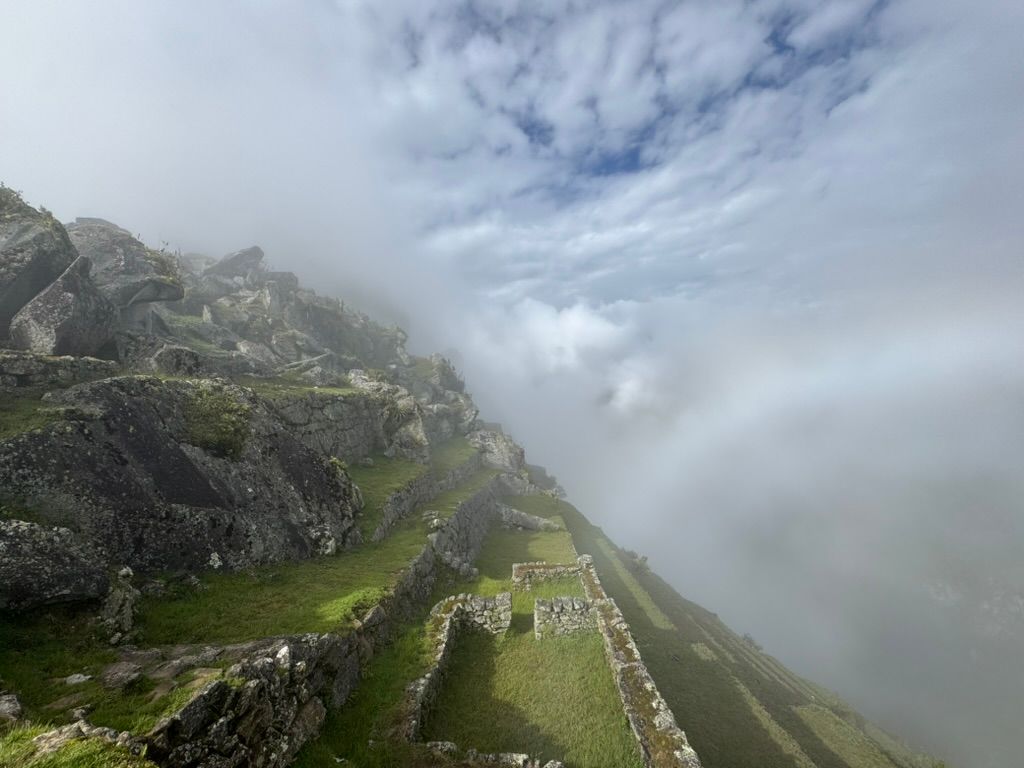
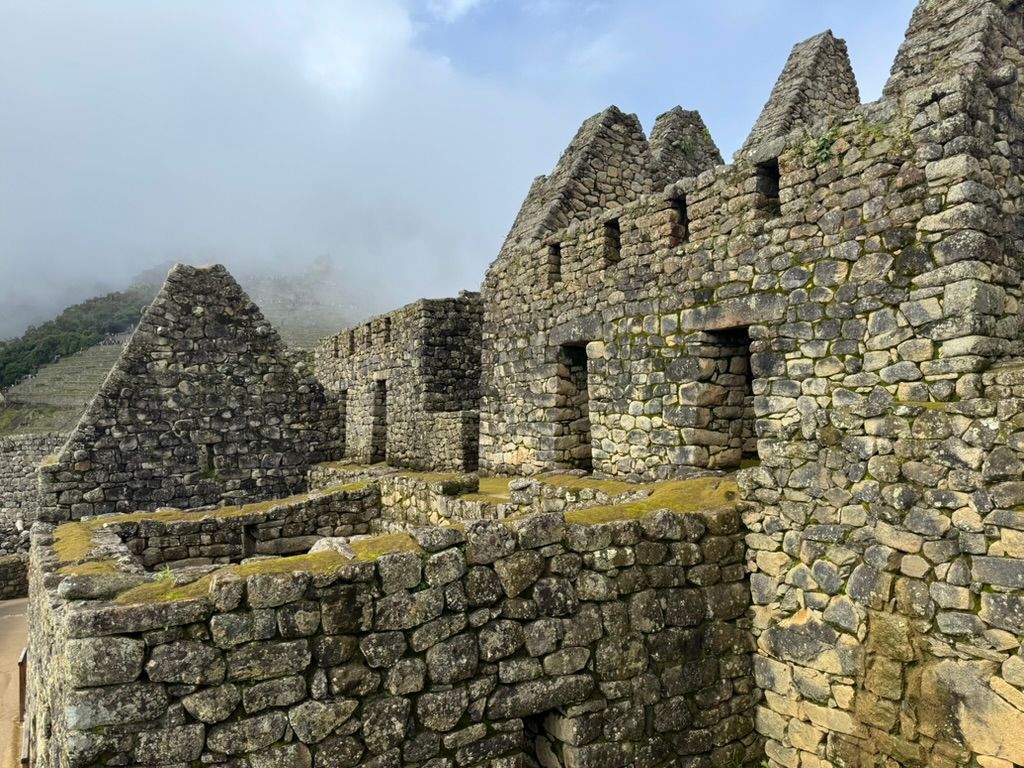
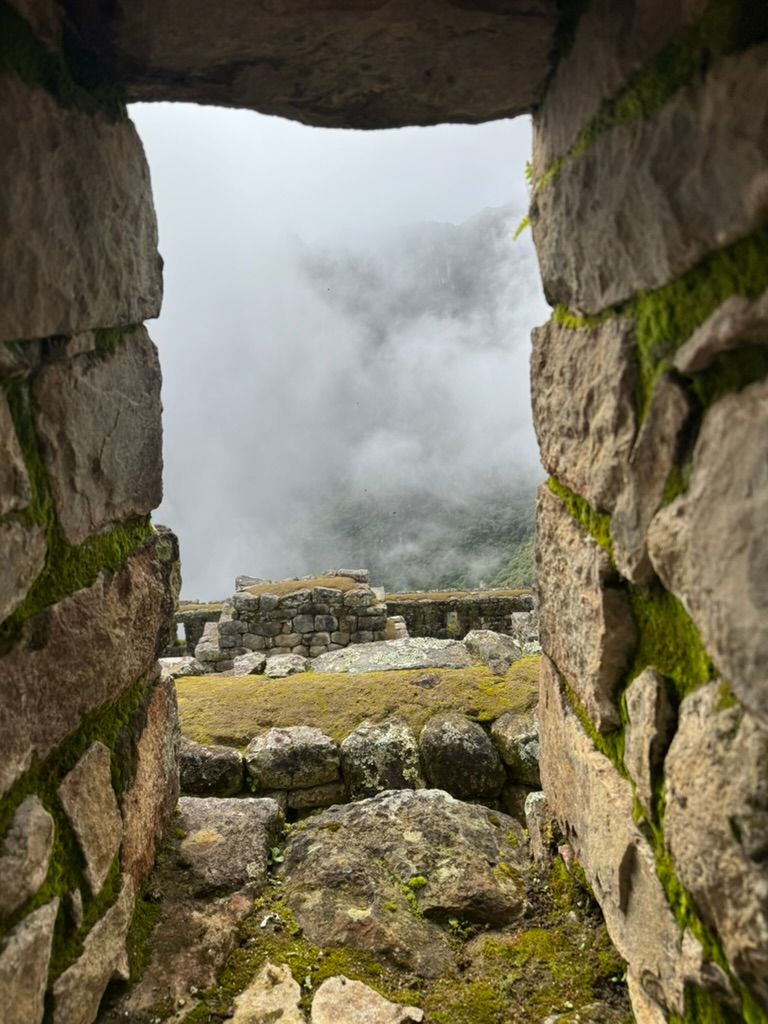
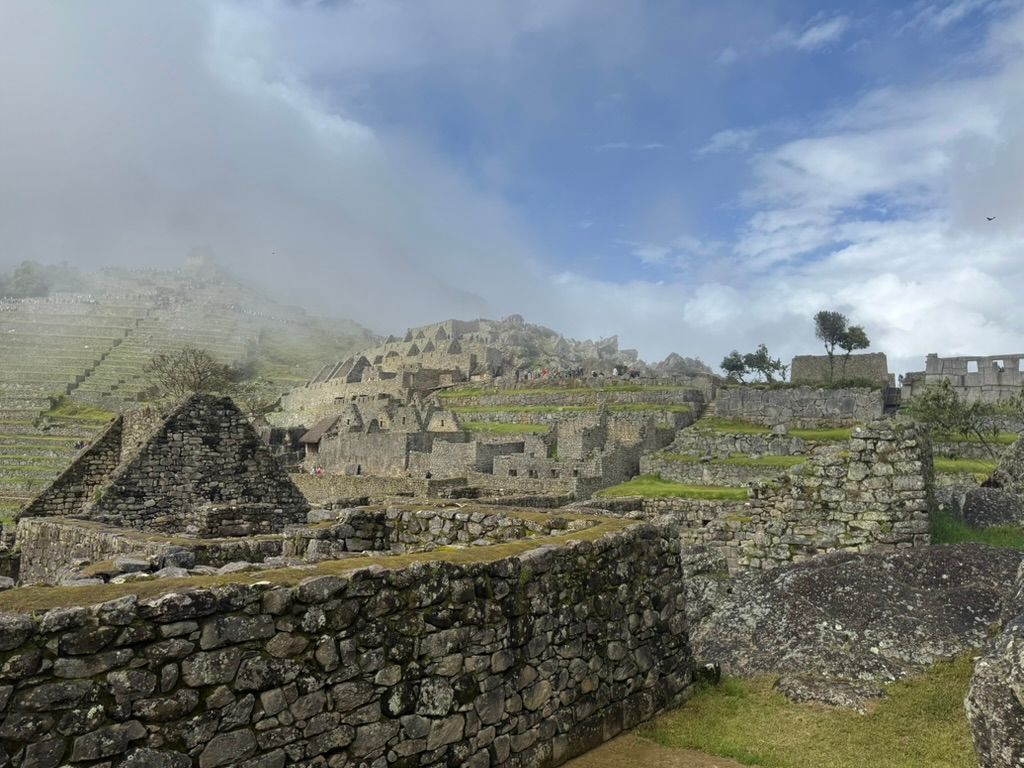
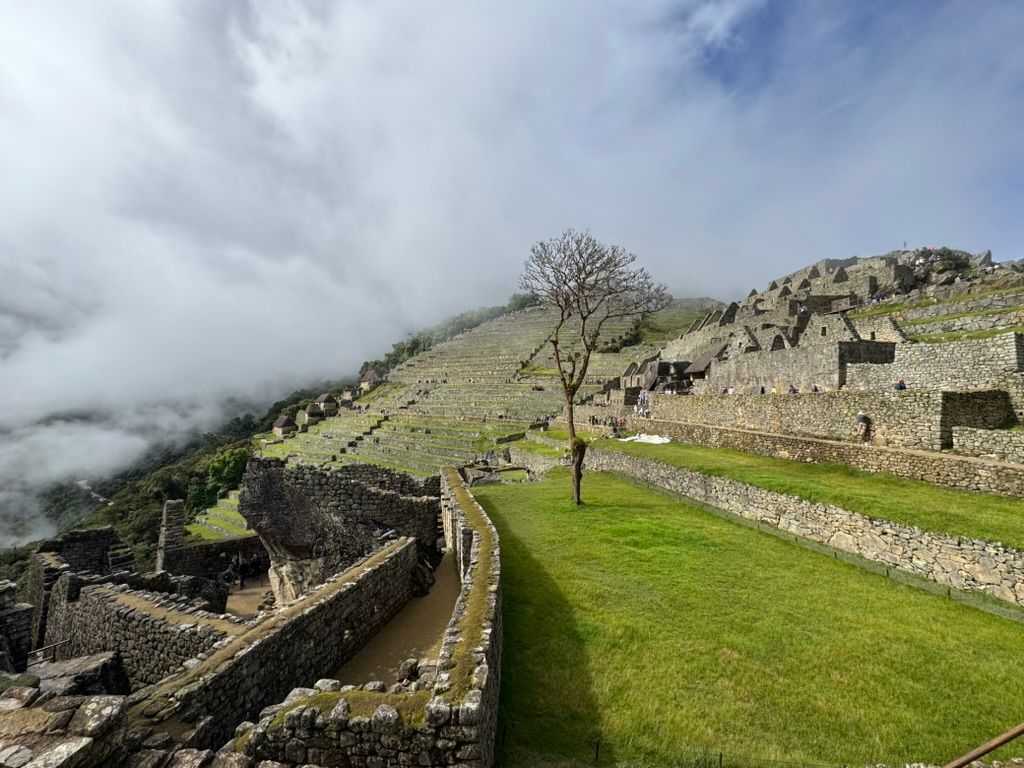
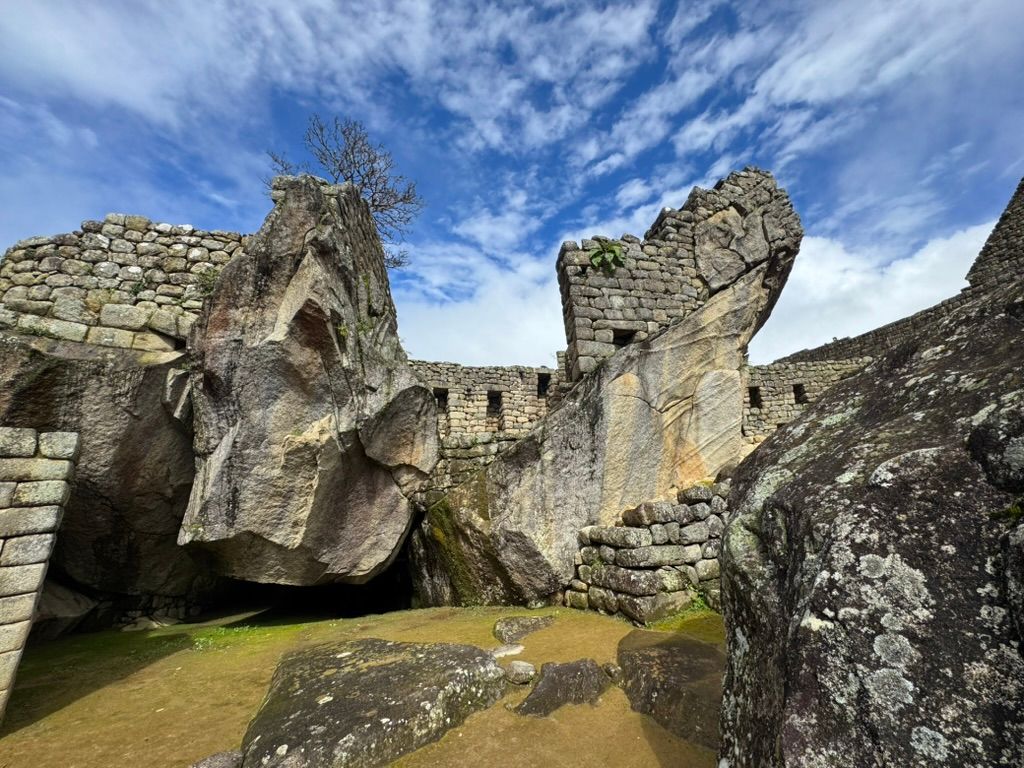
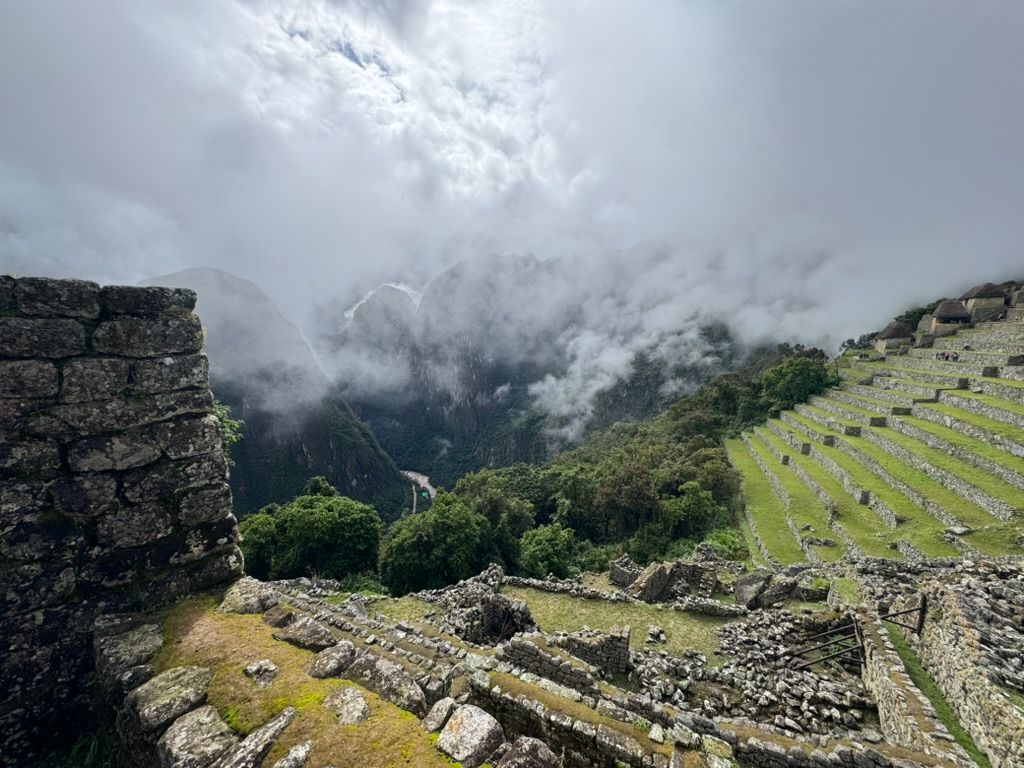
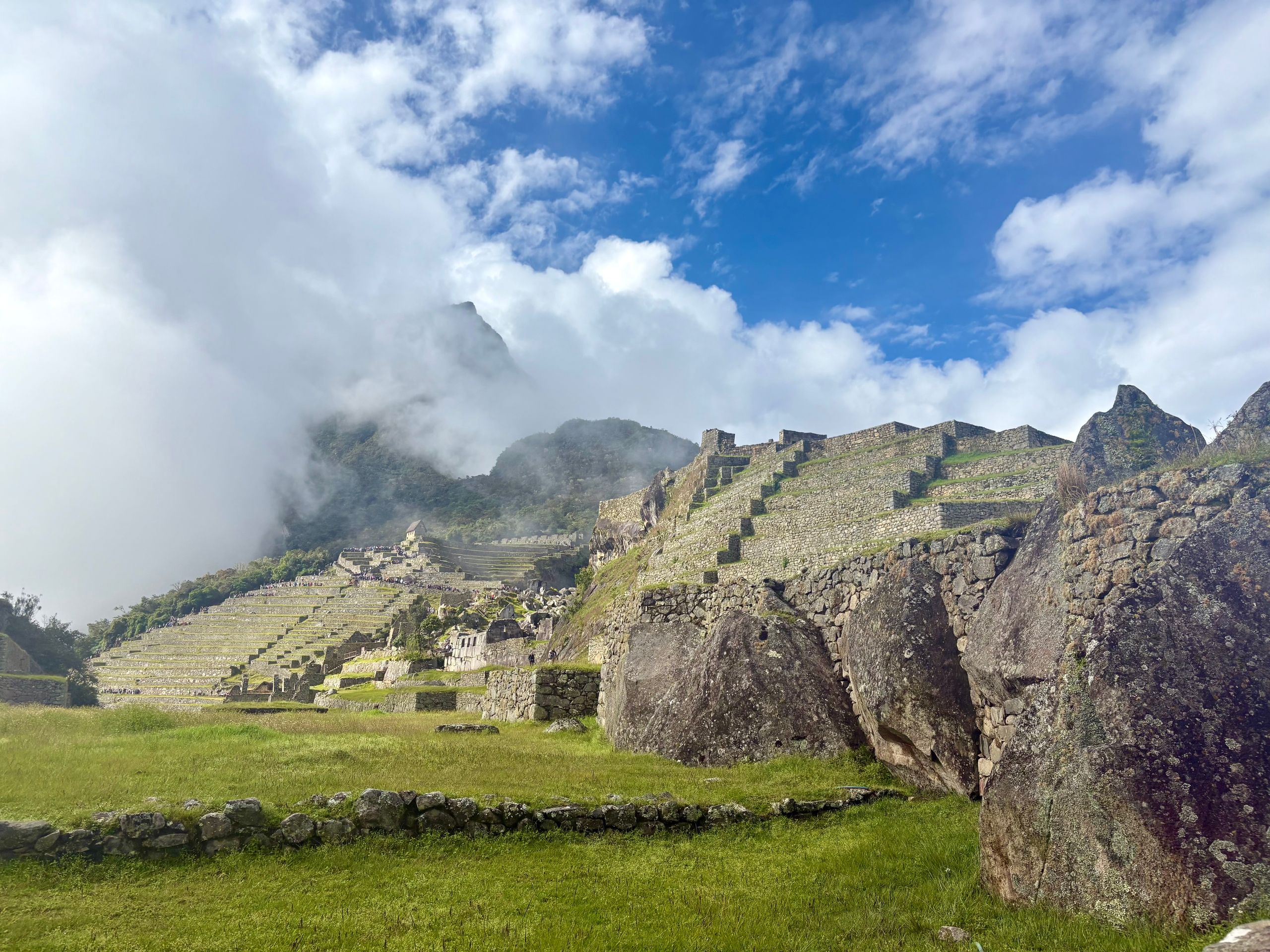
And as soon as we were rid of the crowd, it was simply wonderful in the ruins. The crowds thinned out, it got brighter, and the sun fought its way through the cloud cover, and at times we even walked alone. We realized what a wonderful and fascinating place we were in. All the struggles were forgotten, and one was captivated by the beauty and mystique of this place.
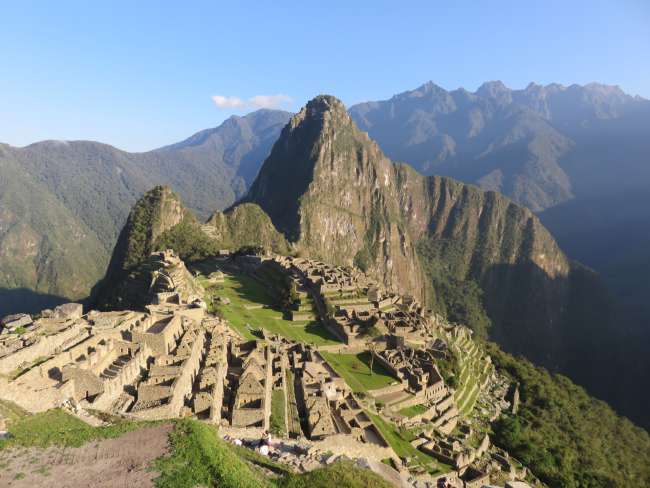
Machu Picchu, which has neither been completely uncovered nor is its original name known, is very well preserved or reconstructed, but presents many mysteries. It could have either been a royal retreat or a religious site where medicinal herbs were cultivated. Whatever the intention of this city was, the construction was a masterpiece, for example, through deep foundations and a sophisticated drainage system that watered the terraces and prevented the city from being washed down the mountain during the rainy season. Its location between the Andes and the jungle could also have been strategically important. Even if the city may not have been fully completed at the time of the Spanish conquest, it could accommodate up to 1,000 people. It is likely that the paths to this hard-to-access area were destroyed, so the city was never found and long forgotten.
Long story short: we believe that it is entirely justified that Machu Picchu has been chosen as one of the seven wonders of the modern world, and it is definitely worth the trip! Completely enchanted, we wobbled back down the mountain by bus after a few hours and boarded the train towards Ollantaytambo. Not even the silly alpaca fashion show, performed by the poor train staff amidst annoying flute tunes and excited clapping, particularly from American tourists, or the long wait in Ollantaytambo until the mini-taxi to Cusco departed, could dampen our happiness, and so we returned to Cusco in the evening, tired and happy.