Ipoh
Cermin Lake

Published: 12.02.2026
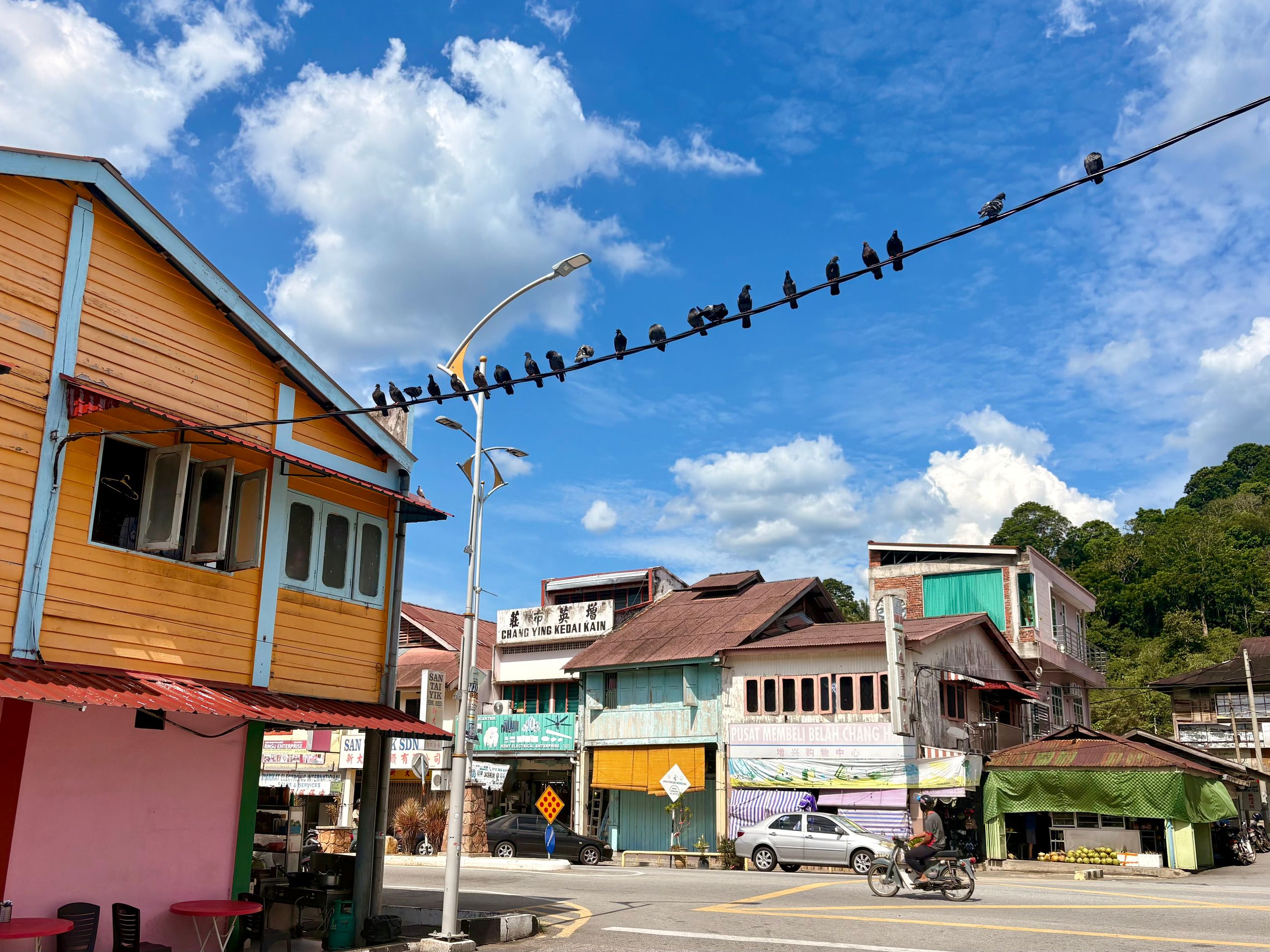
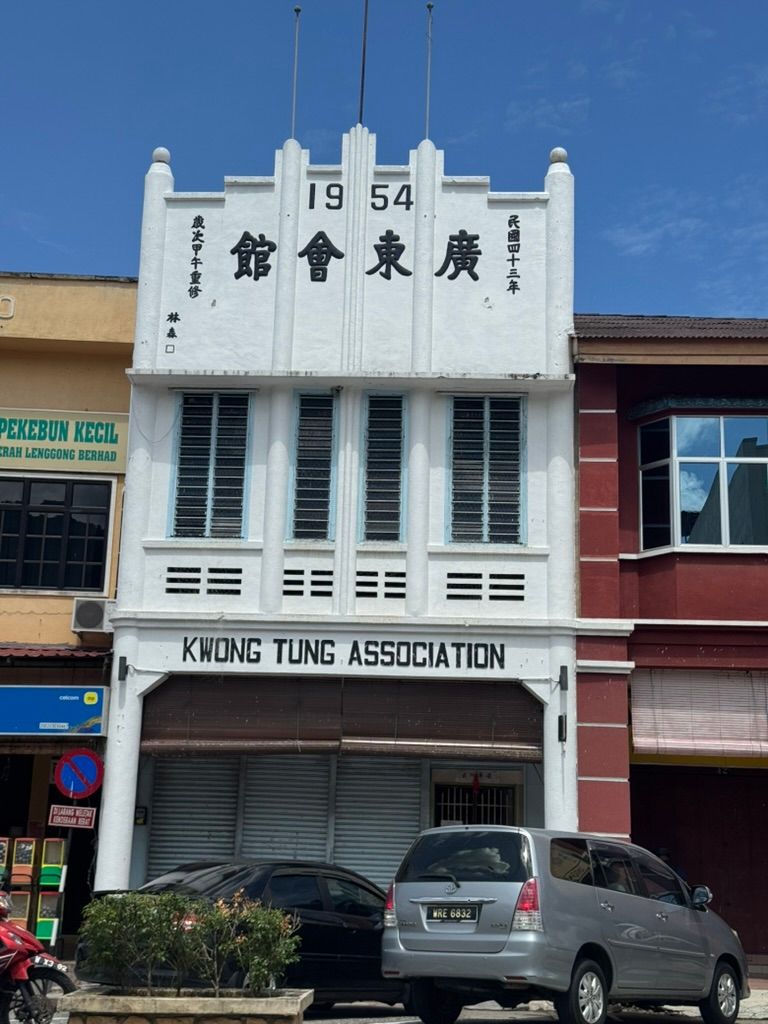
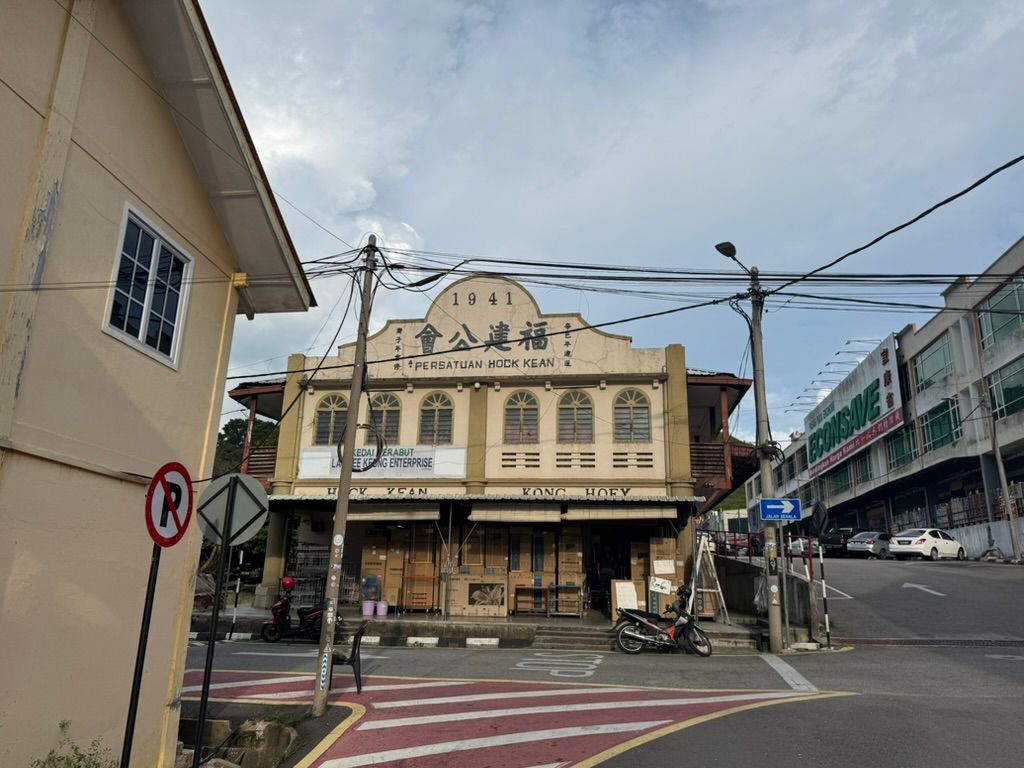
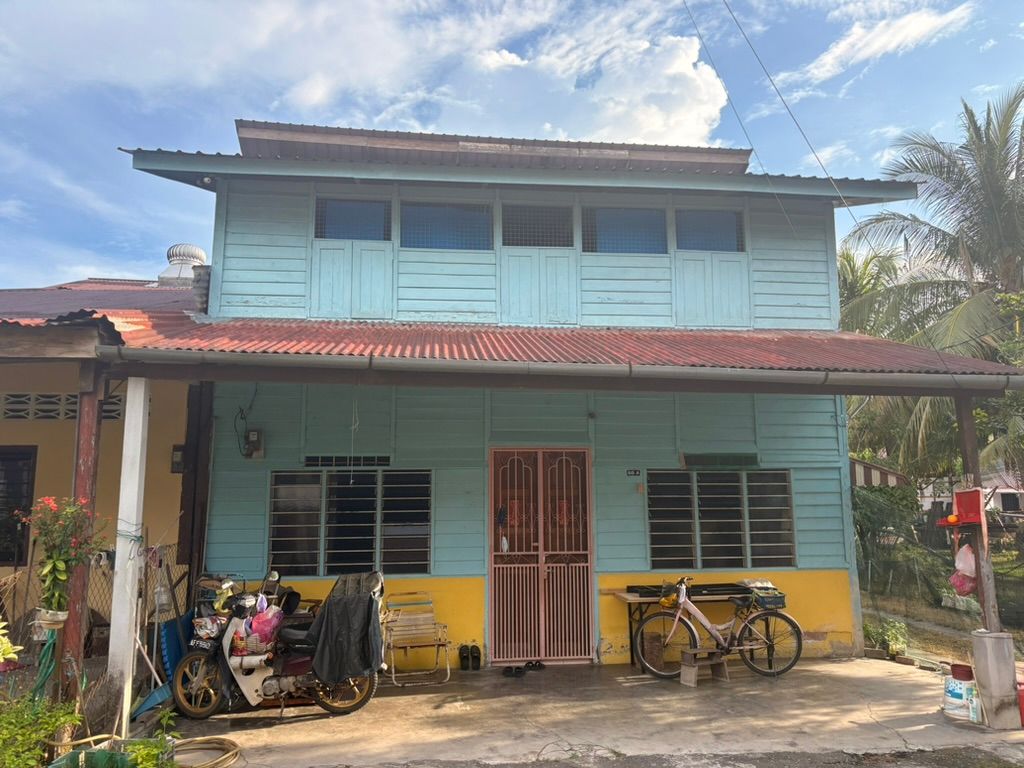
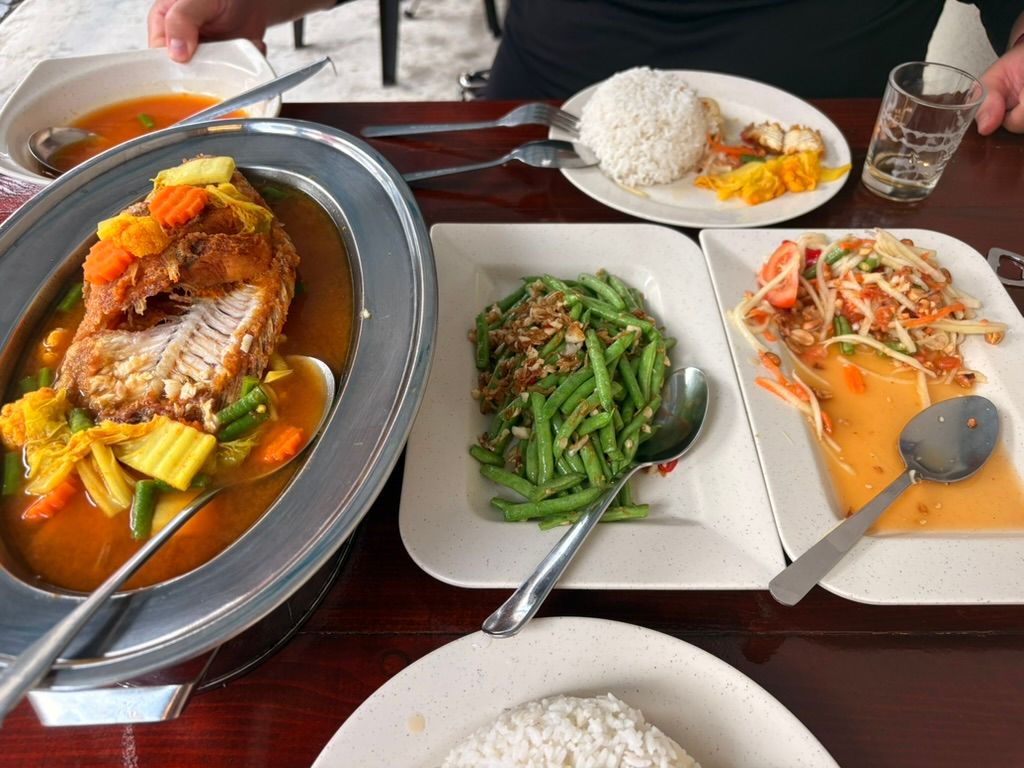
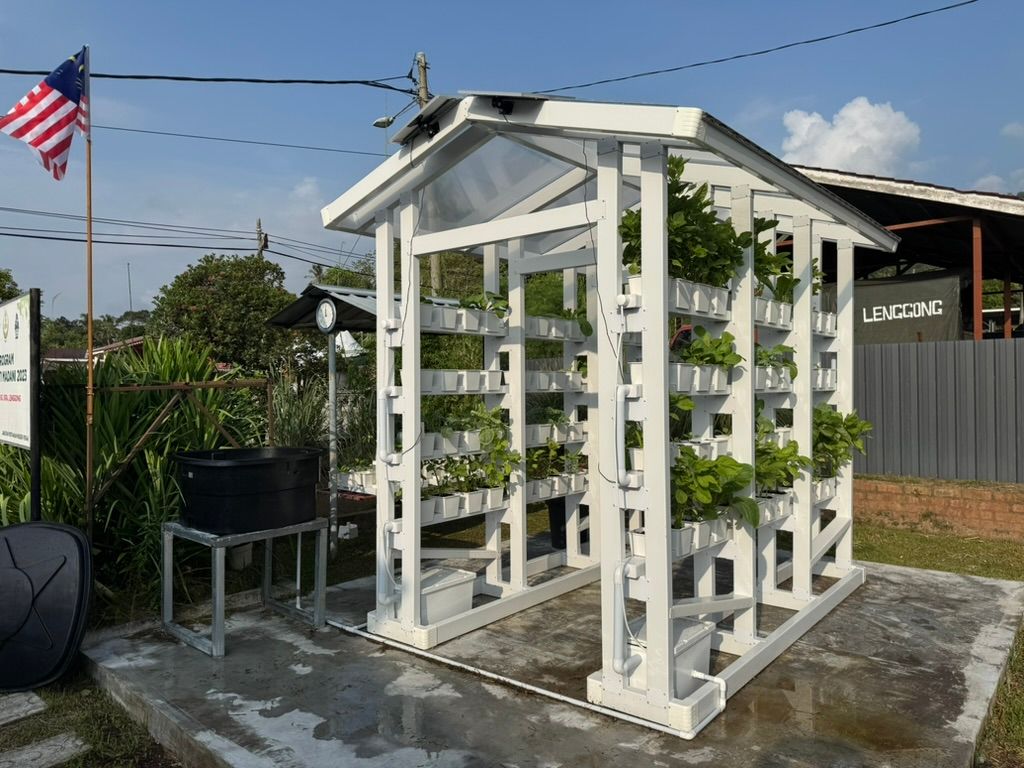
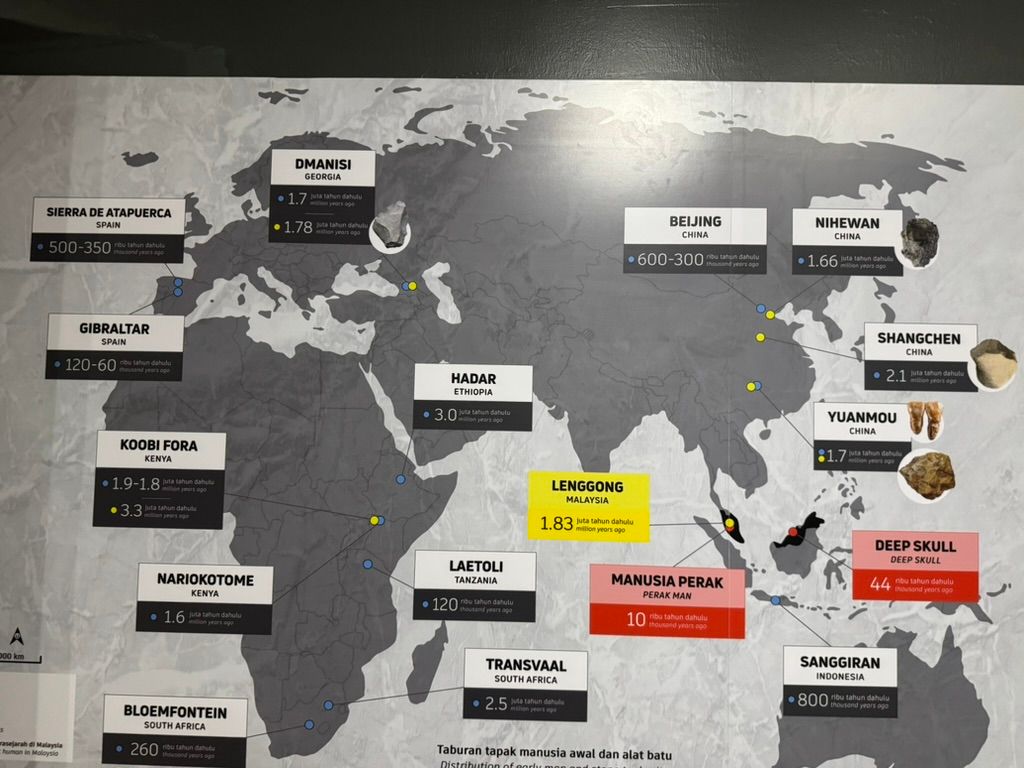
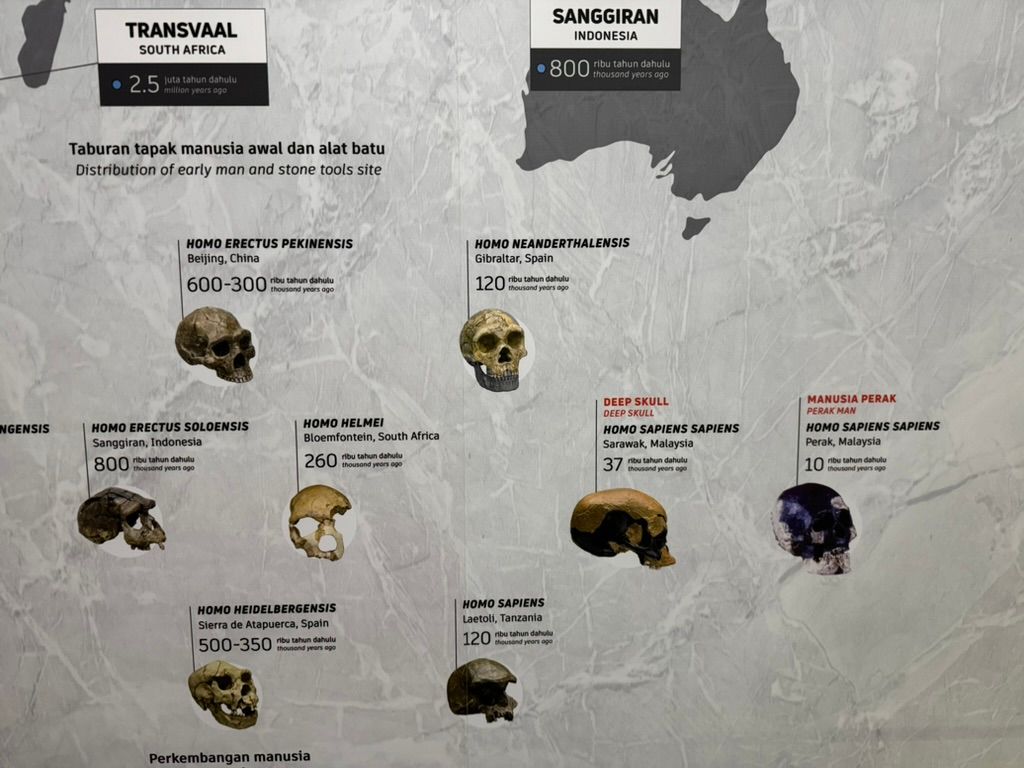
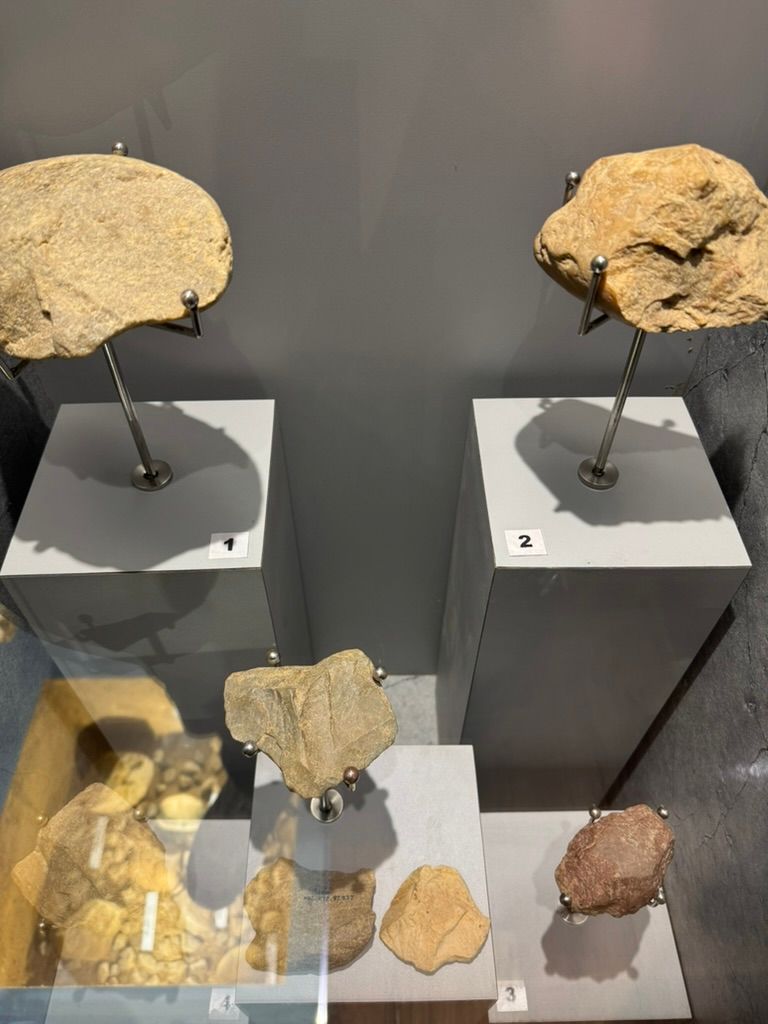
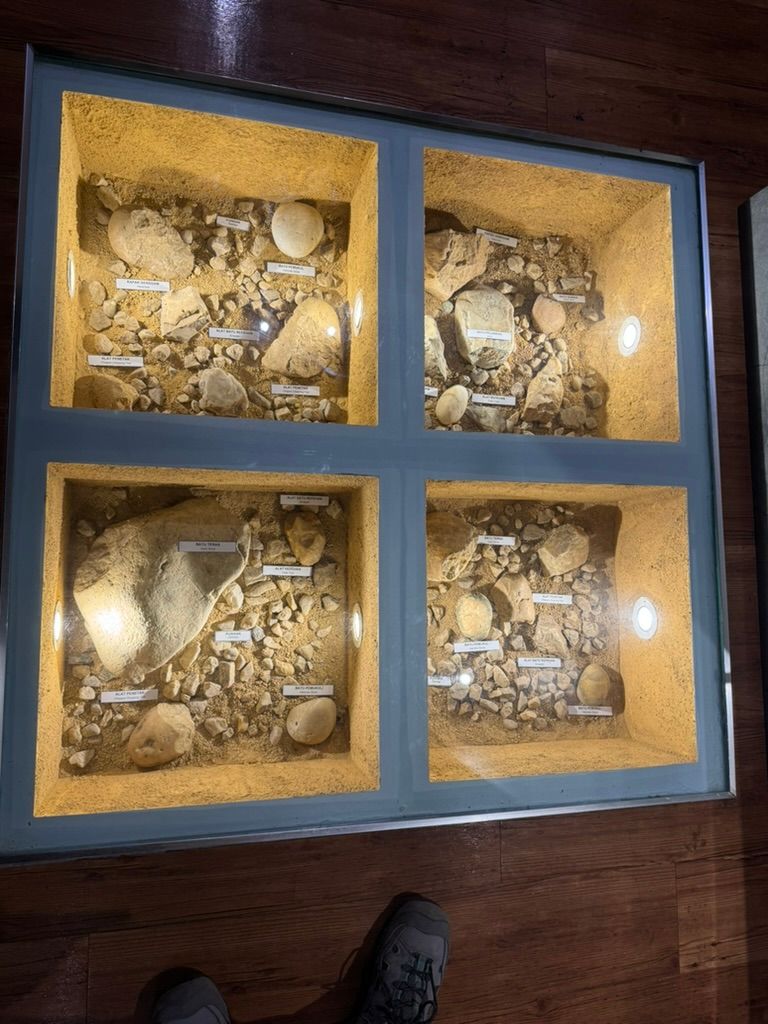
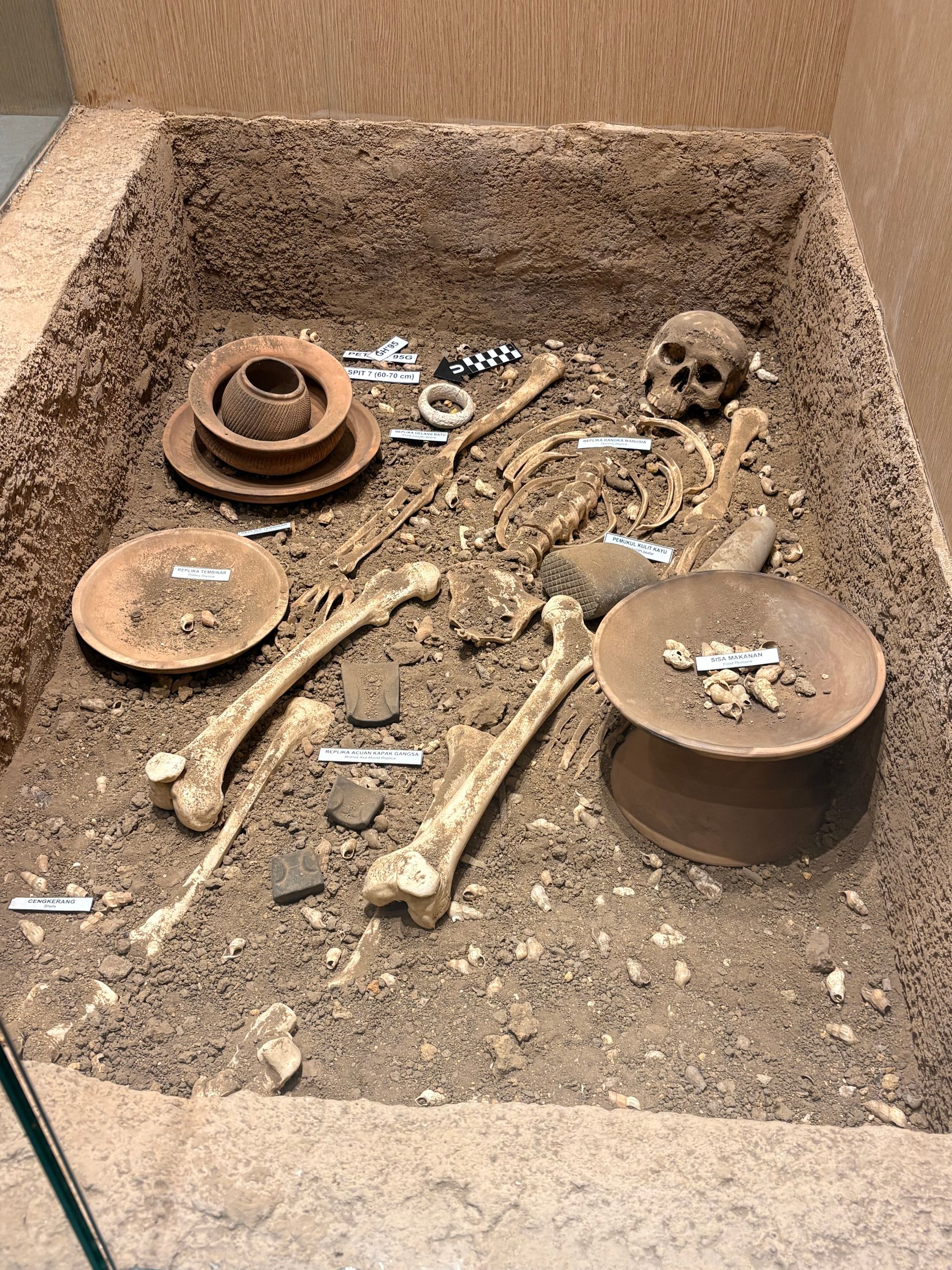
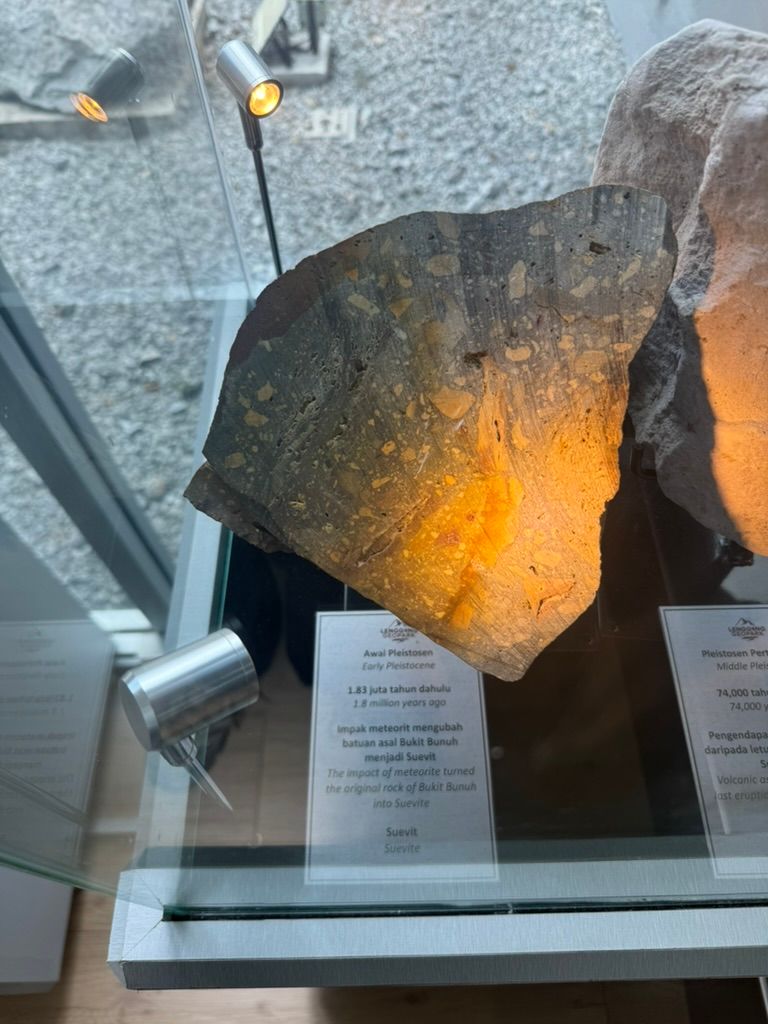
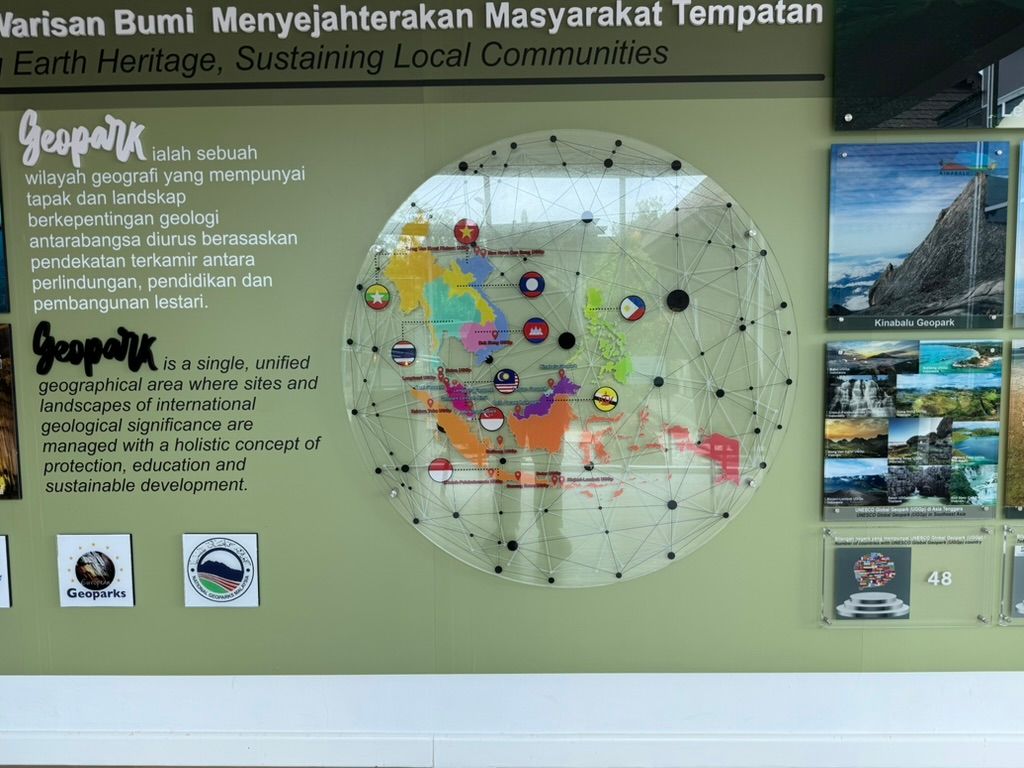
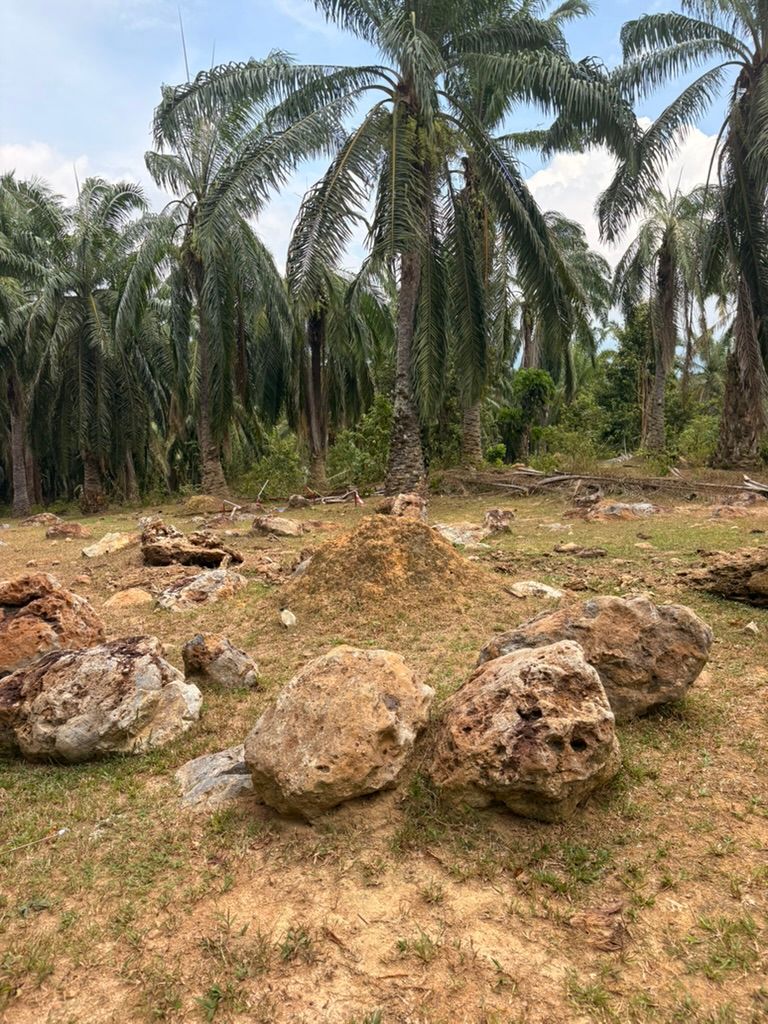
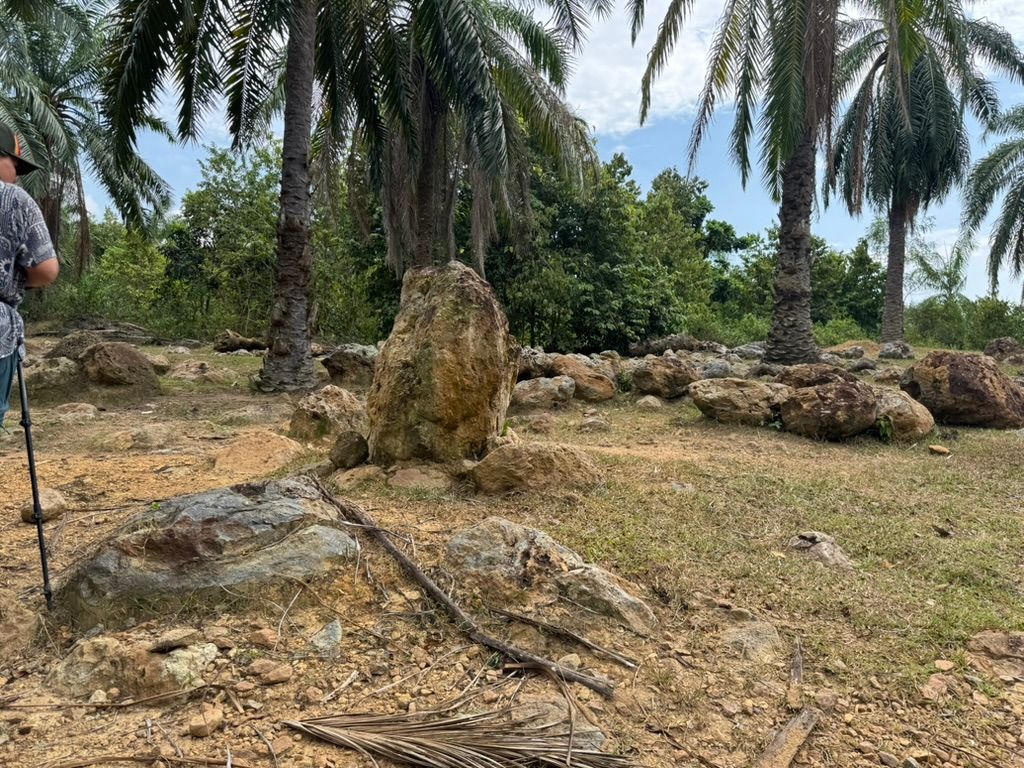
After Ipoh, we made a detour to Lenggong. This place crossed our path randomly in a travel blog or something like it as a footnote, and hardly anyone we told had ever heard of it. Here, there is an archaeological park that has been listed as a UNESCO World Heritage Site since 2012, which we didn’t want to miss.
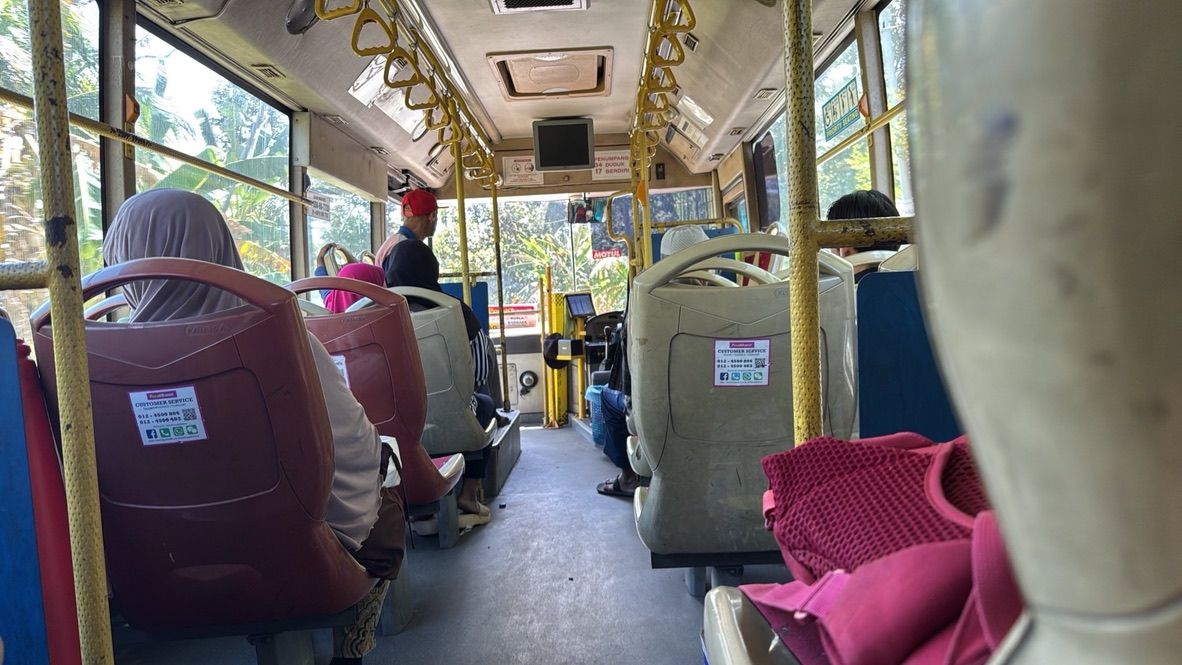
First, we took a train from Ipoh to Kuala Kangsar, where we reached a country road after a walk through the dusty streets under the blazing sun. According to Google Maps, a public bus should be leaving for Lenggong every few hours, with 83 stops in between. At the lonely bus stop, a man approached us, asking if we were lost; he knew nothing of a bus and doubted it would come. To everyone's surprise, it arrived on time, and the trip went smoothly (thankfully, the stops were only made when needed). The bus also served as a parcel delivery service. In Lenggong, we stayed at a very simple homestay. The hosts spoke little English and were quite excited, as we were their first Western guests. And then, arriving by bus; nobody uses that, everyone has cars! But not us, and since we couldn't find official taxis, the 'friend' of the caretaker was assigned to take over this service. So he drove us the next morning with his wife and our luggage to the UNESCO Geopark and its two associated museums and picked us up again in the afternoon. They found it very strange that we wanted to hike through the Geopark on foot; walking/hiking seems to be viewed as a peculiar pastime here as well.
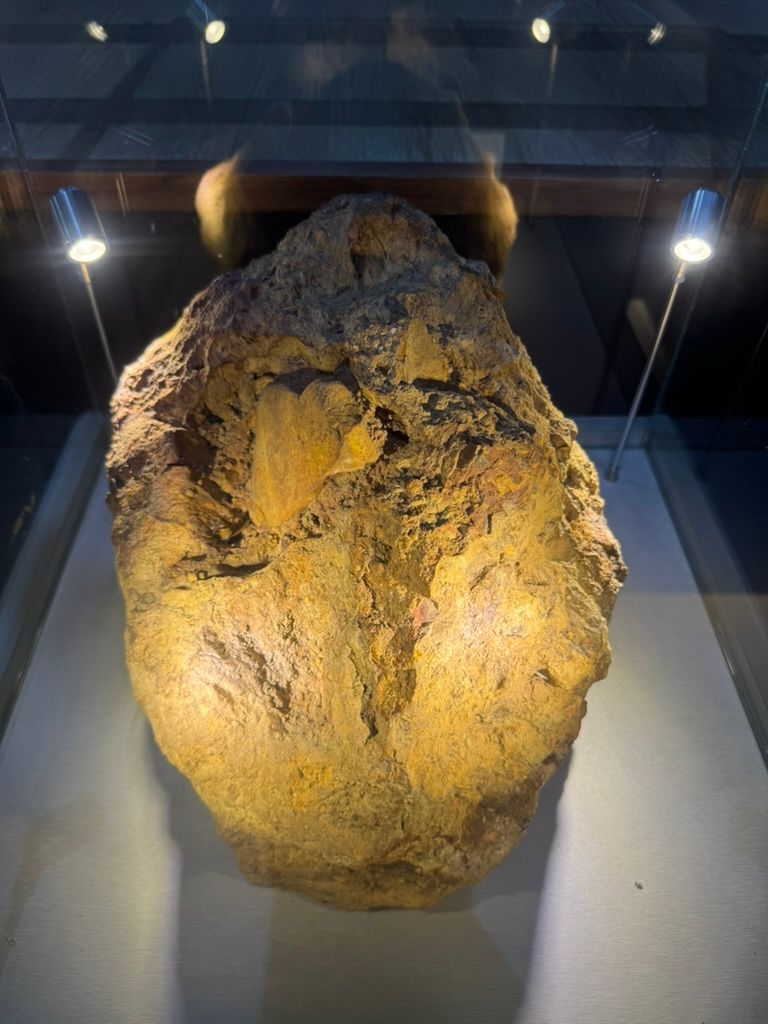
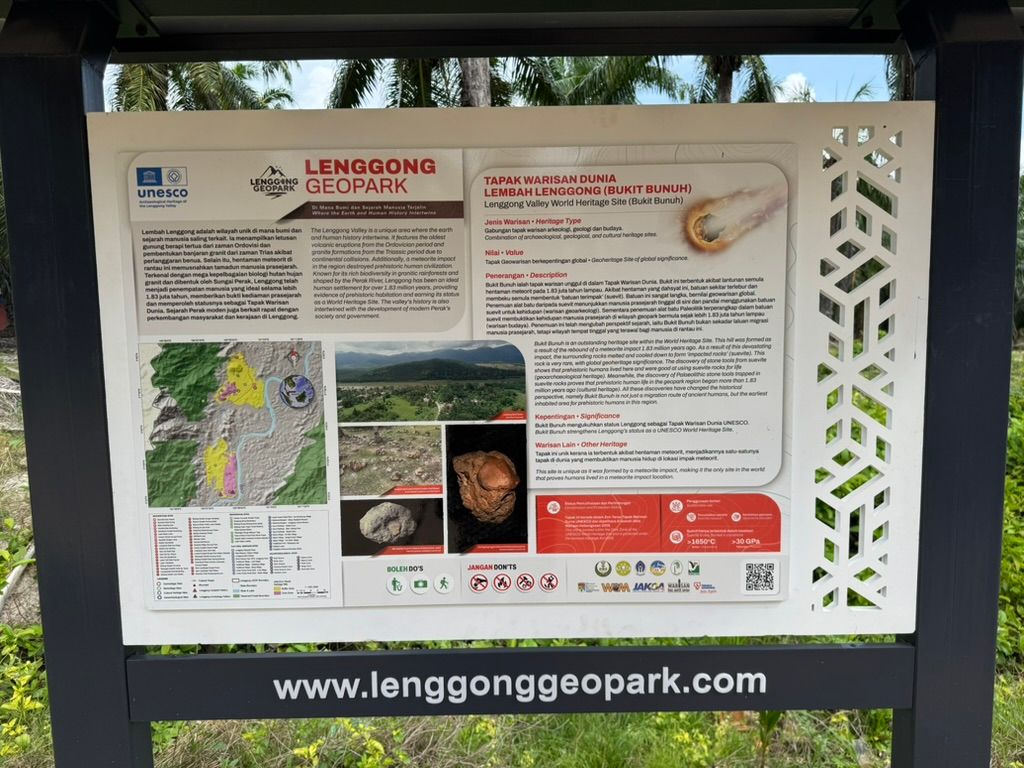
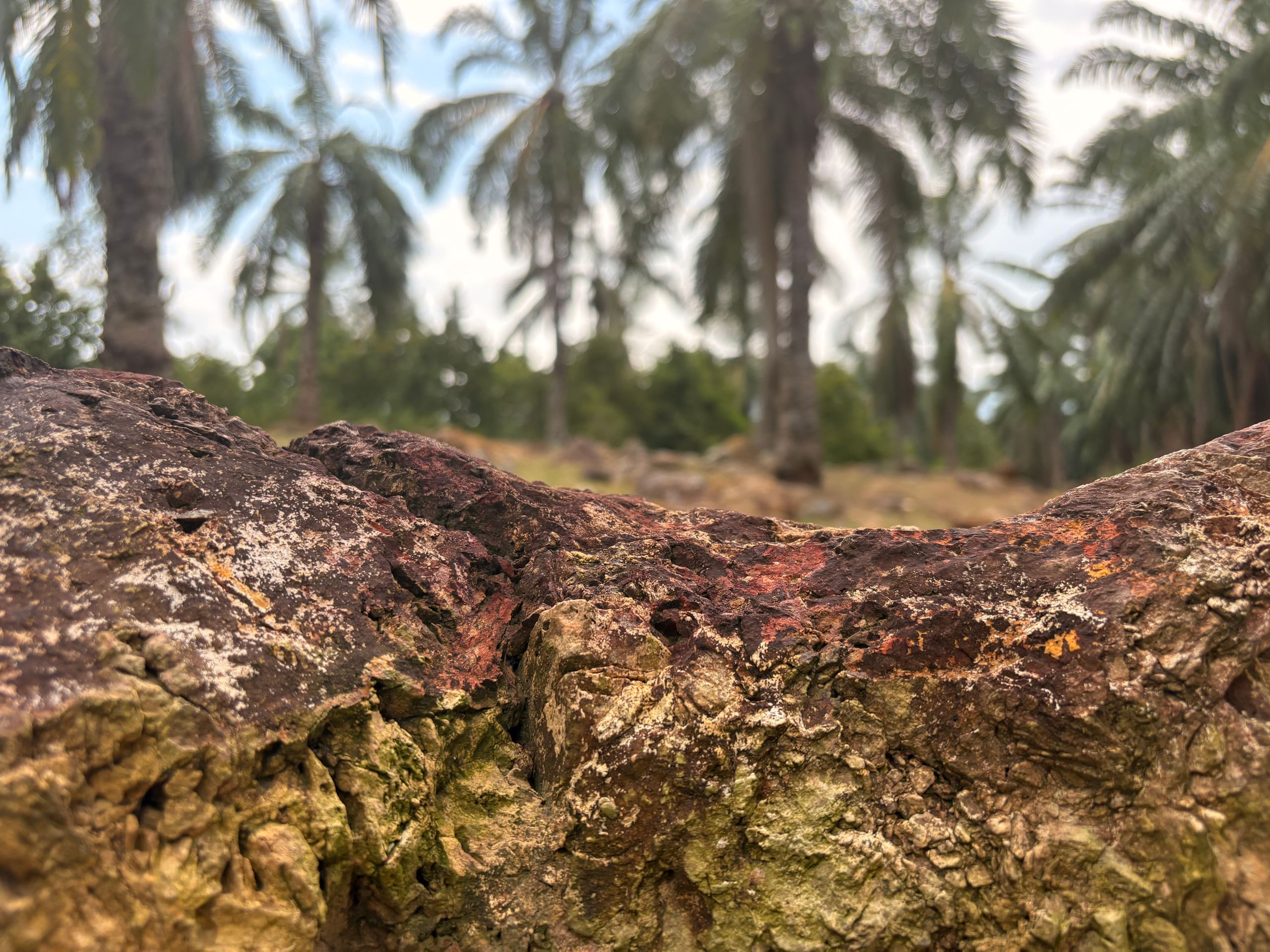
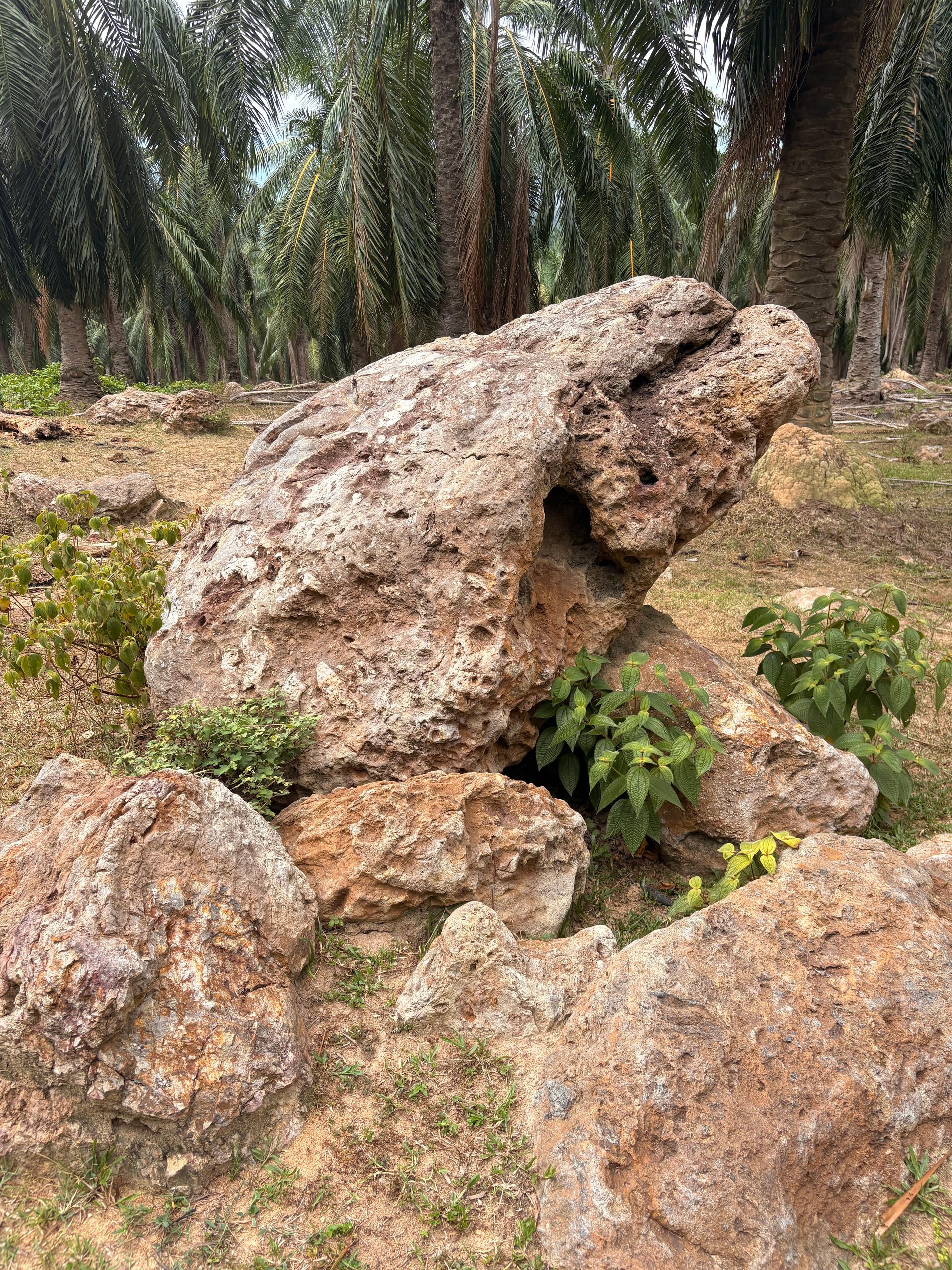
Even though, as mentioned, hardly anyone knows this UNESCO site, the Lenggong Valley is one of the most important archaeological sites in Southeast Asia and one of the oldest evidence of human life outside Africa. A meteorite impact about 1.8 million years ago wiped out all life in the region and left behind Suvét rocks, which, alongside the crushed rocks from the impact, contain minerals fused into impact glass that only form at extremely high temperatures. The special feature of the Lenggong Suvét is that stone tools have been preserved here, proving that the valley was already inhabited by humans before the impact. The valley was then re-inhabited about 550,000 years ago by humans, who left their traces all over the valley, especially in the surrounding limestone caves. Human remains have also been found, such as the Perak Man, a well-preserved skeleton that is about 11,000 years old. Mr. Perak was about 40 years old at his death and suffered from genetically induced deformities. The manner of his burial suggests that he was a respected member of the community, or his difference even granted him a special status. All of this and much more was explained and displayed in two remarkably good free museums, where we were almost the only visitors.
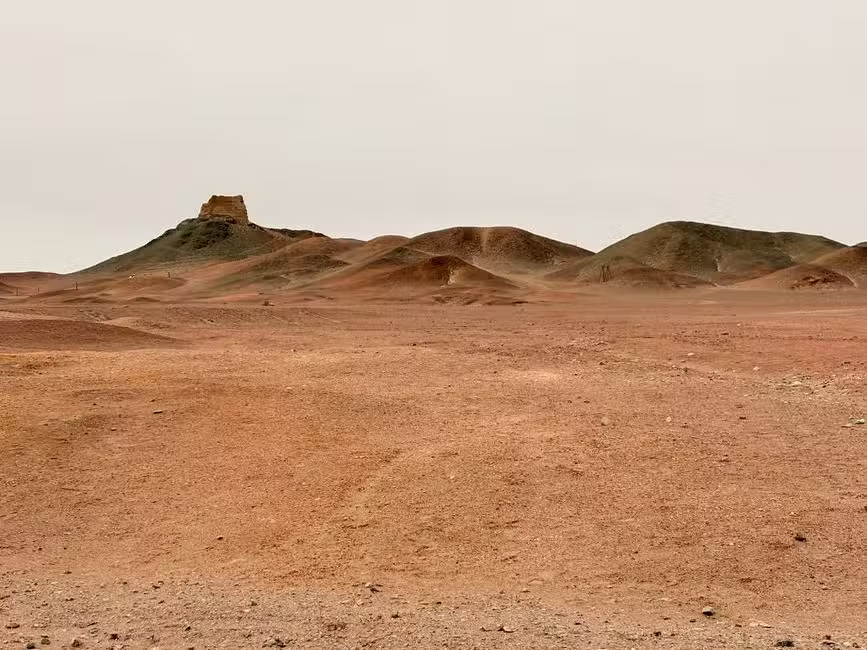
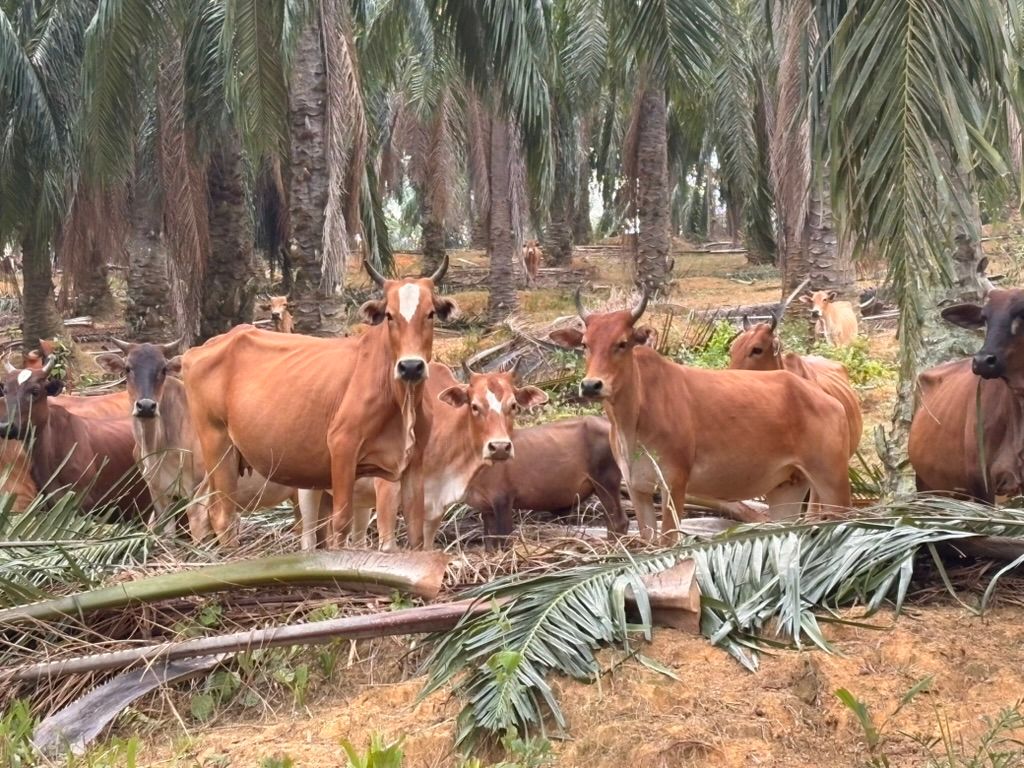
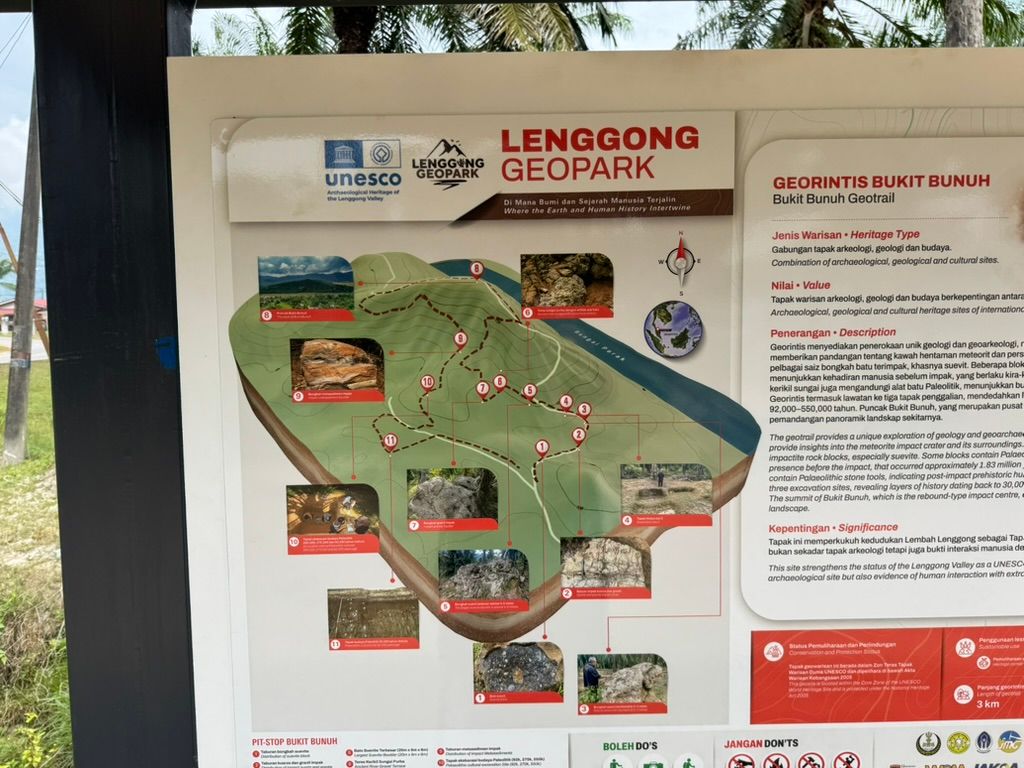
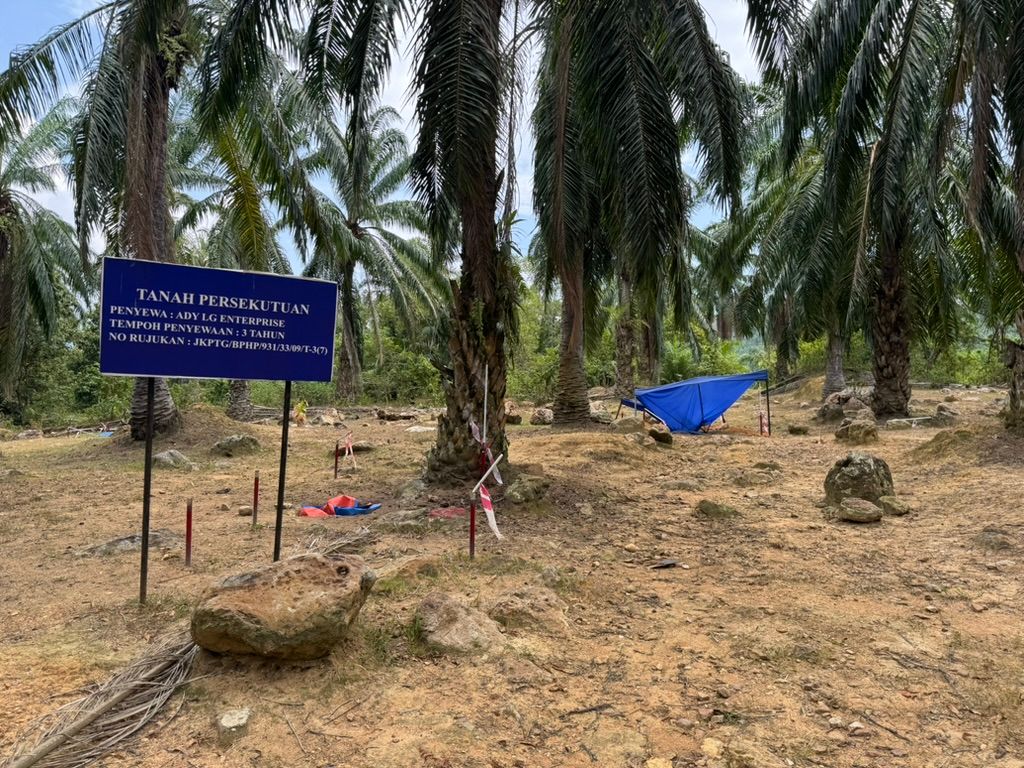
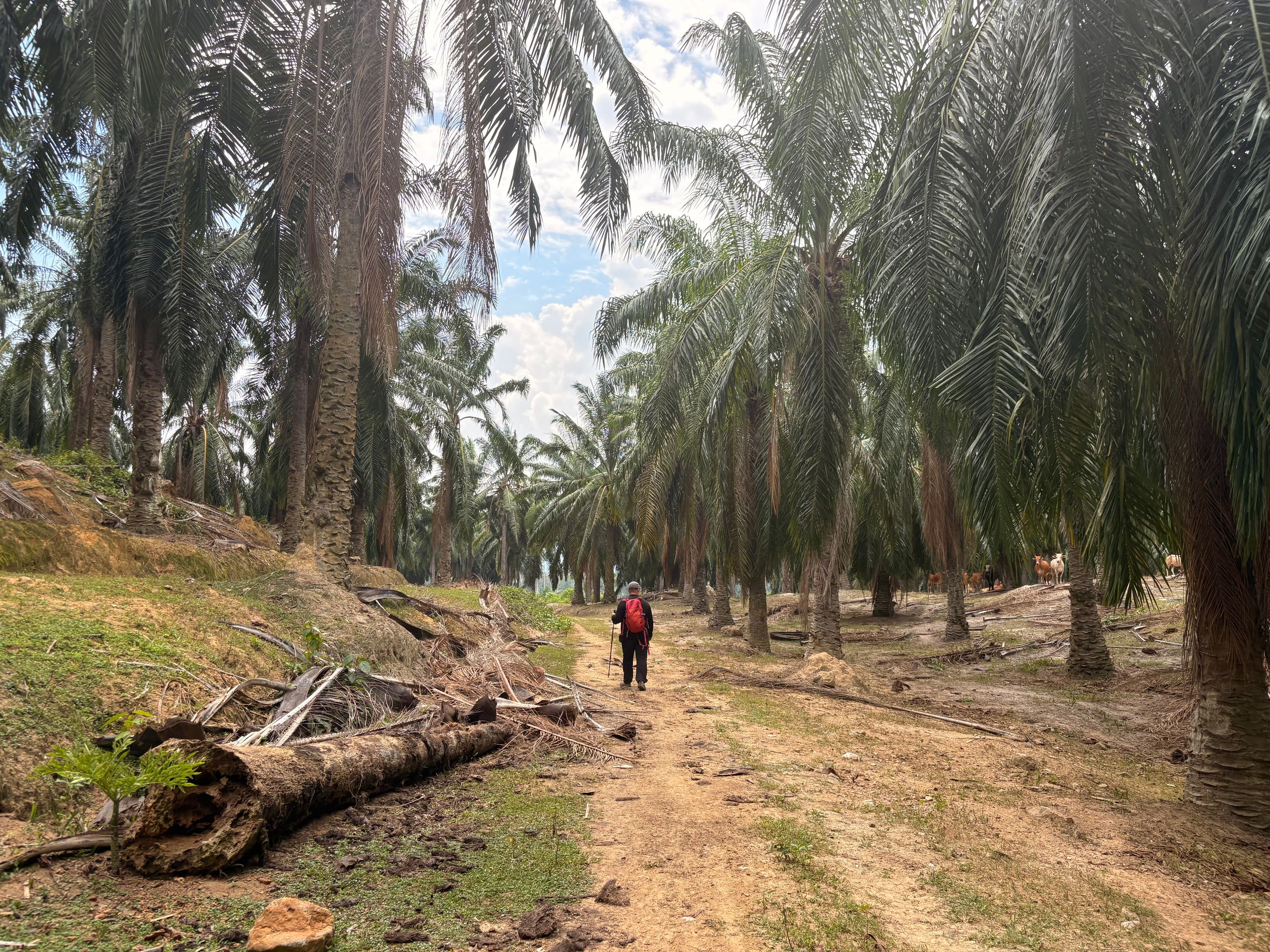
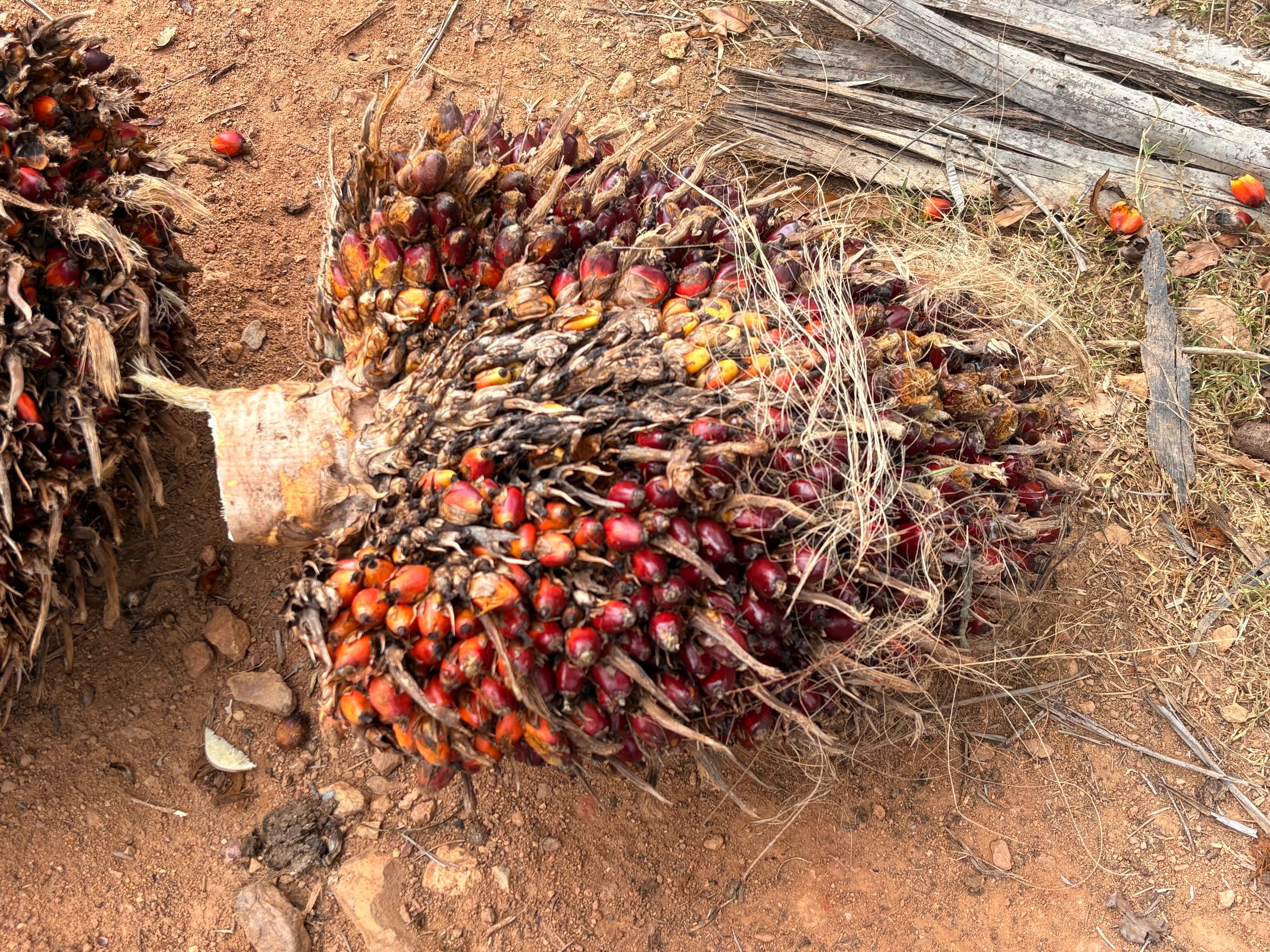
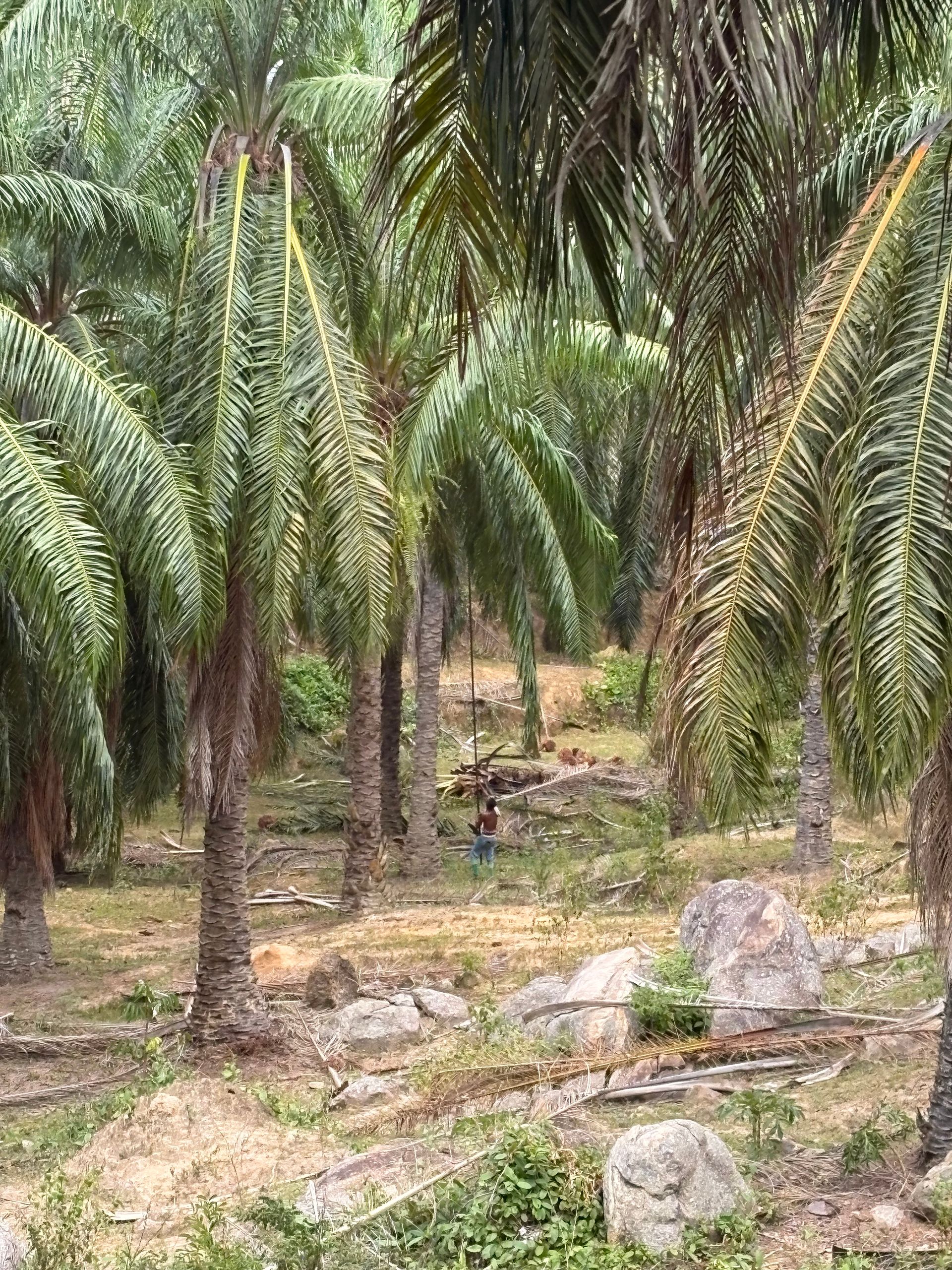
After that, we went to the Geopark to see the traces of the meteorite impact with our own eyes. At the entrance, there were still some good boards showing a circular route with various stations and providing background information. The path twisted through palm oil plantations; apart from some lean cattle herds and a few workers cutting ripe fruits with extended machetes and laboriously transporting them out of the forest, we were the only ones. At the first site, we thought we might find it; at least there was a hole where excavations must have occurred sometime in the past. However, since there were no further signs, and the path branched here and there, one could only guess whether a particular pile of stones was meteorite material or not. Thus, we cannot say for certain if we made it to the other sites. At some point, we decided to go cross-country back towards the exit. In doing so, we discovered at least a 3-meter-long rolled-up king cobra (at least our subsequent research indicates this as the most likely species; alternatively, it could have been a python), which startled and slithered away over a pile of wood, allowing us to see its impressive length despite the brief moment. Although snakes prefer forest areas close to water, they seem to adapt out of food scarcity and are often found in plantations. Exciting but could have been dangerous. By the way, you can also visit the various caves in the area (likely for free) with a guide, but we would have had to sign up in advance for that. We were content with what we were able to see and learn.
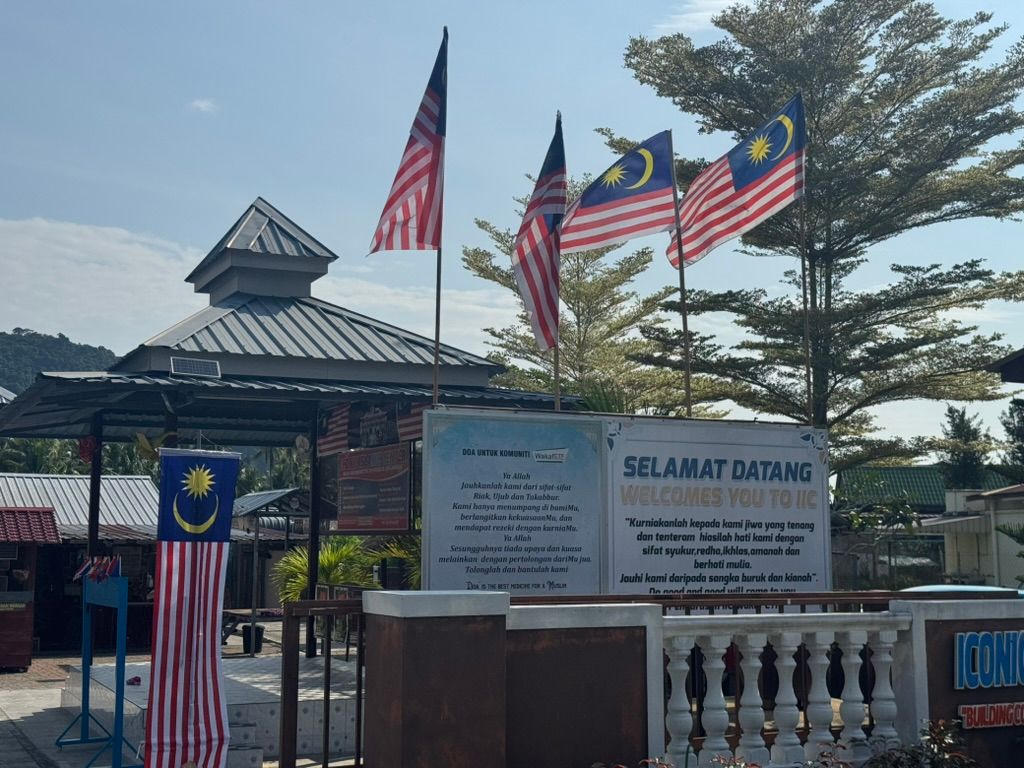
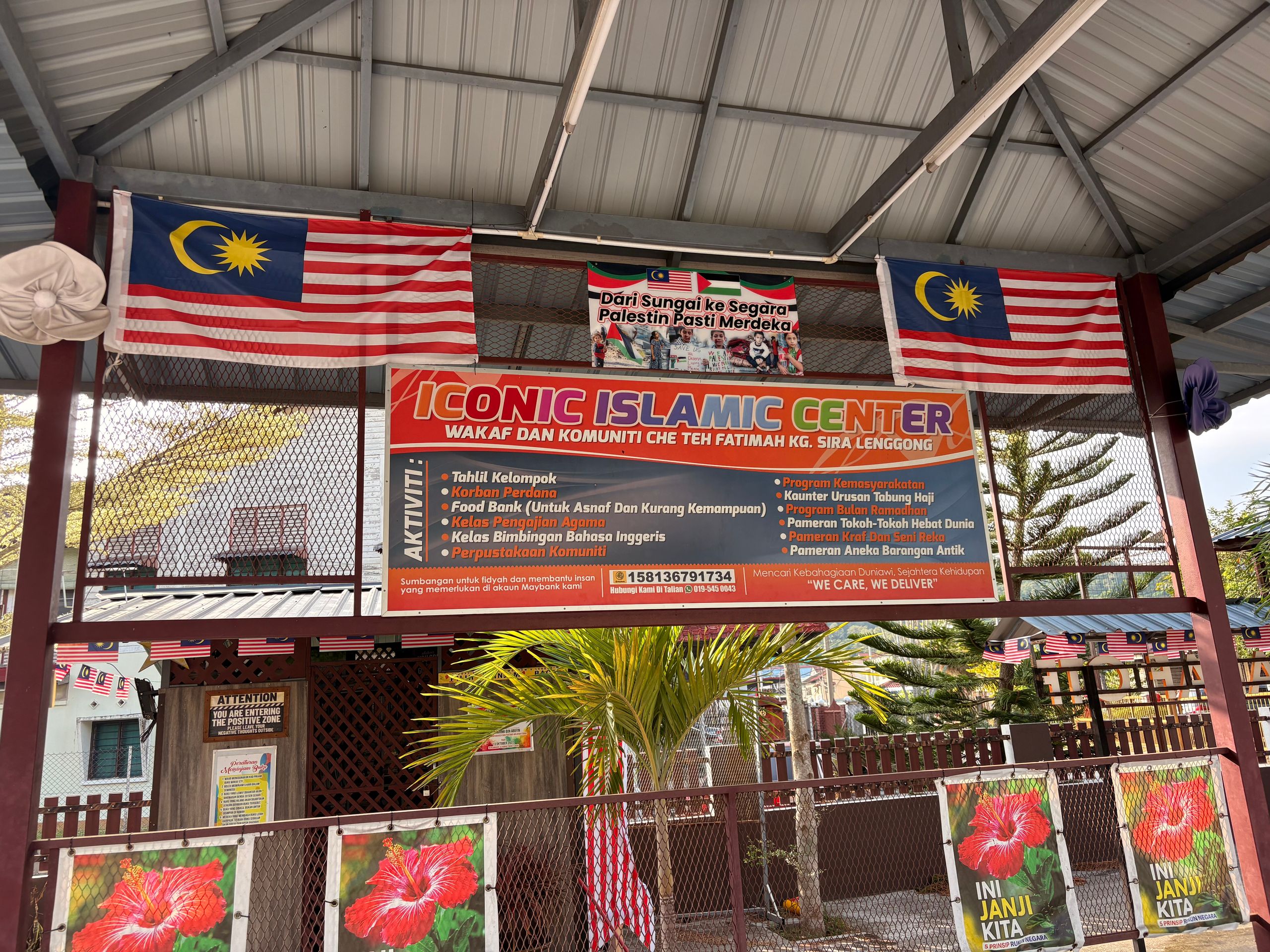
Back in Lenggong, which exhibits a very village-like character but seems to be a kind of supply center in the region with a large supermarket, construction material trade, etc., we increasingly realized that our presence was attracting attention. Already on the first evening, we were approached several times, asking where we came from and how we got here. Apparently, word got around, and we were 'followed' by bicycle and on foot so that people could observe us or shyly say hello. The neighbor of our hostel presented us with rambutan fruits picked straight from the tree, which were delicious but caused a small insect plague in our room. Also, the operator of the local Islamic center next door, a former teacher (or some kind of imam?), was very excited and overly motivated that he could finally present his work to foreigners. So he invited us to visit the small house (some kind of community center), and in the garden, we were first informed about how to respectfully and properly display the Malaysian flag. This was followed by a photo session of us under the Malaysian flags, which almost brought tears to his eyes out of national pride. Inside, we found artworks by children and residents of the village, primarily by his son, as well as documentation of his work as a teacher and a small library with Islamic writings. In between, more photos with him; sometimes in front of a painted wall, sometimes wearing traditional Malaysian headgear. Very warm and friendly, but the interaction with Marike as a woman was strange: he avoided eye contact and did not address her, and when she asked questions, he was visibly irritated and redirected the conversation to Freddy. Marike had already restrained herself, trying to be reserved and not talk too much, as we had experienced similar behavior from Malay villagers before (the Chinese Malays do not have such inhibitions). Certainly not meant to be rude but rather respectful, yet it was perplexing for us and also a reason not to stay longer in the village (besides the fact that we had seen the most important things for us). So we set off again after exchanging various pleasantries (Freddy and the teacher, Marike just trying to keep quiet) towards the bus stop to catch the bus to Kuala Kangsar and then the train to Penang. The bus was there, but no driver came; eventually, we found out with difficulty that he was sick. But a few hours later, the next one was supposed to leave. Fortunately, there was a decent little coffee stand at the bus stop where we could linger, and the village had ample time to admire us, as the hostel manager also rode by with his moped after the bush telegraph reported to him that we hadn’t departed.
A funny little place with great experiences, definitely worth the trip. But they could use a bit more marketing and advertising!