Cameron Highlands
We continued on - easily by bus over mountain roads with wild curves to Tanah Rata in the so-called Cameron Highlands, named after their British cartographer. This area was only...

Published: 12.02.2026
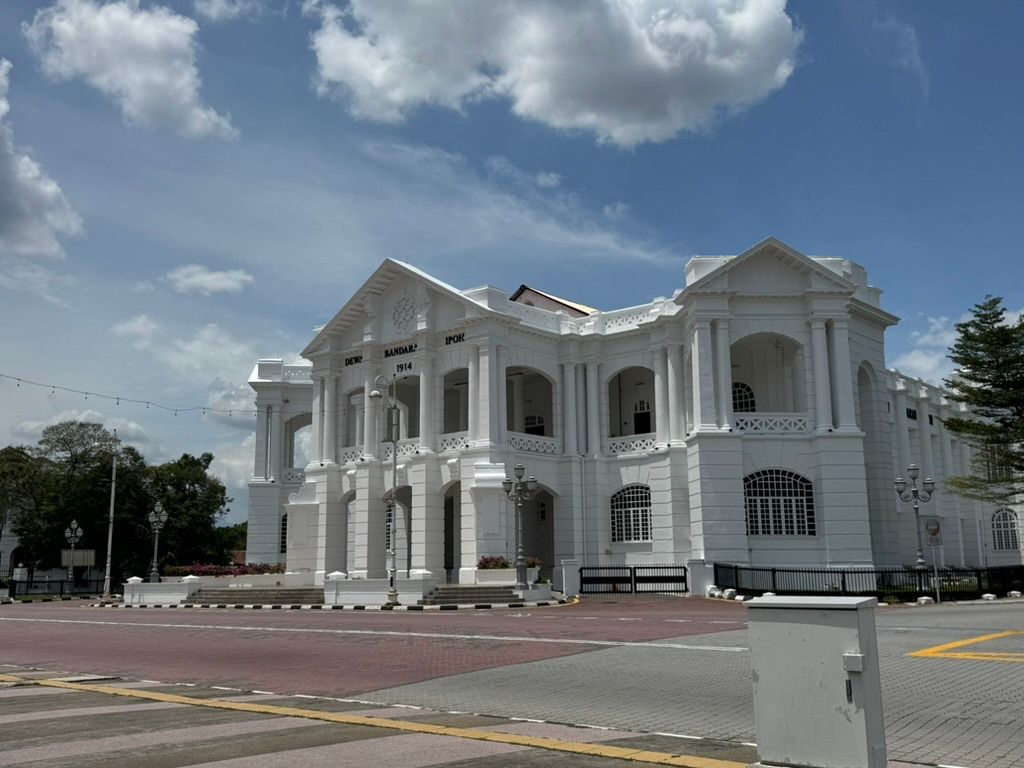
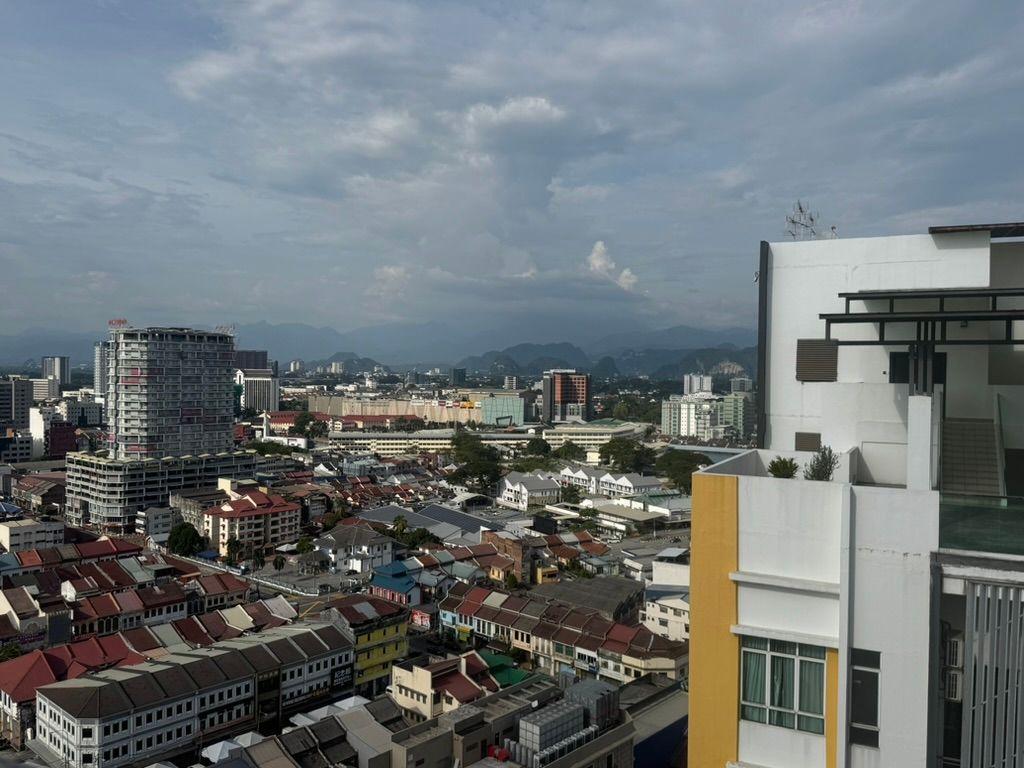
Winding over hill and dale, we made our way to the Cameron Highlands by bus to Ipoh. Overall, the bus system in Malaysia seems to function well and reliably. In Ipoh, we rented an apartment in a high-rise again, although it wasn't quite as sleek and clean as the last one, but manageable. Also, the pool, which had inconvenient opening hours for us and was pretty dirty (many bathe here in their sweaty clothes/burkinis without showering first), was unusable for us. It was amusing to see what we considered an exaggerated presence of security guards, who meticulously documented who was present, whether clothing was appropriate, and whether one was aware that violations of the rules could lead to draconian penalties. Whether this is enforced in practice is unknown to us, but on paper, much reminded us of the Fine City Singapore. In the city, there seemed to be relatively few Western tourists, but many Chinese (even if we couldn't always clearly distinguish them from Malaysian Chinese).
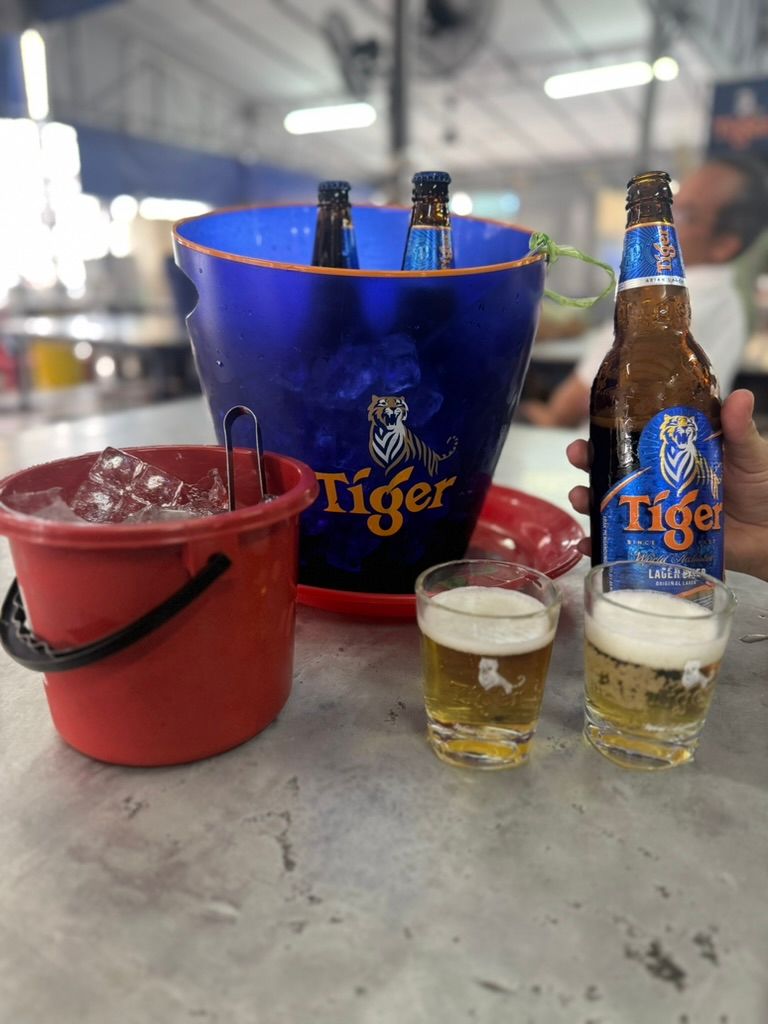
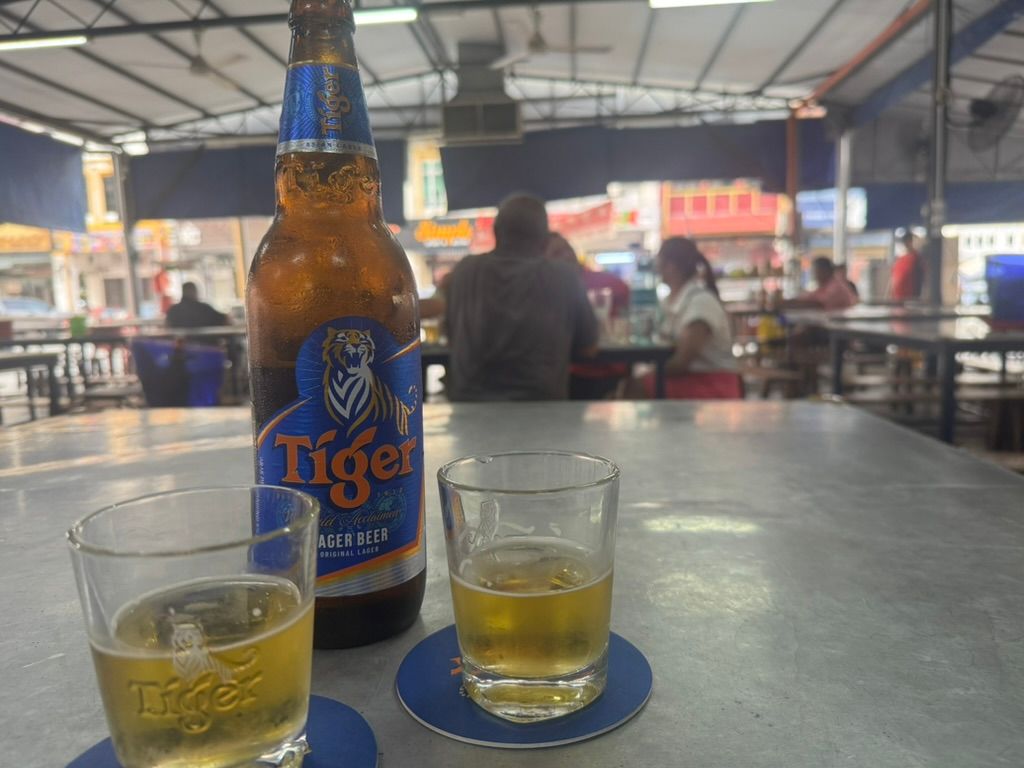
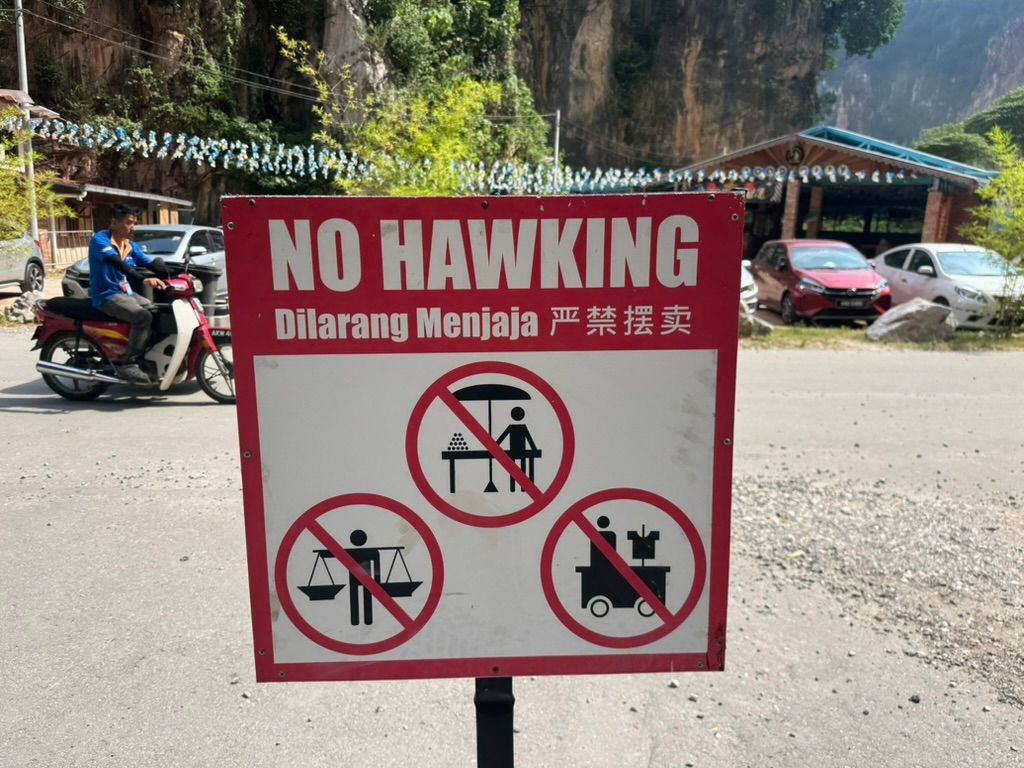
In our neighborhood, there were many restaurants, shops, and also a night market, where several streets were closed off in the evening. And stores that exclusively sold various types of pomelo for a lot of money, which were supposedly the best in the area. Pearls before swine; we couldn't really taste a significant difference from our previous pomelo experiences. Additionally, we seemed to have ended up in the funeral home district, where mourning ceremonies were held. Some places, with stackable plastic stools, looked like restaurants; on the first day, we almost sat down there. As an alternative, we found the personal highlight of the neighborhood - a kind of covered beer garden, lined with a few mobile hawker stalls. Older Chinese men mostly lounged around here from noon, having a good time. The fact that the beer got cheaper the more bottles you ordered, and that the usually much younger barmaids, who encouraged drinking with jokes and immediately refilled the glasses whenever even a sip was missing, significantly accelerated the dynamic. Images we wouldn't have expected to see in a country with a 60% Muslim population.
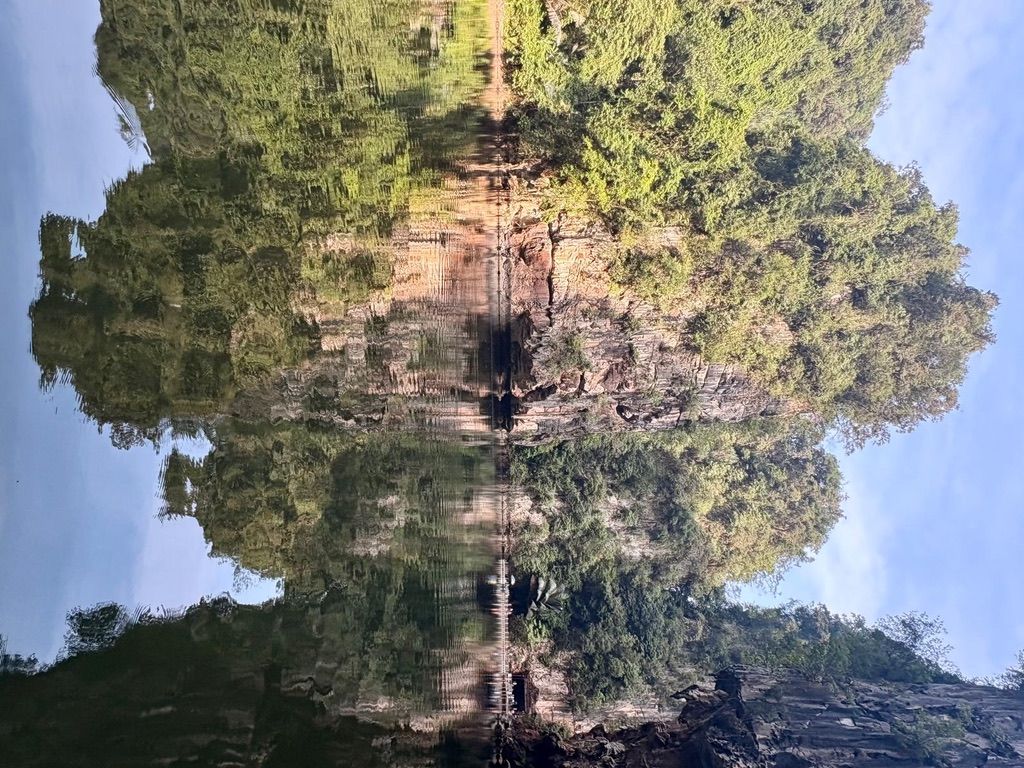
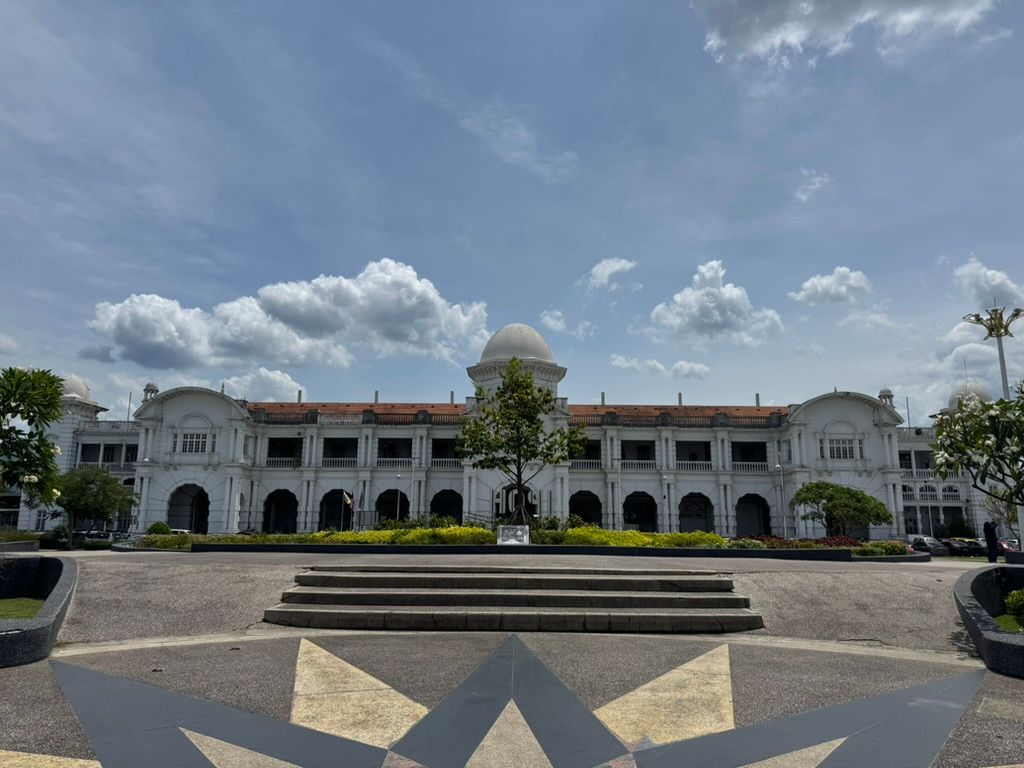
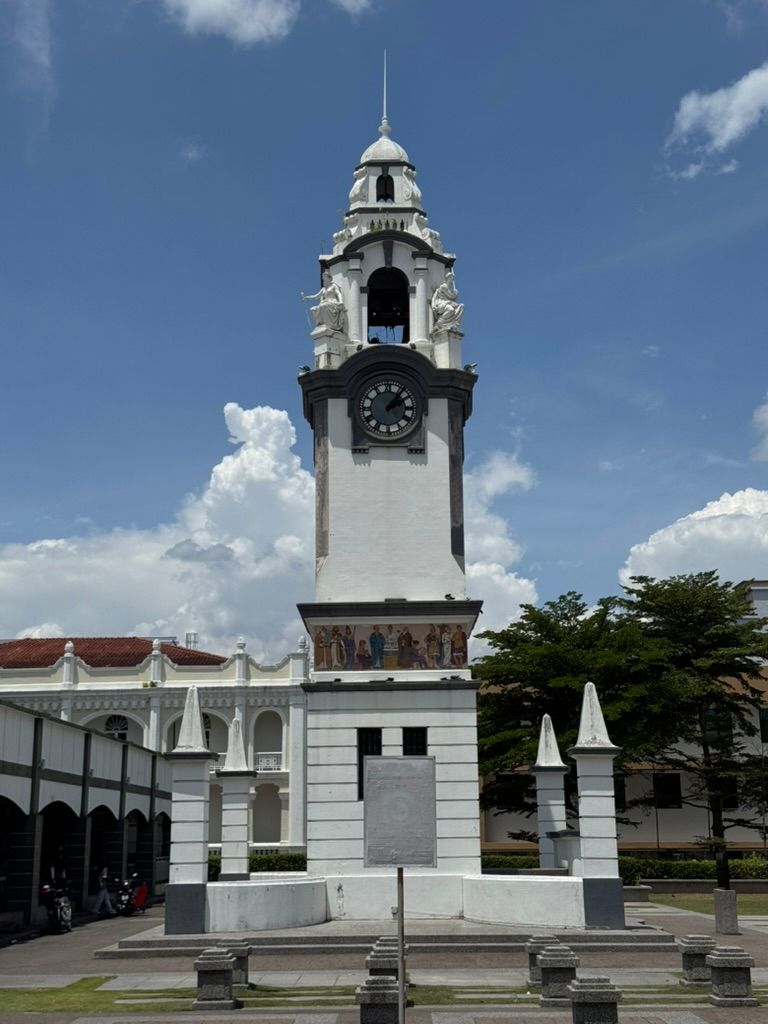
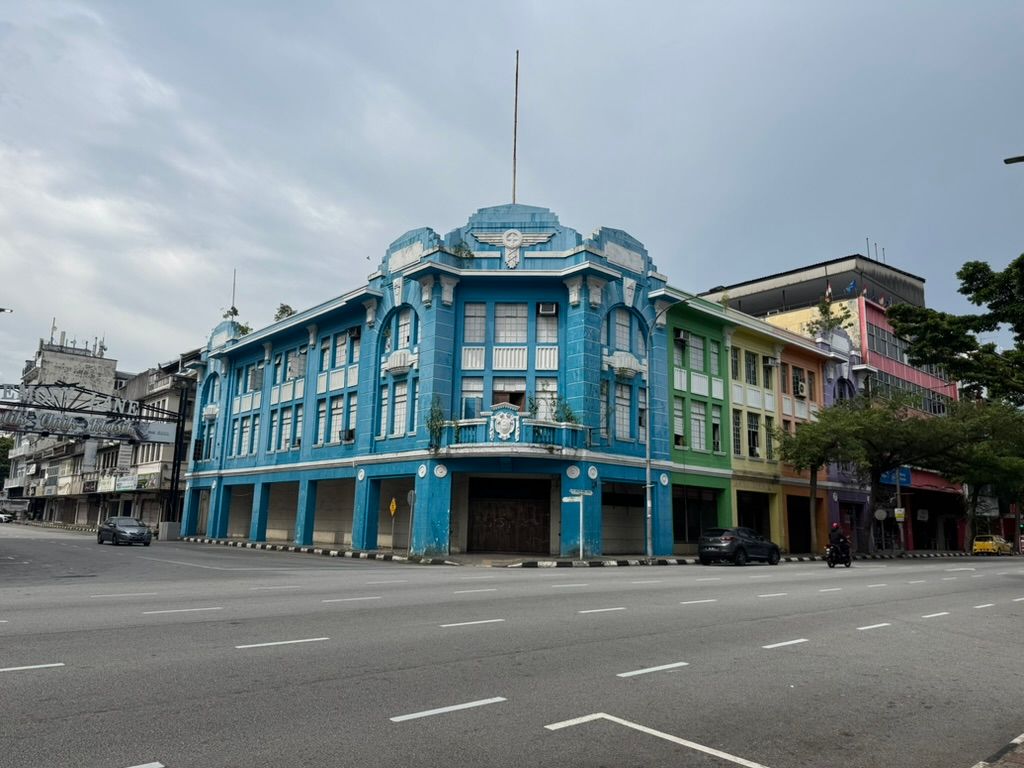
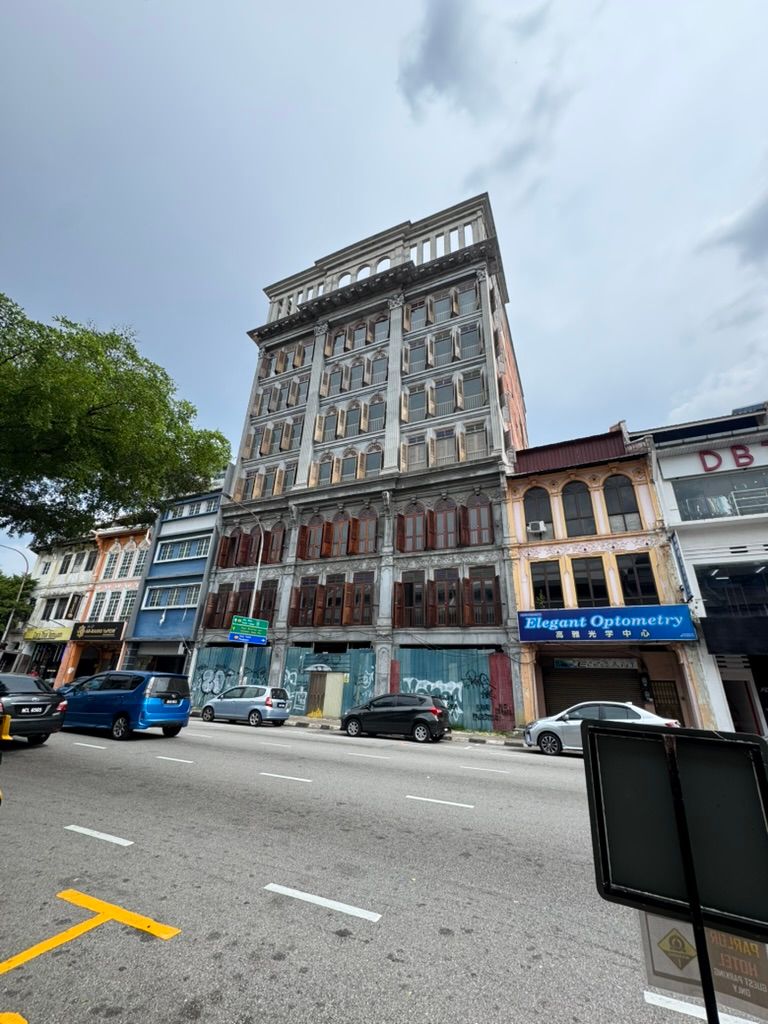
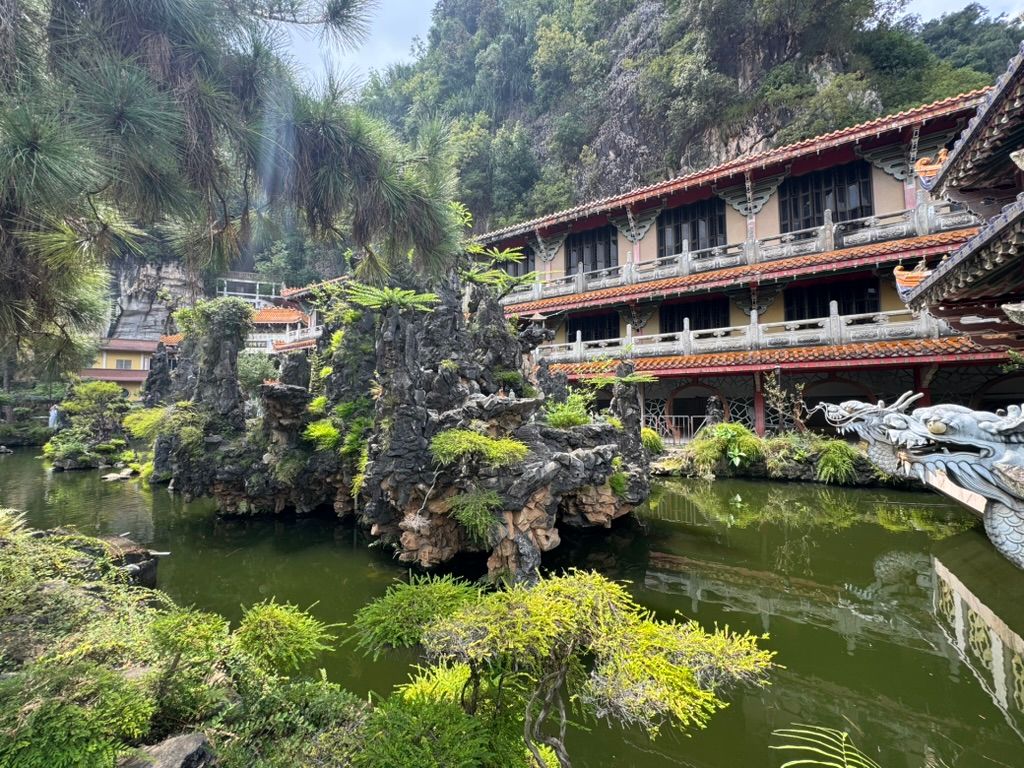
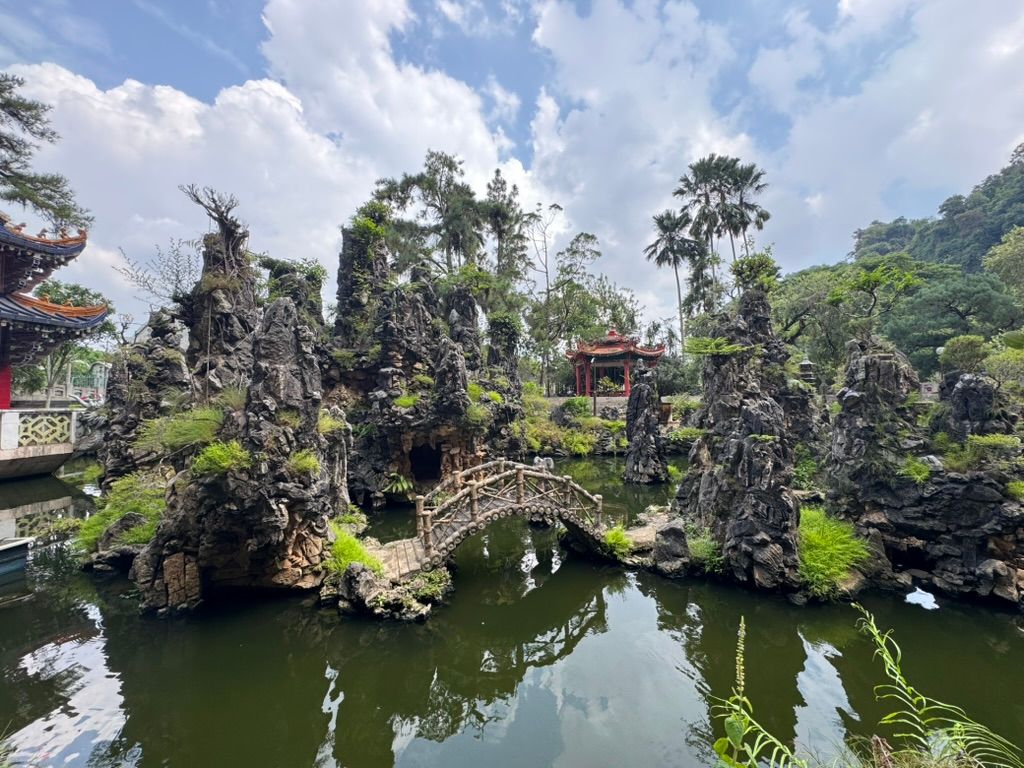
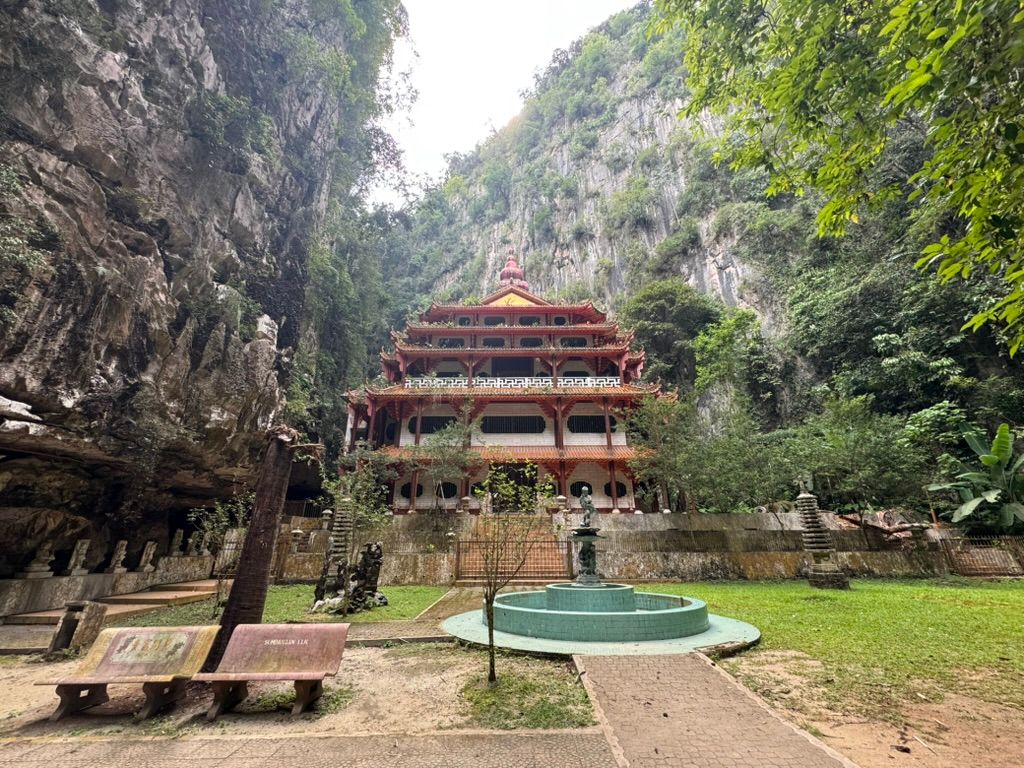
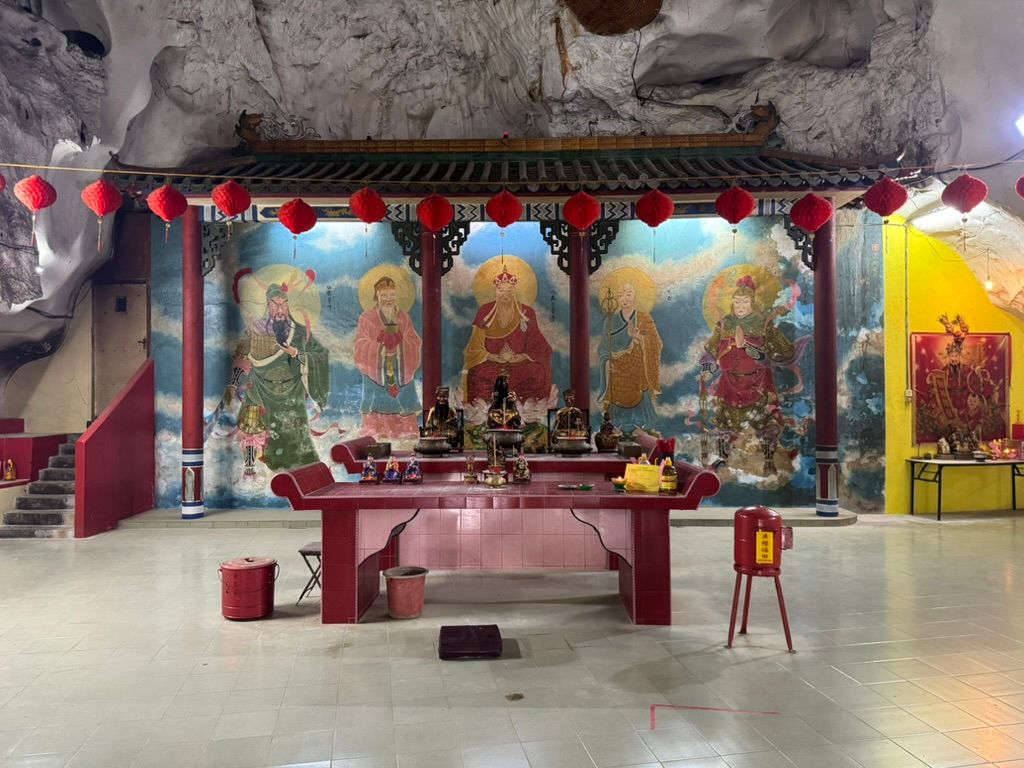
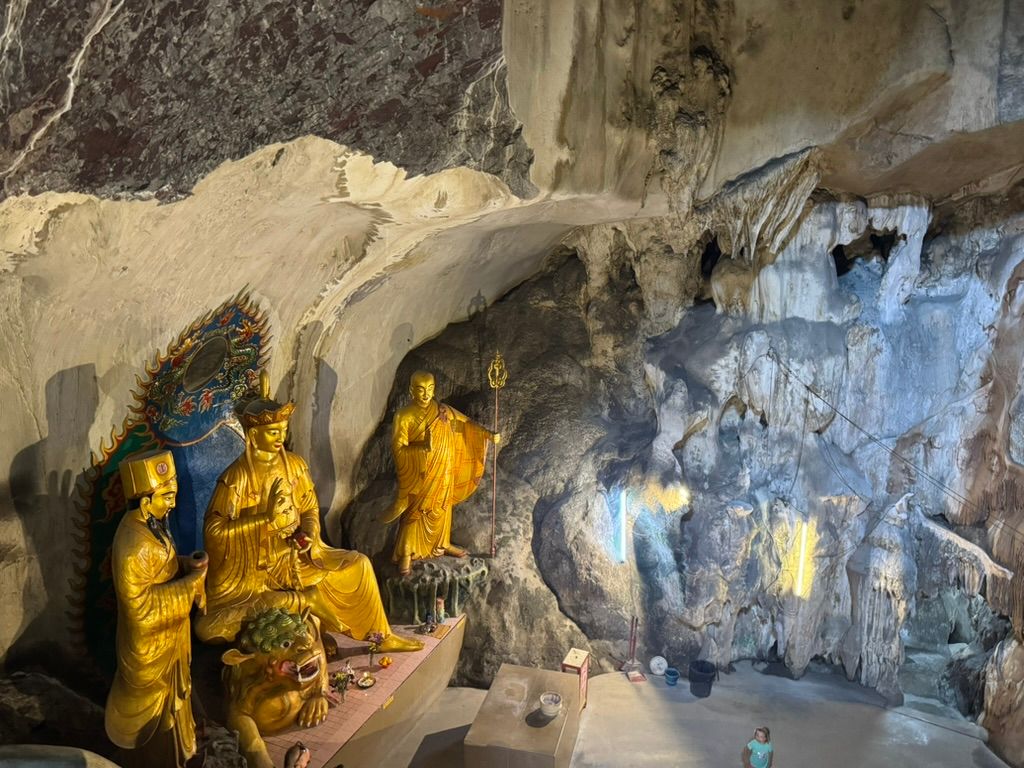
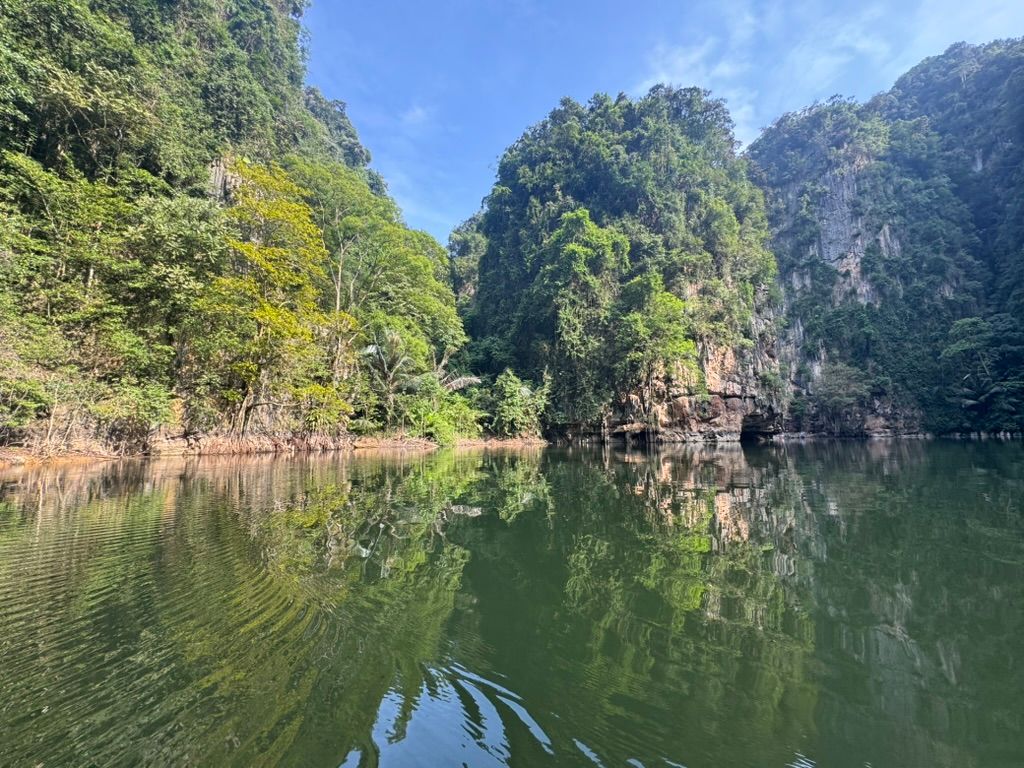
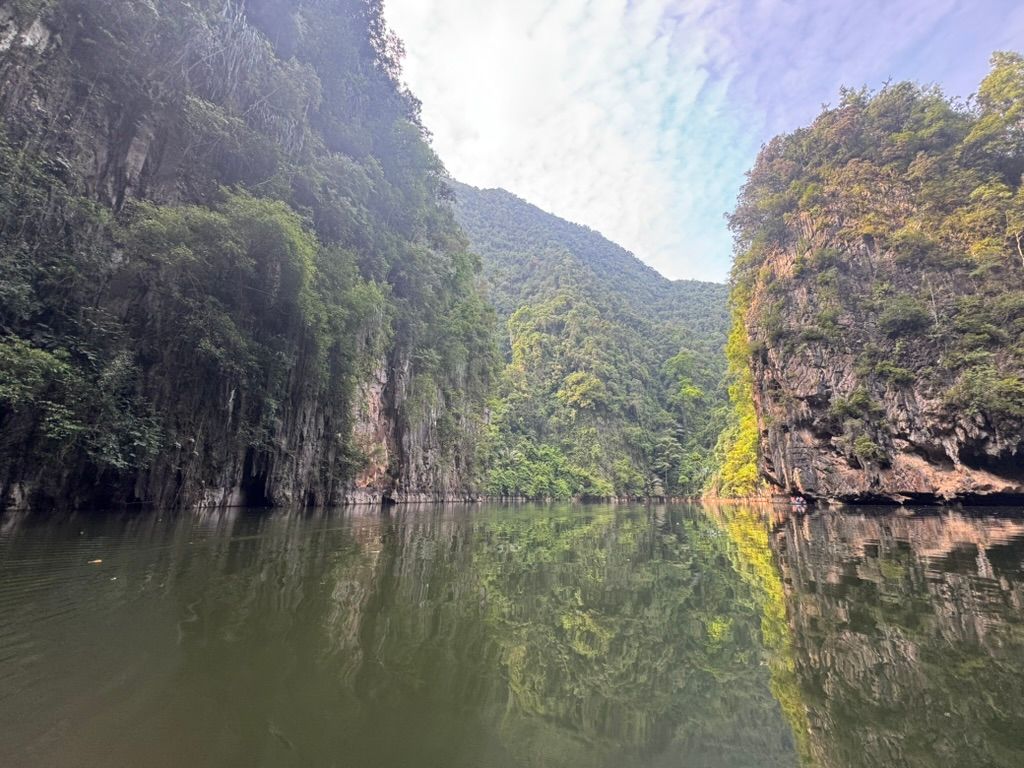
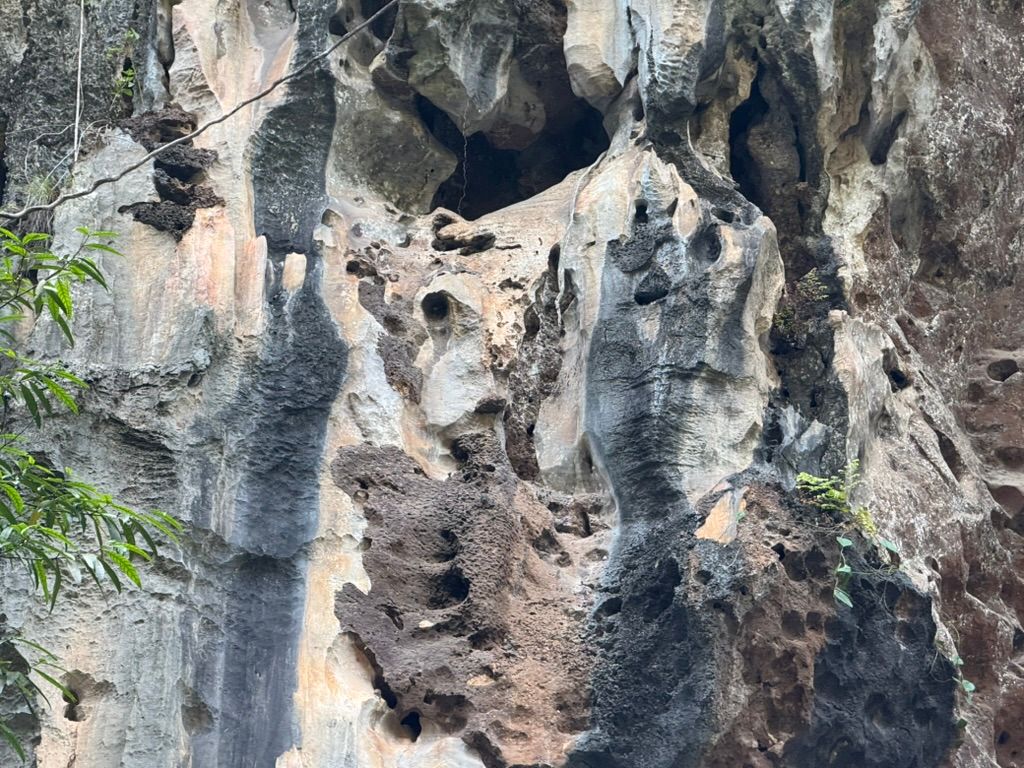
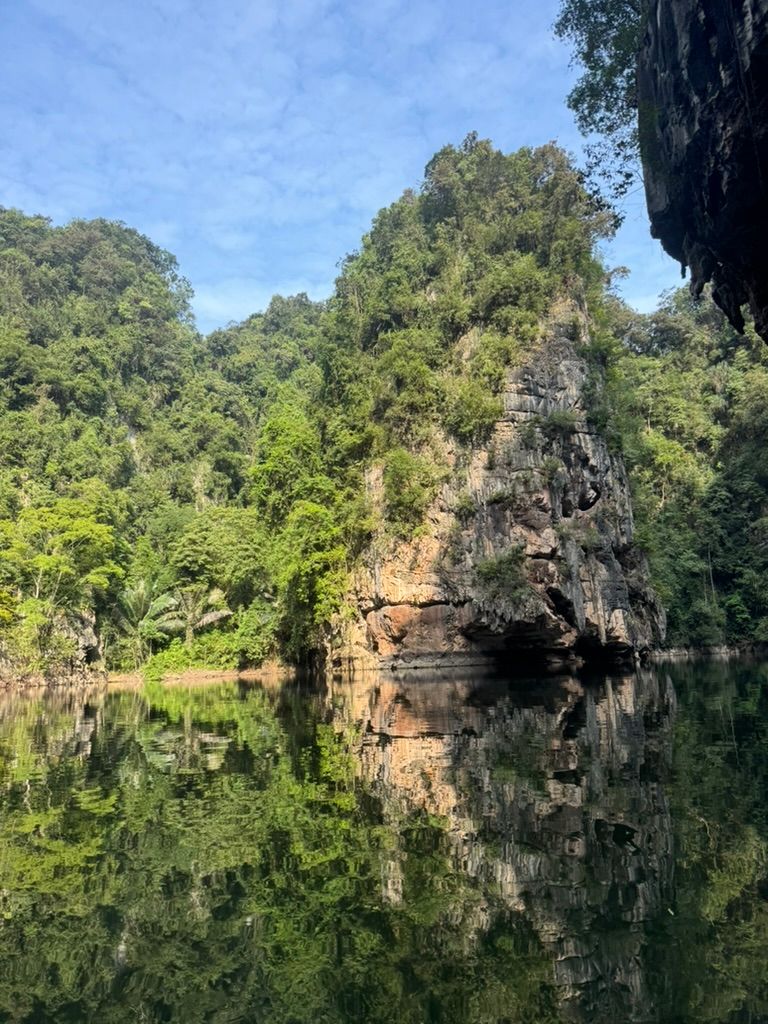
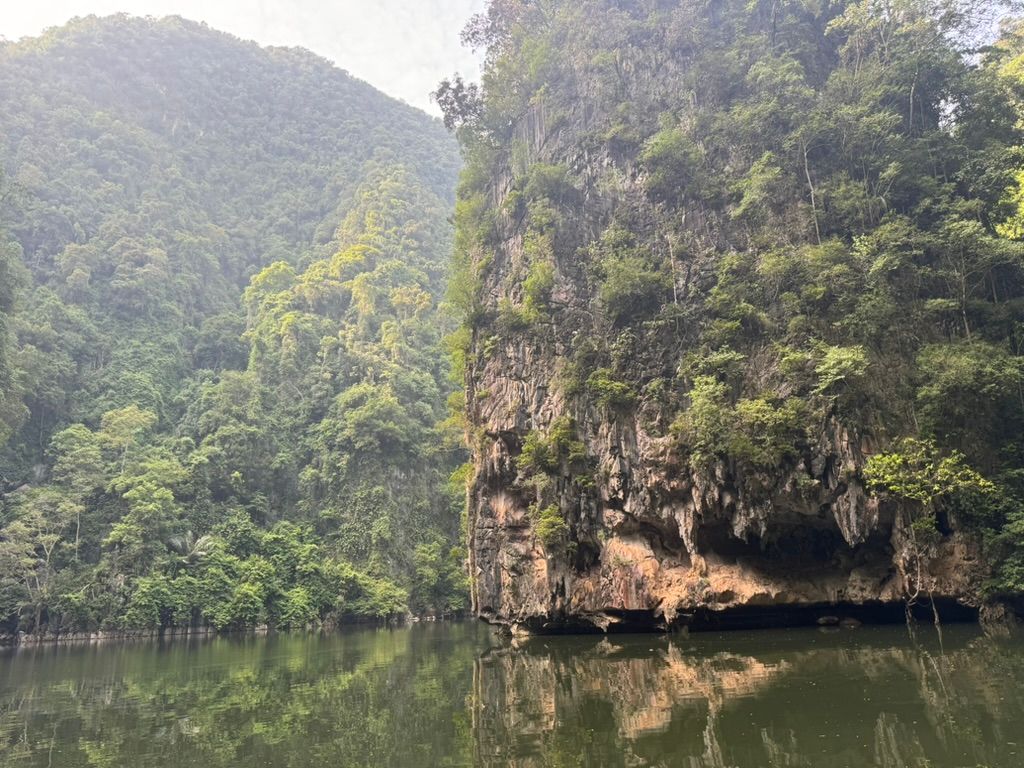
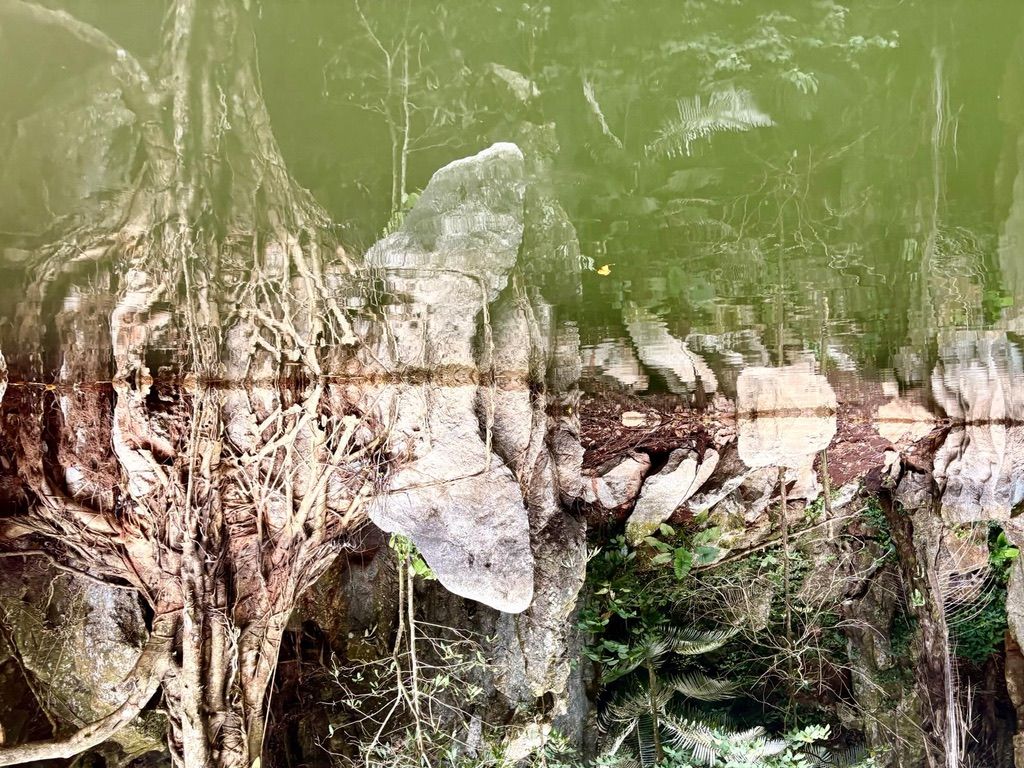
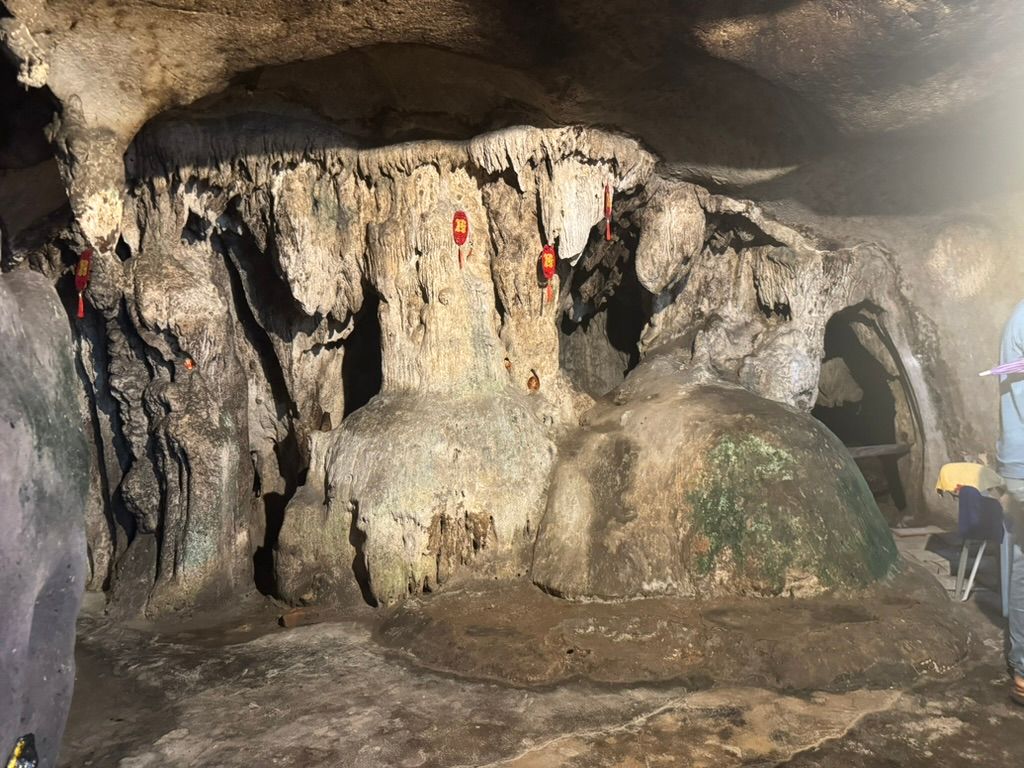
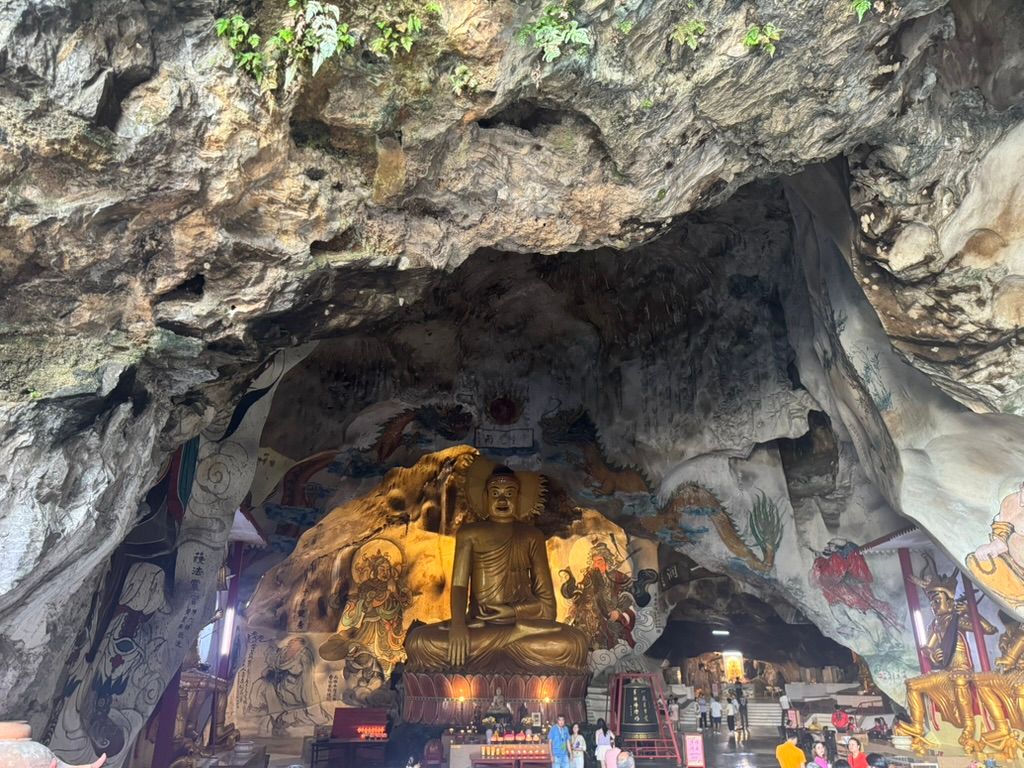
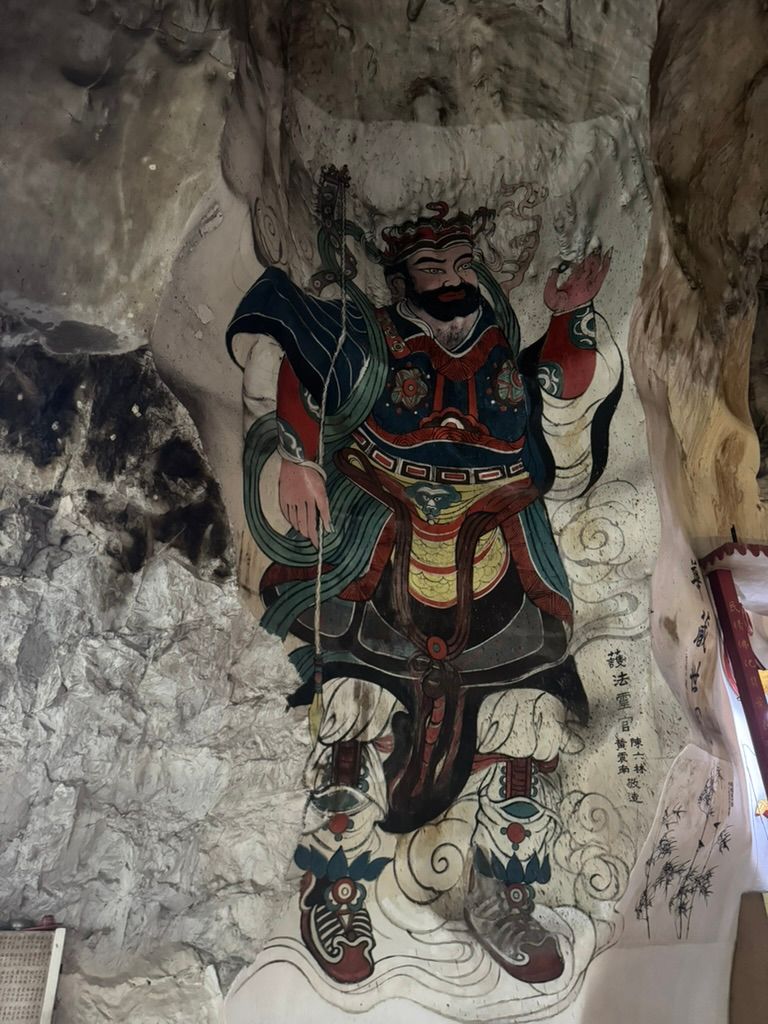
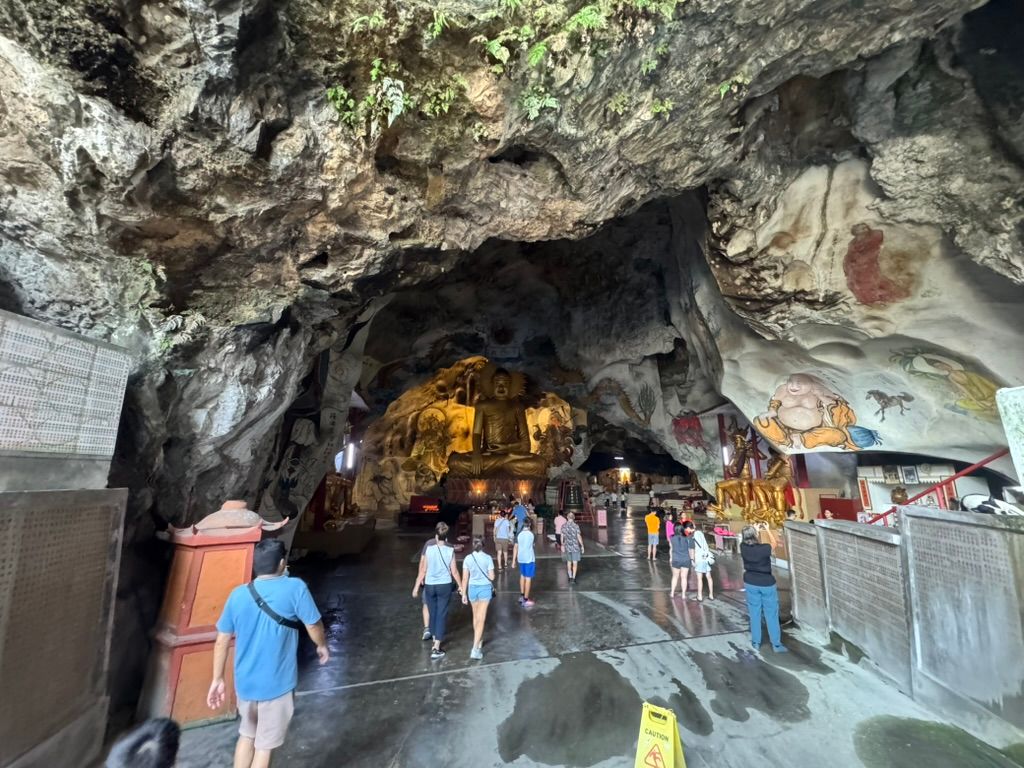
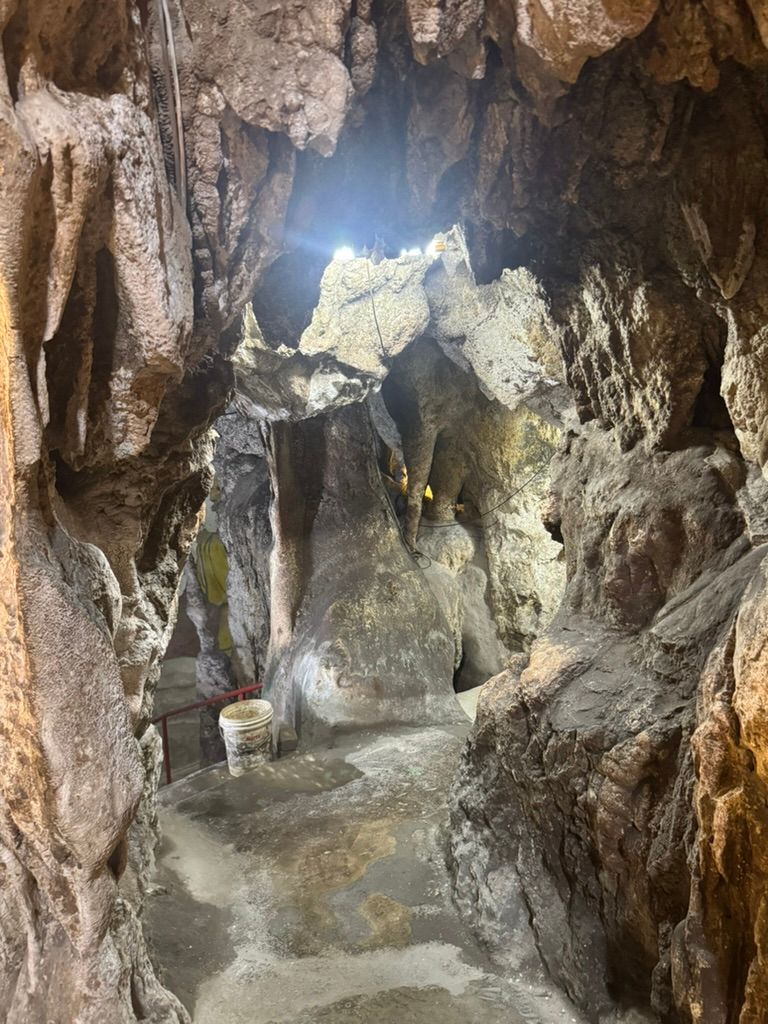
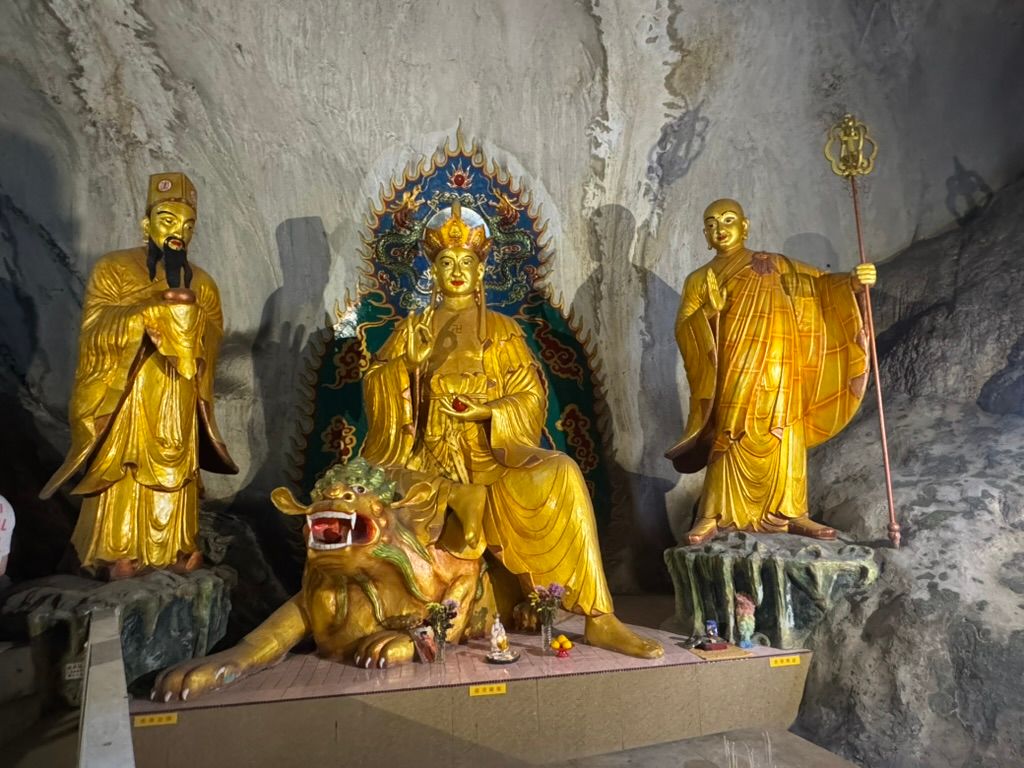
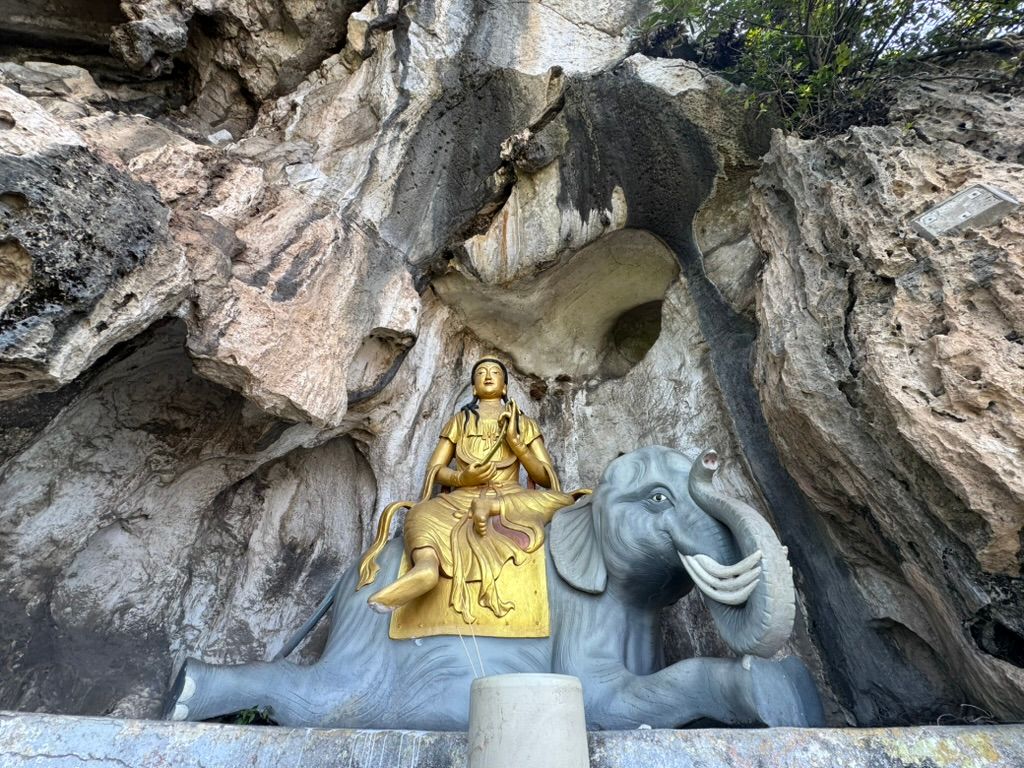
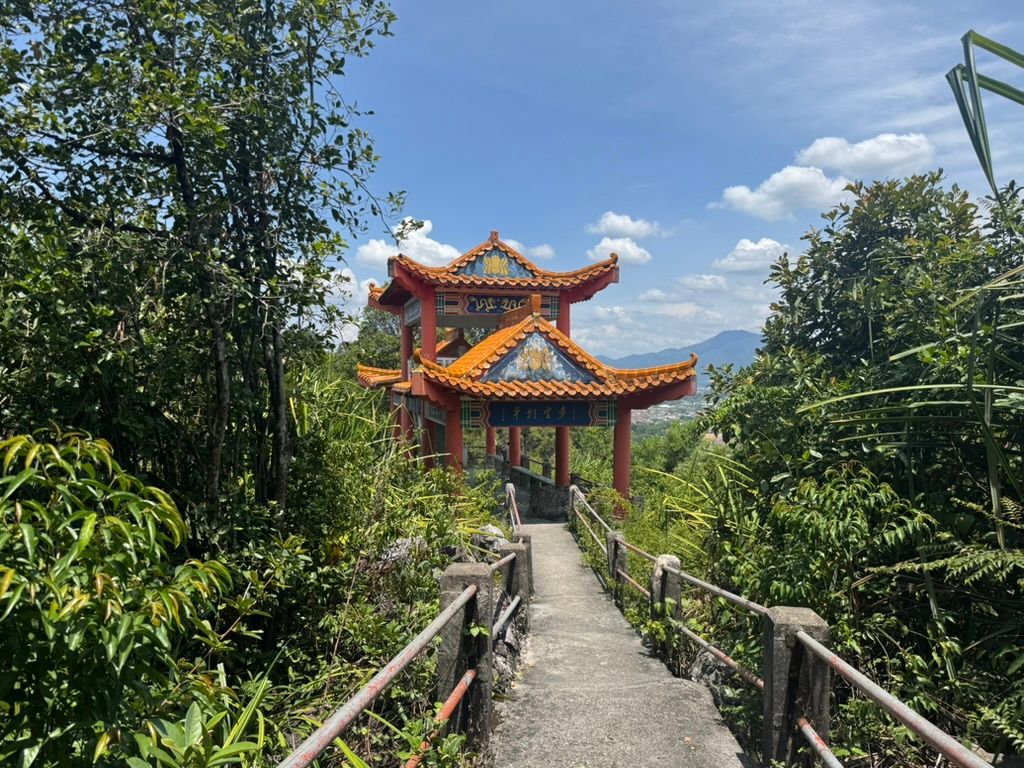
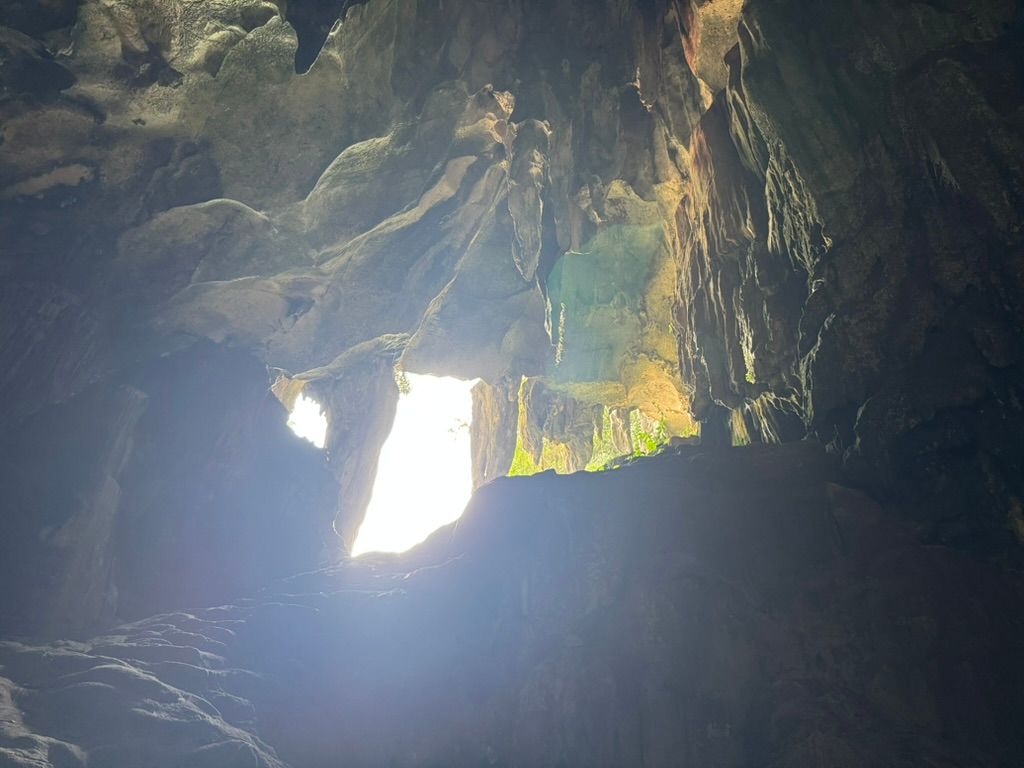
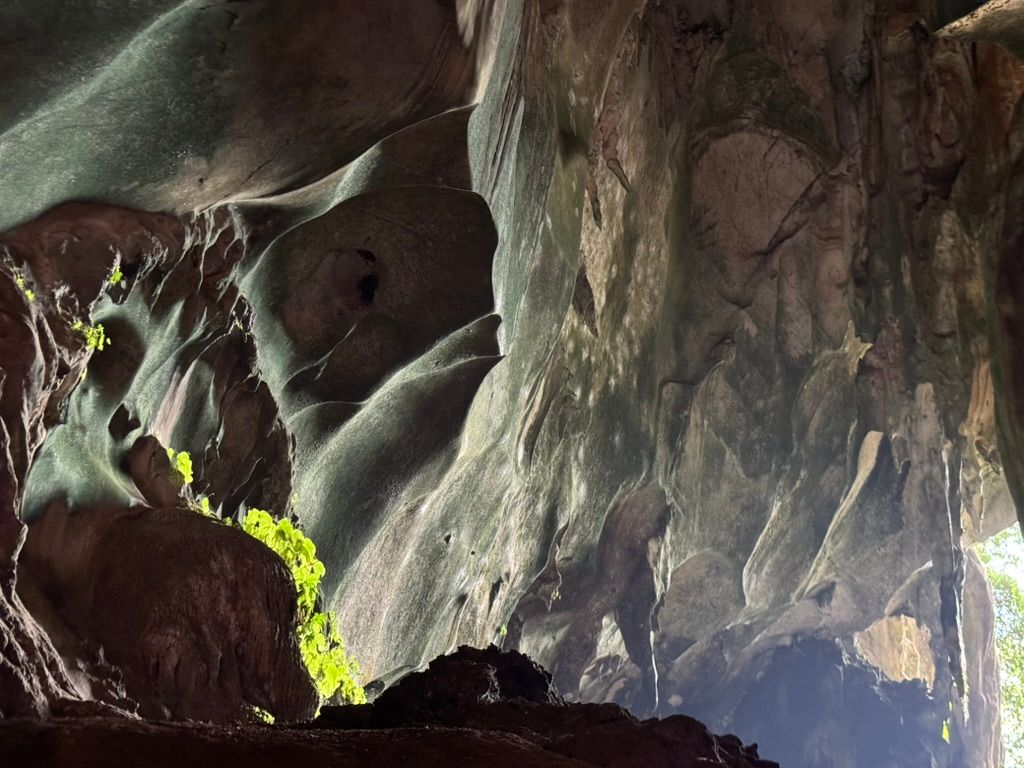
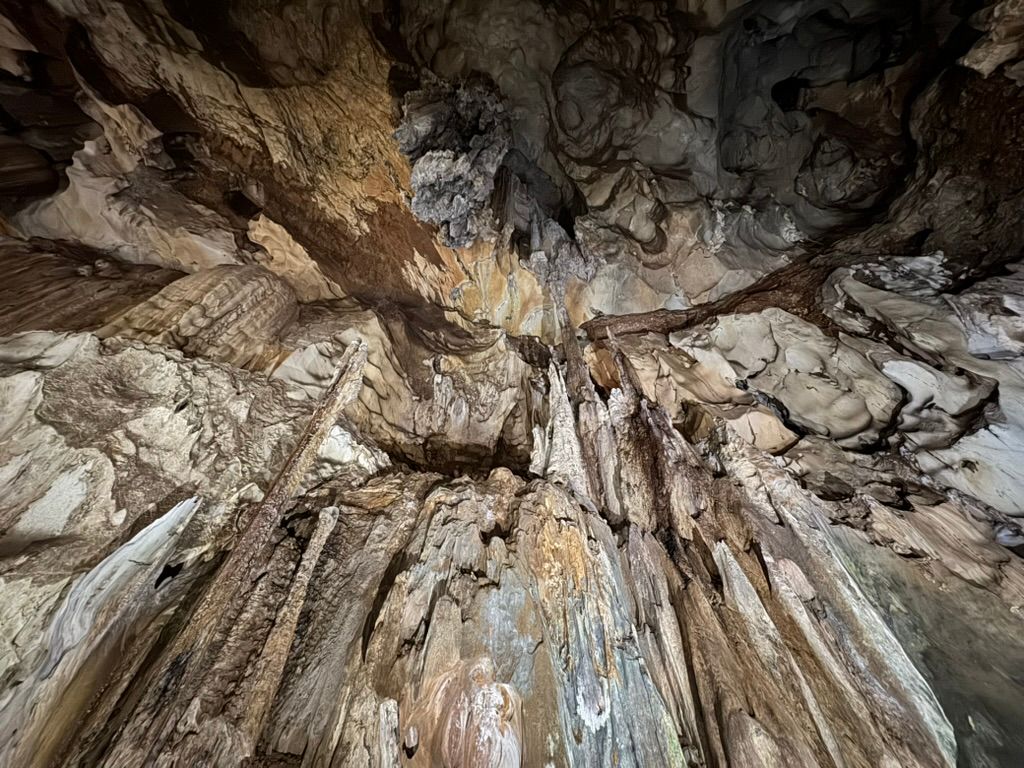
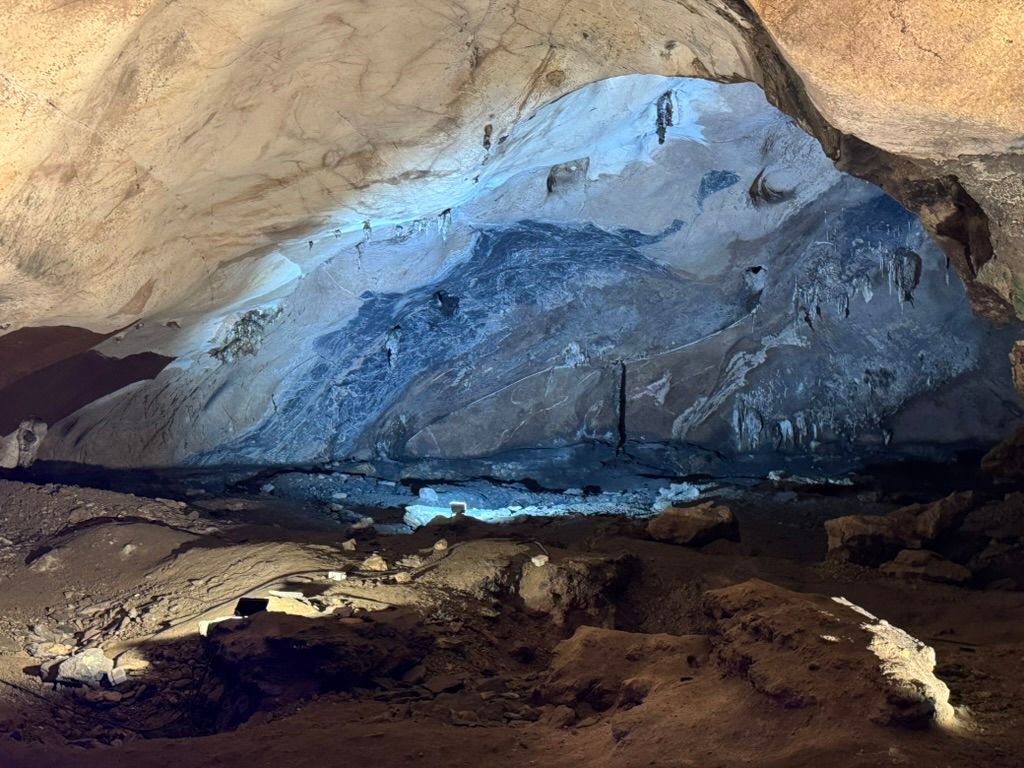
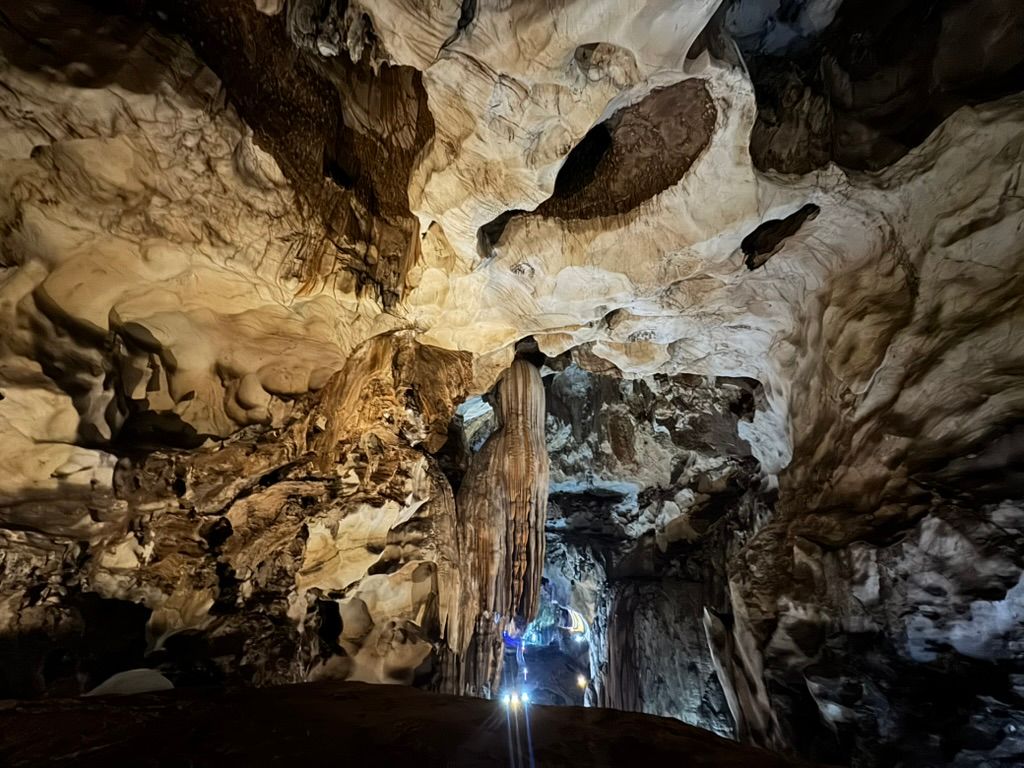
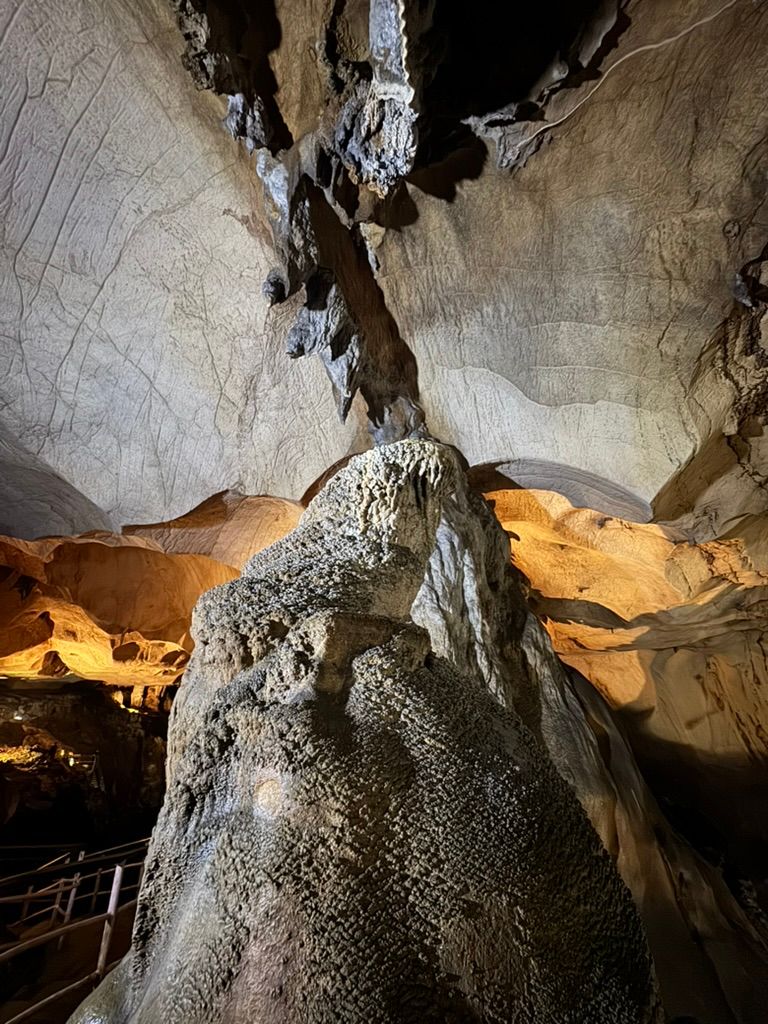
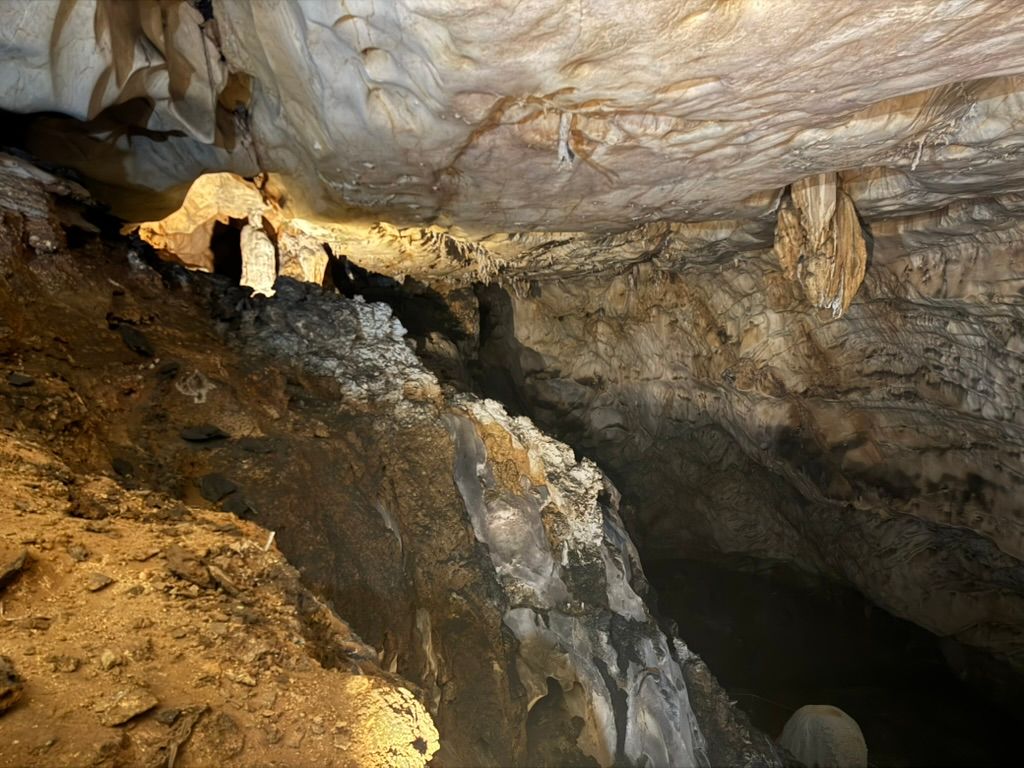
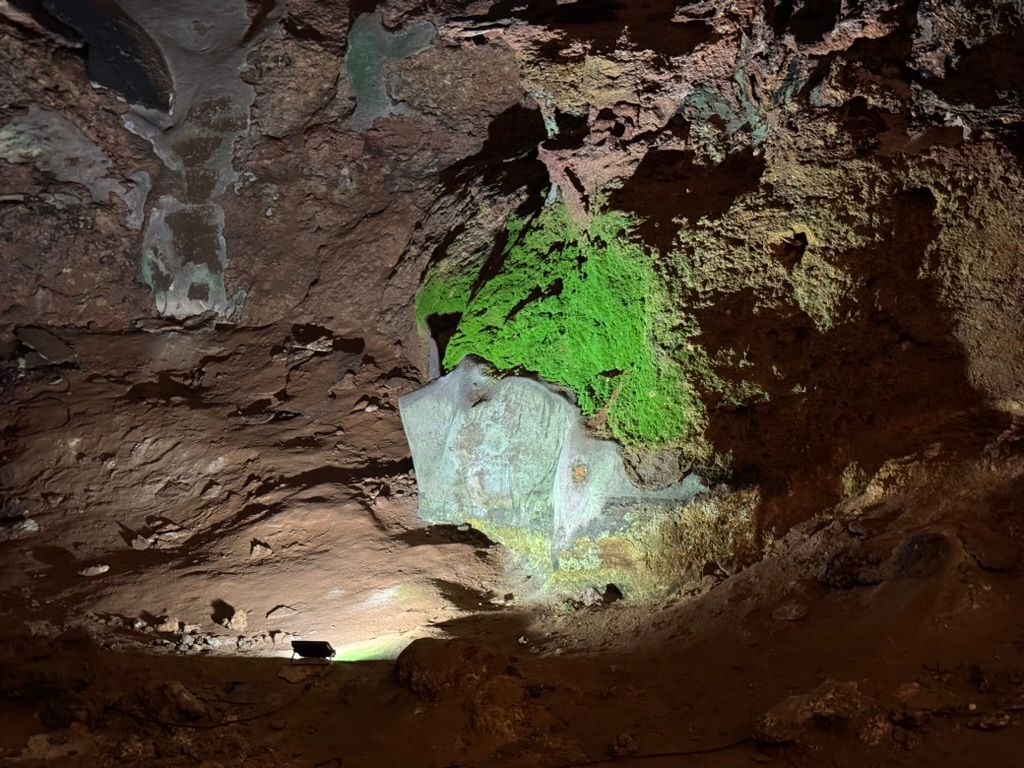
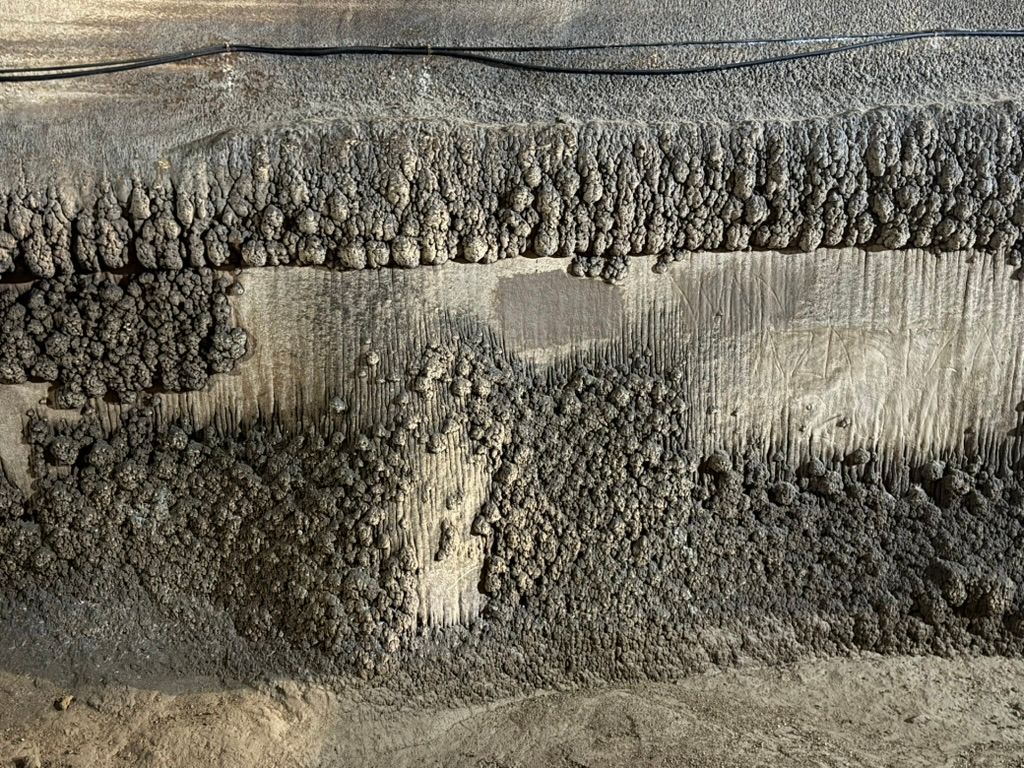
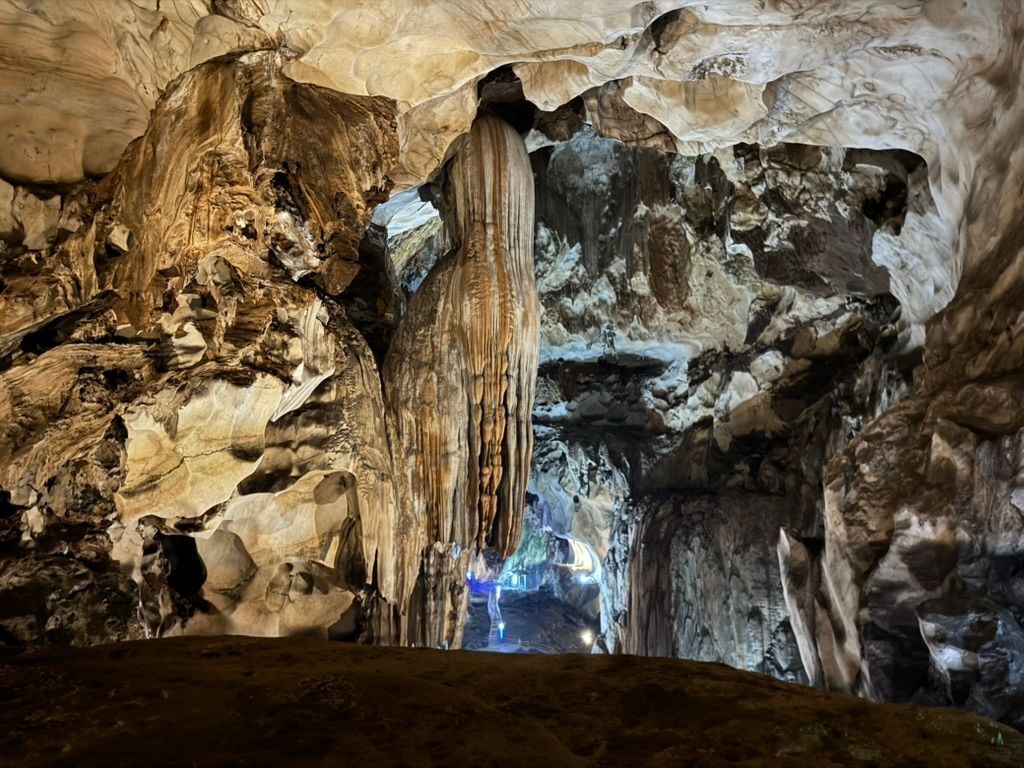
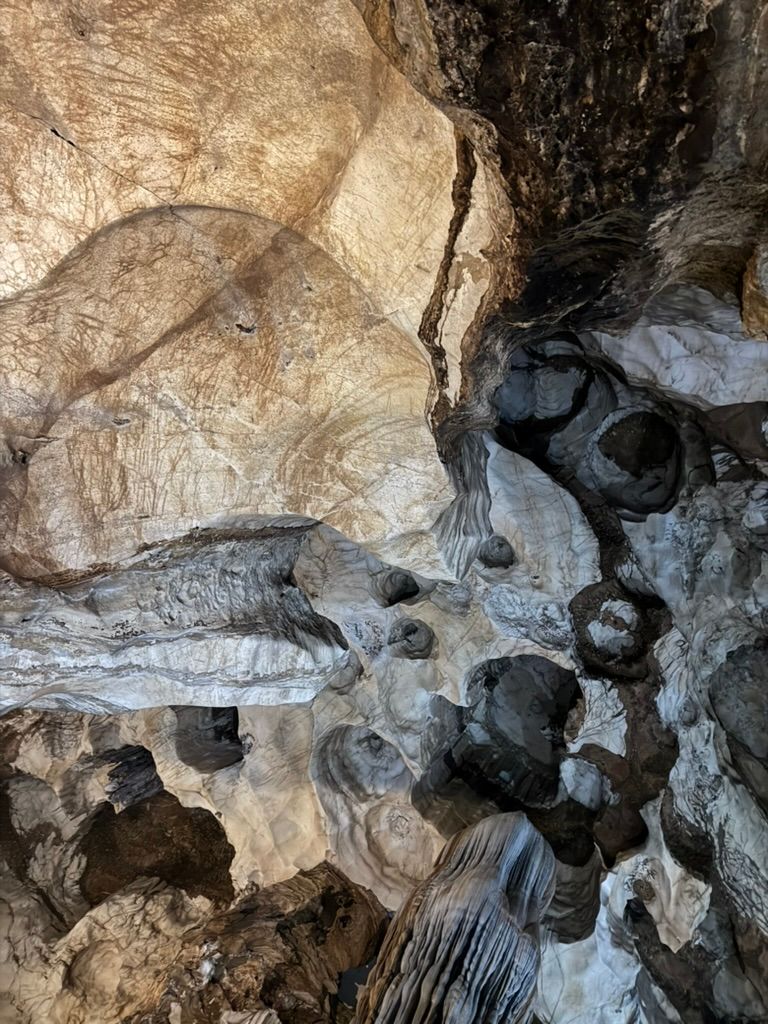
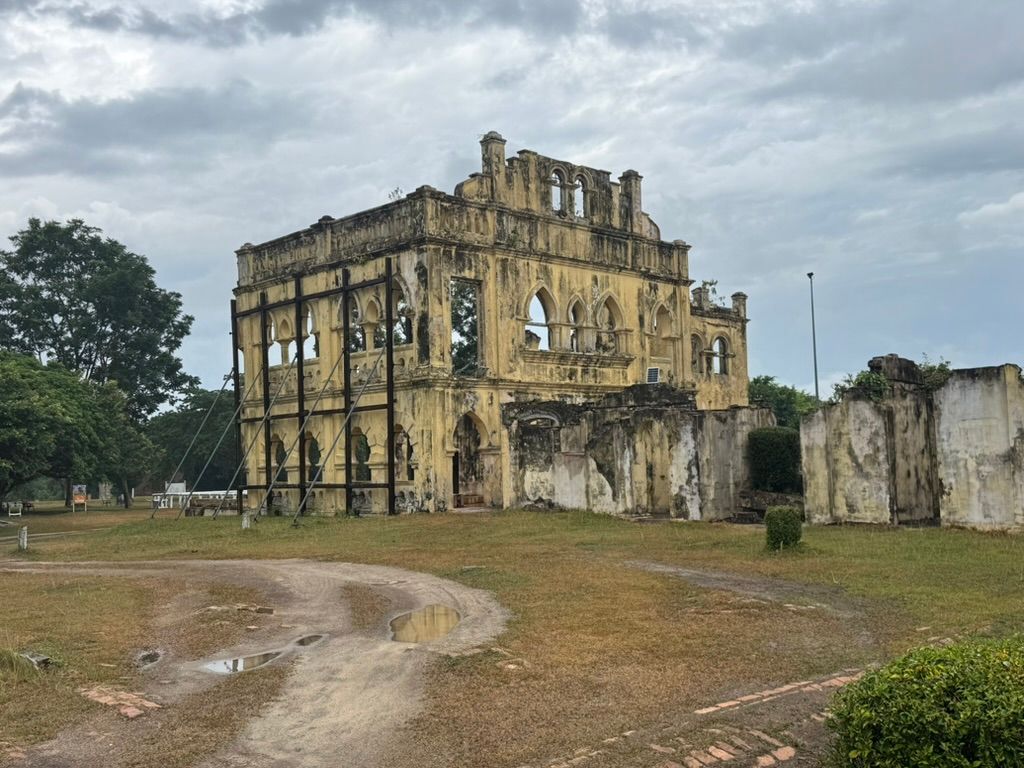
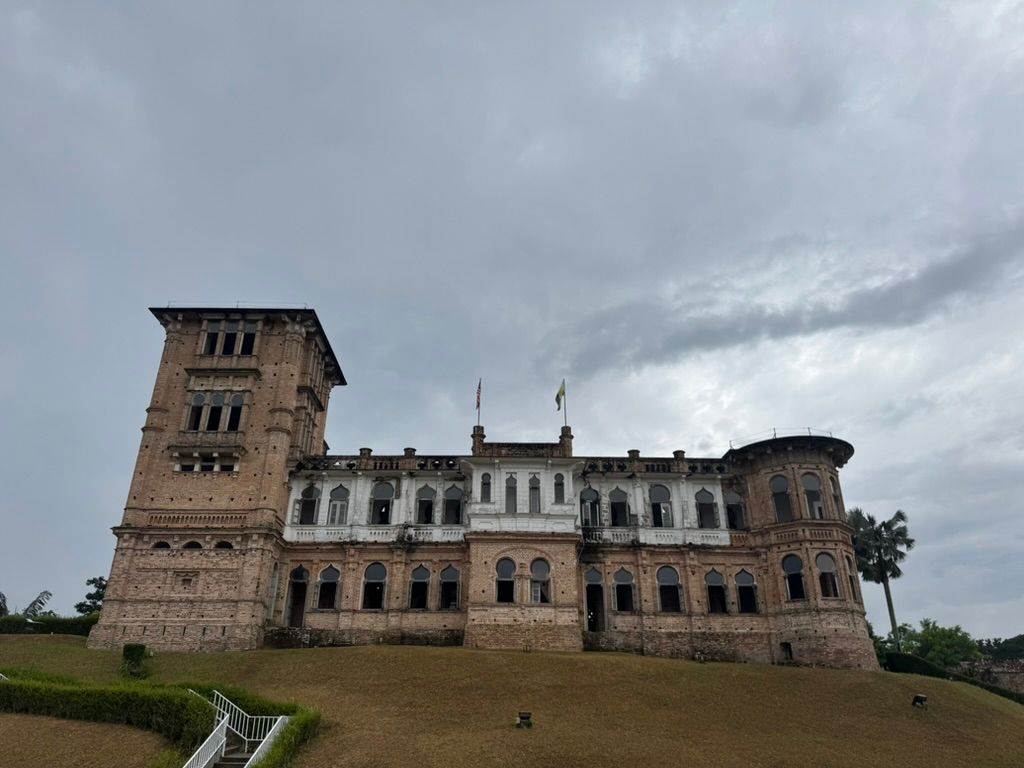
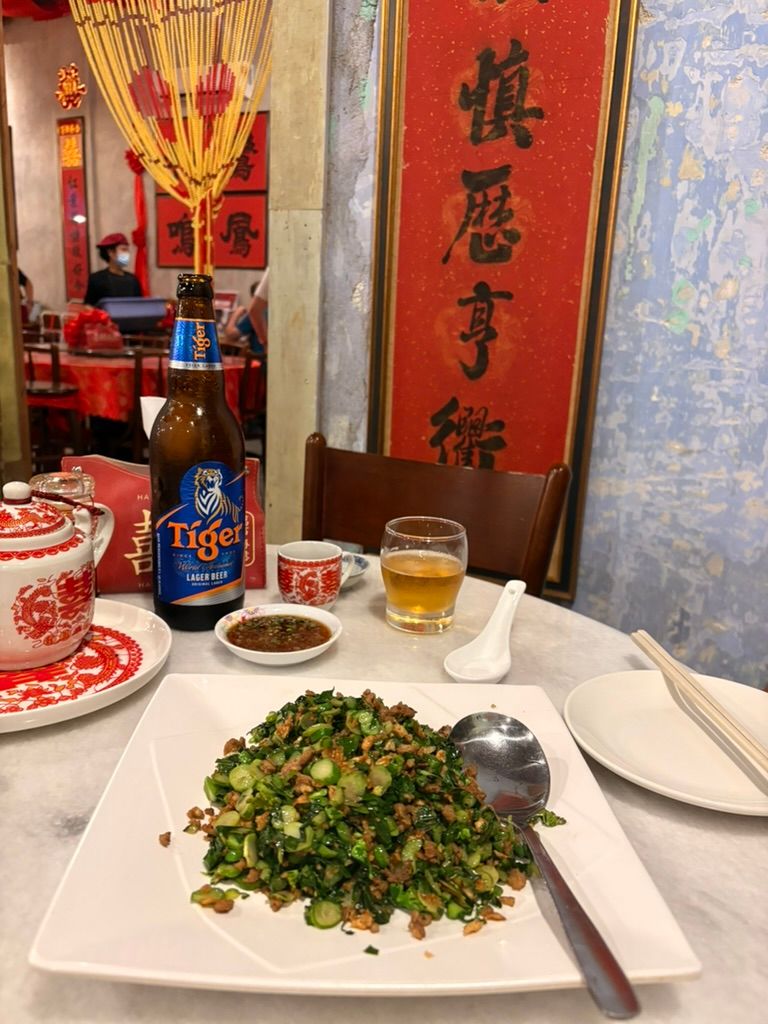
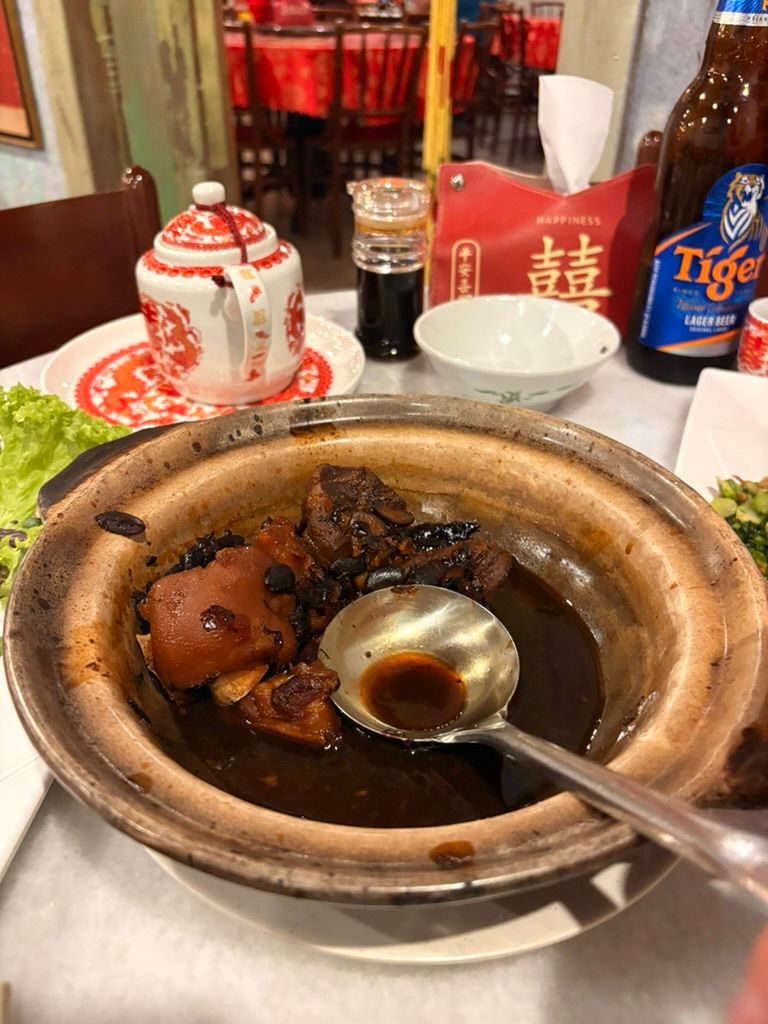
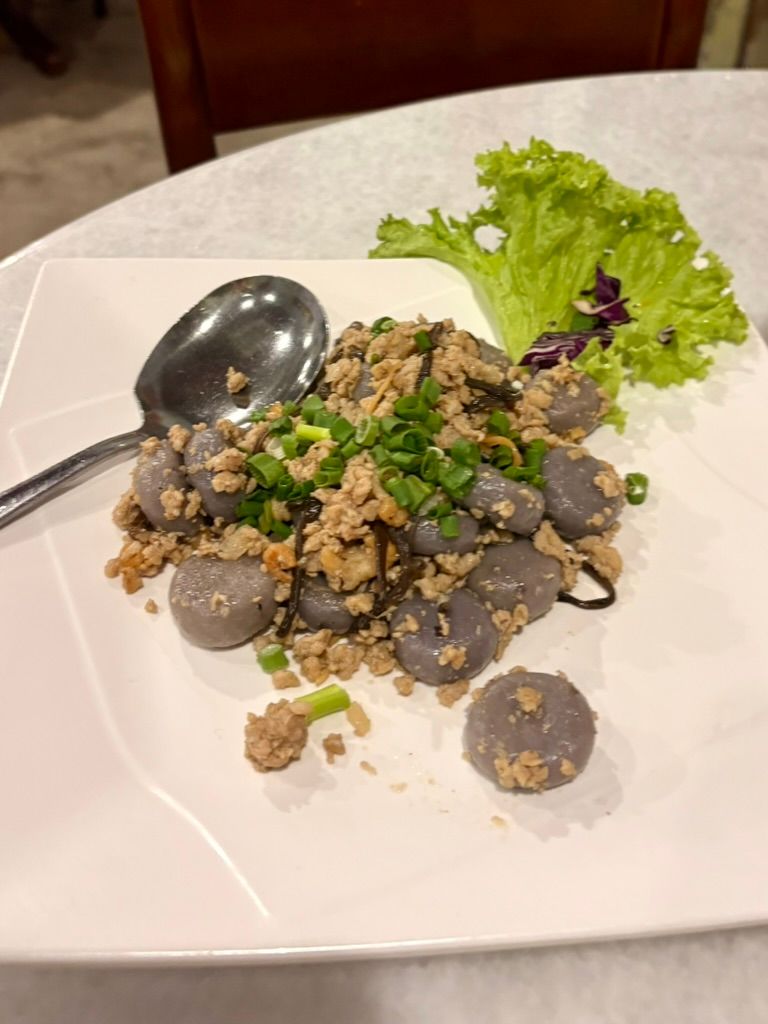
The city itself has a really beautiful old town with colorful colonial houses, small streets, many cafes, Little India with loud music and bright colors. Great atmosphere! It was also very nice to visit the Perak Tong Temple, which was built into a limestone cave with many paintings and statues. You could also access an observation platform from outside via many winding stairs, where you had a good view of an industrial area.For the attractions a little further away from the city, we looked for a driver for a day and asked at the kiosk in our high-rise. The owner's daughter, who had just completed her business degree and was helping out in her mother's store while searching for a job, took the opportunity and offered herself as a driver. So we visited the highlights of the area with Annie: Gua Tempurung, a large continuous cave formation. Kellie's Castle, an unfinished Scottish castle on a former rubber plantation, complete with a family drama. Sam Poh Tong Temple, a well-known limestone cave temple with a turtle pond and religious art. Tasik Cermin Lake 1 and 2, former open-pit tin mines. On the lakes, you could take amusing boat tours and truly admire very beautiful reflections in the water. We had a lot of fun with Annie; she made a great effort to provide us with a wonderful day, served us some treats (according to her, the best soy milk and the best durian cake in the city, both surprisingly really delicious!), gave us tips on where to eat the best dim sum and other delicacies. And we could talk very well with her about life in Malaysia, how well and poorly the coexistence works, what young people wish for, etc., and she was refreshingly honest. When we came to the topic of how the ethnic groups mix, for instance, whether Malays and Chinese often become couples, she responded quite indignantly: then I could no longer eat pork, as that would be impossible for Chinese people because it is far too delicious. Freddy particularly identified with this statement. She laughed at us when we told her that we had been to the aforementioned beer hall - 'only for old people,' and suddenly we found ourselves in the grandma-grandpa category.
Not everything in Malaysia is sunshine and rainbows regarding equality among the different ethnic groups: Malays are privileged in many areas compared to the descendants of Indian and Chinese immigrants and other ethnic groups, whether it’s in university admissions, government positions, or through tax and loan advantages. Nonetheless, we felt a high level of tolerance and a welcoming culture from which we could learn in Germany: different religions and customs can coexist without problems, everyone is welcome at celebrations, even if they belong to another religion, and people treat each other kindly, courteously, and respectfully.