

Food and Fake in Kuala Lumpur's Chinatown
Independence”; this declaration was made by the first Malaysian Prime Minister after the end of British rule, Tunku Abdul Rahman (1903–1990), on August 31, 1957, at exactly the...

Published: 23.07.2026
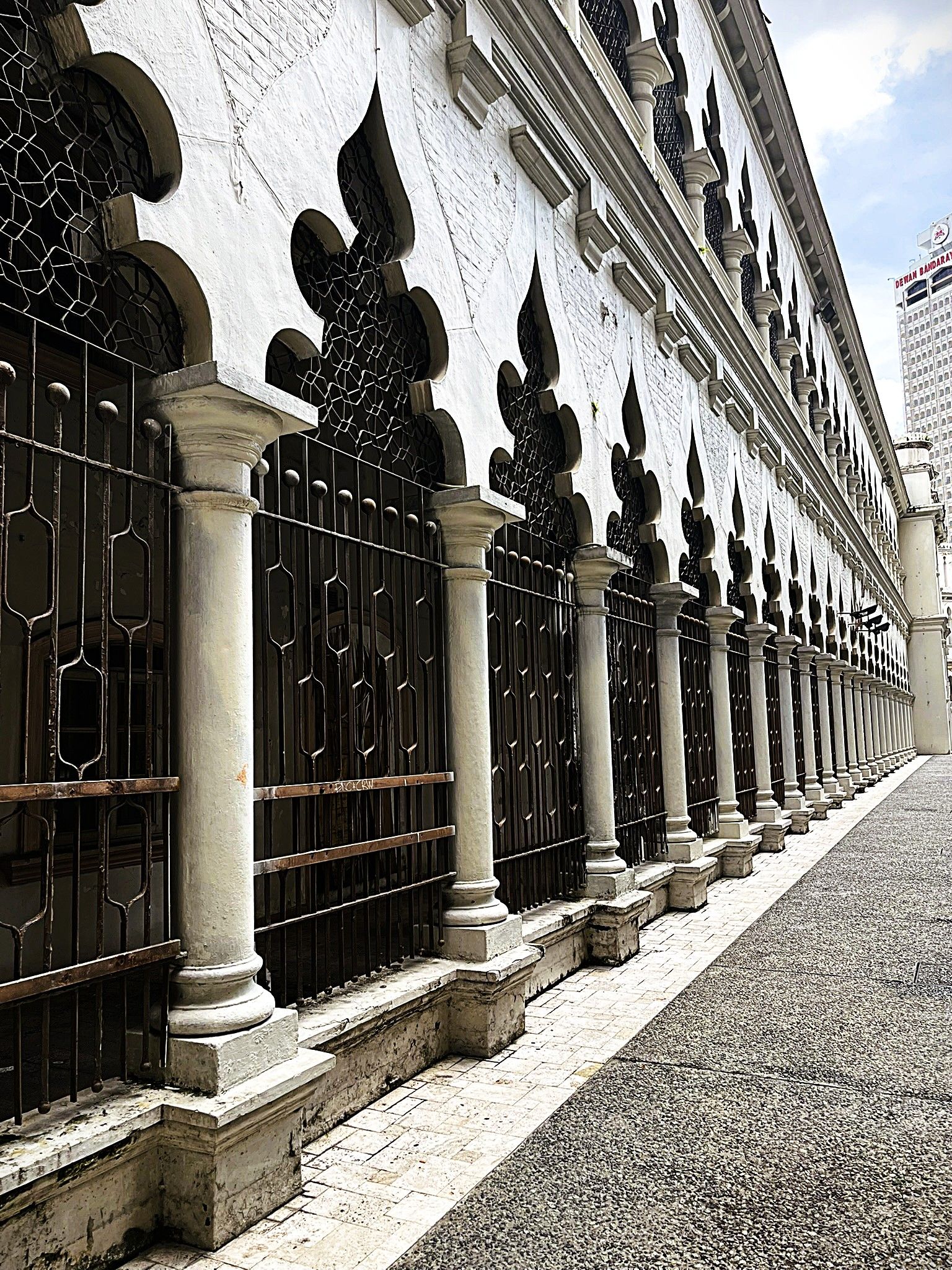
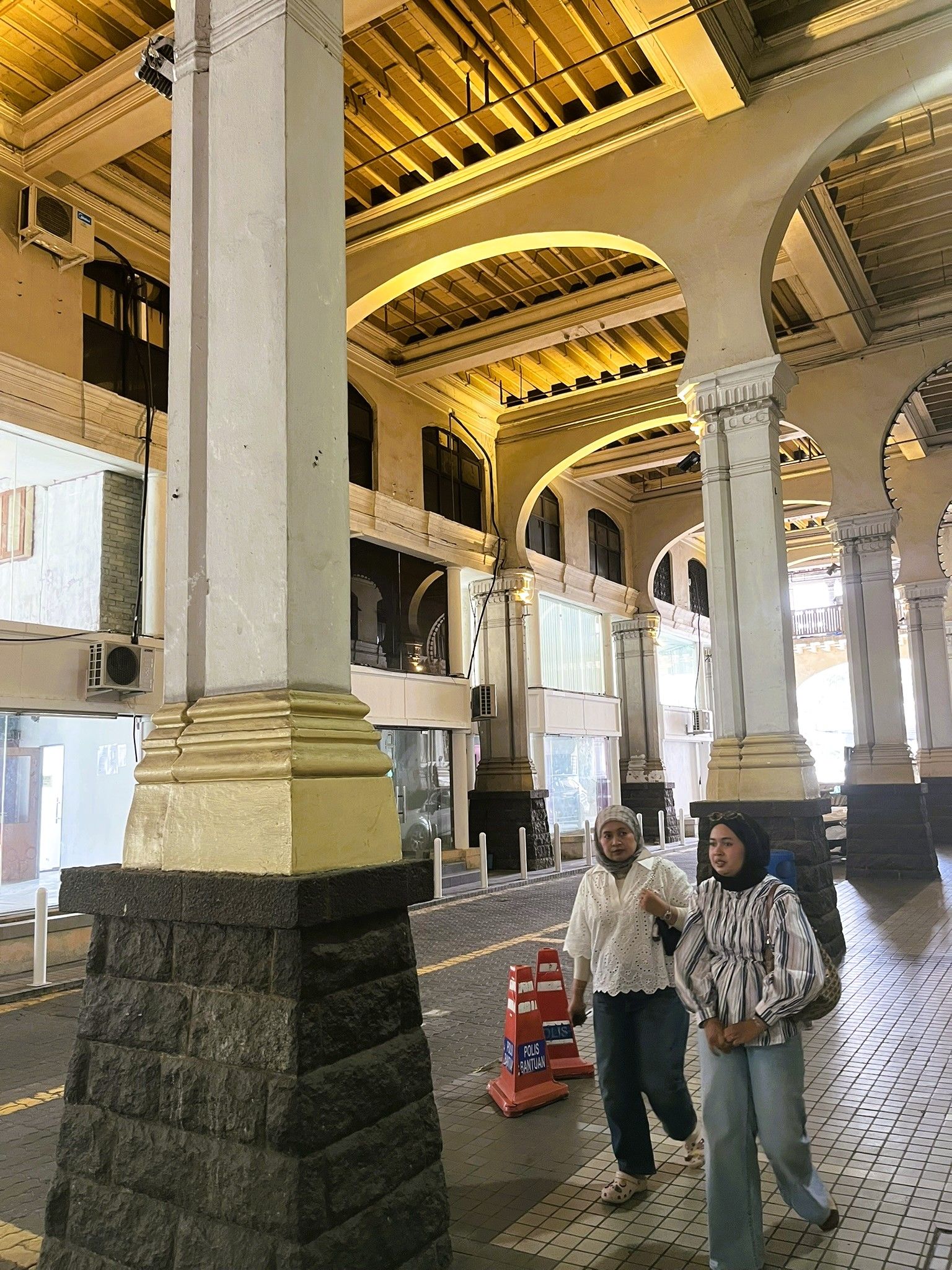
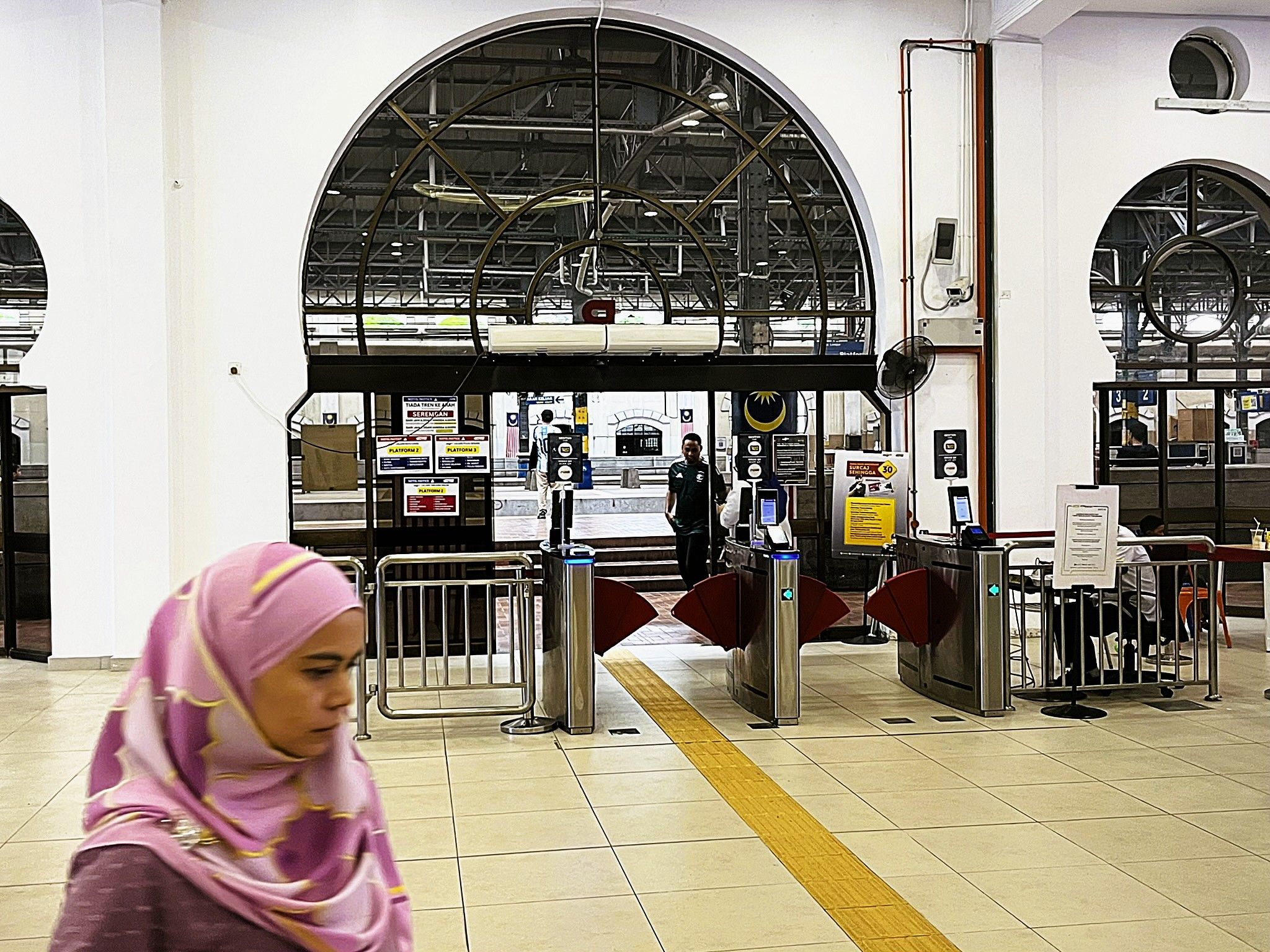
After a month in Sumatra, from mid-May to mid-June 2026, I will spend the second half of June in Kuala Lumpur. I have been here for the fourth time because the Malaysian capital has captivated me and I continually discover new corners. This time, I want to focus primarily on its history.
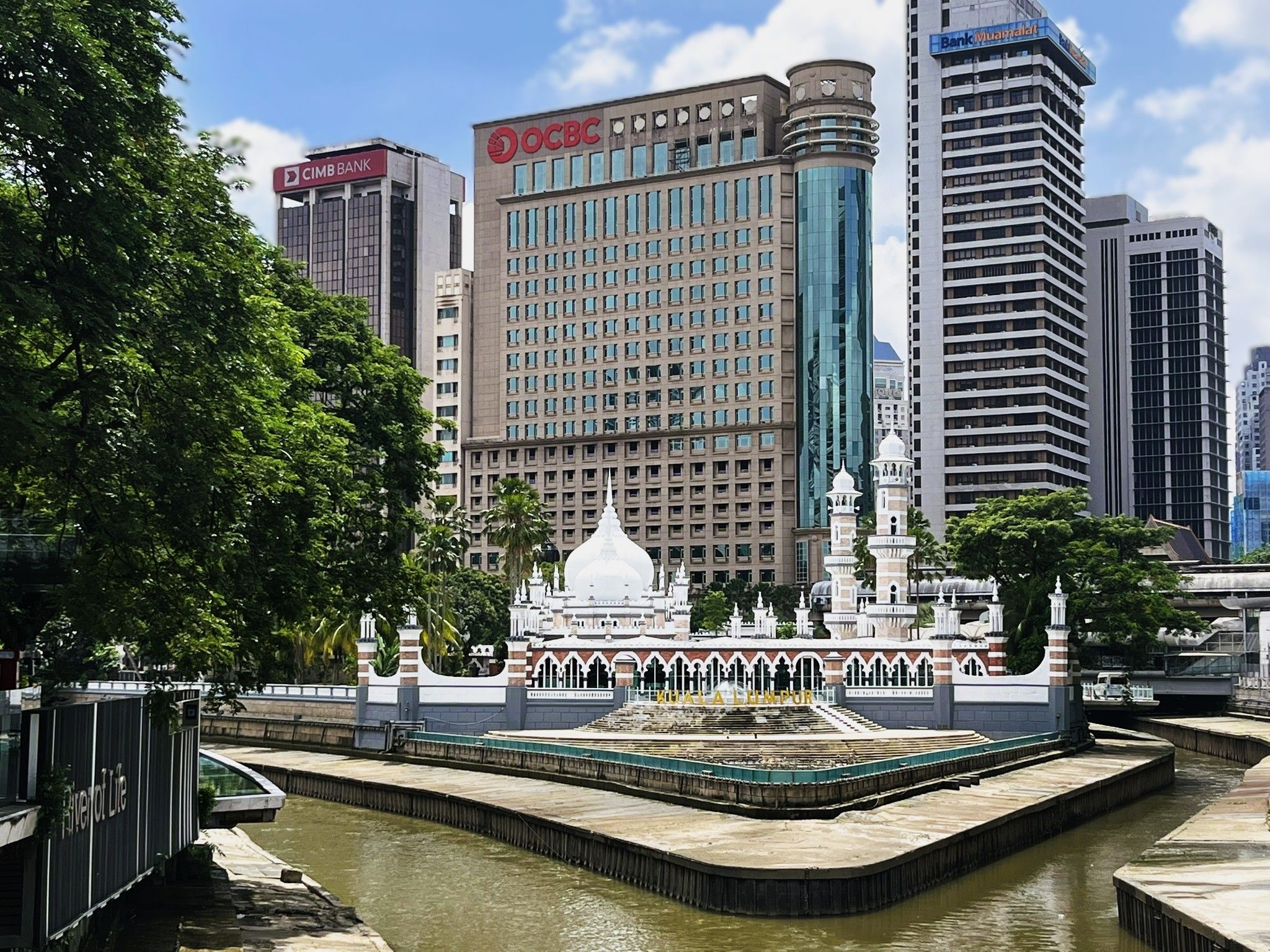
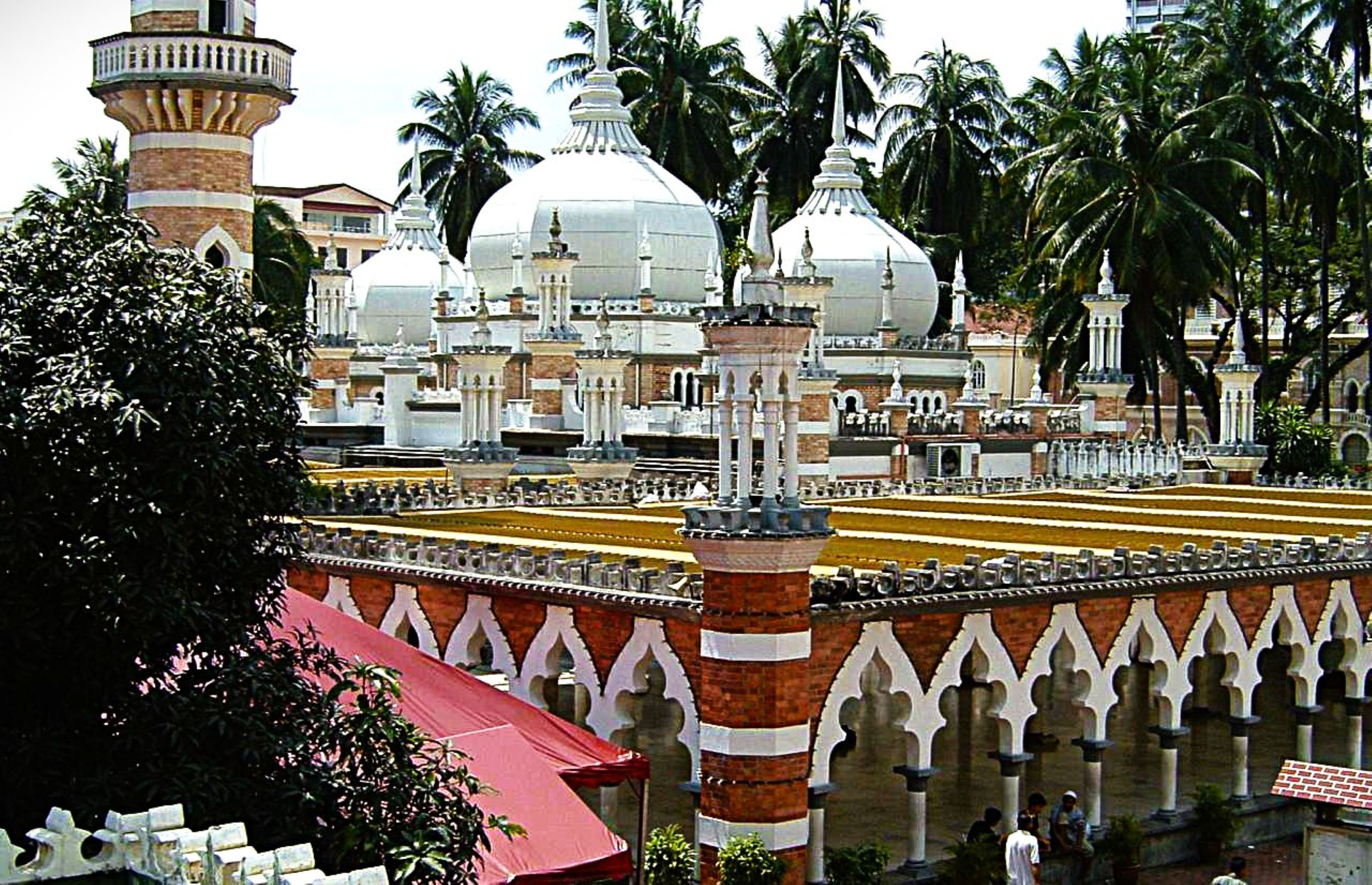
Kuala Lumpur is a relatively young city. It was founded 170 years ago as a pioneer settlement for the exploitation of local tin mines at the point where the Gombok River flows into the Klang River. On this peninsula, exactly at the site of the first settlement, lies the magnificent Jamek Sultan Abdul Samad Mosque, built in 1908, behind which the façades of fat office towers fill the horizon.
Back then, the settlement was a dismal collection of wooden shacks and bamboo huts on muddy ground, covered with dried palm leaves. The name itself did not suggest a particularly attractive place: Kuala Lumpur means “muddy river mouth.” The first settlers were miners, many of whom immigrated from China, and the Chinese soon played an important role.
Once Dominated by the Chinese
In 1868, the immigrant businessman Yap Ah Loy (1837–1885) from Guandong was appointed the Kapitan Cina of Kuala Lumpur; he was thus the official leader of the Chinese population and acted as an intermediary between the colonial administration, the Sultan of Selangor, the Chinese mining entrepreneurs, and the secret societies. The Chinese secret societies or triads were initially self-help organizations for migrants, turned into economic cartels, extorted protection money, practiced extrajudicial justice, and formed militias that fought each other and participated in the Selangor civil war.
This civil war between rival Malay princes and their Chinese allies lasted from 1867 to 1874. Kuala Lumpur suffered several times, and in 1872 large parts of the settlement burned down. Yap Ah Loy is regarded as the man to whom the city owes its rapid reconstruction.
Then the British Came
Around 1870, the British gained increasing influence and took over the administration of Selangor. In 1880, they moved the administrative seat to Kuala Lumpur. In 1896, it was also made the capital of the Federated Malay States (FMS), consisting of Selangor and three other sultanates. The British had established the federation to manage, tax, and defend their territories in Malaya more efficiently. Formally, the sultanates remained independent; in reality, political and economic power lay with the British colonial administration.
With independence in 1957, Kuala Lumpur remained the capital of the new state. In 1974, the city was carved out of Selangor and declared a “federal territory”; Selangor moved its capital to Shah Alam, about 25 kilometers west of the center of K.L. Shah Alam is in the Kuala Lumpur metropolitan area, where around eight million people live.
Colonial Splendor
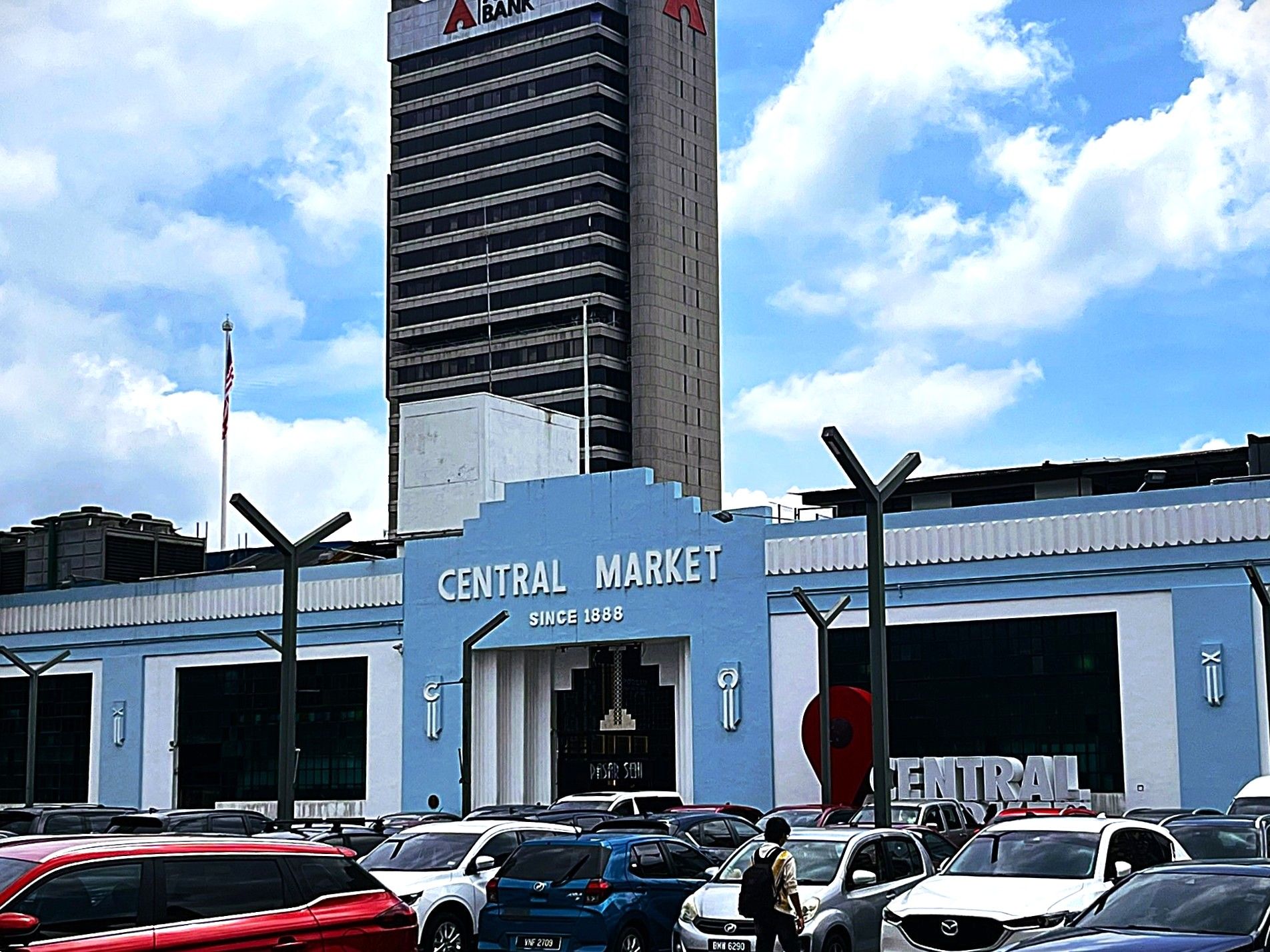
From Chinatown, I stroll past Pasar Seni, the central market, a squat, sky-blue Art Deco building from the 1930s. A few minutes on foot away, across the Klang River, I arrive at the center of colonial Kuala Lumpur.
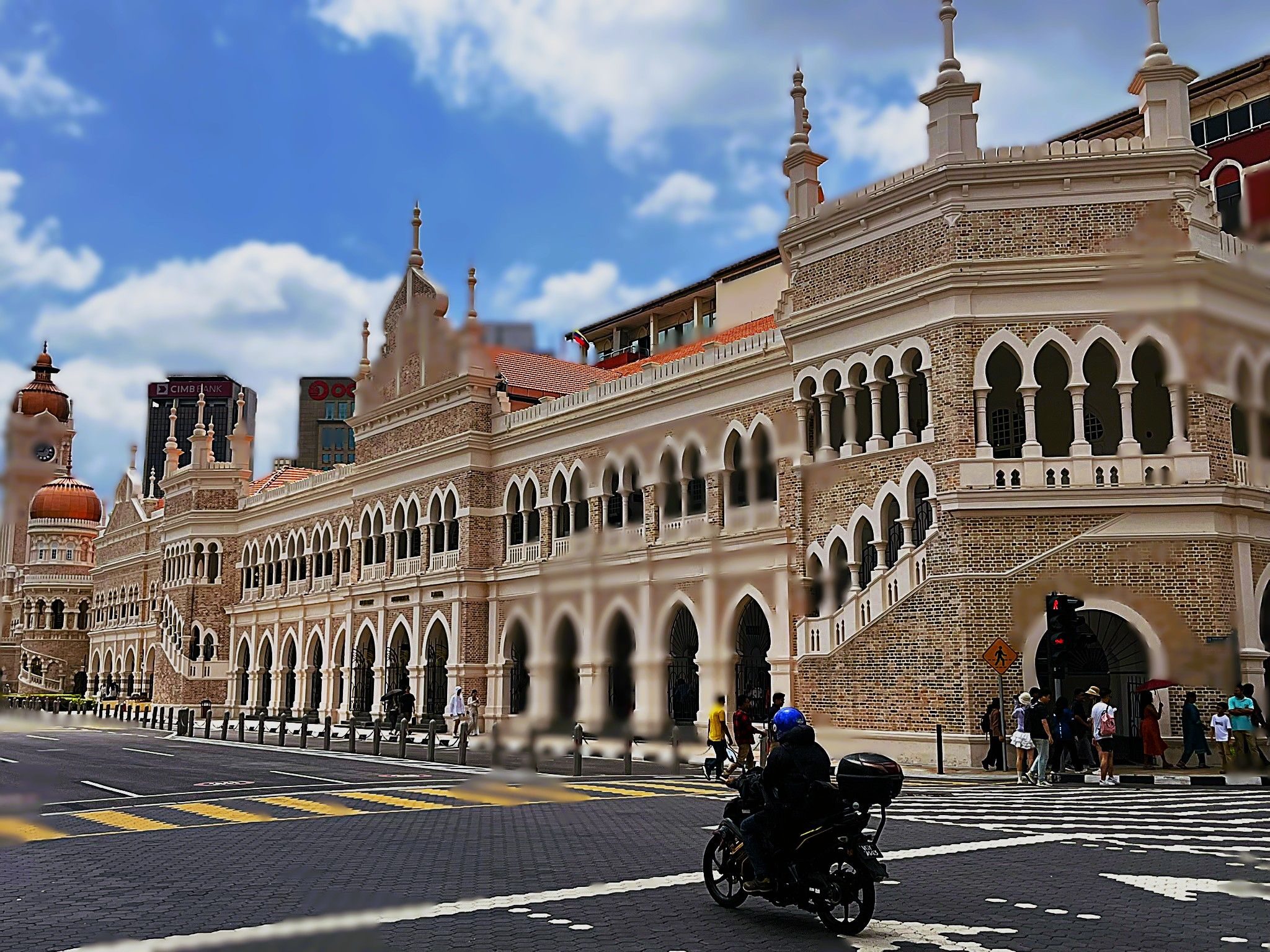
Around Dataran Merdeka, the Independence Square, can be found all the splendid architectural testimonies with which the colonizers manifested their alleged superiority. In just 50 years, Kuala Lumpur had developed from a makeshift outpost with a few dozen residents into a thriving city that had already reached a population of 45,000 by 1910.
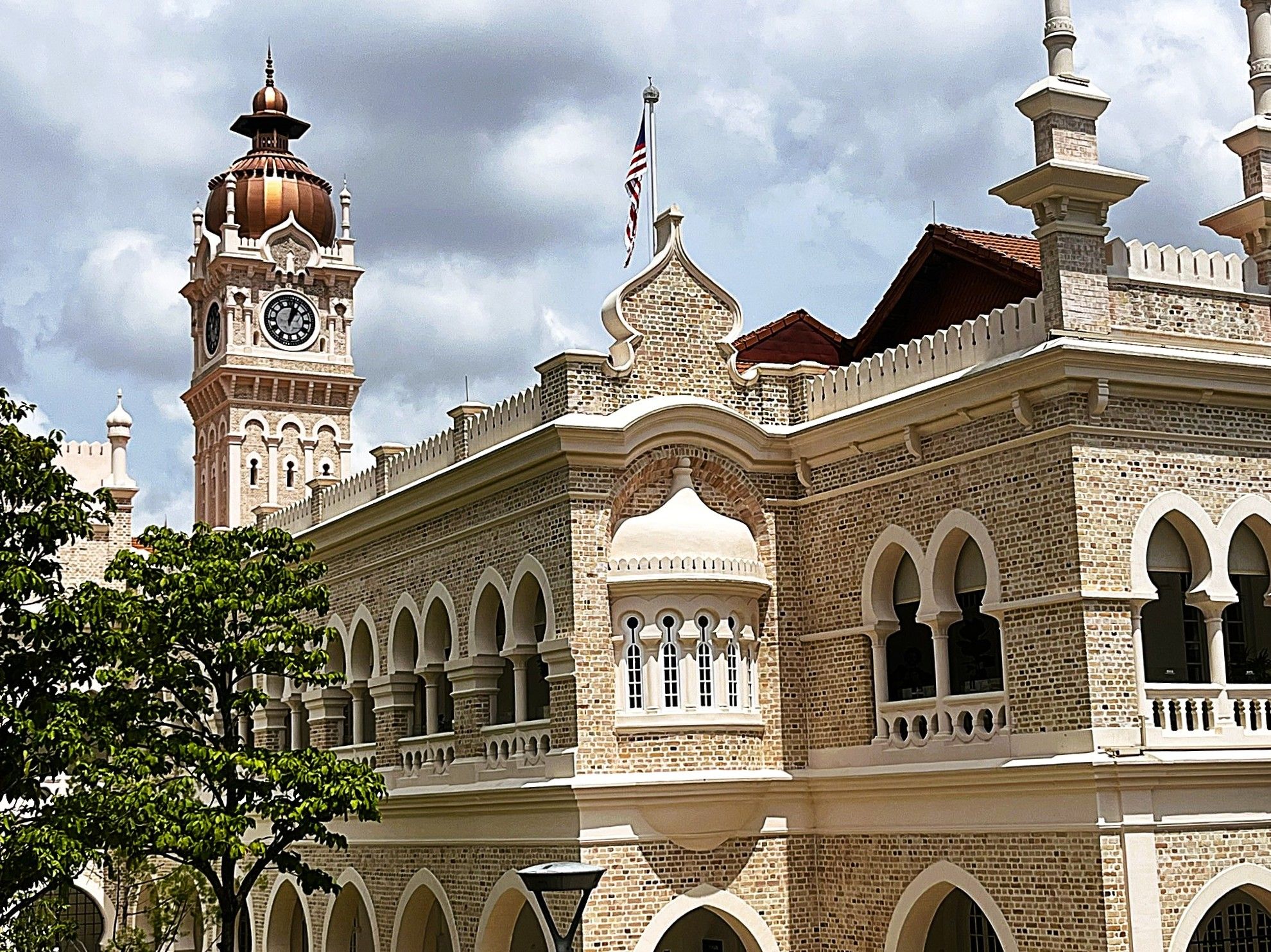
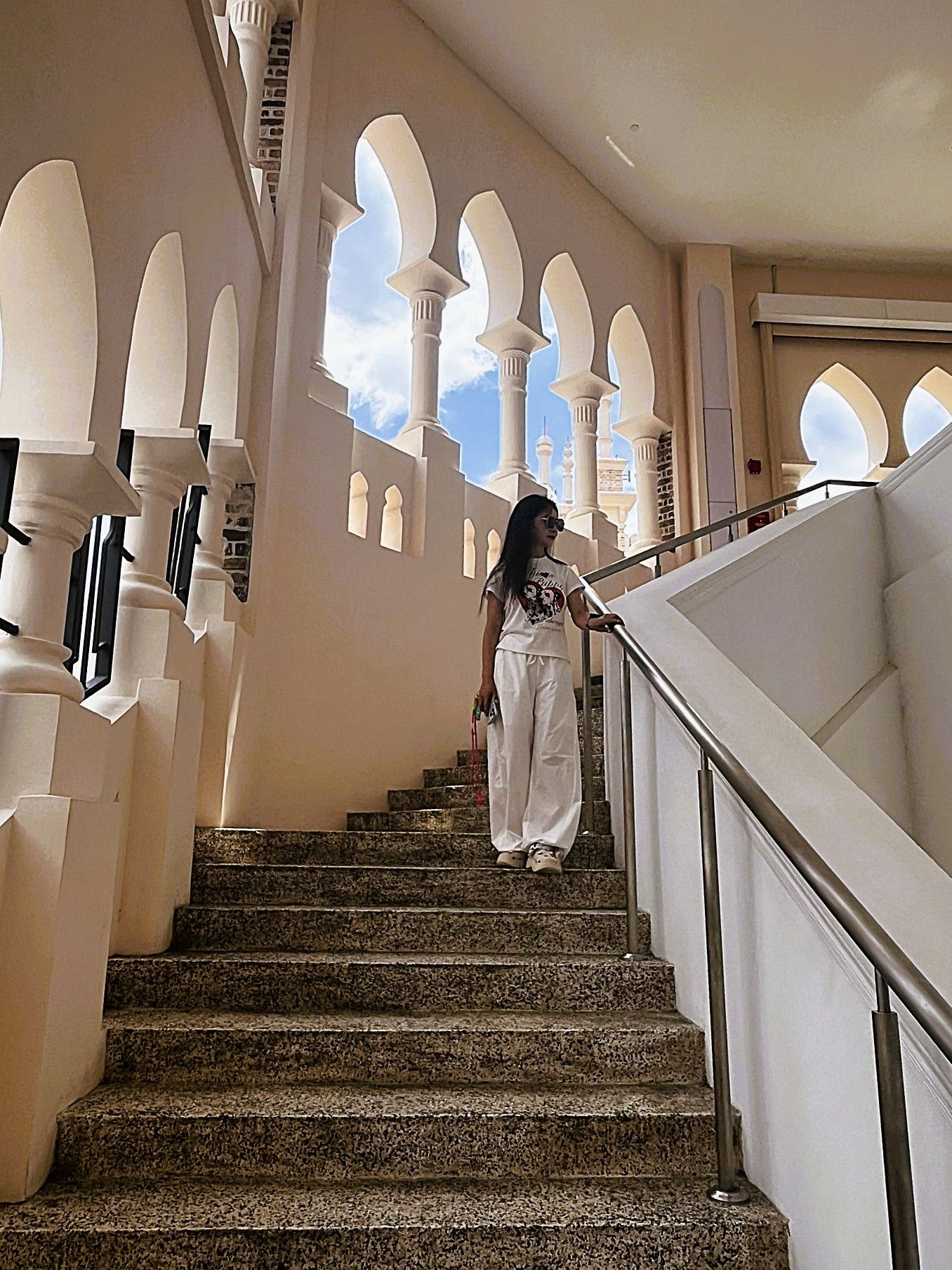
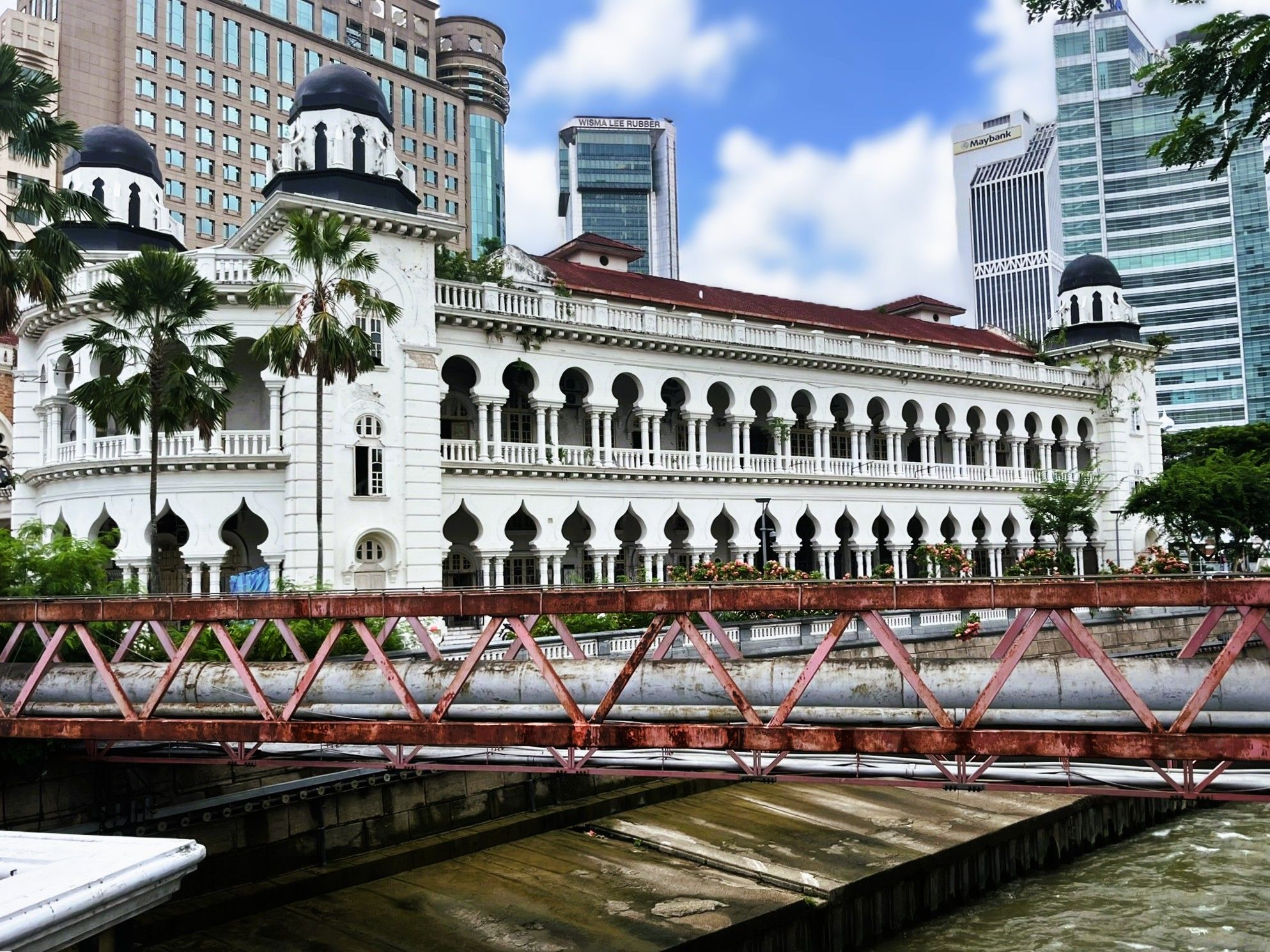
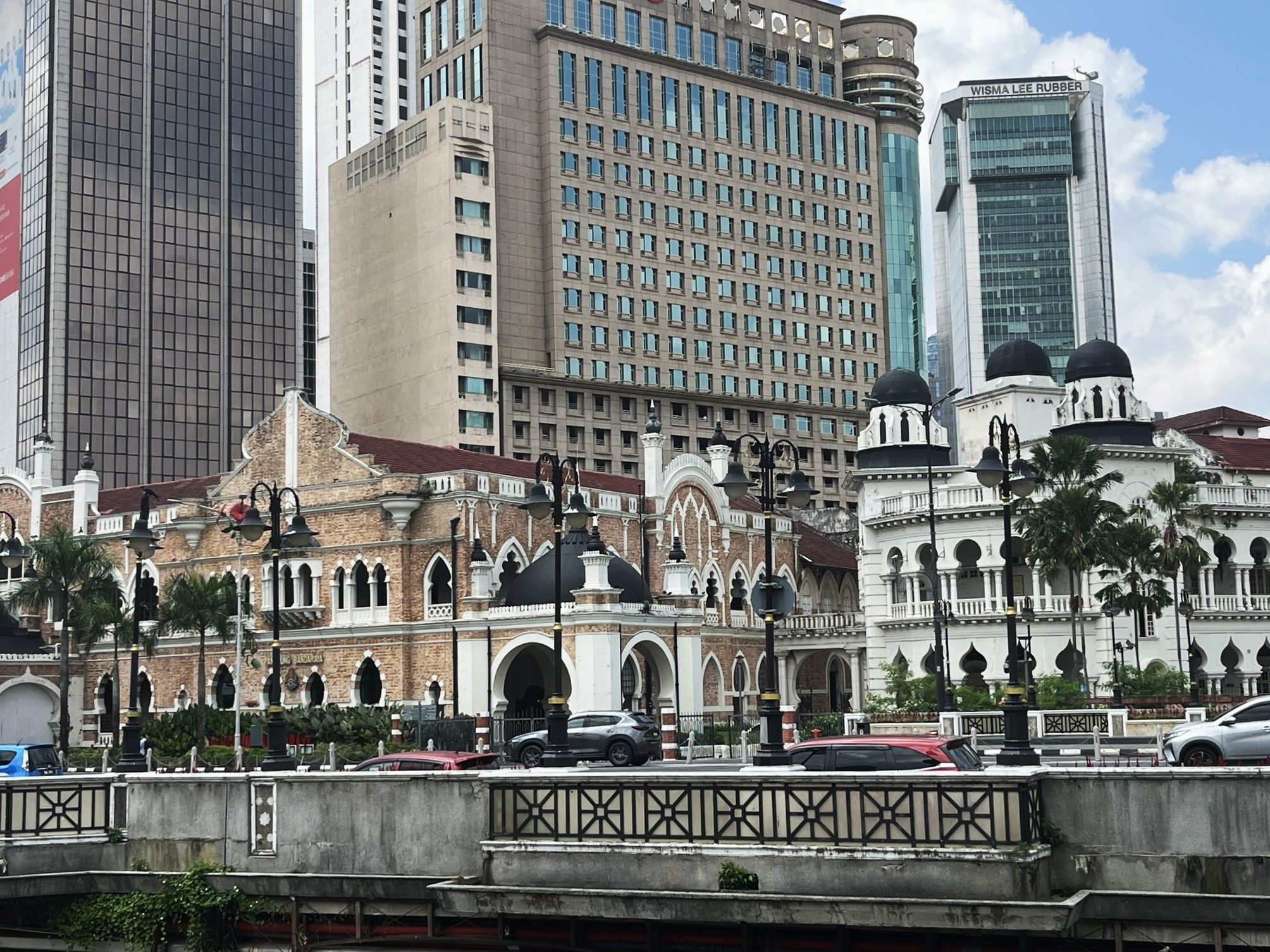
The most prominent building at Merdeka Square is the expansive Sultan Abdul Samad Building, constructed in the 1890s. The name is a tribute to the fourth Sultan of Selangor, born in 1804, who sat on the throne for a full 41 years until he died in 1889. Despite the local name, the building was the center of British colonial power. It combined British state architecture with Moorish and Mughal-inspired forms; clock tower, round and pointed arches, brick façades, spiral staircases, and copper domes.
How Arthur Benison Hubback Shaped the City
In the execution of the imperial buildings, a name appears in the architecture team that would later shape the capital of British Malaya: Arthur Benison Hubback (1871 to 1948) from Liverpool. (Hubback's life could fill entire books. He arrived in Malaya in 1895 and was appointed chief architect of the FMS in 1900. He returned to Britain in 1914, fought in World War I first as a lieutenant colonel and finally as a brigadier general on the Western Front, was wounded, and highly decorated.)
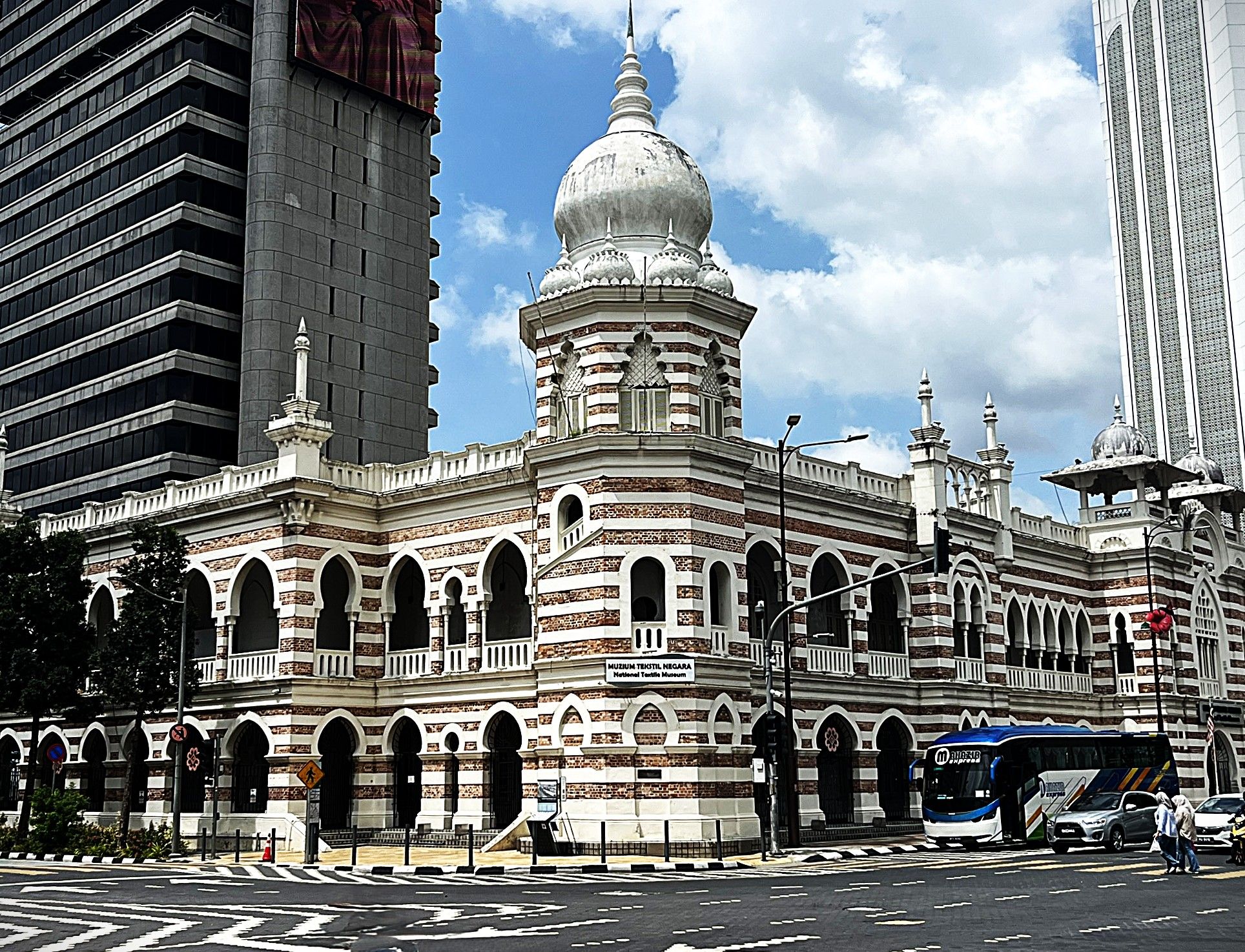
Right next to the Sultan Abdul Samad Building stands another building in this typical colonial style with red brick, white bands, and onion domes. It was built in 1905 as the headquarters of the railway administration of the FMS. Later, the building served as the seat of various administrative departments before it was opened in 2010 as the National Textile Museum. The architect was again A. B. Hubback.
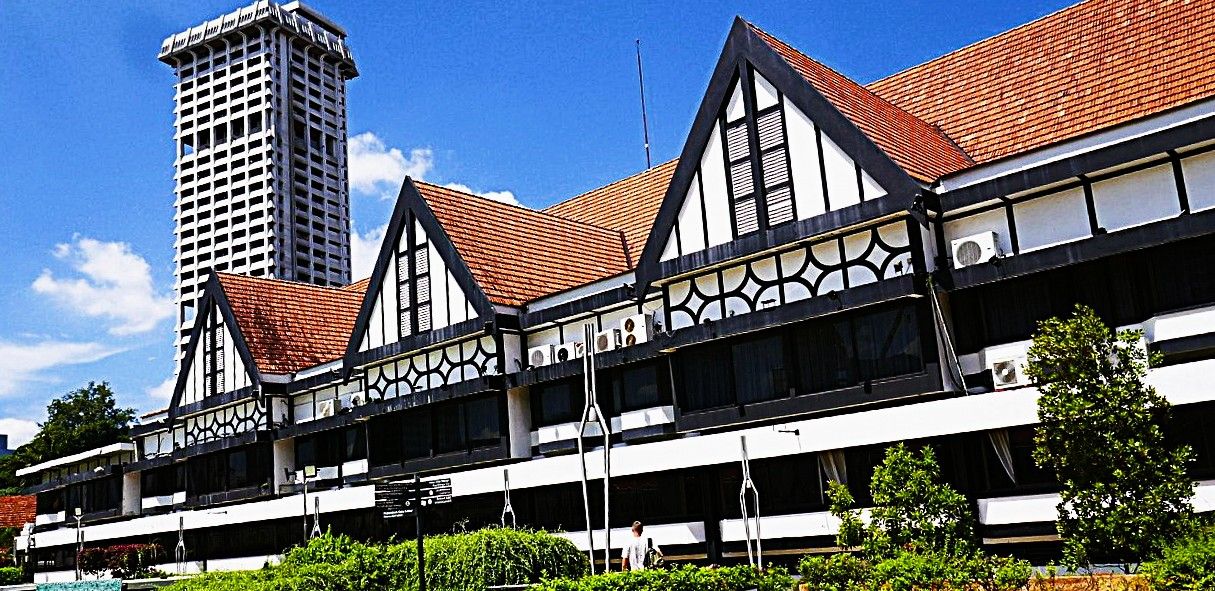
The Royal Selangor Club is also part of the ensemble of imperial imposing architecture at Merdeka Square. It was founded in 1884 and accepted high British officials and officers, Indian and Chinese honorees, as well as Malay nobles. The club took on its present form in 1910. A. B. Hubback did not design a building in an oriental-inspired colonial style this time, but rather drew on Tudor architecture with the characteristic half-timbering seen in England in the 16th century and revived in the 19th and early 20th centuries. In 1970, the club burned down and was then rebuilt in the same style.
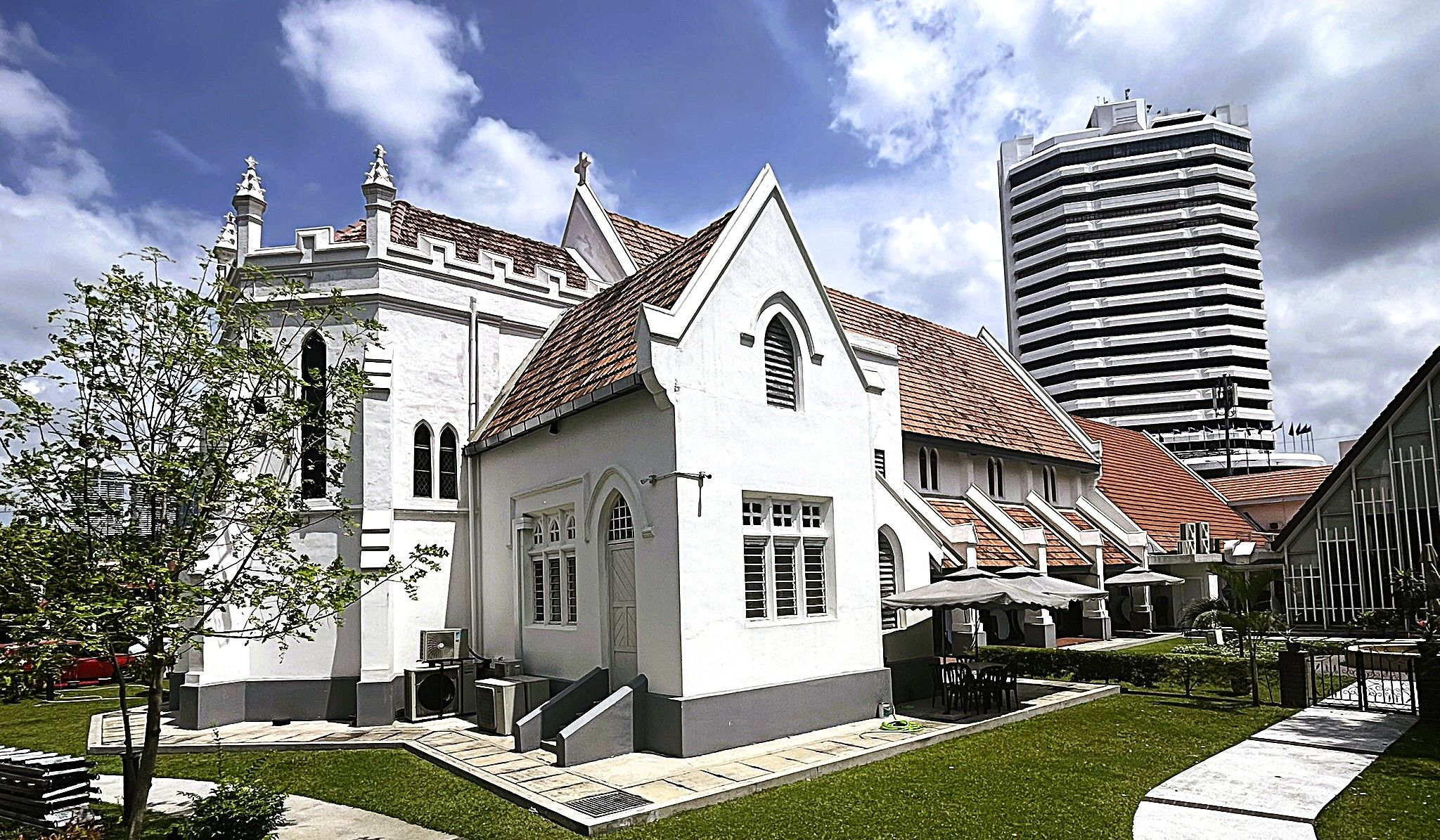
Next to all the representative buildings, the Anglican Cathedral of Saint Mary (Cathedral Church of St. Mary the Virgin) at the northern edge of Independence Square looks almost inconspicuous. The structure, inaugurated in 1895 and entirely white, in the neo-Gothic style could easily be an ordinary English town church or even the church of a self-confident village. Only the ventilation grills instead of windows hint at its tropical location.
The cathedral appears even more modest when compared to the immediately adjacent magnificent Masjid Jamek Sultan Abdul Samad. This mosque, opened at the end of 1909, was also designed by A. B. Hubback in that style mix we generally refer to as “colonial”: Moorish arches, red-and-white brick façades, copper domes, slender minarets also topped with domes, along with open arcades and courtyards.
A little distance from Merdeka Square you can find more Hubback buildings, such as the former High Court (Old High Court), built from 1909 to 1915, or the former city hall (Old Town Hall) made of red bricks, from 1896 to 1904, whose left wing was originally occupied by the city administration and the right still serves as the city theater (“Panggung Bandaraya”).
Symbol of Modernity
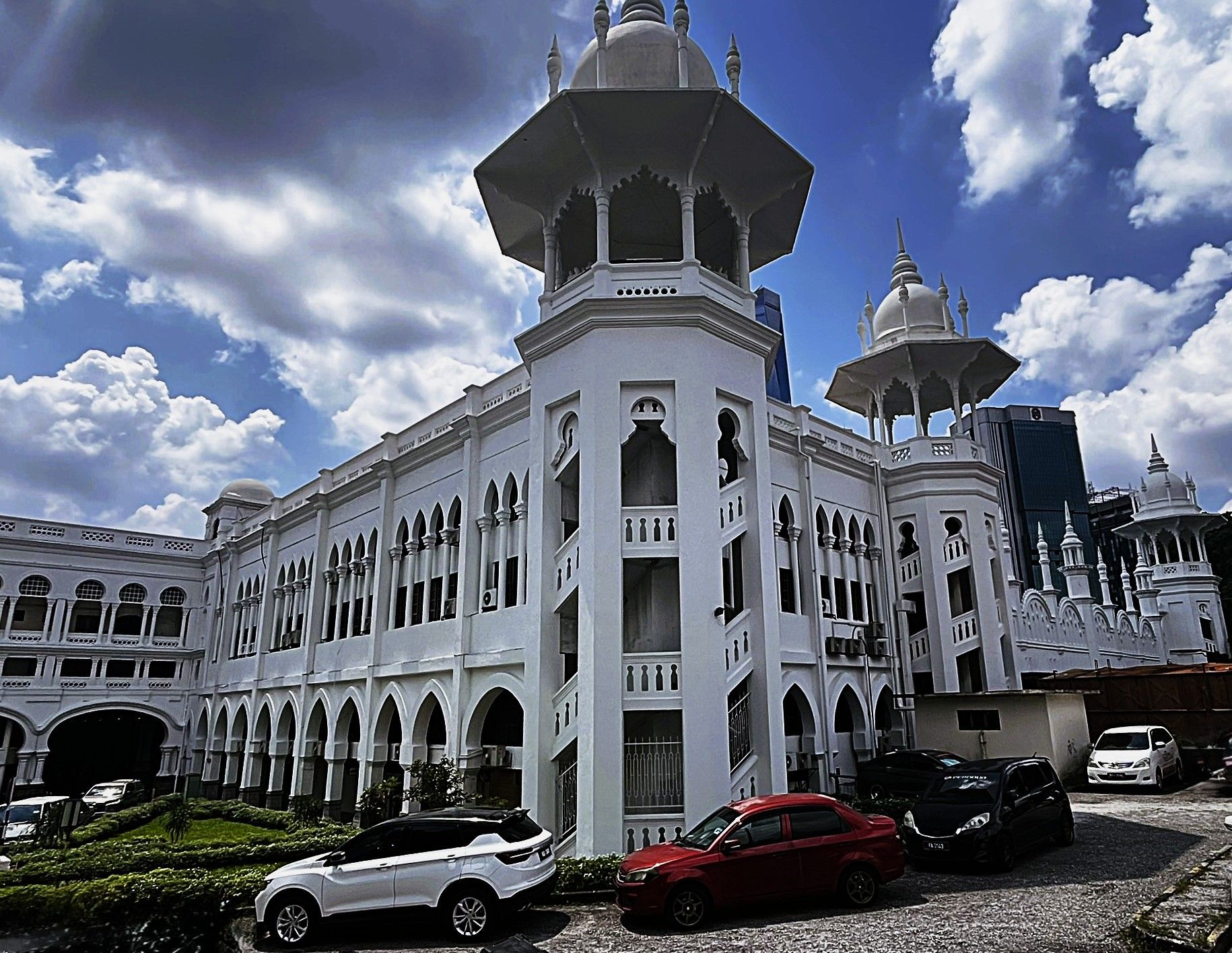
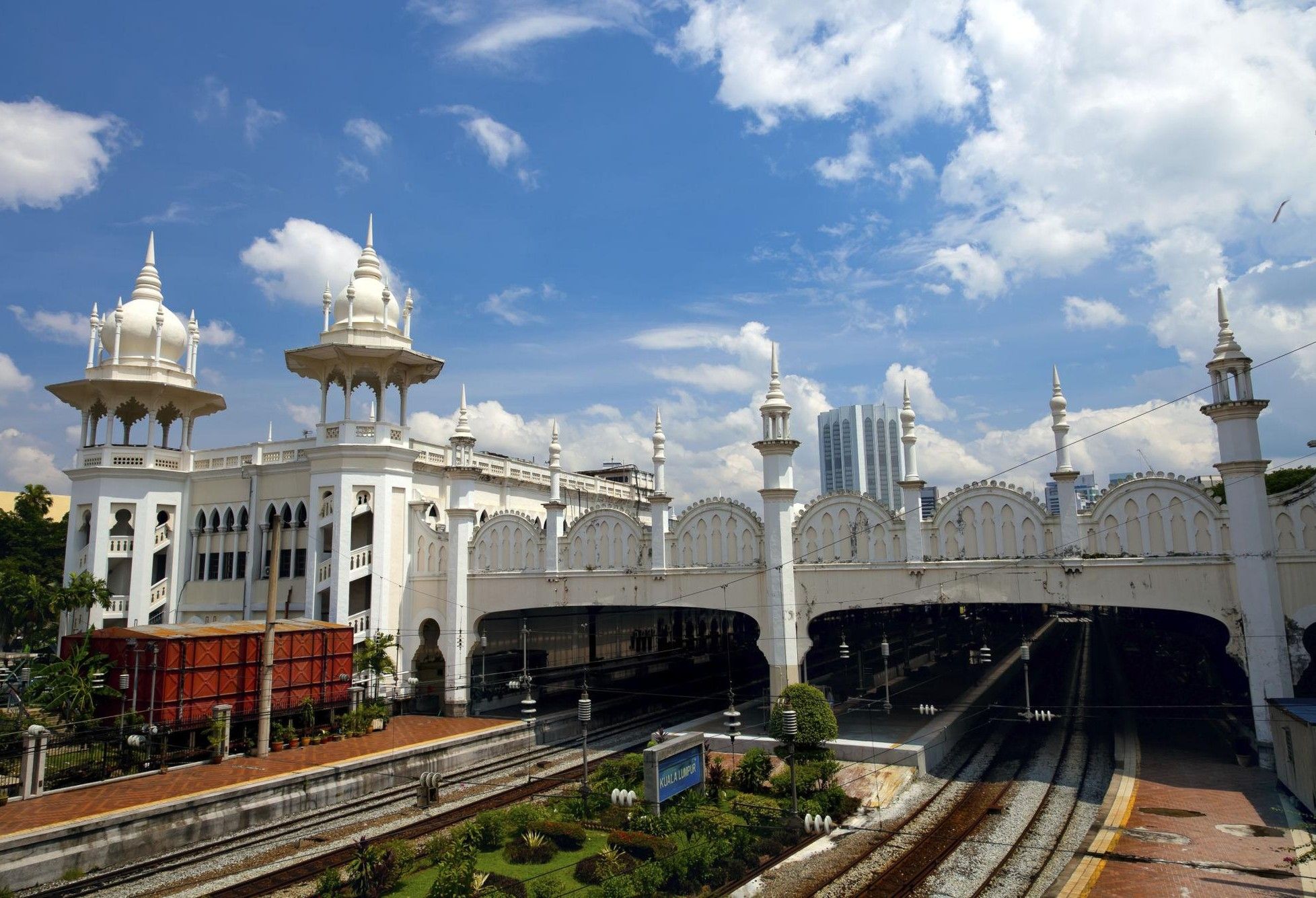
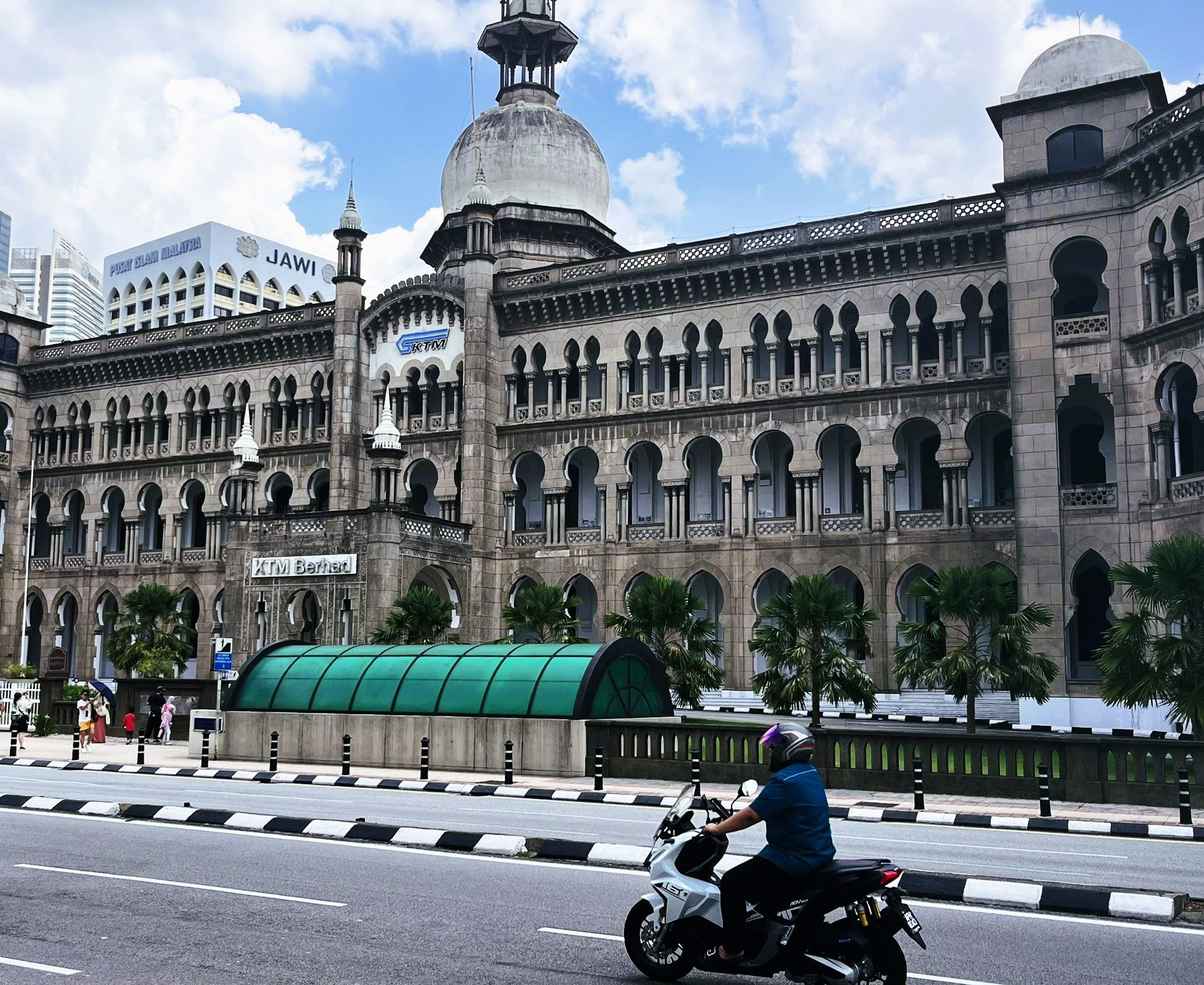
About 15 minutes on foot south of Independence Square stands a building that many consider the pinnacle of A. B. Hubback's work: the Kuala Lumpur Railway Station with its white façades, domes, and decorative gables, majestically overlooking the tracks. It was inaugurated in 1910 and was meant to symbolize technological progress and mobility. The railway connected population centers, mining areas, and ports, thus elevating Kuala Lumpur to an economic, political, and military metropolis.
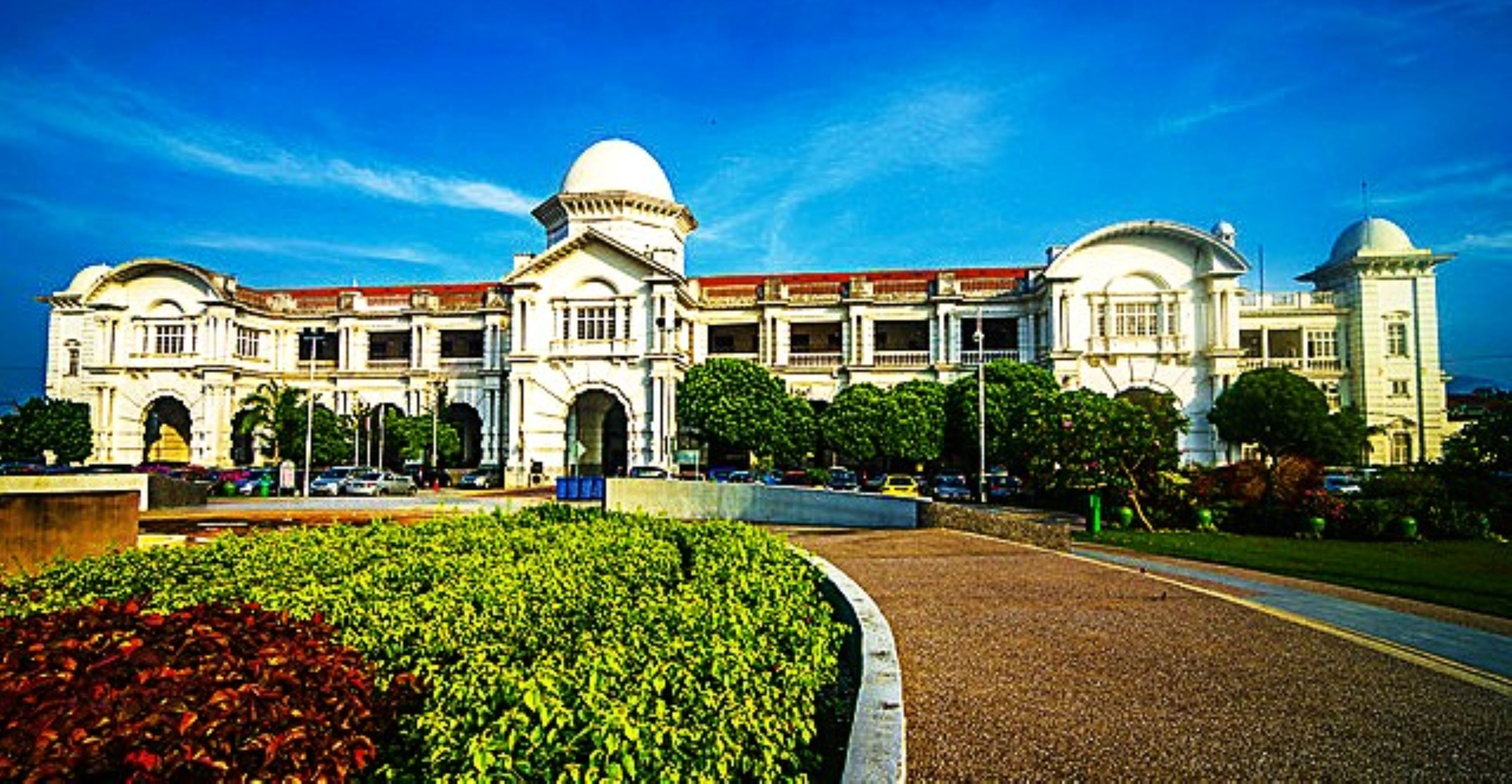
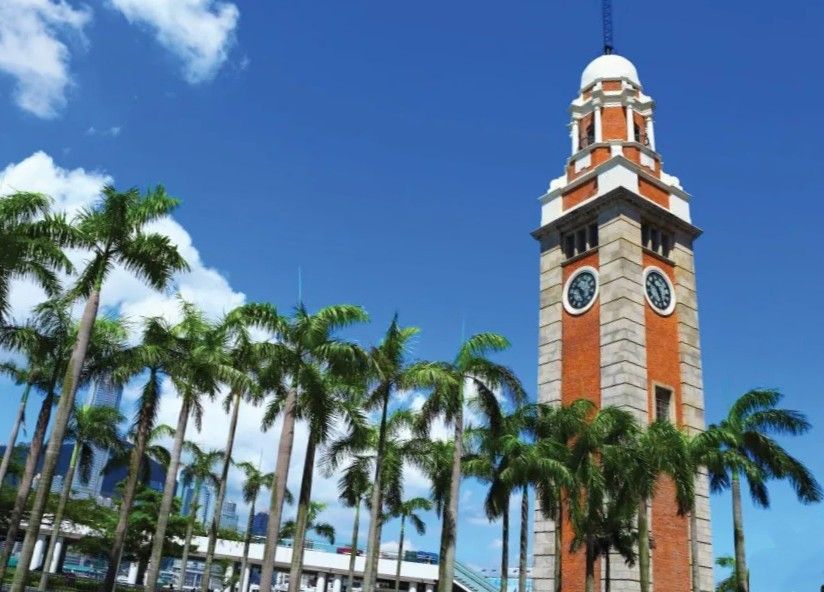
Directly opposite the station, which is still in use, Hubback also designed the building of the railway administration, which is connected to the station by underground passages. A. B. Hubback is also responsible for the main train station in the Malaysian mining town of Ipoh and the terminus of the Kowloon-Canton Railway in Hong Kong, of which only the famous clock tower remains.
In Europe, “colonialism” has become an emotionally charged and taboo-laden topic in recent years. In Malaysia, which itself was under the rule of the Dutch, Portuguese, British, and Japanese for centuries, this era is seen in a significantly more relaxed manner.
Thus, in Kuala Lumpur, there is the “Colonial Path,” a marked round trip along the most significant colonial and early urban buildings. The charm of this path lies in the stylistic breaks between modern skyscraper façades and old town substance, revealing the three-dimensional experience of the history of the city's beginnings and its development into a million metropolis.
After two weeks, I have become even more familiar with this city, and I will certainly return for further discoveries.