

Kuala Lumpur's imperial imposing architecture
I will spend the second half of June 2026 in Kuala Lumpur, delving into the influence of Chinese immigrants and British colonizers.
Published: 30.07.2026
Java leaves me speechless: From the airplane, the night-lit island presents itself like an almost entirely urbanized giant city. The numbers confirm this impression: Java is 132,000 square kilometers, which is about three times the size of Switzerland or less than twice the size of Bavaria. However, 160 million people live on the island, which would be comparable to a Swiss population of 50 million (instead of the current nine) or 85 million Bavarians (instead of the current just over 13 million).
Equally astonishing are the numbers for the capital Jakarta, which fills the northwestern edge of Java: According to data from the UN World Urbanization Prospect, the Jakarta metropolitan area has 42 million inhabitants, making it the largest urban agglomeration in the world, as large as Paris, London, Berlin, and New York City combined.
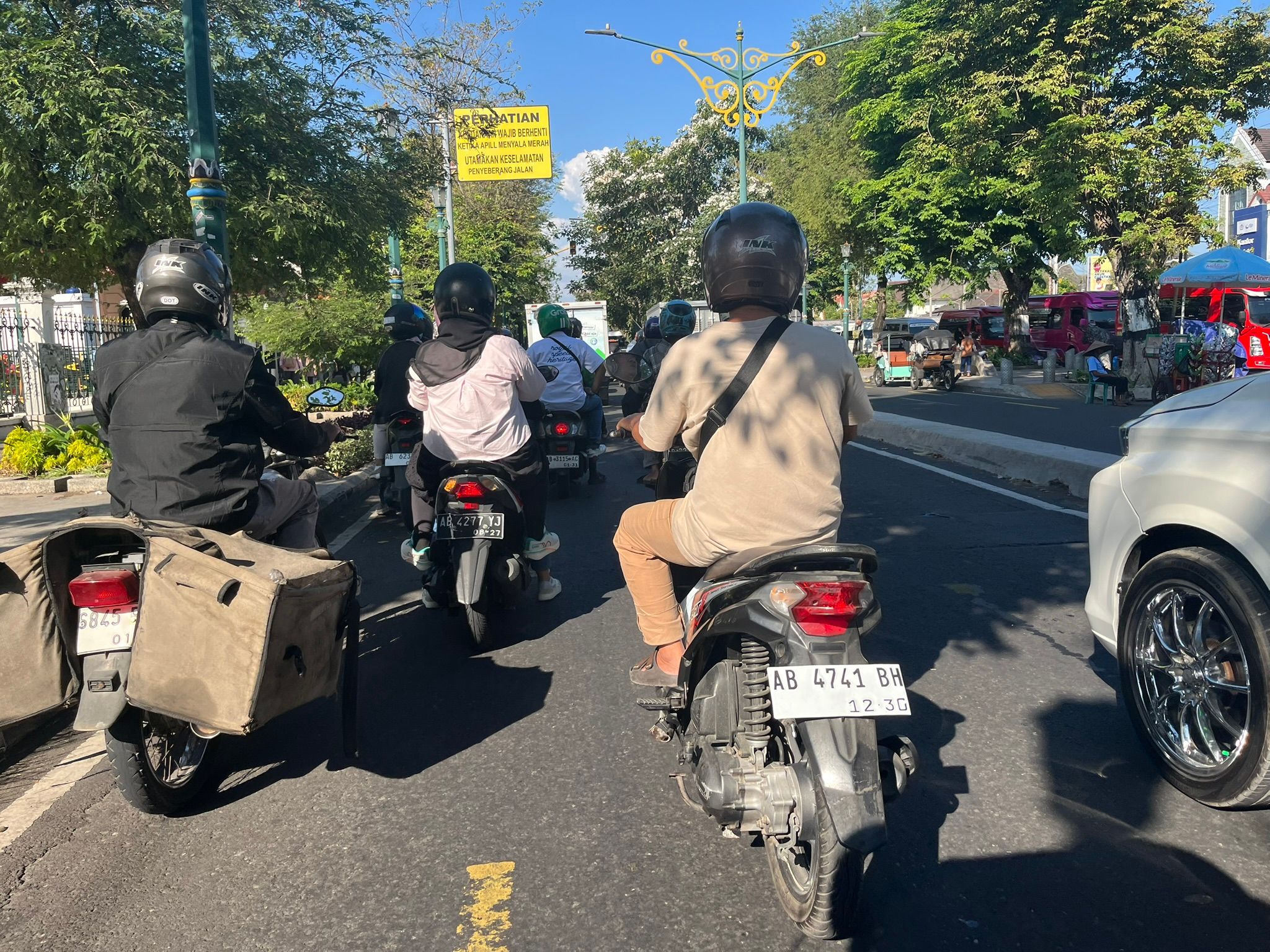
I am a curious person, but if curiosity could only be satisfied with masochism, I would abstain and let reason prevail. I broadly circumnavigated or flew around Jakarta and traveled directly from Kuala Lumpur to Yogyakarta on July 1, 2026. Jogja (pronounced “Dzhogdzhah”), as the locals call the city, is not exactly a village either, with around one and a half million people in the extended metropolitan area, and the traffic rivals that of any metropolis: It's terrible. But at least Jogja is somewhat manageable.
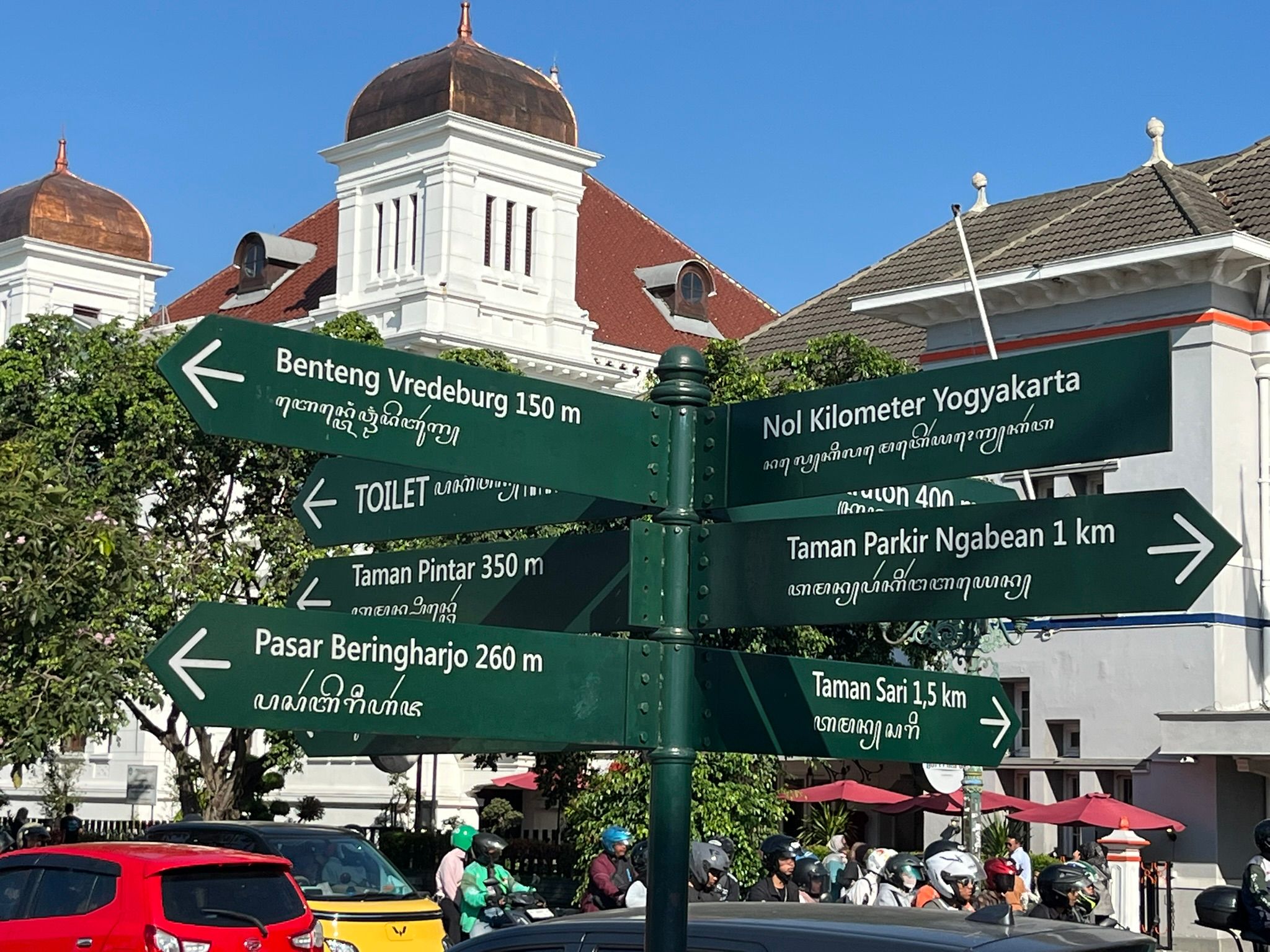
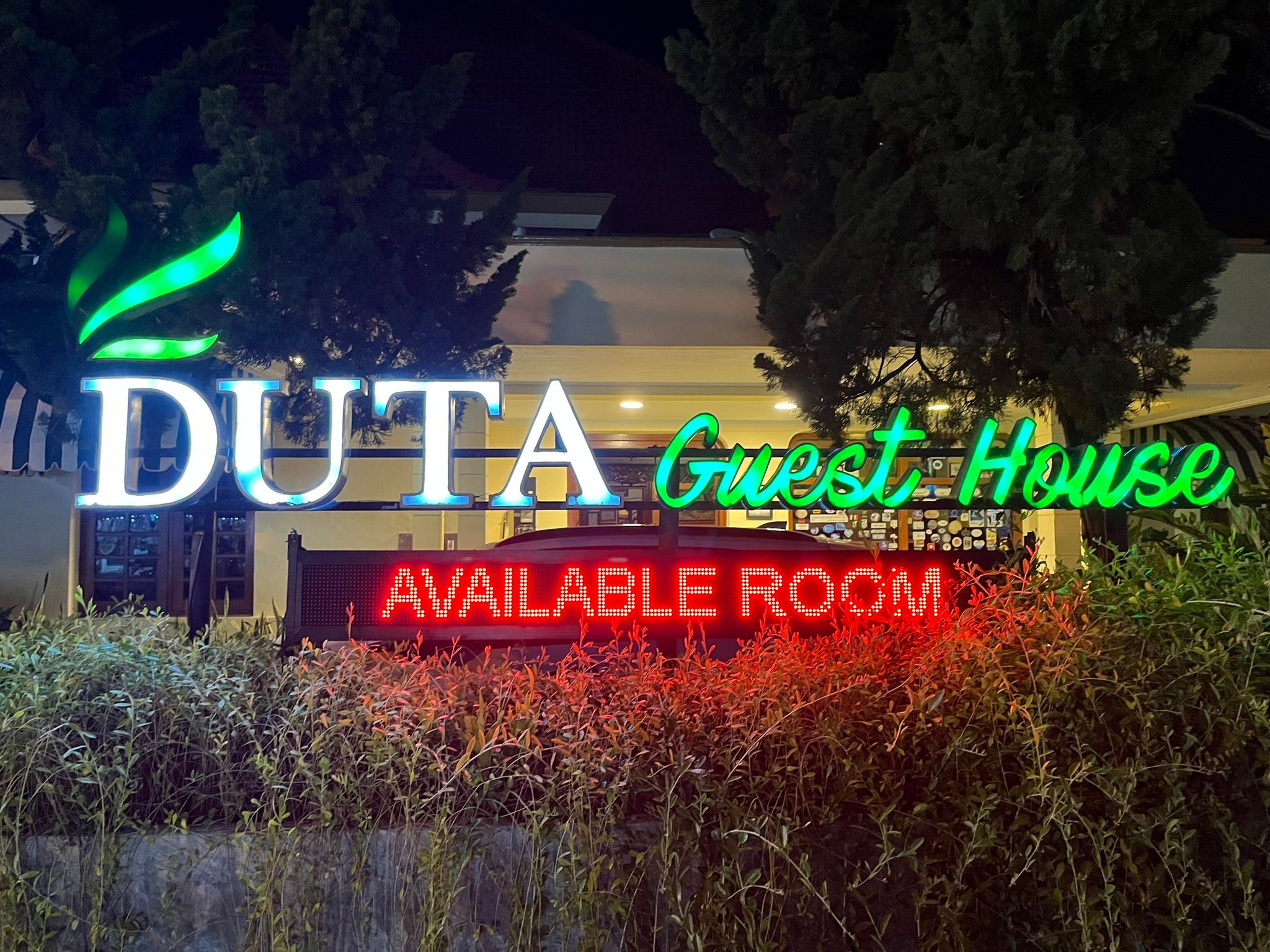
Precisely because of this traffic, I booked a guide with a motor scooter, not a car. The 22-year-old Caca (pronounced “Tschatscha”) picks me up at my guesthouse called “Duta,” puts a motorcycle helmet over my head, and drives off with me as the hefty passenger. My guesthouse, which even has a pool with a small waterfall (turned off at night), is located on Prawirotaman Street about three kilometers south of the city center, which is situated at the intersection of Titik Nol (“Zero Kilometer”). At Titik Nol stands, among other things, the historic building of the Indonesian Central Bank with its massive white walls, symmetrical towers, and large rows of windows.
Freedom Fighters, Batik, Bkierbars
Prawirotaman would be worth its own story. The name goes back to Kyai Prawirotomo, a nobleman to whom the Sultan of Yogyakarta (whom I will come back to) gifted the land in the 19th century. Originally, the soldiers of the palace guard lived here. During the war of independence against the Netherlands from 1945 to 1949, freedom fighters operated from this neighborhood.
Afterwards, Prawirotaman transformed into an important center for batik production. Its decline coincided with the arrival of backpackers in the 1970s, and clever locals converted their workshops and homes into guesthouses and inns. Prawirotaman became the nightlife district with hotels, guesthouses, cafés, restaurants, bars, and tour providers, and is very lively in the evenings.
Upcoming a Sultana?
Caca studies tourism and only works on call as a tour guide to earn some money. But she proves to be the perfect conversation partner because first, she speaks English very well and second, she knows the answer to every question.
Yogyakarta is the capital of the eponymous sultanate. (Interlude: From 1946 to 1949, Yogyakarta was also the provisional capital of the Republic because Jakarta was occupied by the Dutch.) The Sultanate of Yogyakarta originated in 1755 from a part of the disintegrating earlier Islamic Kingdom of Mataram and remains a curiosity within the Republic of Indonesia: Since the Sultan sided with the Republic during the struggle for independence, he was able to remain in power.
According to a treaty between the central state and the Sultanate of Yogyakarta, its governor is not elected by the people, but the political office is exercised by the Sultan. The Sultan of Yogyakarta is the only traditional regional ruler in Indonesia determined by inheritance who still exercises a political function today.
Hamengku Buwono X has been the Sultan of Yogyakarta since 1989. He is 80 years old and still goes to his office every day in the central city district of Malioboro, as Caca tells me. But at this age, the question of succession arises. Hamengku Buwono X has five daughters and no son. He is trying to install his oldest daughter Gusti Kanjeng Ratu Pembayun (born 1972) as his successor.
But a female Sultan would be a first in the centuries-old history of Yogyakarta and all of Indonesia; accordingly, there is strong opposition, especially from the religious Islamic establishment. I am curious to see who will eventually succeed the popular Sultan.
The Sultan, His Wives, and Concubines
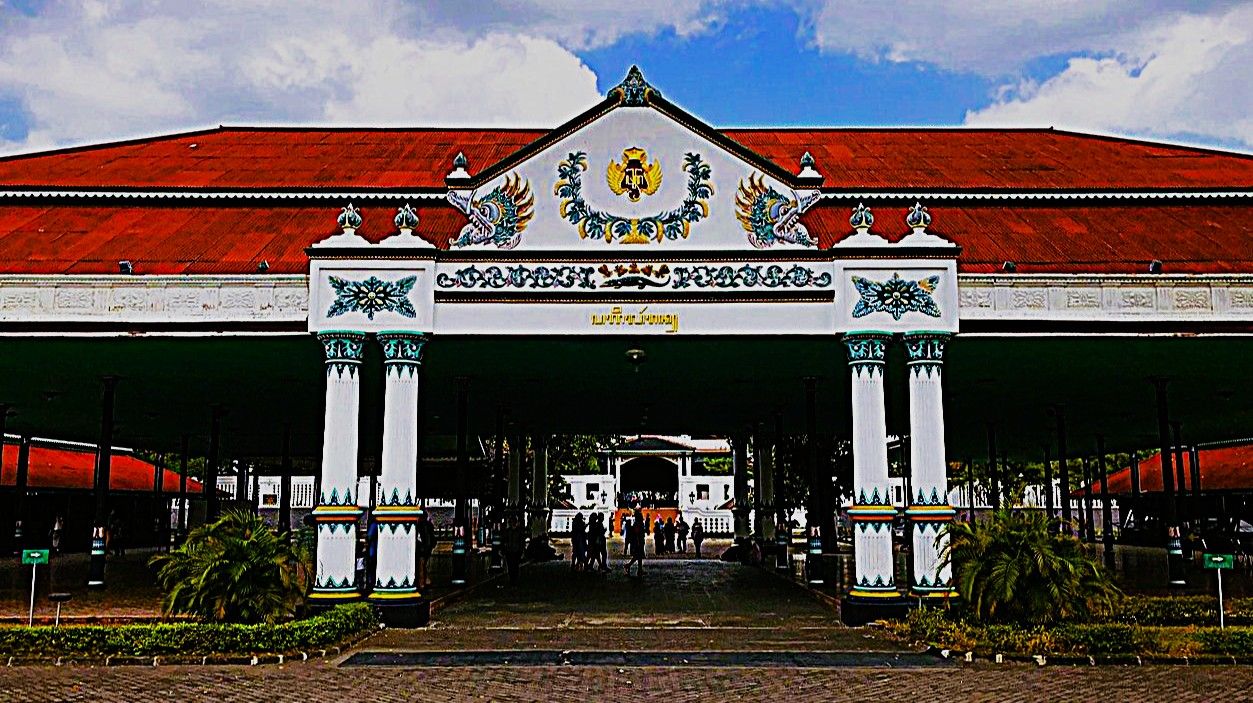
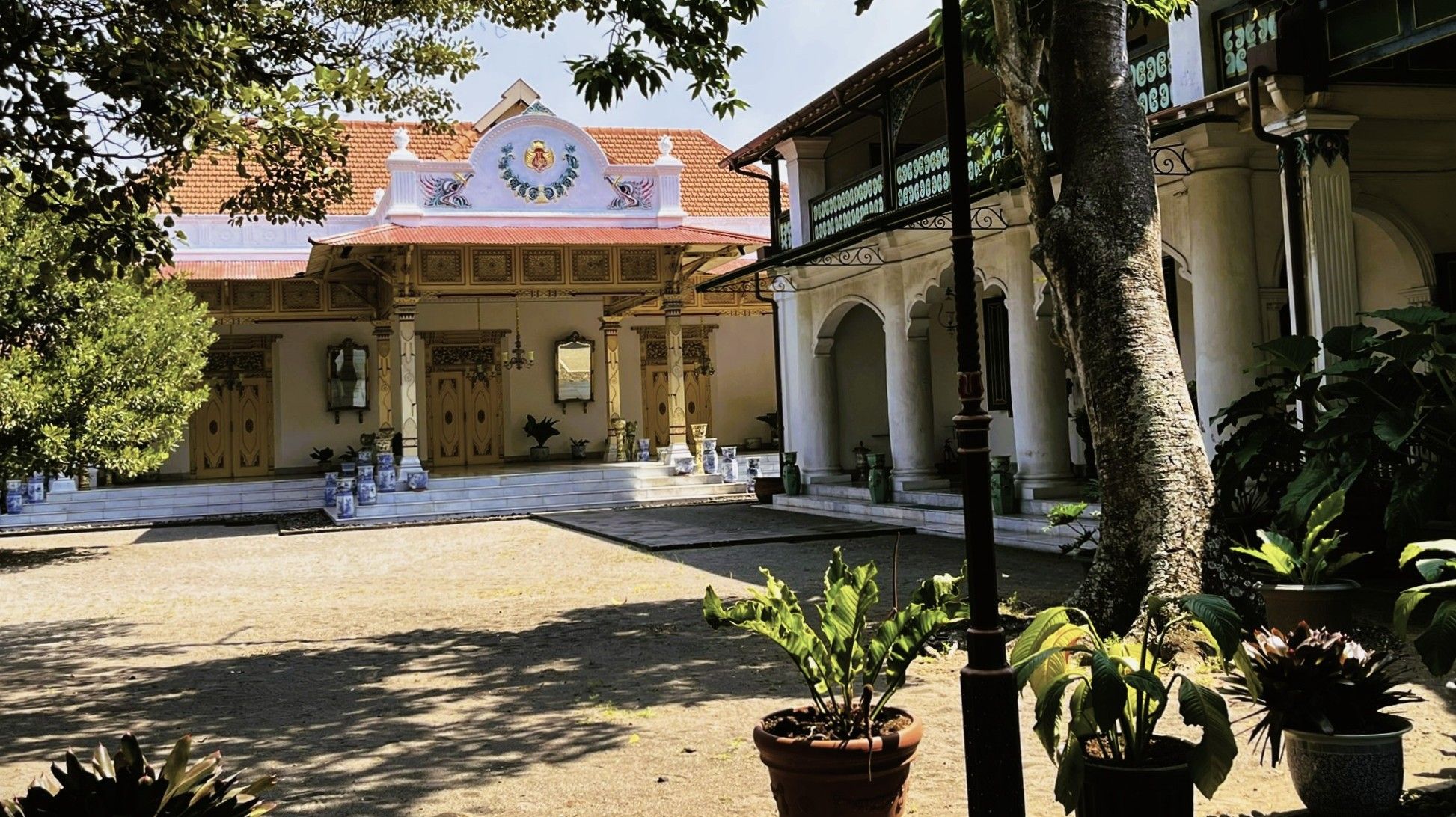
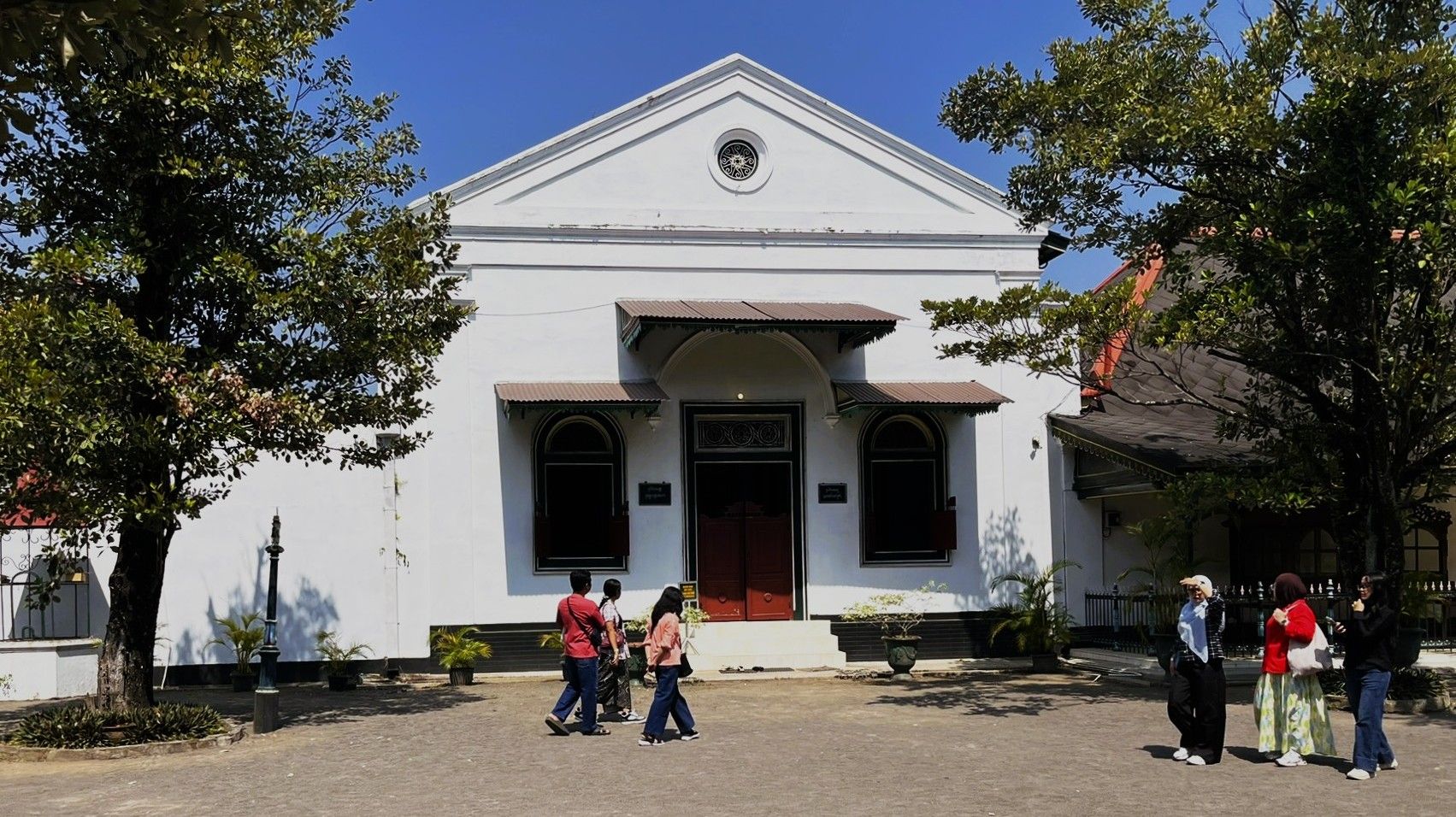
With Caca, I visit the Keraton Ngayogyakarta Hadiningrat, the Sultan's palace. The Keraton is not a palace in the European sense; those thinking of Buckingham or the Élysée are completely mistaken. It cannot even compare with Asian royal palaces like those in Bangkok or Phnom Penh or with the Forbidden City in Beijing, which impresses with its sheer size and sprawling splendor. Rather, we find various pavilions in Javanese style, the Sultan's residence, which can be viewed from a barrier, a former wine cellar (the sultans of Yogyakarta are Muslims, just by the way), and various other buildings.
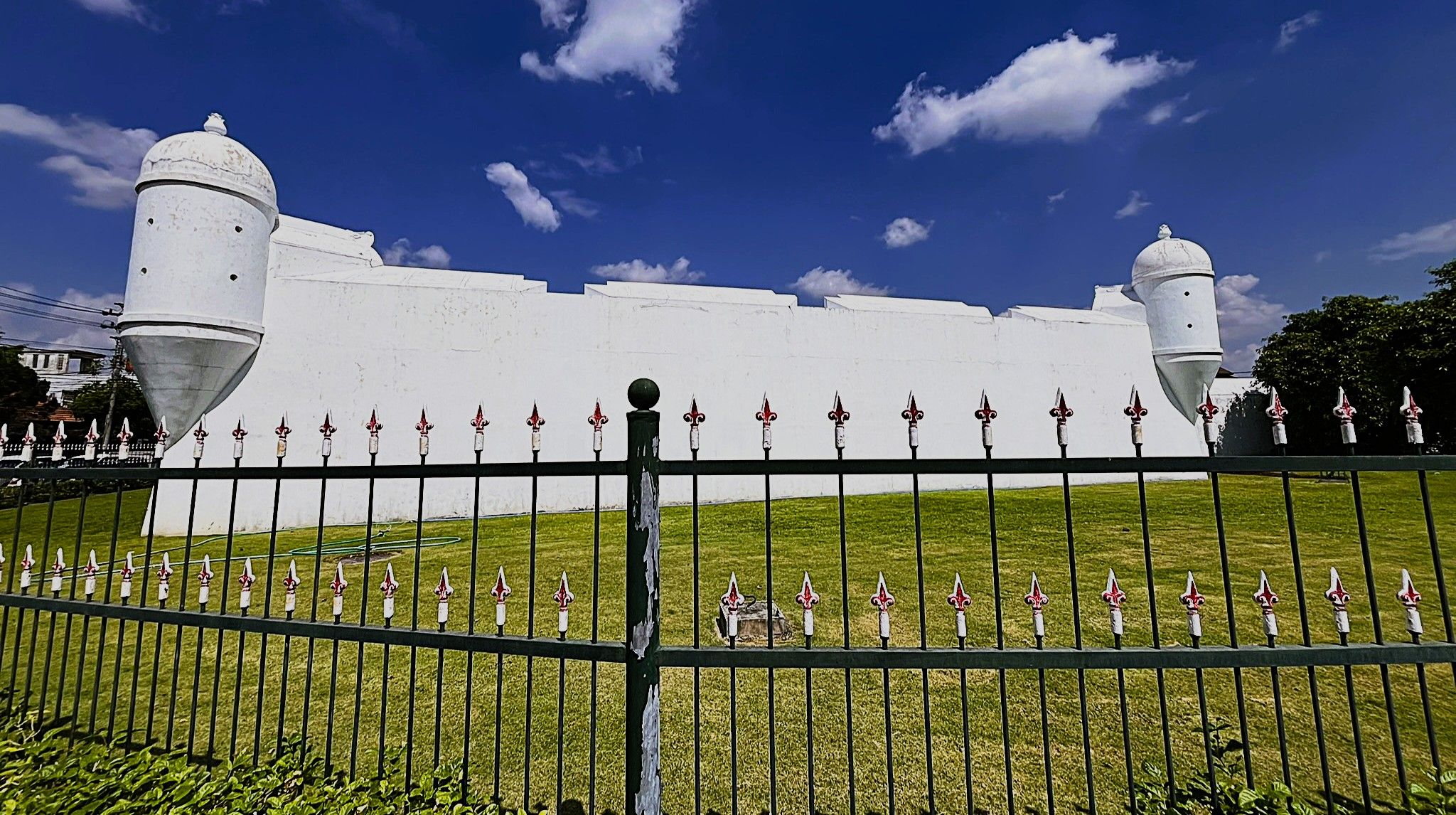
In the palace, there are also large, laterally open event halls where rituals and ceremonies, traditional music presentations, and local dances are held. The Keraton is a living complex, surrounded by imposing whitewashed fortress walls, but with a visible relationship to the city population.
The Water Palace Taman Sari (which translates to