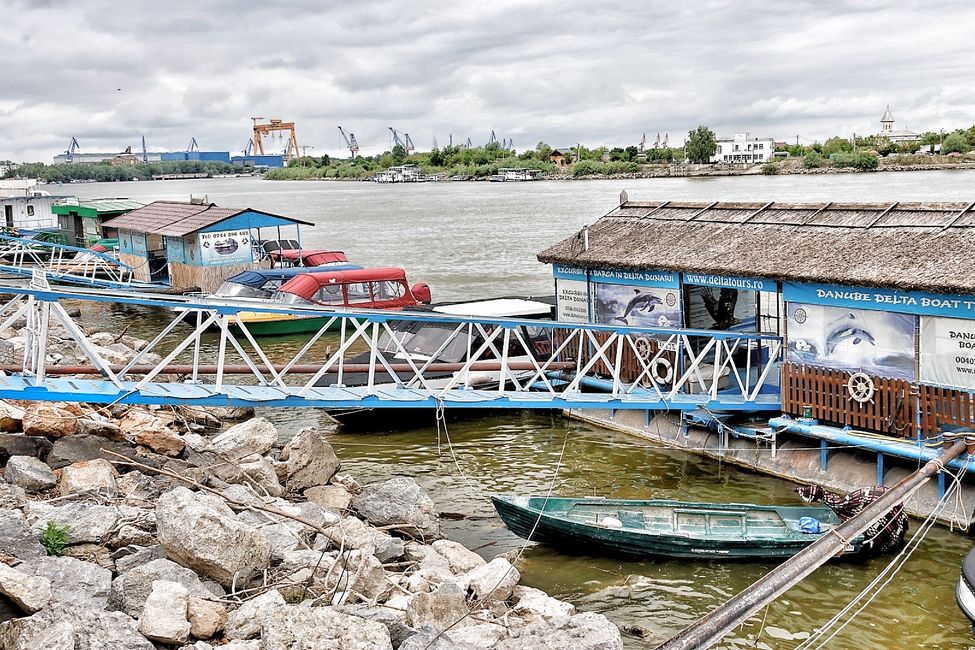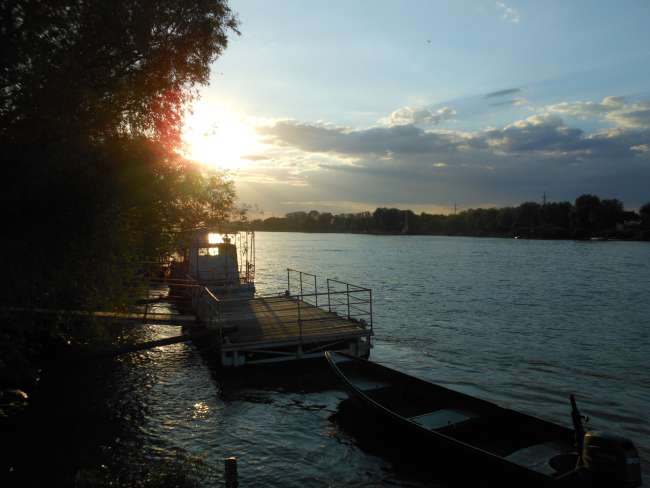

The Danube Delta on the Romanian side
The Danube Delta is the second largest biosphere reserve in Europe after the Volga Delta. Typical birds include the Rose and the Dalmatian Pelican, the Spoonbill, the Herring...

Published: 15.05.2026
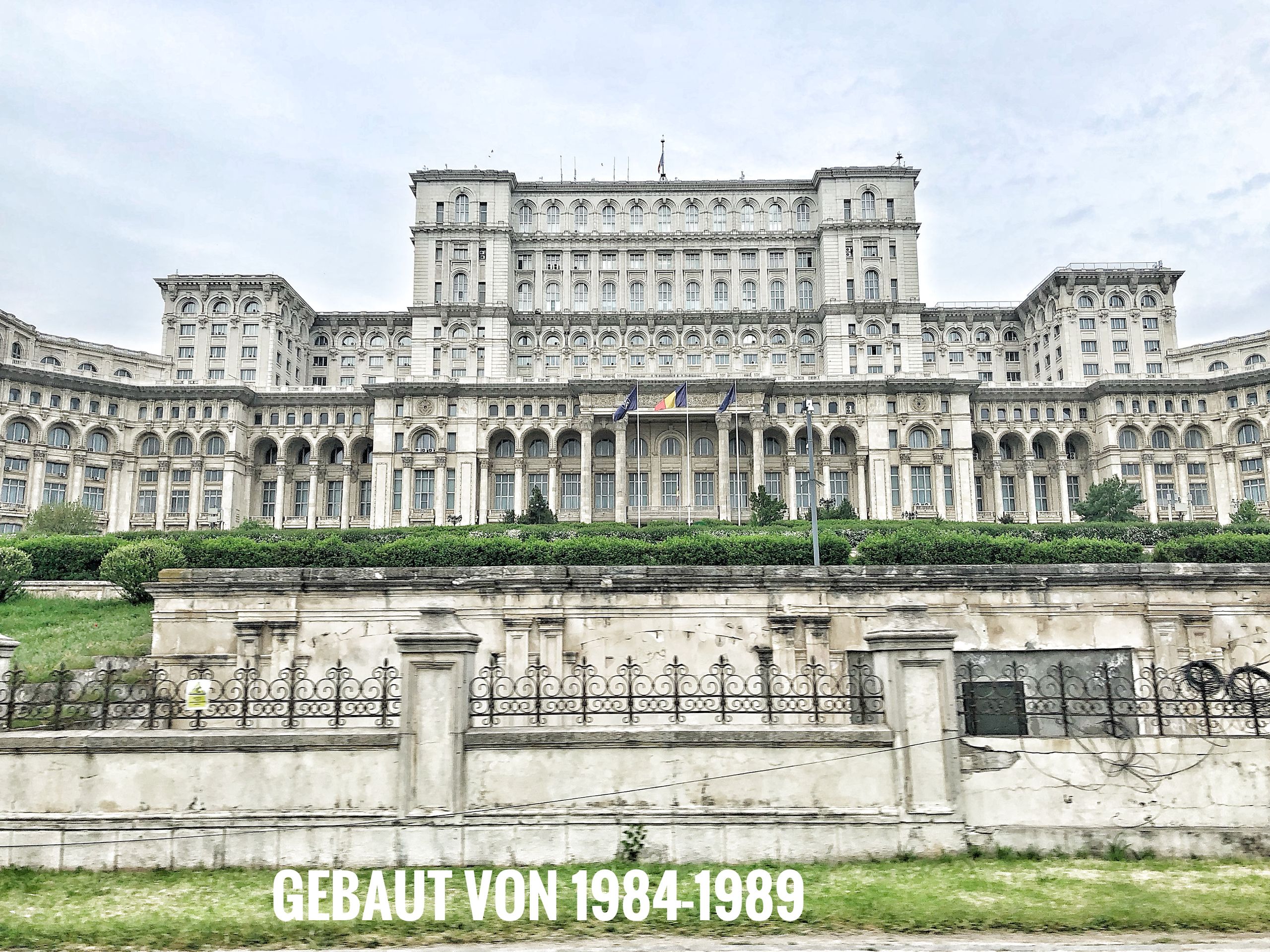
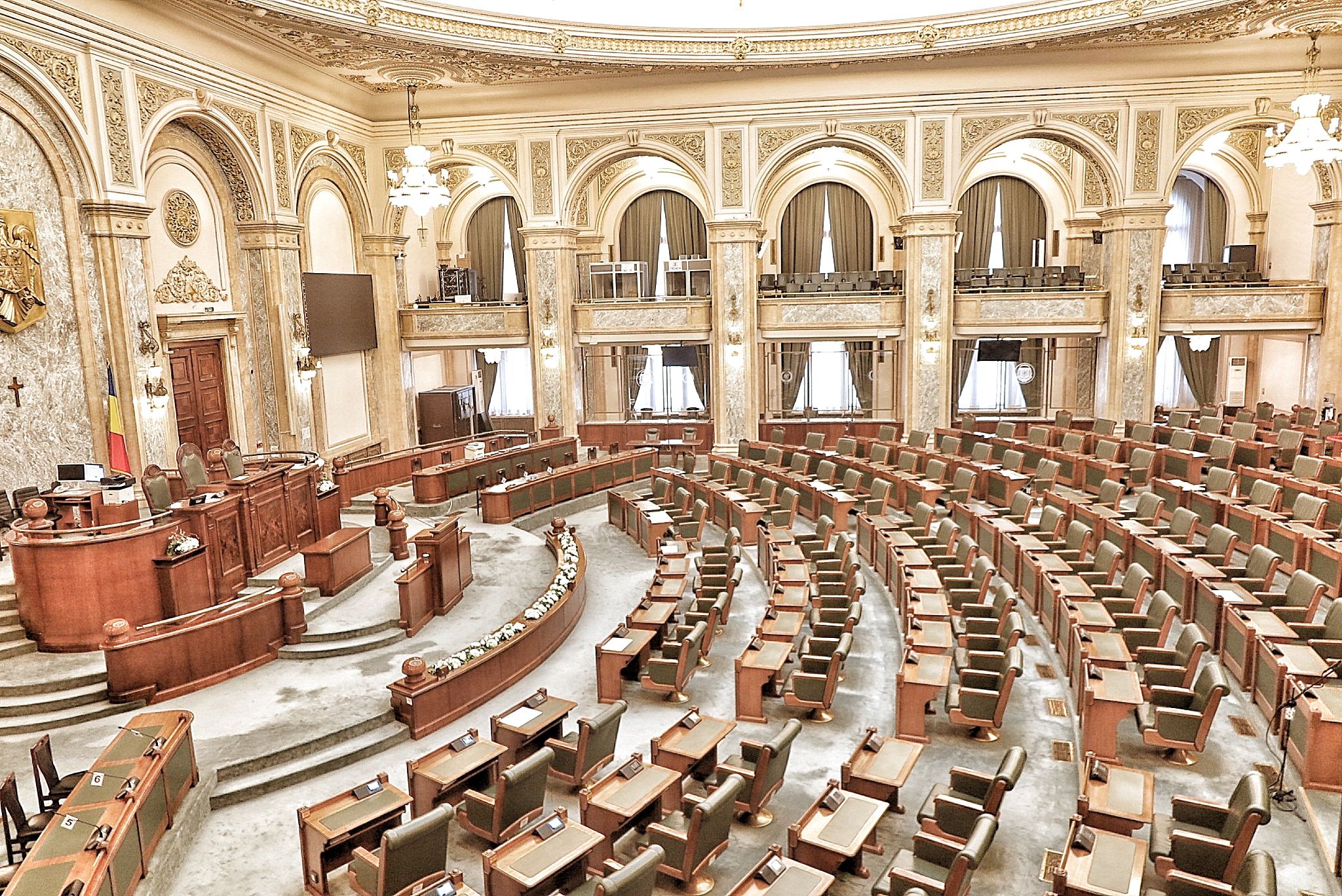
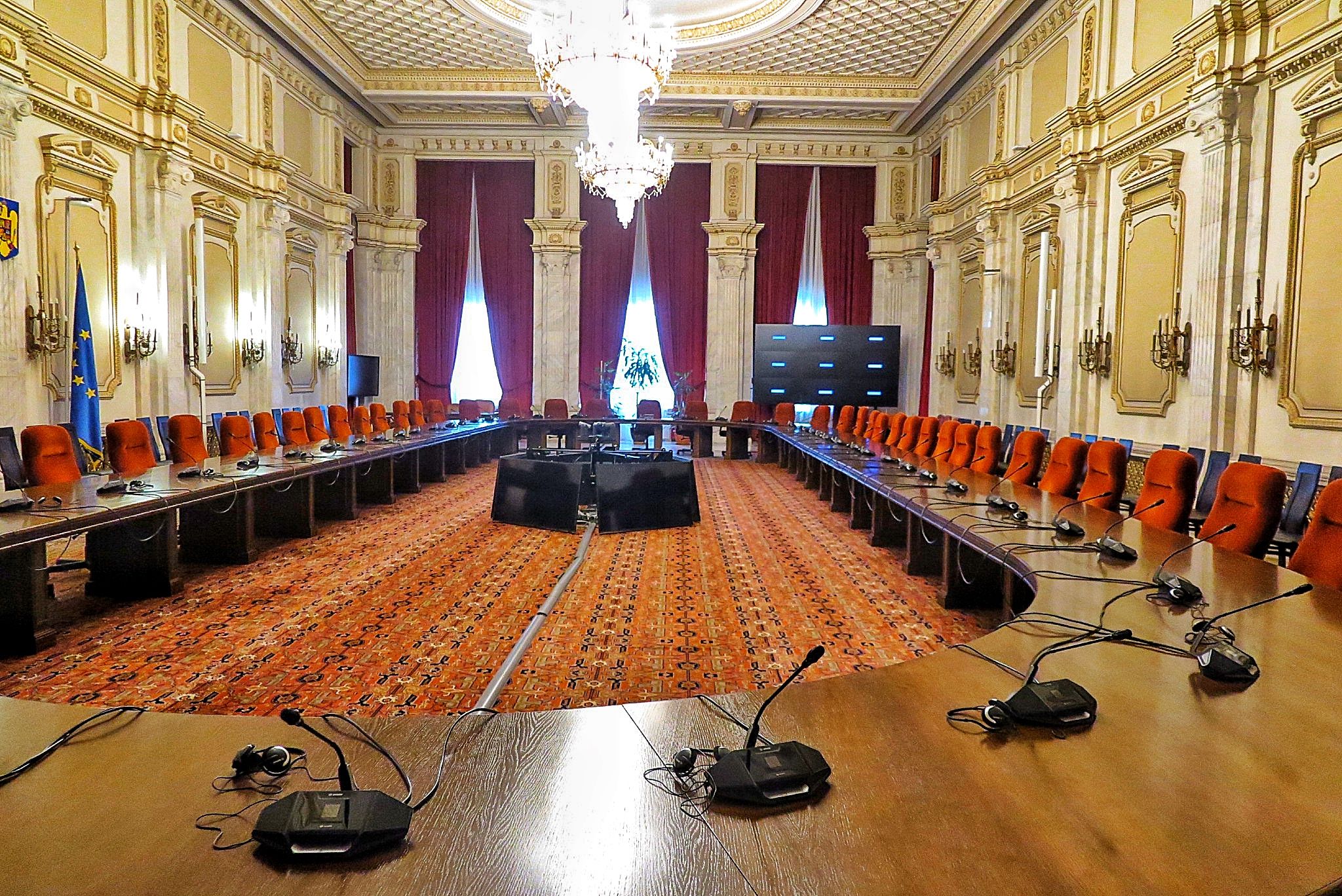
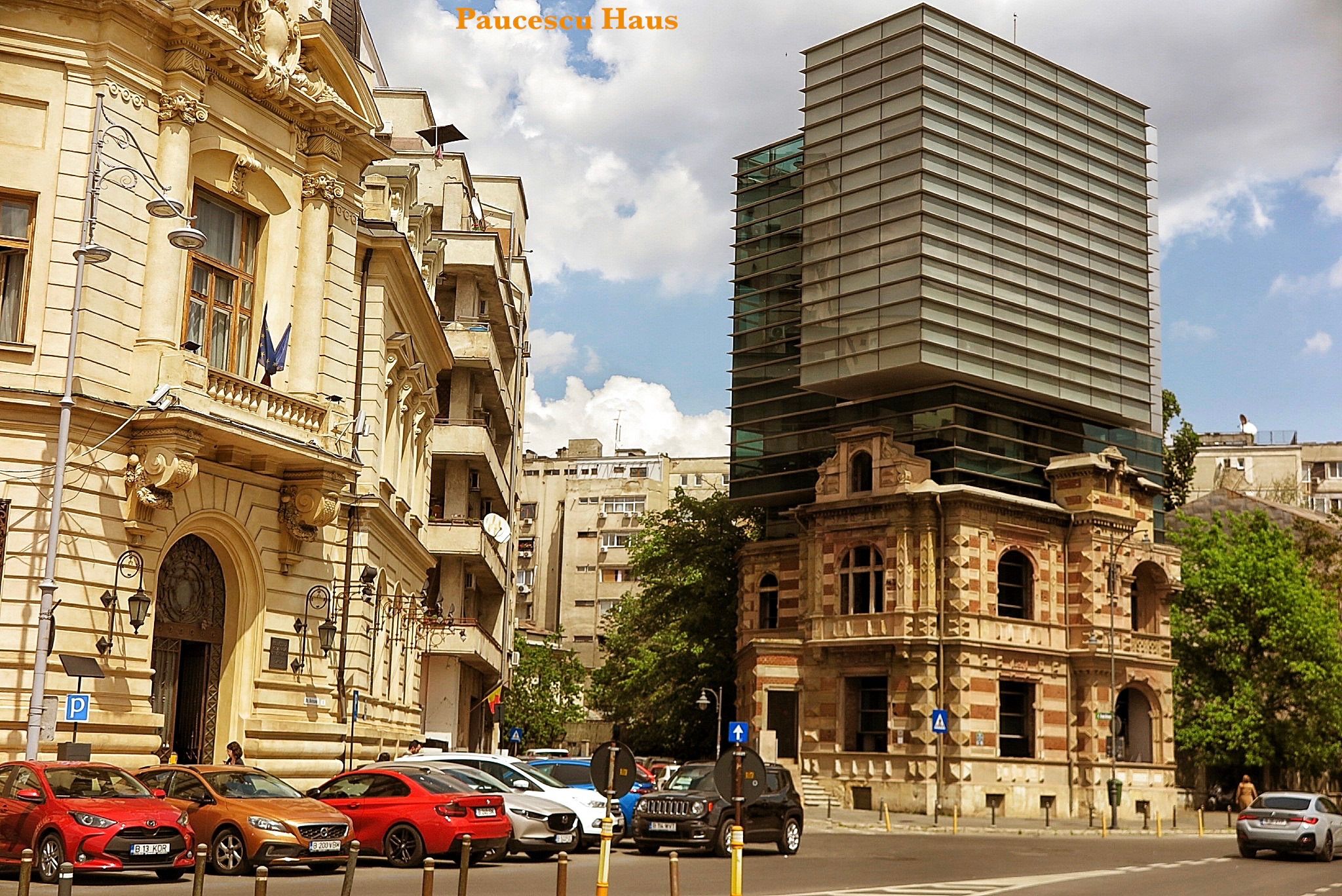
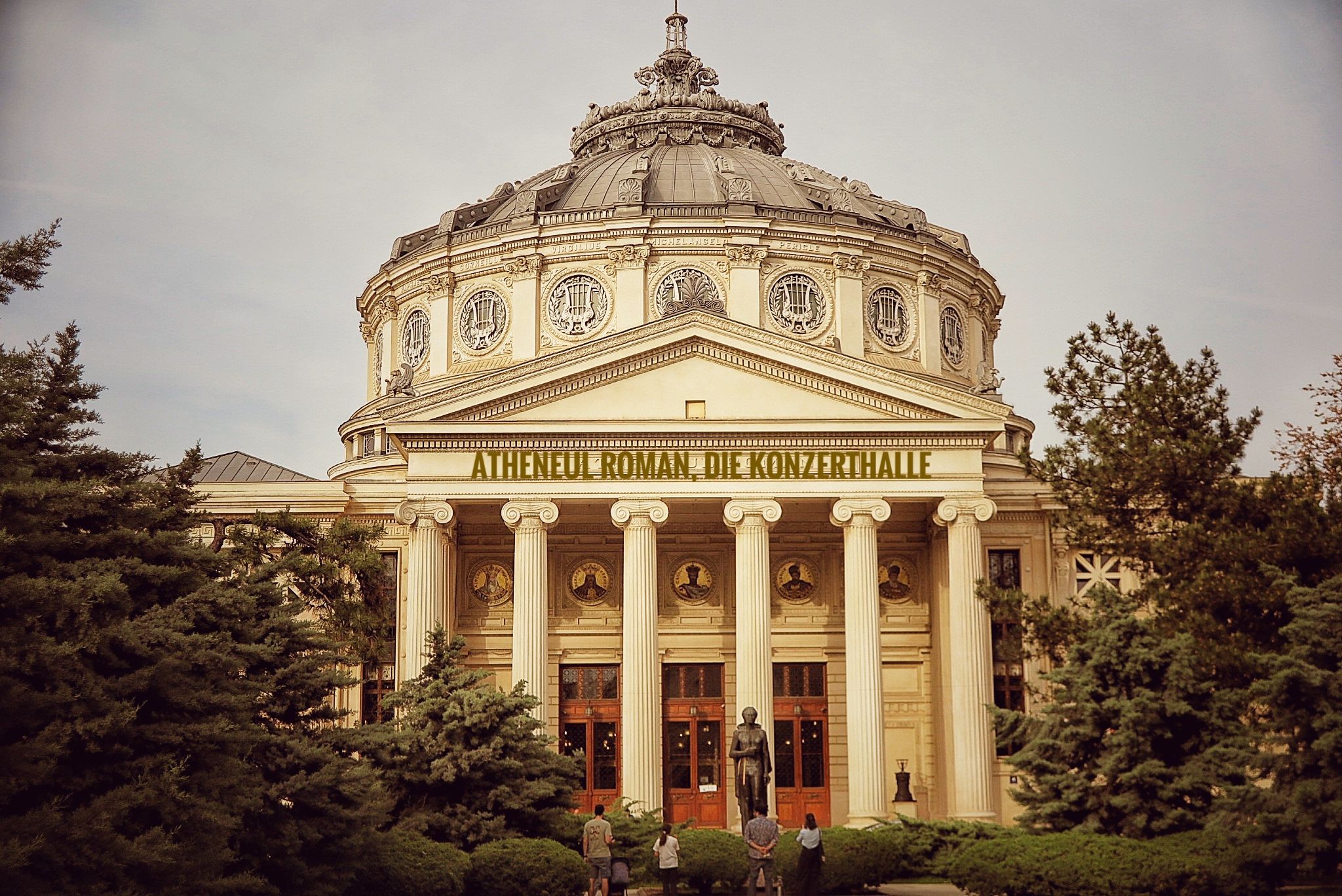
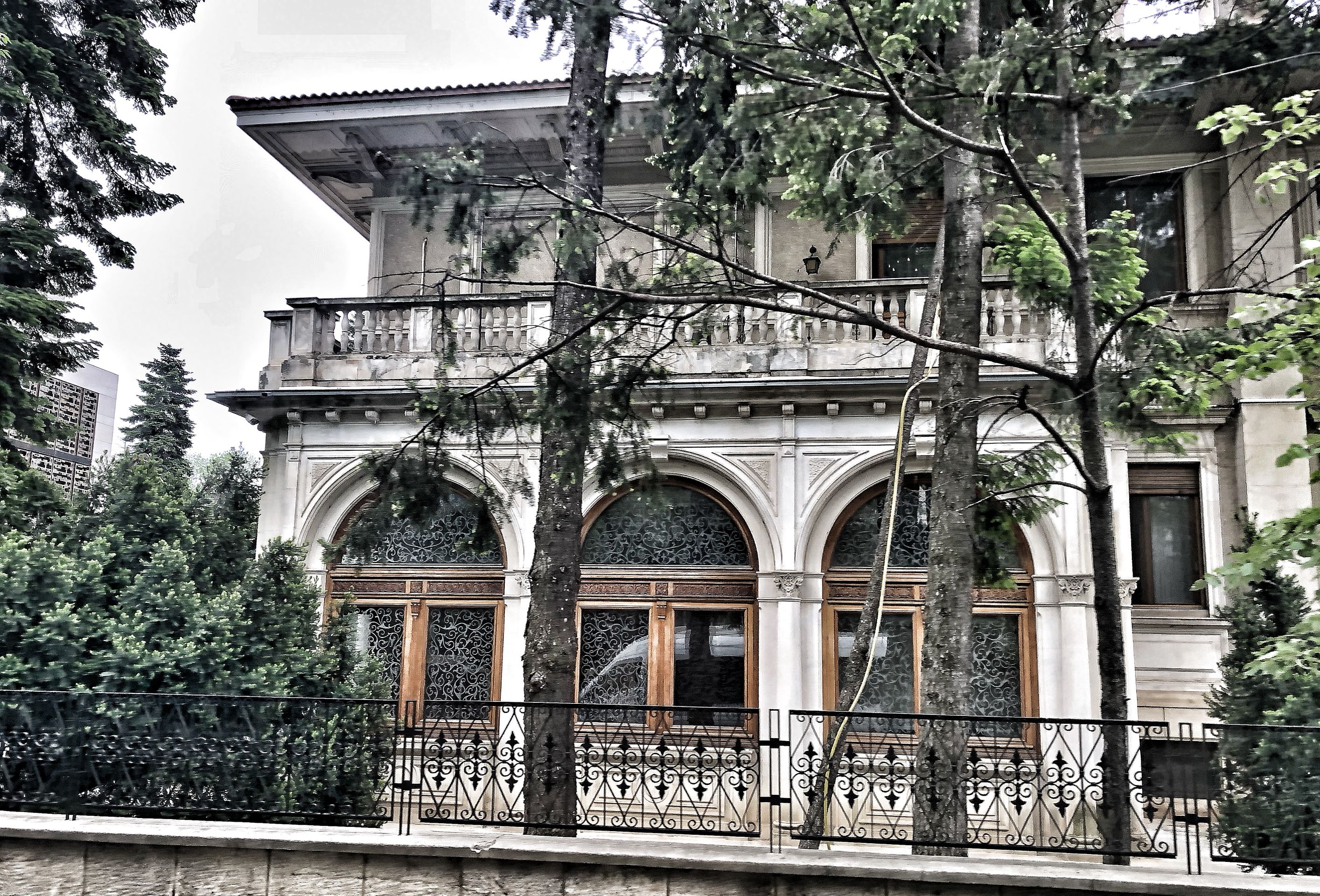
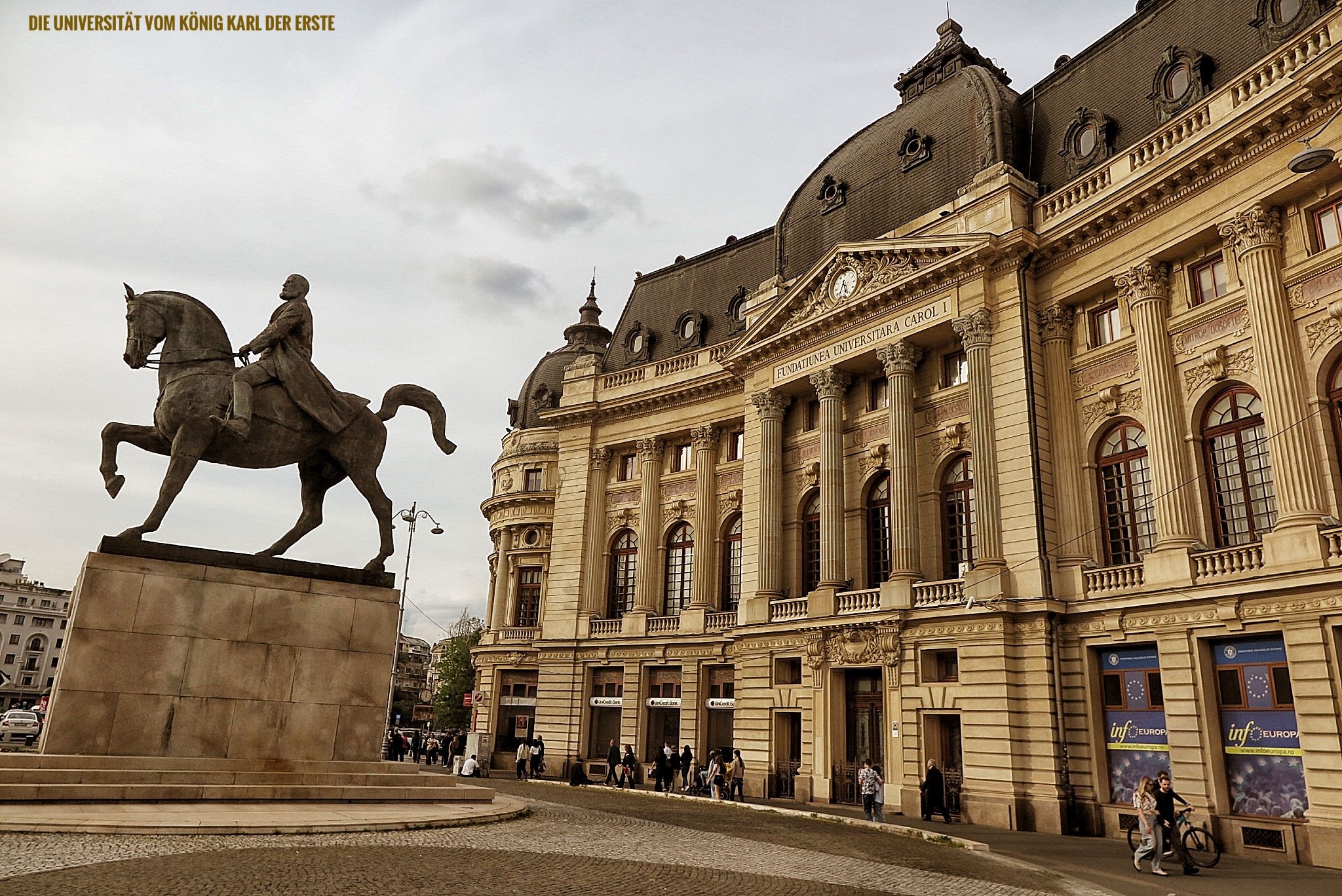
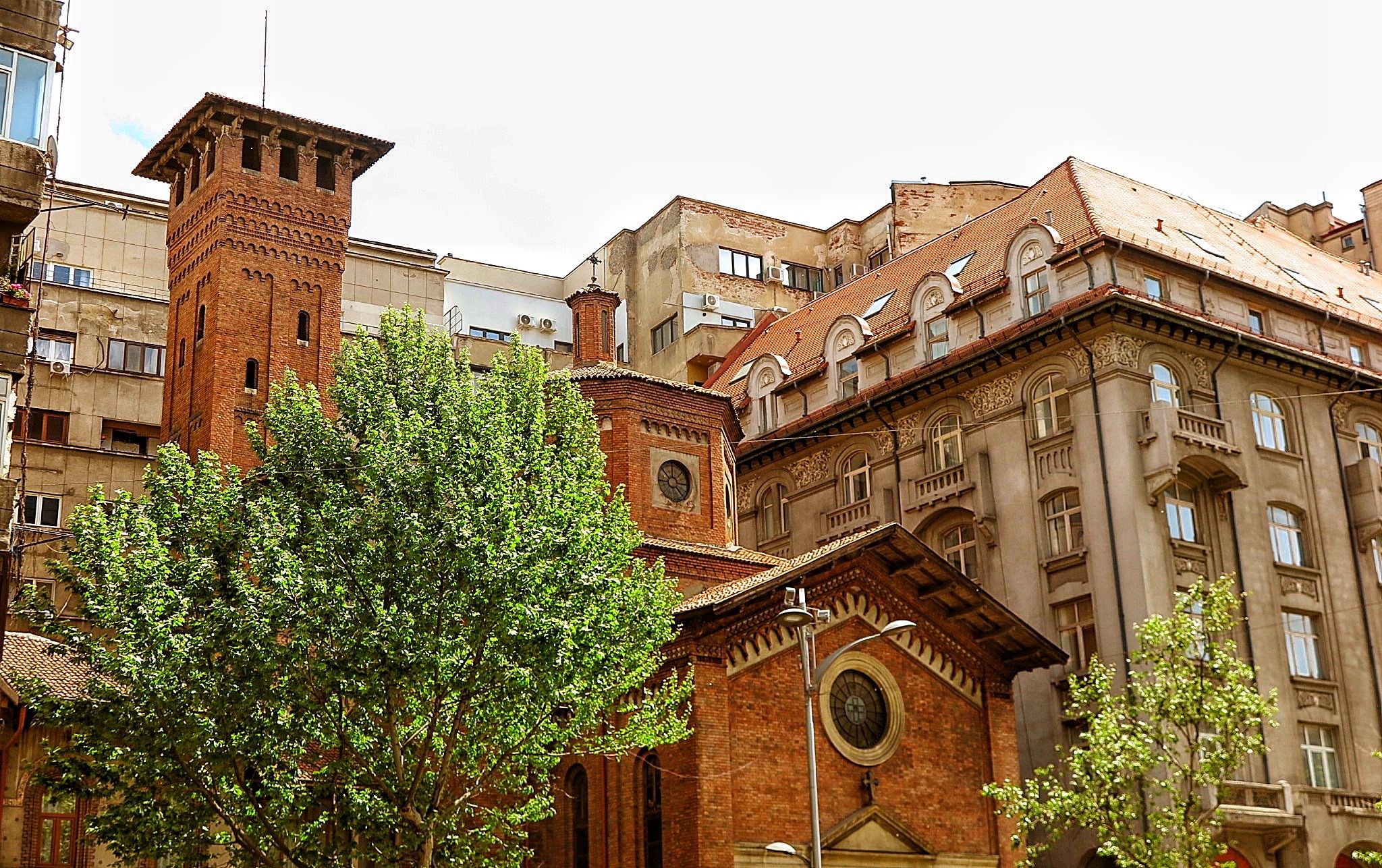
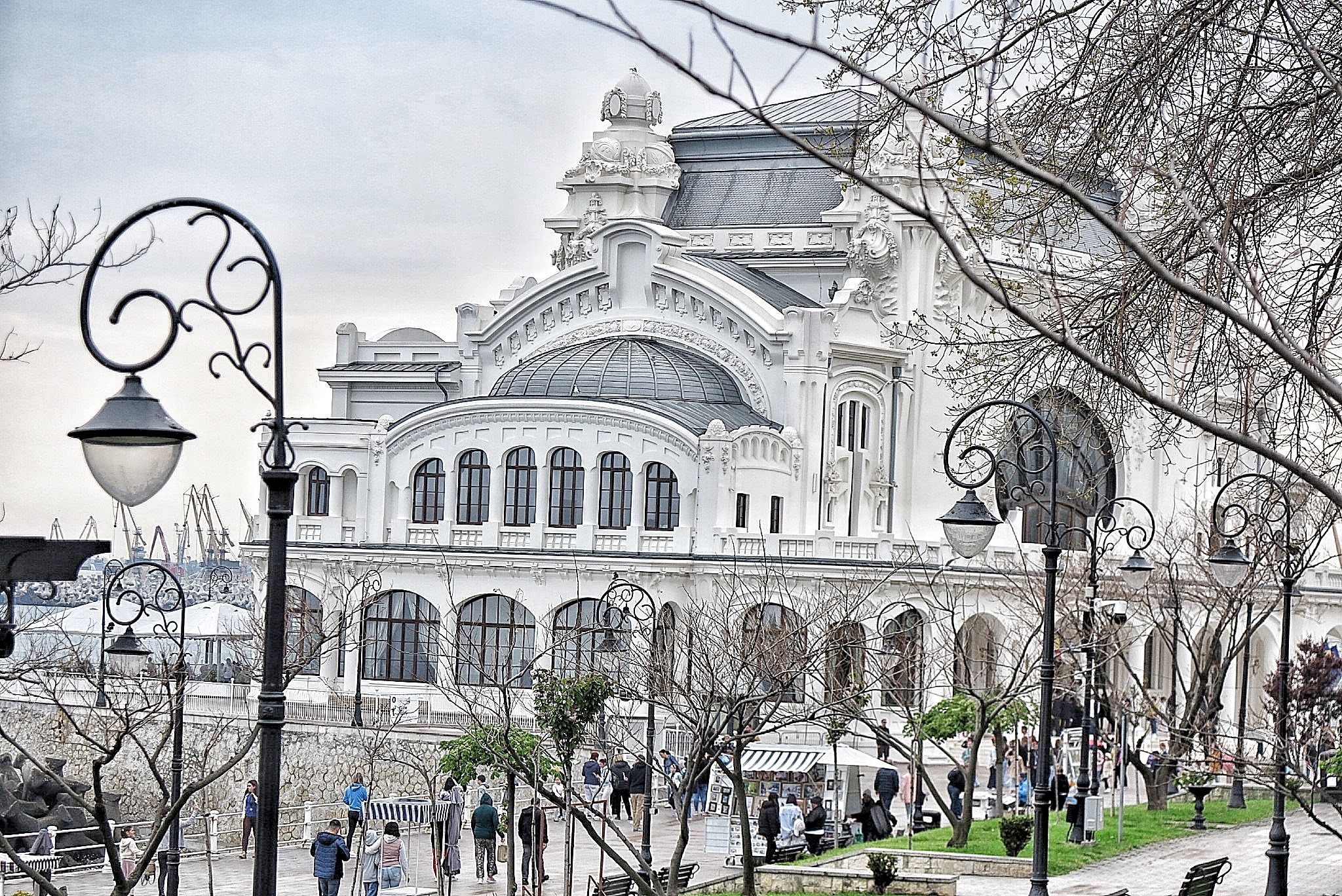
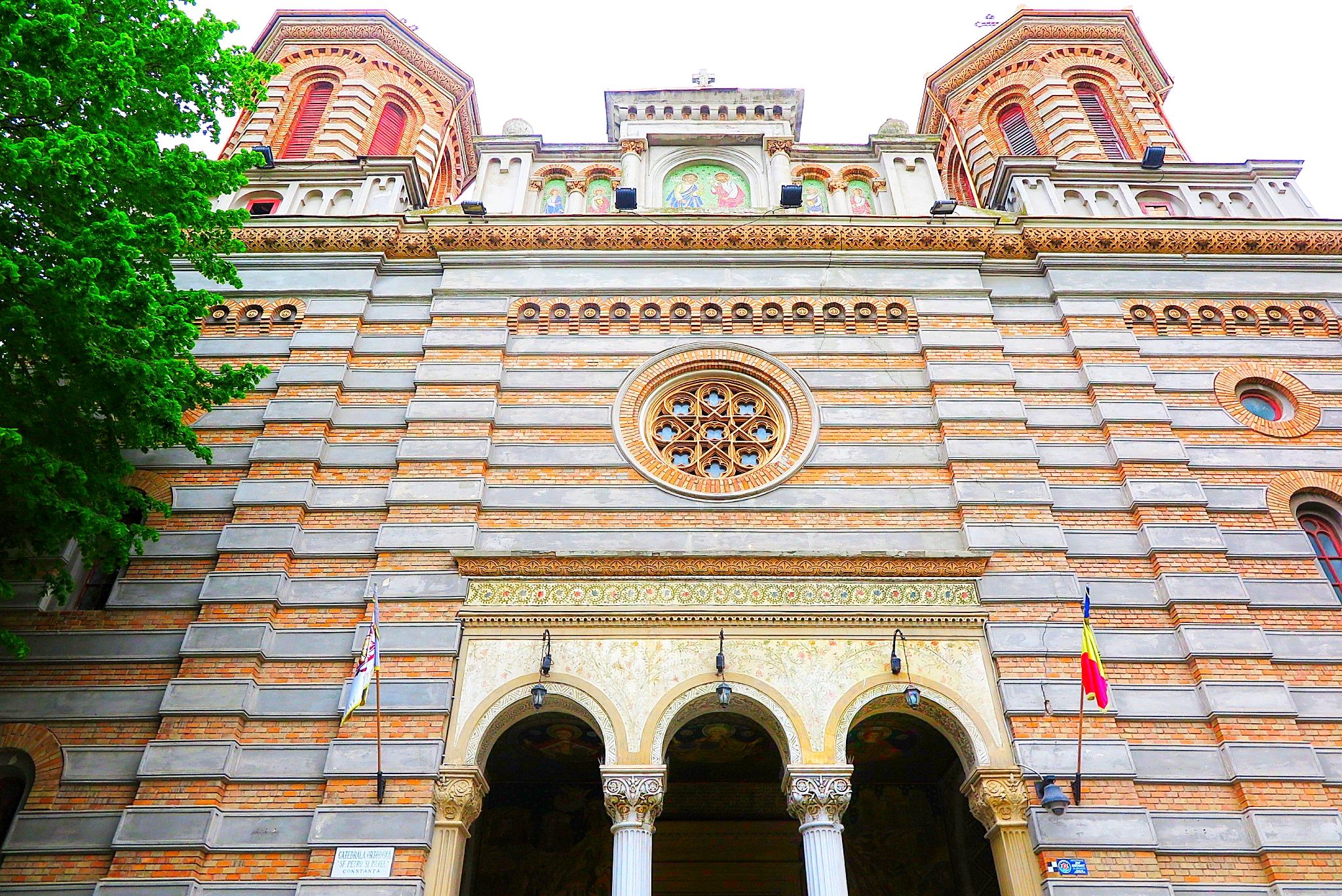
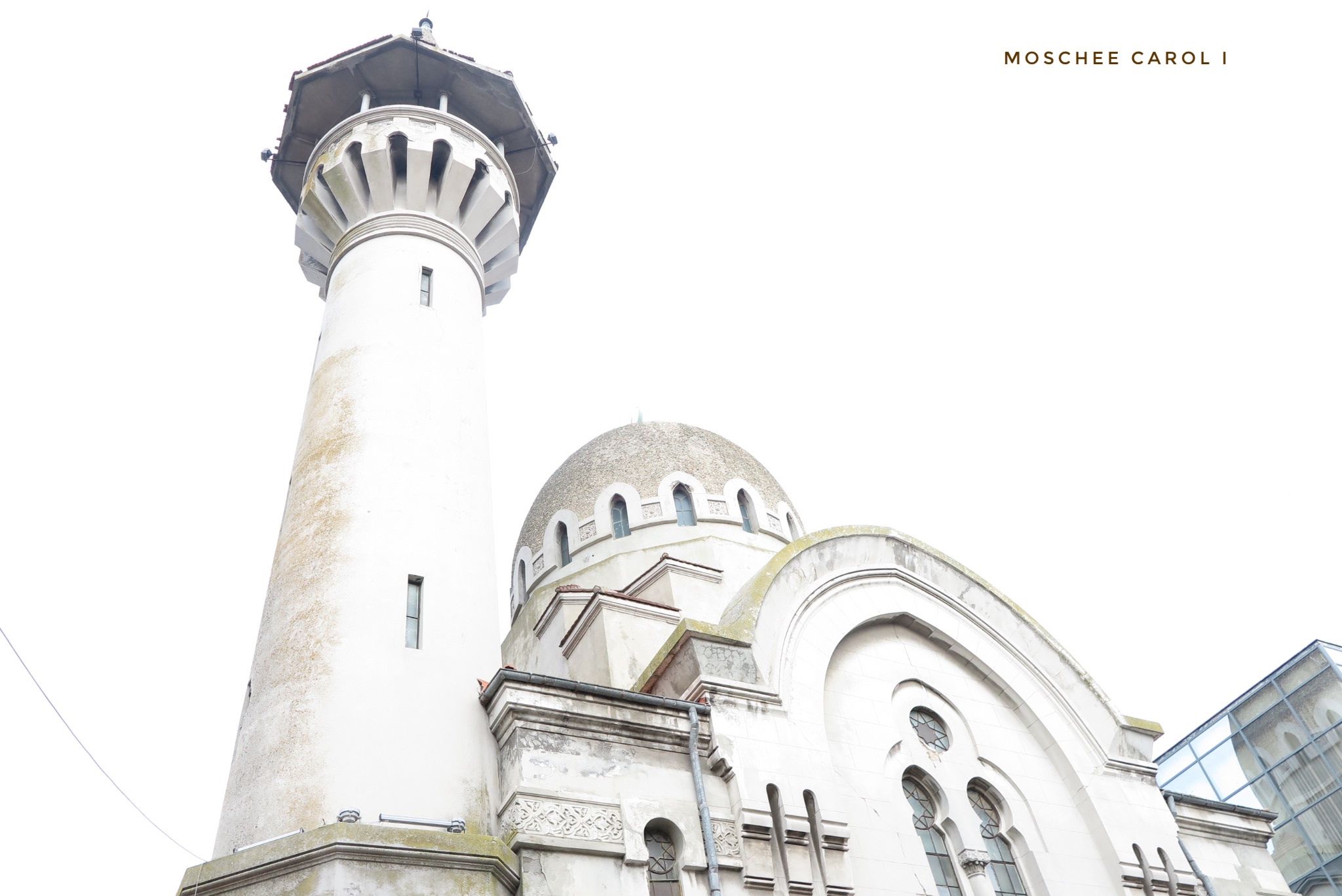
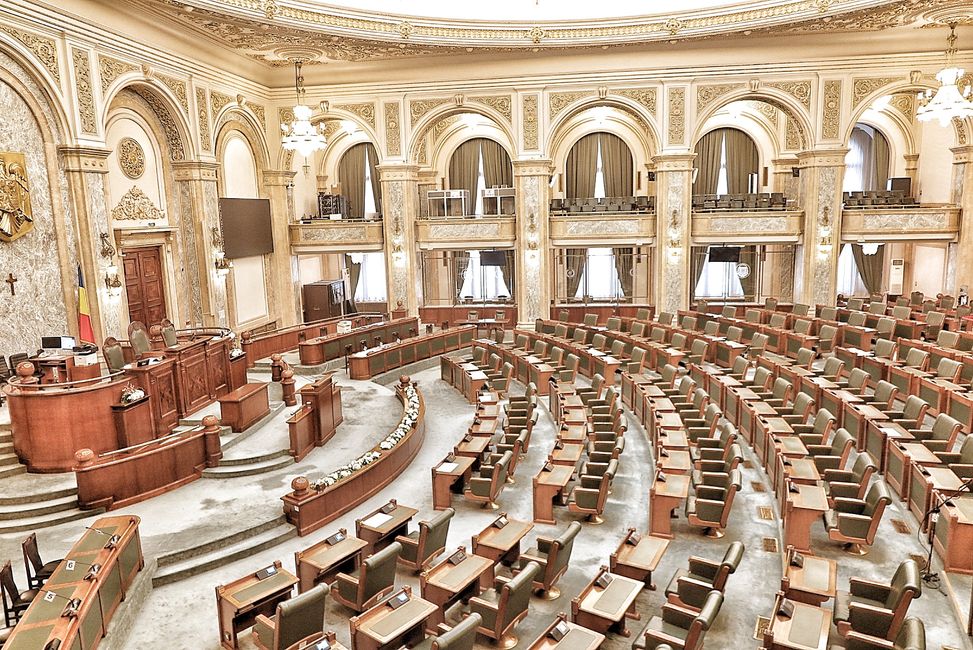
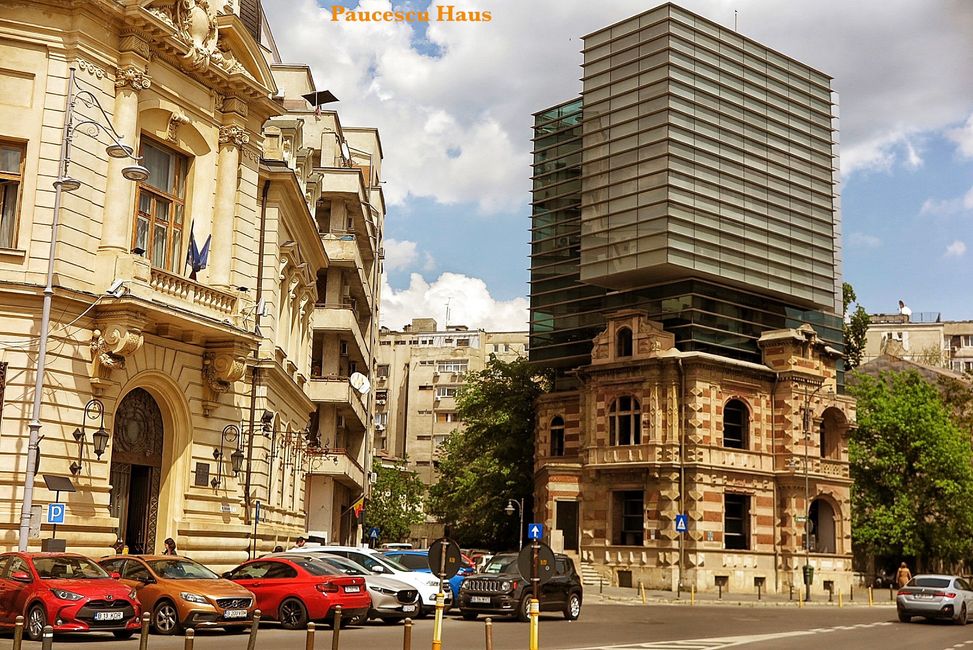
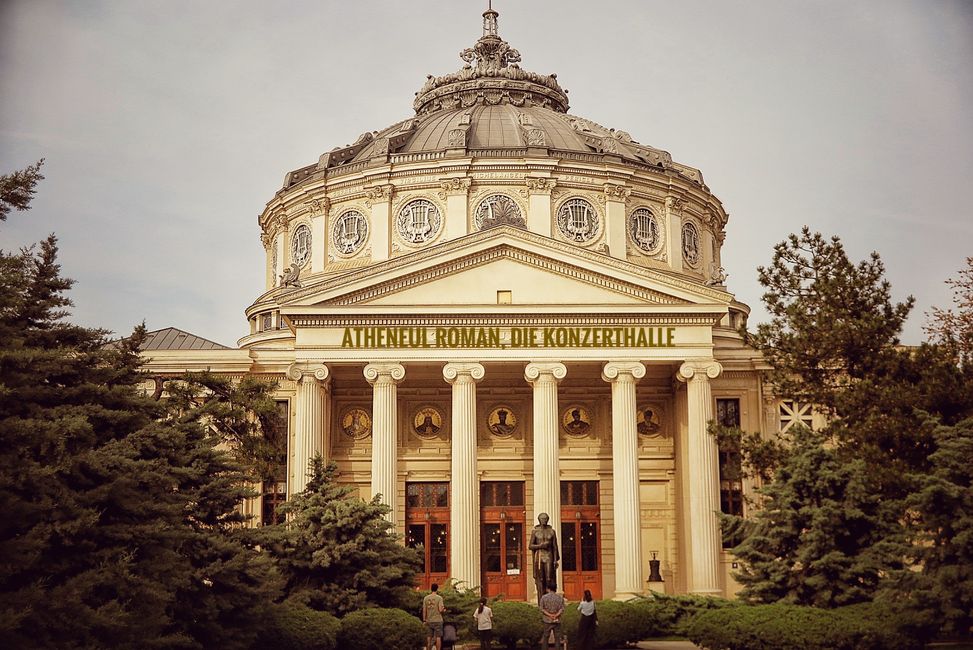
Briefly about the history: The rule of Rome (106 AD) under Emperor Trajan led to Romanization and the emergence of the Romanian language. Wallachia, Dobruja, and Moldavia were under Ottoman suzerainty for a long time during the 14th-18th centuries. Transylvania was mostly part of Hungarian or Habsburg rule in the 16th-17th centuries. In 1878, the Romanians achieved independence from the Ottoman Empire, and in 1881, the kingdom was established under Charles I. From 1947 to 1989, Romania was a dictatorship under Nicolae Ceaușescu, marked by heavy repression from the Securitate. He was violently overthrown in 1989. This was followed by democratization, NATO accession (2004), and EU accession (2007). These took place in the parliament in Bucharest. The present parliamentary building was constructed from 1984 to 1989, displacing 40,000 people, and the historical old town was partially destroyed.
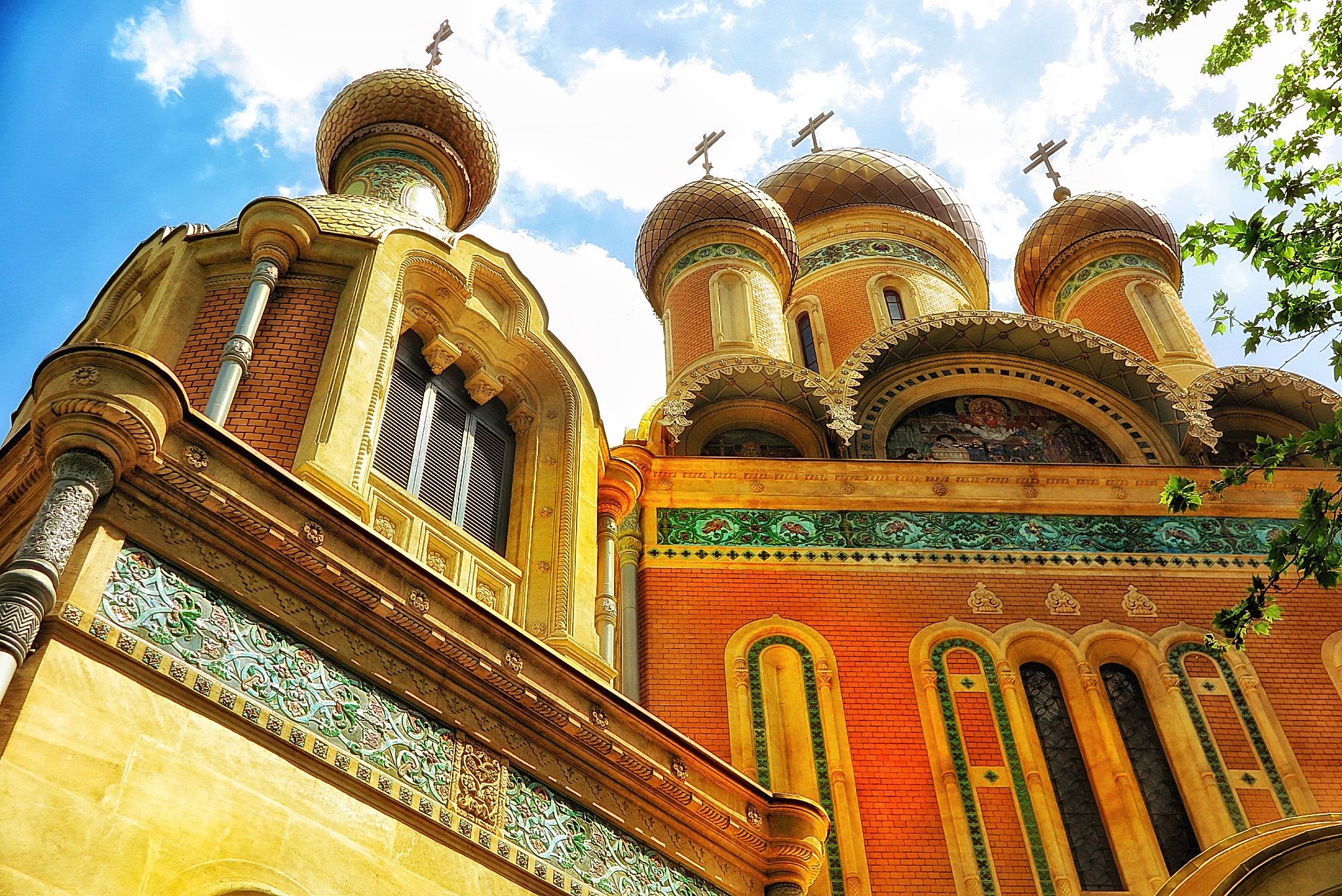
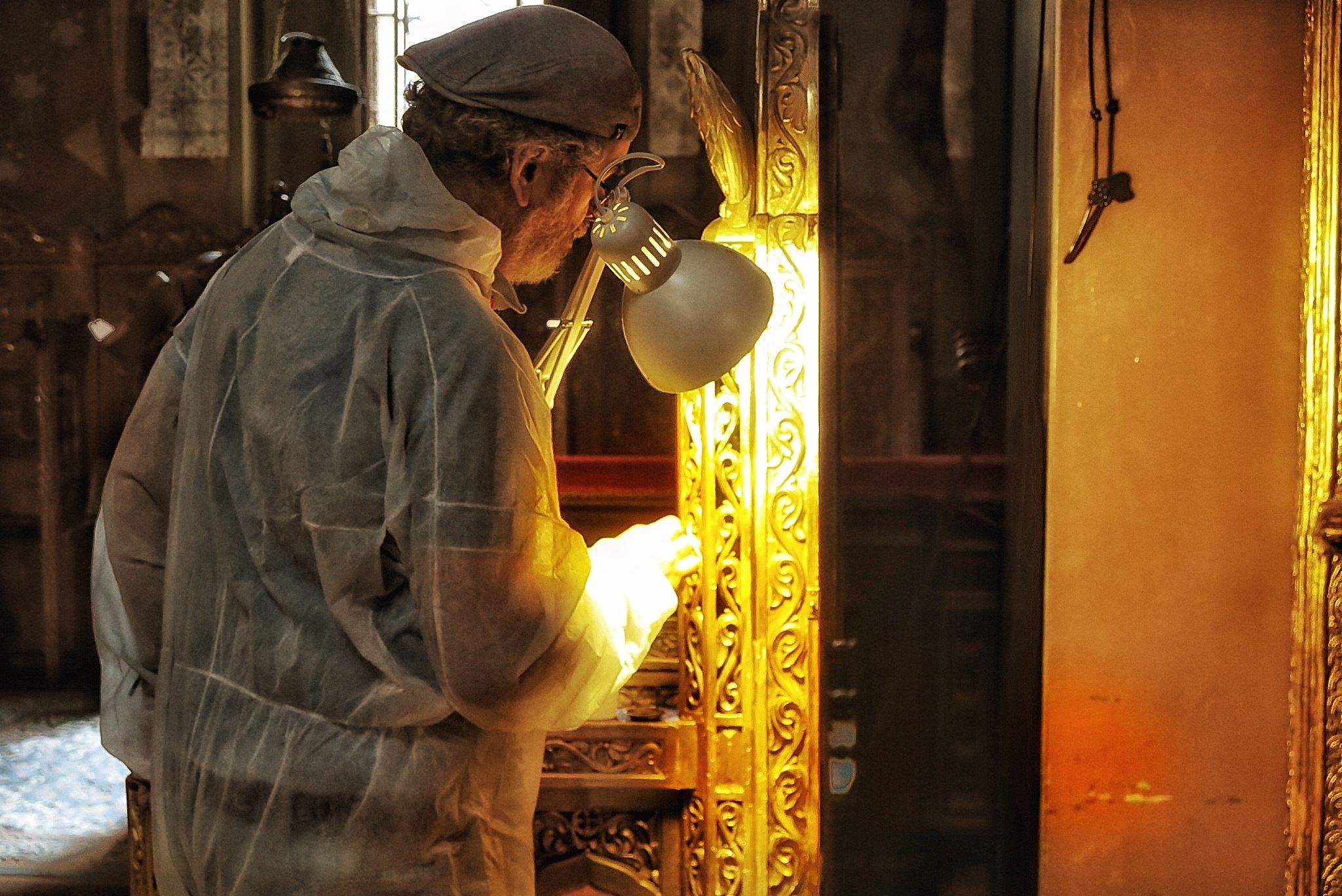
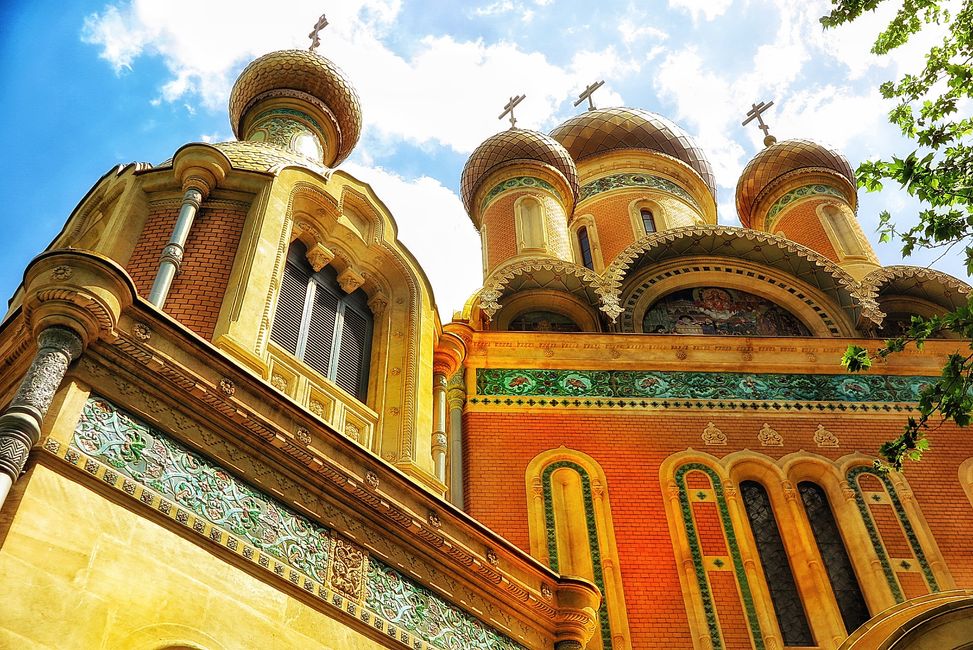
St. Nicholas Russian Church was built in 1905 and is the only Russian church in Bucharest.
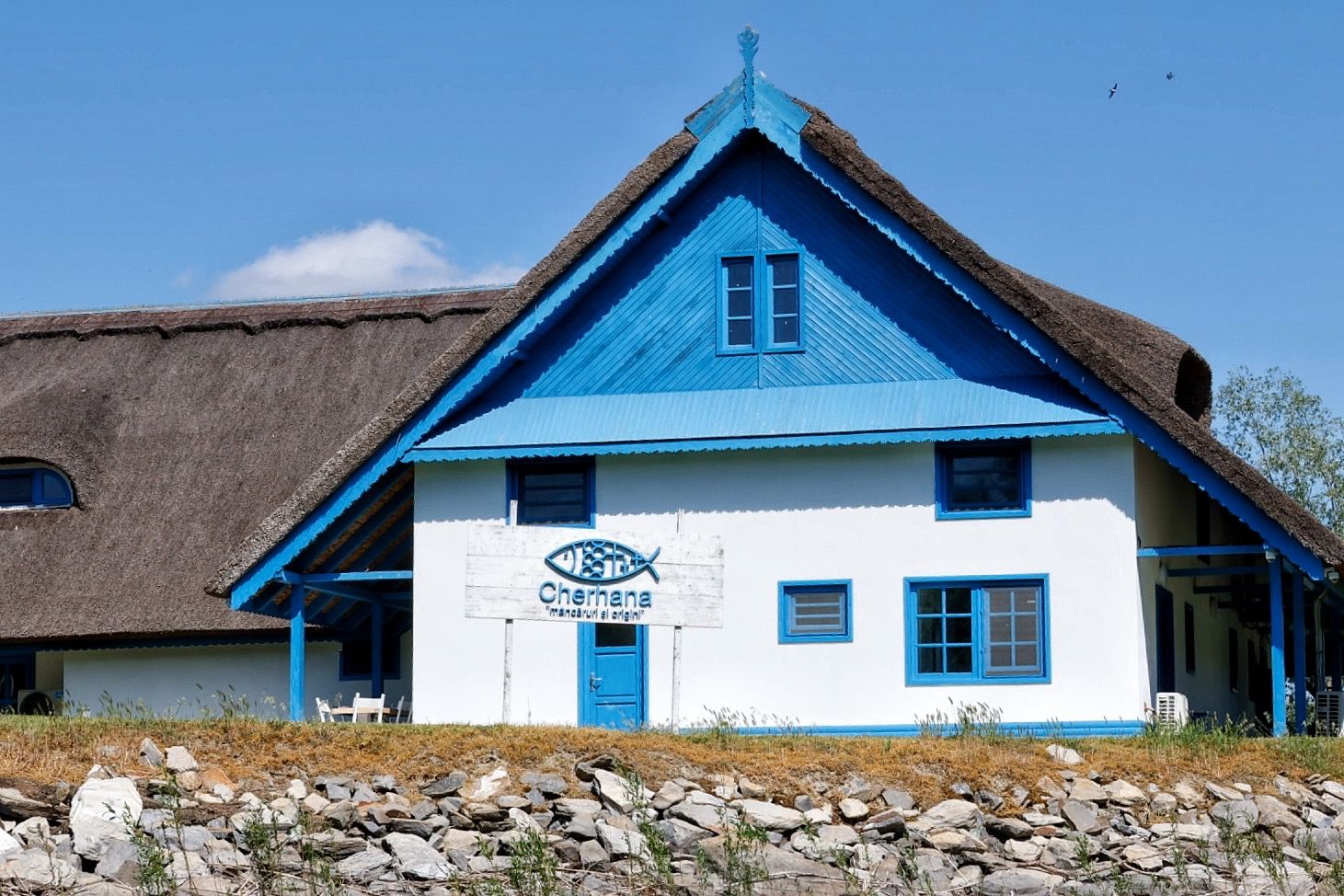
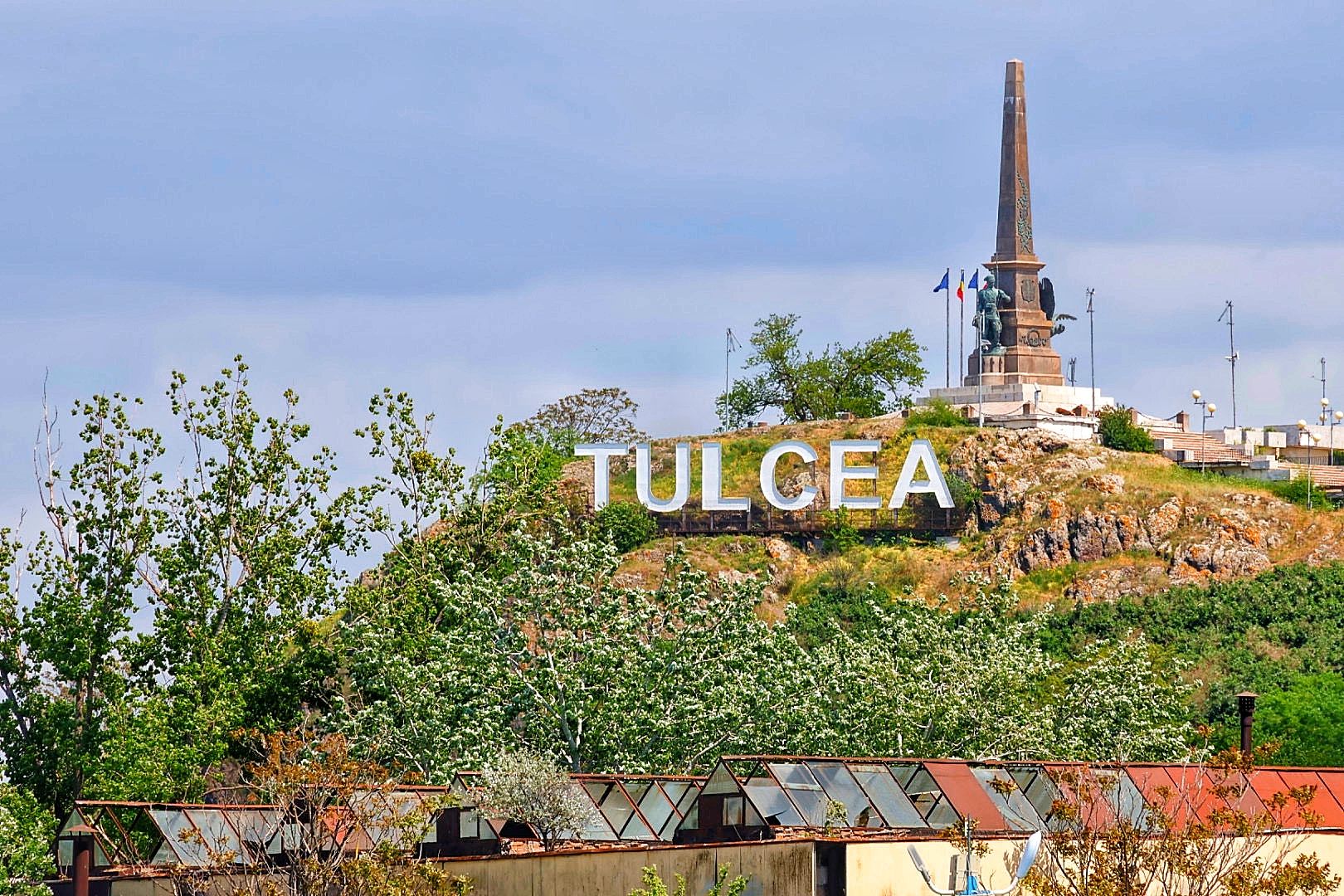
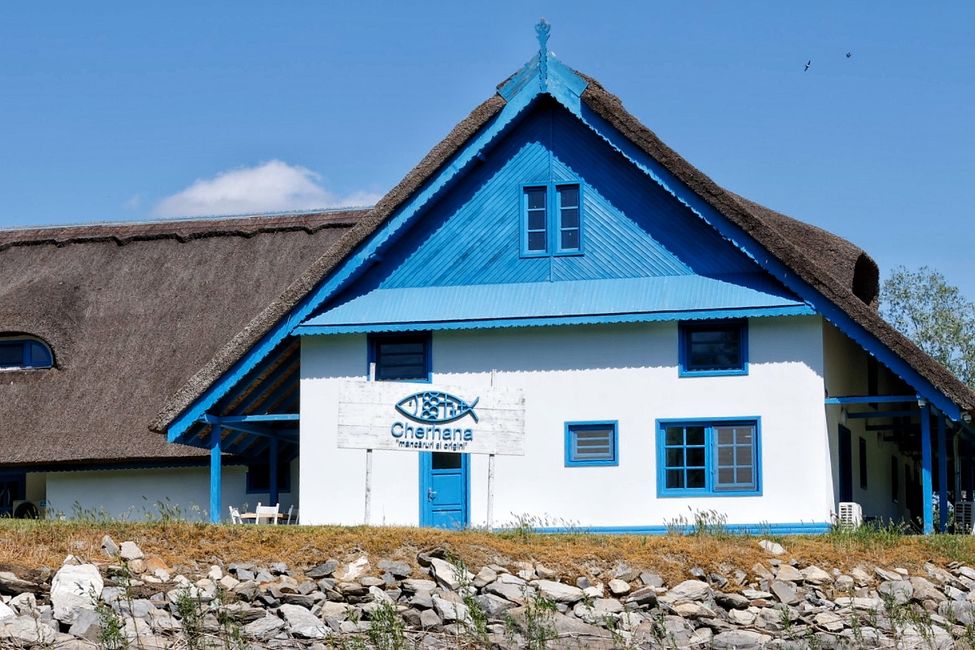
Next, we head north towards Tulcea. The typical fishermen's houses are white/blue, partly traditional but also not very insect-friendly, such as yellow.
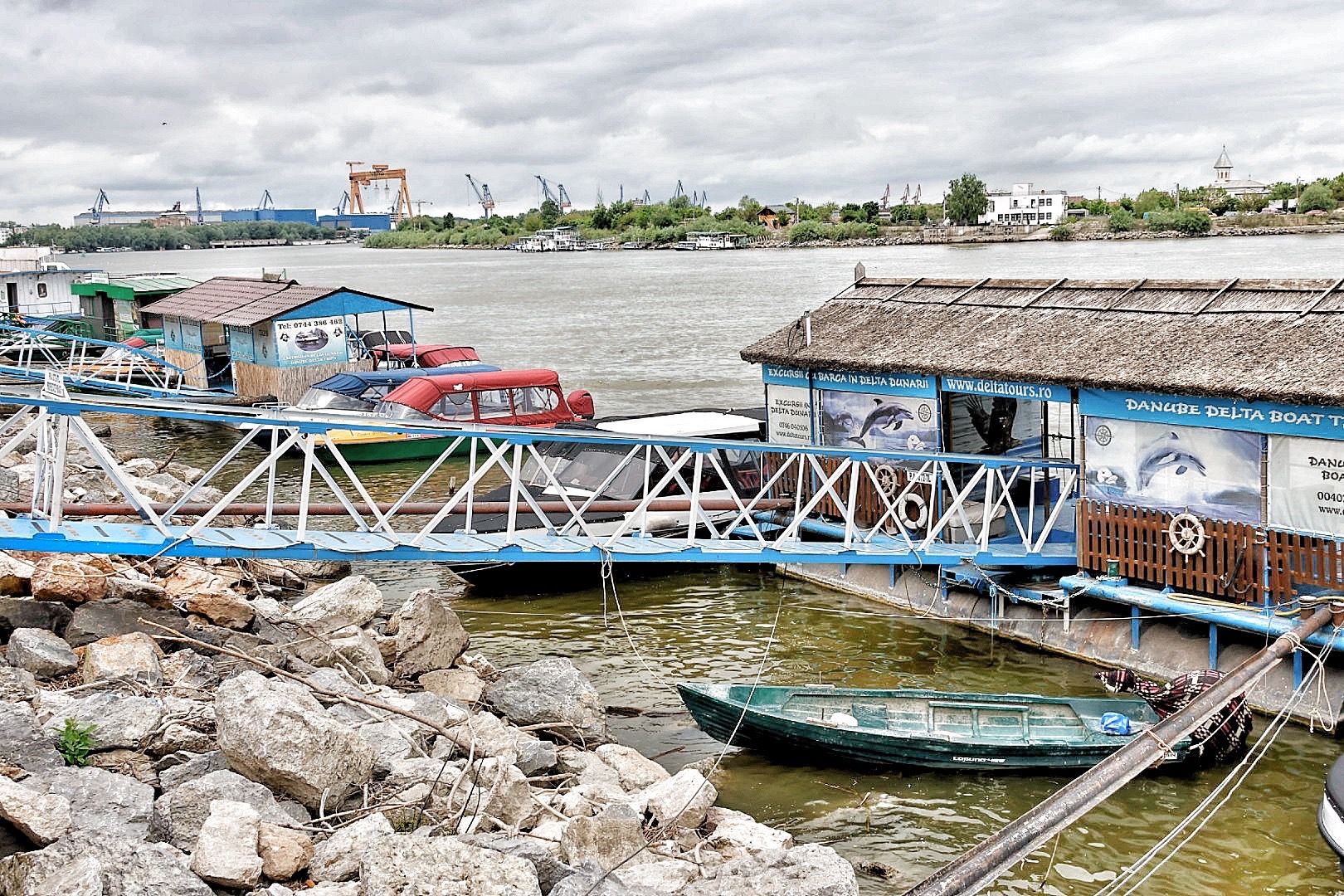
From here we will board a hotel ship to visit the Danube Delta; I will share this wonderful experience in my next post.