
ISLAND Island of Waterfalls, Whales, and Sheep
The waterfalls are formed by glaciers, volcanism, and land uplift. Dettifoss is the most powerful waterfall in terms of both drop height and water volume.

Published: 04.05.2026
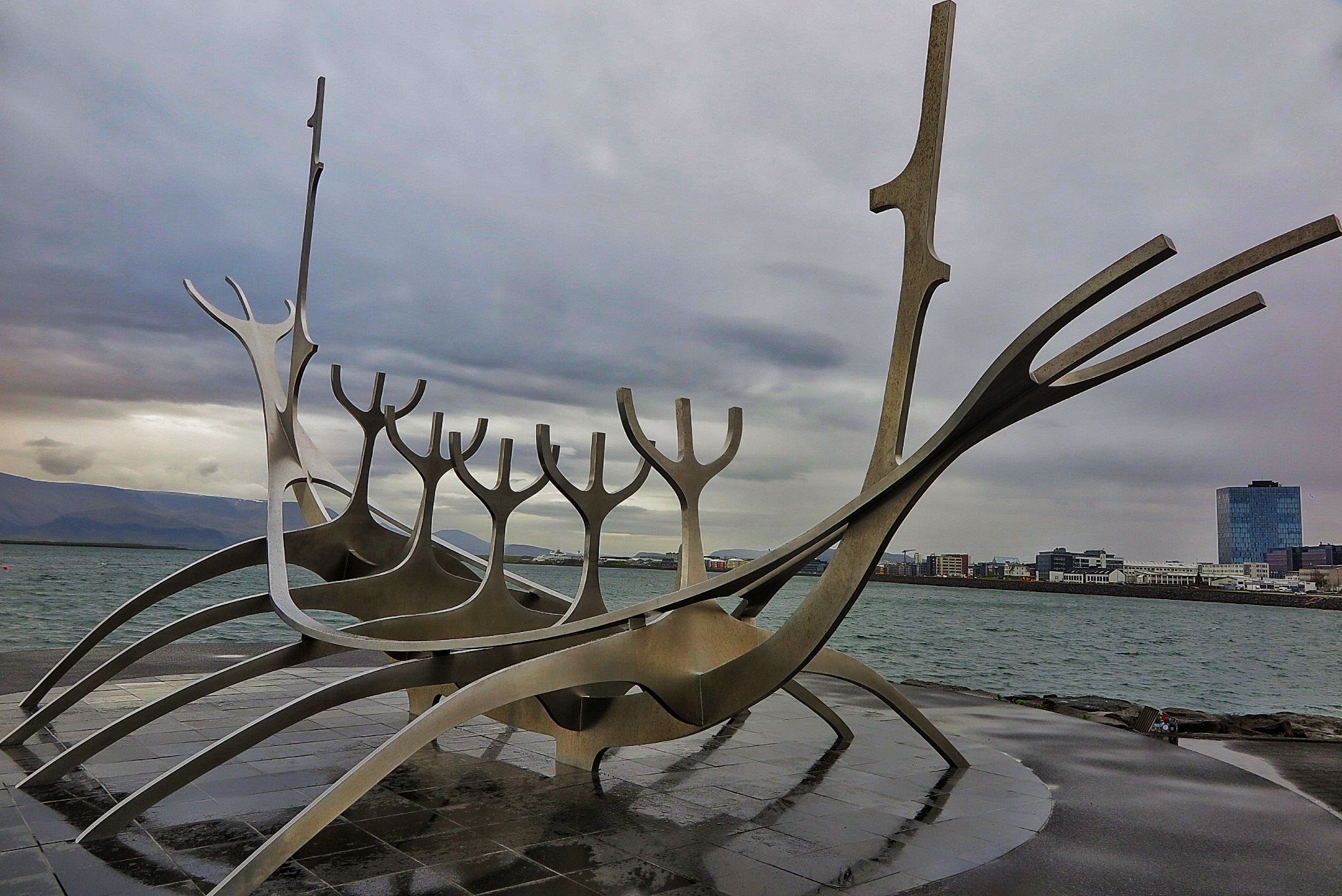
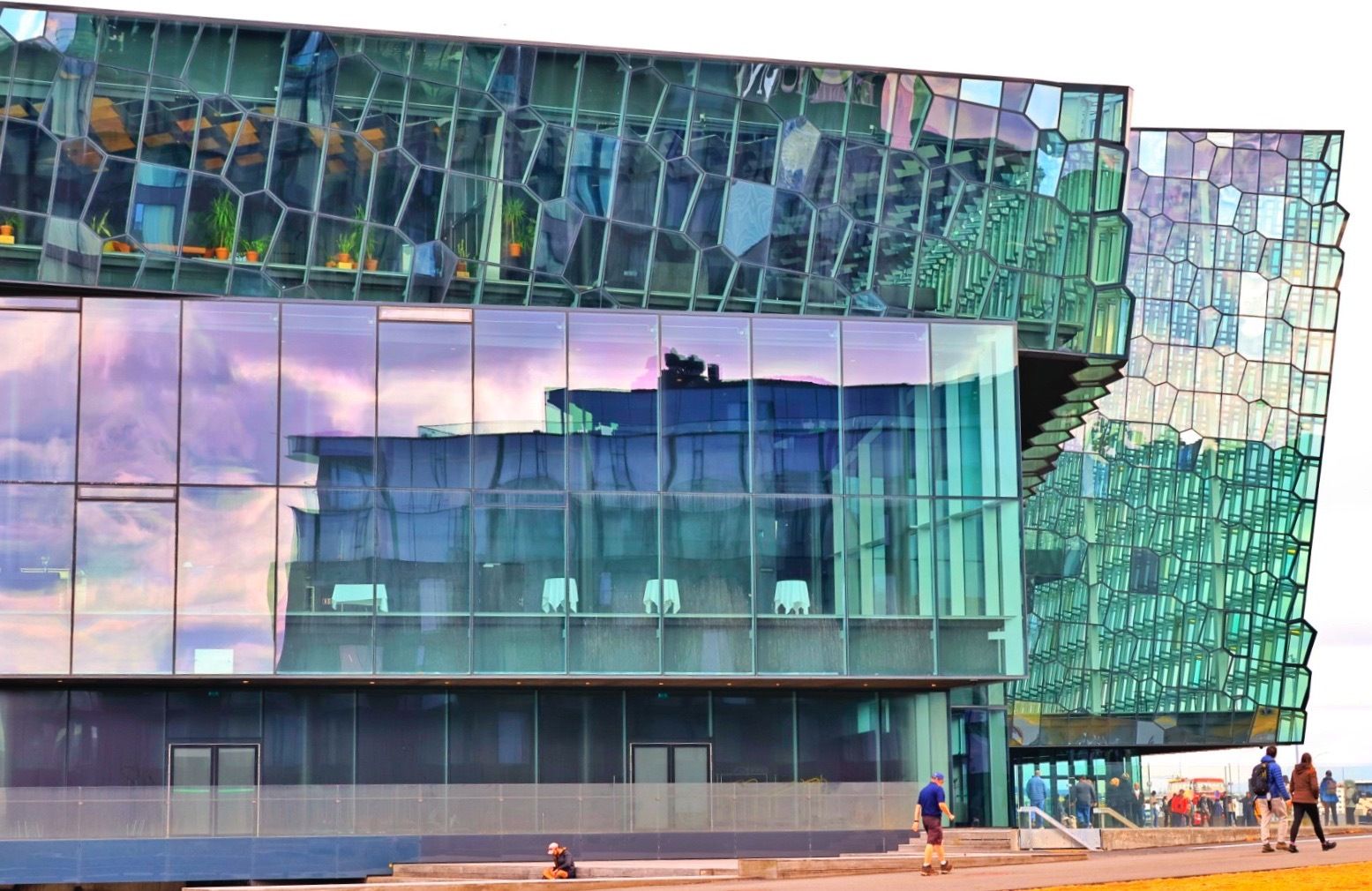
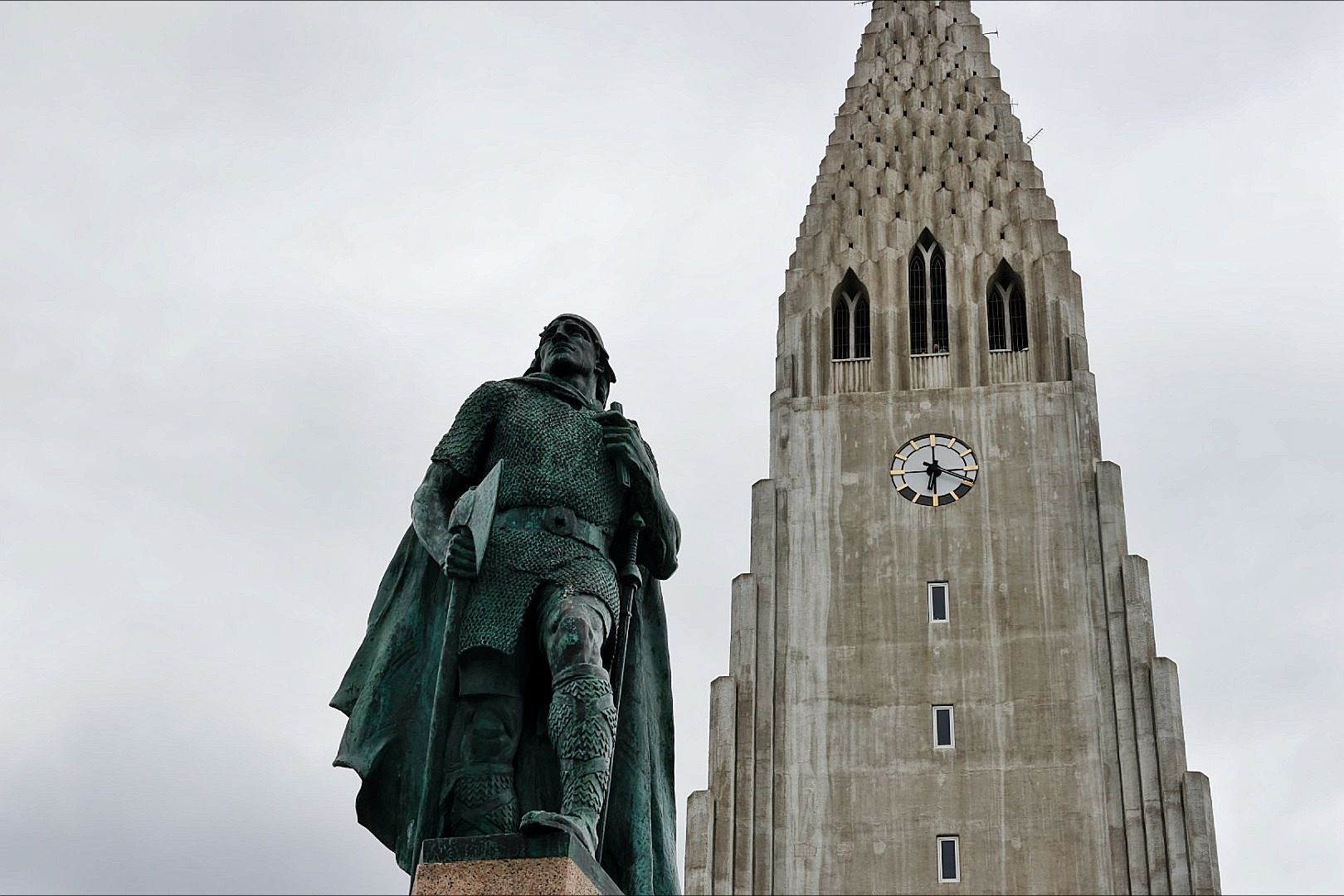
Our round trip starts in Reykjavik on Ring Road No. 1, which is always snow-free and encircles all of Iceland.
Keflavik Airport is located about 50km west of Reykjavik, was a NATO military base until 2006, but not a rocket station. Currently, Iceland, like Costa Rica, has no military.
Regarding history: From 870 AD, Vikings, mostly Norwegians, conquered the land and settled it in the 9th century.
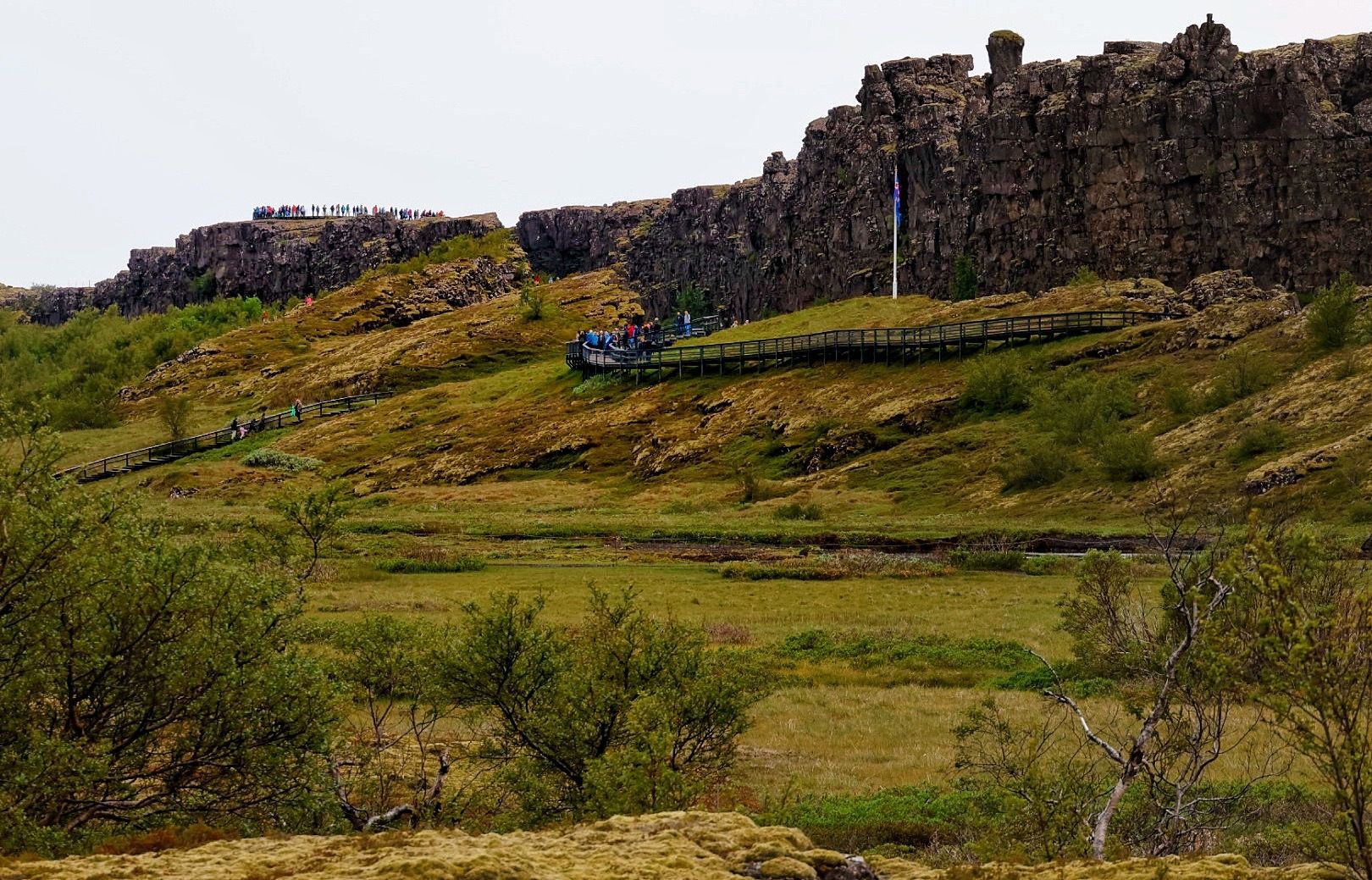
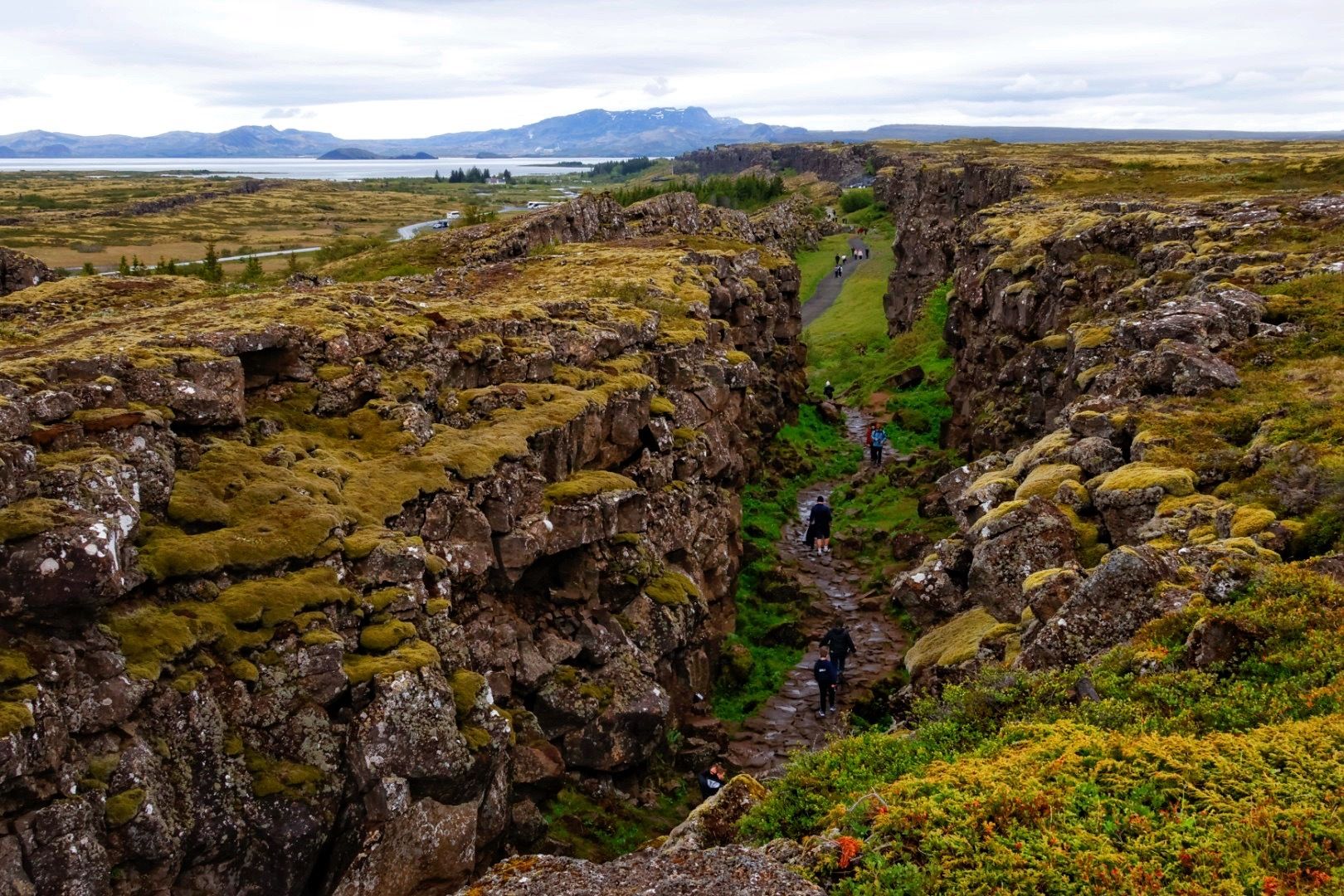
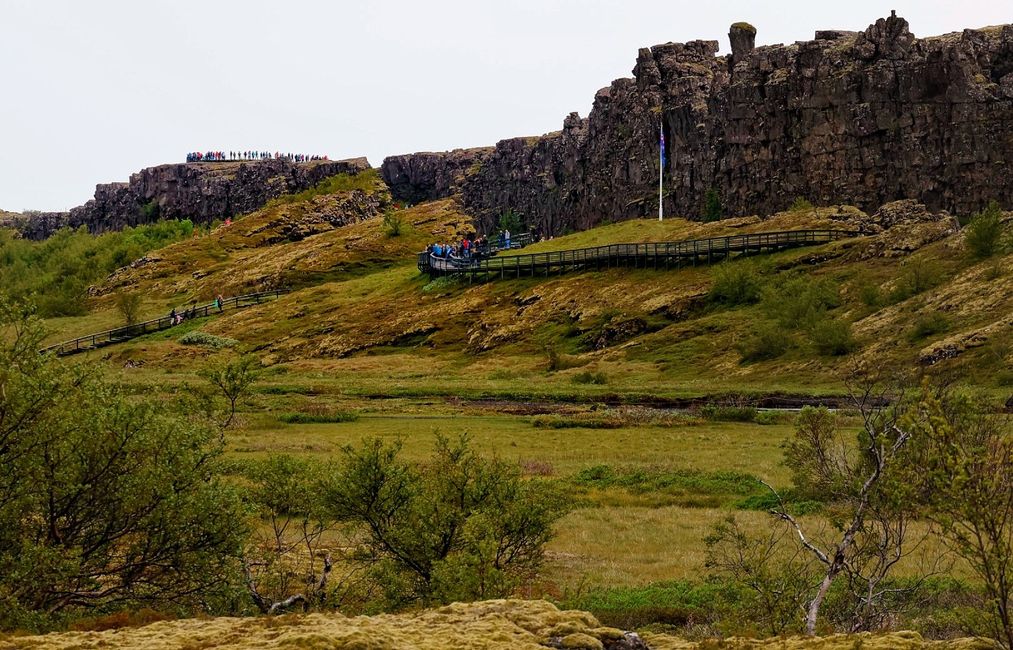
In 930 AD, the first Icelandic parliament was established in what is now Thingvellir National Park. Here, judicial proceedings were held every June. Old laws were repealed, new ones enacted, feuds were settled, and they did not shy away from imposing wergild. This means, for instance, 20 horses for a lost man or 4 horses for a woman.
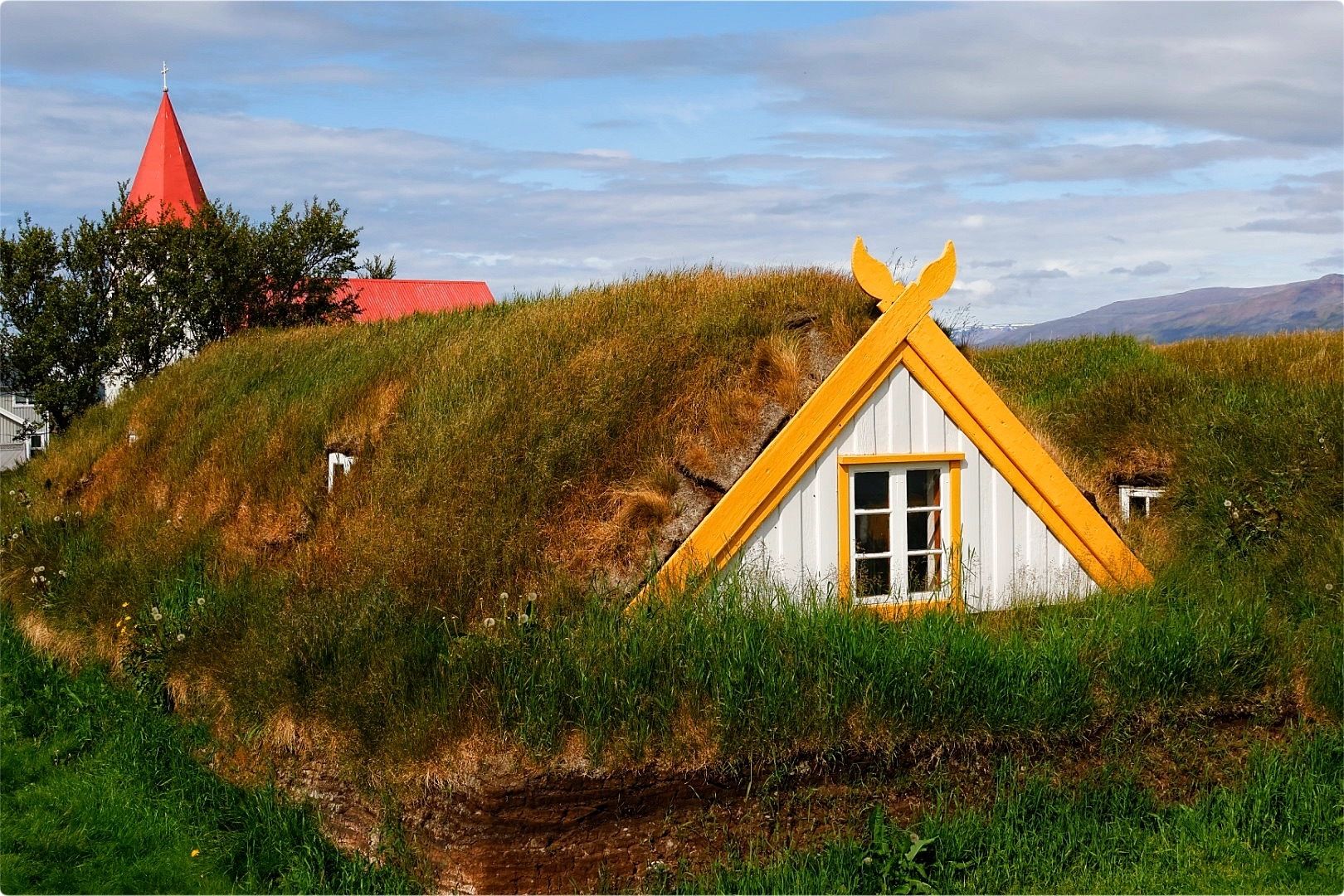
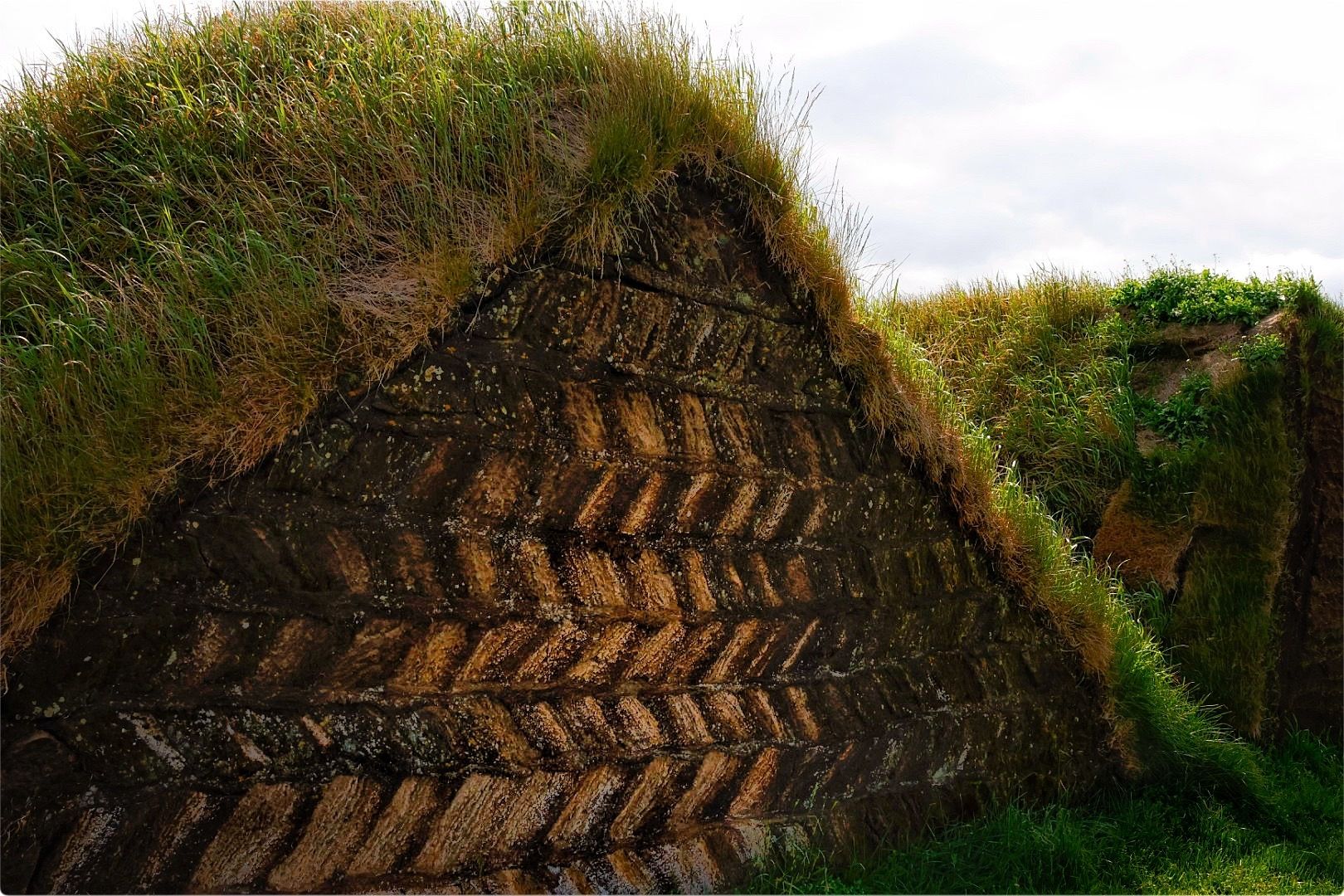
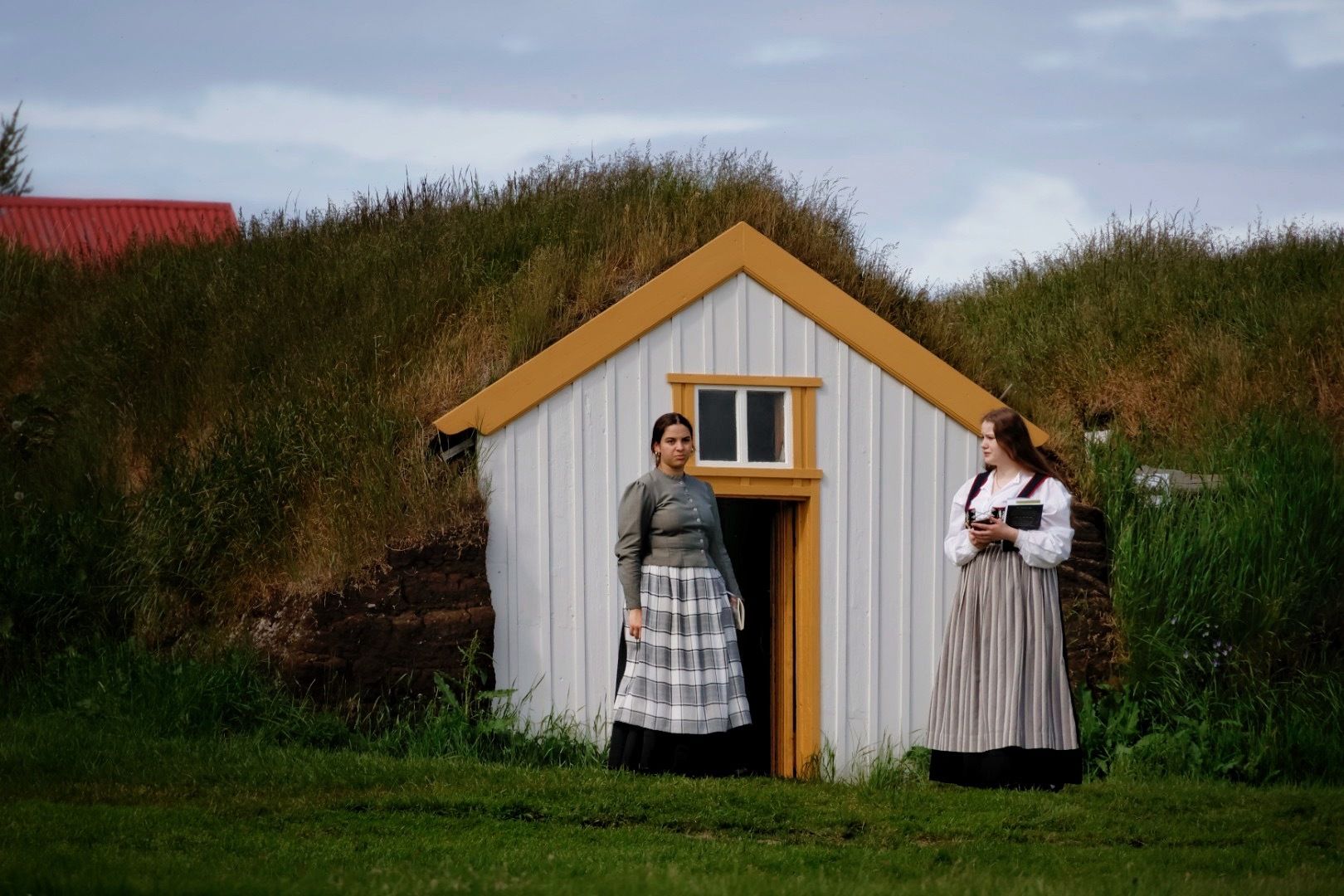
The well-preserved Glaumbaer farm museum is a testament to the construction of turf houses. Grass turfs were used, which are arranged in a herringbone pattern, providing good thermal insulation. The houses are connected by corridors.
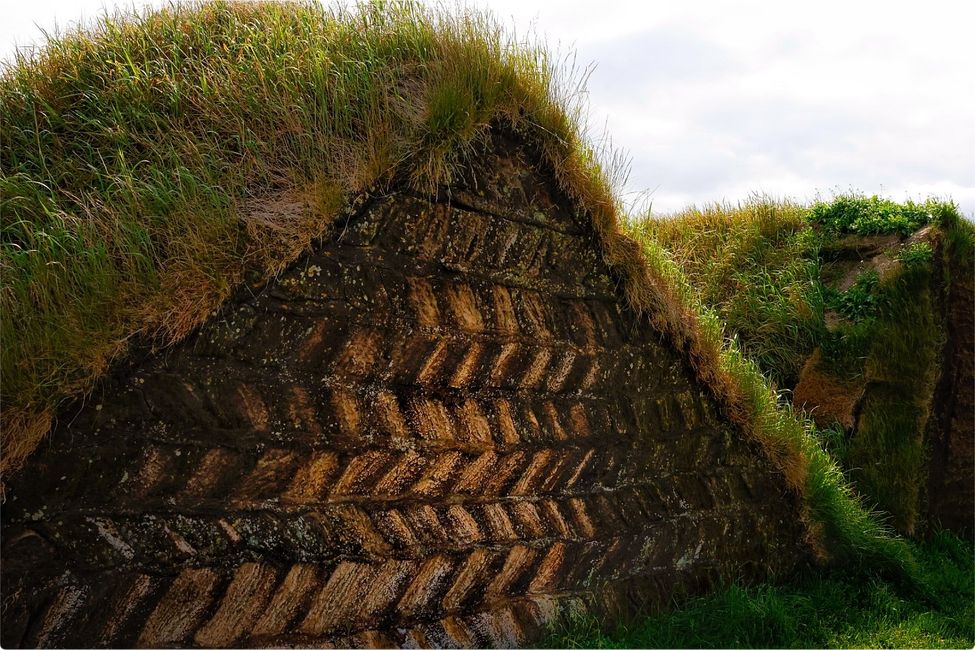
In the 13th century, the Kalmar Union was formed. The Norwegians, Swedes, and Danes united. Iceland came under Danish rule. It wasn't until 1944 that Iceland became independent and made a name for itself through the spectacular Cod Wars, which concerned the expansion of the fishing zone to ultimately 200 nautical miles. It's worth mentioning that fish is the main source of income, though it is currently overshadowed by tourism.
Iceland is a volcanic island located on the Mid-Atlantic Ridge. The Eurasian and North American plates are drifting apart, creating fissure volcanoes that fill with lava.
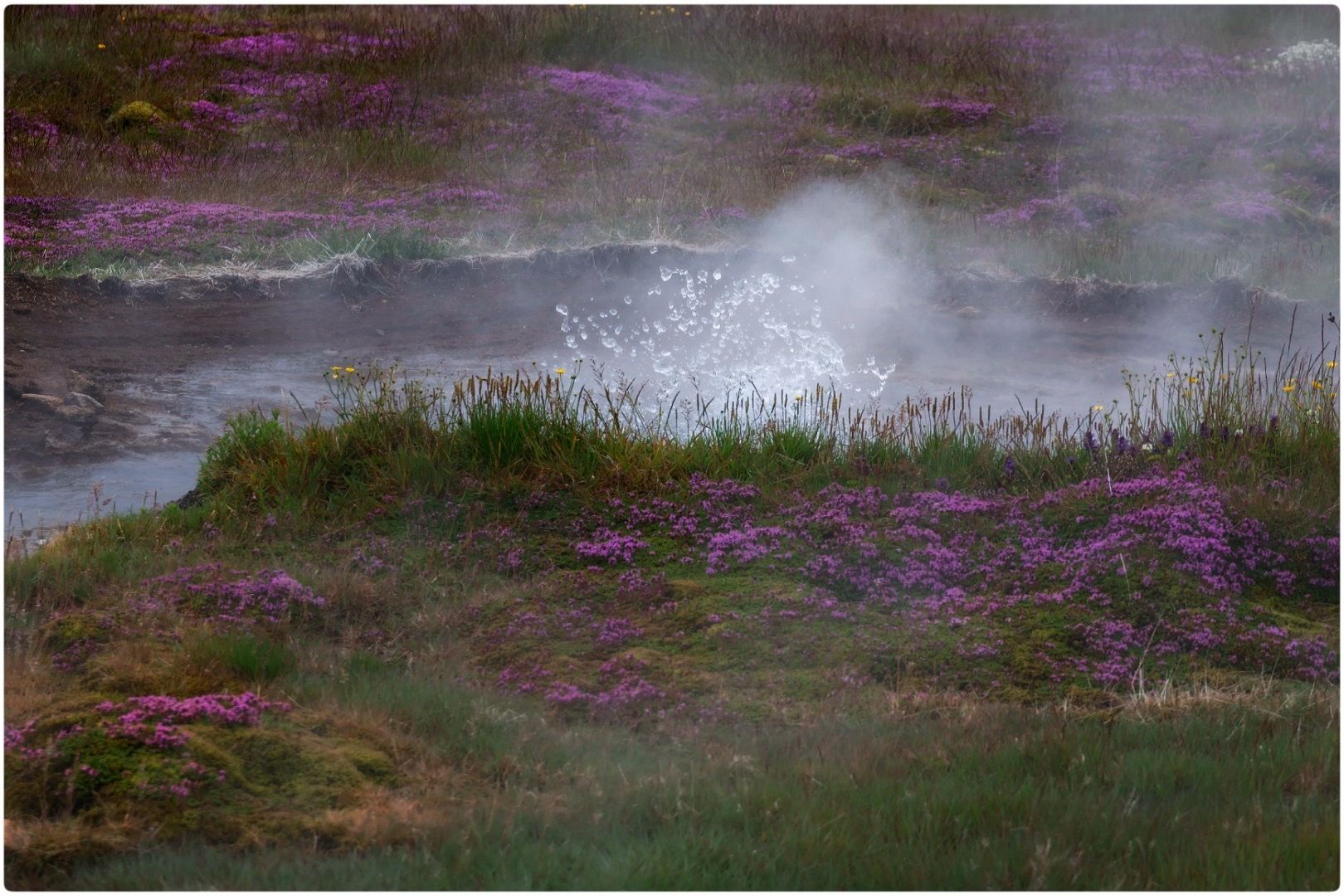
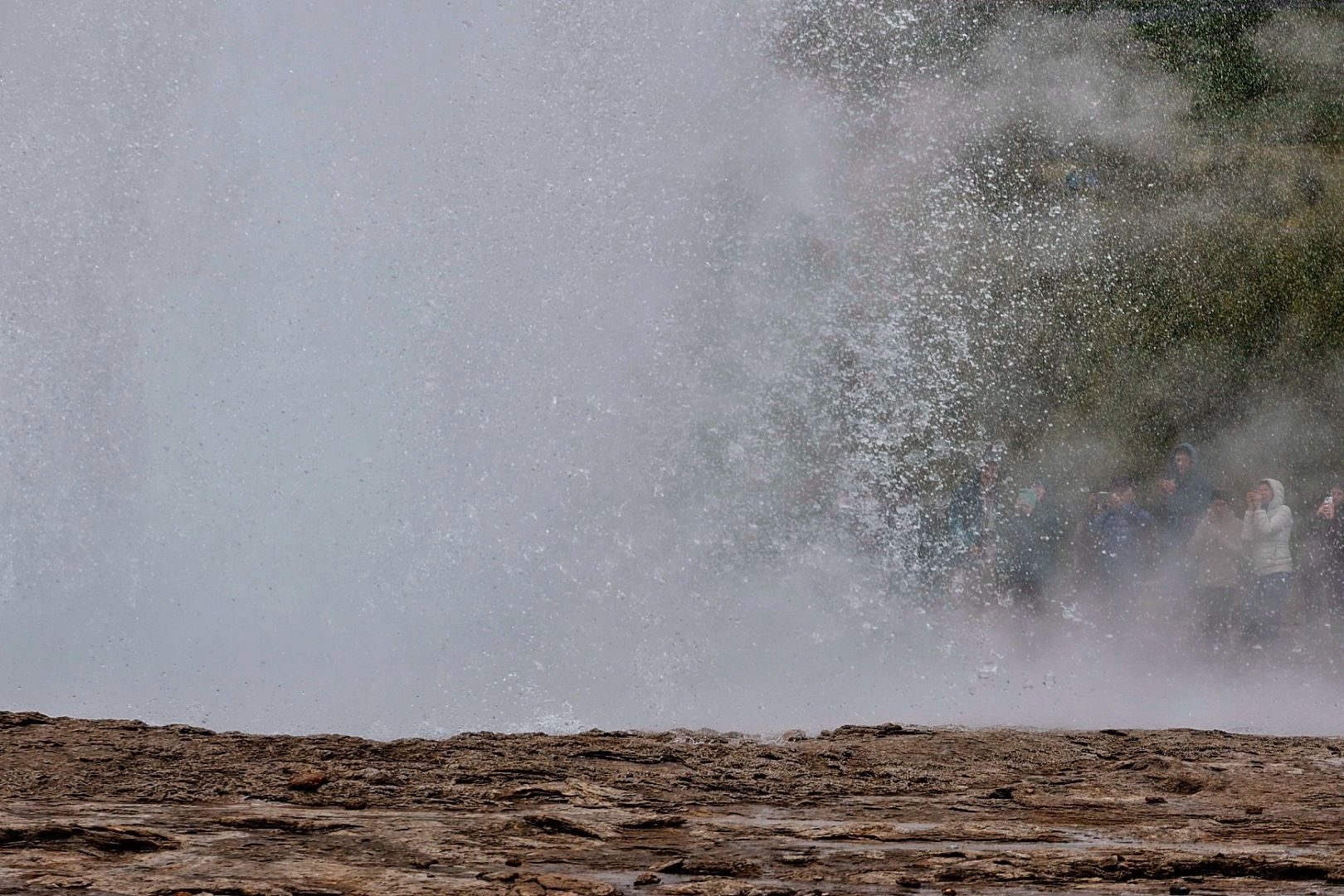
Iceland's geyser is the namesake for hot springs. The divergence of tectonic plates allows magma to rise and boil the groundwater.
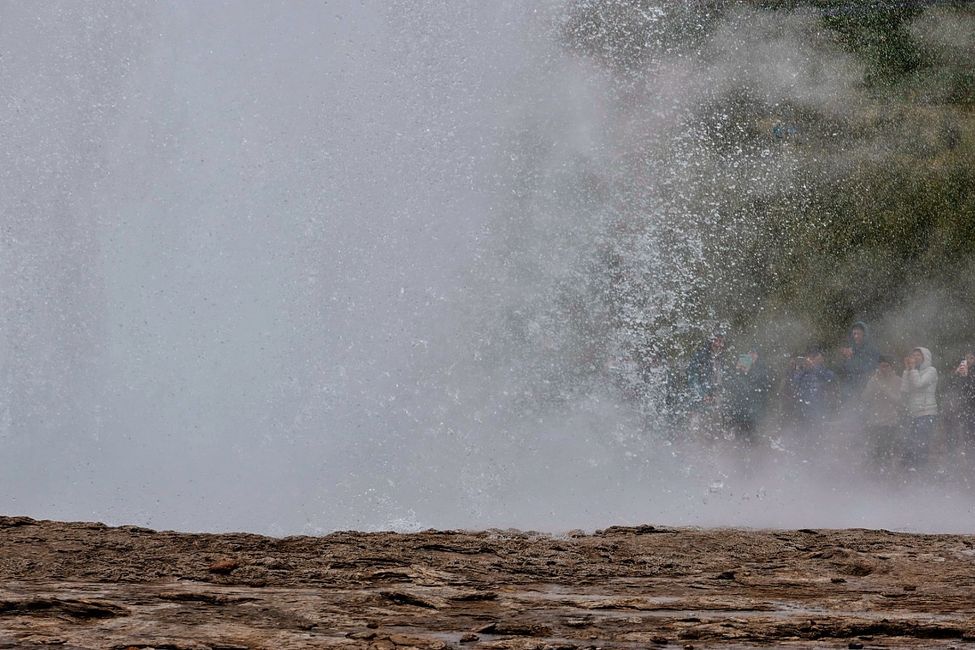
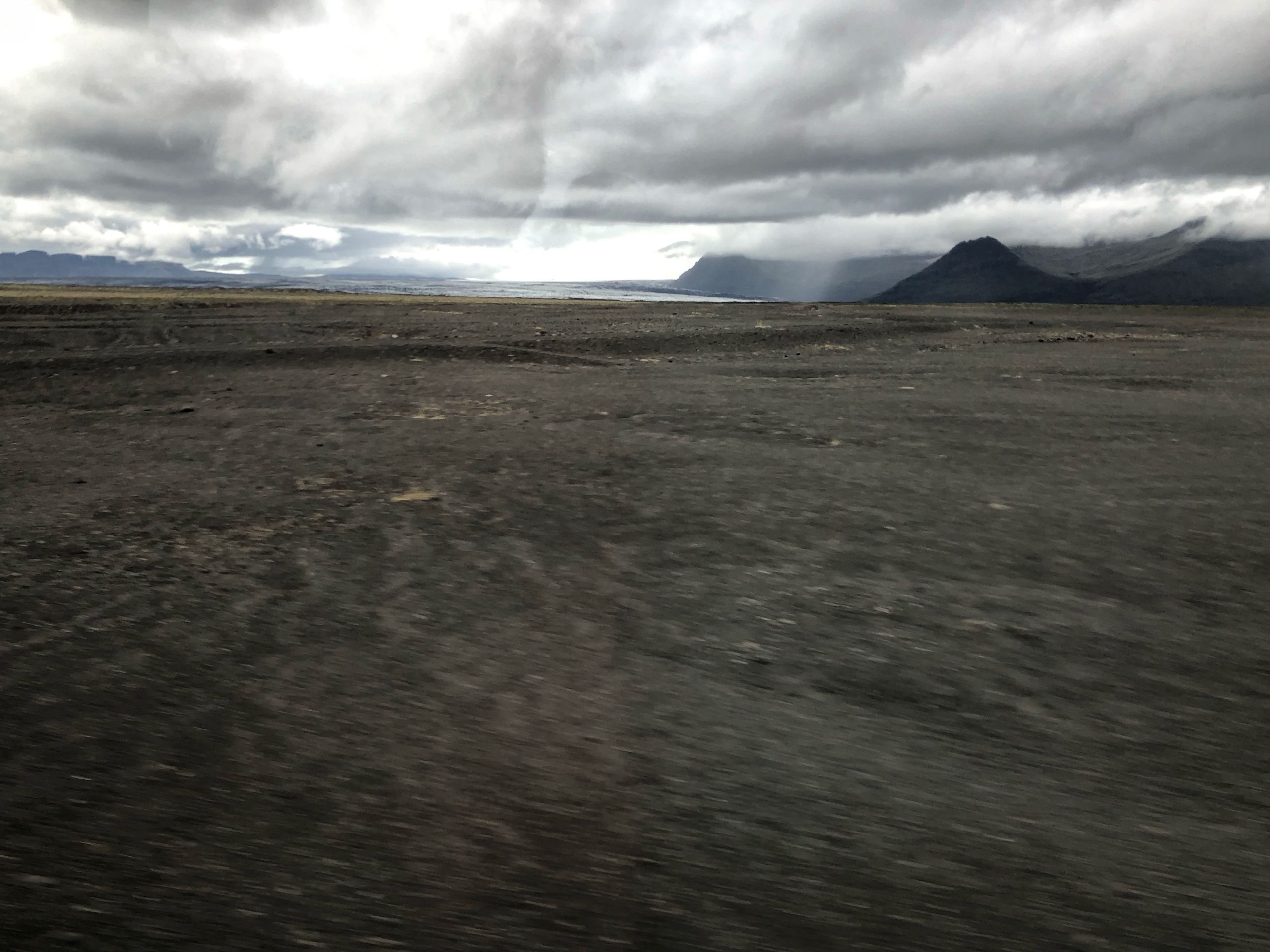
Central Iceland is a desert. The porous lava rock cannot develop humus-rich soil, and the water drains away immediately; the low air temperatures also make it difficult for plant life.
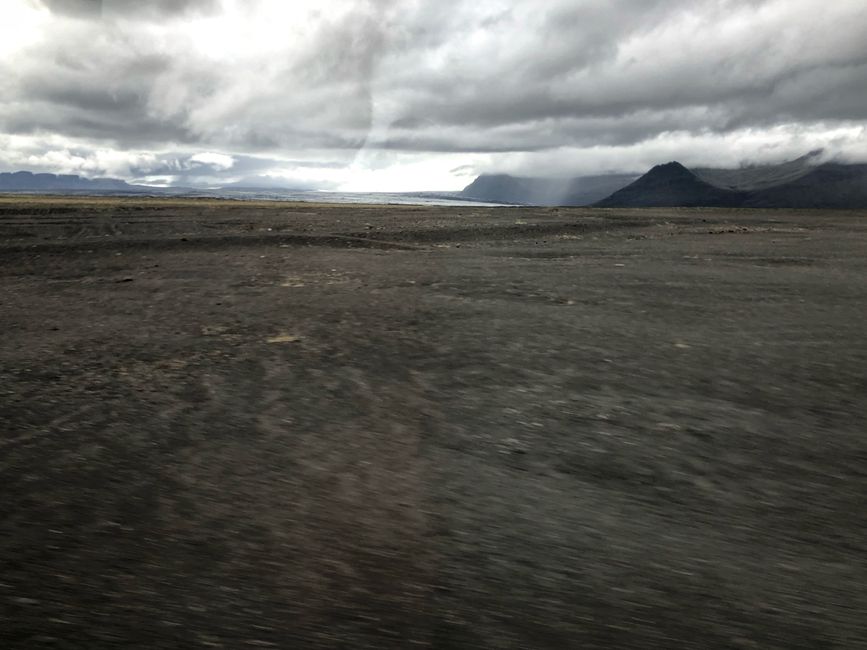
The eruption of Laki, in southeastern Iceland, caused devastating sulfur dioxide-rich ash clouds from 1783 to 1784, leading to worldwide crop failures, famines, mass deaths, and a decrease in air temperatures of up to four degrees.
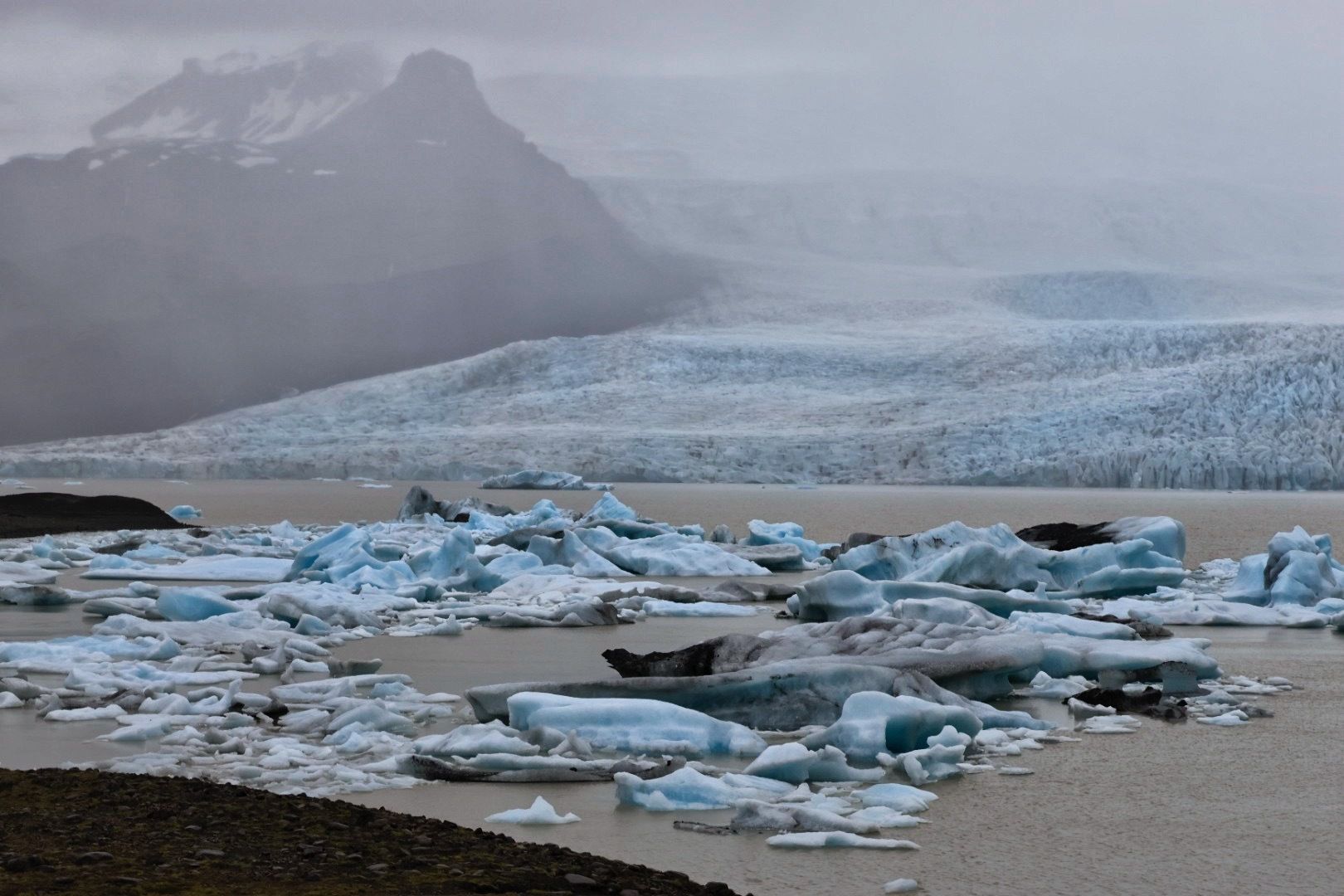
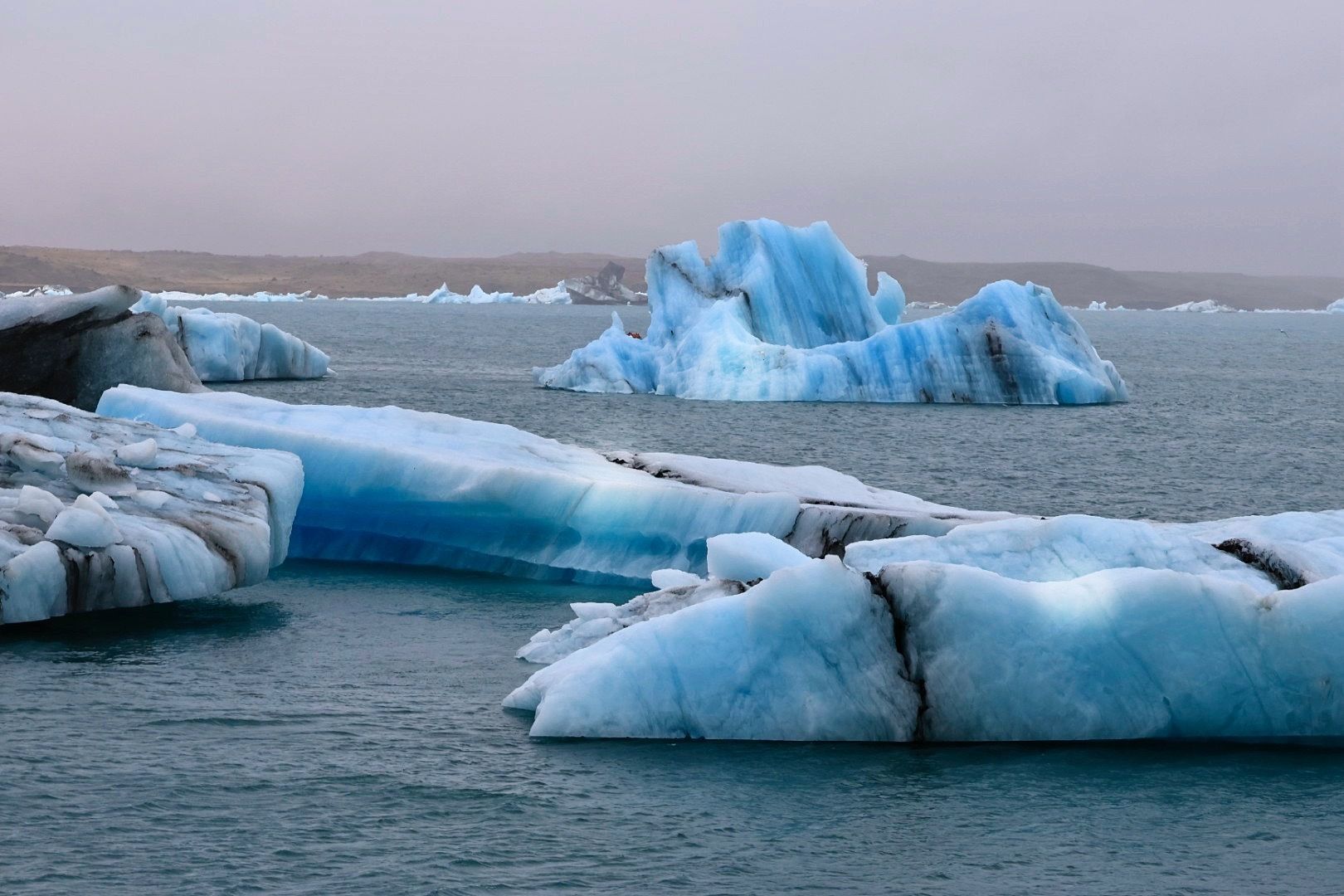
Vatnajökull is the largest glacier in Europe, covering almost 8,000 square kilometers. The glacial ice is partly blue, resulting from the compression of snow.
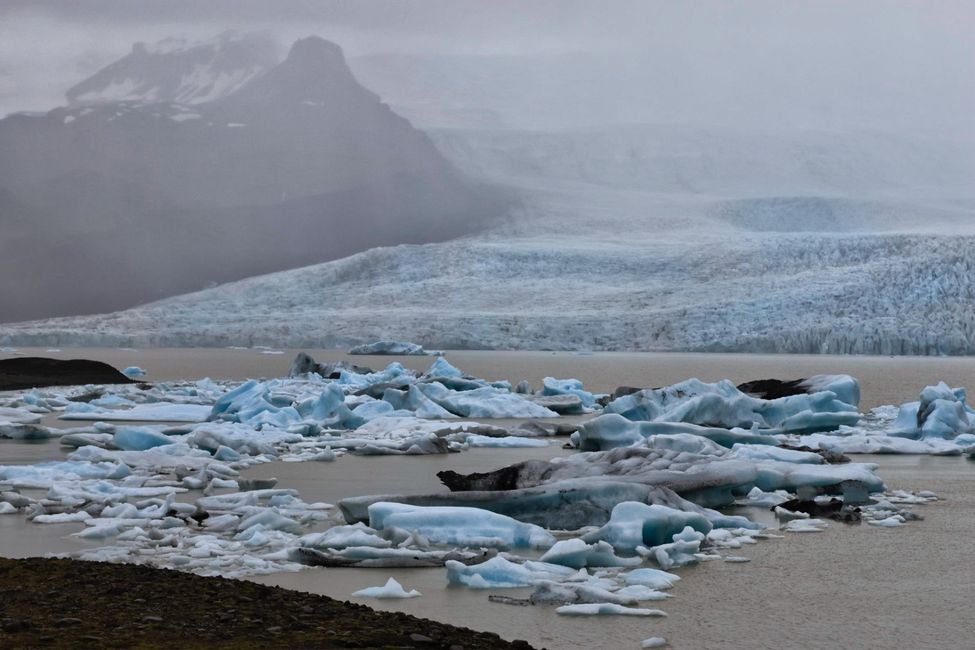
The lava inclusions testify to subglacial eruptions. The decrease in glacier thickness leads to the release of pressure on the magma, potentially increasing volcanic activity beneath the glacier.
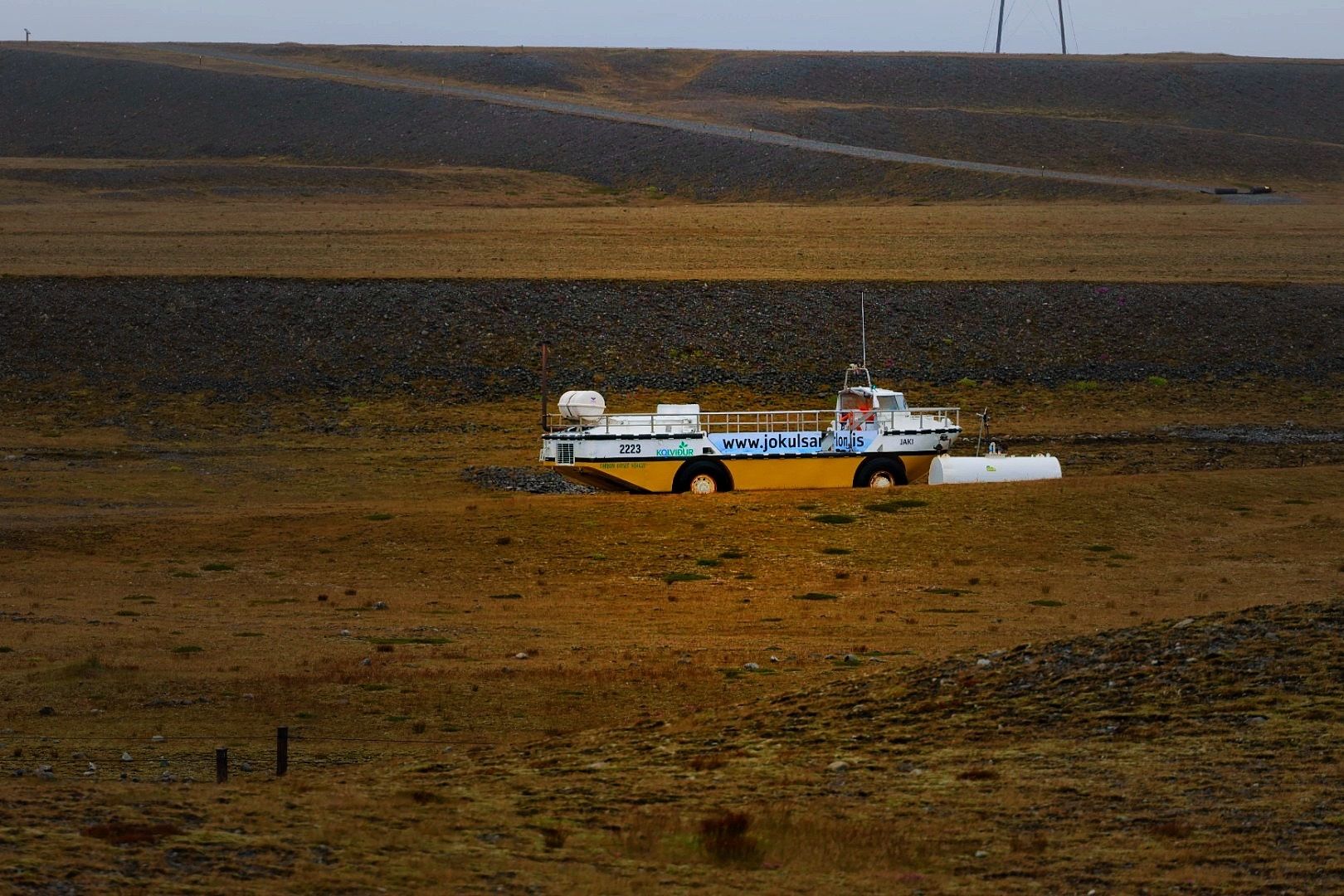
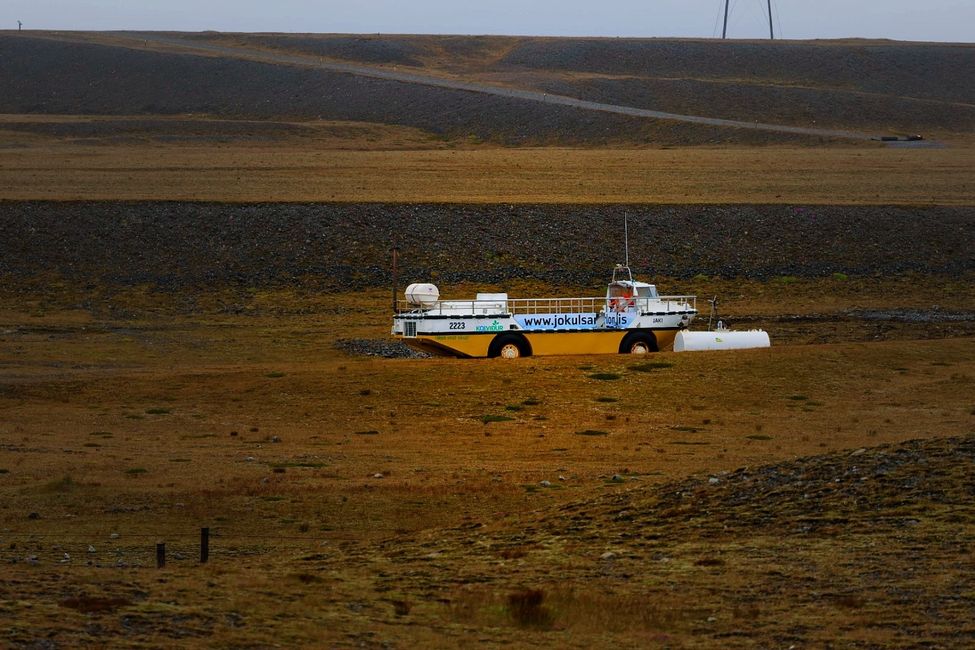
The amphibious vehicles from US Army stocks serve tourism both on land and sea.
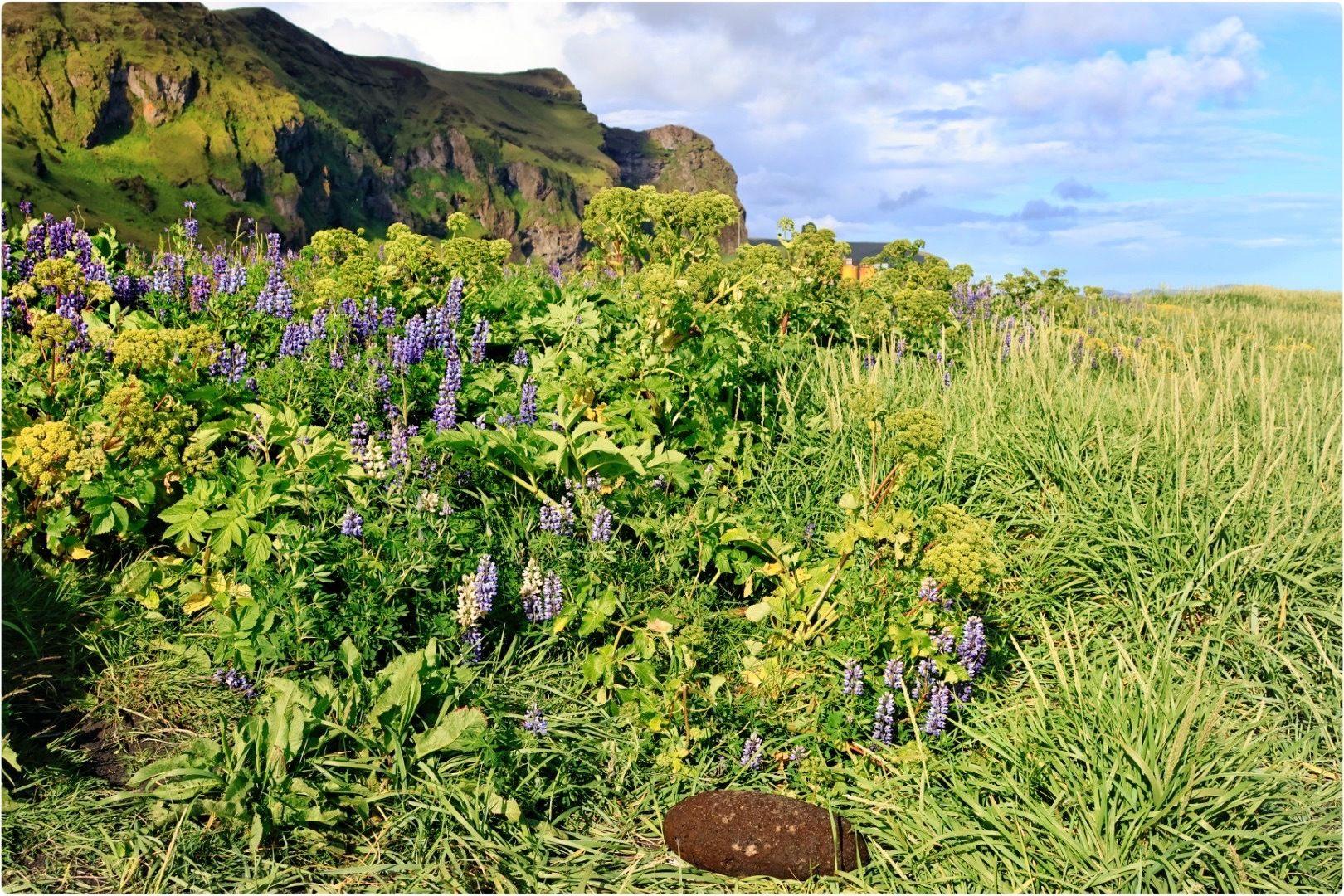
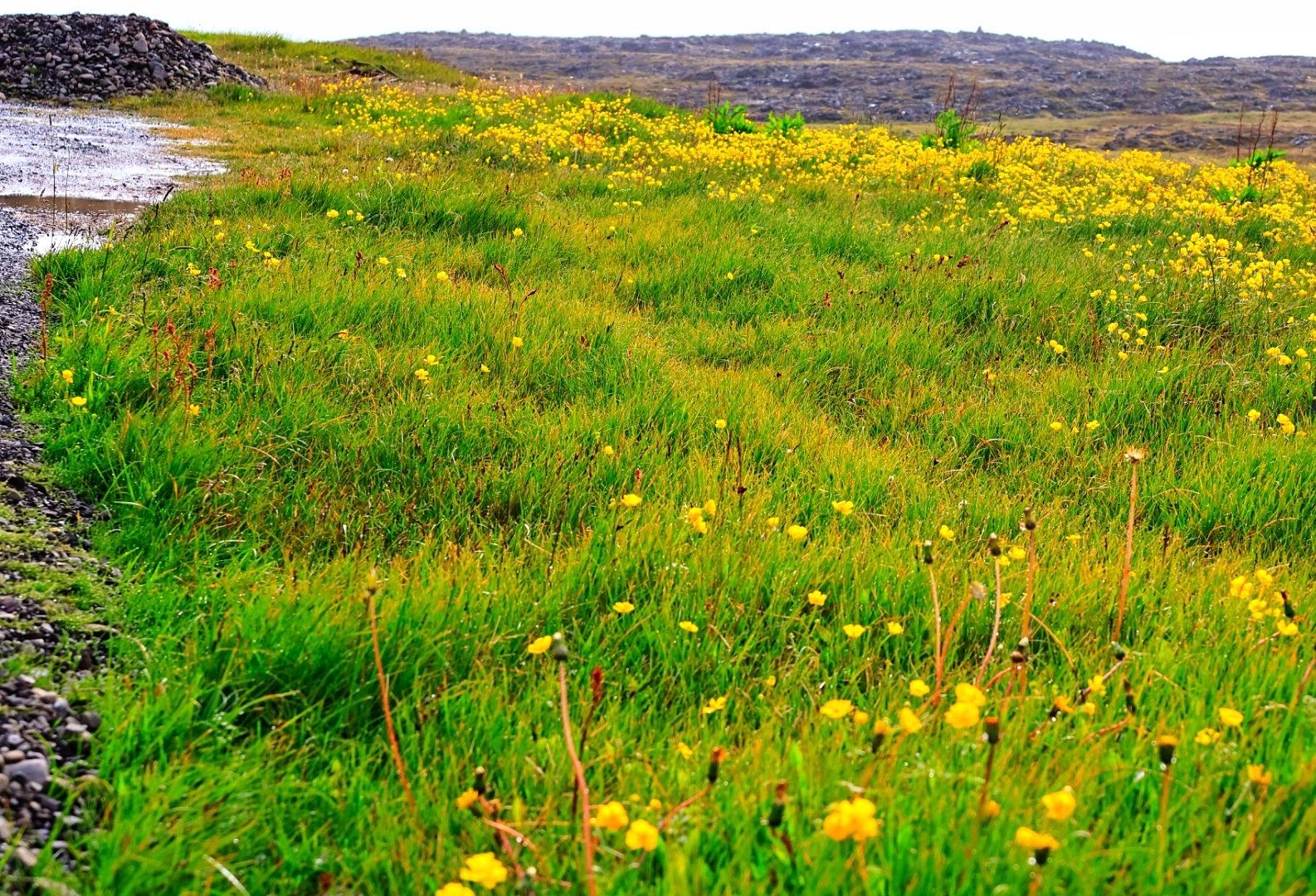
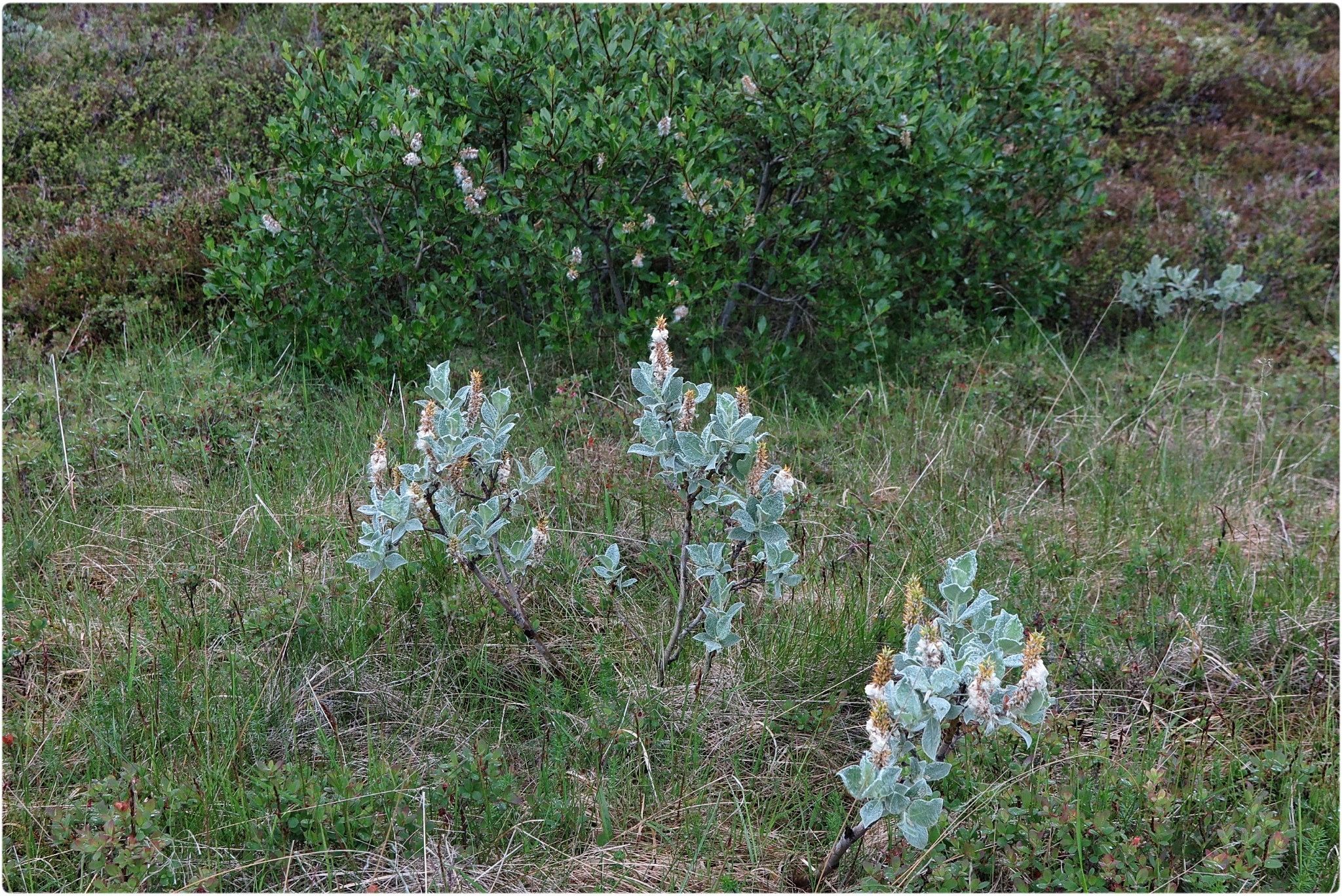
At the poles, there is less diversity in plant and animal life than in the tropics. Geraniums, buttercups, rowan trees, as well as the introduced lupine are commonly found.
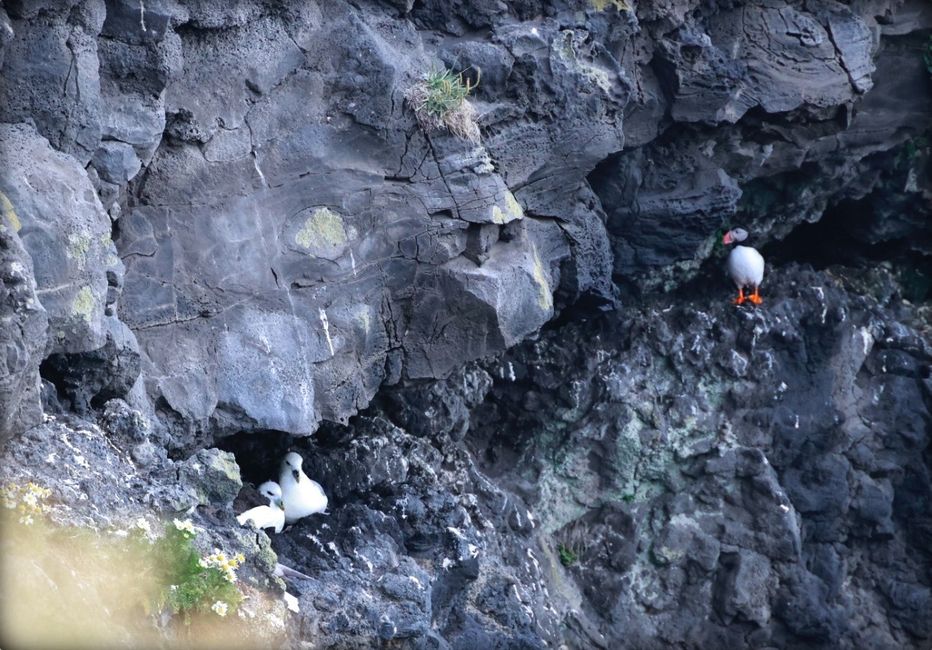
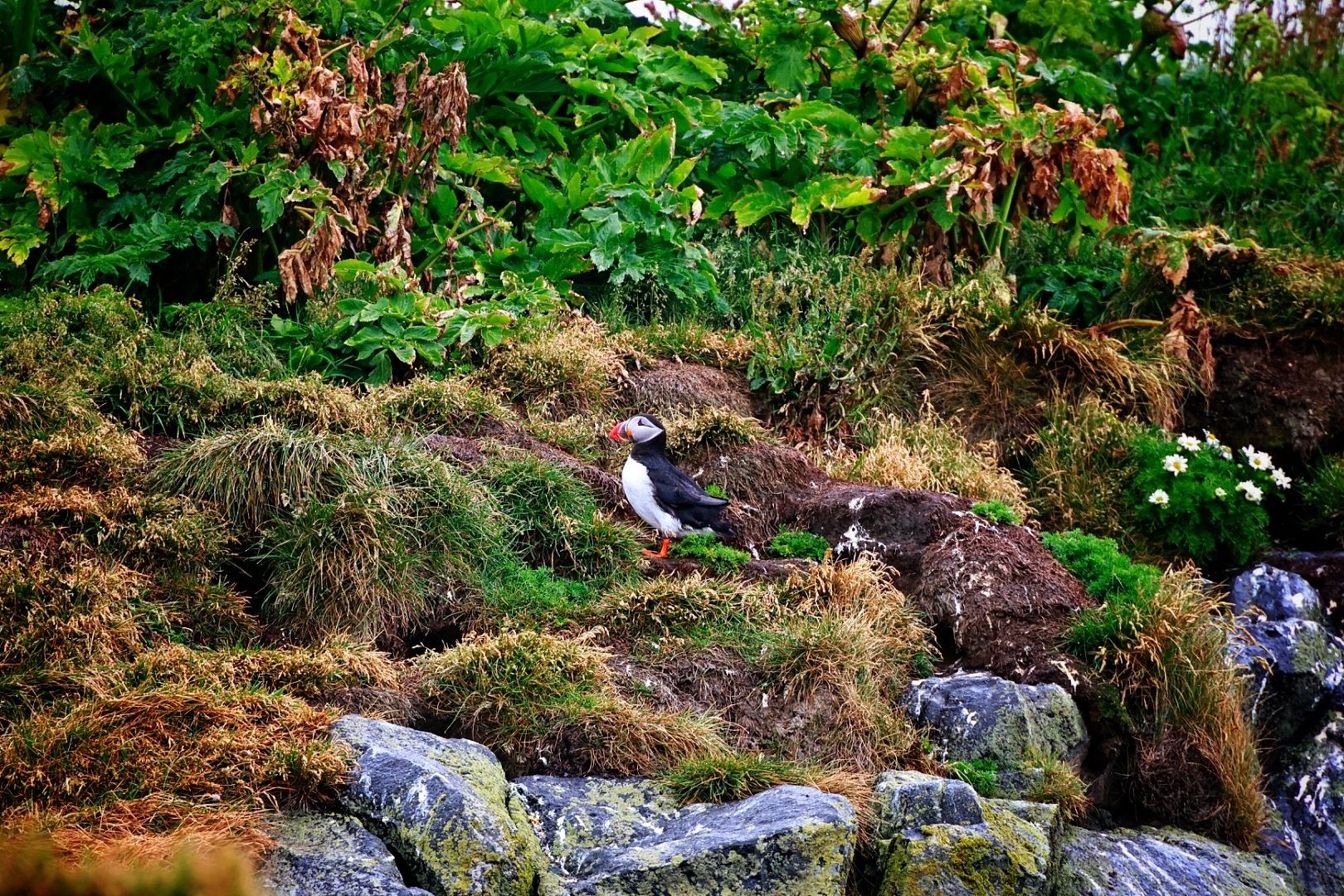
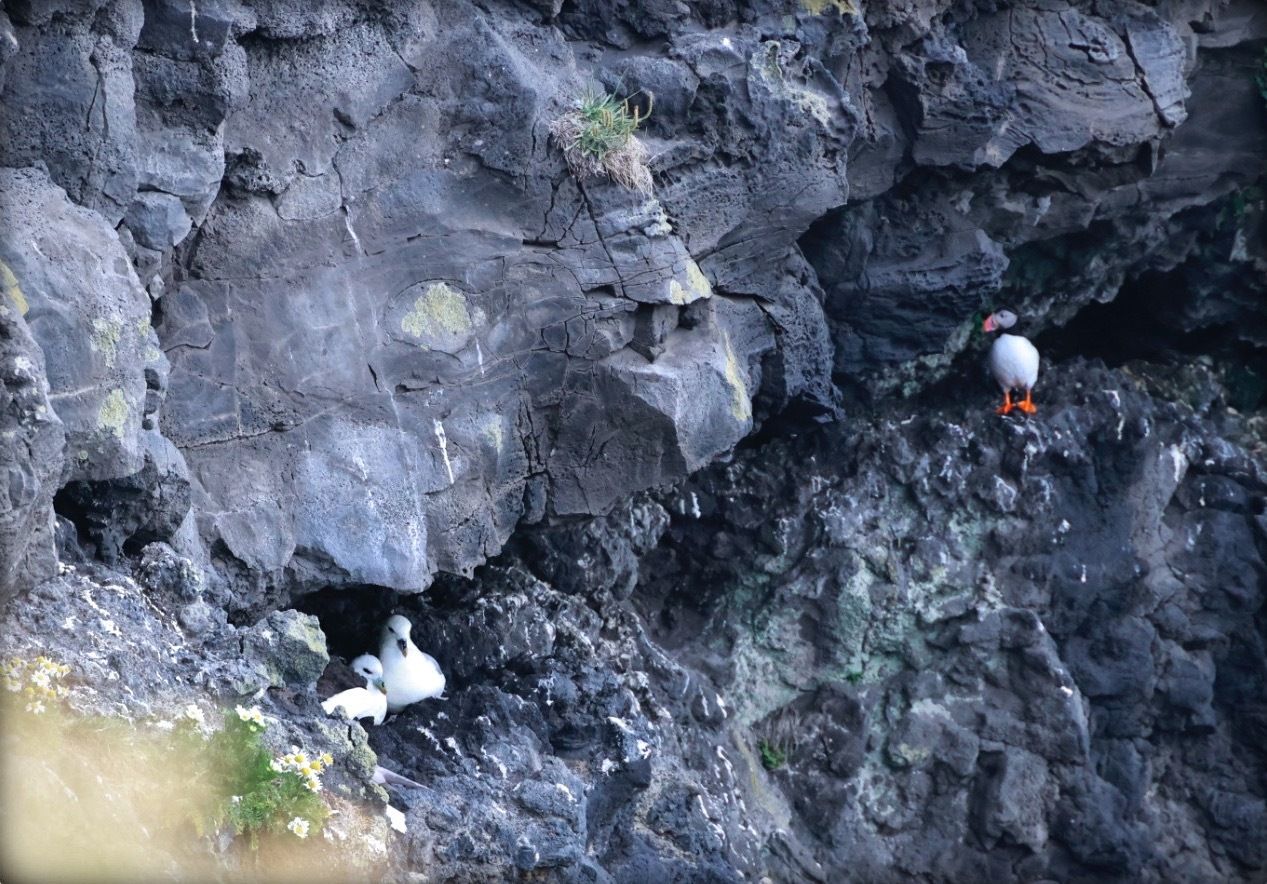
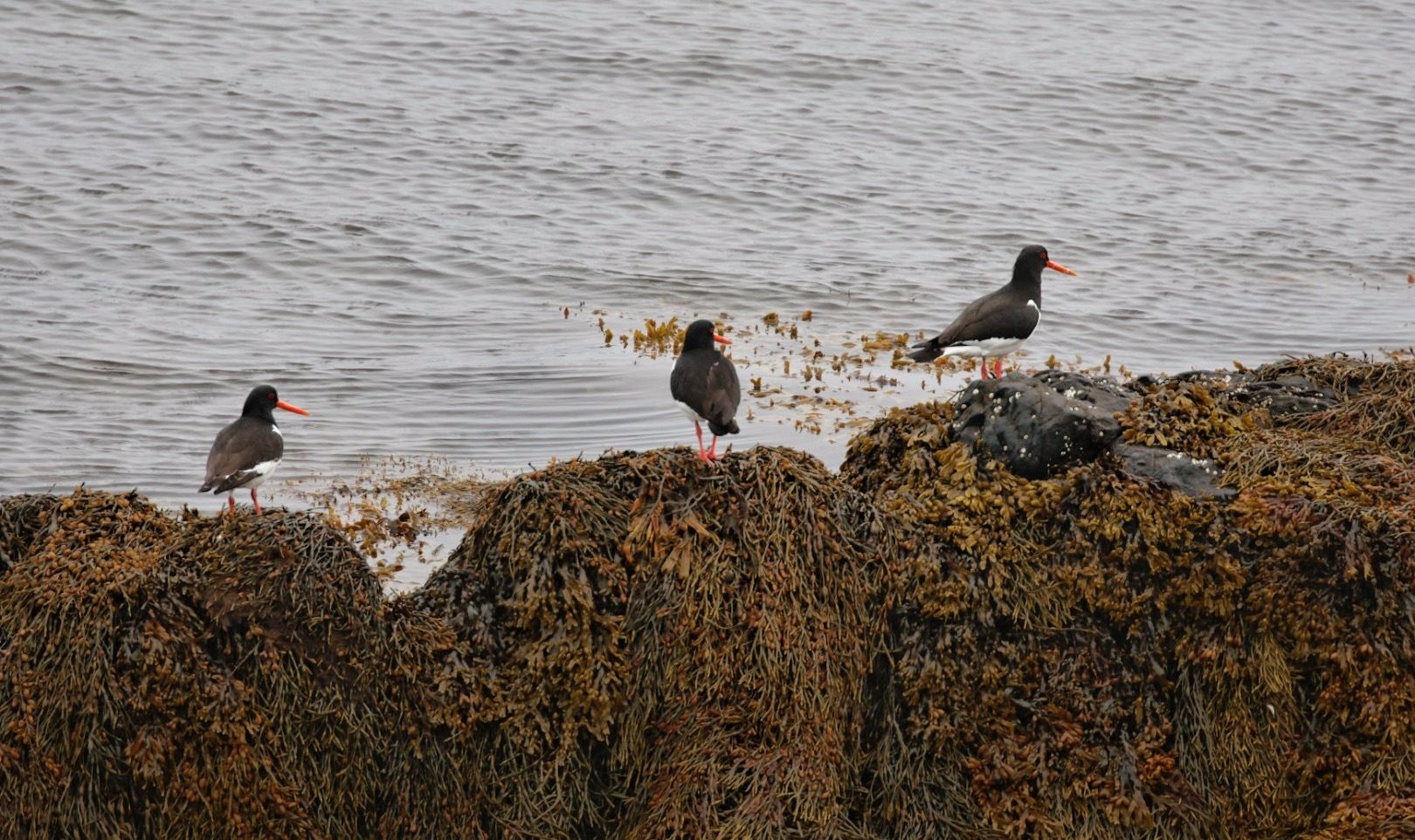
In the bird world, you can see the eider duck, mallard, common gulls, puffins on the bird cliff at Dyrhólaós, snipes, and oystercatchers.