In Damaraland
White Lady.

Published: 29.04.2025
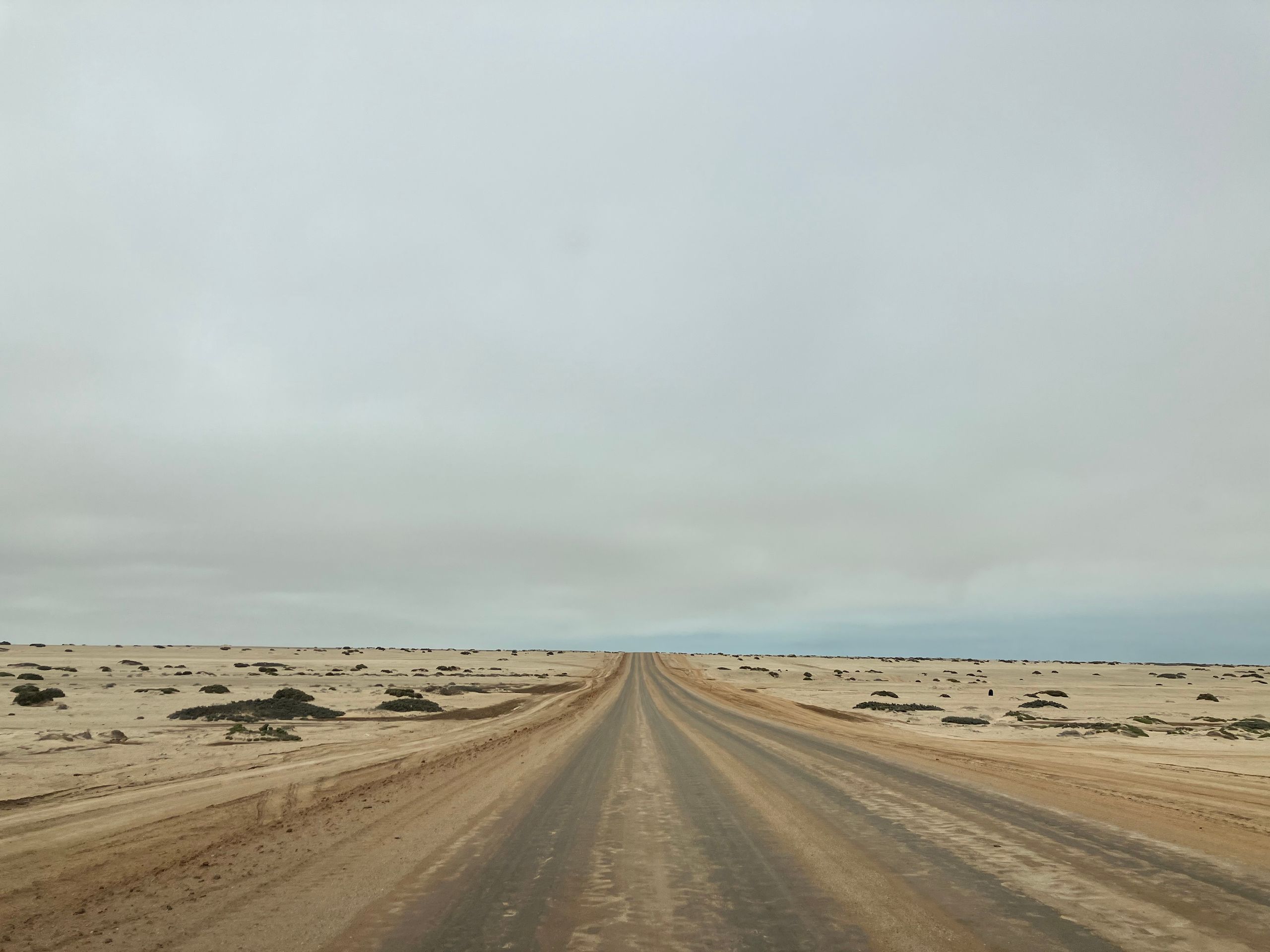
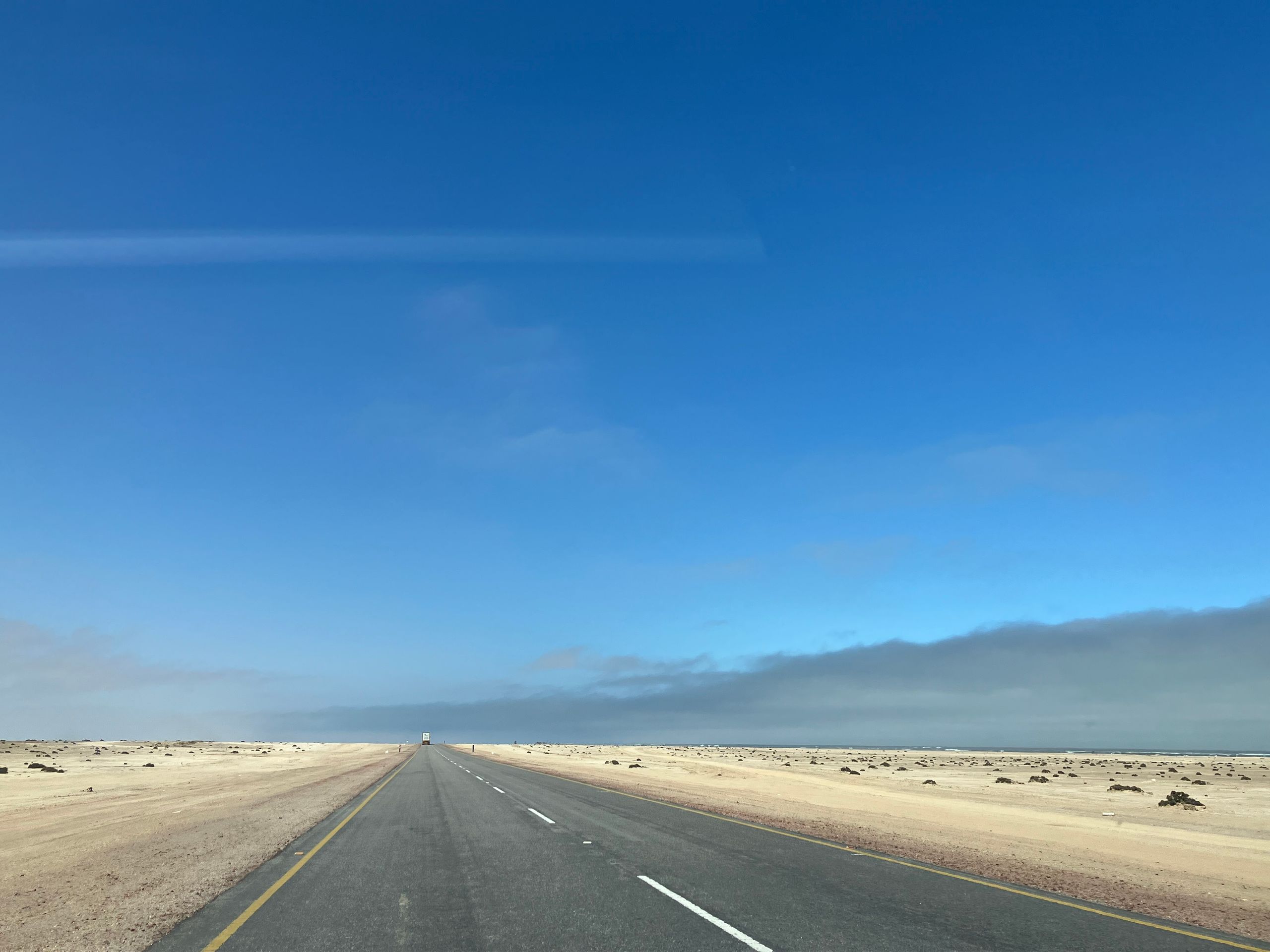
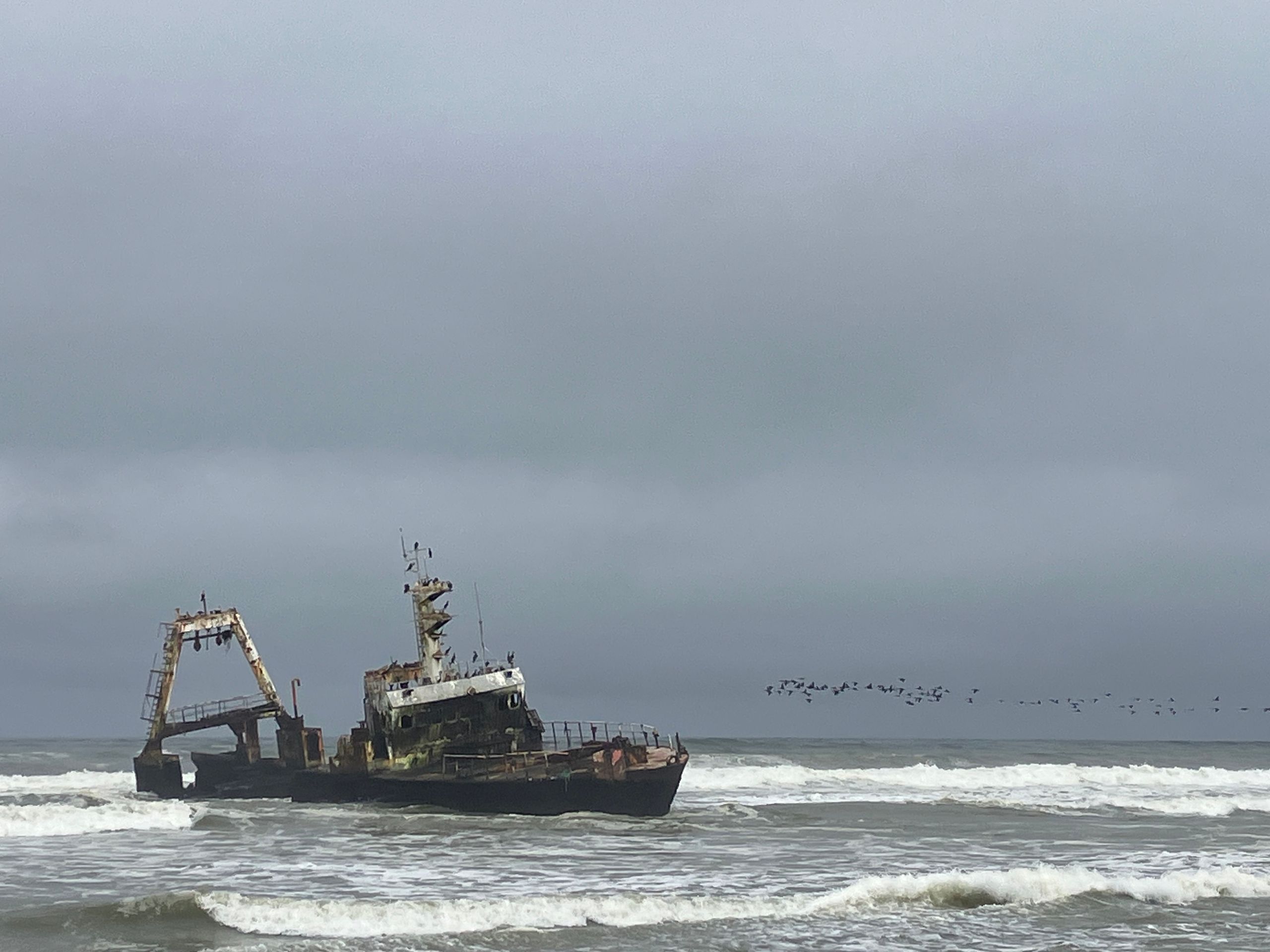
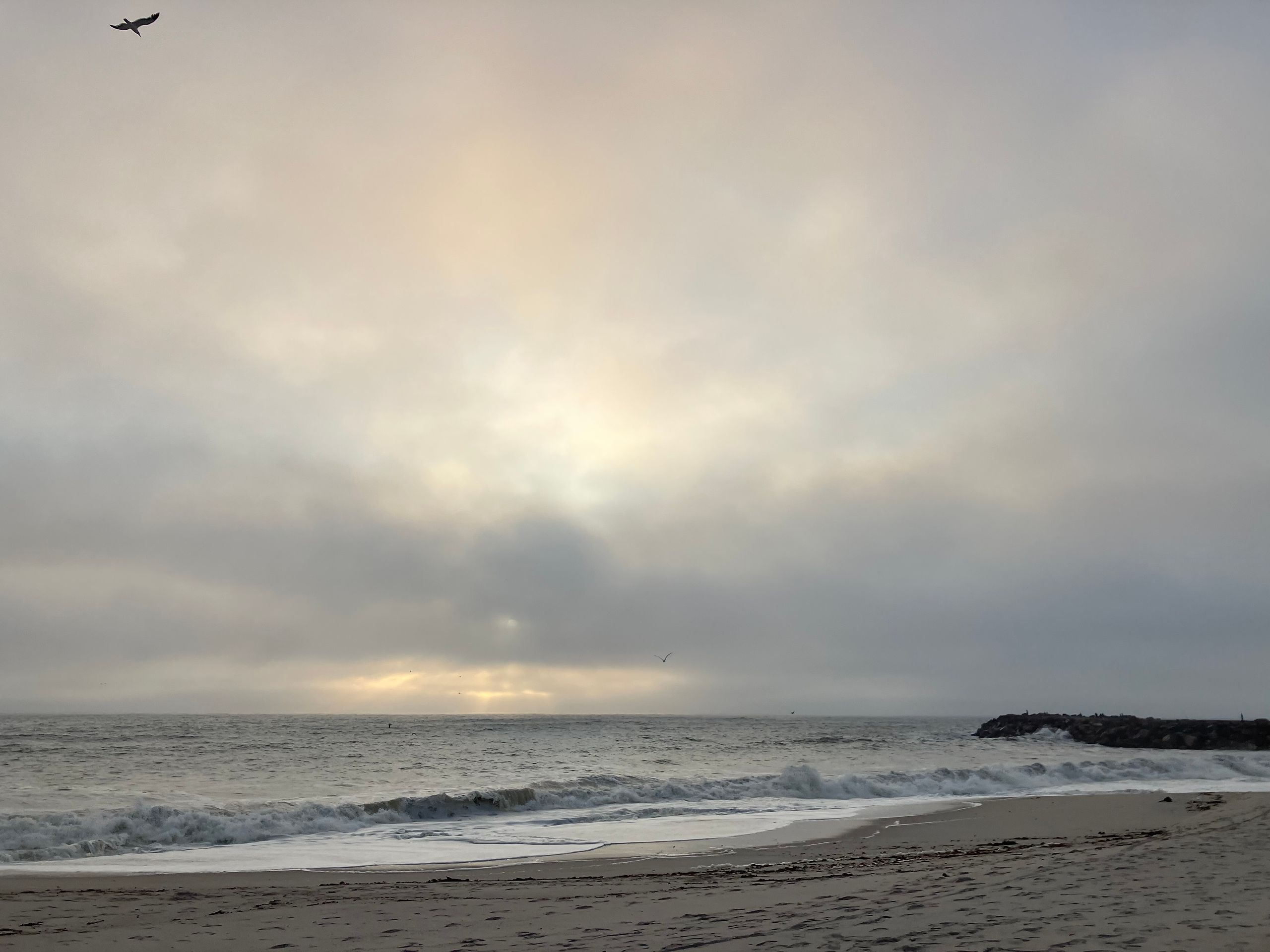
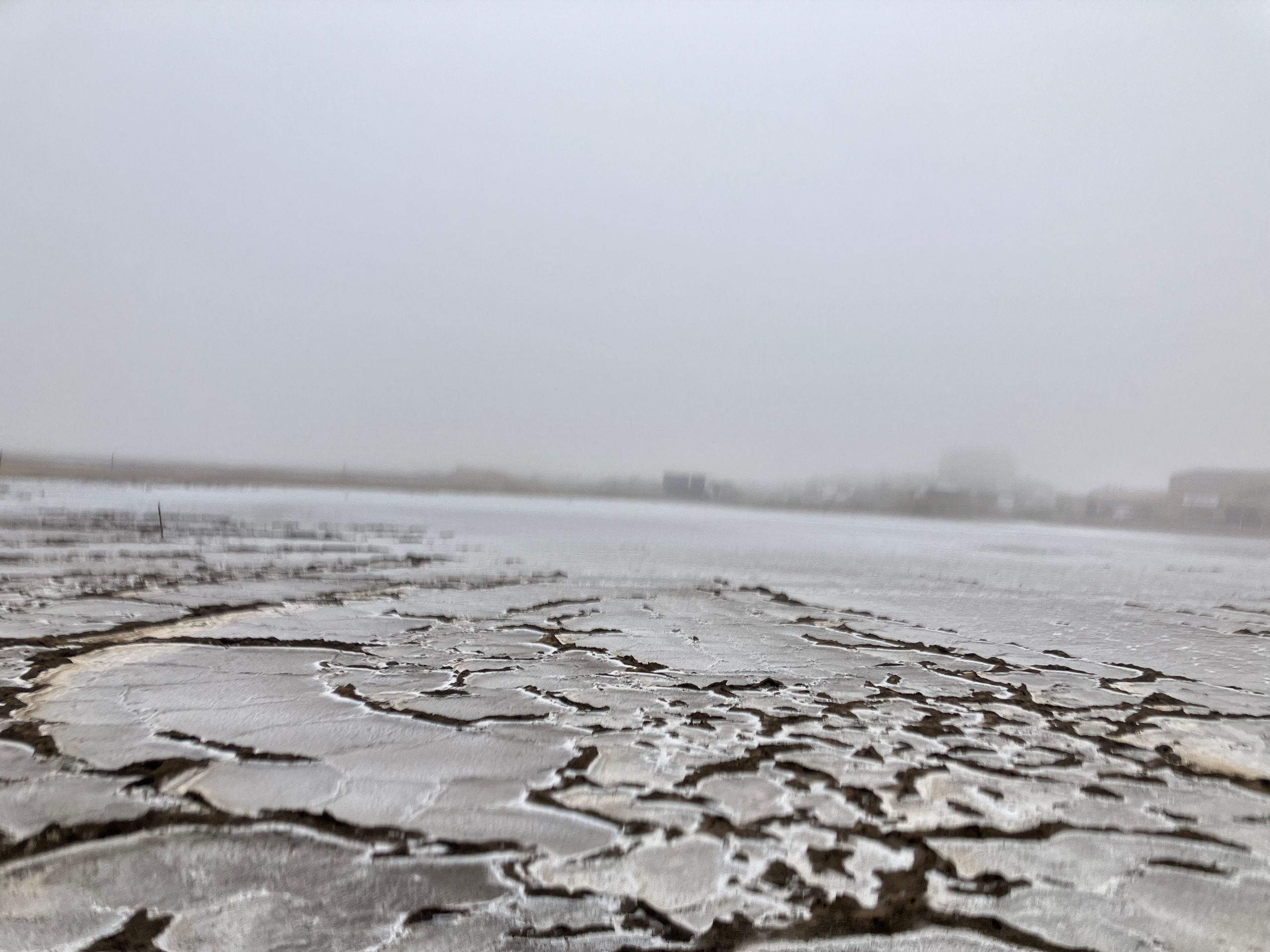
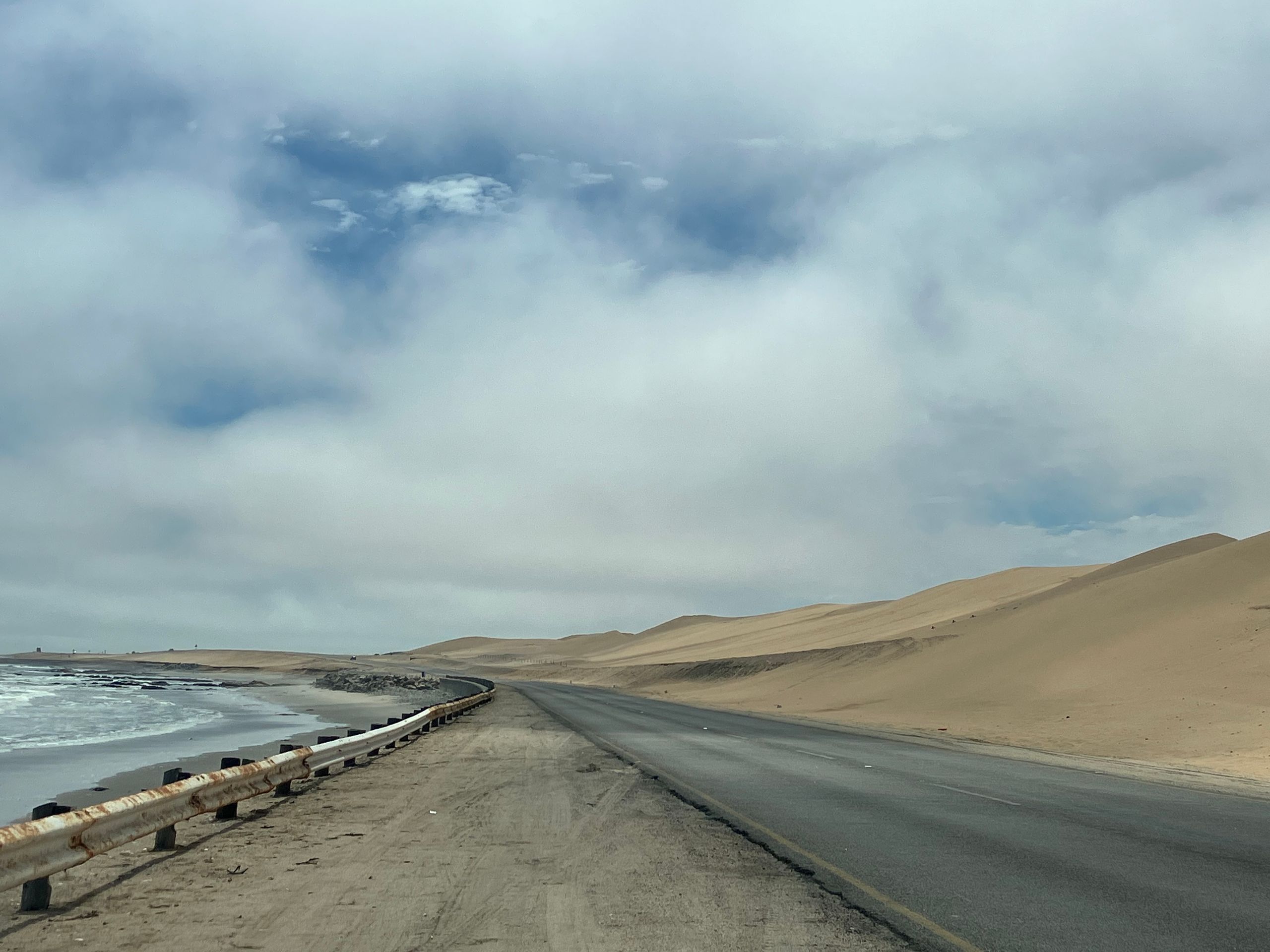
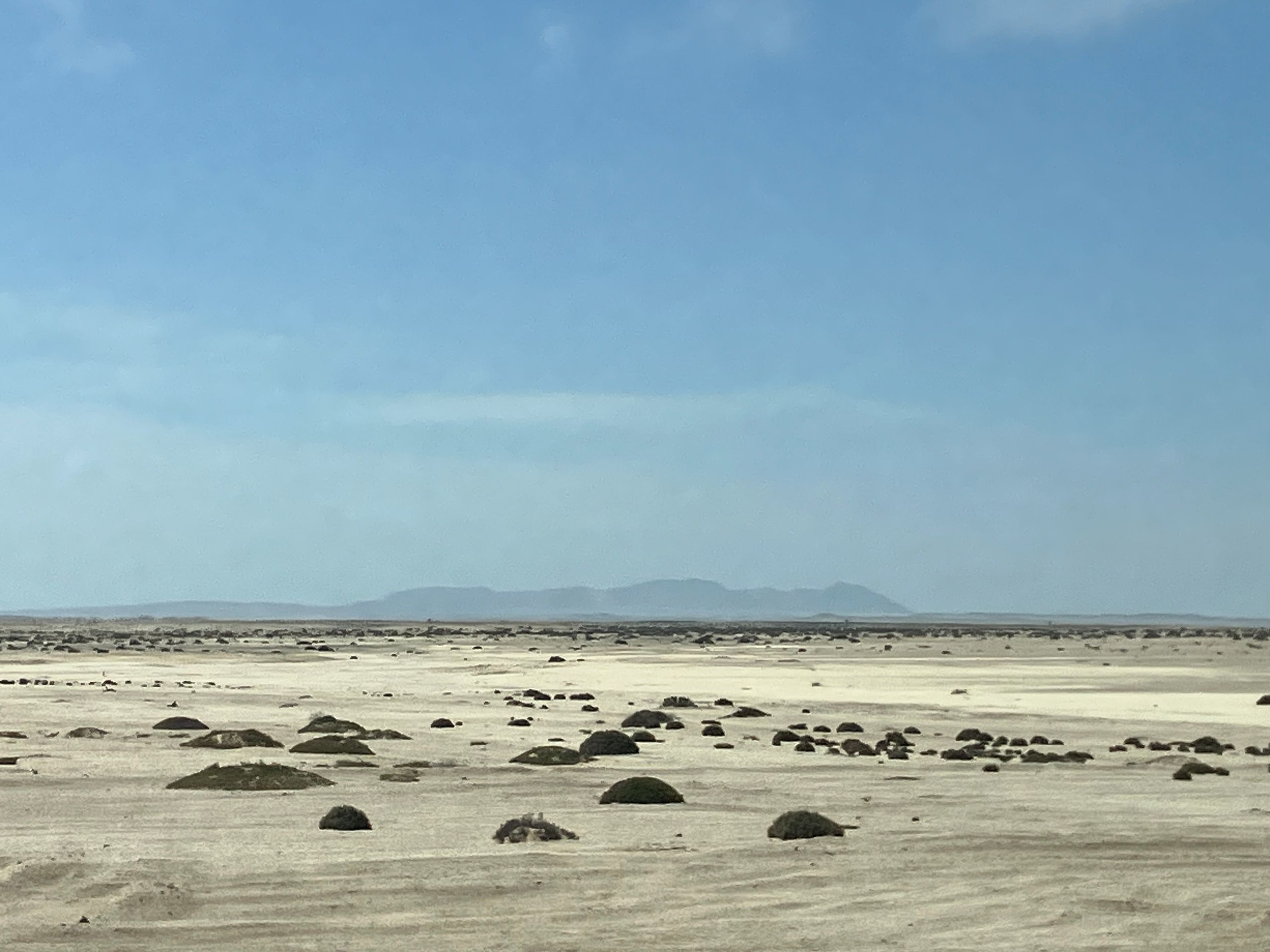
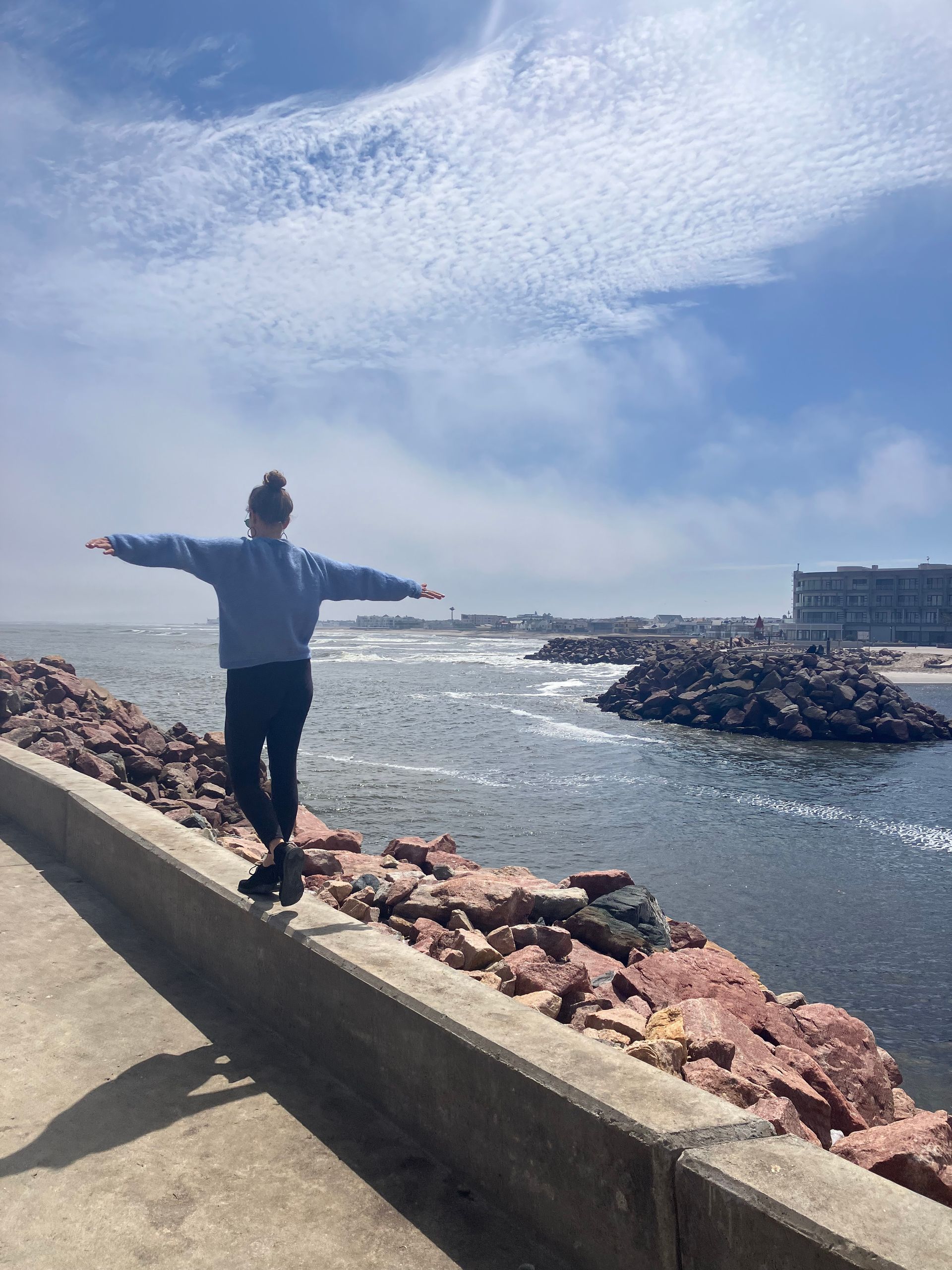
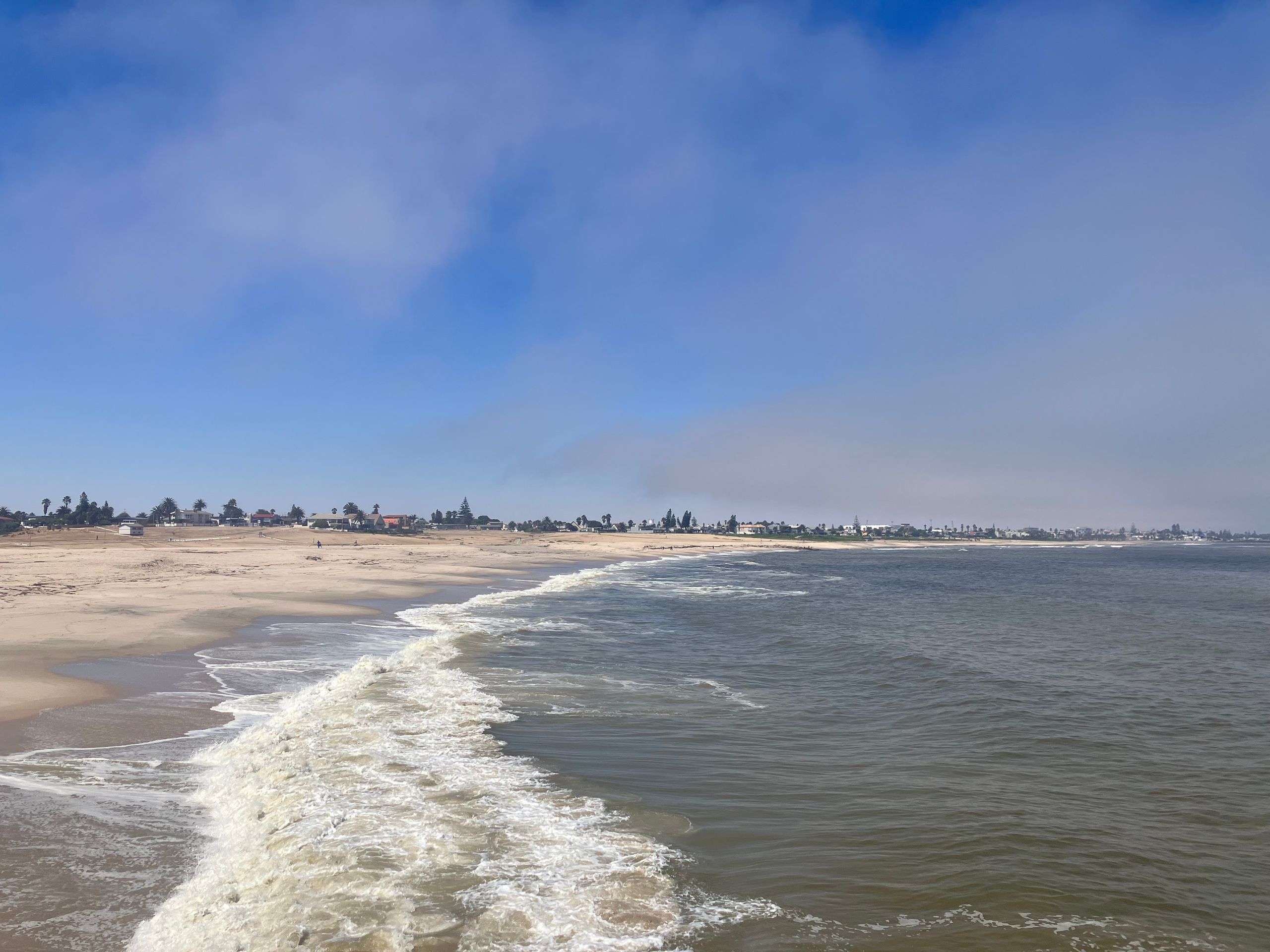
From Brandberg we drive directly to the Atlantic coast; although we have to go through the desert, at least the road is better!
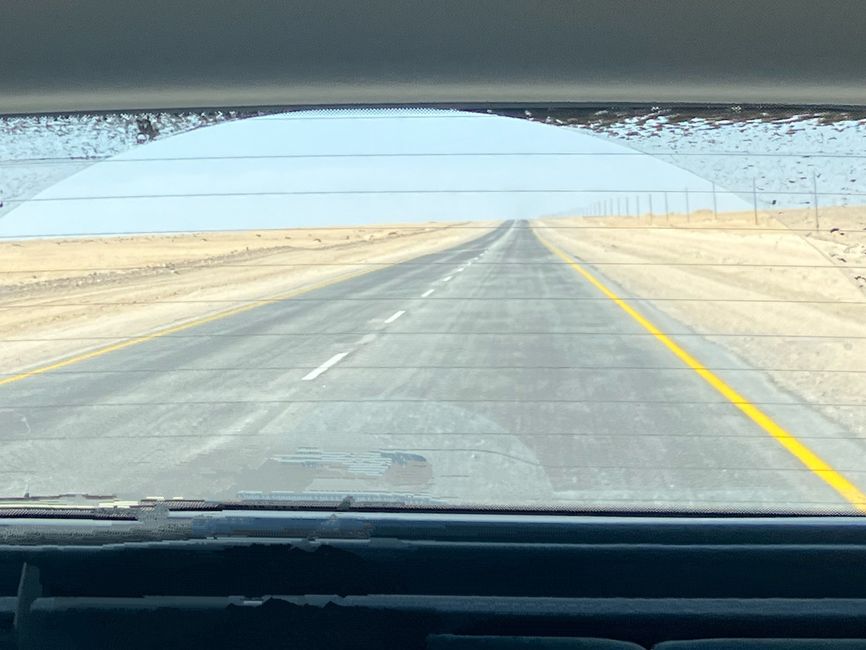
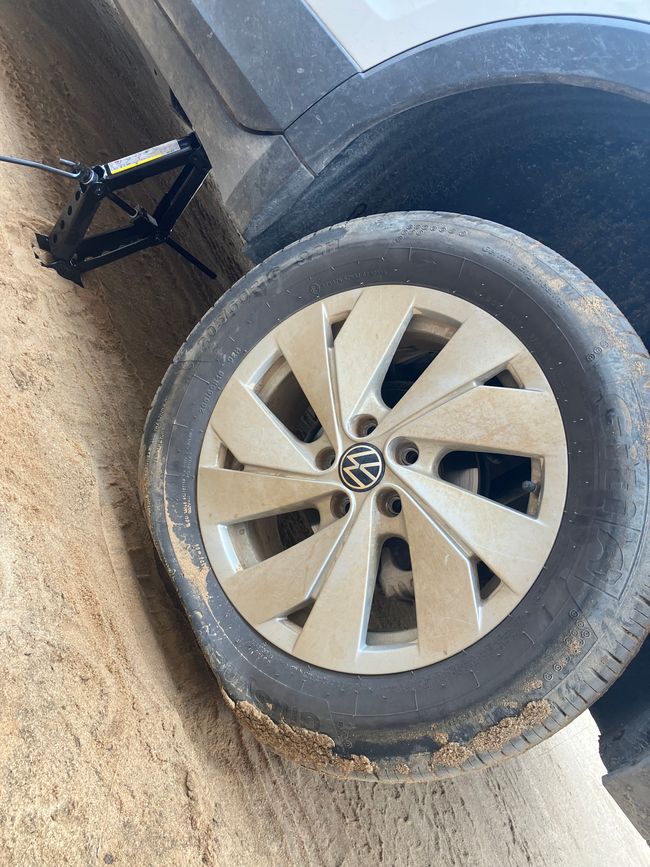
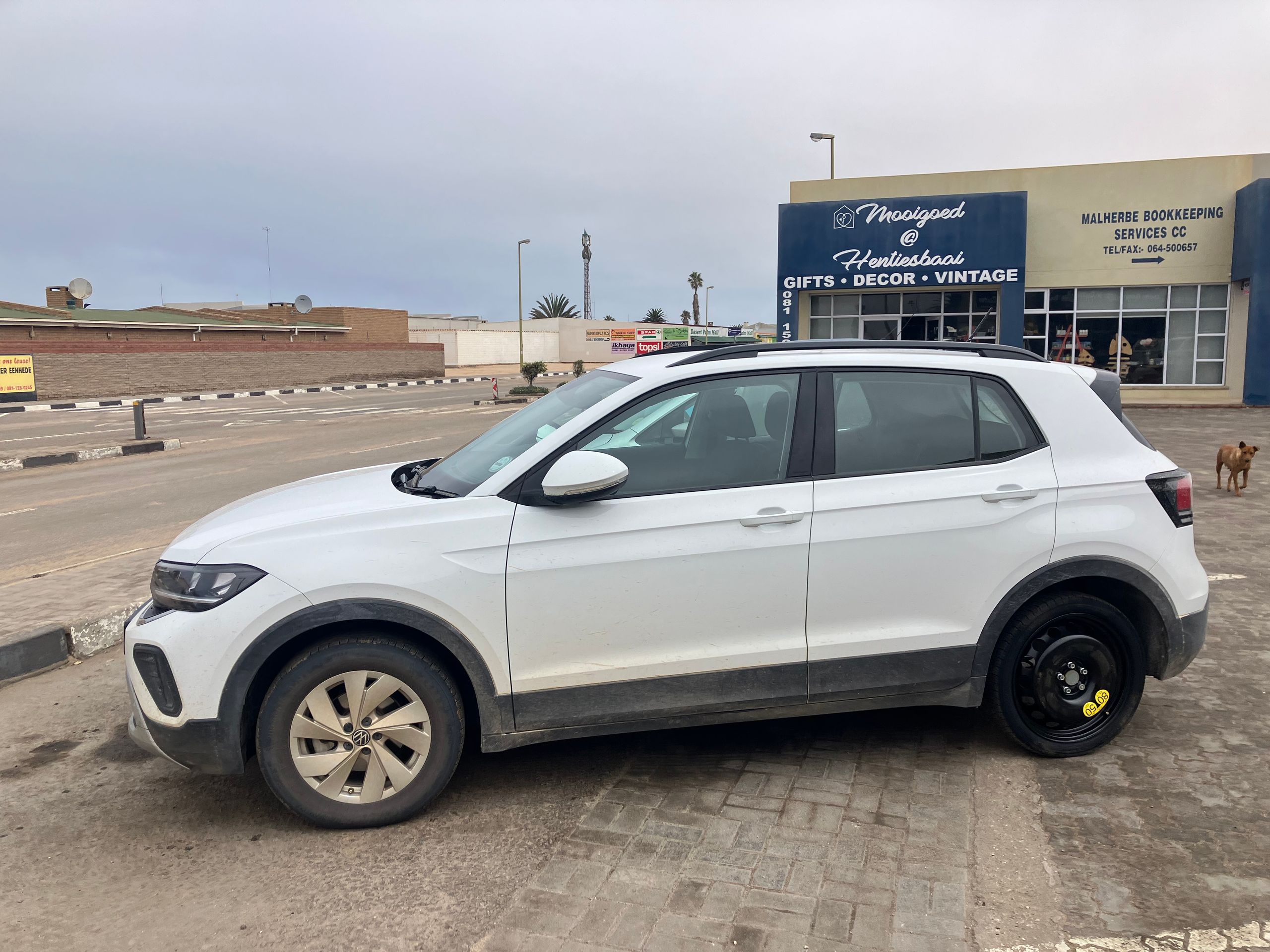
During our stop at a coastal town, our tire suddenly goes flat. Luckily, we didn't break down in the desert. With the spare tire, we head to the nearest workshop.
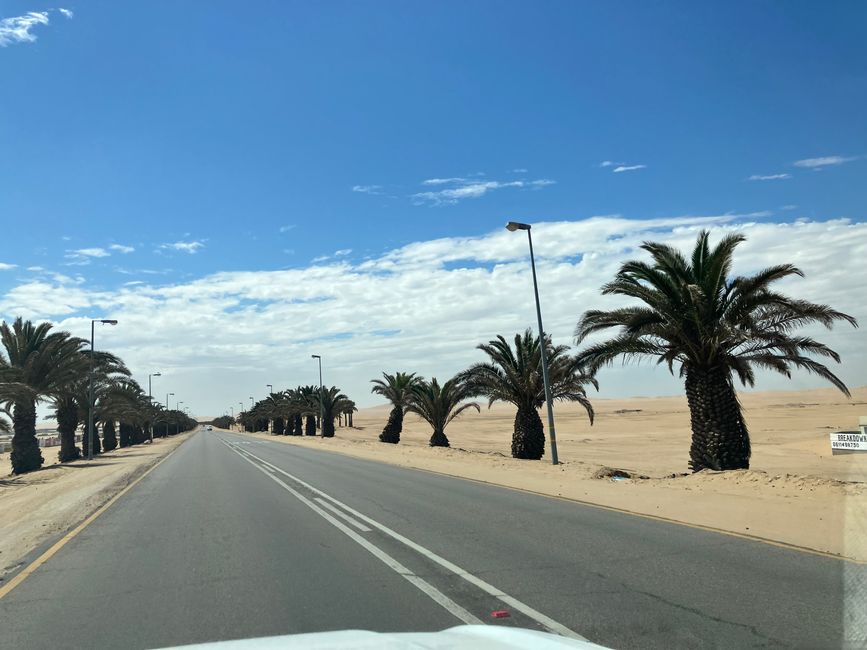
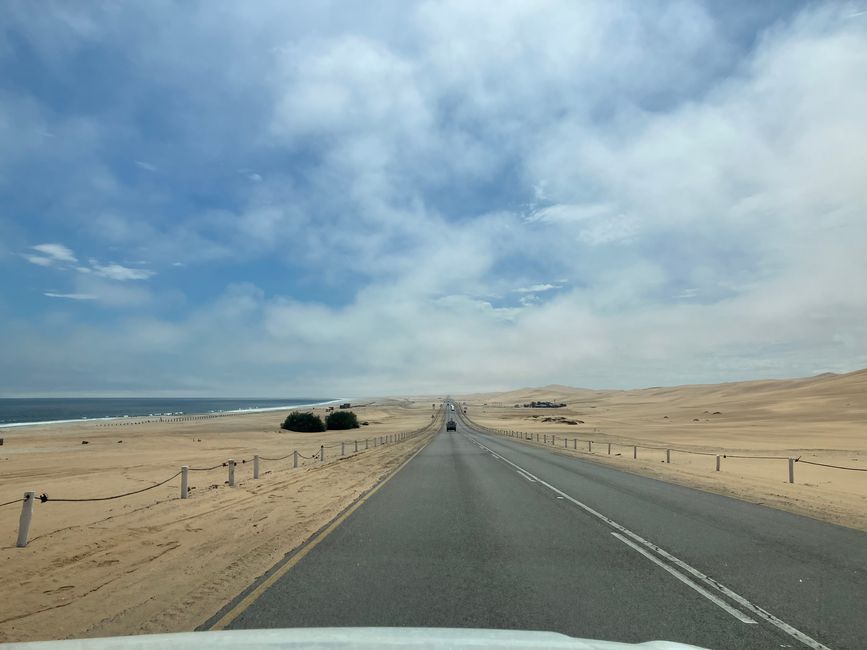
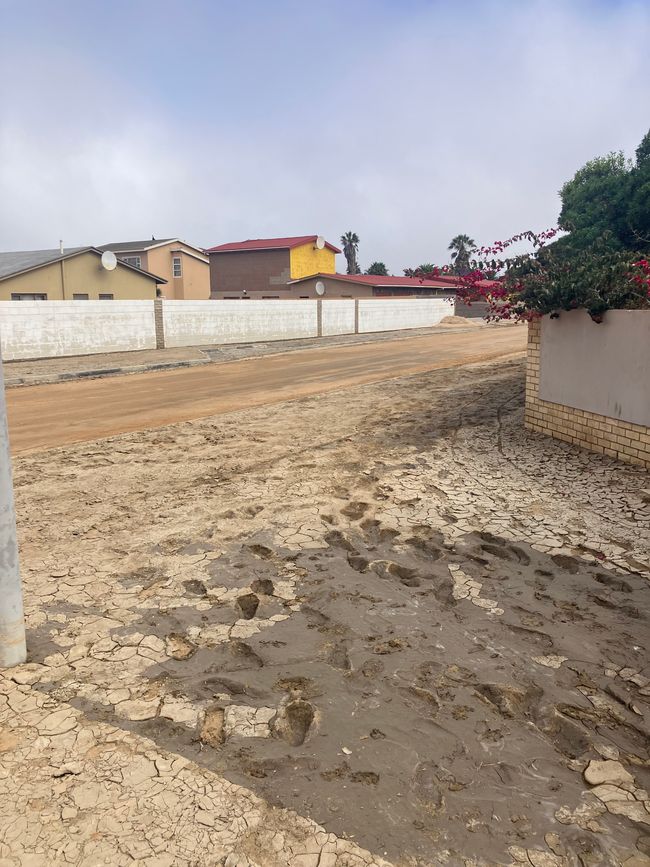
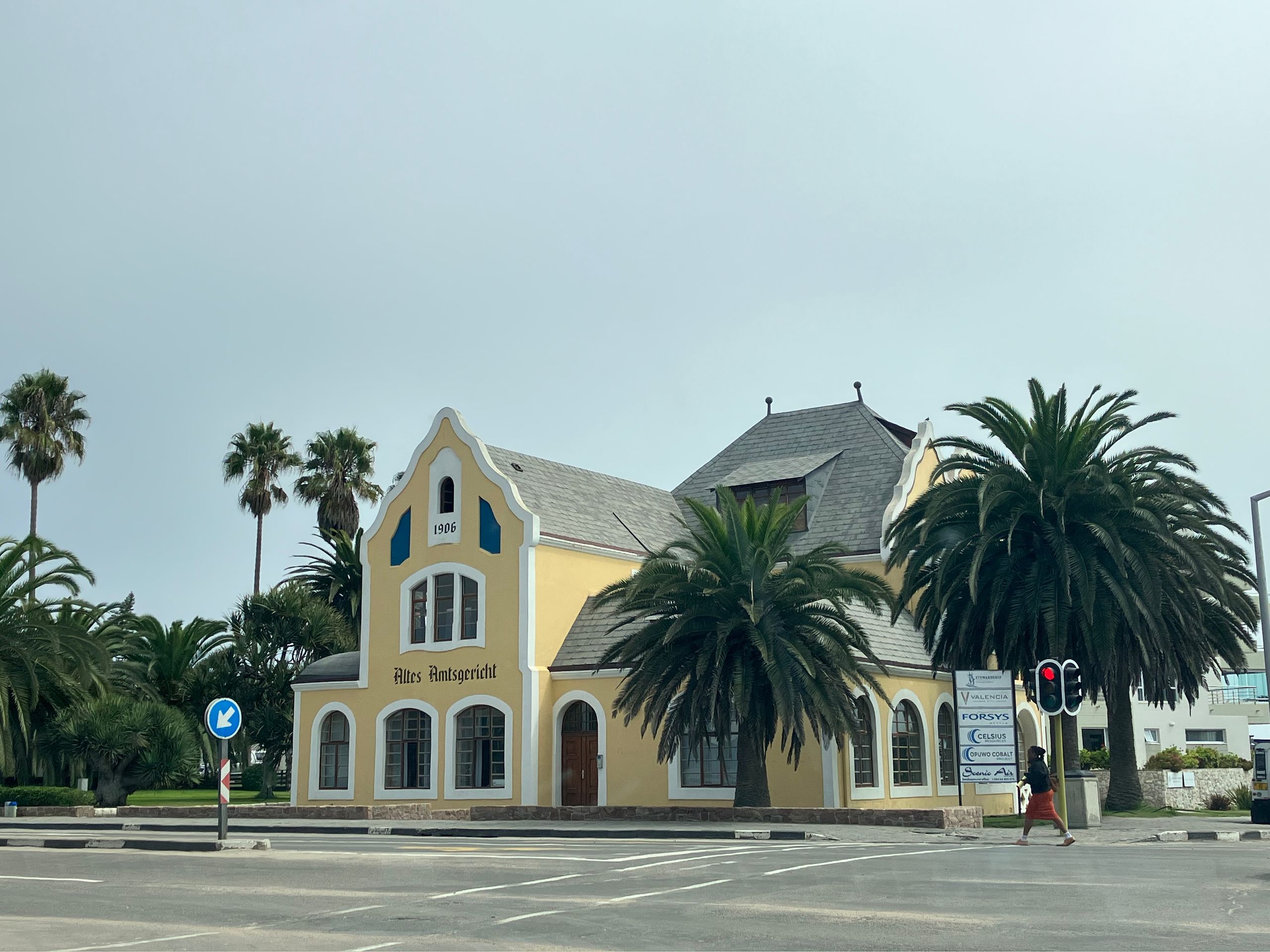
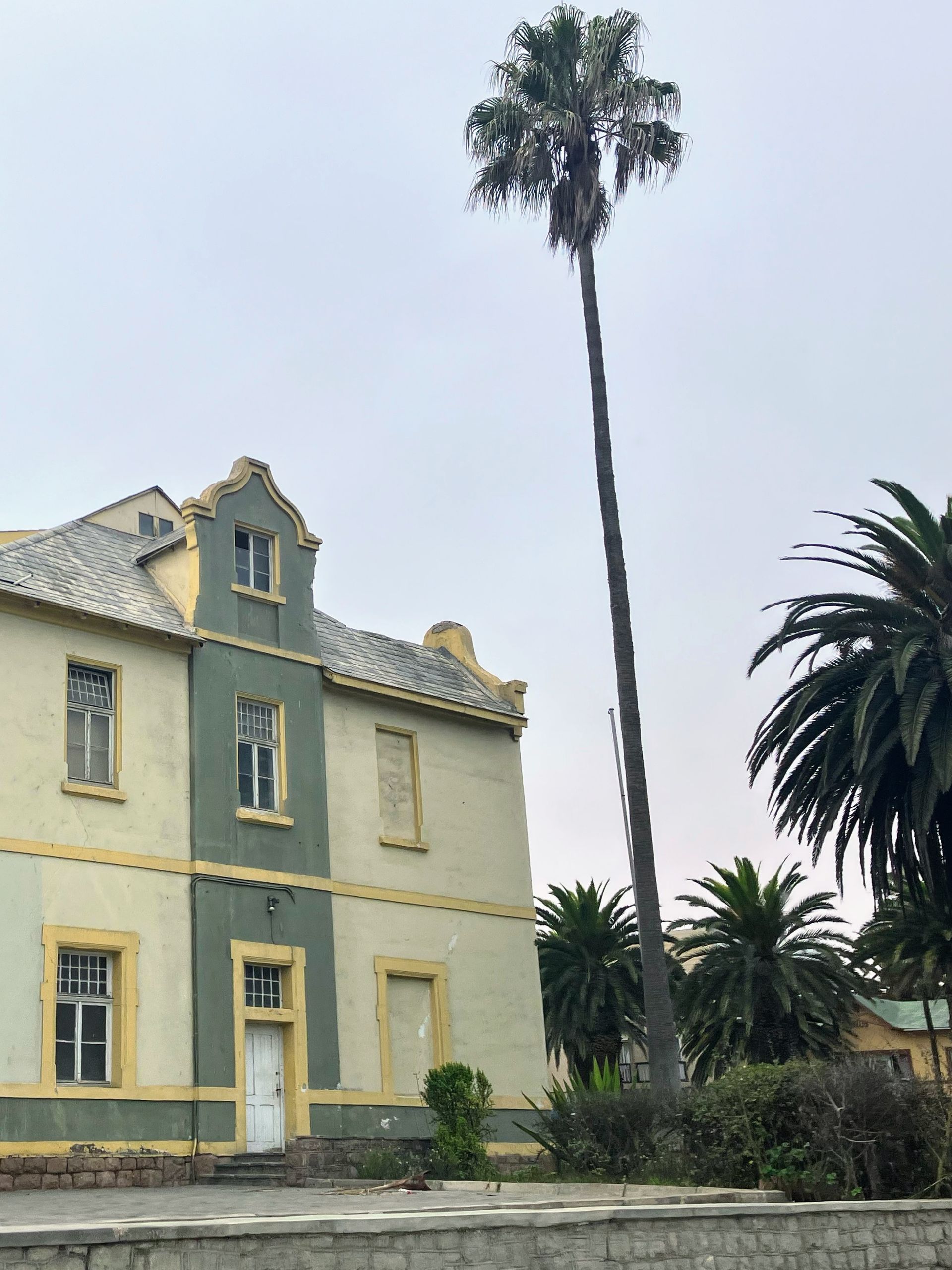
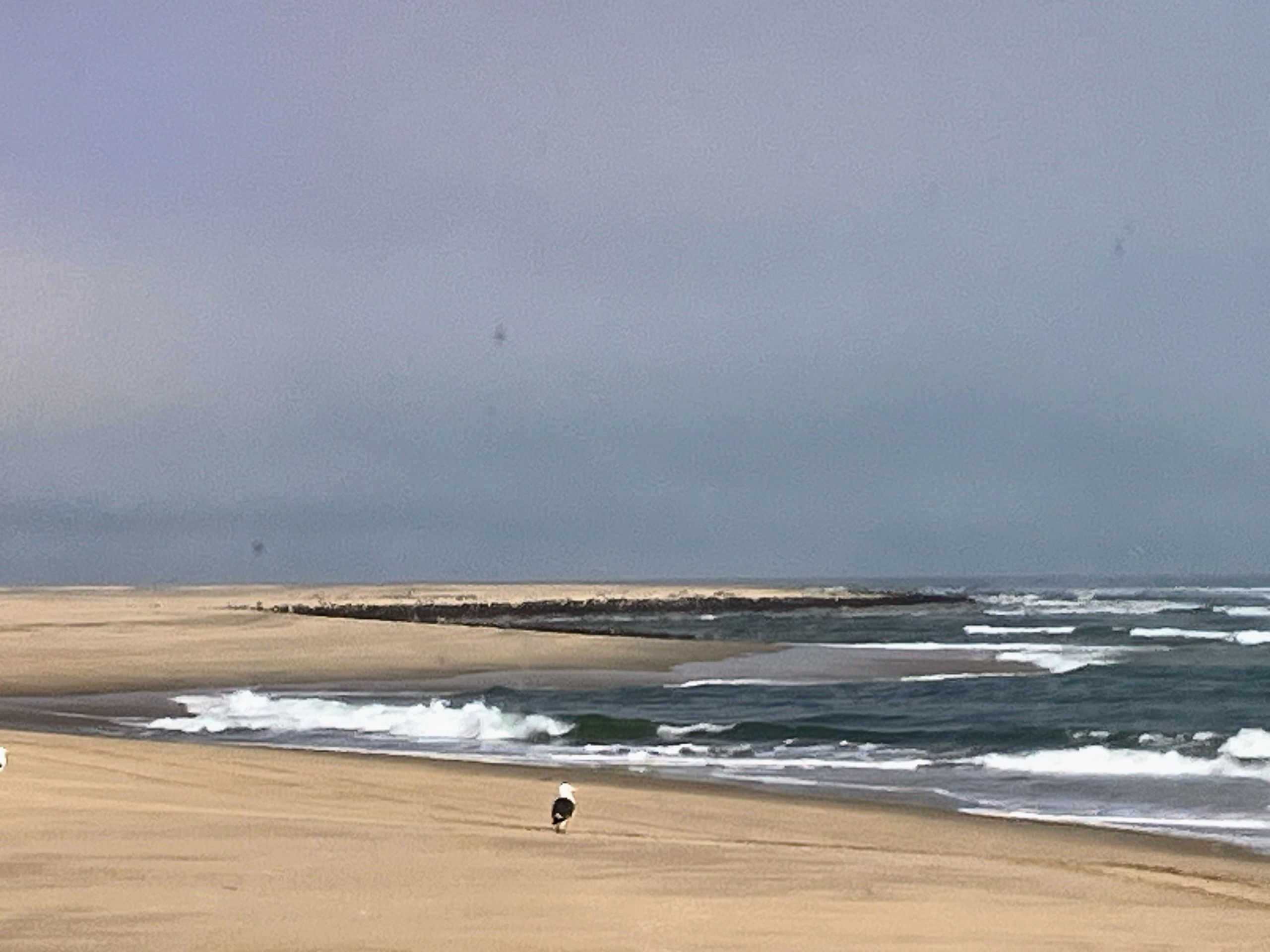
The next day, only a short distance lies ahead of us - then we reach Swakopmund, or simply Swakop. With around 80,000 inhabitants, it is no longer a small town. What immediately stands out: This city is situated in the sand. Surrounded by nothing but endless desert, it appears like an oasis on the edge of the Atlantic. The cold Benguela Current ensures that it hardly ever rains here - thus fine sandy beaches meet the dry expanse of the Namib. A fascinating place where desert and sea seamlessly merge.
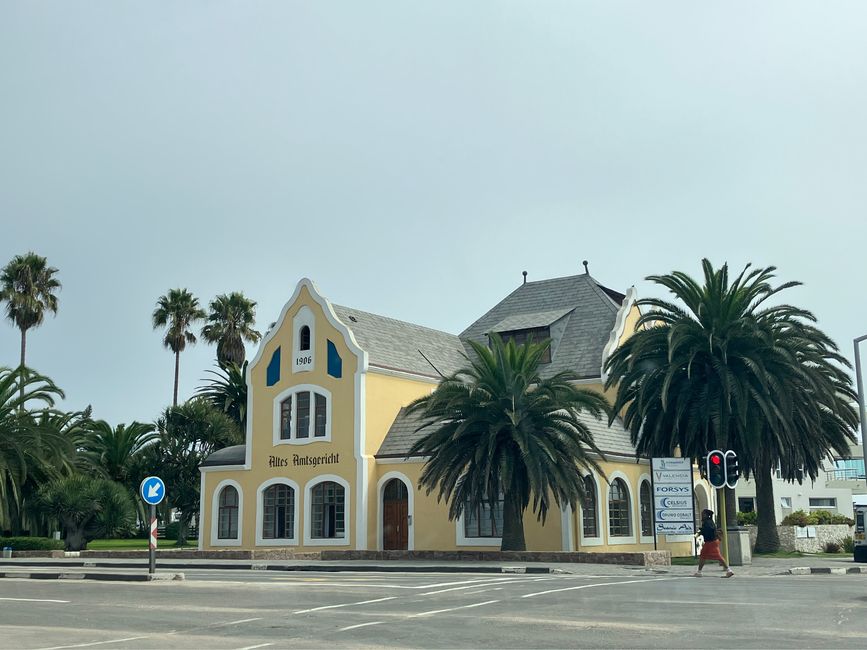
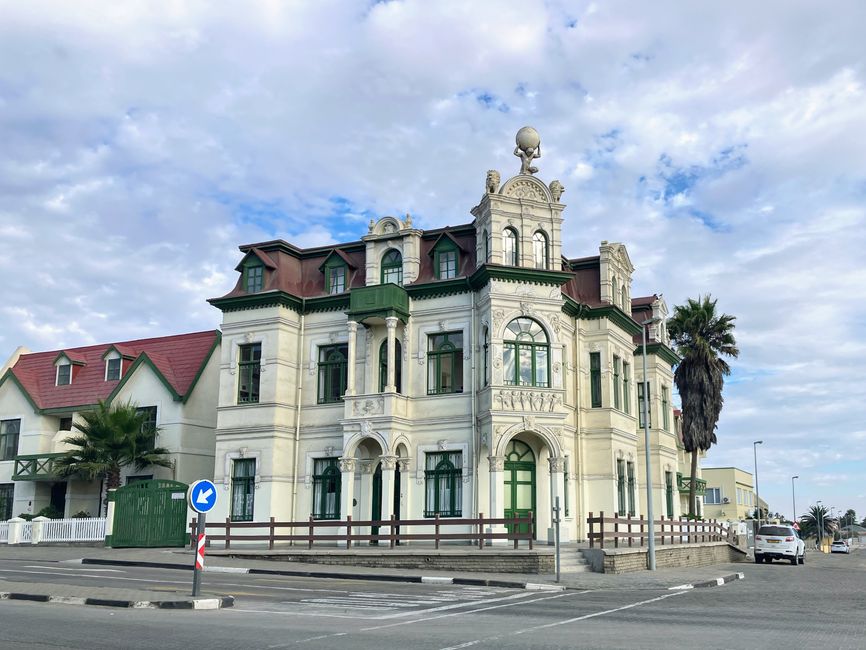
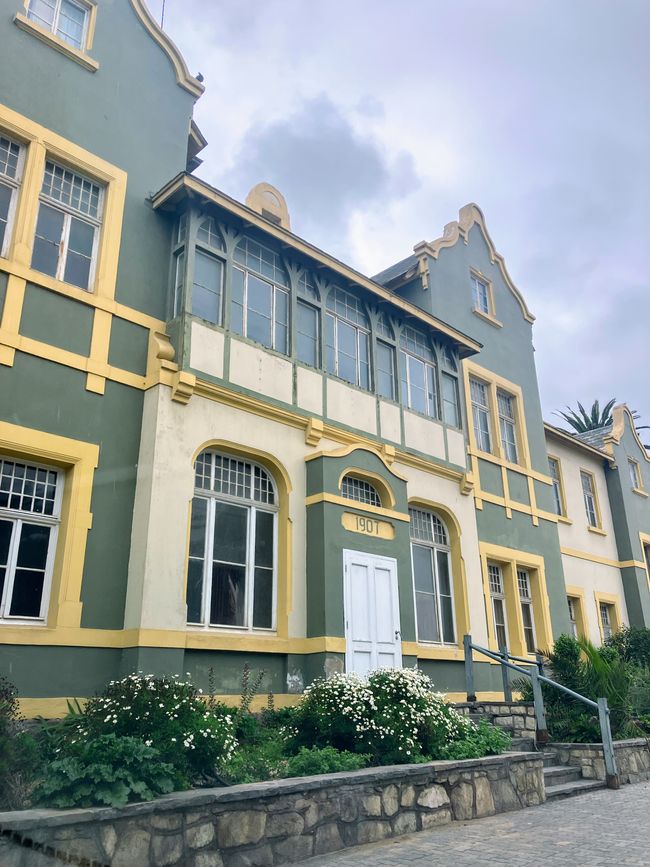
Swakop is considered the most German city in Namibia - the influences of German-speaking Namibians are still felt there, even though they now make up only about 2% of the population.
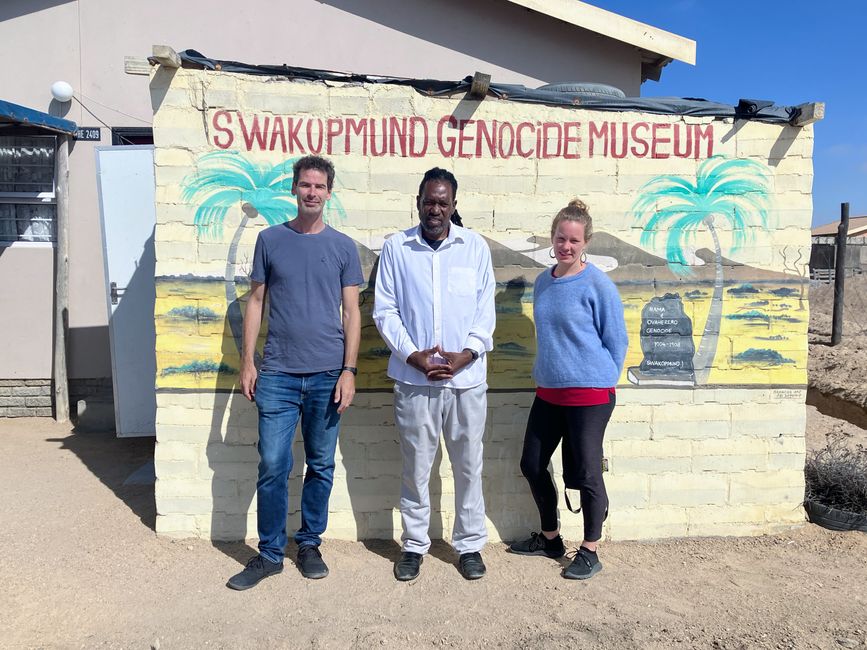
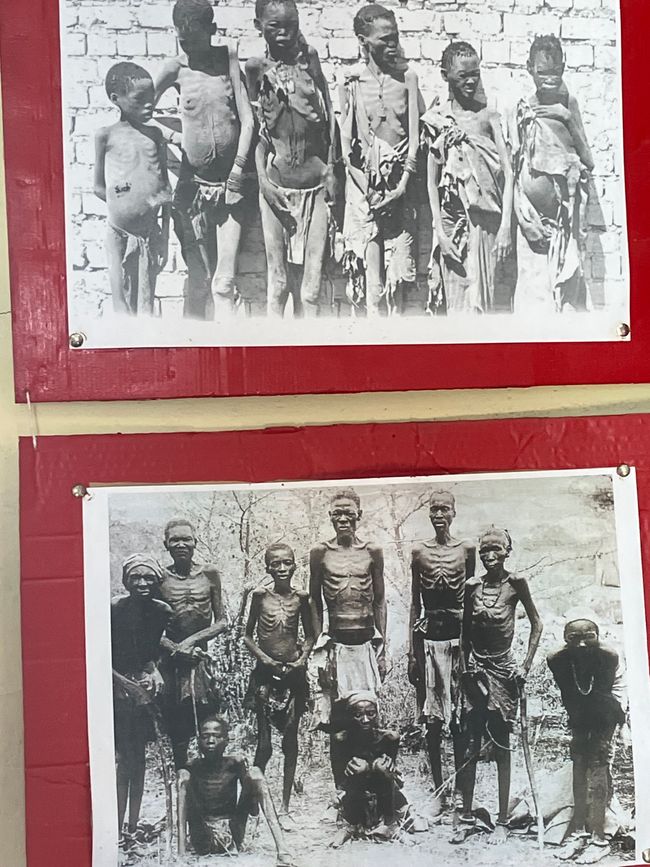
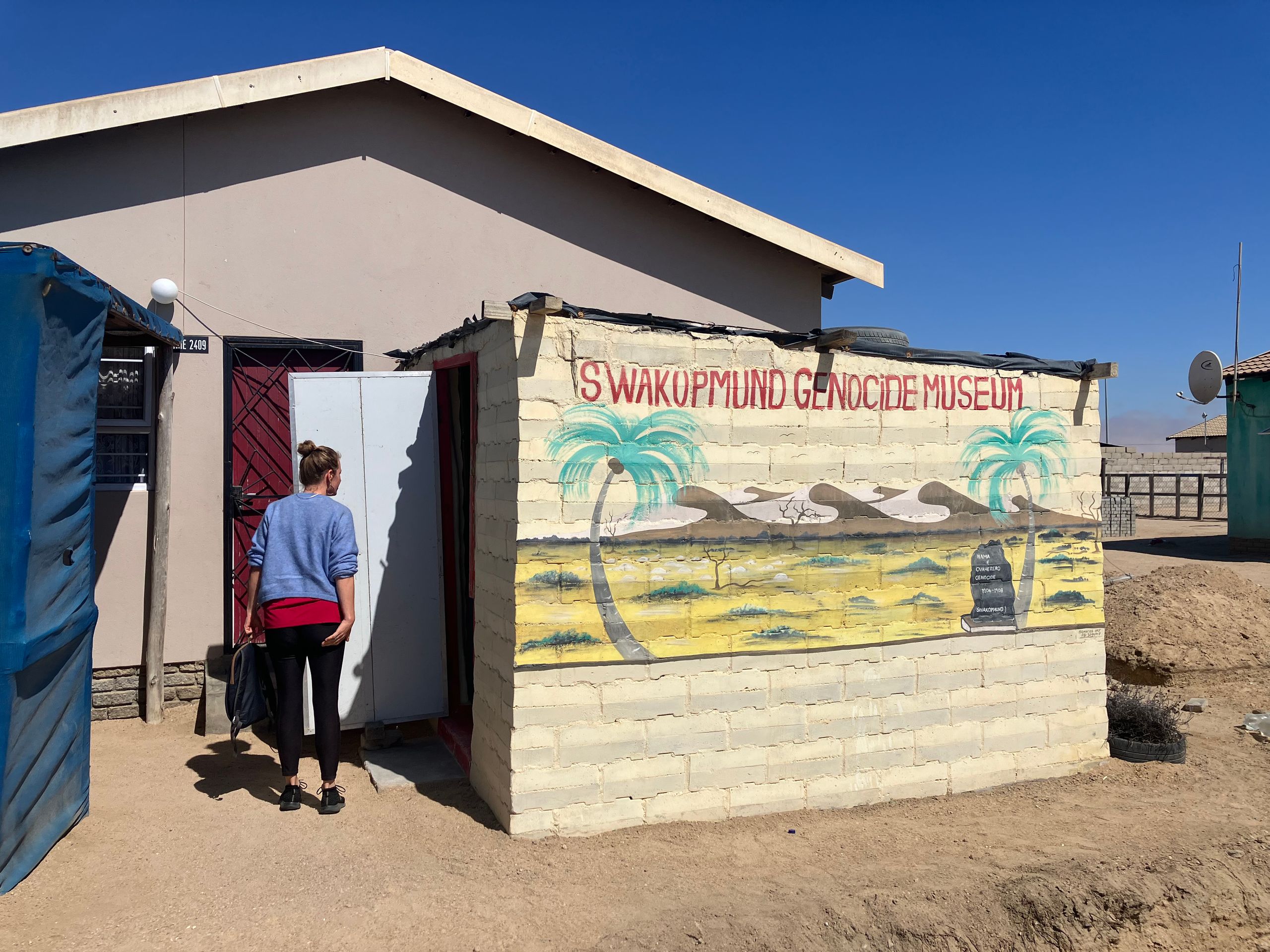
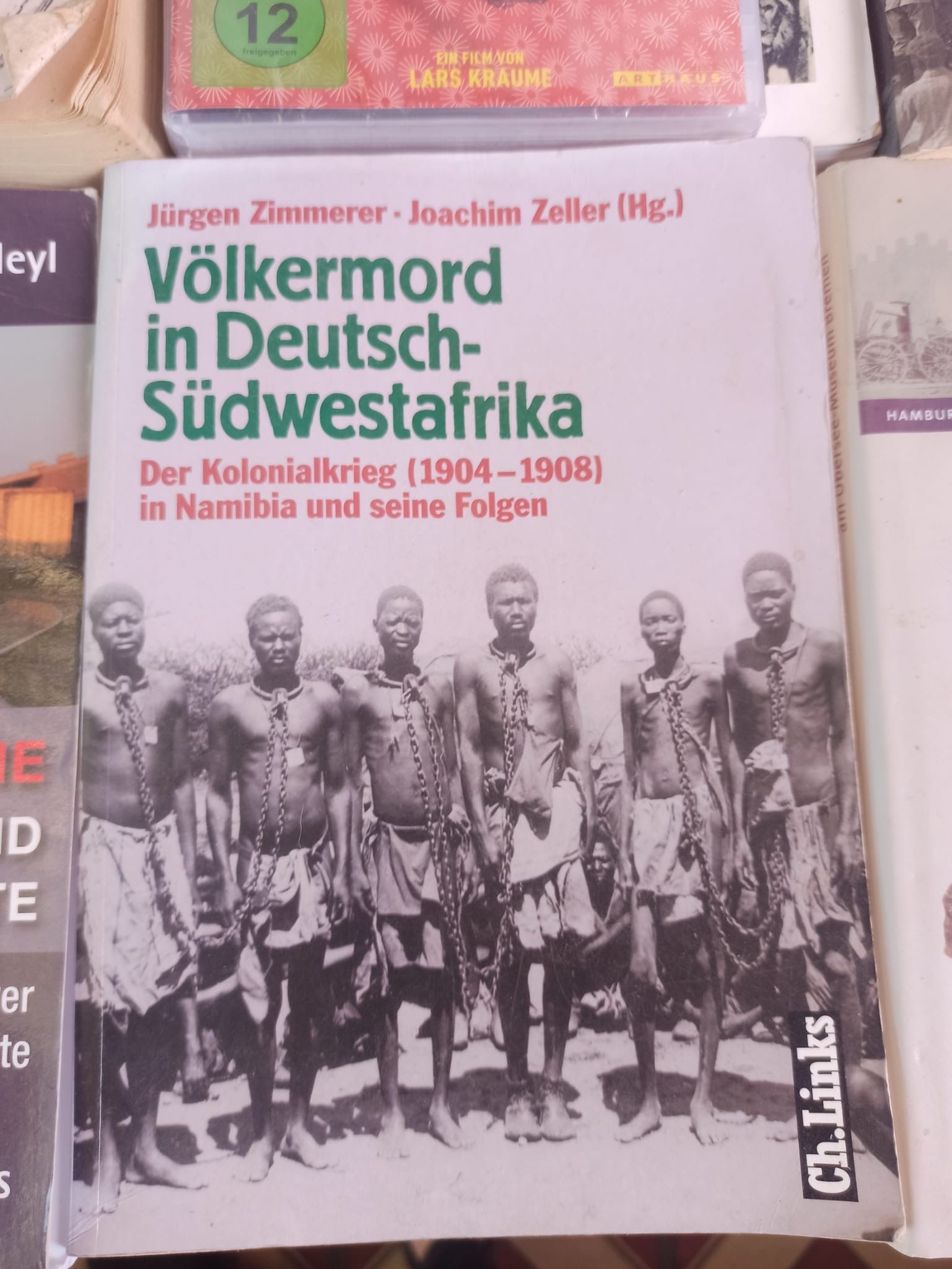
We visit the Swakopmund Genocide Museum. The founder, Laidlaw Peringanda, has set up a small but impressive museum in a room of his house. There he informs visitors about the genocide of the Herero and Nama, carried out under German colonial rule in the early 20th century. His research is not only historically significant - it is also personal: Laidlaw's own family was affected by this crime. His great-grandmother was interned in the concentration camp in Swakopmund, which was operated under inhumane conditions at the time. She was forced to boil the skulls of the deceased. More than 3,000 of the skulls were sent to Germany - for racially motivated studies. These colonial-influenced research efforts served as the supposed scientific justification for racism and colonial oppression. Only a small fraction of these skulls have been returned so far.
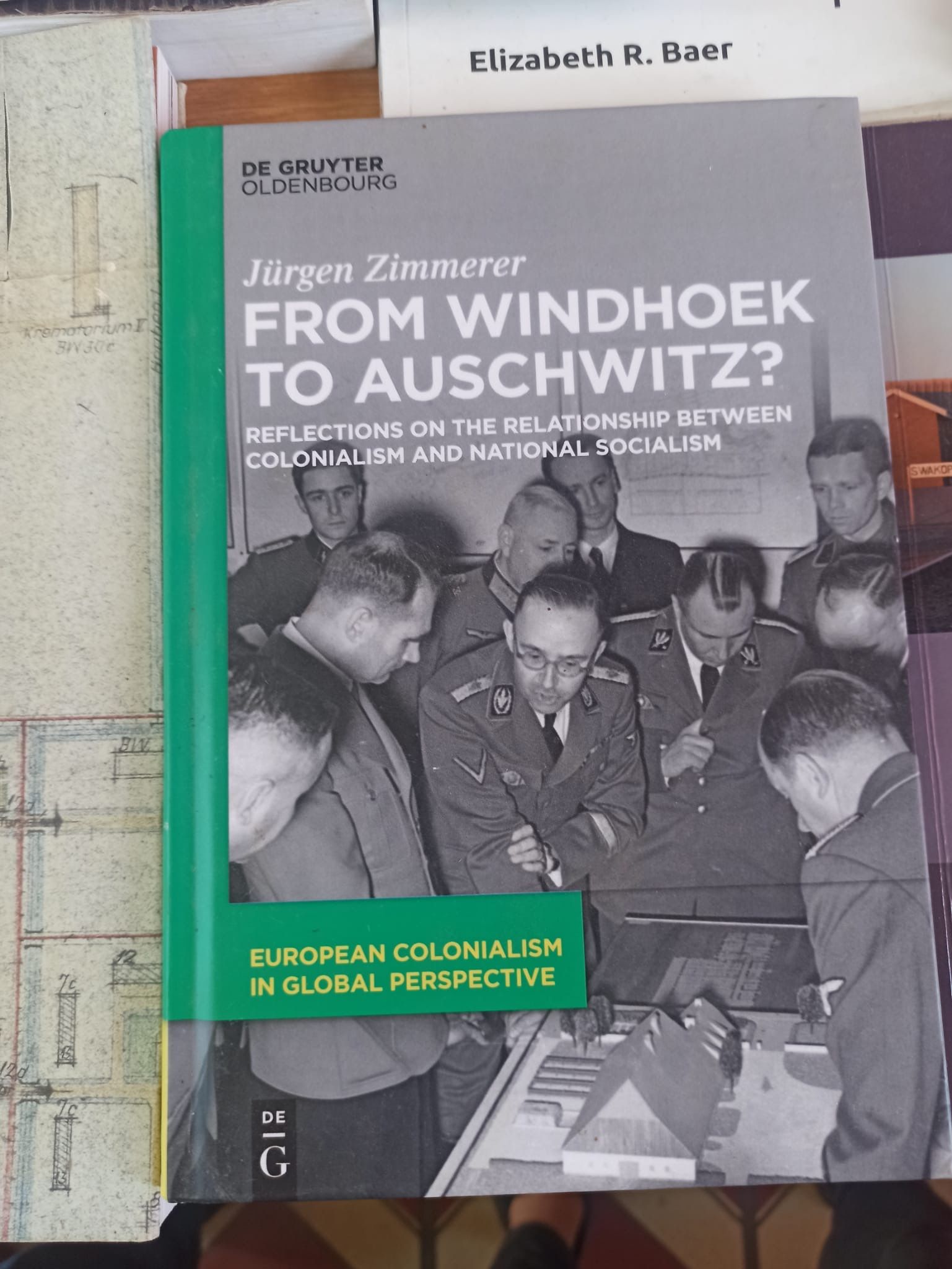
Laidlaw is vigorously advocating for recognition, justice, and reparation. He has even been invited several times by historians like Jürgen Zimmerer to speak about his commitment and the culture of remembrance in Namibia. Among other things, Laidlaw demands that the current federal government buy back the expropriated farmland of the Herero and Nama and return it to the descendants of the original owners.
In Swakop itself, his initiative is not welcomed everywhere - especially in parts of the German-speaking community, the examination of colonial heritage is met with hesitation or even open rejection. Nevertheless, the museum sends an important signal for remembrance, education, and responsibility towards history.
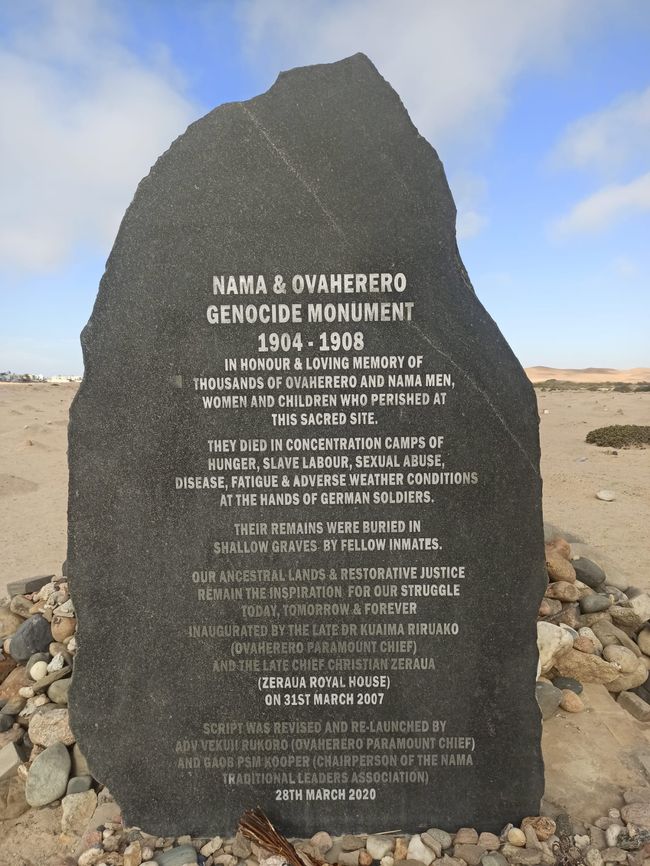
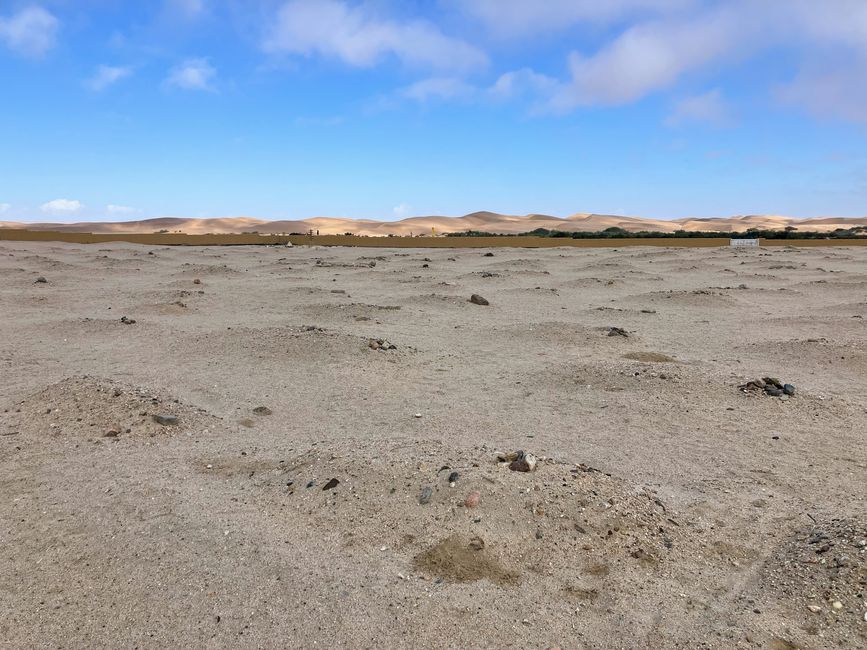
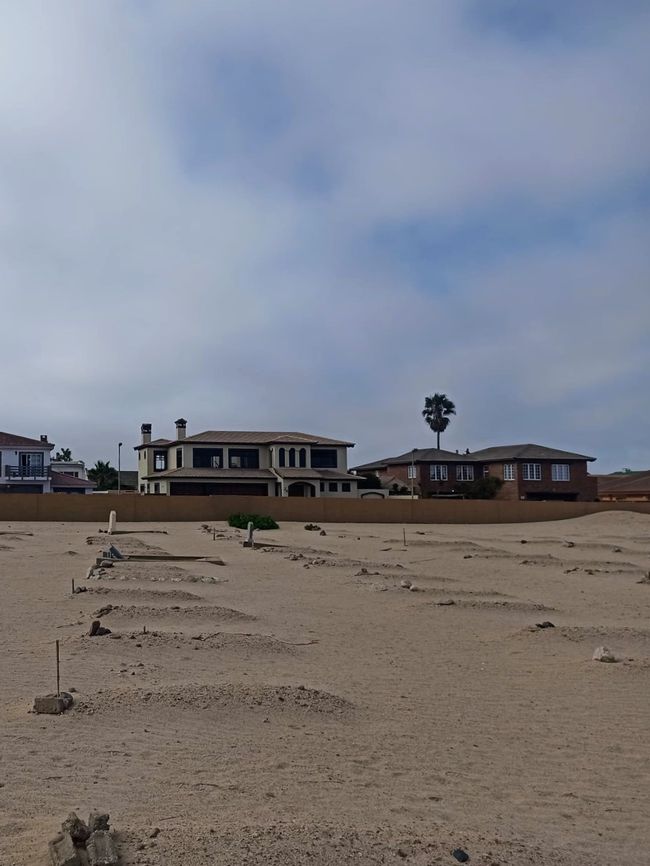
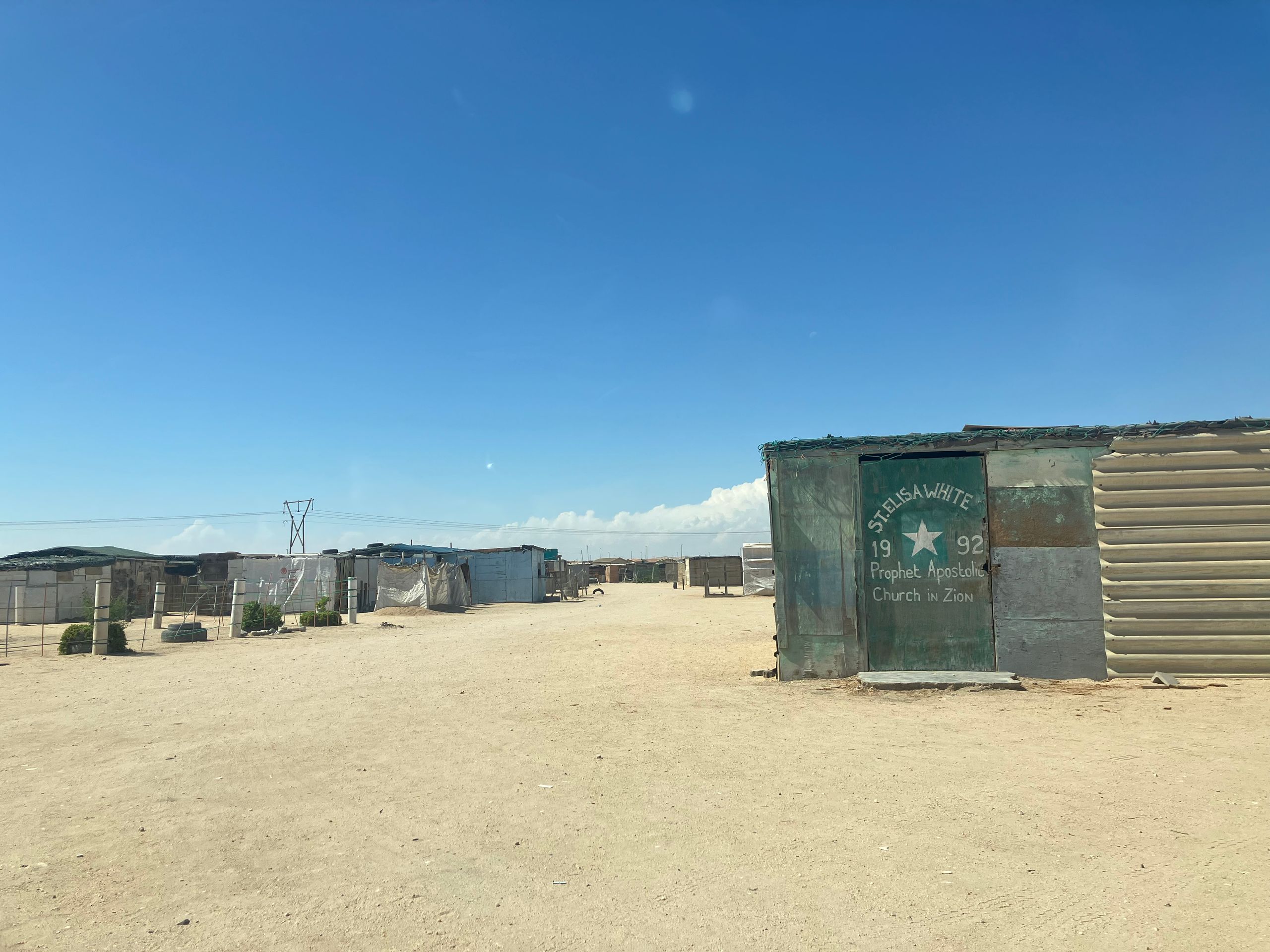
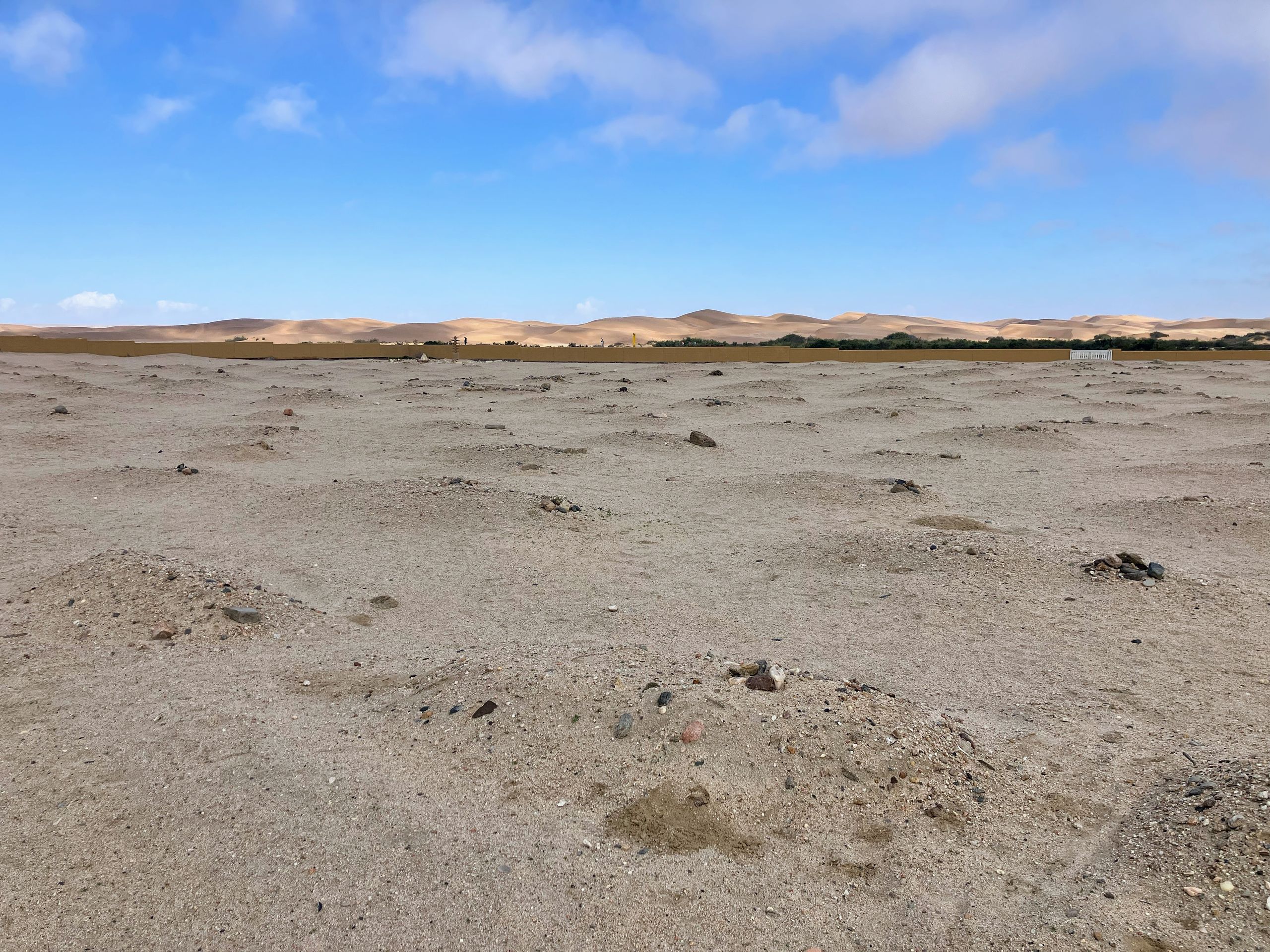
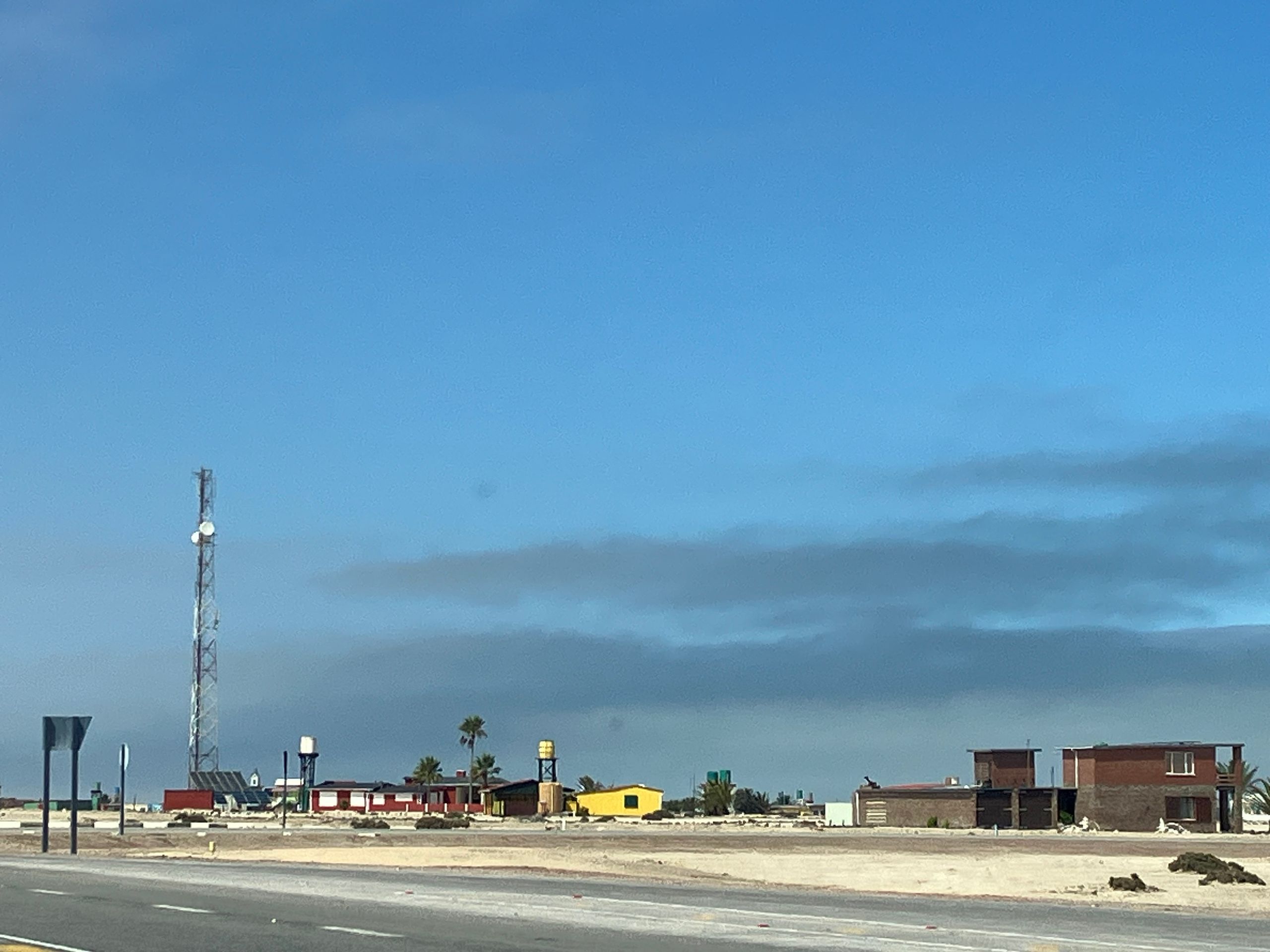
On the outskirts of Swakop, with the help of specialists, numerous graves of former camp inmates from the time of the genocide have been located. These are simple sand mounds that contain the remains of 2,000 to 3,000 victims. Some of these graves were built over in the past - they border a residential area.
The heinous crimes committed by the Germans in Namibia and the German colonial history occupied us for a long time, and one can never completely ignore it during the journey through this beautiful country...
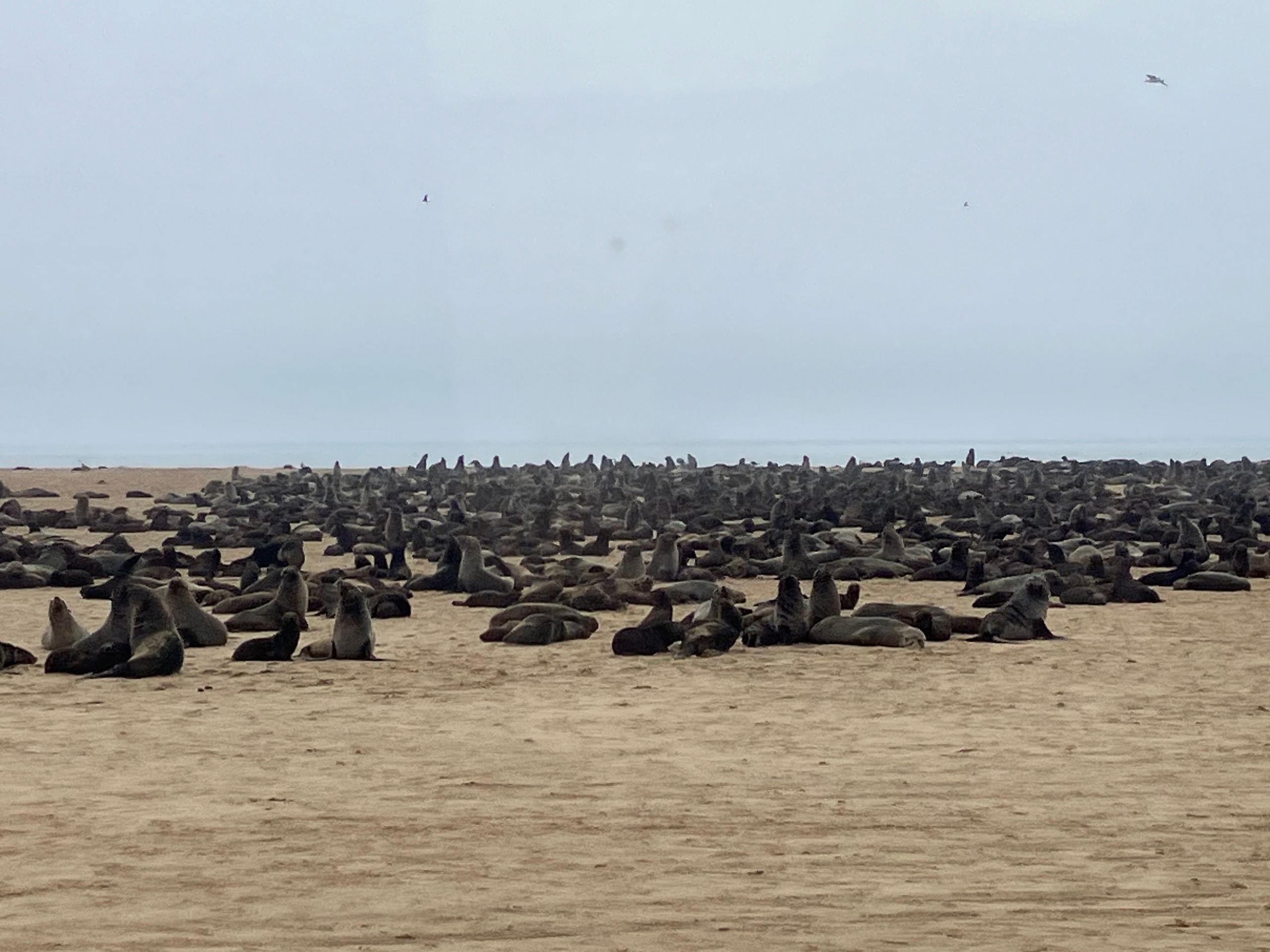
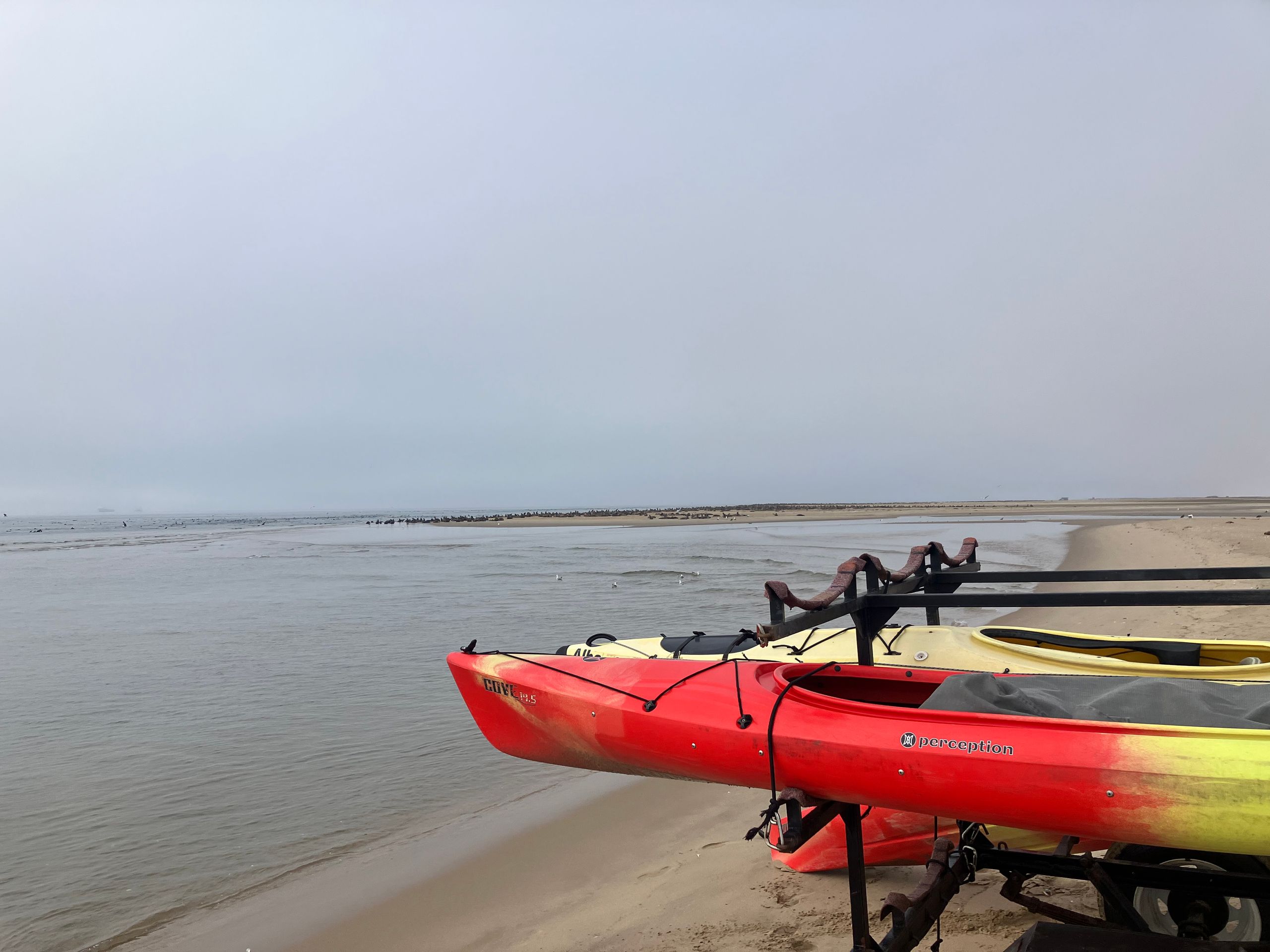
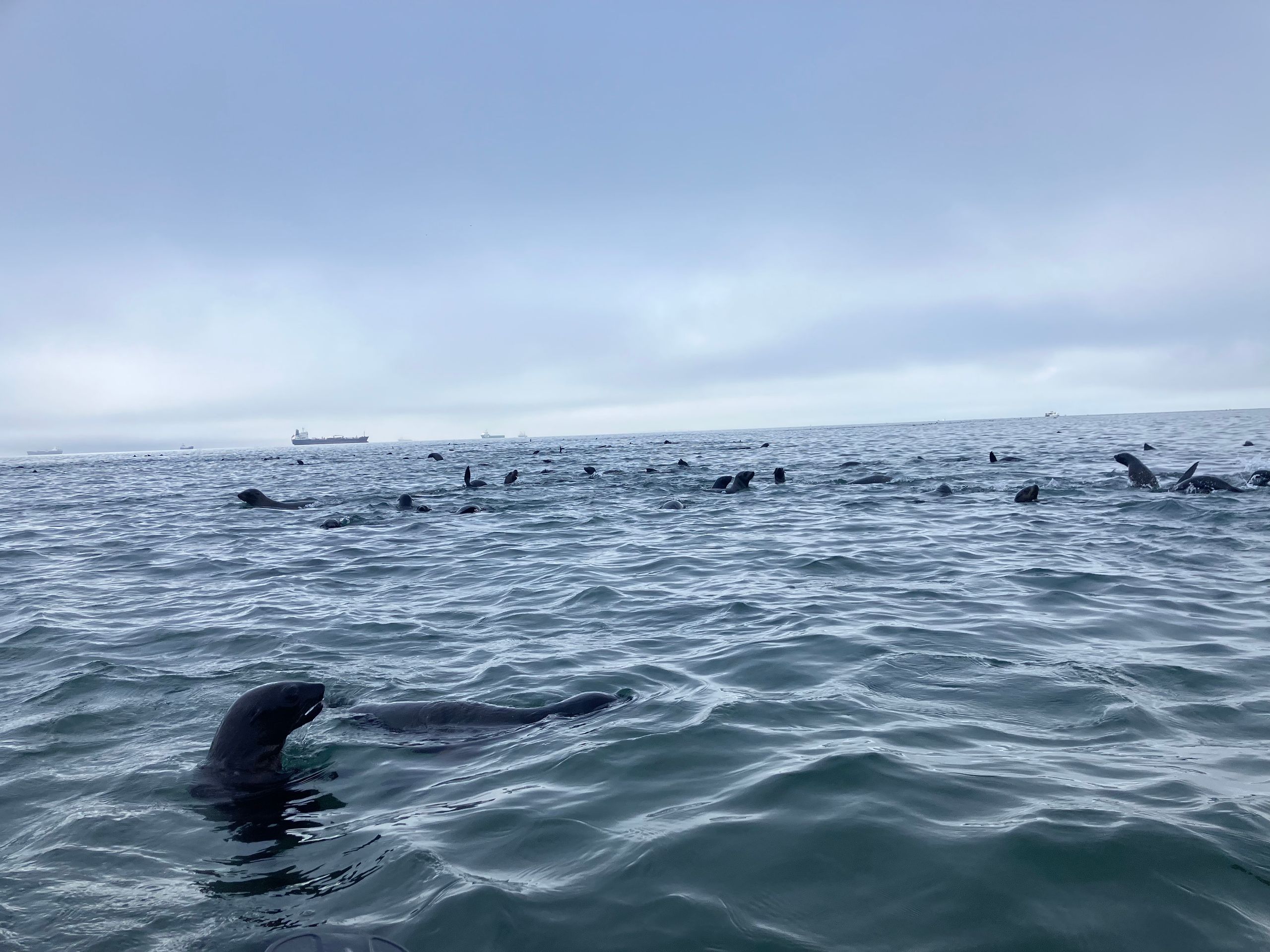
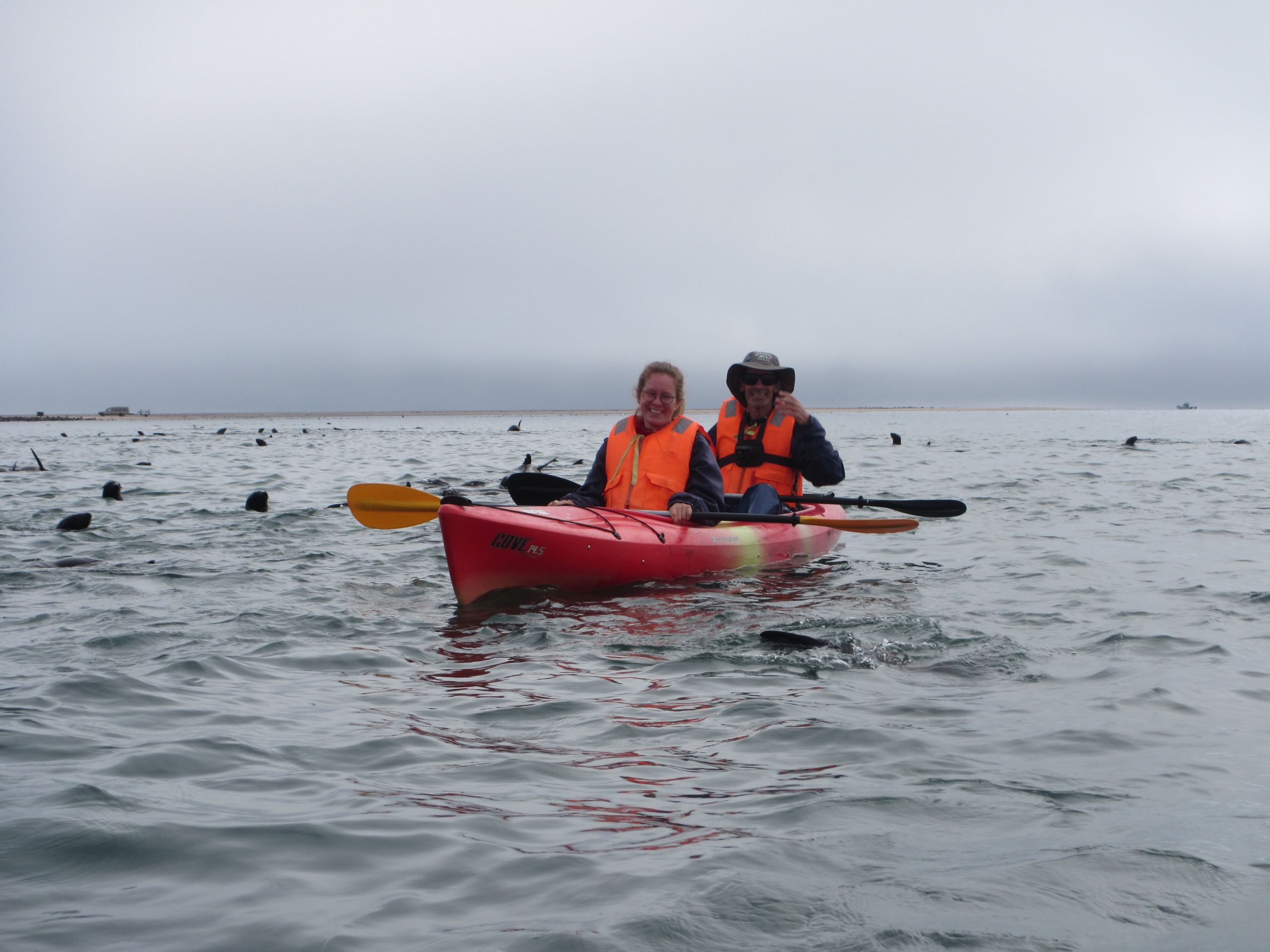
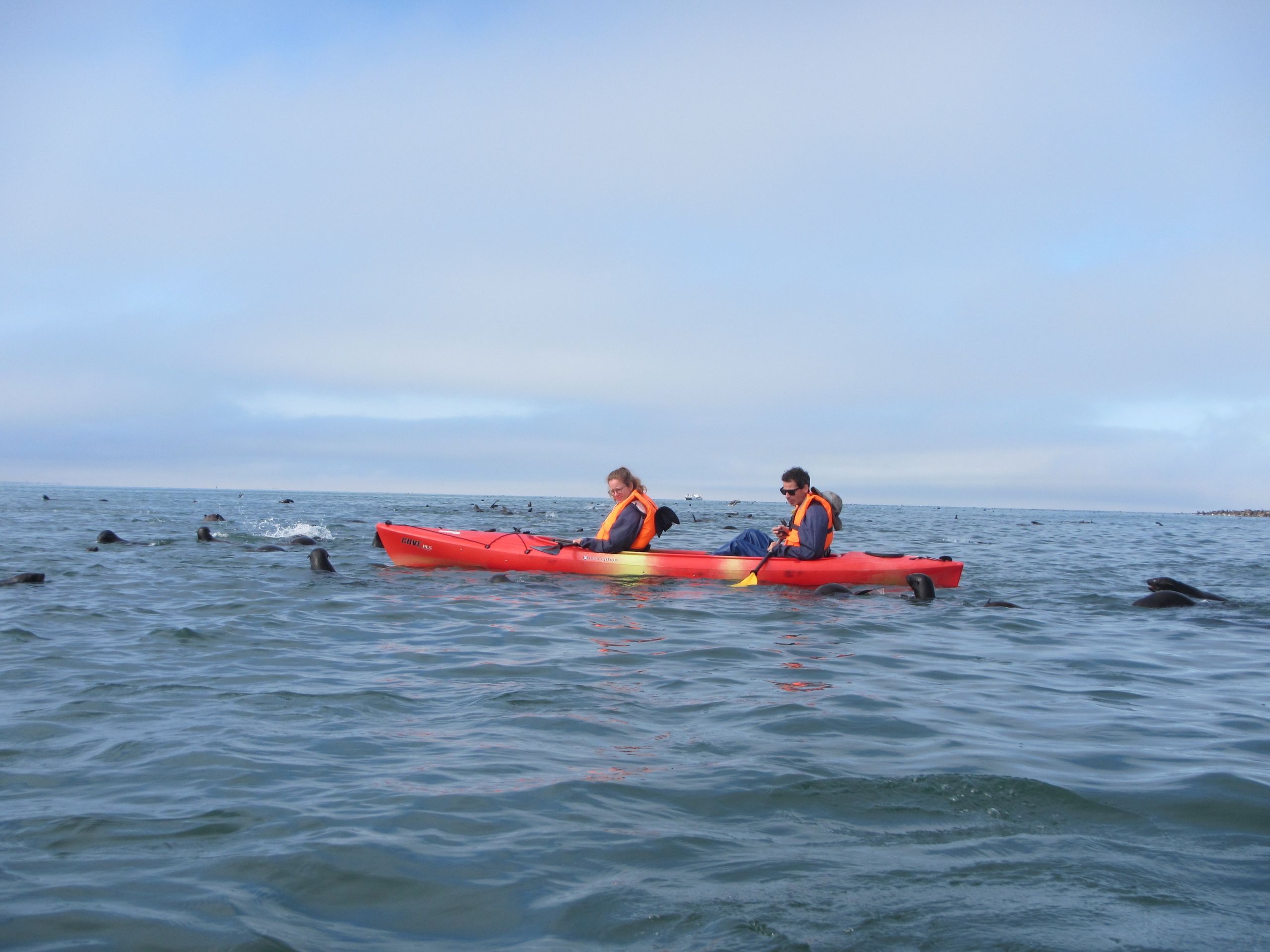
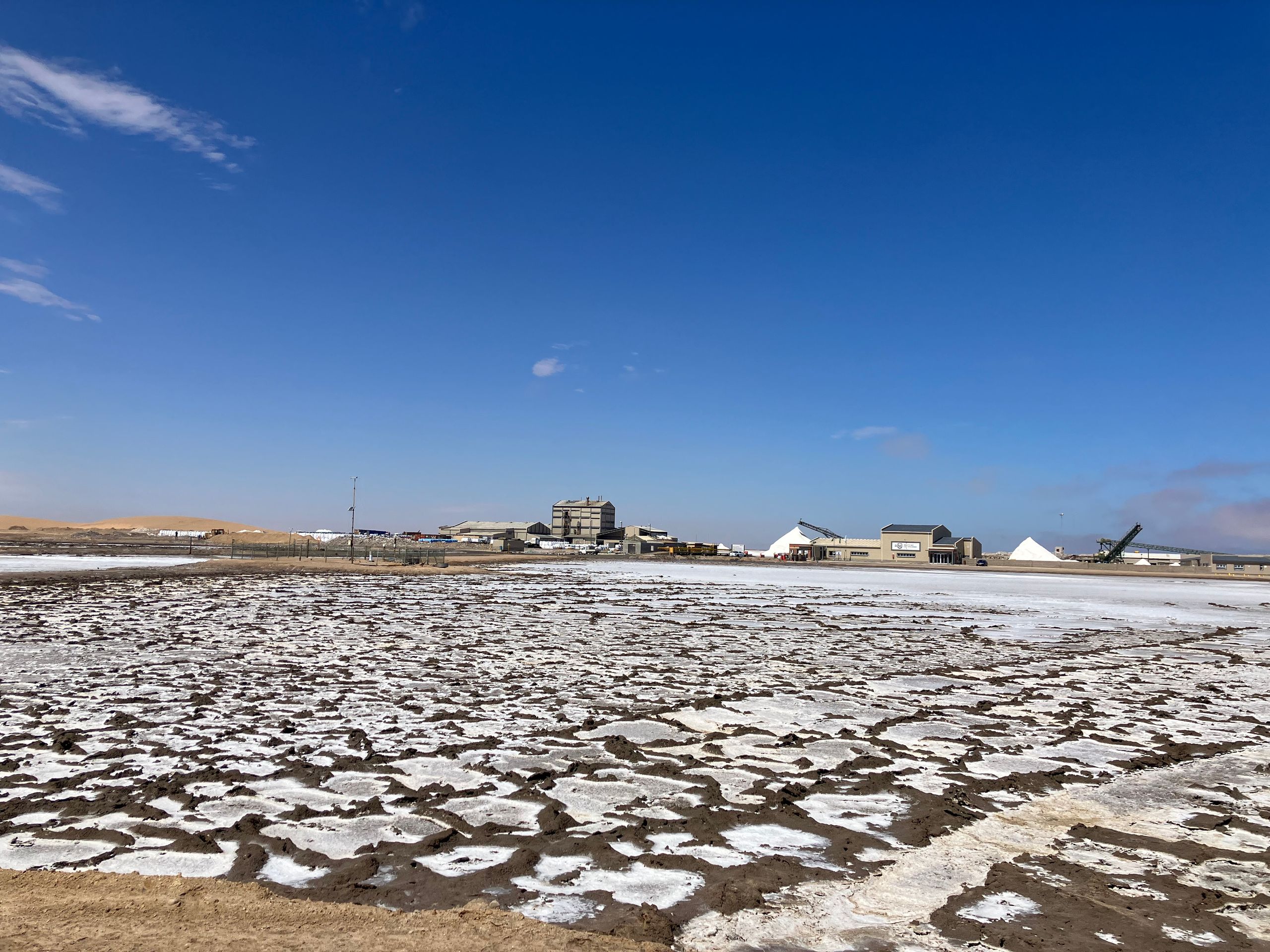
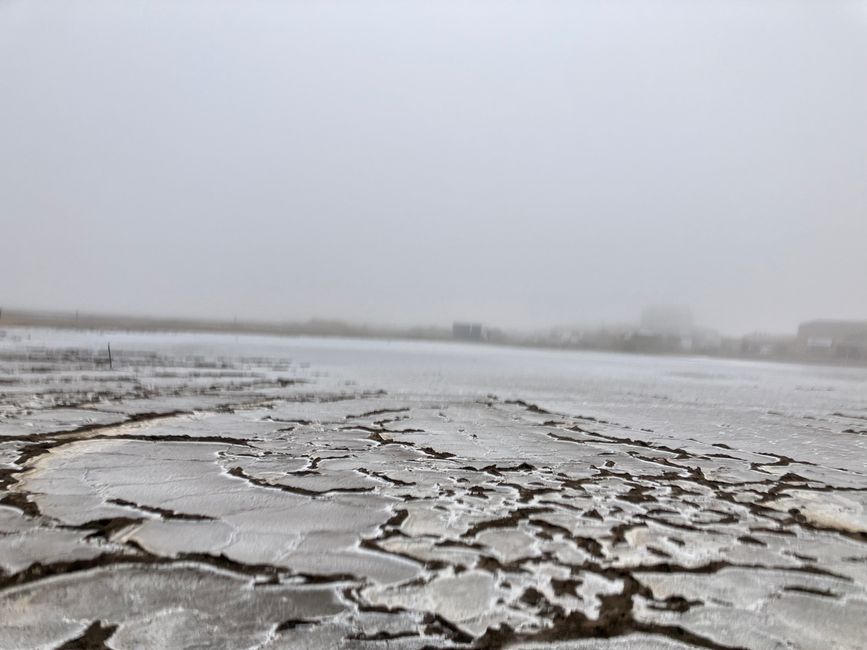
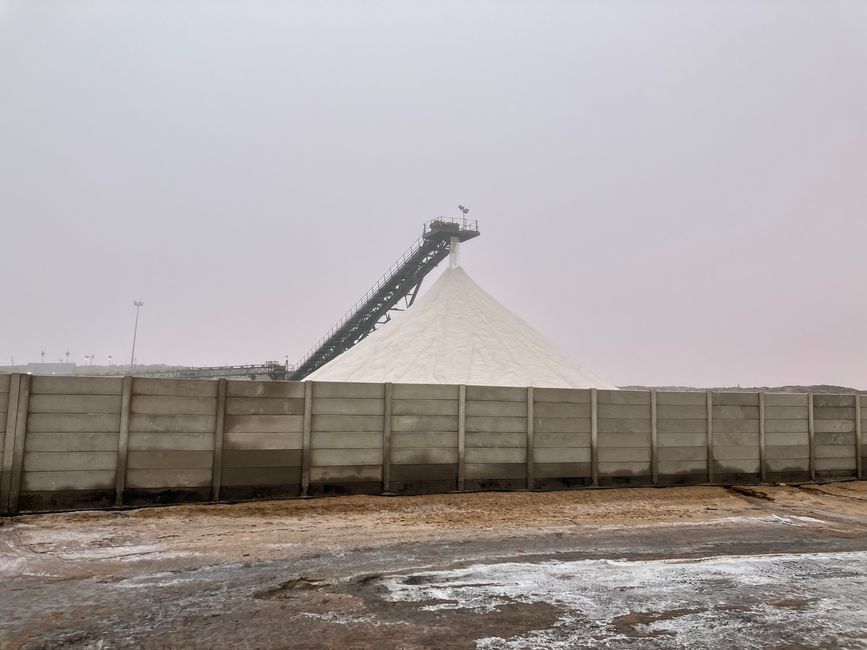
On the following day, we expect a very different experience: On a canoe tour in Walvis Bay, we not only see seals but also a sea salt plant in full operation. In vast basins, water is retained, allowing thick salt crystals to form, from which table salt is then extracted.
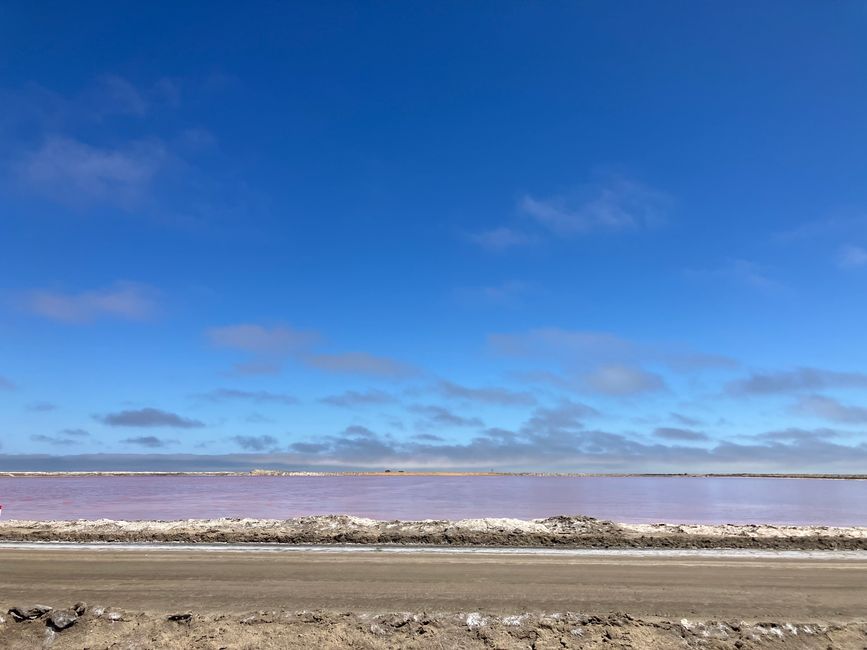
In the large basins, the water shimmers in a luminous pink, magically due to the minerals stirred up by the wind!
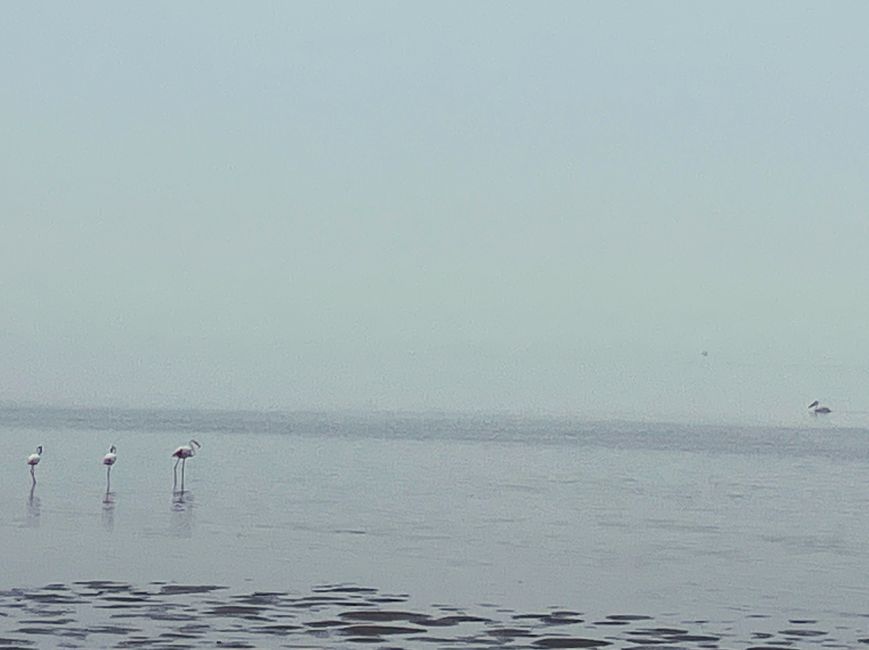
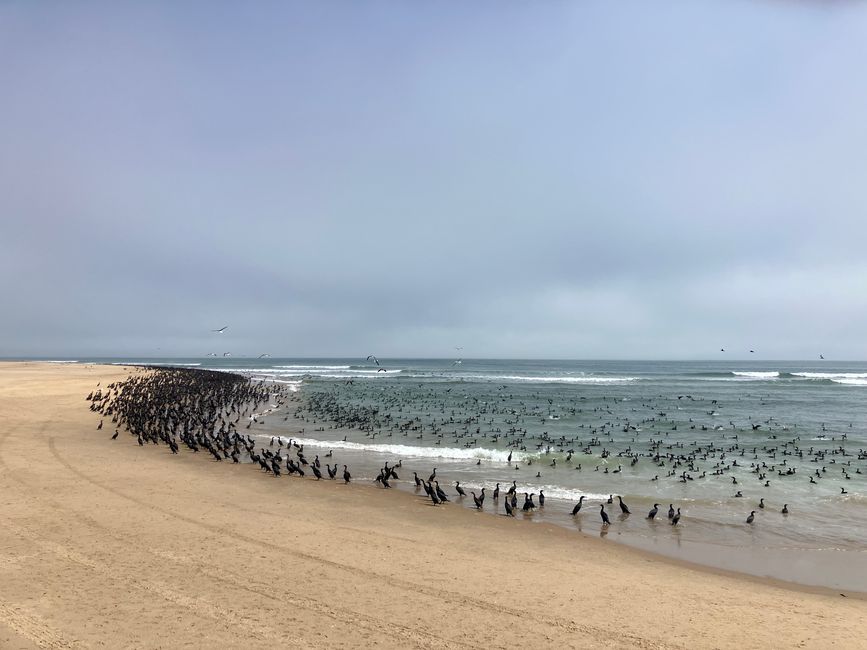
Additionally, we drive through a nature reserve. Here we get to see pelicans, flamingos, and thousands of birds!
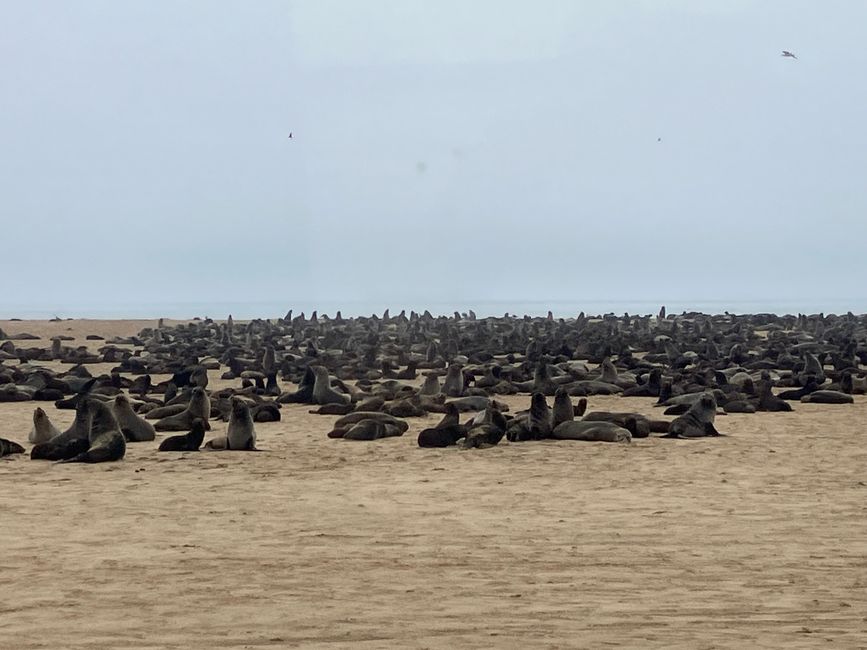
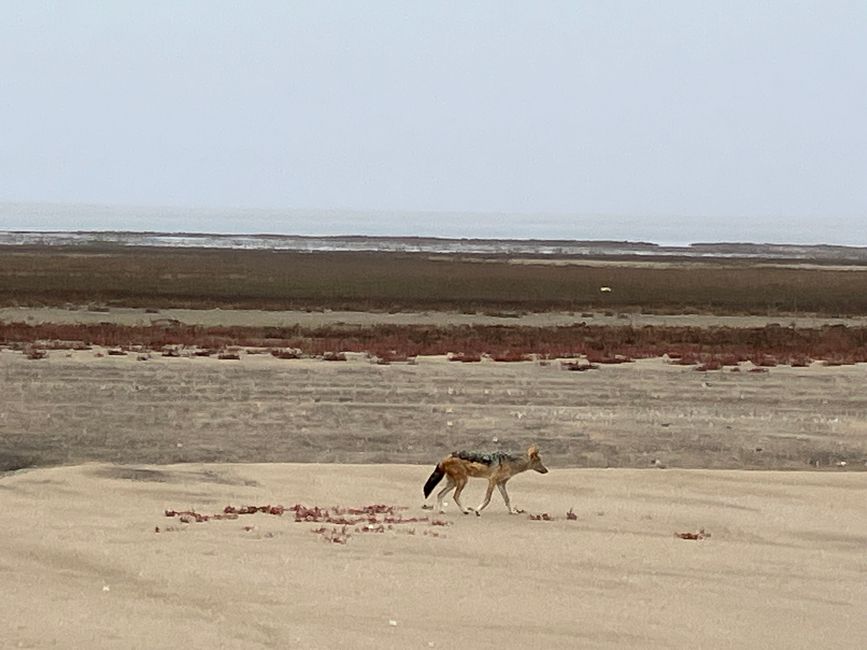
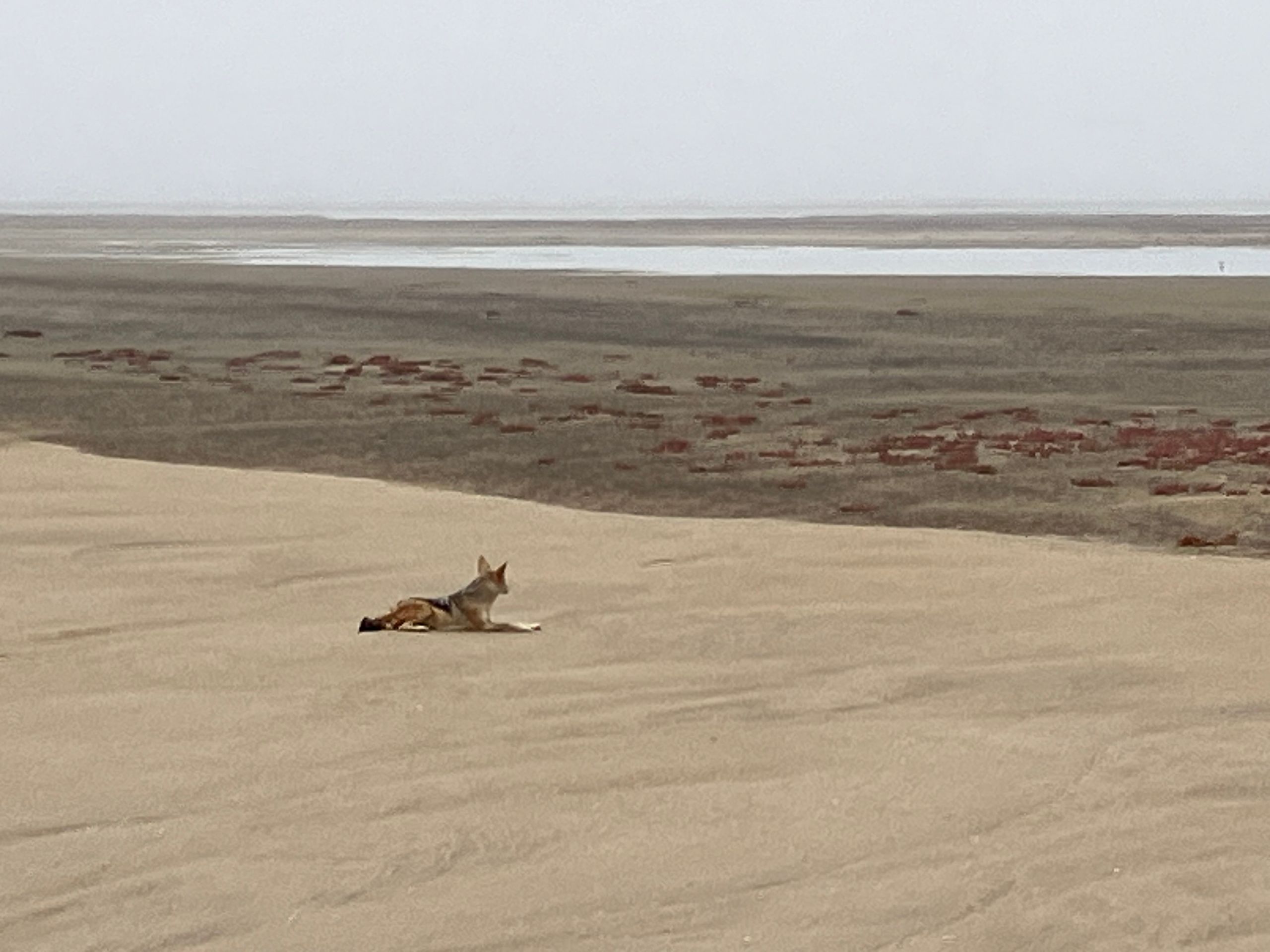
Close to the seals, we encounter several jackals.
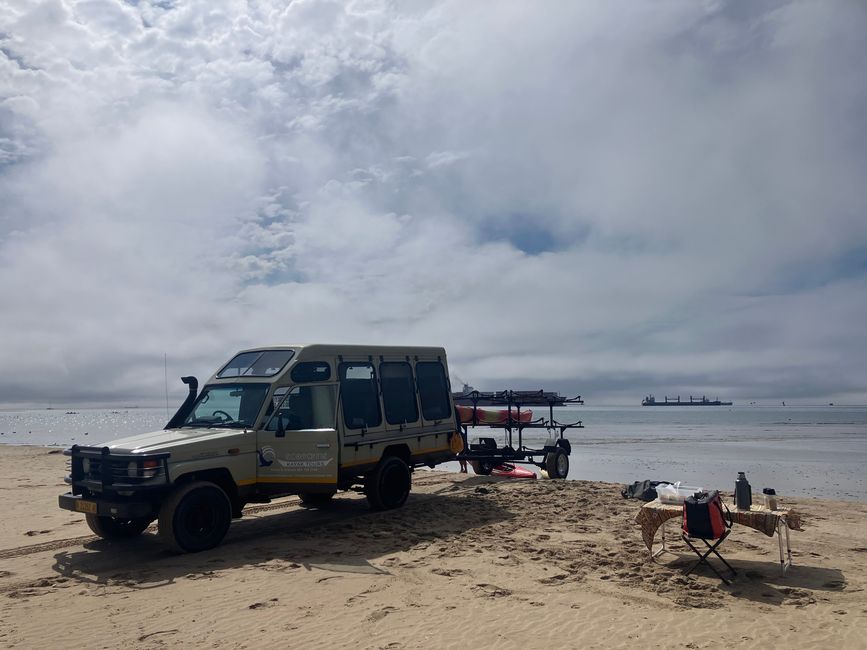
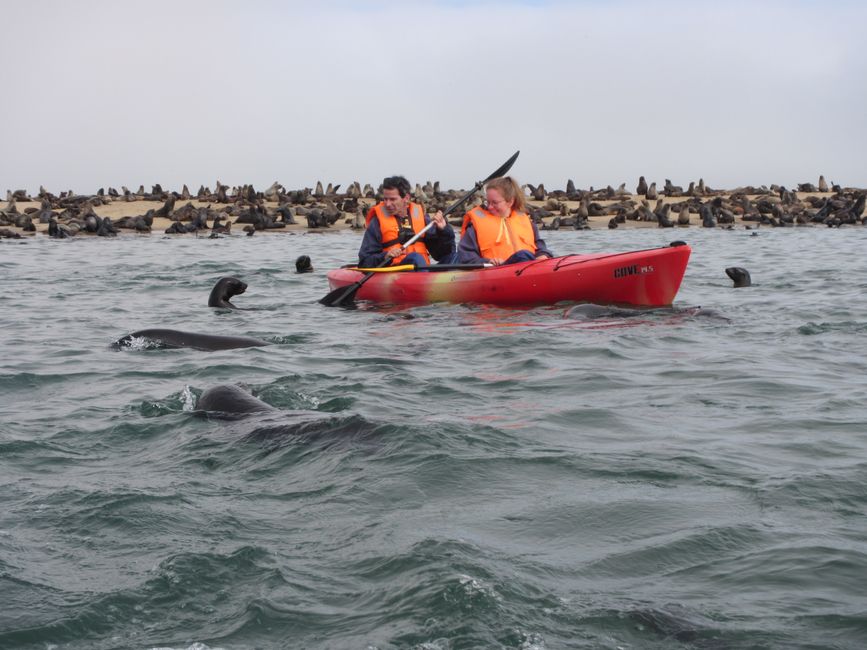
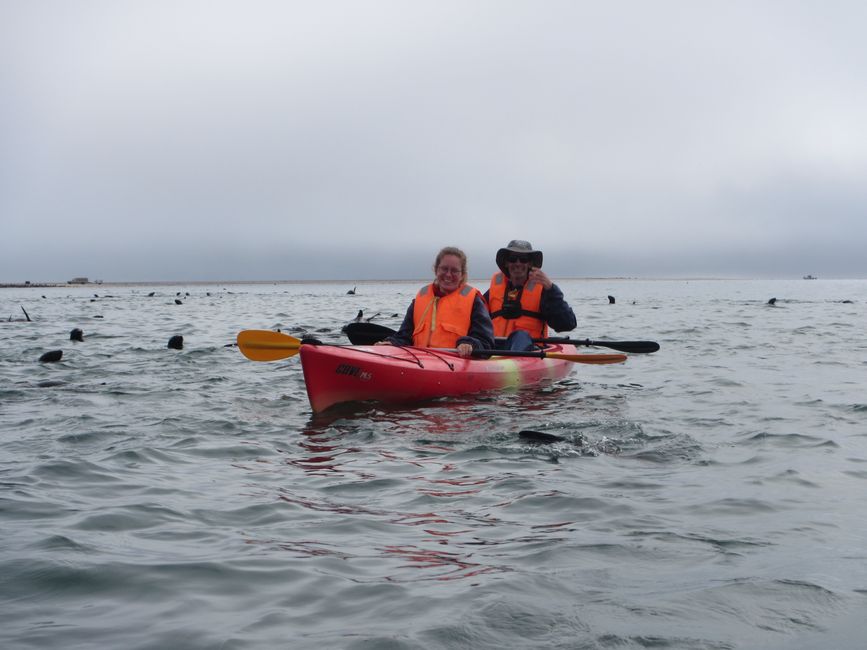
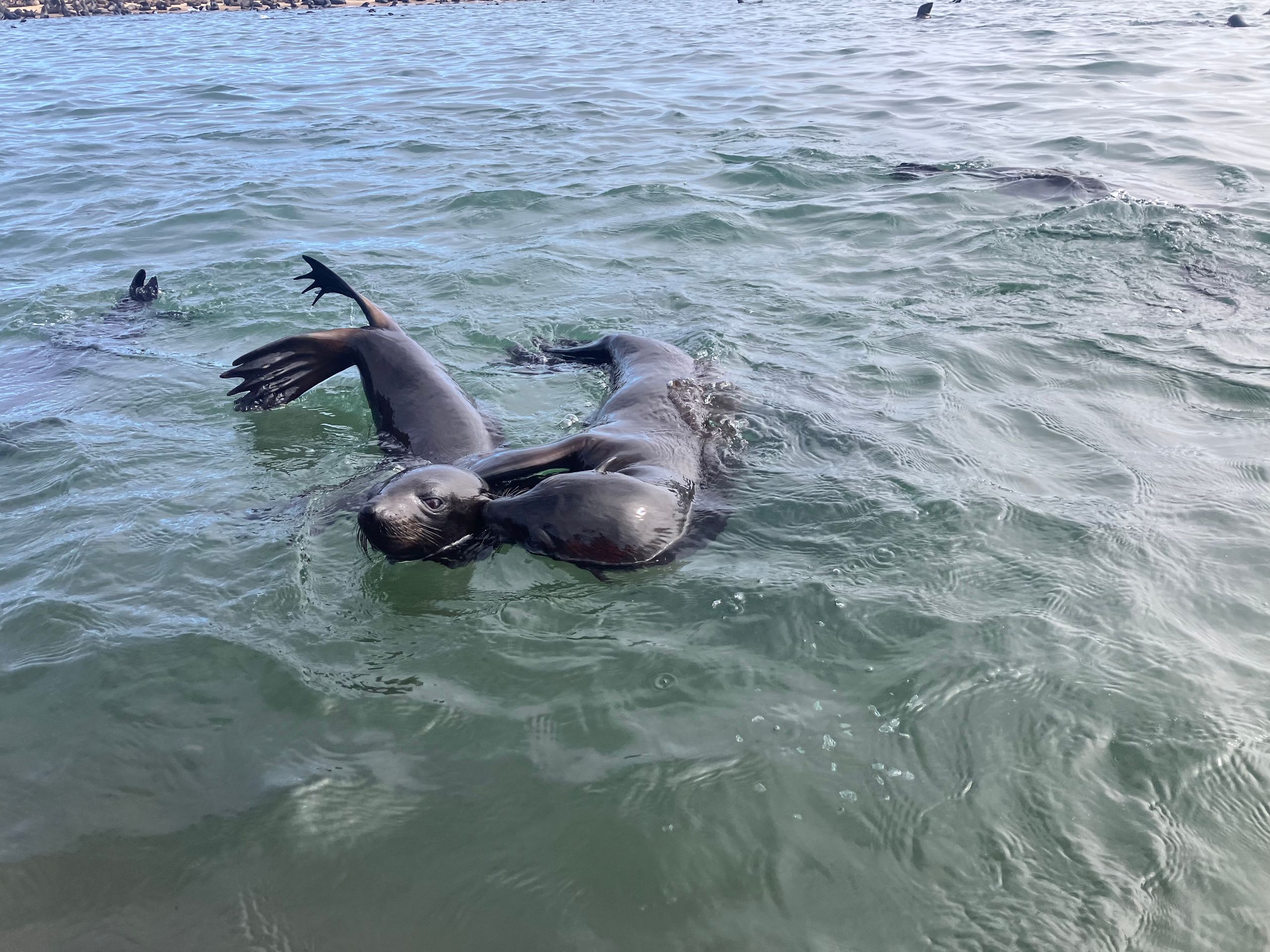
The water is teeming with seals surrounding our boat. Especially the playful young ones come close to us and nibble at our paddles. A true experience - perhaps we will never get this close to seals again.😆