
西贡 - 胡志明市(越南第6部分)
在我们早上抵达胡志明市后,我们的导游在机场接我们,随即开始了城市之旅。 中国城市场 首先我们前往中国城,有时间让我们去参观市场。300年前,来自南中国的难民们在这里定居,如今这里是城市中大多数宝塔的所在地。 我们随后还参观了其中的一座——岔芭宝塔。它是献给“天上之女”的,并建于19世纪初。 ...
已发布: 23.02.2019

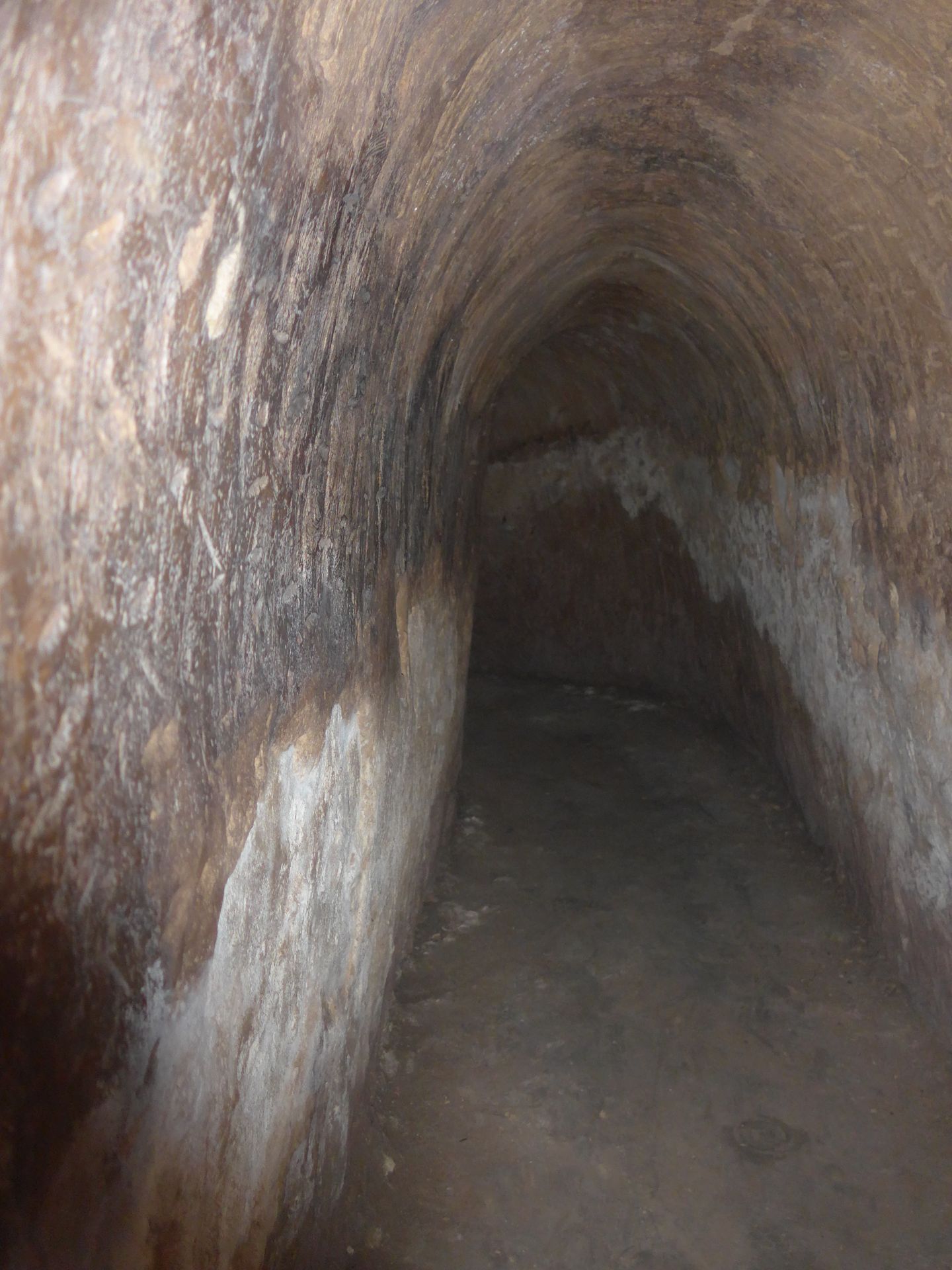


The first tunnels in the area northwest of Saigon were built by resistance fighters against the French colonial power. Later, they were further expanded by communist fighters in the fight against the Americans.
Eventually, a 250 km long tunnel network with up to three levels was created, in which people also lived, cooked, and sought refuge from attacks.
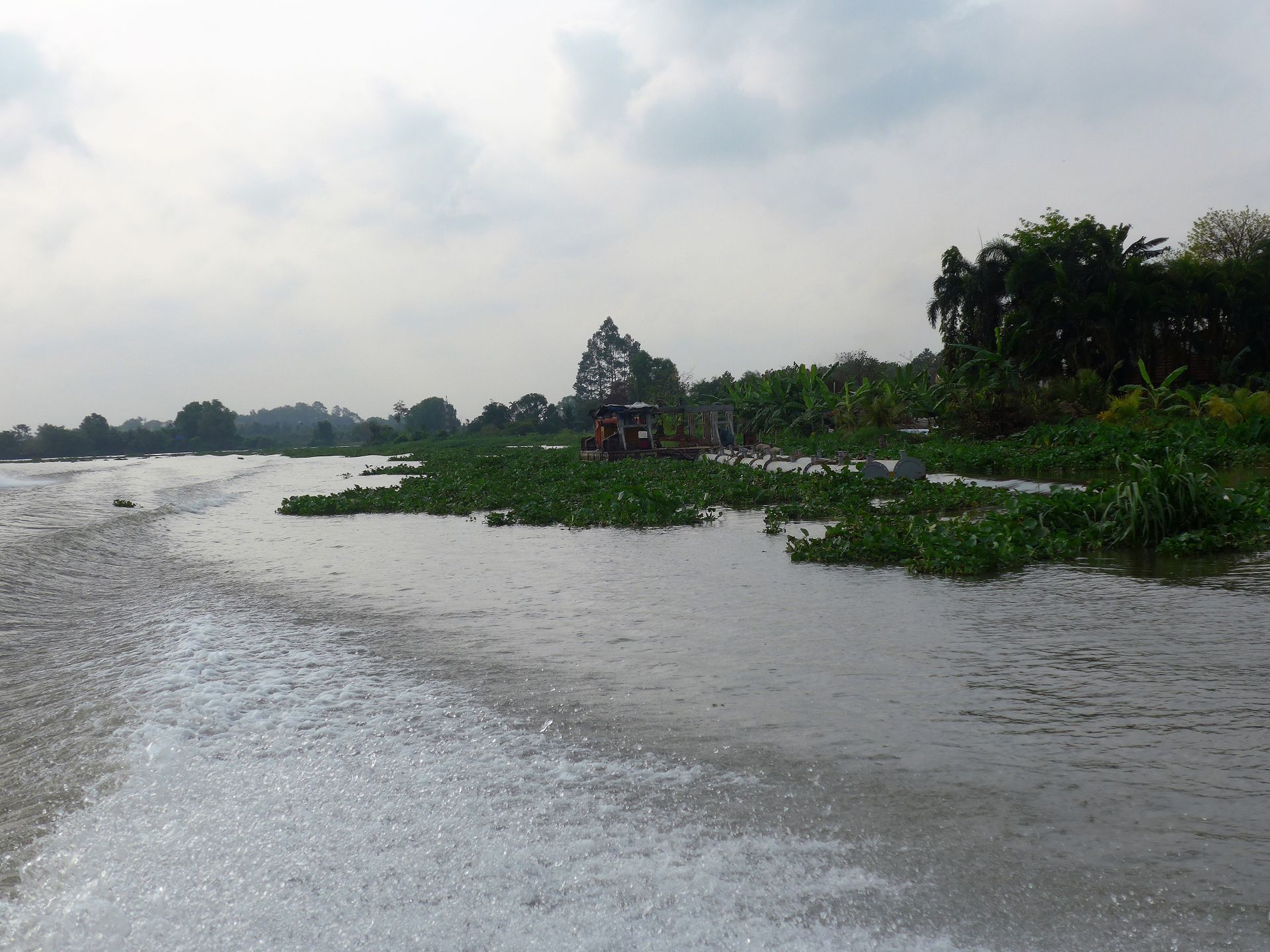
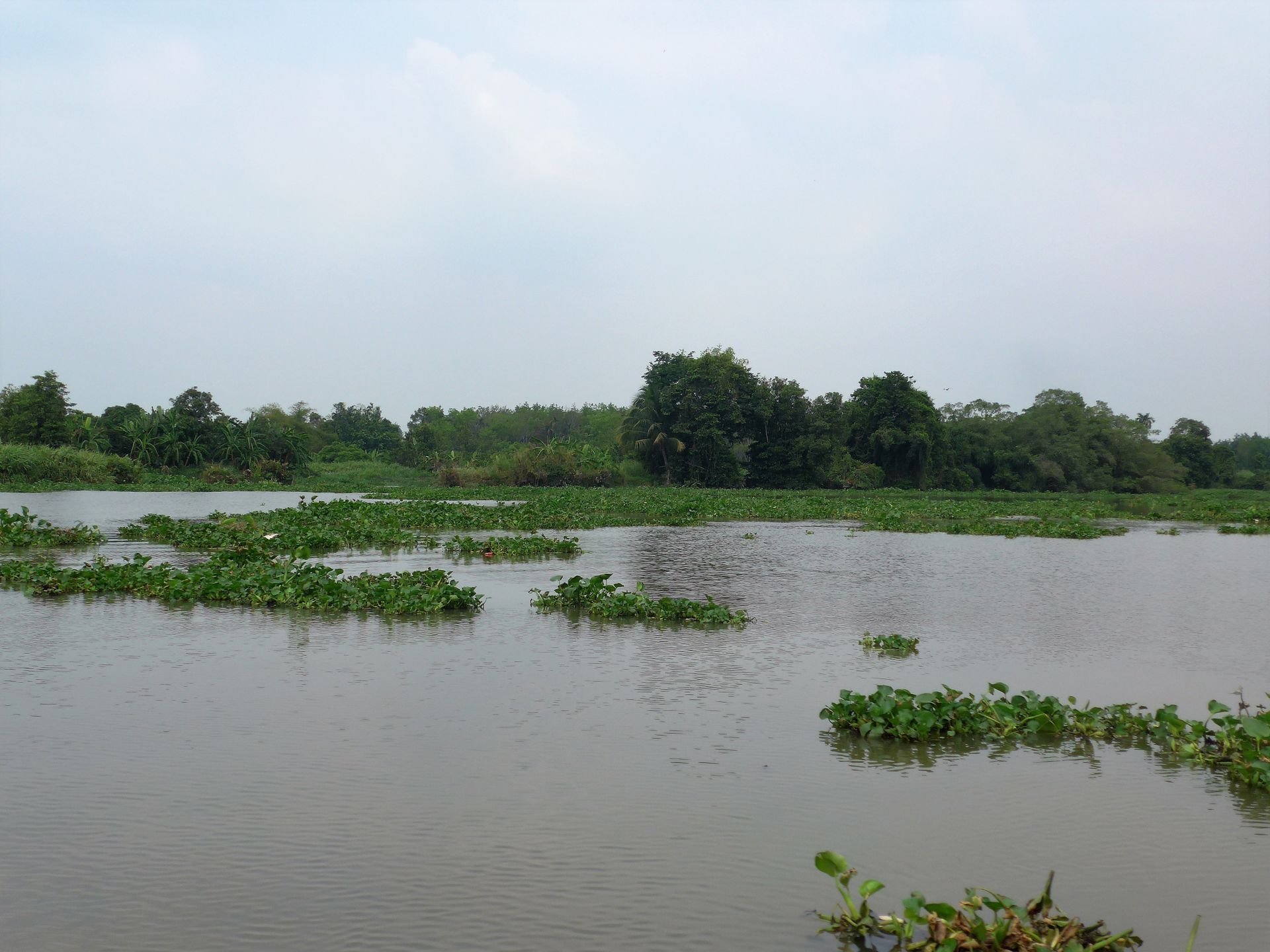
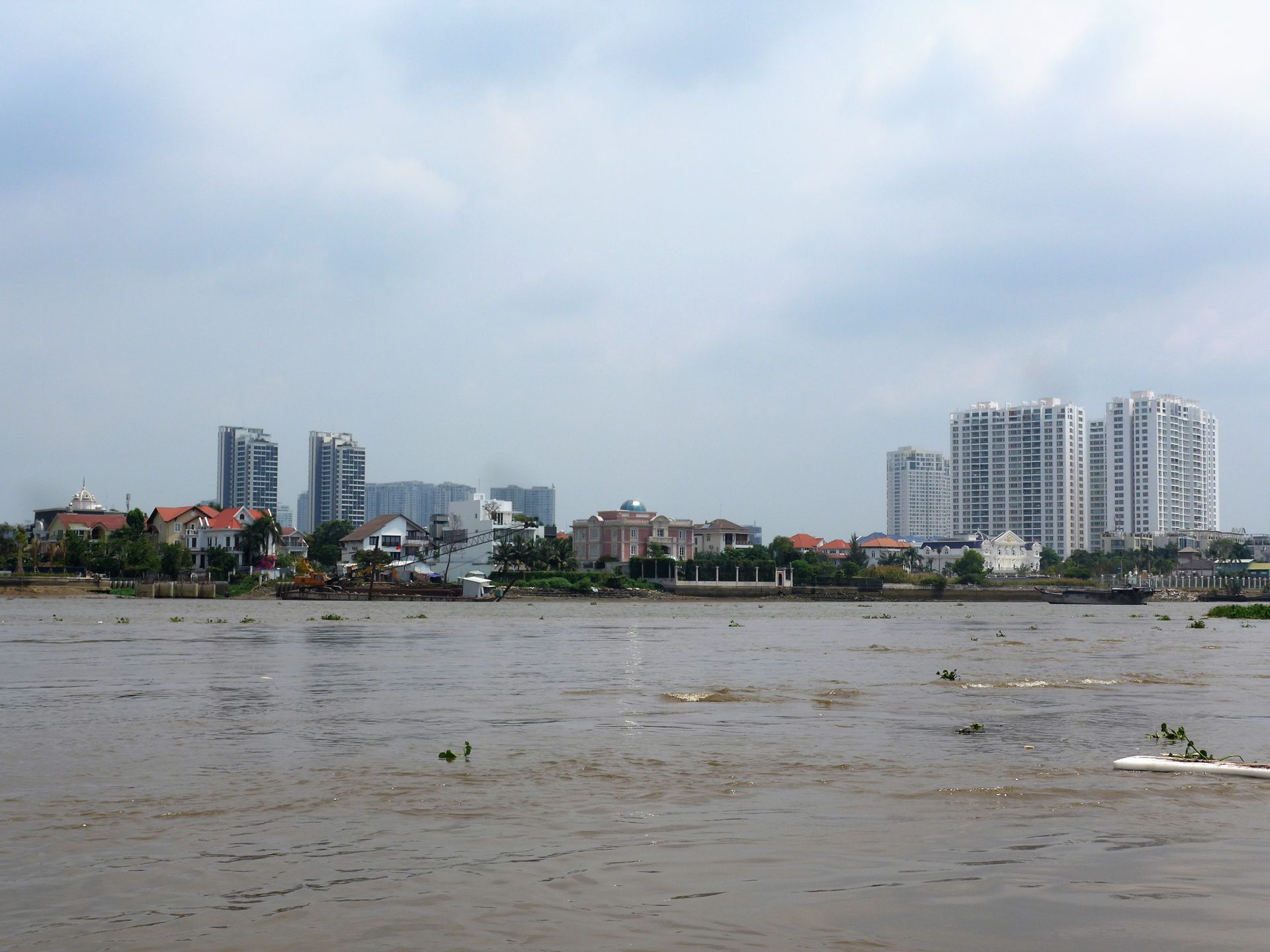
We traveled by speedboat over the Saigon River to the tunnels, 60 km from Saigon.
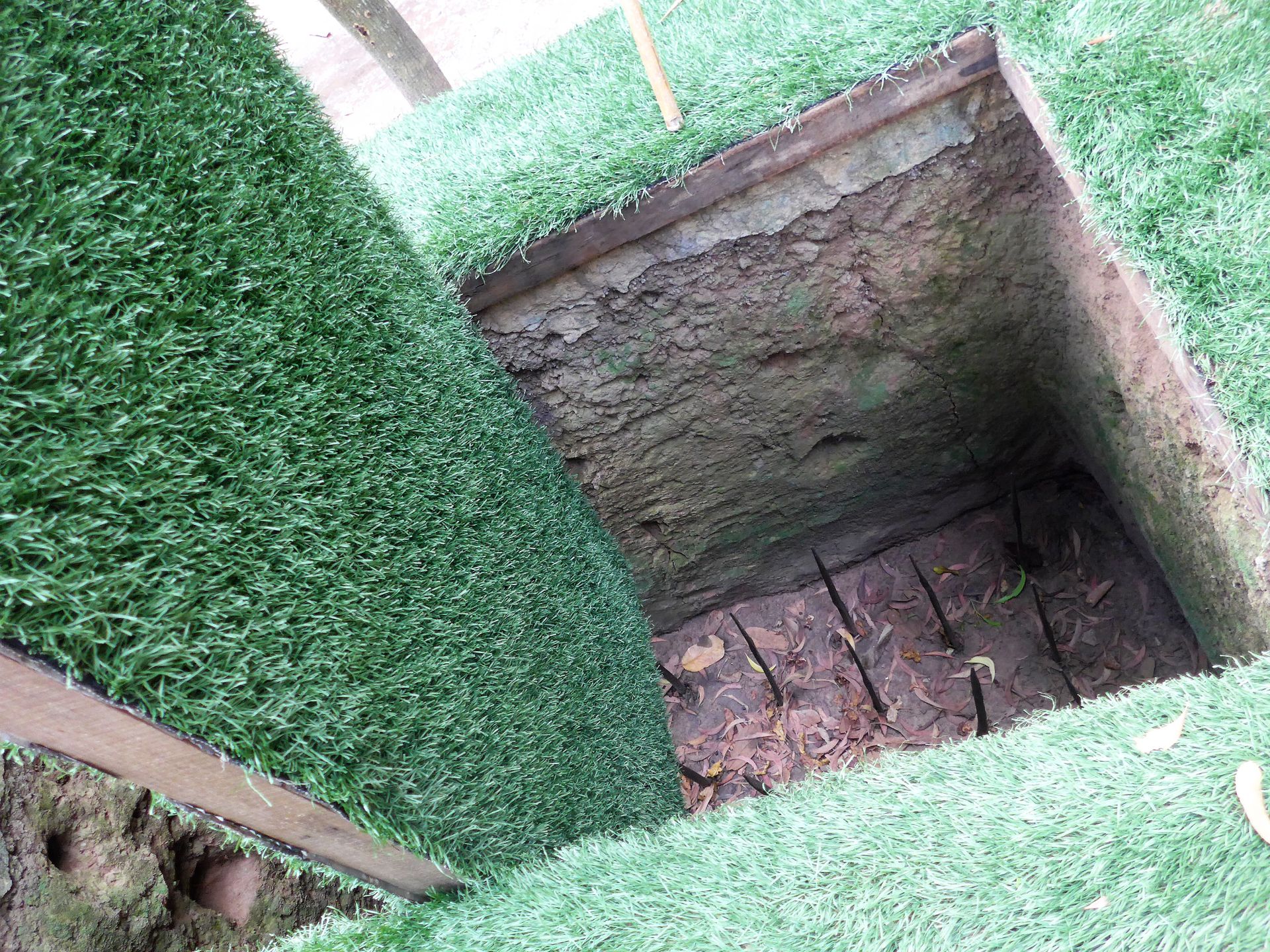
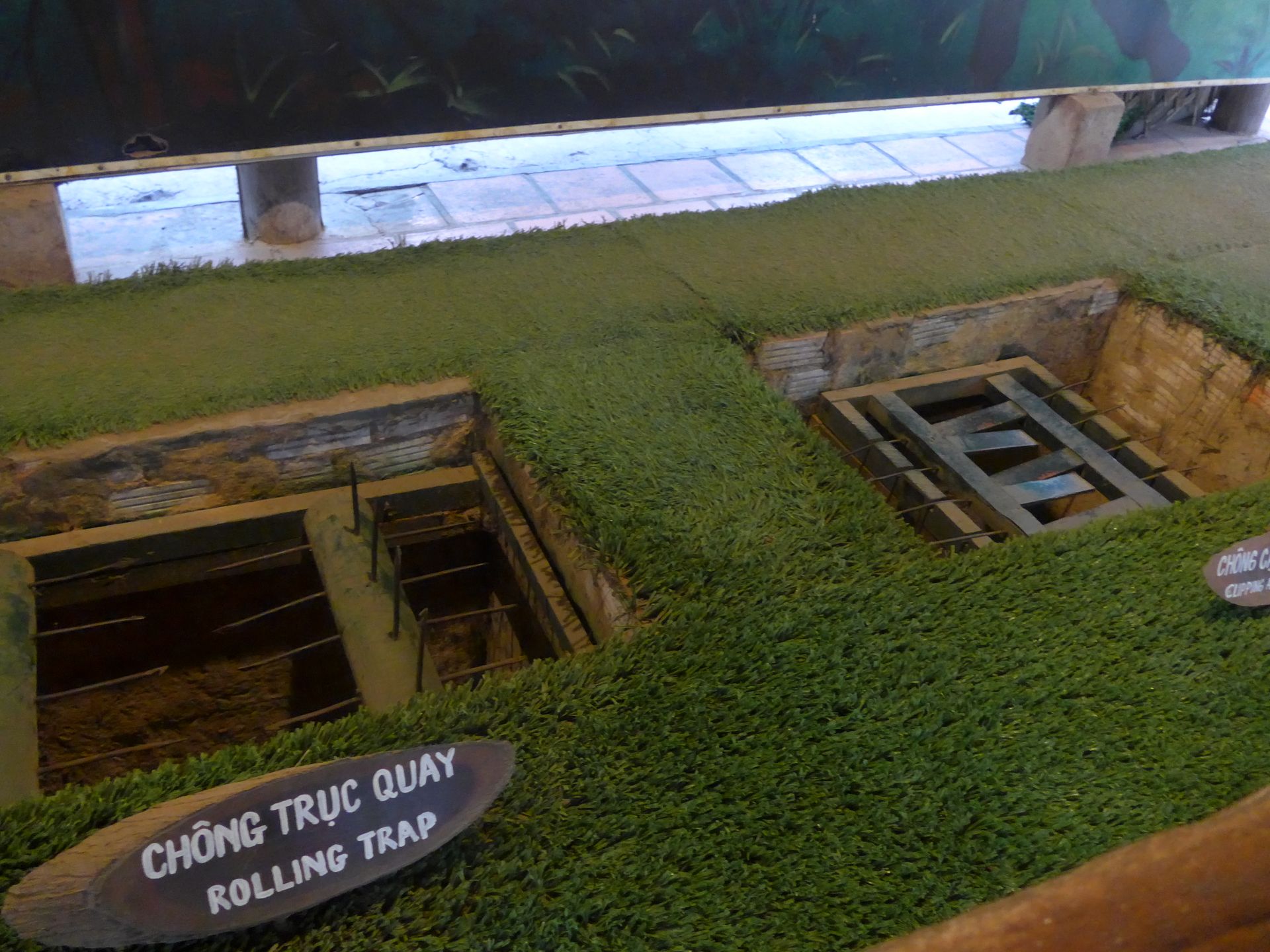
In addition to surprise attacks from the tunnels, the Vietcong also used traps to demoralize and kill their American enemies.
For the tourists who now flock to this area, some of these traps have been recreated, but now they are no longer well camouflaged, but surrounded by fences for safety.
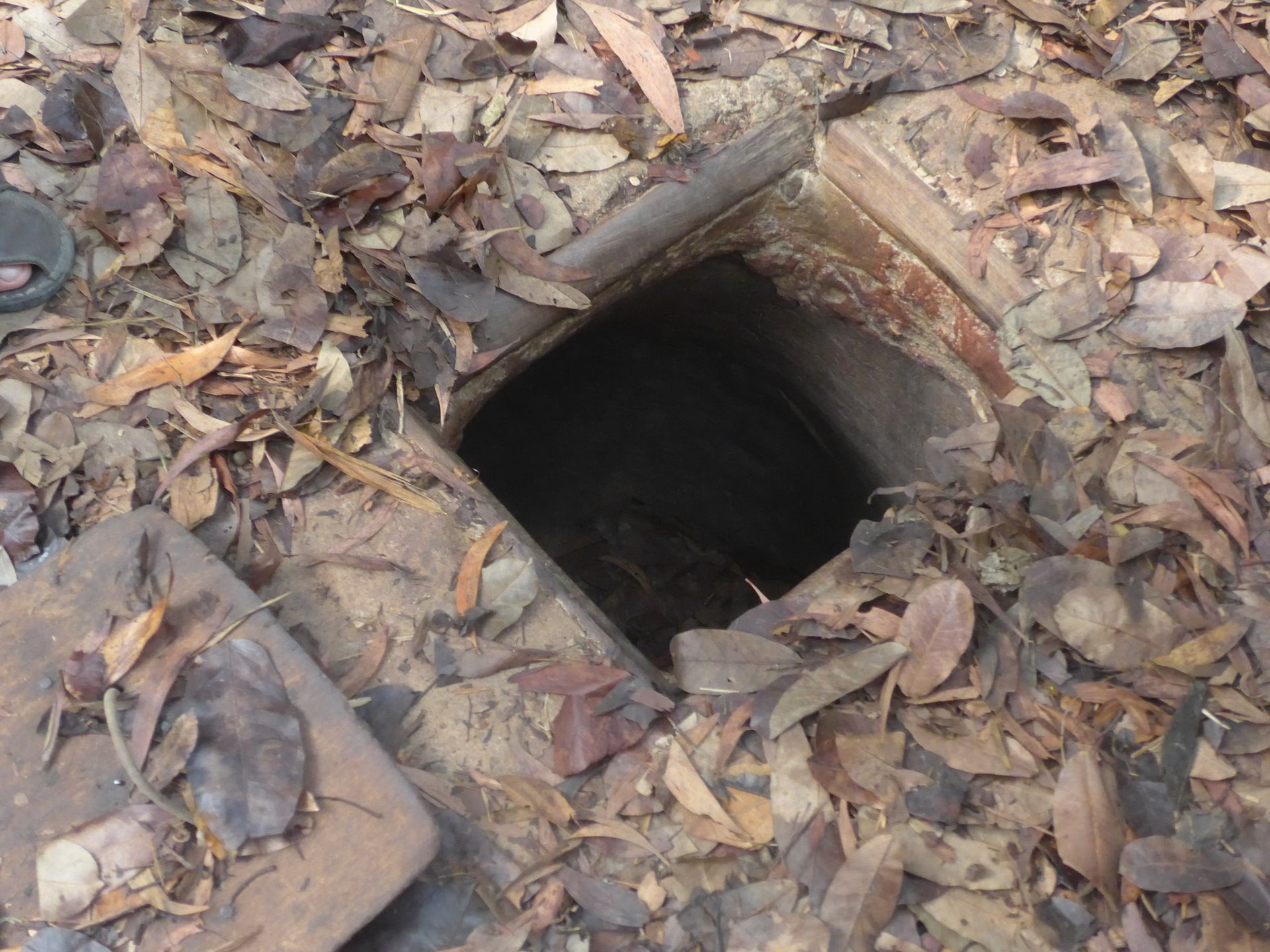
We also saw the small entry hole into one of the tunnels, although no one in our group wanted to try entering after the guide told us about the snakes in the tunnels. The hole was also created for the size of a Vietnamese person rather than for Western body sizes.
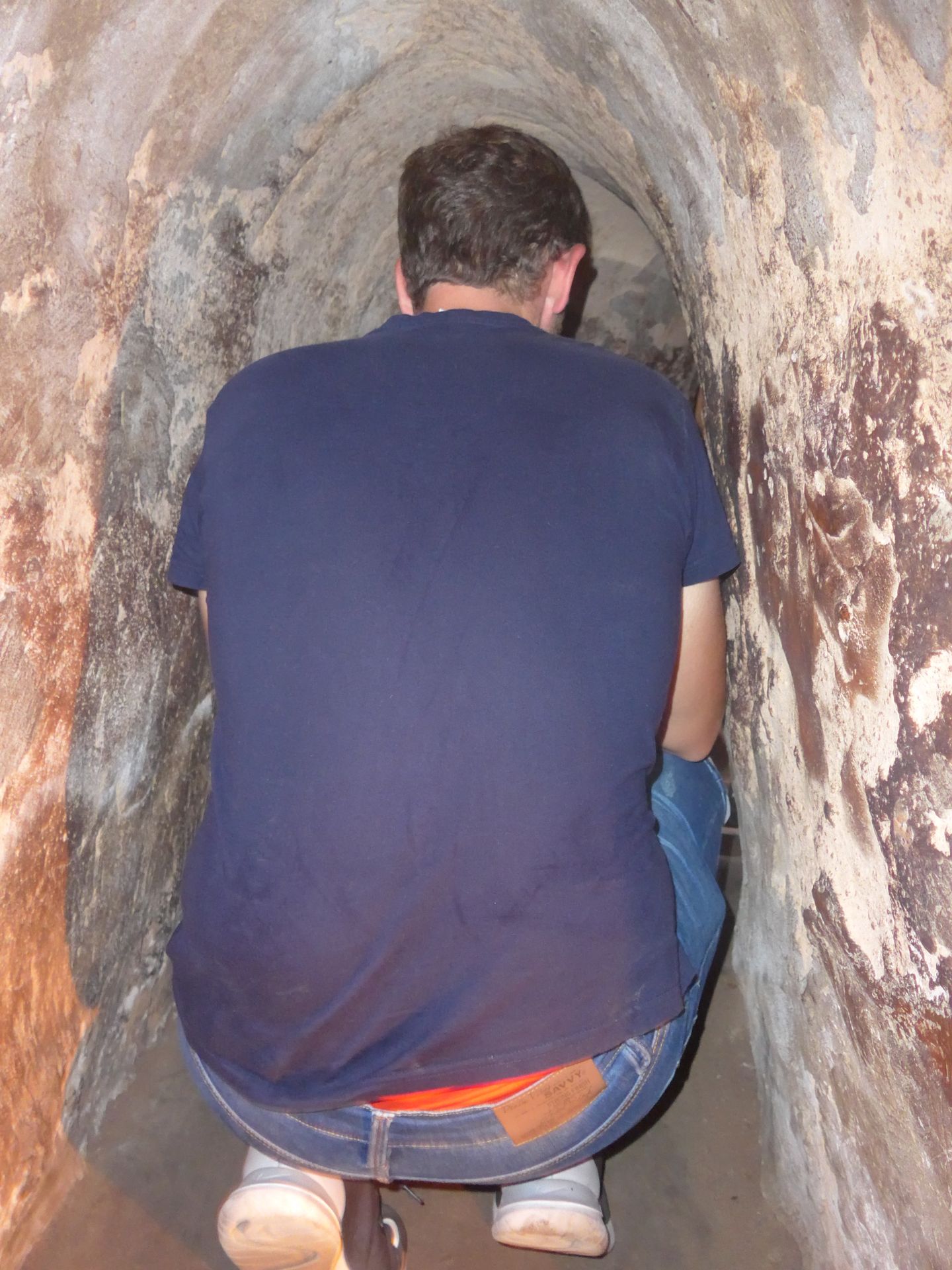
Originally, the tunnels were mostly intended for crawling, so that only two Vietnamese people could pass by each other.
For tourists, a 50-meter long section has been slightly enlarged so that we could also walk through it while ducking.
We found the shooting range a little strange, where you could try out both the rifles used by the Americans and those of the Vietcong at this historic location.
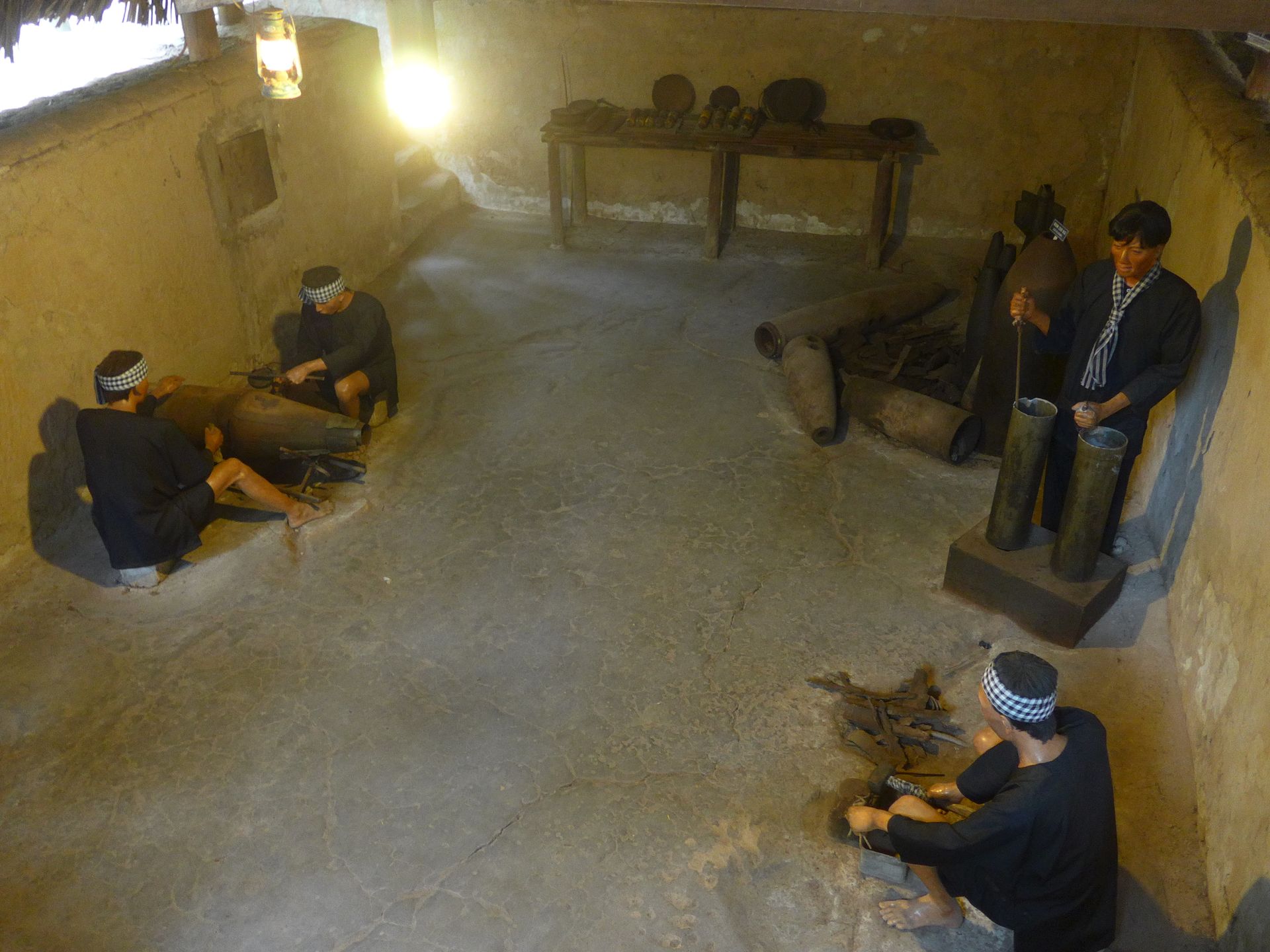
In the former forest, well-developed paths were created leading to various stations that were built for tourists. This allowed us to see the former bunker rooms - now open with a roof - where they were depicted as a medical station or weapons depot.
Finally, there was also a propaganda film from the 1960s of North Vietnam, which promoted the happy life of the fighters underground.
We cannot imagine how difficult life must have been in the dark and narrow spaces. Their whole lives were lived underground. The cooking was done there and the smoke was redirected through vents to avoid revealing the hiding places.
After a lunch by the riverside, we traveled back to Saigon by boat.