

Autostoppende Reise auf Borneo
Da Kuching, la capitale dello stato malese di Sarawak, ho viaggiato in tre tappe per 1000 chilometri in autobus fino al sultanato del Brunei a maggio 2025.
Pubblicato: 16.05.2026
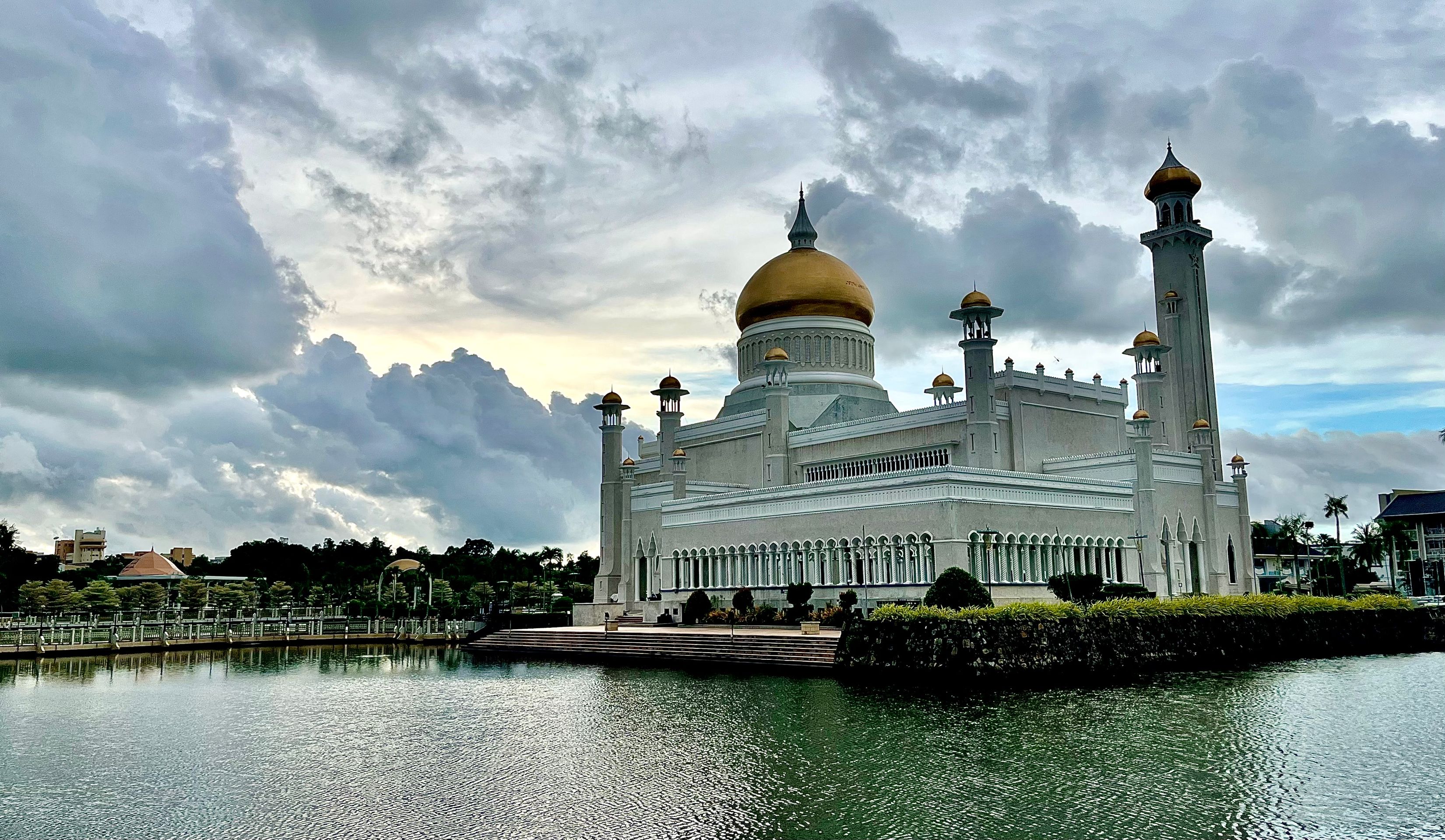
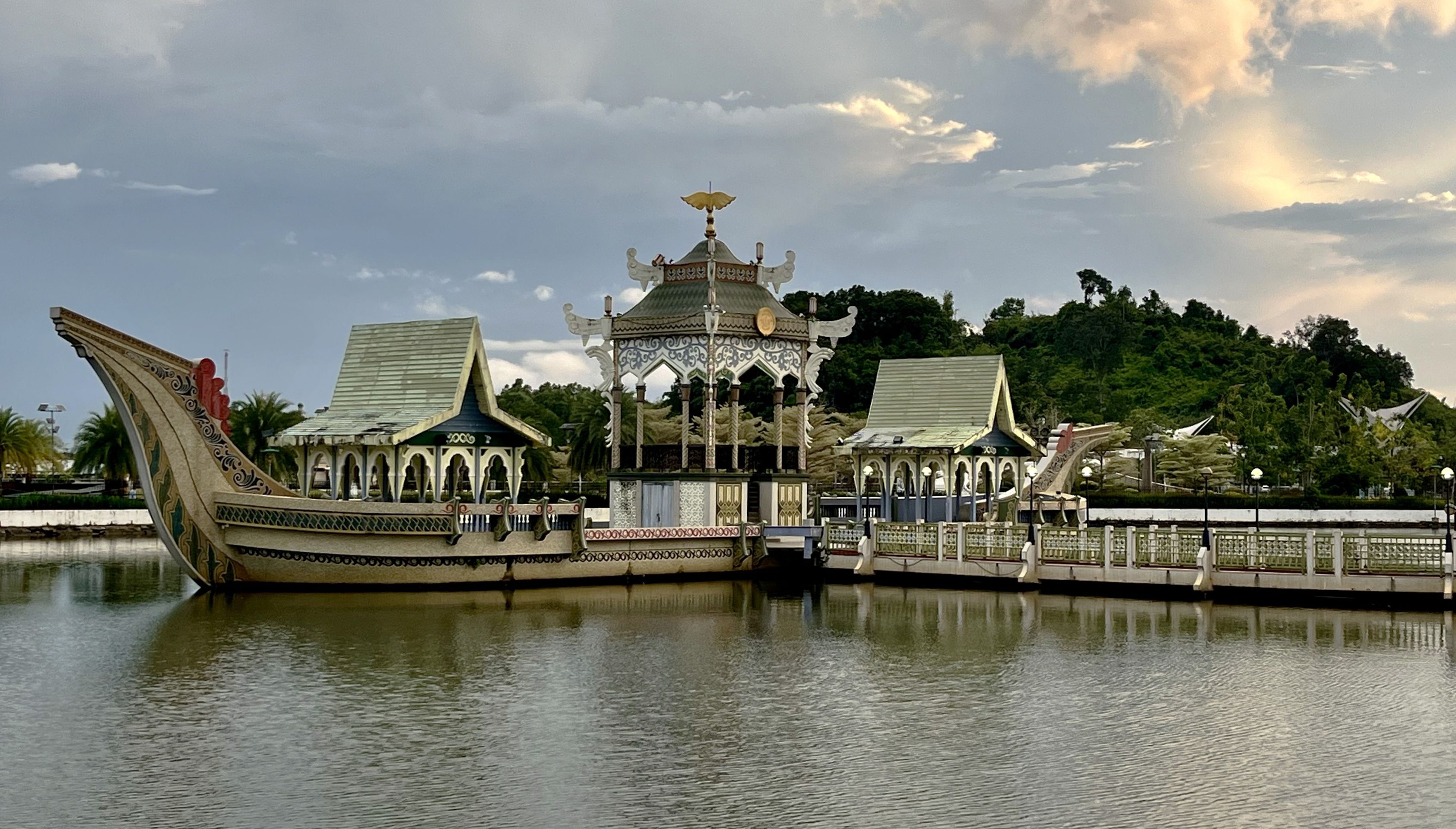
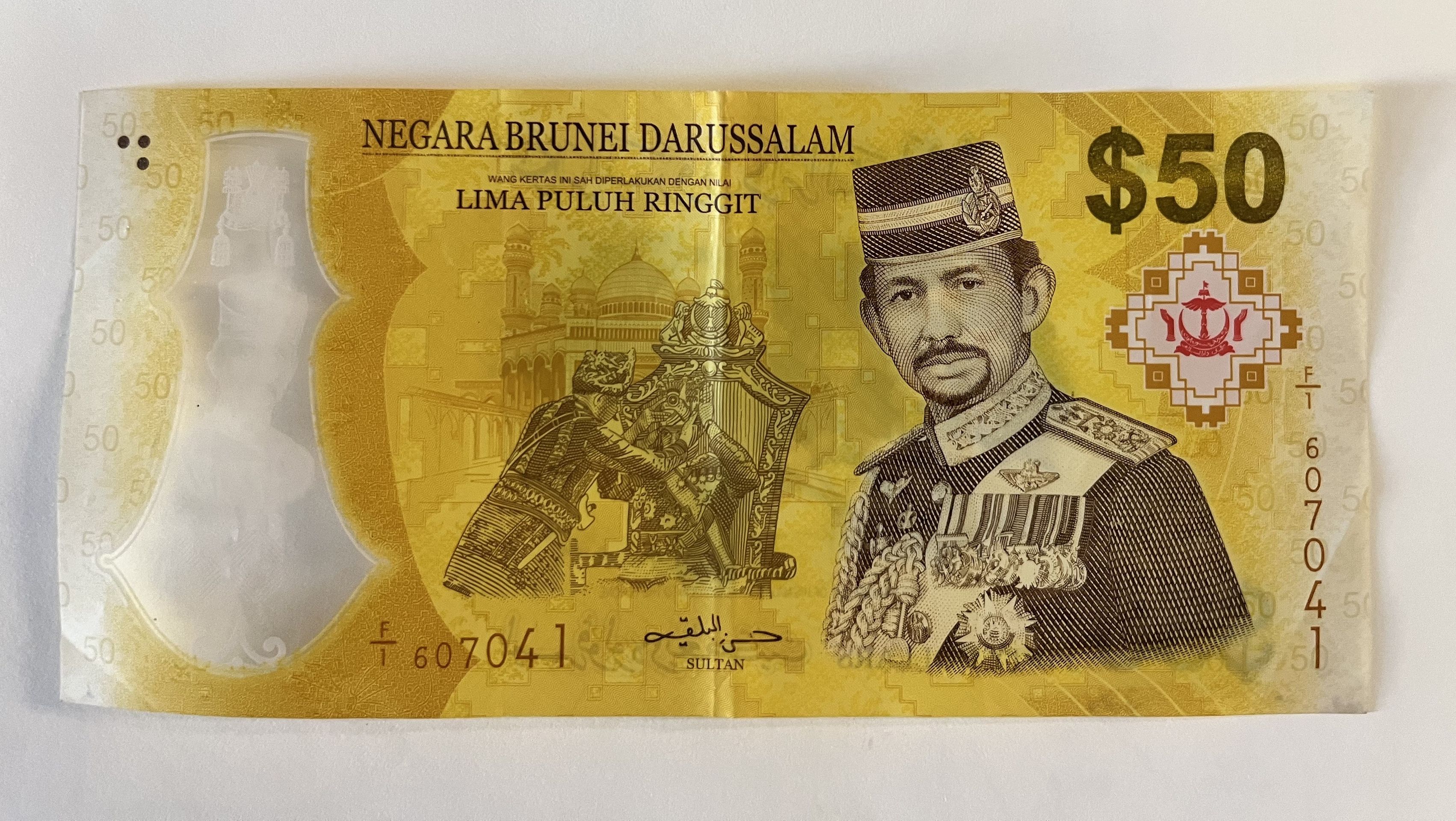
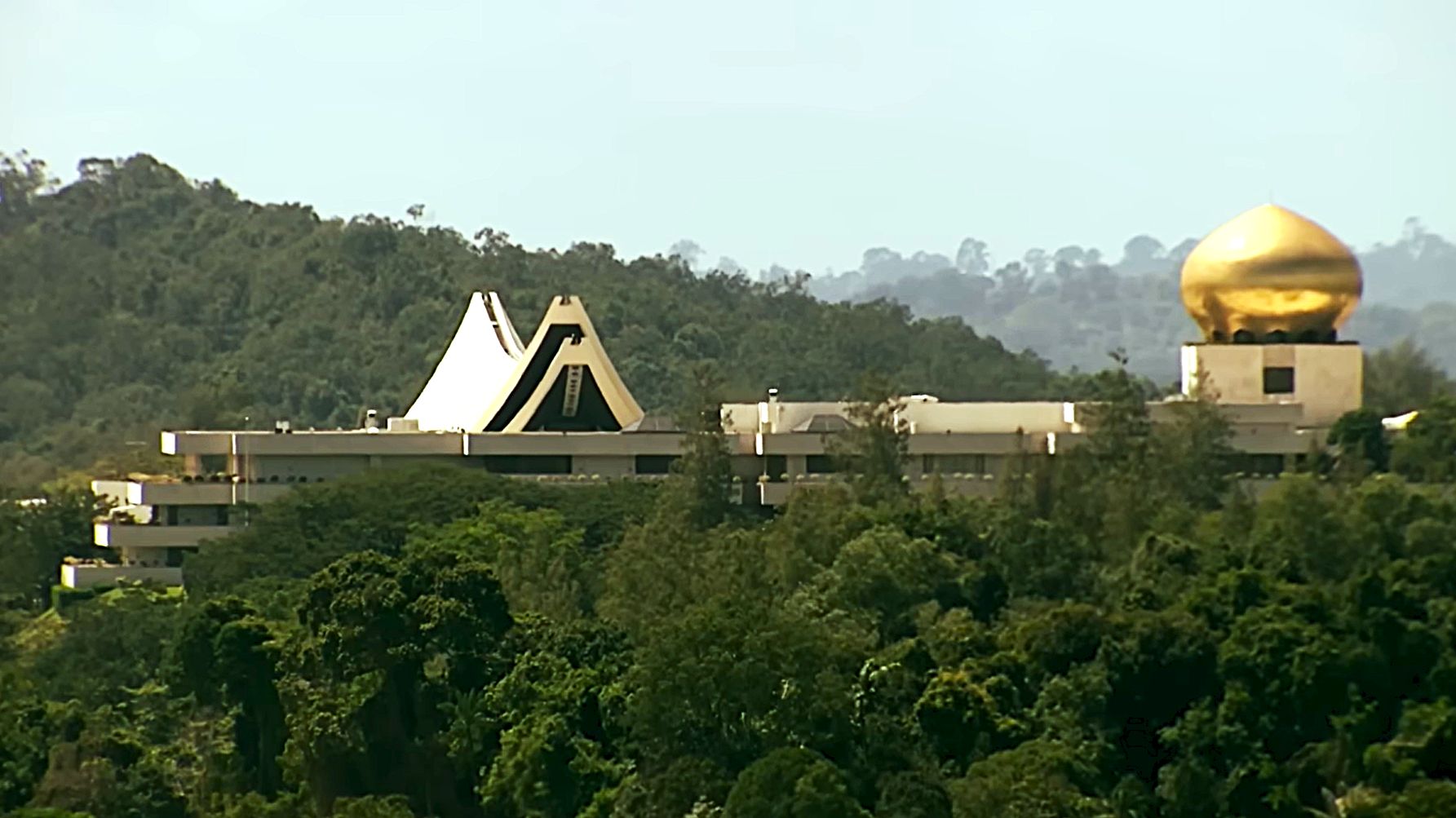
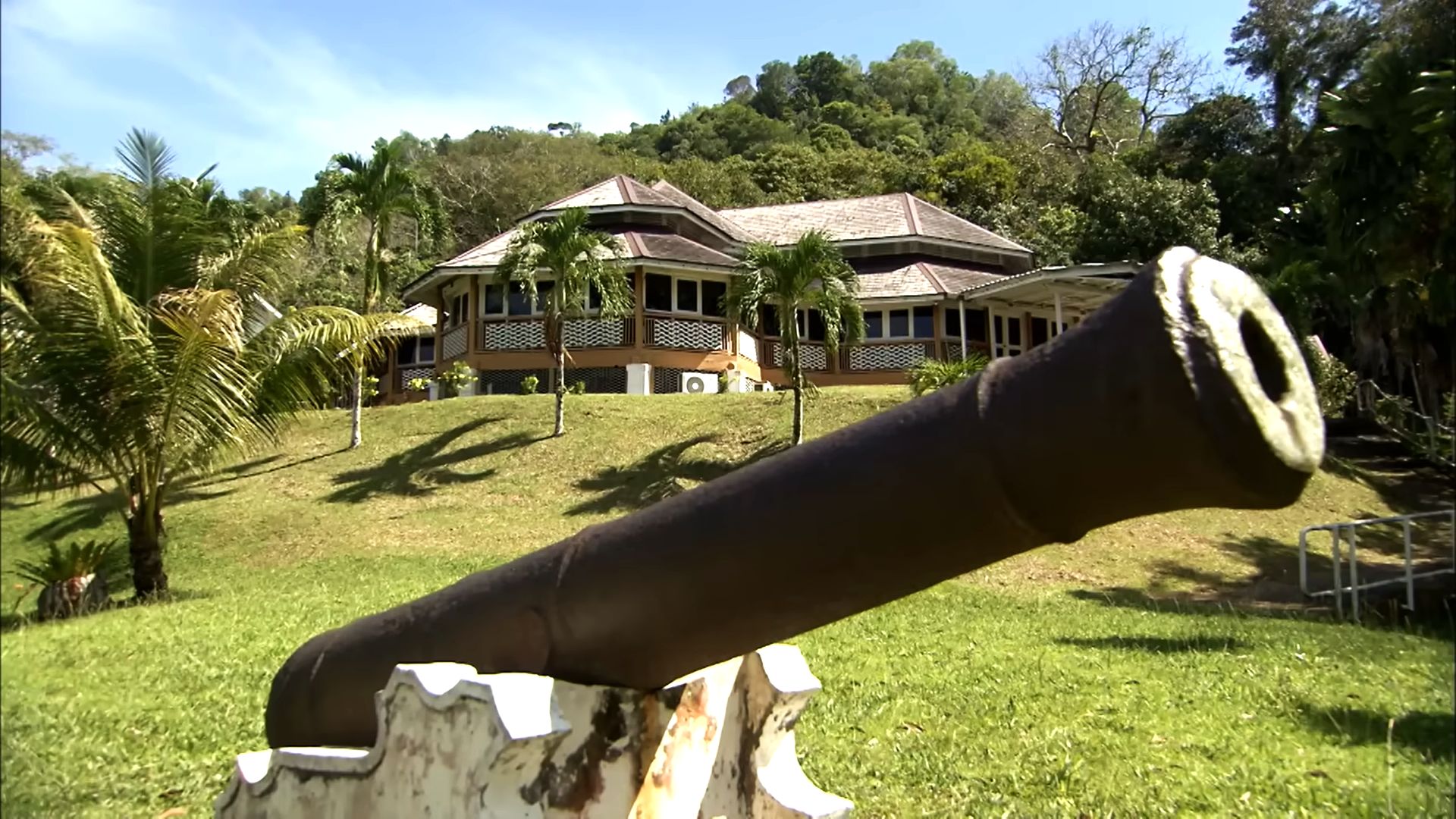
In three stages, I traveled in May 2025 by bus about one thousand kilometers from Kuching, the capital of the Malaysian state of Sarawak, to Brunei on the northern coast of the island of Borneo. Brunei is regarded by travelers as boring and sterile, thus unattractive.
Moreover, there are some disturbing aspects: in 2014, Sharia law was reintroduced, including the death penalty by stoning. Since 2019, homosexuality and adultery can also be punished by death. Not that it concerns me; I am neither gay nor married. But the principle alone puts me off.
However, curiosity prevailed, and after stages in the three Malaysian cities of Simanggang, Sibu, and Bintulu, I arrived on May 11, 2025, in the Sultanate of Brunei, which appears on the map of Borneo like a tiny fly speck, as it is only about the same size as the canton of Bern (or, for German readers: twice the size of Saarland) and has barely half the number of residents as both the German state and the Swiss canton, namely less than 500,000.
As I said, I imagined Brunei to be austere, rigid, and anti-pleasure. While it is easy to stock up on alcohol in Malaysia, which is also predominantly Muslim, if one wishes, it is frowned upon in the absolutist Islamic monarchy of Brunei. Even smoking is prohibited - a unique phenomenon worldwide.
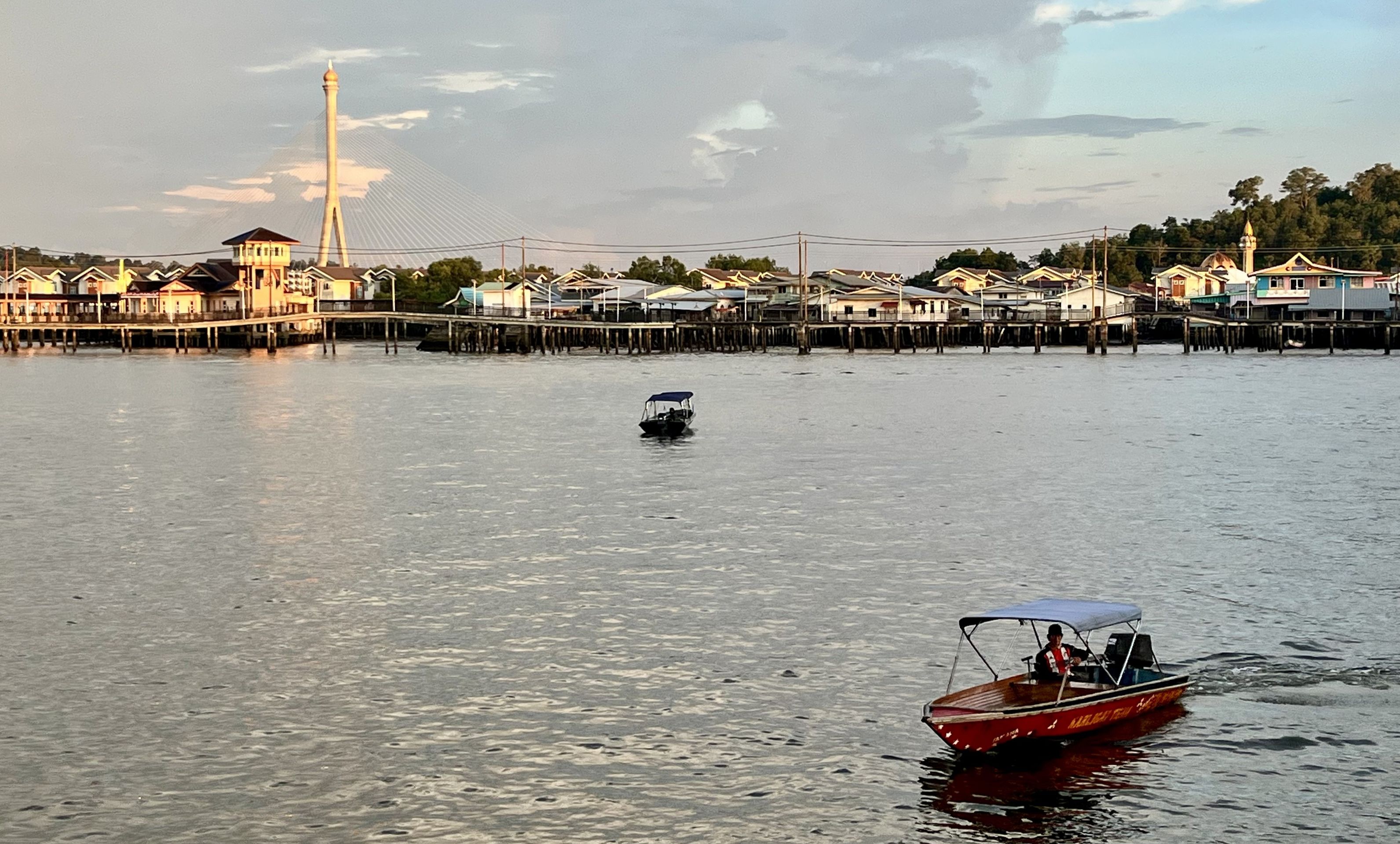
I had to revise my first prejudice already on the first evening during a walk along the waterfront, the generously developed bank of the Brunei River in the capital Bandar Seri Begawan. Here, half the nation jogs at sunset. And while many women wear headscarves - face veils are hardly seen - others run past me in shorts and T-shirts. One would never see such a thing in rigid Saudi Arabia or the Iran or Afghanistan ruled by religious fanatics.
Outside the comfort zone
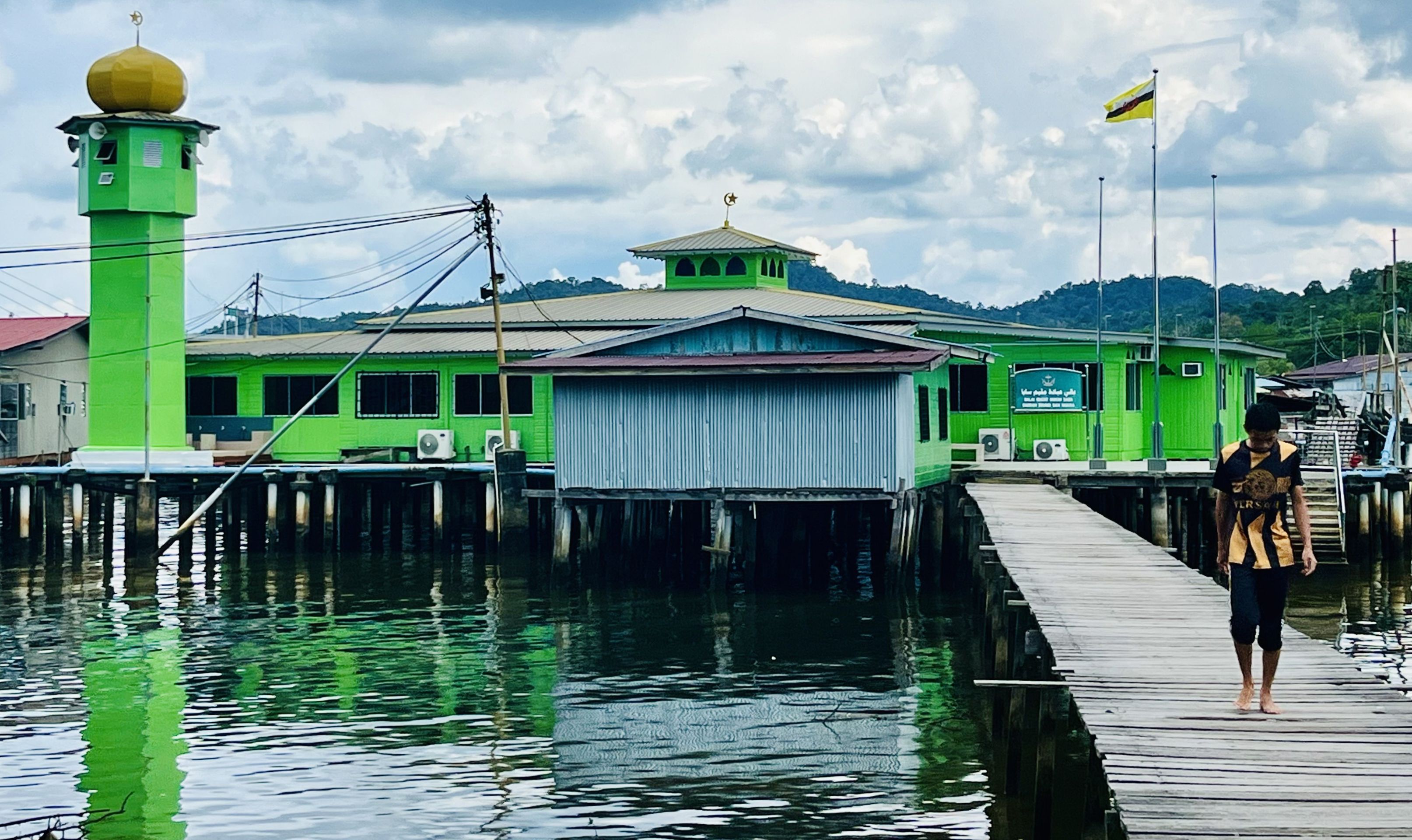
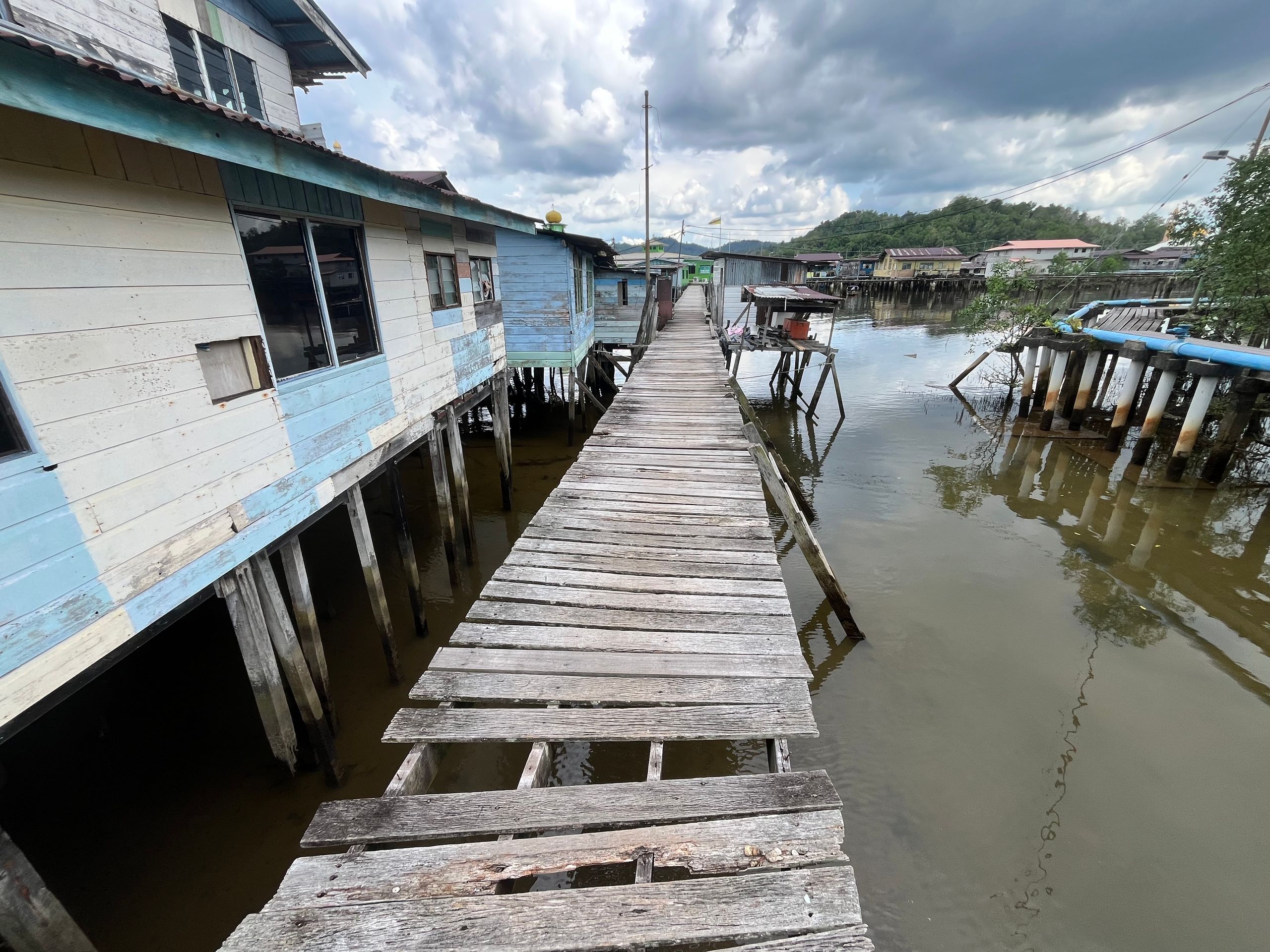
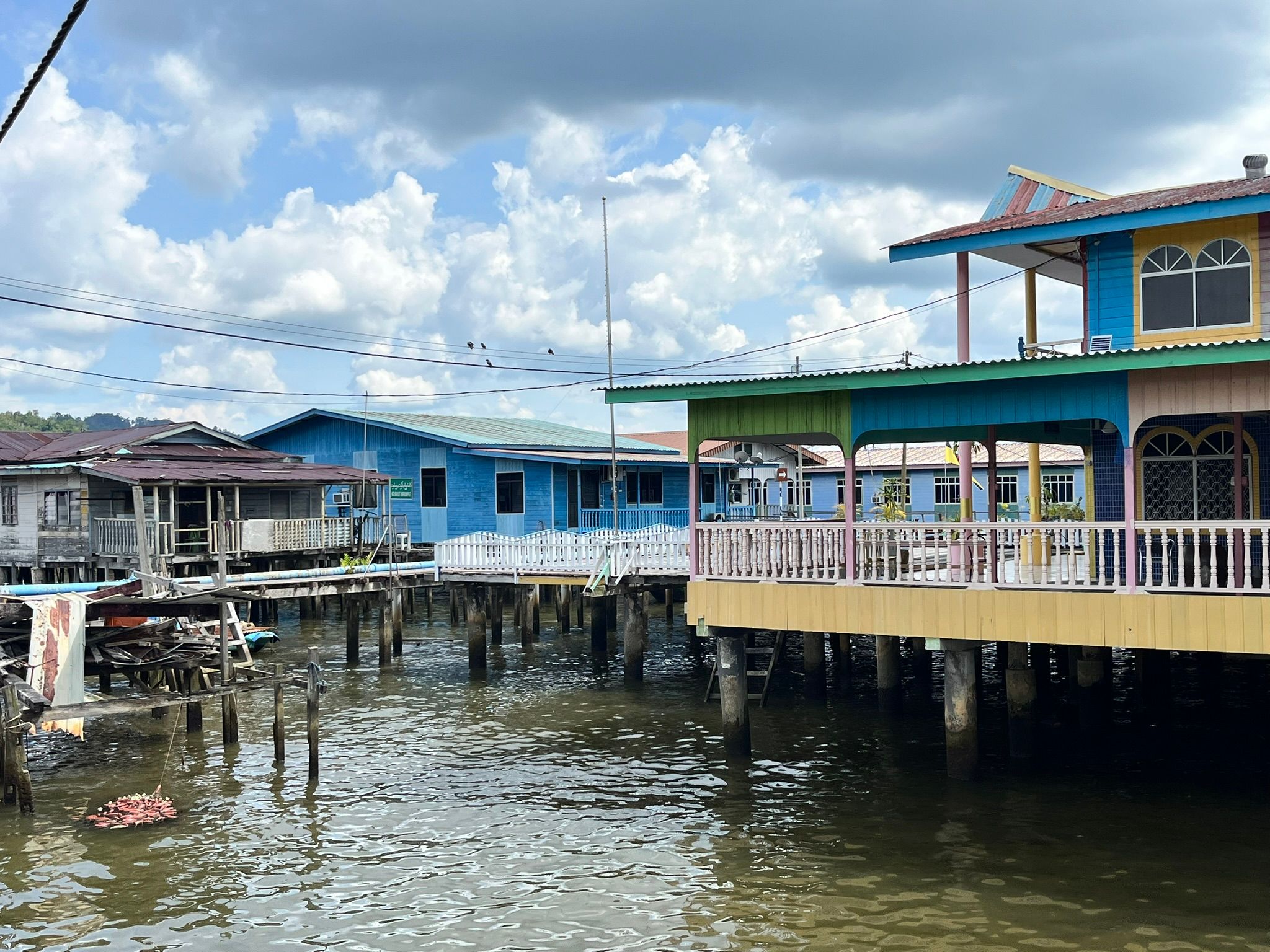
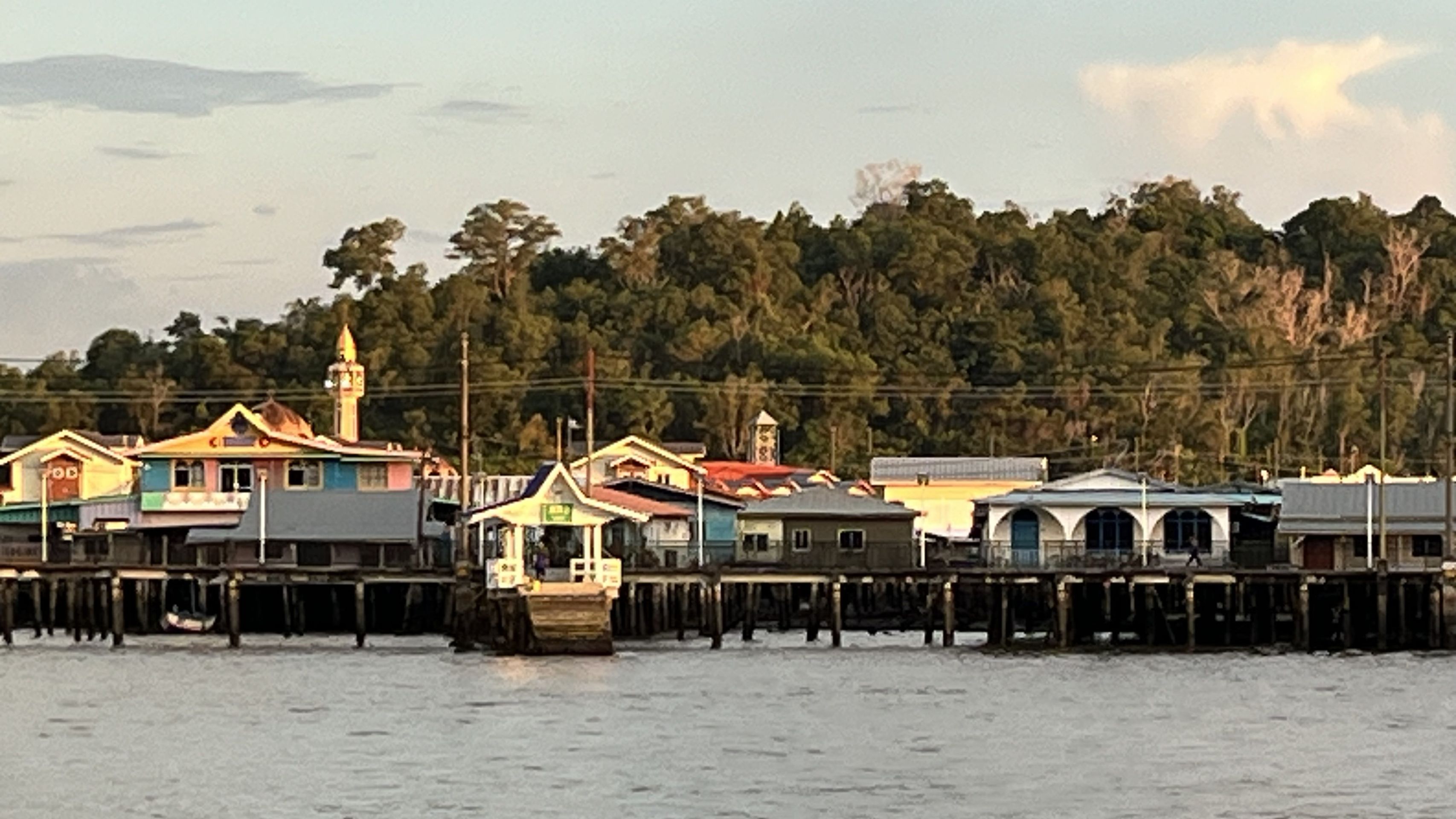
From the aforementioned promenade, one can see a huge stilt house settlement on the opposite bank of the river. To visit this primordial quarter called