Cusco
Excellent.

Pubblicato: 18.12.2024
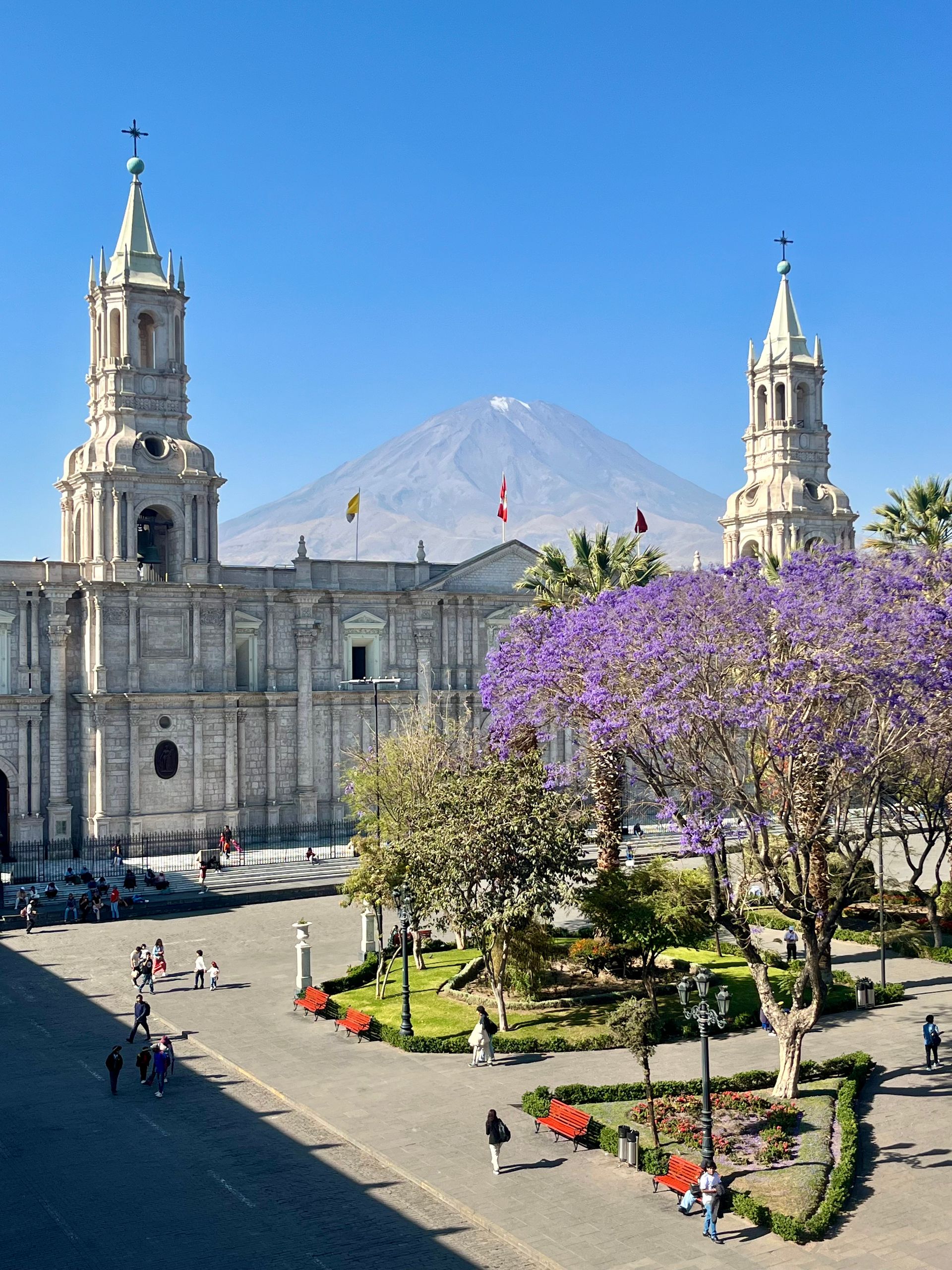
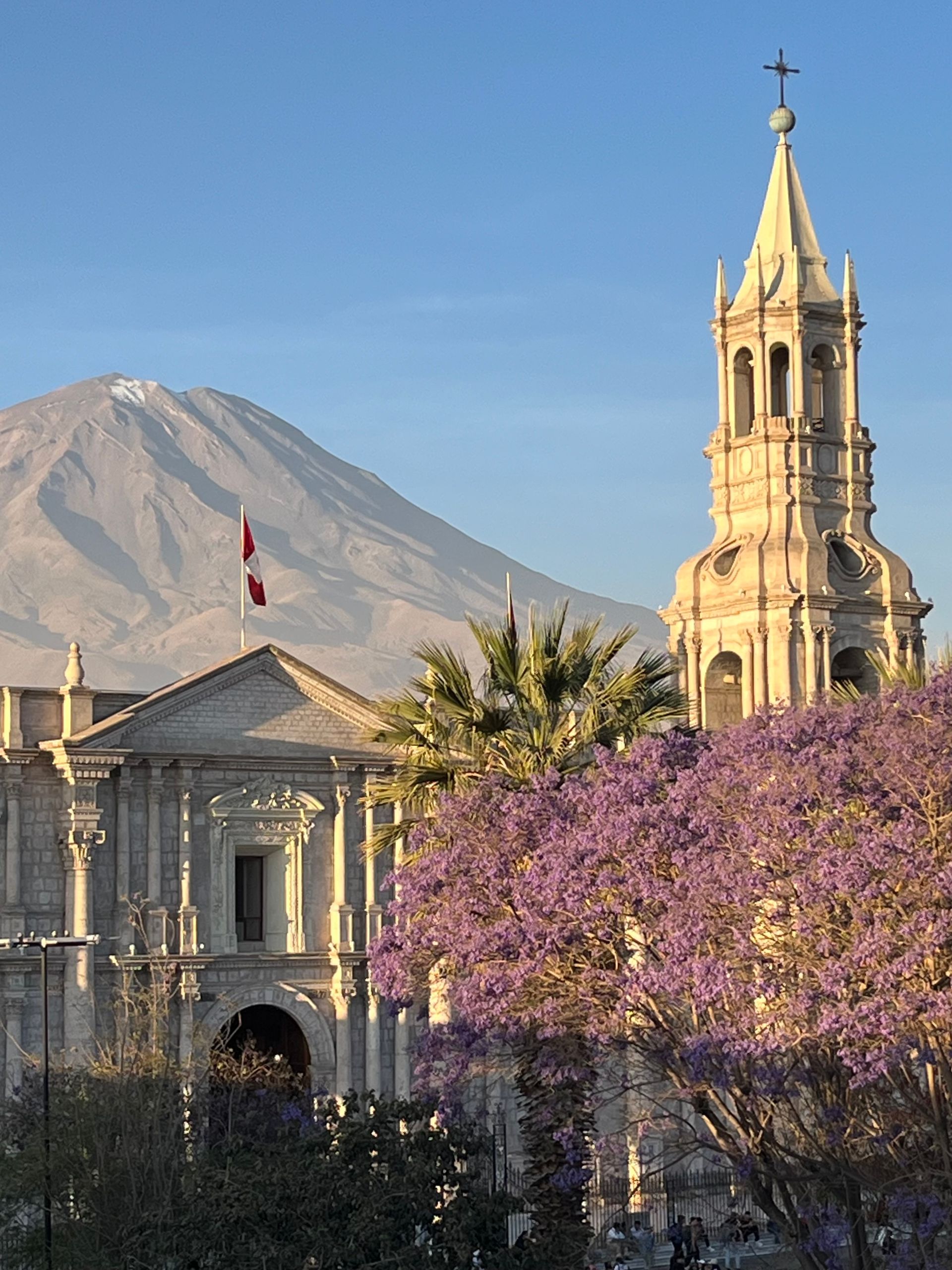
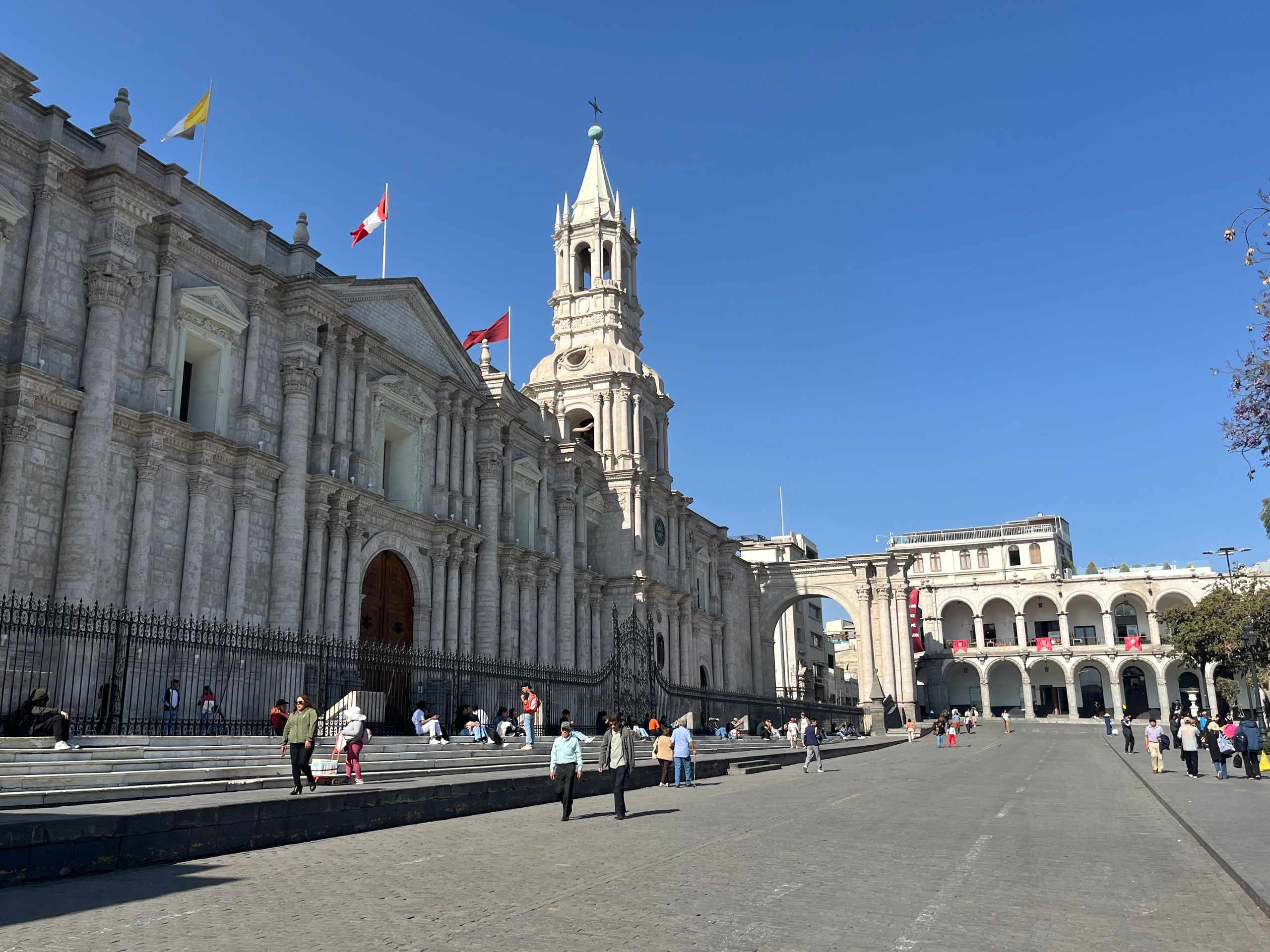
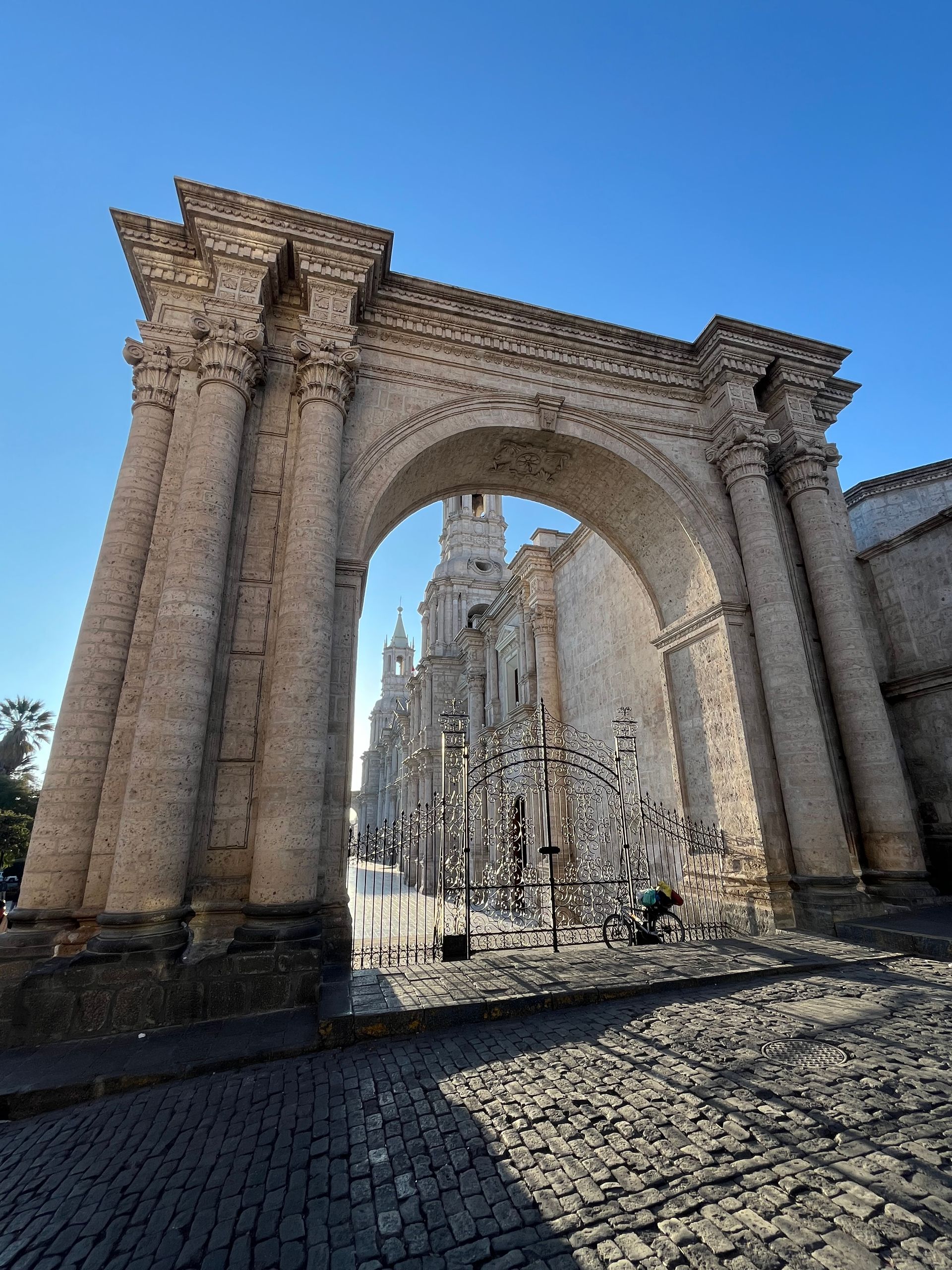
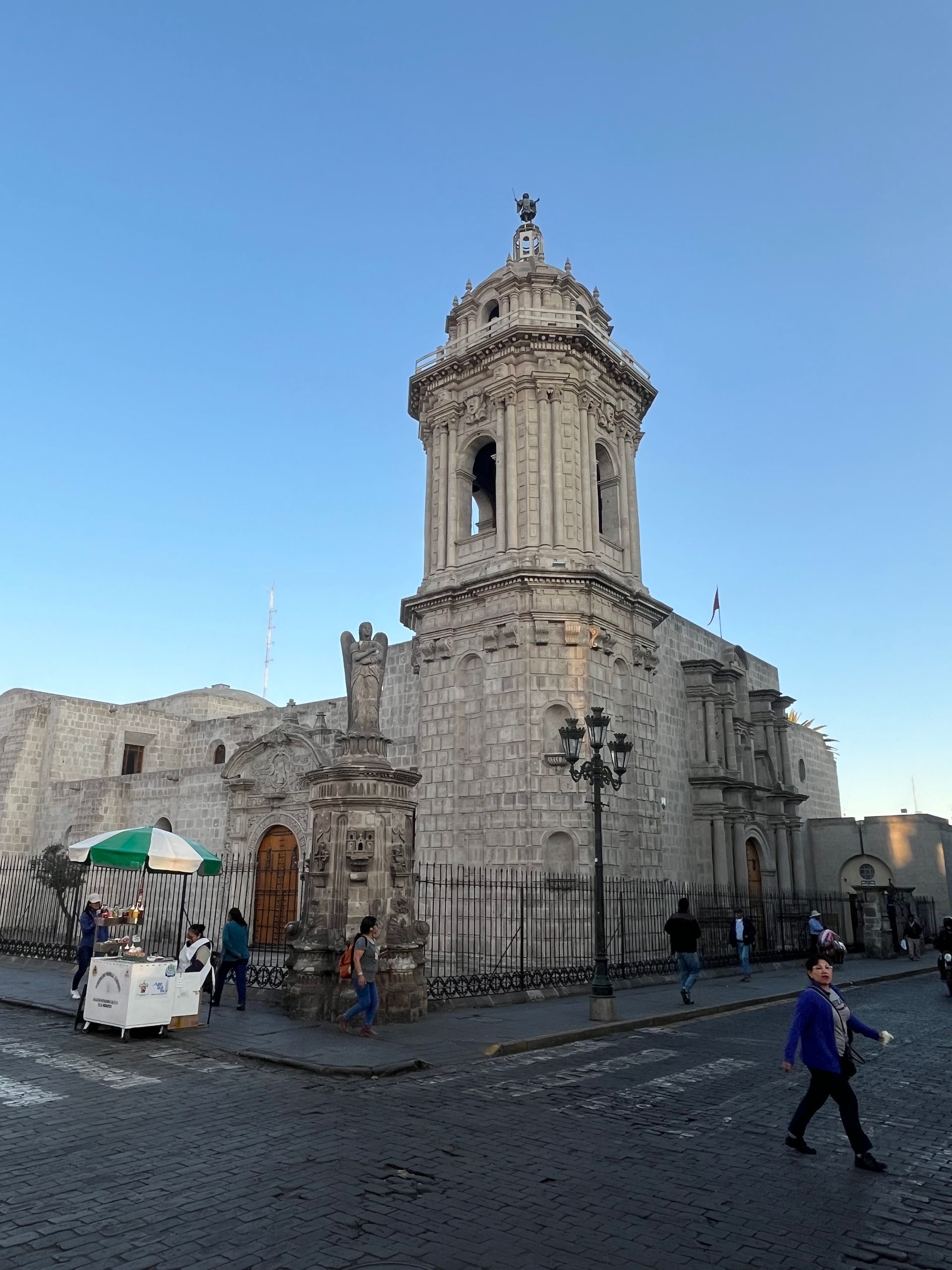
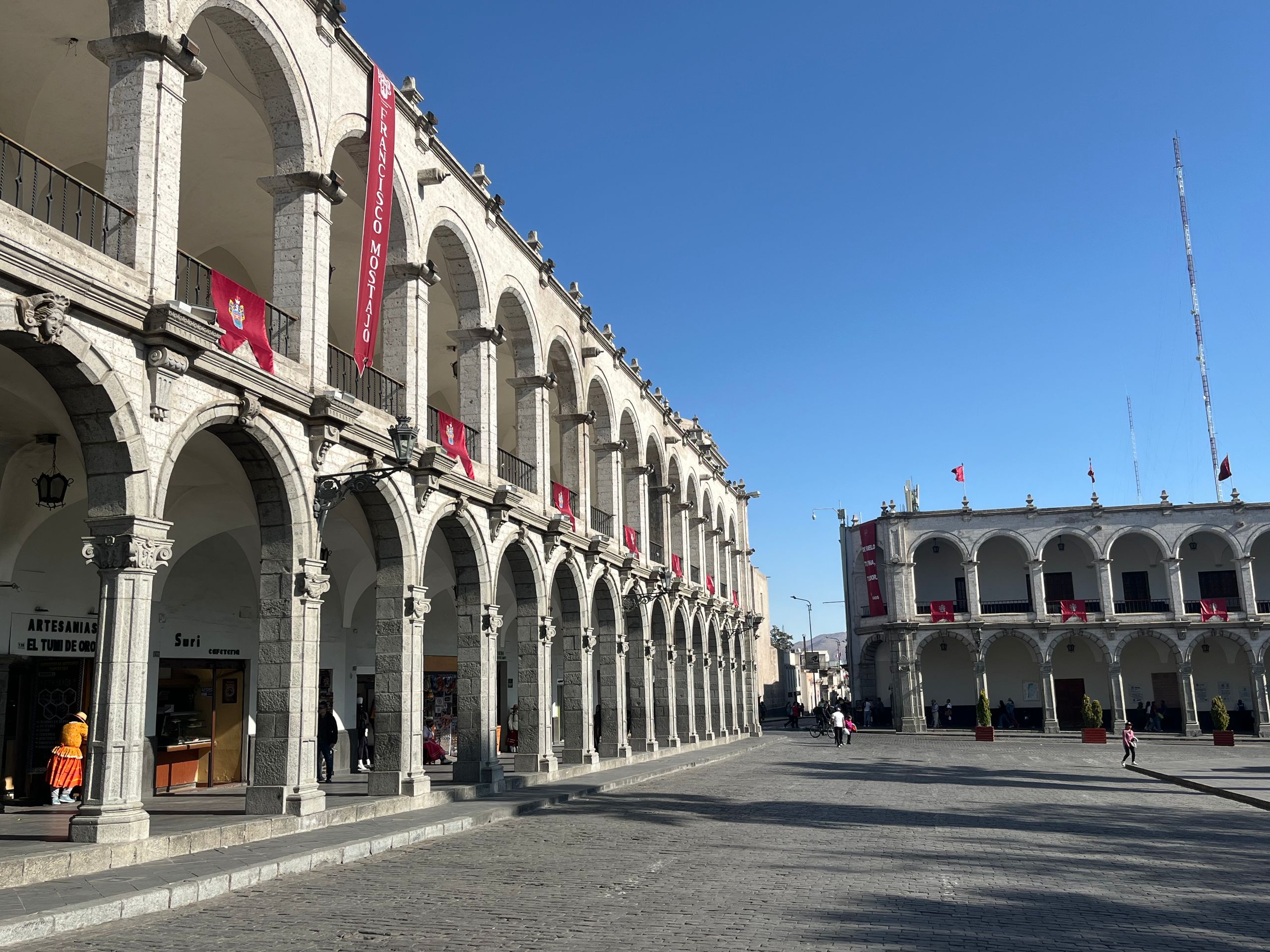
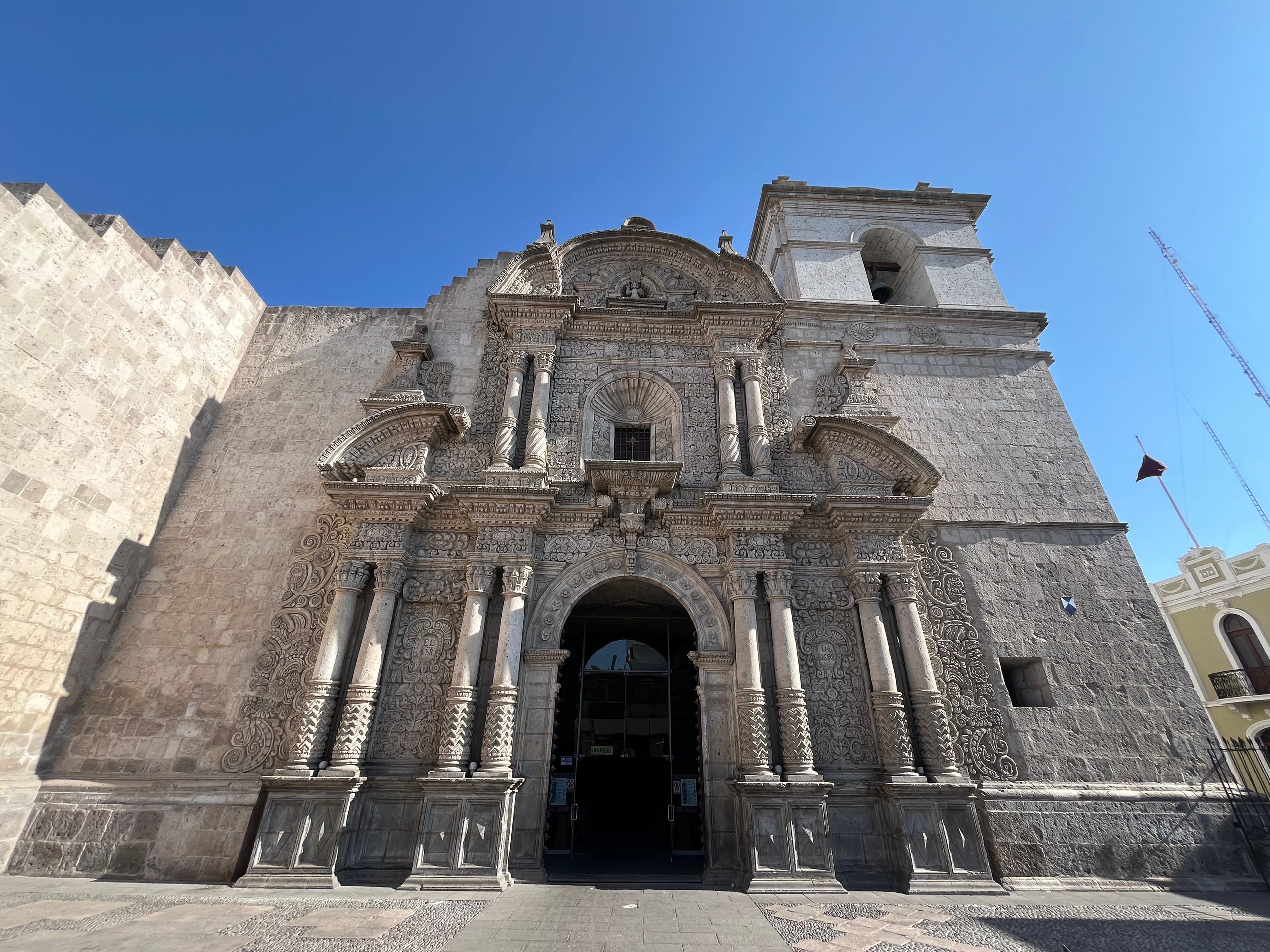
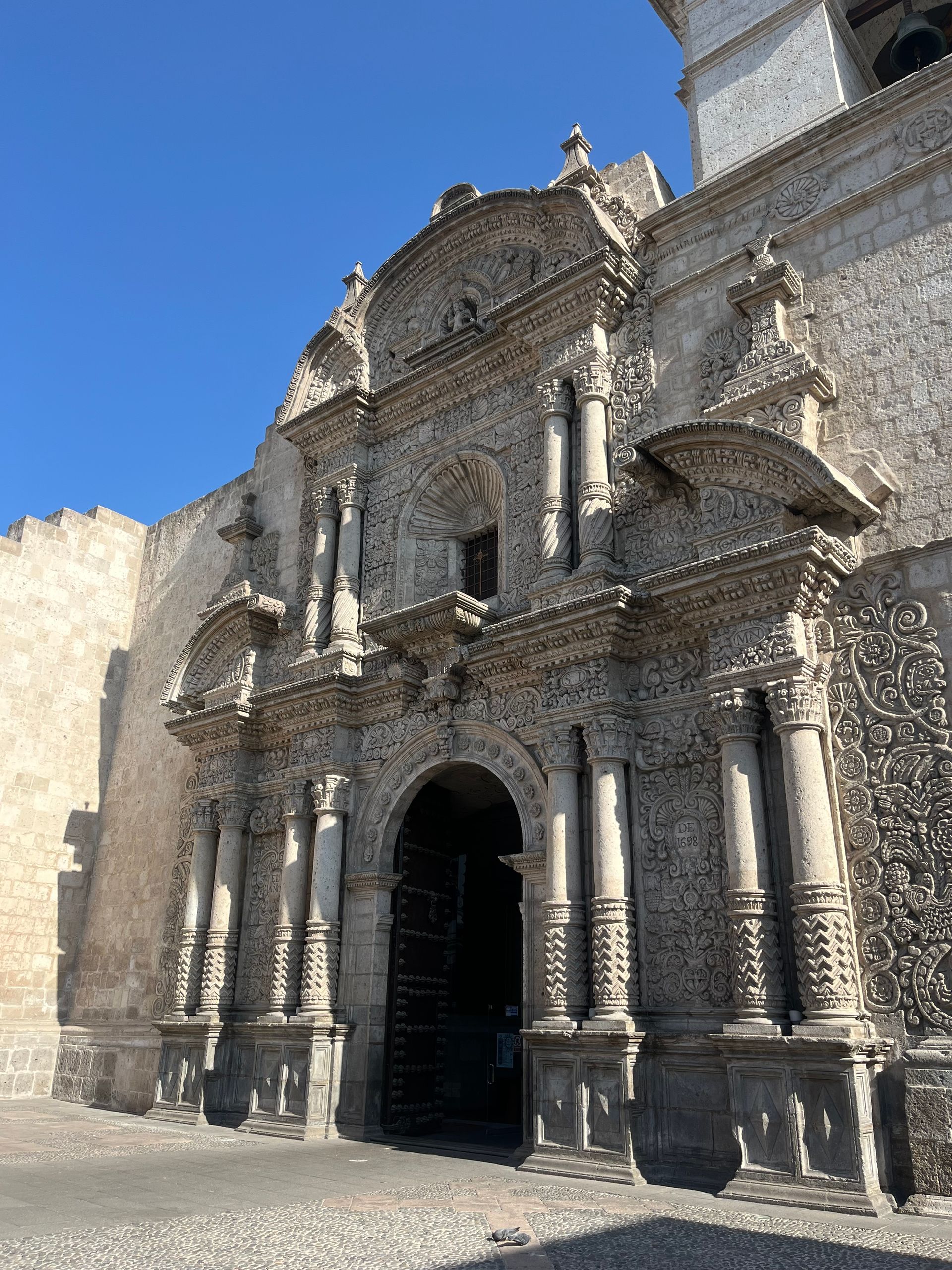
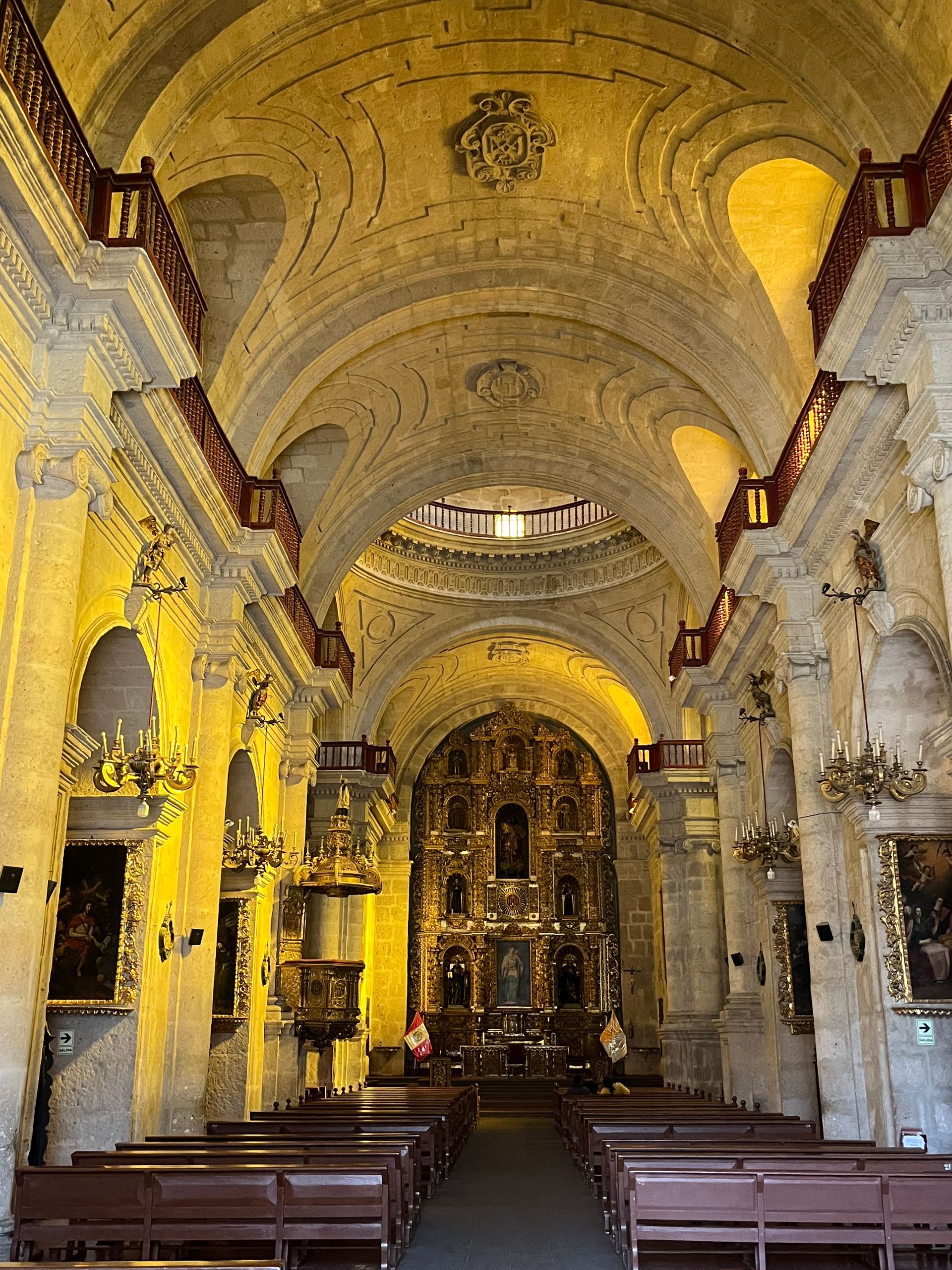
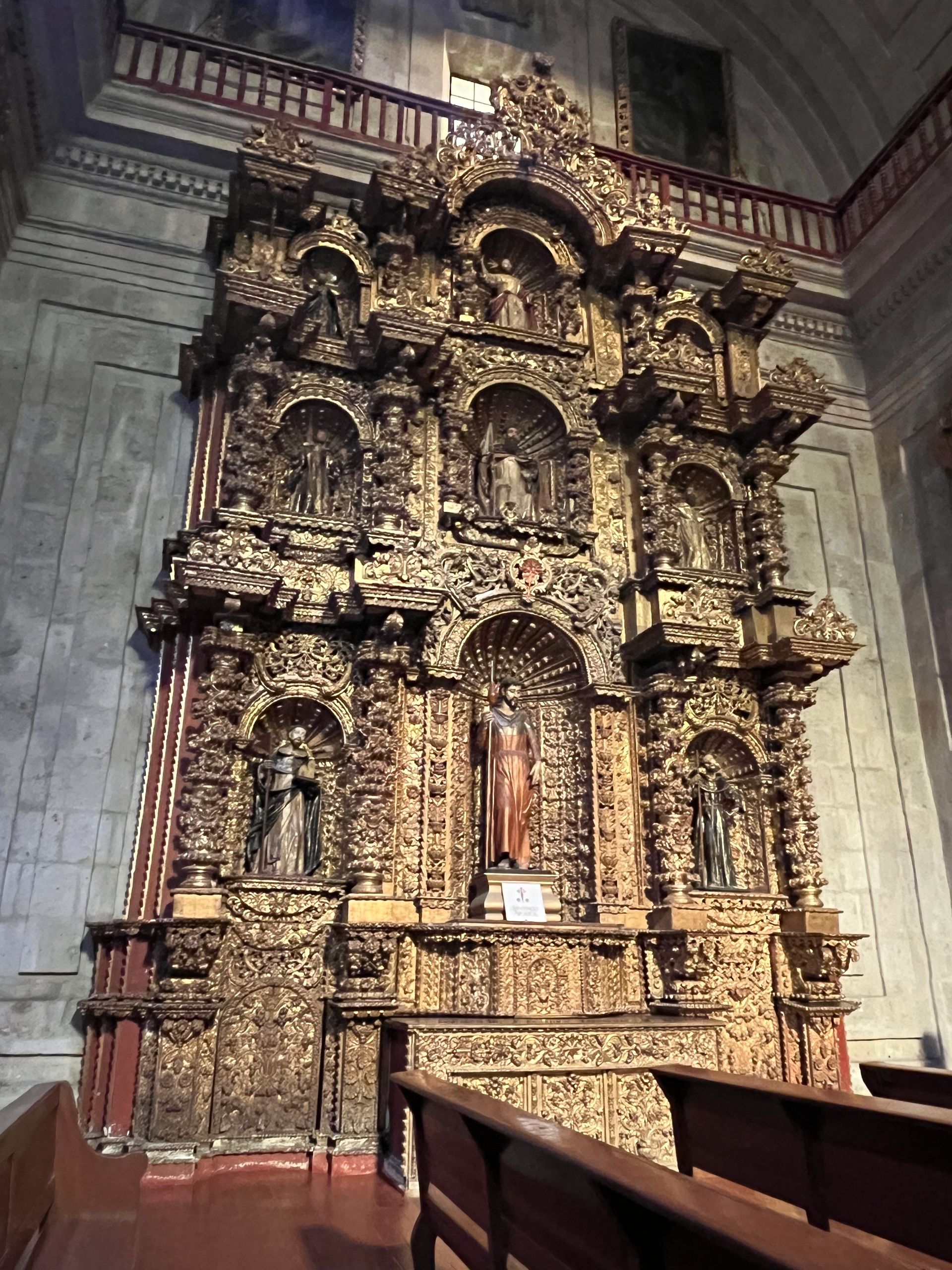
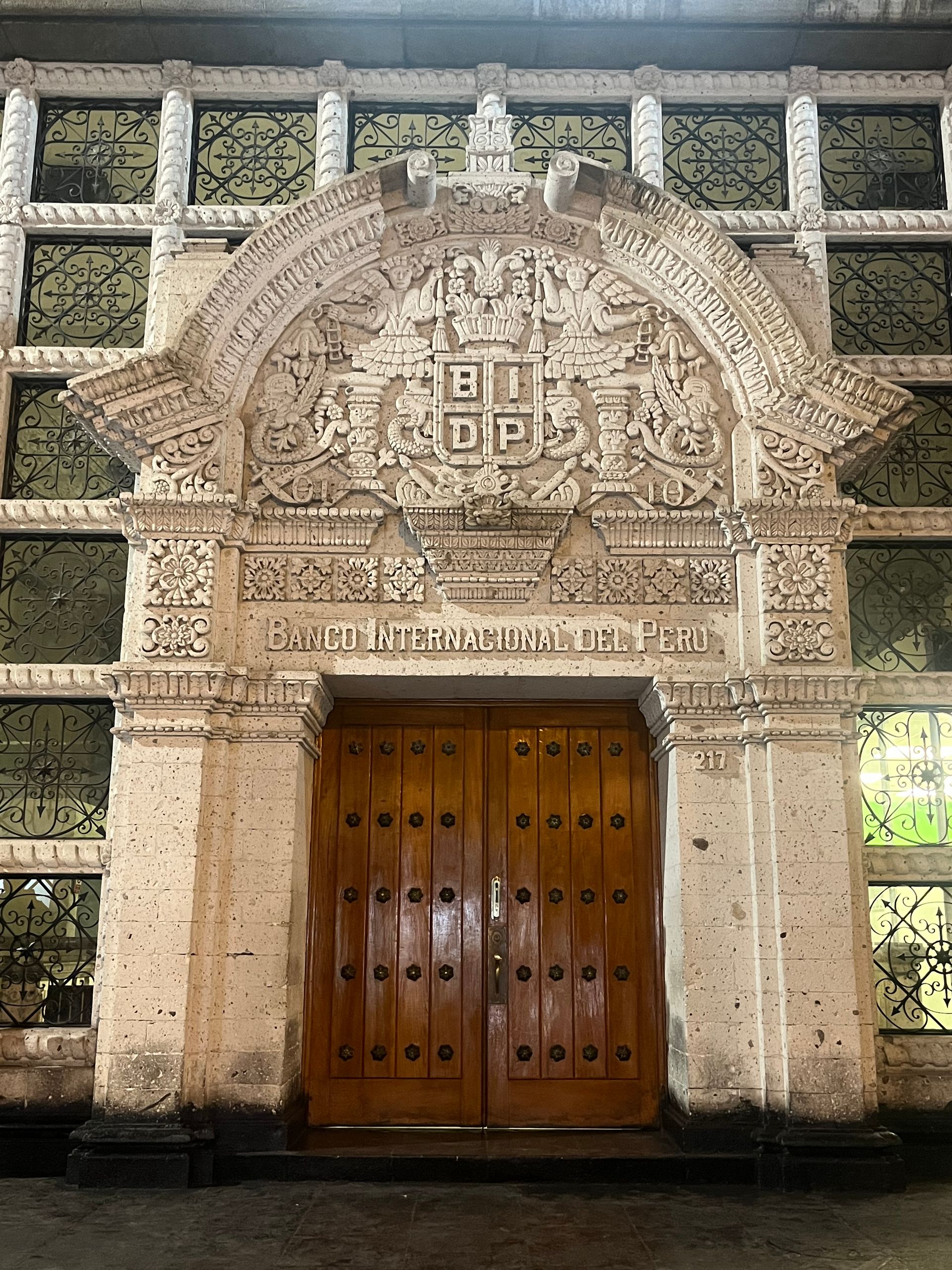
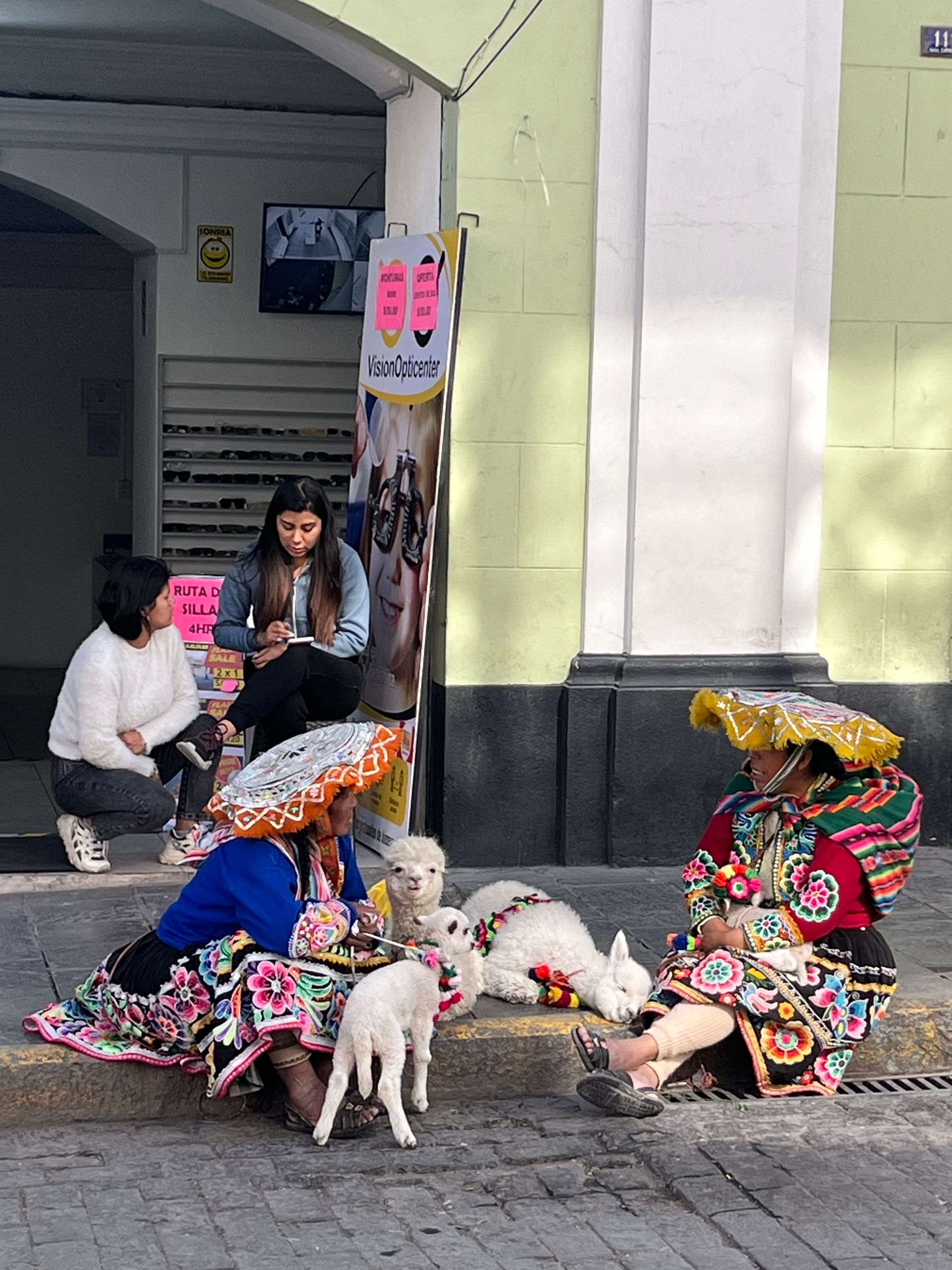
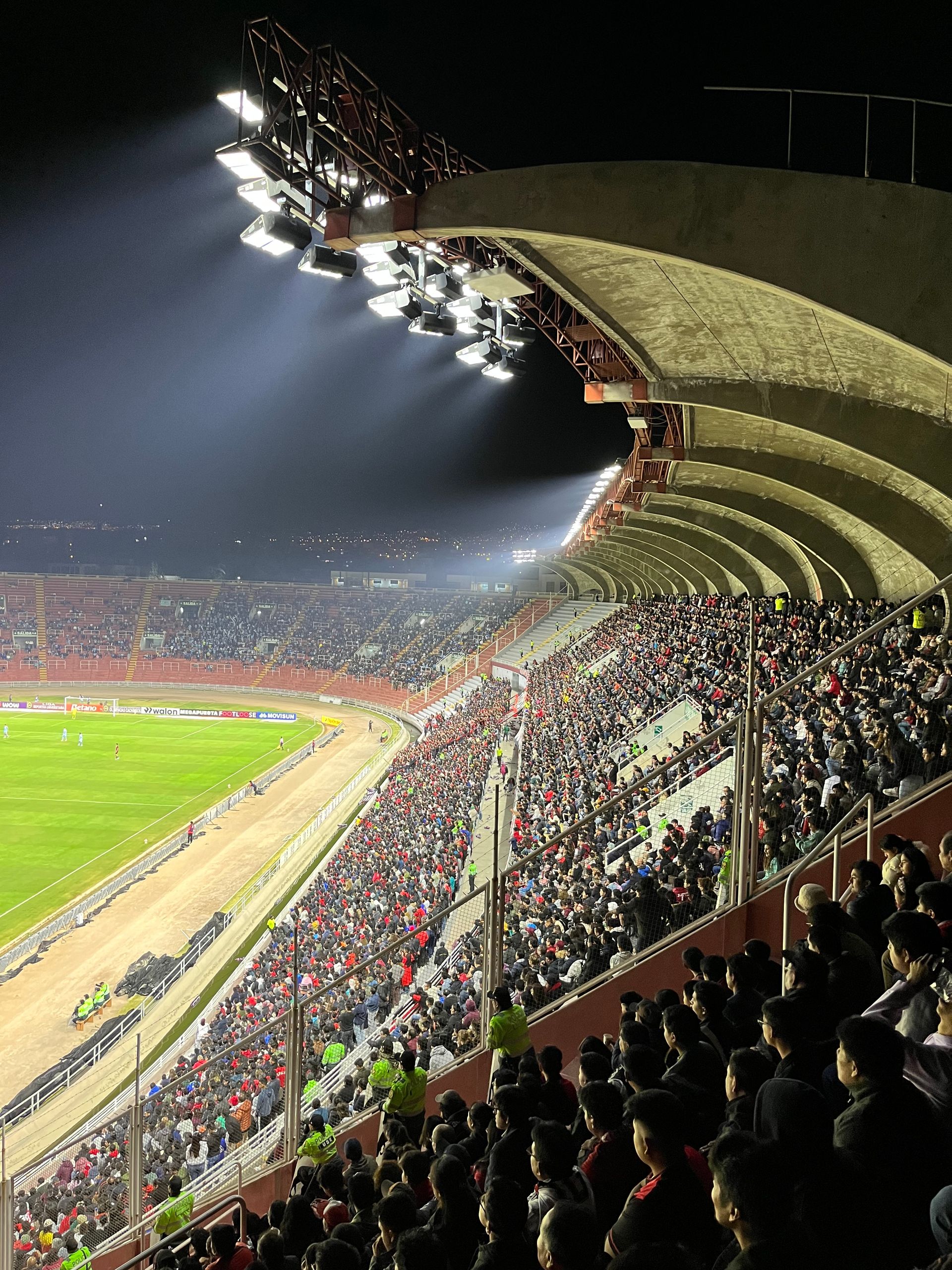
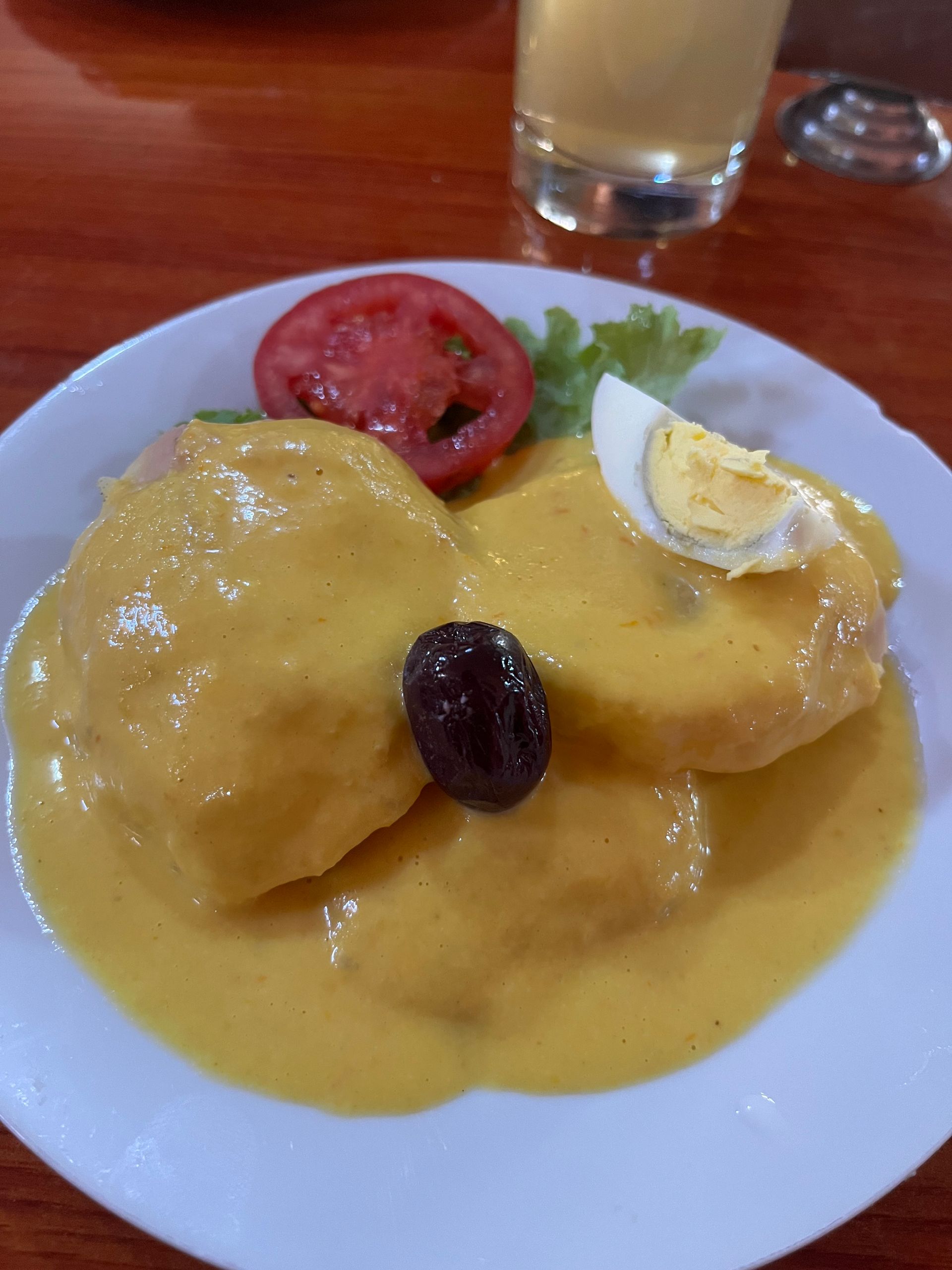
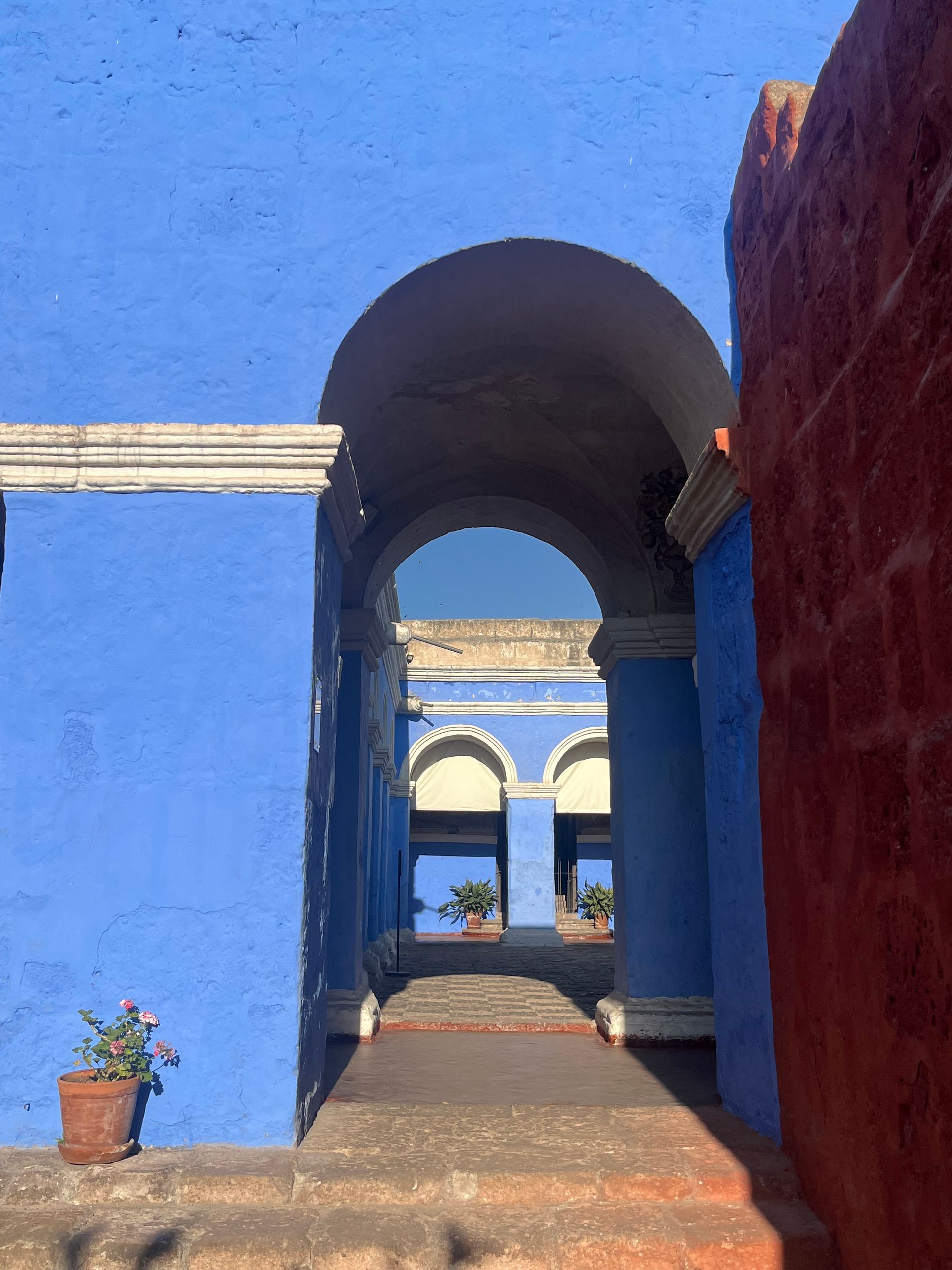
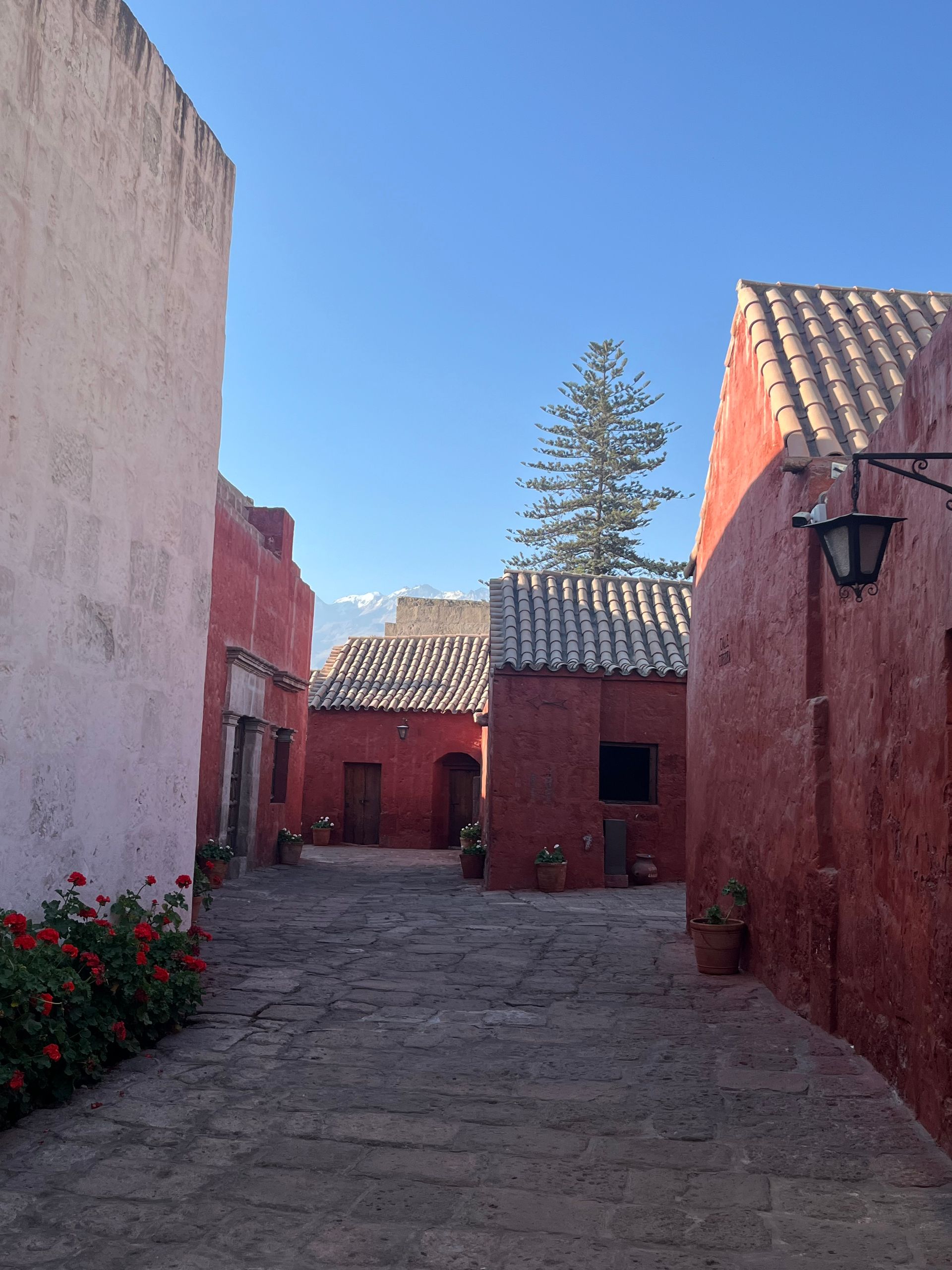
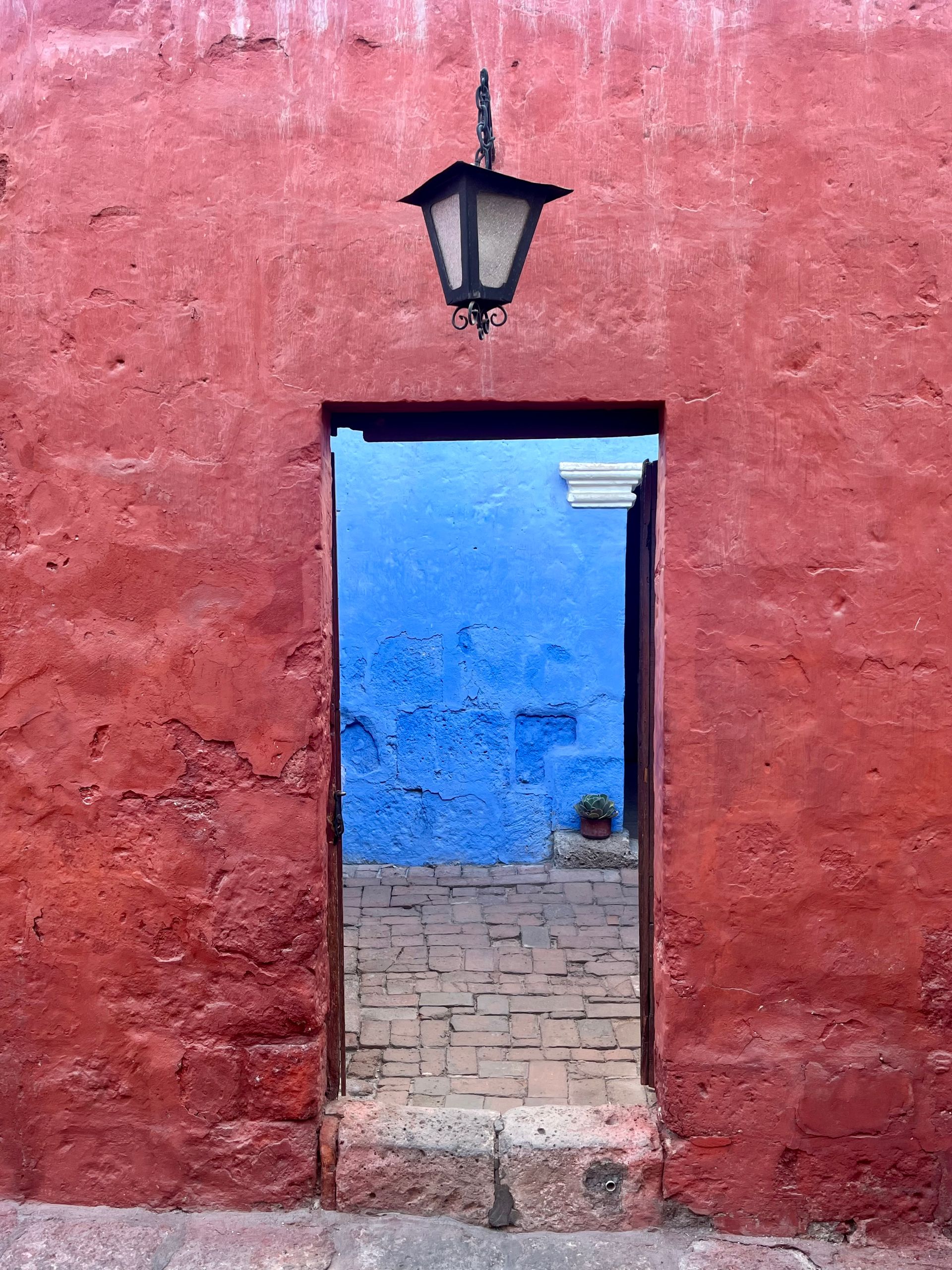
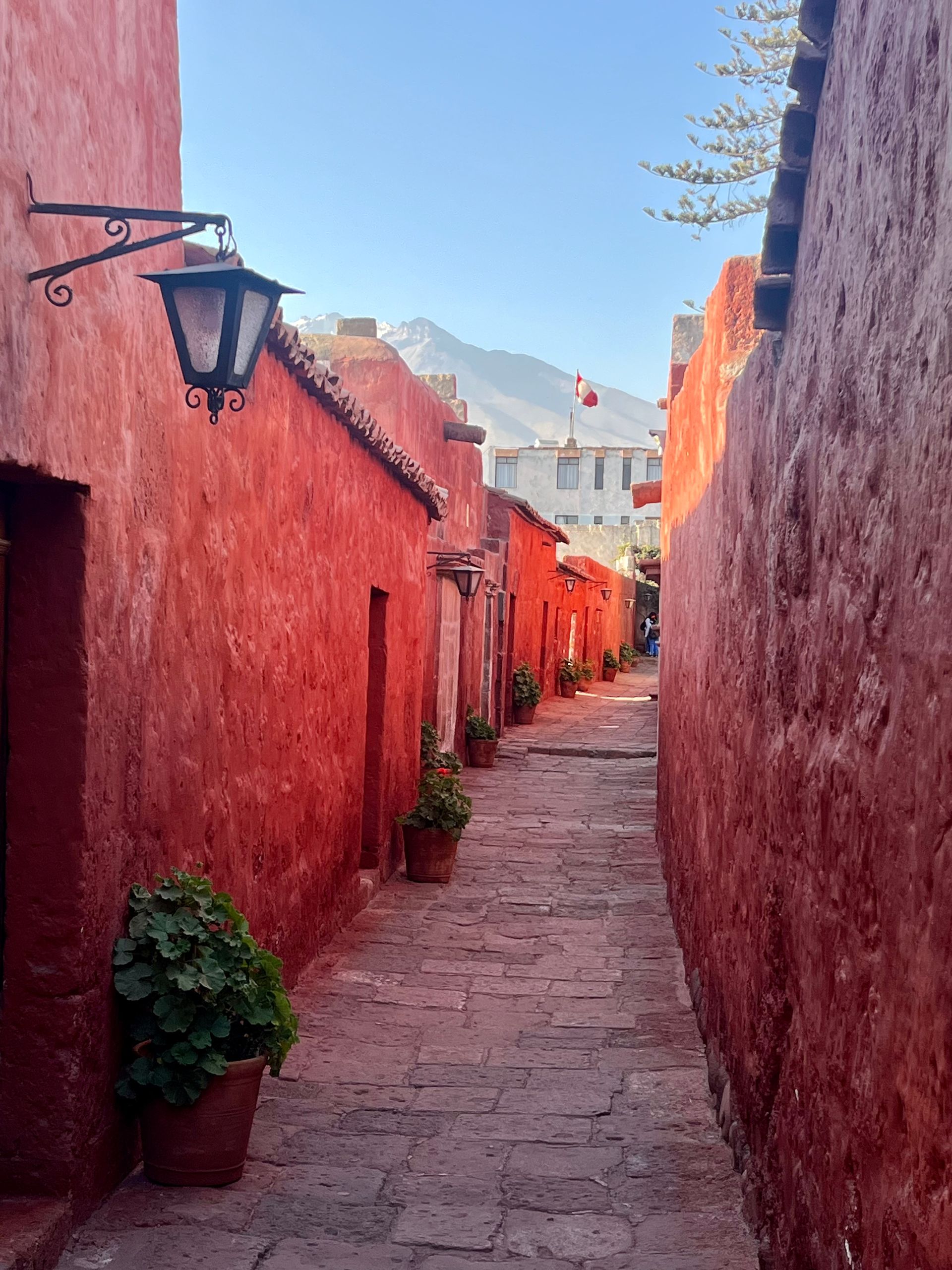
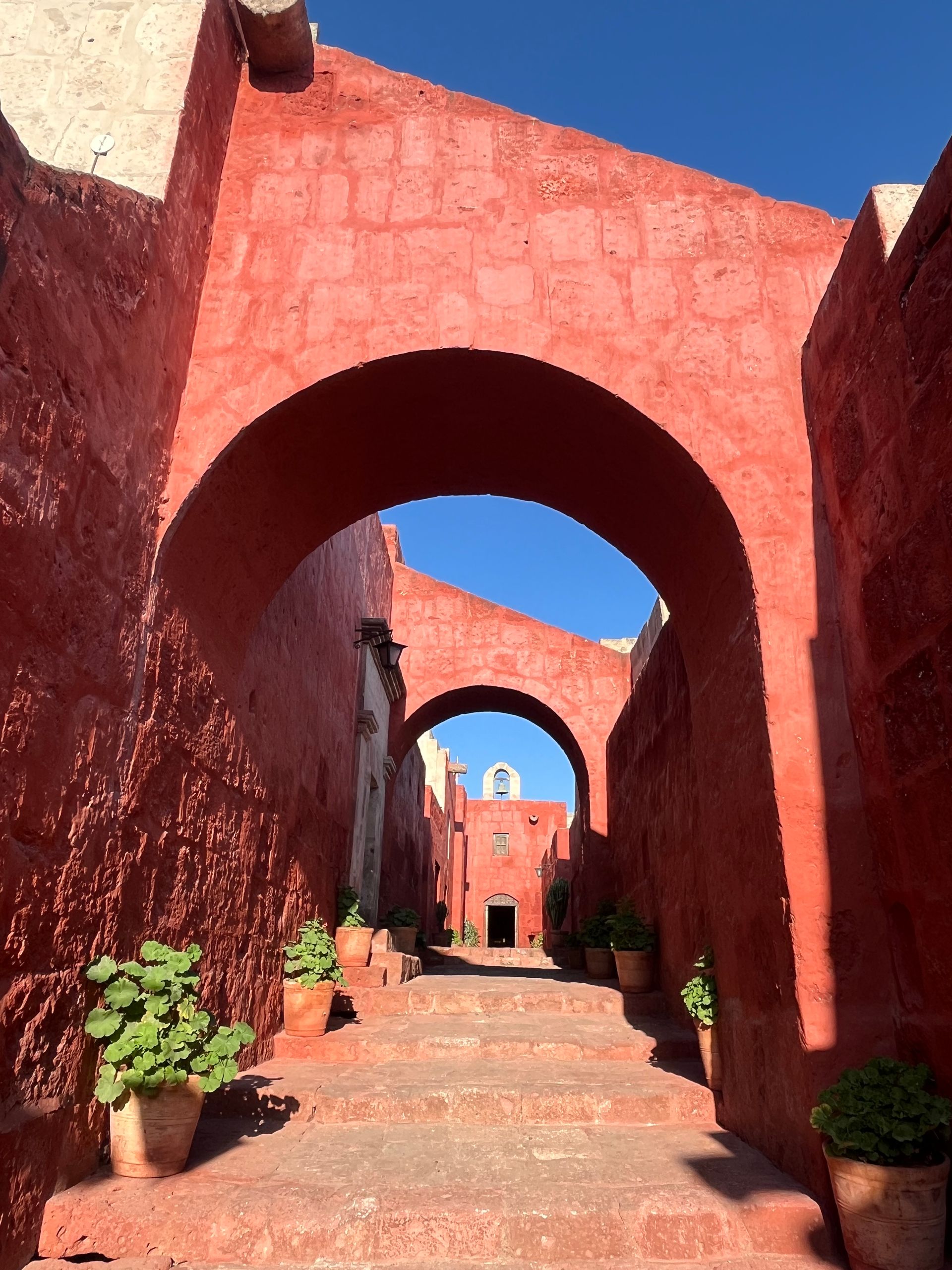
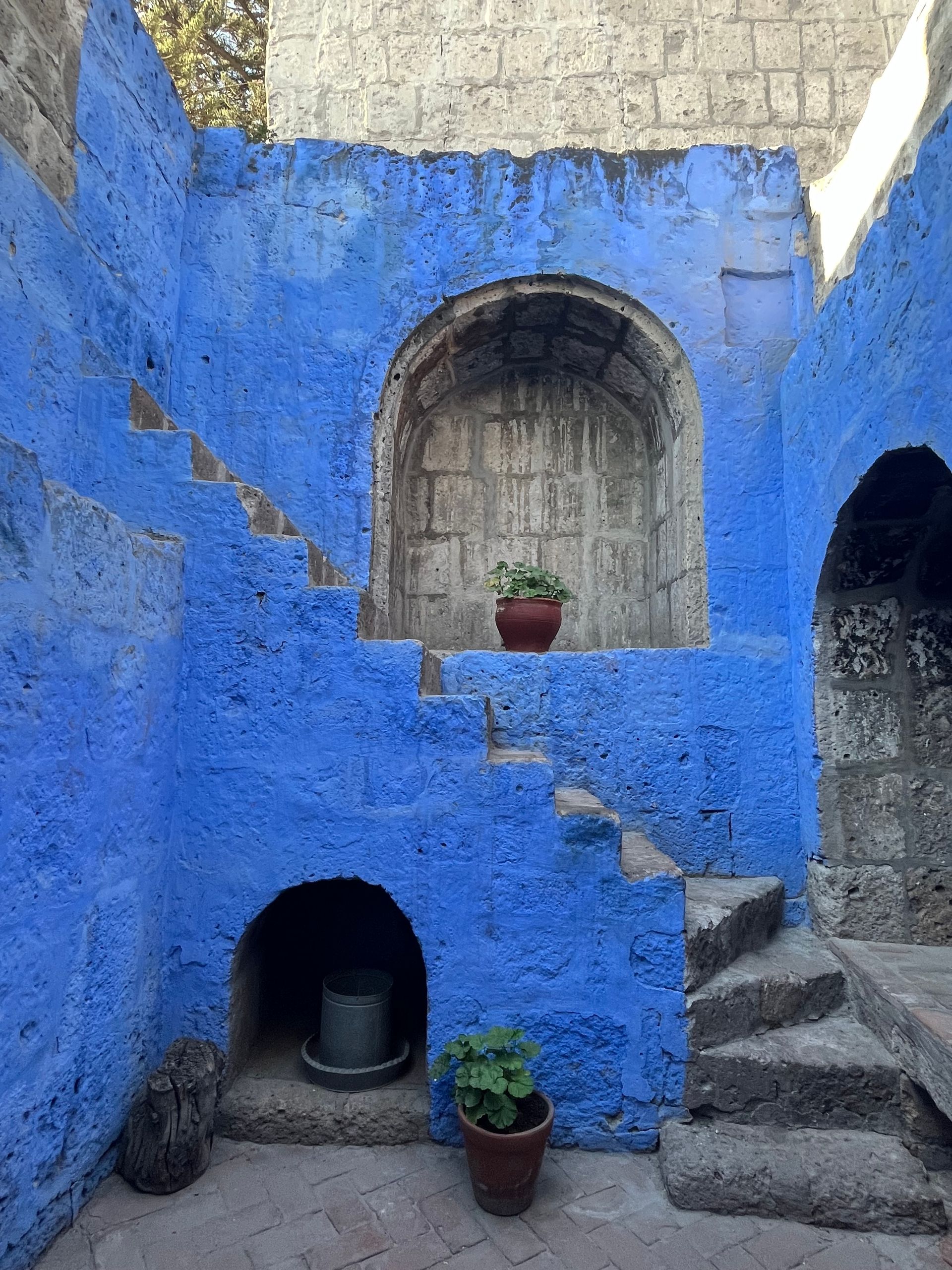
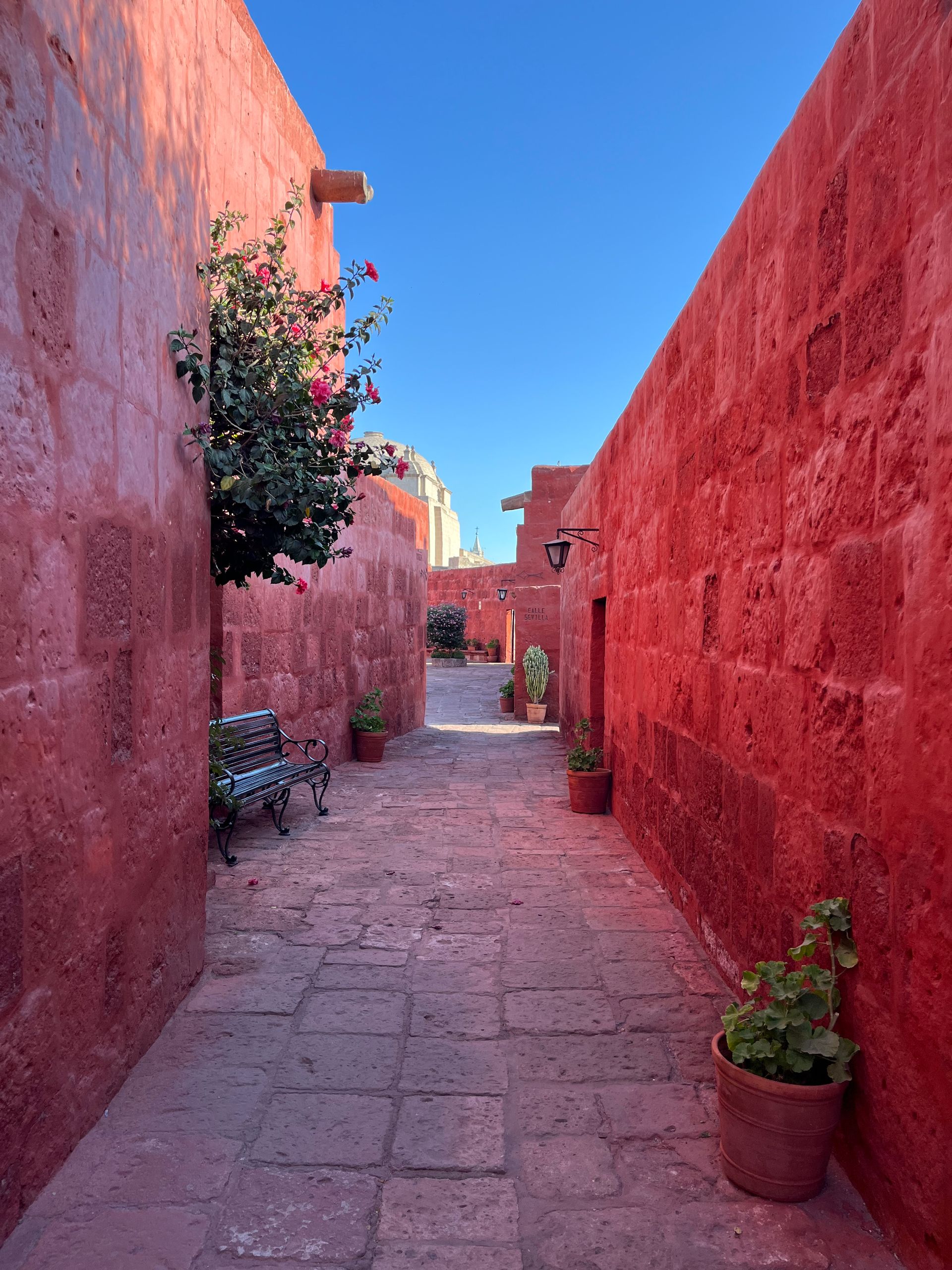
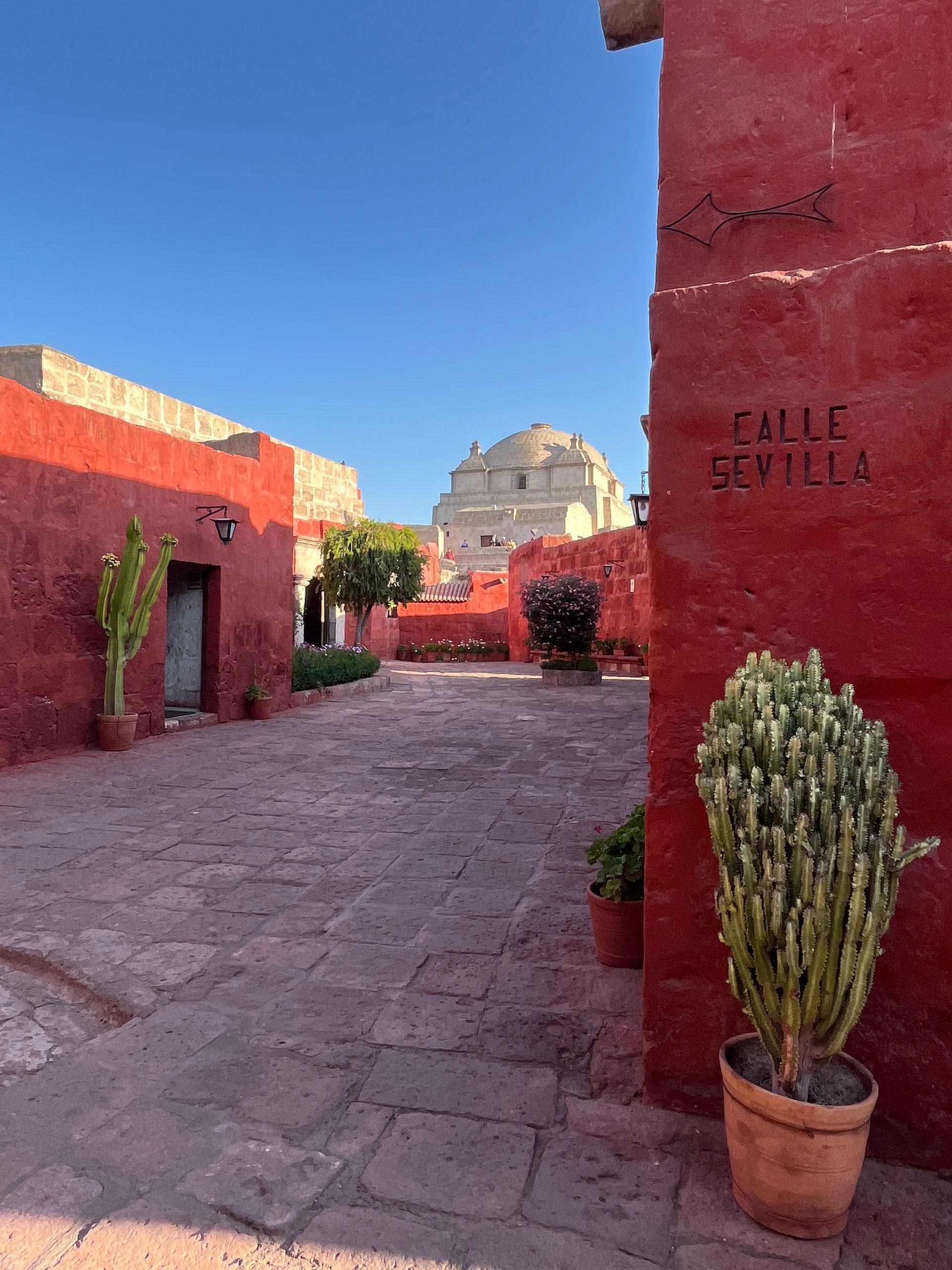
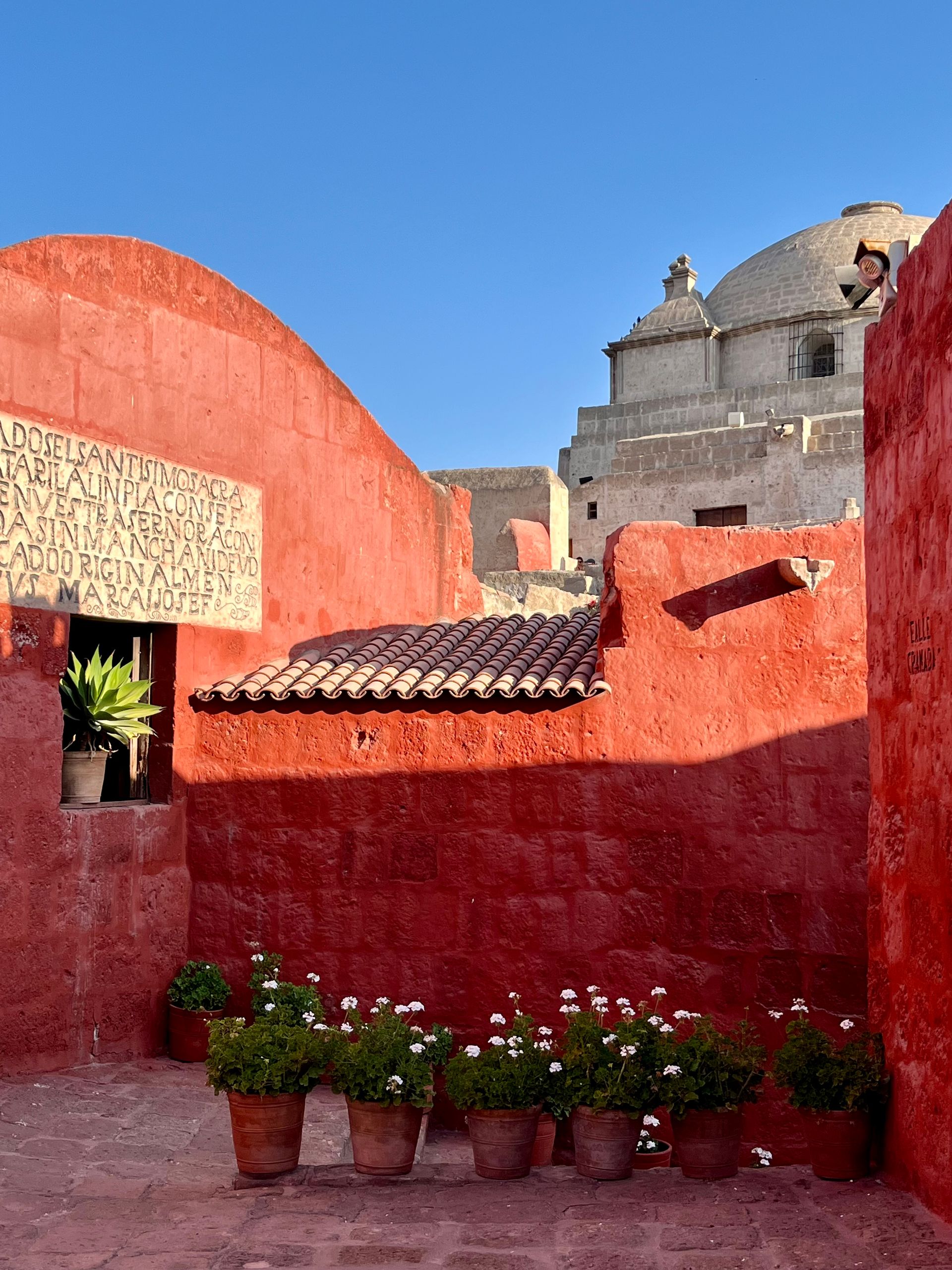
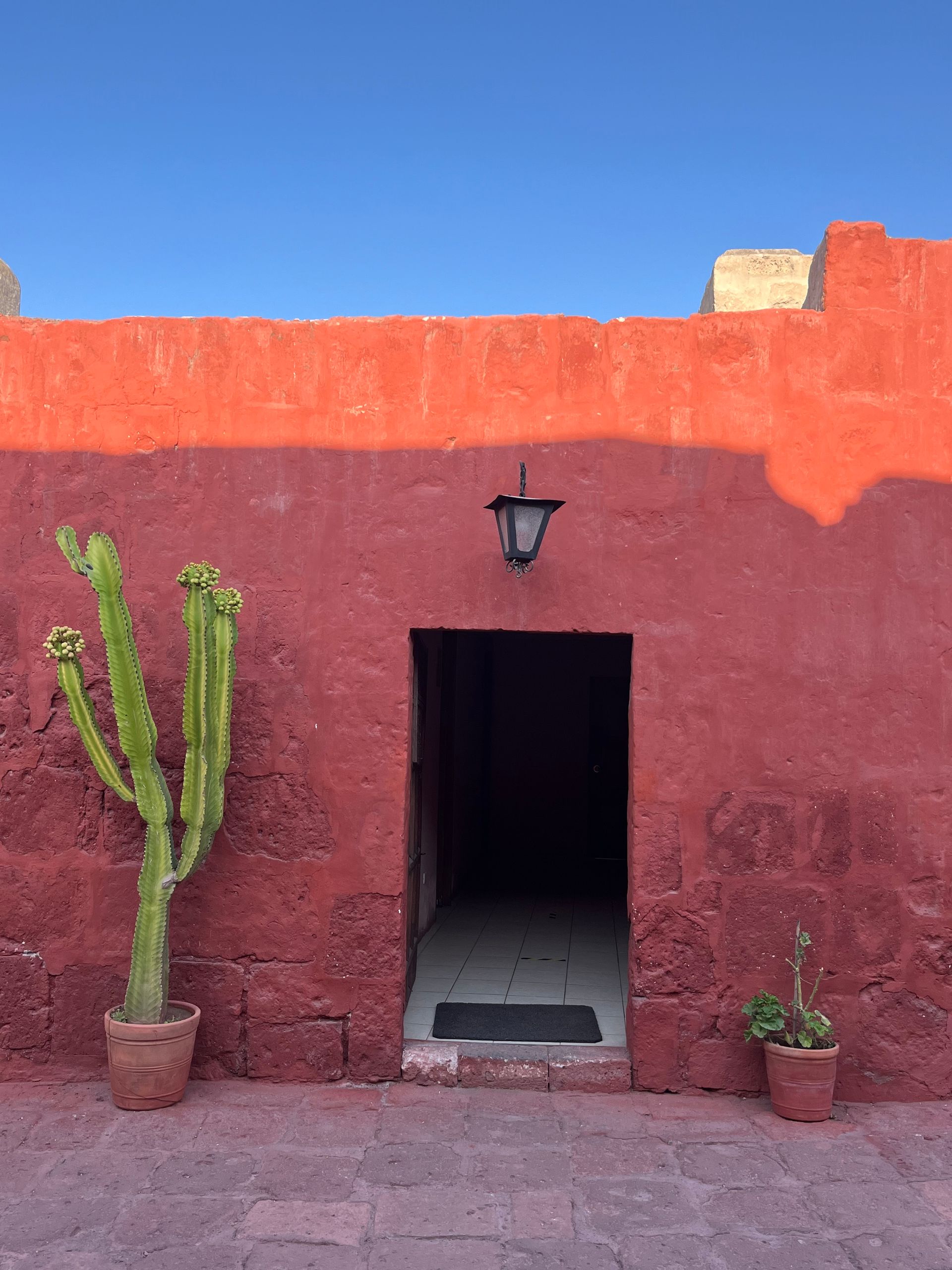
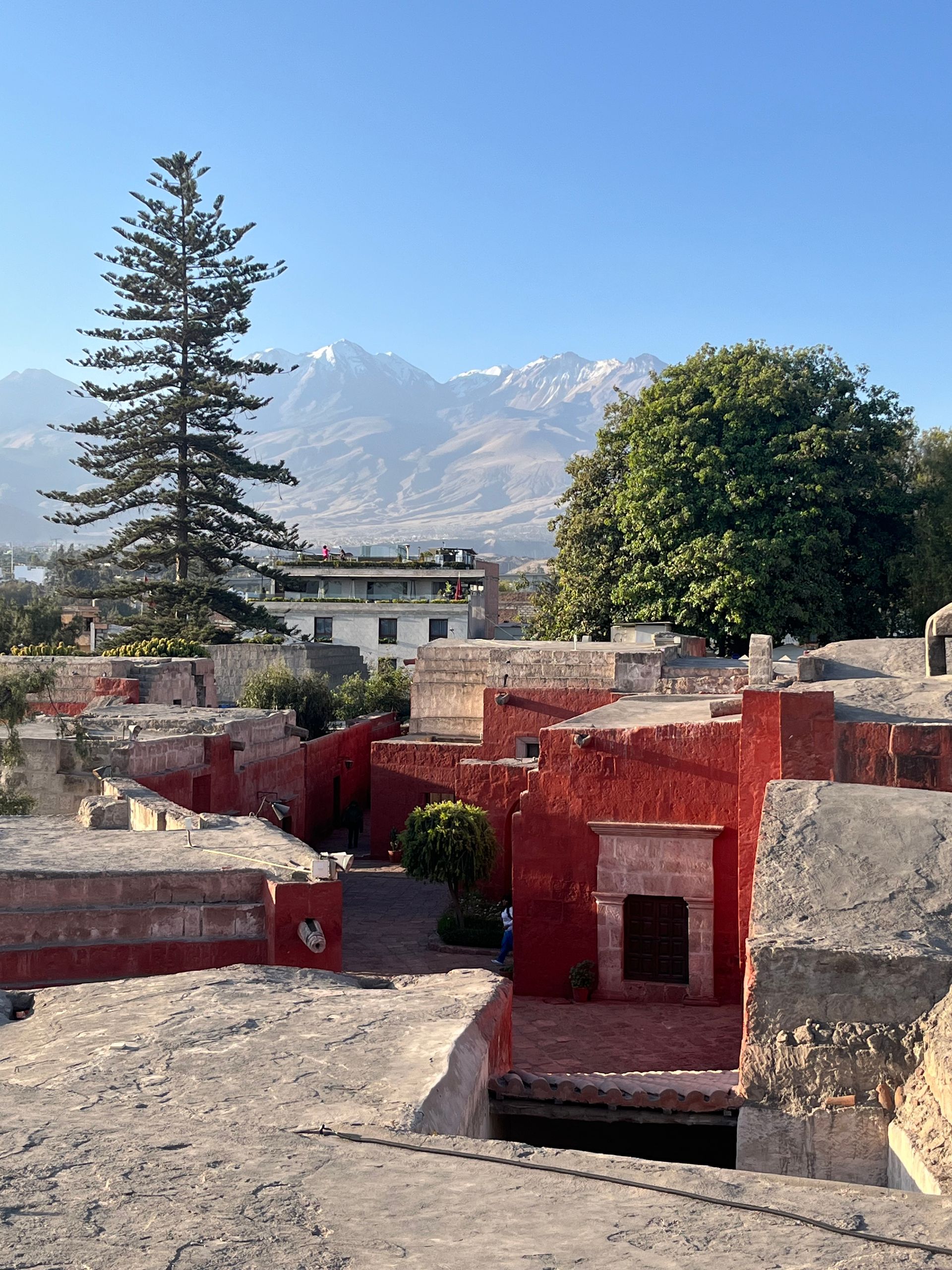
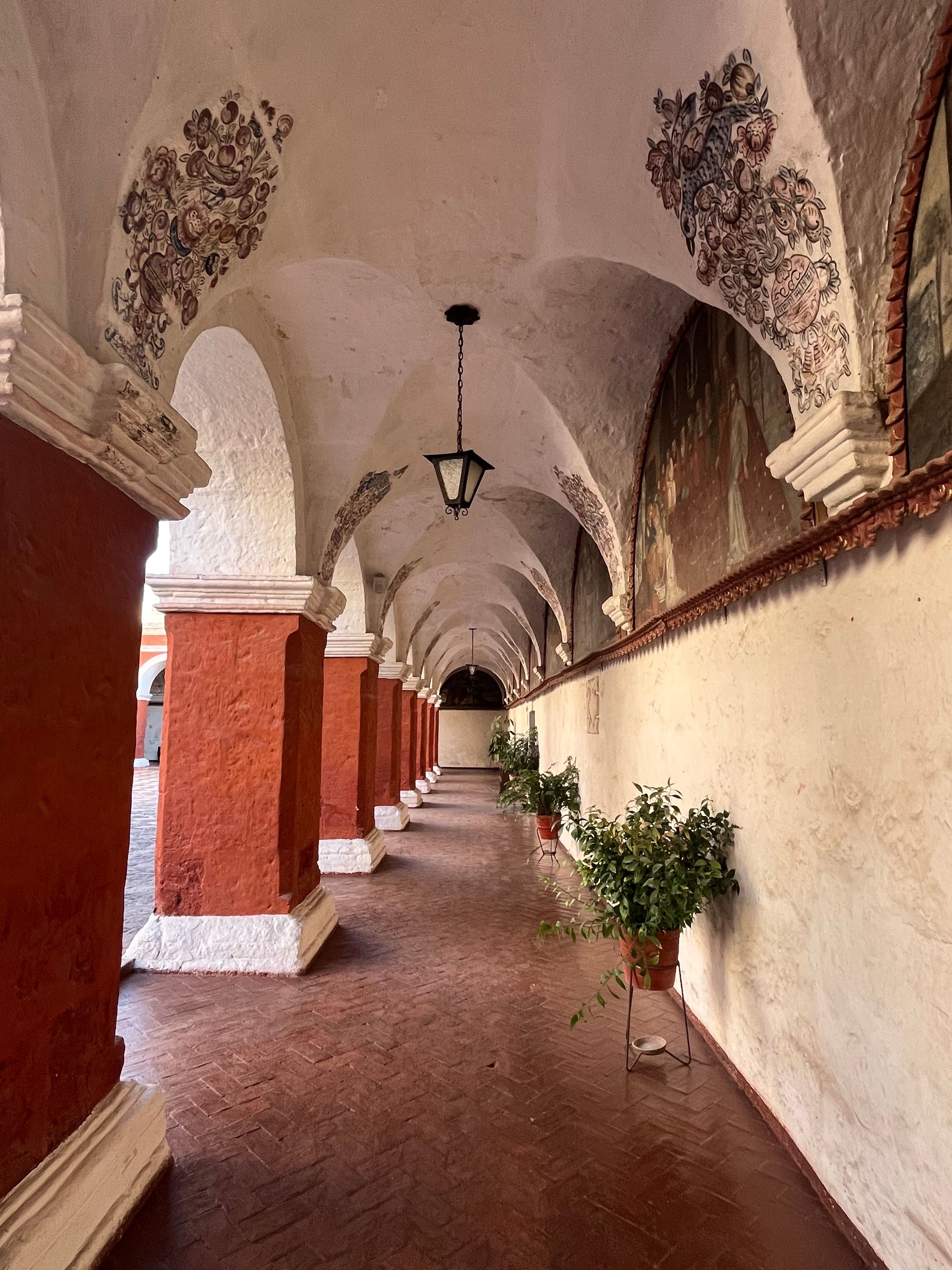
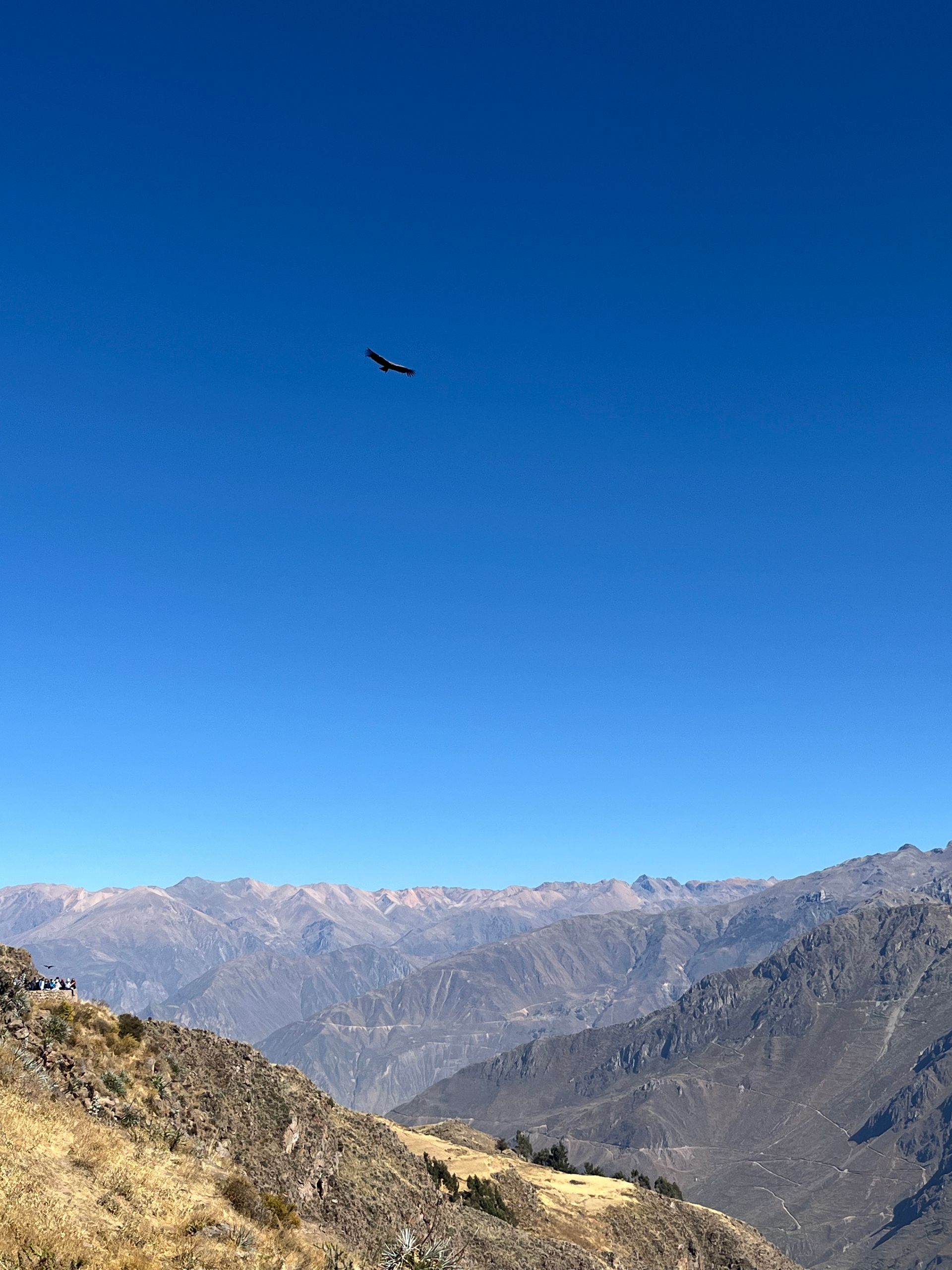
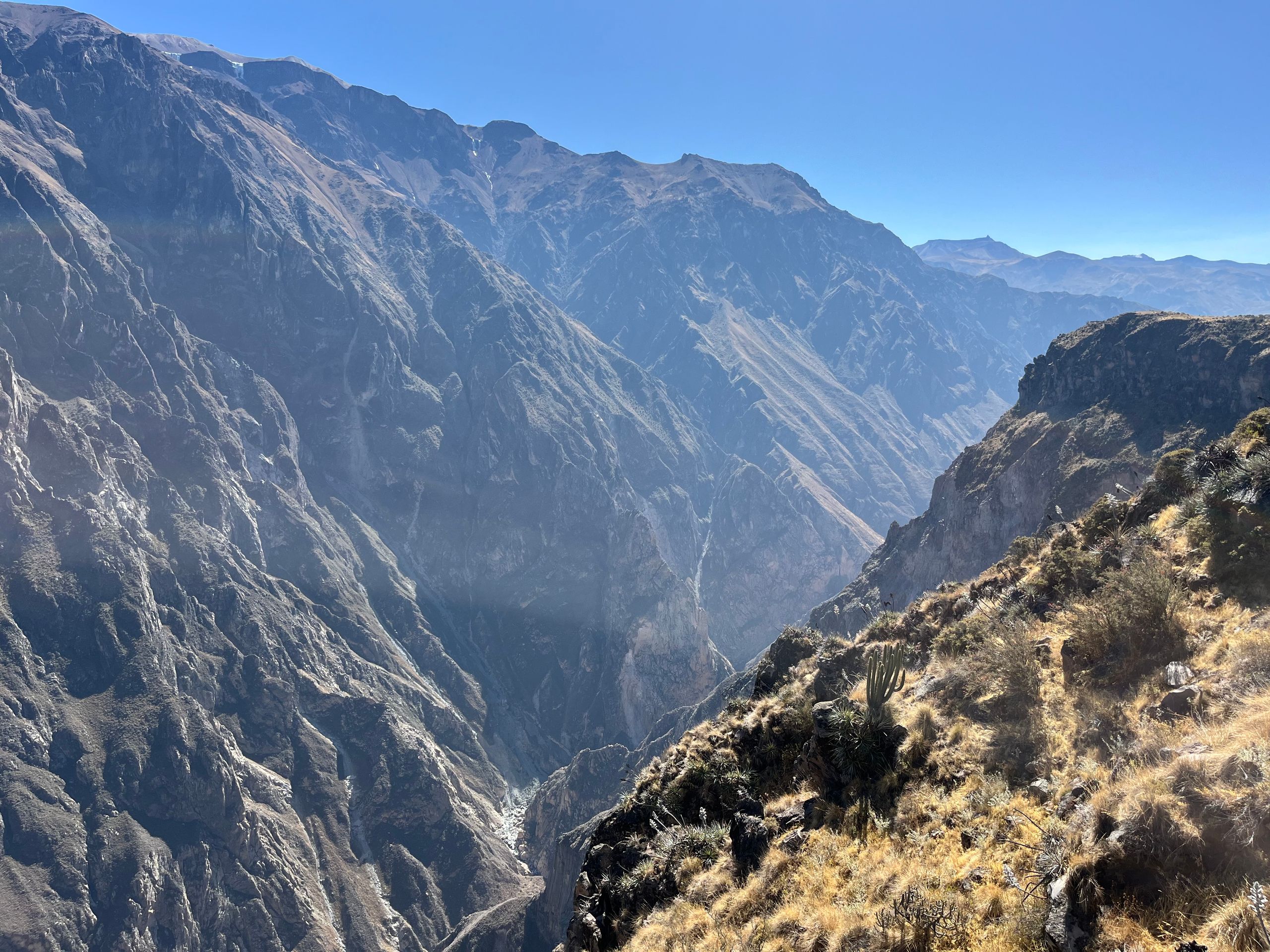
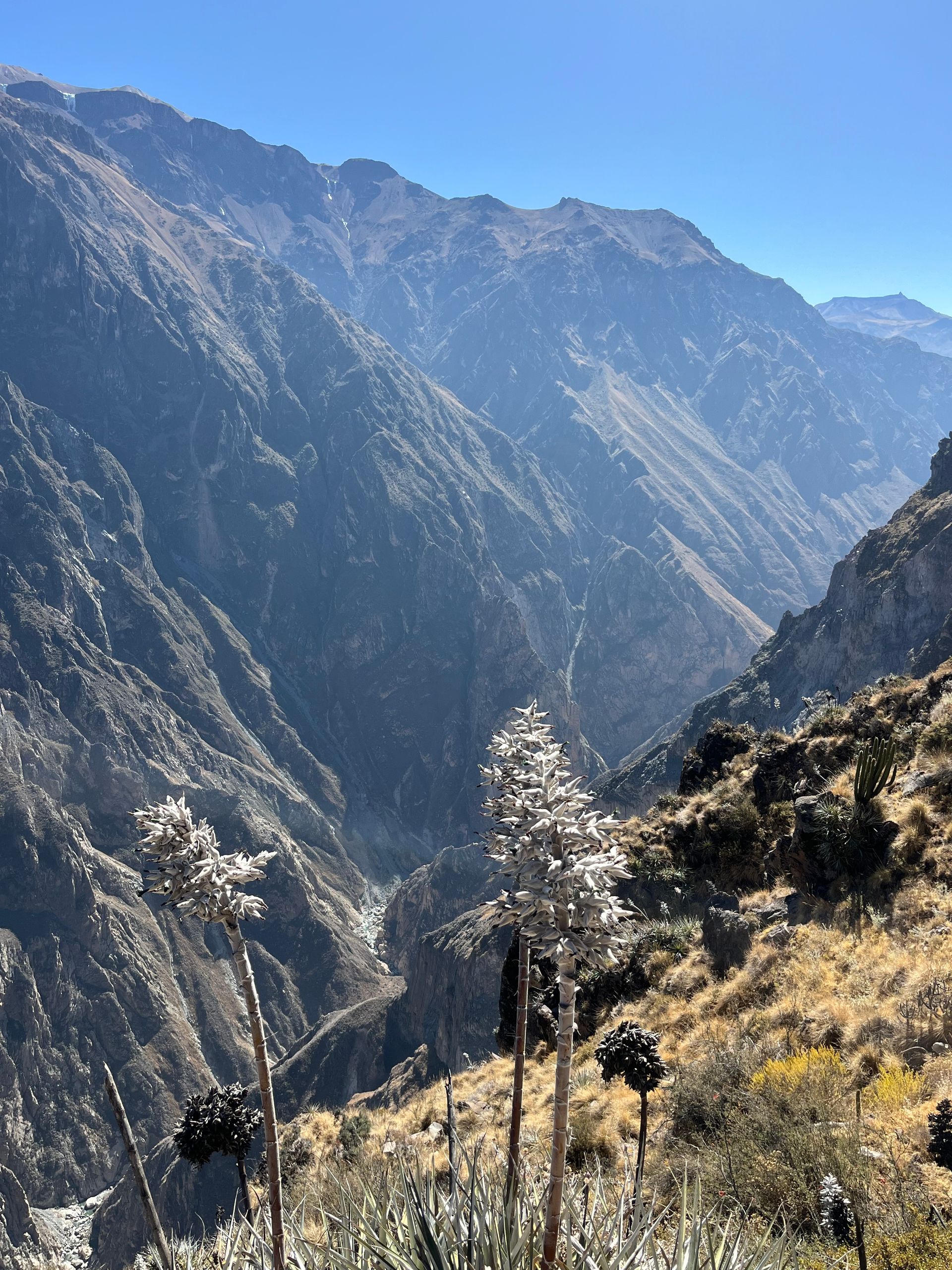
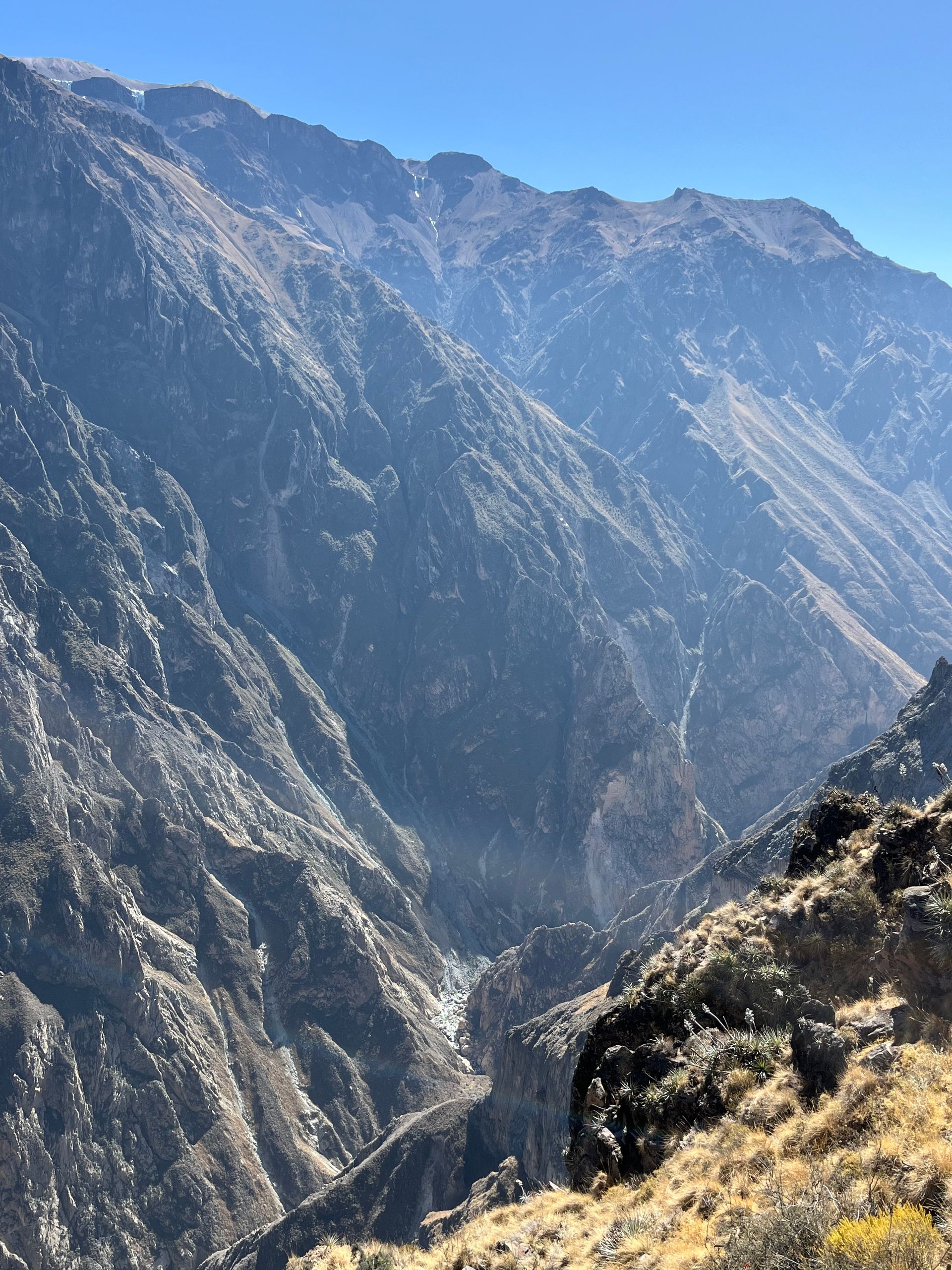
From Cusco, I took a 3-day trip to Arequipa. The fairly comfortable night bus takes about 12 hours for the 510 km – we are in the rugged Andean highlands, and as I wake up briefly in the middle of the night, feeling that the air is getting thin again and breathing is becoming harder, the altimeter reveals that we are at 4,800 m. Just normal conditions here. Arequipa is located at approximately 2,300 m altitude, and after arriving in the city in the morning, it gives a very relaxed impression. Everything here feels a bit calmer and more laid-back than in Cusco. I check into the hostel and take a long walk through the city center. Arequipa is also called the white city and impresses with a plethora of old buildings made of white volcanic stone, known as Sillar. One wanders through the center among various colonial buildings, and everything is quite manageable. Not far from the hostel in the immediate city center is the Plaza de Armas, flanked by beautiful arcades and palm trees. On one side stands an impressive and monumental structure – the cathedral of Arequipa, built in the 17th century and a huge building that spans the entire length of the plaza.
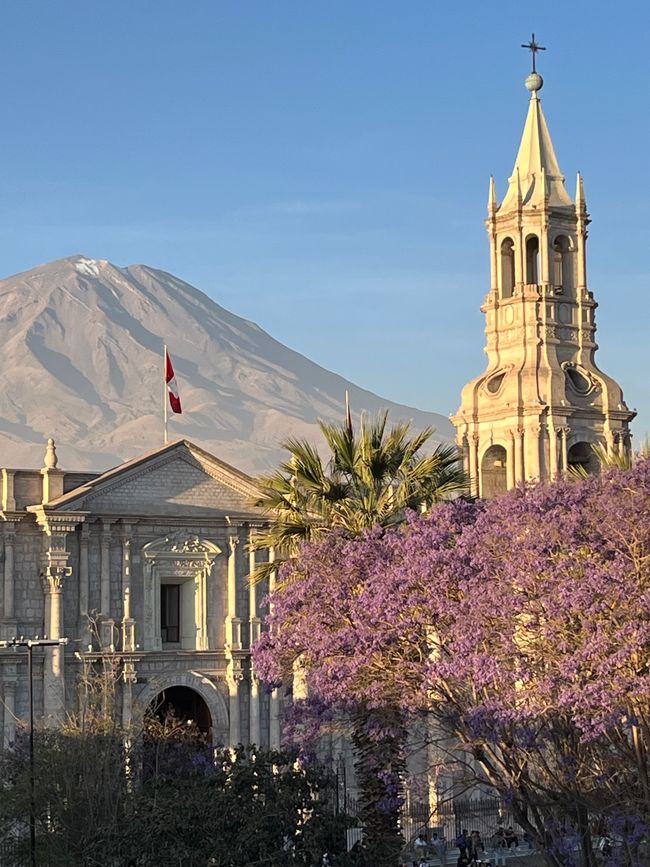
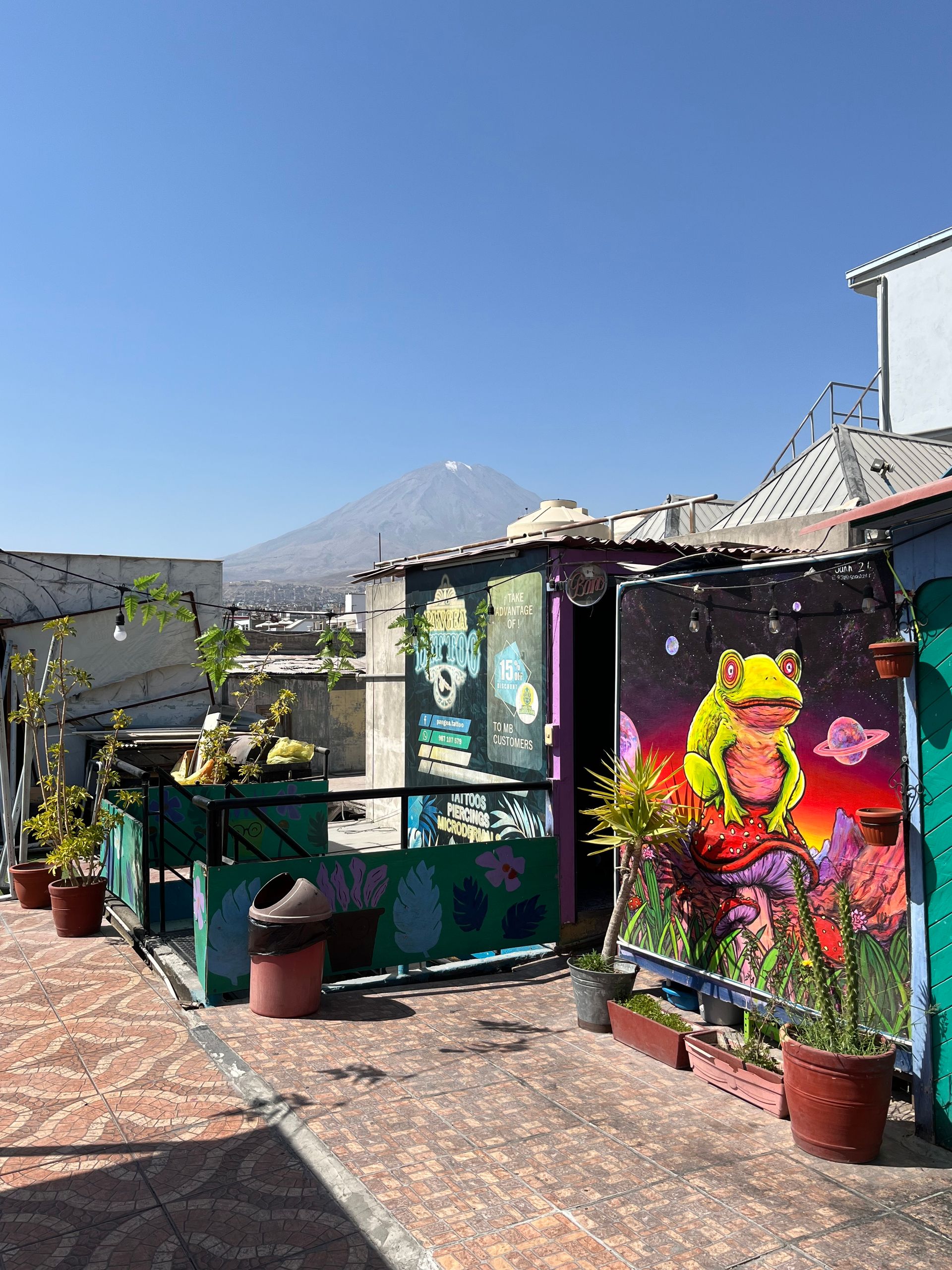
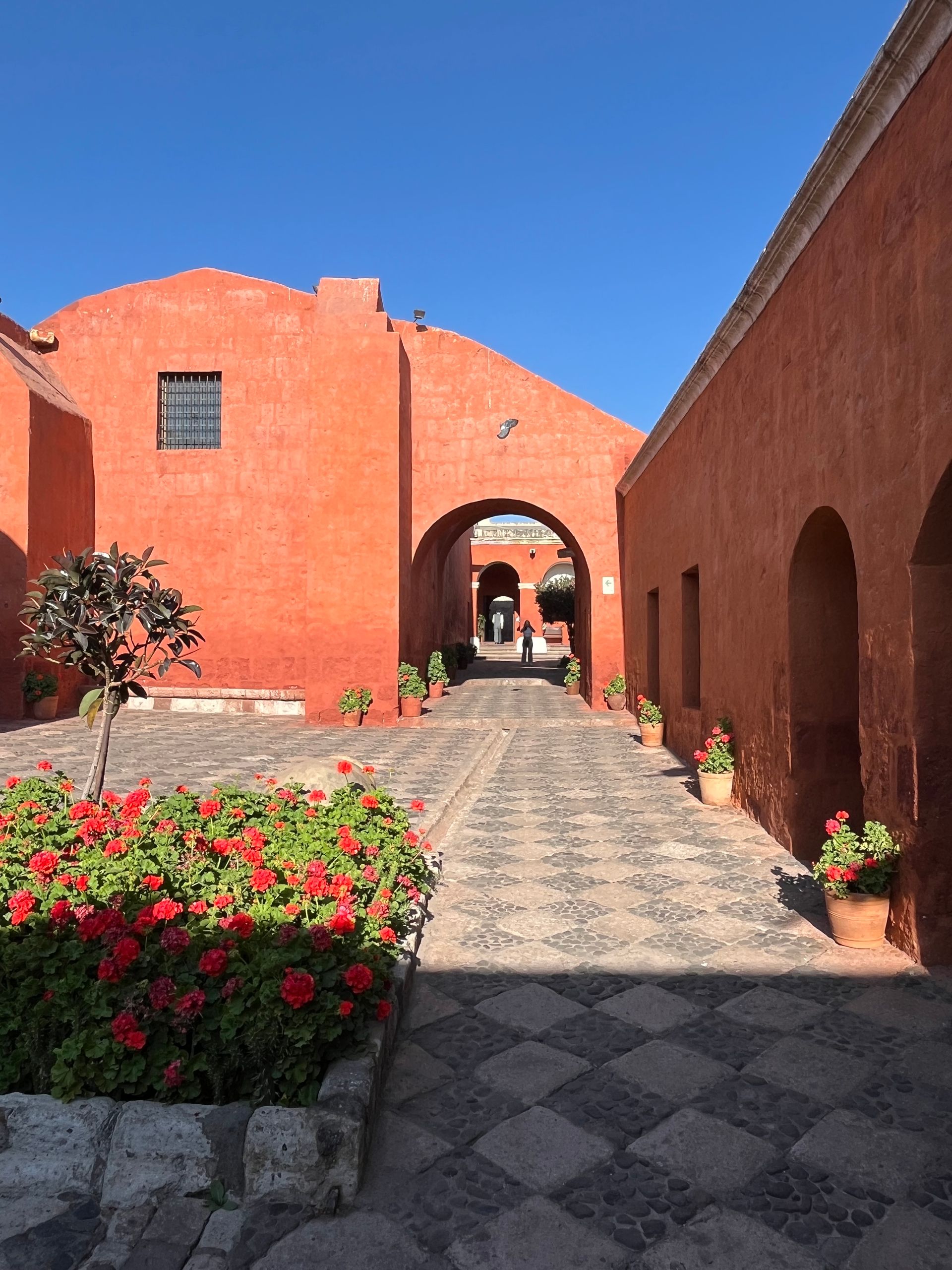
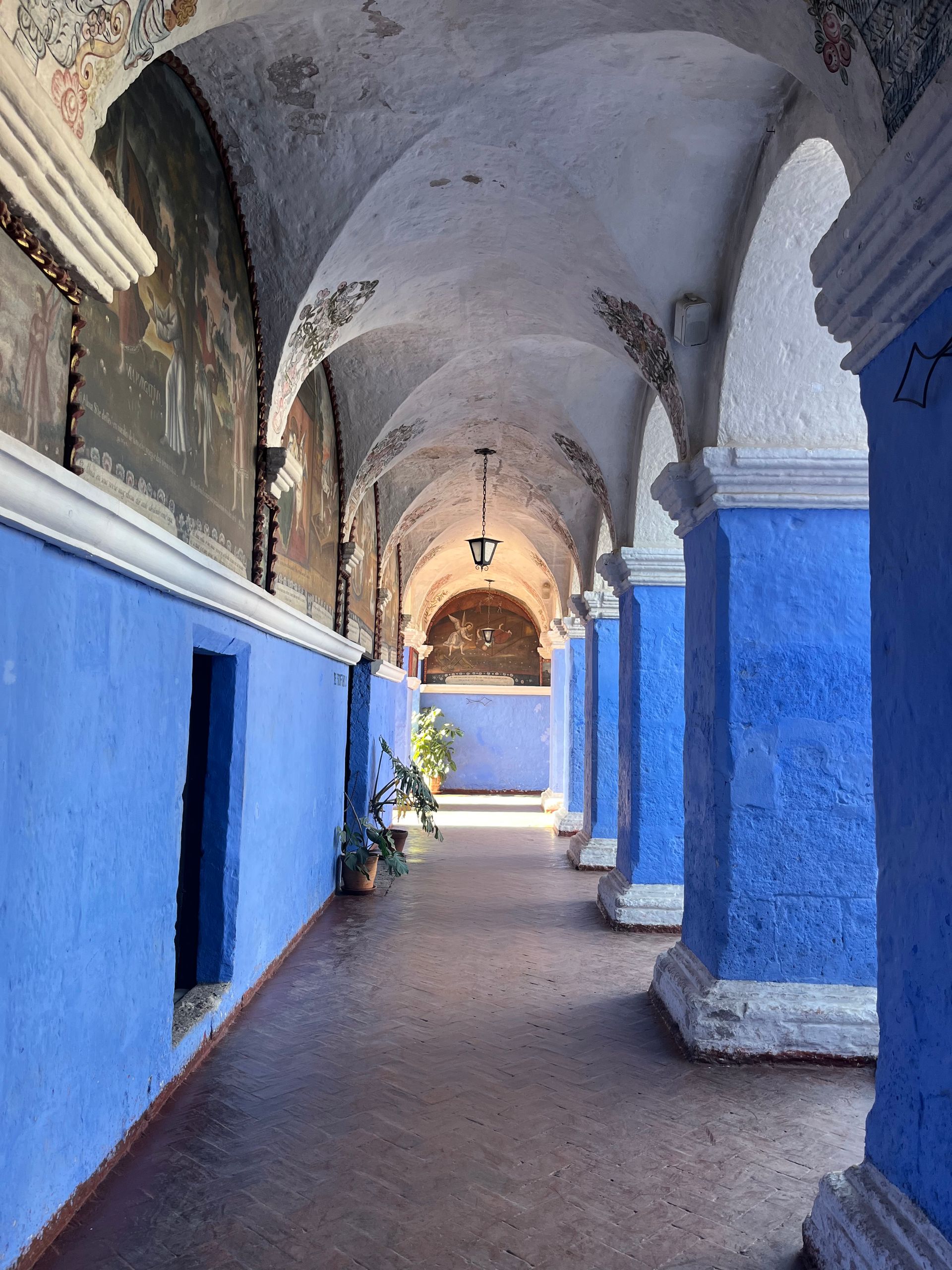
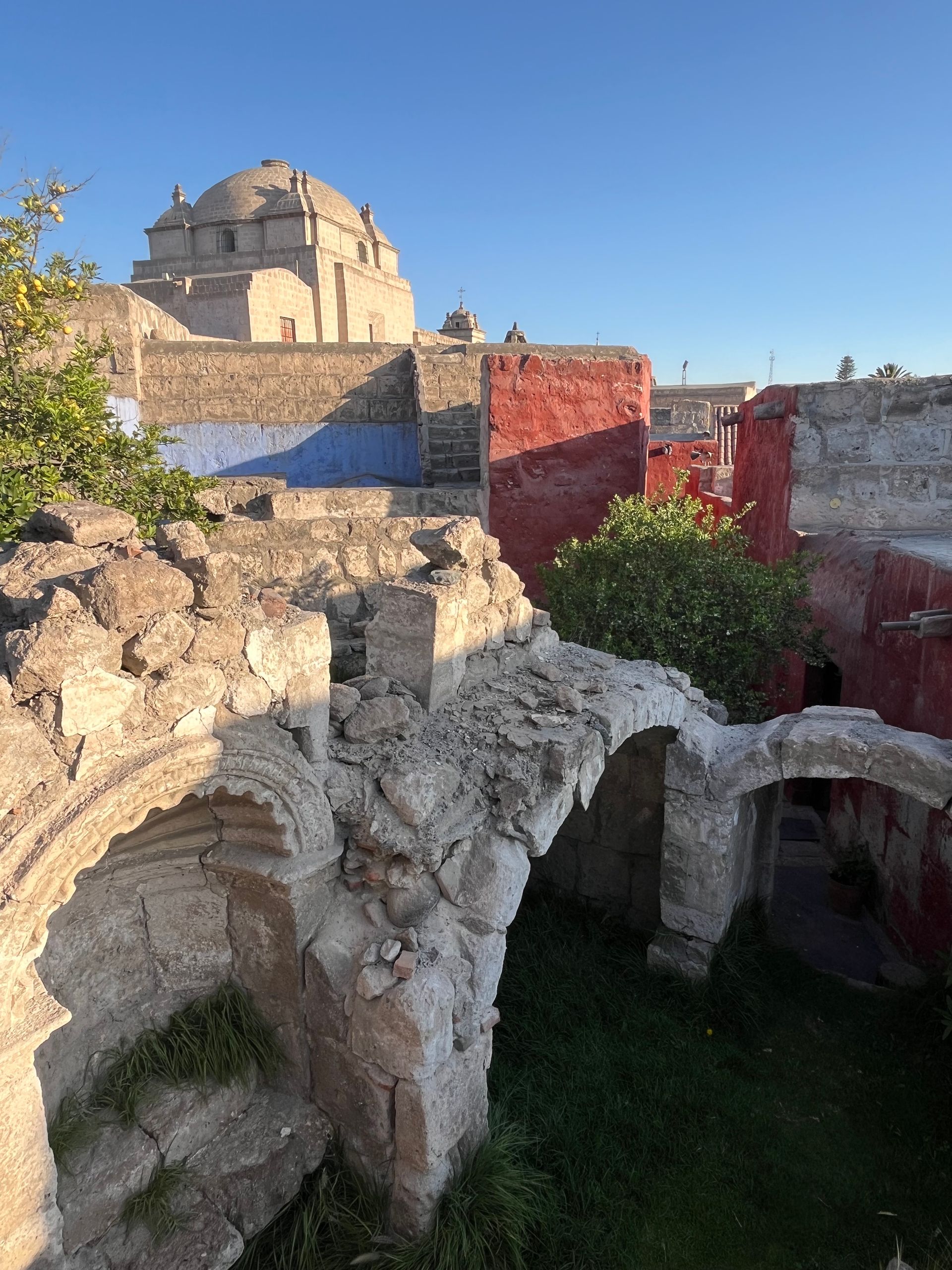
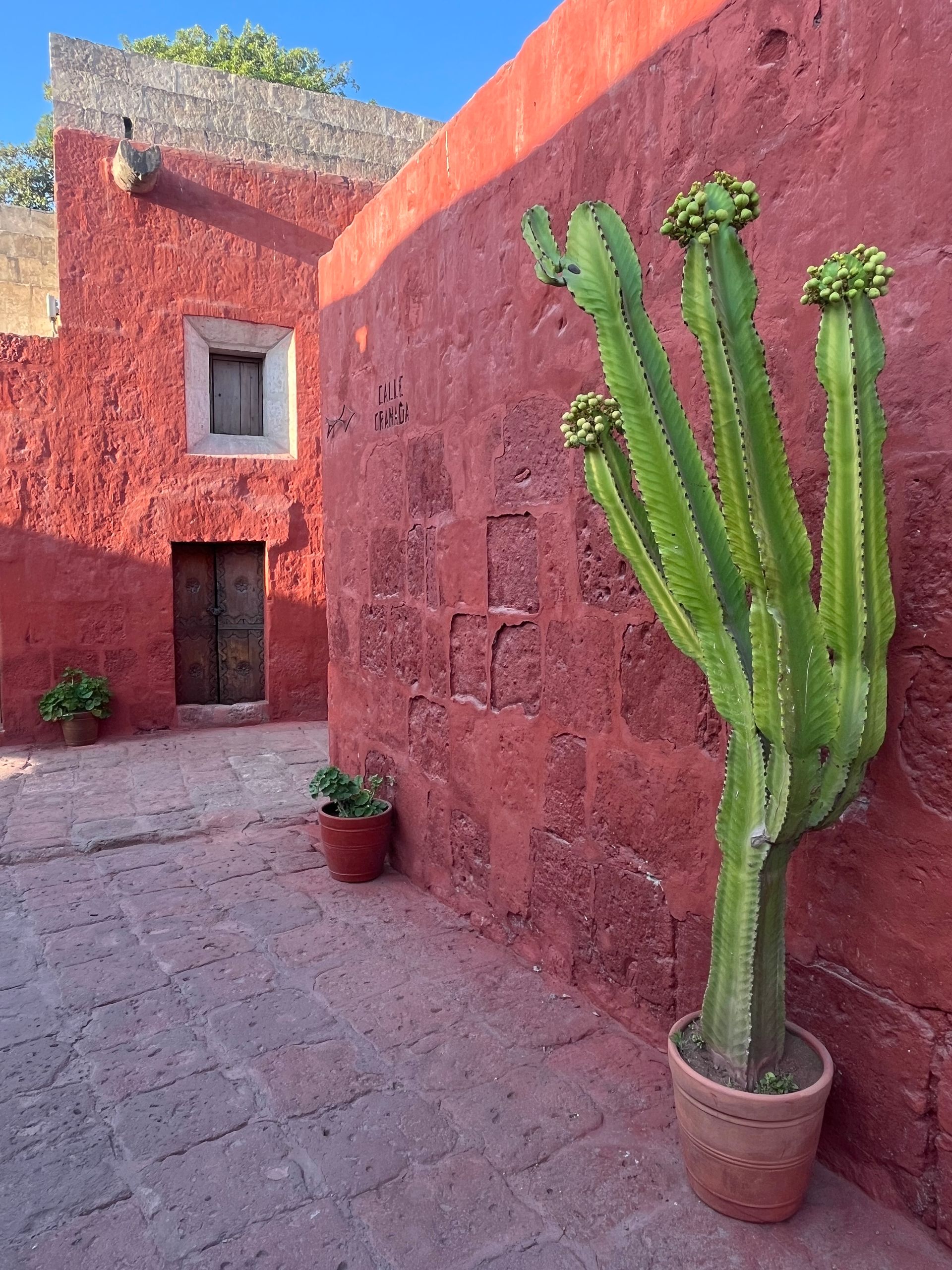
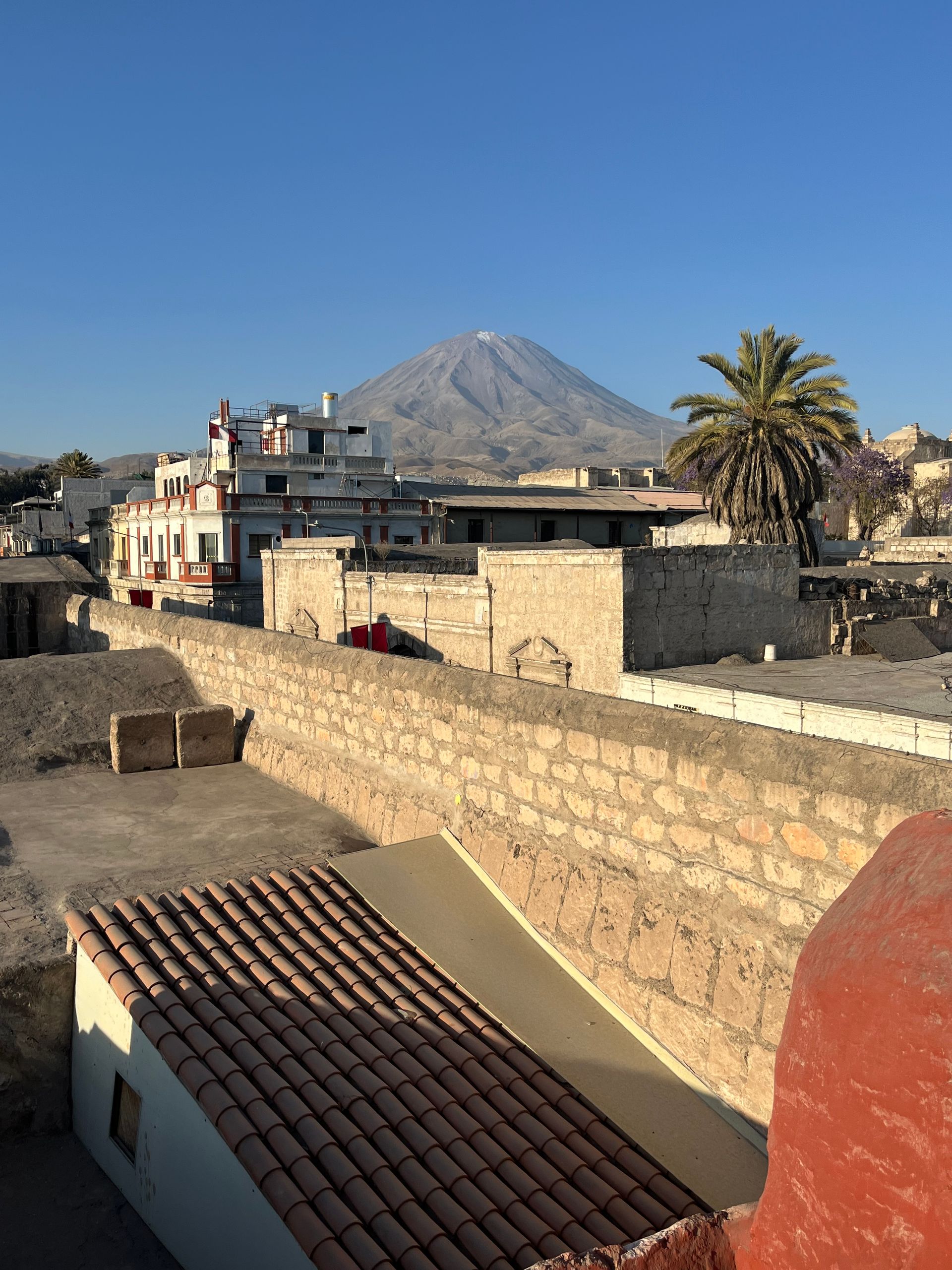
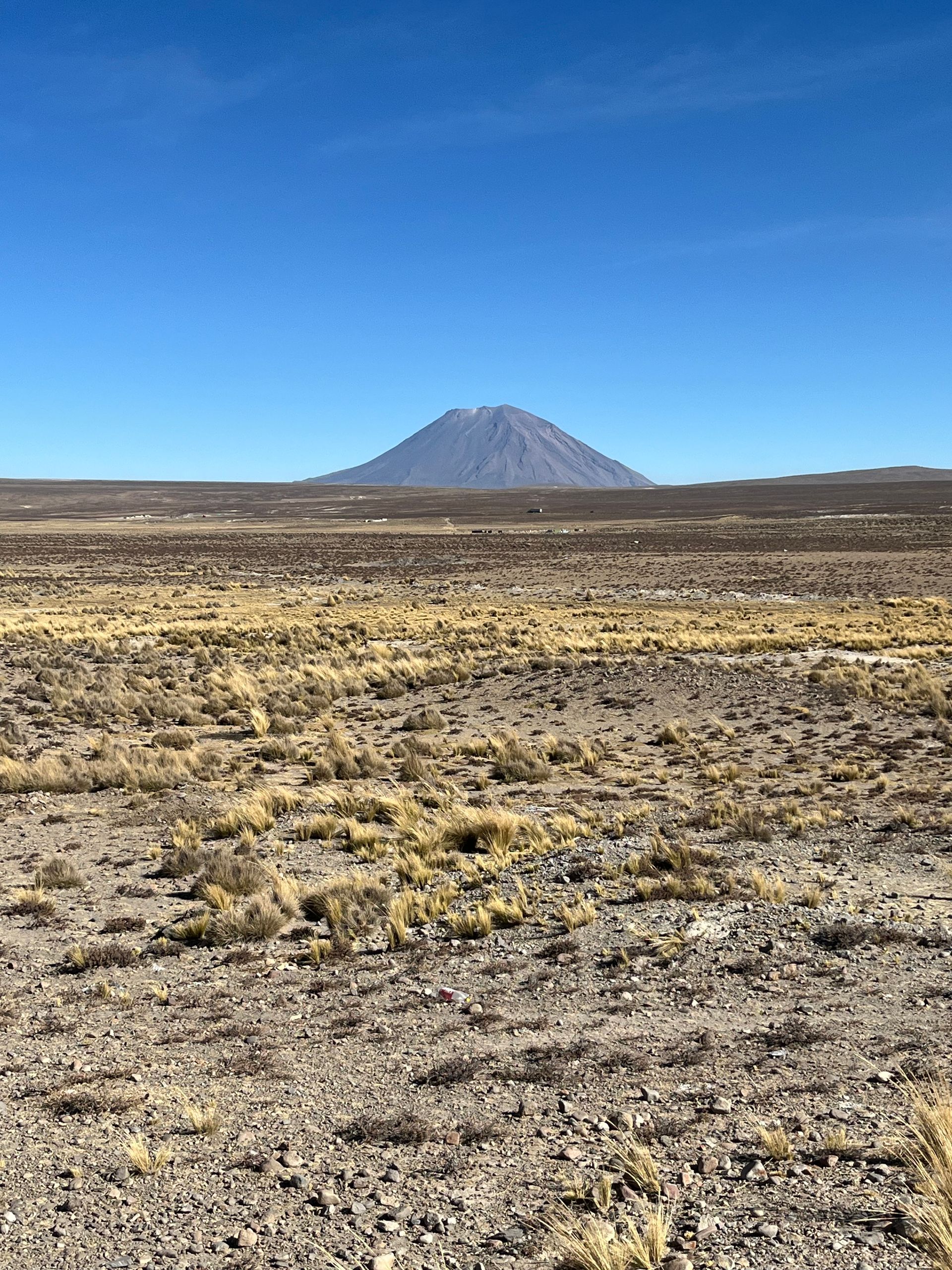
Directly behind the cathedral, if you look from the square at the façade, the volcano Misti towers in the background. At 5,822 m, it's a real monster, and I climb to the rooftop terrace of one of the restaurants in the square for a better view of the cathedral and the volcano. A true postcard backdrop unfolds freely before you. A bit further from the main square is the Santa Catalina Monastery, a monastic city founded in 1579. From a viewpoint near the monastery, I get an overview. The monastery occupies an entire city block and is surrounded by thick walls. A city within a city, and from up here, you can already see the maze of narrow streets and courtyards well. In fact, I had never heard of the monastery before. So off to the entrance, paid the admission fee, and into the labyrinth. The Santa Catalina Monastery offers an impressive insight into the secluded life of the nuns who lived here almost entirely cut off from the outside world for several centuries. In 1970, the monastery was opened to the public, and most of the rooms have been preserved in their original style, even with original furnishings, making you truly feel transported back in time. As you wander through the corridors of the monastery, the vibrant colors in which everything is painted catch your eye. The courtyards are cobalt blue, terracotta, and yellow; in the back part of the monastery, you feel like you are in a completely different city, with small houses, courtyards, and gardens all immersed in a dark red. The courtyards have imposing names like