
Cotopaxi
La corsa da Cuenca al Parco Nazionale Cotopaxi dura circa 10 ore (per 360 km) perché l'autobus si ferma in ogni paesino per far salire e scendere le persone. In realtà non è...

Pubblicato: 21.01.2025
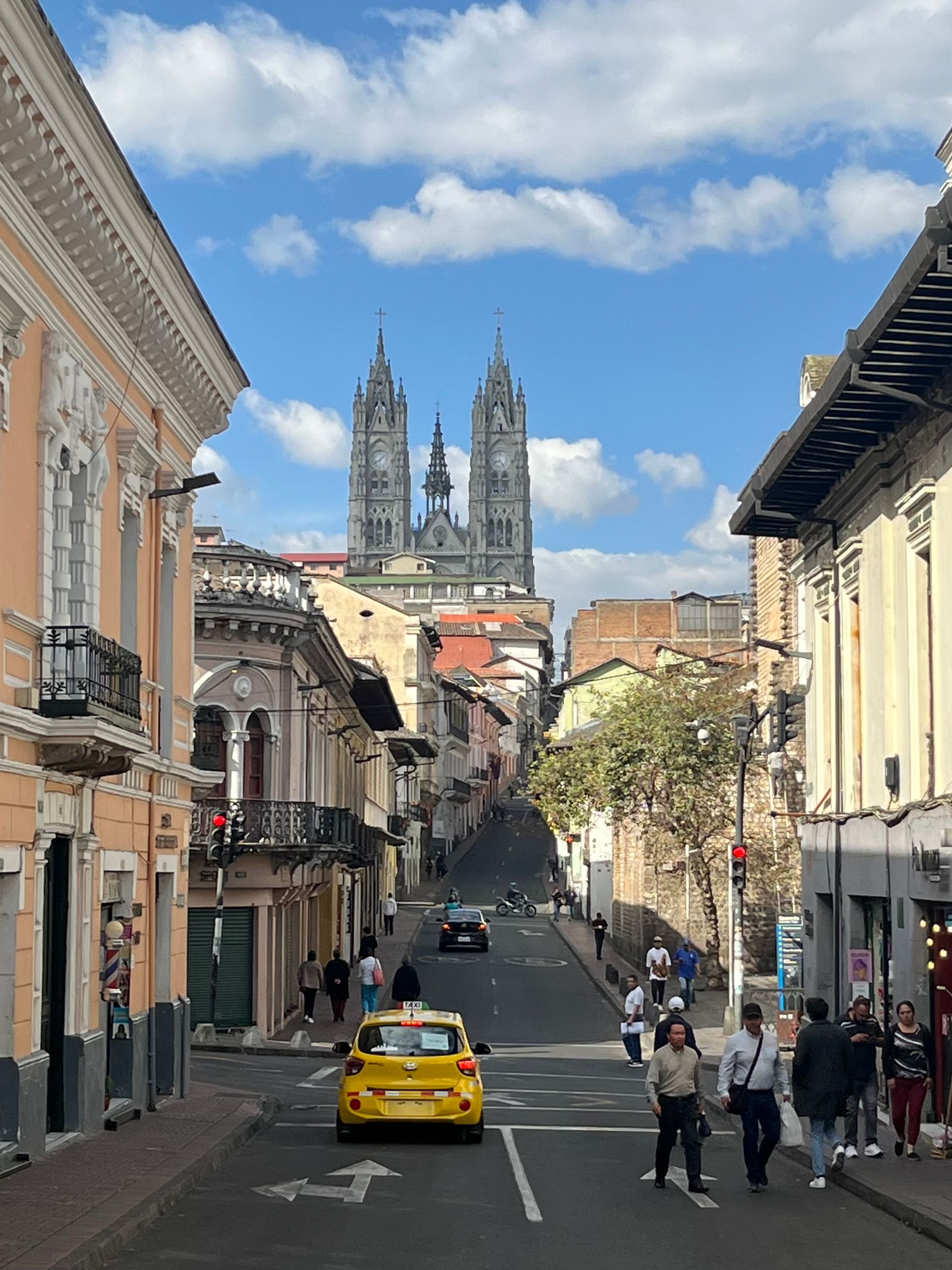
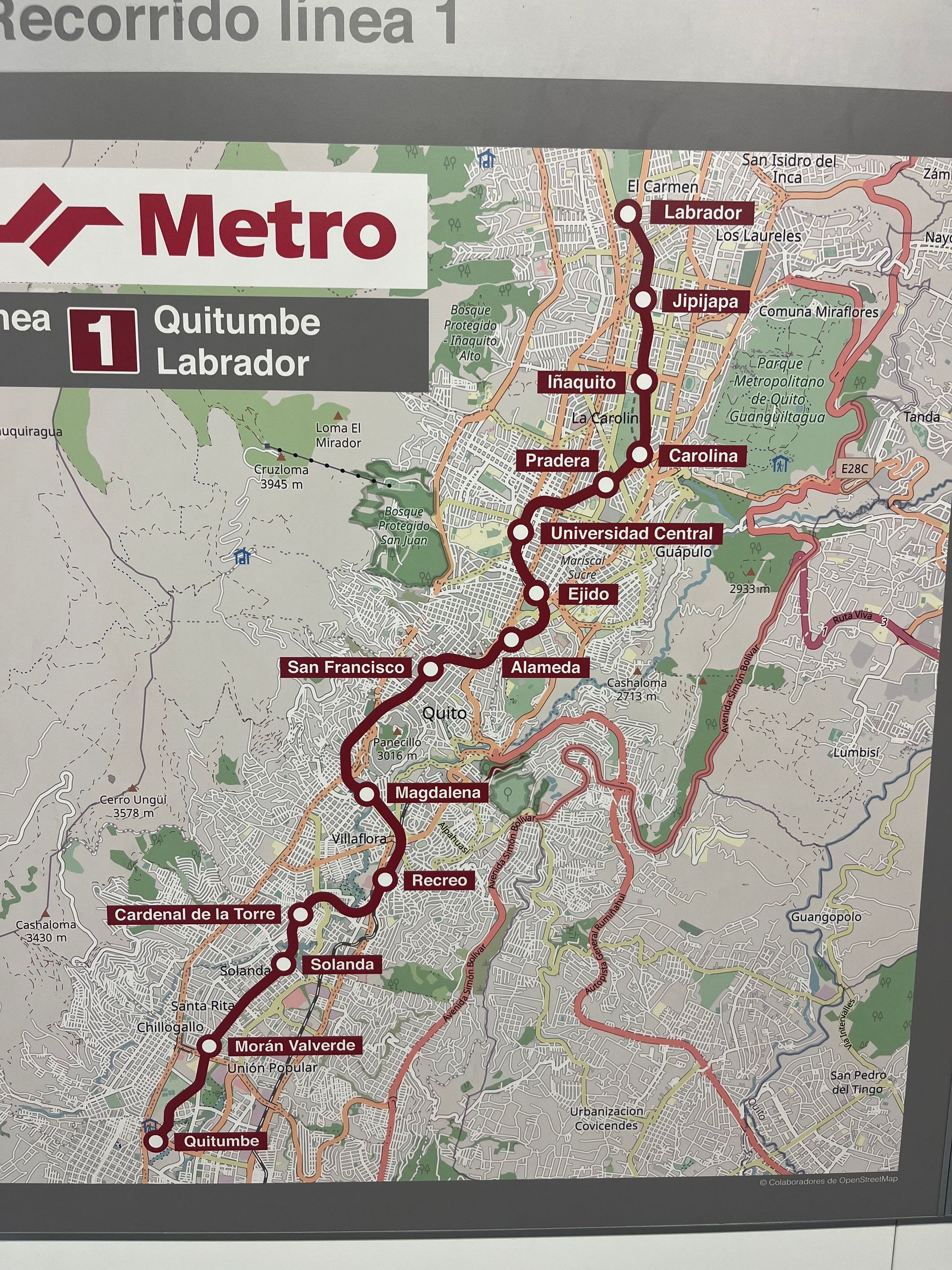
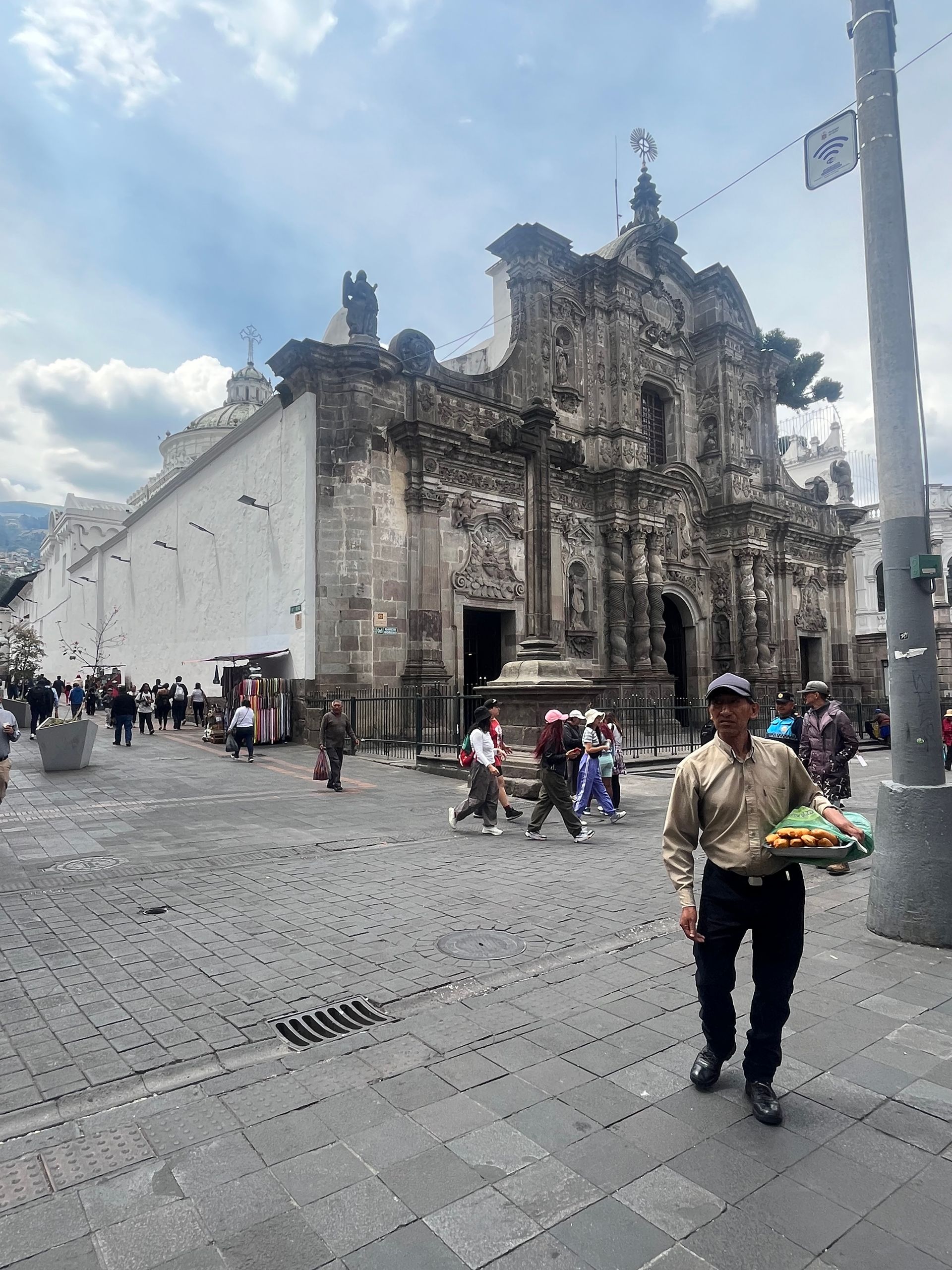
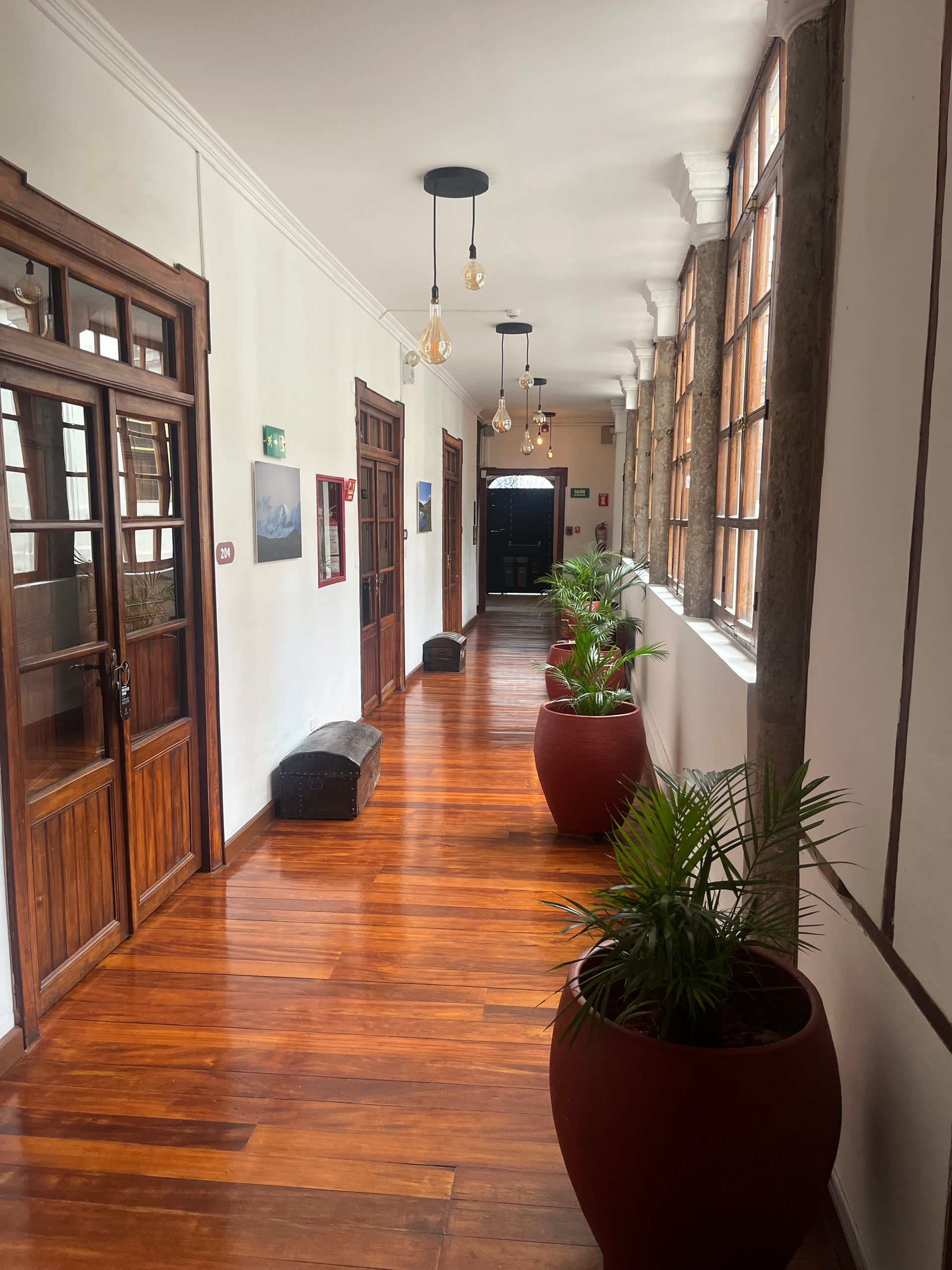
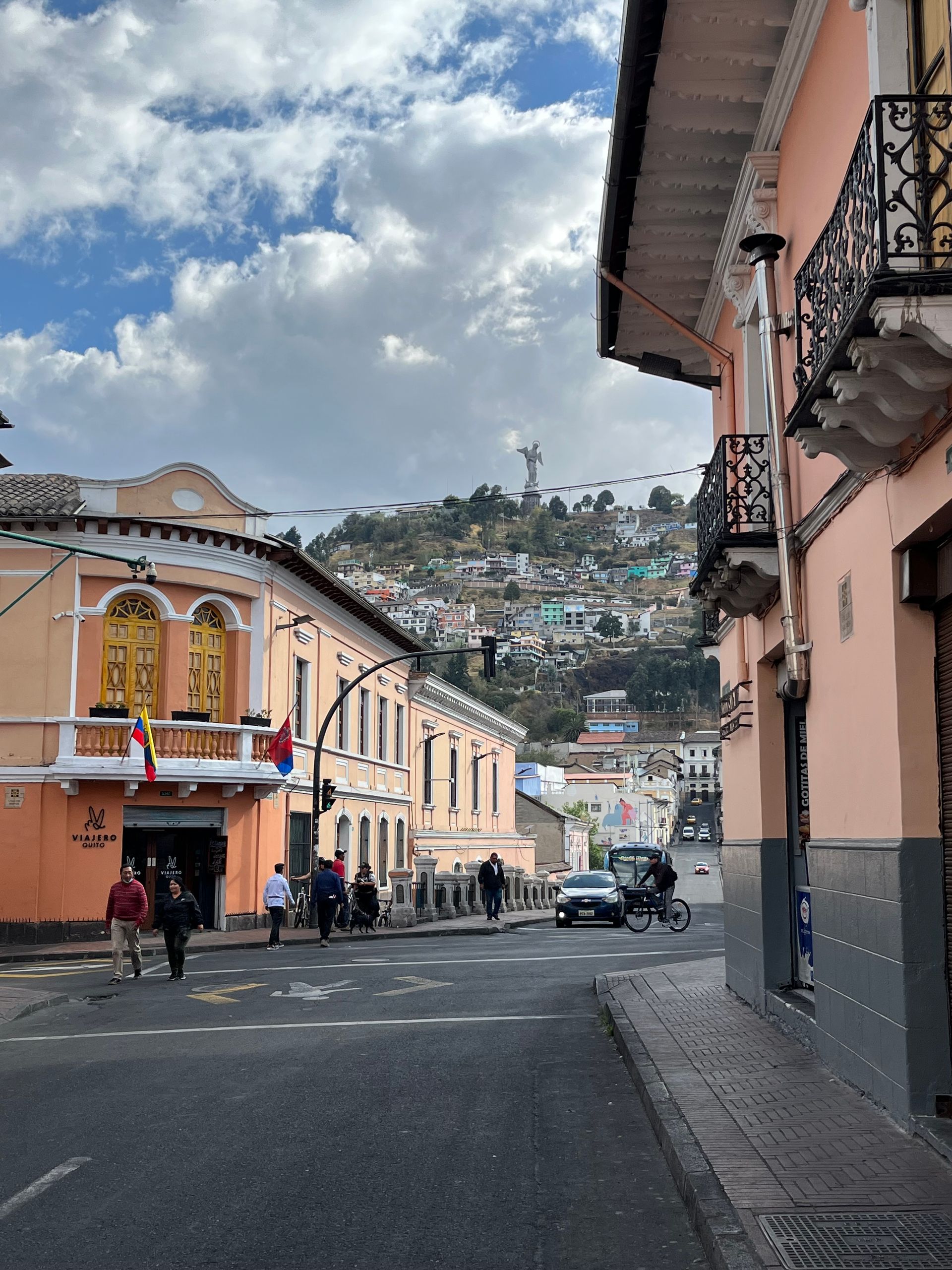
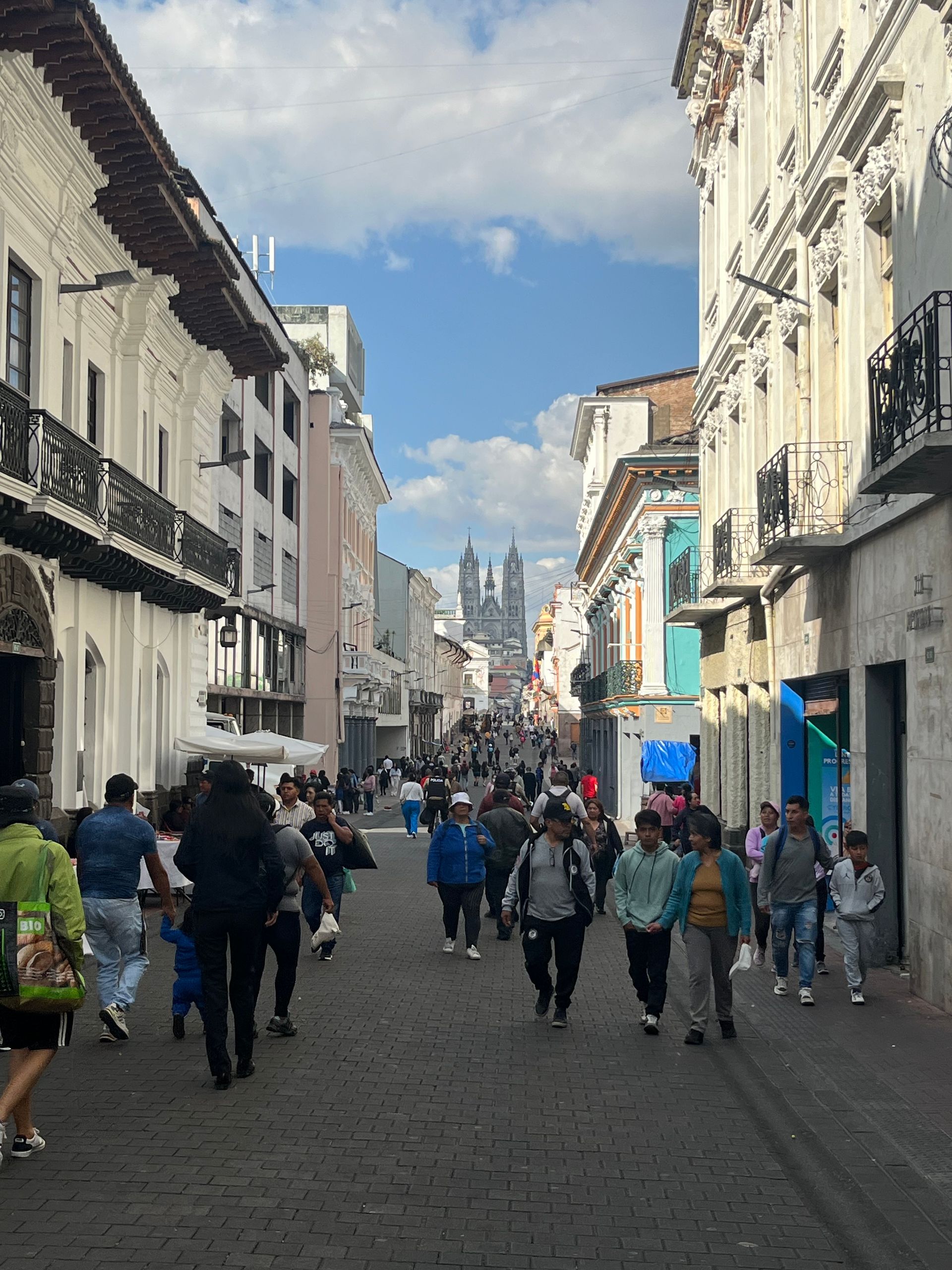
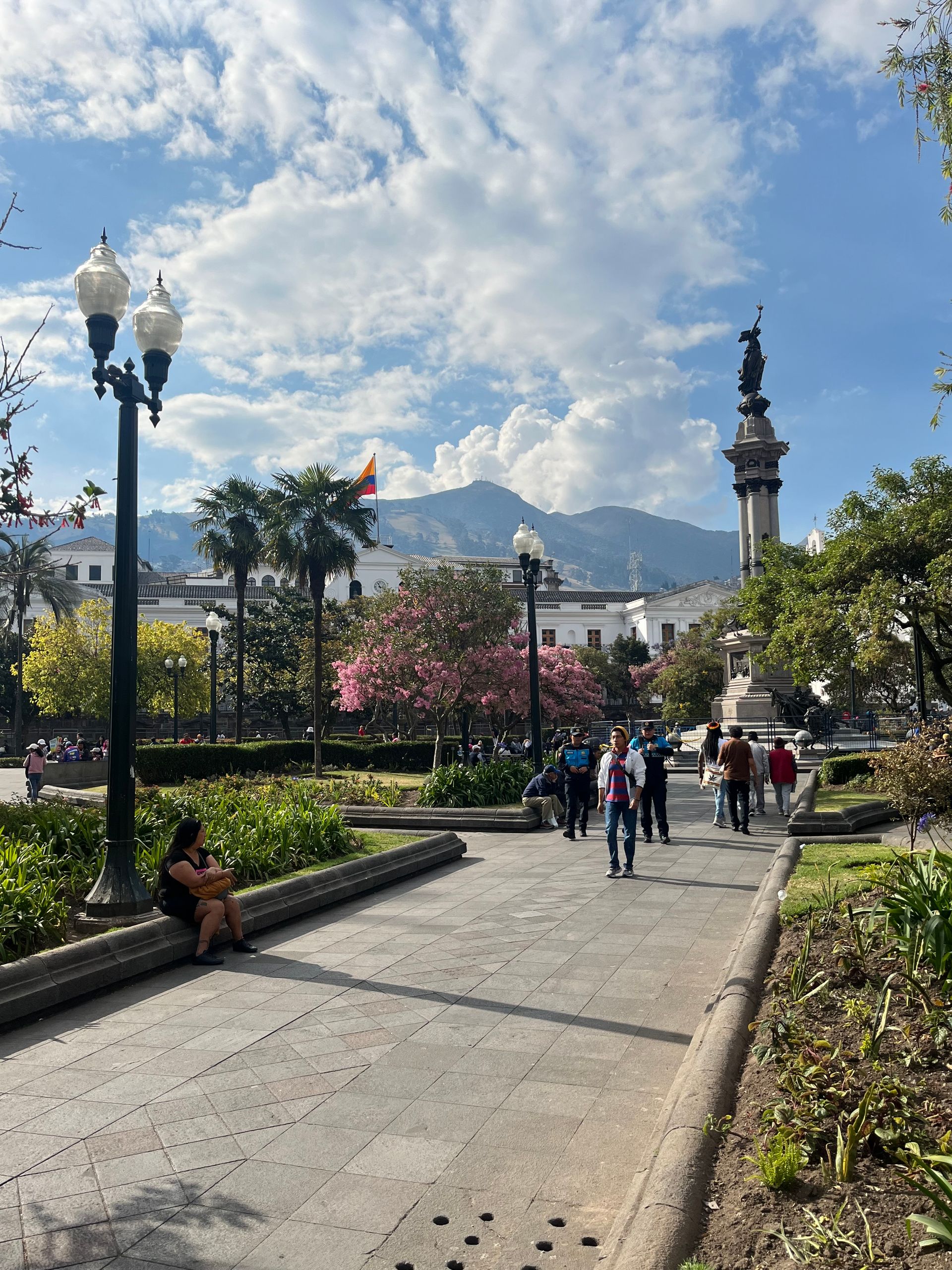
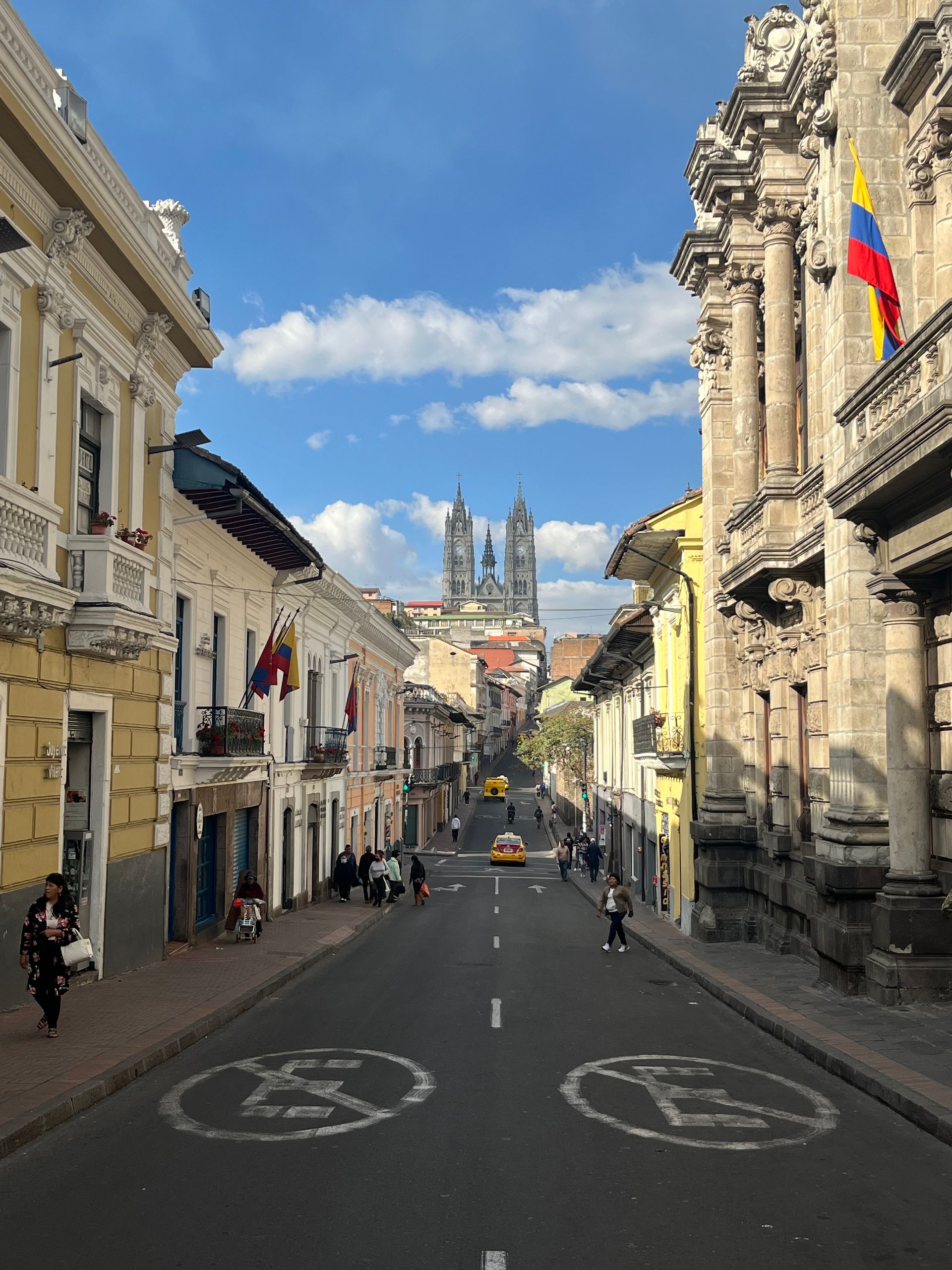
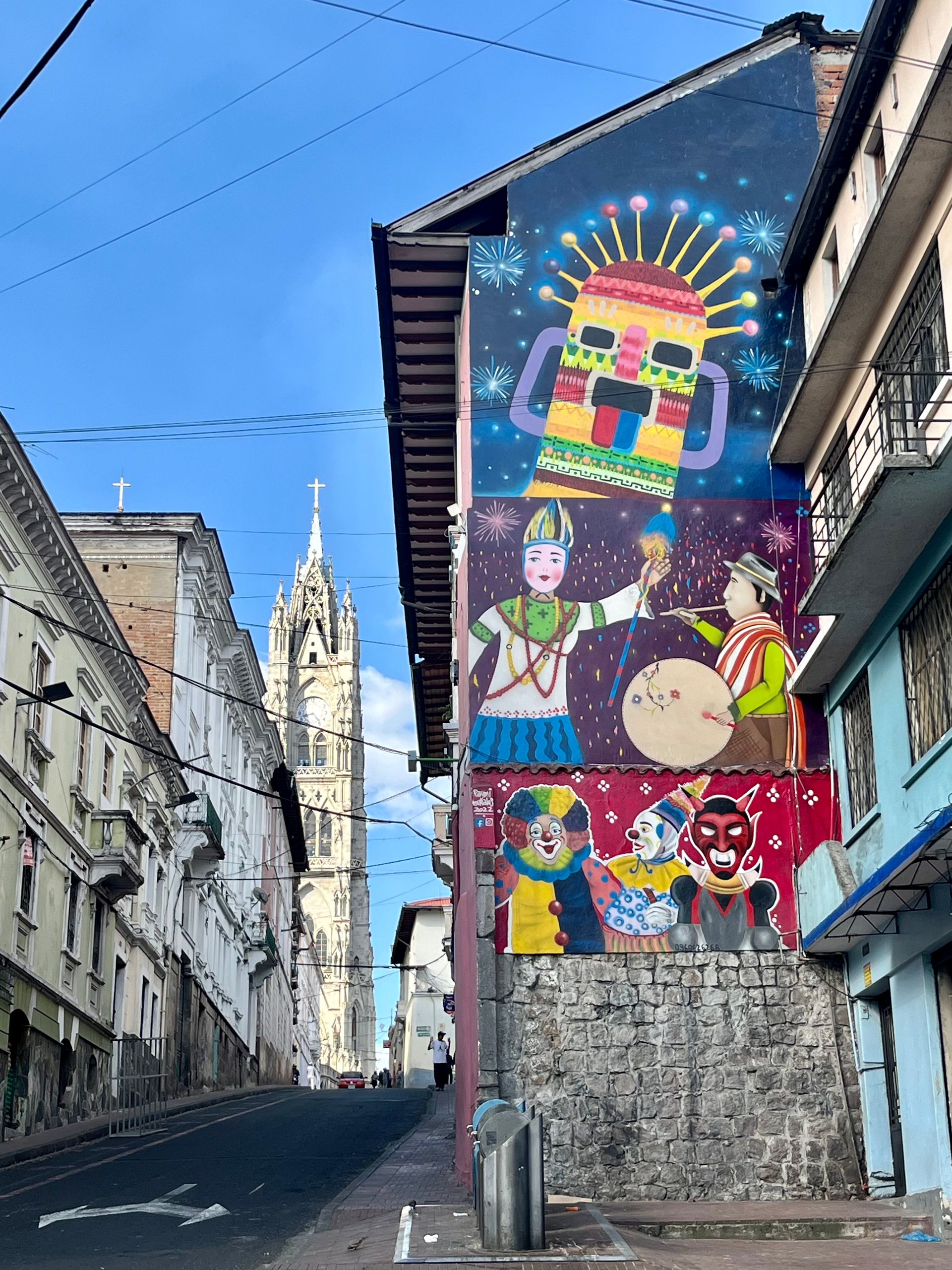
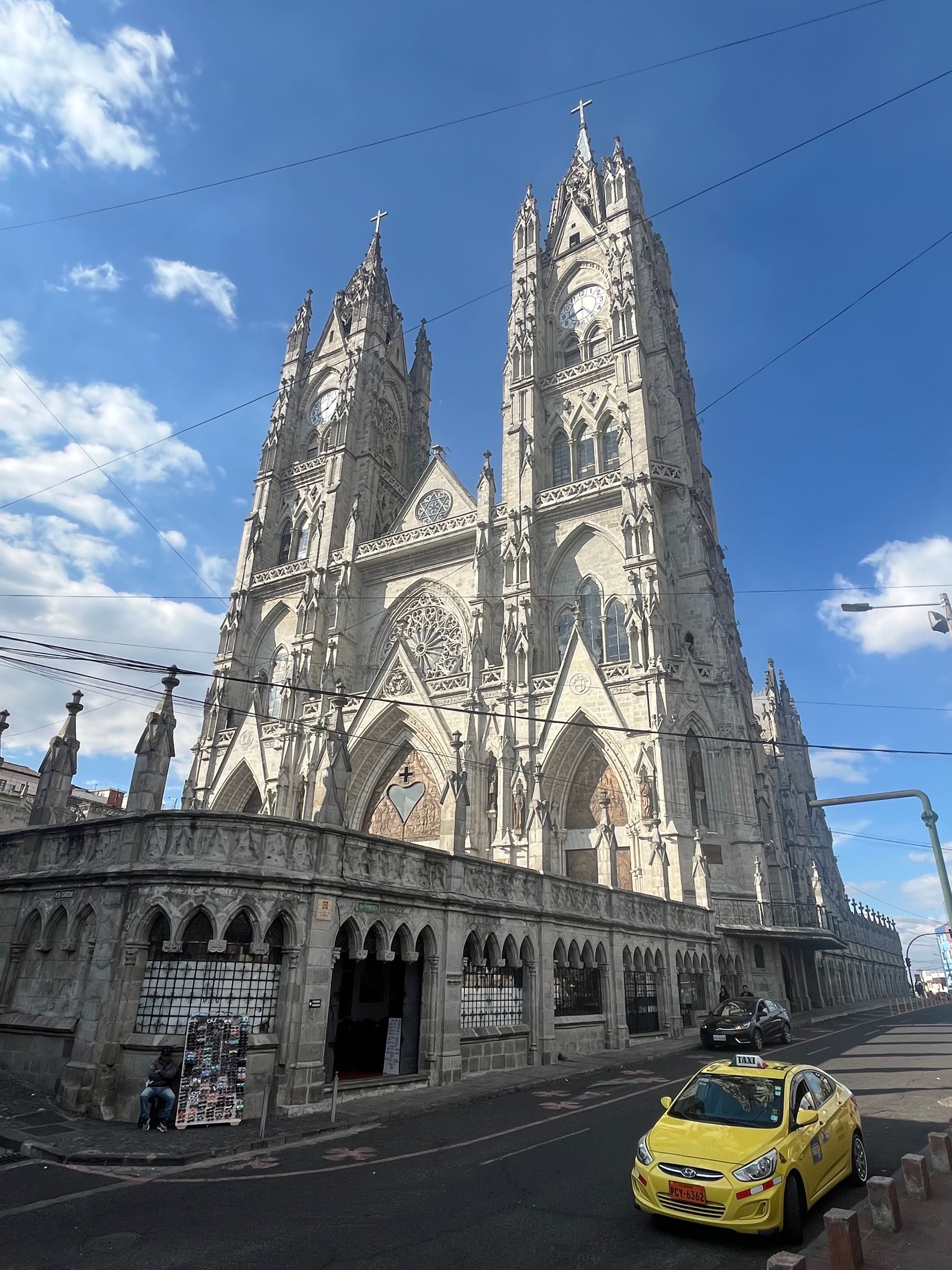
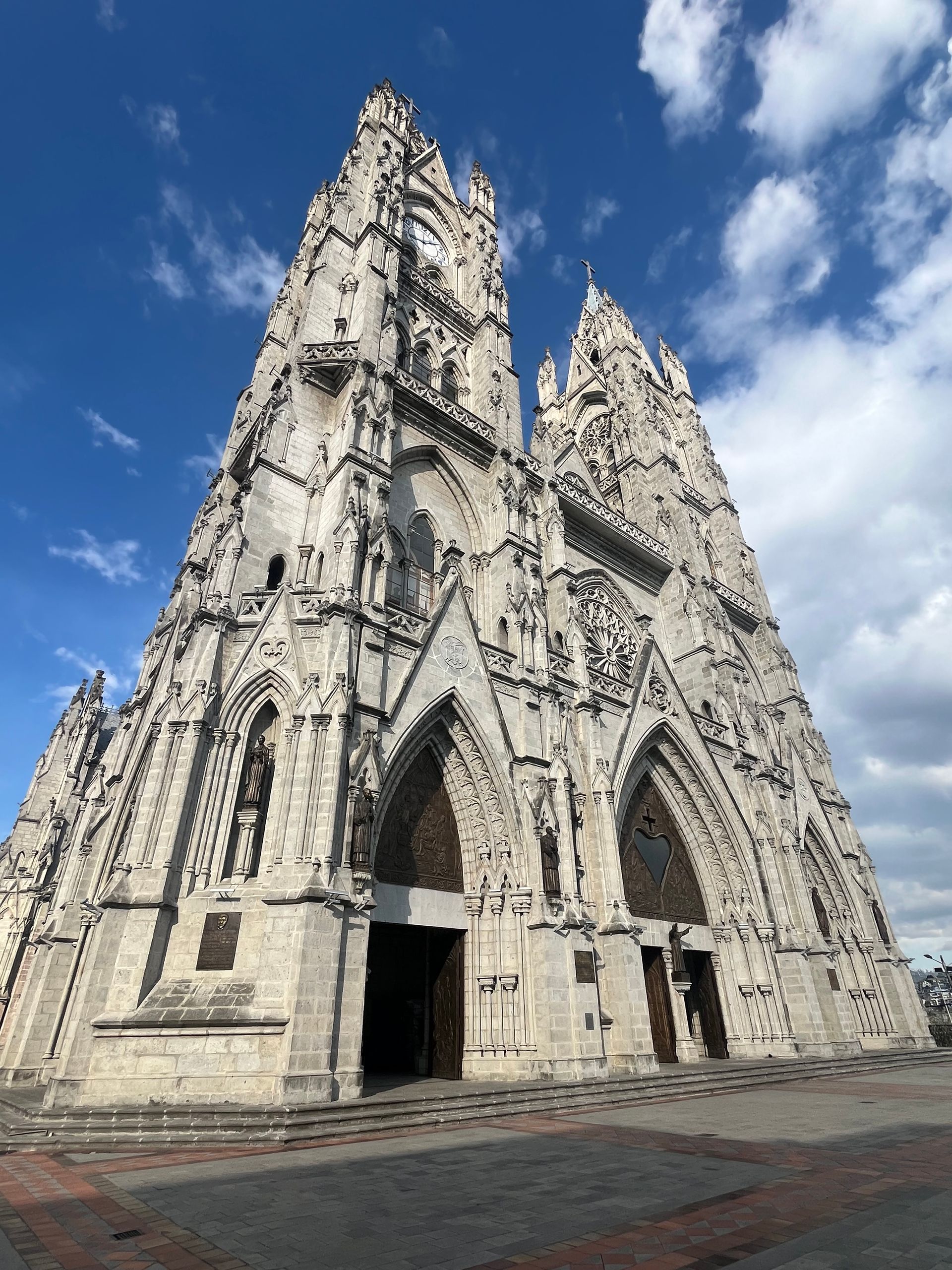
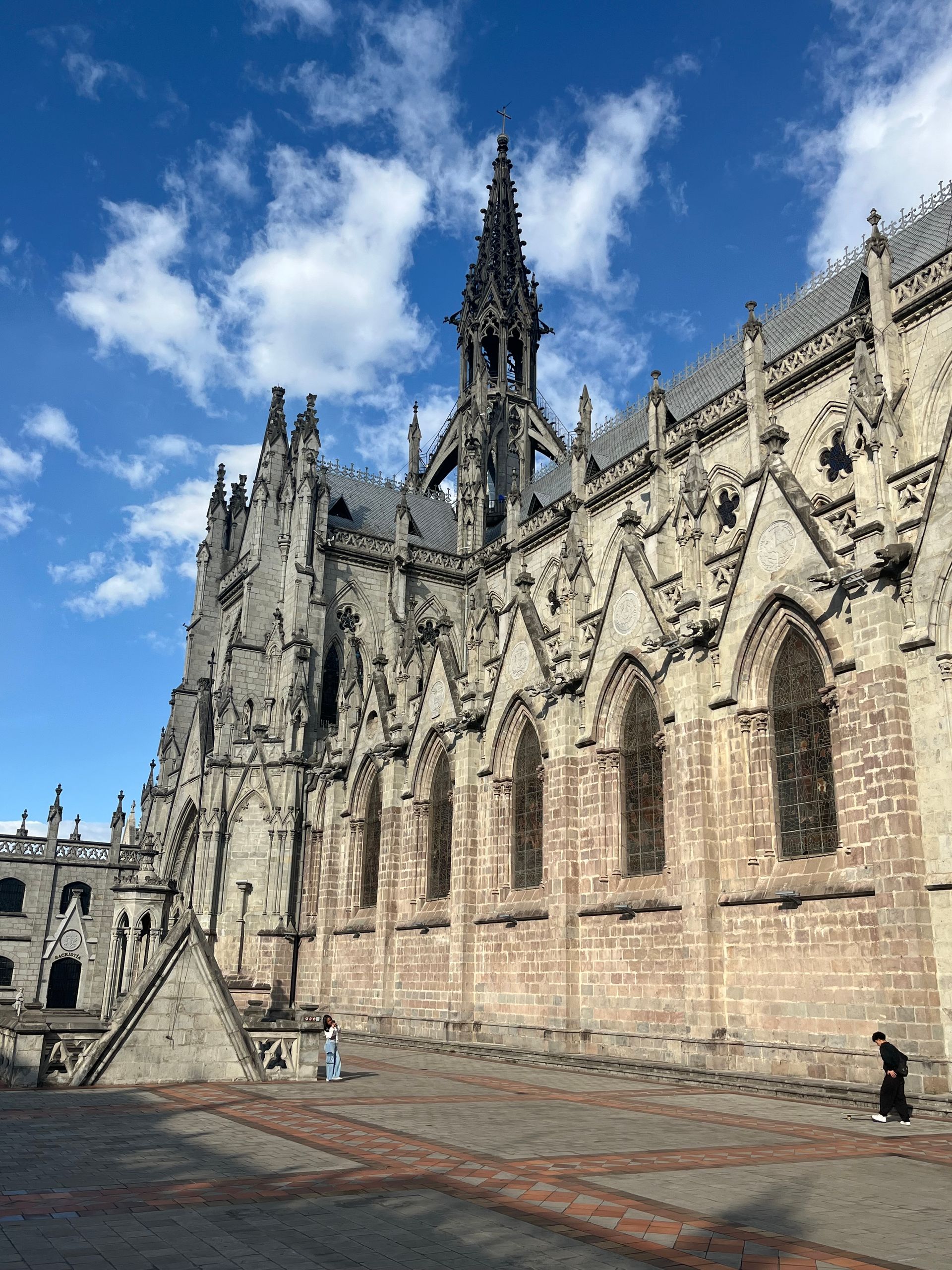
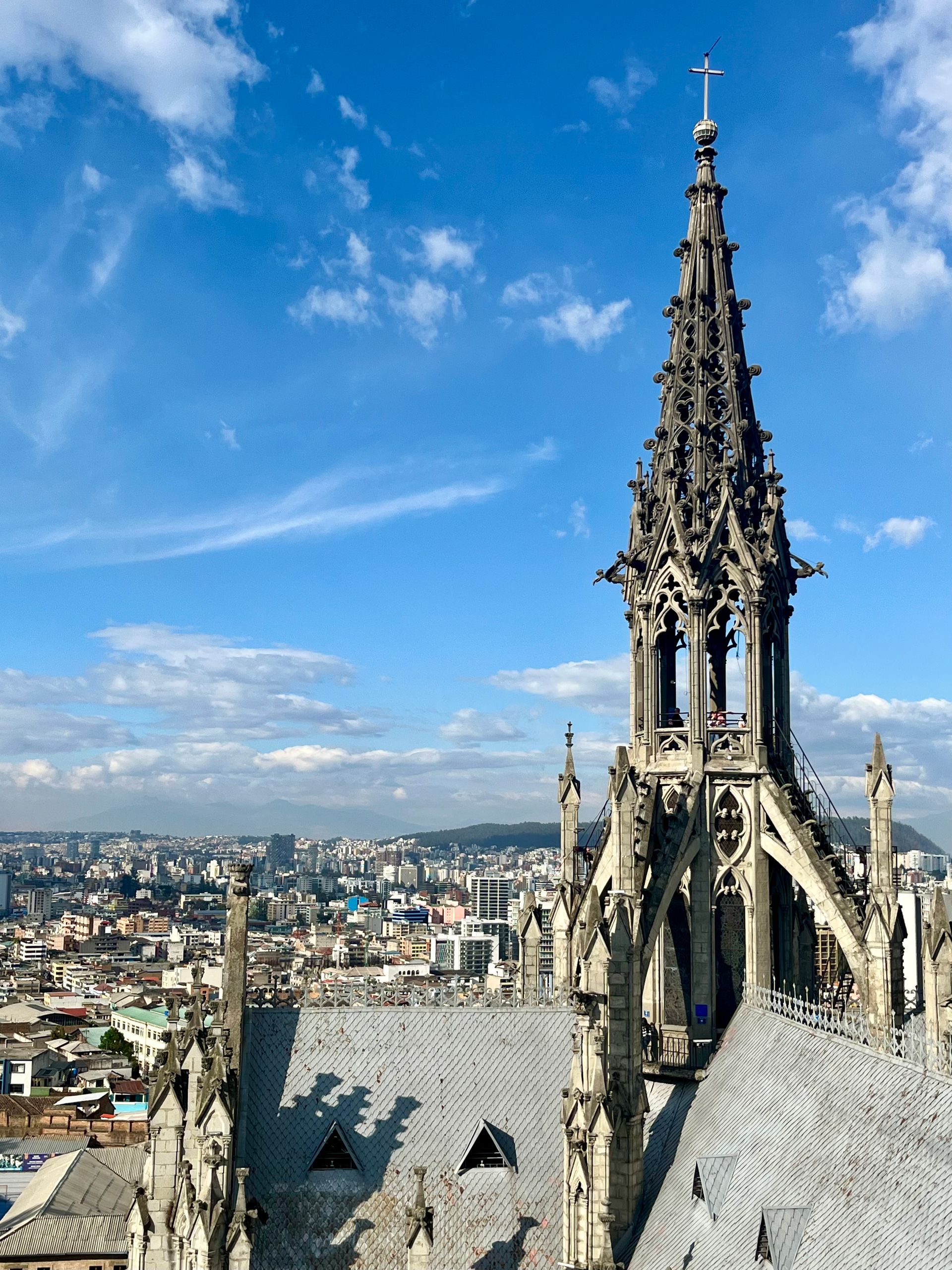
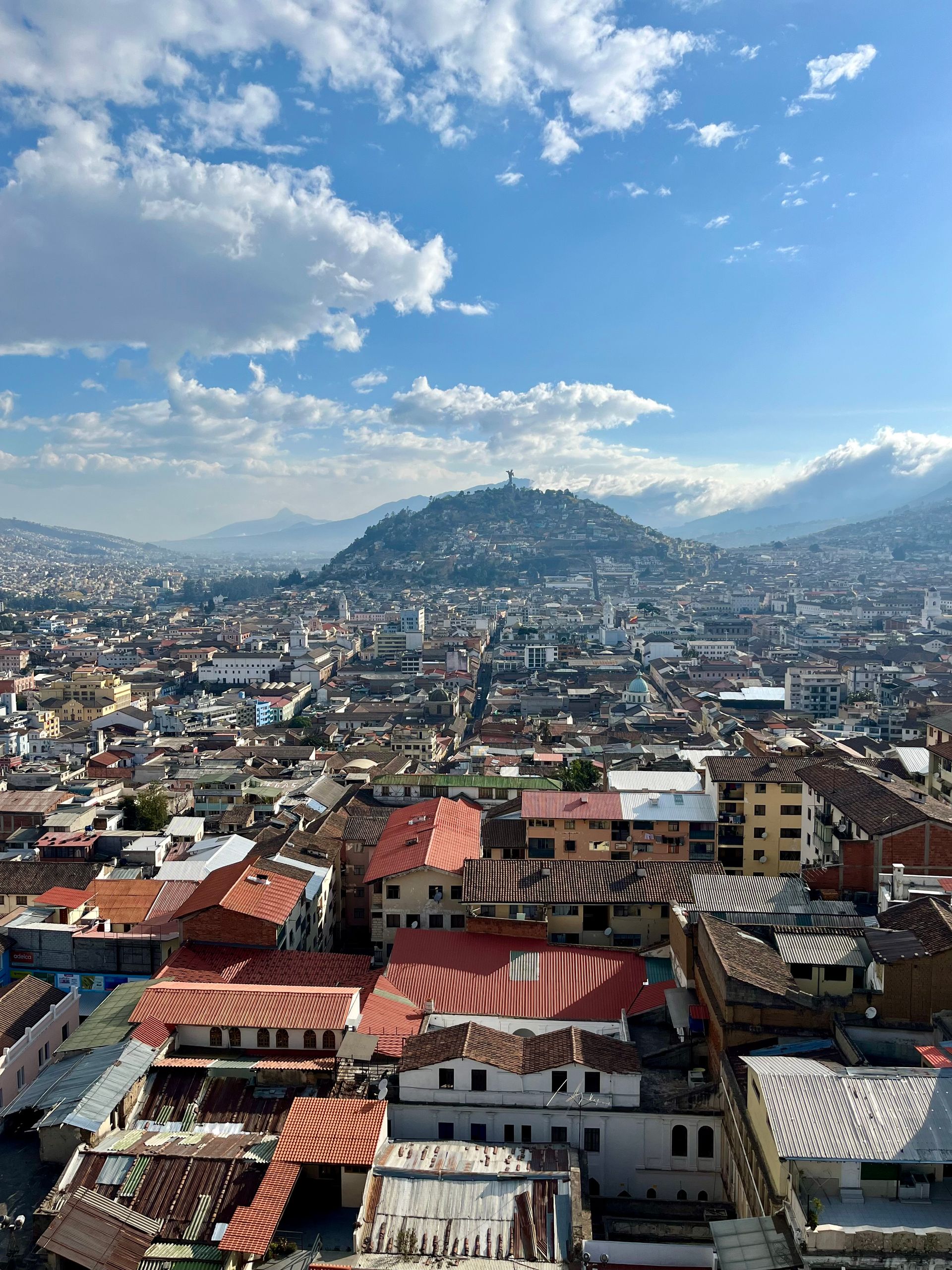
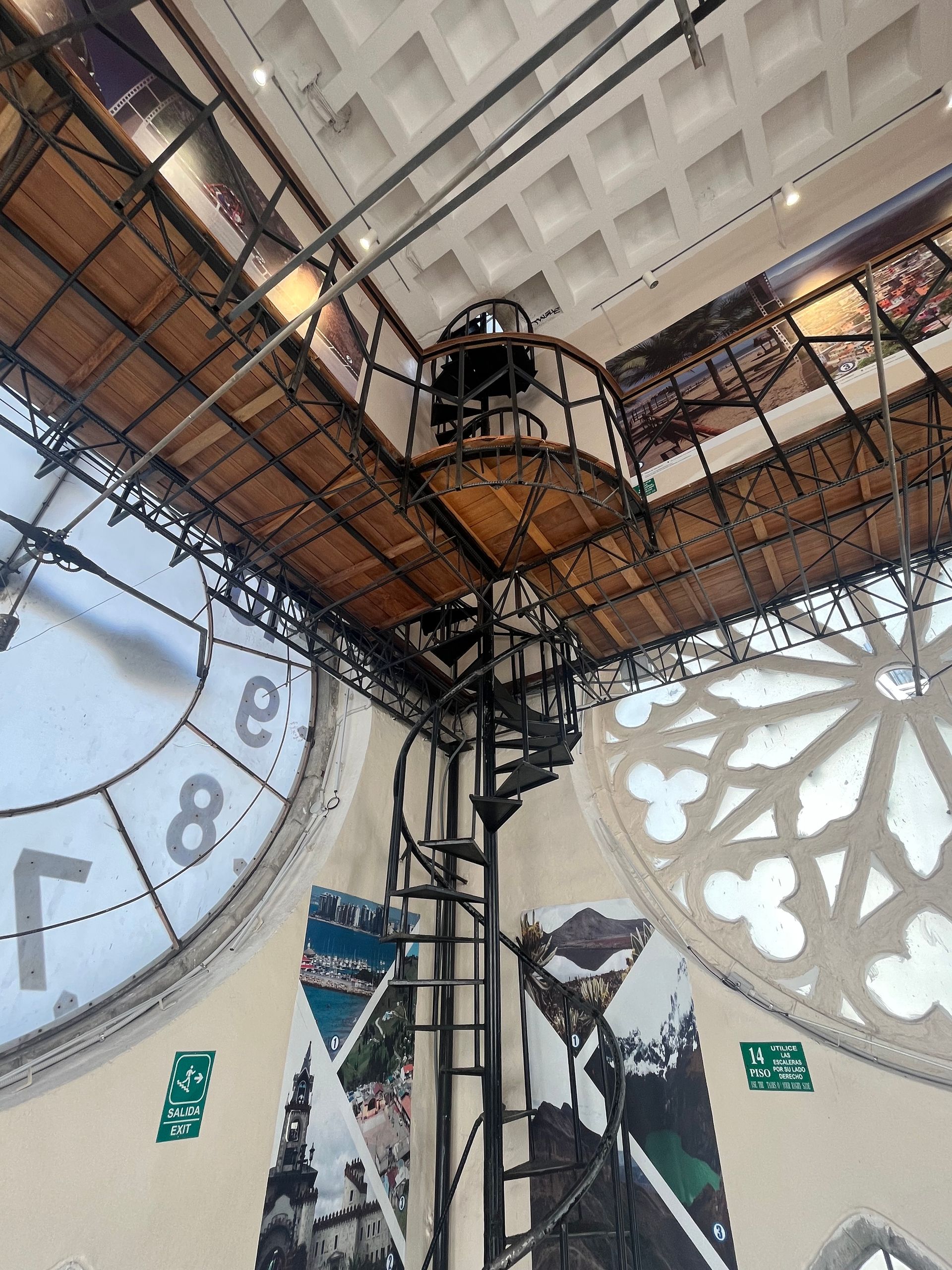
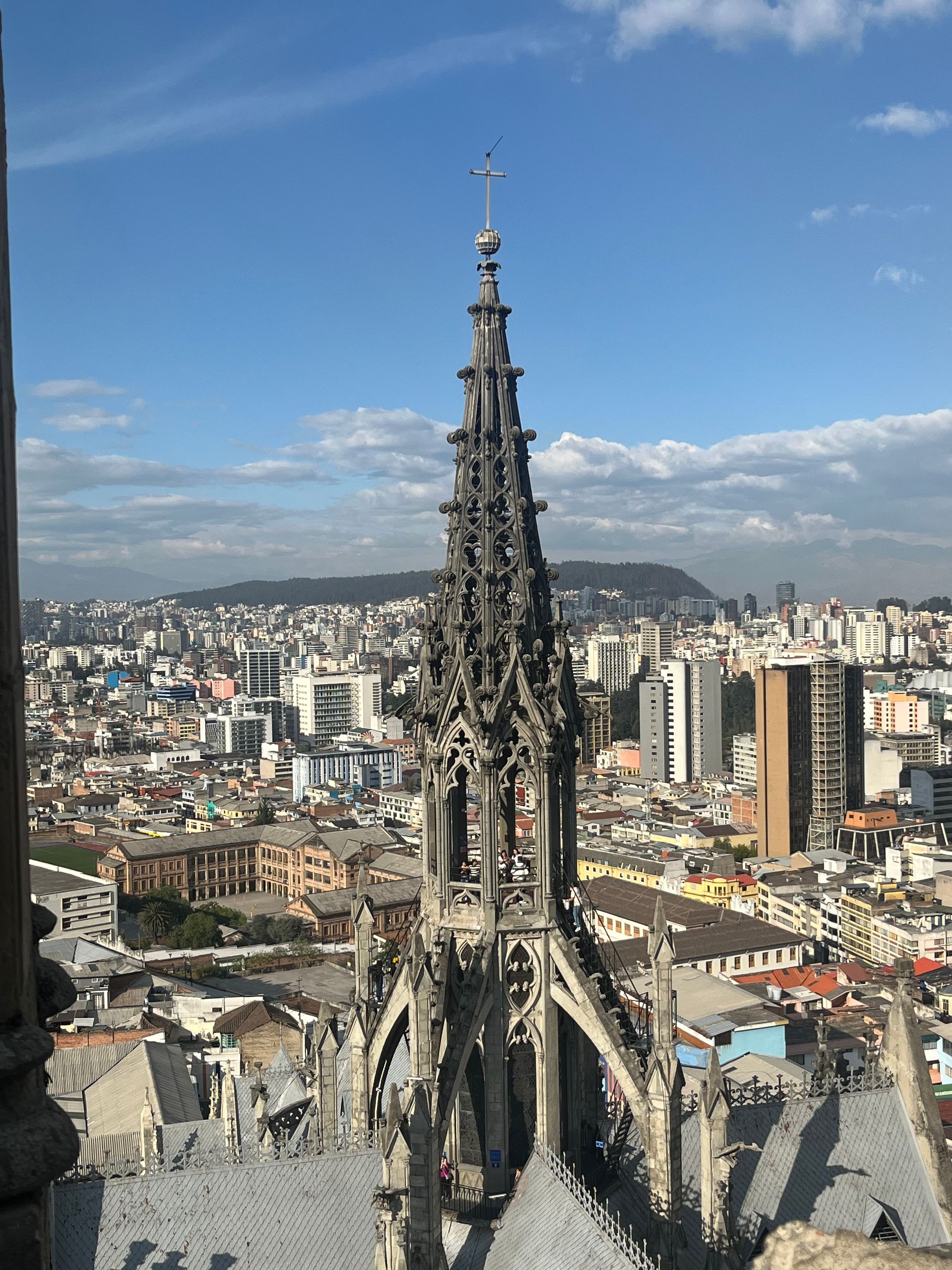
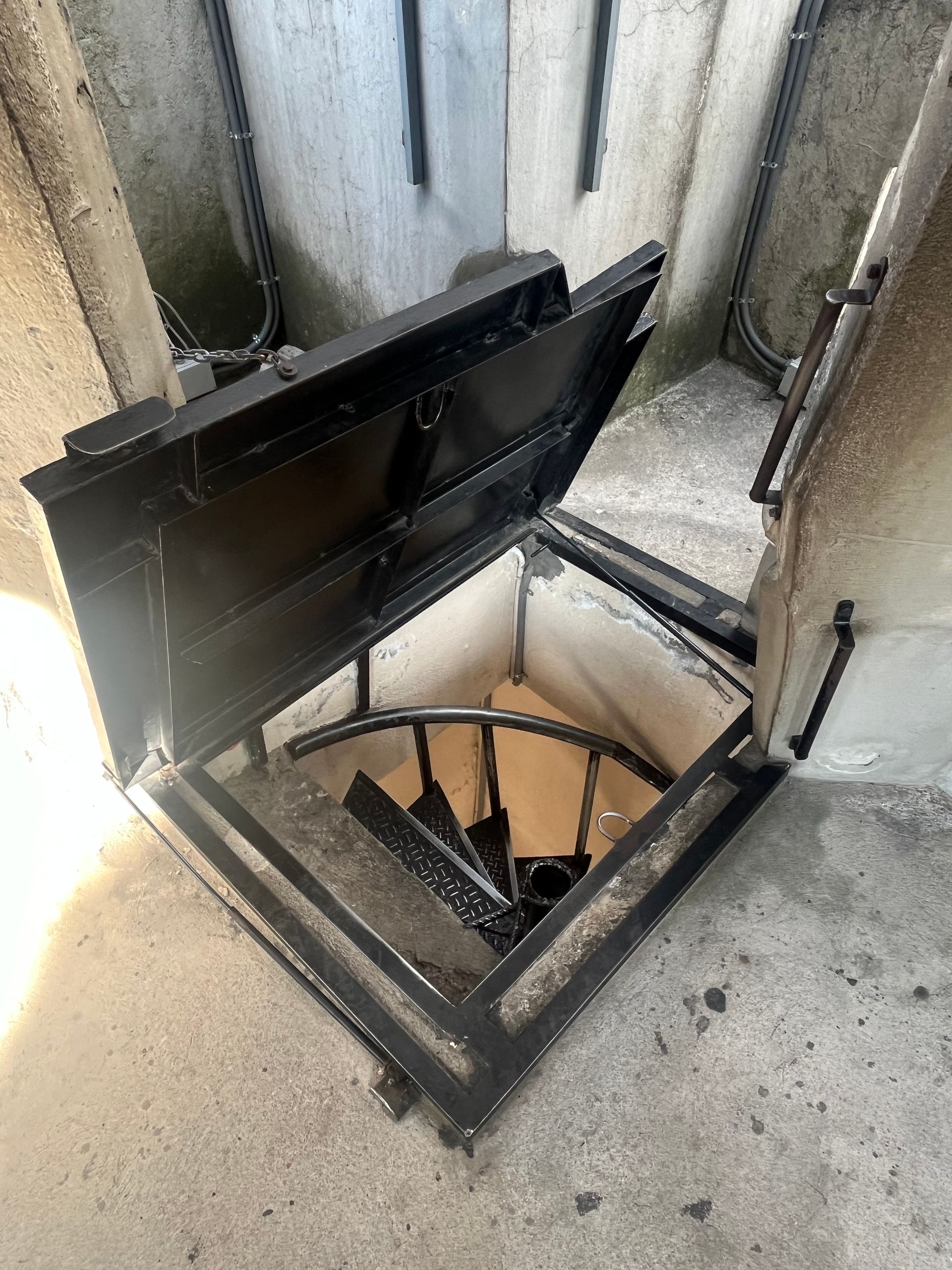
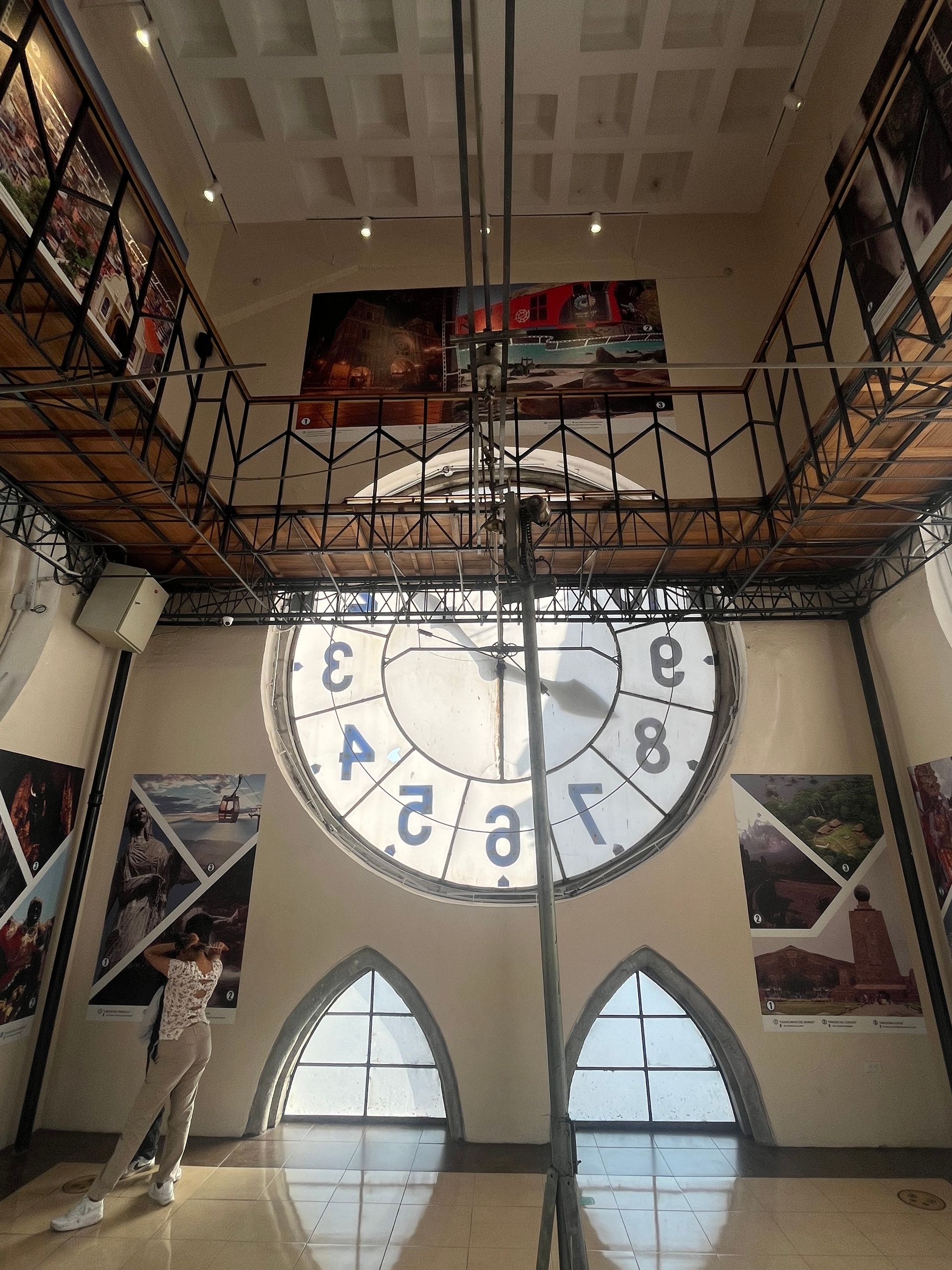
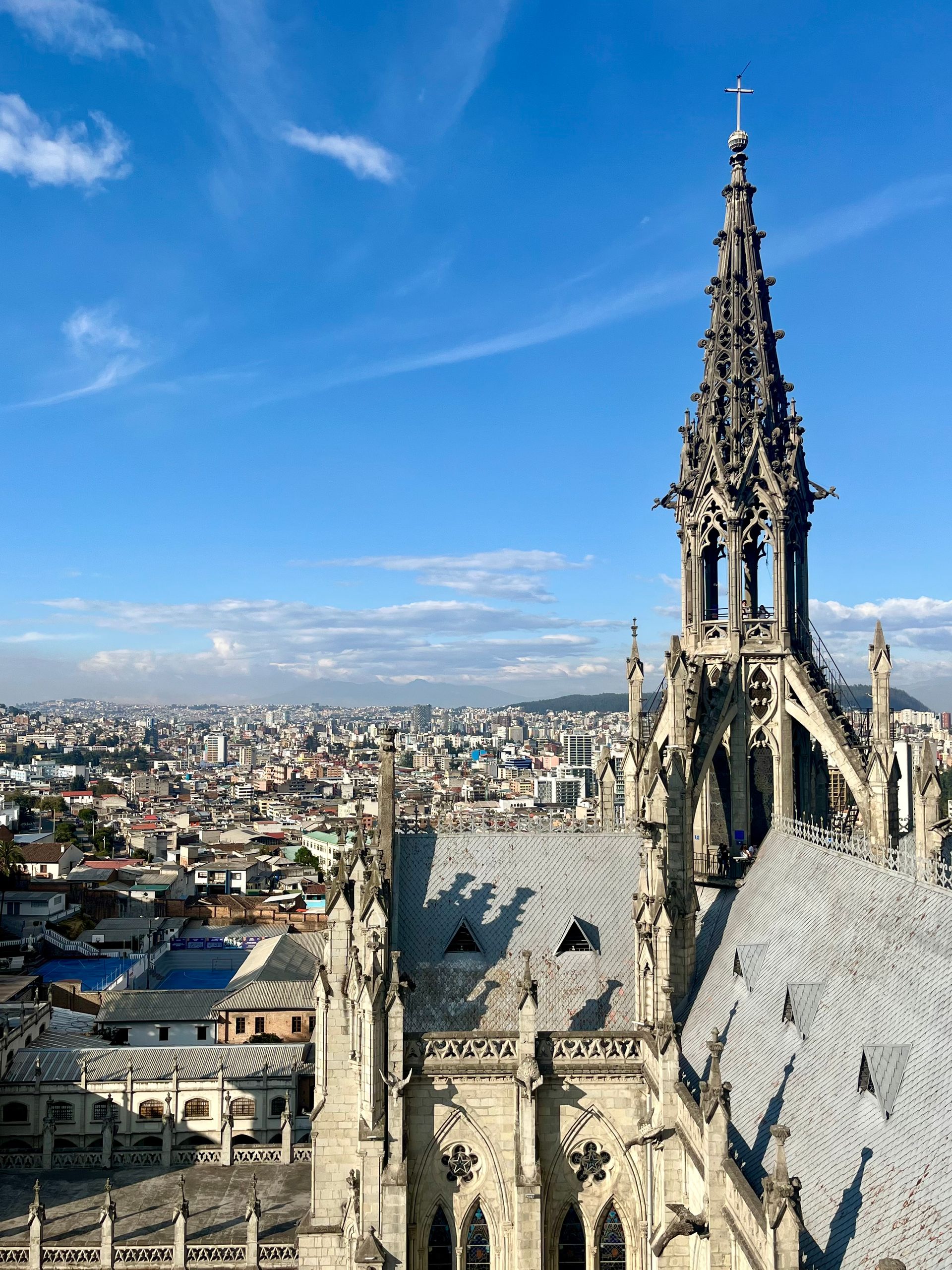
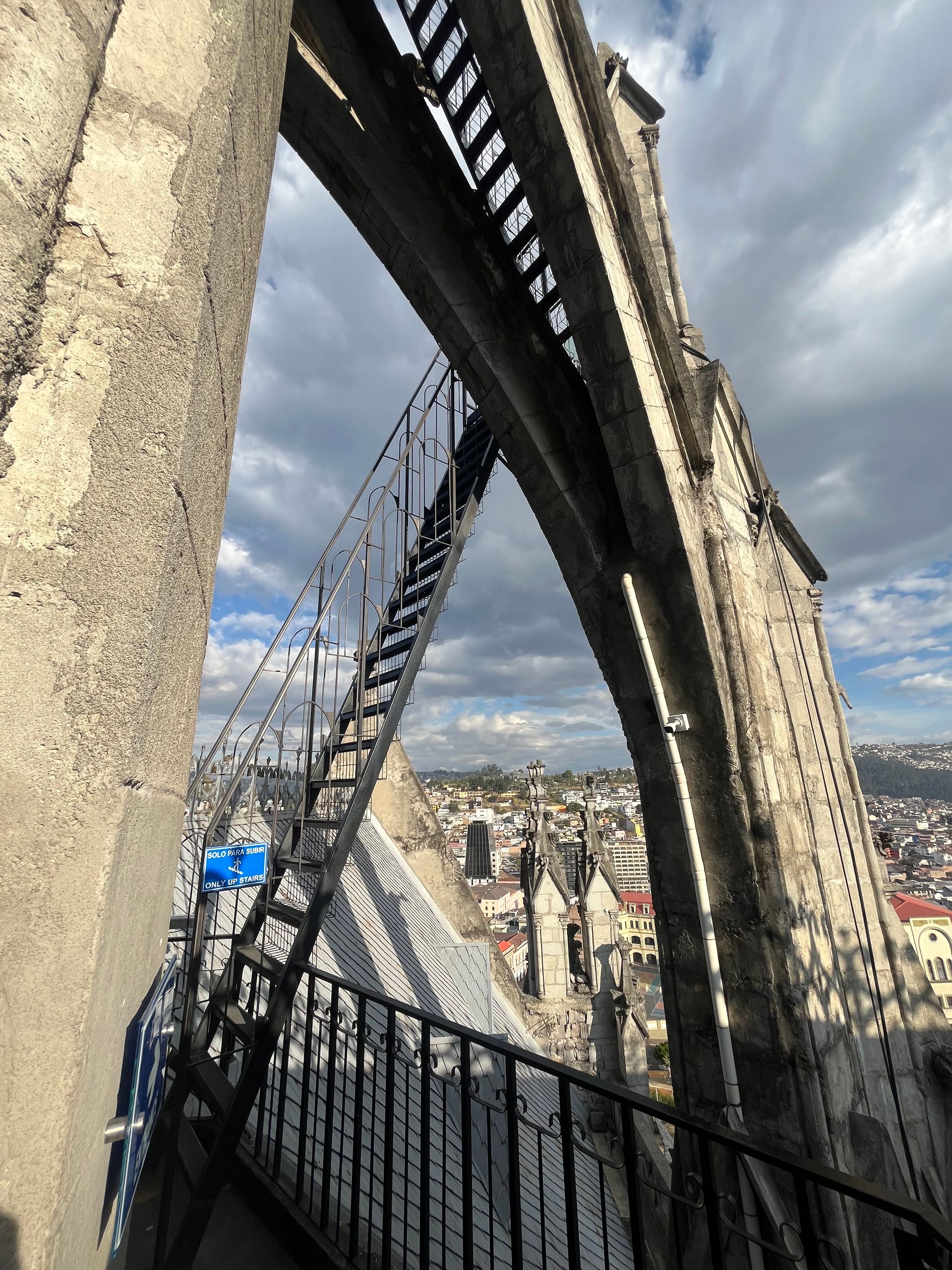
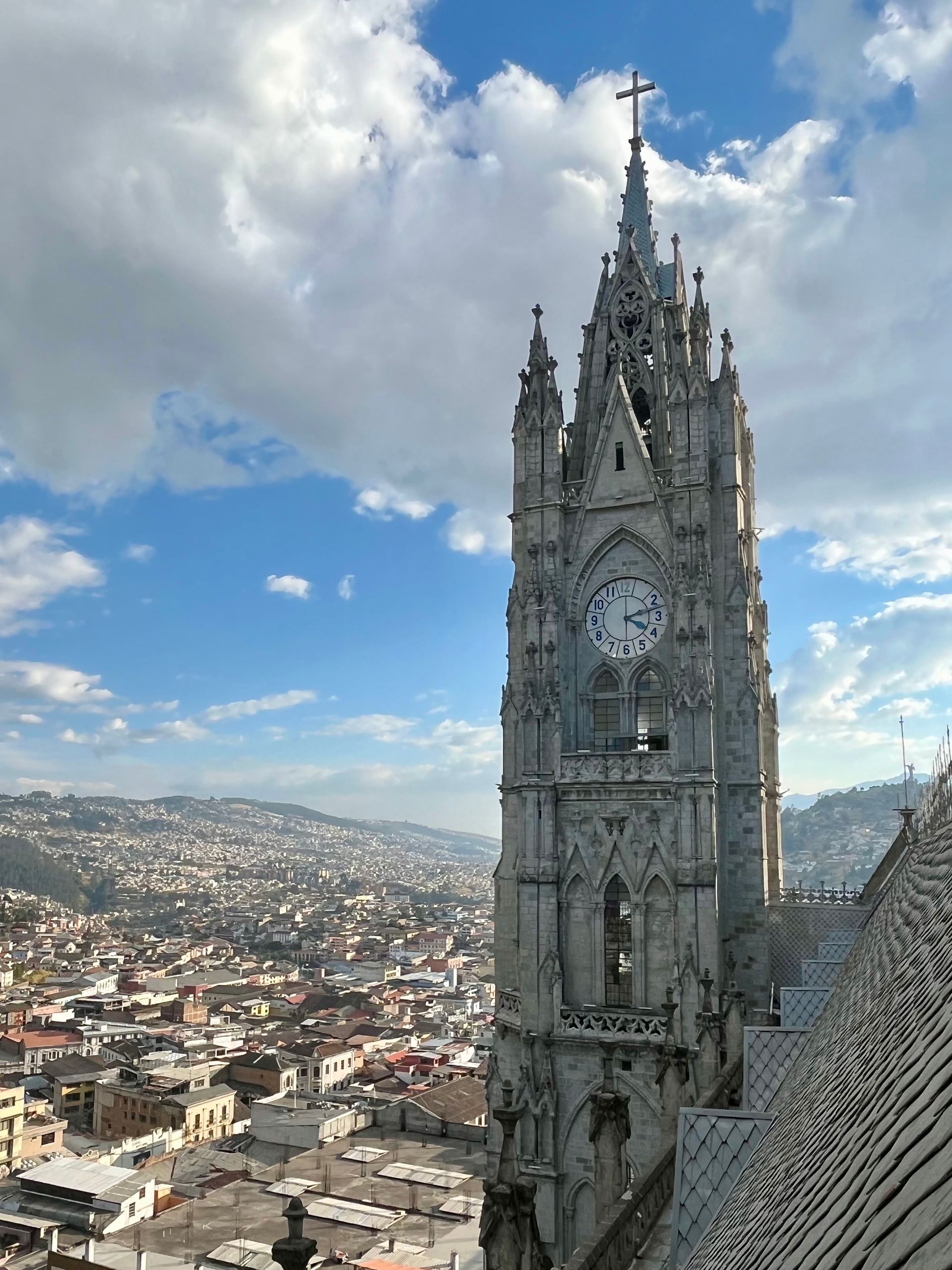
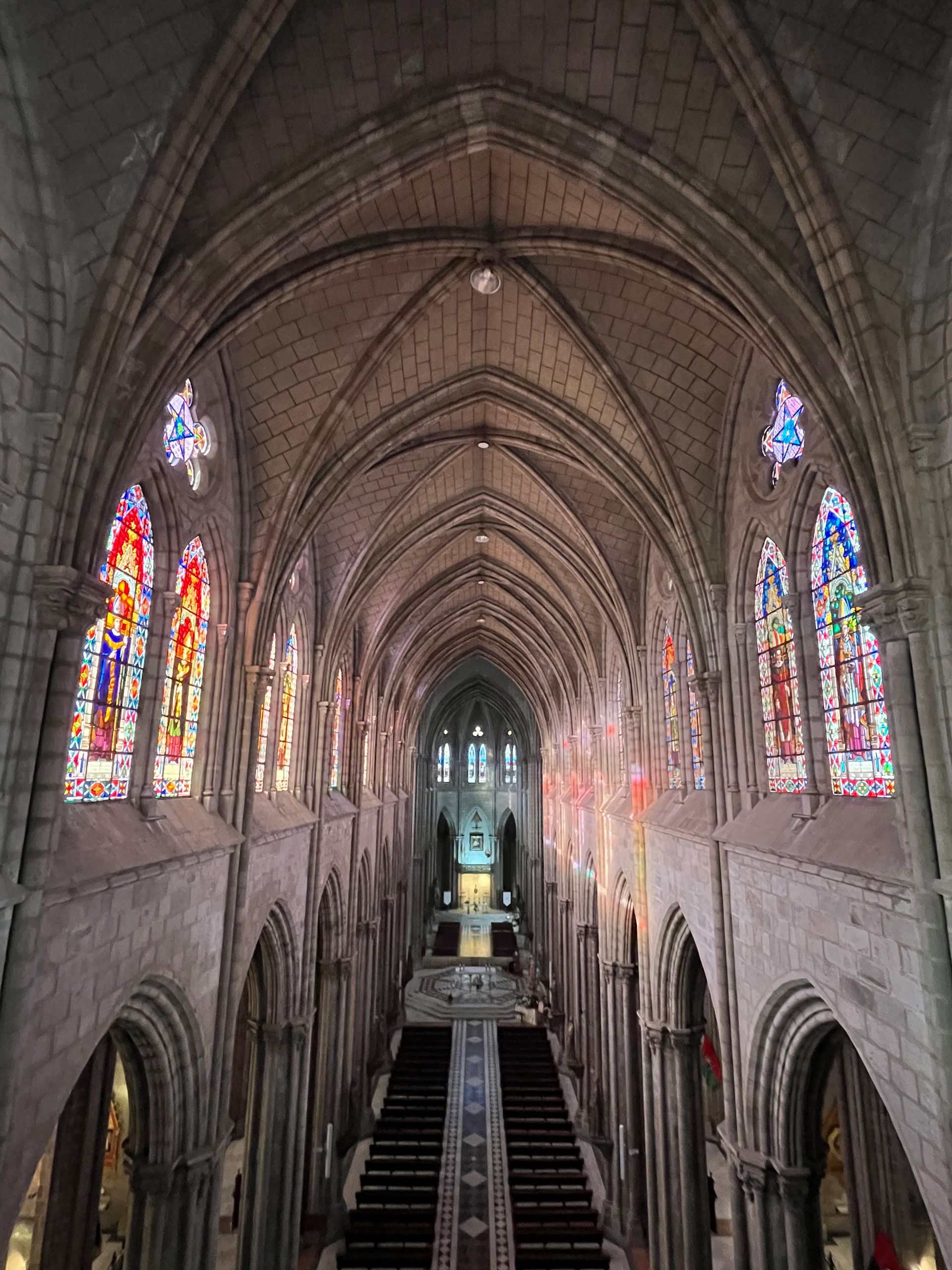
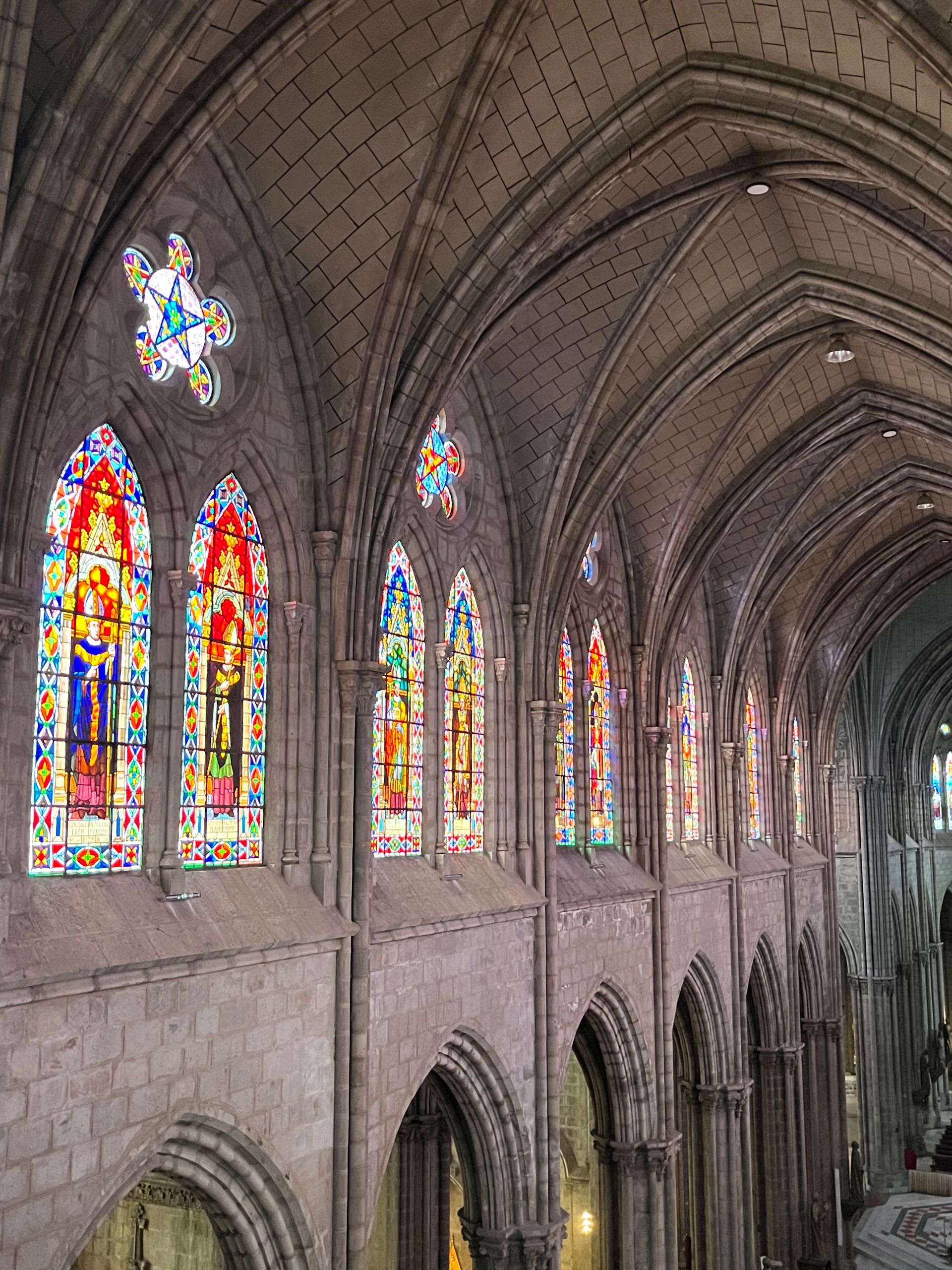
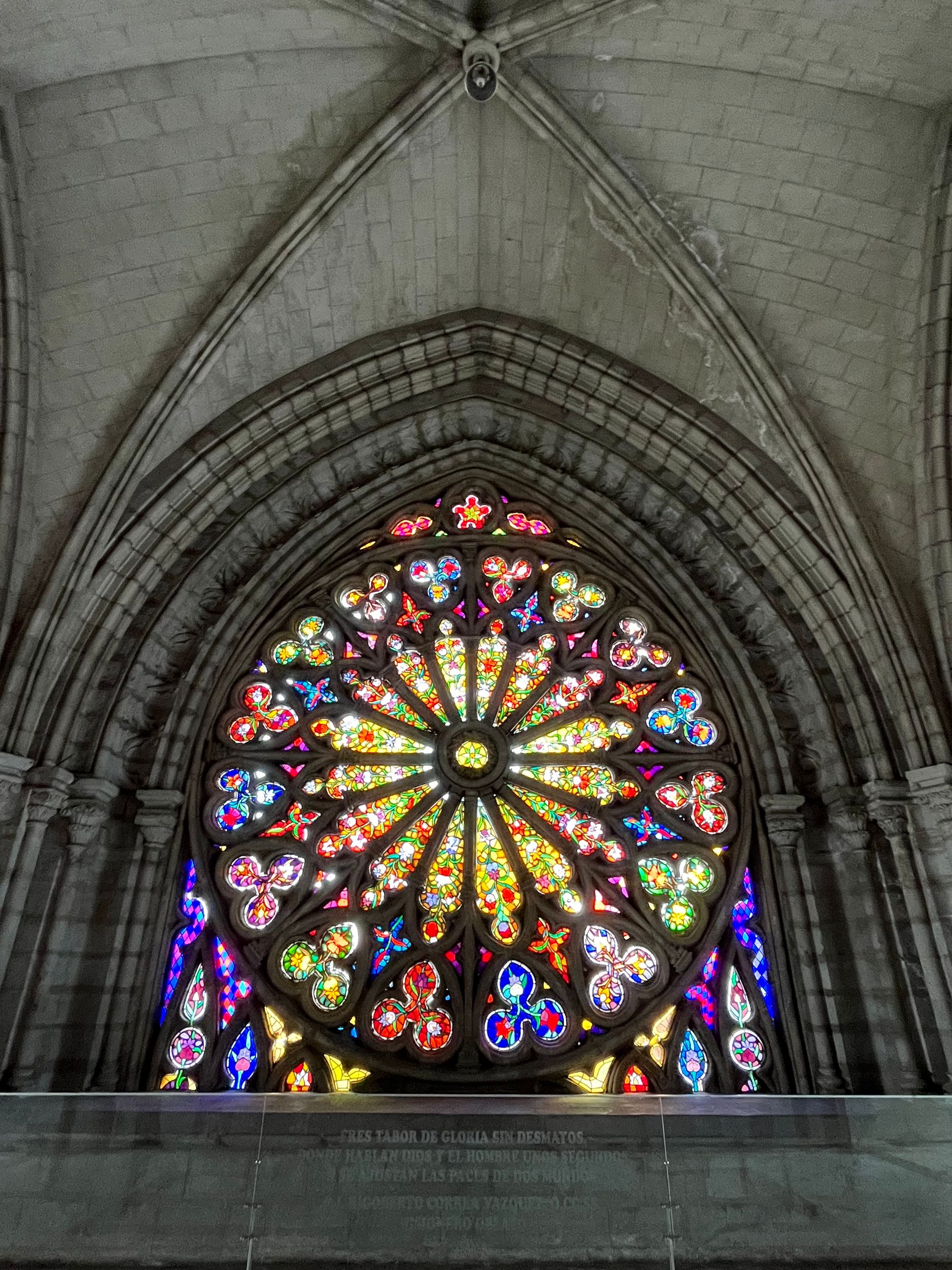
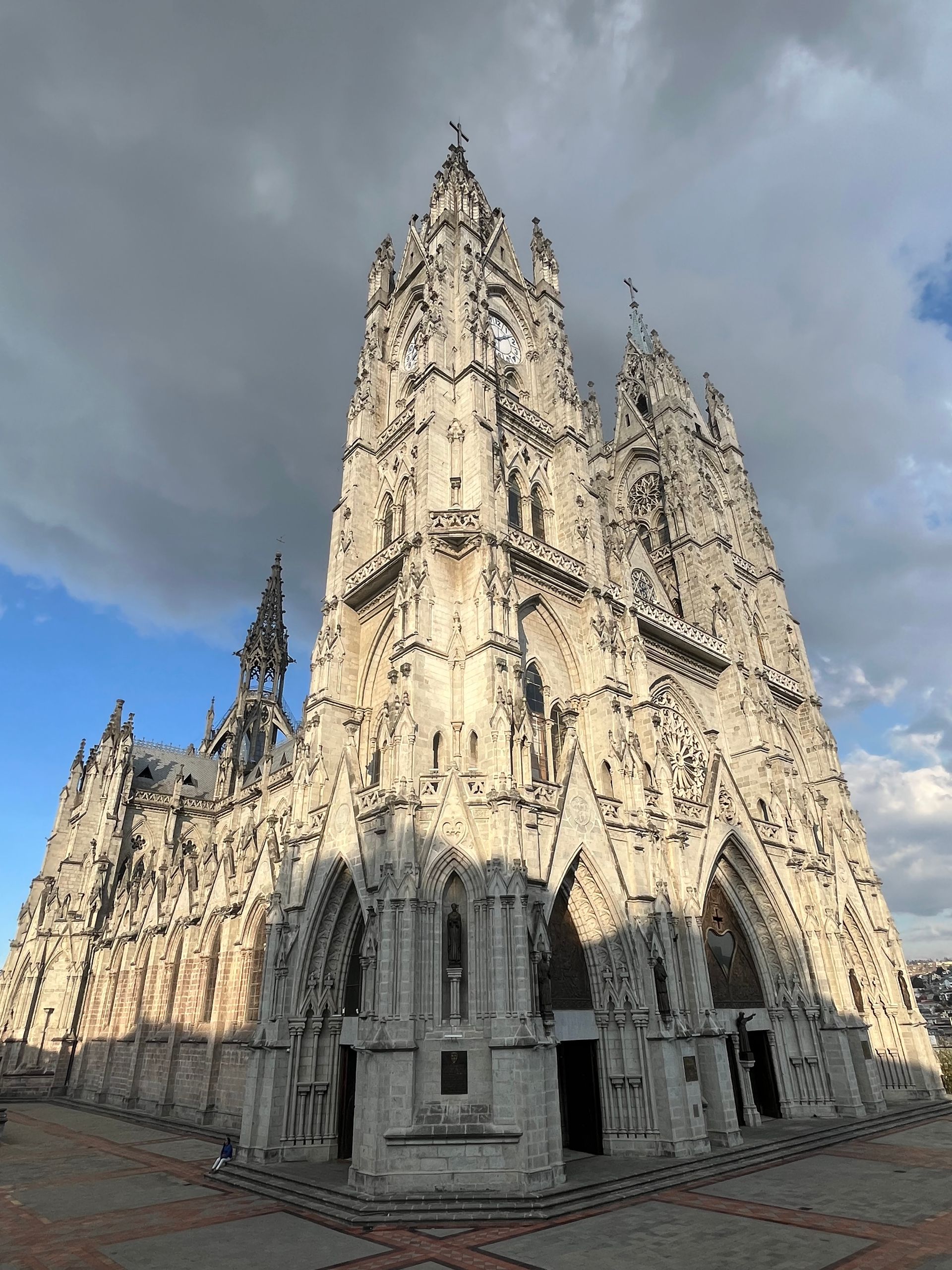
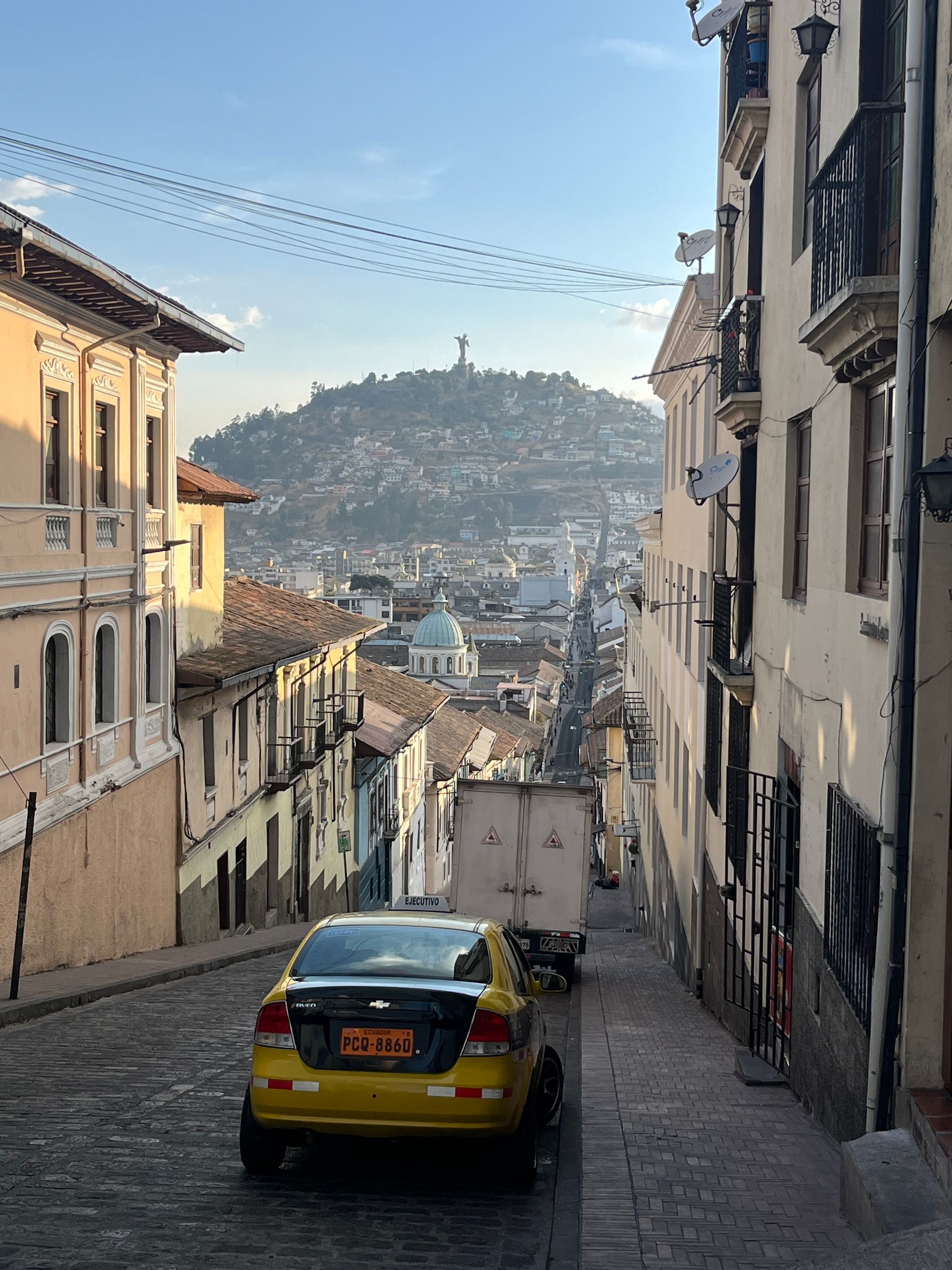
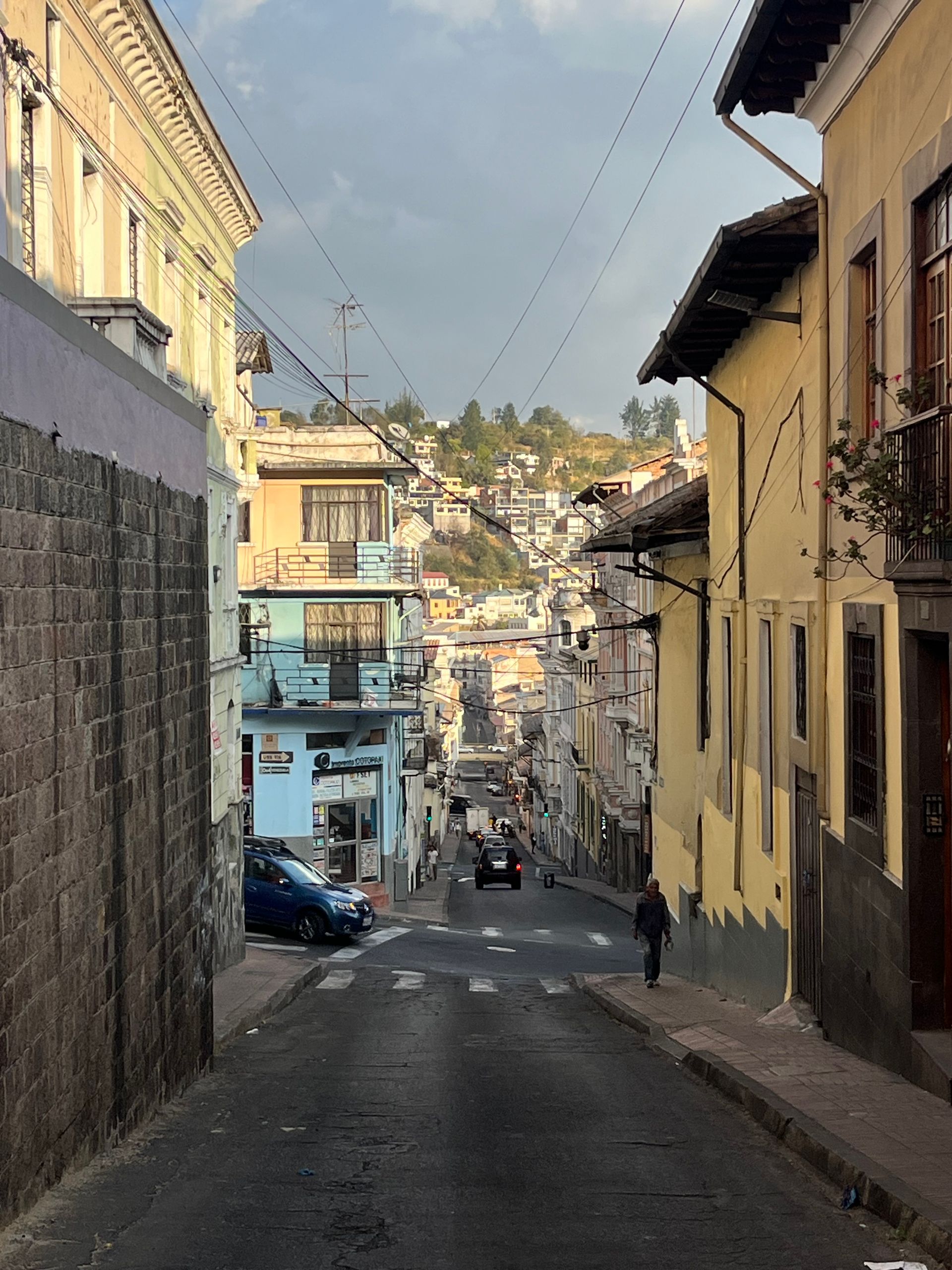
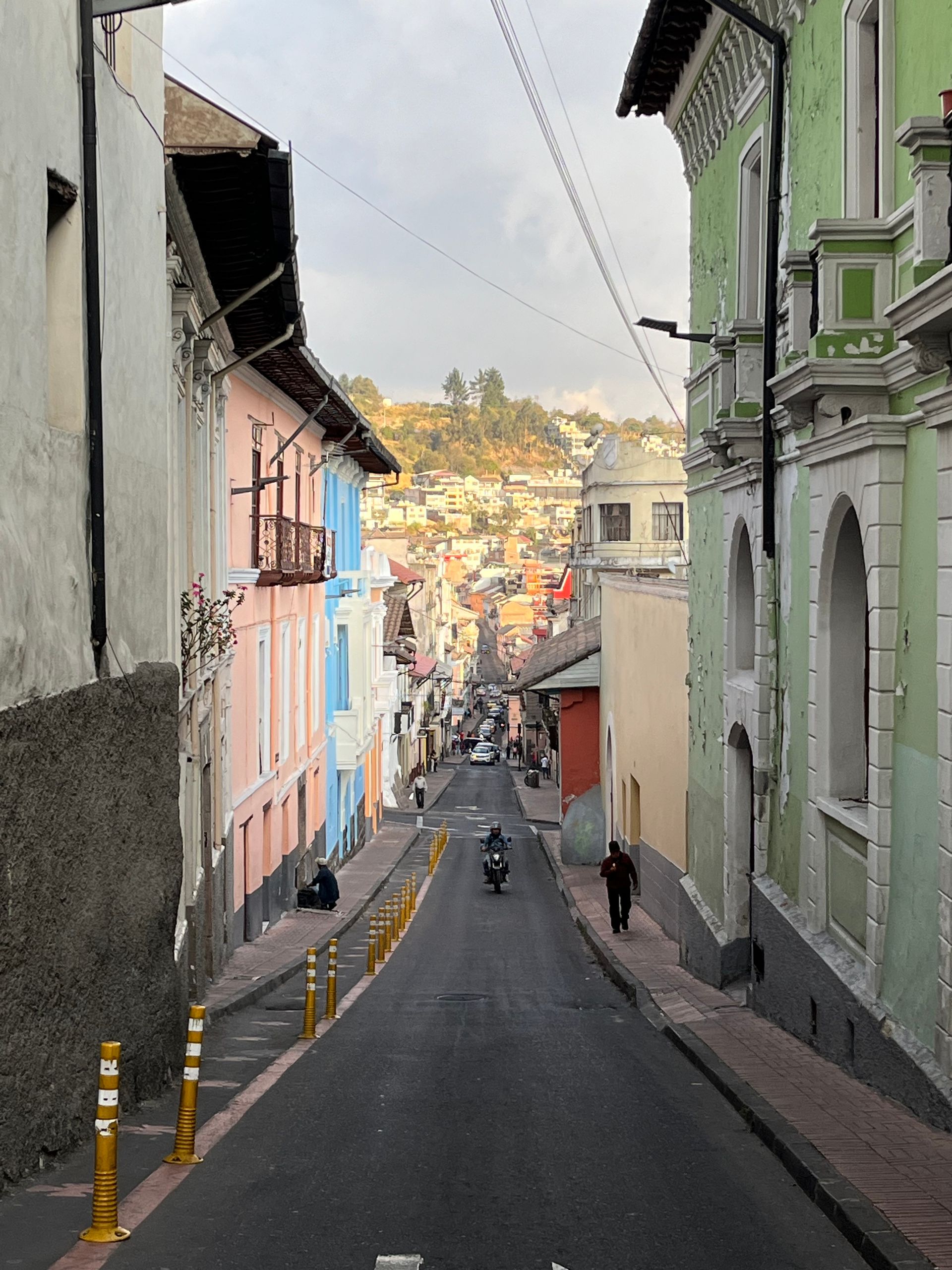
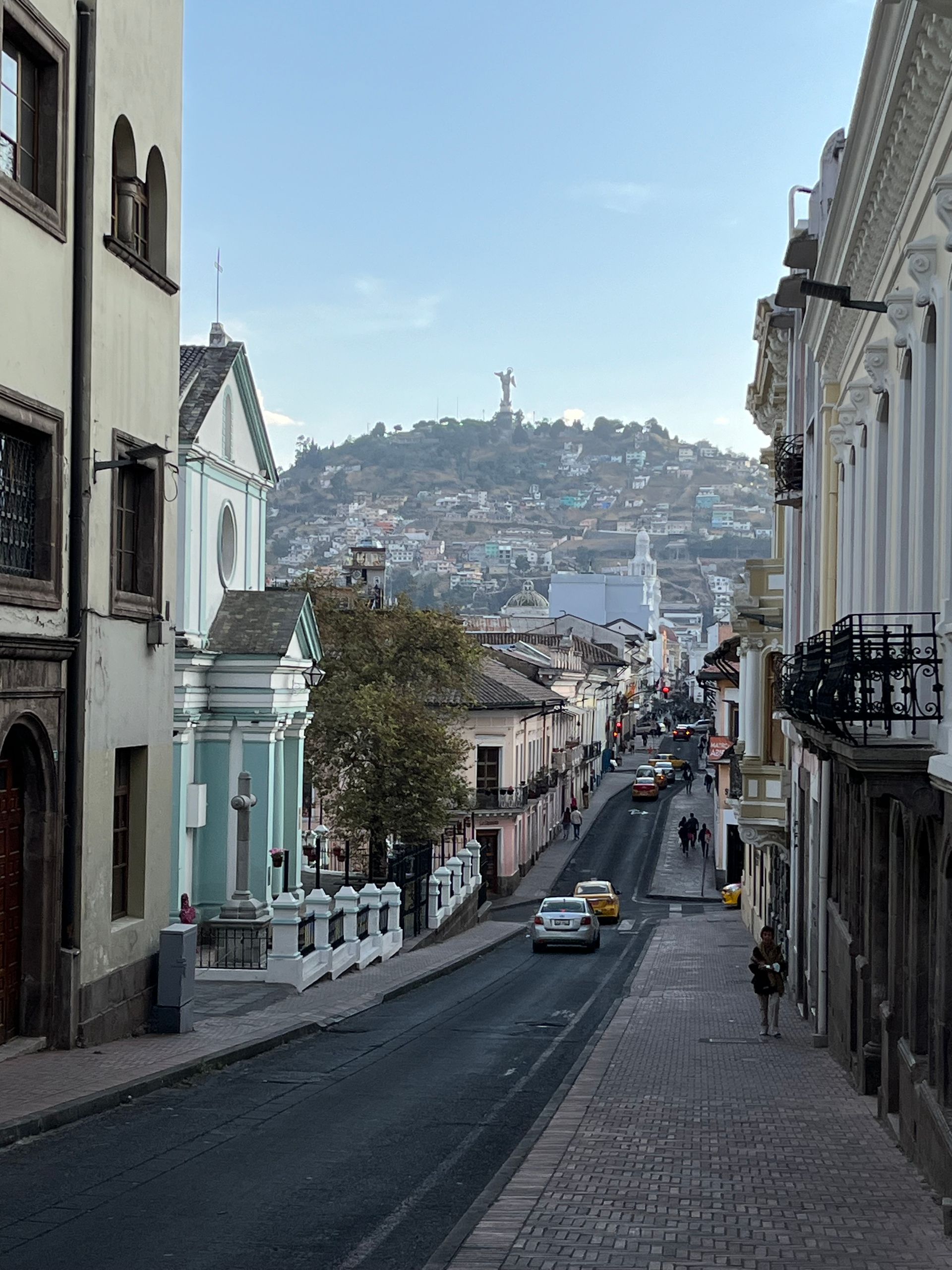
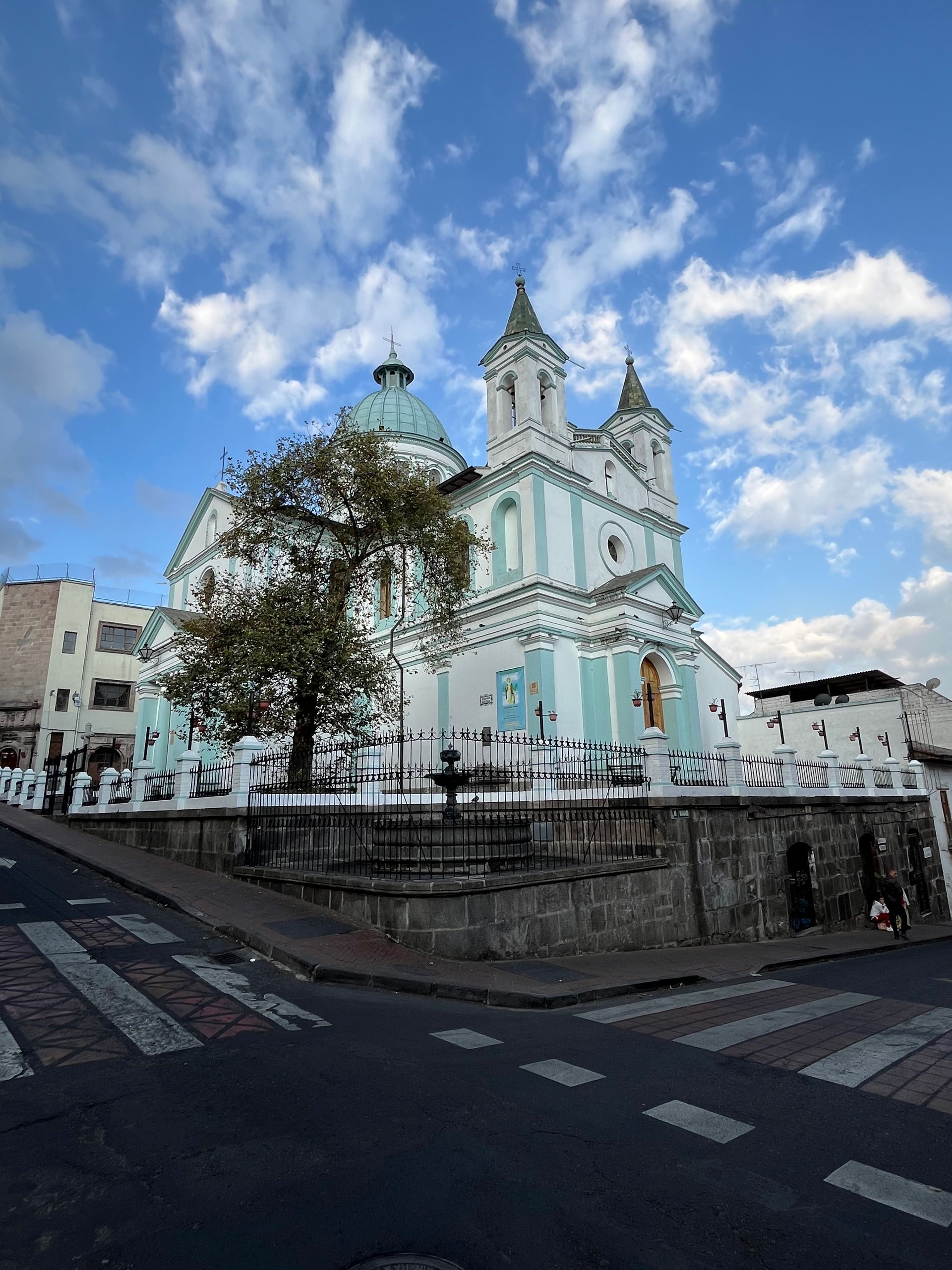
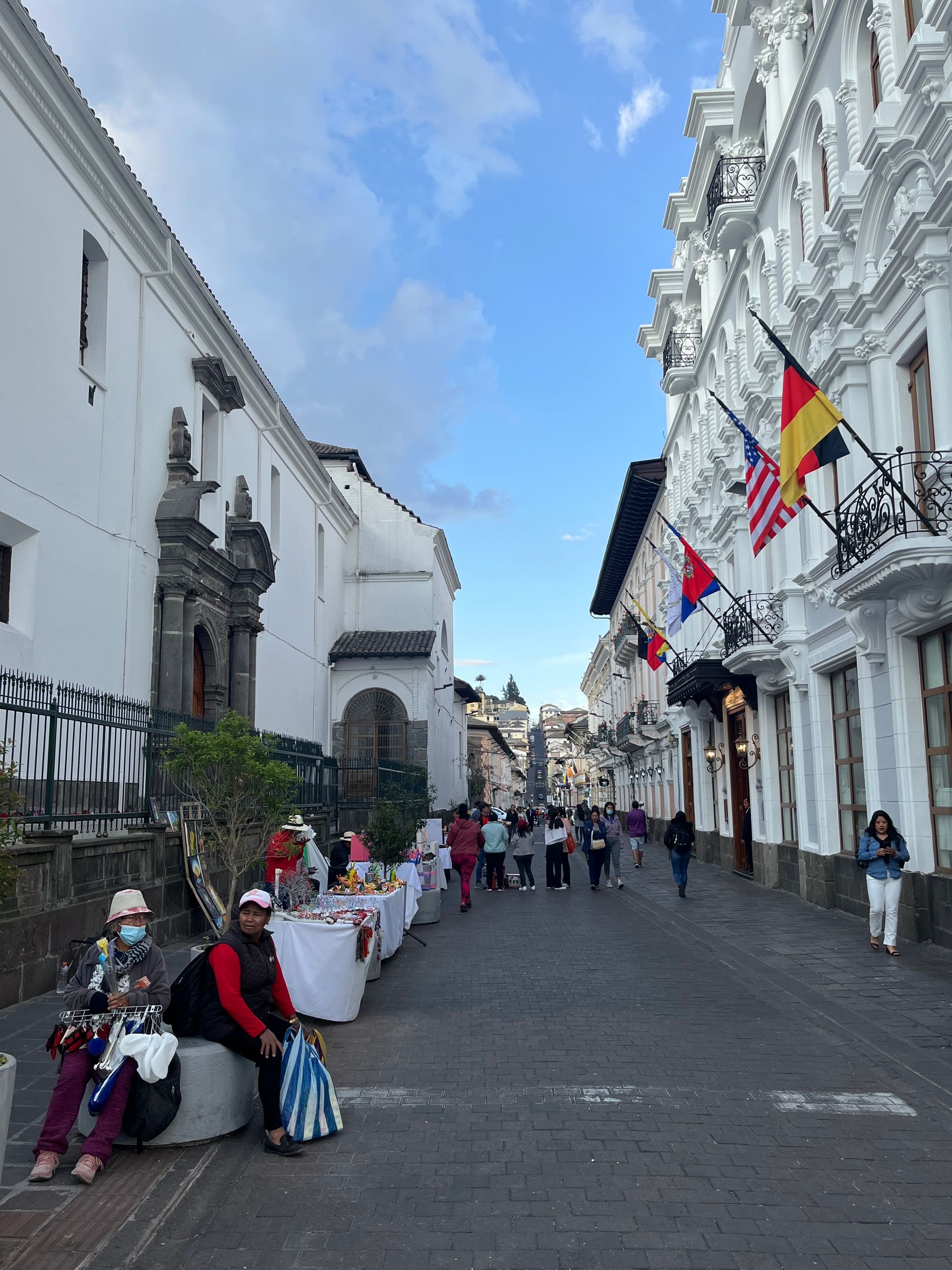
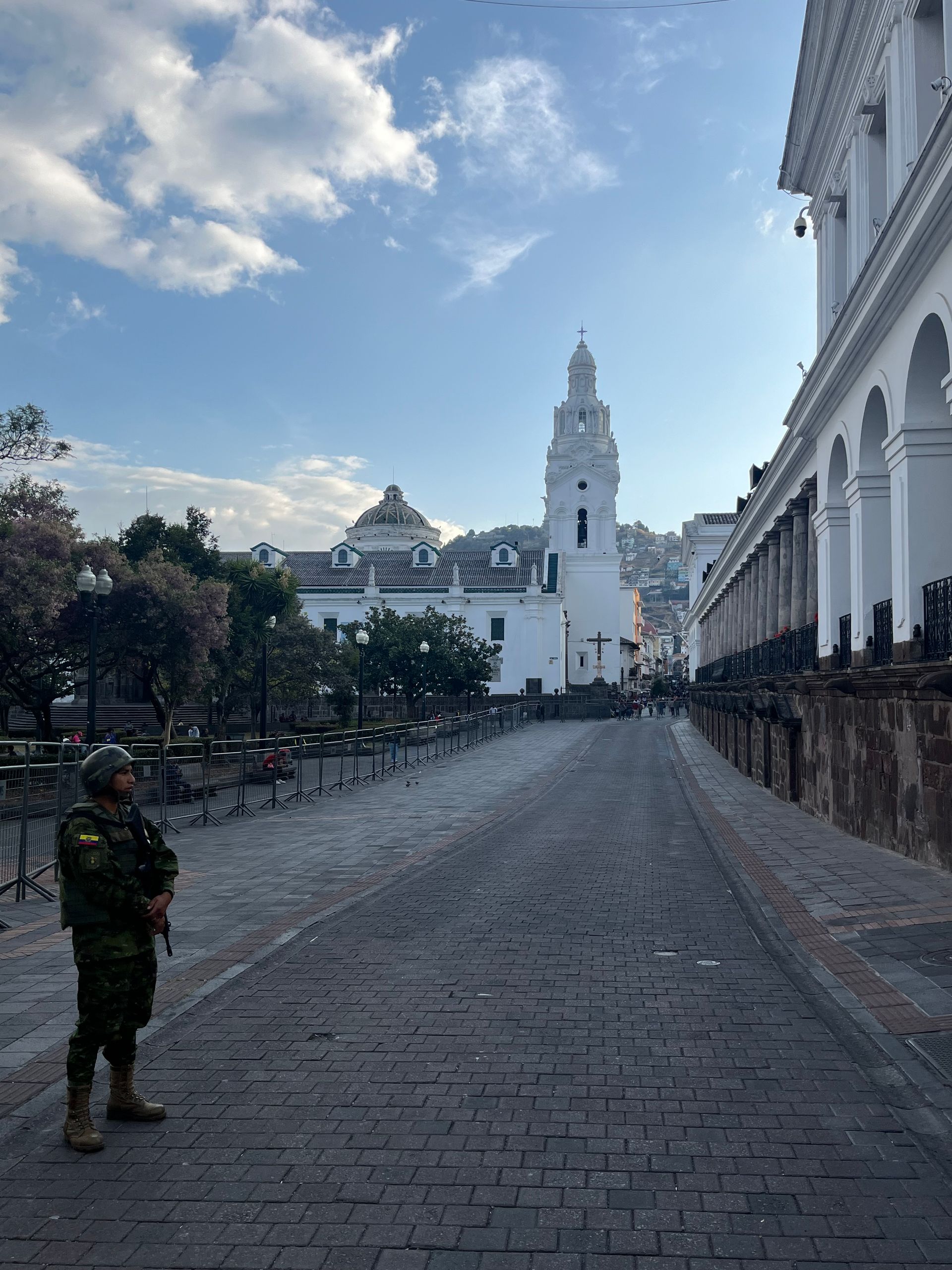
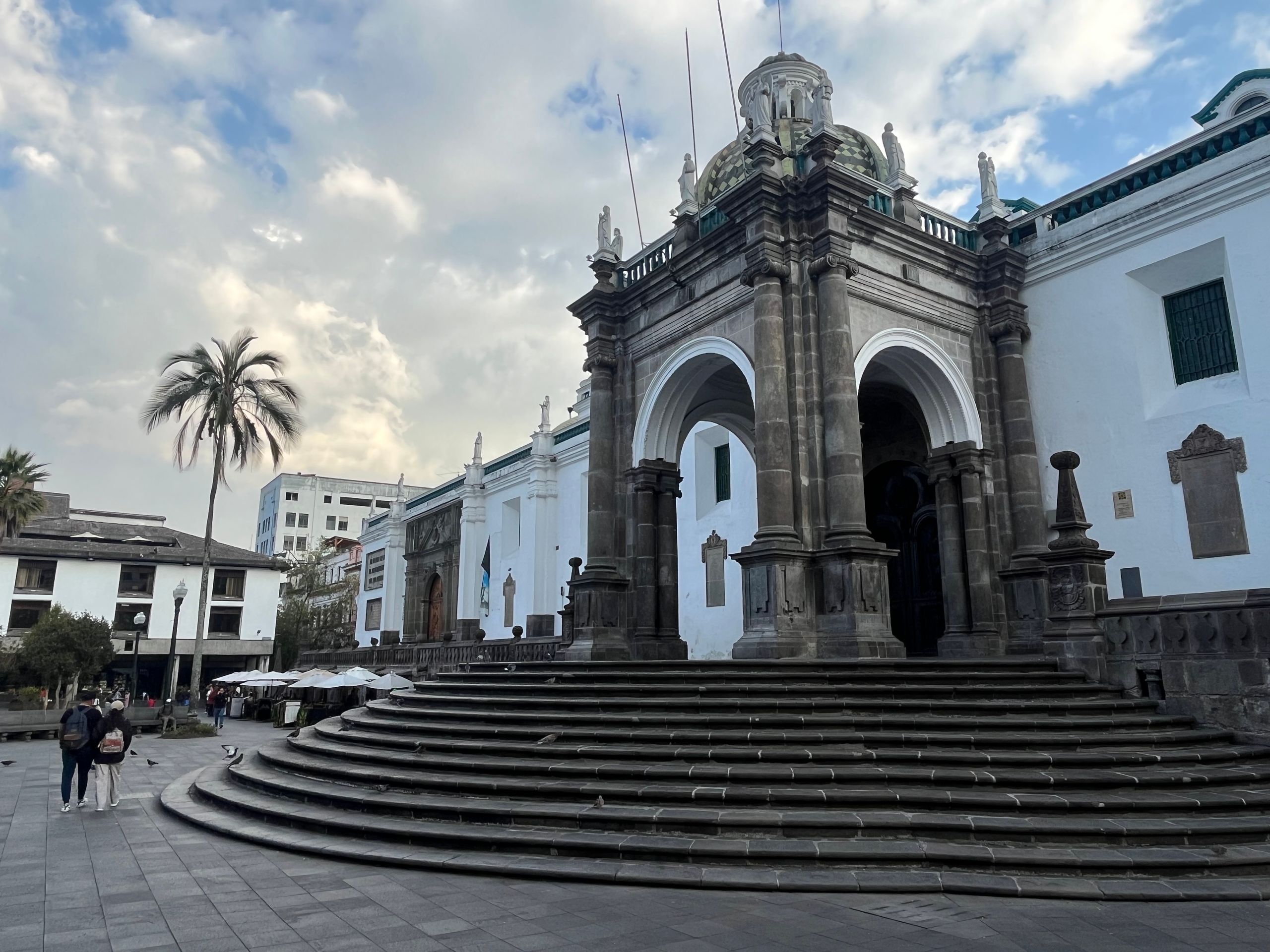
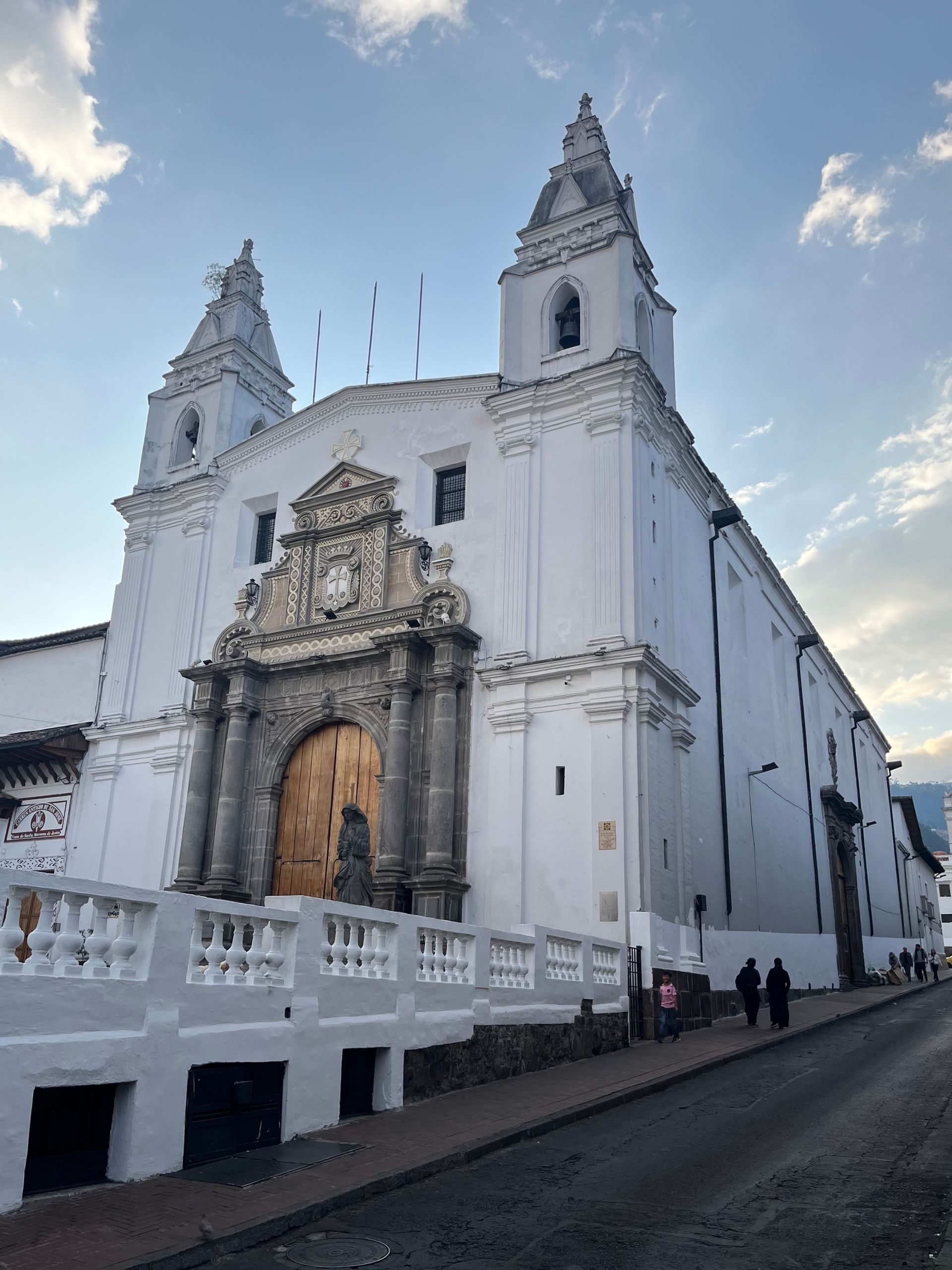
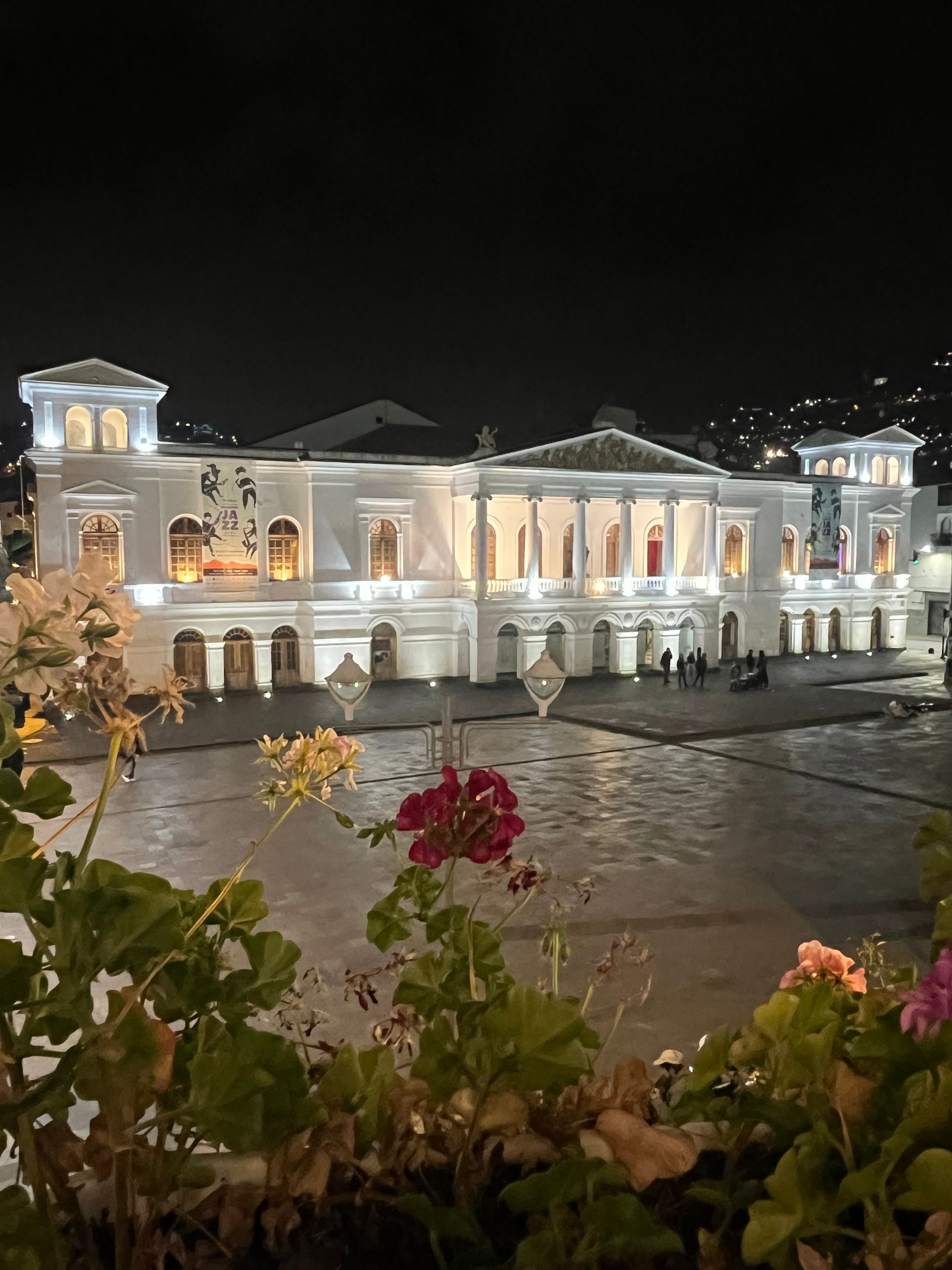
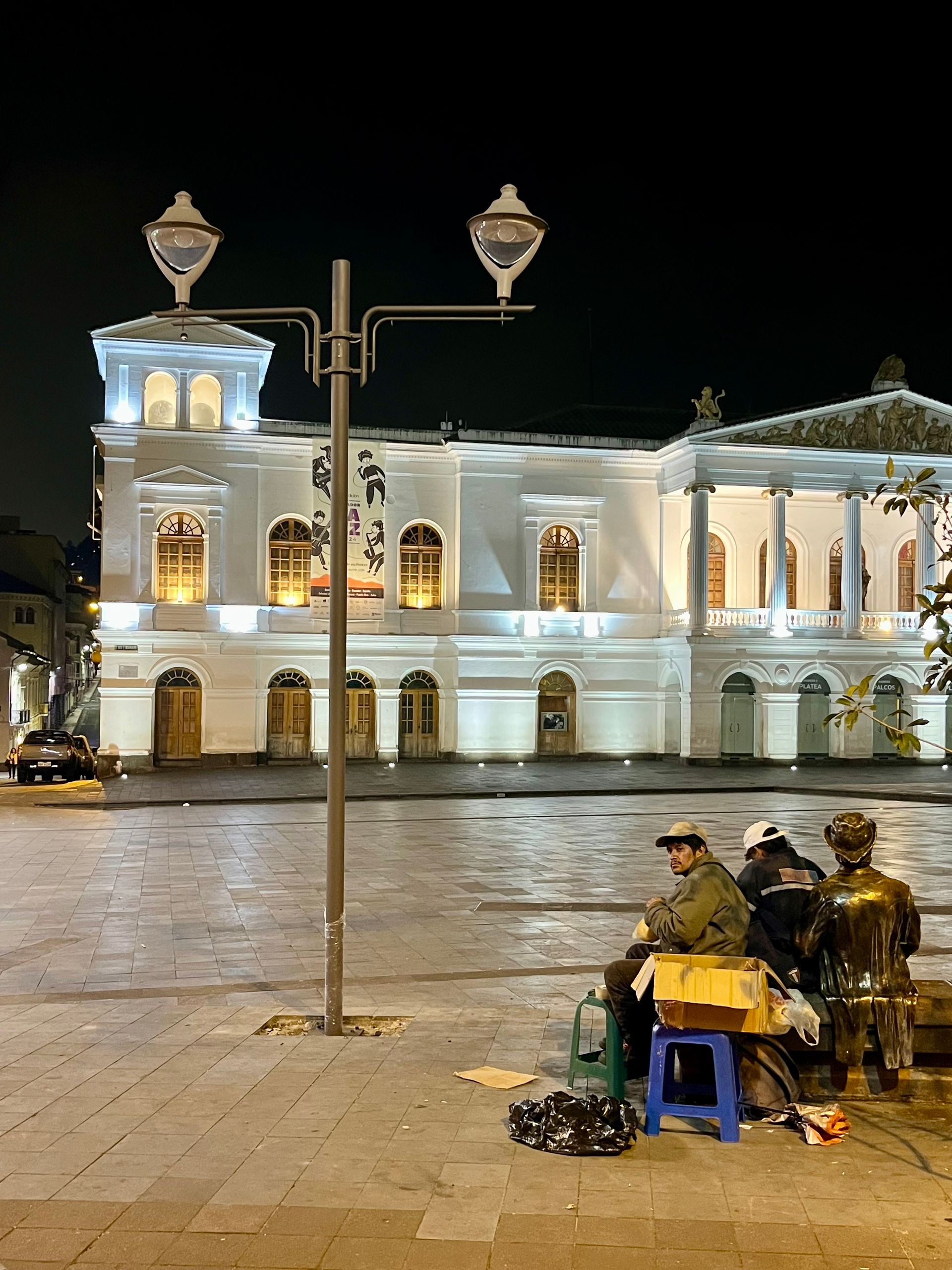
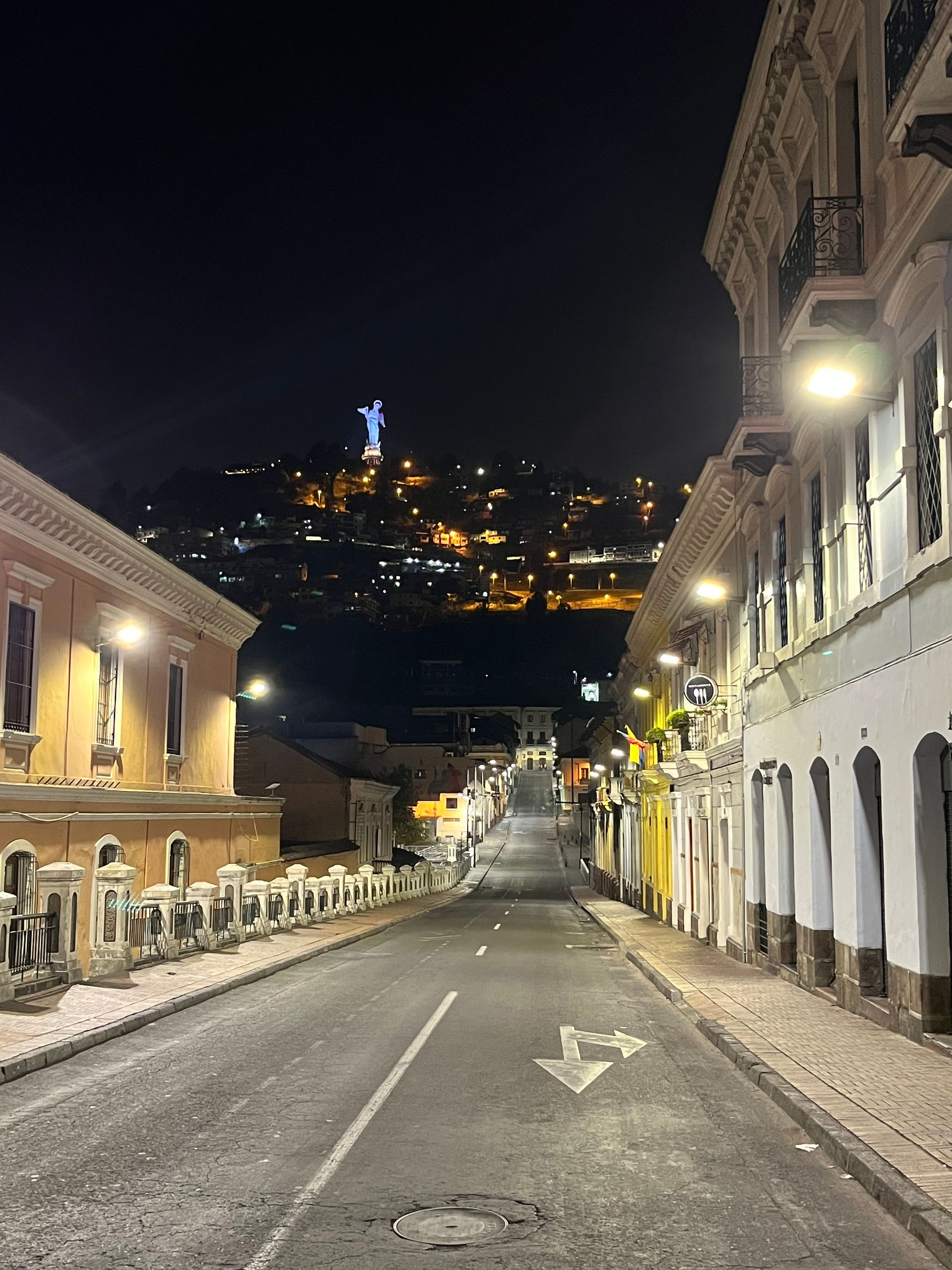
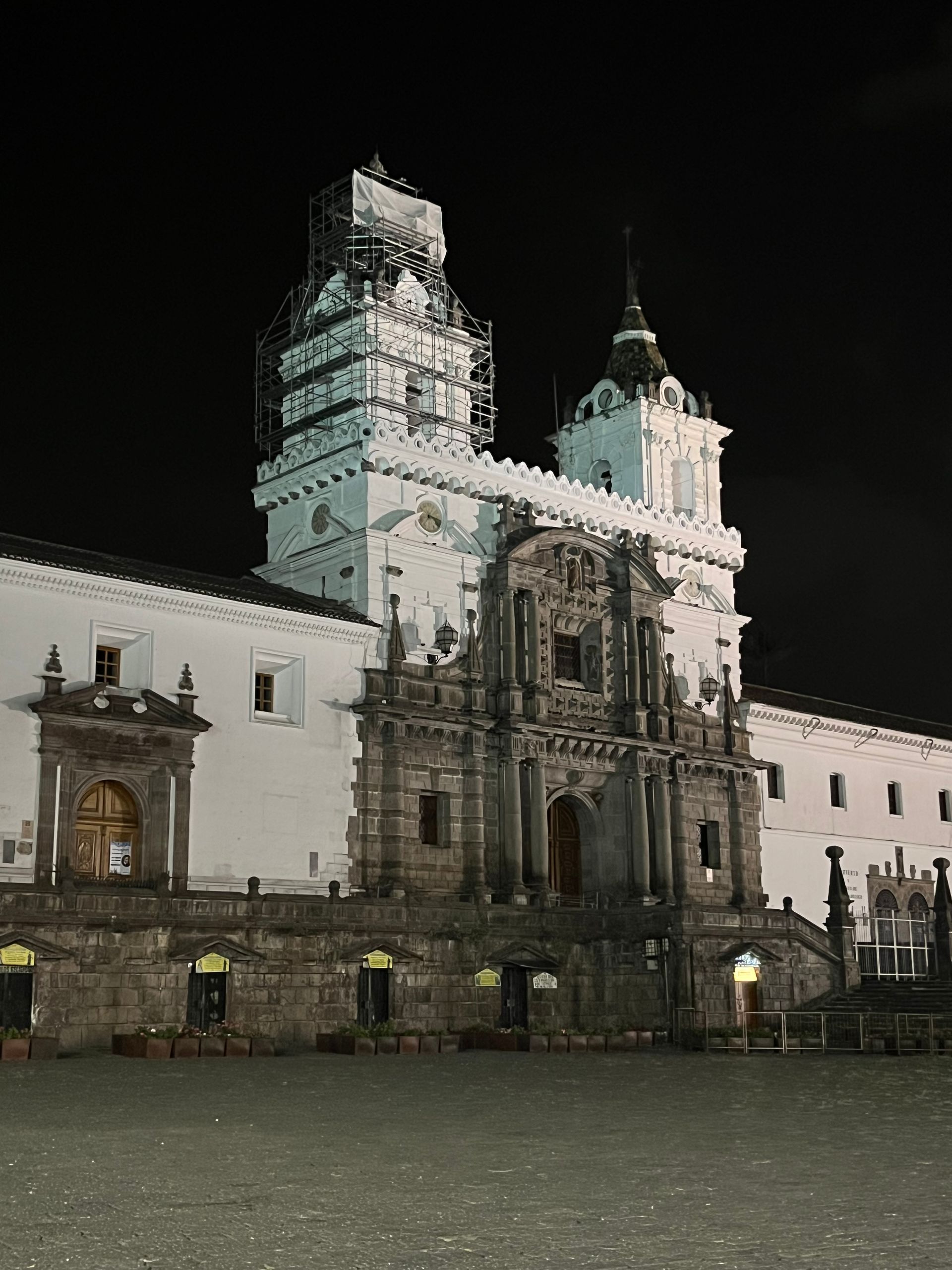
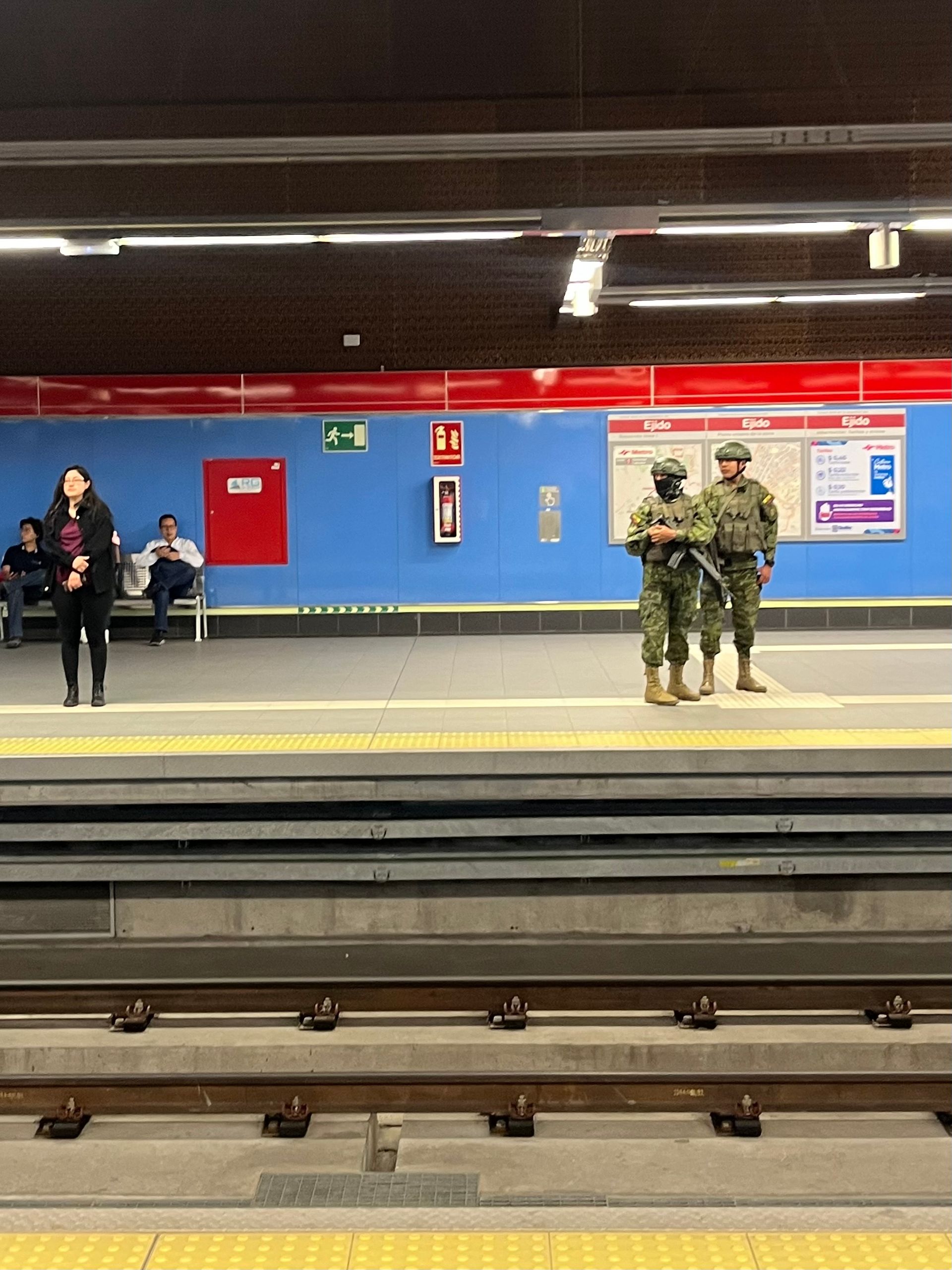
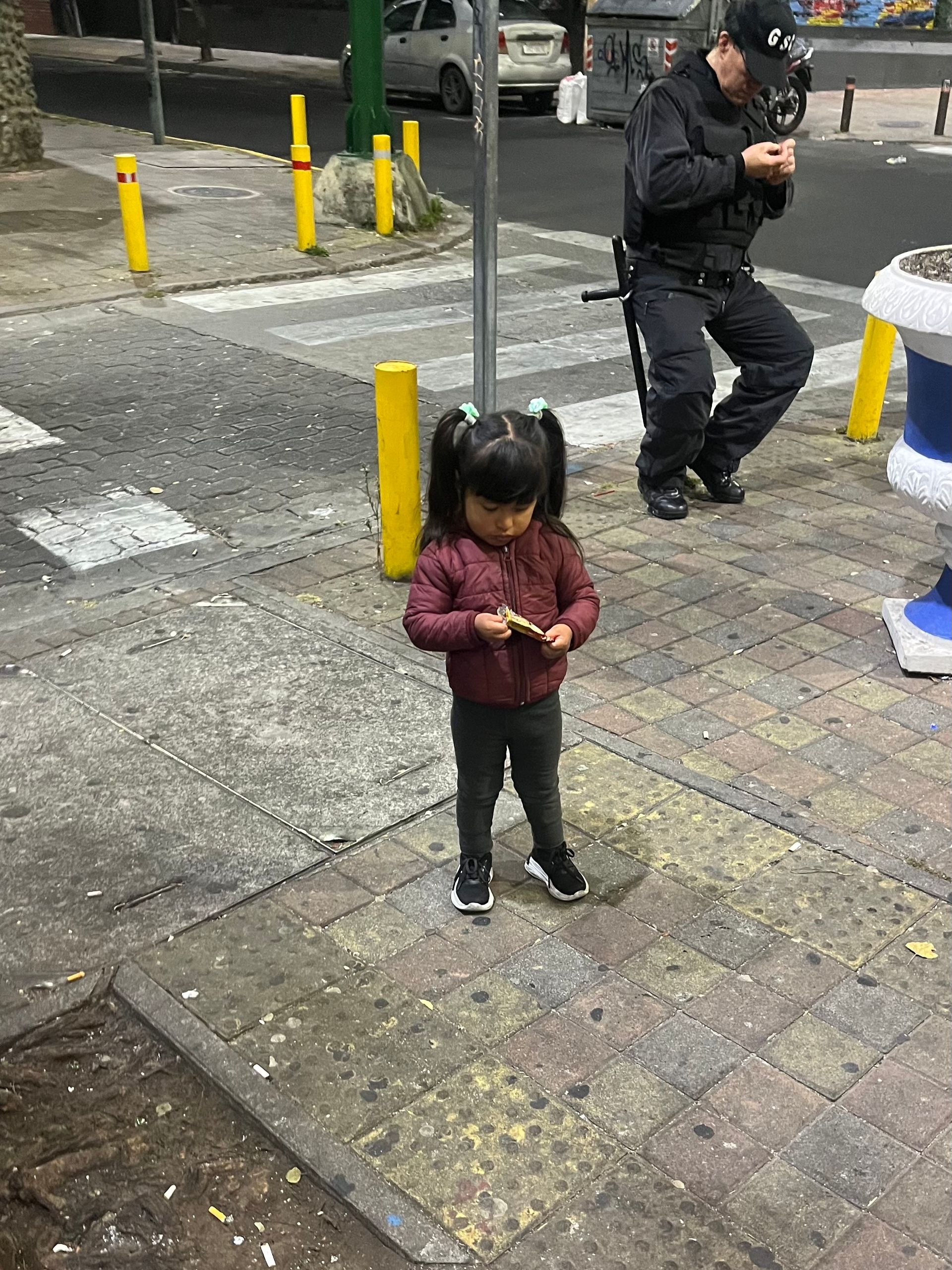
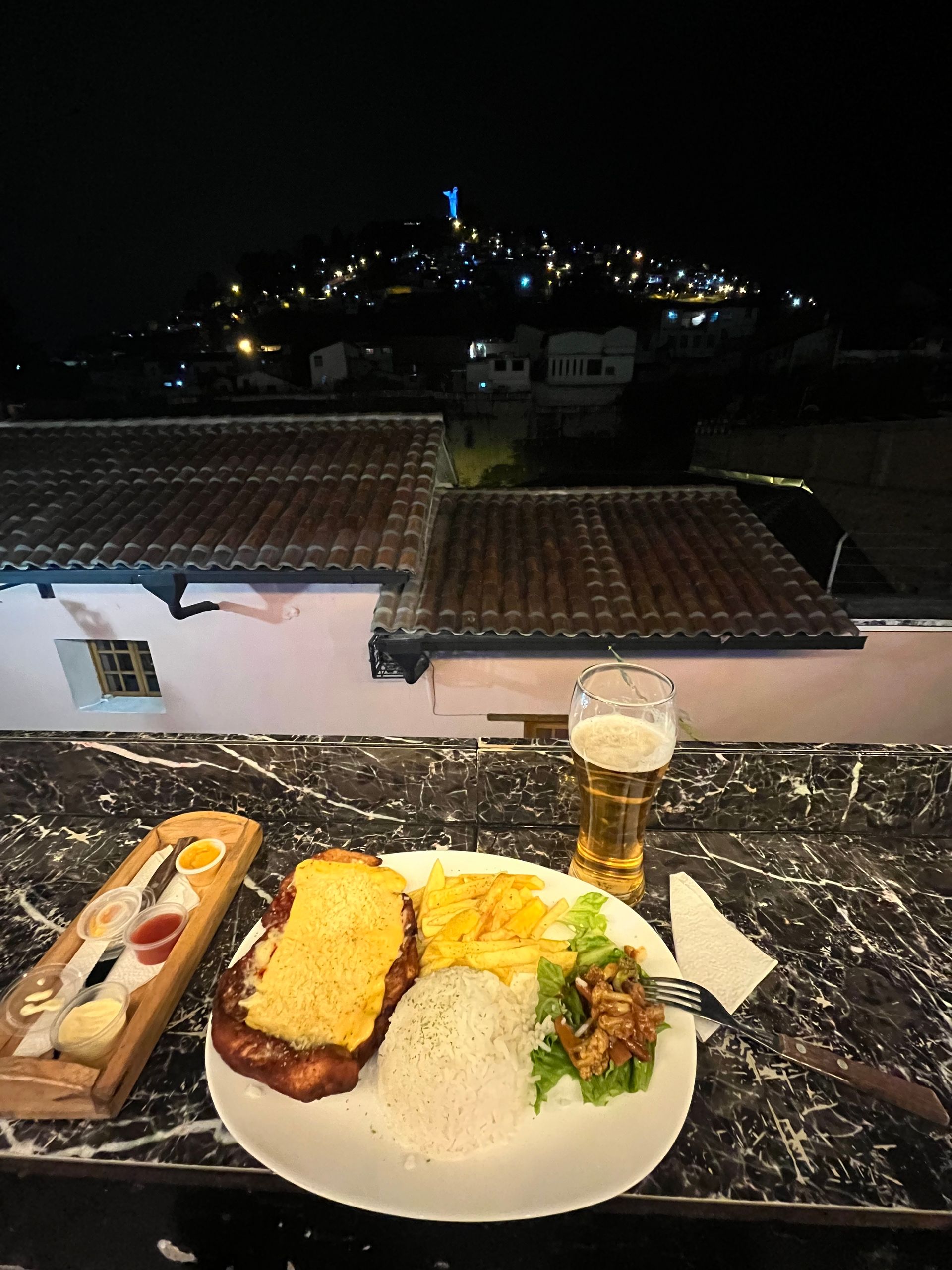
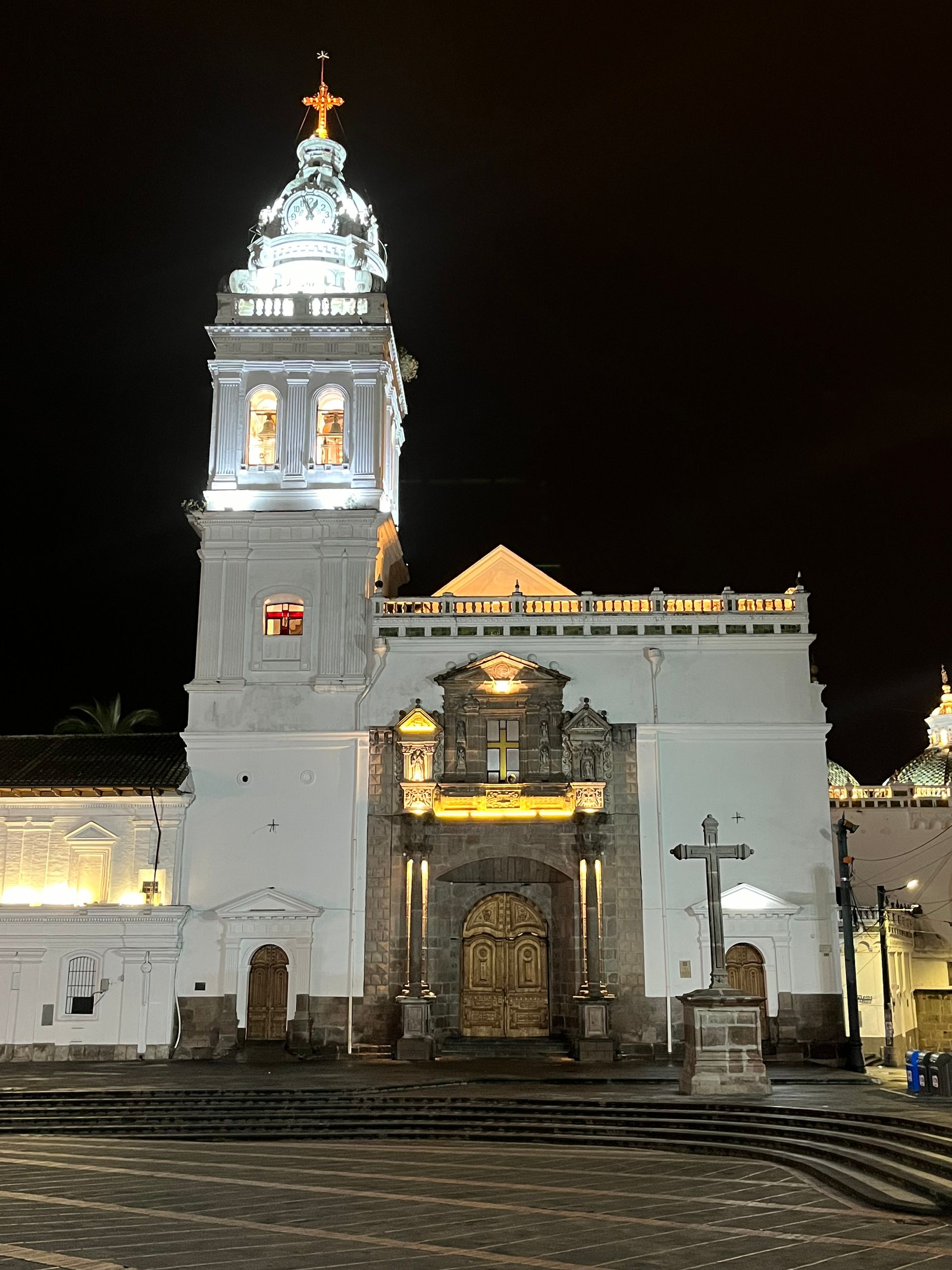
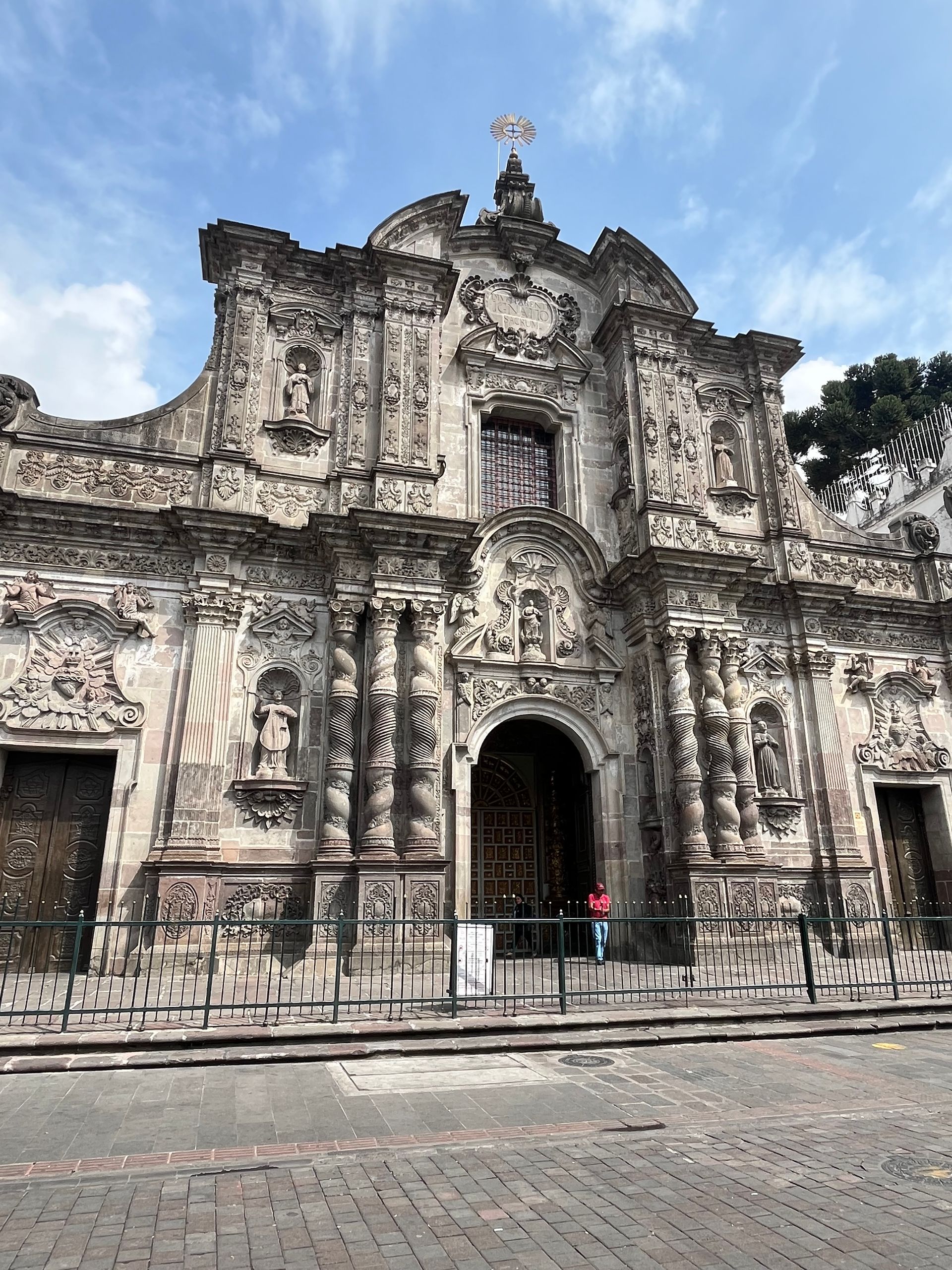
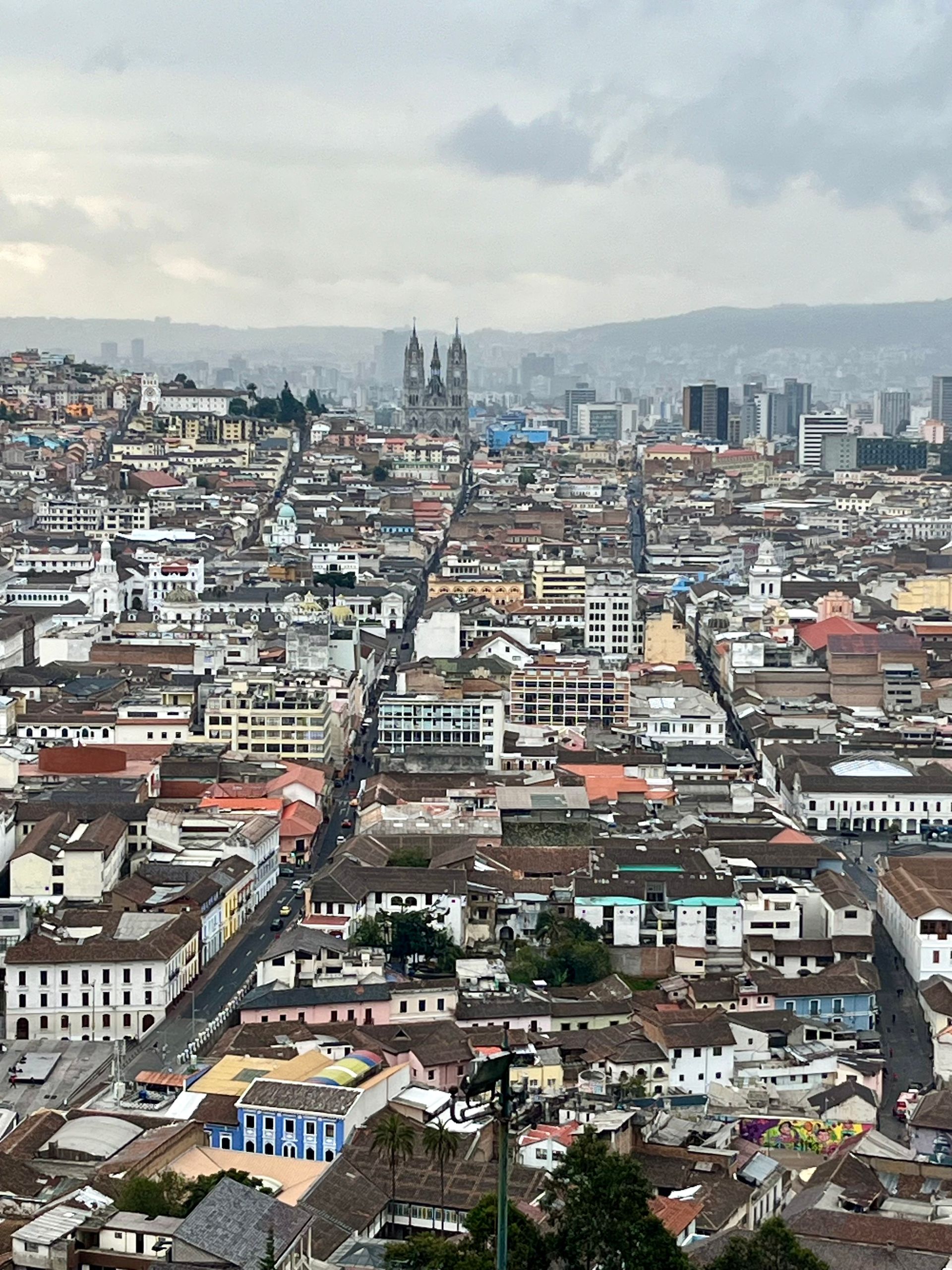
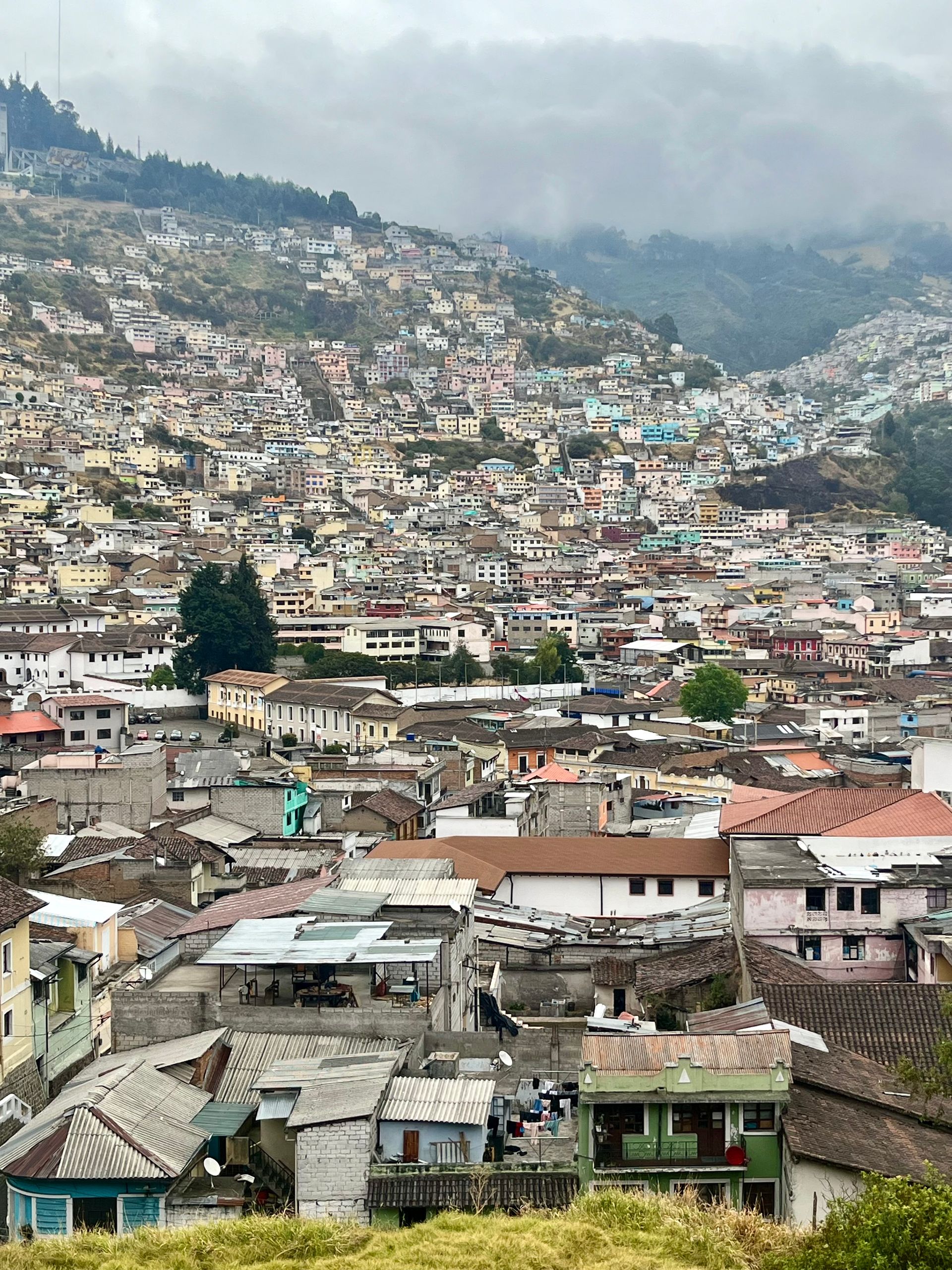
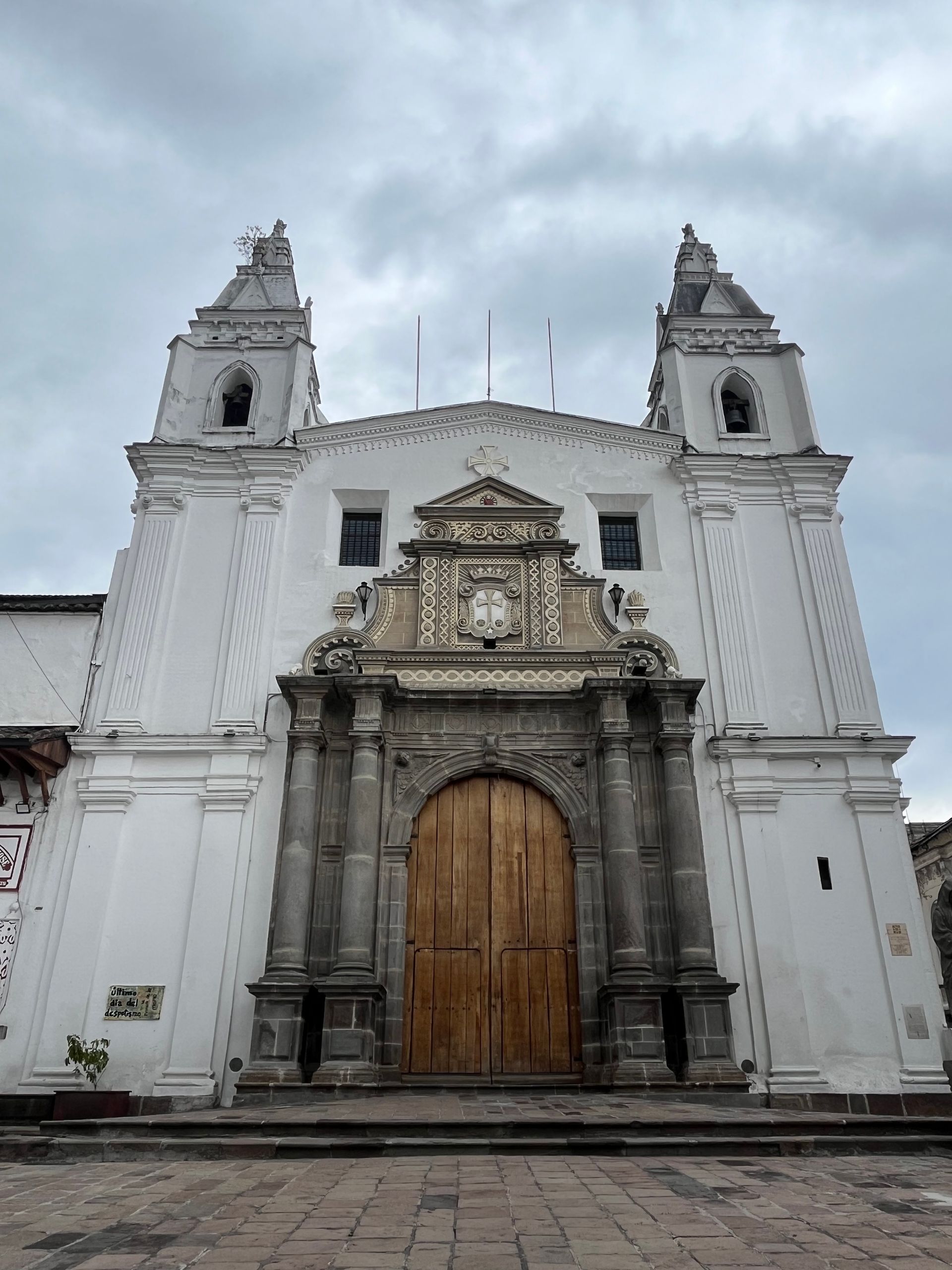
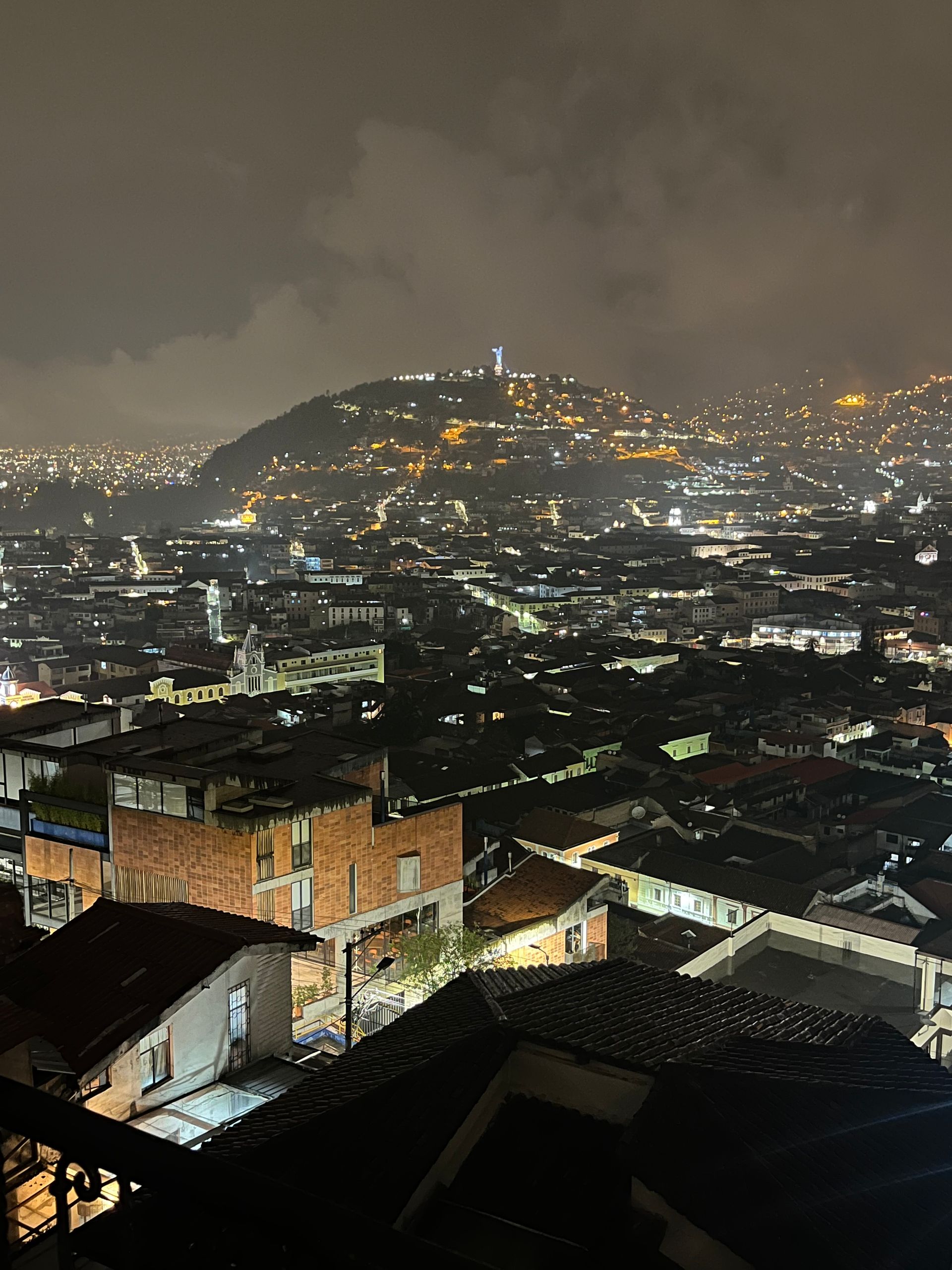
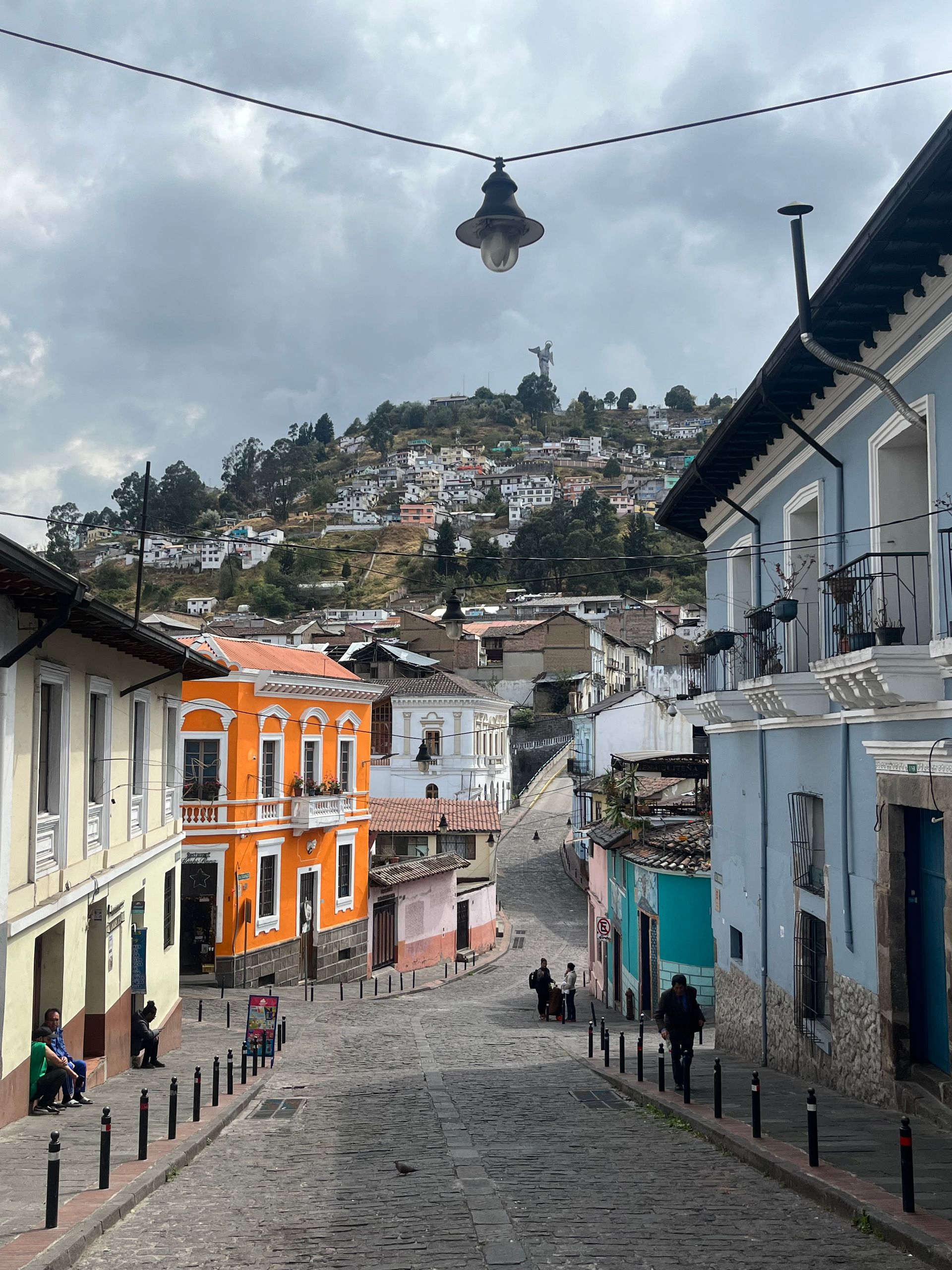
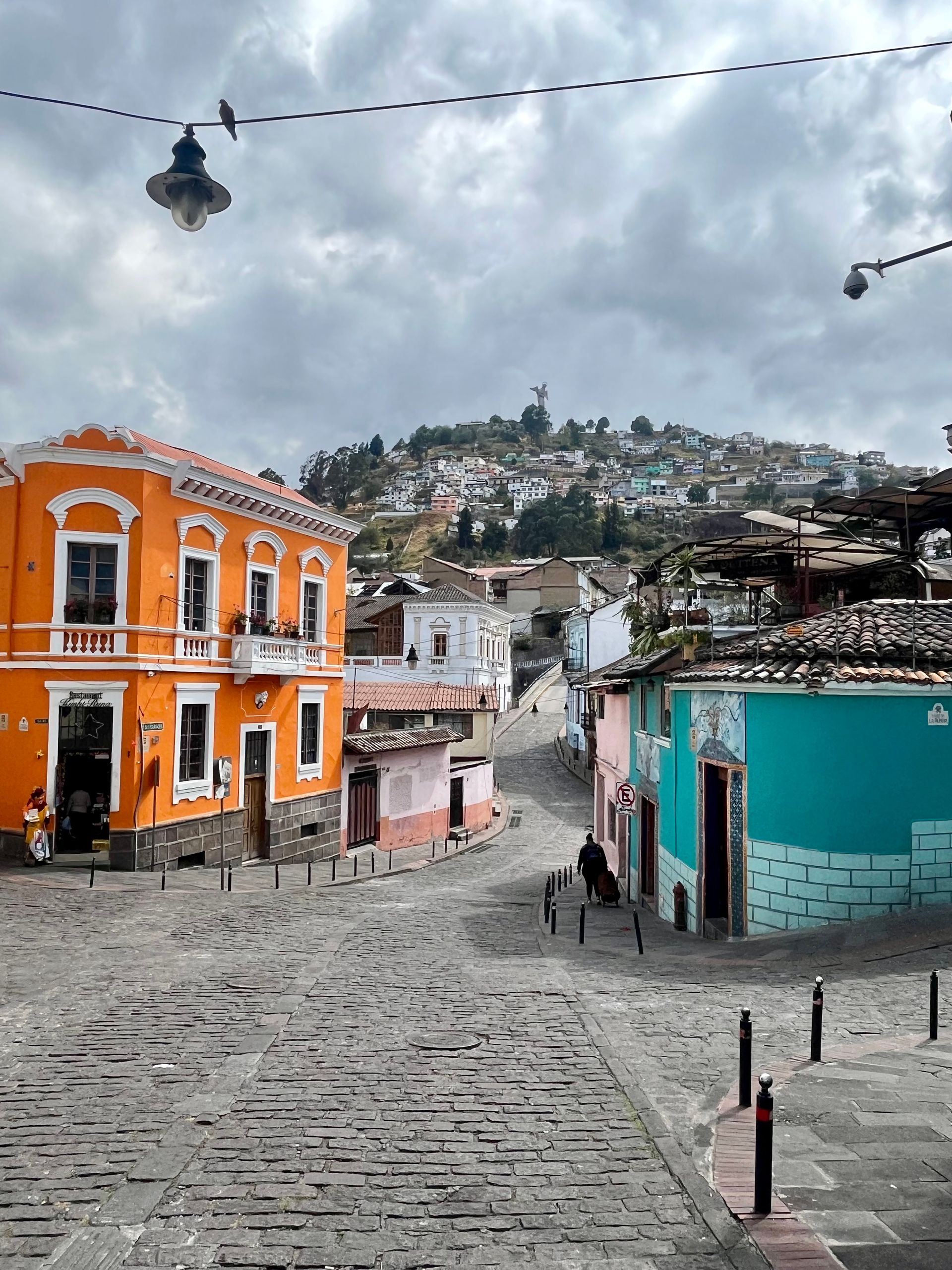
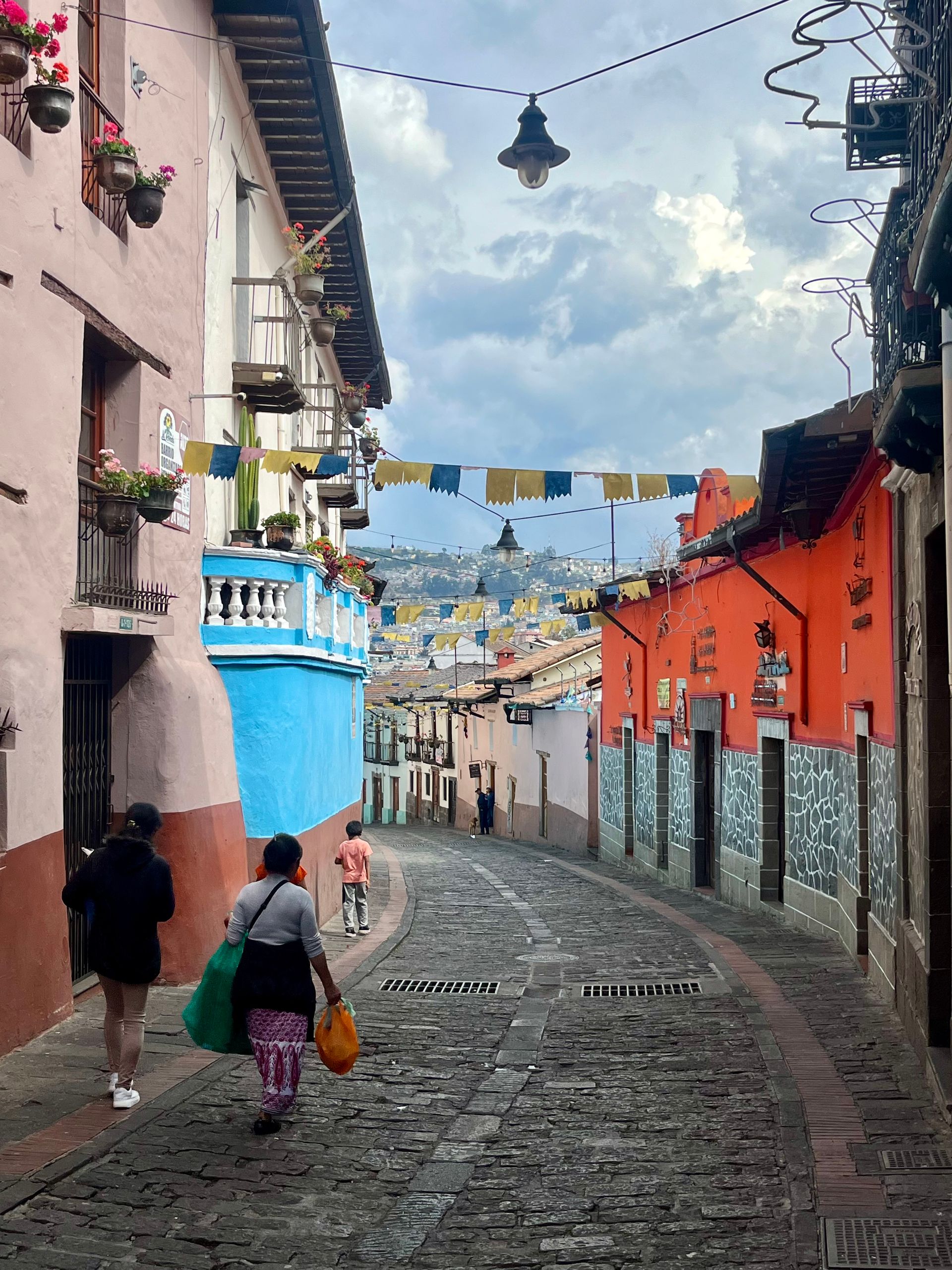
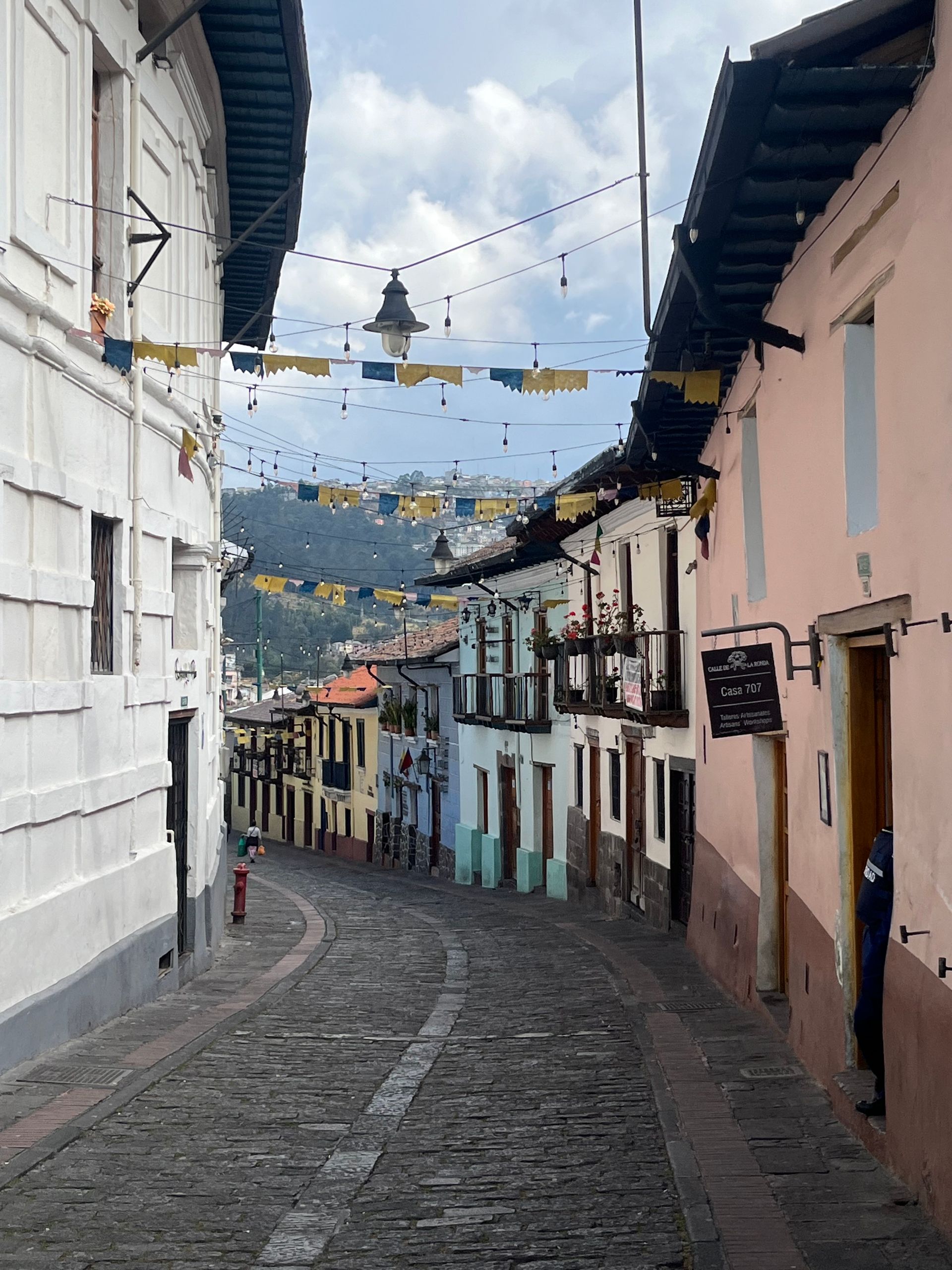
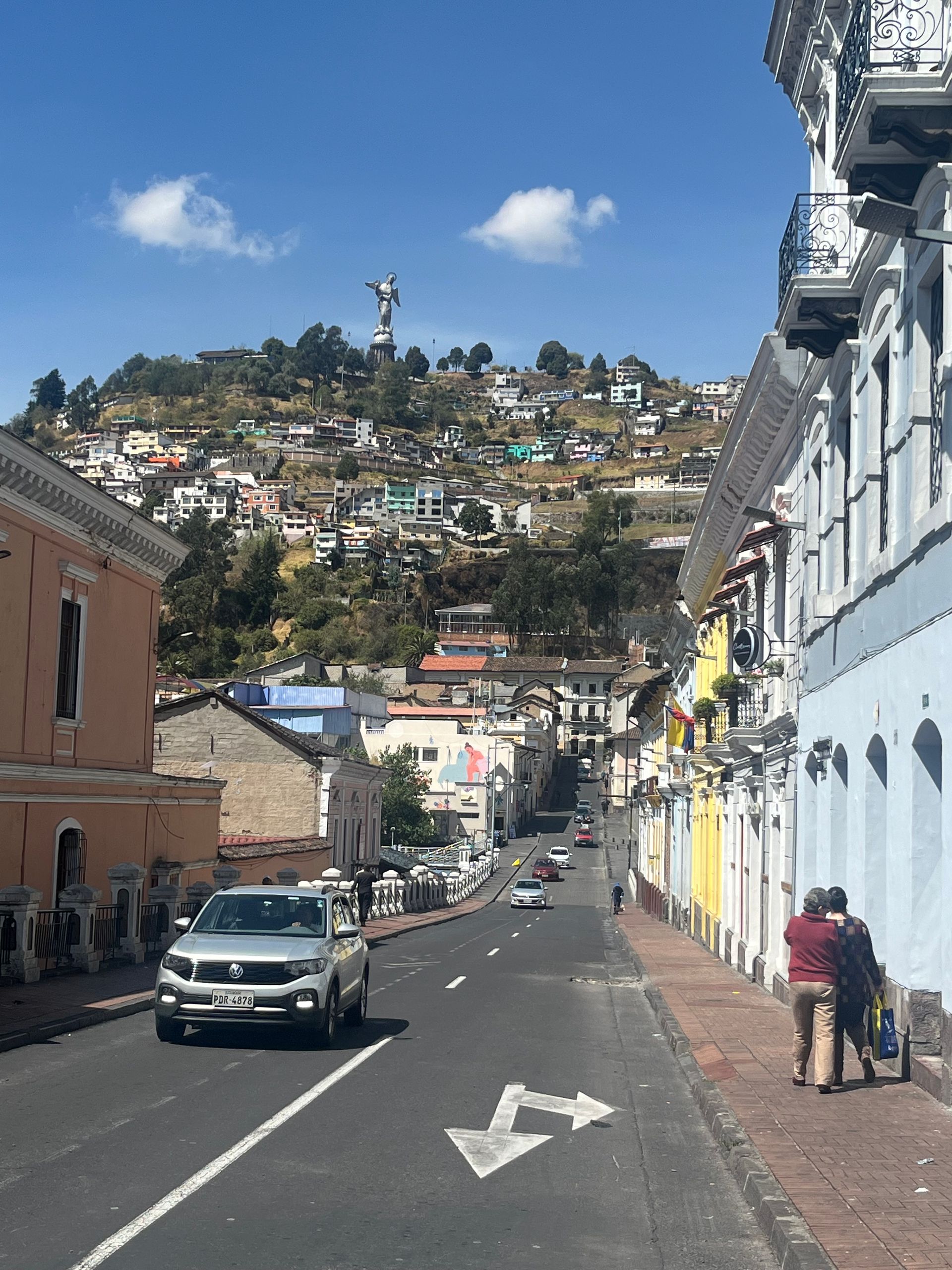
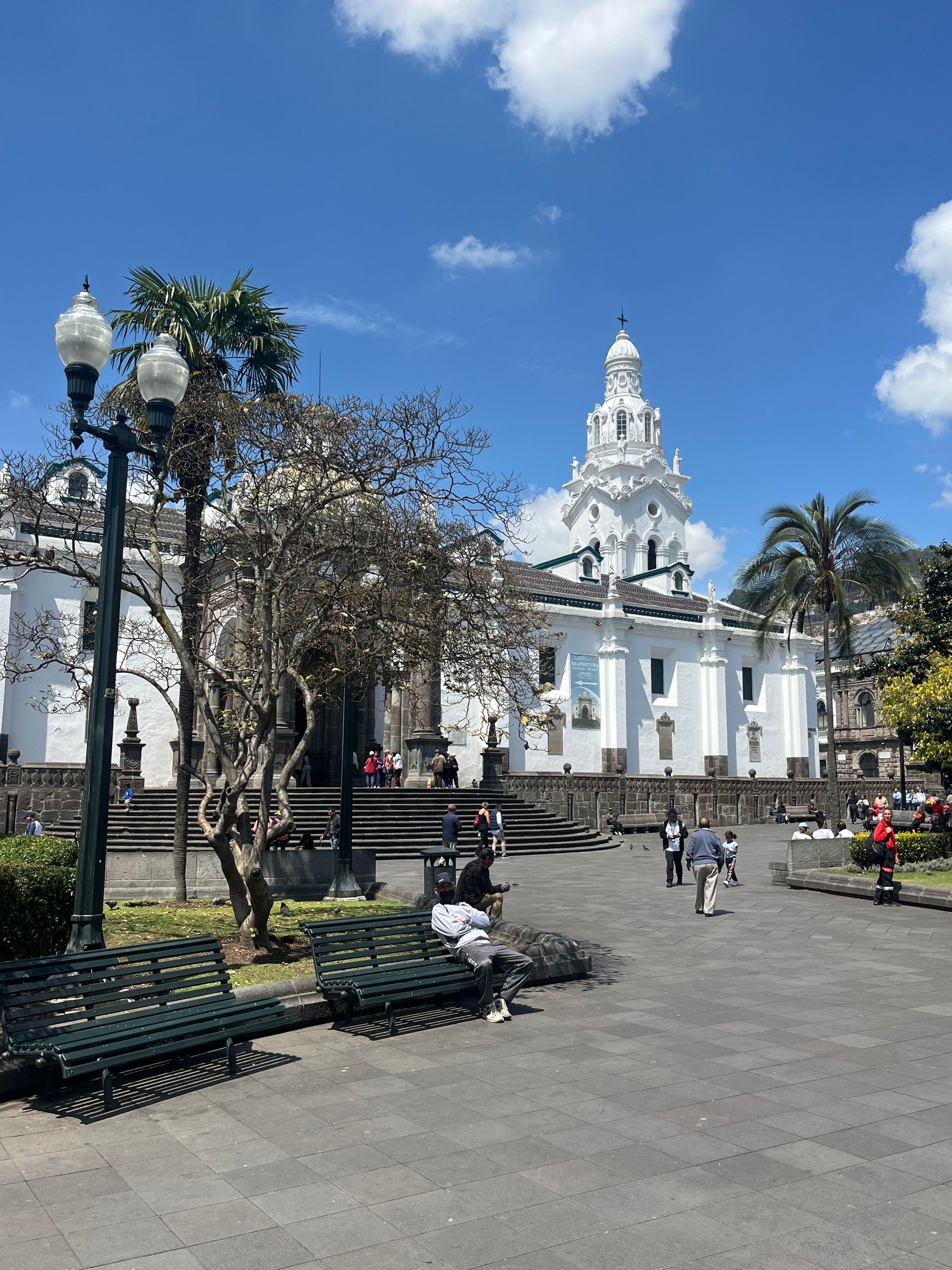
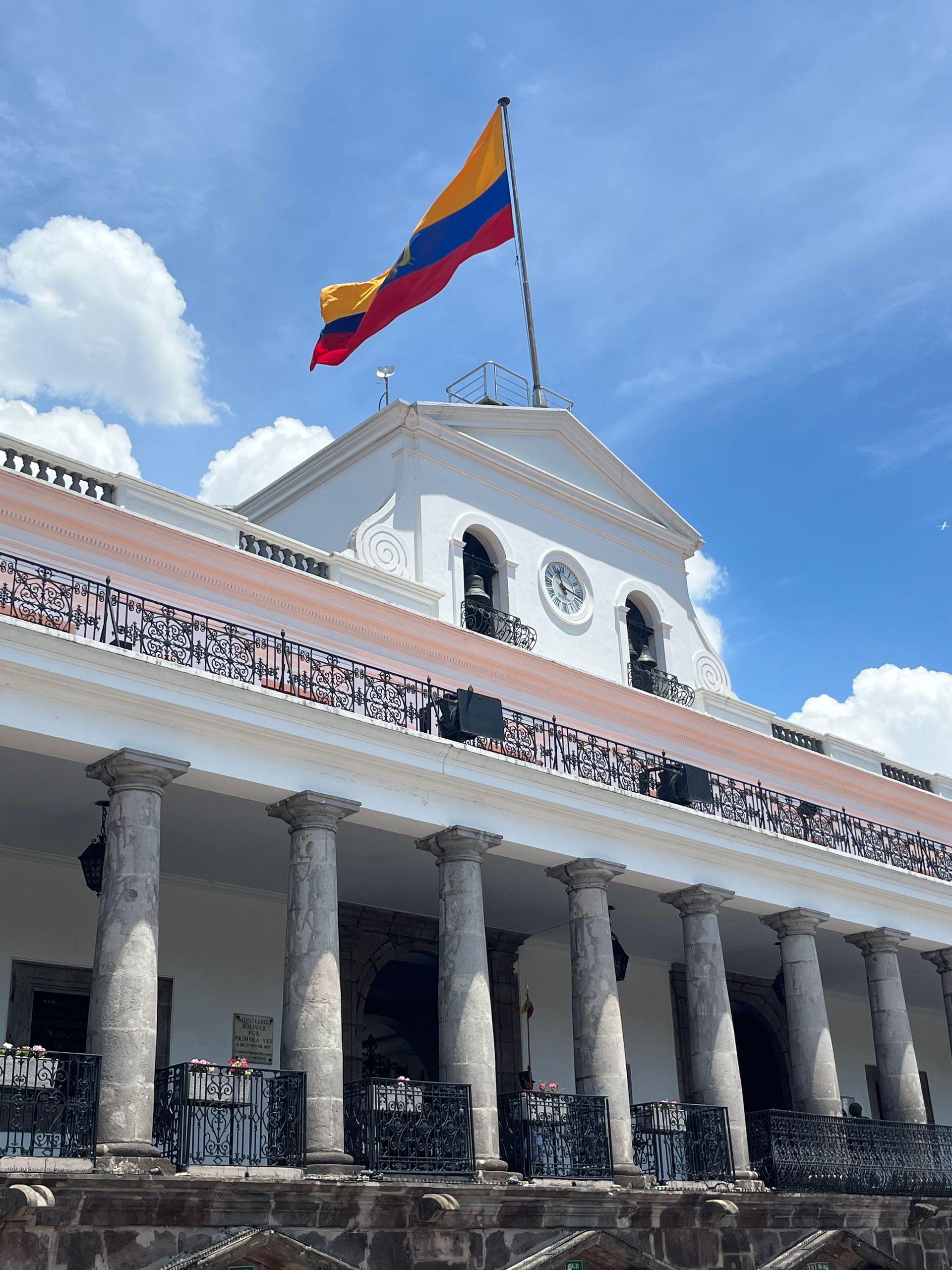
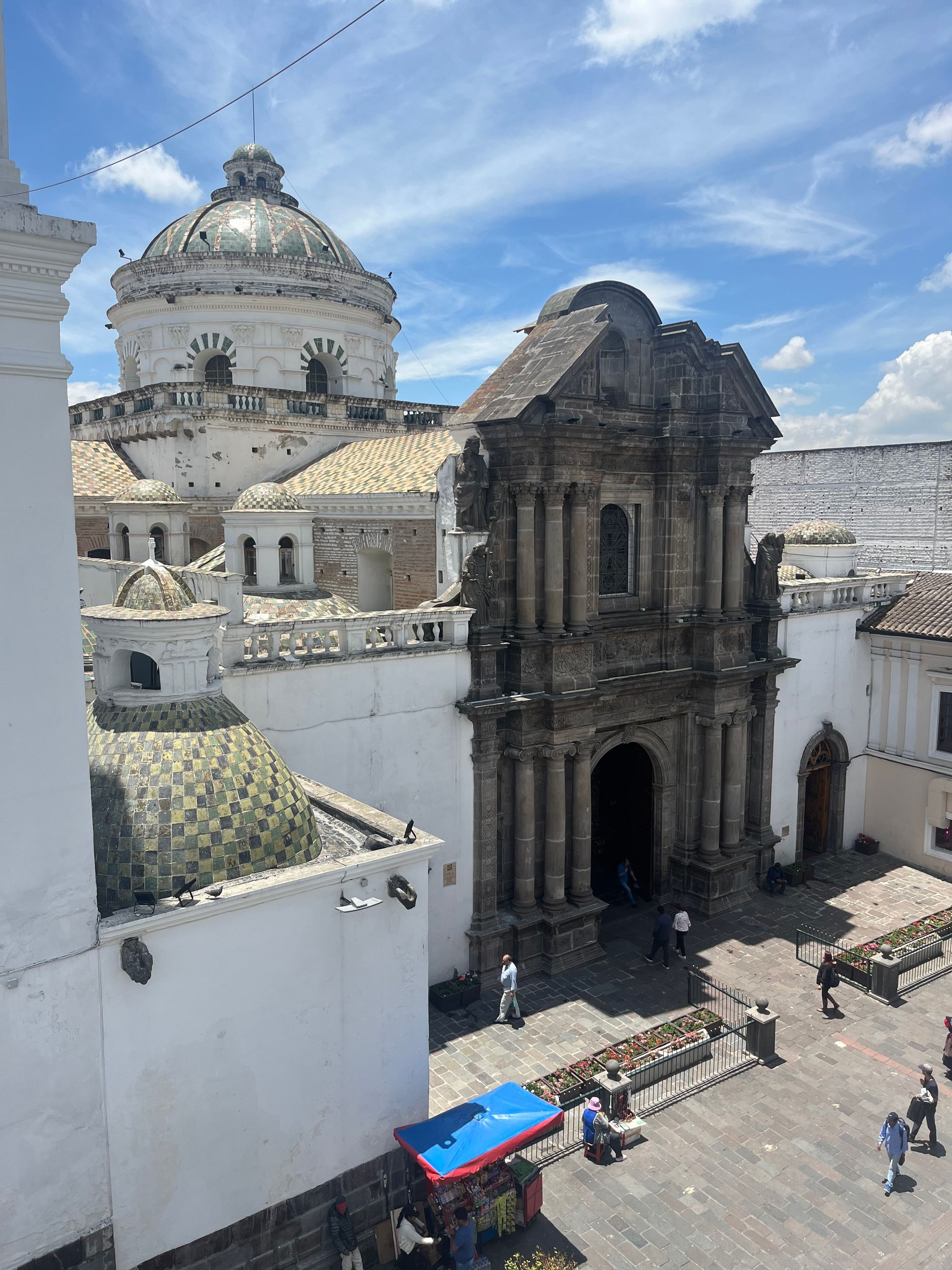
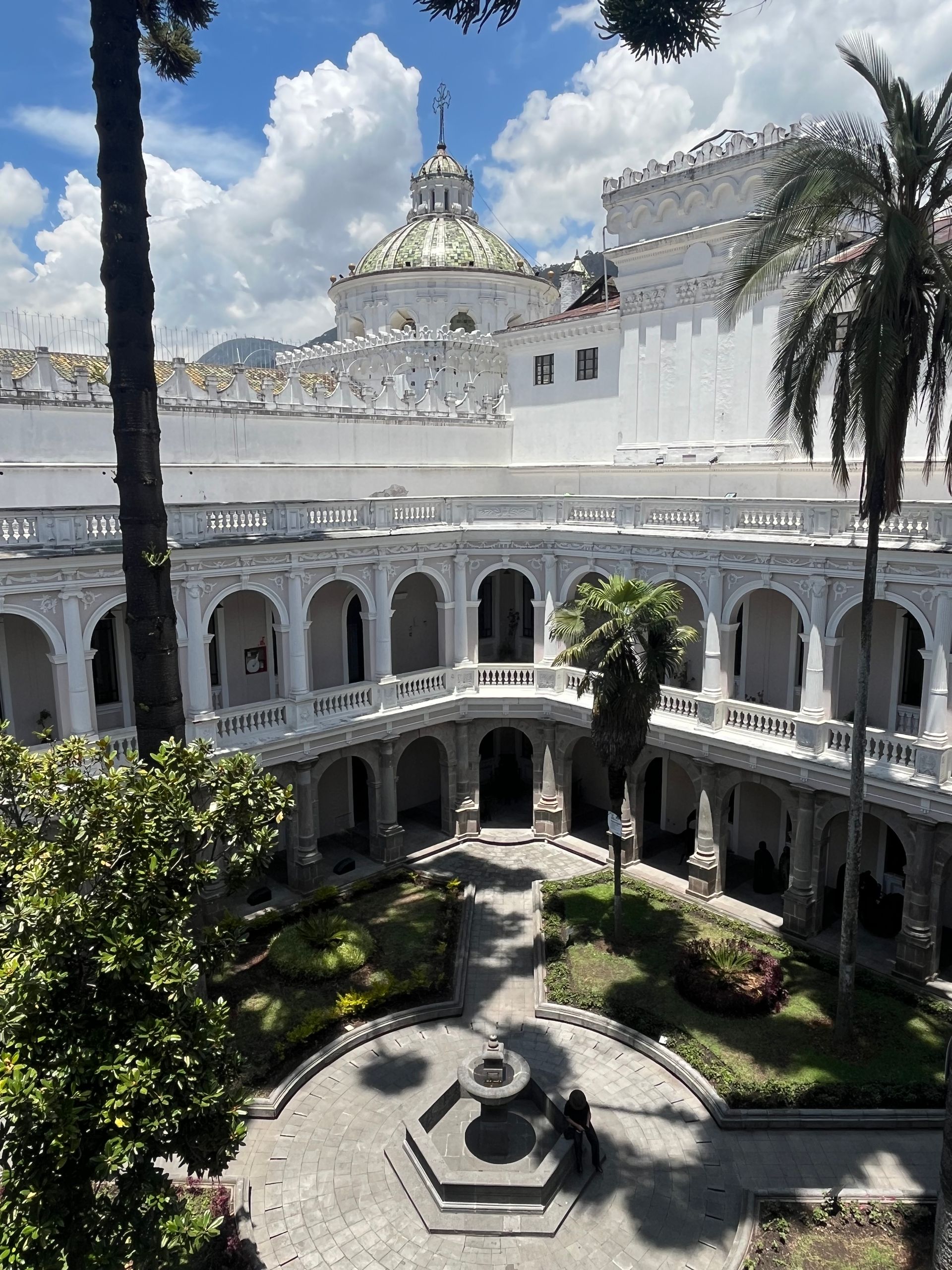
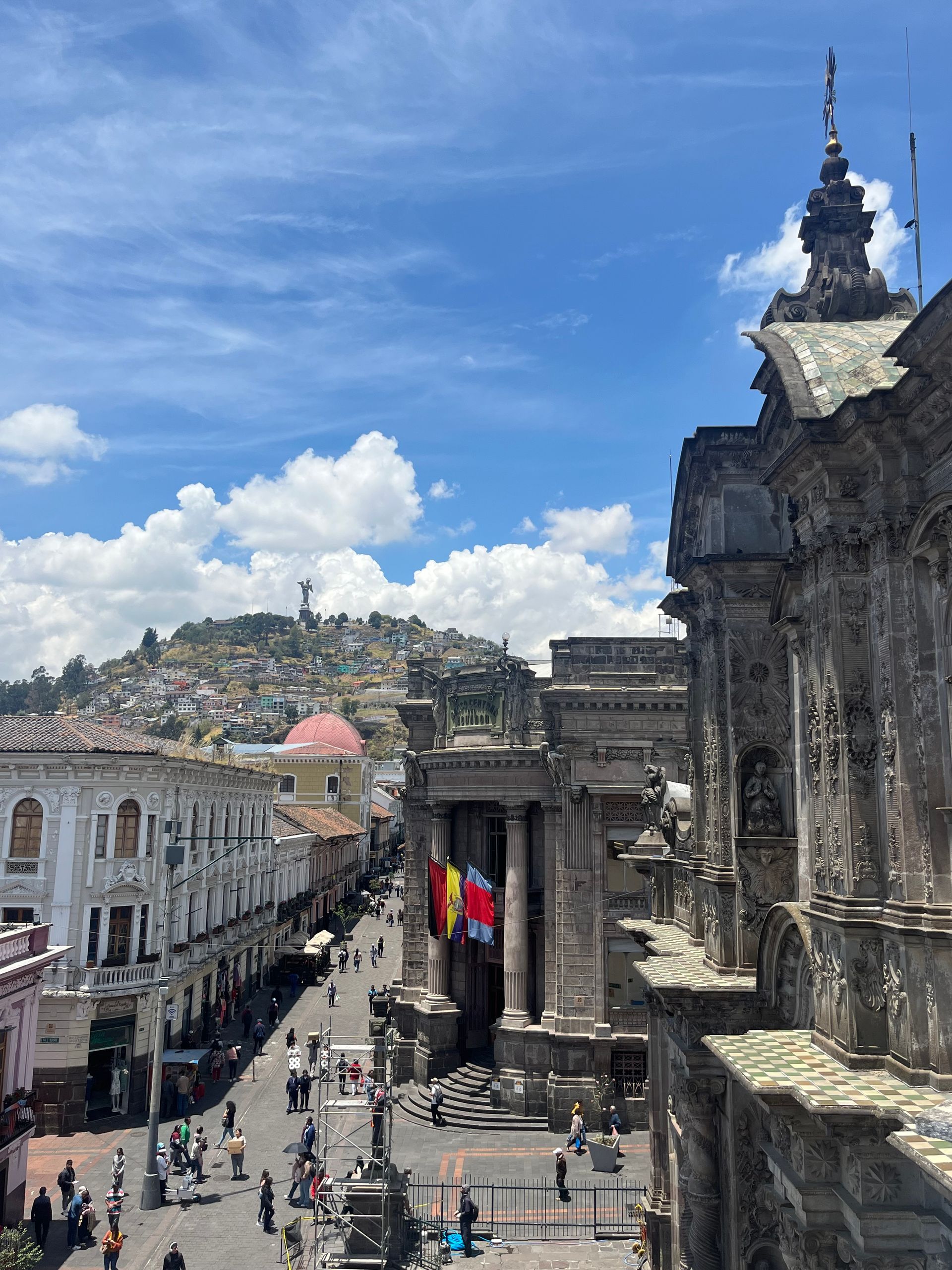
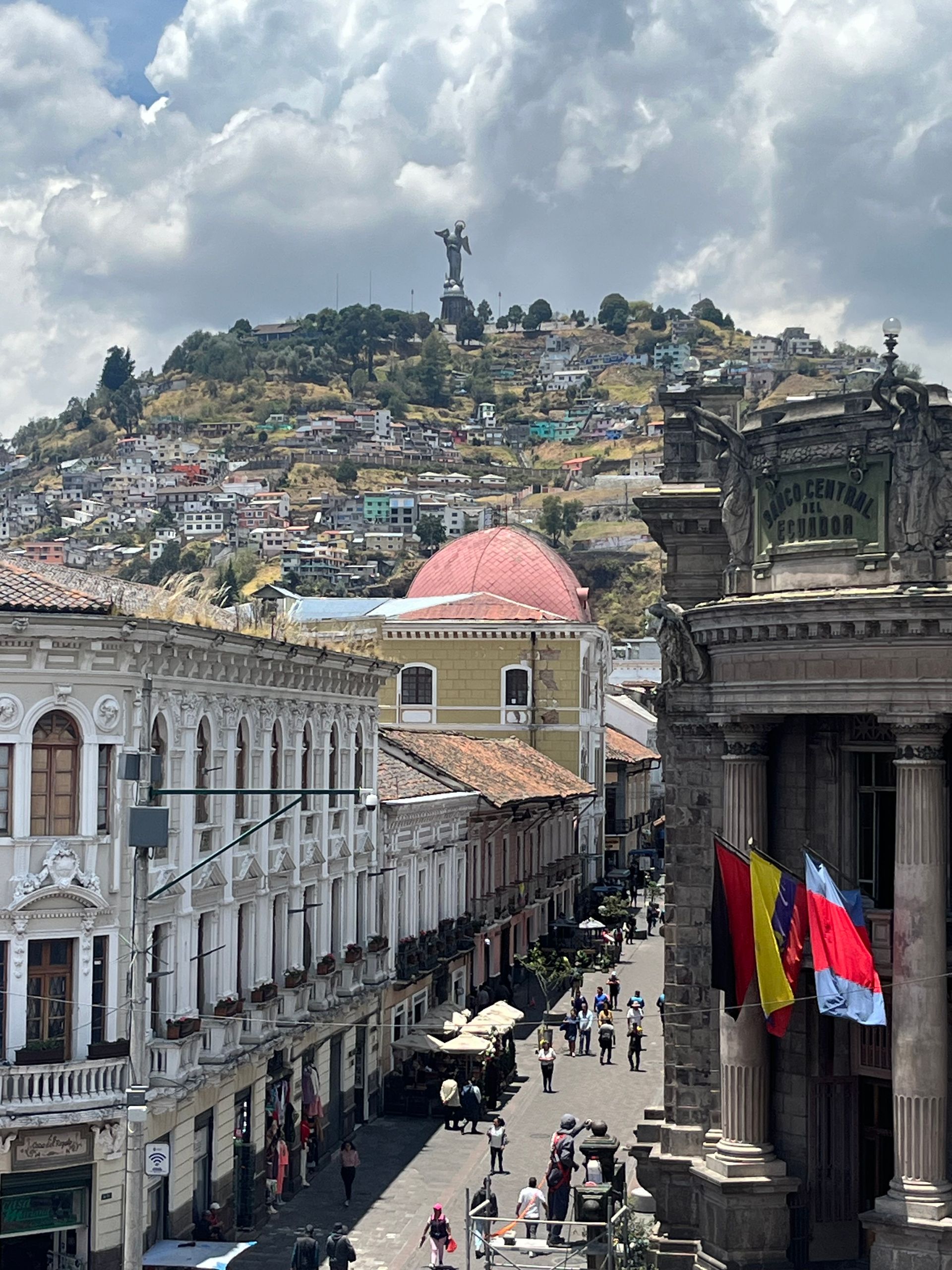
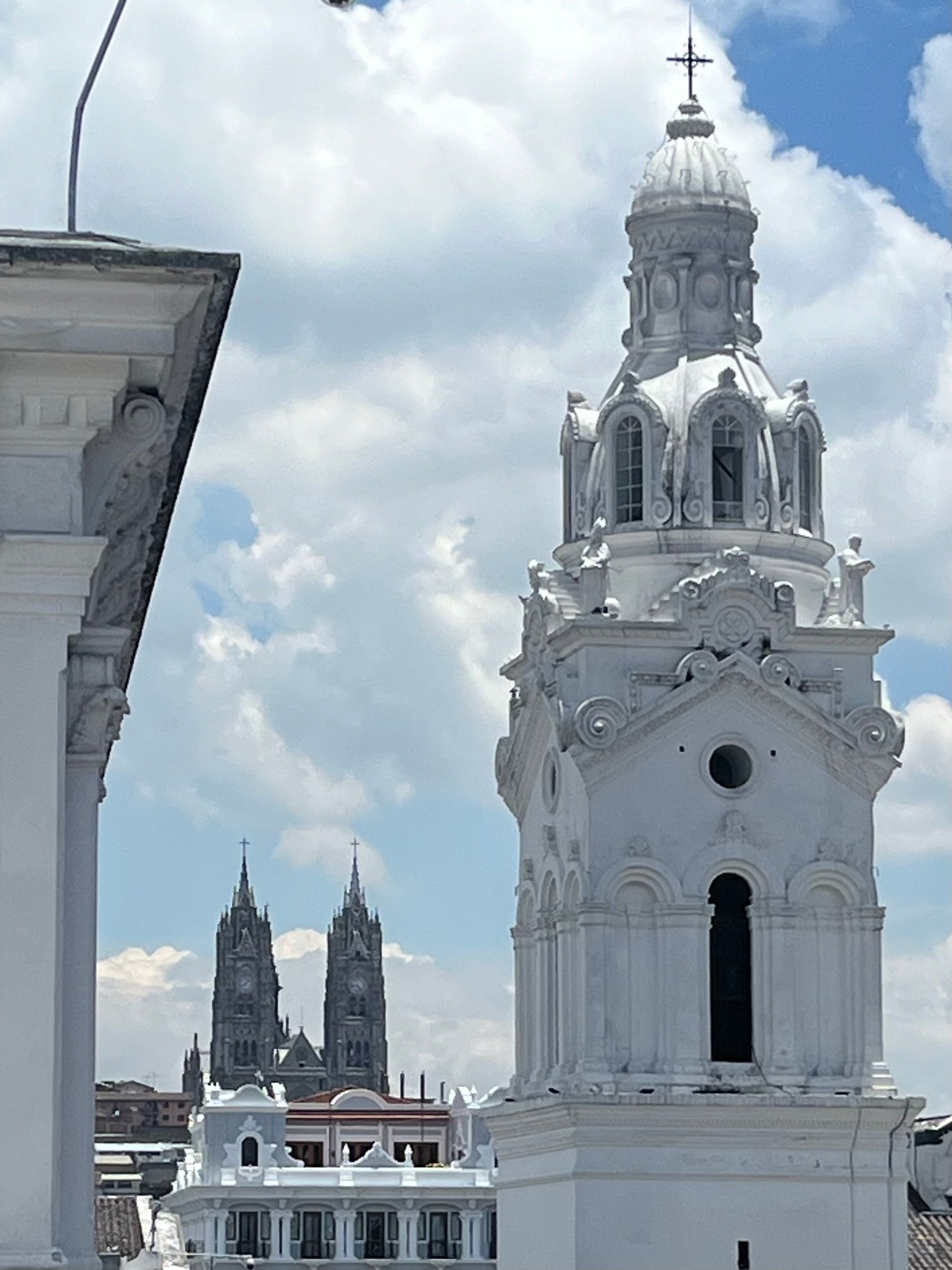
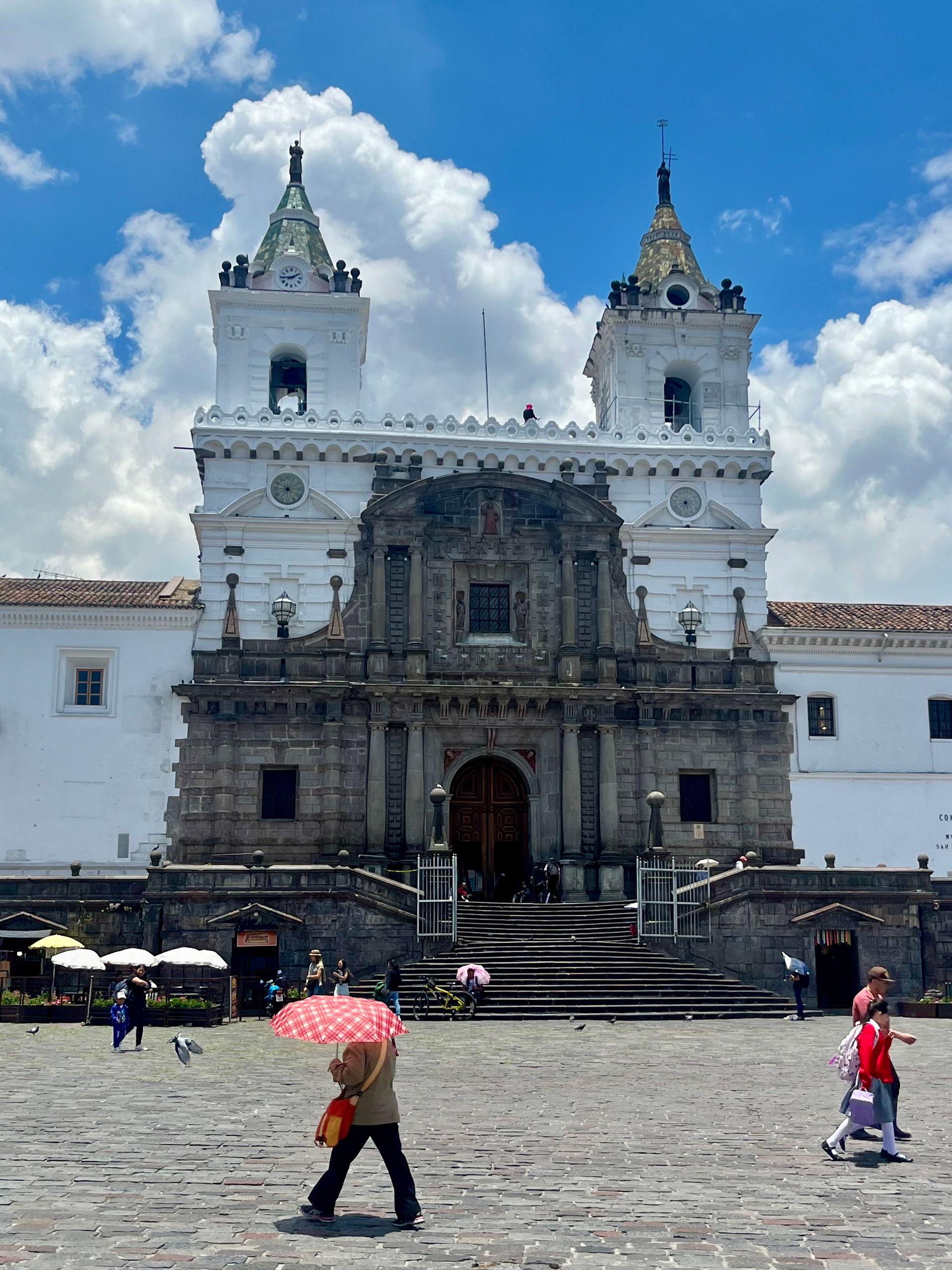
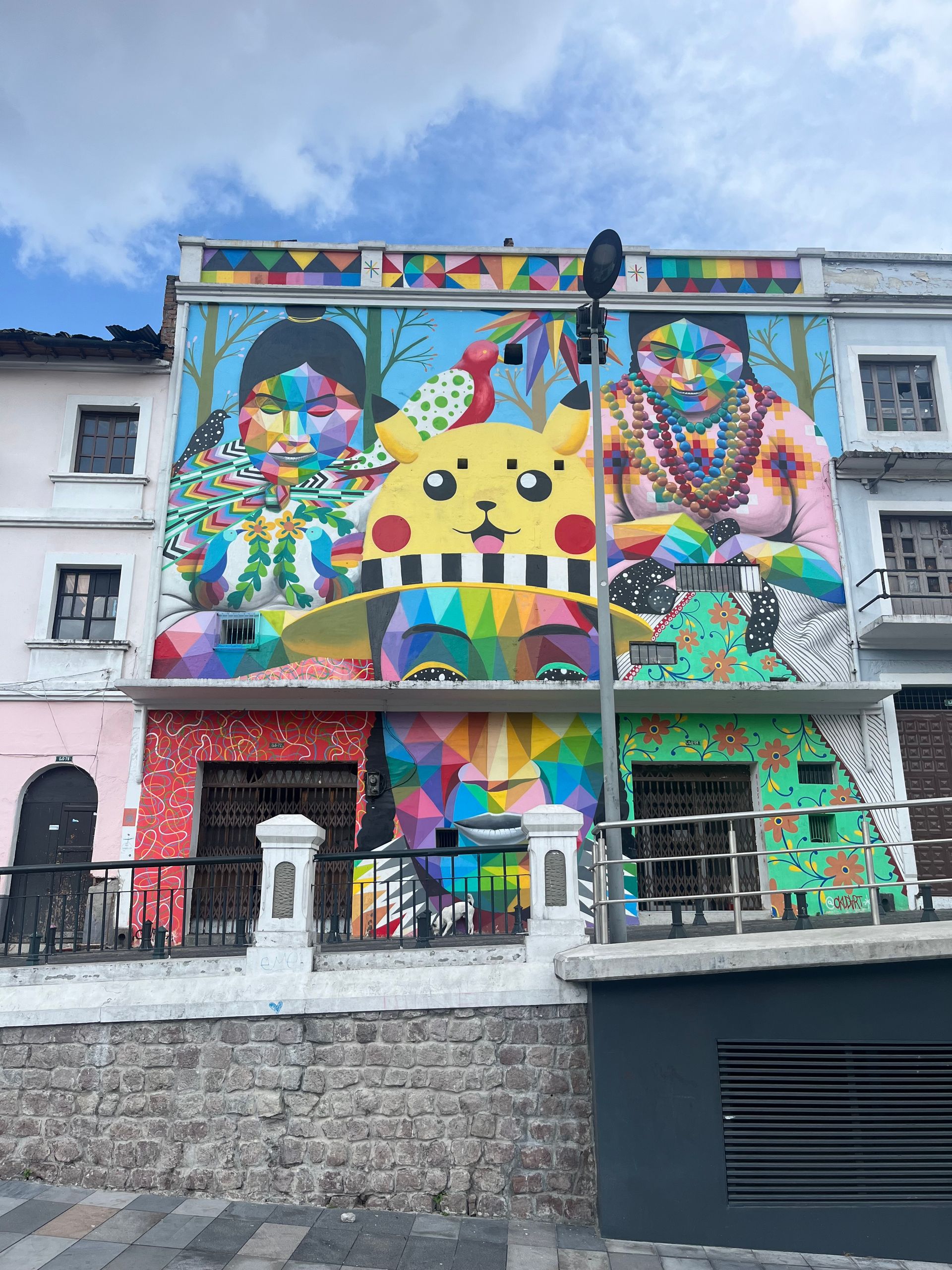
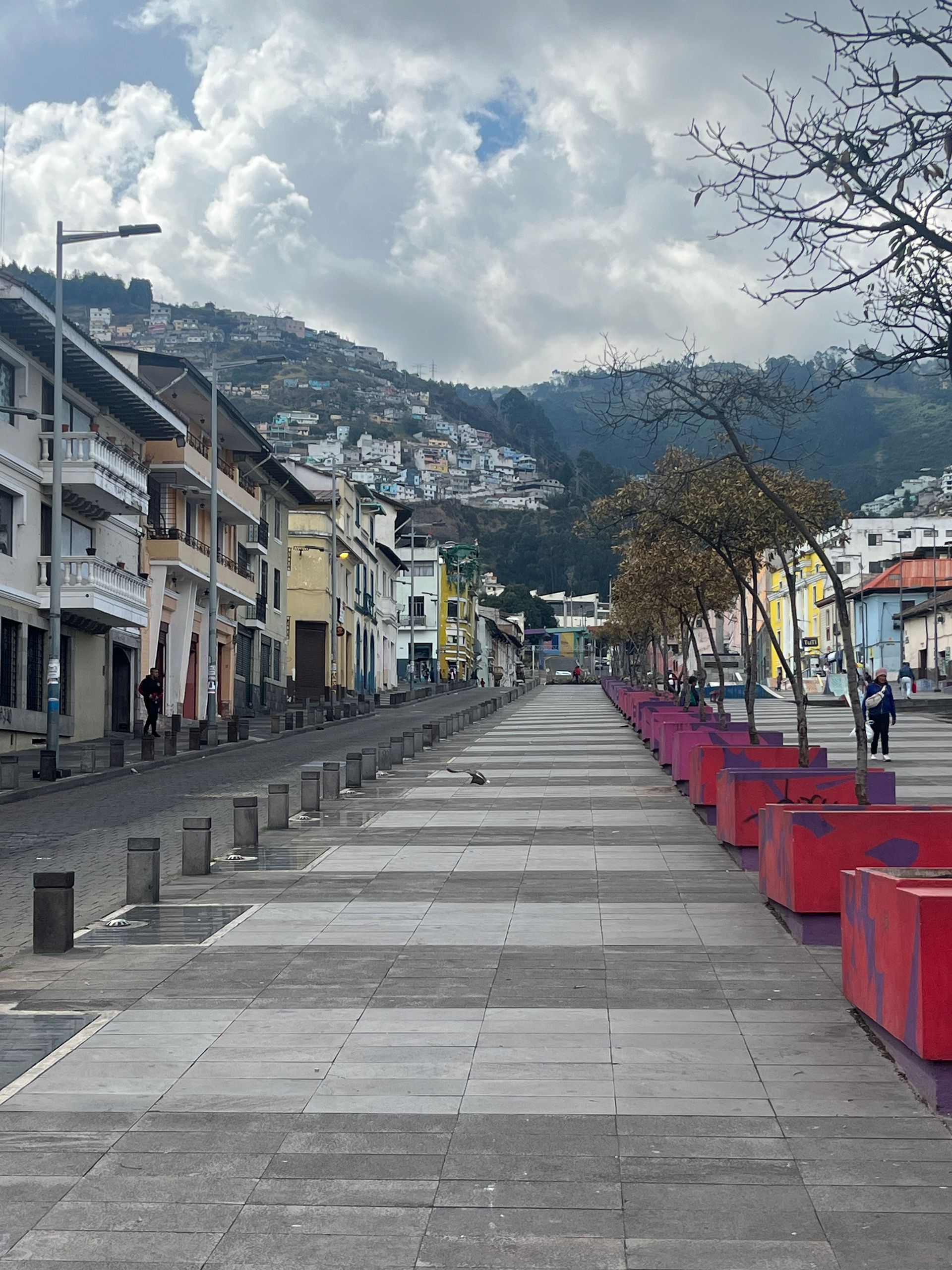
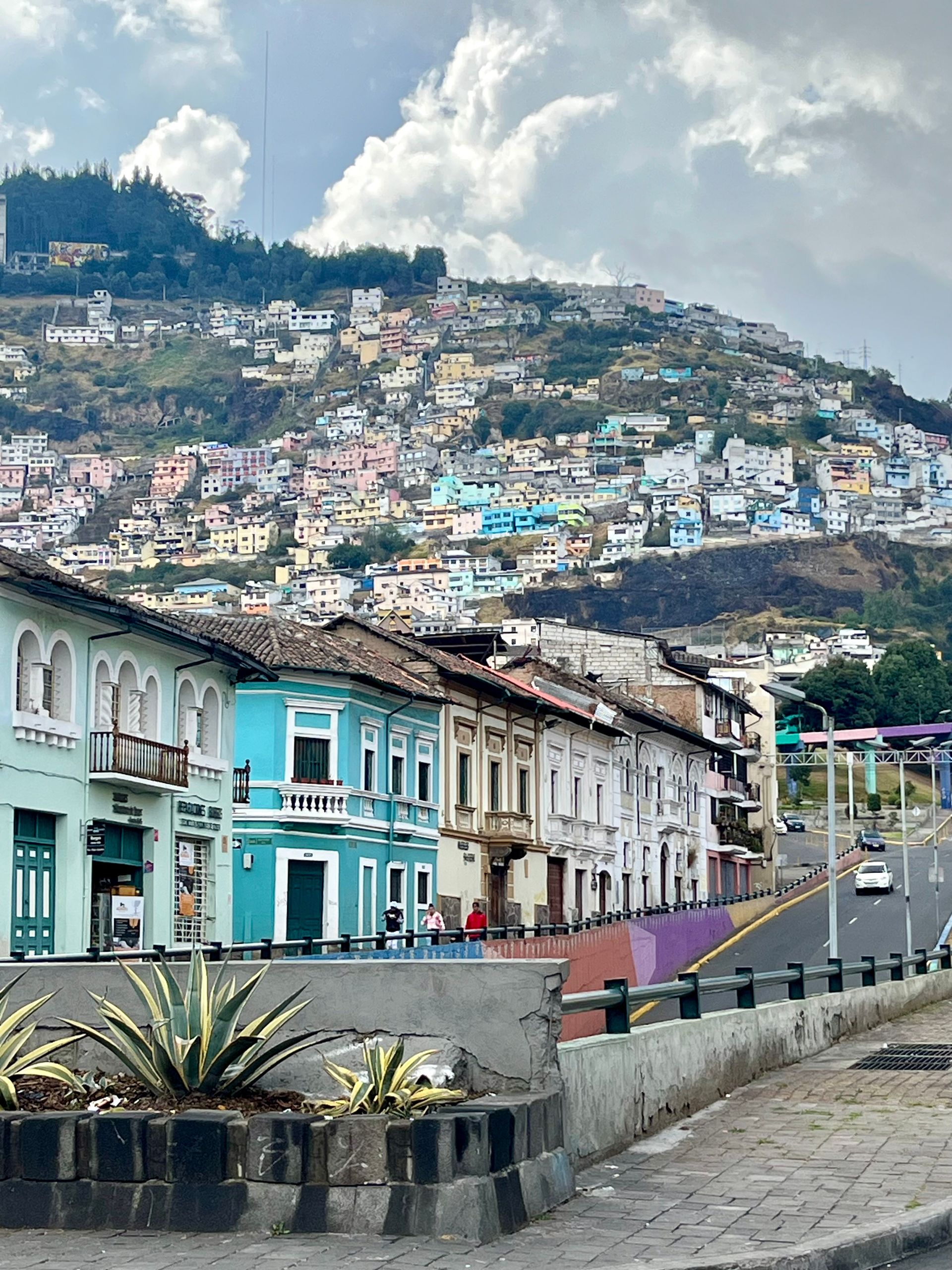
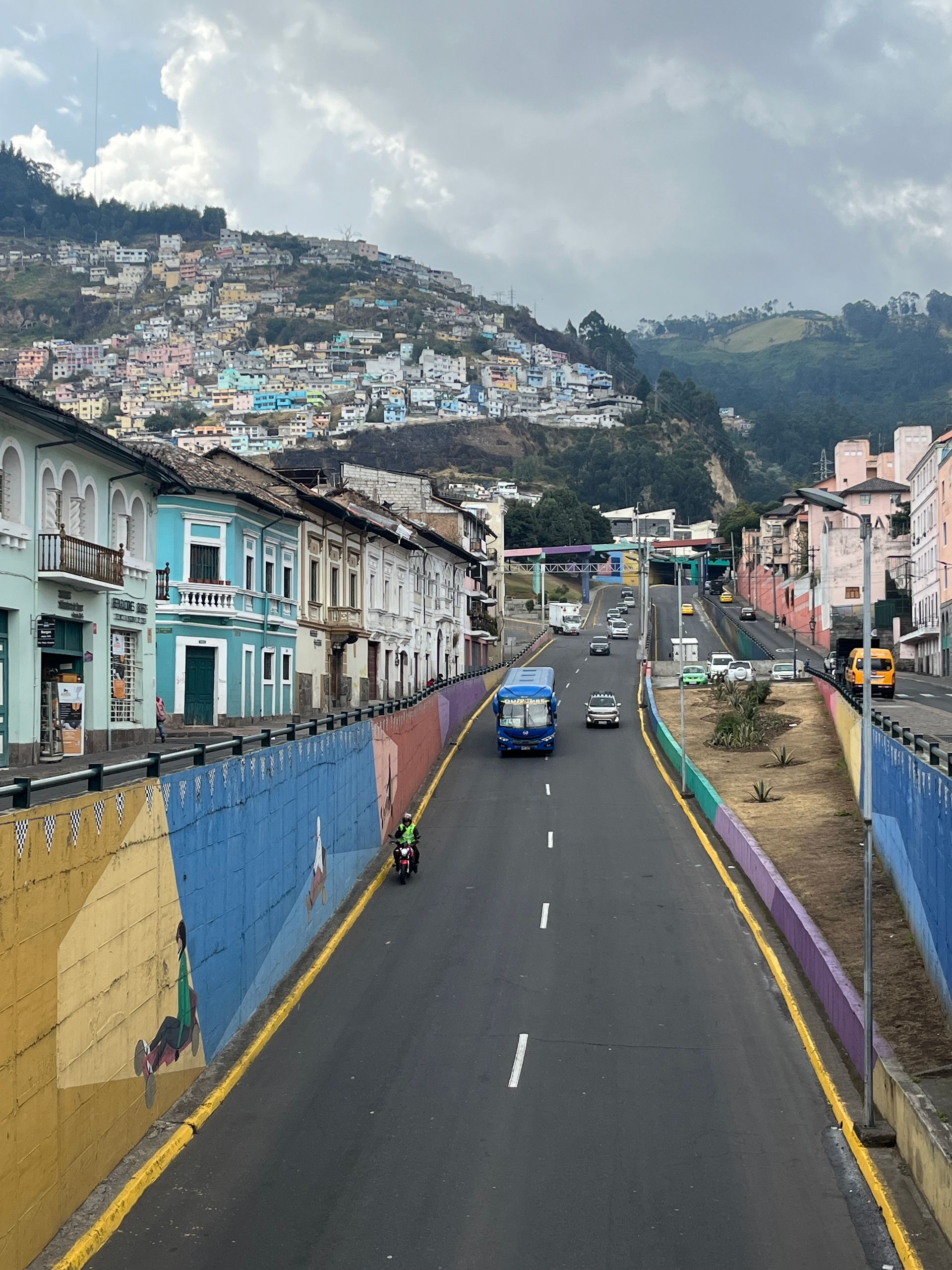
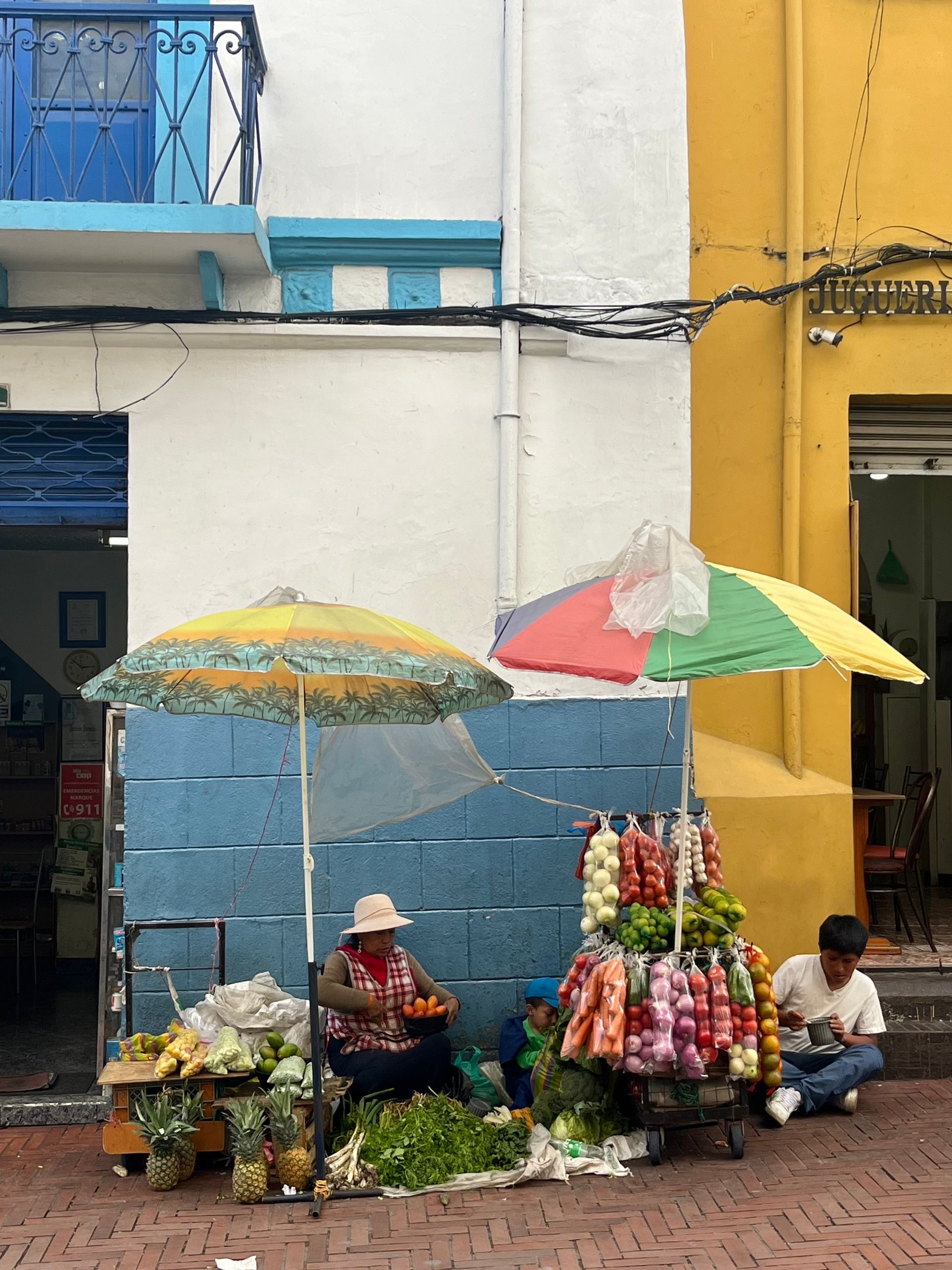
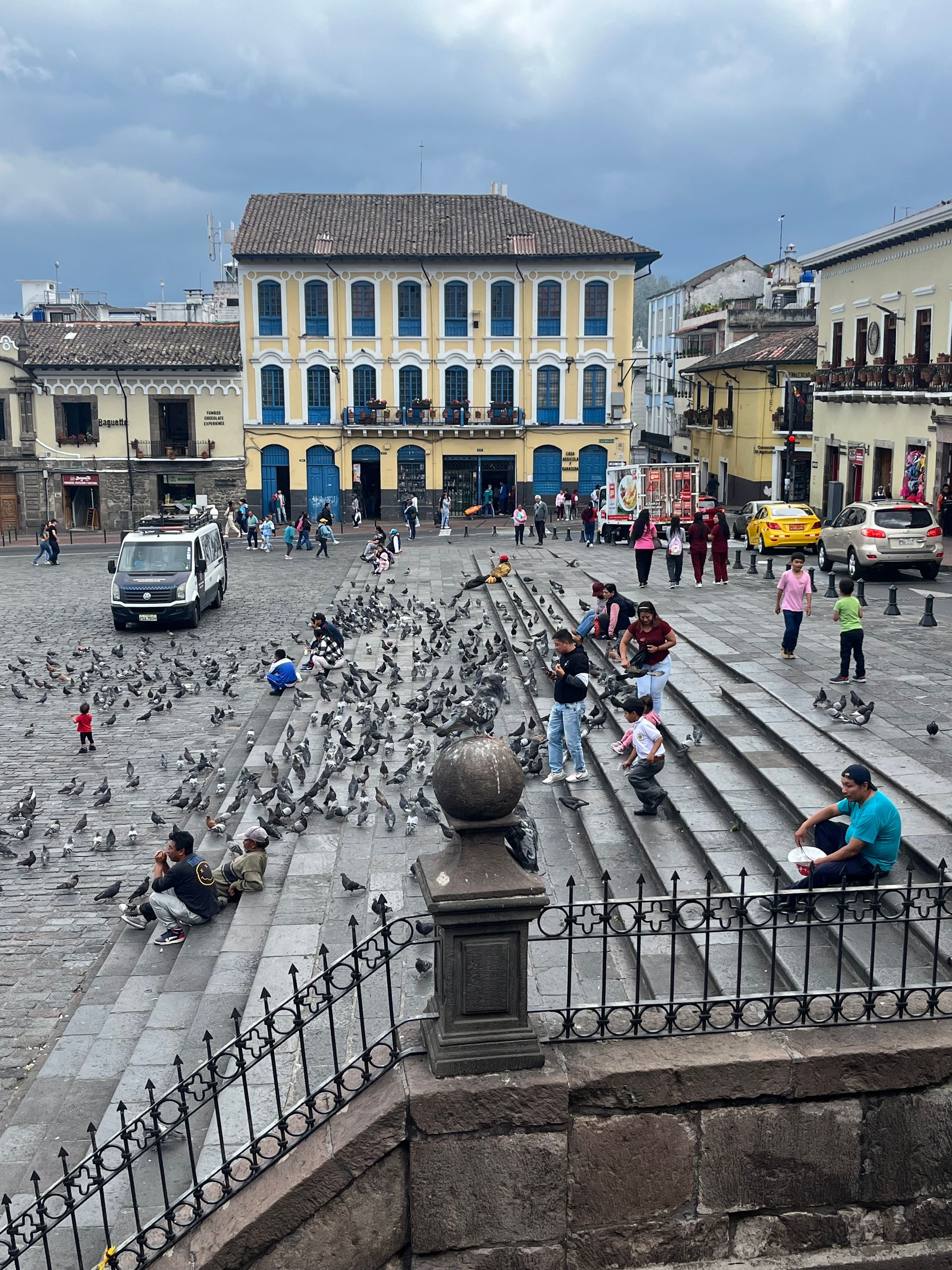
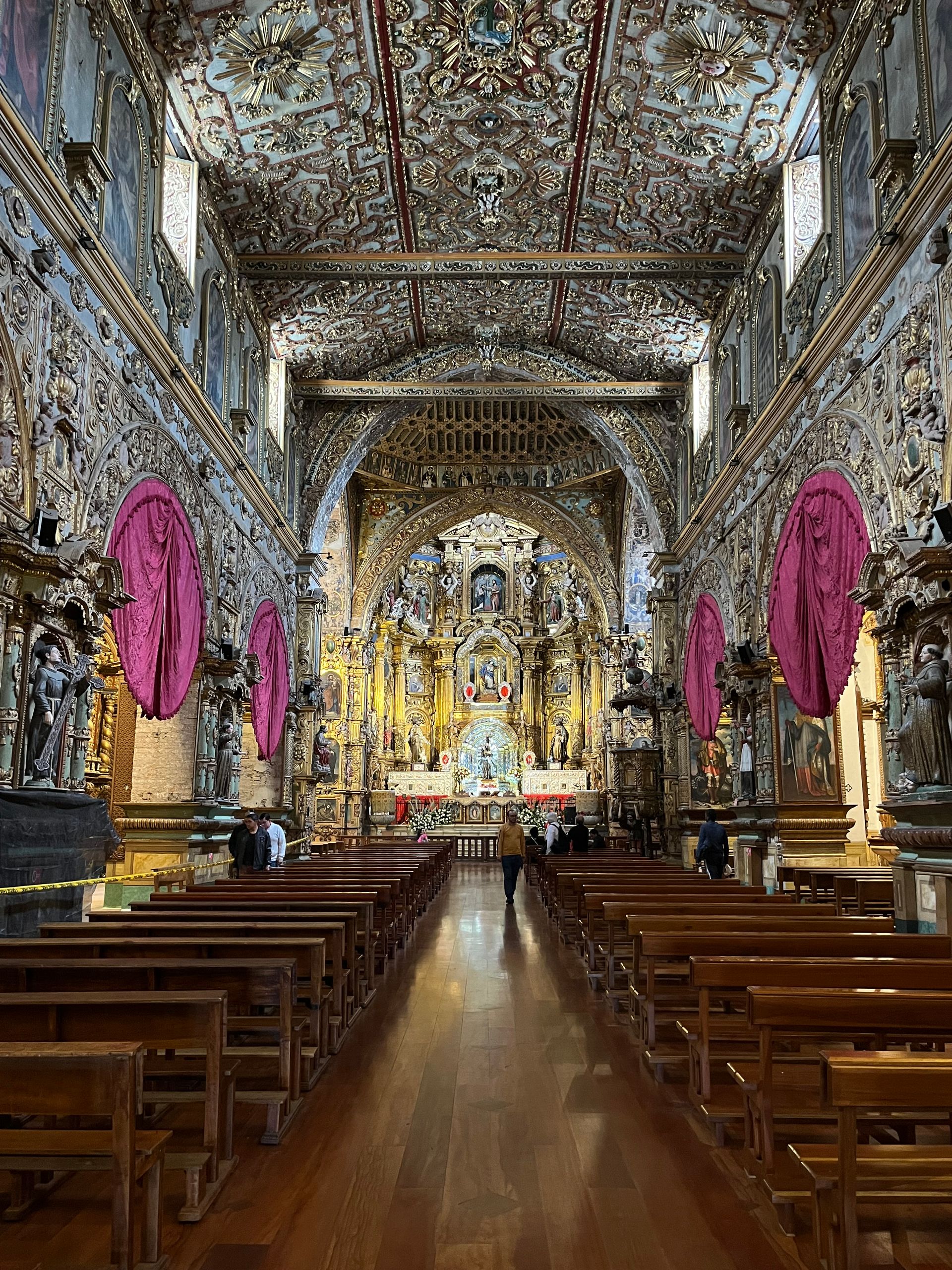
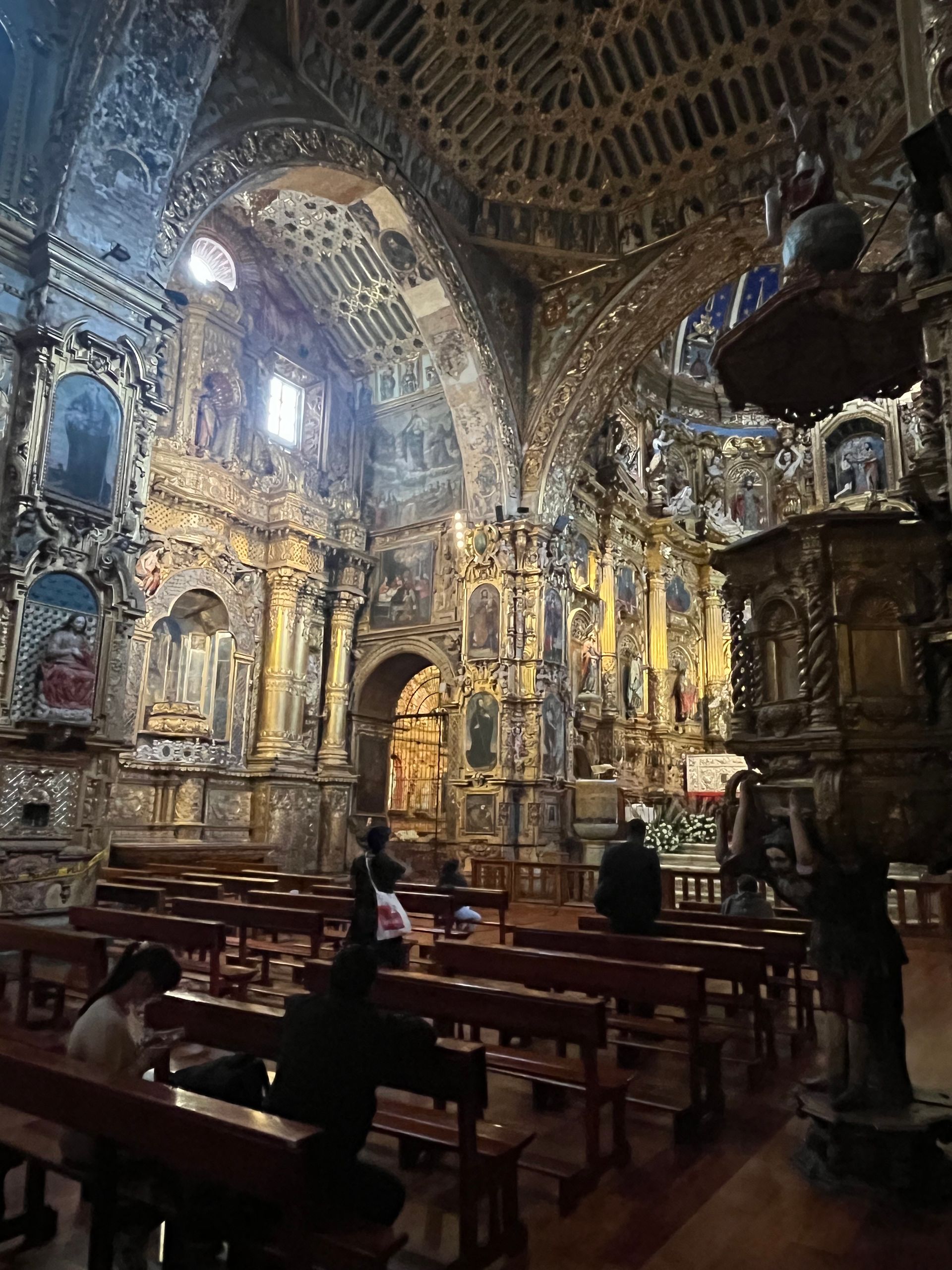
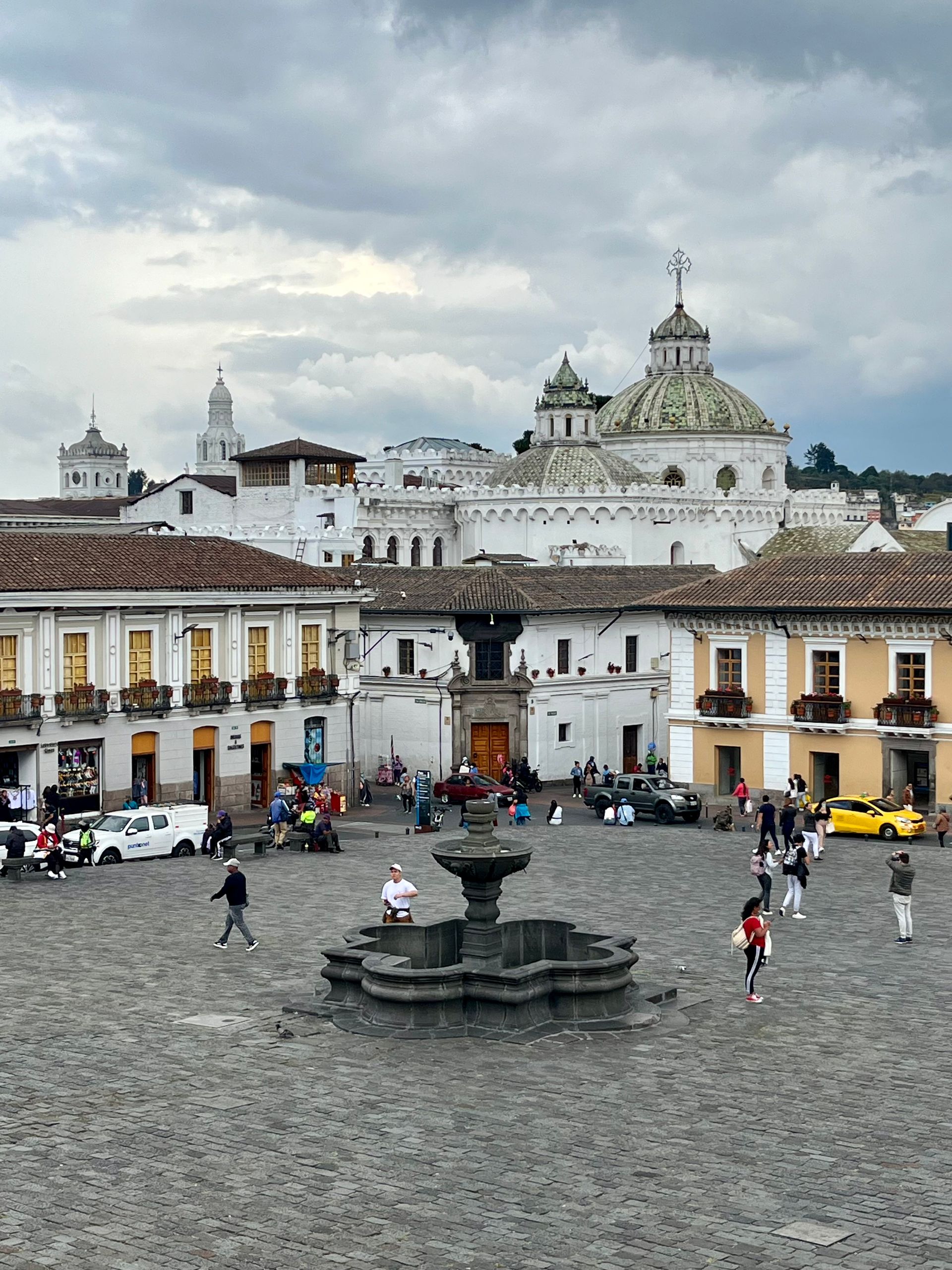
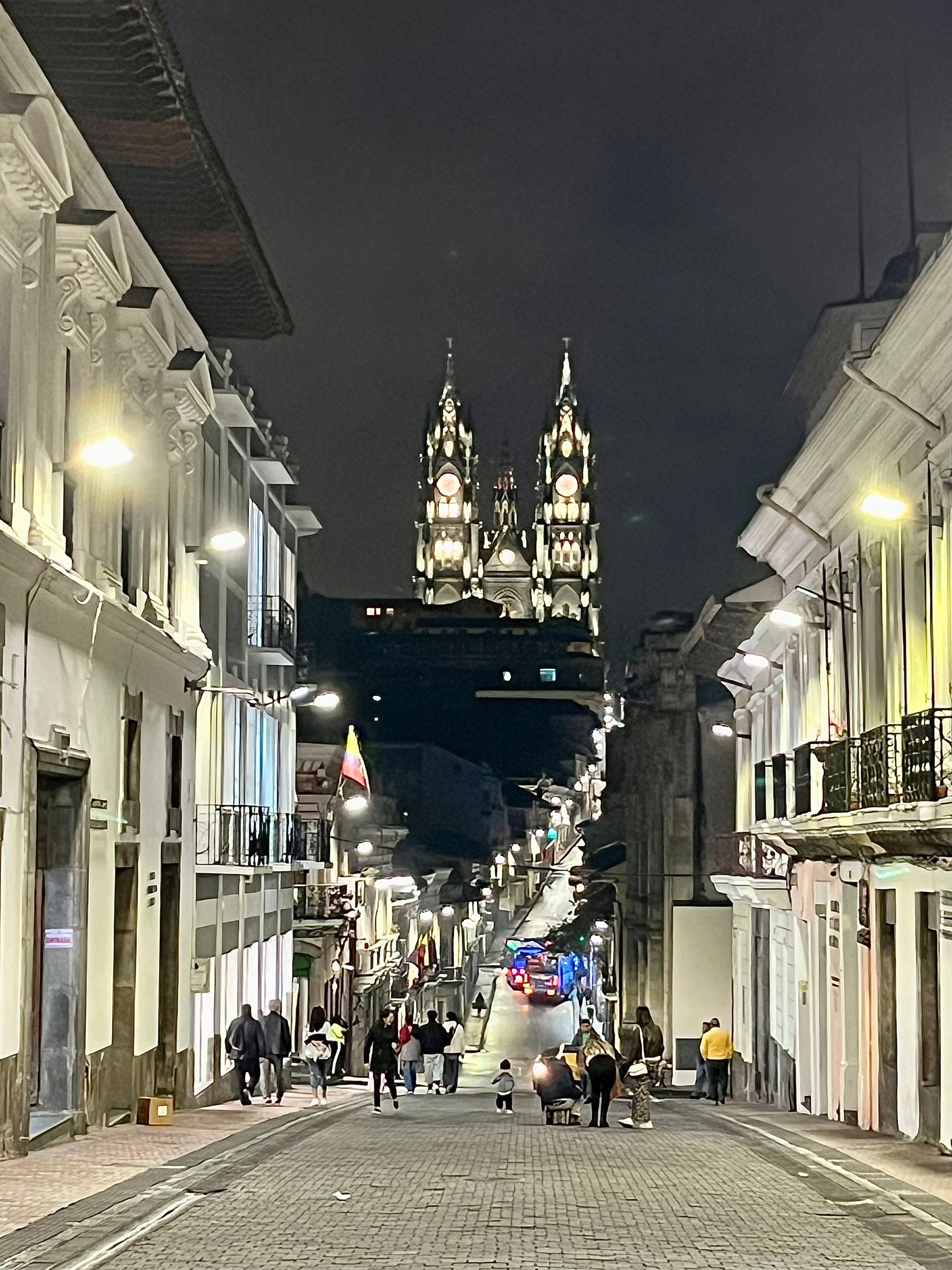
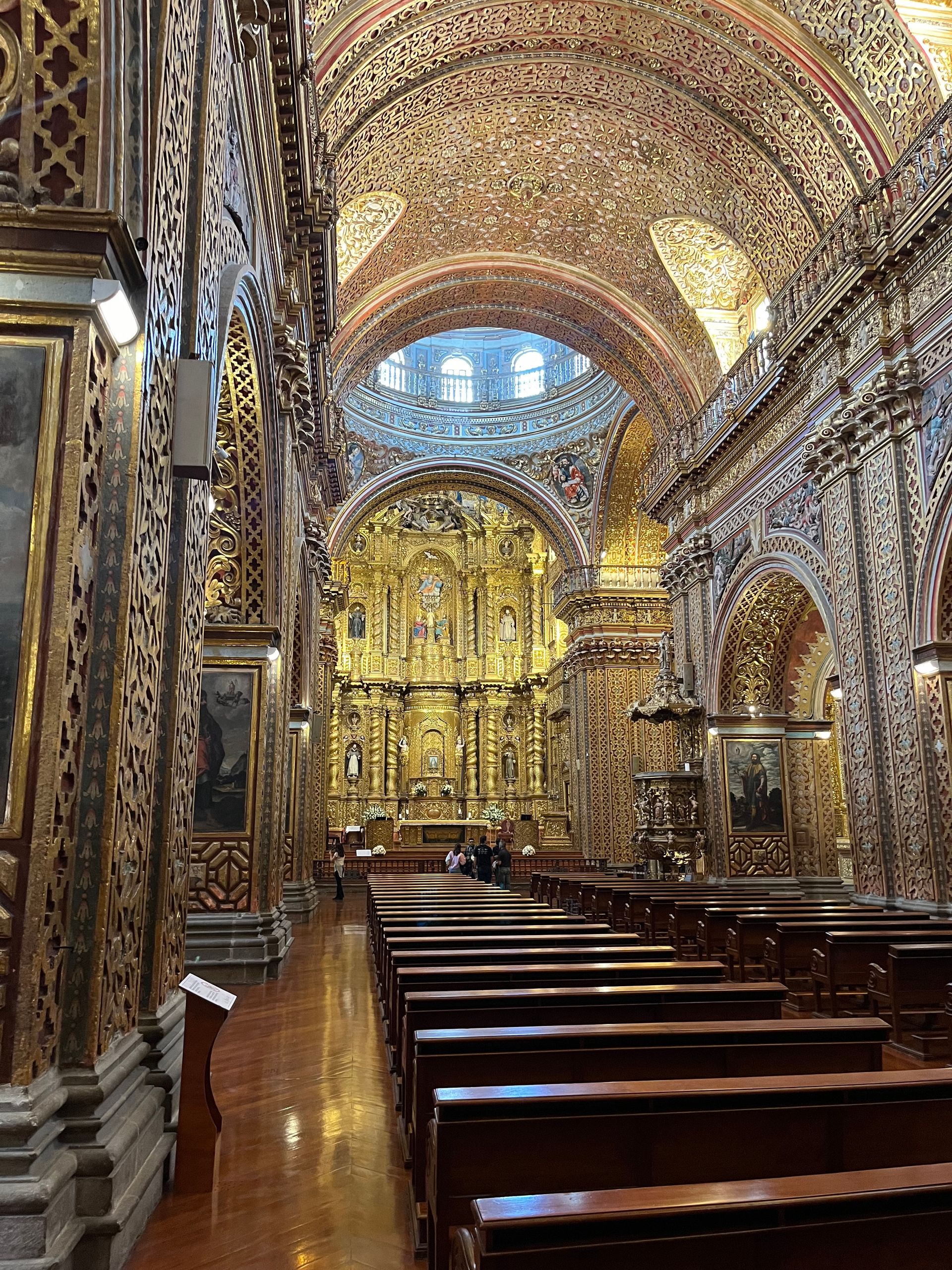
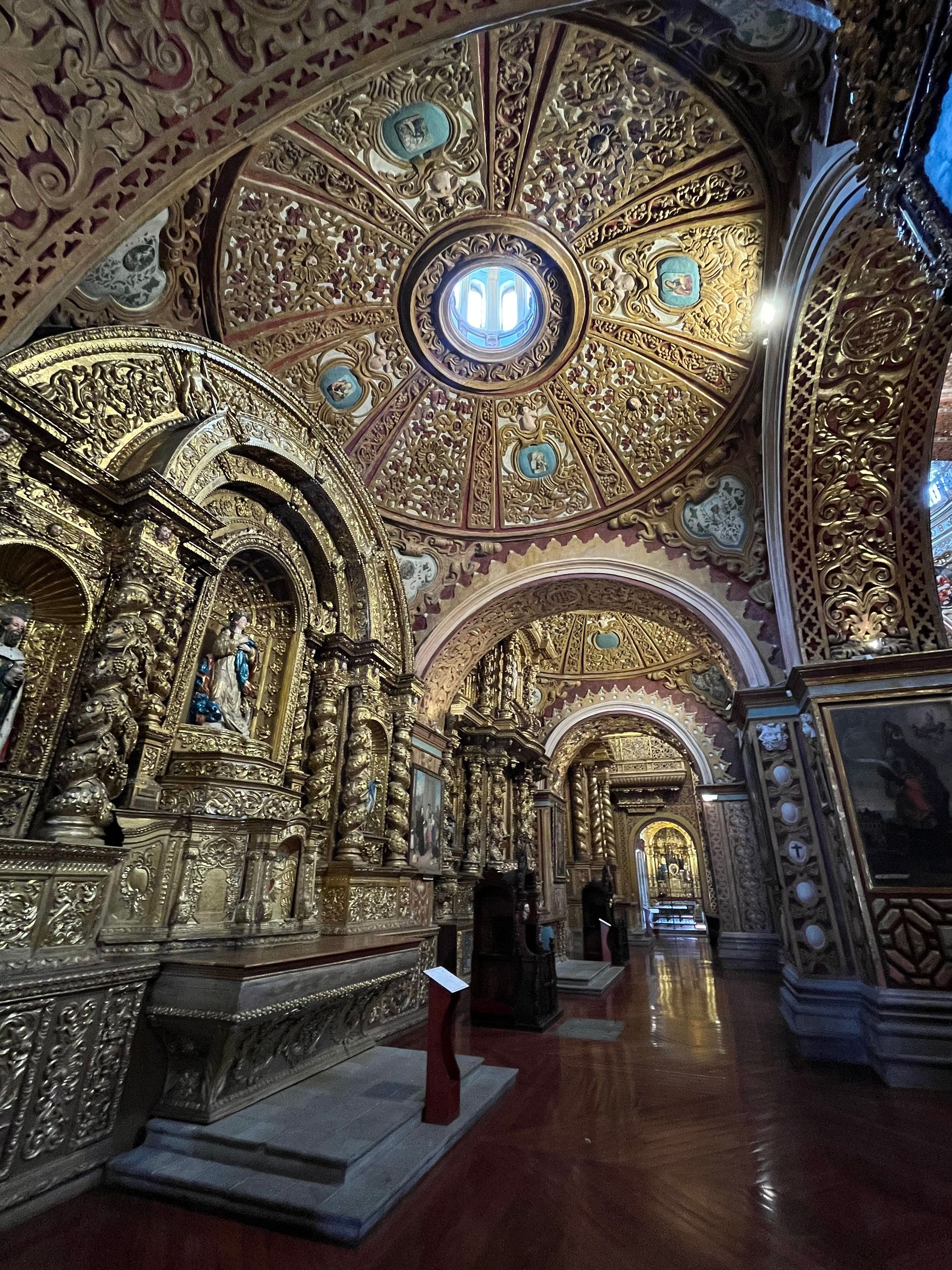
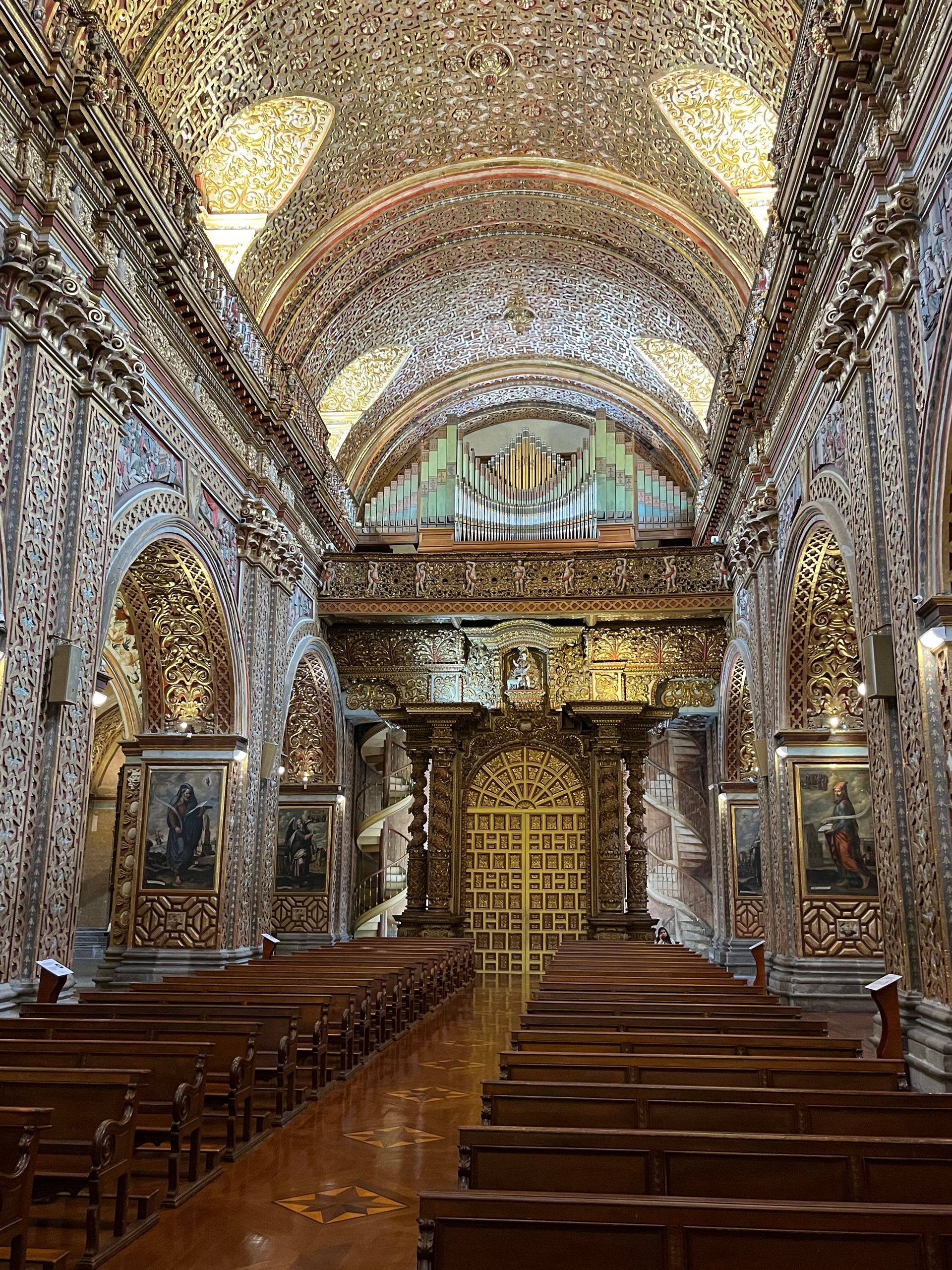
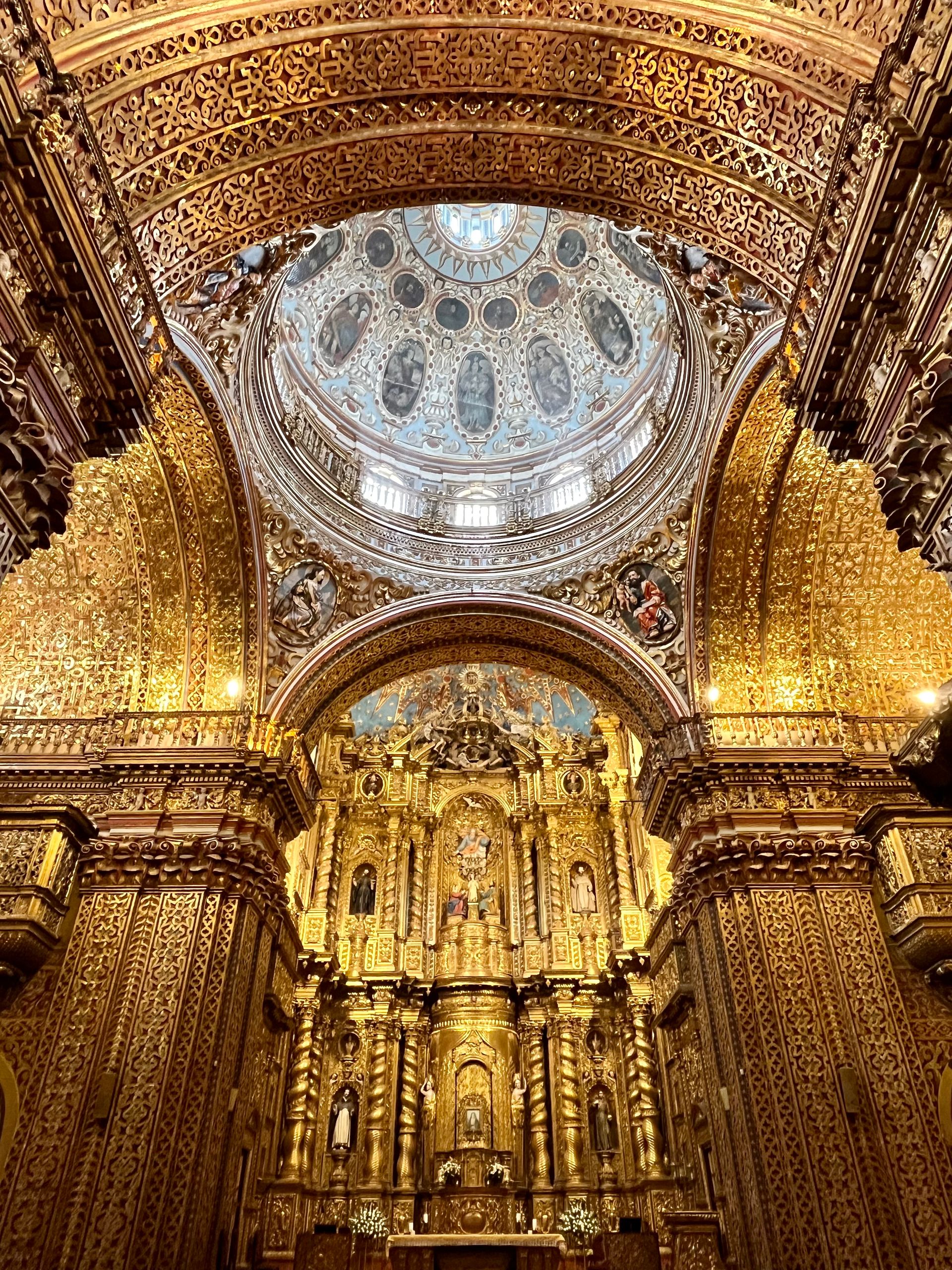
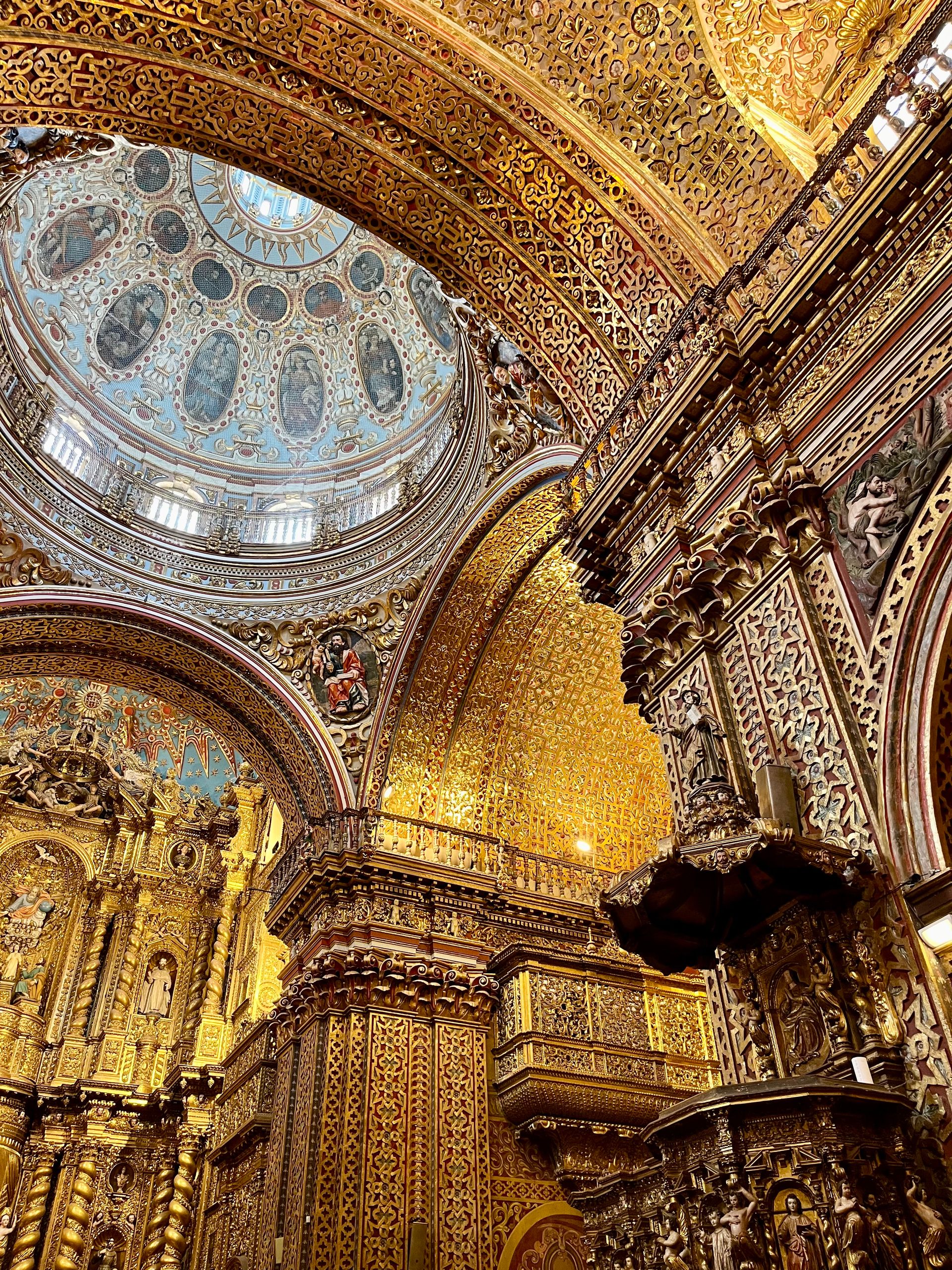
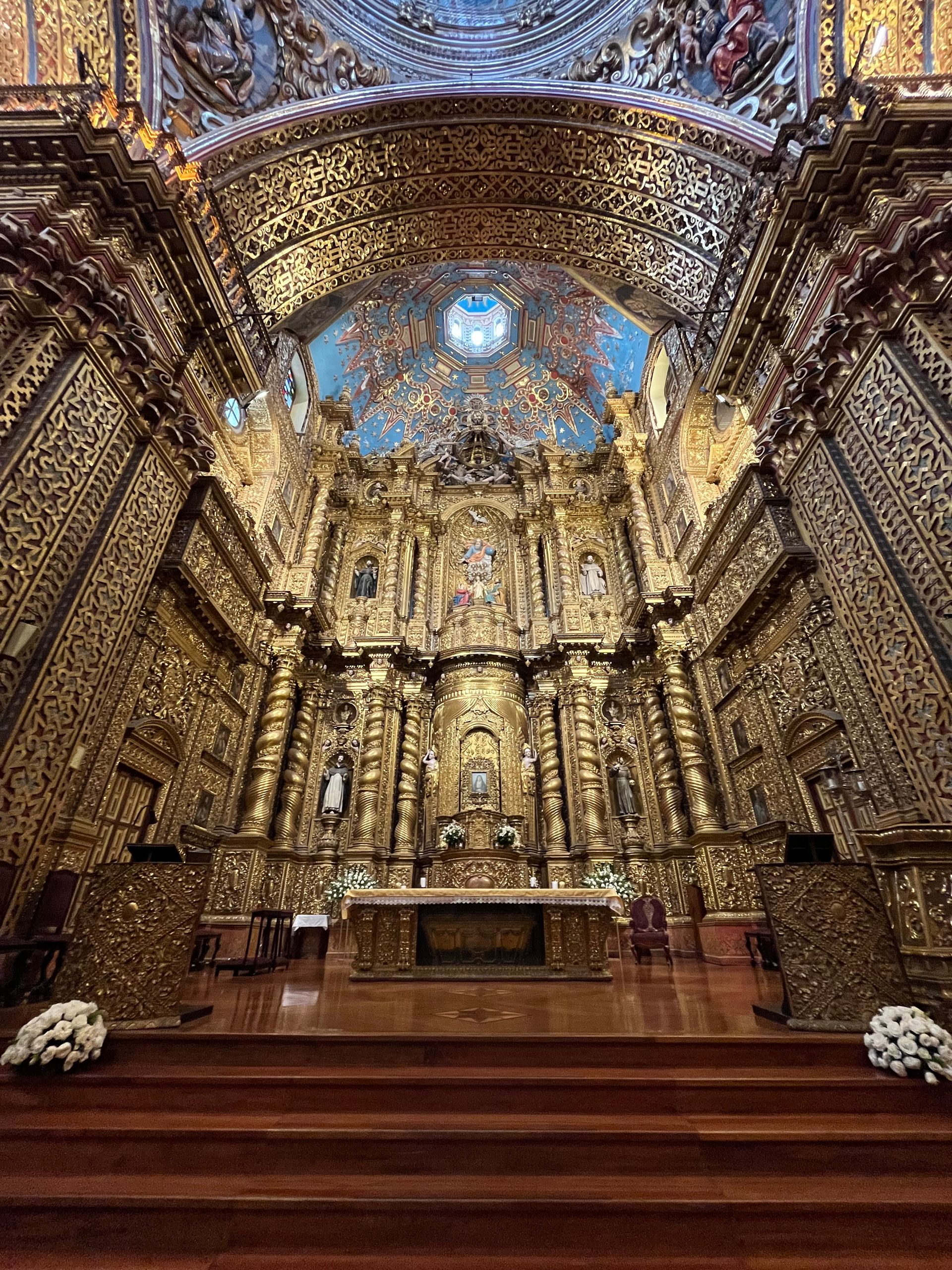
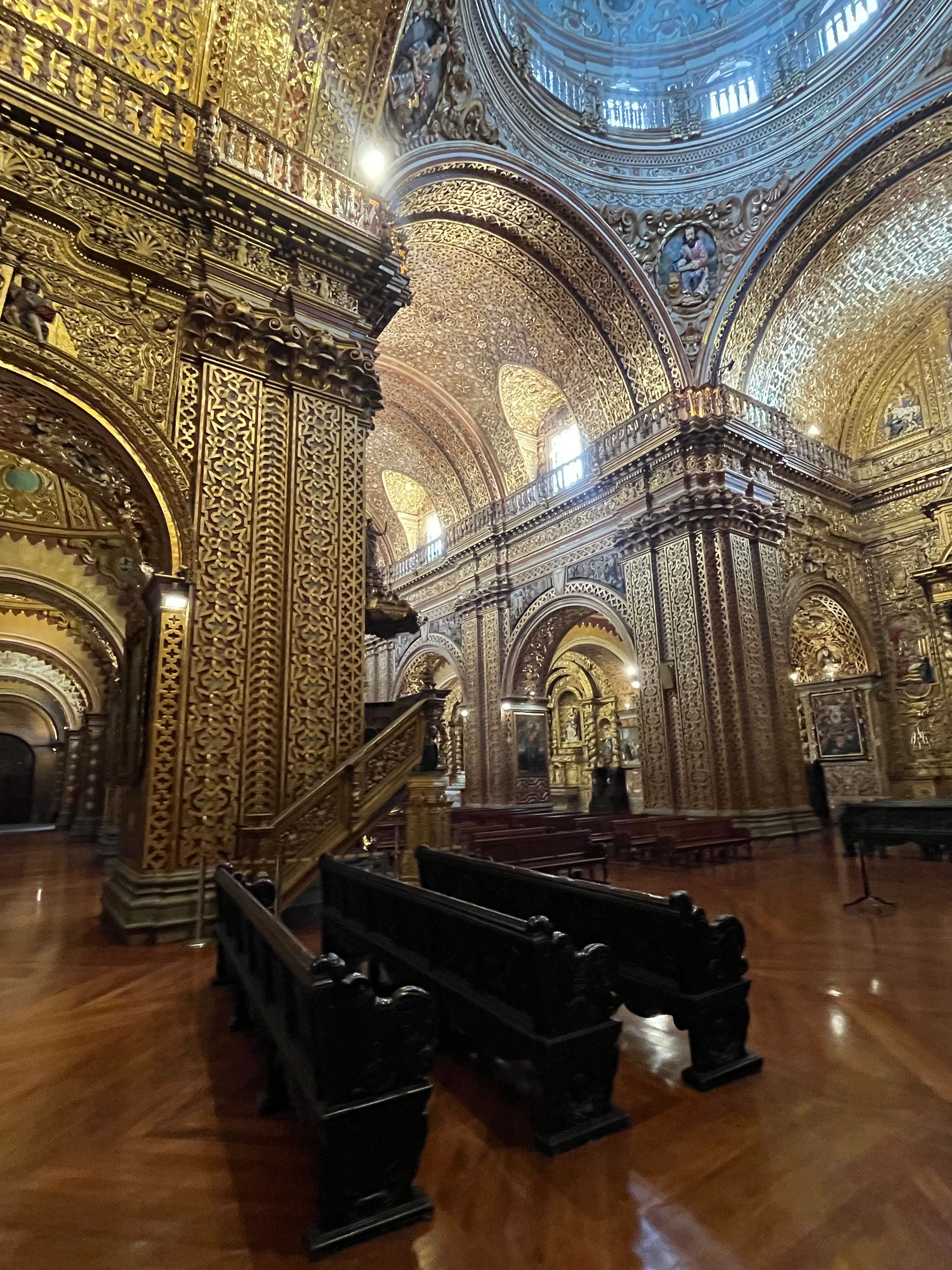
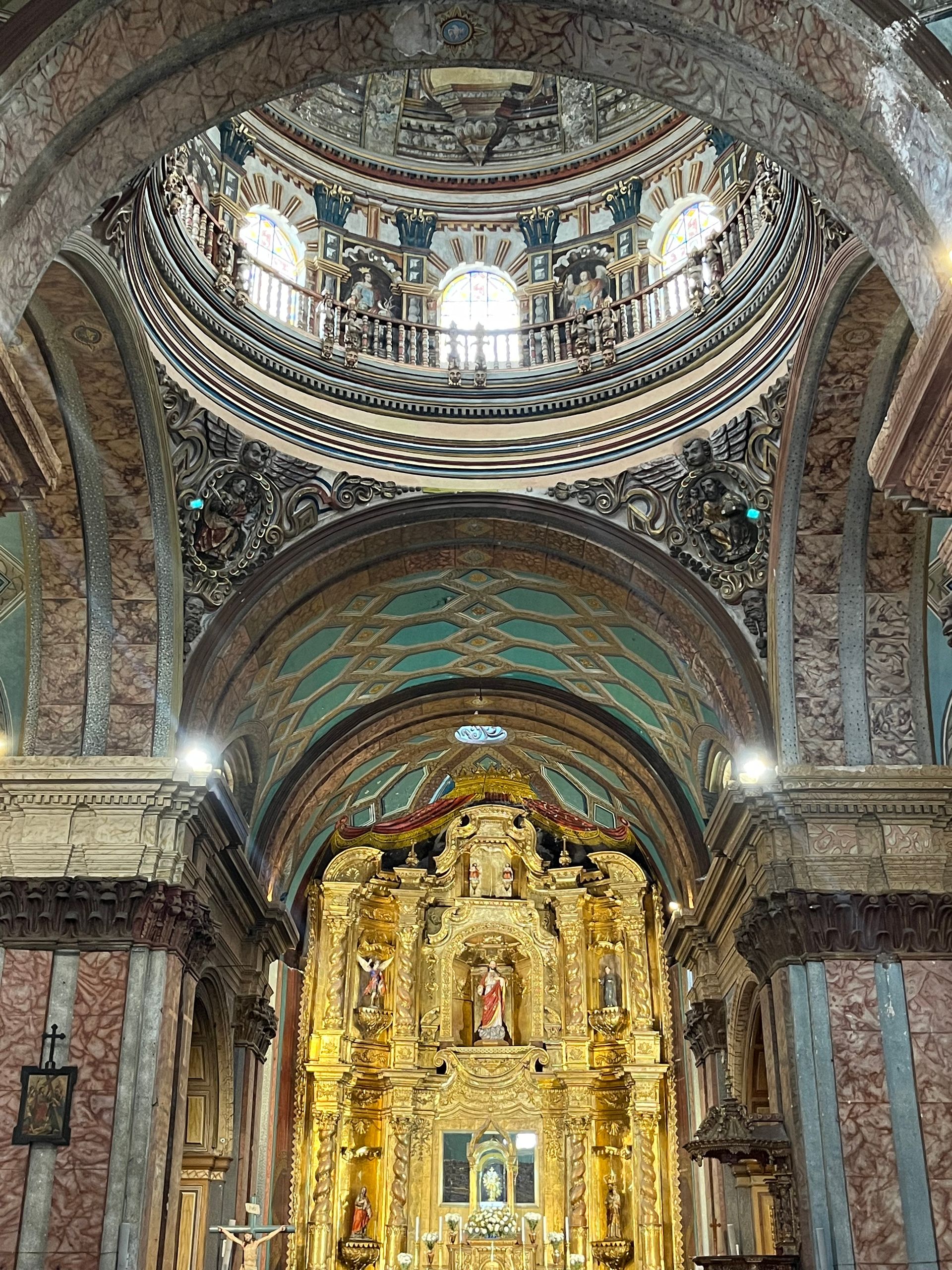
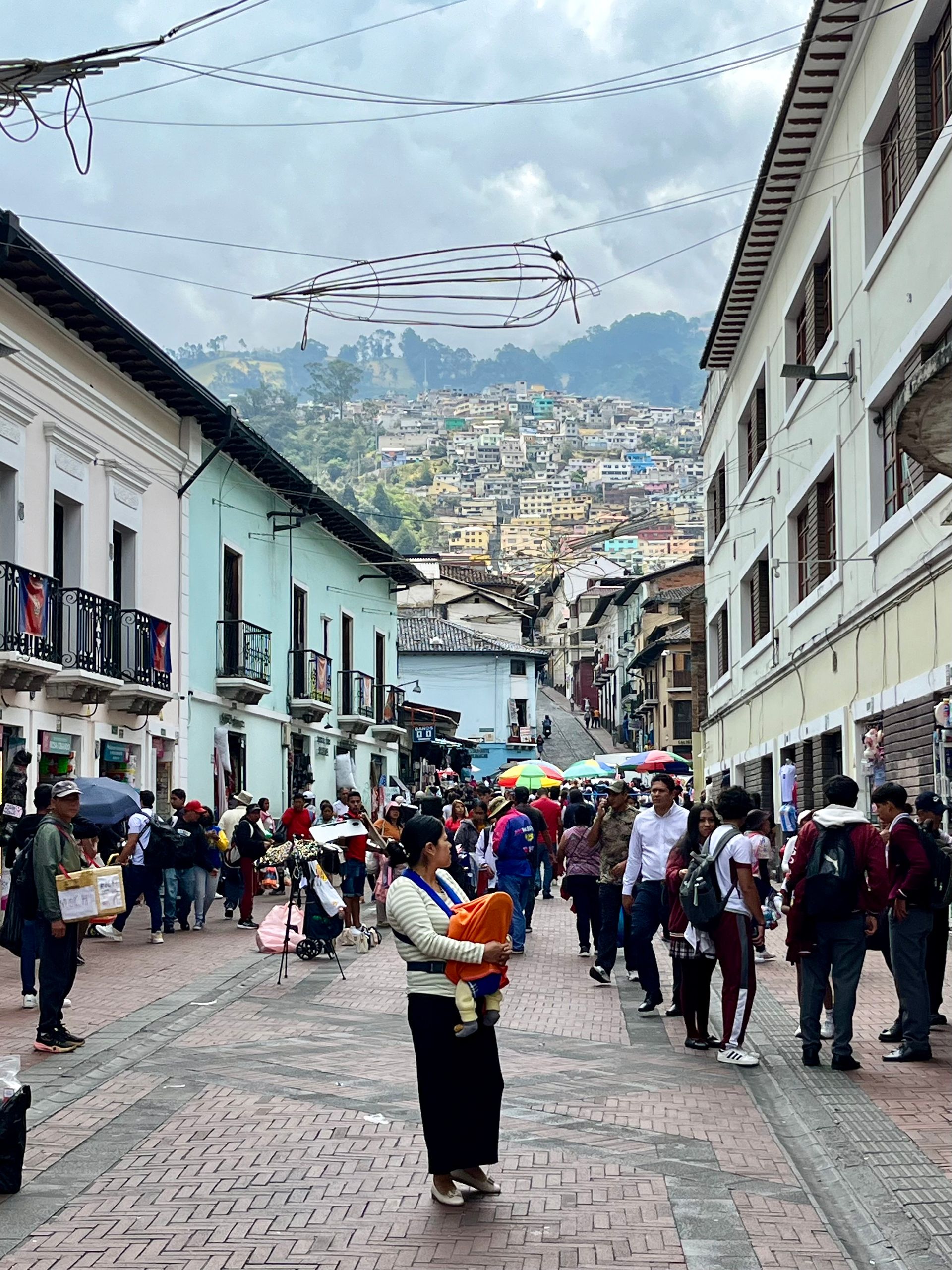
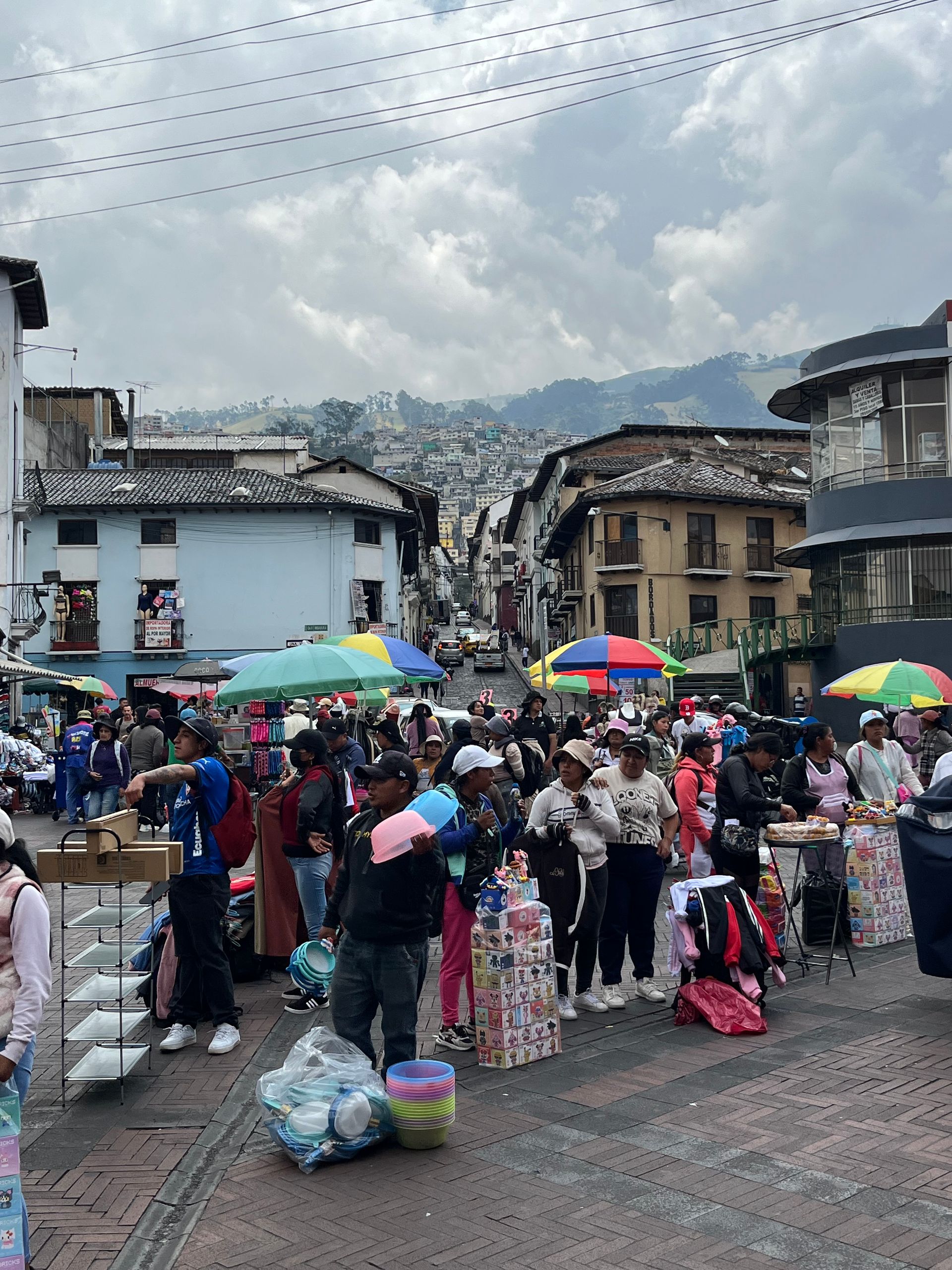
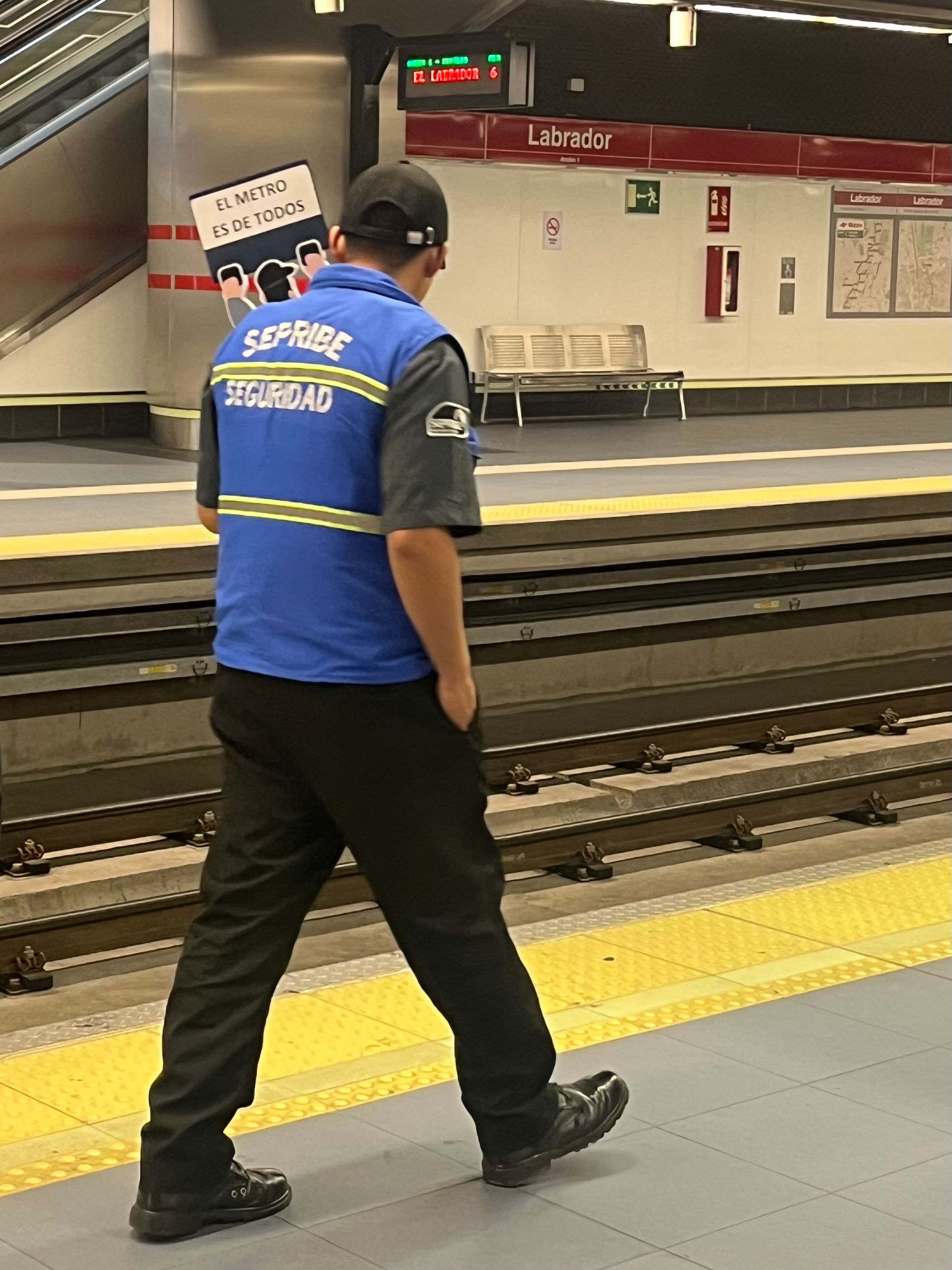
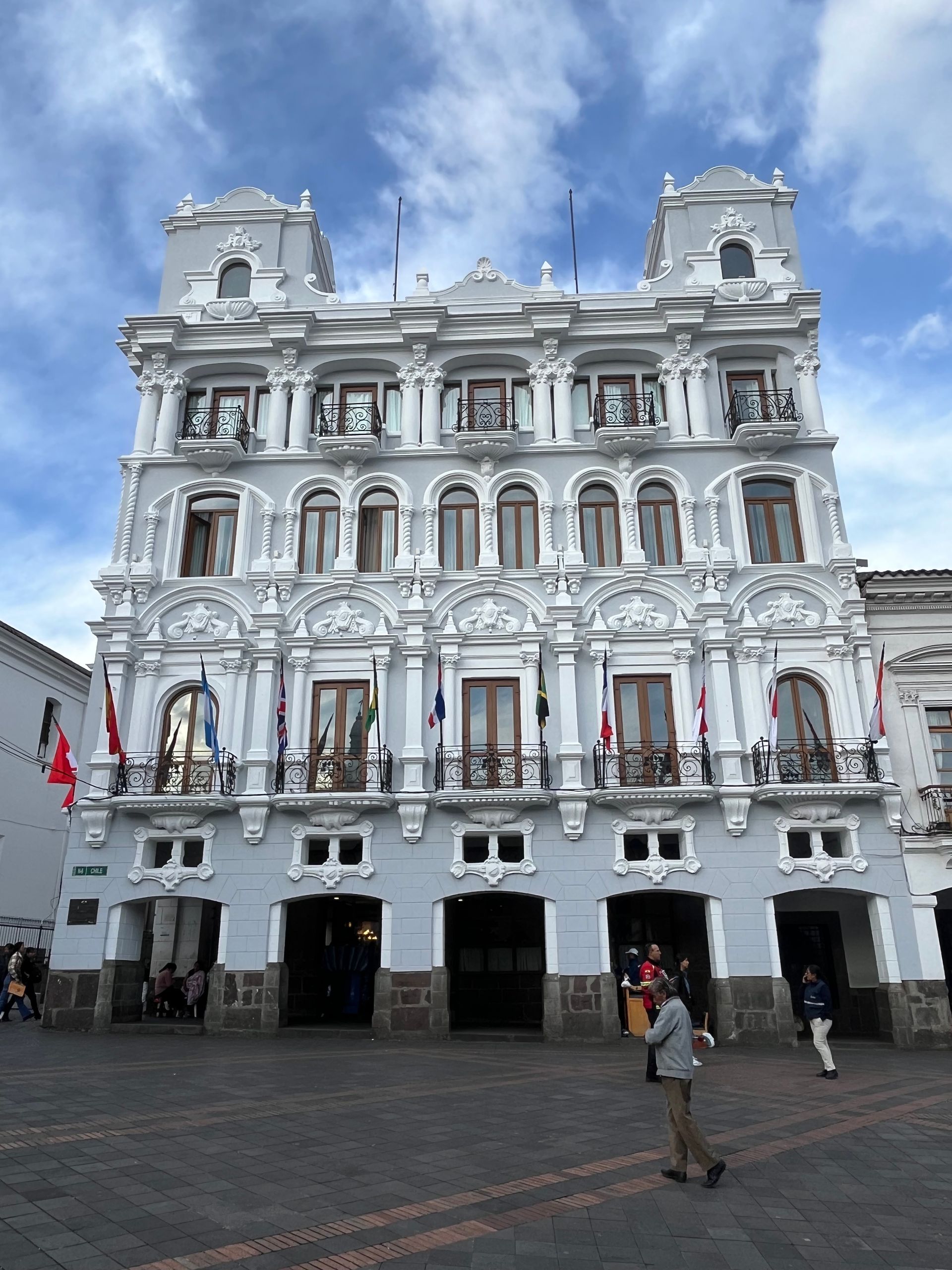
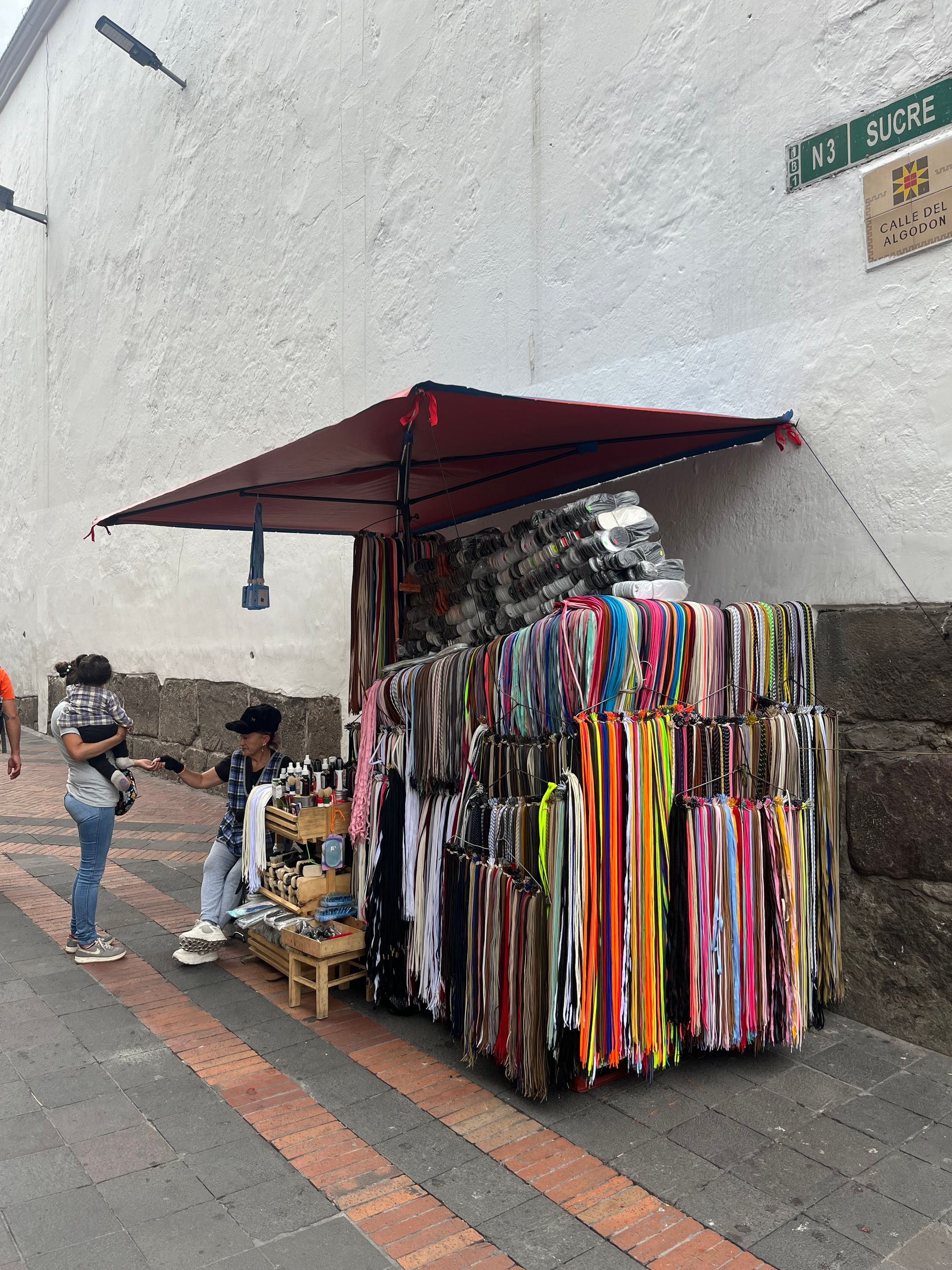
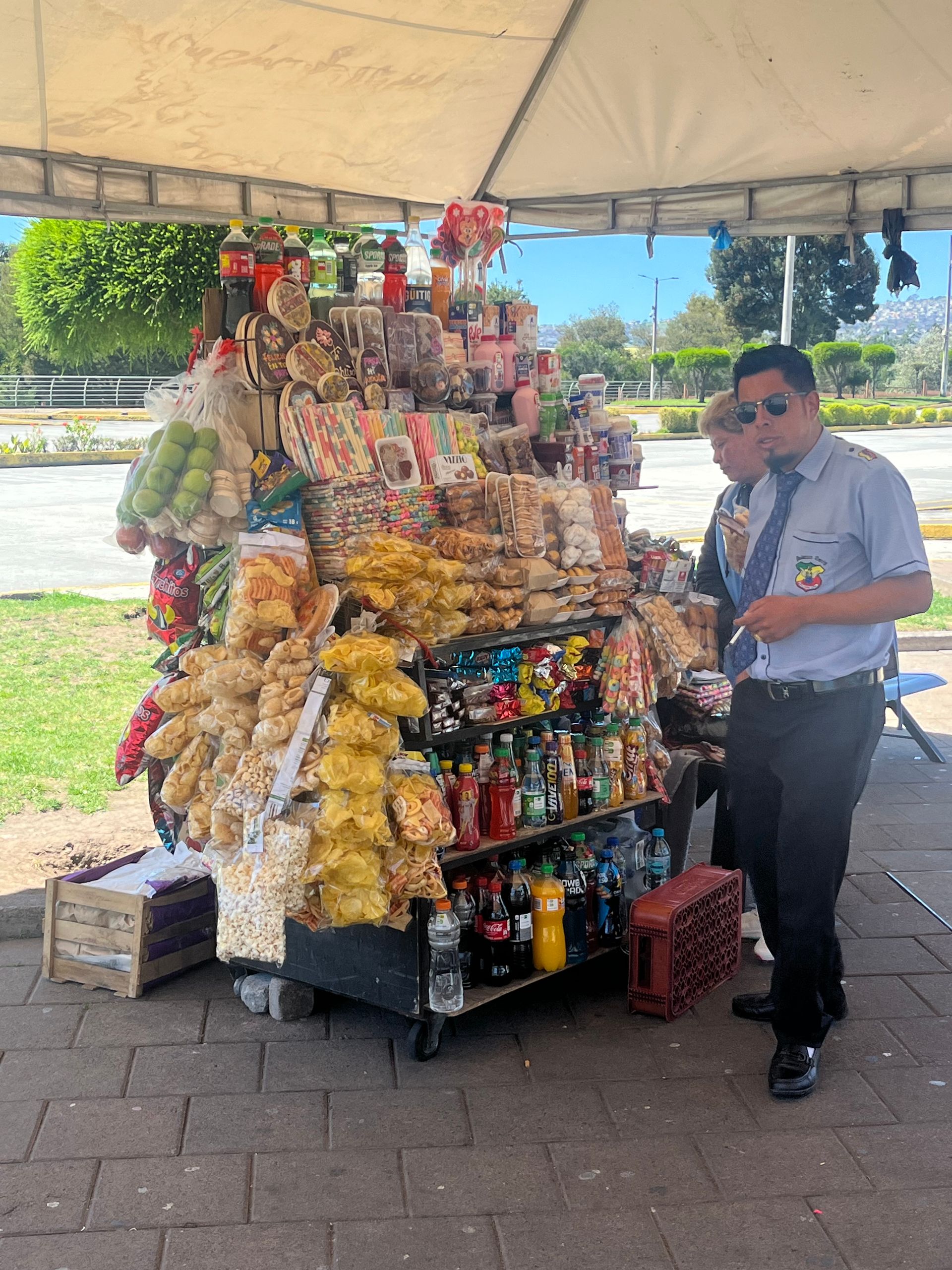
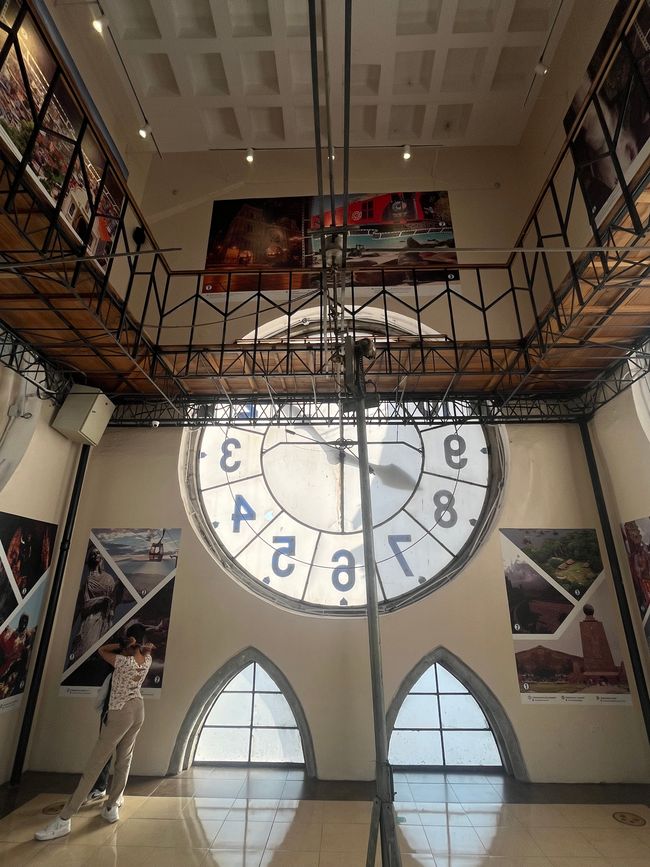
After a few relaxing days in the wilderness, I stepped into the Pan-American highway with my backpack, and within less than 30 seconds, the first bus stops and takes you 1.5 hours further to Quito, the capital of Ecuador. Upon arriving at the bus station on the outskirts of Quito, you can immediately hop onto the brand new subway of the city (in operation for less than a year) and for less than 50 cents, you can glide into the historic center of the city. The subway and the entire infrastructure are spotless, and you can see everywhere that this prestige project of the city is not very long in operation and is in absolutely pristine condition. Once you get off in the center, the path directly leads through the historic center to the Viajero hostel. On the way, you get a direct impression of how things work here: everything is a bit wilder and rougher than in the previous stations in Ecuador. This statement is not meant to reflect any negative touch, but Quito is something special, and you notice that immediately. Upon arriving at the hostel, I find myself with another unknown person (only the shoes give away that someone else is in the shared room), as I am the only visitor in the 10-bed dorm, and here too the lack of tourism is noticeable. The rooms are of the finest quality and the beds are top-notch. The house, an old government building that has been completely restored, impresses with its rustic charm. Up to this point, everything is great, and the view through the historic streets promises a lot. Beautiful colonial buildings as far as the eye can see, and in the horizon, a massive cathedral looms at the edge of the old town. On the day of my arrival, Quito is struggling with a dreadful forest fire that has crept into the outskirts of the city. A state of emergency is declared, and there is a curfew in some neighborhoods. Allegedly, it's arson, which is definitely not a pleasant circumstance, but fortunately, the firefighters get the fire under control within the next two days, and aside from the smell of burnt wood, that's the only contact I have with this event. I visit the huge cathedral right after my arrival. The building stands out prominently over the city center and attracts curious visitors like a magnet. Once you stand in front of it, you marvel at its size. A true colossus stands before you – the Basilica Sagrado Corazon de Jesus, Patron of Ecuador (Basilica of the Sacred Heart of Jesus, Patron of Ecuador) – as it is called in full – is the largest neo-Gothic basilica in the Americas. After a short awe, the entrance to the higher spheres of the cathedral is purchased for 4 euros, and I am curious about what the structure inside has to offer. It goes high up, first to the towers, which house a few souvenir shops and even a bar. A bar in a church, which I had seen in Dublin before, is actually quite unusual. The background was explained to me later during a free walking tour: the church rents out the imposing walls to the shop operators, thus generating extra income. From the tower balconies, there is a wonderful view over the city center, and you can see on one side the opposite Cerro Panecillo with the Virgin statue overlooking the old town from the other side. A spiral staircase takes you one floor higher directly into the clock tower, placing you essentially behind the far-visible clocks. The clockworks are not functional, and both towers display different times on their clocks. Unfortunately, I did not receive a precise explanation of this. Some people say these are the times of Quito and the Vatican, while others claim it reflects the inequality between the earthly and divine worlds. It could also symbolize the contrasts and contradictions of the country or represent the coexistence of tradition and modernity, as well as the various spheres in which people live. Whatever the reason may be, the space in the tower behind the giant clocks is undoubtedly impressive.
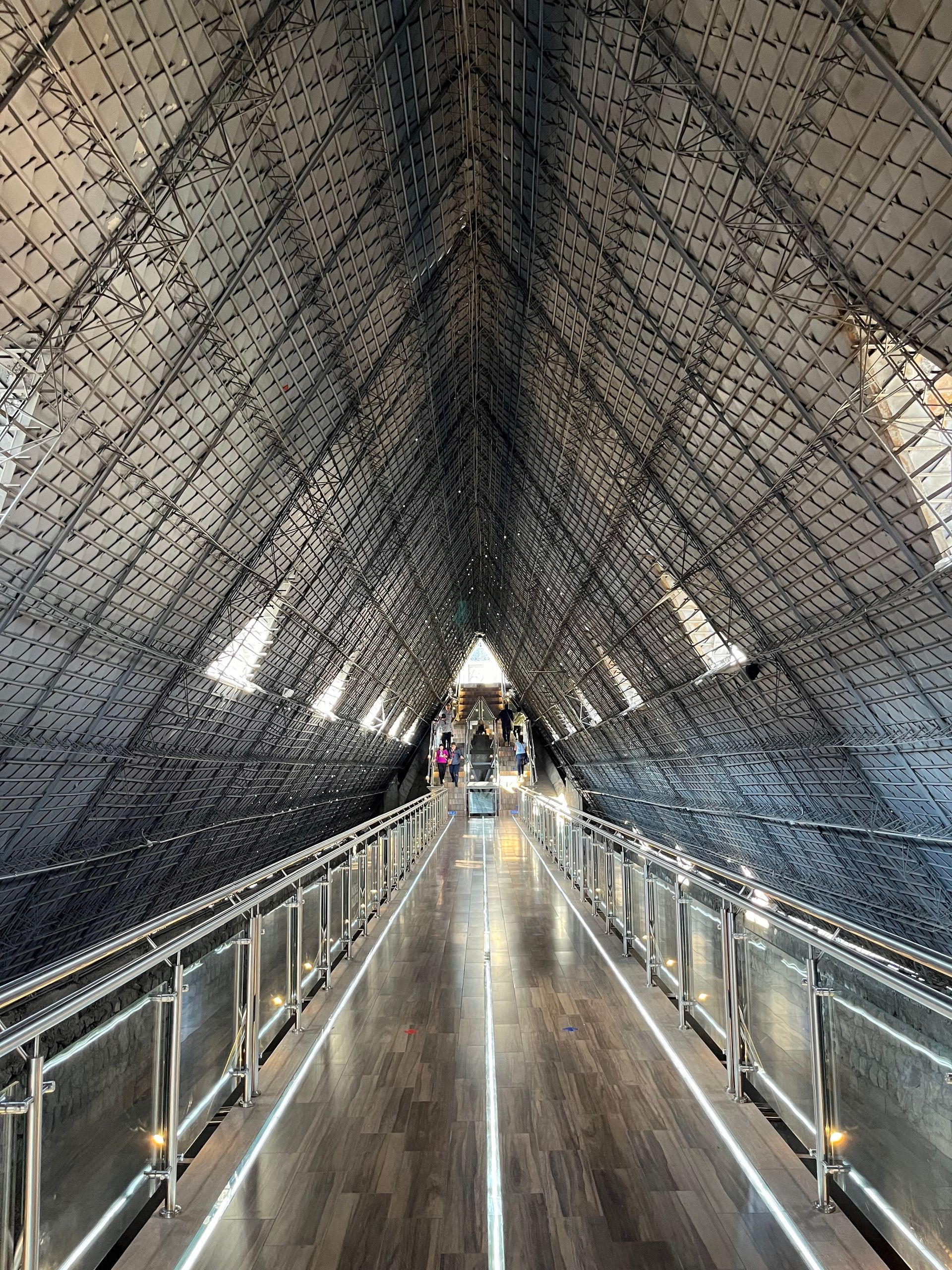
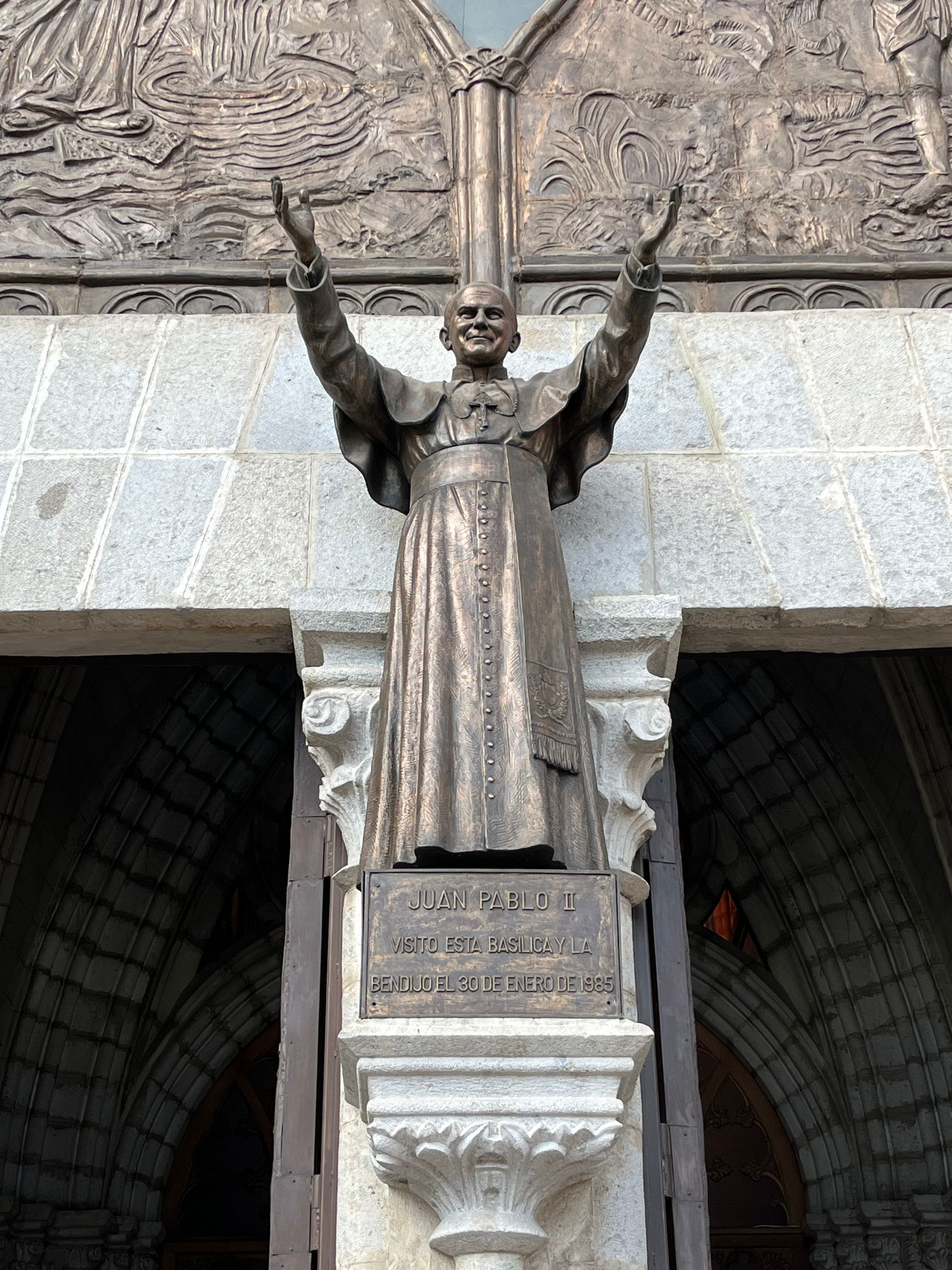
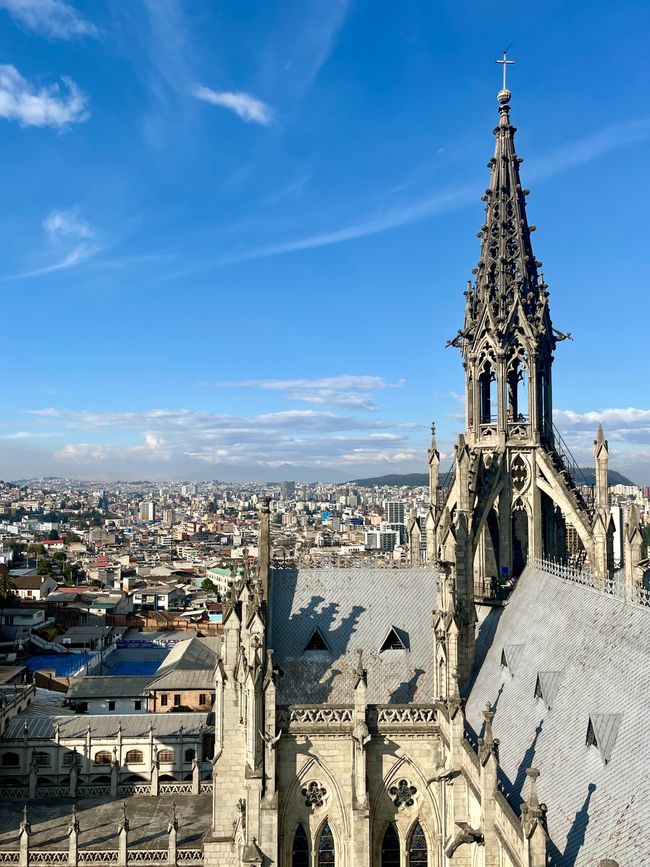
The spiral staircase continues up for a bit more, and if you bend your head, you arrive through a hatch in a small room above the clocks, ultimately having a similar view as one floor below. That's enough height for me, I don't feel quite comfortable in these spheres anymore, and I descend the tower again. Through the souvenir shop of the other tower, you reach a wooden walkway over the nave of the church and find yourself in the middle of the structure, from where you can reach the pointed tower above the back of the cathedral. This is the highest point that can be accessed on the building. So theoretically, as in practice it is simply crazy. Two freestanding staircases built with a platform at a 180° angle allow for further ascent, and you look directly into the void from the steep stairs. Even though the highest viewpoint of the cathedral is said to offer a wonderful 360° view, I unfortunately have to retreat here. It's simply not doable if you aren't absolutely afraid of heights – so I can't proceed any further. Among the visitors on the church roof, I am certainly not the only one who is making a controlled retreat. And since I had already enjoyed magnificent views beforehand, this isn't too bad. On the way down, one passes over a balcony into the nave and can look down at the vast interior of the structure. Numerous colorful representations of saints adorn the windows, and the church appears very tidy, without the greater kitsch that can often be found in other churches. Upon reaching the exit, one finds a statue of Pope John Paul II, who was already ubiquitous in Peru and who blessed the building in 1985. Besides, the façade features various figures and water spouts which, however, are not gargoyles like those found at the world-famous Notre Dame in Paris, but representations of native animals, such as iguanas, armadillos, or Galapagos turtles. The tour through the massive cathedral is indeed impressive and sets itself apart significantly from other buildings of this kind (not least due to its size). Among the more than 100 churches that shape the skyline of Quito, this one is definitely a visual highlight, at least from the outside. Incidentally, there is a legend that states the church can never be completely finished because the completion of its construction would mean the end of the world or would at least end with an unimaginable catastrophe for the city of Quito. Perhaps the reason behind this is simply that unfinished buildings are taxed much lower and completing them would represent a greater financial burden for the church budget. But that is merely a conjecture. ;)
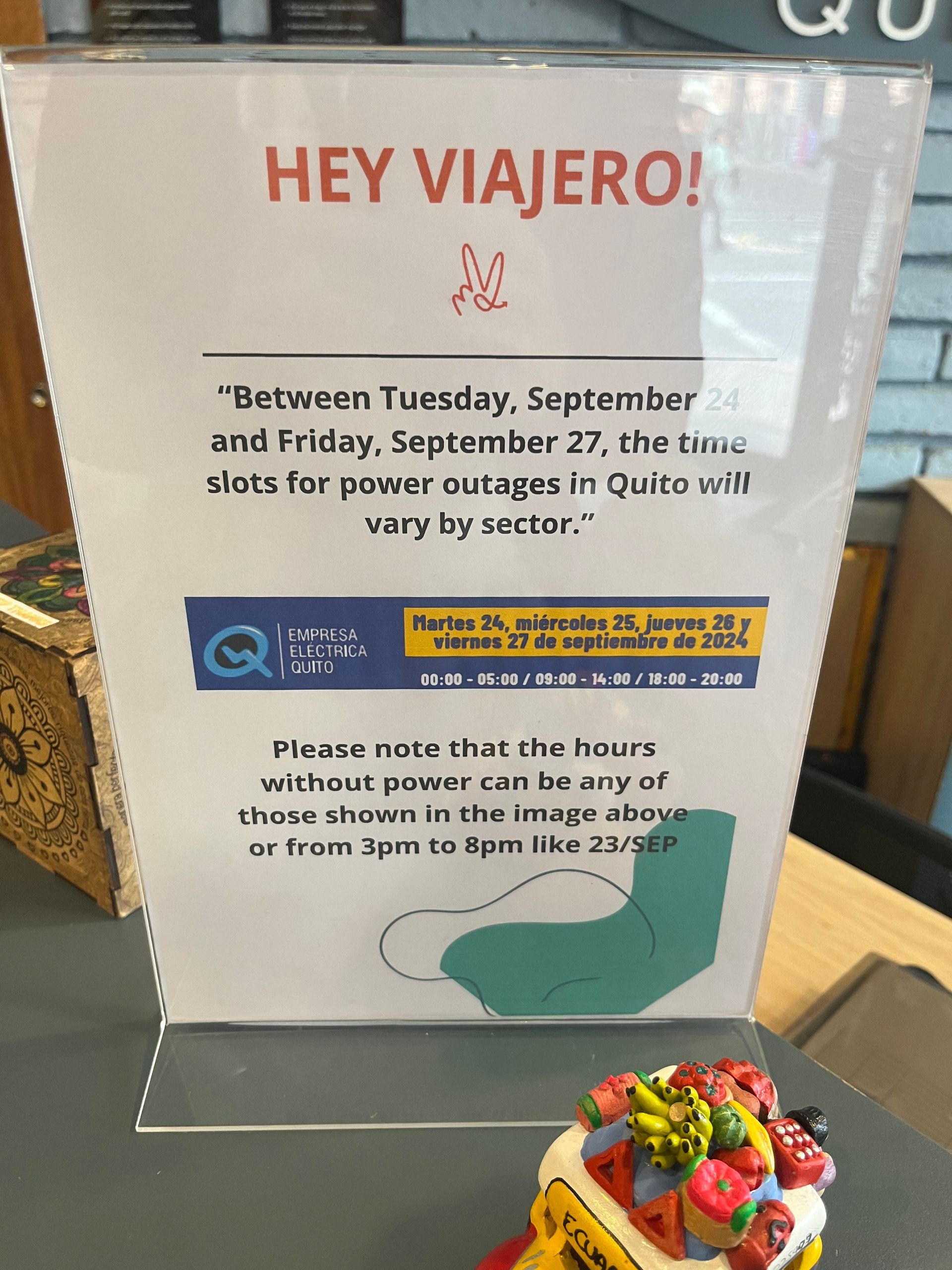
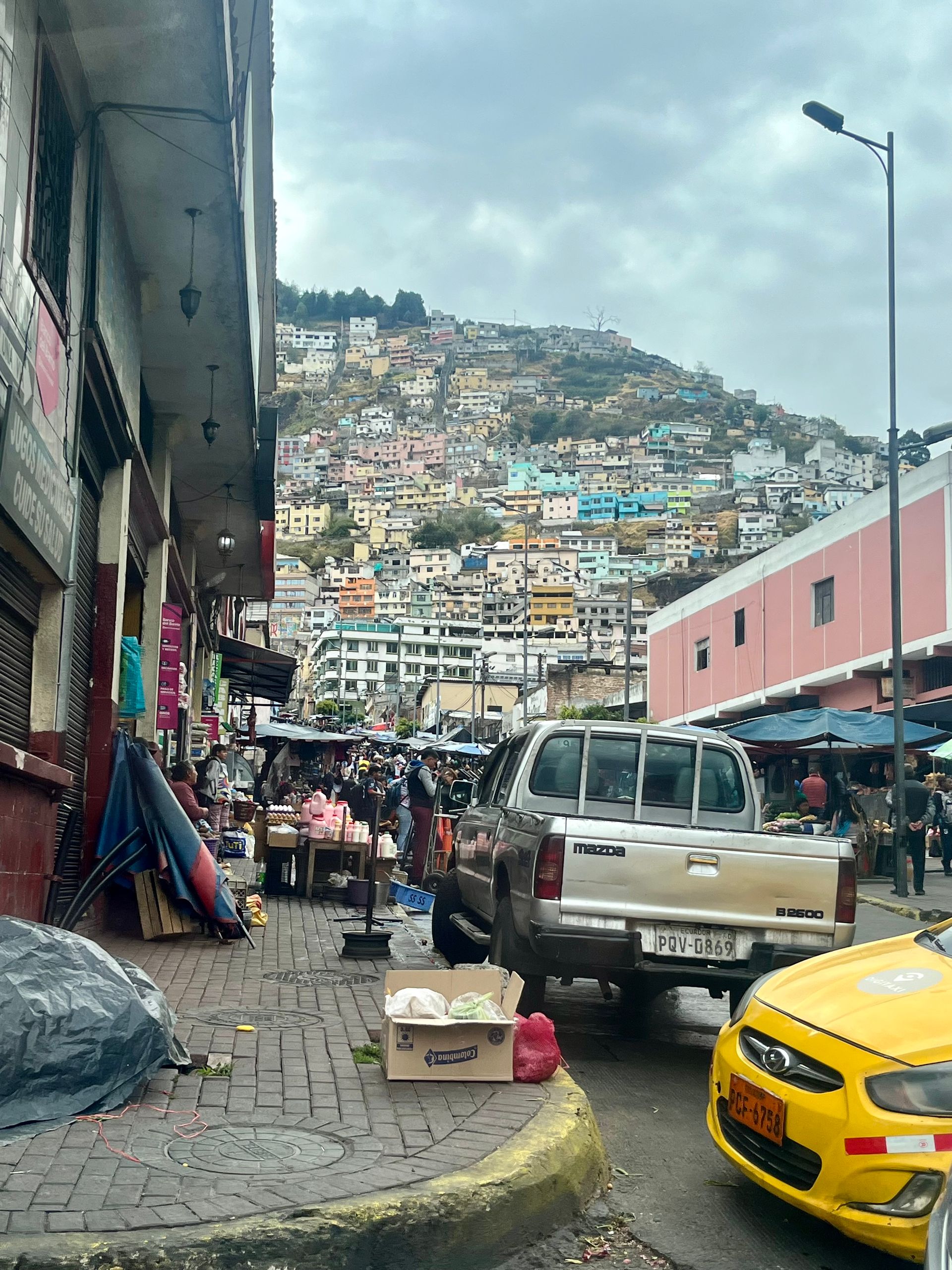
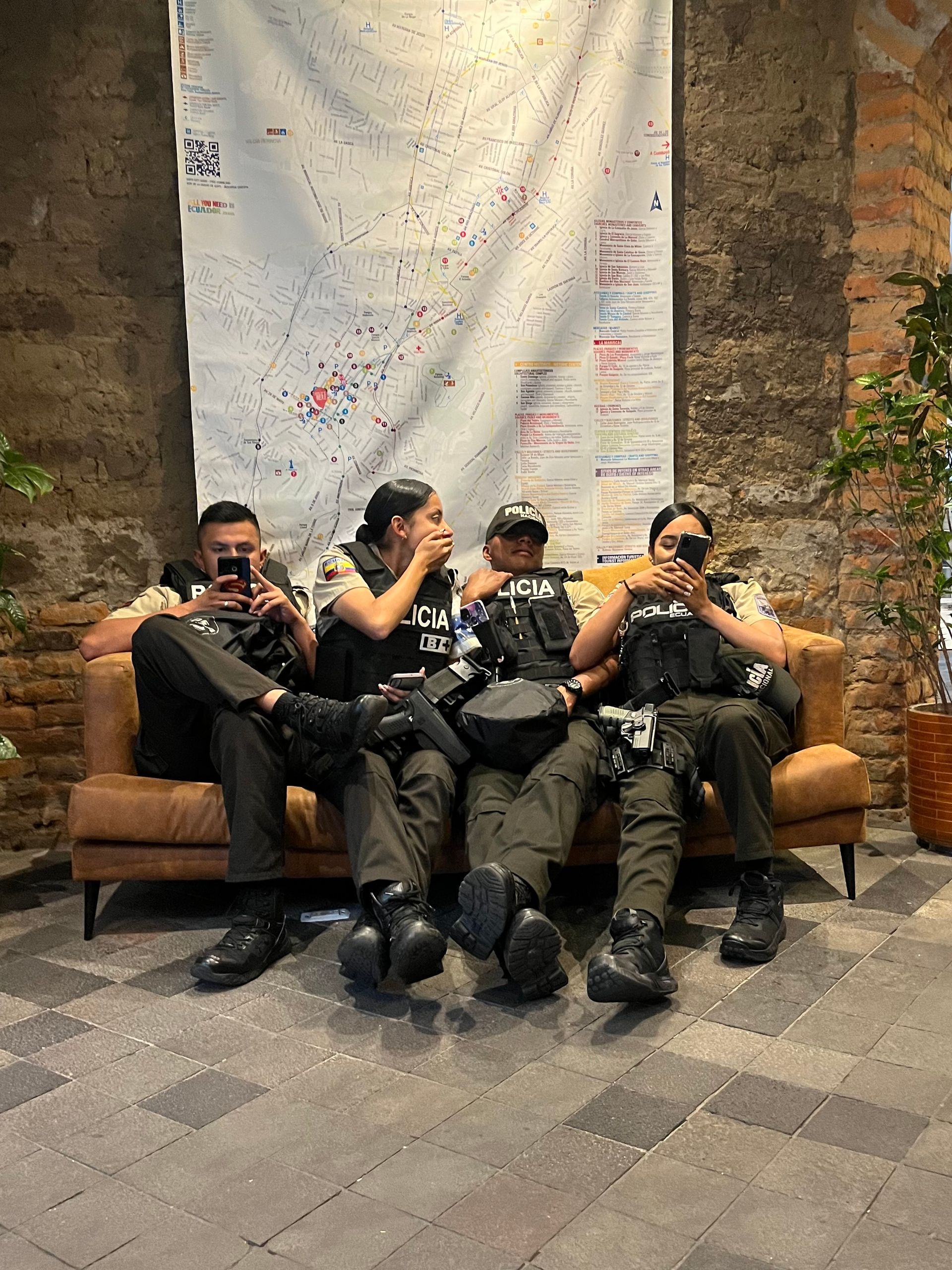
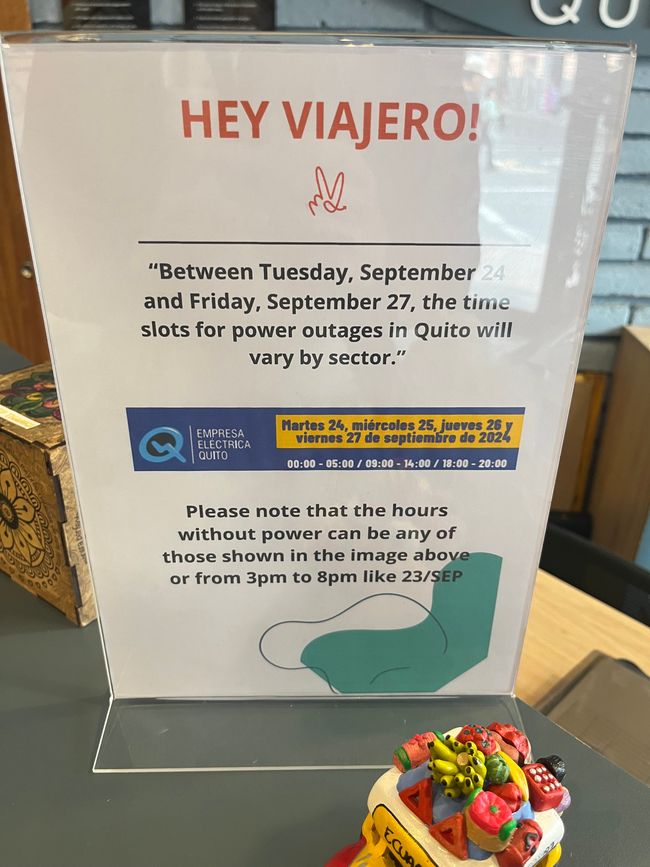
The return journey through the old town offers truly beautiful views, and you are overwhelmed by the abundance of noteworthy buildings. However, I simultaneously feel a different vibe when strolling through the alleys compared to my previous experiences in cities in Peru. Essentially, everything is relaxed, but something tells me that one should sharpen their senses a bit more here, and so far, I have been able to rely well on my instincts. More than before in Cuenca, heavily armed military personnel stand at almost every hotspot in the center, and even though this is intended to convey a feeling of safety, it can also be perceived as rather uncomfortable. While during the day the streets and squares of the Centro Historico are bustling with activity, this image changes dramatically with dusk's arrival. After dark, the center resembles a ghost town. The locals and even the hostel staff explicitly advise against walking outside in the dark and recommend using Uber to get from point A to B. The fact that downtown areas, especially in South America, become deserted at night due to security concerns is not new, but the situation in Quito hits differently. Following the locals' advice to move through the city using ride services, you can sometimes not encounter a single person on the street in certain areas. It's a rather disturbing feeling, and all windows, doors, and other entrances are barricaded or secured with grates. Whether the current situation is just a bit extreme due to the not-so-optimal security climate, I can only speculate. The locals say it is a mix of the tightened security situation and the constant power outages that make the city center appear deserted at night. Speaking of power outages: what had been already hinted at in Cuenca and at Cotopaxi has turned out to be a real problem here. During my visit, there were parts of Quito without power for 12 to 14 hours. The ongoing drought means that energy must be managed so sensitively in the country's capital that entire neighborhoods have to go offline for hours. Only hospitals, some government institutions, and better hotels are equipped with emergency power supplies. For tourists, this is certainly annoying and leads to bizarre situations, such as needing to drive to another neighborhood (which is not affected by the shutdown) just to get cash, as the ATMs there are the only ones functioning. For residents, this is a significant problem: restaurants can’t prepare food or can do so only to a very limited extent; small businesses cannot deliver their services; and everything in the affected neighborhoods is reduced to a minimum. I really felt for the people when I tried to pick up my laundry from the laundromat, I needed a total of 3 attempts before the woman could first wash and then dry them. In the end, she returned my laundry half-dry, apologized a thousand times, and did not want to charge me. I paid her anyway, after all, the people can hardly be blamed, and one can only imagine what it means when days go by without income for someone earning a modest living. Sad, but it’s the reality due to the drought. Fortunately, the situation apparently eased somewhat after a few weeks, and the power supply was completely restored. Still, it’s simply unimaginable in our regions: the capital city of the country is almost without power for half the day.
After a few days, another German from Wolfsburg stayed in my hostel room. We started talking and made plans for some activities together. Among other things, we were invited by locals to a salsa club, only to find out that as a Central European, we felt completely out of place in that establishment. The level of dance activity here is just very high, and for the untrained observer, the sight of the movements is simply breathtaking. It seems like everyone here is a dance professional; various couples perform exquisite moves on the dance floor, and numerous judges score their performances. Briefly, I considered trying my hand at dancing too, but under these circumstances, I could only watch and marvel.
In principle, Quito's nightlife district is quite well visited on the weekends and, unlike the Centro Historico, you don't feel like you're in a ghost town. Various bars and clubs line the streets, and the prices here also align with Central European levels.
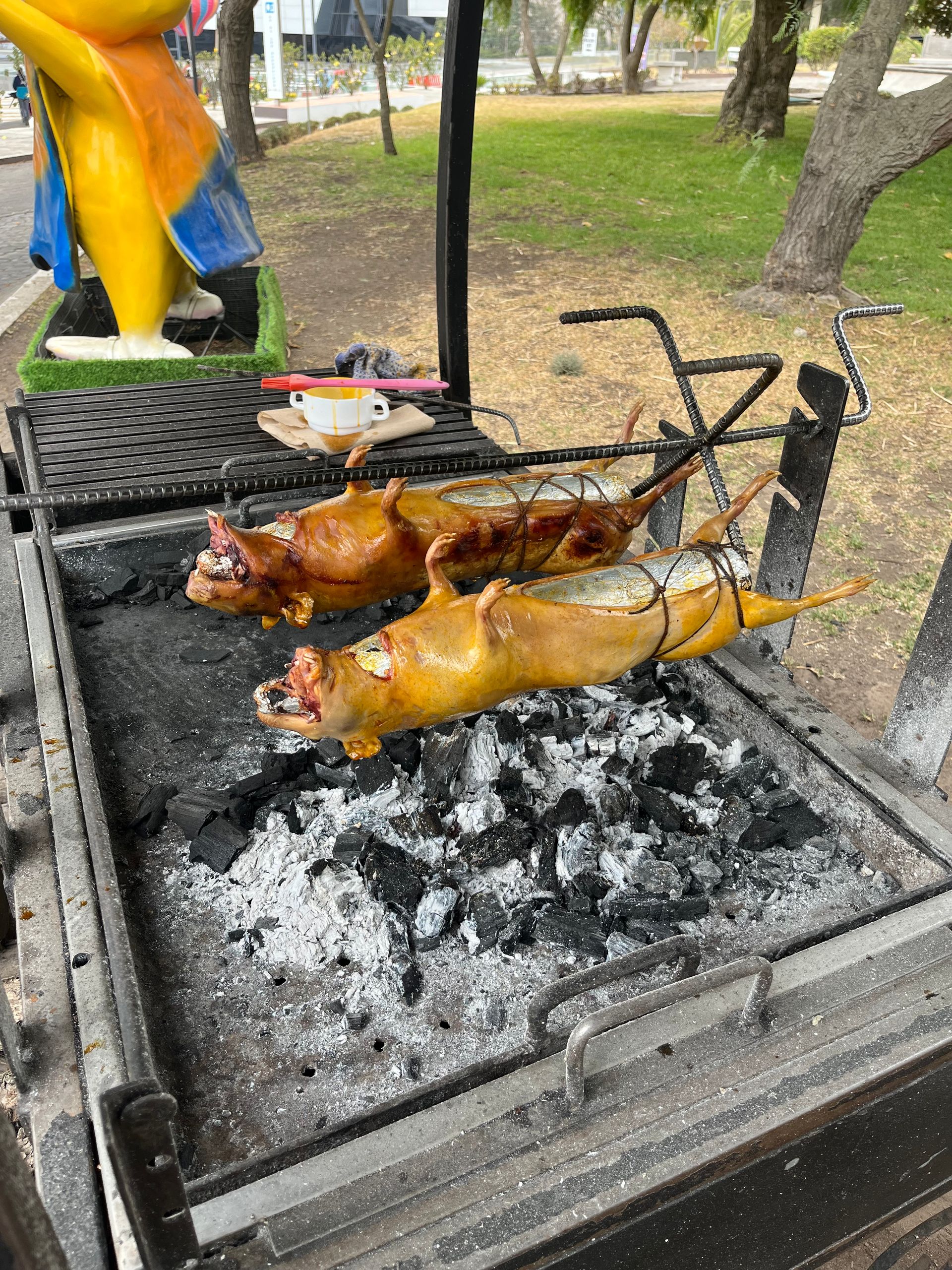
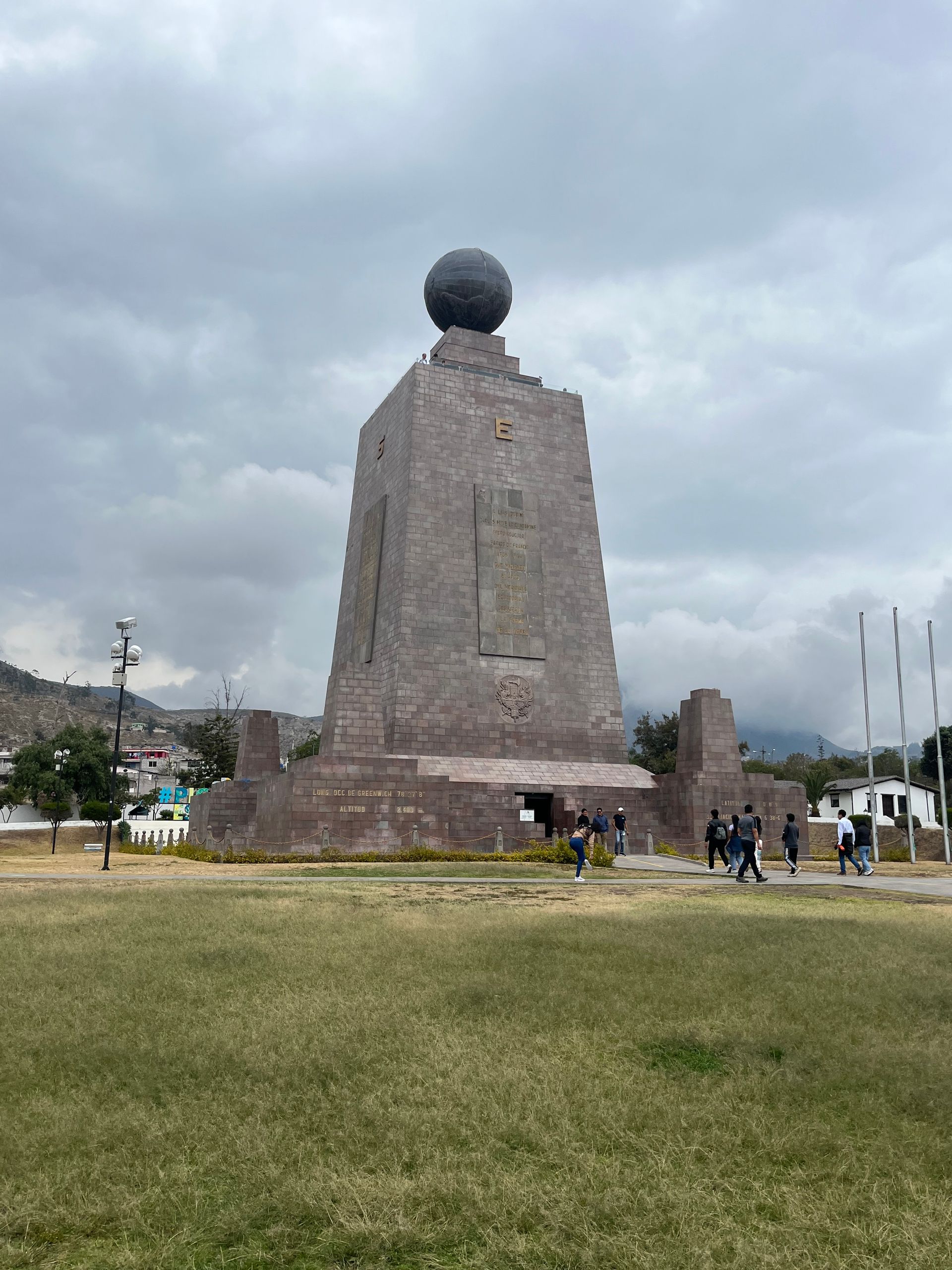
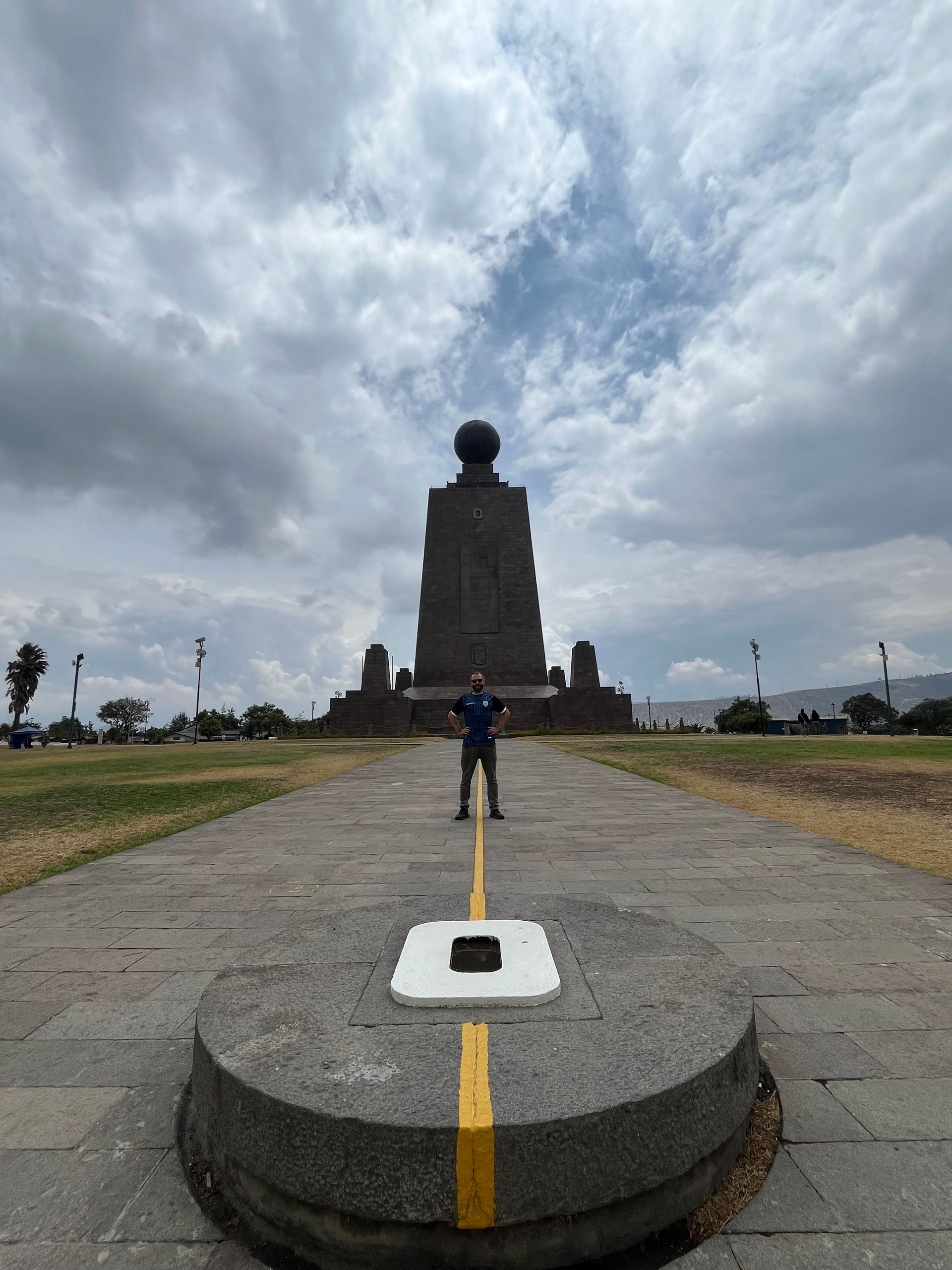
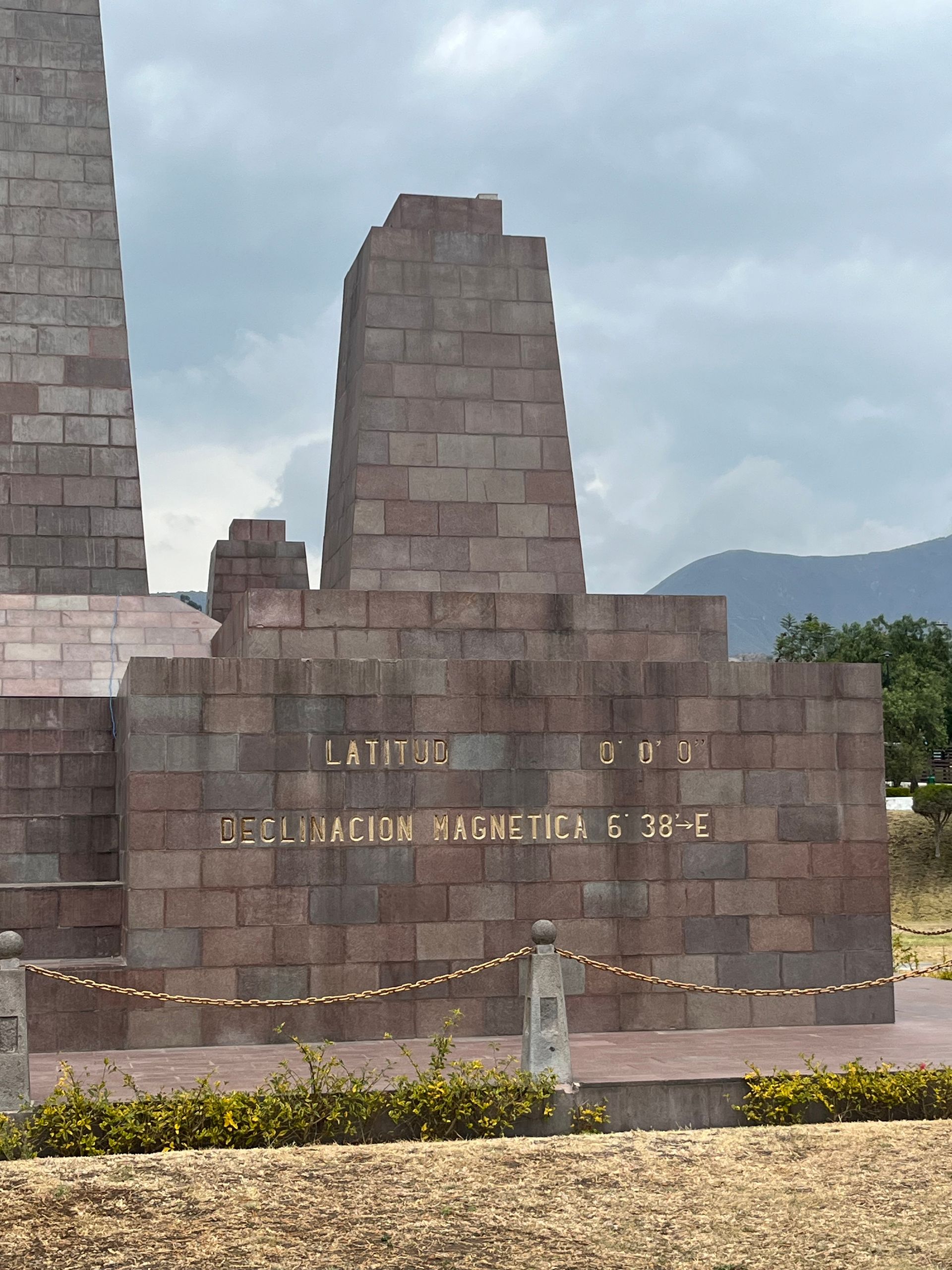
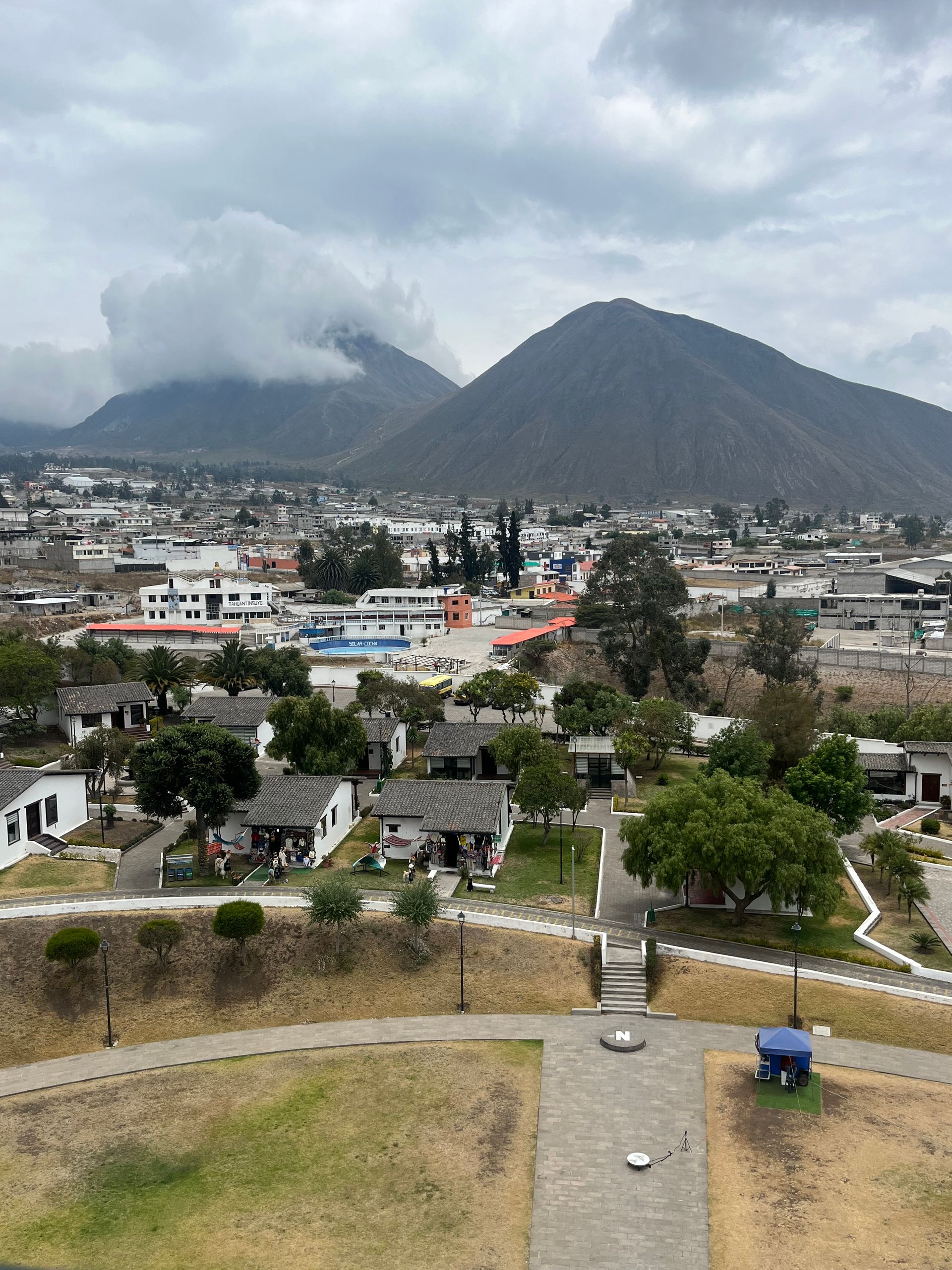
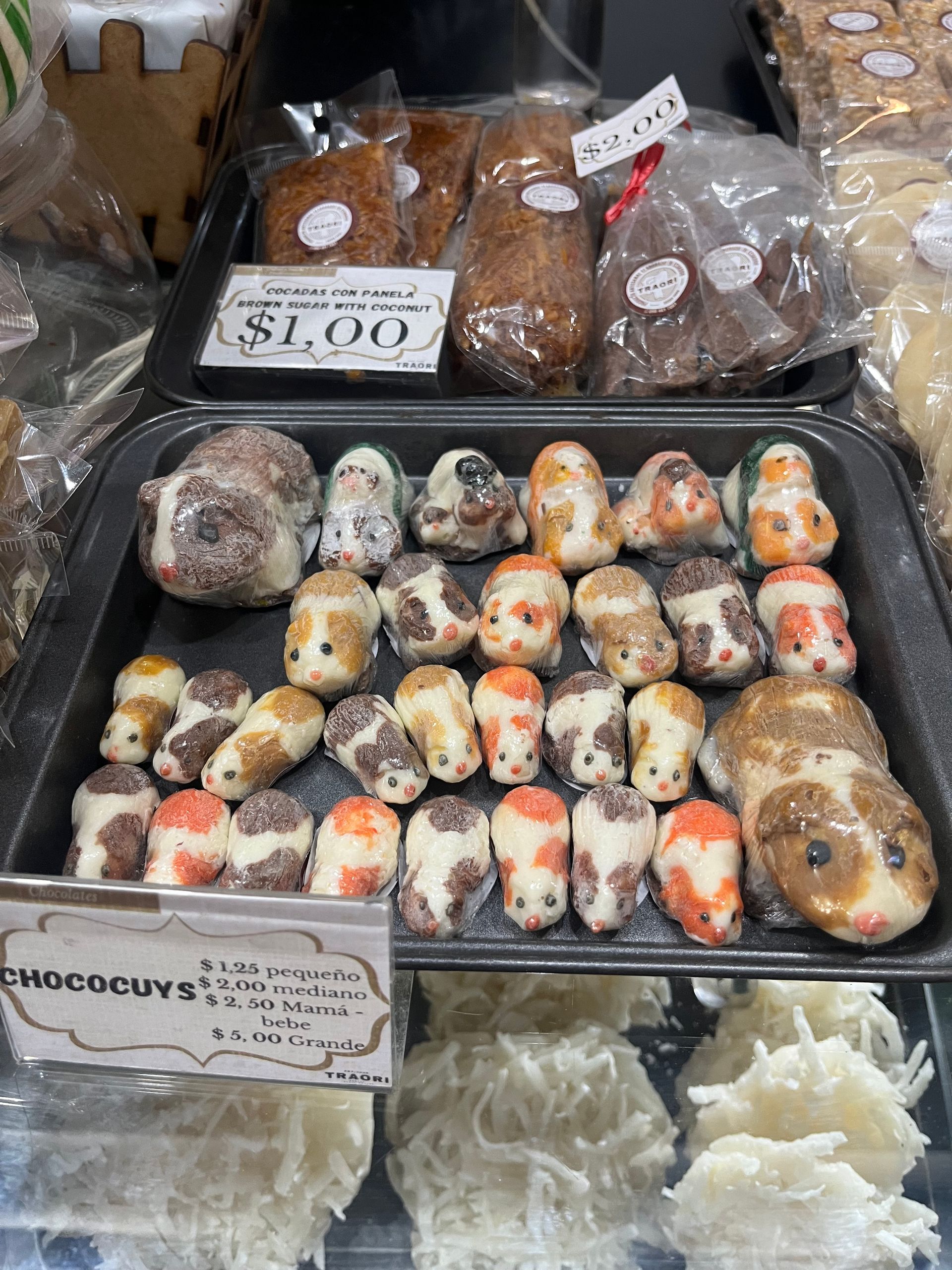
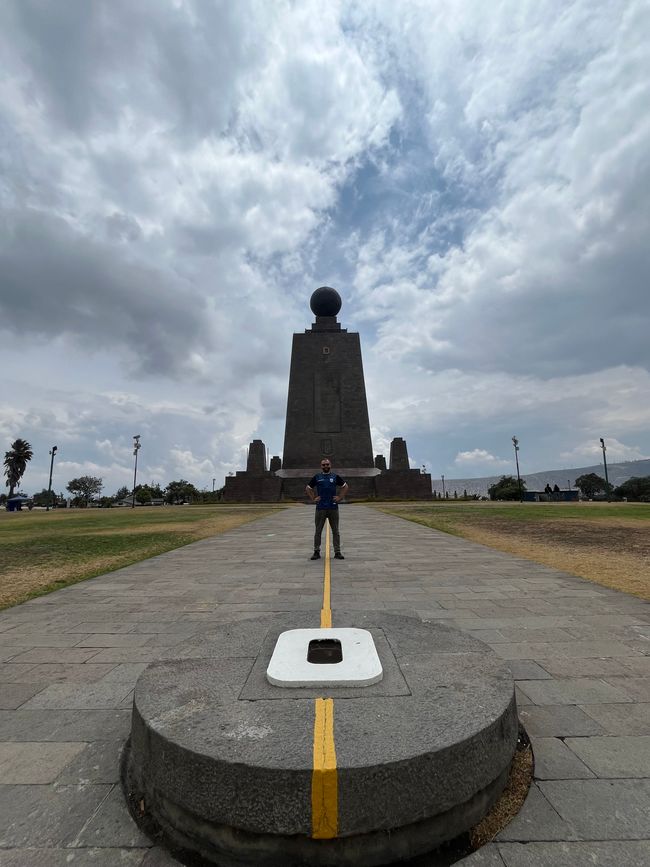
With some locals, I visited the Mitad del Mundo (the Middle of the World) about 20 kilometers outside the city on one of the next days. For 5 USD, you can visit the place where a French expedition first determined a precise position of the equator in 1736. Well, almost precise, because the exact position of the equator is about 250 meters away from Mitad del Mundo, hence the structure serves more symbolic purposes today. In a large colonial-style park full of souvenir and food stalls (they are serving guinea pig again – this time on a skewer), the approximately 30-meter-high monument stands as the centerpiece of the area. At the top, there’s a globe with a metal ring representing the Earth and the equator, and a yellow line runs through the park in an east-west direction, marking the center of the Earth. Overall, it's pretty unspectacular, but if you're nearby, you should check out the Mitad del Mundo.
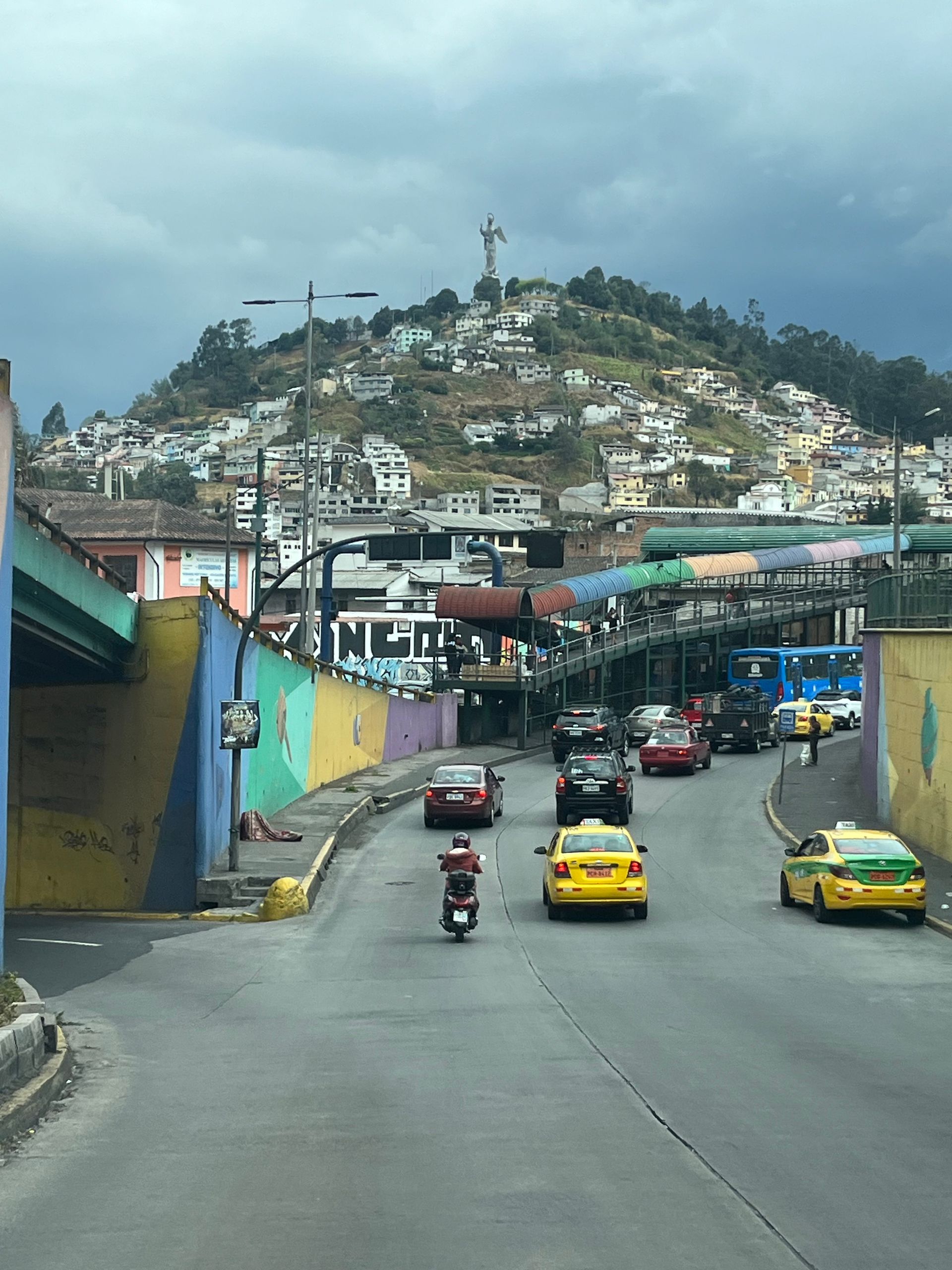
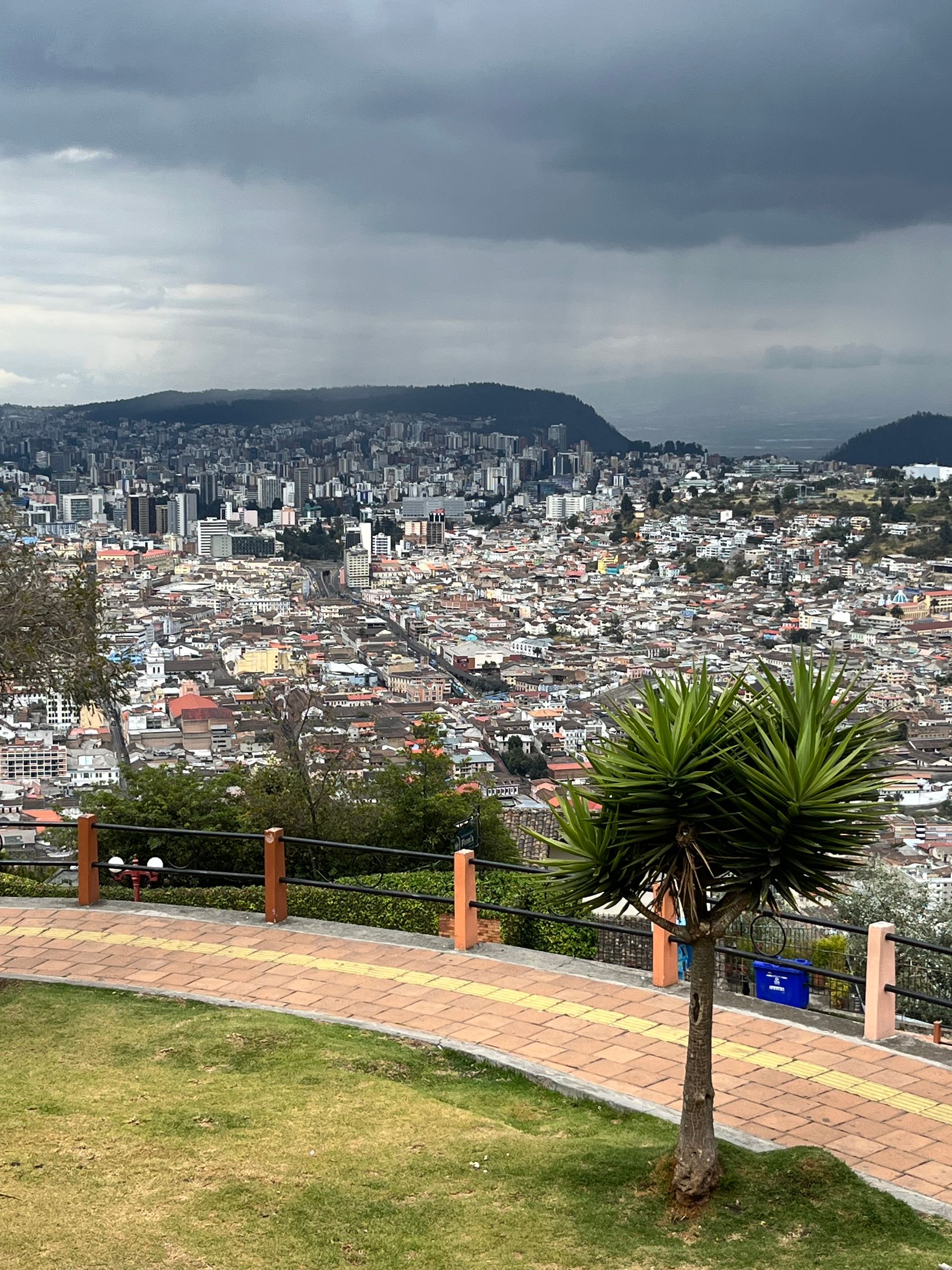
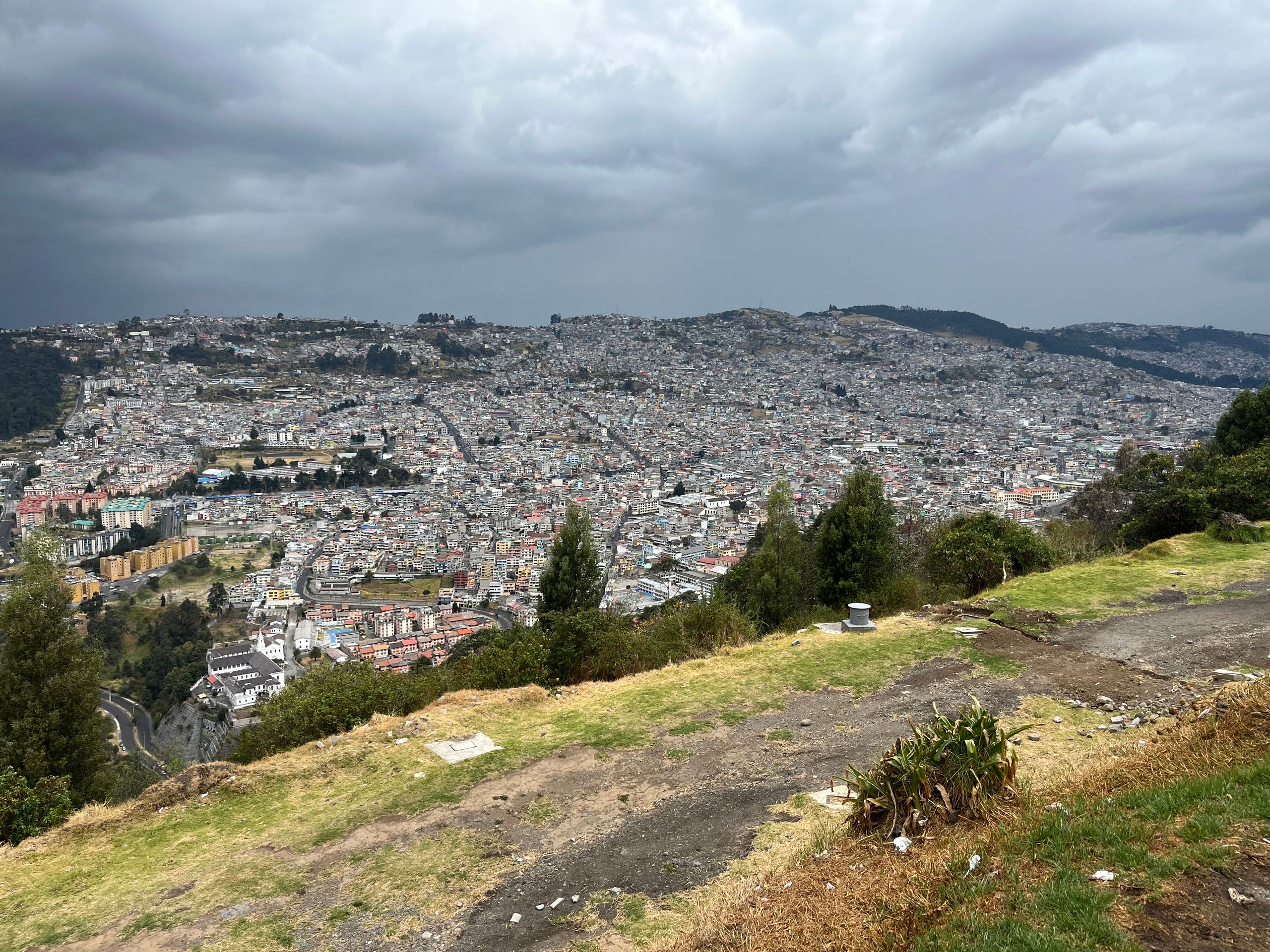
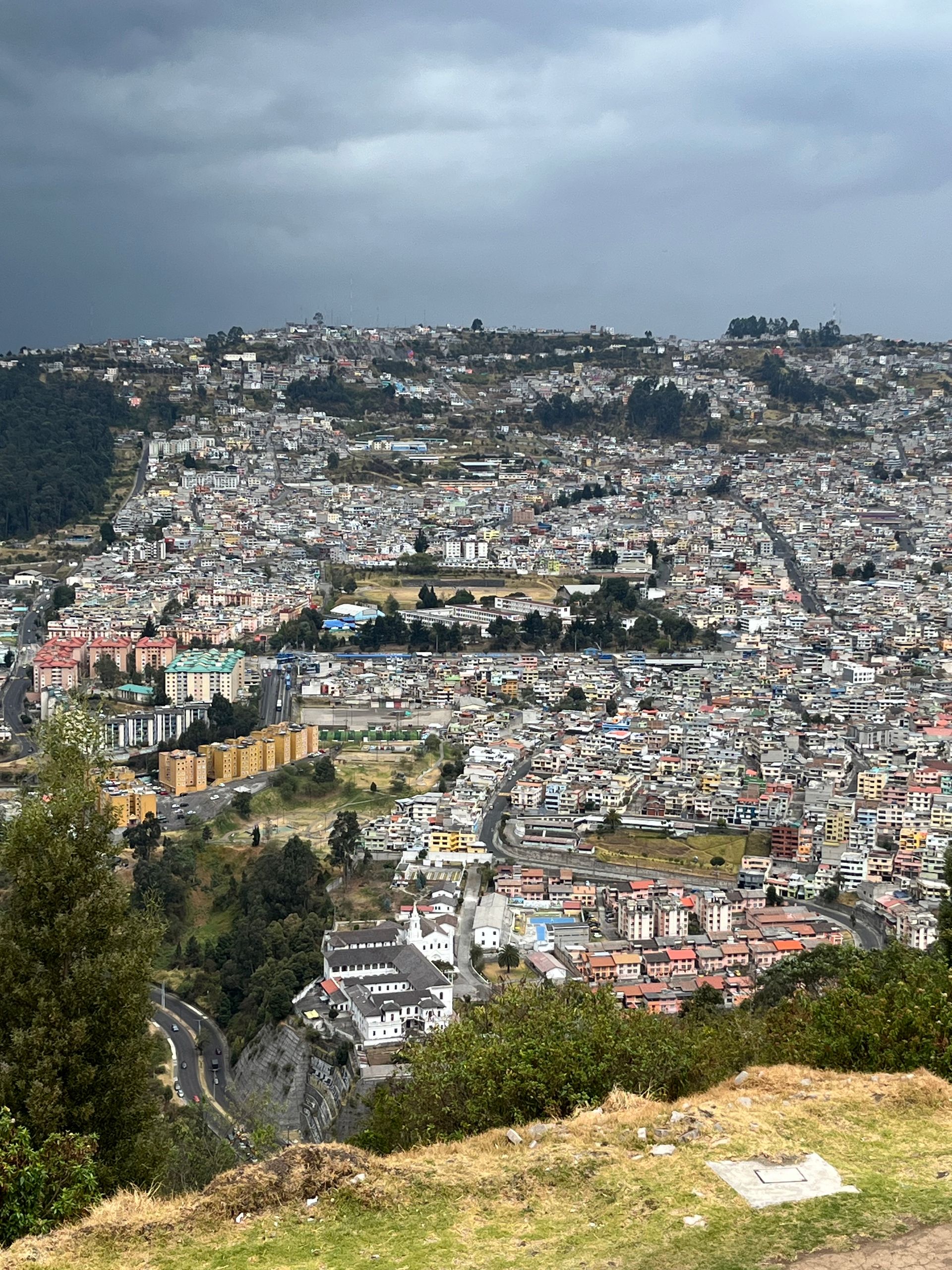
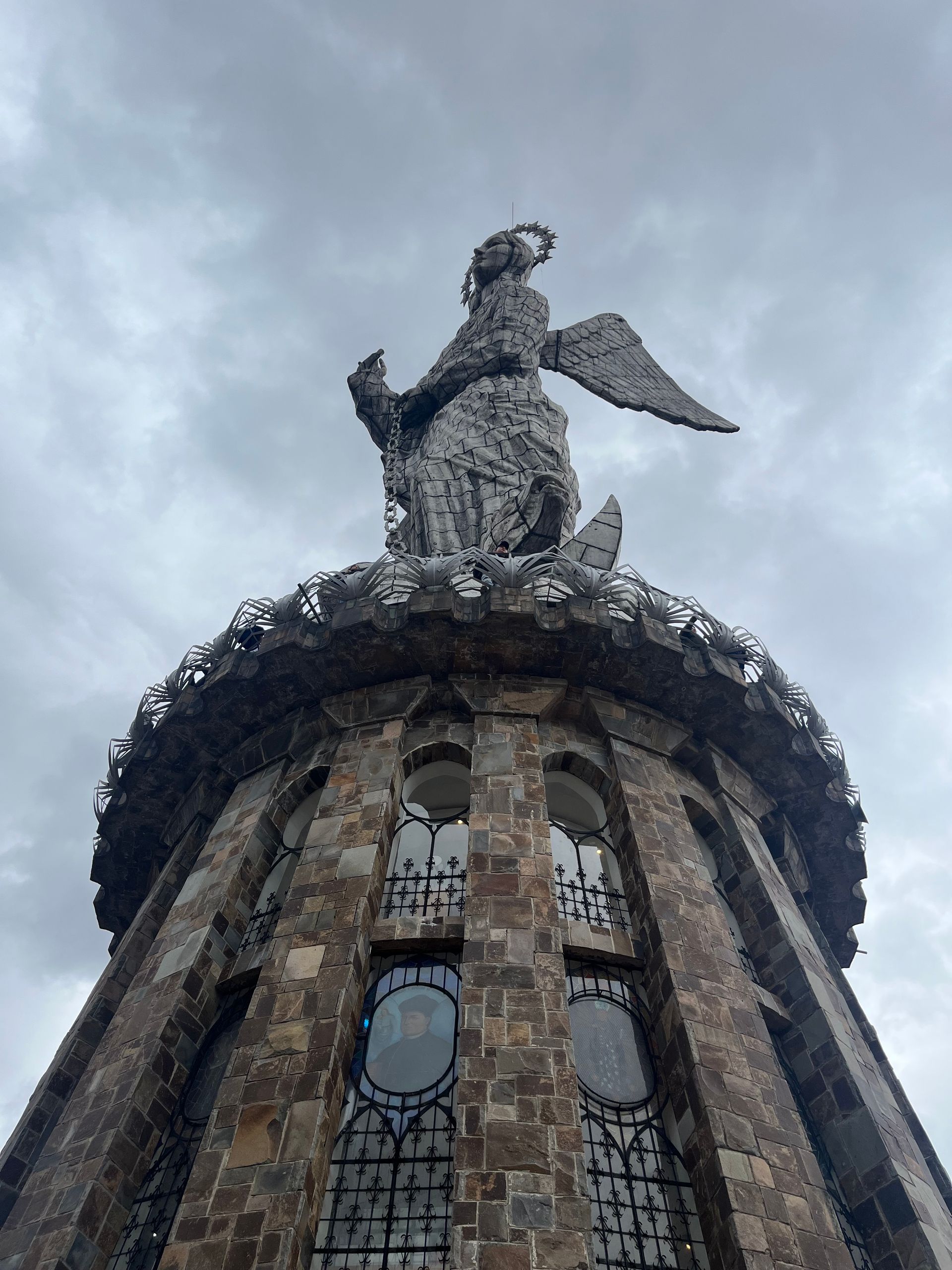
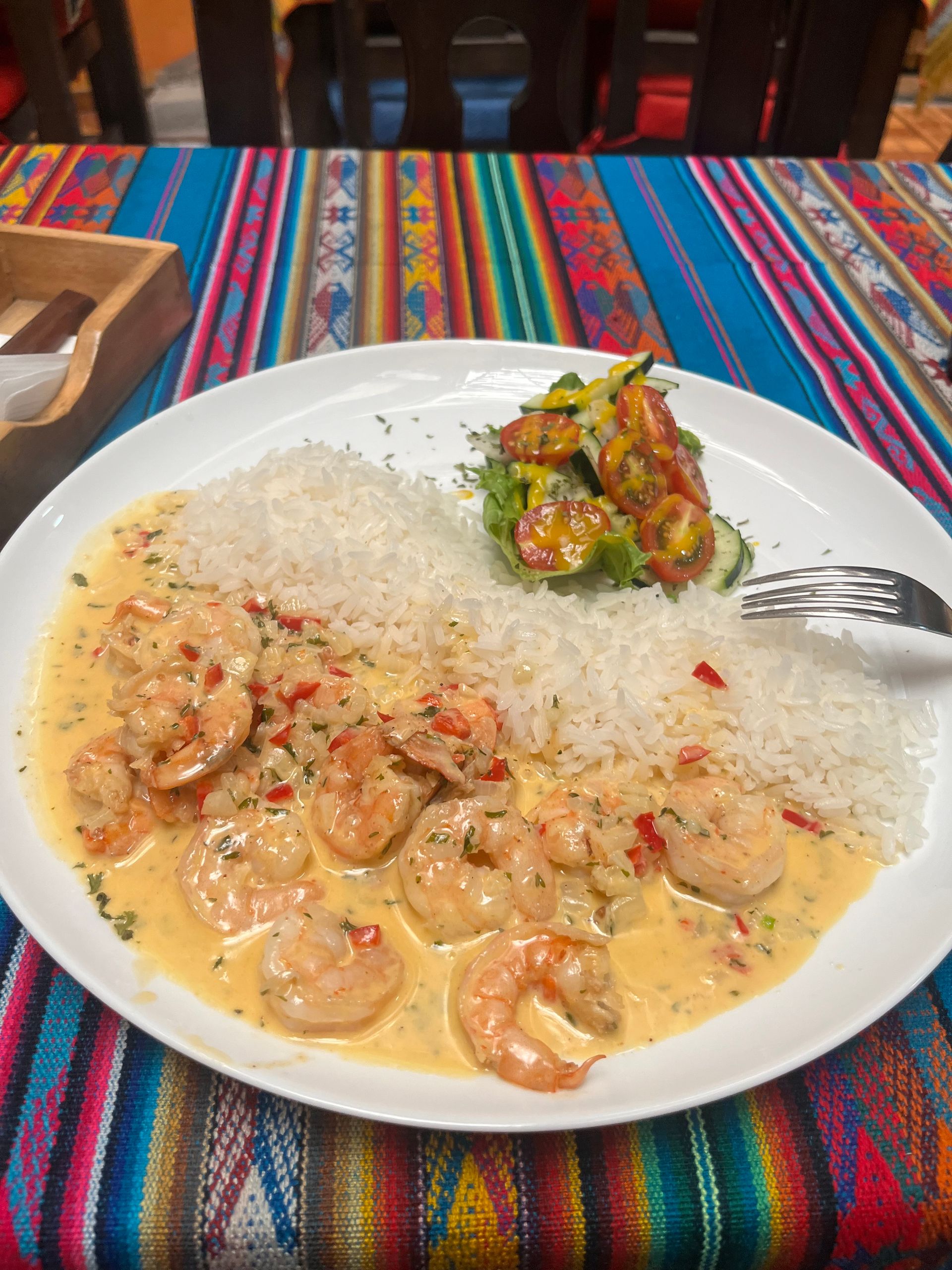
After a delicious meal in a local restaurant (also in Ecuador, there is really delicious ceviche, although the preparation is completely different than in Peru, marinaded or sauced and typically served with shrimp or prawns), the second part of the day led us to El Panecillo, the prominent hill on the outskirts of the old town and another landmark of the city. In principle, you can hike up the hill, but since the locals warned us (the path leads through a not-so-safe area and muggings are not uncommon), we opted for the motorized version. Upon reaching the top, numerous shops offer Canelazo (the local hot drink made from cinnamon and sugarcane alcohol) and various other specialties, and you have a good view of the city and the surrounding hills, where the poorer residents of the city settle in the simplest of dwellings. On the hill stands the Virgen de Quito (Virgin of Quito), a statue made of 7,000 aluminum plates, making it one of the world's largest aluminum monuments. Moreover, the Virgin, standing 45 meters tall, is the tallest statue in Ecuador, even surpassing the Christ statue in Rio.
The depiction of the figure is that of the Virgin Mary, but she is adorned with wings. At her feet, she treads upon a serpent, symbolizing the victory of good over evil. The Virgin is also a symbol of Quito's protection, and many residents consider her the city's guardian. Some claim this protection mainly serves the wealthier neighborhoods of Quito, as her gaze is directed to the north (the more prosperous part of the city), while the