
Entre el escalofrío y el tráfico 🦁🚙
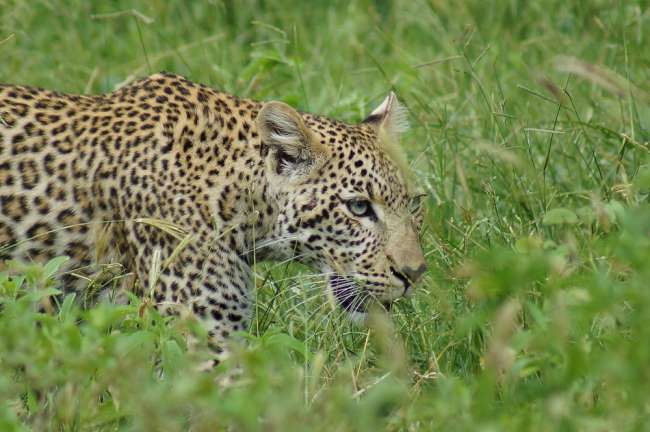
5:30 de la mañana Encuentro para el Early Morning Game Drive. Café, té y muffins contra la somnolencia – y luego llega un jeep de safari tras otro. Después de un corto trayecto l

Publicado: 16.08.2026
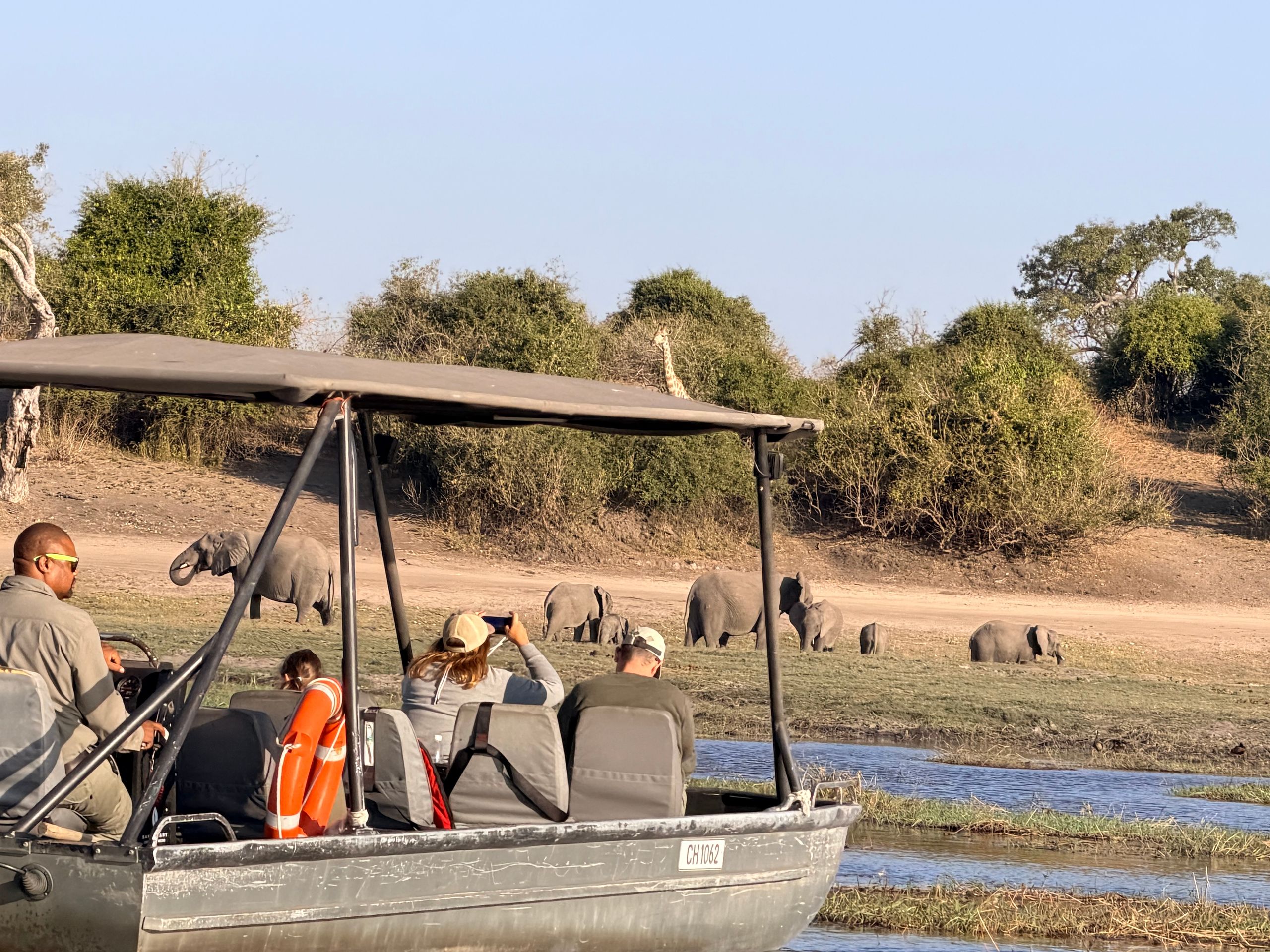
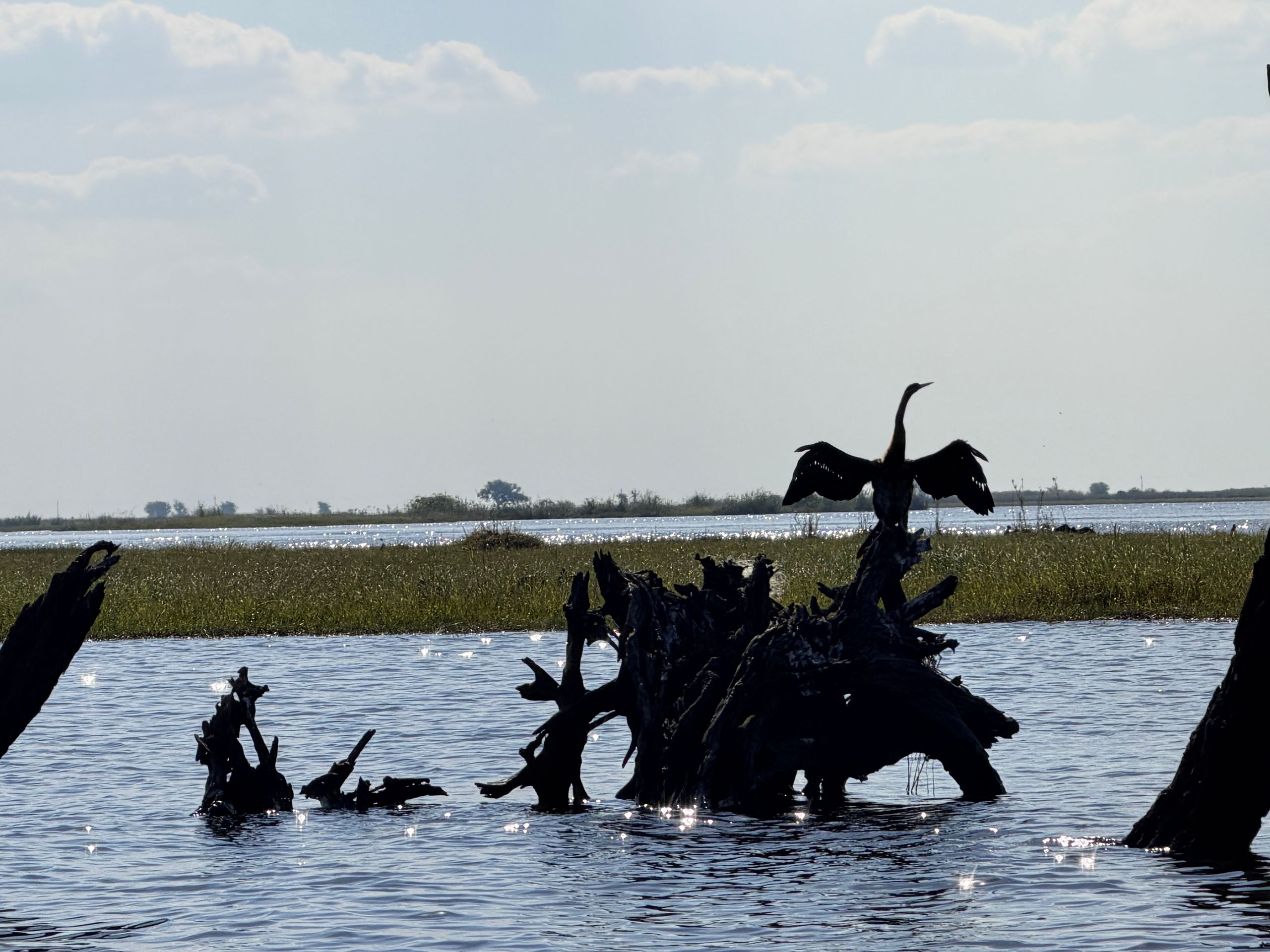
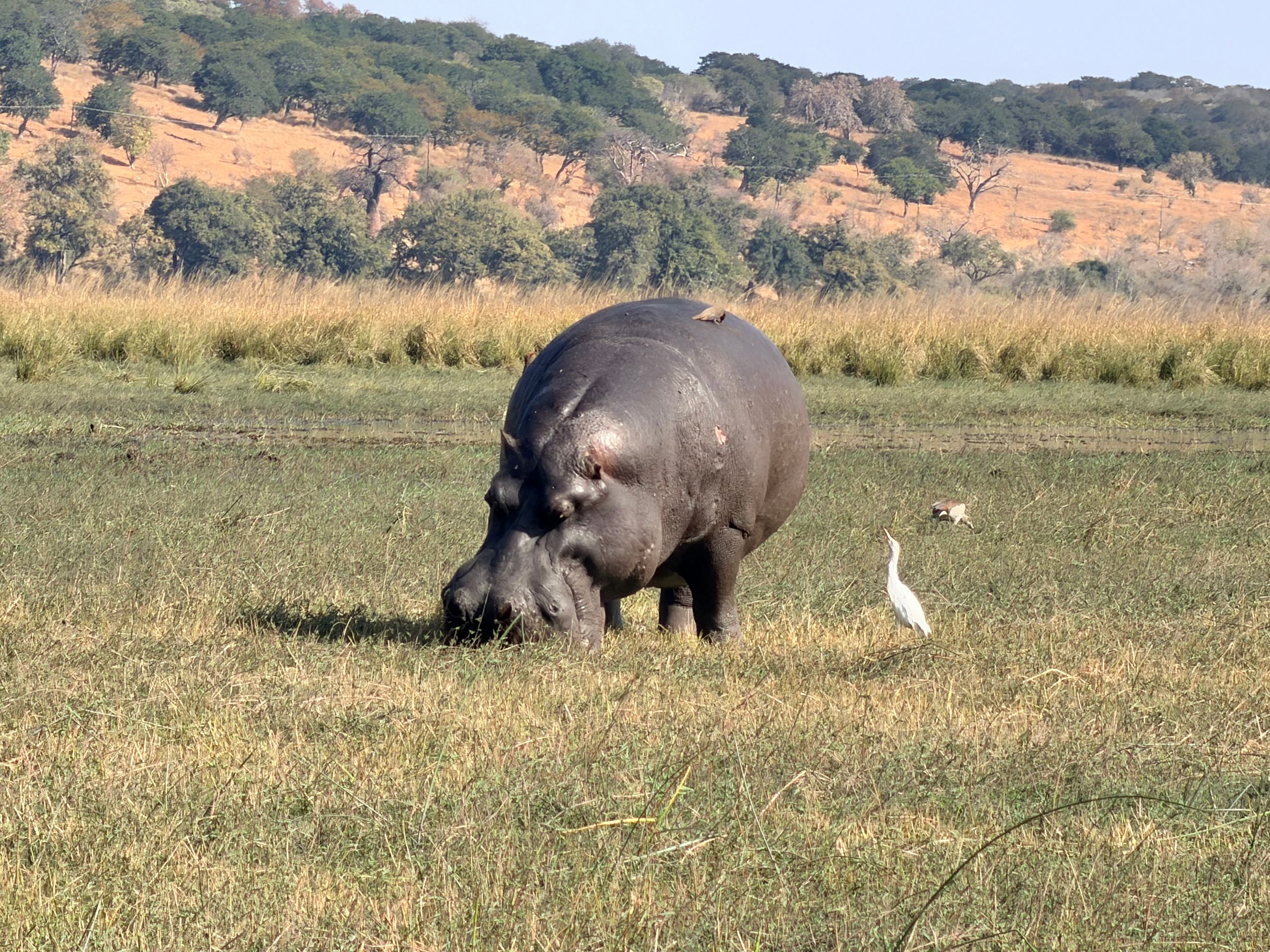
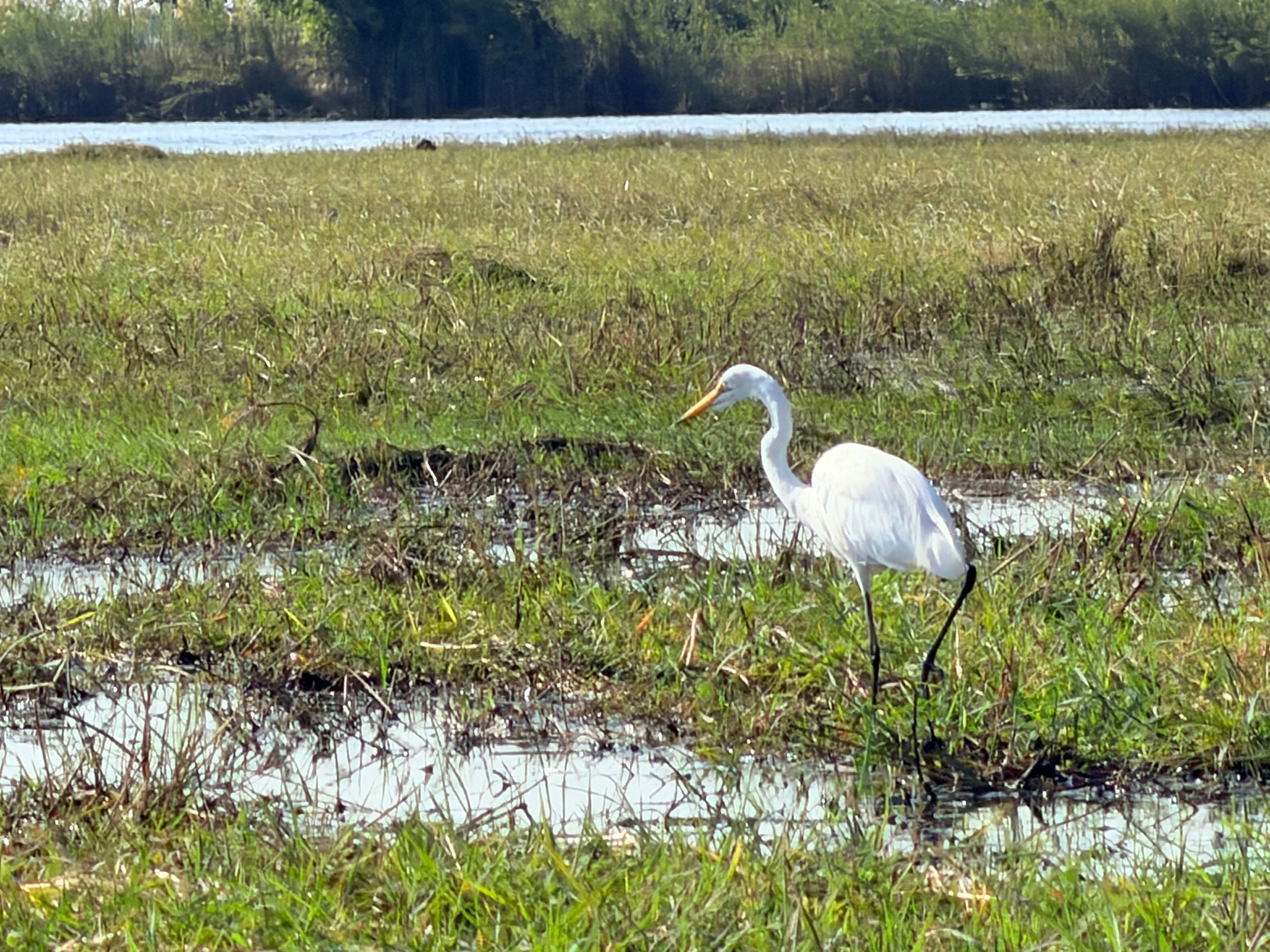
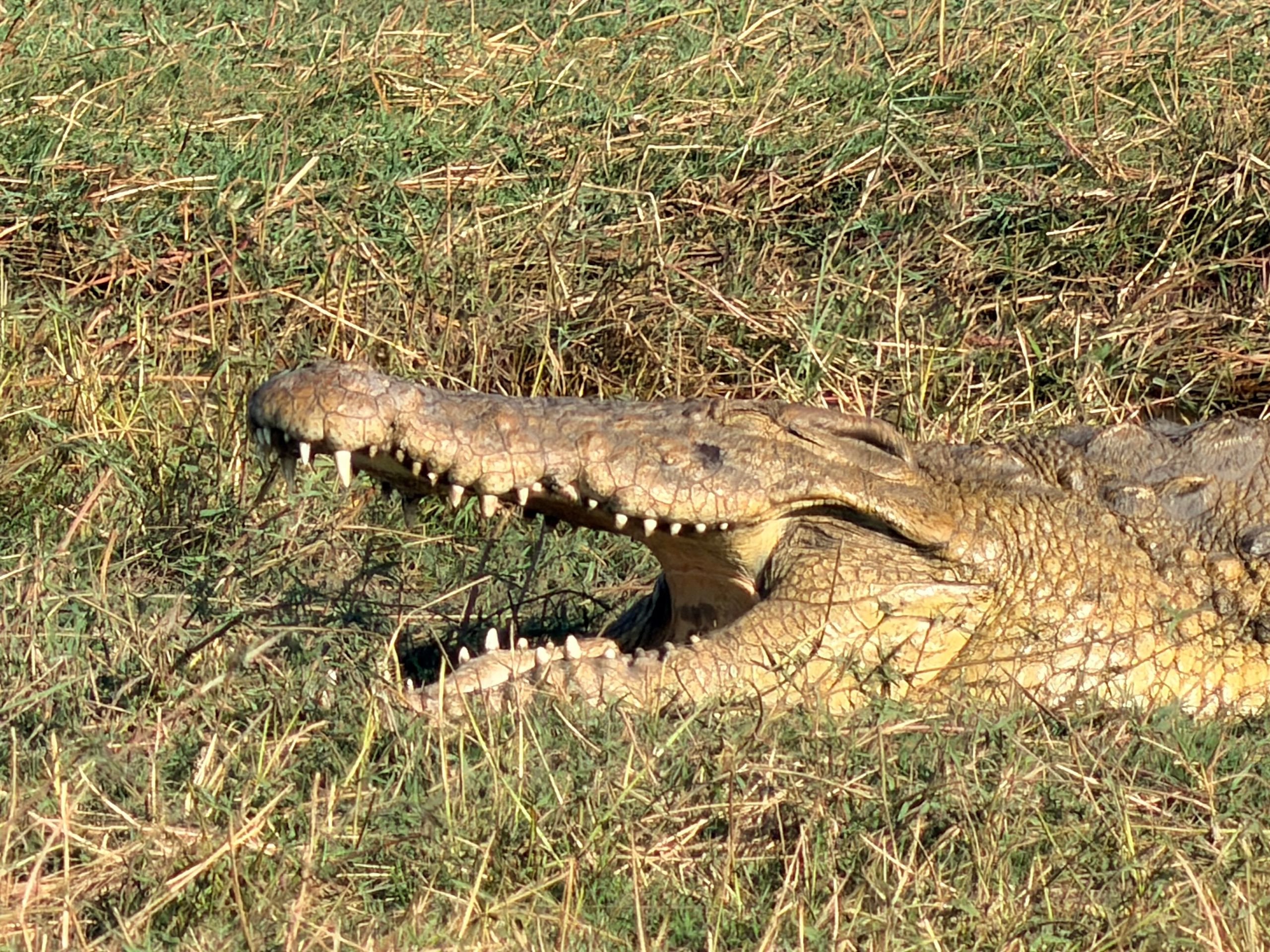
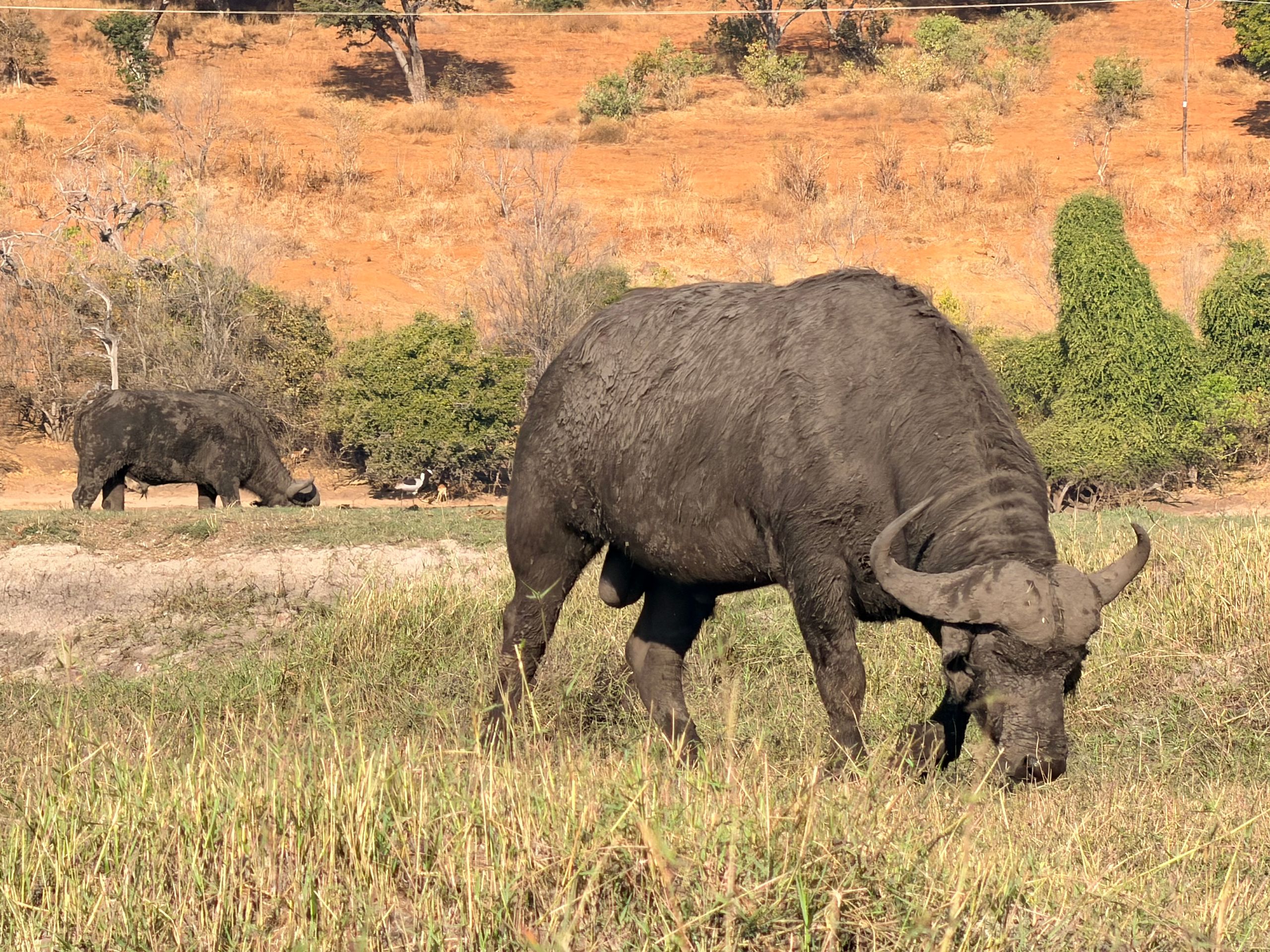
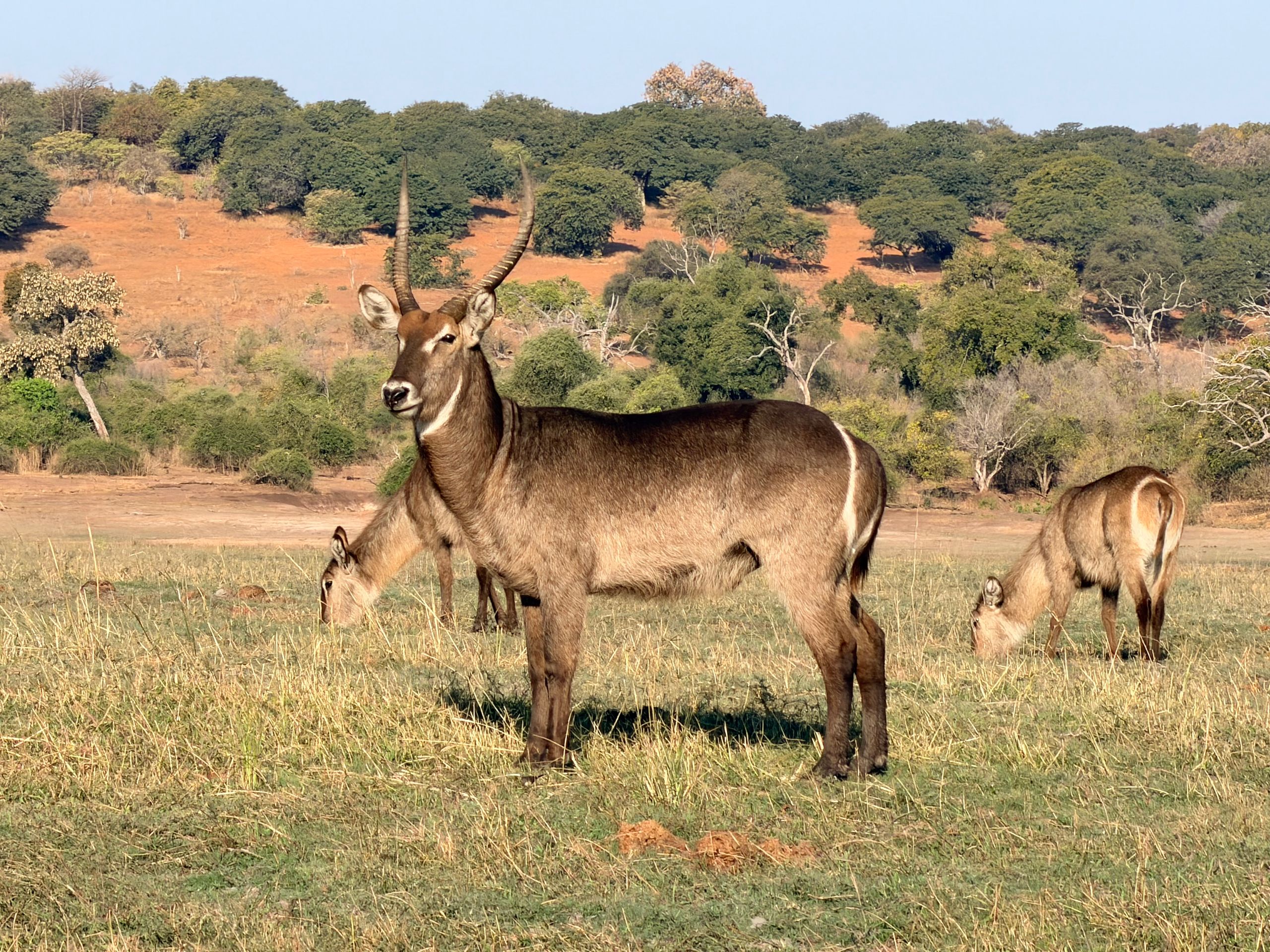
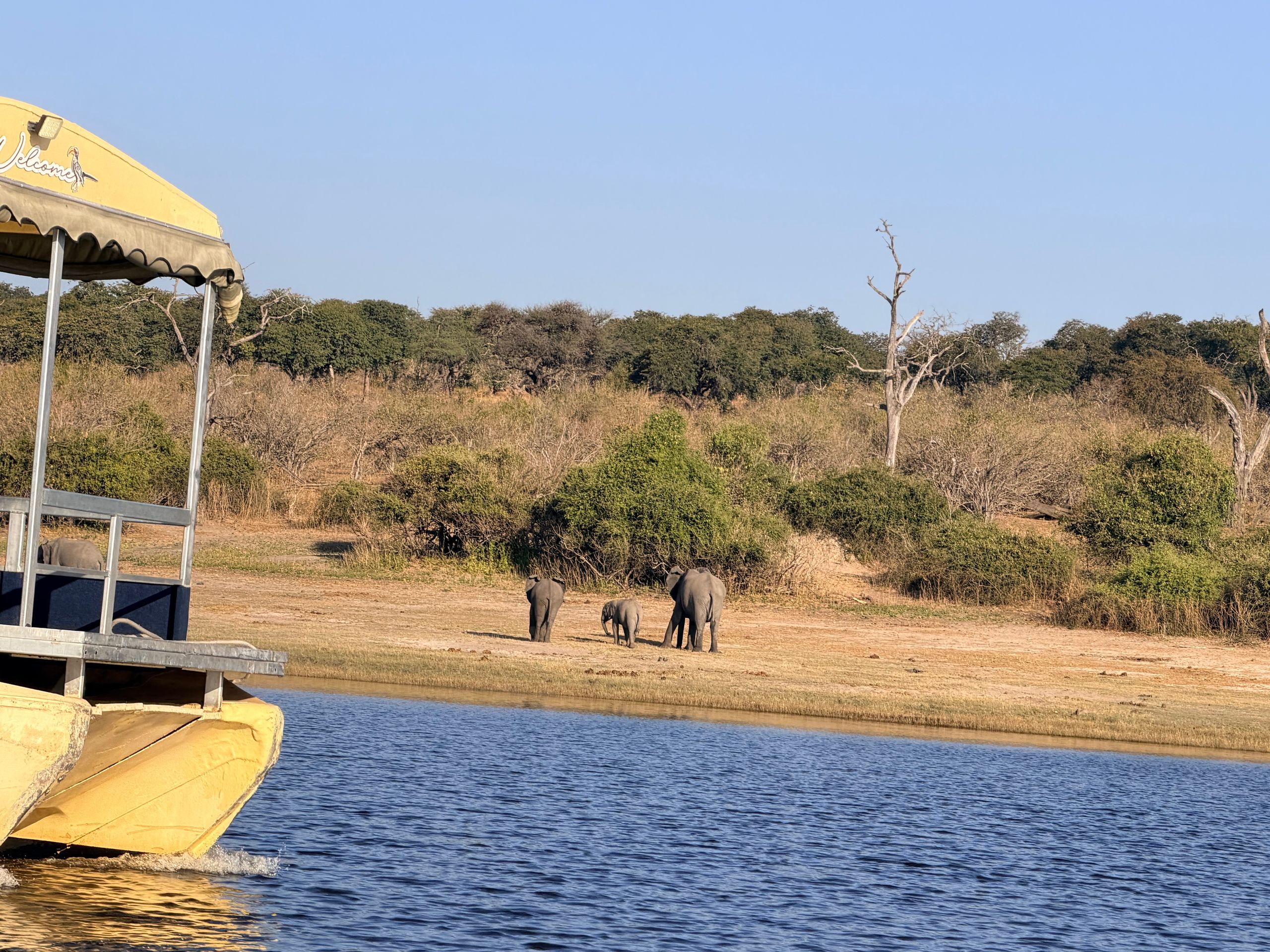
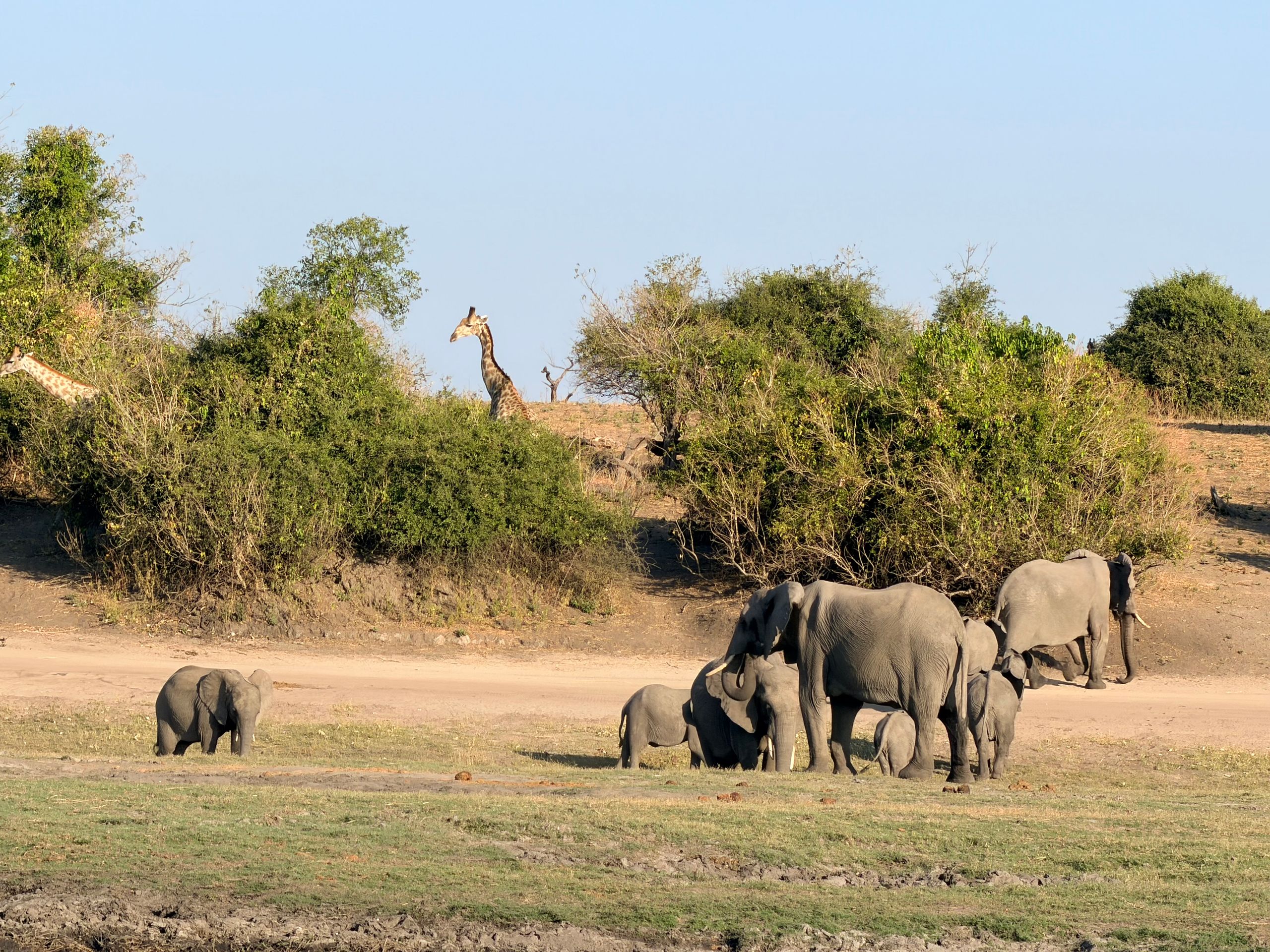
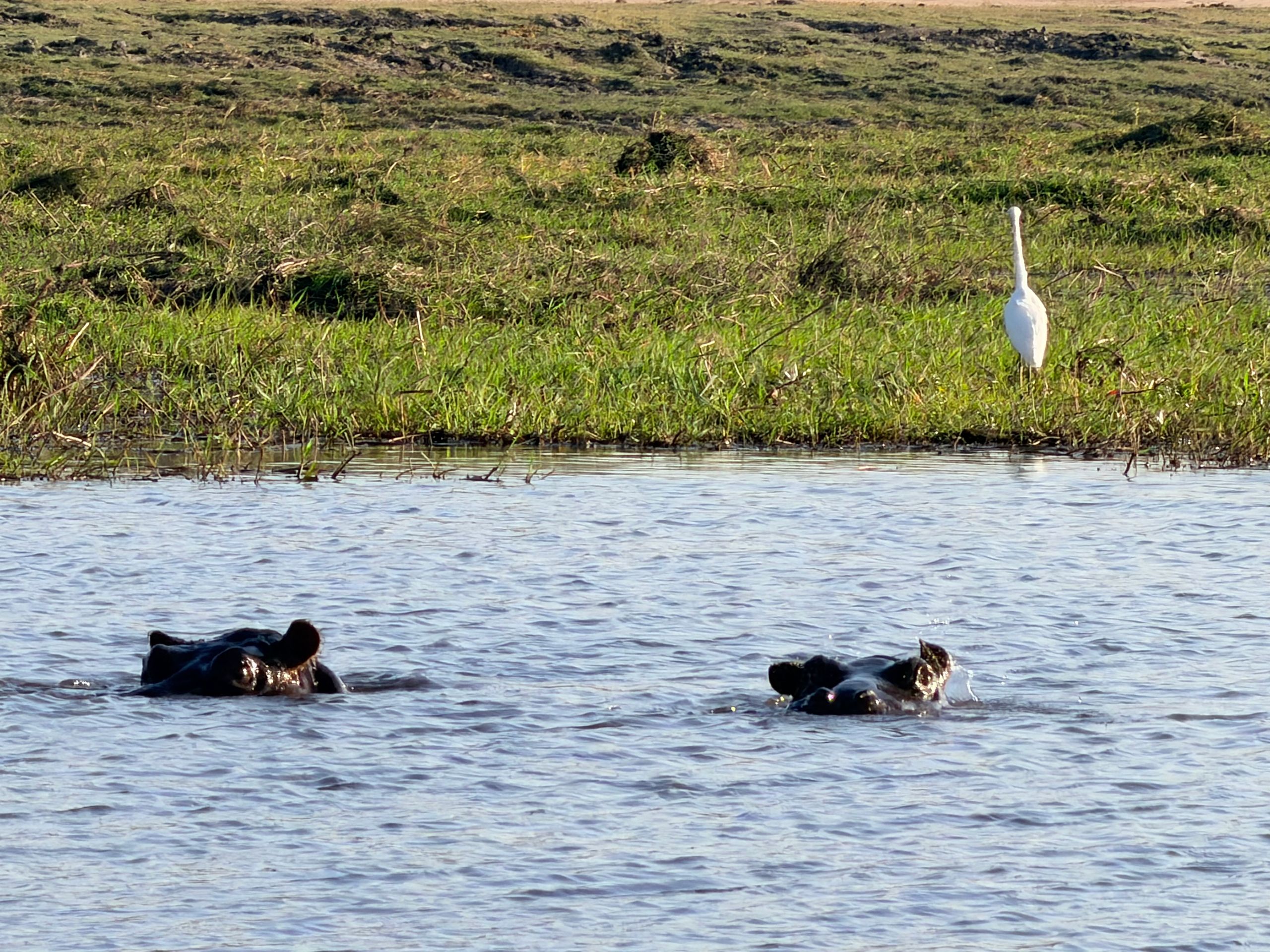
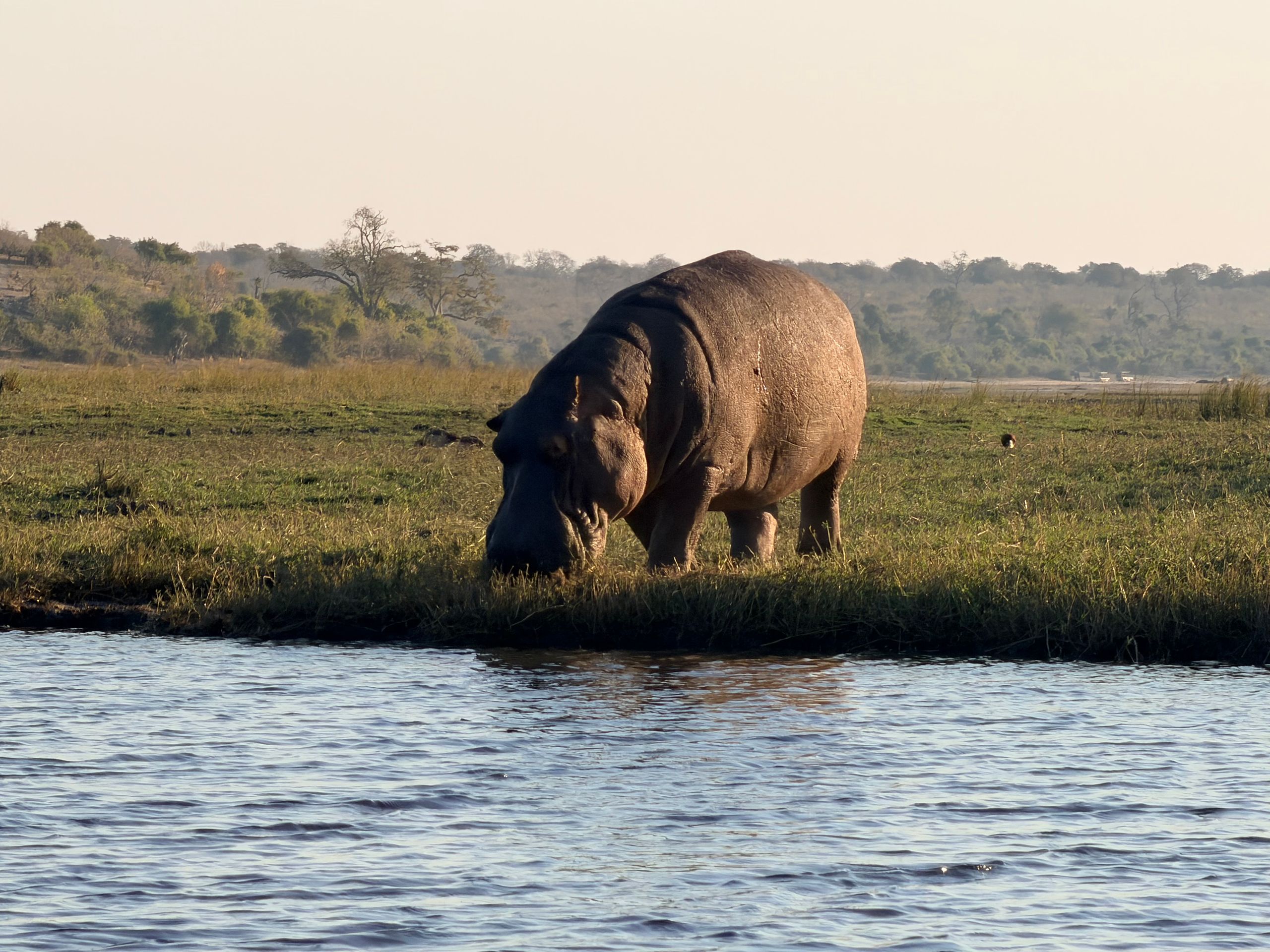
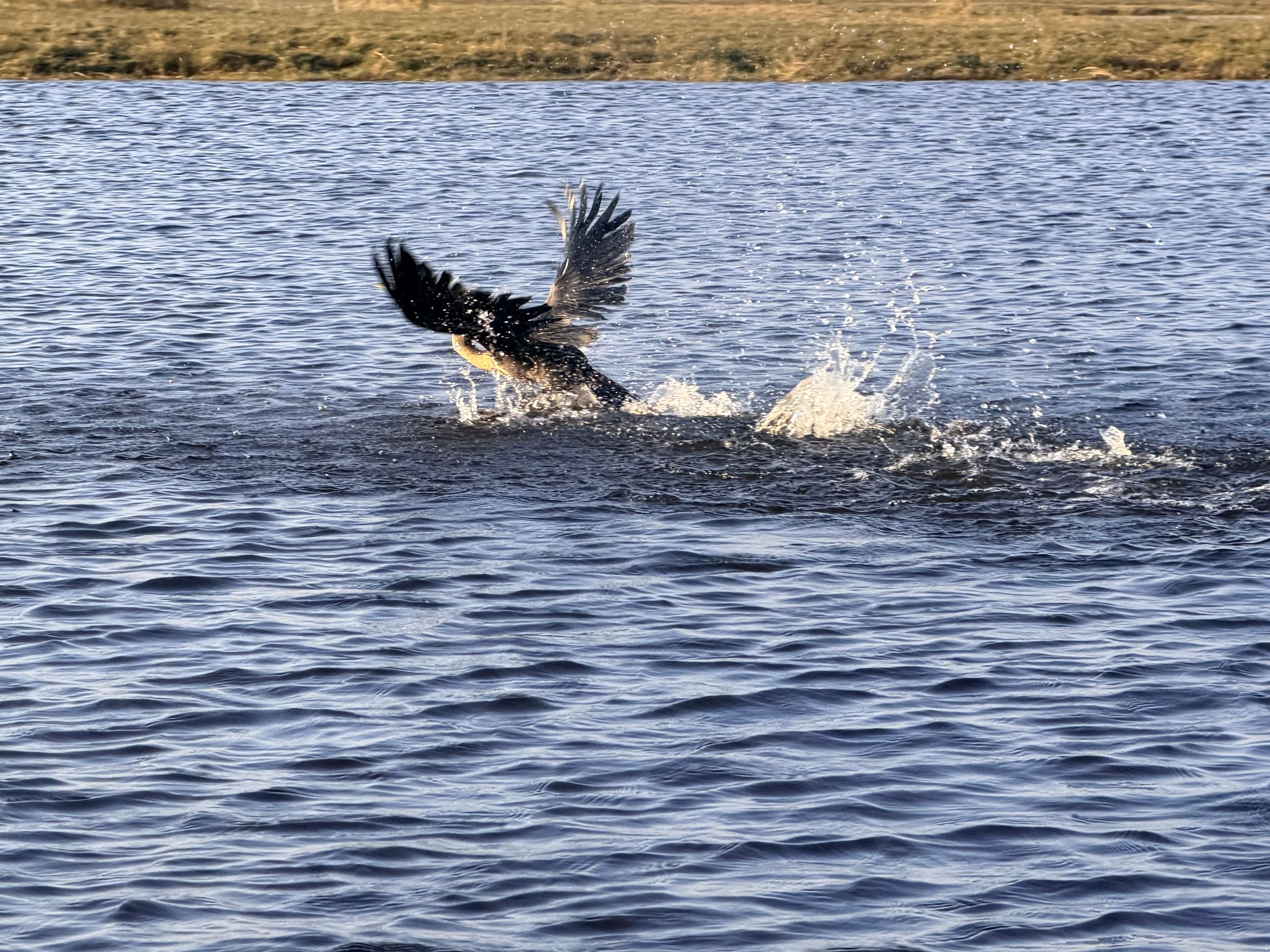
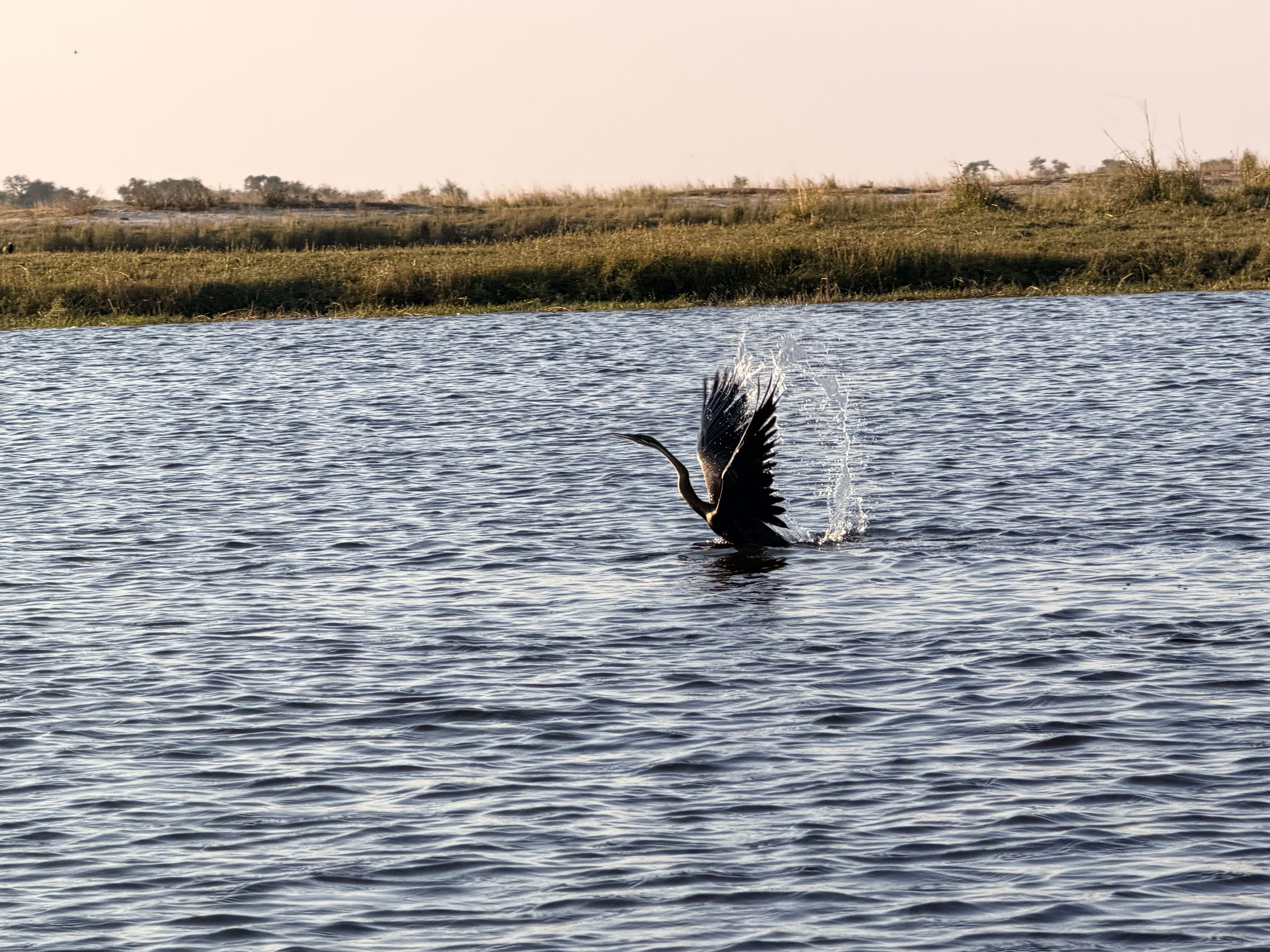
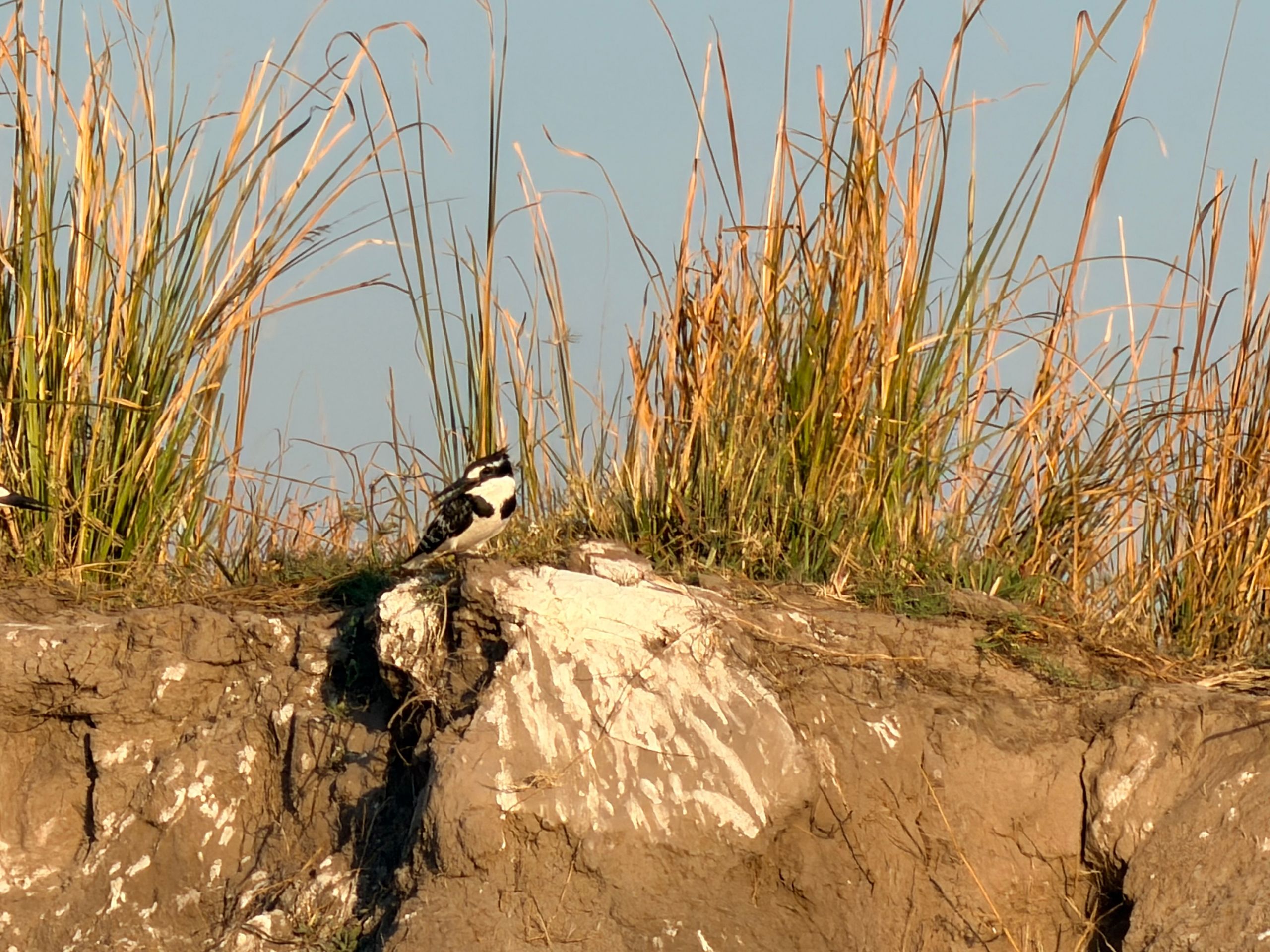
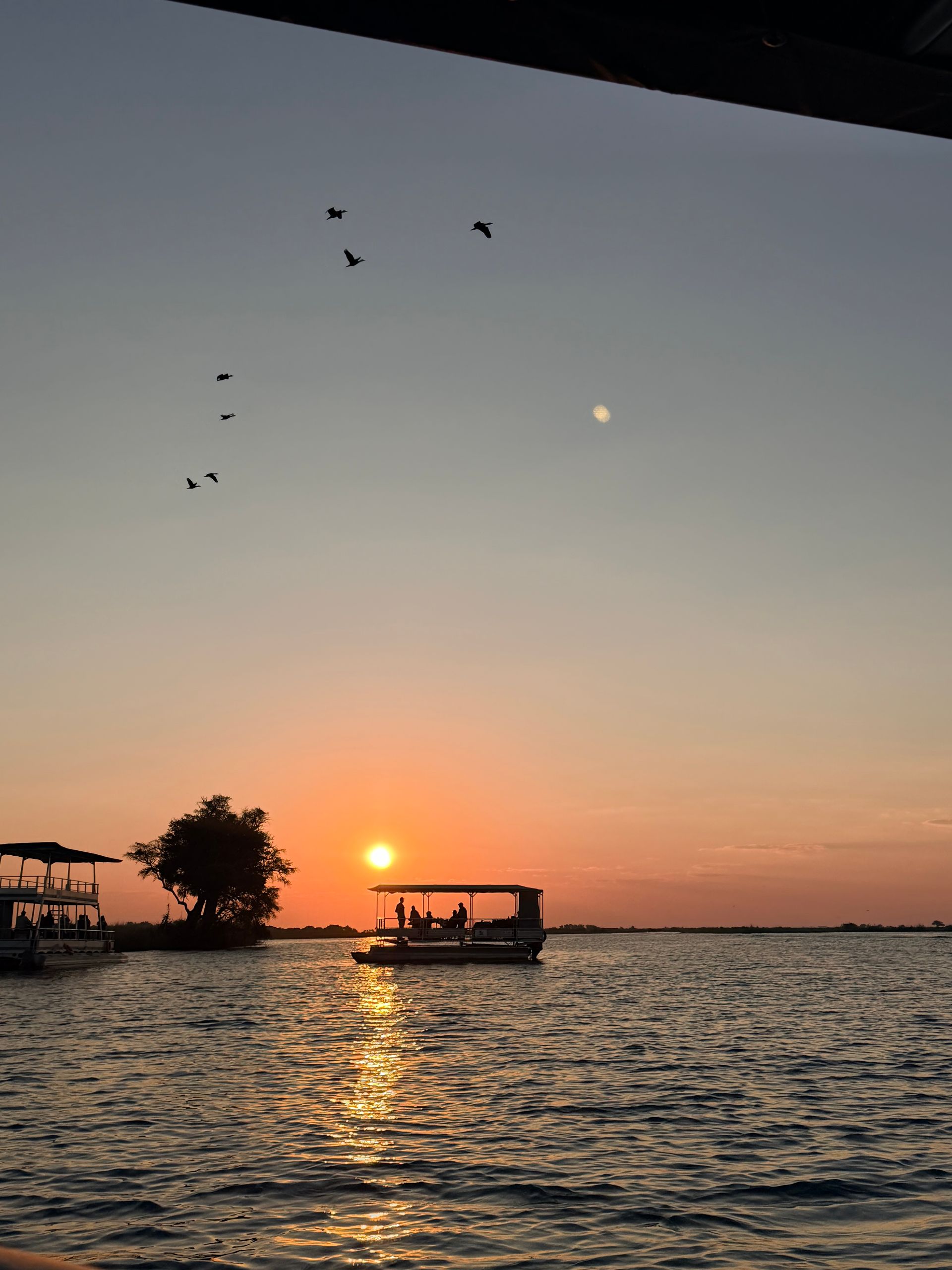
Yesterday afternoon, we board a boat on the Chobe River with guests we already know from the morning jeep tour. The boat has around ten seats and seems rather small compared to the other six boats that set off with us.
The experiences from the morning quickly come up. Compared to the various other safaris that some have already done, that was real 'mass tourism.'
And yes: My impression of the morning's 'drive game' with 50 to 100 jeeps, radio contact, and the shared hunt for the recently spotted lions was indeed similar.
As we calmly steer the boat towards the spots where our guide suspects or has discovered animals, I reflect on it. Also about supply and demand. If we all want to do safaris – some of us not just one – then we are ultimately creating the demand ourselves, which is responded to with corresponding offers. Complaining about the many other tourists while sitting right in the middle of them is at least a small contradiction. 🤔
On the Chobe River, everything is quieter and slower. We have much more time to actually observe the animals, watch their movements, and notice their behavior. We only move on when everyone has taken their shots – or can't stand the proximity of the crocodile any longer. 🫣
And so, some of the most beautiful films and photos are created.
Our local guide knows the wildlife impressively well and tells us that he has been working in this profession for more than ten years and still enjoys it. When we dock again after the tour, he thanks us for supporting tourism in Botswana and thereby securing his livelihood.
The sentence sticks.
Of course, he does not answer the question of how much tourism nature and animals can tolerate. But he adds another perspective to it. All these boats, jeeps, and lodges also involve people and their jobs.
Perhaps the question is not whether tourism is good or bad. But rather how much of it a place can withstand – and how we want to travel when we are part of it.
The gentleman who joyfully brings the food to our table last night tells us that often an owl flies under the high, open roof of the lodge in the evening. Apparently, the cats also occasionally benefit from its prey.
We have already discovered two of them. One had just eaten its dinner parallel to us – poor mouse. 🐭🤷♀️
One of the cats is missing the tip of an ear. My sympathy is of course immediately awakened: 'Oh, the poor thing ...' – and already visions of 'being left to fend for oneself' and neglect form in my head.
Then we find out that it is precisely she who is our waiter's favorite cat. And the missing ear tip? Not a result of a hard life, but the mark from the vet to indicate the cat has been spayed.
I am impressed – and feel a little ashamed of my hasty story about the neglected African cat. 🙈
Another lesson learned: Not everything that looks like neglect to us is actually neglect.
And while I am writing this entry, we suddenly hear a noise and look up in search of the tornado.
But it's just a rolling suitcase behind us. 😂
Africa changes us ... 😉