

The stone library
My wife rejoices because the Chinese medicine (TCM) that I often dismissed has worked. No more fever and my cough has improved significantly. I feel fit, and so we head to the...
Published: 22.08.2025
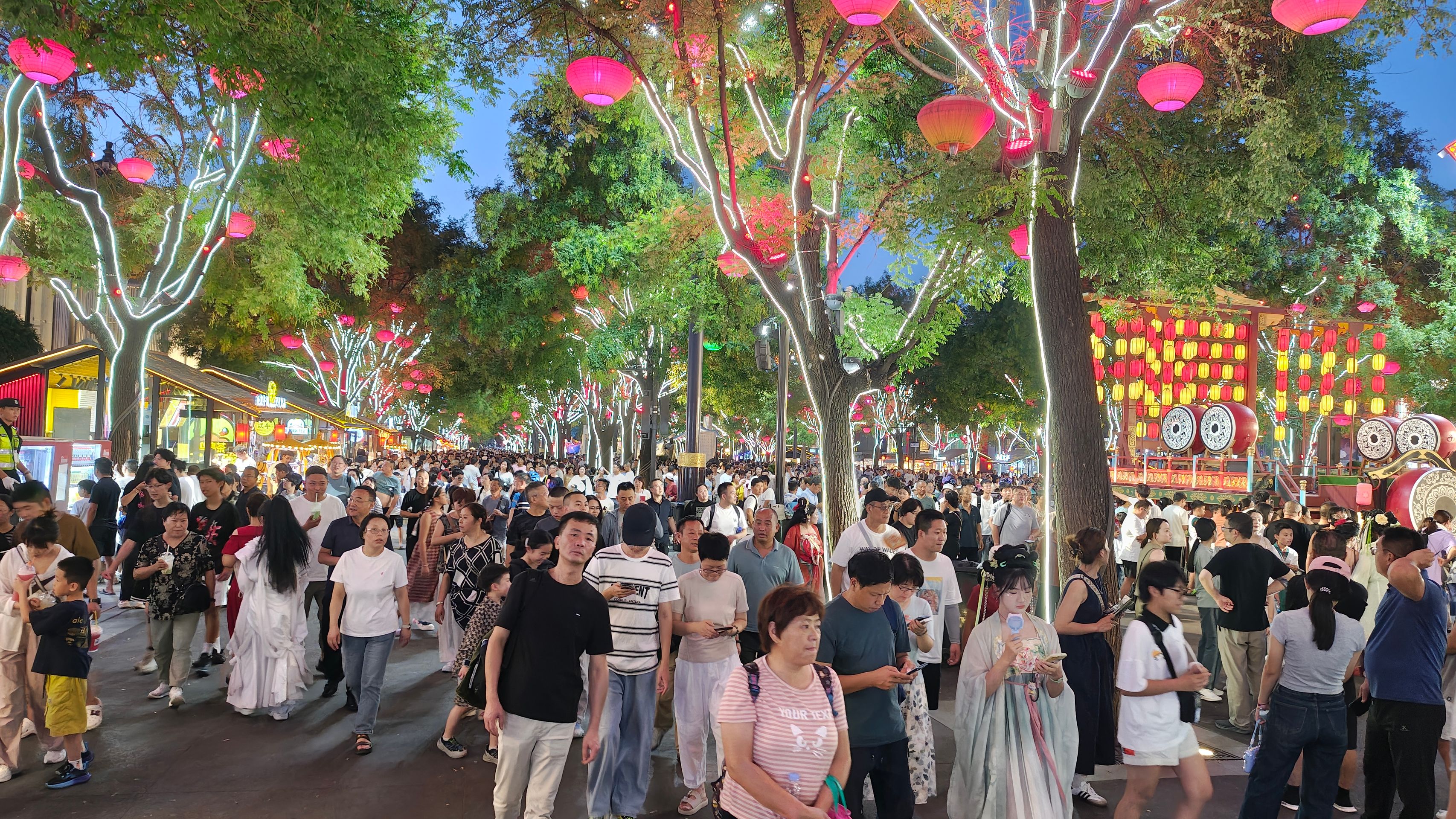
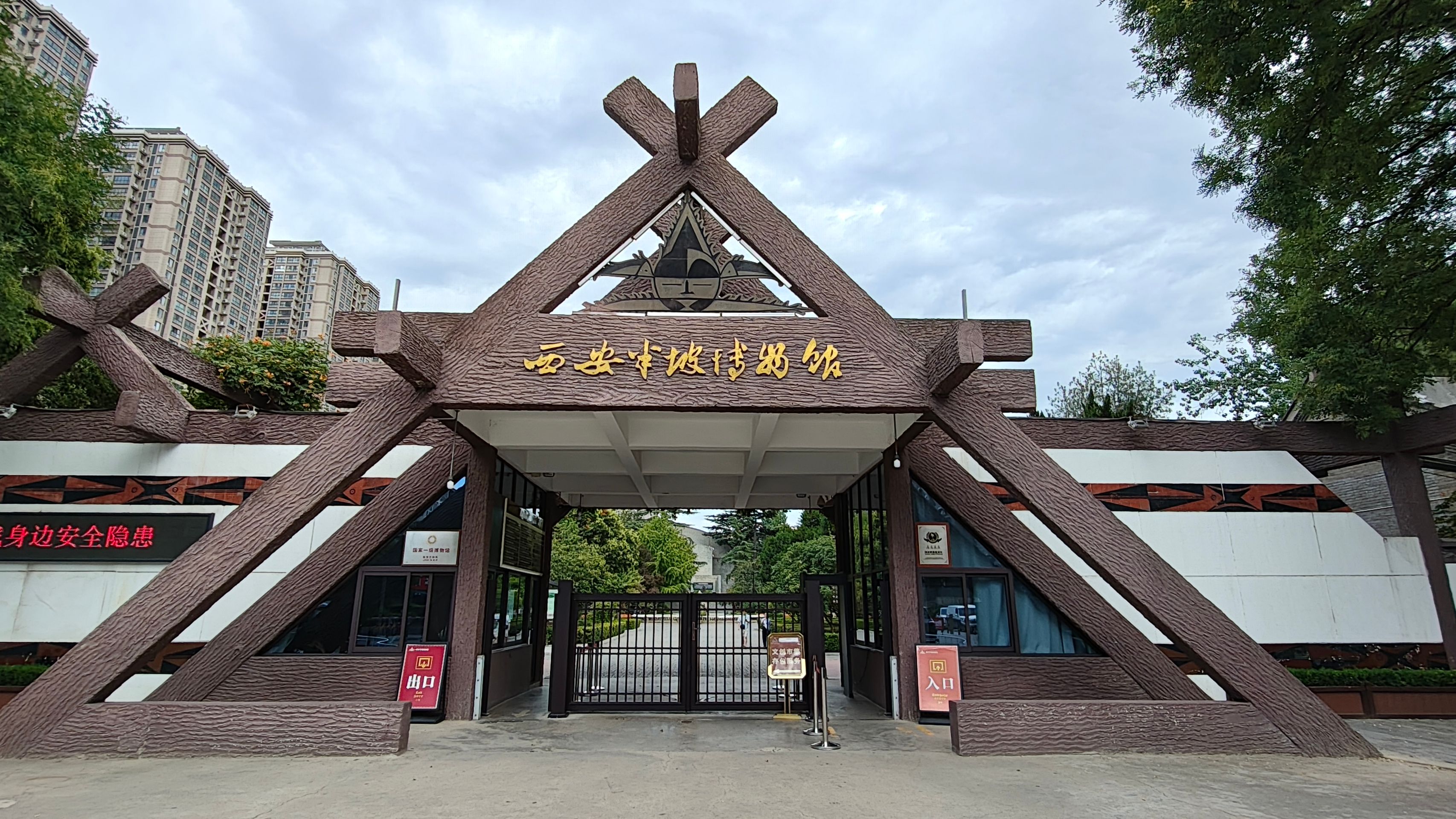
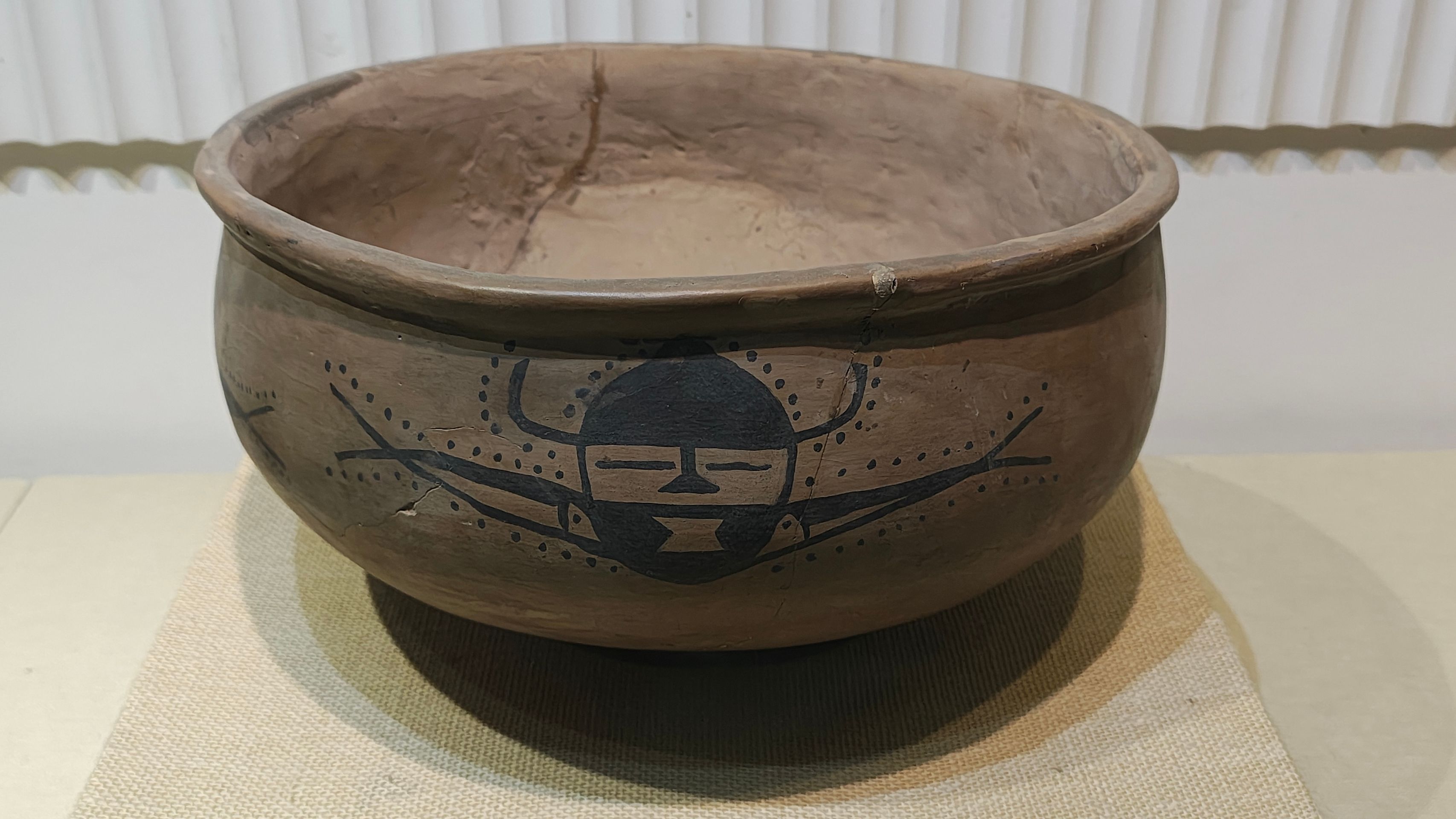
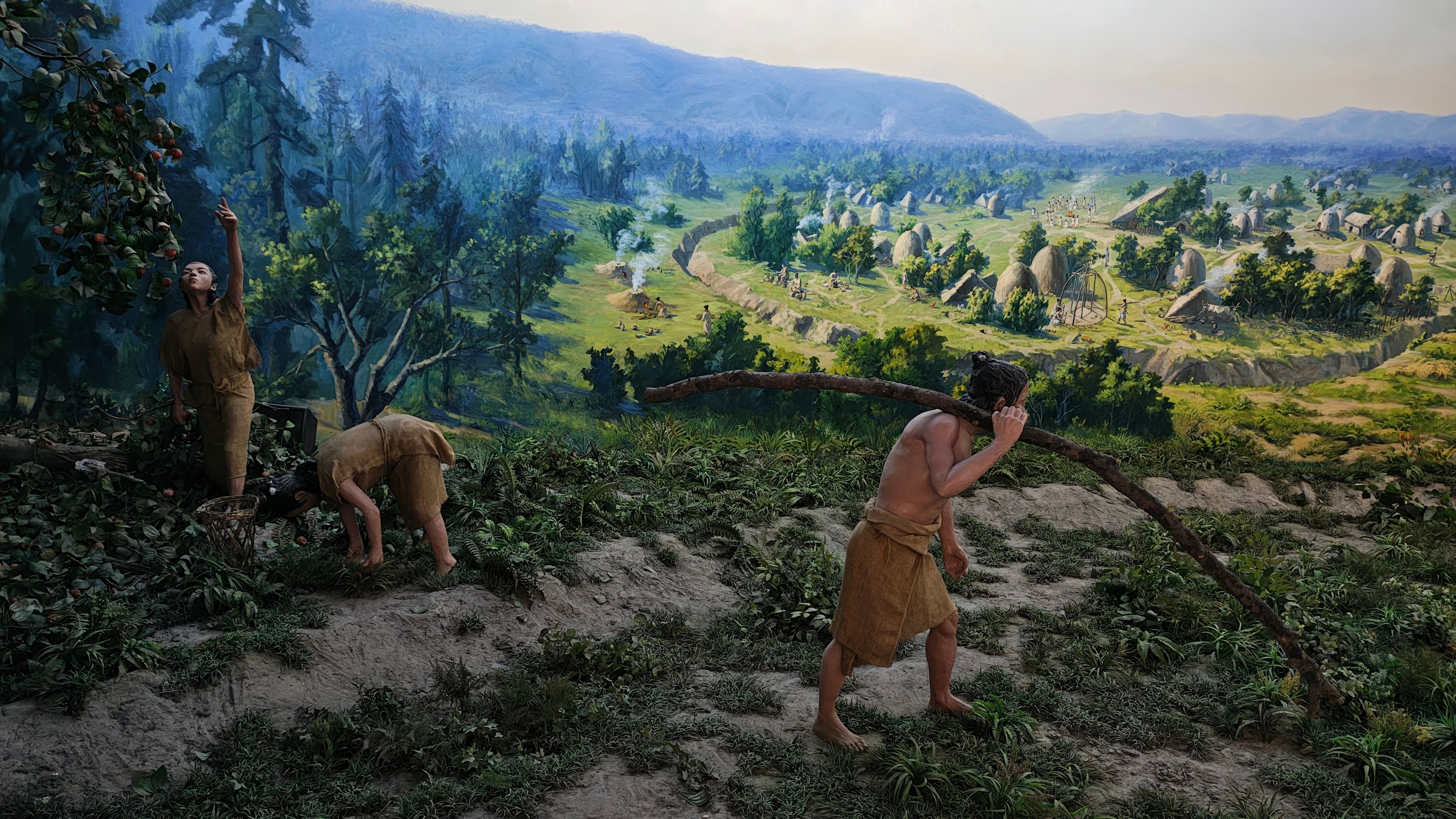
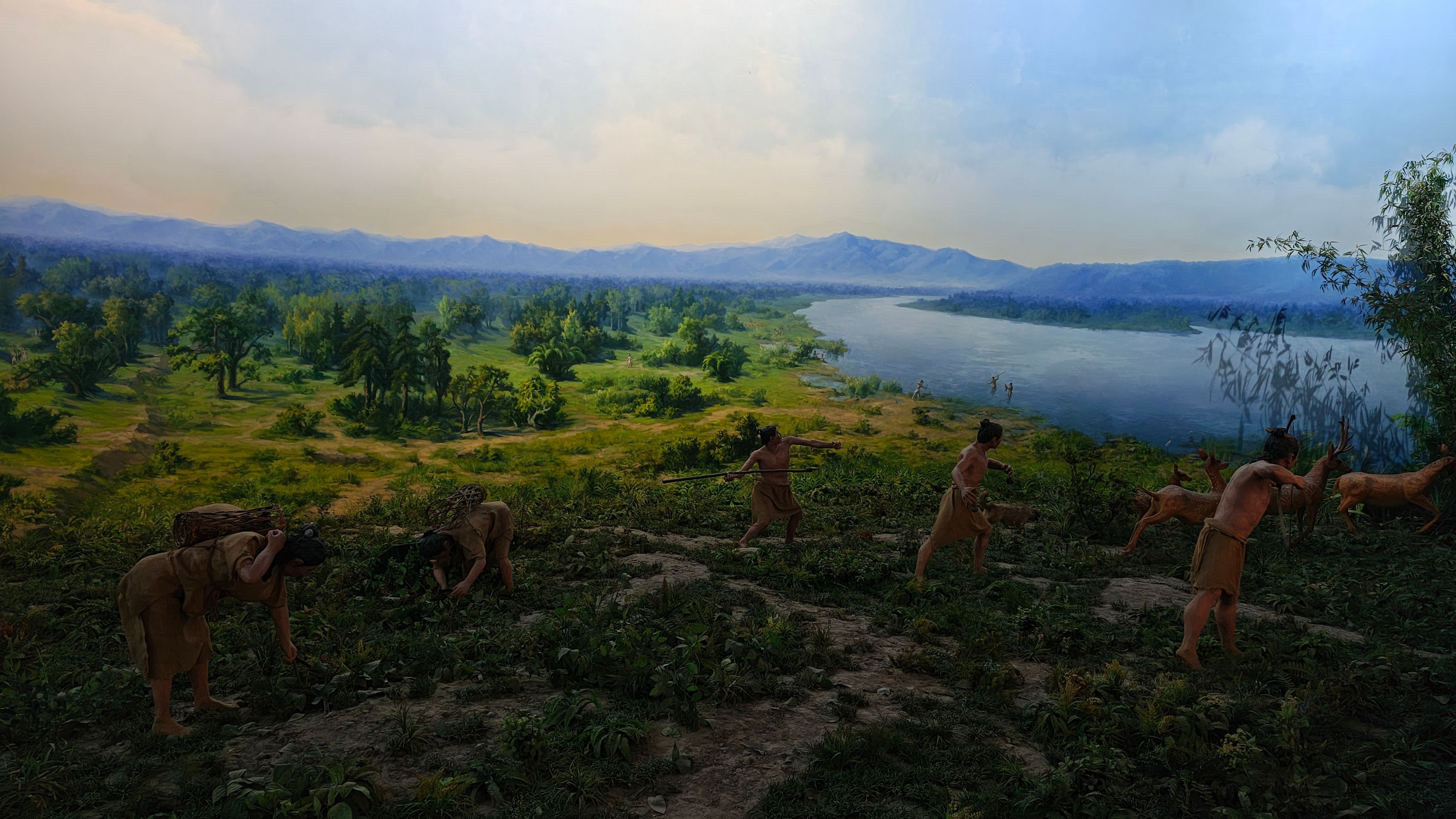
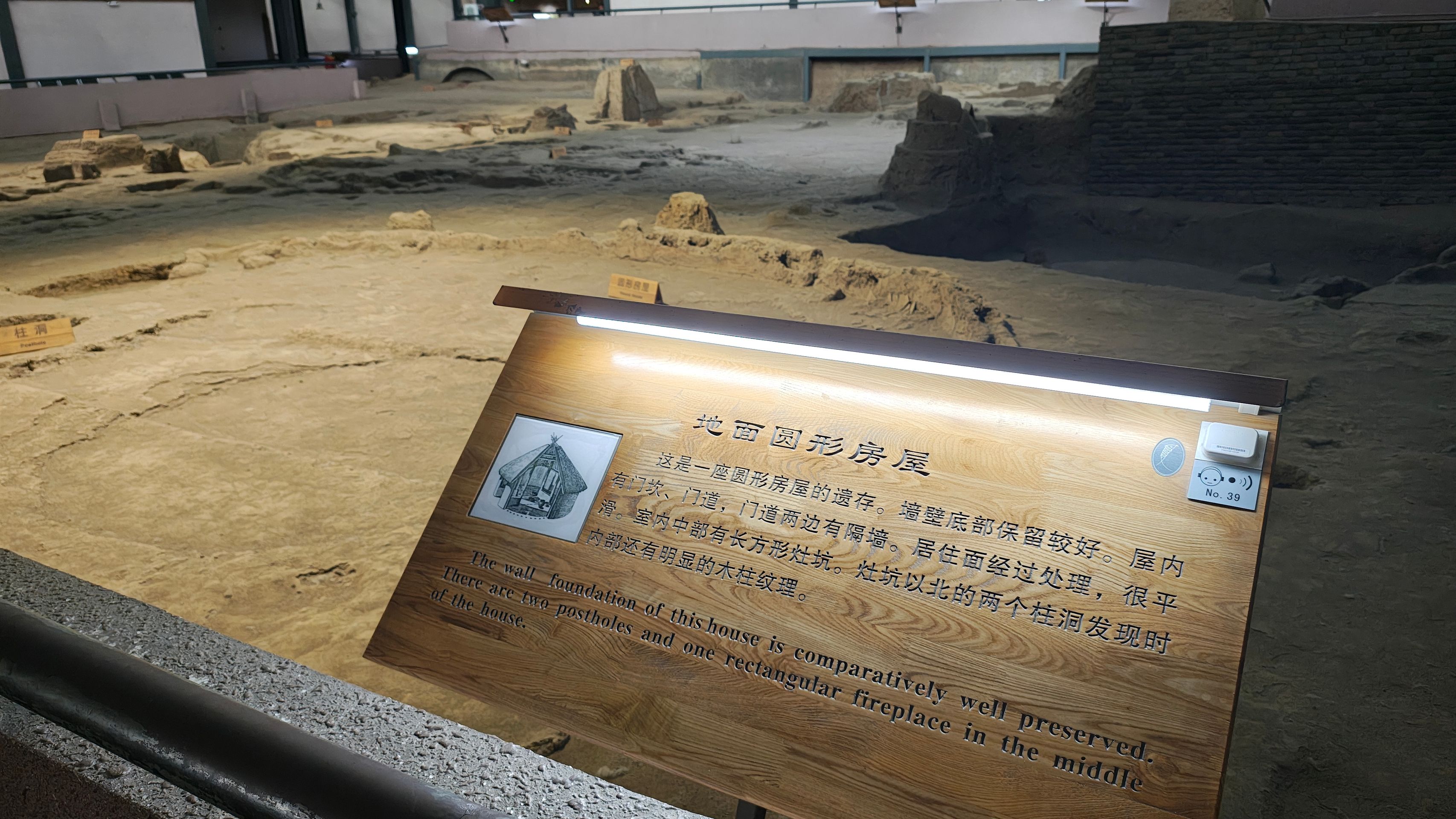
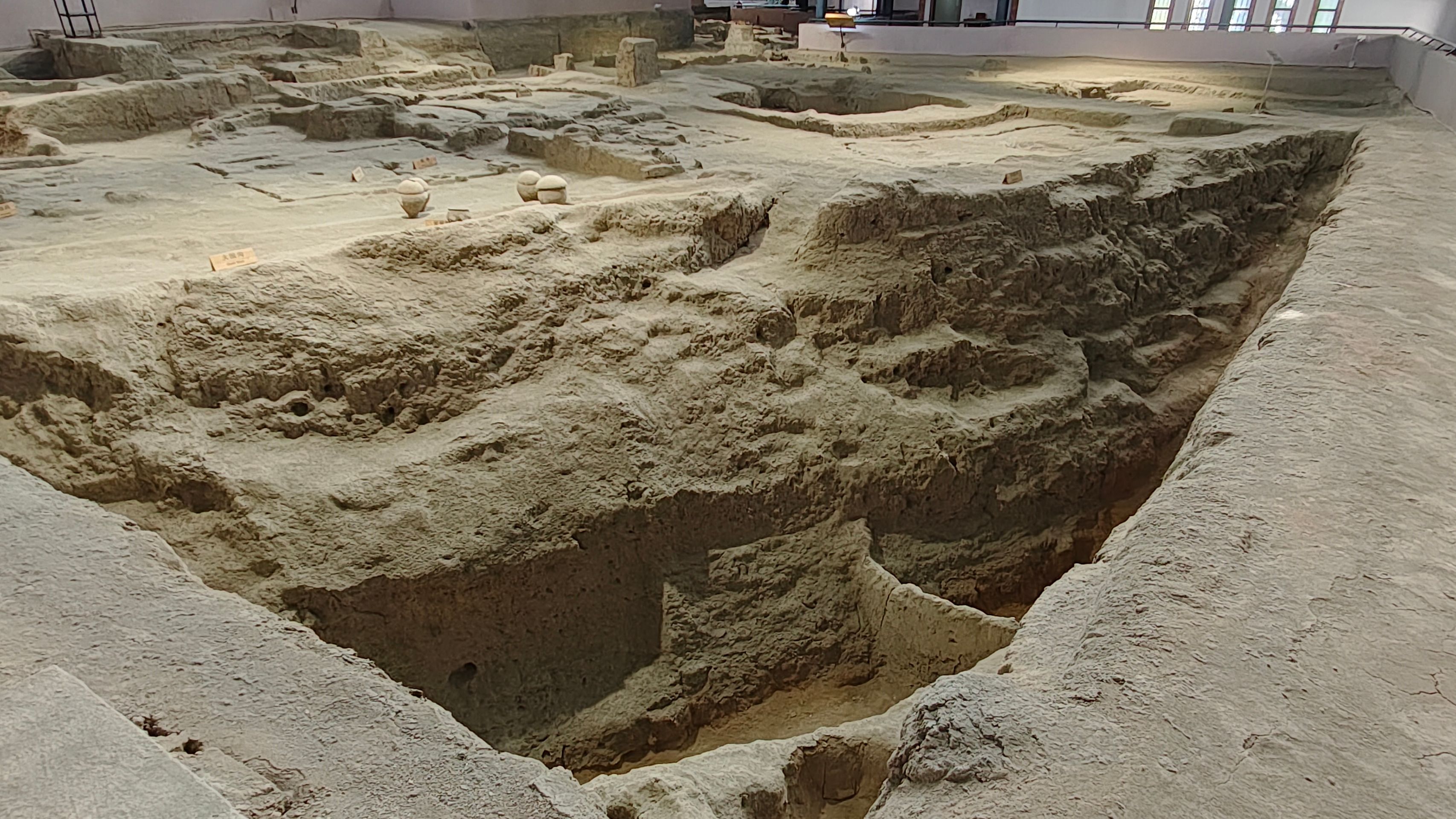
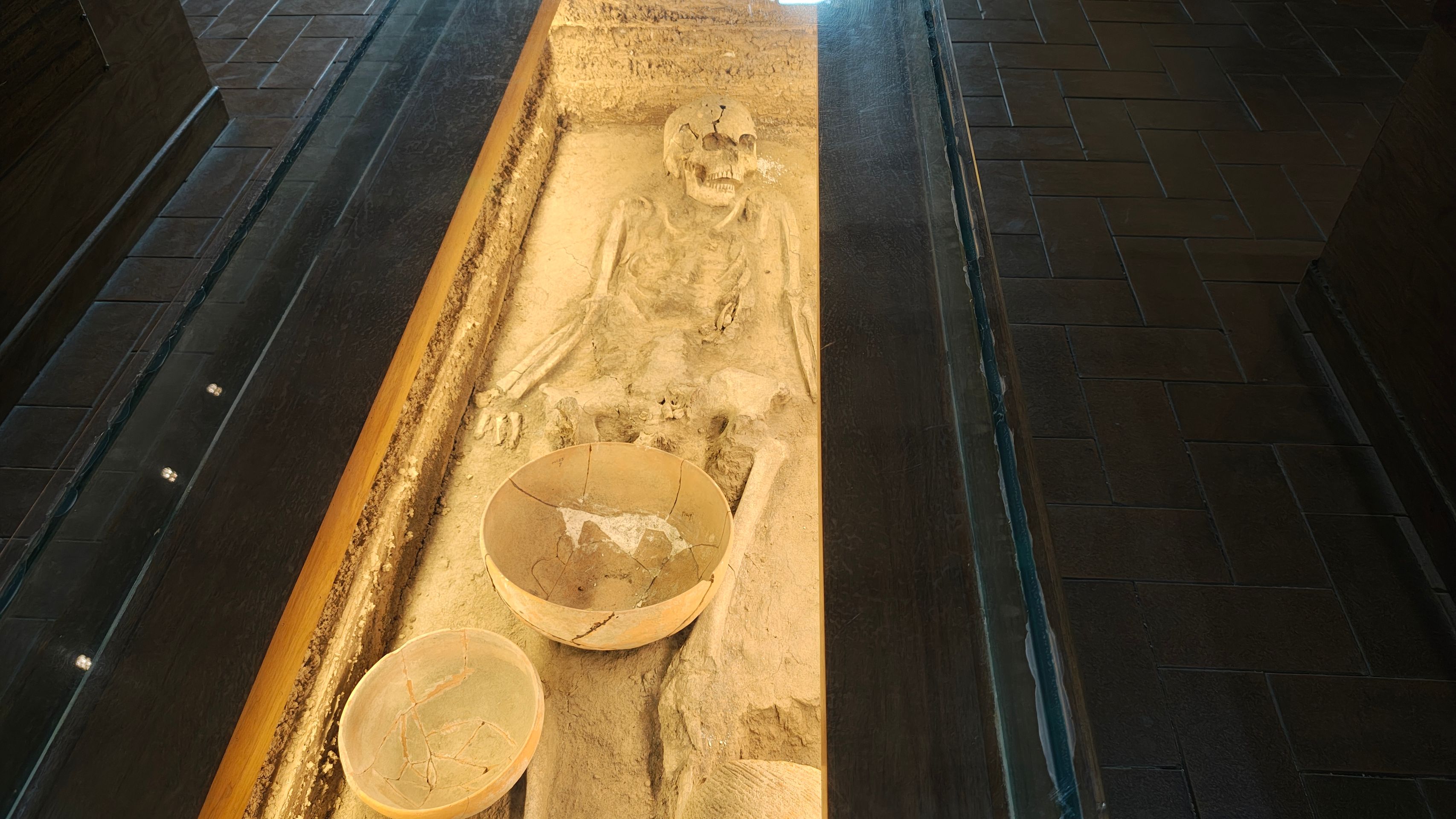
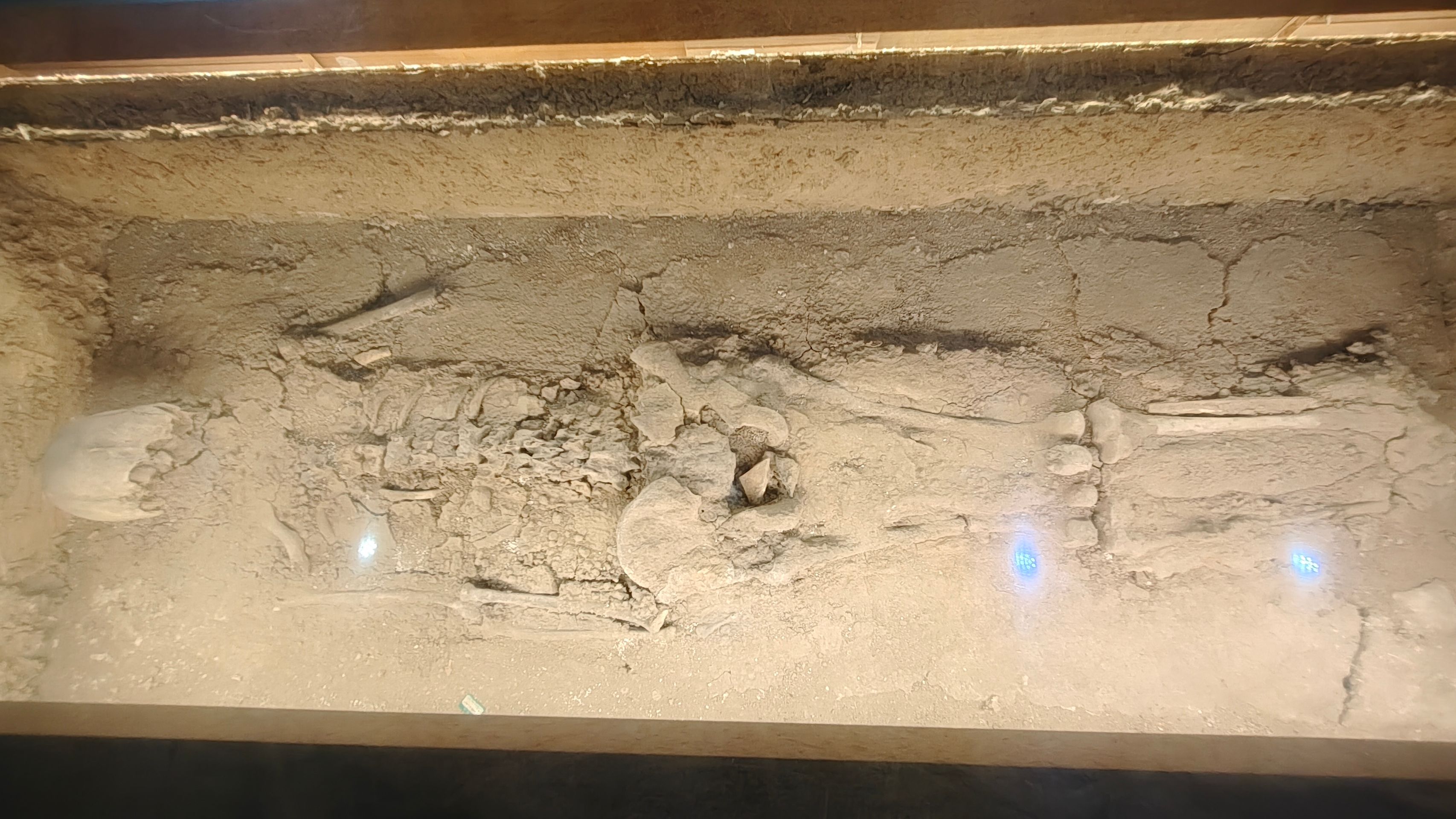
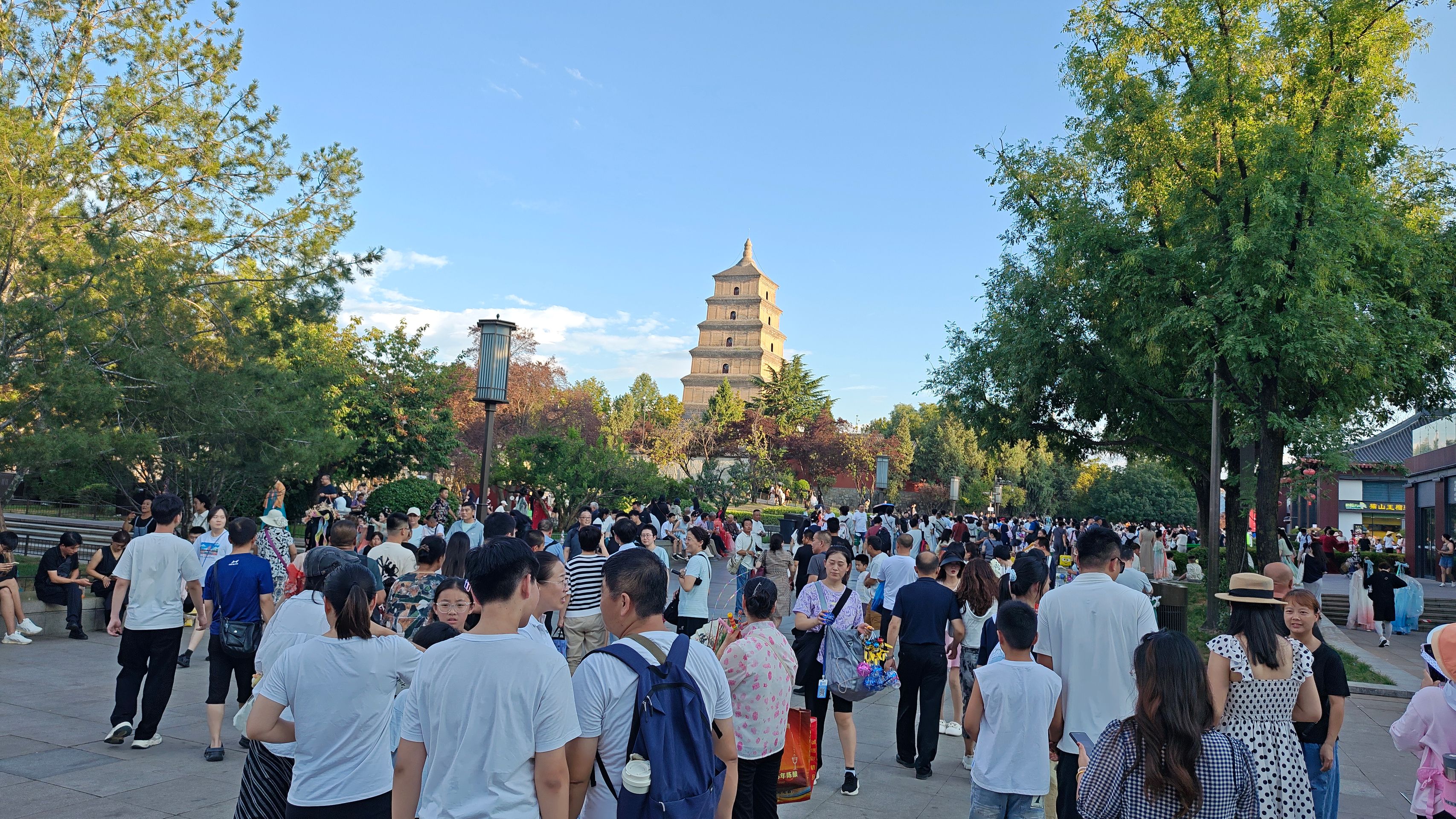
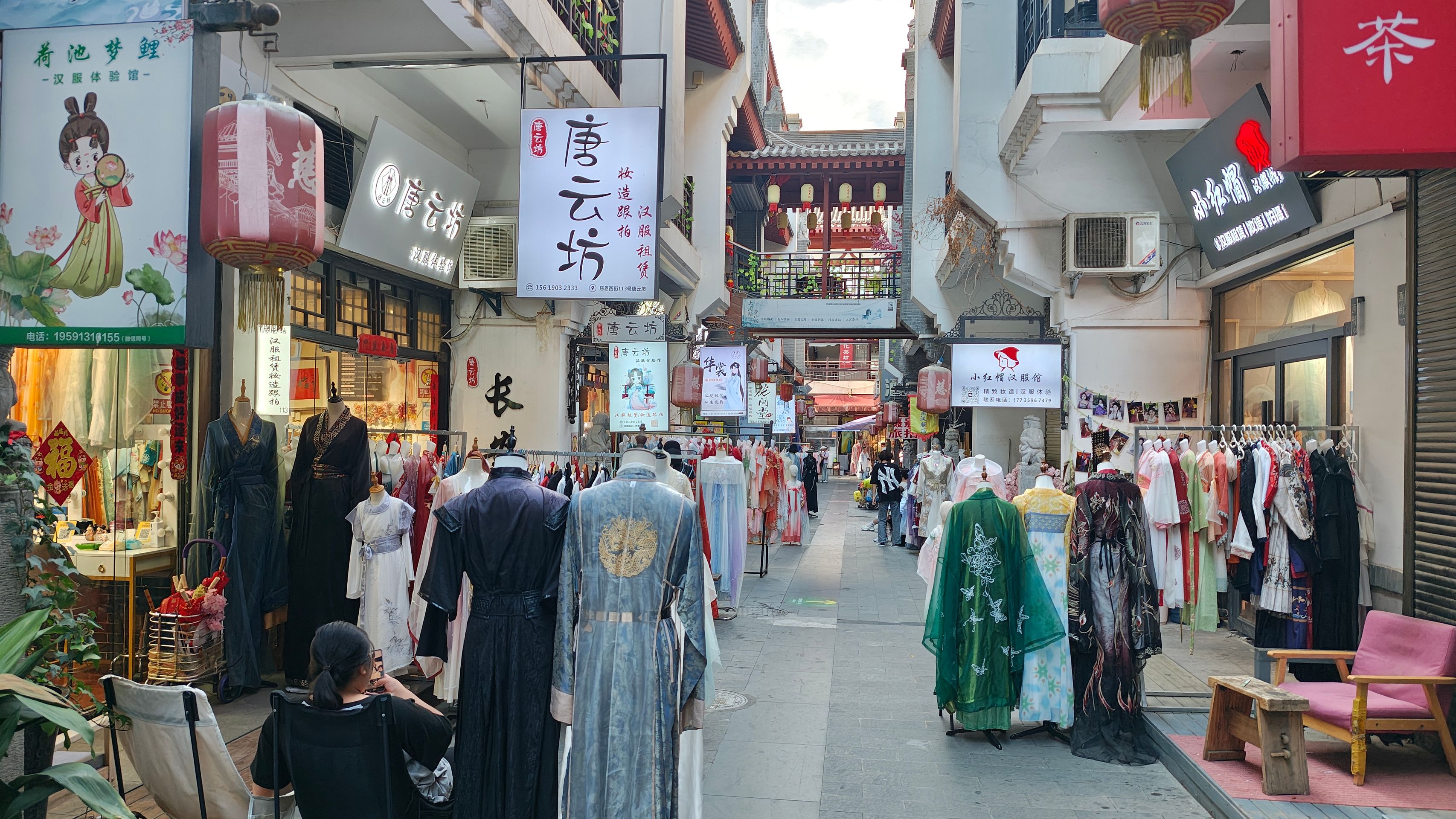
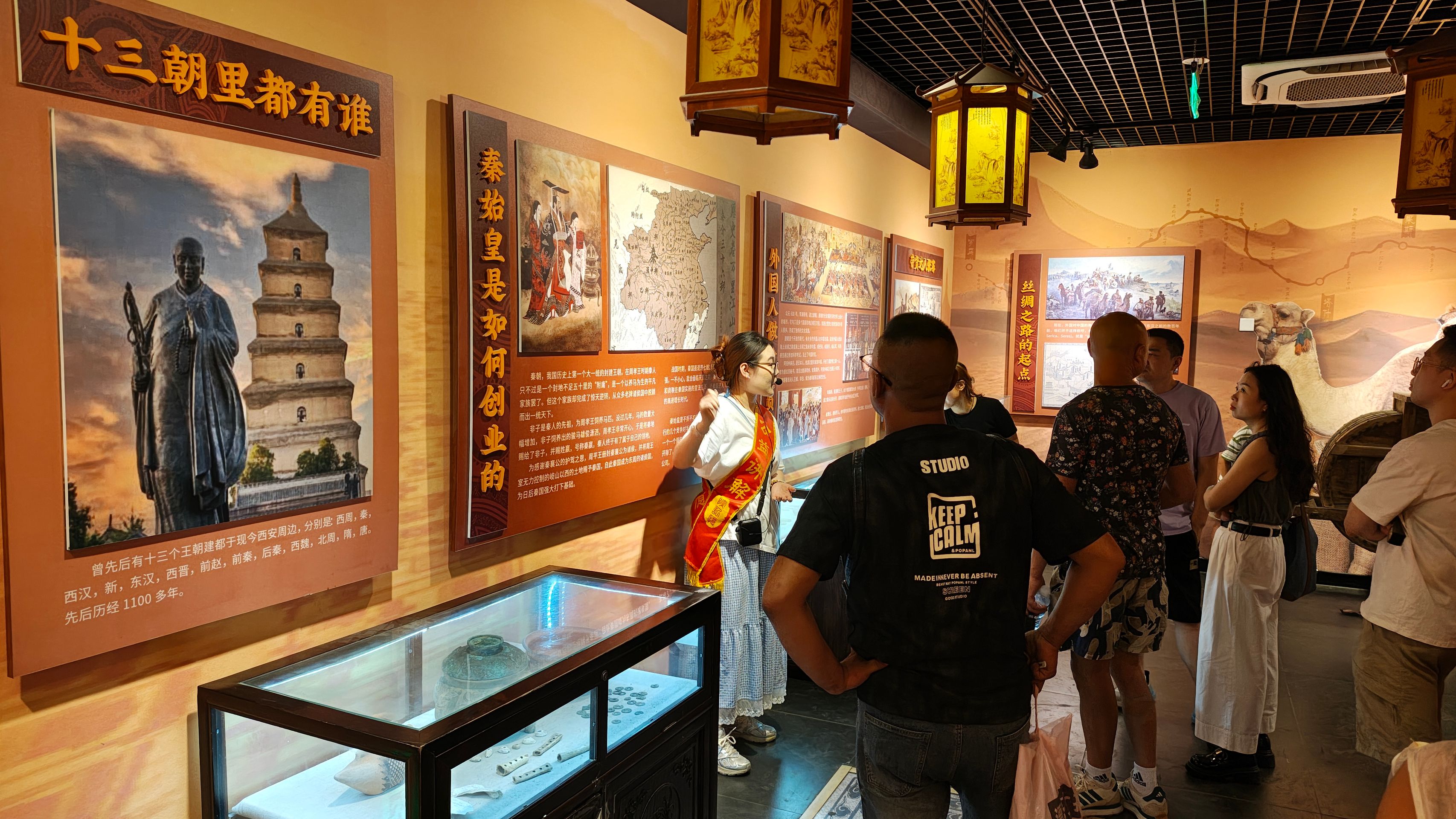
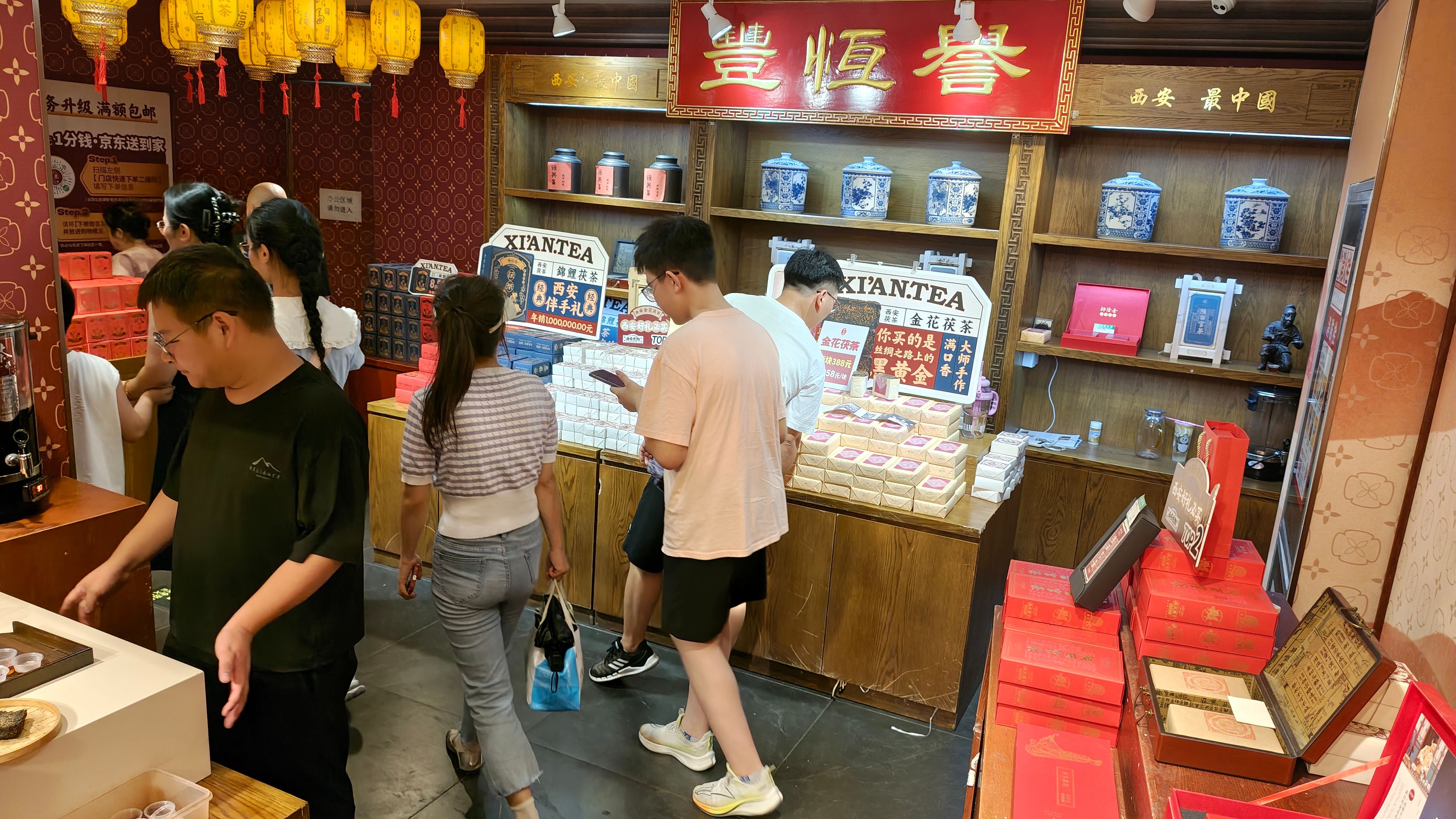
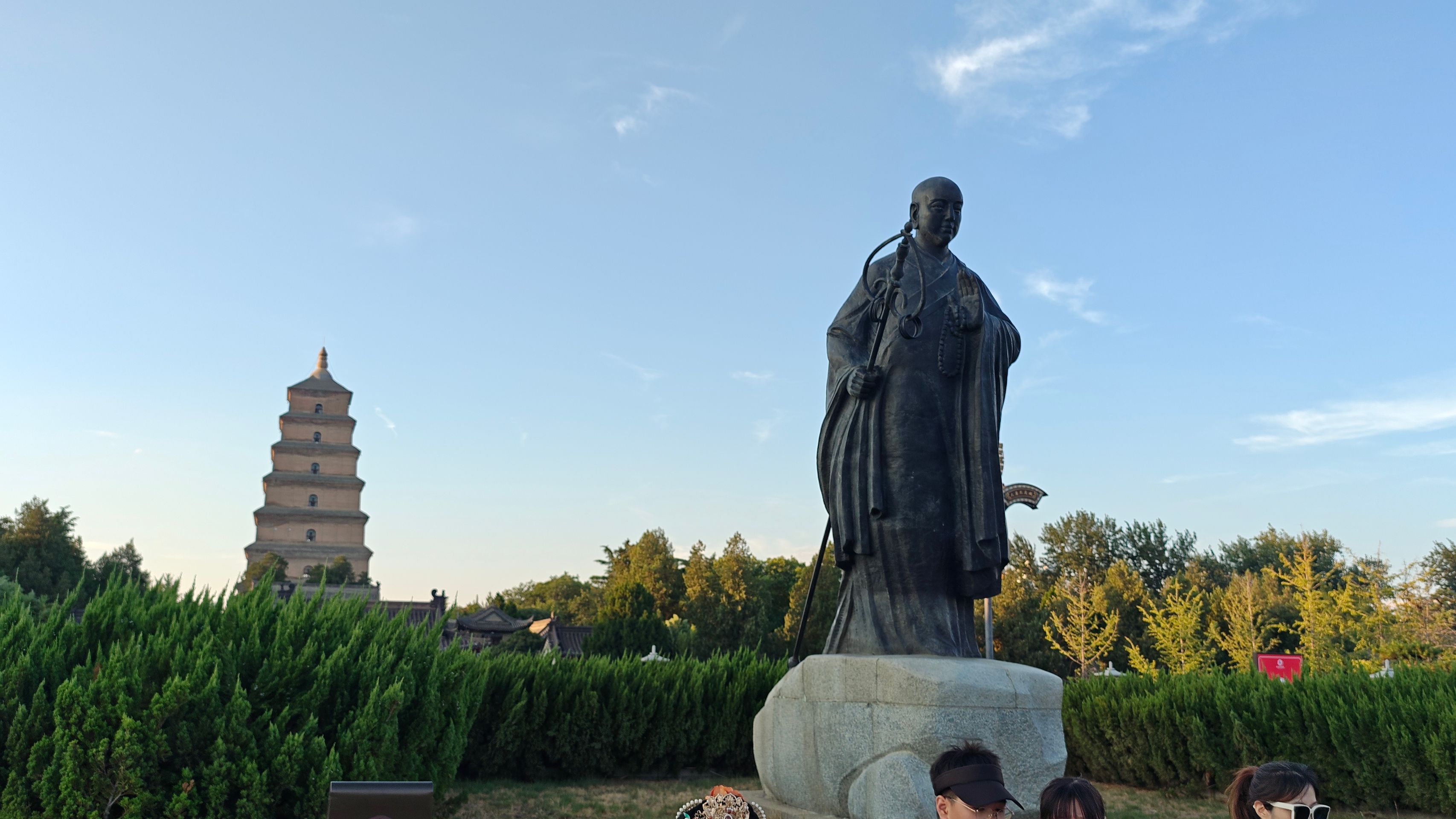
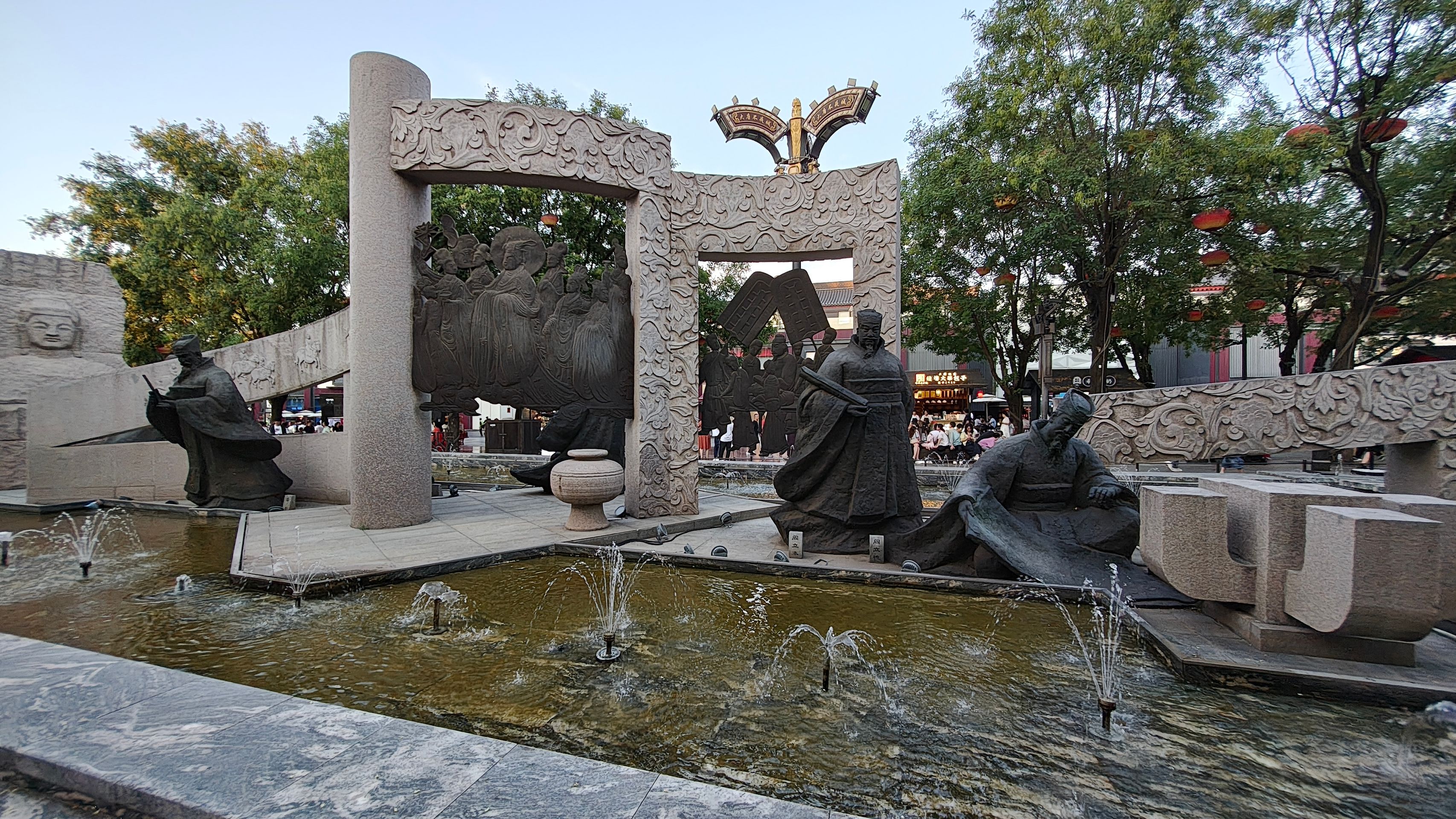
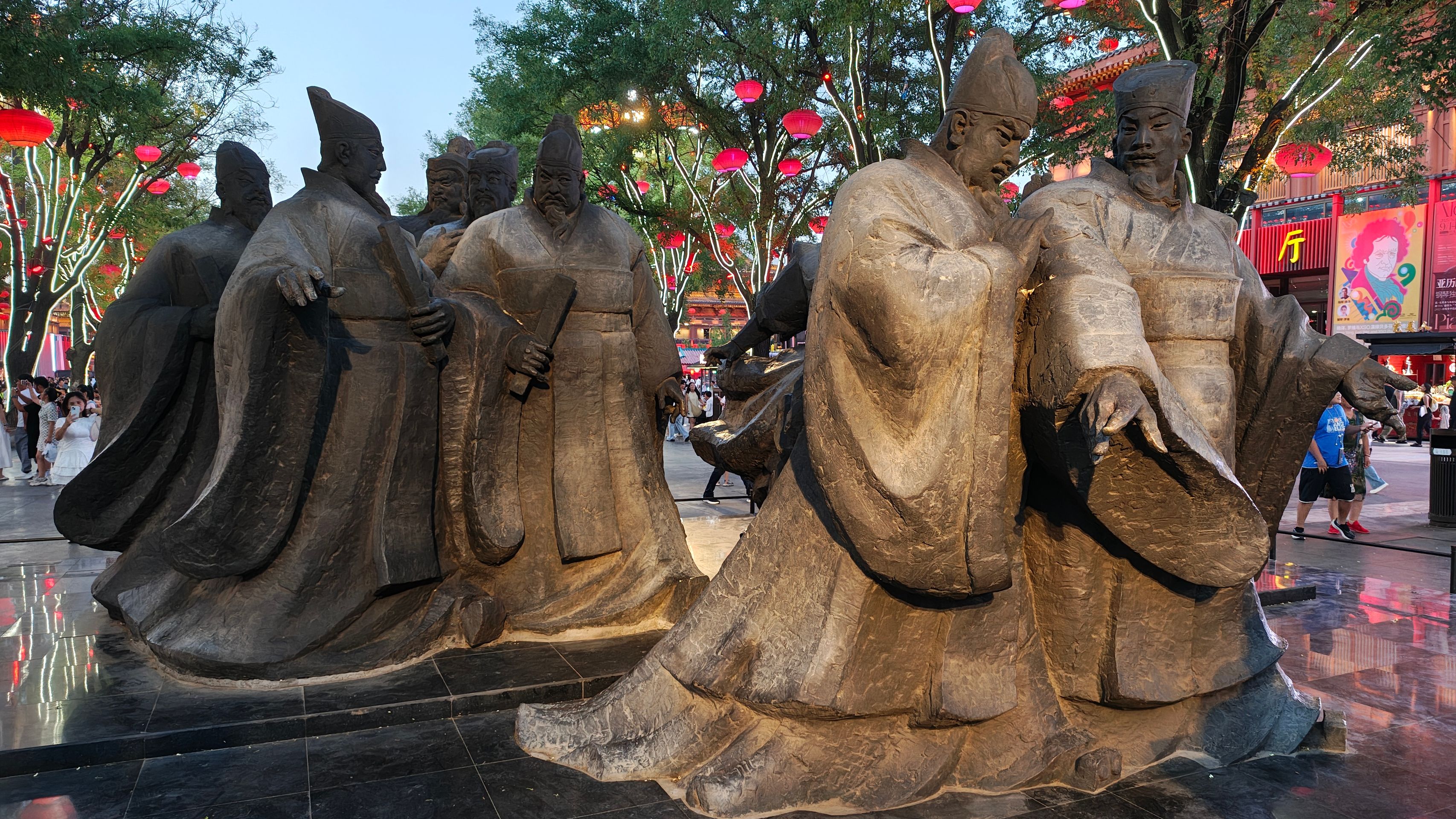
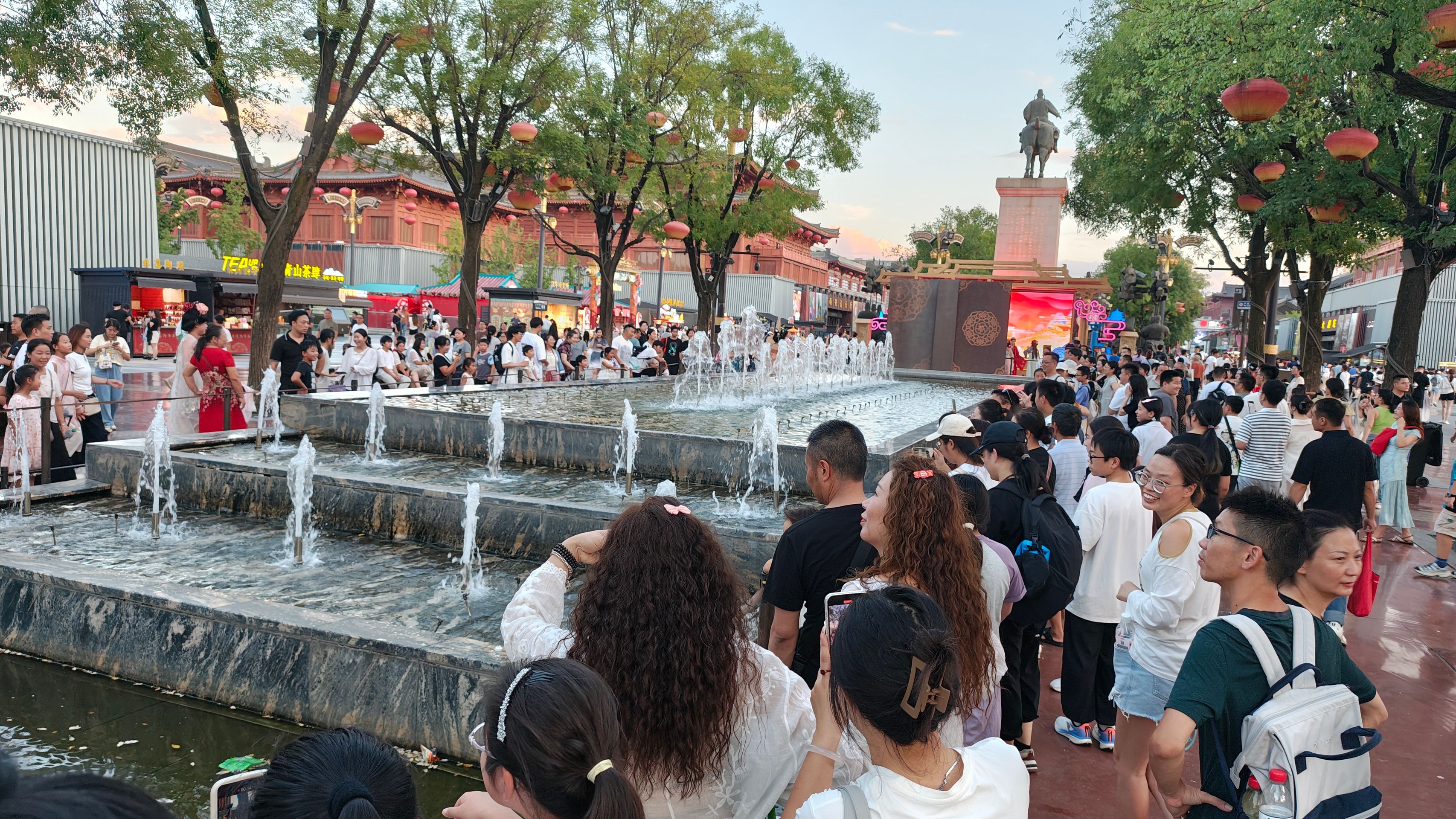
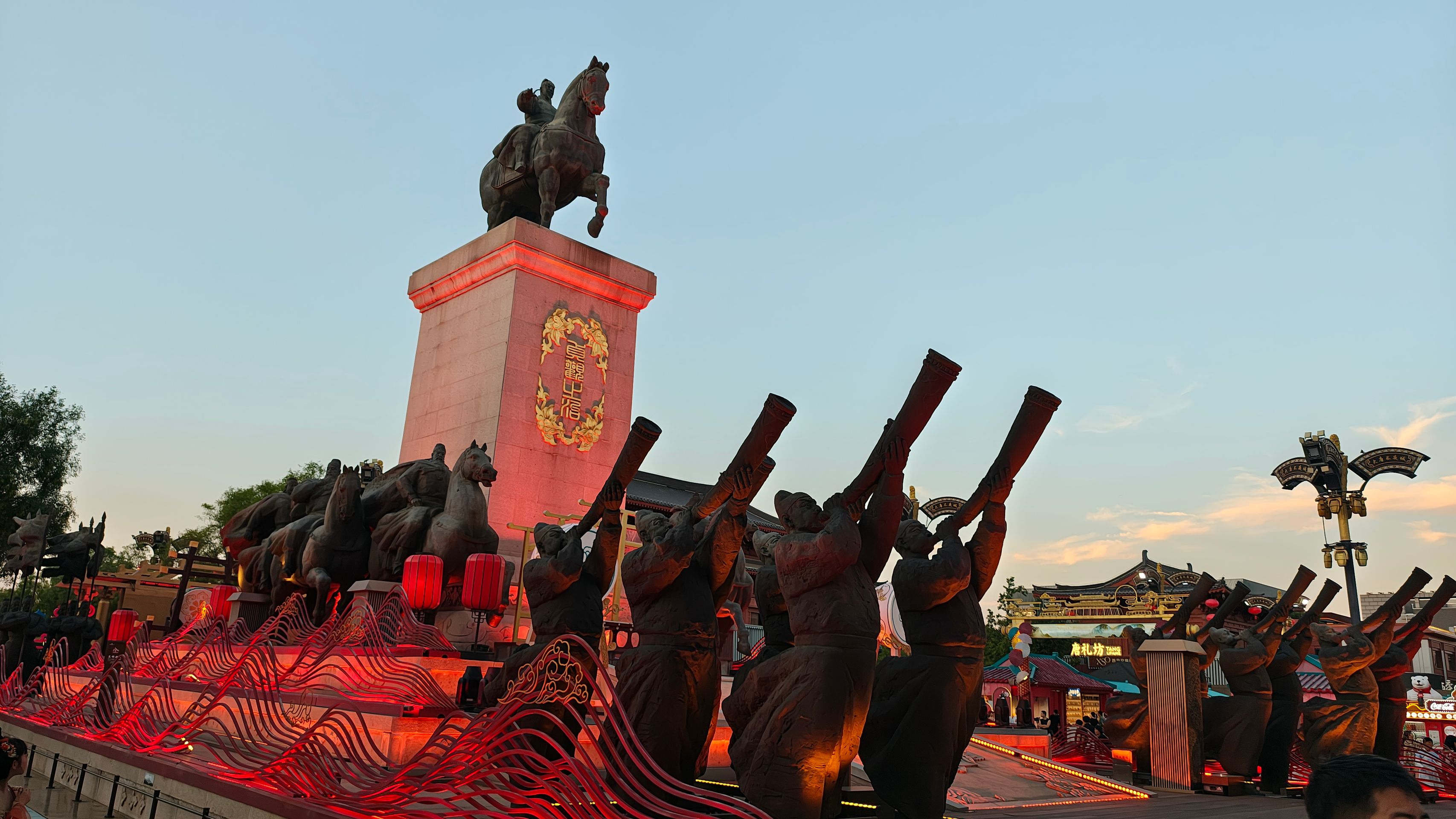
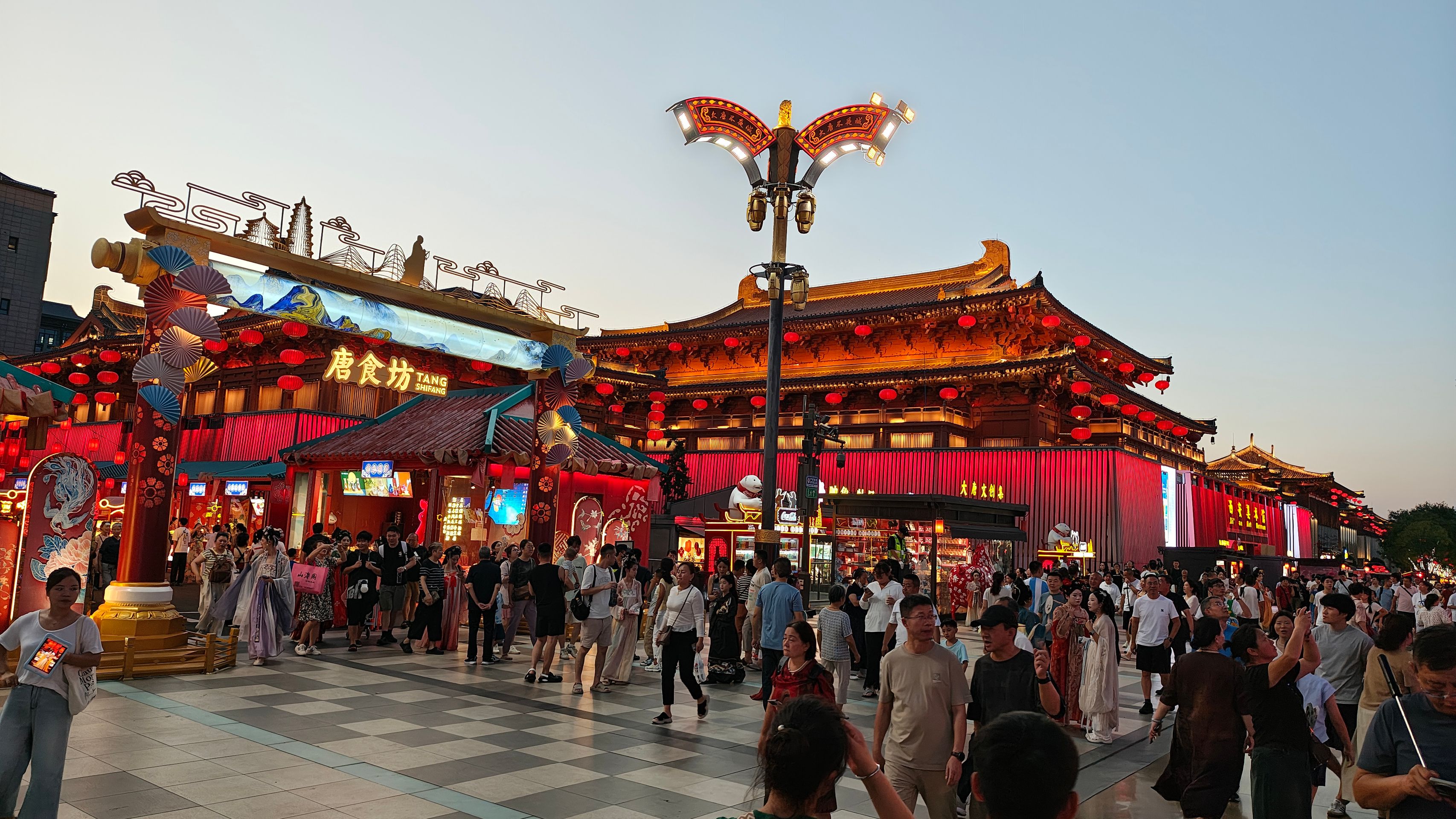
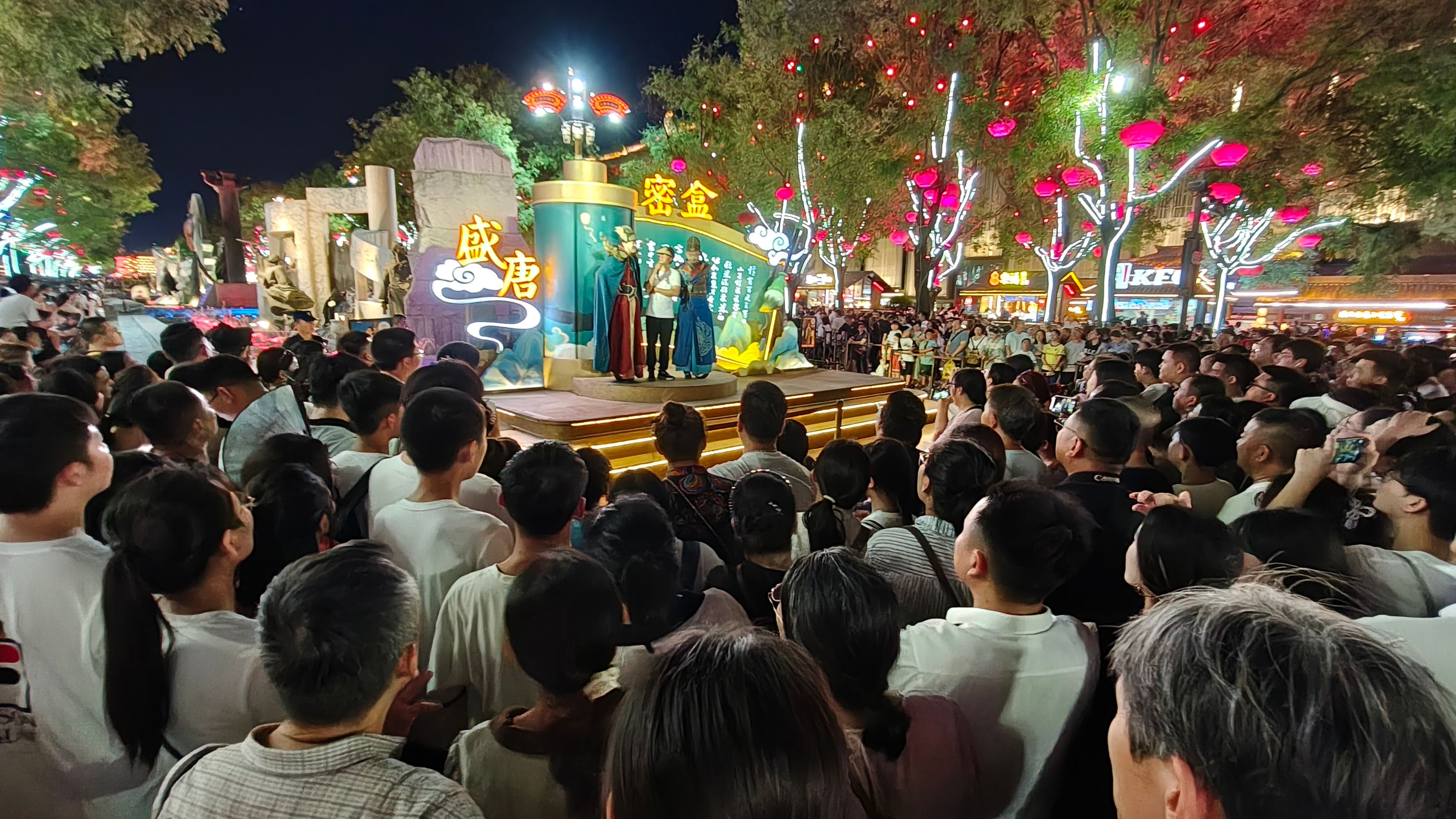
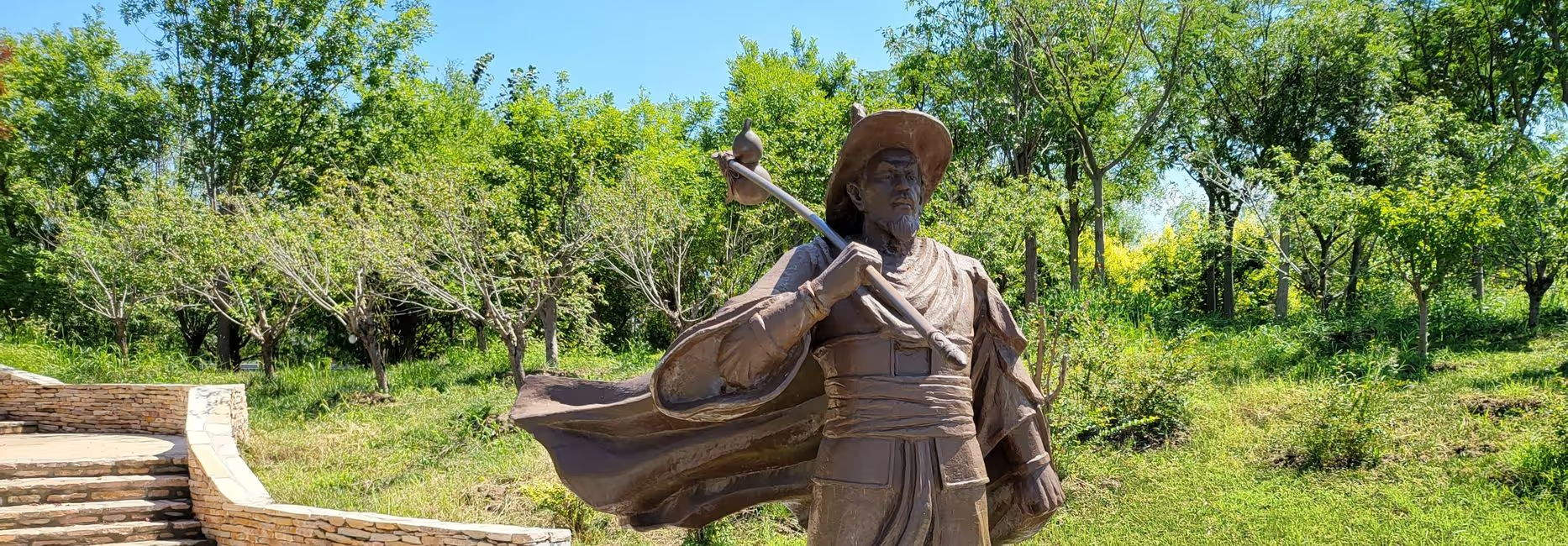
Since the most important museum of the city of Xi'an remains closed to us, we decide to take a journey into the distant past and visit the Banpo village. This is an archaeological excavation site in the Baqiao district, which can be visited. The settlement existed in the Neolithic about 6000 years ago and indicates the settlement of the area by the Wei River during that time. The museum displays several artifacts with corresponding explanations in a concise manner. For example, needles with narrow eyes made of bone were produced, circular stones served as projectiles for slingshots, and houses were predominantly built in a round shape with rectangular entrances. A panoramic room depicts a riverside scene with typical activities of the people of that time. When painting the ceramics, the color black was predominantly used with simple patterns. A mask-like face is used as a symbol of the present museum. Overall, the culture of that time does not show any distinctive features as I experienced during my visit to the Liangzhu culture in Hangzhou last year, where, in addition to tremendous dam constructions, jade artistry, and agricultural tools, a script characterized a higher culture (here, here and here). Okay, let's be fair, here a much older settlement is described, so the attempt at a mystical interpretation of carvings, which could rather represent recognition signs, or the string-like patterns on amphorae are an overestimation. The excavation site itself is covered by a large hall roof. The foundations of the houses can be clearly seen, and inscriptions assist in the identification of the earth outlines. In one corner, there is a very deep ditch, which is defined as a protective wall. This already shows that the art of building a protective wall has remained in the city upon viewing the present city wall of Xi'an thousands of years later. In one room, graves are exhibited. Curiously, in some graves, the deceased were buried face down. What could these people have done to receive such a punishment? Group burials surely indicate an accident. Now a noisy school class makes itself known at the other end of the hall, prompting us to hasten our visit. Insightful, good exhibition concept, but not spectacular, that is my verdict on the Banpo village. However, it should become spectacular now, as the city has dedicated a large area south of the center to the Tang dynasty. Around the Great Wild Goose Pagoda, in addition to a park area, a culture mile over two kilometers long has been established with a wide pedestrian zone, shops, food stalls, sculptures, fountains, and stages. And here tourists are flowing up and down all the time. Life is pulsating with restaurants, street vendors, photographers, ice cream sellers. The absolute trend is the dressing up in historical clothing and the application of thick makeup accordingly. Not only small princesses inhabit the scene, but adult women are also trying to achieve beauty or youth through this, which even the thickest makeup cannot accomplish. Dozens of shops offer this transformation. A department store has a nice selling trick, which I experienced similarly last year in Hangzhou. A free exhibition attracts visitors. Here, young costumed ladies even explain key points of Tang culture in a very illustrative manner. At the end of the winding corridor, we reach a staircase to the second floor. Now I knew immediately what awaited us. For upstairs we are guided through dozens of shops in the same winding form, where the important culturally significant products are offered. To get to the exit, one must pass through this crowd. The sales success is guaranteed. Just not for us, and so we stroll past the pagoda and encounter the statue of Xuan Zang, who translated the Buddhist scriptures into Chinese. Then we stroll past themed fountains featuring scholars and sages from the Tang dynasty era and large theater buildings. The art museum, which is currently exhibiting golden pieces from Gotha (see Taibang blog: Golden China in Thüringen), is also located here. Then we hear loud children’s screams. What’s going on back there at the large crowd at a fountain? A joking fountain builder has installed a fountain that shoots water higher into the air depending on the loudness. The louder the screaming and yelling, the larger the fountains become. No child needs to be told twice. A large group of statues depicts Emperor Taizong of the Tang dynasty stylishly illuminated, as it is starting to get dark. The scene is colorfully lit. We do not manage to cover the entire two kilometers and now walk back to the metro station along the illuminated Tang mile. A Chinese man asks my wife if he can take a photo with me, the tall foreigner. He can, thumbs up, and dad has the photo in his smartphone. Only the actors, who are now interacting with the audience, are a bit more popular than I as an attraction. Here, the old Tang culture is experienced, learned, and celebrated by the locals. And that is quite beautiful.