

Tang Meile
Since the most important museum of the city of Xi'an remains closed to us, we decide to take a journey into the distant past and visit the Banpo village. This is an archaeological...
Published: 24.08.2025
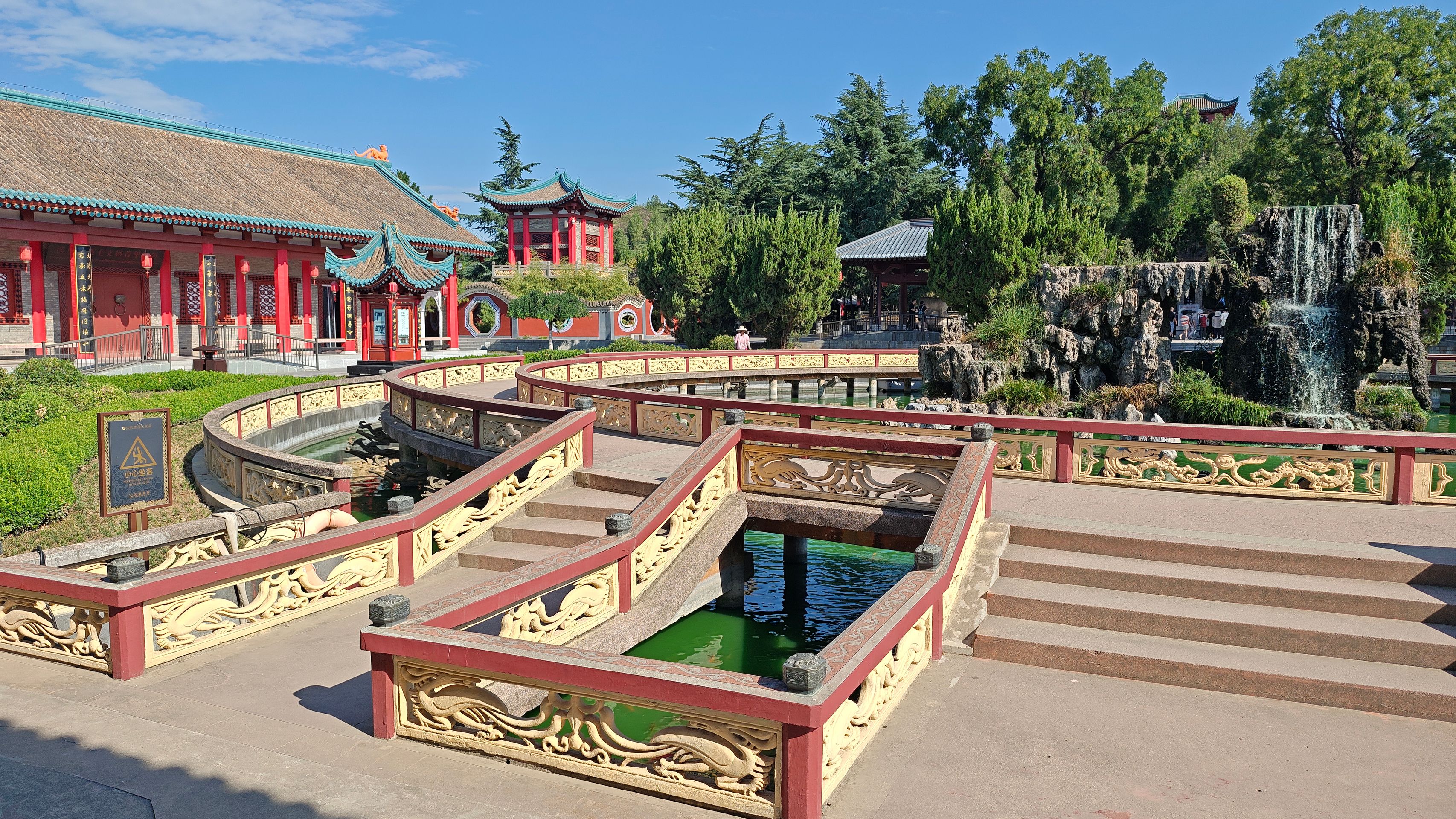
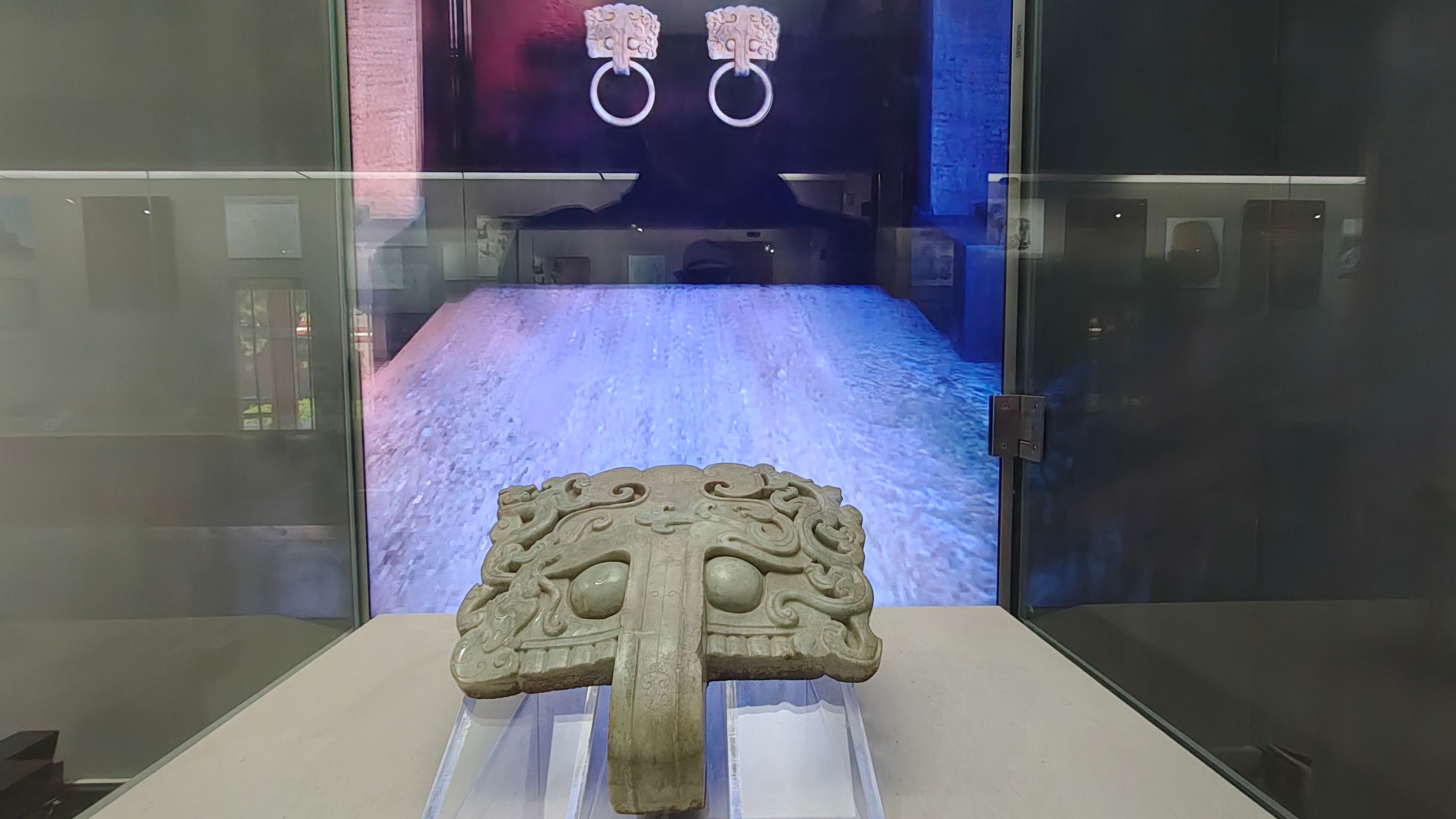
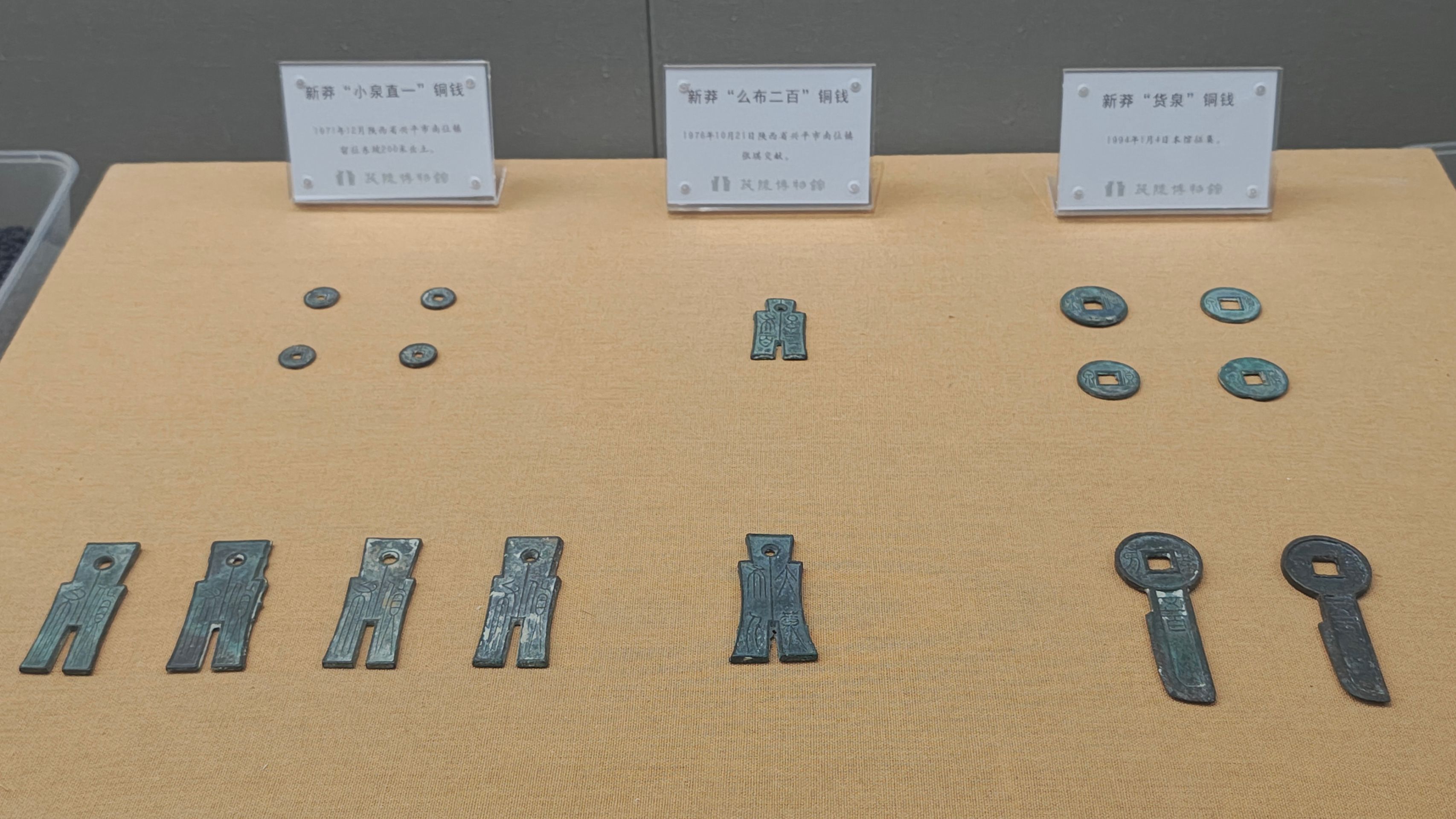
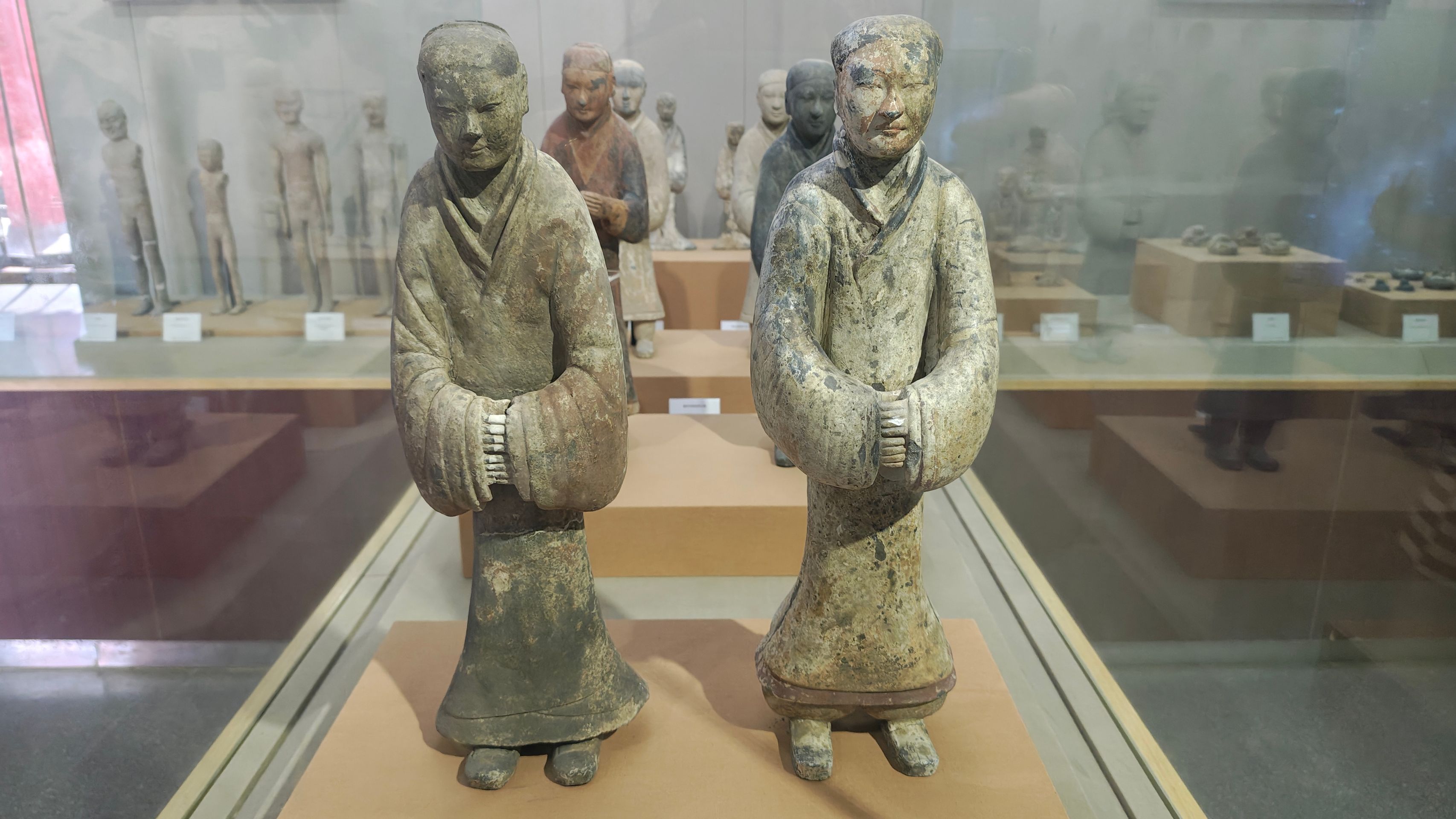
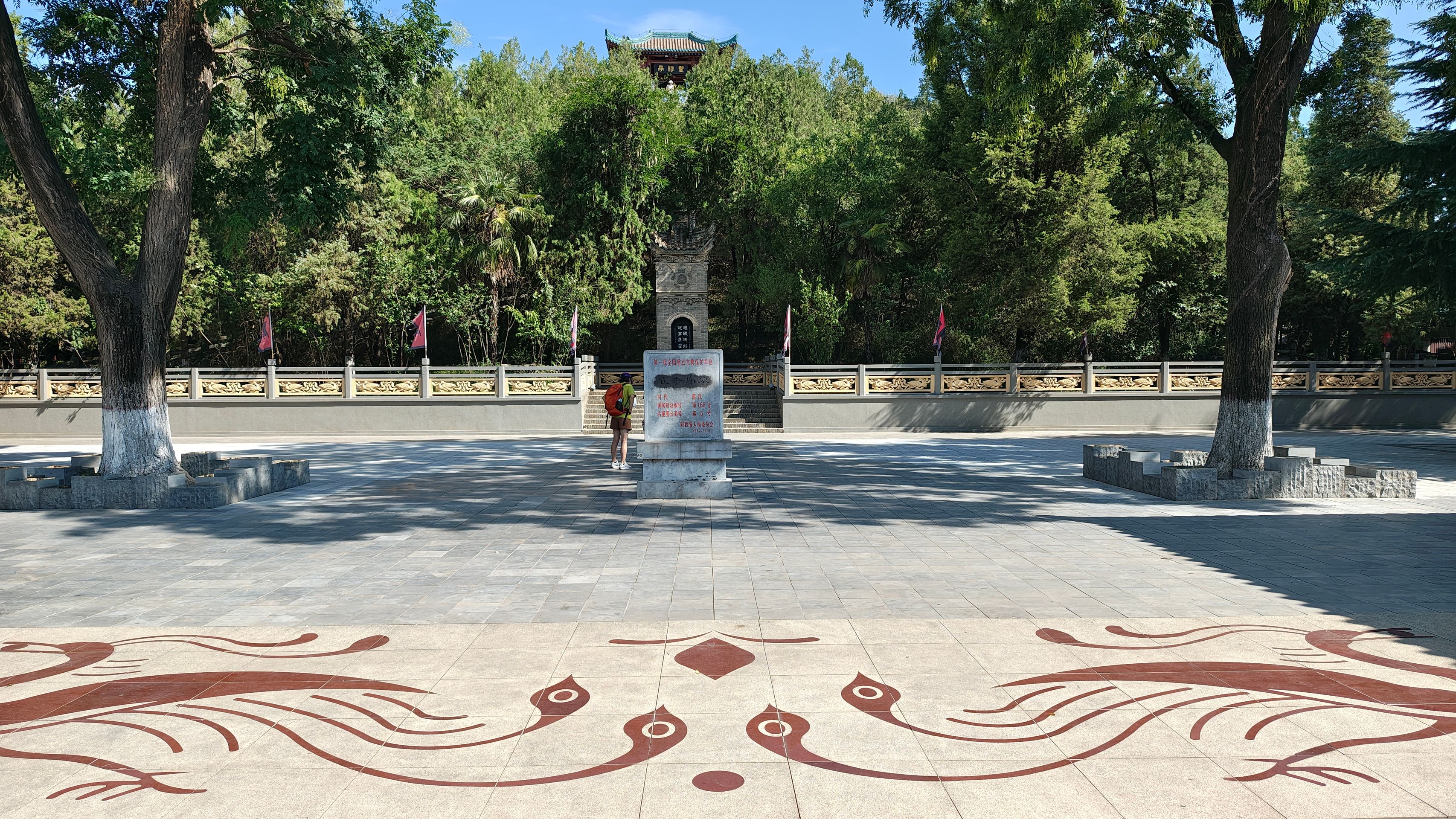
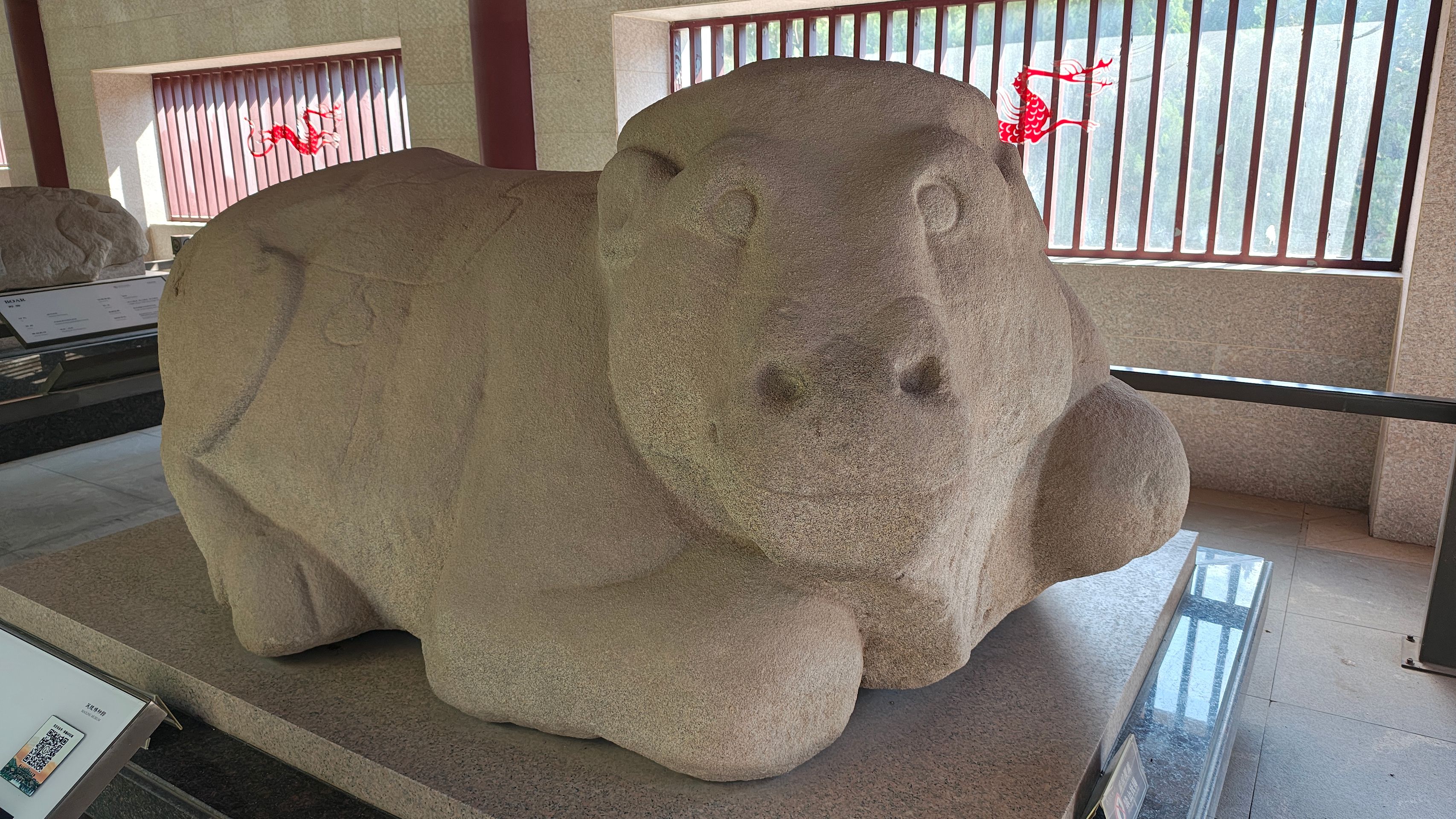
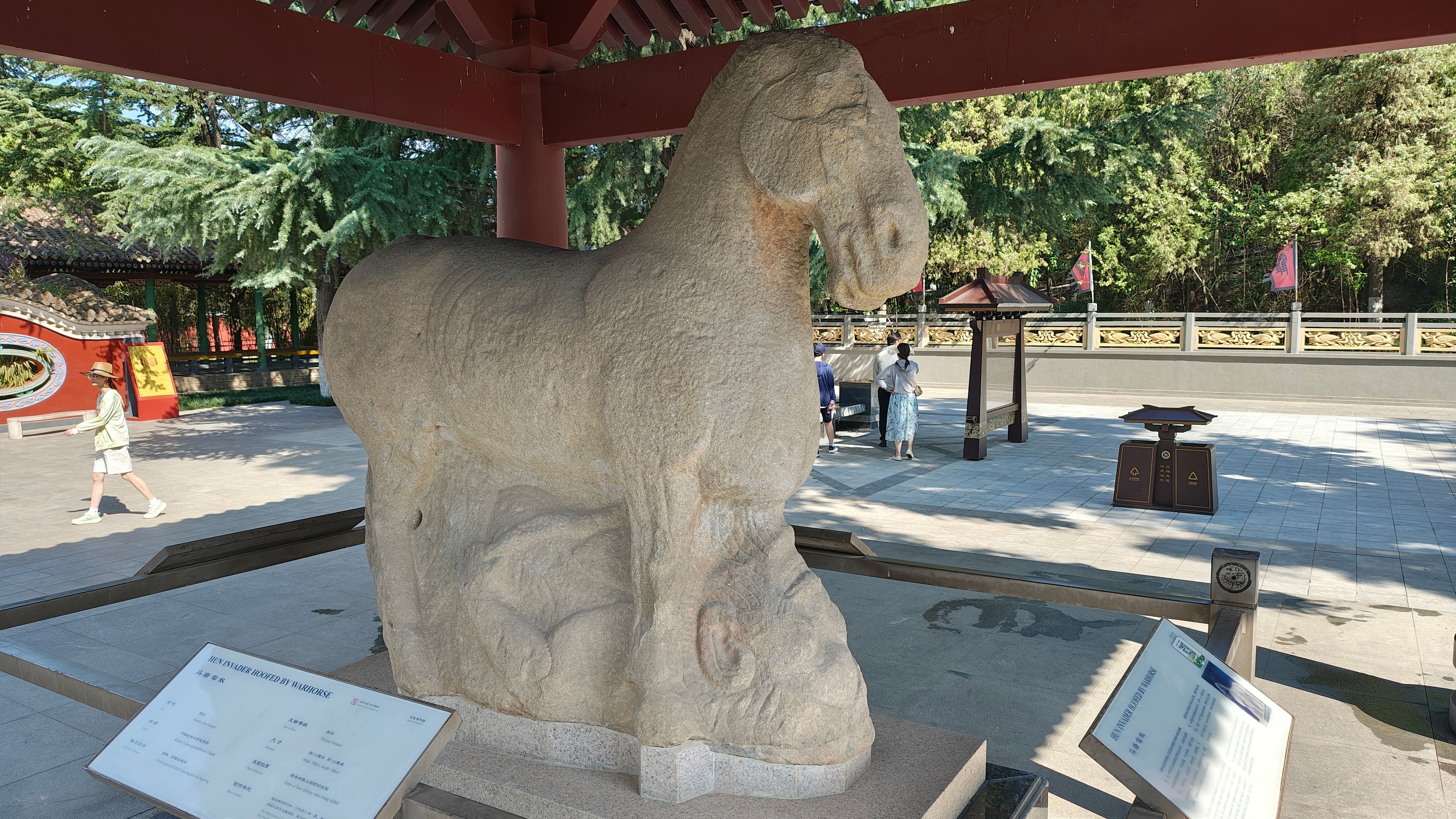
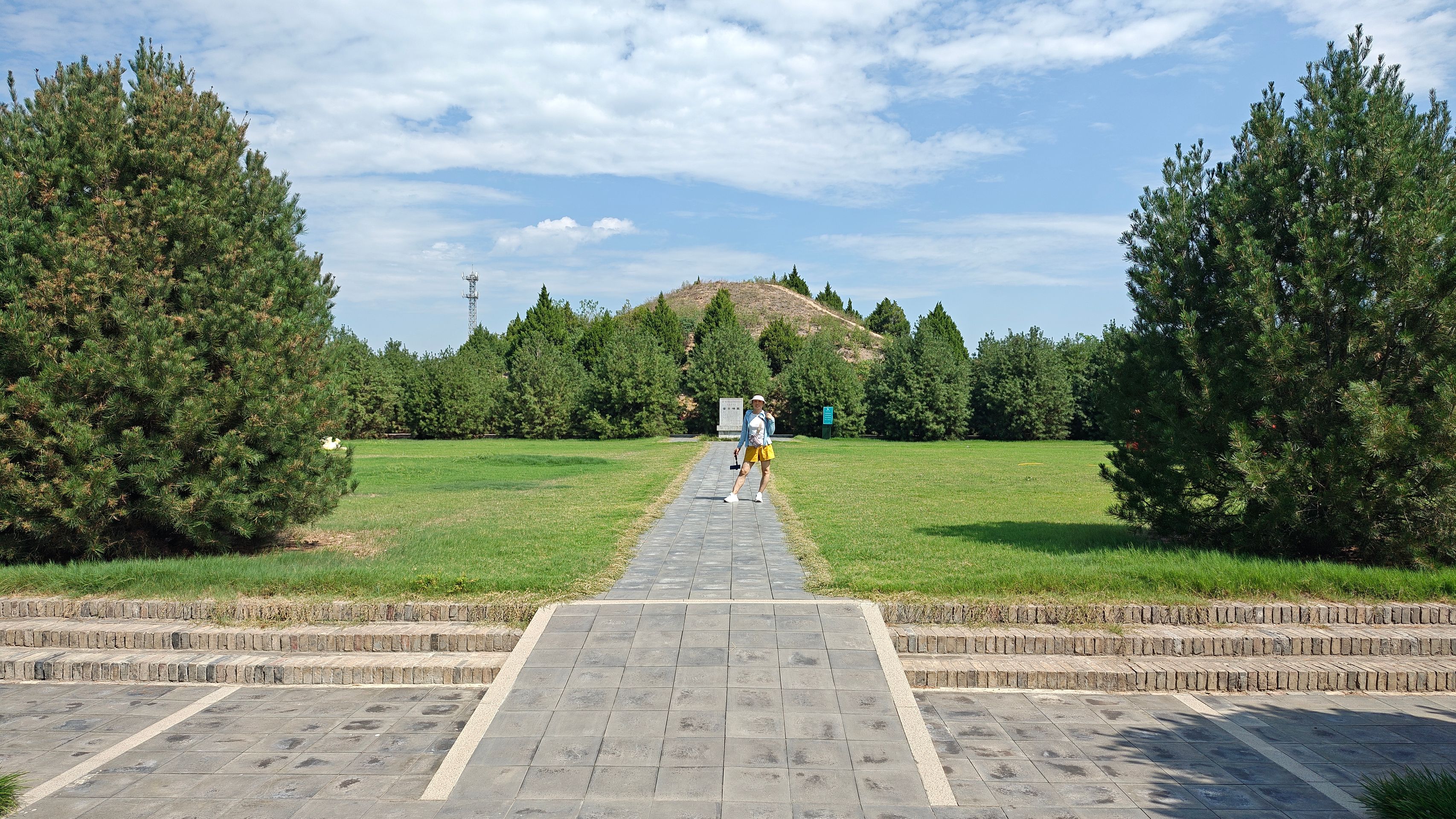
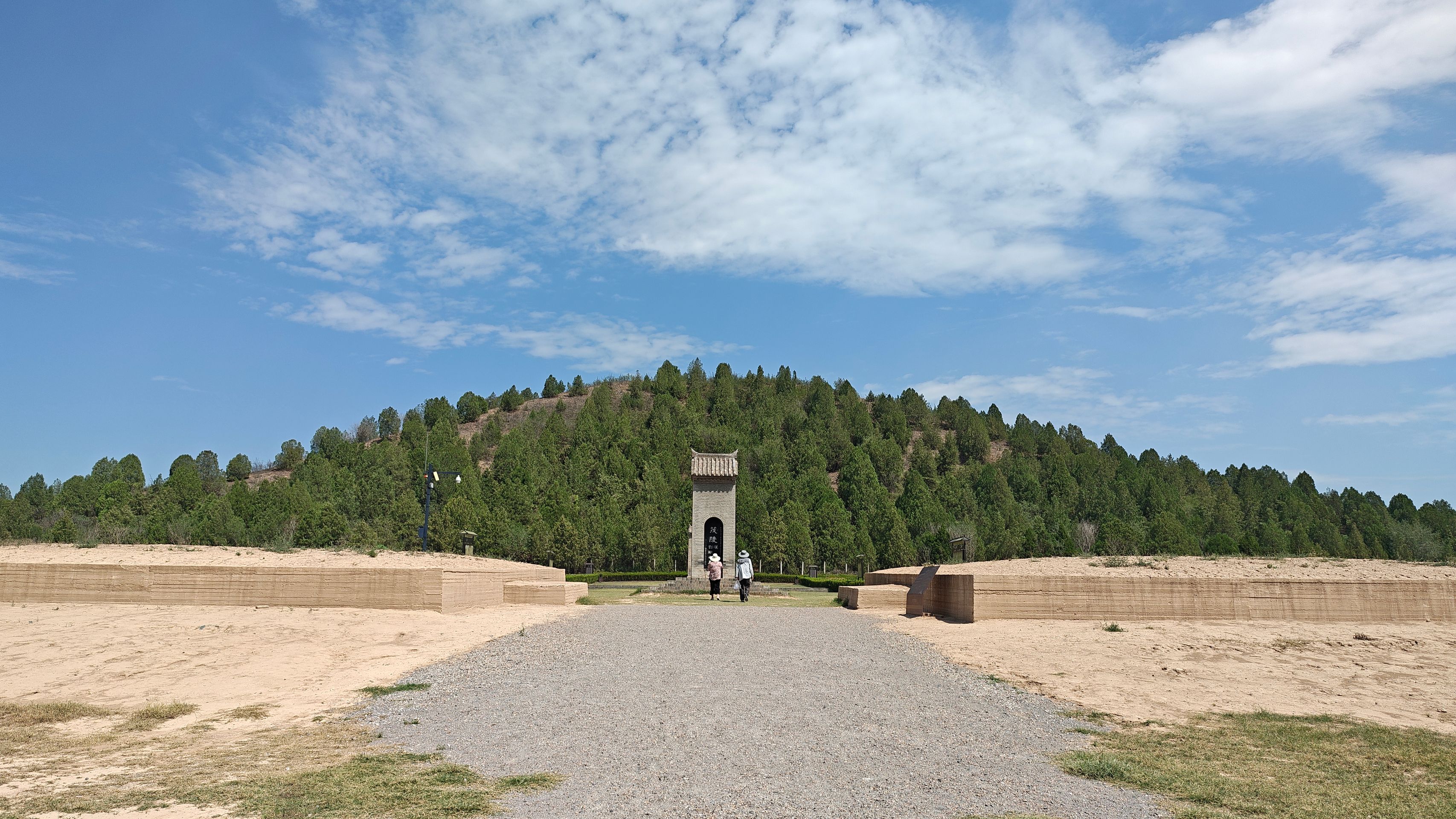
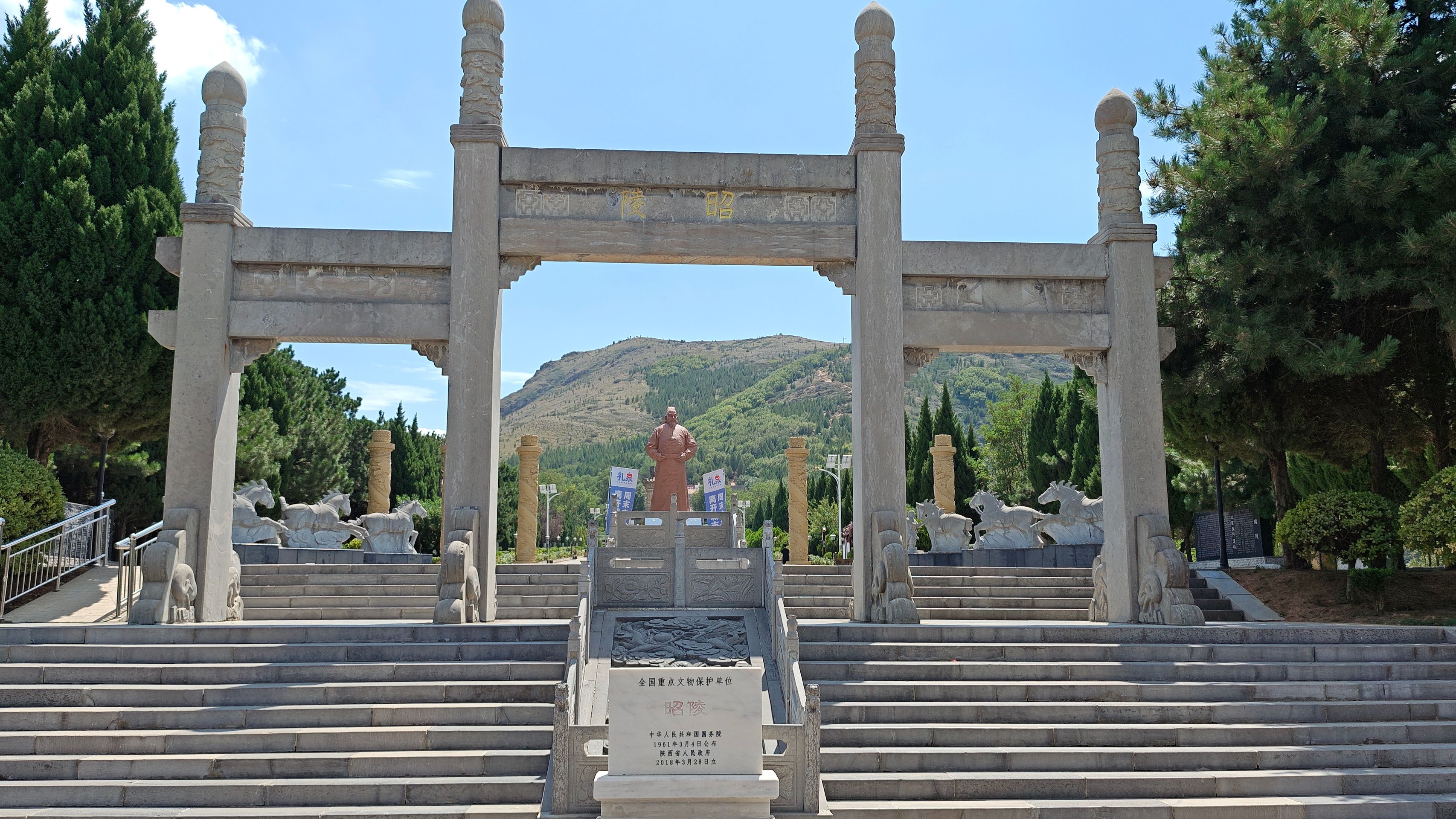
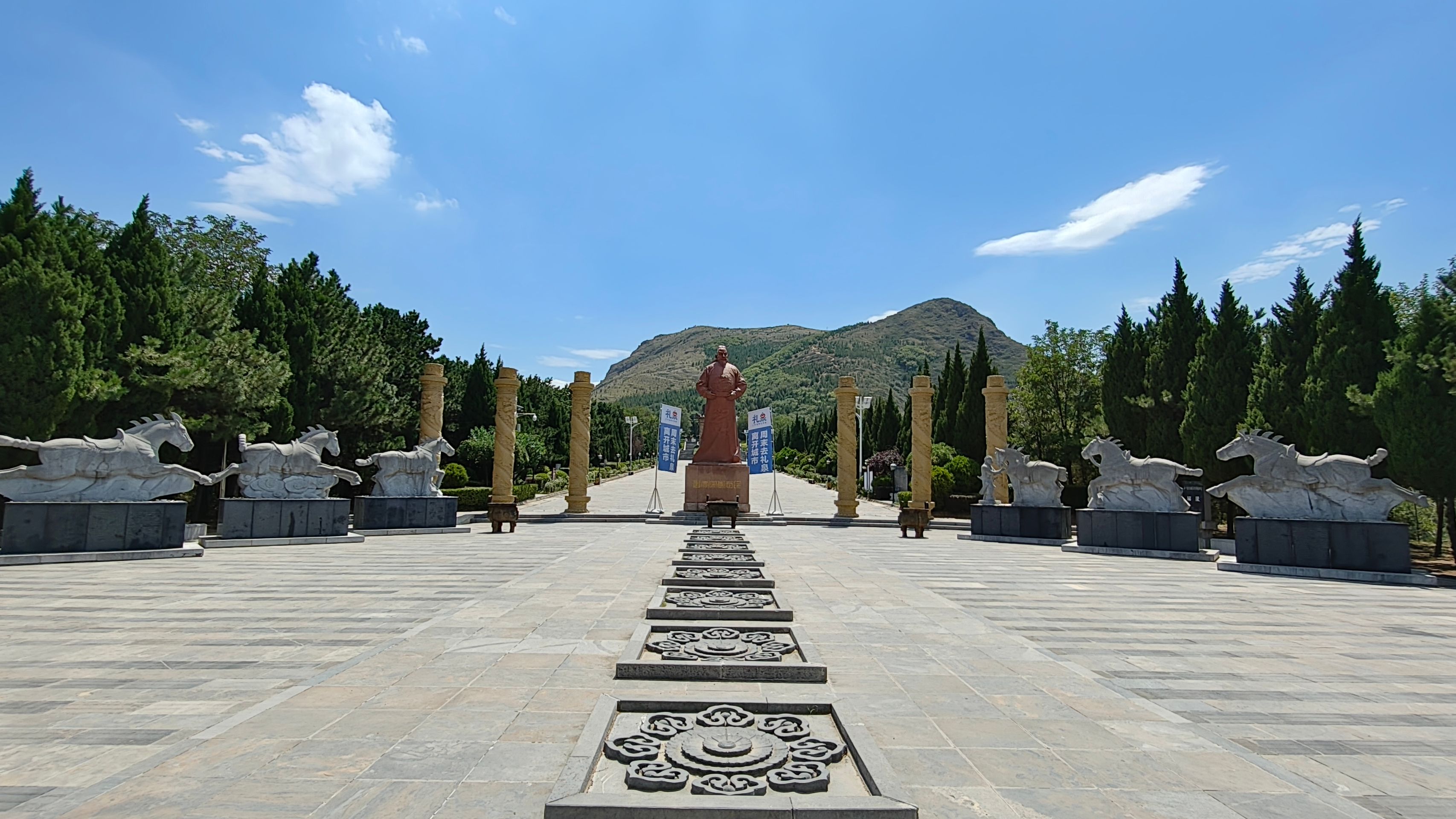
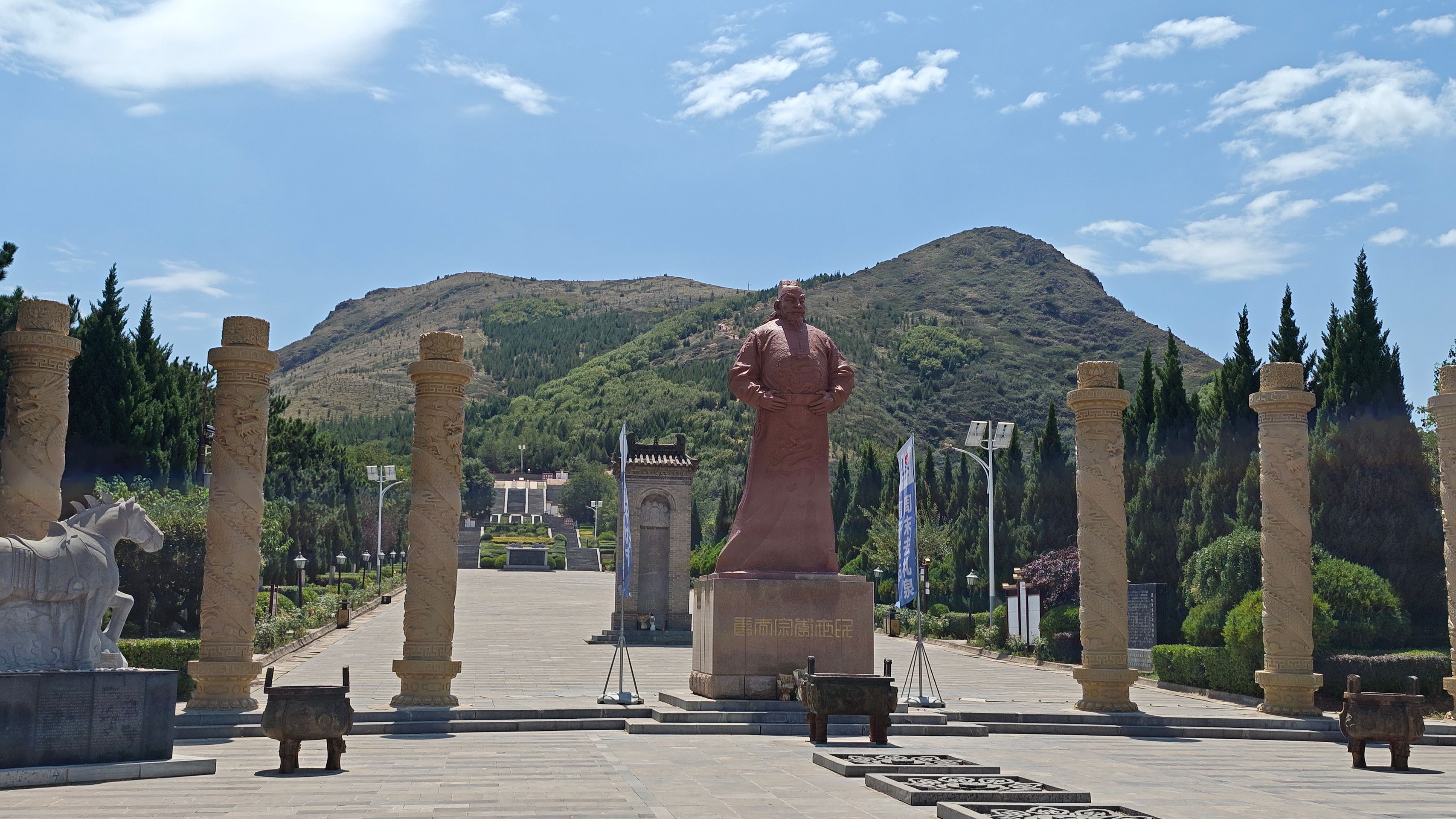
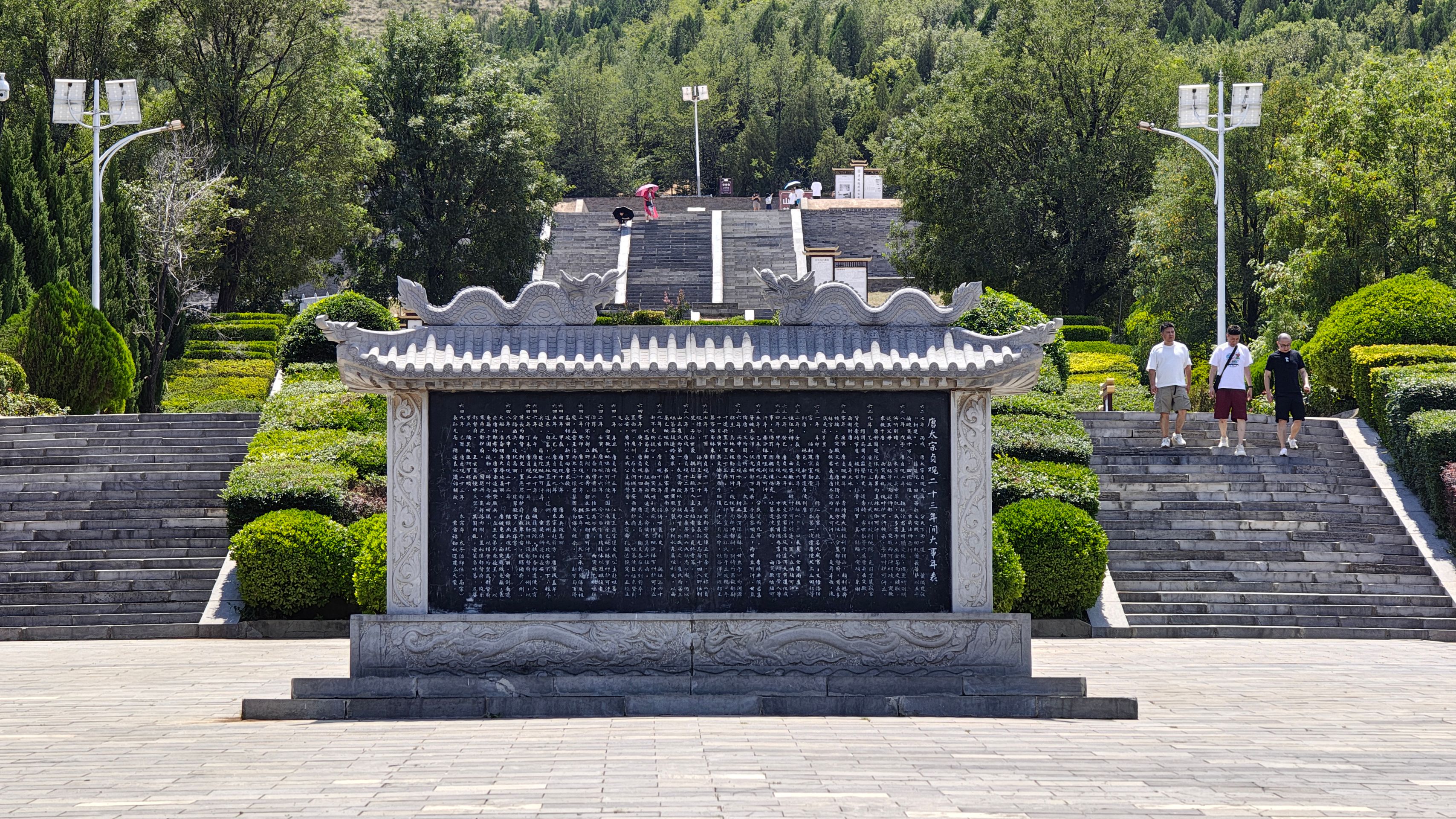
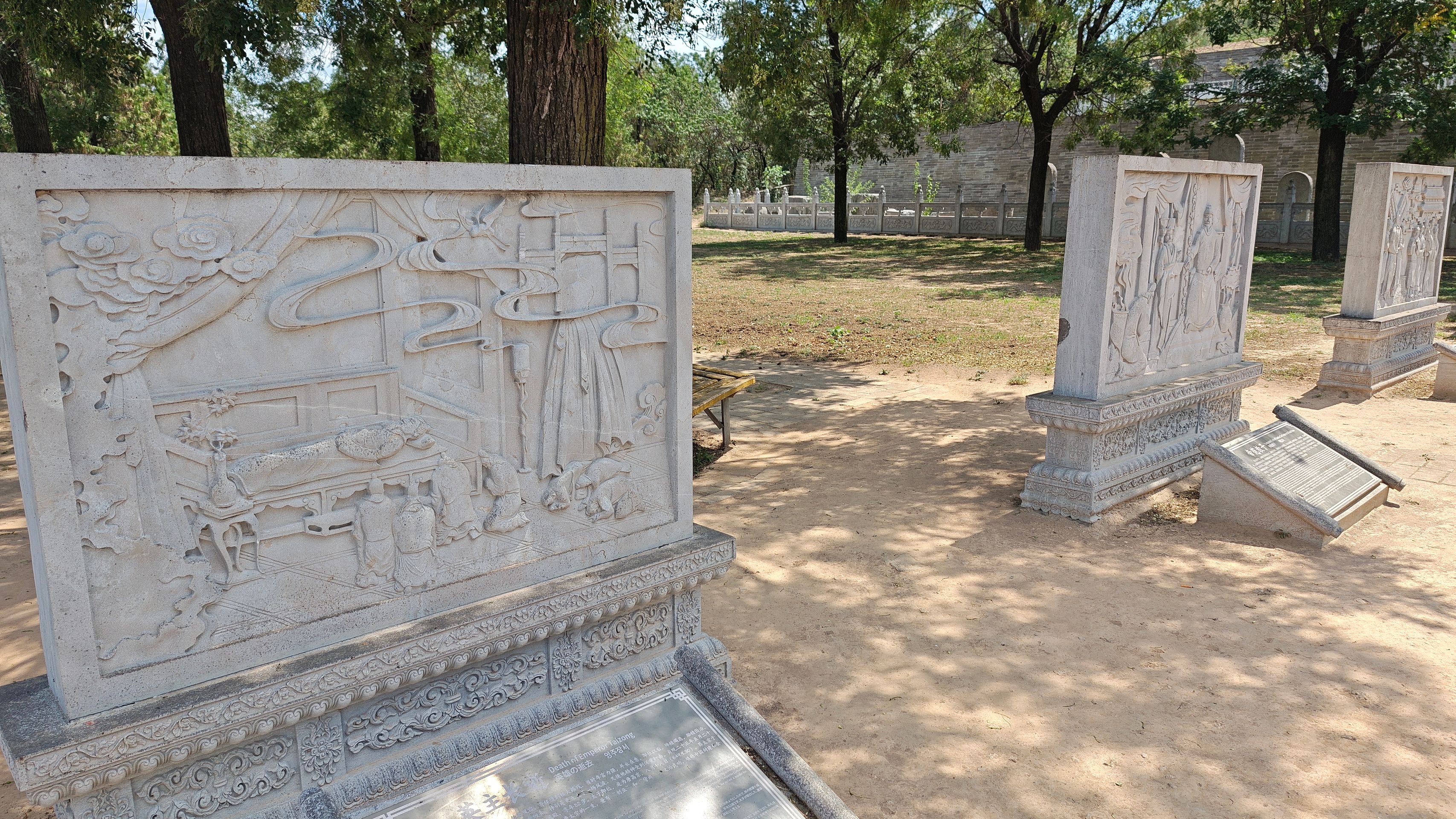
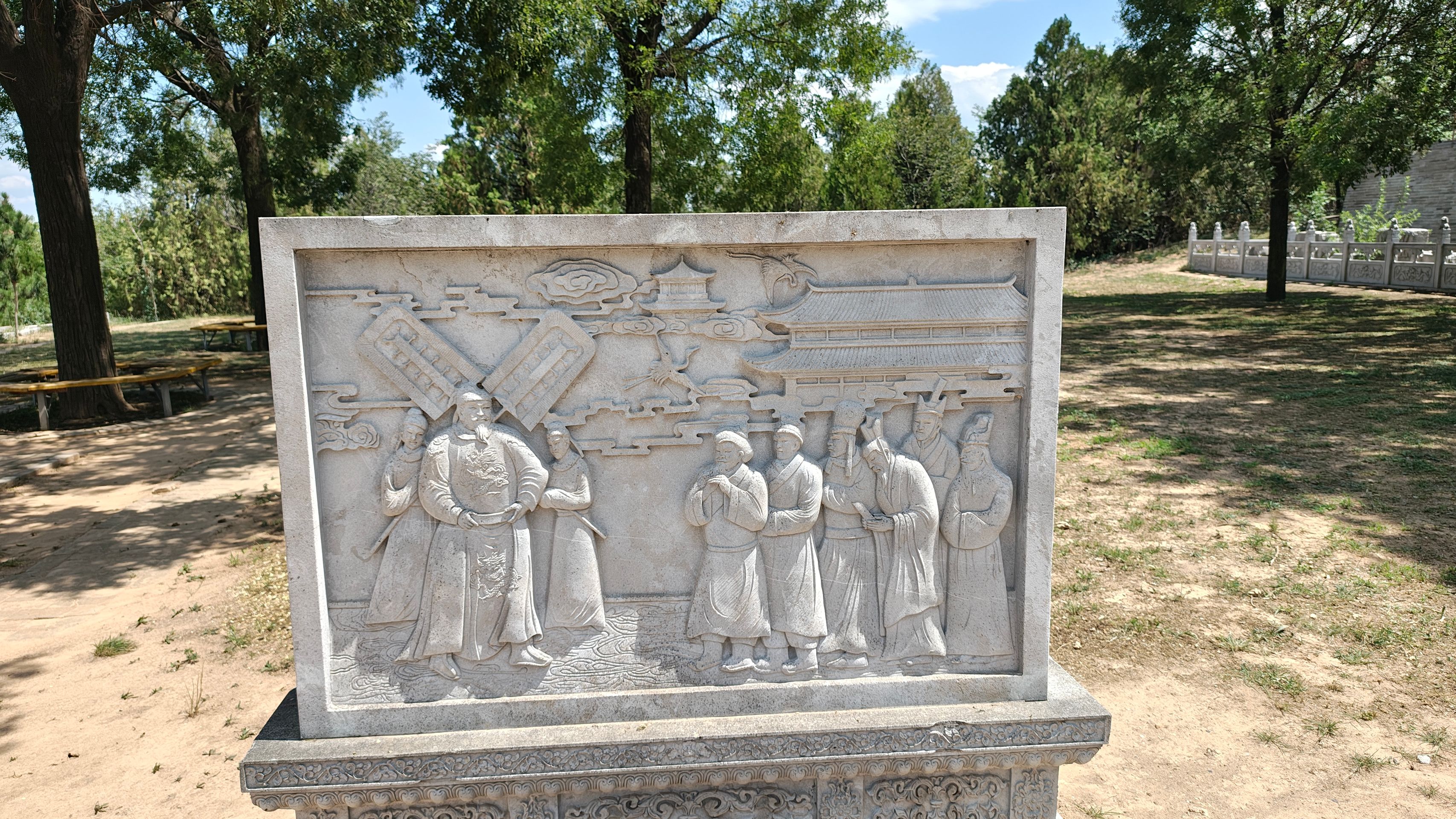
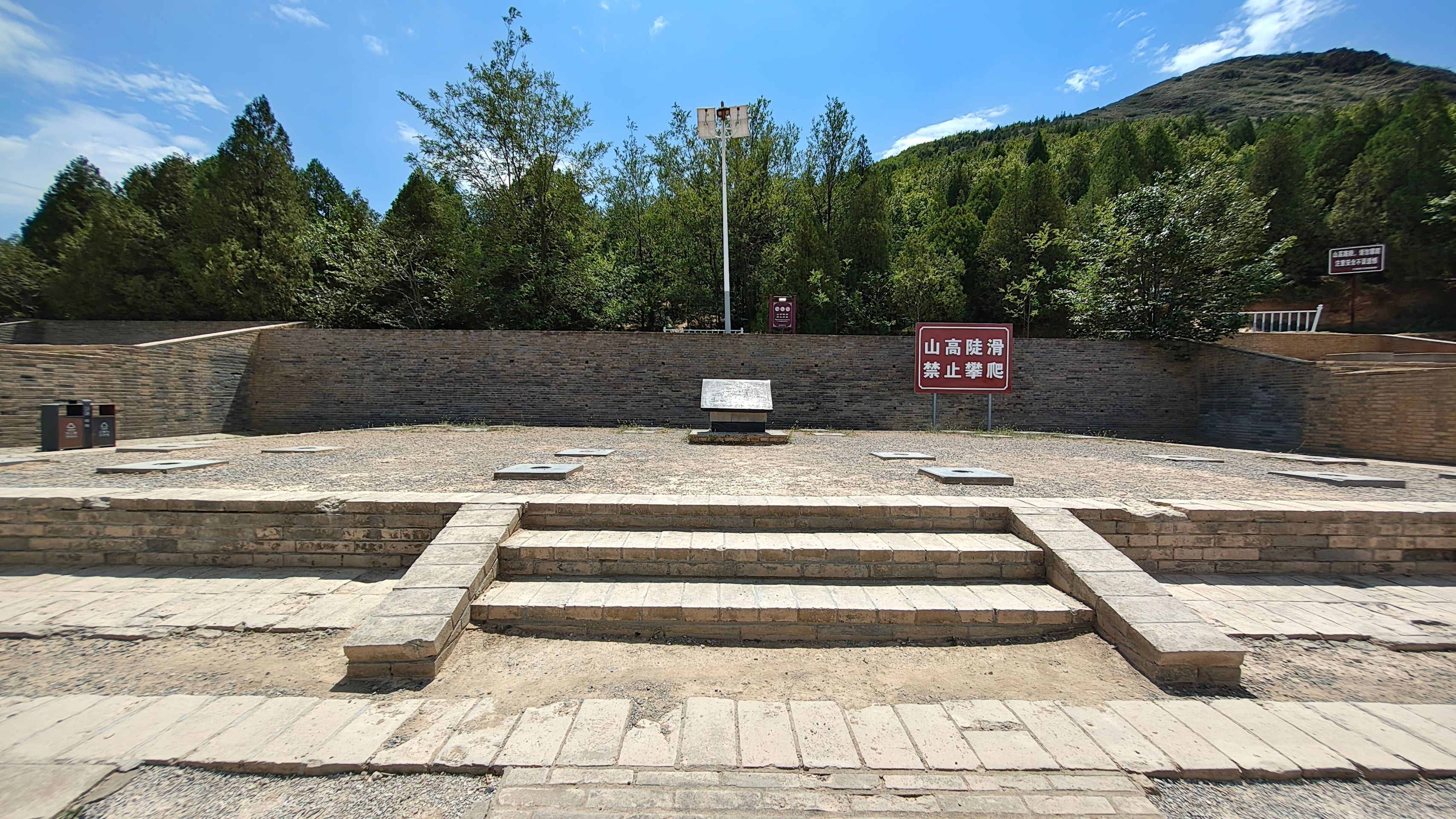
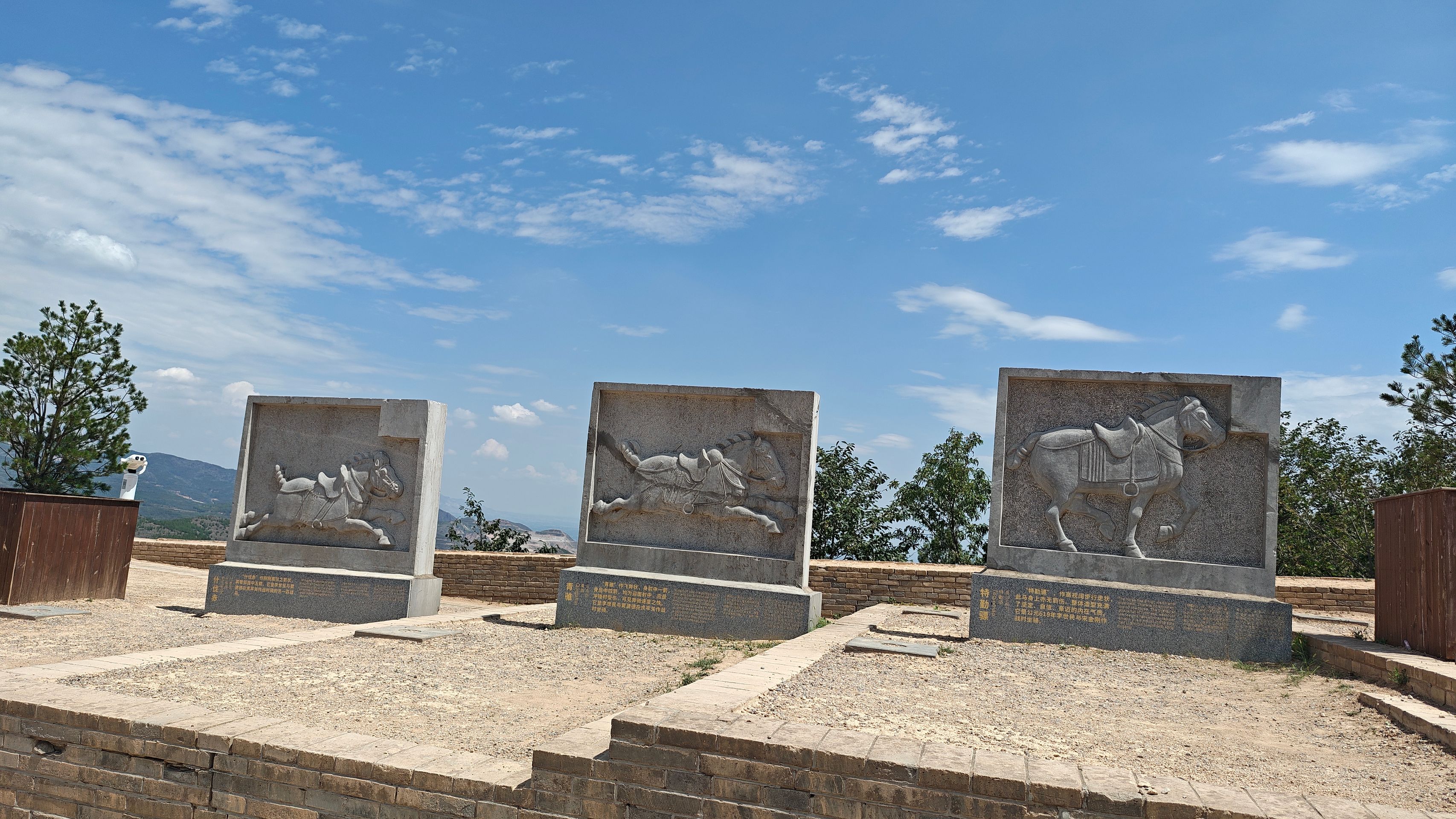
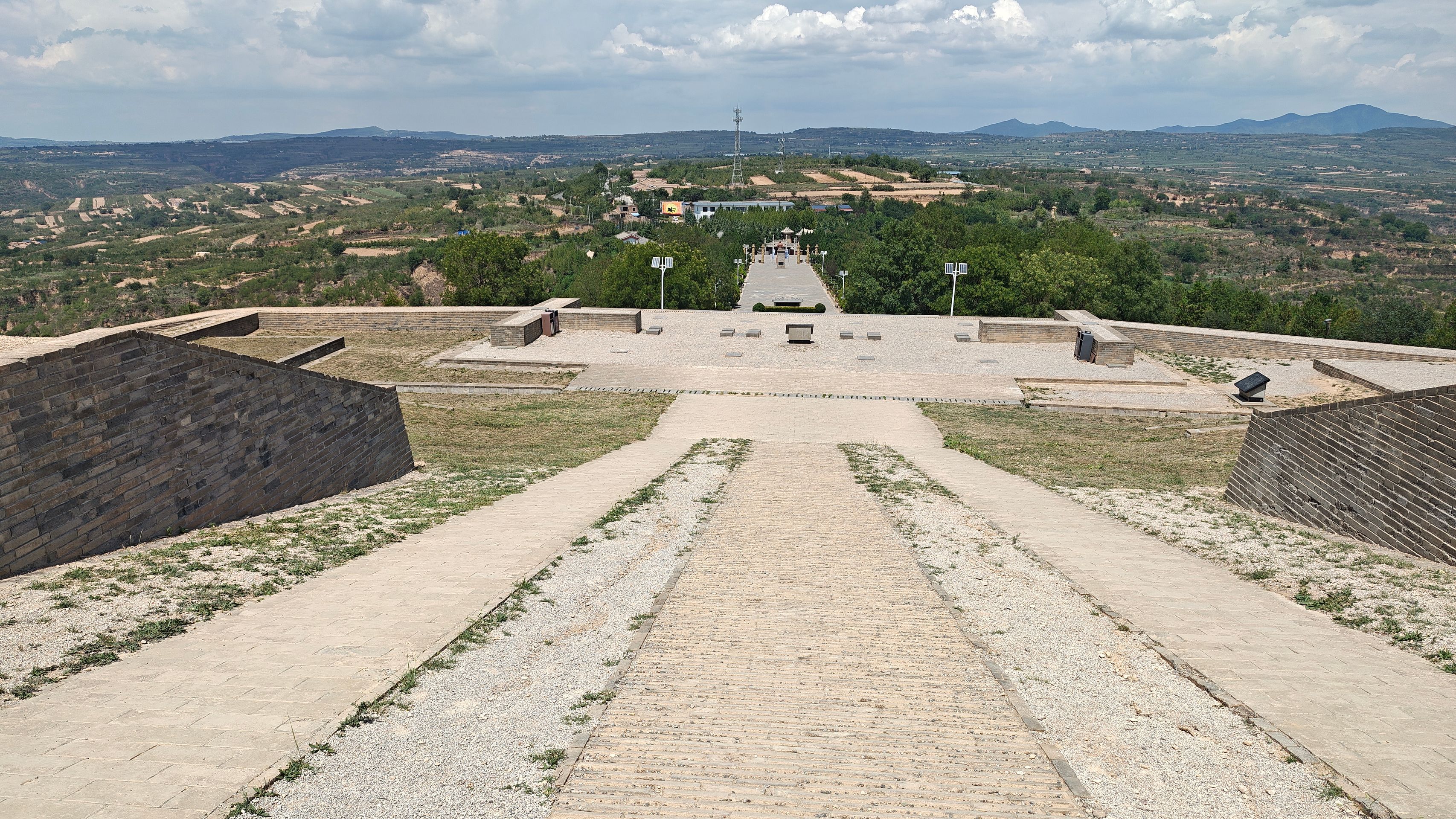
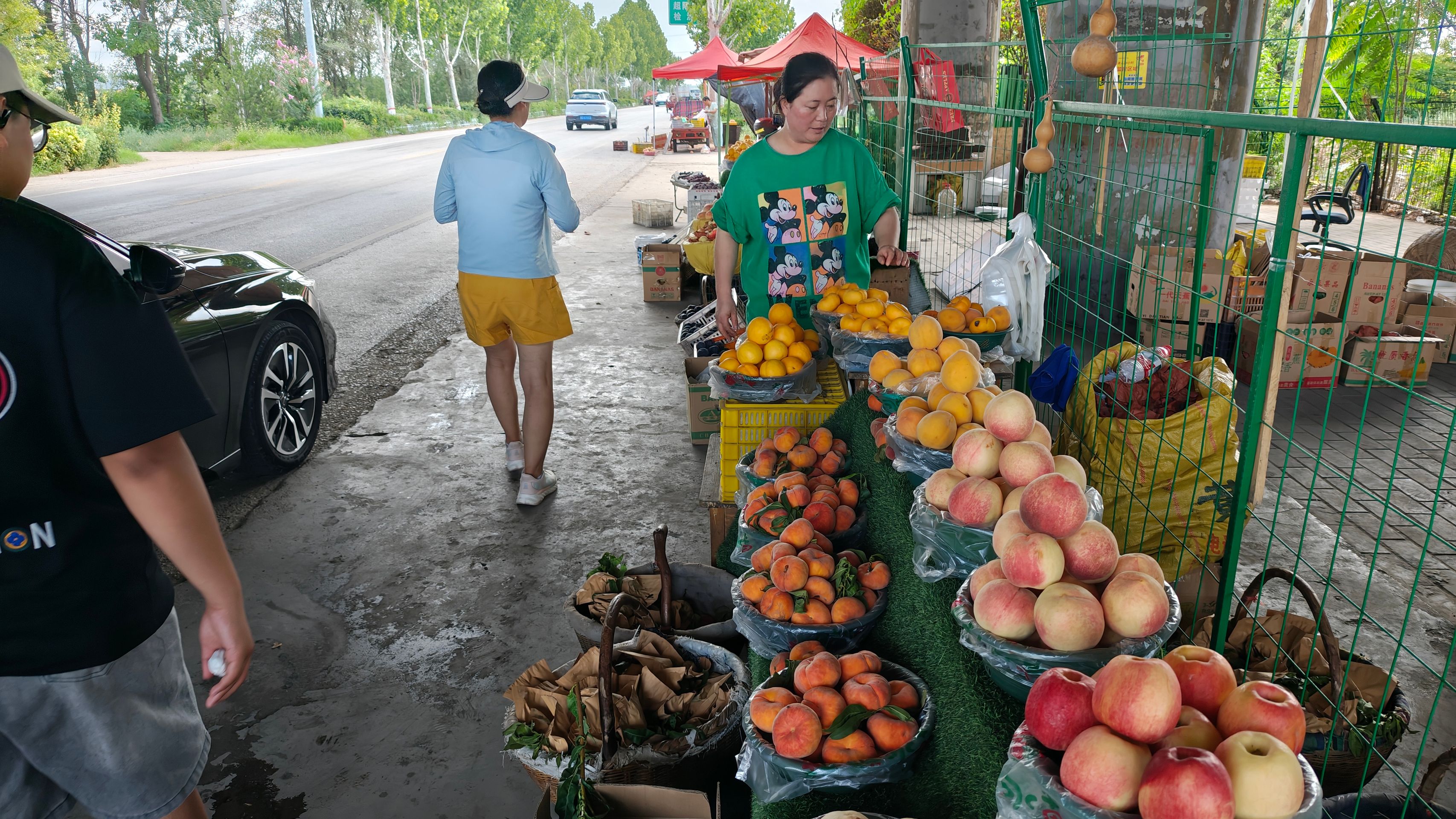
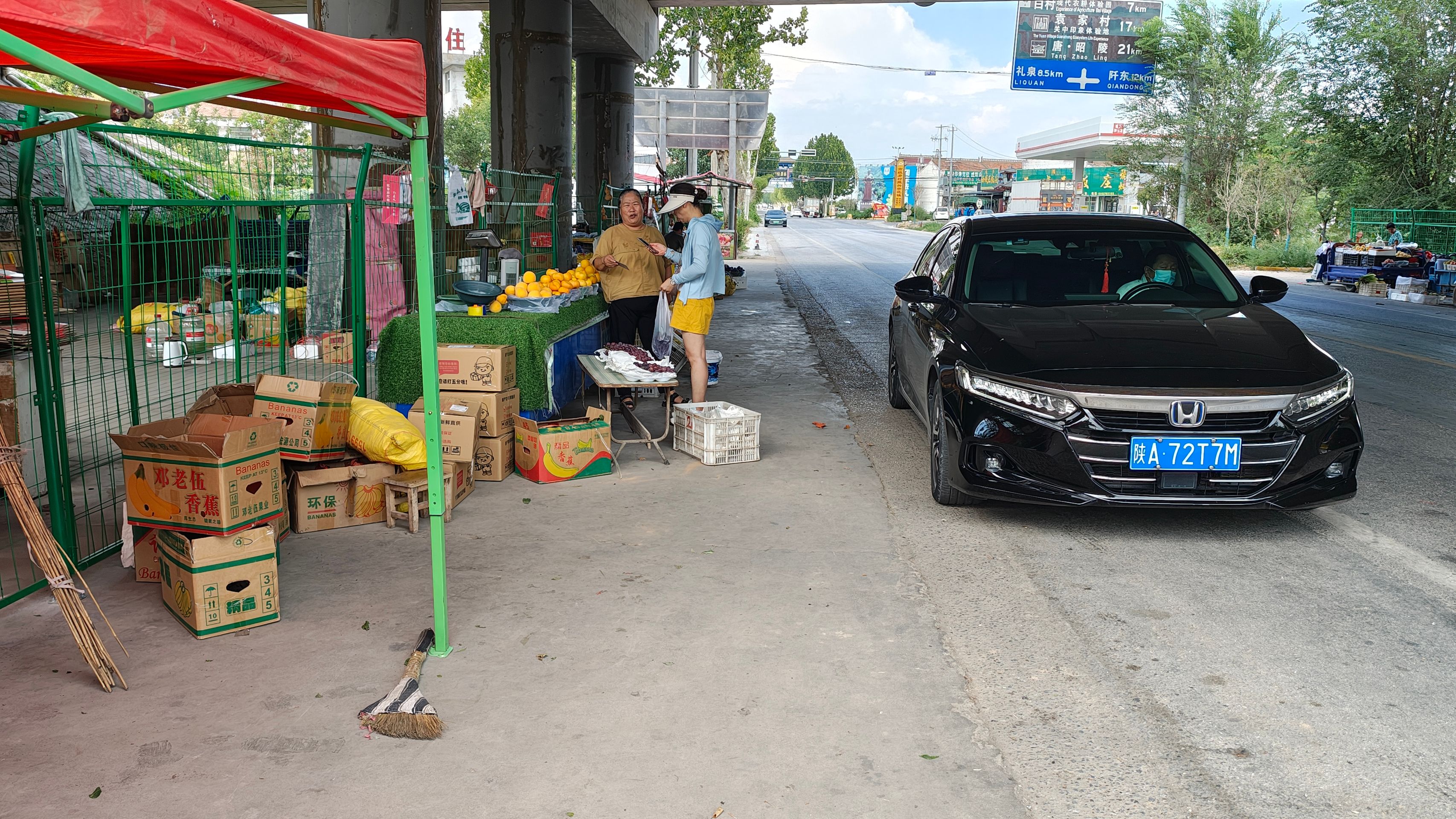
In the Xi'an region, there are countless tombs of emperors, generals, and other important figures from various dynasties. I chose to visit the tombs of two outstanding emperors who led the country to prosperity through wise and intelligent policies. First, we go to Maoling, actually just to the neighborhood of the burial mound because three of his best followers have their tombs there and the Maoling Museum is located there. We travel back to the time of the Han dynasty, which was over 2100 years ago. It was the second imperial dynasty in China and lasted for 400 years with a short interruption. I am impressed by the clay figures and the types of coins with the typical square hole in the middle or in elongated form in the museum. The characters used on an artistic door knocker are explained and illustrated in multimedia. On the tomb site, various animal sculptures typical of Han tombs are displayed. The famous horse sculpture “Horse Hooves on the Hun Invader” is also present and depicts the Chinese struggle against the nomadic invaders from the north. The largest tomb belongs to General Hue Qubing (140-114 BC), who strengthened the Han Empire through many victories against the Huns. I circle around his 18-meter high burial mound and find a small exhibition about him on the back that tells of his six important victories leading to the surrender of the Hun king. He died young from a disease. The second burial mound belongs to his uncle General Wei Qing. The third tomb belongs to Jin Midi (134-86 BC), the crown prince of the Hun king Xiutu. He was captured at the age of 14 as a peace hostage by Emperor Han Wudi, cared for and raised his horses, and gained the king's trust through his selfless service. The Maoling, the tomb of Emperor Han Wudi, is located 1000 meters away, and we are visiting it now. It is a large burial mound with several memorial steles. He reigned from 141 to 87 BC and was the seventh emperor of the Han dynasty. His reign of 54 years is one of the longest in all of Chinese history. It is considered a glorious era as he centralized administration, initiated agricultural reforms, nationalized iron and salt trade, respected Confucian tradition, and revitalized trade along the Silk Road. He also expanded the empire southward and westward. Our drive now continues to the northern mountains. Here lies Zhaoling, the tomb of Tang Emperor Taizong. He was the second emperor of the Tang dynasty and reigned from 626 to 649. Also under his reign, China experienced a flourishing period of political stability, economic prosperity, and cultural development. He achieved this by combating corruption, as he introduced Confucian exams for officials. For the first time on such a large scale, he demonstrated the success of the Confucian system. Zhaoling is famous for its unique construction because it was built into a mountain. The emperor chose the peak of Mount Jiuzong, where the burial chamber was carved out. This was an innovative approach later adopted by other emperors to better protect against tomb raiders. The sun is now burning mercilessly again on the shadowless wide long processional path. A majestic statue of the emperor alongside his horses from the famous relief images (see our visit to the Stele Museum) greets us at the beginning. Then on black steles, the 13 Confucian rules of life are illustrated and explained. Further up, images depicting the life of the emperor are shown on eight white steles. After another flight of stairs, foundations of former pavilions come to light, and there are also replicas of the horse steles again. This ceremonial path ends abruptly at a brick wall. It is somewhat disappointing that this memorial site has not been better restored. The pavilions have been destroyed over time. Ruthless foreign antique dealers plundered the artifacts, so two horse steles appeared in the USA. Locals used the materials as building materials, and even statues were sawed up and incorporated. Thus, this place today seems a bit desolate. This does not do justice to this magnificent emperor. However, it is positive that the tomb is closed and has not been opened, like so many other tombs. So let us leave the emperor to rest here beneath the mountain peak and descend back to the parking lot and return to the plains of Xi'an, which is characterized by fruit cultivation. There we gladly stop at the street vendors to stock up on fresh fruit.