
Visiting the Magnificent Emperors
In the Xi'an region, there are countless tombs of emperors, generals, and other important figures from various dynasties. I chose to visit the tombs of two outstanding emperors...
Published: 25.08.2025
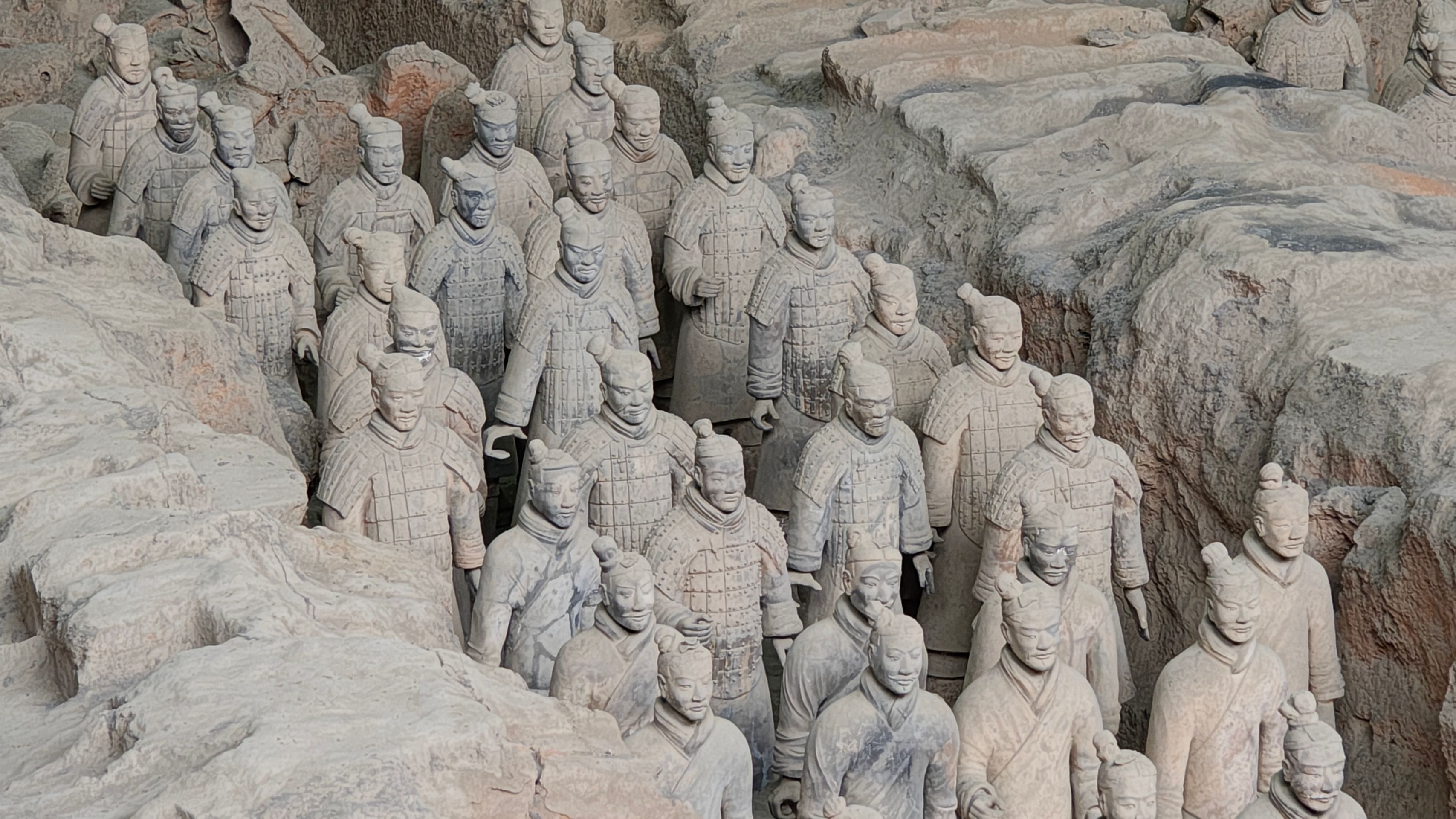
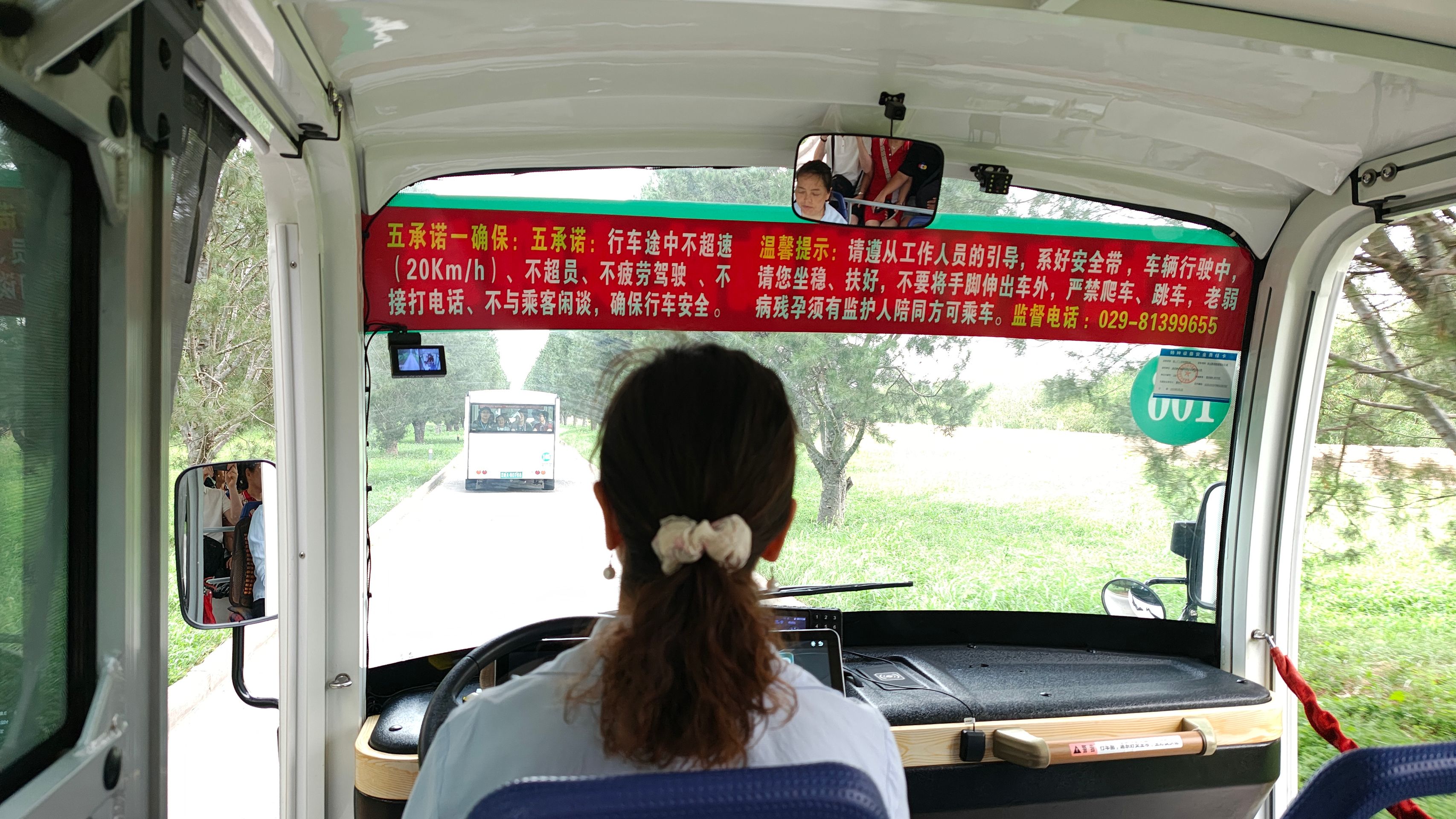
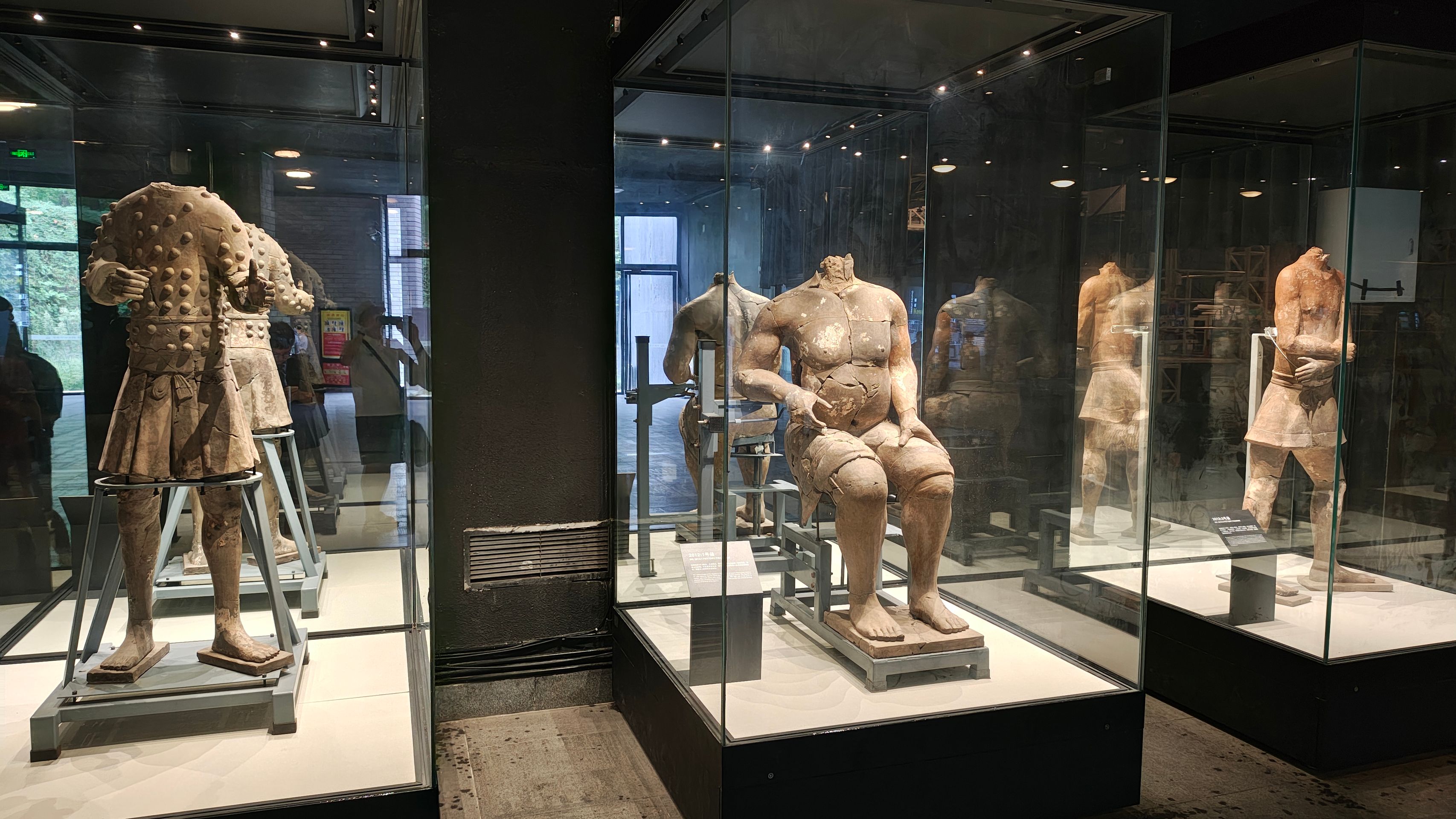
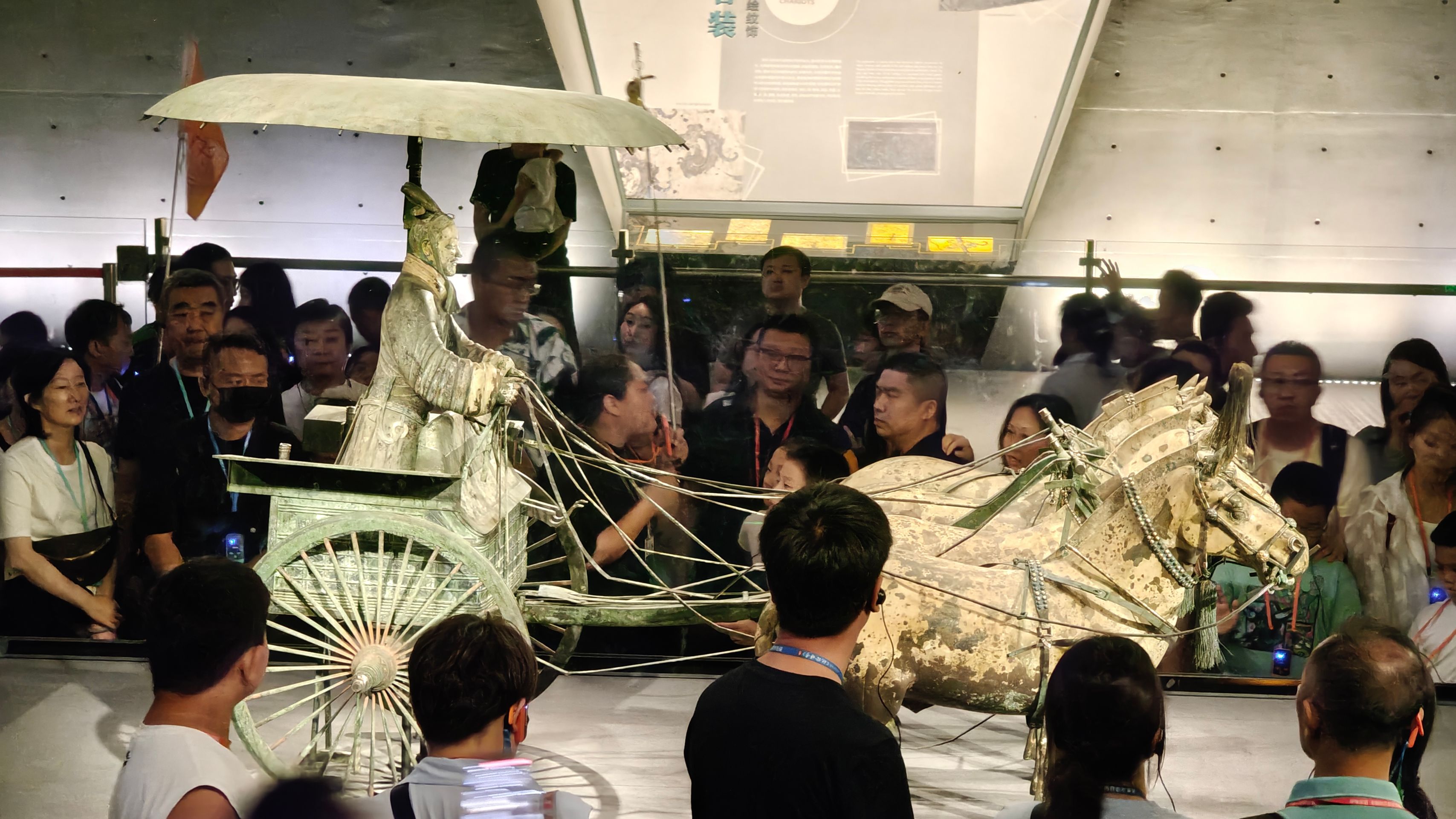
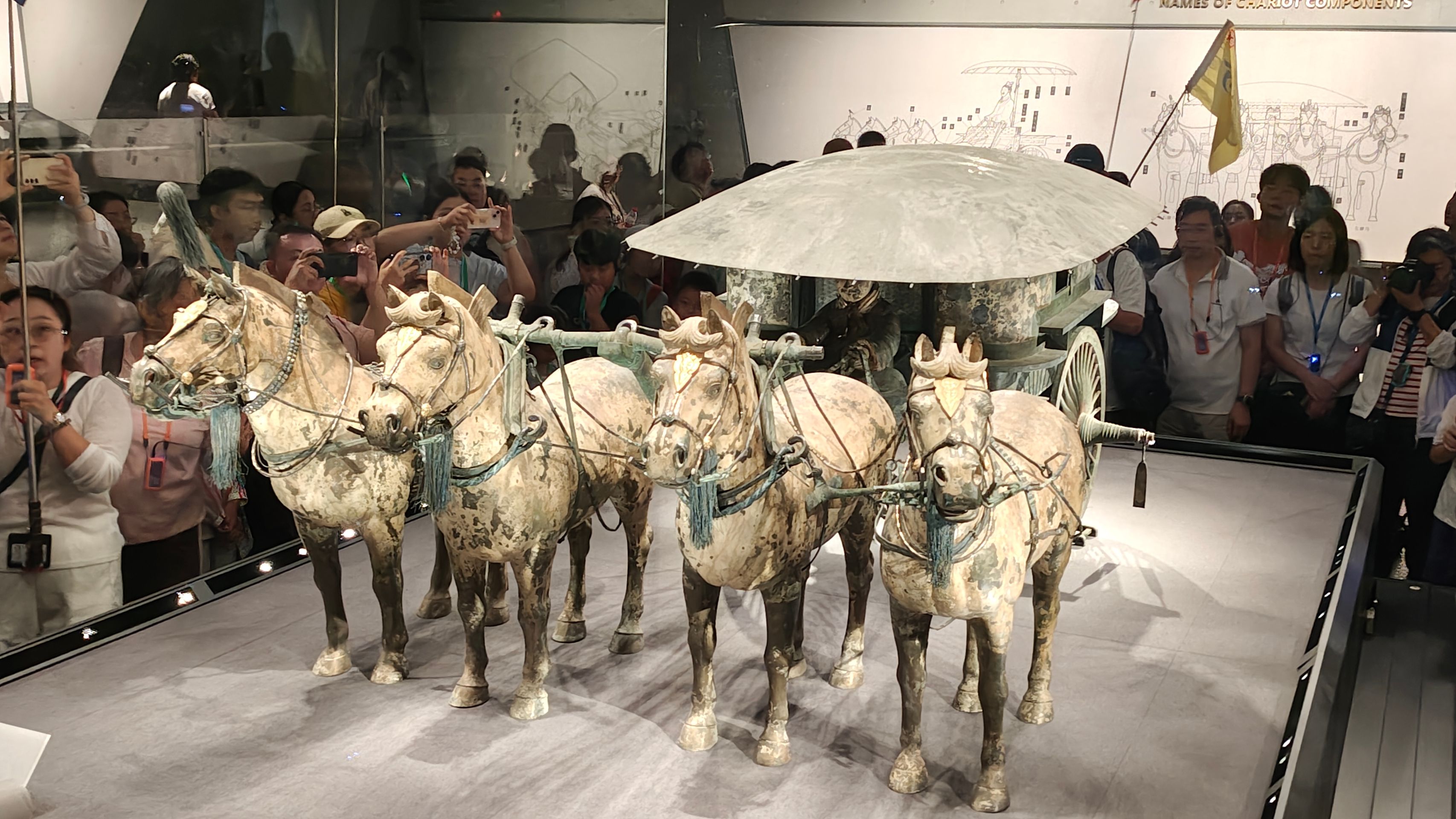
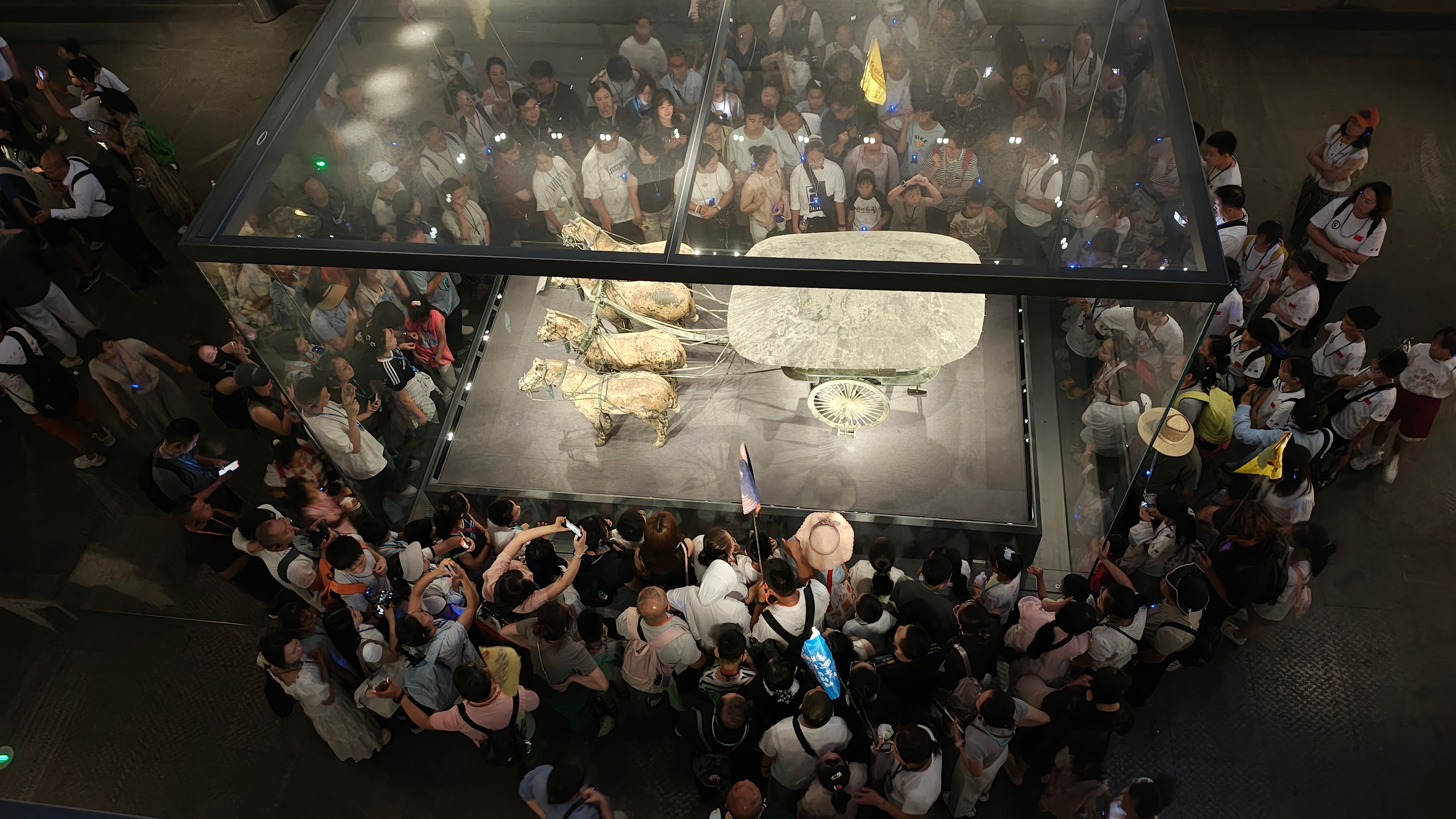
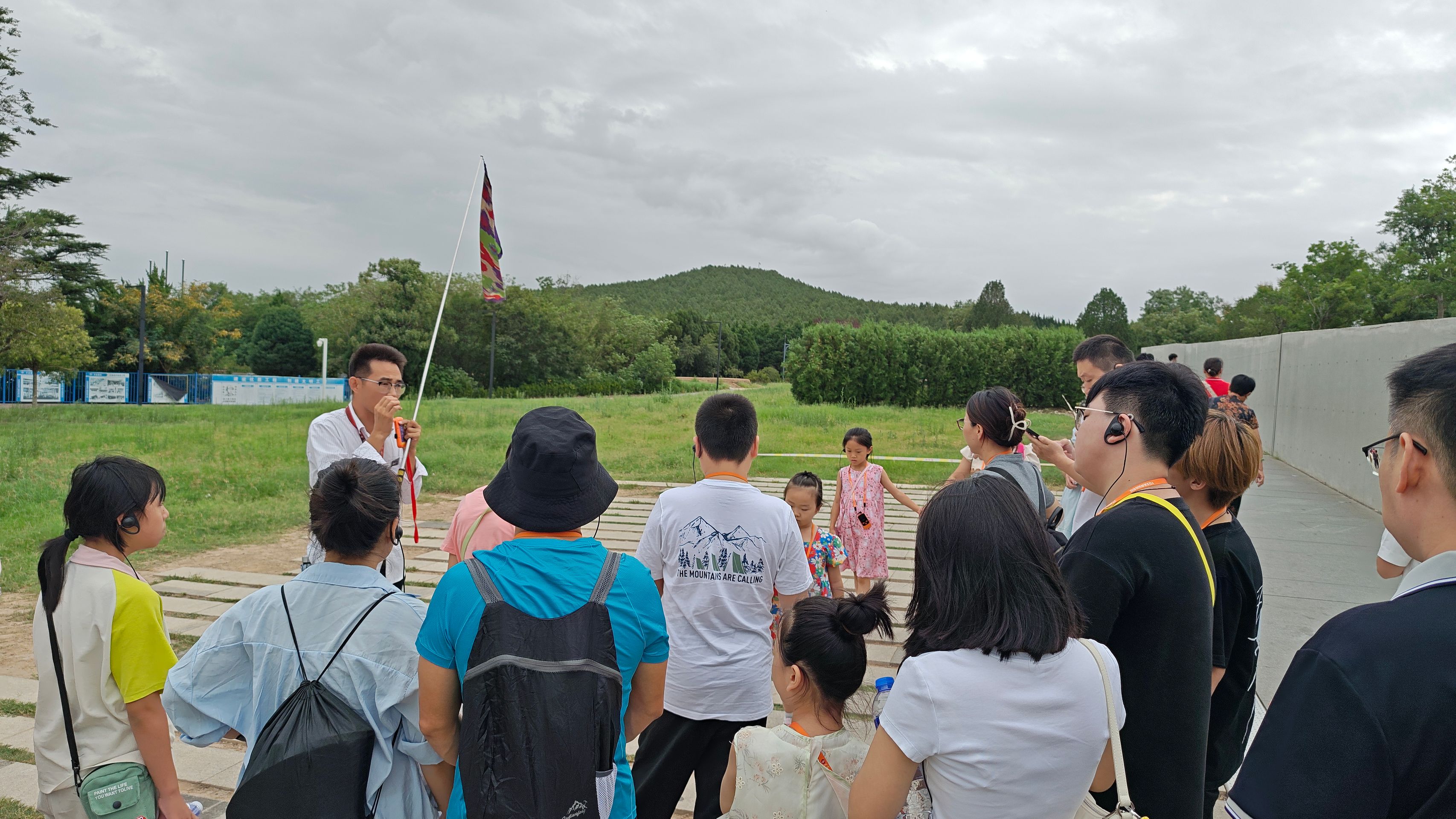
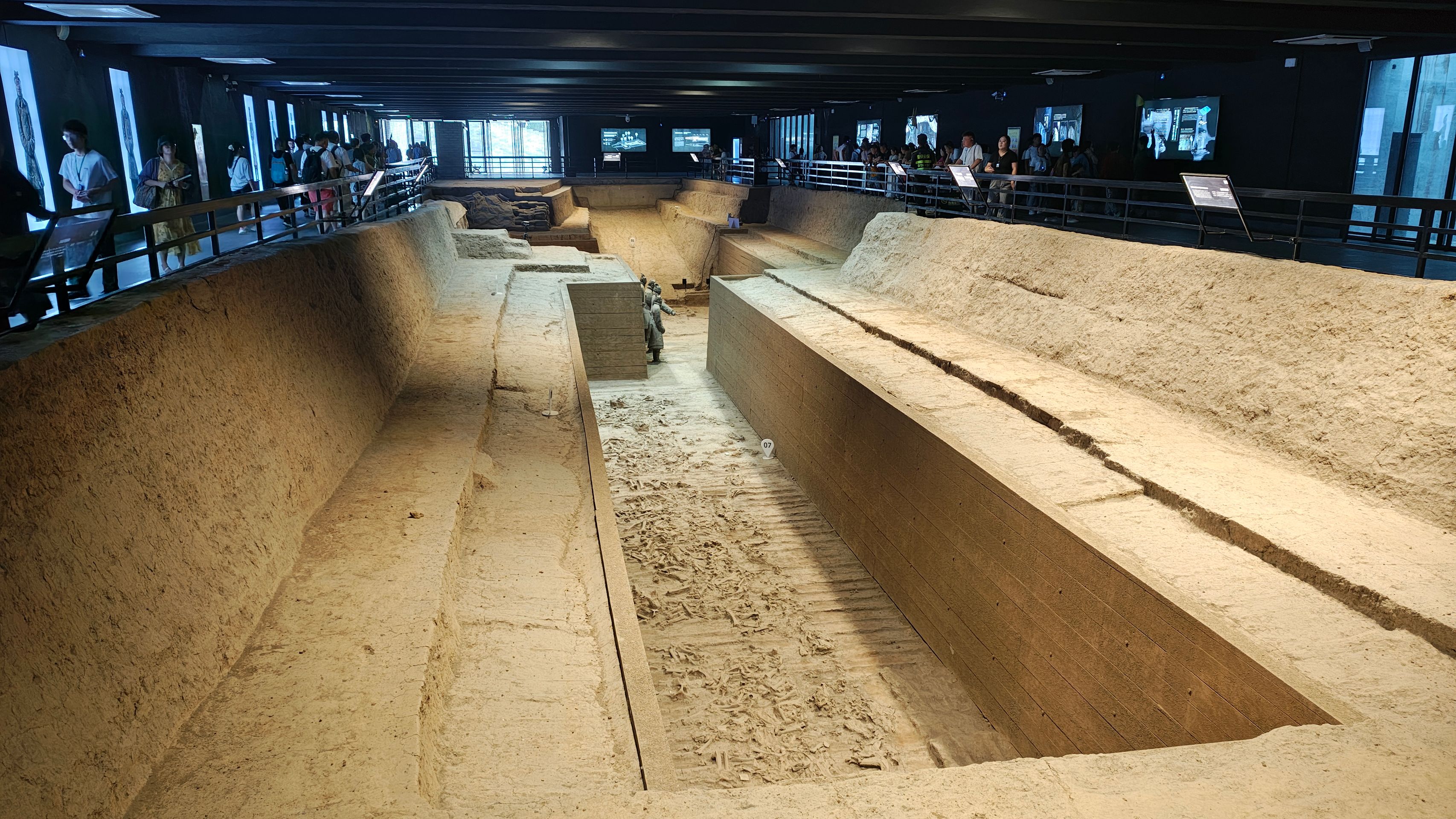
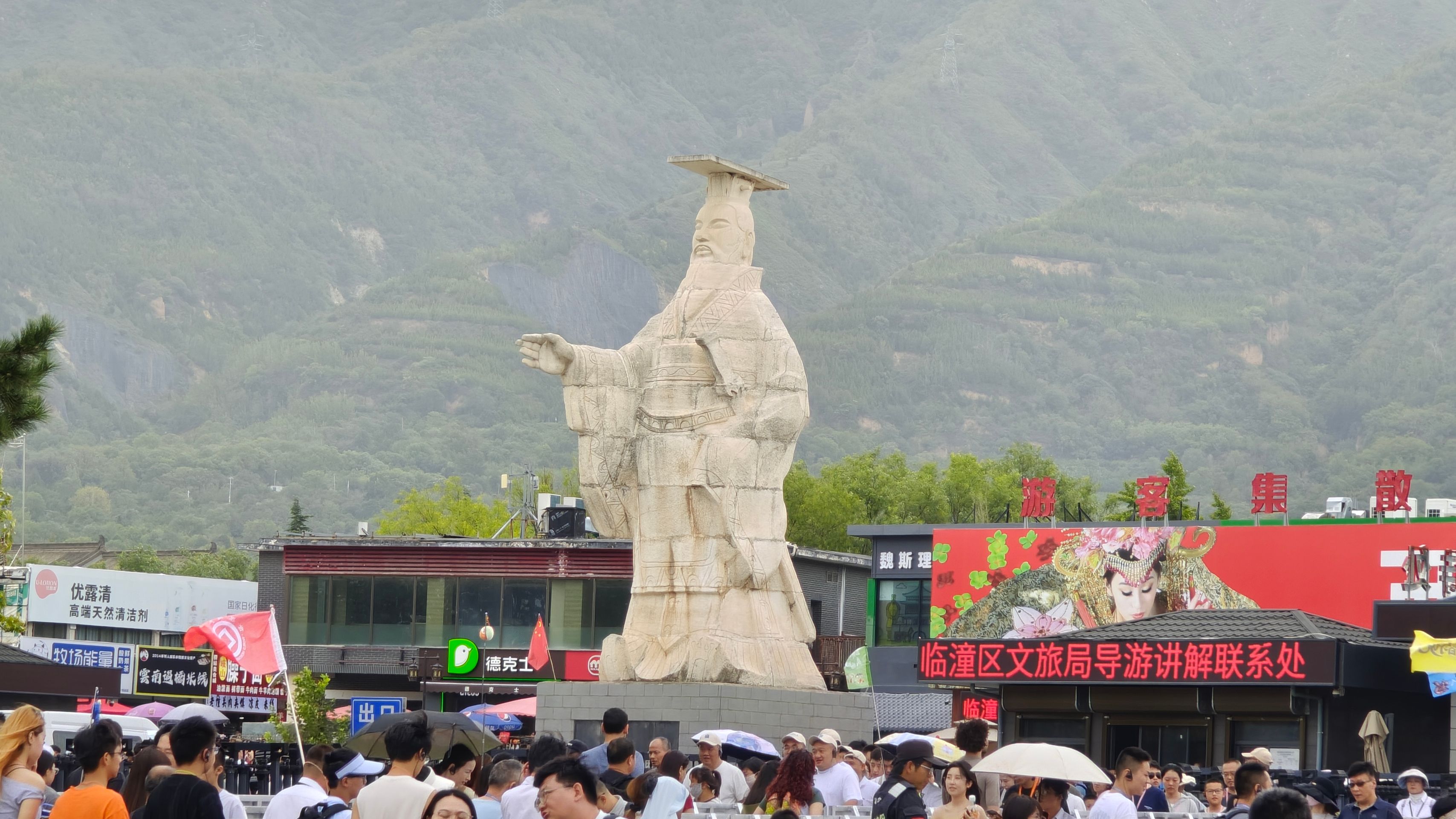
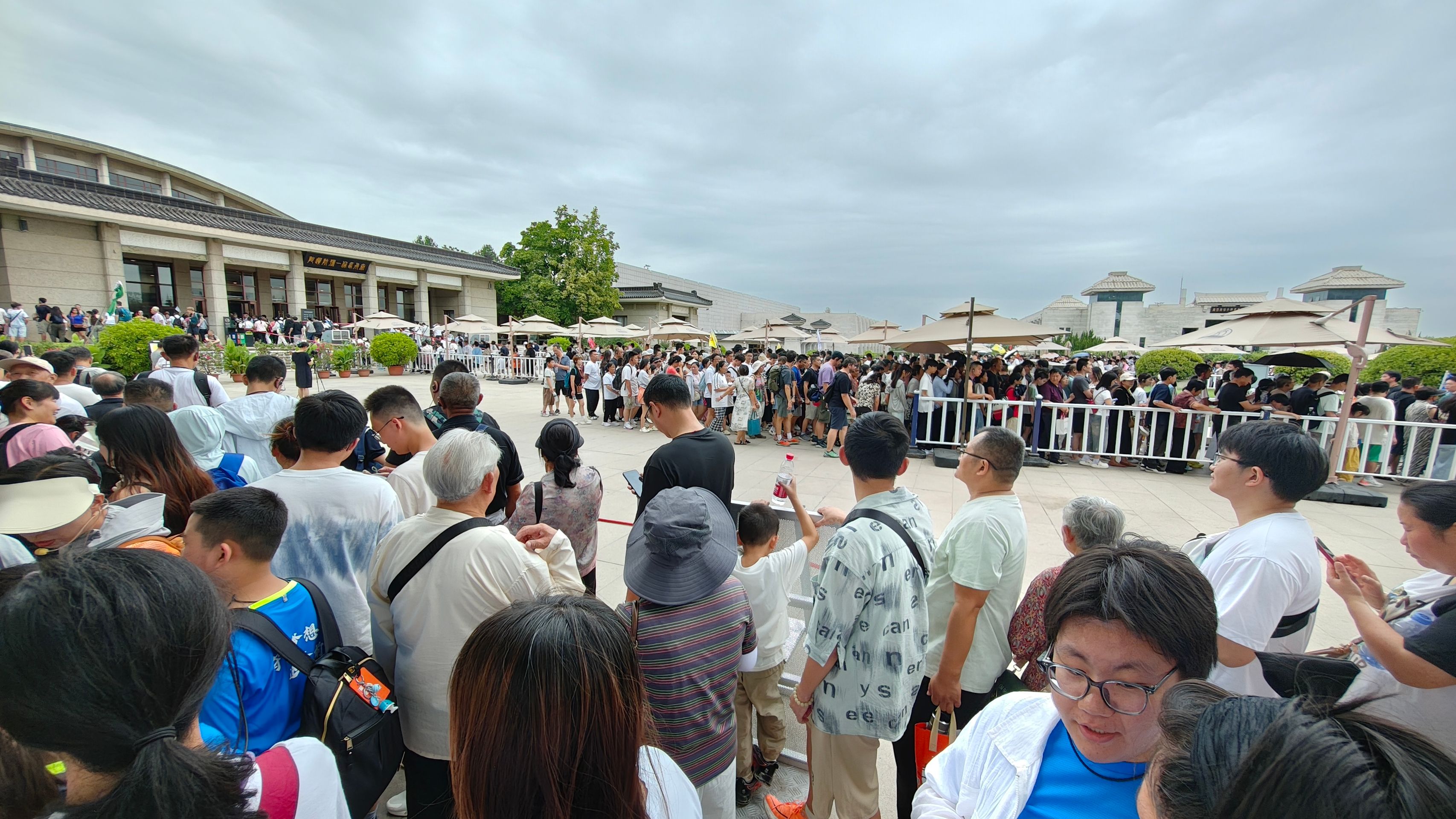
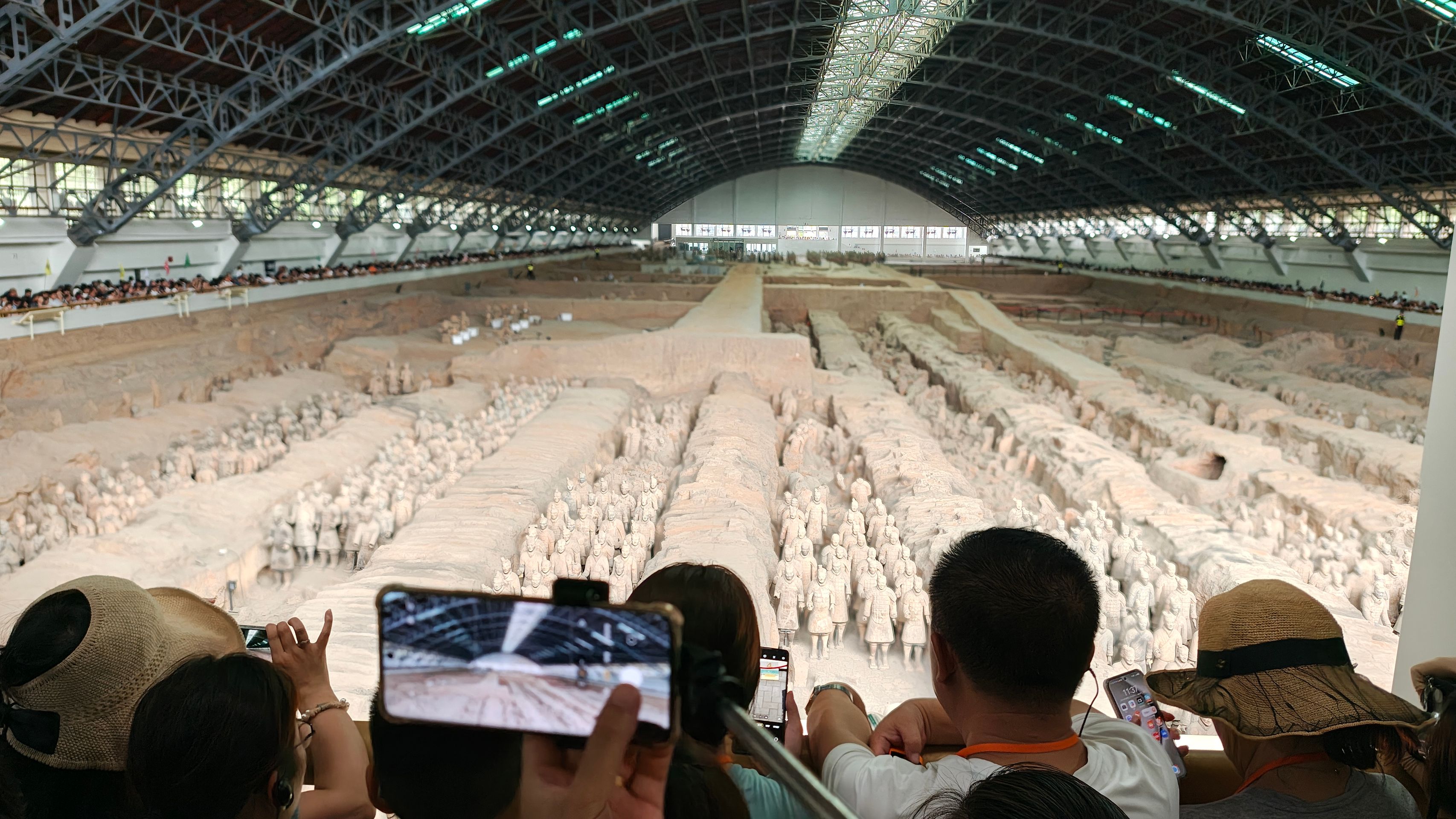
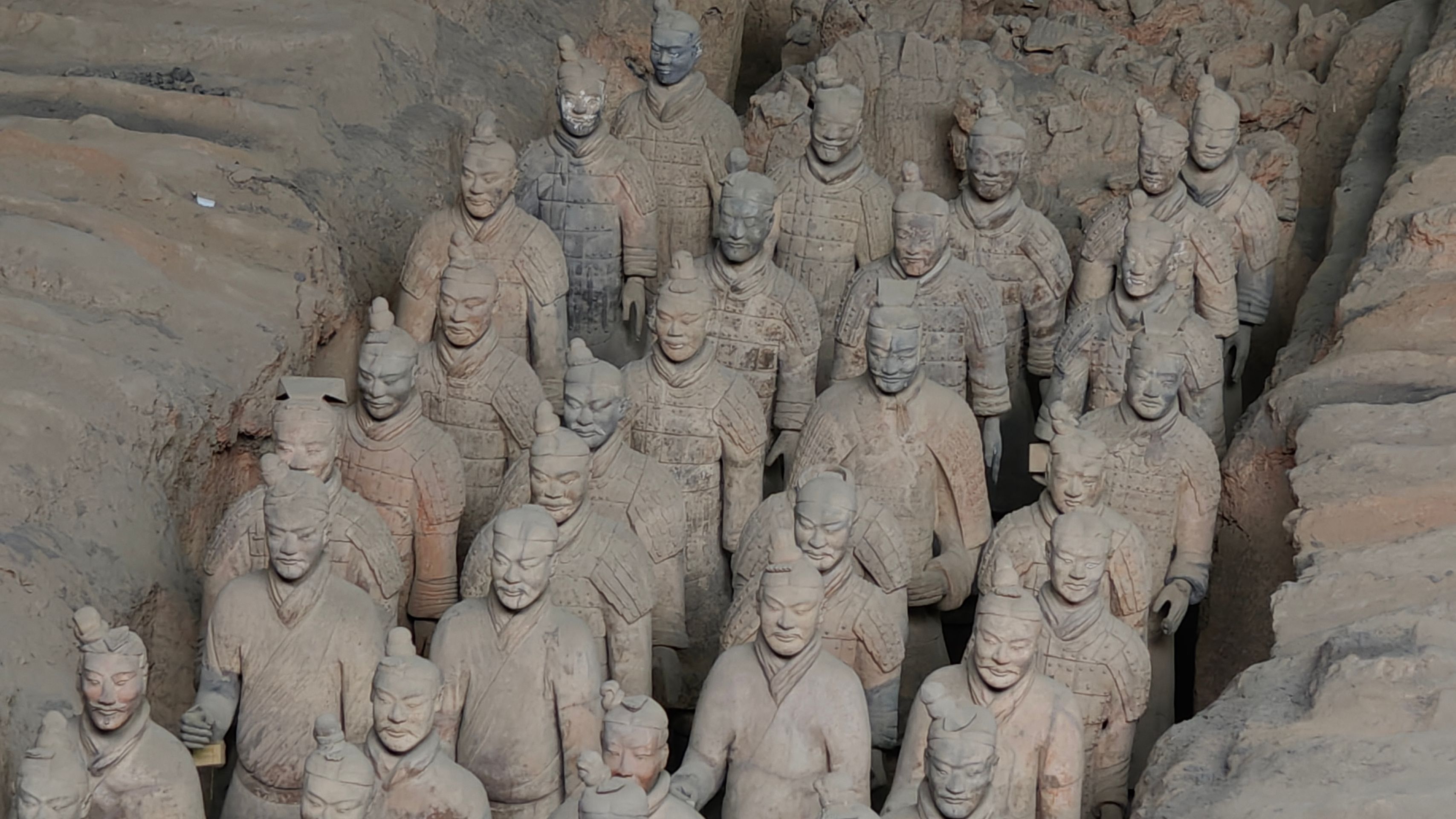
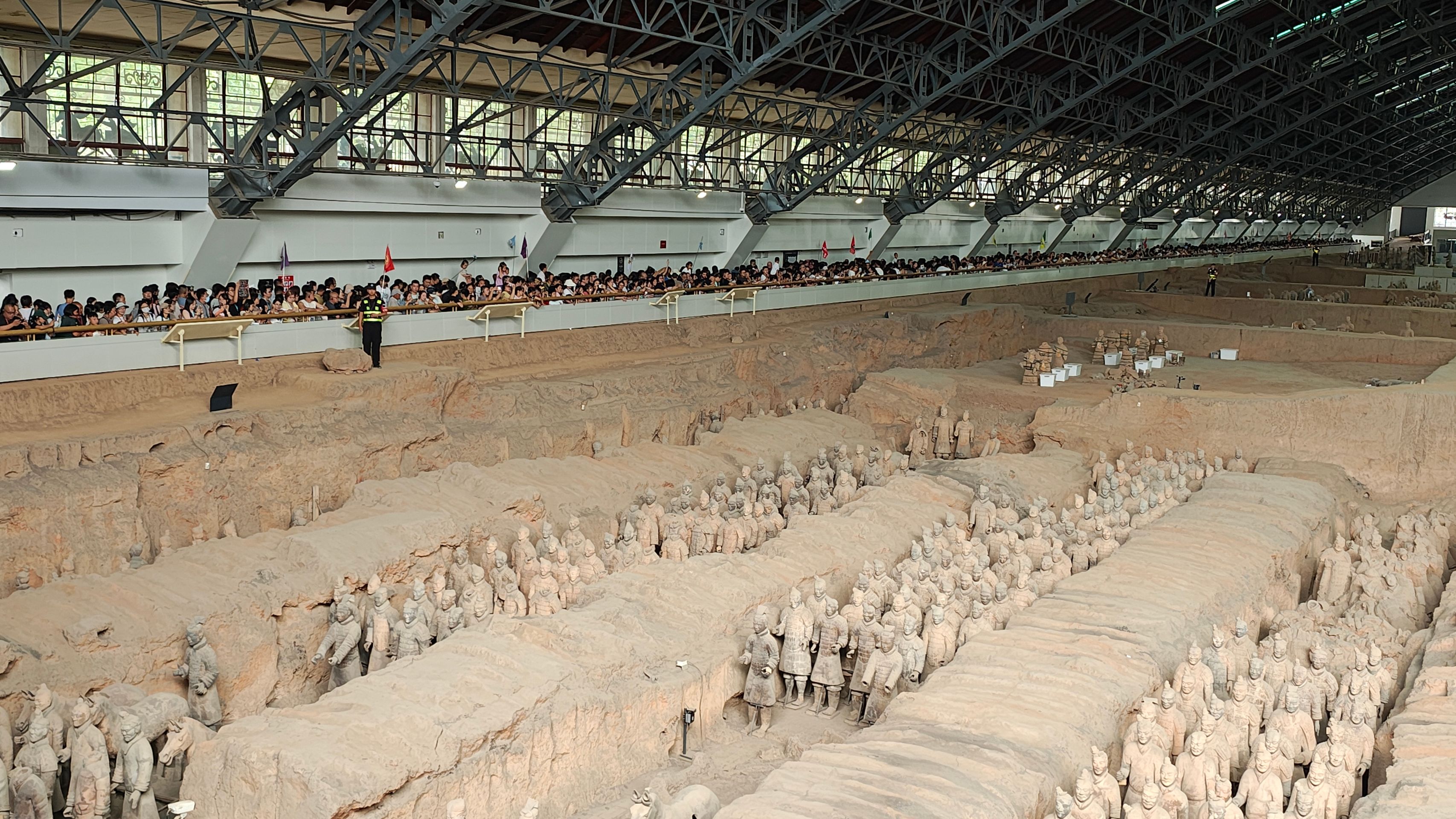
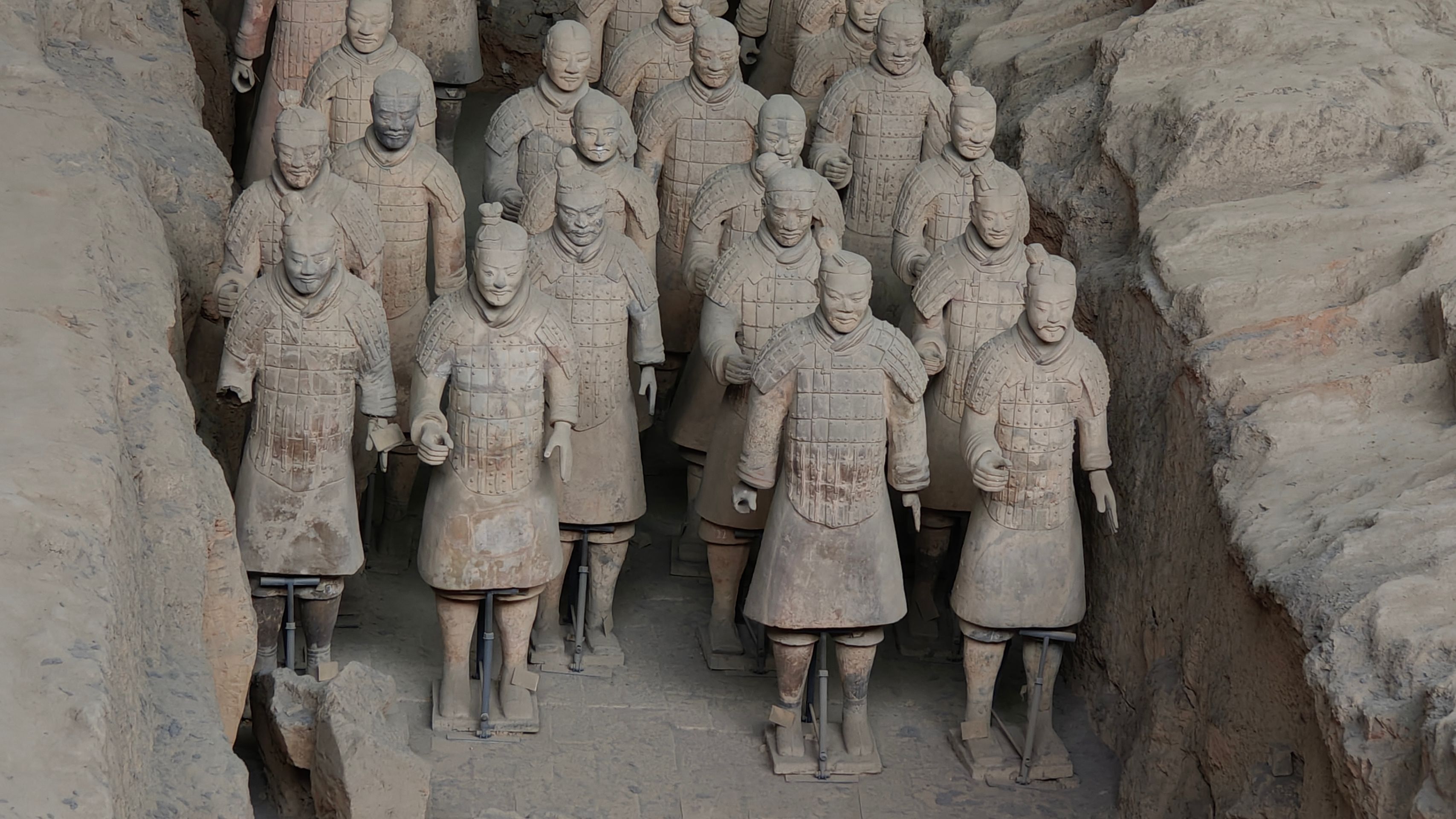
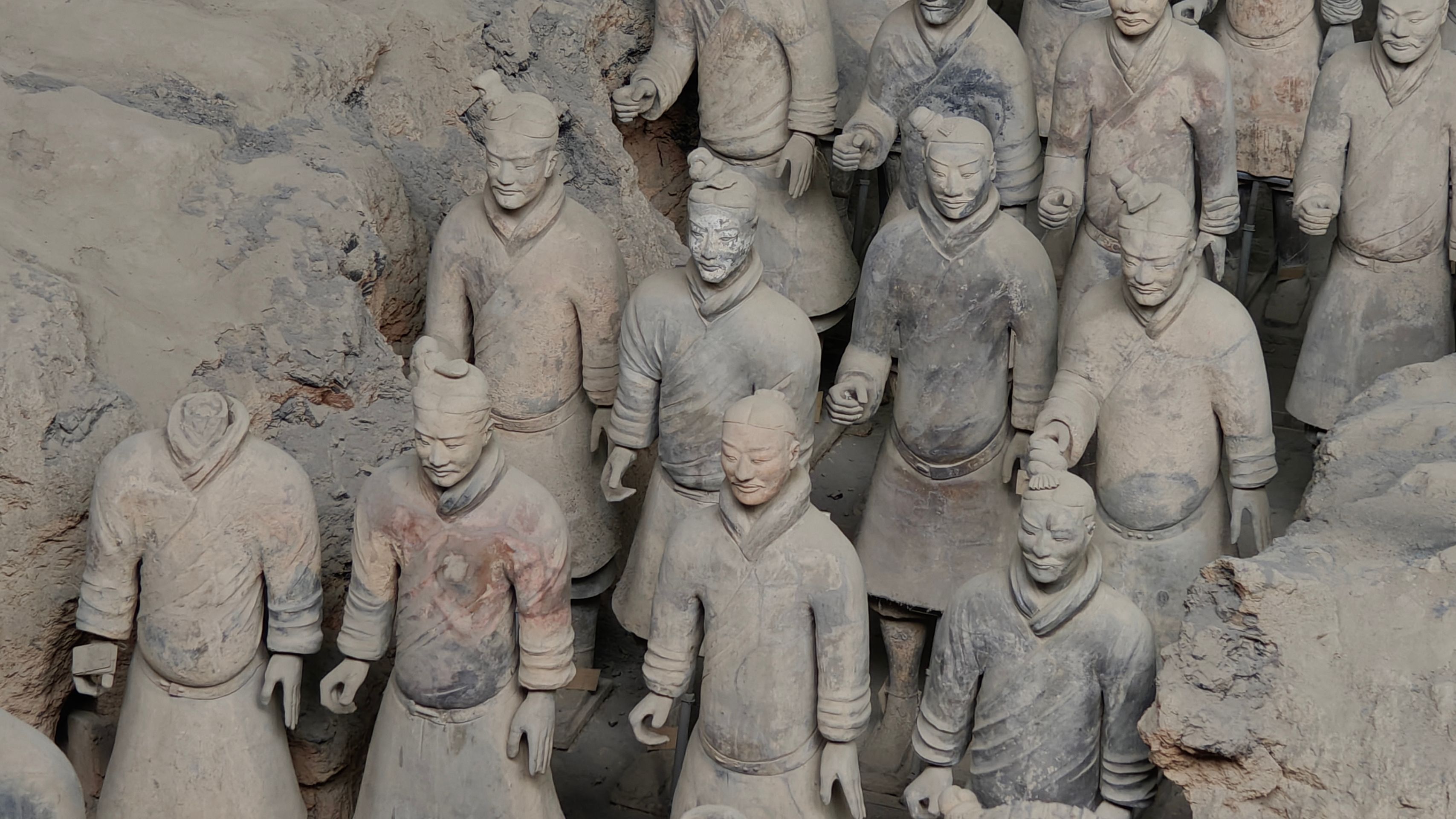
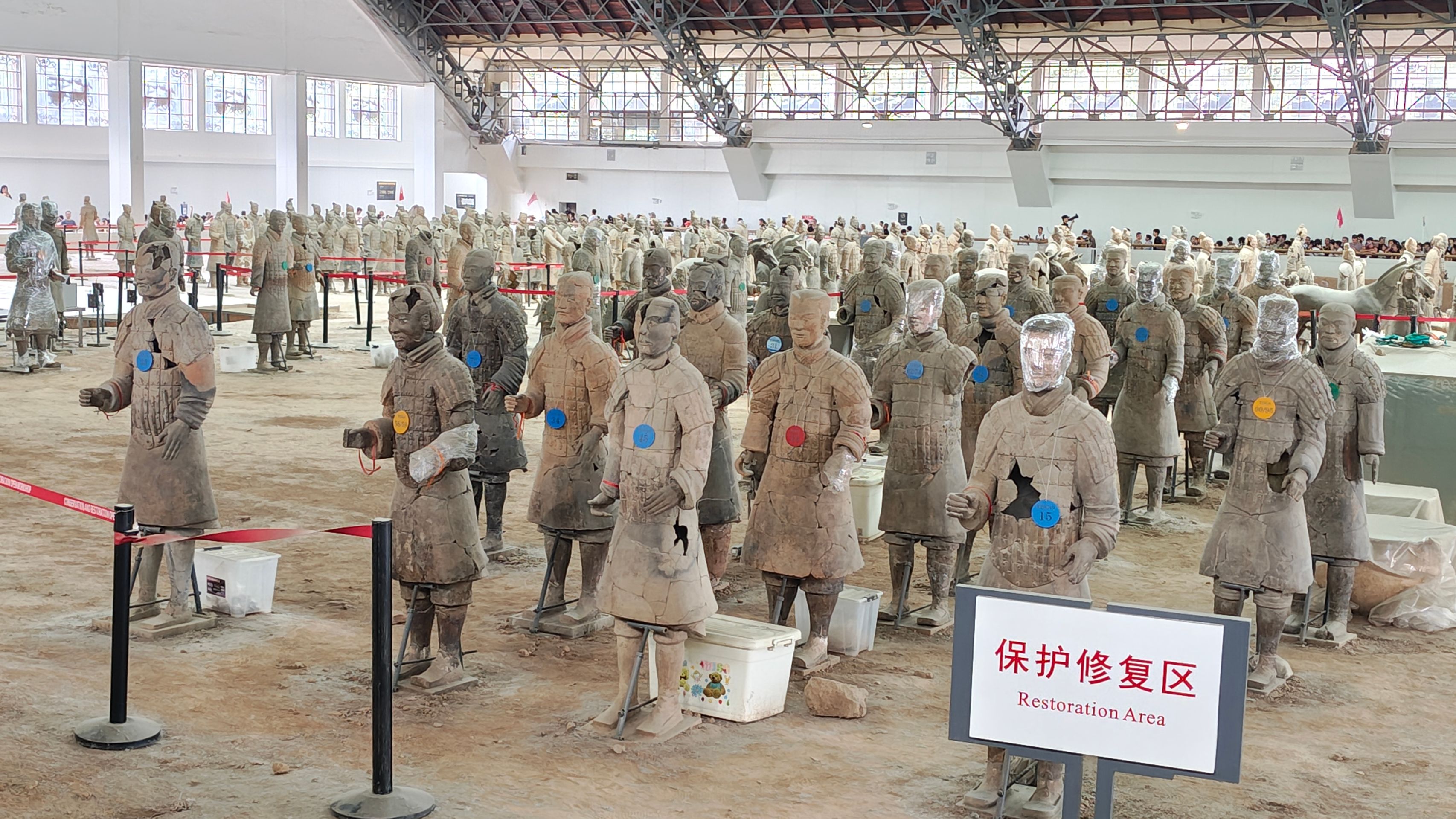
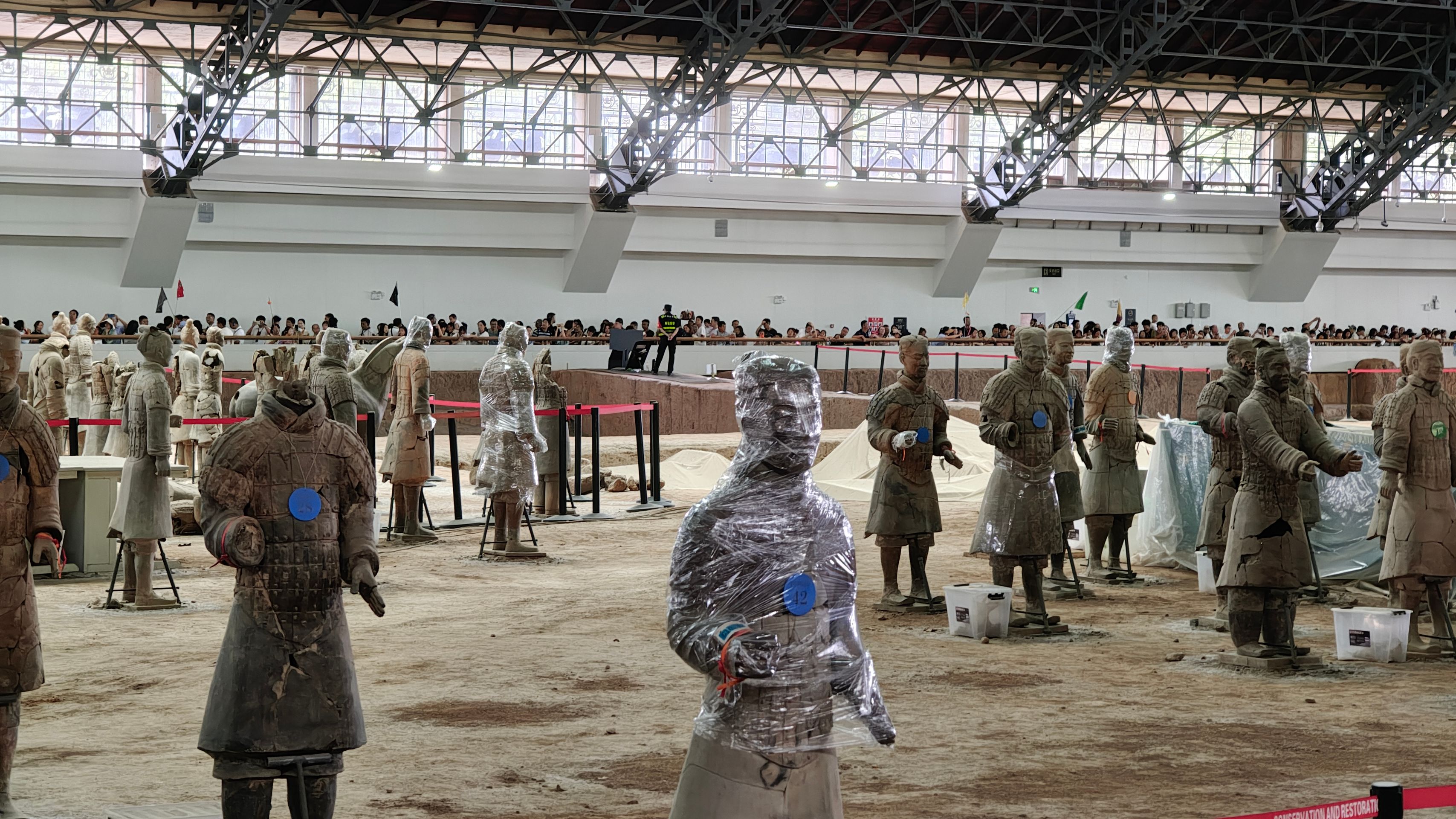
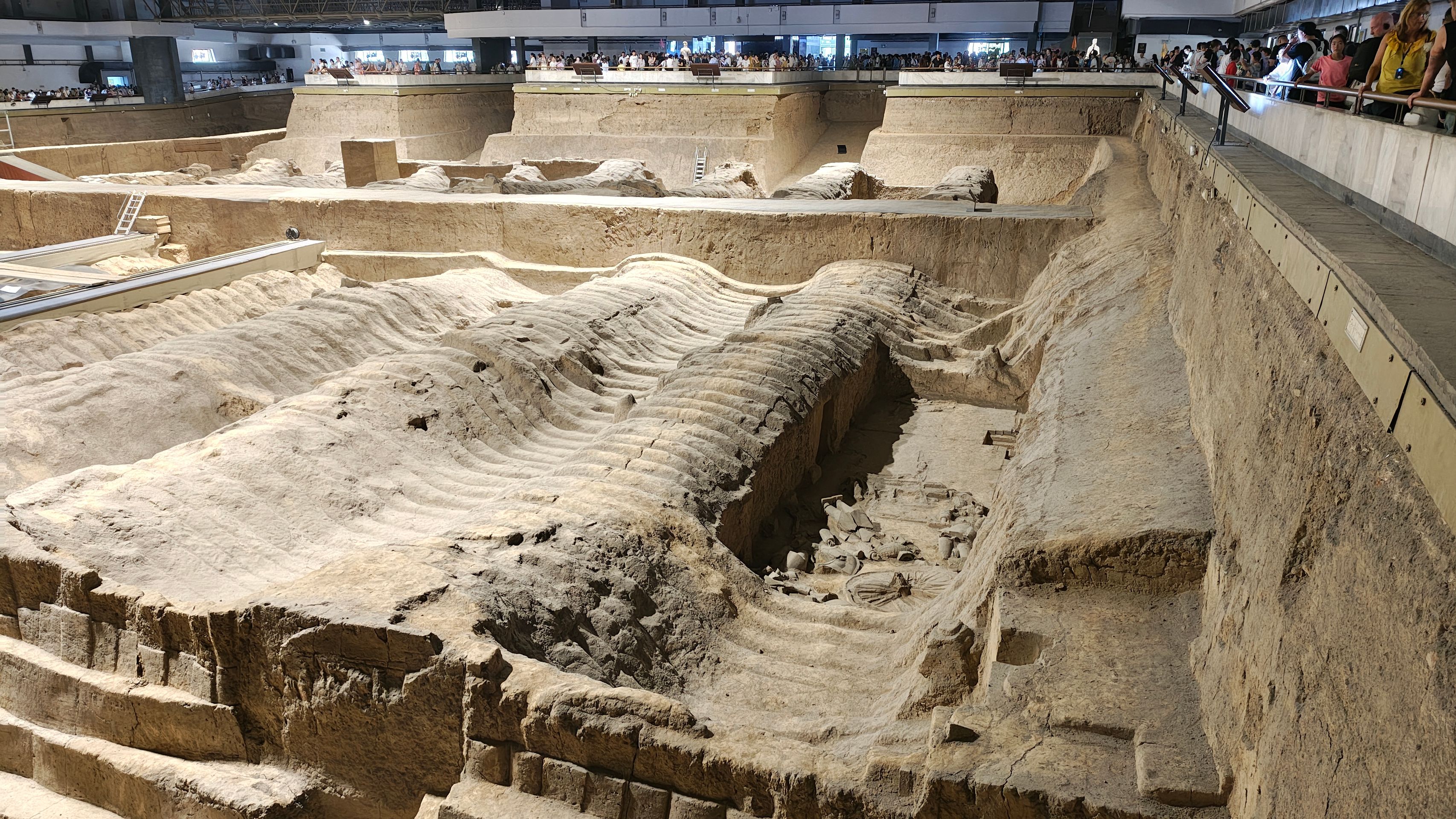
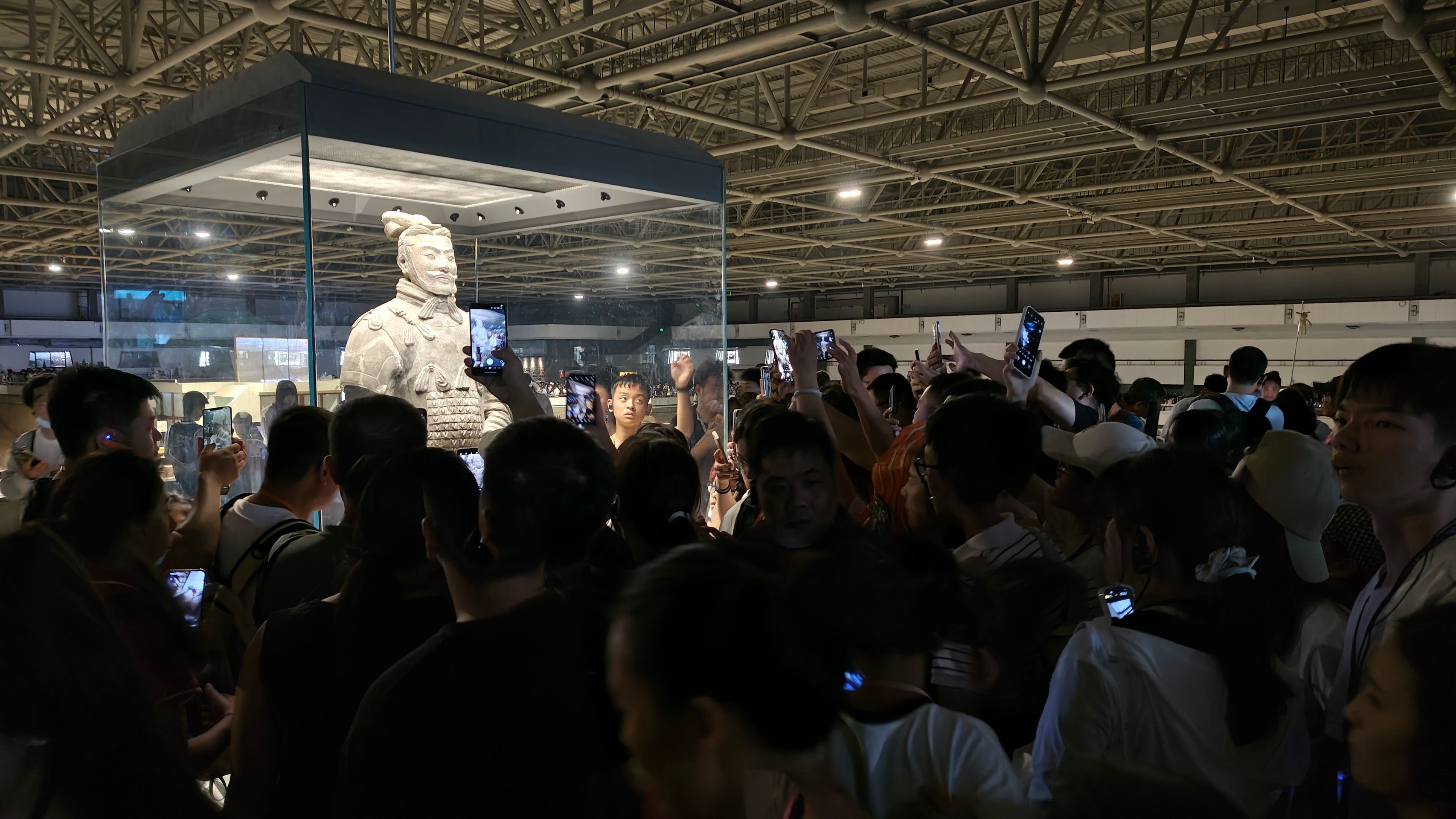
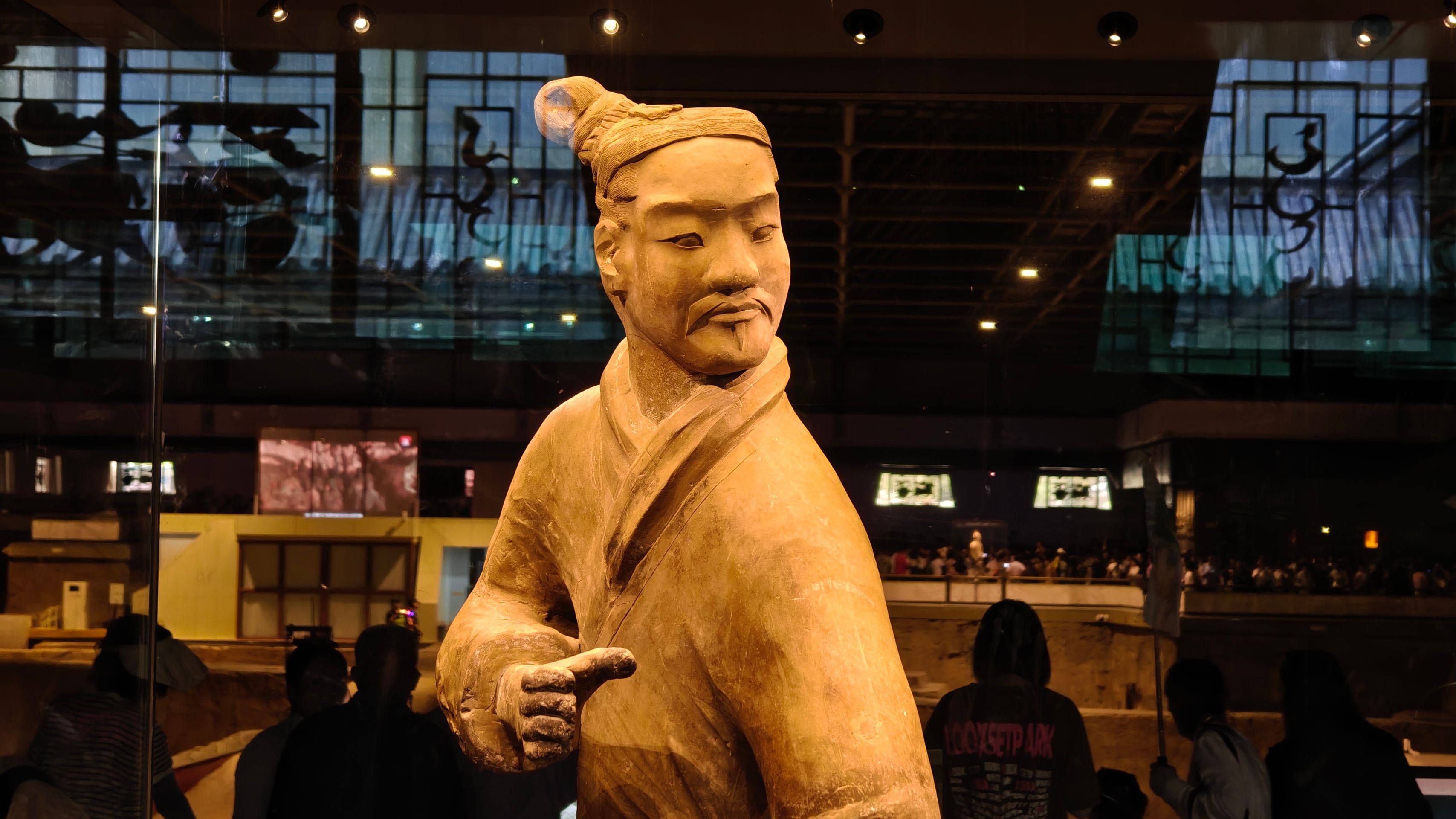
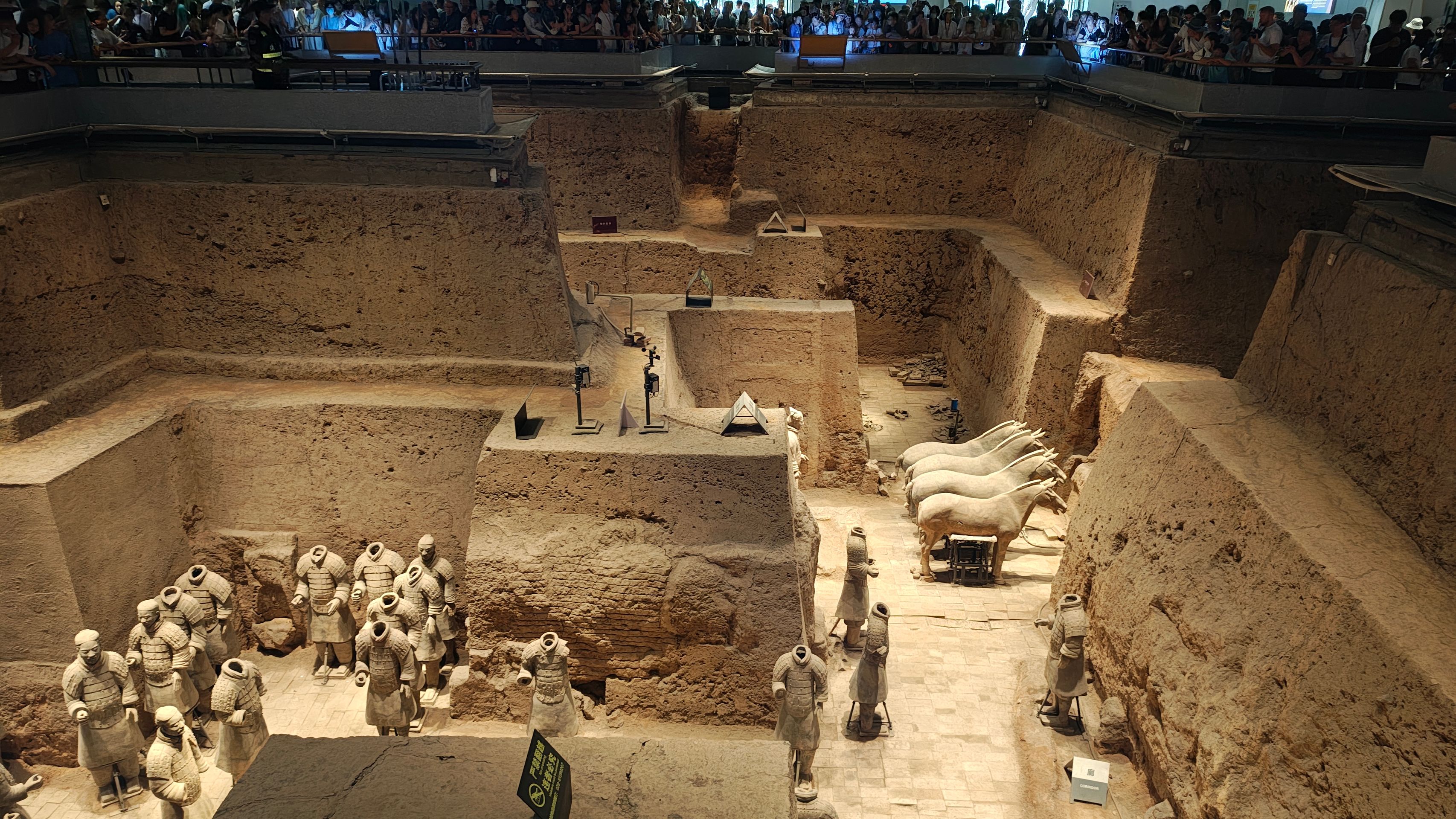
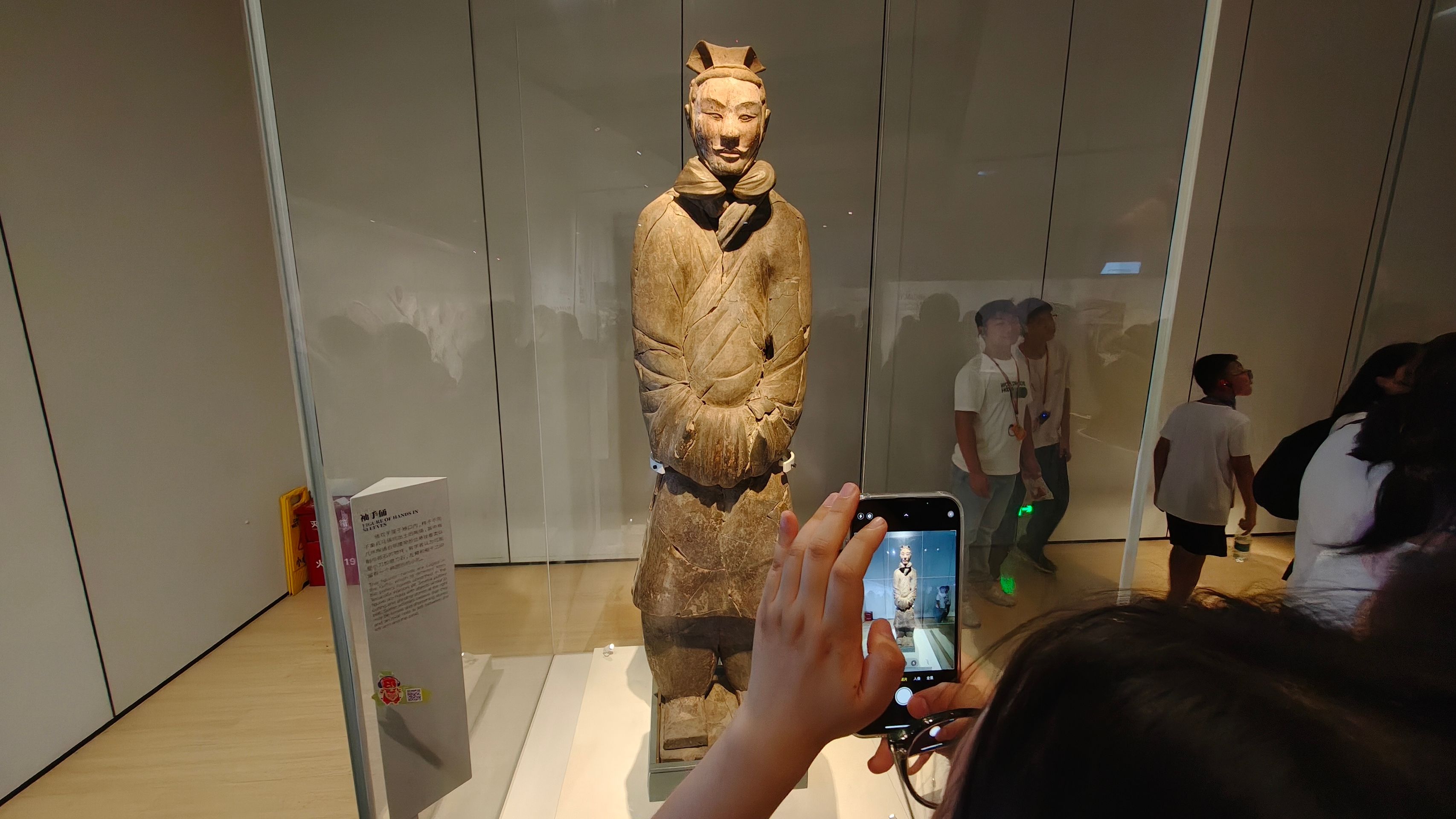
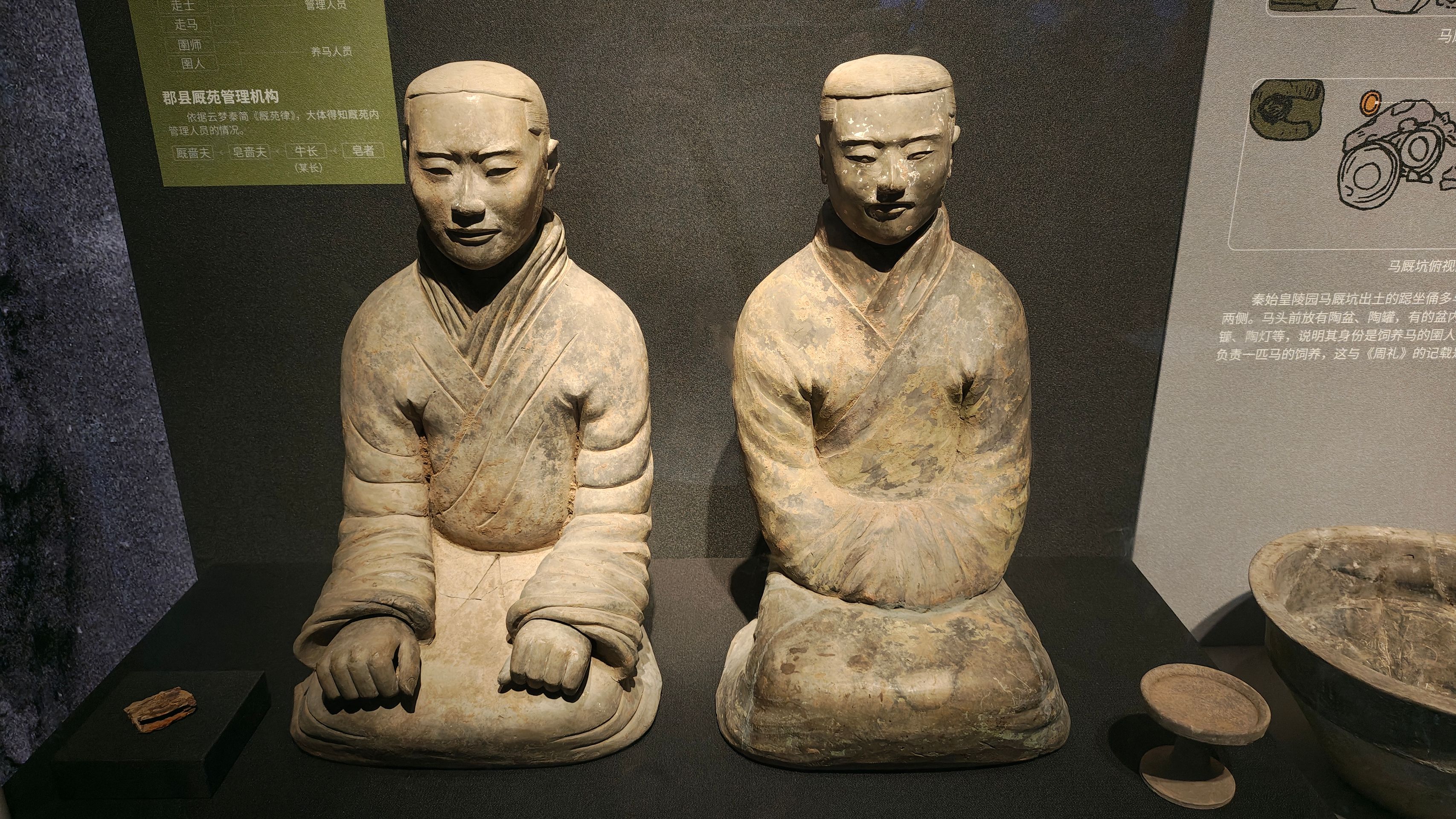
Many tourists come to Xi'an because they want to see the famous Terracotta Army. Today is our day, and I expect crowds, so we leave early in the morning. But it doesn't help. It always seems to be crowded at the excavation site and the burial mound of Qin Shihuangdi, the first emperor of China. First, we visit the viewing spots at the burial mound. Here, I already face a setback at the entrance, as the ticket sellers have neglected to include the last digit of my passport number. This needs to be clarified before we can go inside. Once on the grounds, we are transported by an open shuttle bus. The competition for these bus seats is a prelude to what is to come. First, we go to Pit K9901, where terracotta figures of entertainers from the imperial court were found. By the way, I find the civilian figures much more interesting than the soldiers. It leads one to suspect that in many yet undiscovered pits, thousands of terracotta figures representing various social classes are buried. We then proceed to the museum, where two excavated imperial chariots made of bronze are on display. The details are explained in great depth. There is a large crowd around the display cases, and I can leverage my height to my advantage while photographing. The figures of the charioteers also have considerable height, measuring 91 cm (standing) and 51 cm (sitting), weighing over 70 kg and almost 52 kg. The details, from hair to fingernails or the folds of clothing, are truly impressive. Across from the museum, we visit Pit K0006. Here too, civilian terracotta figures were found, with service staff represented eight times and charioteers four times. Additionally, 24 horse skeletons were discovered, indicating that this location was likely dedicated to the fleet. The shuttle then takes us over to the other side of the burial mound back to the exit, and we take a bus to the excavation halls of the Terracotta Army, which are located a bit further away. After the ticket check, we walk through a small park to Exhibition Hall 1, the largest and most important hall. The crowds are now sorted into different lines and are released into the exhibition by the attendants. The battle begins. While the Terracotta Warriors stand silently and motionlessly in their pits, the struggle for the best photo spots and views rages on among the visitors on the viewing platform. Overweight men roll ruthlessly through the crowd, while drooling old women shove and push with no mercy, using their elbows. It could not have been much worse in an actual battle of the imperial warriors, and I have the impression that the warriors down in the pit are shaking their rigid heads at such uncivilized behavior. I was wise enough to patiently squeeze my way into a prime spot at the railing right at the entrance on the front side. From there, one has the best view, and the Terracotta soldiers are facing that direction. The pit is the longest of the excavation sites discovered so far, measuring 230 meters in length and 62 meters in width. It contains about 2000 soldiers and horses. There are still many unexcavated areas, leading to an estimation of around 6000 terracotta warriors and horses in the entire area. After observing and photographing, I fall back to the rear rows and let myself be carried along by the crowd. We have randomly been placed on the left side of the hall and now find ourselves further back in a restoration area, where one can see how the broken figures are painstakingly glued together and missing parts replaced. Thankfully, the crowd here eases up a bit; in the meantime, I had considered using one of the side emergency exits. Eventually, we reach the exit of the hall. We shuffle over to Exhibition Hall 2, which hardly shows any excavations. A wavy clay floor covers the treasure, waiting to be excavated. Consequently, the crowd gathers only around the display cases of the Terracotta warriors, which are exhibited here. Only here (and later in the museum) can one appreciate the true size and intricacies of the terracotta figures. For Hall 3, we have to walk quite a distance back, hence my tip for the order of visits: Hall 1 → Hall 3 → Hall 2 → Museum. In Hall 3, we encounter a deep pit, where a horse team and many headless warriors stand. Outside, we take a short lunch break on a bench and then throw ourselves back into the battle for the best spots at the glass display cases in the museum, where the Terracotta warriors stand firm. The details can be examined very well here; on one belt, the colorful paint of the earlier decoration can still be seen. The elaborate drainage system of the huge entire area around the tomb of Qin Shihuangdi is also explained. However, it is again the representations of the civilian terracotta figures that fascinate me. After visiting the museum, we head to the exit, and here we find a Terracotta Army amusement park with food stalls, street vendors, and souvenir shops. Our driver rescues us from the site and takes us to the necessary relaxation in the park of the former garden palace of the imperial family. So what is the conclusion? The terracotta figures are highly impressive, the excavation site is vast; the archaeologists certainly have a lot of excavation and research work ahead of them. Is the visit worth it? I am somewhat ambivalent. Although these are impressive and noteworthy historical witnesses, and the dimensions of the excavation site can only be truly realized on-site, the crowds of visitors are indeed deterring. Maybe someone knows a trick for when fewer people are at this location (season?, day of the week?, time?). But perhaps one must fight this battle with the masses to genuinely see the ancient Terracotta warriors.