

The War of the Terracotta Warriors
Many tourists come to Xi'an because they want to see the famous Terracotta Army. Today is our day, and I expect crowds, so we leave early in the morning. But it doesn't help. It...
Published: 27.08.2025
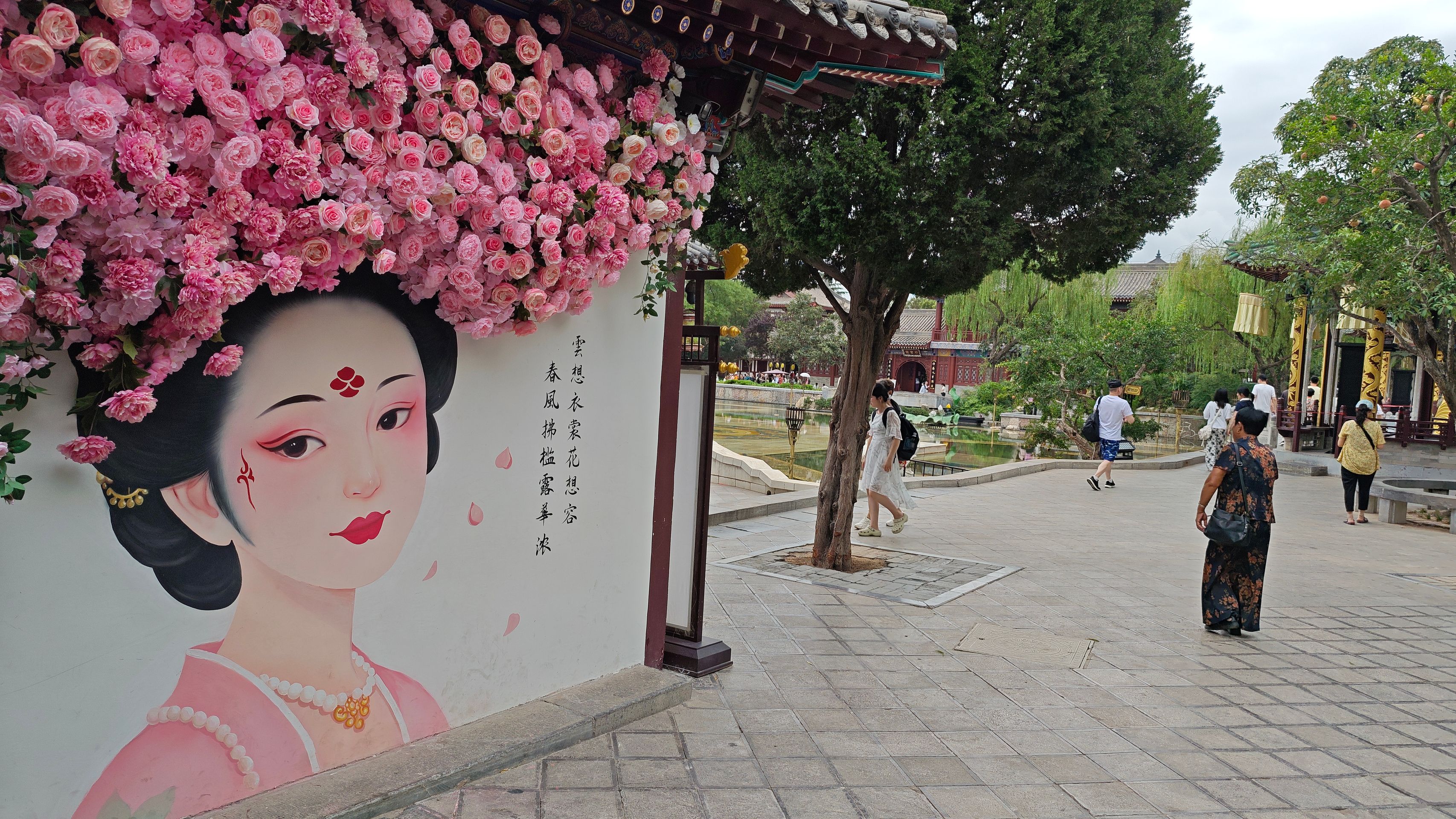
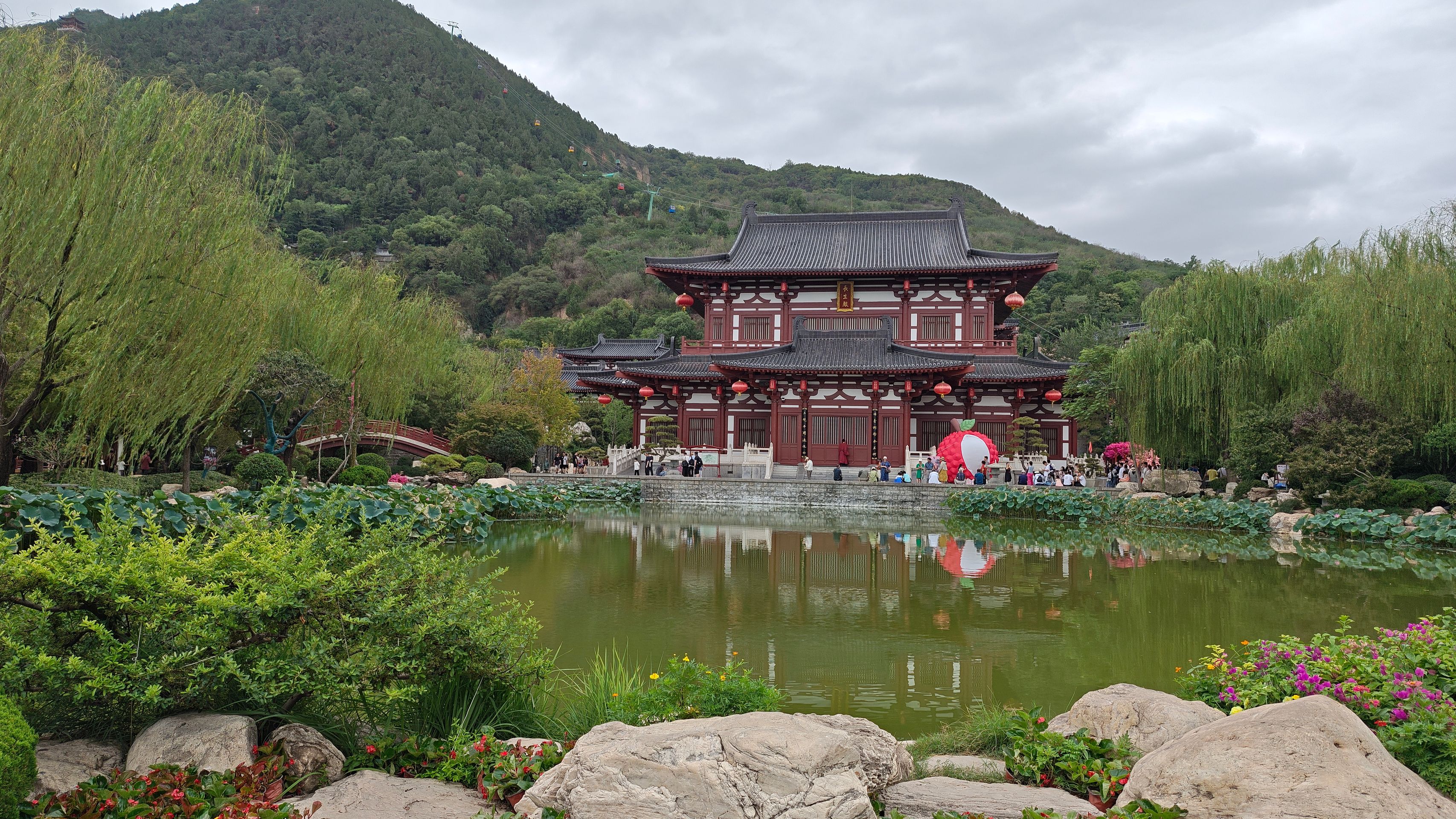
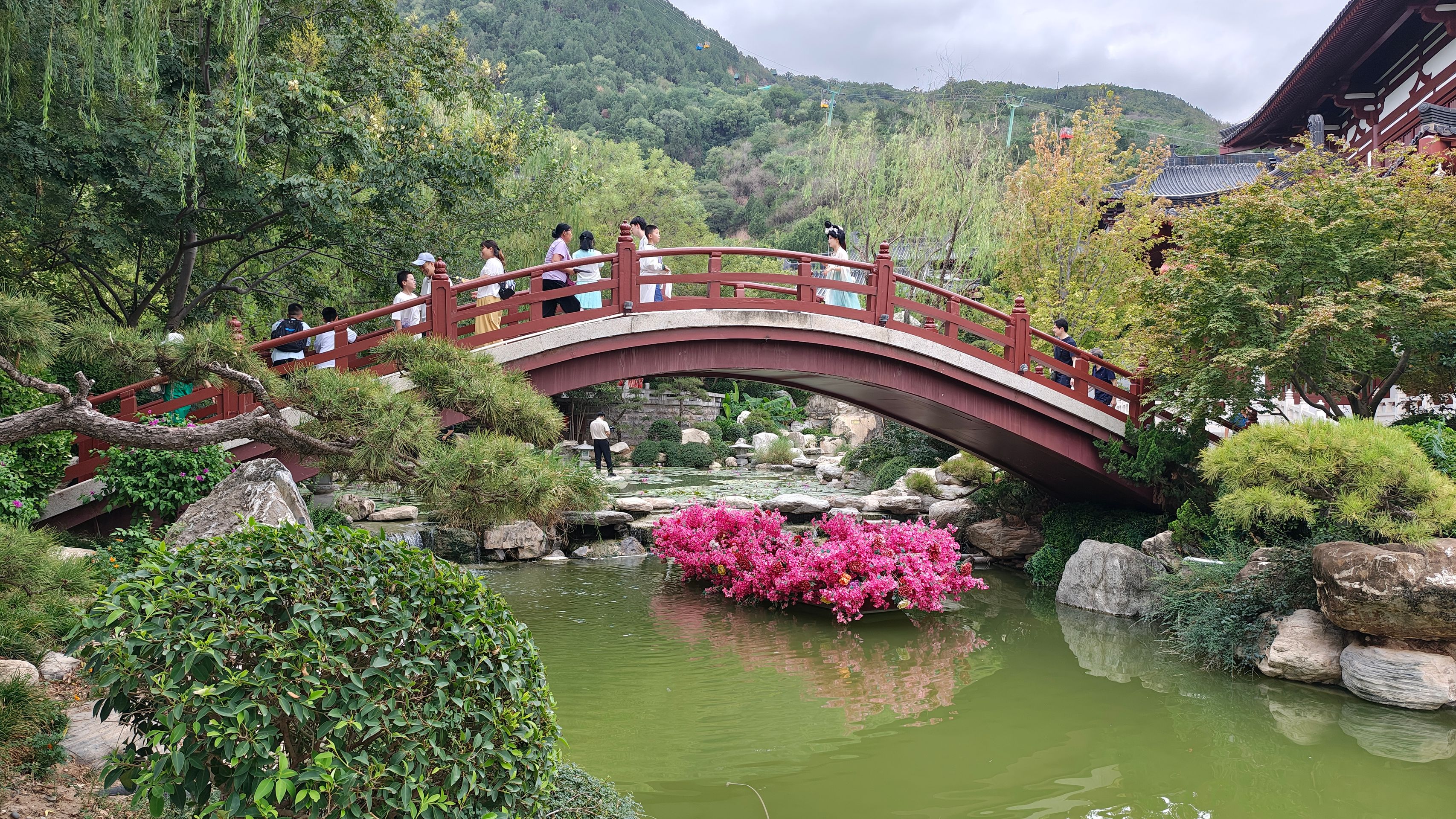
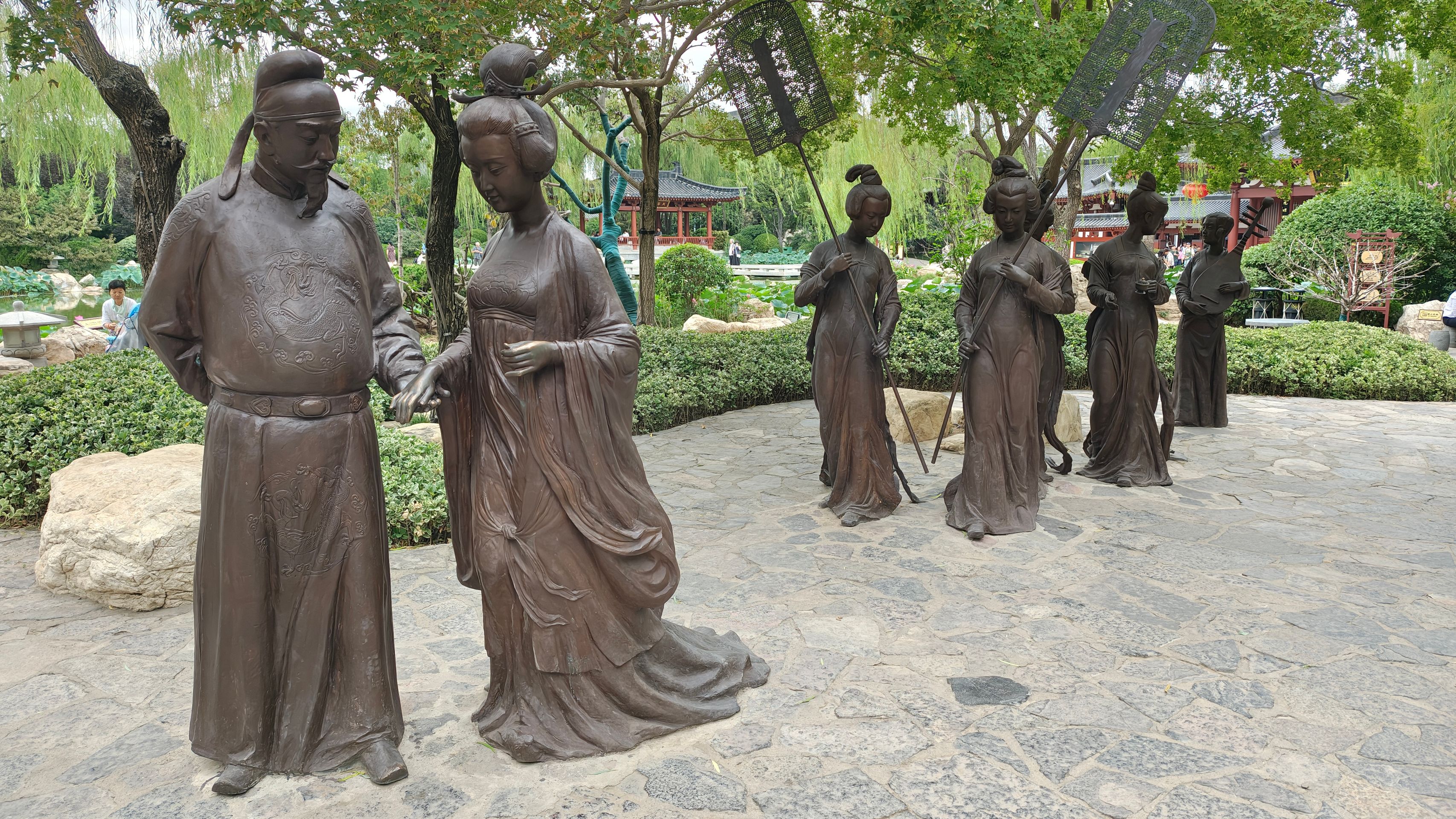
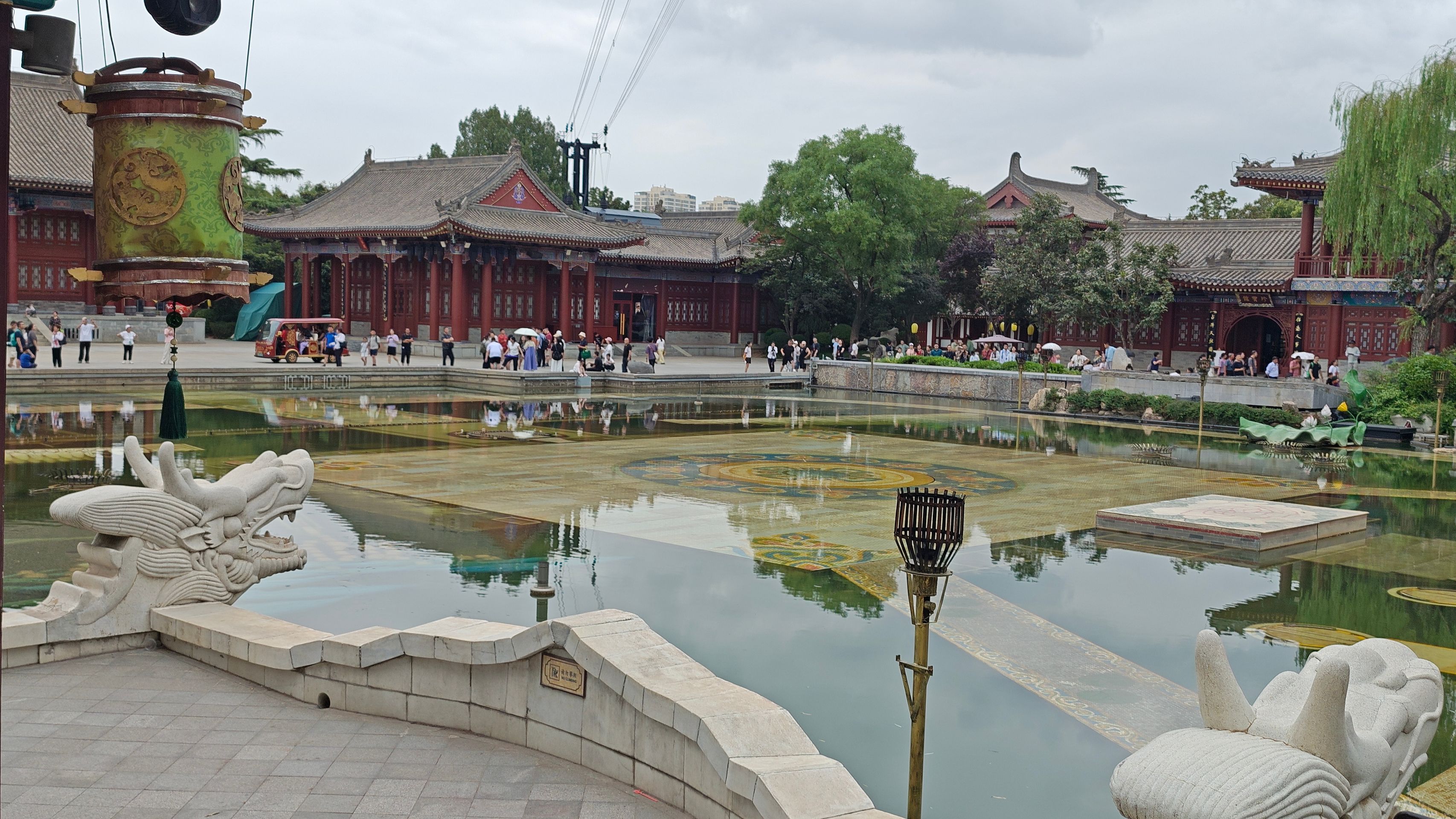
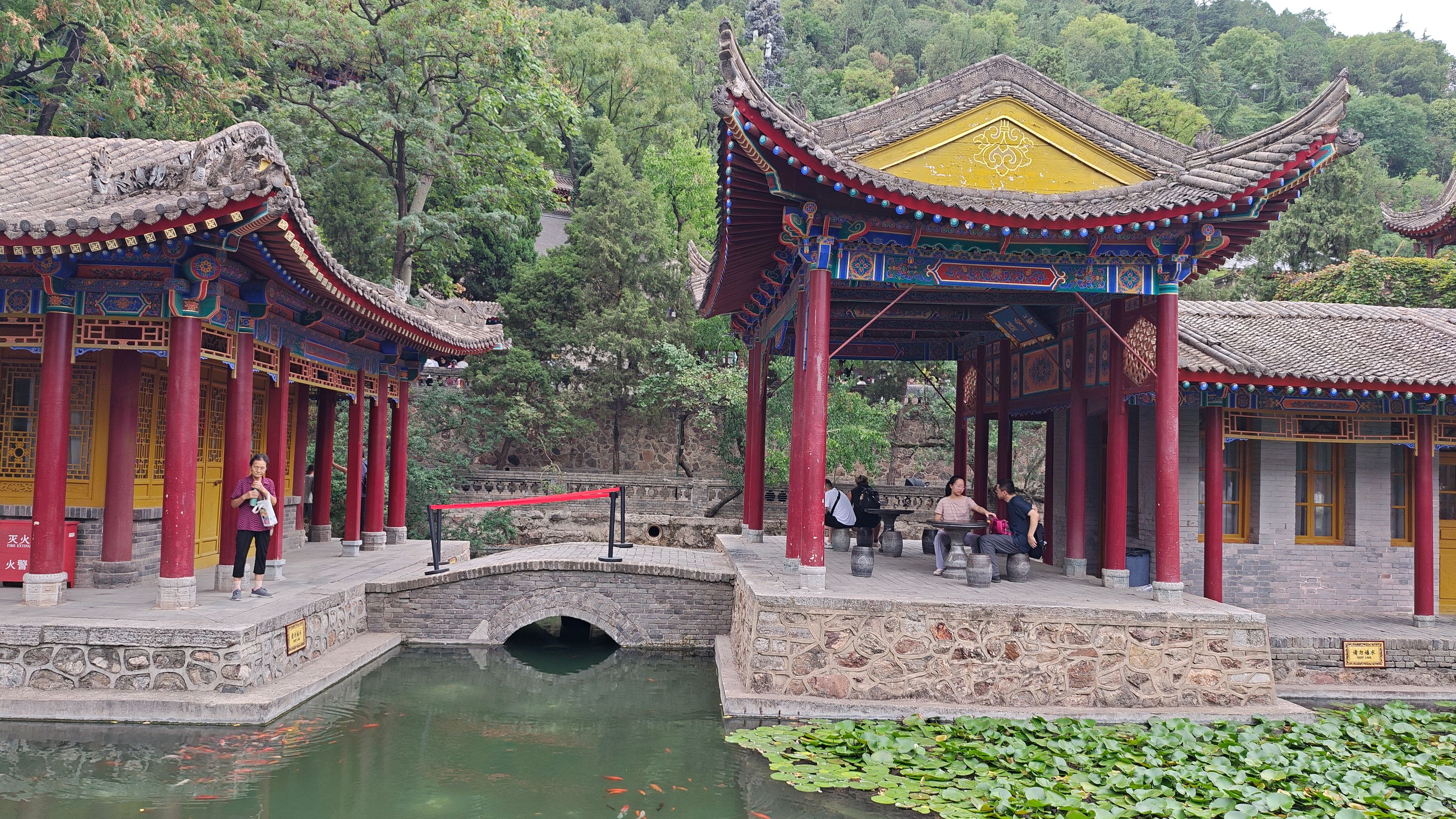
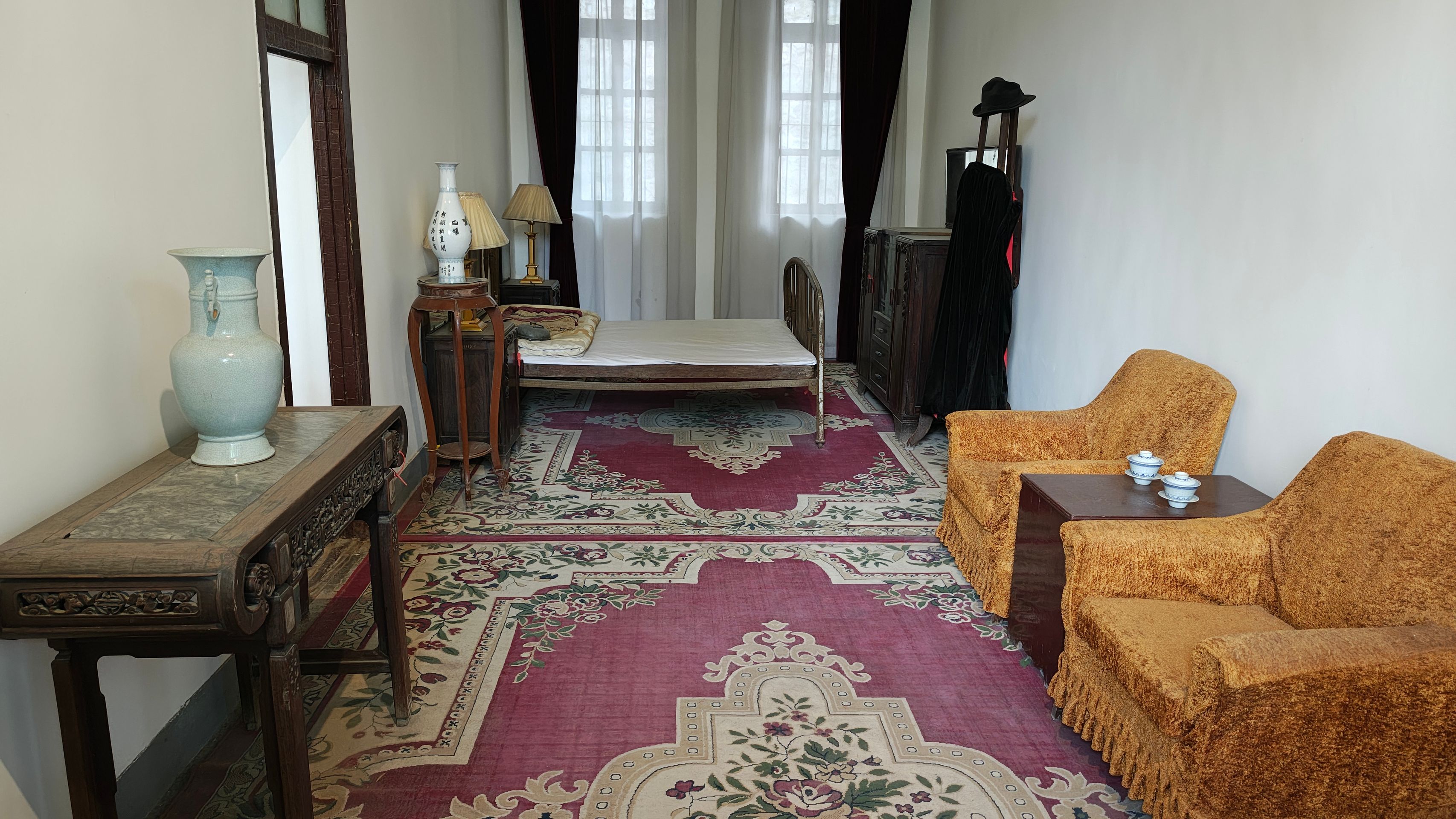
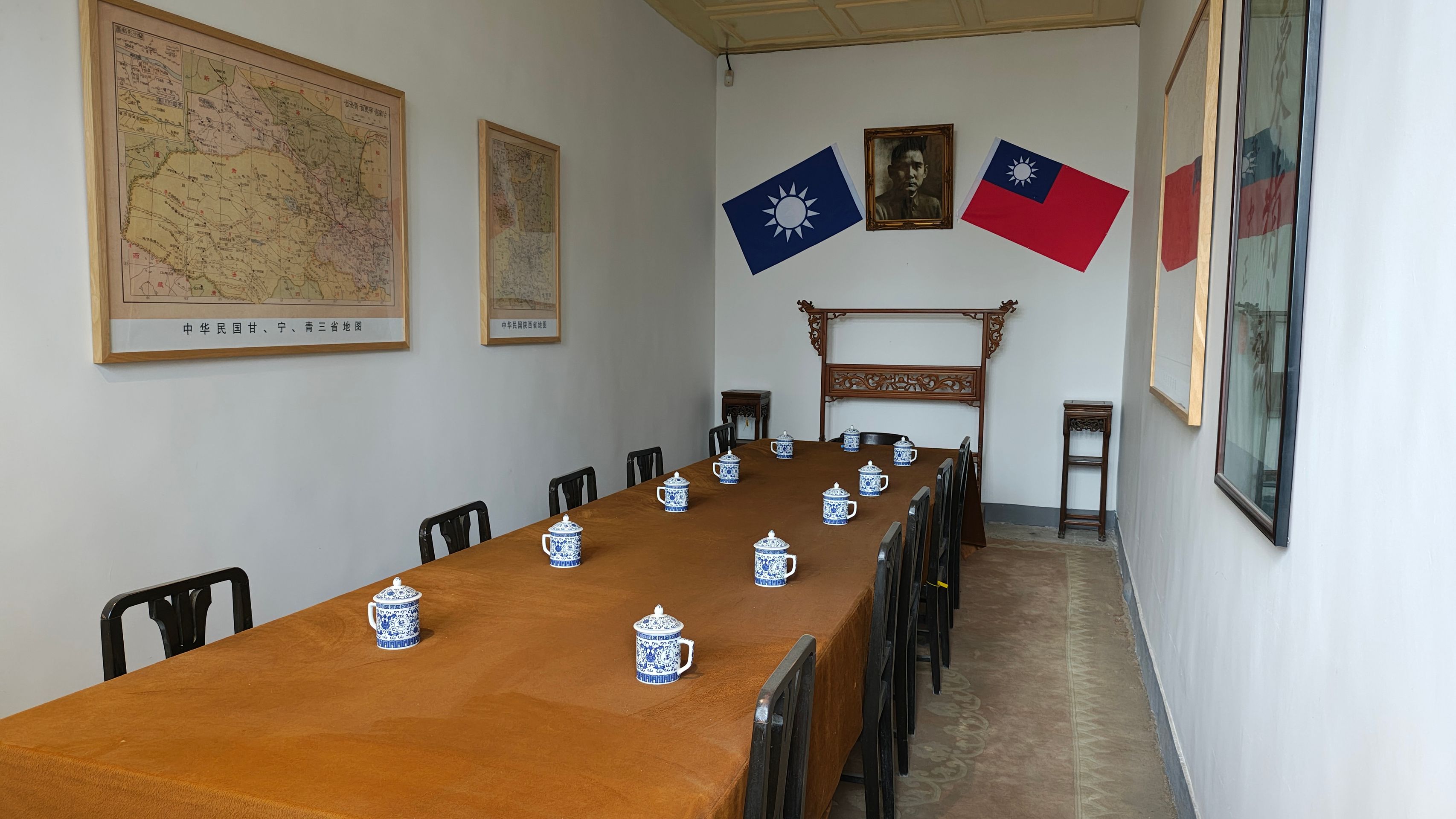
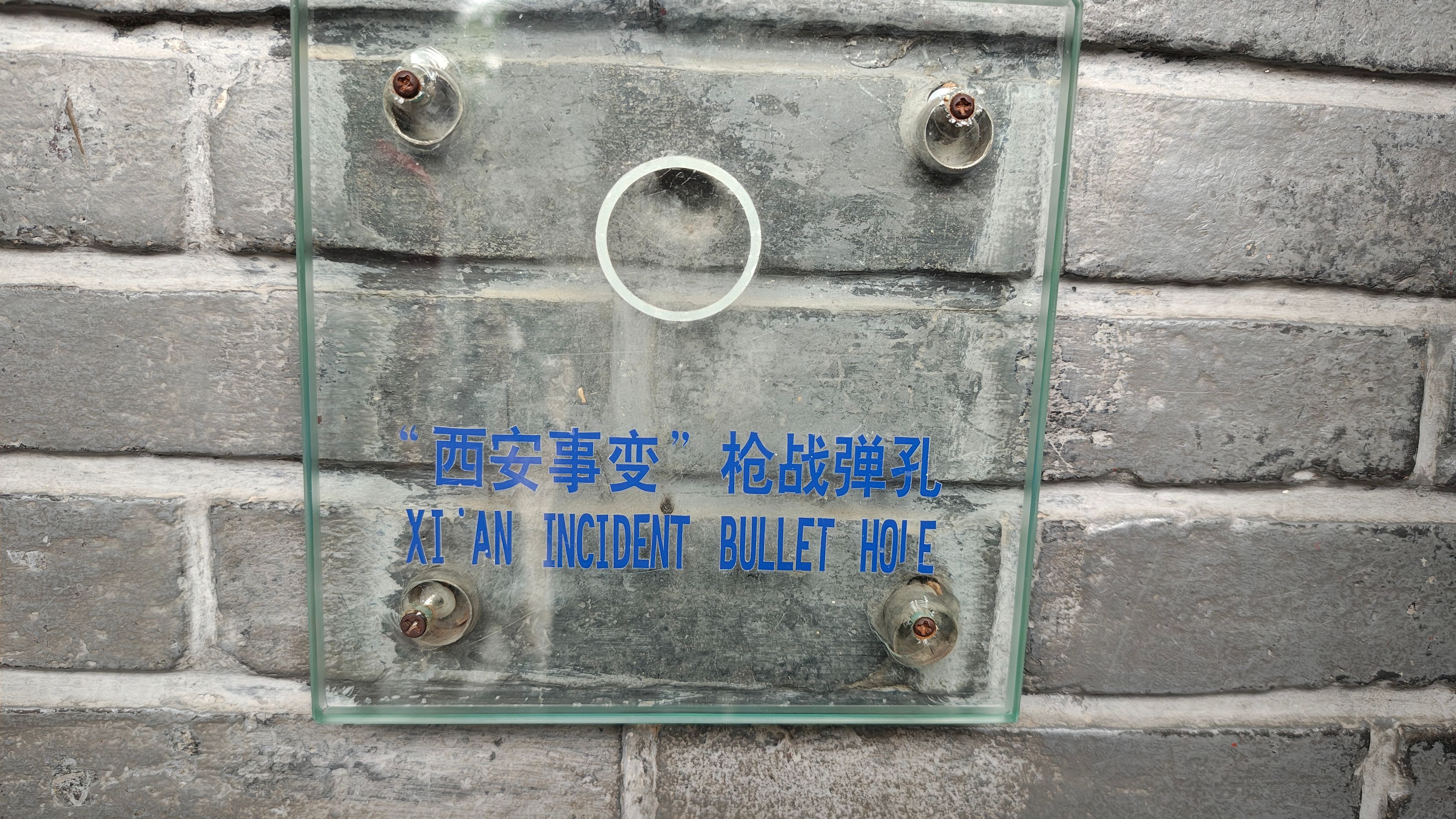
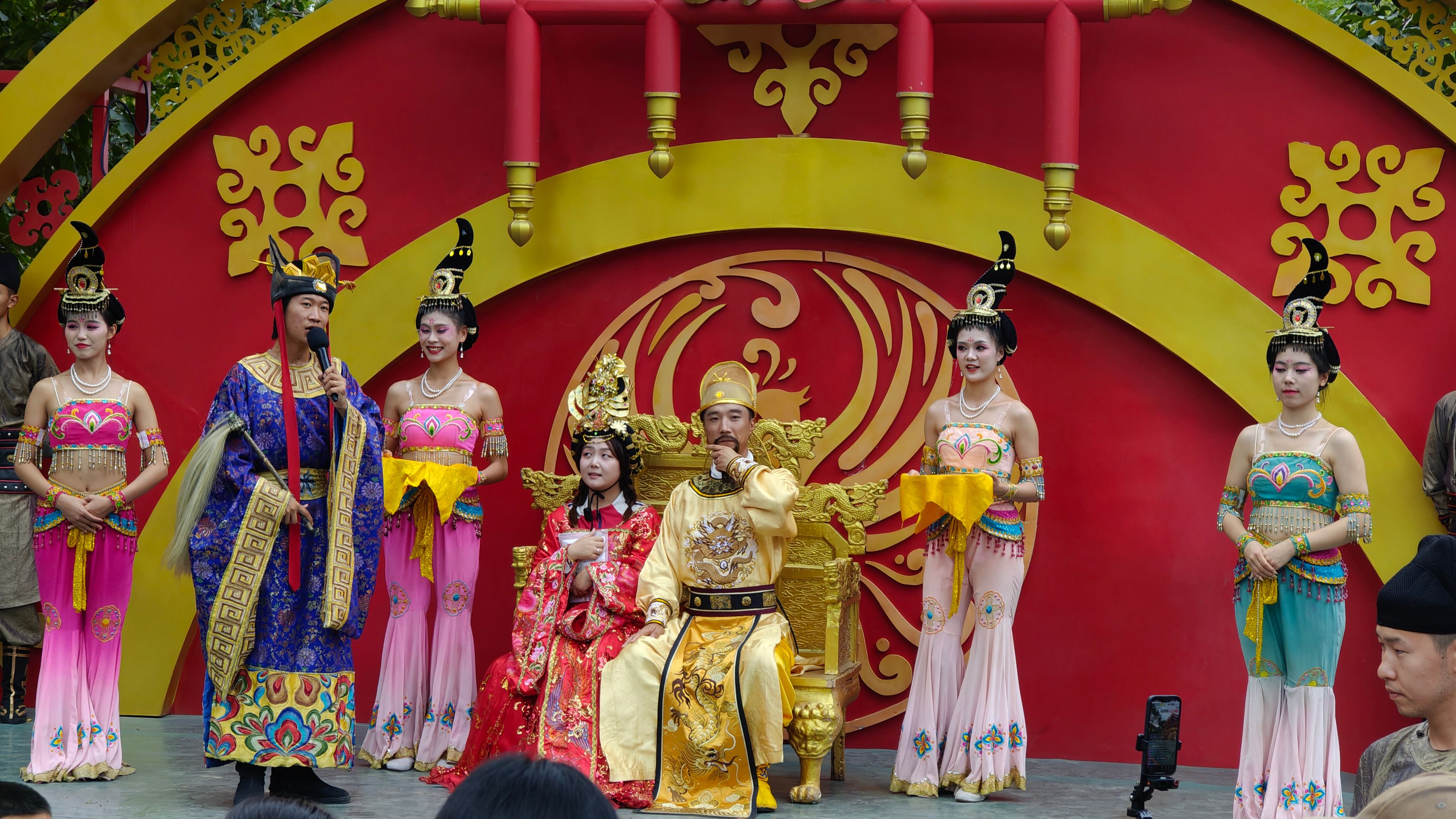
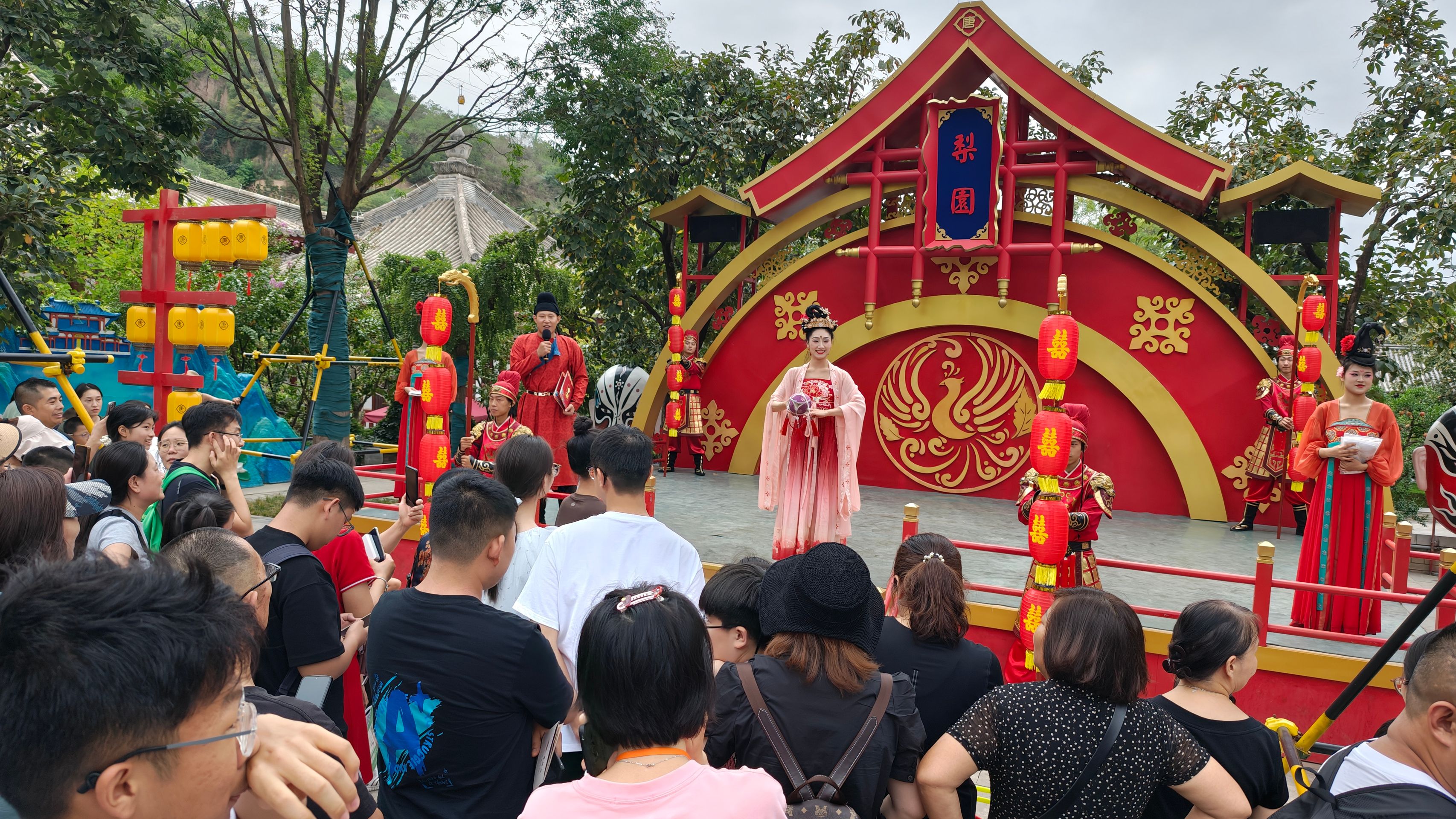
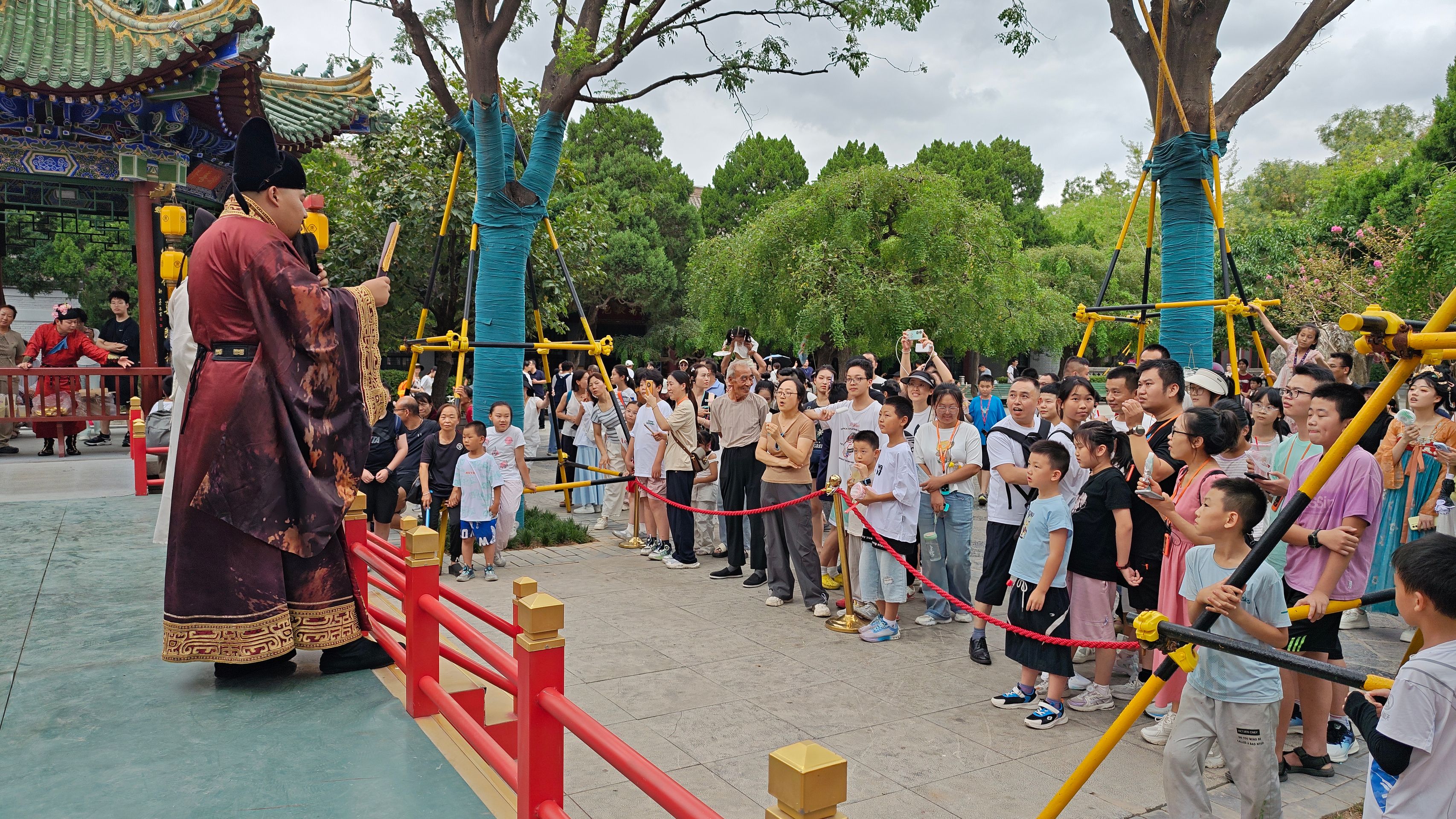
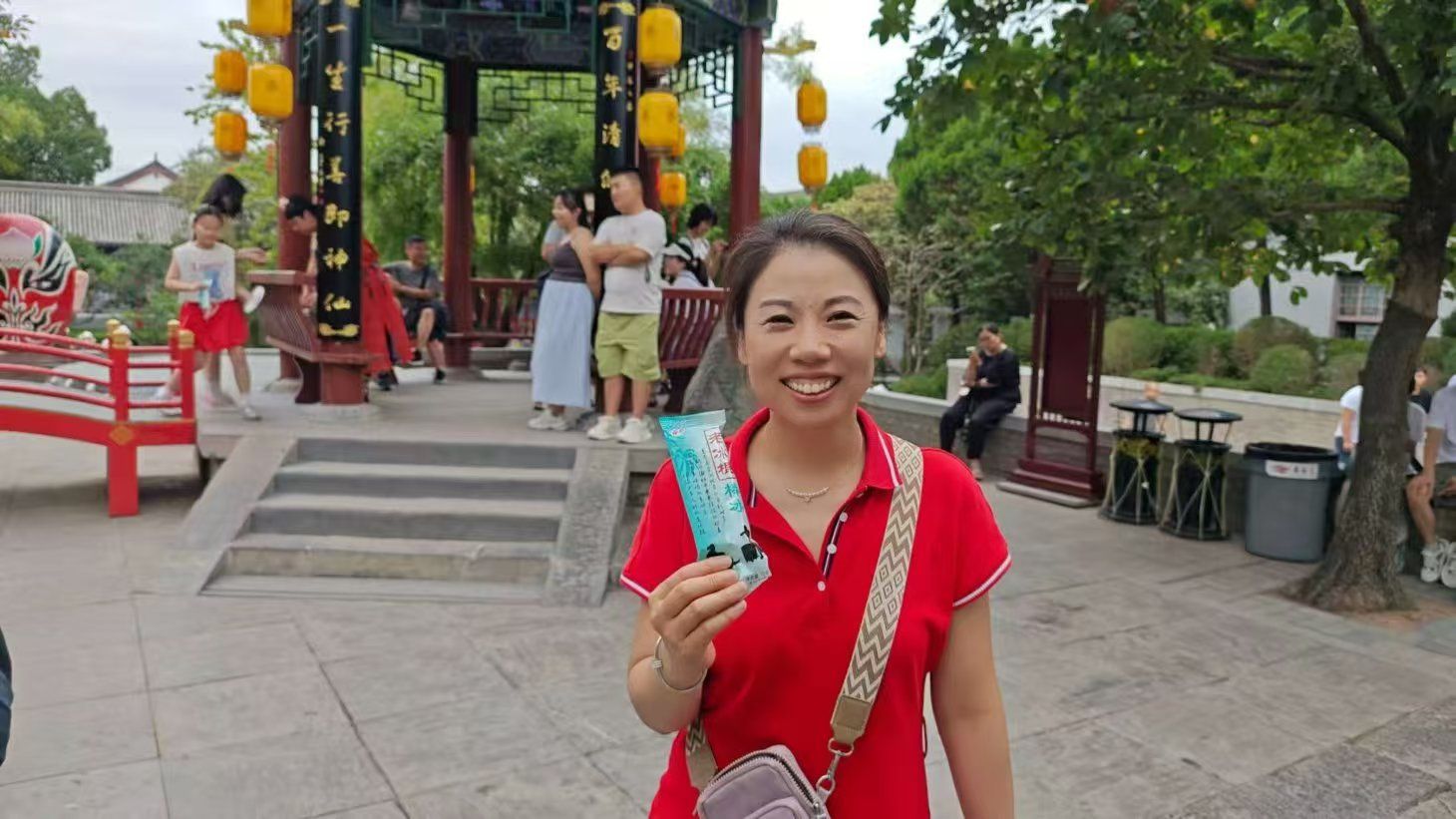
To recover from our Terracotta battle, we travel to the Huaqing Palace with its natural hot springs. Our driver shows an important ID in front of a barrier at the end of the road, and he can drive us right up to the entrance of the park grounds. The park, featuring pavilions, lotus ponds, and bridges, initially focuses on significant political events from the Tang Dynasty. Emperor Xuanzong (685-762) had a mistress named Yang Guifei, who lived in the palace. She exploited the emperor's favor to place her family members in important positions of power. Her incompetent, corrupt, and arrogant cousin Yang Guozhong was appointed as the powerful chancellor, and her brother also received powerful offices. This corrupt governance led to a rebellion by General An Lushan. The emperor and his mistress, along with the government, fled from the palace on July 14, 756. The next day, Yang Guozhong was killed, and concubine Yang Guifei was pressured to commit suicide. Today this story is often described as a romantic tragedy, similar to what partially happened with Marie Antoinette during the French Revolution, which curiously broke out exactly 1033 years later to the day in France. The love affair between the emperor and the concubine is romanticized through statues in the park, even though the killing and expulsion of the corrupt and incompetent Yang family clan was a result of their poor politics. The second significant political event in the park occurred at the southern end at the foot of the mountains. Here, in 1936, Chiang Kai-shek established his quarters with his Kuomintang Army. They fought in a civil war against the Communists under Mao Zedong for power and against the Japanese invasion in China. The two Kuomintang generals Zhang Xueliang and Yang Hucheng were dissatisfied that Chinese were fighting each other rather than uniting against the invading Japanese in Manchuria. They rebelled on December 12, 1936, engaging in a gunfight with Chiang Kai-shek's bodyguards, resulting in dozens of soldiers' deaths. Chiang himself was captured. He was forced to agree to end the civil war and fight alongside the Communists against the Japanese. We visit the living quarters of Chiang Kai-shek and his bodyguards. Even the bullet holes created during the fighting are marked. Afterwards, we stroll in the park to a stage next door, where there are several costumed performances in succession, typically with much interaction with the audience. Some men from the audience have to perform promotional rituals about beautiful women and children and adults receive an ice cream as a gift if they can complete quotes from classical texts. It's a fun activity and pastime for participants and spectators alike. It is a stylish farewell for us from Xi'an, as we will spend the last day before our departure in Baoji, about 160 kilometers west of Xi'an.