
Historical Dramas at the Huaqing Palace
To recover from our Terracotta battle, we travel to the Huaqing Palace with its natural hot springs. Our driver shows an important ID in front of a barrier at the end of the road,...
Published: 28.08.2025
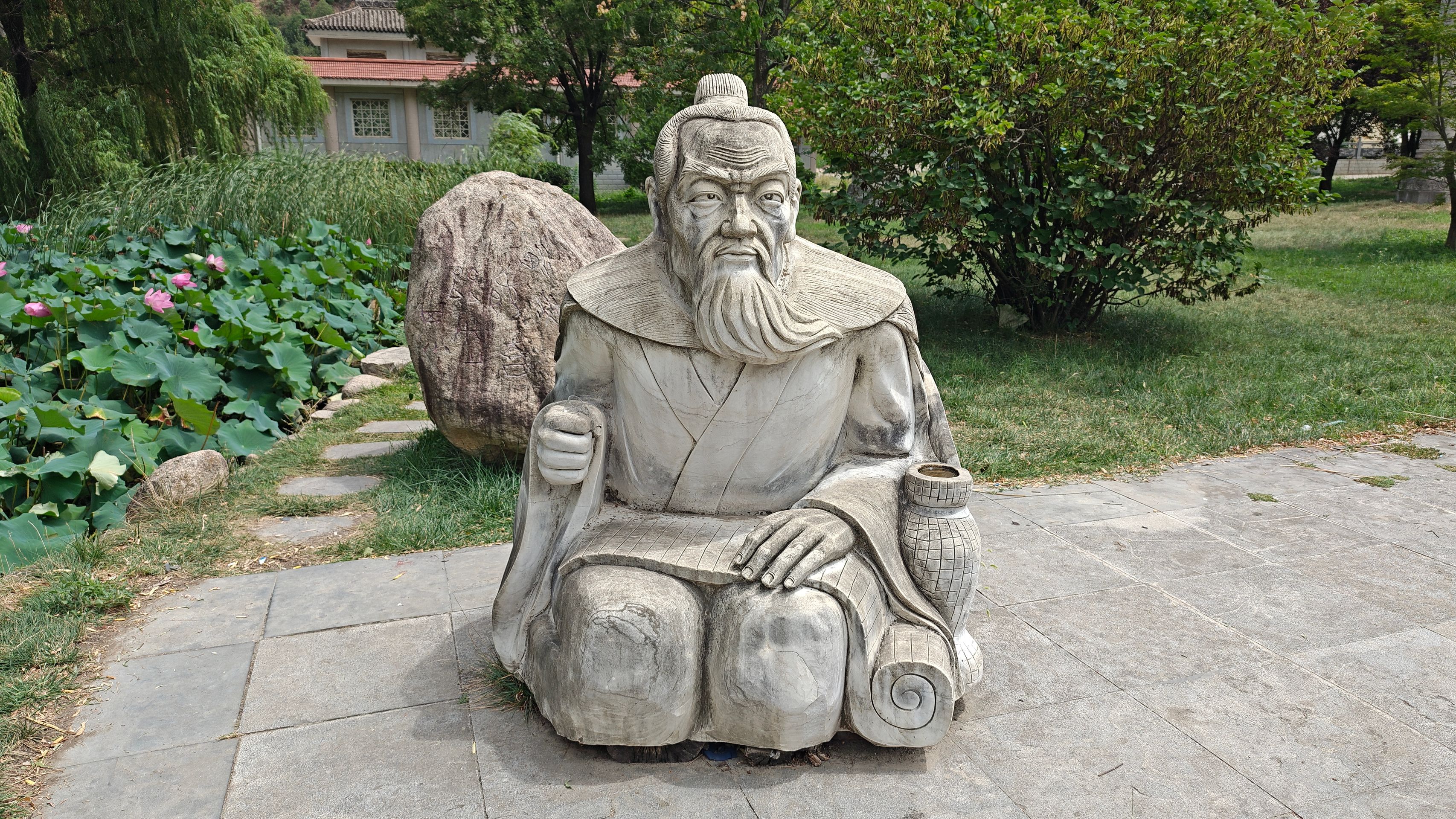
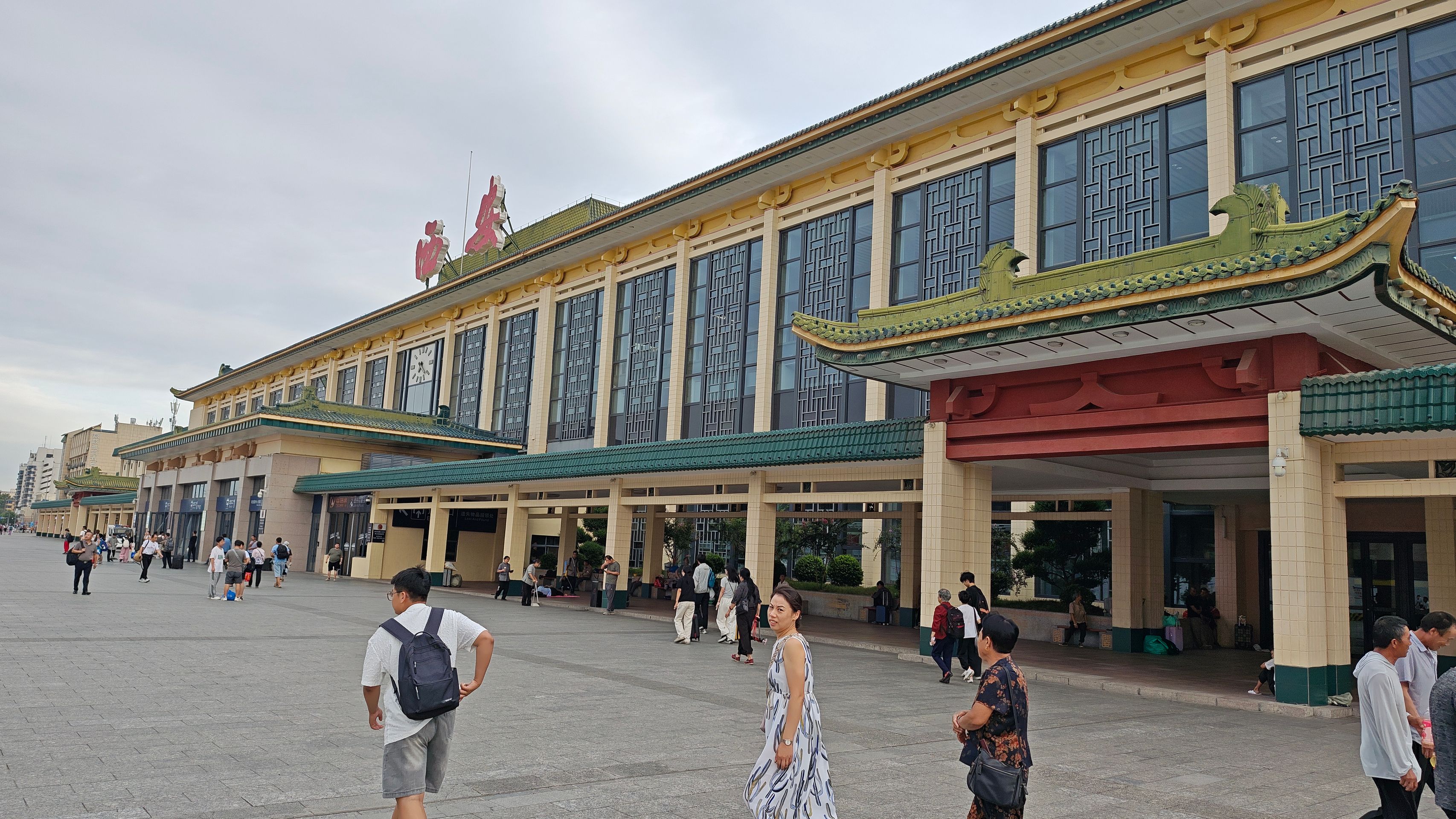
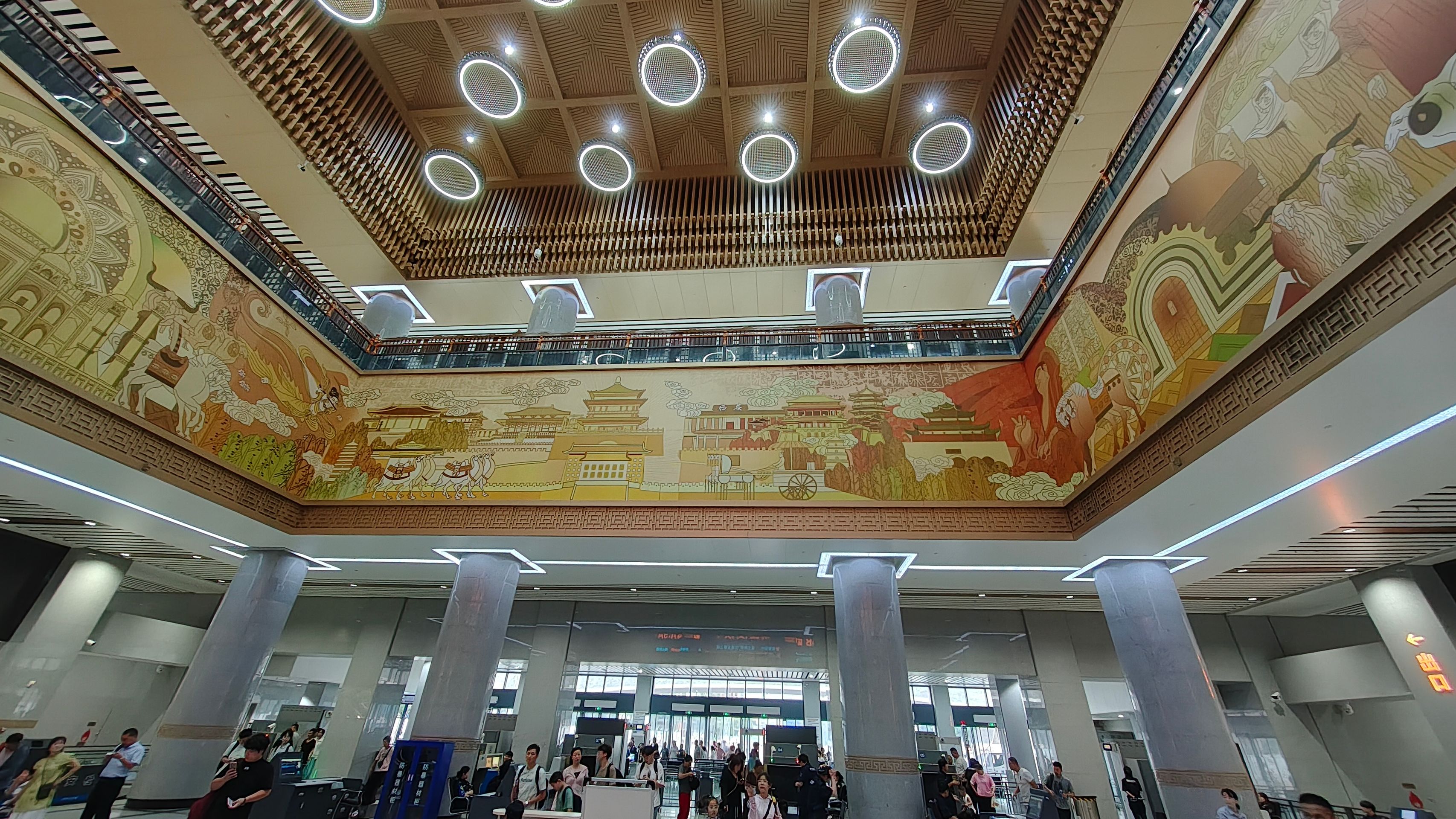
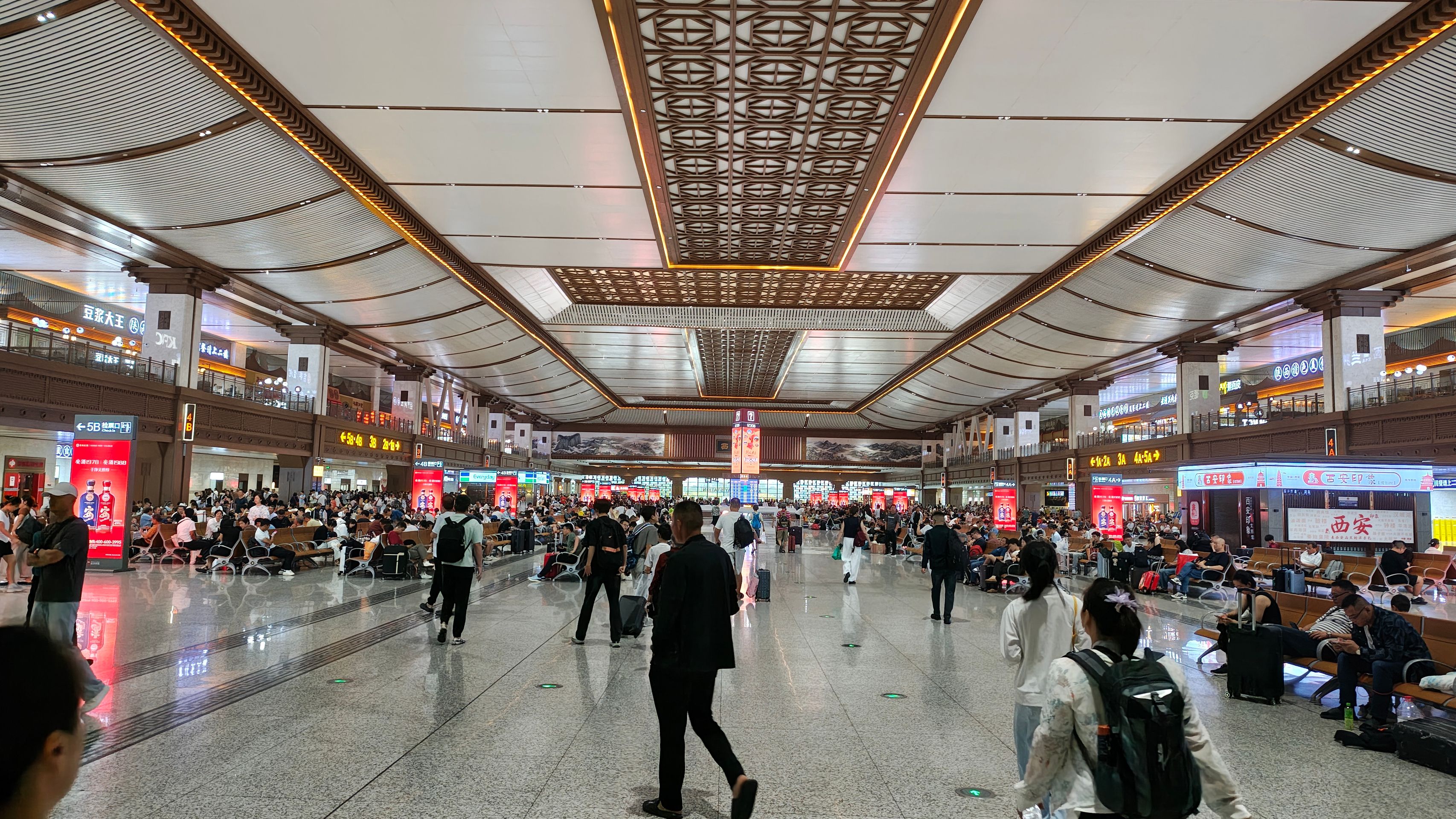
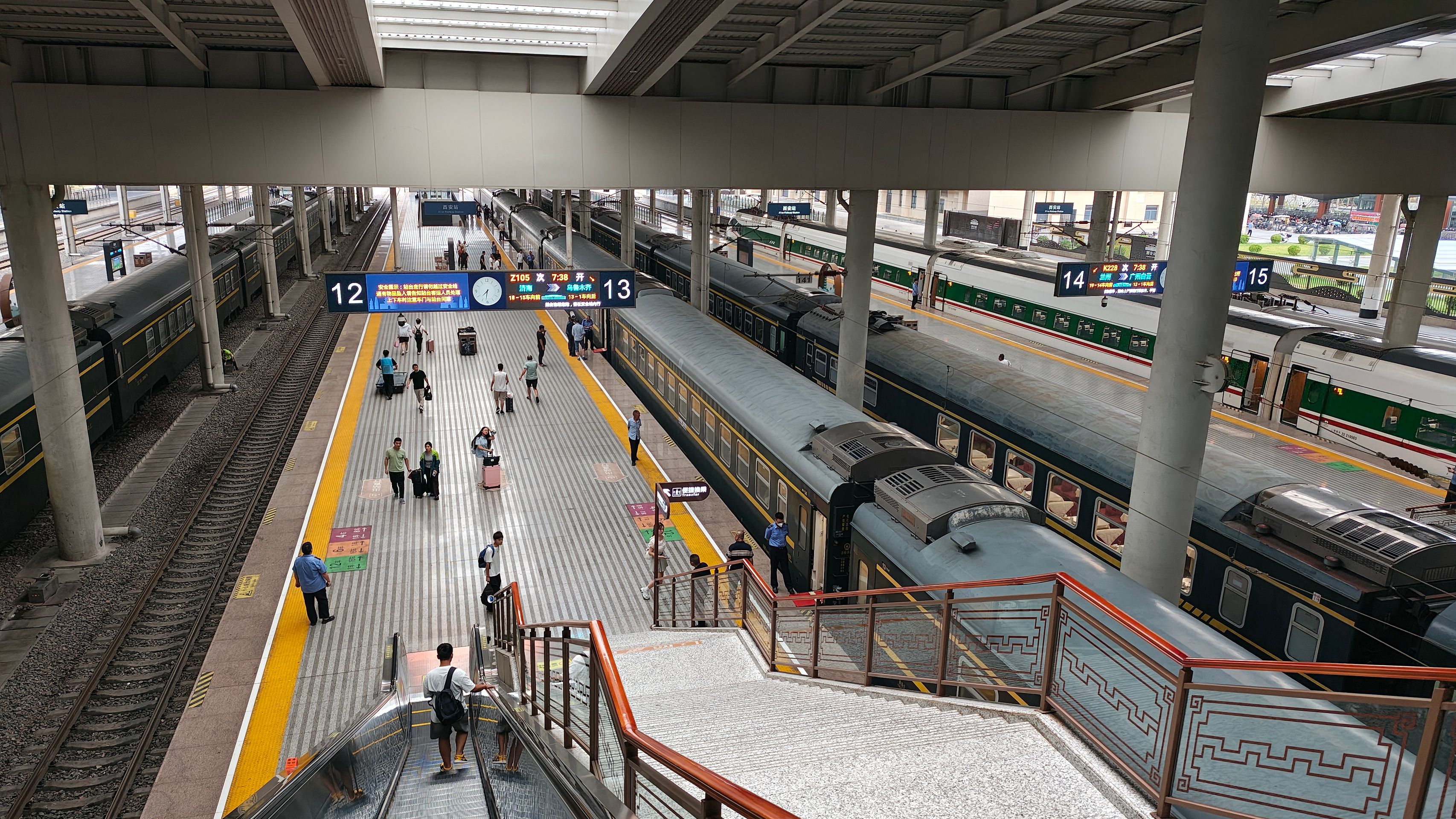
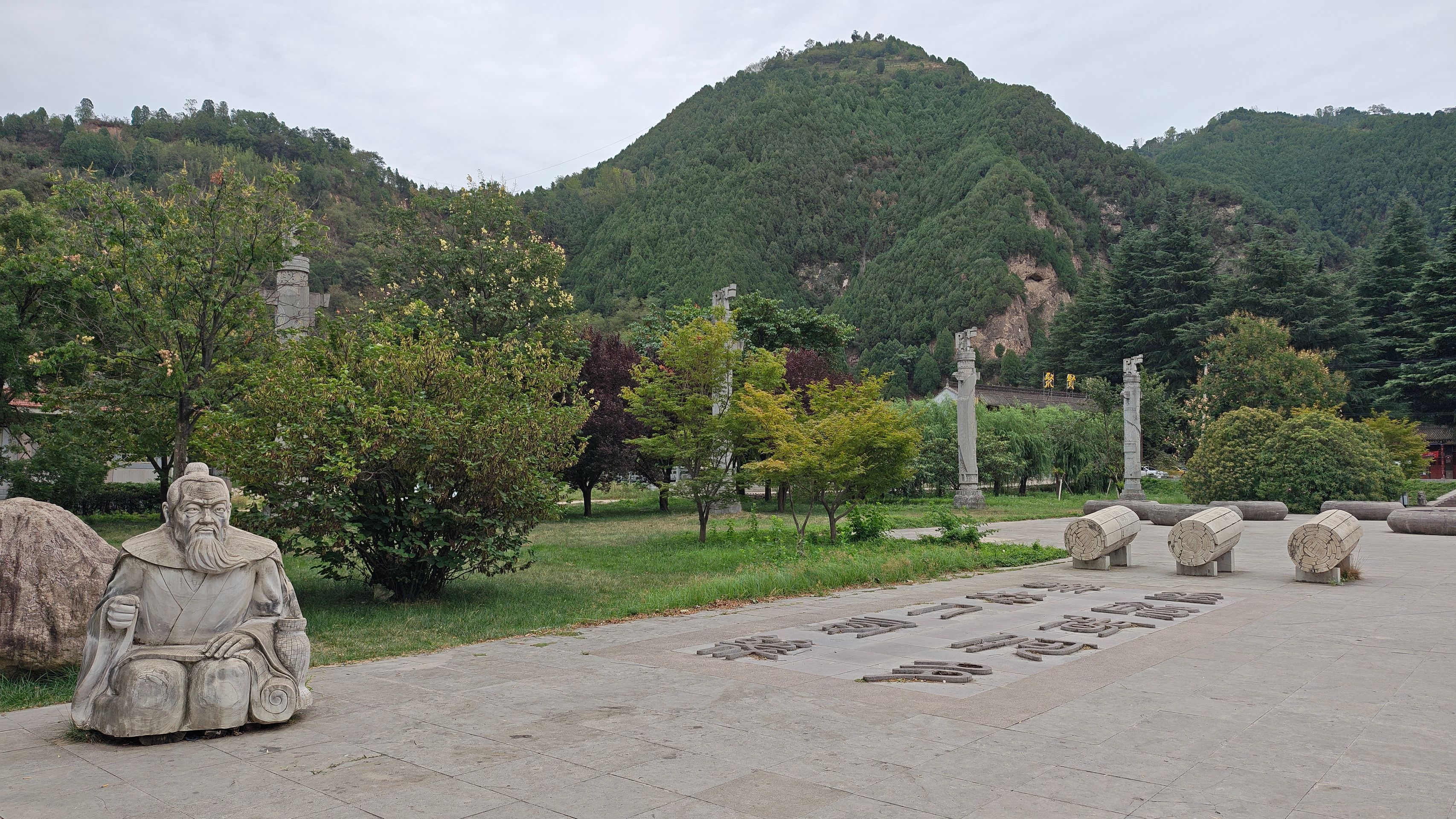
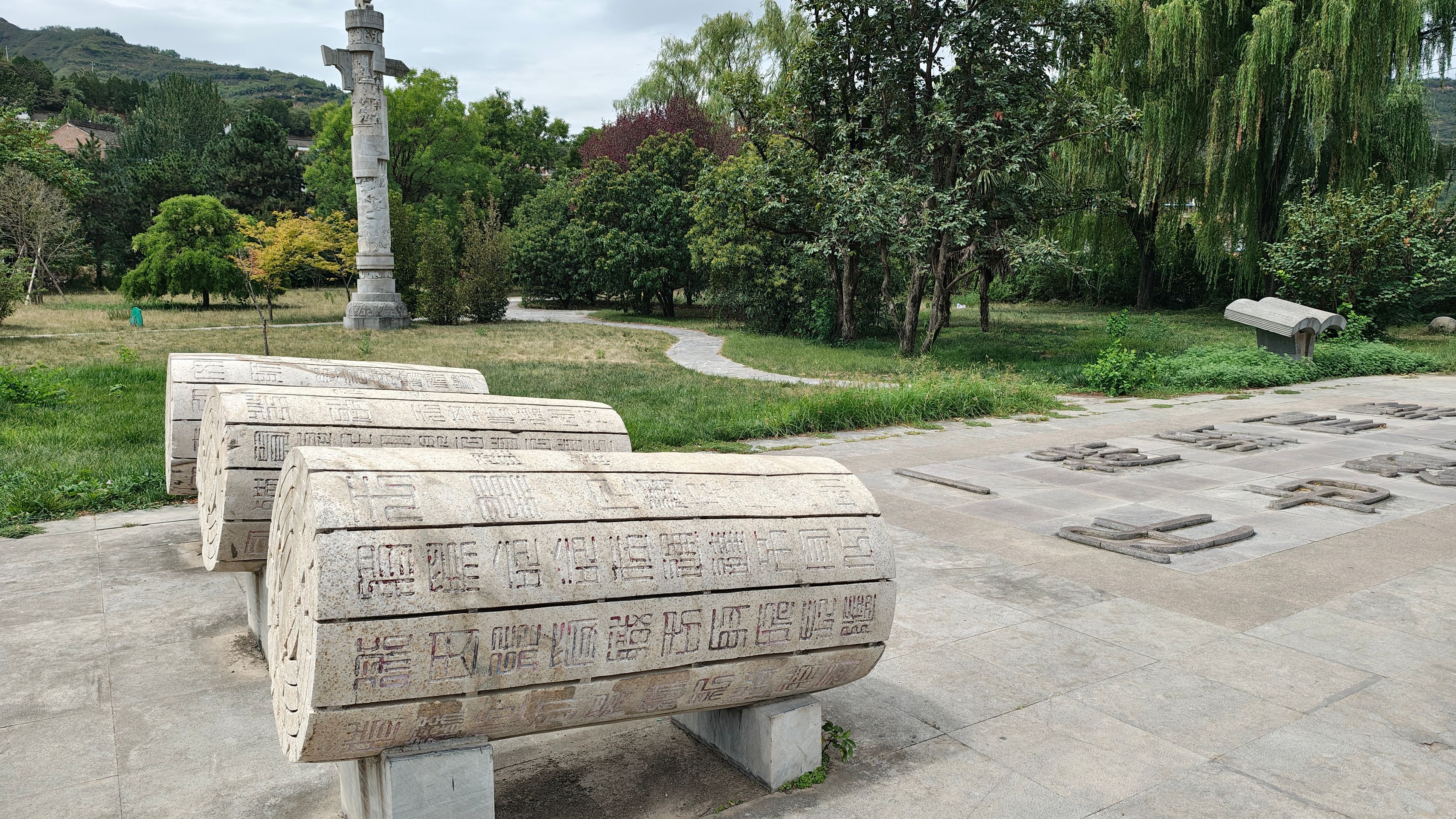
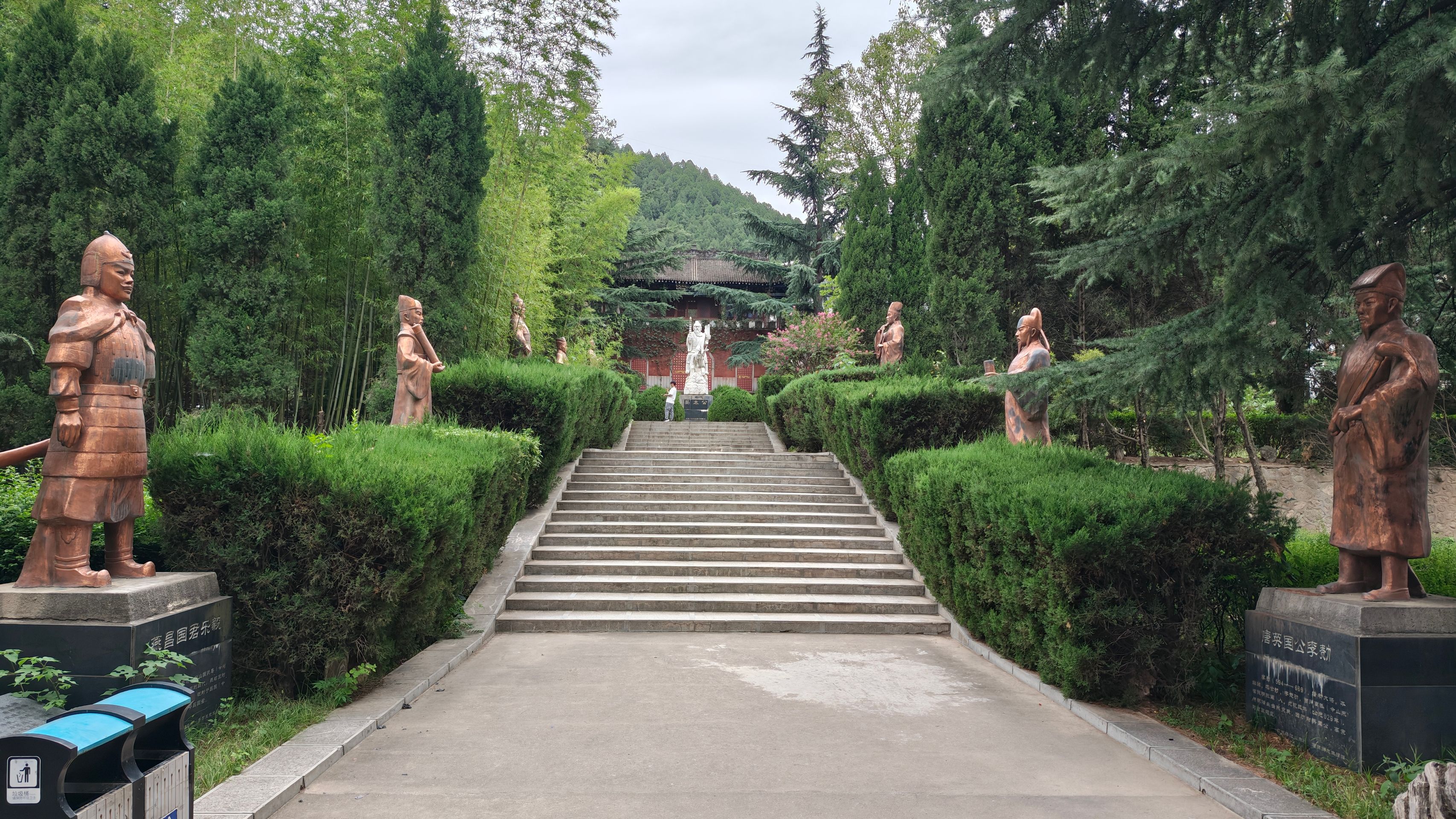
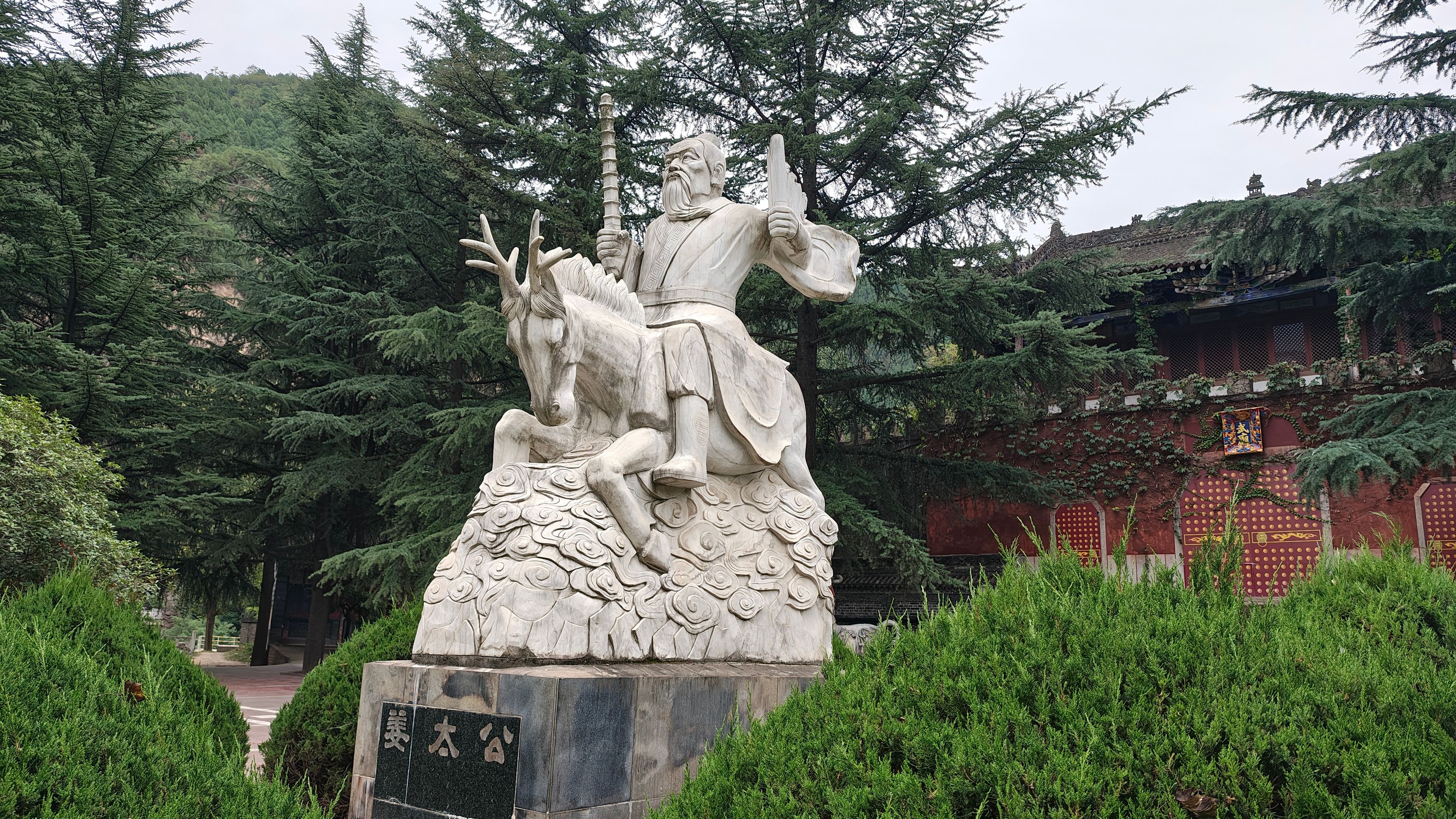
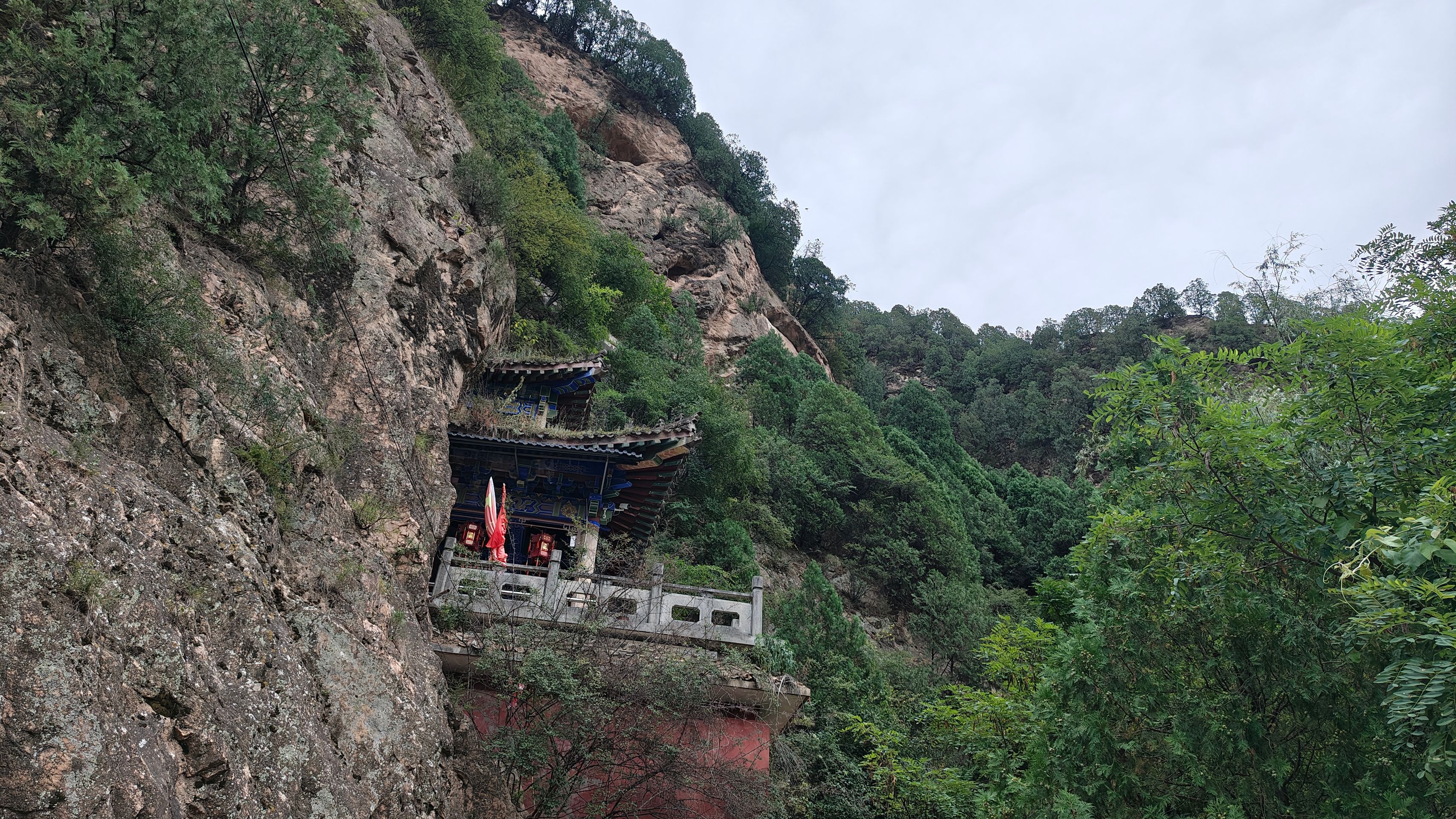
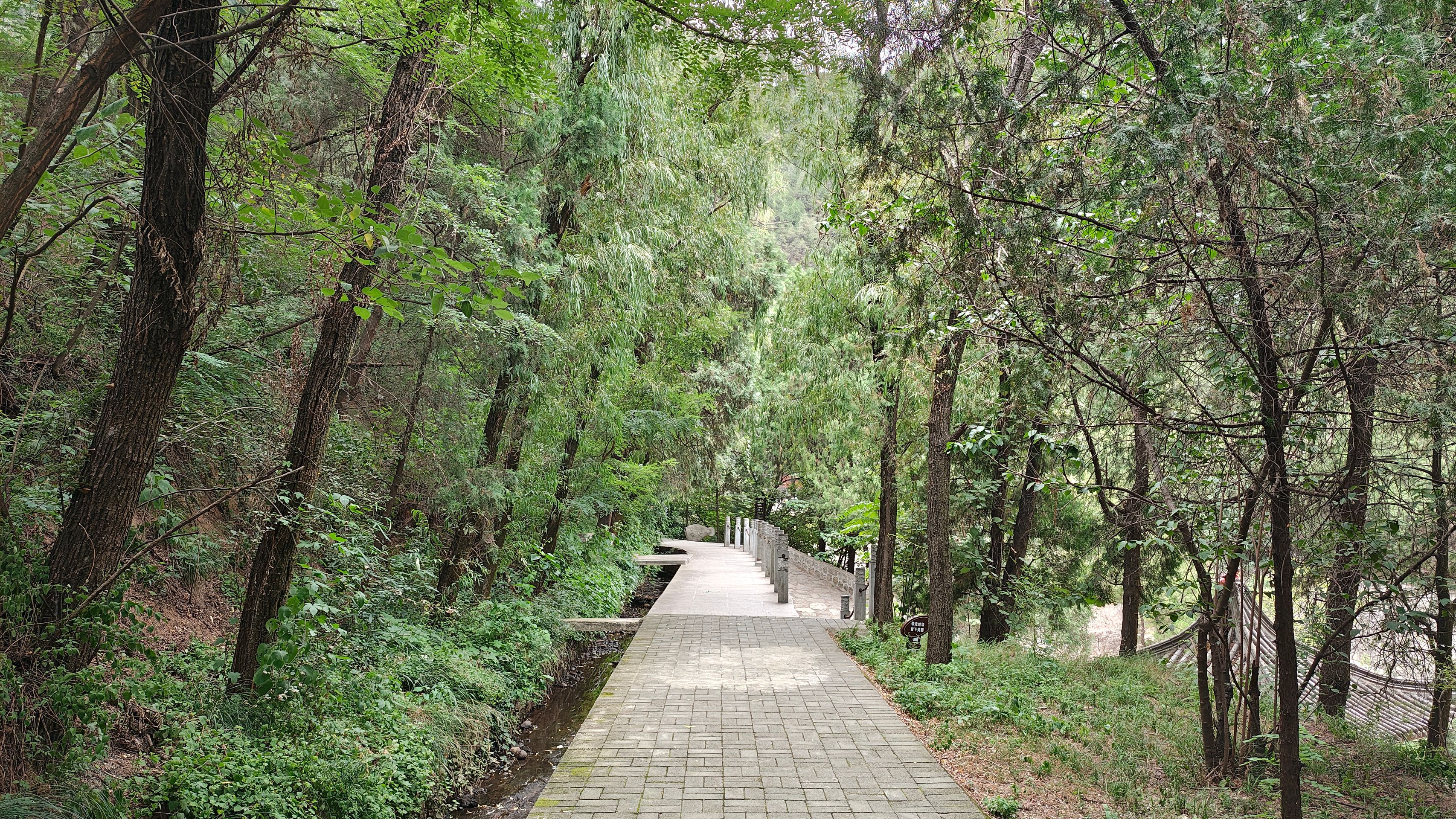
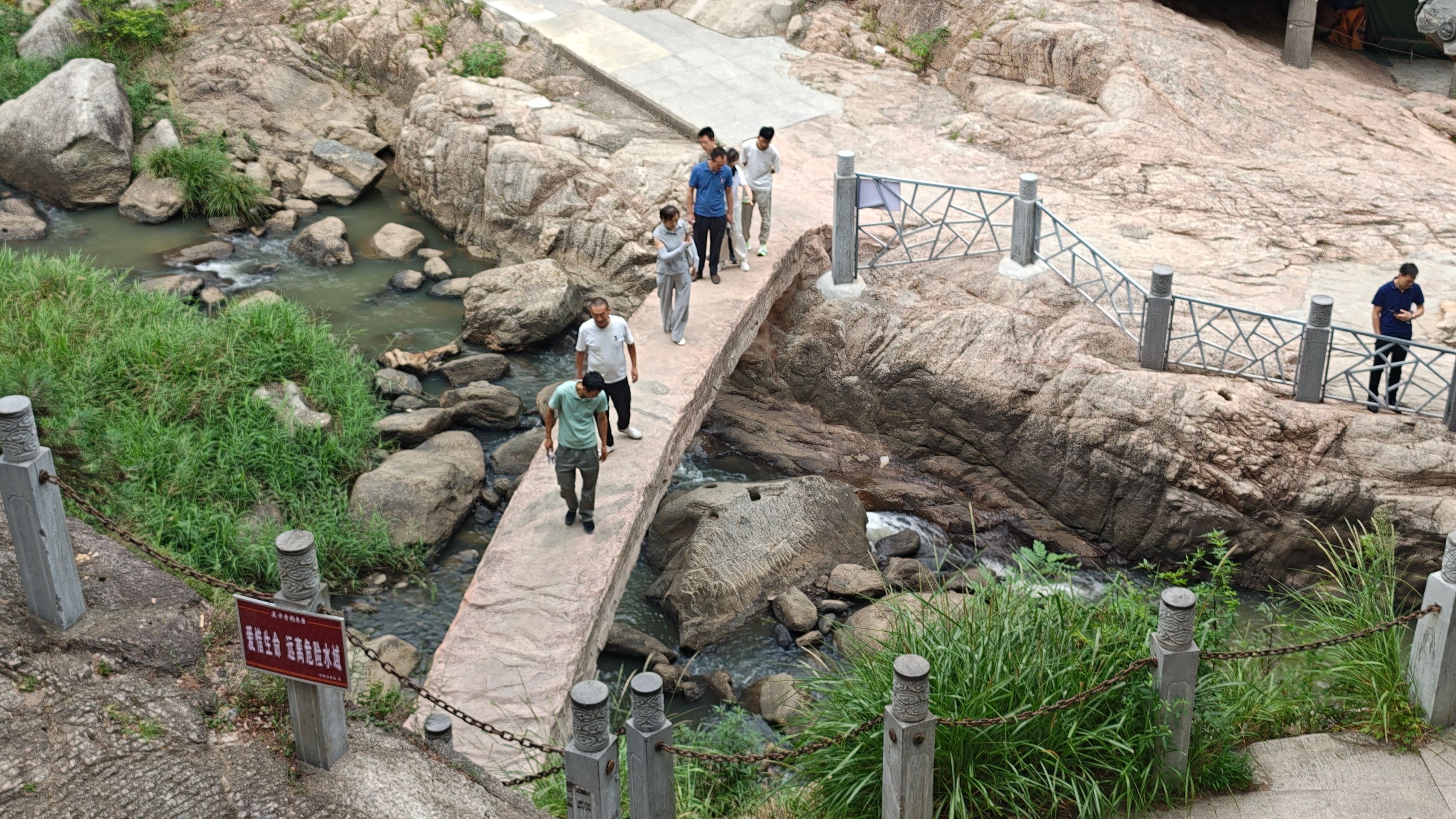
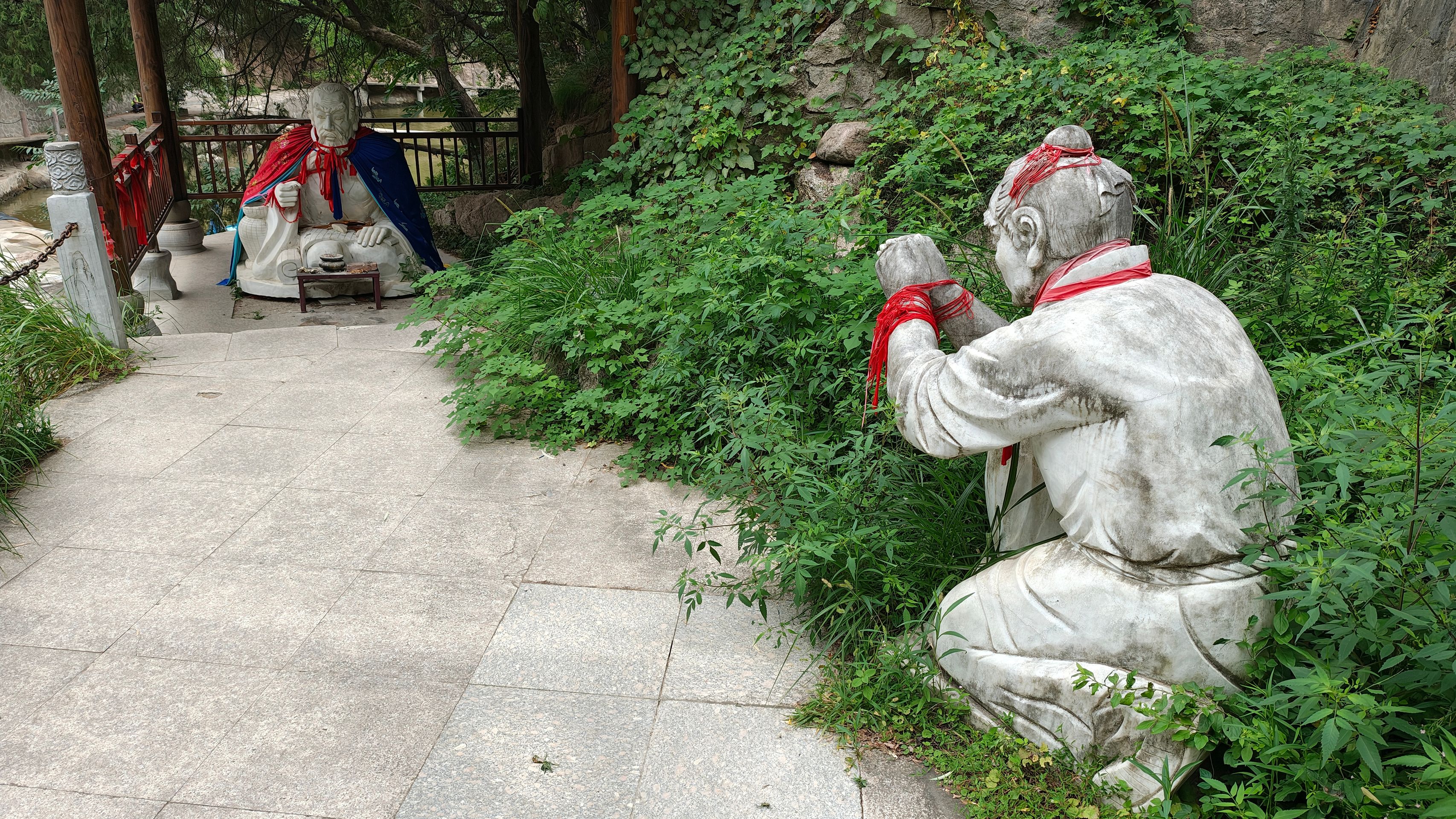
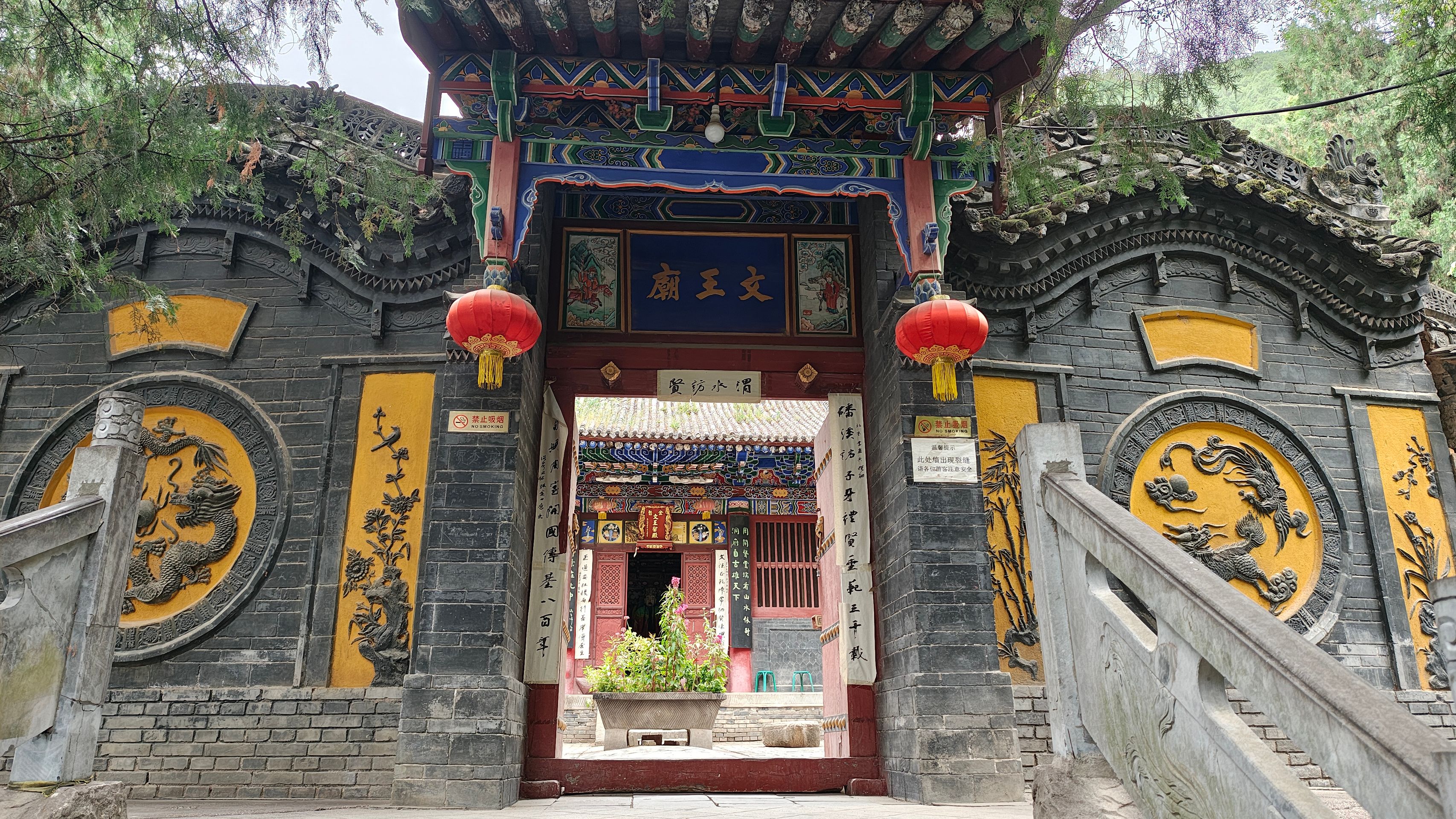
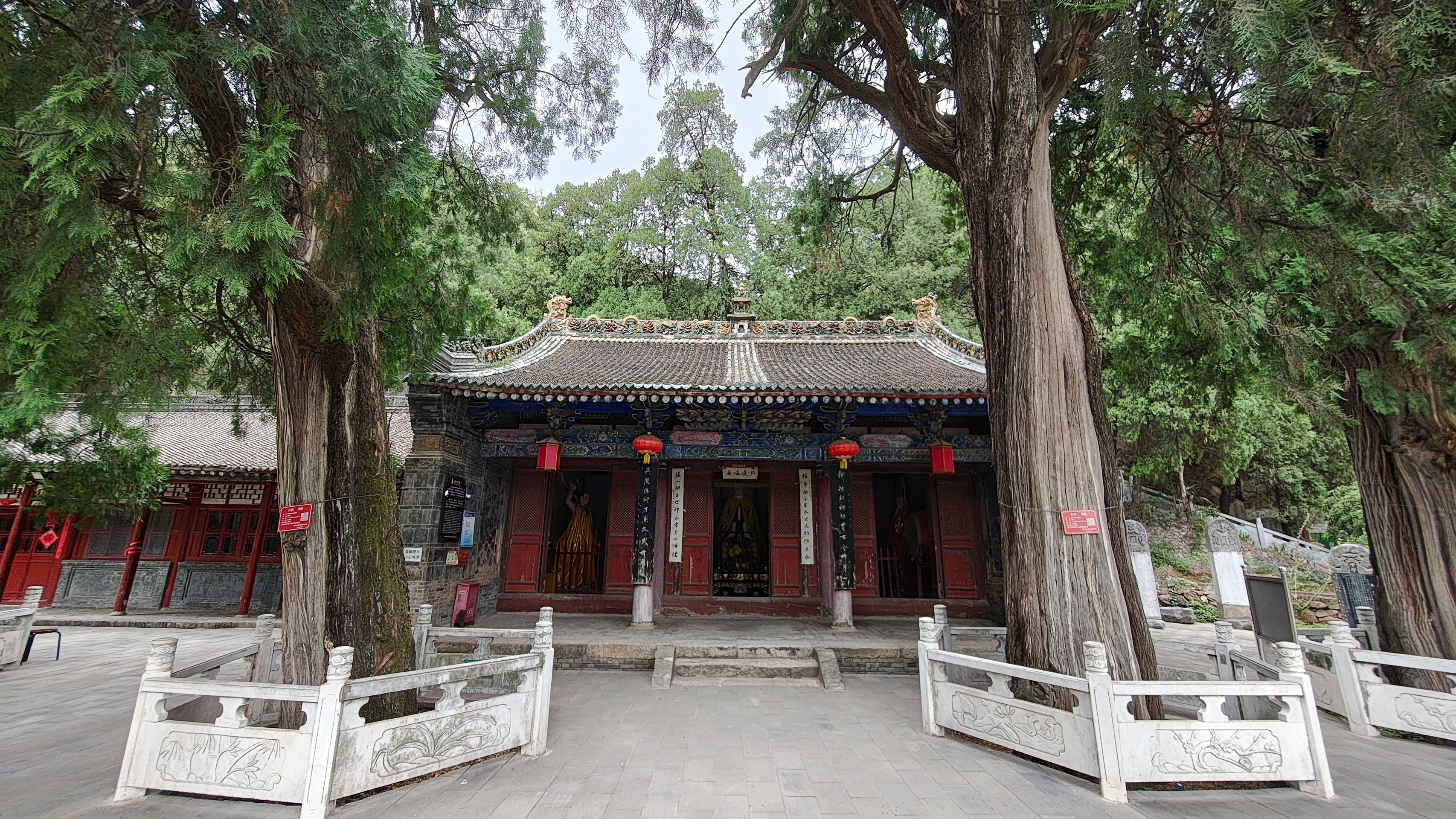
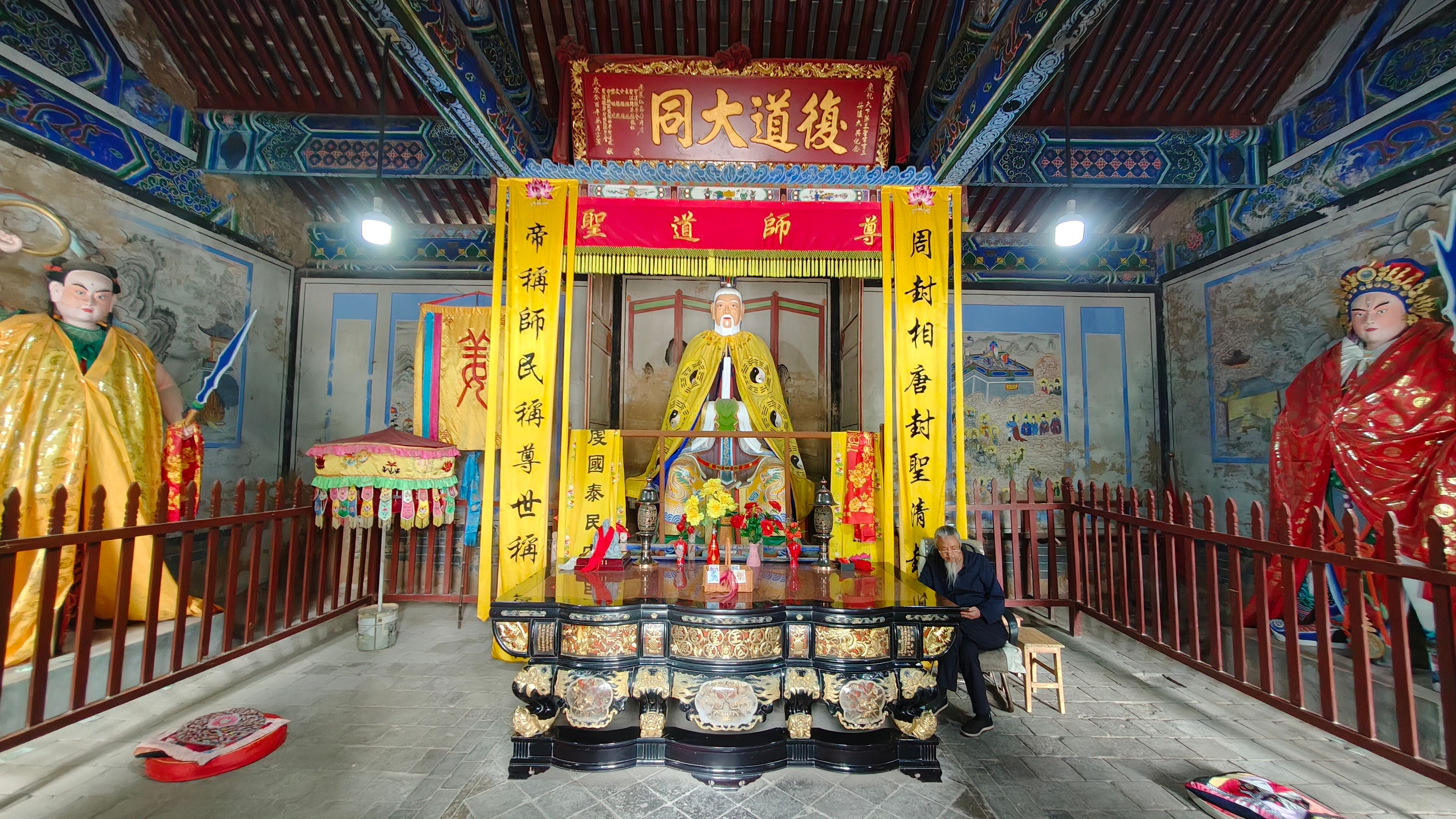
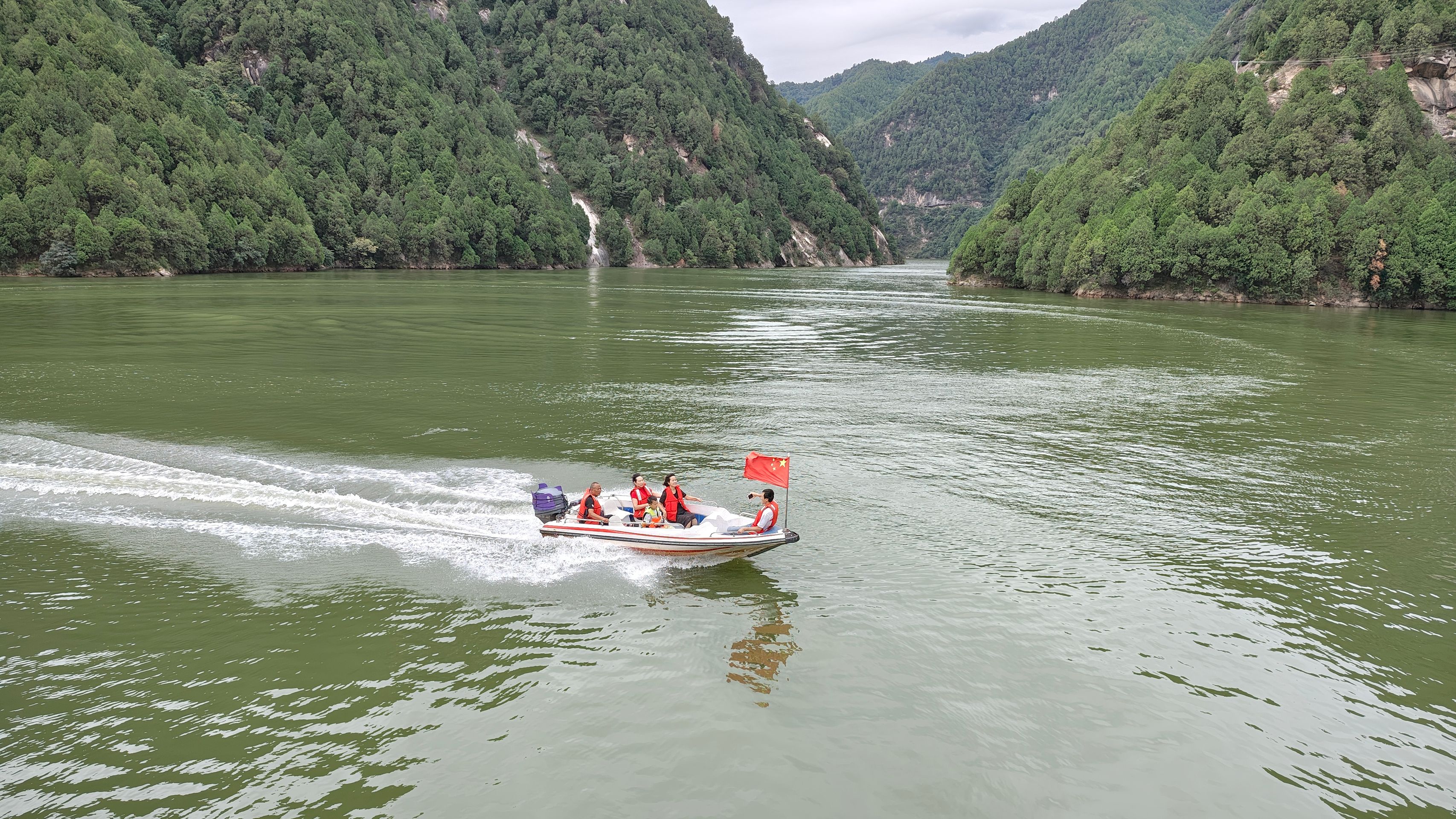
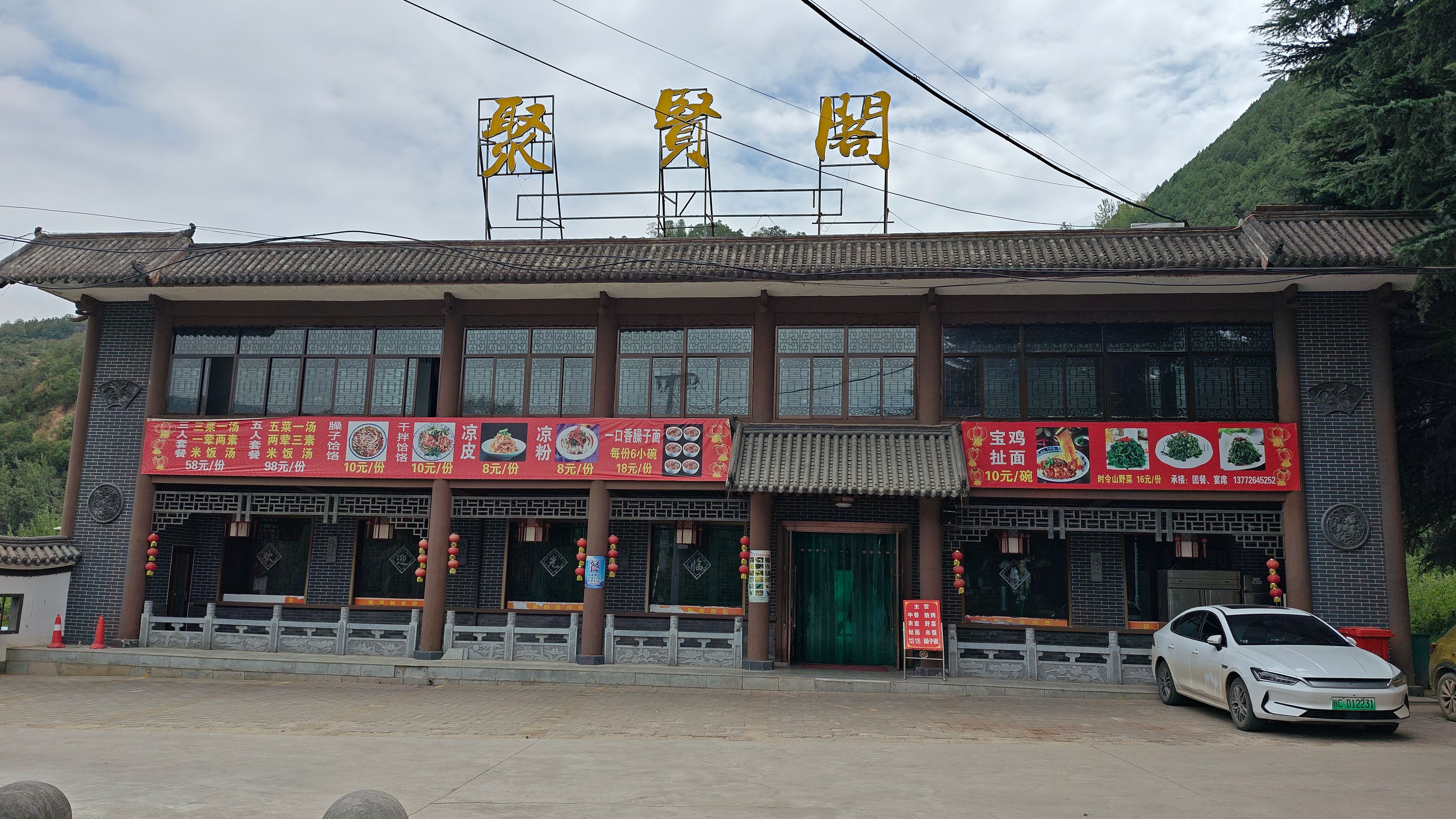
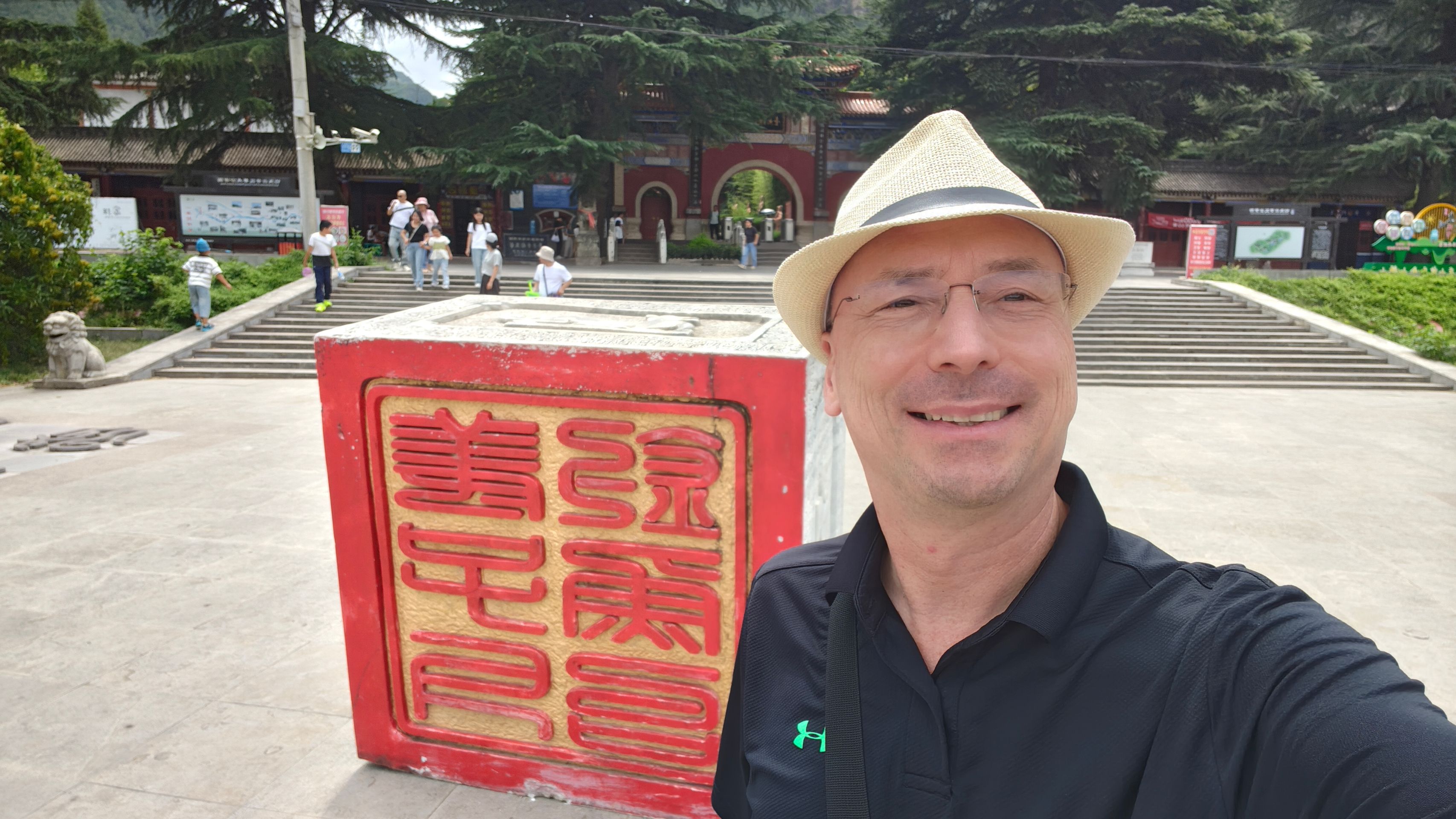
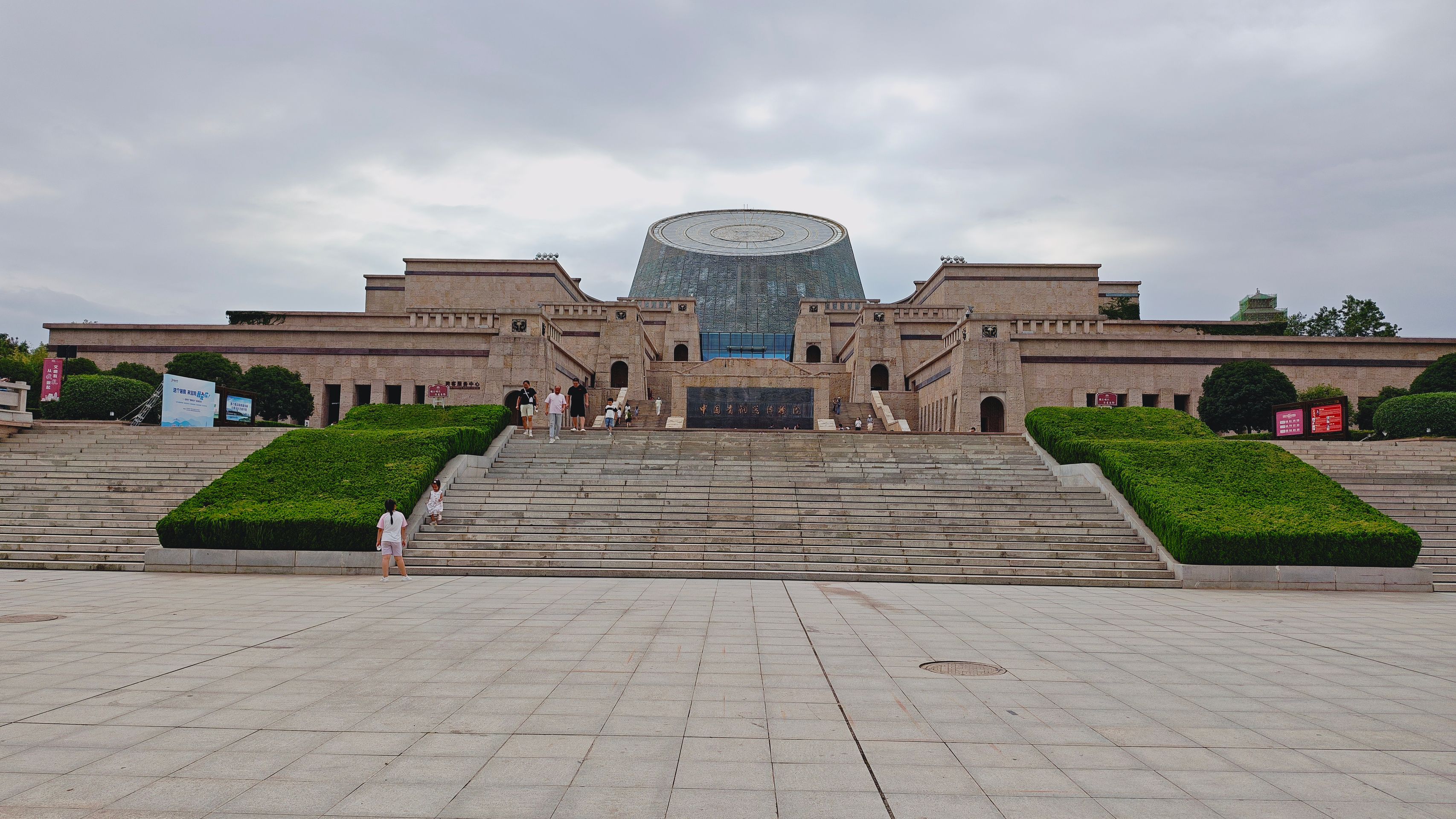
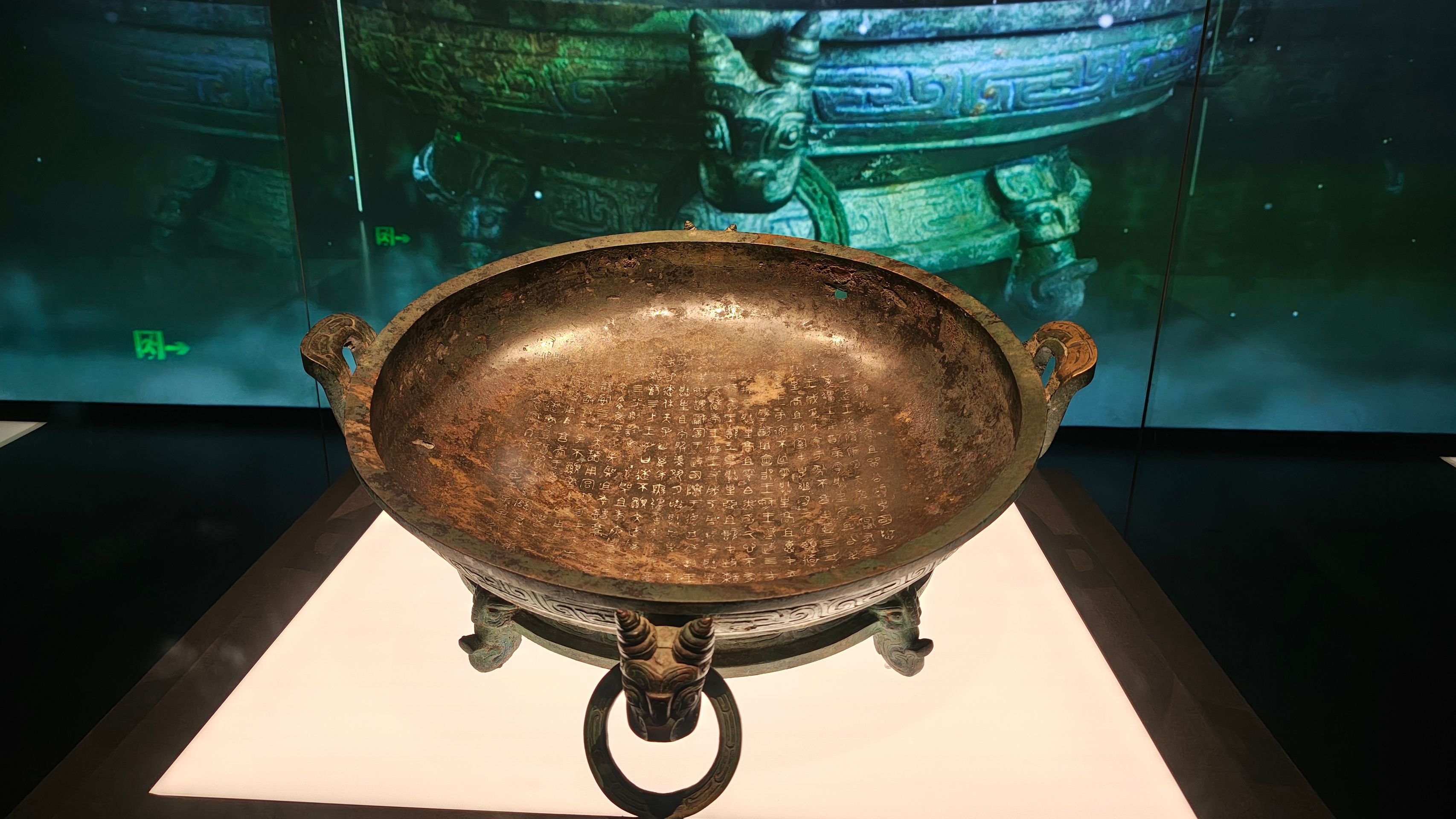
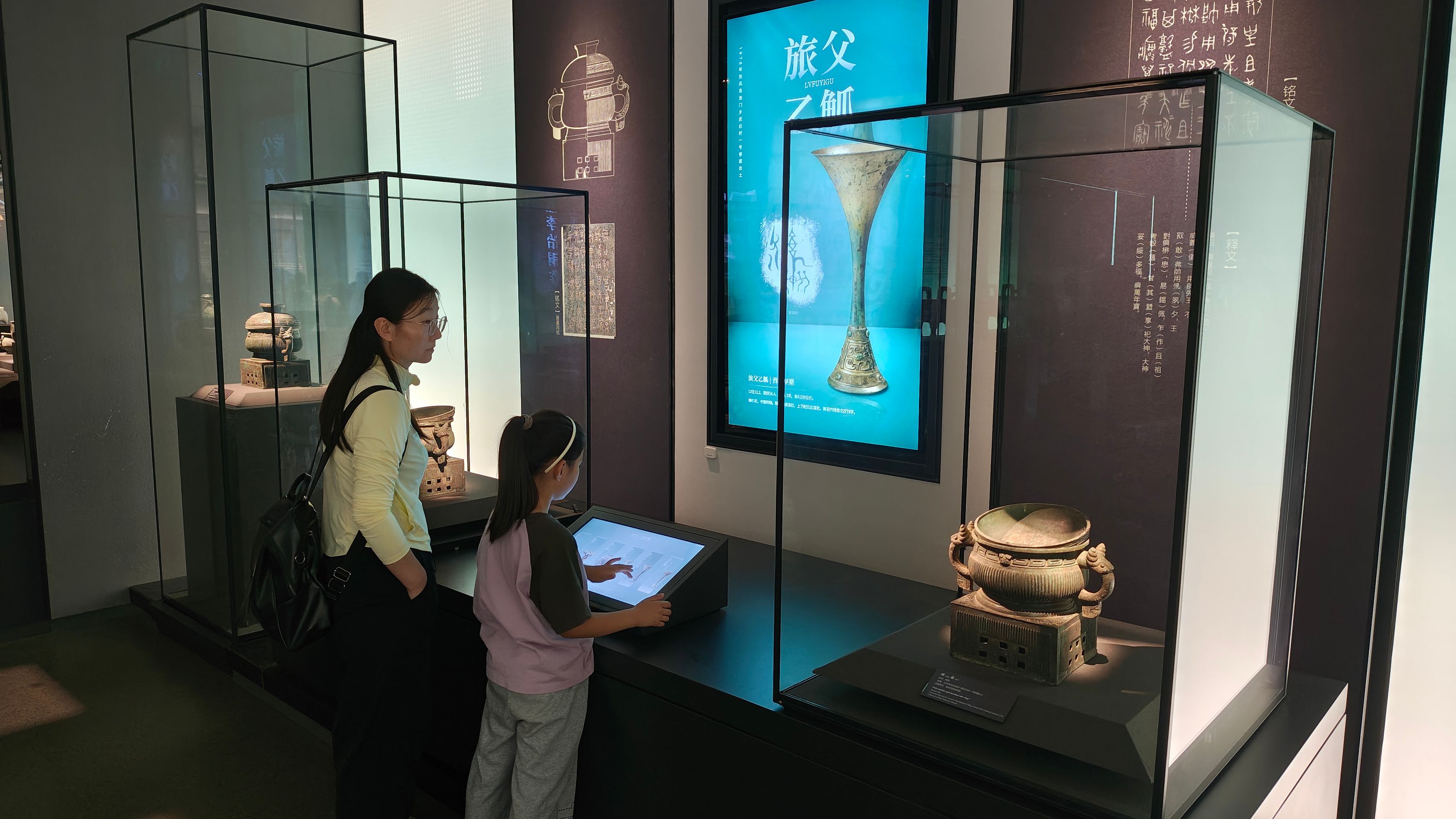
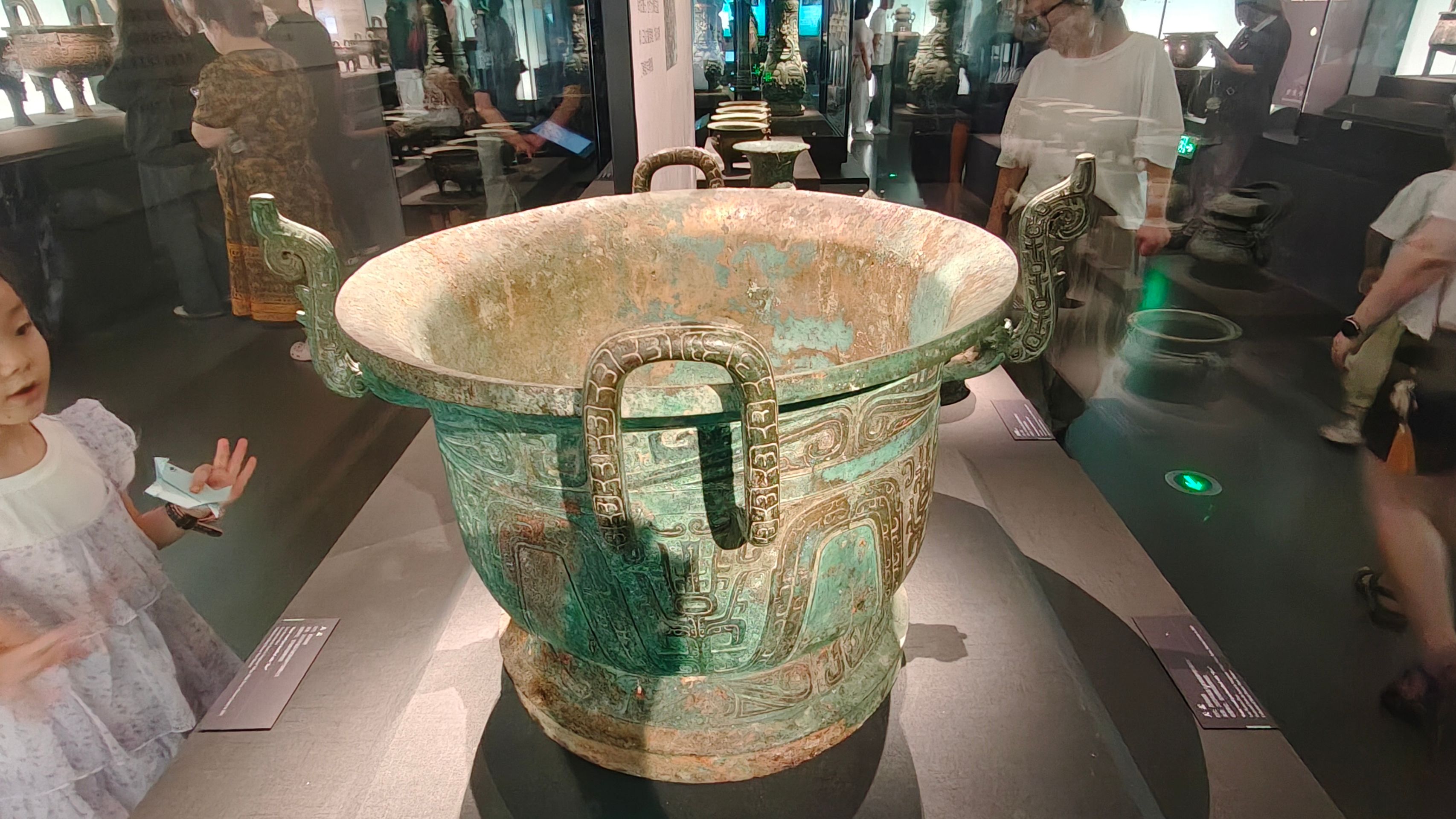
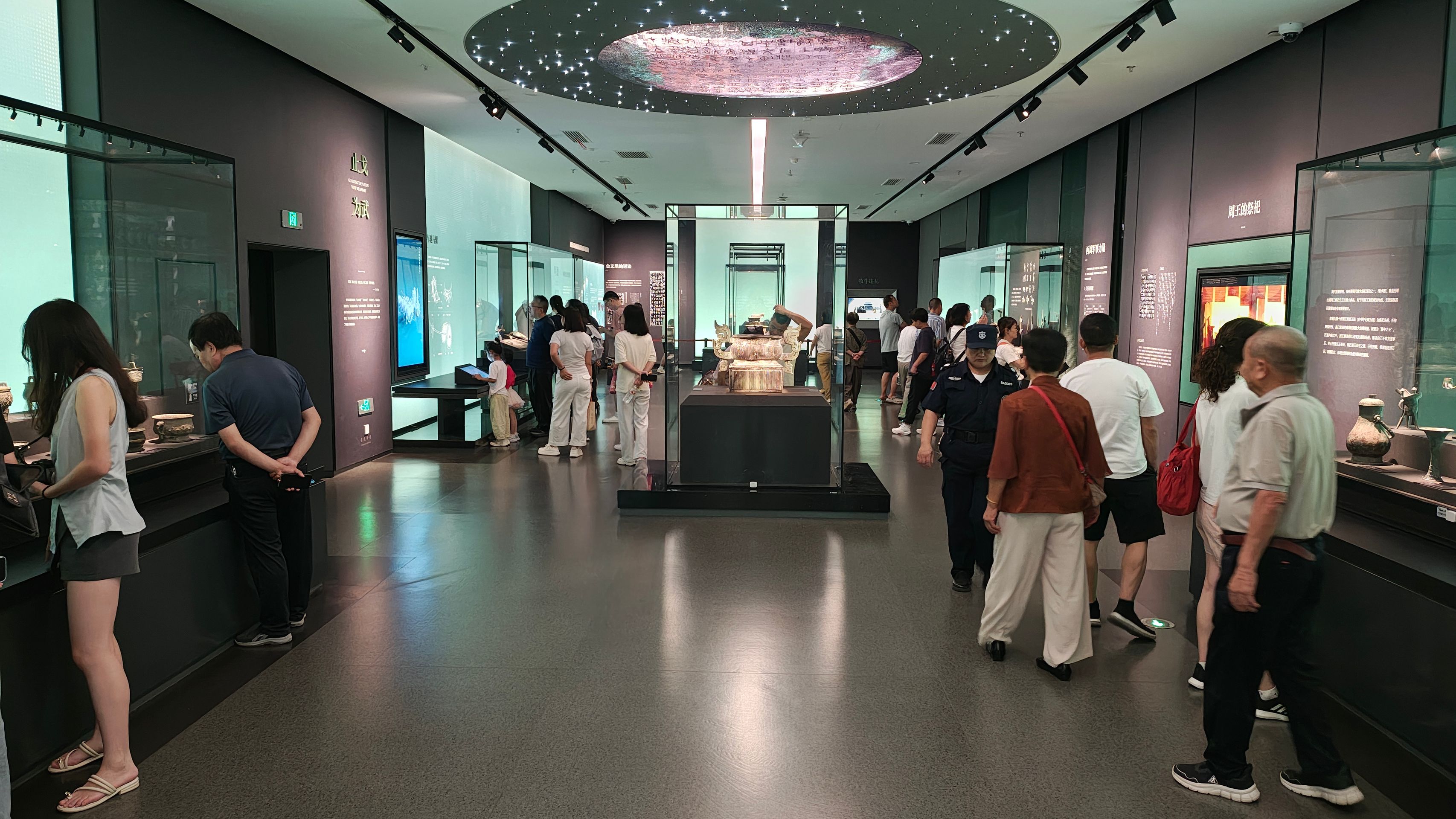
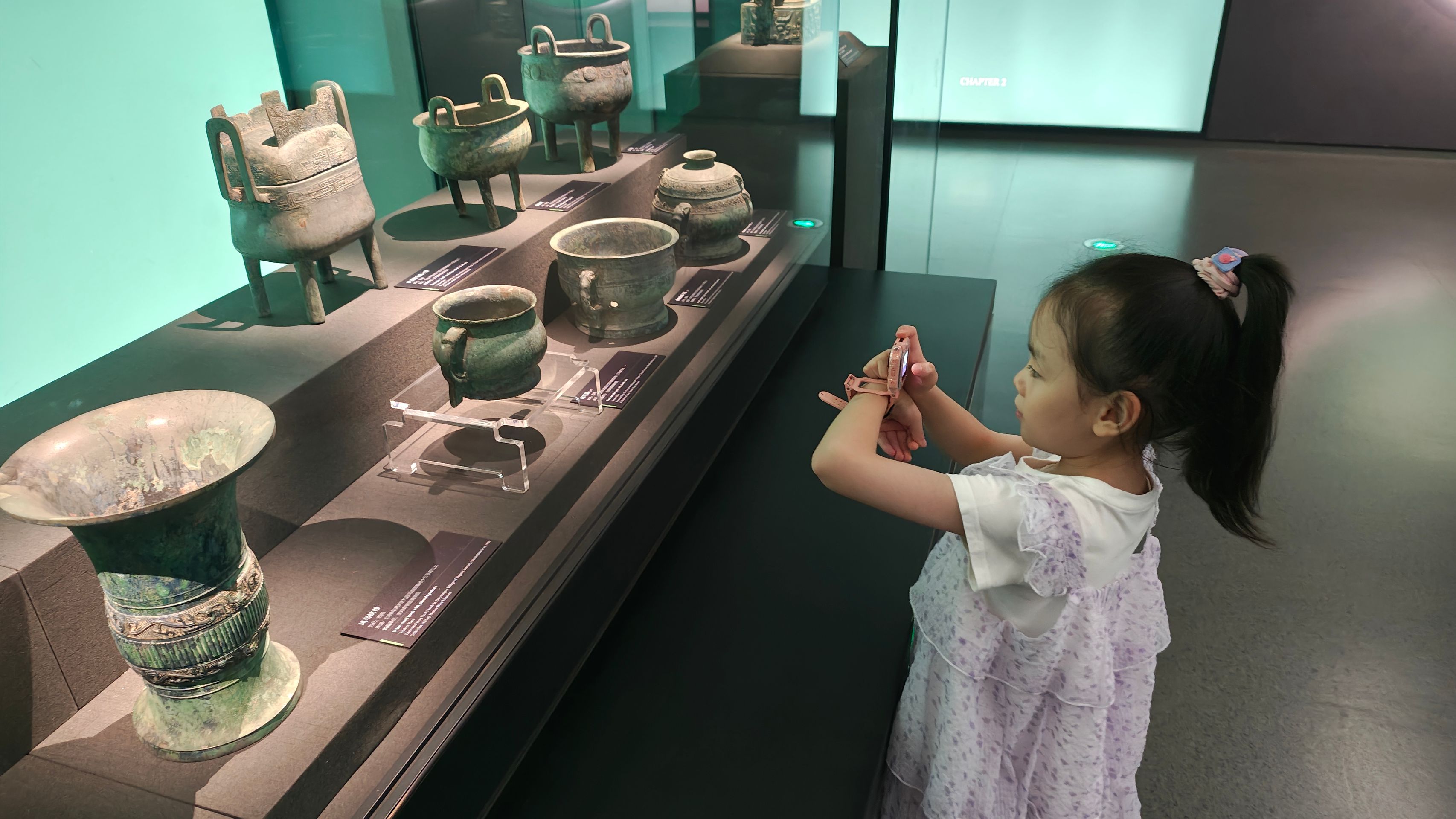
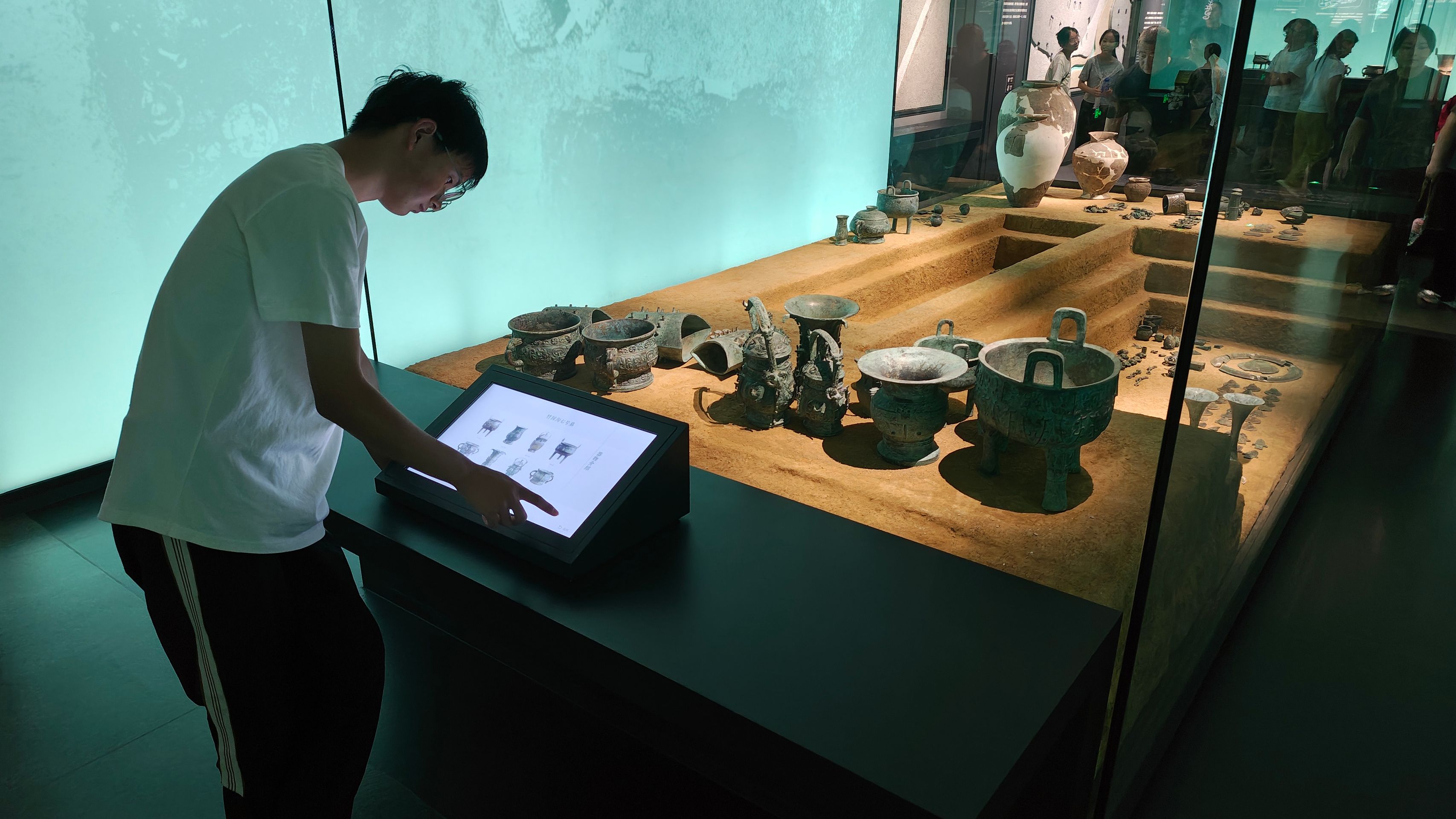
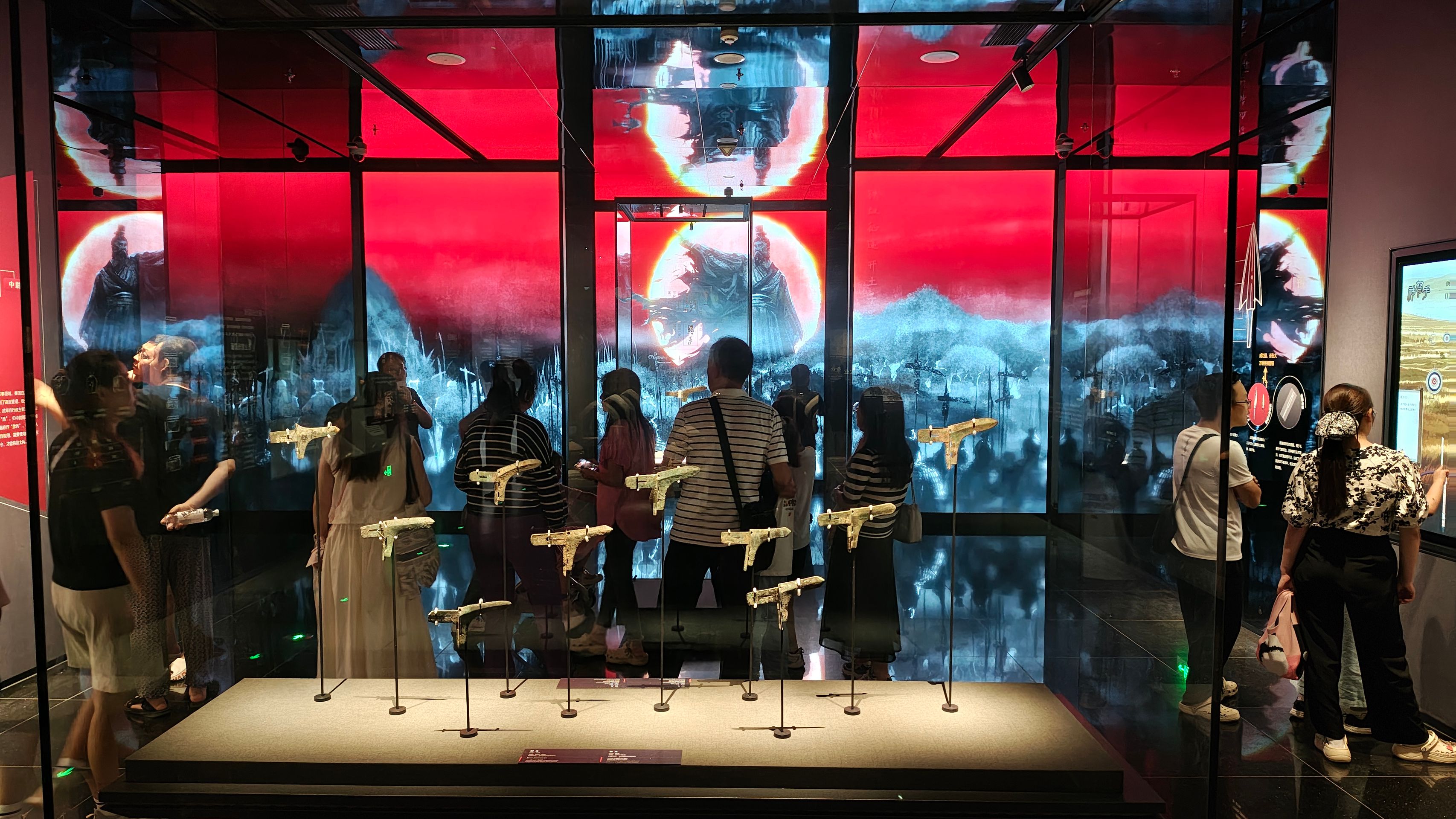
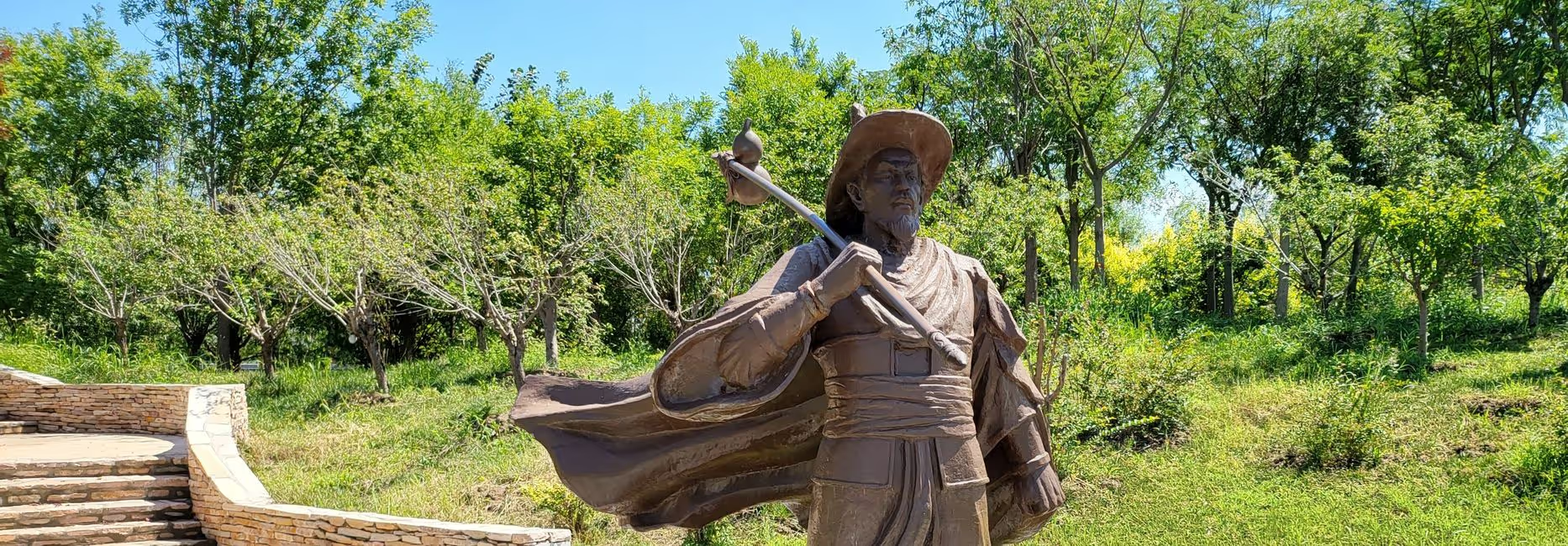
We are traveling on a regular train, not a high-speed train, from Xi'an westward to Baoji. It’s my first time taking a regular train in China. The elegant train station in Xi'an, right next to the city wall, is modern, which contrasts with the old trains. These seem to belong to a different era. The passengers fit this train's atmosphere: primarily those who can't or don't want to afford other means of transport or the high-speed train. The train is full, and a worker next to us has already been traveling over 24 hours from the south of the country to here. The constant movement of people in the train is noticeable; they go to get water, use the toilet, or step out to smoke, and especially, people are eating everywhere and at all times. Upon arriving in Baoji, we take a taxi outside the city to a valley with a dam surrounded by mountains. It is a recreational area with various temples and walking paths with significant historical importance. This is the valley where Jiang Ziya lived, a wise man who was sought out for advice by King Wen over 3000 years ago. Jiang Ziya not only formulated a military strategy for how King Wen could seize power from the cruel ruler of the Shang Dynasty, but also principles of governance. In summary: a virtuous rule by a moral and integral government, promoting capable people and appointing positions based on abilities, focusing on agriculture, fair taxation, and creating stable living conditions for the people. King Wen and his son, King Wu, later took power, founded the Zhou Dynasty which flourished for 300 years, and appointed Jiang Ziya as Prime Minister. The moral principles and actions of this government period later served as the basis for Confucius's philosophical ideas. Thus, one could say that this place is the cradle of Confucian culture in China, indeed, I would go so far as to say the cradle of the whole Chinese culture. After a sculpture pathway featuring important scholars and Jiang Ziya himself, we cross a bridge to the other side of the valley, ascend into a rocky niche to the Mother Temple, and then continue along the beautiful walking path up the valley. Here is the sculpture scene with Jiang Ziya and King Wen, where the symbolic fishing story took place, and Jiang Ziya explained his ideas to the king. Further up, we walk over a bridge to the other side of the river, and I visit a temple for King Wen on a hill and afterward the Taigong Temple for Jiang, in front of which stand four 1300-year-old cypress trees. There is a funny story about the trees and the temple, as the name used to be: “The-four-Cypress-Three-Room-Temple”. In pronouncing it, there was a misunderstanding of the numbers, which gave rise to the myth that there are 403 temples in the valley. We now walk up the steep ascent to the dam, admire the beautiful landscape, and watch the crazy speedboat drivers on the dam. This time we return on the other side of the valley. At the entrance area of the valley, we eat in a friendly restaurant, where for the first time in a long time, I drink Maicha barley tea again. The meal, including drinks, costs 8 euros – for four people. We then go by bus and taxi to the bronze museum. Baoji is the center of development regarding bronze art. In four thematic areas, the products of bronze art are presented, which significantly developed during the aforementioned Zhou Dynasty. As a witness to history, I am fascinated by the inscriptions on the bronze vessels. It has become late afternoon and we head to the train station, where we have another regular train journey back to Xi'an ahead of us. For me, the day trip to the cradle of Chinese culture is one of the most important destinations in China, right after visiting the Xunzi Mausoleum two years ago, see also my blog post: Xunzi Mausoleum.