I have one free train trip left in
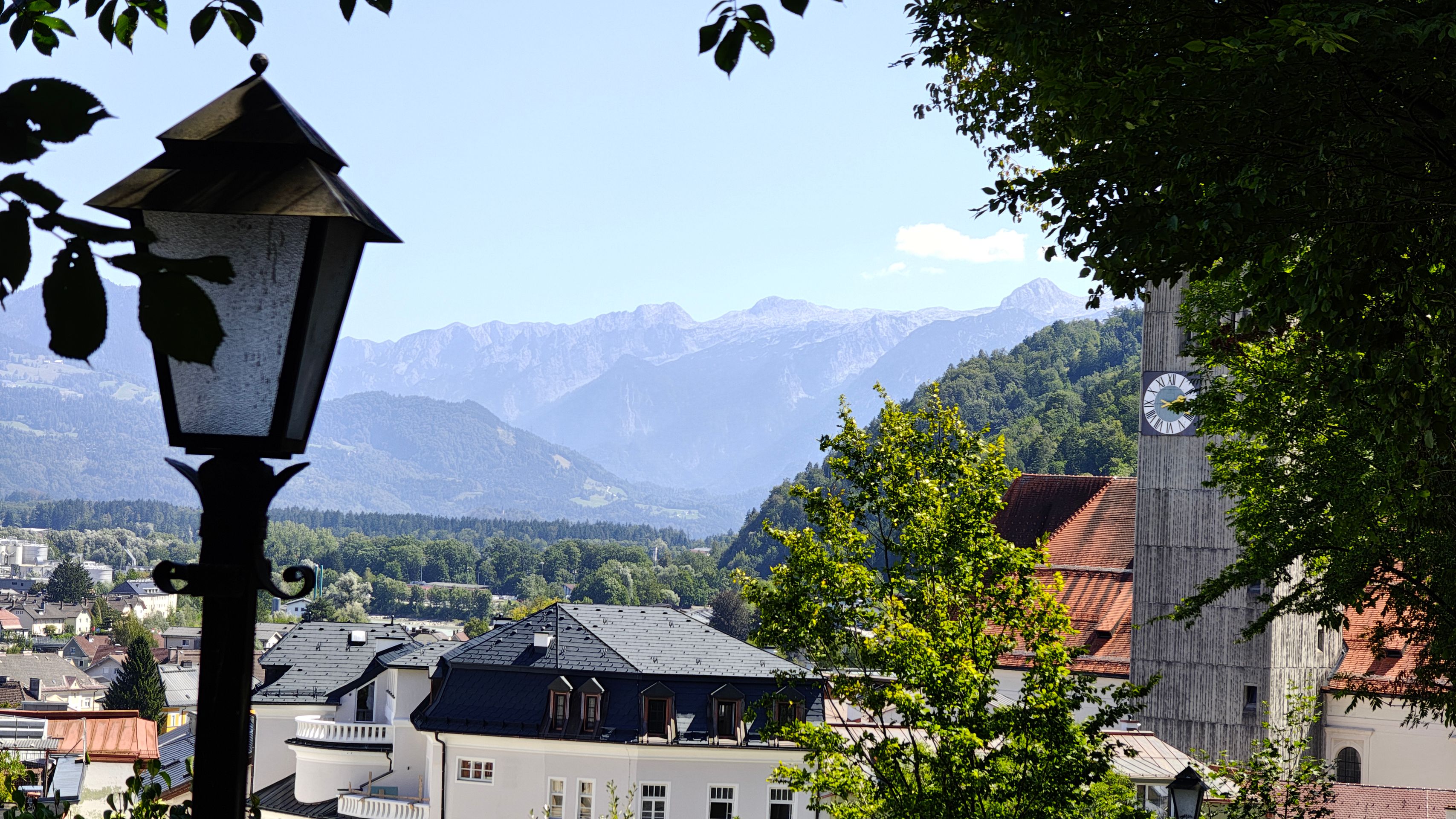
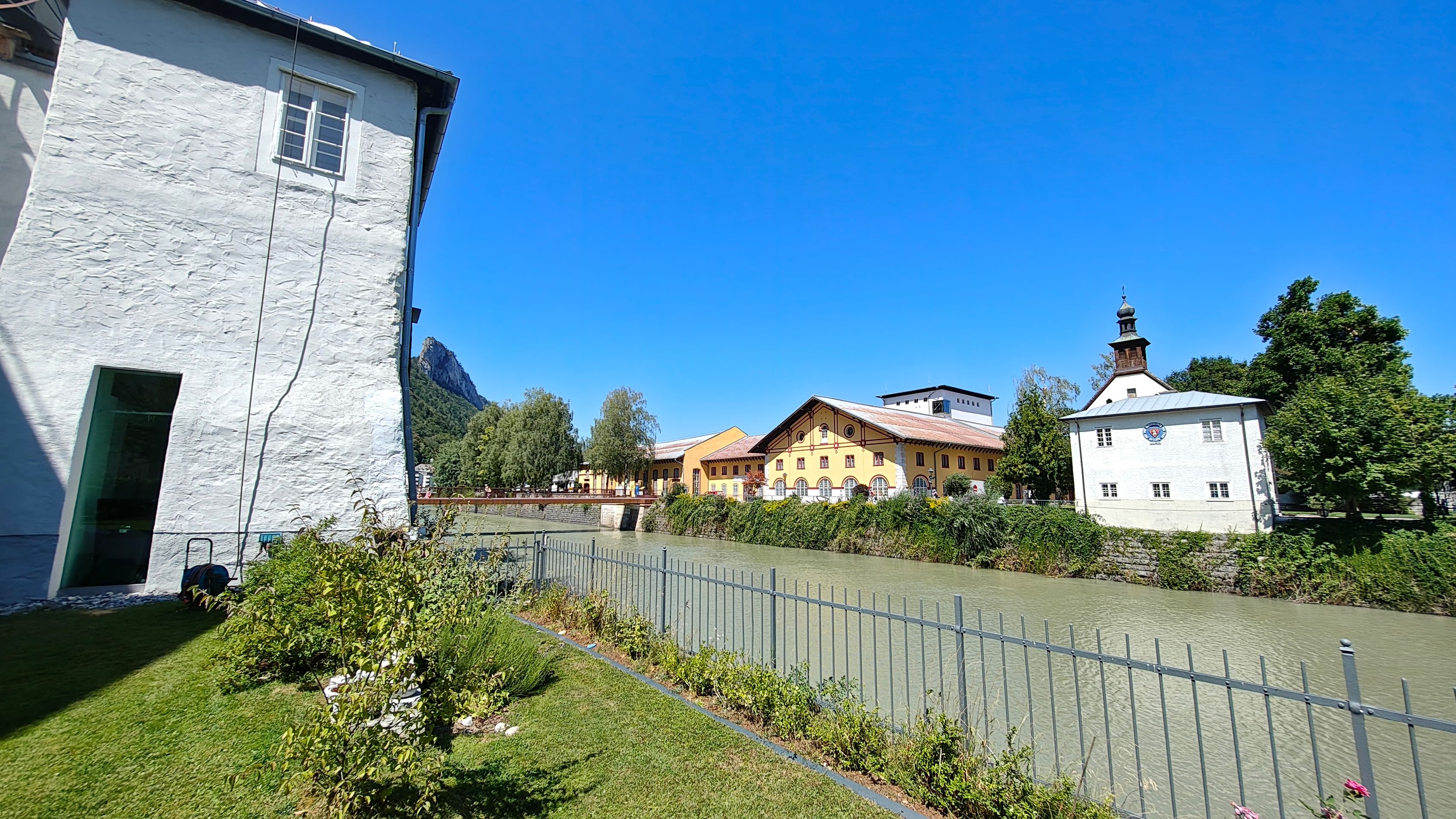
Austria this year, which we will use for a trip to Hallein, located south of Salzburg at the edge of the Alps. The salt and Celtic town is known for its significance in salt mining, as the Hallein salt mine is one of the oldest mines in the world. Today, it functions only as a show mine for tourists, and since the dark cave does not pique our interest, we do not visit it.
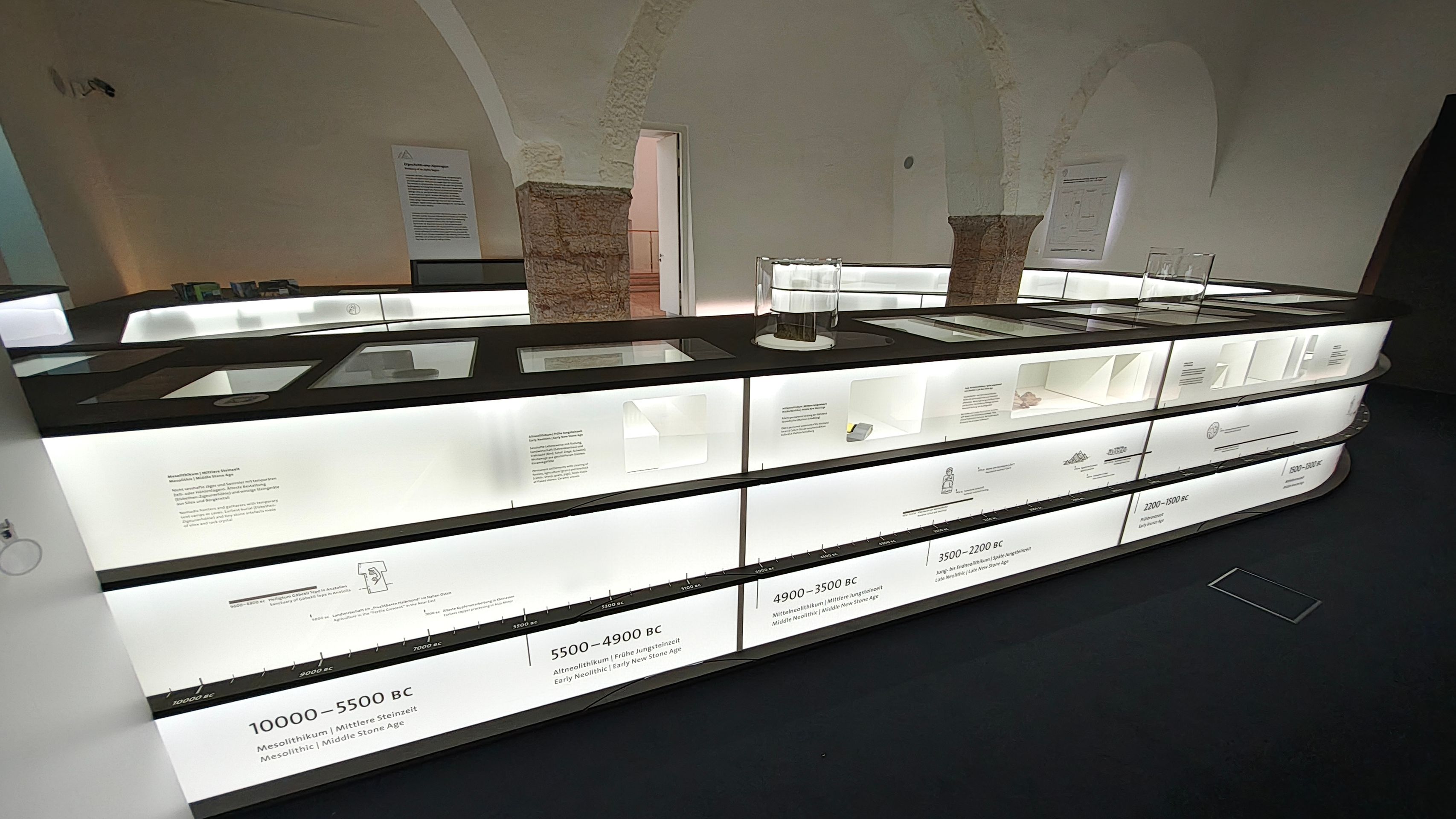
However, its importance lies in its age, as salt was already being mined here 2600 years ago during the Celtic period. This brings us to the local Celtic Museum. Although it is currently under renovation, the exhibits are still worth seeing, even if presented without spectacular displays, simply accompanied by printed explanations. You can also find additional information in a user-friendly app.
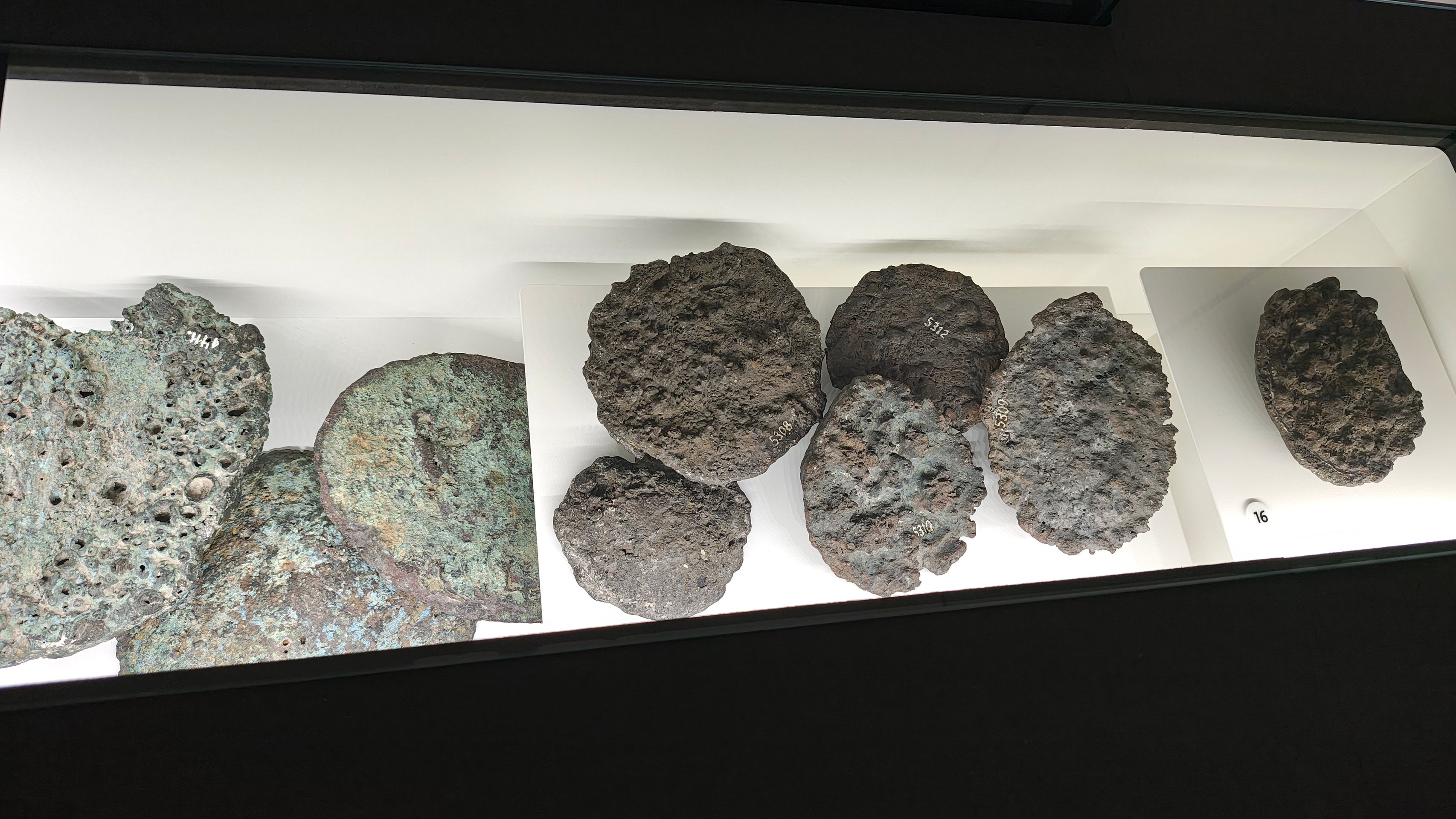
Initially, archaeological finds from as far back as 7000 years ago are presented, before individual Celtic artifacts are showcased. For instance, copper mining, located 30 kilometers south of Hallein, is highlighted, which was significant as early as the 2nd millennium BC, and its copper is believed to have been used in the Nebra sky disk.
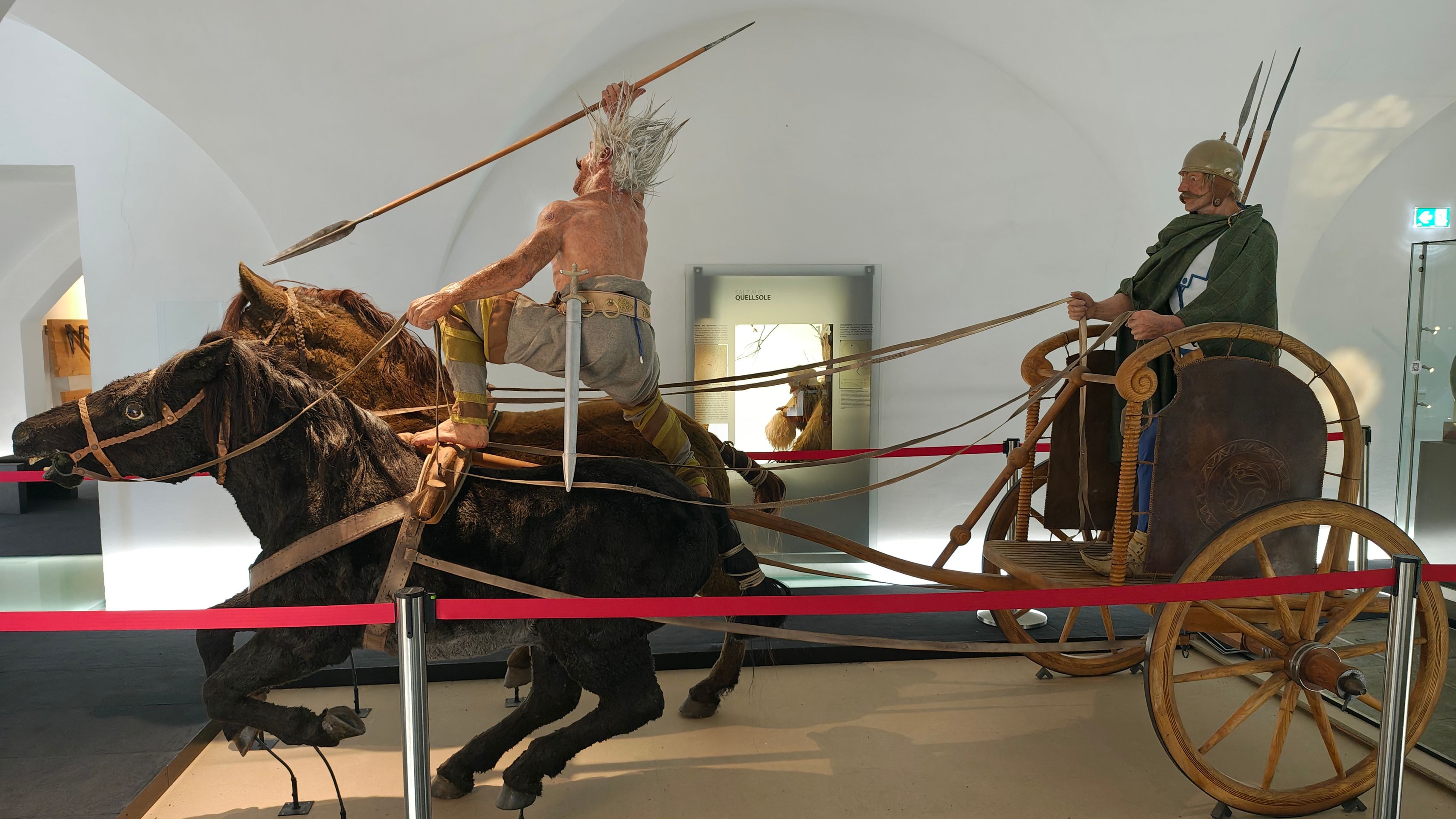
Of course, grave goods dominate the archaeological exhibits, as this is where most of the finds originate. Swords that were sunk in rivers are attributed by researchers to religious rituals, but they could also have simply been discarded during battles or retreats, without the enemy being able to benefit from them. The reconstructed chariot is meant to indicate its importance back then, as wheel fittings and other cart parts have been found in various graves.
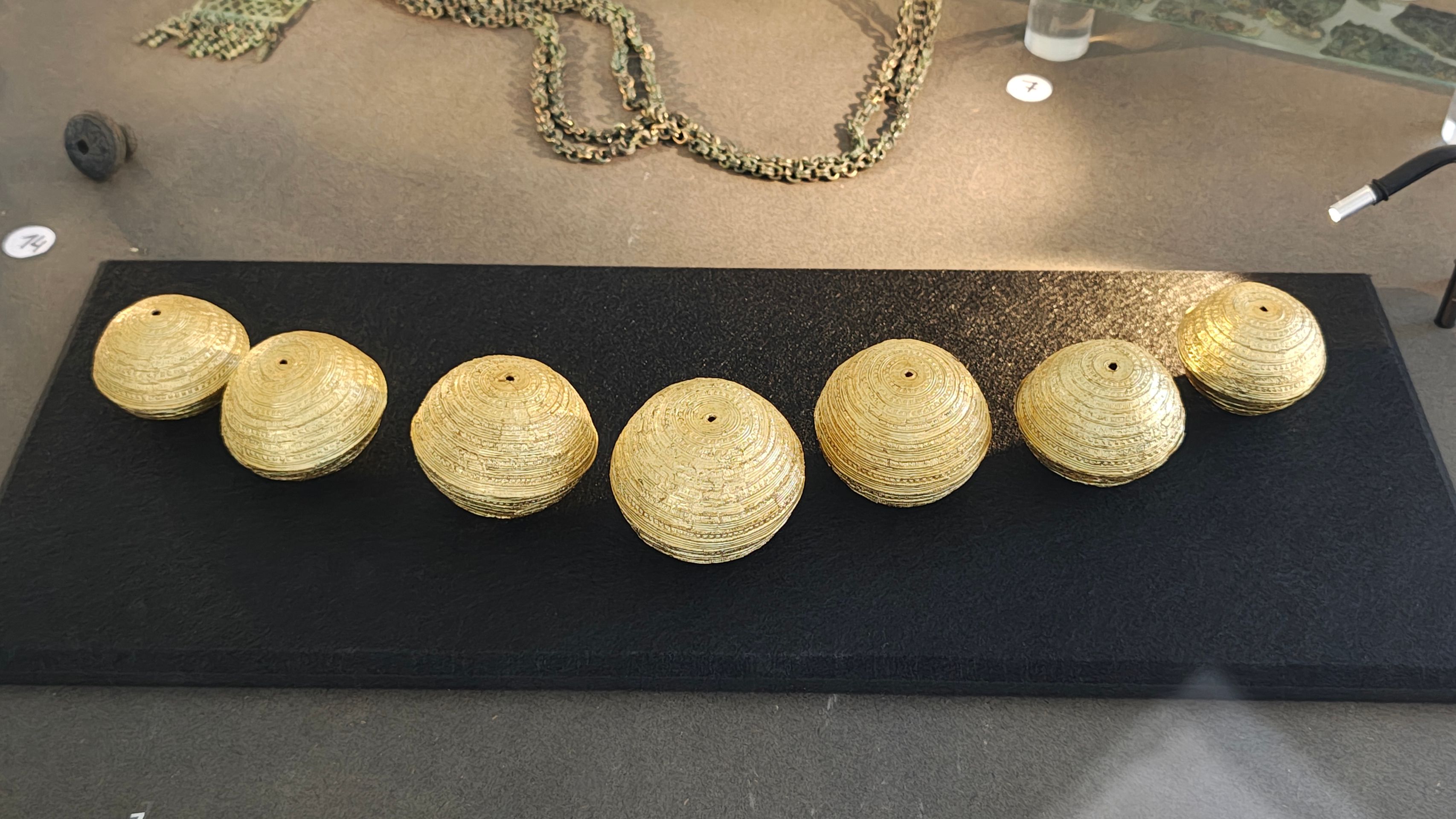
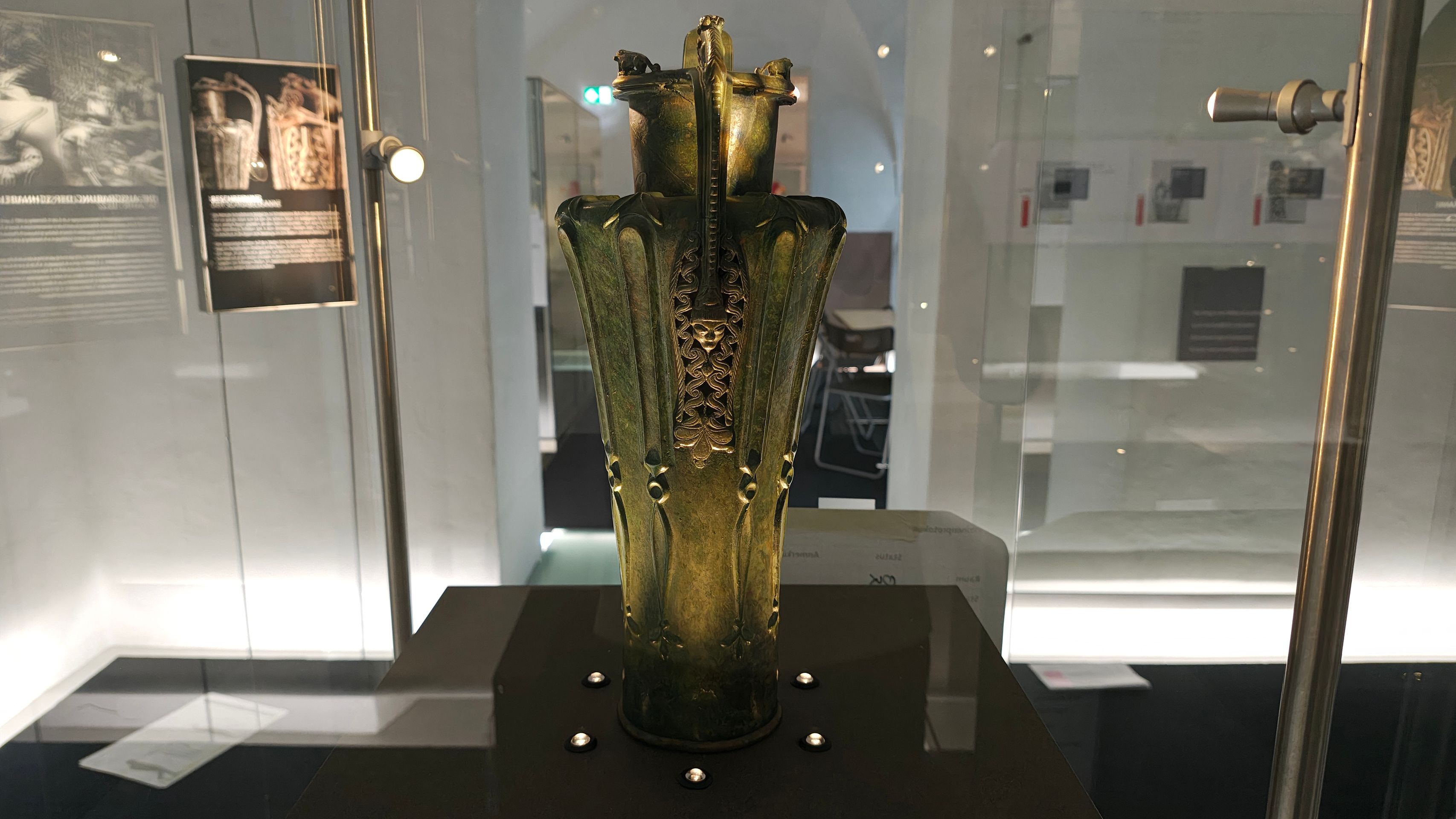
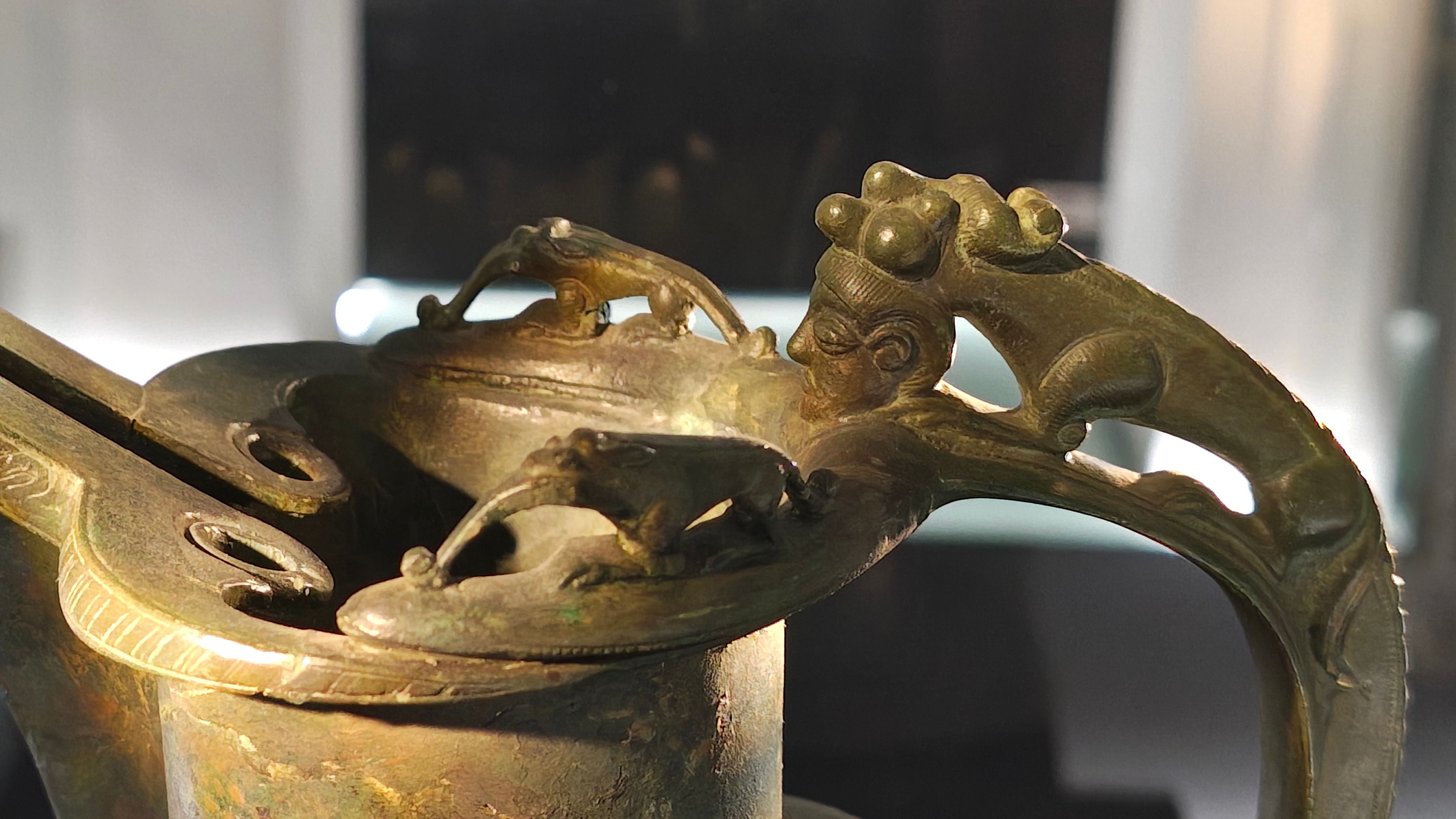
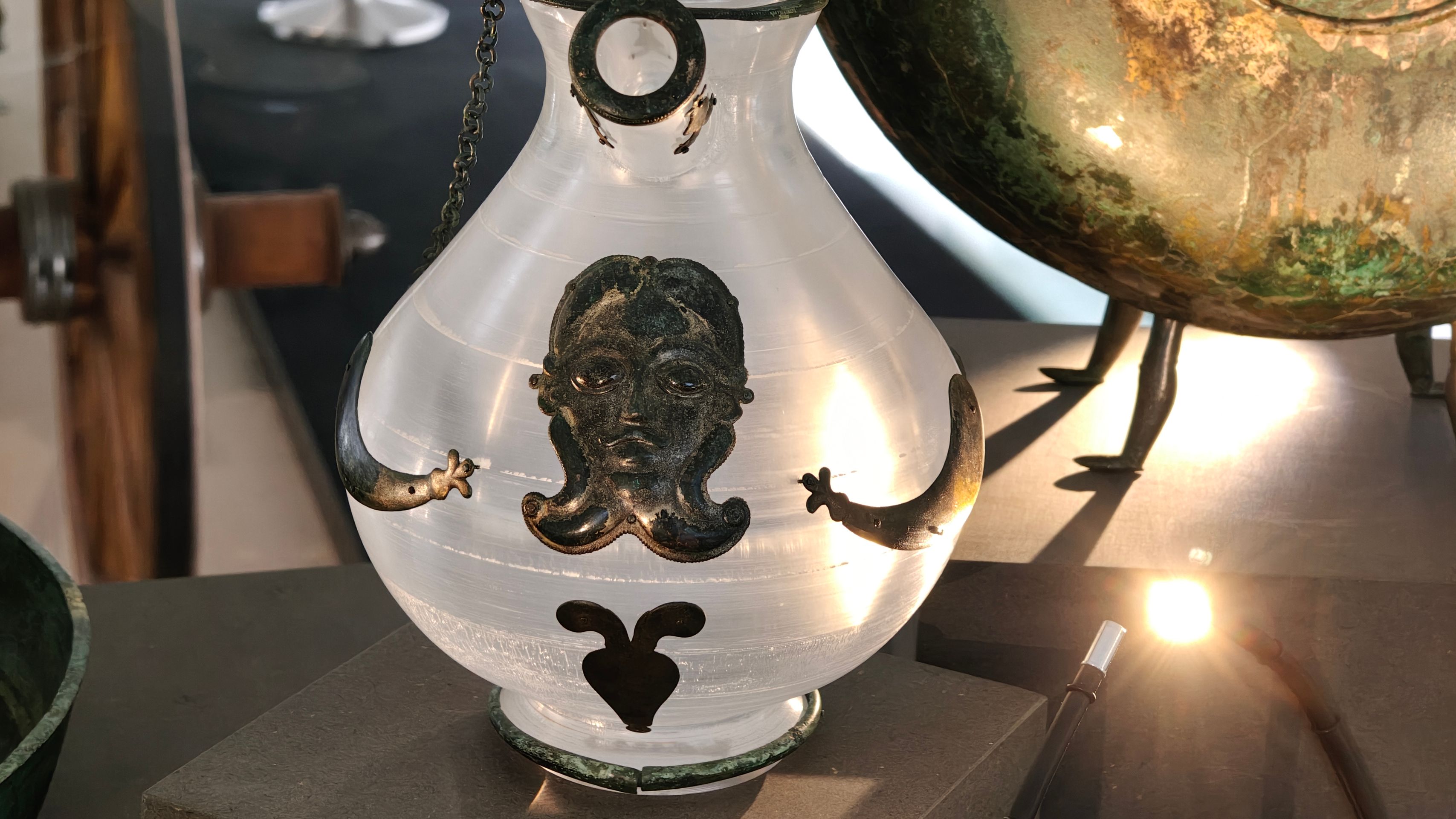
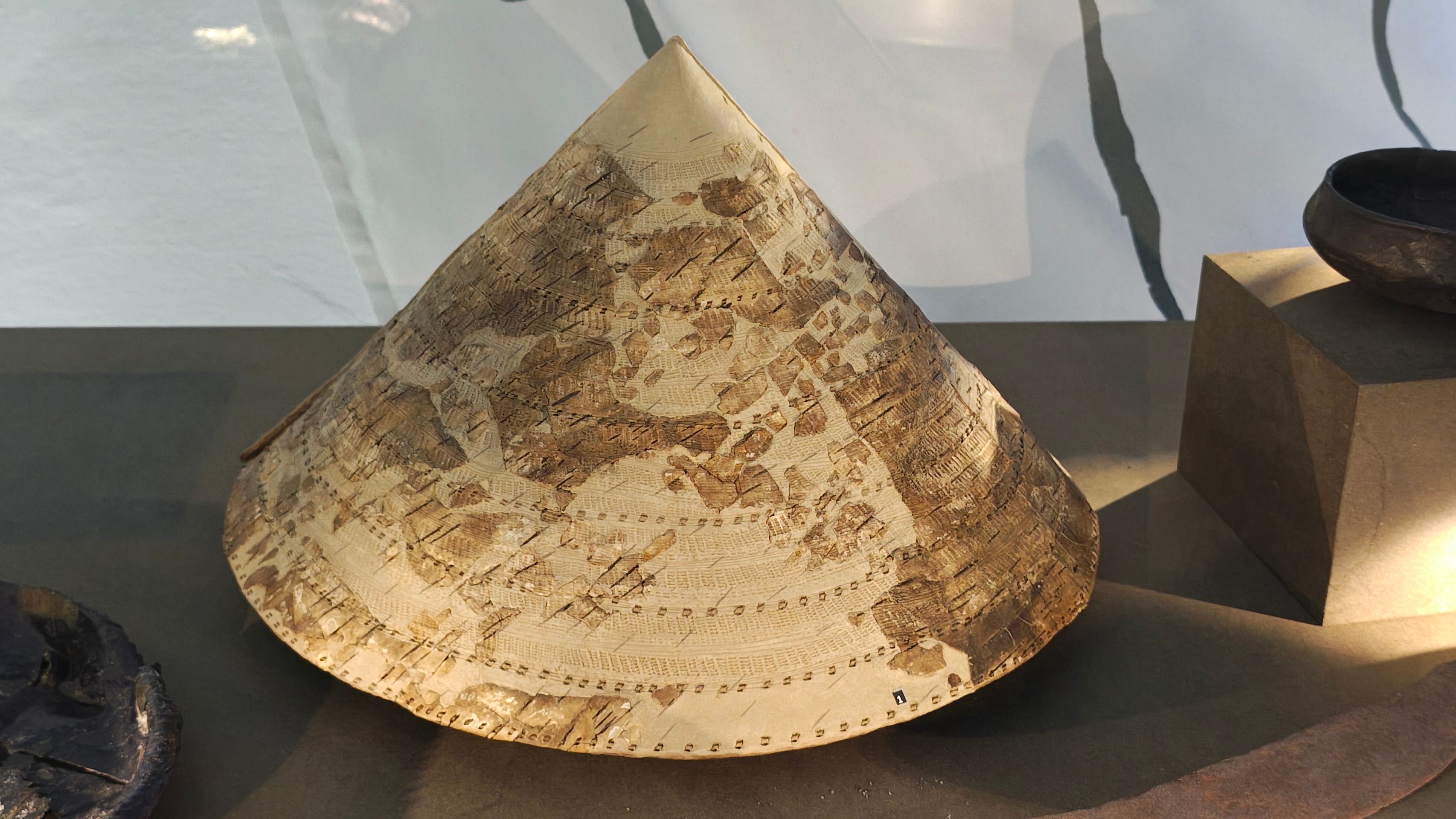
In one grave, a small Celtic mask made of bronze sheet was found, identified as a jug decoration and now serves as the museum's symbol. However, I found the golden balls used as female hair accessories much more spectacular, which are depicted in their condition at the excavation in the app and served as grave goods for a burial nearly 2500 years ago. The decayed balls have been painstakingly reconstructed. The highlight of the exhibition is a spouted jug made of bronze, with its animal and head decorations being captivating. I was fascinated by a hat made from birch bark, the significance of which remains a mystery to archaeologists.
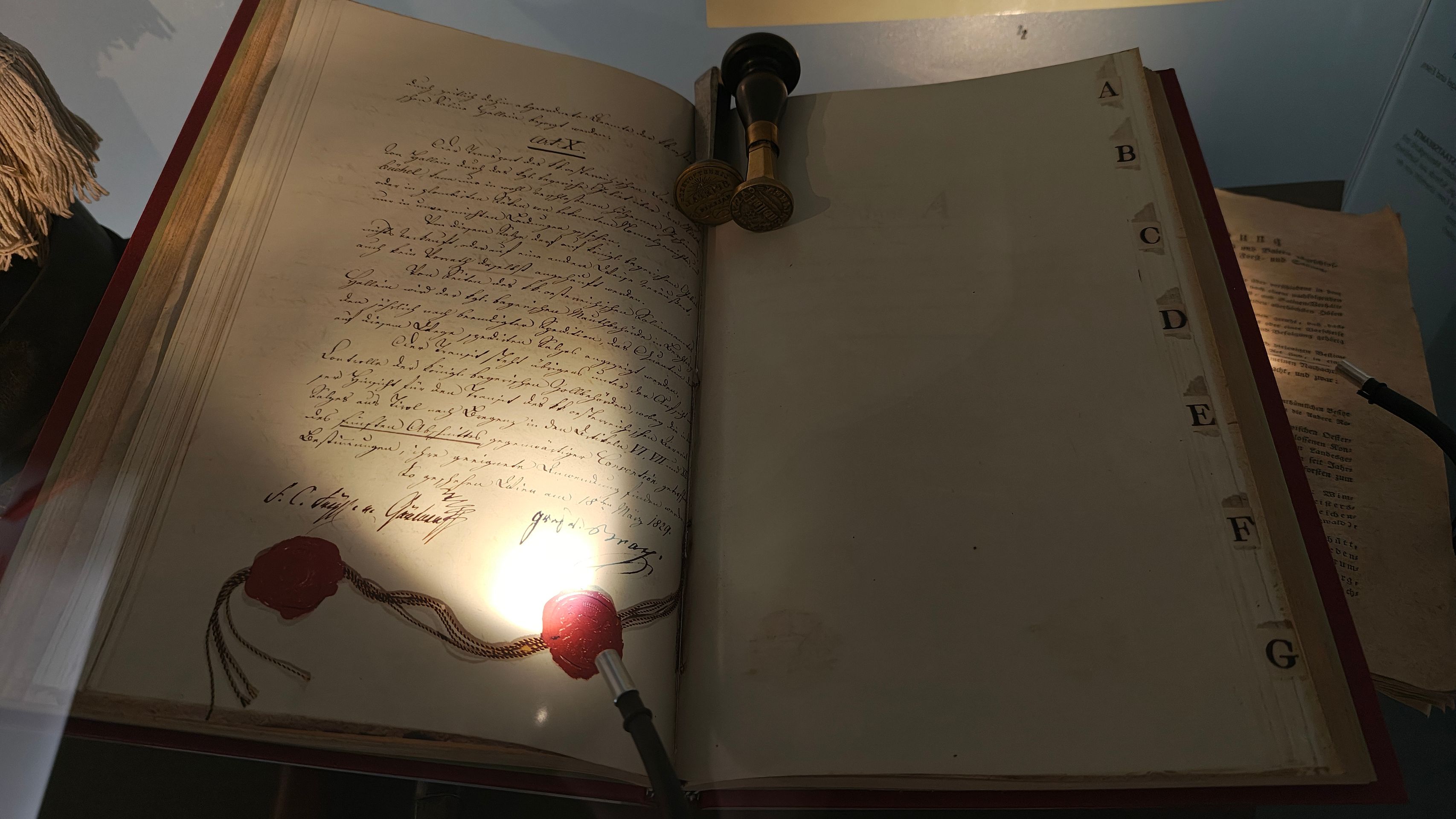
In the exhibition about salt, the highlight for me was the original Salinen convention, signed on March 18, 1829, between the Austrian monarchy and the Kingdom of Bavaria. This treaty is now referred to as the oldest still-valid state treaty. In the border area between German Bavaria and Austrian Salzburg, it both reorganizes the right to work in so-called feudal layers, and cedes part of the salt deposits located on Bavarian territory for extraction to Austria.
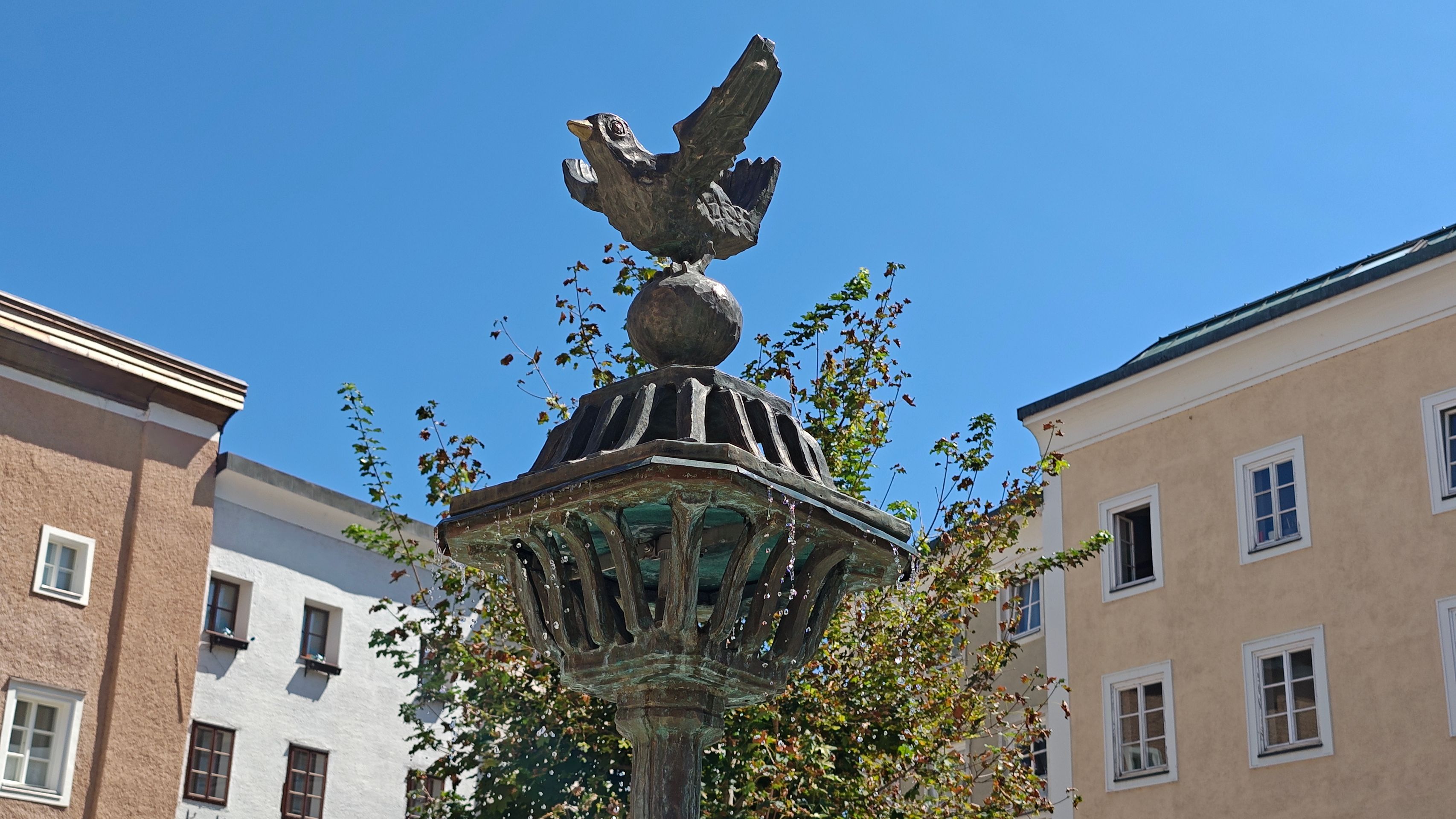
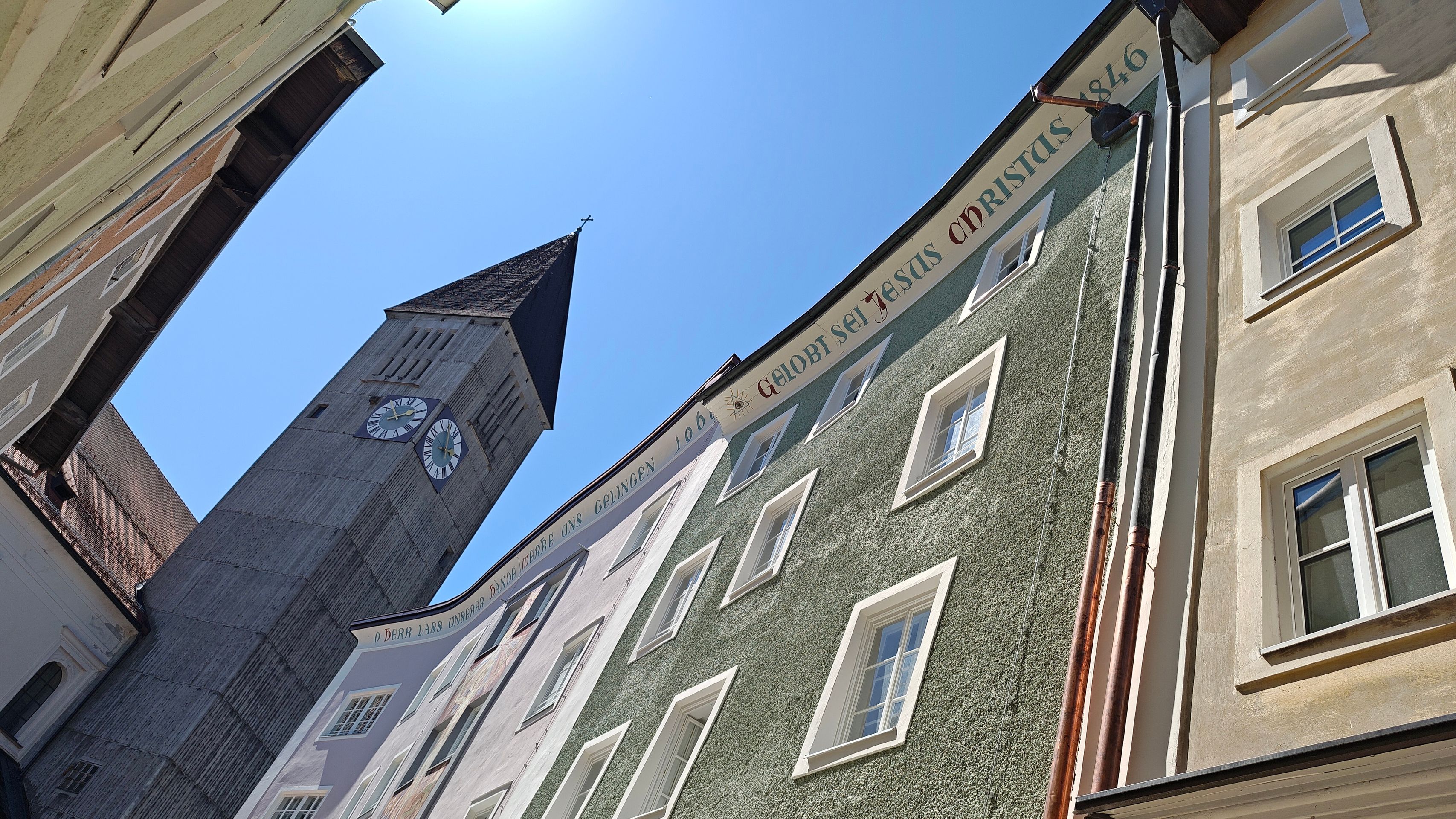
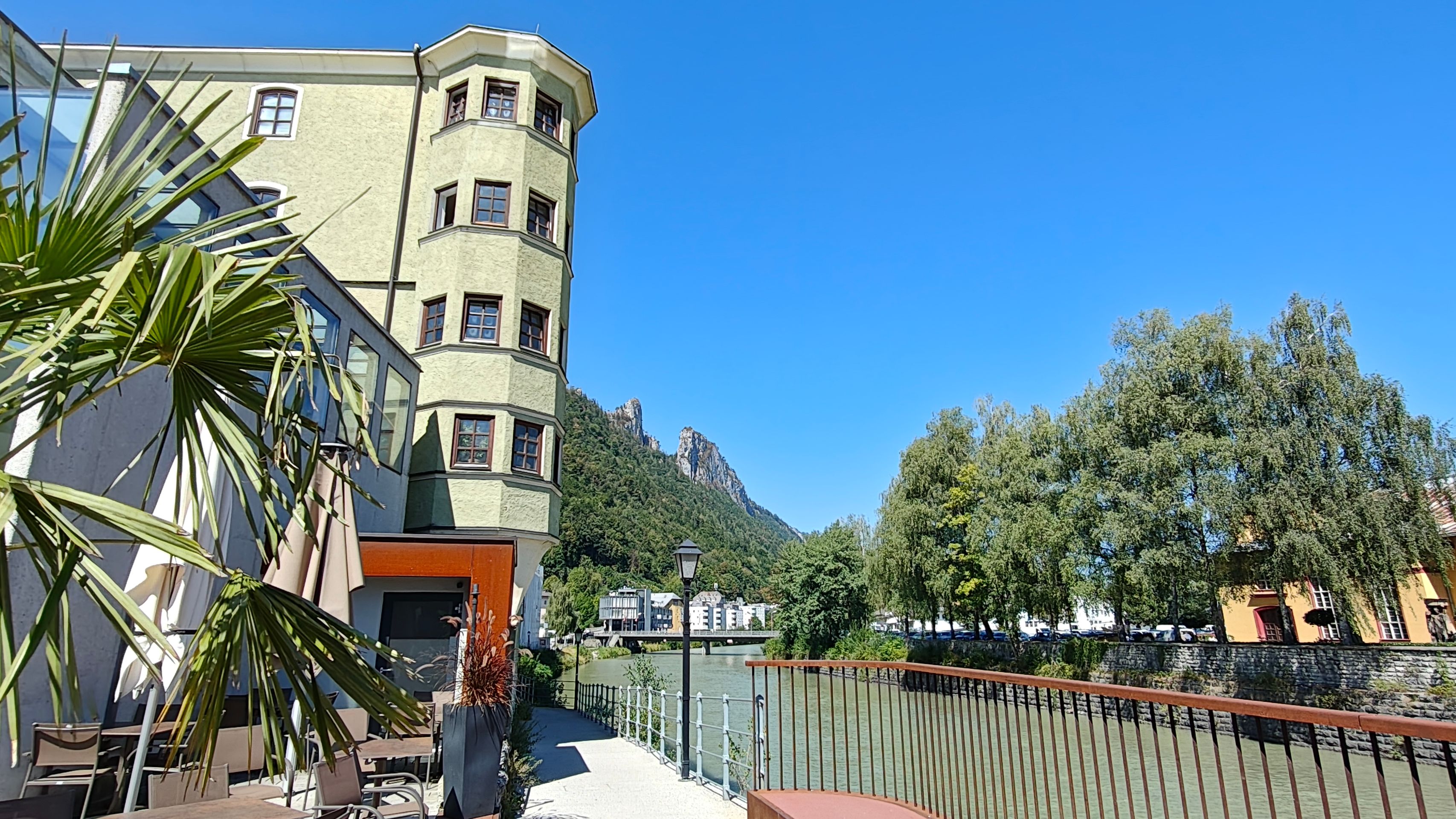
After a little slide down a reconstructed mine slide, we leave the museum and stroll through the old town of Hallein. There, we come across the Zeiserlbrunnen, at the top of which a siskin perches. There’s a funny legend associated with it, as once a siskin supposedly flew to a mayor of Hallein, who then trapped it in a cage at his house to enjoy its song every day. However, the mayor's wife failed to close the cage door properly, and the siskin flew away. Since the siskin was spotted at the city gate Gampertor, the mayor tasked the city watch to recapture the bird, which evidently was unsuccessful. Since that time, the citizens of Salzburg have mocked the residents of Hallein as 'Zeiseifanga'.
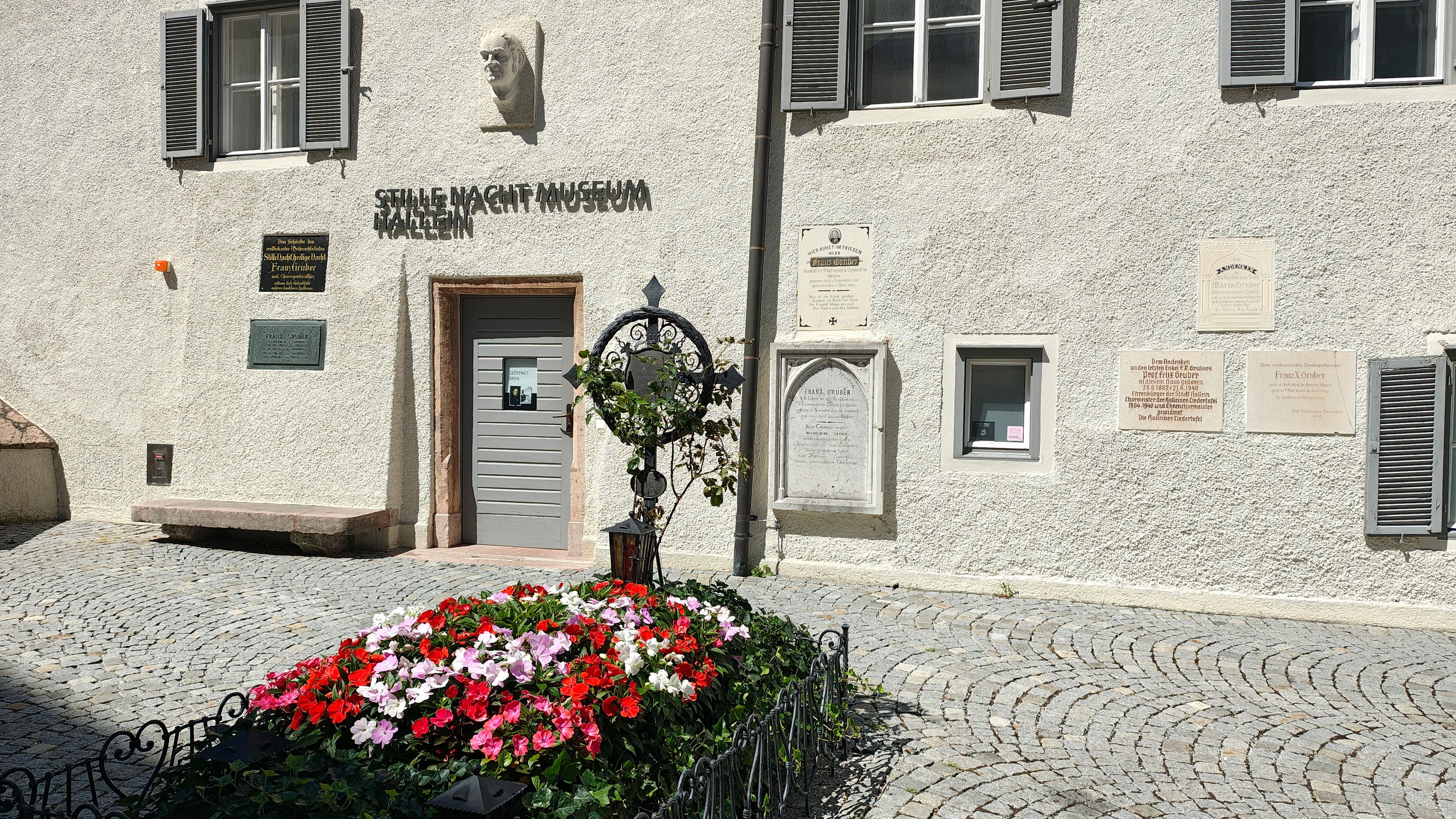
Now we strengthen ourselves with a large kebap and falafel and continue our stroll through the old town to the Silent Night Museum, located in the former home of composer Franz Xaver Gruber. He composed the famous Christmas carol 'Silent Night! Holy Night!'. However, the folk composer doesn't excite me, and the song is unknown in China, so my wife shows no interest either, which is why we save the admission fee for the museum.
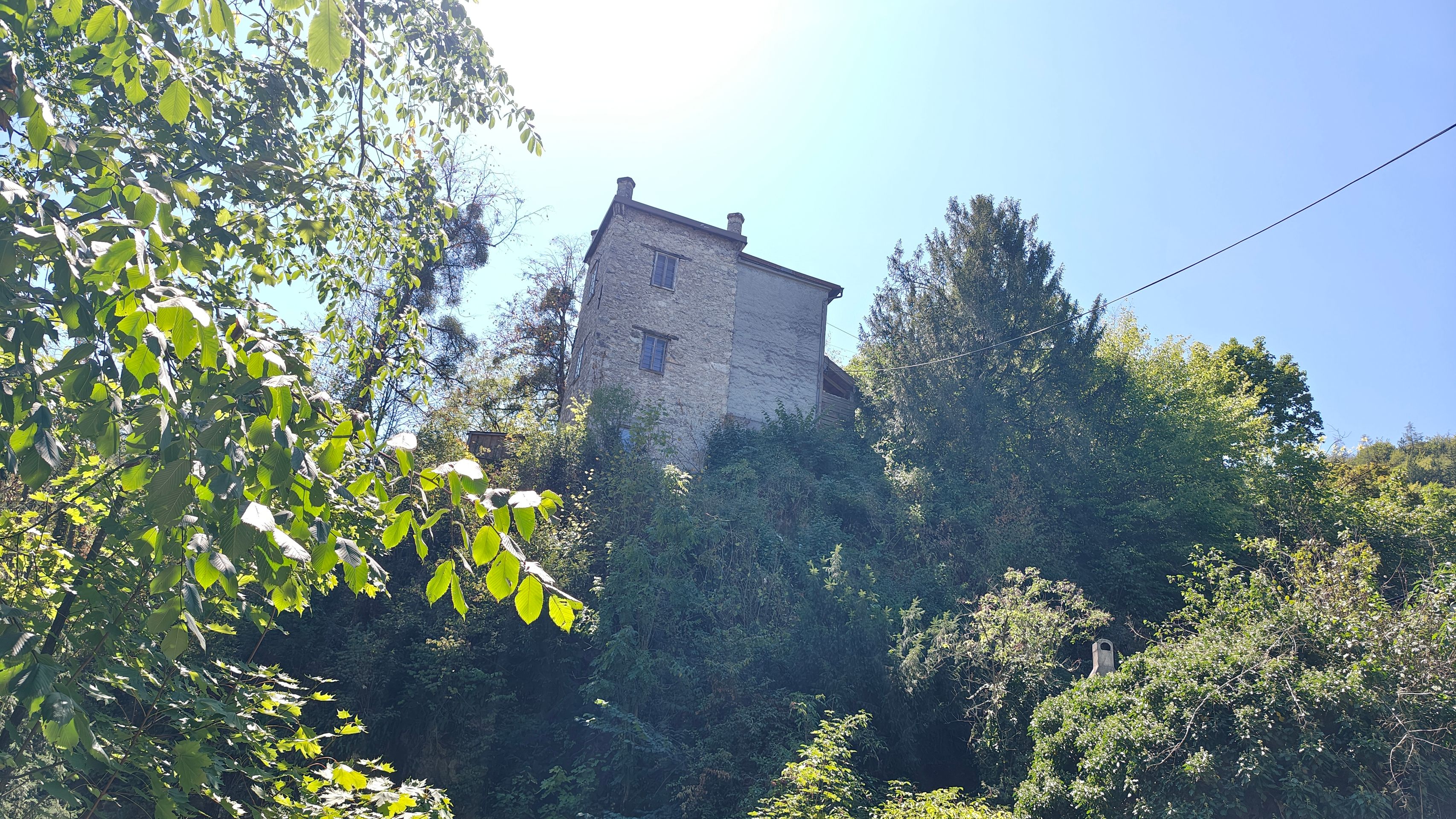
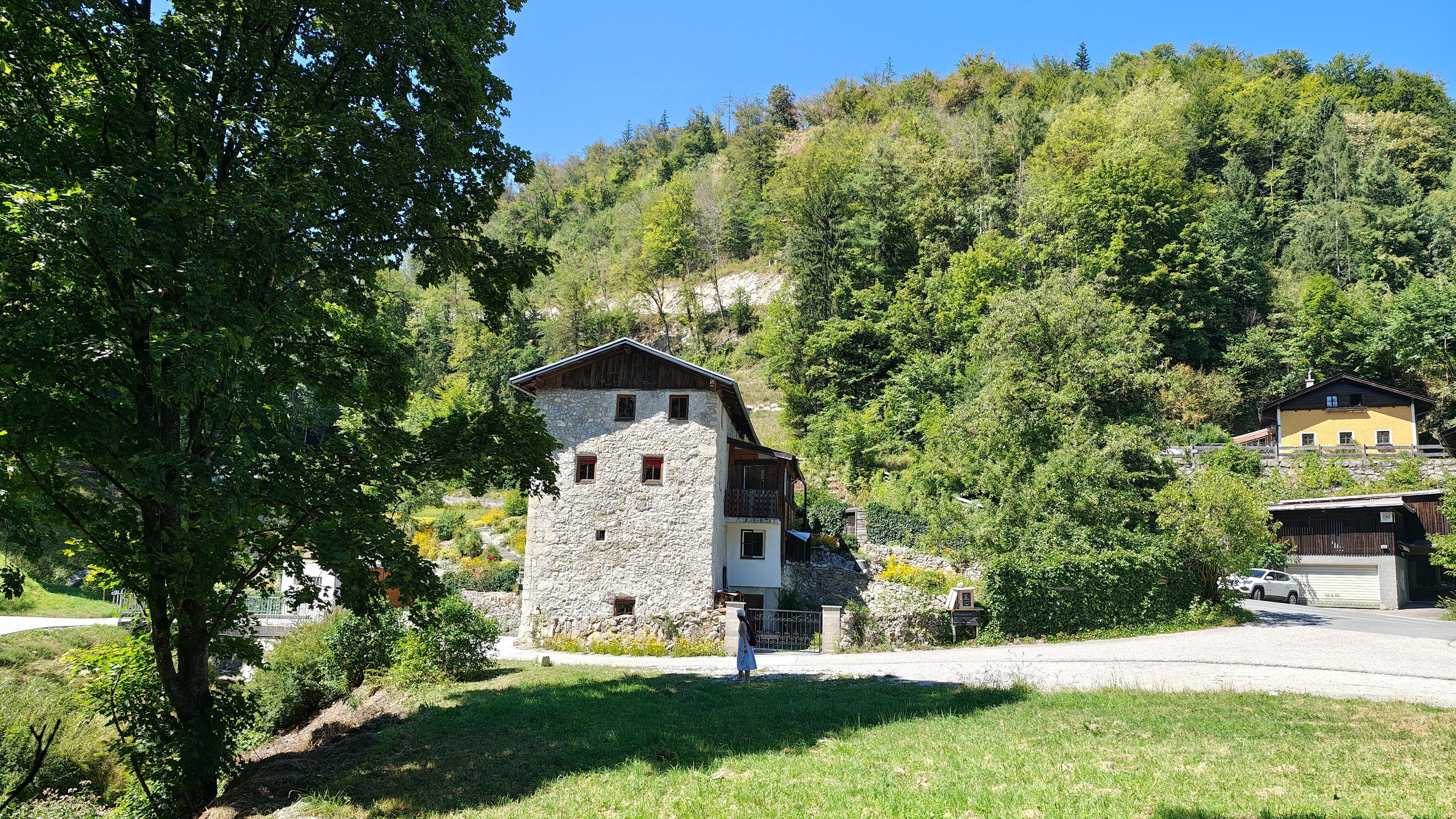
Now comes the sporty part of our trip, as we want to climb up to the Sulzeneck Castle. The fortress, along with the Reckturm and Fuchsturm, was part of the medieval city fortifications of Hallein. On the way there, a little girl couldn't unfold her scooter, and after several seconds of intense study of the locking mechanism... I couldn't do it either. Giving up is, of course, not an option for me, since I already offered my help. Thus, I pull, twist, and press the ring lock one more time, and lo and behold, the scooter unfolds. The good deed of the day is done.
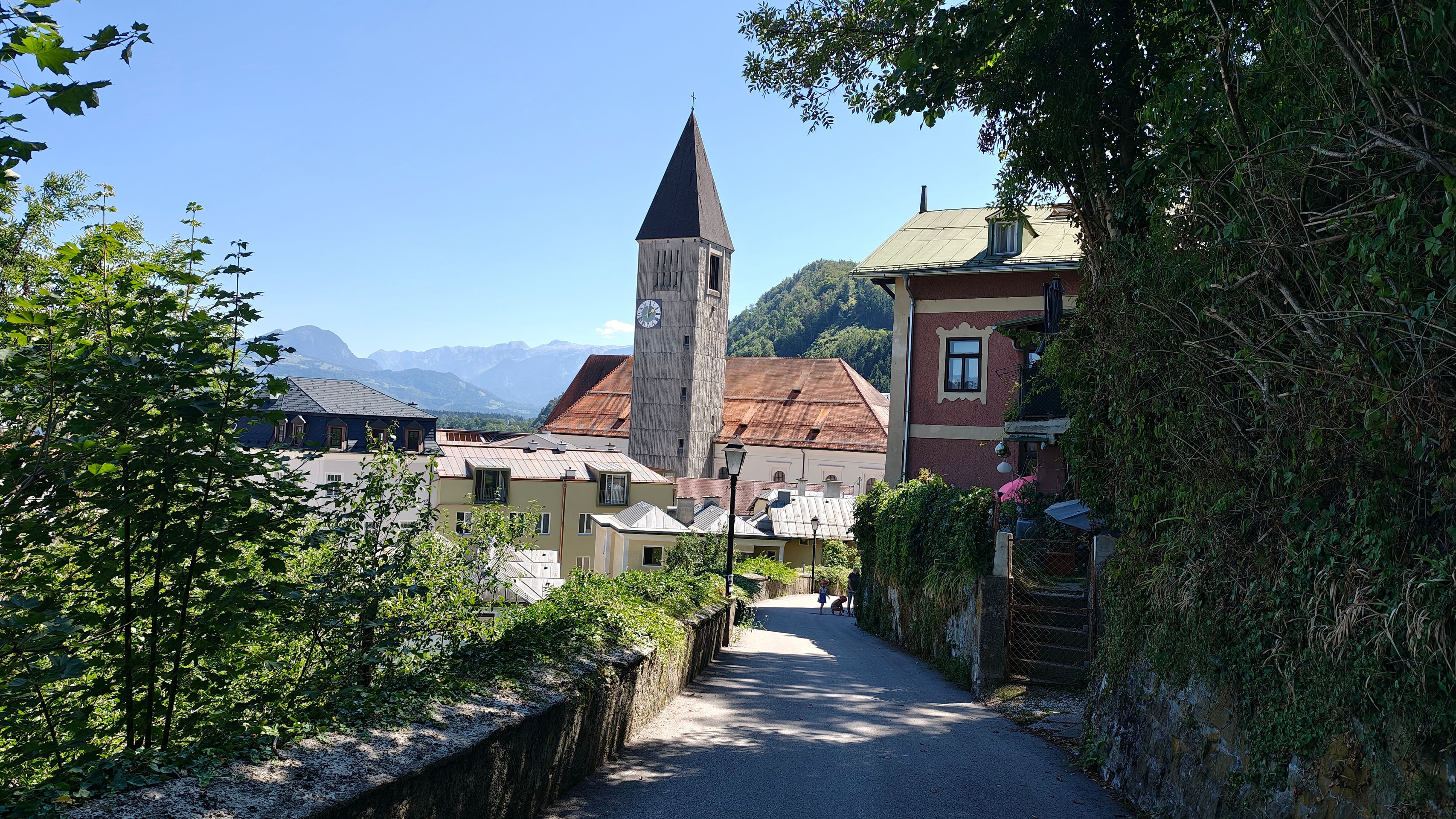
We now climb higher into the Berchtesgaden Alps, passing by holy figures and already seeing the Reckturm above the rock to the left. However, up there, everything is quite disappointing. The Reckturm is inaccessible on private land, and the Fuchsturm is a residential building, where you can at best buy honey. There is no view of the rocky alpine panorama, and not even a viewpoint toward the city. We descend the path back to Hallein and stroll through the old town to the train station.
Conclusion: The Celtic Museum in Hallein is truly worth a visit, especially from November 2026, when the exhibitions will be newly designed. However, it should be combined with a trip to Salzburg, or if one is enthusiastic about salt mining, visit the show mine. Without that, Hallein as a sole travel destination is indeed a bit small, unremarkable, and insignificant.