Seville - a few days break
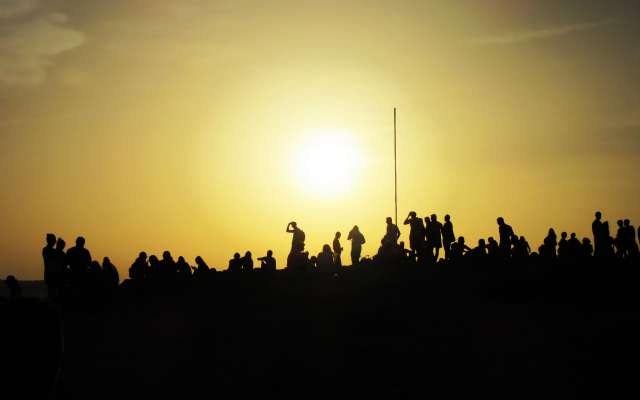
the terrace of the hostel - most important place for me and my legs in the heart of Seville

Published: 23.03.2026
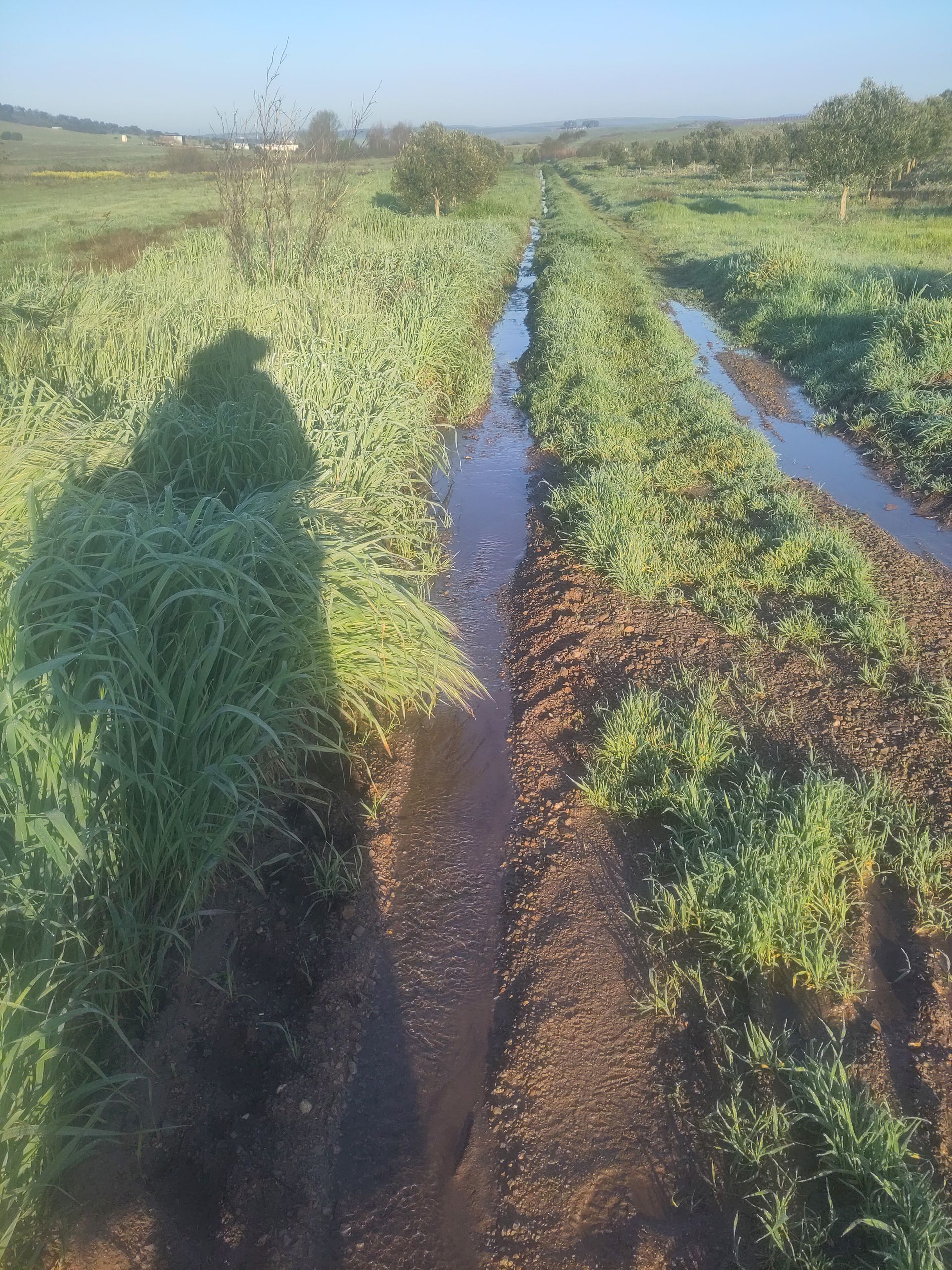
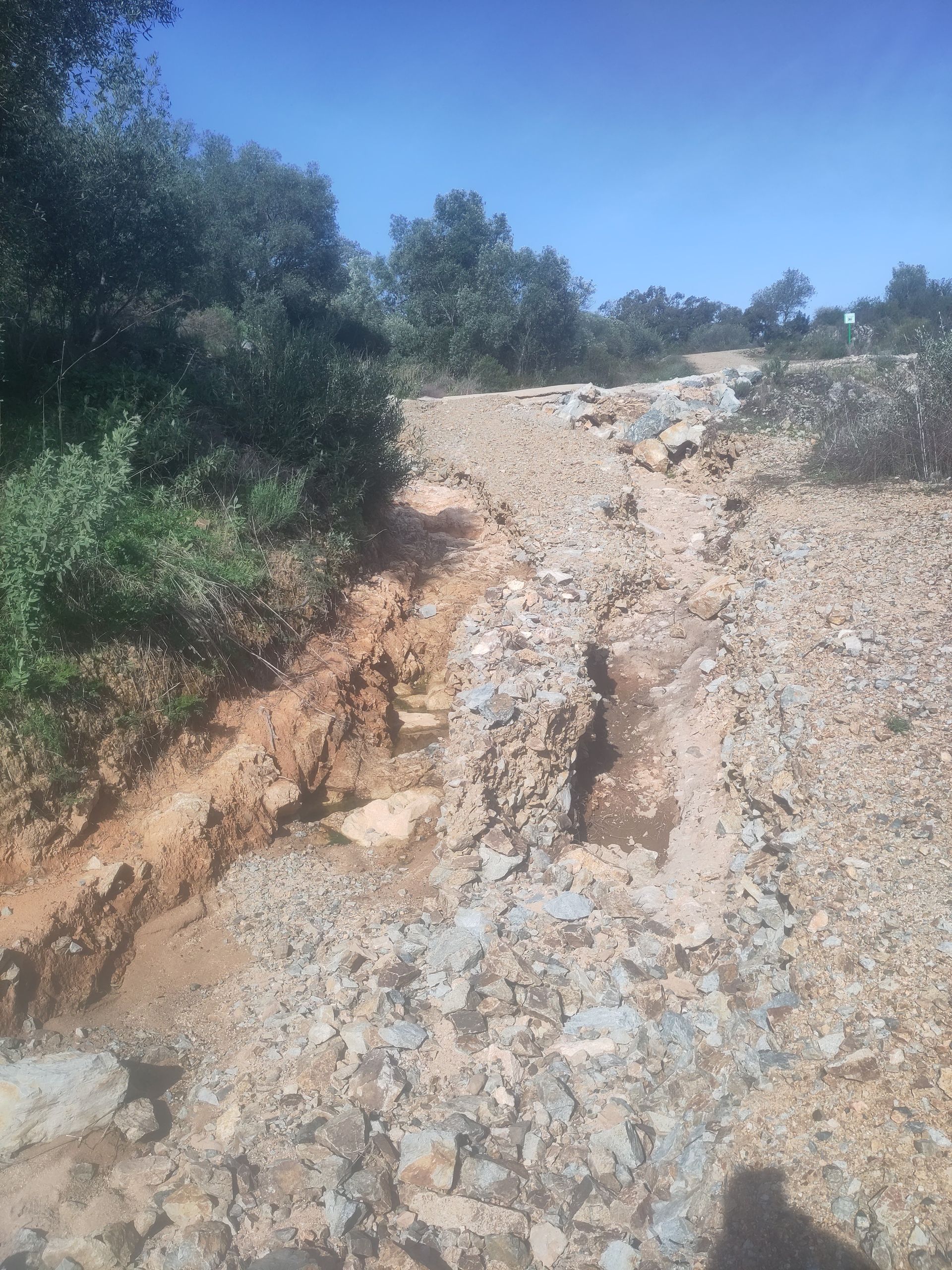
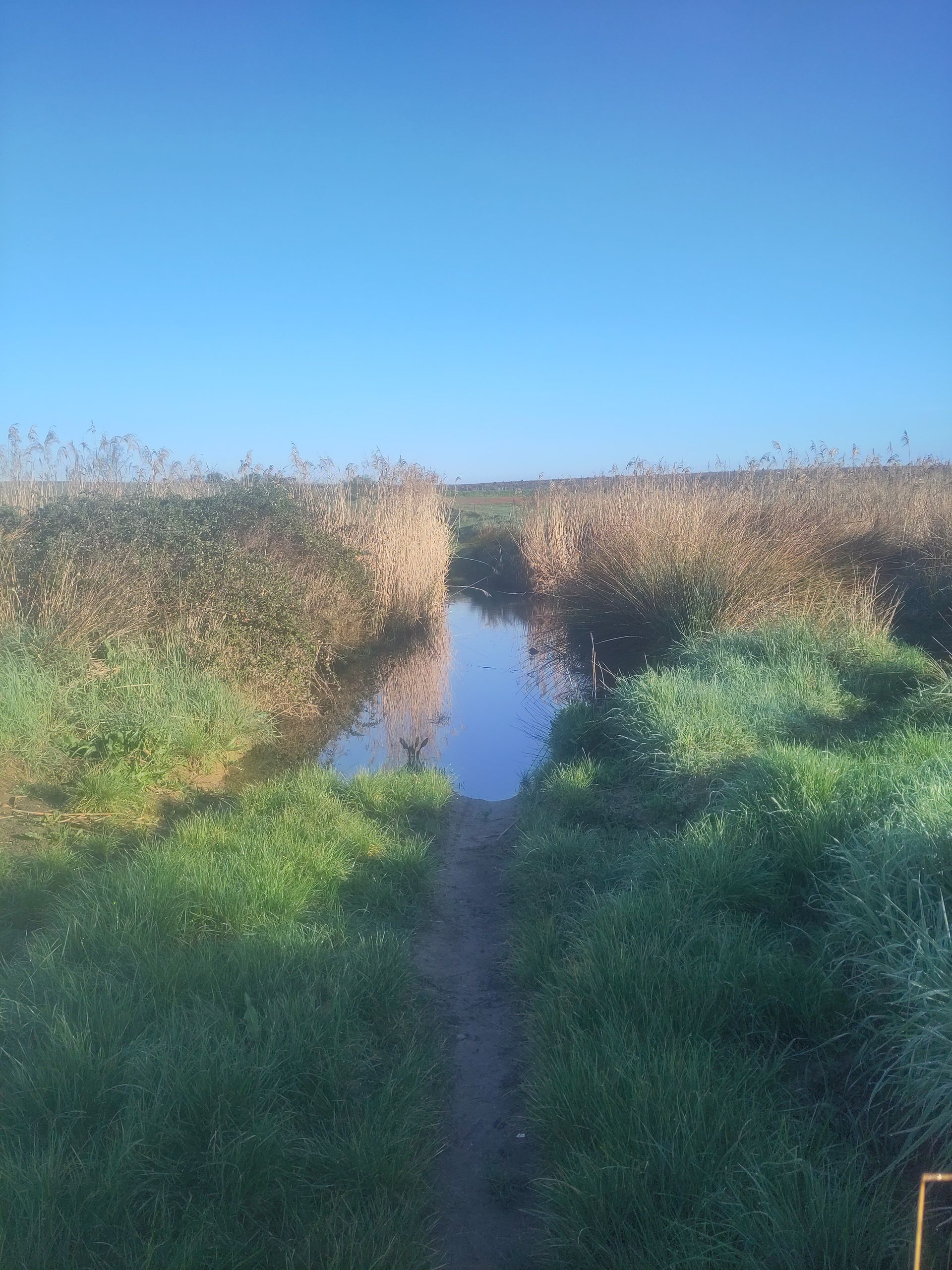
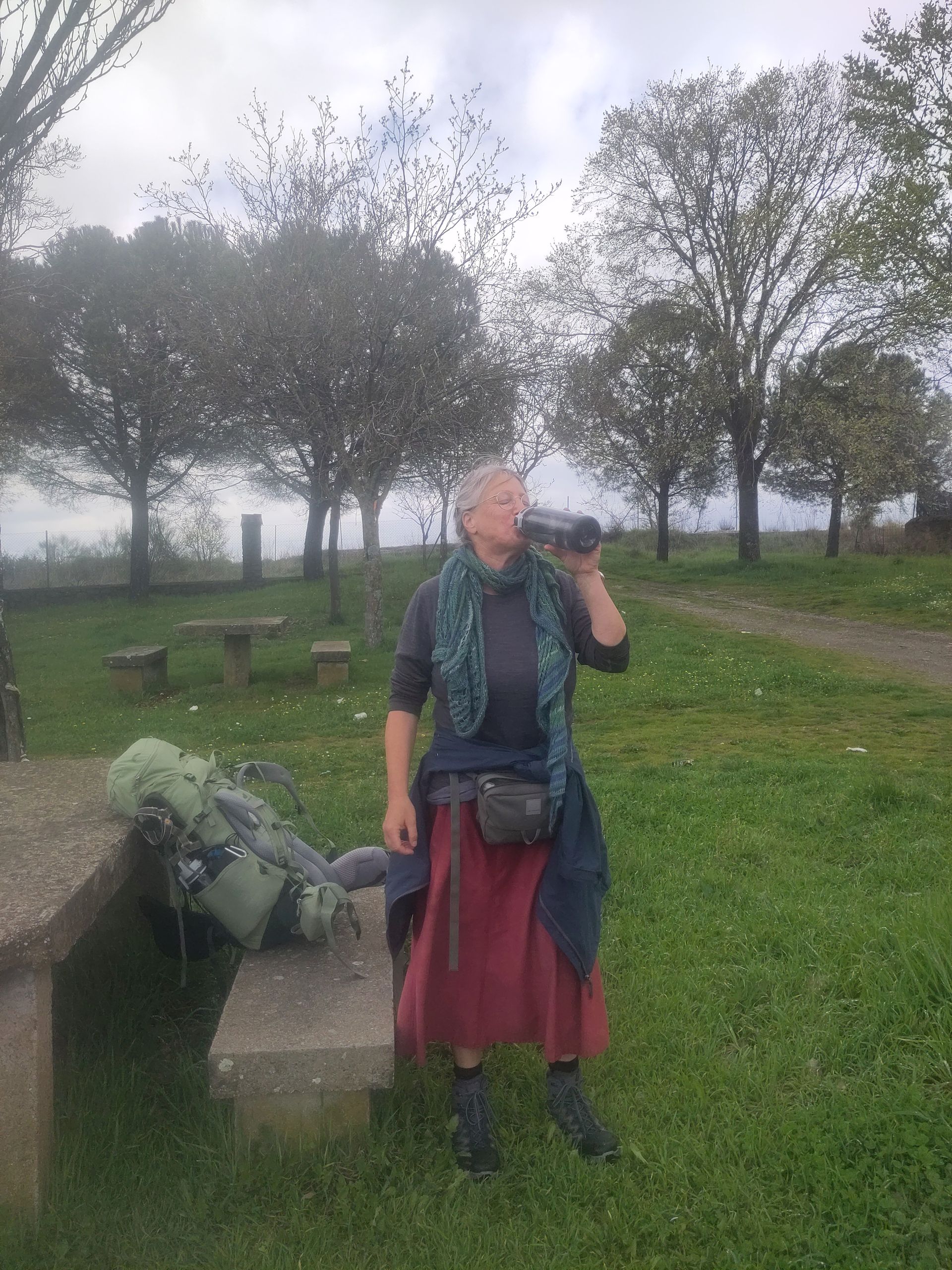
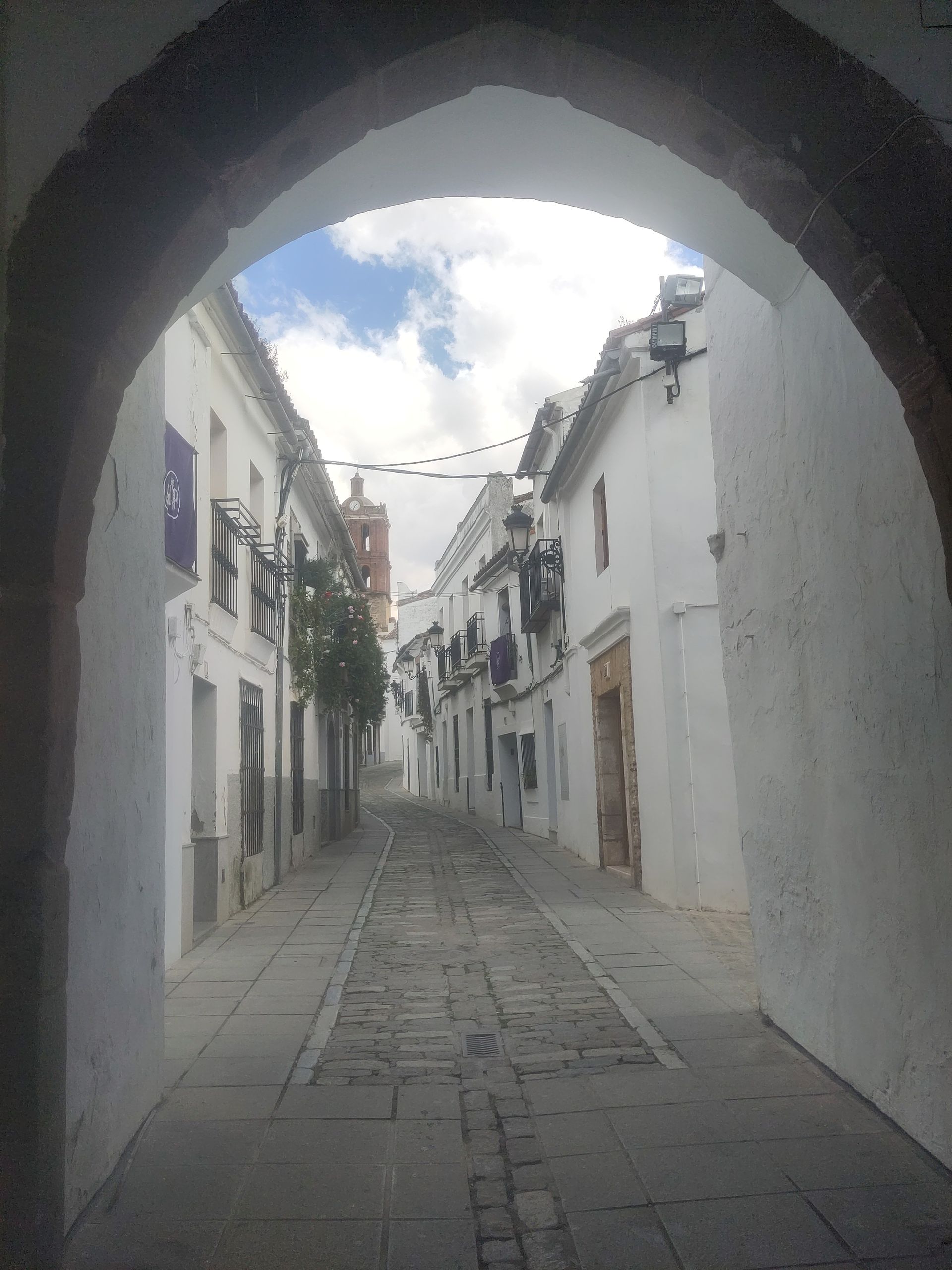
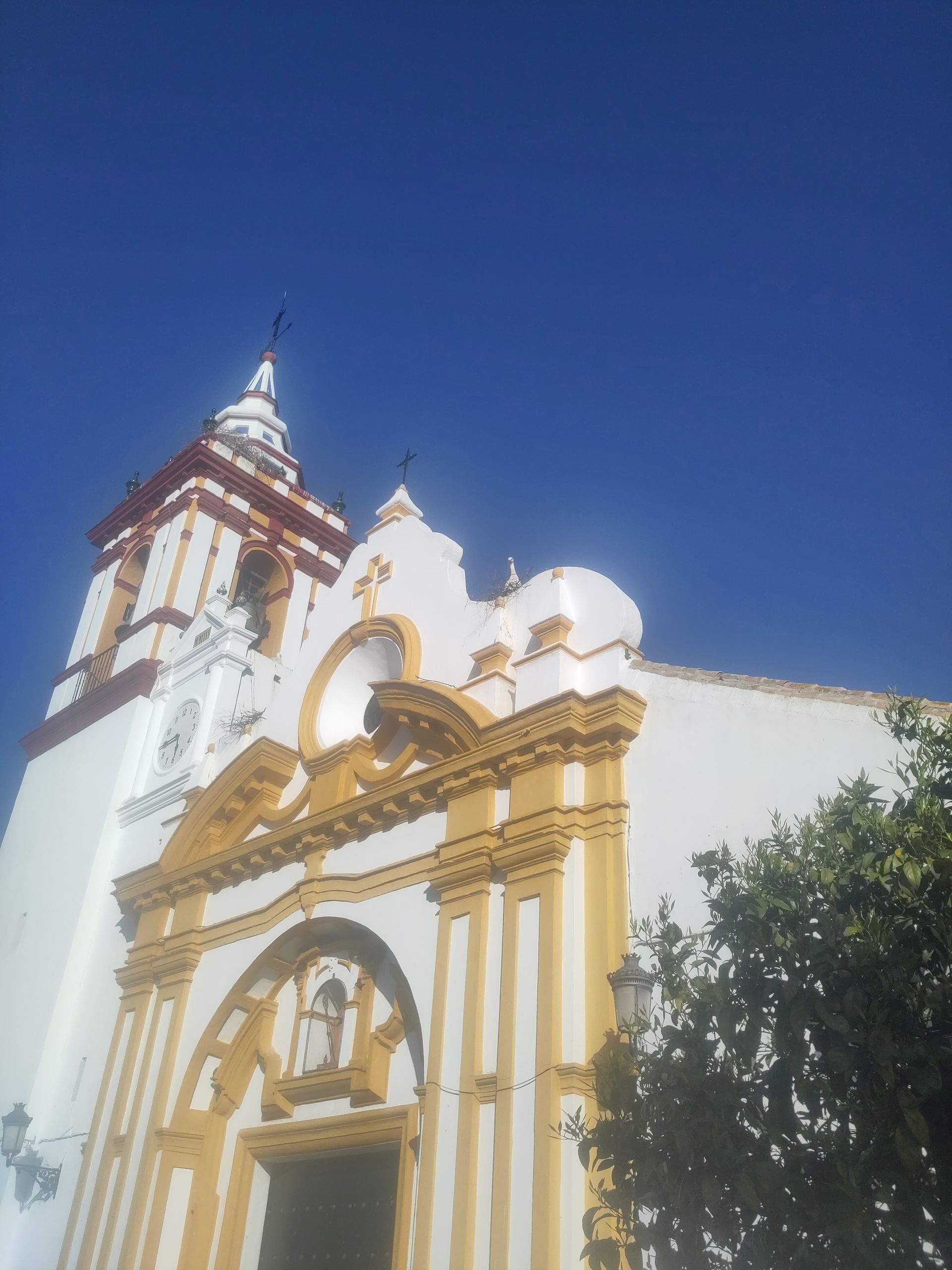
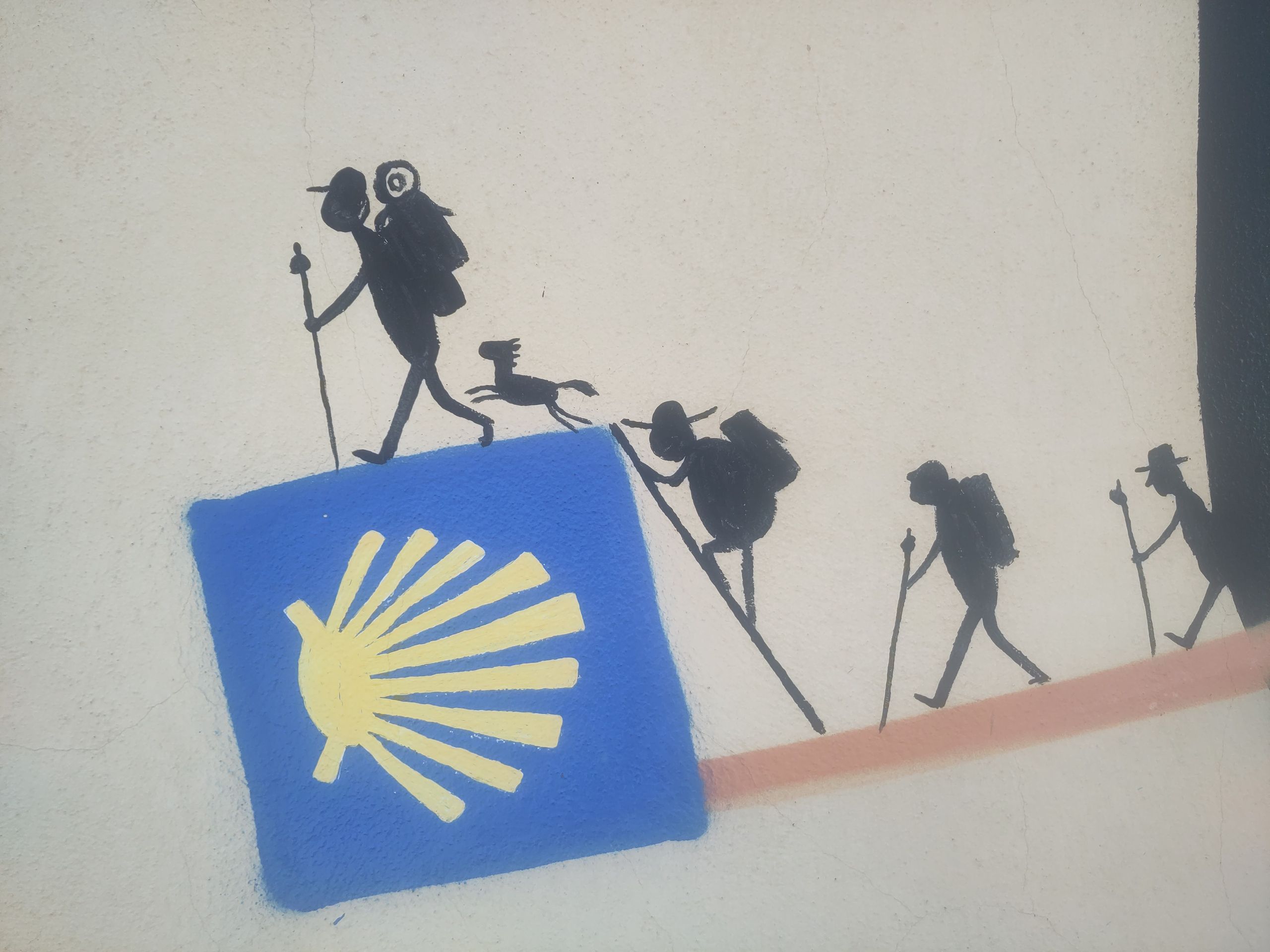
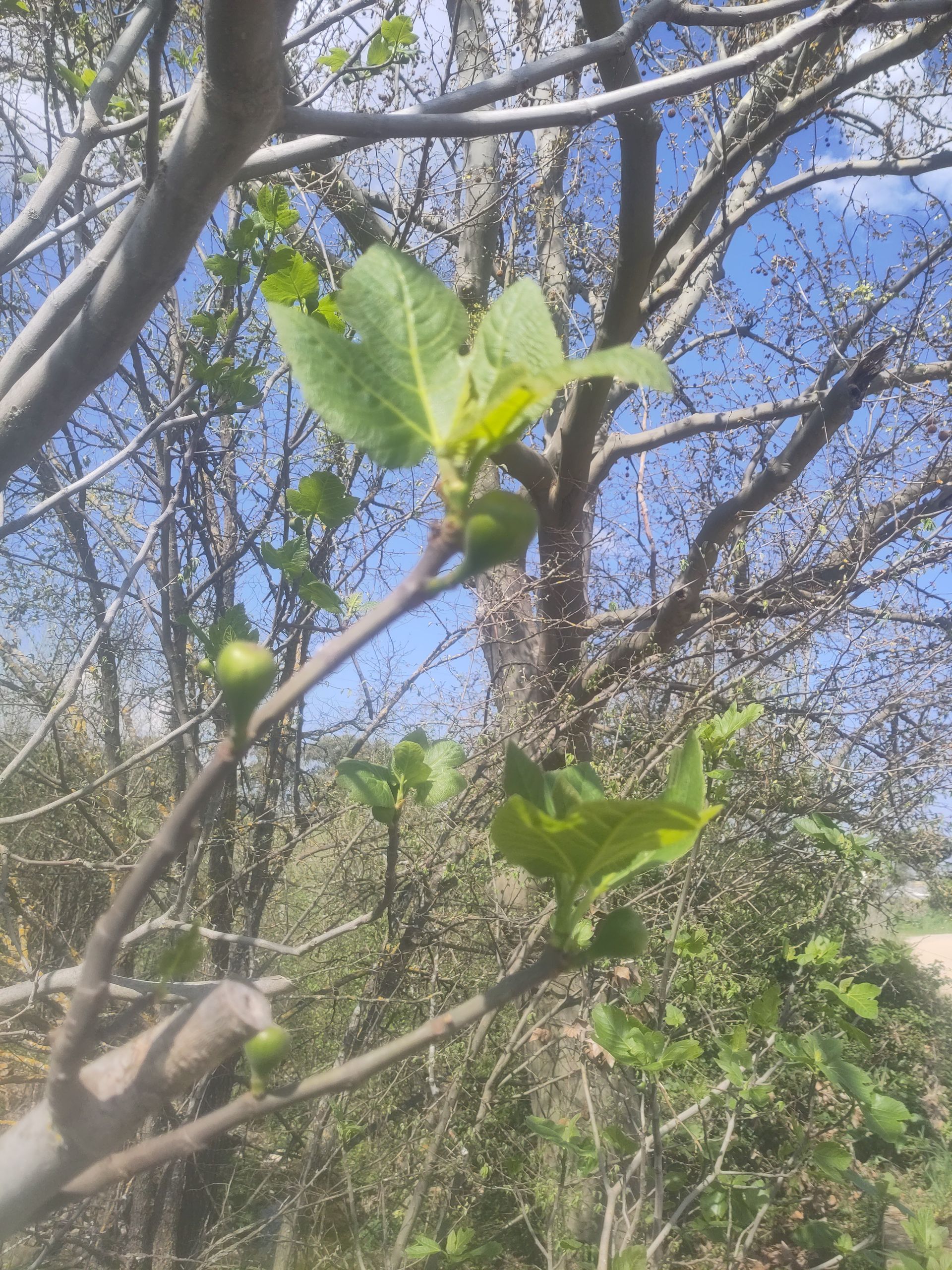
Sunday; I am sitting in a Municipal Albergue, a public pilgrim hostel, having taken a hot shower, dressed dry, yet still chilly - and all of my remaining clothes are hanging on the line in the wind to try to dry out: during the last one and a half kilometers here, I unexpectedly encountered heavy rain and arrived soaking wet and cold. Within minutes, the path turned into brown streams and the steep cobblestoned streets of the place became wet rut-like roads. In retrospect, I was the only one to have a cold shower: D., leaving the last place while I took a break there and also visited the church after the end of the mass, arrived here still dry, and those who trickled in later didn't get caught in the deluge; everyone experiences the journey differently...
For 6 (now already 7...) days, I have been pilgrimaging on the 'Via de la Plata' (a Camino de Santiago or the GR100), initially always heading north from Seville. 'Via', as it refers to the course of an ancient Roman road that connected Seville in the south with Astorga in the north; 'de la Plata' has nothing to do with silver but likely derives from the Moorish 'Bal'latta', meaning 'broader, paved road', from which 'Via de la Plata' was said to have originated.
Upon leaving the urban area of Seville, the path crossed the actual river Guadalquivir (the beautiful, clean one in the city center is a kind of derived canal): muddy brown floodwaters. In Santiponce, the traces of the Roman era were abundantly clear, as the then large place was called 'Italica' and, if I understood correctly, only the Colosseum in Rome was larger than the amphitheater here. It is impressive what has been preserved or uncovered, including floor mosaics and a communal toilet, even already a WC: a stone bench with several round holes side by side, beneath a water ditch, in front of an elegant mosaic - I wonder why there were such unsanitary conditions 'in our' Middle Ages? Couldn't one have learned something from the Romans? Furthermore, it is rather unsettling to walk through the corridors 'behind' the arena, sensing what dramas may have once unfolded here...
The first days, I mostly walked in sunshine and during the day it was sometimes 20, 22°C, but since the nights are still cold and it has been raining repeatedly, and the landscape is still too wet to find dry sleeping spots, I gratefully make use of the network of affordable pilgrim hostels available along the Via de la Plata in many places. Now, late in March, there are already some Peregrinos on the way (from Spain, Italy, Germany, Ireland, Russia, France, and Switzerland...) and it is nice to meet some of them repeatedly at night and eventually dive into deeper conversations - after all, one also tends to lose track of time. Right on the first evening, I rolled into Guillema quite late at the hostel and was very surprised to find another 20 pilgrims already there! The hostel manager (a German retiree who has been doing this service here for years) assures that this is the first night with such a rush; previously, it was sometimes 5, sometimes 3, sometimes 10 pilgrims... Well, aside from the occasional heavy snorer and sleeping in bunk beds with many others... the pilgrim hostels for typically 10 to 15 euros are a good option after a long hike (especially of course, if you arrive drenched!)
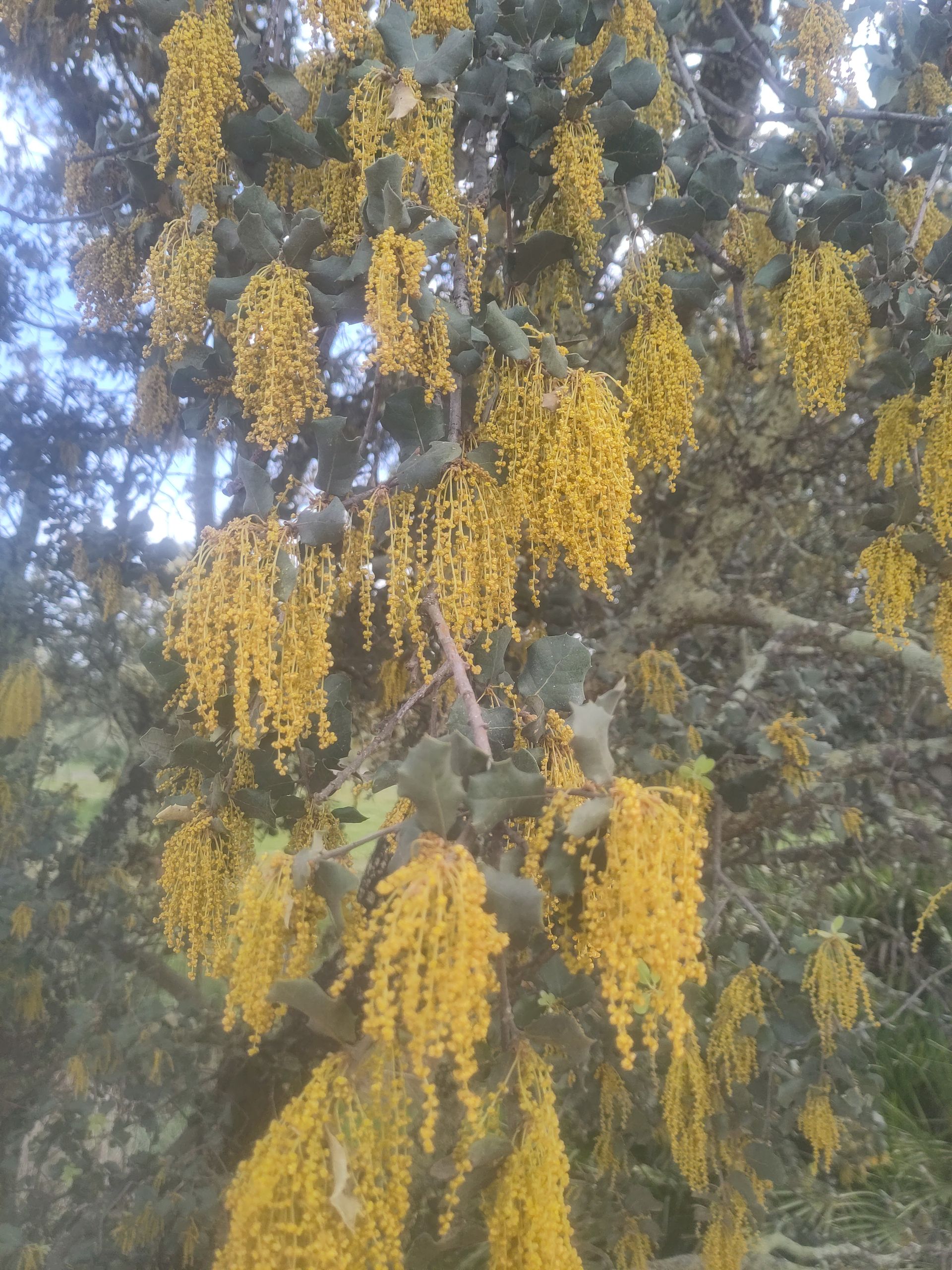
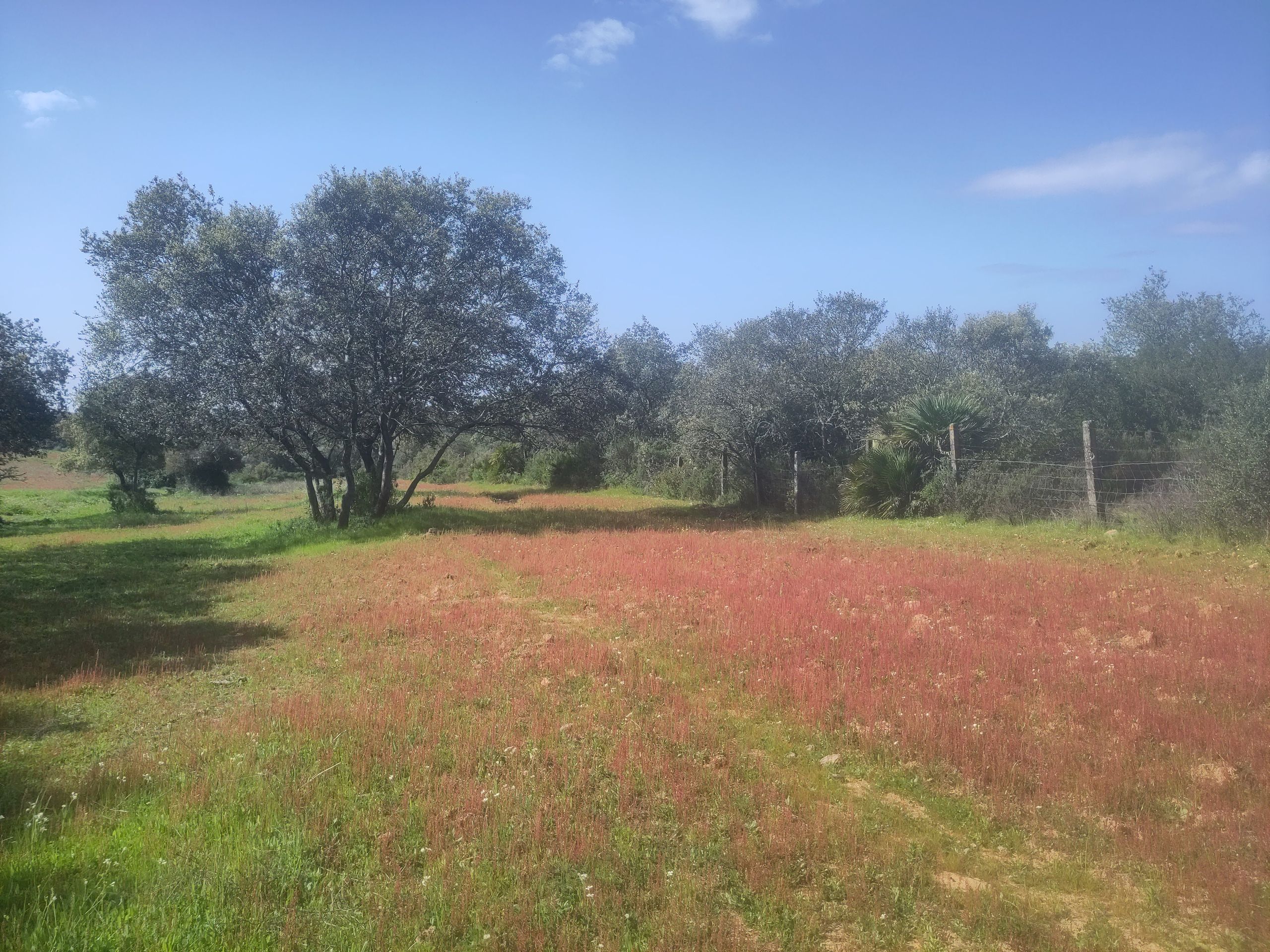
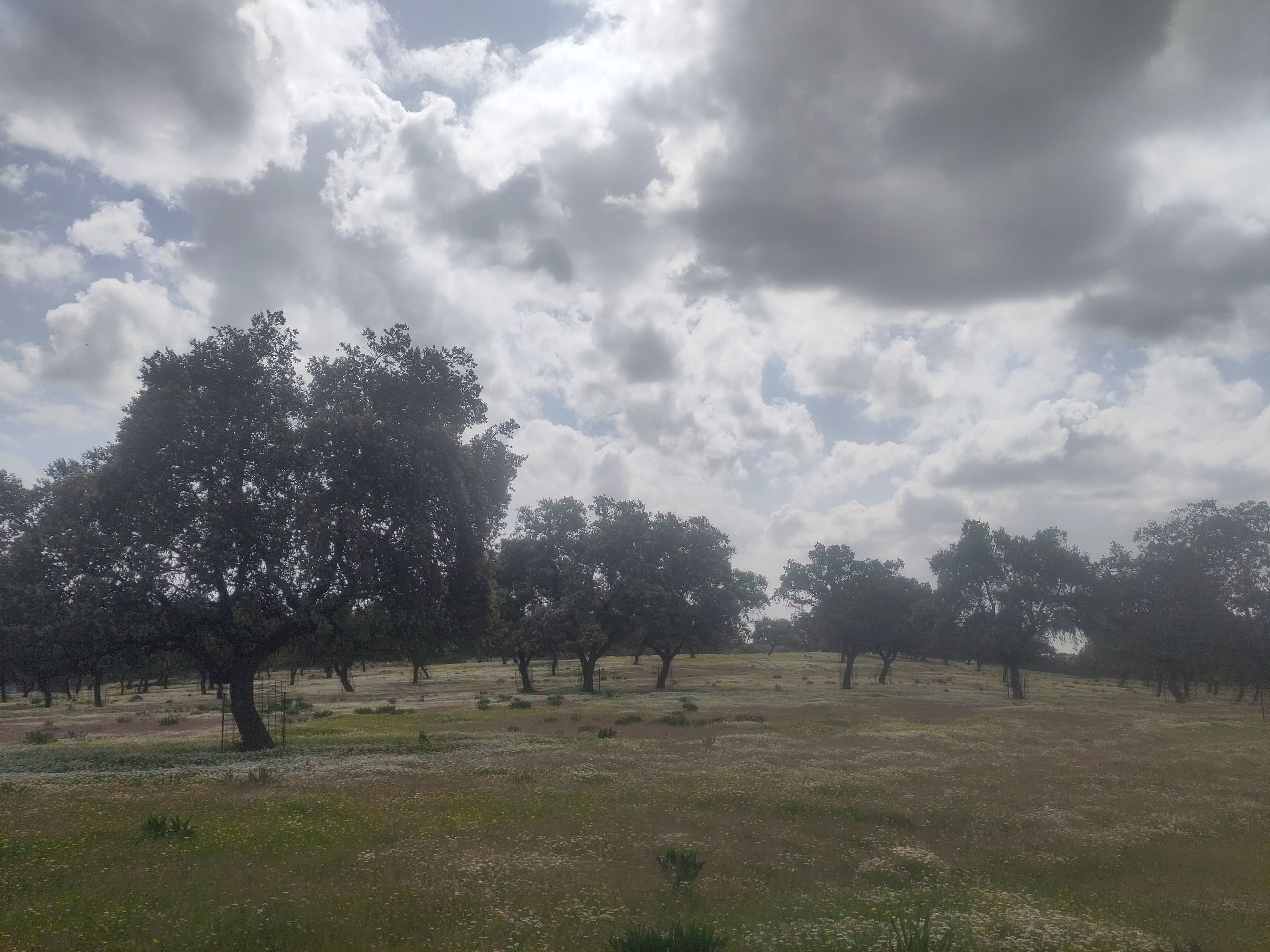
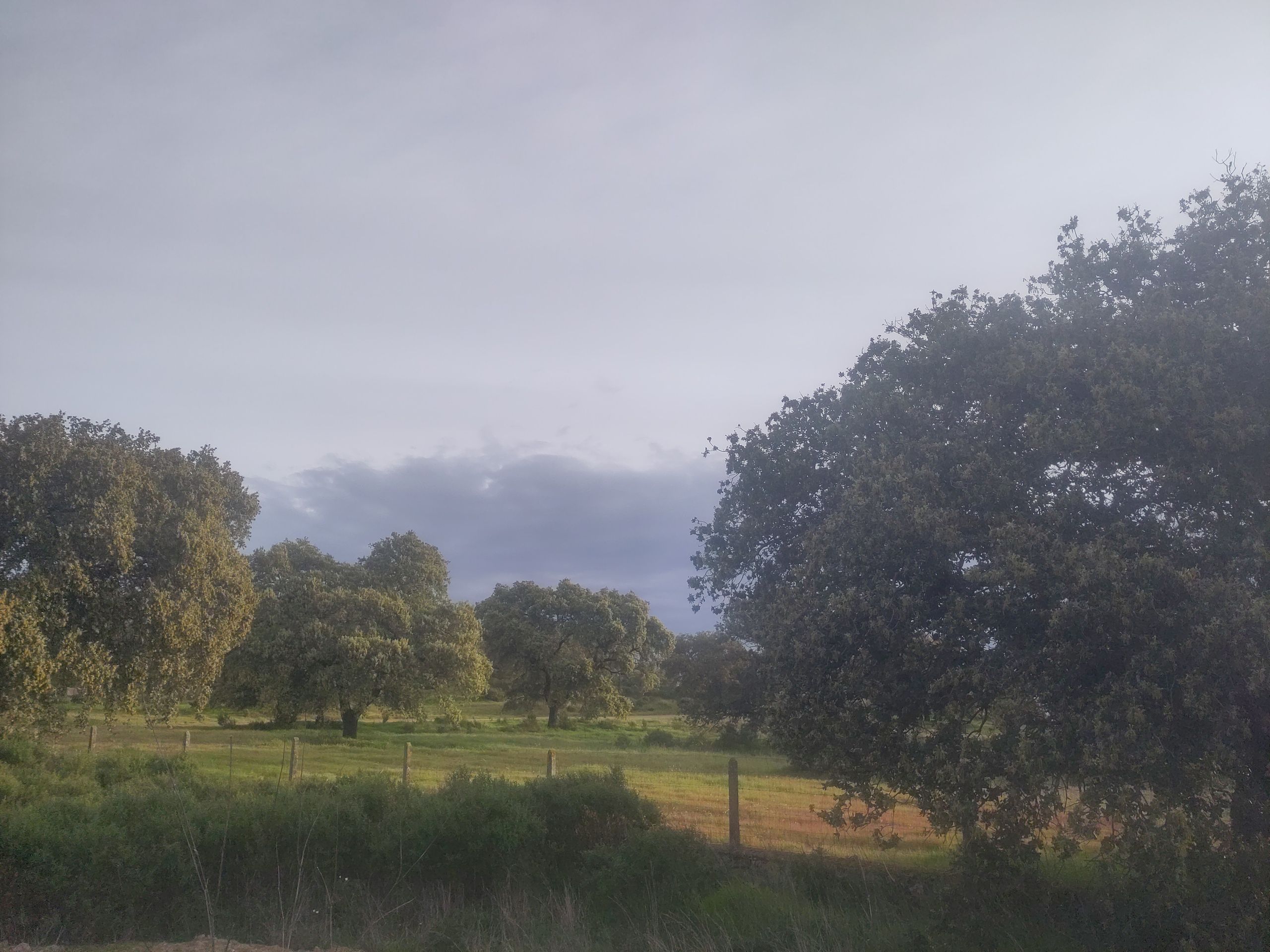
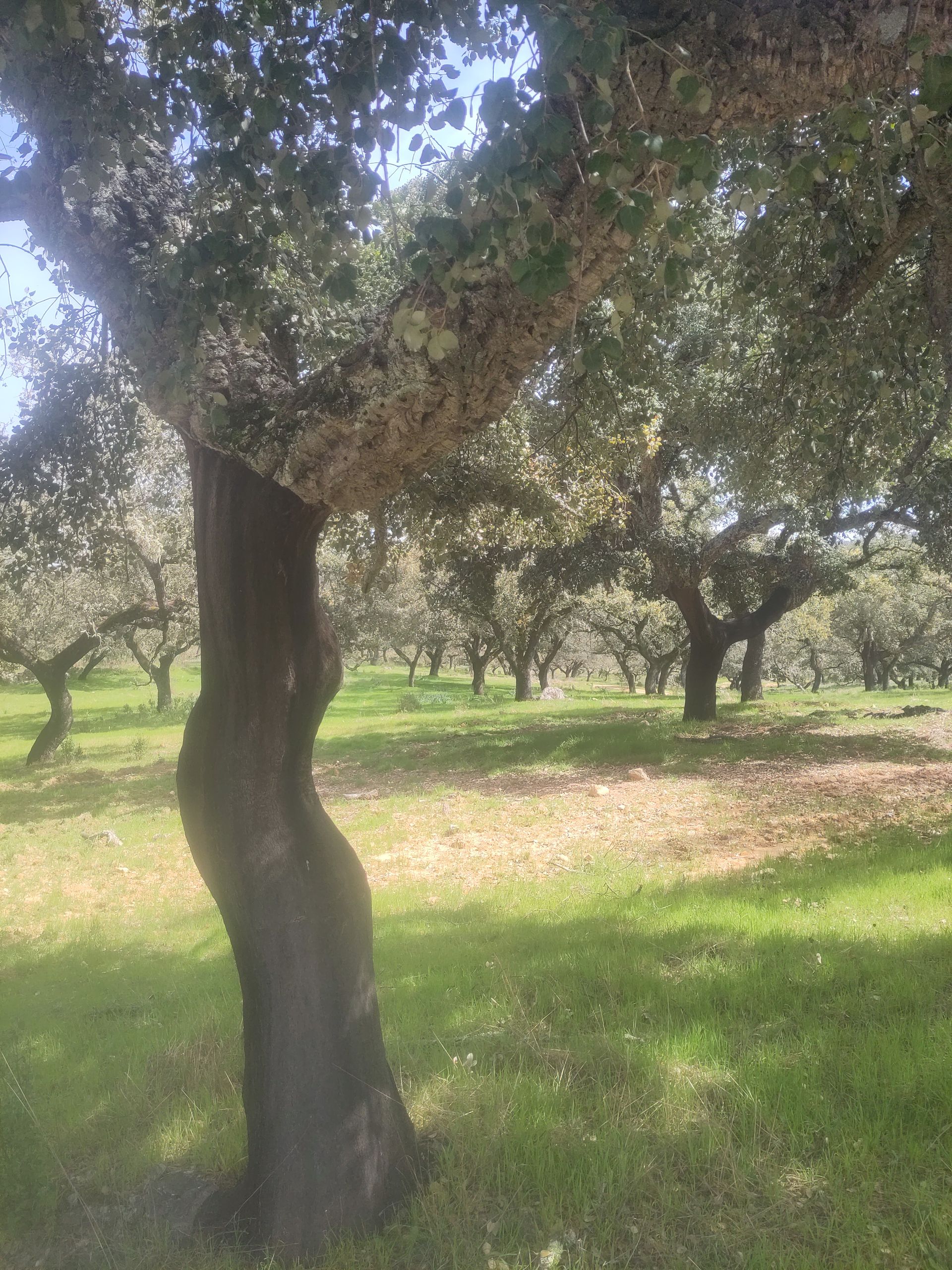
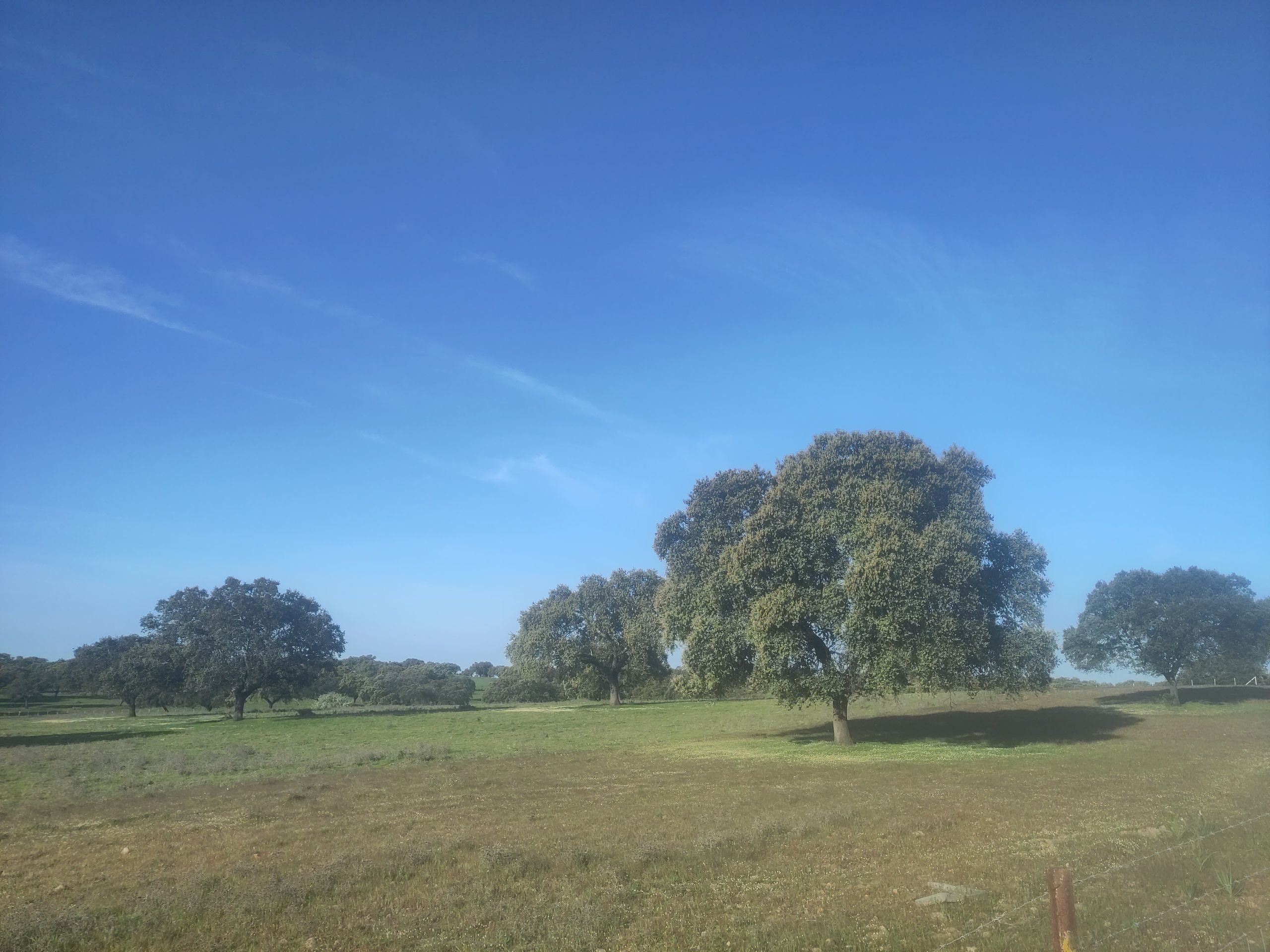
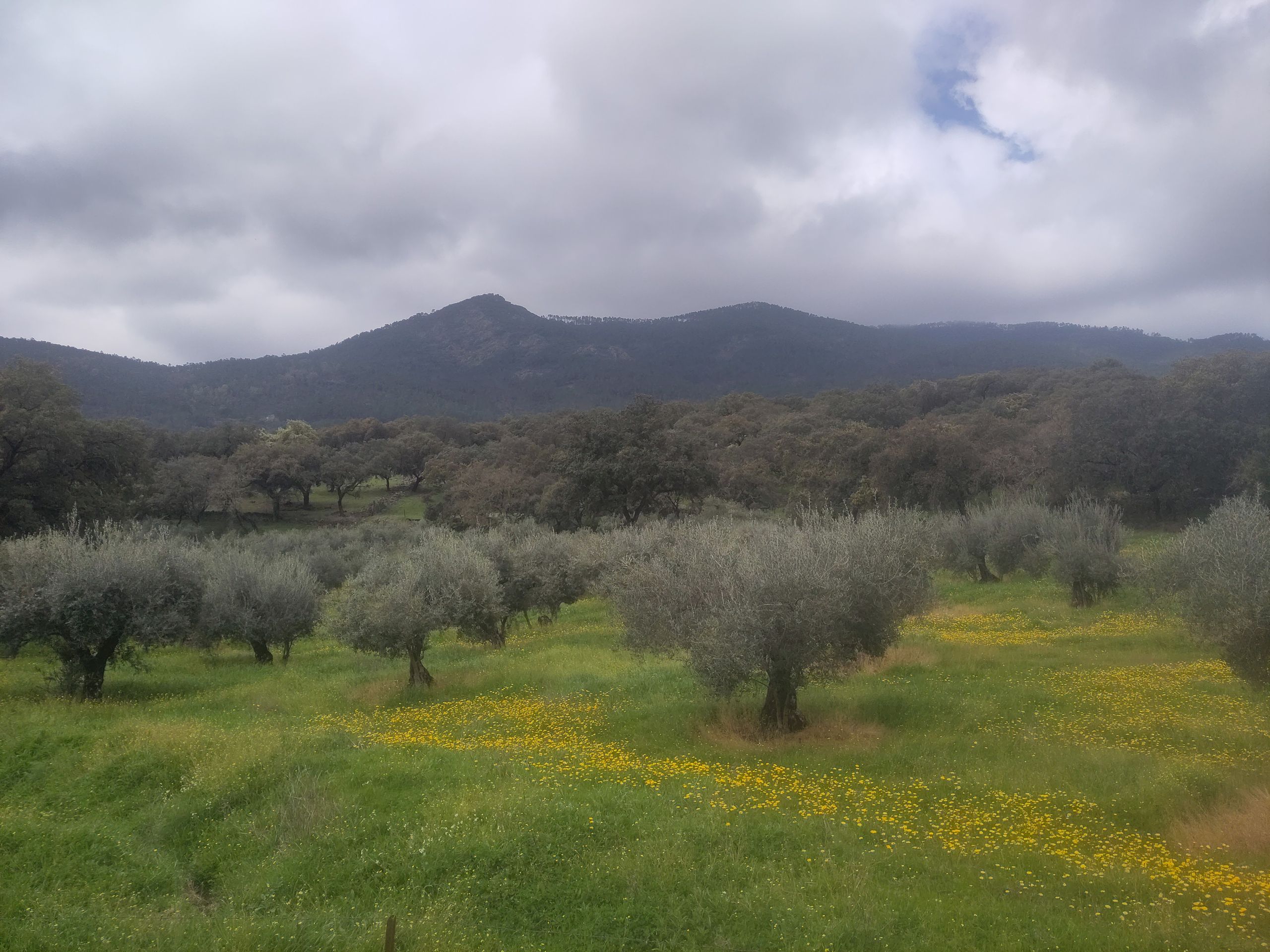
I have now left Andalusia behind and moved into the province of Extremadura. Overall, the path on the second day after Seville rises to at least 300 m in elevation, and since then I have been moving at around 500 m, while Monesterio is situated at over 700 m. It went, still in Andalusia, through the Sierra Norte Nature Park: mainly cork oaks and pines; stone oaks and cork oaks grow more like our high-stemmed meadows in park-like open landscapes, while the pines appear more like a forest: all dark green balls, evidently planted on terrace steps (to retain the water?)
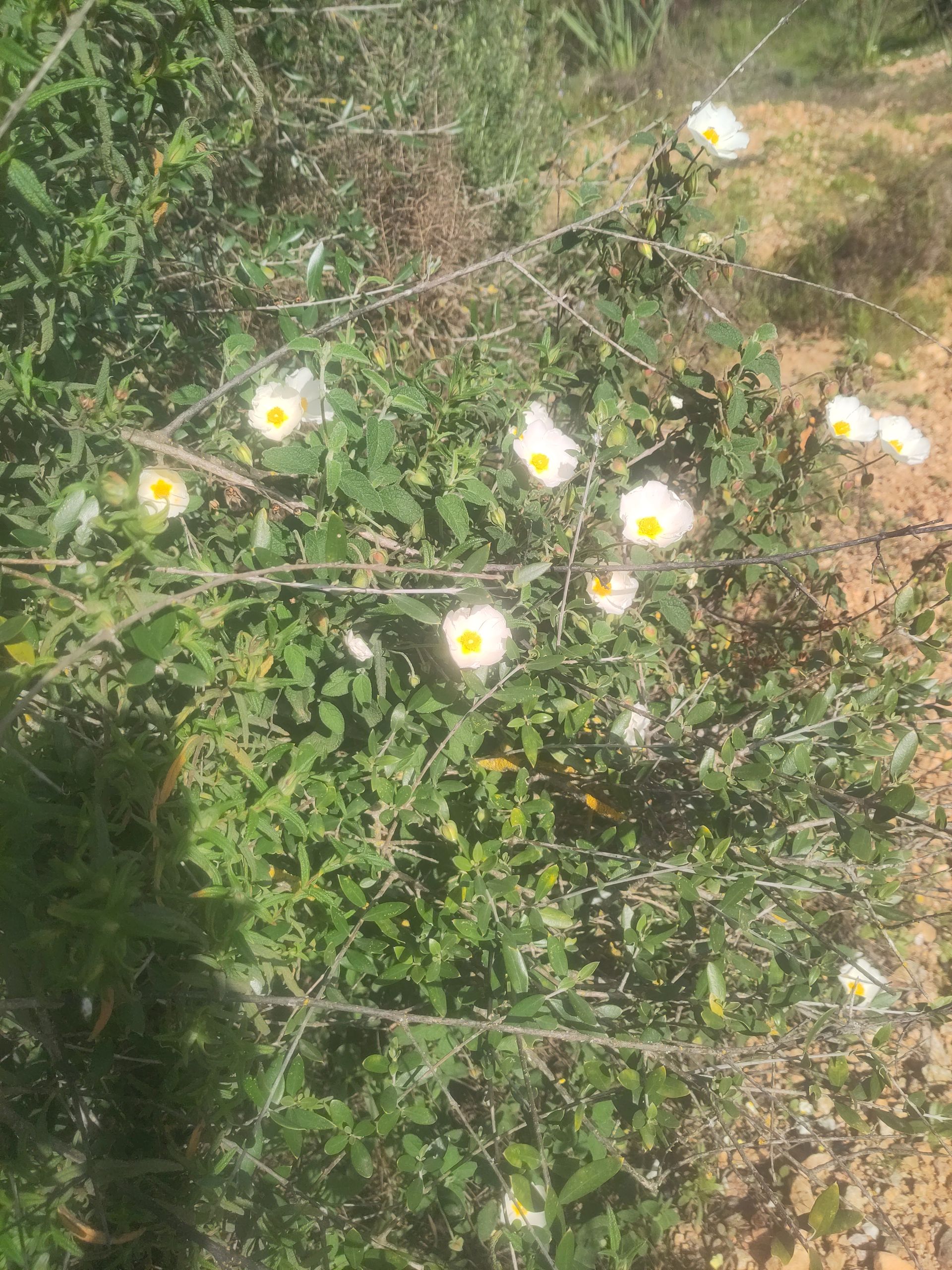
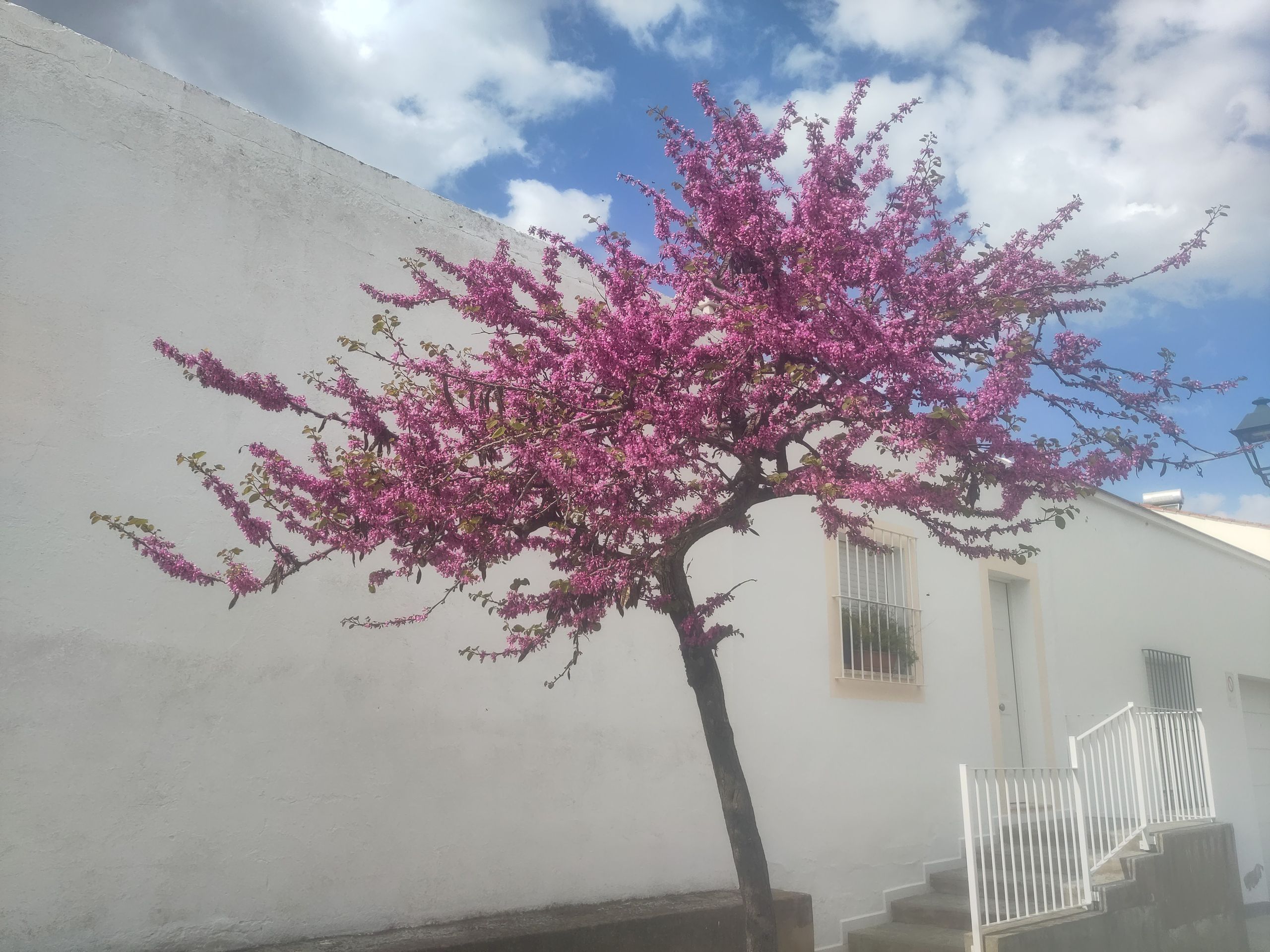
I now understand what is meant in many descriptions by 'the cistus blossoms' - white and pink blossoms like wild roses, only that the leaves and shrubs are quite different and the thorns are missing. So much is blooming already (that I wonder what actually blooms in summer, or if everything dries up then?)
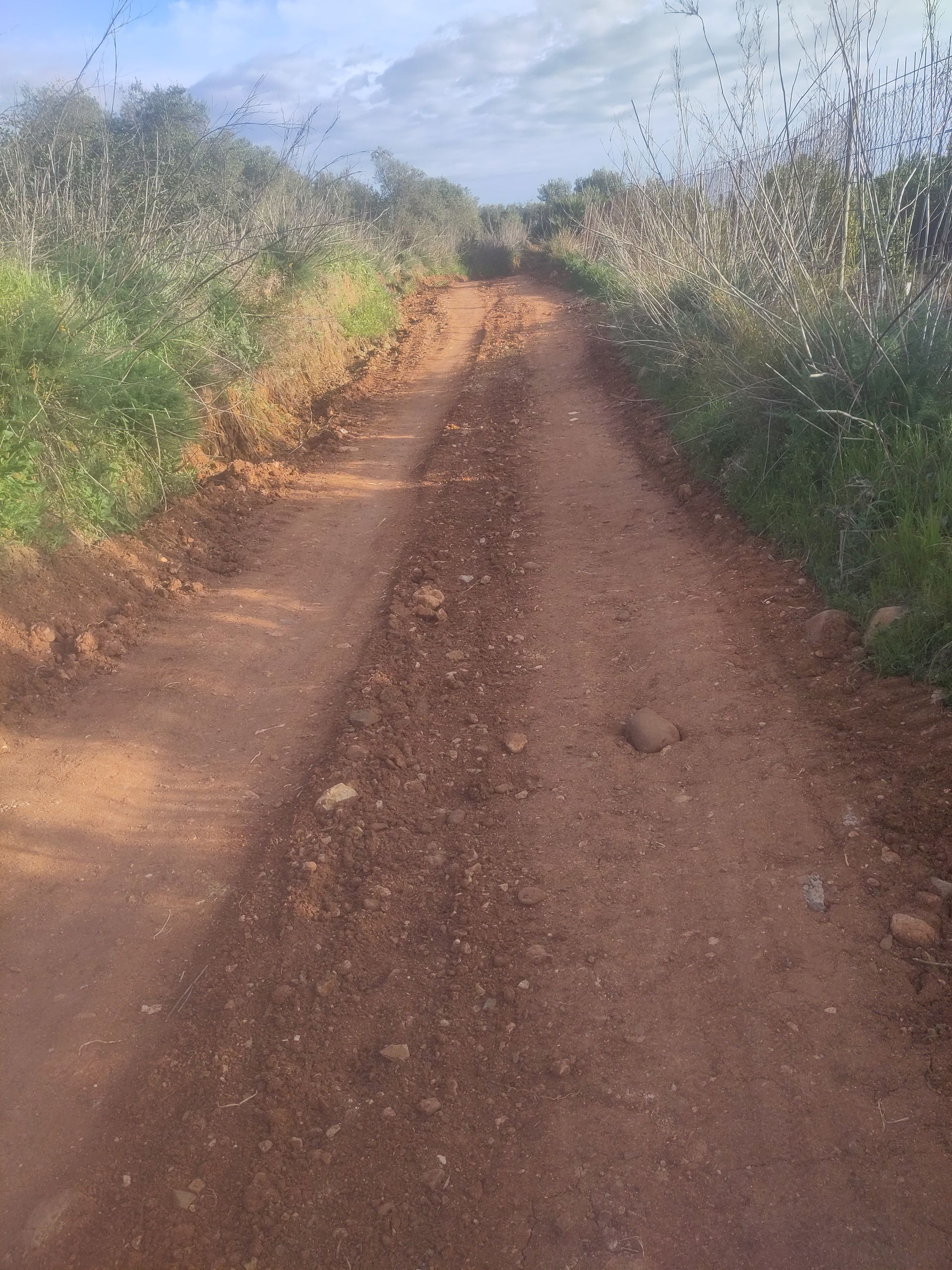
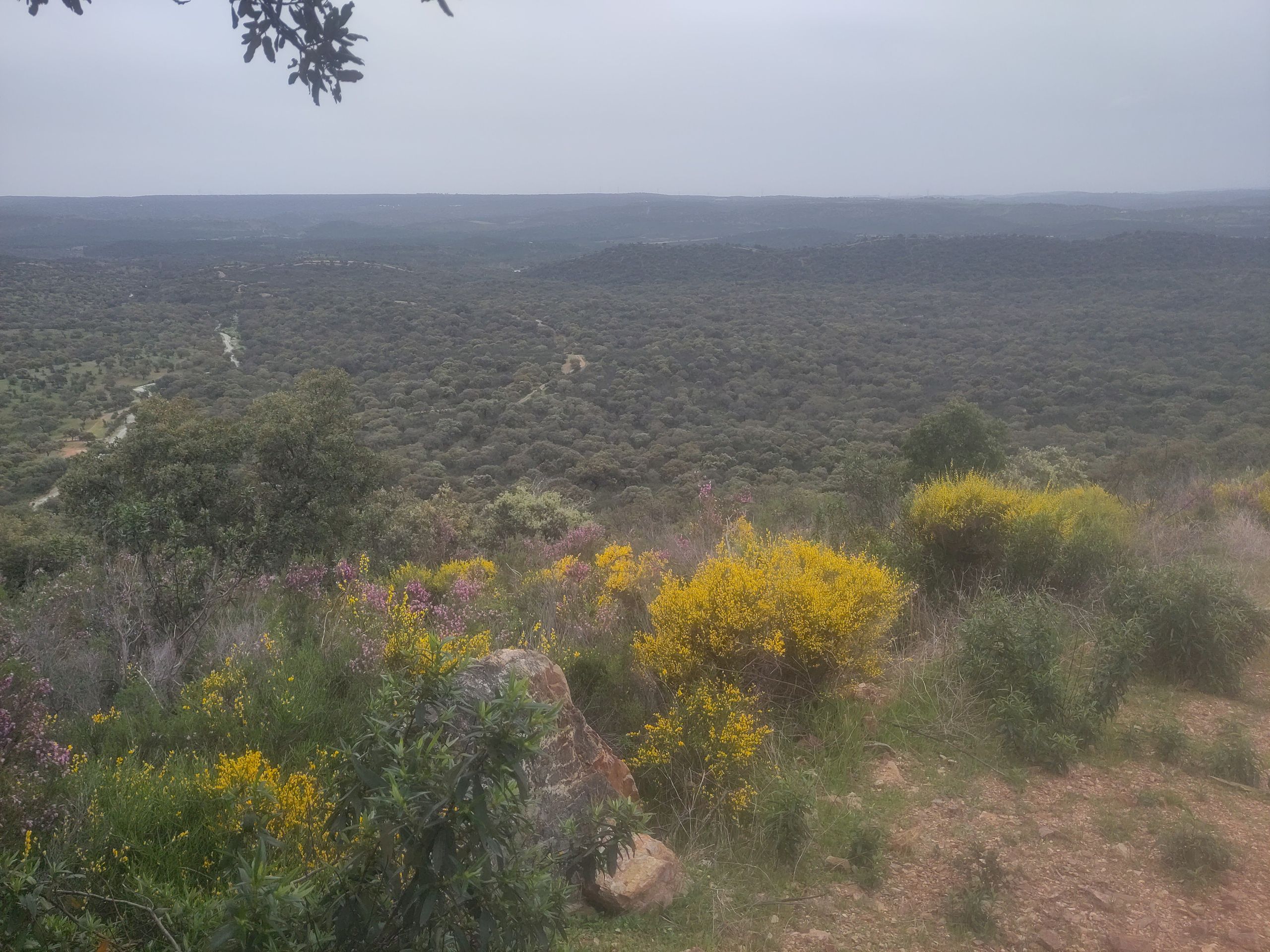
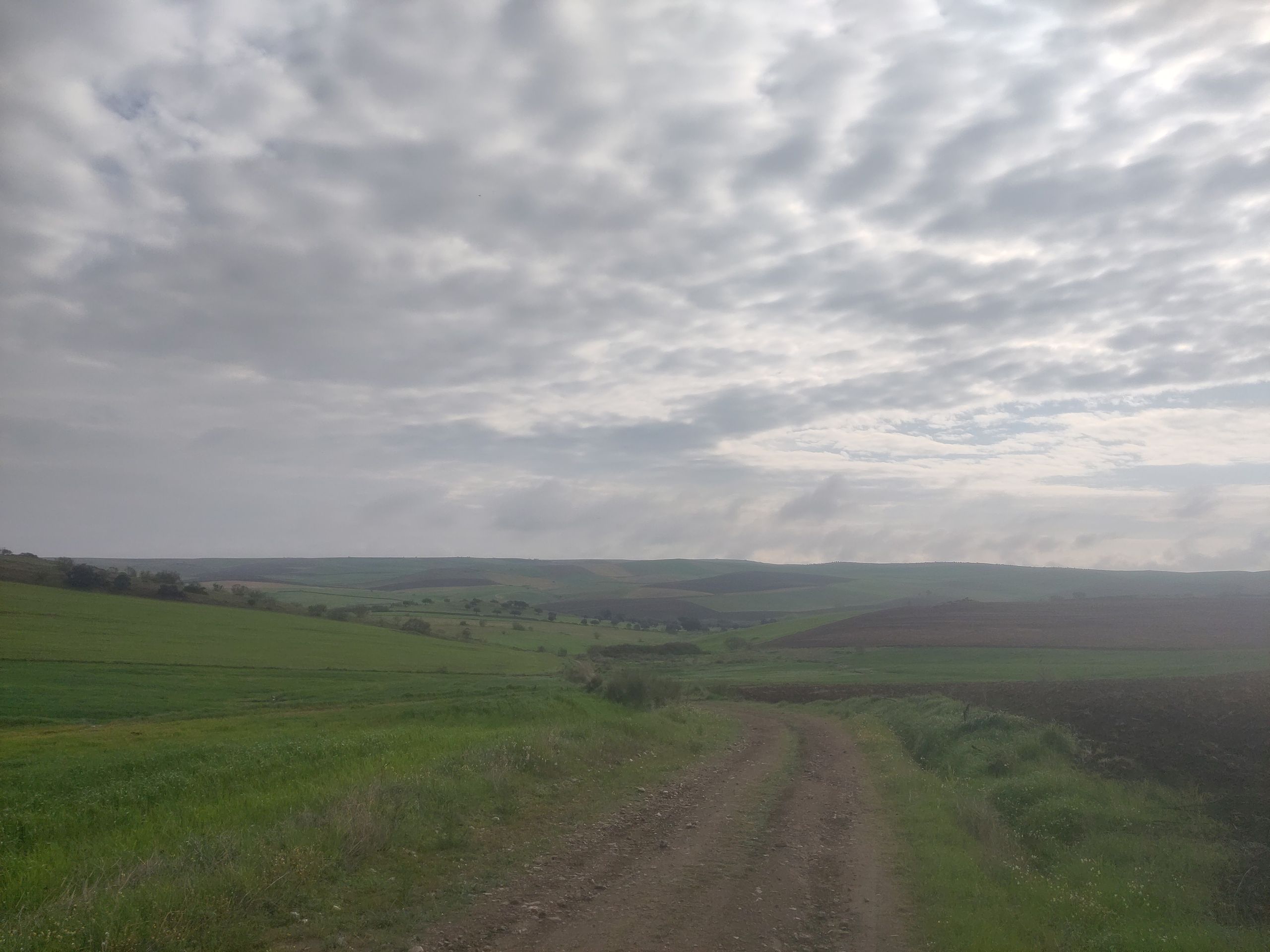
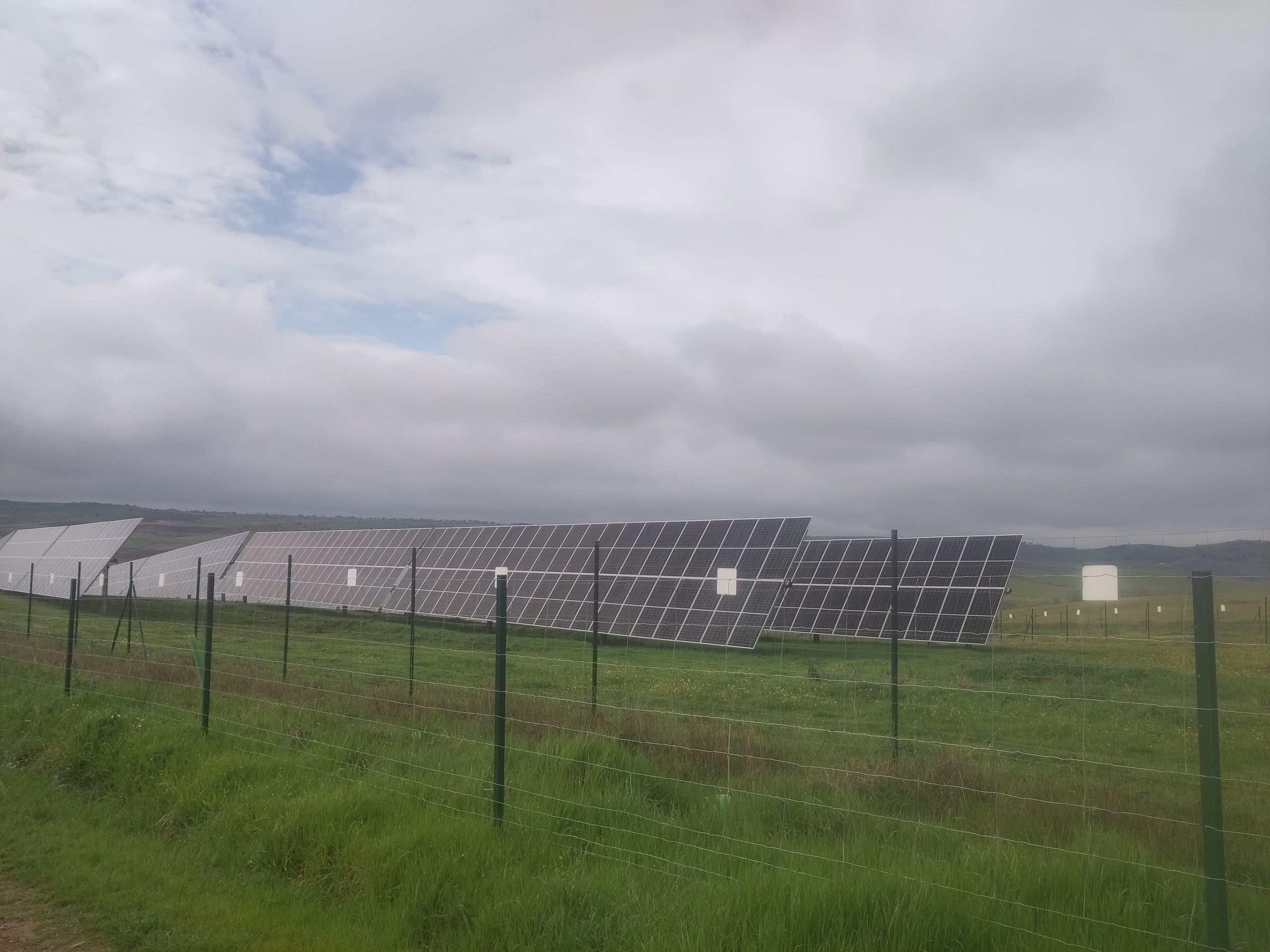
Red earth, huge cacti along the way, olive, orange, or solar farms, and today also vines; a hare hops across the path, birds sing (for some time high dry thistles accompany the path, and many goldfinches are colorful 'in them' - how long has it been since I last saw goldfinches!), at times the path is covered with white cherry blossom petals, once I encountered the skin of a larger snake at the roadside... It goes well uphill, and then the view opens widely into the green, hilly landscape, with yellow gorse flaming in between and pink clouds resembling huge heather, more discreetly and quietly the pale purple of wild rosemary - a cold wind blows and it is getting dark and misty as I reach, after almost 28 km, the highest point at around 550 m, far below lies the white village of Almadén de la Plata with a white and a red church tower (the red one later turns out to be the town hall tower); steep and without switchbacks, it goes downhill.
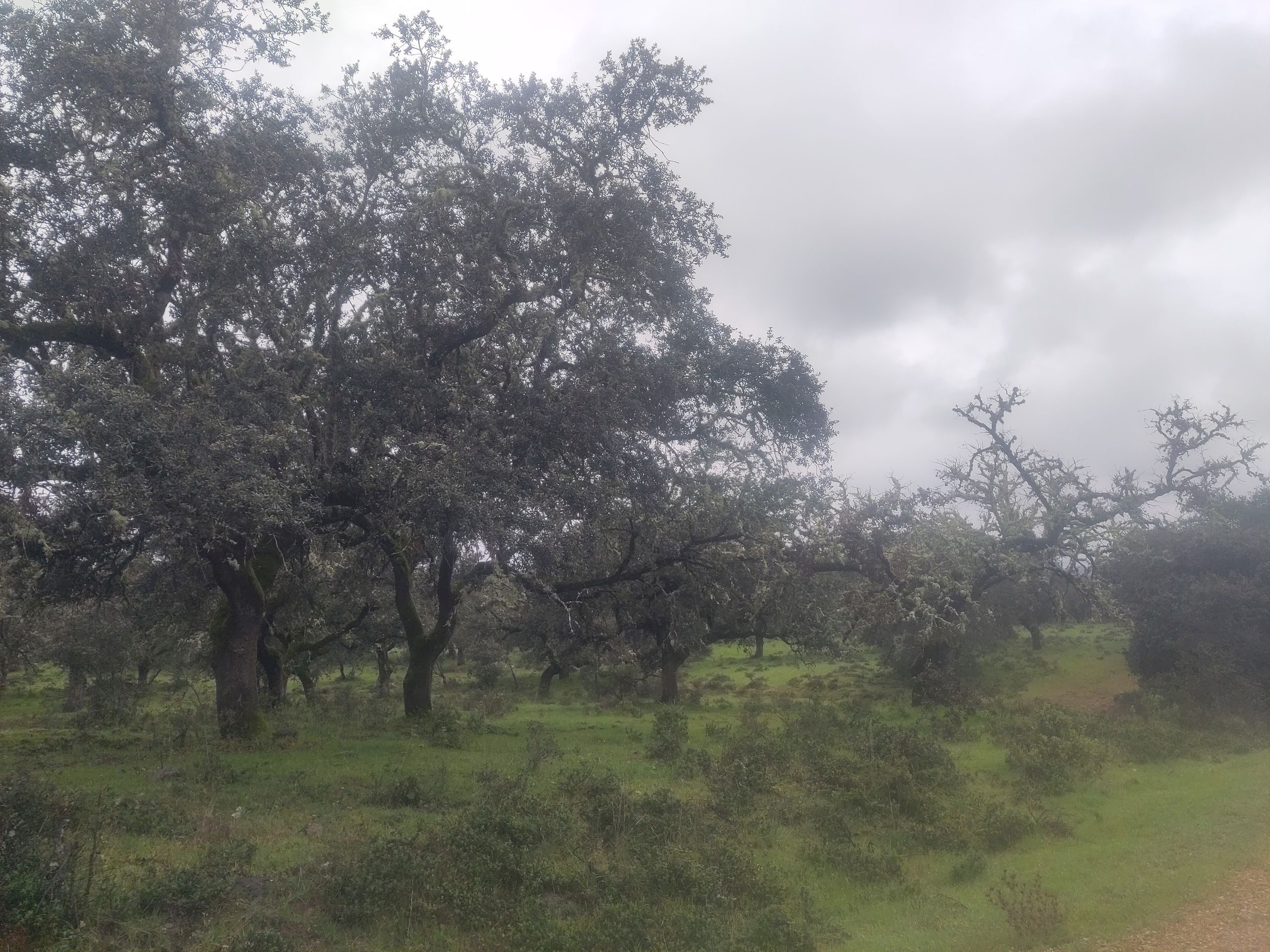
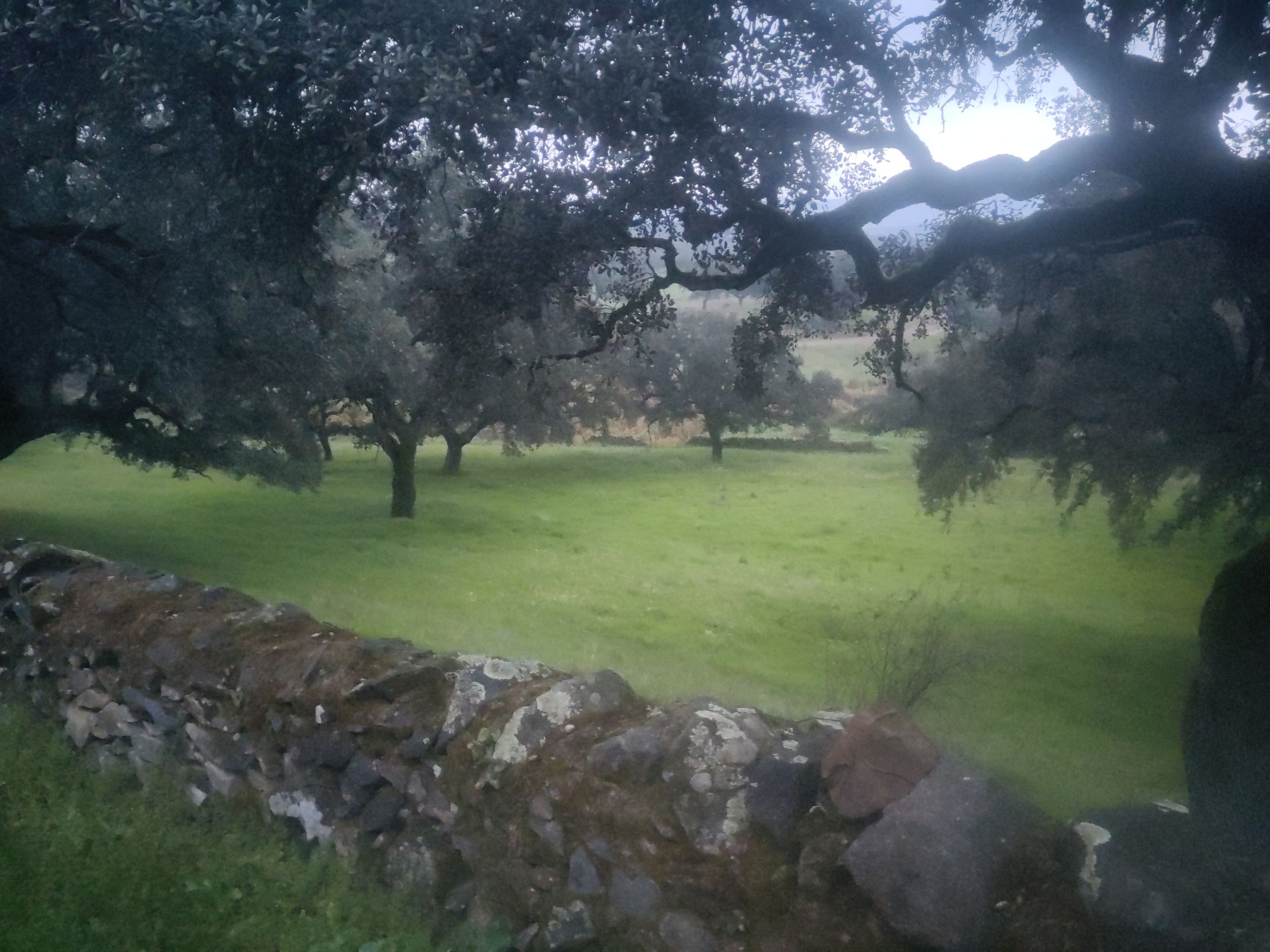
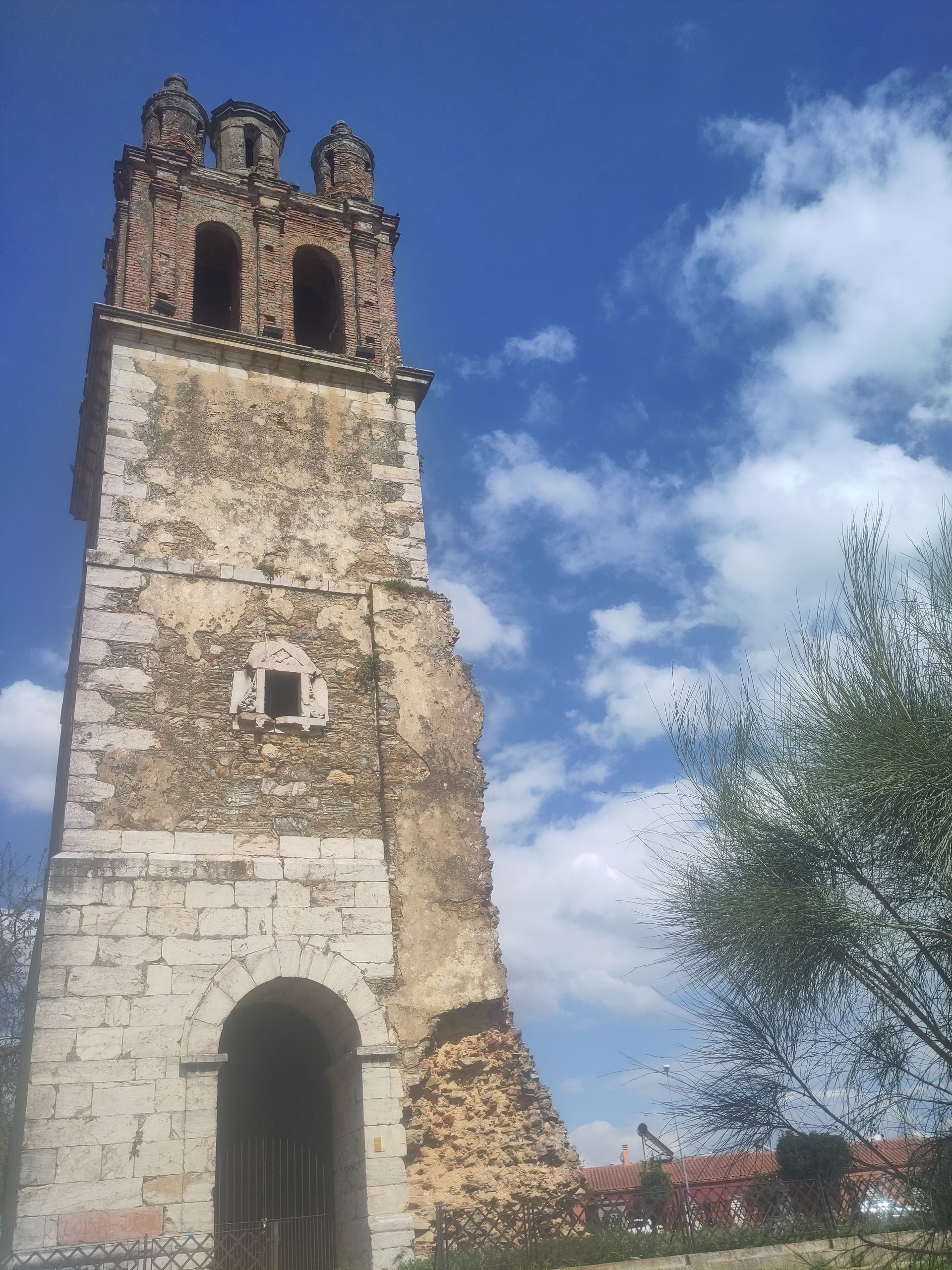
On all the church towers, there are stork nests, and swallows' nests stick above the church portals and elsewhere (from the red earth, they are often quite reddish here). Outside the nature park, the lands on the right and left of the paths are mostly fenced private land, or walled in: often these days, there are pretty natural stone walls. When it is, as in the last three days, rainy, gloomy-cloudy, foggy, and wet, the landscape with these stone walls appears a bit English or Scottish...
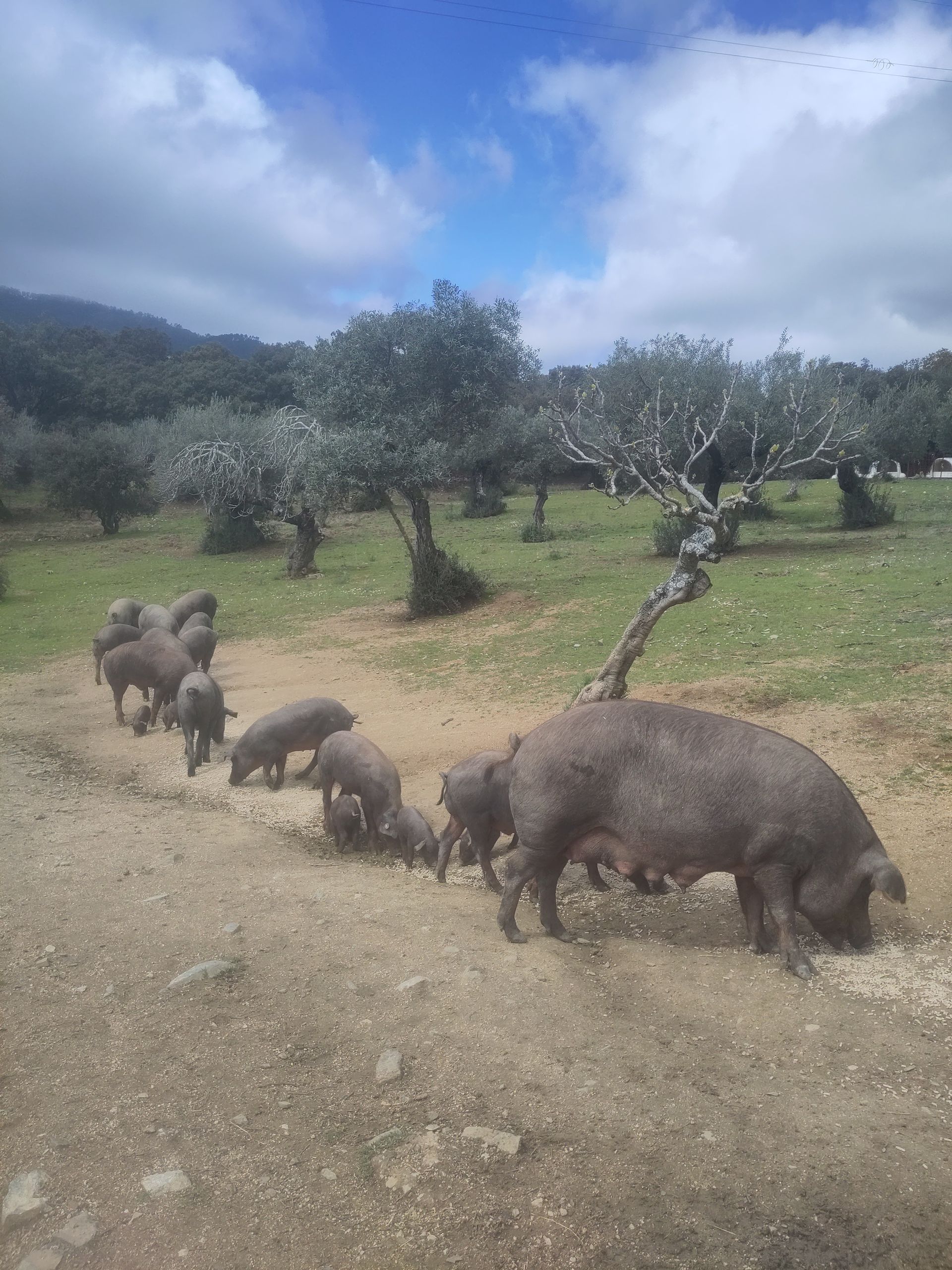
Many cattle, sheep (with cute lambs), goats, horses, donkeys, and now especially the famous Iberian black pigs (with noble piglets), whose smoked hams hang from the ceiling in every shop - in Monesterio the day before yesterday, there was even a large museum about them and many shops with nothing but products from these pigs; I must admit, I have already tasted their ham and it is really tender and delicious...); the sheep often wear bells around their necks, which creates a loud but not unpleasant soundscape.
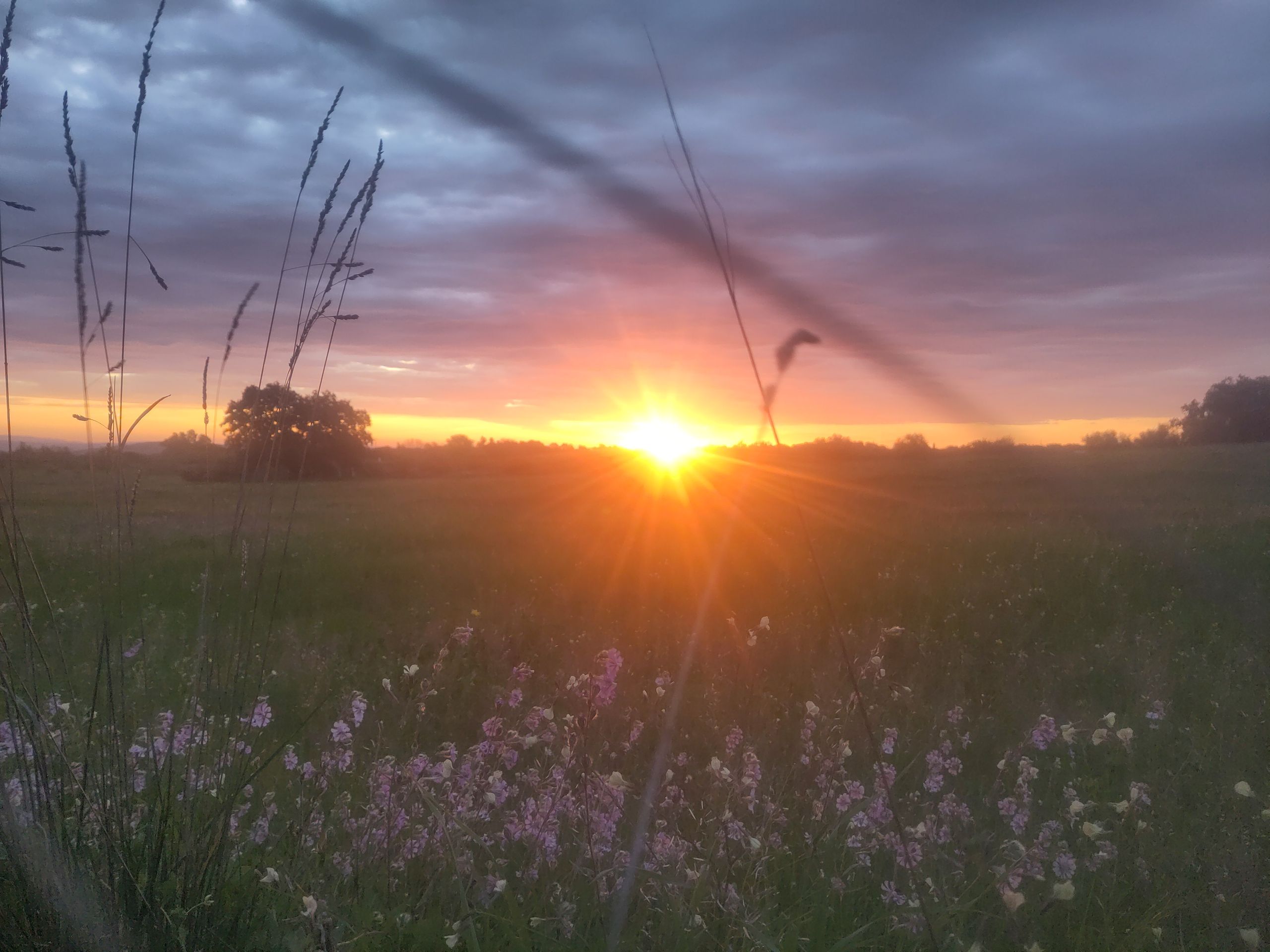
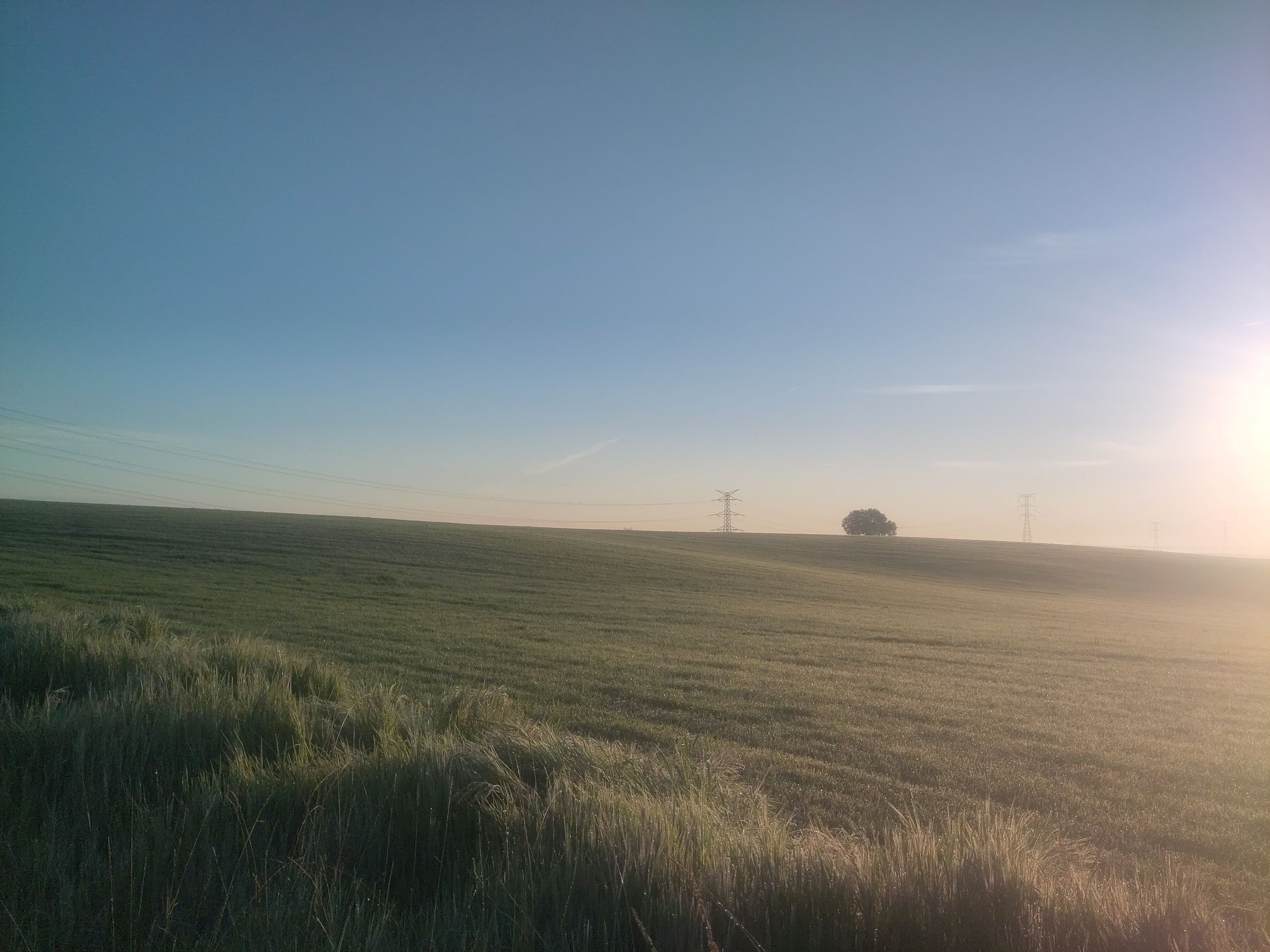
Early before dawn, walking into the sunrise while the birds chirp around, and either there are colors on the horizon or (as in the last few days) it only gradually lightens in the drizzle; having not met a soul for the first 4 hours of the day, simply walking quietly and meditatively, mile after mile, singing some morning songs - then it becomes insignificant that my shoulders hurt from the heavy backpack or that not everything is always pain-free and comfortable...
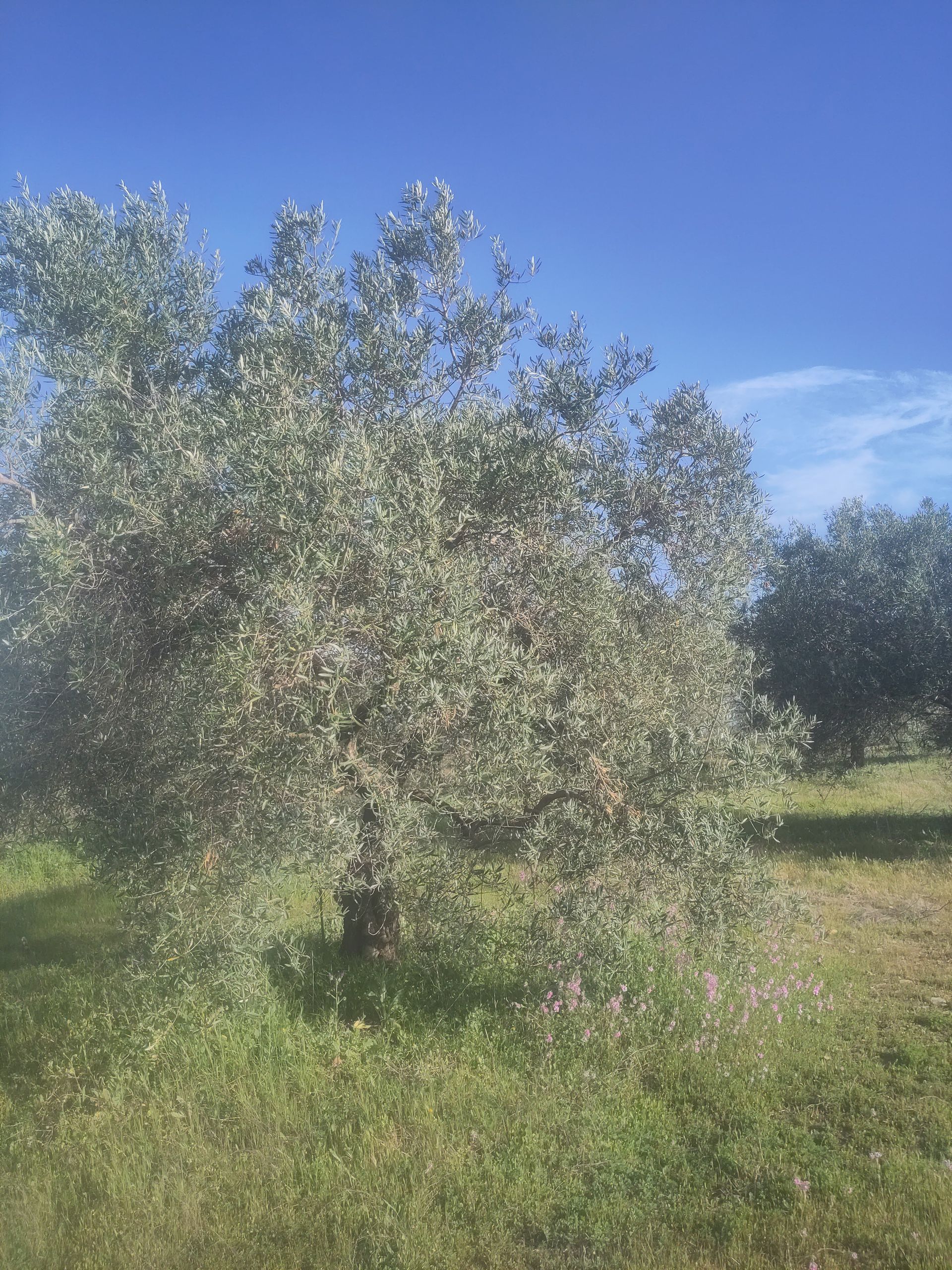
In the meantime, it is open agricultural land, here next to olives mainly wheat and wine. The vines have not yet budded (unlike everything else); it pains me to see how often the extensively bare earth between vines or olive saplings erodes! The first 10 km of today’s path was unfortunately always resonating from the nearby highway, but later it became quiet.
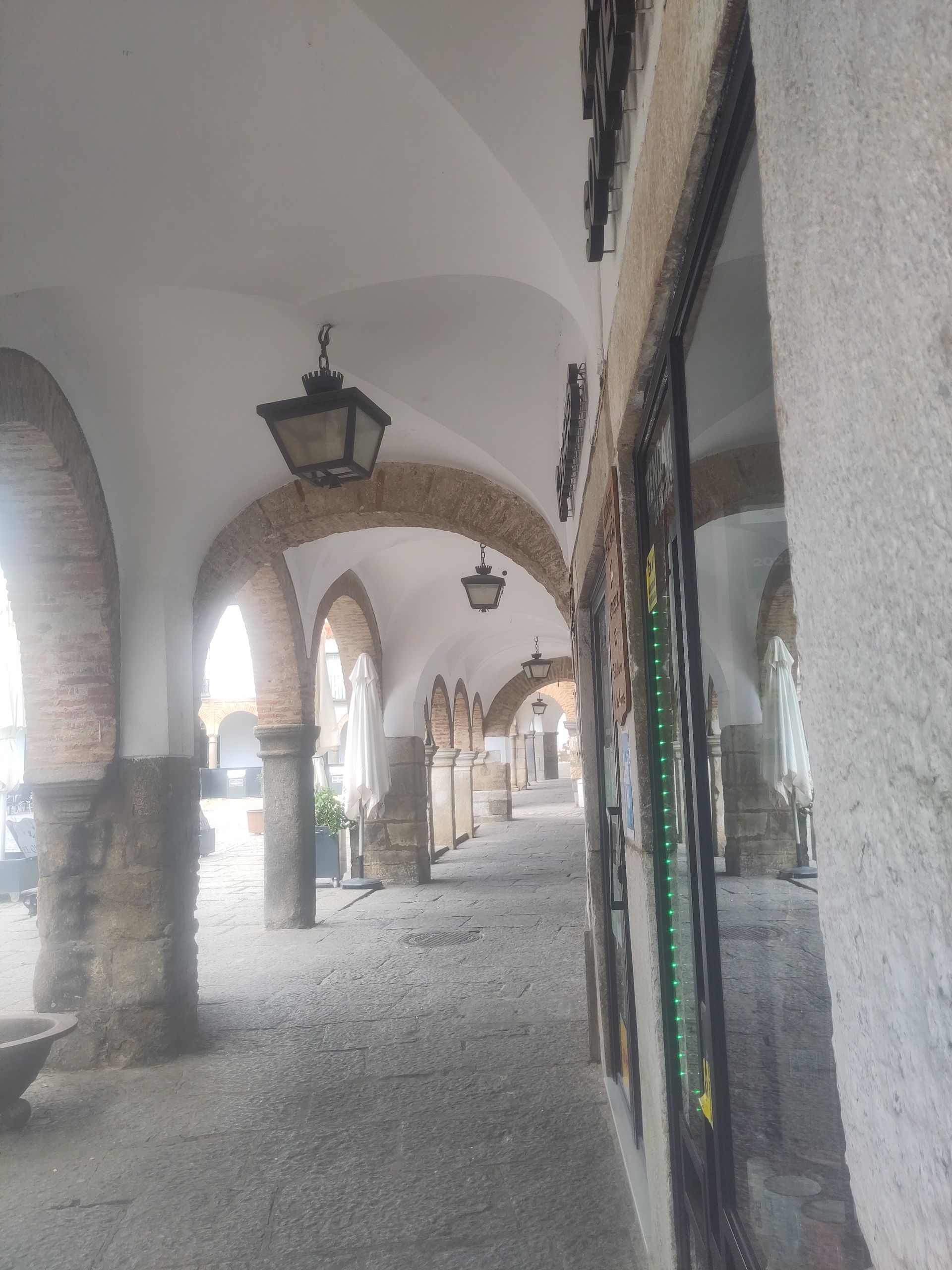
For some time, I wandered through the pretty, still quite medieval Zafra at noon, while my backpack could stay in the hostel where 'the others' spent the night. I wandered on further and am now today alone in a small, cheaper hostel in the next village after Zafra; I received the 'key' (number code) at the tourist office...