
Household Day
Mileage: 163173 We needed a pitch with services again. After spending the last two nights in a parking lot, our water tank was almost empty, and the waste tanks were nearly full....

Published: 04.11.2026
Mileage: 163245
As planned yesterday, we drove back to the salt flats for ten minutes in the morning. In the small shop, the employee was just talking to two English-speaking visitors. It turned out that the British couple had just booked a tour that was about to begin. What a perfect coincidence! We immediately joined them.
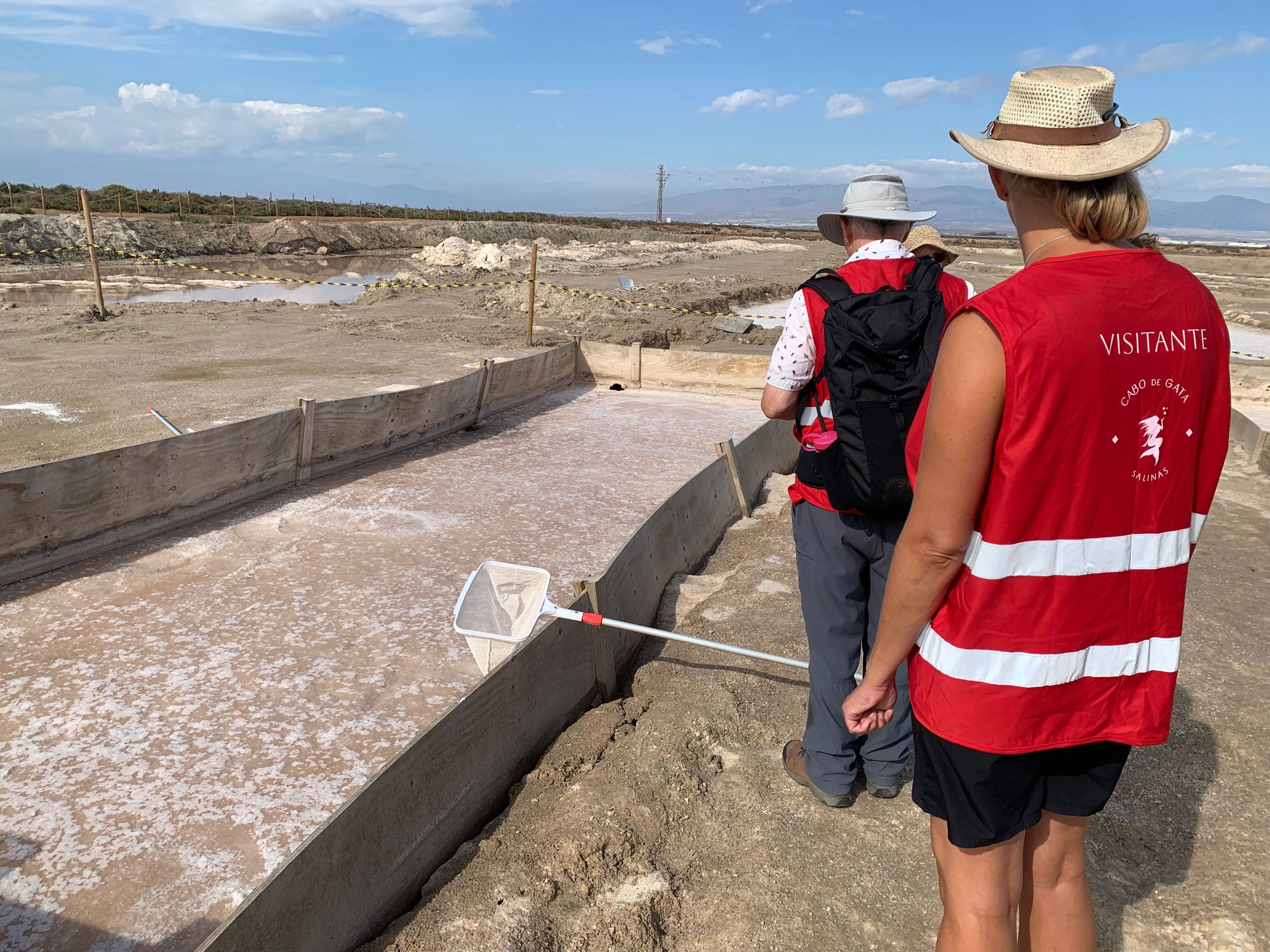
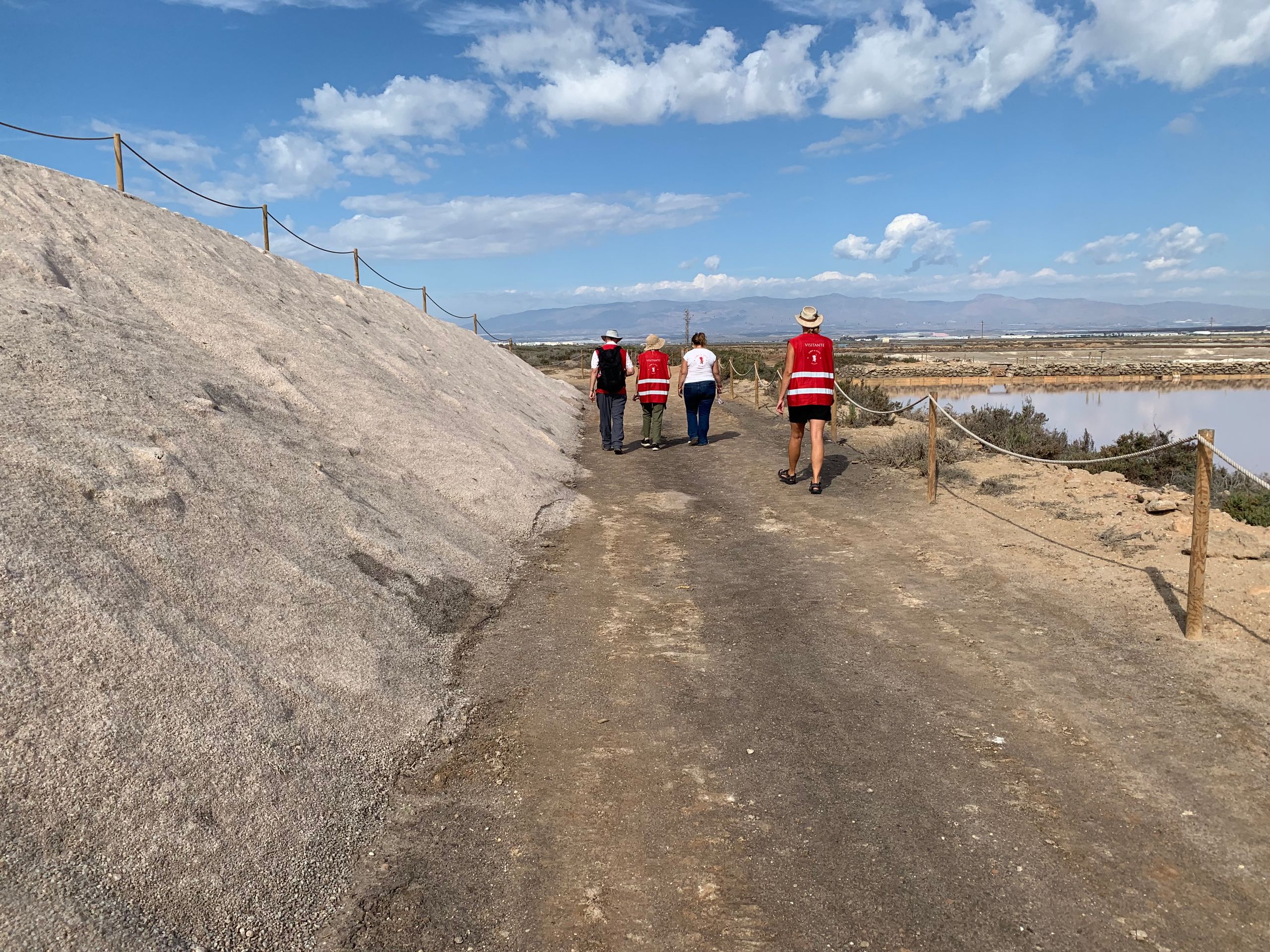
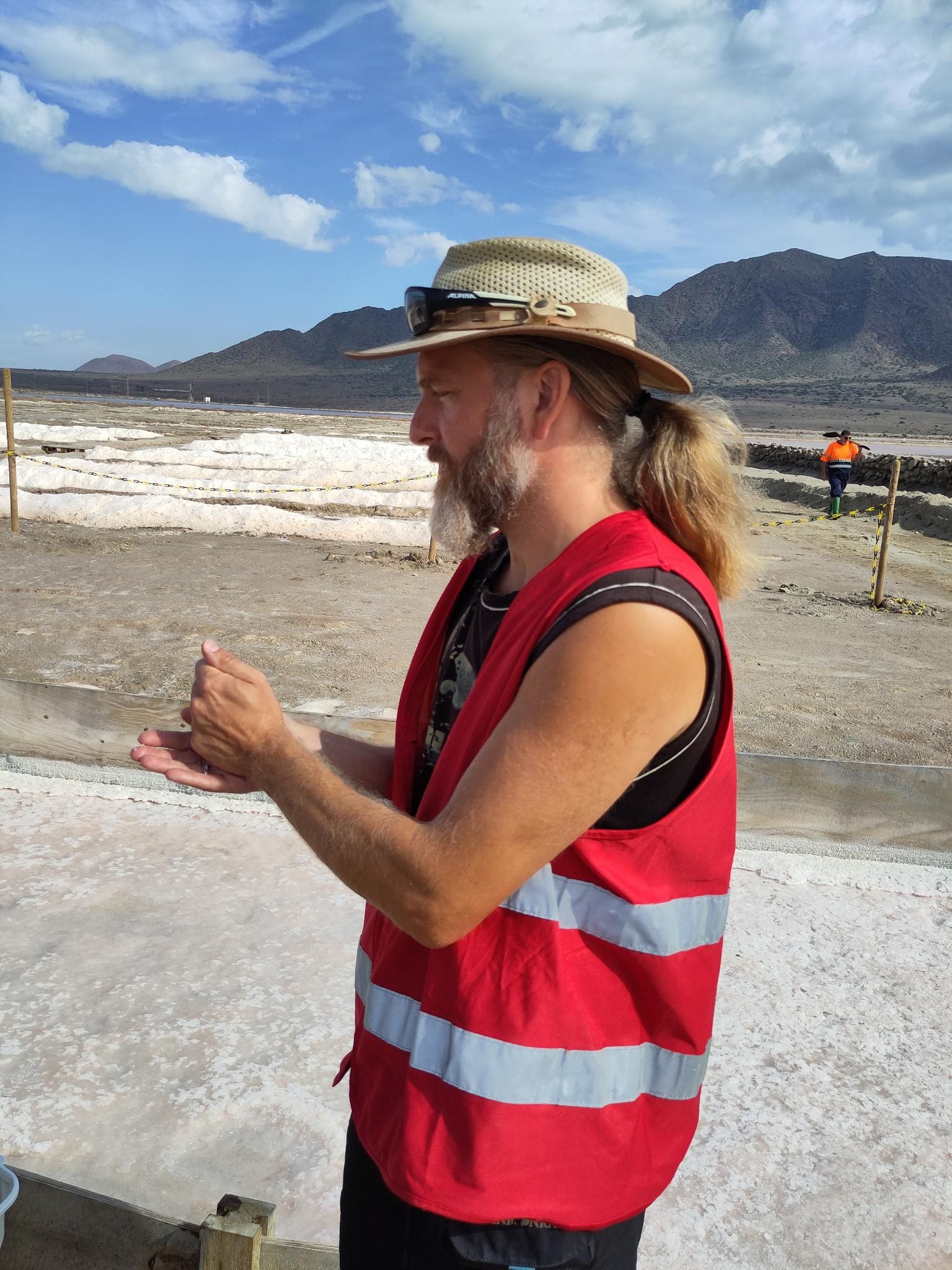
The Spanish guide closed the shop and the gate of the premises to explain the salt extraction here to us for an hour.
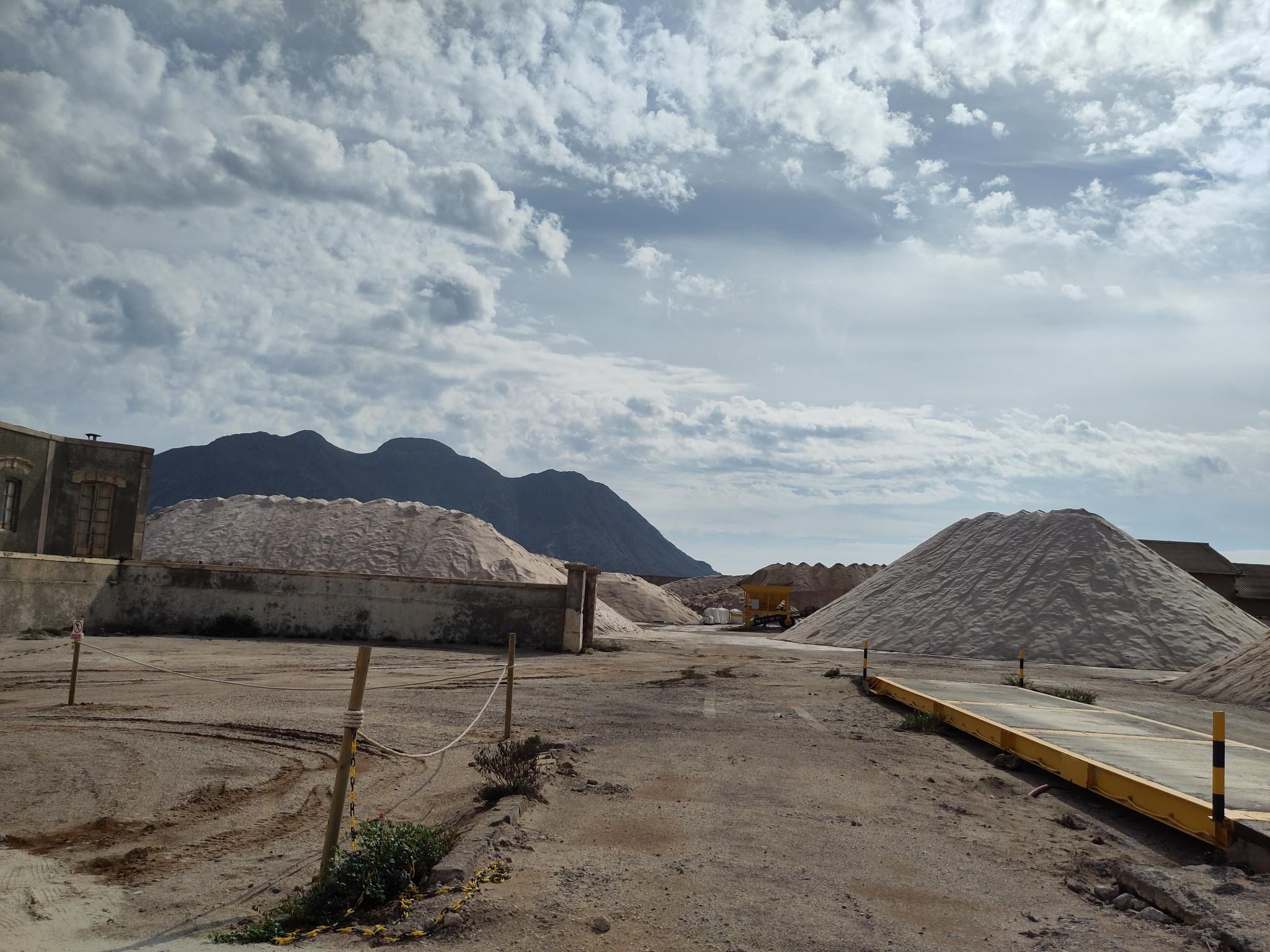
The salt flats were not invented by the Iberians but had already existed since Roman times with nearly unchanged structure. In the pools where the salt is crystallized today, this process had already taken place over a thousand years ago. At the beginning of the 20th century, the salt flats flourished economically. A small settlement was established for the workers, with shops, restaurants, a cinema, and later even its own church.
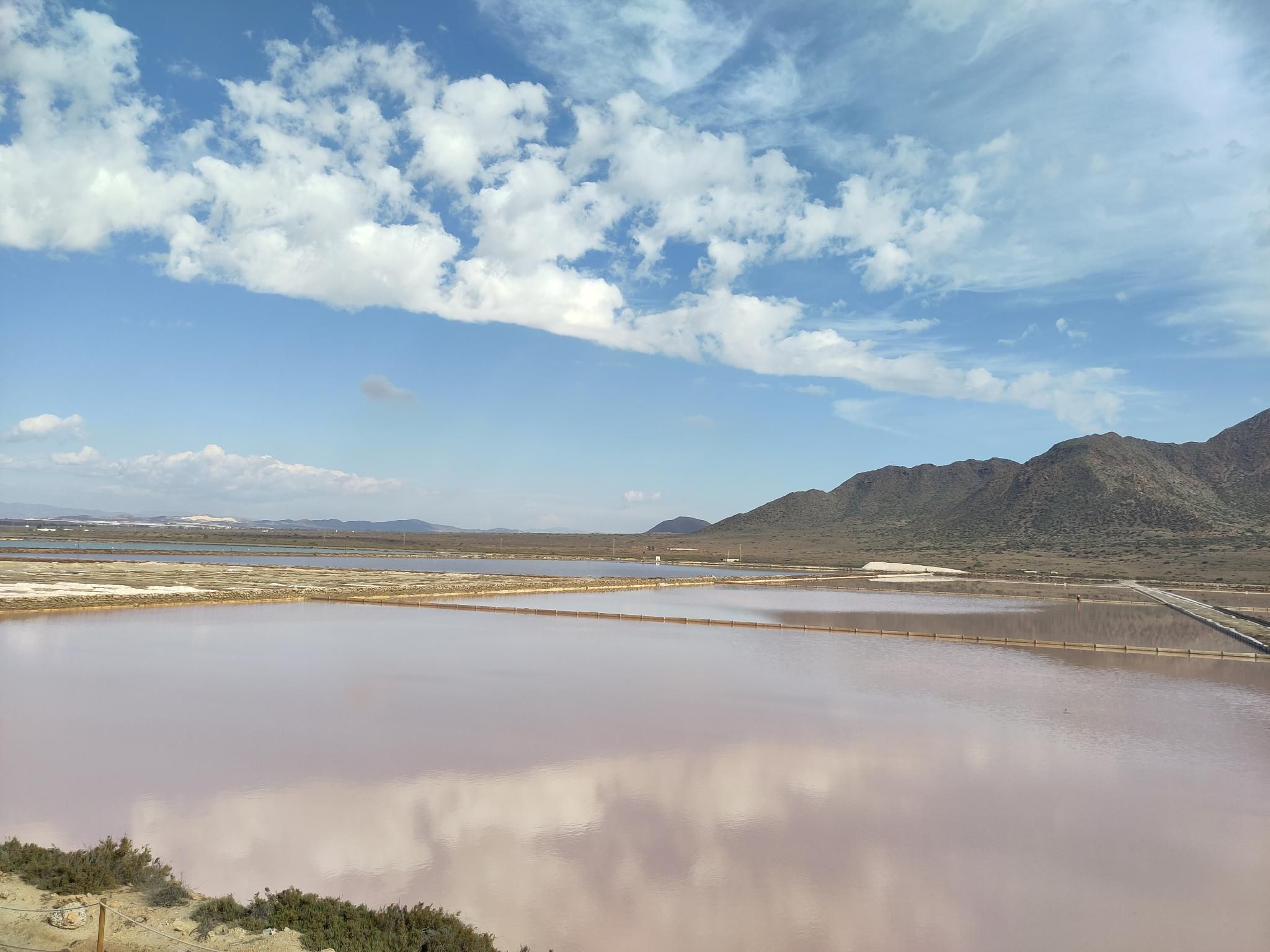
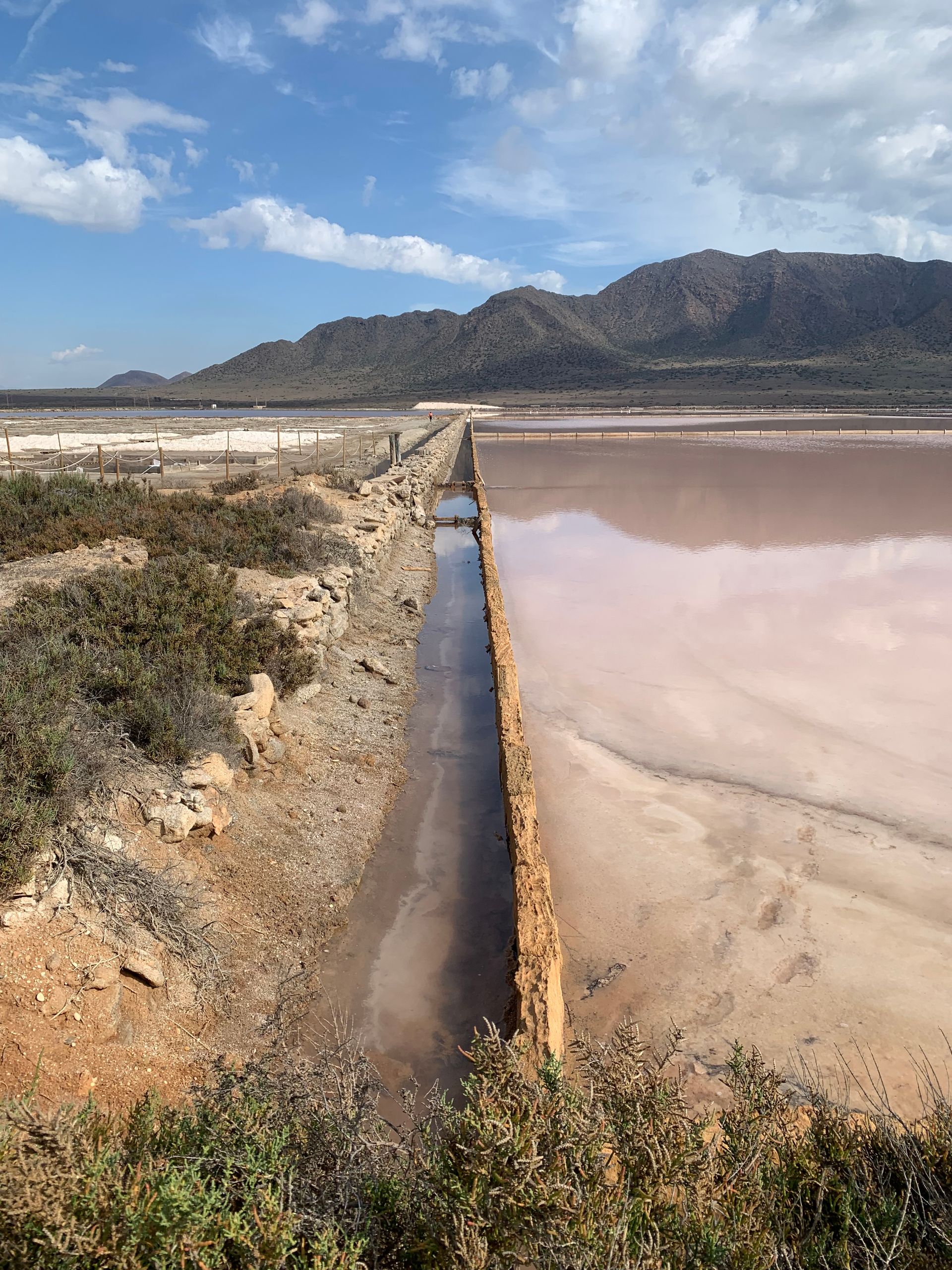
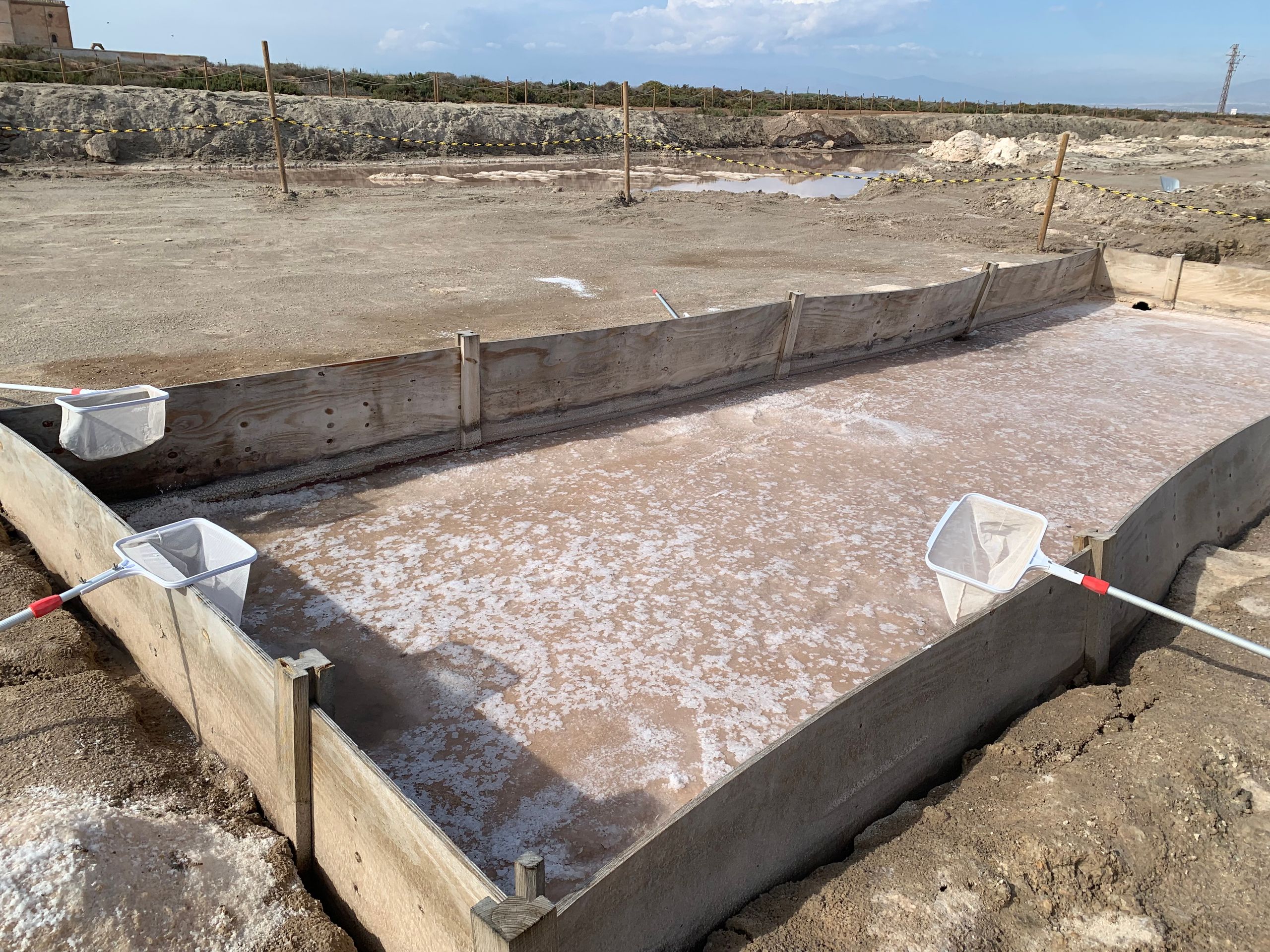
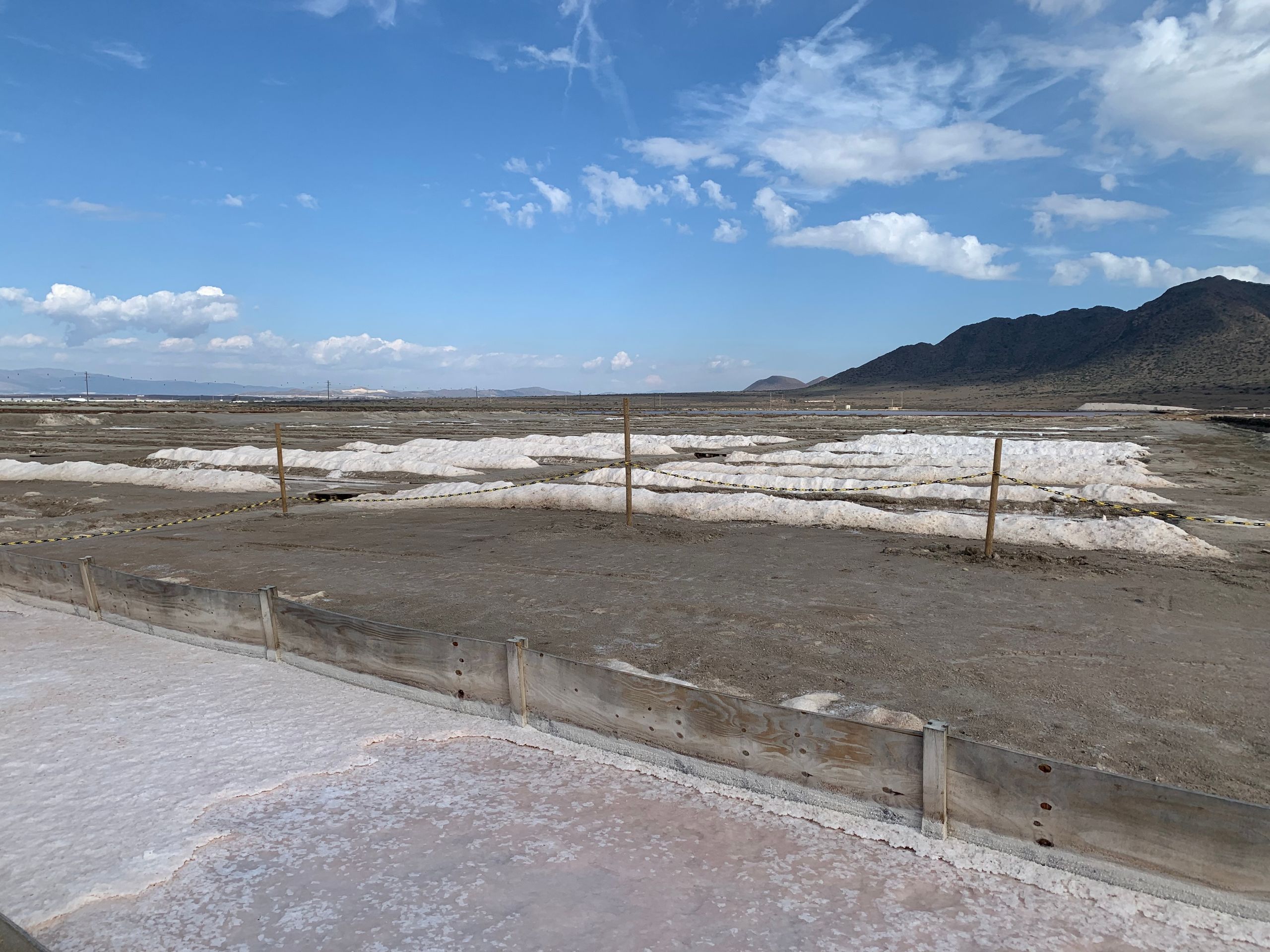
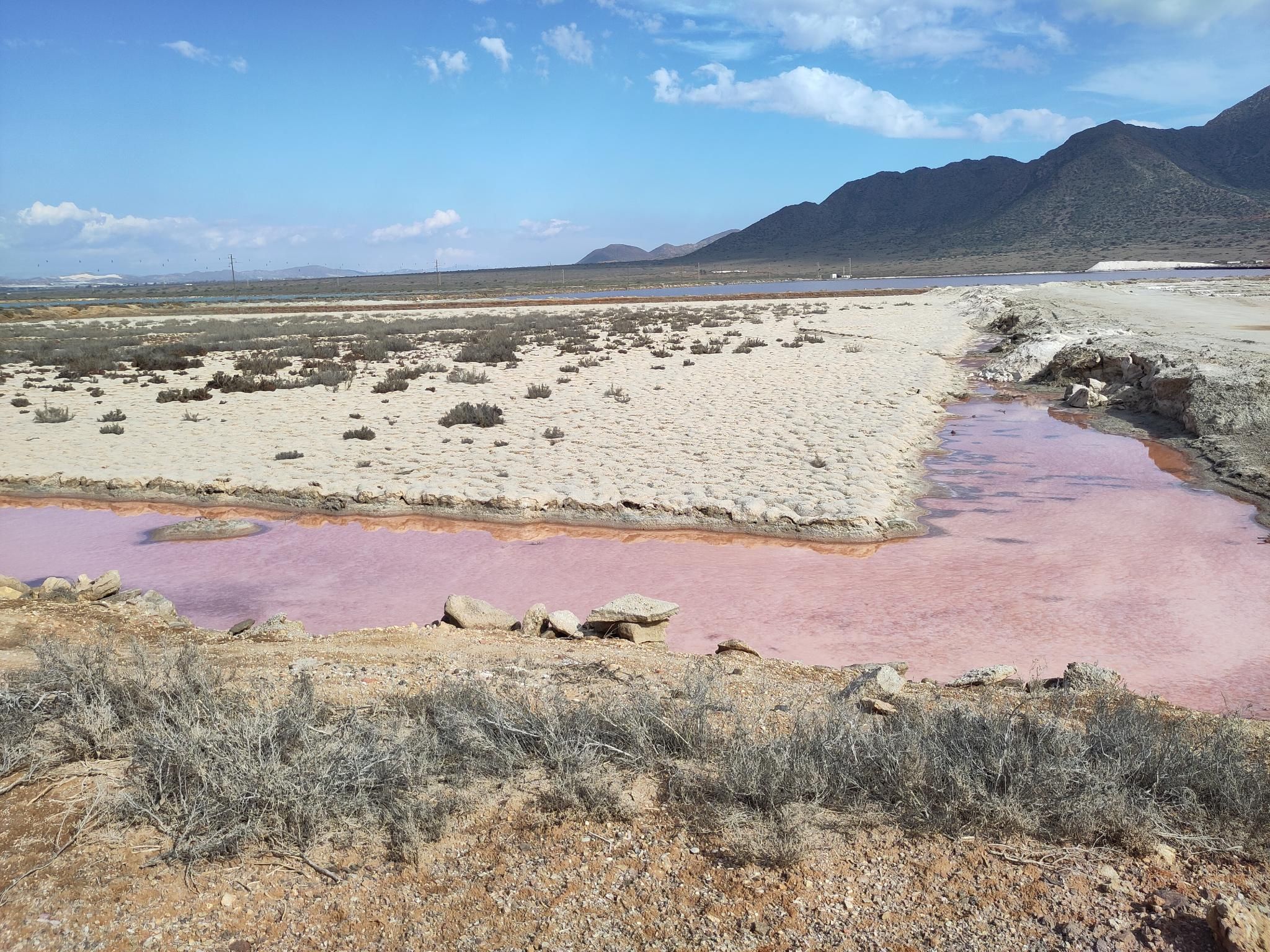
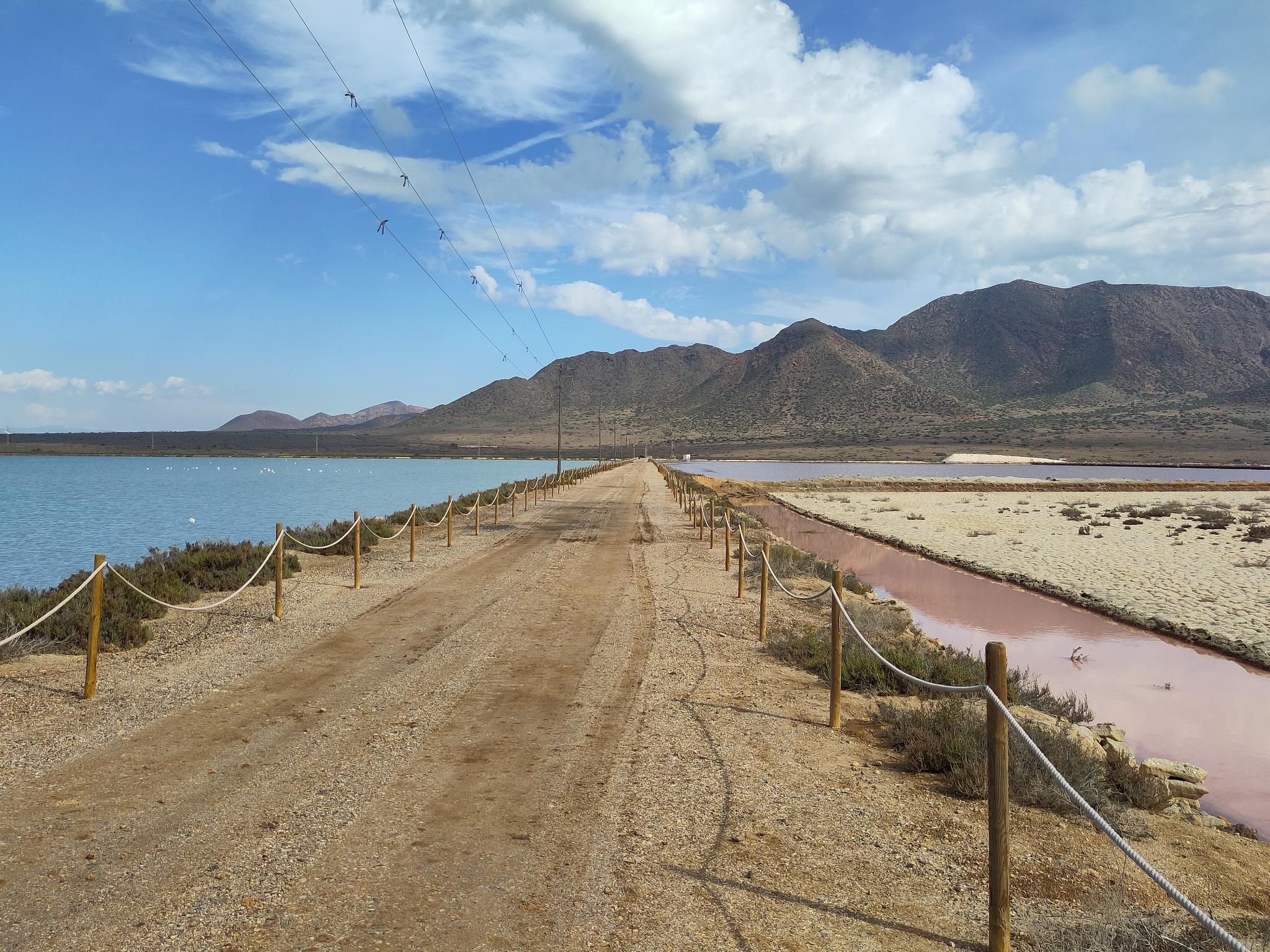
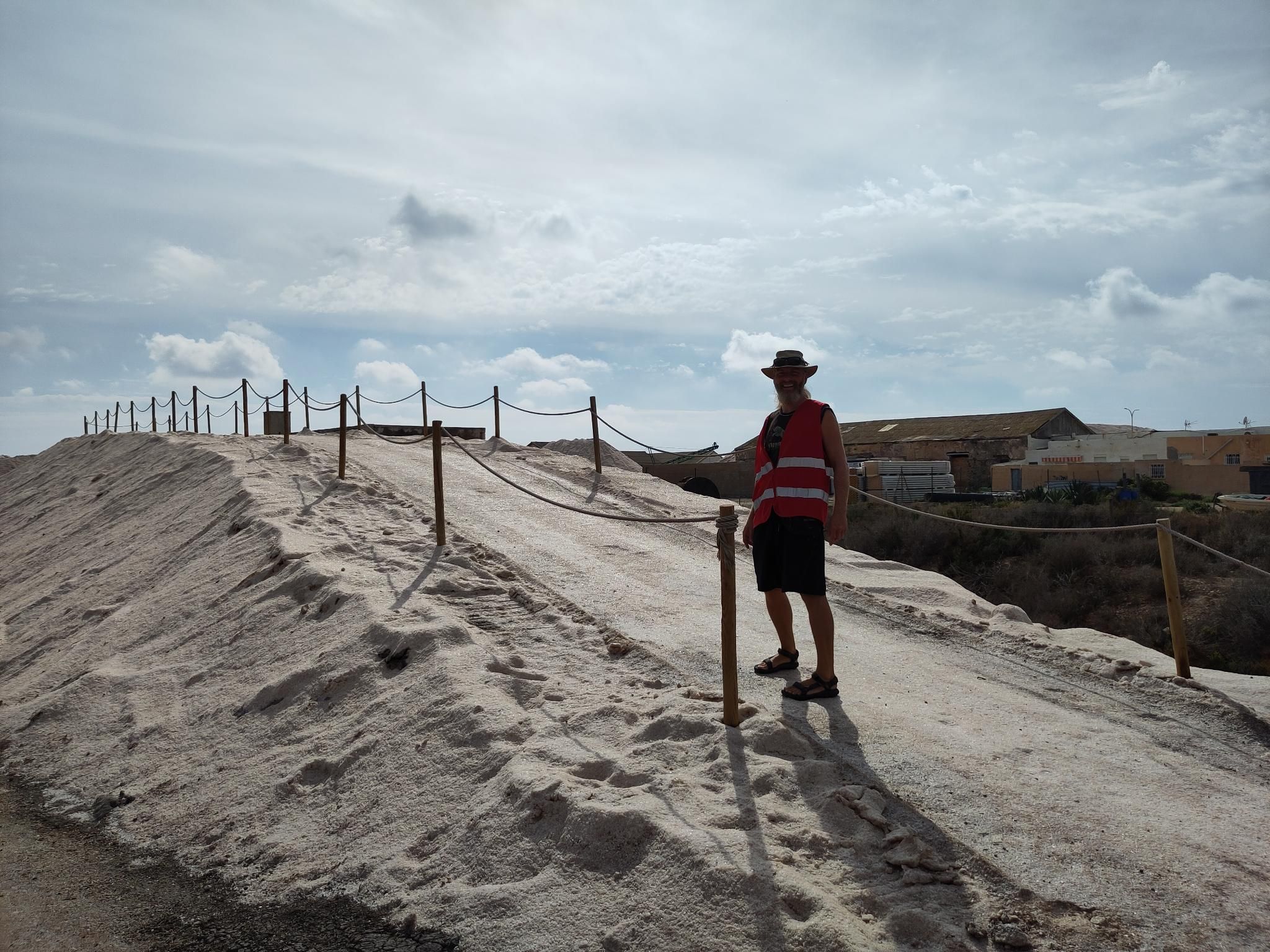
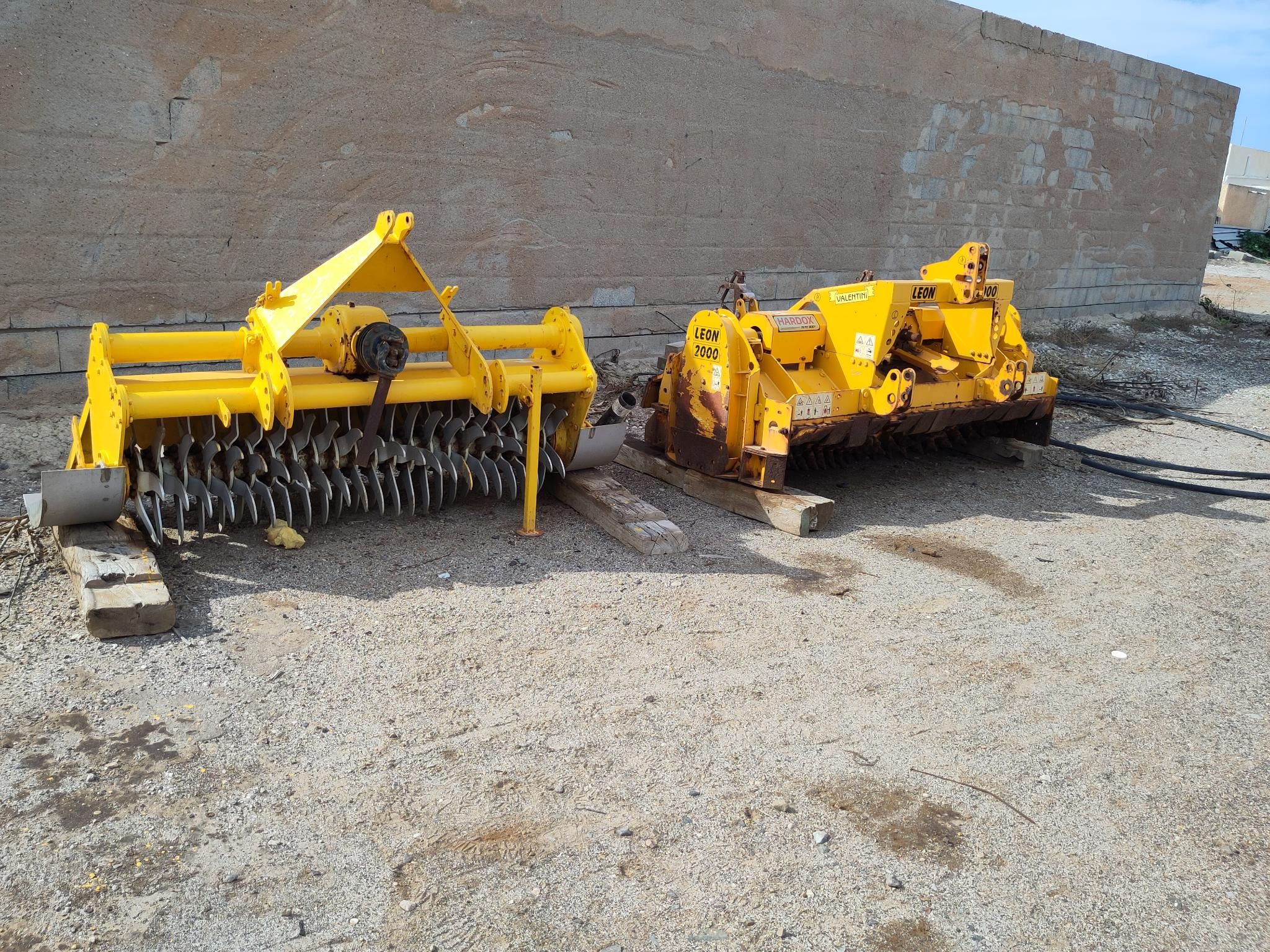
Compared to typical constructions, this facility here had no direct connection to the sea; instead, seawater flowed in via a seven-kilometer-long canal. The process of extracting salt from seawater began with purification. In the first, huge basin, fish, sea creatures, and algae came along, and to remove these, some animal helpers were required. Birds, especially the flamingos, which searched for food in the few-centimeter-deep water, significantly contributed to the cleansing of the water. The salt concentration remained at about 30 g/L. After purification, the water was channeled into basins with particularly high evaporation rates, where the salt concentration increased to about 120 g/L due to the evaporation of seawater. To achieve perfect crystallization, it was then directed to basins with slow evaporation. Once the salt concentration reached 300 g/L, the brine could be moved to the final crystallization basins, where conventional salt, dried by the sun and wind, settled in a layer of about ten centimeters thick. This layer was then broken up by machines, and the salt was loaded onto trucks with excavators and either shipped directly or piled up on the premises into mountains known as Garberas. The whole procedure from seawater to finished salt took about a year, depending on the weather, and was thus easily comparable to many agricultural processes, where generally a year also passed from one harvest to the next. The harvest from the previous year was still completely here, a substantial 39,000 tons. By the way, the pink color of the salt flats was due to the presence of halophilic bacteria.
Although the quality of the salt here was absolutely suitable for use as table salt, there was no appropriate demand for it. Almost the entire quantity of conventionally produced salt was sold as de-icing salt in areas where there was frost in winter, especially in northern Europe.
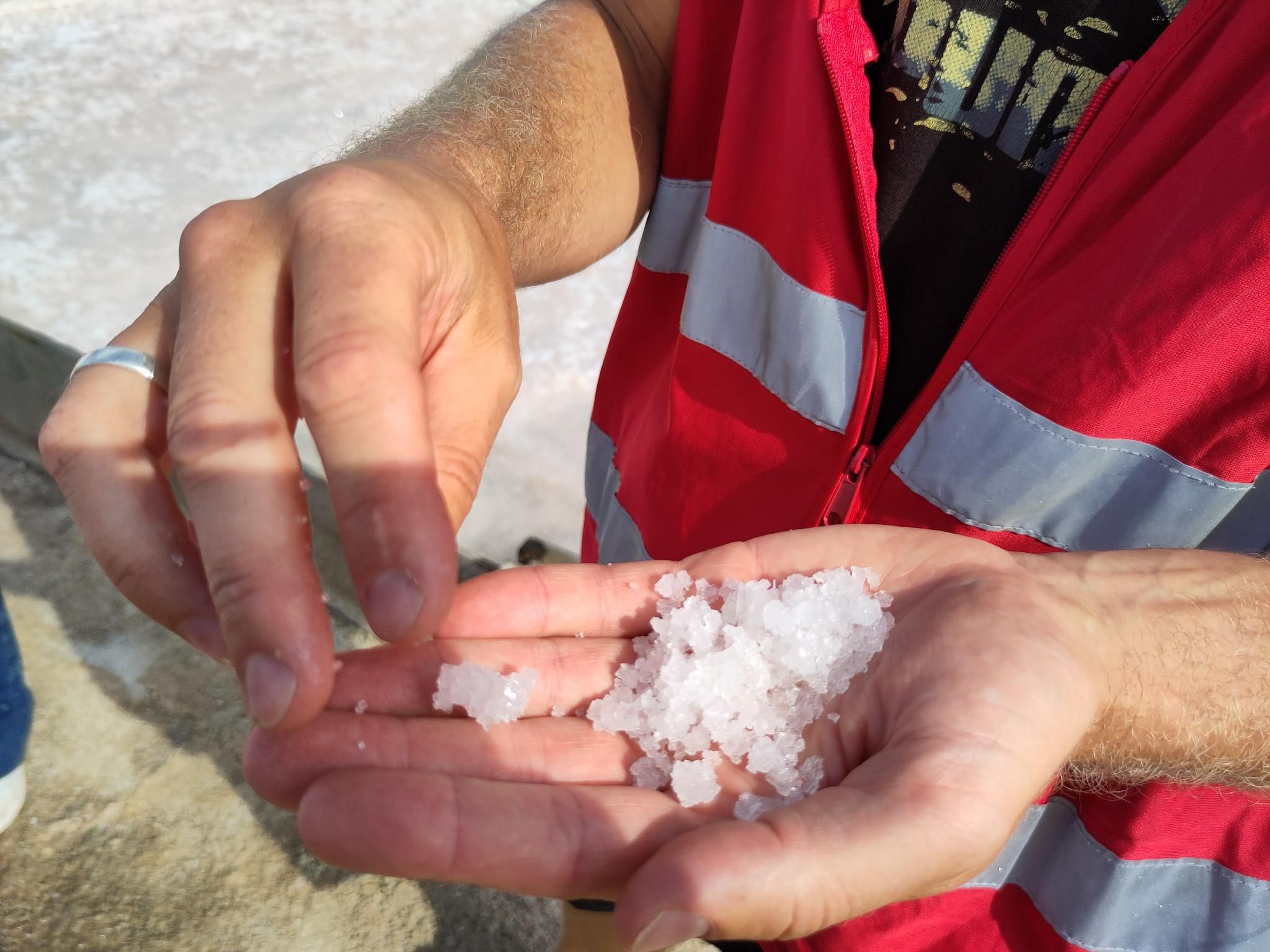
When temperatures exceeded 40 degrees from May to September and suitable winds were present, something very special could also be harvested. In 160 very small basins, a bit of the crystallization-capable brine was introduced in the morning, and after 24 hours, a very thin layer of small, round salt rosettes formed on top of the brine, which connected to form small salt flowers. This Fleur de Sal was then hand-scooped and preferred for consumption.
After an hour, we were well informed and, of course, bought a portion of salt in the factory shop for our camper kitchen, where the salt was running low.
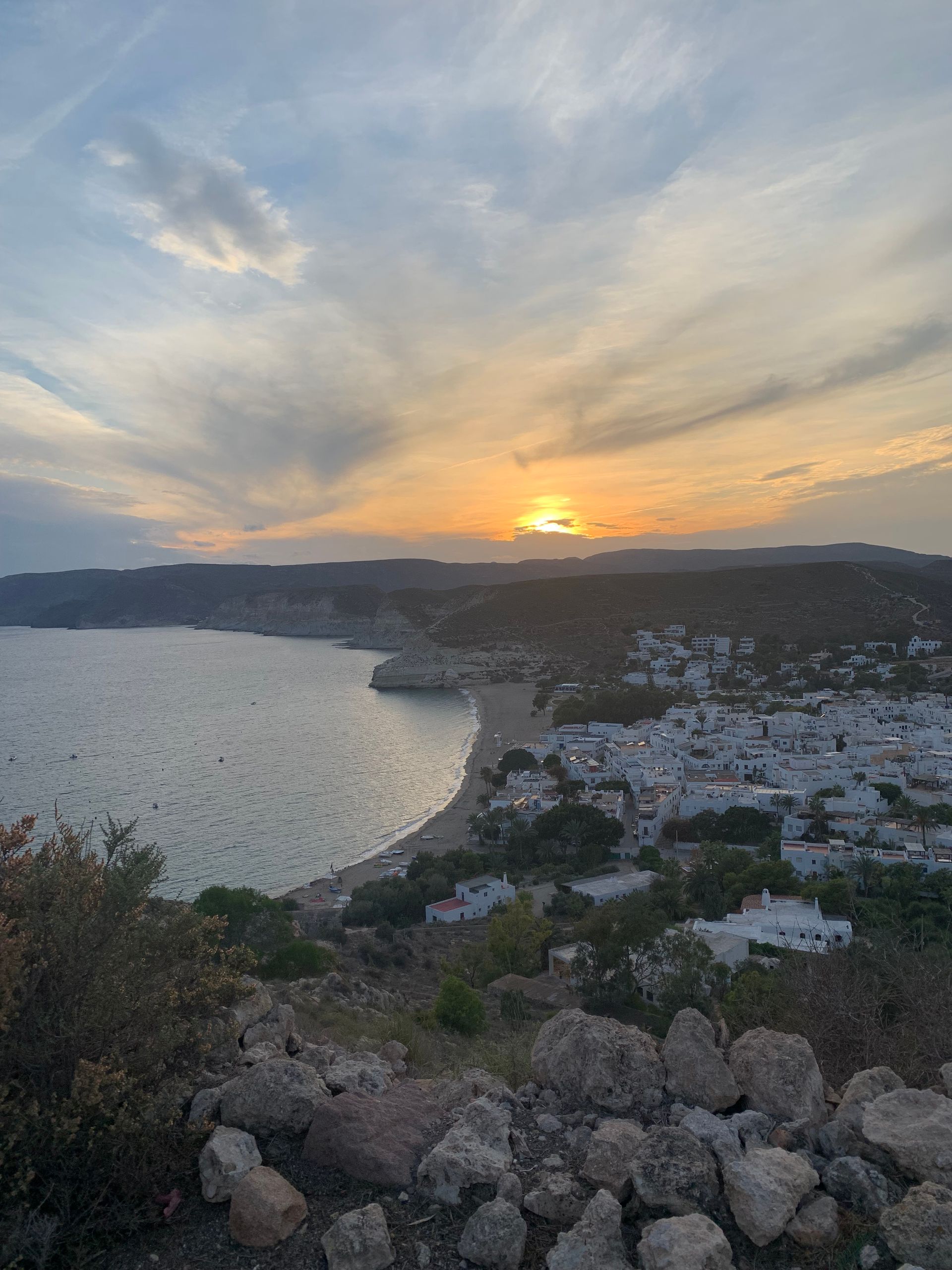
At the farewell, we spoke with the guide about our destination for the day, and she mentioned that the village and the area around Agua Amarga were very beautiful and worth seeing. We felt confirmed and set off.
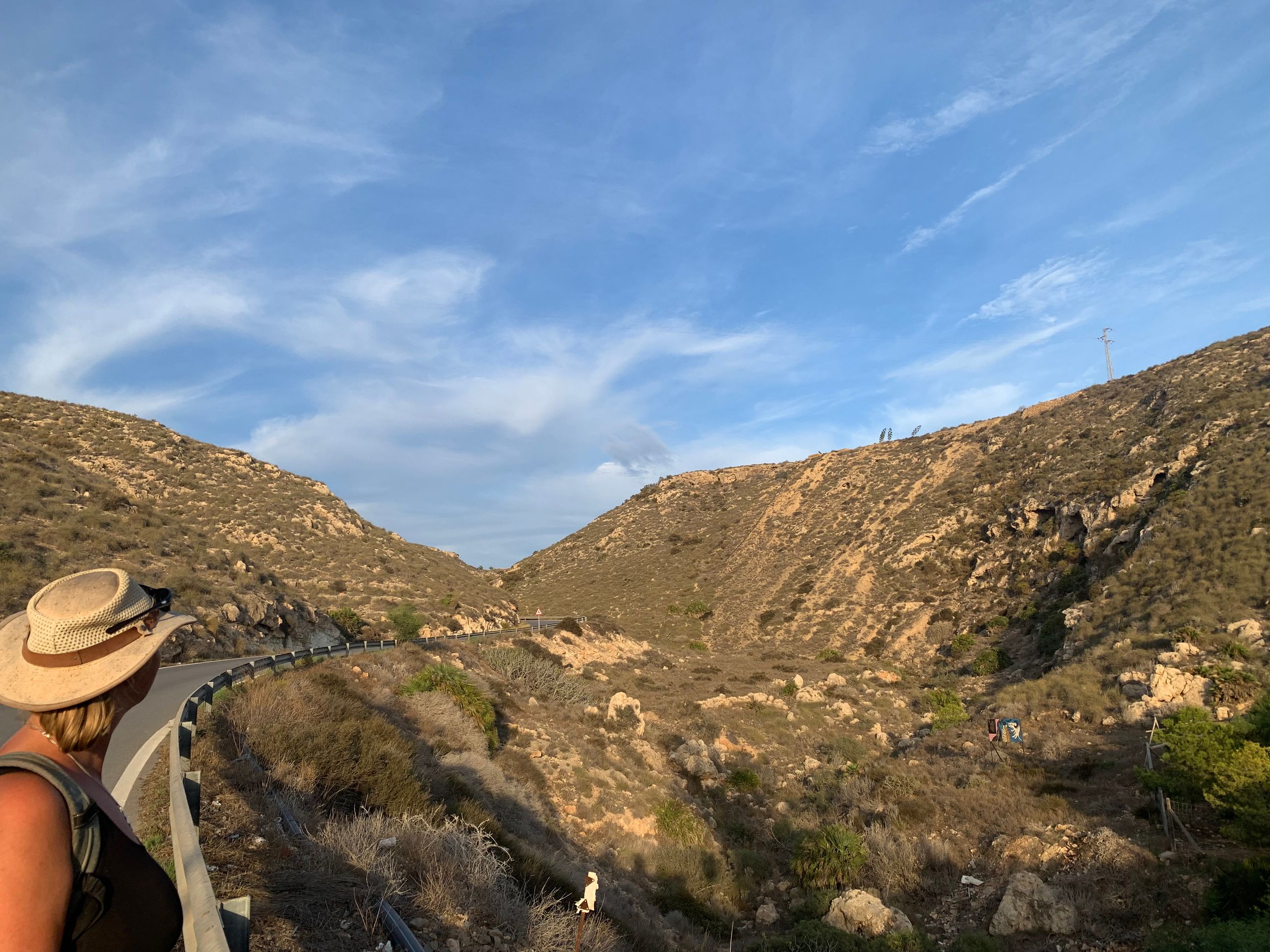
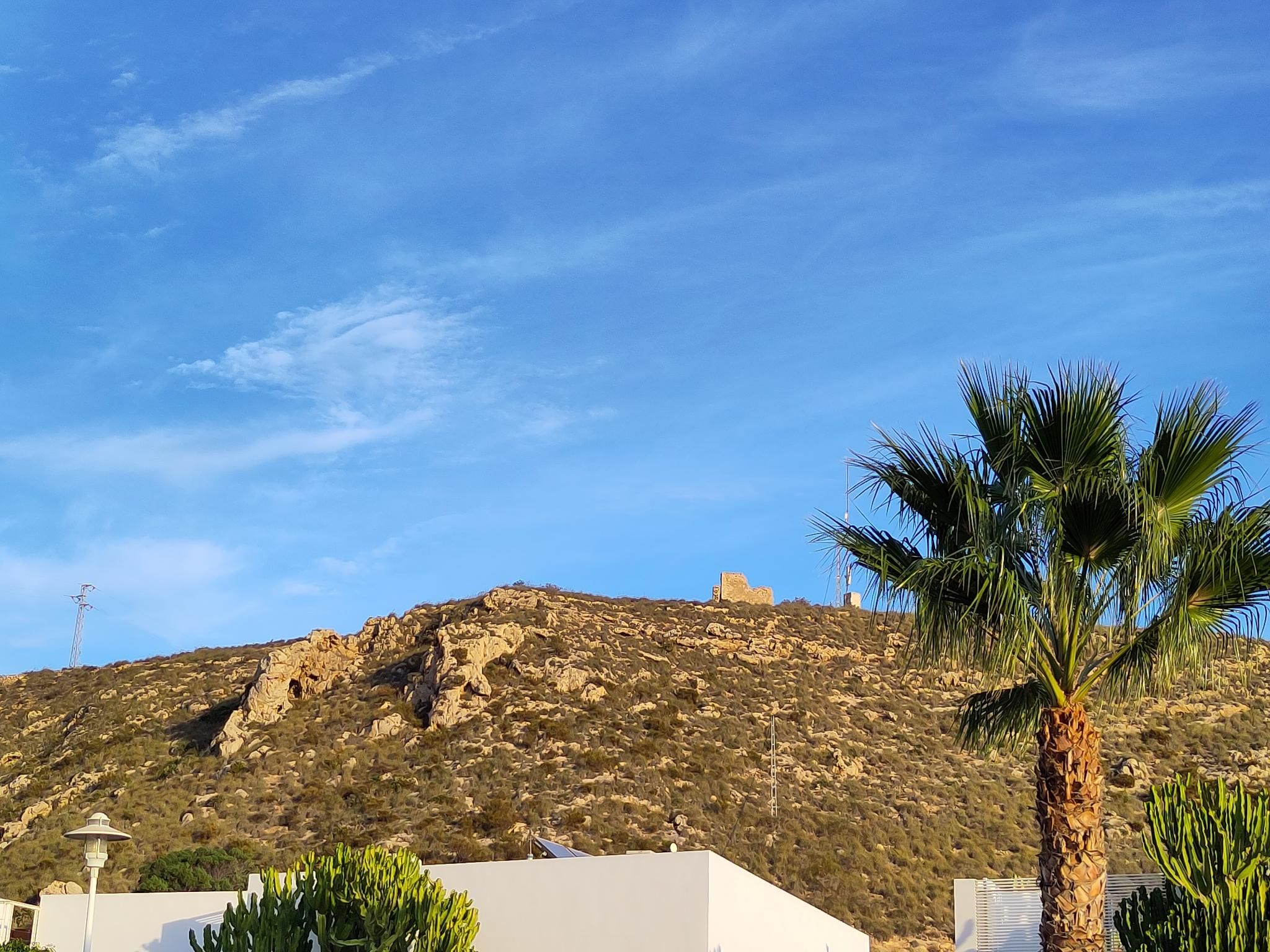
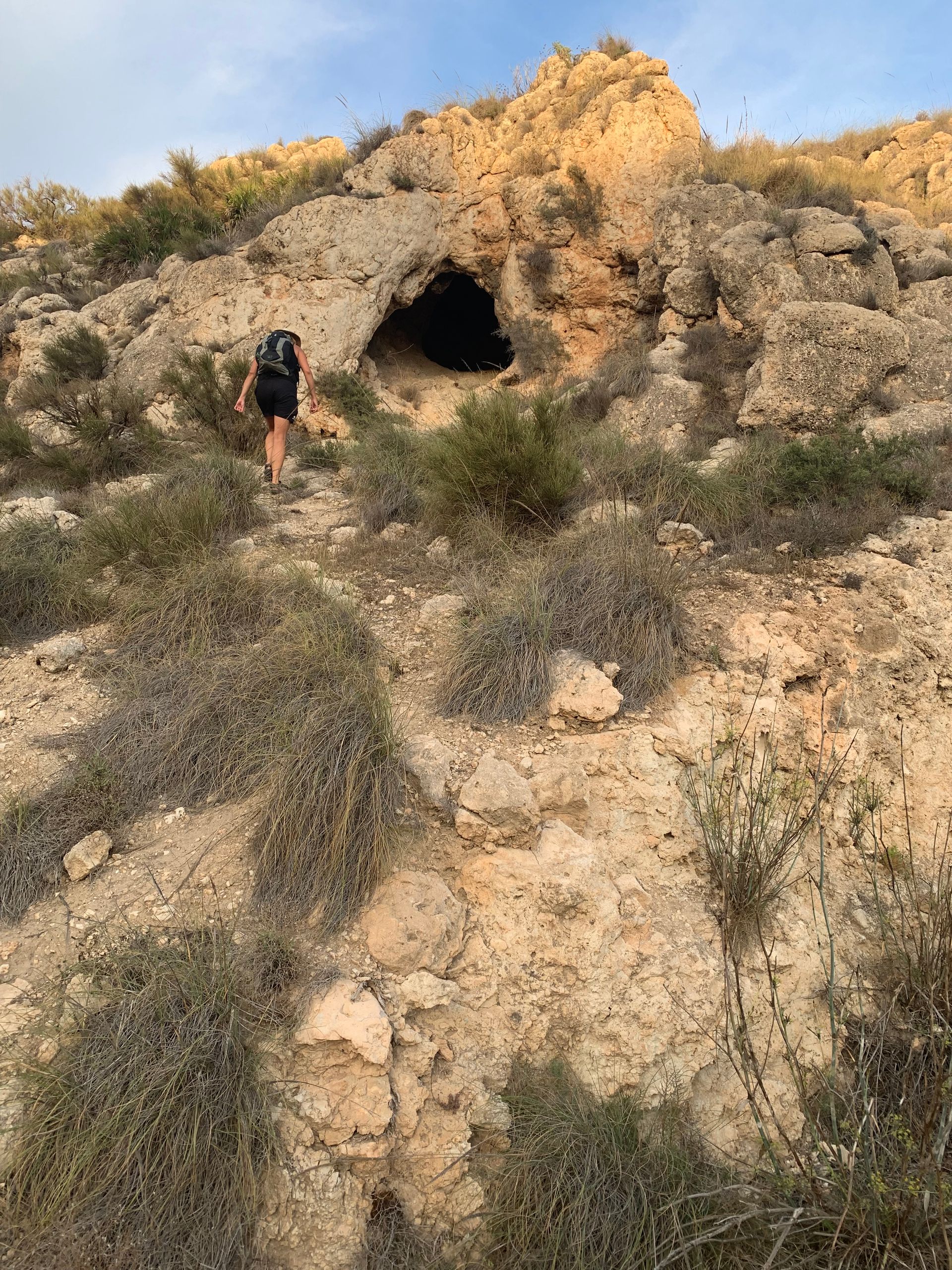
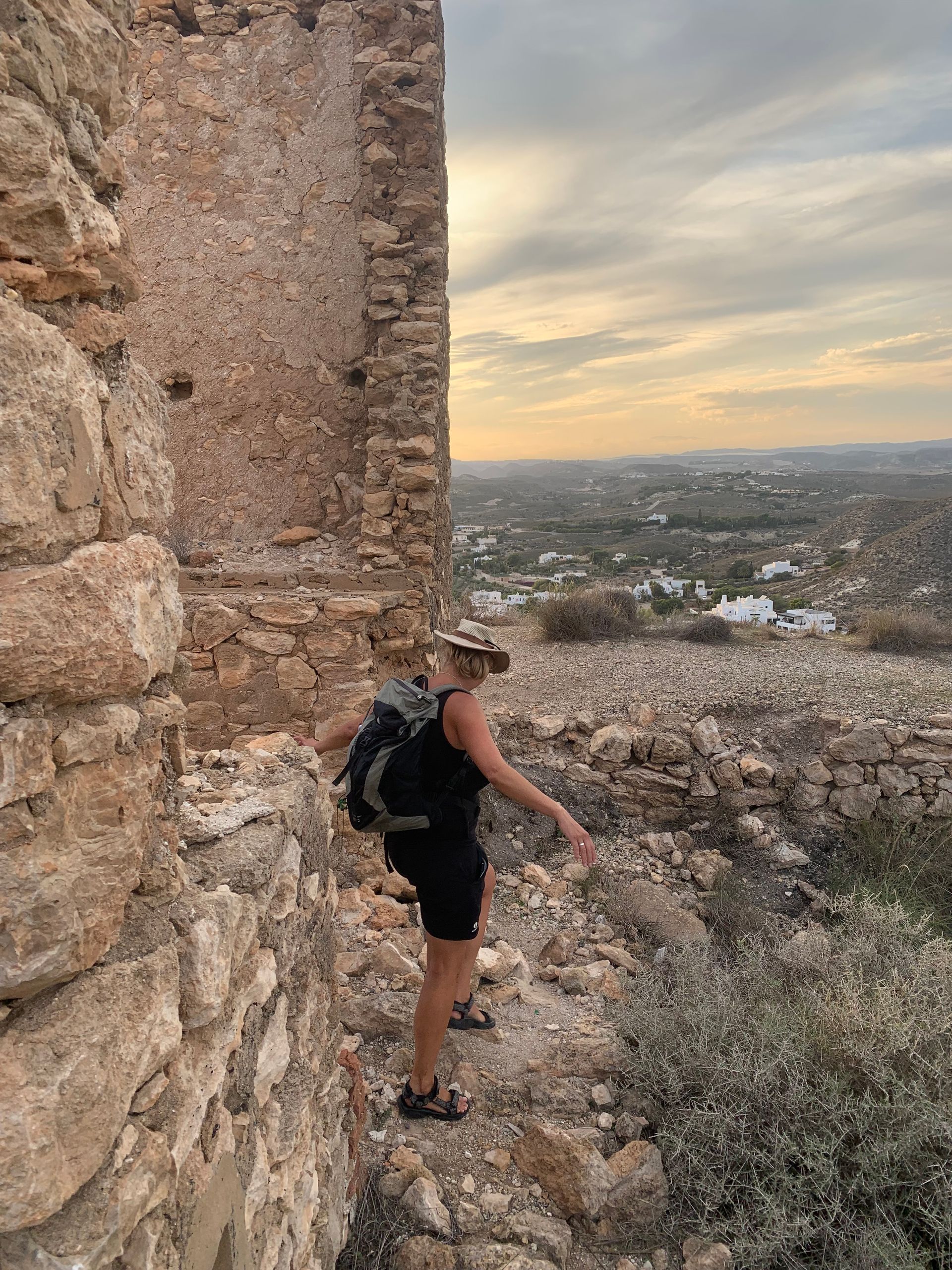
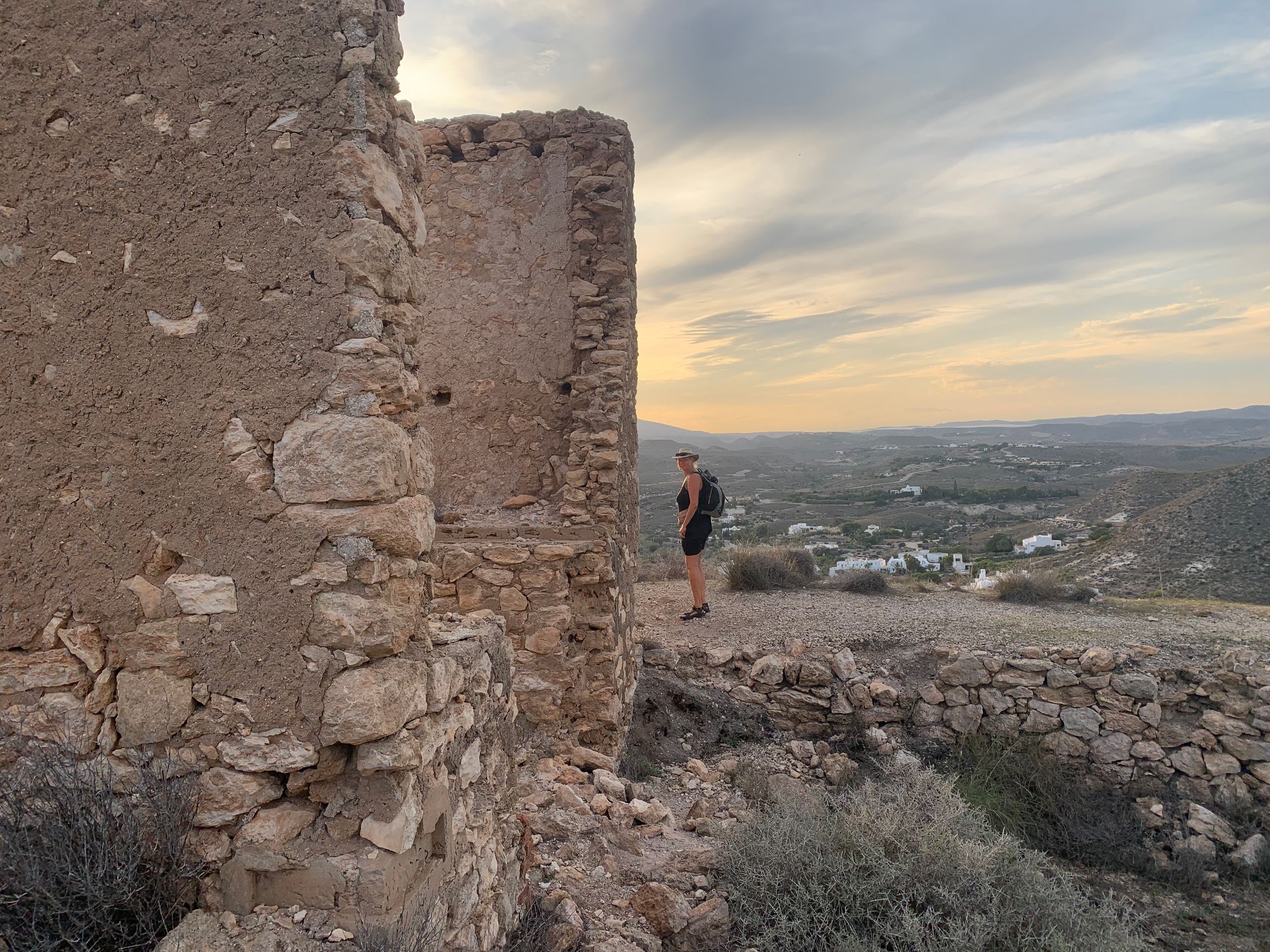
After settling at the camper site for the day, we hiked up the nearby mountain, where we believed we could see the ruins of a castle. When we reached the crumbling wall remains after about an hour, it turned out that there had never been a fortress here. The ruins dated back to the 19th century and belonged to a former loading facility for iron ore. Once, ore from the nearby mine in Lucainena was transported by steam locomotive and waggon to a specially constructed dock to be loaded onto ships. Besides the ruins of the buildings, however, nothing else was visible: no tracks, no thresholds, only an information board.
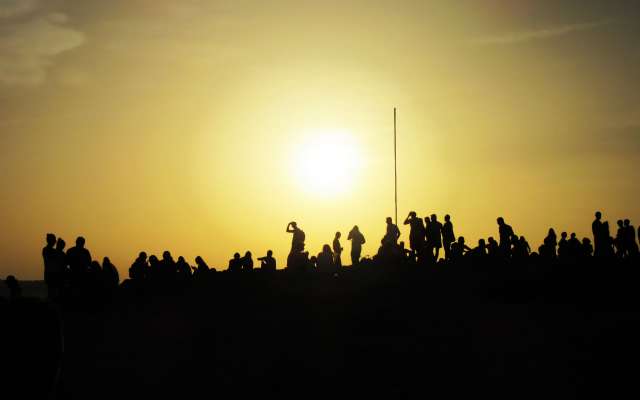
As the sun set, we made our way back to be back in town before dark. We looked for a restaurant and found one, the only one open.
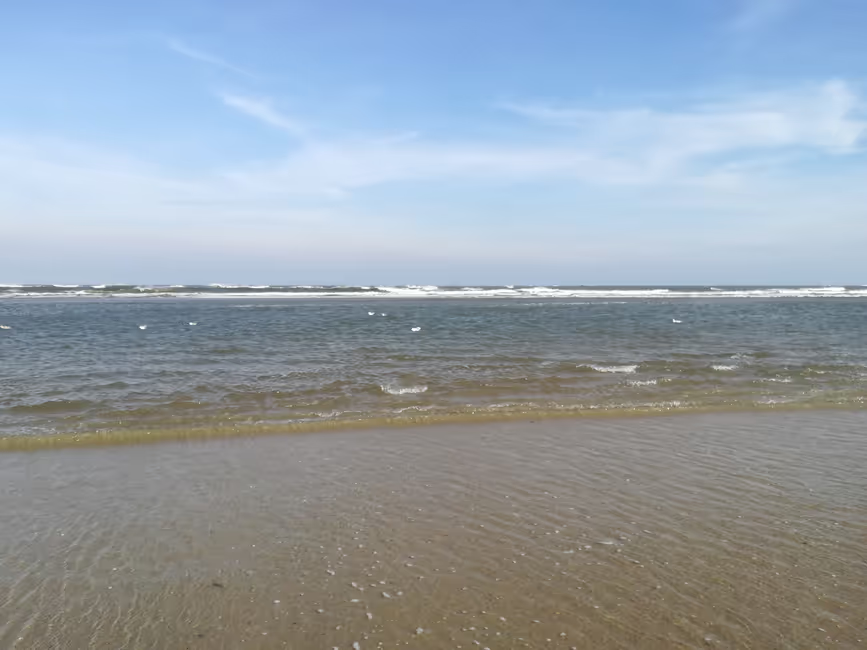
On the way back to Gary, we walked along the beach and could see the lights of fishing boats in the distance on the sea.