
Stormy Hours
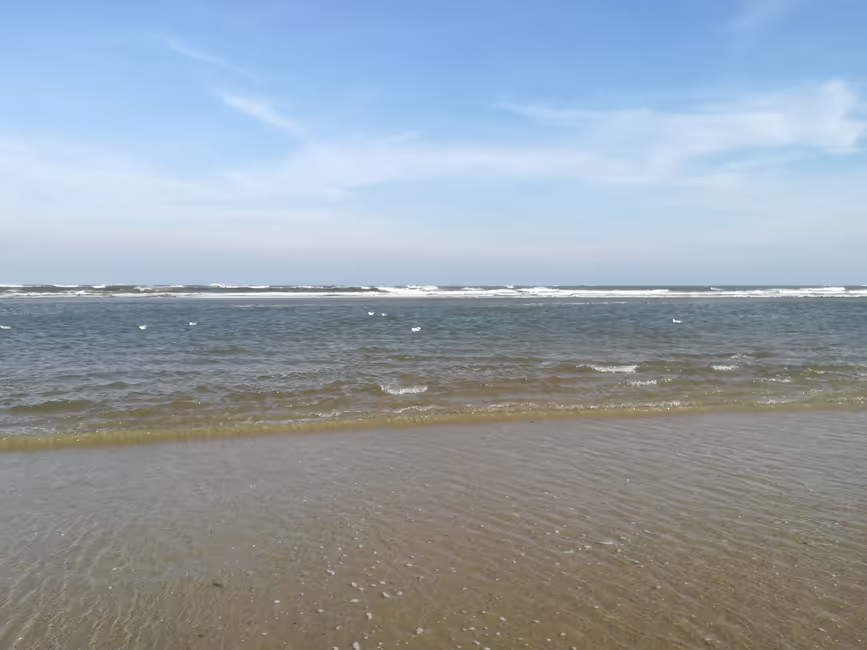
Mileage: 164616 Early in the morning around 5:00 AM, we were rudely awakened. Outside, it was pitch dark and there was a storm. The gusts shook Gary so violently that neither of...

Published: 21.11.2026
Mileage: 164720
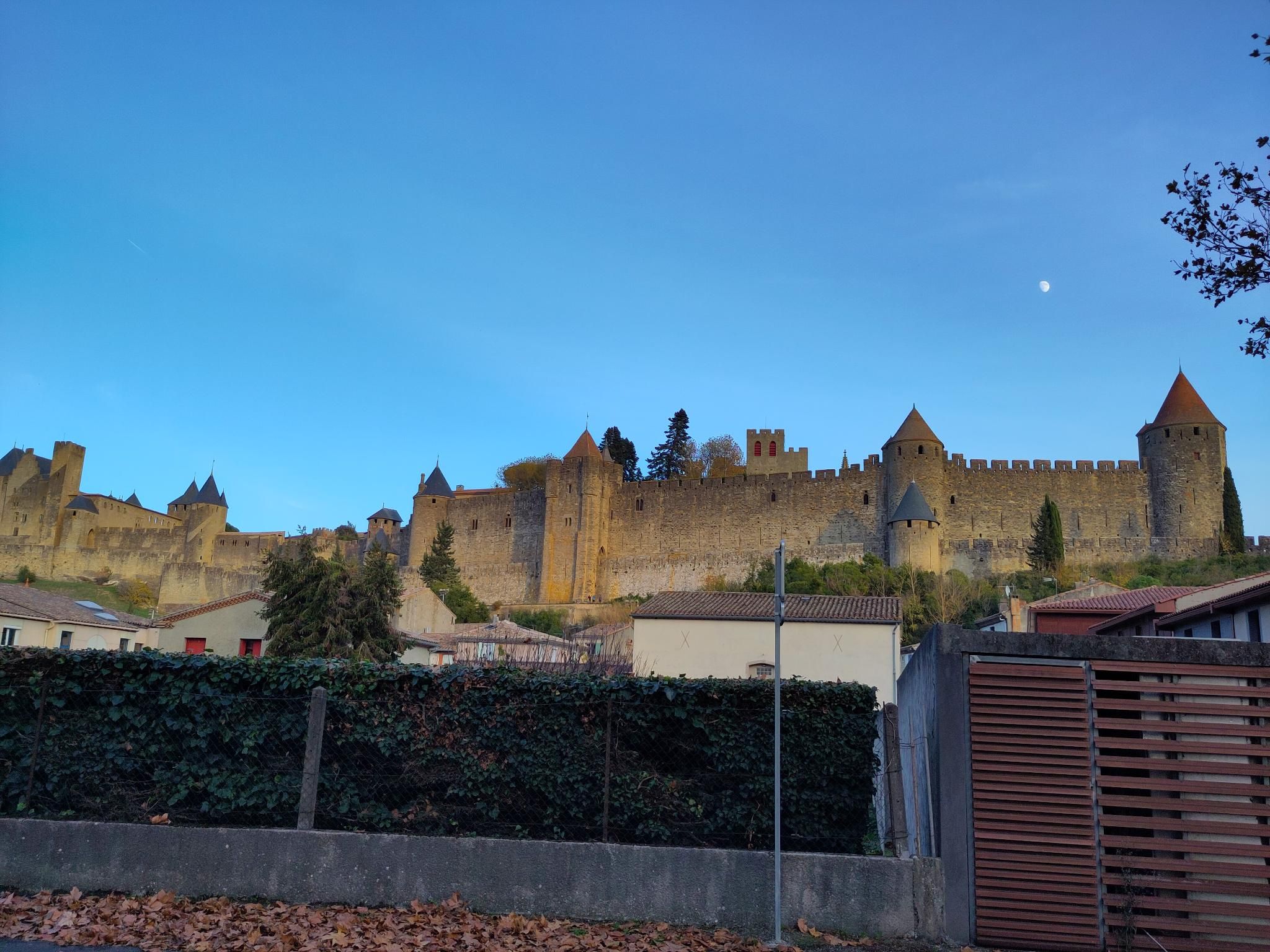
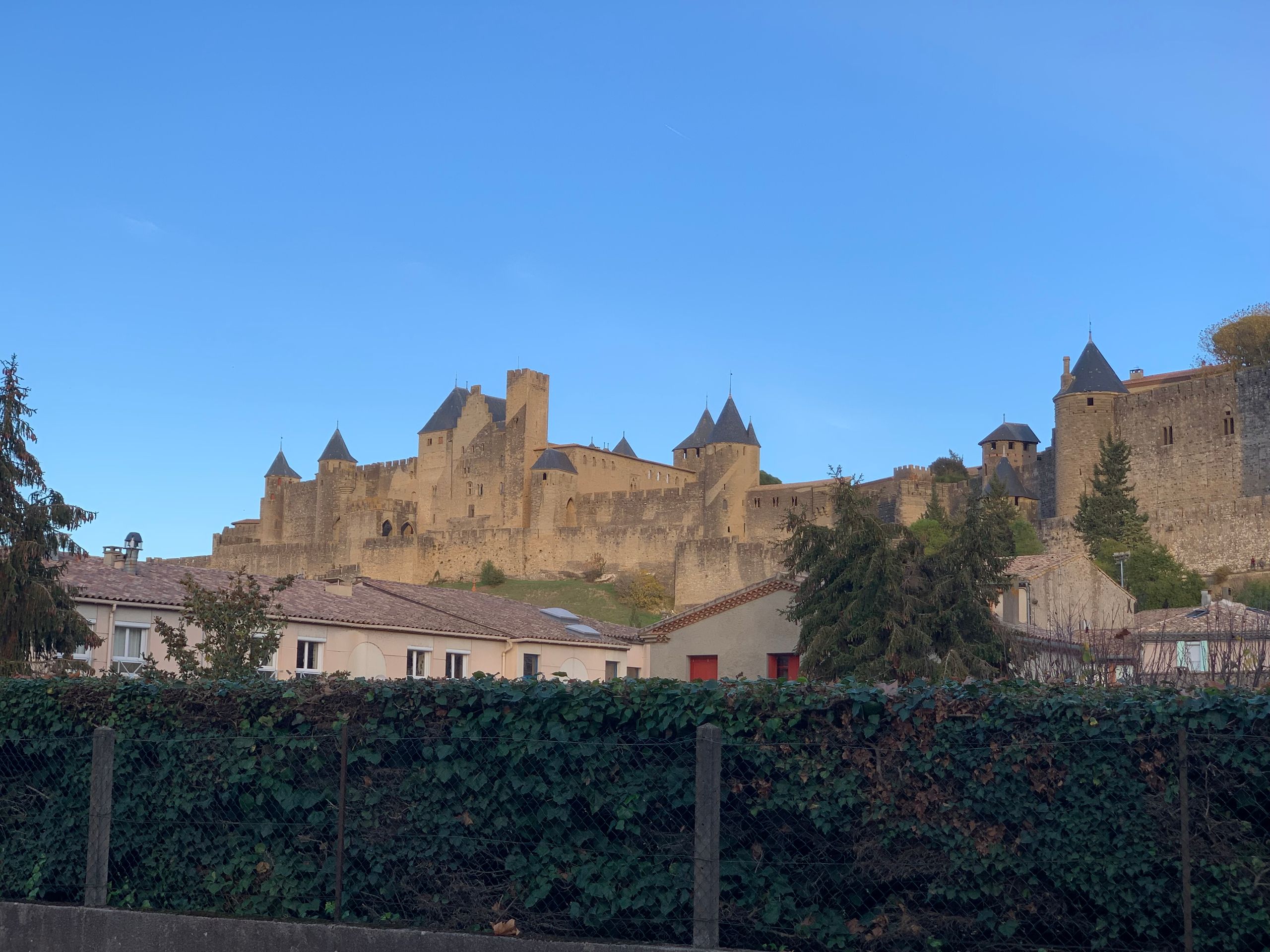
We had known the Game of the Year 2001 long before we learned that it was named after a fortified town. Although the city was about seventy kilometers inland from the coast, Sebb insisted on the detour.
So today we traveled along an ancient trade route between the Mediterranean and the Atlantic, through the valleys between the Pyrenees to the south and the French Central Massif to the north. The country road was narrow and the hairpin turns were tight, but we hoped it would be worth it.
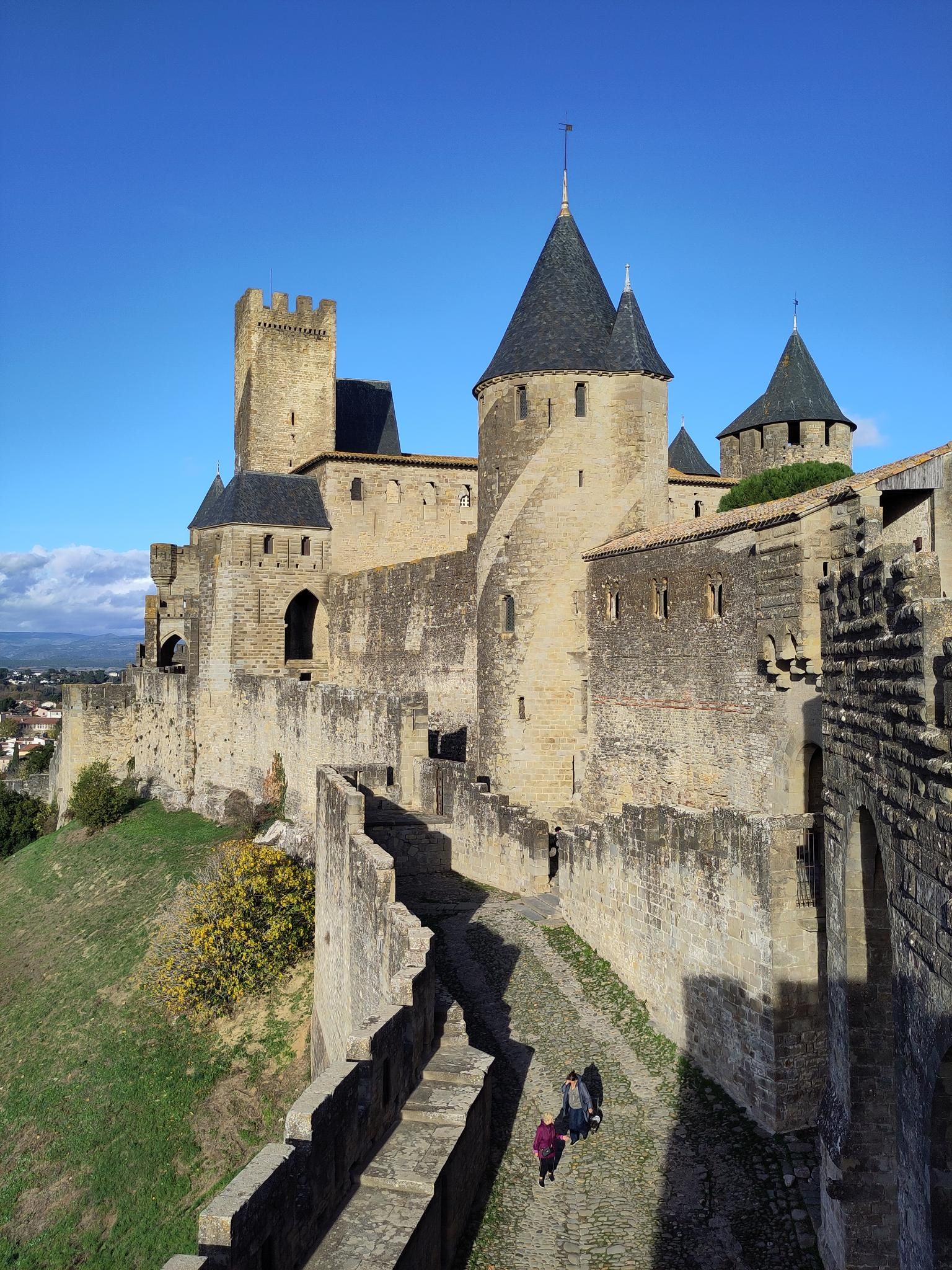
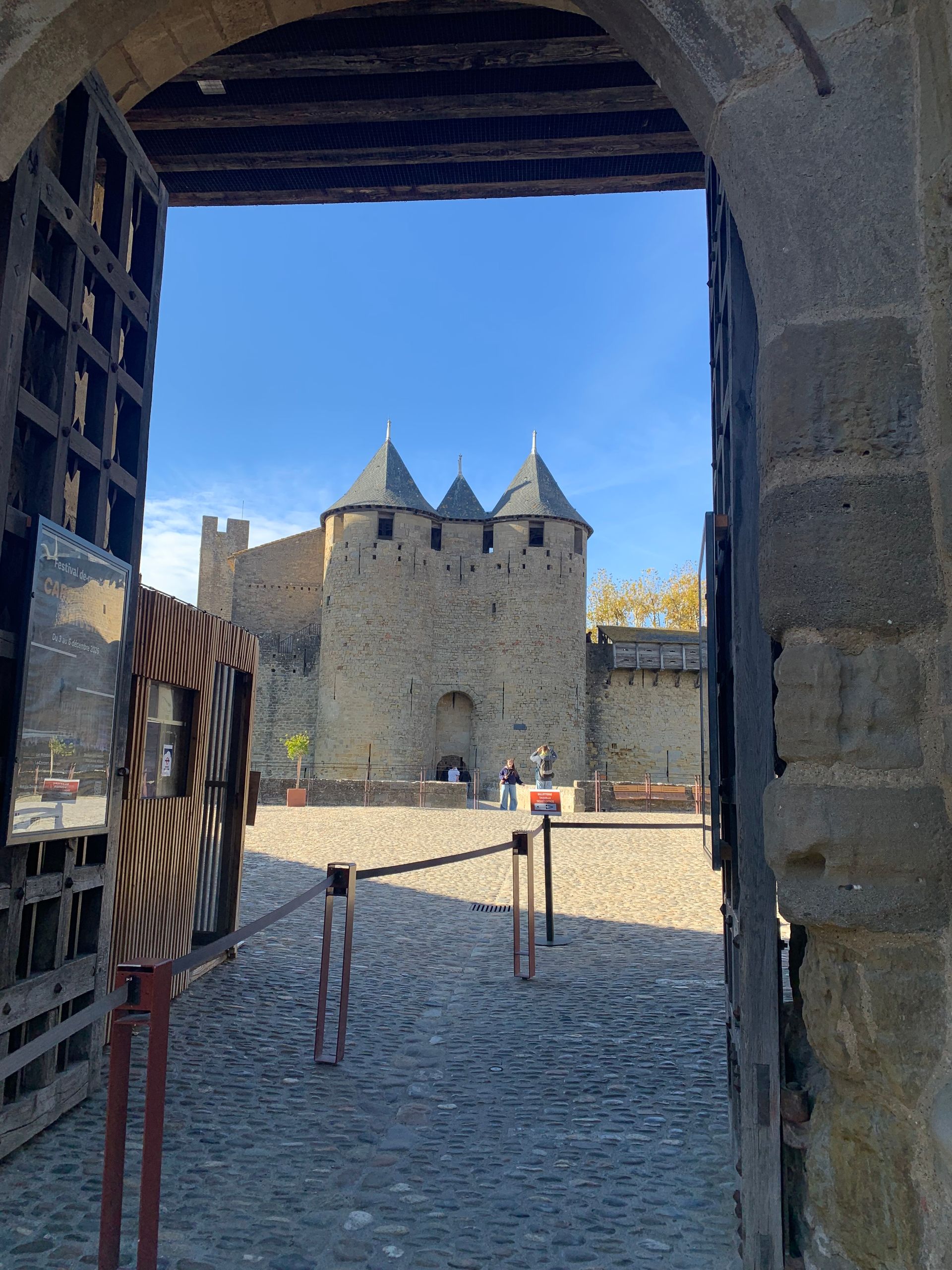
We had found a parking spot within walking distance of the Cité de Carcassonne. When we arrived, we took just a moment to set up and immediately set off, as it was already 1:30 PM and both the fortress and the city wall tour would close at 5:00 PM.
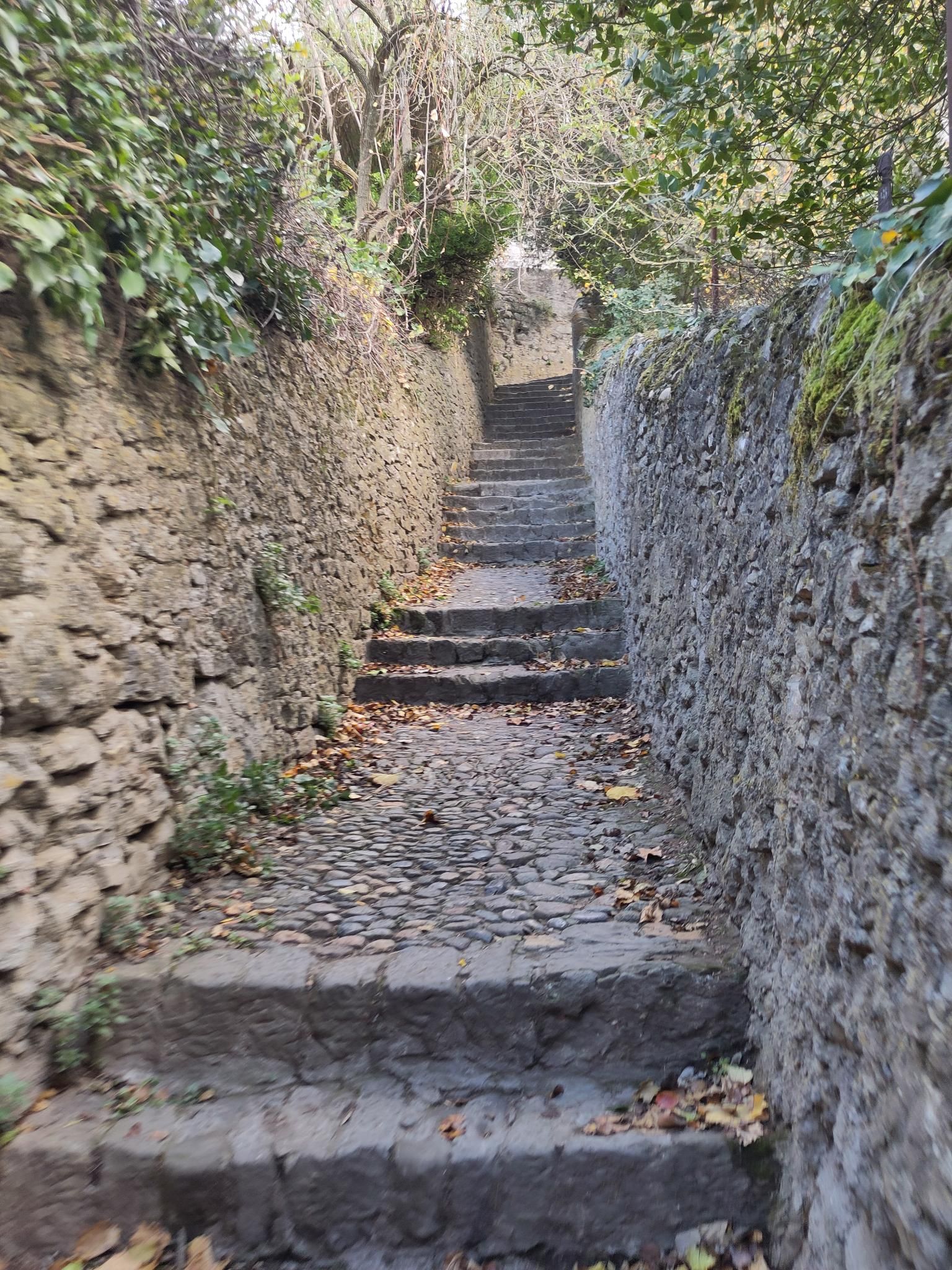
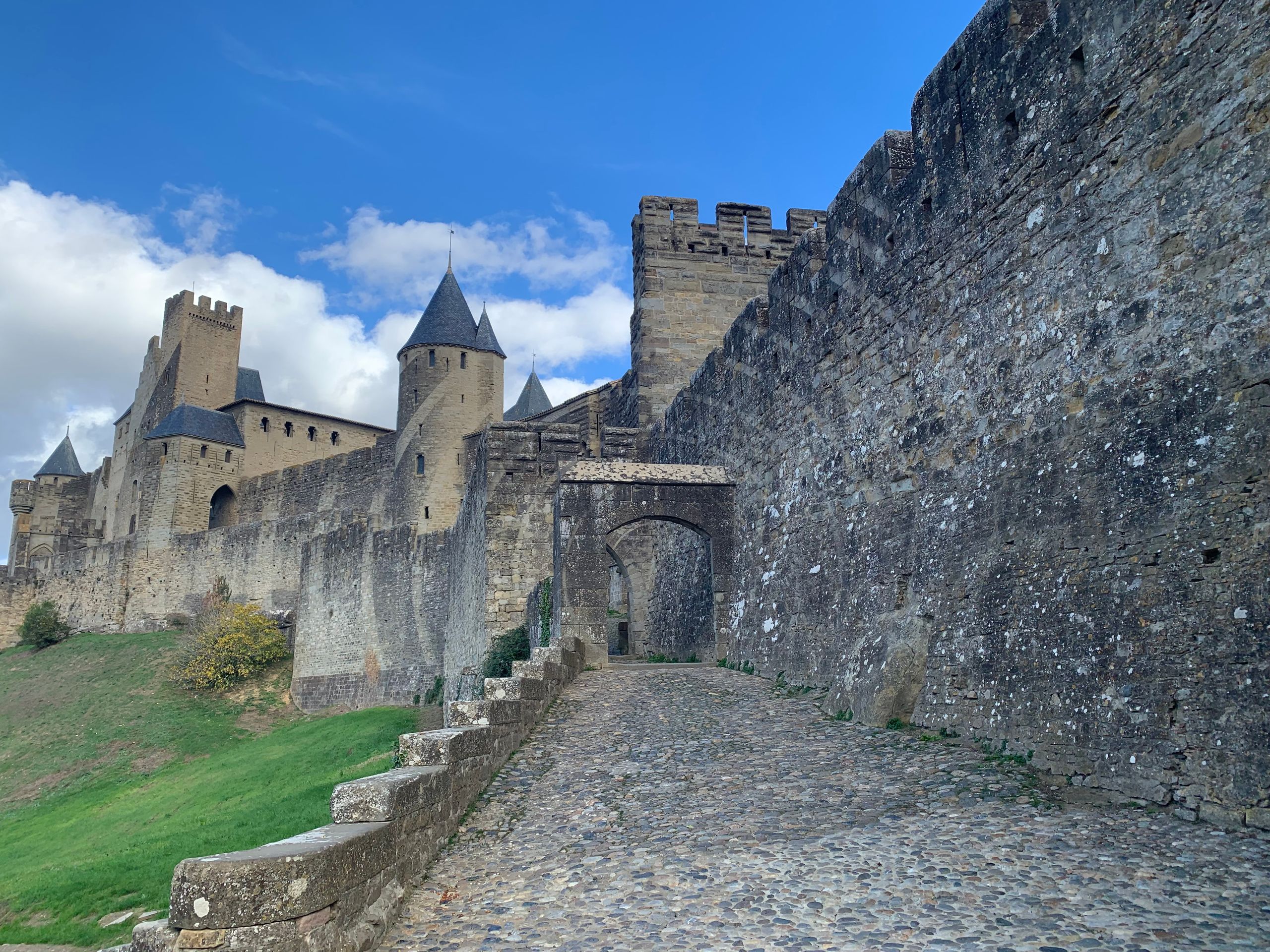
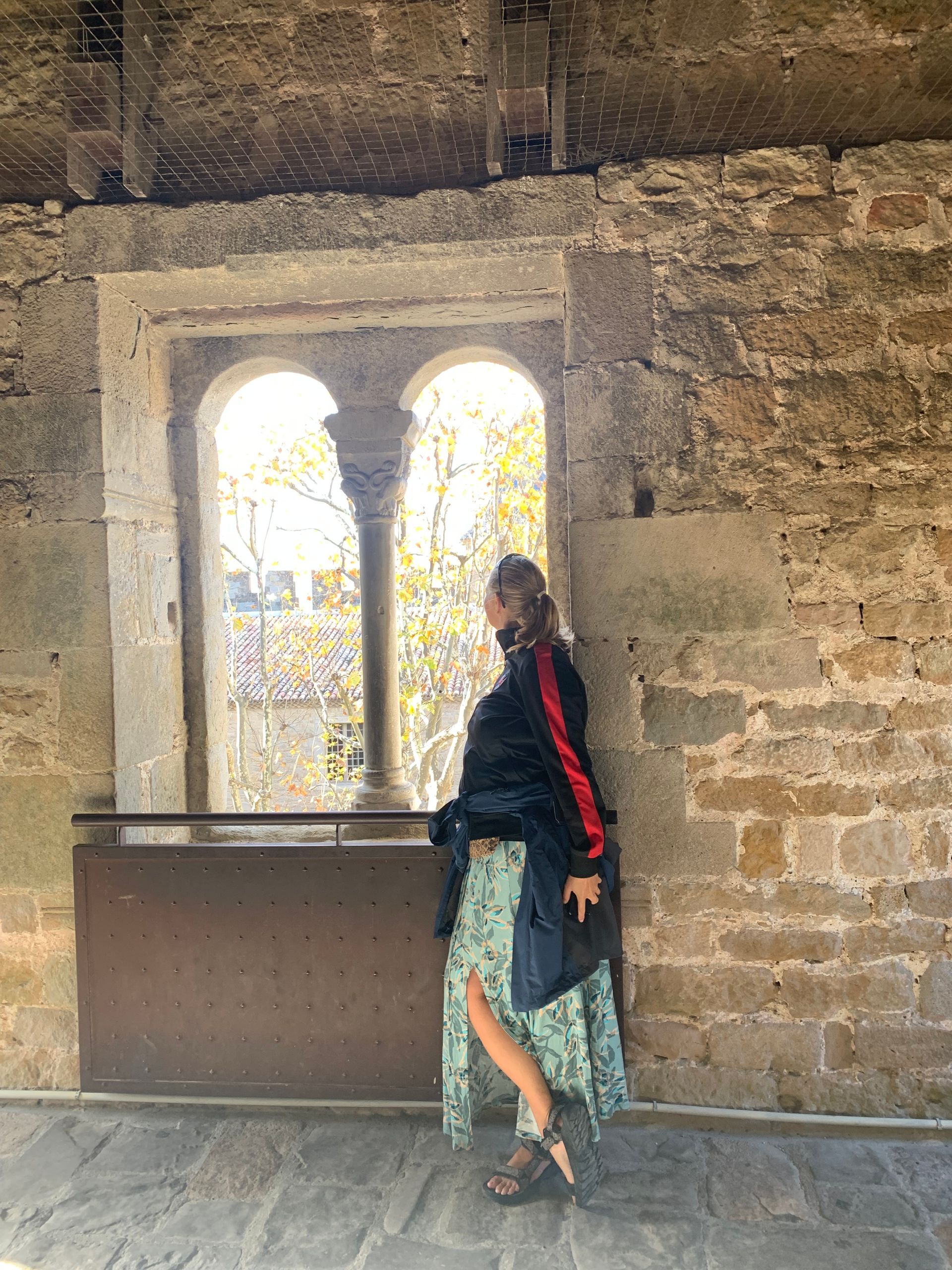
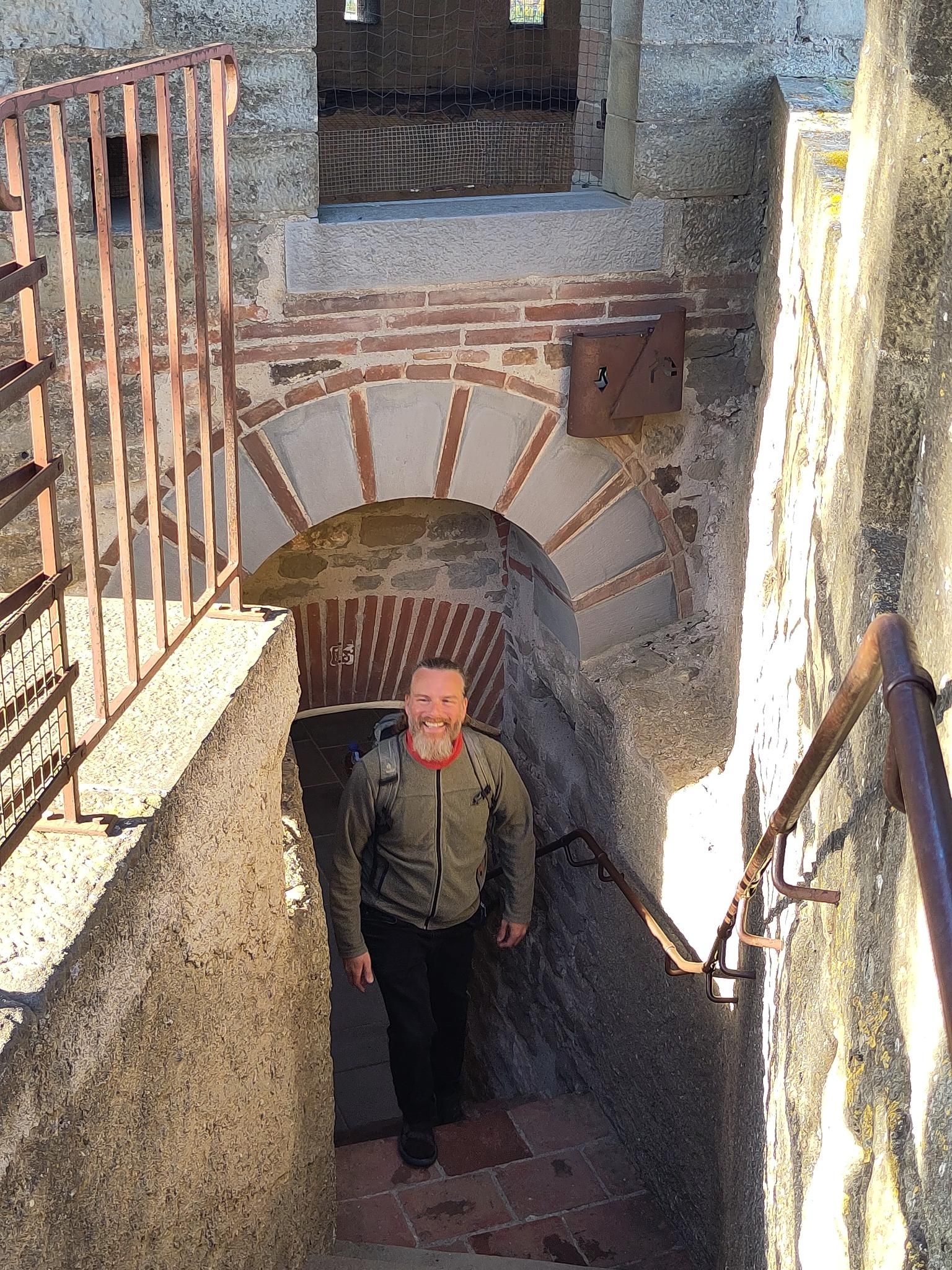
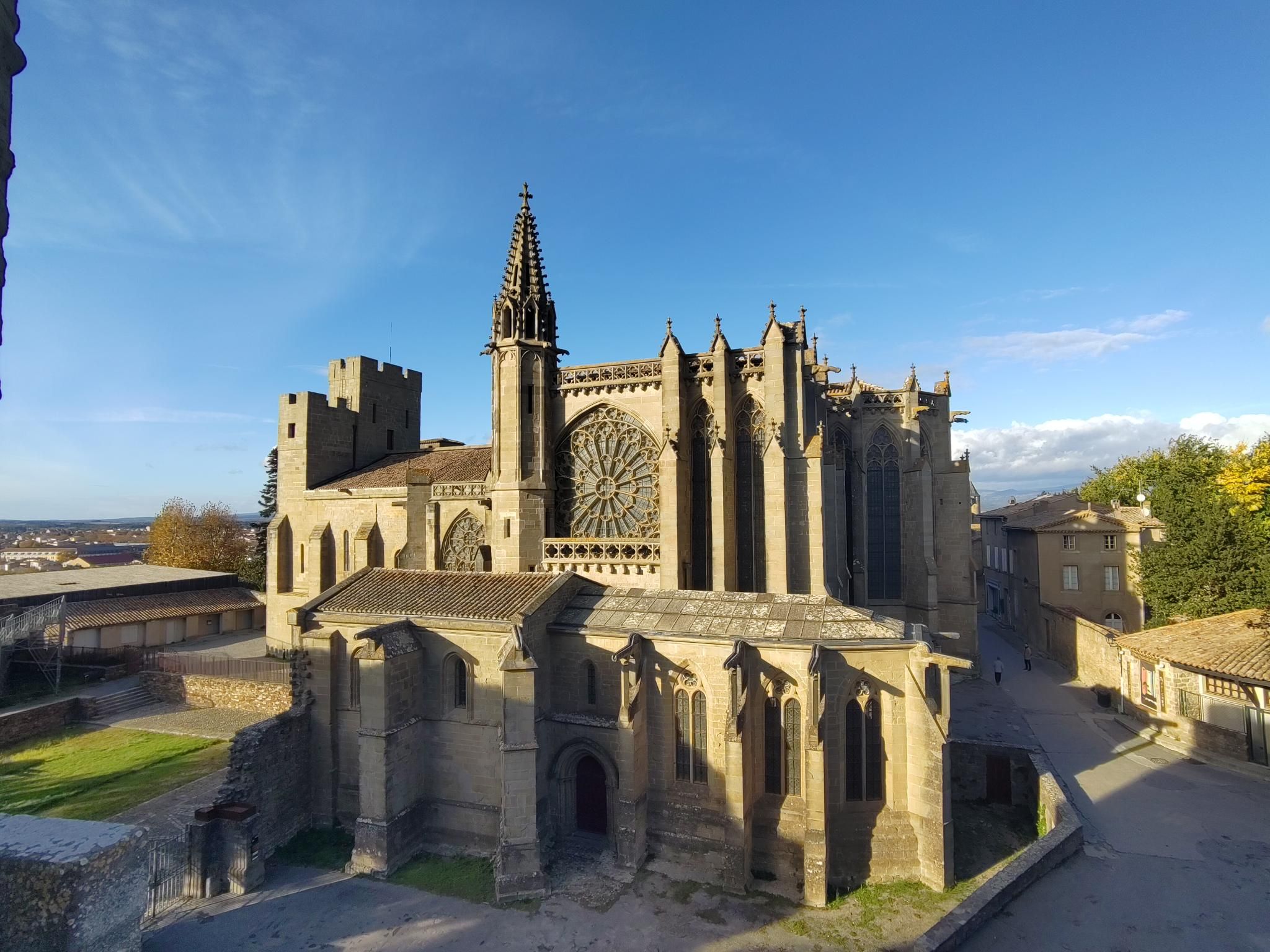
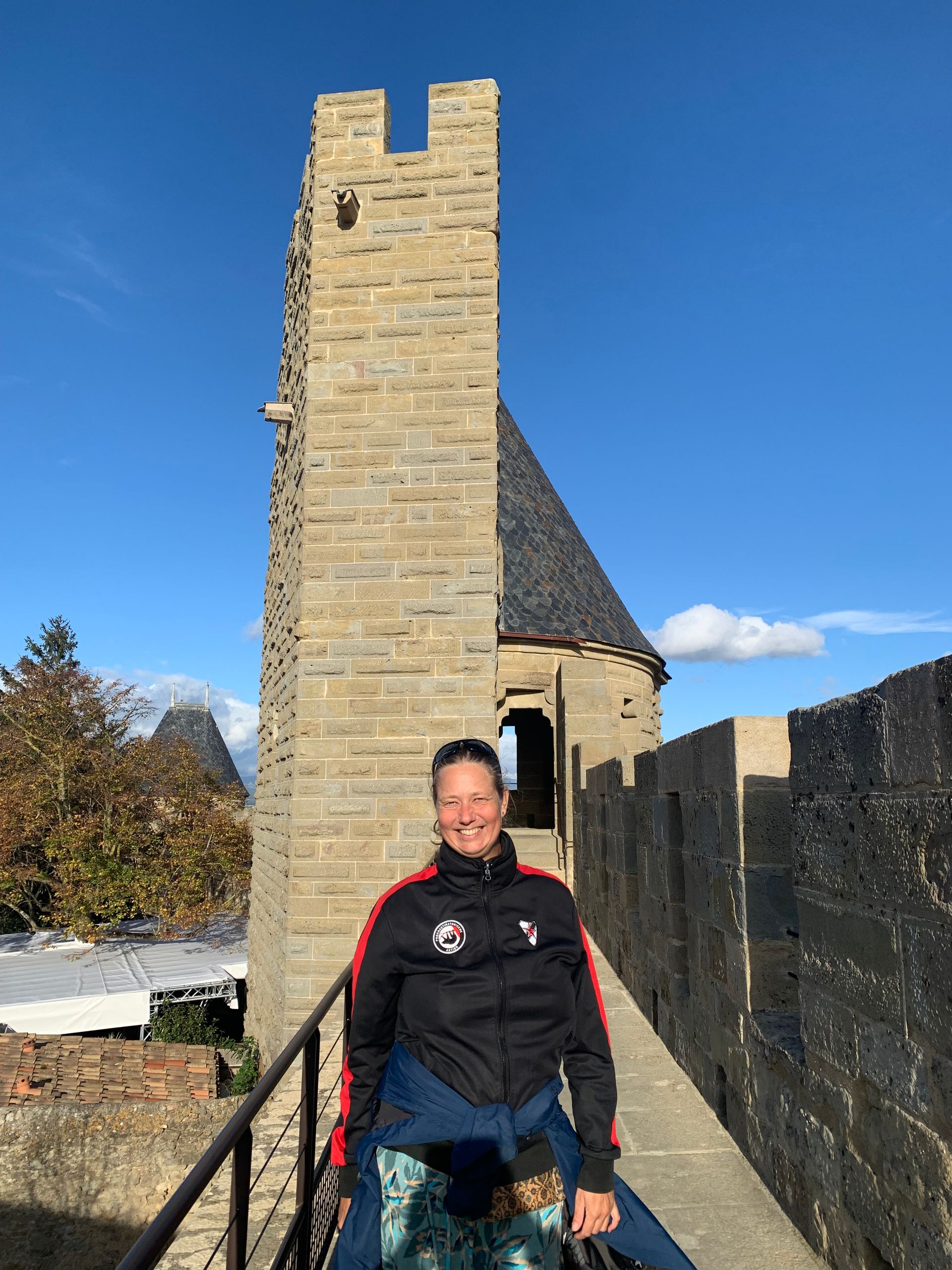
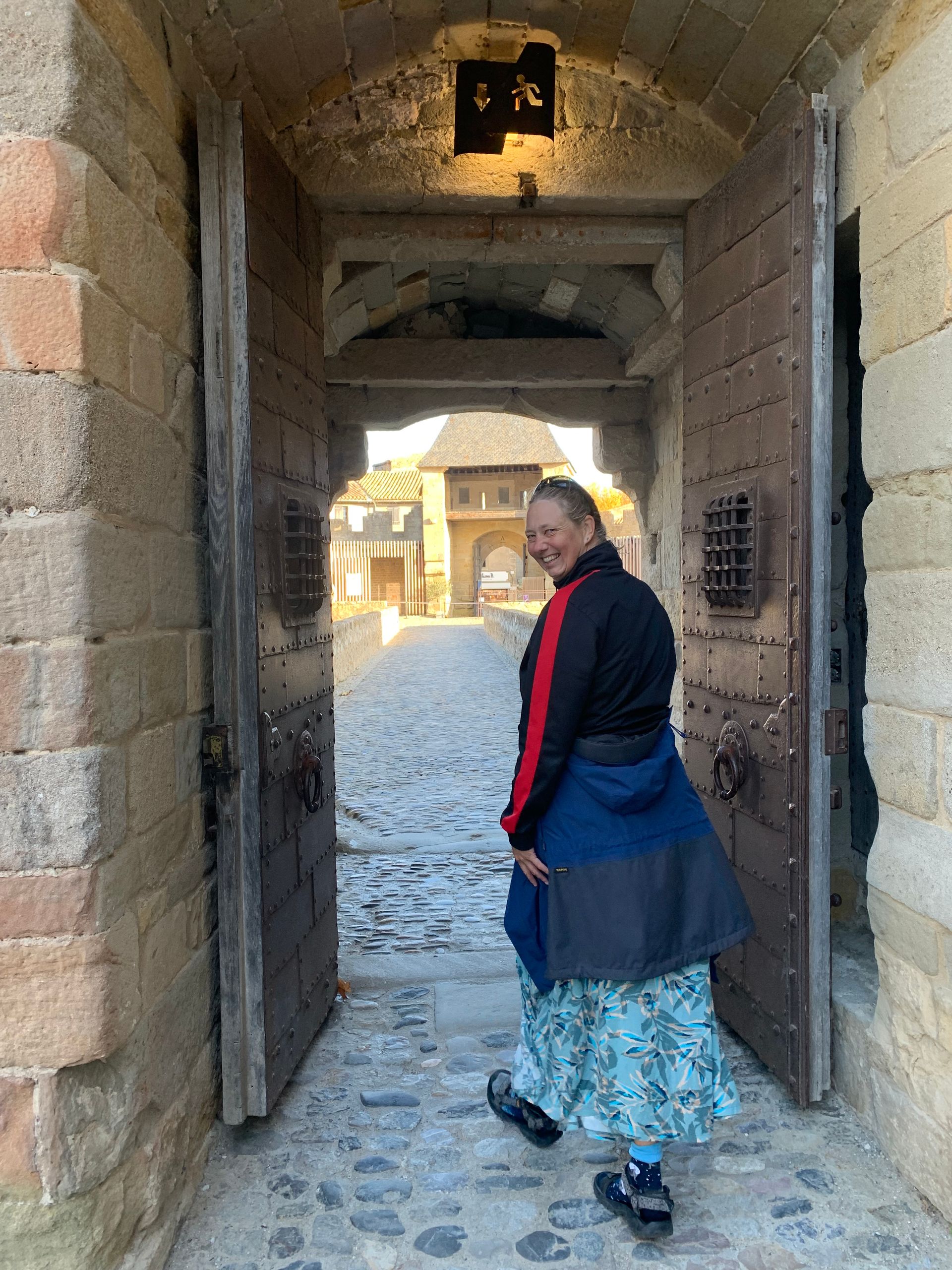
We had expected the 14-hectare open-air museum, which has been a UNESCO World Heritage Site since 1997, to be heavily visited. However, we were delighted to find that the season was practically over here as well. So we bought tickets for the castle and the city wall tour, and during our visit, we hardly encountered other visitors. It was wonderful.
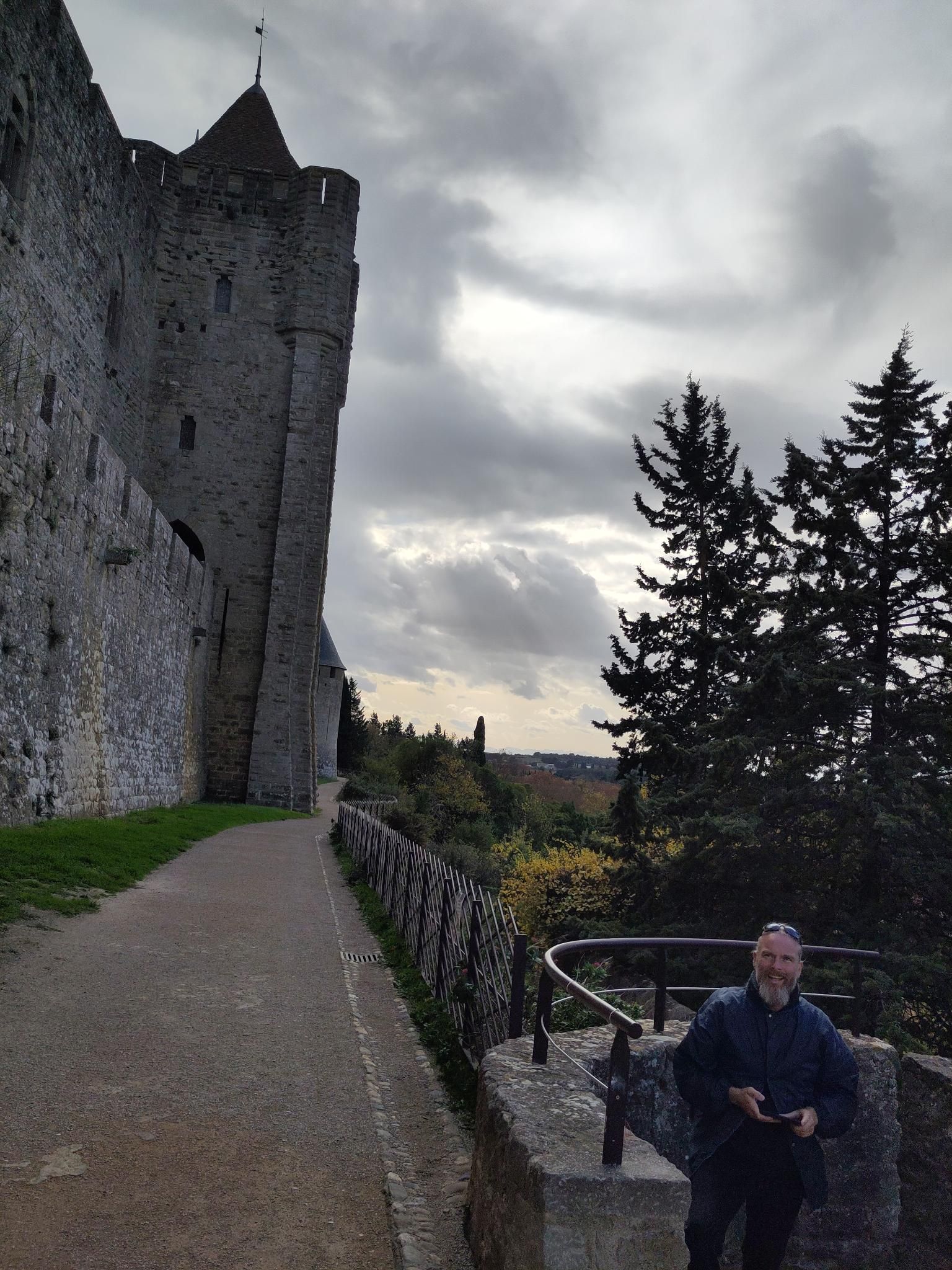
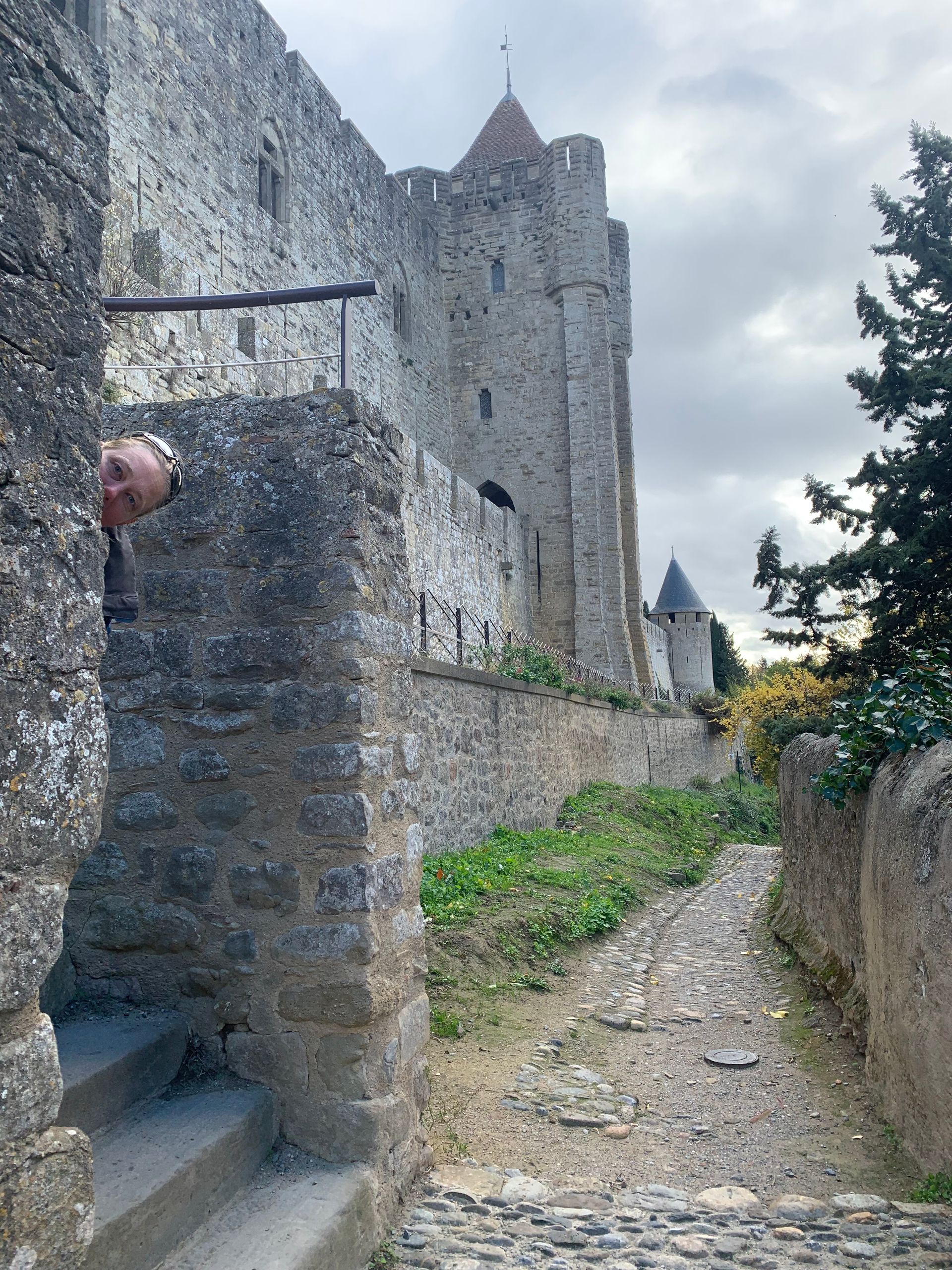
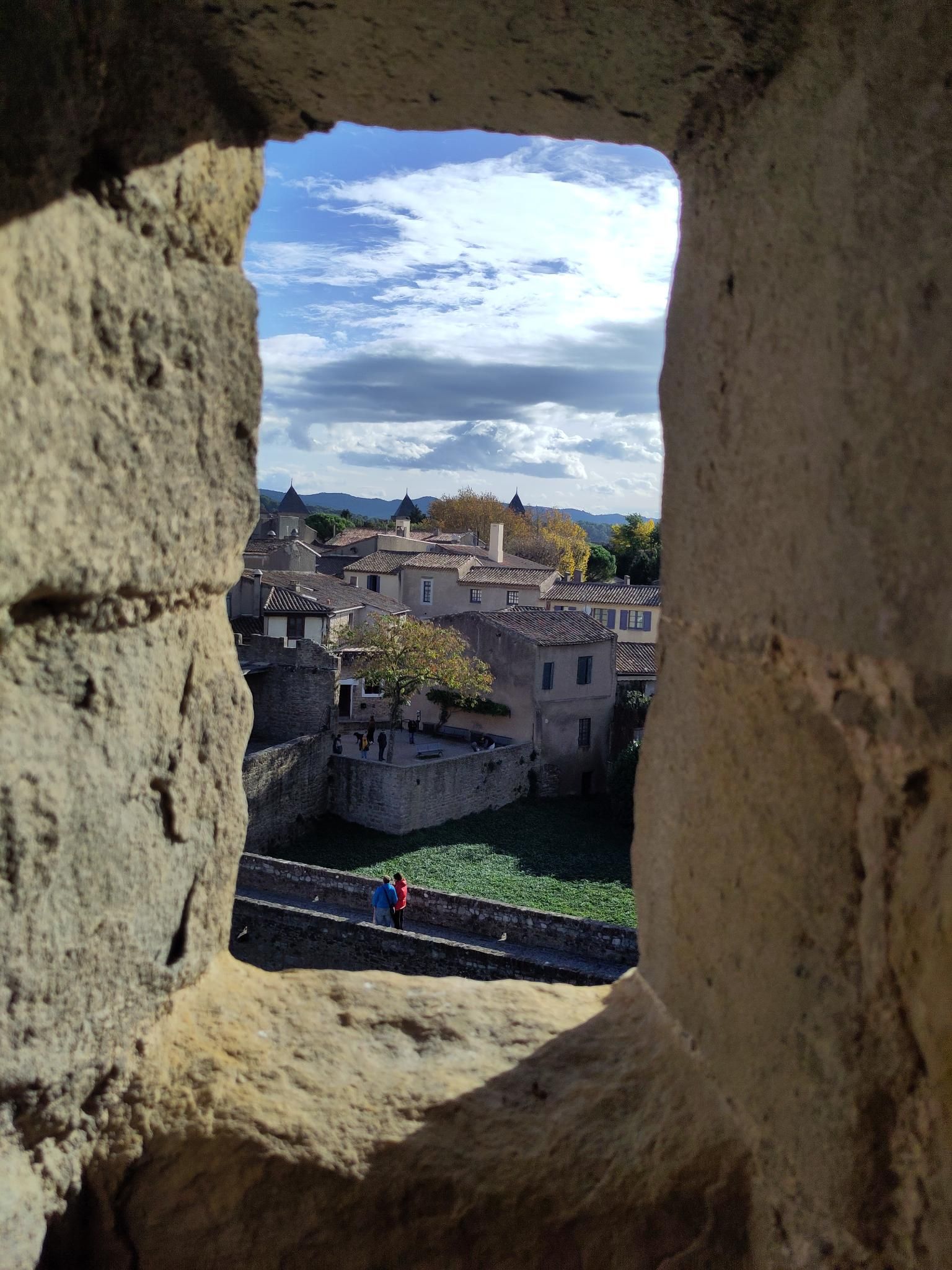
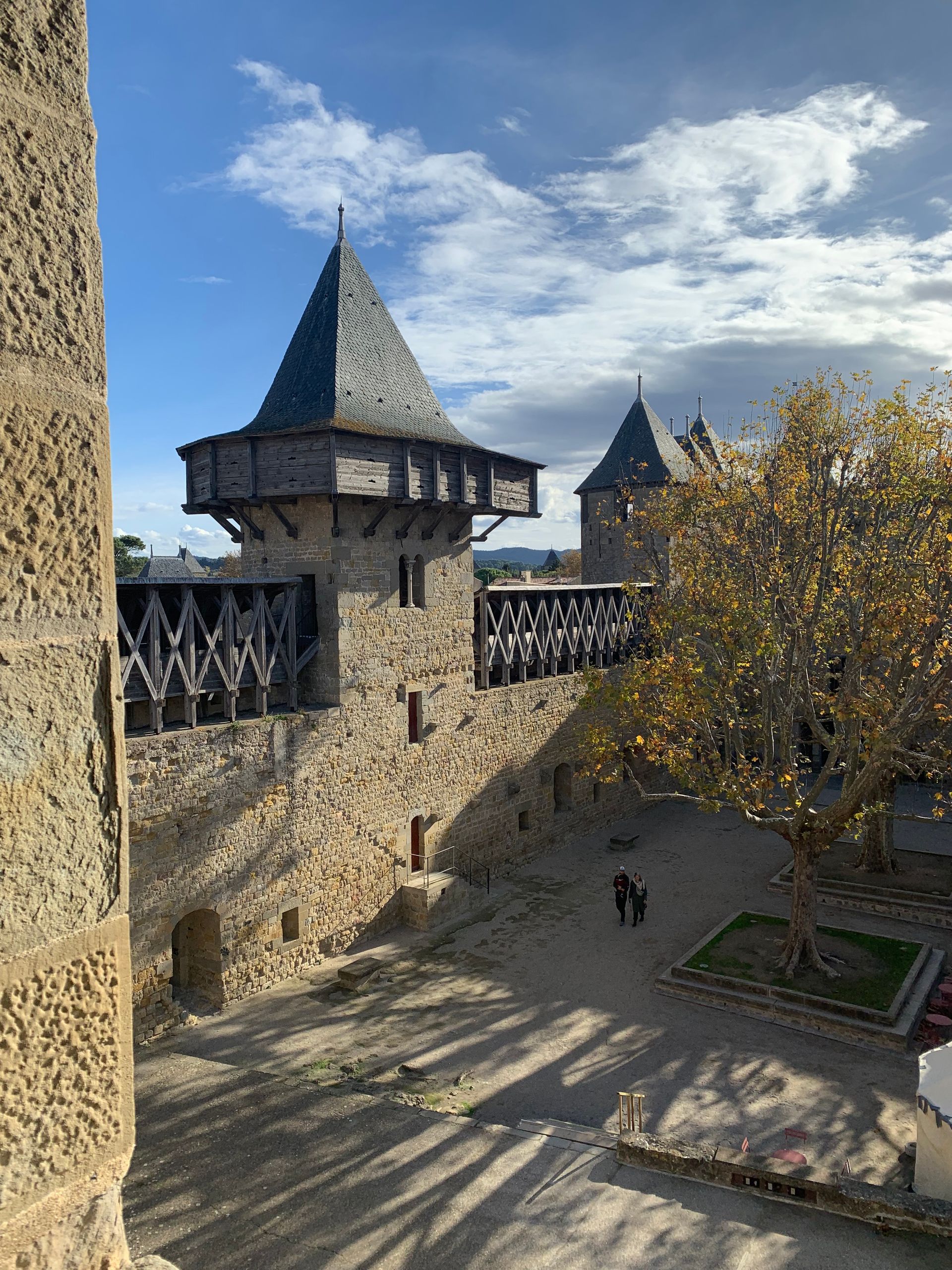
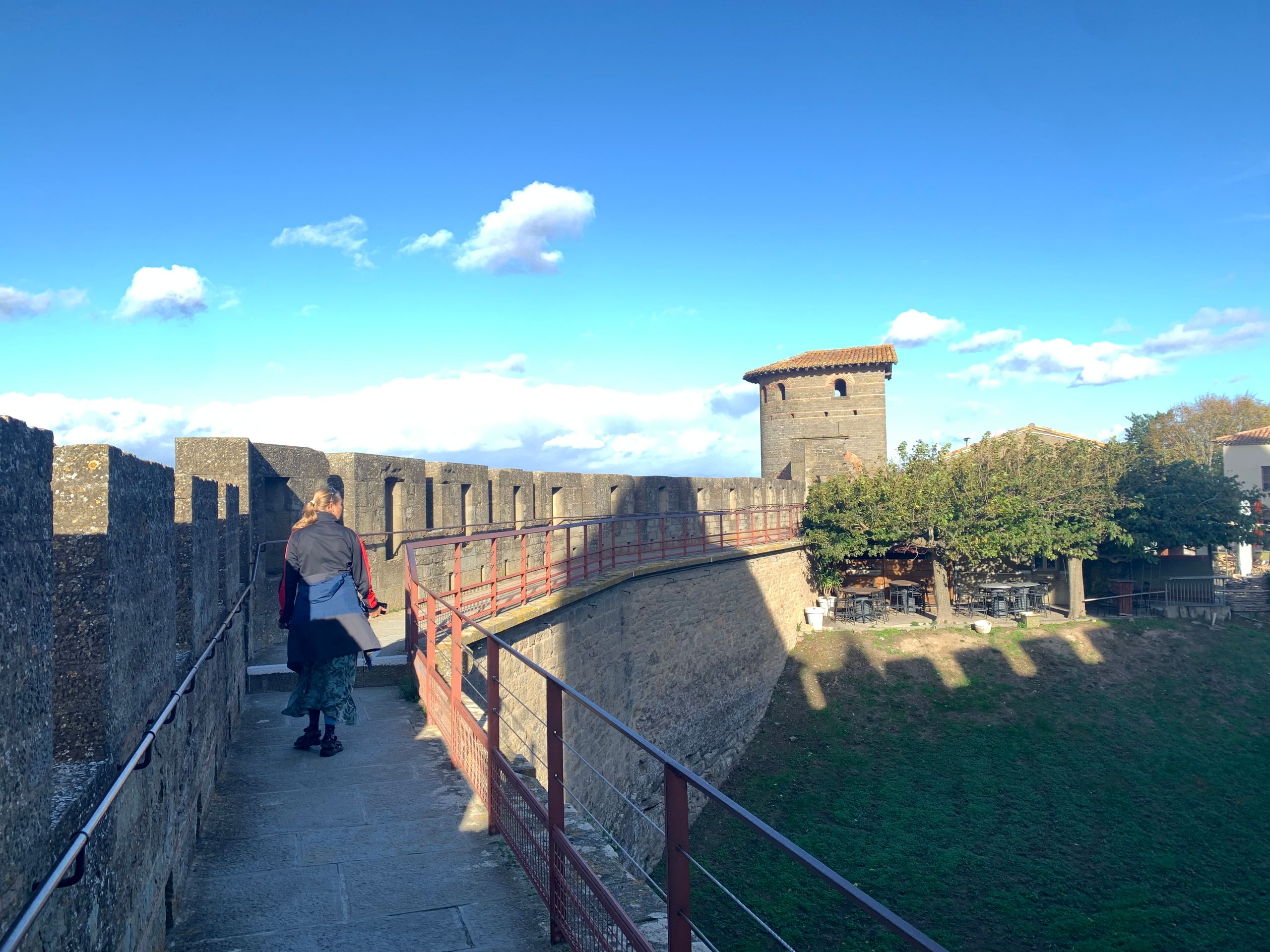
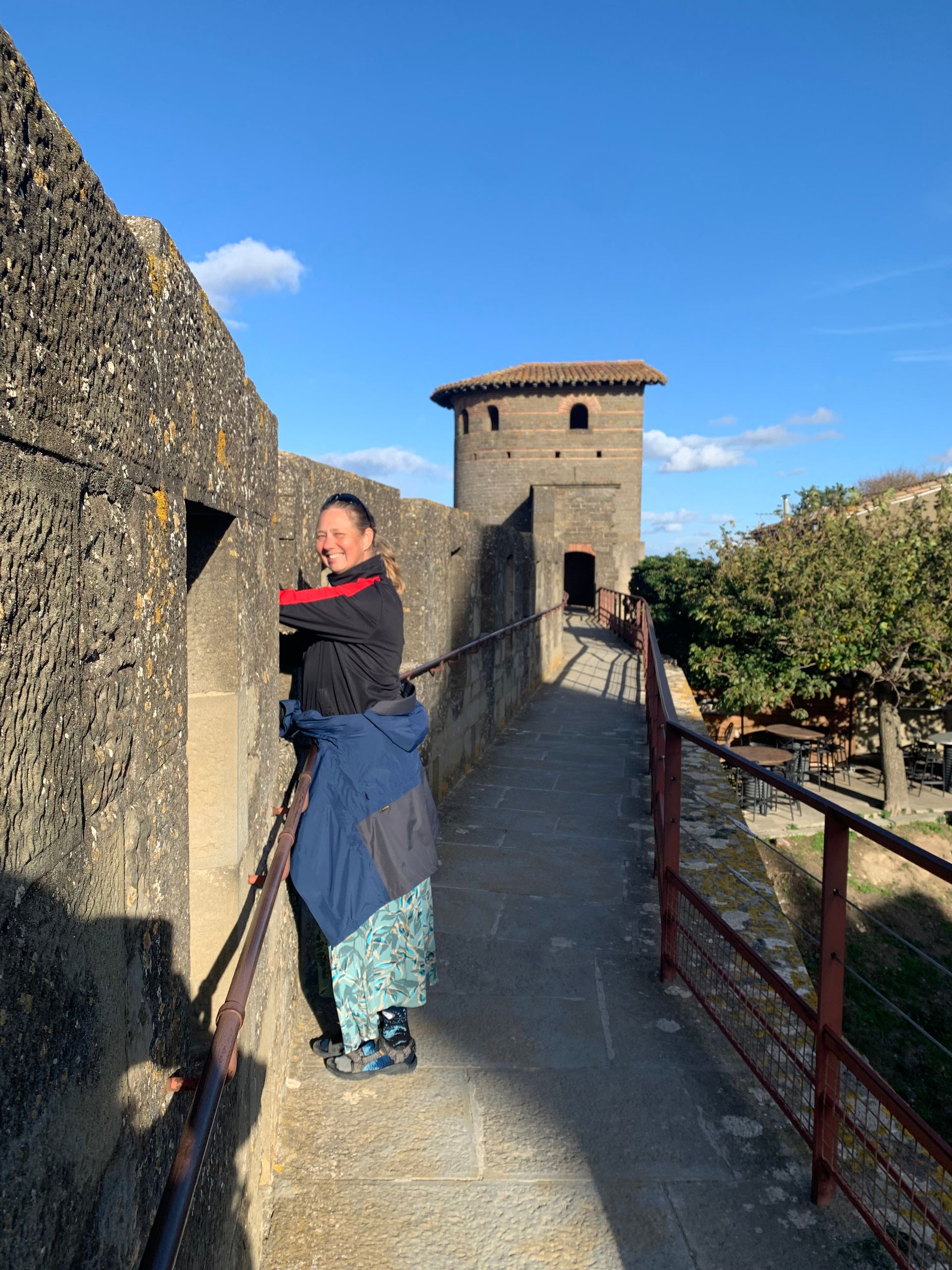
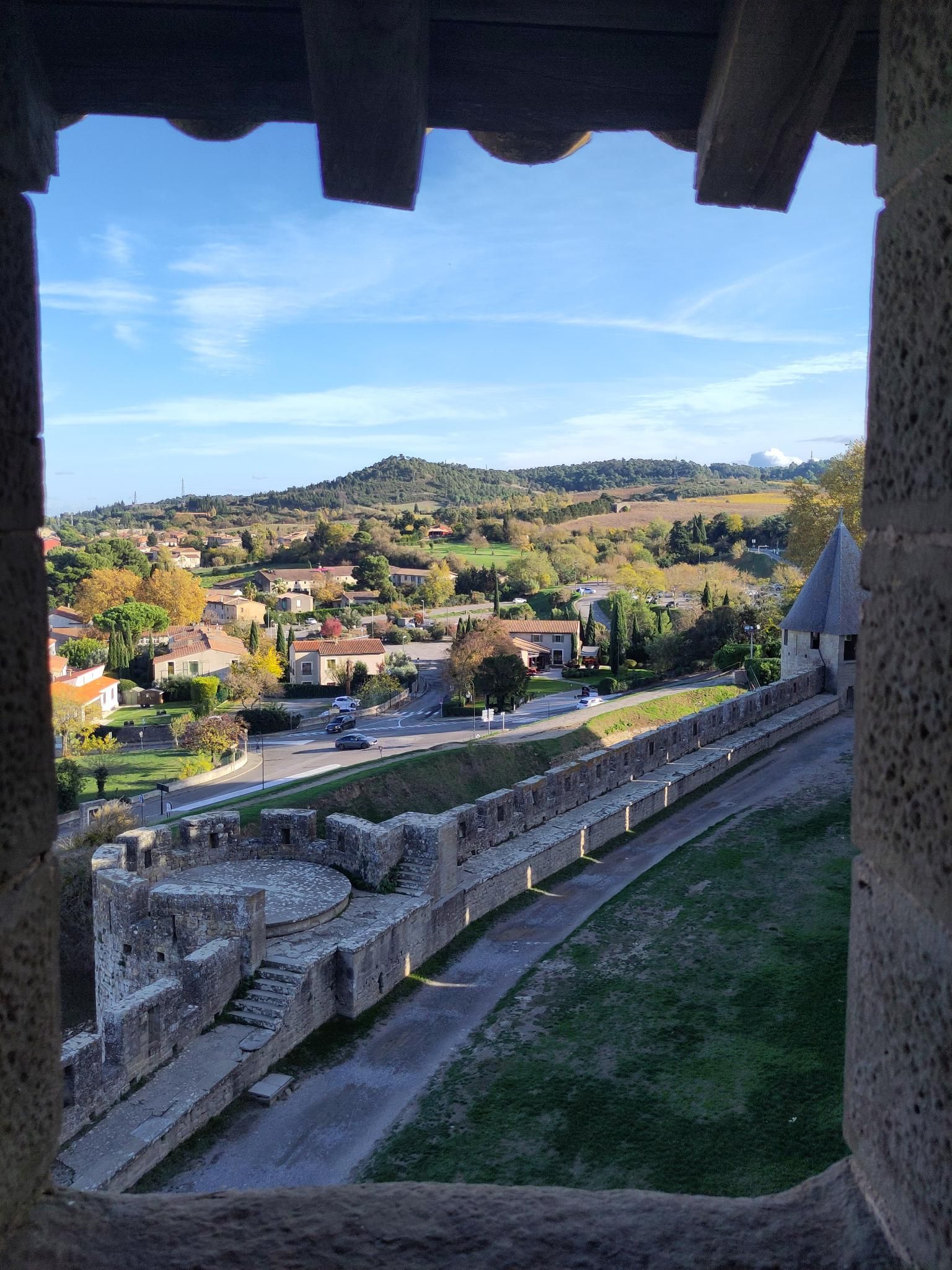
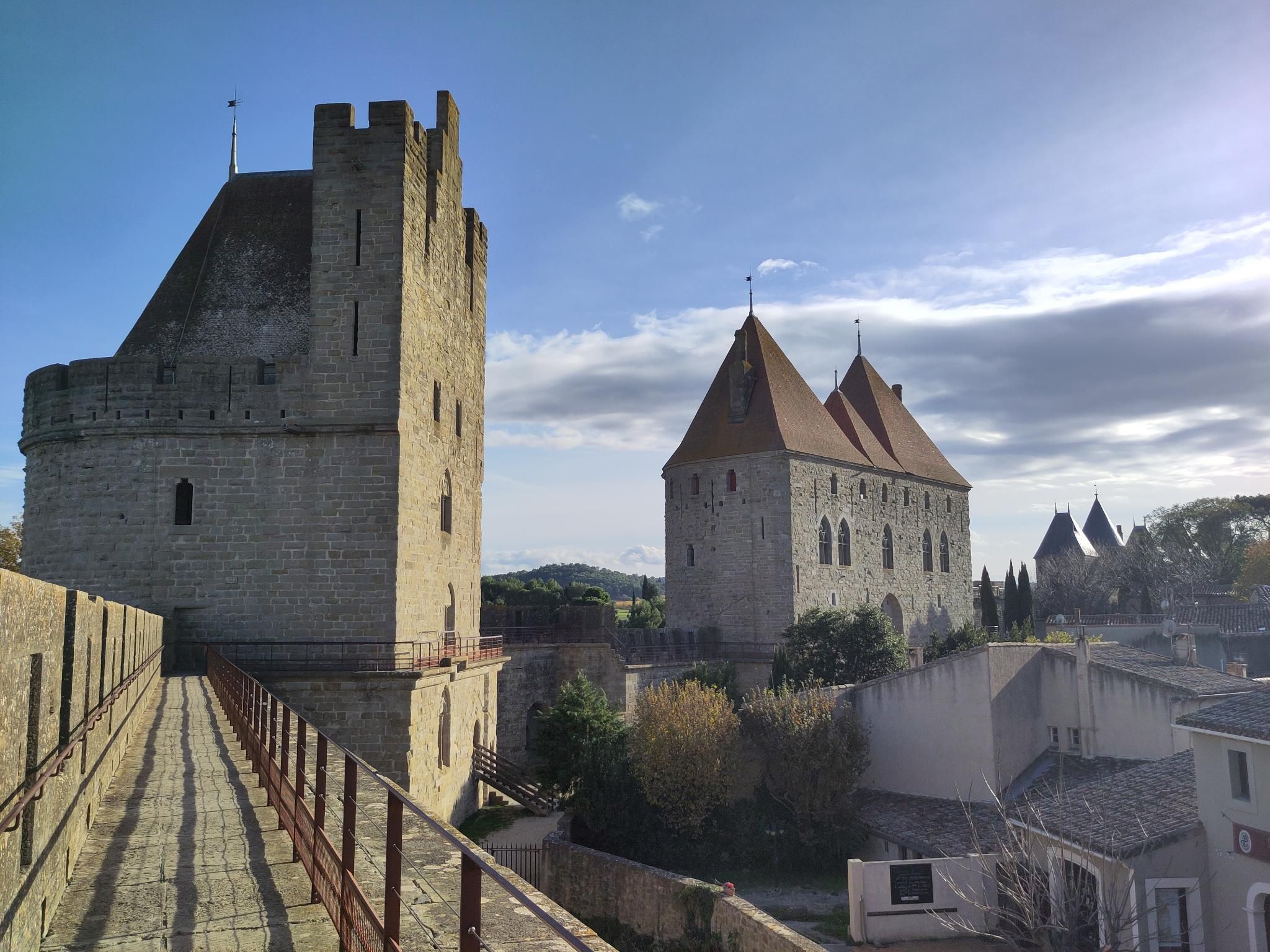
The first fortification of the hill probably dates back to the 1st century BC, thus of Roman origin. In the 3rd century, the city was surrounded by a wall reinforced with towers. This formed the inner wall today, consisting of four gates and thirty towers of Gallic-Roman style, thus round on the outside and square on the inside (the so-called horseshoe layout). The towers were equipped with large windows for throwing spears. Over the centuries, the complex was repeatedly modified and adapted. Due to the advancing improvement of military technology, after nearly a thousand years, the fortifications with only one wall were no longer deemed secure enough. Thus, the entire city received a second, lower curtain wall with its own towers from the French king in the 13th century, and the inner wall was reinforced again. Through these modifications, Carcassonne took on its present shape and was considered temporarily impregnable. After the region of Roussillon, south of Carcassonne, was ceded to the French crown in 1659 through the Peace of the Pyrenees between Louis XIV and Philip IV of Spain, the fortified city gradually lost its significance.
As we finished our visit, it was just before 4:00 PM. We actually only wanted to drink hot chocolate to warm up after the hour-long tour of the very breezy ramparts, but somehow we ended up ordering the daily special twice at the restaurant where we had taken a seat. So we warmed up quite well.
It was already starting to get dark when we left the large open-air museum around 5:00 PM and walked back to Gary for half an hour. Throughout the evening, we wrote our travel report, sorted photos, and listened to the radio.