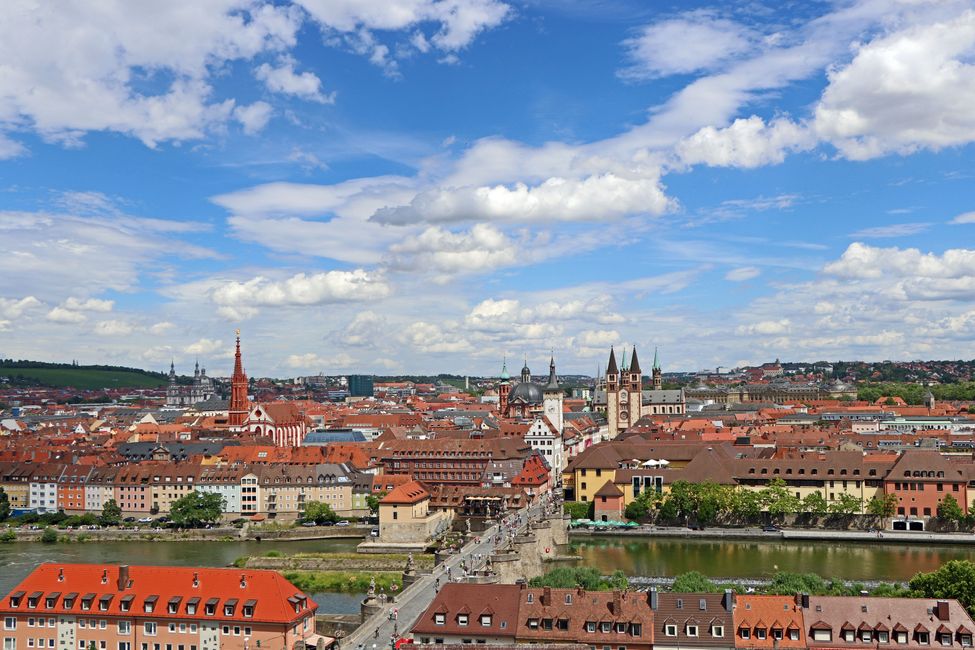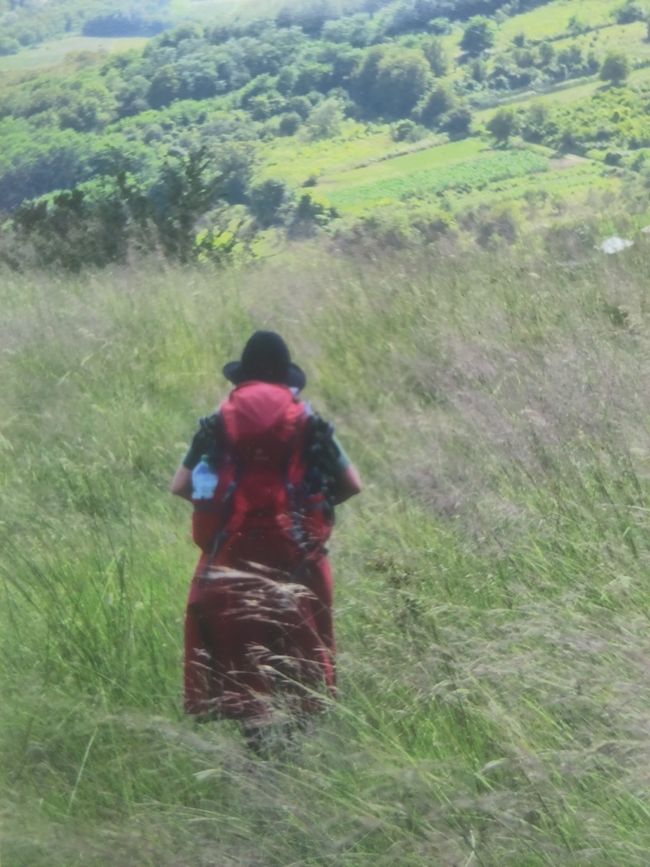

Via Jacobi and Schwabenweg: through the heart of Switzerland to Konstanz at Lake Constance
arrived at Lake Constance in Konstanz after 2870 kilometers - now taking a break...

Published: 03.08.2026
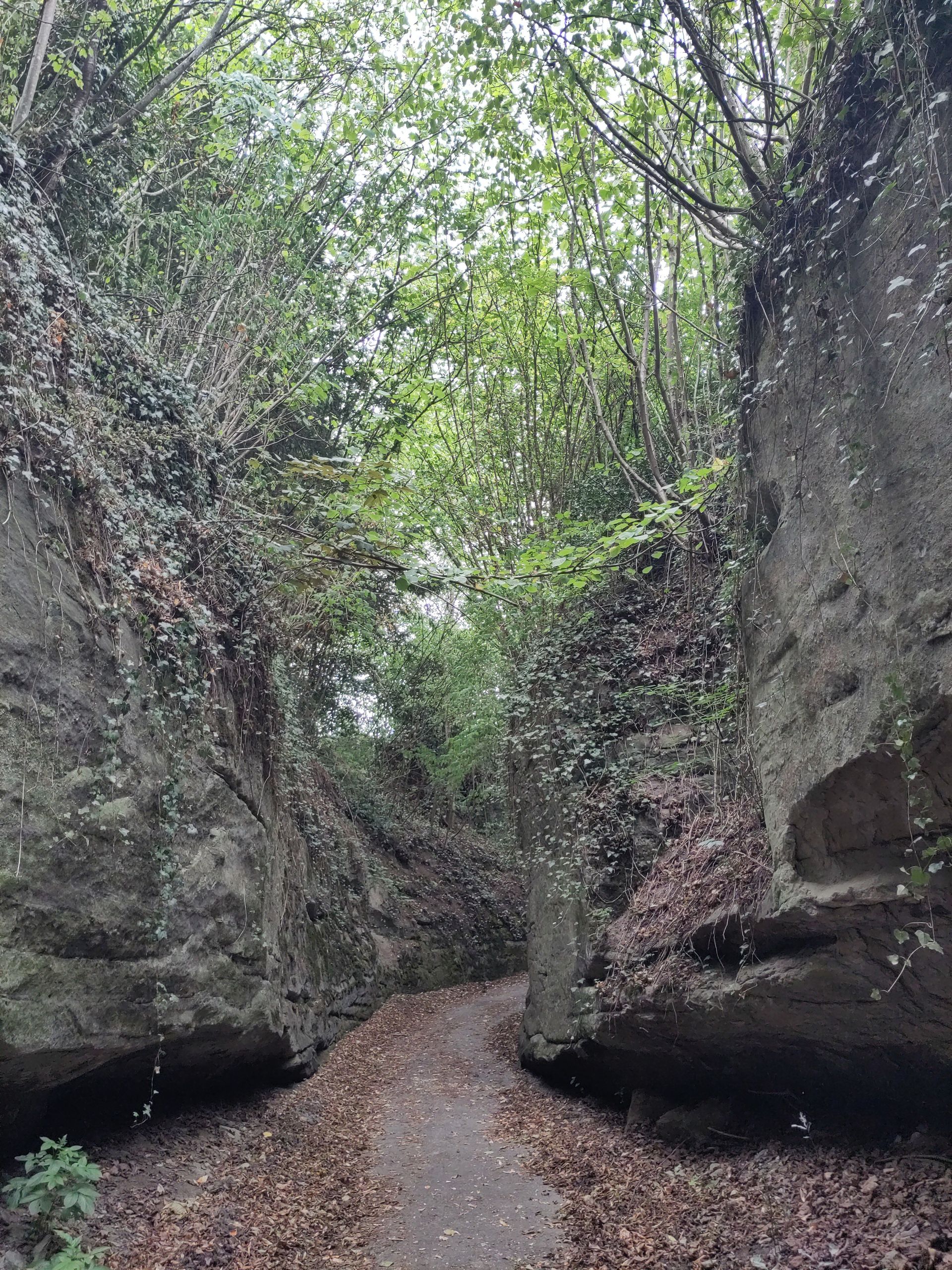
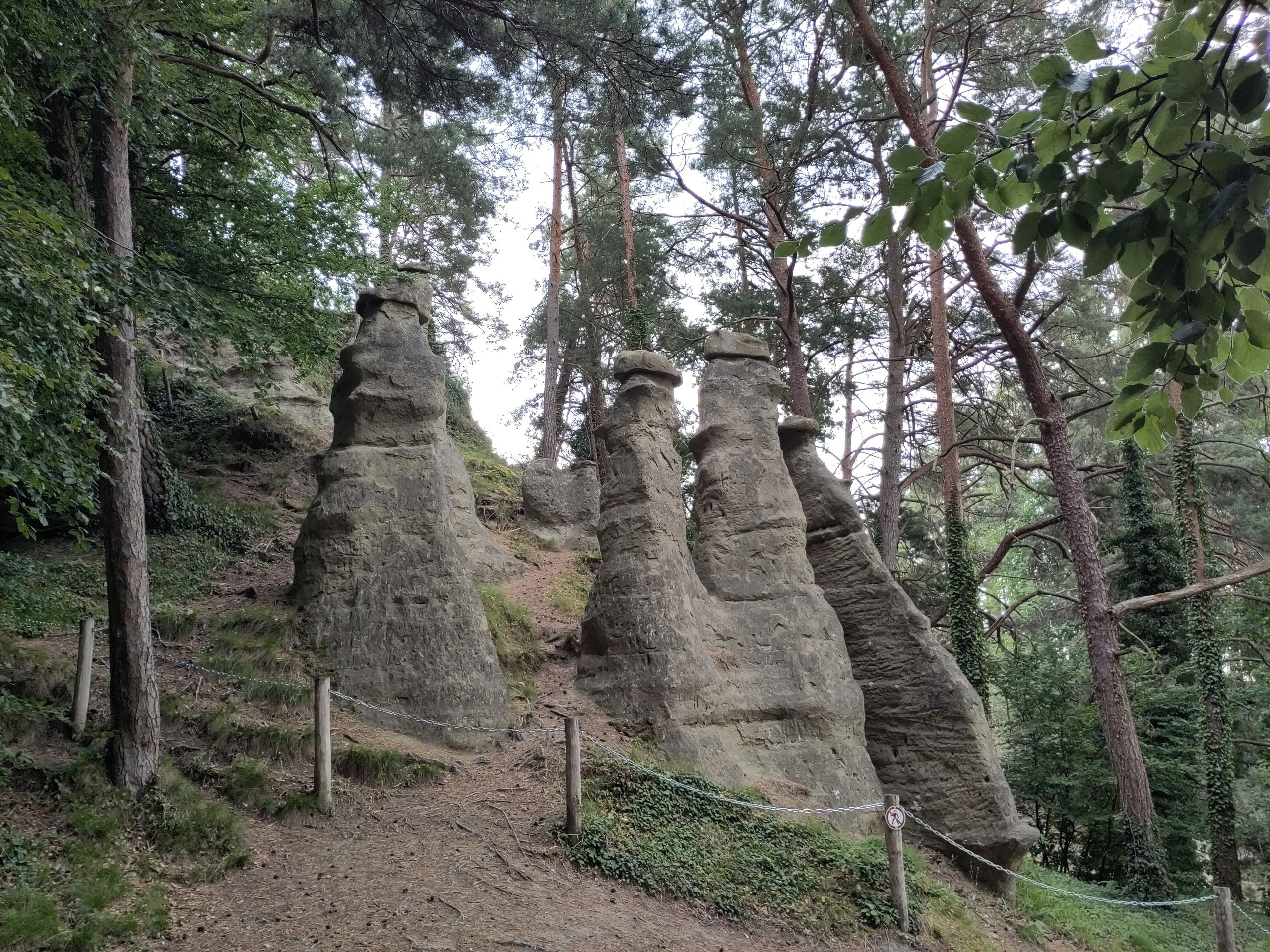
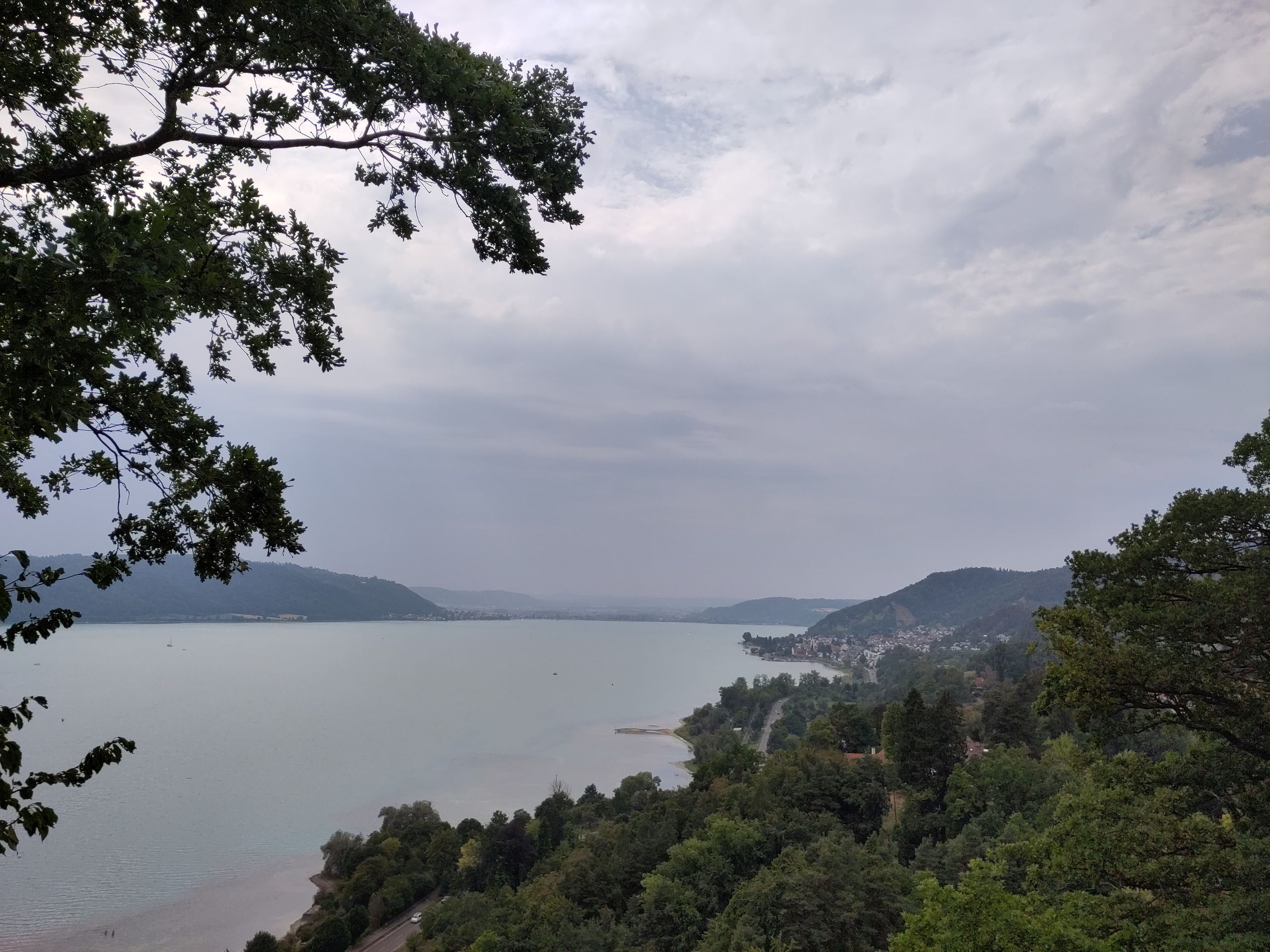
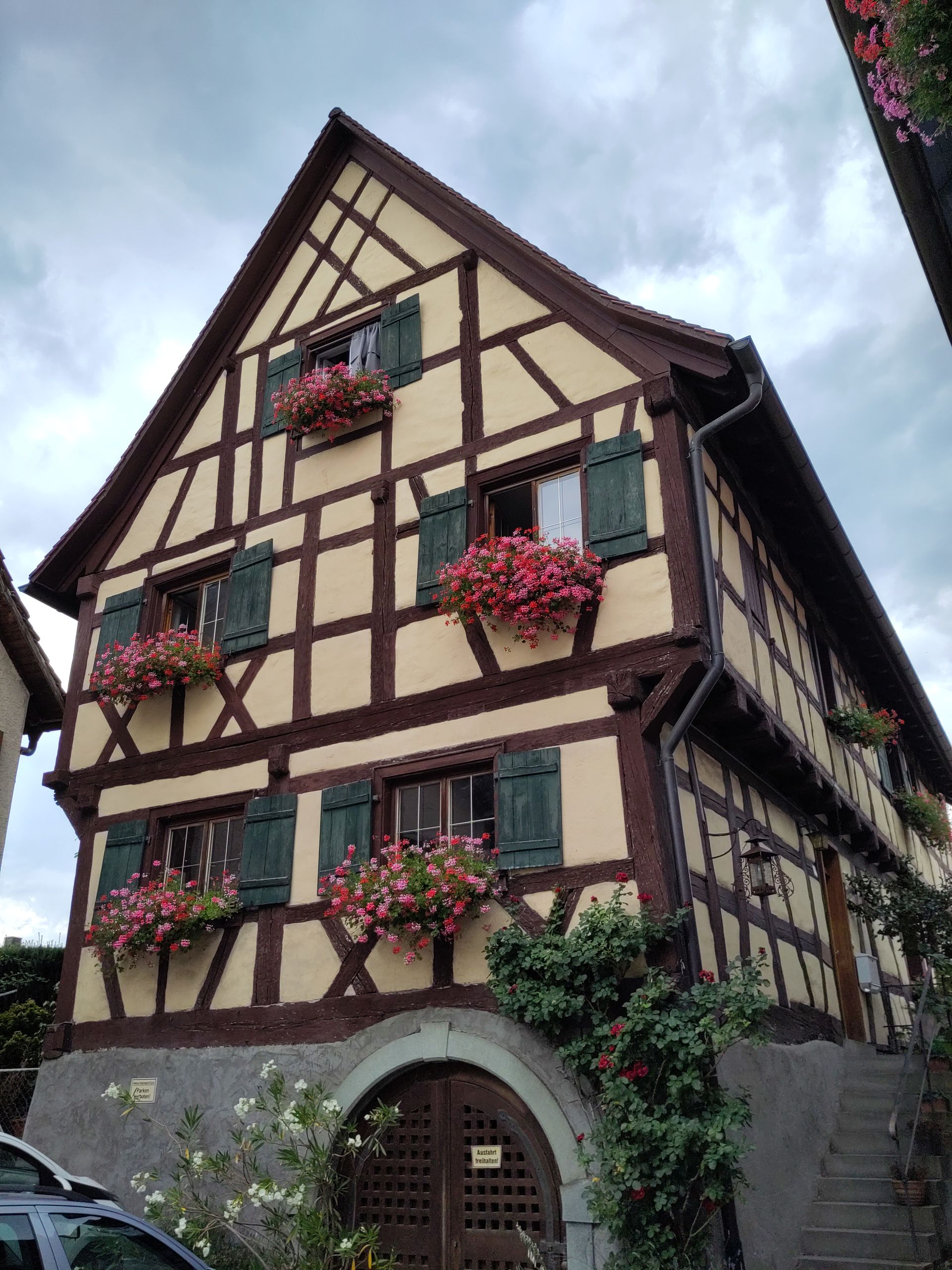
My shoes had worn soles in places. So I continue hiking northward in a new pair of hiking boots.
Here I feel the need to look back once more, to remember the first half of the year...
Still in June, I met in the church in Rüeggisberg, Switzerland, two pilgrims who had just begun their journey and confidently declared to me that the way through Switzerland is considered the most beautiful part of the route to Santiago. I cannot accept that: the many kilometers in Spain (already a distant memory), the vast paths across France, all the different regions - each has its charm! And I wonder why there is a division into 'most beautiful area' and therefore also 'less beautiful area'. Why not let every place, every region, every moment stand alone and be appreciated?!
The solitary, so very wet and rain-soaked (twice) beginning far in the south of Spain and Europe: sand dunes in Parque Natural Estrecho, circling vultures in the updraft, paths, meadows, and places underwater, prickly pears by the wayside, and asking for water at a goat farm high above the Atlantic coast (a beautiful view, but everything was muddy at the end of January), before the actual few kilometers of mud path over the mountain began, which ultimately forced me to give up – for now! By now, that was already half a year ago and seems almost unreal. Just like the second departure, the marches on the roads (as the footpaths were underwater) in the rain; the ride in the police car to the homeless shelter in Jerez de la Frontera. Before I set out again for Spain at the beginning of March, a friend asked me how I was feeling about it now? “I am more relaxed,” I claimed, “more relaxed in the sense of: just wait and be more careful with expectations.” However, at the same time, I was “more distrustful” and “uncertain”: what would await me this time? The lightness and excited anticipation from January did not set in at all. “The greatest danger in life is that one becomes too cautious.” I read somewhere – and I think: should we not gain more trust in life through the experience that it always goes on?! Since I was still holding on too tightly to the planning and the “But I want...”, my painful leg at the beginning of the journey taught me more serenity and a different approach to time, plans, kilometers... Back then, I doubted a lot and was several times close to giving up the entire “Walking through Europe” undertaking with “it obviously is not meant to be!” In retrospect, I think with deep gratitude of the rooftop terrace in Seville and the physically imposed lesson in trust and mindfulness for myself and for the circumstances and needs of the moment.
The closeness to other pilgrims, all the encounters on the Via de la Plata: That was very special and I do not want to miss it. The many skylarks, orange trees, palm trees, eucalyptus, moisture, and rain, the traces of the Romans, joyful rounds, e.g., at Easter in Salamanca - how long ago was that! I remember meeting A., who first asked me 'are you the lady sleeping outside?' - while until then it was still quite rare due to the weather: only later in France did it become more common and in Switzerland the norm...
The way over the Cantabrian mountains in cold, icy wind, snow, and loneliness - a memory from far-off times during the shimmering heat days in June, like from a completely different hike... At some point, the decision not to go to Santiago this time (the 'wrong direction' for this “project”), direction change at the coast - hiking east instead of west! Slipping and falling on the steep, rain-soaked Atlantic coast in northern Spain - how easily could I have injured my foot so badly that I wouldn’t have been able to go further! In deep gratitude, I sometimes look in wonder at my legs: so many steps; and always with a heavy backpack!
Again and again during the hike - especially when I want to take a photo - I become aware of how built-up the landscapes are. In everyday life, I no longer notice it that much; we have become so accustomed to it and overlook much of it: power lines and poles, wind turbines, signs, construction cranes, telephone wires, radio towers, fences, walls, silos, halls, biogas plants, advertising...
The pilgrimage to Santiago continues to enjoy unwavering popularity. Apart from the fact that I prefer to walk away from heavily frequented paths, it is also a kind of “lifeline” that stretches through often rural and deserted areas. However, it often does not seem proportional to me that so many people come repeatedly, over the years, for just a few days to the endpoint of the last section to walk a short piece again until they (some only after many years) reach Santiago. Every time needing a plane, among other things, to return to a place in France or Spain to continue the journey seems questionable to me. Then perhaps rather hike on site?! Those who really hike from somewhere in Europe to northwest Spain for many weeks or months radiate something that characterizes those who truly set out on a longer journey - and it does not have to be the pilgrim's path, nor does it necessarily have to be a marked pilgrimage route at all!
In Tafers, I found the following lines on a 'reflection path' board under the headline 'Experience prayer': 'If you gaze at the sky in wonder - that is a prayer. If you look at the flowers by the way - that is a prayer. If you feel life within you - that is a prayer. If you sense the person beside you - that is a prayer. If you hear a bird sing - that is a prayer. If you accept what the day brings - that is a prayer.' I really like this text. Interpreted like this, I pray almost continuously for all the days, weeks, and months! Only the line 'if you sense the person beside you' makes me thoughtful, because during my solitary hike, I often miss exactly that 'person beside me'. I think of all the many people I had the privilege to meet, even if usually only very briefly. And I think of 'the person within me': I meet myself more and more intensely in this solitude than usual. “The secretive path leads inwards. In us or nowhere is eternity with its worlds, the past and the future.” (Novalis) - in long solitary hours, wandering outside and going inward often blurs strongly, I sometimes return only laboriously from the inner to the outer world or an outer impression suddenly and violently brings me into inner realms, to memories, fears, feelings...
So often I have been asked and will be asked whether it is not dangerous, whether I have not had unpleasant situations, whether nothing has been stolen, I have not been threatened, harassed... whether I am not afraid? Sometimes it seems to me that we (perhaps through our newspapers and news?) are so accustomed to expecting bad, evil, danger. Not that I think they do not exist. Not that I am not grateful, feel safe, and aware of my guardian angels. But: I do not expect it. I set out. I practice trust - and I receive water, I find sleeping spots, I encounter kindness, wonder, helpfulness. Of course, I make sure not to expose myself to unnecessary dangers; but it saddens me that so many people seem to think it impossible for someone to hike for four months without severe or dangerous experiences!
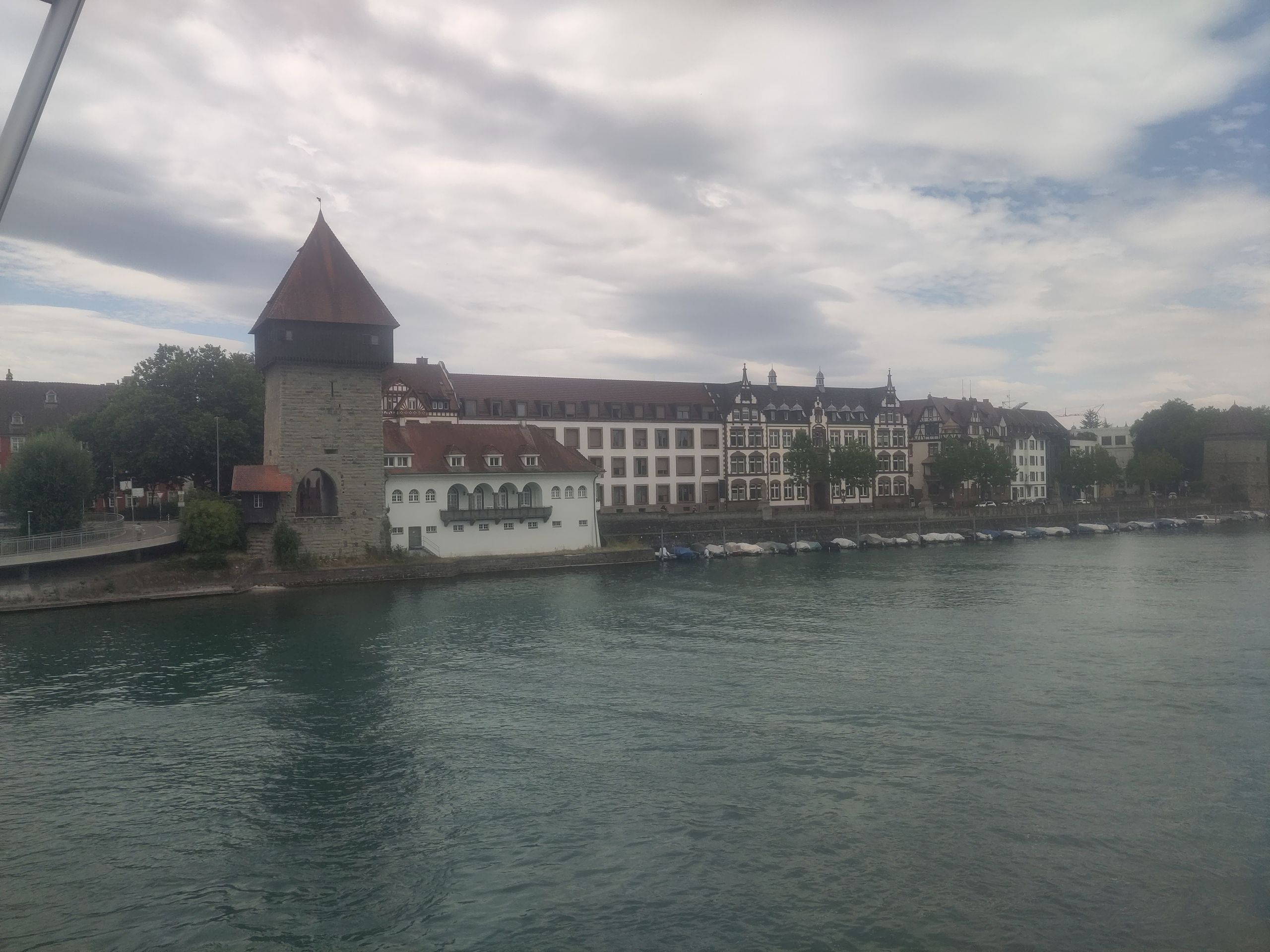
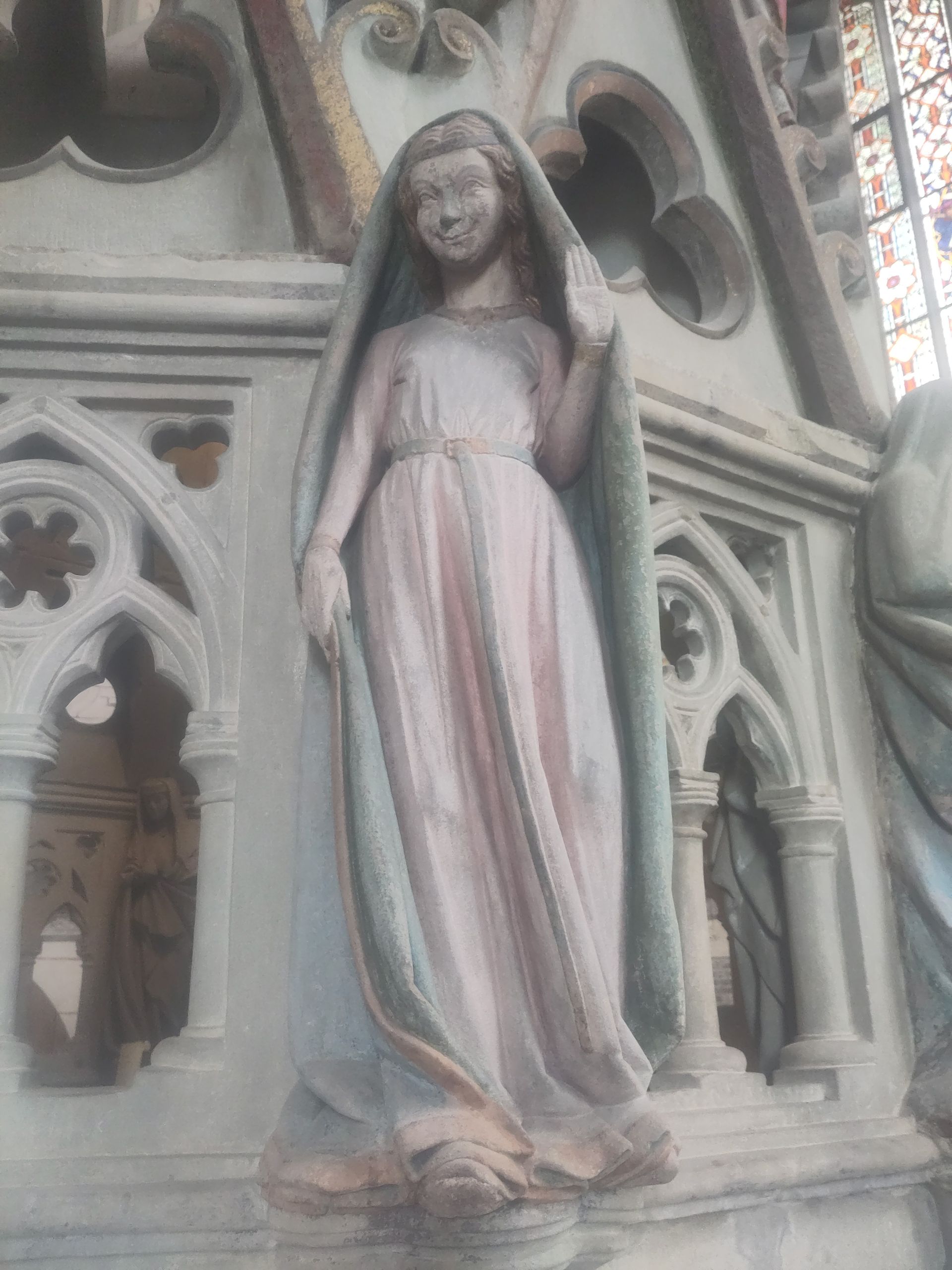
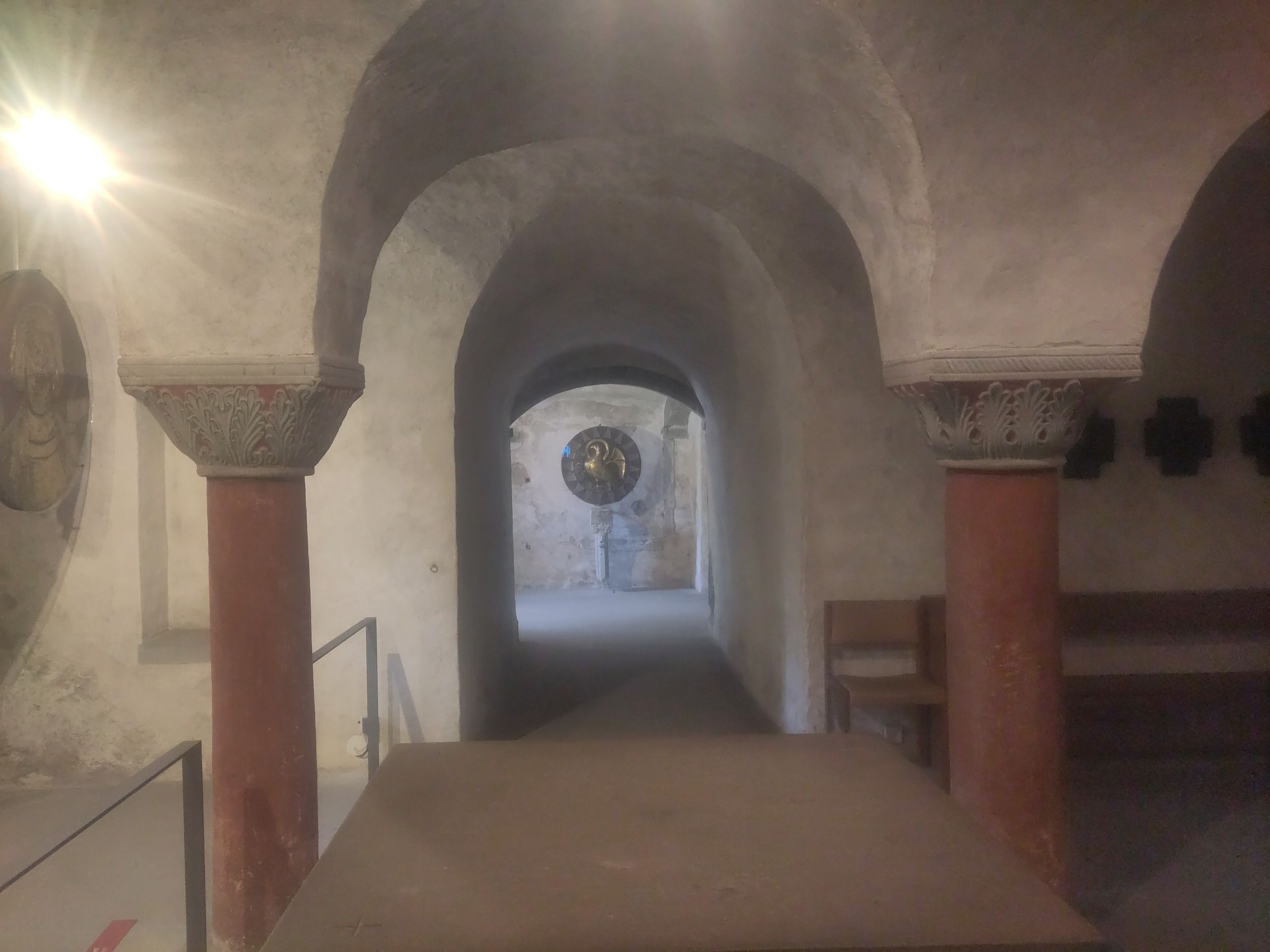
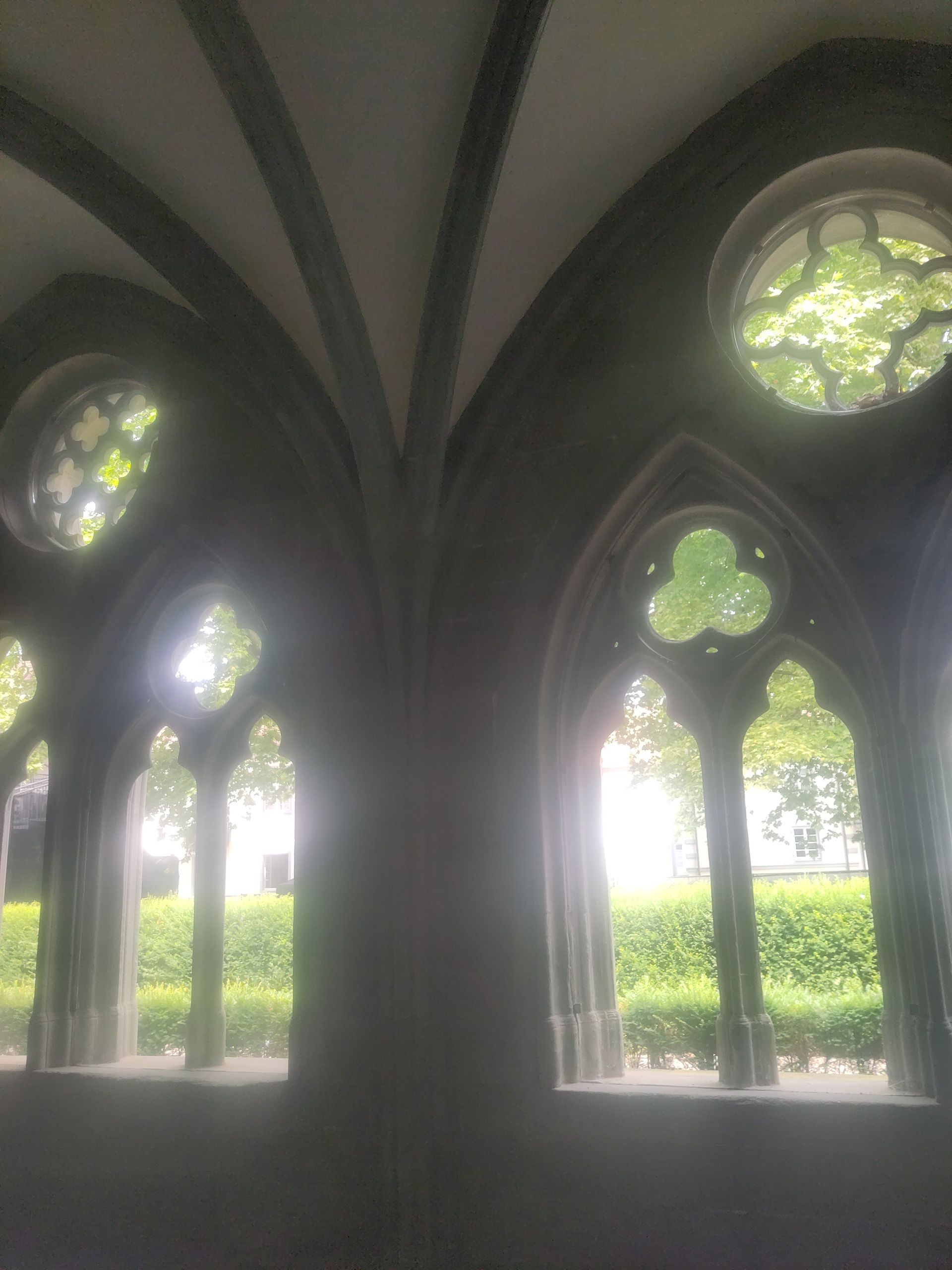
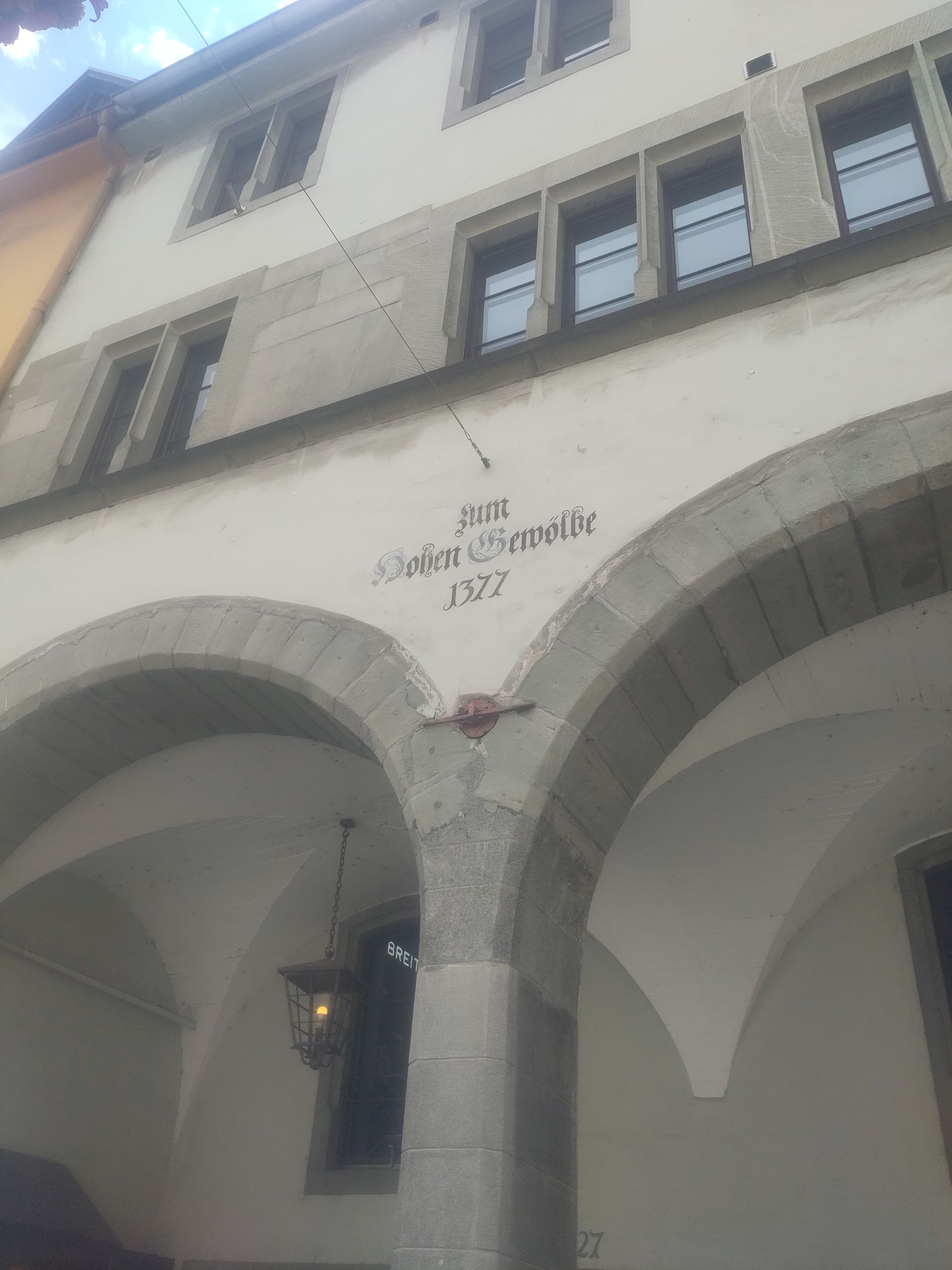
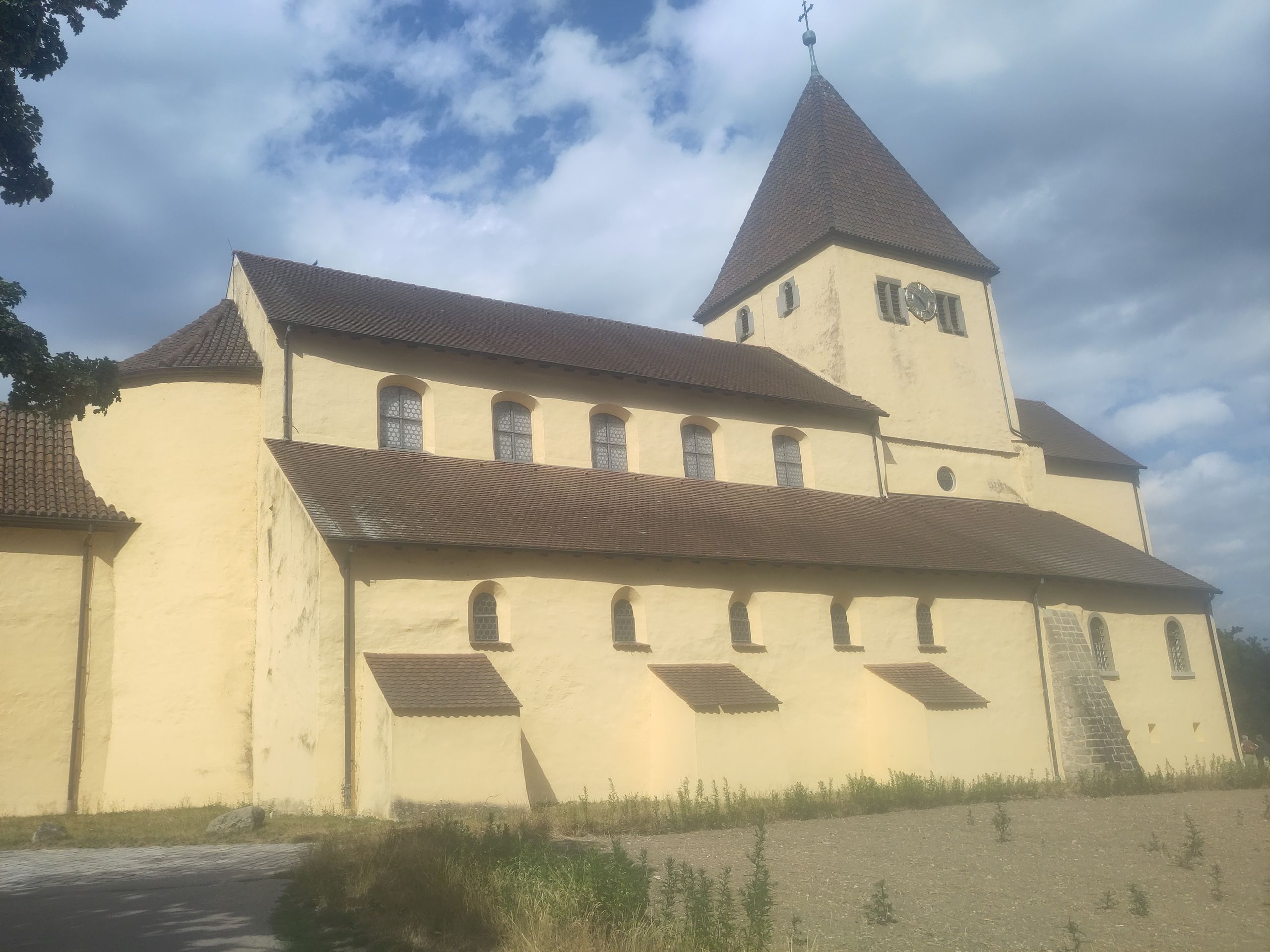
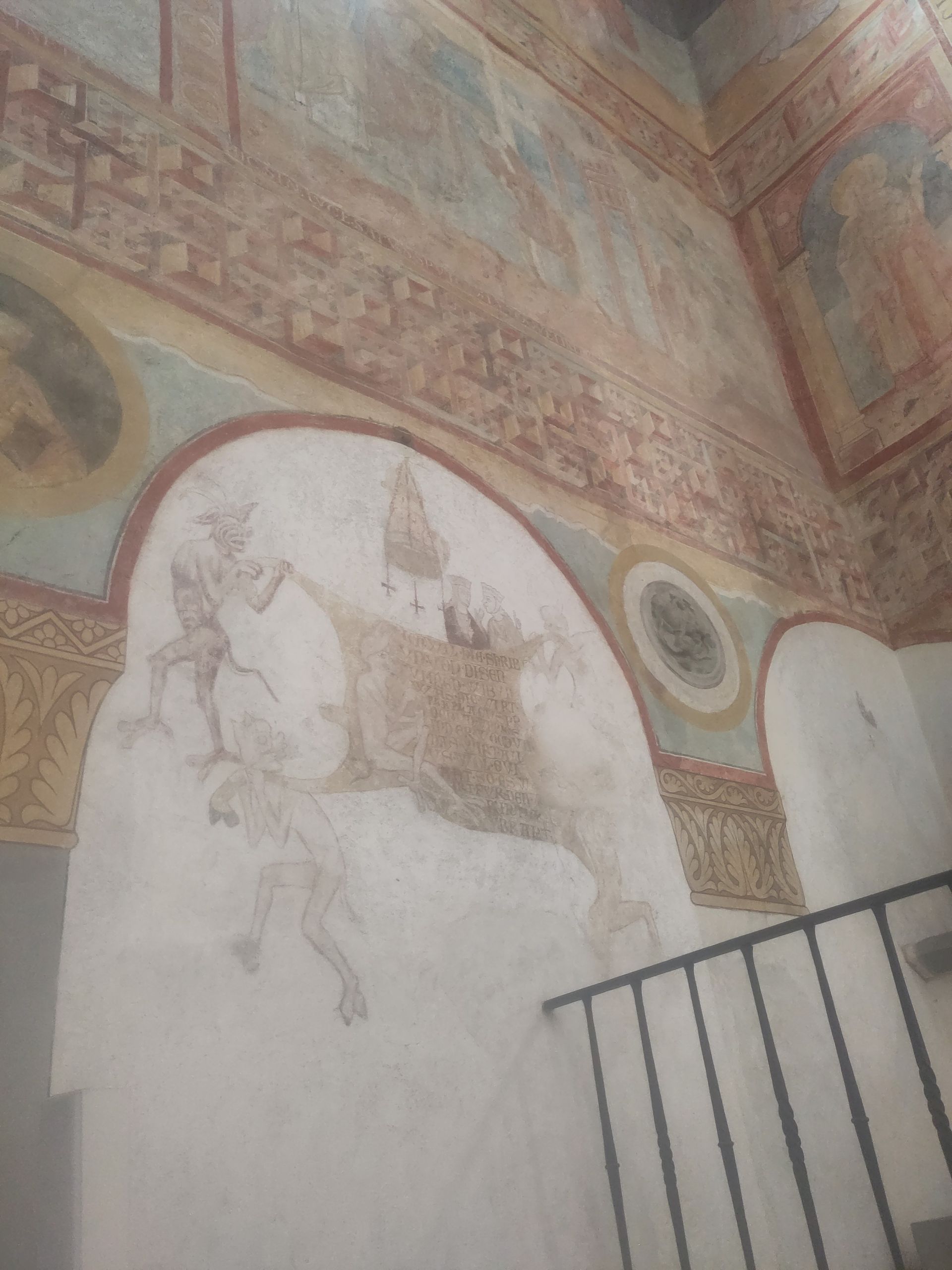
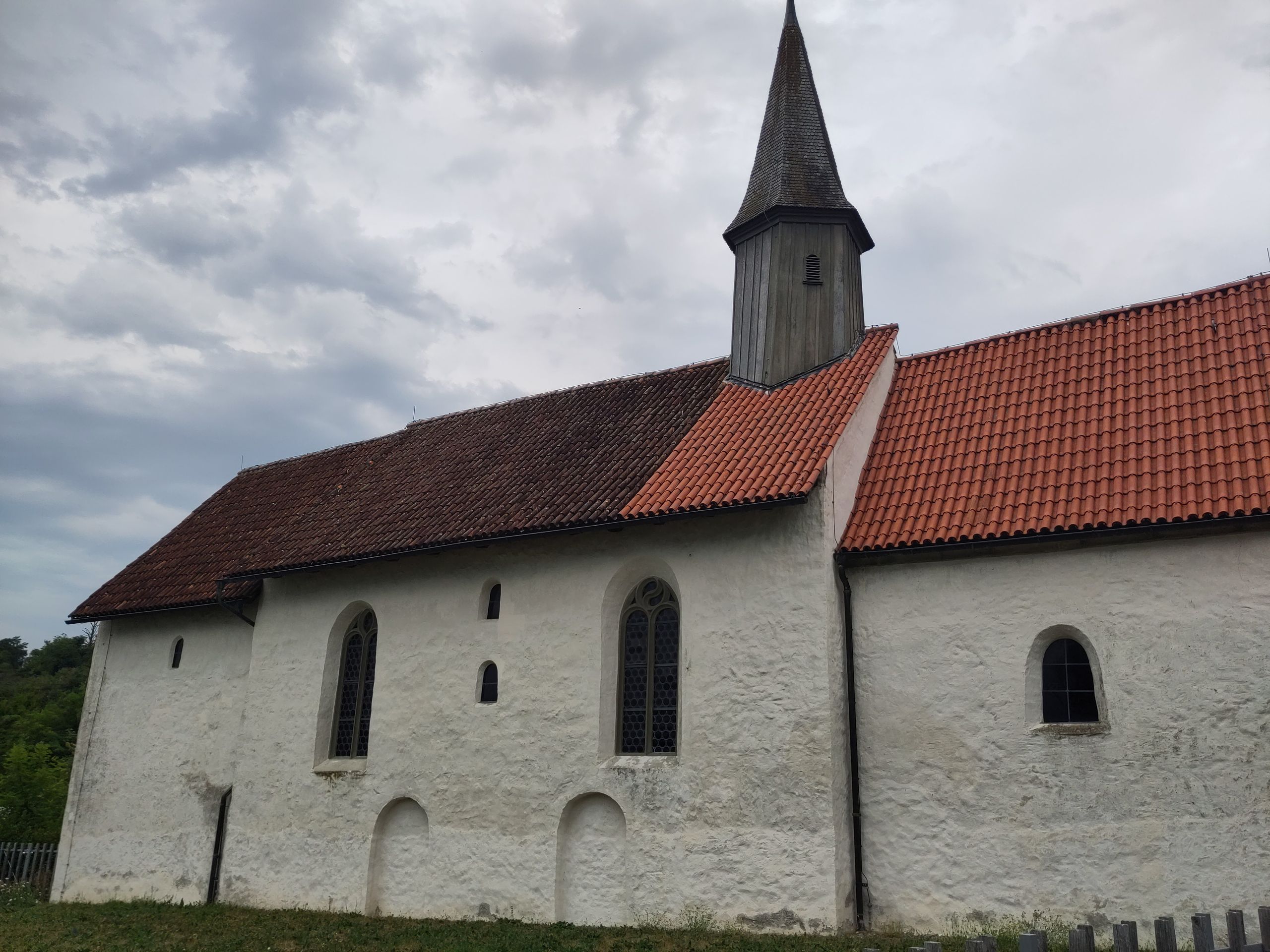
By now, it was once again 'Buen Camino!', I am back on the road, this time in Germany. With the view from the tower of Konstanz Cathedral 'Our Lady' and the reunion with the Gothic figures around the 'Holy Grave' from the 13th century, as well as the crypt beneath the actual church space. On the island of Reichenau, I visit St. George again, this Romanesque church with ancient wall paintings that date back to the 9th century, making it almost the only one from that time preserved north of the Alps for more than a thousand years! Especially the two gossiping women fascinate: a devil marks this sin on a cowhide. The two talk so much about others: that 'doesn’t hold water'...
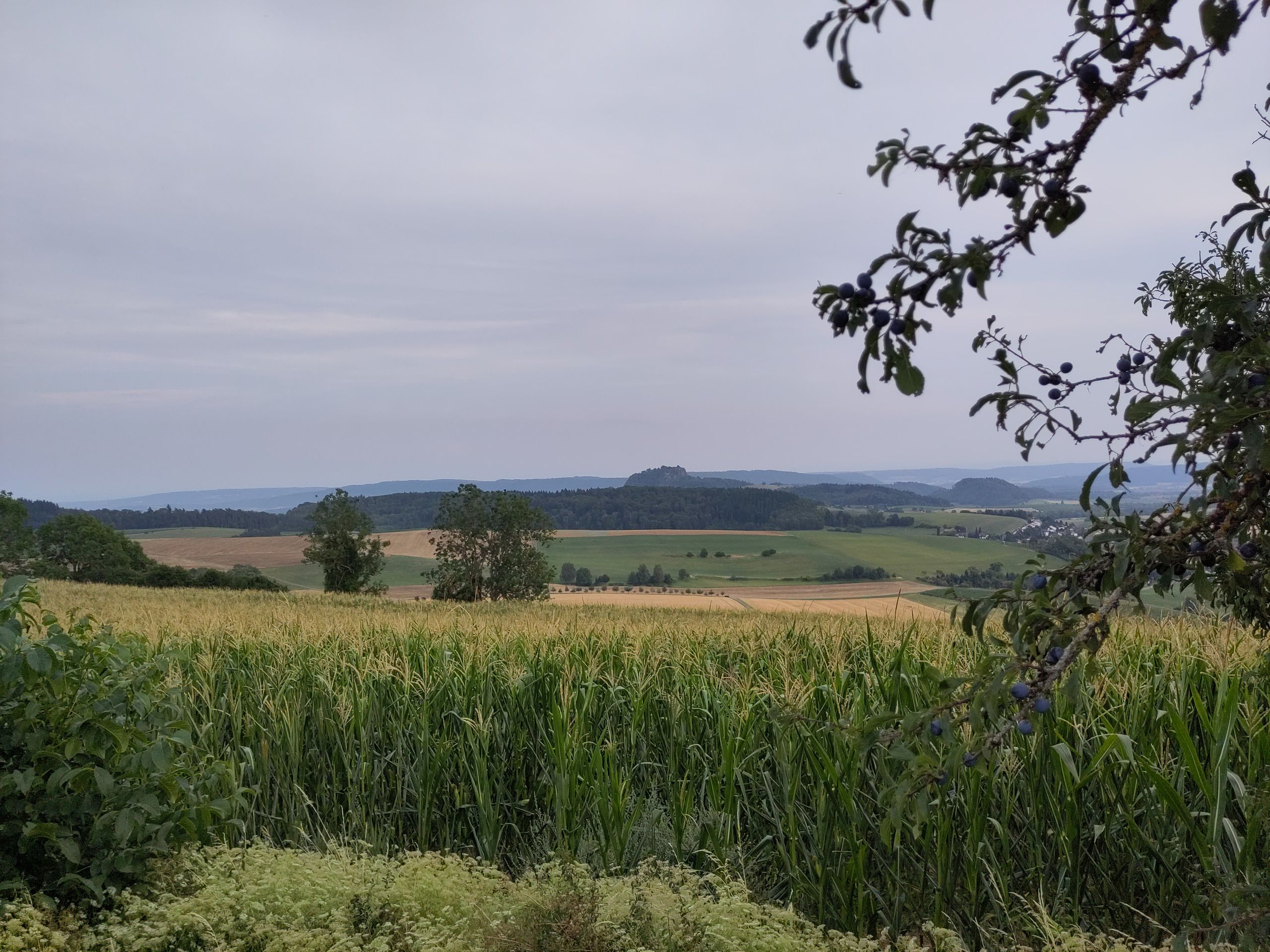
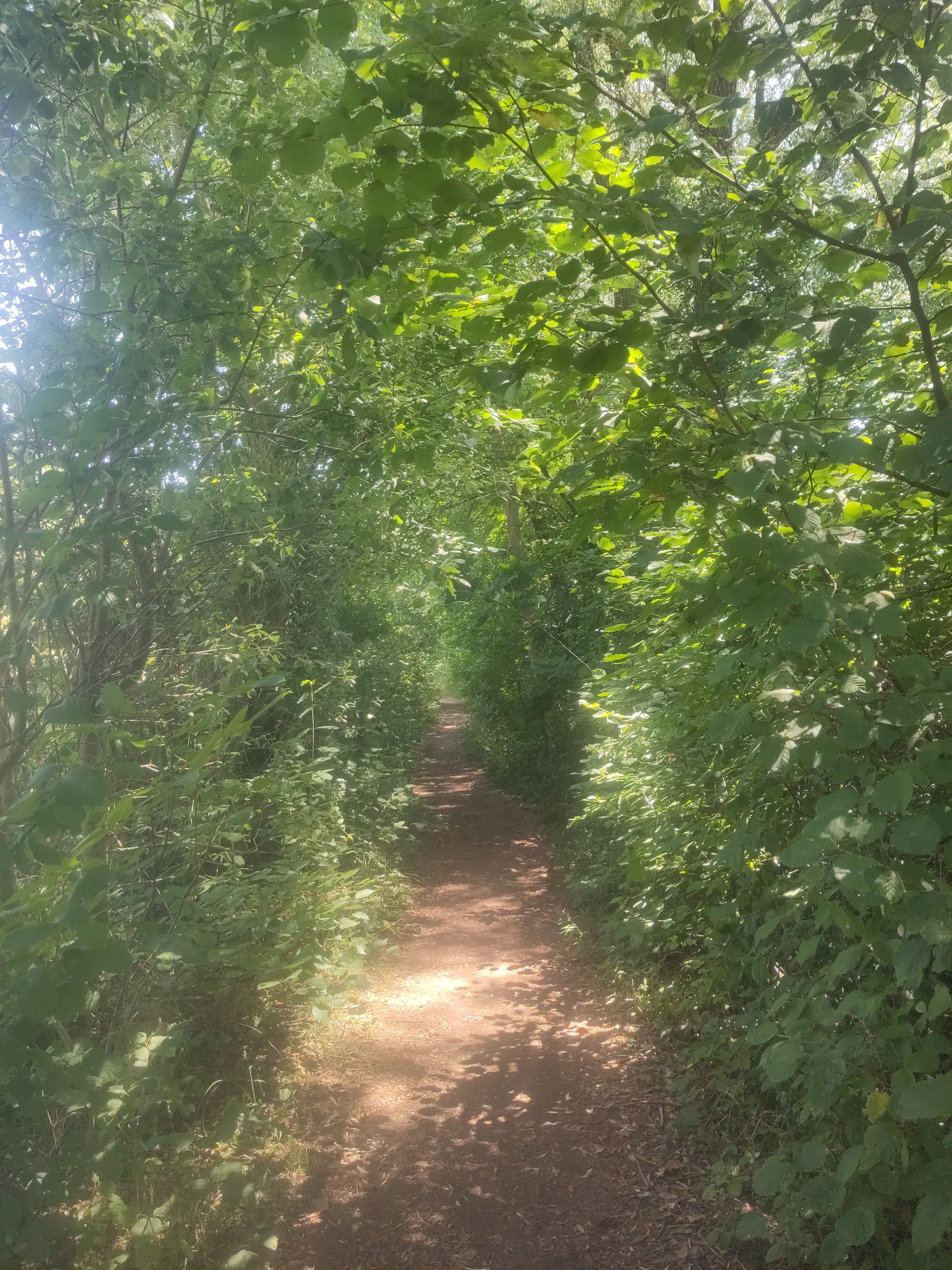
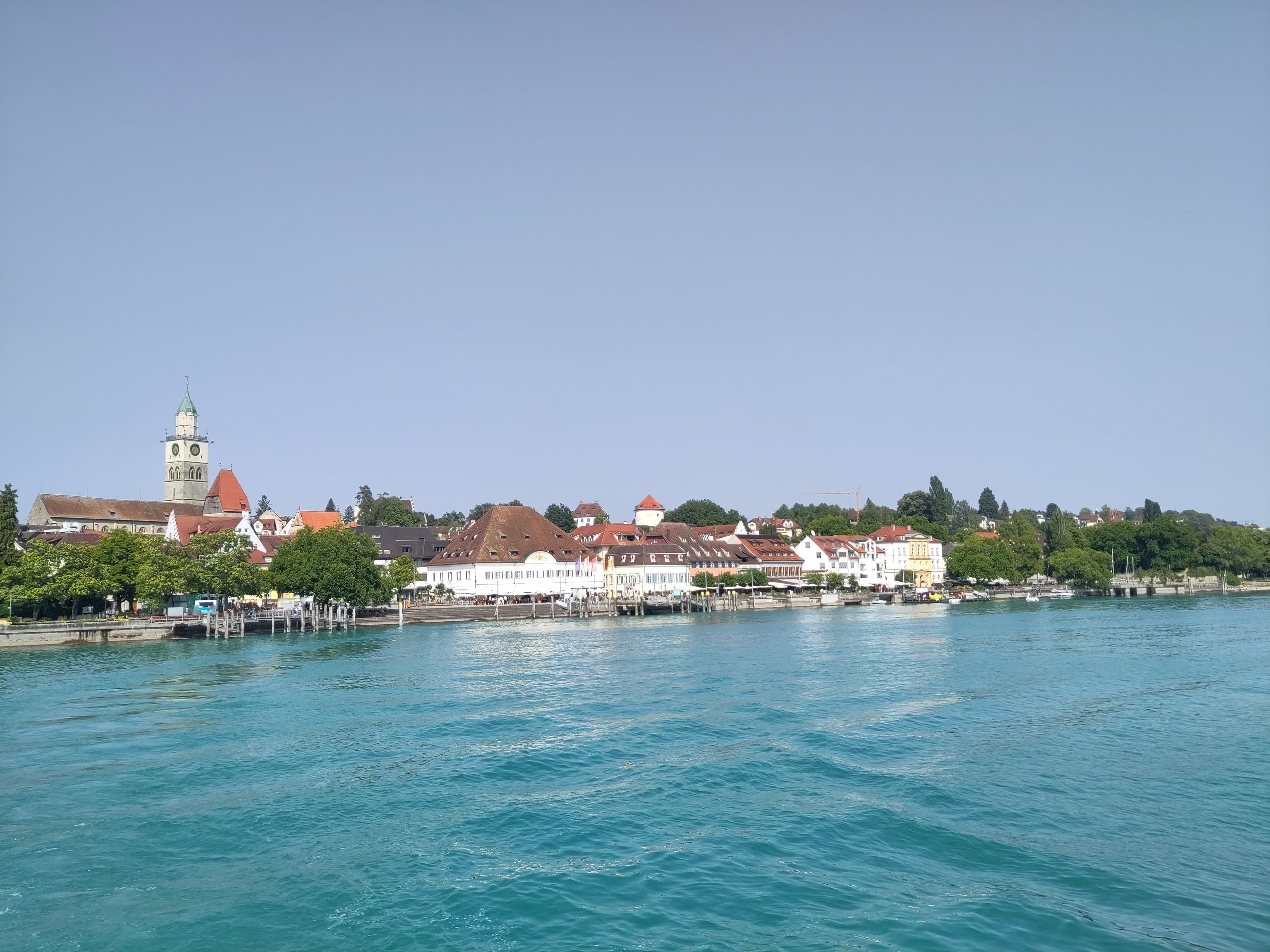
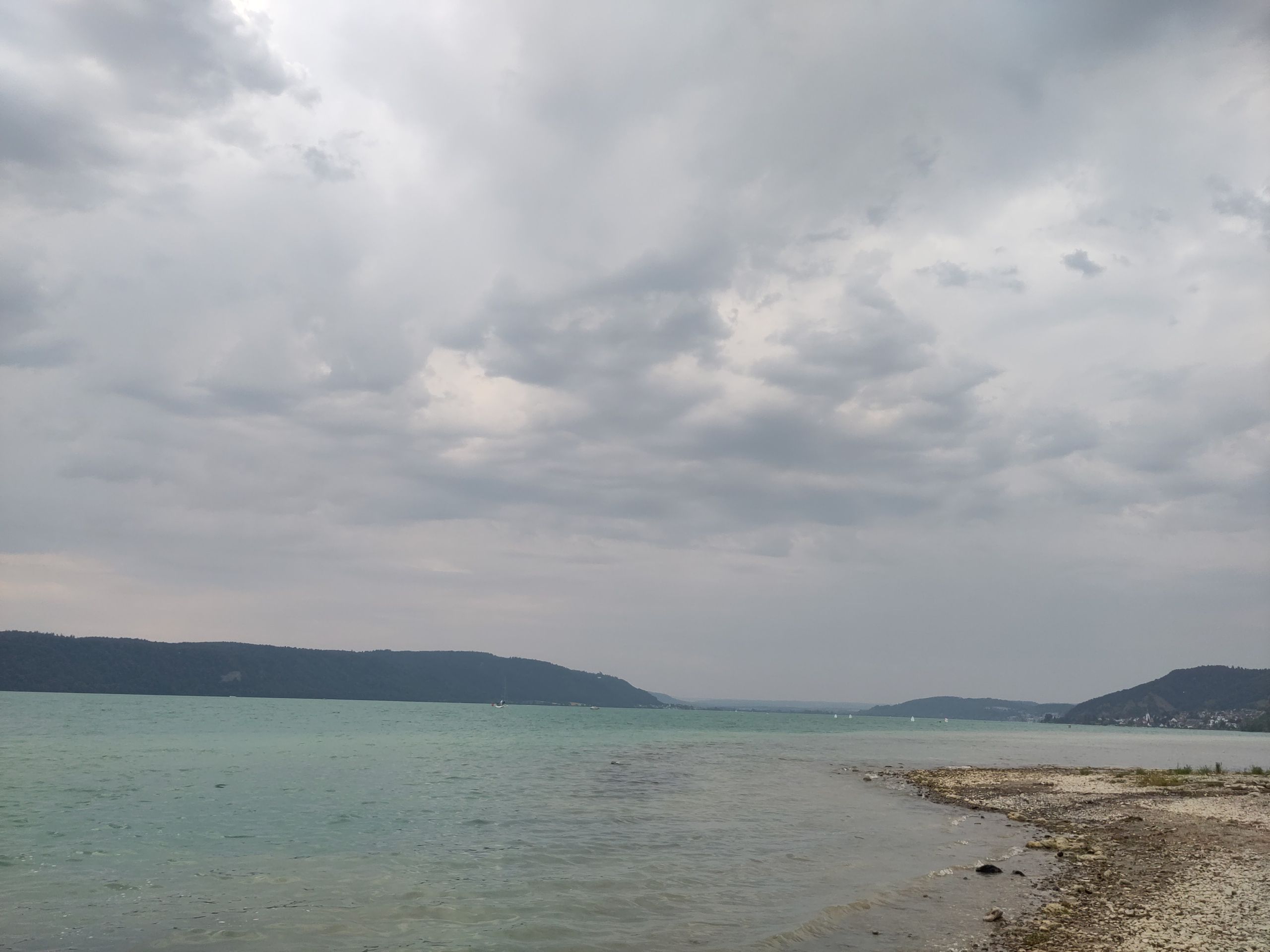
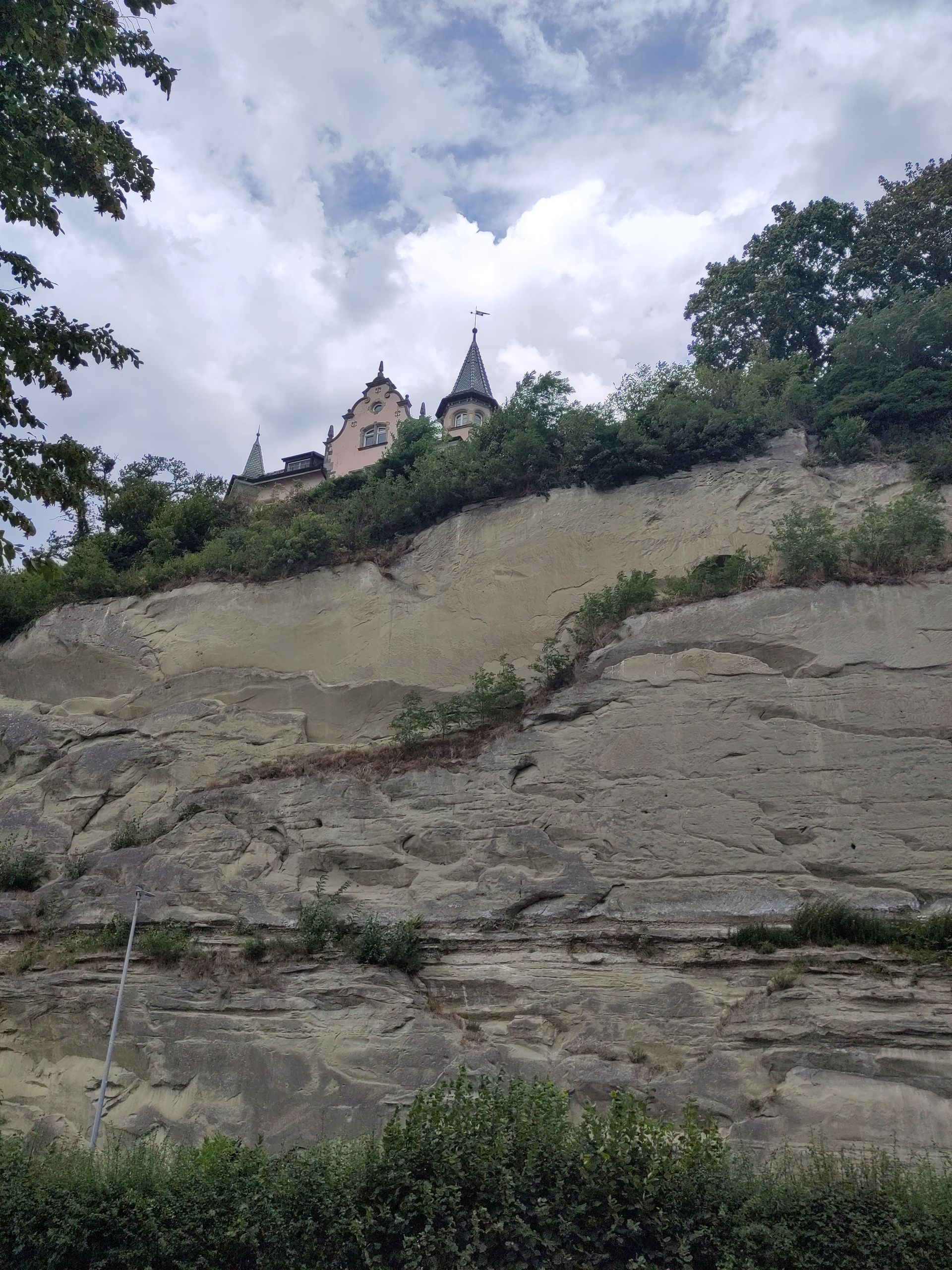
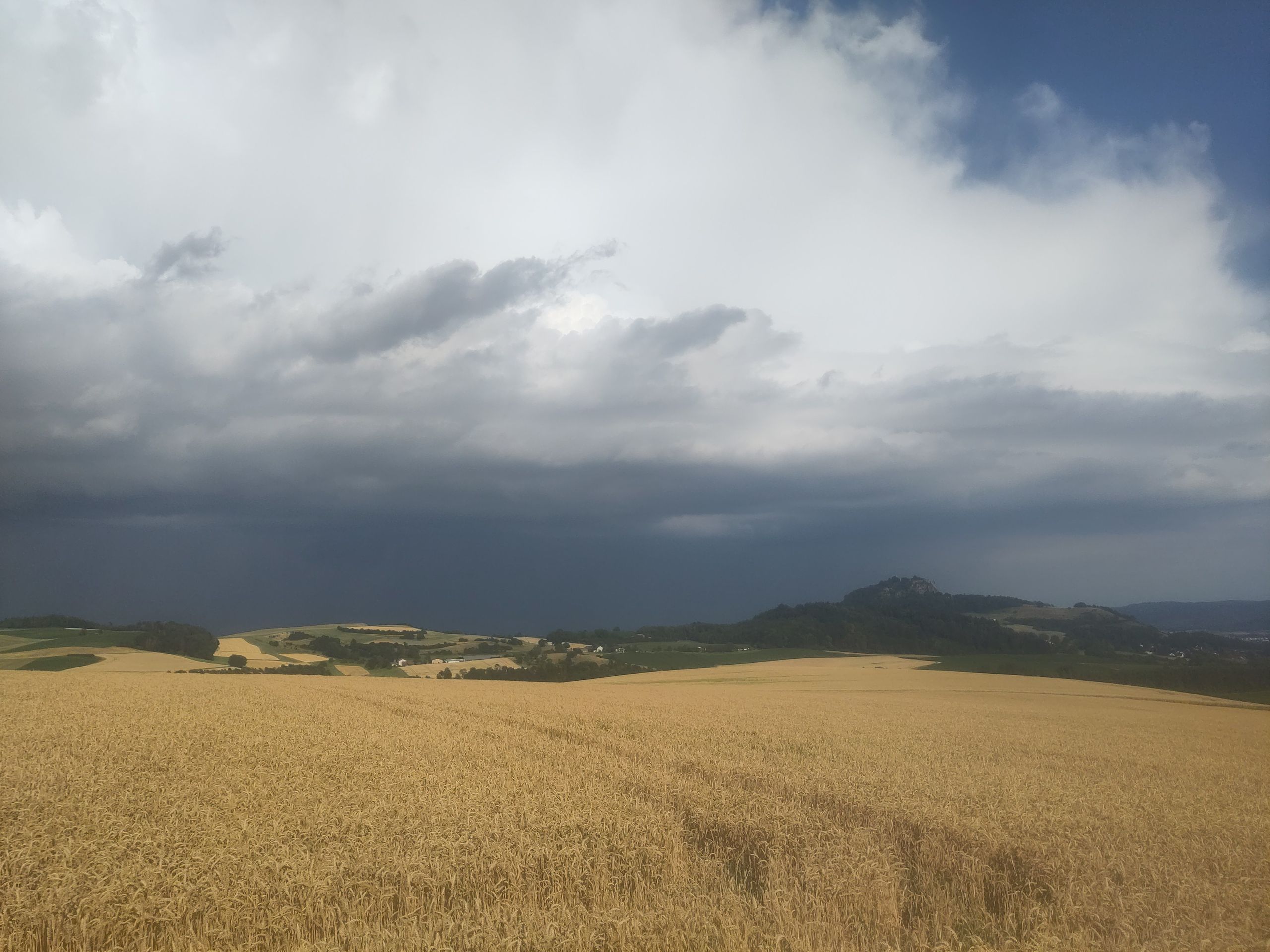
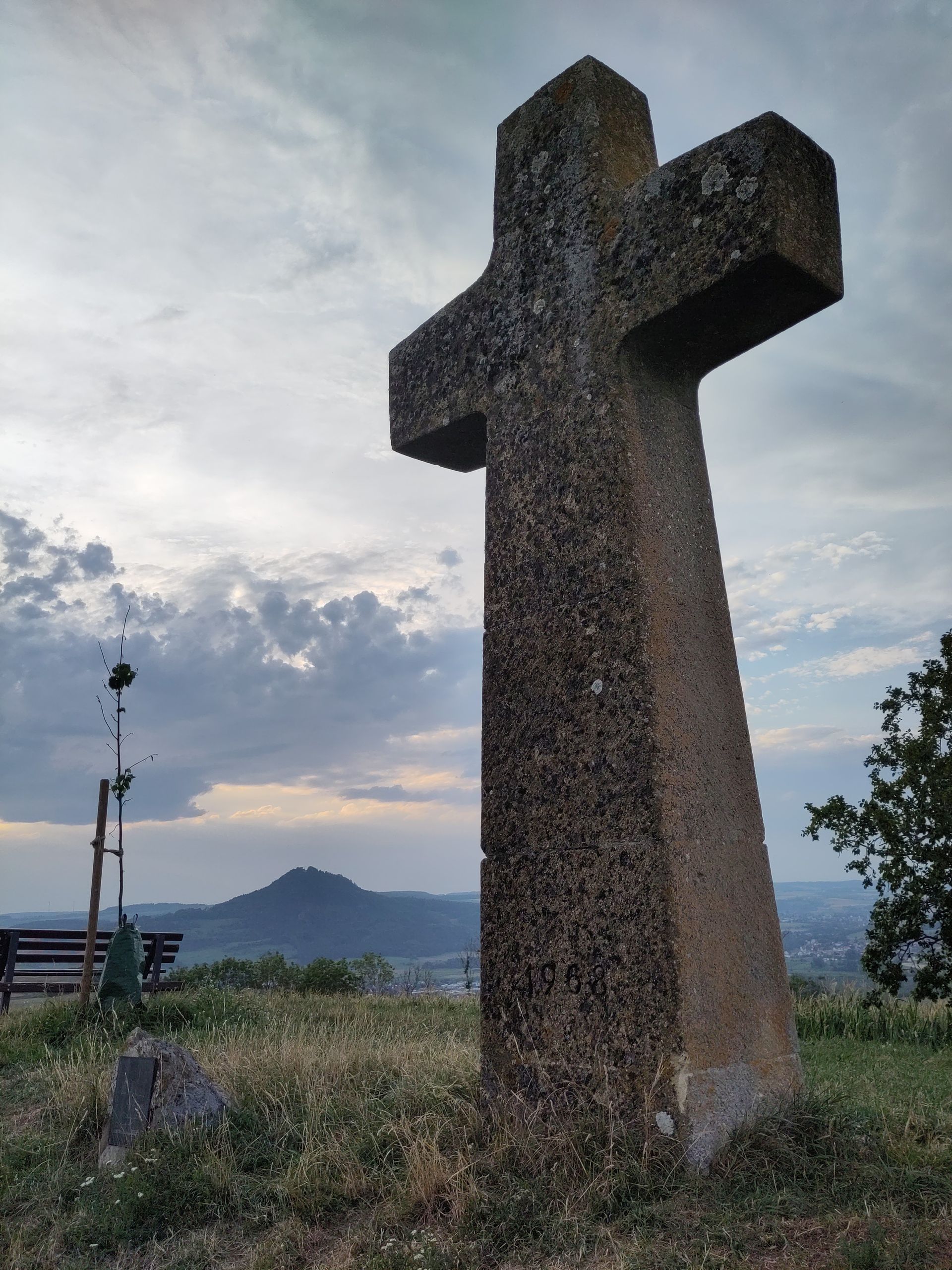
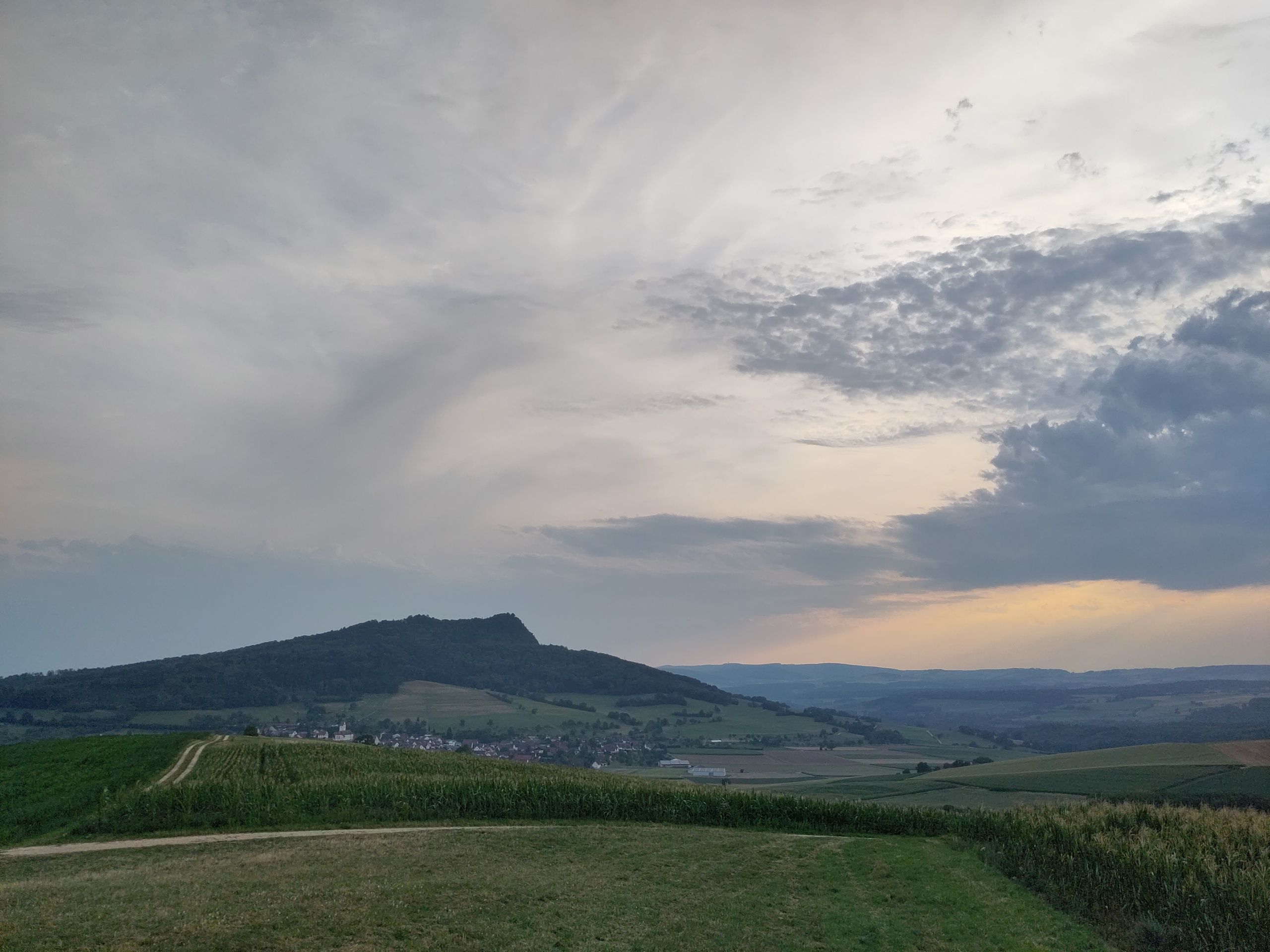
Shore paths; despite low water levels, continually swimming into the refreshing, clear waters of the lake; hiking over the Bodanrück, the wooded ridge that separates the Untersee from the Überlinger See; sailing on the lake towards the picturesque Überlingen and later walking on the 'Sipplinger Berg' high above the Überlinger See. Here, the glacier that shaped Lake Constance left steep walls of soft molasse sandstone. Here, I dash past the impressive 'glacier mill', a 10-meter-deep, almost circular 'hole' with a 20-meter diameter. Such glacier mills are formed by hard, grinding gravel in water eddies. In the meantime, the glacier mill here has largely overgrown, so its size or depth no longer seems as impressive as it did in the past - pity. Among the Seven Churfirsten, I am surprised by rain: everything smells so fresh! Again and again, there are violent thunderstorms. So I enjoy unique cloud and light moods while roaming in the Hegau volcanic landscape. On the way from Mägdeberg to Hegaukreuz, I encounter several hares and two playful deer. In the twilight of the evening, before the full moon rises big and reddish, the hunters take their positions in sitting stands around the corn fields: here the wild boars cause too much damage and should be 'discouraged'.
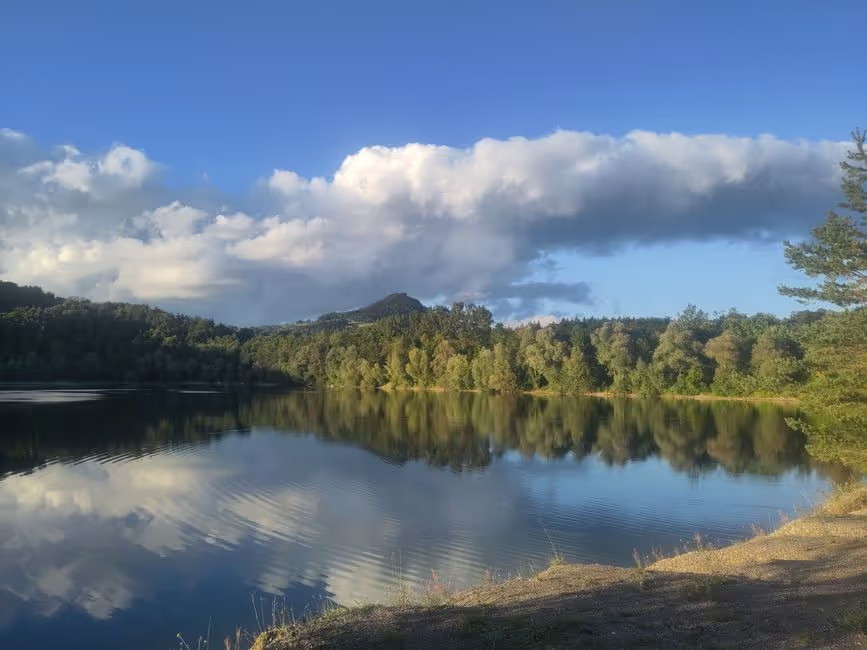
The summit of Höwenegg has been completely dismantled, so now a low-lying green-blue crater lake is to be admired. Along the Danube, all meadows were underwater in winter; now they are mowed and dry. From Windegg-Wittoh (almost 900 m high), the view expands over Lake Constance (unfortunately at this time of year without the view of Alpine peaks), into the Hegau, to the Black Forest and to the Swabian Jura. Around Emmingen, old 'plague crosses' stand at four places and remind of the dark times in the 17th century when the plague raged here during the Thirty Years' War. Deeply grateful, I continue towards Tuttlingen, glad not to have to be here in the 17th century!