

Bars and Temples in Hua Hin
Drive from Battambang in Cambodia across the Thai border to Pattaya, then to Hua Hin. There we play pool billiards in the bars and visit temples and nature reserves.
Published: 29.04.2026
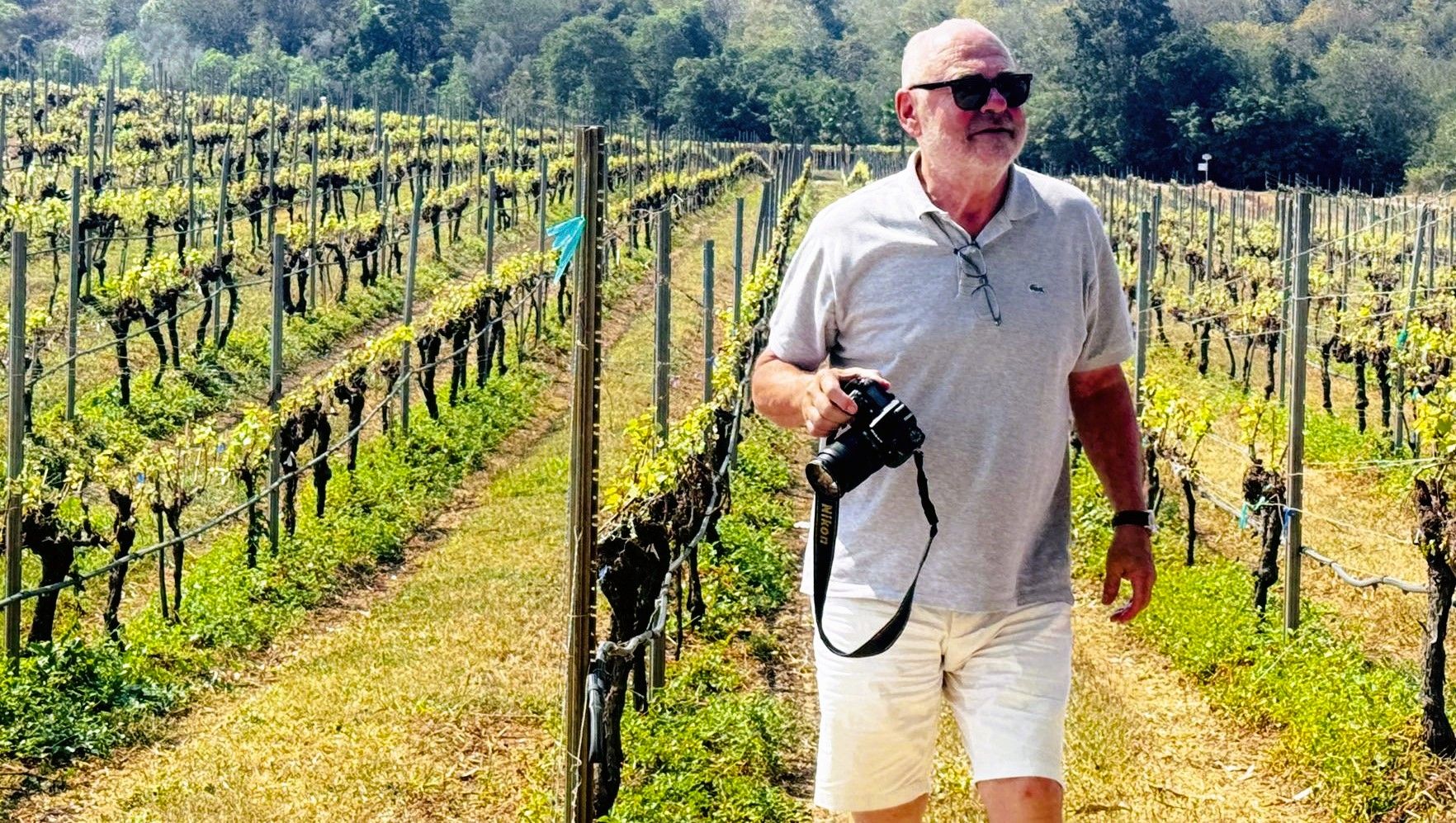
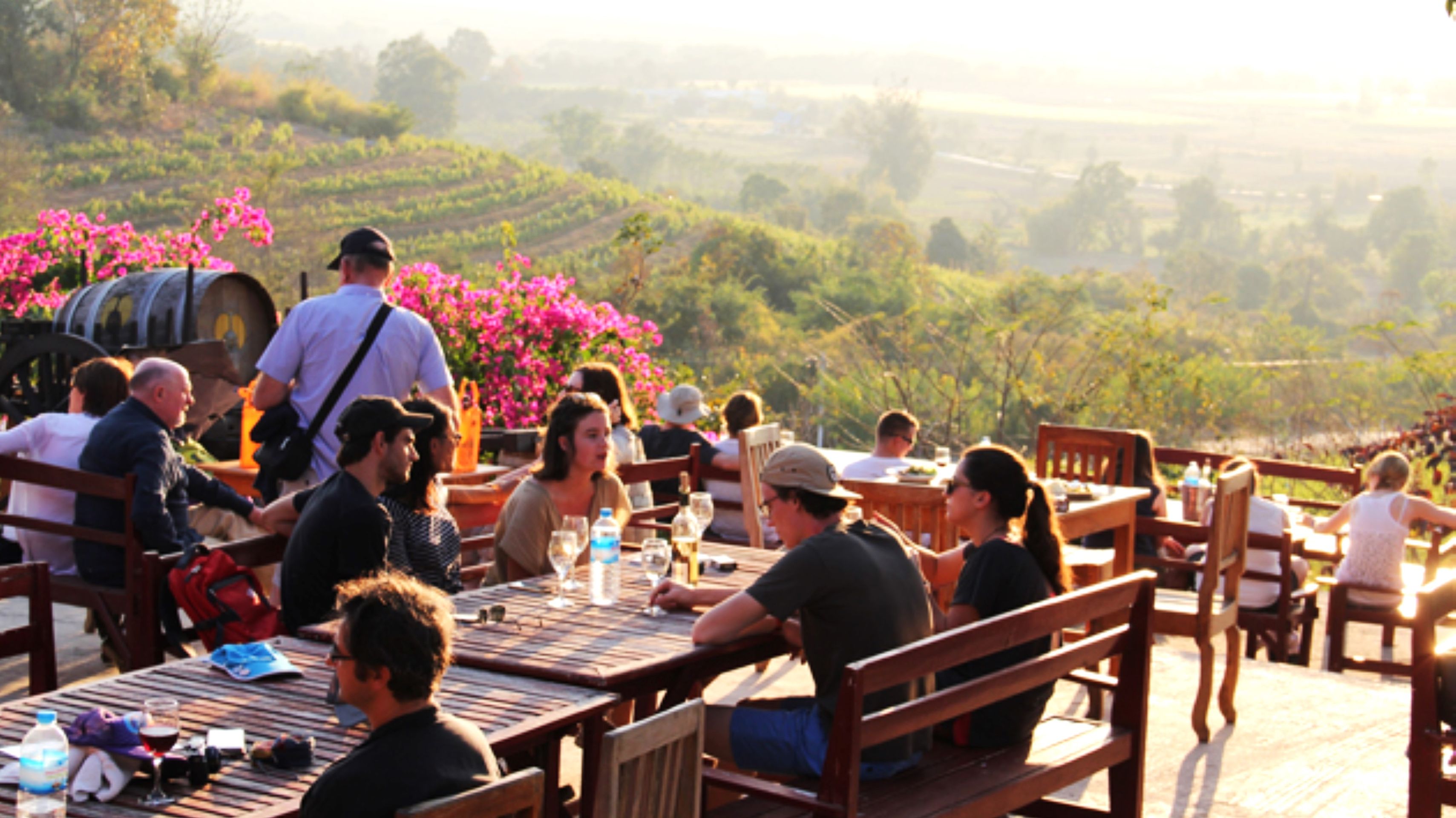
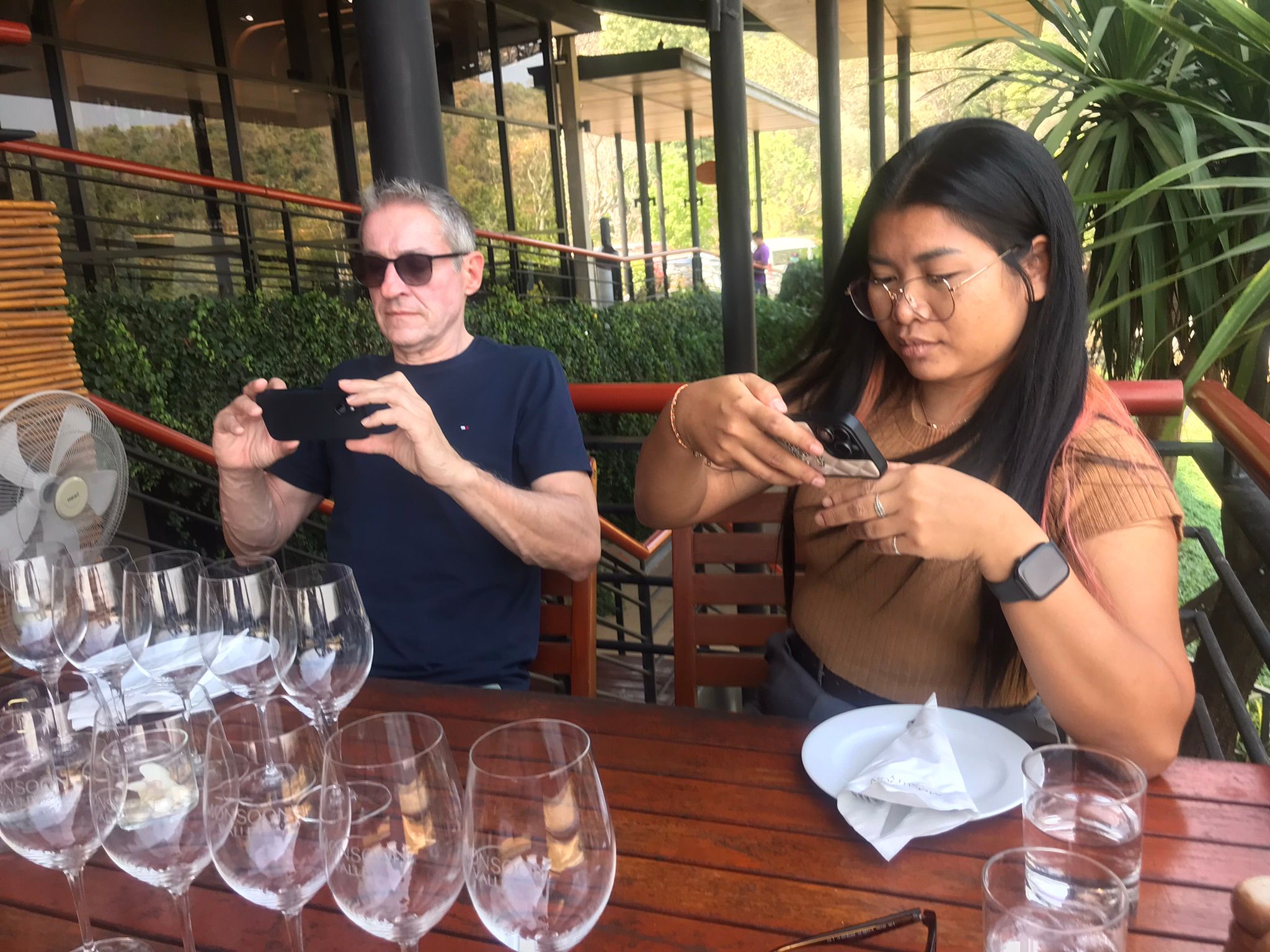
From Hua Hin, I visited the Monsoon Valley Winery in January 2025 with Suthima, who runs a bar in the holiday resort, and my friend Michel from Freiburg (Switzerland). Wine production in Thailand? This reminded me of other wineries far from well-known regions that I have visited over the years.
For instance, on the Channel Island of Jersey, which is at the same latitude as Normandy. For over 50 years, La Mare Wine Estate in the parish of St. Mary on Jersey has been producing wines of remarkable quality. The locals think it's nothing special: The first vines were planted on the island nearly 250 years ago.
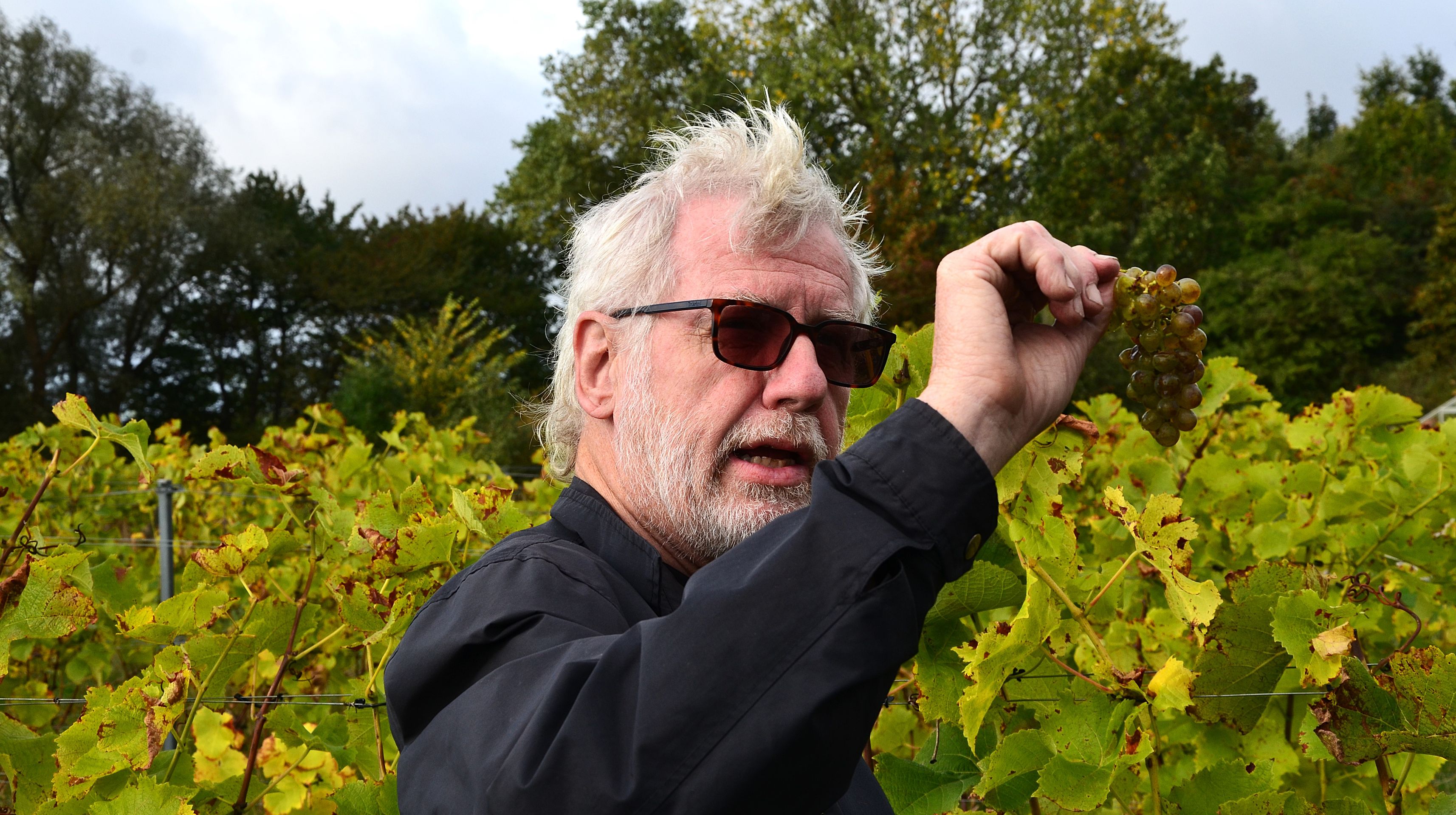
Or in the southern Swedish province of Skåne, geographically still about 700 km north of Jersey: In Anderslöv near the major city of Malmö, Lotta and Håkan Hansson operate the Hällåkra Vingård. Håkan has been managing the farm for five generations. However, his father practiced traditional agriculture, and Håkan made his money as a banker in Stockholm. “The winery is the product of my midlife crisis,” he laughs.
About twenty years ago, Lotta and Håkan started with 700 vine stocks; Hällåkra Vingård now produces about 15,000 bottles of sparkling wine, rosé, red, and especially white wine.
I was even more surprised to find two wineries at Inlé Lake in Myanmar (formerly Burma): The Red Mountain Estate Vineyards & Winery was founded in 2003 by Swiss Serge Heymoz, who has planted over 400,000 vines from France, Spain, and Israel over the years. In 2006, the first 1,000 bottles of white and red wine were bottled; it is now around 120,000 bottles annually for which Red Mountain has received numerous international awards.
Even older is the Aythaya Vineyard, founded in 1997 by Bert Morsbach from Düsseldorf. Morsbach recounted that he stumbled into winemaking: “I was growing organic basmati rice in Myanmar. In 1997, the Minister of Agriculture decided to hand over my business to one of his buddies. Instead of returning to Thailand, where I had previously lived, I decided to grow wine.” Morsbach became the first wine producer in Myanmar.
While the wine production on the island of Jersey owes its existence to the mild climate brought by the Gulf Stream, that in Myanmar to the pioneering spirit of enthusiasts, and that in southern Sweden to global warming, it is surprising to find a thriving wine production in tropical Thailand, where temperatures and humidity are generally too high.
The Richest Thai
With a gross domestic product of about $7,000 per capita – slightly more than neighboring Vietnam and slightly less than neighboring Malaysia – Thailand is not a poor country anymore, but it is not rich either. Most people have to scrape together a living.
Chalerm Yoovidhya (74) does not need to worry, however. His fortune was reported by “Forbes” in 2024 to be $36 billion, making him the richest Thai. He accumulated this wealth, among other things, thanks to Red Bull GmbH, based in Fuschl am See near Salzburg, which he owns 51% of and which recorded an operating profit of more than two billion euros in 2025.
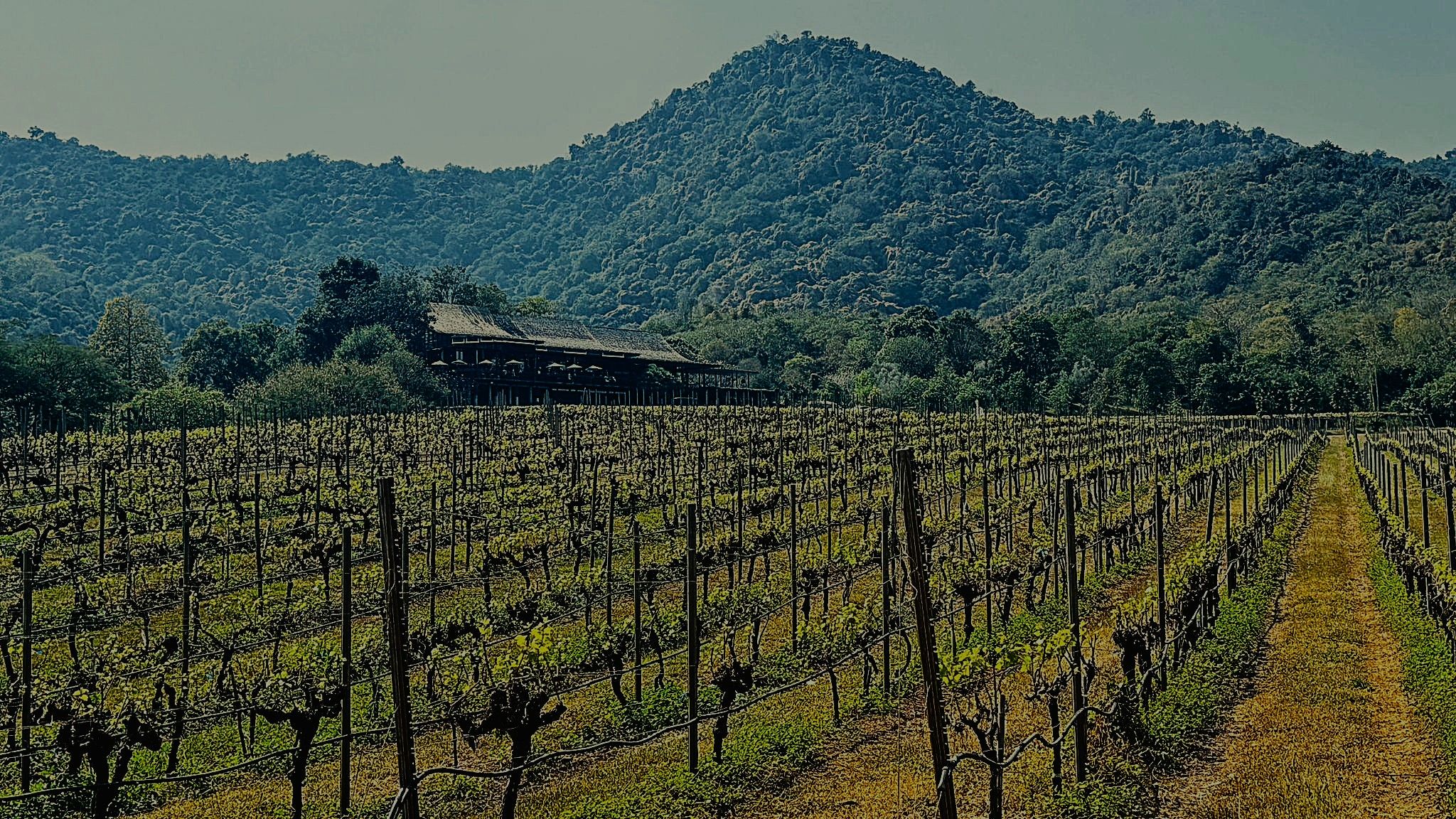
Chalerm Yoovidhya, however, is passionate not about energy drinks but about wine. He has had the vision of “creating a Thai wine culture,” he explains. He had the first vineyard planted in Central Thailand in 2001, and after a surprisingly successful trial phase in Hua Hin, he bought the 245-hectare former elephant facility Boon Khok Chang and had grapes of the varieties Shiraz, Merlot, Chenin Blanc, Colombard, Cabernet Sauvignon, Sauvignon Blanc, Sangiovese, and Solis planted there.
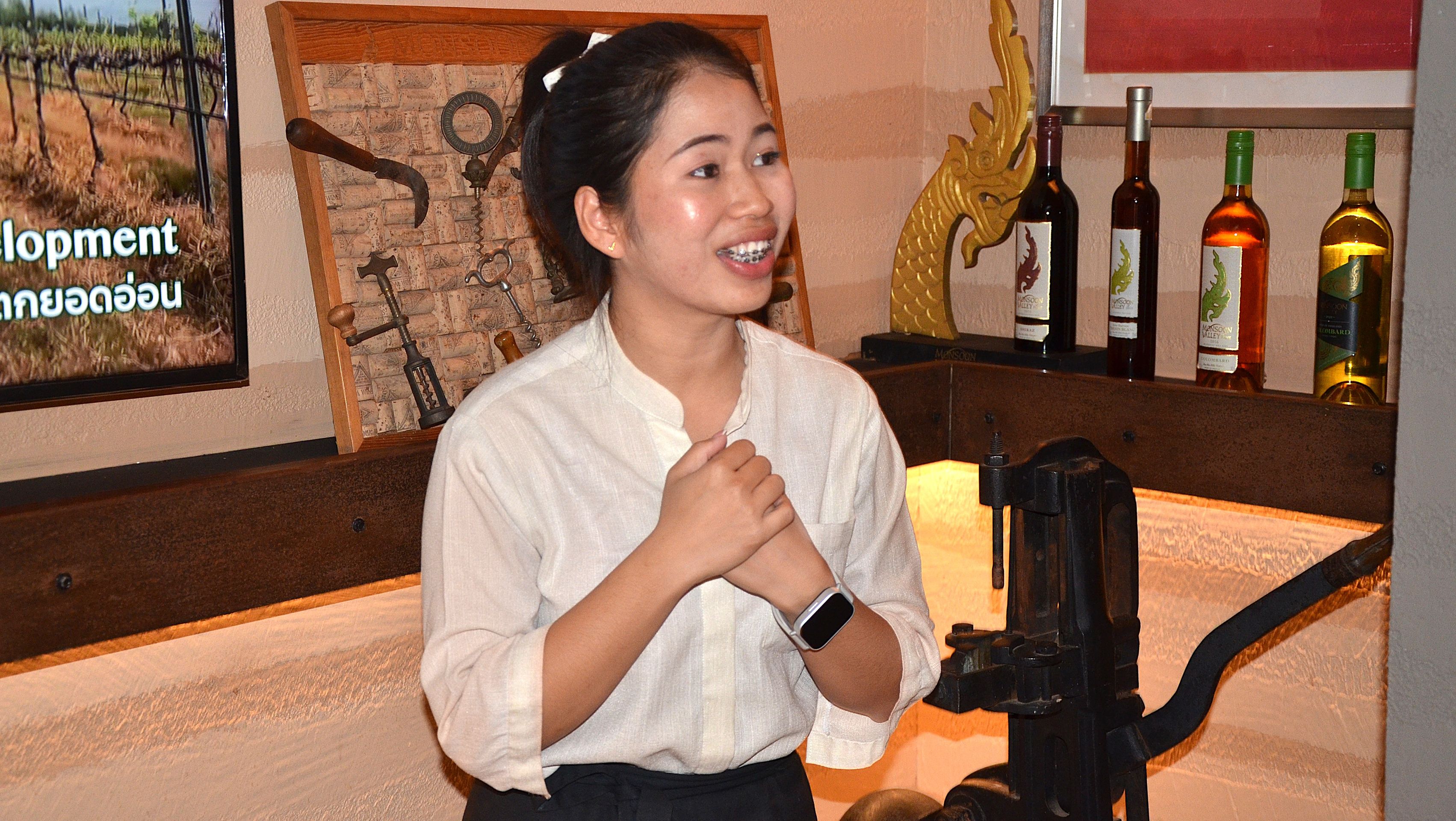
Strangely enough, the white wine variety Solis also grows at Hällåkra Vingård in Sweden, nearly 5000 km north of Hua Hin; it is considered to be particularly cold-resistant. Shiraz is also cultivated in the vineyards in Myanmar, as well as the German variety Dornfelder. “Only Sangiovese was unsuitable for Monsoon Valley,” says Poi, who guides us through the vineyards. The vines typical of Tuscany had to be torn out again; it was too moist for them.
“Almost twenty years after starting, we are proud to produce the internationally most awarded Thai wine,” says Chalerm Yoovidhya. However, it hasn’t been without setbacks: During our visit in January 2025, the vines were supposed to be filled with grapes, as the grape harvest is at the end of February, beginning of March. But they were empty. Exceptionally heavy rains had hindered the ripening of the grapes, explains Poi. The harvest will now be done later.