

Malaysia's many gods
In Malaysia, various religions coexist relatively conflict-free. However, the influence of Islam is also increasing here.
Published: 04.05.2026
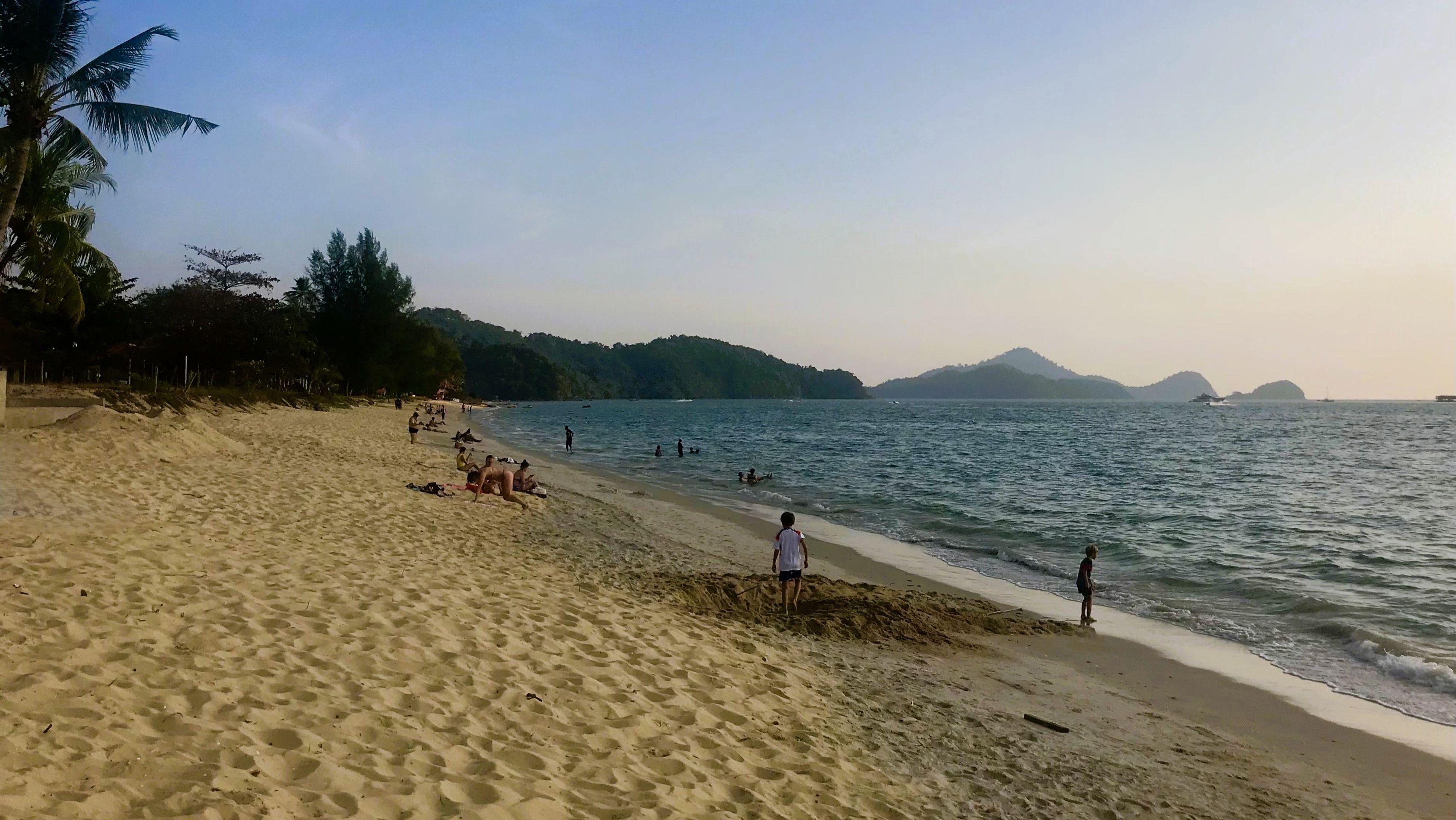
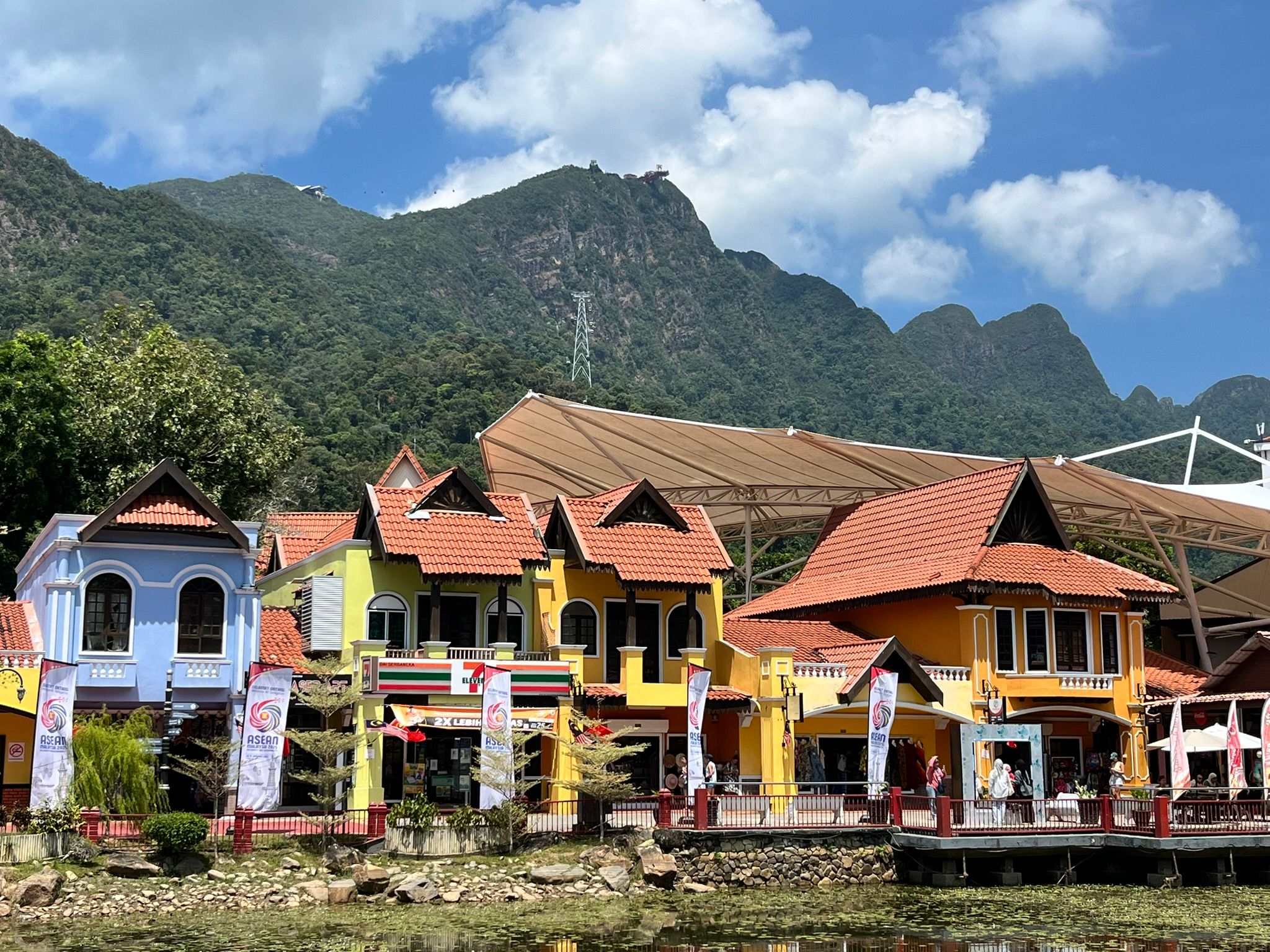
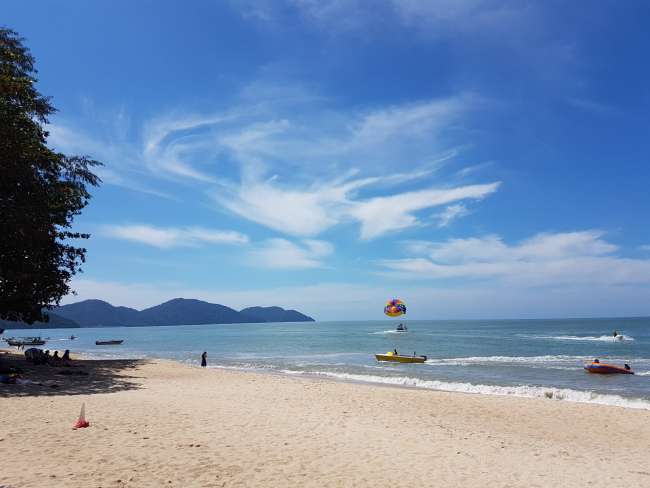
After intense weeks filled with experiences in Penang, Kuala Lumpur, Ipoh, Cameron Highlands, and Malacca, I needed a few beach days to slow down. I could have flown to Langkawi, but in late February 2025, I took an air-conditioned coach from the modern bus terminal Penang Sentral, traveling 150 kilometers north toward Alor Setar to Kuala Perlis. However, at the harbor there, where we were to board the car ferry to the island of Langkawi, there was initially quite a bit of chaos.
This was all the more surprising since my trip through Malaysia had been extremely orderly so far, especially regarding the buses: they leave more than on time, often arriving earlier than scheduled, and sometimes even the seats are reserved. But here, at the ferry terminal in Kuala Perlis, they decided to create artificial hustle, not to speak English, and to rush tourists from one counter to the next.
Eventually, we set off on the gentle waves of the road from Malacca. After a two-hour journey spent in the company of two young Swiss women, one a medical assistant and the other a manager of several hair salons, the first islets before Langkawi appeared.
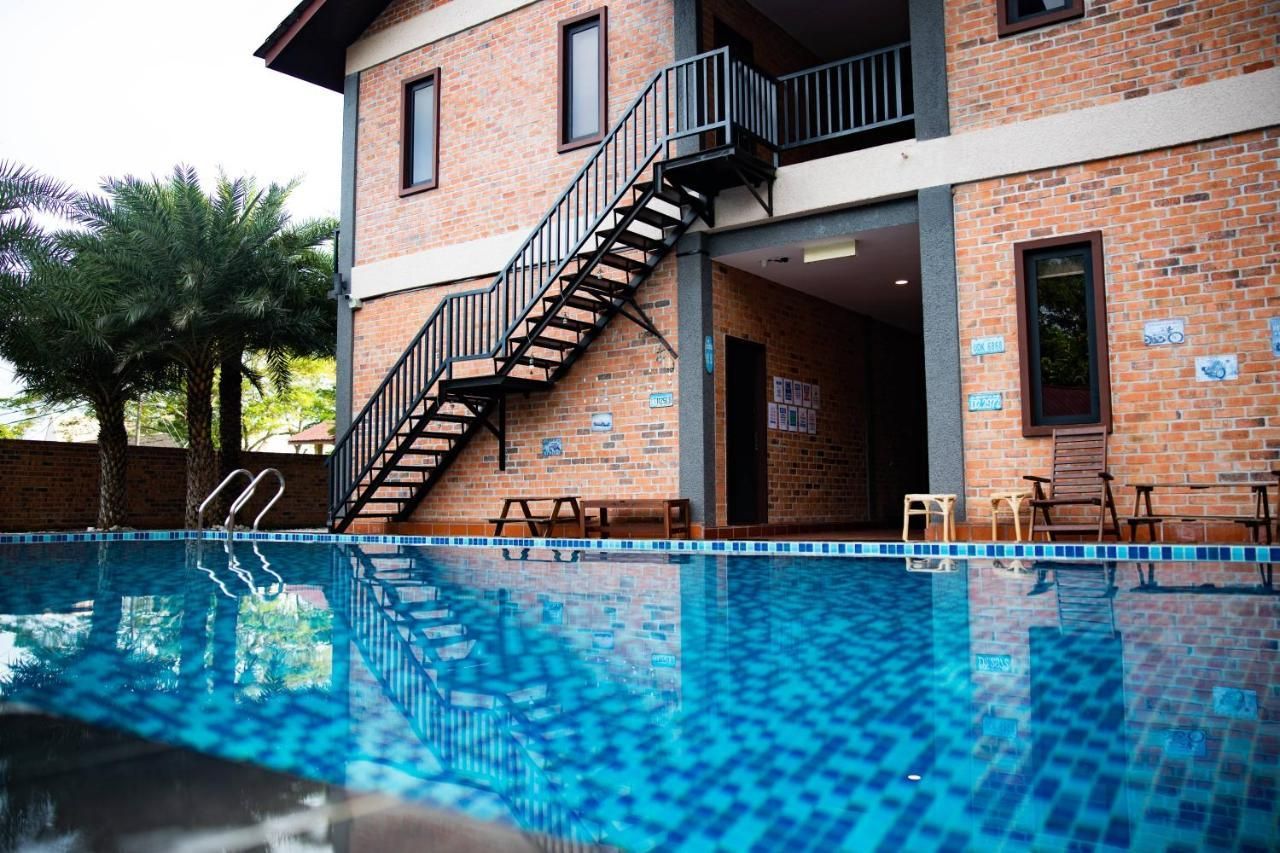
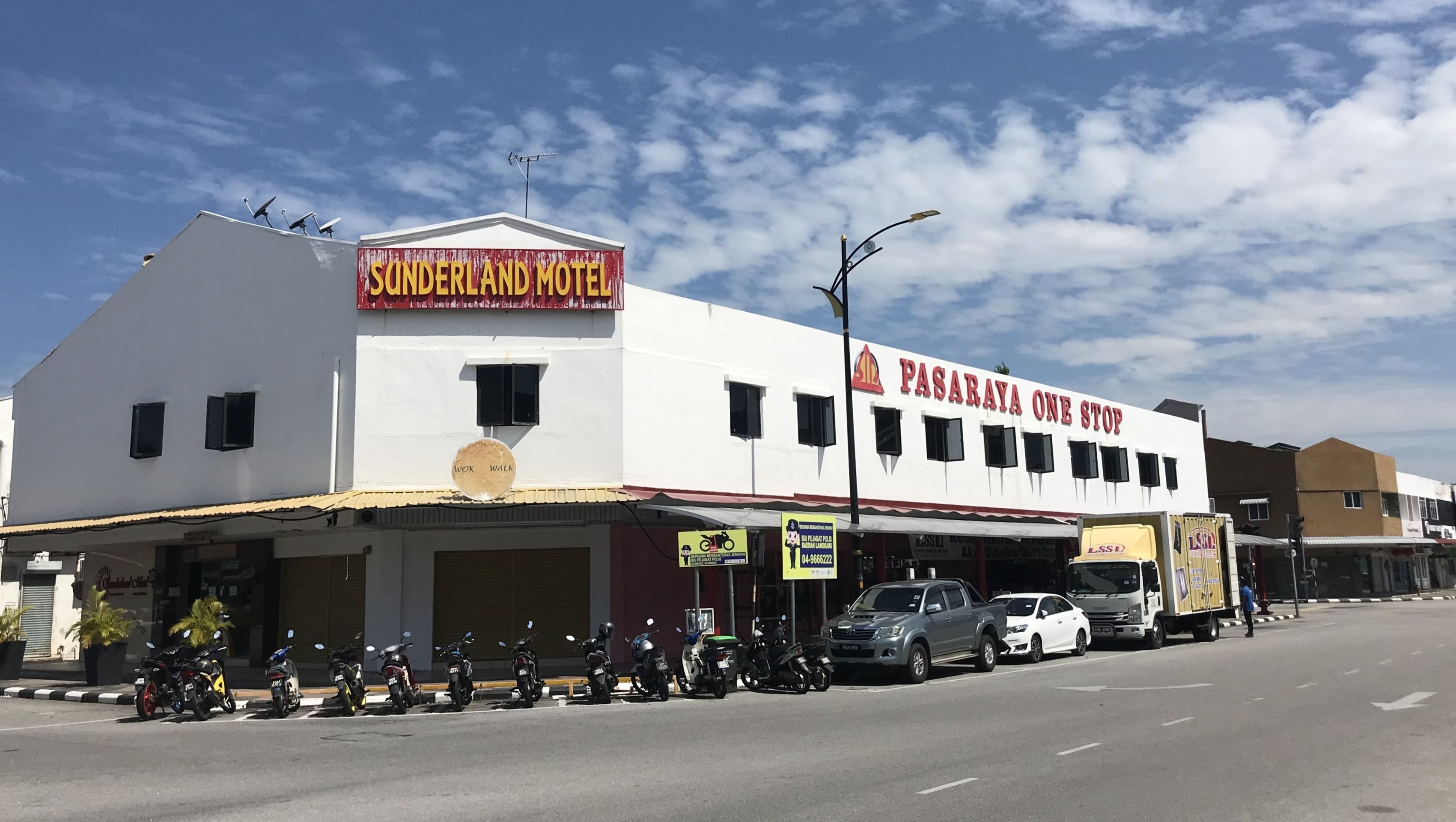
“Langkawi is strongly influenced by Islam,” the same well-traveled colleague who had warned me about the urbanization of Penang informed me. In Langkawi, I first booked a hotel in the island’s capital Kuah, called “Vintage Villa,” which is neither vintage nor a villa but rather a pleasant three-star establishment made of red brick with a shady pool behind the property where Malaysian families with lively and equally noisy children spread out.
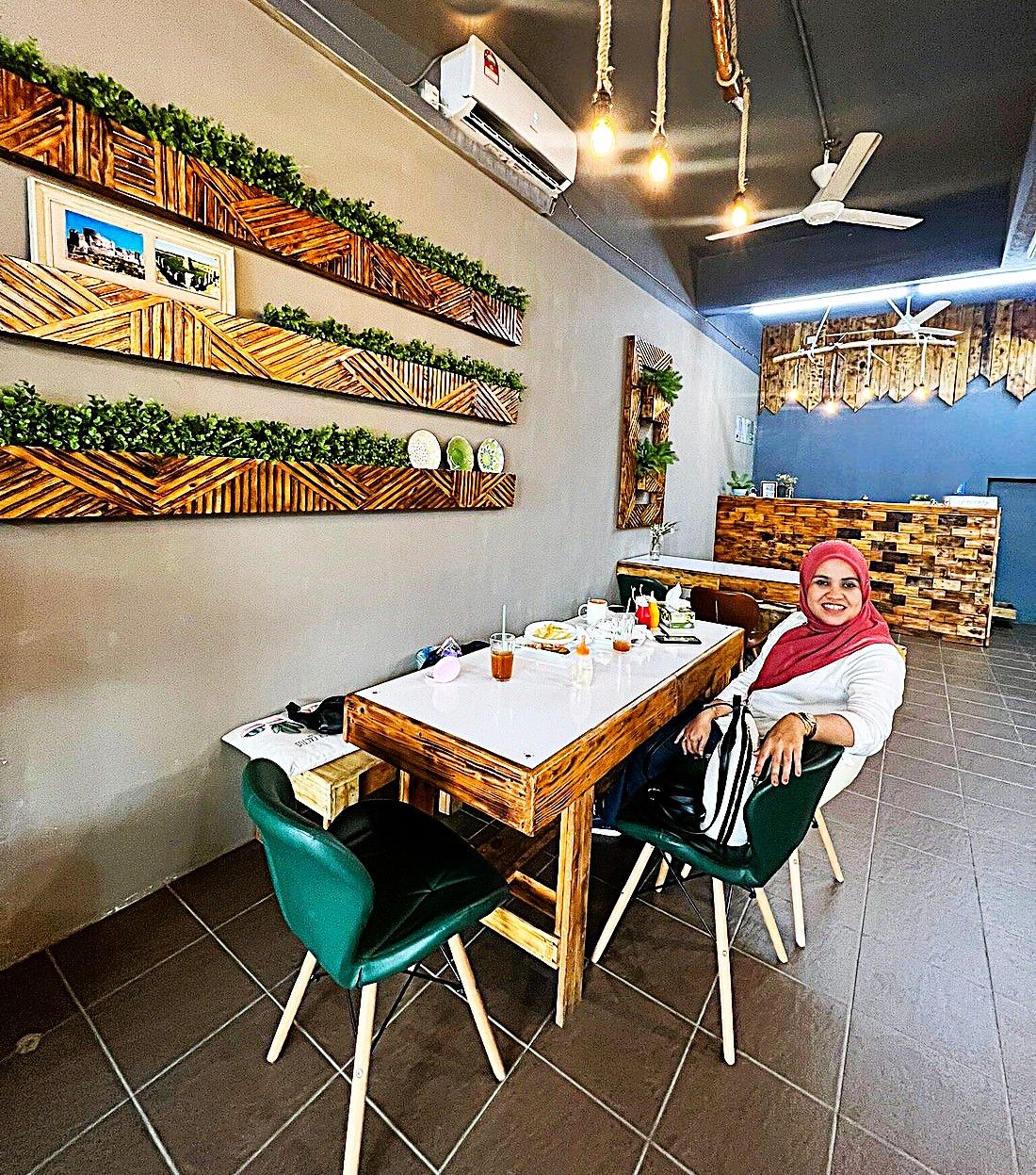
In the evenings, I dine just a five-minute walk from the hotel at an excellent place called Al Medan Syria Restaurant, where specialties like Shawarma, Shish Tawook, Baba Ghanoush, Falafel, Hummus, and Mutabbal are served—dishes I love from my time in the Middle East. The owners are emigrants from Syria who have settled in Langkawi and established this respectable dining establishment.
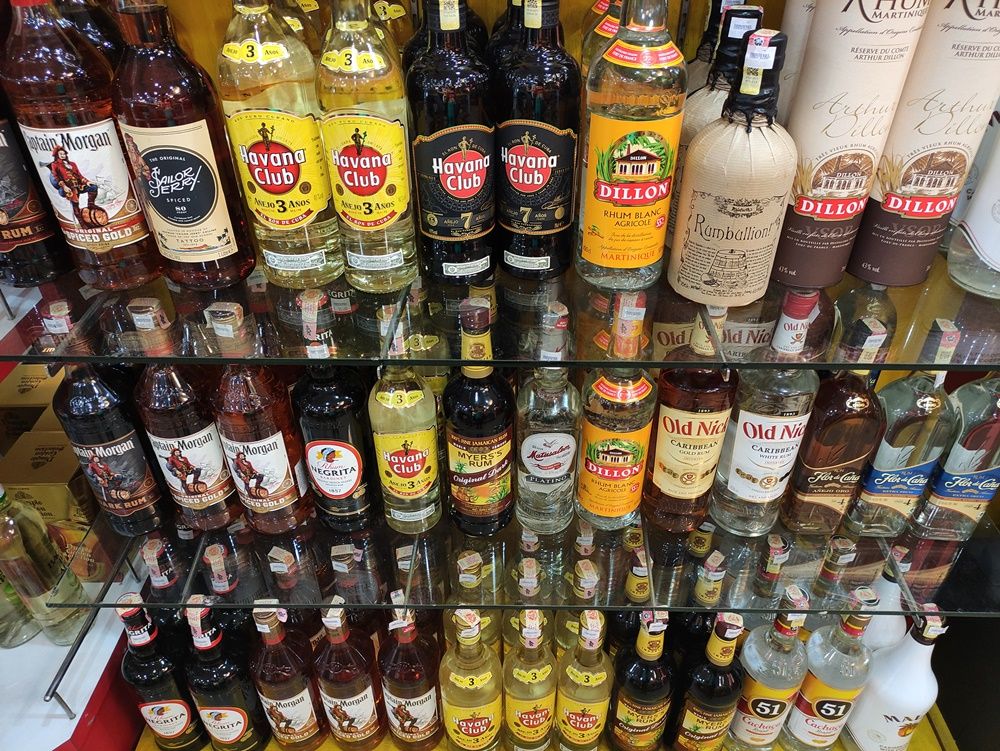
Kuah is a sleepy little town that reminds one of places in the Wild West of America—except that here, the headscarf prevails. However, it would be wrong to draw hasty conclusions from that. Langkawi is simultaneously a duty-free zone, making it a shopping paradise for perfume, chocolate—and alcohol. Rows of bottles of whisky, gin, rum, and cognac shimmer on the walls of duty-free shops in the dim light. I purchase a bottle of single malt. The cash register at the liquor store is manned by two giggling Muslim women. They discreetly wrap the purchased whisky (which is strictly forbidden for them) in an old newspaper.
Doing Nothing at the Beach
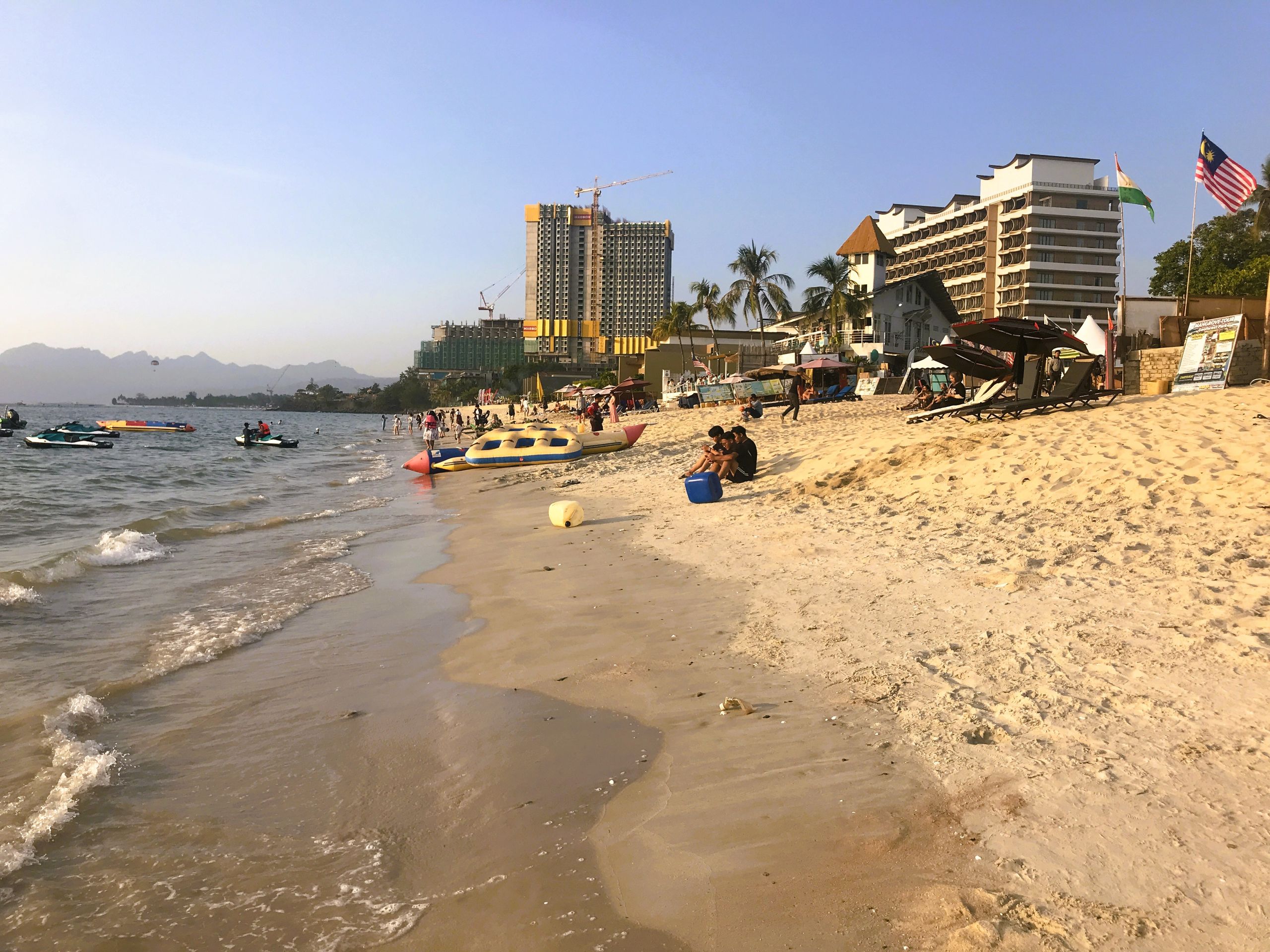
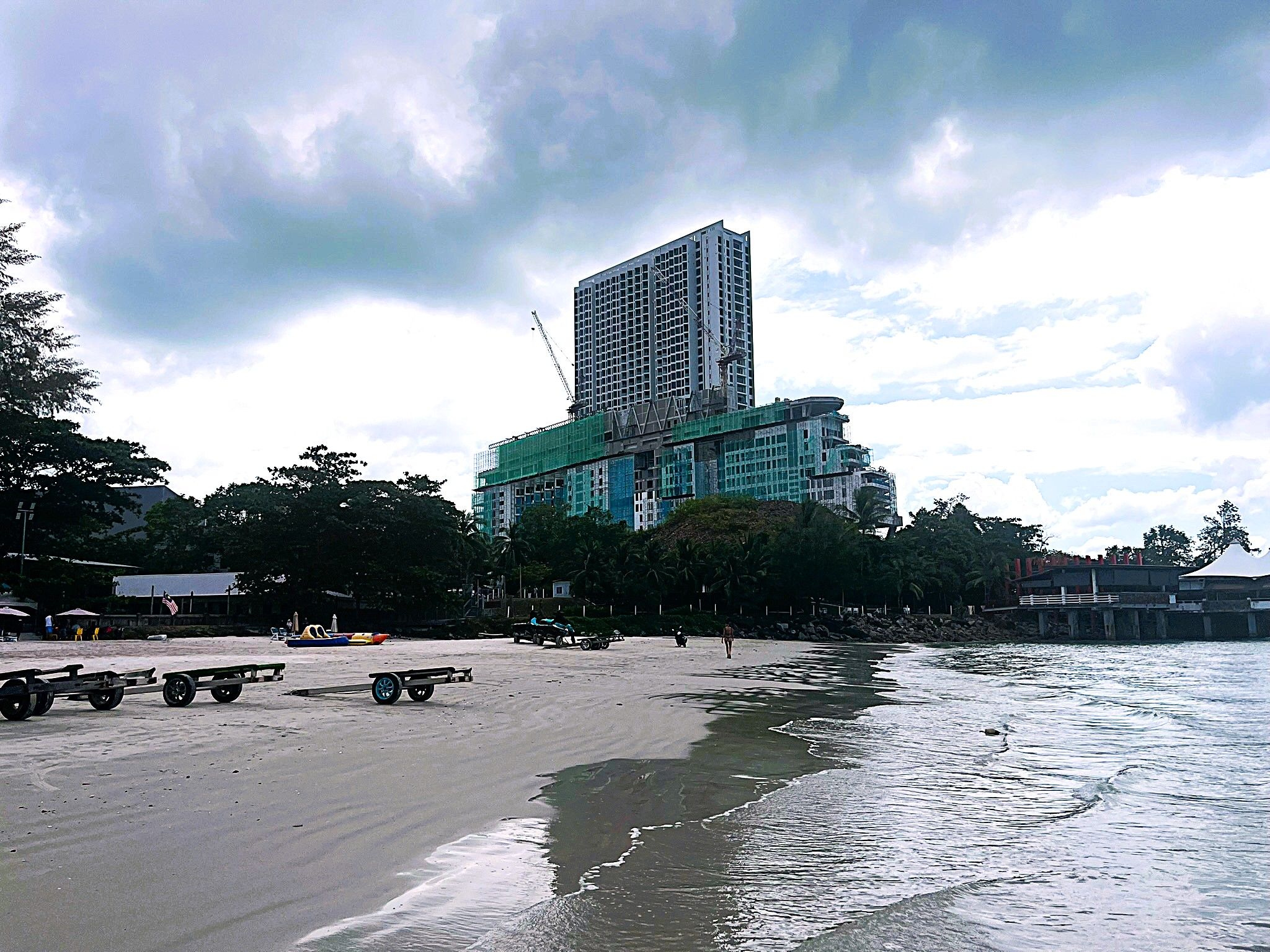
After three days, I move from Kuah to a small holiday resort called “Tropical Resort” on the long, partially ruined beach of Cenang. A luxury hotel with prices well beyond my budget has set itself up on the beach, and next to it rises an ugly, still-unfinished double high-rise into the sky.
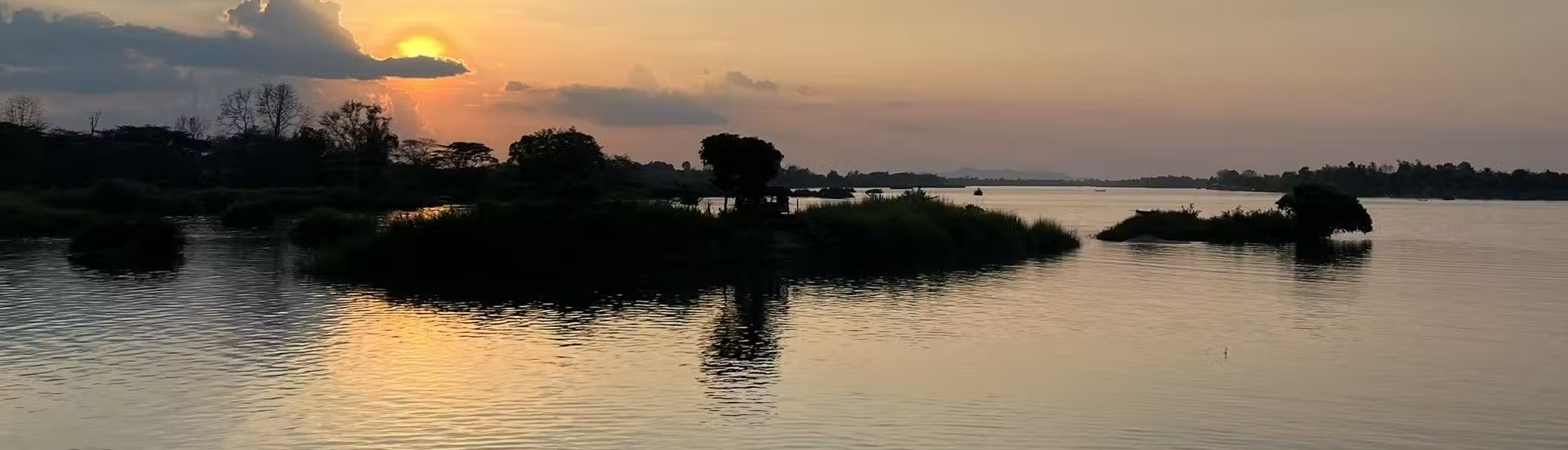
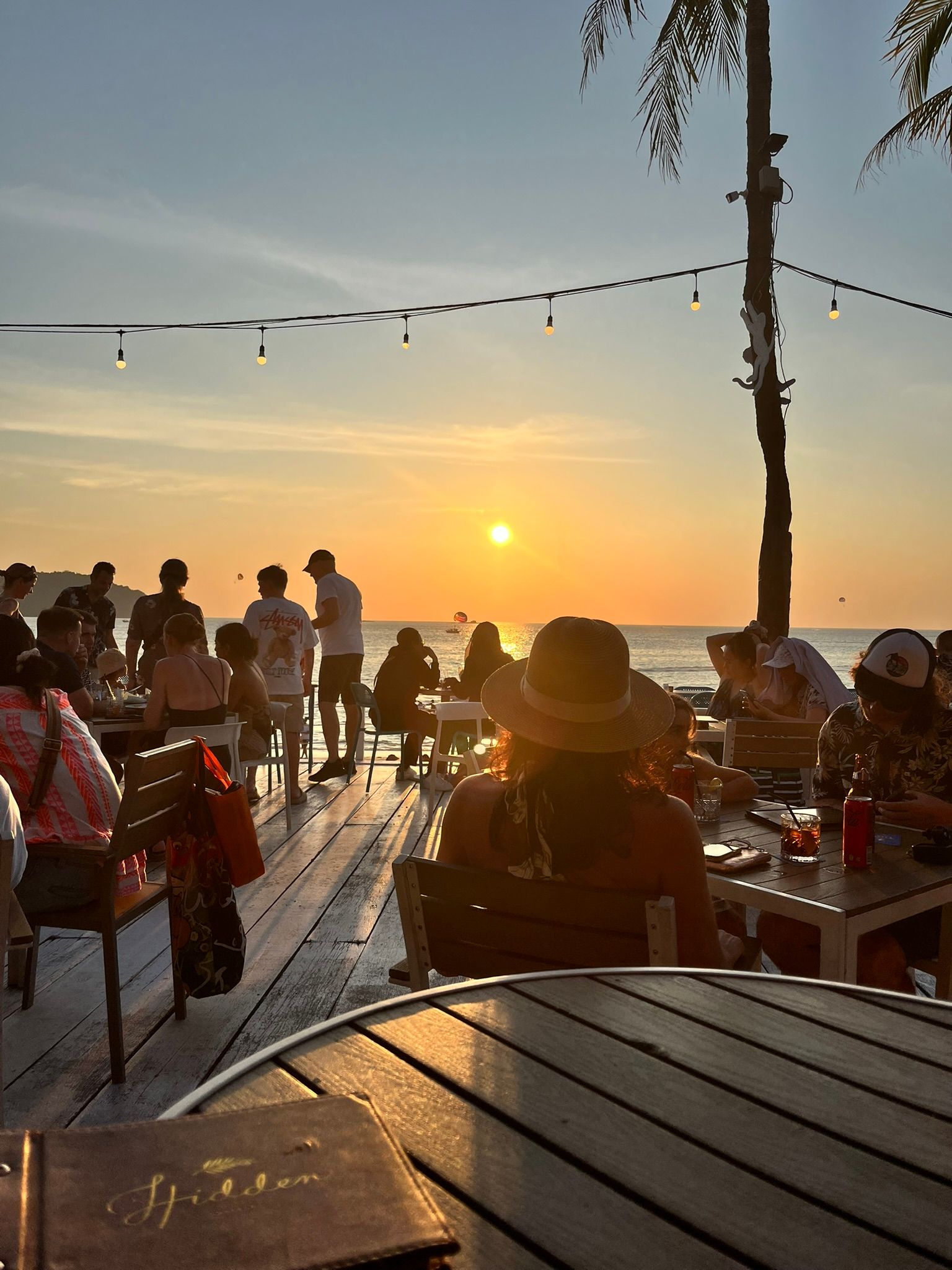
If one looks away from these eyesores, strolling barefoot in the sand soon brings about the unmistakable feeling of shorts. It peaks at sunset with a cocktail at a beach bar, only to be continued in a Malaysian, Chinese, or Japanese restaurant. Or I let myself be spoiled in their street kitchen by Siti, a Muslim woman from the mainland, who prepares not only delicious grilled dishes but also offers the cheapest Tiger beer on the entire island. In the nightclubs along the beach, the prices become significantly more substantial.
Langkawi likes to market itself as a tropical idyll. Duty-free shops, resorts with pools, Instagram-worthy sunsets. But those who take a few steps away soon enter a different world. Just a few meters behind the hotels and resorts begins a web of small streets, dusty yards, and stilt houses. Here, it smells of fish and frying oil.
Of course, modernity is present here as well. I need a new phone because my iPhone 7 still works perfectly but its operating system no longer receives updates and can't store all the apps I need for traveling.
I find a shop for used Apple products on Google, have them take me there, and purchase a used blue iPhone 13 for 400 euros, which looks like new. The friendly and knowledgeable saleswoman spends a good two hours transferring all the data from the old device to the new one. She refuses payment or a tip for the extensive service.
A 700-Meter High Mountain
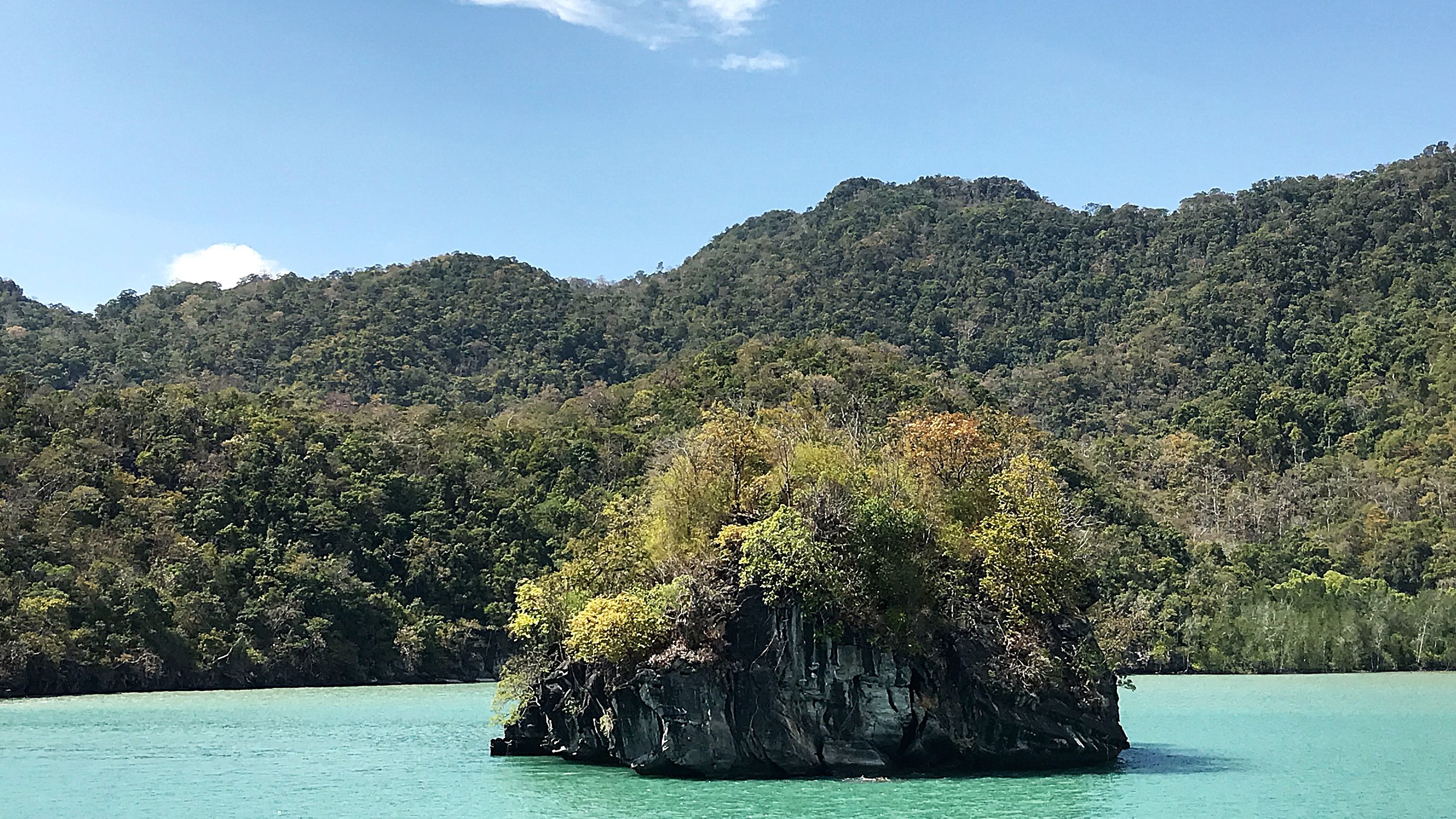
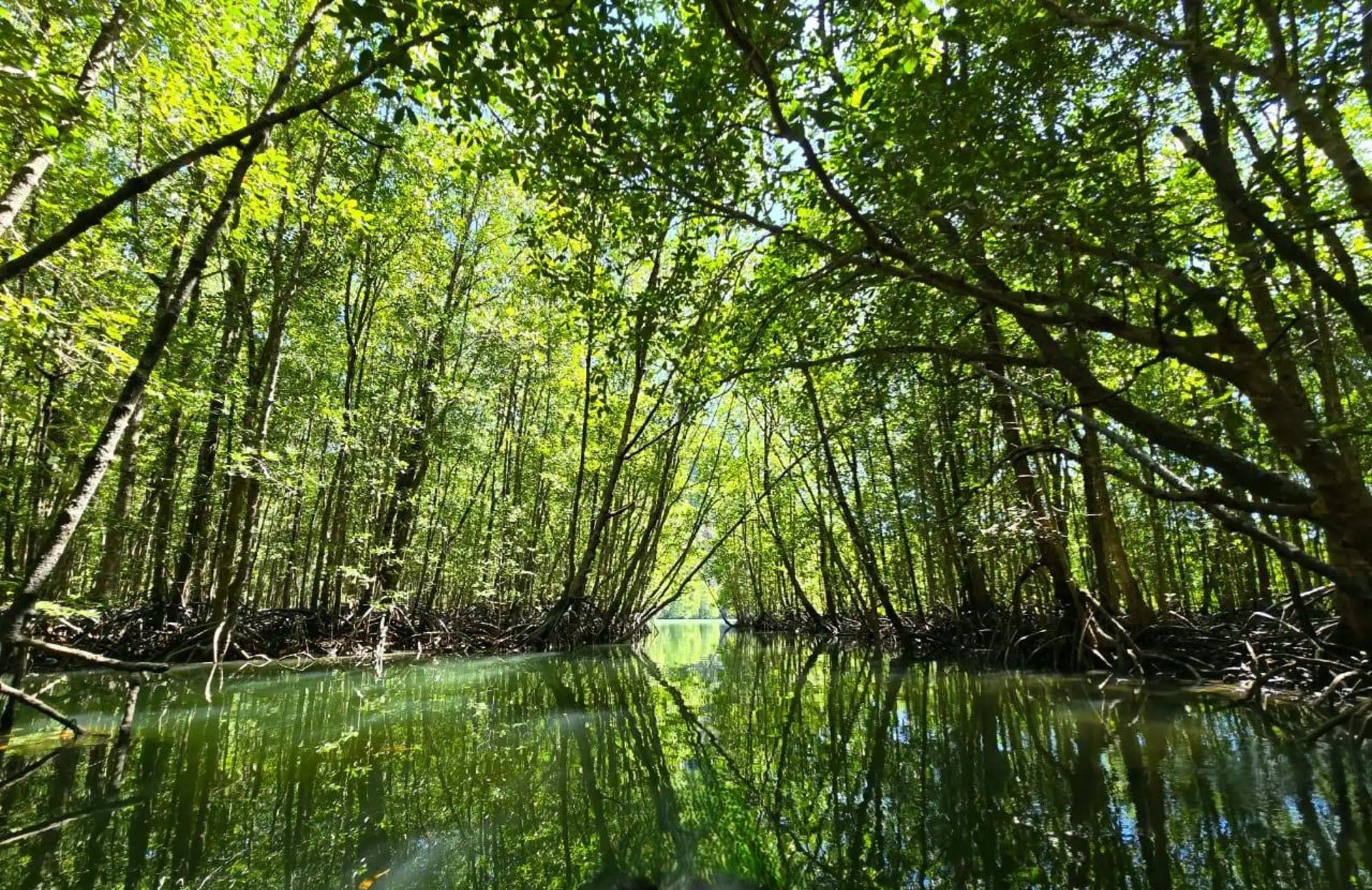
Further north, the island is much more natural and less touristy. With a guide, we navigate through the mangrove forests on dark, almost black water. The guide tells about eagles, bats, and a sensitive ecosystem that must be preserved. Then, indeed, an eagle swoops down, and for a moment we all fall silent.