Sunland Park
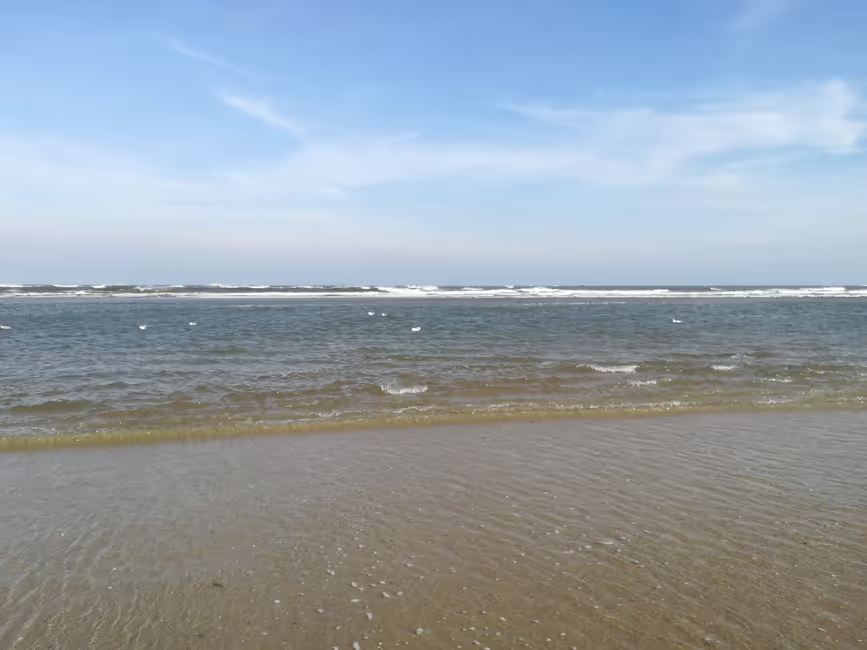
We had gifted a trip. At the beginning of the year, one of Sebb's godchildren had a birthday, and we decided this time to give not a physical item, but time. A day trip to Sunland...

Published: 25.06.2026
As every year in early summer, there should be a honey harvest again this year. It had already been apparent back in April that this year's yield would be smaller than usual.
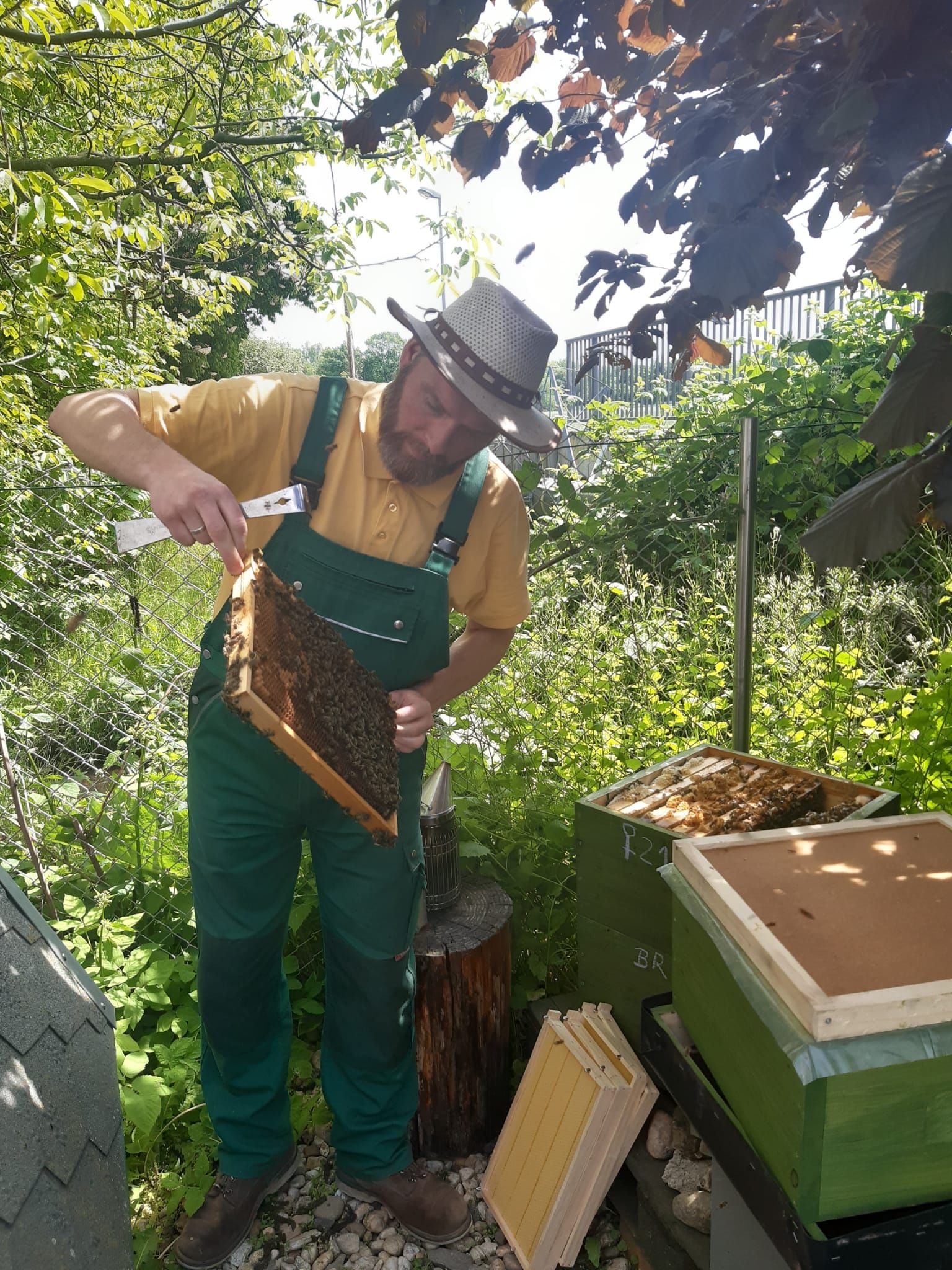
One of our colonies did not survive the winter, so we started the year with only two instead of the usual three bee colonies. Sadly, only one of those developed as it should. The second colony lagged significantly in development. Although we hung brood and nectar frames from one colony to the other every few weeks, the second one simply couldn't catch up.
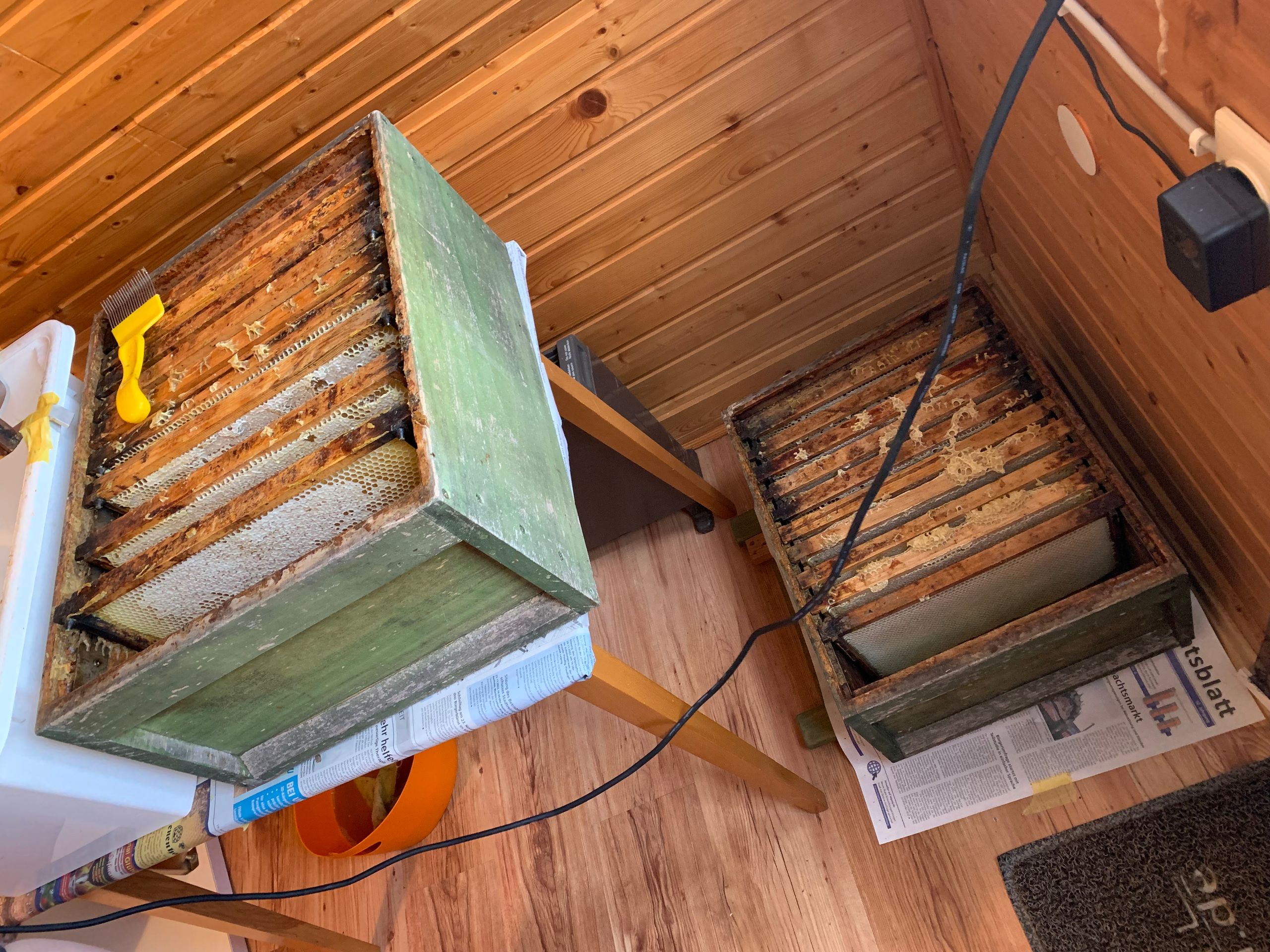
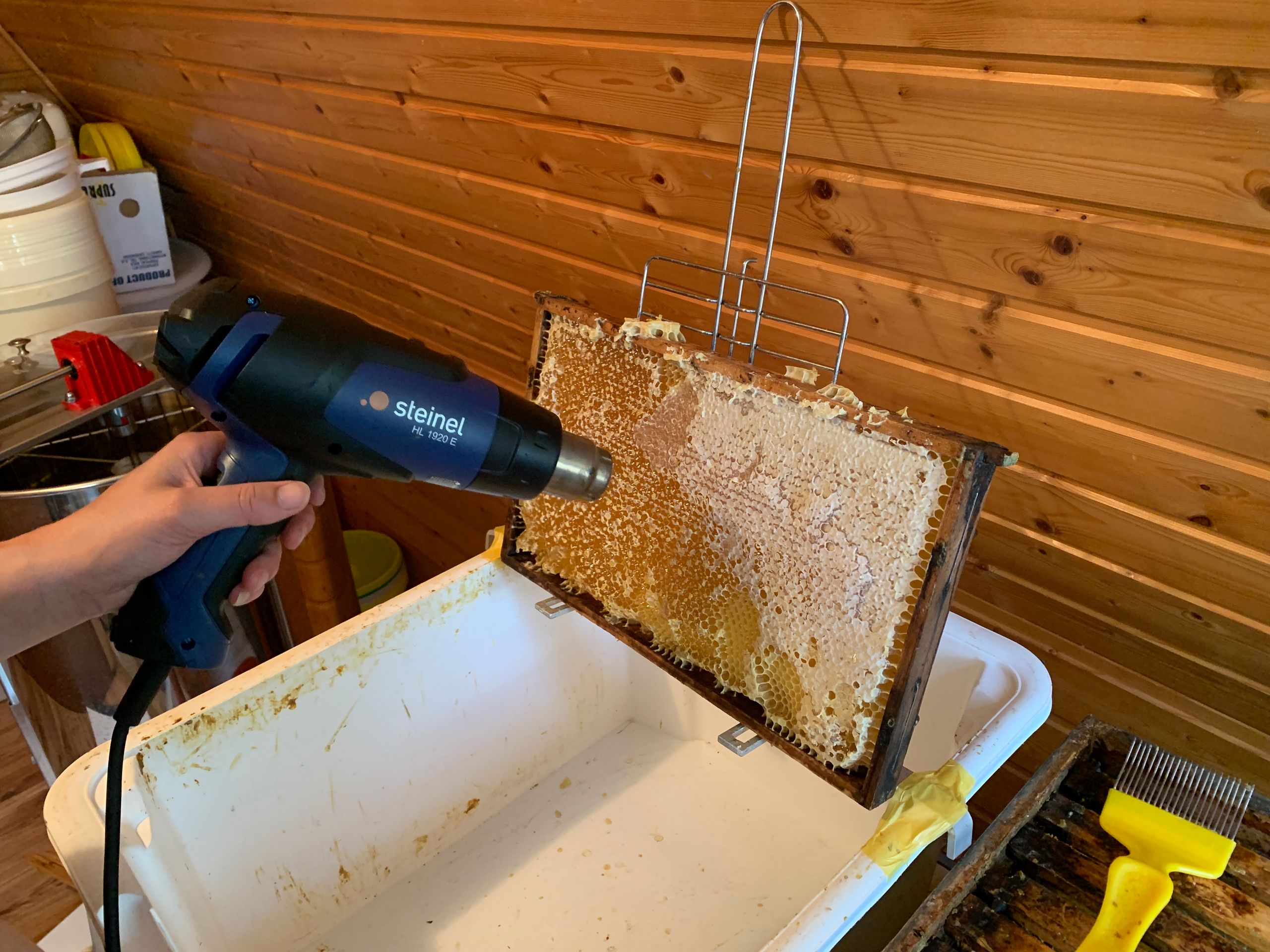
When the chestnuts in our garden had finished blooming in early June, the right moment had come, as most of the honeycombs were sealed. Sebb had gone to the garden the day before the harvest for swarm control and to install the bee escapes, and had prepared everything in the beekeeping room. So, we were able to start right away on Saturday and were actually done with the harvest in just one hour. Well, some time still had to be planned for cleaning and tidying up, but we hadn't been that quick in a long time.
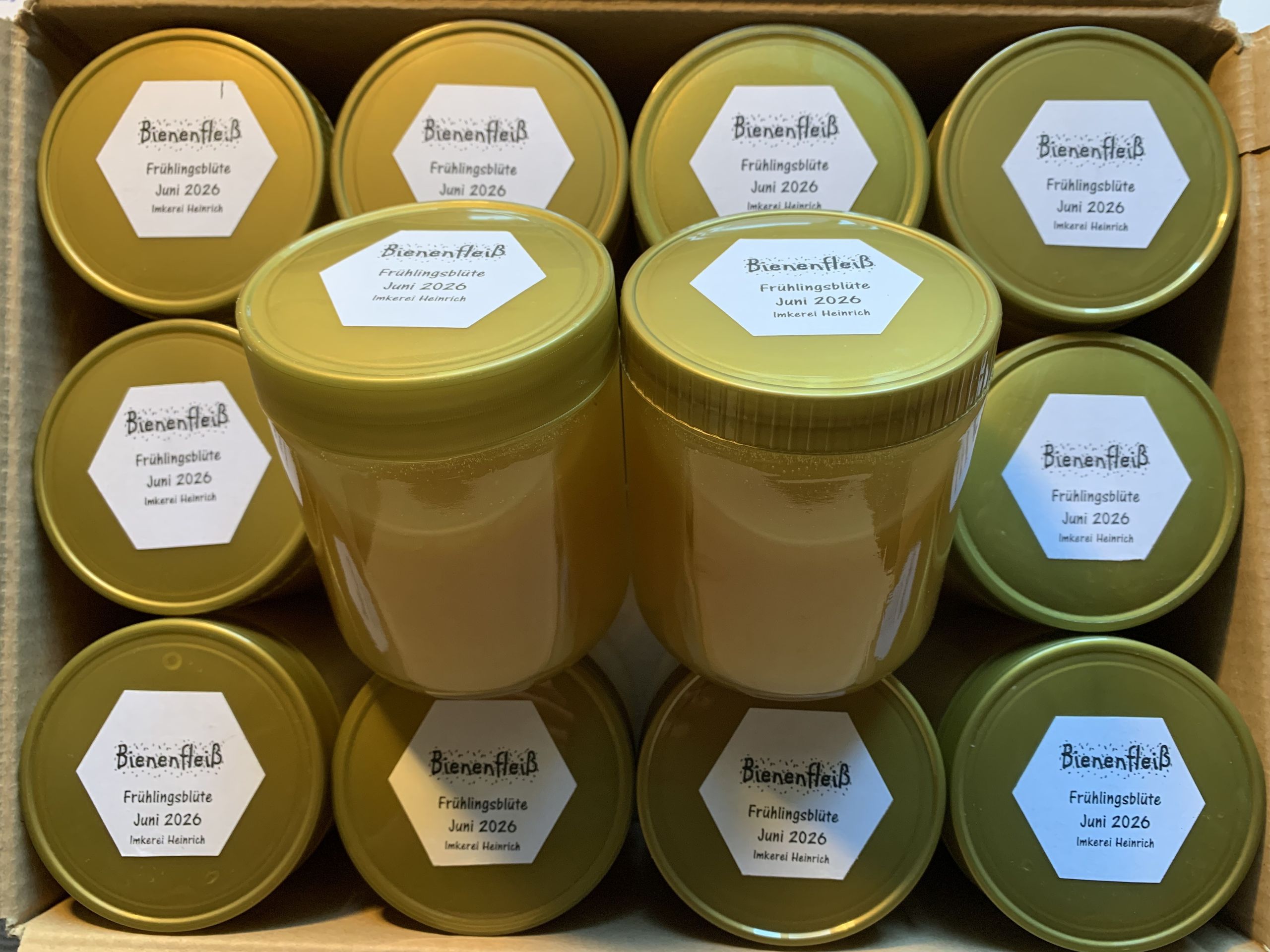
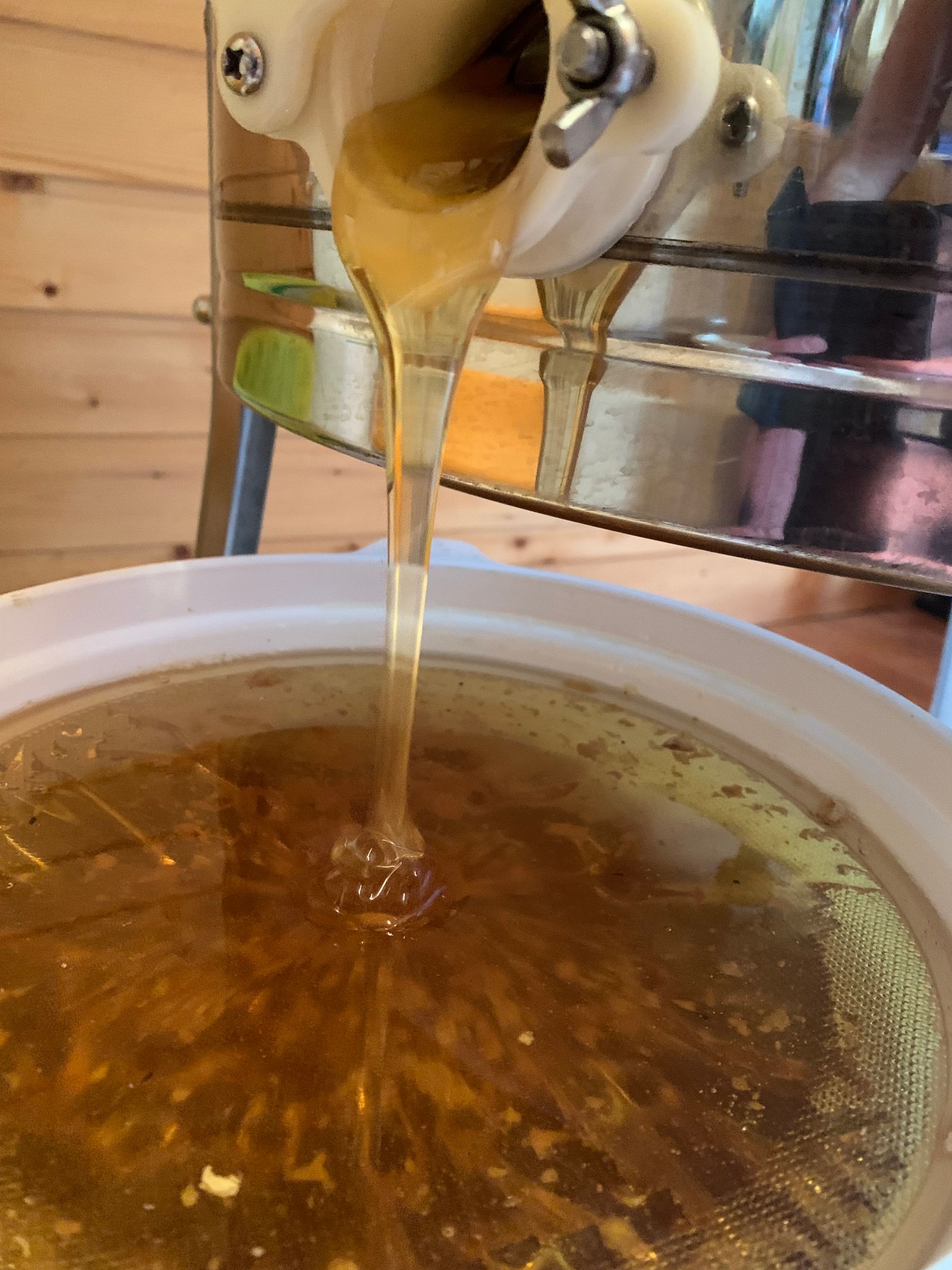
The yield was below average. Not even 30 kilograms. With a full honey chamber, about 20 kilograms could be expected per colony; in very good years, we had harvested significantly more. “That's life,” we thought to ourselves, yet we were still happy with our three buckets of fresh honey, which now had to mature at home for another two to three weeks before being bottled into jars.
The second harvest, which we usually gather between mid and late July in normal years, would be skipped this year. The plan was simple. If you didn’t take the honey away from the bees, then you wouldn’t have to feed them in late summer. This way, the beloved little creatures should make it through the winter just fine.