A Song of Ice and Fire - Iceland, a bestseller
Skogafoss

Published: 01.09.2025
Some time ago, I came across a collection of posts on the topic of 'island', which mentioned the so-called island research. Island research encompasses many fields: cultural studies, ecology, ethnology, and not least, German studies when island is used as a metaphor. Iceland would be a very suitable research object for island studies. Although most developments can certainly be viewed in a European context, there are still some phenomena that are unique, particularly in the ecosystem or geology.
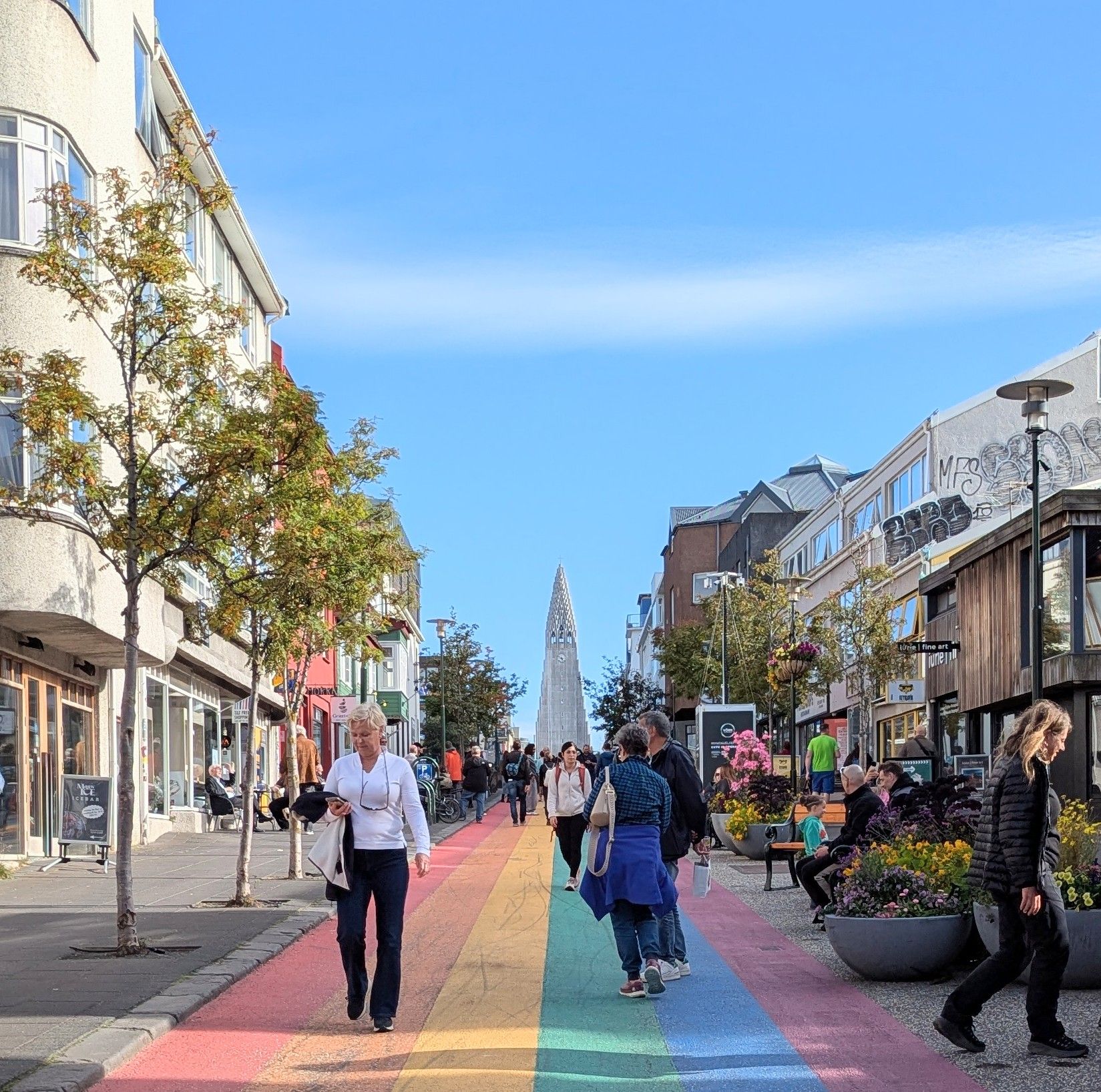
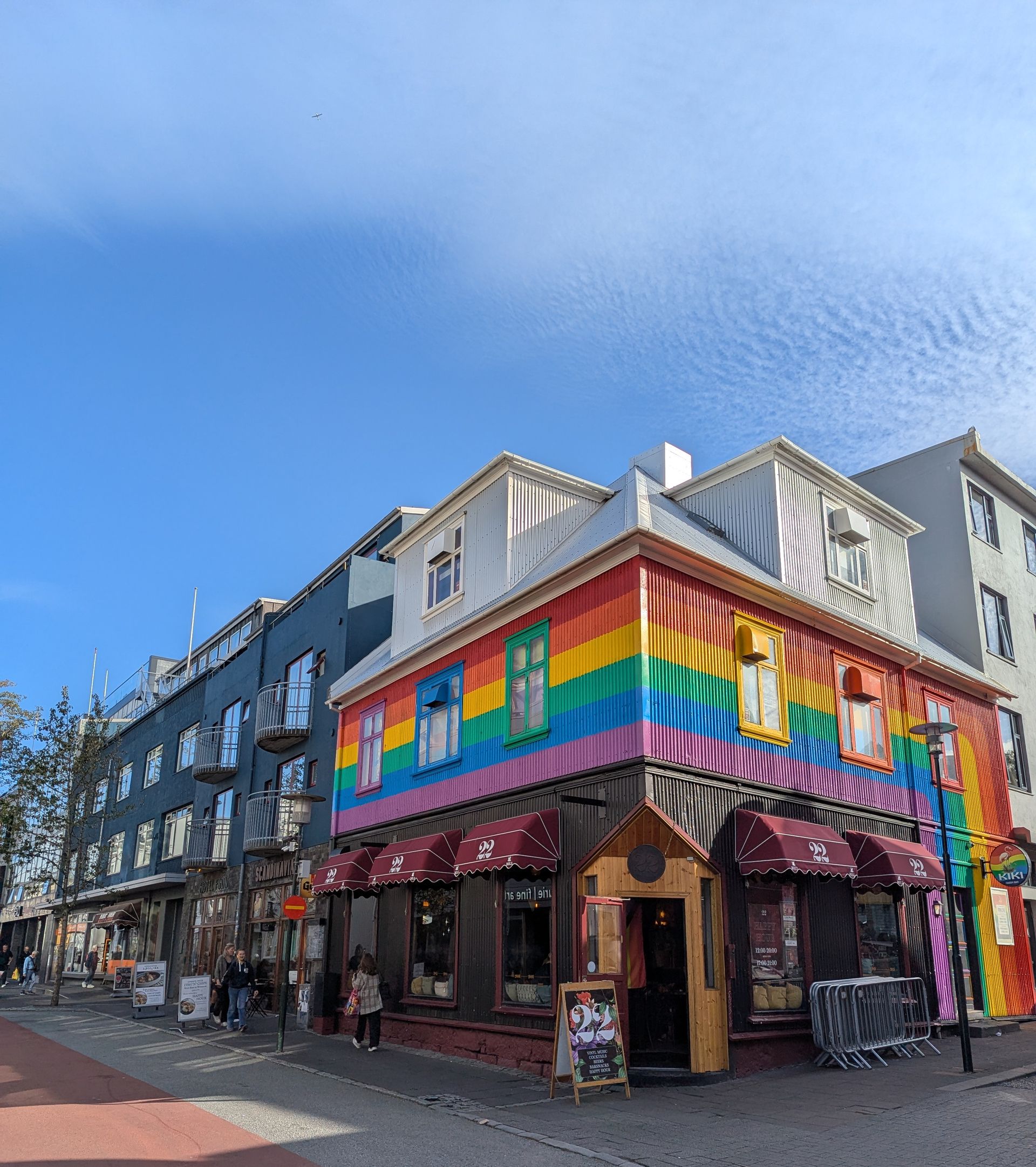
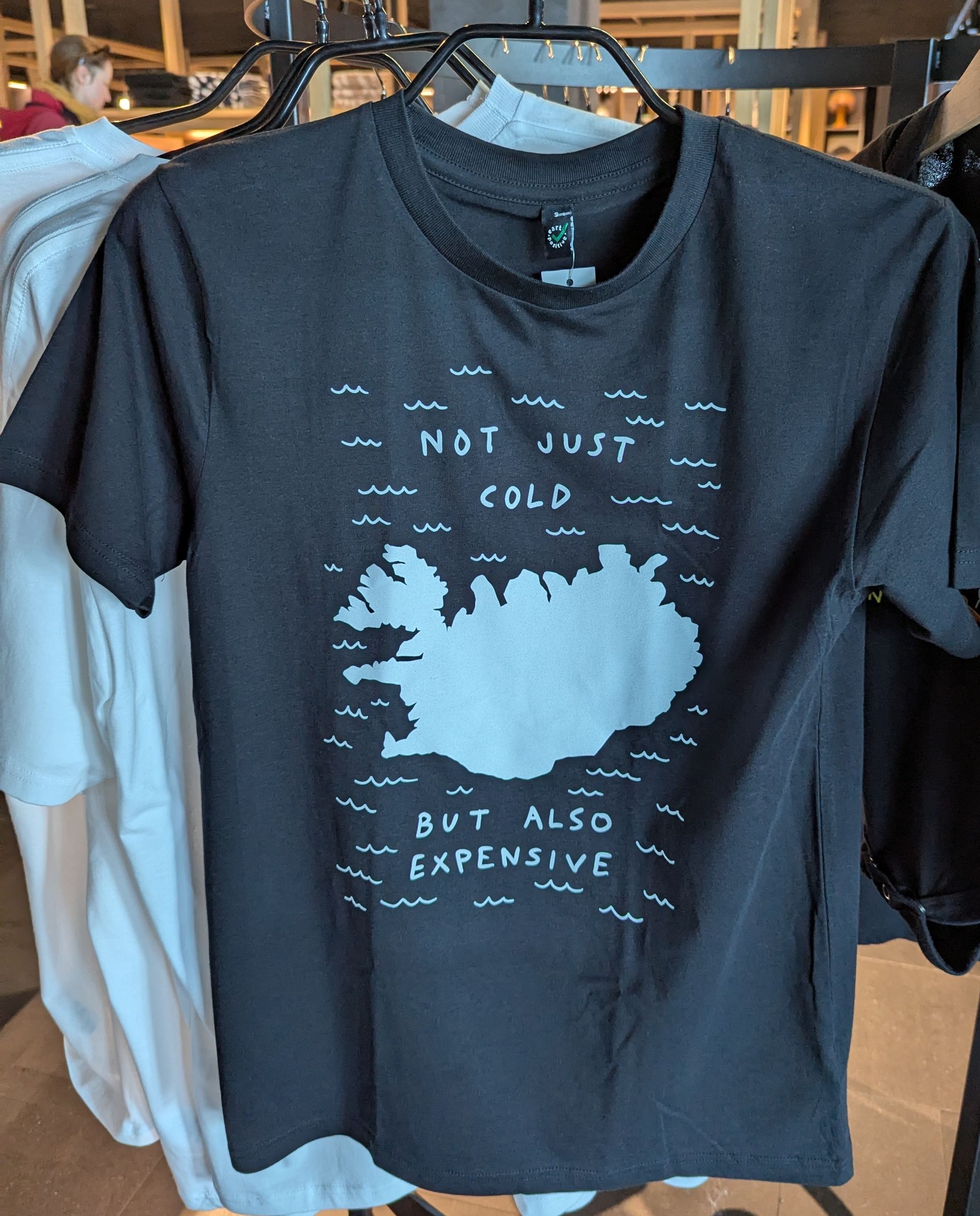
Culturally, there are also developments that are hard to compare worldwide. One to mention would be the price development. A coffee in a paper cup can easily cost more than 5 euros in Iceland, a freshly tapped beer might set you back 14 euros, and a piece of cake would be even more expensive. On one hand, society operates very liberally. A prime example of this are the rainbow passages in even the smallest towns. On the other hand, for instance, first names in Iceland must be approved by a committee. It is strictly checked whether the names can be integrated into the Icelandic language. Iceland was not an immigration society. Despite all personal freedoms, the handling of alcohol was also strictly regulated. The sale of beer was only legalized in 1989!
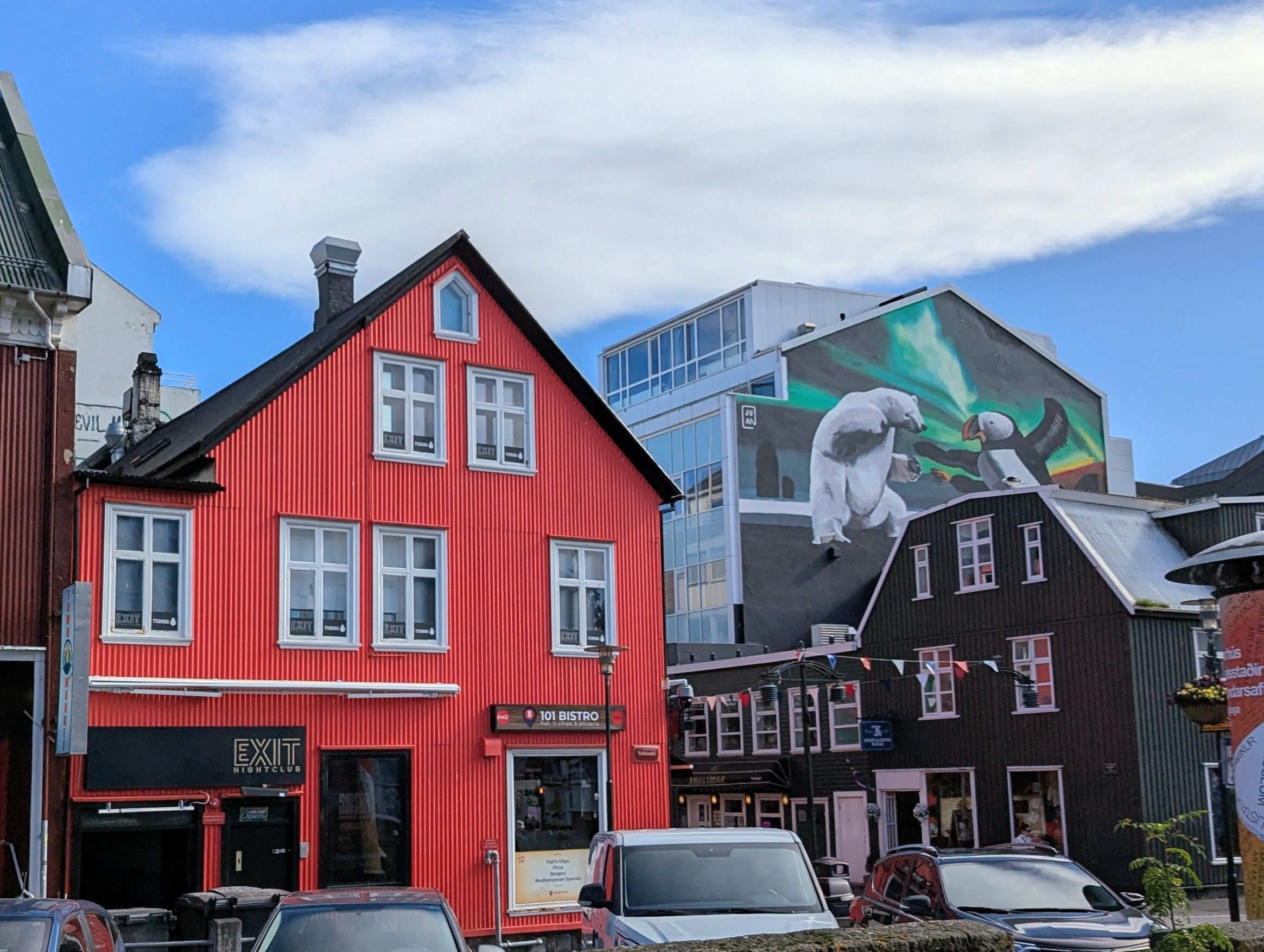
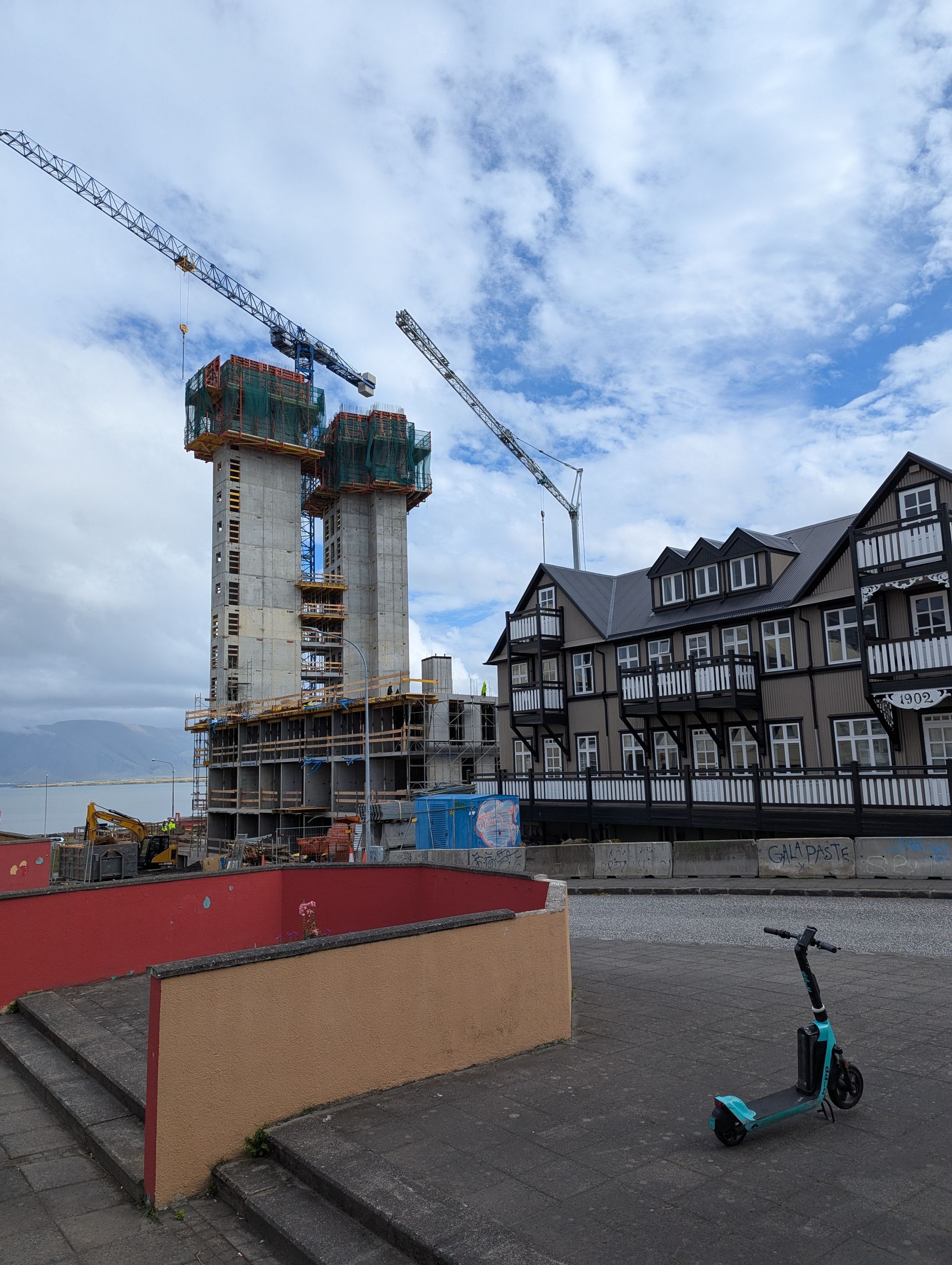
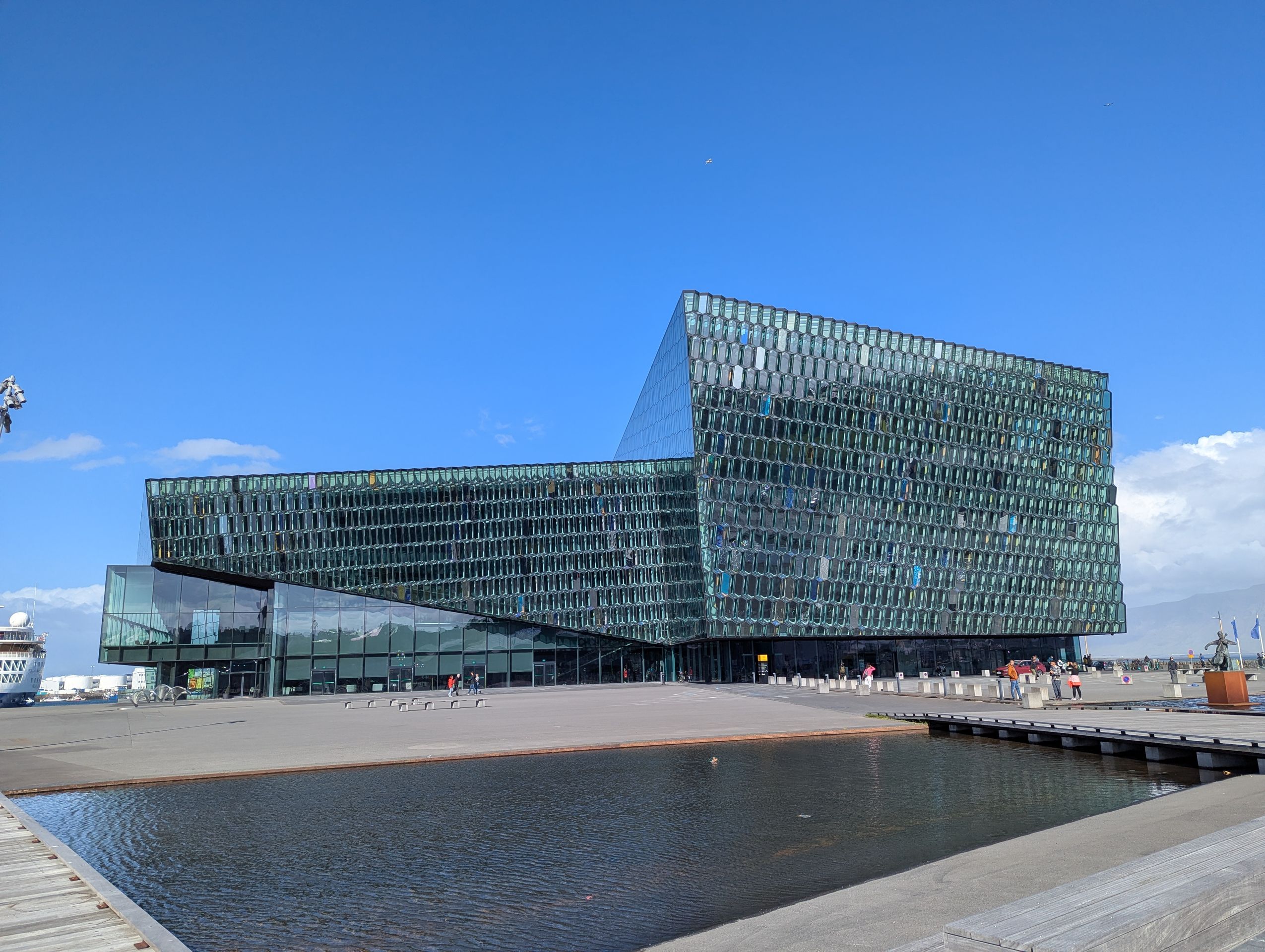
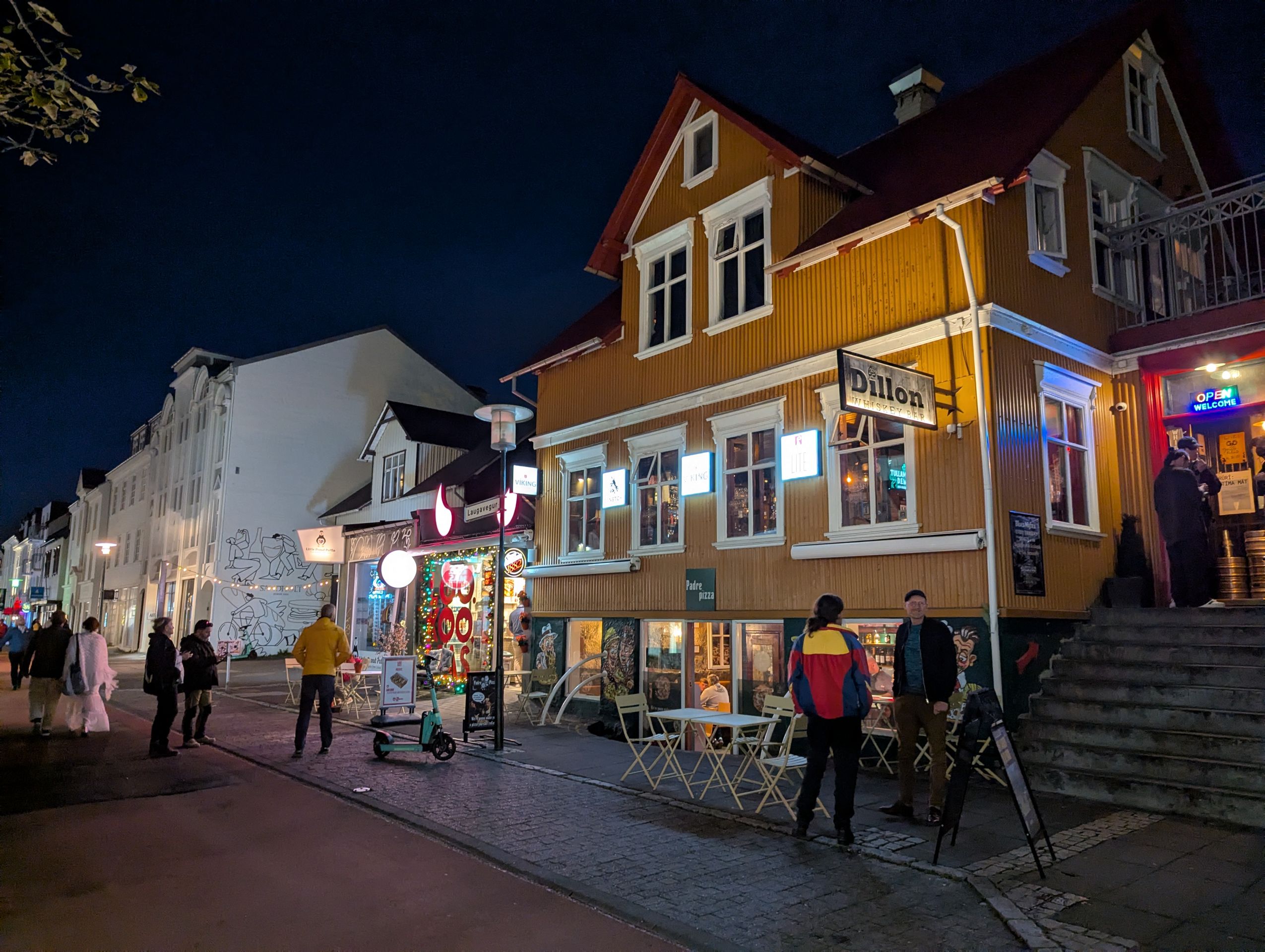
In light of the tourism boom, the Icelanders were very attentive to their image. This became particularly clear in Reykjavik, which partially resembled an open-air amusement park with astronomical prices. In the pedestrian zone, hip cafes and brightly colored bars lined up next to one another. New penthouses and hotel complexes have arisen in the harbor, showcasing the confidence of the Northerners.
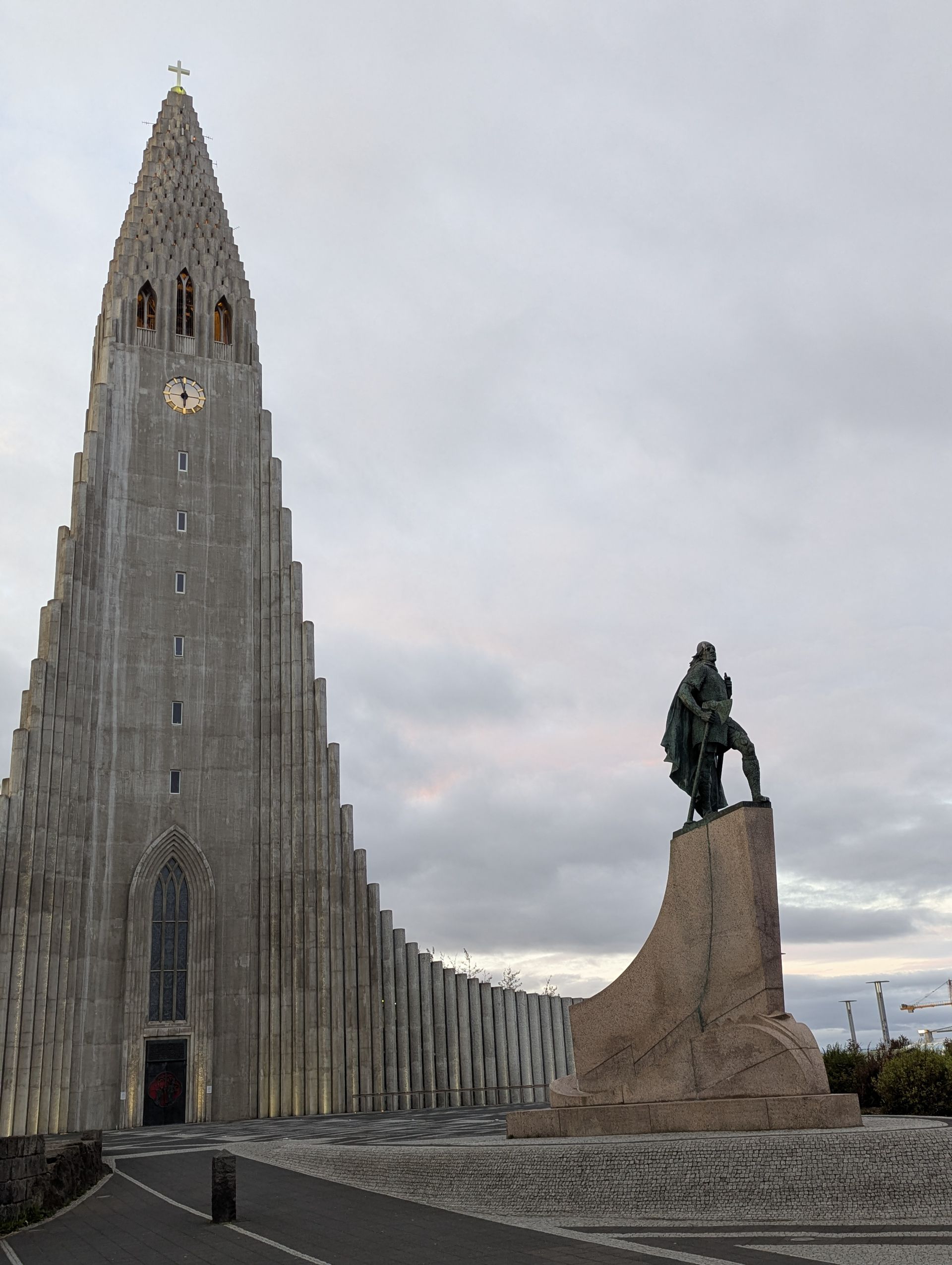
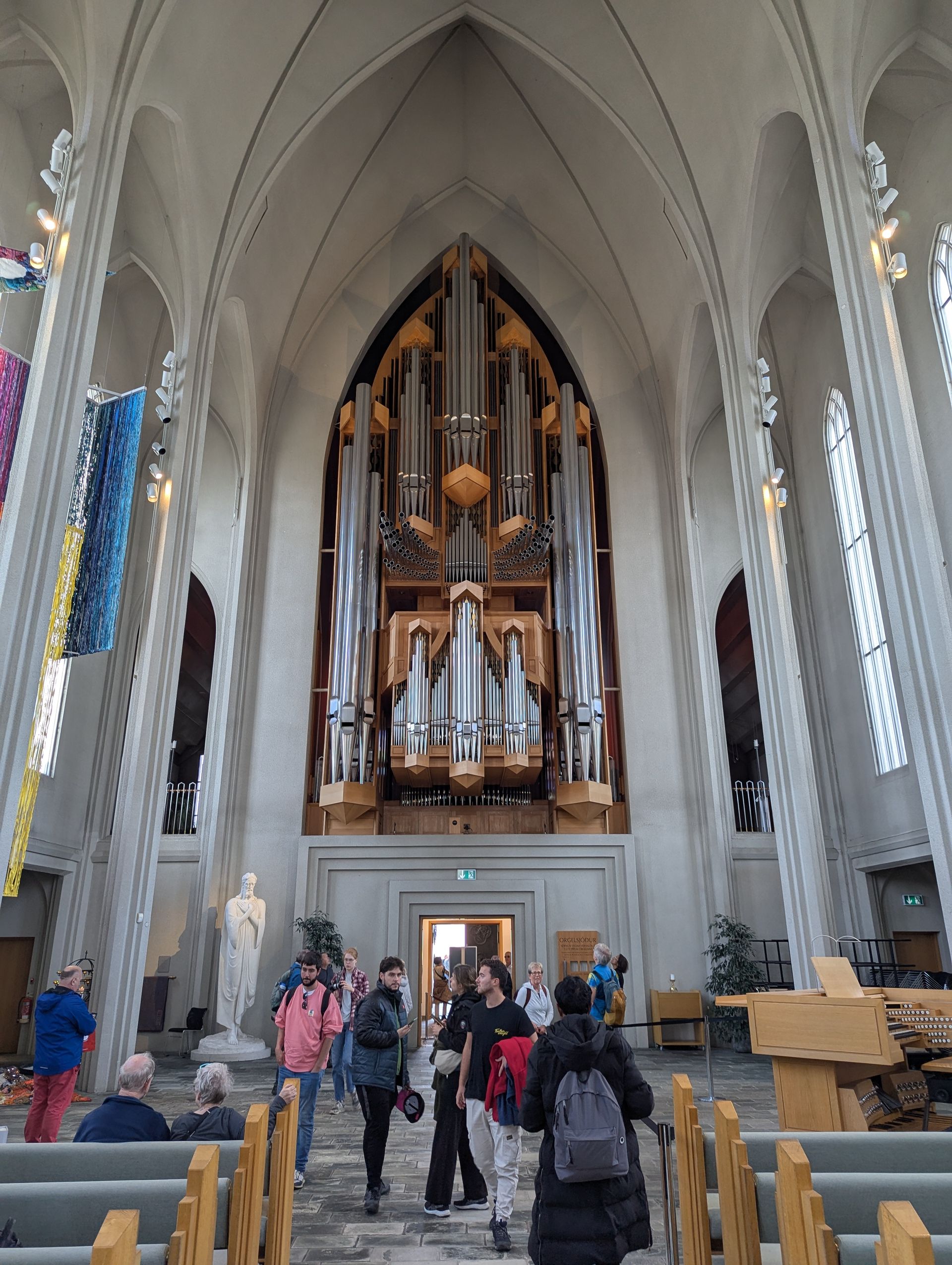
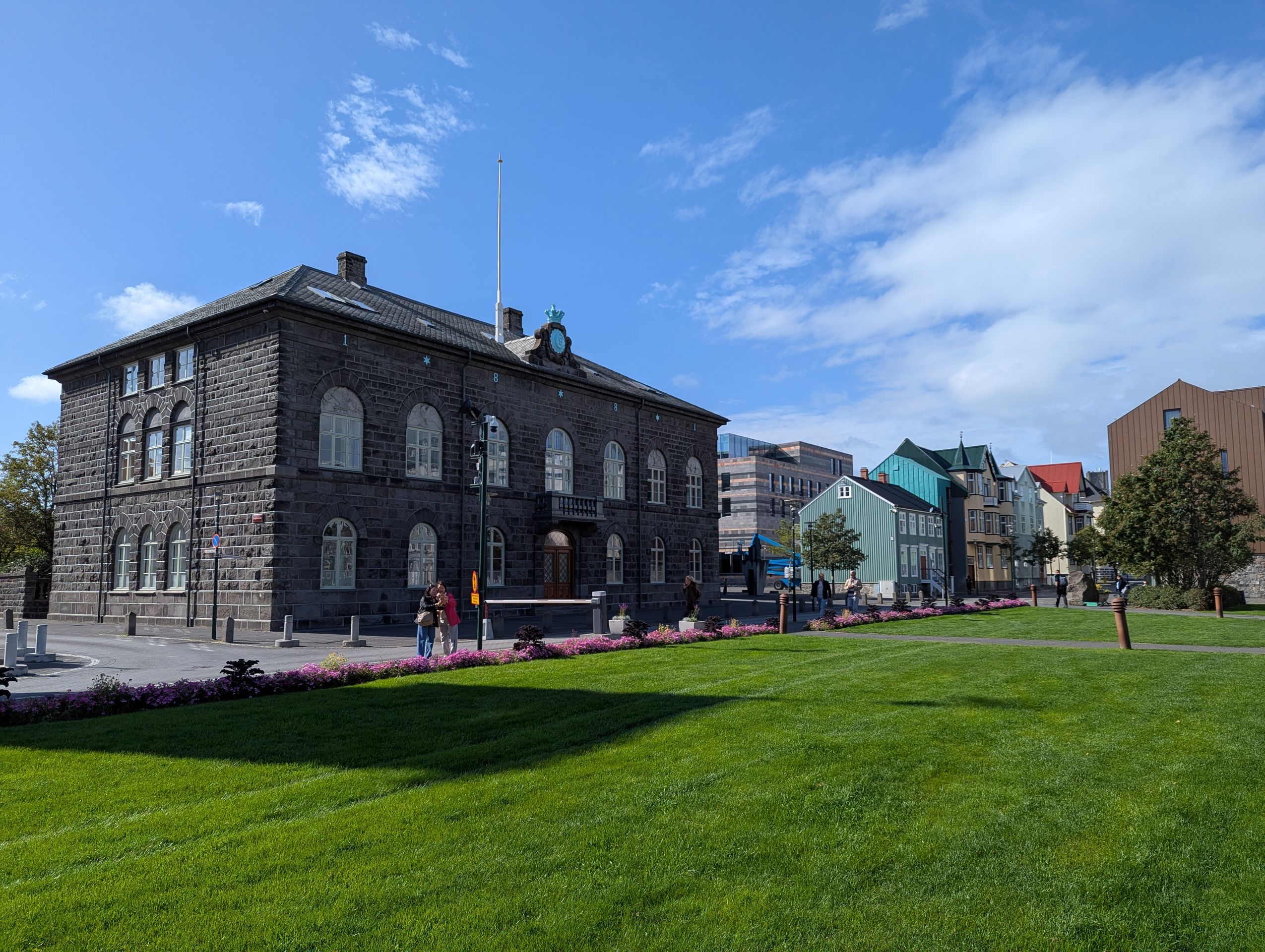
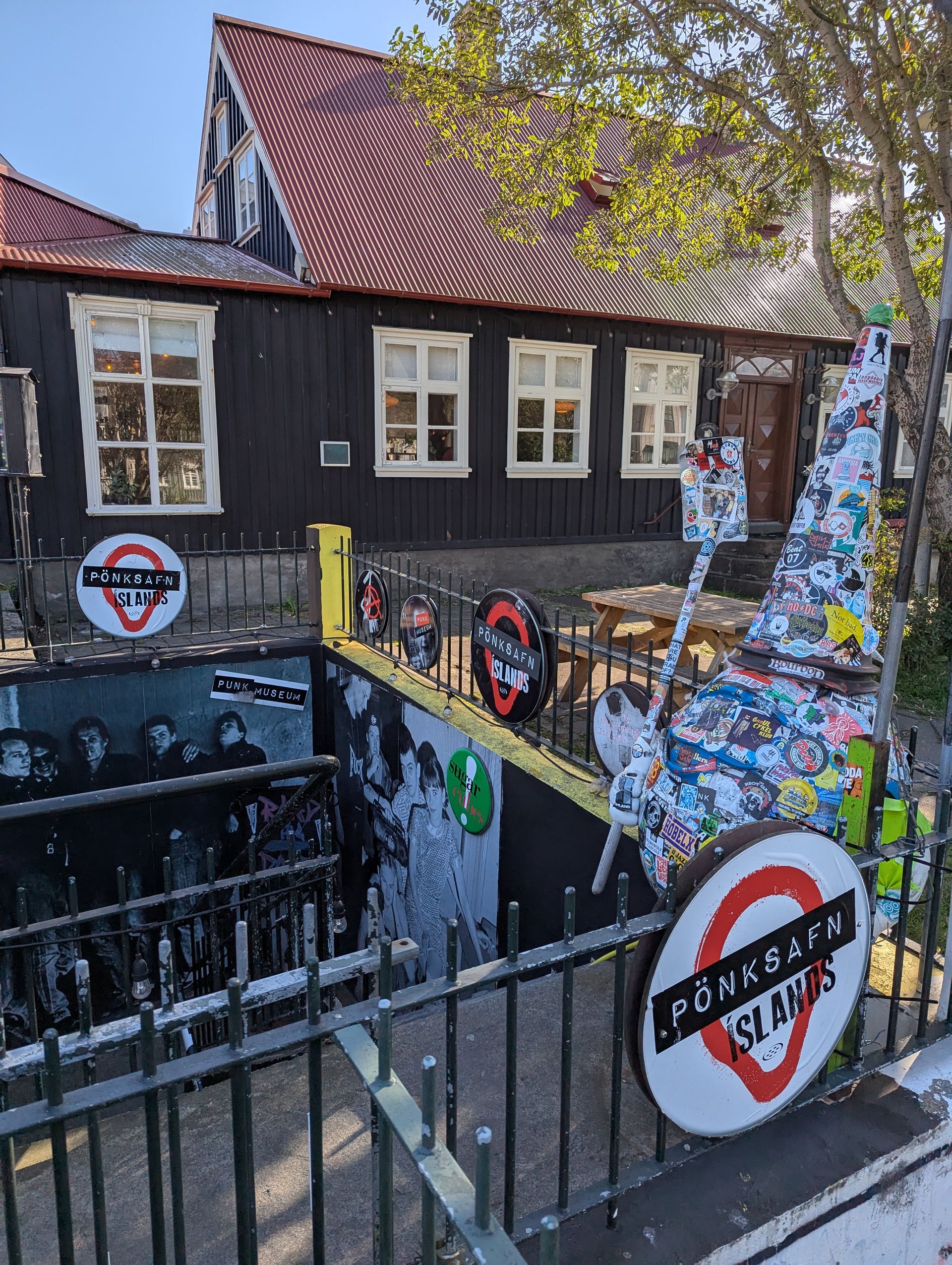
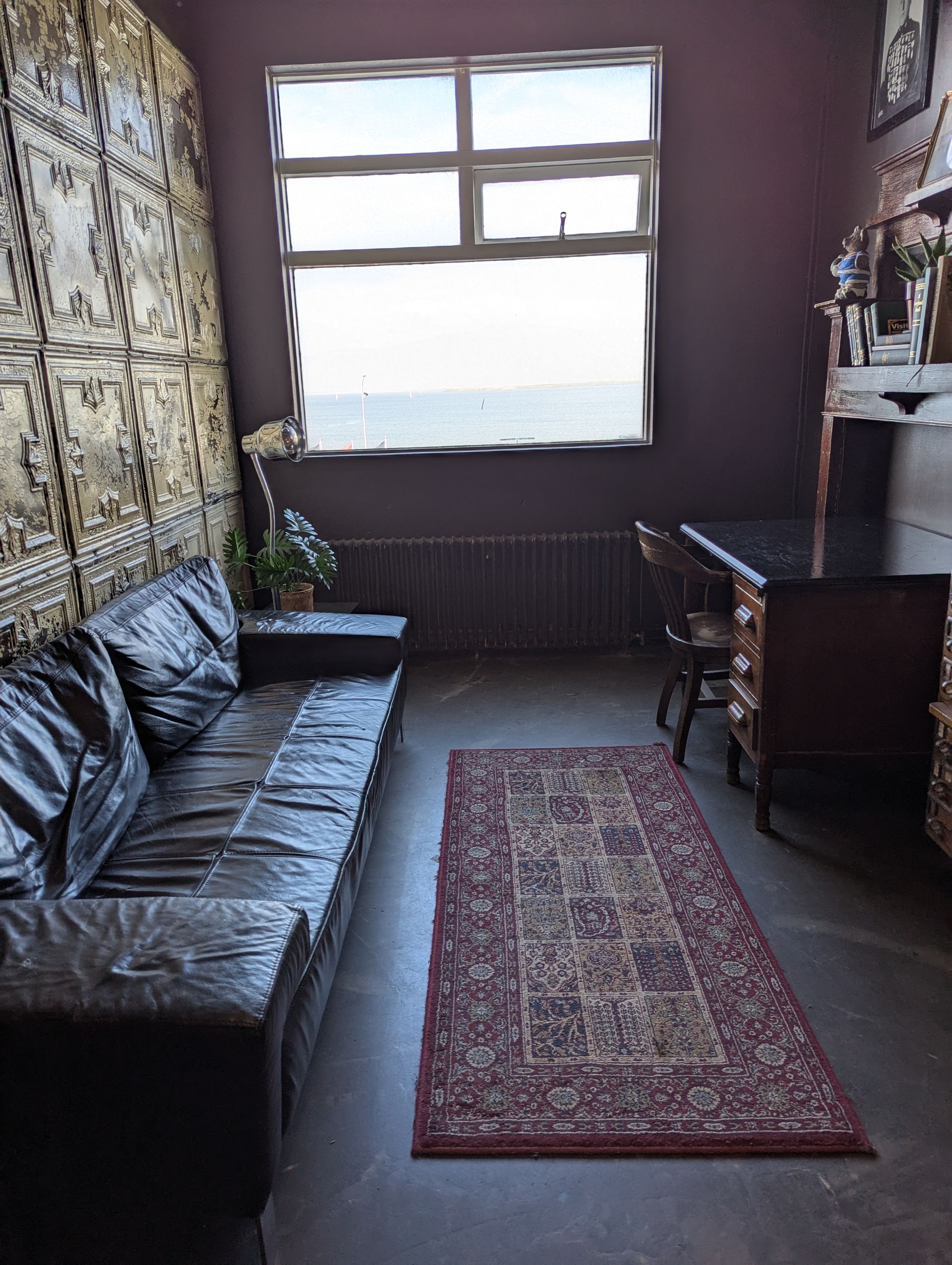
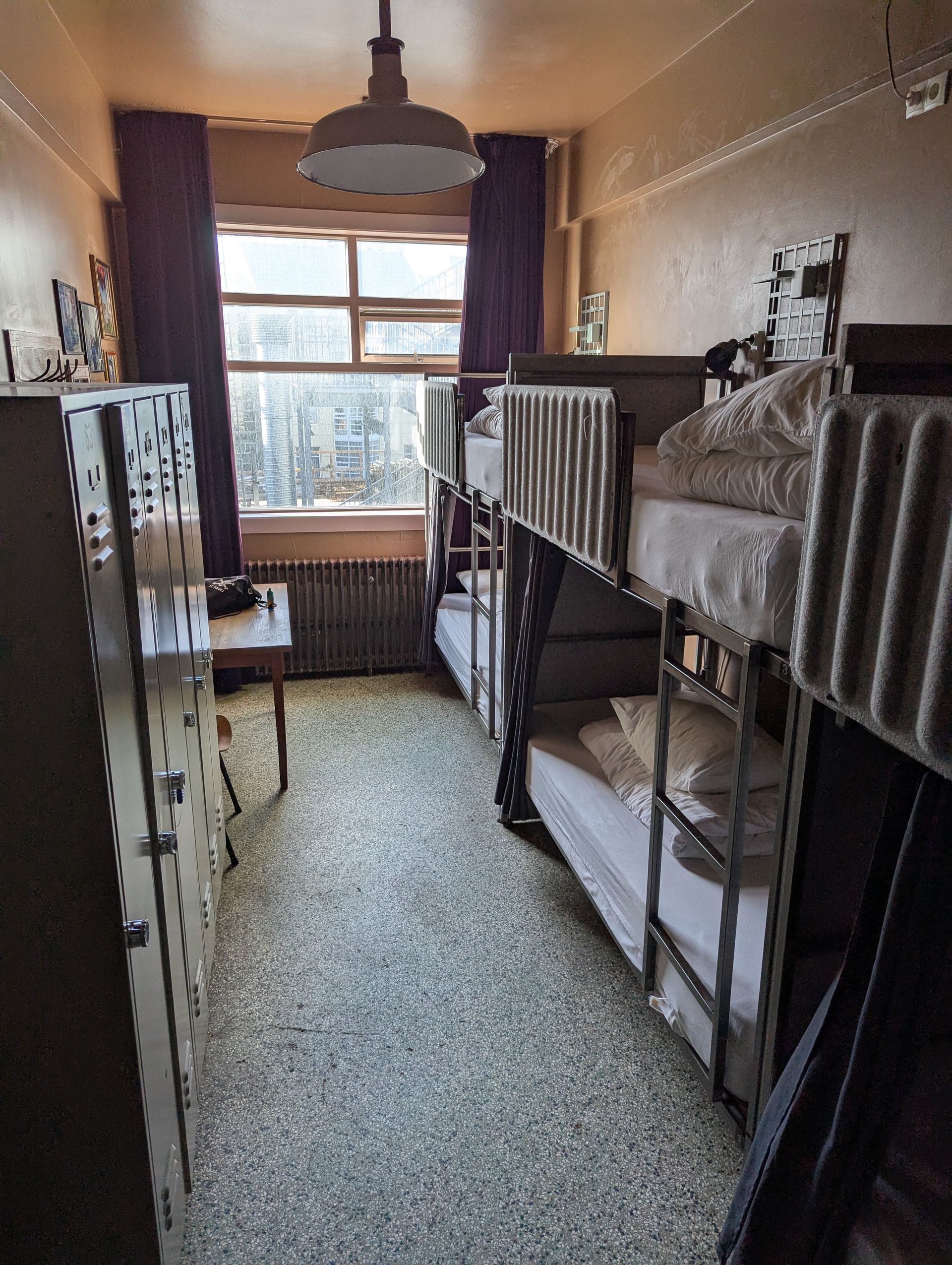
But back to my visit. The cheapest bed in the hostel was available in a 42-bed dormitory for 35 euros. Thanks to under-occupancy, I received an upgrade to a 6-bed room (regularly 46 euros). Then came the obligatory city walk. Besides Hallgrímskirkja, the Parliament, and the hyper-modern opera in the harbor (sounds familiar, right?), a punk rock museum was also among the sights. 14 euros entrance for a tiny exhibition in a public toilet, I passed. The next stops were a supermarket (sandwich baguette for 7 euros) and the Vinbudin, state alcohol dispensaries (0.33 beer for 1.40 euros).
Pub culture, mass tourism, and high-priced alcohol - a paradox. But there was also an island solution for this, as I found out. The mobile app 'Barhopp' provided daily and location-specific information about happy hours and beer prices. Most bars offered discounts before 8 PM to fill their establishments. A great way to enjoy a draft beer for just 8 euros.
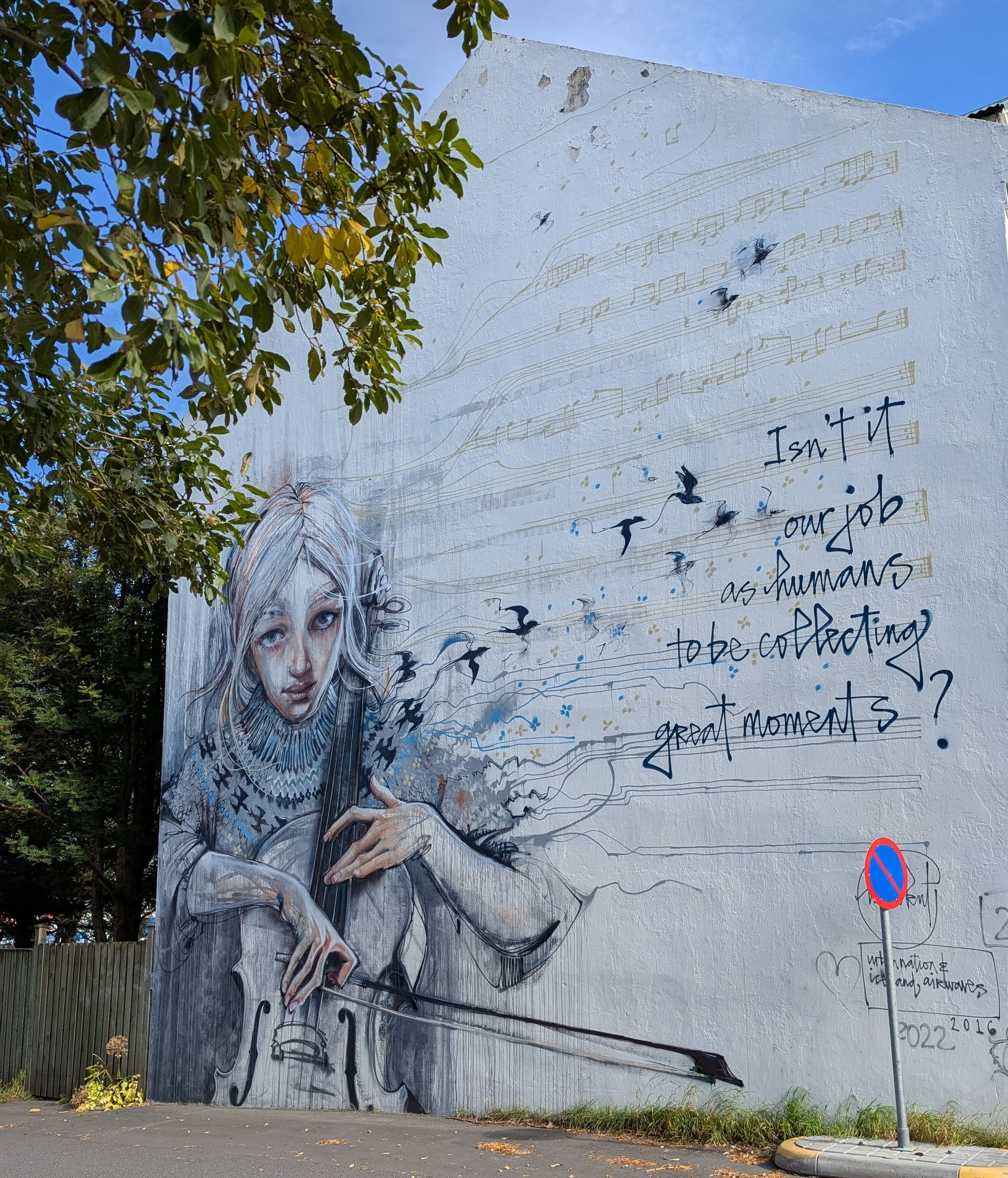
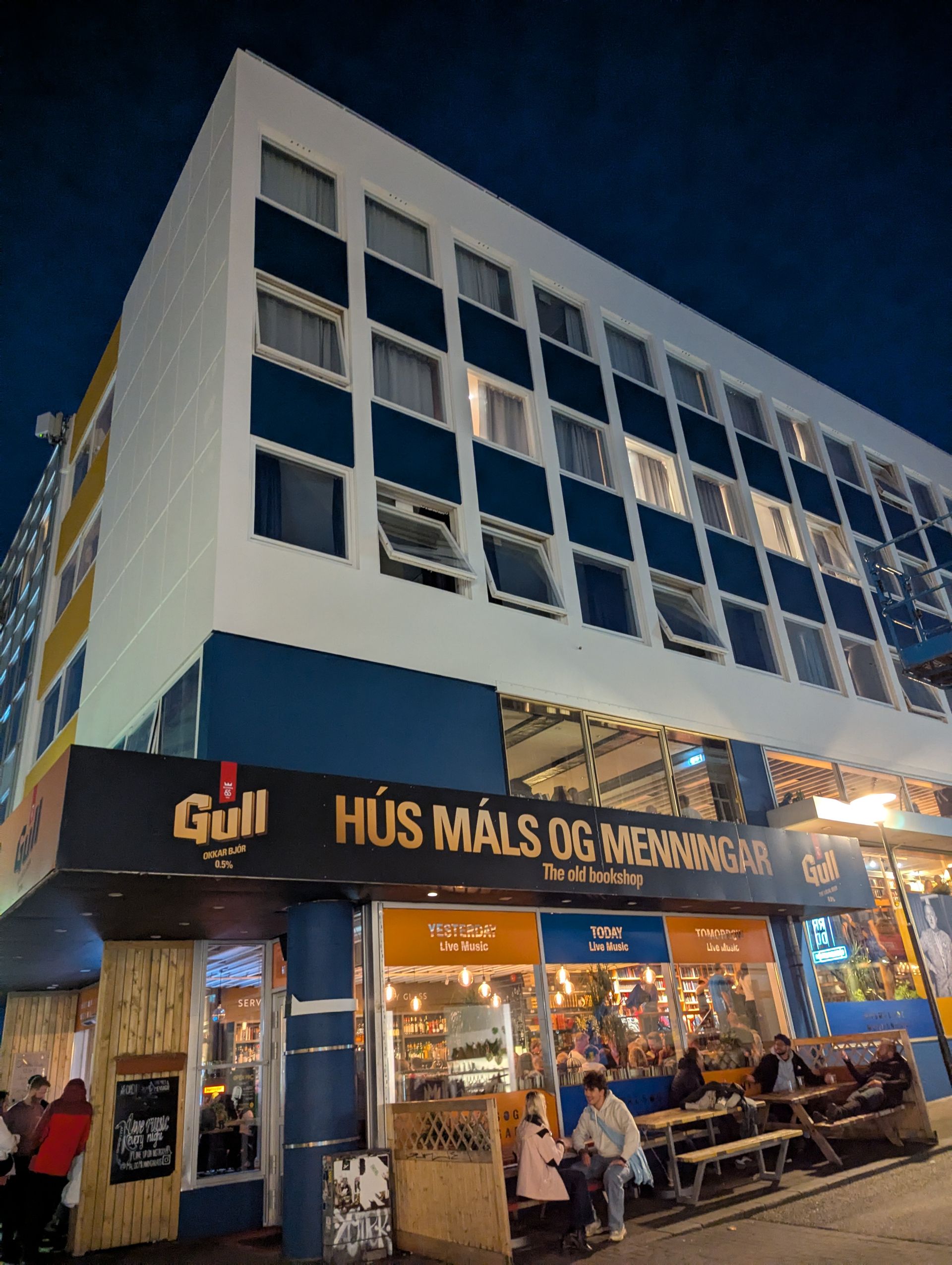
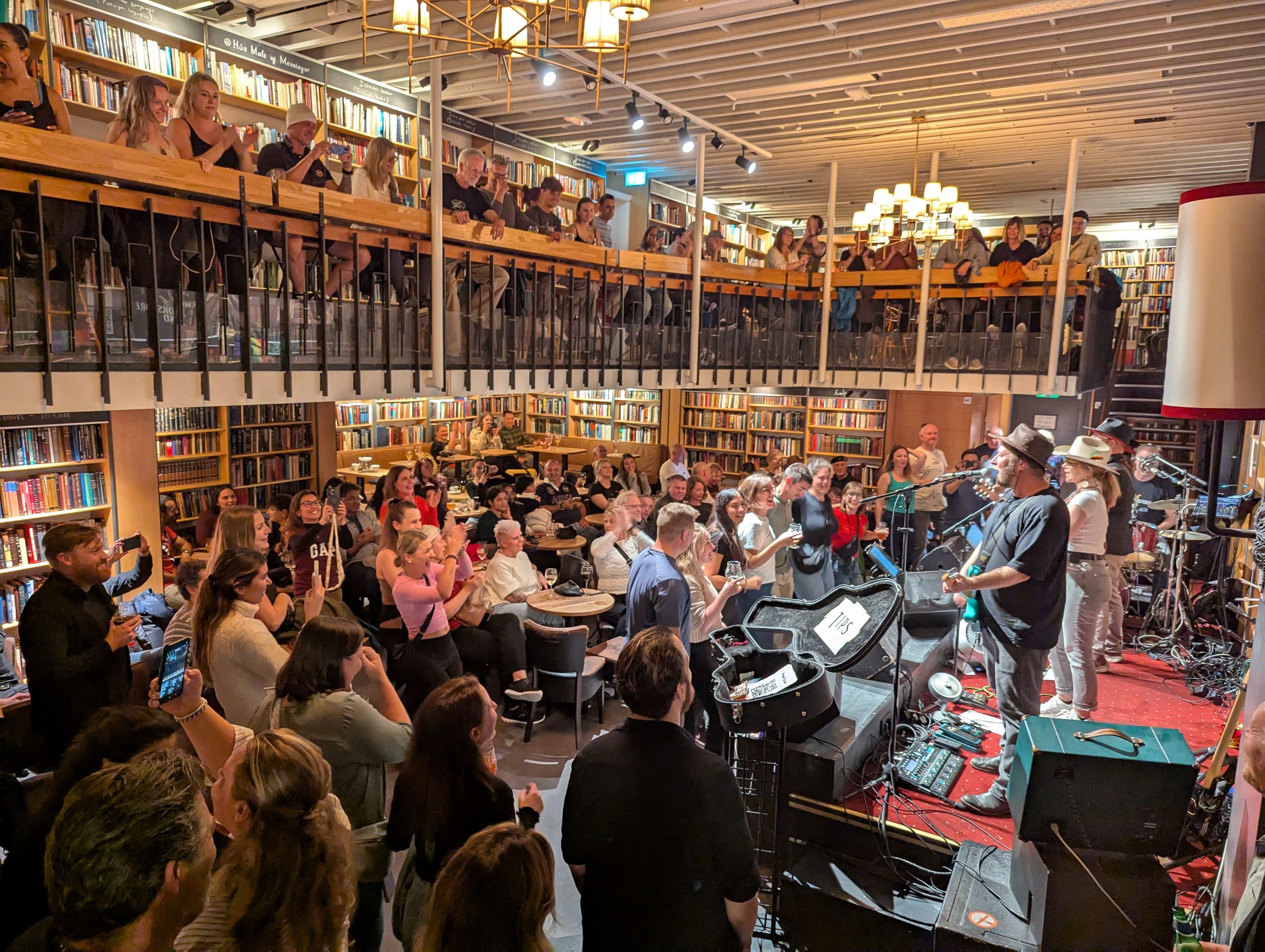
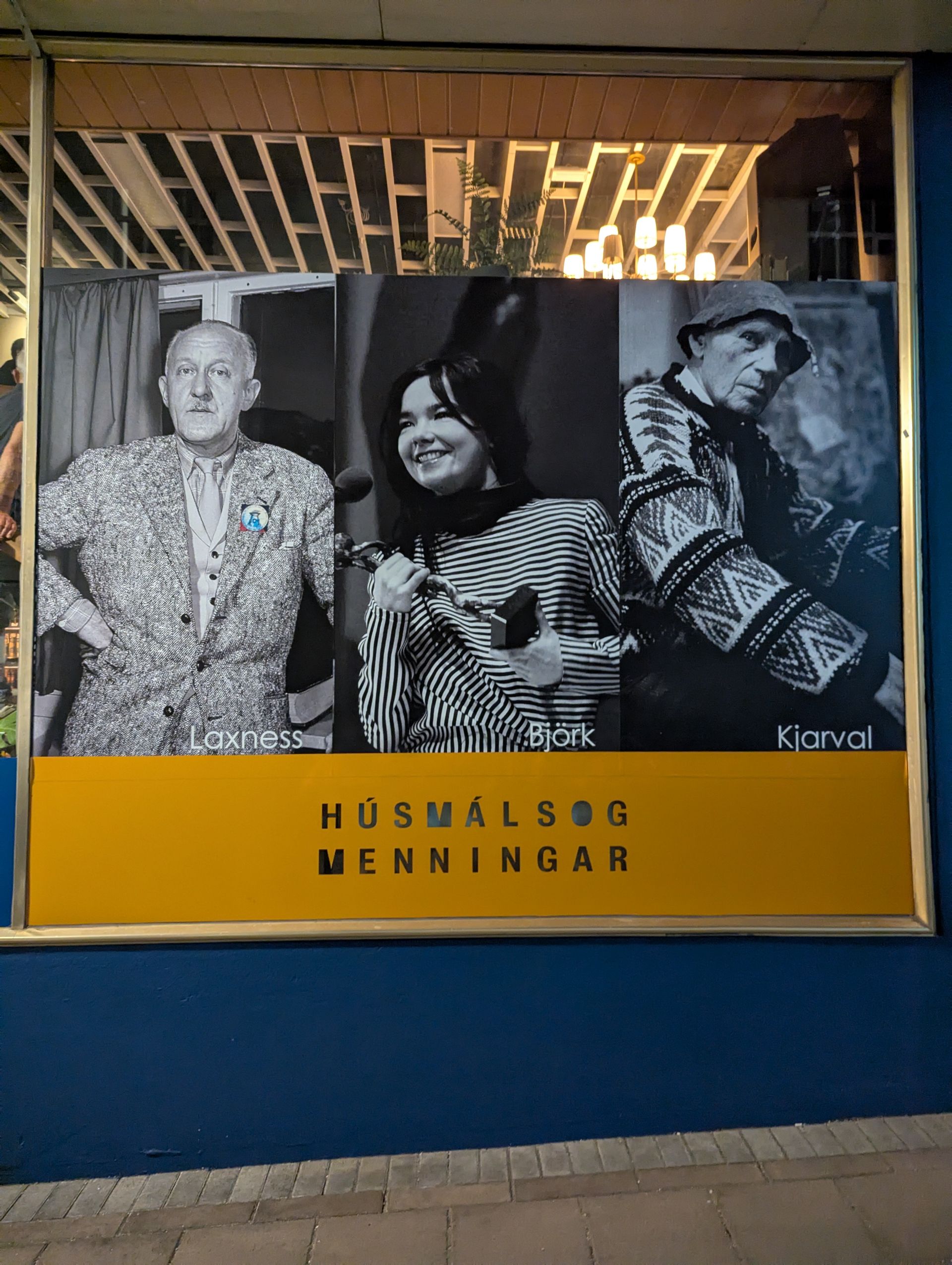
Among the cultural peculiarities that were maintained in Iceland were the high affinity for live music - supposedly every Icelander played in a band - and the book culture - Iceland has boasted high literacy rates for many years. Hence, my last pub visit can also be considered a cultural event. Hus máls og menningar (the old bookshop) convinced with its combined concept as a book-beer-music venue. In the window, large portraits of literature Nobel laureate Laxness and pop megastar Björk. Inside, a cover band warmed up the very mixed audience: Fleetwood Mac, Journey, Abba, Shania Twain, Dirty Dancing, Cranberries, etc. I secretly drank my smuggled beer from the Vinbudin.
Reykjavik liked to see itself as a cultural island amidst the unique environment of the country. Outside the capital (the northernmost capital in the world!), one searched in vain for historical legacies. To what extent the tourism boom sharpens or dilutes the cultural identity of the country in the future remains to be seen.
I set my alarm for 5:30 AM; tomorrow it was time to continue my travels. After arriving by ship a week ago, I was to leave the island by plane.