
The Possibility of an Island (Reykjavik in Iceland)
Some time ago, I came across a collection of posts on the topic of 'island', which mentioned the so-called island research. Island research encompasses many fields: cultural...

Published: 03.09.2025
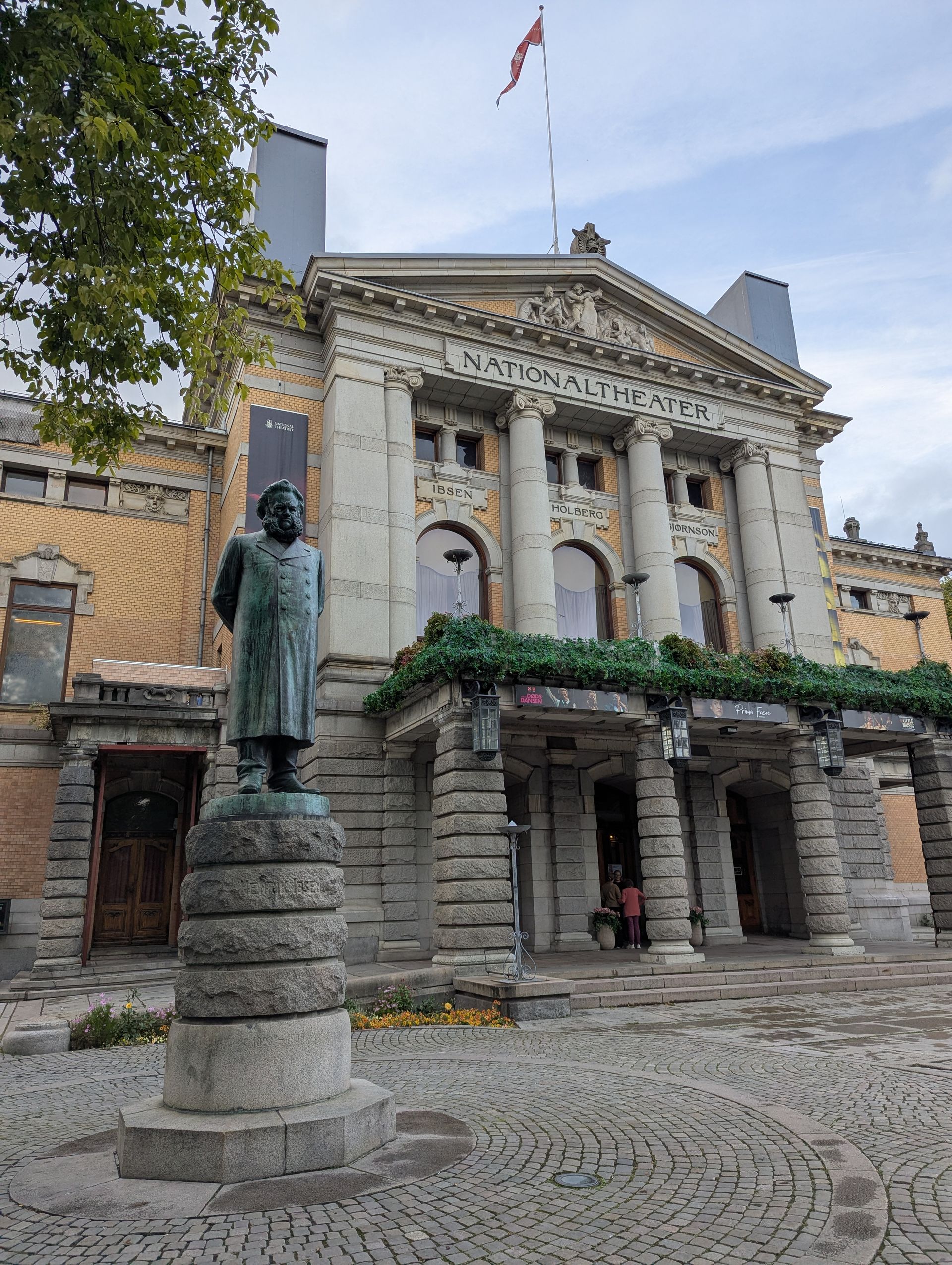
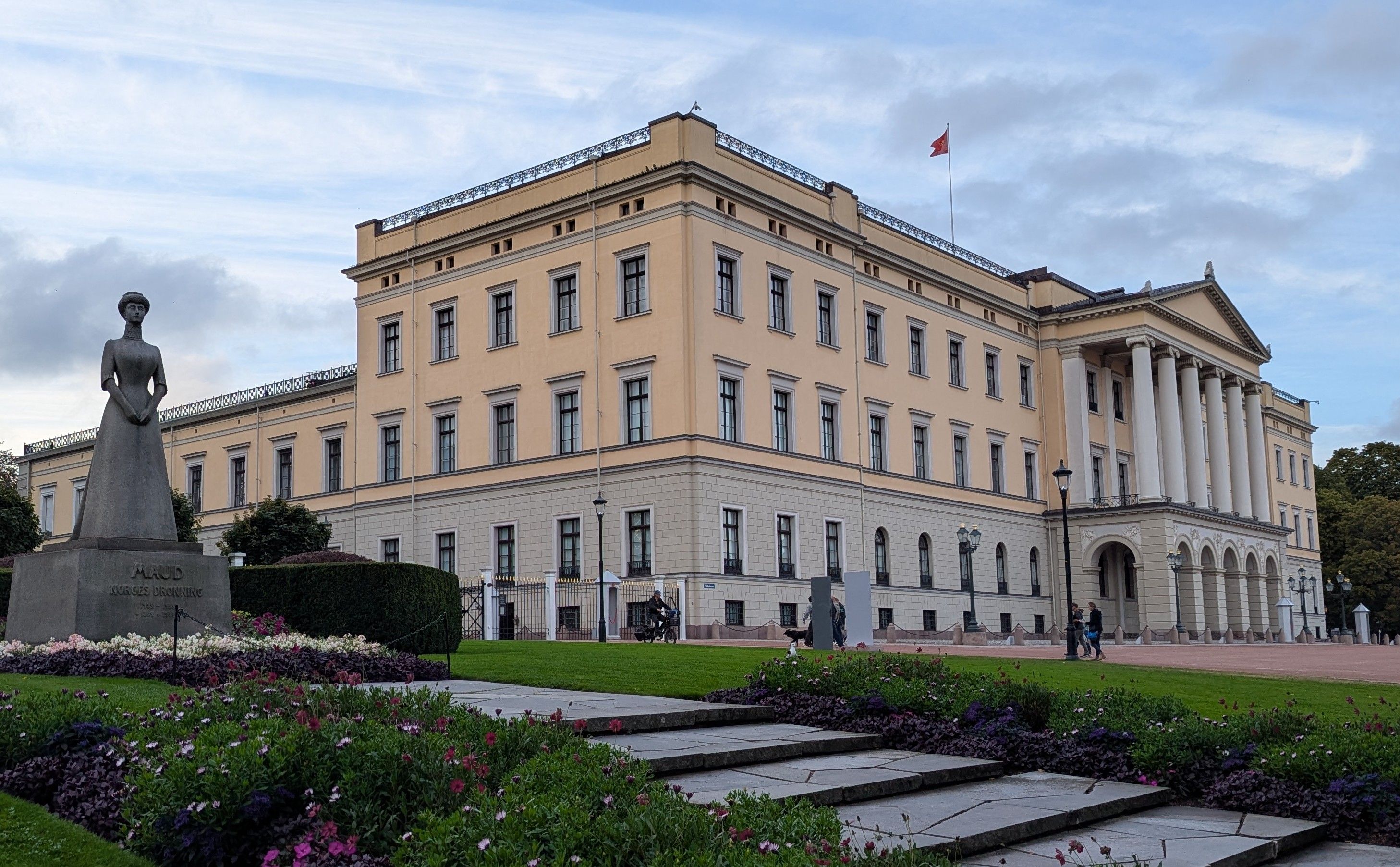
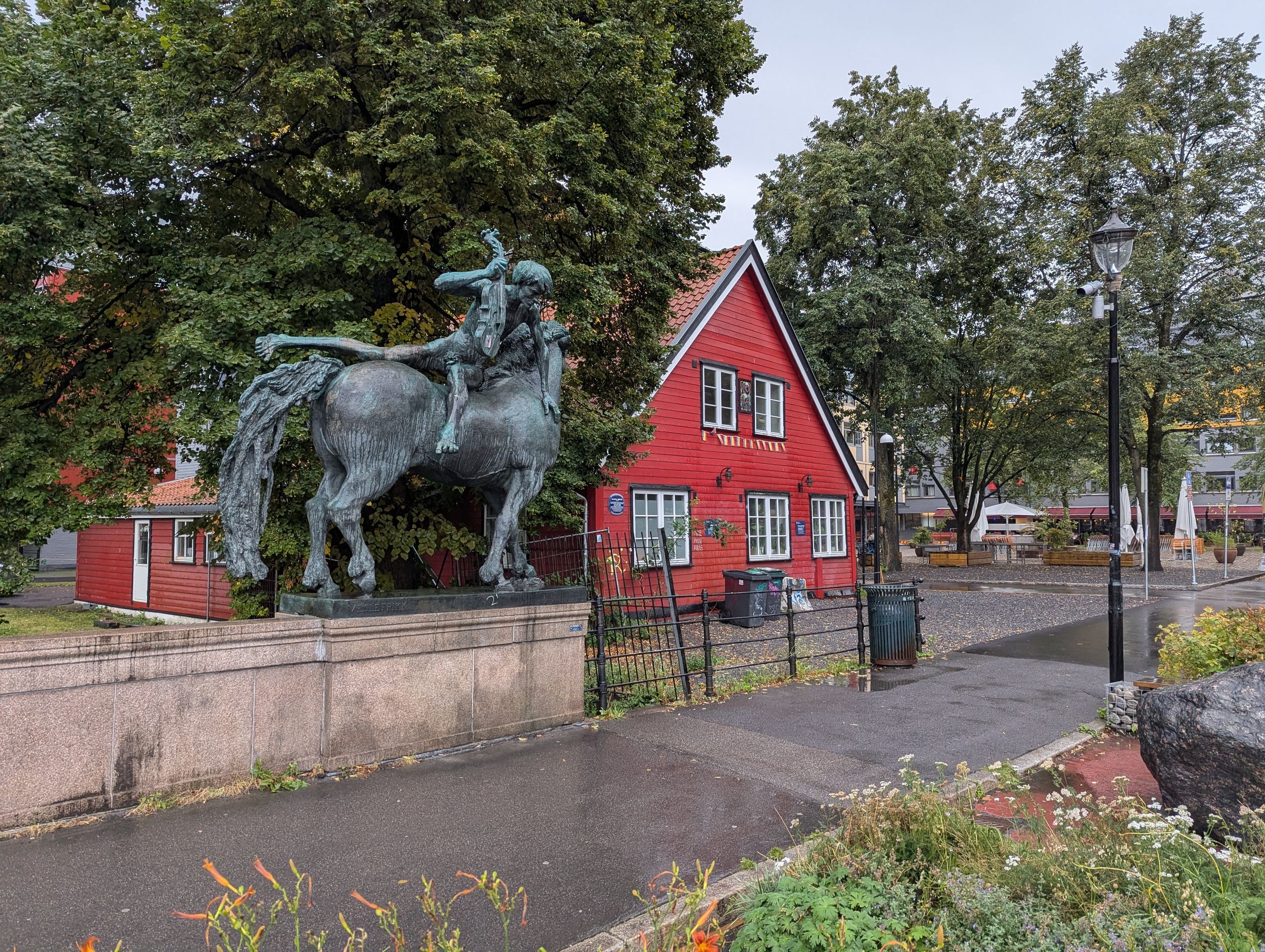
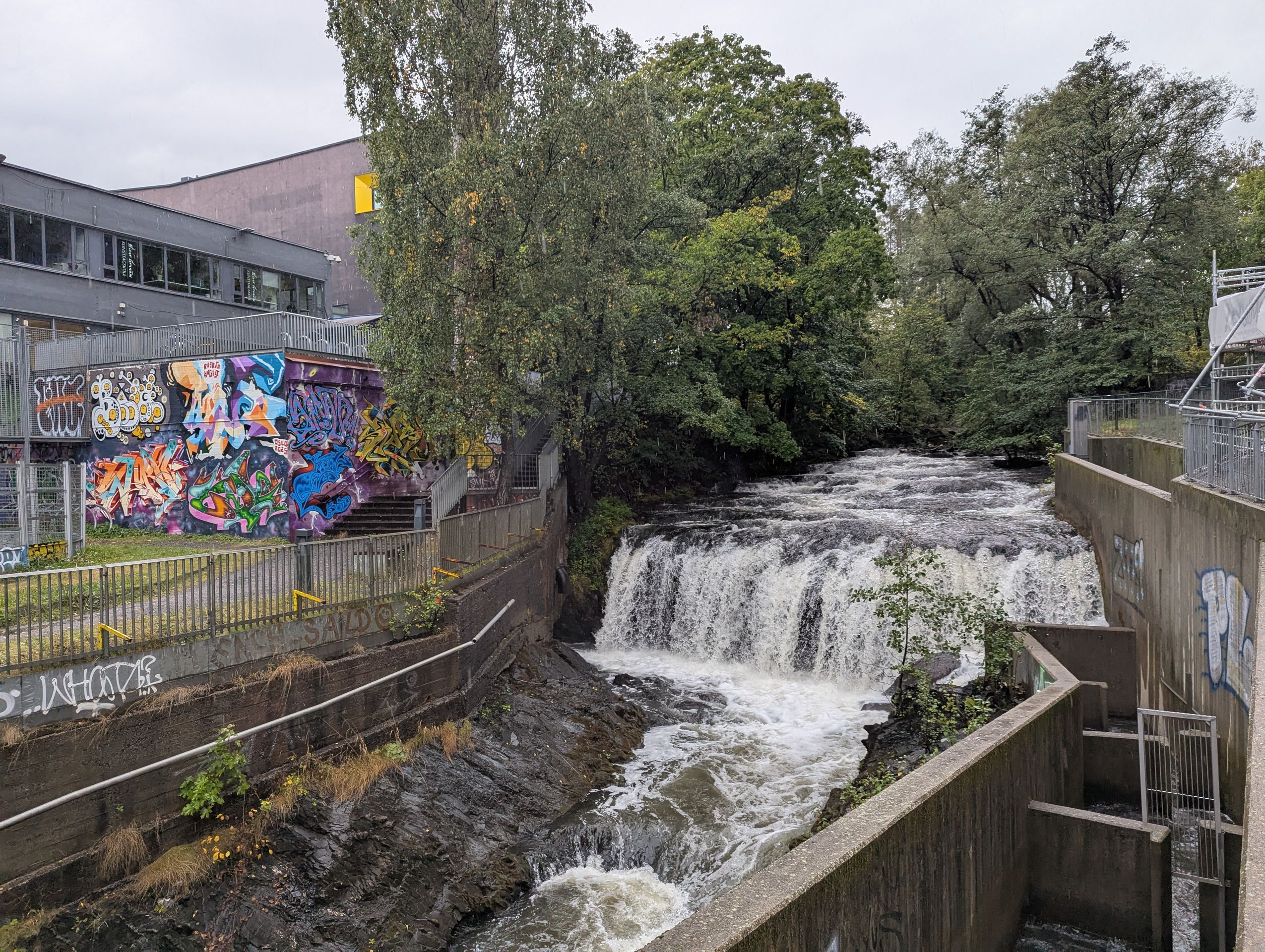
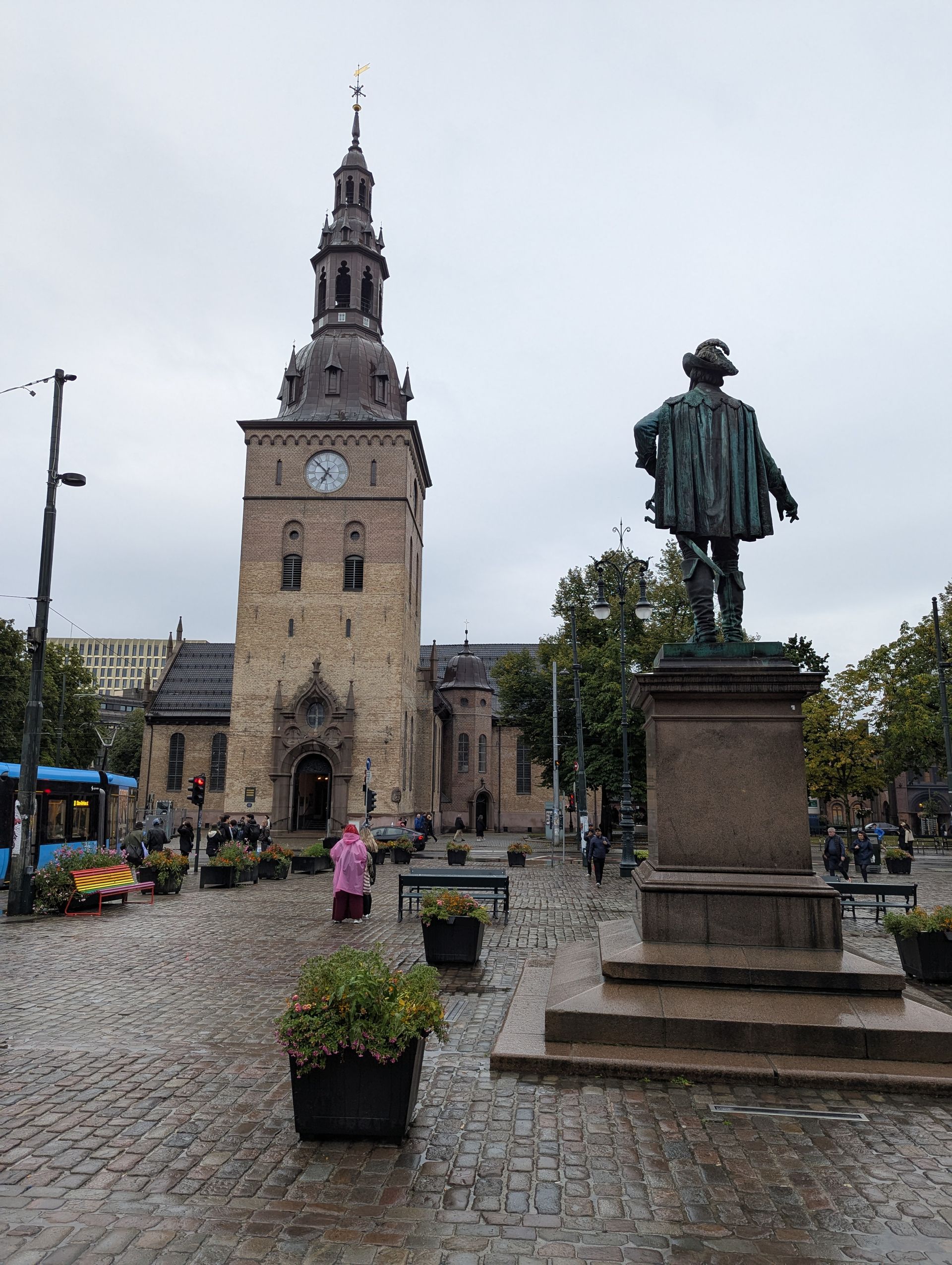
Oslo was a compressed city, Oslo was a young capital, Oslo was an unfinished city.
A brief ride through the city's history: Viking settlement, under Danish rule, the city fire in the 17th century and reconstruction further north as Kristiania, under Swedish rule, 1905 became the capital after Norway's independence, renamed Oslo in 1924, German occupation during World War II, the beginning of the oil boom in the 1960s, 2011 right-wing terrorist attacks in the government quarter and on the island of Utøya with 77 fatalities, Norway ranked first in the United Nations Human Development Index in 2022.
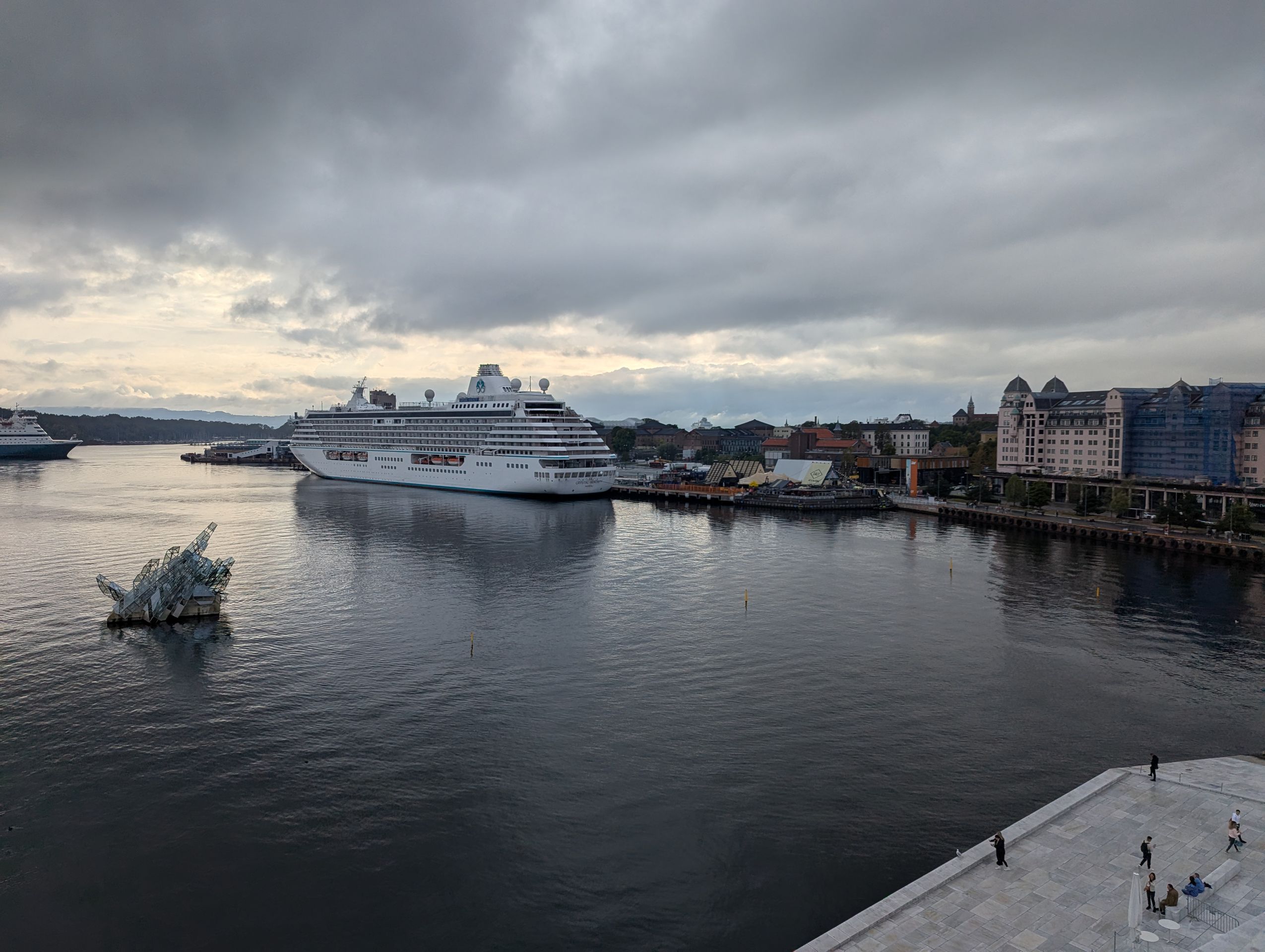
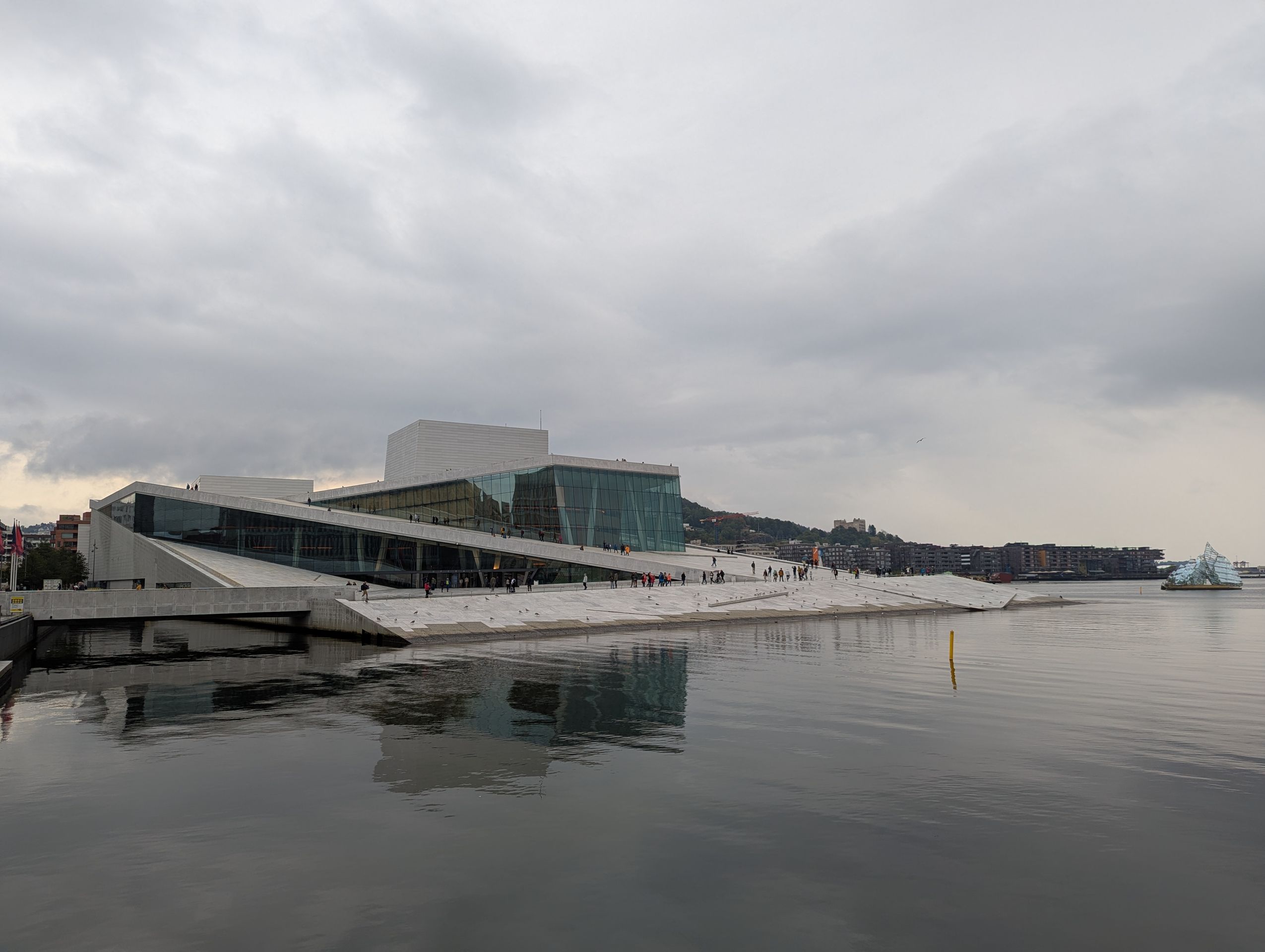
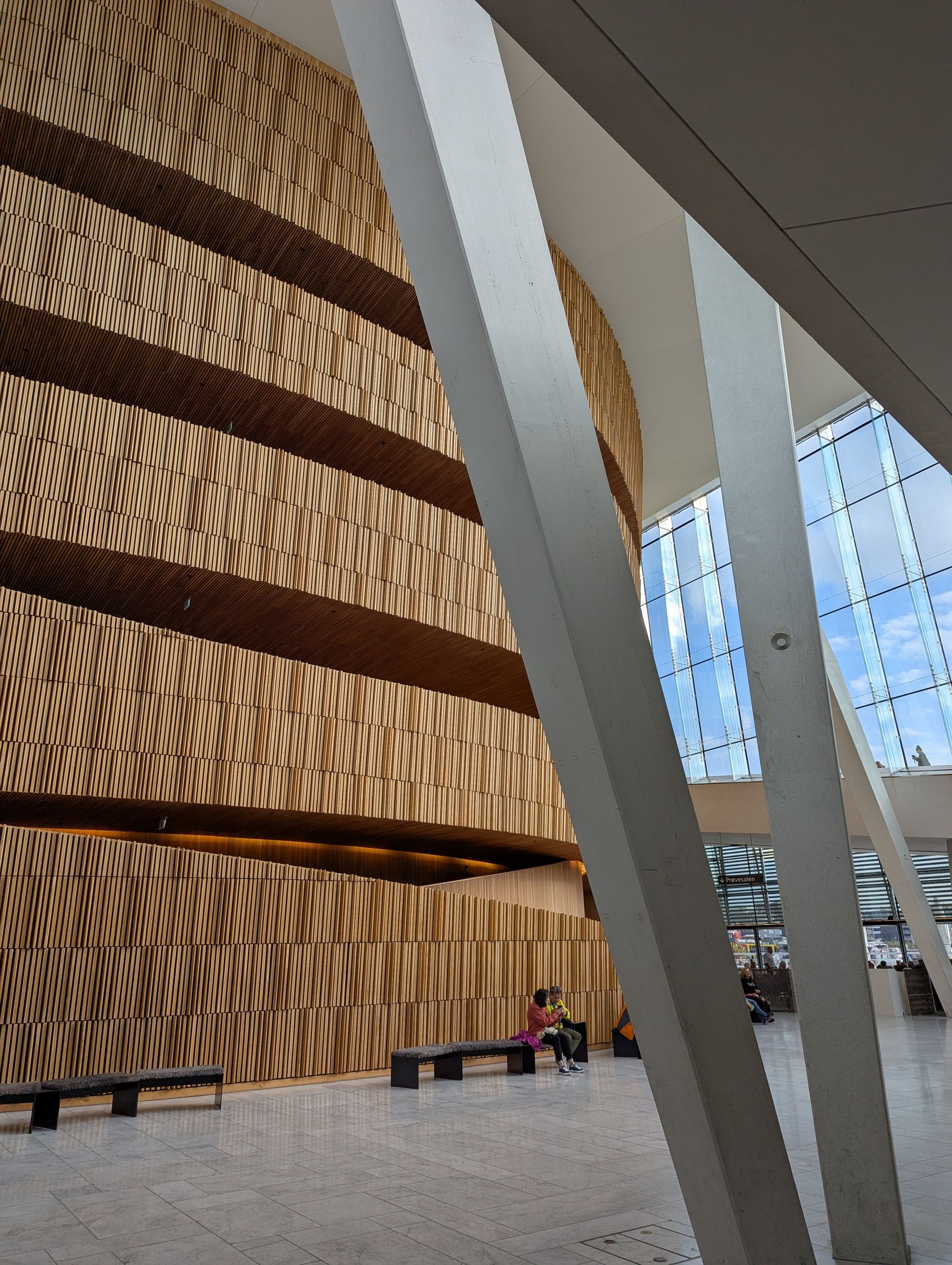
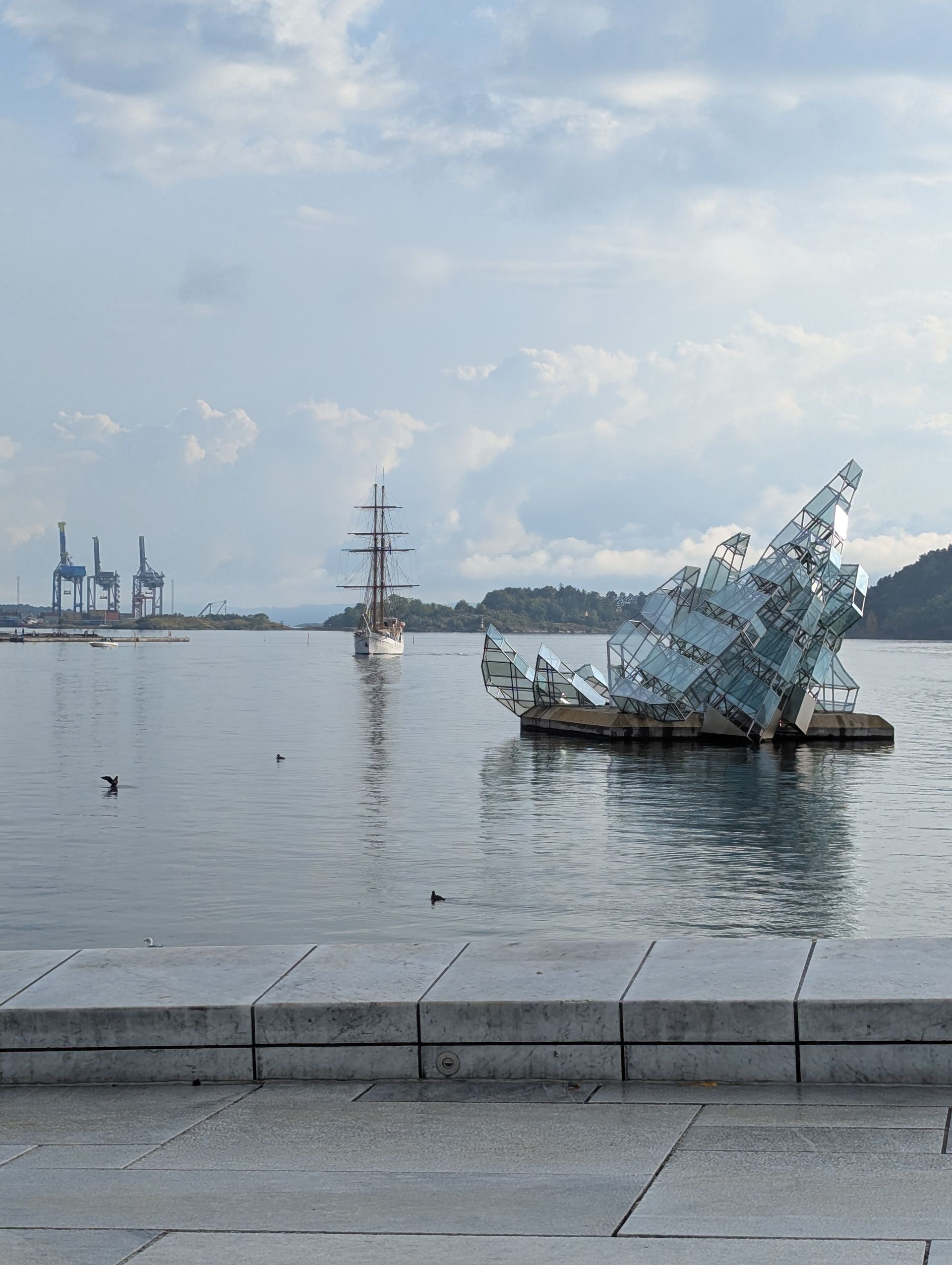
On Thursday afternoon, I spent some time after checking in at Hostel Haraldsheim getting to know the city better. My starting point was the opera house at the harbor. Here too, a hyper-modern cultural building close to the water (similar to the opera in Reykjavik, comparable to the university library in Helsinki, familiar like the Elbphilharmonie in Hamburg.) Apparently, Sydney had triggered a development that continues to resonate. Despite a few rays of sunshine in the late afternoon, the city appeared gray, partly due to the granite used in construction. Modern glass facades of the new buildings at the harbor reflected the gray of the sky and the fjord. What a contrast to Reykjavik with its colorful facades?!
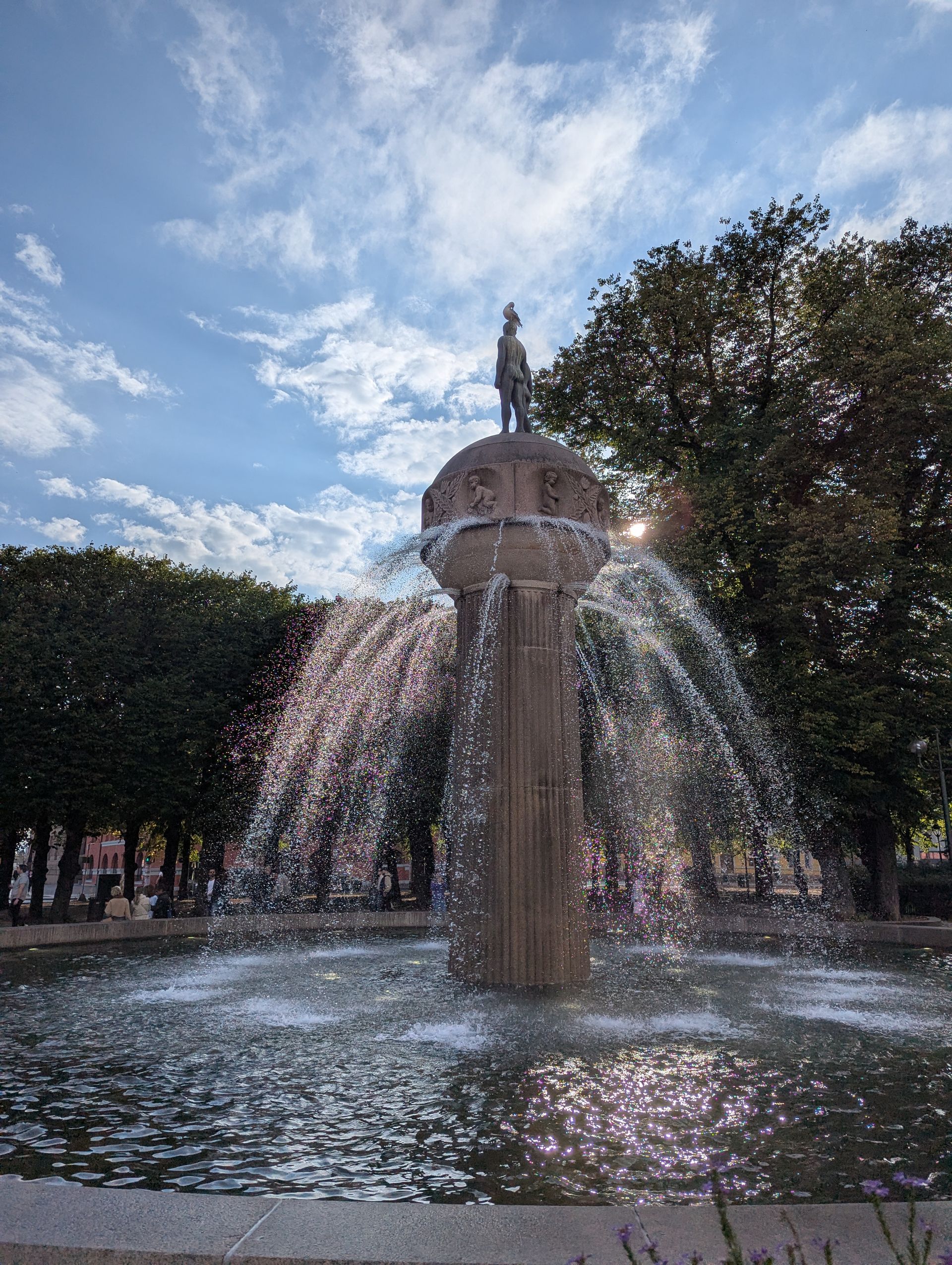
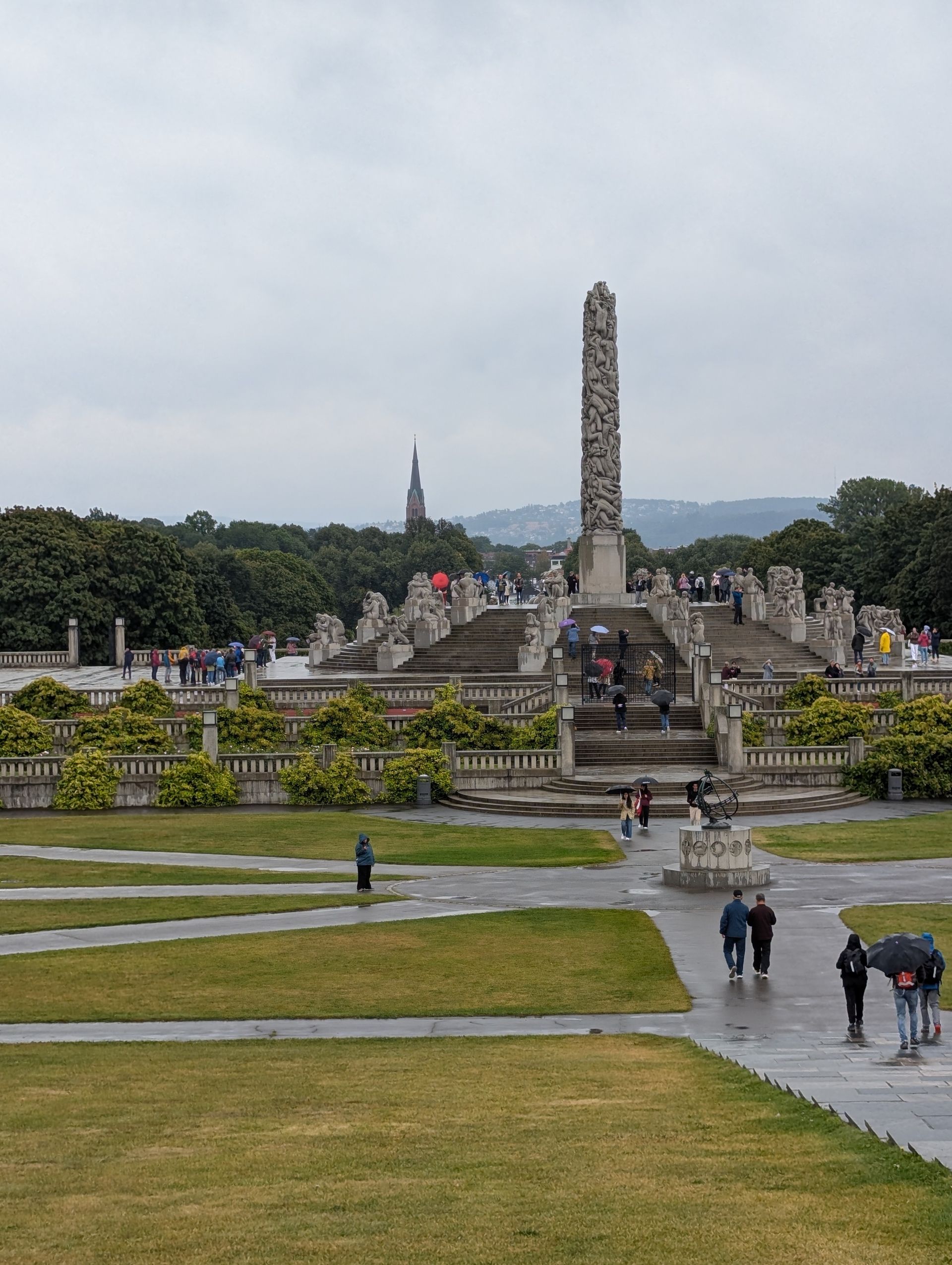
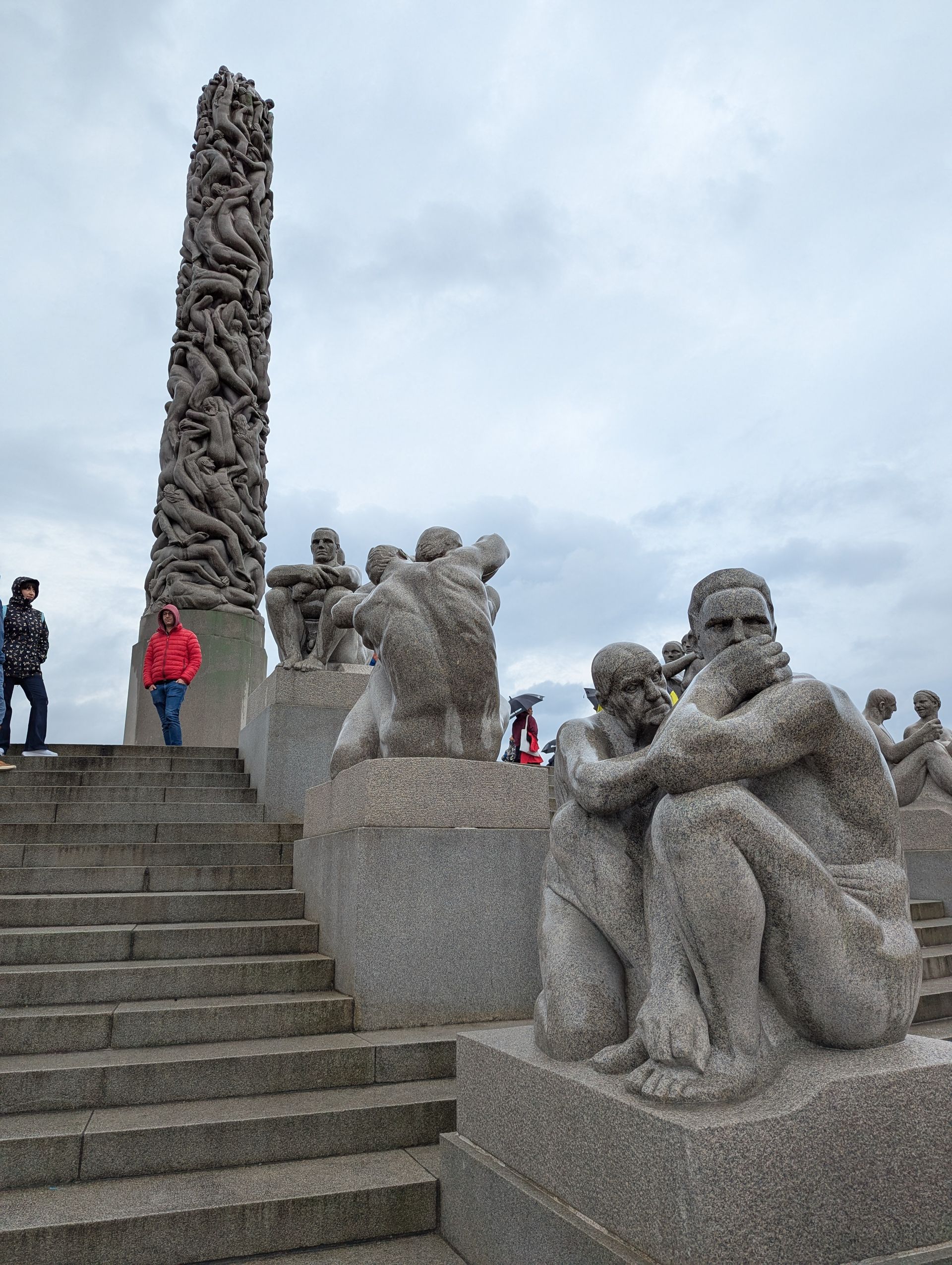
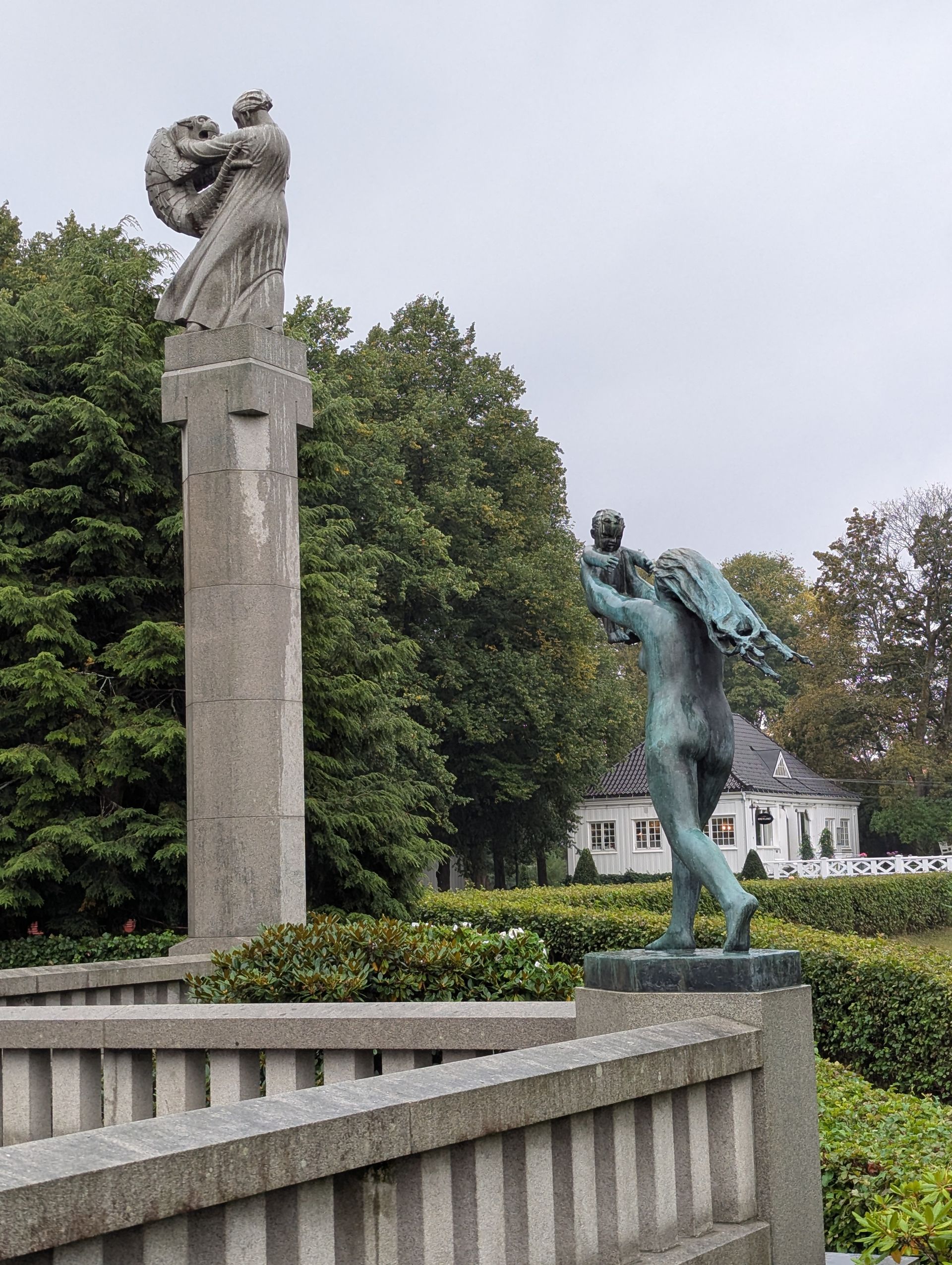
Even during a visit to the Vigeland Sculpture Park, the color gray dominated. More than 200 sculptures made of granite depicted humanity in all stages of life from toddler to old age. Very impressive, it started to rain.
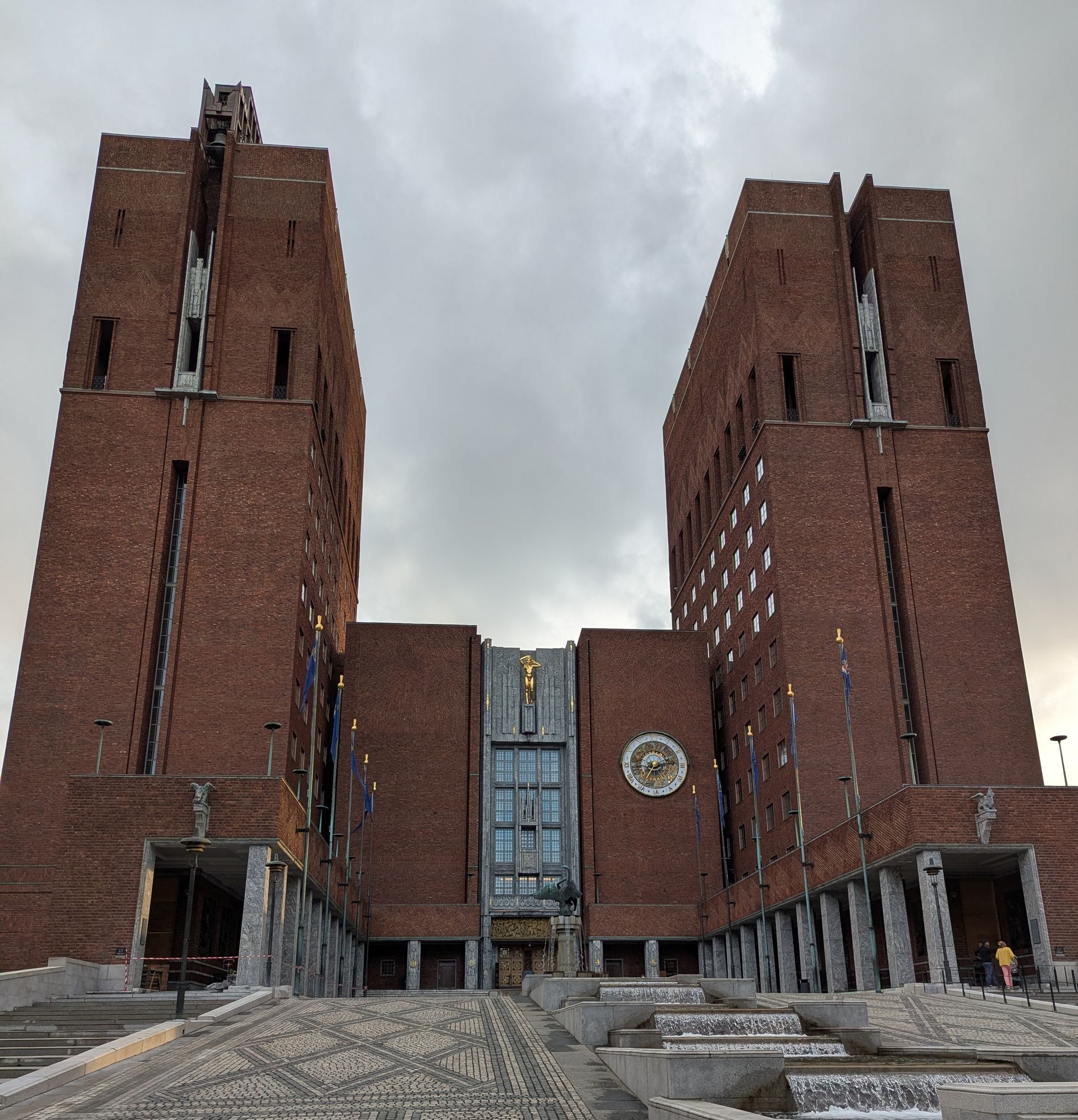
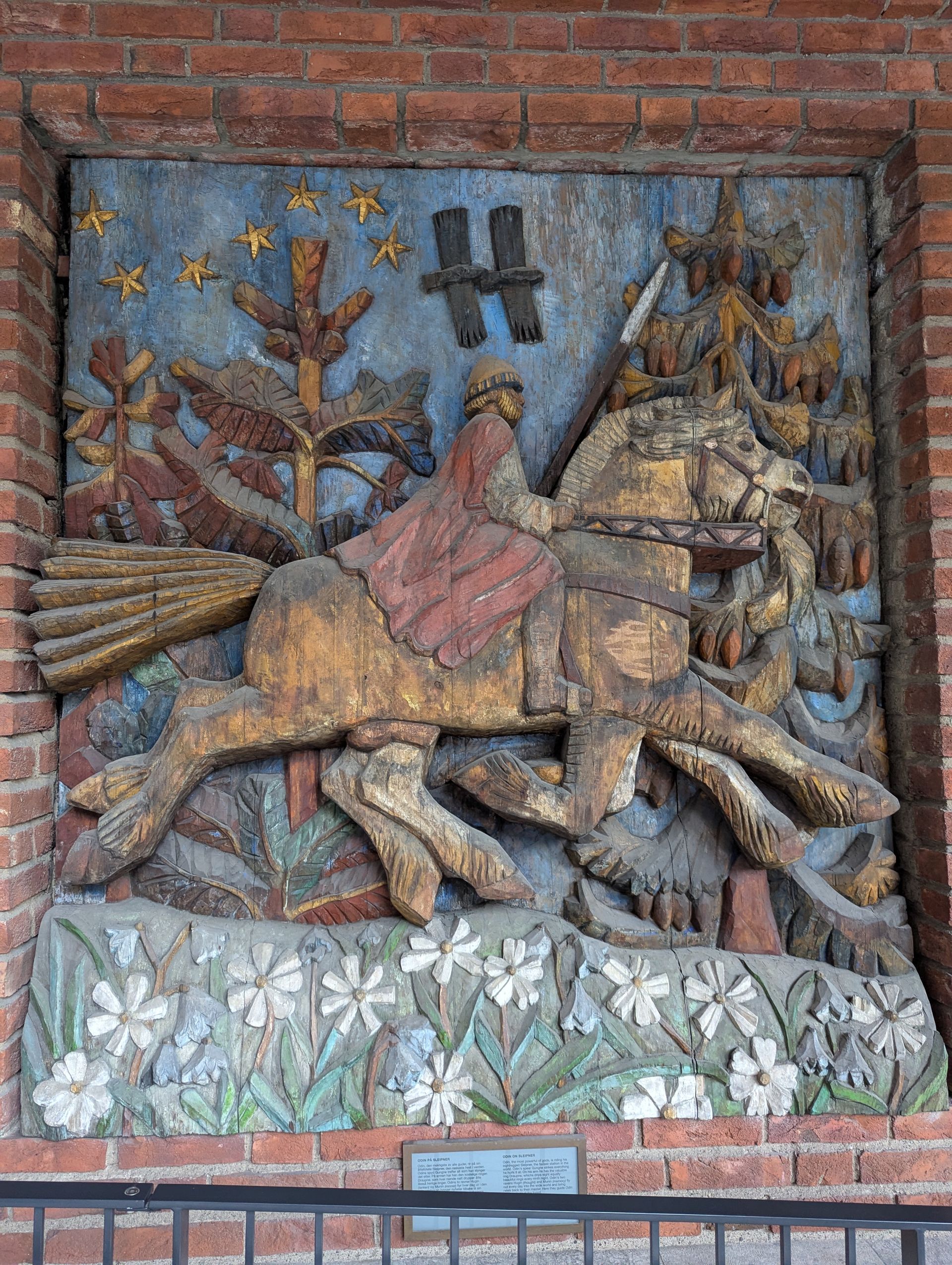
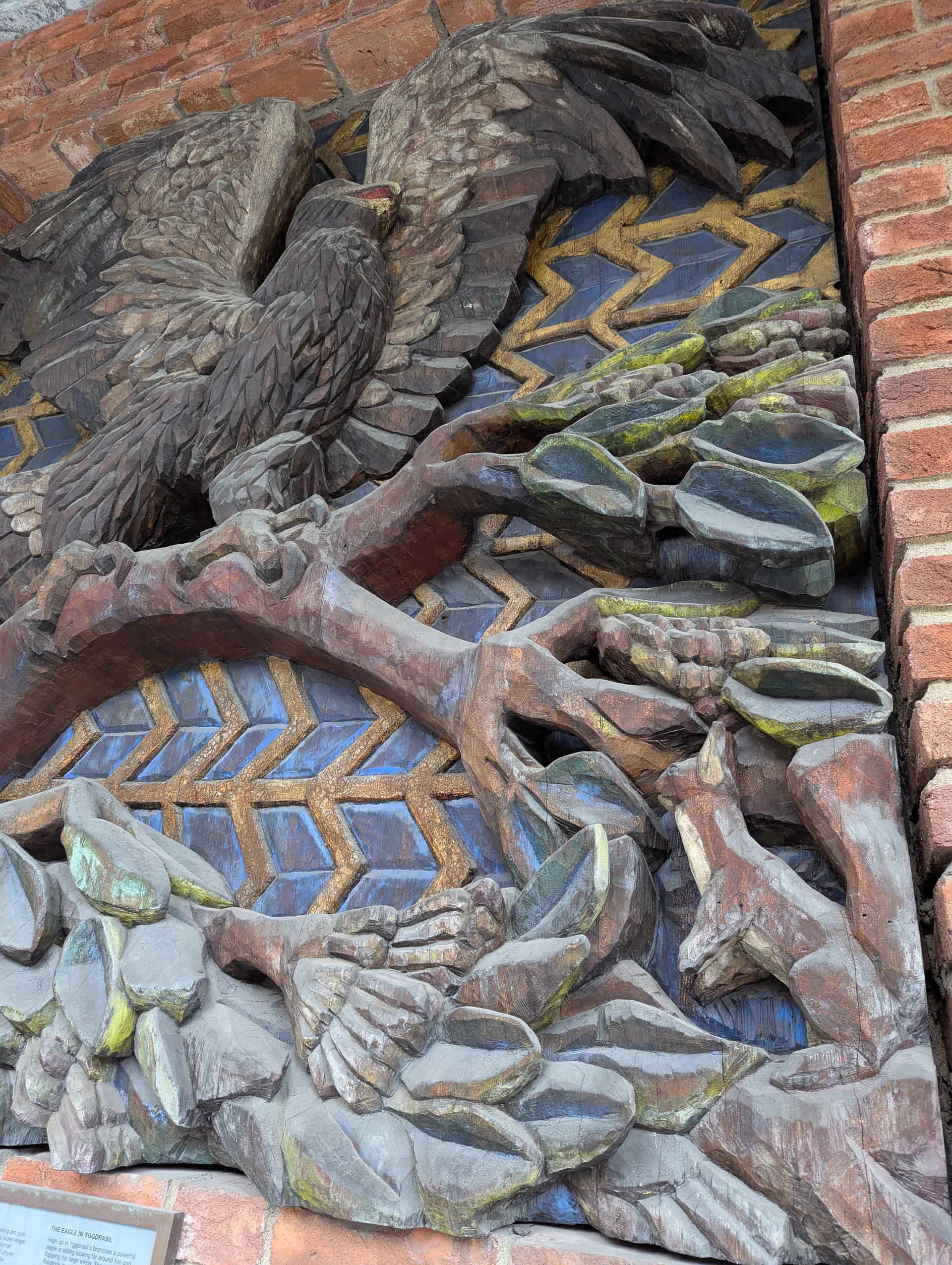
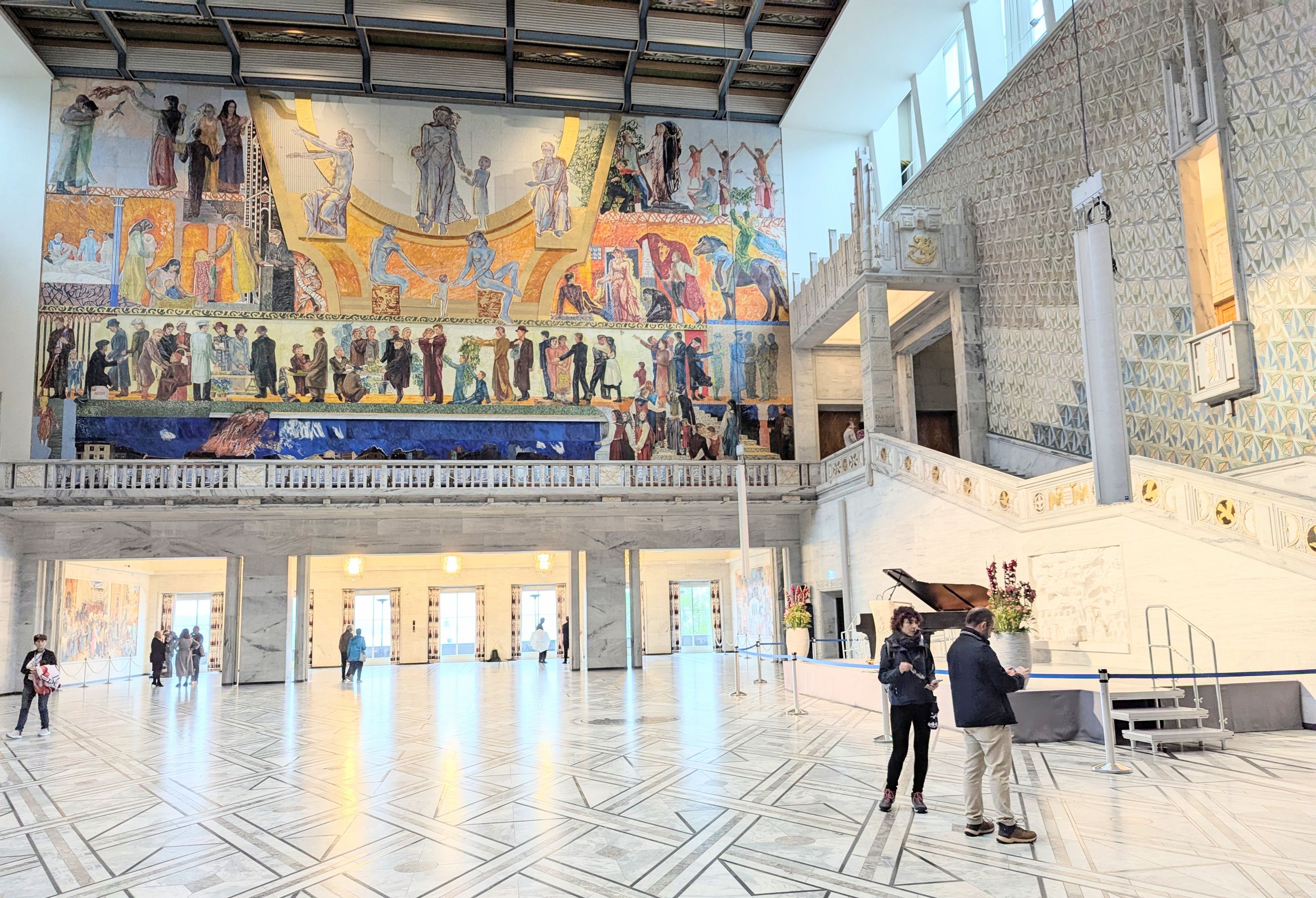
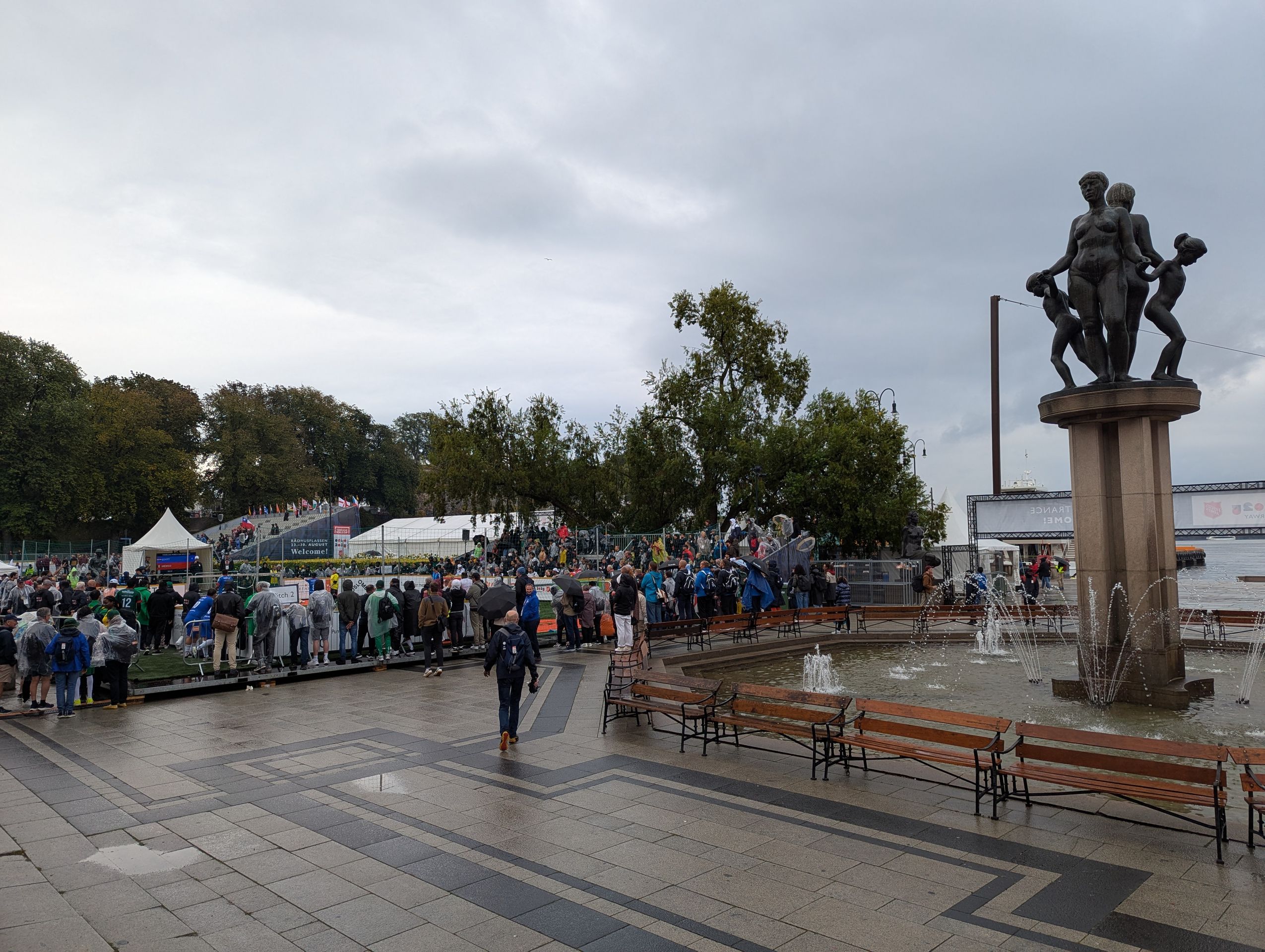
Another sight was the city hall, a monolithic brick building with numerous representations, mythological, allegorical, and everyday. It rained so heavily there that I was glad to be able to visit the hall where the banquet for the Nobel Prize awards is held, dry inside. Outside, young people were playing football in the rain. Oslo hosted the Homeless World Cup for the second time, a football tournament for young homeless individuals. Last year in Seoul, Mexico took the title.
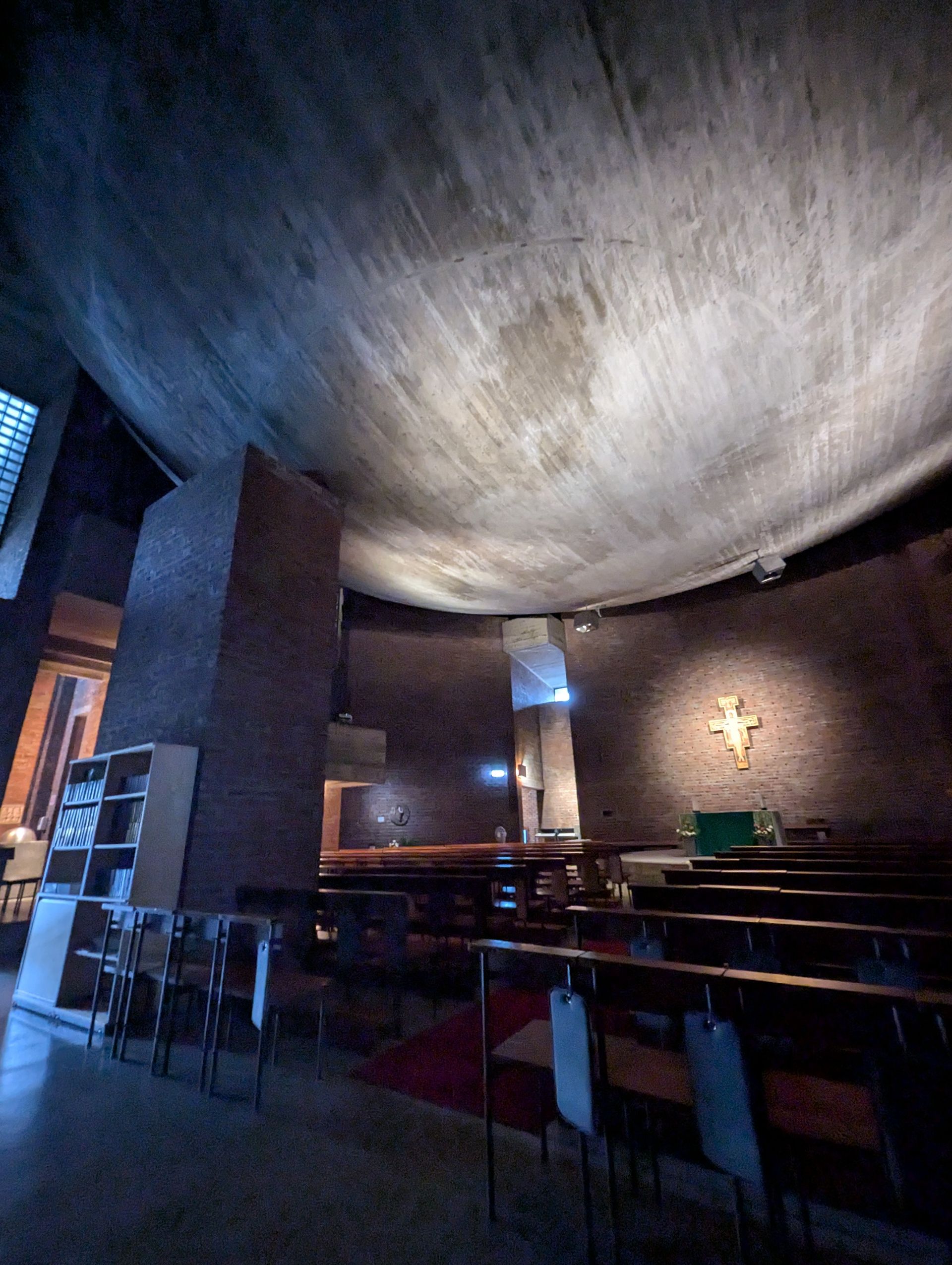
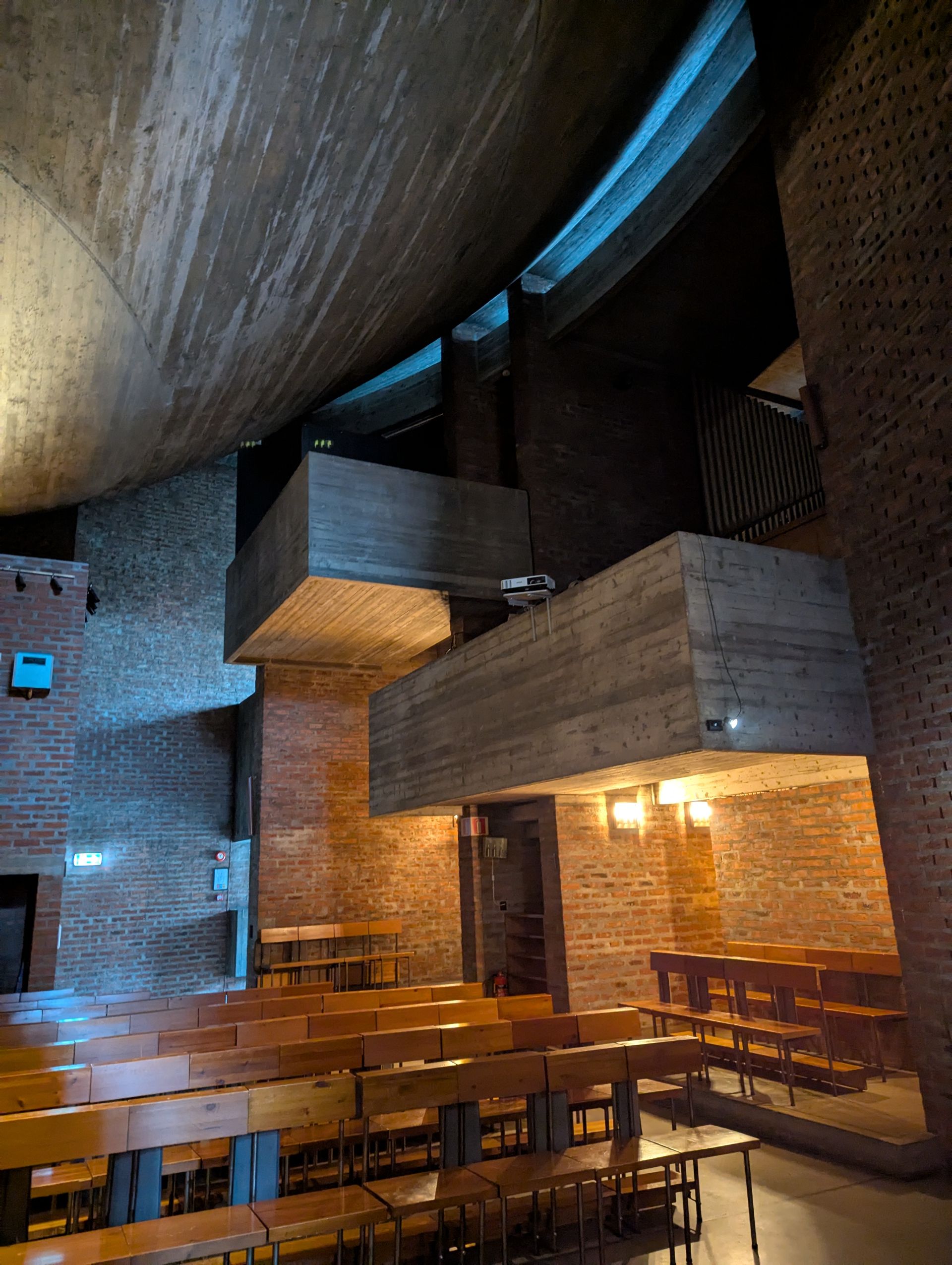
Afterward, I made my way in the rain to visit St. Hallvards Kirke. Built in the Brutalist style, the church was constructed so that an inverted dome protruded into the sacred space. Impressive, but overwhelming. Outside it was pouring rain.
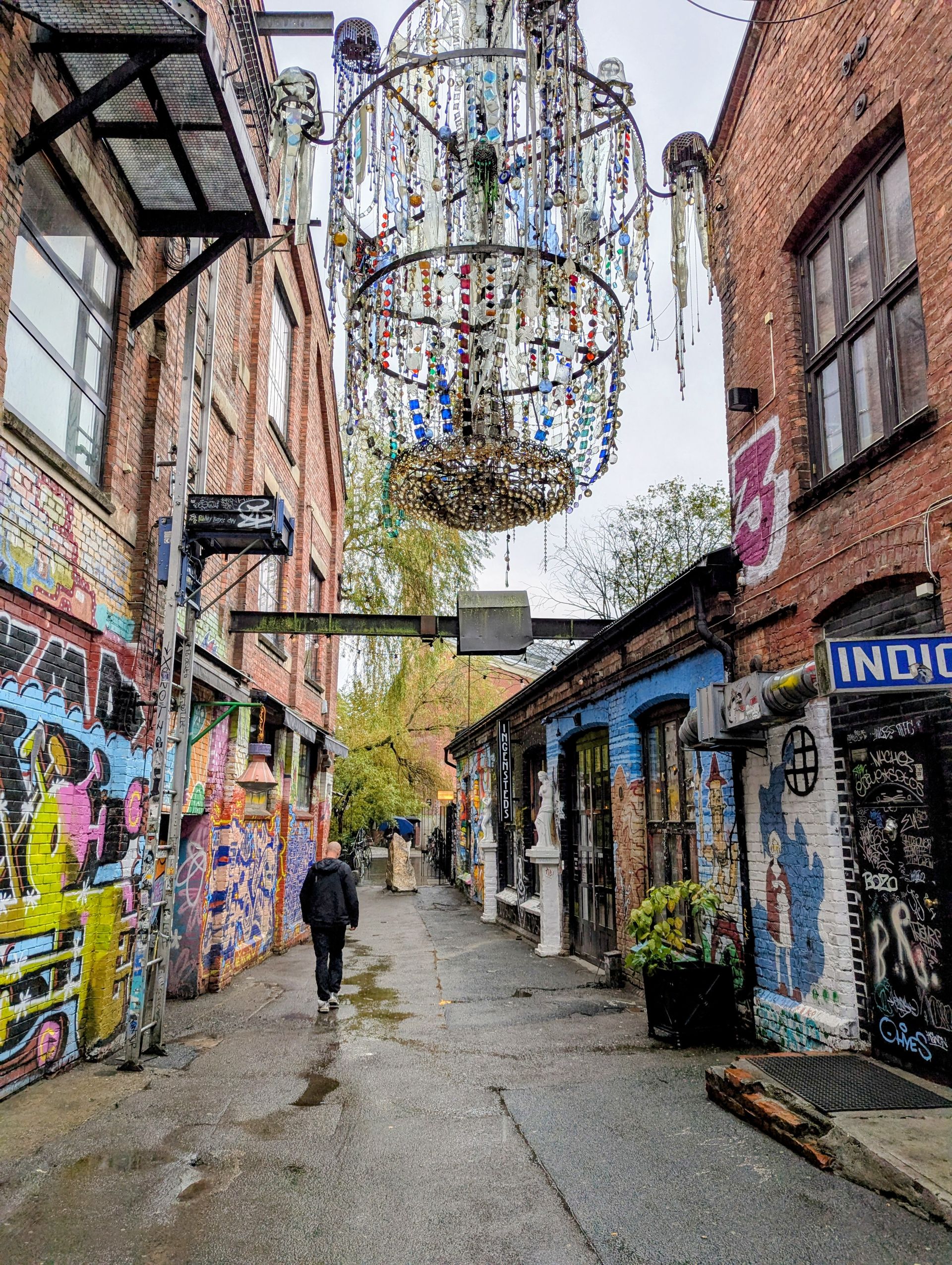
While strolling through the hipster district Grünerløkka, I was grateful for my umbrella; the bright graffiti in the area looked dull in the dreary weather. My hiking shoes were slowly getting wet. I sought refuge in a bar.
Also noteworthy was the massive construction pit in the former government district. After the bombing in 2011, extensive construction work was undertaken for redesign. How the victims will be commemorated remains to be seen.
On my only evening in the city, there was a bingo night at a pub presented by a drag queen. The artist, in rainbow colors, hosted the evening in Norwegian. Apparently, I looked a bit lost, so my neighbors helped me understand the spectacle. I struck up a conversation with Brynjar and learned more about the city and the country. In a similar vein, I met Alex, a friend of a friend, who also spoke about Norway, a welfare state where everything was taken care of.
Unfortunately, the city did not leave me with an overly optimistic impression, which realistically could also be attributed to the rainy weather. On Friday night, I traveled to Sweden around midnight.
I did not visit Edvard Munch's 'The Scream.'