
Silesian Wine - Zielona Gora in September
Landmark of the city, the palm house

Published: 15.11.2026
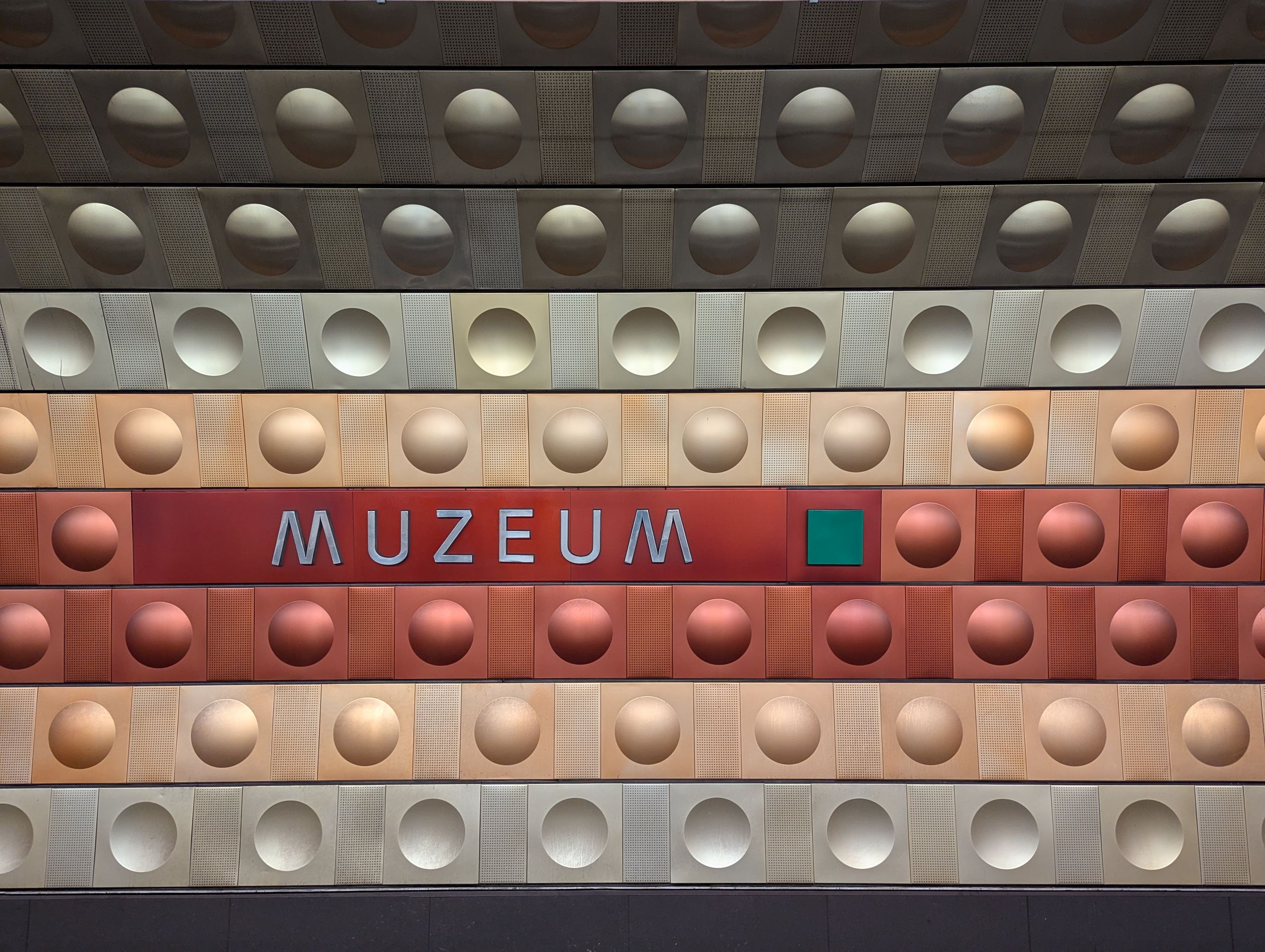
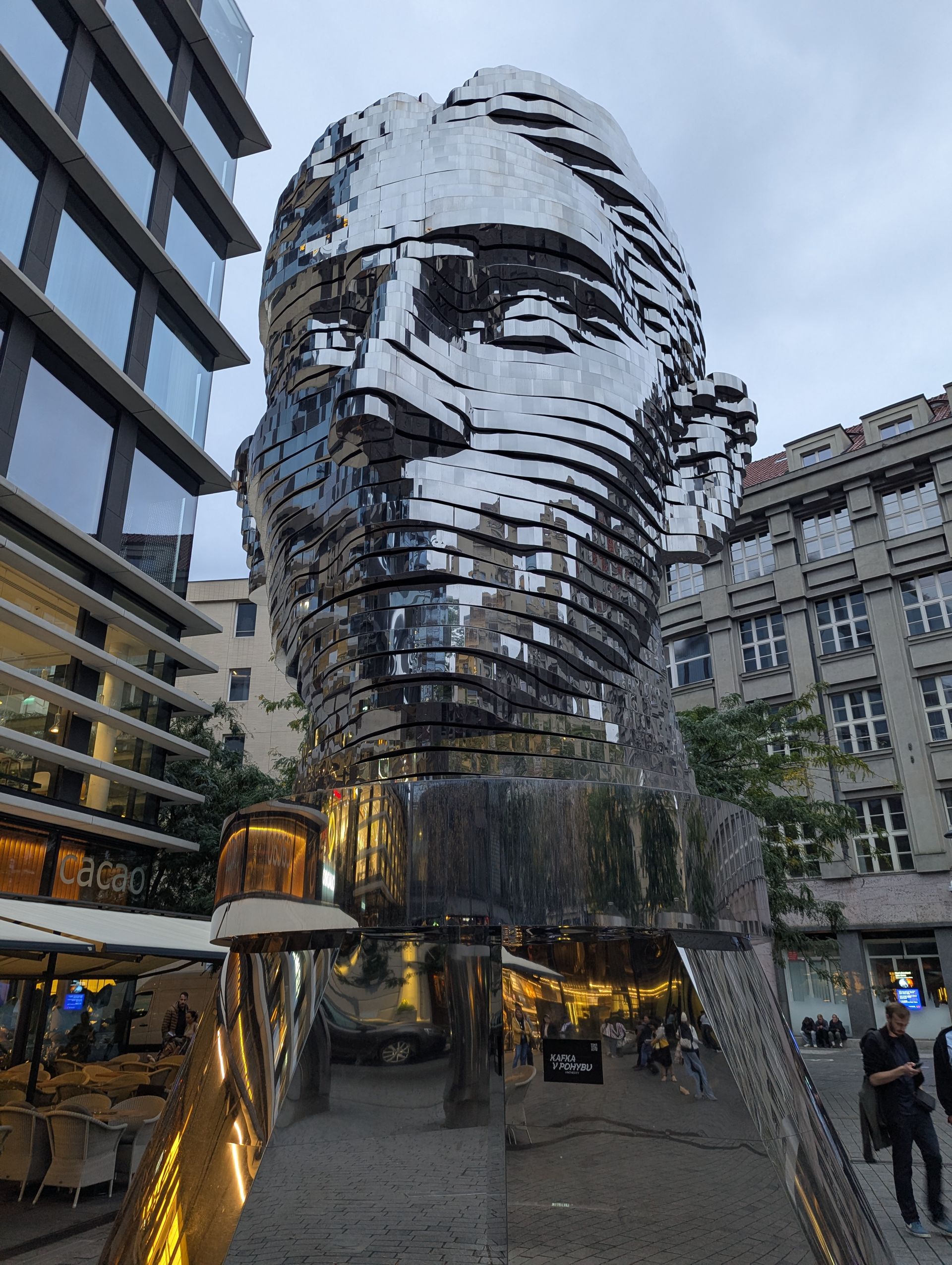
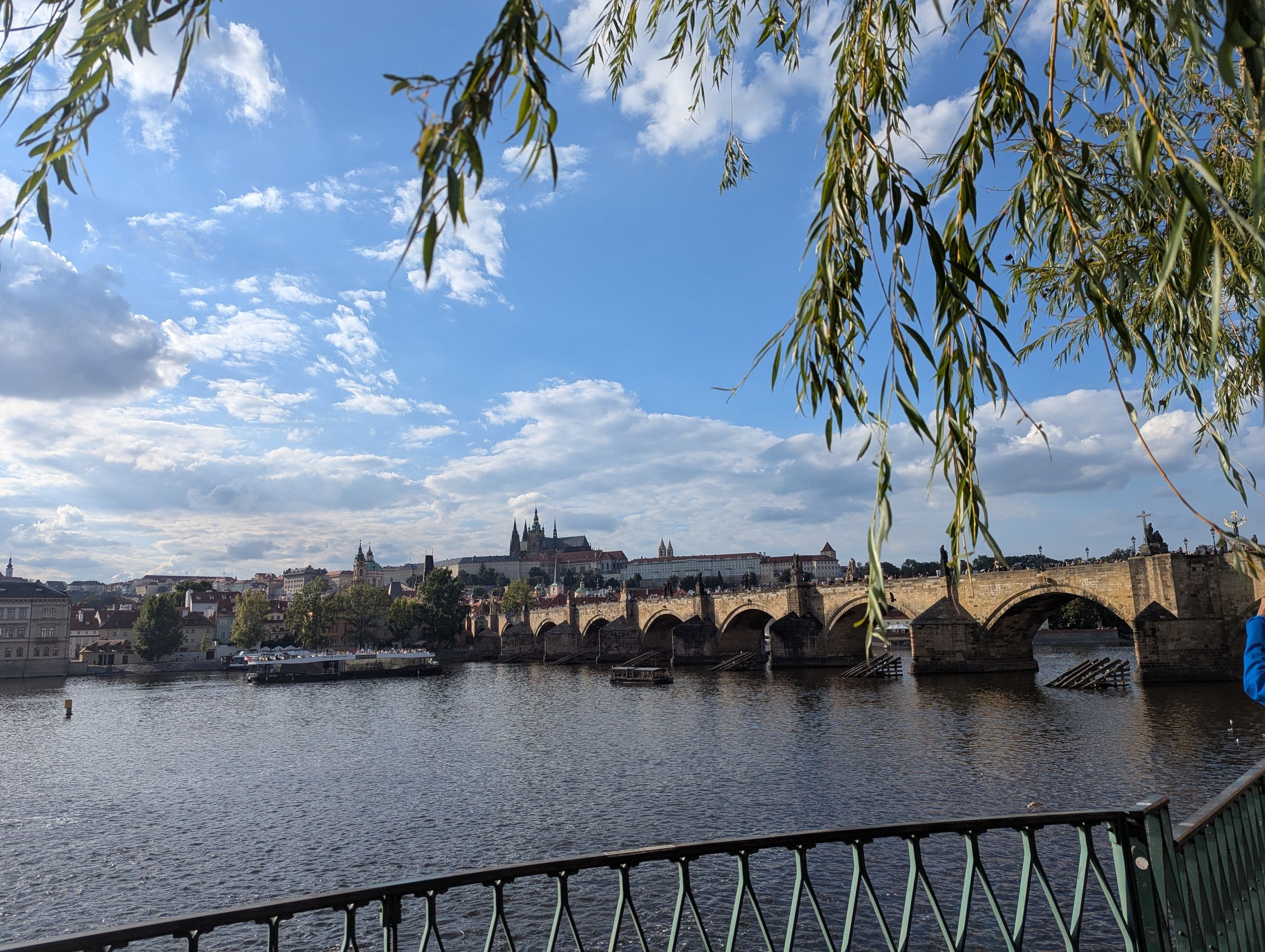
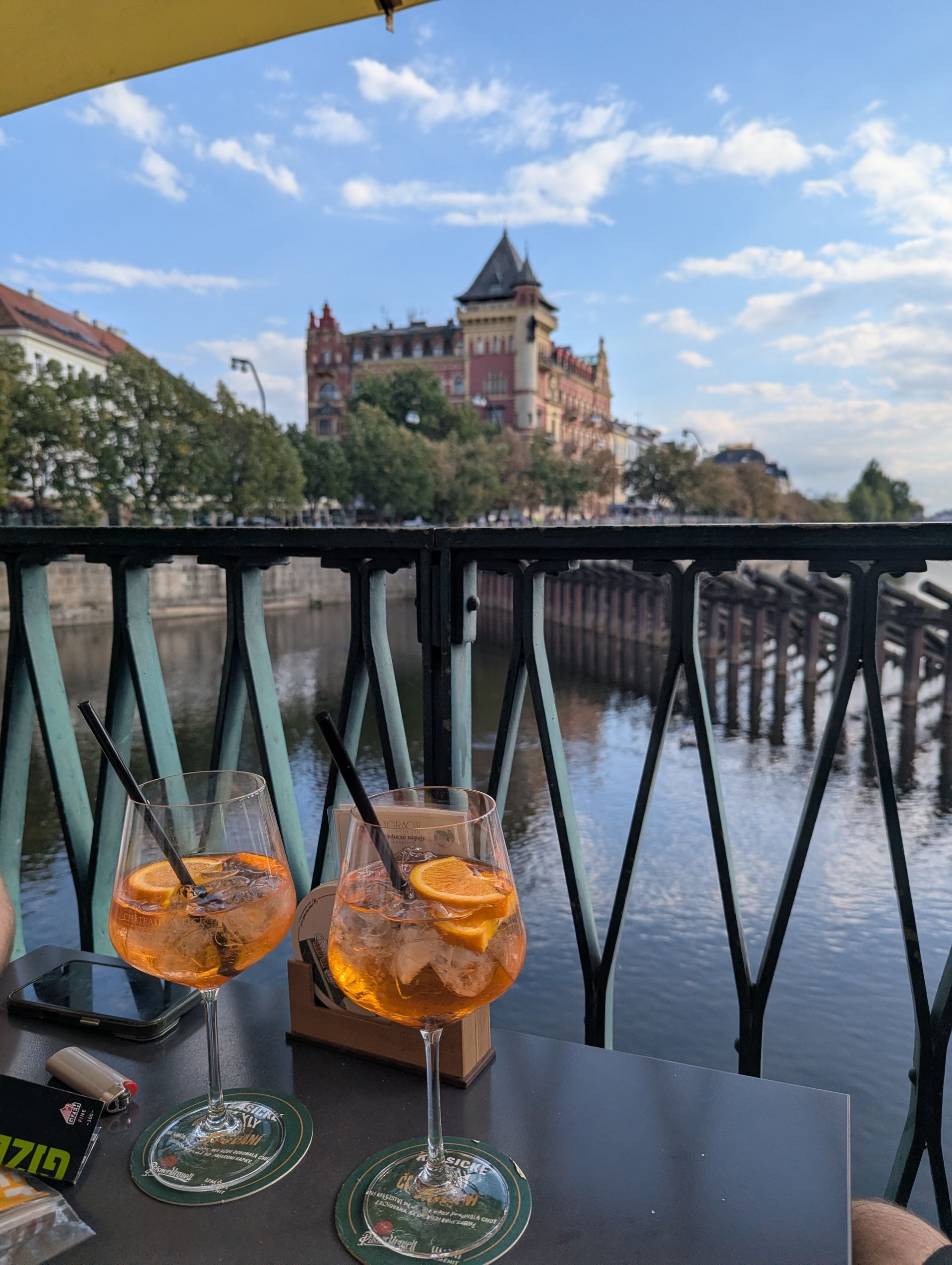
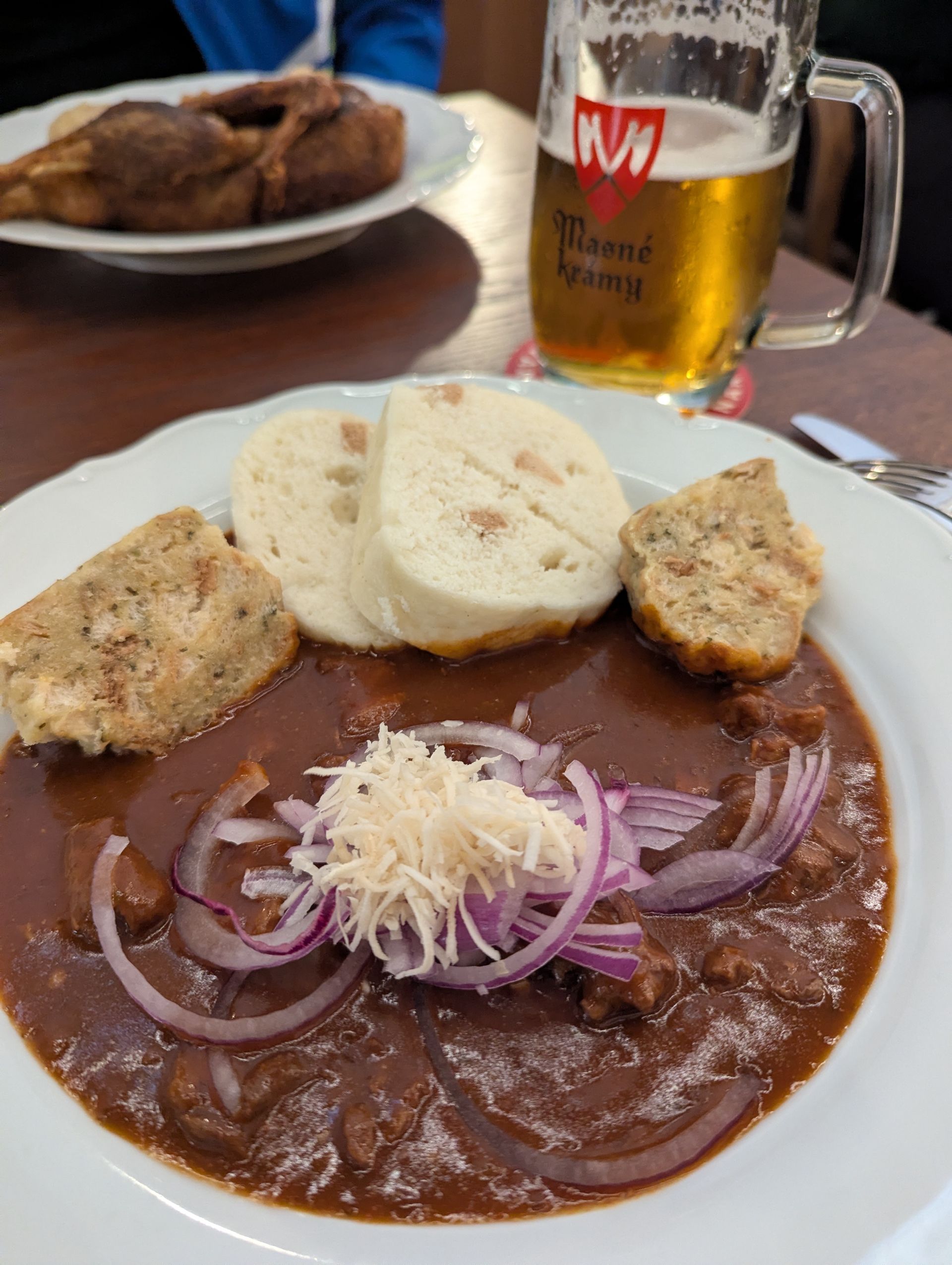
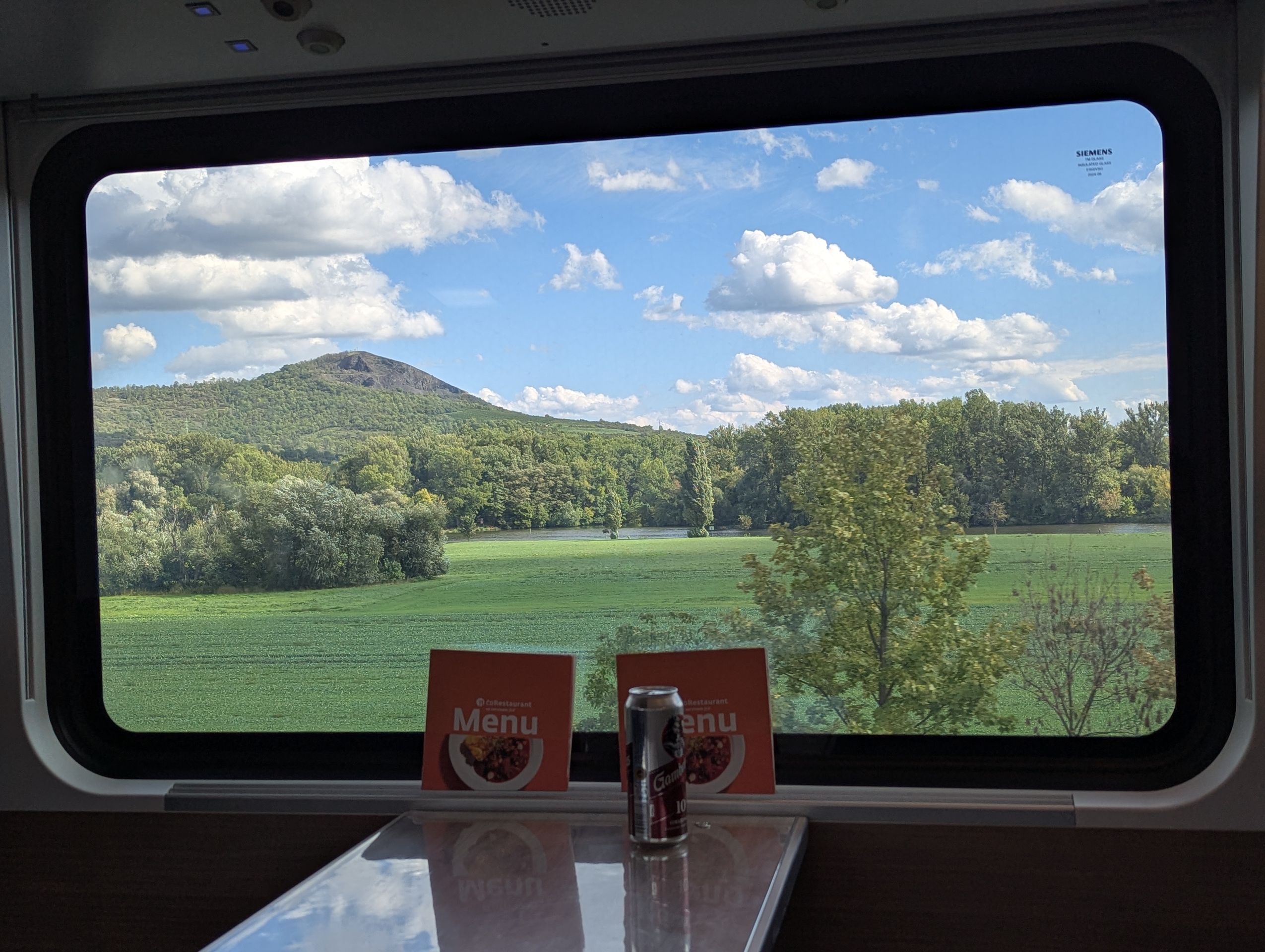
Traveling through the Czech Republic requires a robust stomach. I felt like I subsisted mainly on dumplings, roast duck, goulash, and beer here for seven days.
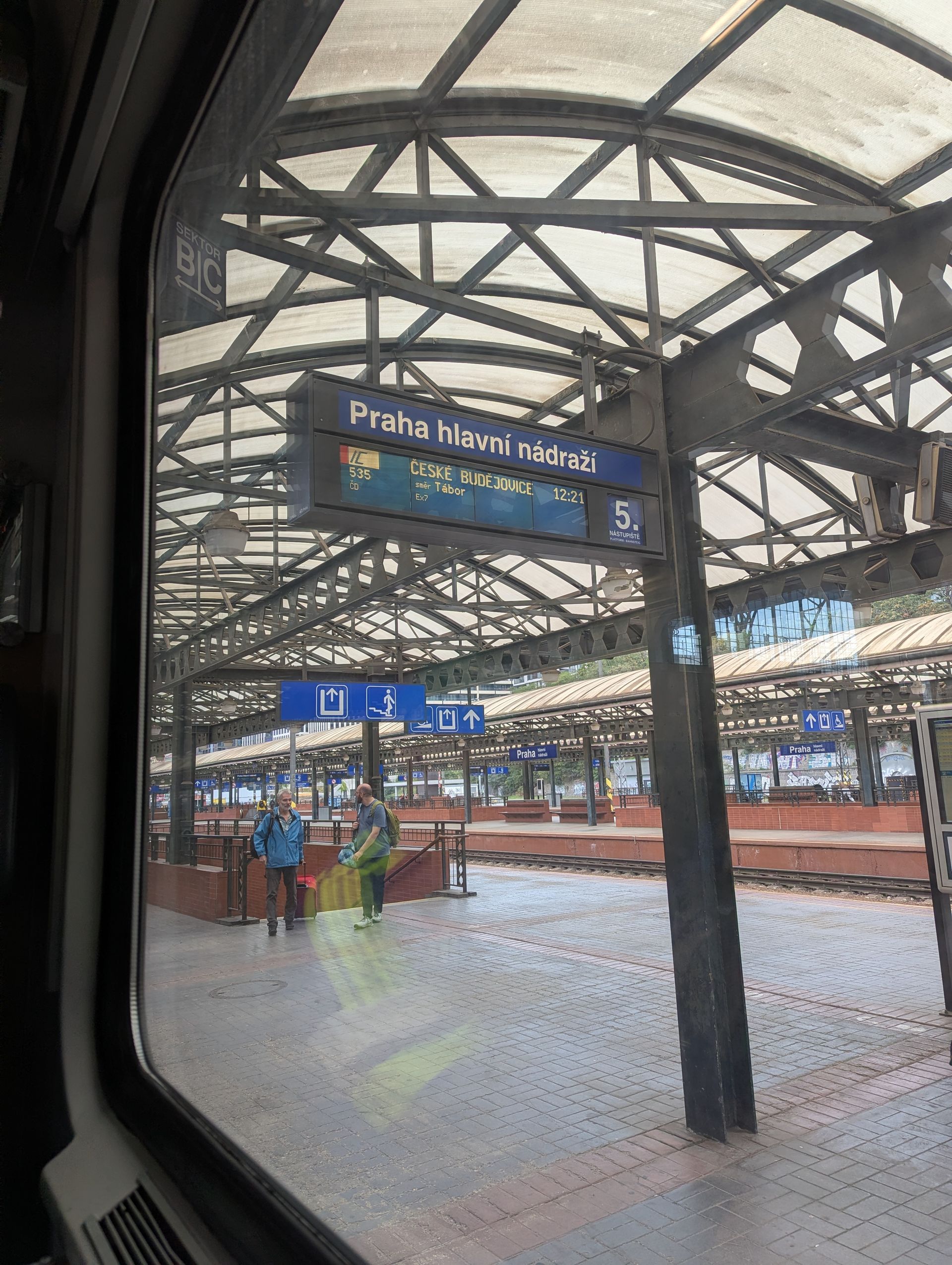
The train ride from Zielona Gora via Wroclaw to Prague already invited hearty meals in the onboard restaurant. Between the old Silesia and Bohemia, present-day Czech Republic, the Sudeten train forms a natural border. Only recently has the so-called Baltic Express passed through the region, connecting Gdansk and Wroclaw directly with Prague.
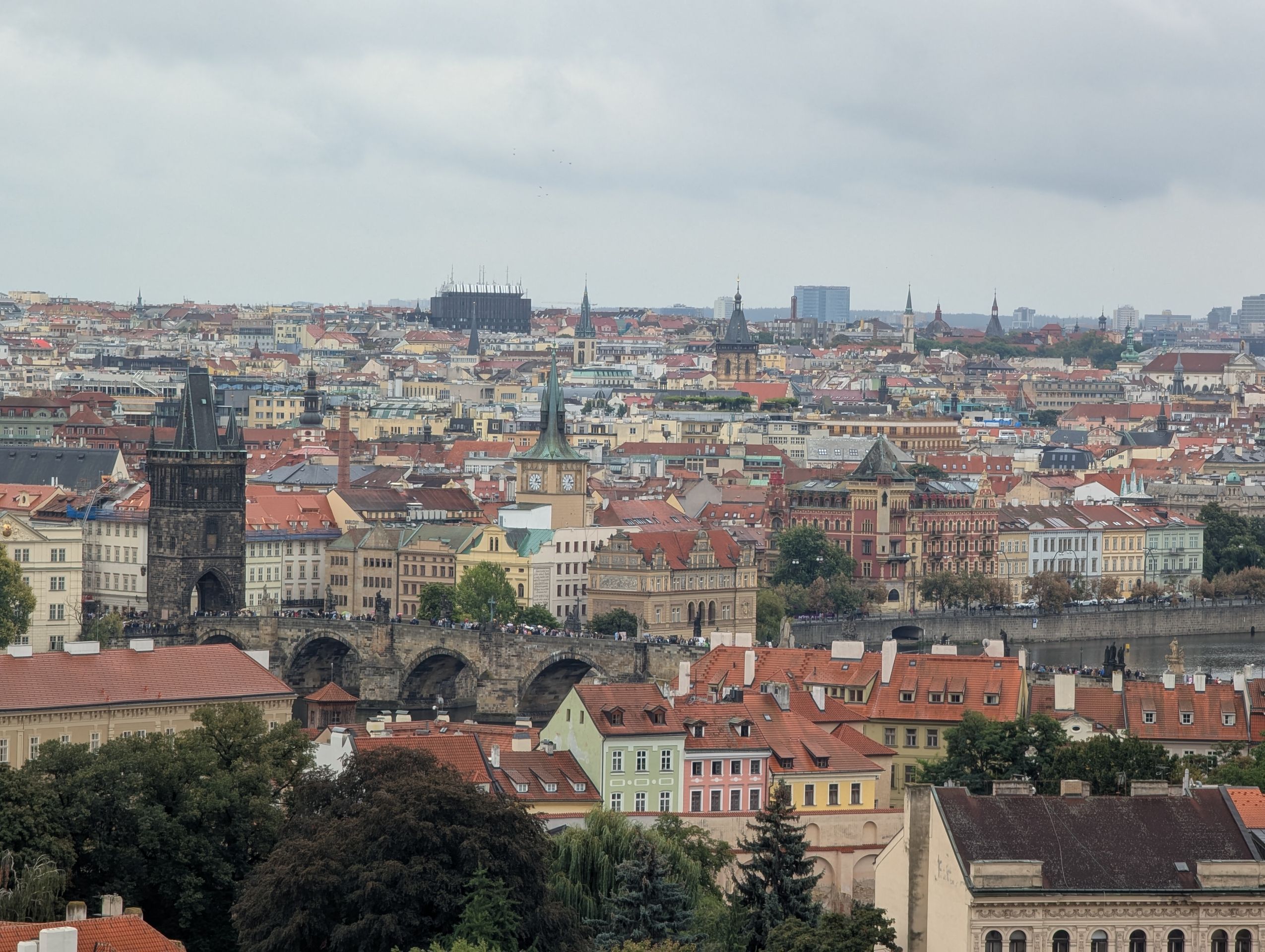
With nearly two hours of delay, we reached Prague on Friday evening. There was European unity in communicating the train delays. The delay of the connection from Berlin to Wroclaw was explained with 'a delay from abroad.' When the Polish connection (the Baltic Express from Gdansk) crossed the Czech border, there was also a note about 'a delay from abroad.' The same was to repeat on the return trip days later from Prague to Berlin, this time with DB, again: 'a delay from abroad'!
Delays make you hungry! The Prague weekend was planned with friends, and we headed straight to the next tavern, a Bohemian brewery cellar. I ordered duck.
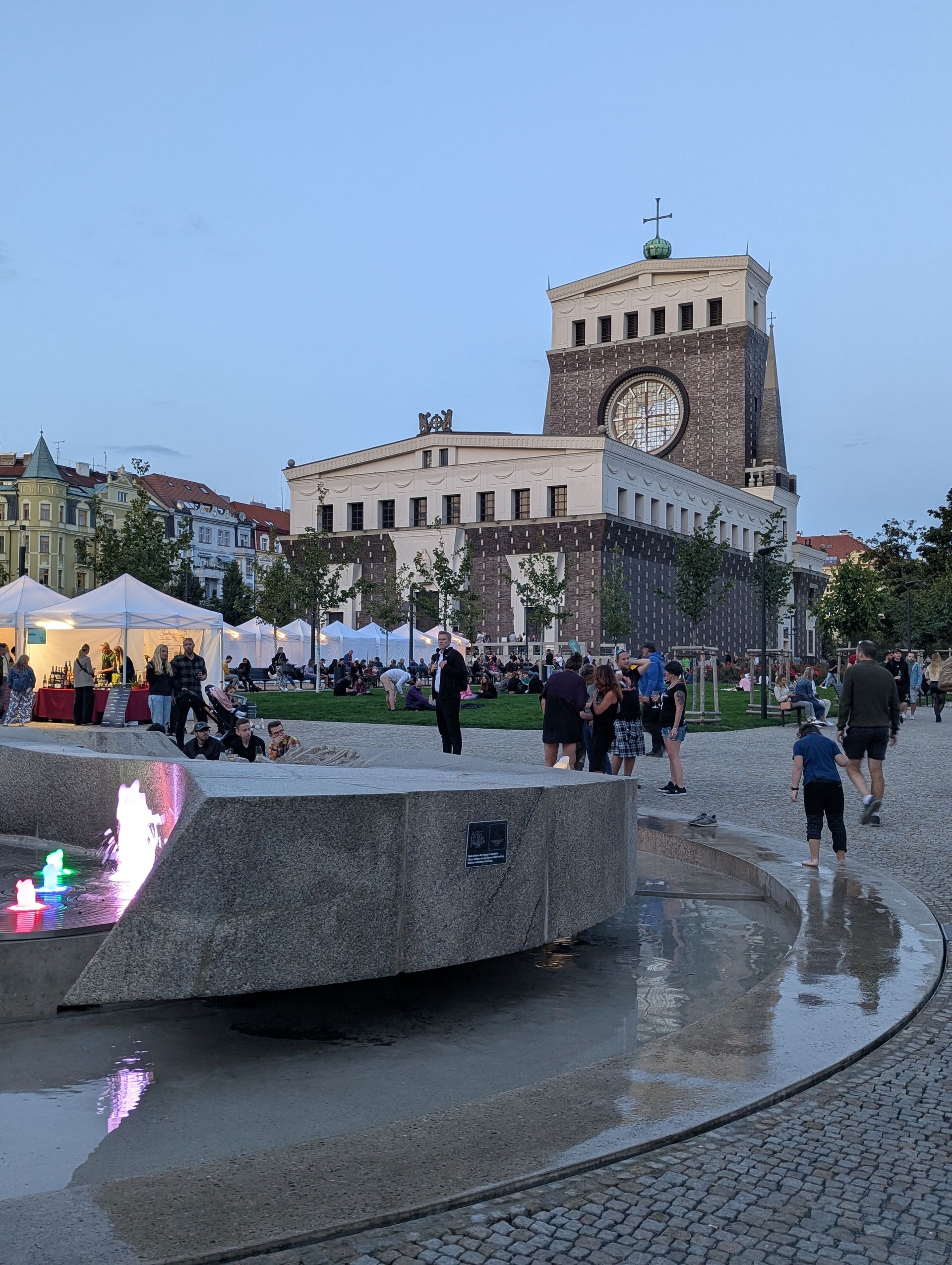
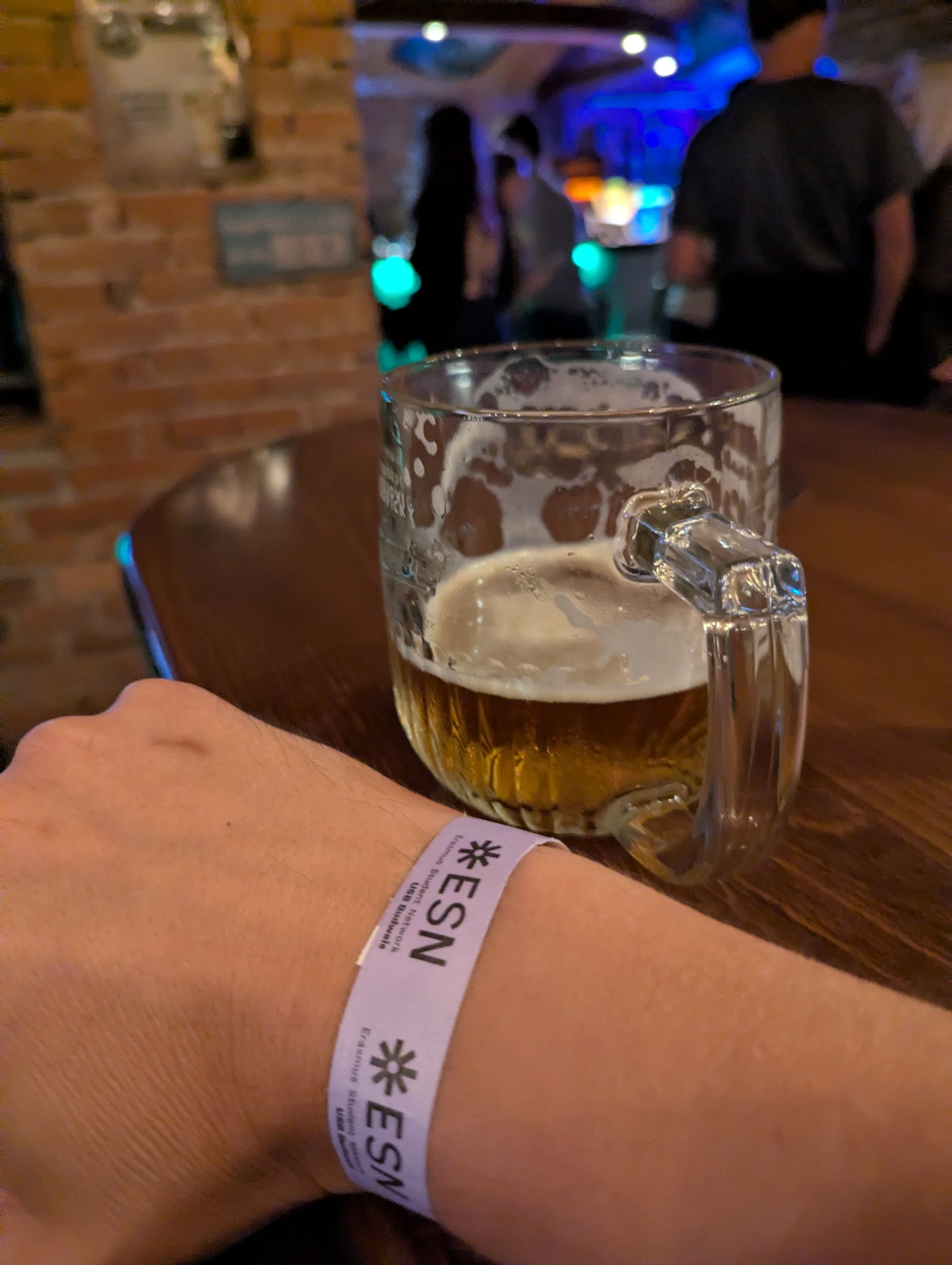
Saturday was marked by a long Friday night, and we took it easy. Taking it easy makes you thirsty and hungry. For the evening beer, I ordered pâté. Also in Prague, a local wine festival announced the arrival of autumn. In the courtyard of the impressive Heart of Jesus Church from the 1920s, young Czechs and Czech women were enjoying themselves to pop music. A prelude to Saturday night.
Sunday, then a rainy day. We ended up in an outer district. Again, a cozy tavern. And because rain makes you hungry, I ordered a chop with dumplings and cranberries. We spent the evening at the Piano Bar.
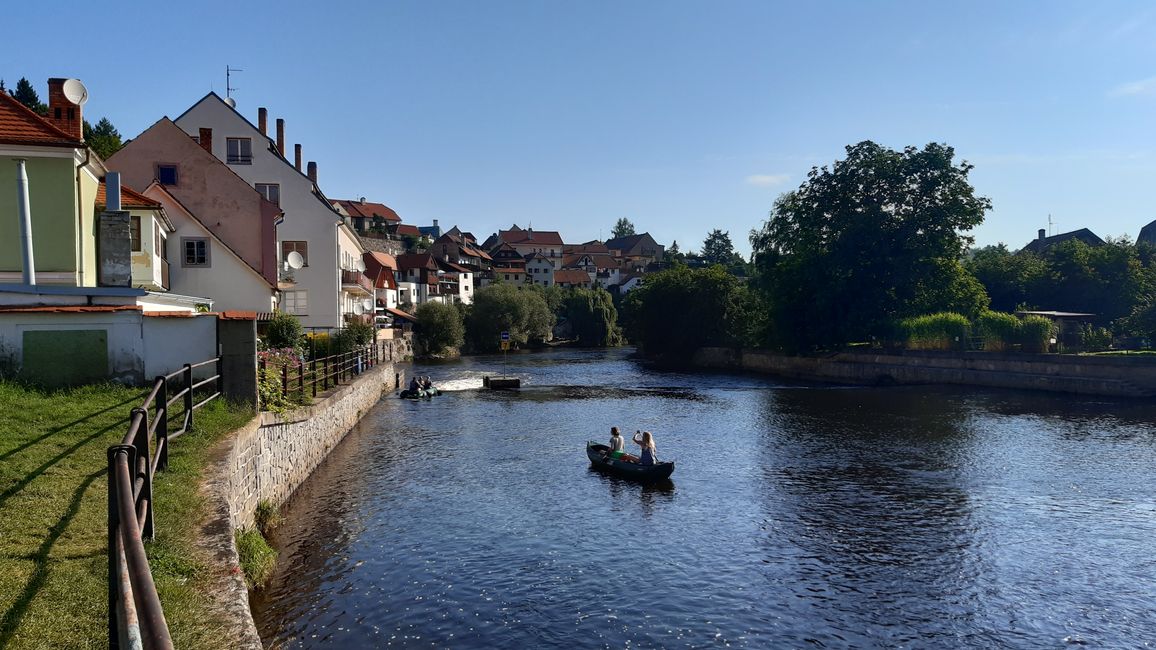
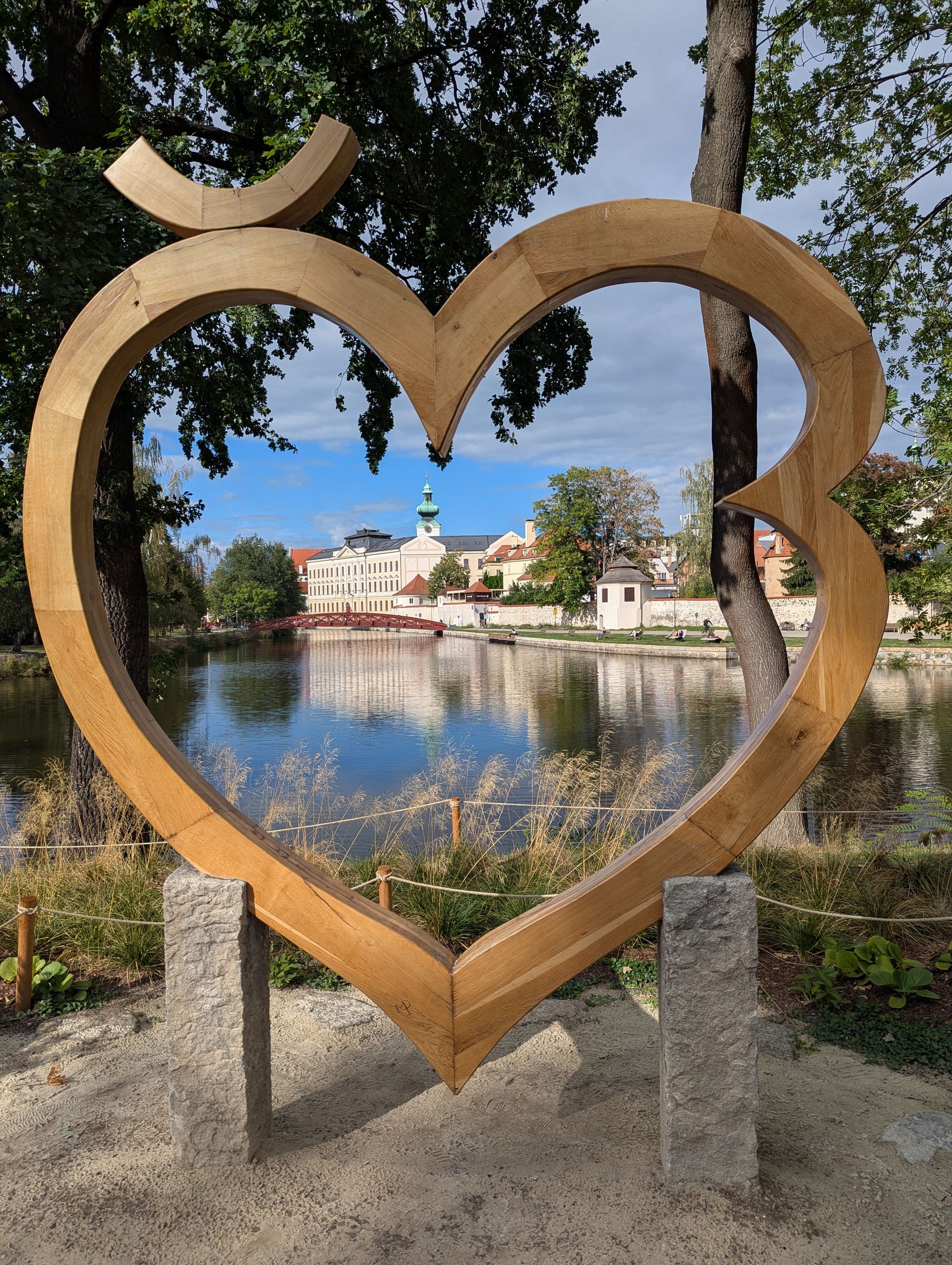
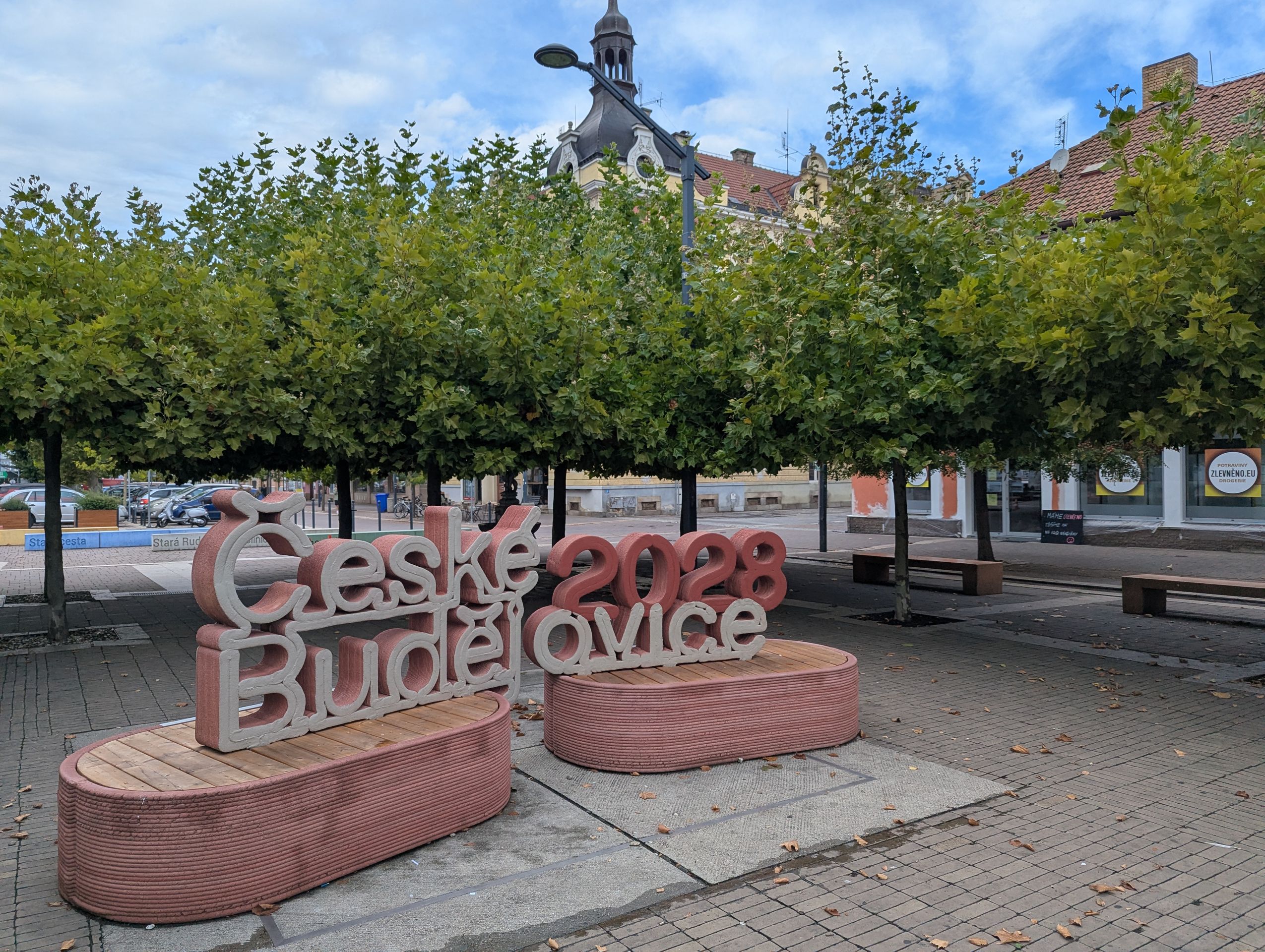
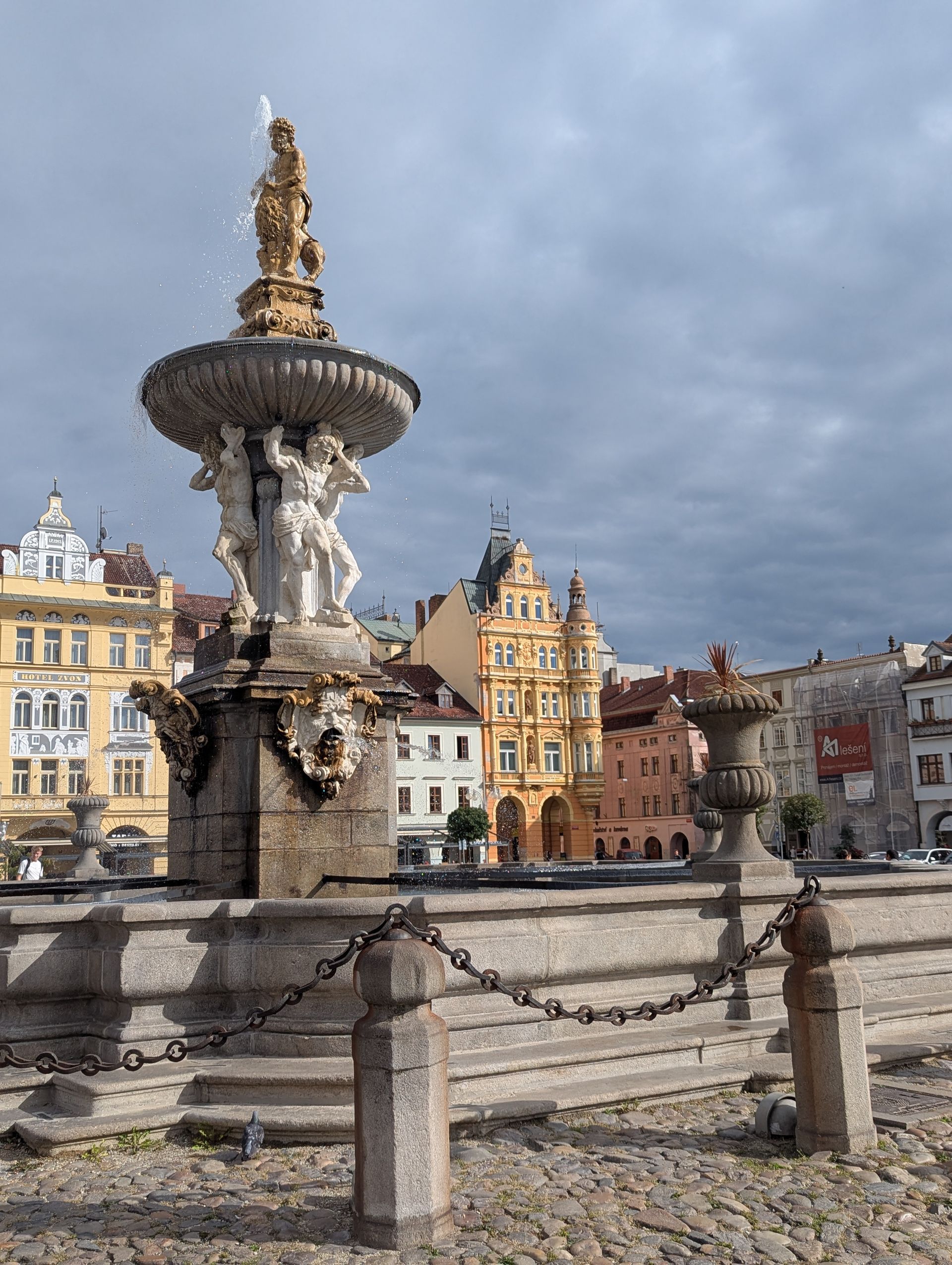
On Monday morning, our group separated. Then we continued on to Budweis, towards the Austrian border. There were three more nights planned. Under beautiful sunshine, we wandered through the small but picturesque old town. Art objects in public spaces hinted that Budweis will carry the title of European Capital of Culture in 2028. Wandering through small but picturesque old towns makes you hungry! The medieval meat market hall now houses a cozy restaurant where I ordered goulash.
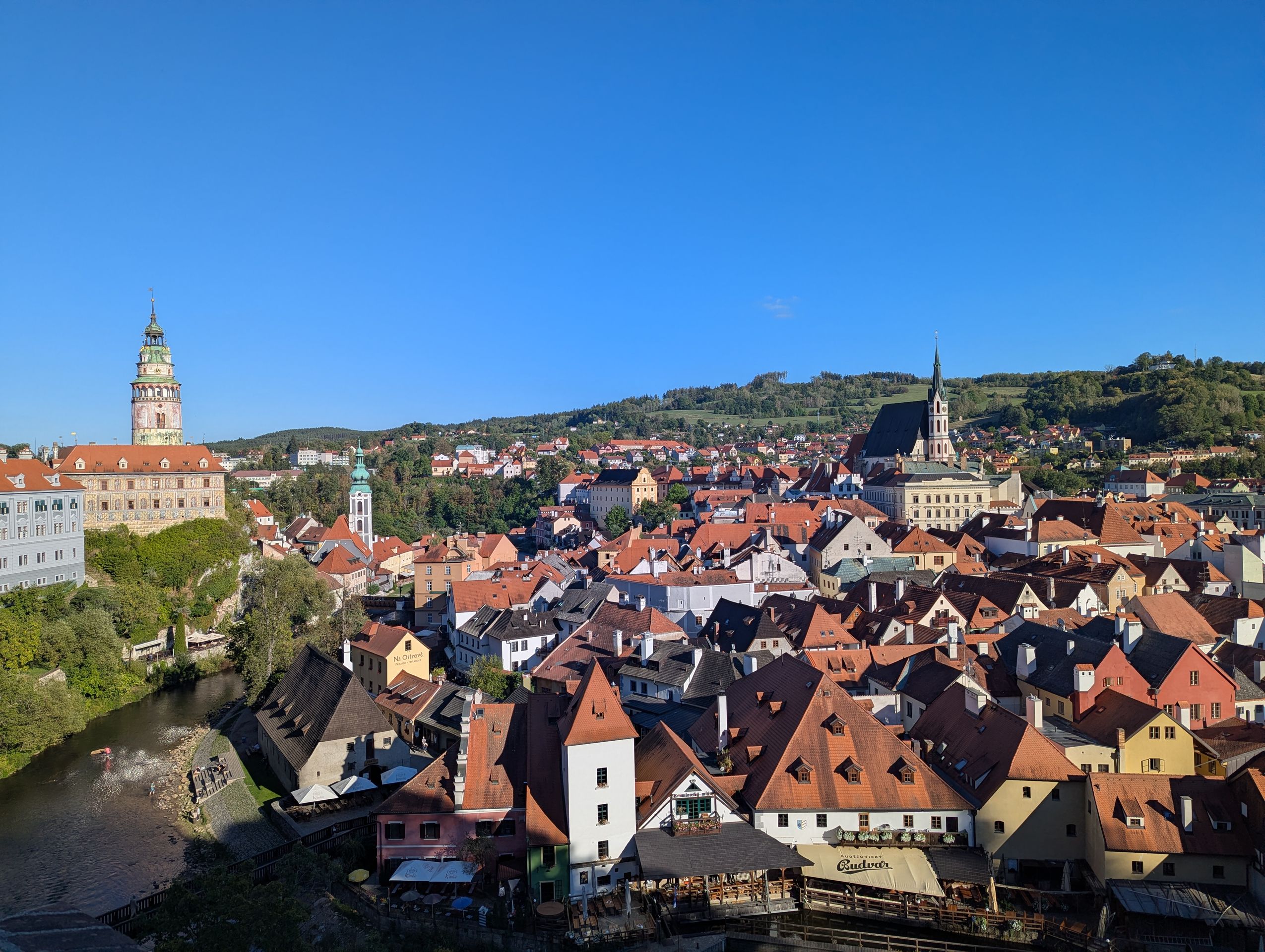
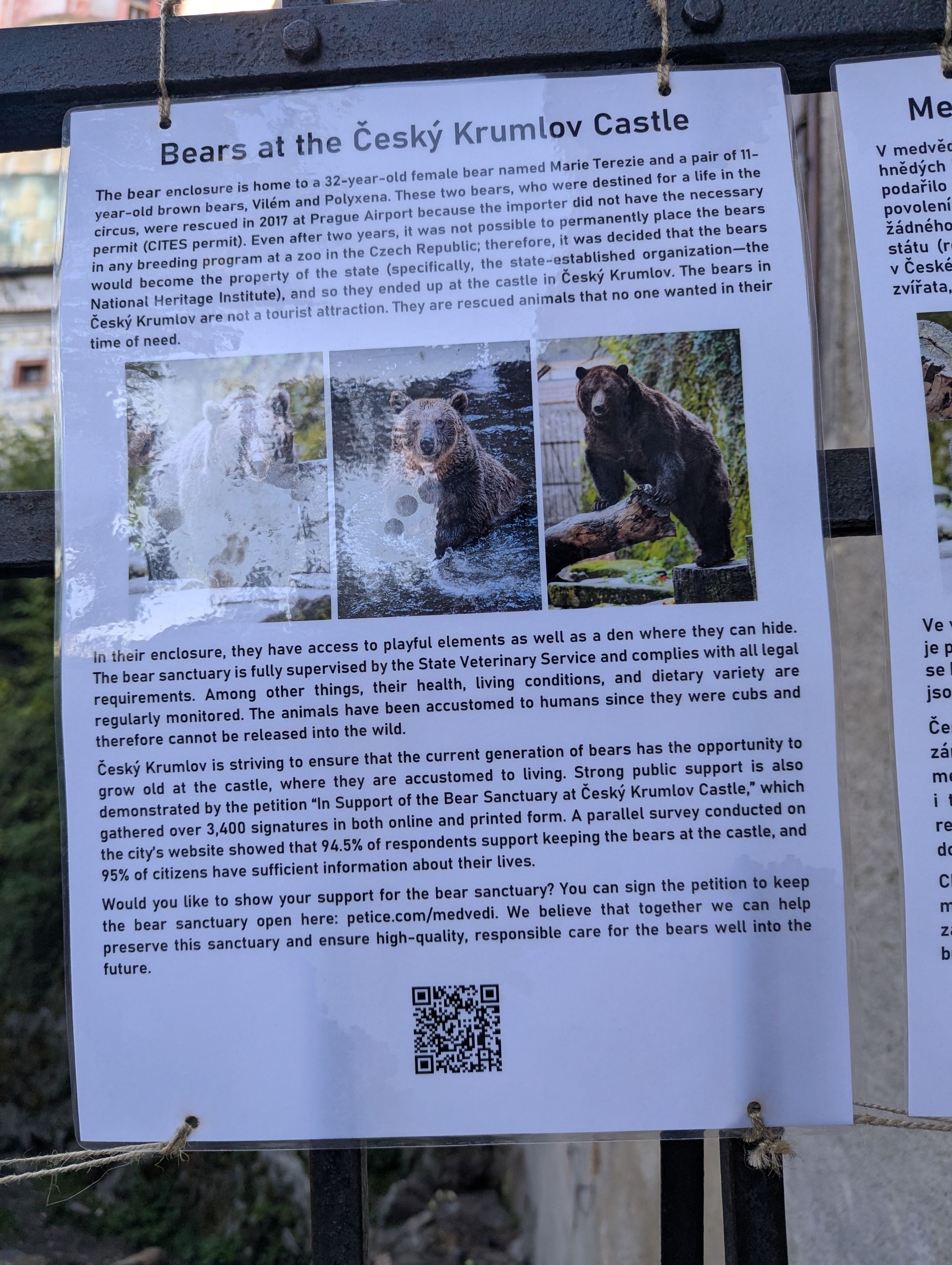
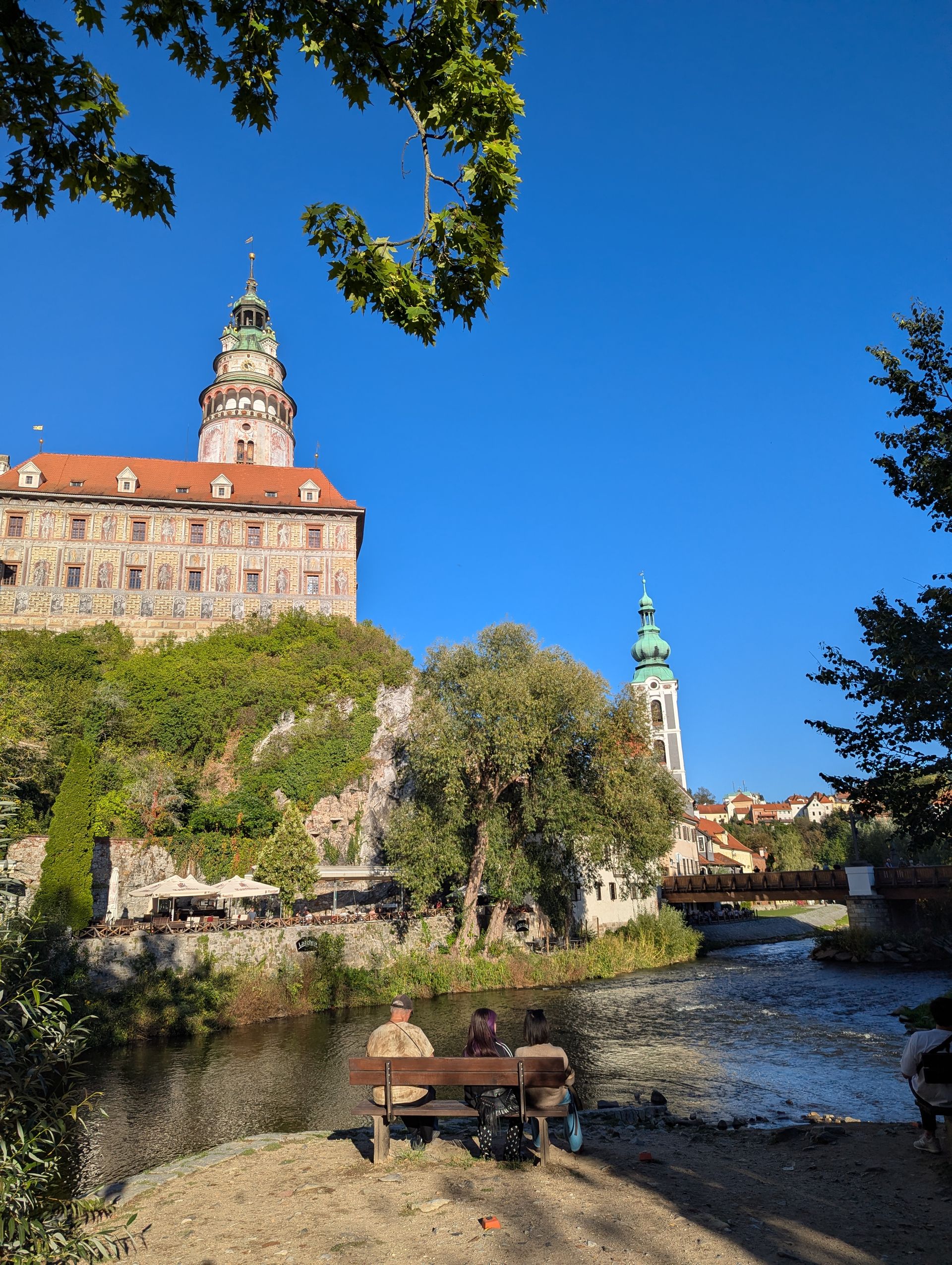
Tuesday, a day trip to Cesky Krumlov. The gem with a medieval fortress, much half-timbering, and baroque churches was included in every Czech travel guide. An hour's train ride from Budweis, Cesky Krumlov is located in the Bohemian Forest. The birthplace of painter Egon Schiele, where Rilke also spent time, is a particularly picturesque place in European history. For lunch, I had half a pizza among German and Korean tourist groups.
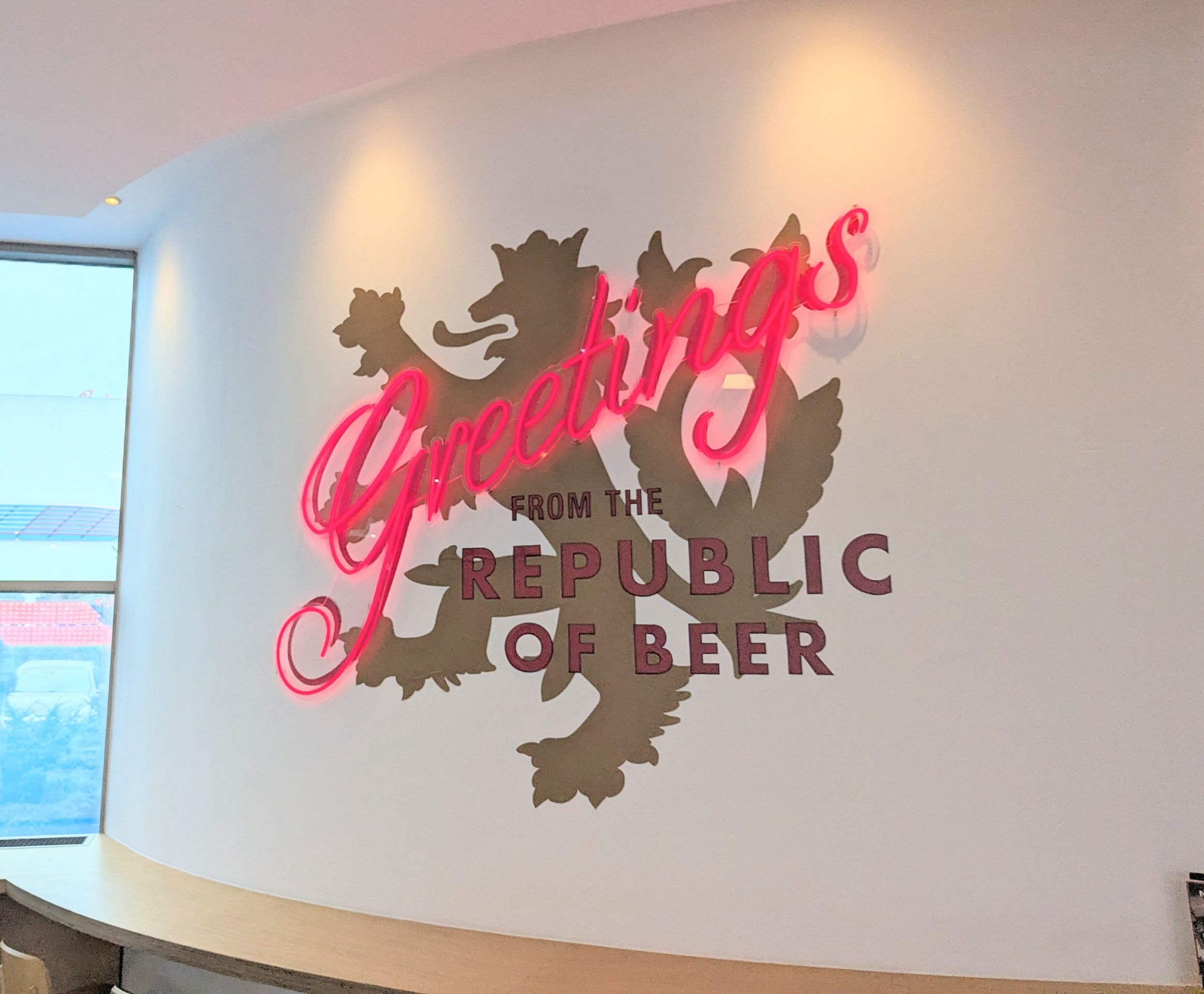
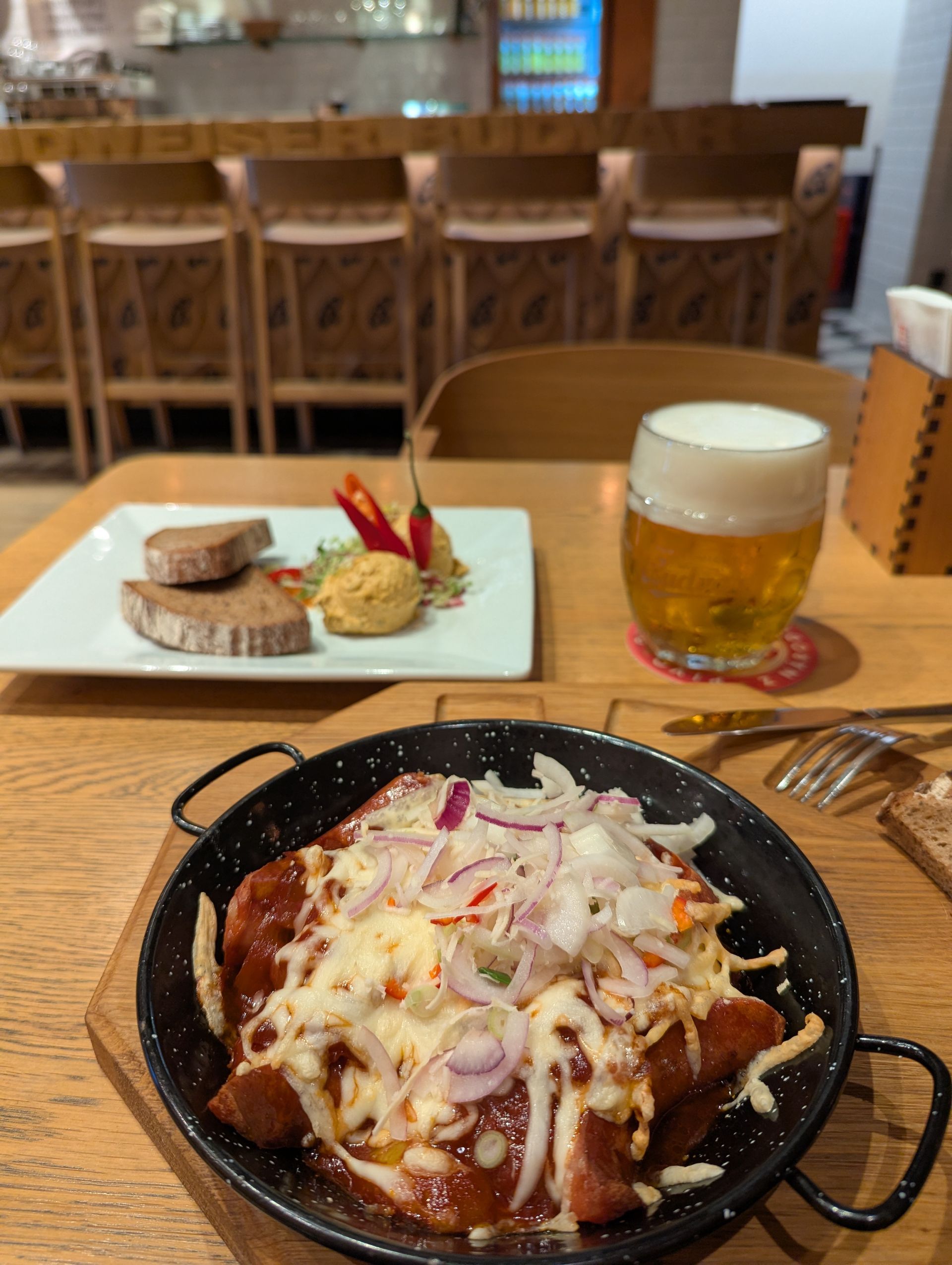
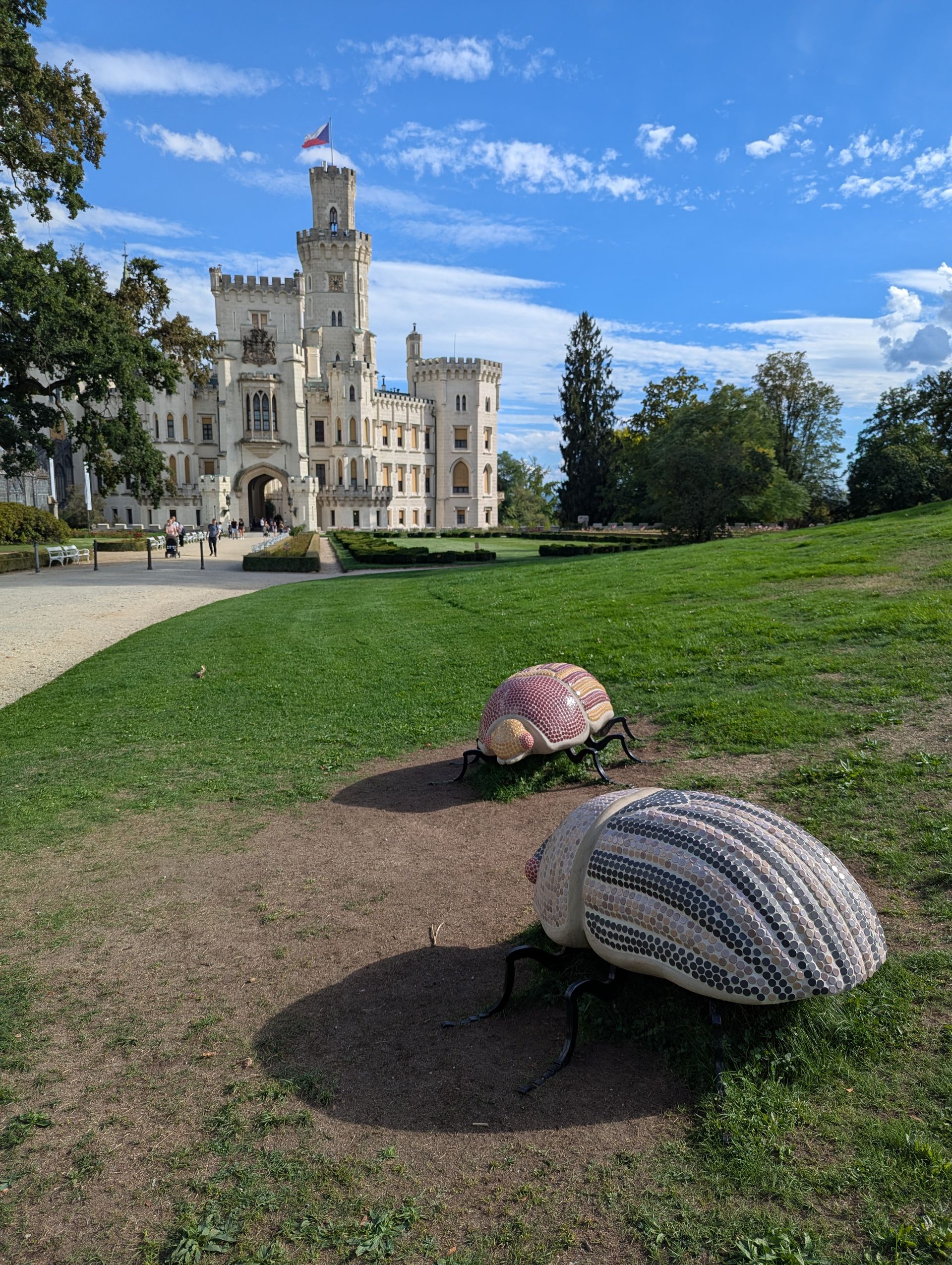
Wednesday, Budweiser Brewery and Schwarzenberg Castle. On the last day, we made the obligatory visit to the Budweiser brewery. However, we skipped the obligatory brewery tour and found ourselves directly in the brewery restaurant. I chose a light lunch snack: beer sausage in paprika sauce, served with bread with lard. In the afternoon, we headed to Hluboka nad Vltavou. Here, the noble family Schwarzenberg built a historic-style Lego castle around 1900, inspired by Windsor. Nice to look at, historically irrelevant.
Below the castle, the Vltava River flowed. Our time in historic Bohemia was coming to an end, and I had to think of Brecht's 'Song of the Vltava': 'At the bottom of the Vltava, stones wander. Three emperors rest buried in Prague. The great does not stay great, nor does the small stay small. The night has twelve hours; then comes the day.' (1943!)
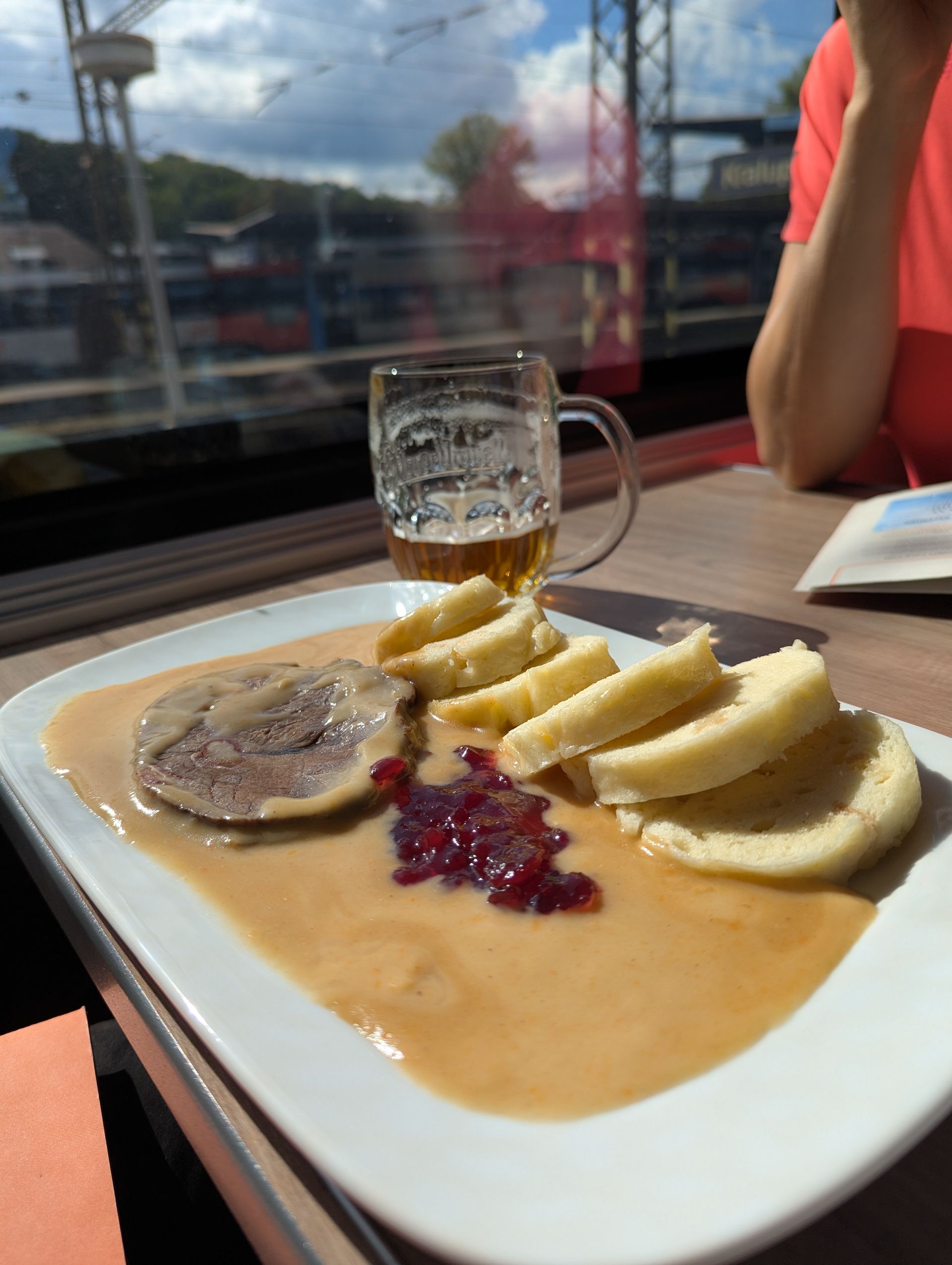
Thursday, train ride back to Germany. And because the end of a vacation brings on a melancholic feeling, in the onboard restaurant of the Czech railway, I had one last time roast beef with Bohemian dumplings and cranberries.