On Thursday, we mounted the horse from behind. Instead of an obligatory city tour, we started with an excursion into Lisbon's obscure history, into the 19th century.
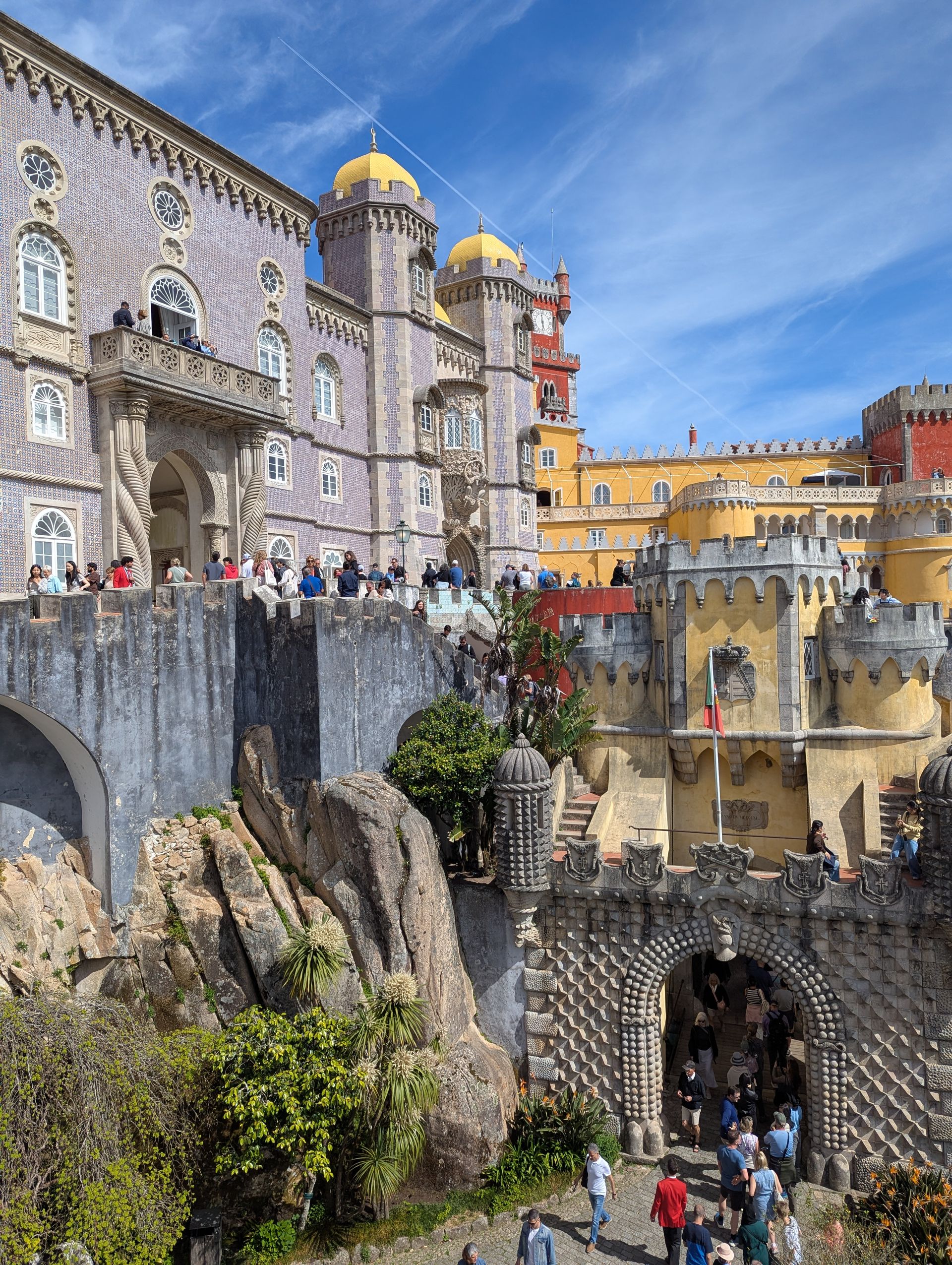
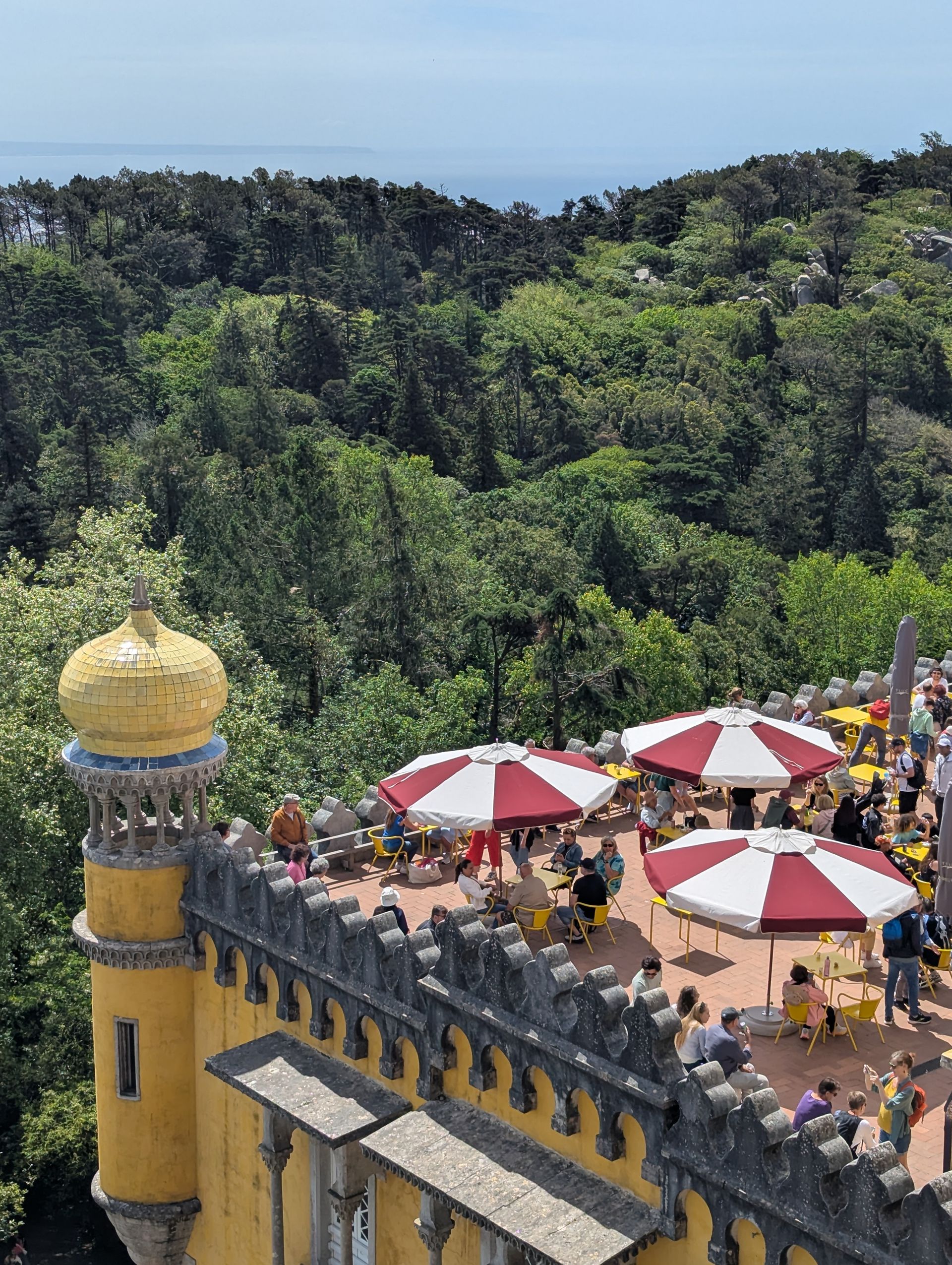
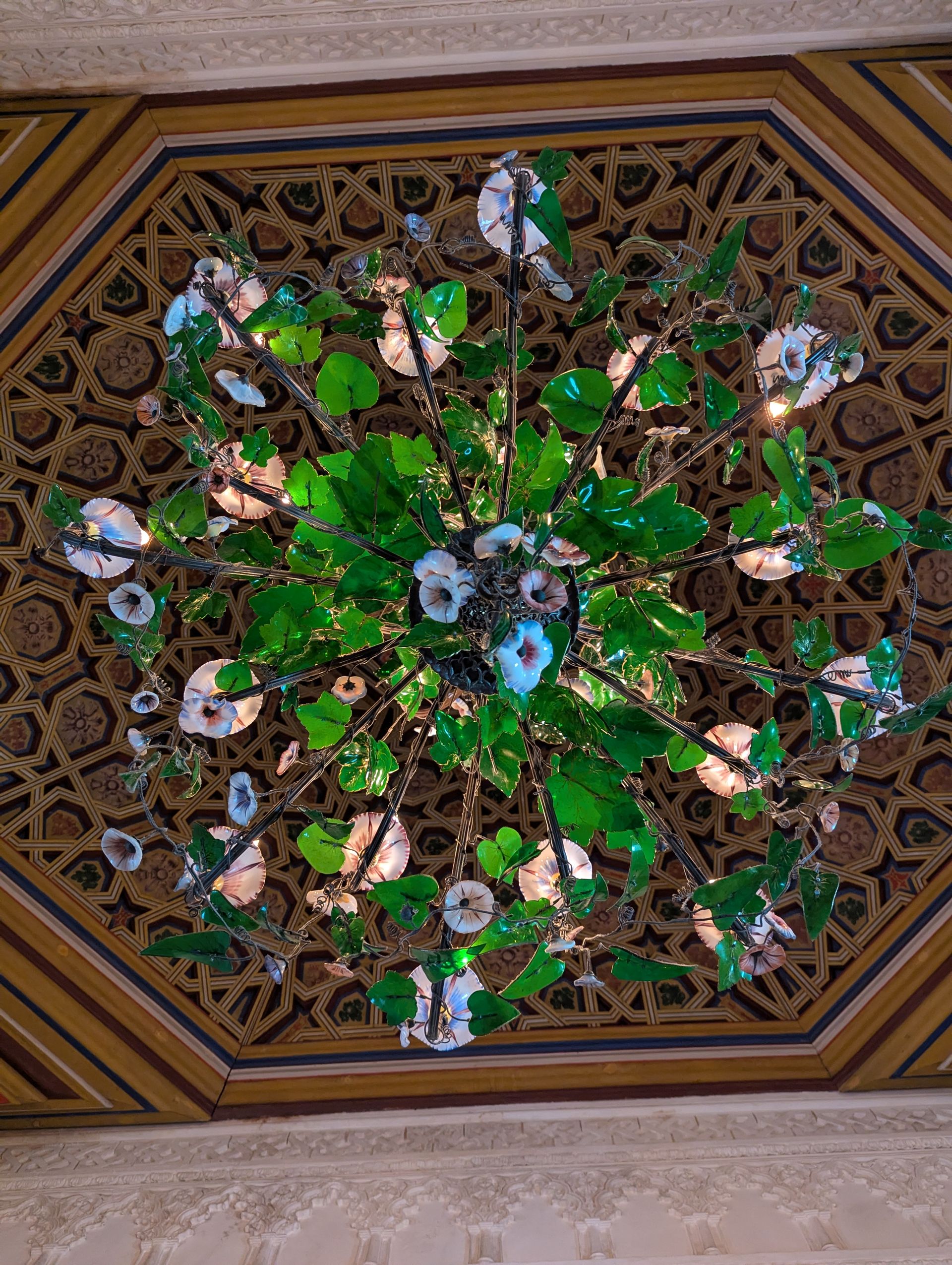
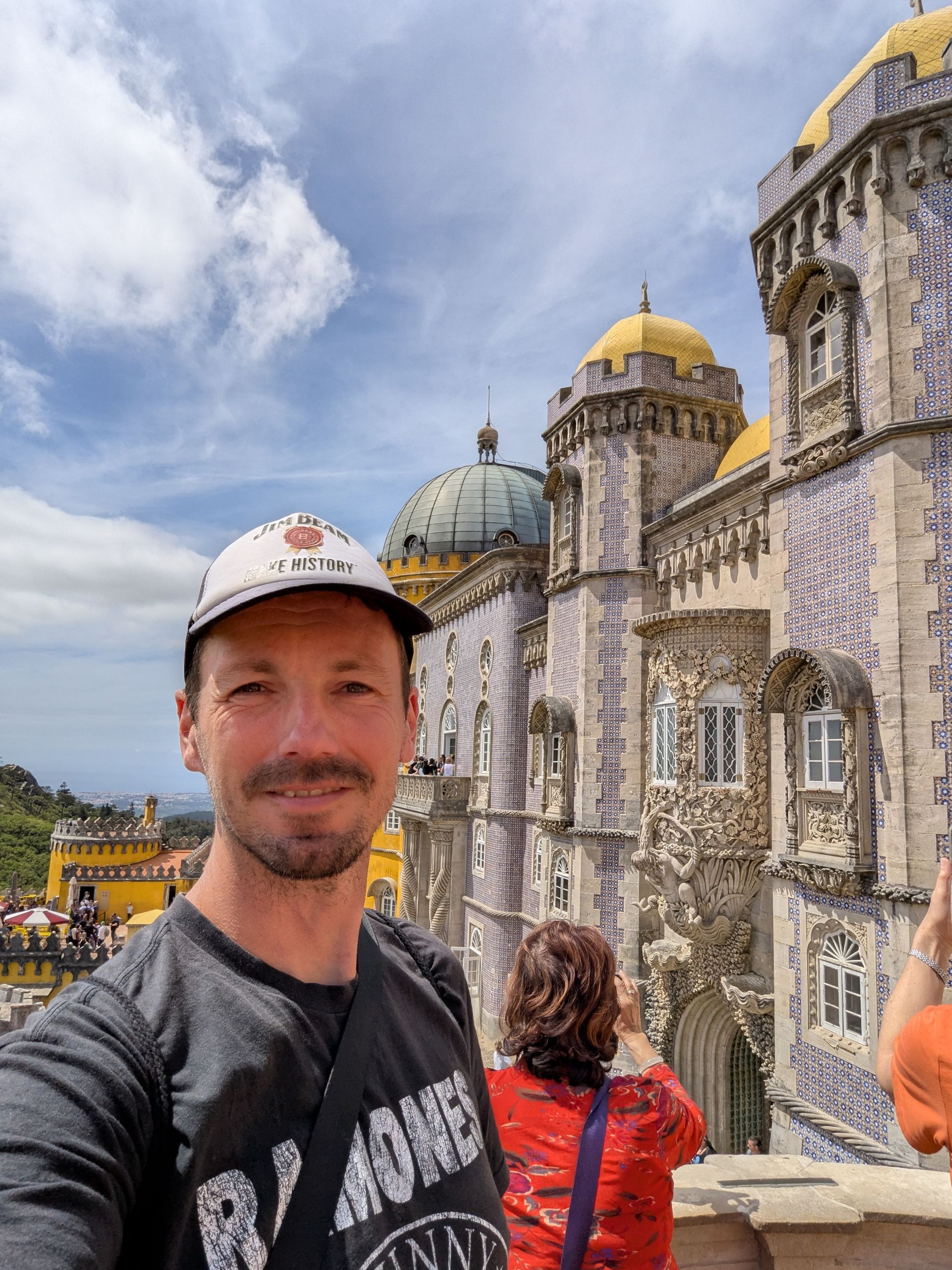
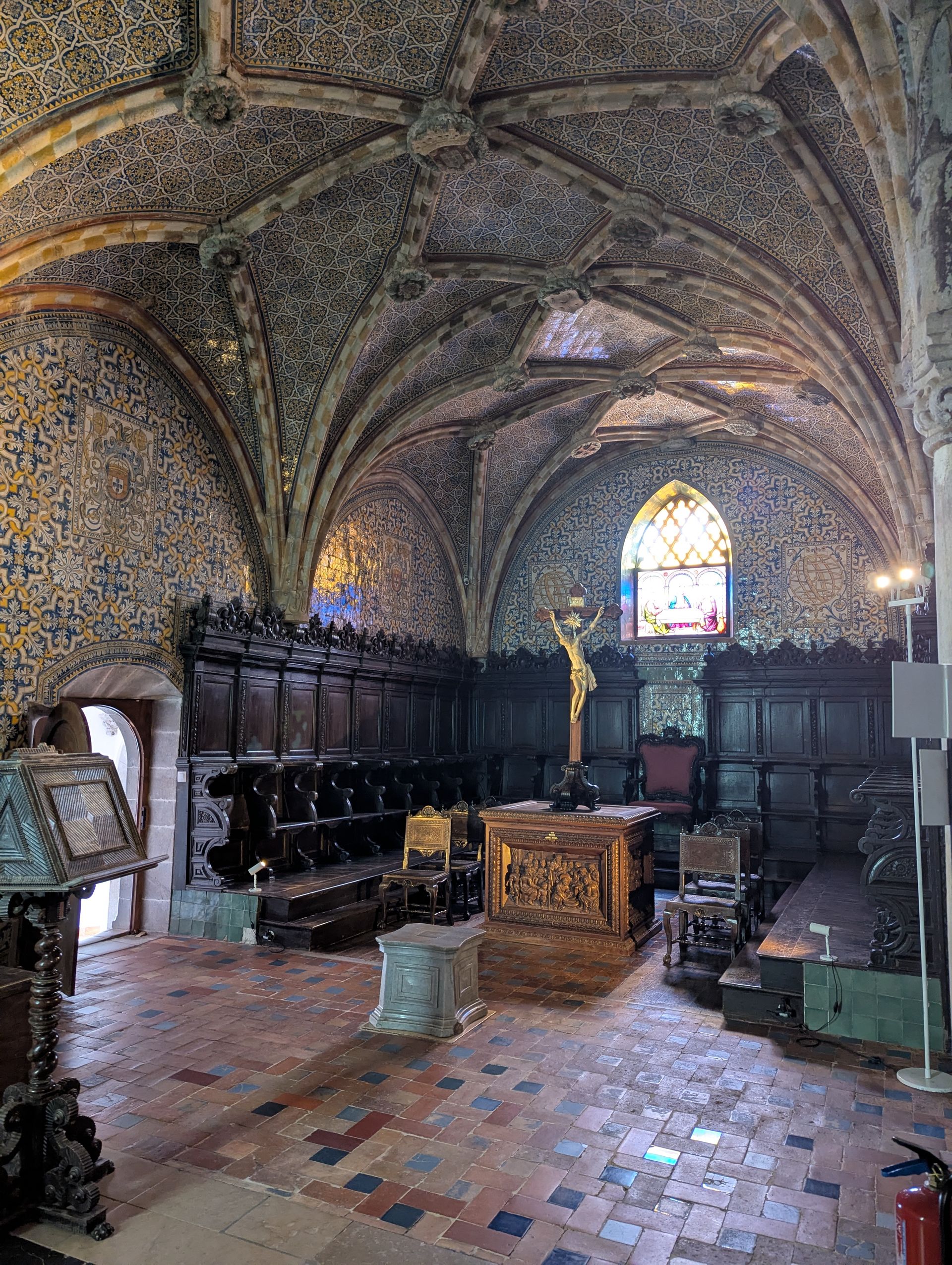
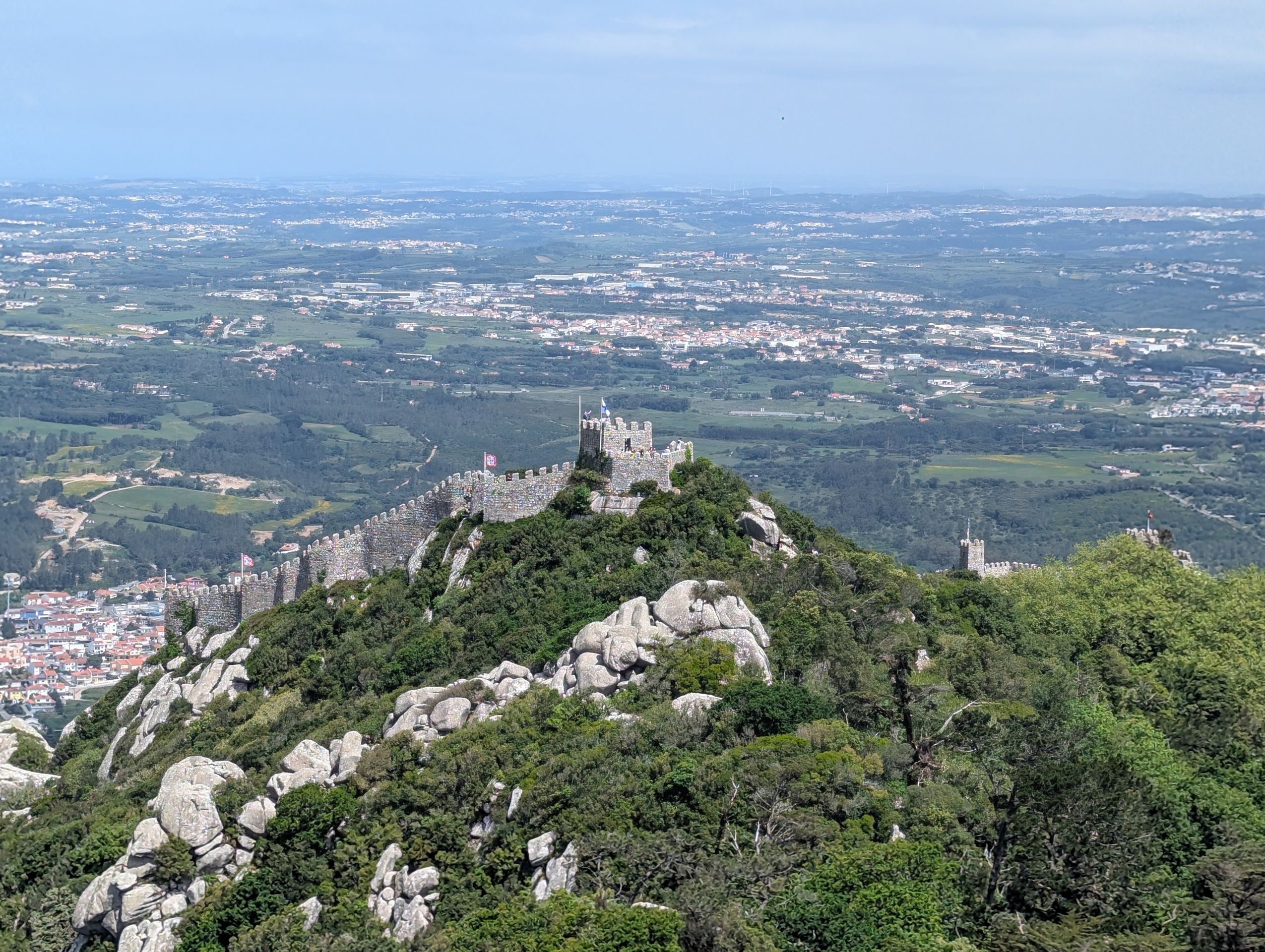
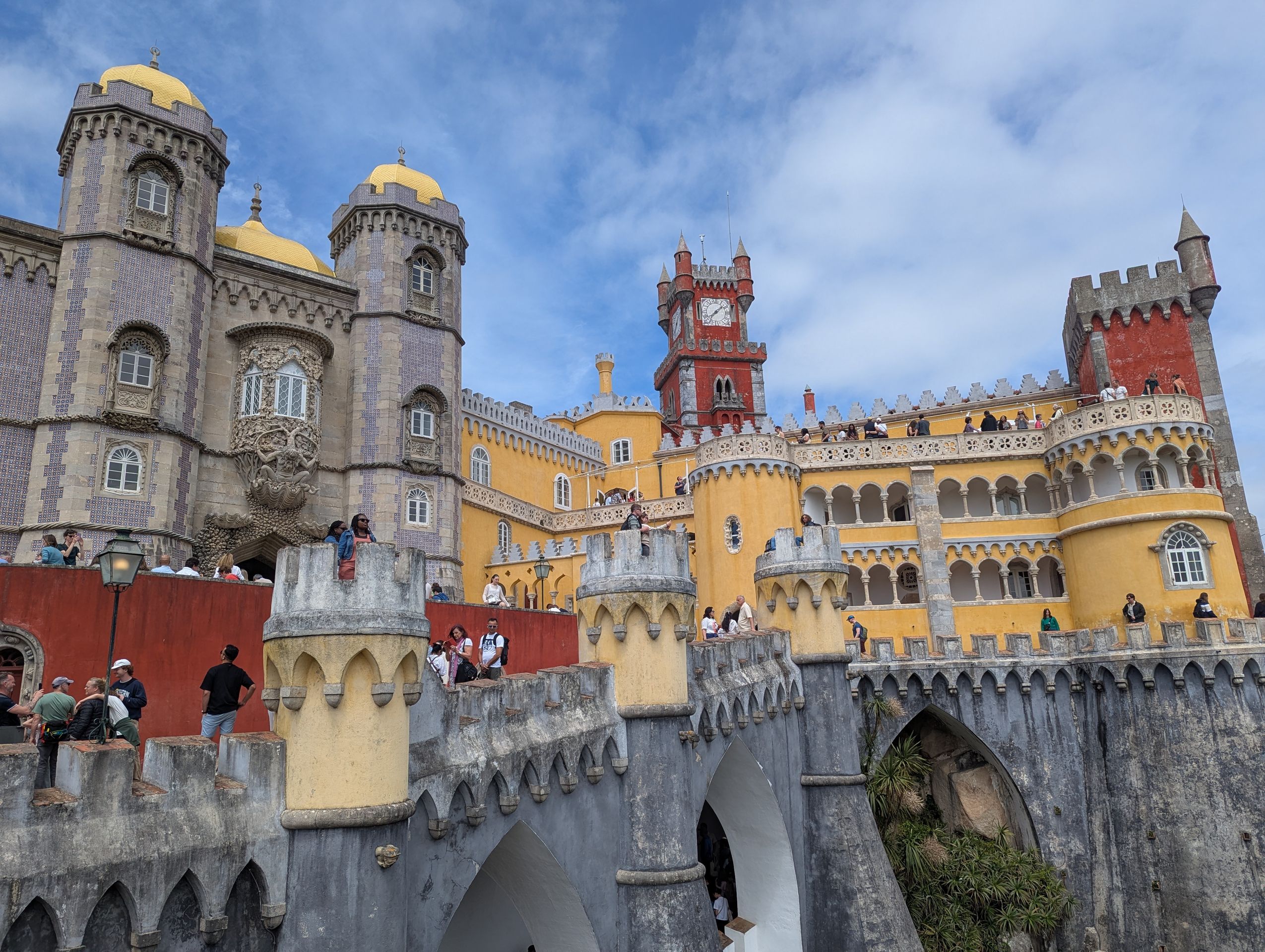
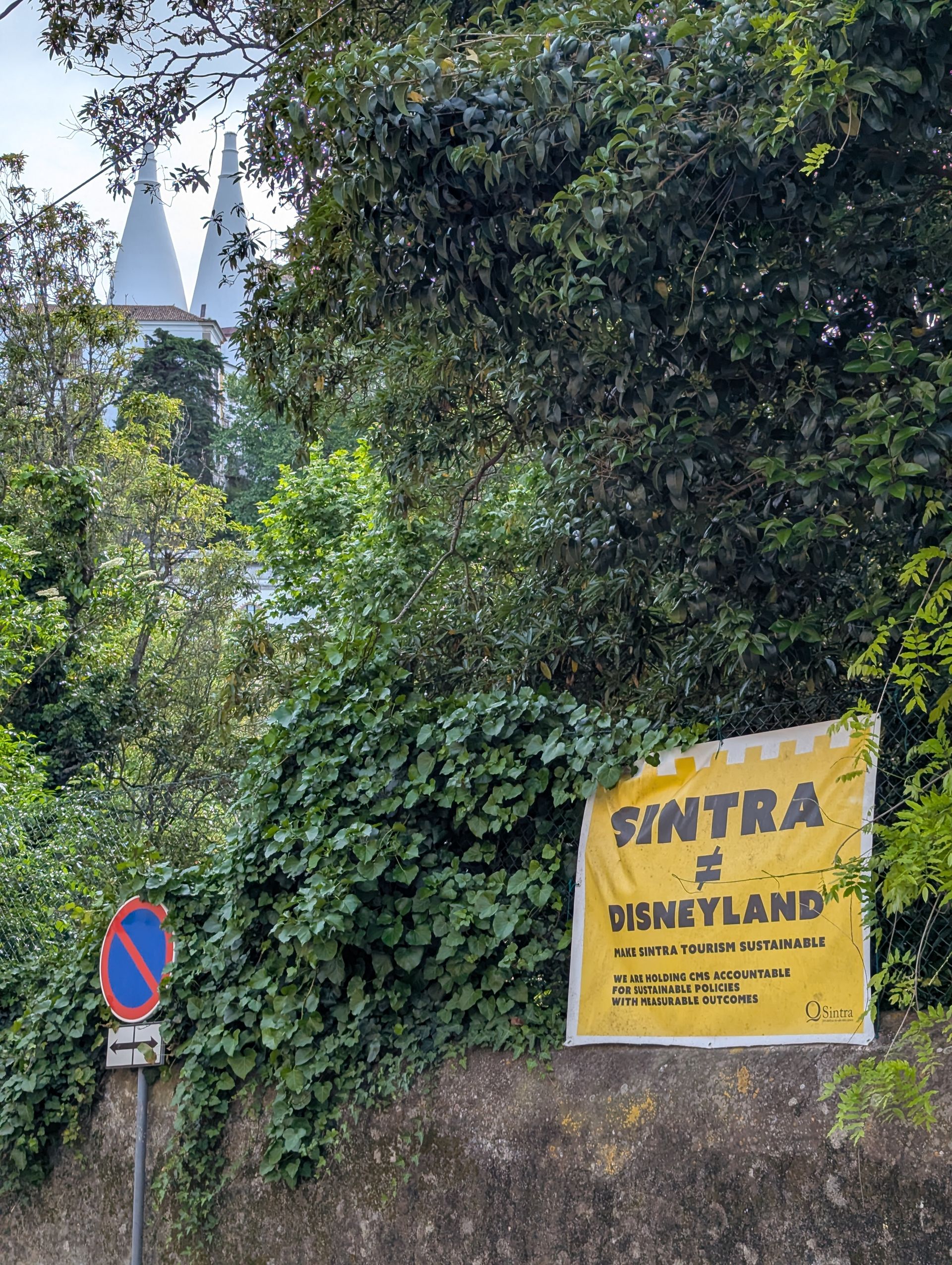
The fairy tale castle (Palacio Pena) in the town of Sintra is located about half an hour west of the metropolis in an extensive nature park, picturesque and remote. The castle itself was an Instagram dream in many colors, wonderfully marketable. Combo tickets with entry slots for 20 euros guided the visitor streams, and shuttle buses shortened the challenging climb into the mountains for about 11 euros. We opted for a hike through the nature park. Ample time was planned for that.
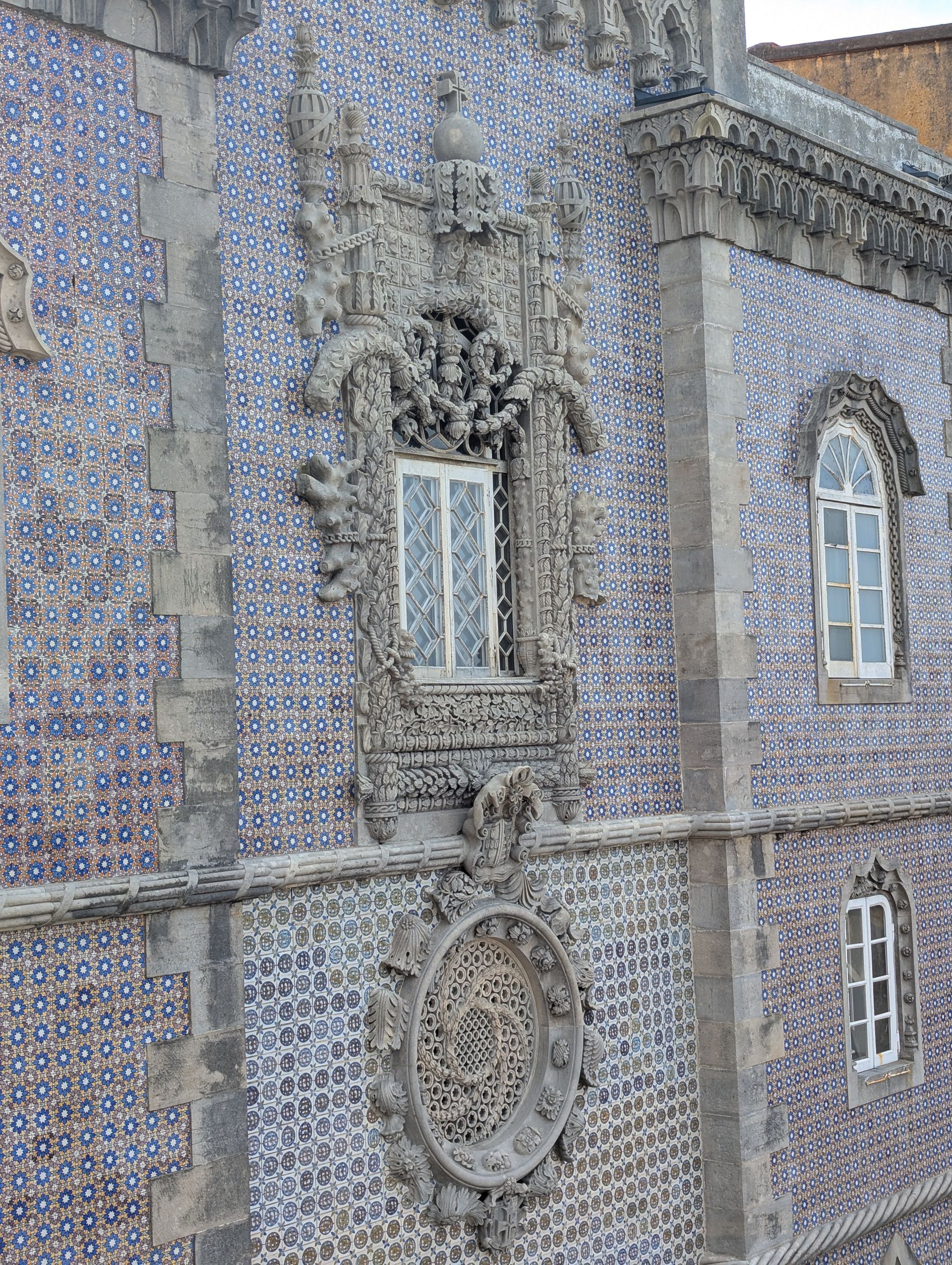
The history of the castle was reminiscent of Neuschwanstein. A German prince, Ferdinand II, married the Portuguese queen in the 1850s. Blessed with plenty of leisure and imagination, as well as the necessary resources, the queen's consort transformed a medieval monastery into Palacio Pena (Pena means Pain). The result is an operetta-like fireworks of style. Everything from the style of the Moors, Gothic, Renaissance to Rococo is represented.
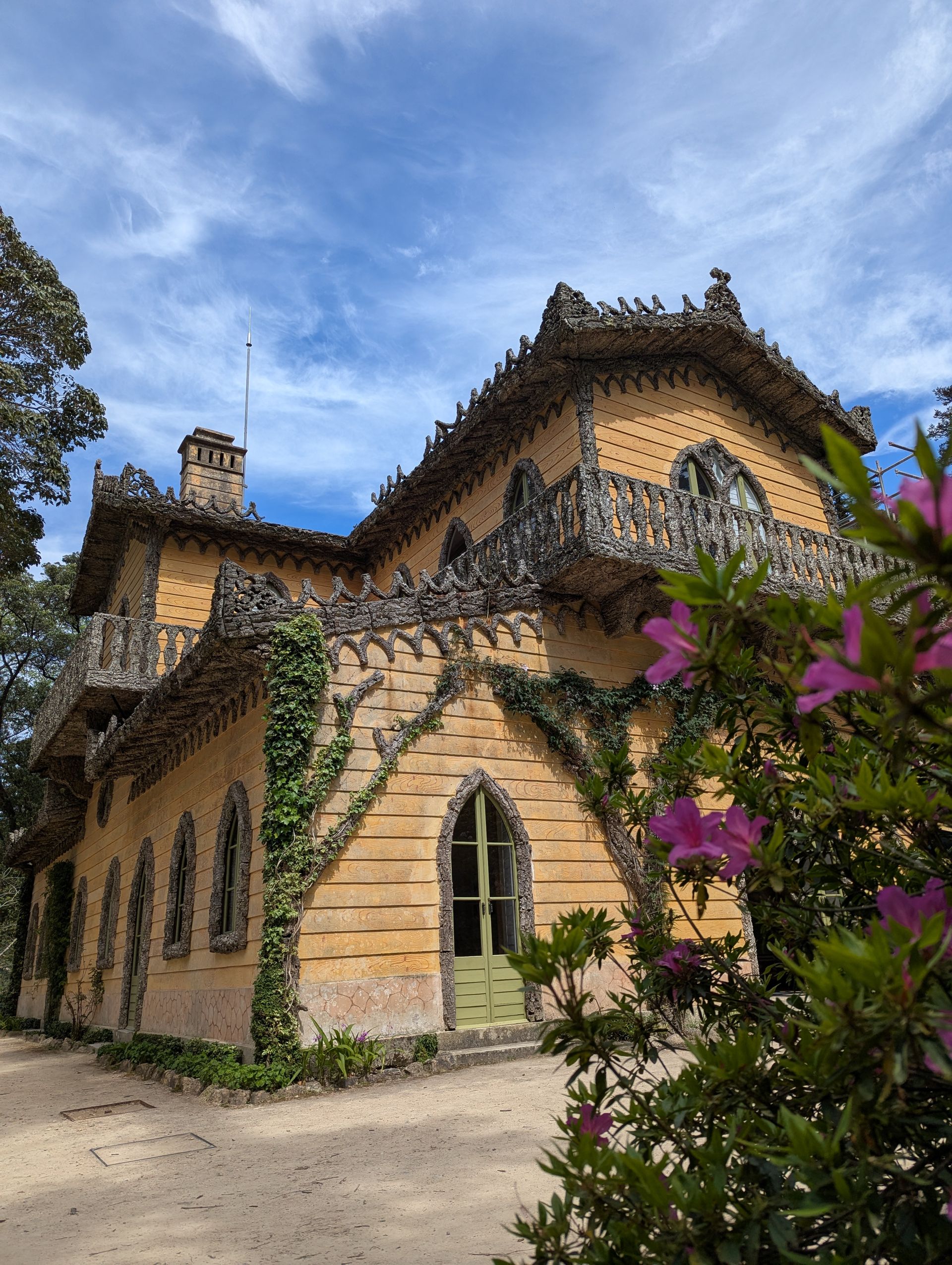
After the queen's death, Ferdinand married an American opera singer of Swiss descent in 1869, for whom he set up a chalet in the park. All of this, of course, only after Ferdinand elevated the lady to countess status. Wikipedia notes that the monarchy in
Portugal ended a few years later in 1910 when the young king Manuel II went into exile in England. Sintra became the property of the Portuguese state. And the opera countess died impoverished at the age of 74 in Lisbon in 1929.
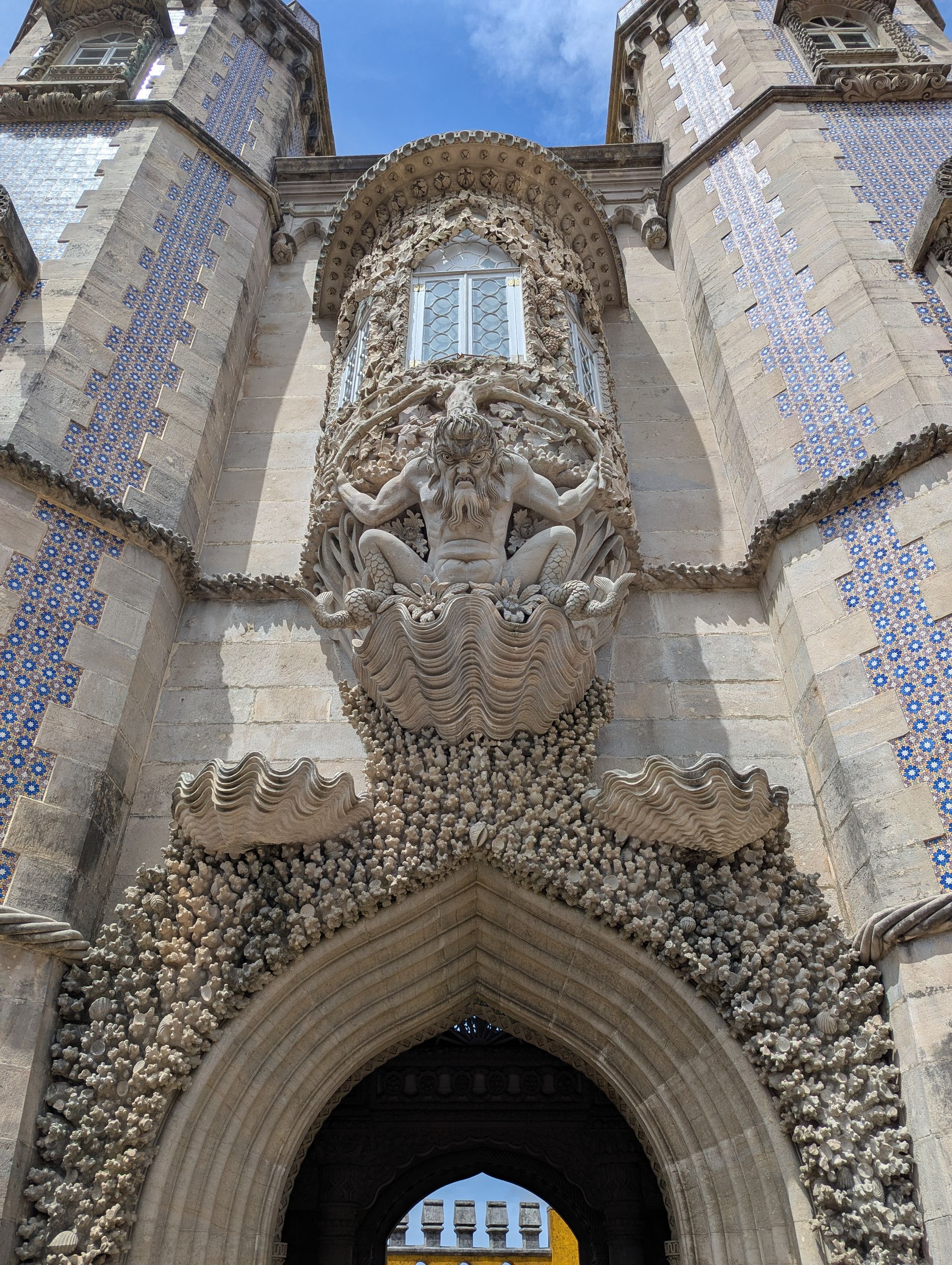
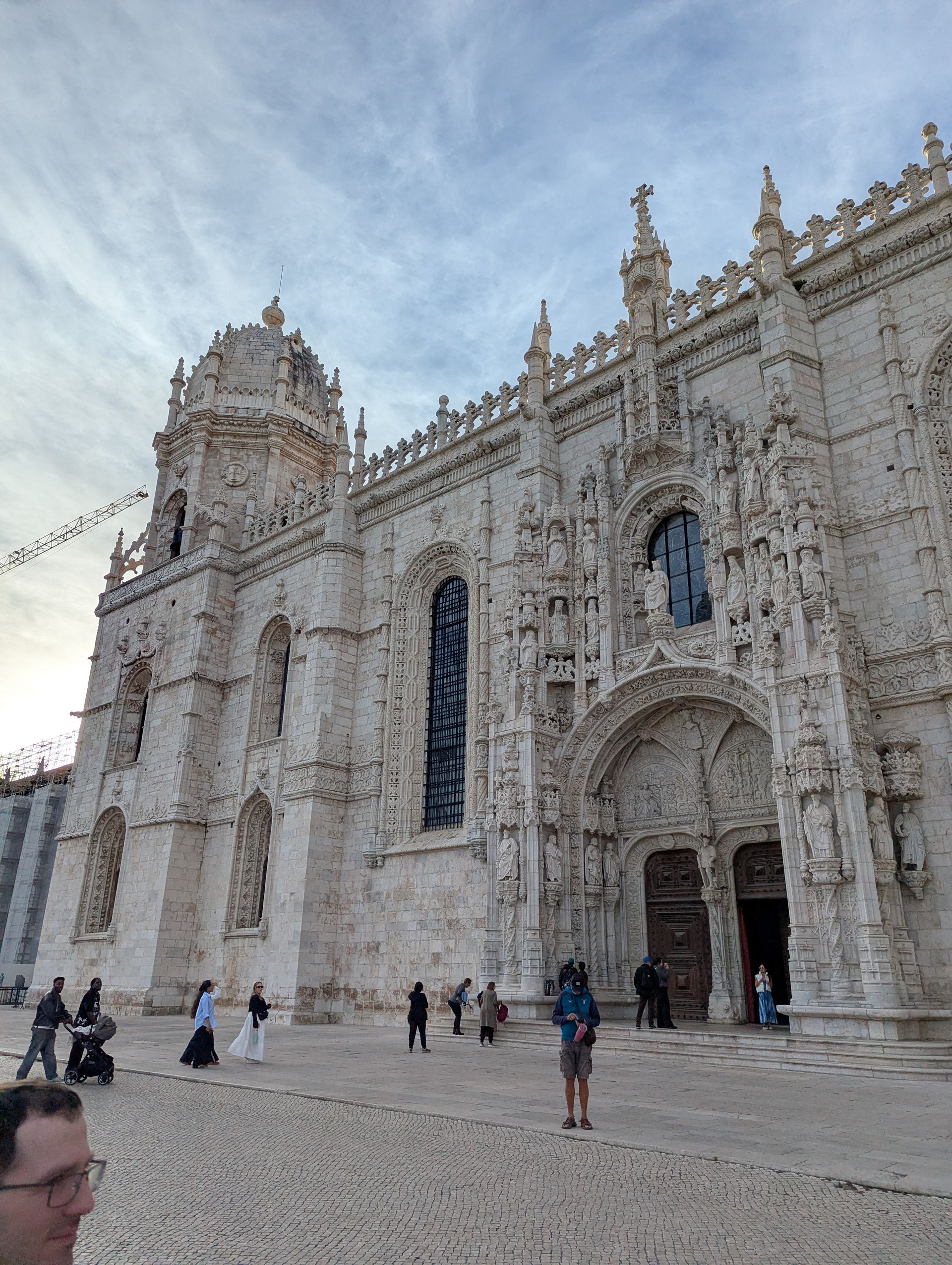
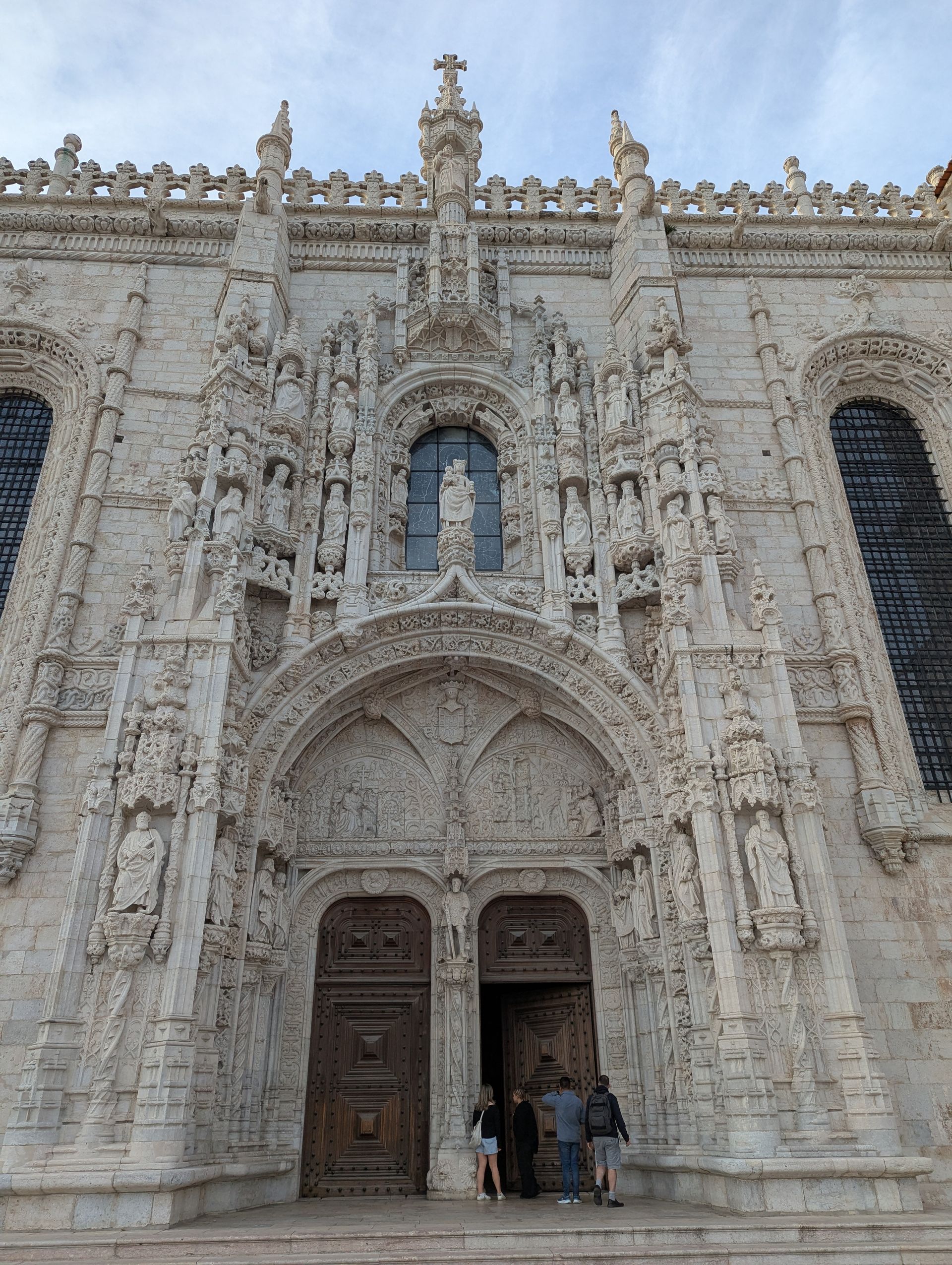
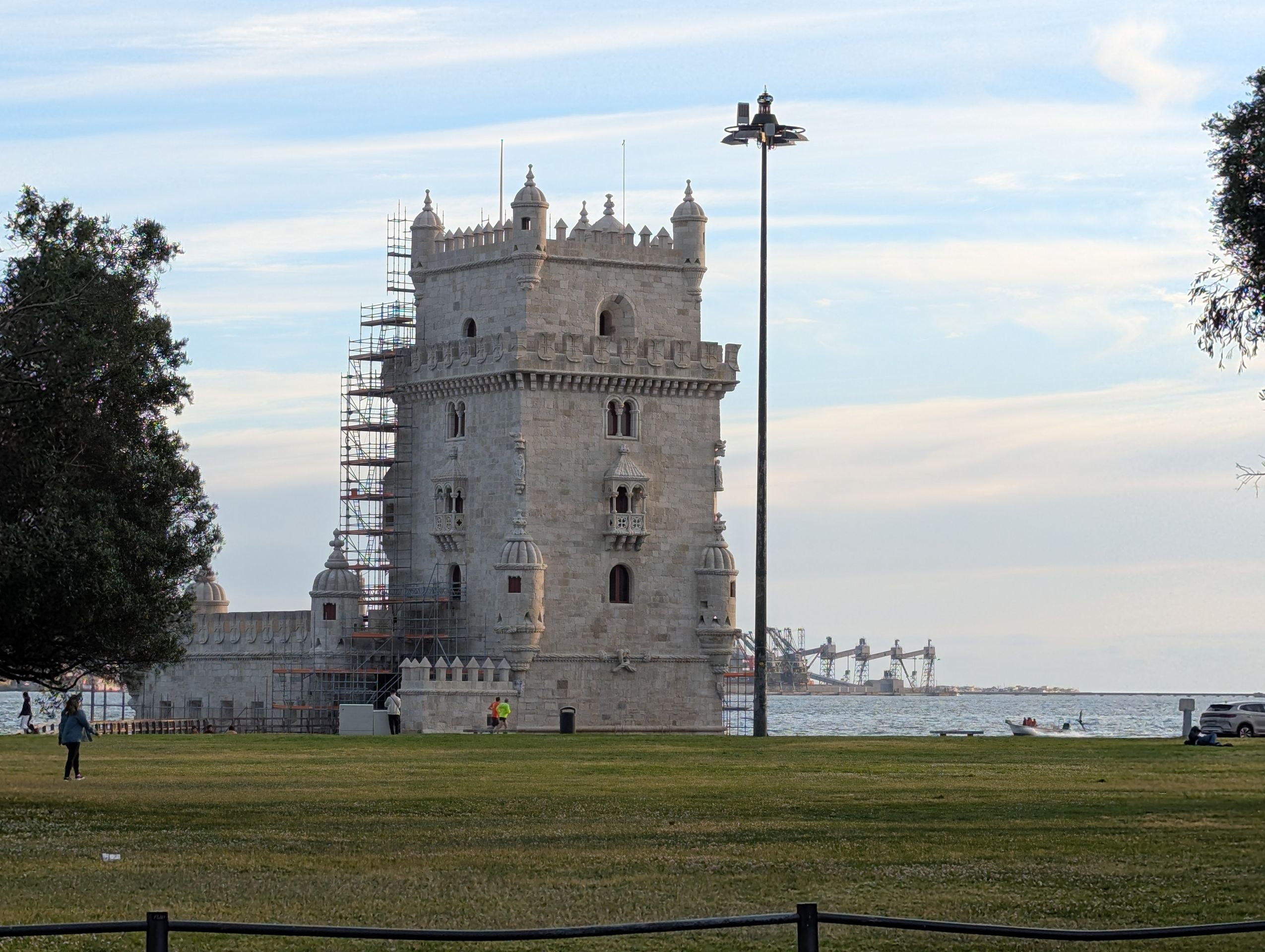
A particular charm of the castle is the use of stylistic elements of the so-called Manueline, a particularly Portuguese form of late Gothic, which includes, among other things, nautical ornaments and picturesque little towers.
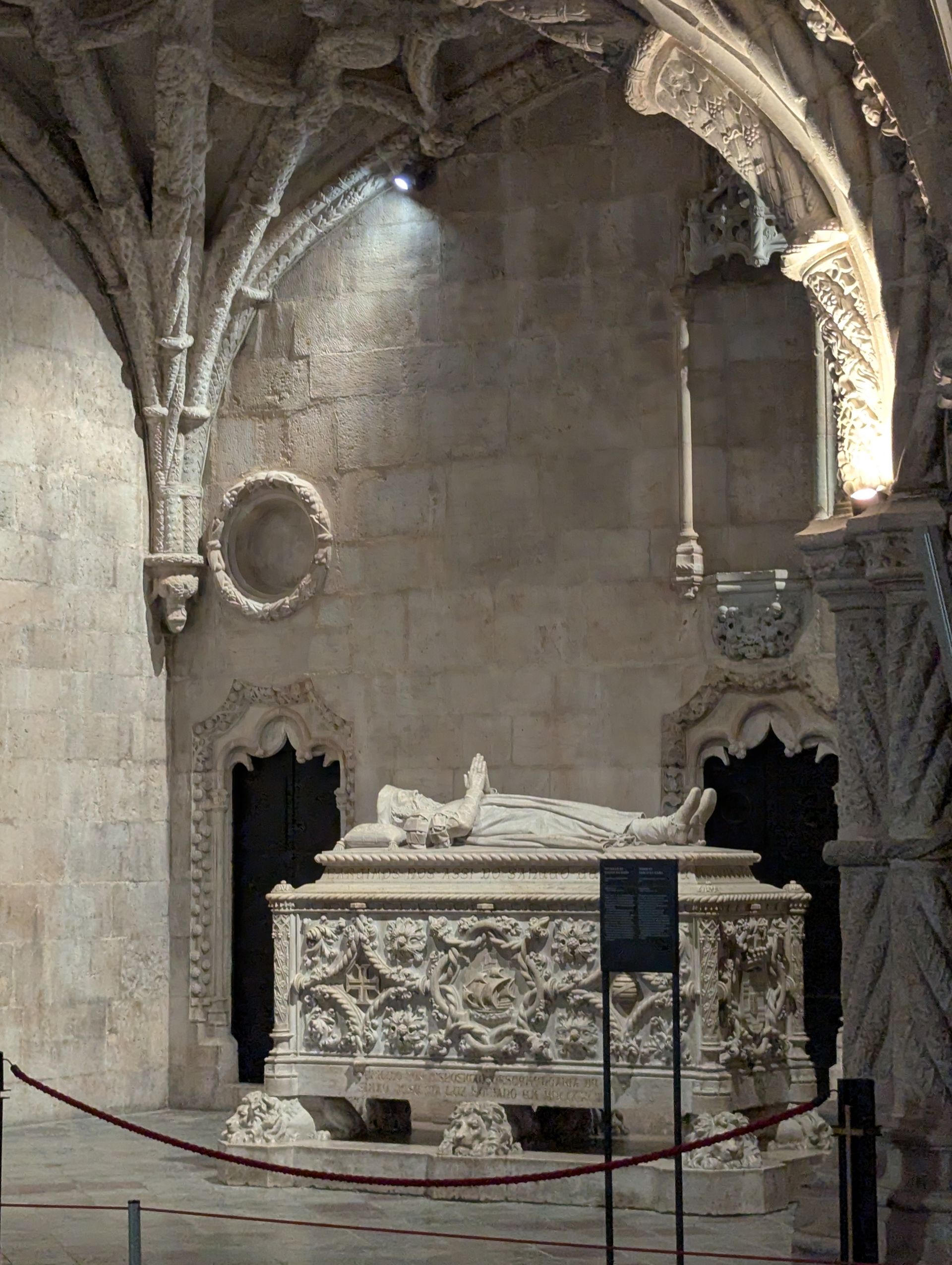
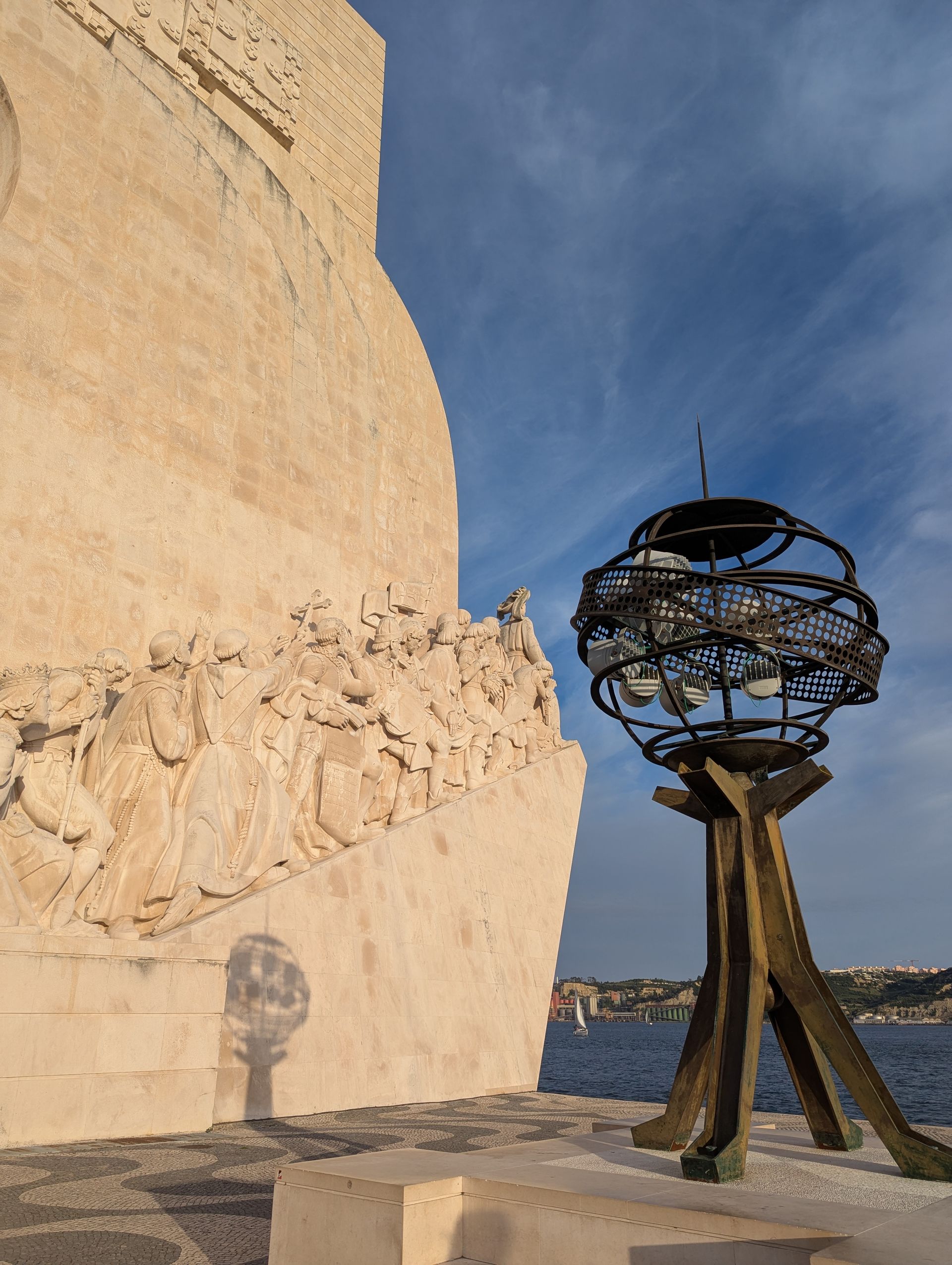
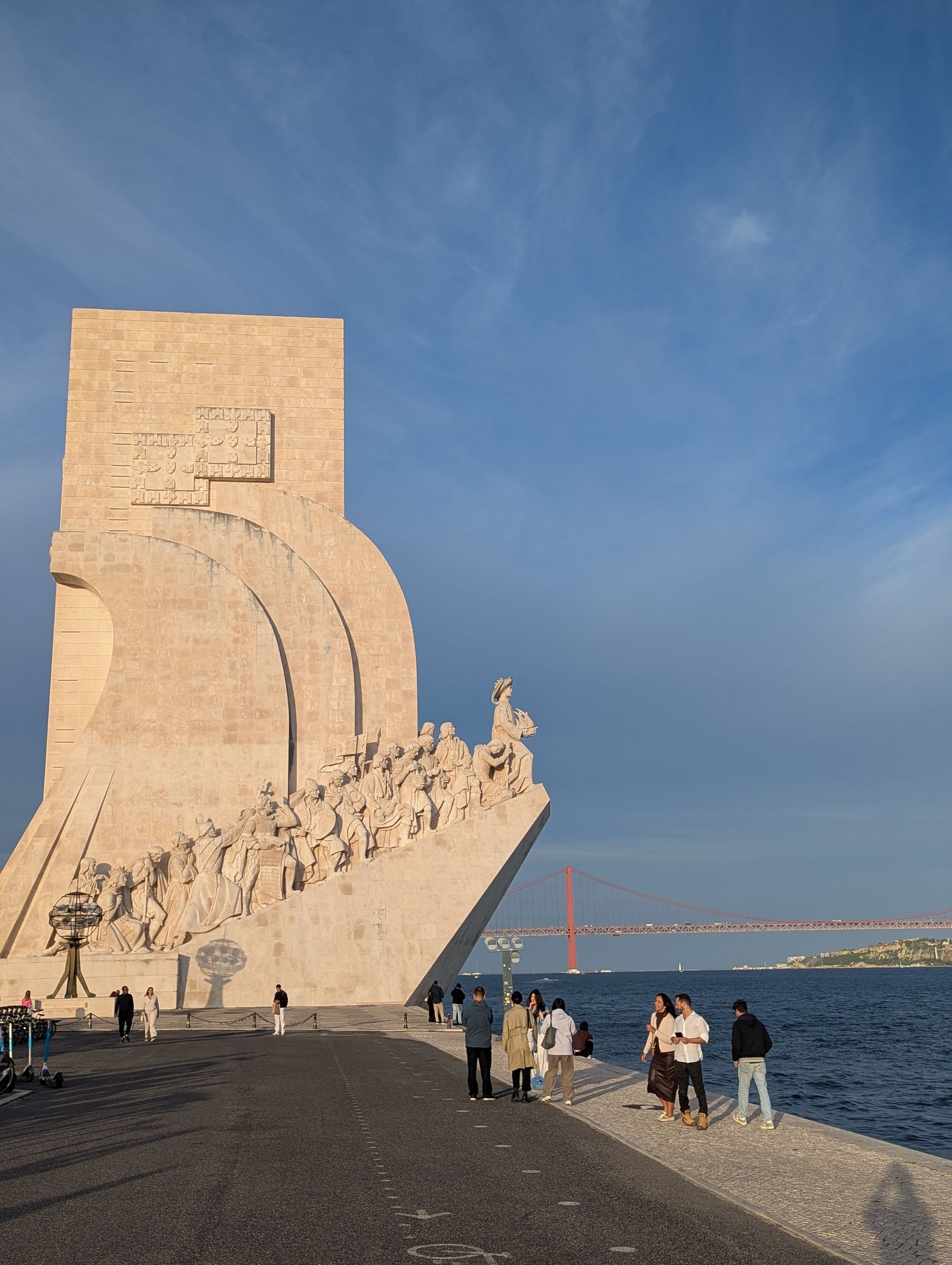
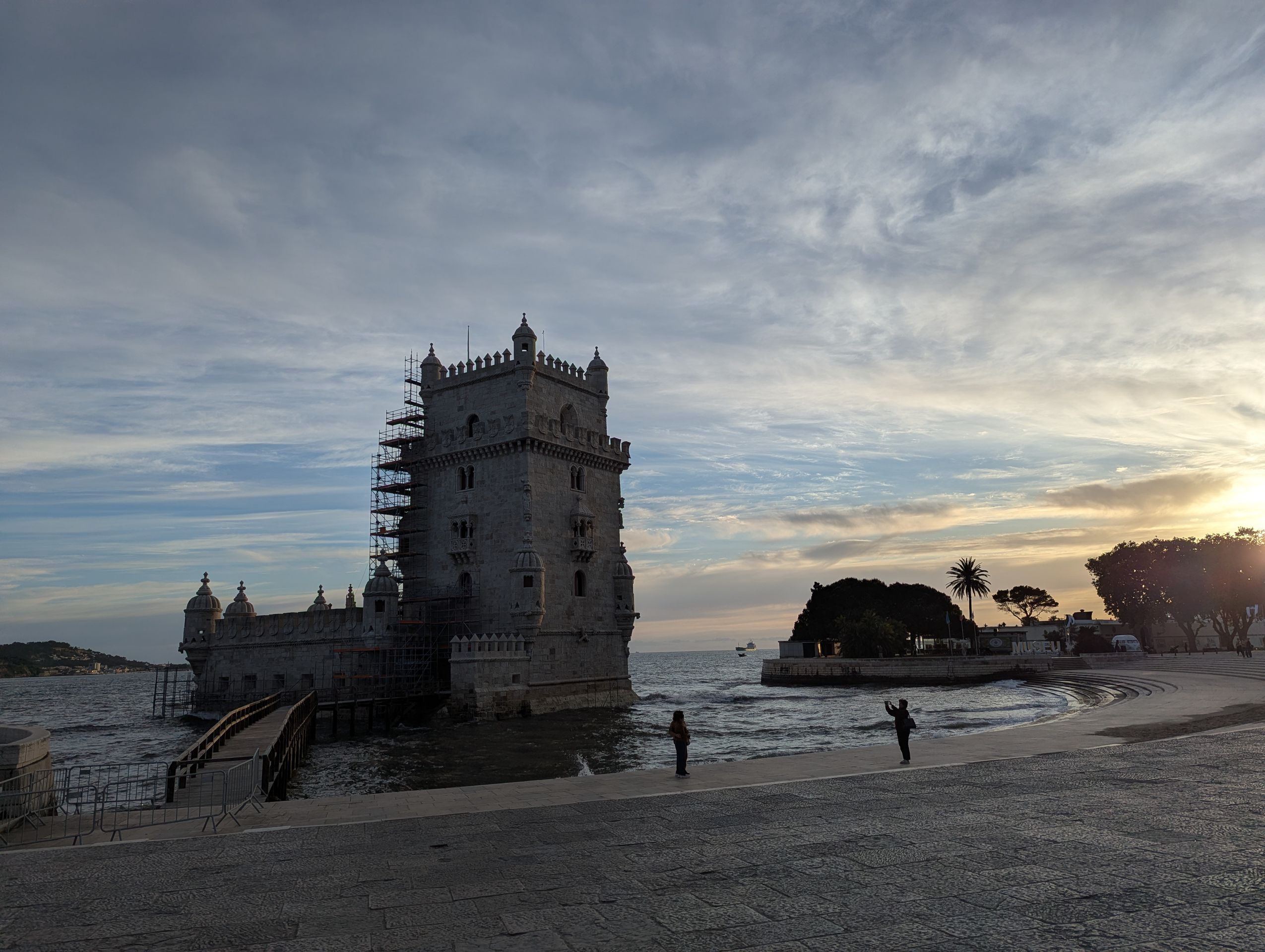
For the last third of the day, a visit to the Tower of Belém was planned. The medieval tower, as well as the nearby Jerónimos Monastery, were prominent examples of Manueline architecture in Lisbon. Vasco da Gama was also laid to rest at the Jerónimos Monastery, and an exaggeratedly monumental monument on the waterfront commemorated the 500th birthday of Henry the Navigator in 1960.
With the visit to Belém, Sintra made sense after all. Portugal's rise to a world power began on the banks of the Tagus around the year 1400. Sintra, on the other hand, was the swan song of a German romanticist on the golden age. It marked the conclusion and sent Portugal into the 20th century. The rear and front of the proverbial horse fit together, and the saddle was snugly in place.