
BLOG 8: Animal Rescue Center and Caribbean Vibes
For today, we have no special plans; first, we'll visit the animal hospital very close to our lodge, which grandly calls itself the 'Jaguar Rescue Center,' even though th

Published: 05.02.2026
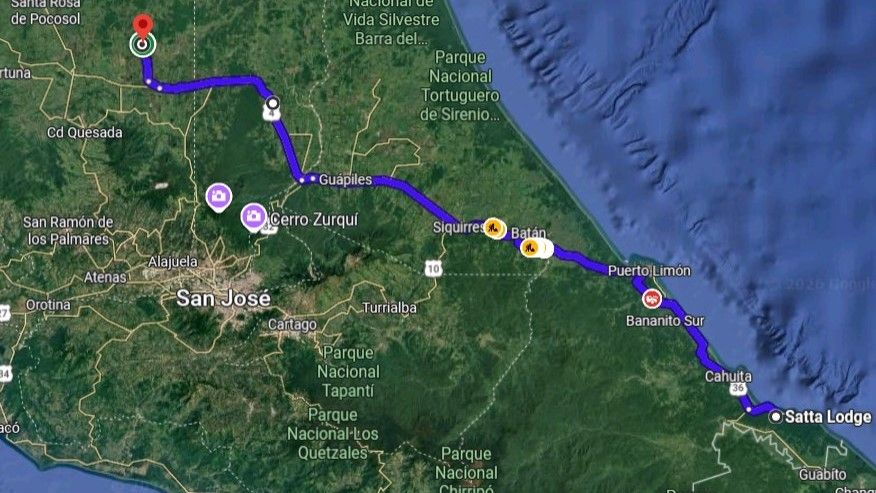
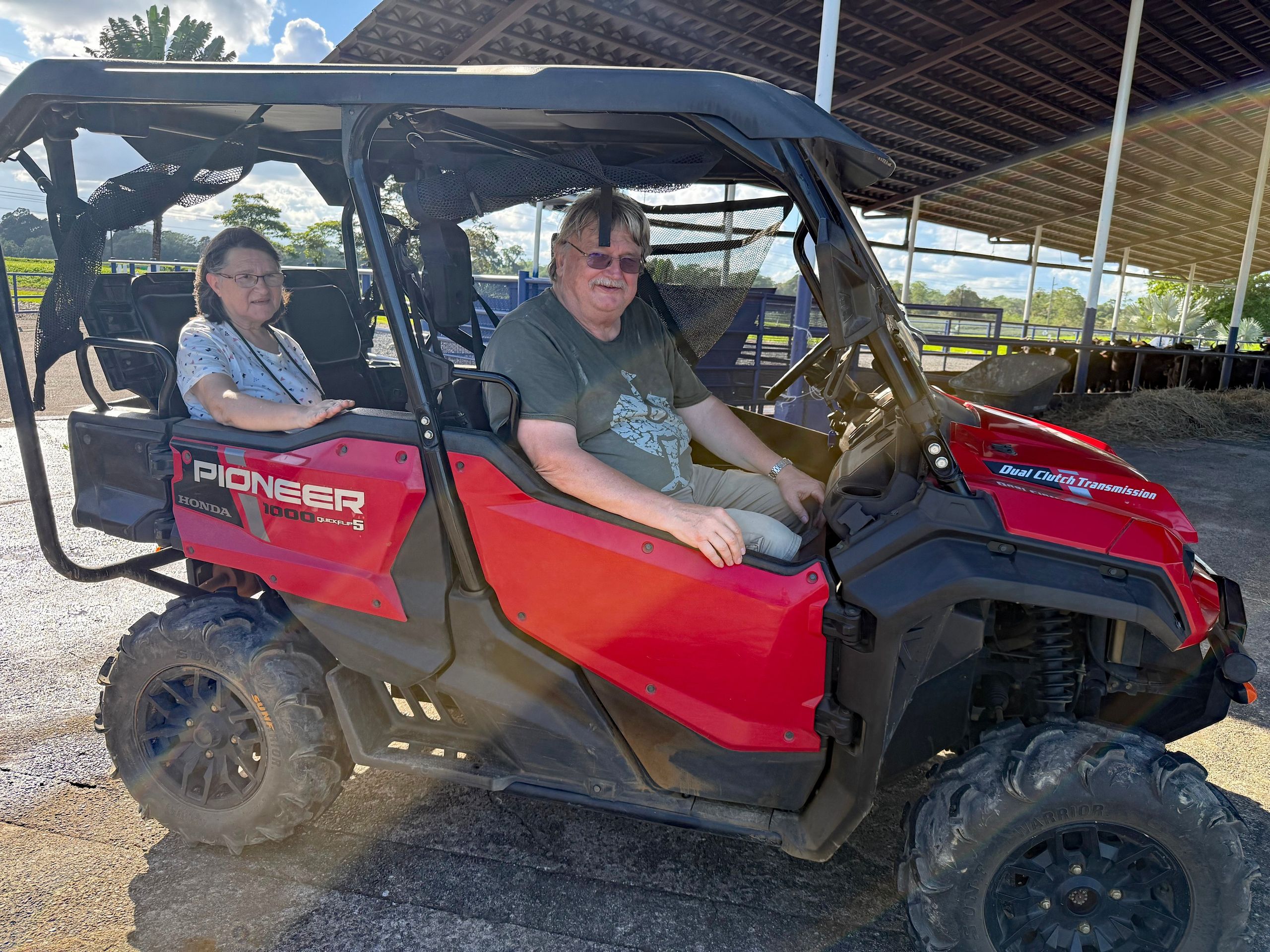
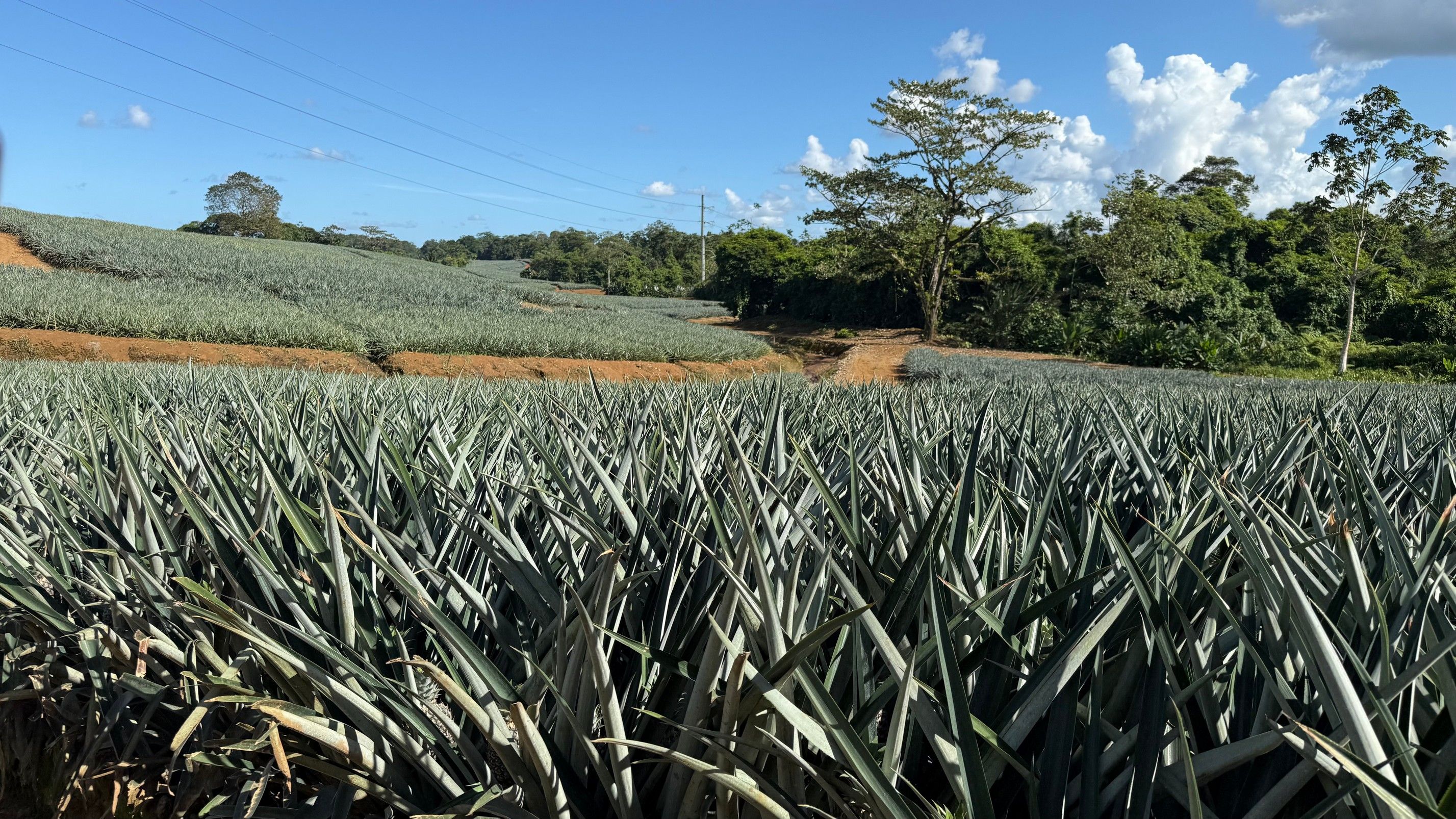
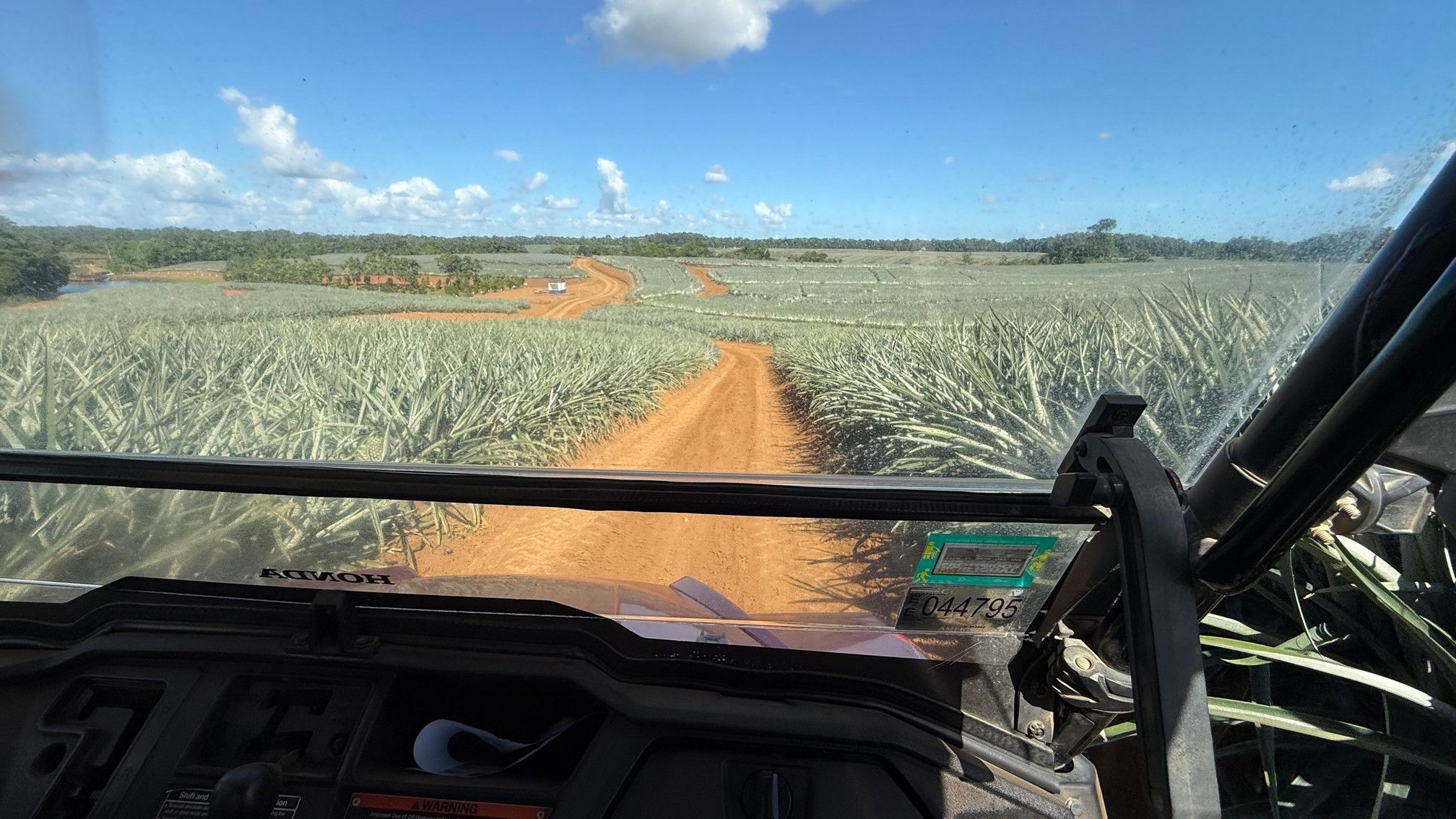
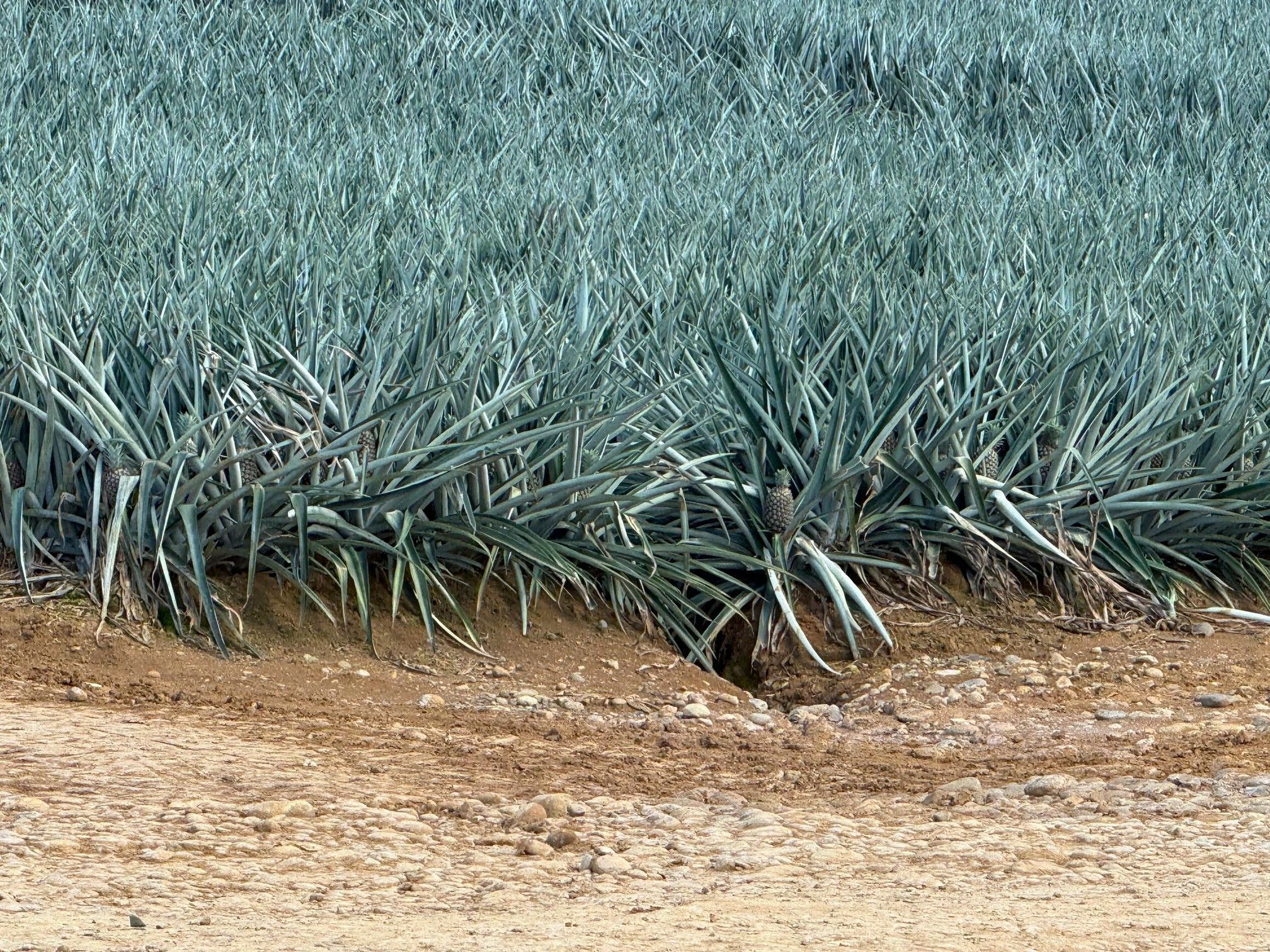


Our upcoming destinations are dedicated to culinary delights…
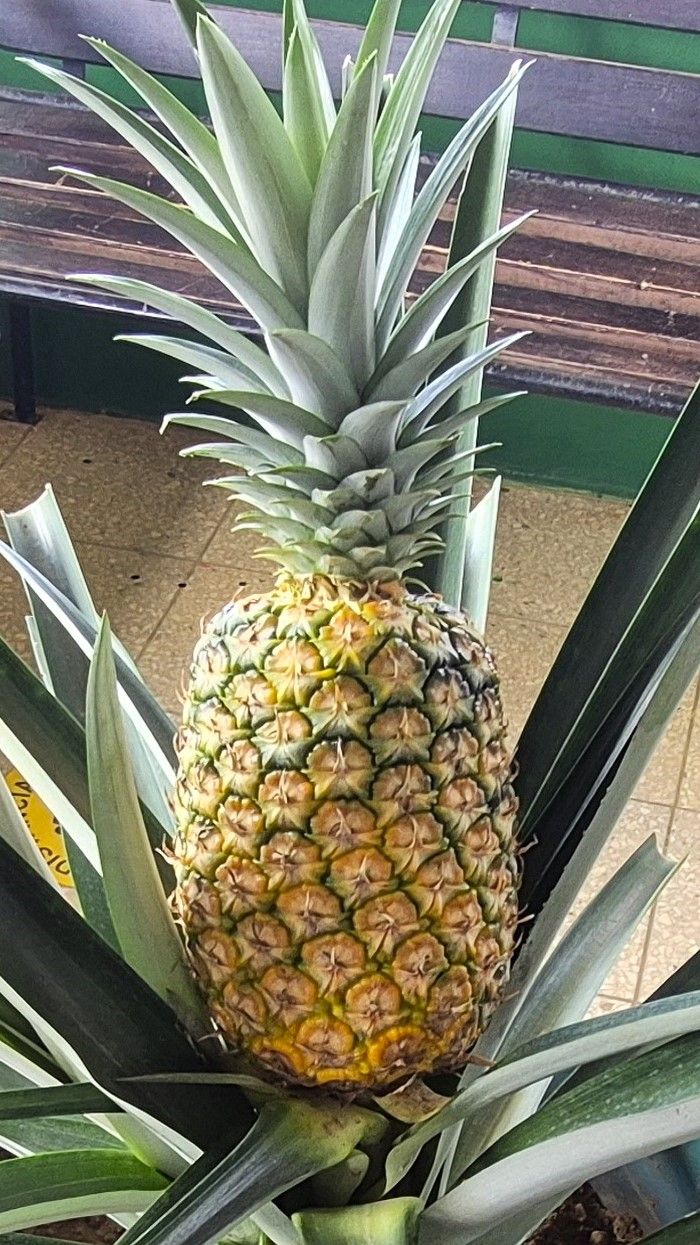
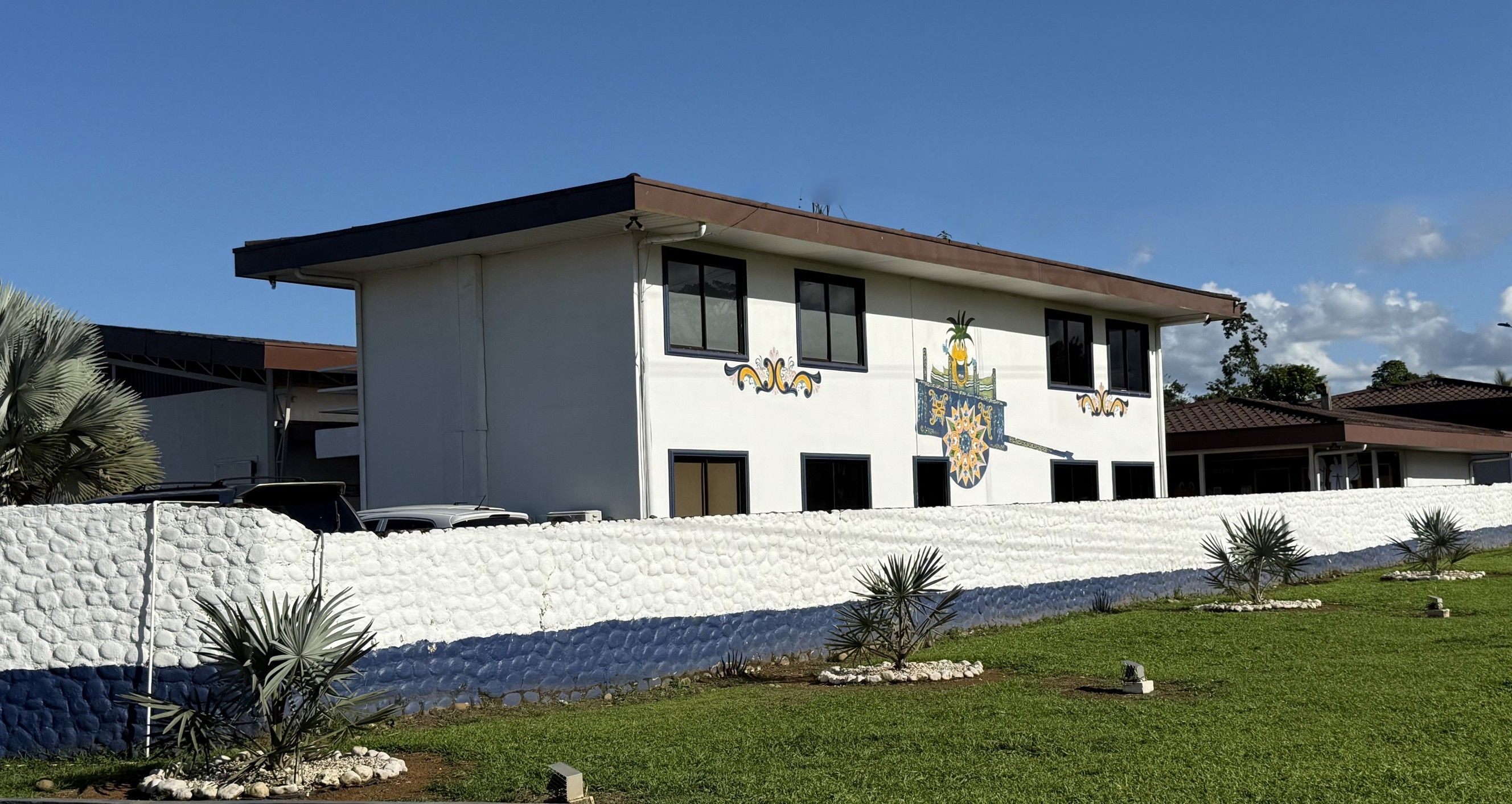
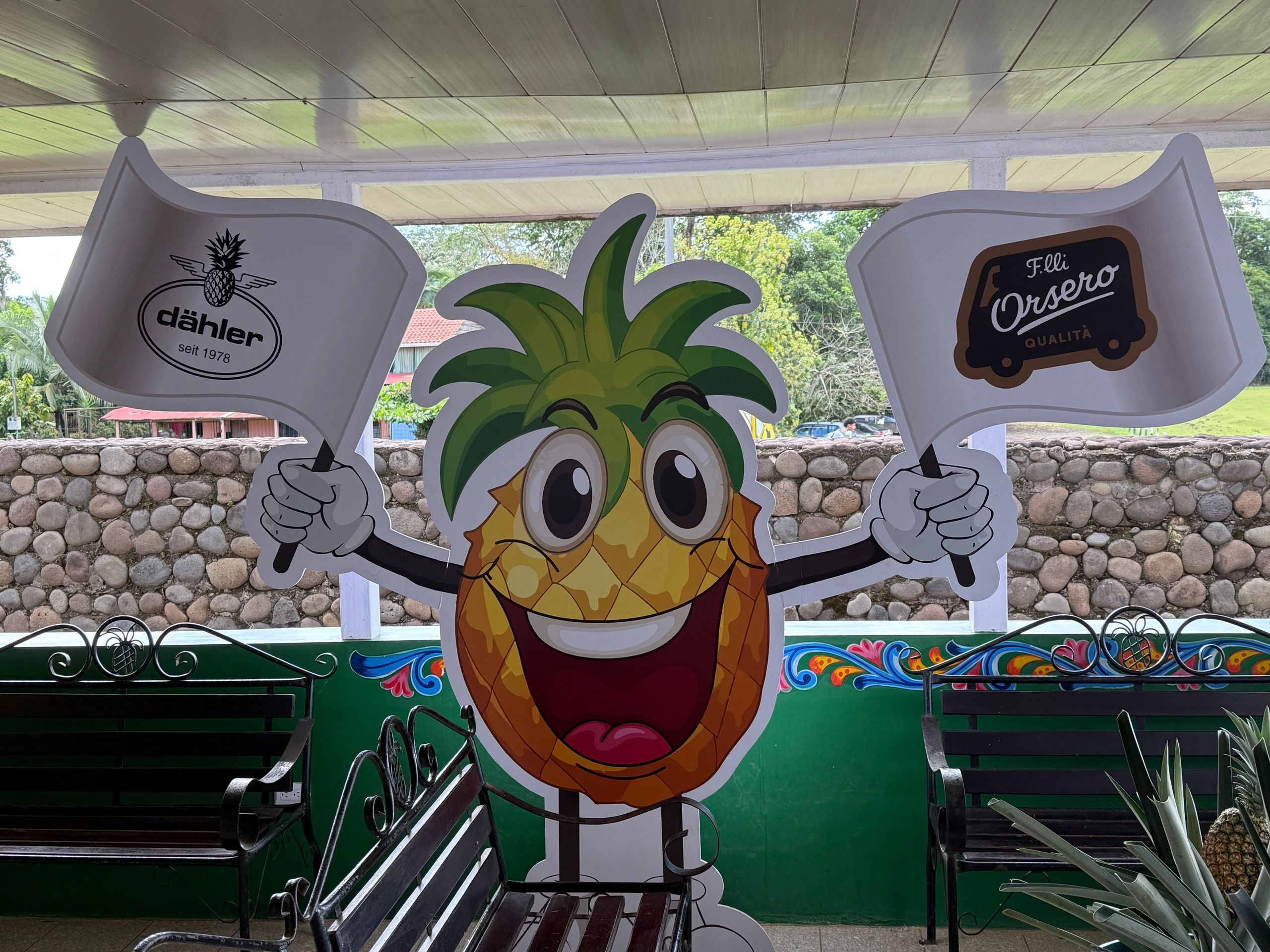
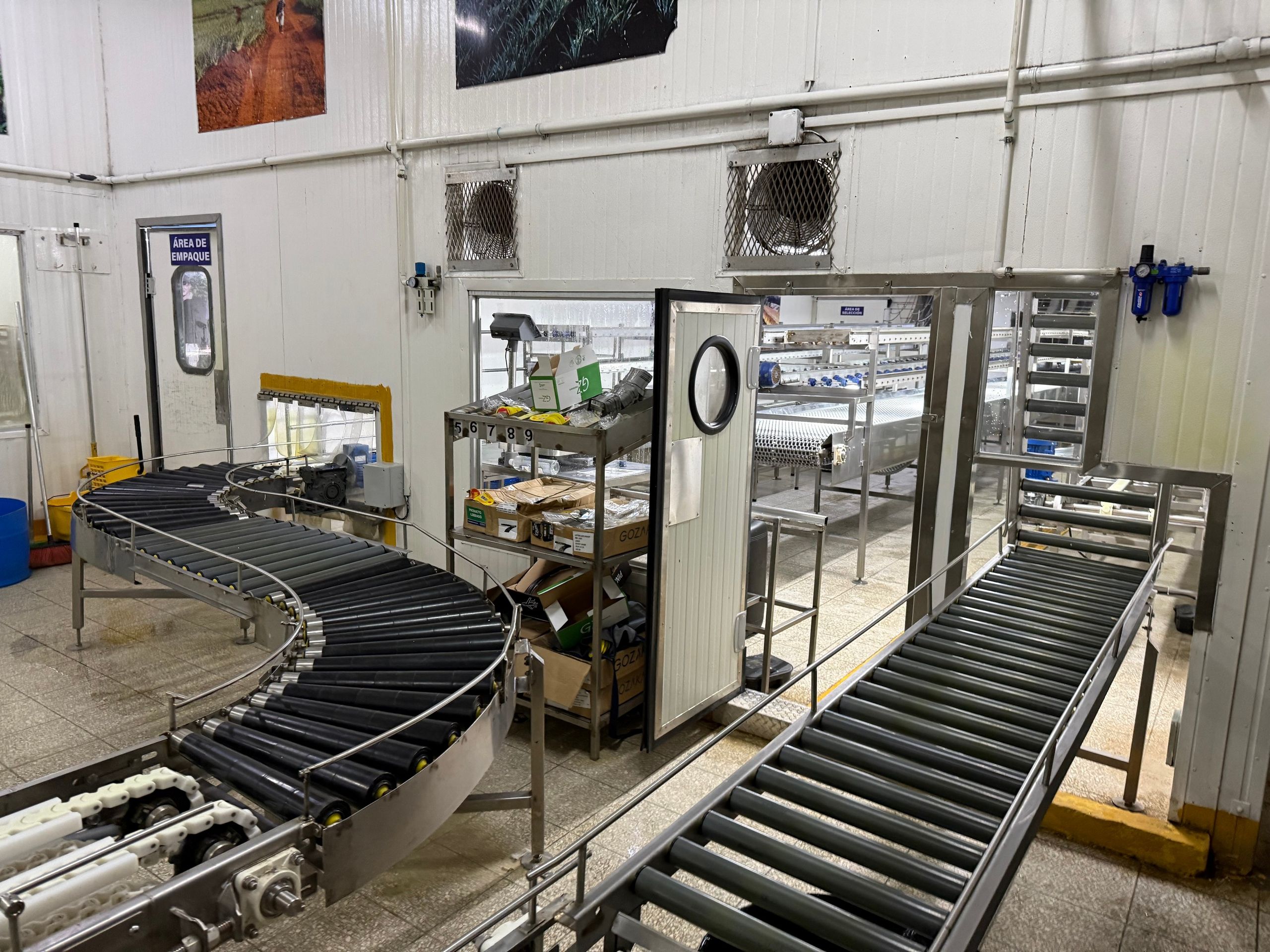
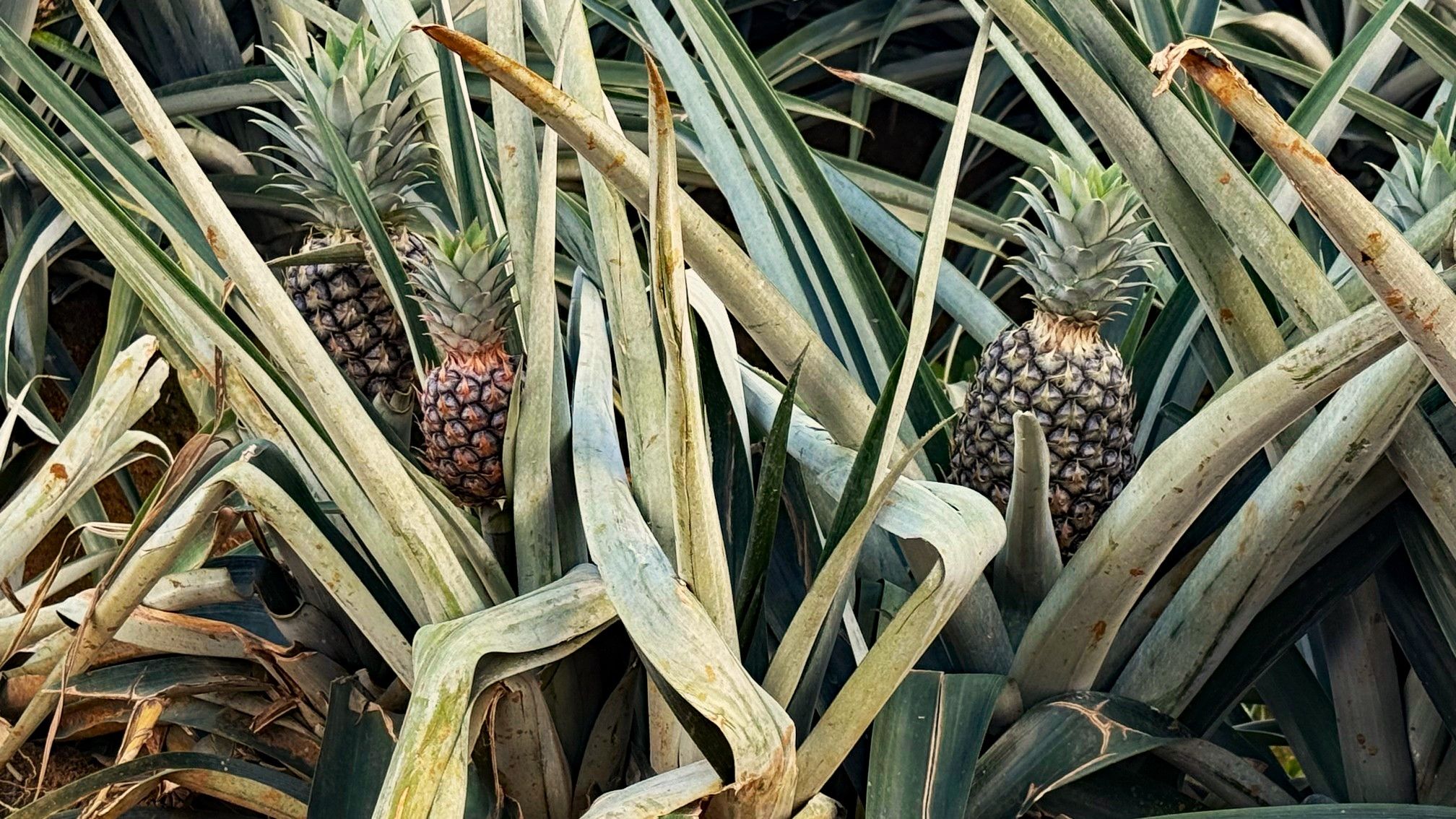
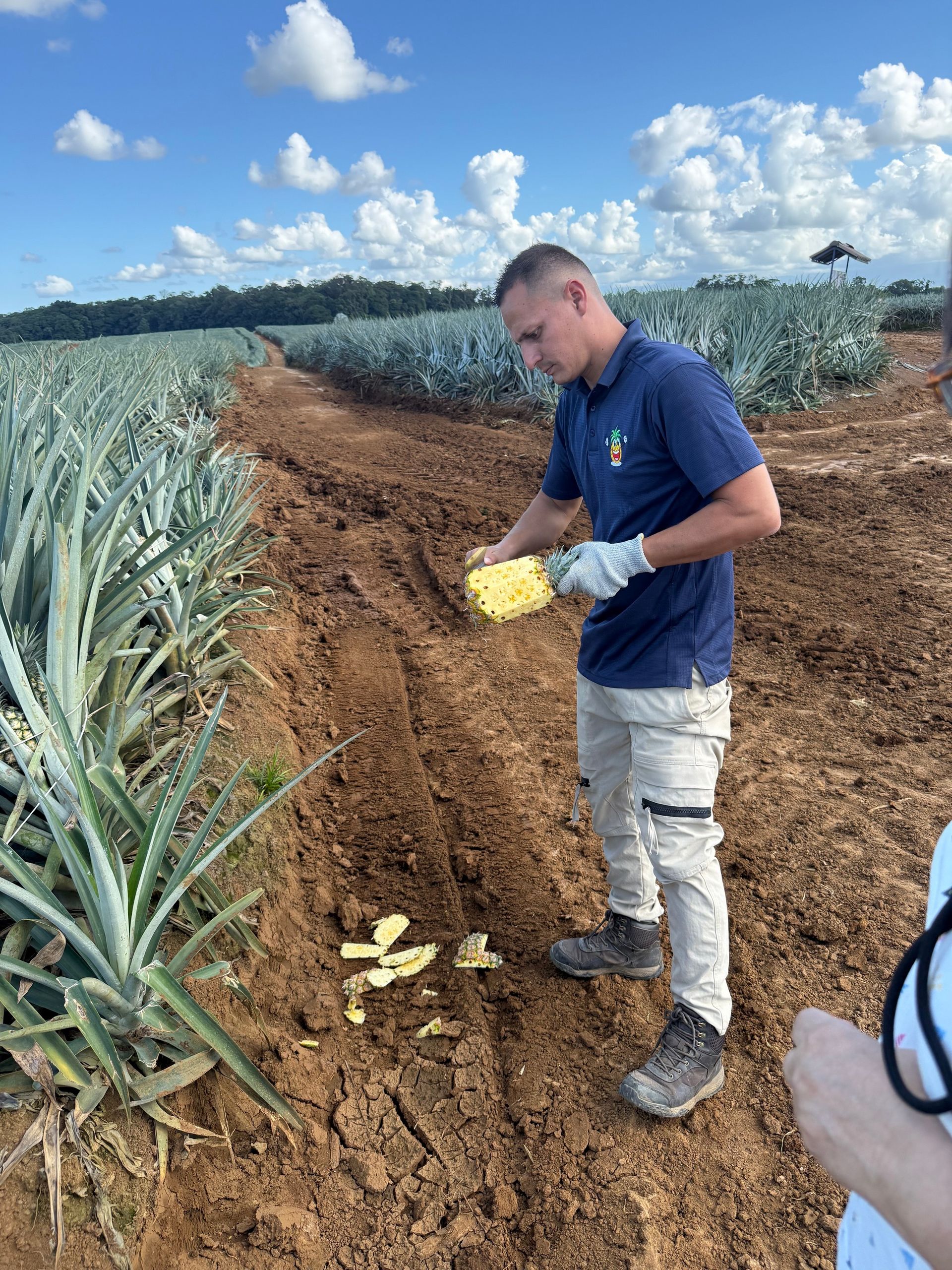
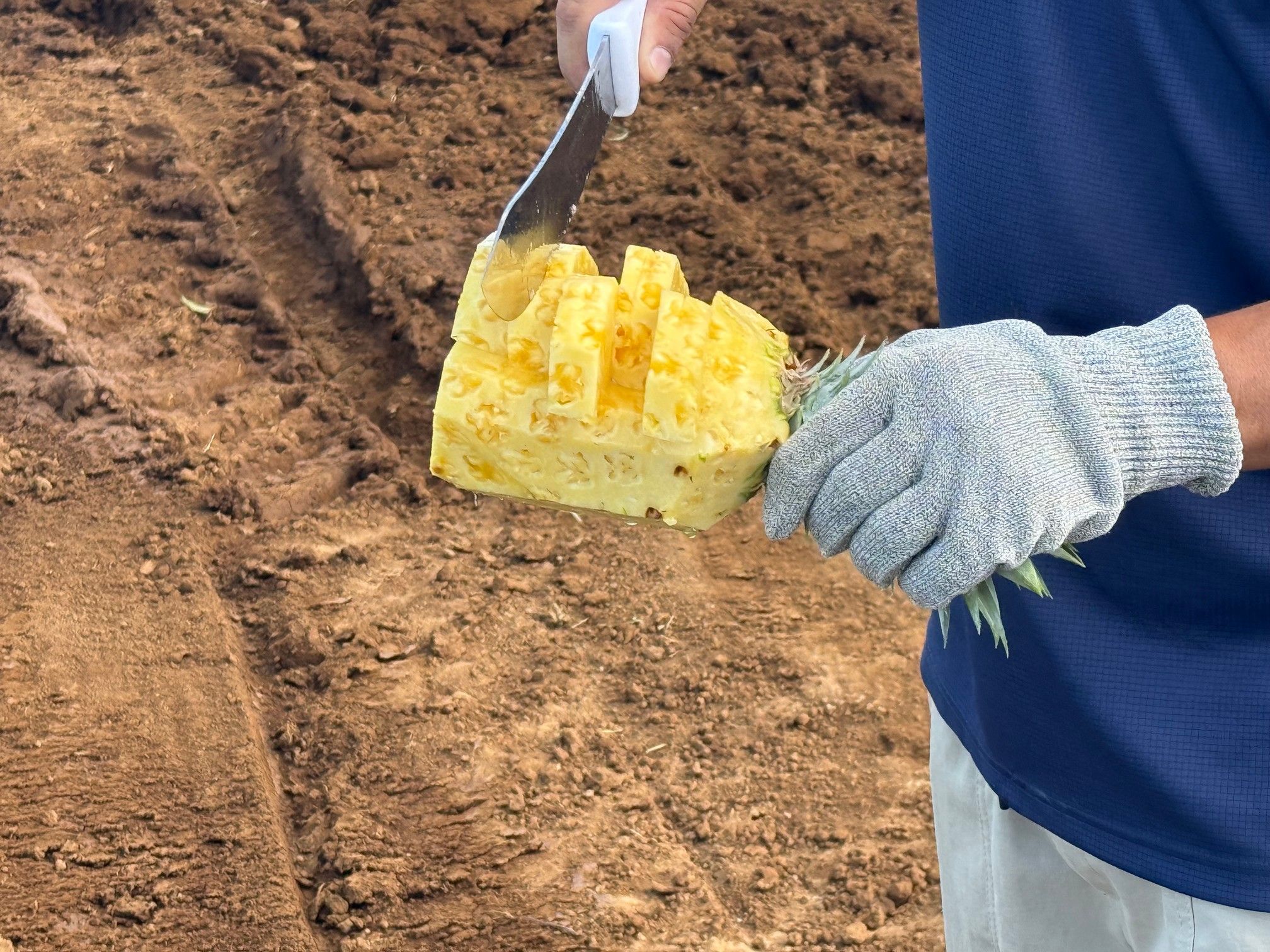
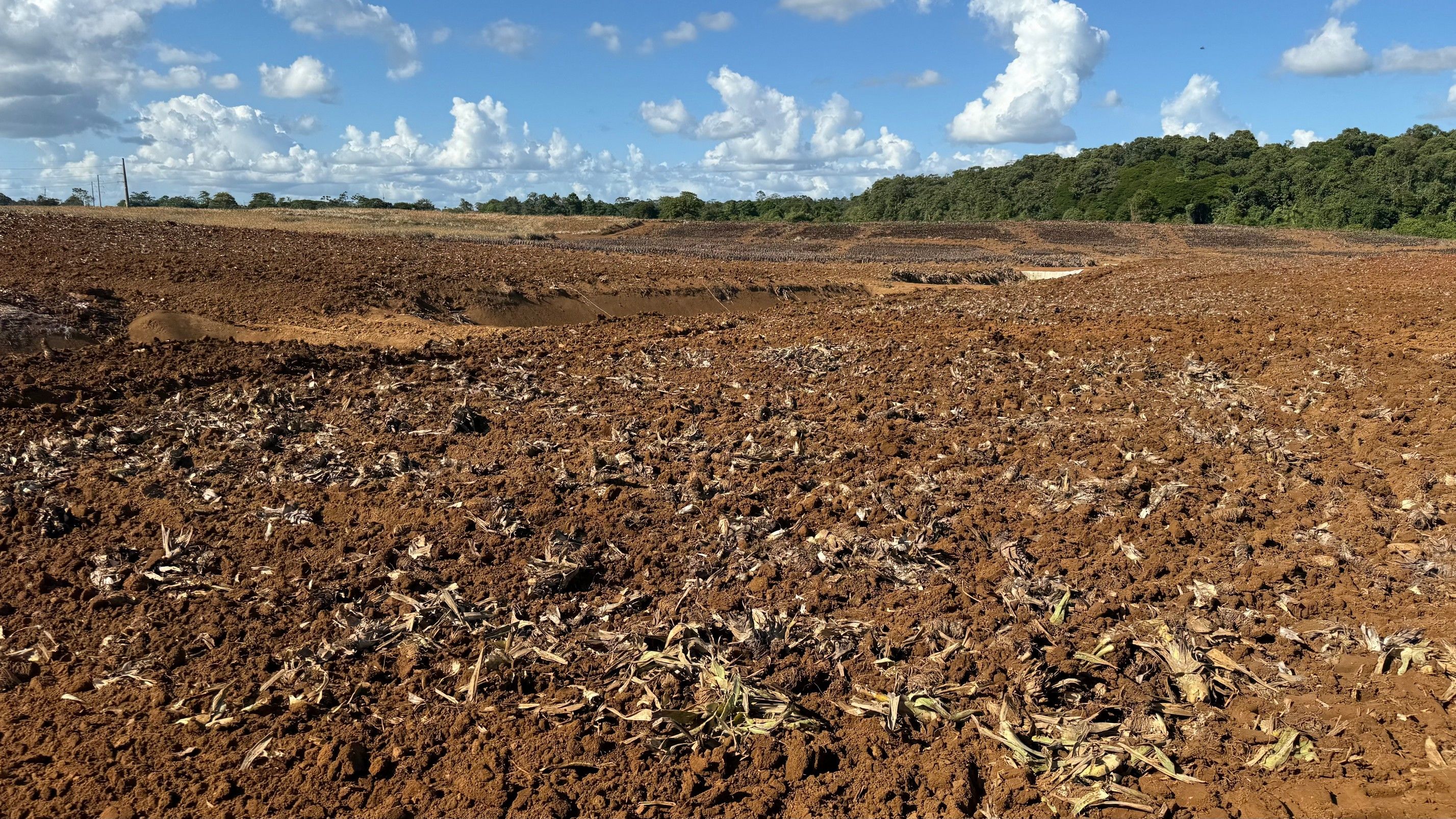
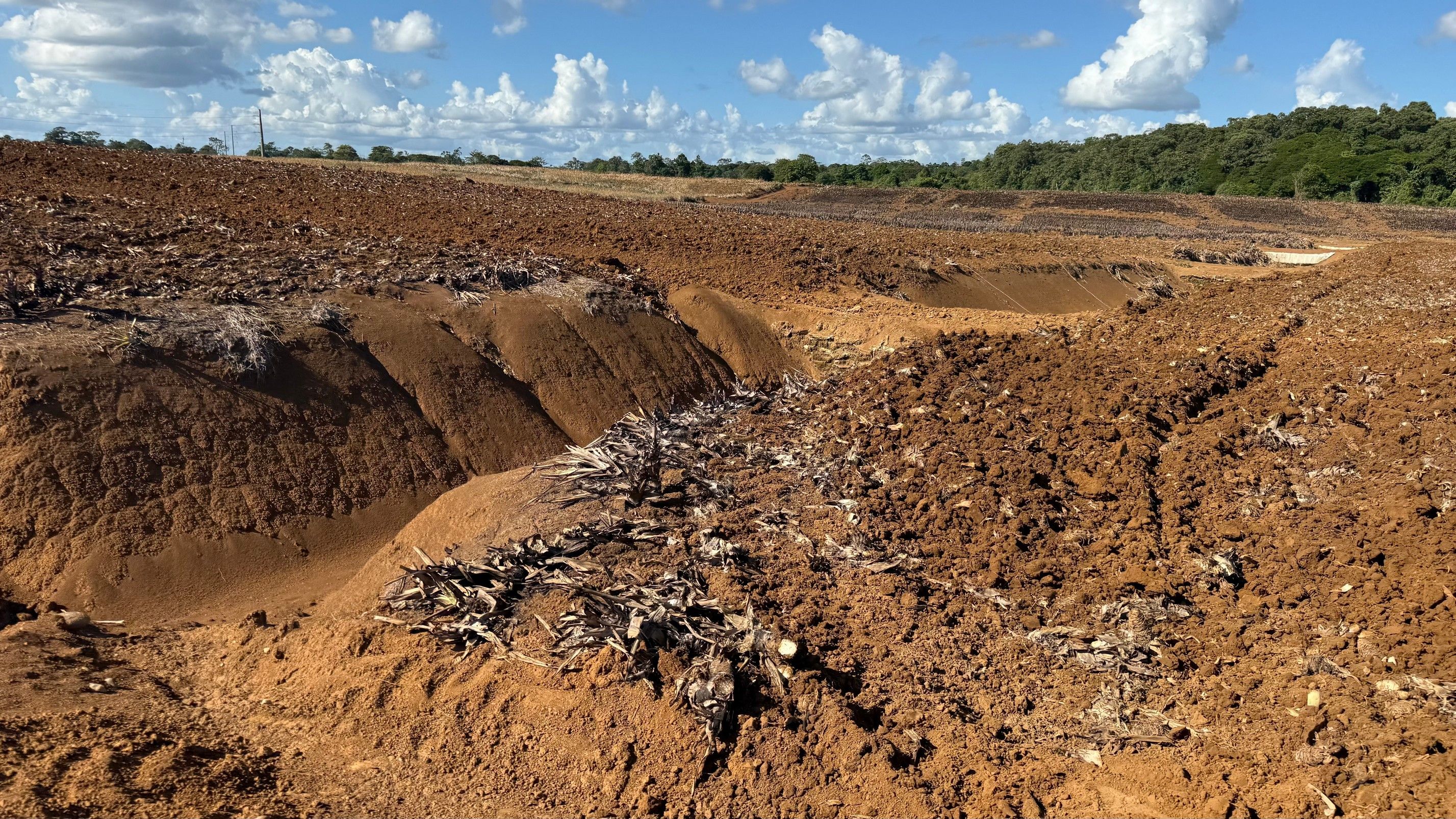
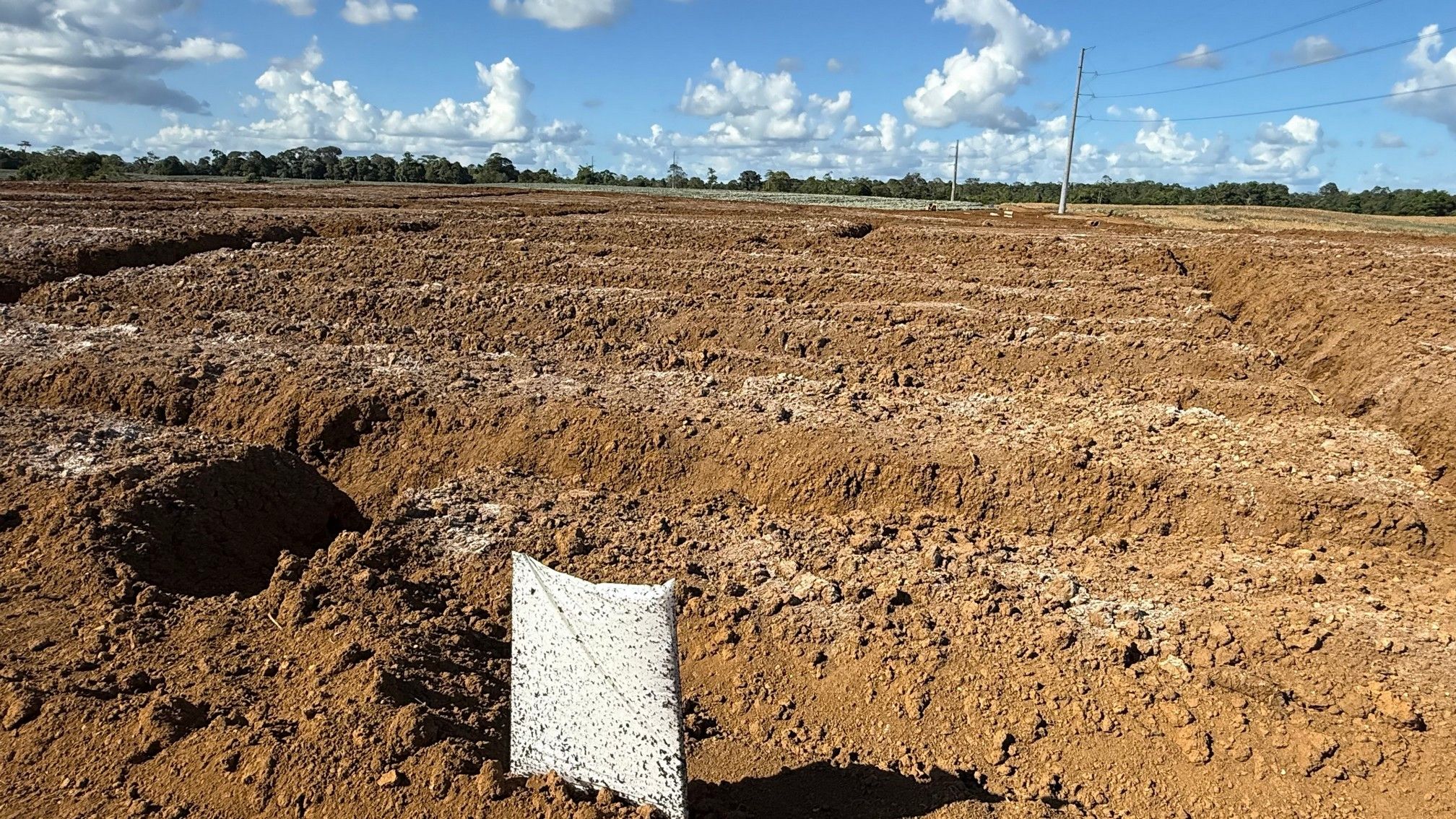
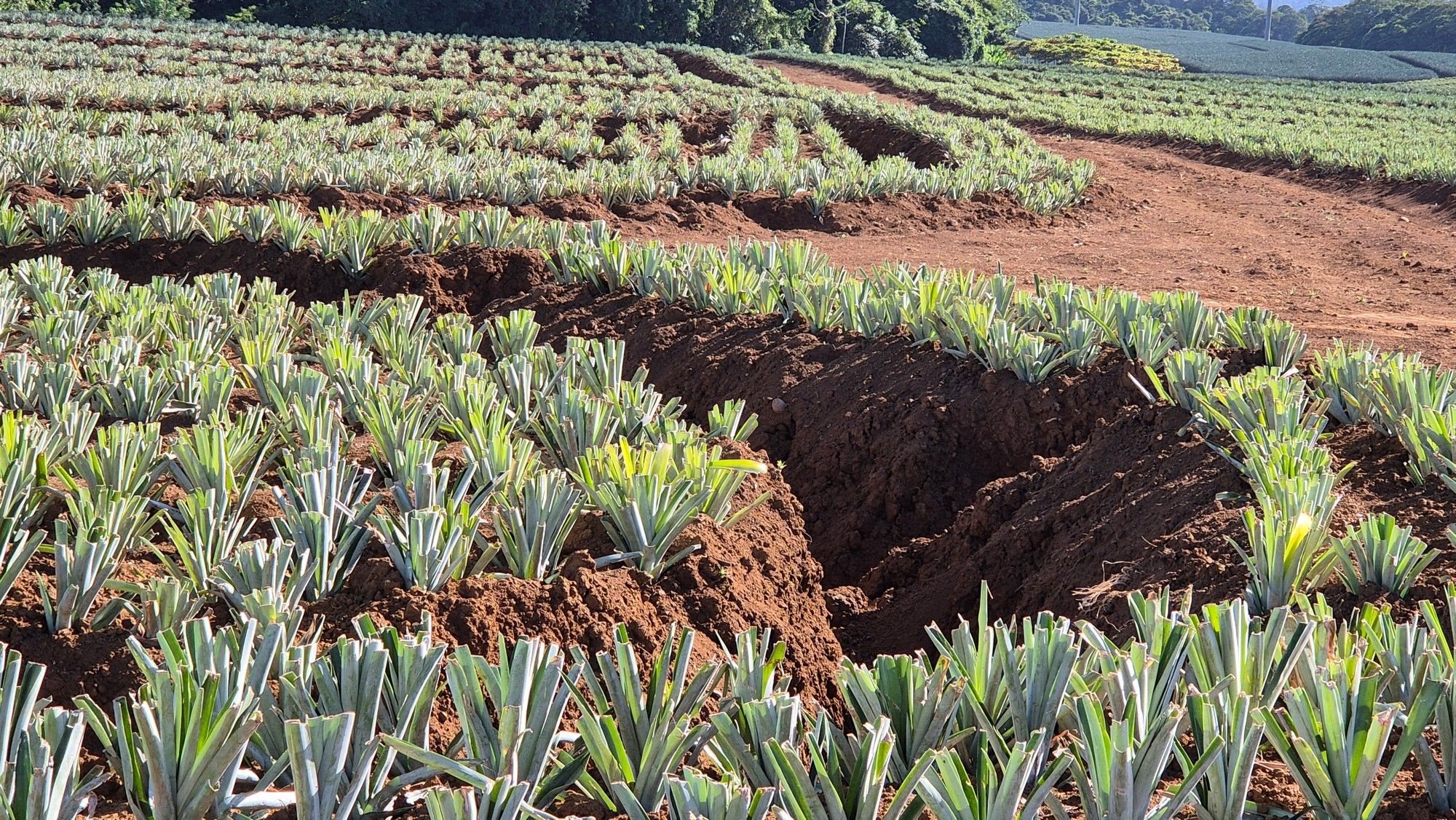
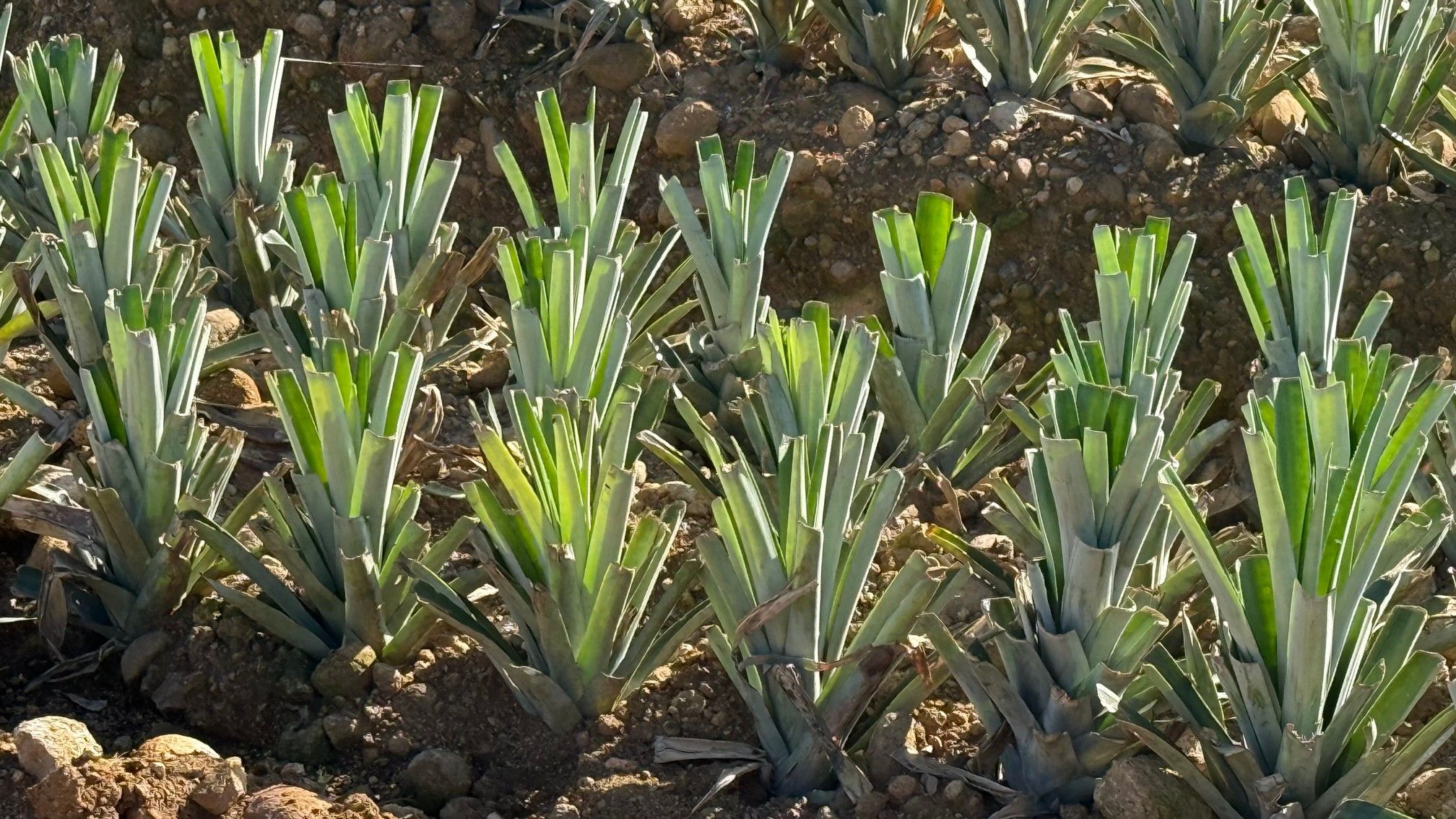
First, we will travel many kilometers to the pineapple ranch "Roswitha" of the Swiss Dähler family. This family has a distinctly eventful history that we find very fascinating, so here is a brief summary based on reports in Swiss newspapers and the homepage of the Roswitha Ranch.
The Dähler family's story is a journey across three continents. In the 1980s, Johann Dähler began cultivating pineapples in Ivory Coast and quickly became known as the "Pineapple King." After political unrest, civil war, and the loss of their plantation and virtually all of their possessions, the family fled back to Switzerland. However, the dream of pineapple cultivation lived on.
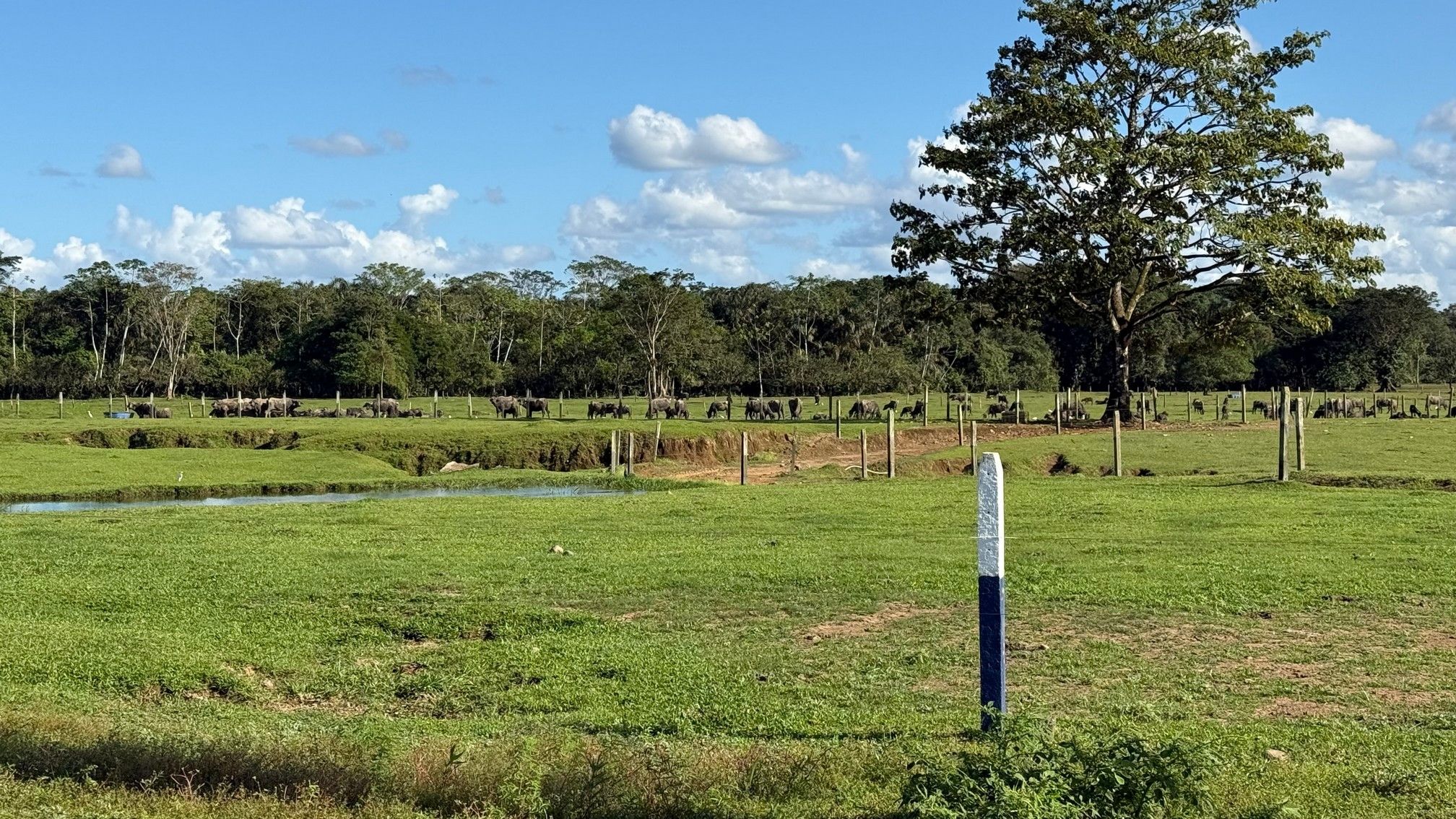
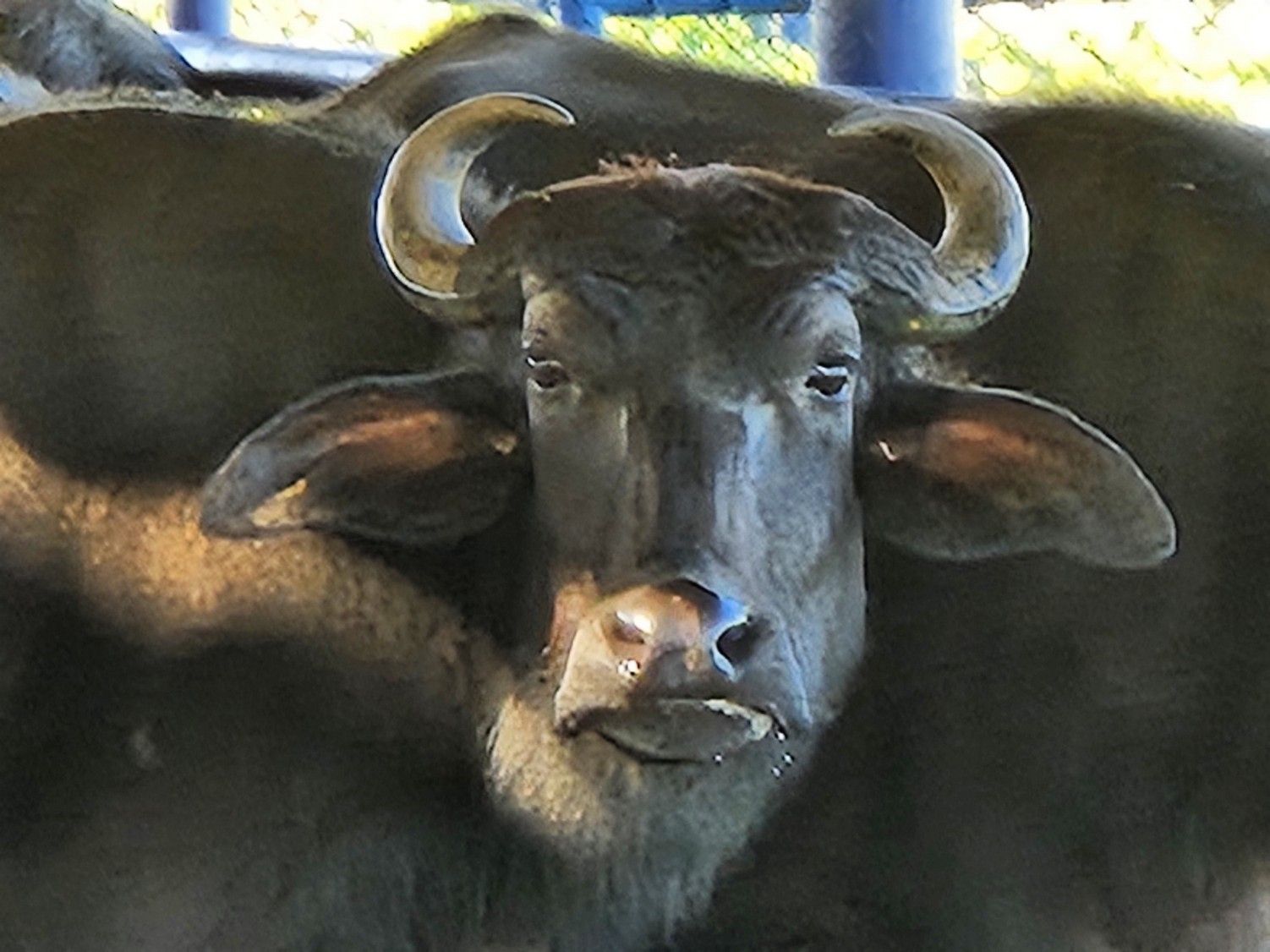
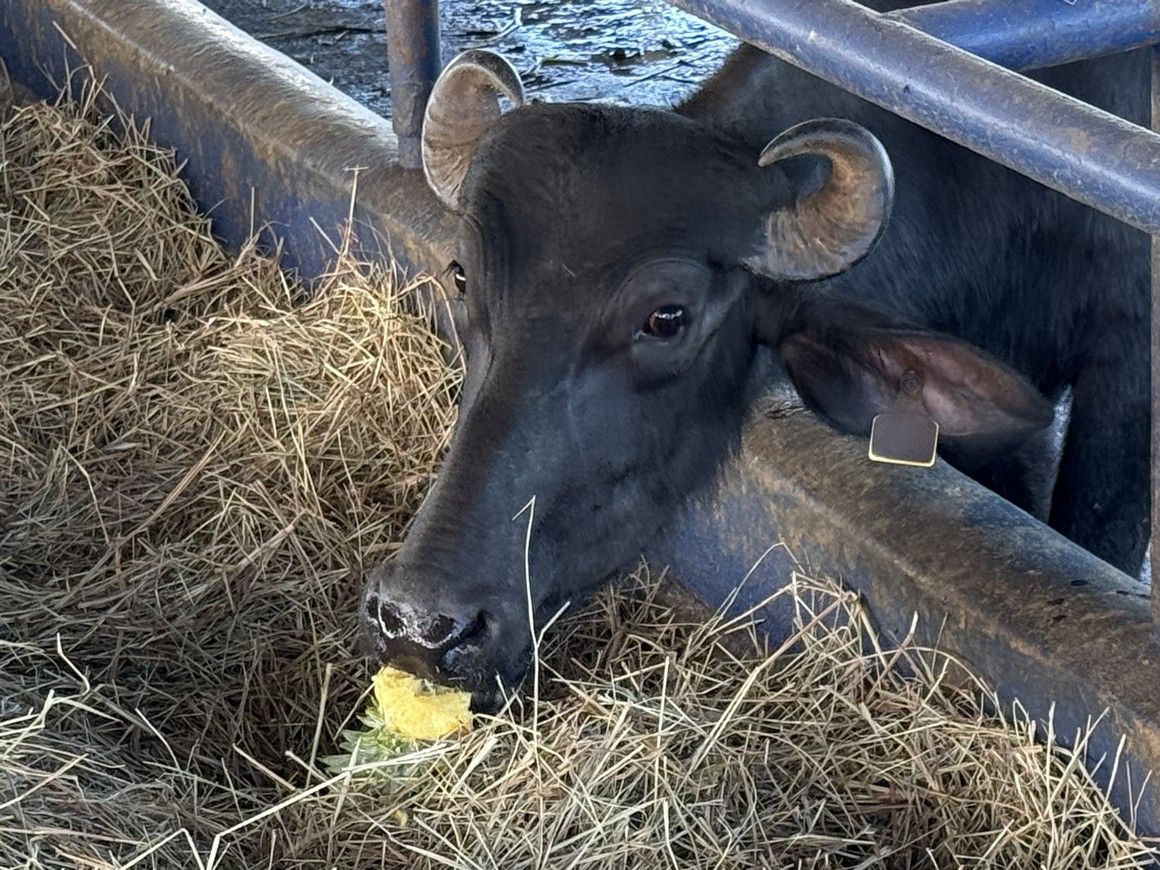
In 2003, Johann Dähler moved to Costa Rica with his son Johann Jr. and founded the Hacienda Roswitha in Sarapiquí. With ideal climatic conditions and fertile soil, the family began cultivating pineapples again. Today, the plantation spans 780 hectares, with 450 hectares dedicated to pineapple production, while the remainder is protected rainforest and pastureland for water buffalos. The family exports between 300 and 400 tons of pineapples annually to the USA, Canada, and Europe.
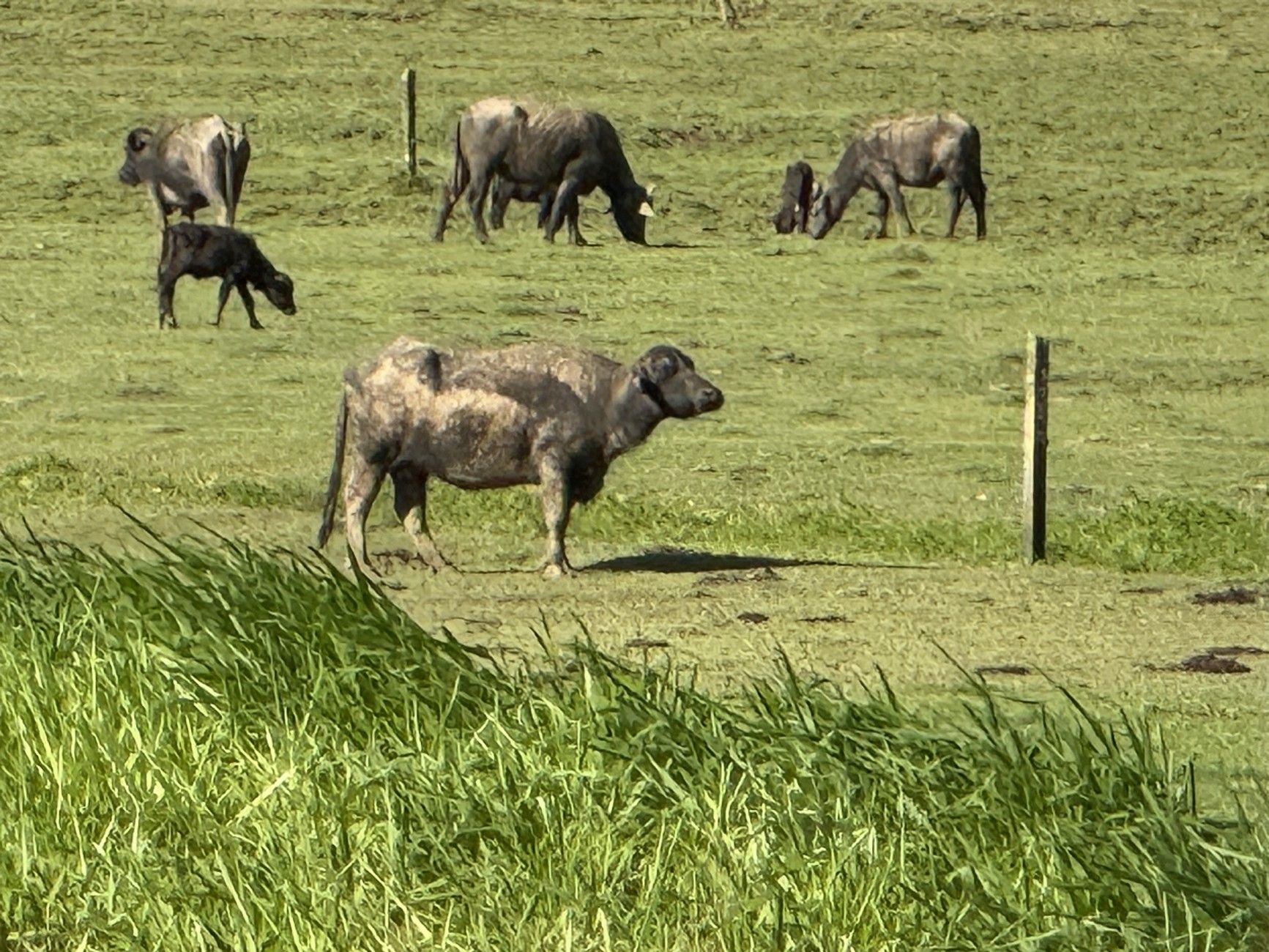
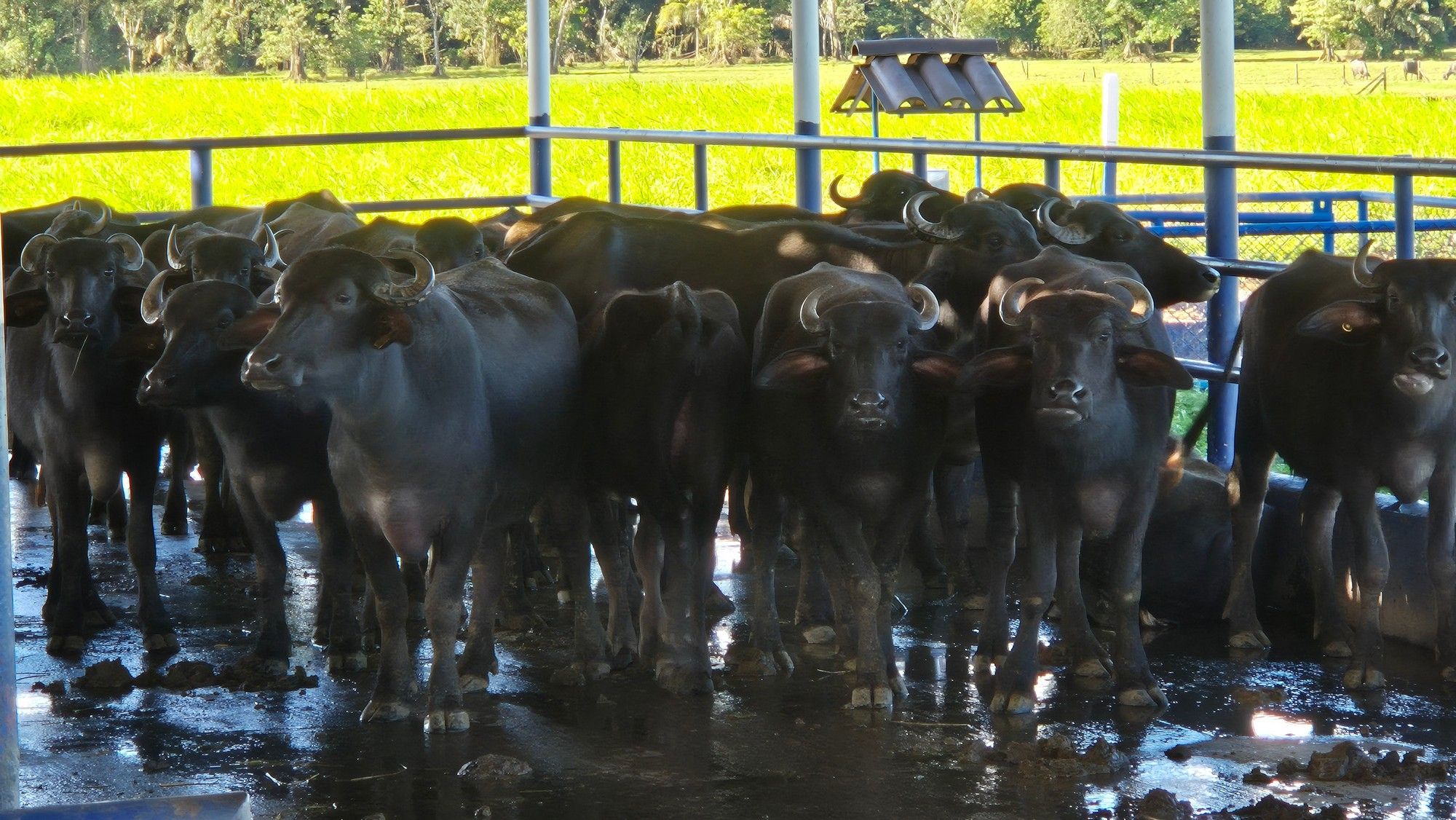
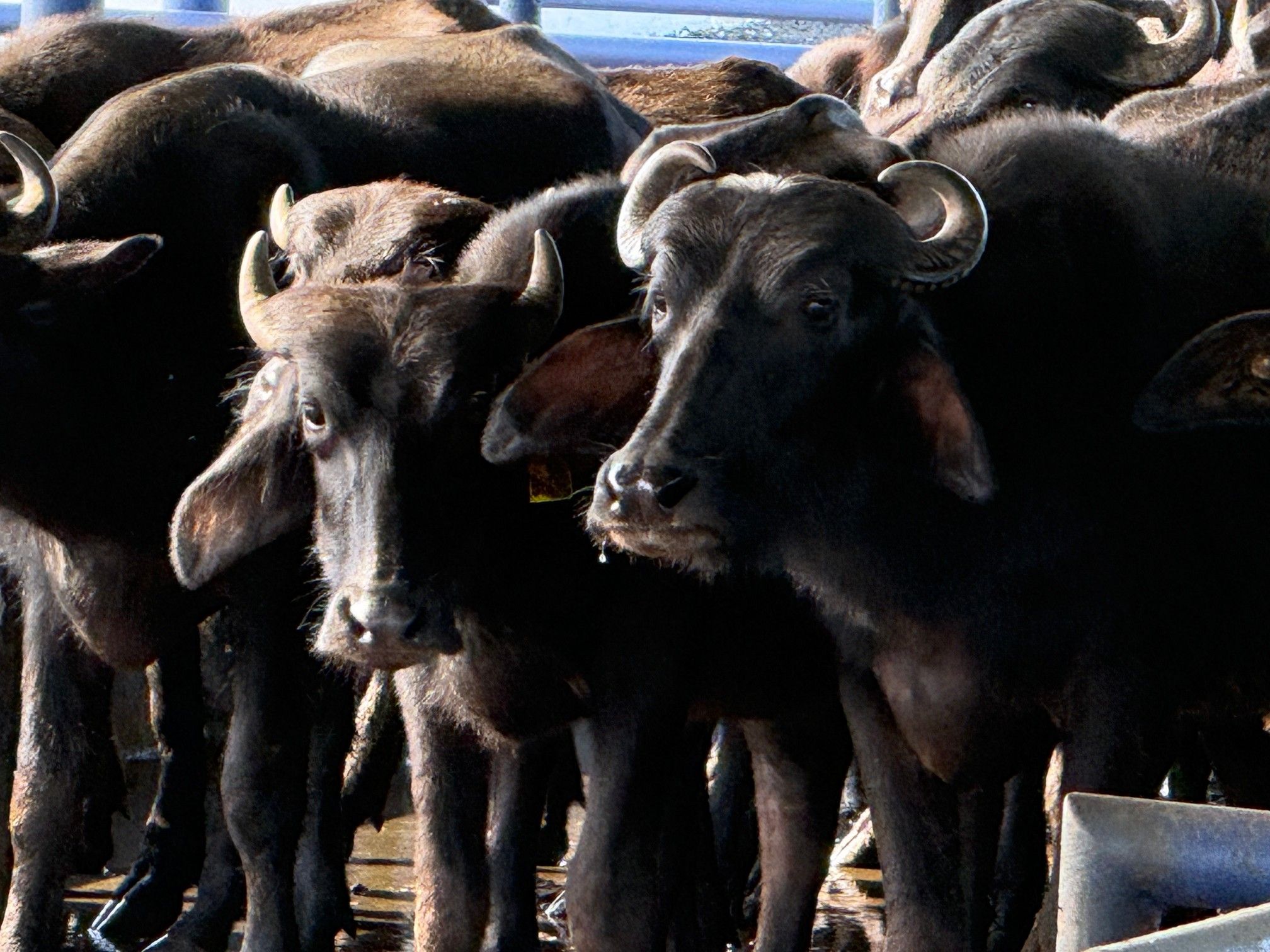
A special aspect of the Hacienda is the raising of water buffalos, which is strategically used to optimize the moist and swampy areas that are less suitable for pineapple cultivation. The buffalos contribute to maintaining the landscape, promote biodiversity, and help preserve natural habitats.
Additionally, the family produces high-quality buffalo meat, which is valued in the region as a sustainable and healthy protein source. This integration of livestock and crop farming makes Hacienda Roswitha a model operation for regenerative agriculture.
For the Dähler family, sustainability is not an option but a matter of course. The Finca Roswitha relies on environmentally friendly cultivation methods, including erosion control, sustainable water management, solar energy, and continuous improvement of soil fertility.
Social engagement also plays an important role: the family supports local education and health projects, creates fair jobs, and offers further training for employees.
Thus, pineapple production not only becomes an economic success model but also a social and ecological showcase project.
In 2023, the native Appenzeller senior, known in Switzerland as the "Pineapple King," passed away at the age of just 70 after a short illness. The difficult times in West Africa had taken a toll on his health.
Meanwhile, his four children have taken over.
Today, the three sons run the company in Costa Rica, which is actually a holding with various subsidiaries, including the farm and the travel agency Swiss Tropical Tours. Johann Dähler Jr. is the operational head of the pineapple farm, Michael Dähler is the CFO and responsible for the water buffalos, and Stéphane Dähler leads the travel agency.
At the farm in Ivory Coast (now primarily rubber), which they once had to leave and repurchased in 2012, their sister Andrea Dähler is also involved, living there with her husband and also being an entrepreneur.
Swiss Tropical Tours, in collaboration with Tiroler Ideal Tours, has excellently organized our Central America trip (so far 😊) – many thanks also to our supervisor Pauline in San Jose.
We coincidentally meet Stéphane at the hotel in Sarapiquí – he is traveling with a Swiss group – and have a very pleasant conversation with him; Pauline had informed him in detail about our minor problems (which had nothing to do with the travel agency's work).
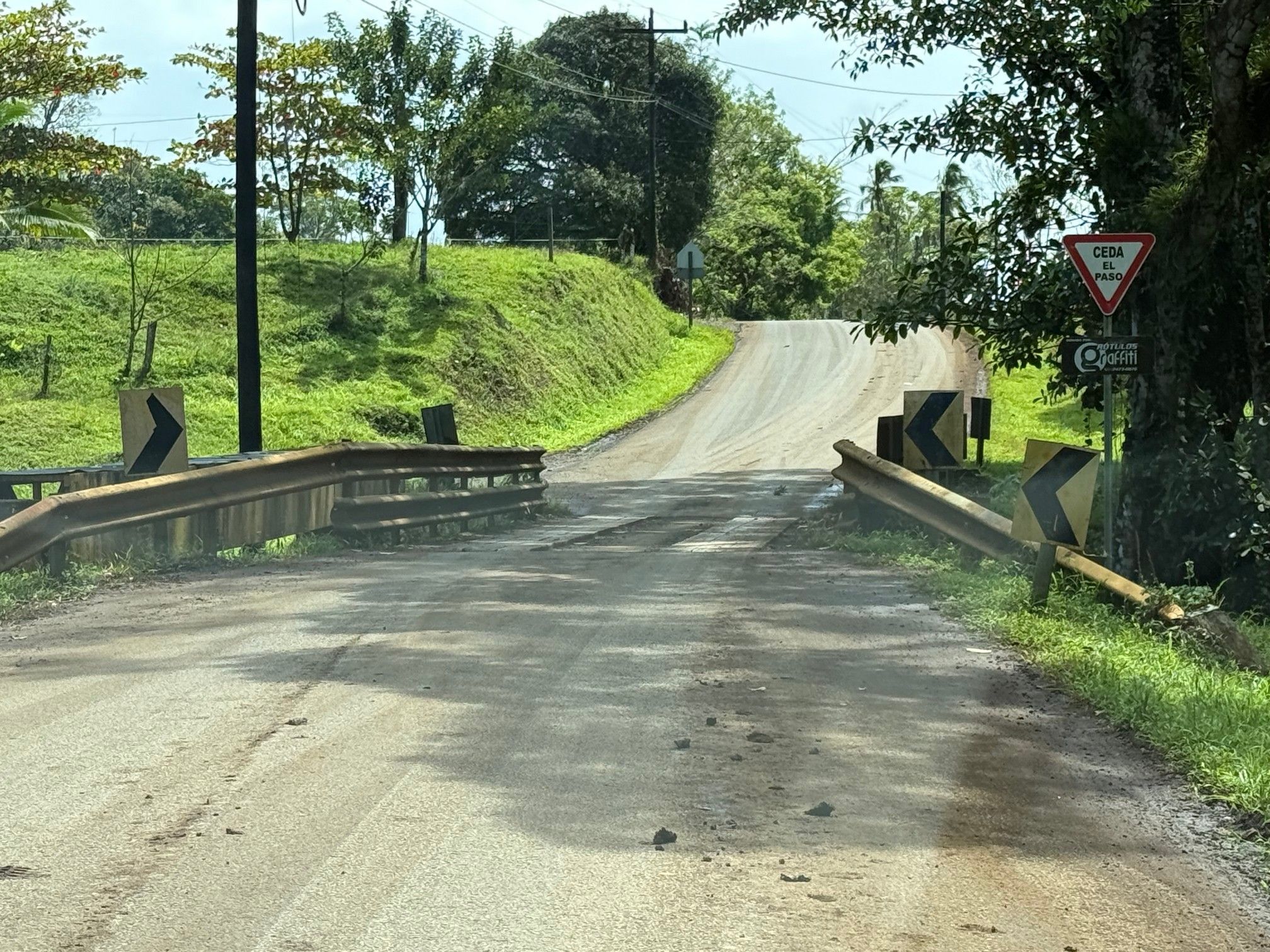
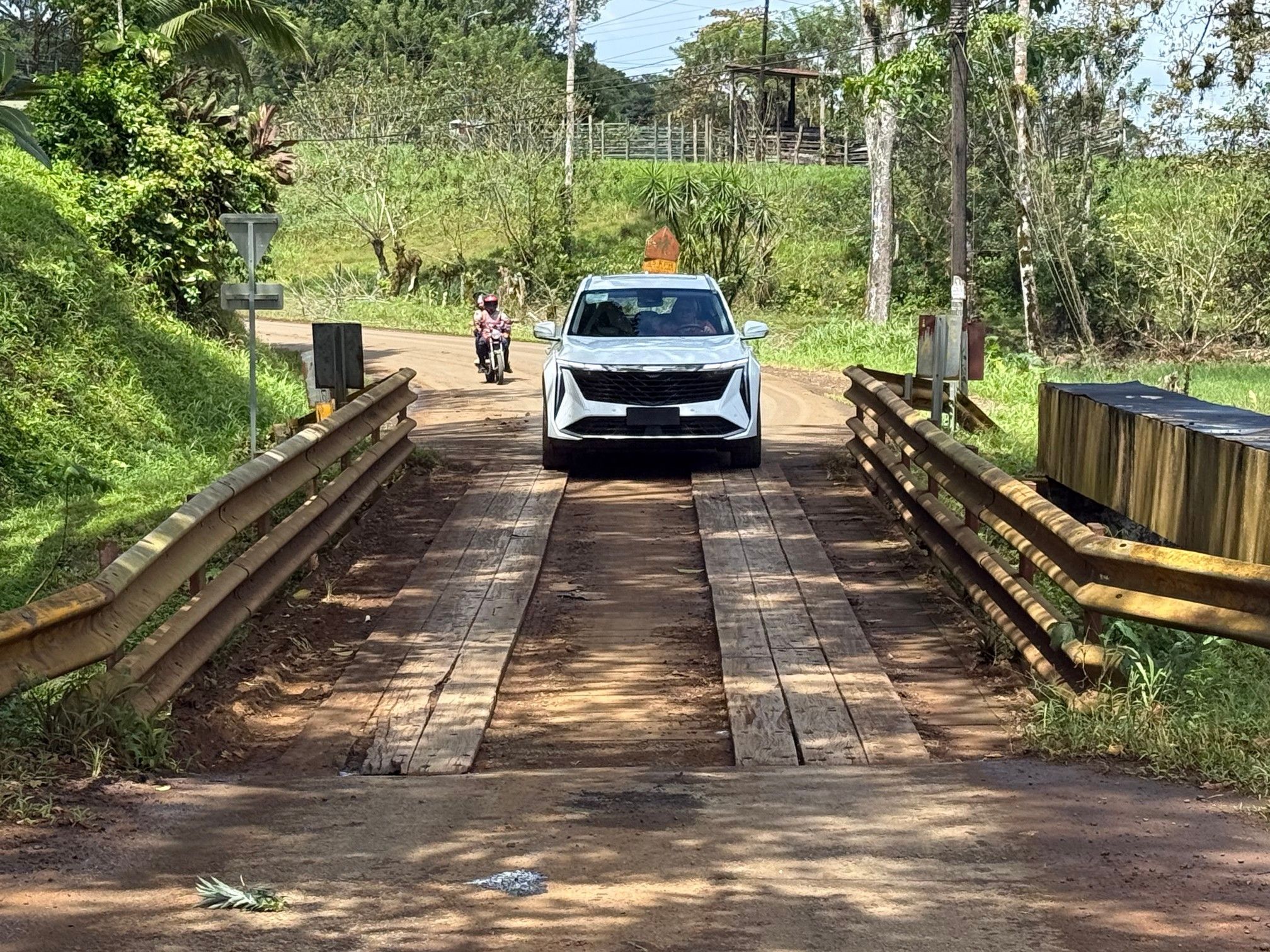
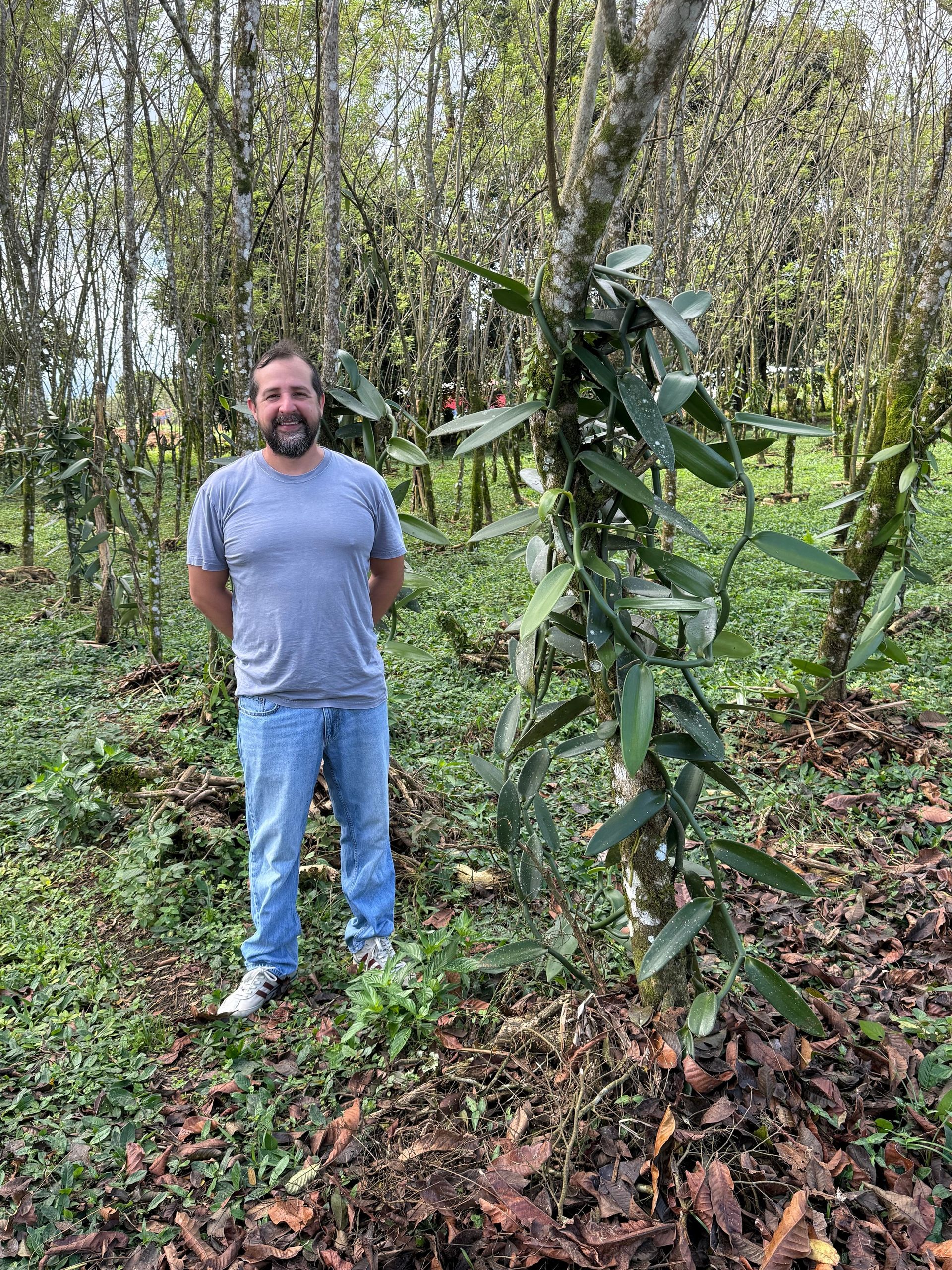
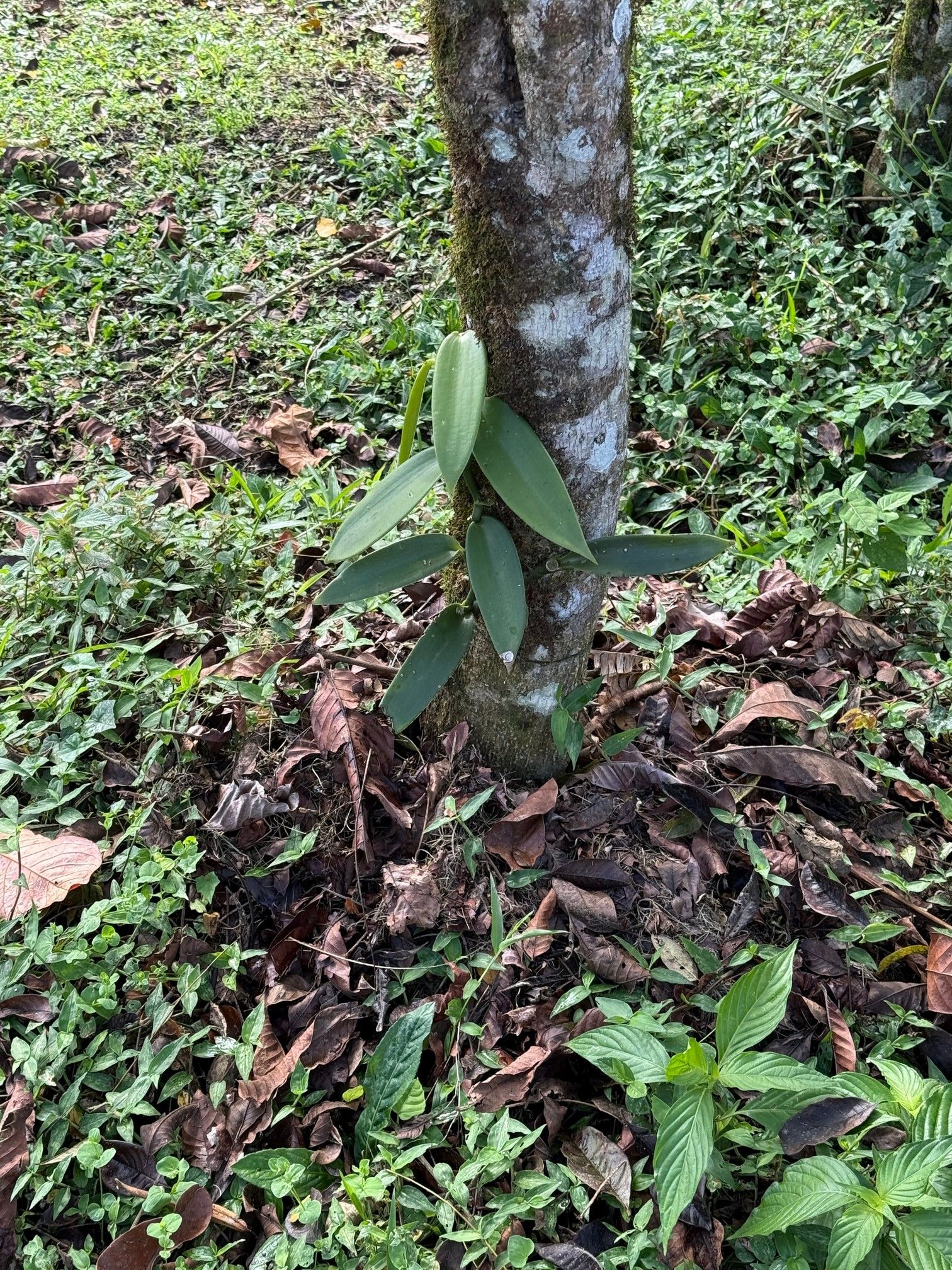
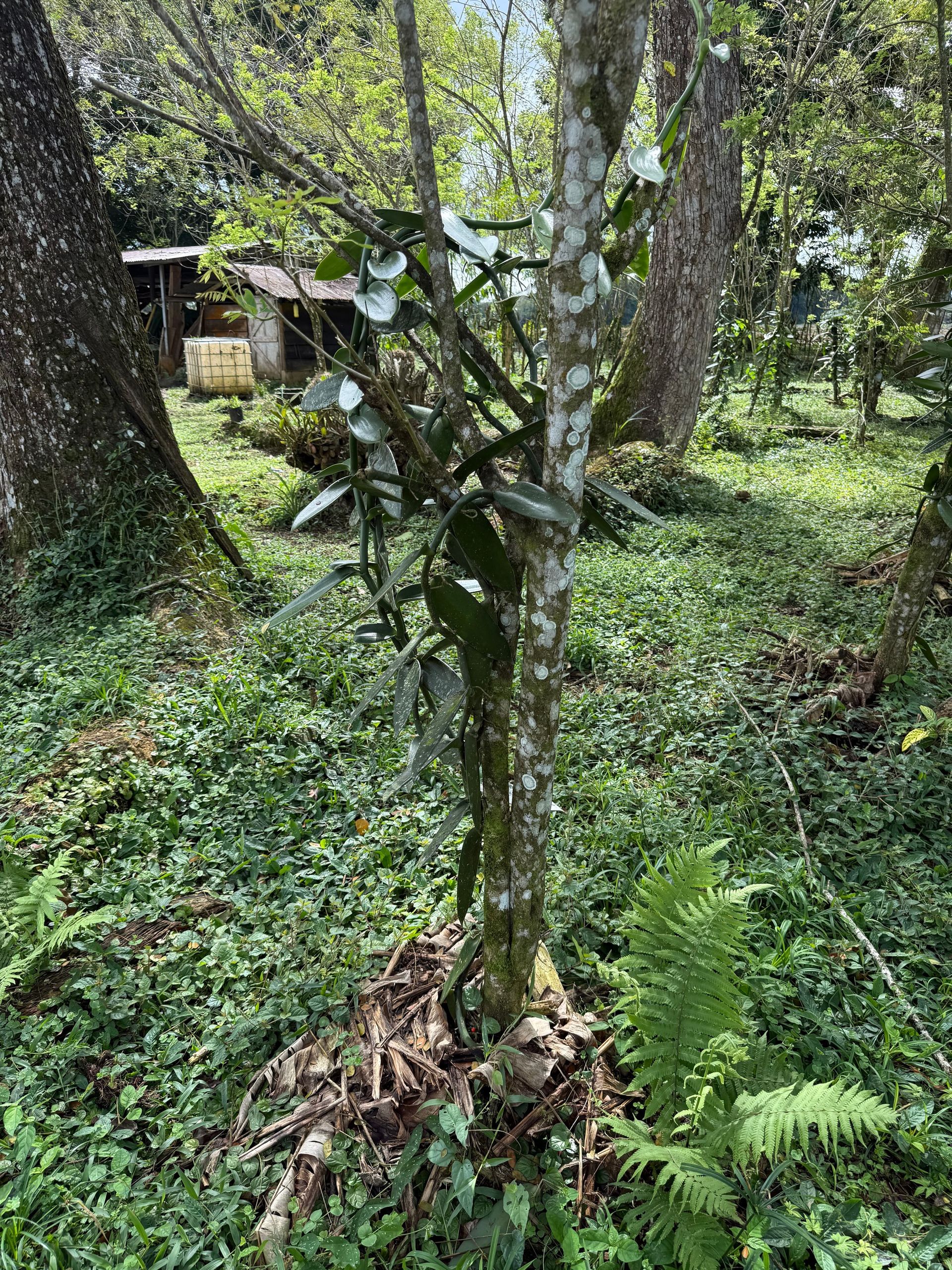
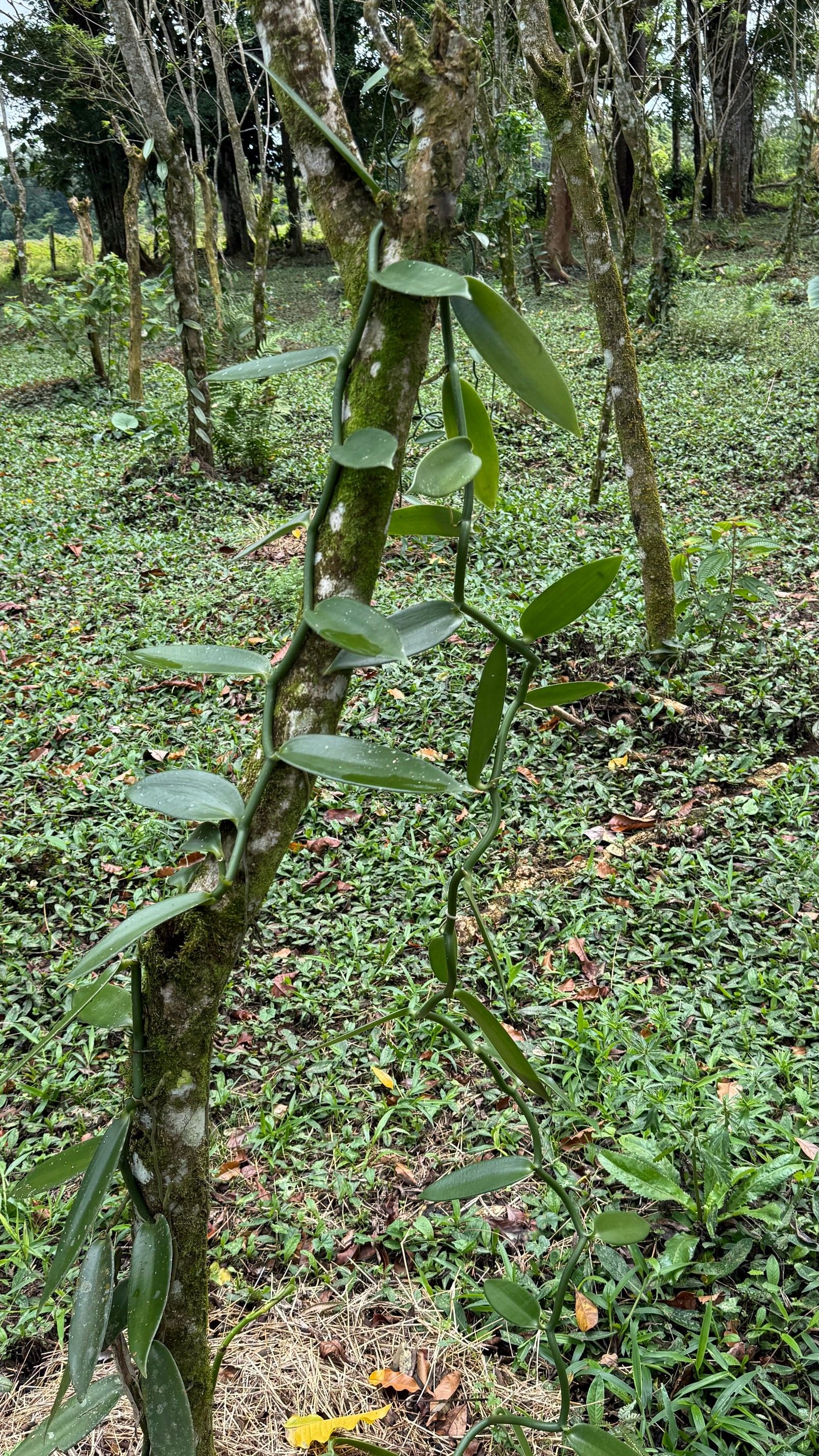
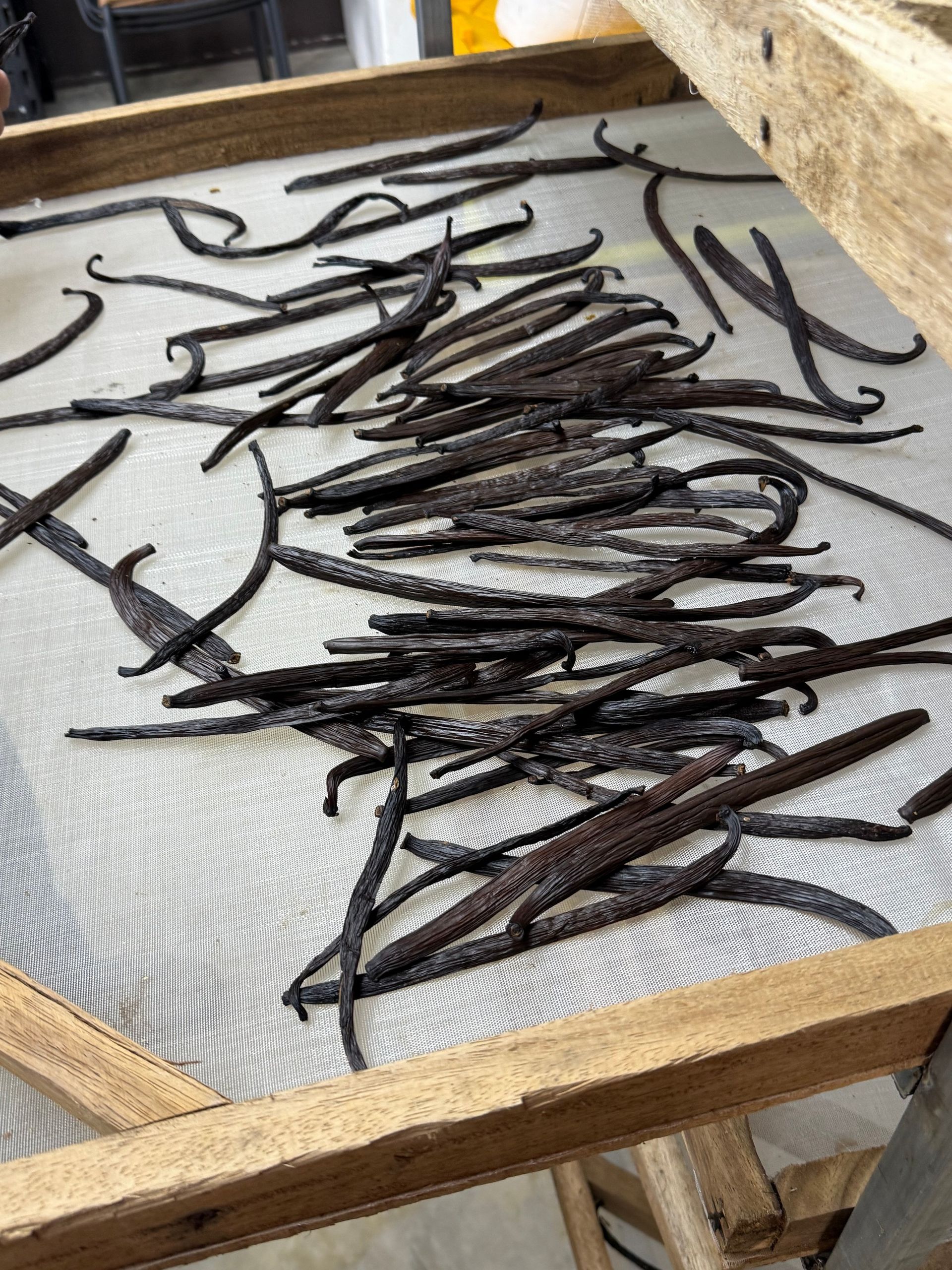
Over partially very pothole-ridden side roads – the main roads are mostly quite okay – we head to Roberto’s vanilla farm. The owner greets us very warmly; he has also experienced quite a lot in his life and lived several years in Phoenix, Arizona, and the Czech Republic, but has then returned to his family farm. Since he has long been involved in spice and fertilizer trading, he has now focused on vanilla as a high-quality and marketable product; he explains to us the different varieties and his choice of a special one from Madagascar, which he is one of the few to cultivate in Costa Rica. The selection of host trees for the vanilla vine is also crucial for success.
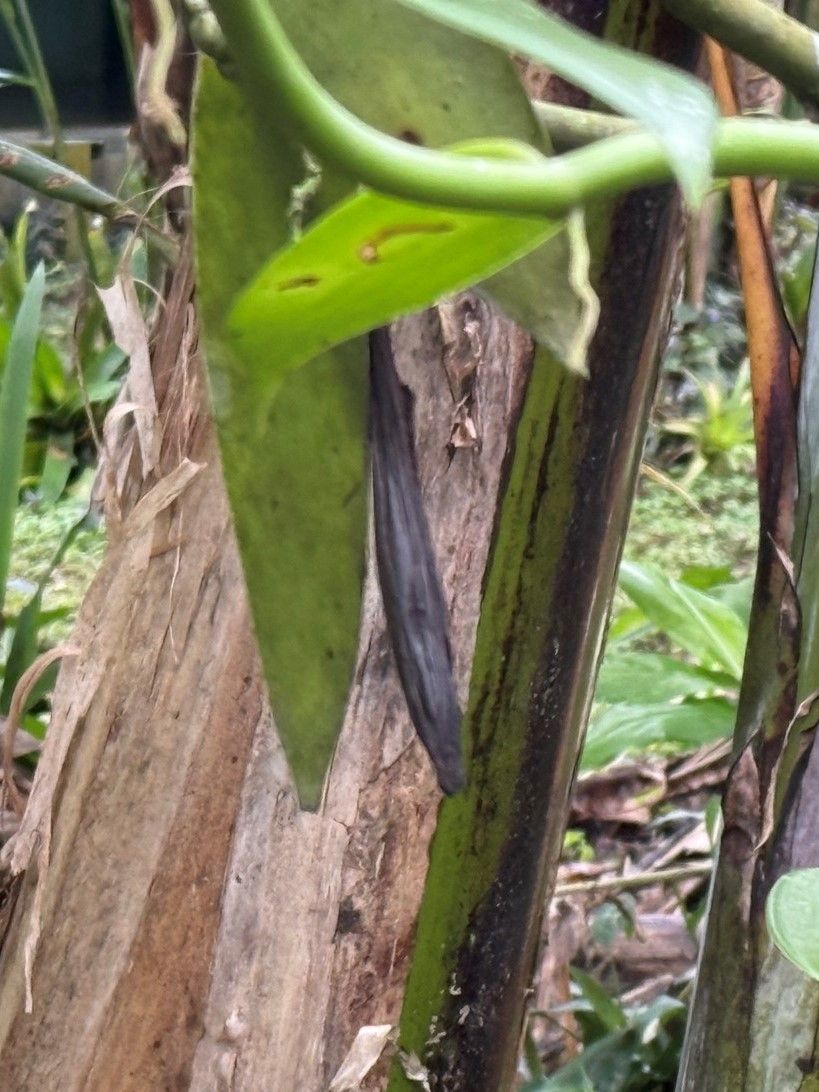
The harvest of the pods is already completed, so outside we only see a "sample item".
An excellent espresso in his (still unofficial, as the licensing process takes months – long live bureaucracy in Costa Rica) rounds off our interesting visit with him.