
2025 - April - The Entire Journey
This kind of journey isn't made every year. Three weeks, by ship, train, and with large luggage. Each day was exciting in its own way, none were boring. Whether it was the...

Published: 17.05.2025

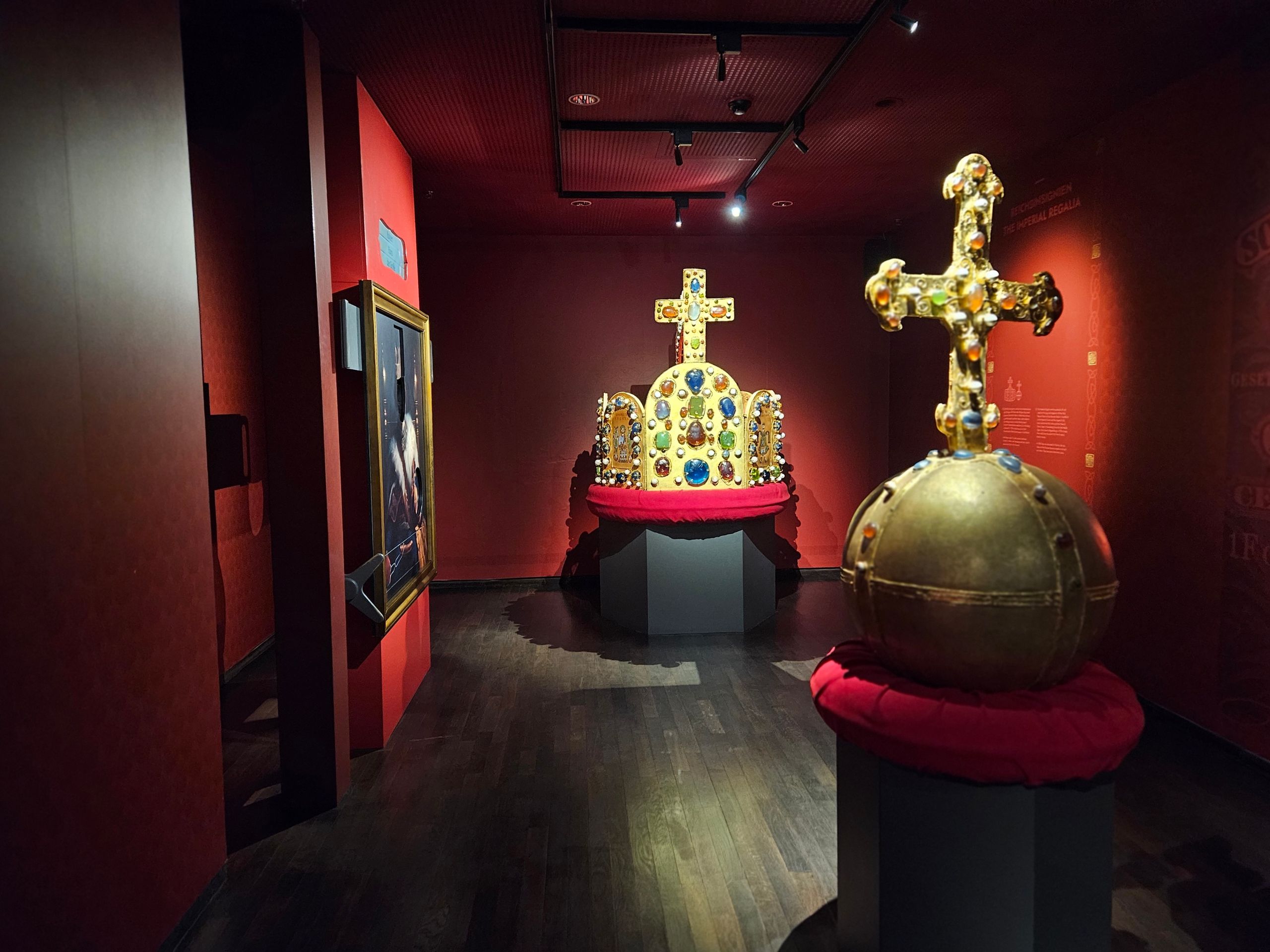
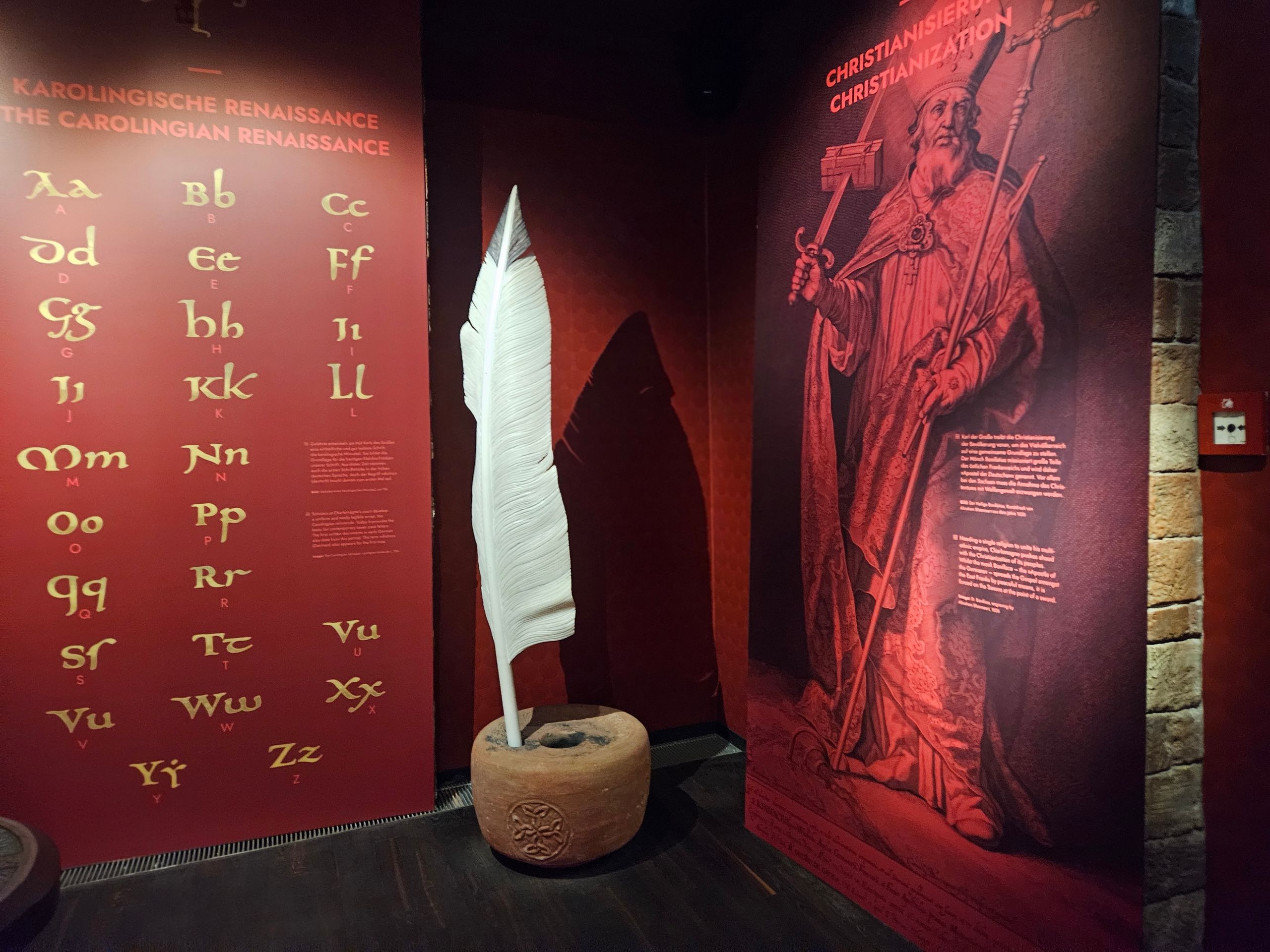
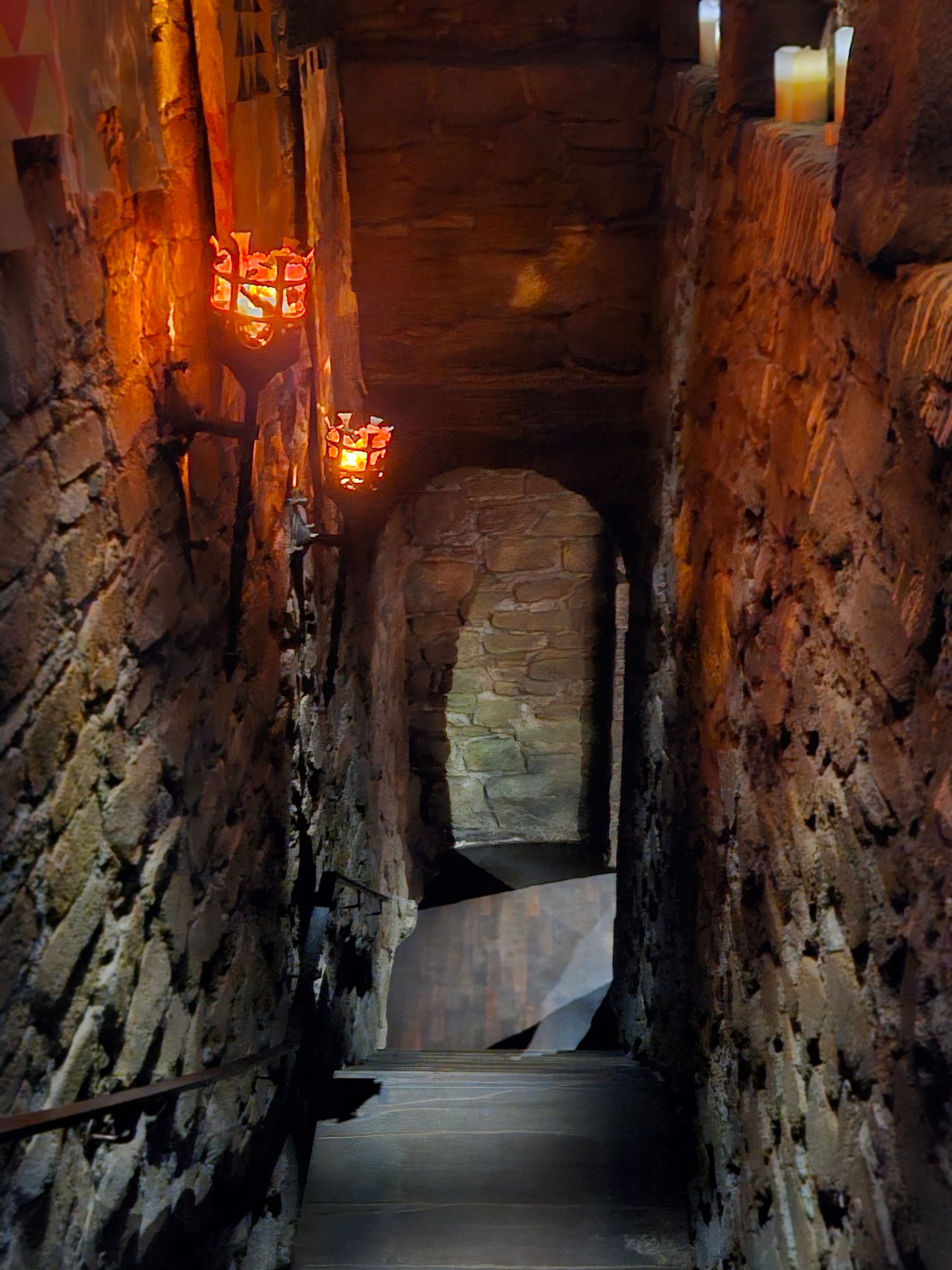
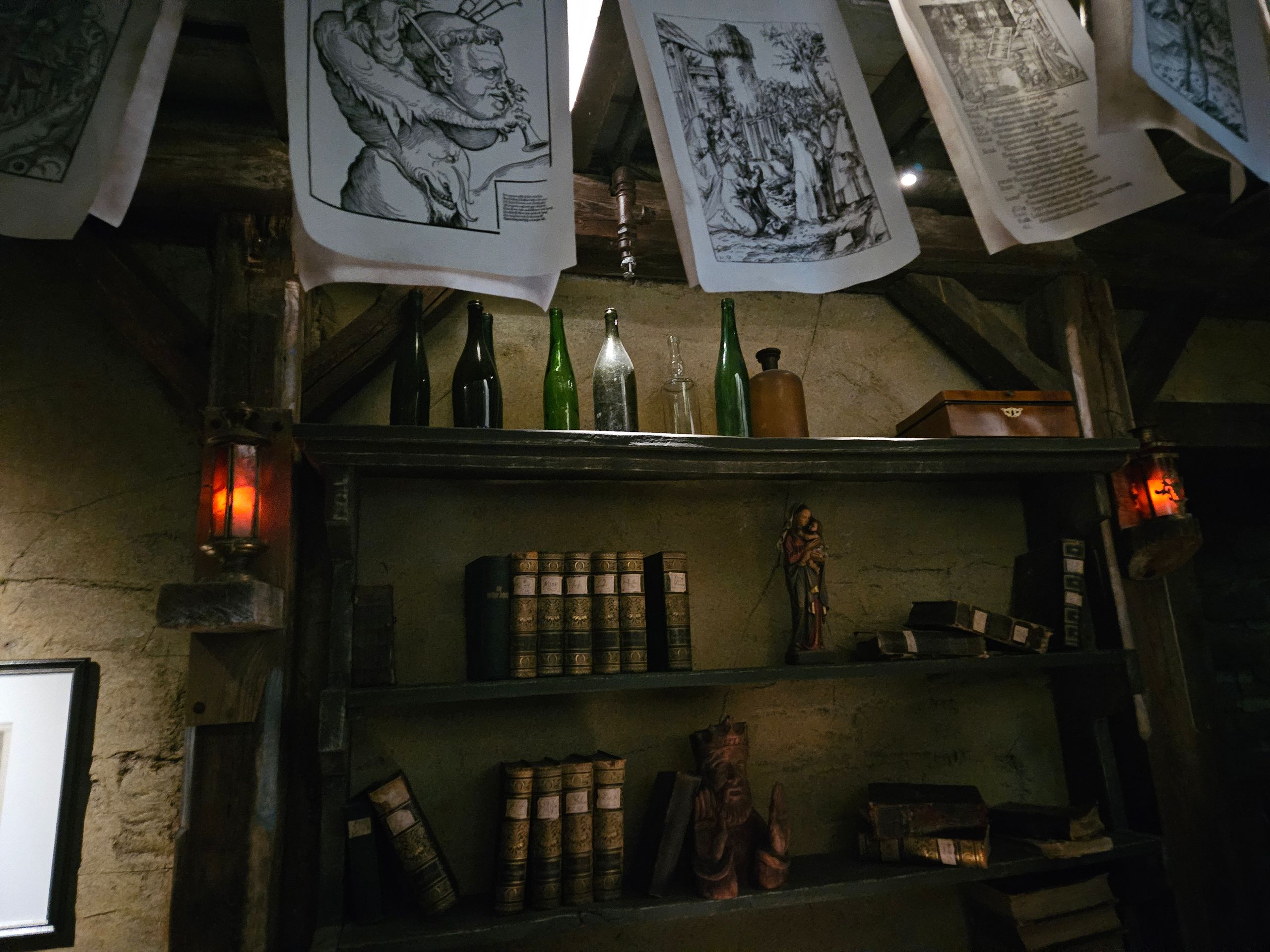
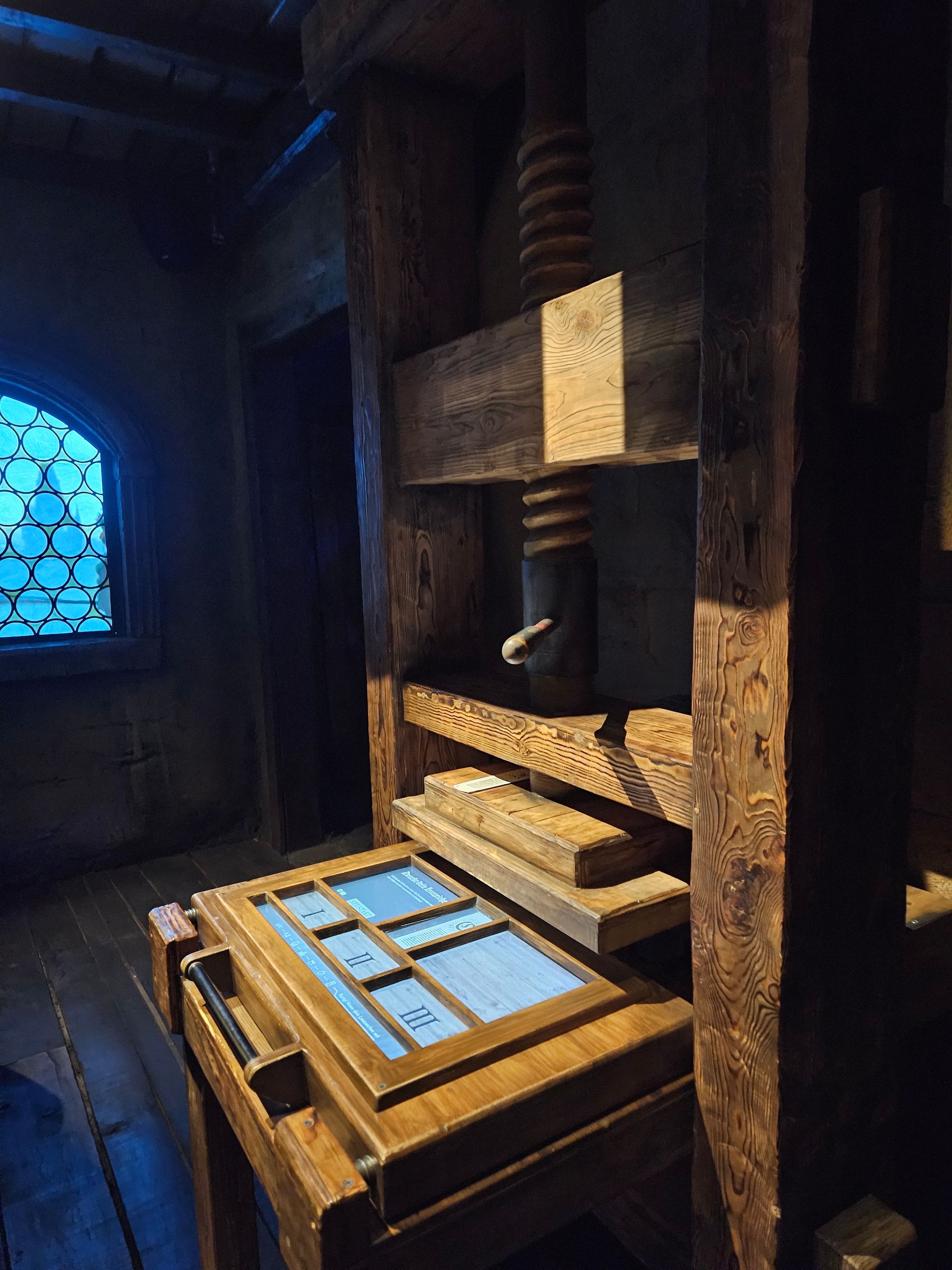
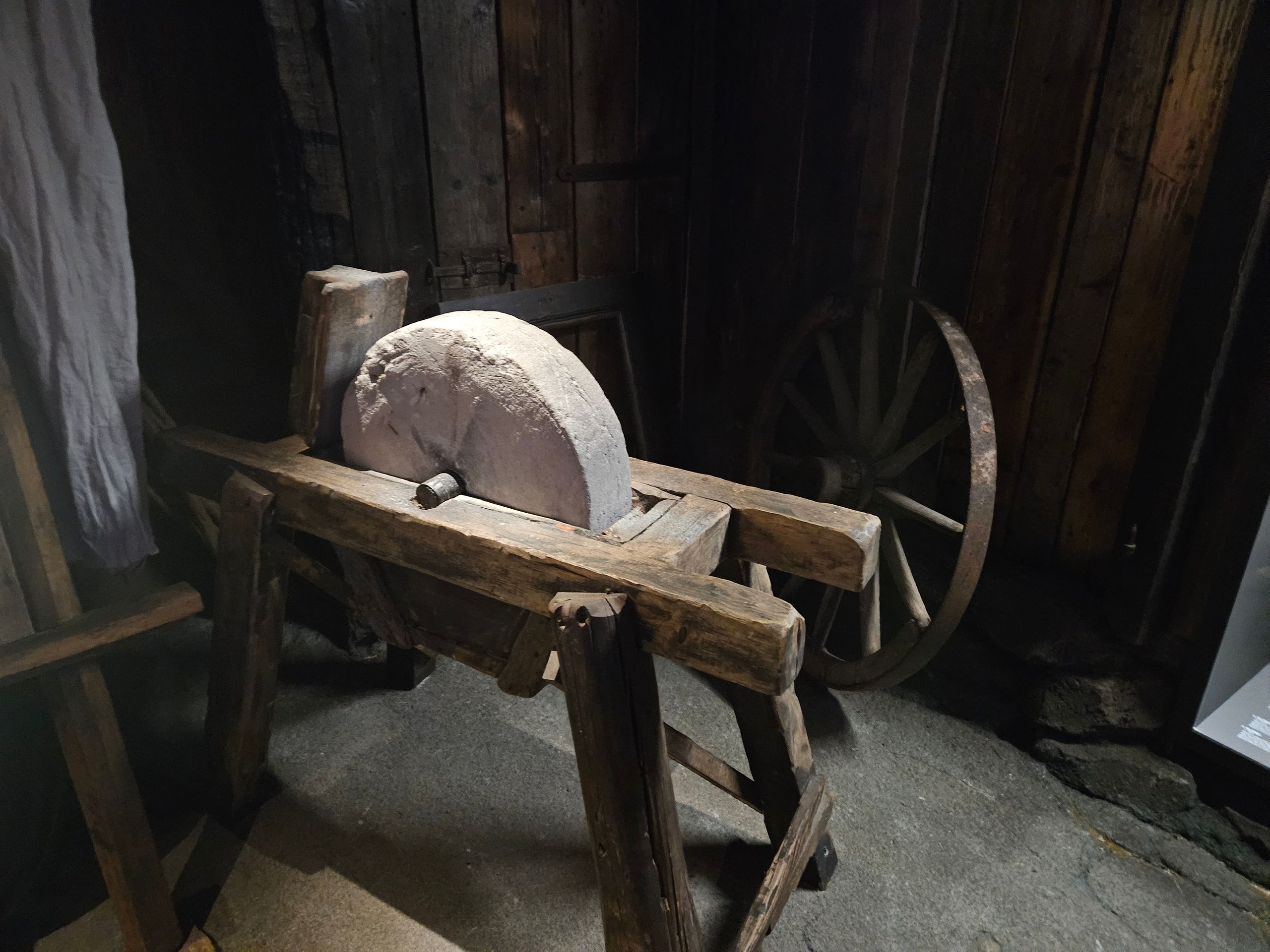
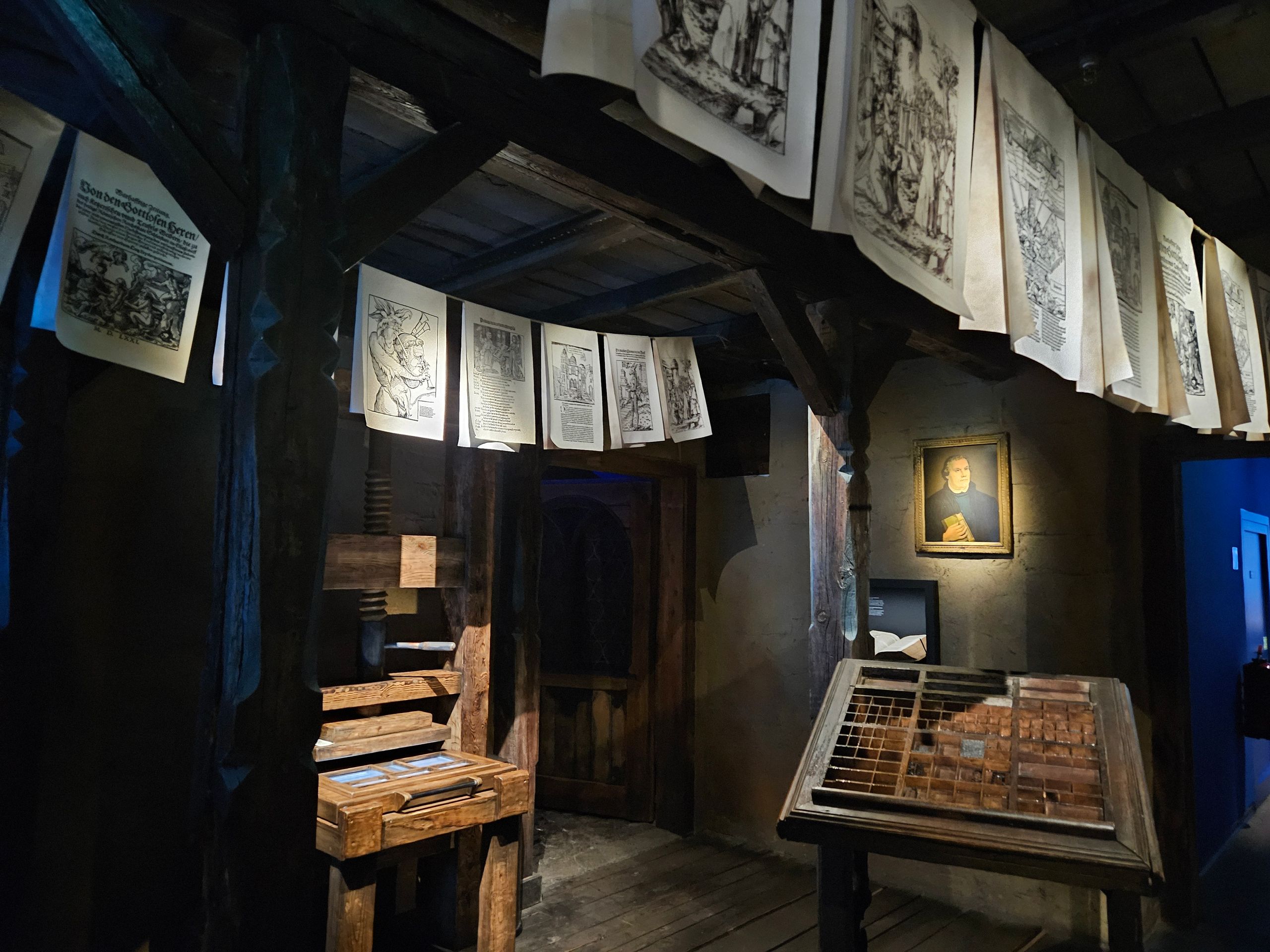
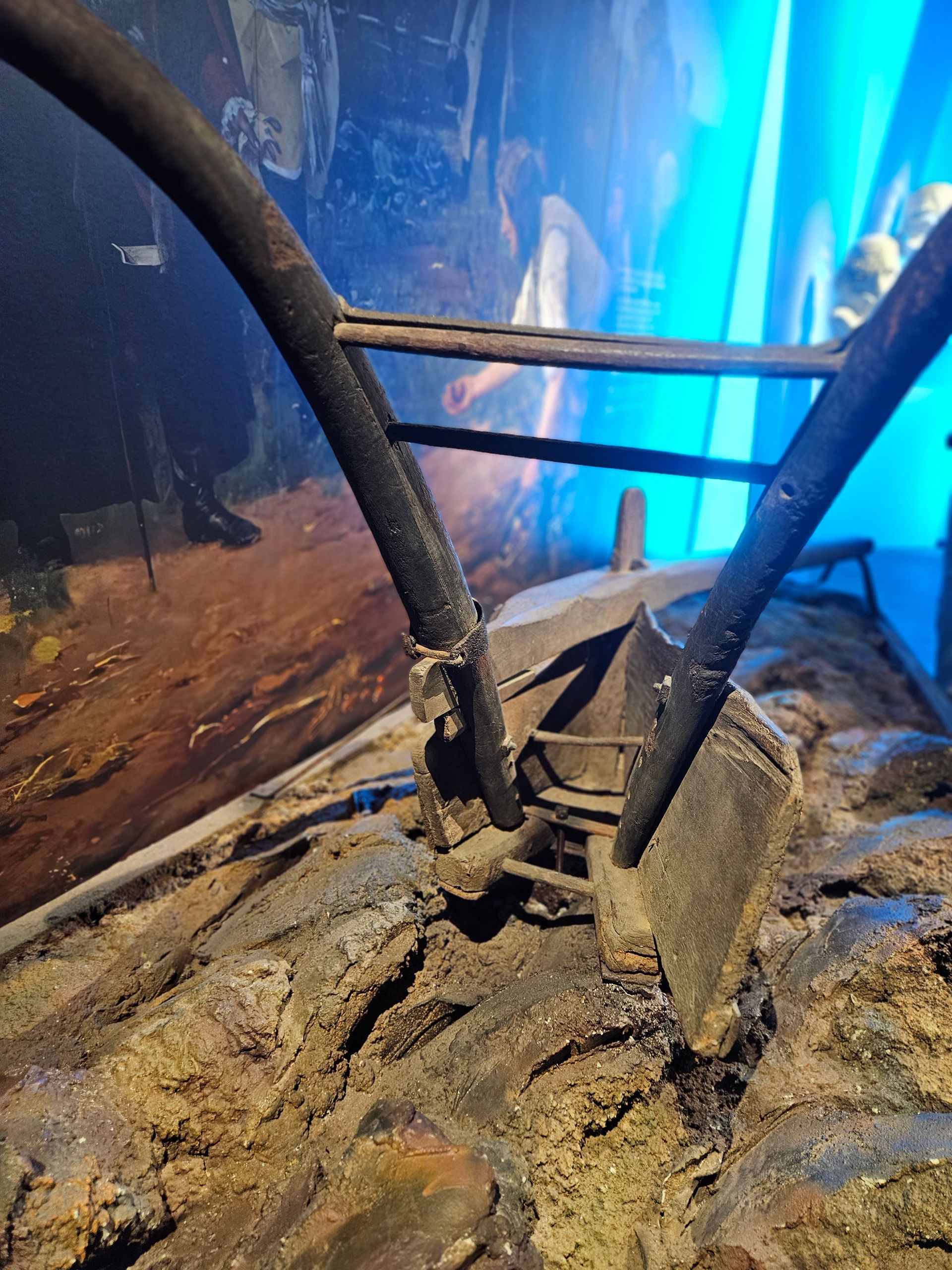
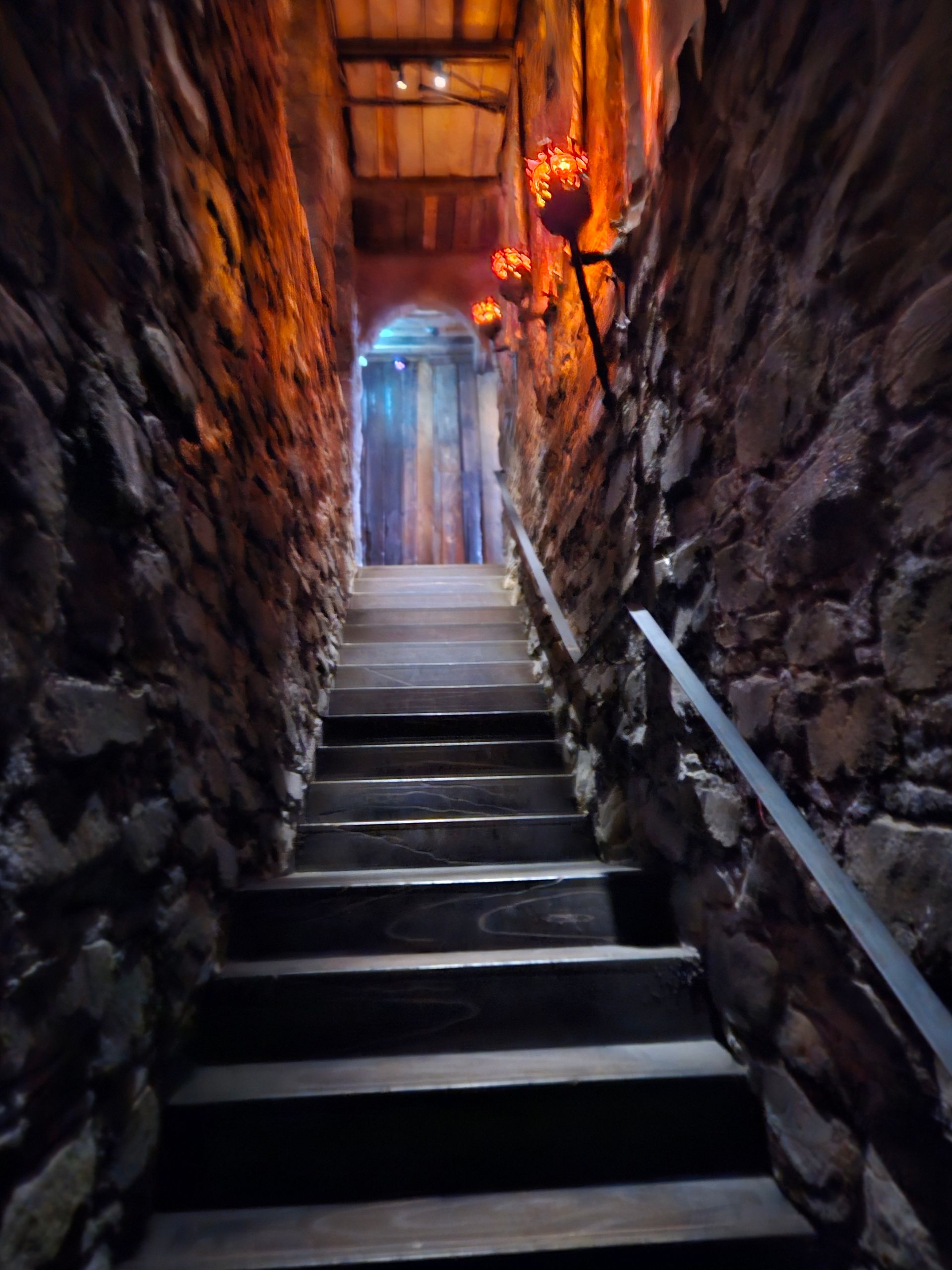
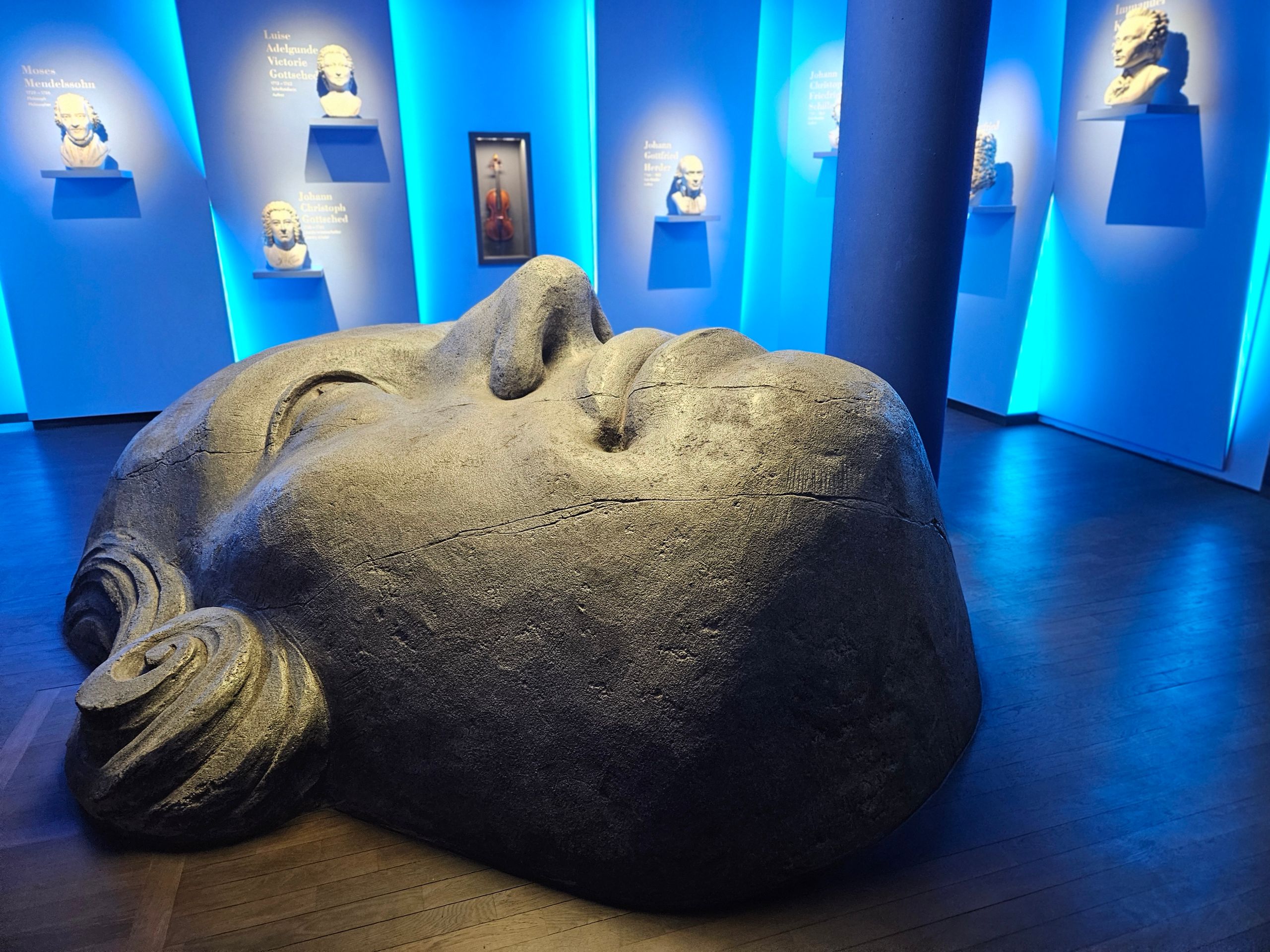
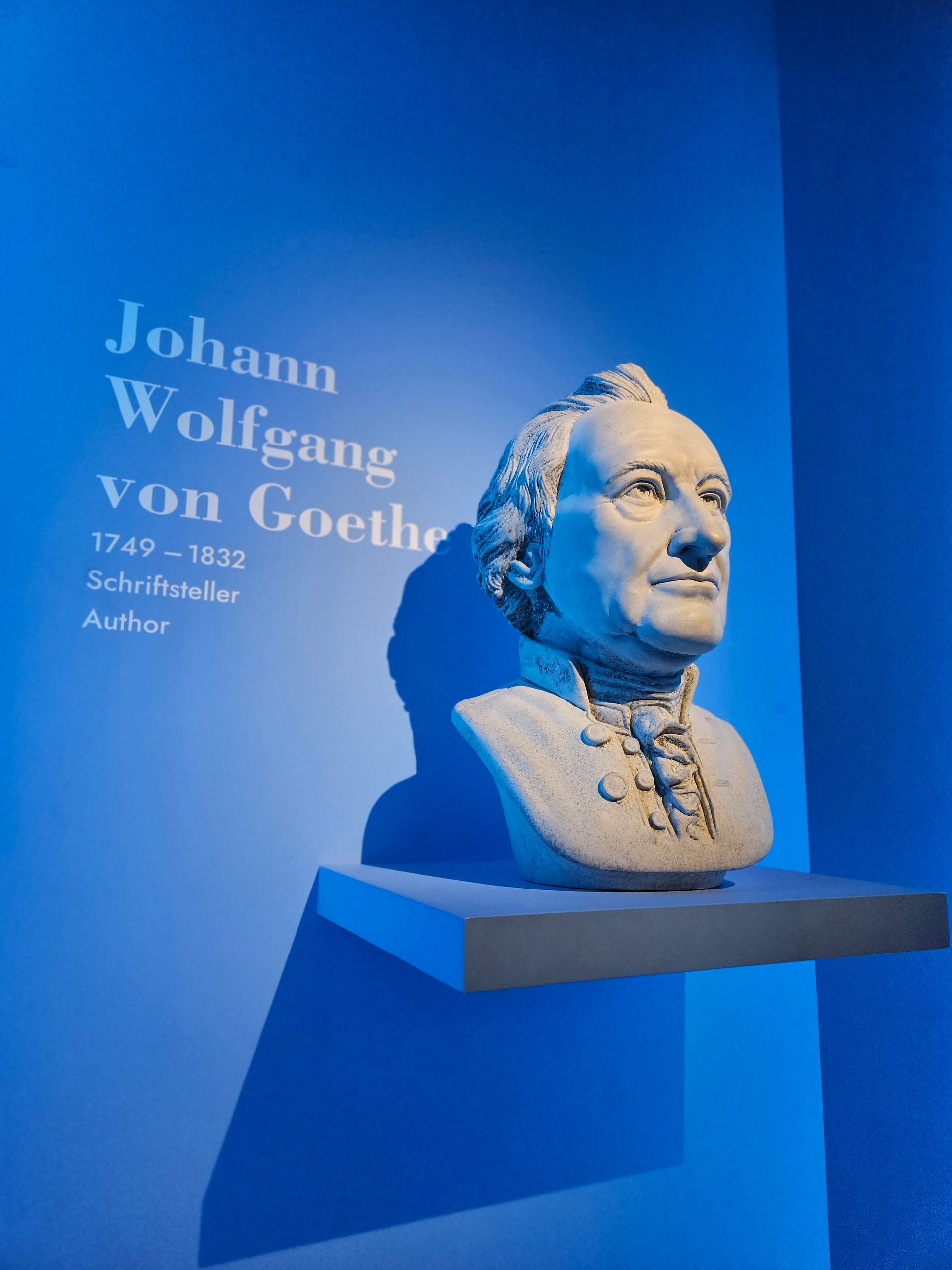
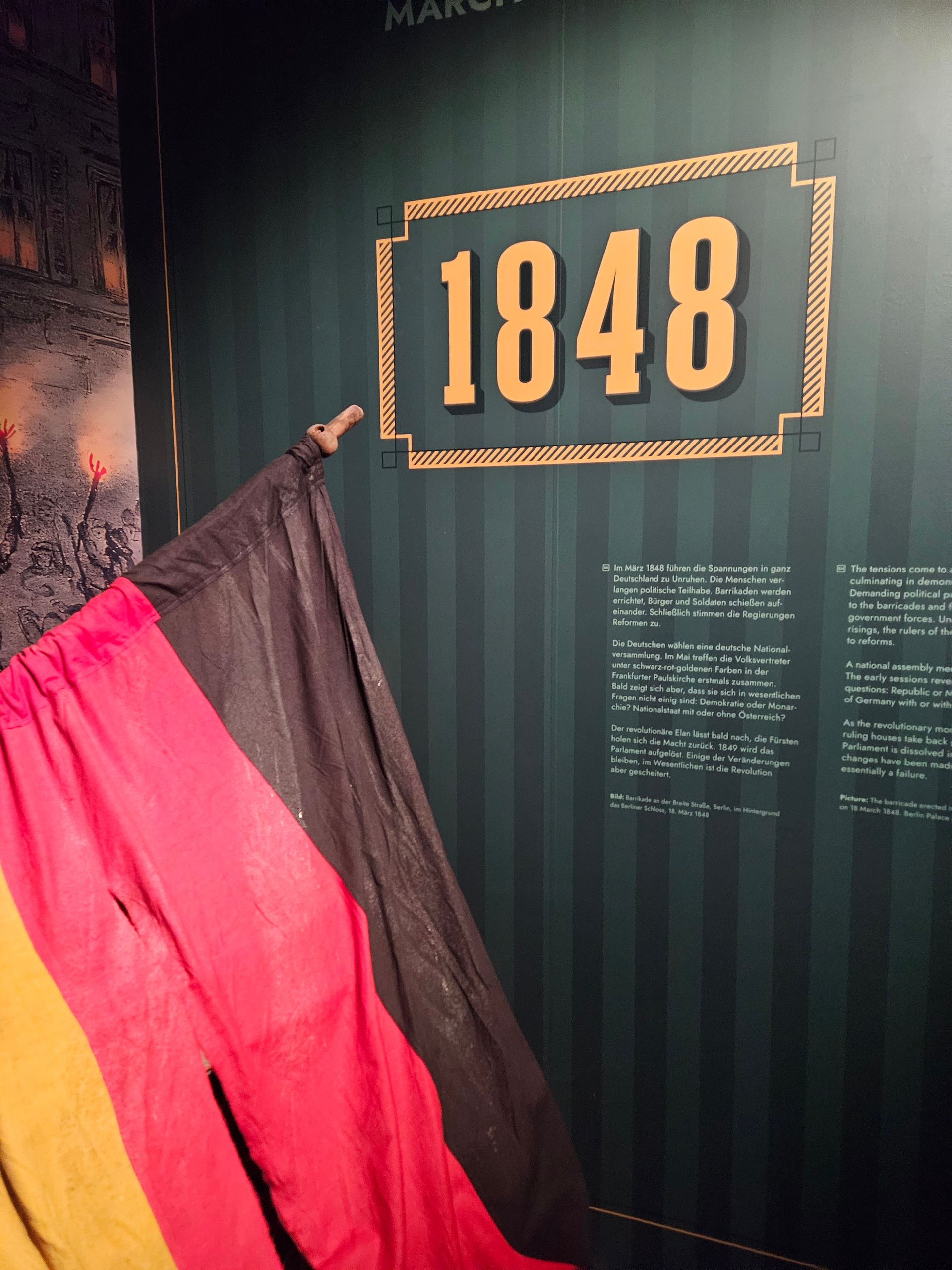

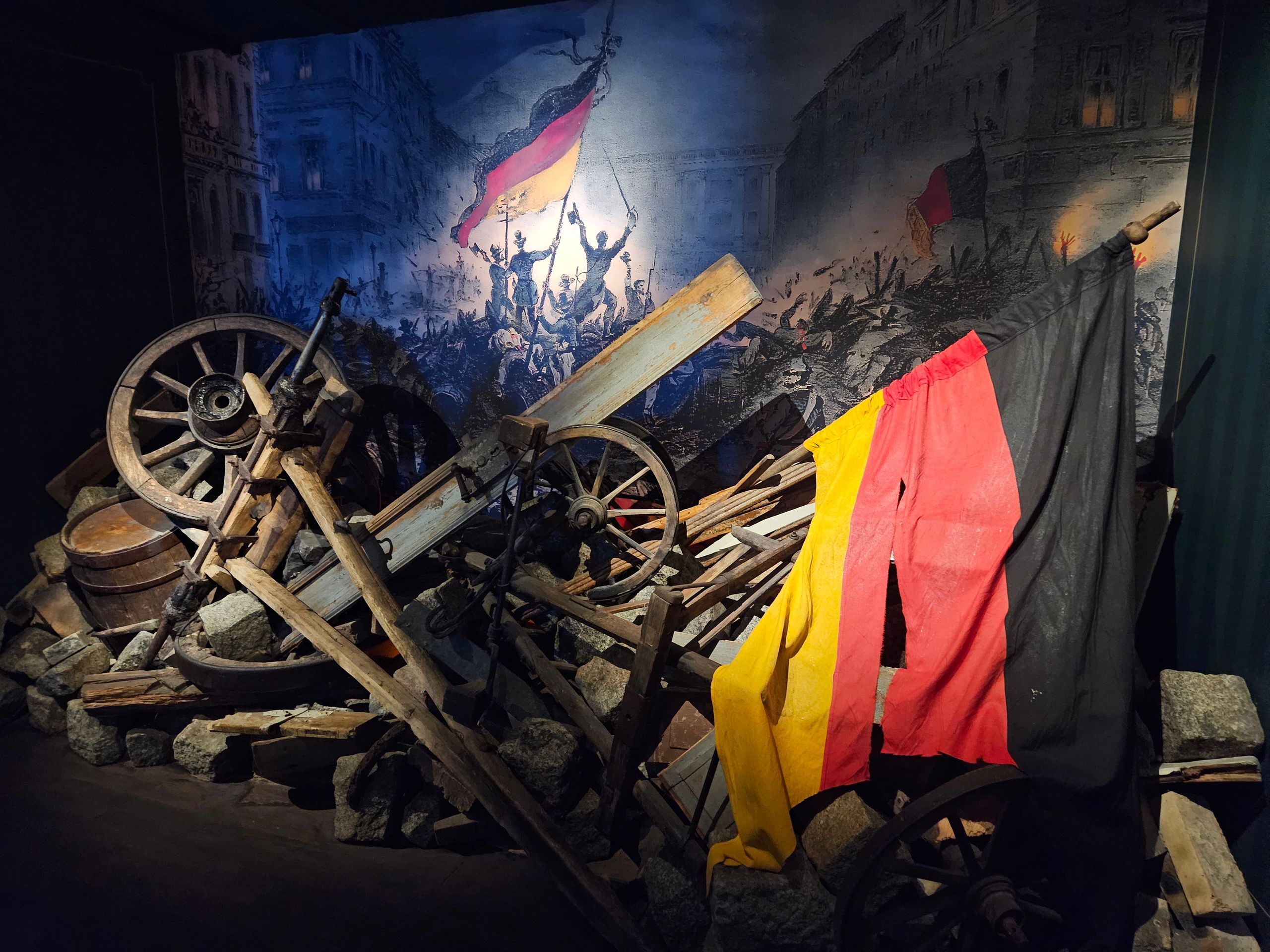
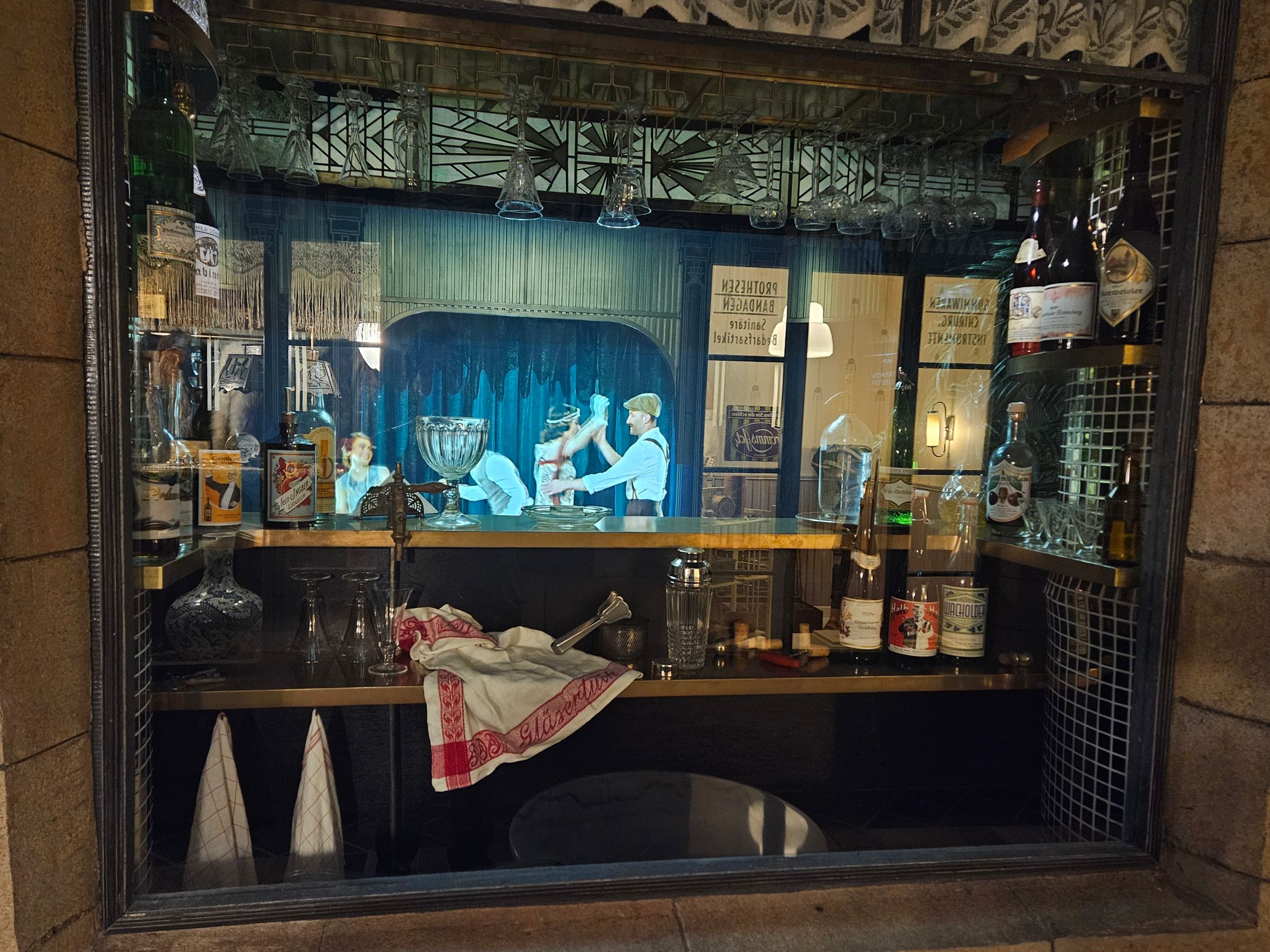
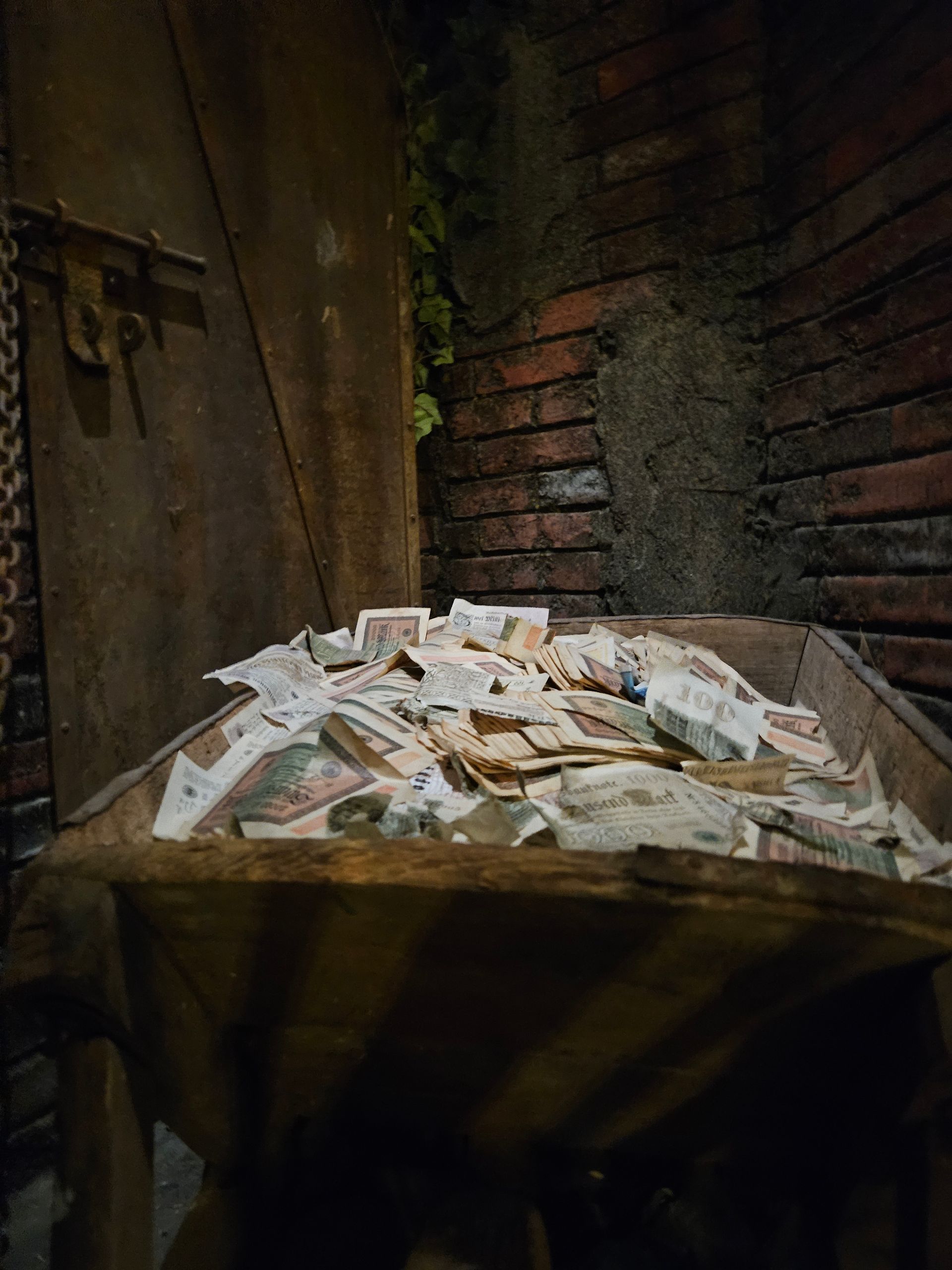

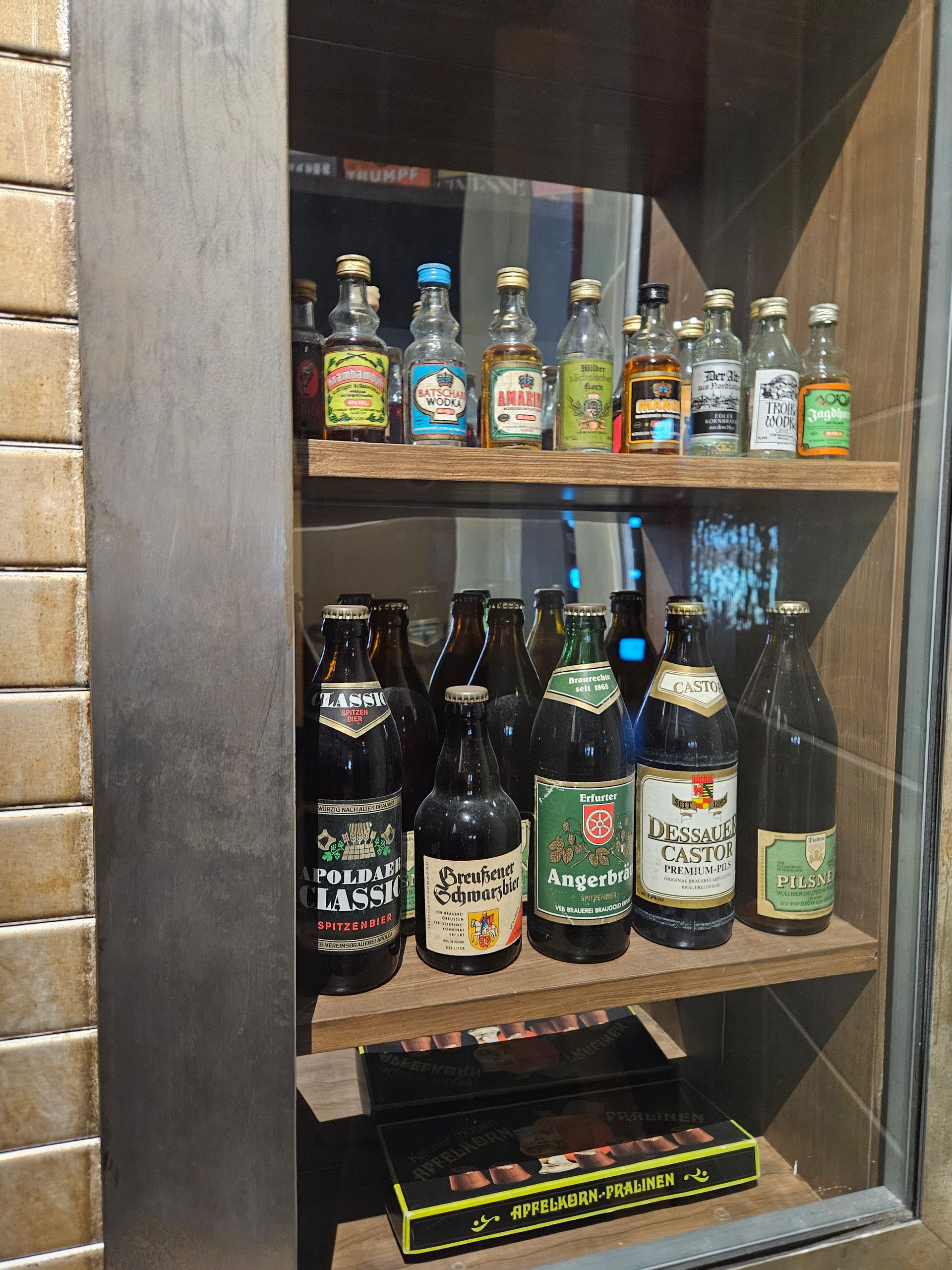
What is typically German? Where do we come from – and have there always been 'us'?
Questions like these are answered by the German Museum, if you've ever pondered such thoughts.
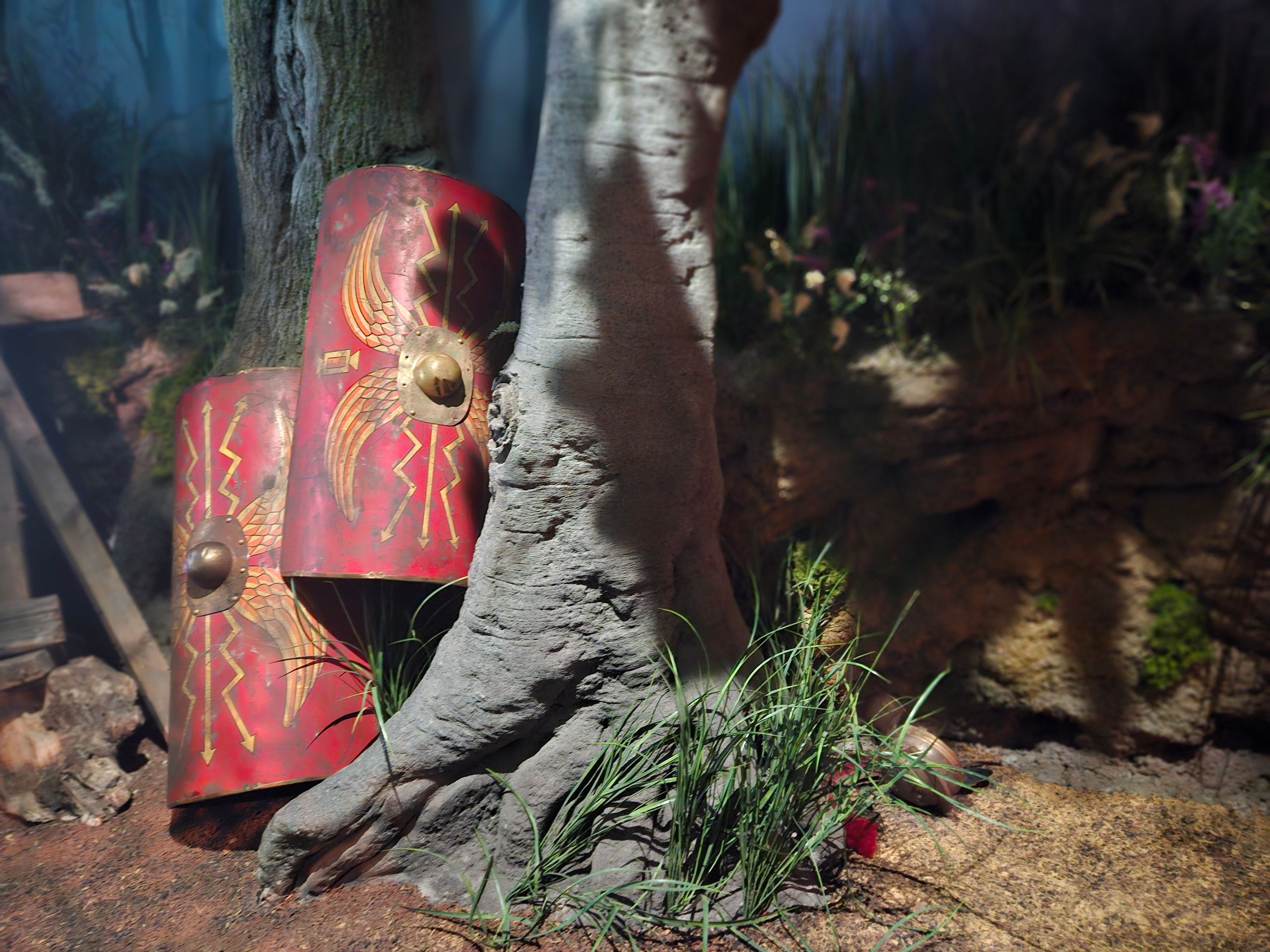
I would particularly recommend this place to families with children, as the design is very child-friendly. The exhibition begins in the year 9 AD, when Germanic tribal warriors under the leadership of the Cheruscan Arminius defeated three Roman legions in the Teutoburg Forest – a significant event often recounted as the origin of 'German history'. But was this the founding of a German state? Of course not. Germany as a nation-state only emerged much later, in the 19th century. Still, the museum offers an interesting entry point here.
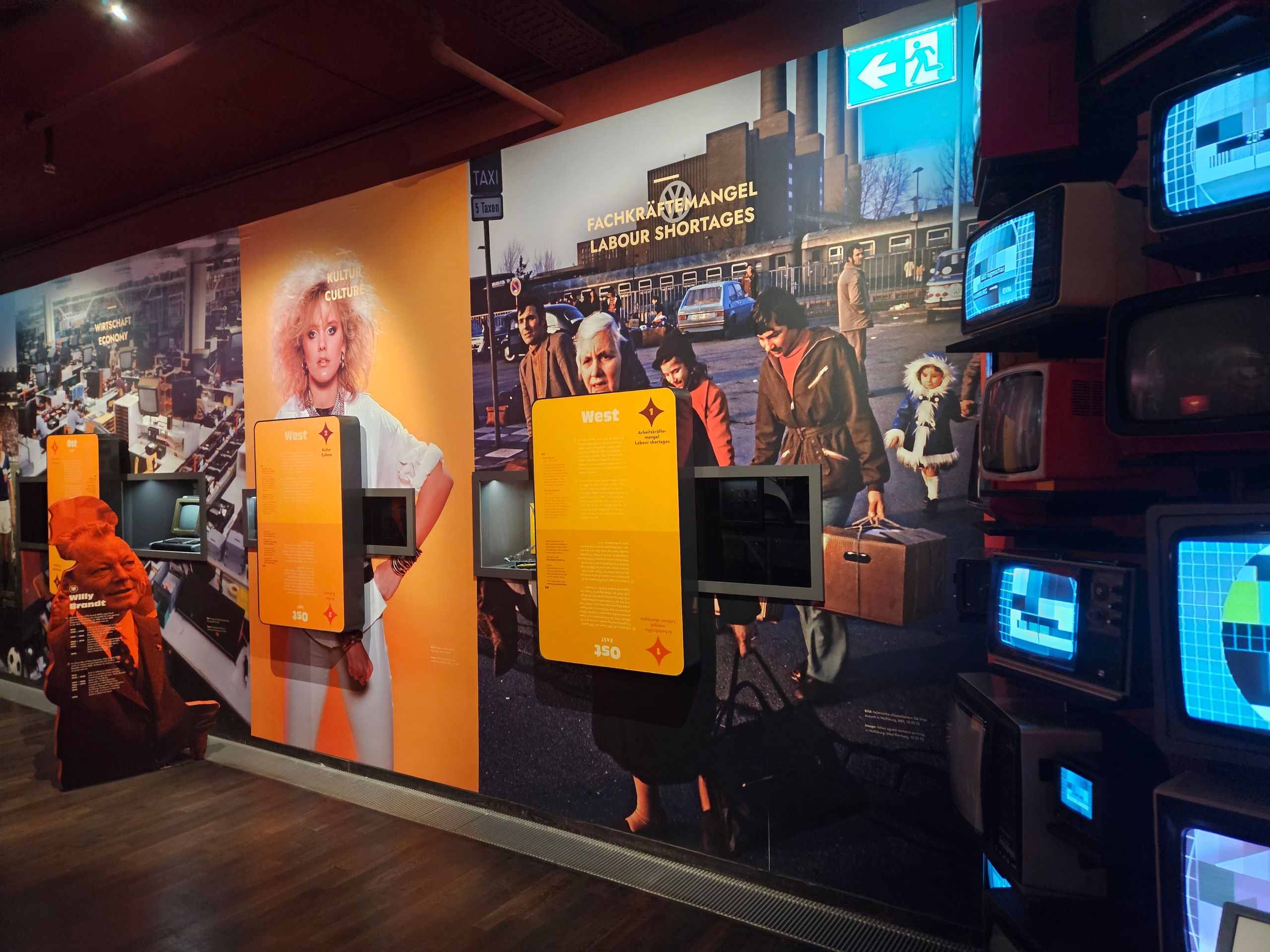
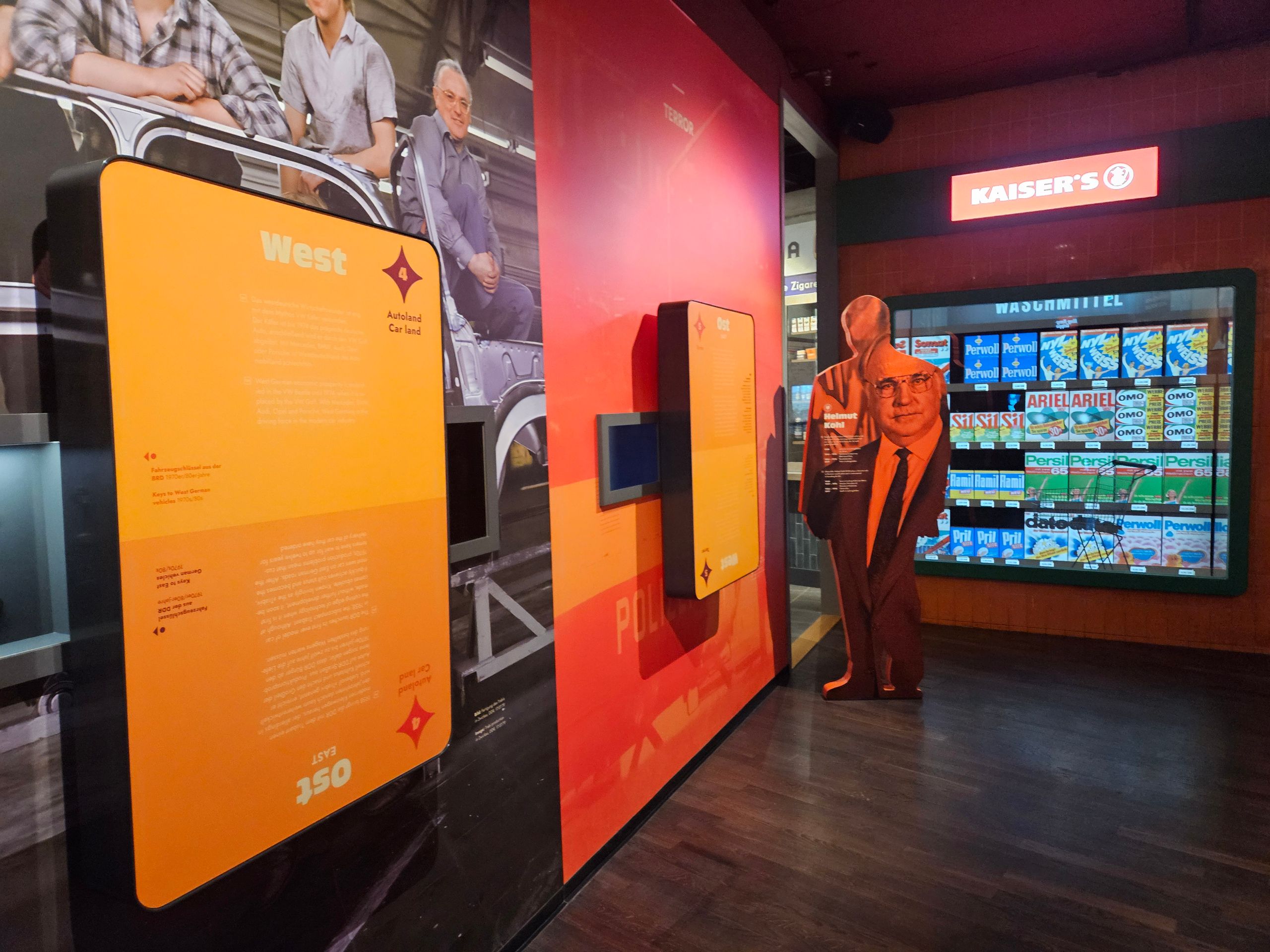
Much of it is immersive and interactive, requiring little reading of long texts, and of course, the content is highly summarized.
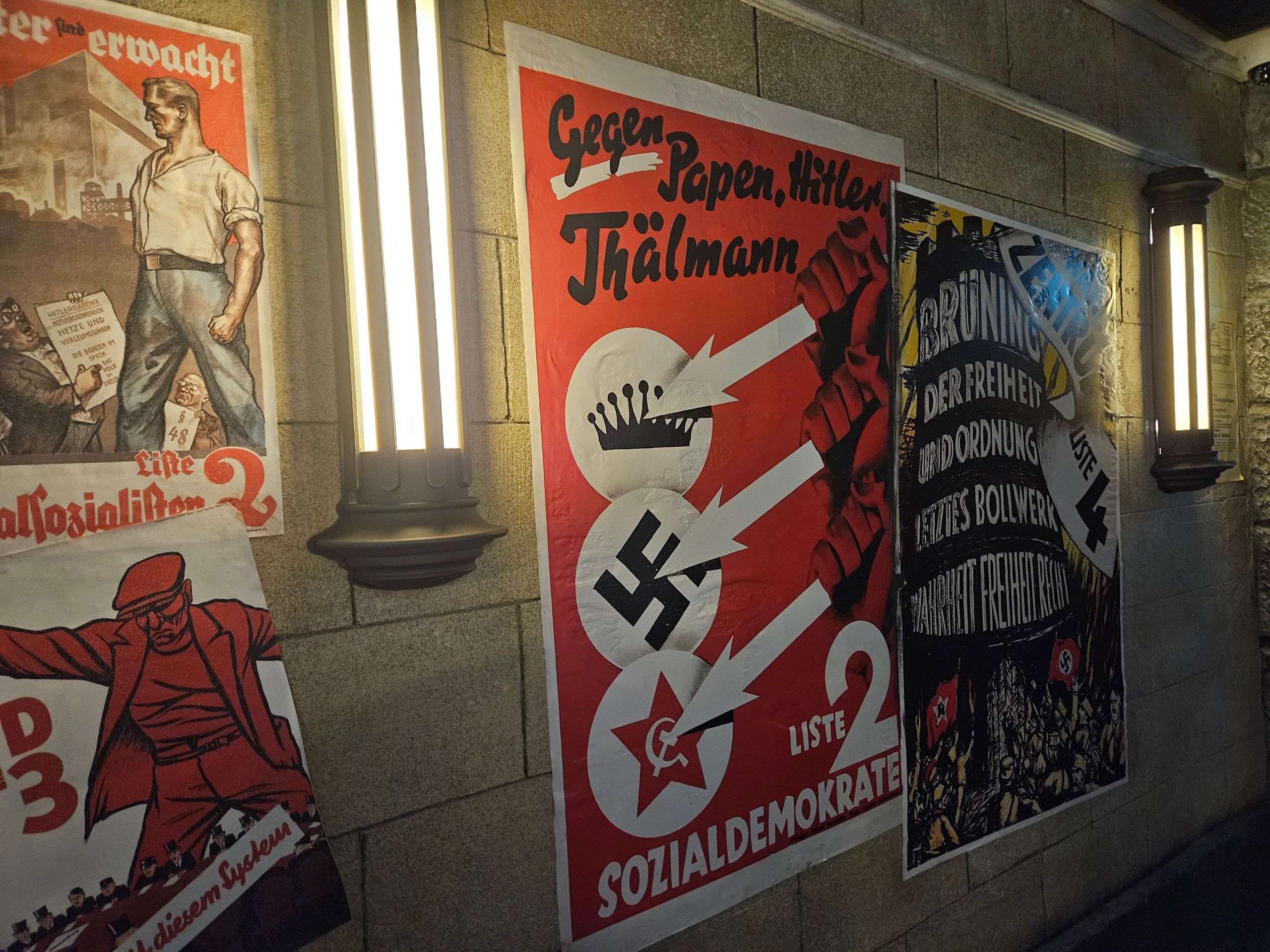
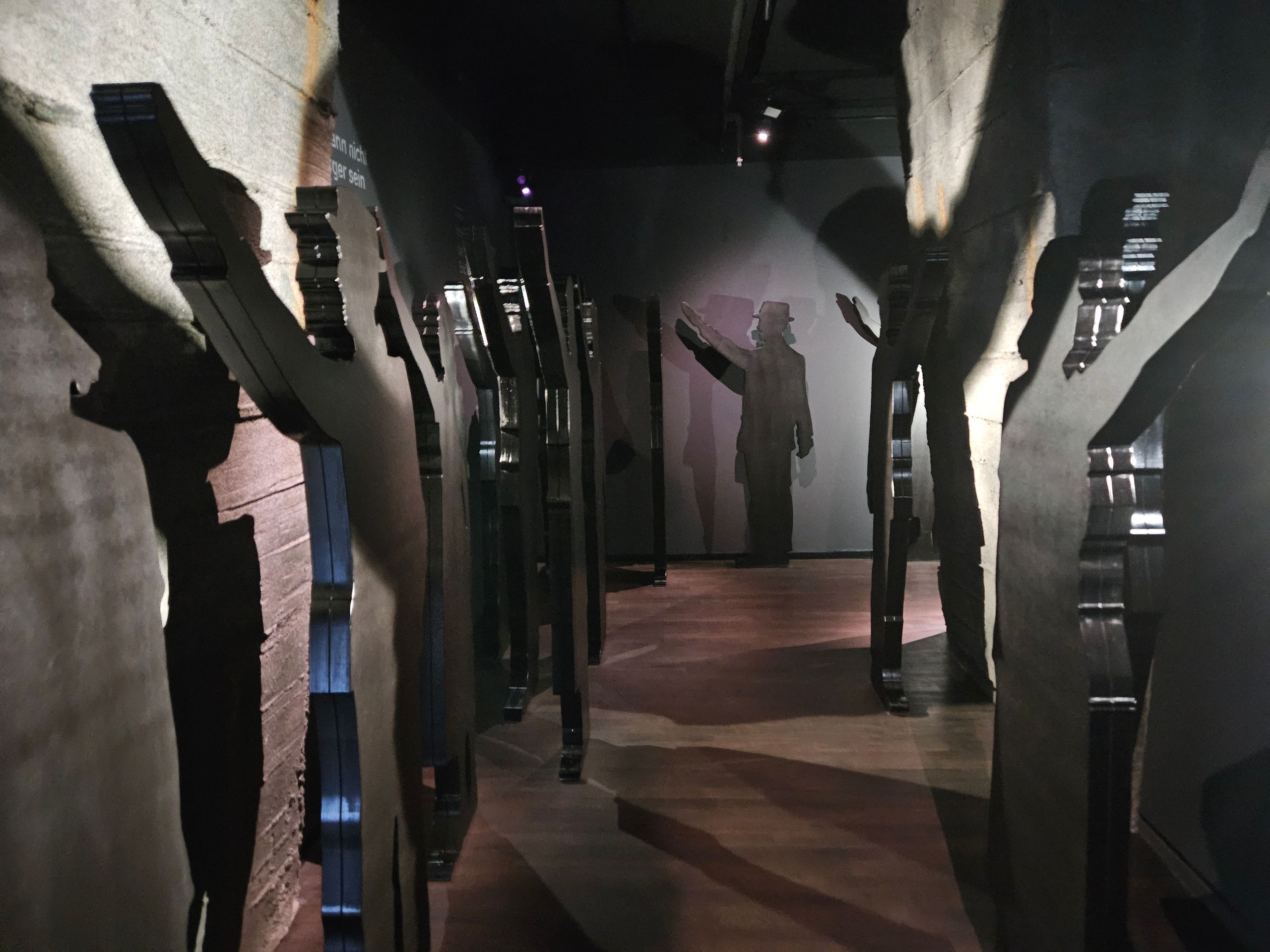
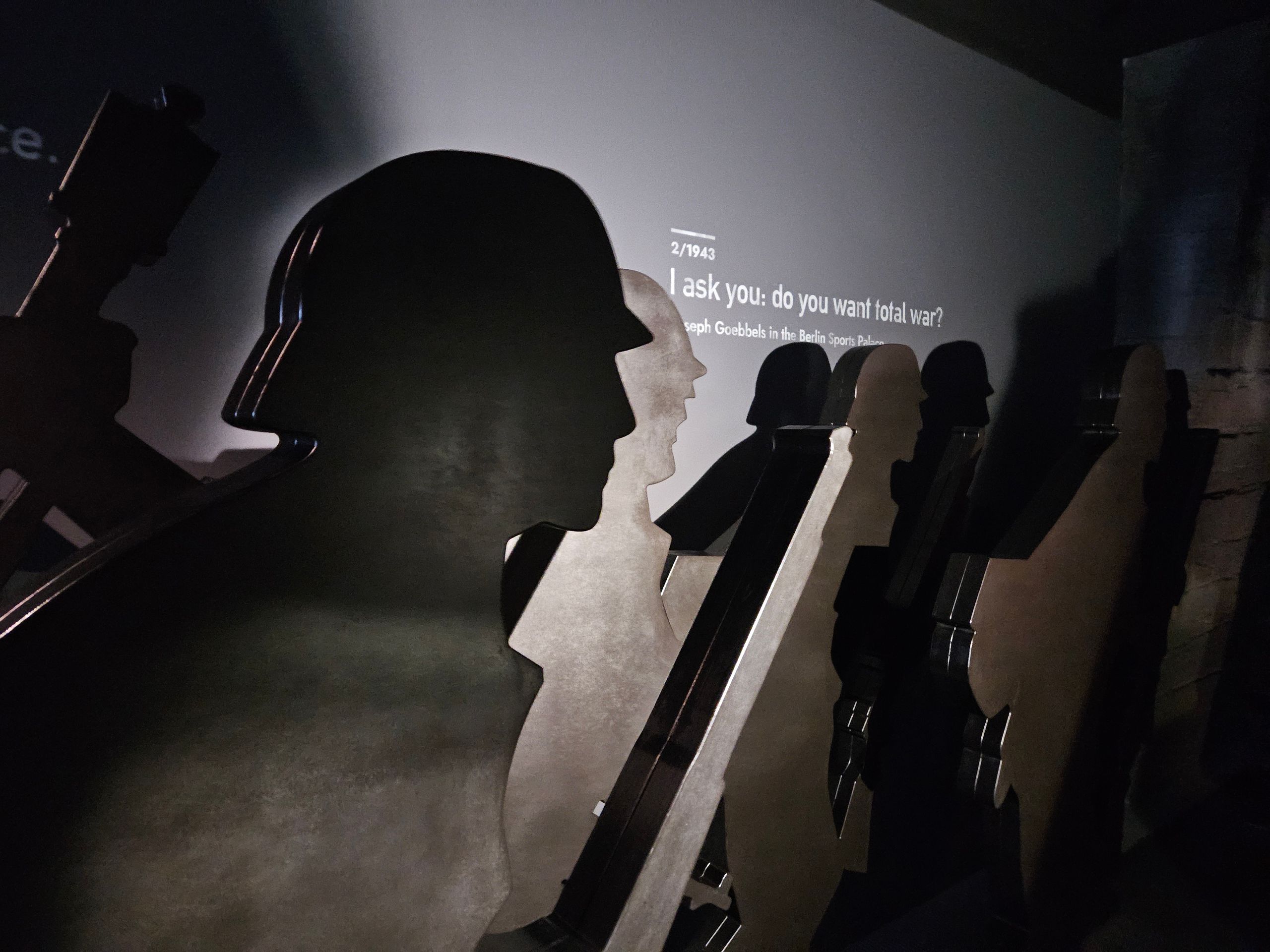
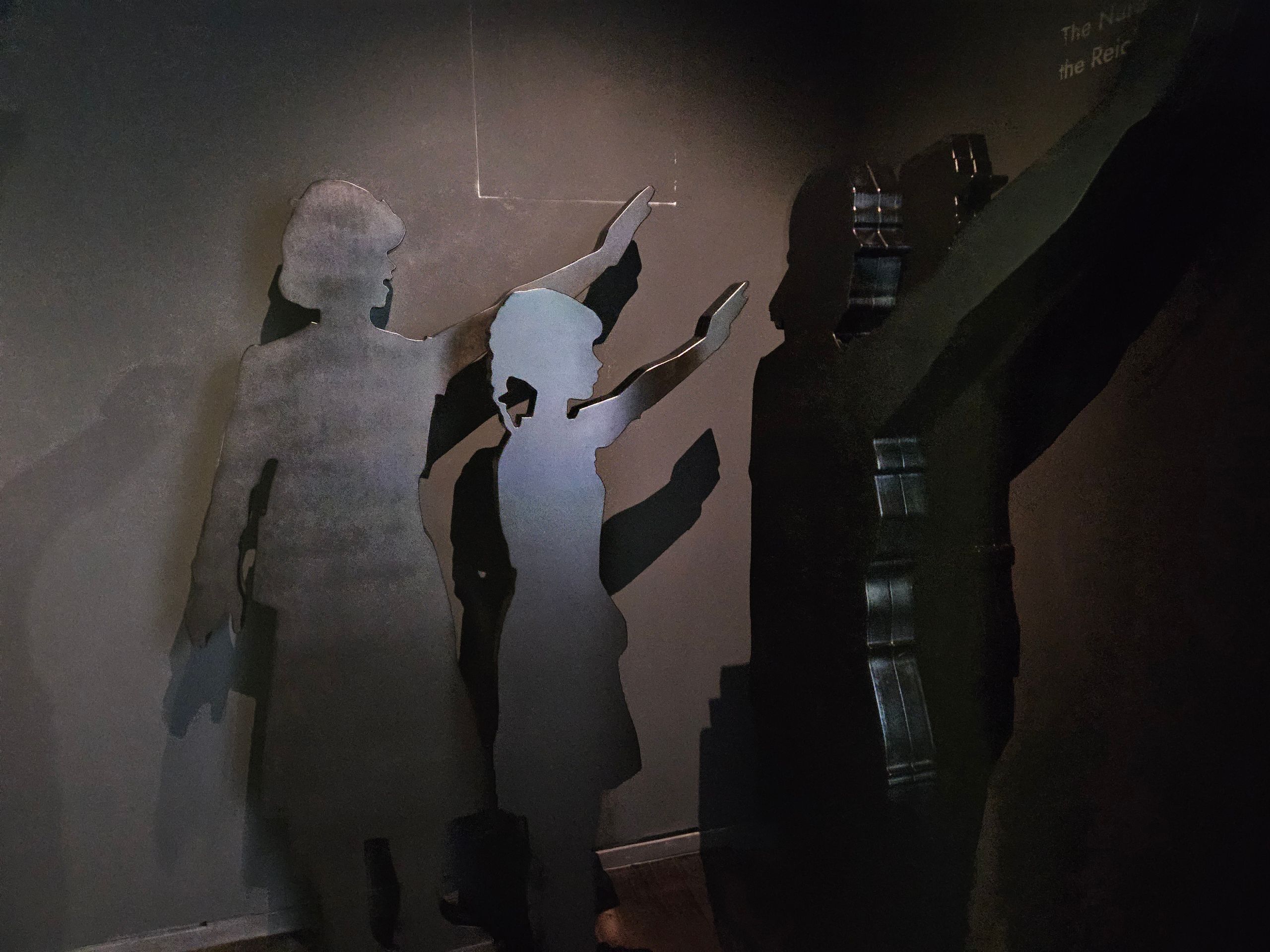
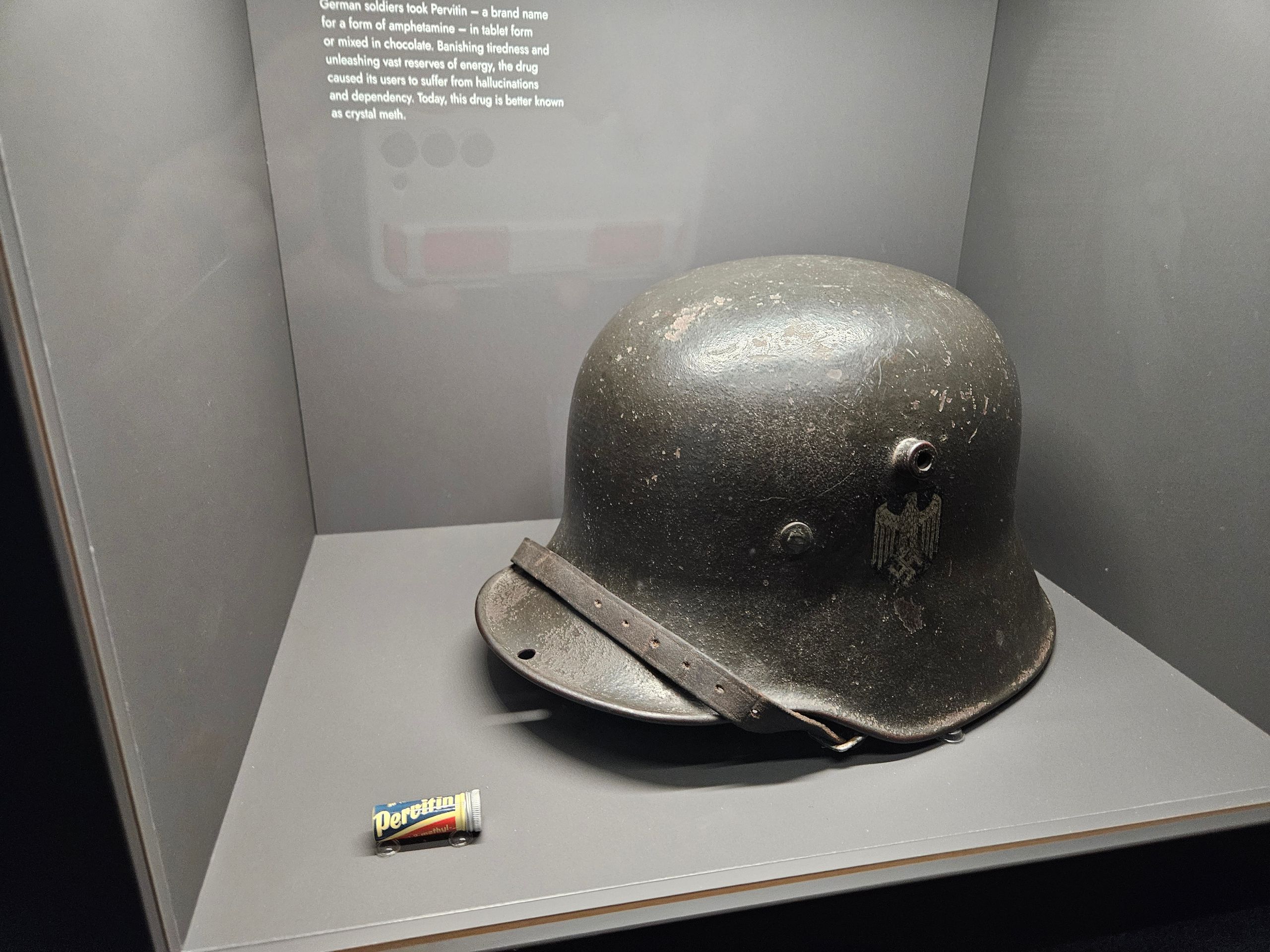
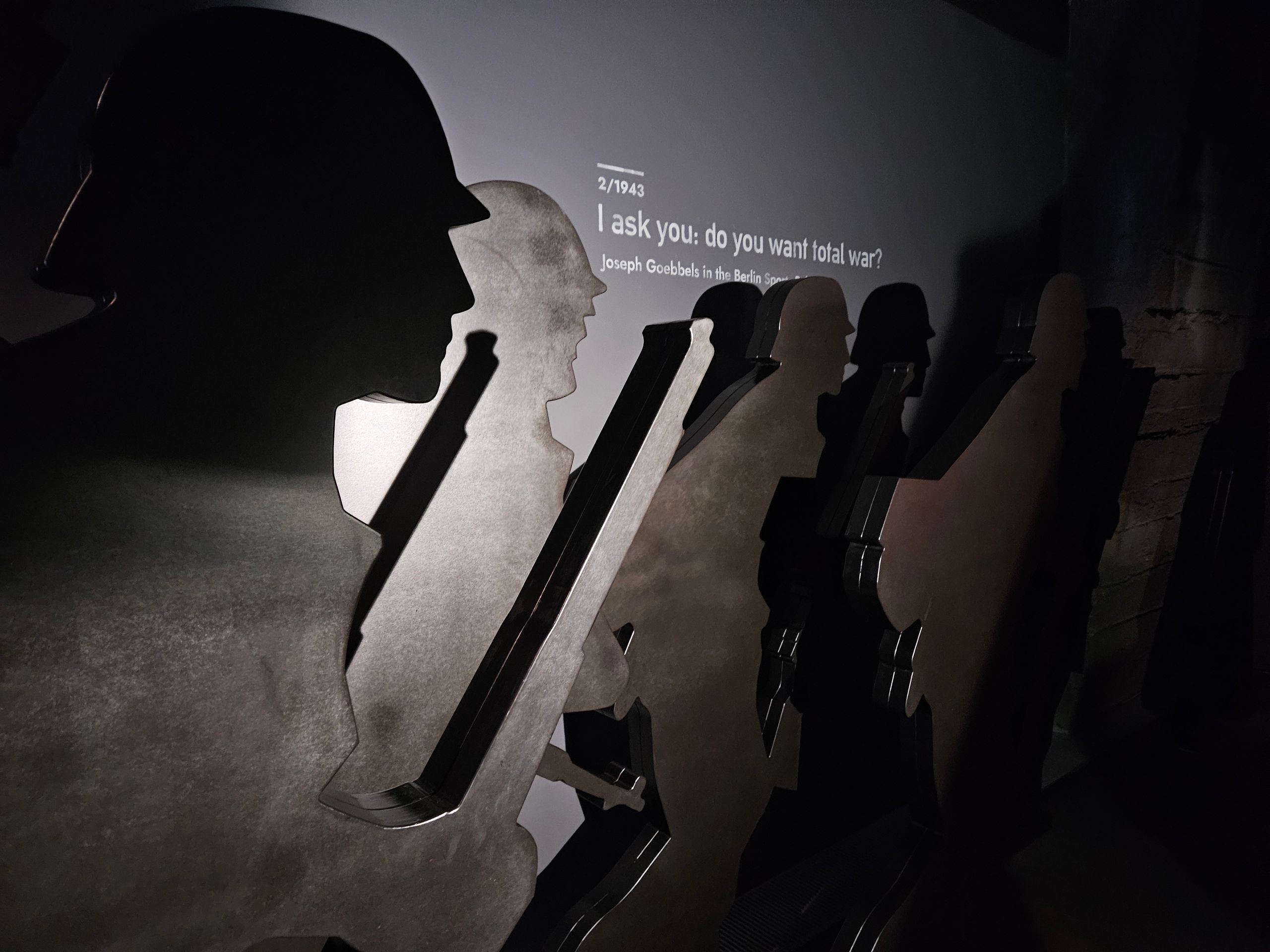
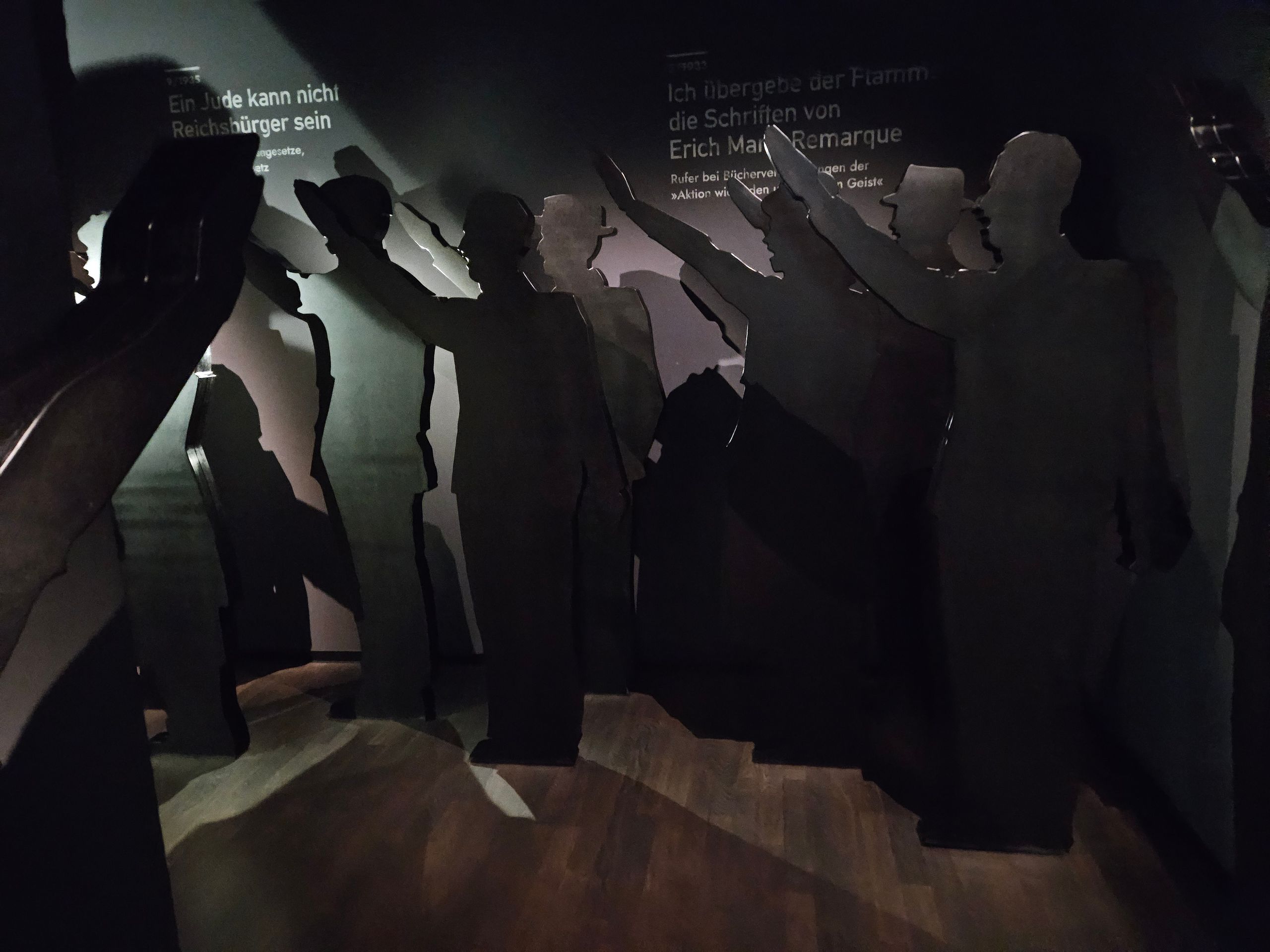
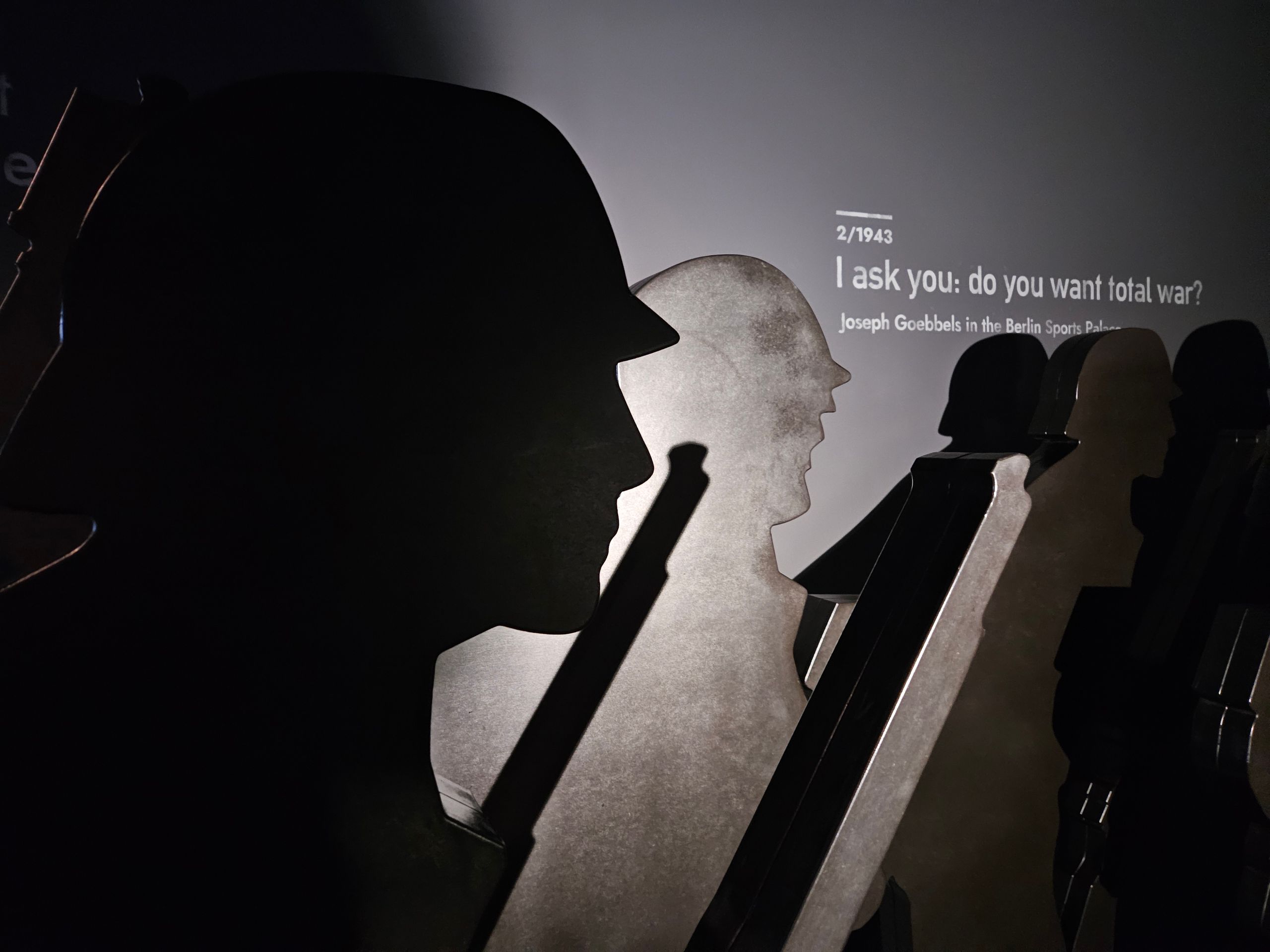
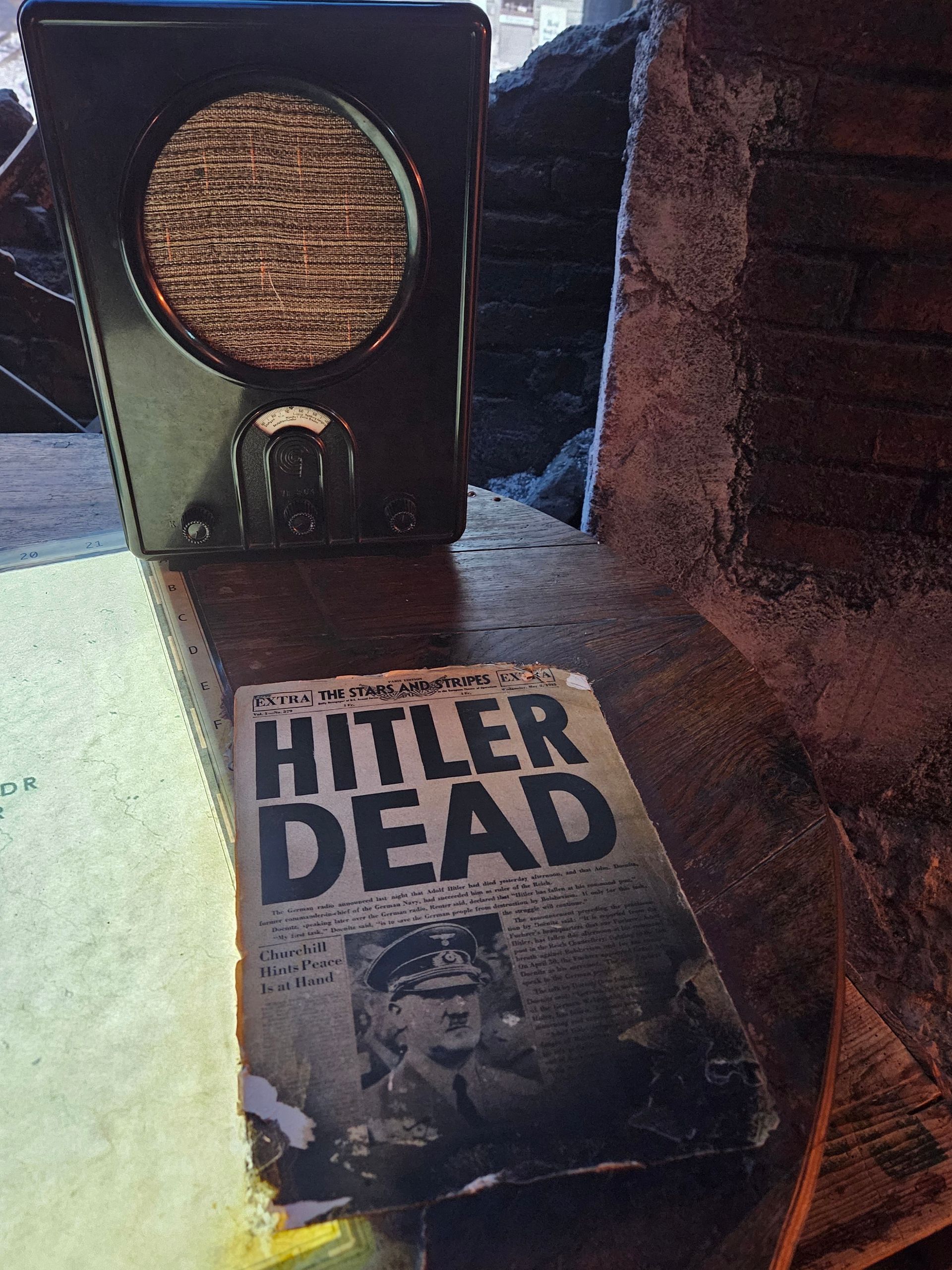
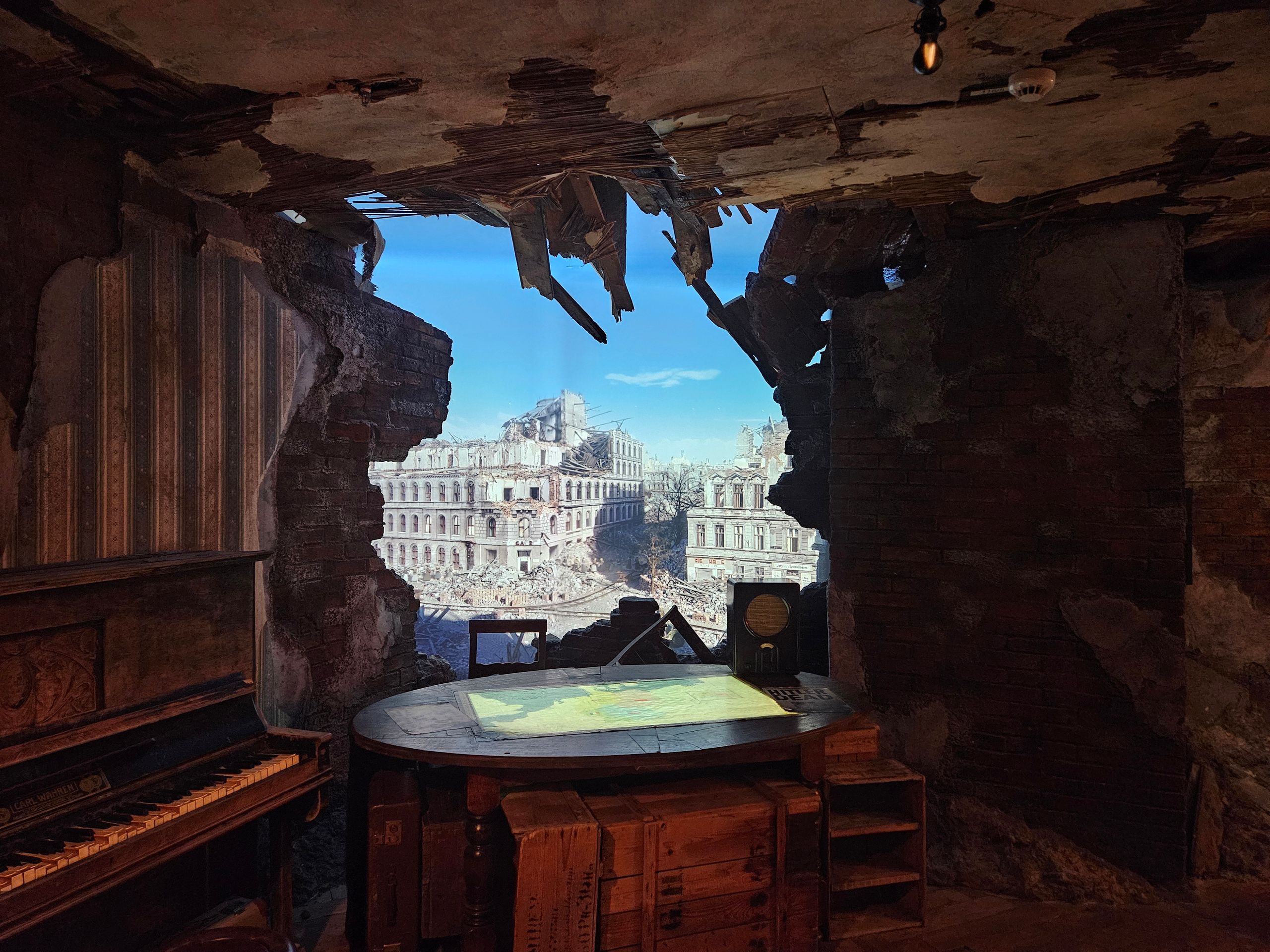
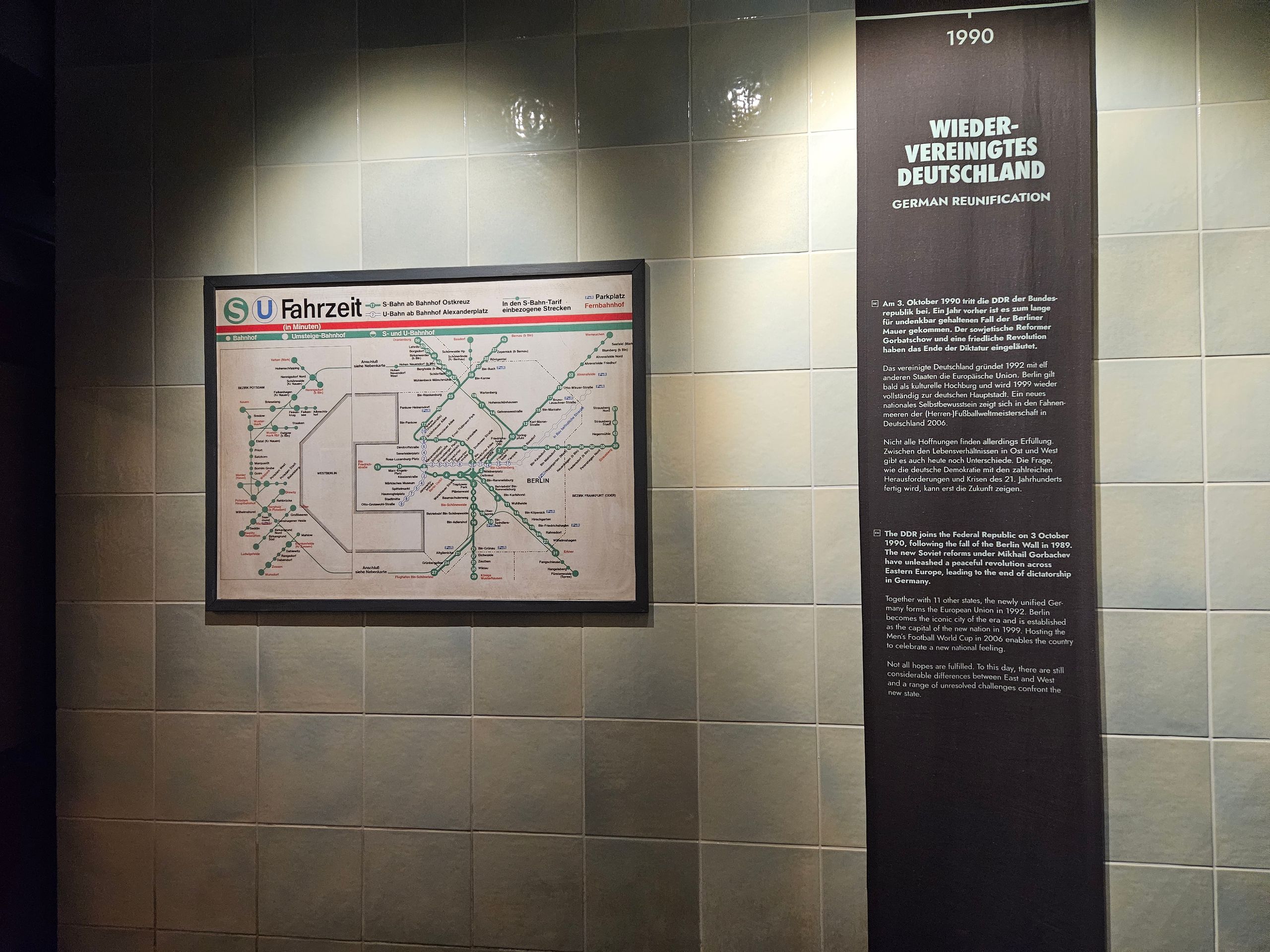
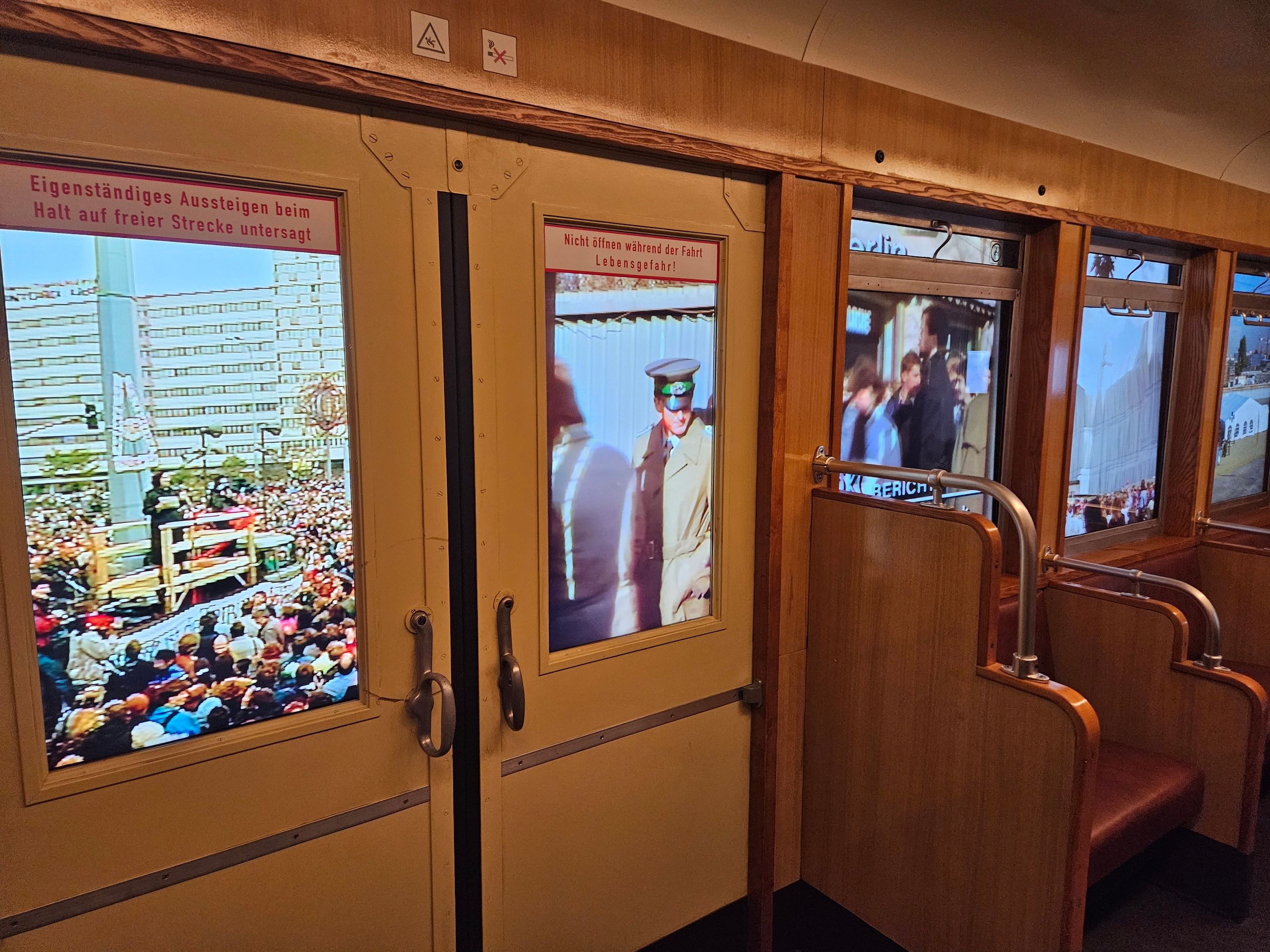
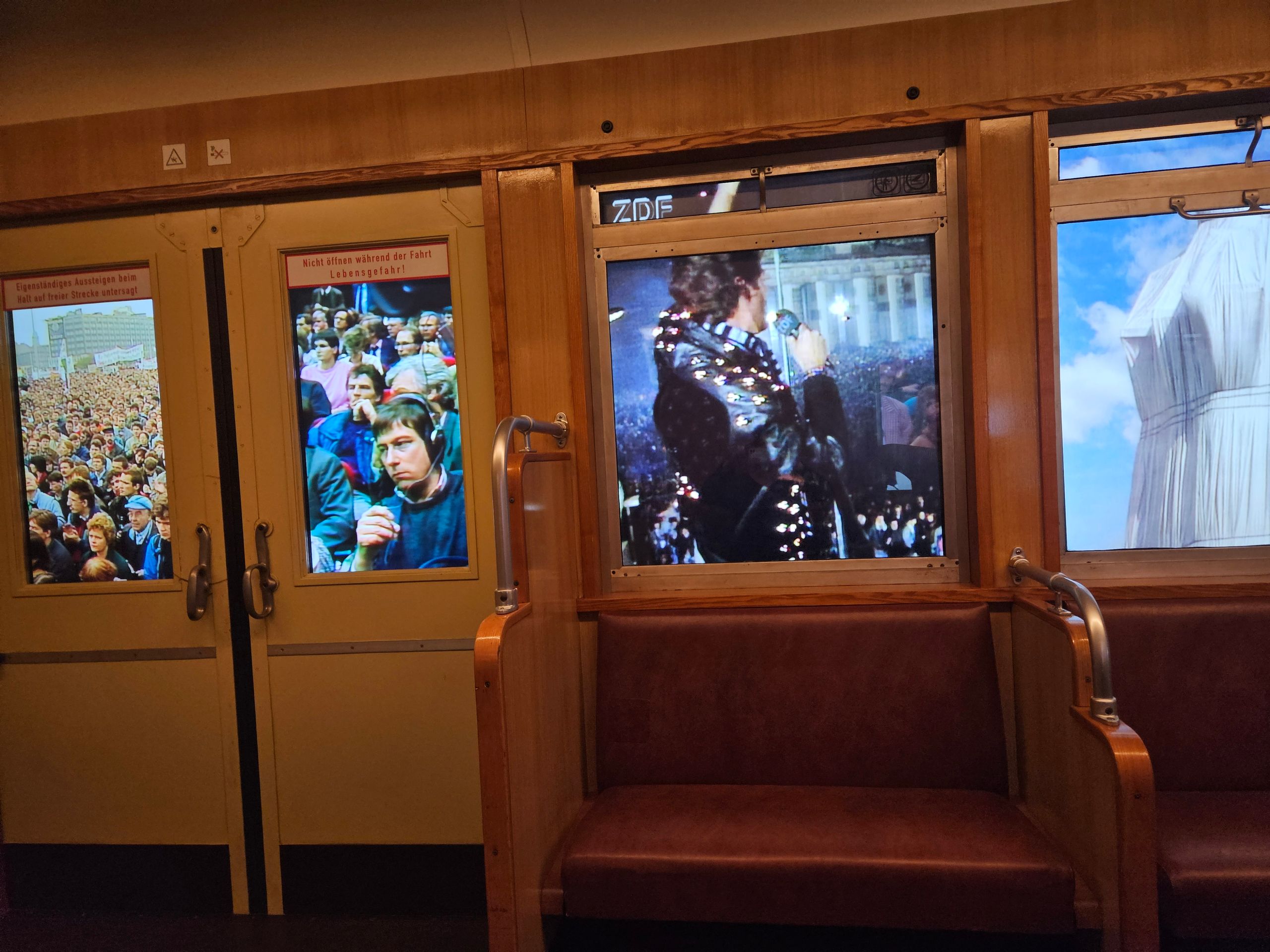
I found the portrayal of the last 100 years particularly exciting, as it is closer to us, we can understand it better – and more content is provided here. The era of National Socialism is not overlooked either. You traverse a dark installation with black figures demonstrating the Hitler salute, accompanied by audio and film recordings. Immediately after, there is a section with war-faring figures, also kept in dark tones. The themes of destruction, reconstruction, division, and reunification of Germany are vividly presented.
However, what I see as critical is that the Holocaust itself – the systematic extermination of millions – is hardly addressed in the exhibition. I find this omission problematic. Anyone narrating German history should openly and clearly mention this reality.
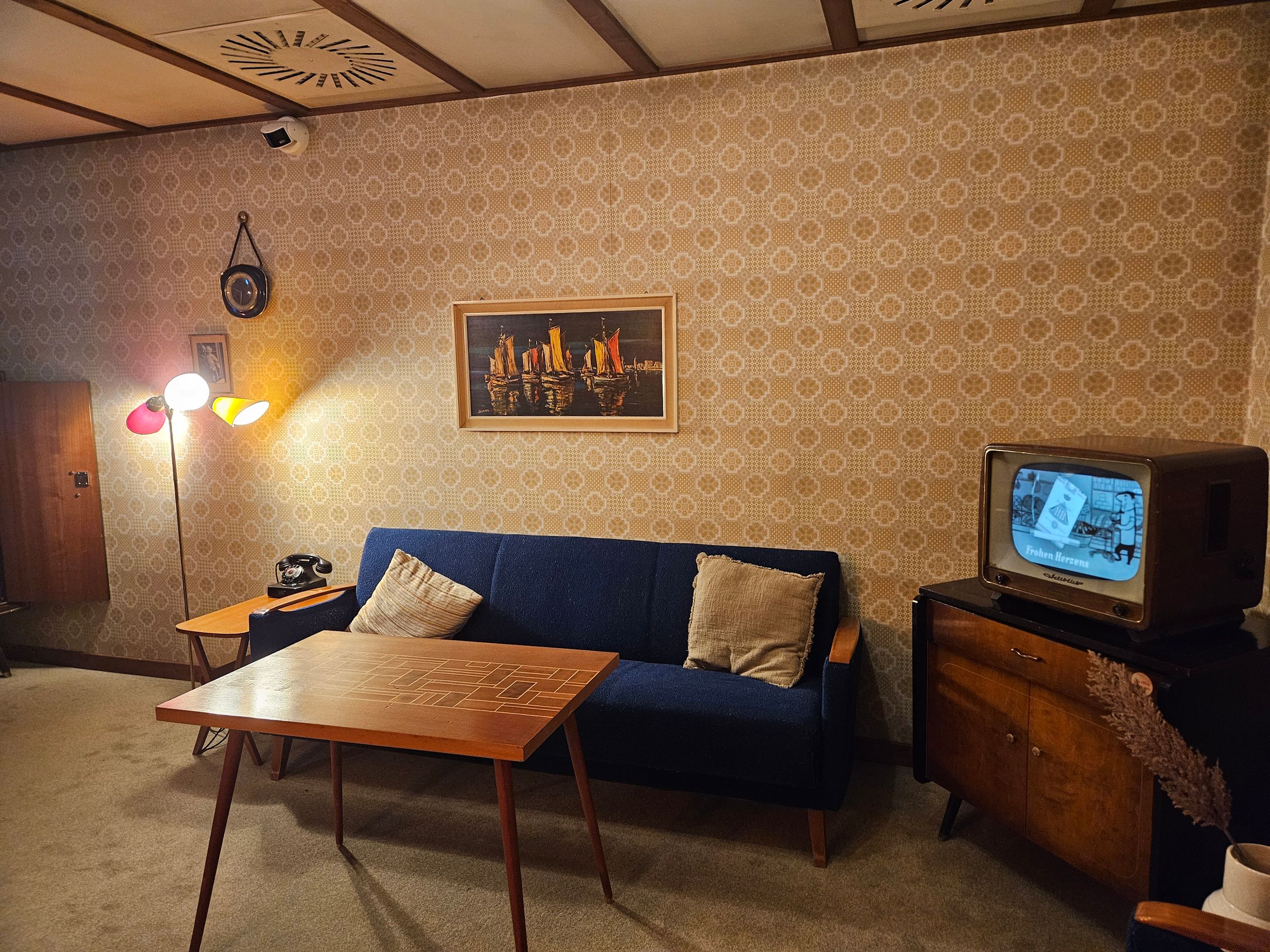
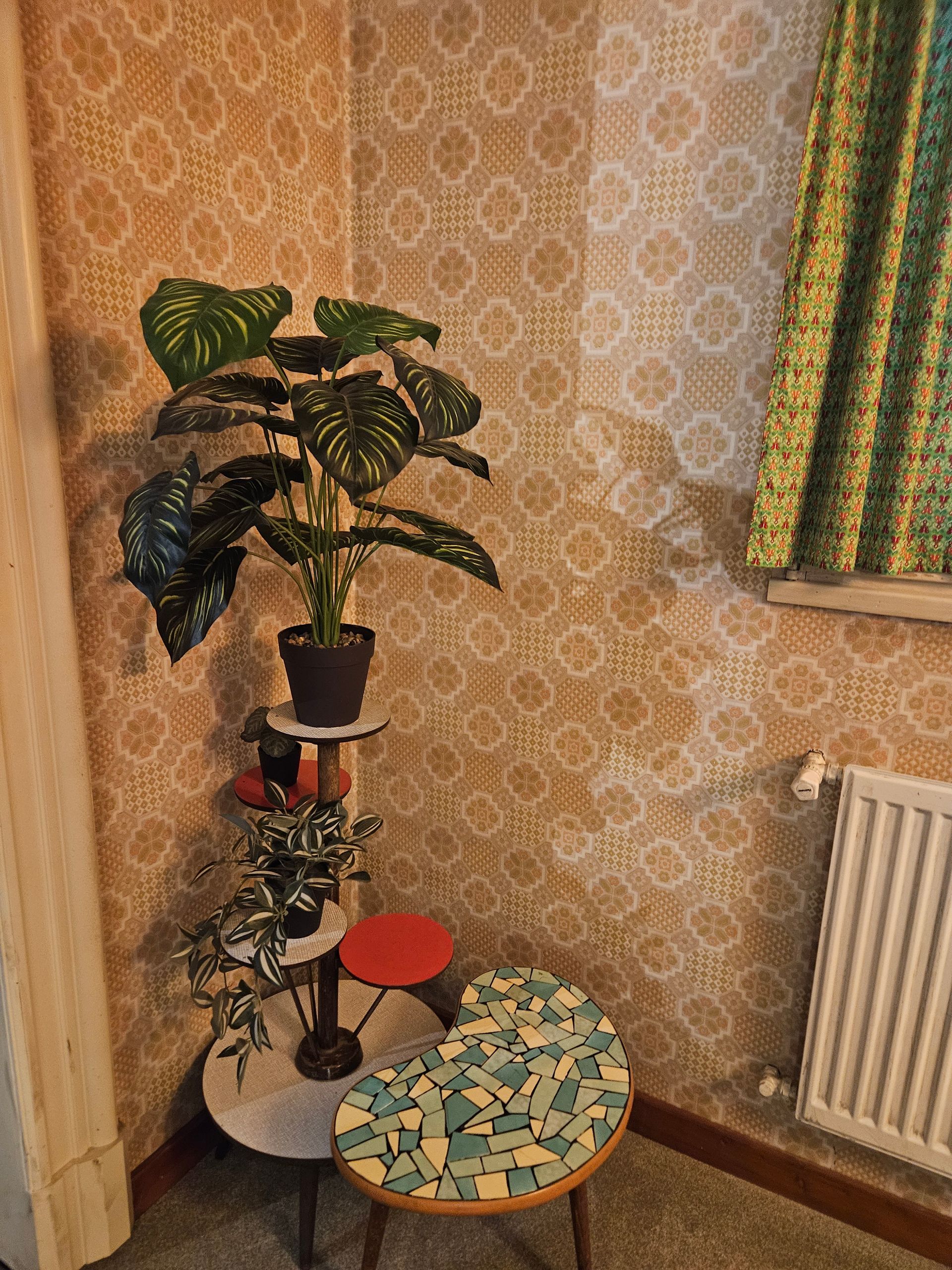
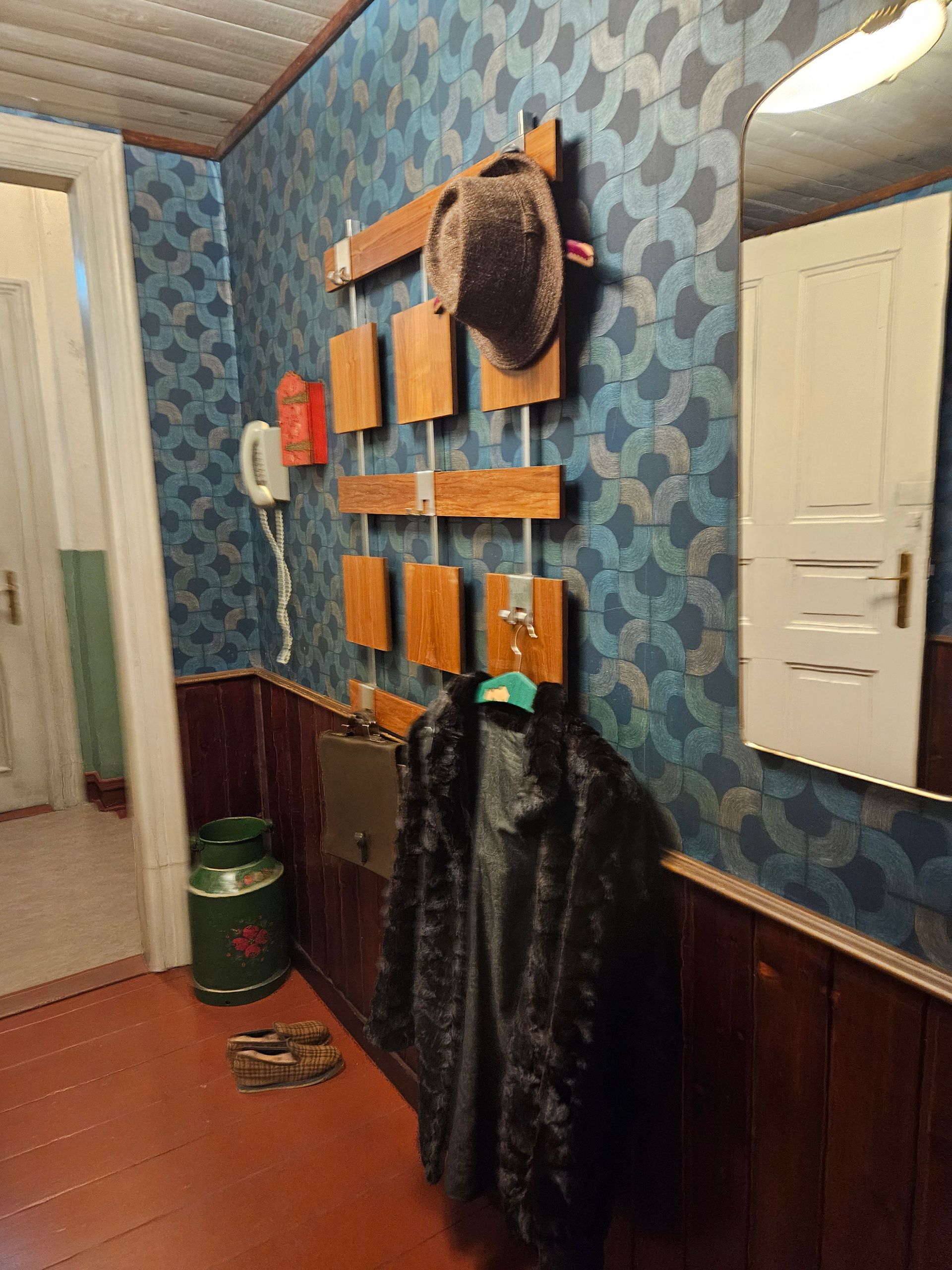
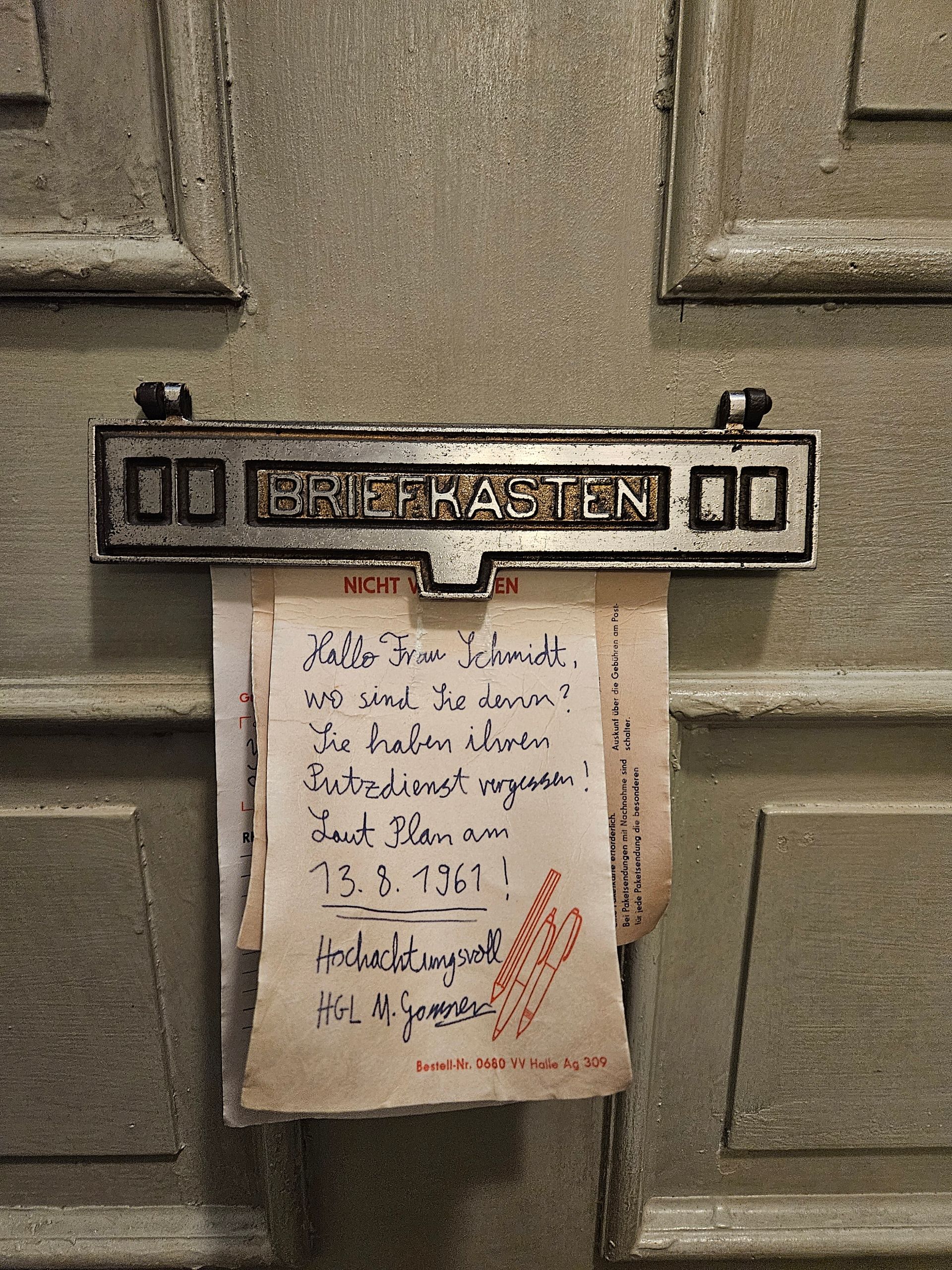
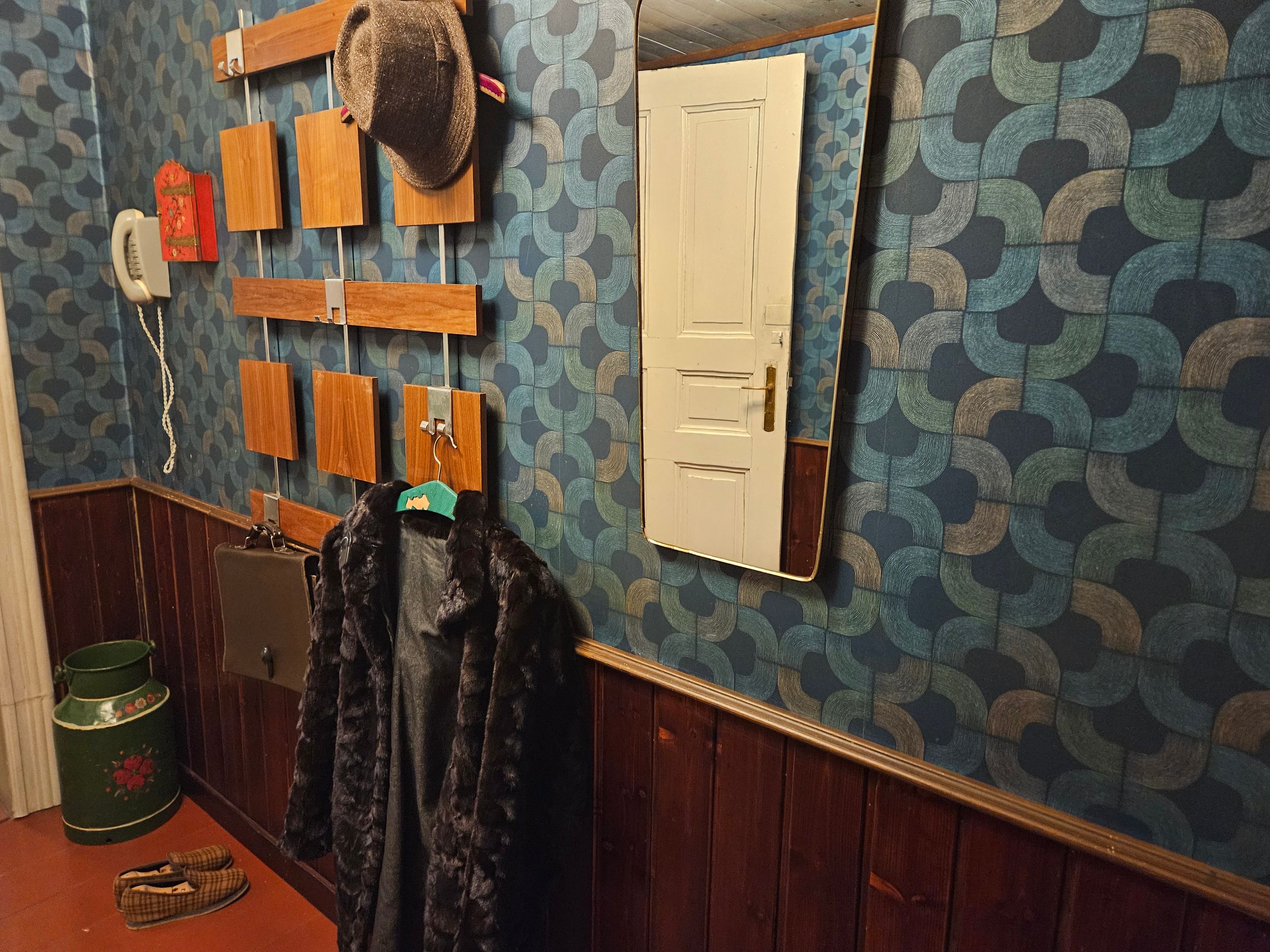
Typical German apartments from the 1960s are also shown – including a note on when cleaning is due.
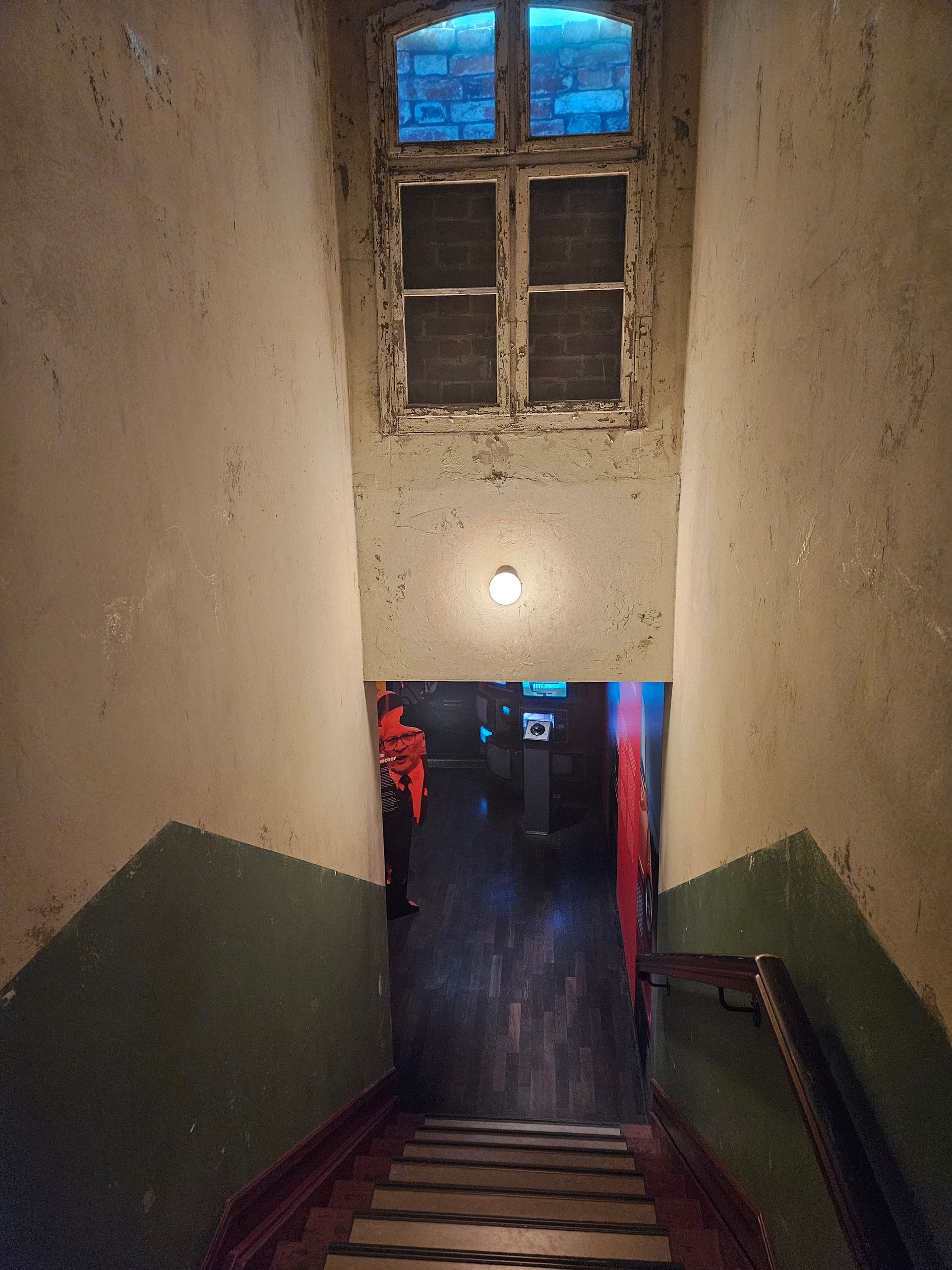
Overall, I would give the exhibition a 2 (on a school grade scale). The beginning struck me as somewhat incomplete, and the overall design is quite dark, so that the screens stand out better. For children and their parents, the museum is definitely worthwhile – for other visitors, perhaps not exciting enough.
The exhibition is accessible in both German and English. Those who book online, by the way, can save a little money.
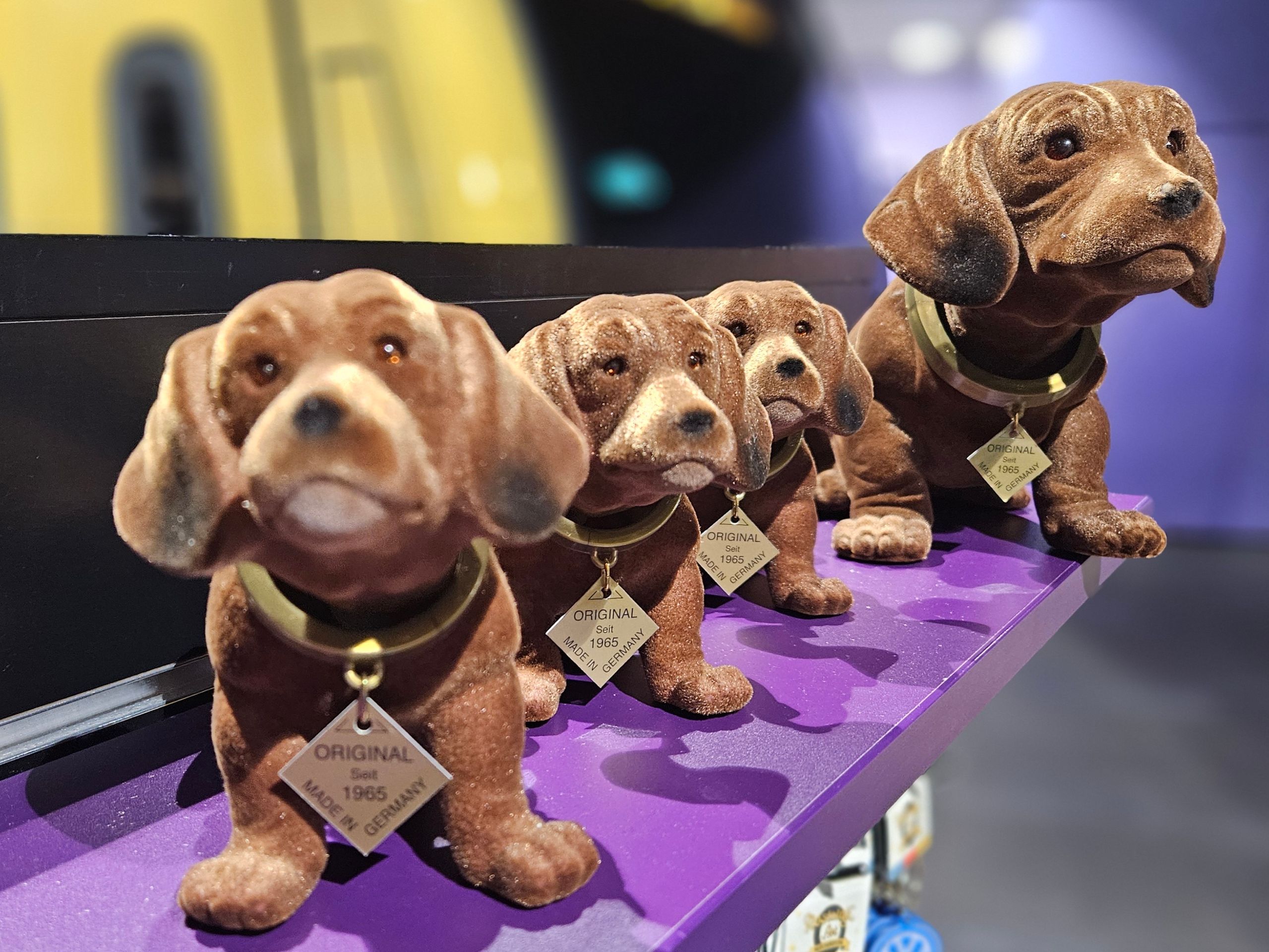
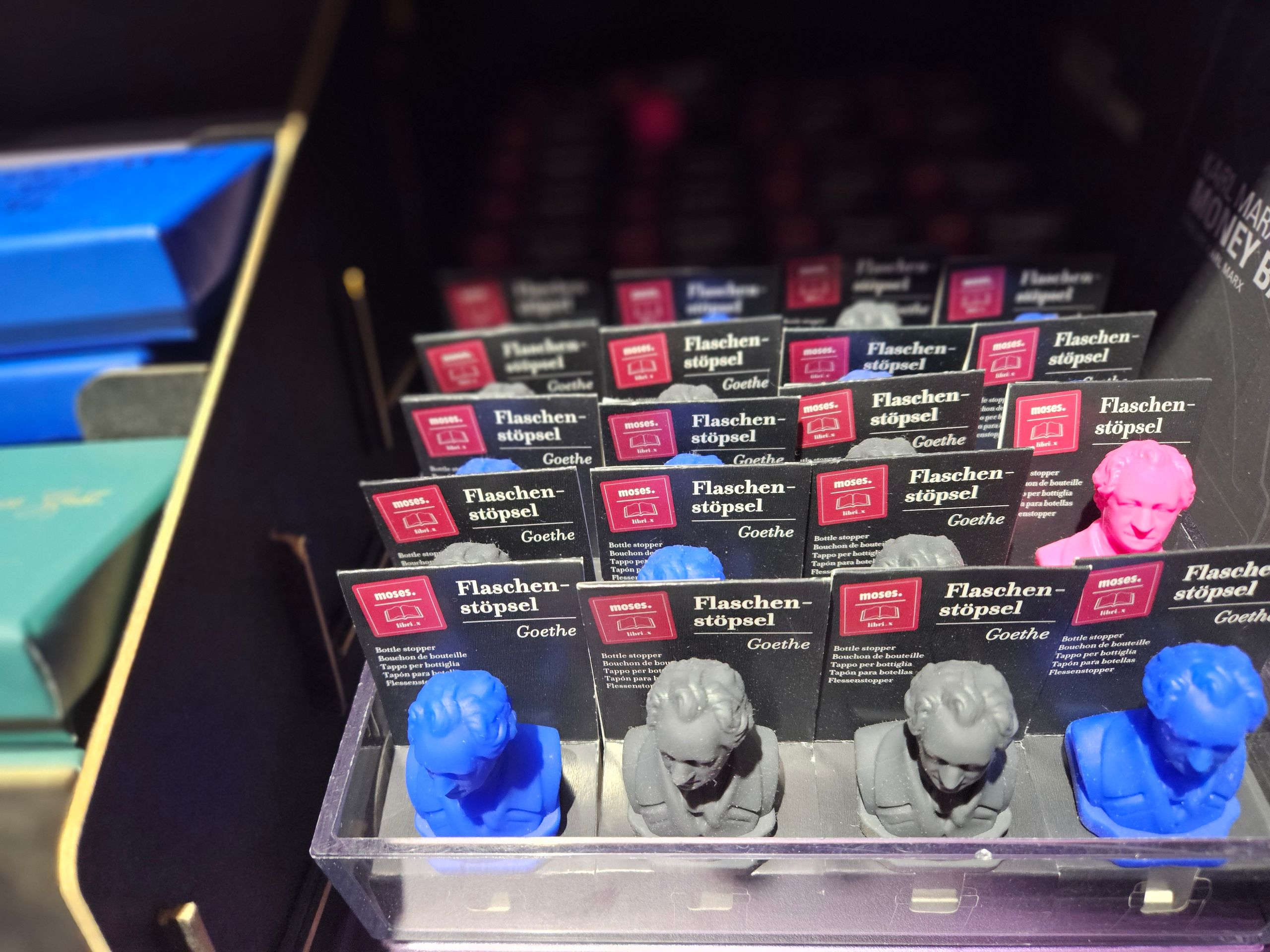
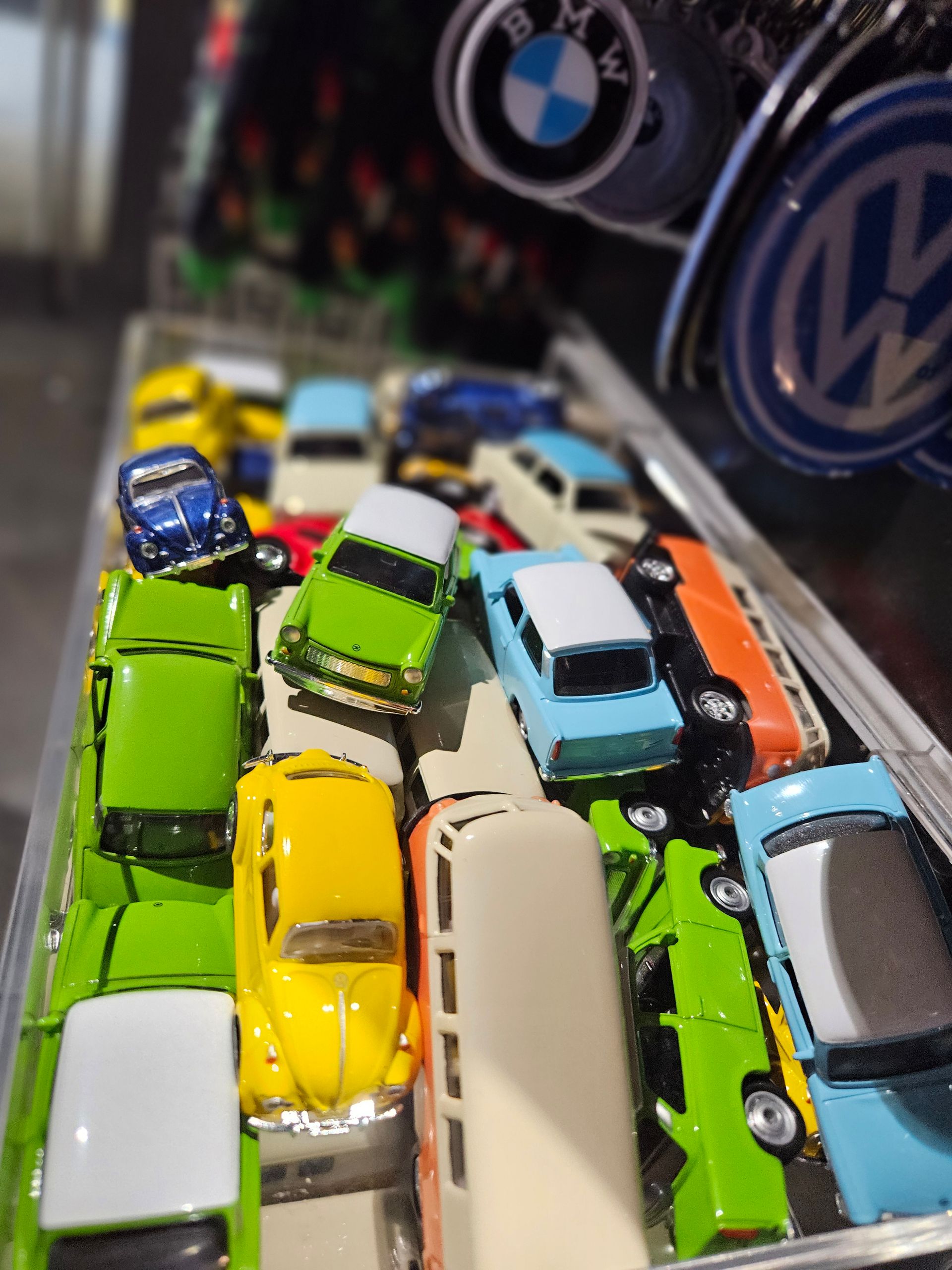
P.S. I almost liked the souvenir shop at the end the most. Here you can find many original, typically German souvenirs – like the classic nodding dog for the car. Almost cult again!