
July 2025 - Vienna - The Third Man Tour
One feels like a secret agent when searching for the meeting point of the 'Third Man' tour. And here lies my only criticism: The directions could definitely be clearer. While...

Published: 07.07.2025
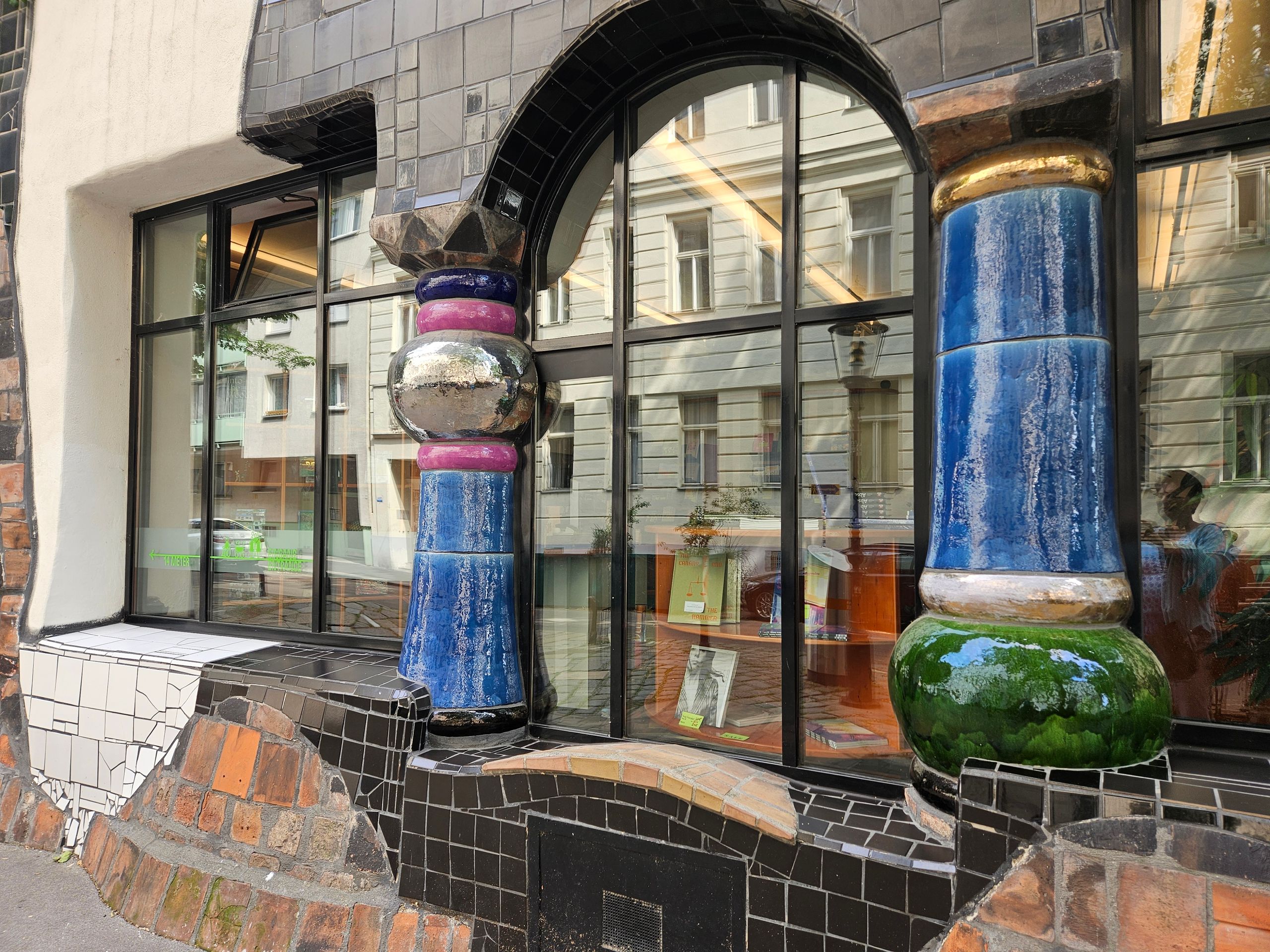
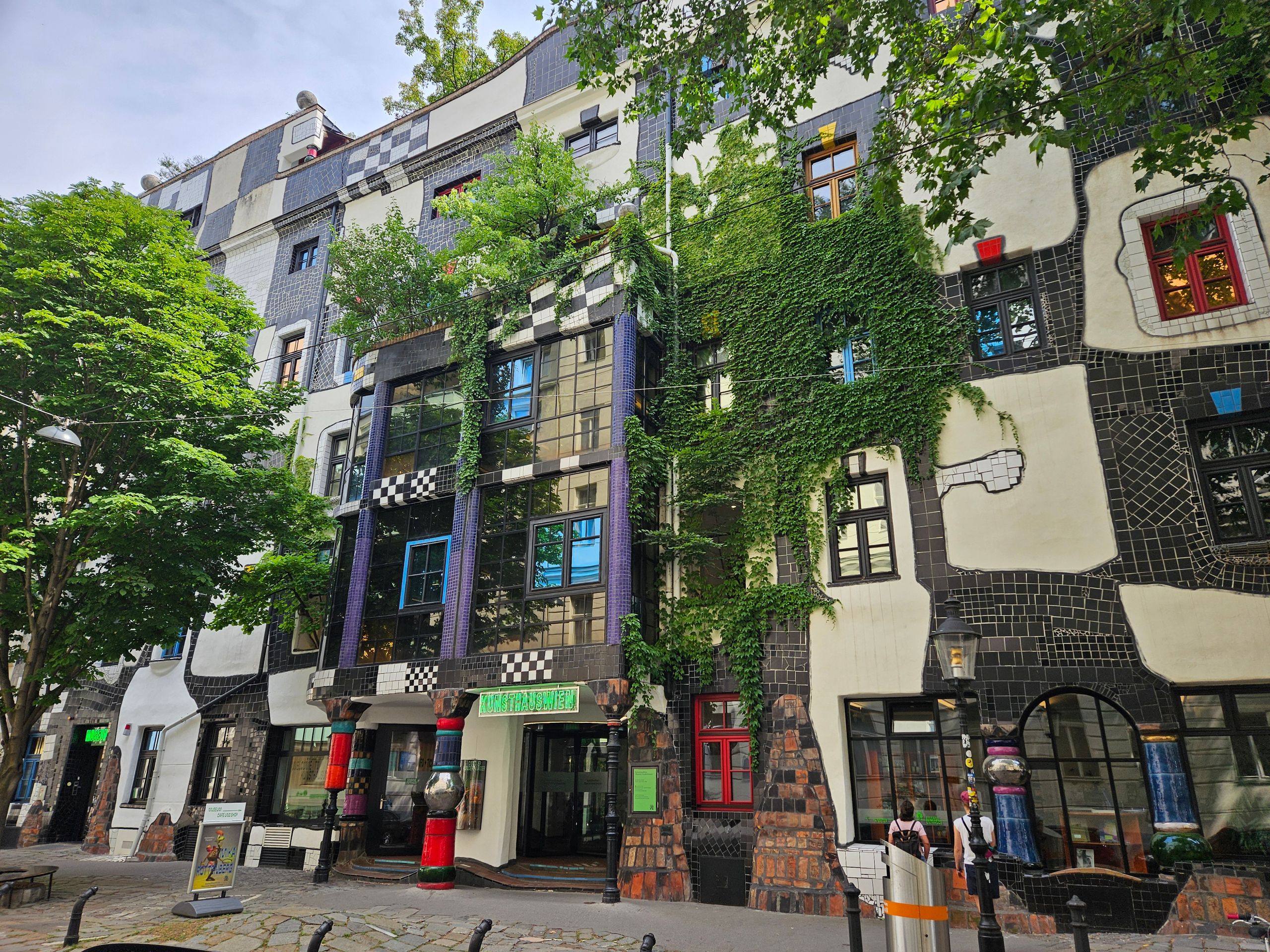
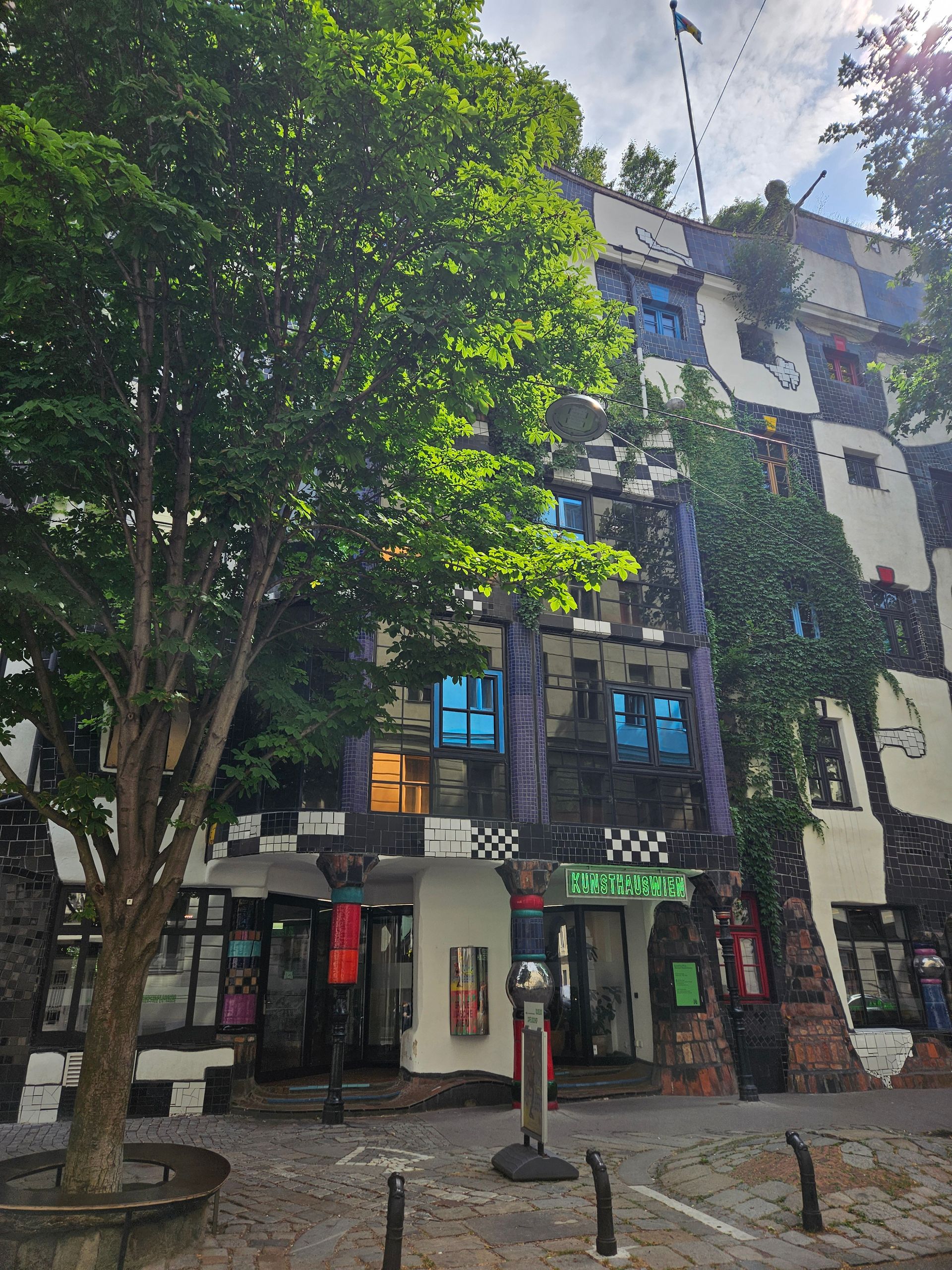
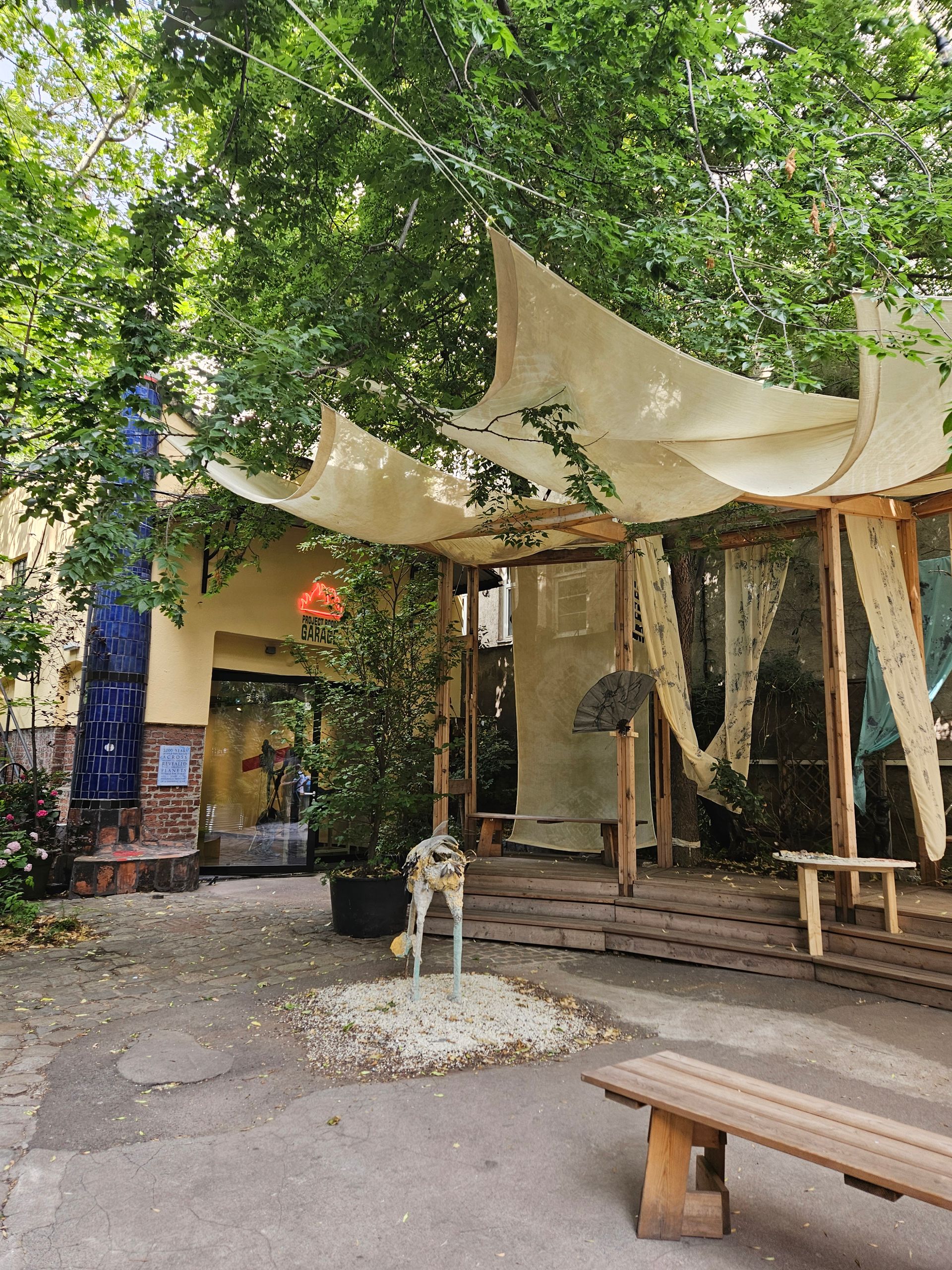
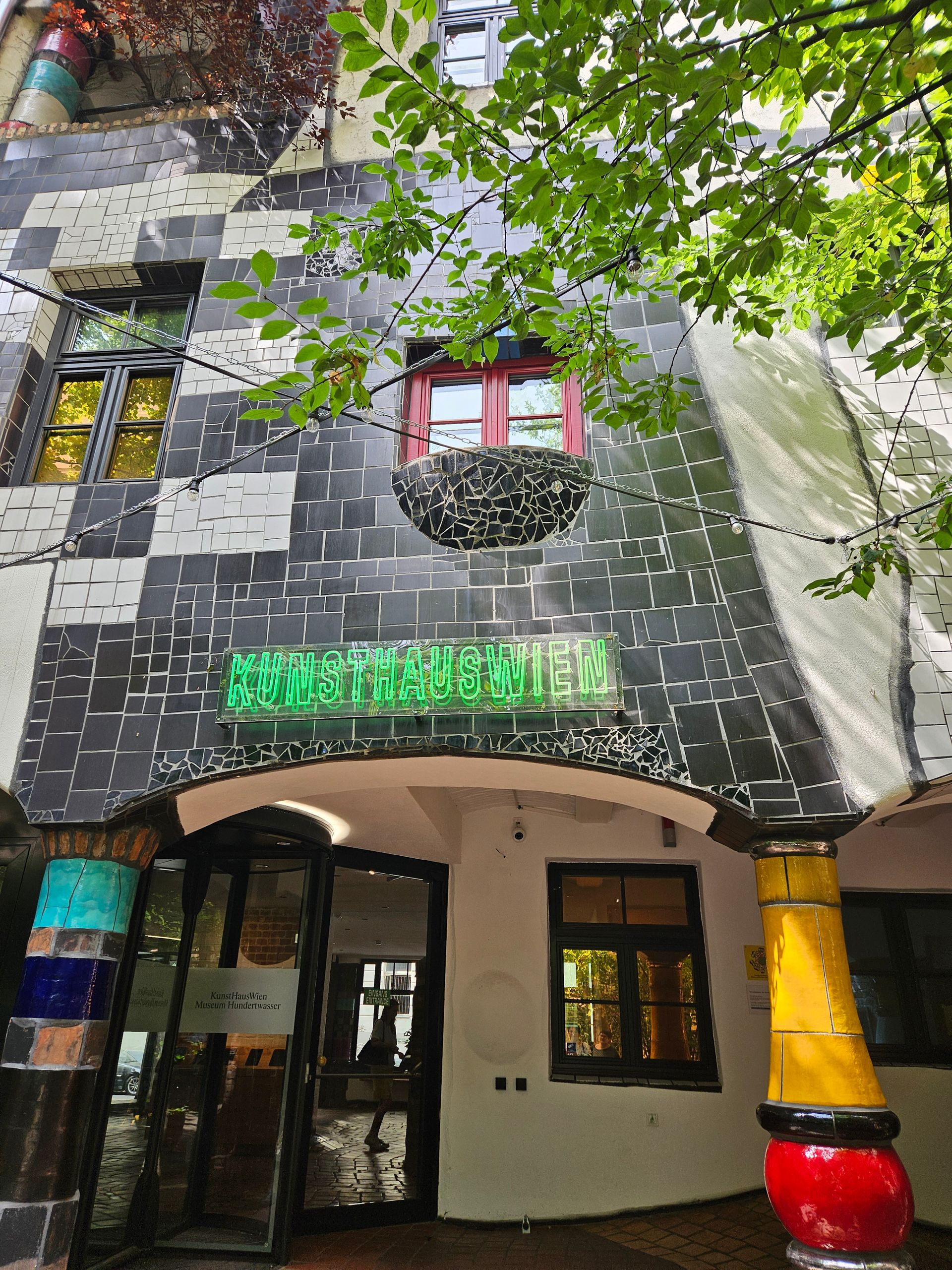
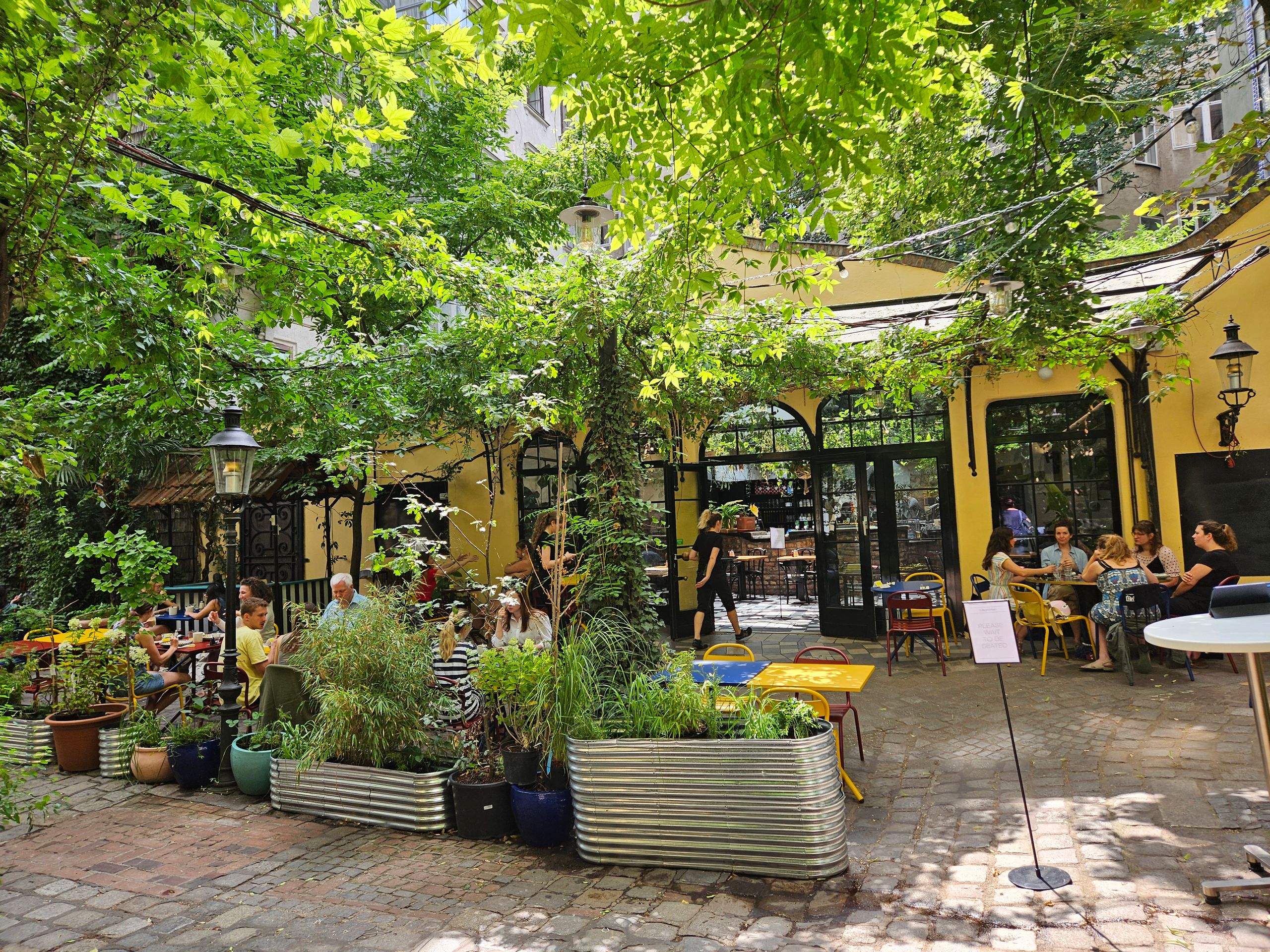
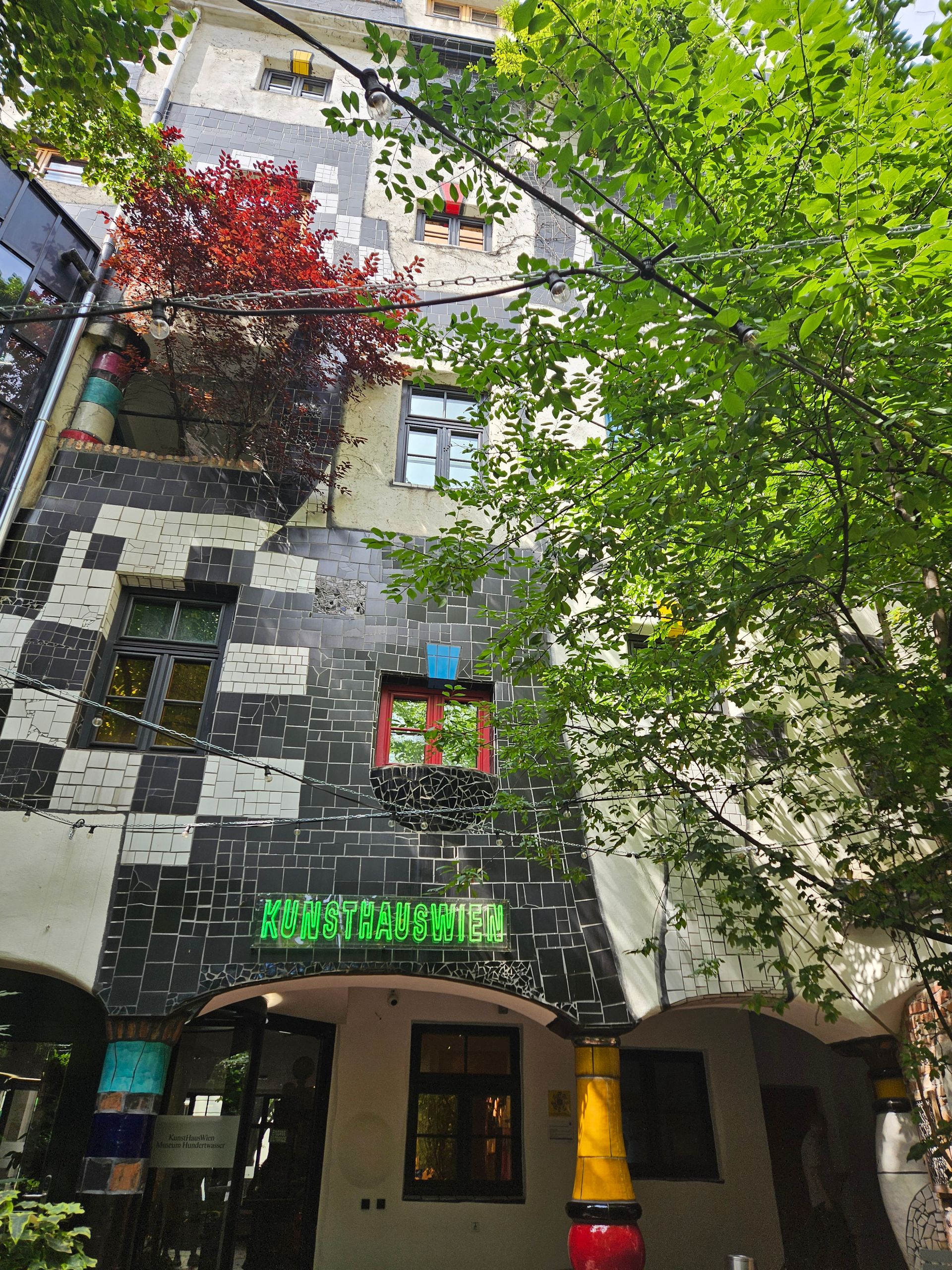
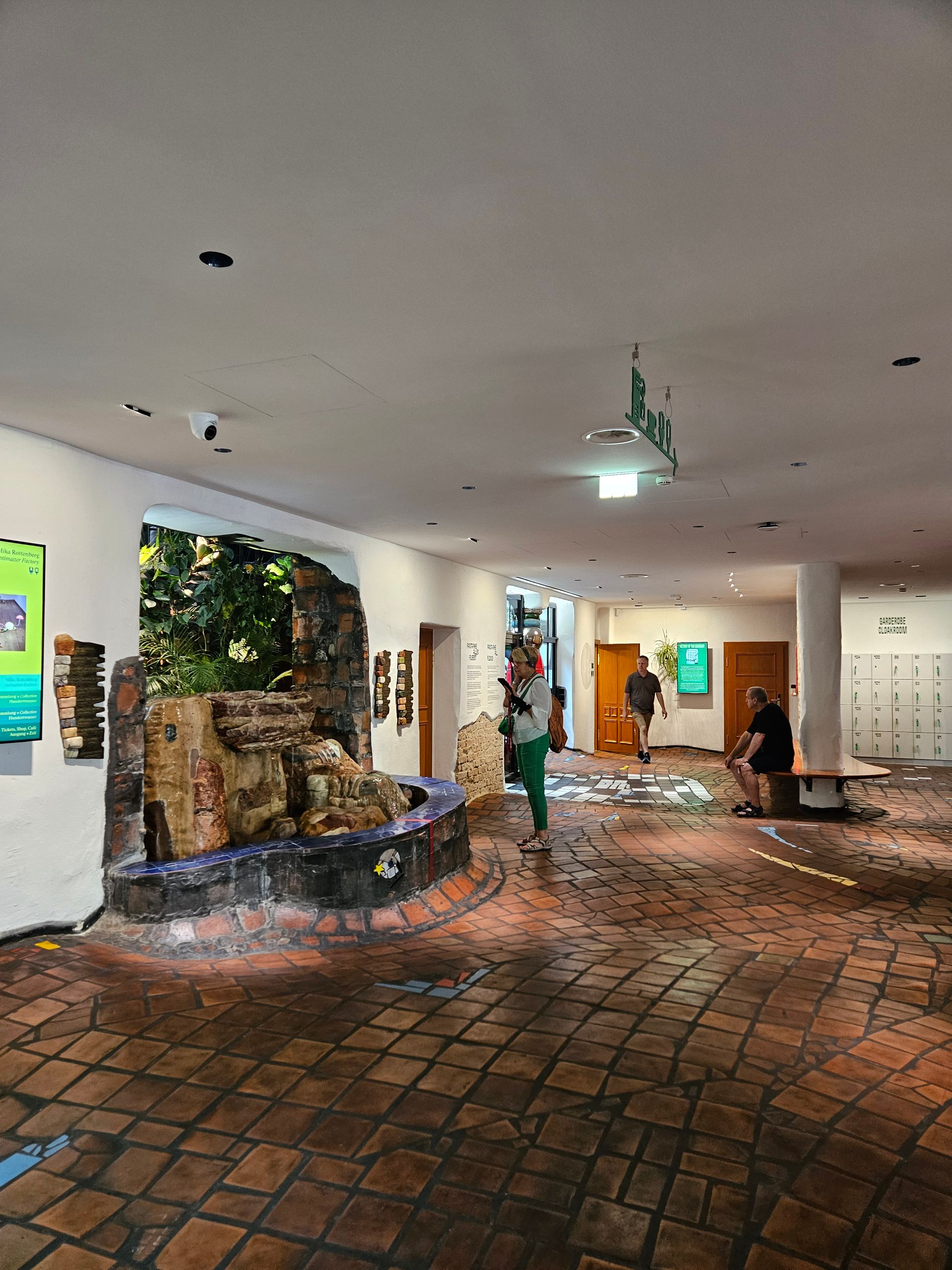
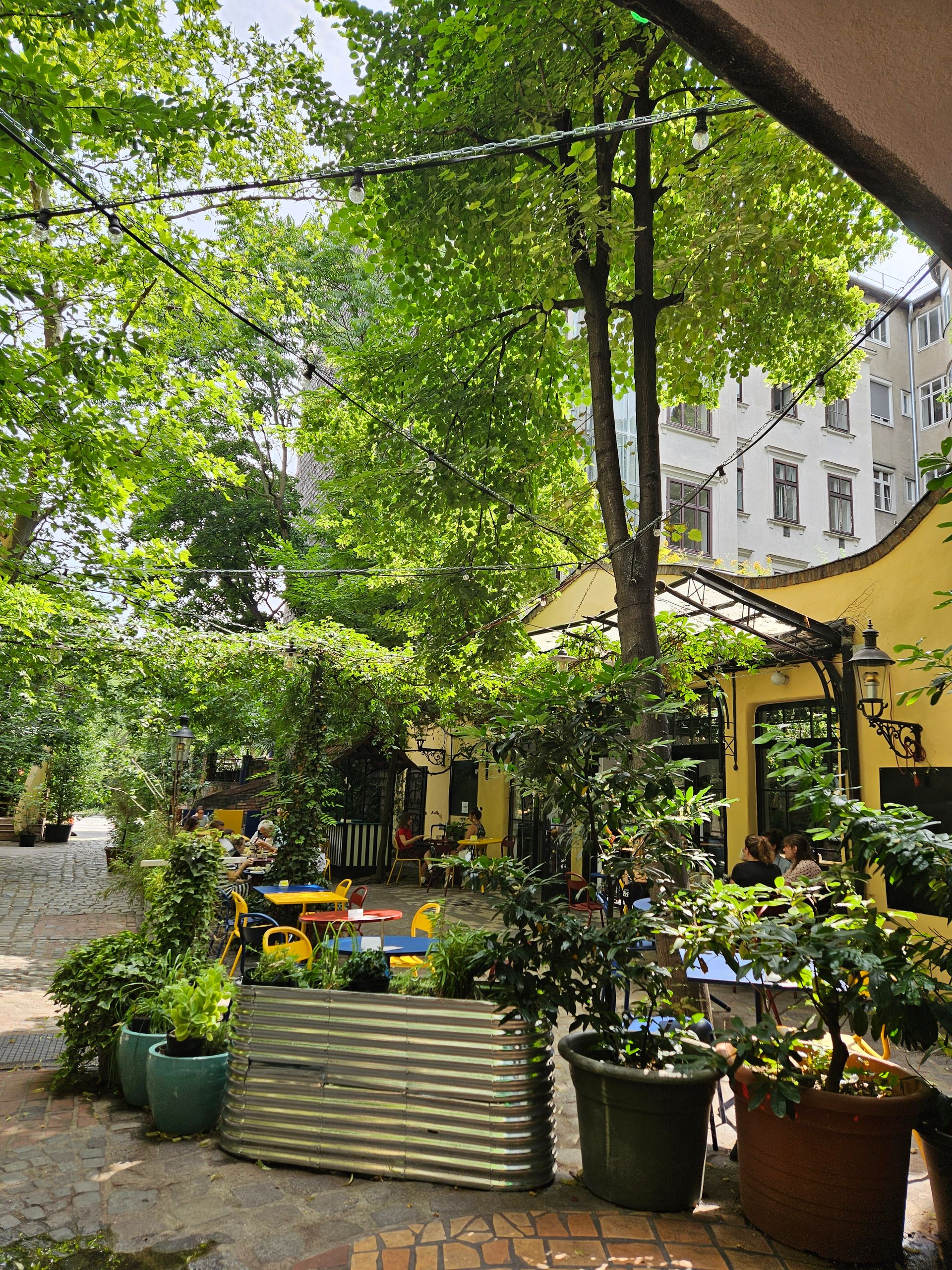
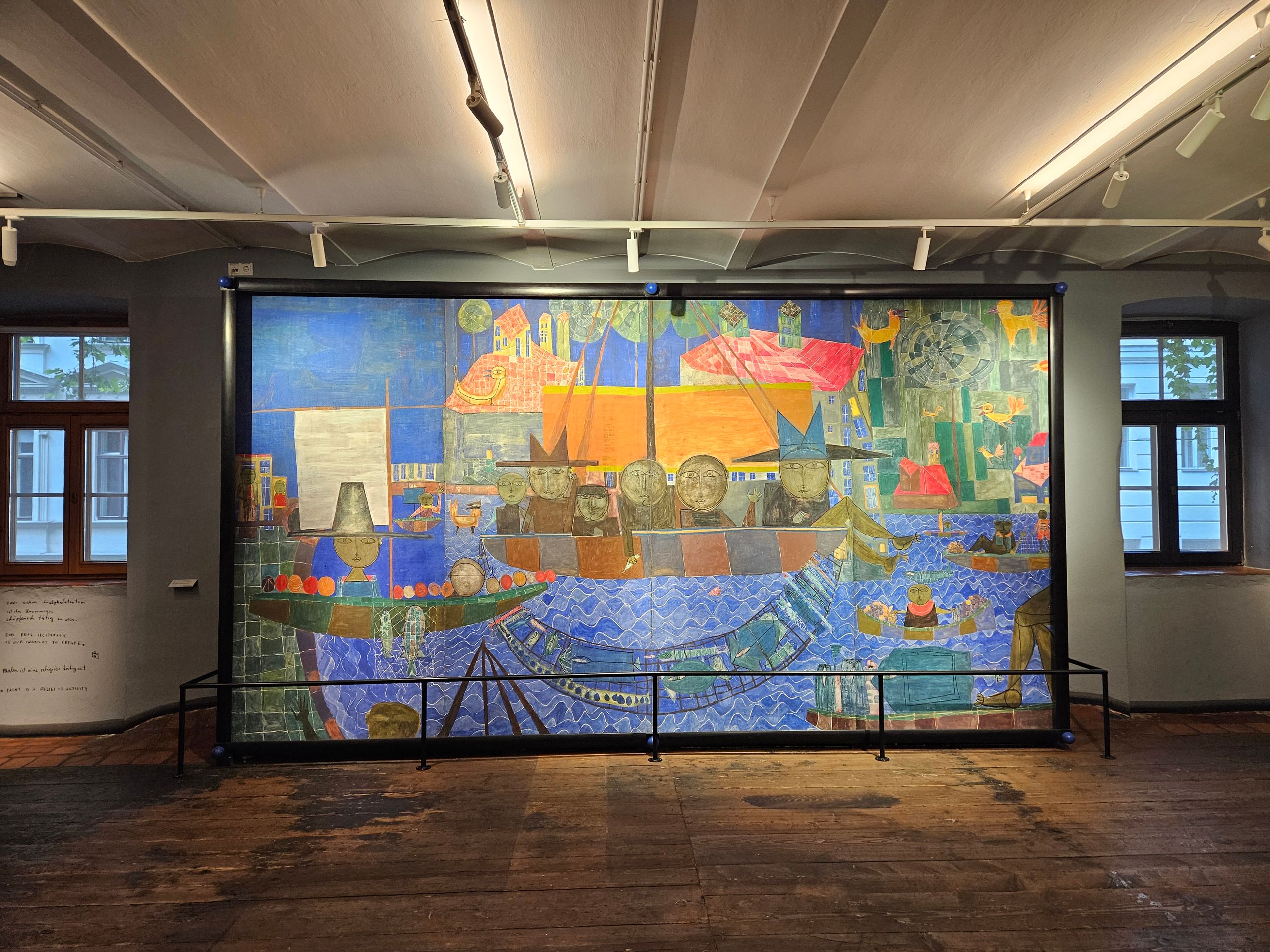
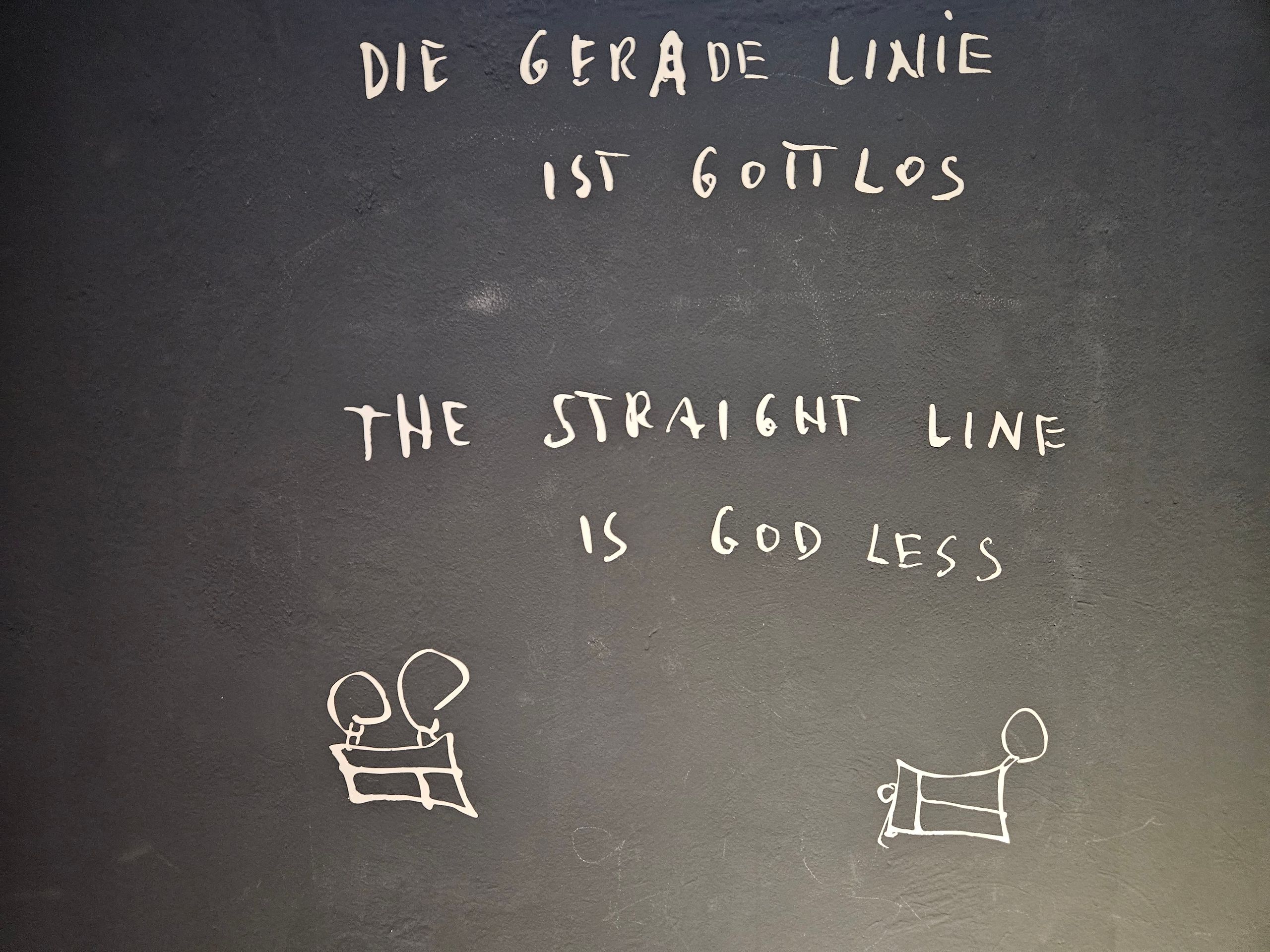
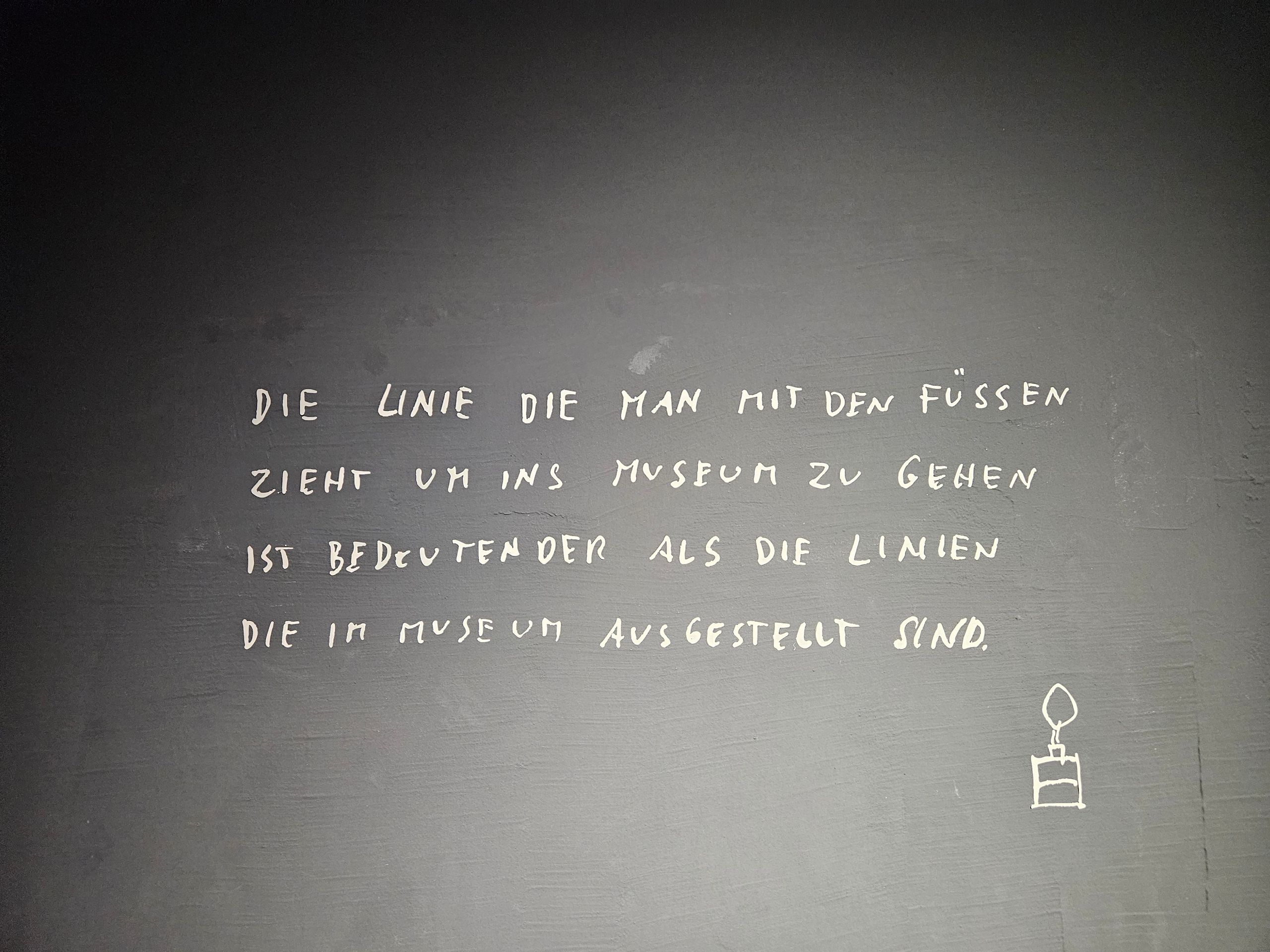
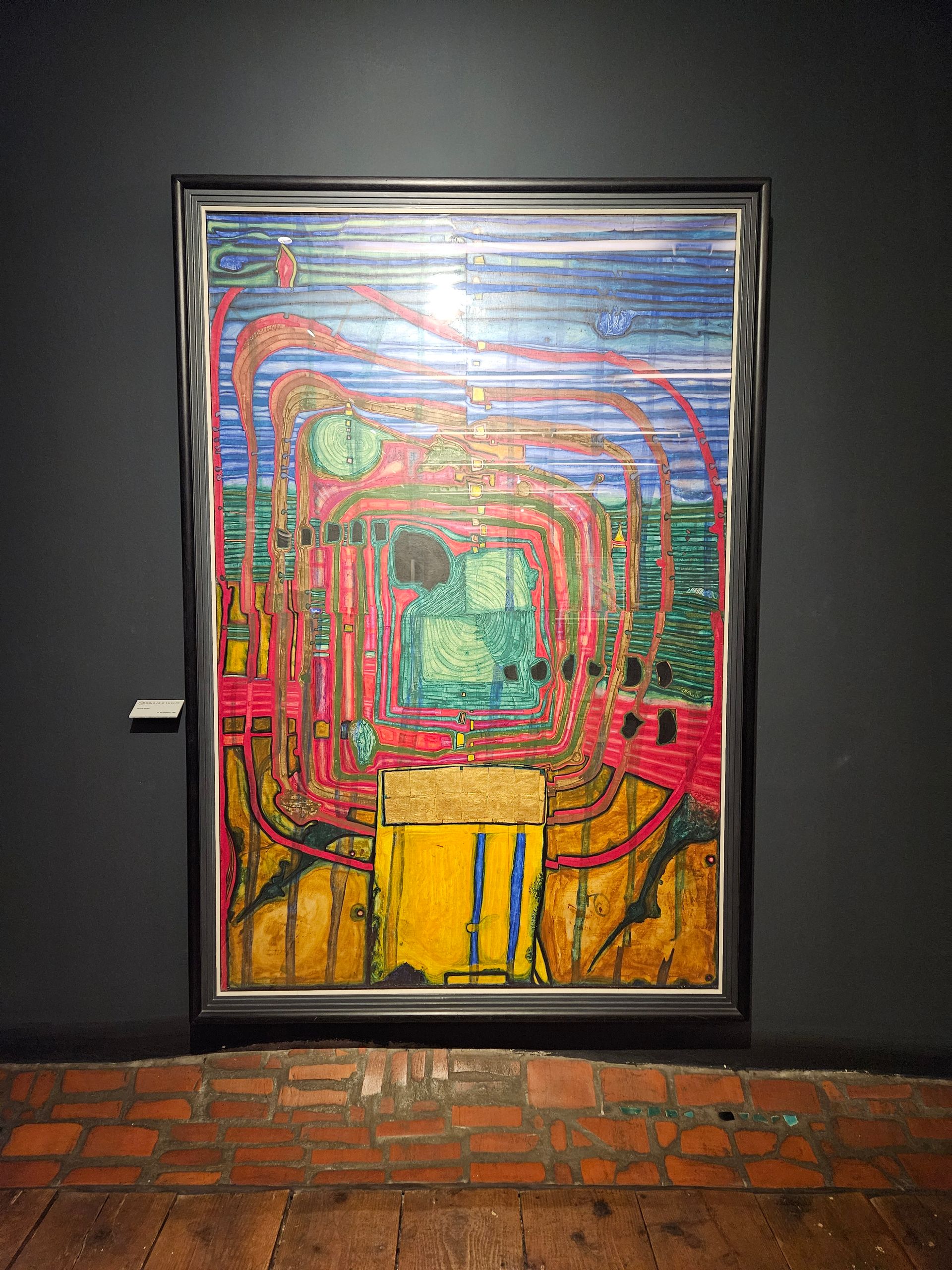
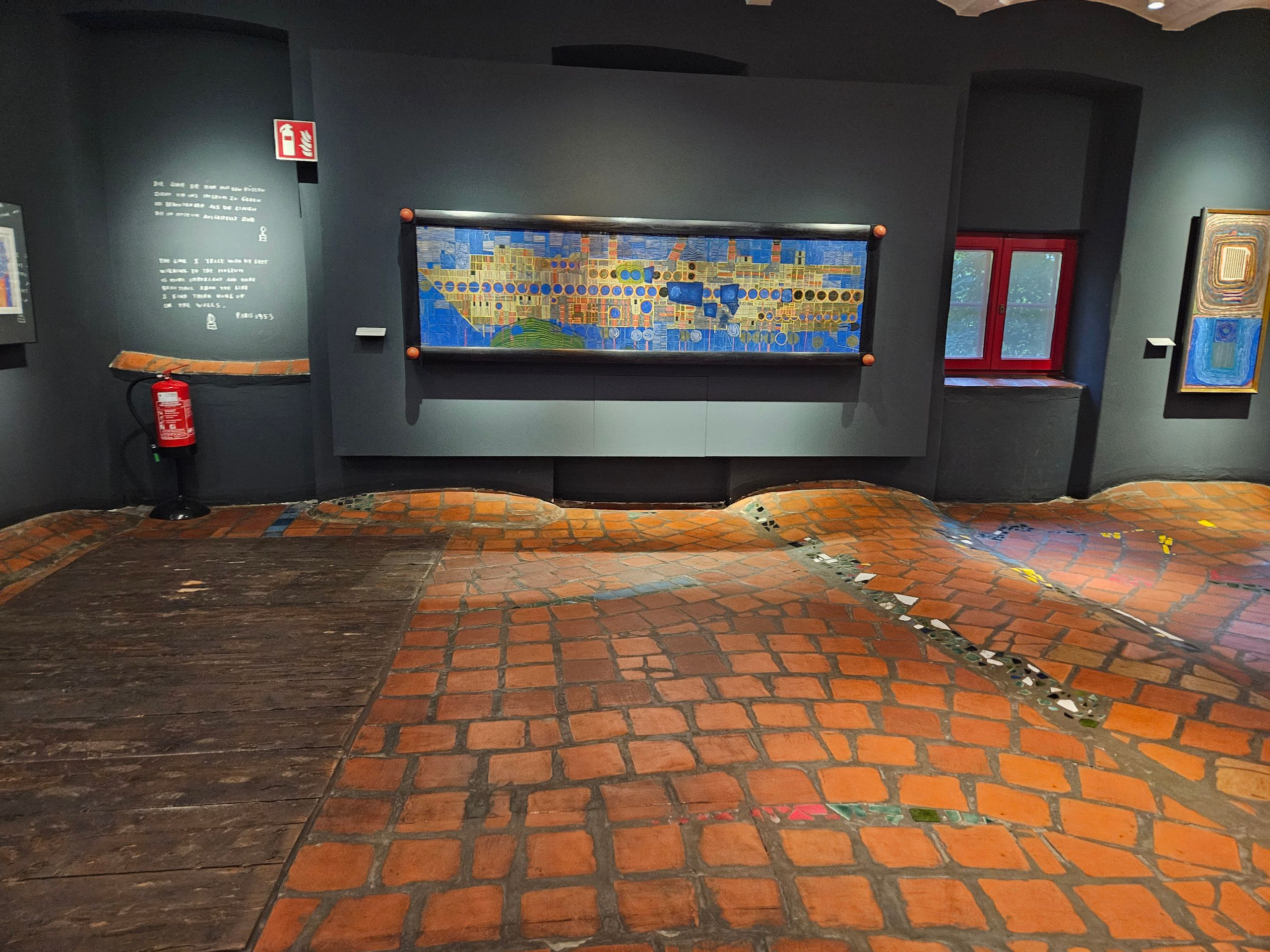
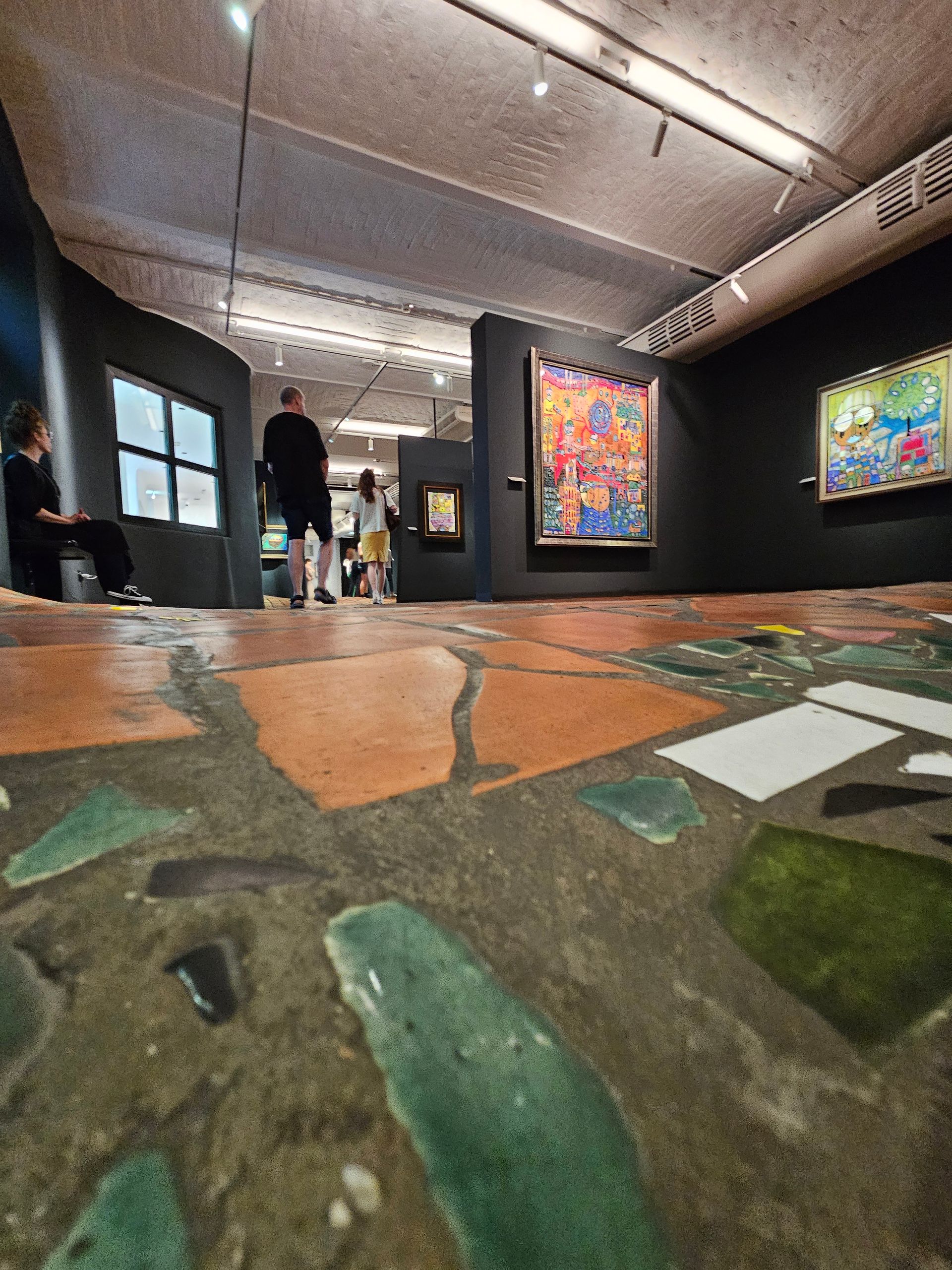
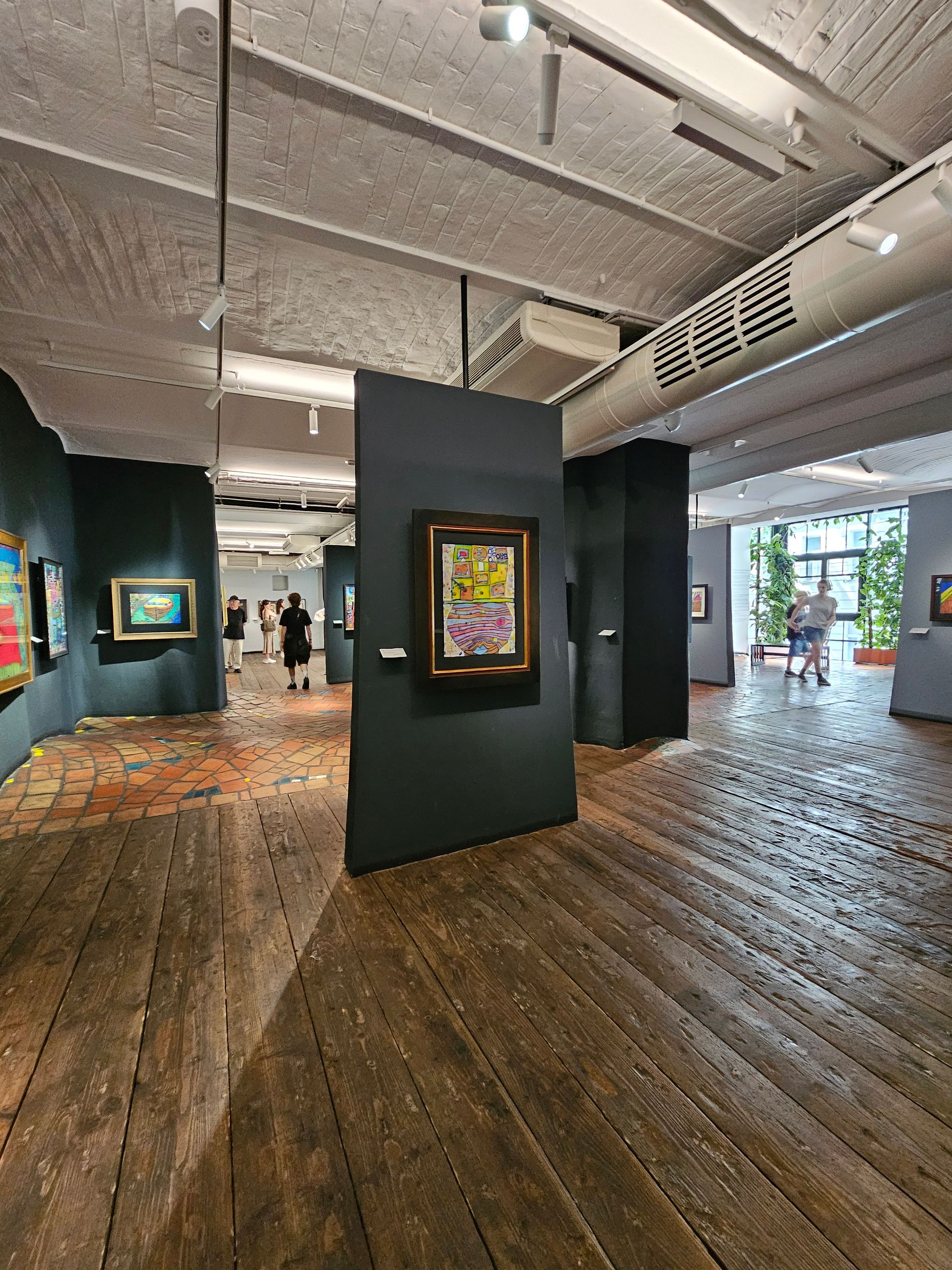
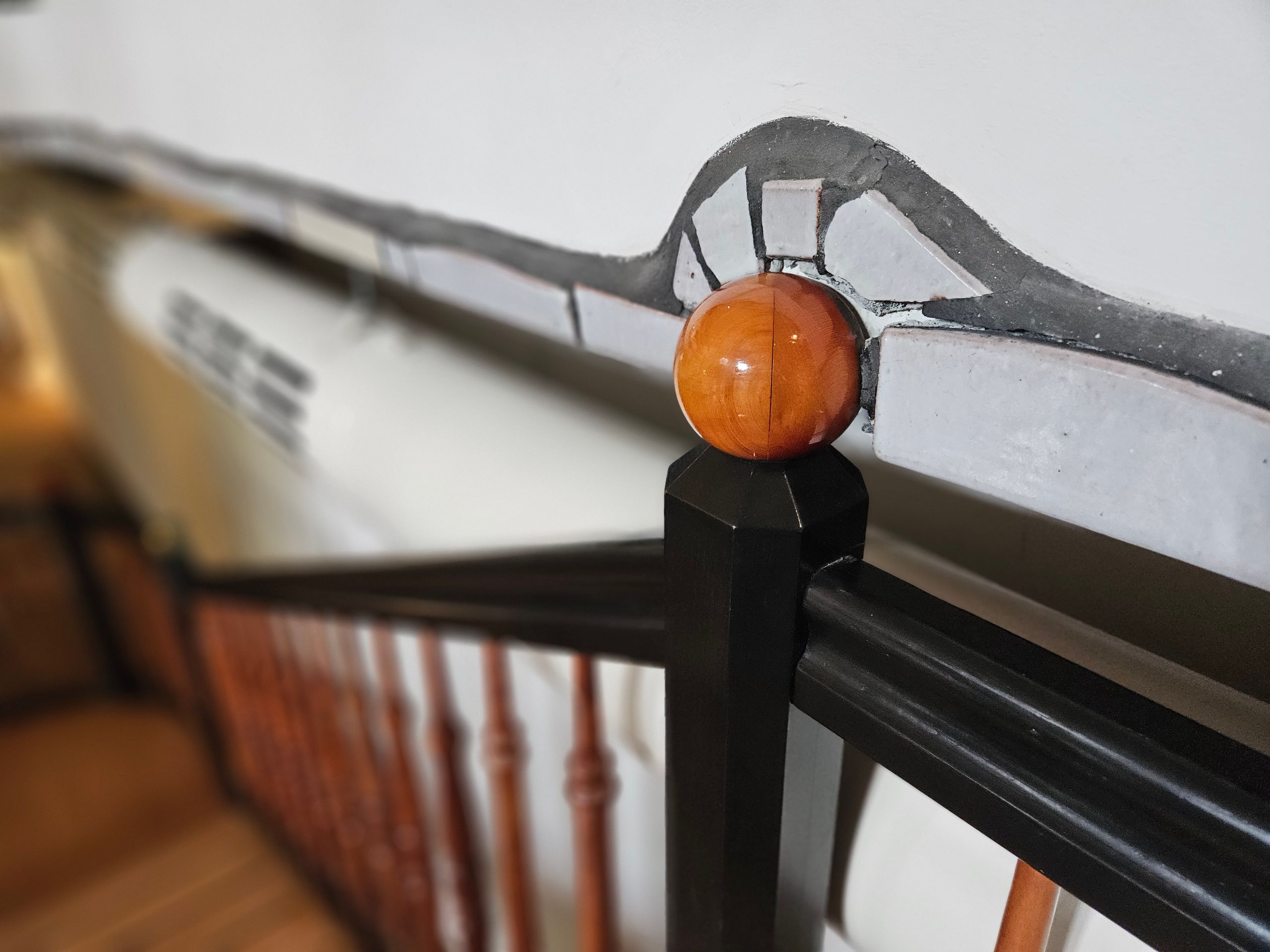
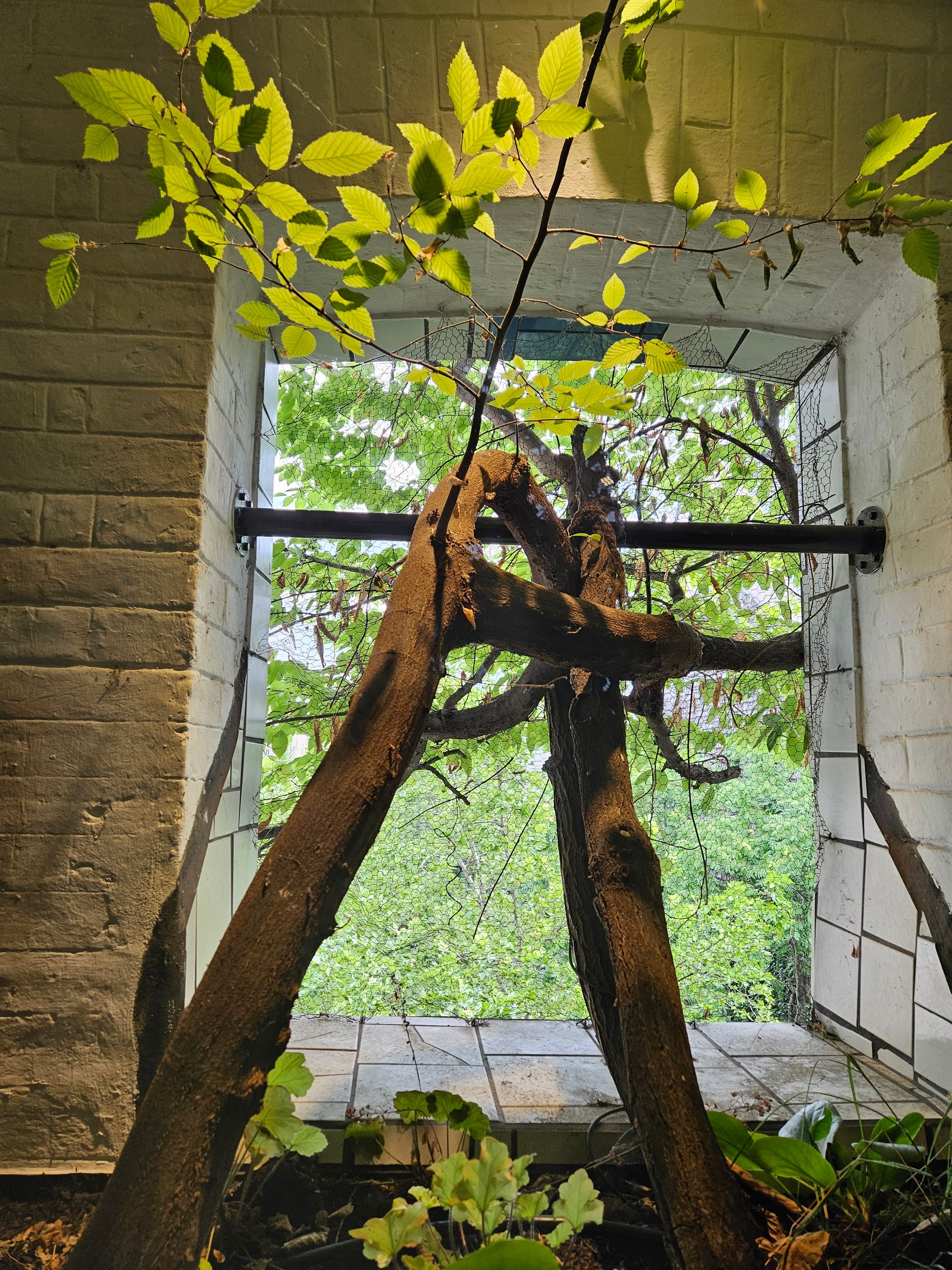
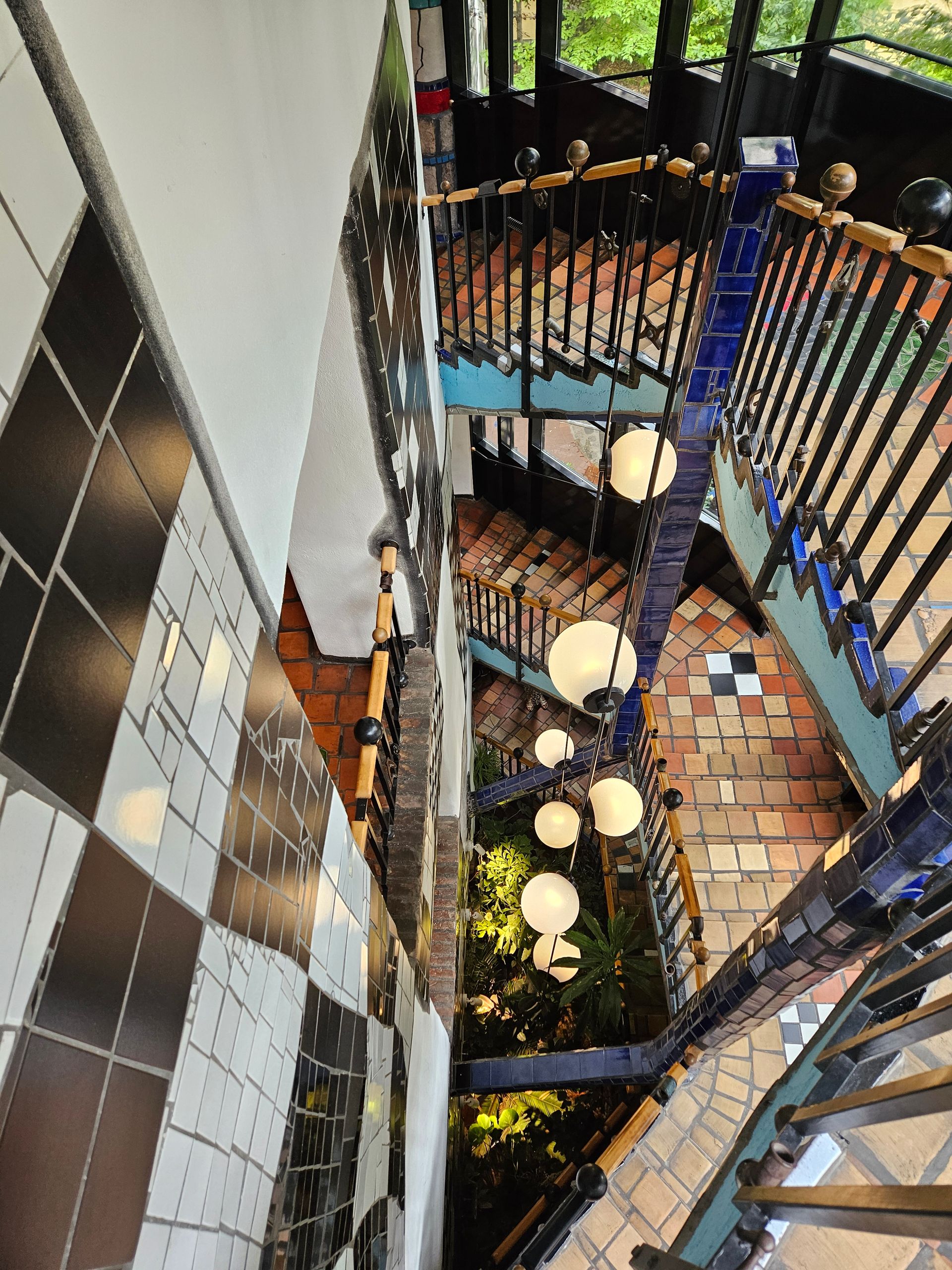
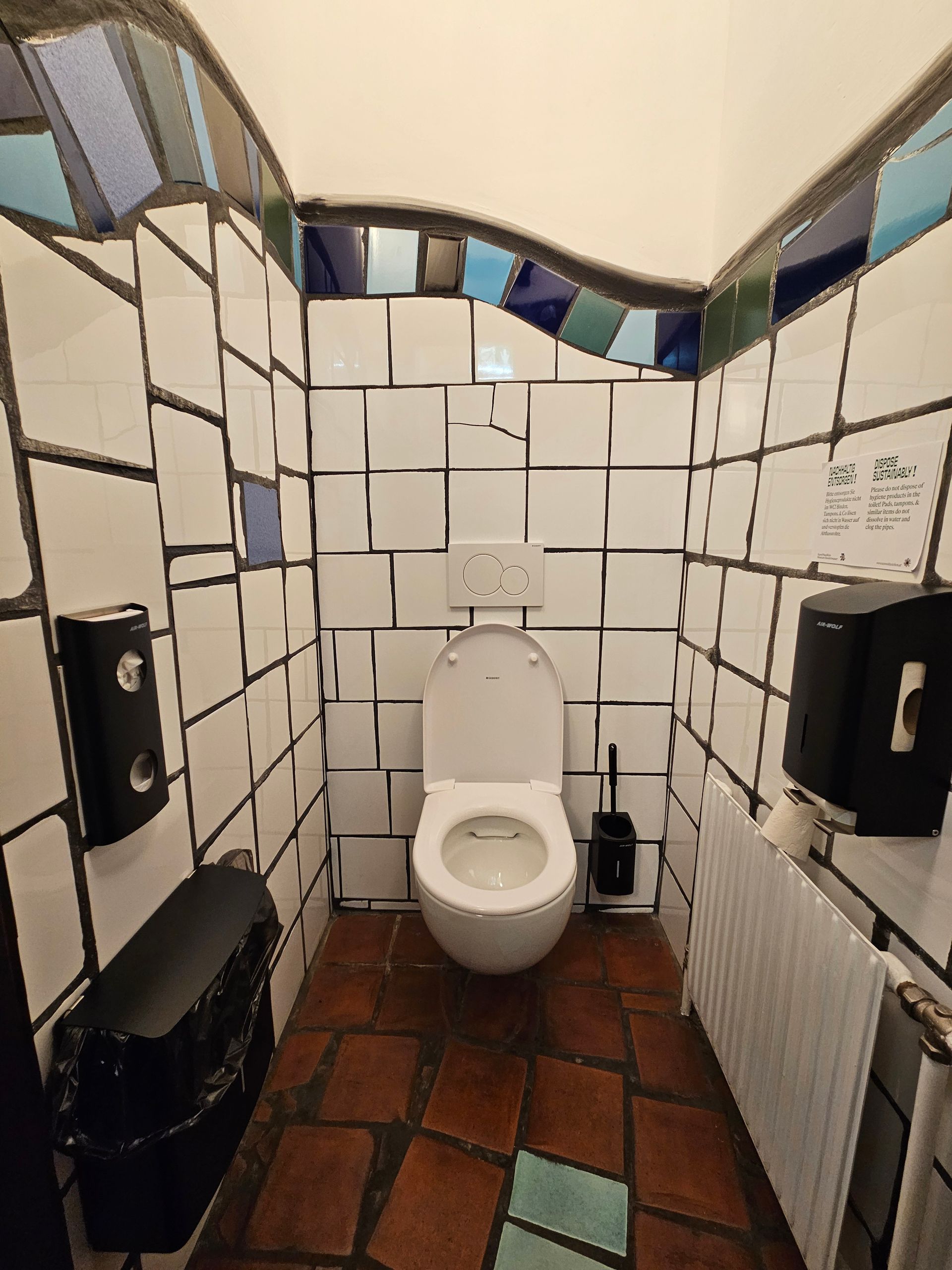
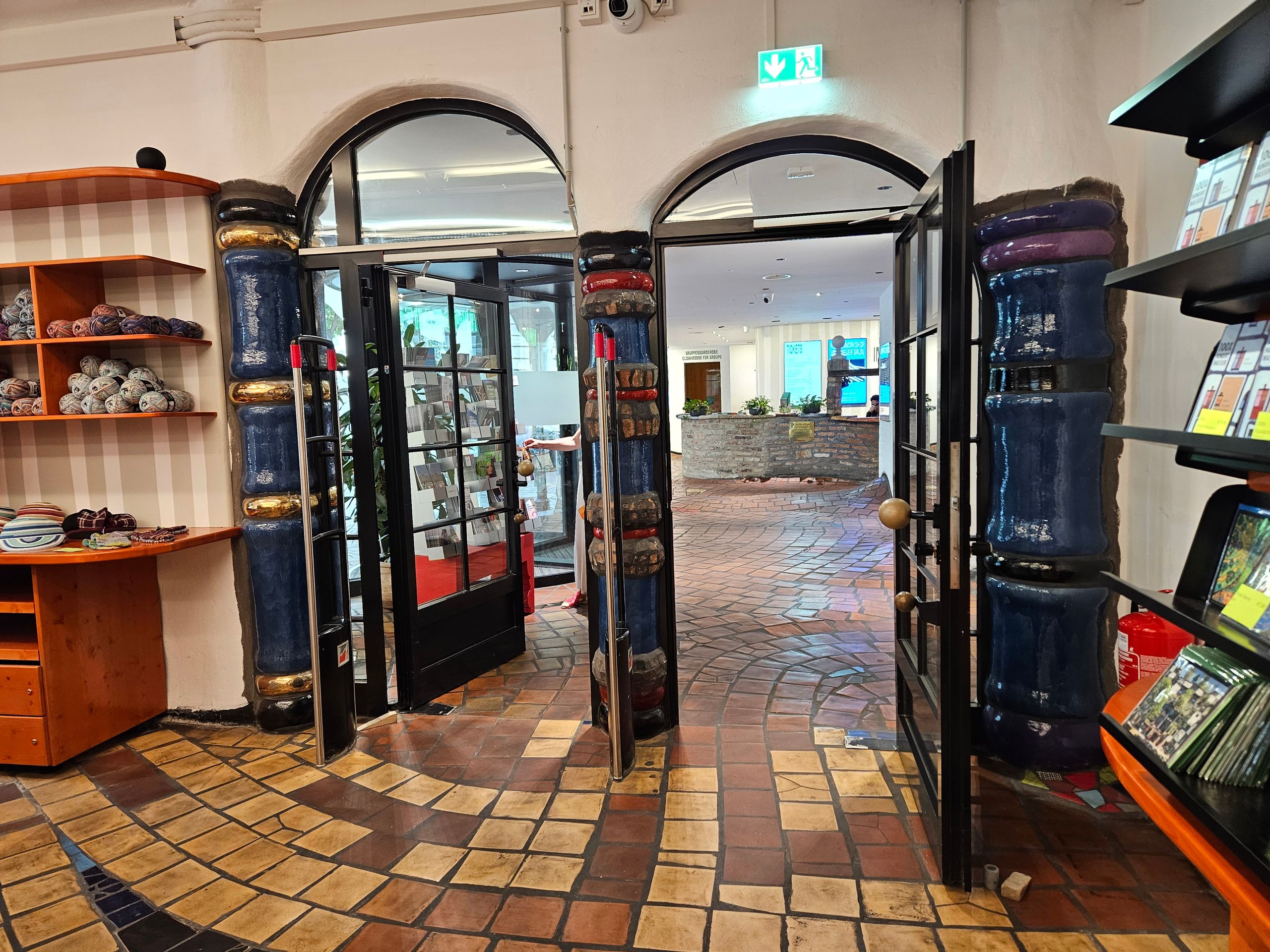
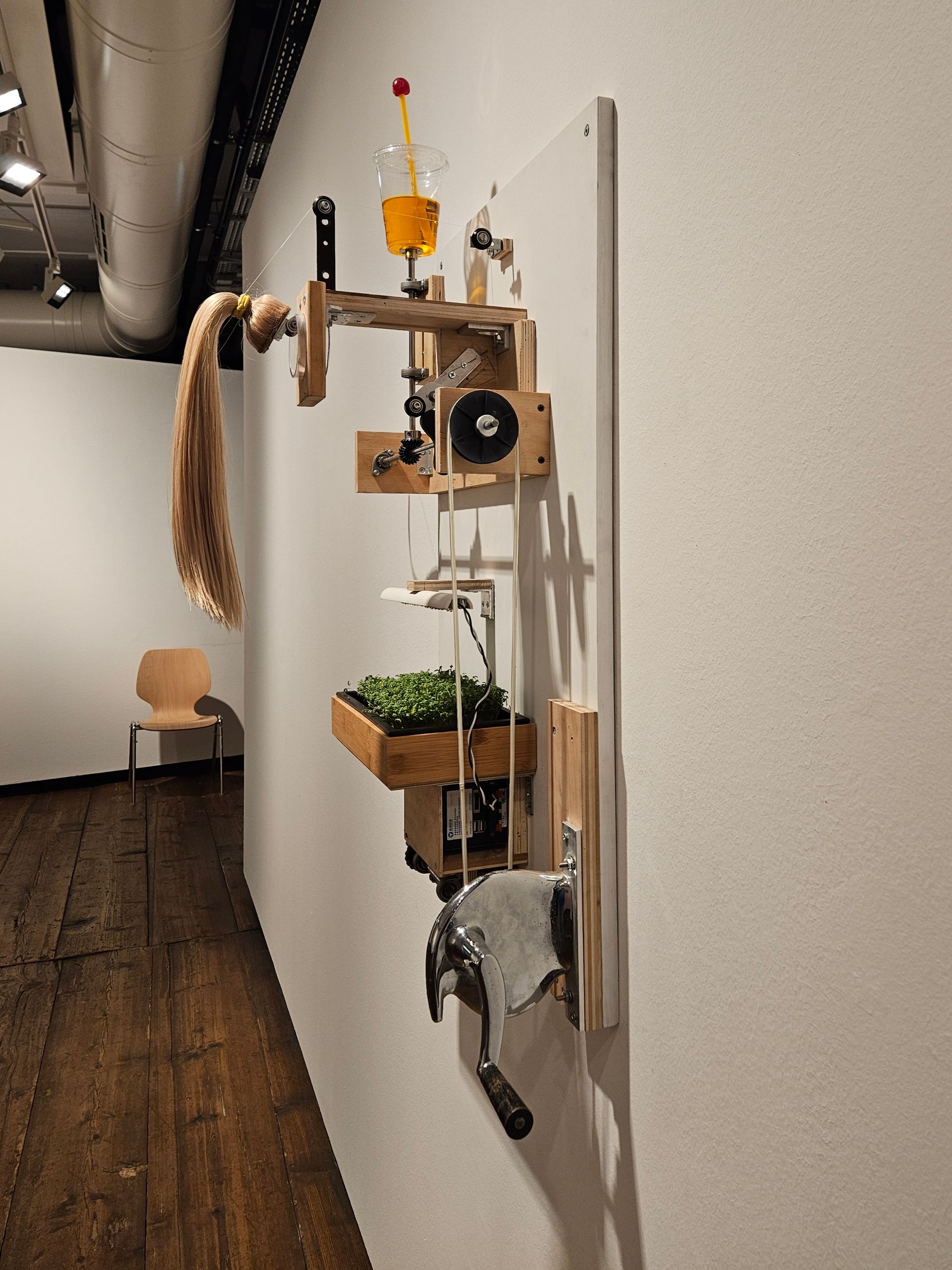
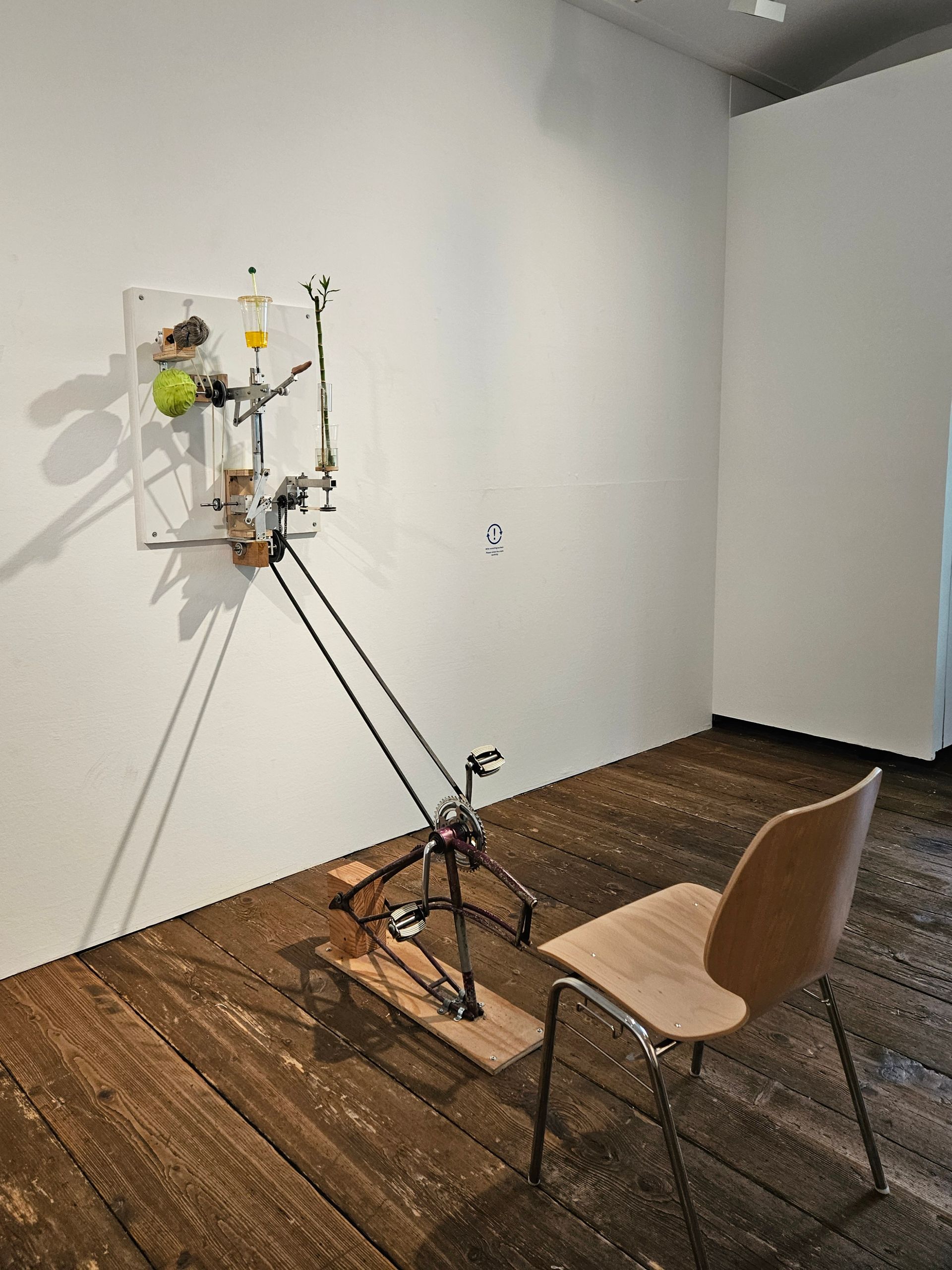
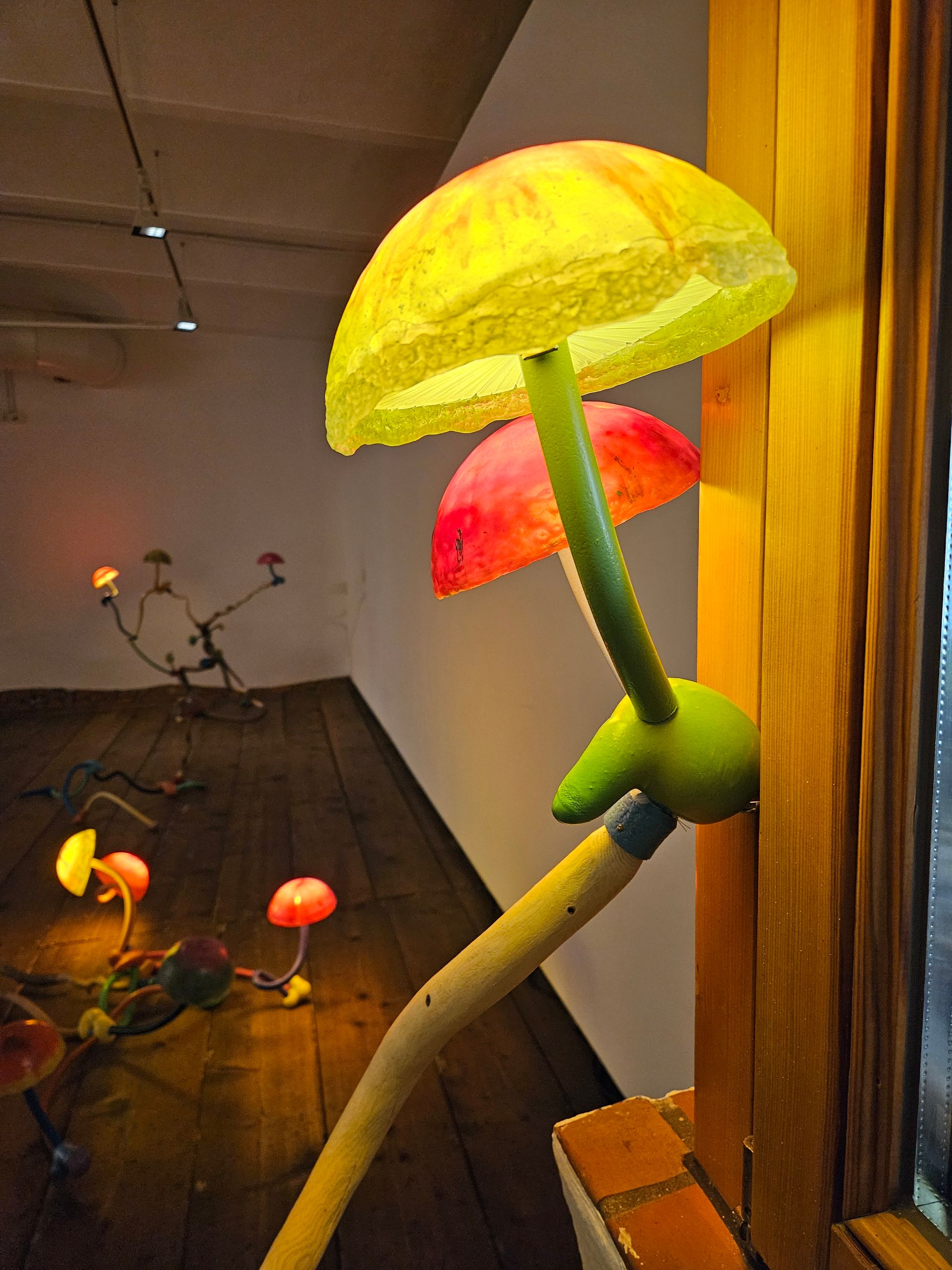
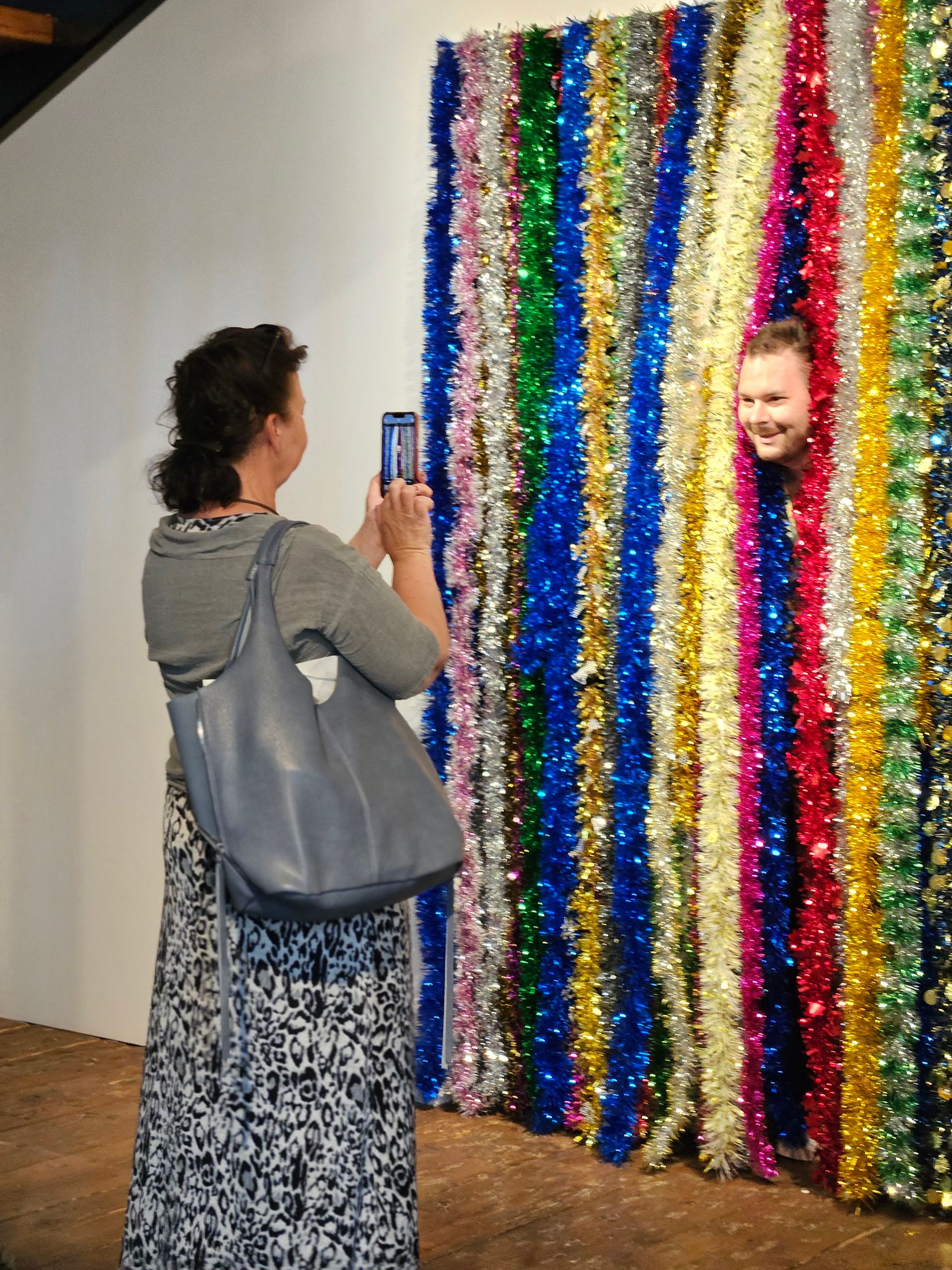
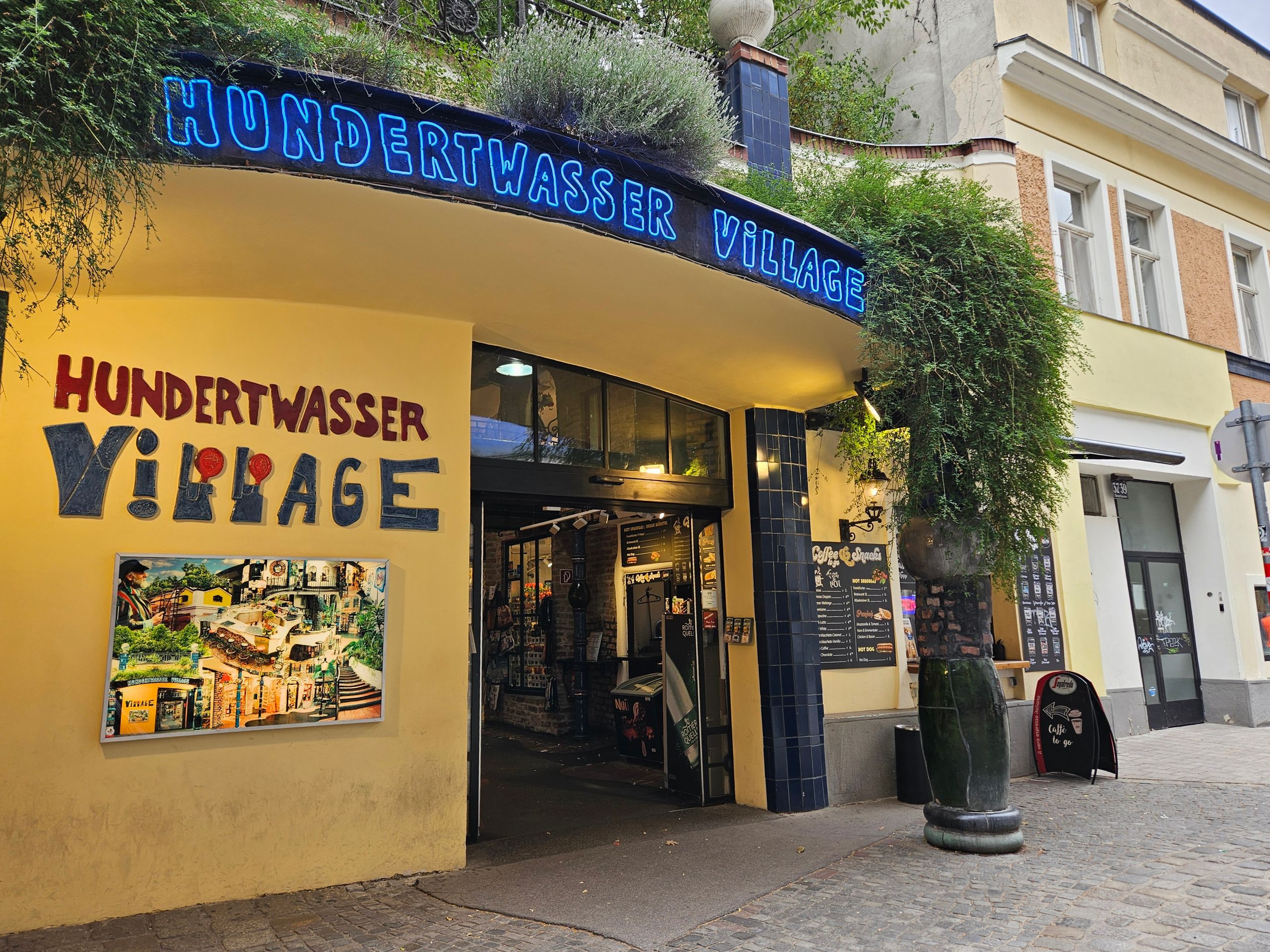
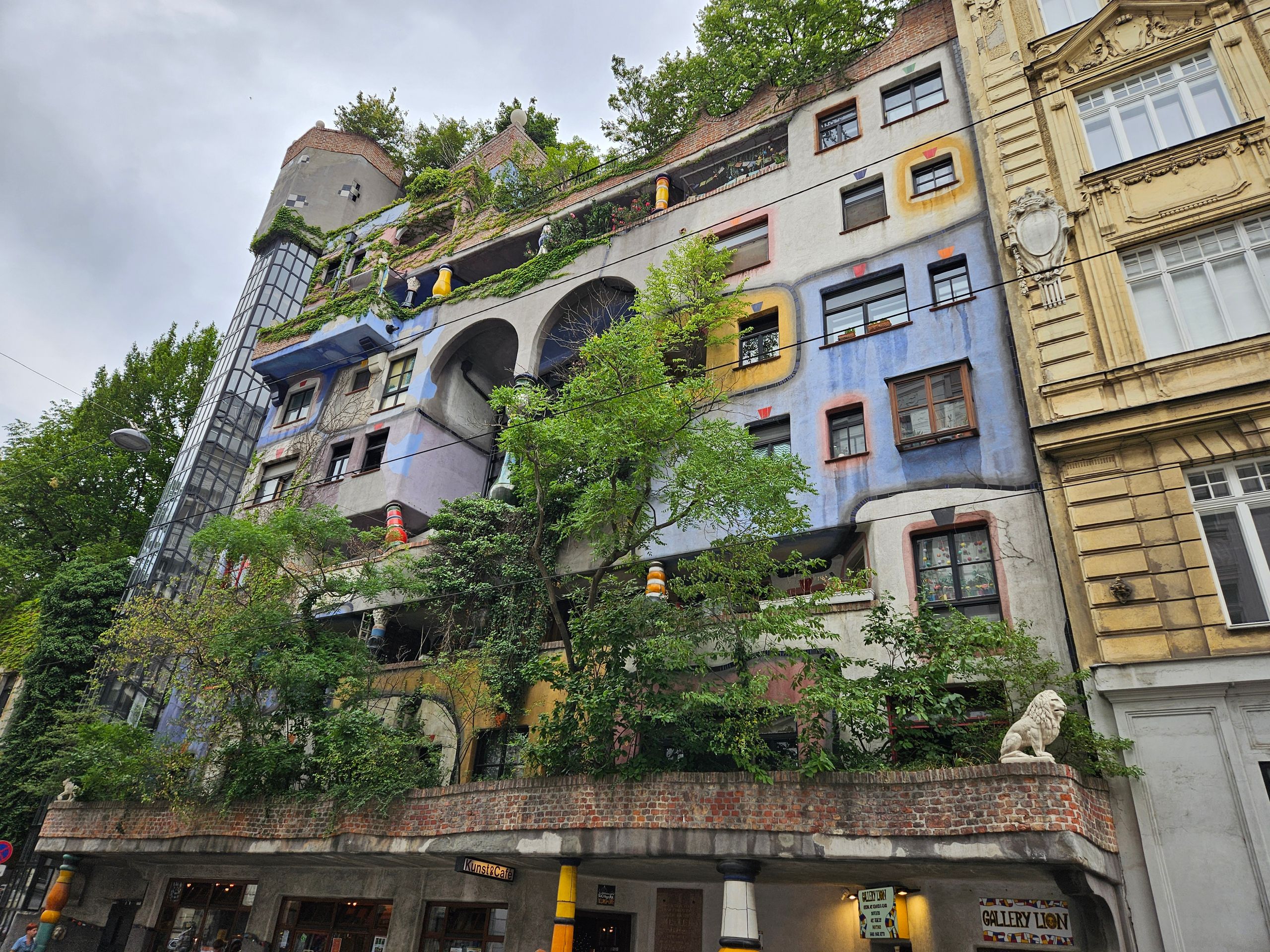
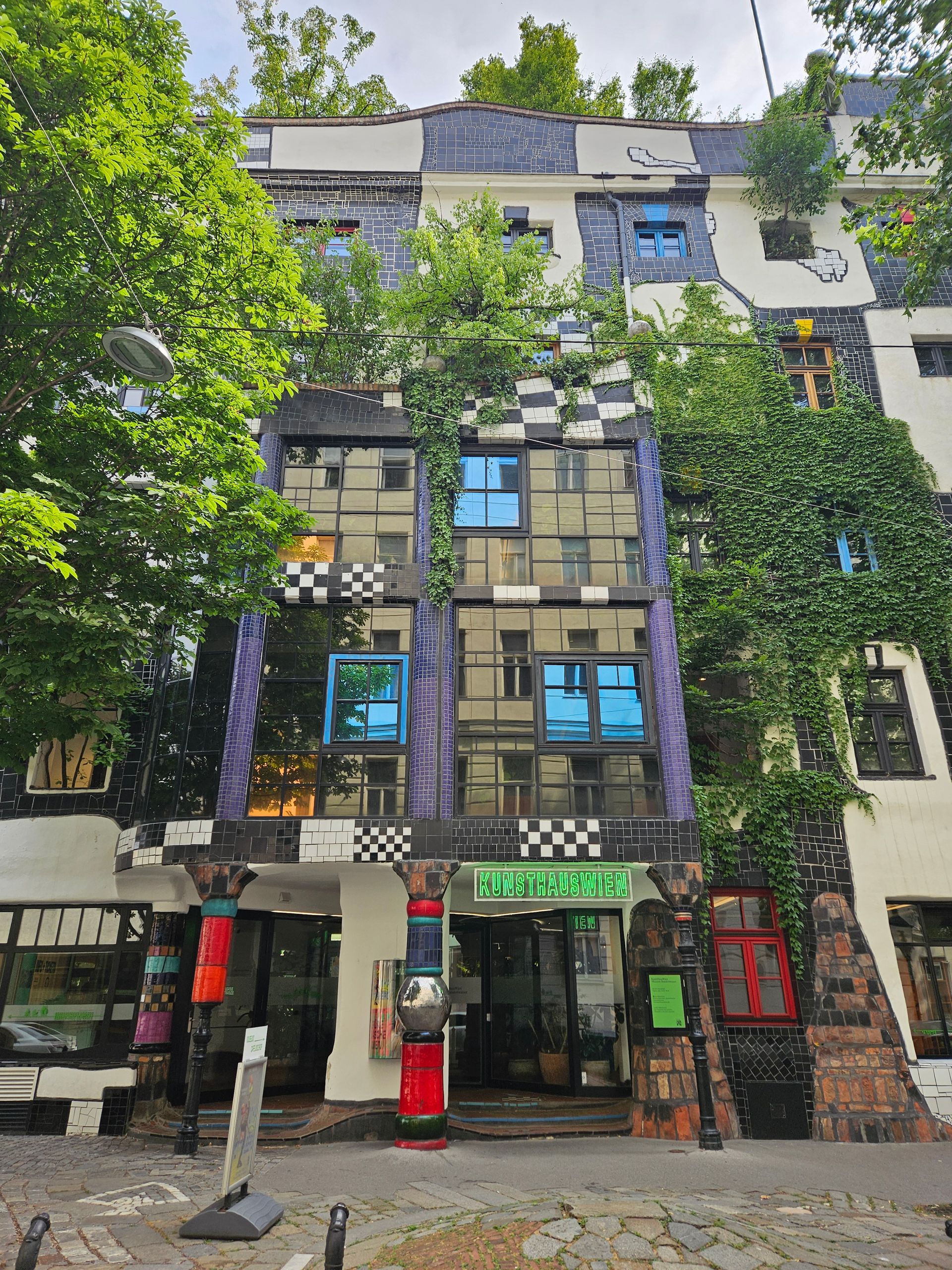
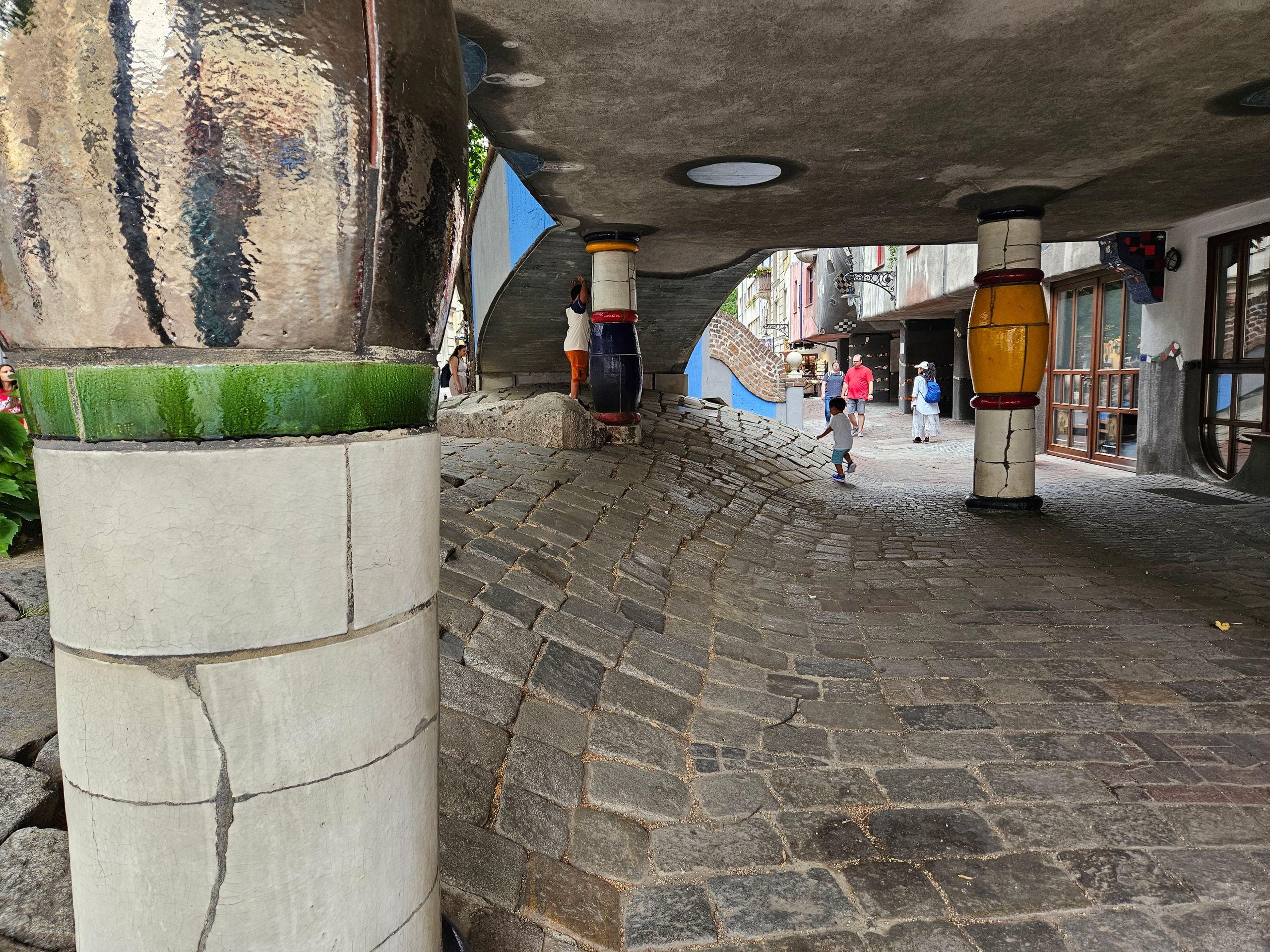
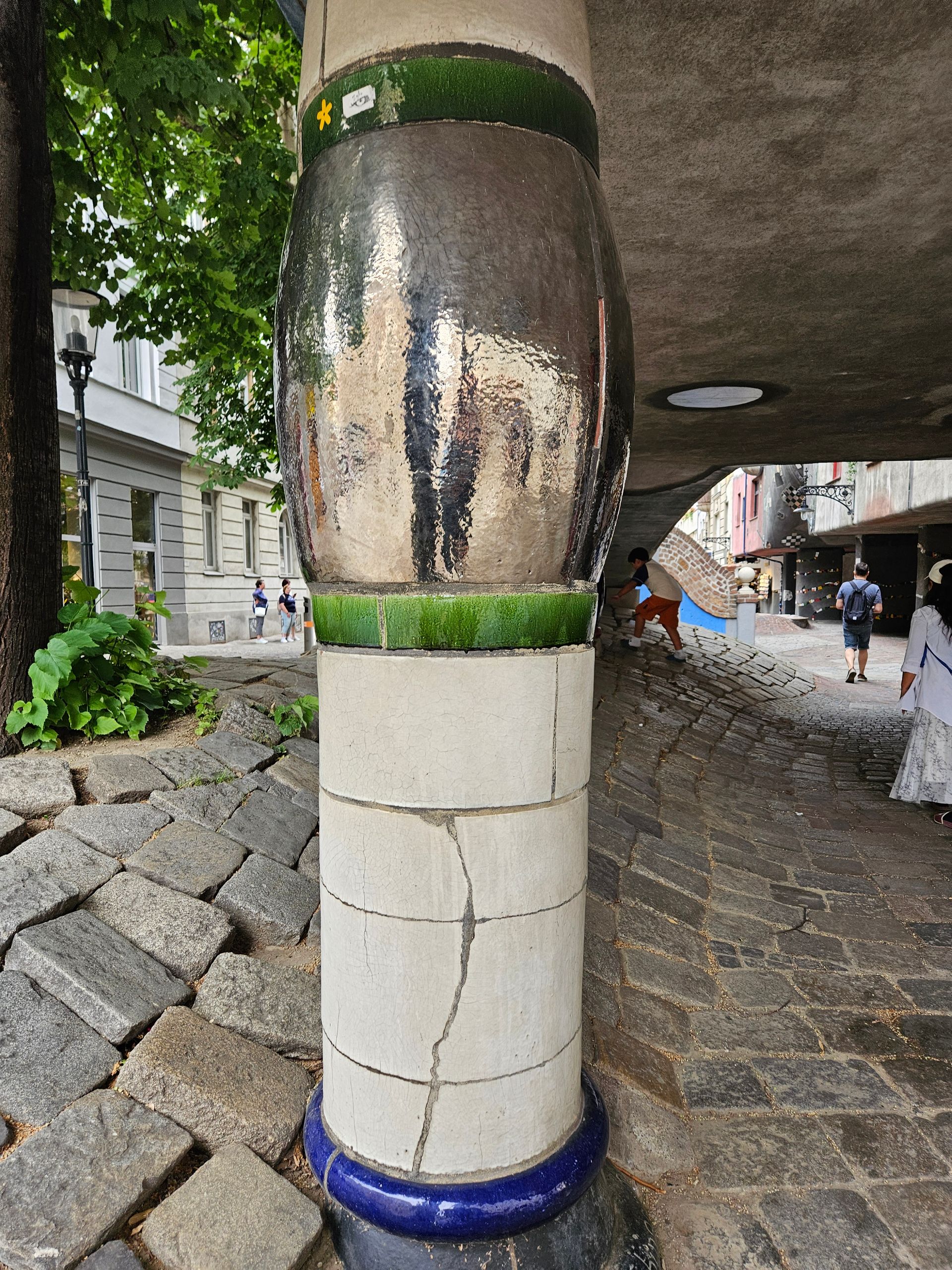
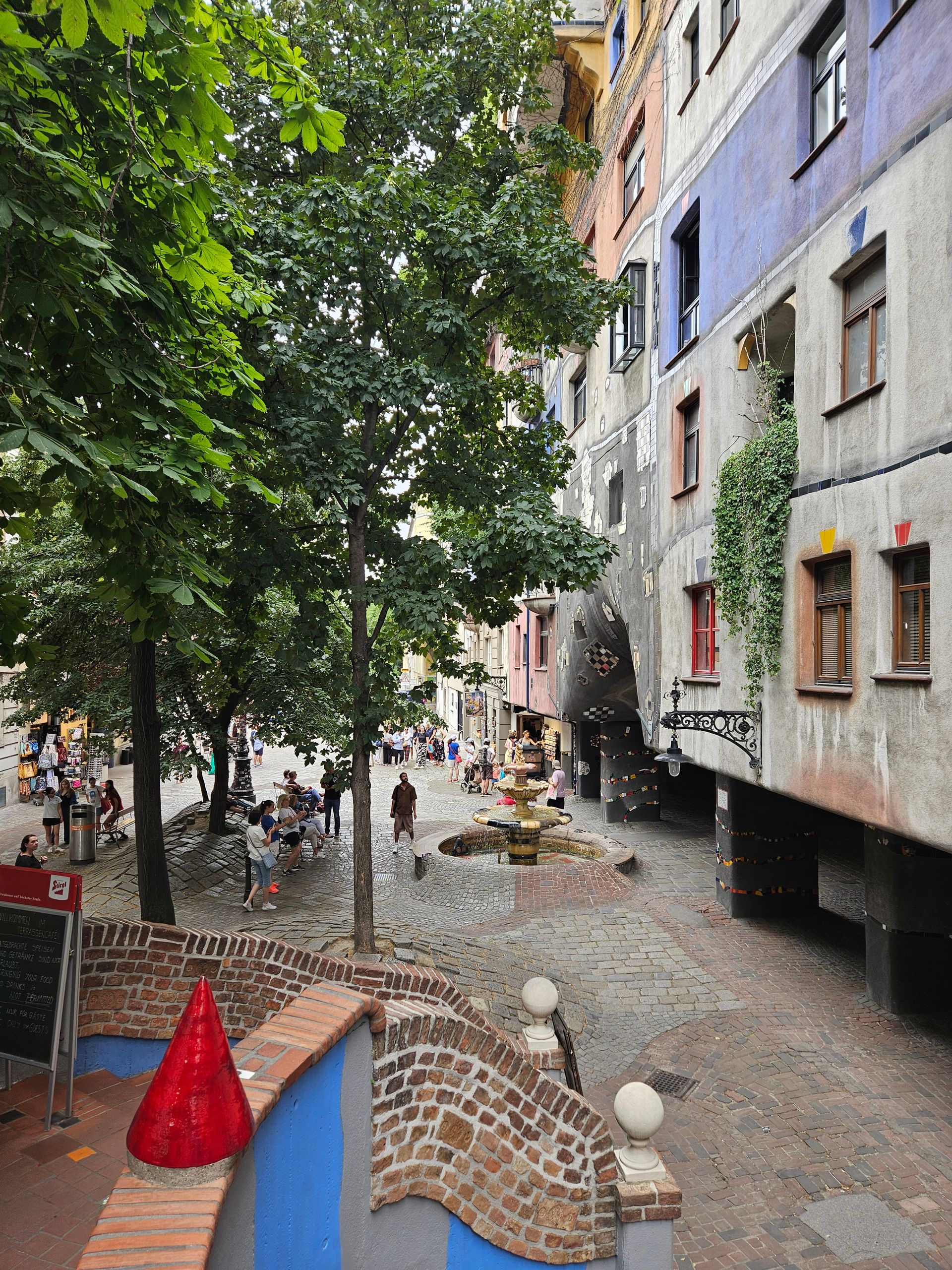
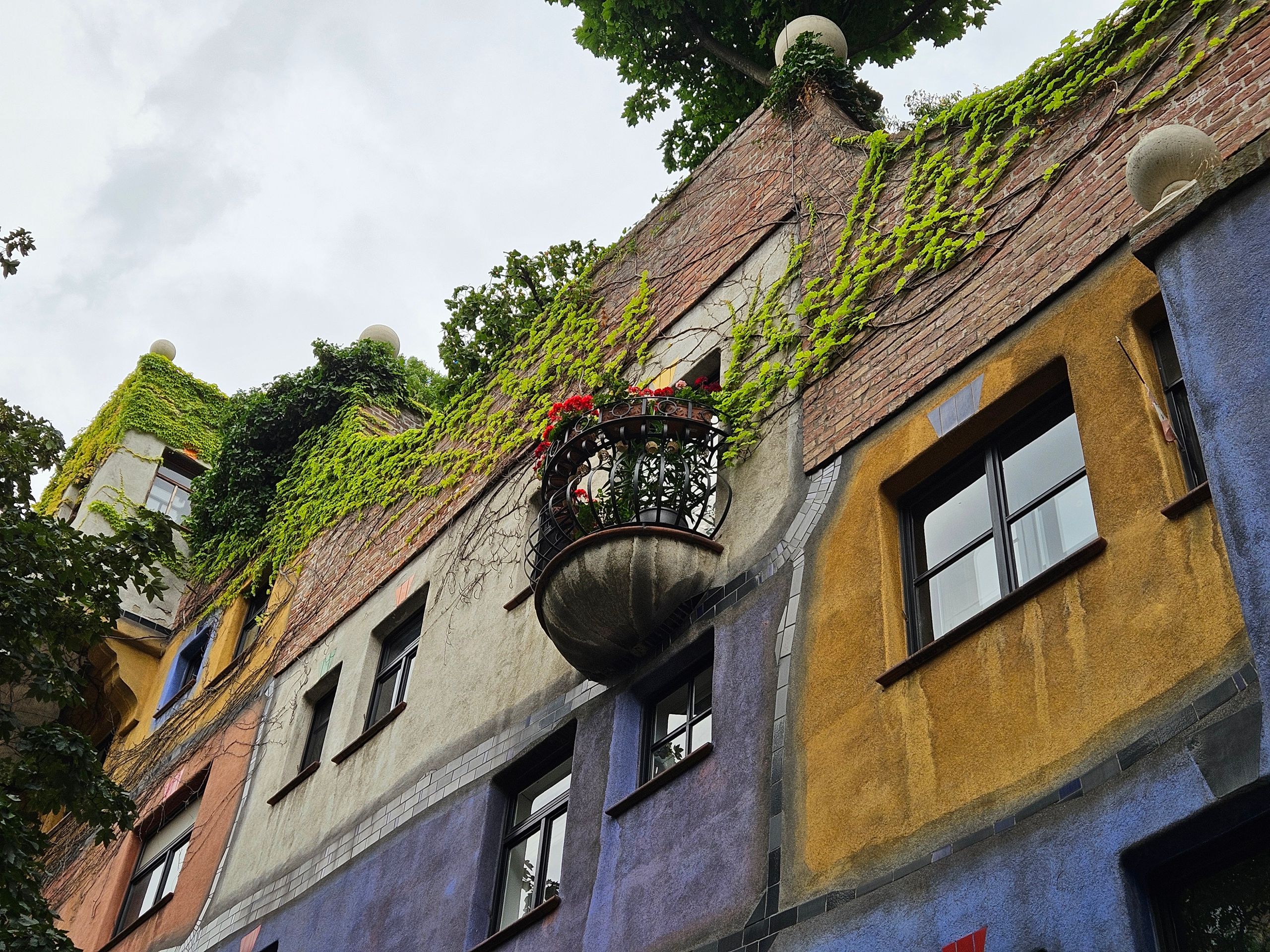
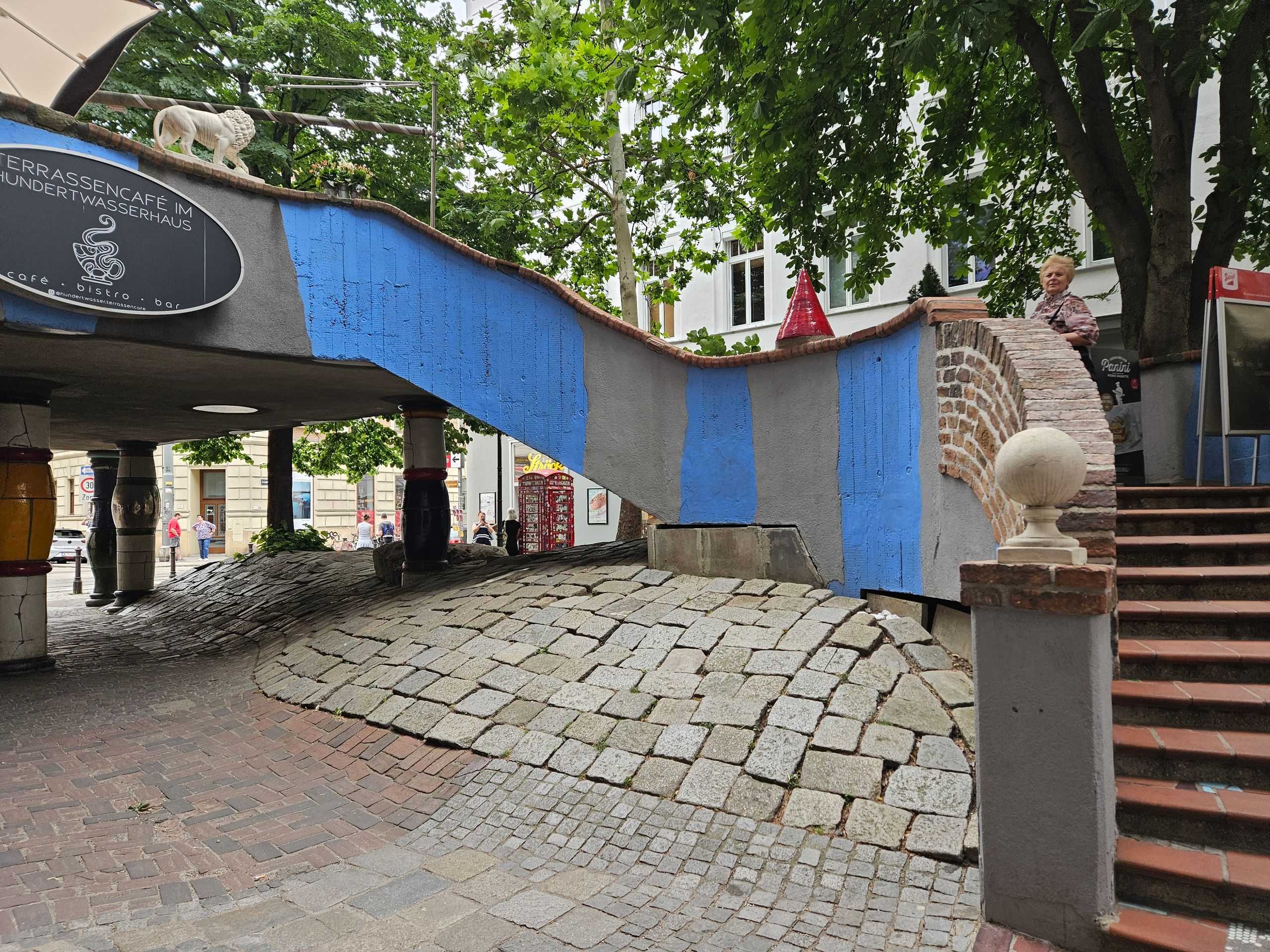
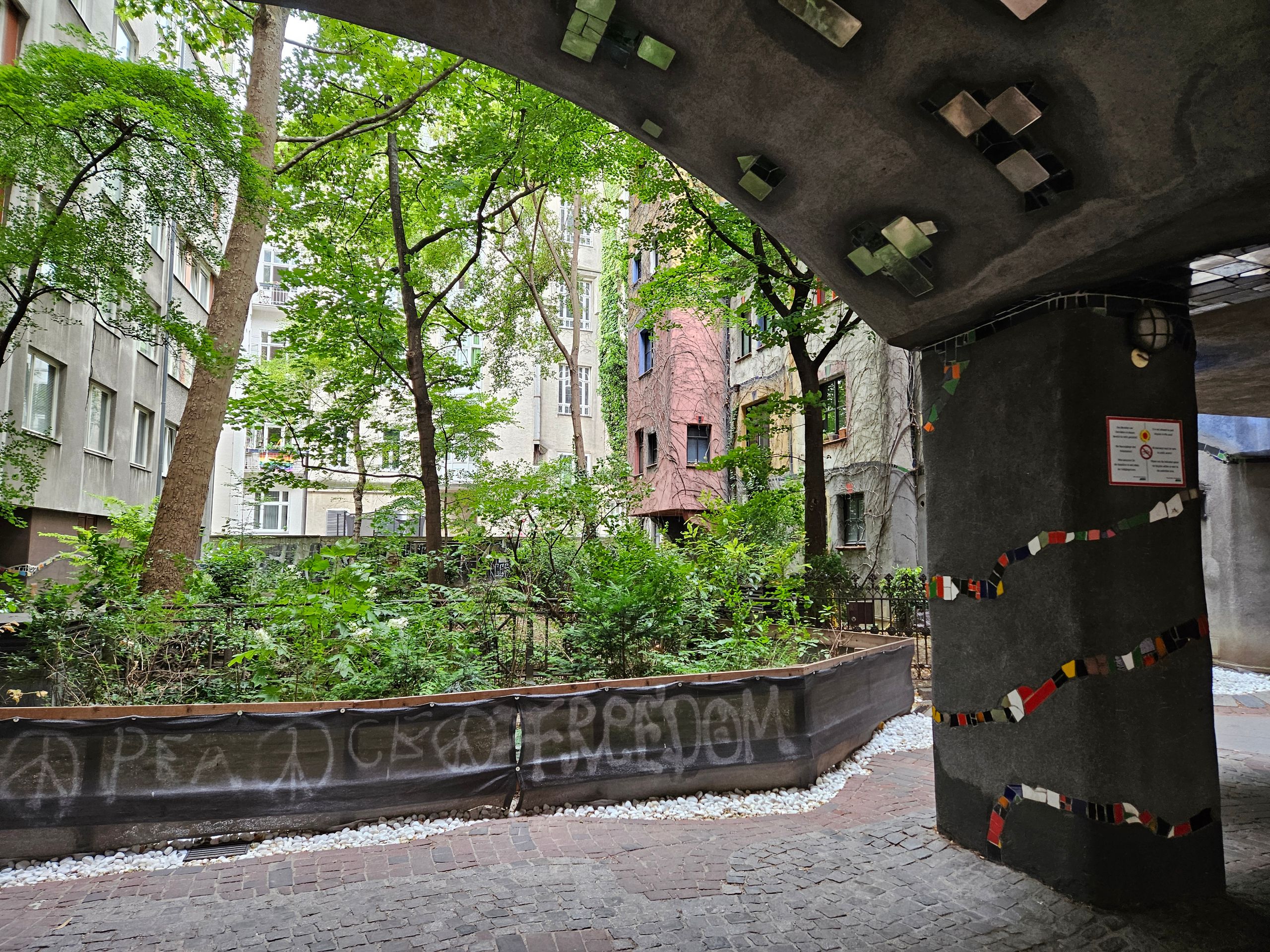
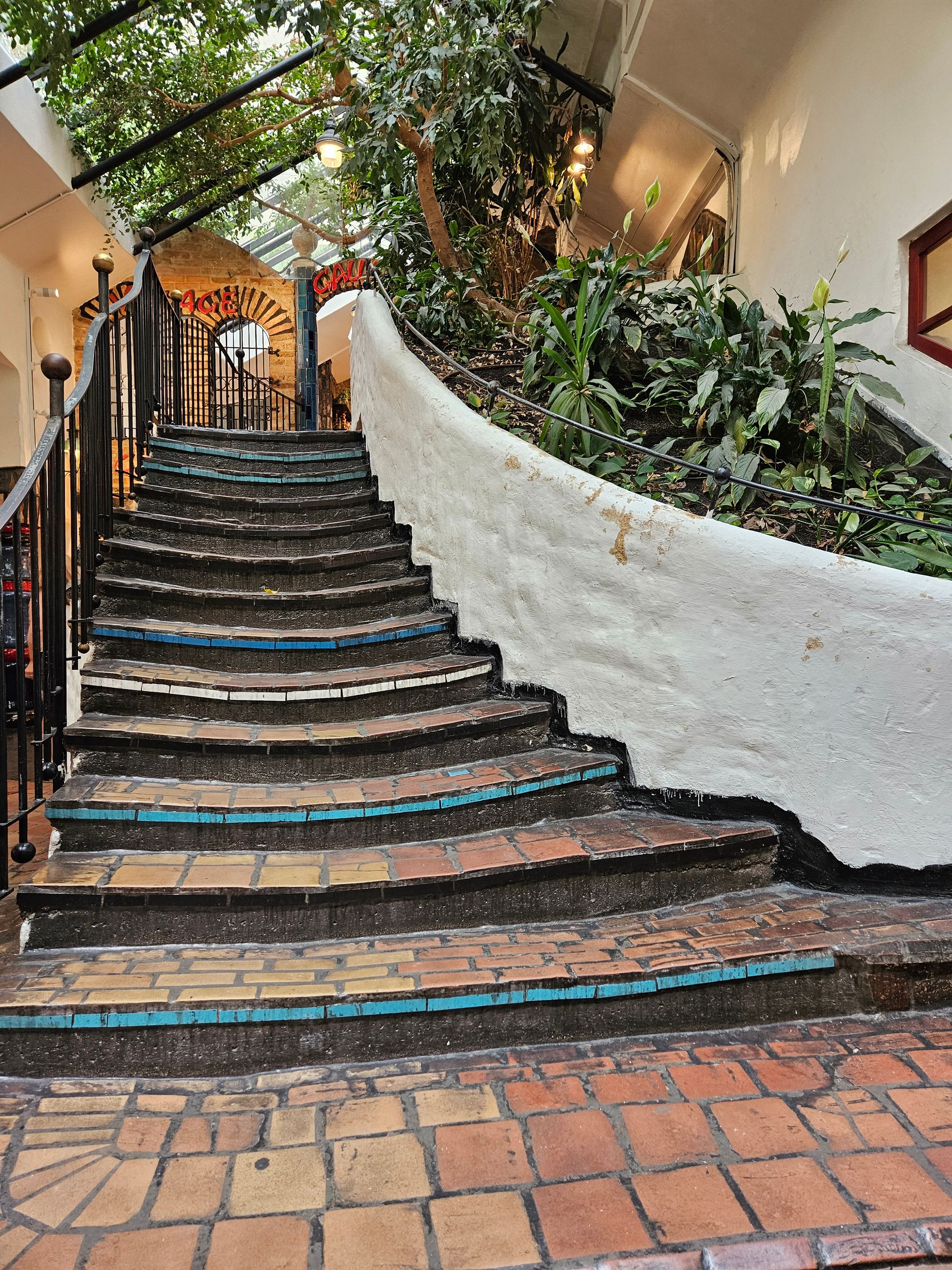
“The Melody for the Feet” – that is what immediately comes to my mind when I think about my visit to the Kunst Haus Wien, also known as the Hundertwasser Museum. This melody is the uneven, wavy floor, which can truly be disorienting while walking. I felt a bit unsure on my feet. Yet that was exactly the intention: Hundertwasser loved irregularity, the liveliness that opposed rigid, functional architecture. Straight lines were even deemed “godless” by him; they did not seem to fit with nature and human feelings.
Another association I often have with Hundertwasser's architecture is Gaudí. And not without reason: Hundertwasser expressly admired Antoni Gaudí and actually referred to him as one of his thinkers. Both artists were heavily inspired by nature, utilizing vibrant colors, organic shapes, and advocating for ecological construction.
However, an important distinction is that Hundertwasser was not a trained architect, which is why he always had to collaborate with an architect on his building projects, such as Peter Pelikan, who translated many of his ideas into structurally feasible plans. Furthermore, Hundertwasser lived significantly later (1928–2000), thus in a completely different societal and technological era than Gaudí (1852–1926).
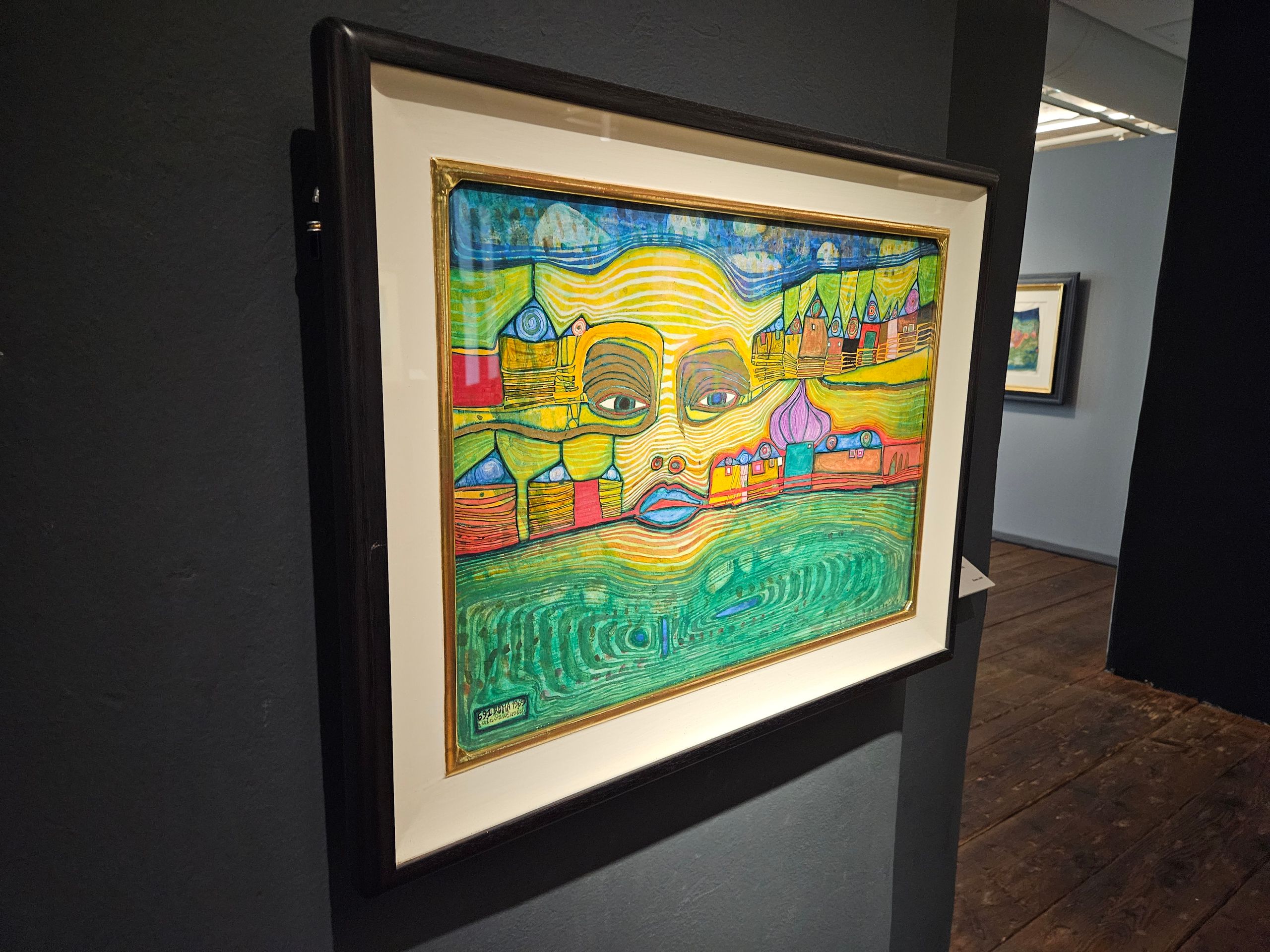
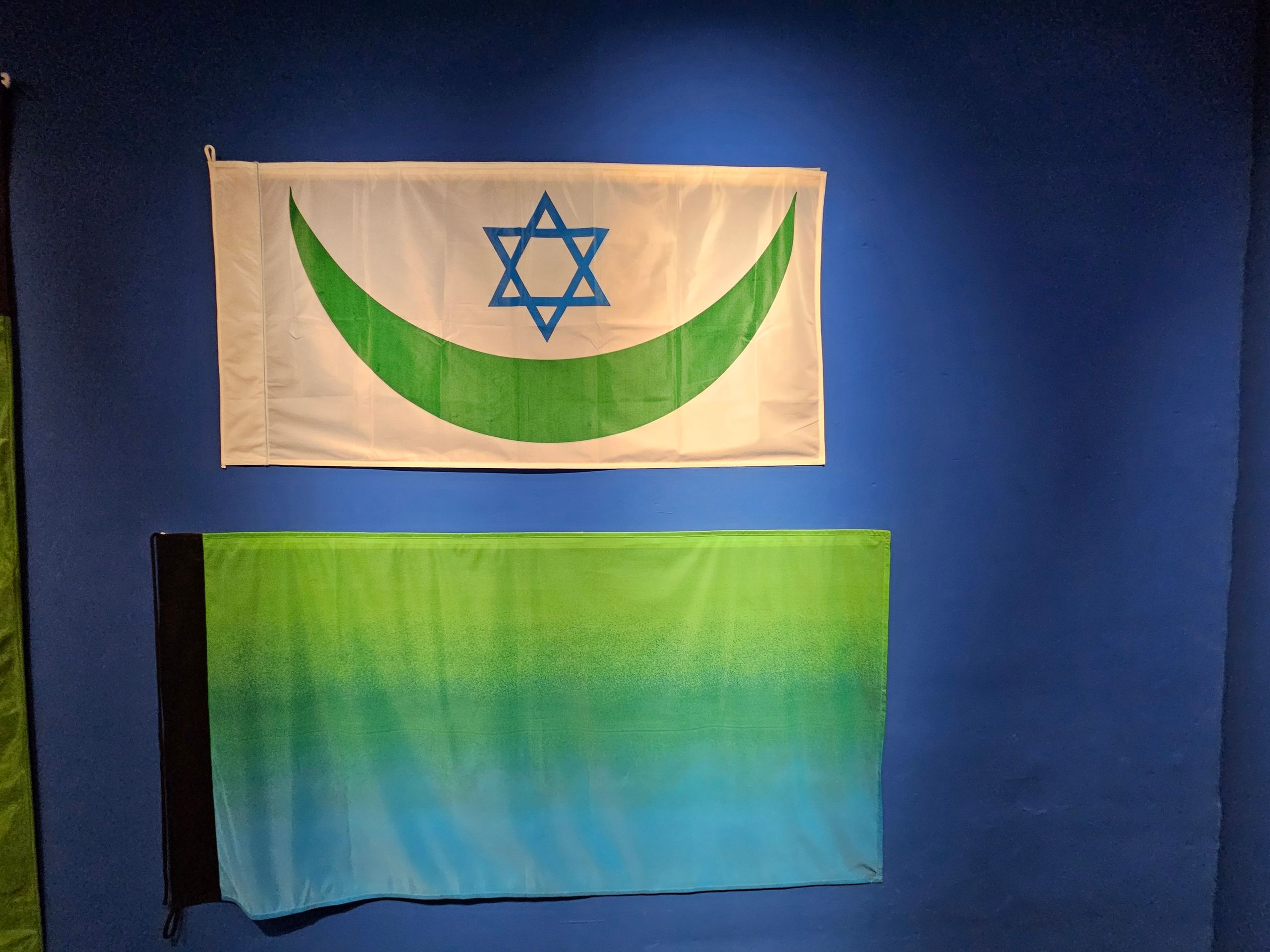
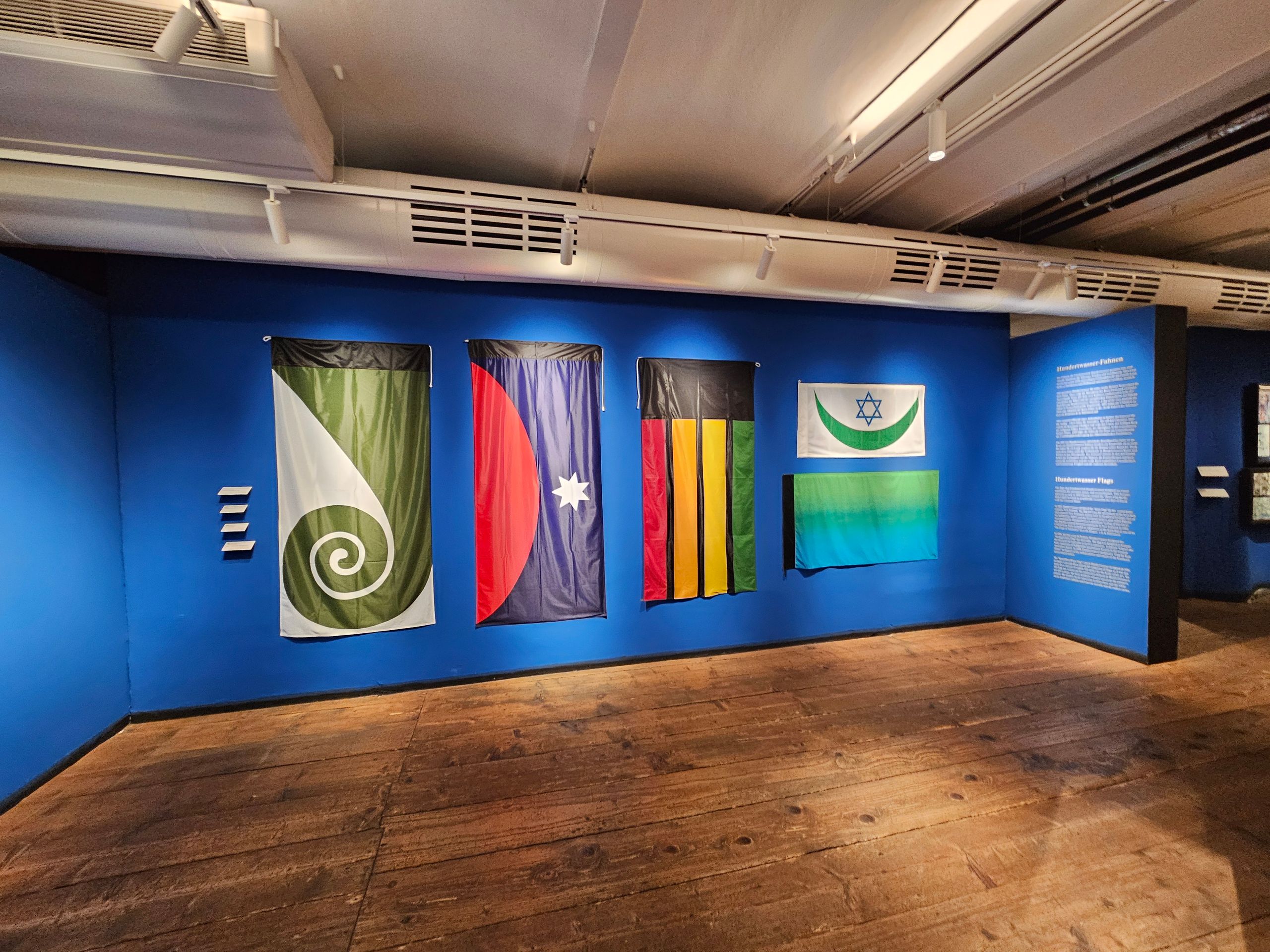
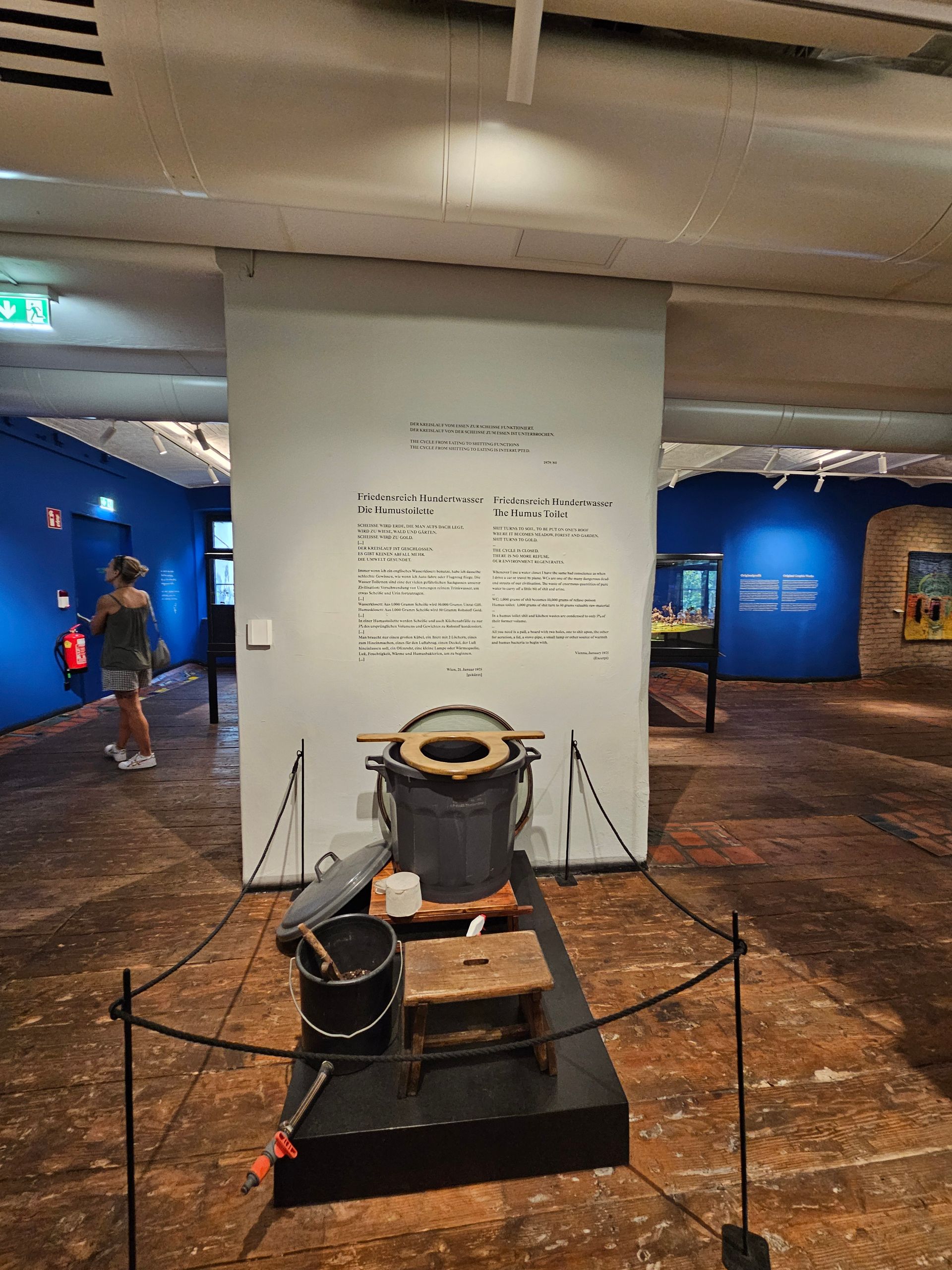
At the Kunst Haus Wien, many of his works can be discovered, ranging from graphics, paintings, and architectural models to ecological manifestos. Additionally, there are regular temporary exhibitions of contemporary artists.
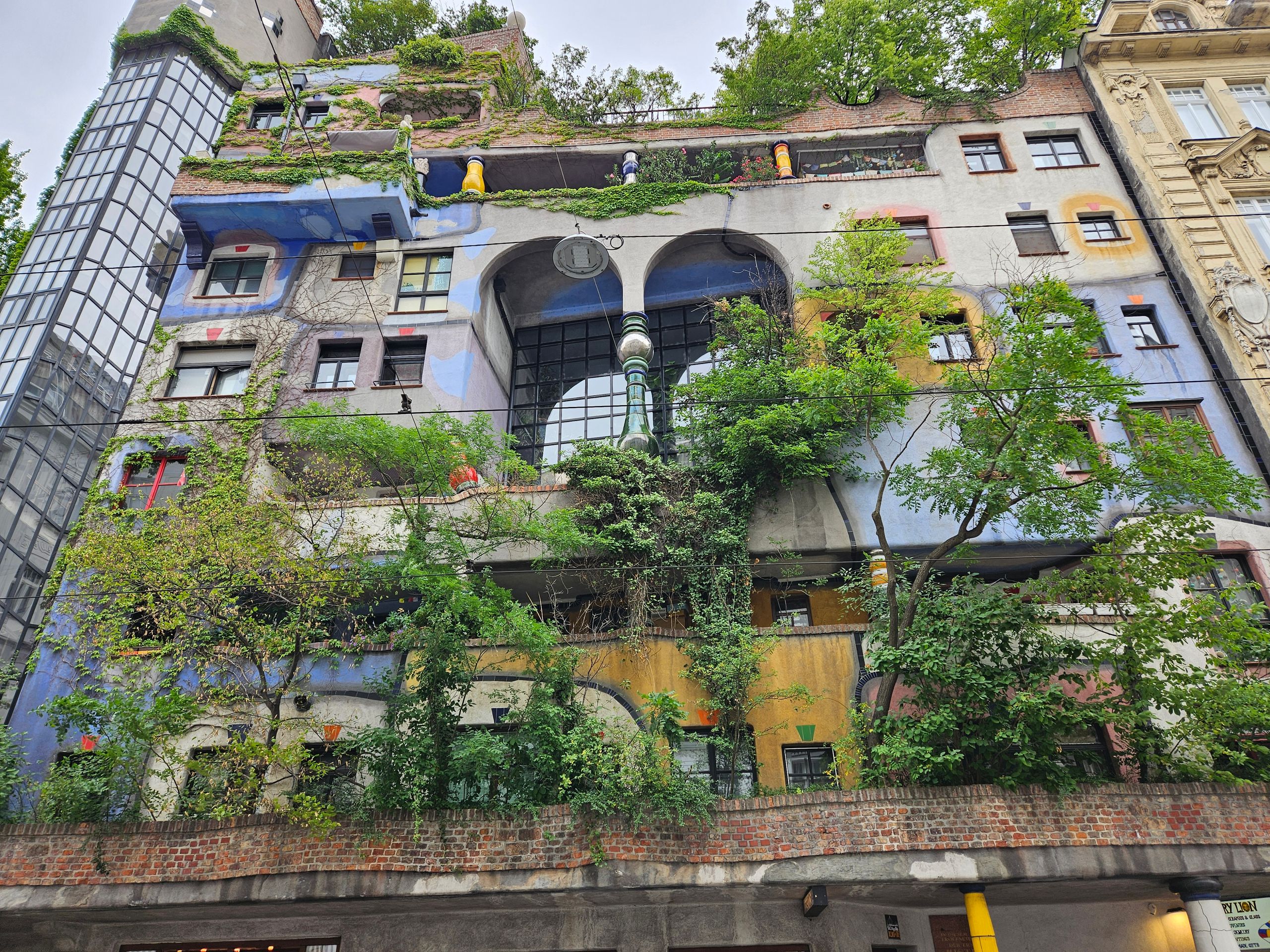
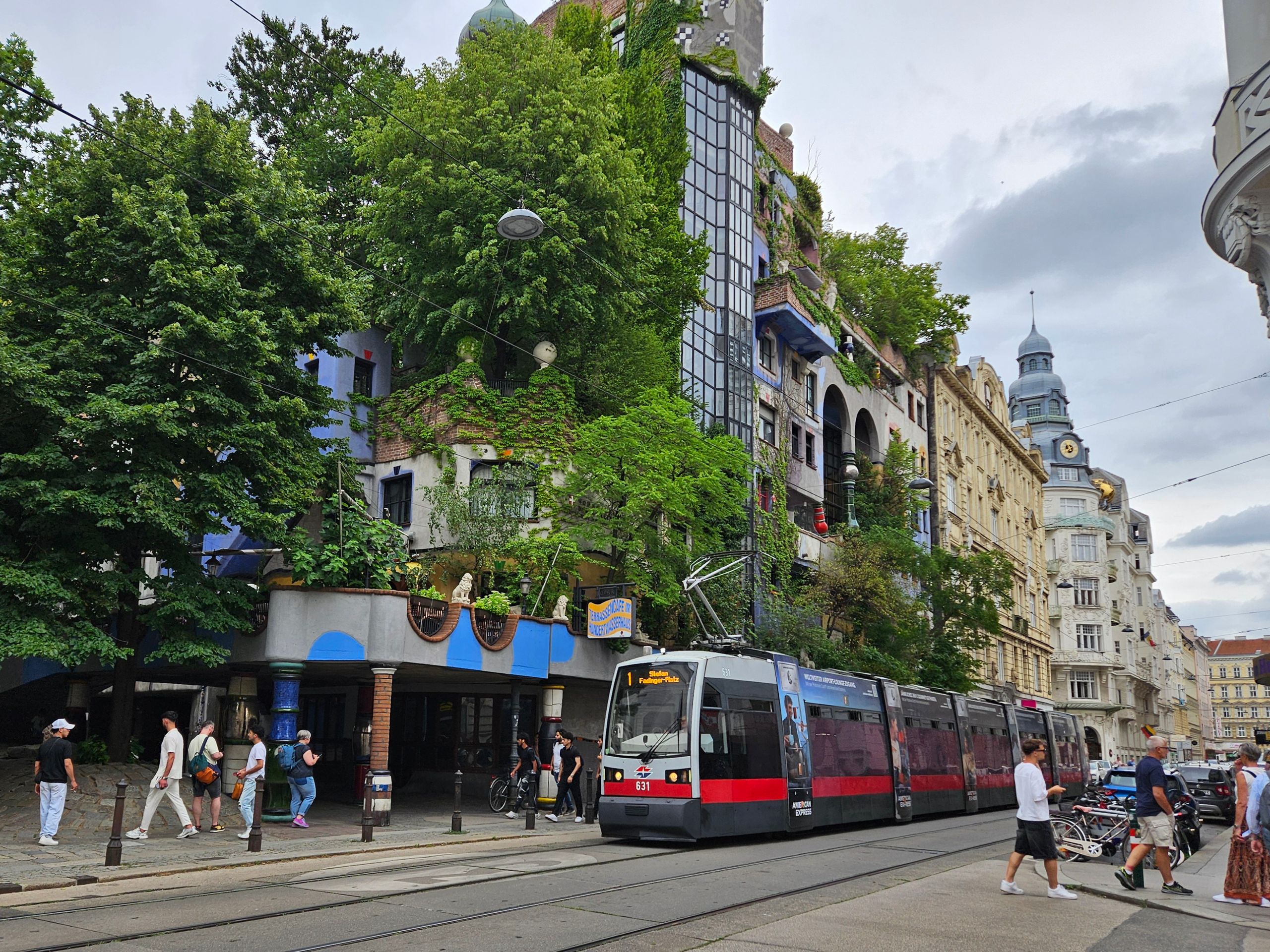
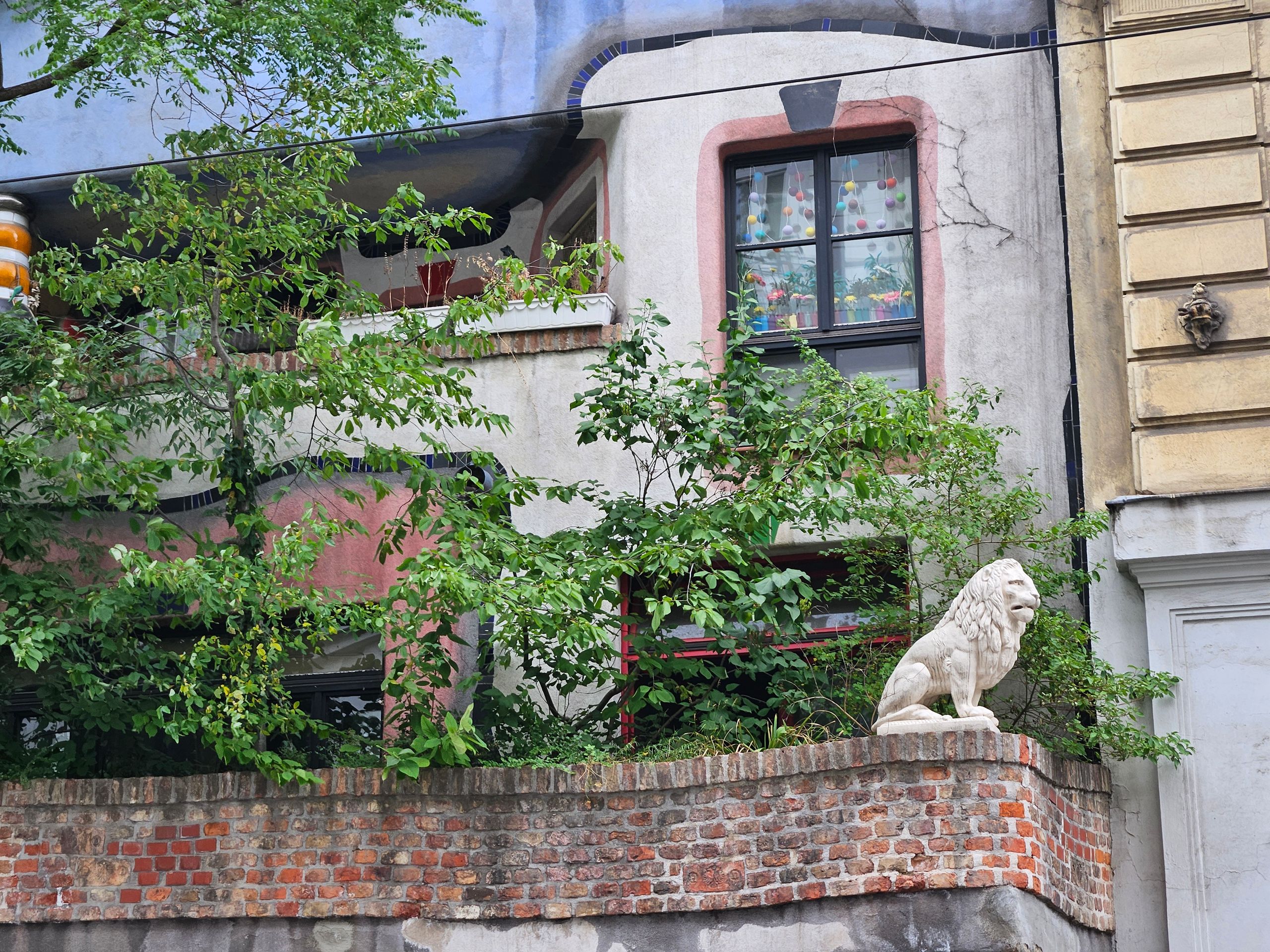
Just a few minutes' walk away is the famous Hundertwasserhaus, a colorful, green residential building that also bears his signature. However, since it is an inhabited rental building, it can only be admired from the outside.