
2025 - November - Venice
Looking back at 2020 https://vakantio.de/reisetante/september-2020-venice What a difference to Venice in 2020! Back then, we had a short window when everything was just starting...

Published: 02.01.2026
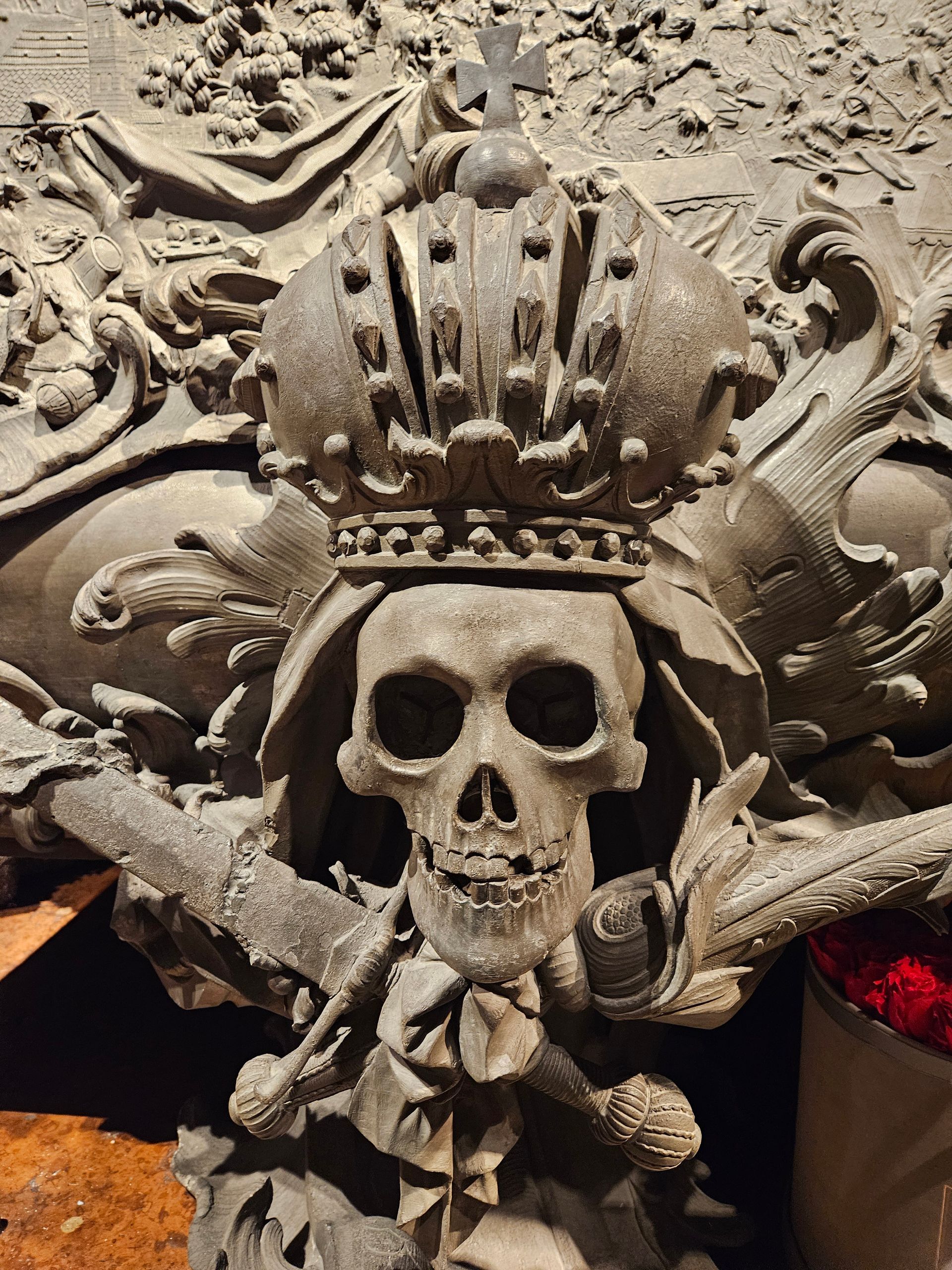
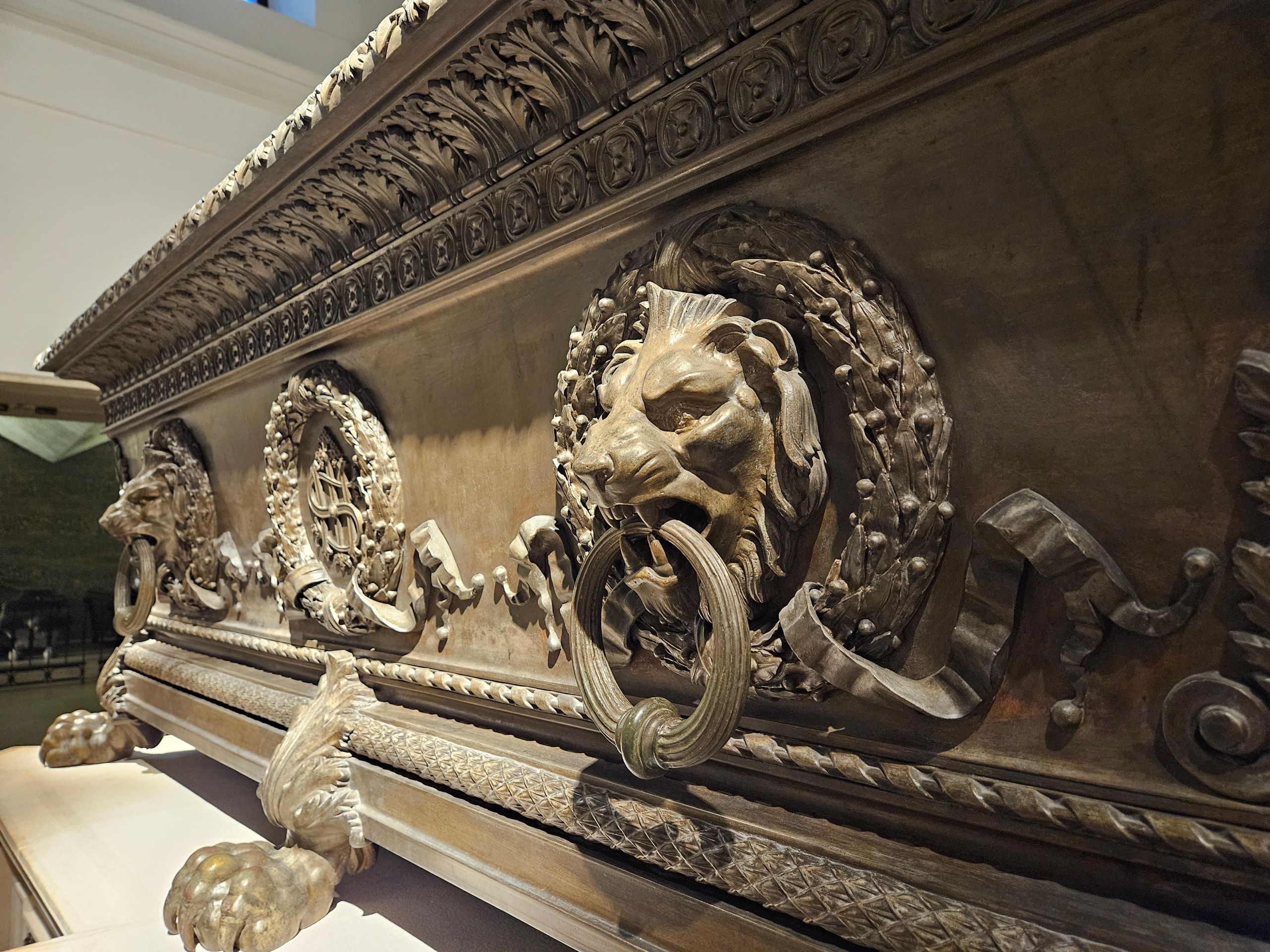
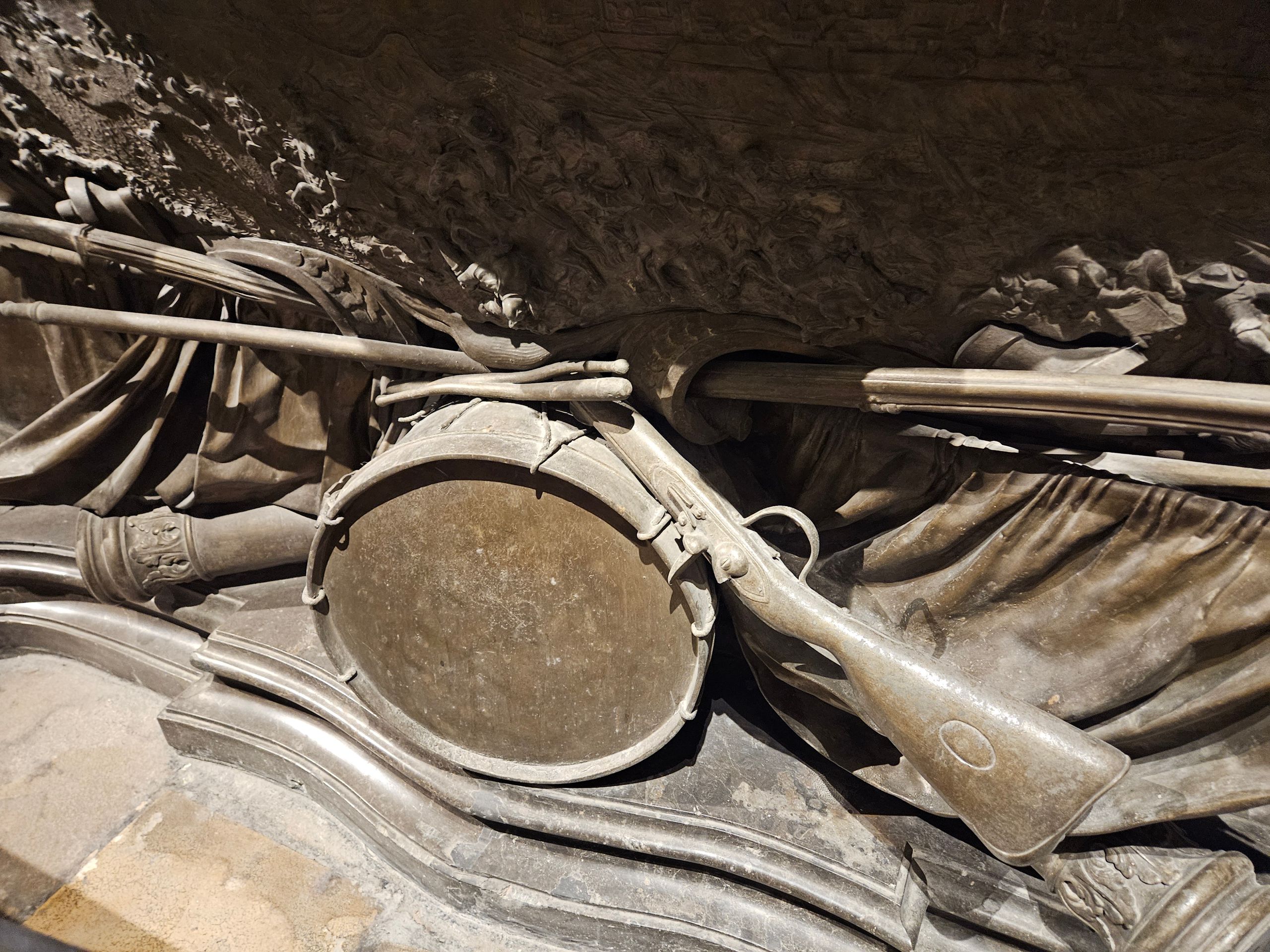
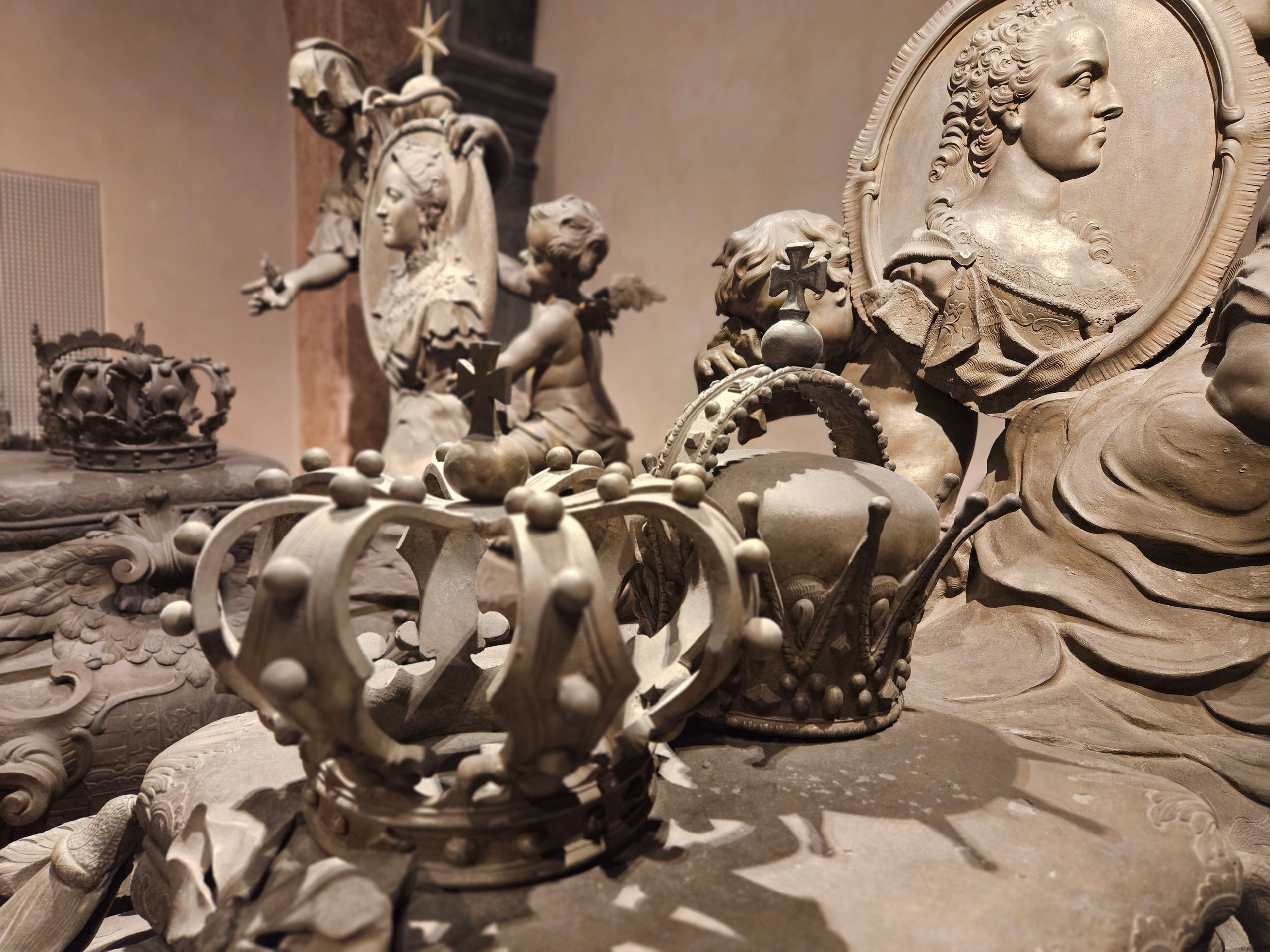
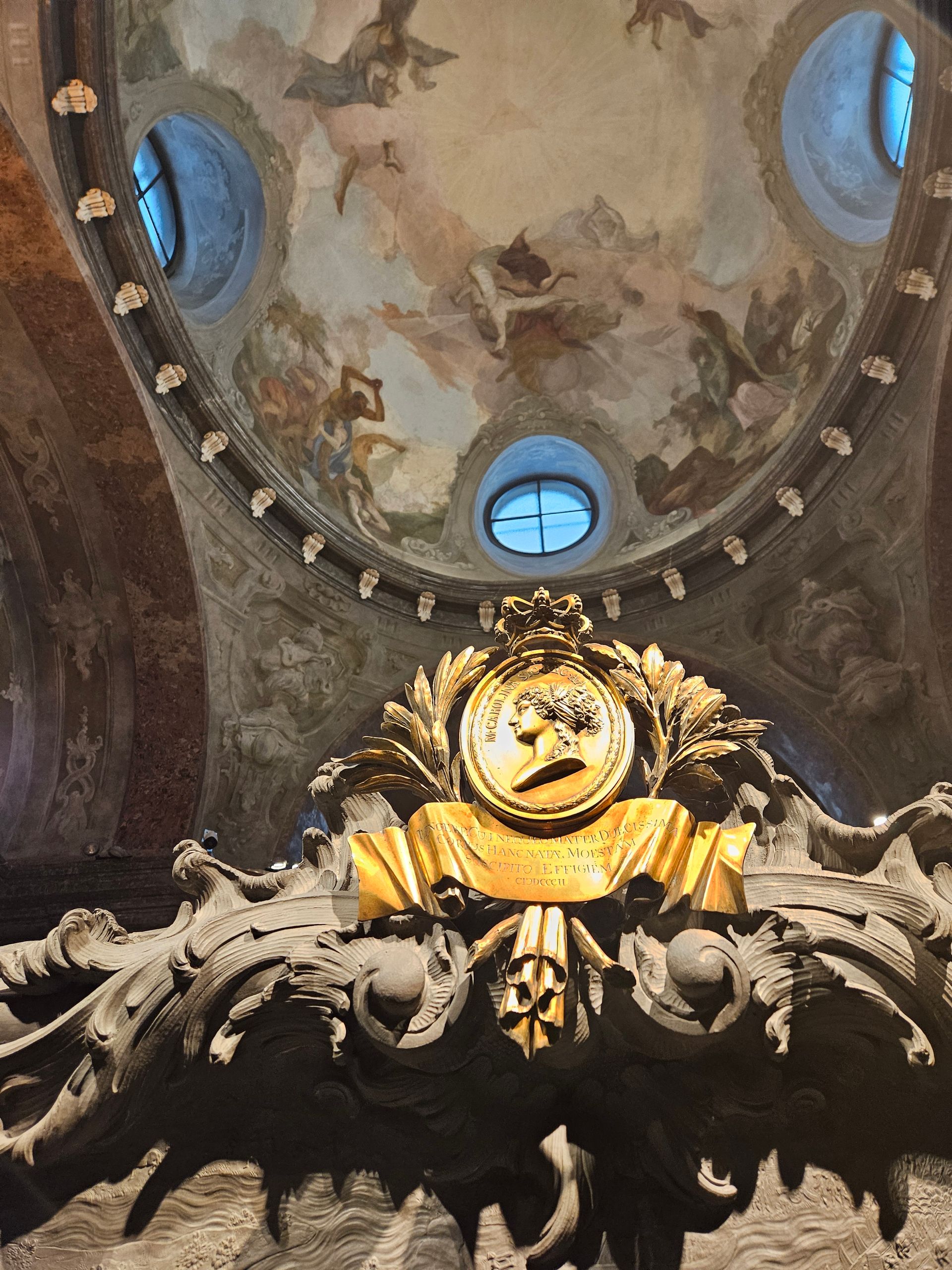
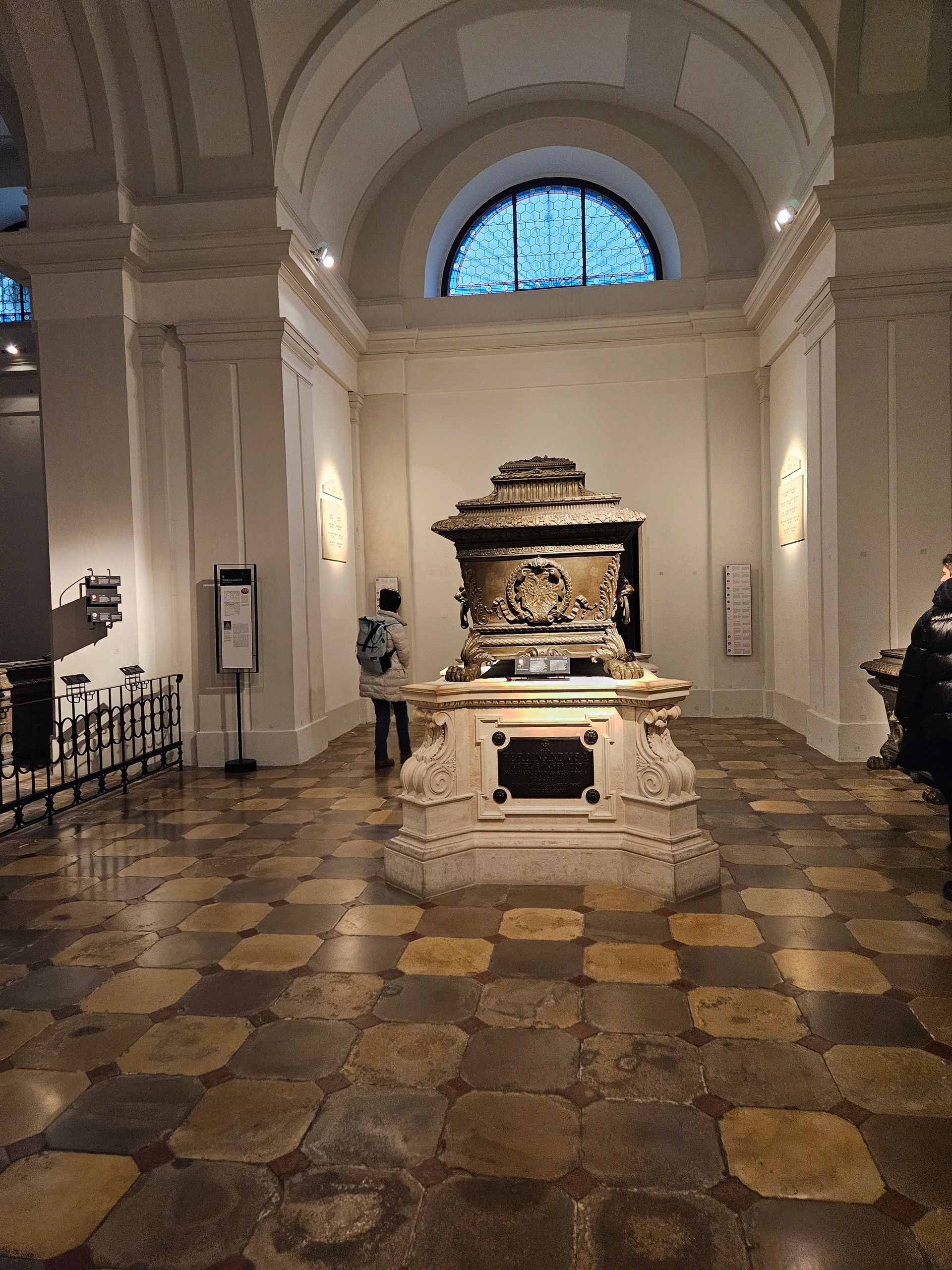
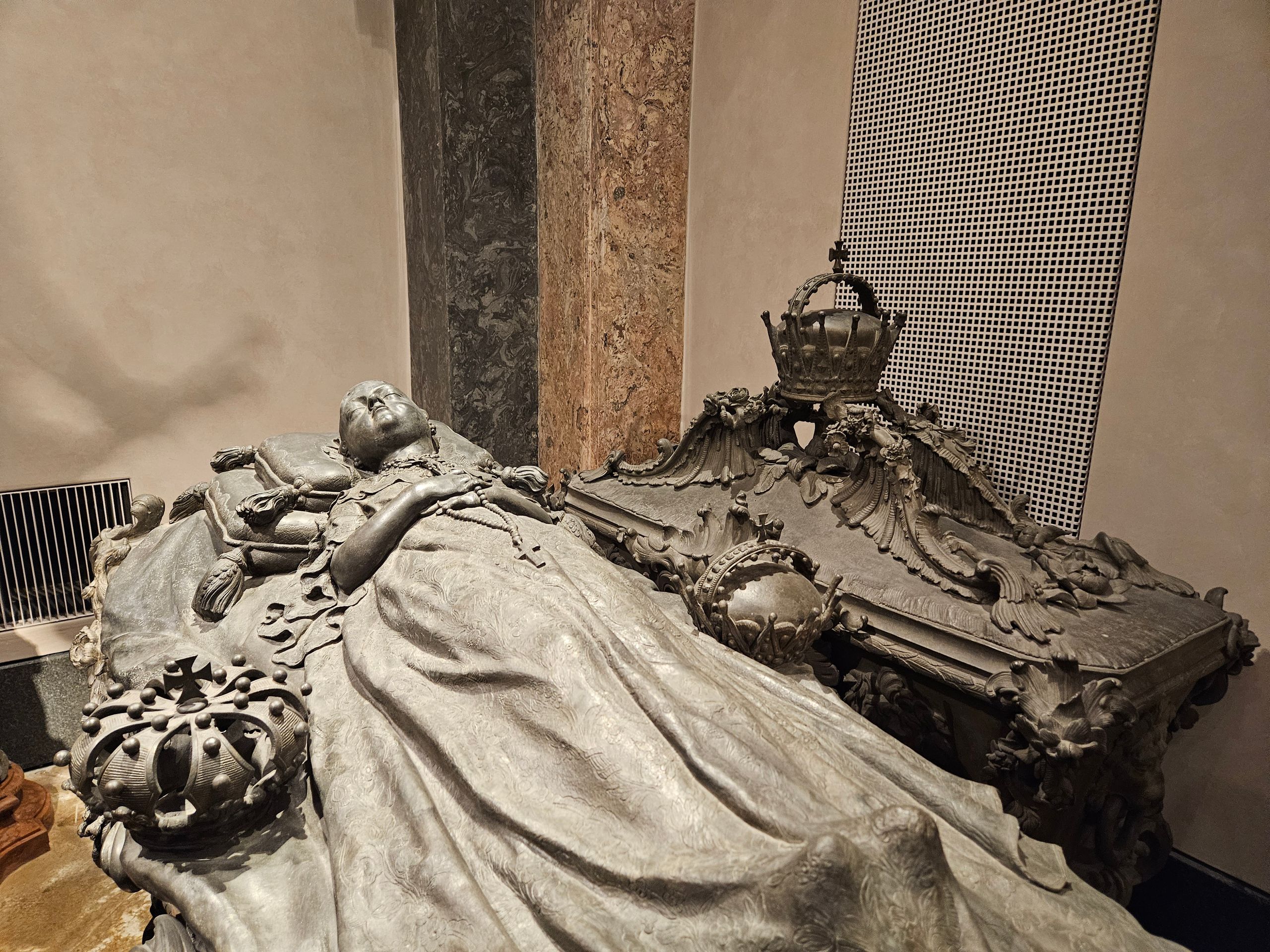
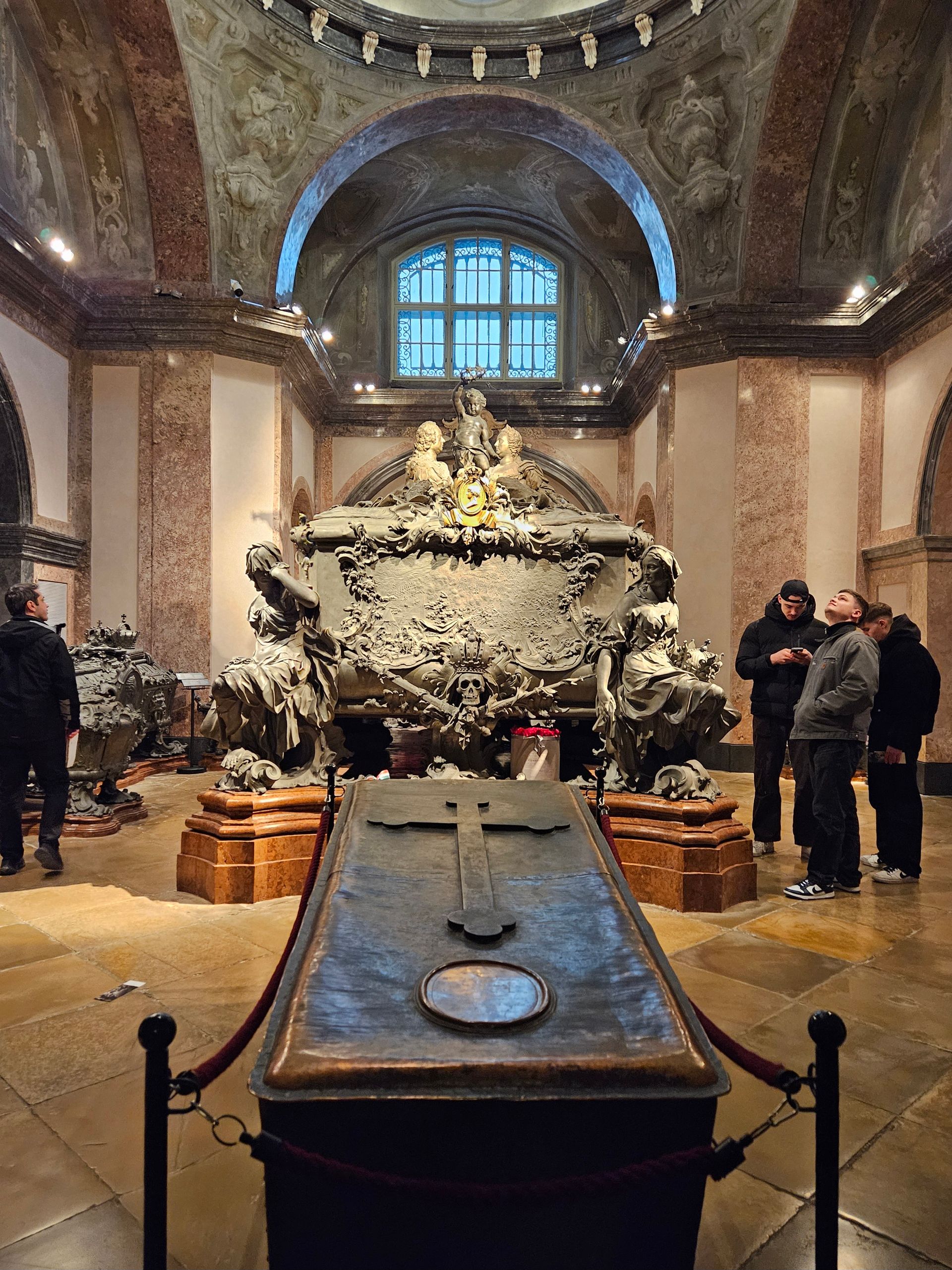
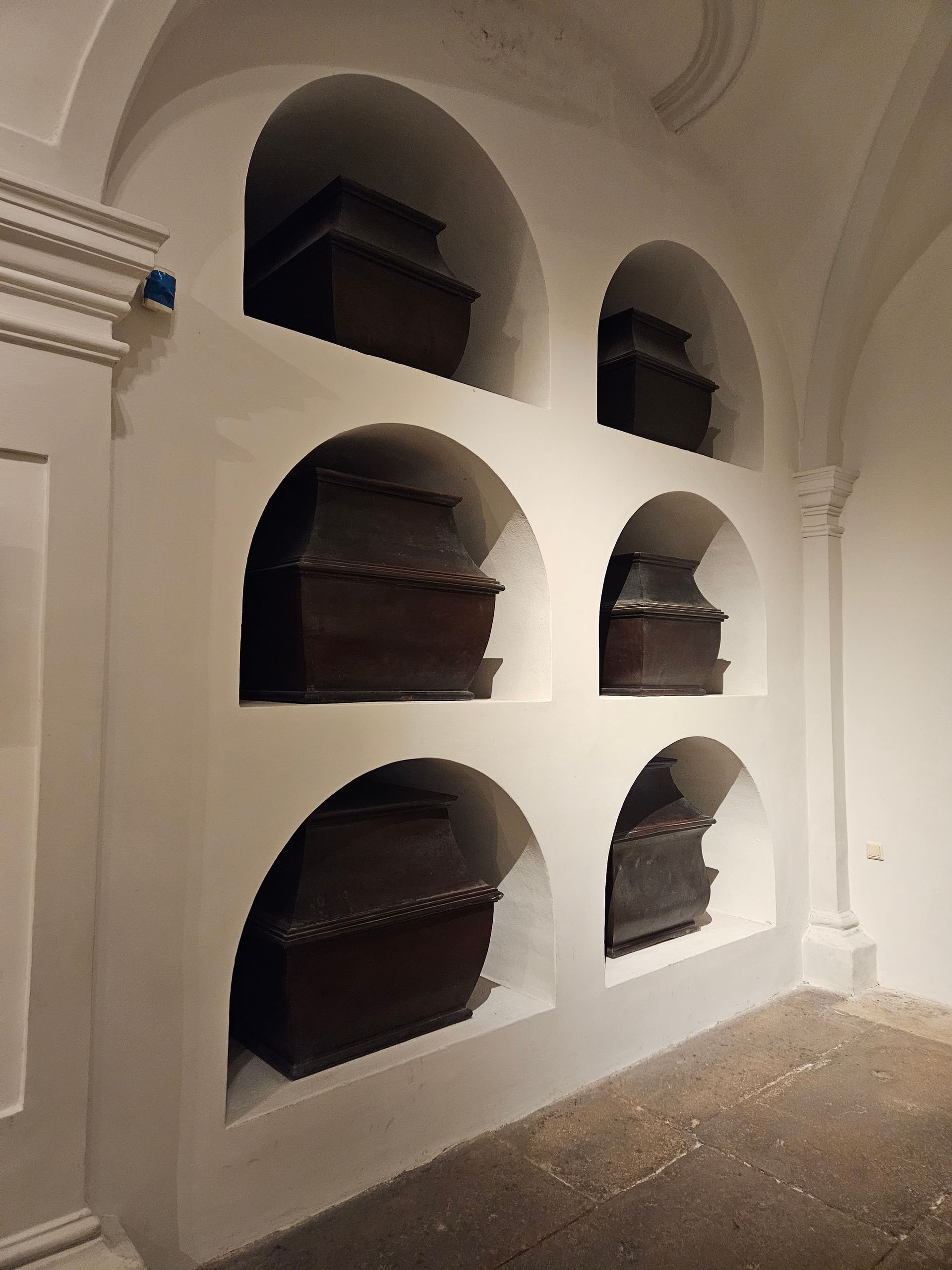
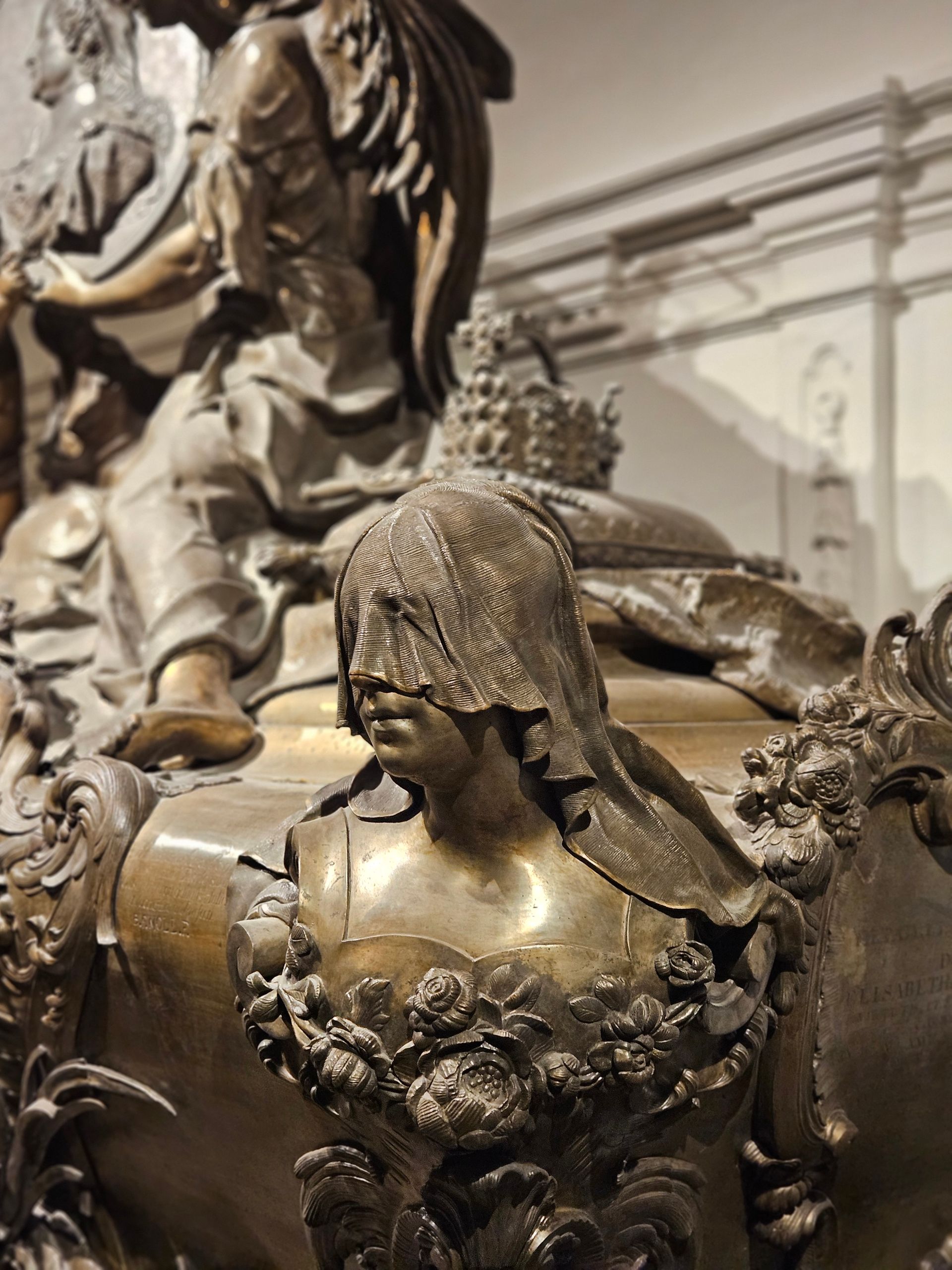
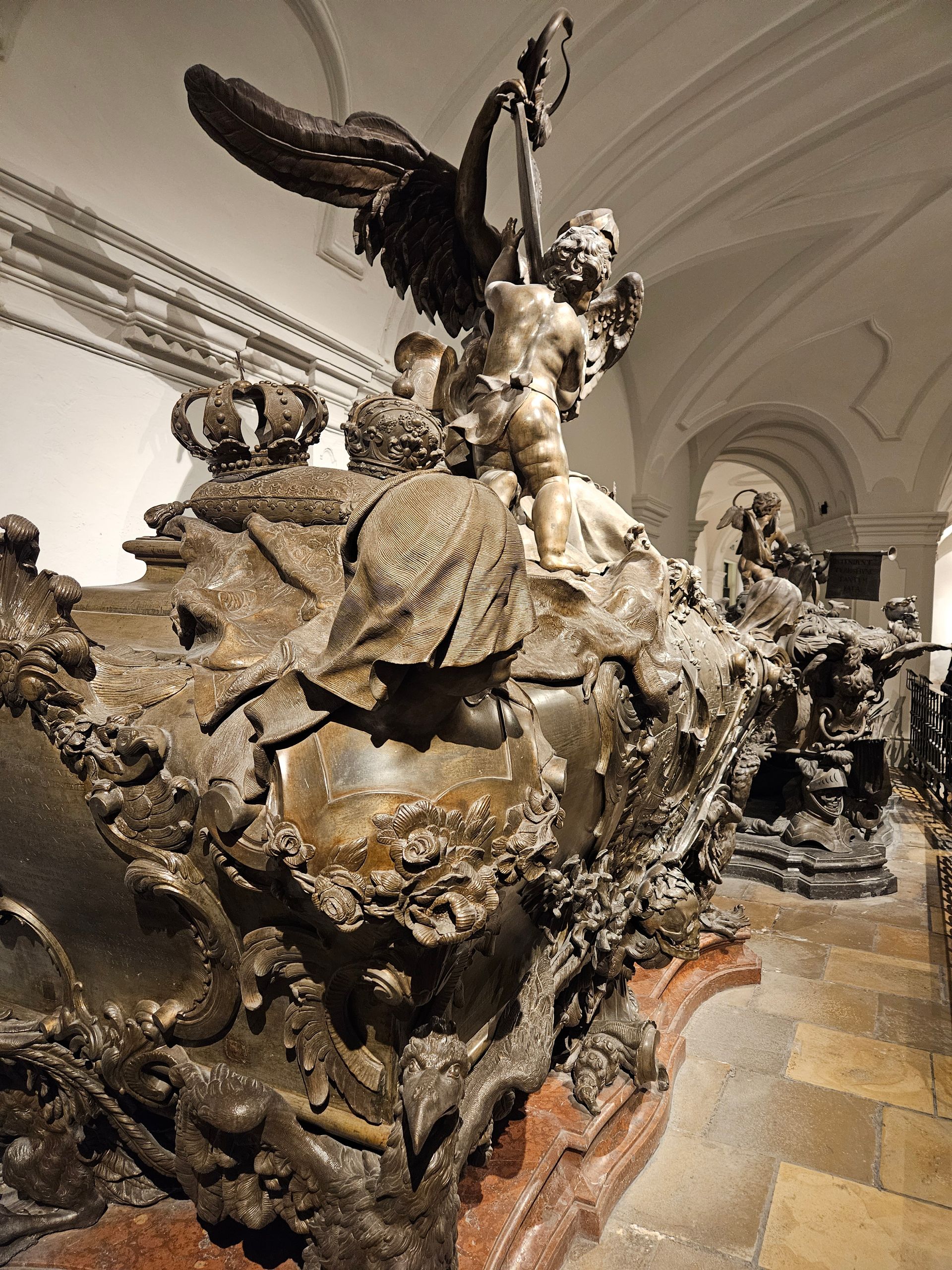
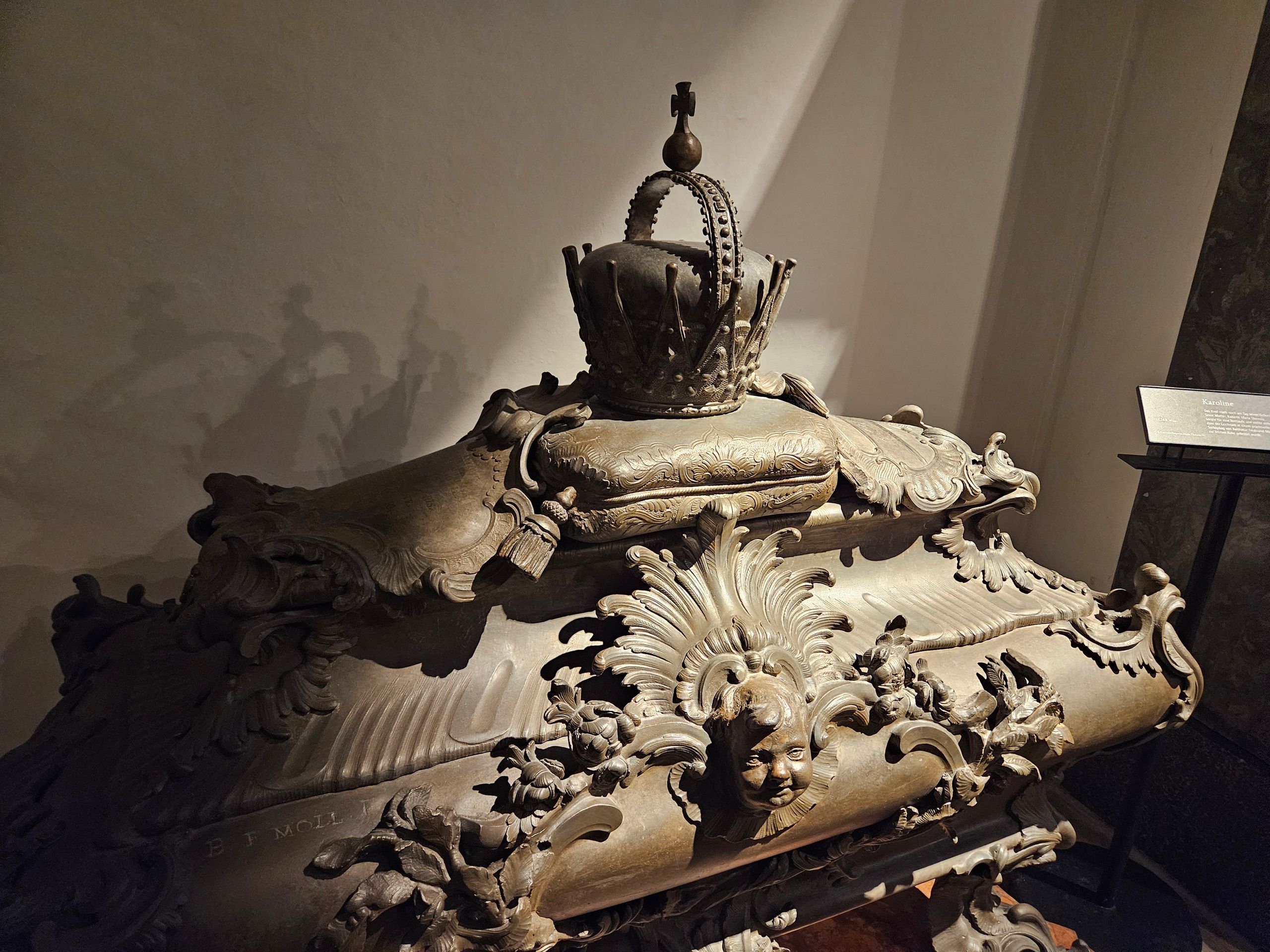
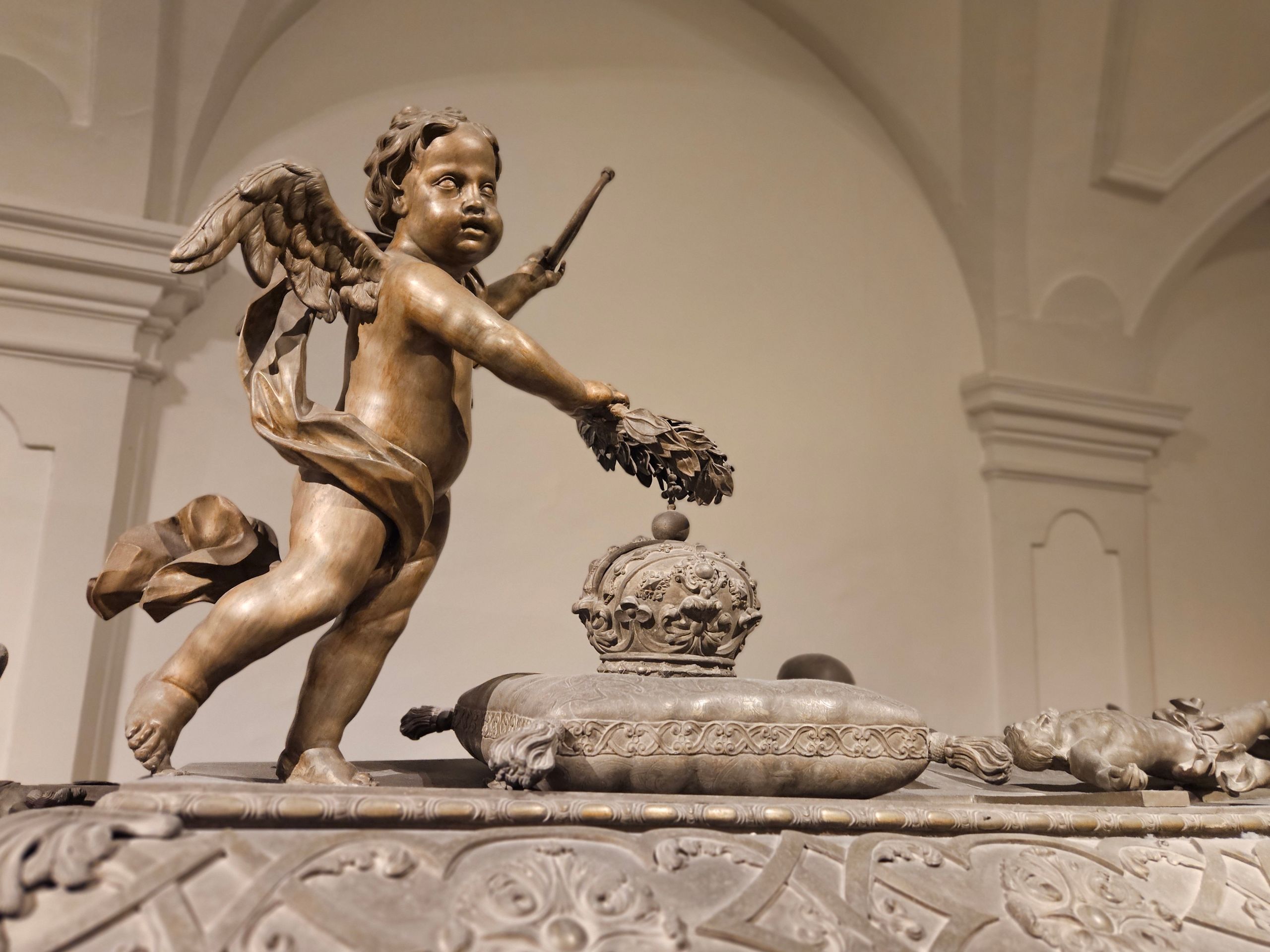
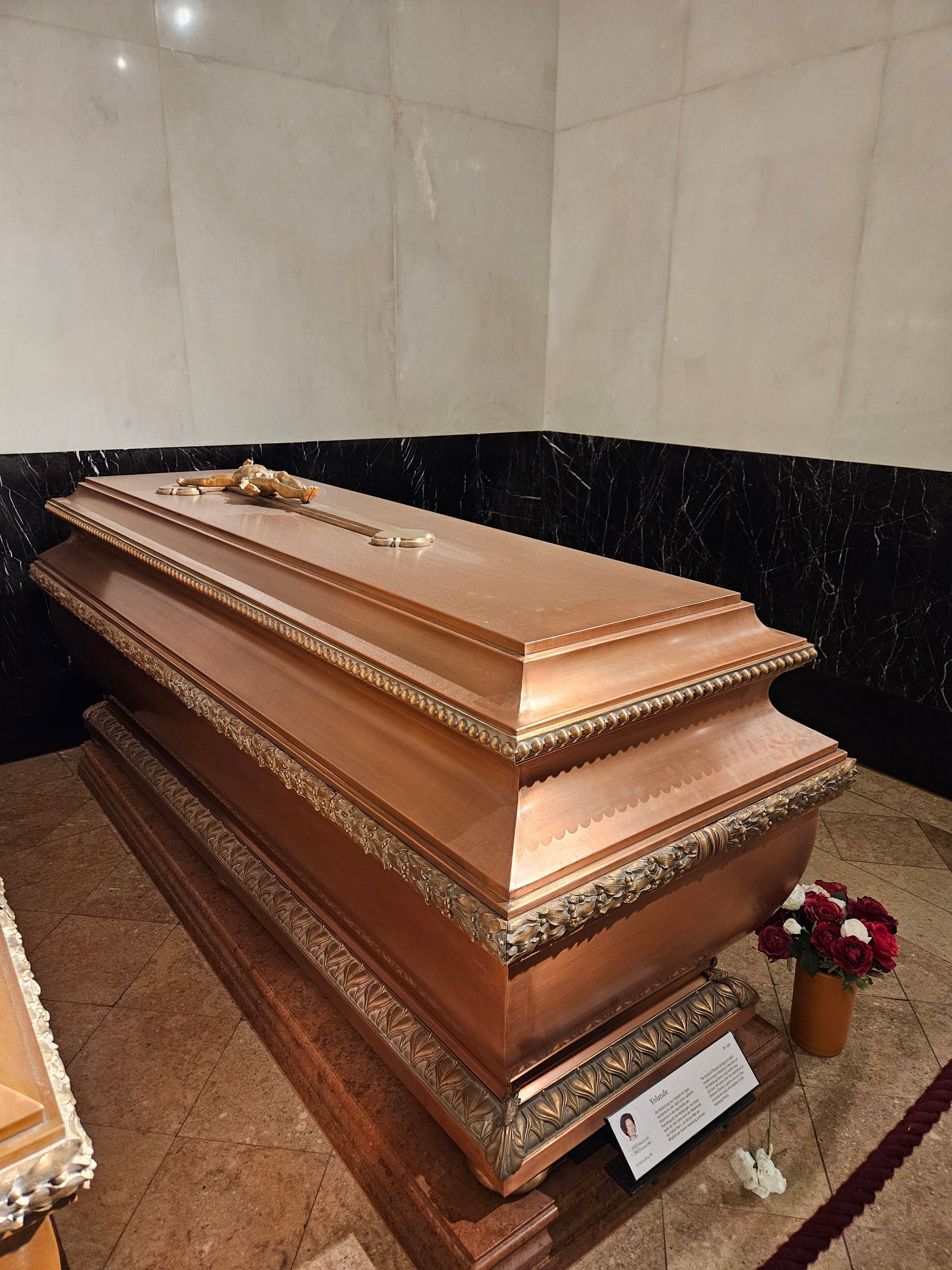
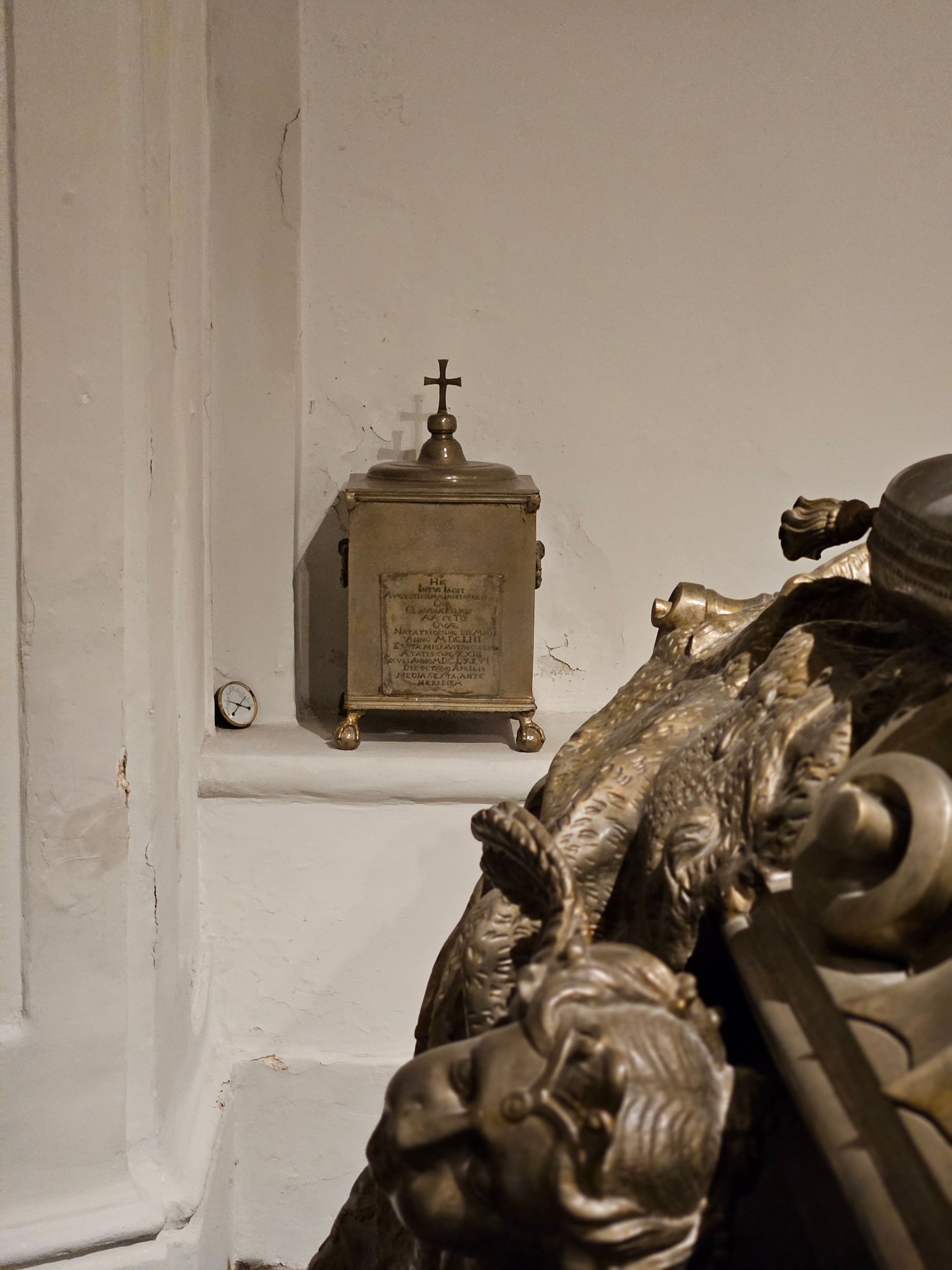
So, spontaneously answering: Which Austrian Empresses and Emperors come to mind?
For me, it was actually only Maria Theresa with her many children, who were married all over Europe. Among them was of course Marie Antoinette, the later French queen, who ended so tragically on the guillotine.
And then I immediately think of Sisi (Elisabeth) and Franz Joseph. Perhaps, with more thought, also their son Rudolf, who ended his life by suicide. But that’s about it.
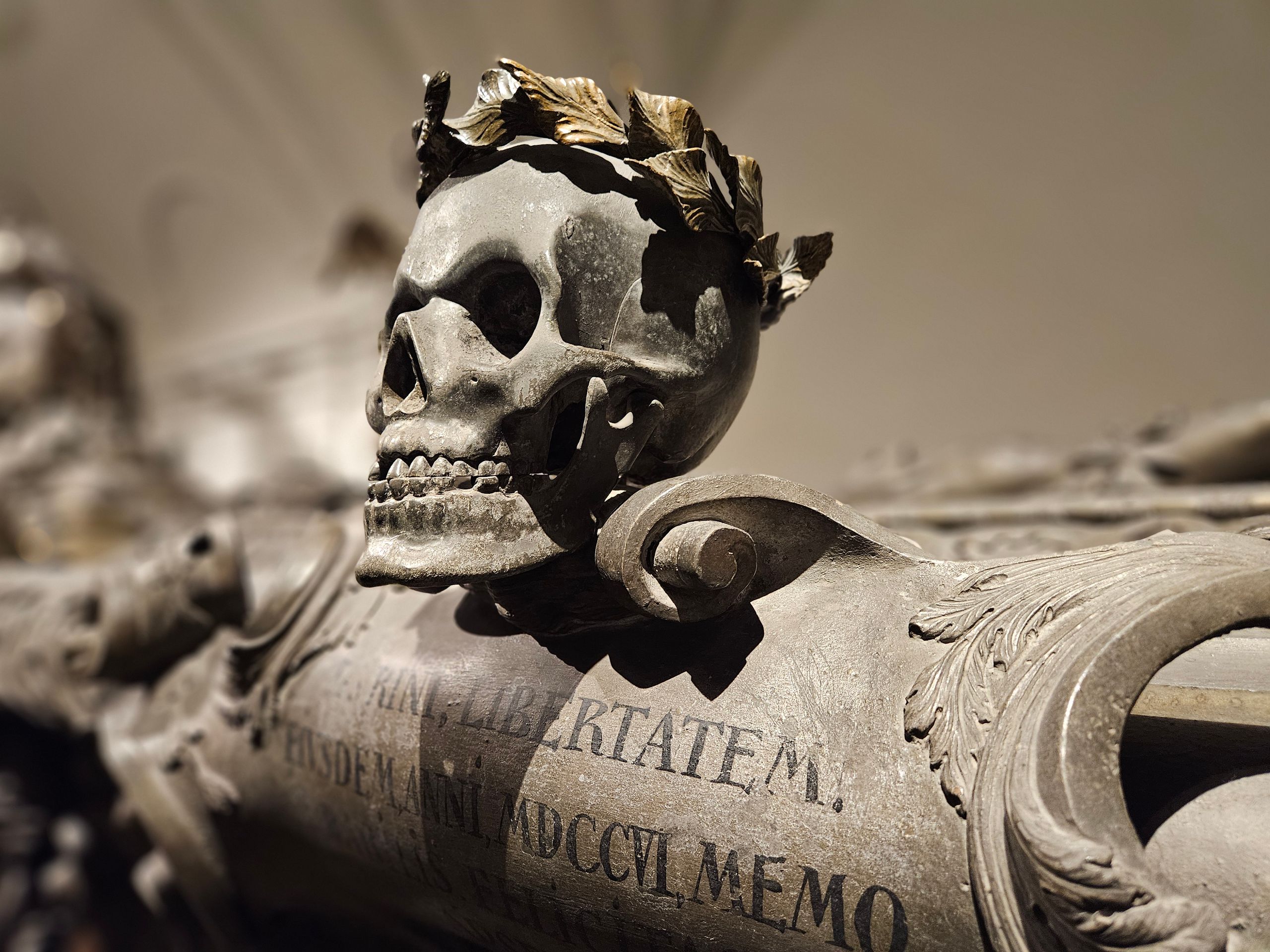
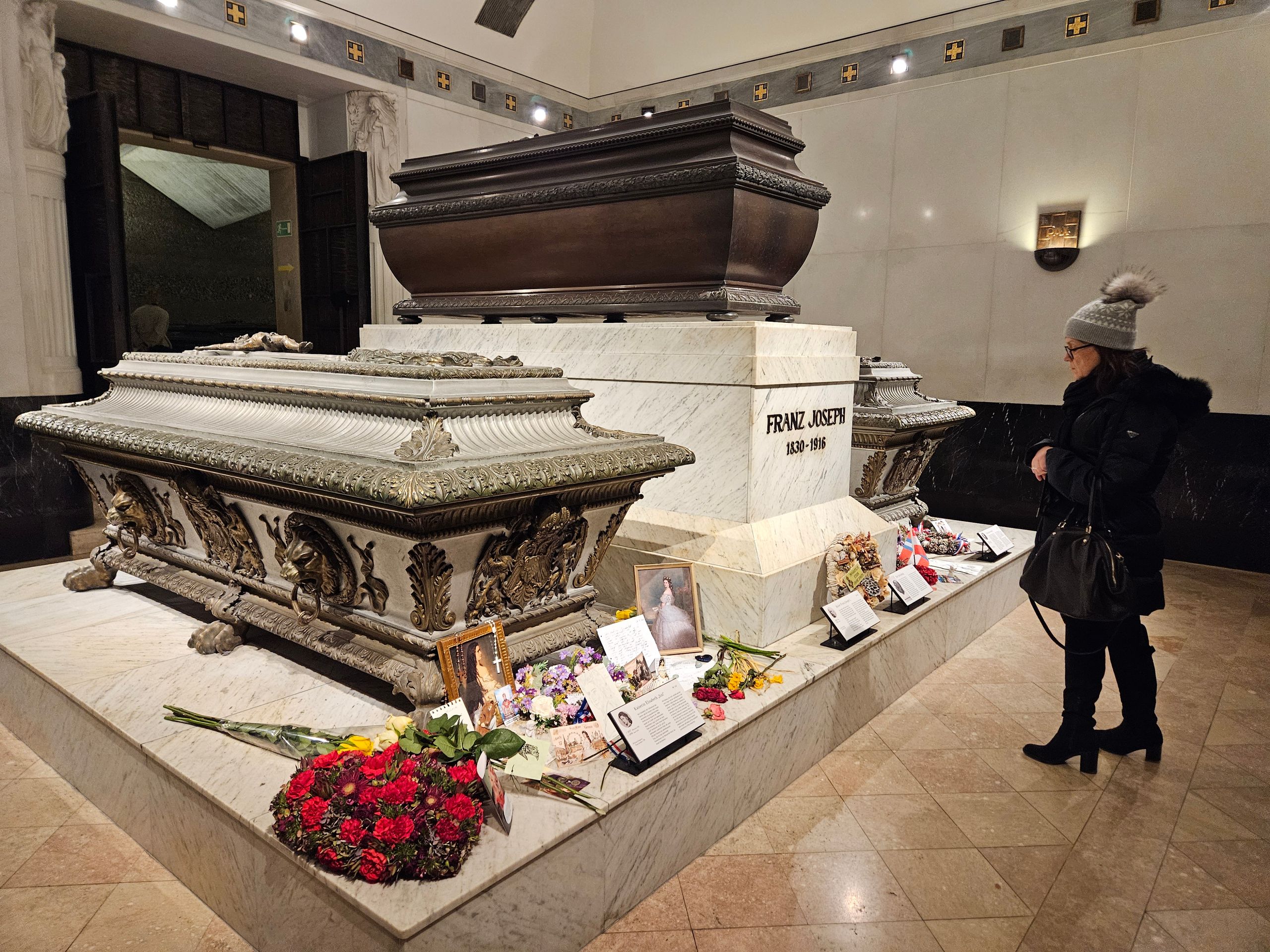
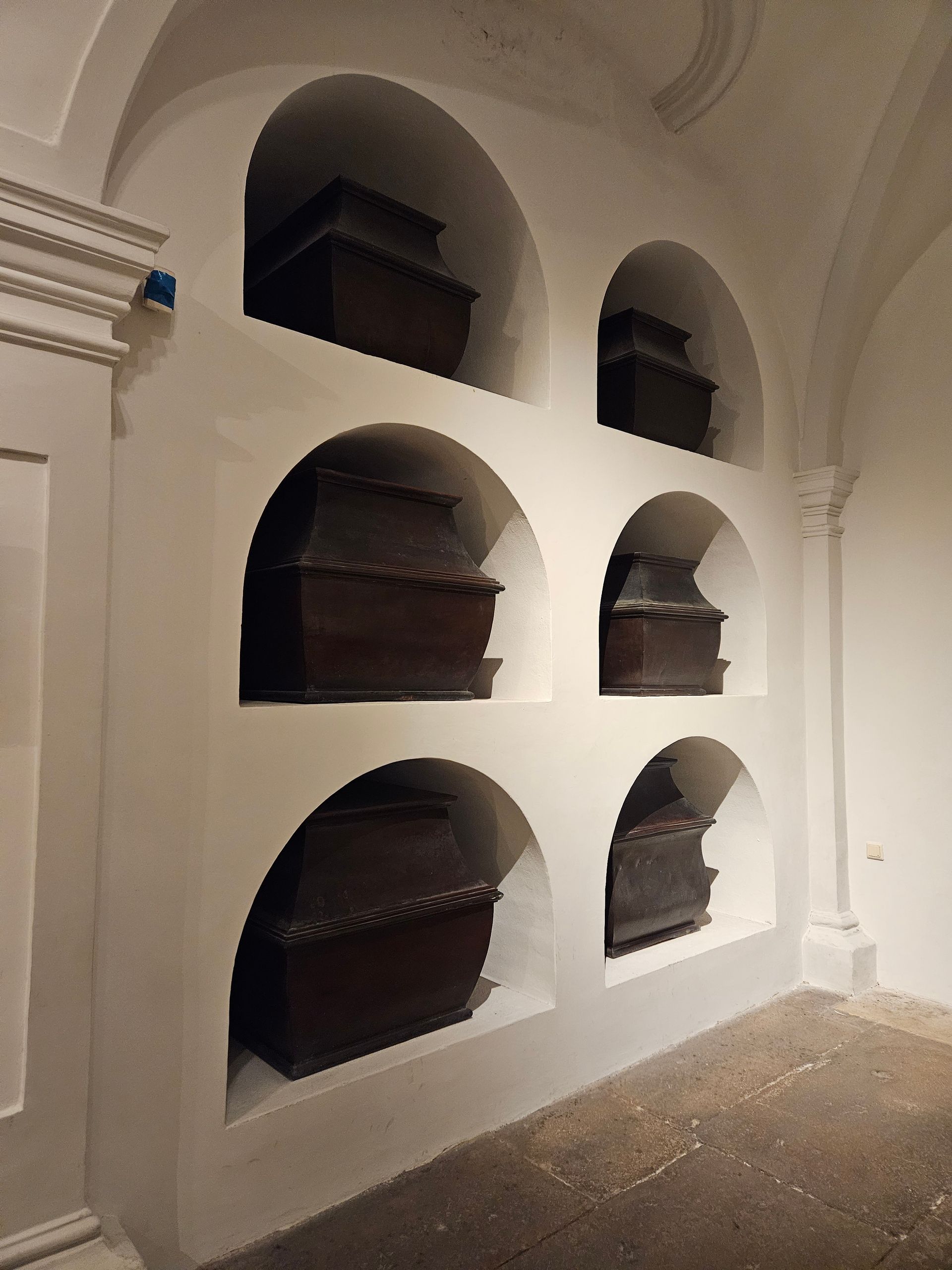
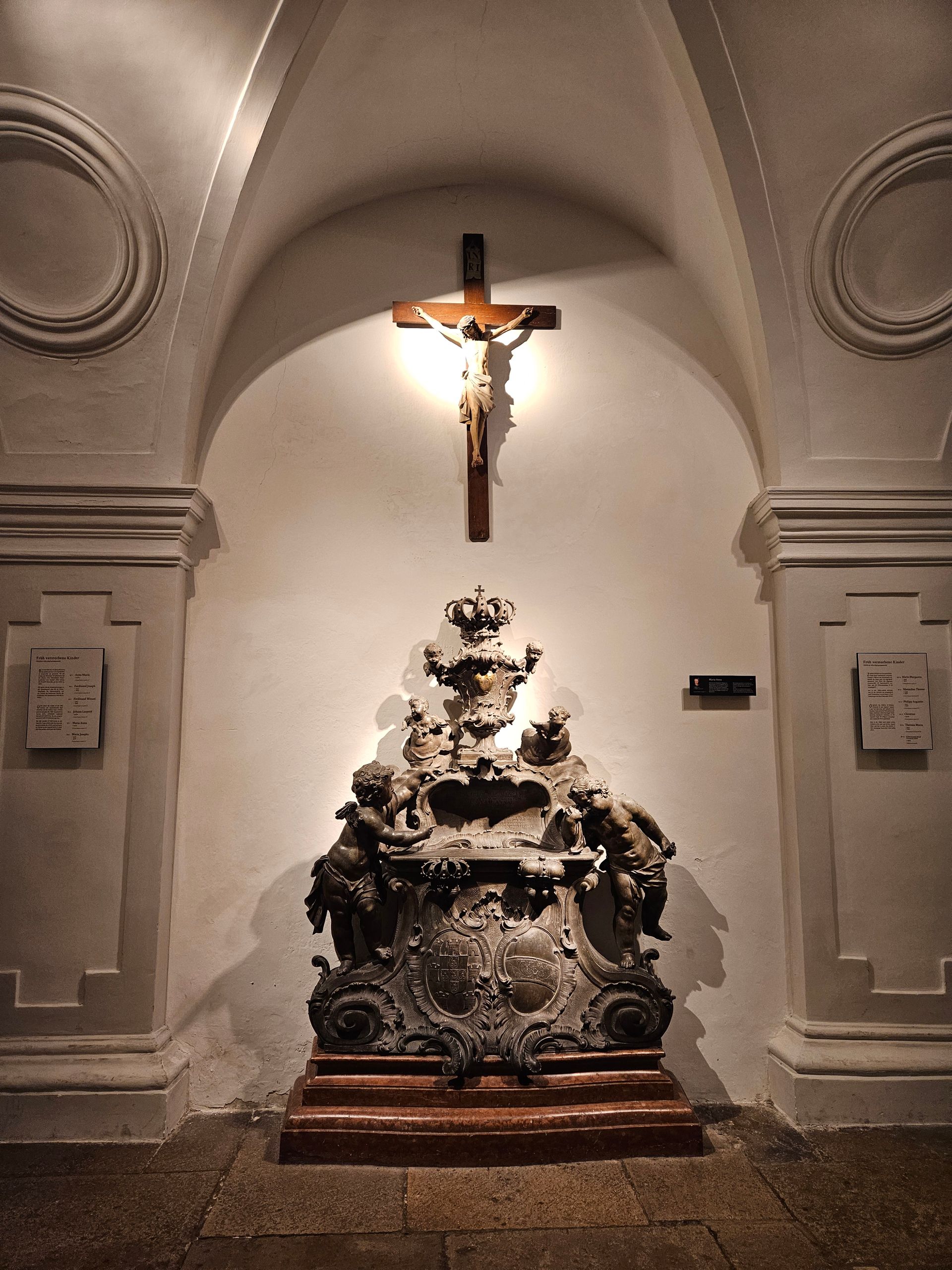
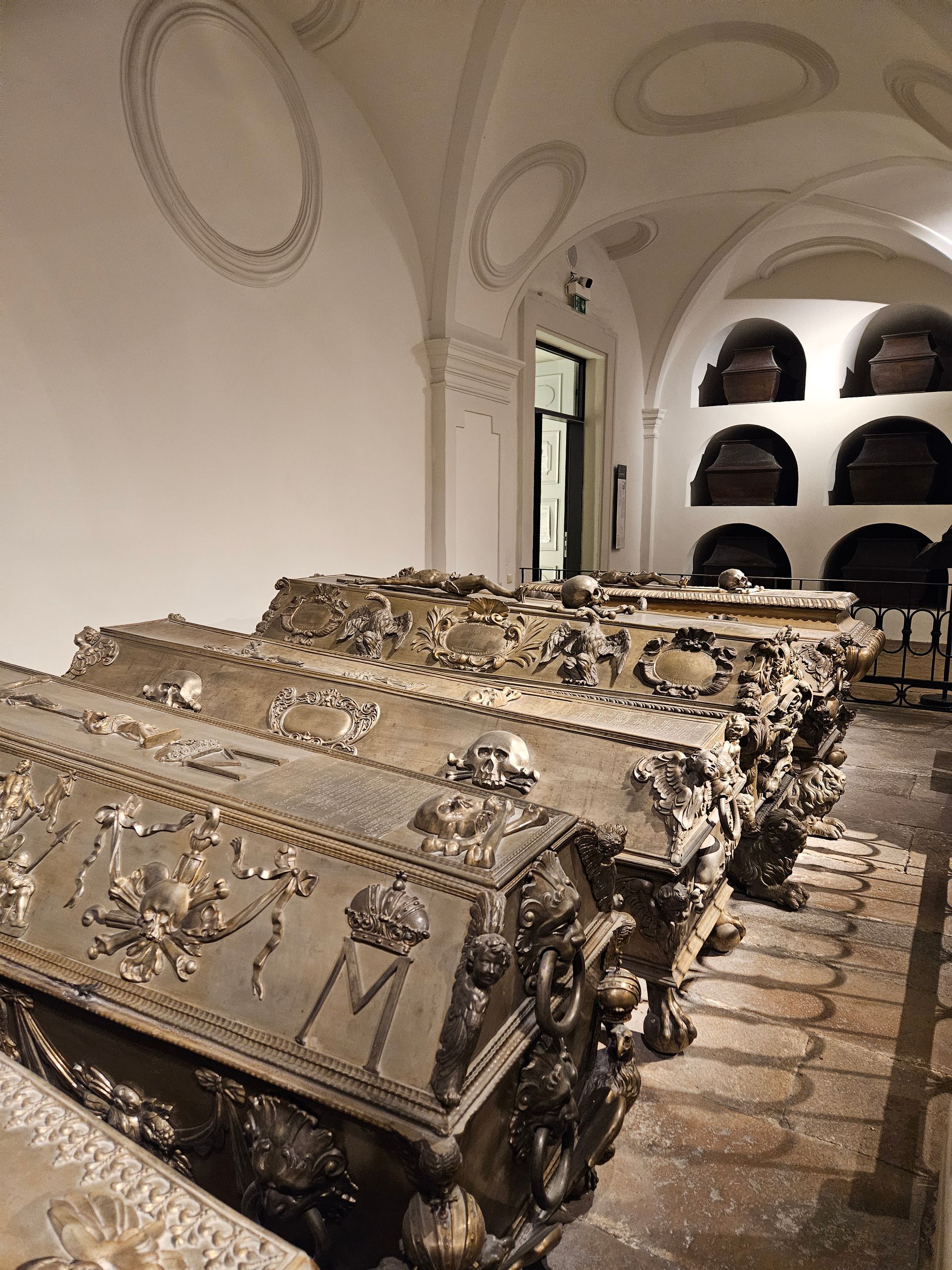
Of course, I know there were many more, but I couldn't name them. In the Imperial Crypt located beneath the Capuchin Church in Vienna, you can view a total of 12 Emperors and 19 Empresses, as well as around 150 members of the Habsburg dynasty in their sarcophagi.
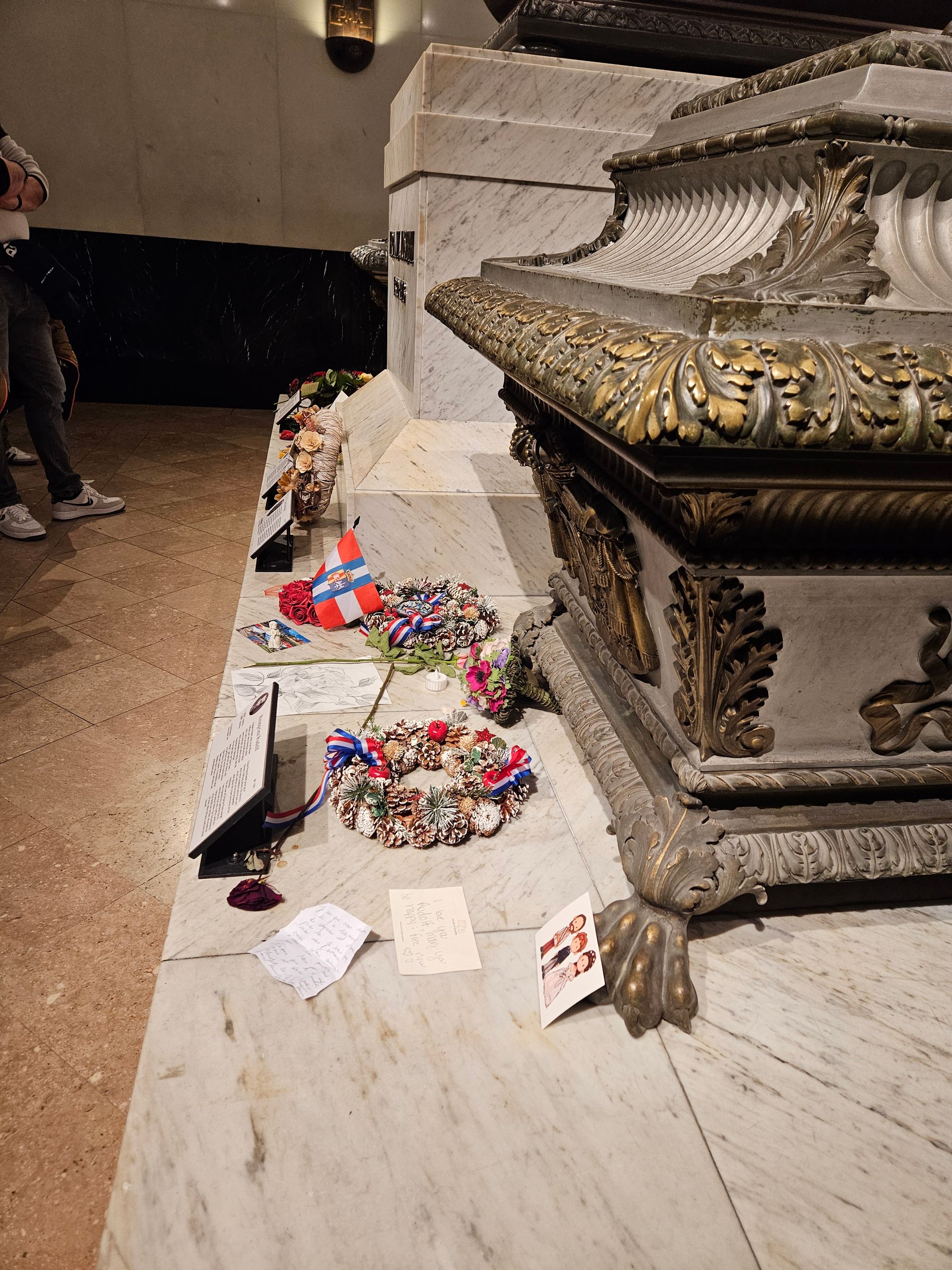
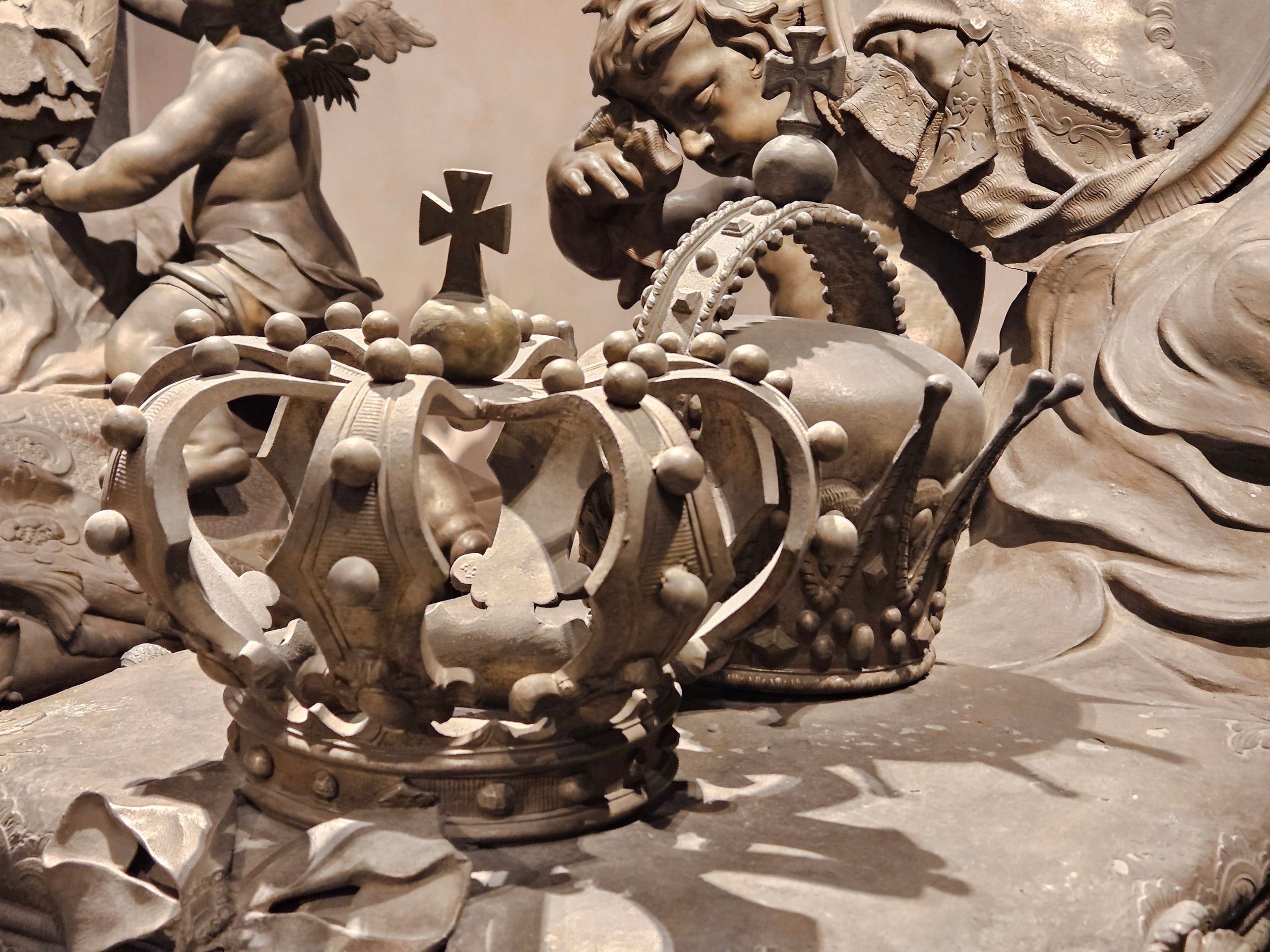
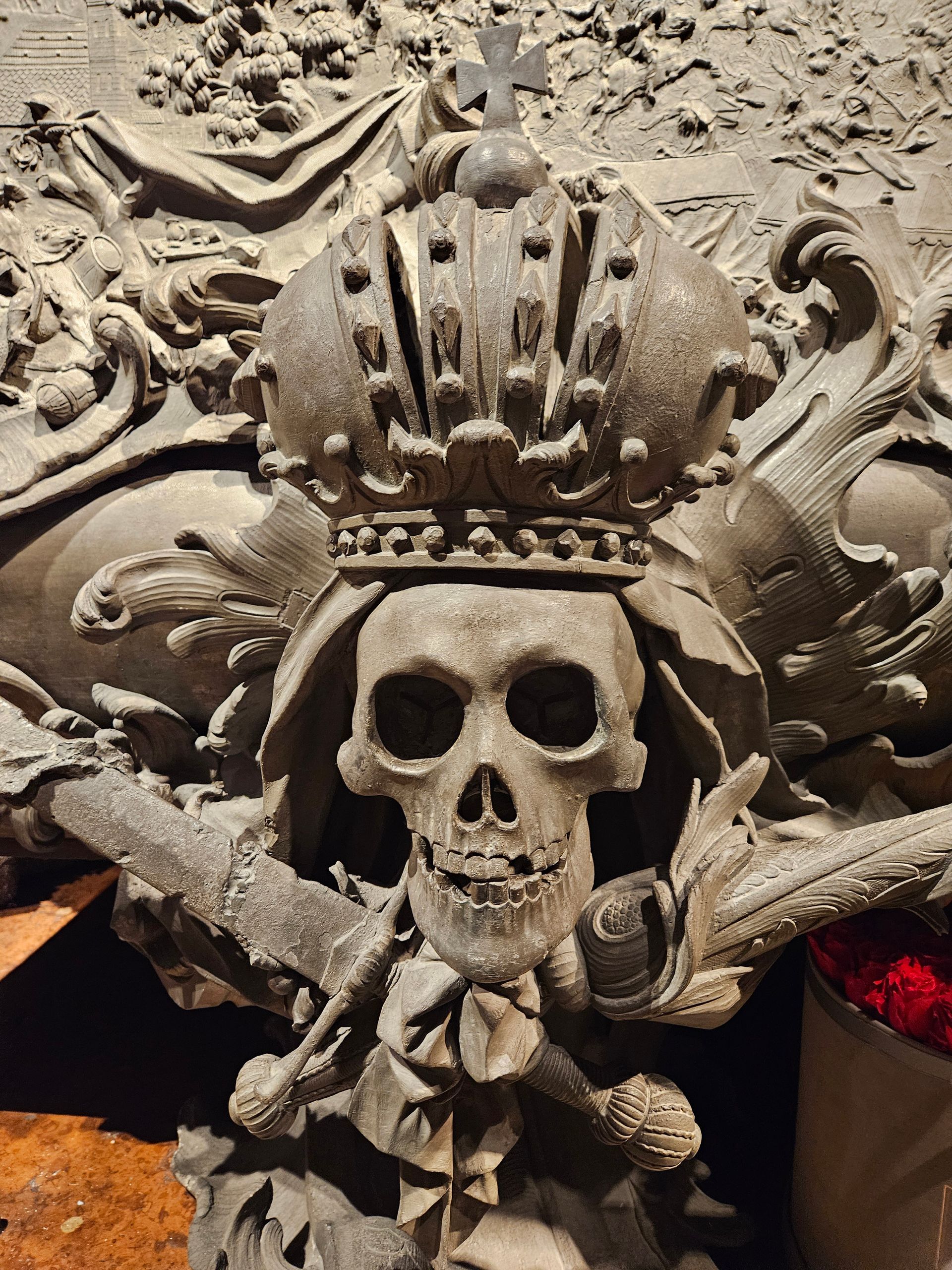
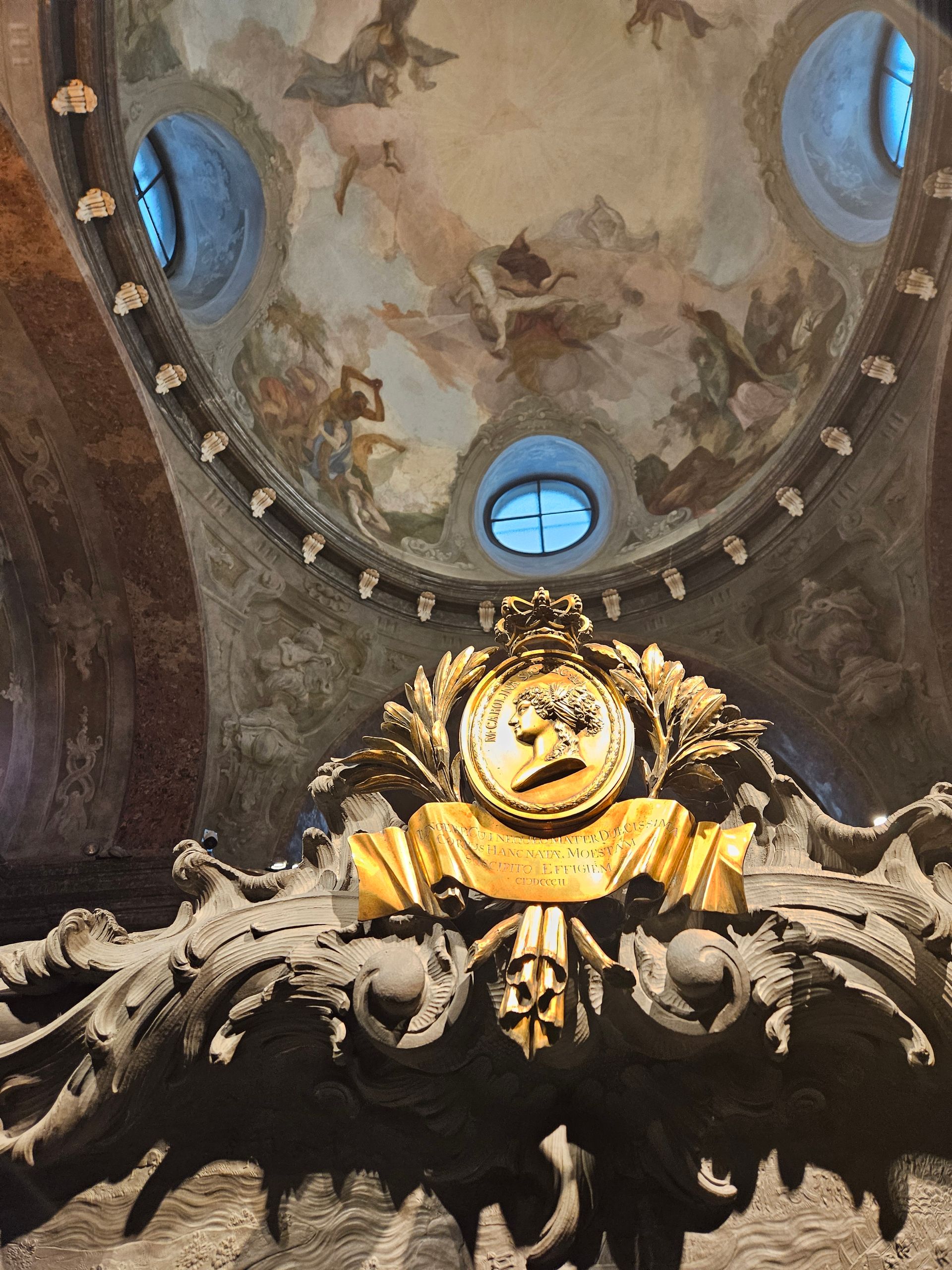
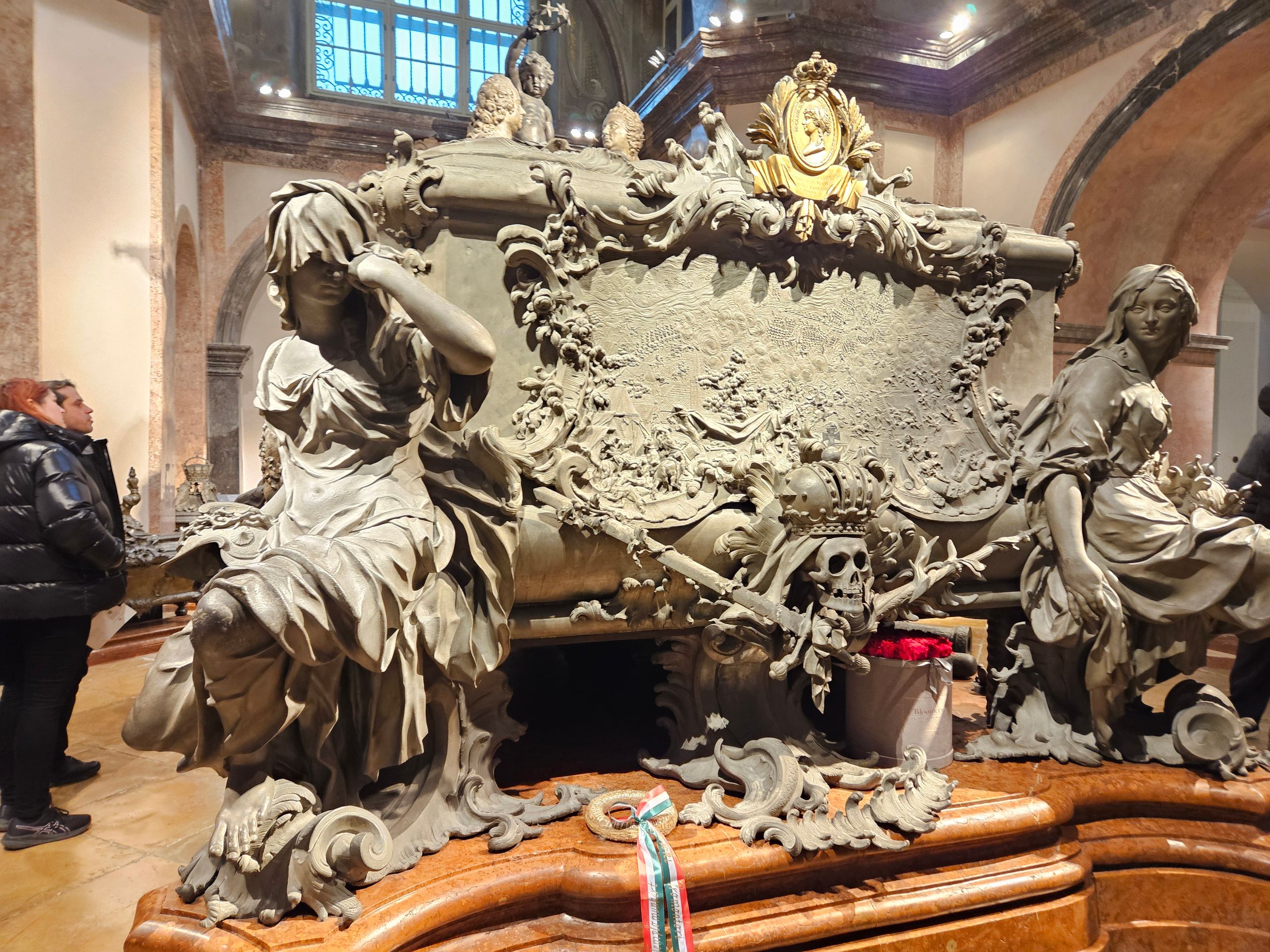
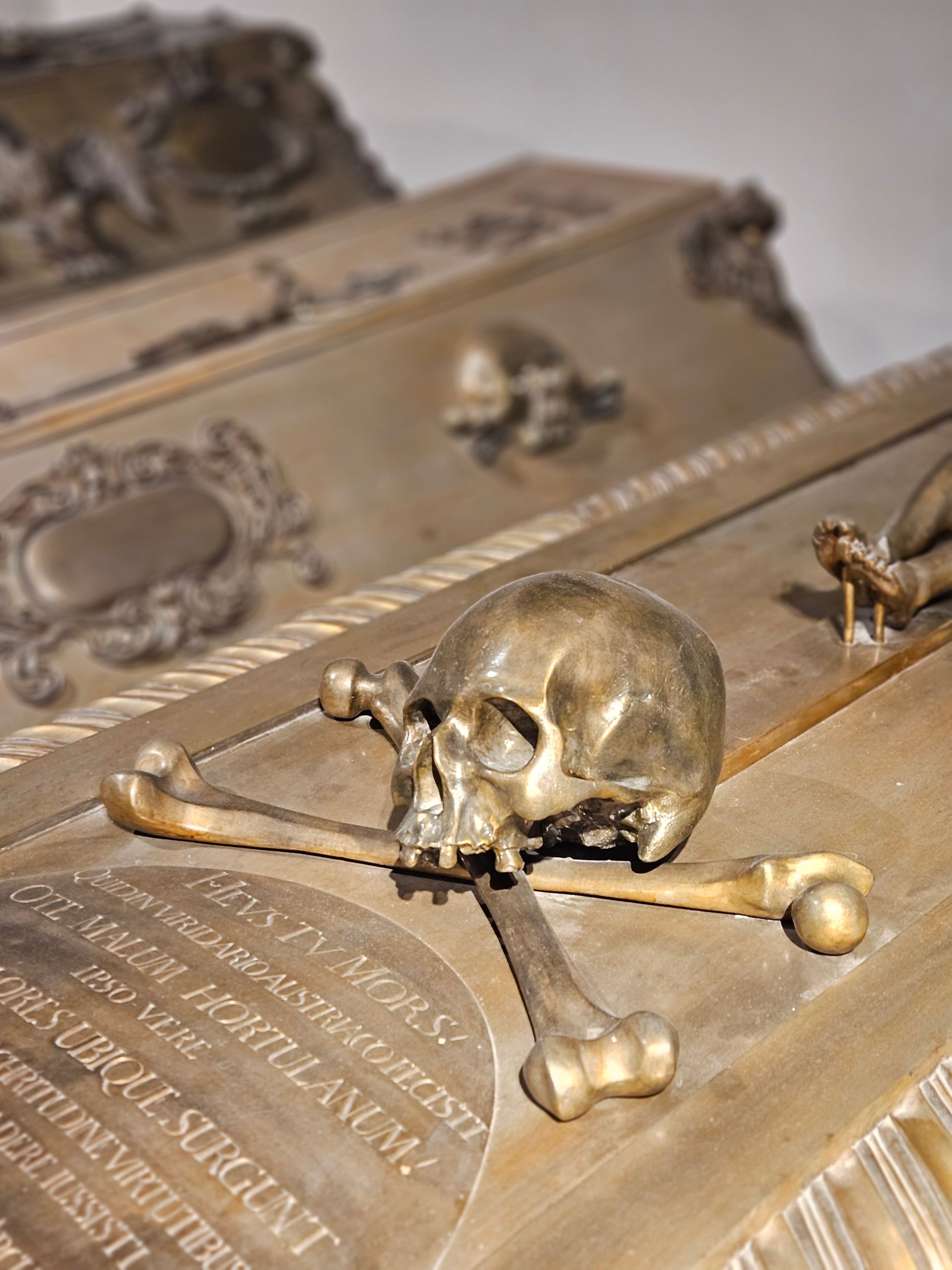
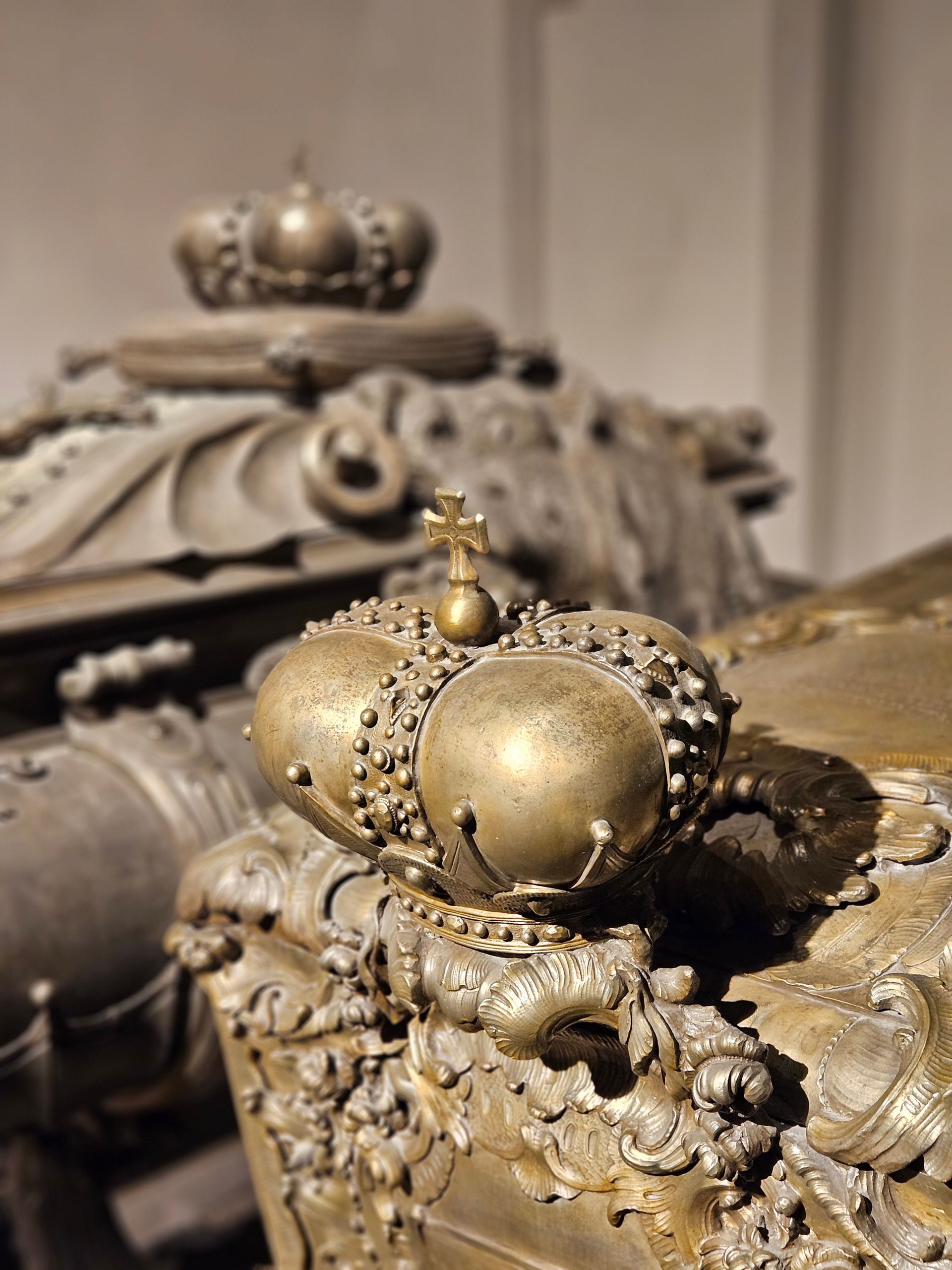
There are significant differences in size and design. The Baroque and Rococo-style sarcophagi are particularly elaborate and even opulent, reflecting the taste of the period. The double sarcophagus of Maria Theresa and her husband Franz I. Stephen of Lorraine stands out especially. A special Maria Theresa Crypt was built just for her.
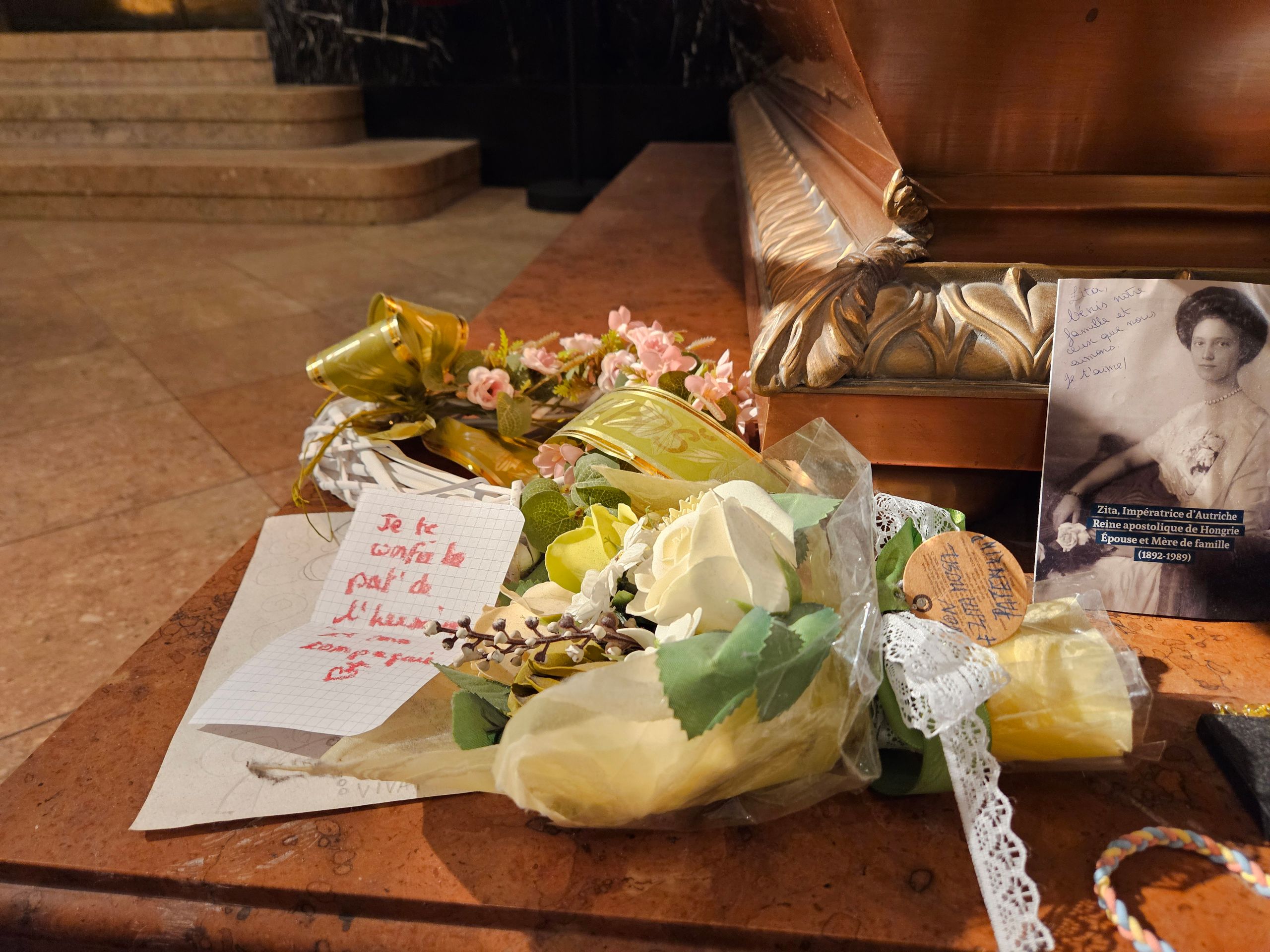
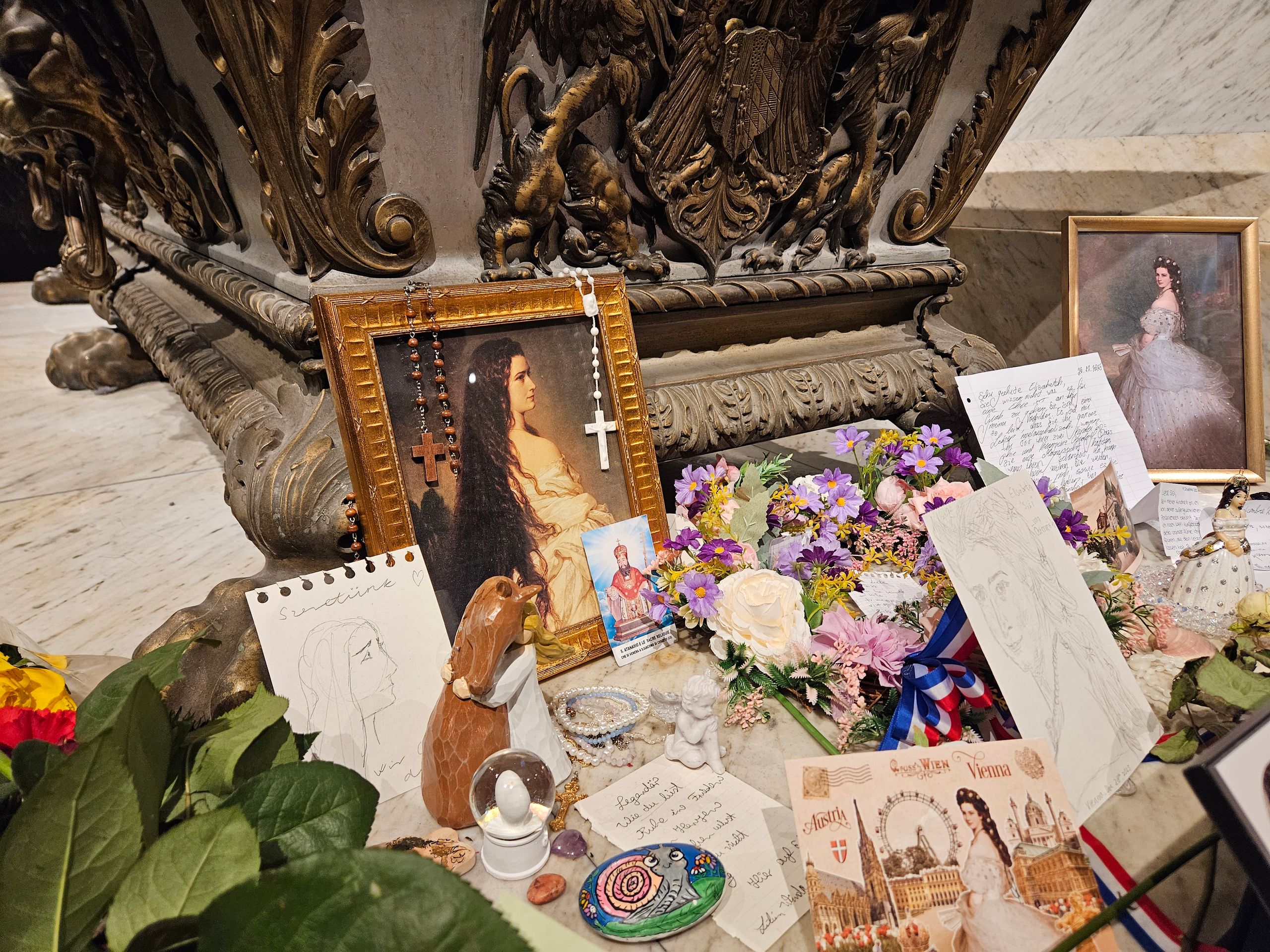
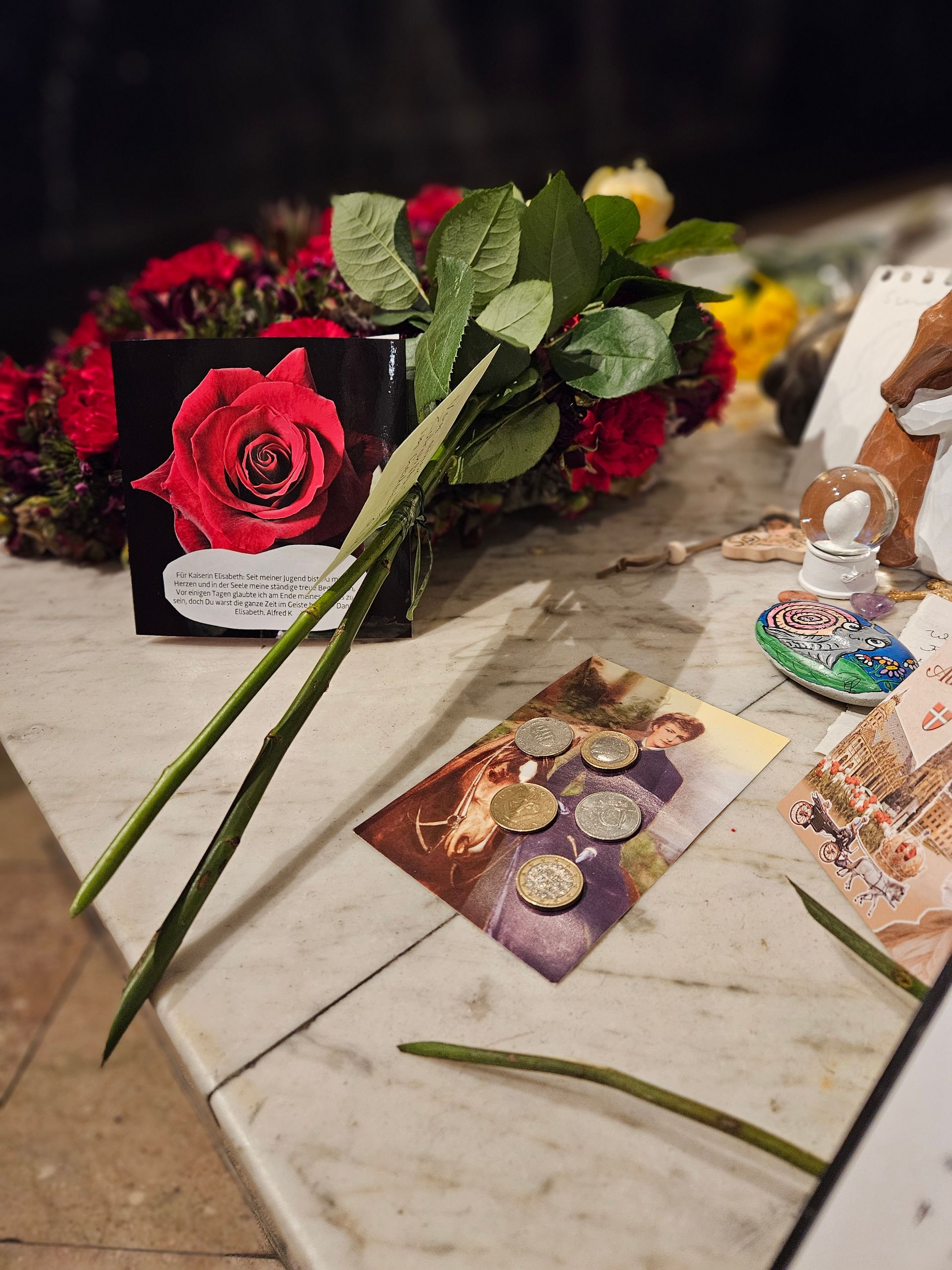
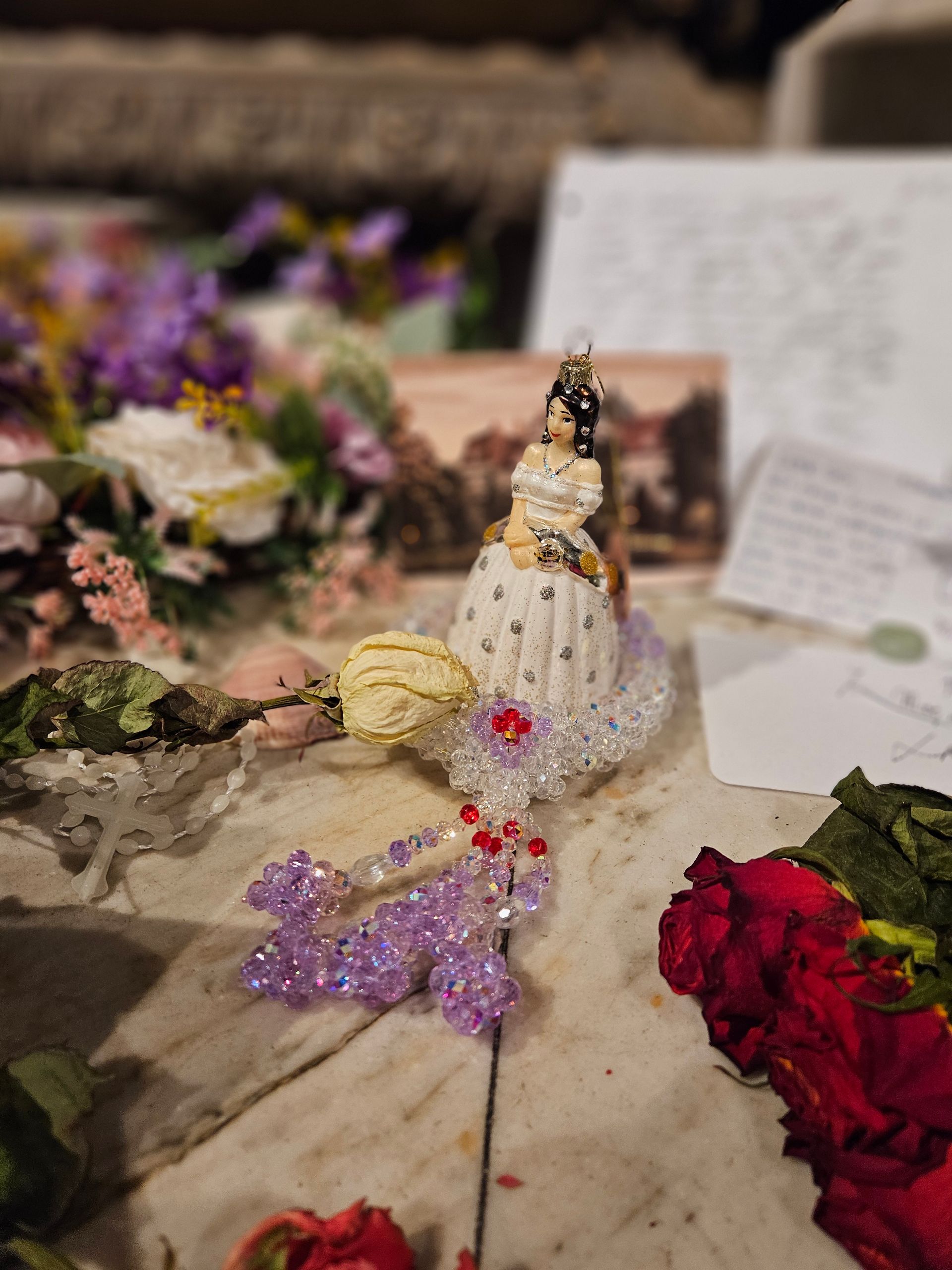
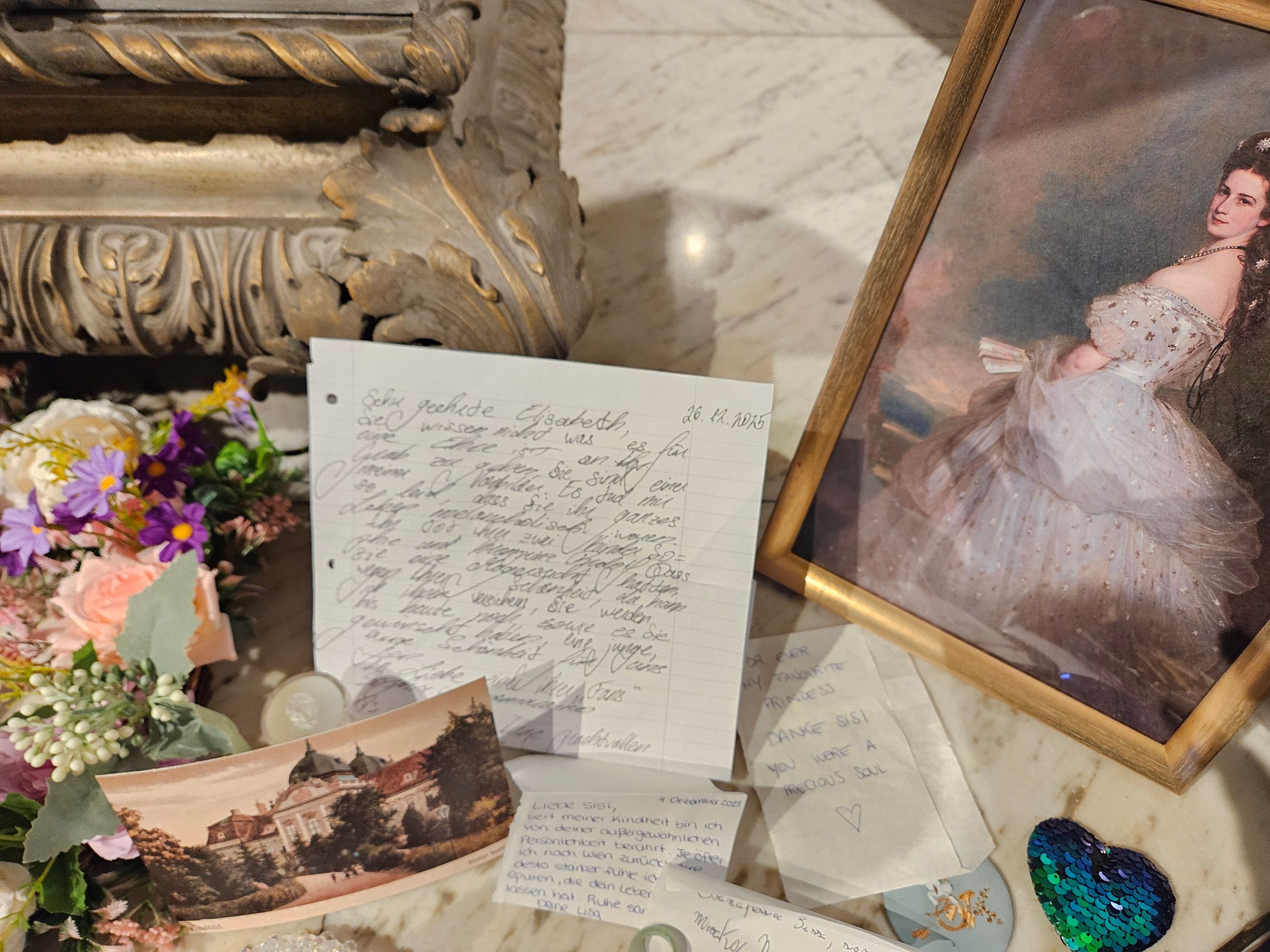
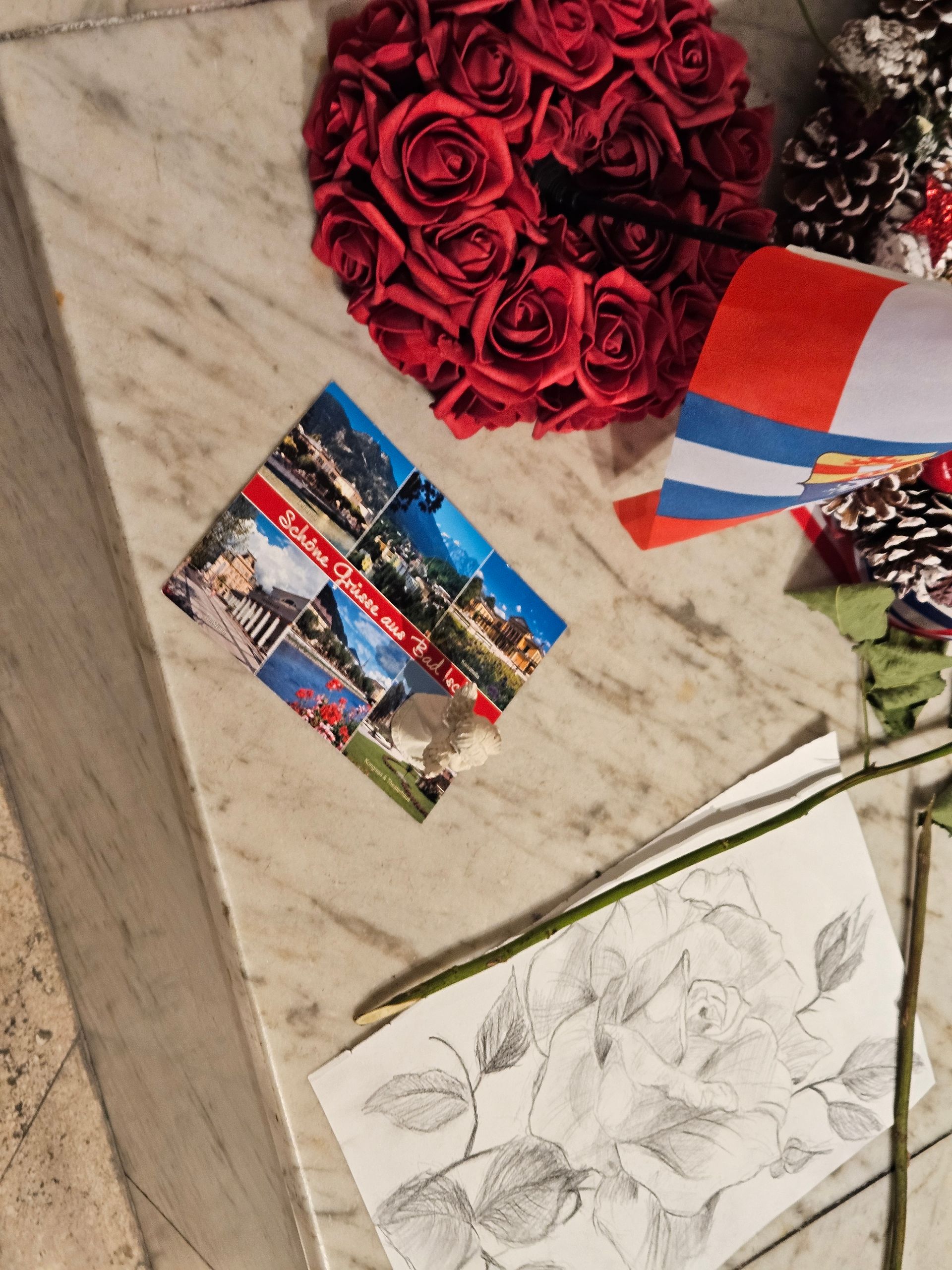
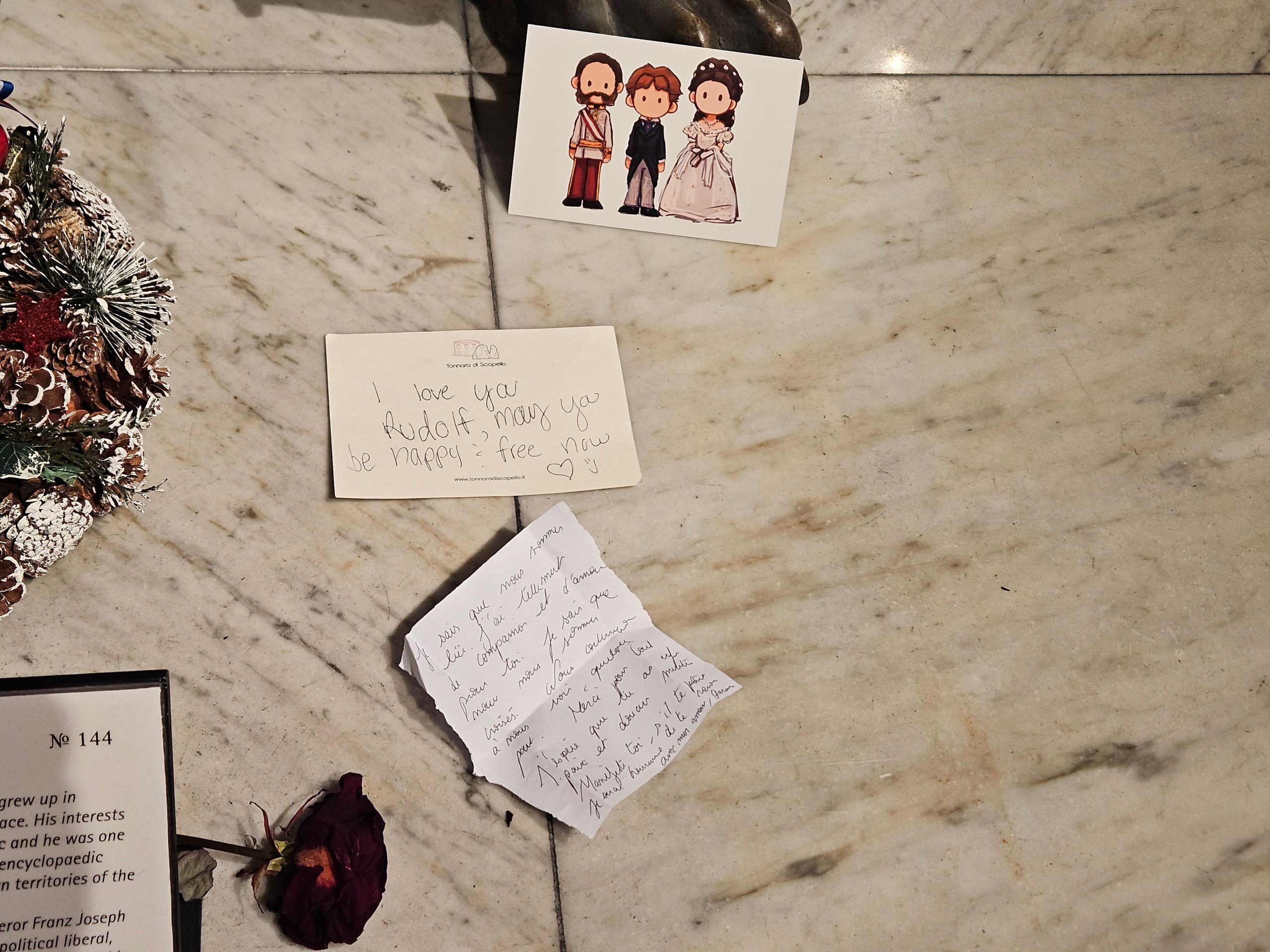
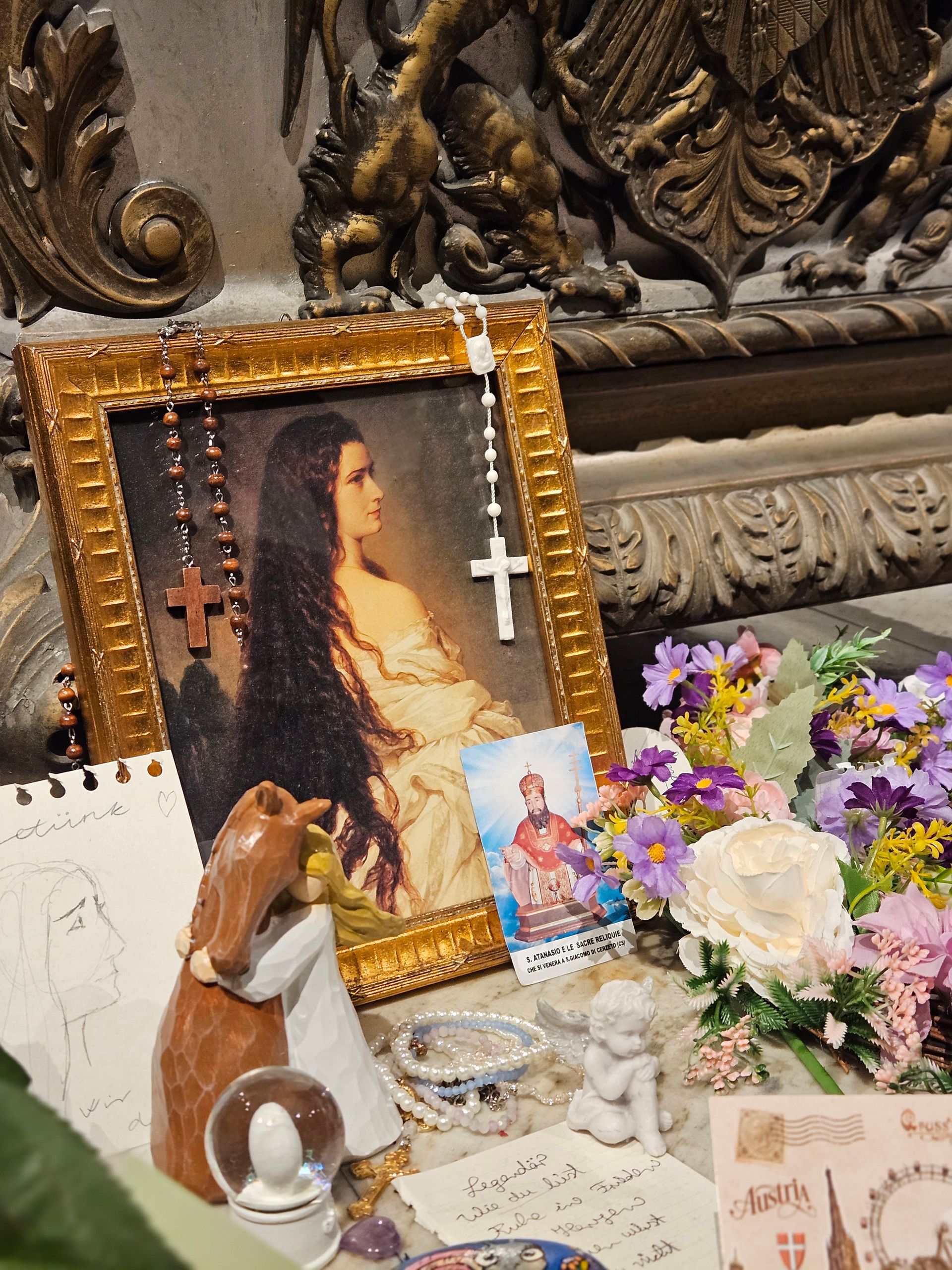
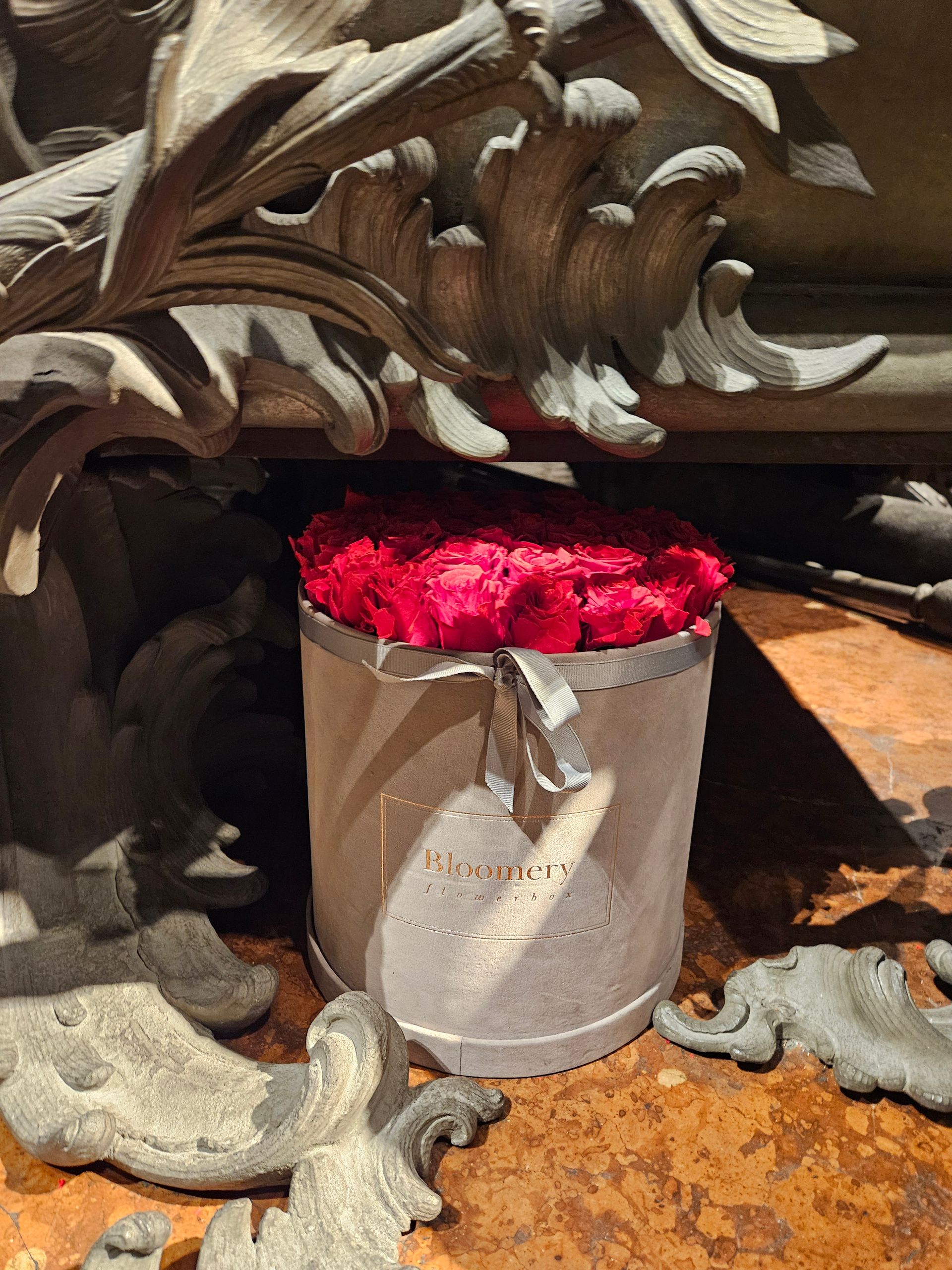
Sisi, Franz Joseph, and their son Rudolf rest in separate sarcophagi, but in the same room next to each other. Here, one can also find many tributes brought by visitors, including personal letters, flowers, or dolls. Apparently, many people associate their own fate with Sisi and seek solace during personal crises, such as during depression.
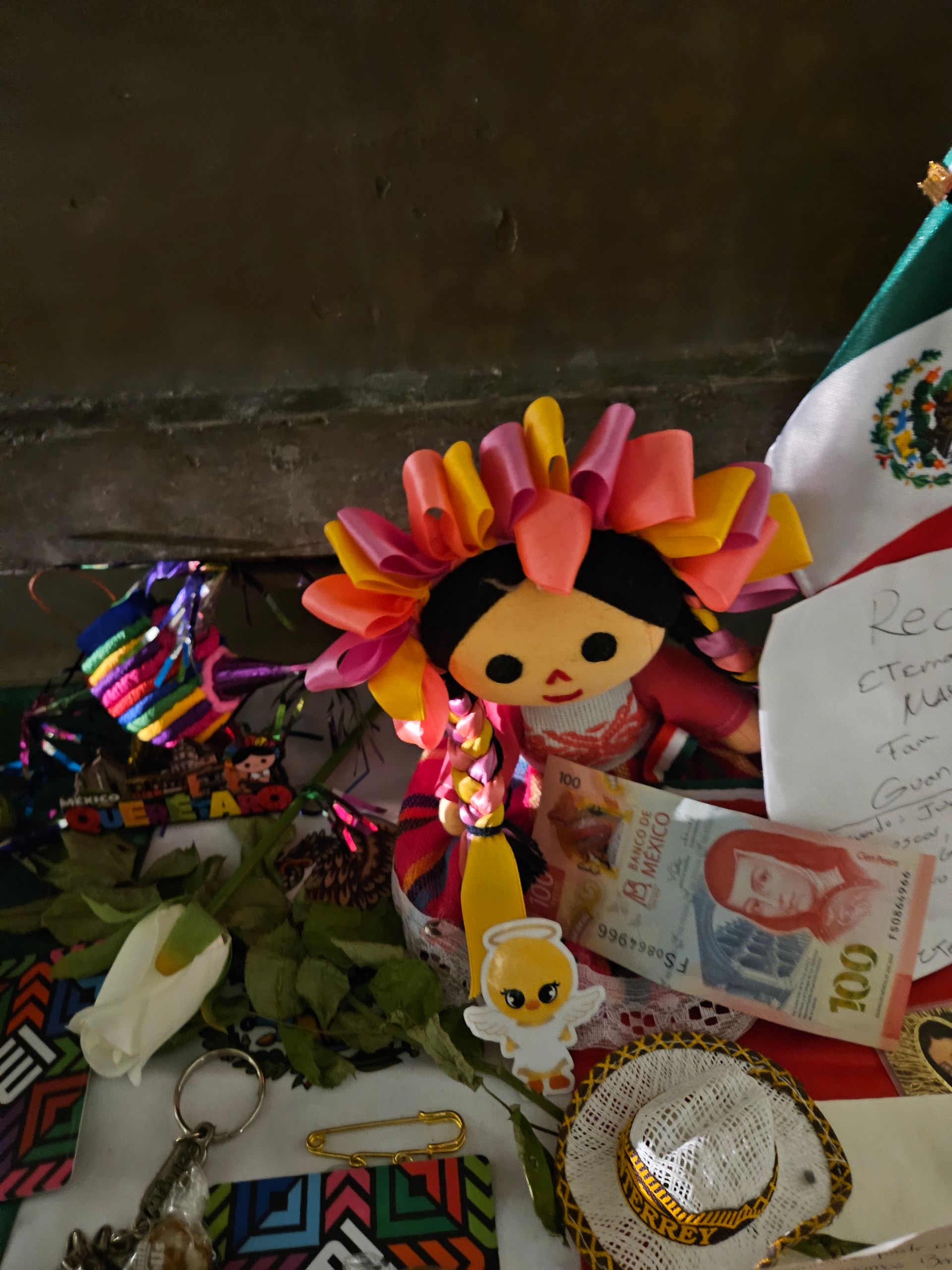
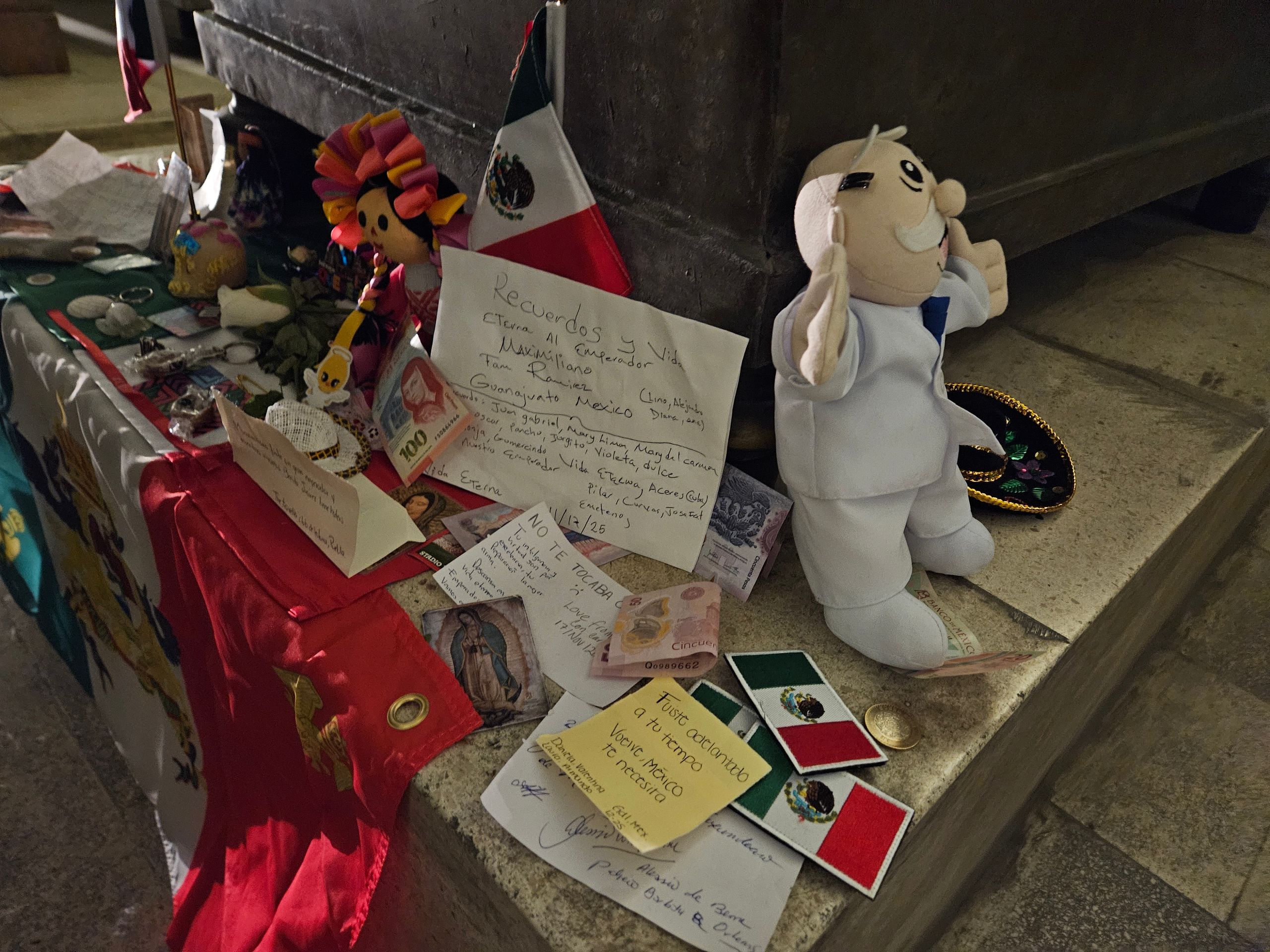
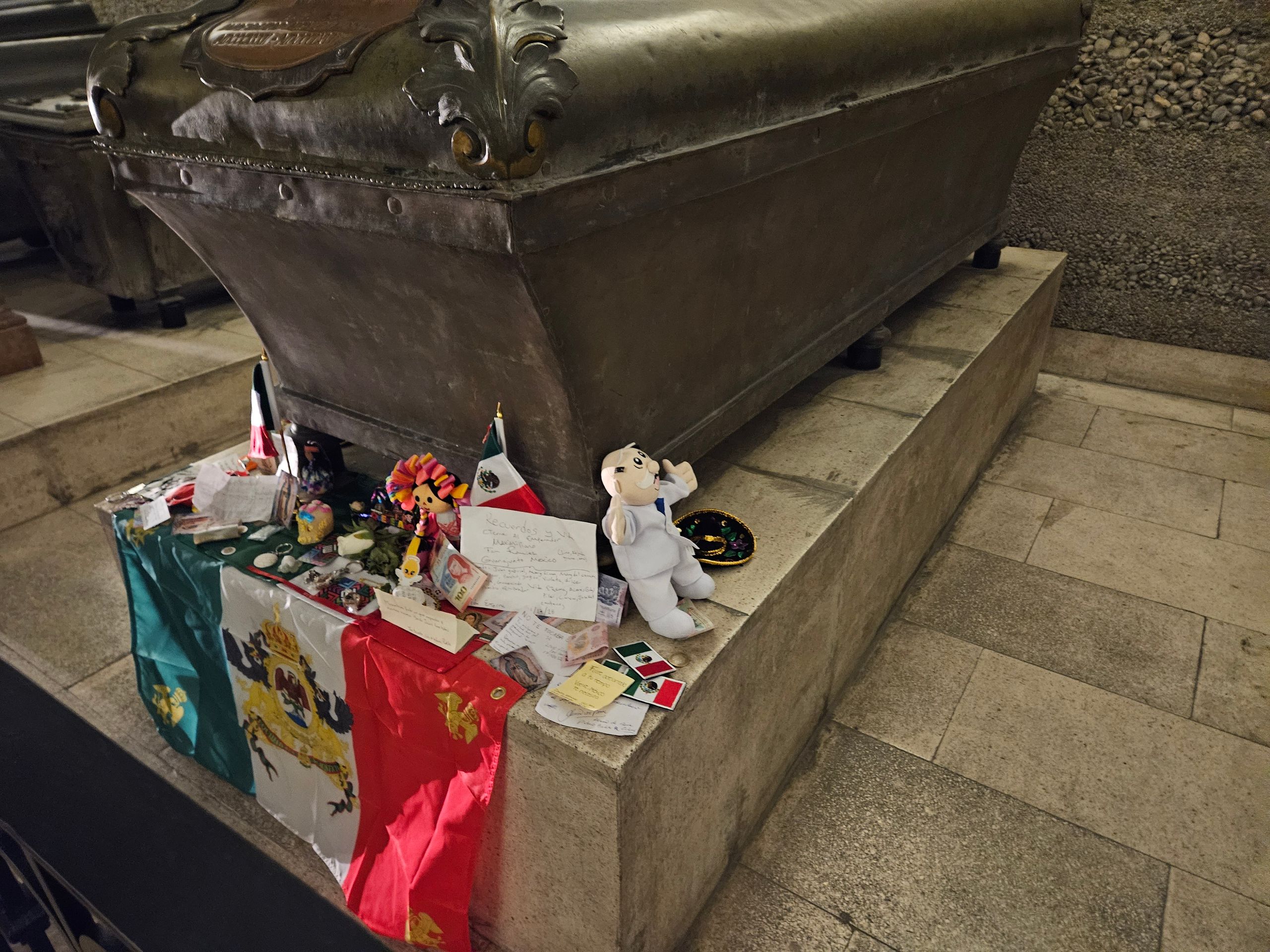
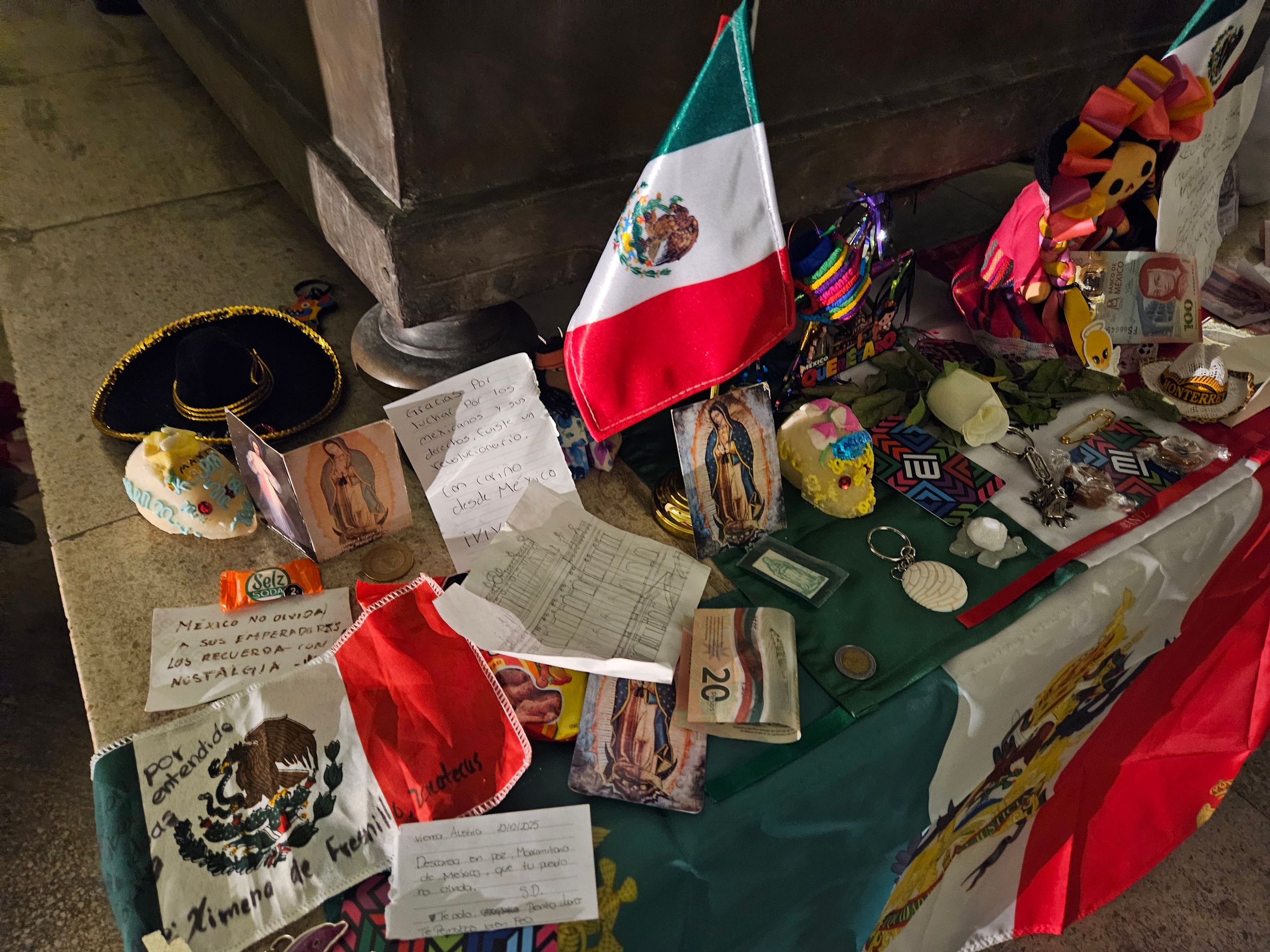
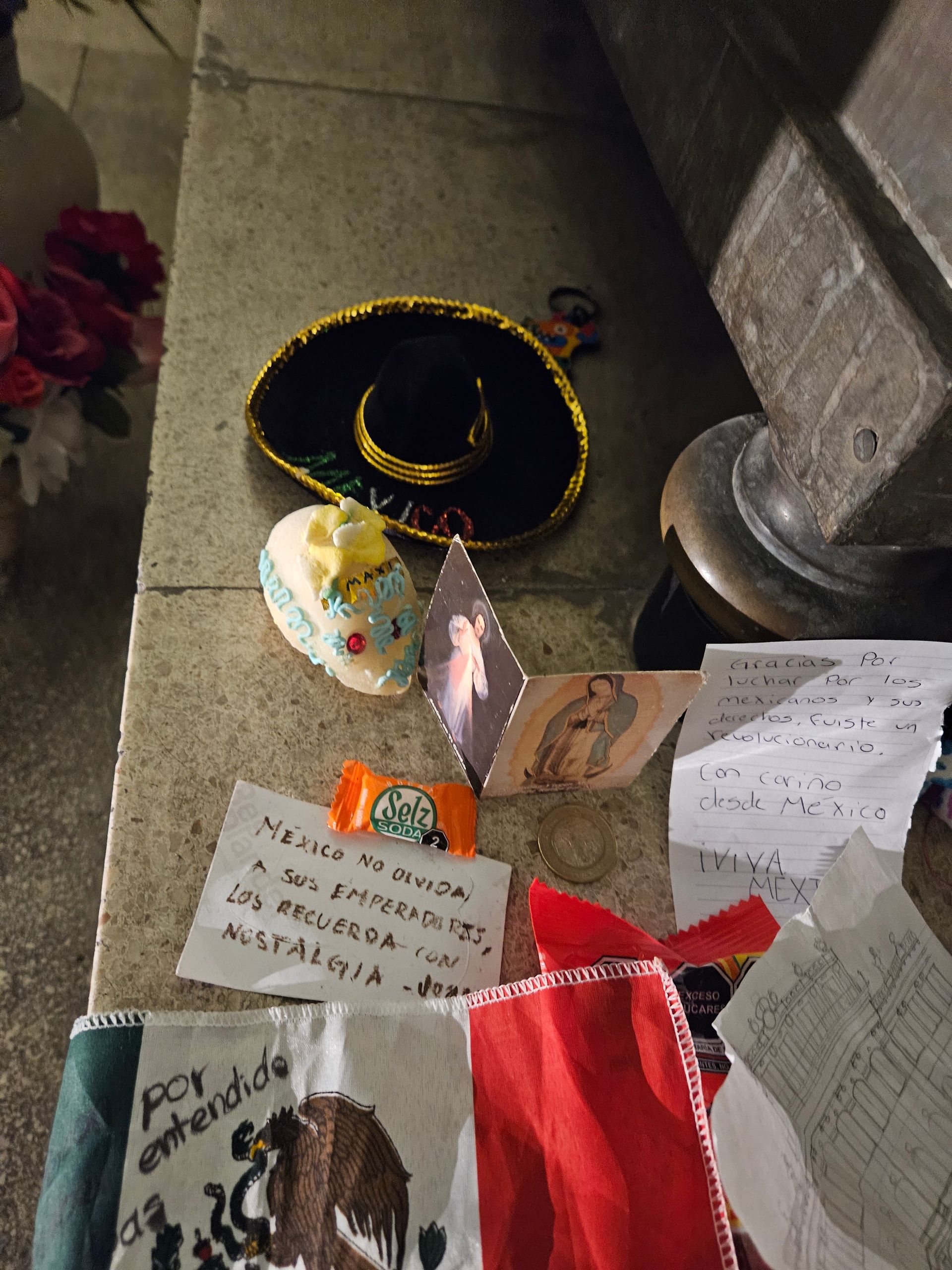
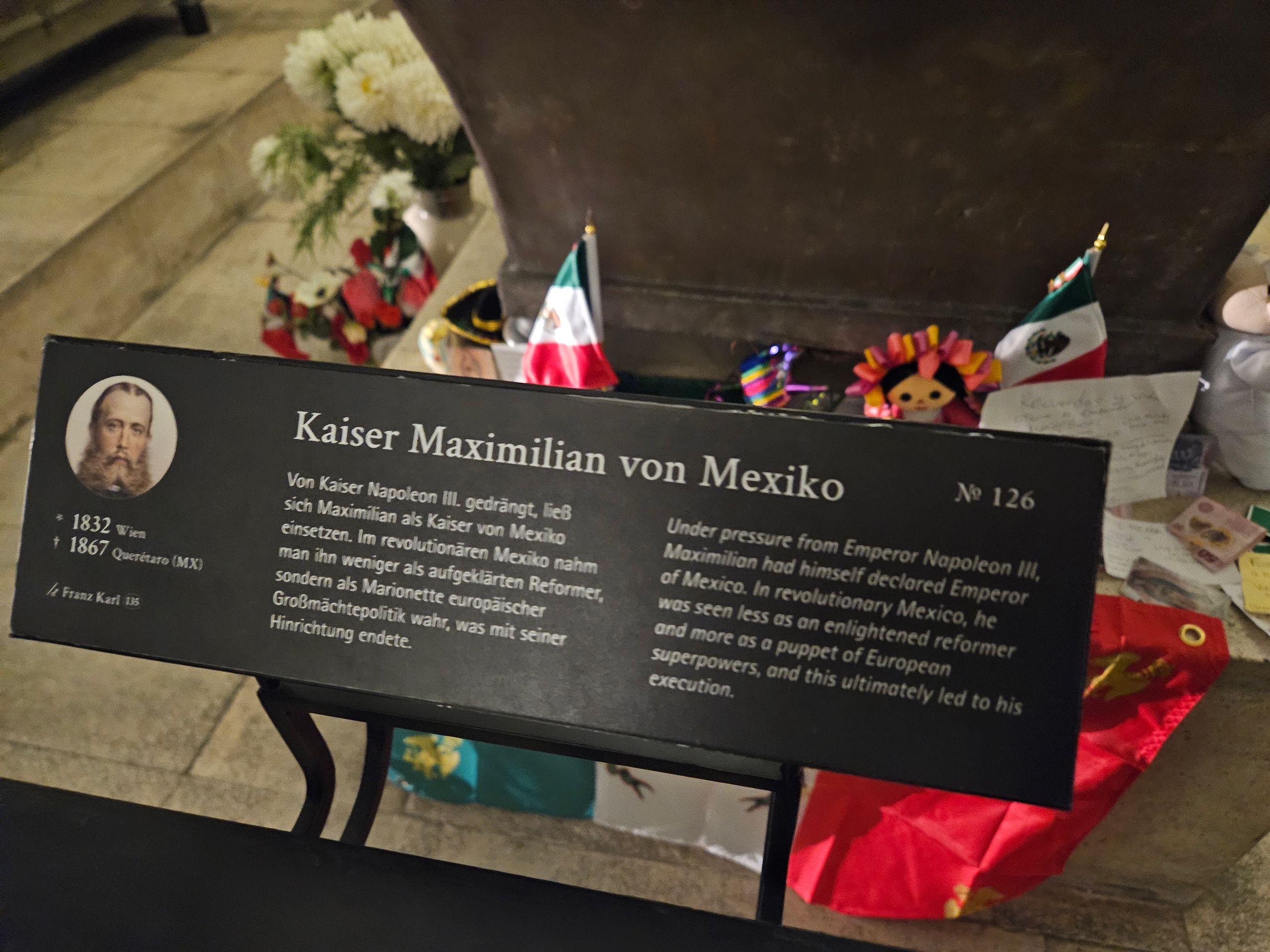
Franz Joseph's brother, Maximilian I of Mexico, is also laid to rest in the Imperial Crypt, after his body was transported from Mexico to Vienna. His short and dramatic reign ended in 1867 with his execution in Querétaro. Today, he seems to be romanticized in Mexico, at least by some, as small offerings such as sombreros, Mexican flags, or colorful skulls can be found at his sarcophagus.
The assassination of the heir to the throne, Archduke Franz Ferdinand, in Sarajevo (1914) is regarded as the trigger for a chain reaction that ultimately led to World War I. However, he himself is not buried in the Imperial Crypt, but rests alongside his wife Sophie at Artstetten Castle in Lower Austria.
The Habsburgs were effectively exiled starting in 1918, legally binding from 1919, unless they explicitly renounced their claims to the throne.
The last crown prince of the monarchy, Otto von Habsburg, did so in 1961 and received the possibility of returning to Austria. He later became a member of the European Parliament and died in 2011. He is also buried in the Imperial Crypt, marking the provisional conclusion of this long series of Habsburg burials.
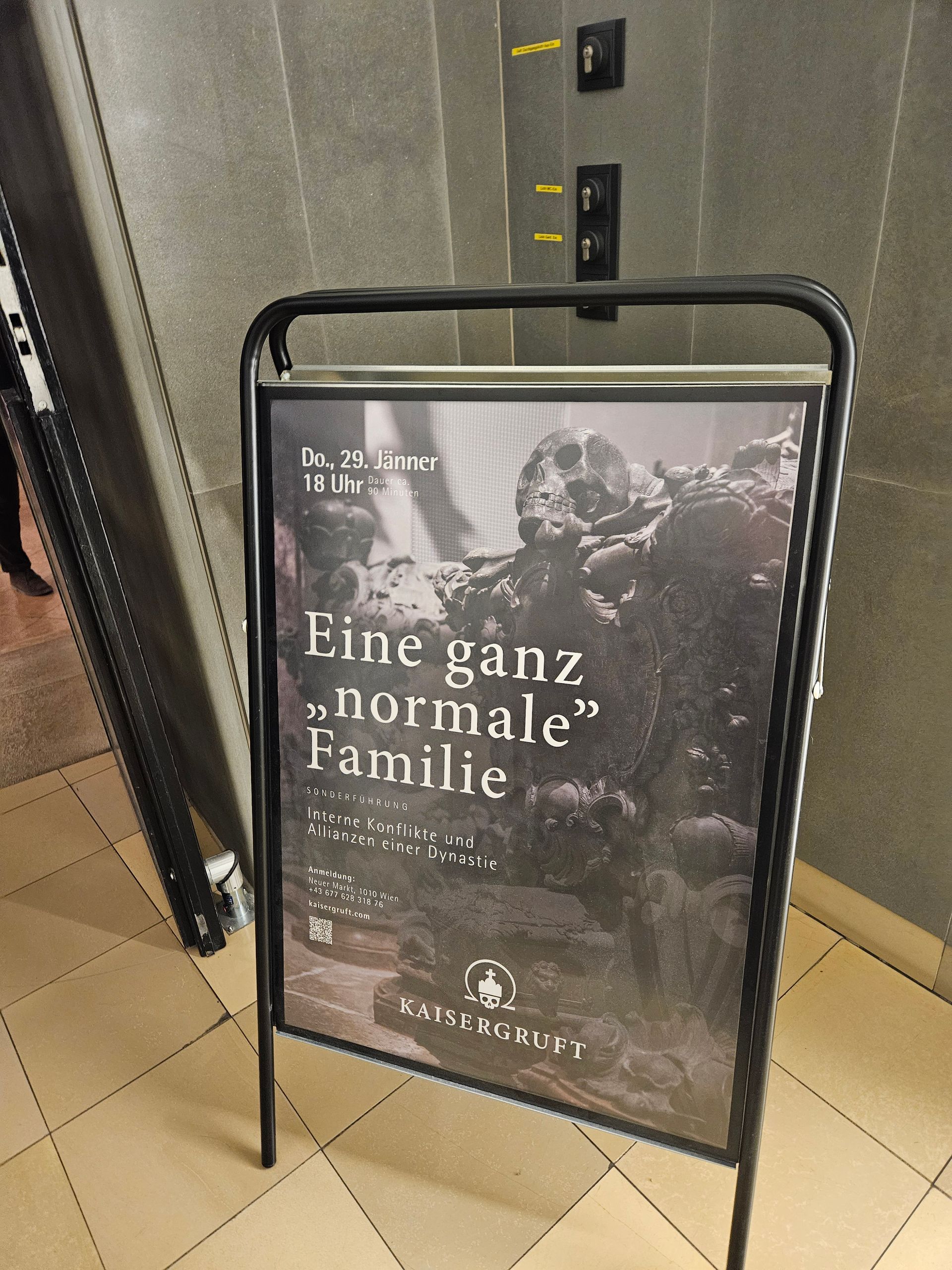
Guided tours are offered, for example under the title “A perfectly normal family,” but not daily. However, it is worthwhile to visit the crypt on your own. Each sarcophagus has explanatory panels that explain life dates and fates. It becomes particularly clear that even Emperors and Empresses were not protected from illness, suffering, and early death and that many were married primarily for dynastic reasons and served as unhappy “breeding machines.”
The admission for adults is currently around 13 euros.