
Perfect Days (Fukuoka / Hiroshima)
Fukuoka from above

Published: 28.11.2025
'East or West Germany?', they want to know. They ask the right questions. In Melbourne, they have a hidden bar that is split in two. If you answer 'Eastern Germany' when asked at the entrance, you end up in the cooler part of the pub, filled with old furniture and retro decor from the GDR.
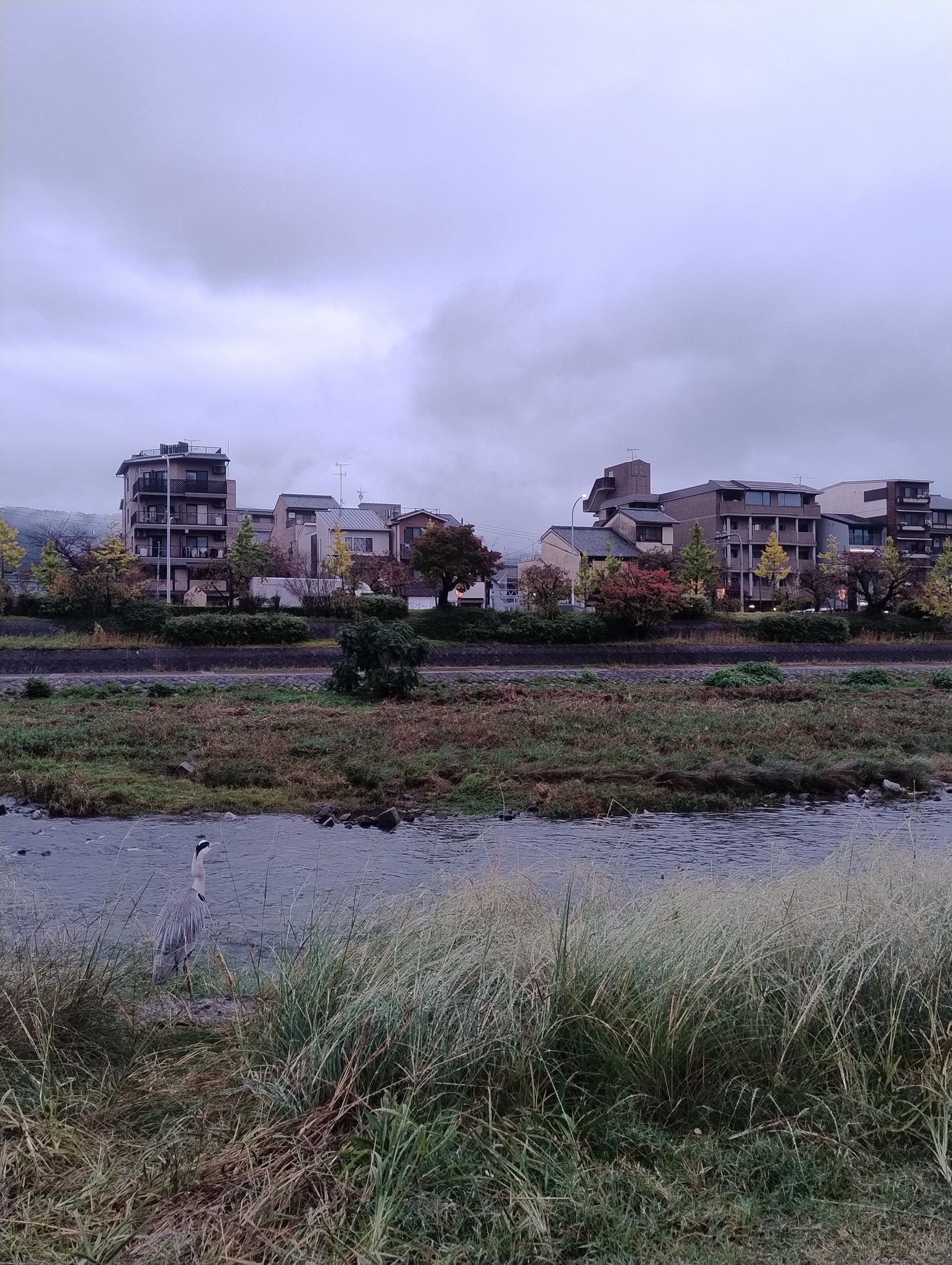
We play Uno with an Irishman and let Kyoto be Kyoto outside.
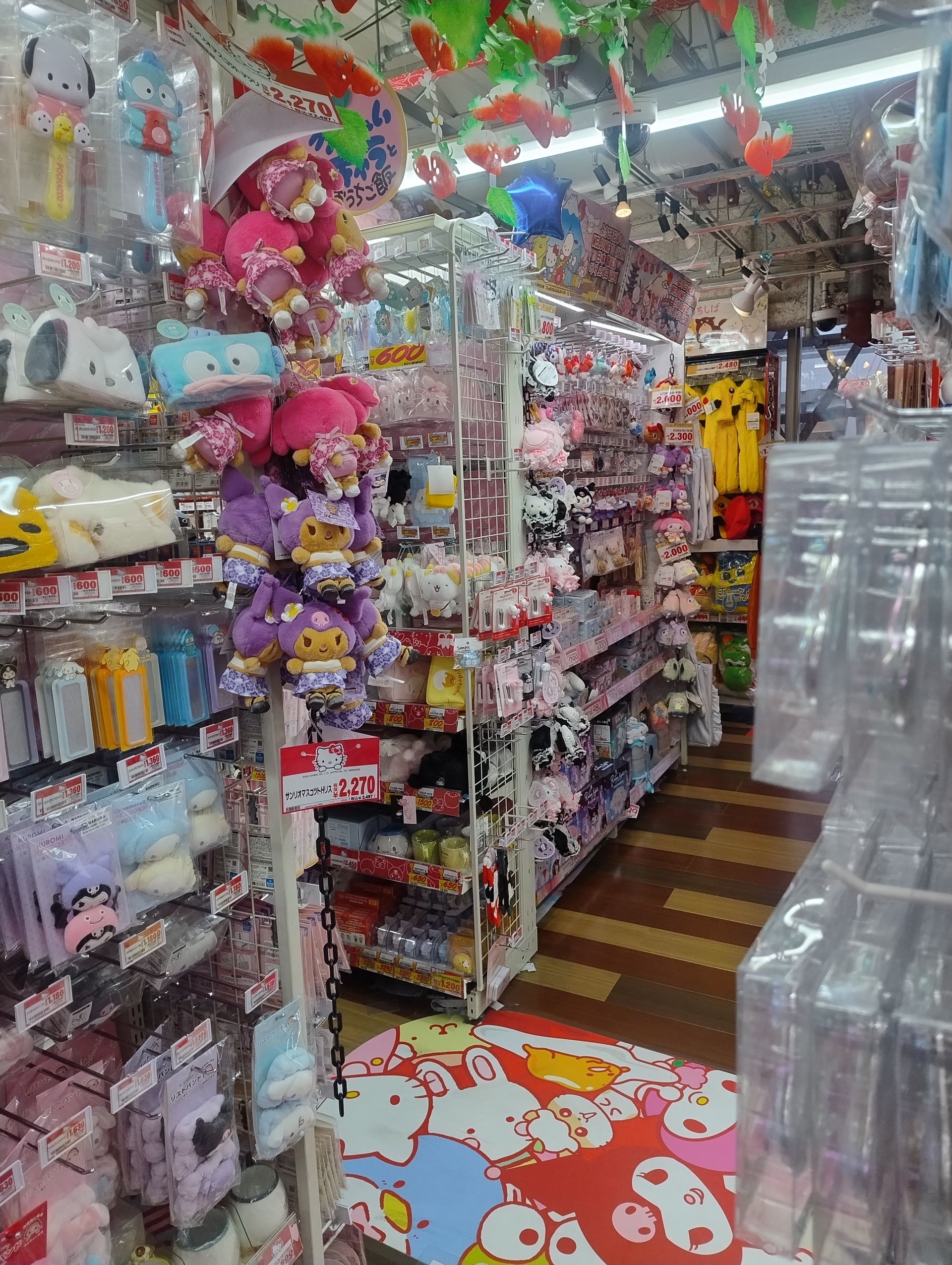
However, I still maintain my self-imposed path of arrogant disdain for anything touristy. I want to brush past sightseeing spots at best and otherwise stroll through the alleys of the city without pressure. I do some shopping and present it to Claire and Emily: a Tamagotchi as a souvenir, a bear bell for my hike in the Japanese Alps, and a set of wired headphones. 'Do you know how some people on trains often listen to videos and music out loud?', I explain to Emily why I specifically bought a few cheap Japanese headphones. As a regular ICE commuter, I dream every time of passively aggressively handing headphones to an ignorant passenger who has turned their phone up to full volume. I can't help myself. It probably confirms exactly the impression of the conceited, pedantic German that the two Australian women already have of me. But somehow my particular desire to educate noise makers in everyday life also fits the Japanese mentality.
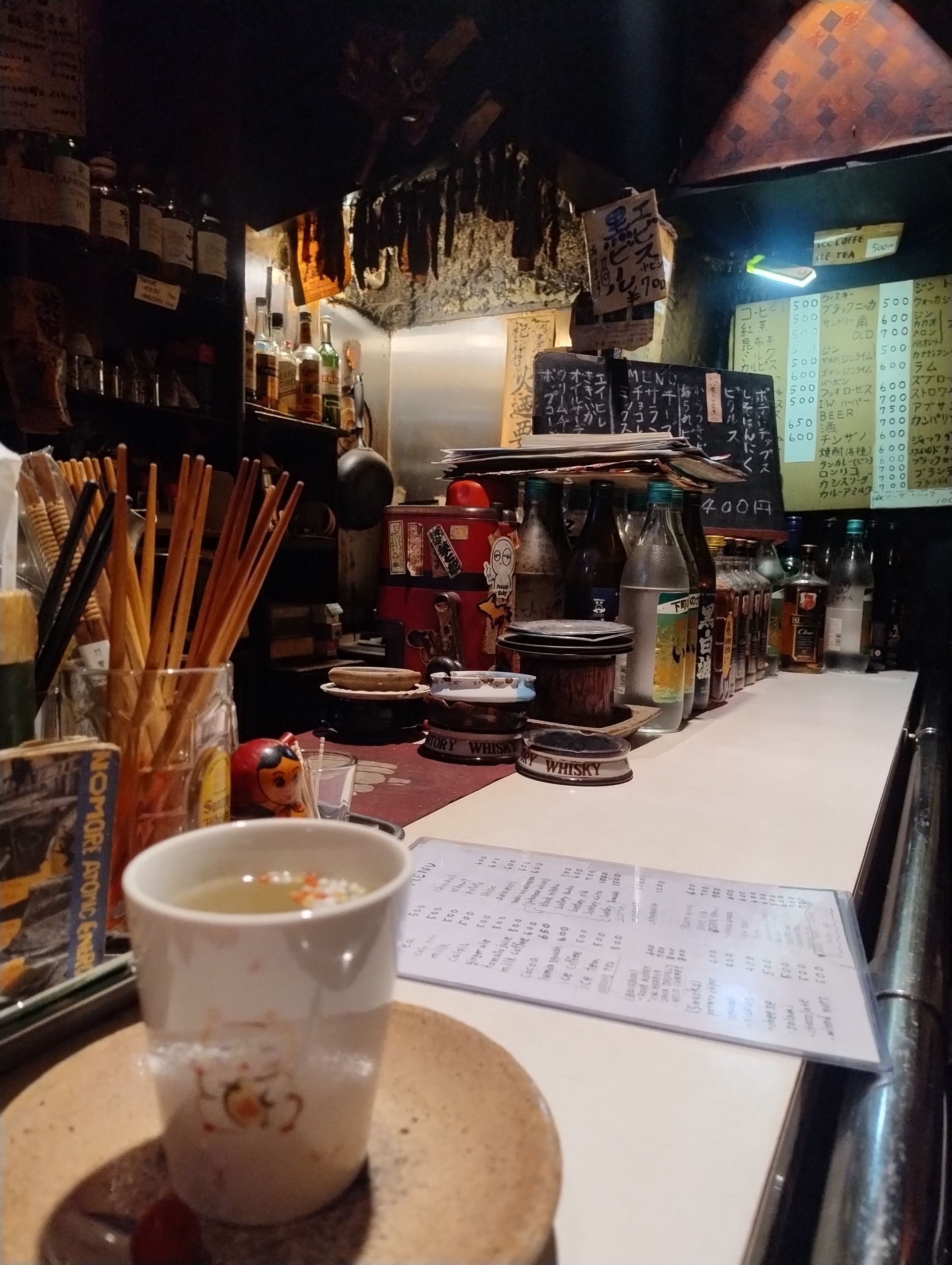
The times of harakiri and kamikaze are hard for me to imagine, especially as I sit in the jazz bar that Axel recommended to me. A narrow staircase leads into a windowless chamber outfitted with freestanding shelves, bowing under the weight of hundreds of vinyl records. Behind the counter, in the dim light, the bartender quietly switches the records. The two regulars are sipping tea at the only table in the room. I take a seat at one of the handful of barstools, as is customary for solo guests. Shazam shows me the current track: Train of Thought - Gabriel Latchin Trio. Japan loves jazz. I love Japan.
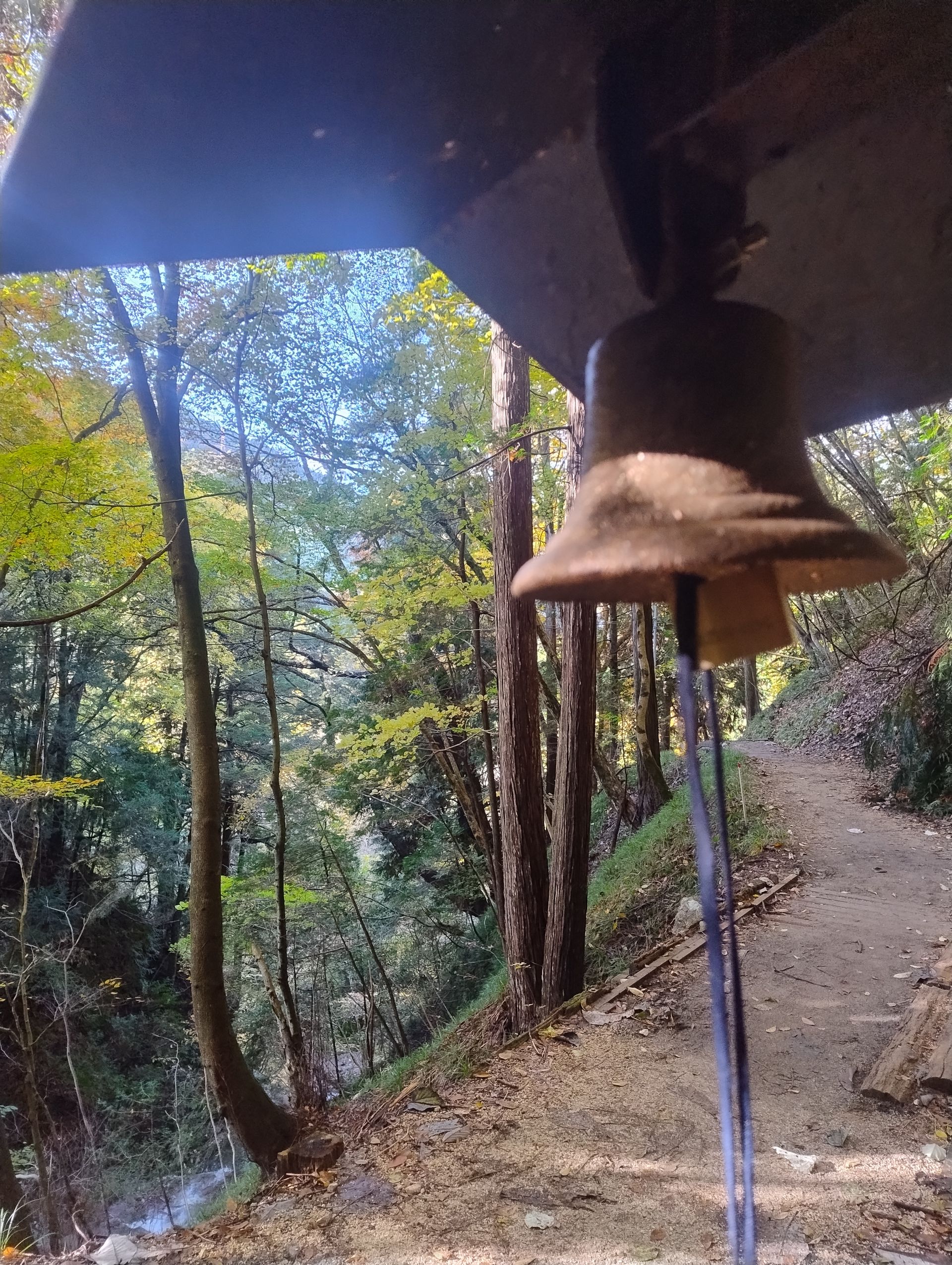
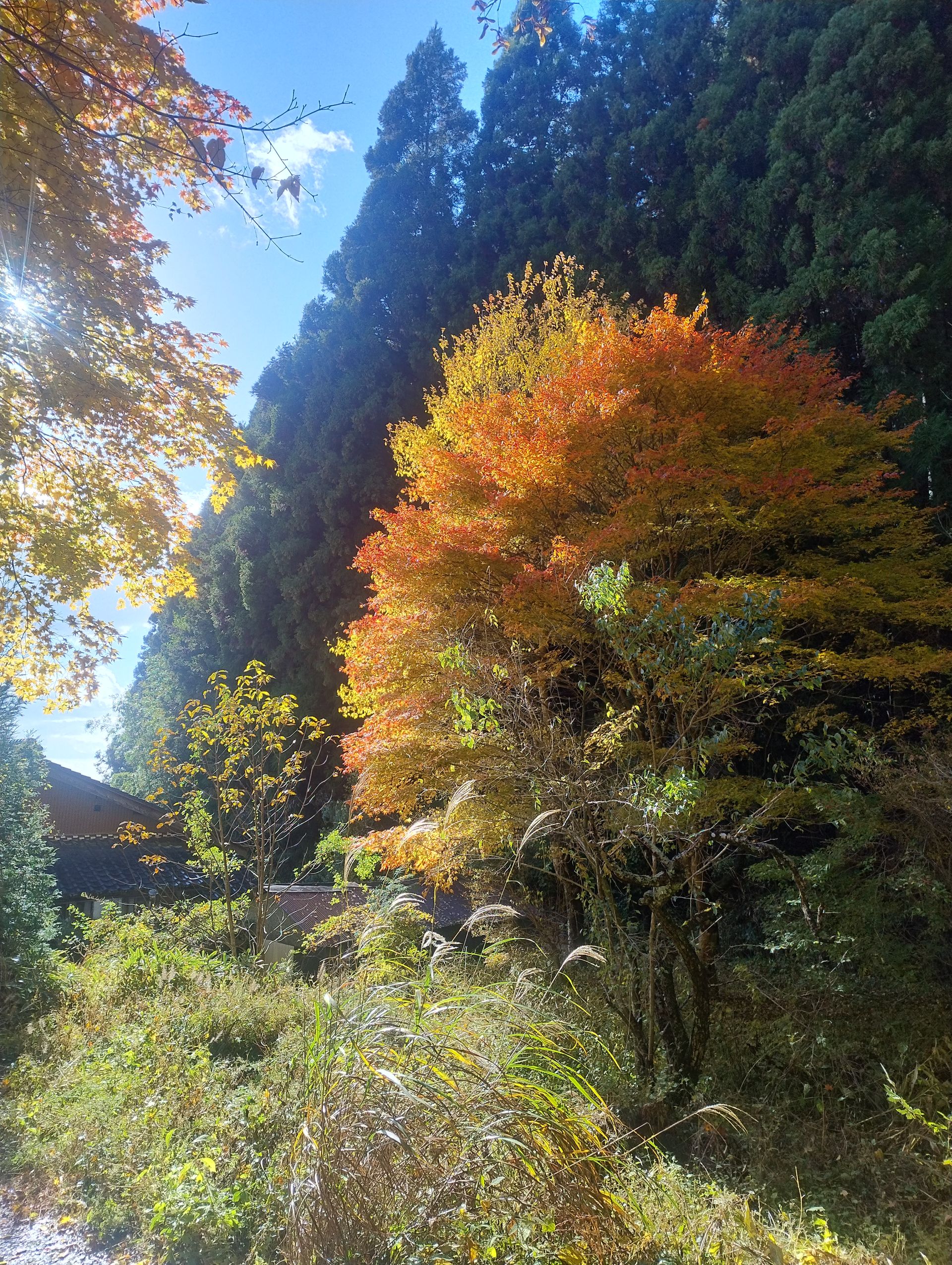
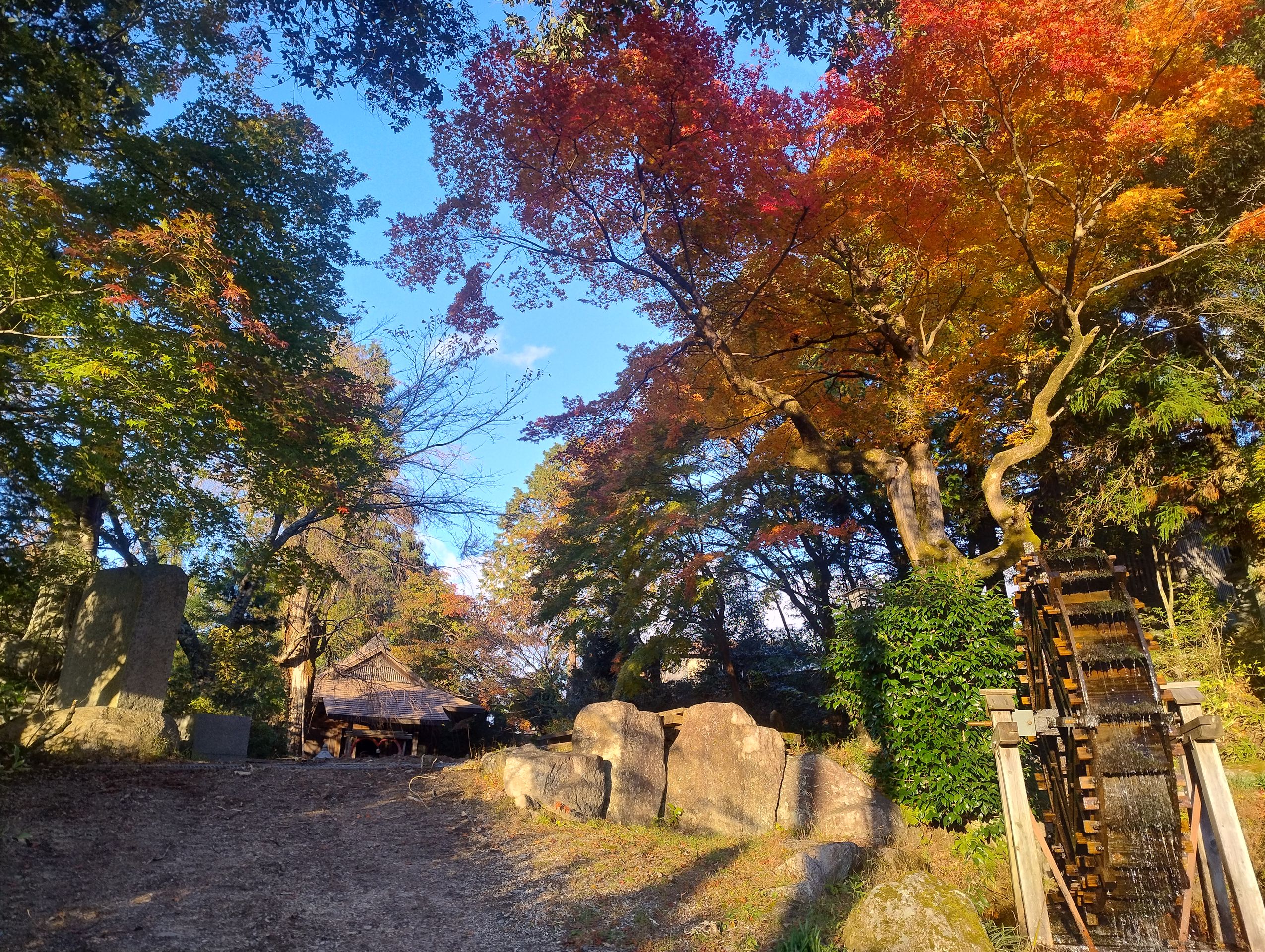
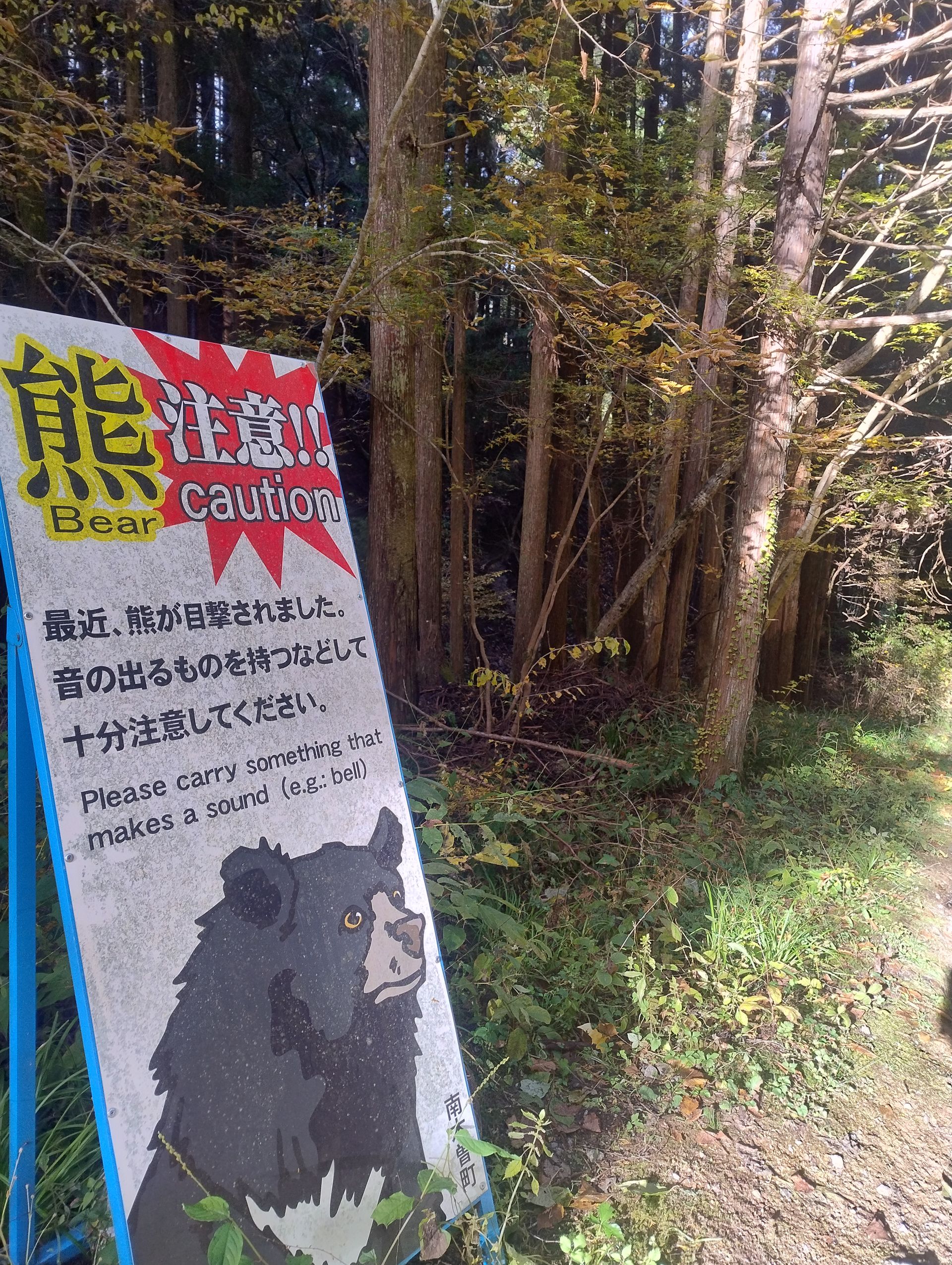
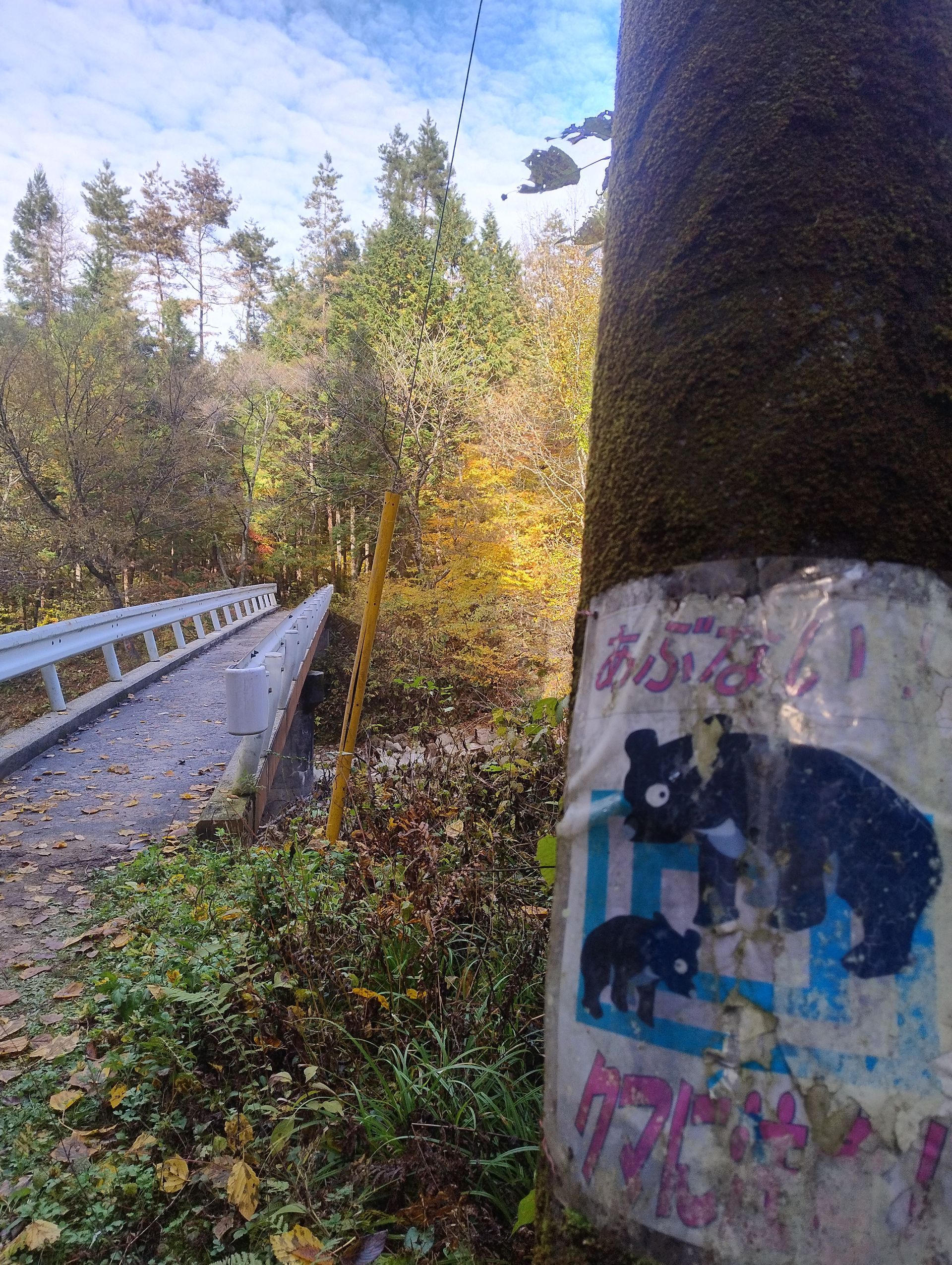
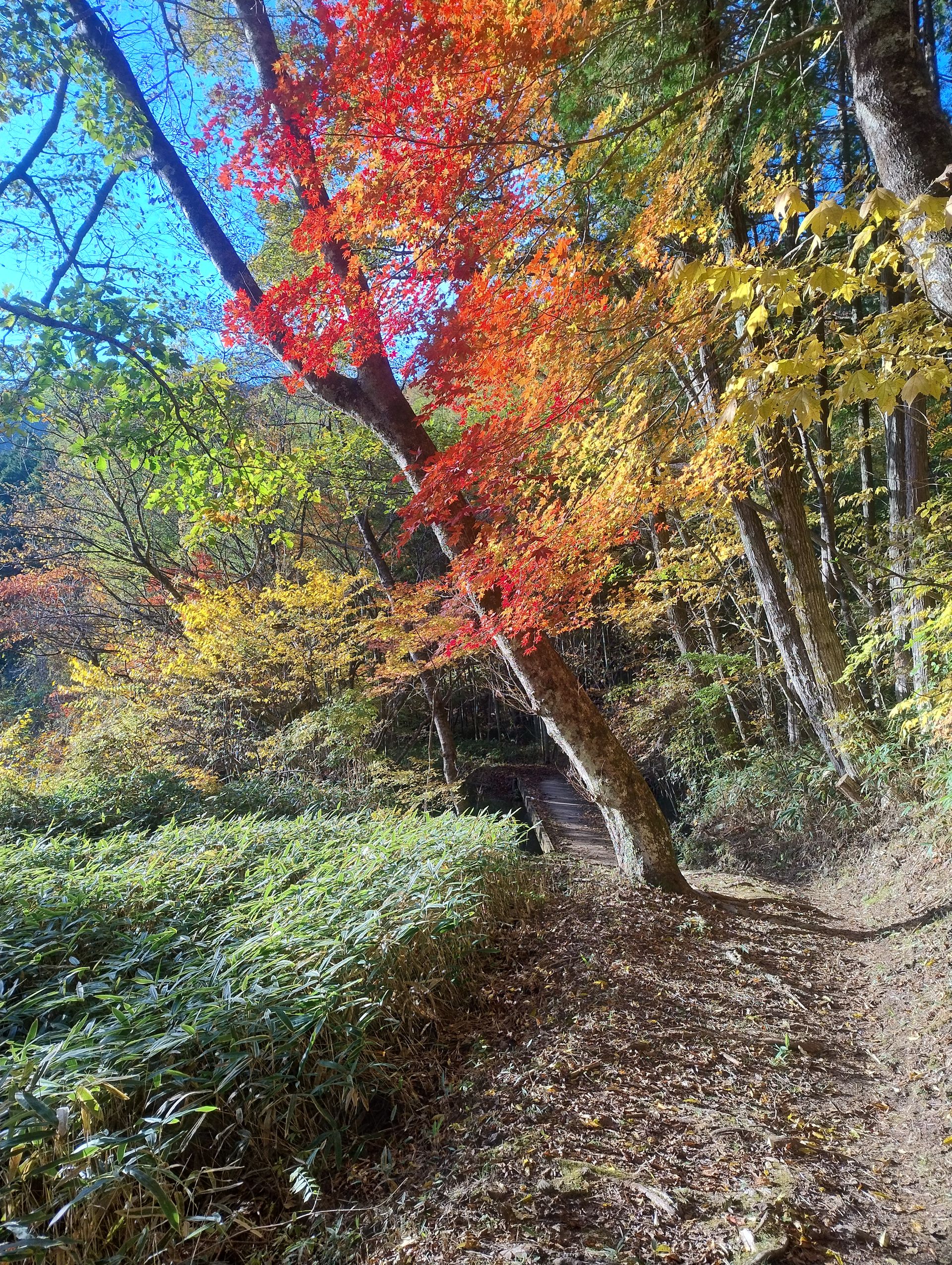
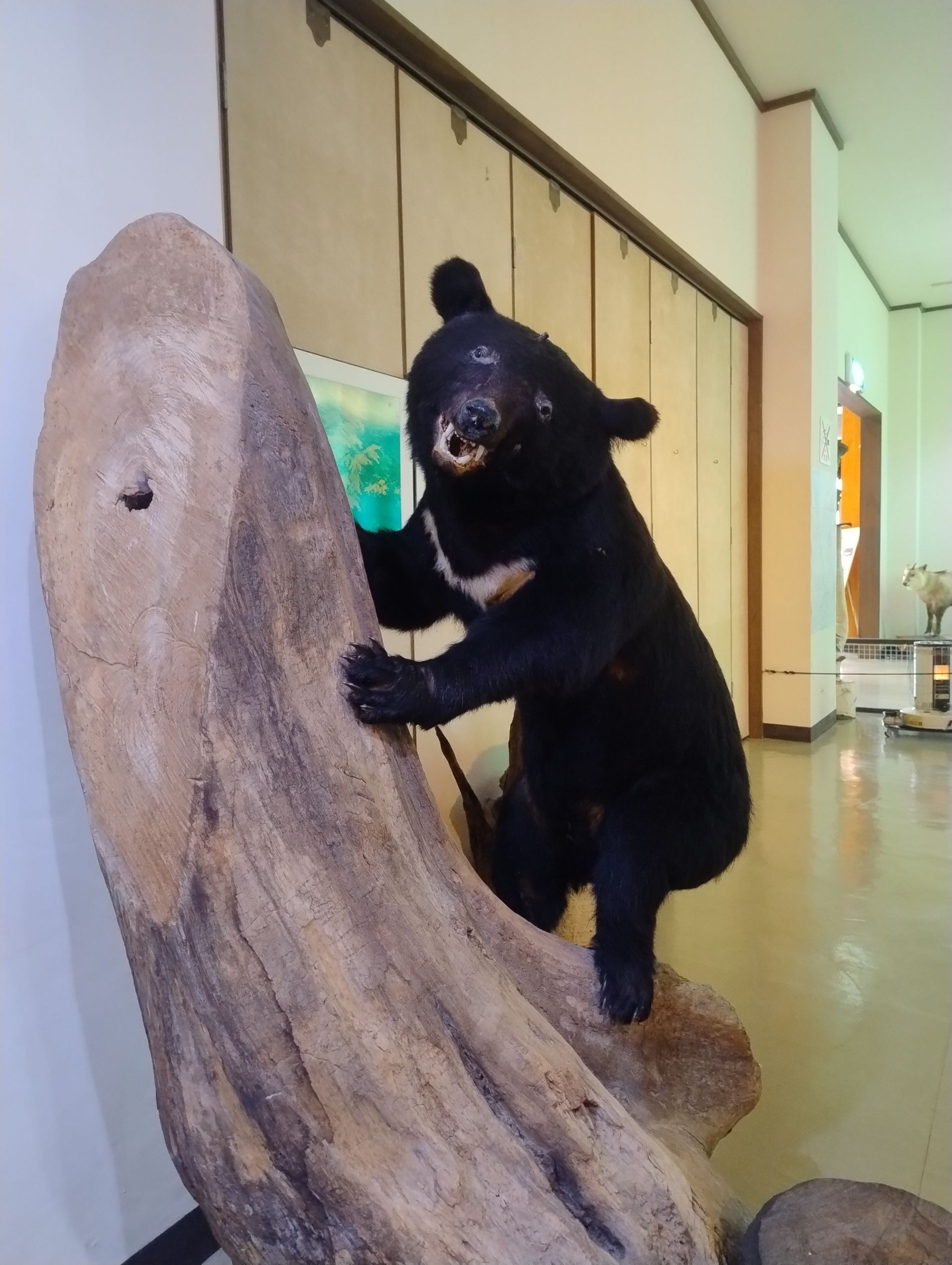
I am now heading into this area. My multi-day hiking trip first takes me to Nakatsugawa. From here, the former post and now long-distance hiking trail Nakosen-do runs parallel to a railway line towards Matsumoto. On the first day on the most popular section, I am still surrounded by numerous fellow hikers. Everyone carries a small bell on their backpack or jacket to keep the animals at bay. Anything that makes noise is allowed and welcomed. All along the trail and at rest areas, there are sometimes very fearsome, sometimes cute drawings and pictograms of bears indicating the danger. The four-legged friends are about to hibernate and are thus particularly unpredictable. At Nagiso train station, there is a printed map of the village. A red hand-drawn arrow points to the circled Omata Bridge 'Bear appeared!! Nov 5th / Be careful!!' We Nakosendo hikers are it. Rarely has caution looked so cheerful. Everyone jingles their bells, sings and whistles, blasting phone music into the autumn-colored forest. Rules are rules.
This time I find myself almost alone on the trail. I do feel a little uneasy. The louder I ring my bear bell and whistle to myself like Bilbo in the Shire. Bears are generally more active at dusk. Now it’s already after 4:00 PM, and I need to hurry to make it to the train station before dark. But I conclude another day without an encounter with Mr. Bear.
In Matsumoto, my transit point for the next destination Norikura in the Japanese Alps, it is freezing cold. In the evening at a bar, a cheerful Japanese man bids farewell to some foreigners next to me: 'Have a good day!', he proudly announces his English phrase toward the exit. We grin at each other, and I give a thumbs up: 'Perfect!' 'Have a good day!' he chimes at me when I later set off for the hostel. 'Have a good day!'
A single house stands a bit apart. Without the location on Google Maps, I would never have guessed that a café is hidden behind the subtle sign. I carefully open the sliding door and step inside. Behind the counter, two older Japanese people appear from the drawer as a friendly eco-couple. Alongside a few postcards in the lower part of the house, they sell handmade ceramics in the attic gallery (please enter without shoes). The animals depicted in the modest artworks are again black bears, but also the white chickens found in the Japanese Alps that lay their eggs in the snow. On the counter lie old Alpine club magazines from the 1950s and 1960s. Heidi, your world is the mountains!
Although the hotel, unlike the Steven King film adaptation, is not completely devoid of guests, I am by far the youngest. It seems to be a thing for Japanese retirees to be catered to in the mountains with full board and then let their children pick them up after a few days.
The mountain hotel has no shower in the room. However, every guest can utilize the attached onsen, a traditional Japanese steam bath. Similar to my experience in South Korea, you must enter barefoot and naked. The outdoor area offers a view of colorful maple trees and the stars in the clear night sky.
Most of the elderly guests use the typical Japanese hotel attire. A kimono is also ready for use in my drawer. It’s comfortable, and I try to adapt. Just like in the Jjimjilbang and now in the onsen, I proceed as usual: observe the locals and mimic them as best as I can.
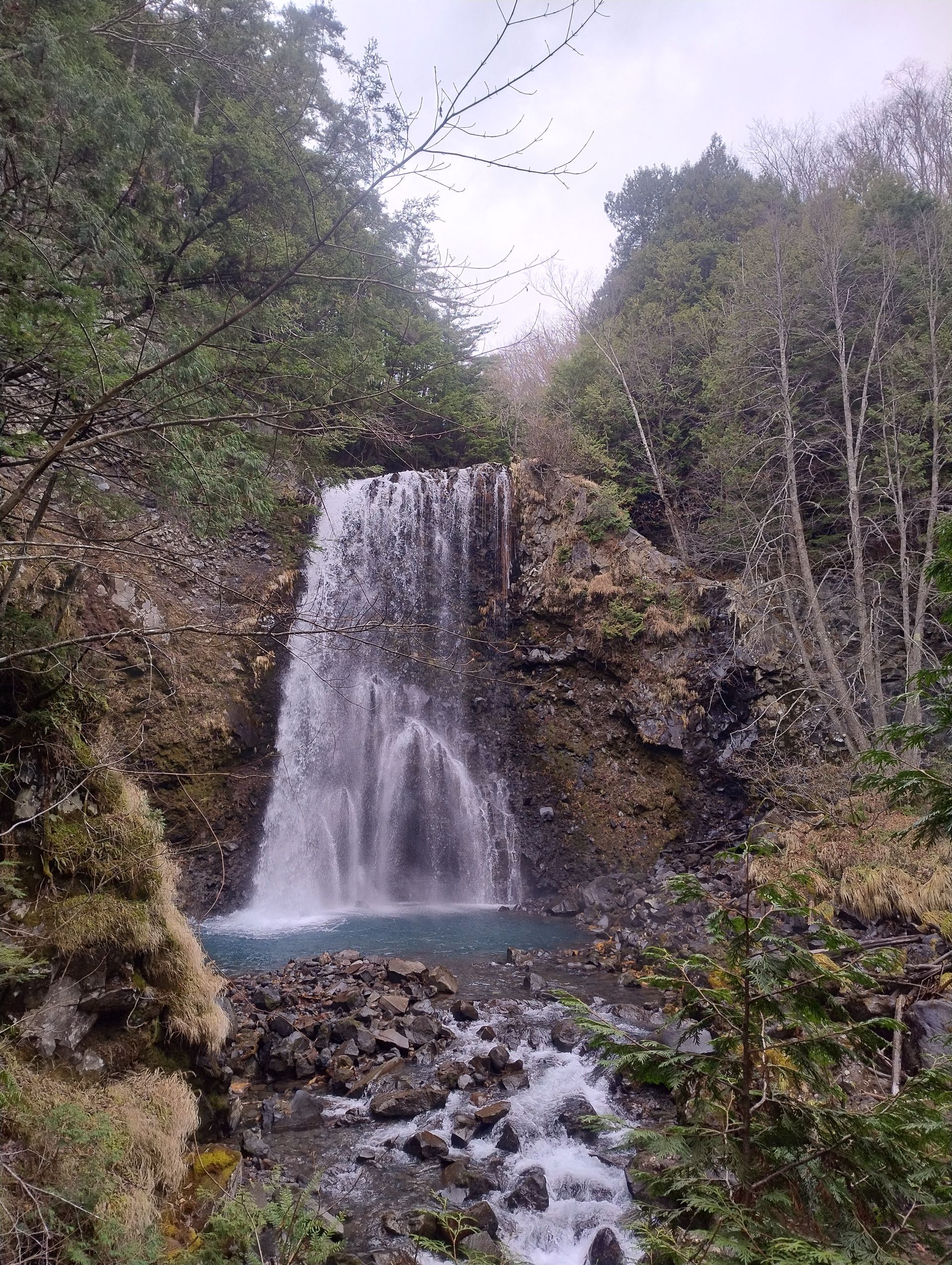
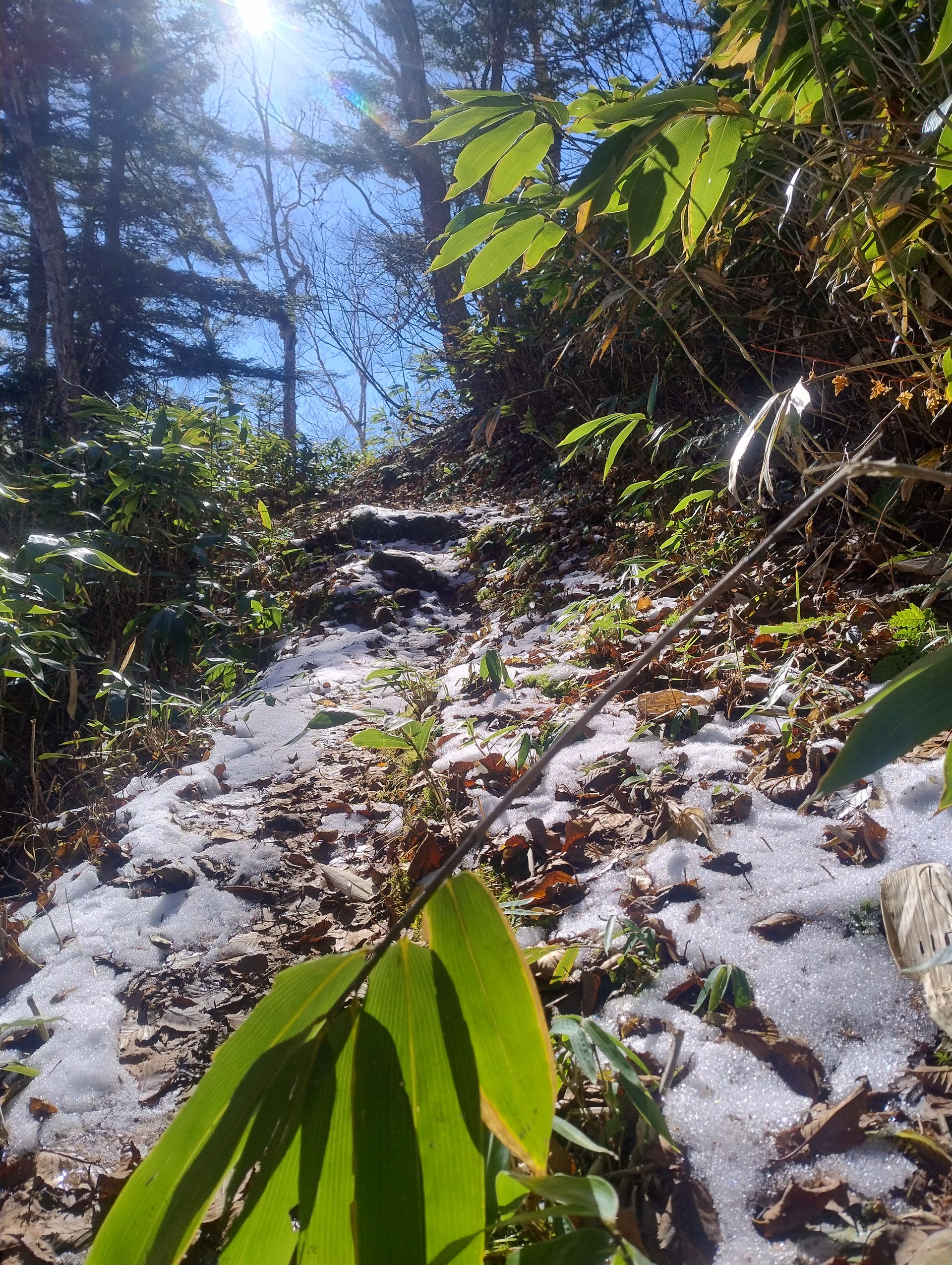
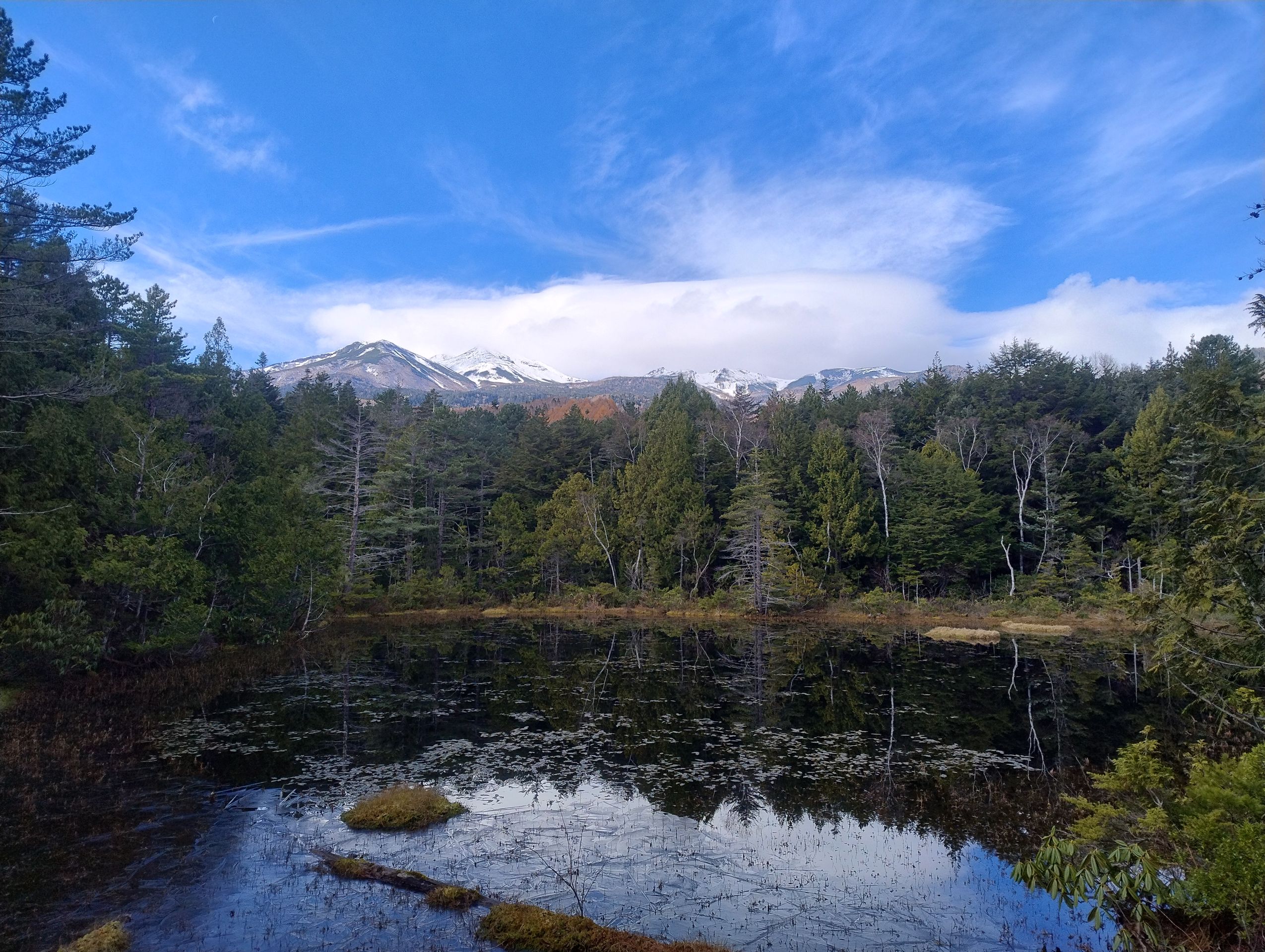
But I remain uneaten and feel much less anxious on my last day in Norikura on my hike. So far, everything has gone well. At nearly 2800 meters, I walk through small snow fields and pause at cascading streams and waterfalls. After a pheasant suddenly flies out of the bushes next to me, startling me, I laugh loudly at my own jumpiness. That’s also a noise that the bears will hear. At a viewpoint, I lay on a bench in the sun – like on display, but my shrill bear bell will do its job. I occasionally glance into the crowns of the birch trees. The rustling of the bamboo branches sounds a little like whispering. I am at peace within myself and seem to have finally cured my bear fear.
I get into a conversation with Plamen from Bulgaria. For him, bears are associated with a childhood memory from the 90s. It was a dark time when people would make trained bears dance on leashes to music. Sometimes the bear tamers would drive from one place to the next, and Plamen still vividly remembers how a bear sat in the Sofia subway.
Sofia, I’ve been there too. When was that again? Four years ago or four months? Again I notice how time blurs. Alex, the German expat in India, had told me in Fukuoka how he and another expat had a hard time figuring out which month it even was. They were both a month or two off.
Plamen and I find an izakaya near the hostel for dinner. Again I cautiously open the sliding door, as it is yet another of the hidden establishments with a staircase leading to a sparsely lit basement. A kindly smiling man behind the kitchen counter waves us in, and we take our seats at the counter. The lonely cook runs the place by himself and has been doing so for over twenty years, he explains to us in a few English words. 'Ah, Bulgaria, Germany', he smiles and nods at us, arranging his words. Once, he said, he had been to Europe, including Italy. He had trained as a cook in Kyoto. The restaurant owner comes across as so approachable that I almost make the faux pas of giving him my last yen as a tip. At the end, he brings us outside. Axel had told me that it is a sign of a good restaurant when guests are escorted out. We thank the humble cook with smiles, and he thanks us in return: 'Arigato gozaimasus.' - 'Arigato gozaimasus.' Thank you very much, Japan.