Singapore
Finally Asia! As beautiful as the Americas were, we were more than ready for a new world and excited. The flight with Korean Air was a great start, not only very affordable but...

Published: 25.01.2026
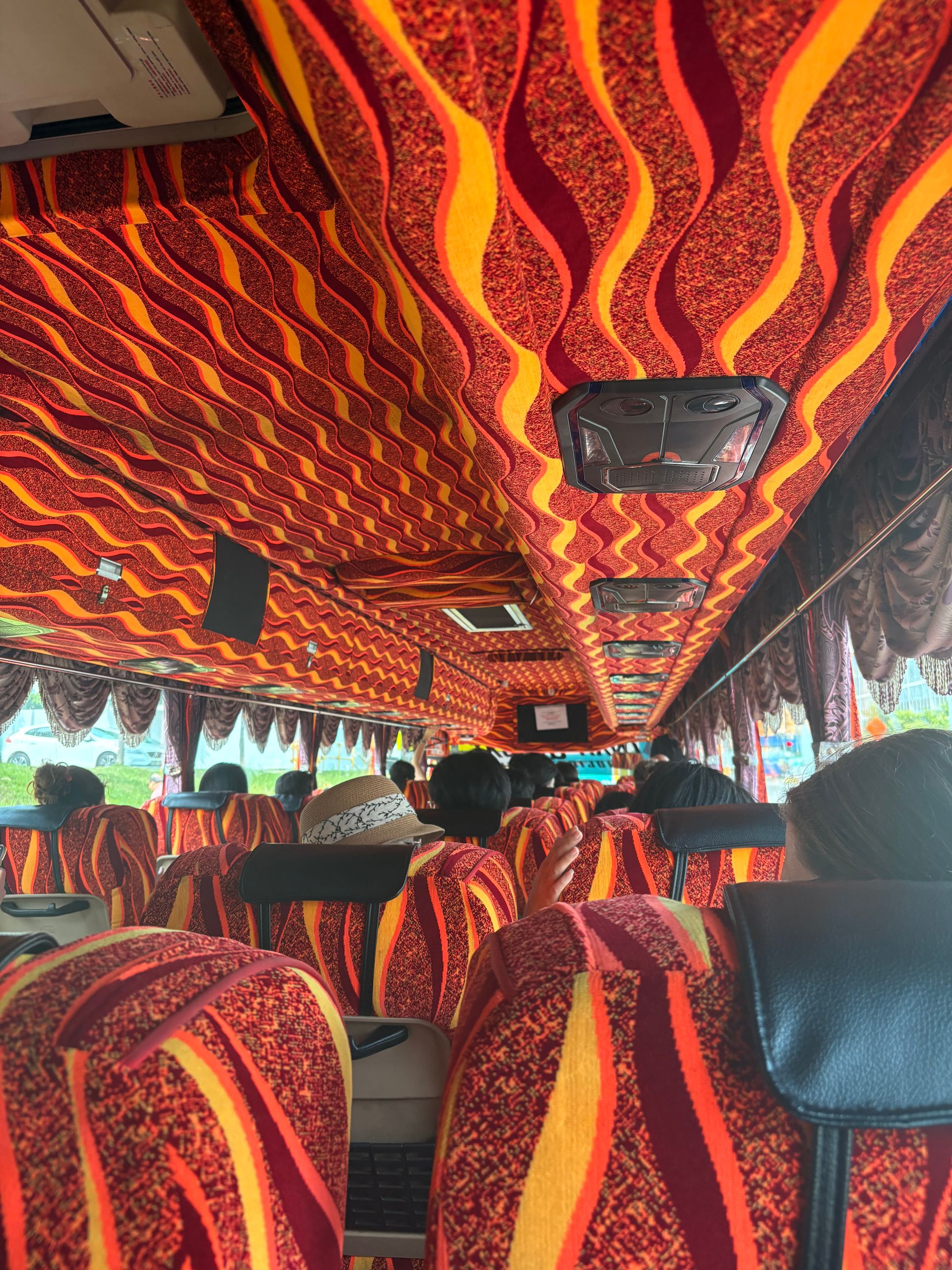
On a psychedelic space bus, which made any pill-taking unnecessary after 10 minutes of looking at curtains and ceiling decor, we headed towards the Malaysian peninsula. While entering Singapore was easy, getting into Malaysia took forever. Although we quickly exited Singapore, the lines at the immigration counter were wrapped around the entire building, and it felt like nothing was moving, which was quite annoying standing in the blazing sun. However, there were no special checks for the entrants; the guys and gals were just very slow in stamping. This is surprising for a border crossed daily by thousands of commuters, but eGates seem to be planned here as well. Ultimately, however, the entry process went smoothly without any questions.
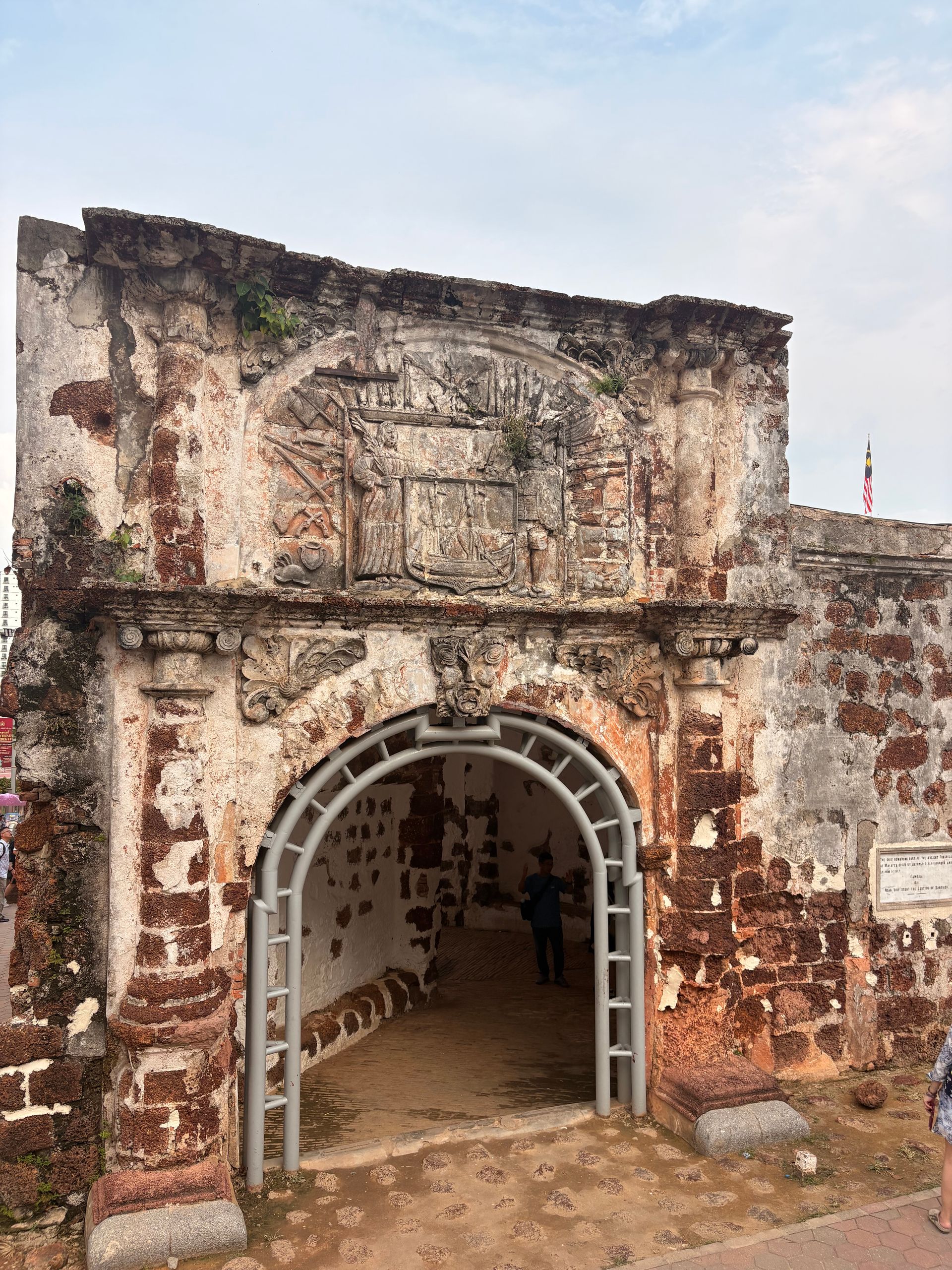
So off to Malacca, located along the waterway of the same name, which is among the busiest shipping routes in the world. However, today the city itself no longer plays a role in the commercial shipping traffic. Malacca was originally founded by the Chinese for the trade of pepper and sandalwood with the Moluccas. In the 15th century, it became the seat of a Sultan who eventually converted to Islam. This is considered the beginning of Malaysia's Islamic history. Unsurprisingly, the city, a significant center for spice trade in the Indian Ocean for centuries, also piqued the interest of Europeans. The city was first conquered by the Portuguese, later by the Dutch, and then by the British, belonging to the British Empire until Malaysia's independence in 1957.
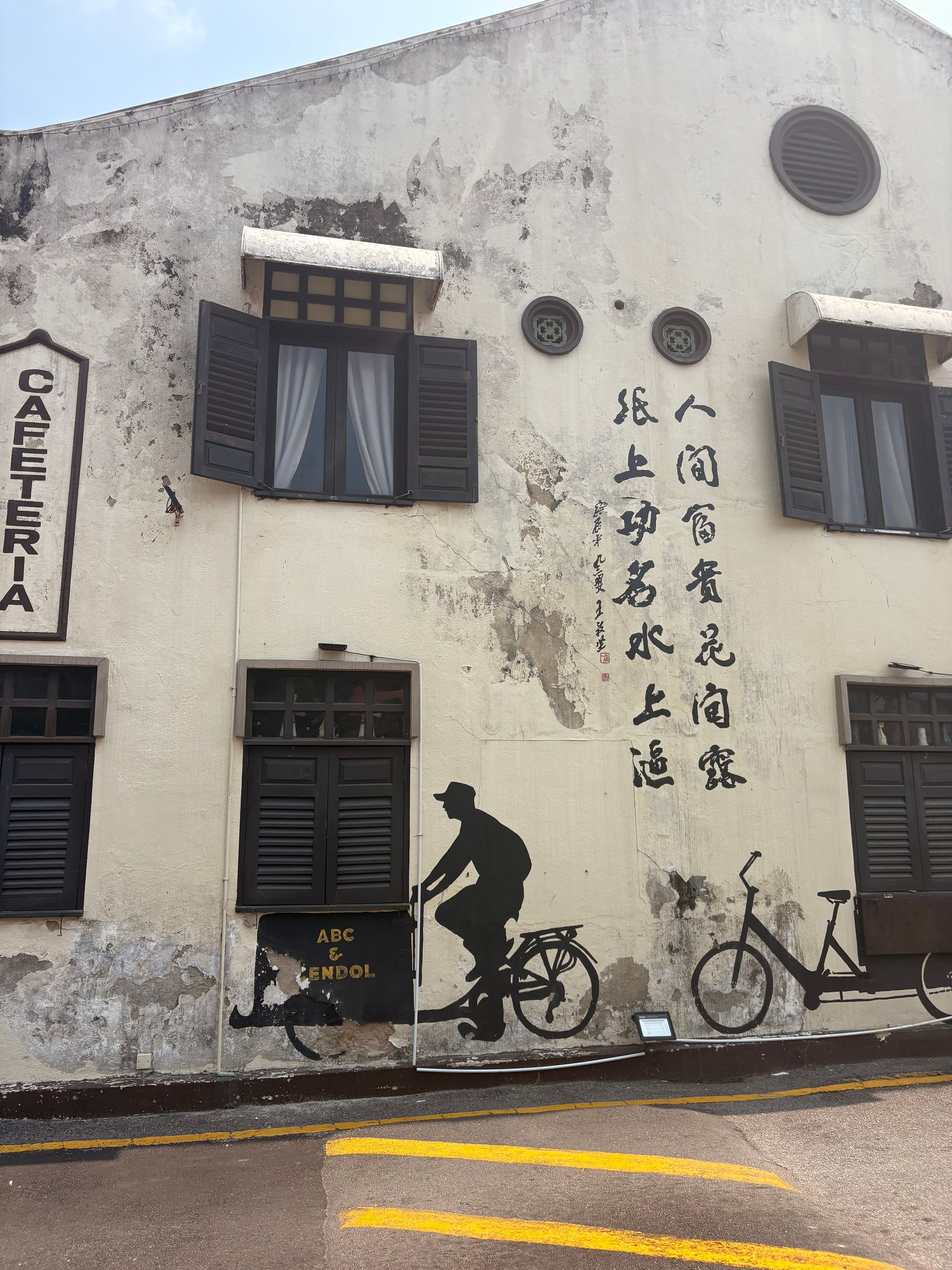
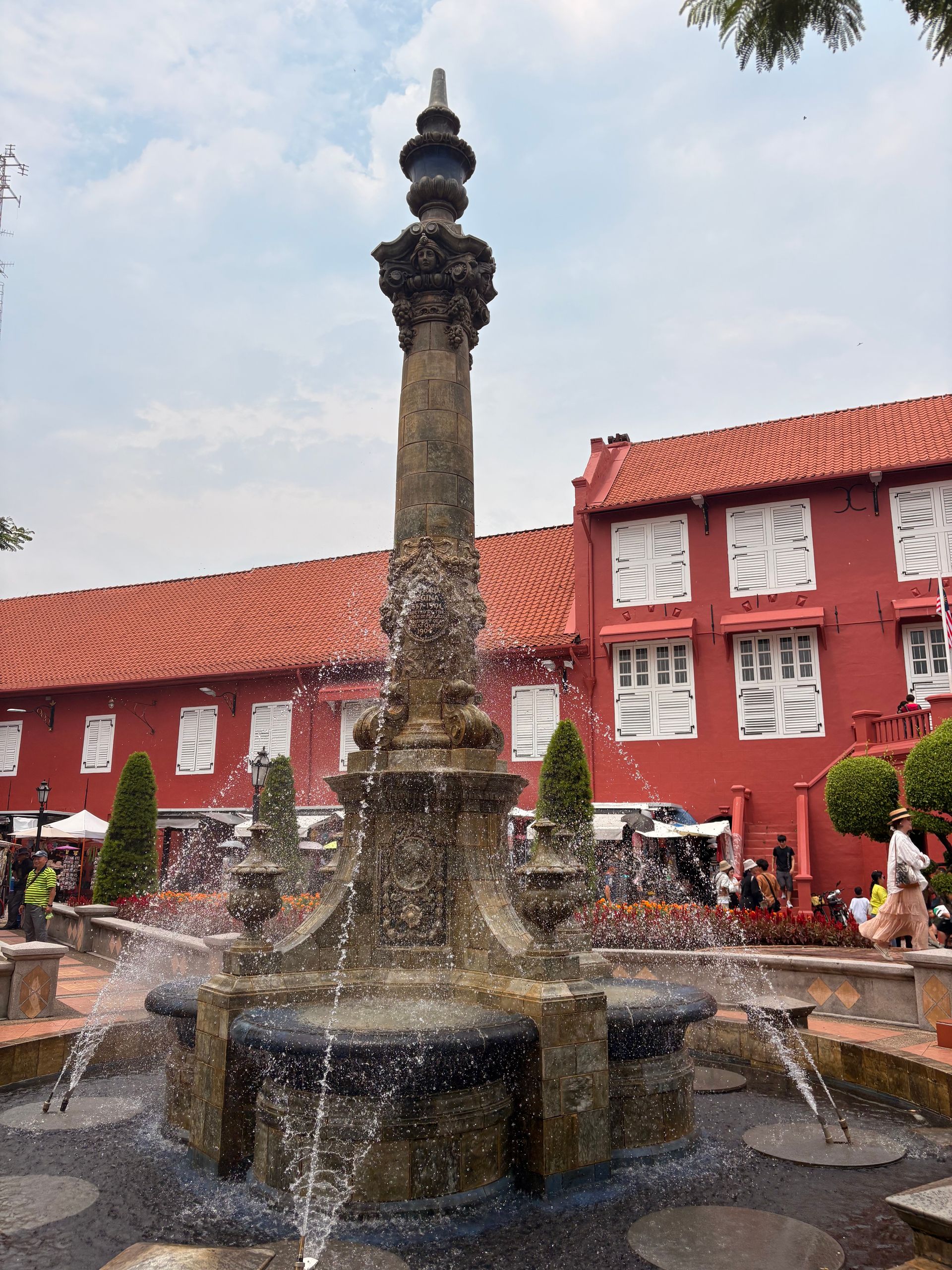
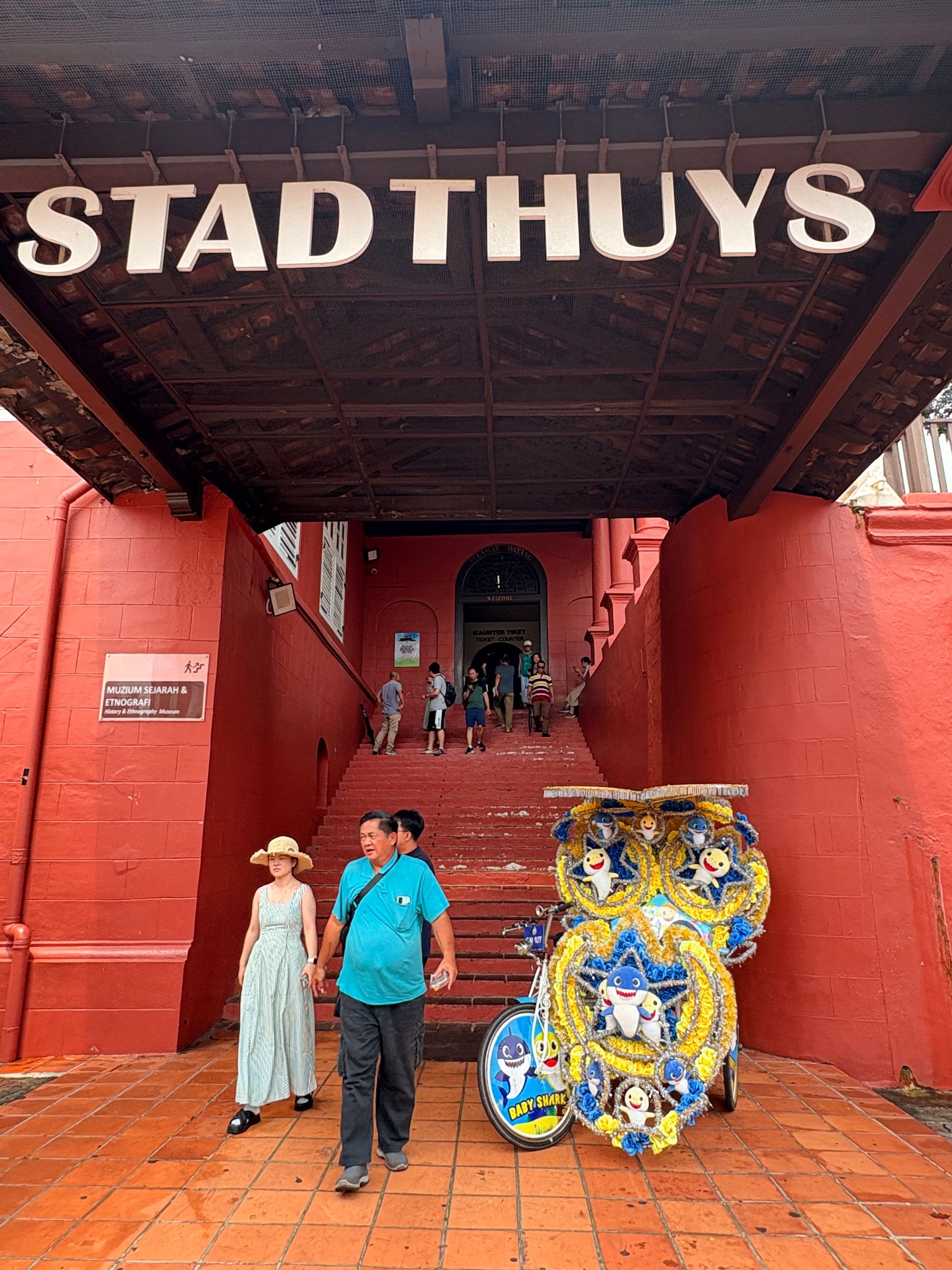
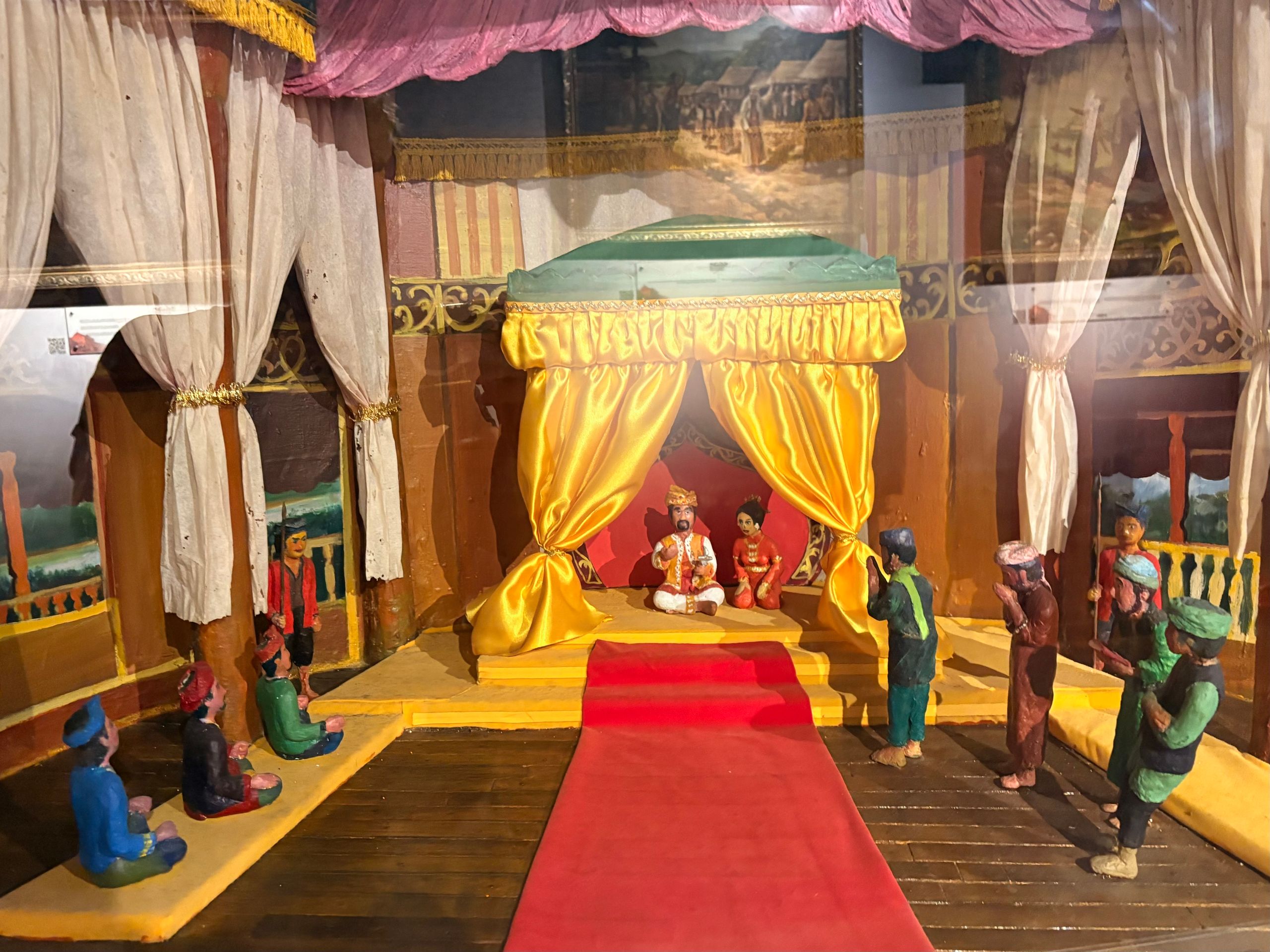
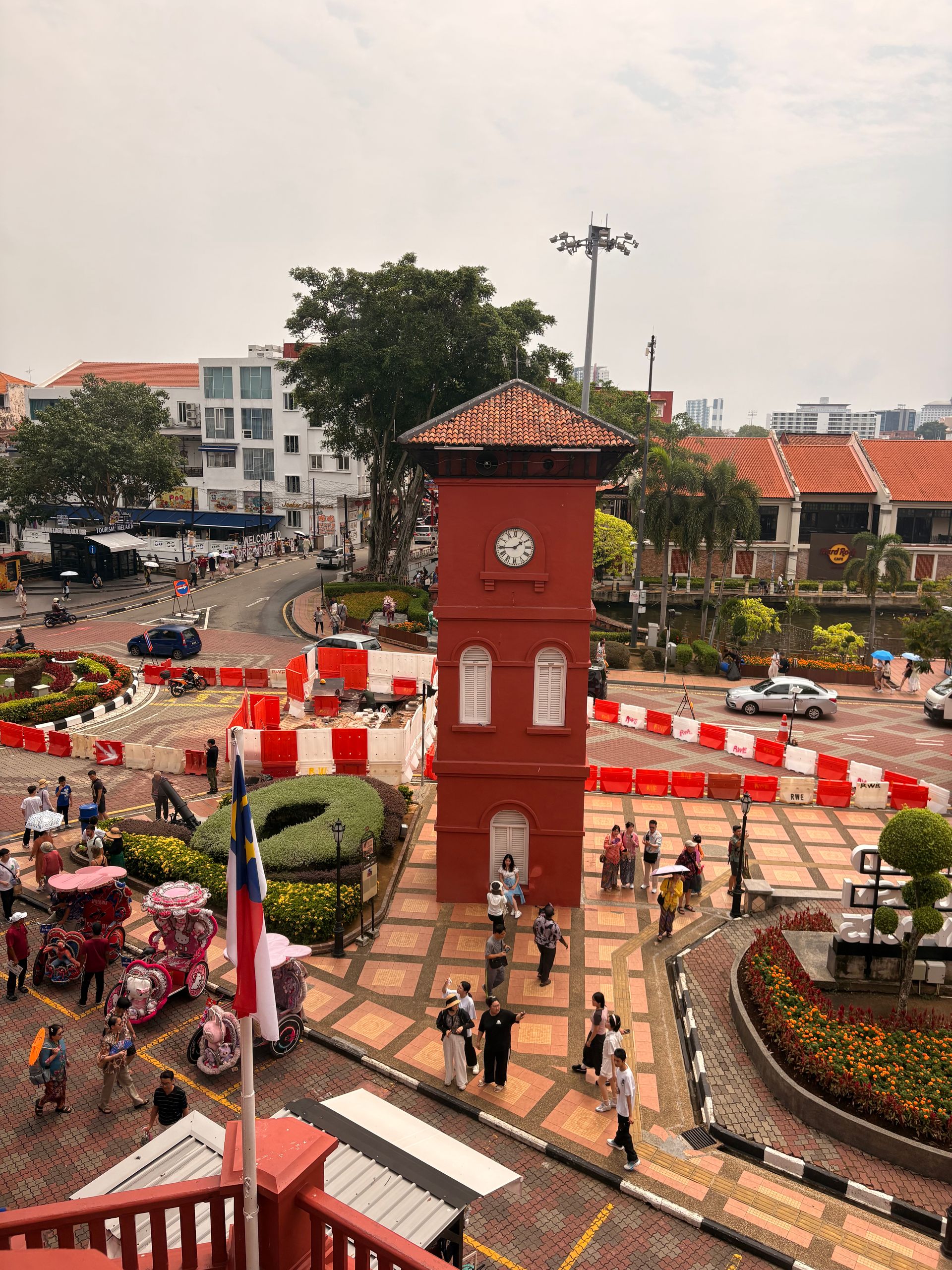
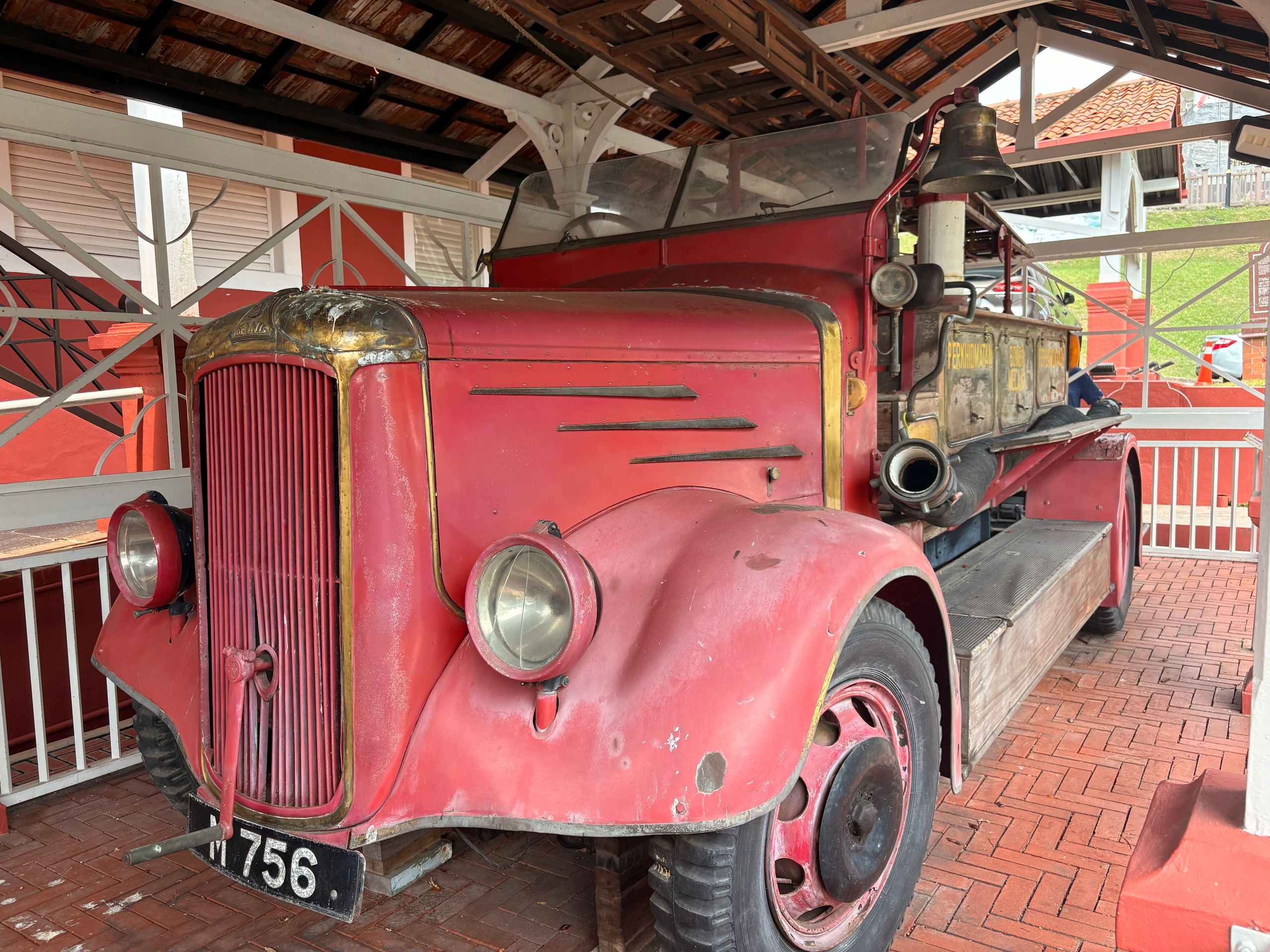
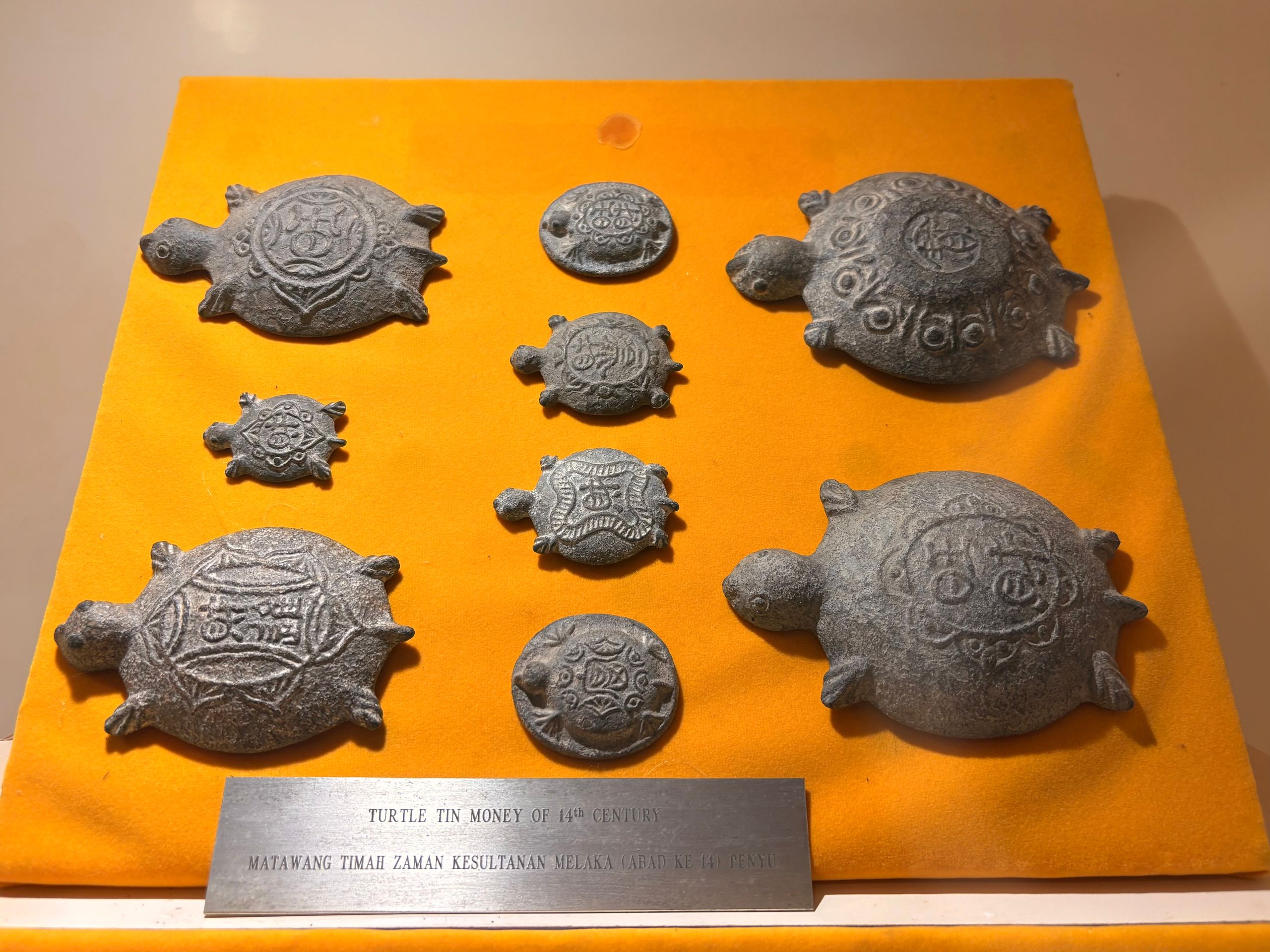
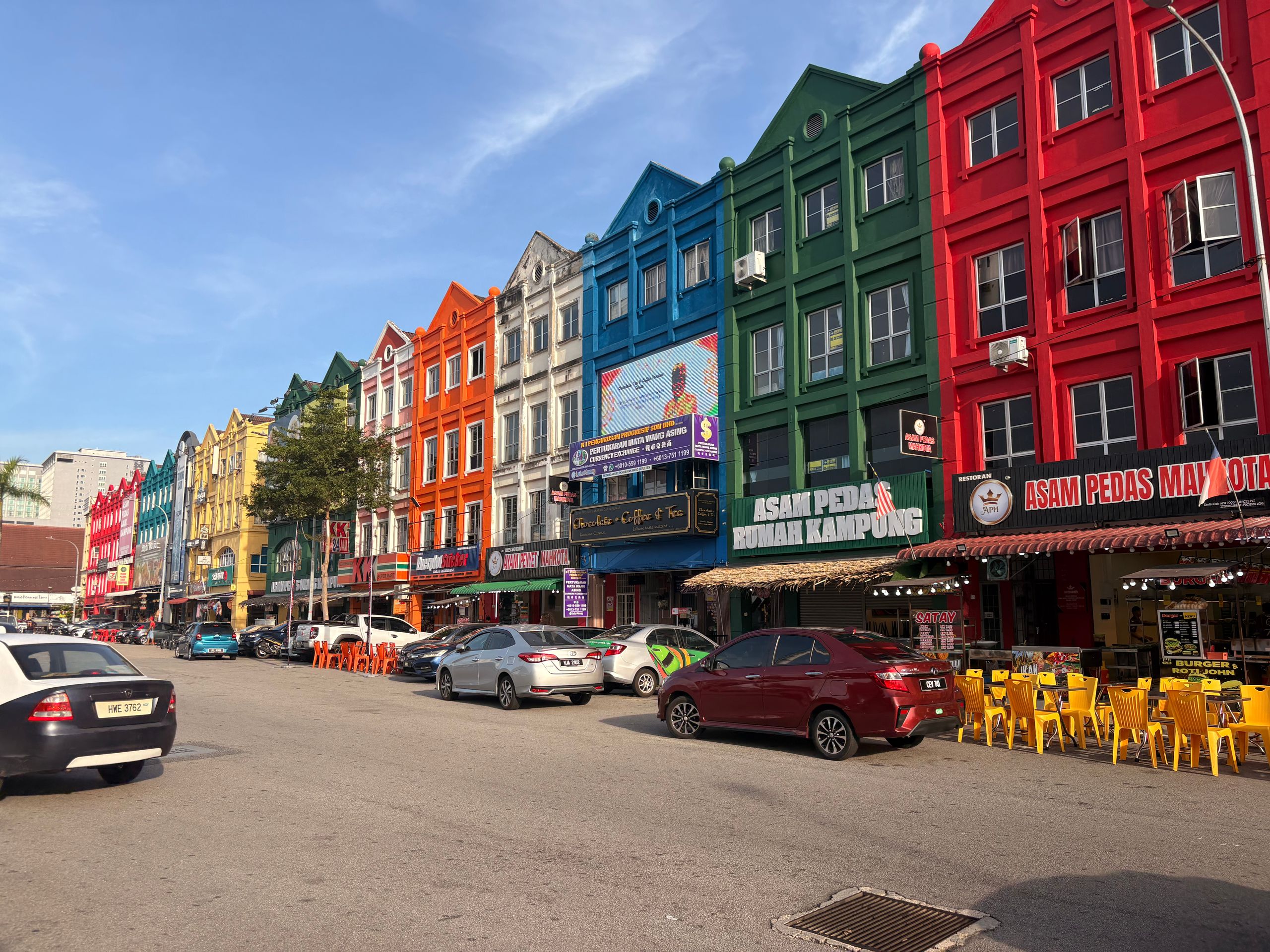
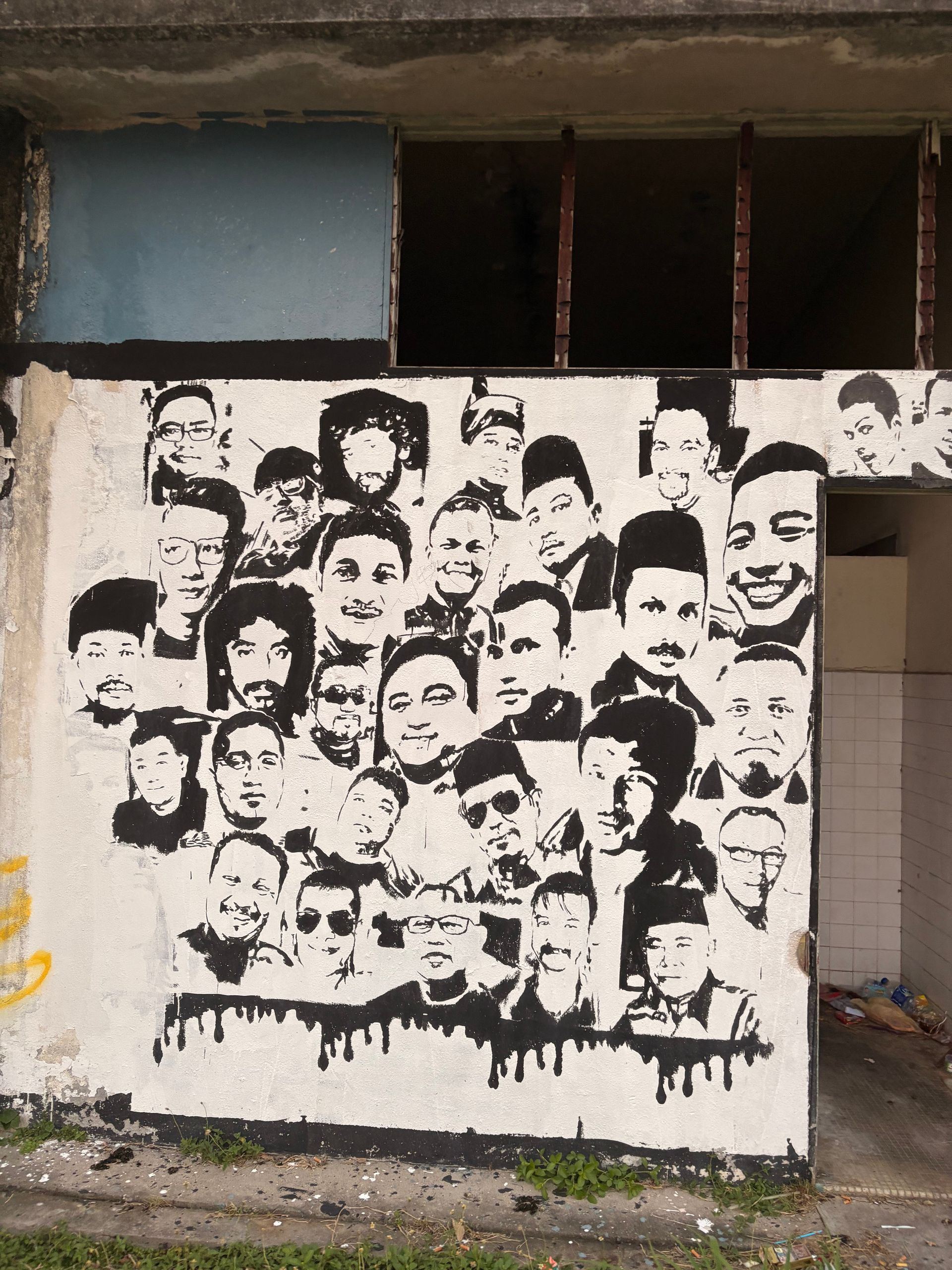
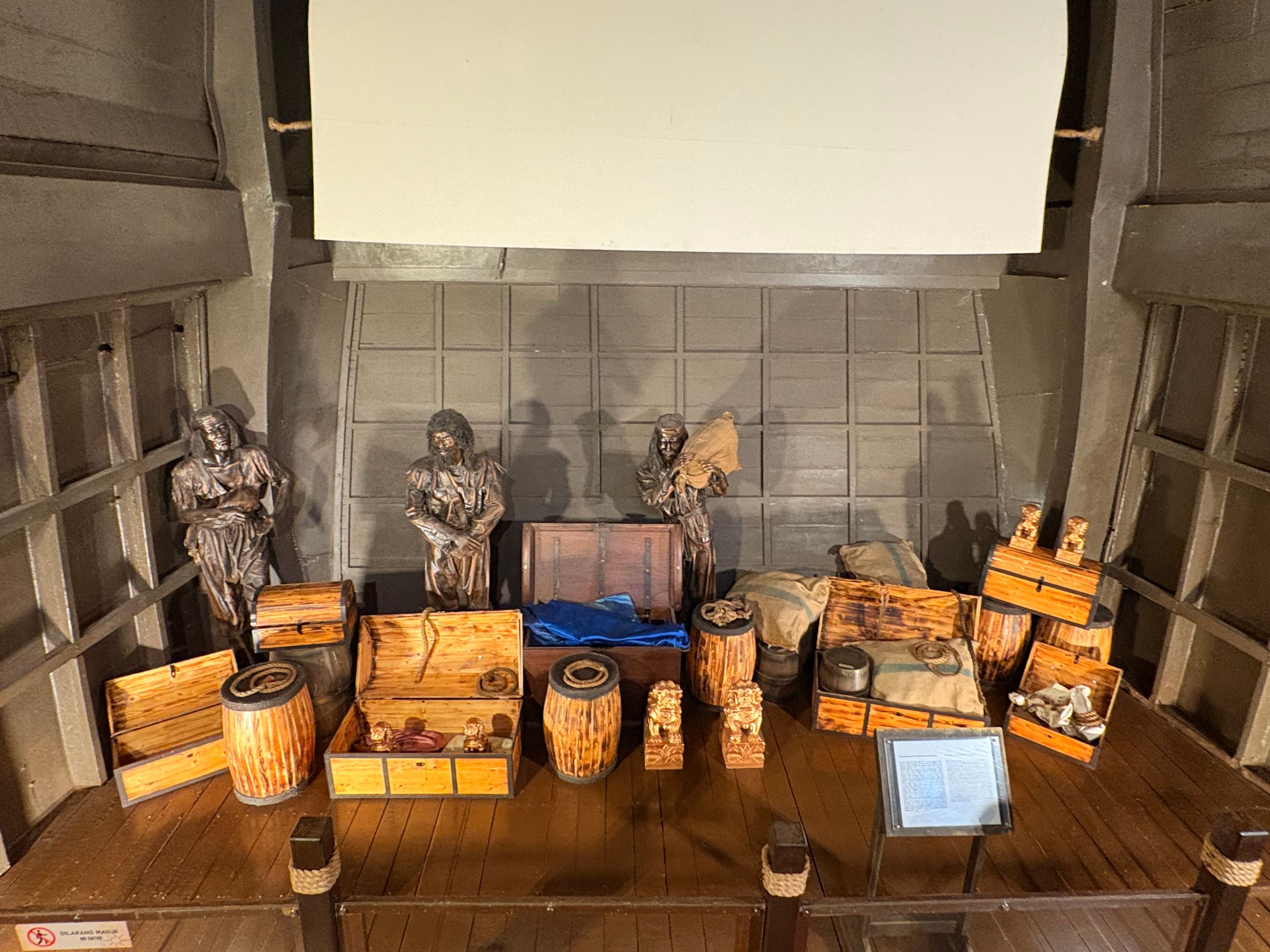
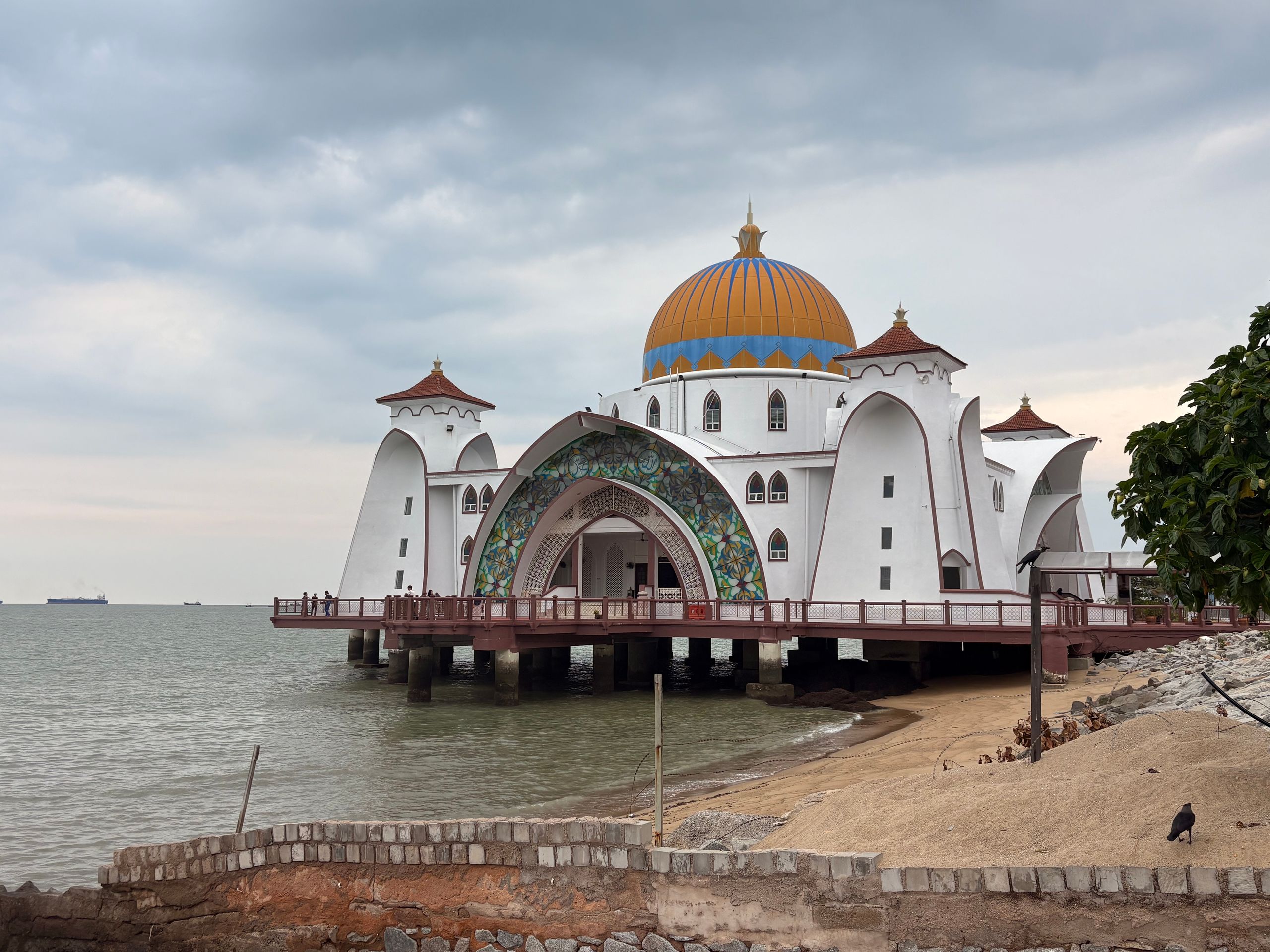
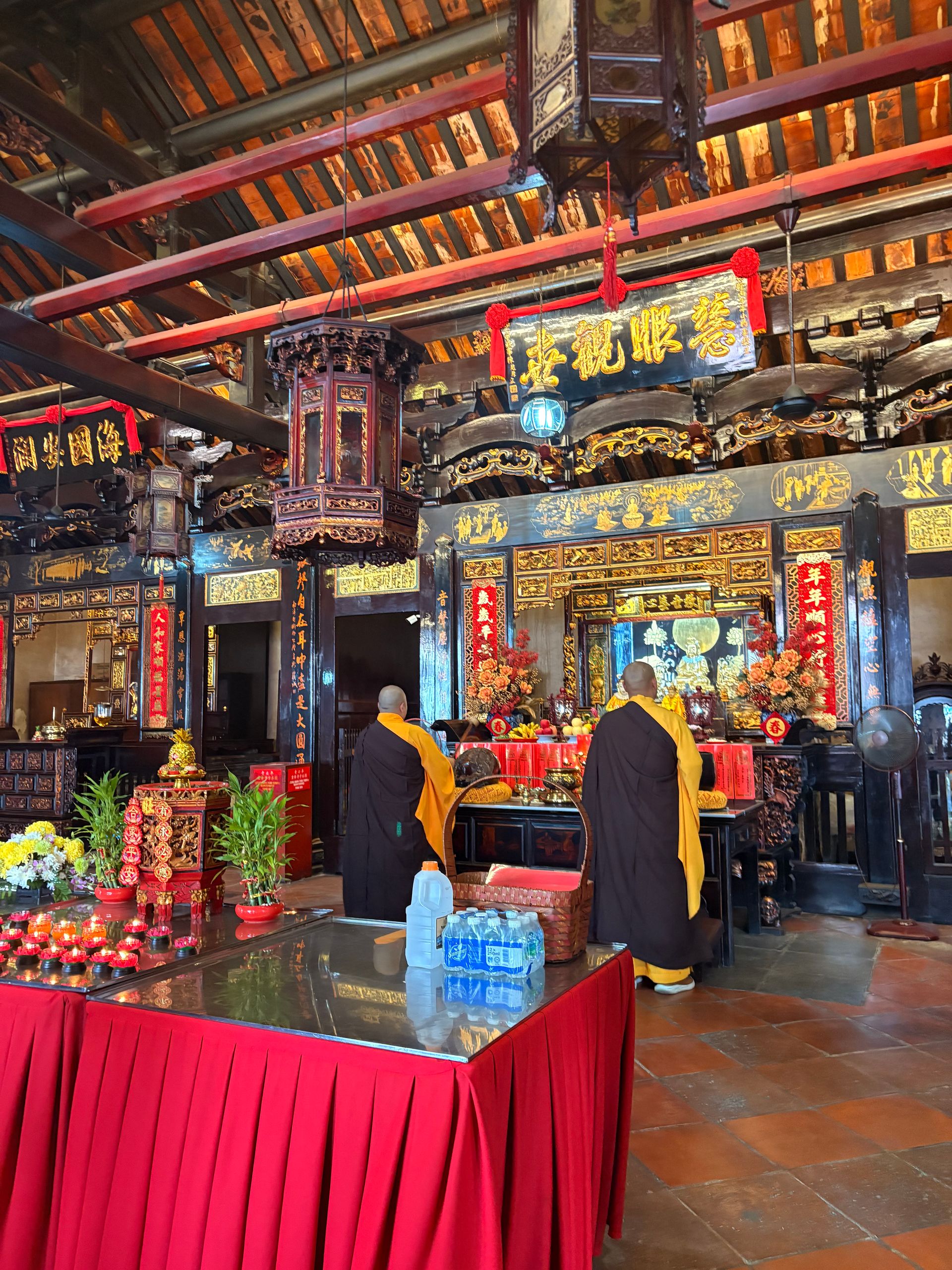
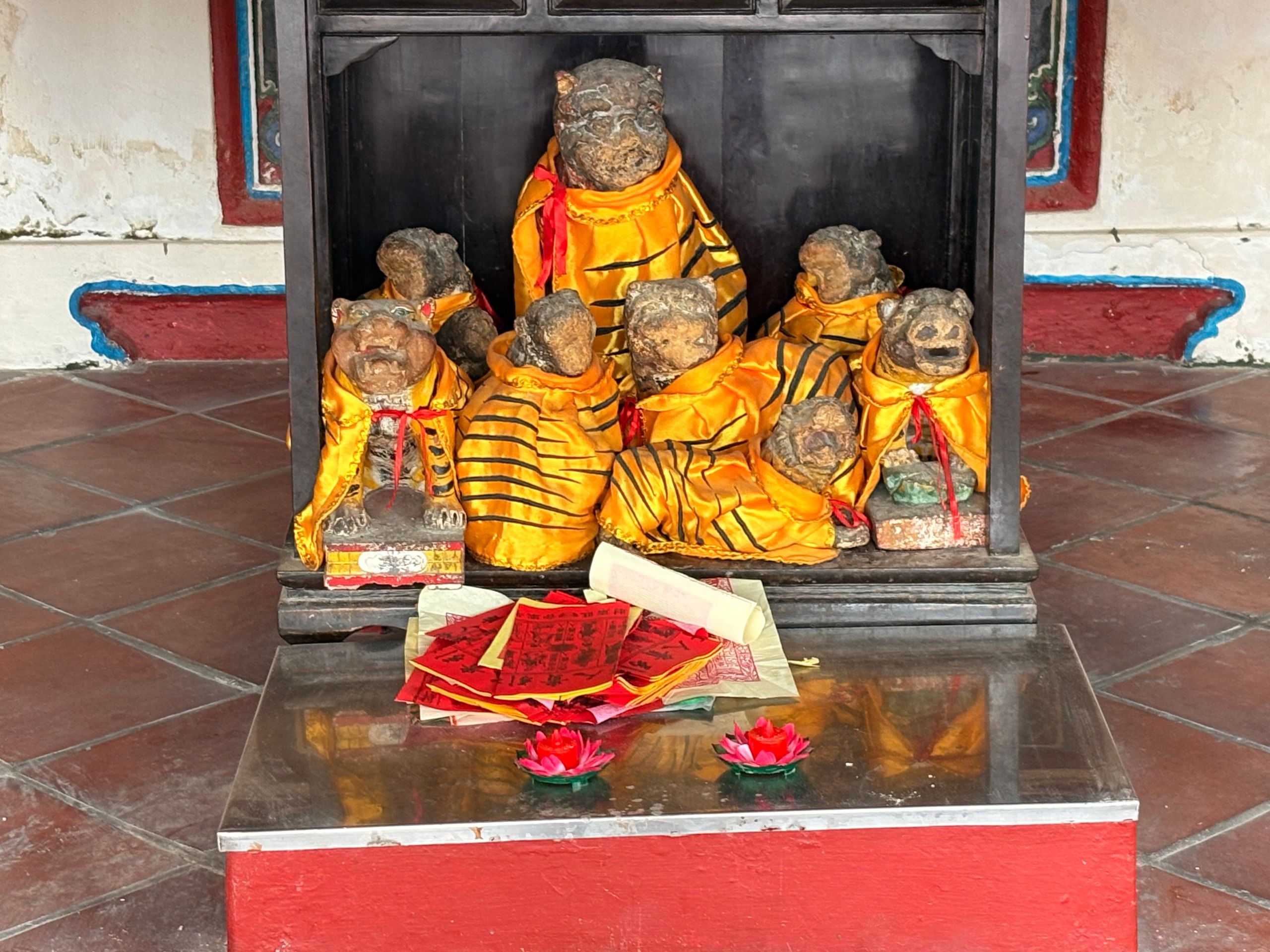
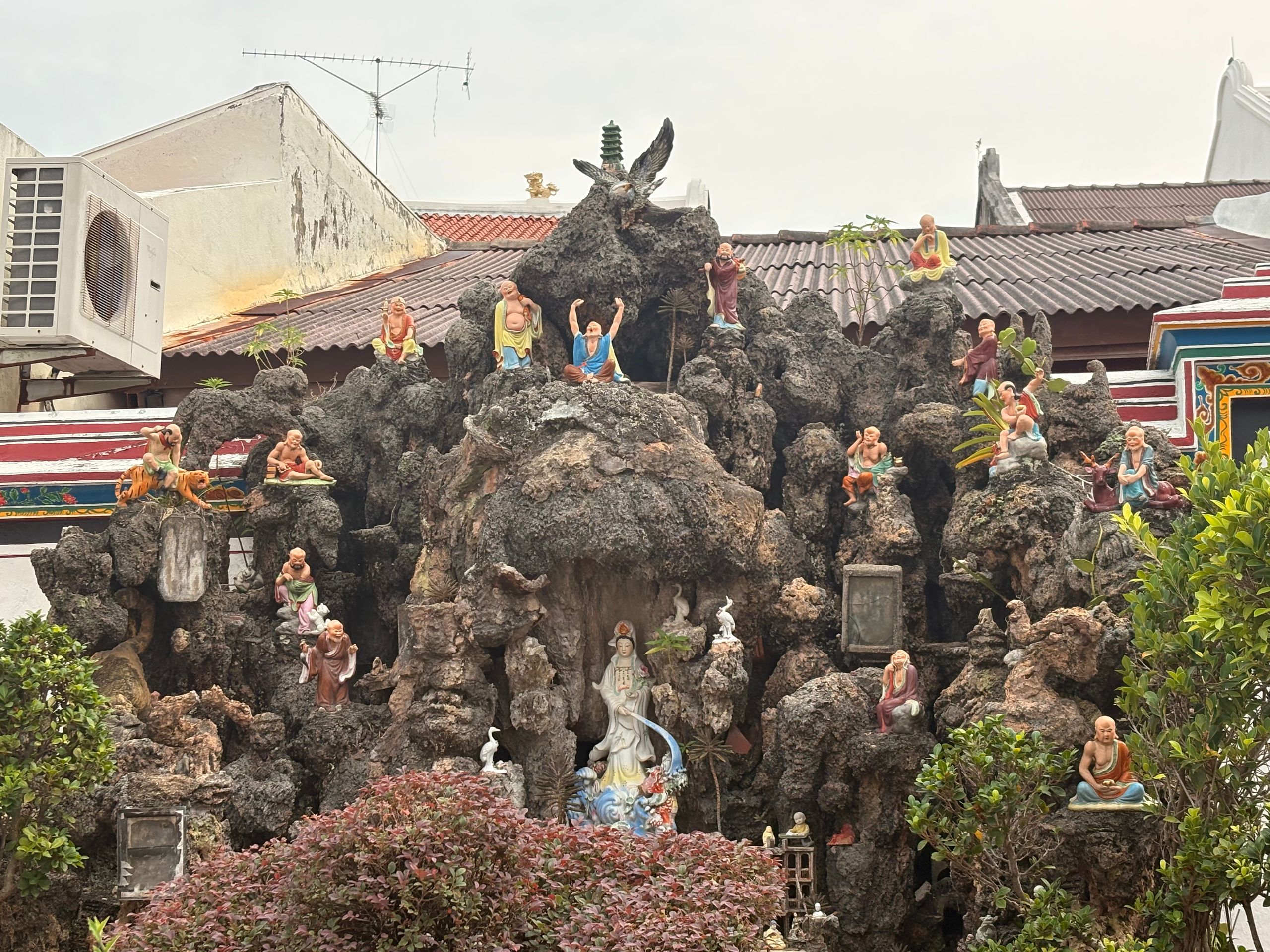
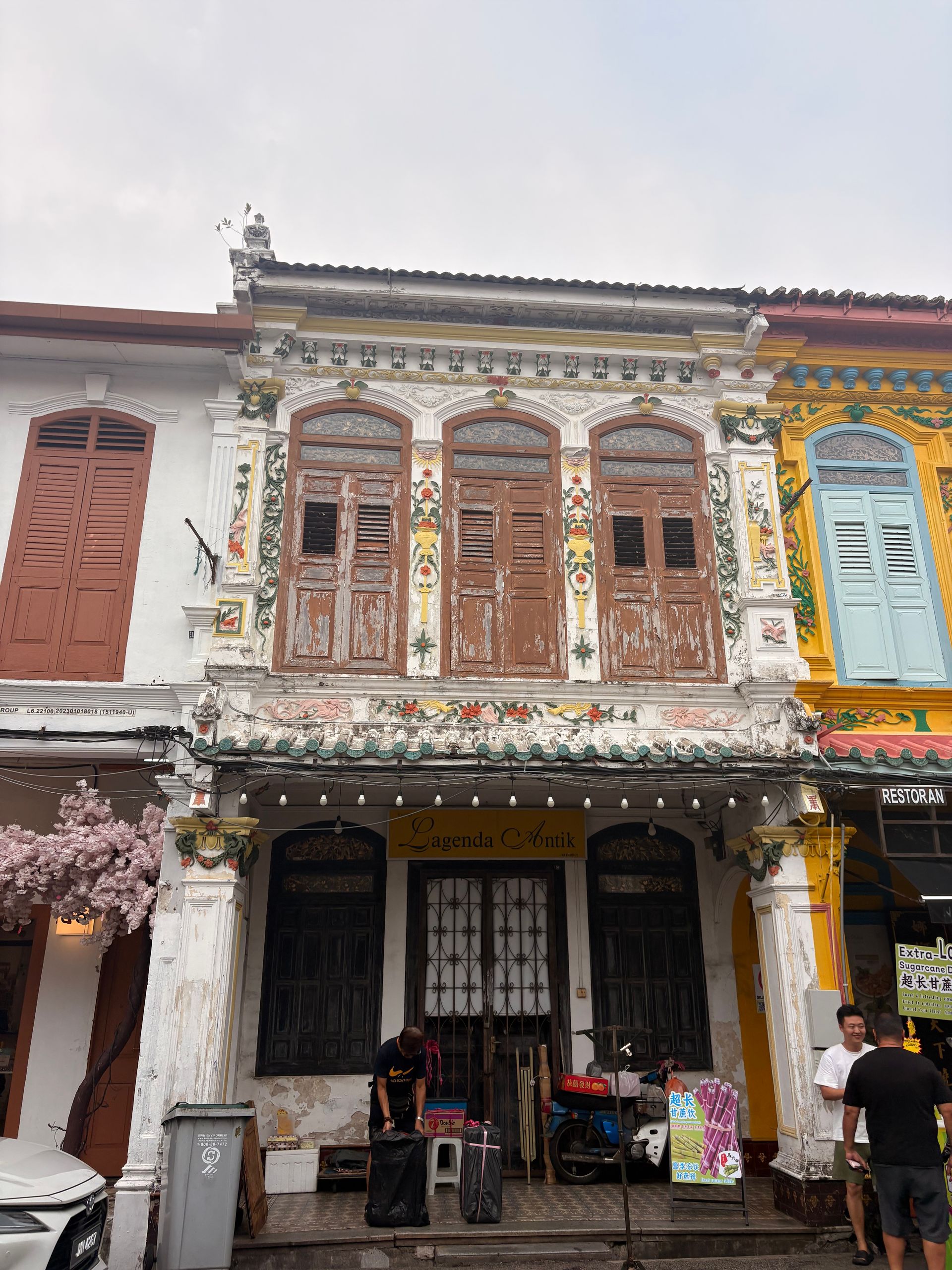
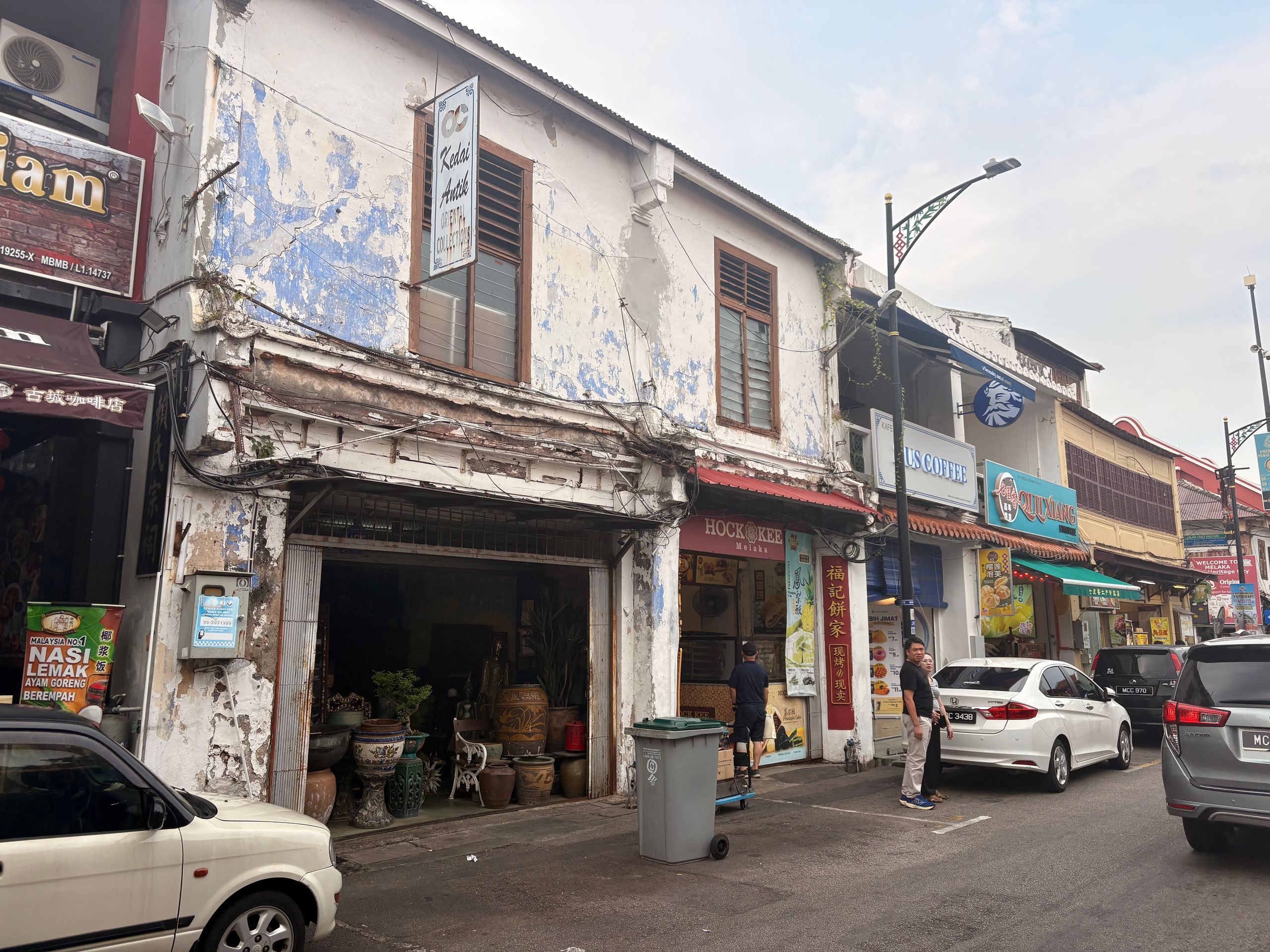
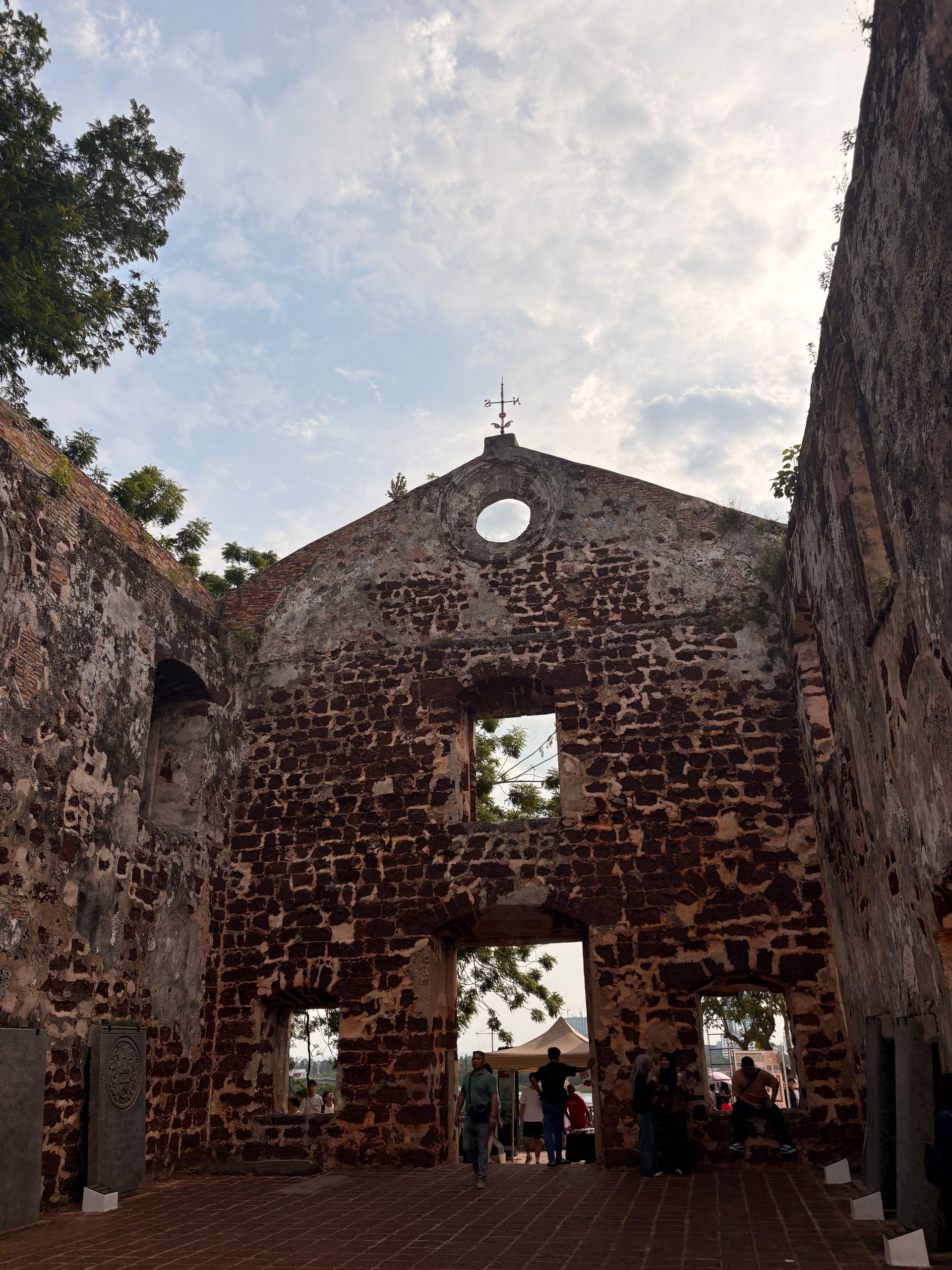
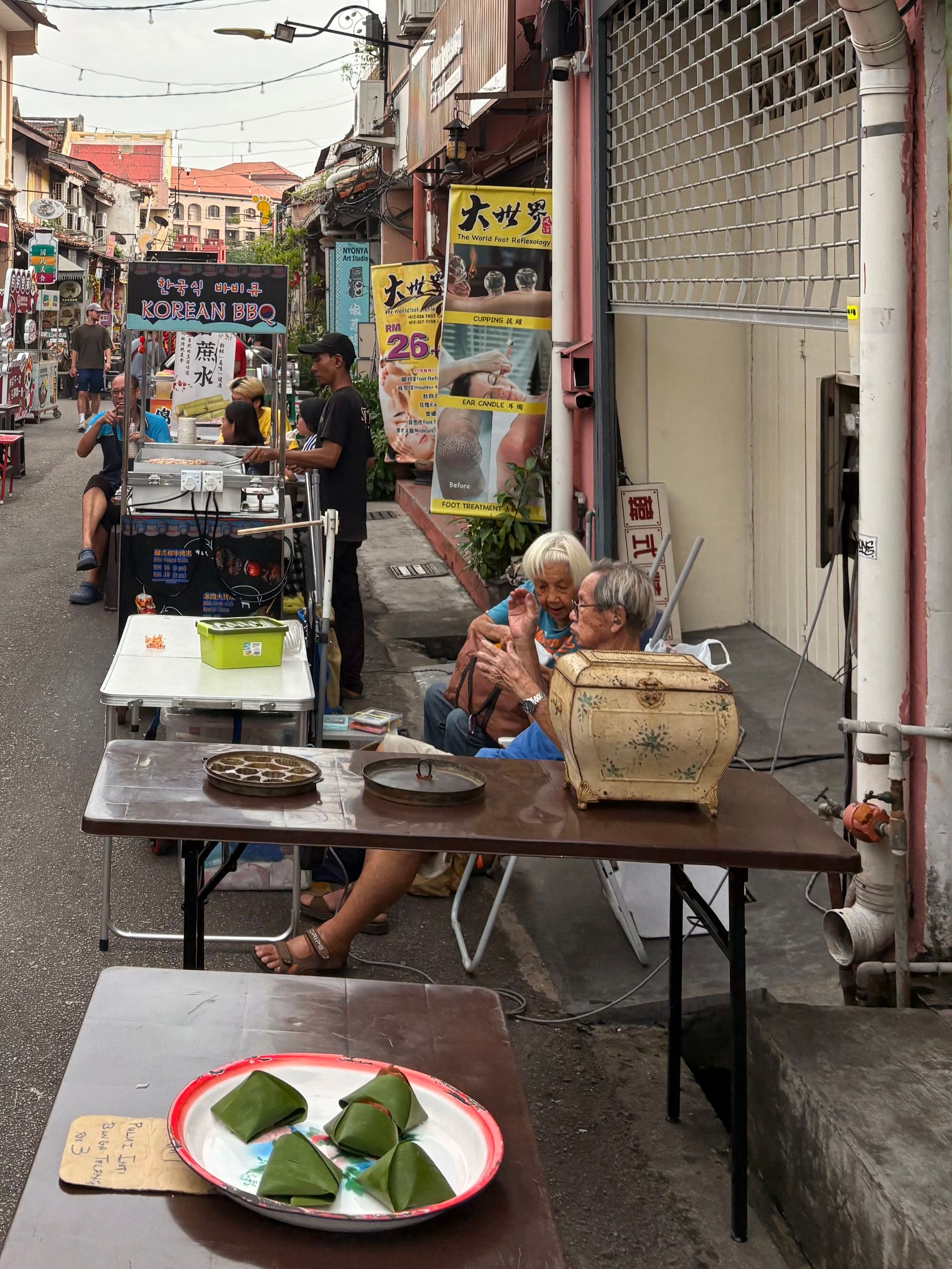
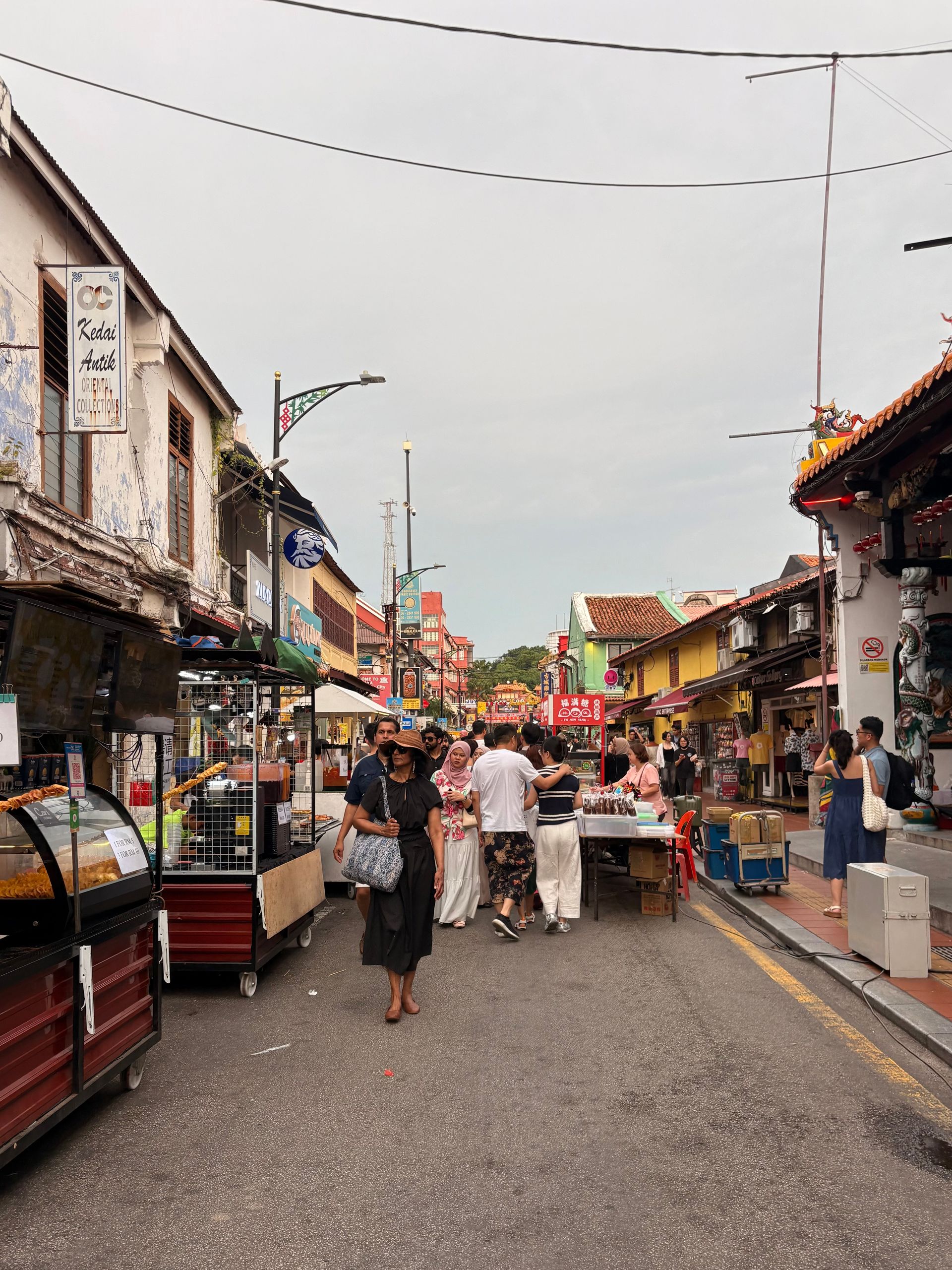
This tumultuous history certainly bestowed the city with a unique architecture featuring a beautiful Chinatown with old trading houses, Portuguese fortifications, a colonial old town, temples, and mosques. Unfortunately, the museums were disappointing, with a collection of odd dusty dioramas, and a single painter seemed to have been commissioned to depict the entire Malaysian history in oil paintings. We truly felt we had arrived in Asia. No longer as orderly as in Singapore, but full of life, an interesting cultural mix, and a good basic atmosphere. And with less Muslim influence than we had imagined before, but rather more Chinese. However, despite wearing long pants, a long-sleeved shirt, scarf, and head covering, Marike was not allowed on the grounds of the mosque by the water, as her wrist bones were not covered. In any case, she wouldn't have been allowed to enter the mosque anyway. She also realized that these rules felt too stringent for her, and because of this, she might never see the inside of a mosque in Malaysia or Indonesia. It is clear that one must adapt to local customs, but if the rules seem too hard to understand and grotesque, one will have to forgo certain experiences.
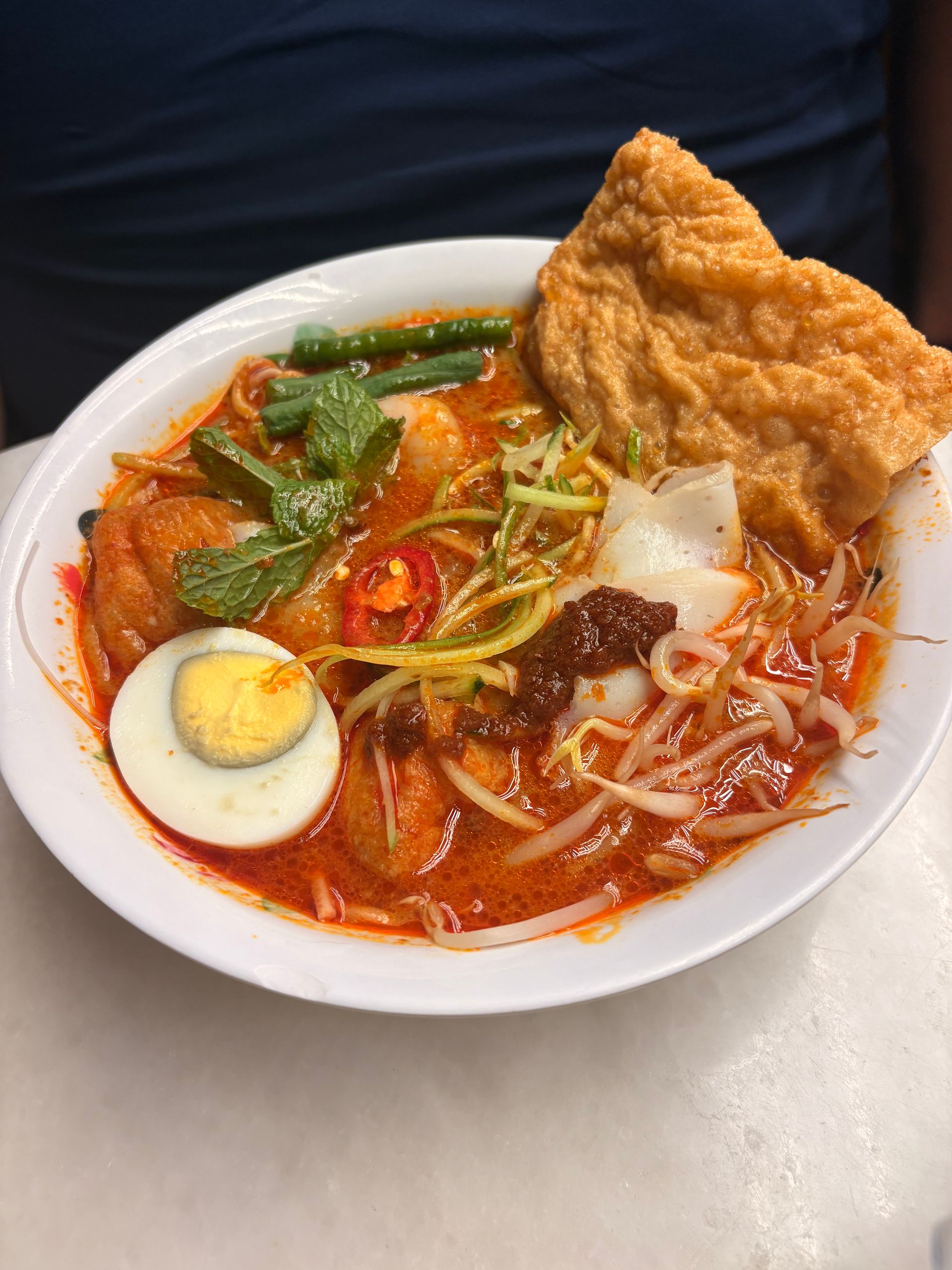
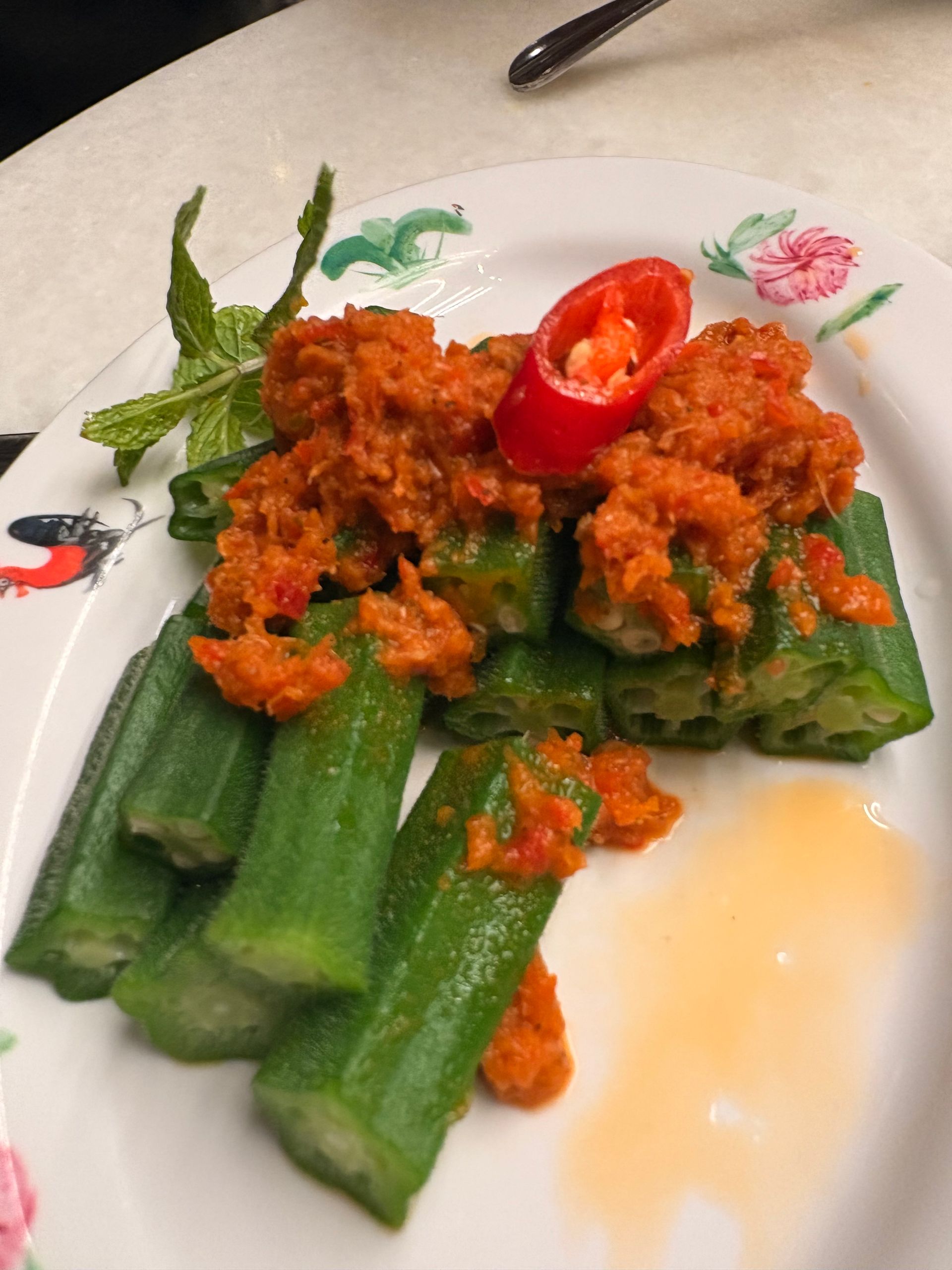
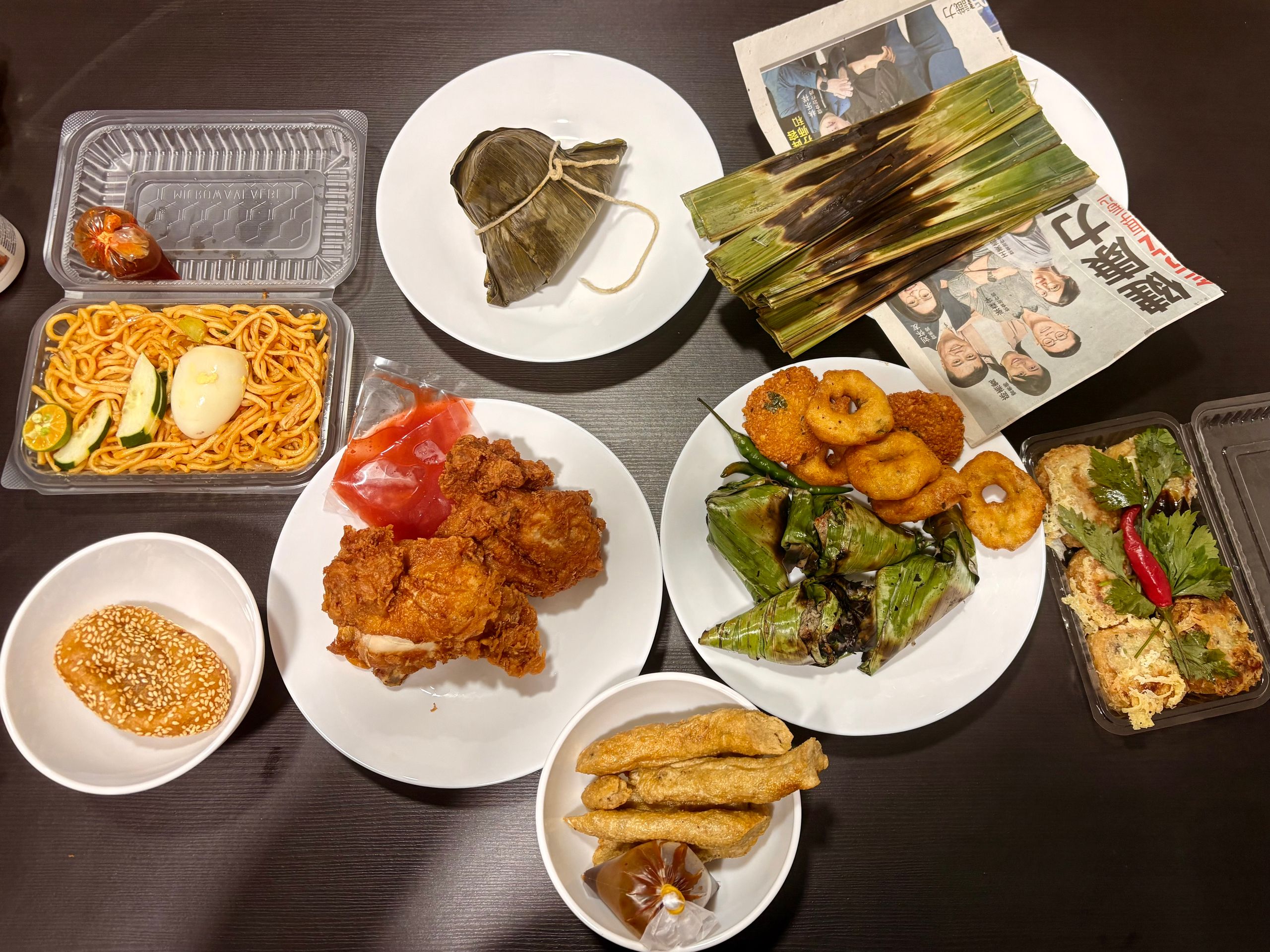
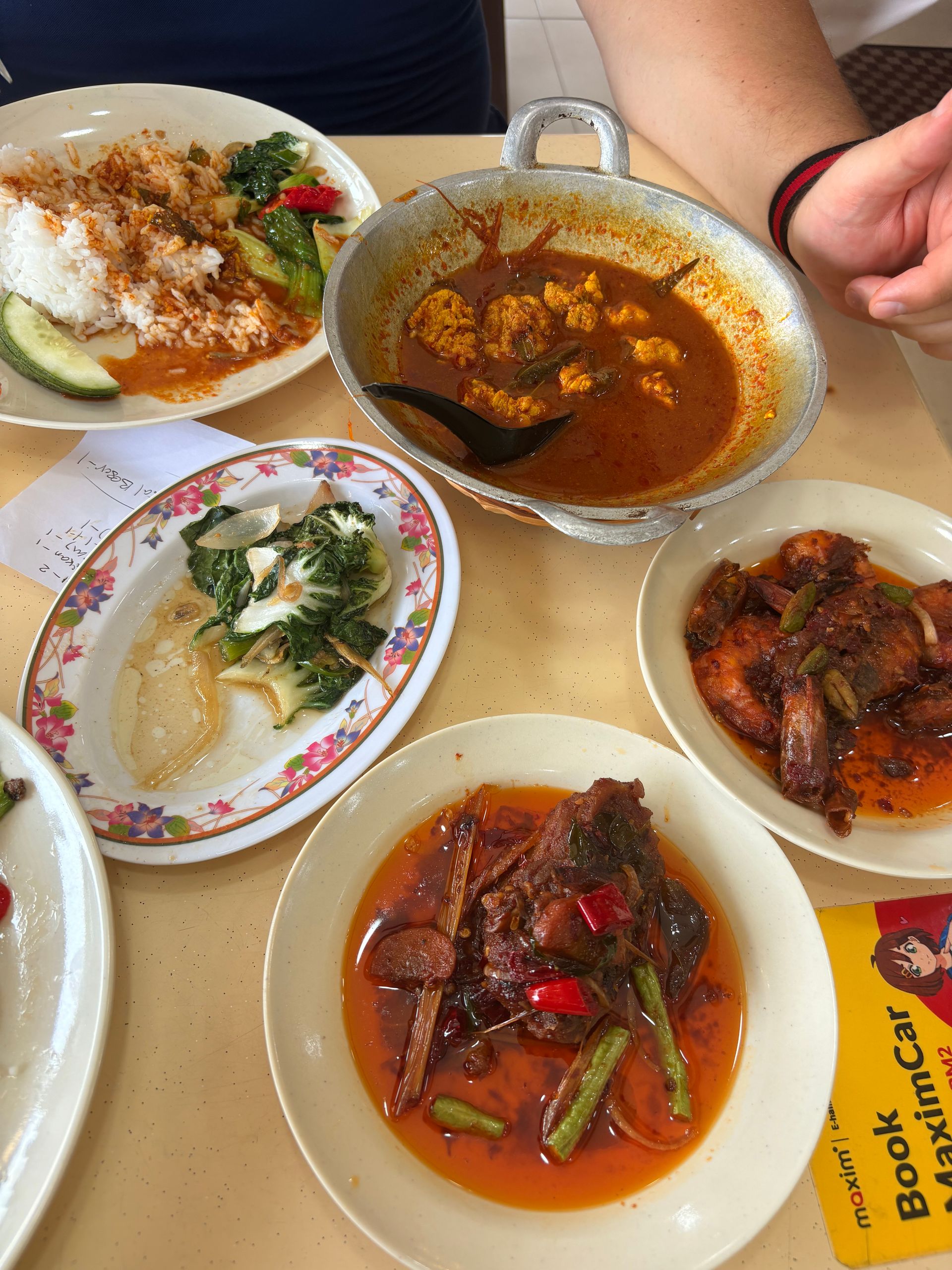
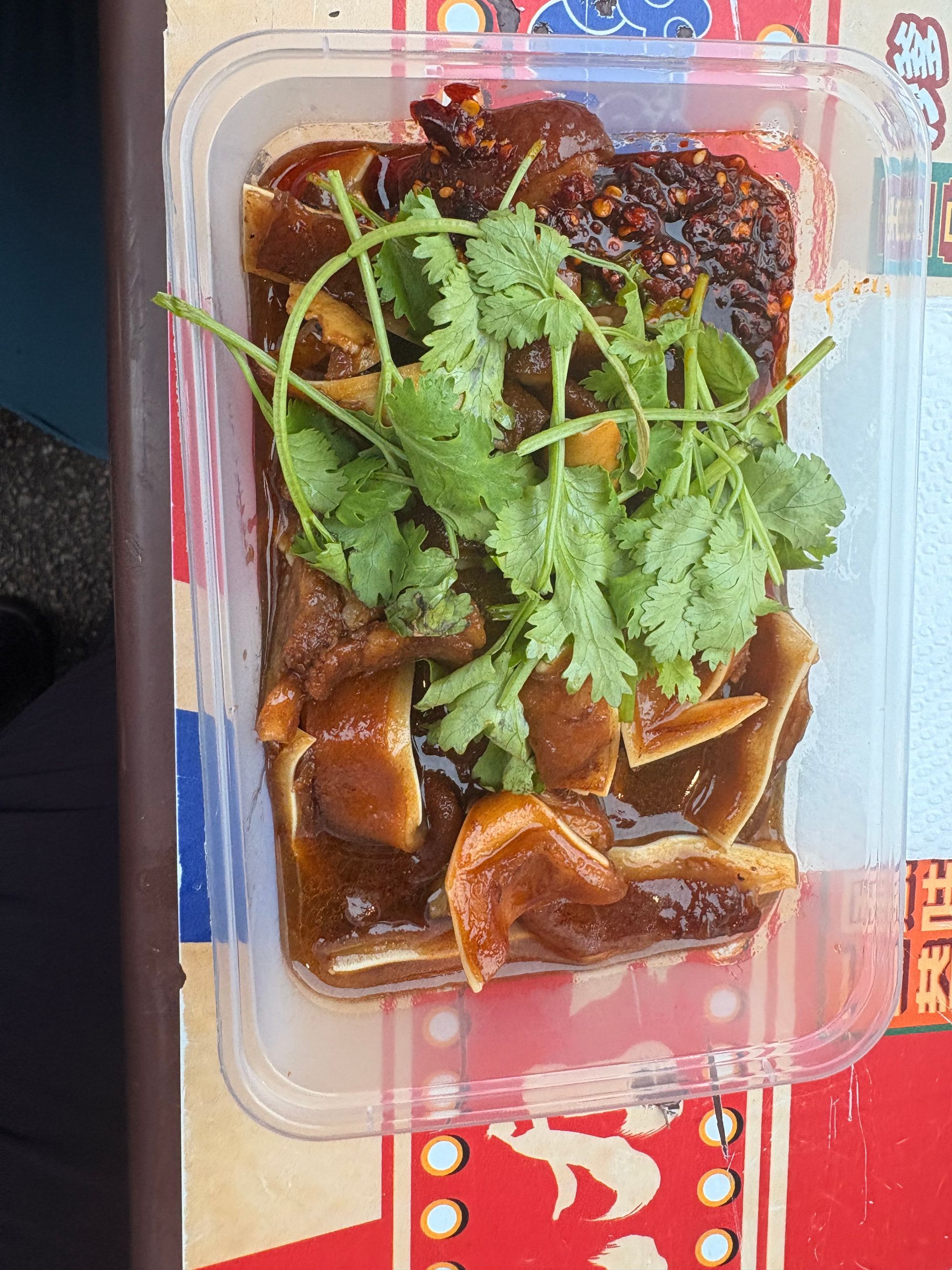
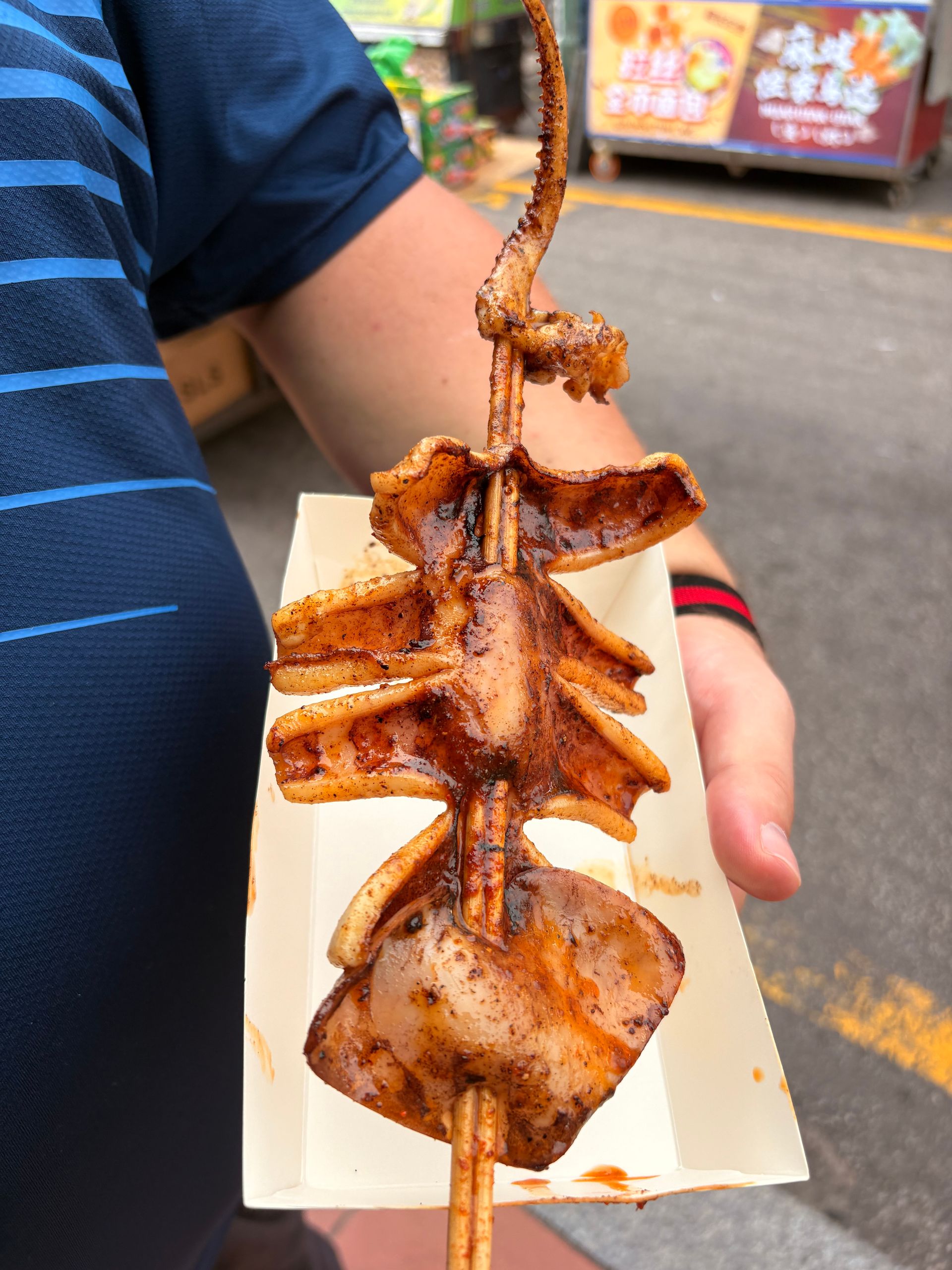
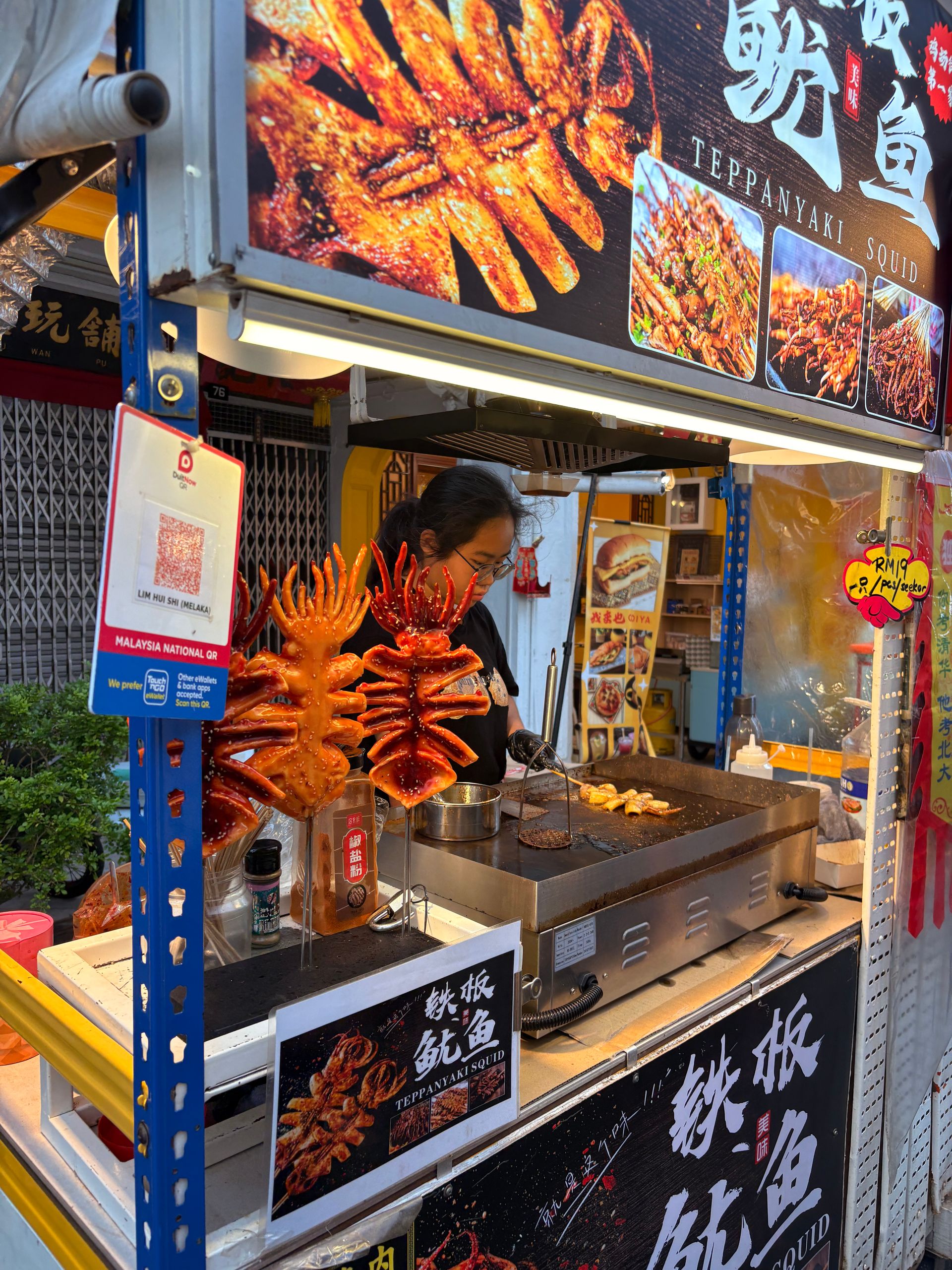
Aside from that, we enjoyed our time here as well - delicious food was also a central theme, especially at various night and weekend markets.
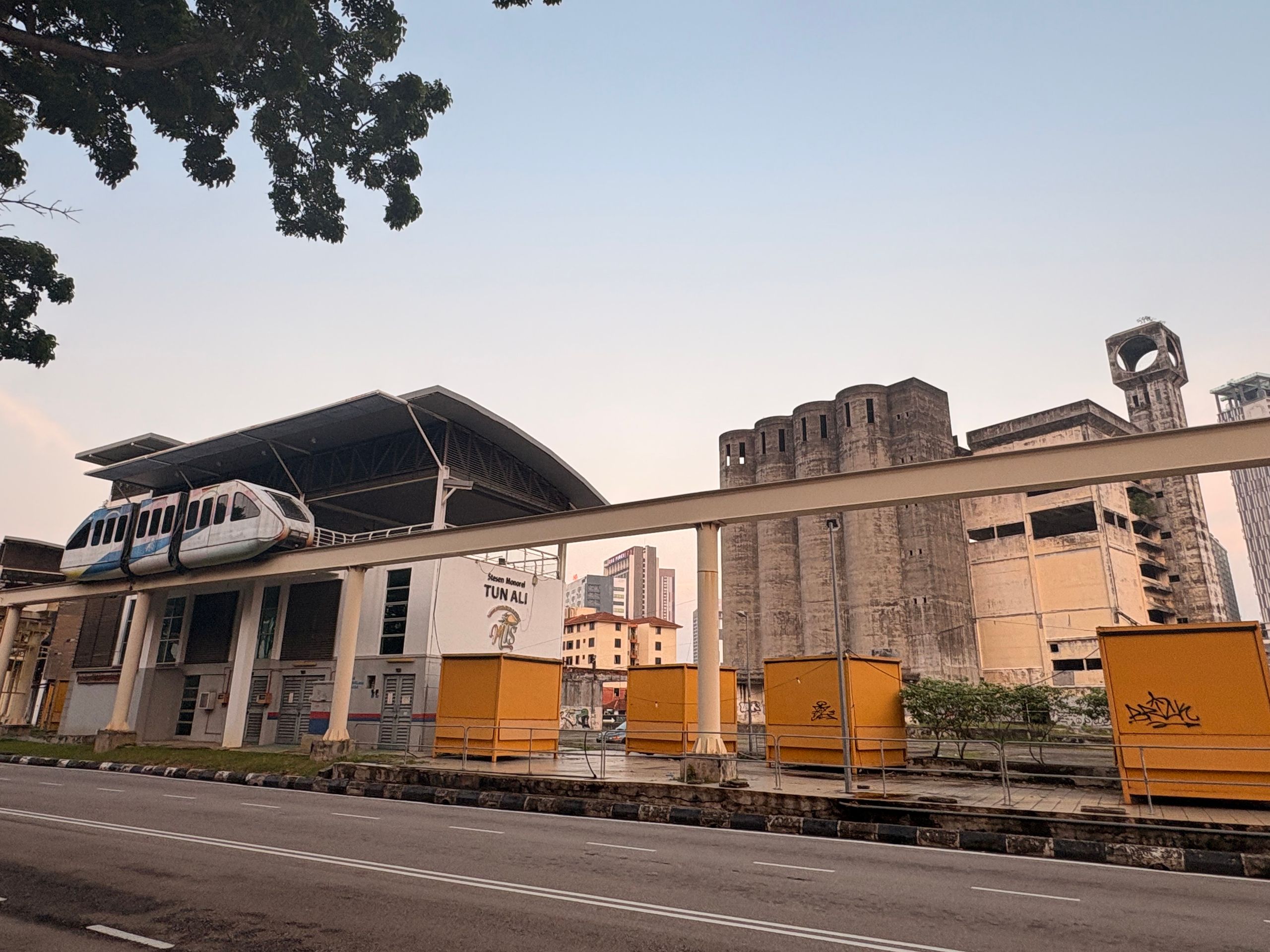
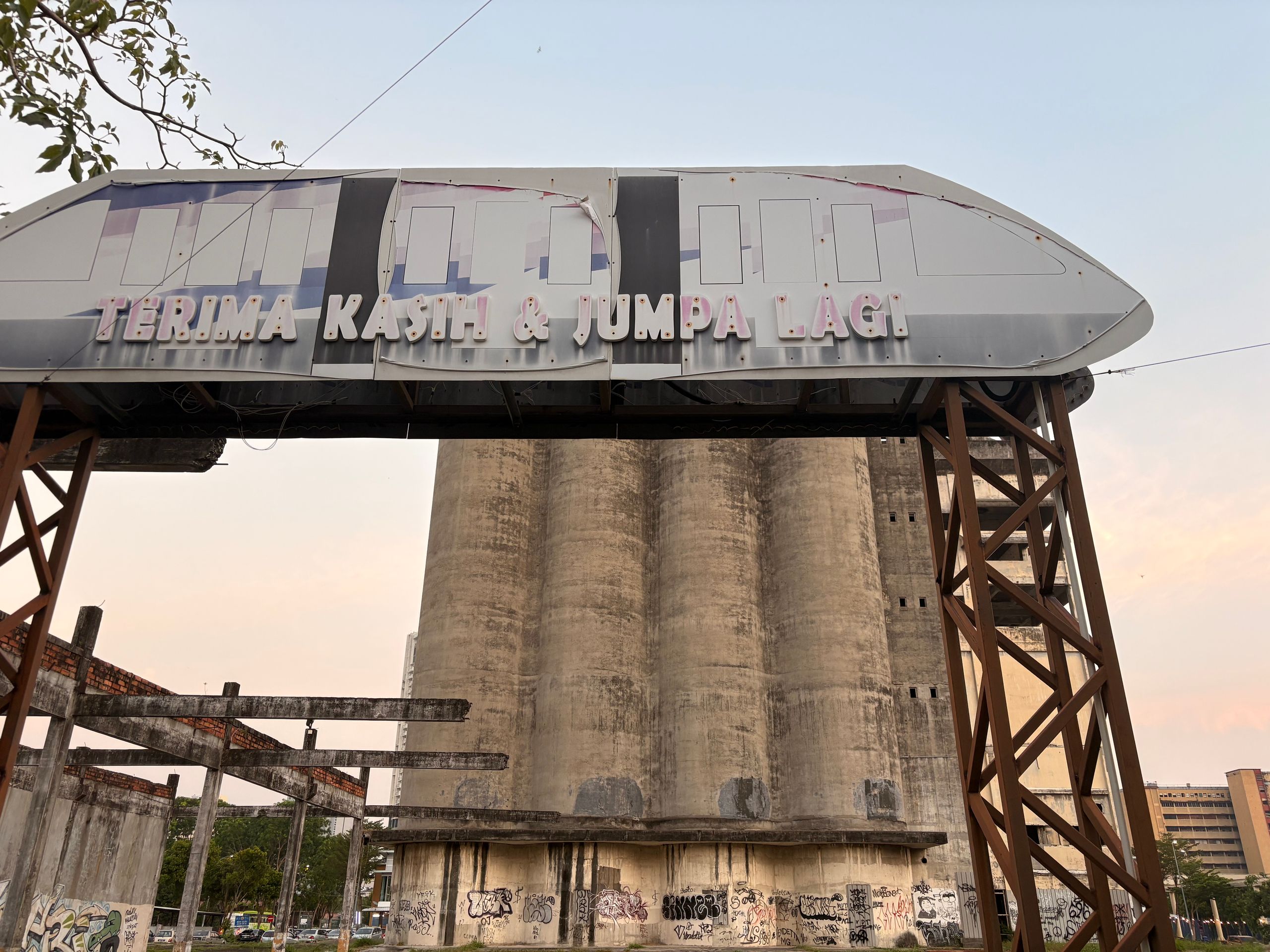
In addition to the tourist highlights, we found the failed monorail project quite interesting. Since its opening in 2010, the railway has only caused trouble and has been stationary more than it has run. Since 2020, it appears to be permanently out of service, but that doesn't mean that anything will be dismantled; even the trains are rotting away in the few stations in the city. We would have liked to take a closer look, but sleepy guards were deployed to prevent that.
We stayed in a small apartment slightly outside the hustle and bustle in a high-rise (relatively rare here compared to other Asian cities) with a nice pool and sports facilities on the roof. And a very nice and authentic neighborhood that welcomed us very friendly and warmly. We took care of ourselves a bit, swimming, exercising, getting our teeth checked and cleaned, sorting through clothes, and relaxing.