Well-known are Venice, Rome, Florence, Milan, all those wonderful Italian metropolises. Bari, Brindisi, or even Lecce are not necessarily the places that come to mind when one thinks of Italy, yet locals say that the real Italy can be found here.
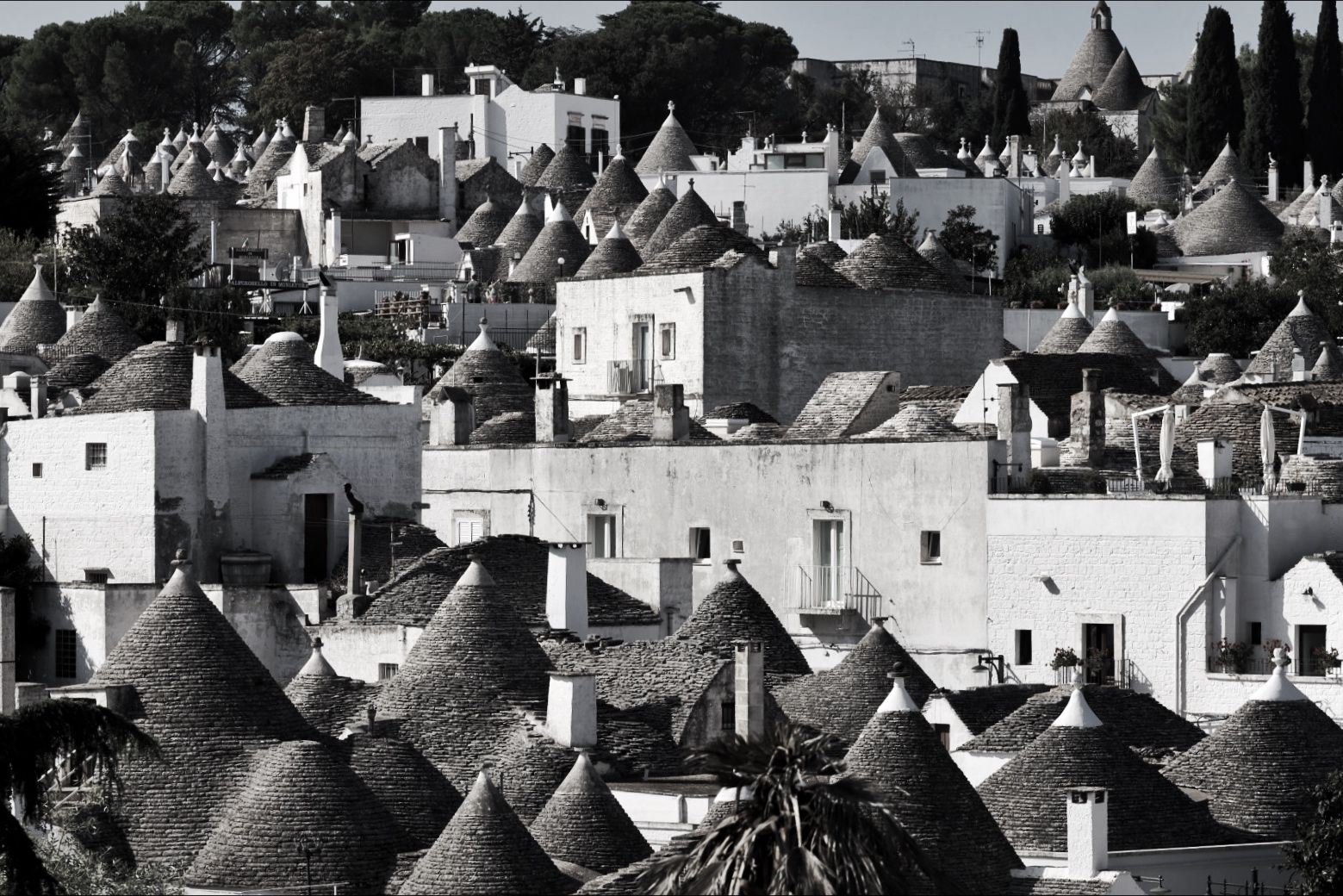
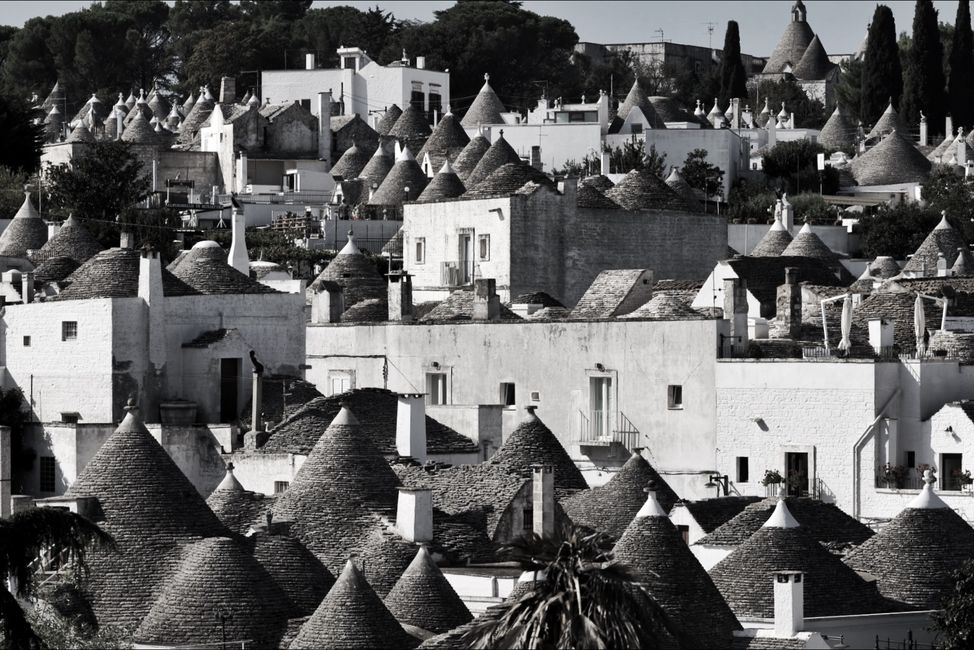
Our journey takes us back to the 14th century in Alberobello. Here you can find traditional dry stone huts that were used for storing food. They were particularly easy to set up and of course easy to take down as well. Thus, it saved on taxes compared to the Kingdom of Naples.
Alberobello
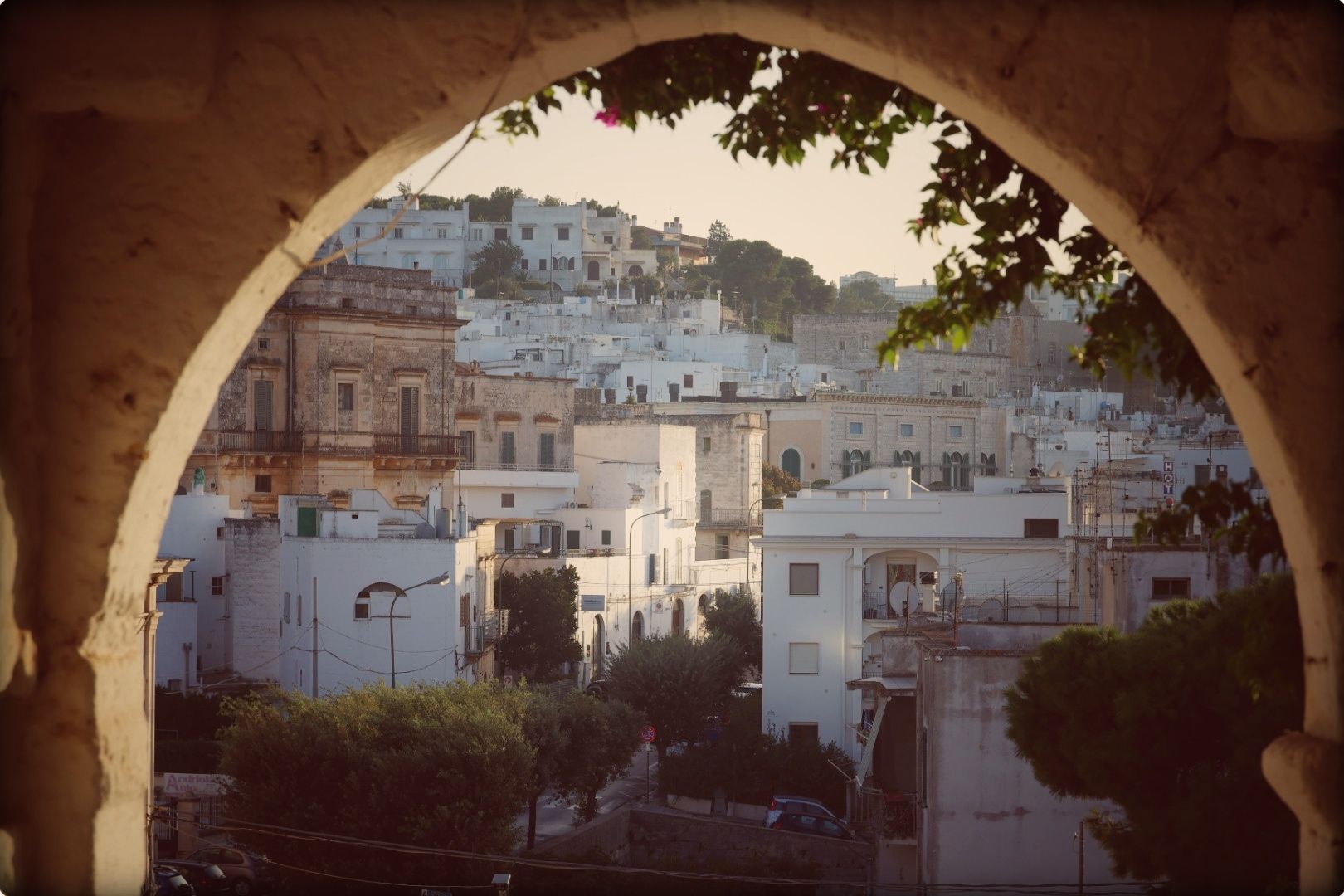
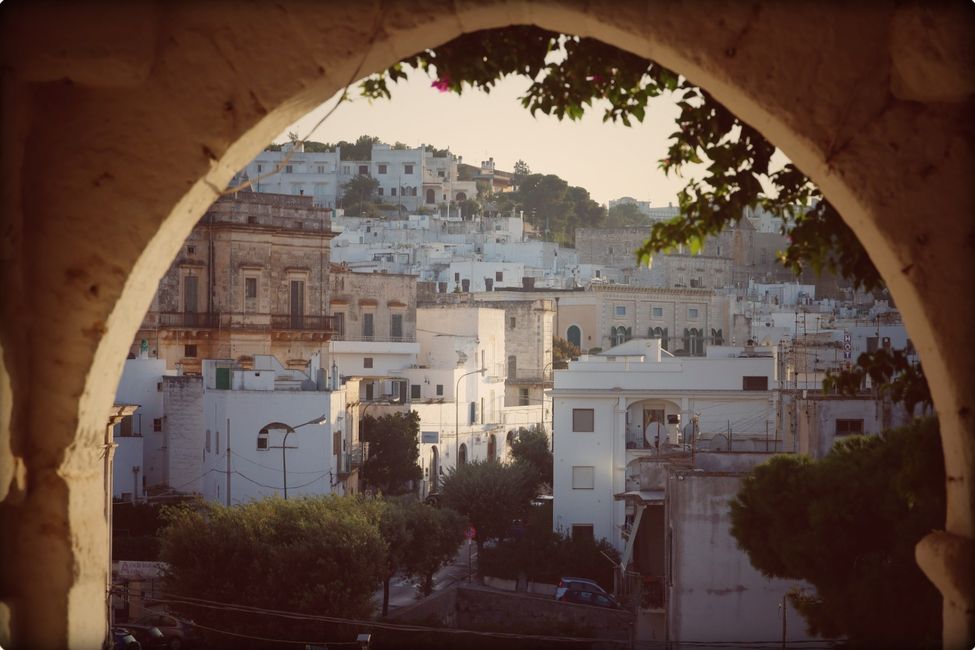
Ostuni, the white city of Apulia, invites you for an evening stroll. It is beautifully situated on a hill and can be seen from afar.
Otsuni
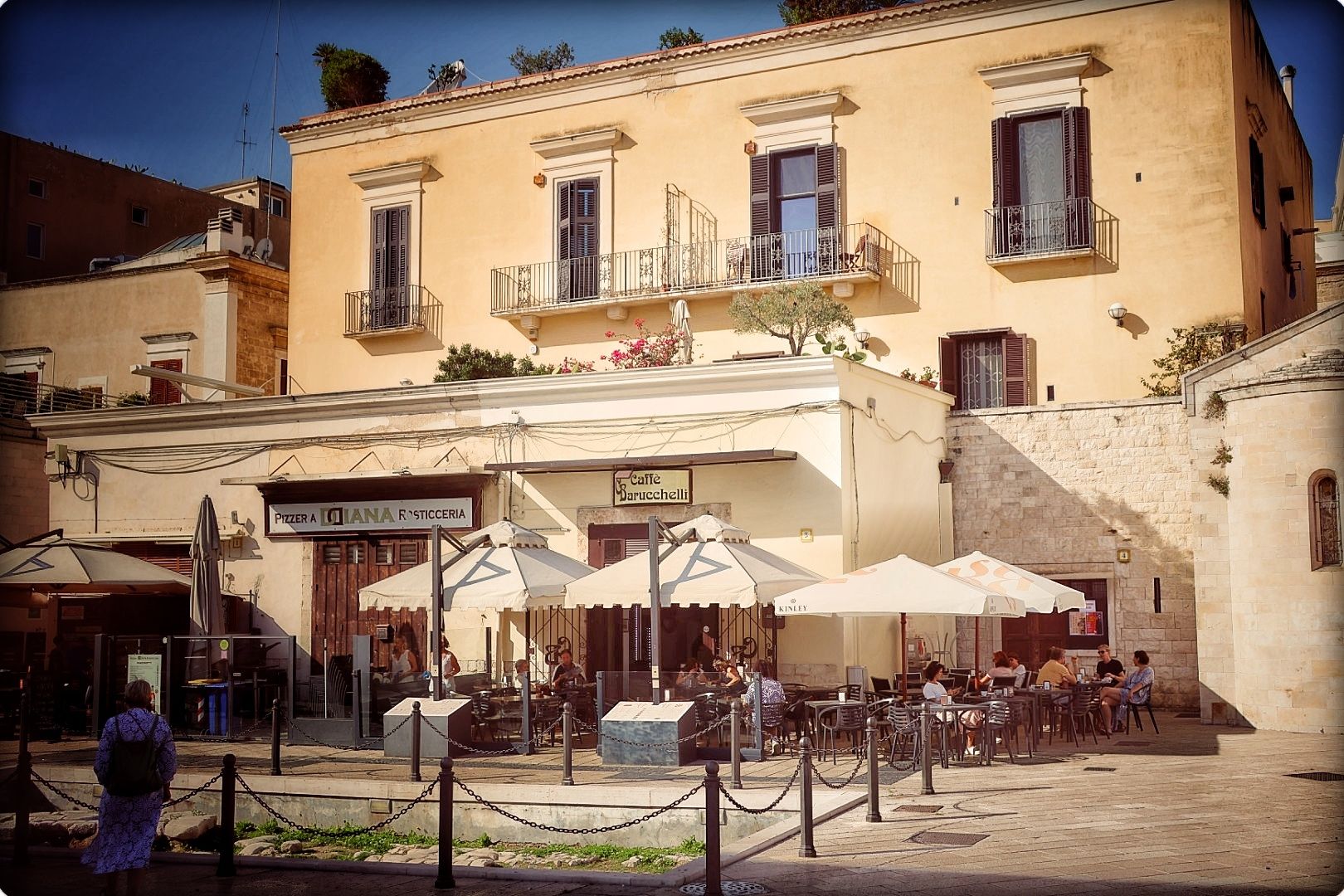
Bari has been a trading city for about 30 years, the south has particularly benefited from the opening of the Suez Canal and tax relief in Italy.
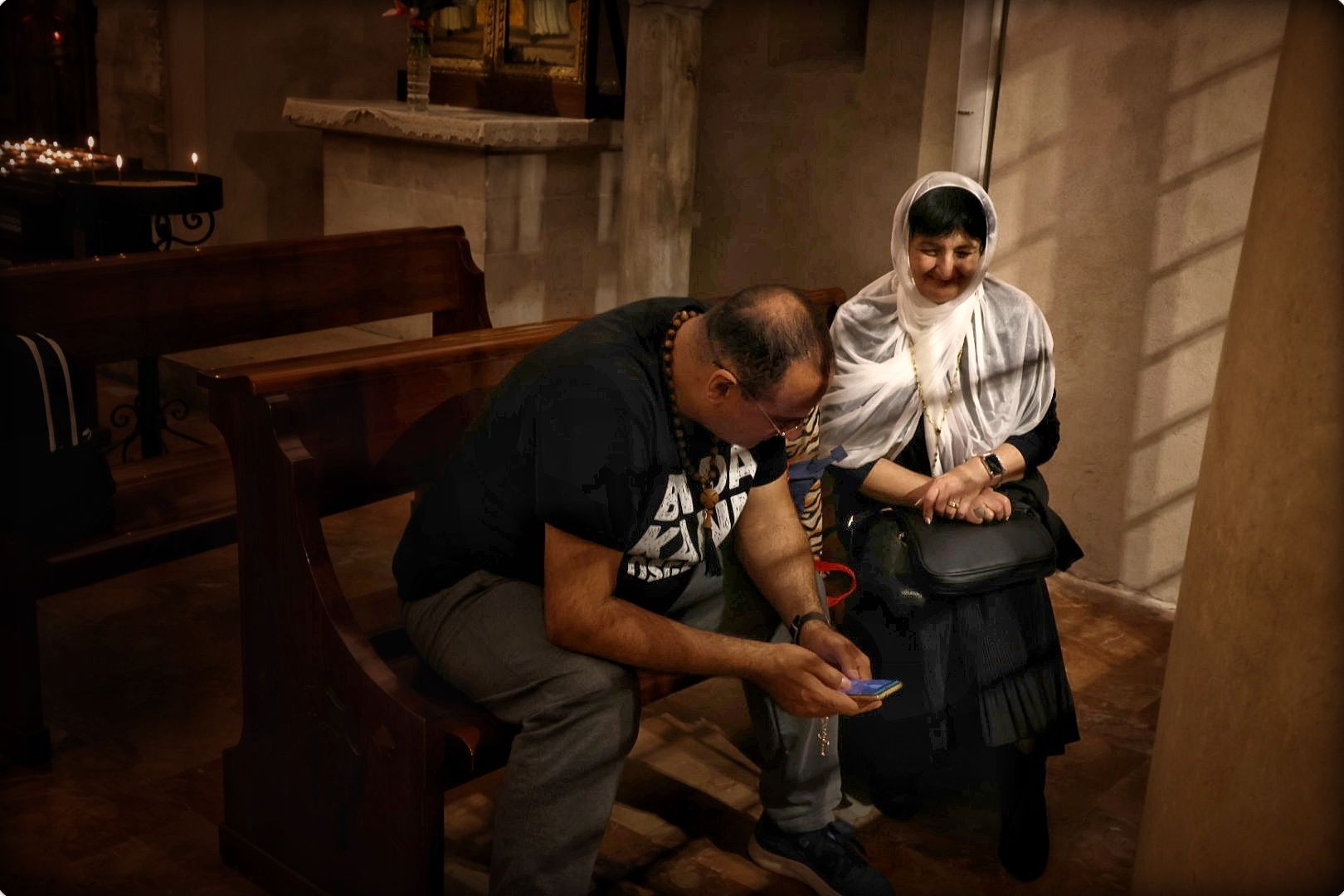
The most beautiful sight is the Basilica of San Nicola. It was built in the 10th to 11th century and houses the relics of Saint Nicholas.
Towards the end of the 10th century, the crypt was consecrated by Pope Urban.
...in the crypt...
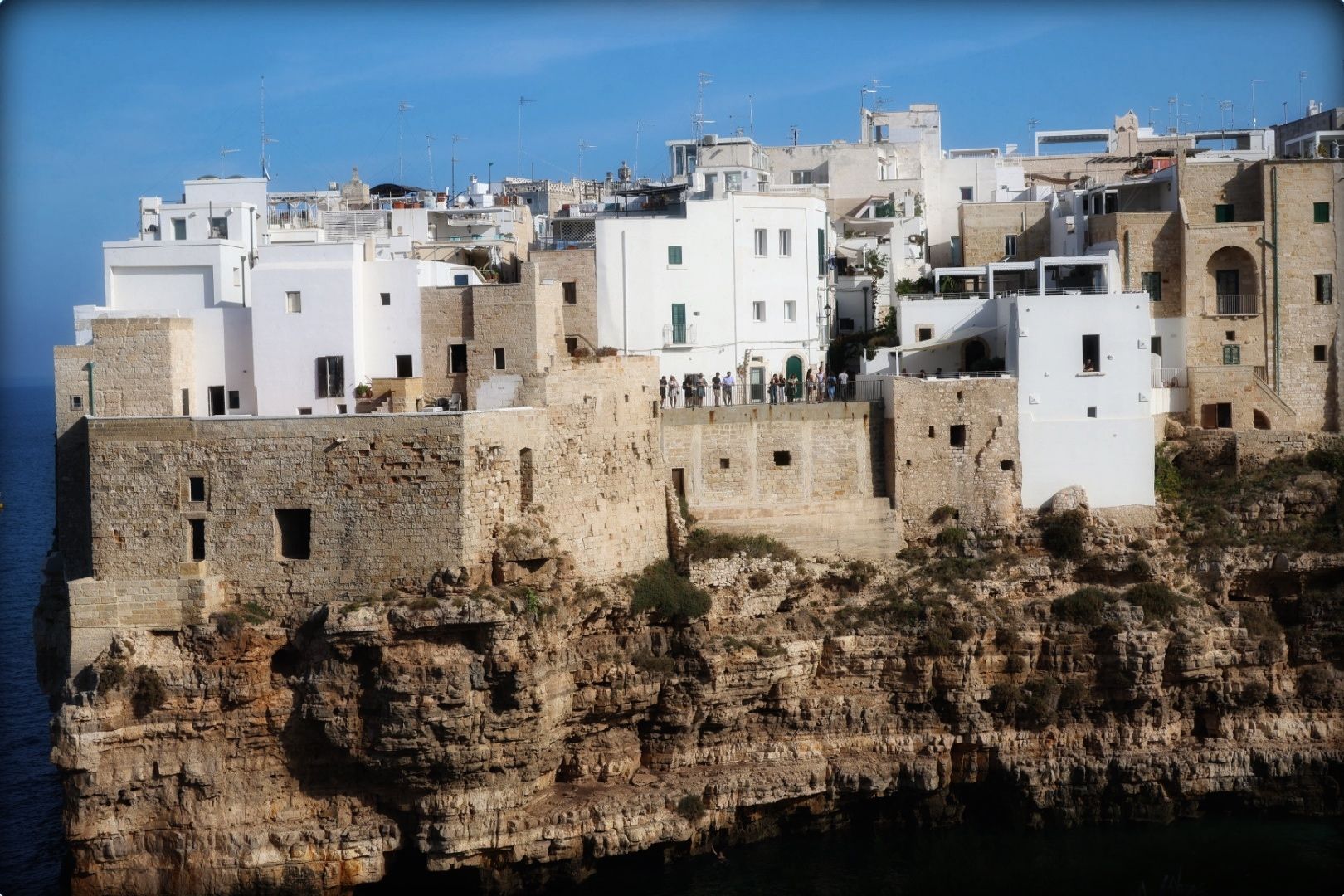
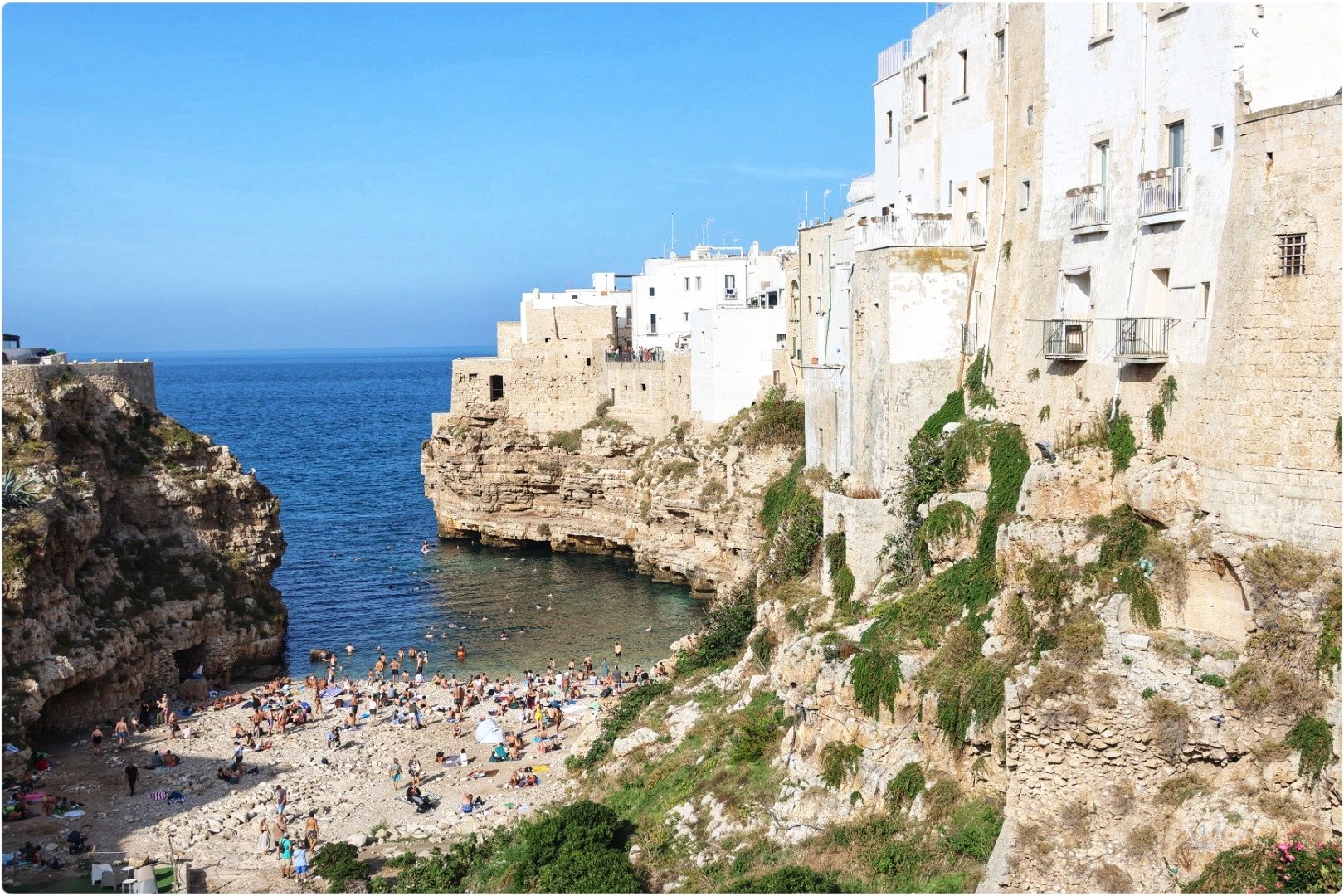
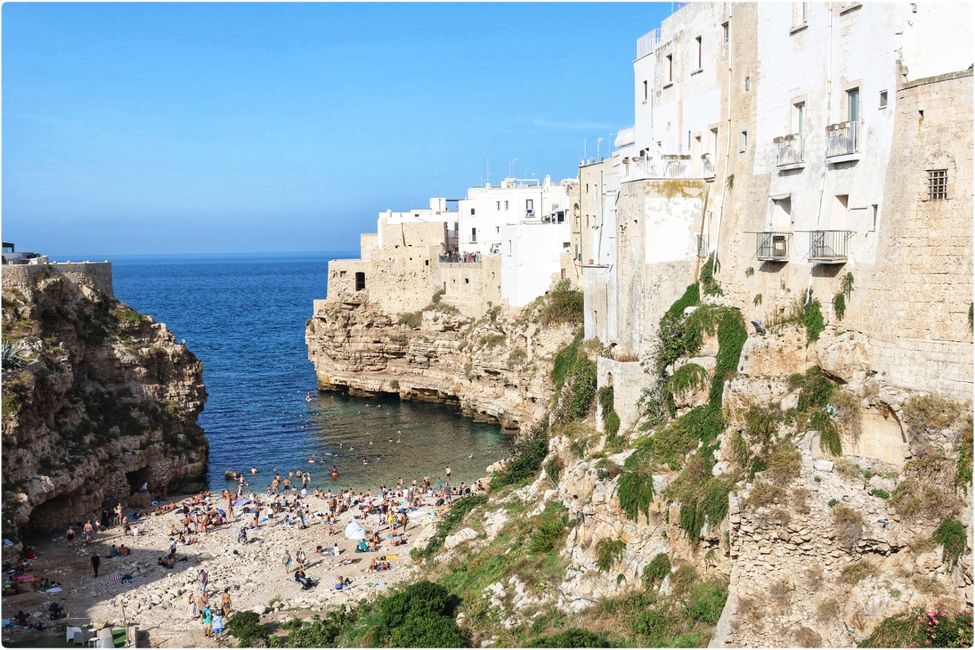
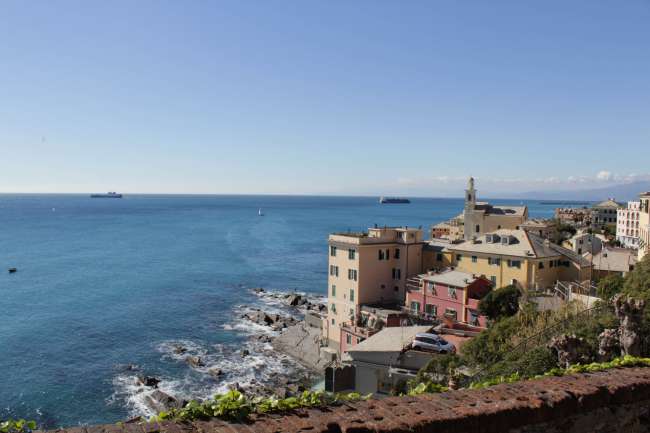
Polignano a Mare is considered one of the most beautiful corners of Italy. The town is spectacularly built on cliffs. A must-try: Café Spezial, espresso with warmed and frothed Bailey and a delicate lemon zest.
'Florence of the South'
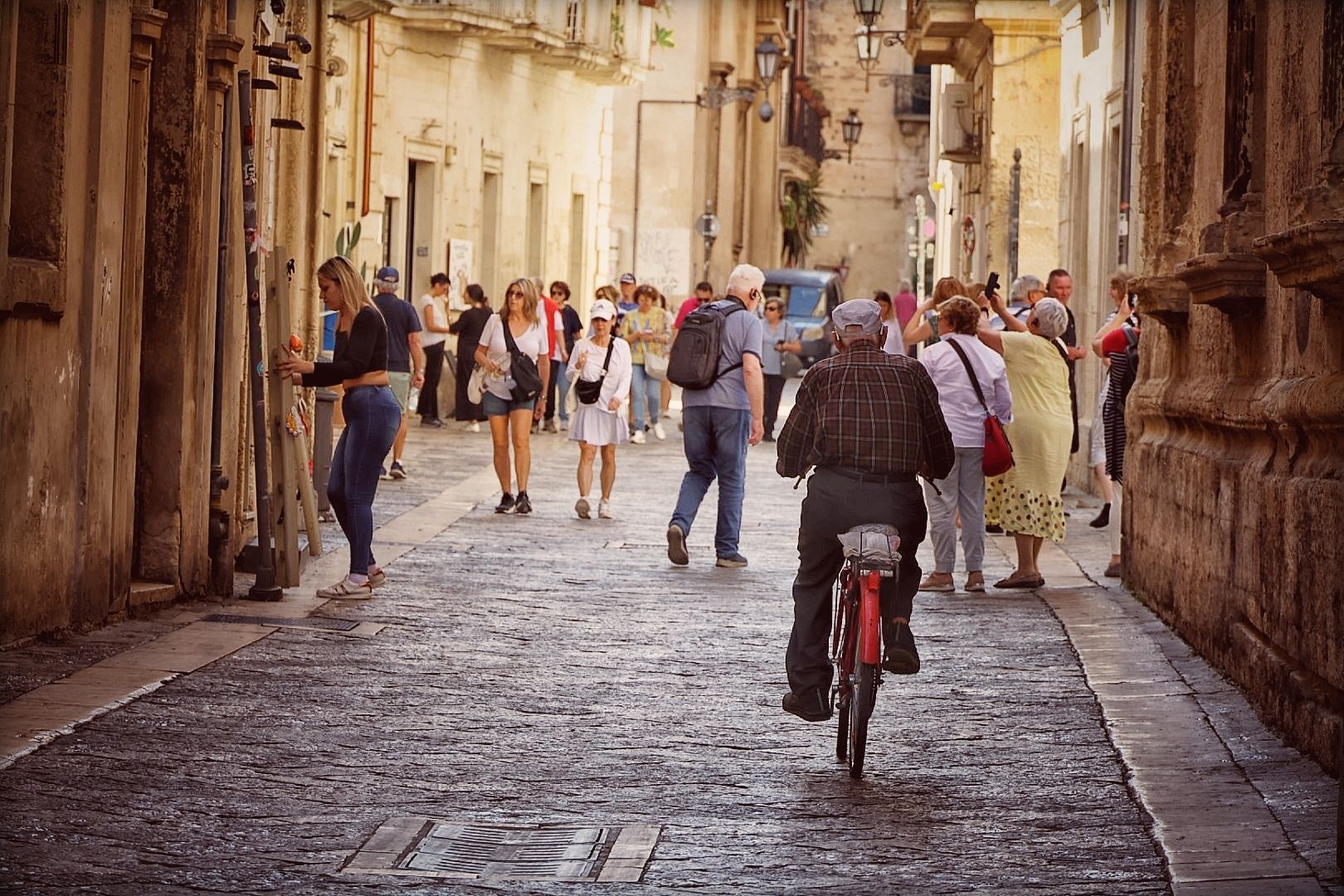
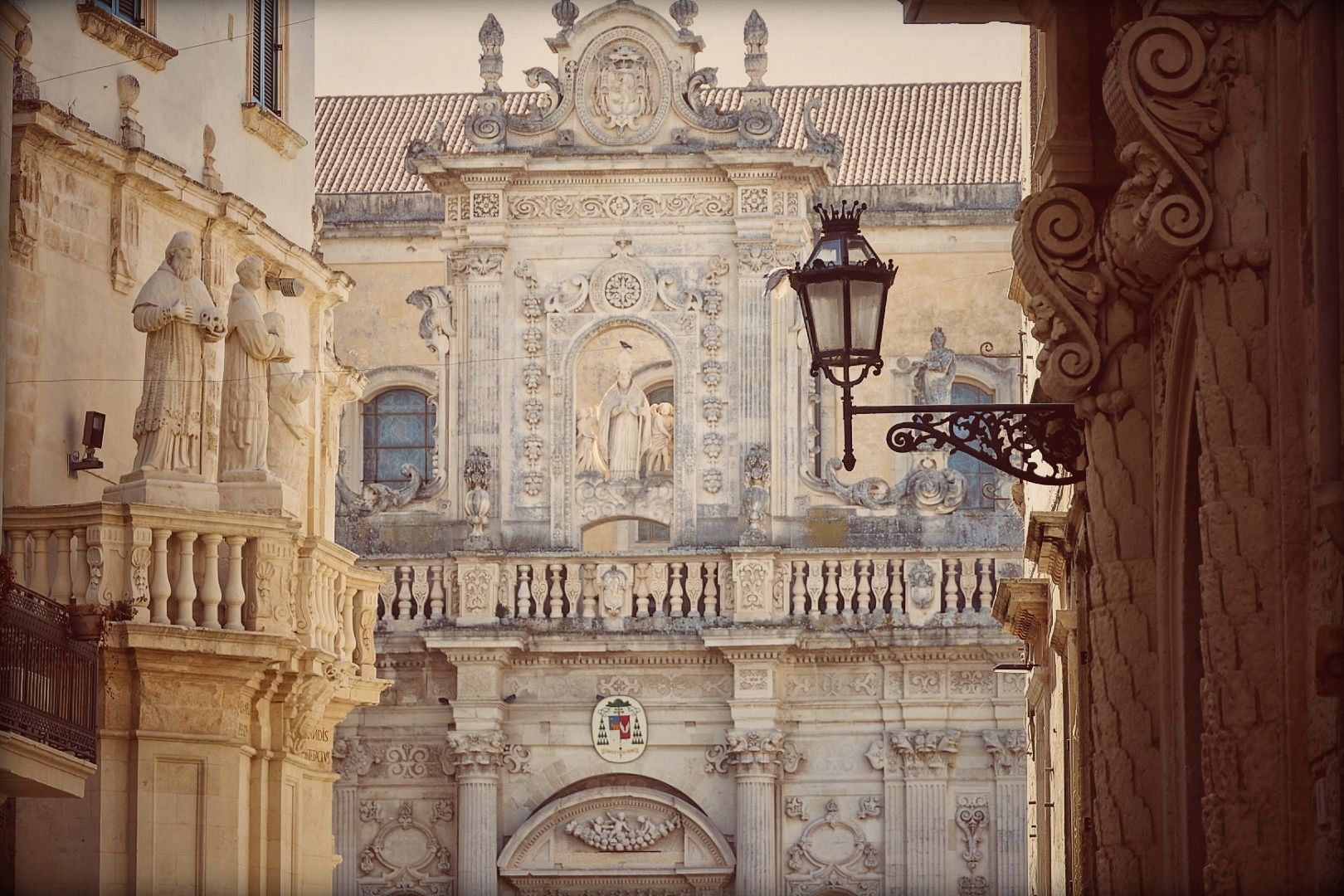
Lecce, famous for its local Baroque flair, is also referred to as Florence of the South.
Basilica Santa Croce
Krypta Santa Croce
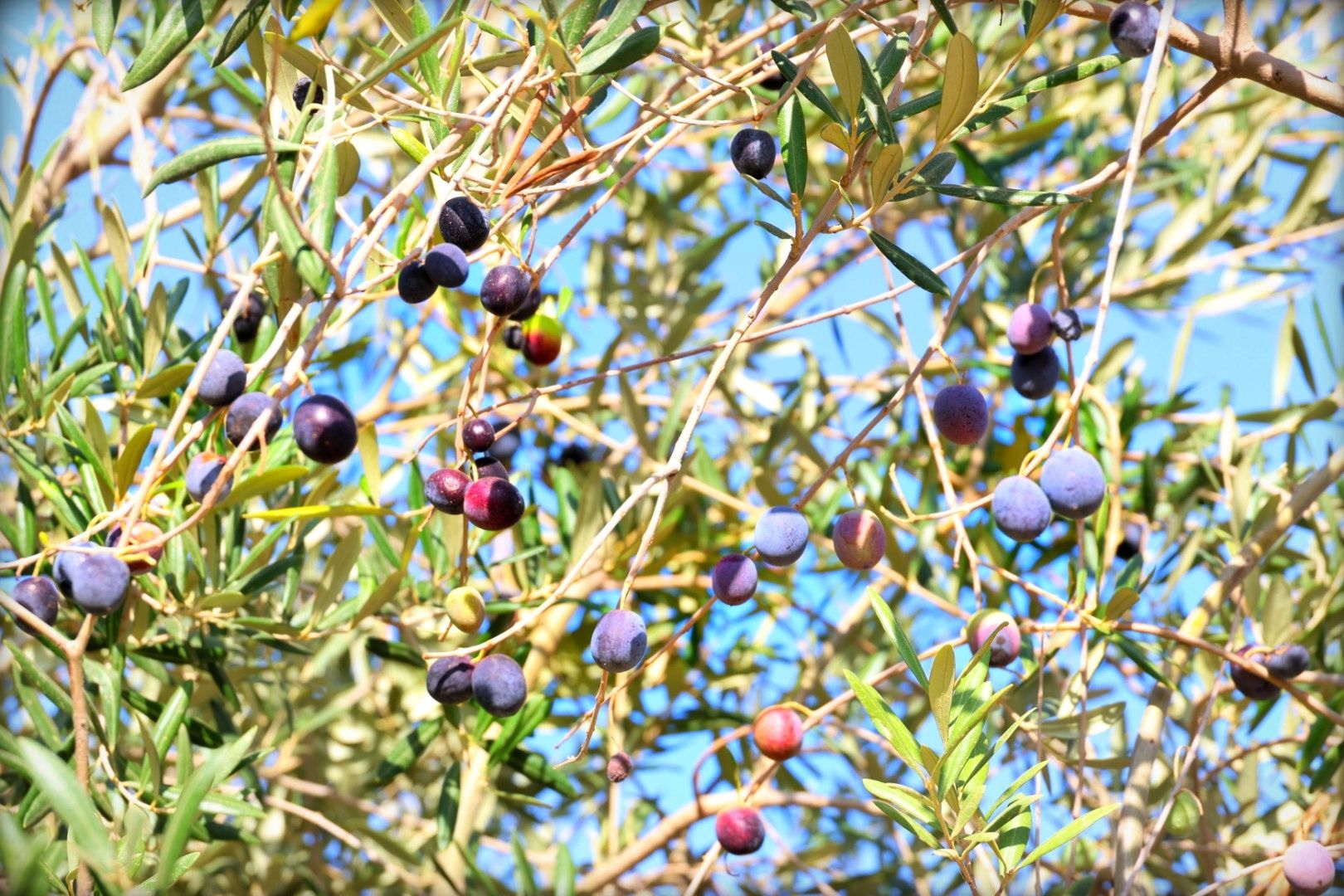
Olive Groves: A visit to a Masseria, or estate that grows olives, is a must. Olives, along with wine like Primitivo, Negroamaro, are simply delicious, as are almonds and durum wheat semolina for Orecchiette, the main source of income.
We have the Ogliarola
which is mainly used for oil production, and the Carotina, which is used for food as well as for oil extraction.
An olive tree can live up to 2000 years with proper care and still bear fruit.
Chef of the plantation
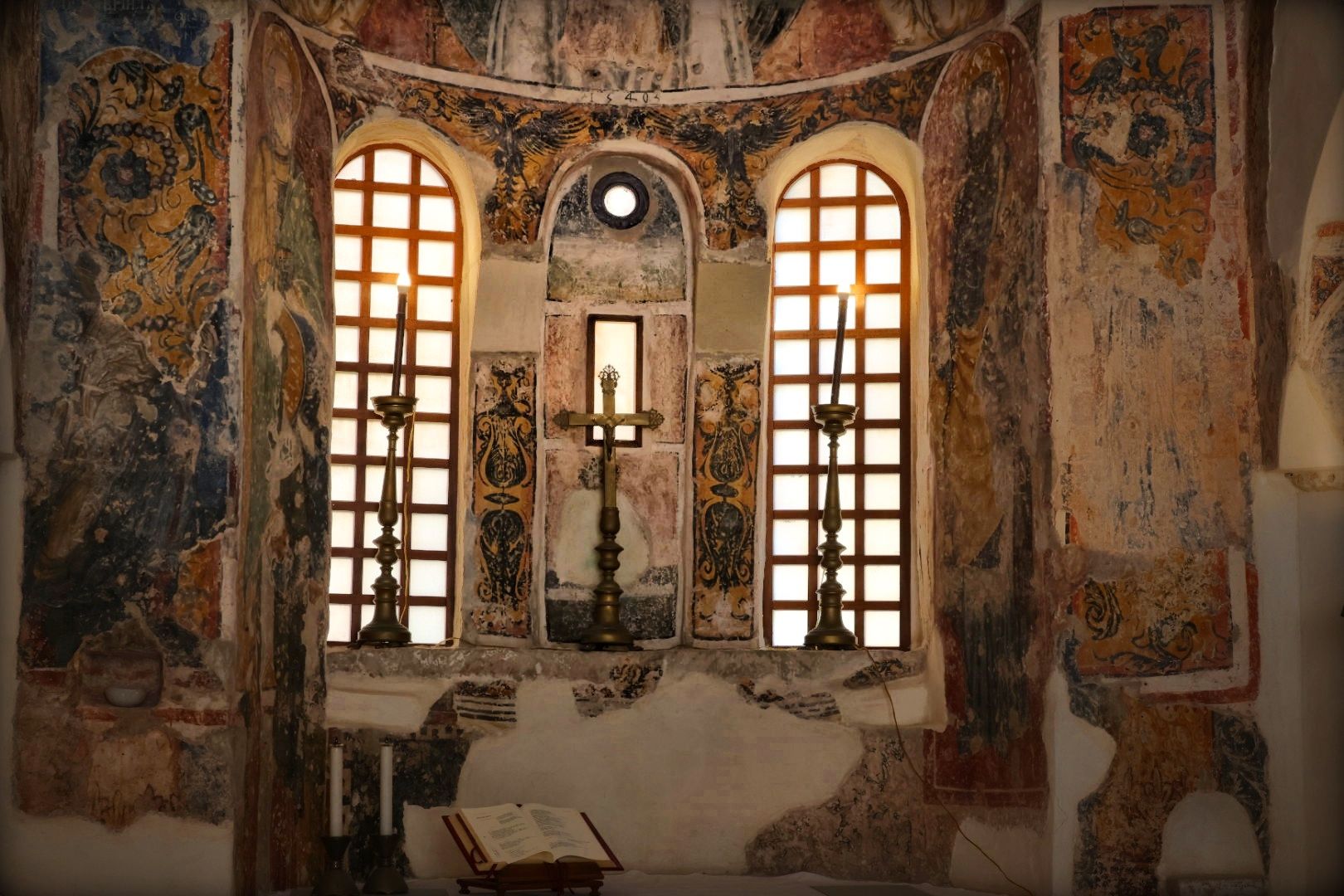
Otranto certainly has much to offer, not least due to the Cathedral of Santa Annunziata with its famous mosaic floor from the 12th century, the castle, and the Church of San Pietro.
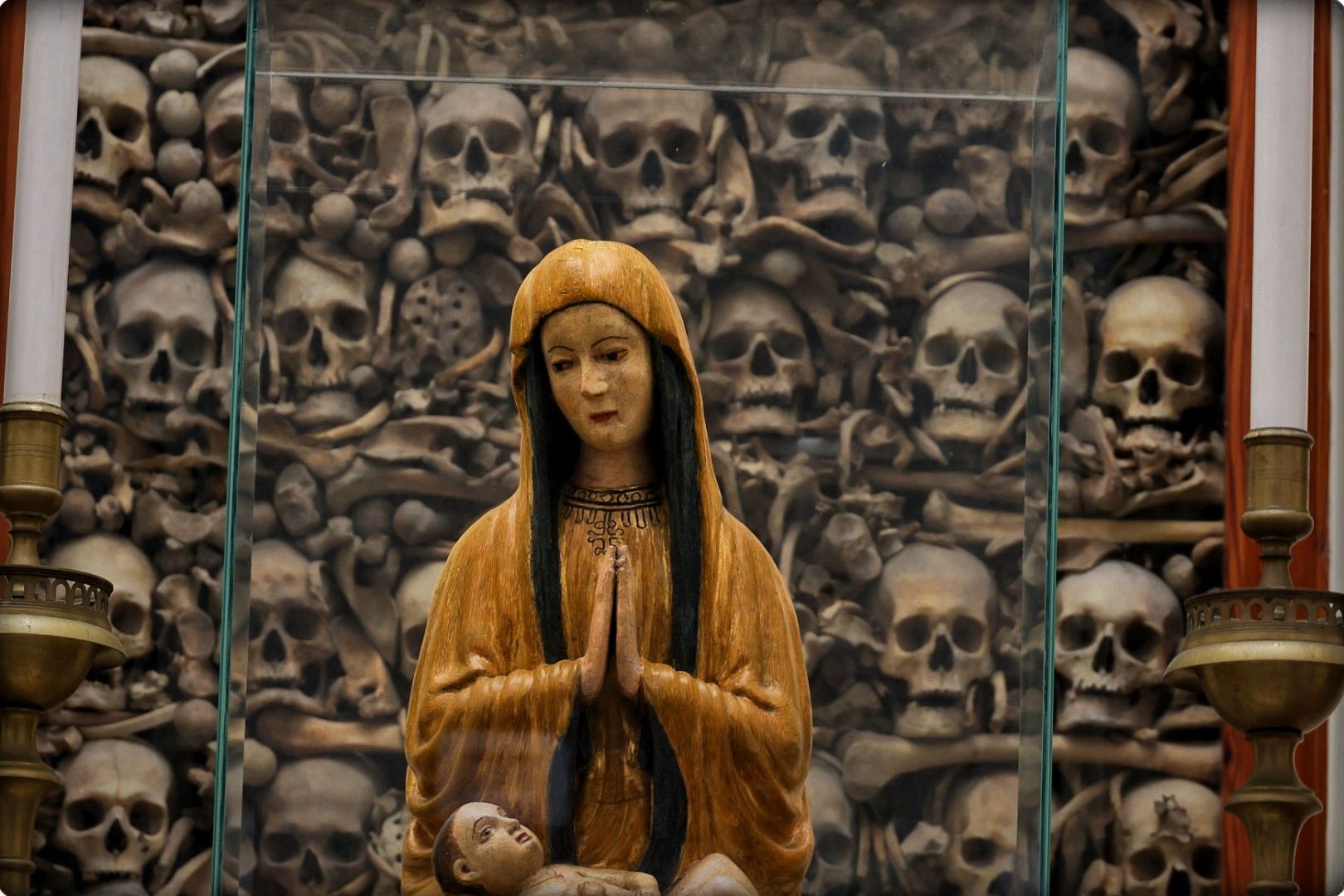
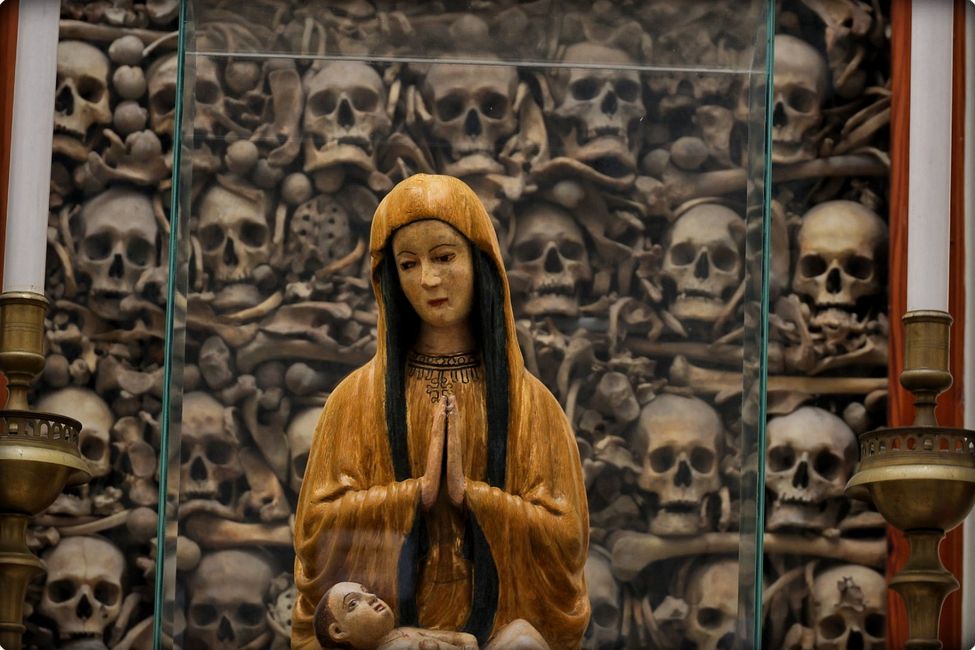
The martyrs of Otranto from the 14th century still hold a secret today.
Martyrs of Otranto
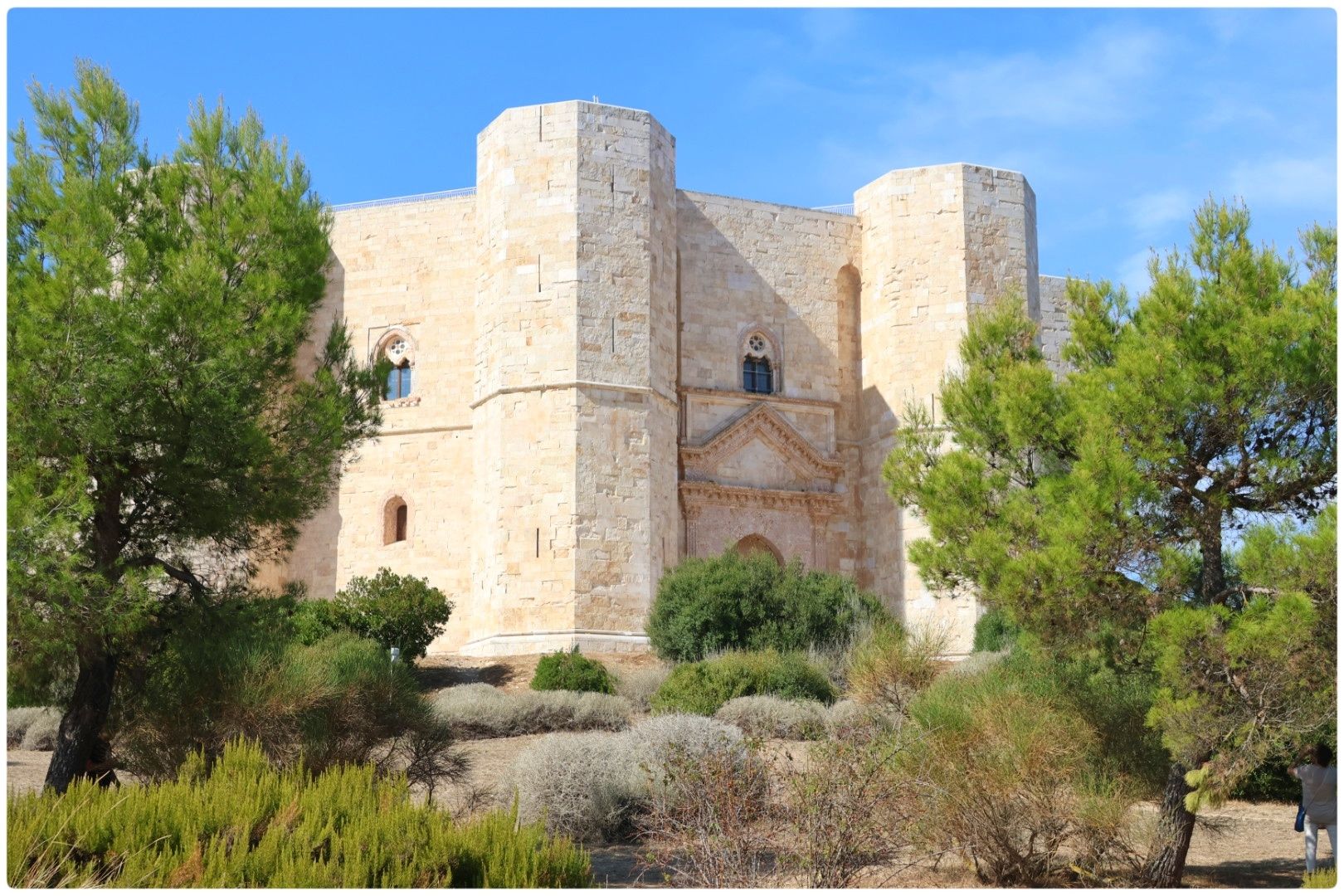
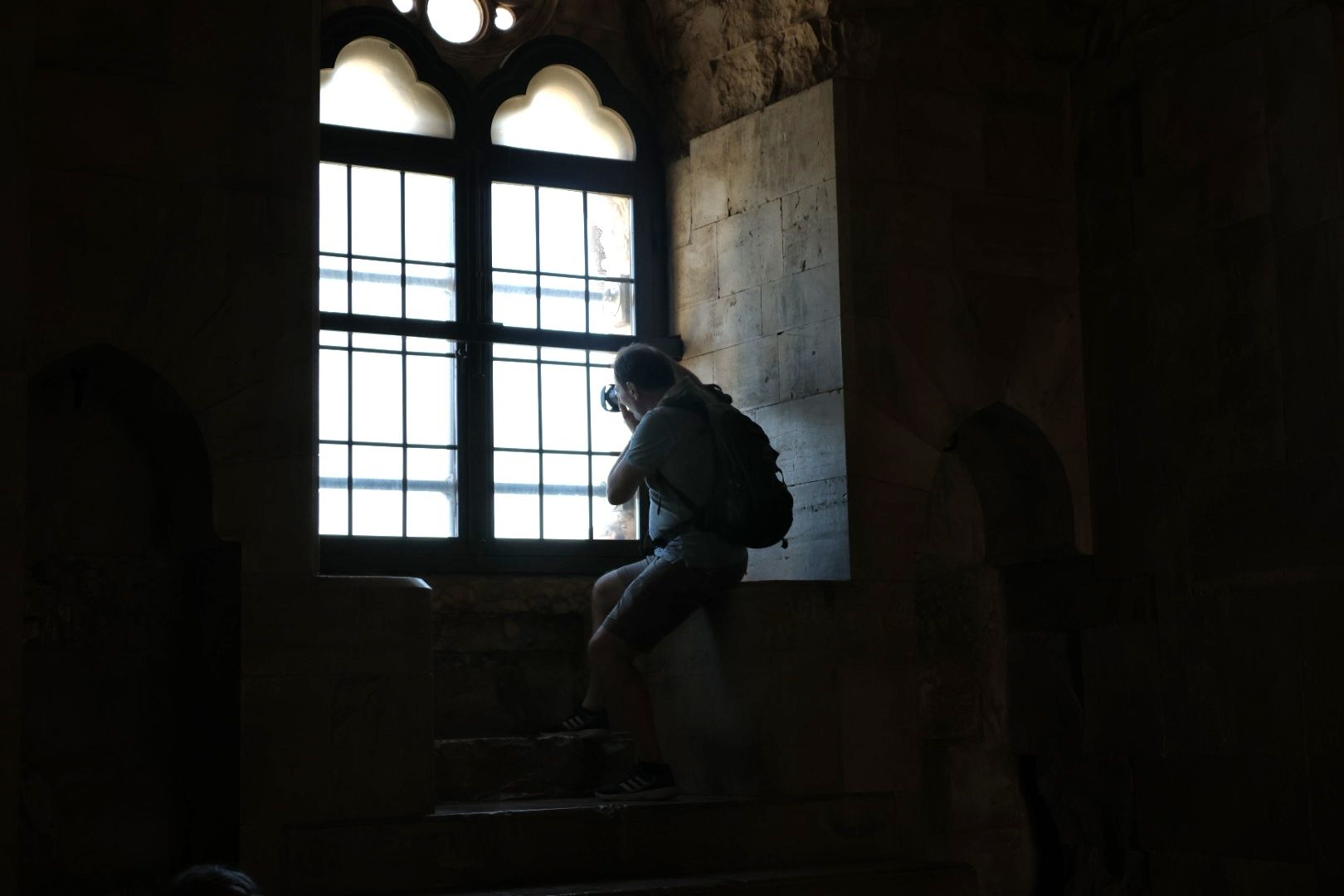
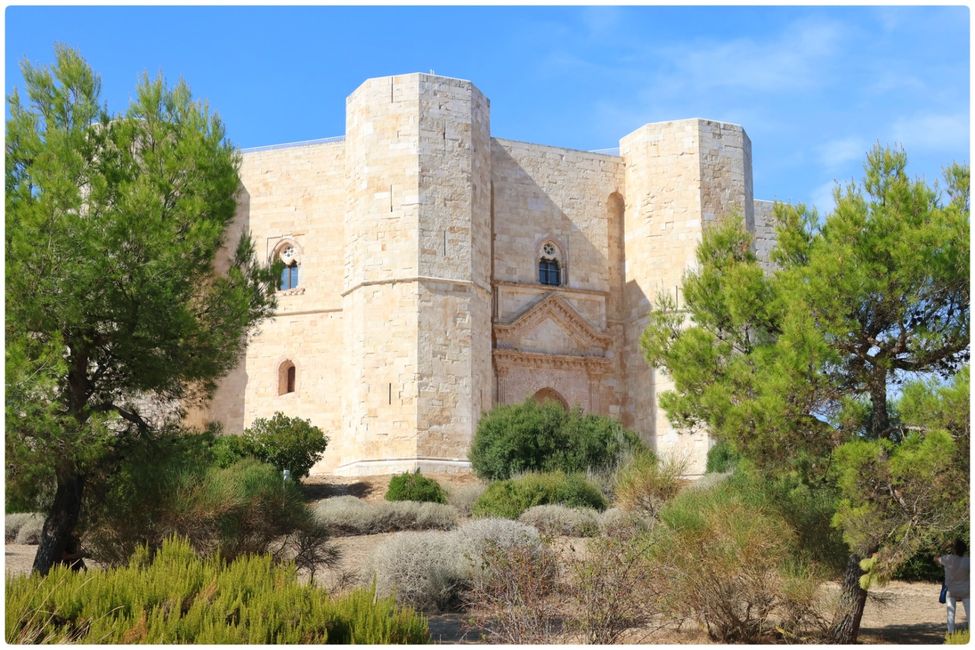
Castel del Monte, a symbol of the Staufer period of Frederick II, the crown of Apulia, was designated a UNESCO World Heritage site in 1996 and has appeared on the Italian 1-cent coin since 2002.
Frederick II, born in 1194, was orphaned at the age of 4 and became King of Sicily, and at 16, Emperor of the Holy Roman Empire. He grew up in the melting pot of cultures in Sicily, moved his seat of power from Palermo to Foggia, and issued a very progressive legal code in Melfi that provided equal rights for Jews and Muslims.
He achieved a peace treaty with the Egyptian Sultan al-Kamil through much diplomacy and good chess playing, gaining Jerusalem for Christianity for 10 years.
He began the construction of the octagonal Castel del Monte in his last decade of life. He died in 1250, probably of typhus.
Visitors come from all over.
Castel del Monte, Staufer period of Frederick II
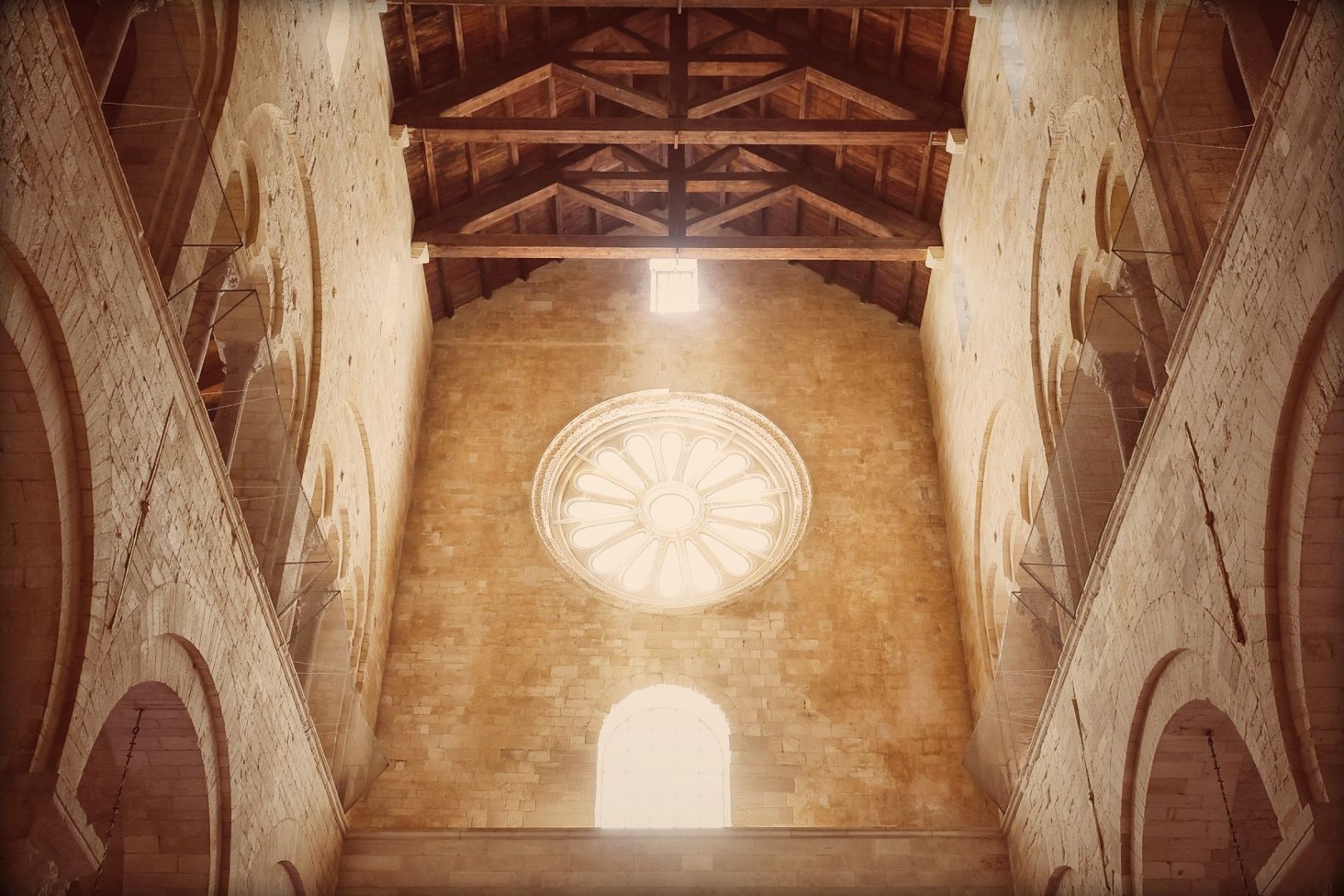
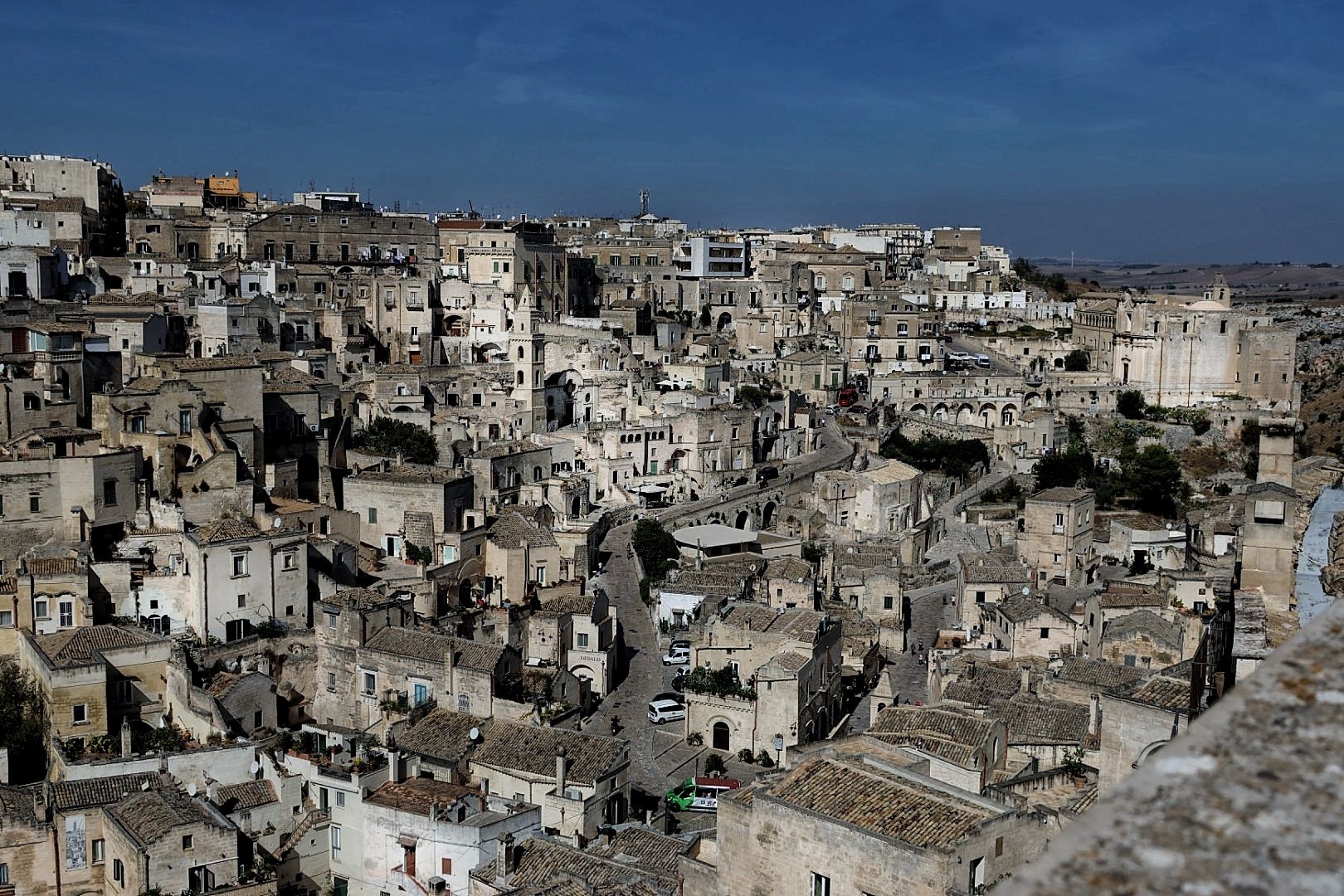
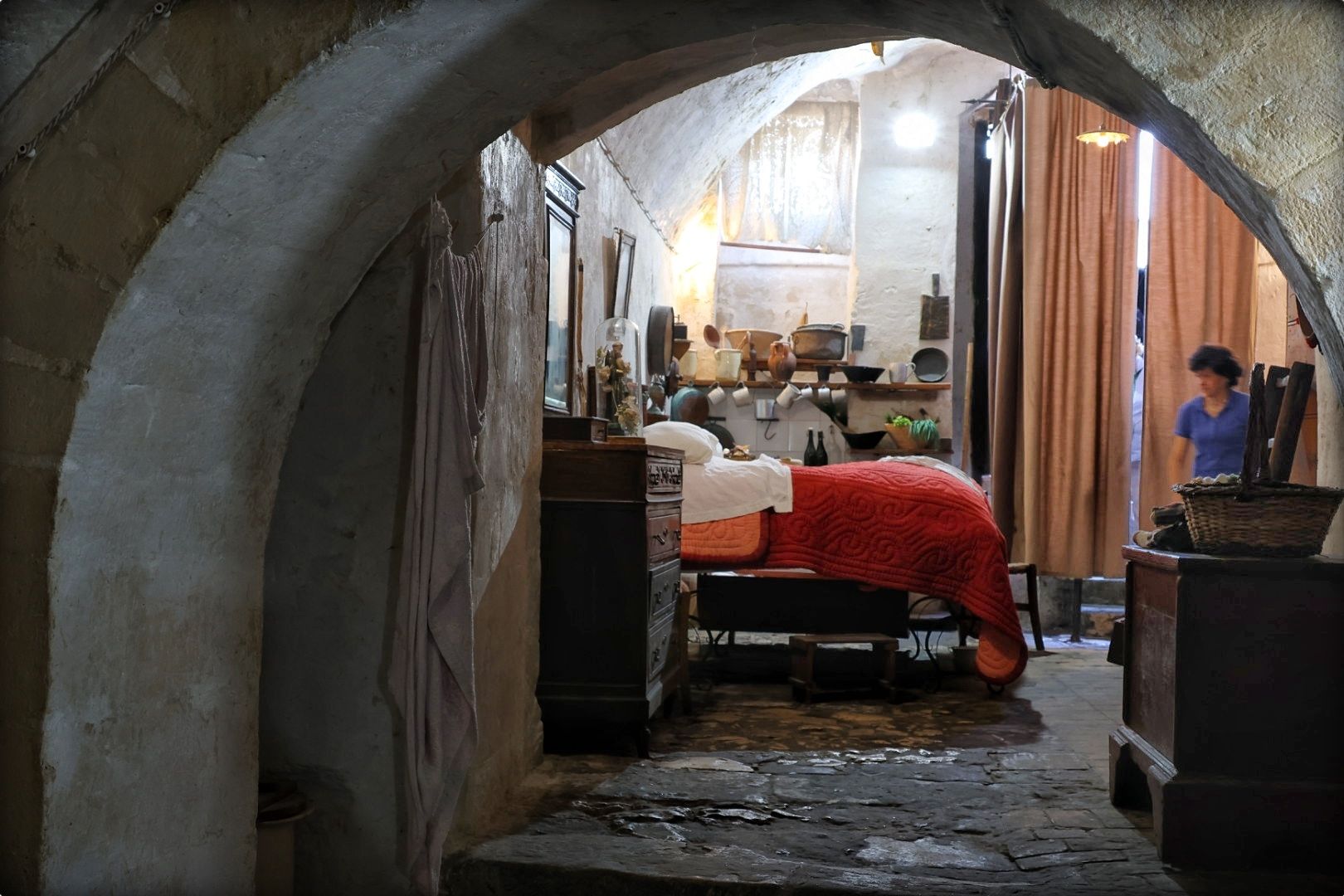
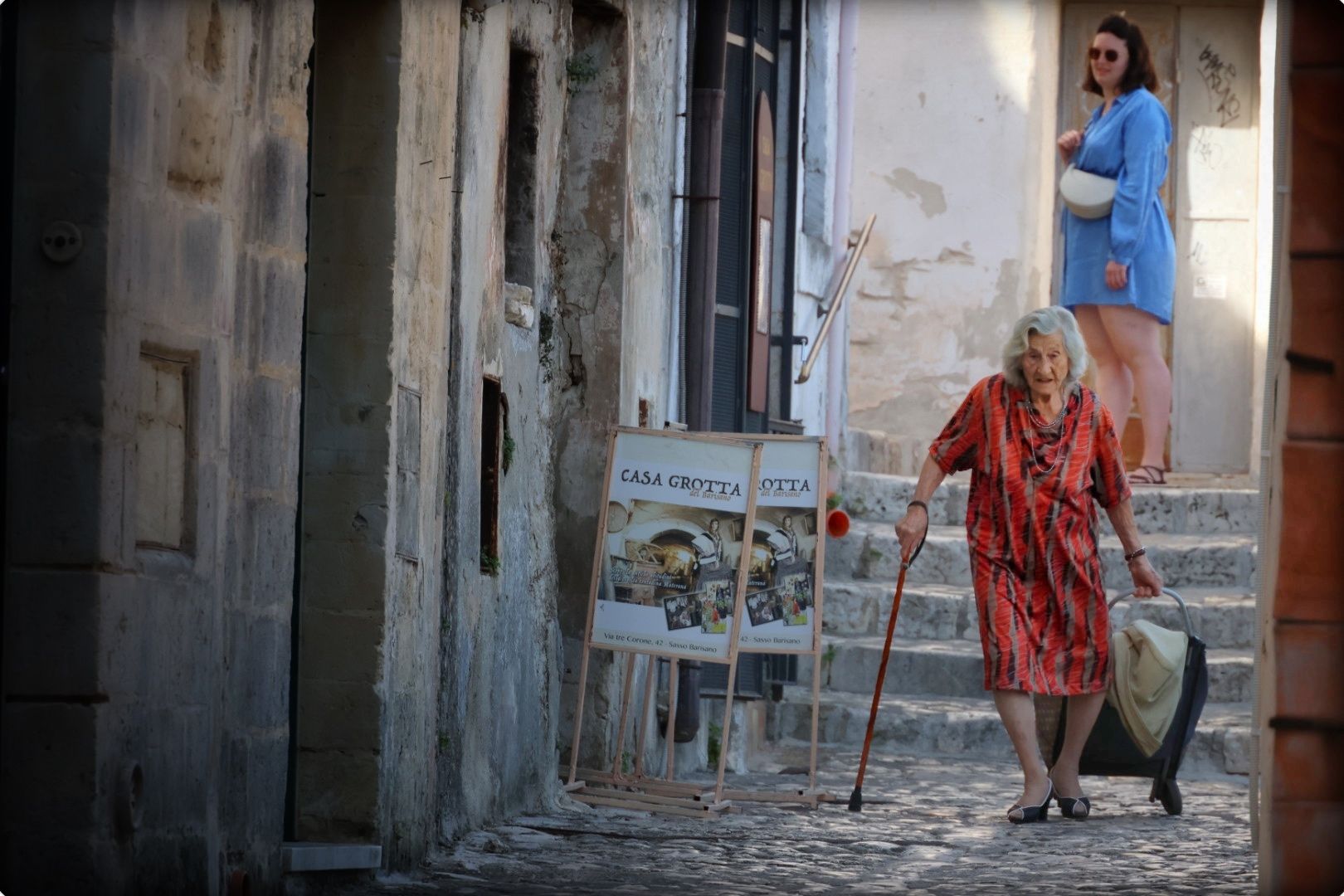
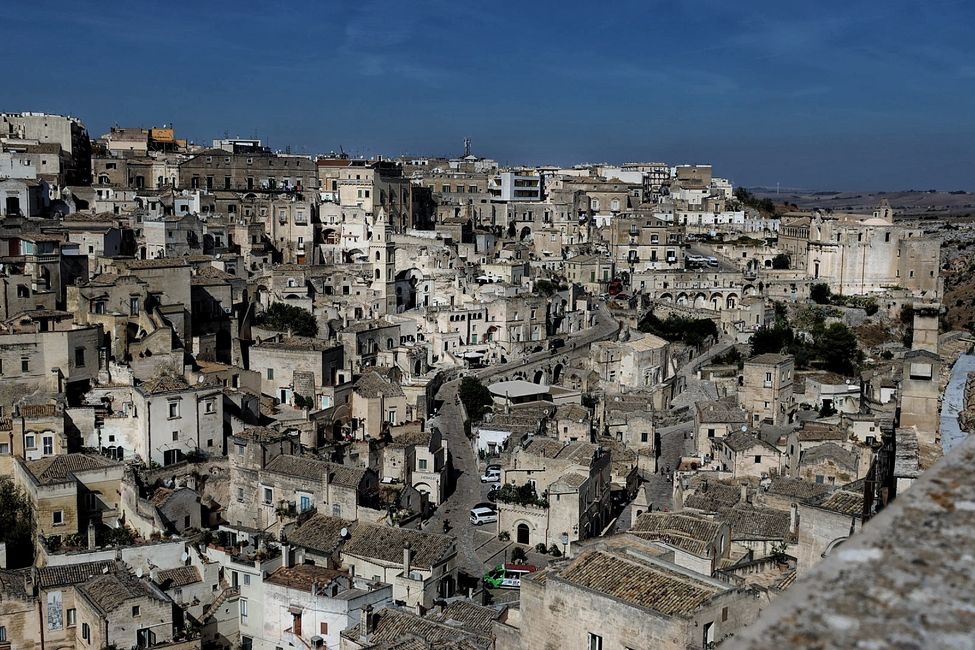
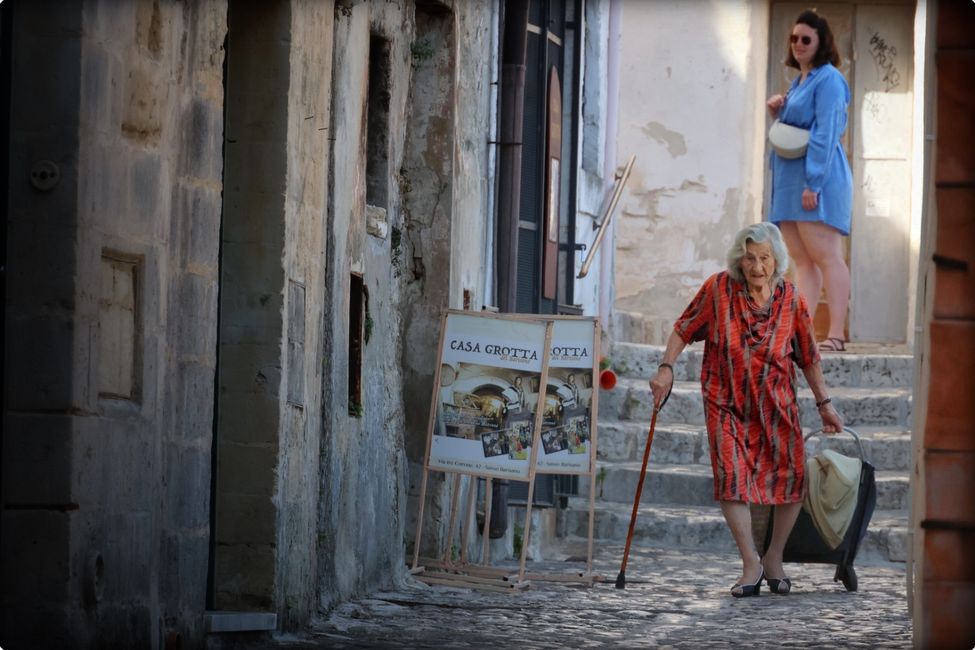
Trani is home to the famous Norman church of Apulia, San Nicola Pellegrino. It is characterized by the high ceiling structure of the nave, which resembles a ship, two parallel columns, a very elegant solution for stability, and the unique bronze door, which could tell a whole story on its own. For me, the highlight of this trip is Matera. UNESCO World Heritage site and since 2019 the European Capital of Culture. After World War II, people lived in the “Sassi” without water and electricity in caves. There was an expropriation into newly built apartment blocks.
...and then this city, MATERAMy conclusion: The land of forgetfulness is experiencing a revival. Mafia-like structures are hardly found here. Since 1996, cooperatives, municipalities, and provinces have been allowed to use assets confiscated from the Mafia and bring them back into the legal economy. Tourism is experiencing a very well-deserved upturn. The off-season, such as September and October, is a wonderful time to experience Apulia.The Land of the Forgotten.
At a glance
Automatically extracted from the post
Weather
Autumn
Mood
Cultural
Highlights
Alberobello mit den Trulli
Ostuni als weiße Stadt
Basilika San Nicola in Bari
Café Spezial in Polignano a Mare
Lecce mit Barocco-Flair
Masseria und Olivenplantagen
Kathedrale Santa Annunziata in Otranto
Castel del Monte
Trani
Matera und die Sassi
Topics
CityCultureEatStoryArchitecture
Fischbach‘s ReisenLike a newsletter: every new post arrives via email.